WATCH: The Dead South Sing “Black Lung” at OurVinyl Session

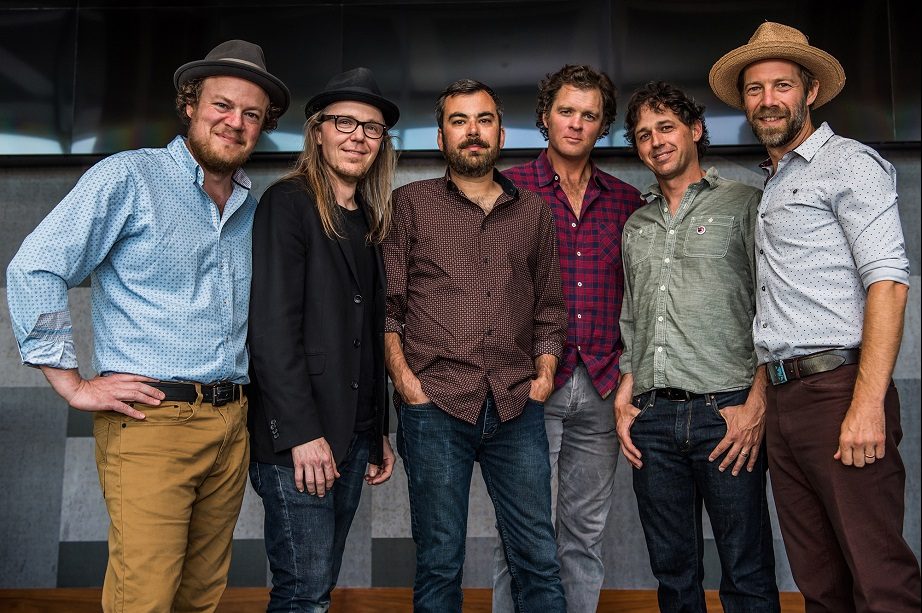
Acoustic music gets a little tougher north of the Canadian border, thanks in large part to the Dead South. Originally hailing from Saskatchewan, the Dead South is a true success story of a grass roots musical endeavor that’s blossoming into a wide-reaching, iconic acoustic group. Since their formation in 2012 they’ve built success on relentlessly energetic live performances and genuine person-to-person connection with their fans.

In October of 2019 they released Sugar & Joy, their third full-length album on Six Shooter Records. Words aren’t quite enough to describe the grit and scruff that the Dead South bring to string band music, so watch as they perform their song “Black Lung” on OurVinyl.


Photo credit: Brandon White

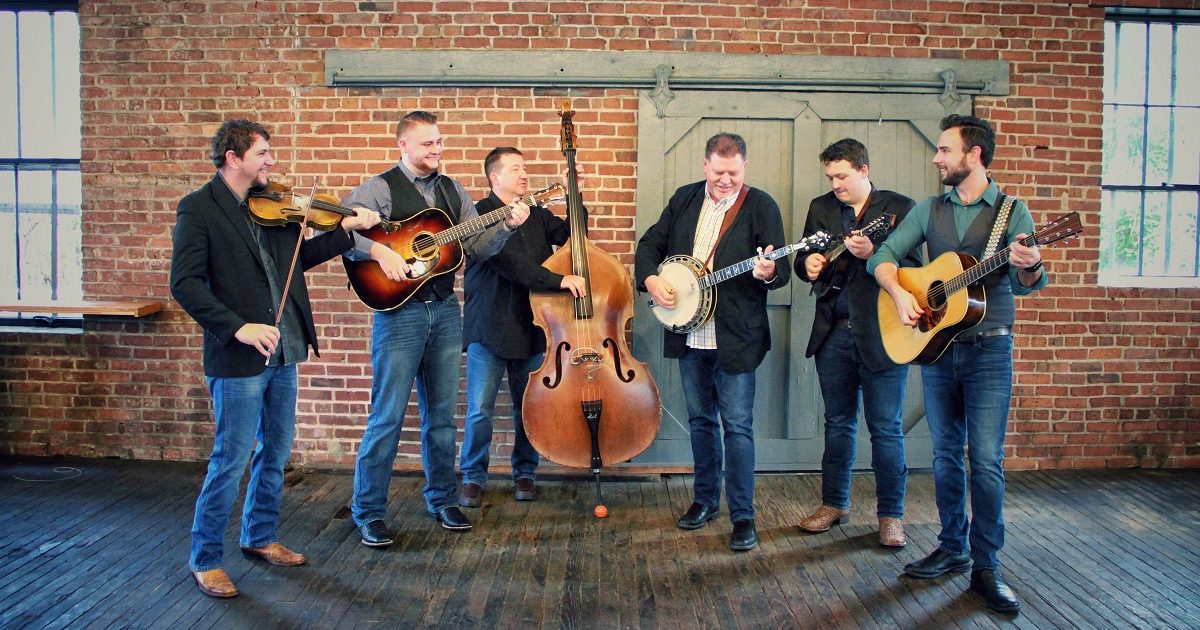
Barbaro Brighten the Midwest Bluegrass Scene

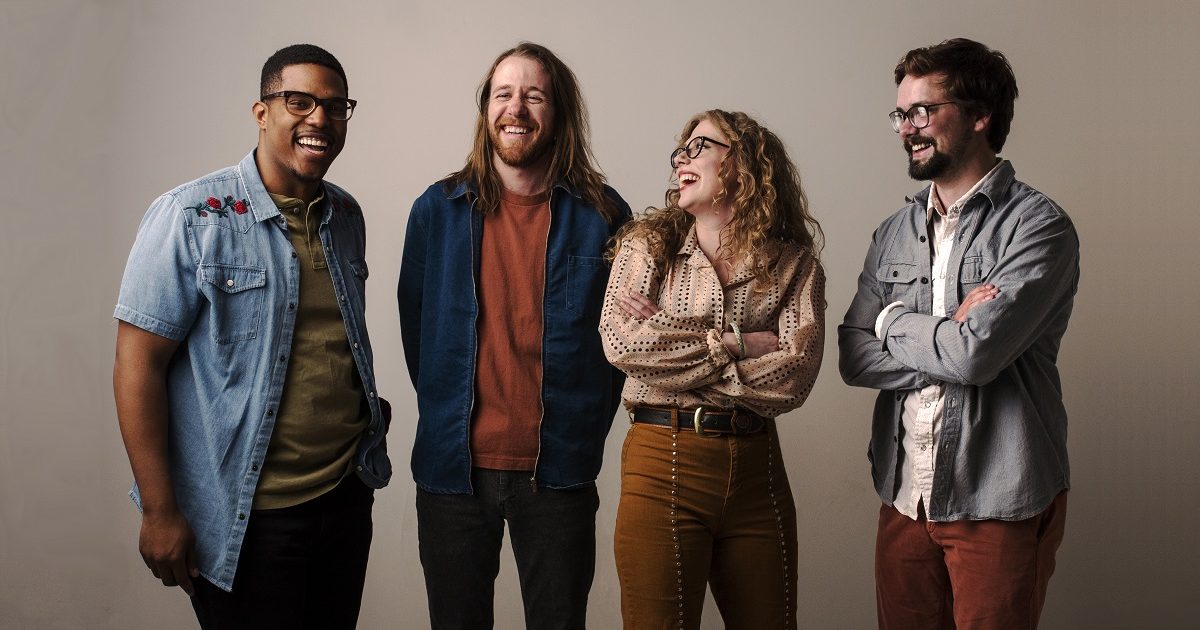
Barbaro’s first full-length studio album, Dressed in Roses, stands as a true testament to their musical identity and the sound that has launched one of the Midwest’s most in-demand acoustic acts. In a phone interview with Kyle Shelstad, the Minnesota group’s guitarist and lead singer, BGS discussed the arranging process behind these songs, how the band has grown, and the current state of the Midwest bluegrass scene.

BGS: You’ve released singles and an EP in the past, but tell me a little about this album. What was the impetus for making Dressed in Roses?

Kyle Shelstad: In general, I feel like the album is a good testament to our sound right now, and also to where we’re hoping to go. We recorded this with the unit being together for about a year. Some of the songs Isaac [Sammis, on banjo] and I had for a couple years prior, before Rachel [Calvert, on fiddle and vocals] and Jason [Wells, on bass] joined the band. After they joined the band these songs kind of had a new life and developed their own sounds.

You re-recorded the songs “Barbaro” and “Loathe.” Did that experience shine a light on how you’ve developed as a band in the past few years?

Exactly. While the arrangement was pretty similar, I think the way we play it as a group has definitely changed. So I think our goal in doing that was to pay homage to the sound we have now and the work we’ve been doing on it.

I think this is your most consistent album yet. When the band first came together did you have an idea of what you wanted the sound to be like, or has that organically grown over the years?

It’s definitely organically grown, but I’ve also always had an idea of what I wanted to do. Isaac and I started playing together as just a guitar and banjo duo, and we had to find ways to make that… well, not super annoying. So we tried to focus on texture and arrangements.

I’m glad to hear that you think it has a consistent sound because part of it, for me, I was concerned. It has a lot of different thoughts and ideas thrown at it. In that sense I think this album is a lot about us trying to figure out our sound. Developing it that way.

Some of your songs seamlessly turn from folk ballads to sections of straight-up funk. How much discussion was there in arranging these songs that are so texturally complex?

I think it’s twofold on that. A lot of these songs I come into with an idea of how I want them to progress and where I hear the song going. But adding Jason on the bass throws some of these ideas on their heads, because he had literally never listened to bluegrass before we got him to play with us. He’s done a lot of studying and research on his own to figure out how that sound works, but at the same time that’s not necessarily what he wants to play. There will be times where I’ll say, “Hey dude, maybe you should just play the root note four-on-the-floor,” and he’ll say, “I don’t know, man, I don’t really like that.”

He really brings a different flavor. When I think the song is going one way he’ll take it a completely different direction. I’ll come in with the ideas and the direction of the tune. That main idea and where I want it to go. But sometimes how we get to that point changes because of the players we have, with Rachel and Jason having such a classical background. These songs moving in all these different directions is part of us trying to figure out our sound and how to cohesively bring these ideas that we enjoy together.

Also, I listen to a lot of jazz trios, and while there’s form there, it’s not like it’s verse-chorus-verse-chorus-bridge-chorus-out. I guess part of me feels like I can’t write that kind of stuff very well. Or when I do it sounds too corny to me or something. I enjoy that certain jazz music goes somewhere. There’s always a little thing thrown in there to catch your ear or catch you off-guard.

One thing I’ve noticed when seeing you live is that, while you do have these very cerebral arrangements, you have no problems engaging the audience and taking them with you through these songs.

Yeah, that’s our goal and what we’ve always been trying to figure out. How to write a set list that can put forward what we’re trying to accomplish with these songs but also keep people engaged. I think that took us a little while to figure out. Unfortunately we can’t play songs that we want to play all the time. It depends on the crowd and we need to figure out how we’re going to best get these songs across to this crowd or that crowd.

Did you have any epiphanies or learning experiences in the course of making this album?

As far as epiphanies go, I used to play with Kitchen Dwellers, which is a completely different type of music from what I’m playing now, but a lot of it was based on improvisation and free-flowing. So when you bring in people like Jason and Rachel who are very classically-focused — that’s sometimes an uncomfortable place for them to be. That’s something where we’ve figured out how to work together. We can still have some solid structure, but then find opportunities where we can open up and allow the music to flow in whatever direction that might be.

Speaking of different types of music, what was it like working with your producer Adam Gruel? Horseshoes & Hand Grenades [Gruel’s band] is such a different sound from what you play. How did he influence you as a producer?

I’ve known Adam and the Horseshoes guys for a while. I first met them when we were in the Telluride band competition years back, so he’s always been a buddy of mine. He heard that we were recording an album and reached out to let us know that he had done some producing work and would be super interested in working with us.

That was kind of my first thought, too: “The kind of music you do is completely different from what we’re doing.” But I thought about who Adam is as a person and I thought having that type of energy in the studio would really help us out. Sometimes we’ll sit in rehearsal and spend four or five hours on one section of a song and just beat it to death. To the point where we hate each other and we hate the song.

So bringing Adam in there was a good idea because he knows when to move forward and he has this incredible energy and positivity that allowed us to not fall into that dark hole. After two takes he’d be like, “All right, we got it, let’s move on.” I think that really helped us accomplish what we needed to accomplish in the amount of time that we had.

The Midwest is a hidden gem for bluegrass music with bands like yours, Barbaro and Horseshoes & Hand Grenades. What do you wish people knew about the bluegrass scene in the Midwest?

I think there’s a lot of different bands and a lot of people who are passionate about the music. I moved out here because of the scene. I moved to Minneapolis because of Pert Near Sandstone and what they’d done here. I think that knowing there’s a lot of really great music up here and a lot of big music fans.

There are amazing local bands that play really good tunes and bring people out and keep it full at the bar until the end of the night. It’s a lively scene and it’s only growing. One of our goals is to bring more diversity to the scene and open people up to the idea that this music spreads really wide. There’s lots of different ways that this music can be interpreted. We’re just trying to grow and build this scene even more.


Photo credit: Jeff Mateo

LISTEN: Eric Brace & Last Train Home, “Dear Lorraine”

Artist: Eric Brace & Last Train Home
Hometown: Washington D.C./ Nashville
Song: “Dear Lorraine”
Album: Daytime Highs & Overnight Lows
Release Date: January 31, 2020
Label: Red Beet Records

In Their Words: “This was a fragment from the early days of the band, one that needed another verse. I’d been nominally inspired by the song ‘Sweet Lorraine’ so I recently went back to it and gently lifted a slew of lyrics. Please don’t tell Mitchell Parish. (Longtime LTH listeners will recognize my brother Alan’s harmonica playing and harmonies right away, and Jen Gunderman’s elegant, defining piano.)” — Eric Brace


Photo credit: Bill Thompson

LISTEN: Steep Canyon Rangers with Asheville Symphony, “Radio”

Artist: Steep Canyon Rangers with Asheville Symphony
Song: “Radio”
Album: Be Still Moses
Release Date: March 6, 2020
Label: Yep Roc Records

In Their Words: “We’ve been lucky to perform these songs with some great conductors over the last few years, but the opportunity to record them with our hometown symphony and the combination of [producer] Michael Selverne and [arranger] Michael Bearden was too good to pass up. They brought the arrangements to life and helped reimagine some of our older tunes. We’re so grateful for everyone’s efforts in making it happen. To hear the power and sweep of a full symphony behind these songs is truly amazing.” — Graham Sharp, Steep Canyon Rangers

“It was such a cool yet unusual experience to work as a band on a collection of songs we’ve recorded over the years and have performed live hundreds of times, by adding the ASO and producer Michael Selverne. This brought the songs to a new place with an entirely new life and sound. We also recorded with the band in a truly live setting to capture the energy of the performance.” — Woody Platt, Steep Canyon Rangers


Photo credit: David Simchock

The Show On The Road – The Steel Wheels

This week on the very first episode of The Show On The Road in 2020, we welcome The Steel Wheels, a Virginia-based band of harmony masters and savvy string band experimenters who have quietly put together an impressive body of work over the last decade, corkscrewing their way across the country supporting seven diverse, acoustic-based albums. Along the way they’ve gained gangs of devoted fans of their big-hearted, peace-promoting songs.

LISTEN: APPLE PODCASTS • MP3

Taped live at historic Mccabe’s Guitar Shop in Los Angeles, Z. Lupetin gathered the boys around the mic to dive into their boundary-pushing 2019 release, Over The Trees, how they once toured on bicycles to spread climate change awareness, and how they survive 15-hour drives to strange shows in Iowa. They end the episode with their gorgeous acapella song, “This Year”.

Eight Great Cuts of “Eighth of January”

It’s one of bluegrass and old-time’s favorite days of the year! The “Eighth of January” can be heard from every jam, every folk club, every radio tuned to the bluegrass airwaves – well, it ought to be like that.

To do our part, we’ve collected eight great versions of “Eighth of January,” that is, “The Eighth of January,” or “Jackson’s Victory,” or “Gulf of Mexico” to mark this auspicious day. At the end, we hope you’ve found a new lick to add to your own versions of the tune and we hope “eighth” doesn’t look like a word to you anymore, too!

Tui

Let’s start with a decidedly old-time take from fiddle/banjo duo Tui, AKA Libby Weitnauer and Jake Blount. Here’s hoping you make a stank face when they ever-so-slightly pass over the b7 — if you recall your last music theory course, see also: “the subtonic” — in the B part. (If the parts have been counted wrong, this writer begs your forgiveness.) The frailing rakes by Blount on the banjo, the pair’s playful deviations from each other, only to return, totally enmeshed a moment later… it’s delicious.


Charlie Walden

The old-time fiddler of Missouri, if Charlie Walden doesn’t come up in the first round of results when you search the internet for “Eighth of January” something is very wrong. His command of raw, timeless (and seemingly effortless) fiddling stems from a wealth of talent combined with his insatiable appetite for tunes — he’s collected countless melodies, stories, and songs from fiddlers all across his home state.


Tony Rice

An old-time fiddle tune fully assimilated into the bluegrass canon? This right here is how. That’s Darol Anger and David Grisman on the tasty twin parts, Todd Phillips on bass, and the one and only Tony Rice holding it down and shredding it up all at once. Every time they slightly push, syncopating the tail-end of a random melodic phrase here and there, a shiver should go down your spine.


Jeremy Stephens

No one alive plays Don Reno-style banjo better than Jeremy Stephens. Full stop. Now, if you’ve already hit play and have listened through to his first solo, you should know this: He recorded Scarlet Banjo at the ripe old age of 16. You know him now thanks to his quintessential sound with High Fidelity, but Stephens has been burning a torch for unencumbered, fully-realized traditional bluegrass for a long time. And it’s always been this good!


Scotty Stoneman with the Kentucky Colonels

The Kentucky Colonels were inducted into the Bluegrass Music Hall of Fame in 2019 and though Stoneman was not an original member, he left an indelible mark on the band’s legacy, which manifests chiefly through his “hot” fiddling on the band’s essential live recordings. Though fans may be most familiar with hearing the Colonels hold on for dear life in the wake of his bow at truly incomparable tempos, Stoneman is relatively subdued in his captivating improvisations over “Eighth of January.”


Eric Weissberg

Deliverance reverberates throughout the ages for all of the wrong reasons. If you forgot this was on the original soundtrack to the infamous film, we don’t blame you. That’s why we’re here to remind. Weissberg’s banjo playing — especially his fantastic melodic approach, heard here — certainly deserves more recognition than simply being regarded as the originator of “Dueling Banjos” in its modern form.


Johnny Cash, “The Battle Of New Orleans”

We may have neglected to mention earlier that this tune is named “Eighth of January,” commemorating the day of “Jackson’s Victory,” because (cruel, genocidal) President Jackson won “The Battle of New Orleans” that very day in 1815. Yes, this tune has a lot of titles — and lyrics, to boot! Here’s the Man in Black lending the dusky patina of his baritone to our song du jour.


Allison de Groot & Tatiana Hargreaves

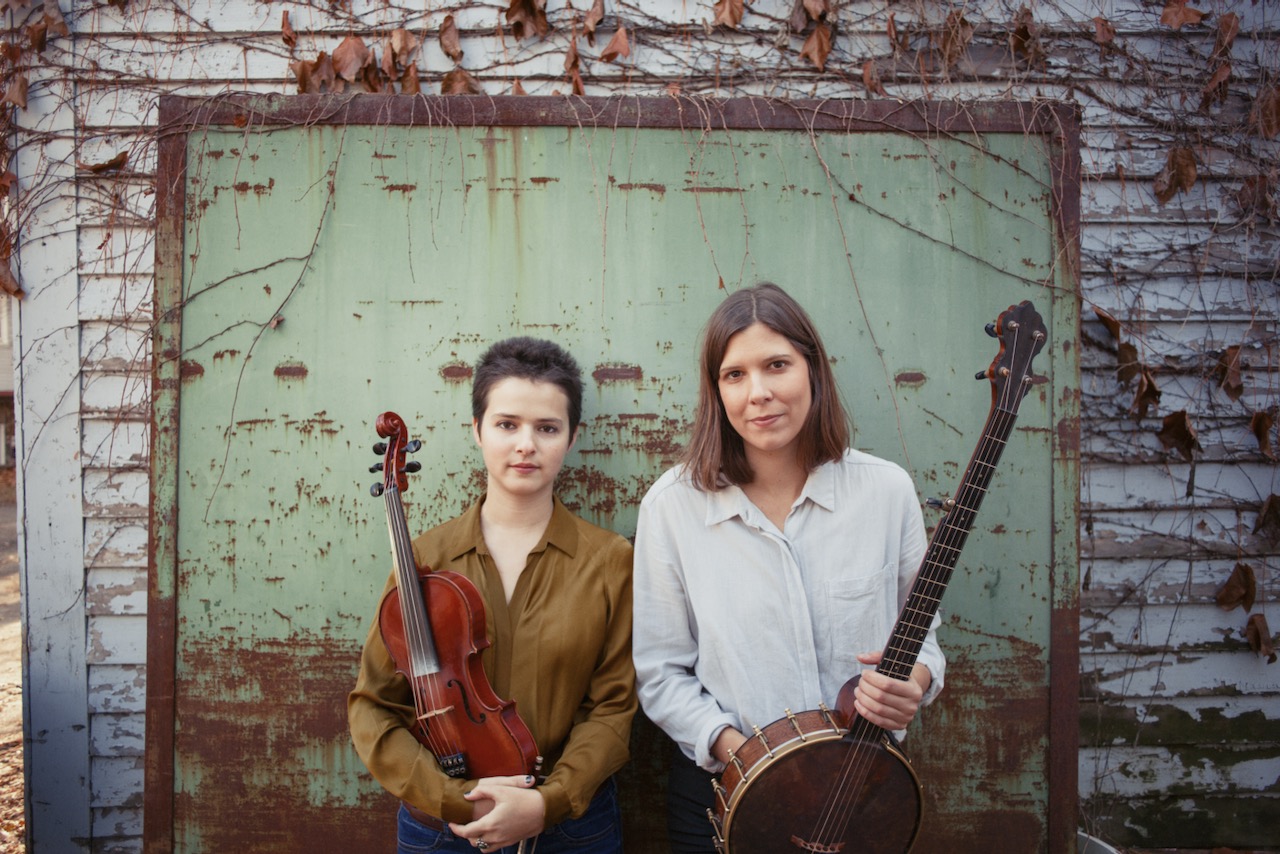
This particular variation on “Eighth of January” was found in recordings of African American musicians Nathan Frazier and Frank Patterson, who were first recorded in Nashville in the 1940s, so you’ll notice de Groot and Hargreaves stray from the melodic phenotype of the others on this list. It’s a gentle reminder that the way these tunes travel — from picker to picker, across generations, across counties and countries — is just as important to the history of string band music as the tunes themselves. Just about a year ago (hmm, how is that so easy to remember?) we featured this track in an edition of Tunesday Tuesday, solidifying this BGS tradition.


Photo of Tatiana Hargreaves (L) and Allison de Groot: Louise Bichan

MIXTAPE: Sideline’s Motivation Music

When we sat down to put together this mixtape we realized that the best playlist to pull from had already been created by Steve Dilling, our banjo player. These are songs that we actively listen to on a weekly basis. The theme also became obvious, because it truly is why we listen to these songs — motivation.

Sideline has been an actively touring group for about six years. We had started out with only four to six shows a year. Now we’re up to 130 shows, meaning roughly 200 days away from home. Road life isn’t easy, especially when it’s that heavy. Being pulled away from home and family for that long. Traveling hundreds of miles day and night. It can be easy to get weary and drawn. When we want to get a glimpse at the reason why we do this, and why we really love it so much to go through it all, we pull out this playlist.

We could’ve had a weekend of tough crowds, or maybe tough income. We’ve had several breakdowns that have left us sitting there feeling as low as one can get. So we pull out this playlist. It’s the perfect combination of songs to not only pull you out of the ditch, but get you excited and ready to take whatever is in front of you. It motivates us and gives us something to strive for musically. We hope you get the same motivation from it as we do! — Skip Cherryholmes, Sideline

Ronnie Milsap – “Don’t You Ever Get Tired (Of Hurting Me)”

Ronnie Milsap knows how to make you feel every single word. The way he comes back in on the last chorus, and his ending tag line are especially significant. Unbridled emotion. Unbridled talent.

Lee Ann Womack – “Never Again, Again”

This song just hits you in the face right out of the gate. The lead and harmony vocals are so tight and emotional all at once. It’s so sad, and it has so much power behind it.

Ronnie Milsap – “Stranger Things Have Happened”

Another vocal gem. This song was recorded at a time when tuning and pitch fixing didn’t exist. The performance is passionate and flawless. Whether you pull from the lows or the highs of this song, it will not leave you wanting anything but just more of it.

The Doobie Brothers – “Long Train Running”

This song has so much drive and groove, accompanied by energetic harmonies. As a band that focuses heavily on rhythm, this song always gets the creative juices flowing.

Stevie Wonder – “Superstition”

This song is all groove. There is so much space between beats. At first glance you might feel like it’s nice and even, but then you realize that it pushes the whole way through. It can physically excite you with every turnaround.

The Bluegrass Album Band – “Blue Ridge Cabin Home”

There really isn’t a bad Bluegrass Album Band song, but this is one for the history books. J.D. Crowe and Tony Rice’s performance has set the standard for so many musicians. It is 100% bluegrass in its most natural form, and it is always just as exciting.

Kansas – “Carry on Wayward Son”

Vocals. Rhythm. Energy. Arrangement. Lead guitar work. This song has every bit of these elements to the max. It changes time signatures three times and changes grooves twice, all seamlessly. It hits the excitement nerve nonstop.

Journey – “Separate Ways (Worlds Apart)”

Steve Perry’s vocal is immaculate. The song has such a drive behind it. The intro is iconic, and catches your attention from the very first notes.

Nickel Creek – “Smoothie Song”

Chris Thile is one of the most brilliant players of our time. This song creates a blend of intricate performance and aggressive energy. The beat drives hard, as does Chris’ right hand on the bouzouki.

Sideline – “Crash Course in the Blues”

This song was fun to put together. We were looking for a song that we could jam to and have fun with. Steve came across this Steve Wariner tune one day and it was a perfect fit. It really gives everyone a chance to shine! We tracked it as live as possible to capture that fun energy.

Sideline – “Return to Windy Mountain”

There is nothing like a good story song and the life of Melvin Goins is a great story. This song has nods and elements to his classic sound, along with our own take on things. Finding the blend between the music and the lyrics is one of the best parts about recording and it made this song a blast to put together.

Sideline – “Thunder Dan”

When we put this song together we had no idea what it would do when it came out, let alone that it would win IBMA’s Song of the Year. It’s a catchy tune with a cool story. It was all about playing it to a mean groove and giving the lyrics the best background. People really took to it, singing along and requesting it everywhere.


Photo credit: Stephanie Cherryholmes

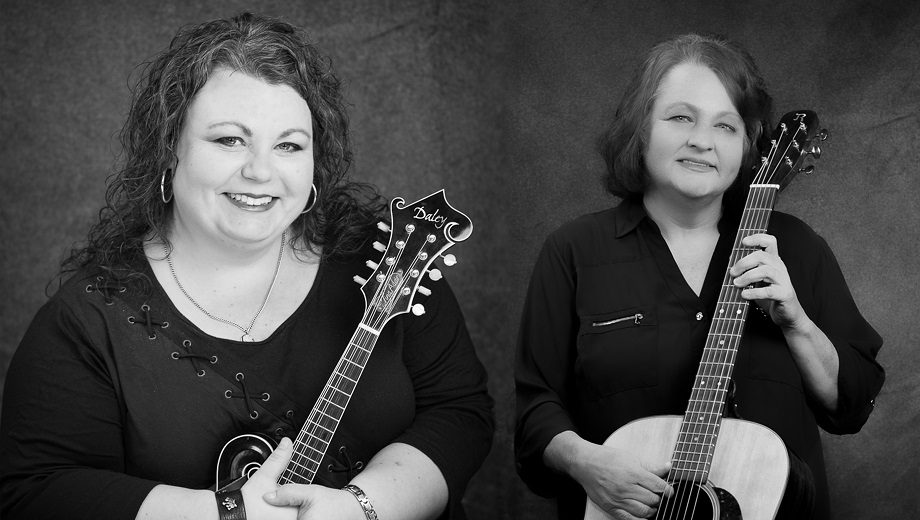
LISTEN: Bradley N Adair, “Oh Darlin'”

Artist: Bradley N Adair (Dale Ann Bradley and Tina Adair)
Song: “Oh Darlin'” (O’Kanes cover)
Album: Not yet titled, expected in early 2020
Label: Pinecastle Records

In Their Words: “I love the O’Kanes. I thought of this while on the way to the studio to begin work on the album. It had been on a wish list to record. I sent it to Tina and she loved it also. It’s set up so well for bluegrass/Americana, or as I still say ‘folk’ duo.” — Dale Ann Bradley


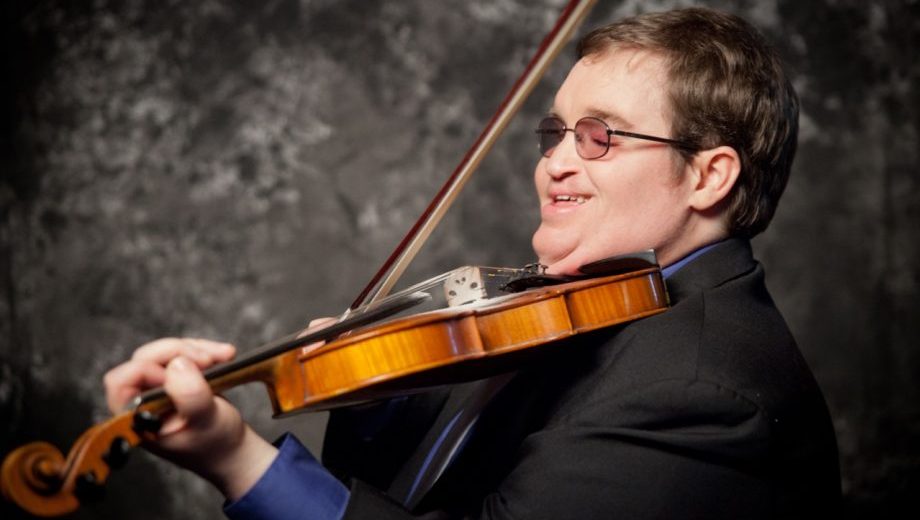
Michael Cleveland Grabs Grammy Nom for (Not Quite) Solo Album

Michael Cleveland is one of the defining fiddlers of his generation, known for his incredibly quick licks, deep groove, and shiver-inducing double stops. His virtuosity has been recognized by artists from many different genres and their thoughtful collaborations have proven that Cleveland is much more than just a flashy fiddler.

His talents were recognized at a young age by many of bluegrass music’s biggest stars and as a teenager he appeared as their guest in such settings as the Grand Ole Opry and A Prairie Home Companion. As one of the most-awarded musicians in IBMA history, Cleveland invited many of his heroes to collaborate on his 2019 album, Tall Fiddler. The project will compete for Best Bluegrass Album at the Grammy Awards on January 26.

Unlike many solo albums, Tall Fiddler features Cleveland’s band Flamekeeper throughout. Half of the record features selections from their popular touring show while the other half features Cleveland and band playing with masters such as Tim O’Brien, Béla Fleck, and Tommy Emmanuel. The origin of many of these collaborations were explored in Flamekeeper: The Michael Cleveland Story, a documentary detailing his journey, from being born blind to forming Flamekeeper.

Cleveland spoke to BGS by phone from his home in Indiana.

BGS: I wanted to ask you what it feels like to be nominated for a Grammy, but I have to imagine it feels pretty good! What does it mean to you?

MC: Well it’s pretty exciting! The last time I was nominated I thought I’d go through the list just to see who’s actually won and who’s been nominated in the past and it is mind-blowing for me to be considered.

And then to be nominated with the Po’ Ramblin’ Boys — I’ve known Jeremy Brown since he was probably a baby. None of my family ever played music, but my grandparents had a bluegrass association in Henryville, Indiana, which is just across the river from Louisville, Kentucky. So we got a lot of bands come out of the Louisville area and from other parts of Indiana. Jeremy’s dad, Tommy Brown, used to play with a band called Jim Simpson and the Kentucky Mountain Grass and it was one of the best bands in the area. Whenever they came to Henryville it was an event.

When they broke up Tommy formed his own band called Tommy Brown and the County Line Grass and I would see Jeremy playing on stage with his dad when he was a little kid. I’ve known all those guys for a while and have a connection with them so it’s really cool to be nominated at the same time as them and all the other artists.

Tall Fiddler is your eighth album. What makes this album stand out from the others?

This album was a little different because it wasn’t strictly a solo album or a band album. I wanted to do something where I could collaborate with other people, but I wanted my band to be on the album as well. It’s just a killer band, they’re who I tour with all the time, and I wanted to hear what they would do with the guests. So the band is on half the album and then there’s special guests on the other half.

We did the title cut, “Tall Fiddler,” with Tommy Emmanuel. That was especially cool because we got to do that live in the studio. Tommy came in and we had never played with him. We’d just worked this up based on a recording of his called Live! at the Ryman where he had played it. So Tommy comes in the studio and I think we knocked that out in just a few takes. It’s a dream come true for me, because I want to see my band collaborate with people like that.

Like Josh [Richards] singing with Del McCoury and getting to play with Tommy, and Dan Tyminski, and Jerry Douglas. The guys in my band are great players and deserve to play with people like that. That’s always been a goal of mine and for my career — to get to collaborate with as many great musicians and heroes of mine as I can. And that’s been possible because of this album and the Flamekeeper documentary, you know? Like, I’ve gotten to record with Béla Fleck.

Yeah, tell me about “Tarnation” and how that track came about.

When we made the Flamekeeper documentary we did some of the filming in Nashville. We got Del, Sam [Bush], Béla, Todd Phillips, and some other people that I’ve worked with in the past to be a part of it. John Presley, the producer of the documentary, said “I think it’d be cool to hear you play some of these guys’ music,” and I said “Yeah, that’d be great!”

We had just got done filming a lot of stuff and I was messing around and started playing a little bit of one of those tunes and Béla’s like, “Oh, you learned that? Let’s play it!” and after that he asked if I liked learning tunes and I told him I love learning new stuff and he said, “I’ll give you a call and maybe we can do something together.”

So then, when I was working on this record I reached out to him and I asked if he’d be interested in collaborating on something and I said “I would love for it to be something that you and I could write together.” He agreed, so we sent stuff back and forth for a while, like voice memos of ideas, and then he came up with that slow part in the beginning — which I really liked, it’s really bluesy. He asked if I could come down to his house to finish working on it.

To be able to go to Béla Fleck’s house and write a song with him. I mean, that’s something I would never dream that I would be able to do. But it’s cool for me to get to be around all these people that we worked with on this album. The thing that strikes me is not only that they’re incredible musicians — needless to say — but their whole [personalities]. They’re great people. They’re just having fun playing music, you know?

You’ve always struck me as a versatile musician because of your ability to collaborate with so many different artists and complement the style while still sounding like yourself. Like how you play on Andy Statman’s Superstring Theory album, for example.

See, that’s the thing. I’ve loved traditional bluegrass for a long time and would mostly just listen to that. But there’s so much music out there that I still haven’t heard that’s classic stuff to other people. I just started listening to Boston and they are awesome! My girlfriend says I live under a rock. But a lot of the music I play in places like Nashville, I don’t really have a whole lot of chances for experimentation. With someone like Andy [Statman] there’s no holds barred. Whenever Andy plays a song it’s going to be different every time.

I have noticed in your live shows that it seems like you’ve been experimenting with having a song or two with an extended solo section that’s a little more open ended than traditional bluegrass might be.

Yeah we’re trying to incorporate more of that because I think the audience like to see something and think, “Oh, this is not what happens every day.” And it’s a fine line because I’ve always been of the mind that you practice, you know the arrangements, and that’s what you play. Maybe you don’t play what’s on the record the whole time but you play it pretty close and you play that every day and that makes it good. And it does.

I always like to hear live recordings for the differences. Like when someone plays a different solo or somebody misses a note but it’s OK; it’s alive. It’s authentic. And it’s sometimes hard for me to remember that it’s music. It’s not supposed to be perfect. When we do the extended solos, that’s when I really pull out stuff and think of things that I would never play. If all you did was just play that arrangement every time and make it as perfect as possible, you might never be able to experience that.

I went to MerleFest one year and I came away thinking [about] all these guys like Sam [Bush], and the McCourys, and Béla, and Tim O’Brien, and Doc Watson. All these people are great instrumentalists and great old-time bluegrass players but they all do so much more than that. And just because somebody’s plugged in, and turned up loud, and improvises, that doesn’t mean they don’t know their stuff when it comes to traditional bluegrass.


Photo Credit: Stacie Huckeba
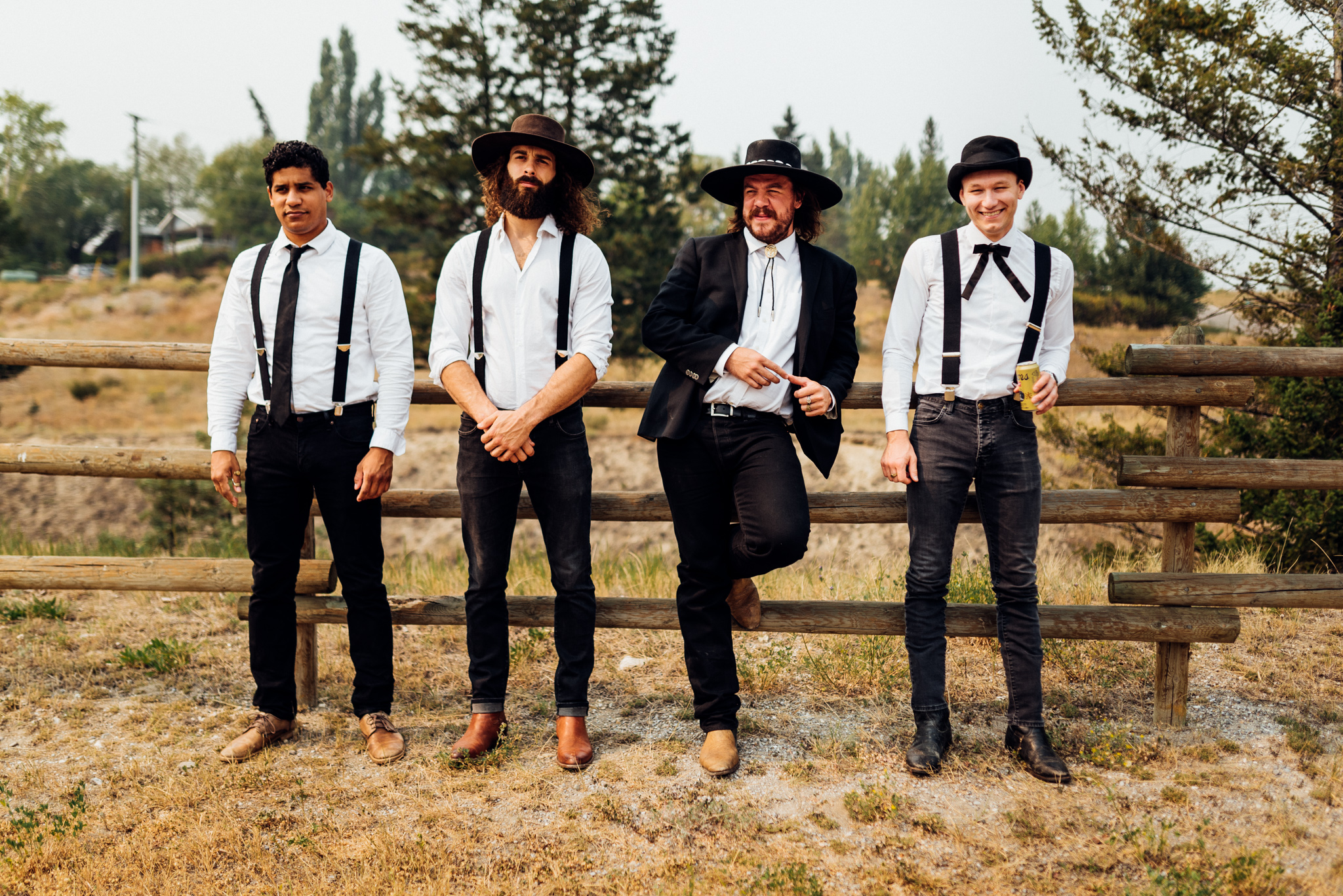
LISTEN: Thunder and Rain, “Two Ships”

Artist: Thunder and Rain
Hometown: Golden, Colorado
Song: “Two Ships”
Album: Passing in the Night
Release Date: January 3, 2020

In Their Words: “I wrote a poem based off the old saying ‘two ships passing in the night.’ It seemed to perfectly sum up a fragile but fun relationship I was in at the time. When we started arranging it as a band, we cranked up the speed and started passing speedy licks between the dobro and mandolin. Being one of the grassiest songs on our record, we had our engineer, Aaron Youngberg, rip some banjo on it. This song sets the tone of the record, describing the moments in relationships that are meaningful but don’t last very long.” — Erinn Peet Lukes, Thunder and Rain


Photo credit: Scott McCormick, McCormick Photos and Design