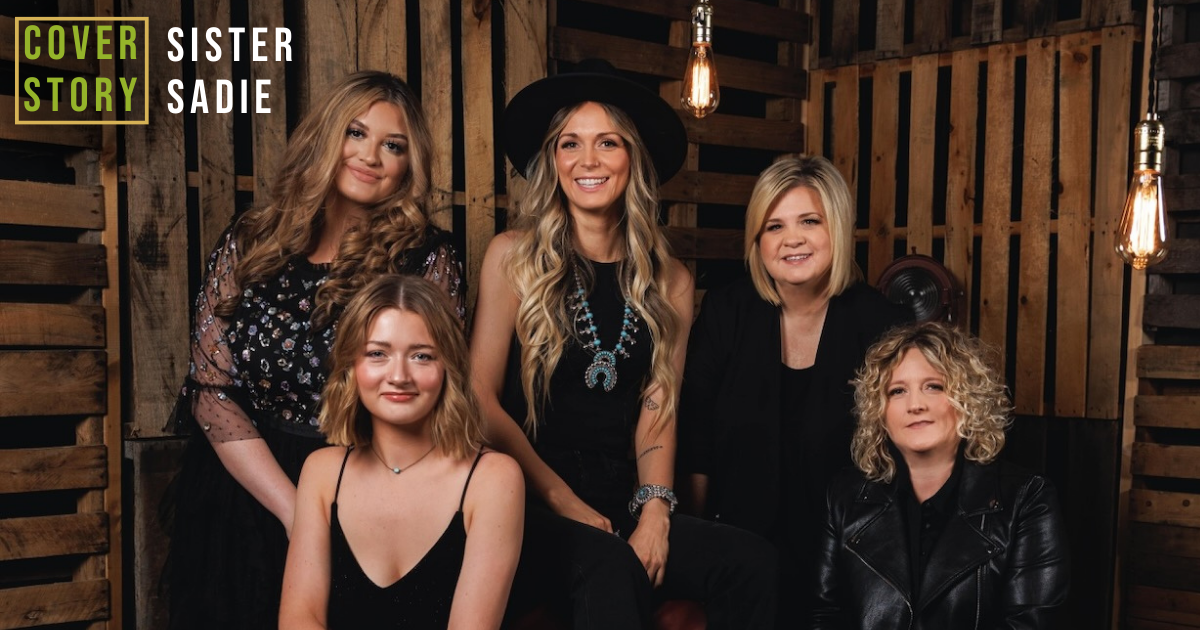
With a New Album, ‘No Fear,’ Sister Sadie Once Again Go “All In”

Last month, Sister Sadie took the stage at Nashville’s Station Inn to showcase and celebrate their latest album, No Fear. And although the title itself could be an ode to the group’s unrelenting urge to hop genre fences – from bluegrass to country to pop and back again – it’s also a nod to the resiliency of the band itself.

With No Fear, Sister Sadie showcase three-part, songbird harmonies backed by a keen musical aptitude that’s equally distributed throughout the quintet. The 13-song LP combines the “high, lonesome sound” of bluegrass with a blend of country and pop sensibilities a la The Chicks, Little Big Town, or Pistol Annies.

“There’s a space for bluegrass meets Americana meets country meets pop — that’s what I’m manifesting,” says fiddler and de facto band leader, Deanie Richardson.

To note, the Station Inn appearance was a full-circle sort of thing for the ensemble. First coming together at the storied venue by pure happenstance in December 2012, Richardson, banjoist Gena Britt, and former members guitarist Dale Ann Bradley, bassist Beth Lawrence, and mandolinist Tina Adair were simply a collection of pickers and singers from different circles in Music City.

That initial gig went extremely well, so much so that more shows were booked and things started to unfold into a full-fledged band – albeit one where the members still held day jobs and were raising families. But, the music felt right and so did the performances, so why not tempt fate and see where this ride may go?

Well, what a ride it has been thus far. Appearances on the Grand Ole Opry. Three IBMA awards for Vocal Group of the Year (2019, 2020, 2021) and one for Entertainer of the Year (2020), with Richardson taking home Fiddle Player of the Year in 2020. And a Grammy nomination for Best Bluegrass Album for the 2018 release, Sister Sadie II.

But, in recent years, three of those founding members — Bradley, Lawrence, and Adair — left to pursue other projects, which, in turn, posed one lingering question to Richardson and Britt — where to from here?

“When we started 12 years ago, when we hit that first note at the Station Inn, we felt this magical chemistry in the band,” Richardson says. “Somehow, every time we reinvent this [band], I still feel that magical chemistry when we play music.”

Instead of throwing in the towel and saying it was good while it lasted, Richardson and Britt forged ahead, come hell or high water. They regrouped and reemerged into this next, unknown chapter. Soon, Jaelee Roberts and Dani Flowers came into the fold, both bringing songwriting prowess as well as providing guitar and vocal harmonies to ideally complement Britt. Then, in 2023, bassist Maddie Dalton hopped onboard.

“It’s an eclectic group of ladies and of musical tastes,” Richardson says. “Our home, our hearts and our souls are in bluegrass music. That’s what we love, that’s our passion, but there’s a lot of room for growth there.”

The new album, it’s not bluegrass. It’s not country. It’s just good music. In my opinion, it would be a shame to pigeonhole your music.

Deanie Richardson: Well, that would be our dream, Garret, for someone to not try to put some sort of label or pigeonhole it into somewhere. But, unfortunately, it happens. We went in there with great tunes and just let them arrange themselves, let them work themselves out in the studio. And this is what we got. So, I didn’t go in with bluegrass in mind. I didn’t go in with country in mind. I just went in with all my pals, people I love — great players and great songs.

Is that more by design or just how things have evolved?

DR: I think that’s how it’s evolved. That was not the original [Sister] Sadie. That’s this combination of girls right here. When you have personnel changes like we’ve have along the way, the energy changes — everything shifts.

Gena Britt: You have to reinvent yourself.

DR: You’ve got to figure out where you land when Jaelee Roberts comes in and changes everything. And then you’ve got to figure out where you land when Dani Flowers comes in. And Maddie Dalton. We’ve had three new members. That changes the energy. It changes the vibe. It changes the feel. It changes the vocals. It changes everything. This whole band has grown organically over the last 12 years. This is just where it is right now. We’re about to go in and record a new one and, shoot, it may sound like ZZ Top. I don’t know — you never know.

And I have a lot of solidarity with that, the attitude of just go in and see what happens, see what sticks and see what works.

Dani Flowers: Every single person in this band is a big fan of good writing and good songs. Just trying to serve the song and make sure it had what it needed rather than trying to put any one certain song in a box that it might not fit in.

How does that play into personal goals with the band’s expectations? There’s a lot of a crossover factor in the music. I hear just as much country as I do bluegrass in there.

GB: We’re just going for what we feel. We want to be excited about the song as we want everybody that’s listening to be excited. When we’re in the studio, these songs were brought to life in such a great way.

With the new members, what was kind of the intent coming into the group?

Jaelee Roberts: When I was asked to audition, I was kind of flabbergasted, because I looked up to Sister Sadie. These are all my heroes playing together in a band. And I had grown up around them. It was such a surreal feeling to get to audition. I get to not only learn more from them than I was already learning from them, but I get to part of that and grow with them, bring my spin on stuff.

DF: It was definitely a no-brainer for me when it came to joining the band. I’ve known Deanie since I was 16 or 17, Gena since I was 19 or 20. I’ve always admired them both. They’re incredible at what they do. It was really great for me. I was in the music industry for a while. I had a record deal. I wrote for a publishing company. And then, I had a kid and kind of stopped doing it all for a while. So, to join a band full of women that I already love was a great way to get back into playing music.

And with founding members of a band leaving, there’s this creative vacuum that can occur, where maybe there are more opportunities for other people to step up.

DR: Oh, that’s so great, because it’s true. With the personnel changes we’ve had, there’s been more opportunities for different styles, different vocalists, different everything. It’s crazy how that energy shift just redirects everything. You find a new tunnel or rabbit hole to go down or a new vision. It’s super fun to hear those potential songs and figure out whose voice is going to work. If you listen to a song, it actually tells you where it wants to go.

GB: This band is kind of a melting pot. We all bring such different things to the band. And then, when you put it all together and mix it all together, it’s this great recipe for things that are magical. It’s just heartwarming, too. We actually hangout together when we’re not playing on the road — not a lot of bands do that.

With the band shakeup and everything that’s happened to Sister Sadie in recent years — winning the IBMA for Entertainer of the Year, switching record labels to Mountain Home — what made you decide to keep it going? Was there a moment of maybe shutting it down and doing something else?

DR: One hundred percent. You’re on it. With the last personnel change, Gena and I were on the phone like, “We’re 10 years into this thing. Is it time to call it? Maybe it’s just time.” This band happened by just a group of friends getting together and playing the Station Inn. Then, “Hey, that went really well. Let’s playing the Station Inn again.” Then, Gena starts getting calls from promoters. Do a few shows. Then, Pinecastle says, “Hey, let’s do a record.” We do a record. We do another record. We get nominated for a Grammy.

But, we’ve never really gone in 100 percent. It’s just been organic. I’ve got a ton of things going on. I’ve got a seven-year-old. Gena’s got a job and two kids. It’s never like, “Let’s form a band and let’s go do this.” It was always sort of The Seldom Scene thing — we’ll play when it makes sense. And then, I was like, “What if we give this thing everything we’ve got? What if we put in one 110 percent? What if we got a team? What if we got a manager? What if we got a new record label? What if we got a booking agent? Let’s devote one year to this 110 percent and see what happens” — that’s where we are.

I’m 52 years old. I’ve been doing this and on the road since I was 15. This is the best record we’ve ever done. Going all in was the best choice that we could’ve made.


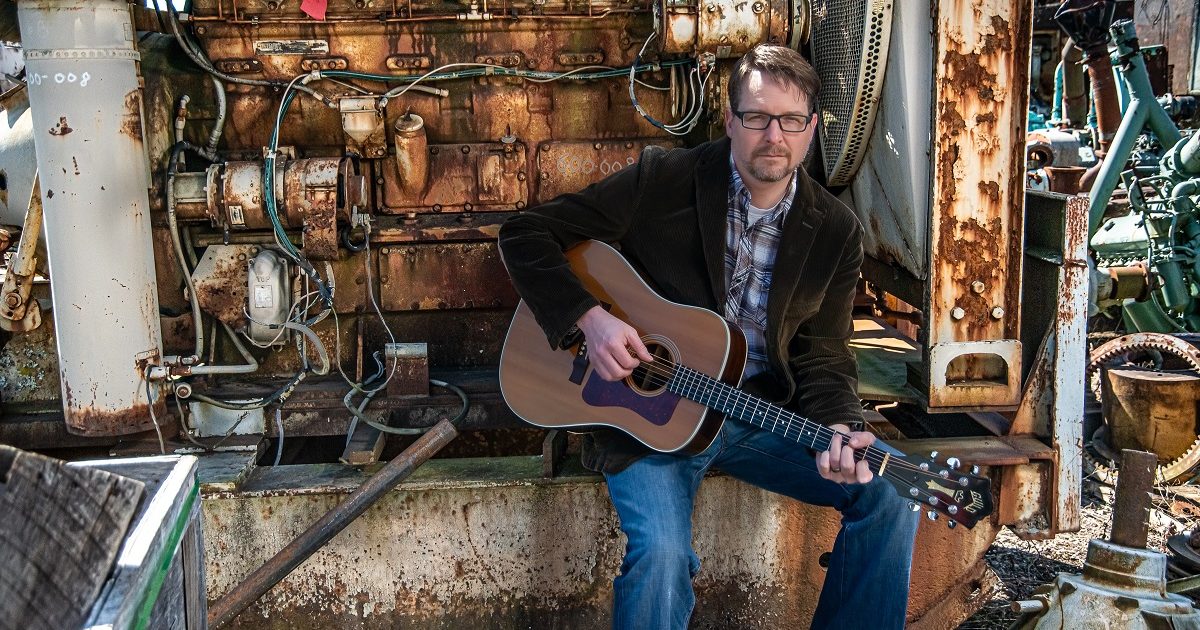
Photo Credit: Eric Ahlgrim
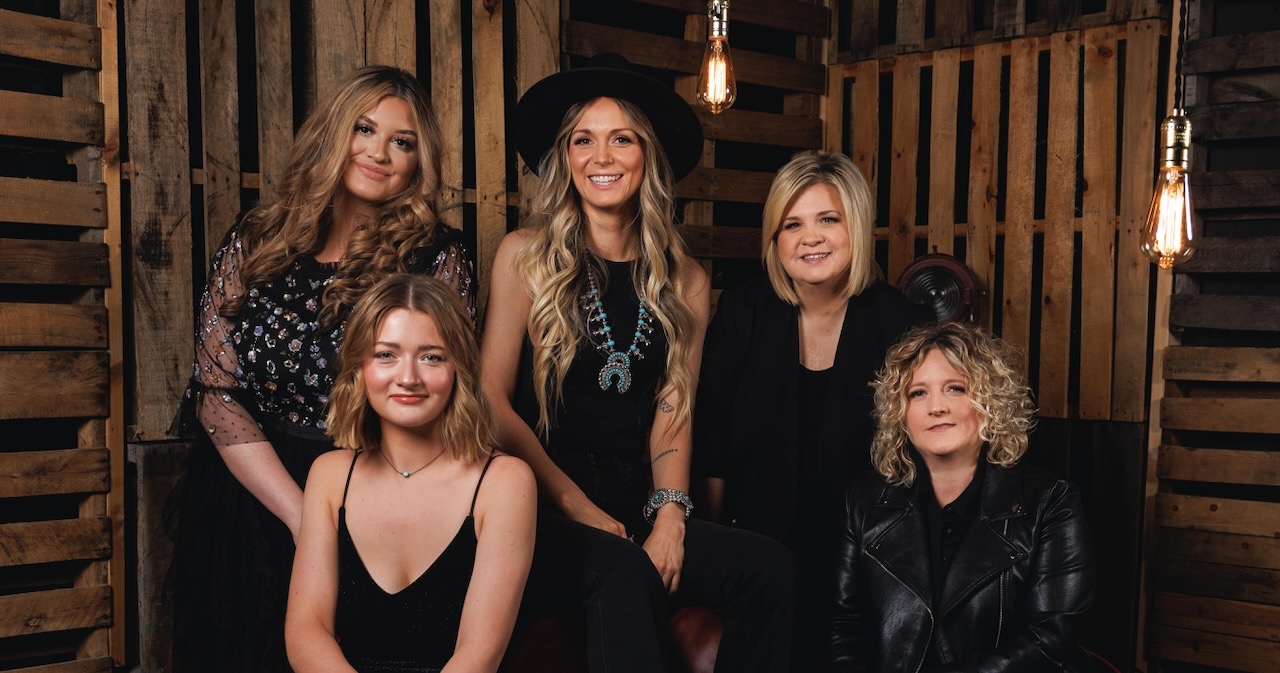
LISTEN: Sister Sadie, “Willow”

Artist: Sister Sadie
Hometown: Nashville, Tennessee
Song: “Willow”
Release Date: August 25, 2023
Label: Mountain Home Music Company

In Their Words: “When I first heard ‘Willow’ I could hear us doing it. I could hear Jaelee slaying this tune, vocally. I could hear this funky groove that came to life in the studio. It’s got a deep pocket and has been a crowd favorite on tour this summer. This Ashley McBryde-penned tune has become one of my favorite Sadie songs EVER!” – Deanie Richardson

“Sister Sadie is the best thing that ever happened to this song. I wrote it on an afternoon where damn near everything was going wrong. Deanie and the girls tore it UP and gave it the best life a song can have! Jaelee Robert’s voice could sing somebody back to life, I swear.” – Ashley McBryde

“When I first heard ‘Willow,’ I knew it would absolutely fit Jaelee’s voice — and boy, was I right! What an incredible song that was written by Ashley McBryde! The energy in the studio when we cut it was palpable. When we play a show now, I can’t wait ’til we get to ‘Willow’ in the set. It’s as much fun to perform live as it was to record it! It rocks!” – Gena Britt


Photo Credit: Eric Ahlgrim

Young Mandolinist Wyatt Ellis Collaborates with Sierra Hull

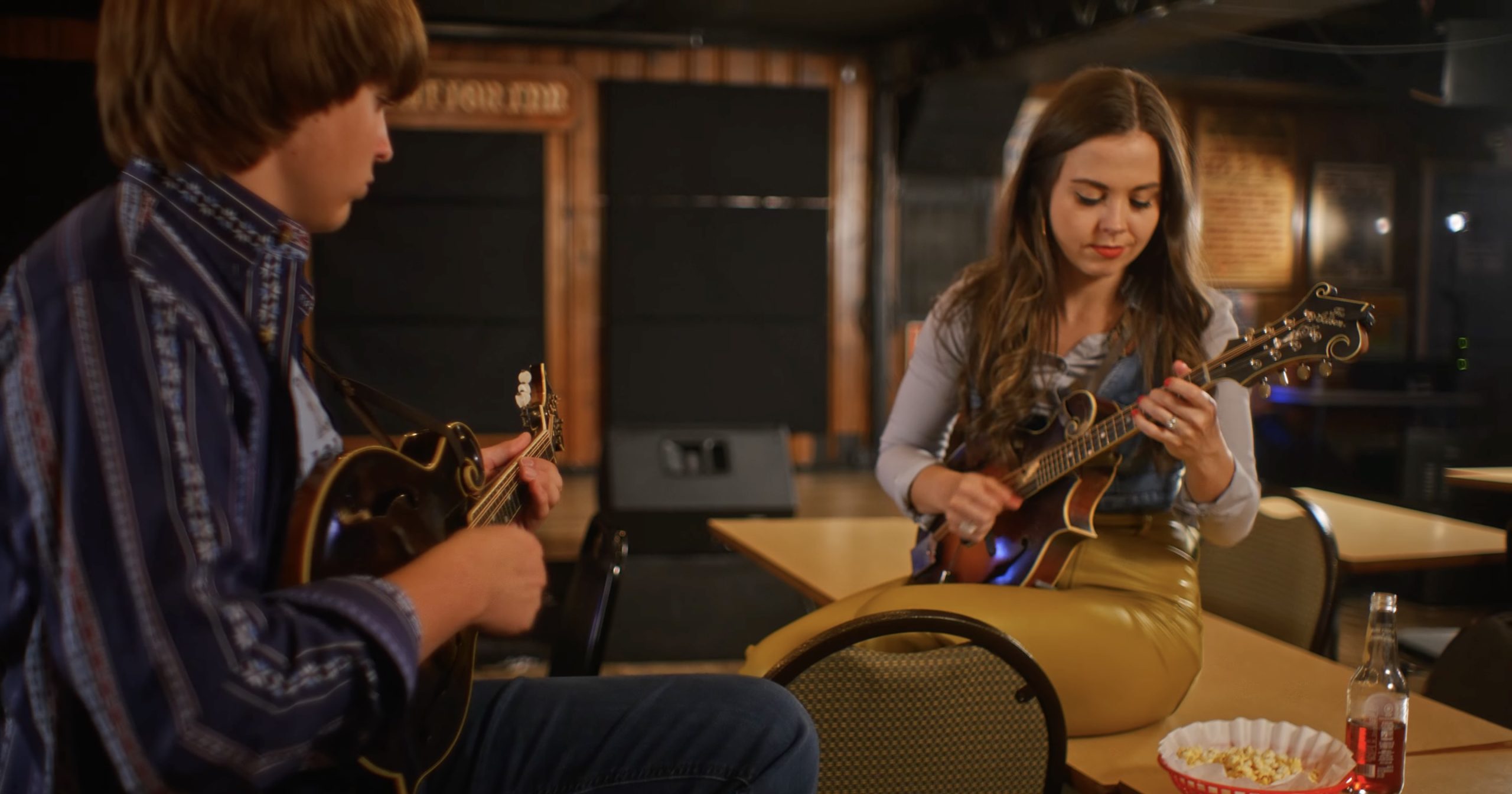
At only 14 years old, mandolinist Wyatt Ellis is a sight to behold in the official music video for “Grassy Cove.” The tune was co-written with the superbly talented Sierra Hull and recorded as part of a larger project that’s coming out at a later date. “Grassy Cove” came about after Ellis completed a Tennessee Folklife apprenticeship with Hull. Its music video was filmed at the Station Inn in Nashville, TN – with Cory Walker on banjo, Deanie Richardson on fiddle, Justin Moses on guitar, and Mike Bub on bass – and debuted only days ago.

Ellis made his Grand Ole Opry debut at just 13 years old. He also performed at MerleFest this year and has nearly 100,000 followers on social media across his combined pages, so keep your eyes on this rising star!


WATCH: Patty Loveless, Chris Stapleton Sing “You’ll Never Leave Harlan Alive”

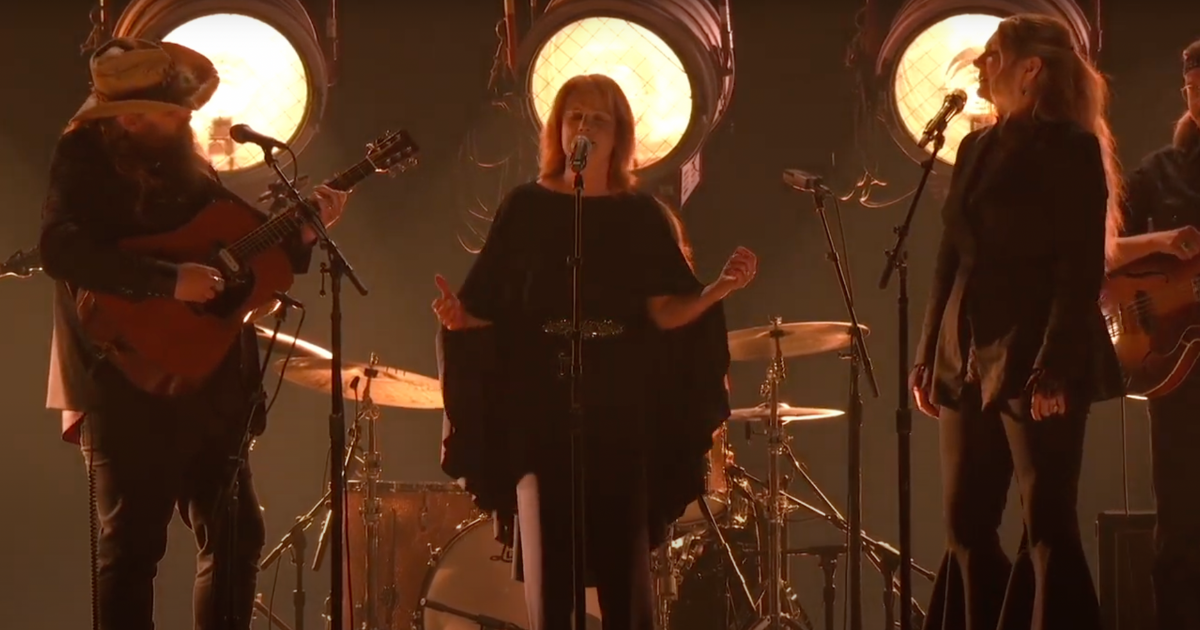
Patty Loveless reminded us why she’s still a hero to traditional country and bluegrass fans during a rare performance with Chris Stapleton at the CMA Awards on Wednesday night. Loveless included the poignant composition on her landmark 2001 album, Mountain Soul, an acclaimed record that still holds up. Look closer and you’ll see that Darrell Scott, who wrote the song, is playing Dobro on this performance, along with Deanie Richardson on fiddle and Morgane Stapleton on harmony.

Released at the height of the O Brother, Where Art Thou? soundtrack’s popularity, Loveless pressed pause on her commercial country career for a set of songs featuring Jon Randall, Travis Tritt, and an exceptional group of studio musicians. (Seriously, look at this personnel list.) The emotional centerpiece of the project may be “You’ll Never Leave Harlan Alive,” which feels almost like it was written for Loveless, whose late father worked in the coal mines.

Stapleton deservedly won the CMA Award for Male Vocalist during the show, but his greatest accomplishment of the night may be been placing a six-minute Appalachian ballad in the middle of a mainstream country show, not to mention inviting Loveless back into the spotlight. She’s no stranger to the CMA Awards, of course, having won back-to-back Female Vocalist trophies in 1995 and 1996, in addition to Album of the Year honors for 1994’s When Fallen Angels Fly. She later collected another one for 1997’s “You Don’t Seem to Miss Me,” which she recorded with one of her own heroes, George Jones. It’s a touching moment to now see Stapleton paying homage to an artist who has made her own mark on country music throughout the decades. And it goes without saying that any time that Patty Loveless wants to make another album, we’re here for it.

Stapleton and Loveless first sang the song together at the Kentucky Rising benefit concert in Lexington on October 11, raising funds for relief and recovery following the devastating floods in Eastern Kentucky this past summer. The one-night-only event also featured performances from Kentuckians Tyler Childers, Dwight Yoakam, Ricky Skaggs, and S.G. Goodman. You can still donate to the Kentucky Rising Fund here.

Take a look at Patty Loveless and Chris Stapleton singing “You’ll Never Leave Harlan Alive” below.

The BGS Radio Hour – Episode 213

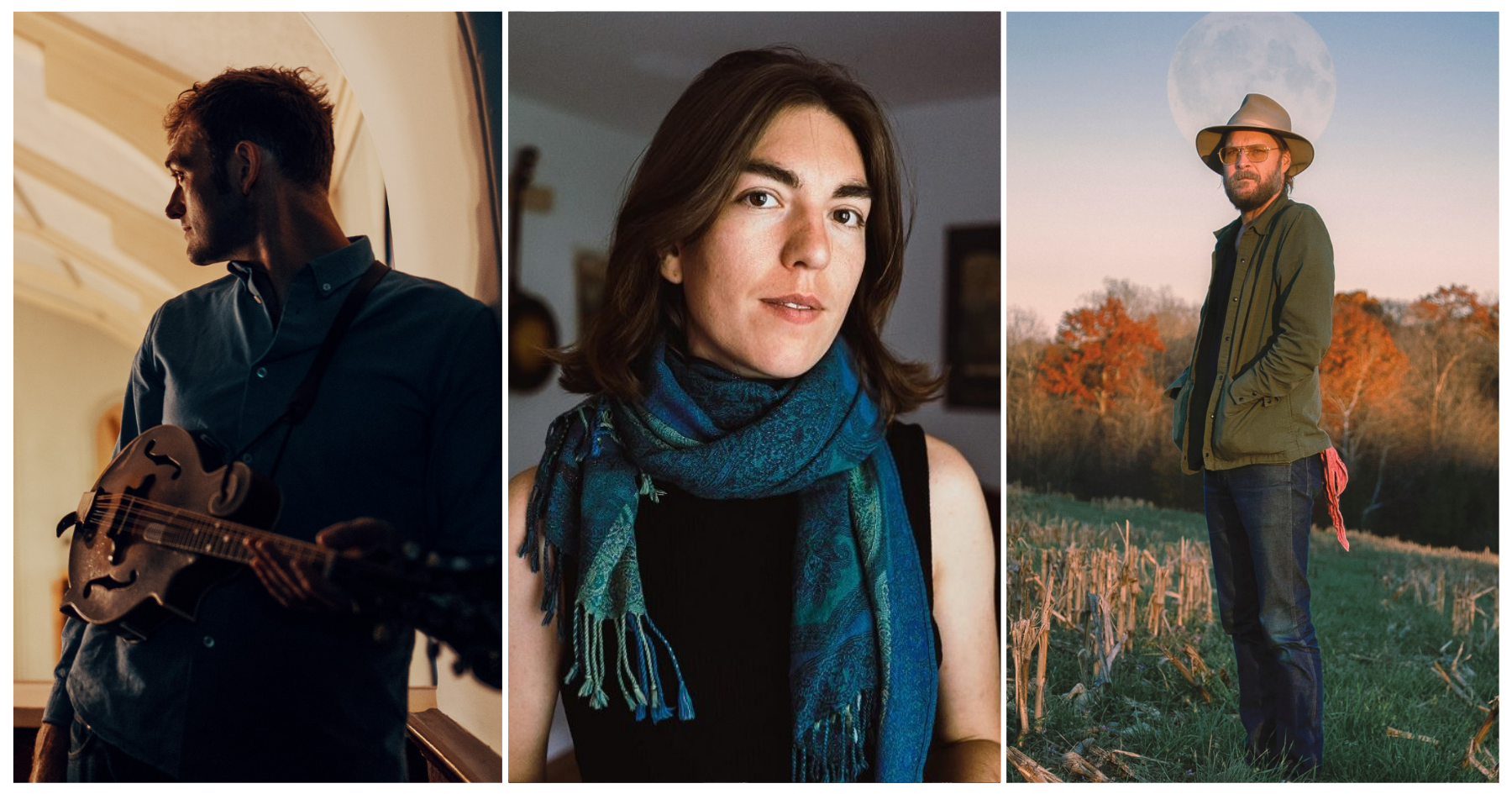
Welcome to the BGS Radio Hour! Since 2017, this weekly radio show and podcast has been a recap of all the great music, new and old, featured on the digital pages of BGS. This week, we bring you new music off of the beautiful new album Quietly Blowing It from Hiss Golden Messenger, as well as new music from Chris Thile, Maya De Vitry, and many more! Remember to check back every week for a new episode of the BGS Radio Hour.

APPLE PODCASTS, SPOTIFY

Nefesh Mountain – “Somewhere On This Mountain”

BGS caught up with Nefesh Mountain on a recent 5+5, where the duo shared a mission statement for their career: “Invent, inspire, repeat!” They also told us about their favorite onstage moment and about the artists that have influenced them greatly.


Beta Radio – “I Need My Prayers”

Beta Radio’s new track, “I Need My Prayers,” was a surprise to Benjamin Mabry when he wrote it within 15 minutes. In speaking about the song’s meaning, he told BGS, “I was in a mental and spiritual place of needing something to hold onto, I felt like I had lost all my footing in the world and didn’t know where to turn. And a lot of personal things felt like they were falling apart. So… I guess I just needed my prayers.”

Maya De Vitry – “Working Man”

Maya De Vitry’s “Working Man” was inspired by the creation of railroads in the United States, and more specifically, how the men who physically laid down the tracks are often not the ones credited with building them. This led her to reflect upon the people in our society who are overworked, underpaid, and overlooked, which ultimately helped her write “Working Man.”

Rory Feek – “Time Won’t Tell”

In speaking with BGS recently about “Time Won’t Tell,” Rory Feek shared how he first heard this song, and how it has become even more special to him after his wife’s passing.

Wilson Banjo Co. – “When The Crow Comes Down”

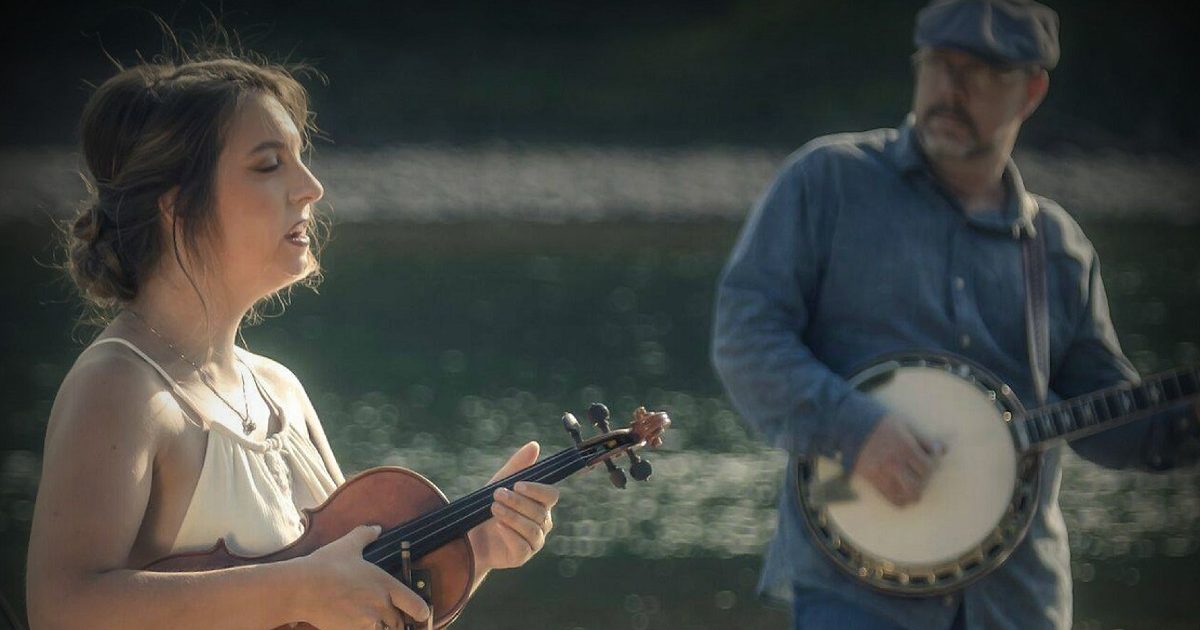
Wilson Banjo Co. co-wrote “When The Crow Comes Down” with acclaimed Nashville songwriter Jordan Rainer. The song features a “spooky theme” and pure Appalachian tone, and has a wonderful music video to accompany it.

Chris Thile – “Ecclesiastes”

Chris Thile has long woven religious themes into his songwriting, but never so much as on his new album, Laysongs. When we asked him if he enjoyed talking about religion outside of his art, Thile stated that it’s always been an instinct of his to intertwine what he’s thinking about with religious imagery. “Ecclesiastes” expresses the depth of Bible verse Ecclesiastes 2:24 instrumentally, which Thile did purposefully. In his words: “What language is incapable of properly expressing, instrumental music steps up and says, ‘I got this.’”

Hiss Golden Messenger – “Glory Strums (Loneliness of the Long-Distance Runner)”

“Glory Strums (Loneliness of the Long-Distance Runner)” comes from Hiss Golden Messenger’s latest album, Quietly Blowing It. Recorded in the summer of 2020 in Durham, NC, Quietly Blowing It reflects a joyful spirit that combines N.C. warmth with an LA glow.

Phil Leadbetter – “I Will Always Love You”

When Phil Leadbetter first heard Dolly Parton’s “I Will Always Love You” live, he was blown away. Years later in 2010, he recorded the track with his Scheerhorn guitar, but it was ultimately lost after some time. However, when Leadbetter recently found the track, he knew it would work perfectly for his new collection of resophonic guitar songs, Masters of Slide: Spider Sessions. 

Mason Via – “Big City”

Mason Via’s “Big City” is what he calls, “a personal hillbilly mantra of sorts,” and it’s the first single off of the American Idol contestant’s debut album with Mountain Fever Records.

Johnny Flynn, Robert Macfarlane – “Ten Degrees of Strange”

This Duos of Summer feature, “Ten Degrees of Strange,” comes from Robert Macfarlane and Johnny Flynn’s recent collaboration, Lost in the Cedar Wood. A week into lockdown, Macfarlane, a Cambridge University academic and bestselling author, reached out to his good friend and musician, Johnny Flynn, asking if he would like to write a song together. In speaking about working with Macfarlane and writing during the midst of the pandemic, Flynn said: It started as just a song, and then it became a few songs… but it held me in place and kept me from completely spinning out.”

Joe Mullins & The Radio Ramblers – “Living Left to Do”

In the words of Joe Mullins, “‘Living Left To Do’ is about enjoying our calling, celebrating God’s goodness, and the blessed assurance of life eternal. We’re ready to live, love, laugh, and have a lot more to do!'”

Lea Thomas – “Hummingbird”

Lea Thomas’ “Hummingbird” was inspired by a dream she had, in which she turned into a white wolf and ran across the countryside, taken aback by the beauty and interconnectedness of life.


Photos: (L to R) Chris Thile by Josh Goleman; Maya de Vitry by Kaitlyn Raitz; Hiss Golden Messenger by Chris Frisina

WATCH: Wilson Banjo Co., “When the Crow Comes Down”

Artist: Wilson Banjo Co.
Hometowns: Steve Wilson: Spencer, N.Y., and lives in Westminster, S.C.; Sarah Logan: Gorham, Maine, and lives in Johnson City, Tenn.
Song: “When the Crow Comes Down”
Album: Six Degrees of Separation
Release Date: June 4, 2021
Label: Pinecastle Records

In Their Words: “’When The Crow Comes Down’ is a really well-written story song that was co-written by a tremendous Nashville singer-songwriter, Jordan Rainer. We fell in love with the spooky theme and the imagery she created. The Appalachian tone and timbre of Sarah’s unique vocal was perfect for the delivery. Creating the mood for this song through arrangement was exciting, but it was the artists who all truly captured my vision. Richard Bennett and I work together a lot in the studio and his distinctive guitar picking constantly blows my mind. I was so honored when he agreed to be such a huge part of this project! And Deanie Richardson’s fiddle was the perfect fit for this song! She’s able to perfectly capture each emotion in the story; she is truly outstanding. Everyone’s contributions came together to create such an amazing final recording for this song! A video was a must! And who doesn’t enjoy a good scary movie? Bonfire Music Group did a great job with the production and we all had fun watching Sarah get creepy! We hope you enjoy it!”– Steve Wilson, Wilson Banjo Co.


Photo credit: Pinecastle Records

LISTEN: Stephen Flatt, “White County Shine”

Artist: Stephen Flatt
Hometown: Nashville, Tennessee
Song: “White County Shine”
Album: Cumberland Bones
Release Date: April 16, 2021
Label: Flatt Family Music

In Their Words: “My grandparents and great-grandparents resided in White County, Tennessee, specifically Sparta. My great-uncle Lester Flatt and his family also lived in White County/Sparta, not far from my great-grandparents (his brother and sister-in-law). They were a close family and often worked odd jobs together, like working at the sawmill, before Lester struck out as a musician. I doubt Lester was involved in any of the moonshine activities that might have occurred on my side of the family tree, so I’d hate to drag his name into that. Lester was a staunch teetotaler, probably partly due to witnessing the effects of alcohol on friends and family members.

“Although ‘White County Shine’ is a semi-fictional account, it is a very real reflection of my family, my grandfather, the very real mountain moonshine culture, and the potential byproducts that come along with that dark spot of the mountain lifestyle. When the song says, ‘He lost all his money, but he never lost his high,’ that’s real and raw and it’s about my grandfather. I would venture to say that although the song is upbeat and jovial, it probably brings up some bad scars for my dad and my uncles when they hear it. I thought about this as really a generational thing, with generational impacts.

“I went camping with my cousin once on Bon Air Mountain, and he brought a jar of moonshine. When he woke up the next morning, he took a big pull off the shine and exclaimed, ‘You gotta have a shot before breakfast!’ Later, I wrote ‘White County Shine’ with the lyric ‘a shot before breakfast will always do you right’ in the chorus. This song features some of my friends and bluegrass greats, with Charlie Cushman on banjo, Deanie Richardson on fiddle, Justin Clark on mandolin, Steve Hinson on Dobro, Kenny Vaughan on the flattop, and Ronnie Bowman adding some amazing harmony. The song is a fun and entertaining romp!” – Stephen Flatt


Photo credit: Flatt Family Music

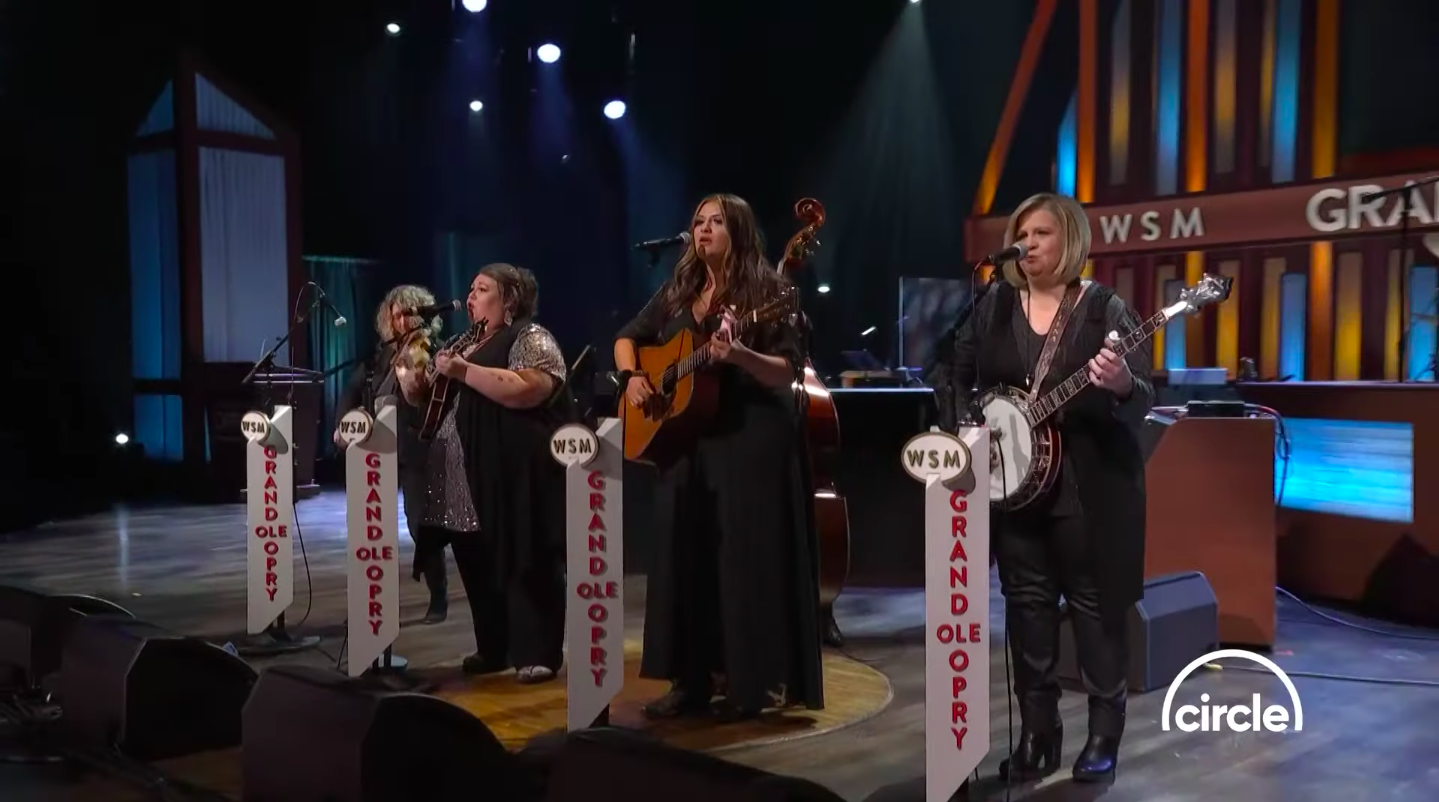
WATCH: Sister Sadie Sing “Since I Laid My Burden Down” On the Opry

Sister Sadie, our BGS Artist of the Month in December, got a strong start to closing out 2020. The trailblazing all-female powerhouse performed on the Grand Ole Opry on December 5 and left the audience in ashes after performing a scorching rendition of “Since I Laid My Burden Down.” Folks and fans are wising up to the group since their recent successes at both the IBMA Awards and the Grammys, winning three awards in the last two years from the IBMA and earning their first Grammy nomination in 2018.

For those who might still be new to the band, check out our Artist of the Month interview to gain a deeper appreciation for the incredible music that has arisen so naturally from the tight bonds of friendship and out of the hard-worked hands of these all-stars in the acoustic community. Tina Adair sings and picks mean mandolin over the roaring undercurrent of Gena Britt’s rolling banjo and Deanie Richardson’s screaming fiddle. They’re joined in this performance by singer-guitarist Jaelee Roberts and bassist Hasee Ciaccio. From the famed Opry stage, watch the reigning IBMA Entertainers of the Year tear up some old-fashioned bluegrass.


Sister Sadie: Bluegrass Entertainers, Teachers, and Most of All, Friends

Sister Sadie is a bluegrass supergroup featuring no-holds-barred instrumental and vocal talent presented as world-class entertainment. To list each member’s history in bluegrass and their accomplishments would take up more space than this entire interview, but their music speaks for itself. These women have spent their lives perfecting their craft. The band originally formed to play a one-off show at the historic Station Inn in Nashville. Once they started playing, they knew that they had found something special.

Since that night they have gone on to perform on the Grand Ole Opry, receive a Grammy nomination, and rack up two historic awards from the International Bluegrass Music Association. In 2019 they were the first all-female group to win IBMA Vocal Group of the Year and in 2020 they became the first all-female group to win IBMA Entertainer of the Year. These awards represent not only their individual lifetimes’ worth of hard work and passion, but also the work and love that they put into their music and each other.

BGS caught up with three of the band’s founding members — Tina Adair (mandolin, vocals), Gena Britt (banjo, vocals), and Deanie Richardson (fiddle) — for our Artist of the Month interview.

BGS: Since IBMA was virtual this year I haven’t gotten to see any of y’all in person to congratulate you on your award. I imagine this recognition must feel exciting since you’ve all been playing for your entire lives. Does winning Entertainer of the Year hold any special significance to you?

Tina Adair: I’ve been singing on stage since I was 3 years old. As big of a ham as I am now, I was as big a ham back then, too. I’ve always loved the stage and I love entertaining people and making people feel good and having a good time. I think people go out to see shows to get a break from the everyday world and to enjoy music because music is very therapeutic. It’s always been a goal of mine to make sure that people leave smiling bigger than they did coming into the show and feeling like they’re part of something. I know that Gena and Deanie are the same, all we’ve ever known has been music, you know? It’s not just a part of our lives — it is our life. So to get to do this as a profession, just makes us even luckier. And then to be recognized by your peers. Entertainer of the Year has always been something that I’ve dreamed about all my life. It’s been very special and we’re very honored and grateful.

Gena Britt: That’s pretty much everything I would’ve said.

Deanie Richardson: Yeah, that was pretty good. I’d say we’ve all been going to IBMA since we were teenagers. We all dreamed of being nominated for awards, but I don’t know if we ever thought it would happen. And like Tina said, that Entertainer of the Year category is special for some reason, so winning is just the icing on the cake. It means that we’ve not only gone out and played our best, but entertained them. Tina’s a great entertainer. She can grab that crowd and take them on a big journey. They’ll laugh and cry and anything they need to feel emotionally she can do that with an audience. To pull this off, to experience these awards and what we’ve accomplished together as five friends who have grown up knowing each other and going to IBMA that’s the really special part for me.

You all have this connection to mentoring the next generation, which is such a big part of the bluegrass tradition. How do you feel about being able to influence the generation of bluegrass in general and of women and bluegrass?

TA: Each of us has had such a lifelong journey, and we’re not old, but we’re middle aged now. So we’ve got some experiences to share. With age comes wisdom. I’ve been [working] at Belmont [University] for 20 years now. Personally I love that college age, because it’s such a transitional period in a person’s life. That’s the age where you’re coming into being a young adult and learning to make decisions. I love to be involved in lives at that point in time. I love to be able to provide advice to the kids and share any kind of tips. One of the best pieces of advice I always give to my students that I learned from one of my mentors is to do something every day to help forward yourself towards a goal or the career that you want to go after. Whether you spend five minutes on it or 10 hours that day on it, do something every single day.

And then, as far as influencing women and everything, I hope I can be an influence to a female that doesn’t fit the typical mold of what people think you’re supposed to look like in society. You know what I mean? People who need to be encouraged to get on stage or find the courage to want to learn how to play something even if they’re just sitting in their living room. I think that’s important — having that self-confidence and awareness of knowing who you are and knowing what you stand for. And being okay with yourself. Lord knows I’m not a size four, but it doesn’t matter. I’ve got the confidence of a size two. I love people. And I think if you give love to people then they’re gonna give back to you. I really feed off the energy of an audience because if I’m interacting with them and they’re interacting with me, then they’re invested just as much as I’m invested in them, you know? If I can influence one person that may have thought they couldn’t do something but changed their mind after seeing a Sister Sadie show, then that’s made our journey worth it.

DR: We’re not ones to harp on this whole “We’re women, blah, blah, blah.” But there are lots of women out there who paved the way for us like Laurie Lewis, Lynn Morris, and Kathy Kallick. We look up to them and they made it possible for us to win these awards. Somebody said the other day in an interview, “No woman has ever won this award” or all-female band or whatever. It is a male-dominated business, but there have always been women in this genre. There have been women always working towards what we just accomplished and they helped us get to where we are. And I hope that we’re paving the way for the next group of women to come right behind us. I think we’re working past saying, “Here are some women, and they just did this.” Because, you know what? We’re freaking good. And we just did this. Eighty percent of my roster that I teach is young girls playing fiddle and I want them to not have to worry about being a man or a woman. I want them to just want to be good, or to be the best, and to get out there and do this because that’s their goal.

Gena, I had a question for you because you played in Petticoat Junction, which is another historically significant, all-female group. Do you feel like there’s much of a difference performing in an all-female group now versus back then?

GB: Back then, there were a few other all-female bands, and at the time, if you called a promoter to book a show or something, they would say, “Well, we’ve already got a female band that weekend. We don’t need another female band.” I think we’ve grown so much since then. It hasn’t completely gone away, but we have stepped away from that. Yes, we are women, we are in our 40s, we all have these jobs that we’re doing, like, I have a day job and everything. But people are recognizing our music and we’ve been given these awards, because we’re carrying our own and we’re doing as best we can as musicians.

It’s great to see all of that progress. Bluegrass has this thing where men age into reverence, kind of no matter how talented they are. If you’ve been around for long enough, then people recognize that you have some wisdom which is turned into social capital. But women don’t seem to get that same treatment. It seems like it’s much harder for them to age into legends. You just stop hearing about them as much. It’s a really unsettling phenomenon. So I think it’s doubly exciting for you all to, uh, as… I’m trying so hard to not say, and I’m not saying at all that you guys are —

TA: Just say it, Tristan!

You’re only older than me! You’re not old, I’m just a baby.

TA: I mean, we’re all one step away from menopause. At least I really hope I am, because if I’m not, there’s something else wrong with me. [Laughs]

GB: I was 18 when I joined Petticoat Junction. That was 30 years ago. I’m 48. That gives some perspective on how long we’ve been out here doing this.

You’ve been doing this your entire lives and have been actively involved in the scene the entire time and I think it’s reflected in your music. You’re all talented musicians. The music that you play has its own sound, but clearly has a lot of different influences. How do you bridge the gap between bluegrass and folk and country and blues?

DR: Going into the studio and picking material is a hard thing for five people to do, and as women who all have different tastes and different senses of artistic creativity, it’s a challenge. Everybody brings songs to the table and then we choose as a unit what we think works as a band. That’s a hard process for us, but I feel like, at the end of the day, we work really well through our differences. Hell, we’re probably gonna break into a fight, but it’s gonna be alright. We’re gonna make it through it. And at the end of the day, there’s gonna be 12 songs on the record that we can kick ass on. Part of it comes down to Tina has a singing style that works for her, Gena has a singing style, and Dale Ann had one as well. So that brings in the blues, the hardcore traditional, the folky, from each of us.

GB: It’s all those influences. The East Kentucky, Alabama and the blues from Tina, I’m straight-ahead, traditional bluegrass from here in the heart of North Carolina. And it’s like you said, it is a cohesive sound. We’re all together. All those influences do help create our sound.

TA: It’s what brings it together.

You all clearly put a lot of work and love into your music and it’s really paid off.

DR: The one thing I am most proud of about this band is that we started as five friends played that show at the Station Inn. It went from there to another show, to another show, to a record to another record, to a Grammy nomination, to the Opry, to Vocal Group of the Year, to Fiddle Player and Entertainer of the Year. I wouldn’t have won that Fiddle Player or the Year award without this band so I’m truly grateful for all of that. But we’ve done this all by ourselves. We are five women who love each other, who work through our differences, and who have worked hard together.

We’ve done the booking, we’ve done the managing, we’ve done the publicity — it’s all been organic. It’s not something we’ve gone out and pushed, it’s not something we’ve gone out and publicized a great deal. It’s just all happened organically. It took on its own life. Everything that has happened with Sister Sadie has happened because it was meant to happen. And it’s just out of our love for this music and for each other. That is what I’m most proud of. Five women who raise kids, who work day jobs, who teach, who play professionally. Five women who have done this together. I’m super, super proud of that.

TA: Me, too. I want to piggyback off of that because that’s an important point. We didn’t start off to make it big or anything. We just wanted to play music together and instead of doing it in our living room, we thought, “Well, we could do it at the Station Inn, and that would be fun.” Because Station Inn is like all of our home away from home. So that’s how it all started. I think everything has a time and a place and everything happens the way it’s supposed to happen. I think that night at the Station Inn was supposed to happen. That is what led us down this road to accomplishing and achieving some things that have been lifelong dreams of ours that may not have ever come true had Sister Sadie not been formed. We just love each other dearly and hopefully that comes across. I hope the concept of Sister Sadie comes across as nothing more than we’re trying to love. I love people, we love each other, and love making music. We love bluegrass.


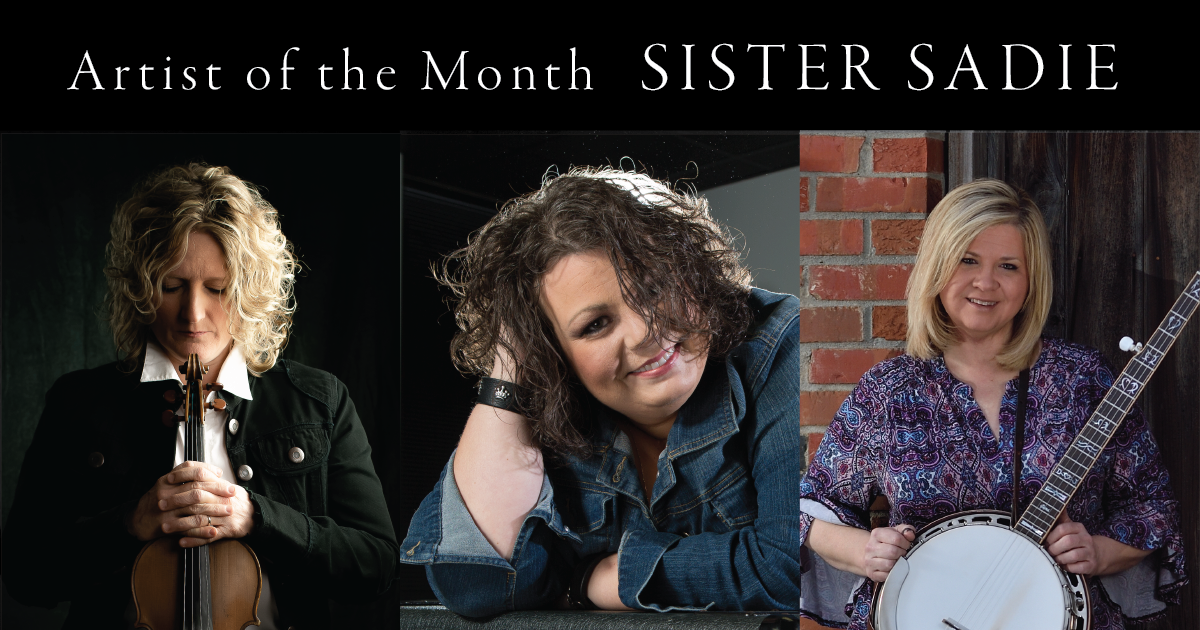
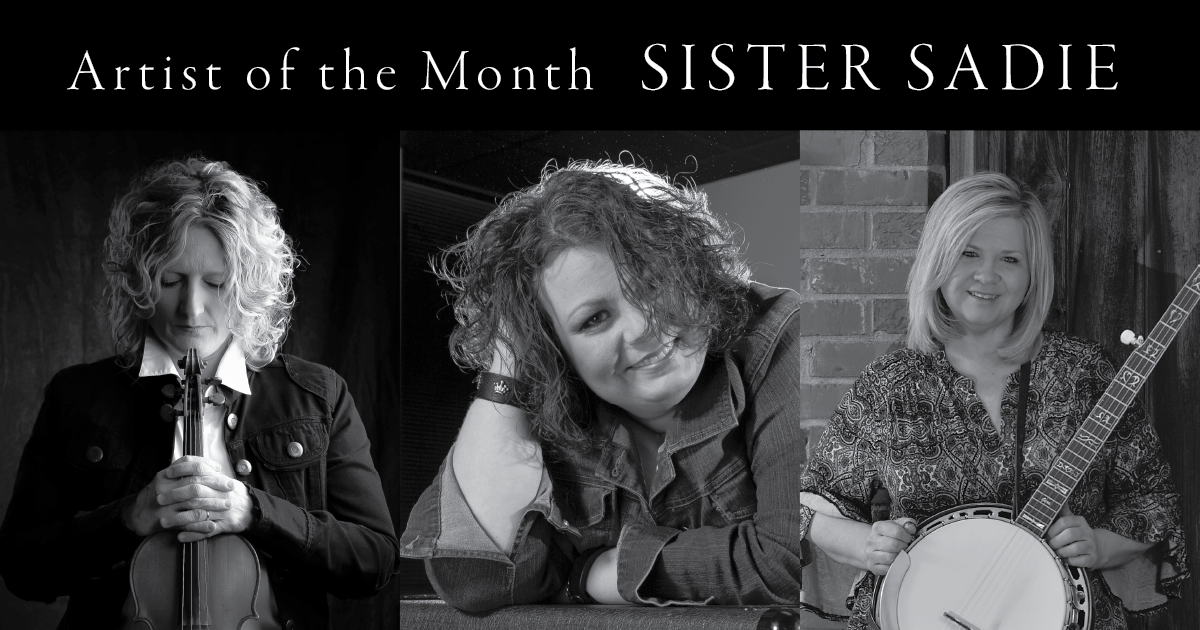
Photo credits: Deanie Richardson by Kerrie Richardson; Tina Adair by John Dorton; Gena Britt by Mike Carter

Artist of the Month: Sister Sadie

Stepping out with a number of the most talented women in bluegrass, Sister Sadie made an impressive showing in 2020, with a first-ever win as IBMA Entertainer of the Year and a repeat for Vocal Group of the Year. Plus, their fiddler Deanie Richardson picked up two more trophies as Fiddle Player of the Year and Collaborative Recording of the Year (for her appearance on Becky Buller’s “The Barber’s Fiddle.”) The accolades confirm what bluegrass fans have long known: There is room for everyone in the genre, regardless of gender. In fact, Sister Sadie is the only all-female group to win bluegrass’ top award.

“Bluegrass is traditionally viewed as a male-centric genre, but a genre that is rooted in the Appalachian sounds of Mother Maybelle Carter,” says Tina Adair, the band’s vocalist and mandolin player. “We’re proud of this honor. There’s a lot of purity and traditionalism in this genre, but a lot of progressivism, too. We love getting to contribute new perspectives to a style of music that has shaped us all.”

“We’re all over 40 and proud to be on the front lines to show other women that they can also achieve their dreams,” Richardson says. “We’re proud to expand the ways people hear and view bluegrass, too. To us, it’s a musical national treasure that can be traced back to the foundation of our country, and it tells a story of a landscape, a culture, a mindset, and a struggle to overcome the odds. It’s in our blood.”

All three members of Sister Sadie are accomplished recording artists in their own right. In 2019, Deanie Richardson issued a solo album (Love Hard, Work Hard, Play Hard) as well as a lively record with a side project known as The Likely Culprits. IBMA Award-nominated Banjo player Gena Britt also submitted an excellent collaborative record in 2019, titled Chronicle: Friends and Music, while Tina Adair continues to record as a compelling solo artist.

In 2020, Adair also partnered for a wonderful covers album with Dale Ann Bradley, who departed Sister Sadie in November to travel with her band exclusively in 2021. The sisterhood remains, though. A recent Instagram post by the band concludes, “Because our friendship takes precedent to our musical goals, we celebrate each other in every way possible whether it’s tied to Sister Sadie or any of our other efforts. We’re beyond thrilled for Dale Ann as she charges forward with her solo career and are equally excited to see what unfolds for Sister Sadie.”

Sister Sadie has already contributed to the modern bluegrass canon with 2016’s self-titled album, followed by 2018’s Sister Sadie II. Read an interview by Tristan Scroggins with the band’s three members here. While you’re at it, check out the breadth of Sister Sadie’s catalog in our Essentials playlist.


Photo credits: Deanie Richardson by Kerrie Richardson; Tina Adair by John Dorton; Gena Britt by Mike Carter