MIXTAPE: Songs That Changed Jon Stickley’s Life and Still Blow His Mind

When I was a senior in high school, my lacrosse teammate Andy Thorn loaned me a couple CDs and a mandolin. The two CDs were the original David Grisman Quintet album and Sam Bush’s Glamour and Grits. I was an angsty teen drummer in a punk band, and when I popped the Grisman album in my Sony Discman and pushed play, my life changed forever.

We started a little band and I started learning mandolin and making weekly trips to the local record store to buy every “newgrass” album I could. I didn’t know anything, so searching through the bluegrass/country section was an adventure of discovery. I learned to recognize the font that Rounder Records used and started using liner notes to find other musicians to listen to.

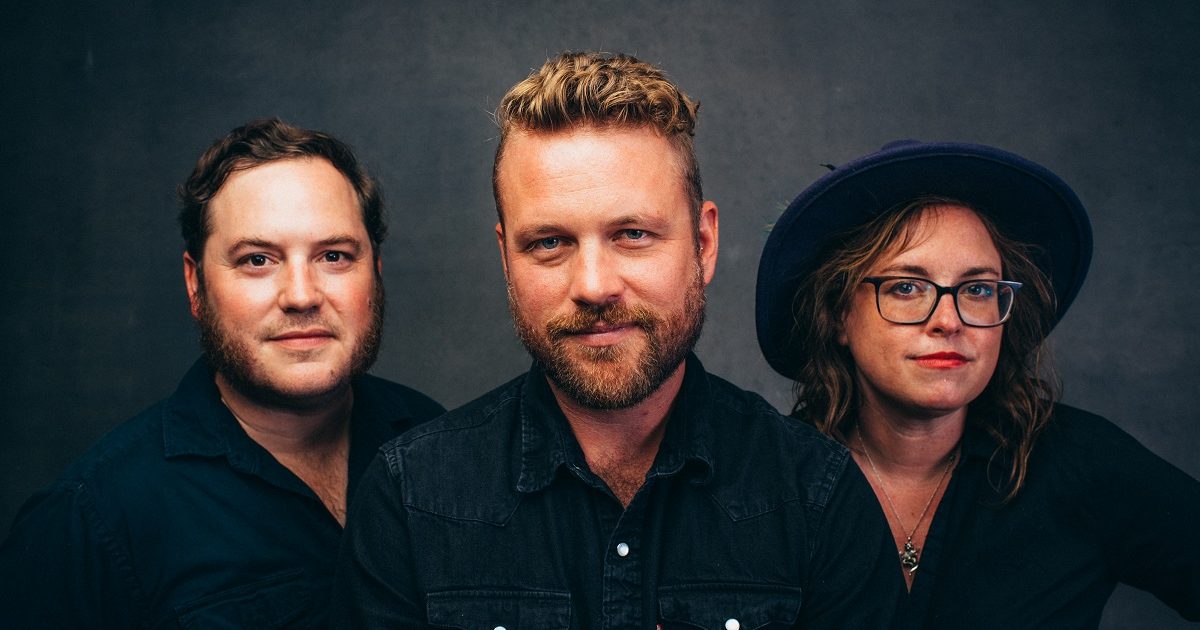
A lot of the tracks on this list are track #1 on the album, and I think that’s because when I heard them for the first time, they magically seared themselves into my brain. When I hear them today they inspire the same excitement as they did when I first heard them, and they have had an enormous impact on the music that I create for the Jon Stickley Trio. — Jon Stickley

David Grisman – “E.M.D.”

The first track I ever heard in the vein of bluegrass/newgrass. I heard David Count “1,2,3,4…” just like the Ramones! Then they launch into the most indescribable, unbelievable, clean, rockin’ jam I’ve ever heard. Also my first introduction to my guitar hero, Tony Rice. Nothing compares to this track!

Sam Bush – “Whayasay”

Another leading cut. This was my introduction to the one and only Sam Bush. His kickoff tells you everything you need to know about Sam’s music. It’s masterful, tasteful, and it freakin’ ROCKS. Then he goes totally Mark Knopfler at the end. Blew my young mind!

Jerry Douglas, Russ Barenburg & Edgar Meyer – “Big Sciota”

I picked this record up at the store because, on the back cover, they are dressed in gorilla suits. I thought, these dudes MUST be cool. Something about the tone of this record is unparalleled. It’s just the nicest-sounding acoustic record I’ve ever heard. Still cook dinner to it almost every night and my wife walked down the aisle to another track from the album called “The Years Between.”

Ricky Skaggs & Kentucky Thunder – “Pig In A Pen”

Holy crap. This is another album I bought blind at the record shop knowing absolute nothing about the music. To this day I have never heard anything rock this hard! Also, my first intro to a big guitar hero, Bryan Sutton.

Bryan Sutton – “Decision At Glady Fork”

Senior year of high school my uncle Pat took me to the Béla Fleck Bluegrass Sessions concert. I knew who Sam Bush and Béla were, but it was my first time hearing Jerry Douglas, Stuart Duncan, and the young Bryan Sutton. They played this song and the audience pooped their pants!

Béla Fleck – “Blue Mountain Hop”

The ultimate supergroup in my opinion. This song got me thinking about composition and arrangement in a new way. It seems like each new part of the song was written with each individual soloist in mind. Also the giggles and growls in the intro remind you that they’re having a ball.

Béla Fleck & the Flecktones – “Sinister Minister”

Two words. Victor Wooten. Blew. My. Young. Mind! I’ve listened to this version of this song more times than I can count, and it’s one of the covers that we do in the trio. The Flecktones probably had more of an impact on our trio than anyone else out there.

The Bluegrass Album Band – “Blue Ridge Cabin Home”

This is another album where I had no idea what I was buying. It wasn’t until I looked at the back of the CD that I realized that Tony Rice was on it. It was my introduction to J.D. Crowe, Doyle Lawson, Bobby Hicks, and Todd Phillips. I fell in love with bluegrass banjo by listening to this song, and I was thrilled to find out there were five more volumes!!!

The Nashville Bluegrass Band – “Dog Remembers Bacon”

Another record store score that I grabbed just because “bluegrass” was in the title. LOL. These guys became my favorite group for years and this was always one of my favorite tracks. I learned about Gillian Welch from this album. Stuart Duncan is the best fiddler in the world!

Acoustic Syndicate – “No Time”

Man, I love these dudes SO much. My Uncle Pat gave this album to my dad around ‘98, and I promptly stole it. The chill energy of this album really spoke to me and I feel like it really embodies the spirit of the North Carolina festival scene. Super sentimental band for me!

Tracks from our new album “Scripting the Flip” that draw heavy on these influences:

Jon Stickley Trio – “Scripting the Flip”

This song is pretty much a bluegrass fiddle tune turned on its head. It reminds me of some of my favorite newgrass instrumentals that take the music somewhere new.

Jon Stickley Trio – “Driver”

Well, given that my buddy Andy Thorn got me into this music waaaaay back in the day, I had to bring it full circle and write a tune for him to come in and play on. This piece definitely draws on the music of the Flecktones and some of the tunes they play in odd meters.

Jon Stickley Trio – “Bluegrass in the Backwoods”

Kenny Baker, Bill Monroe’s longtime fiddler, was surprisingly one of the most innovative of the classic bluegrass pickers! He is thought of as a traditional fiddler, but his music is really anything but. I think this tune was way ahead of its time and we love the elements of gypsy jazz and Latin music in the melody. We HAD to cover this on at some point and it was so much fun!


Photo credit: Sandlin Gaither
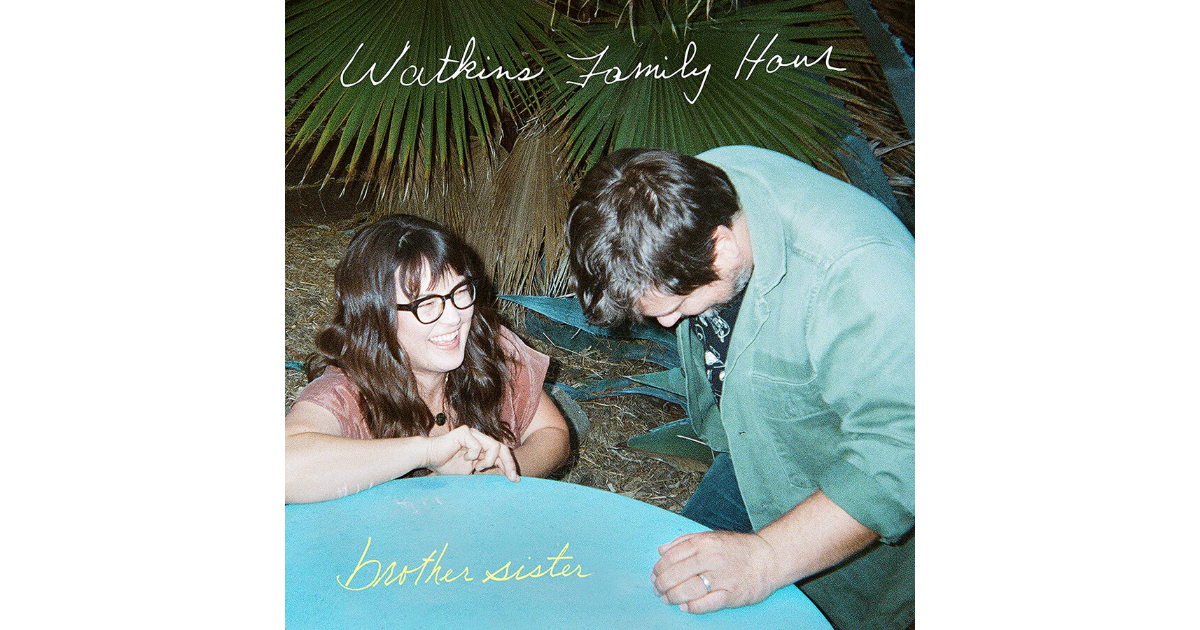
Watkins Family Hour, “Bella and Ivan”

“Bella and Ivan,” one of two instrumentals on our Artist of the Month Watkins Family Hour’s brand new LP, brother sister, begins with a folky, whirring Vitamix of notes. It’s a frenzied melody, one that allows the siblings’ bluegrass virtuosity to glint like a bright reflection off a sly smile. Sean’s aggressive, Tony Rice attack and the slight Celtic bounce of Sara’s bow are demonstrating that they, too, can accomplish the unlikely complicated ease of the duo’s tight, familial harmonies.

And they do. Ever since the first notes of Nickel Creek’s “Ode to a Butterfly” transformed an entire generation of listeners into bluegrass fans, Sean and Sara Watkins have been giving us these effortless-while-acrobatic instrumentals. Each one reminds us in its own way that no matter how far afield the pair may travel from their genre of origin, they carry it with them still — and can execute any of its aesthetics with immediacy and delightful, mocking aplomb. 

Named for a friend’s two dogs who love to wrestle, “Bella and Ivan” isn’t so much rough housing as it is a scripted, choreographed, pro fight. Their interplay is just as exciting to those of us who suspend disbelief as it is to those who don’t; the musical dialogue precariously and joyfully unfolds in a way that refuses to either feel rehearsed or totally off-the-cuff. 

In whatever iteration one encounters the music of Sean, Sara, and/or Watkins Family Hour, they’re giving listeners every last ounce of that ethereal “something” that sparked our love for them in the first place. While they constantly reinvent themselves and explore new sonic territories, somehow that “something” remains indelible. It’s just Sean and Sara Watkins.

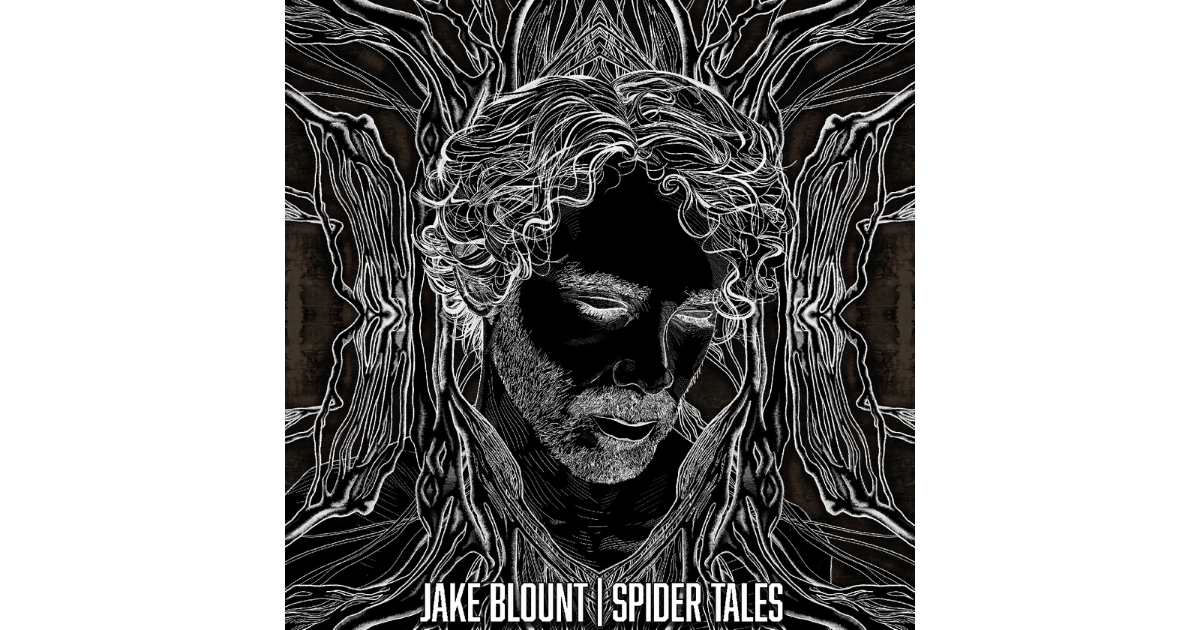
Jake Blount, “Goodbye, Honey, You Call That Gone”

The title of banjoist, fiddler, and ethnomusicologist Jake Blount’s upcoming album, Spider Tales, is a reference to Anansi the Spider, a folklore character of the Akan people of West Africa. Says Blount, “The Anansi were tales that celebrated unseating the oppressor, and finding ways to undermine those in power even if you’re not in a position to initiate a direct conflict.” 

With such a deft, succinct mission, Blount takes a vibrant and dense, harlequin cultural tradition — which has lived on across the African diaspora, brought to the United States and colonies in this hemisphere by enslaved Africans — and applies it to a collection of old-time tunes in a way that’s intuitive and digestible. Without oversimplification or homogenization to achieve broader “appeal,” these songs and these instruments speak to much more important lessons and narratives than the average old-time record.

Take for instance “Goodbye, Honey, You Call That Gone.” A tastefully unadorned tune, performed by Blount on banjo and percussive dancer and scholar Nic Gareiss, it comes from Lucius Smith, a Black Mississippi banjoist recorded by Alan Lomax first in the ‘40s. “Smith played a steel-string banjo rather than a nylon-string one like mine,” Blount explains. “But tuned all the way down to the same pitch. The looseness of [his] strings causes the pitch of each note to waver as he plays it, imparting a ‘wandering’ quality to the melody.”

Wandering, a condition not uncommon among diasporic communities, or Appalachian musical traditions, or queer folks, or movers and dancers, is not only communicated here in the tune’s title, and its delightful, lazy half-tones and breaths of quarter-tones, but also in the syncopation, virtuosity and musicality of Gareiss’ feet playing off Blount’s clawhammer. 

Above all of these, the epitome of Blount’s Spider Tales may be the intention with which Blount and Gareiss approach creating and music-making together, providing an indelible benchmark by which we can better learn to queer old-time and string band music while telling its true, unabridged history, and centering Black, Indigenous, and non-white stories — all with the same treepling toes and fretting fingers.


Editor’s Note: Blount and Gareiss will be featured in the Bluegrass Situation Presents: A St. Patrick’s Day Festival at New York’s New Irish Arts Center, participating in an opening night jam session with clawhammer banjoist Allison de Groot and fiddler Tatiana Hargreaves on March 17 as well as a headlining performance on March 18.

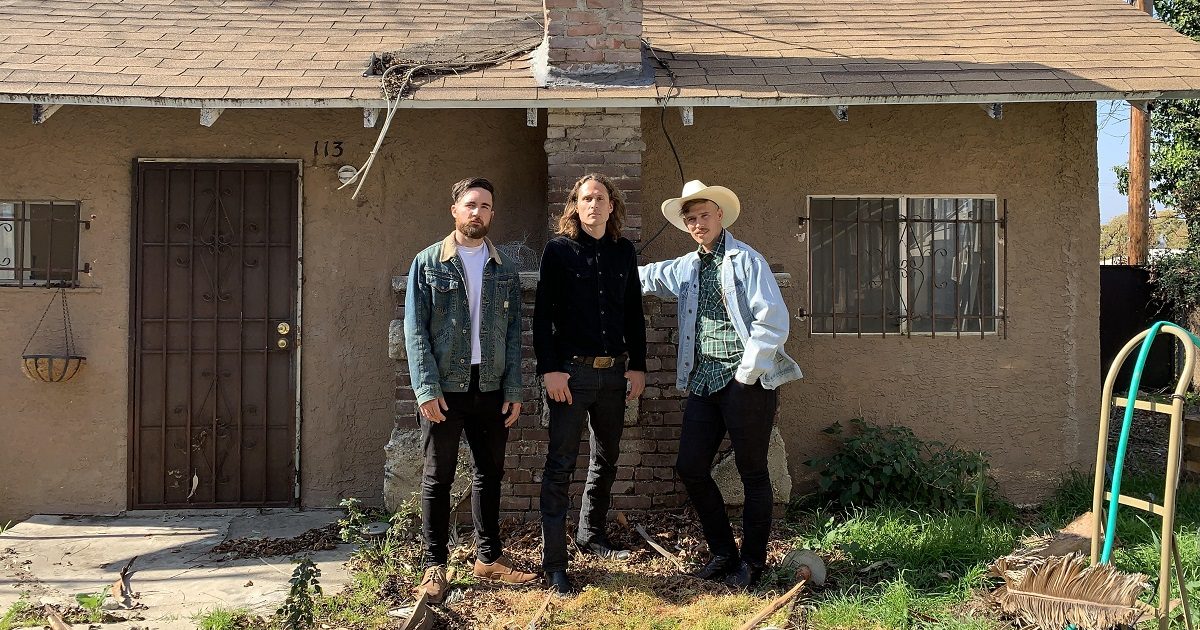
LISTEN: Water Tower, “Fly Around” (Feat. Willie Watson)

Artist: Water Tower
Hometown: Los Angeles, California
Song: “Fly Around” (ft. Willie Watson)
Album: Fly Around
Release Date: April 3, 2020 (Single); April 24, 2020 (Album)
Label: Dutch Records

In Their Words: “Recording the track ‘Fly Around’ for our debut album of the same name, we felt like Willie Watson was the best person to help us render a version one of our favorite traditional tunes. Willie has been a strong voice and and an old-time cousin guiding us along on our musical path since we first met him in 2005, on our first tour as The Water Tower Bucket Boys (thank goodness we kicked the bucket). Willie not only has a heart of gold, but he brought us in for a meal that time when we FIRST came to Los Angeles. We felt it was appropriate to ask him to contribute some of his most beloved verses to this old chestnut that has carried us through the roadways of the world.” — Kenny Feinstein, Water Tower


Photo credit: Kenny Feinstein

MIXTAPE: Anthony da Costa’s Quarantine Chill Out Roots-Grass Mix-Up

I know what you’re thinking, Anthony da Costa doesn’t really bluegrass…but hey, I live in Nashville and I have friends and I even say “y’all” now. And there’s something about roots music that cuts to the core of everything and deeply influences what I do…even if it doesn’t always sound like it. Here are some tracks to not go outside to! — Anthony da Costa

David Francey – “Border Line”

David Francey is one of my favorites ever and nothing will change that. I lucked out by sharing a stage with him at the Tønder Festival many years ago. He blew me away with his simple approach, golden voice, and powerful storylines. He stood there like a bard and held our hearts in his hand. After our show, I asked his guitarist which album I should start with and he emphatically stated Torn Screen Door. “Border Line” is track one from David’s debut album, which he made when he was 45 years old. Let’s take a journey with him, since we can’t really go anywhere else.

Jordan Tice – “Chicken Dog”

This playlist has a lot of mood, interspersed with that spontaneous dance party that we could all use right now. You don’t even have to put on real clothes, just dance. Jordan Tice is one of my best friends and also happens to be my one of my favorite acoustic guitar players on planet Earth. He has a fabulous new album that will be coming out soon… but until then, let’s jump to this scorcher of a bizarre bluegrass song called “Chicken Dog.” I still don’t know what it’s about, but also, like, who cares?

Molly Tuttle – “When You’re Ready”

This playlist wouldn’t really be complete without something from Molly Tuttle. I had the pleasure of touring with Molly for her album release in 2019. When the bluegrass kids all told me that Molly had made a “pop” album, my first thought was “ALRIGHT. Calm down, kids. What, are there drums or something? Are you scared?” But the young “queen” of the bluegrass world and honestly craziest picker out there made one of the best albums of last year: pop in the ’90s Aimee Mann singer-songwriter kinda sense. Molly knows how to write a poignant, catchy chorus — and then somehow squeezes in some pretty insane bluegrass runs –in the SAME SONG. Are you ready?

Bill Frisell – “I’m So Lonesome, I Could Cry”

Because, you know, quarantine sucks, right? And I live alone. And it HAS gotten lonesome at times… so lonesome that I could pull up this great compilation entitled The Best of Bill Frisell, Vol. 1: The Folk Songs and just mellowly and totally NOT CRY to myself. ♥

Sam Amidon – “Blue Mountains”

Speaking of Bill Frisell, he features on this pretty mesmerizing track from Sam Amidon. This record made me a believer. I don’t know that anyone else can do what Sam does with folk music. I don’t even know what this music is. It’s Sam Amidon music.

John Mailander – “Forecast”

John Mailander is one of the nicest people in the world, but PLEASE don’t tell him that I said that… it might go to his incredibly large and insufferable ego. All kidding aside, John released his debut solo album (as far as I’m aware) last year. It’s called Forecast and this is the title track… and it’s one of those “get up off your couch and dance” songs I was talking about before. John is as versed in Phish as he is the oldest of old-time fiddle and bluegrass. He is very dear to me and his music endlessly inspires me to push things further.

Rachel Baiman – “Something to Lose”

I met Rachel Baiman within the context of her duo with Christian Sedelmeyer, 10 String Symphony (check them out, they’re out of this world). I’m so glad that Rachel has been doing a lot of her own music these days in addition. This record, produced by Andrew Marlin from Mandolin Orange, has a warm, “right there in the room” kinda feel to it. This song makes me cry. There, I said it. Love is fine, OK? Will I ever see anyone again!?

Aoife O’Donovan – “Pearls – Live”

I recently revisited this live album I got to make with the inimitable Aoife O’Donovan. Lots of people know Aoife from her work with Crooked Still, as well as her more recent recordings and travel as part of I’m With Her. I toured with Aoife as her guitarist and harmony singer from 2016 into 2017. We toured her album In the Magic Hour, which was produced by Tucker Martine and features gorgeous arrangements of strings, horns, fuzzed out guitars, drums, voices… We had to recreate Aoife’s music live with three people and no bassist… which means we made it our own. This particular song is a favorite deep cut of mine.

Paper Wings – “As I Walk Down”

I’ve been saying to anyone who will listen, and I will say it to you now: Paper Wings is currently my favorite band. This is as rootsy as I get and I’m quite alright with it. Wilhelmina Frankzerda and I met when we were touring in Joy Williams’ Front Porch band. One night in Houston, Wilhelmina gave me a pair of headphones and showed me some mixes from what became Paper Wings’ Clementine album. It’s my favorite album of 2019. They’re clearly drawing from a very deep well of tradition but with new, crooked and inventive melodies…plus, they’re writing SONGS! New songs. Great, great songs.

Mipso – “Coming Down the Mountain”

Because we’re all going to come out of this eventually, right? Here’s a song to take off your mask to. See you all on the other side. ♥


Photo credit: Jacqueline Justice

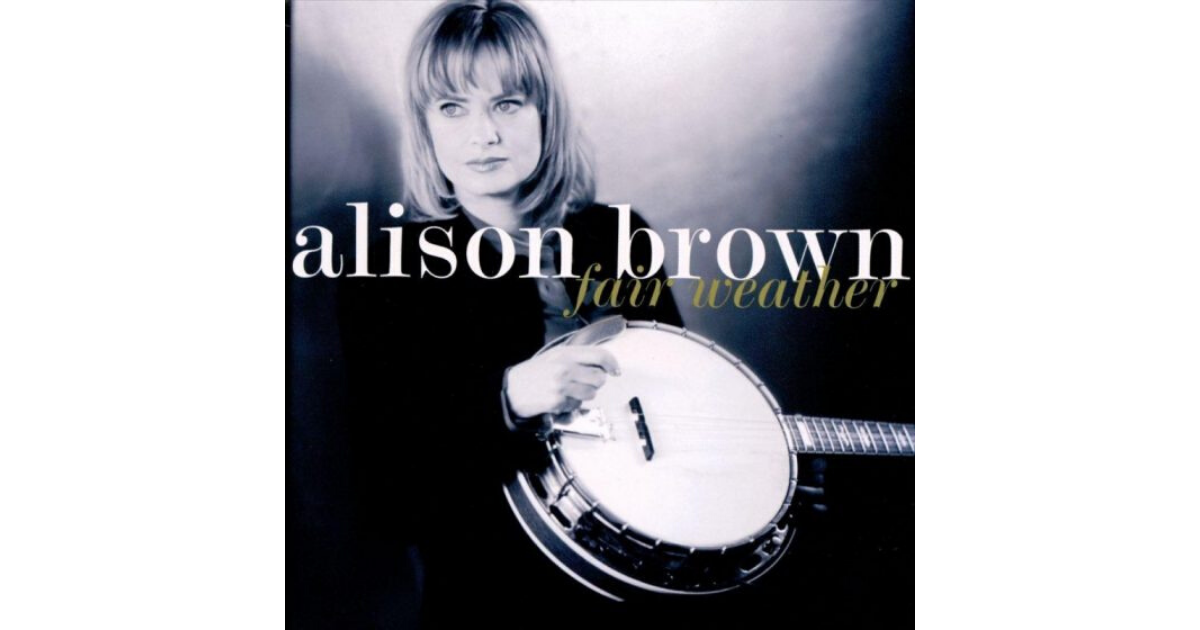
Alison Brown, “Poe’s Pickin’ Party”

Watching the movement for equity and inclusion in roots music grow and expand over the last decade or so, especially in the last few years, has been particularly gratifying in bluegrass. As a community, bluegrass is often stereotyped as backwards, hillbilly, conservative, evangelical, and so on. As the genre becomes more representative, and as musicians, artists, and scholars unpack the factors that have led to this cause gaming steam, it’s essential that we give credit where it’s due. Namely, to women.

Pickers like Alison Brown, truly one of the most adept and creative banjo players alive today — and holder of an MBA from Harvard — and women who went before her carved the paths by which so many other underrepresented or categorically excluded folks have found places for themselves in this music. Women, having much less to lose in bluegrass (by having much less access to gains in bluegrass), could actively advocate for inclusion in ways many men in the same spaces had never considered. Infrastructure and communities fashioned by these women exist still today, providing a point of coalescence around which these more broader, zoomed out missions can gather.

“Poe’s Pickin’ Party,” an instrumental penned by Brown, seems the perfect tune by which to tie together this legacy with Women’s History Month and Tunesday Tuesday. The bouncy, hornpipe-y number is a playful jab at an actual pickin’ party of the same name, which Brown stumbled upon advertised in a now vintage volume of Bluegrass Unlimited. In the ad, women were welcomed to attend Poe’s party, but not participate. It’s a humorous story, when told on stage to introduce the piece, but also a pointed reminder that active, overt exclusion of women in bluegrass happened so very recently (and persists today) and we have plenty of work to do in order to include so many others in this life-altering, enriching genre.

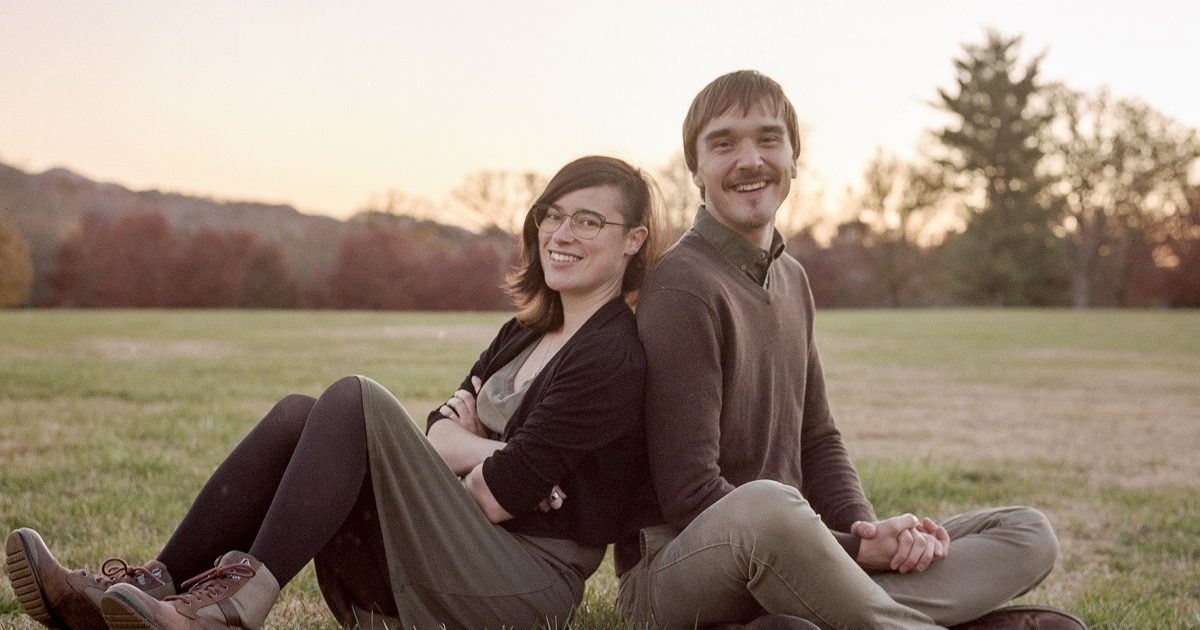
WATCH: Saro Lynch-Thomason & Sam Gleaves, “1920”

Artist: Saro Lynch-Thomason & Sam Gleaves
Hometown: Asheville, North Carolina
Song: “1920”
Album: I Have Known Women
Release Date: May 1, 2020
Label: Strictly Country Records

In Their Words: “This song was written to keep us mindful of the strong herstory of resisting oppression in the U.S. and to celebrate the centennial of the ratification of the 19th amendment. As this song states, ‘So much has changed. So much remains.’ There is much more work to be done before all U.S. residents are welcomed to participate in the democratic process. We hope that this song will serve as a reminder of the many generations of inspiring women who have brought us to this point in time, and inspire those in the present to keep fighting for justice and representation.” — Saro-Lynch Thomason and Sam Gleaves


Photo credit: Ben Bateson

WATCH: Laurie Lewis, “Troubled Times” (Feat. Leah Wollenberg)

Artist: Laurie Lewis
Hometown: Berkeley, California
Song: “Troubled Times”
Album: and Laurie Lewis
Release Date: March 27, 2020

In Their Words: “I wrote ‘Troubled Times’ about twenty years ago, I think, in other troubled times than we are experiencing now. But I never sang the song out in public more than about three times. I honestly feel like I was waiting for the right ‘voice to sing in harmony,’ and when Leah and I started singing together, I think I found my match. I have been friends with her parents (jazz guitarist Mike Wollenberg and artist Jenny Bloomfield) since before she was born, and have known her since then, watching her grow into a fearless jazz violinist and terrific Irish fiddler. It shouldn’t have come as a surprise, but when I heard her sing a piece of a song sitting around the dinner table one night, my ears really perked up. Maybe it’s because Leah has heard my voice her whole life that she is able to get a positively familial blend. Whatever it is, I’ll take it.” — Laurie Lewis


Photo credit: Jeff Fasano

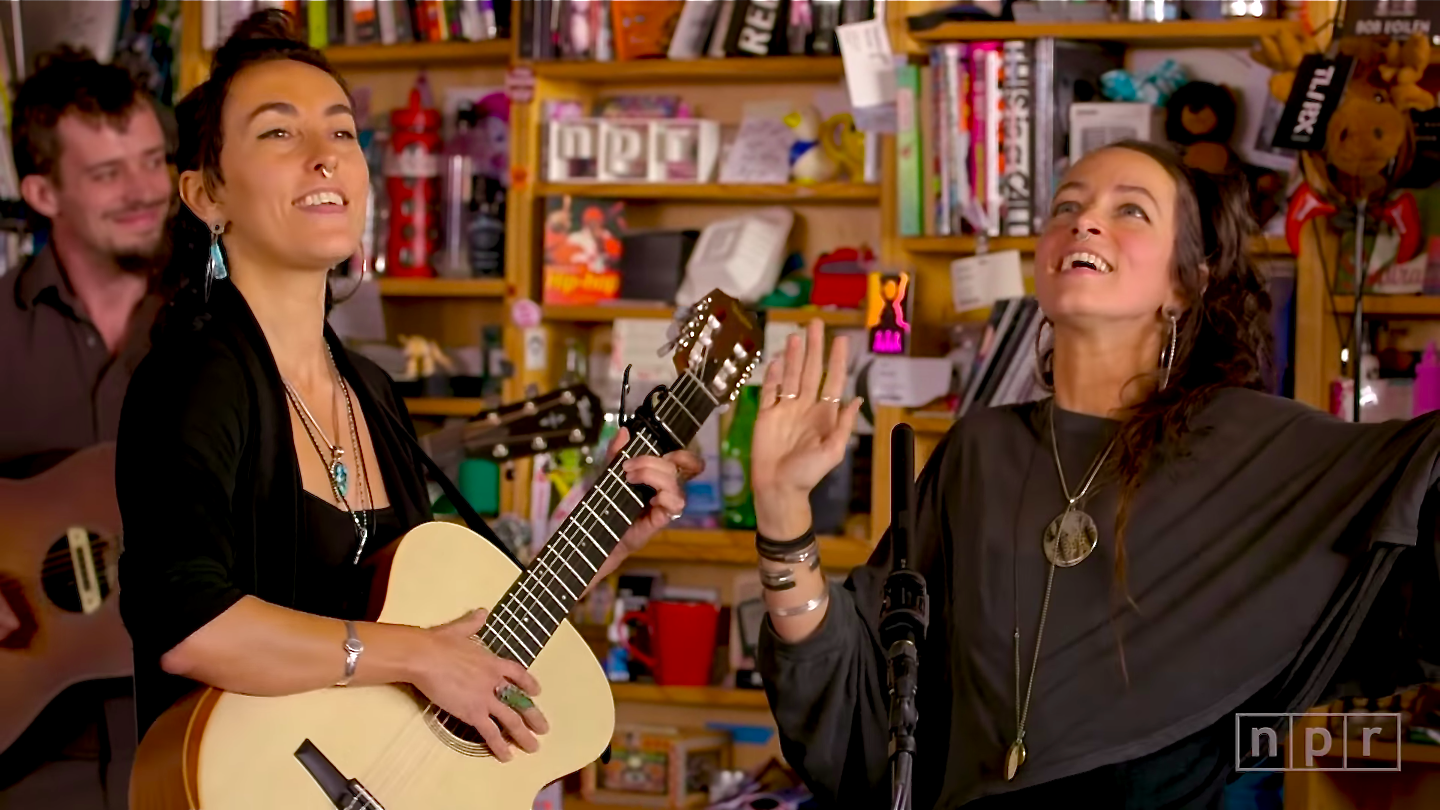
WATCH: Rising Appalachia Are Familiar and Fresh on NPR’s Tiny Desk

Atlanta-based, globally-influenced string band Rising Appalachia bring a unique flavor to American roots music. Drawing on modern styles and traditional sentiments, they craft an original take on folk. Fronted by sisters Leah and Chloe Smith, the band has a sound that is at once familiar and fresh, incorporating various world percussion instruments, reggae-esque grooves, and fluttery melodies that deliver the songs’ meanings with clarity and precision. Like many folk artists before them, Rising Appalachia are no strangers to building art around their activism. One action the band prides itself on is the Slow Music Movement, an idea aimed at creating sustainable practices for touring entertainment acts and re-framing performance as a public service. Watch Rising Appalachia on NPR’s Tiny Desk.

Possessed by Paul James: The Texas Schoolteacher Who Goes Wandering

Long before Konrad Wert took the stage name Possessed by Paul James, he was a kid living in what sounds like a fable. Wert grew up amidst the marshes and palmettos of Immokalee, Florida, watchful of “gators” but delighting in a monkey that swung from a mangrove tree near his home. Alongside his sister and the children of Mexican and Haitian immigrants, he attended the small Mennonite chapel his parents founded, worshipping and harmonizing on sturdy, simple hymns at least three times a week.

As a young adult Wert left Southwest Florida and his conservative, religious past. Free to listen to whatever he pleased, he was drawn to punk and the blues. But he set his love of music aside to pursue a teaching career. And for the last 20 years he has devoted his life to teaching special education and advocating for students and teachers.

Several years ago, with two young kids and a meager teaching salary, music became a way of supplementing his teaching income. His energetic, multi-instrumental shows quickly gained popularity and soon Possessed by Paul James (a nod to Wert’s father and grandfather) was born.

It’s been six years since Wert’s last album, There Will Be Nights When I’m Lonely. In that time, he has undergone two vocal surgeries, losing “two whole steps or three half-steps in terms of range,” he says. His latest album, As We Go Wandering, took nearly five years to complete. He would hum his compositions in school hallways, scribble lyrics on scratch paper or napkins and travel two hours northeast from his home in Kerrville, Texas, to Austin to record.

Finding common ground between the instrumental traditions of old-time music and a contemporary call to social action, As We Go Wandering is the collective work of 20 musicians. While Wert stayed consistent on banjo, fiddle, guitar and clogging, he wanted his friends and “picking pals” to add texture and feel on the record by contributing harmonies, mandolin, percussion and guitar.

He explains, “The greatest contribution to the participating musicians were the harmonies and choral effect such as in ‘Be at Rest,’ ‘As We Go Wandering,’ and ‘I’m So Good at Absolutely Nothing.’ … Their contributions added to the texture and feel tremendously. At the end of the day we’re all Possessed by Paul James. I like it like that. It’s not about the ‘me,’ it’s all about the ‘we.'”

BGS: Can you talk a little about the making of As We Go Wandering?

Wert: Our albums are very reflective of where we are in life. As We Go Wandering is really reflective of where we are as a family. My boys are 11 and 9. The kids are healthy, our relationship [with my wife] is strong, but where do we keep going?

I notice you say “we” and “our” when talking about the making of your music. Are you talking about your wife? The musicians you play with?

Yes. I’m a firm believer that the pronoun “we” is far more powerful than “I.” It’s never meant as the third person or some strange pretentious way of thinking. [Laughs] Rather, I can talk about how my family impacts the writing, how our friendships impact the writing, how life impacts the writing. I like to say, “We are Possessed by Paul James,” not “I am Possessed by Paul James.”

In the song “When It Breaks” you seem to be saying that when we hit our breaking points, we need to keep plugging away. What’s the story behind this song?

When I write, I’ll put songs on the shelf, and I’ll let it collect some dust until it feels ready to record it. We originally recorded this track on the album Feed the Family, and it was [recorded] just with me. It was very raw.

The sentiment when I wrote it then, and how we have reinvented it with this composition, has so much to do with, number one, my work as a schoolteacher. I had to take a year off in 2015 just for my mental health. It was starting to beat me down, that [feeling of] we’re not able to help these young people in the way that we want to help them. For me, some of these songs are reflective of, what am I going to do when I can’t take it anymore? What are teachers going to do when we can’t take it any longer? I get emotional about it.

Your performances always appear so cathartic, like you’re really just letting it all out. It sounds like your lyrics are a way of releasing emotions and inner struggles as well?

Oh, yeah. Maybe to a fault. Being raised a Mennonite, you were raised to recognize your weaknesses and your faults. You know the phrase would always be: Remember you’re broken and then you can have healing. Some people say, “When we come to your shows it feels like church.” Well, it’s meant to have people gather around and have a good time, share our burdens and talk with one another.

Many songs on this album feel nostalgic. Is that a reflection on where you are in life?

Yes. I understand how people sort of lose their footing in their mid-40s. There’s the adventures and excitement of your roaring 20s and then you’re balancing out in your 30s and quote-unquote growing up. Then in your 40s, the waters are calm and you’re thinking: What’s next? Am I just counting the minutes before I croak? I think there’s a lot of pondering, wandering in the album. I know I also wanted to slow things down. My wife is like, “Hey, can you have an album without cussing?” We wanted a more folk-y element, along with that theme of advocacy and hopefulness.

Some artists who have to have a day job to survive might compartmentalize those two things. You blend your job and your art together quite a bit.

Absolutely. I truly feel you can’t do one without the other. When I was [teaching] in elementary school, music was always in my classroom. I teach high school now, but on my wall there’s a picture of me teaching, my second-year teaching, with these little guys in school with a guitar. And there’s a little guy with a tambourine in his hand, a kid with Down syndrome, a sweet kid. So, music has always been in the class.

The song “Be at Rest” has been described as a social justice anthem related to education in this country. Is this a song you could’ve written in any other phase of your life?

No. I think with the rise of school shootings, when those tragedies occur, as a schoolteacher or counselor or any kind of educator, you’re literally walking in the same shoes of those that were injured or killed. It takes such a toll on you. You start thinking, whoa, look at this environment we are working in and this is truly now part of our job. This is truly part of our professional development and training — how to handle if someone comes into the school with a firearm. That’s profound when it’s an educational setting and we’re trying to help people learn and grow. The song was a response that came out in a cathartic manner.

My intent is to remind myself to be at rest. To remind myself that I can persevere. Is it specifically about someone coming into my school with a firearm? Yes and no. There are a lot of conflicts right now in public education that we have to focus our energy on. And I think by singing about that — there are battles in these classrooms, there are battles in these hearts — it might just be a reminder. It’s preachy, possibly. But not too preachy. I feel like if I get too preachy I lose the listener. But you have to live your convictions without losing your audience. That’s the balance.


Photo credit: George Blosser