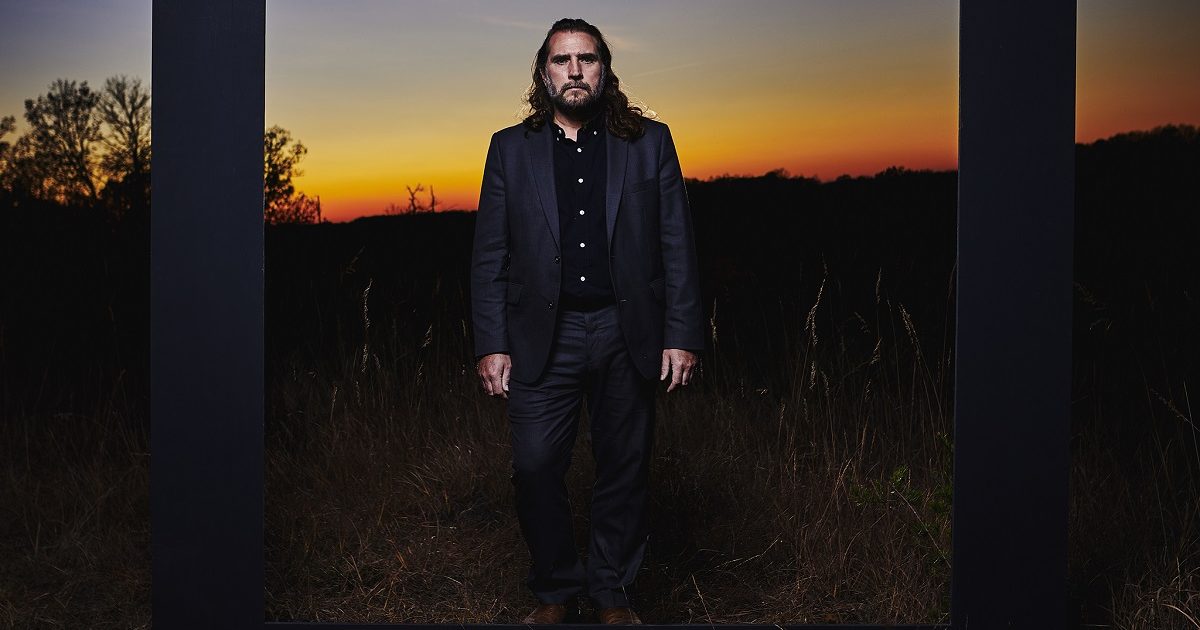
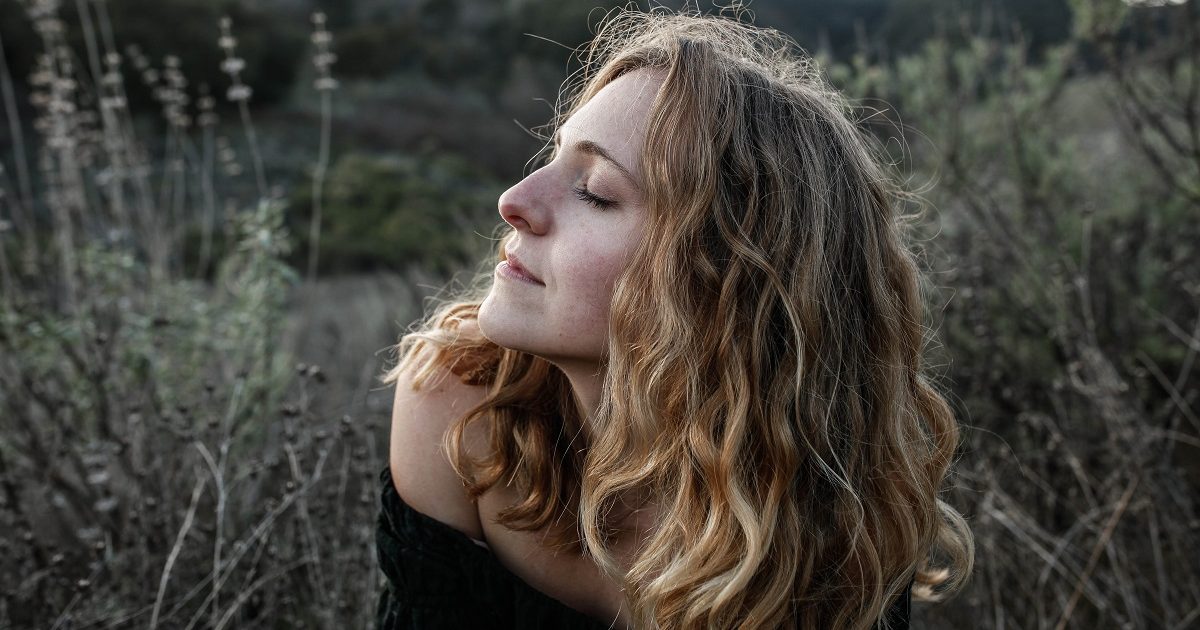
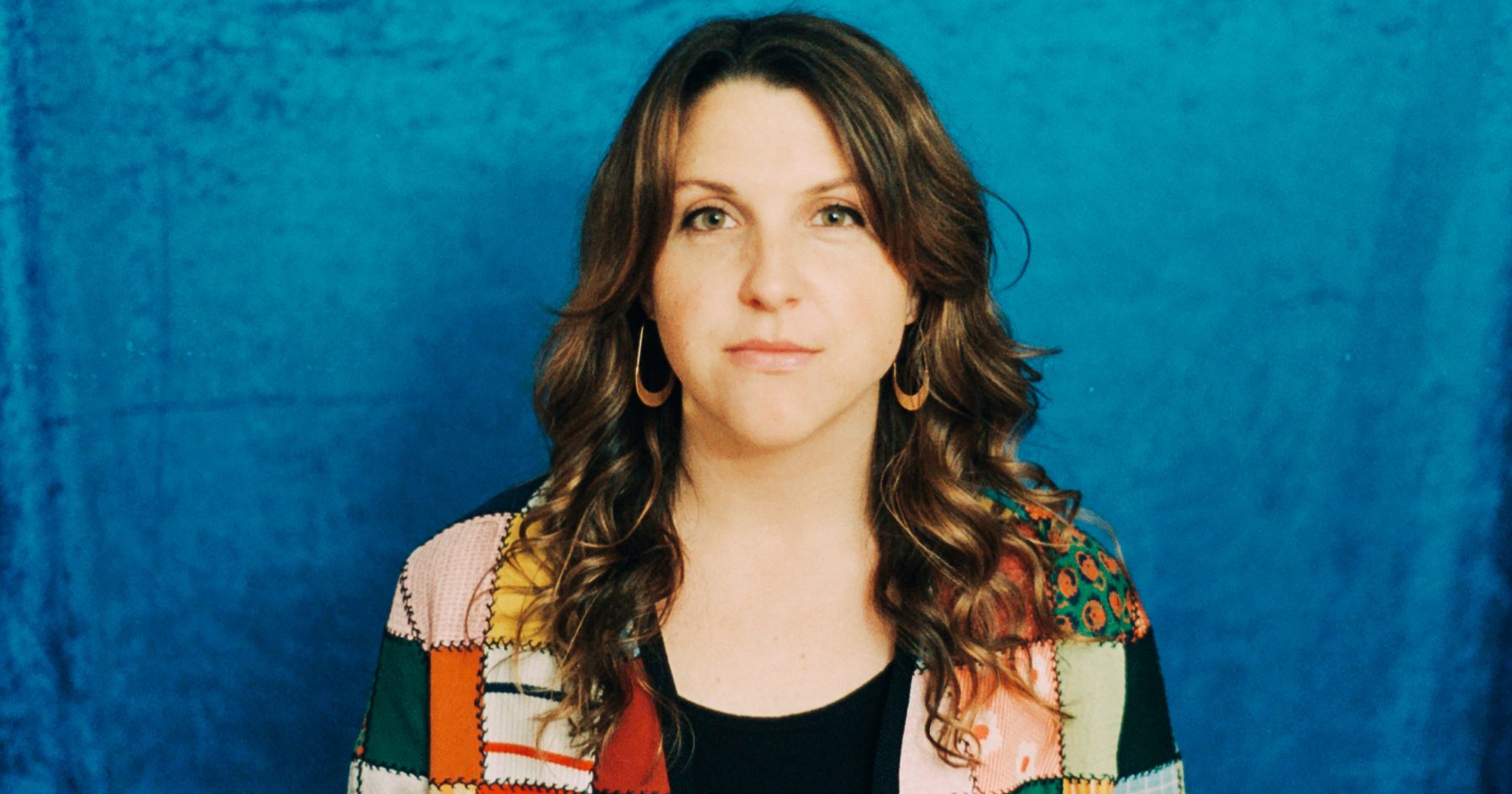
WATCH: Annie Moses Band, “In My Grandpa’s Pulpit”

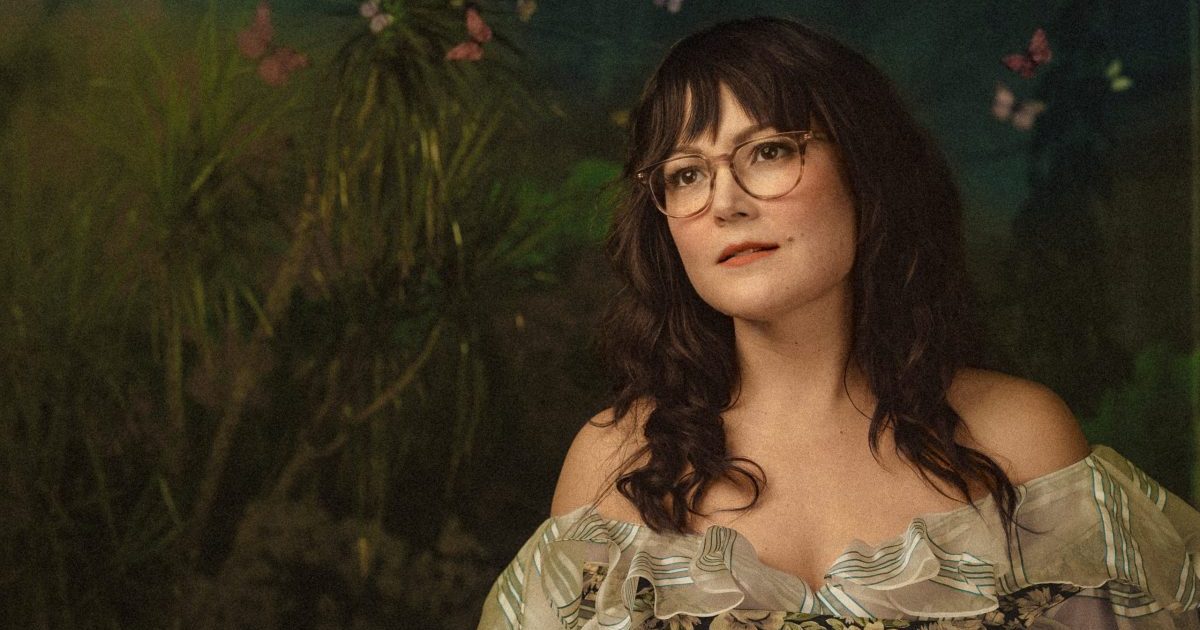
Artist: Annie Moses Band
Hometown: Nashville, Tennessee
Song: “In My Grandpa’s Pulpit”
Album: Tales From My Grandpa’s Pulpit
Release Date: April 16, 2021
Label: Gaither Music Group

In Their Words: “My grandpa was a larger-than-life man. His life was the backdrop for the project, Tales From My Grandpa’s Pulpit. D. Riley Donica was a crack shot, expert horseman, bush pilot, armchair historian, a deputy sheriff, and the preacher at the same mountain church for 50 years. He grew up in a place riddled with violence. He lived through the murder of his father and, many years later, his stepfather. In the prime of his life he was responsible for having a sheriff brought to the area to help with the issues of crime. The sheriff was murdered within a week, leaving behind a widow and three young children. There was an eye witness to the murder, but no one would testify out of fear. The killer was a known quantity and hired by a crime boss that ran all manner of illegal filth between four states — Arkansas, Oklahoma, Louisiana, and Texas. Their headquarters was a place called Dogpatch and it sat right where these four states met and only a couple of miles from my grandpa’s brand new church house.

“So Grandpa picked a fight with the bad guys by writing in his weekly newsletter and preaching against the silence and cowardice of the community that allowed a safe haven for these murderers. One week later the new church house was burned to the ground. The close of this story involves a few steely-eyed, Clint Eastwood-style confrontations, the Oklahoma Bureau of Investigation and the murderer being convicted and put in prison, because my grandpa was courageous. Through the years he became known as a minister of the gospel who taught with his Bible on top of the pulpit and his gun on the shelf below. He frequently and famously said, ‘It ain’t right to do nothing when something ought to be done.’ The song ‘In My Grandpa’s Pulpit’ is a snapshot of his story.” — Annie Dupre


Photo credit: David Bean

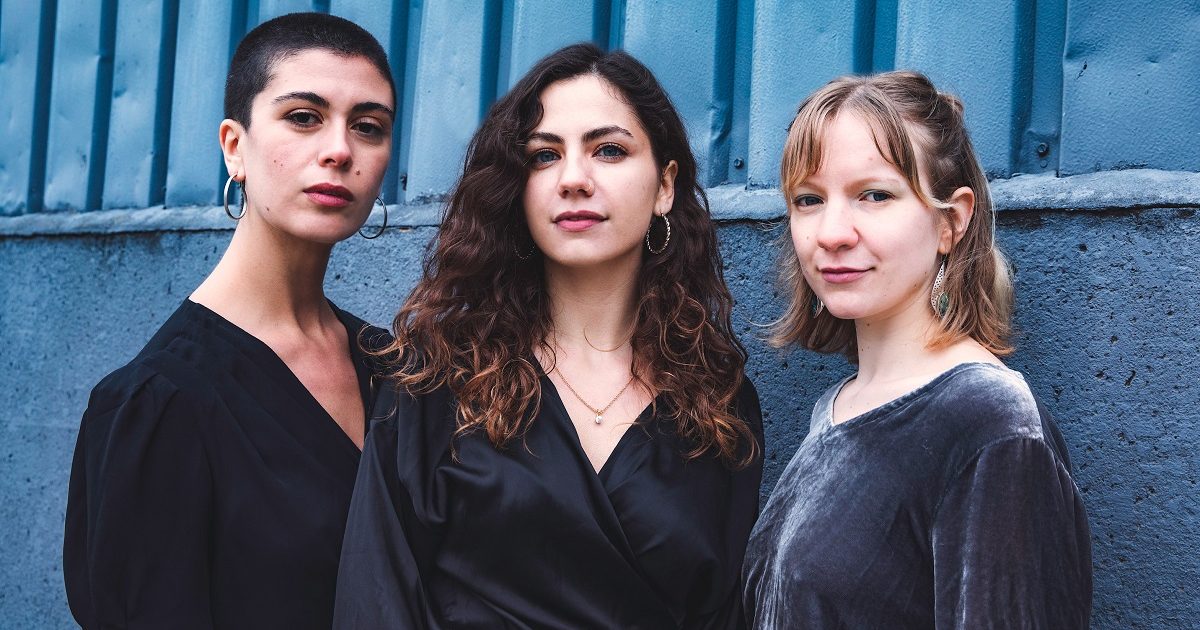
LISTEN: June Star, “I Don’t Wanna Know”

Artist: June Star
Hometown: Baltimore, Maryland
Song: “I Don’t Wanna Know”
Album: How We See It Now
Release Date: April 16, 2021
Label: WhistlePig Records

In Their Words: “Human beings are messy emotional creatures. Sometimes when we struggle to communicate in relationships it’s because there’s the voice we speak with and that voice in our head. ‘I Don’t Wanna Know’ bounces between a professed love to another person and a confessed loneliness on the inside.” — Andrew Grimm, June Star


Photo credit: Shane Gardner

WATCH: The Ladles, “Pages”

Artist: The Ladles
Hometown: New York, New York
Song: “Pages”
Album: Springville Sessions
Release Date: April 16, 2021

In Their Words: “‘Pages’ talks about the experience of reading through an old journal and being confronted with your past self. In each entry, all your hopes and good intentions, your mistakes and your blind spots are laid bare in equal measure. It’s not a particularly comfortable experience, because you have the benefit of perspective and you know how it all works out. That confused and misguided relationship does fall apart. You did say the wrong thing and will have to apologize for it. However, I found that reading my own words from that time helped me to offer myself more compassion and understanding. It was a reminder that at any given moment, we only know what we know, and we’re all doing the best we can.” — Katie Martucci, The Ladles (guitar, vocals)


Photo credit: Liz Maney

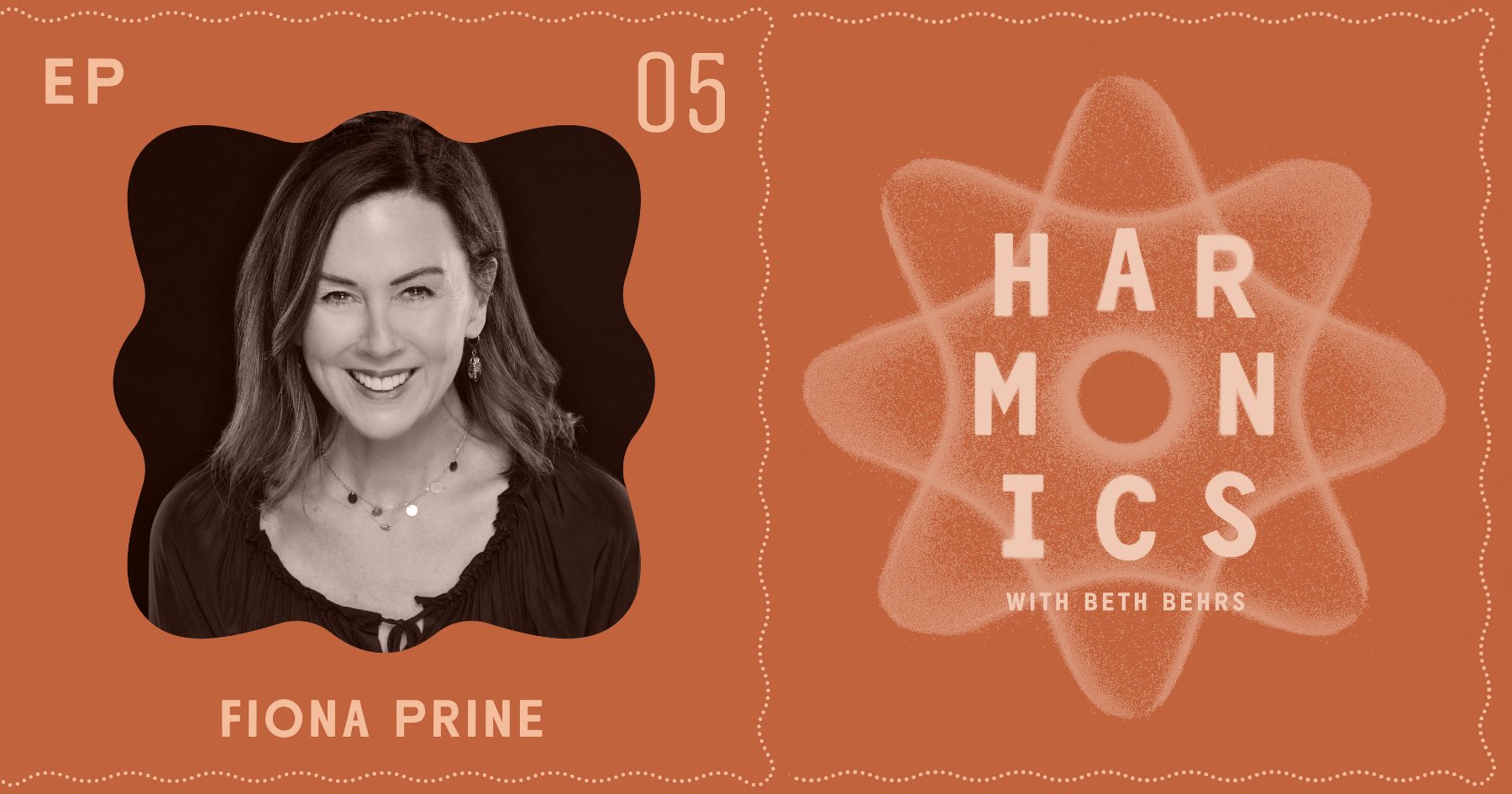
Harmonics with Beth Behrs: Fiona Prine

This week on Harmonics, we kick off our Americana April series with a conversation with Fiona Prine, President of Nashville’s Oh Boy Records, and wife and former manager of the late great songwriter John Prine.

LISTEN: APPLE • SPOTIFY • STITCHER • AMAZON • POCKET CASTS • MP3

Fiona and Beth talk about John’s recent posthumous Grammy wins (and Fiona’s experience accepting the award on his behalf) as well as their love story, mental health, growing up in Ireland, her work with non-profit Thistle Farms, and so much more.

Fiona is undoubtedly a well-respected figure in the Nashville community in her own right: As a role model in the music business, as an activist, in fostering community, and in her loving spirit, and as an extremely successful manager and industry professional. She has also been able to keep the spirit of John’s incredible legacy alive a year after his passing.


Listen and subscribe to Harmonics through all podcast platforms and follow Harmonics and Beth Behrs on Instagram for series updates!

This episode of Harmonics is brought to you by BLUblox: blue light blocking glasses, backed by science. Reclaim your energy and block out the unhealthy effects of blue light on your mental and physical health. Take 15% off your order with code “HARMONICS”

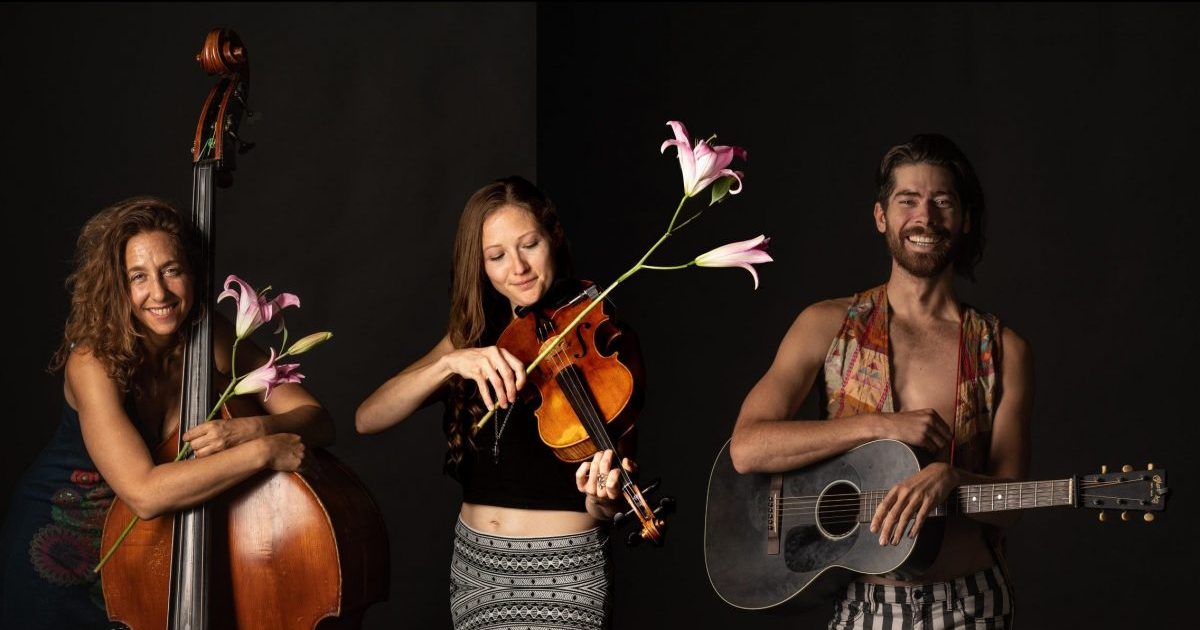
WATCH: The Sweet Lillies, “My Brother’s Hill”

Artist: The Sweet Lillies
Hometown: Boulder, Colorado
Song: “My Brother’s Hill”
Album: Common Ground
Release Date: June 4, 2021
Label: Americana Vibes

In Their Words: “We selected ‘My Brother’s Hill’ because we were deeply inspired by the composition’s stunning vocal harmonies, beautiful and meaningful lyrics, and old-timey structure, especially the cross tuning of the violin. We felt with our instrumentation and devotion to harmony singing that it would be a fun challenge to recreate the song. We started performing the song in 2019. Our version was truly well-received, at which point we began to consider recording it. As luck would have it we ran into the song’s composer Oliver Bates Craven at Folk Alliance in 2020 and were able to ask his permission to record the song. Oliver was enthusiastic at the prospect of hearing his song recorded by us. This gave us the encouragement we needed to go ahead and show it to our producer Tim Carbone of Railroad Earth. Tim immediately and resoundingly said, ‘Yes, let’s do it!’ Having the approval from the songwriter and our producer, as well as the enthusiasm of the band, the decision was made to record ‘My Brother’s Hill.'” — Julie Gussaroff, The Sweet Lillies


Photo credit: Michael Weintrob

Sara Watkins Finds a Dreamy Rhythm With ‘Under the Pepper Tree’

The Schinus molle — more commonly known as the California pepper tree — can grow up to 45 feet high and 50 feet wide, producing small yellow flowers and rose-colored berries, and bringing shade to everything within reach. For Nickel Creek originator Sara Watkins, the pepper tree brings about memories of family, youthful fun, and inspiration for her latest record, Under the Pepper Tree. Produced by Tyler Chester, the 15-song album is a personal project for Watkins, including songs from her own childhood alongside a few original compositions. Reuniting Nickel Creek, I’m With Her, and a range of guest performances, she tackles favorite songs such as “Pure Imagination” (from Willy Wonka and the Chocolate Factory) and “Blue Shadows on the Trail” (from The Three Amigos).

BGS caught up with Watkins from her California home to talk about the inspirations behind Under the Pepper Tree, and the experience of making a record like this during the COVID-19 pandemic.

BGS: Was the making of this album a different experience from those you’ve done in the past?

Watkins: Yeah, and not just because we did it during COVID. That was a huge appeal in working with Tyler Chester — he can play so many instruments so well. His musicality comes out on each instrument really well. Other than that, I knew early on that it would be necessary for the songs to weave together. As I was collecting these songs, realizing that so many of them are kind of dreamy and mellow, I wasn’t dealing with the typical balance of “up” songs, “down” songs, “sad” songs, “happy” songs, the way those things can affect the sequence of a normal album. Because of the nature of this material, a lot of the songs had a similar dreamy quality, so I thought by connecting them all, that would let the album kind of drift along, and hopefully sweep you up in a way that might not happen if they were all just 15 individual tracks. 

Before going in to record the project, we did a bit of a practice swing, just to see how the sequence might work together. We made some changes to the sequence and adjusted the transitions accordingly, so that everything went together as well as possible. This is the first time I’ve sequenced an album before going in to record, and I really enjoyed the result and how it affected the process throughout. It’s definitely something I’m going to bring with me into my future projects, even if I don’t do it exactly the same way. I’m going to consider it very seriously before starting records. 

How did getting to be home during the pandemic influence your day to day, and outlook on this album?

If affected it completely. I don’t think I would have made this record without the experience of just being home, and realizing that I needed some kind of rhythm, needed something that would tell me that today was passing. I’m new to being home, the way that all musicians are. That, combined with having a toddler now, was a new experience. The first couple years of being a mom I was on tour, and the rhythm of tour life is built into the work, the way that most people’s jobs provide a rhythm for their life. I think a lot of [musicians] were discovering that we needed to create those rhythms, by taking morning or evening walks around the neighborhood, by spending more time making meals or cooking, or doing whatever it is that helps cycle you in to the next part of the day. 

I was digging through my old record collection, and I would listen to five a day, and decide whether or not I wanted to keep them or whether I was done with them. A big part of me creating Under the Pepper Tree with vinyl in mind was because of this wonderful freedom that it gave me to put on a record and not have to make a choice for a while. I could just listen to it and not have to worry what song came up in the algorithm next, or decide whether or not I wanted to skip ahead. That freedom of just making one choice and being able to go about the rest of the things that I needed to do, it felt really liberating, like a kindness that I could do to myself. 

That also played into why I wanted to make this album with record listening in mind. It works great on digital too, but I imagined it being an A and B side. If you only listen to side A, you can get a full arc and it can send you into dreamland. And if you want to listen to it altogether, that’s another experience. 

Like with Nickel Creek on “Blue Shadows on the Trail,” were any specific guests important to certain songs?

“Tumbling Tumbleweeds” with Aoife [O’Donovan] and [Sarah] Jarosz, my I’m With Her bandmates, was just as important, because I really wanted both of those bands on this record. I feel like this album in a lot of ways celebrates this time in my life, and the music that I grew up with. For me also, it was an incredible way to get those two bands together on an album, because they’re both so meaningful to me, and have played such huge roles in my life, and in my growth and development as a person, as a mom. So it was incredibly meaningful to get to have them on it. 

All of the players on the record mean a lot to me, but I really also loved having Davíd Garza on this record, who is a dear friend. In particular, he plays this beautiful solo on “Moon River.” There’s a song on Emmylou Harris’ record Roses in the Snow when Willie Nelson comes in with a guitar solo, and then it sounds like he just goes away. When I first heard that record — I think it was in my early 20s — it was pretty informative to me about how a lot of times musicians can be known for one or two things, but they might not often get asked to just be a musician on somebody else’s record. I just love that [Harris] didn’t get Willie to sing on it, she got him to come in and play a guitar solo. That was really eye-opening for me, and changed the way I thought of playing with people. 

On “Moon River,” I specifically had that moment in mind where Willie comes in and plays a solo and goes away, and so Davíd graciously agreed to be my Willie Nelson on this song, and he does a wonderful job. 

Having a couple of original tunes on the record, what was your process behind writing something that incorporates naturally with these classic songs?

I felt like there should be a spot for fiddle on this record. I knew that I wanted to have an instrumental on here, and I knew that I wanted to write it. It was important to have a little break in the lyrics. It was great to expand my childhood story with the title of the [instrumental], “Under the Pepper Tree.” That has very personal weight to me. A lot of instrumental titles are pretty arbitrary in my experience, but this was an opportunity to share a little bit about my own childhood. 

There’s a tree that I spent a lot of time growing up with, playing in and imagining in. There are several very important pepper trees in my life. One of them is at my aunt’s house, where my grandma used to live. There were two huge family reunions under that pepper tree. I just remember running around with my cousins, playing tag, listening to my aunt’s laugh, all that stuff. It’s a really beautiful thing, and I think that had a natural place on the album. 

The other song [“Night Singing”] was a poem that I wrote, that eventually fell into a guitar part. Originally, I thought that this record would be a lullaby record, but my goal for the record changed. It was to make something a little more deeply transitional for people of all ages. But “Night Singing” is a true lullaby, for my daughter, for myself, and for my friends. 

Do you have any specific plans you’re looking forward to taking on when we climb out of this pandemic? 

This fall, my brother [Sean Watkins] and I are going to do some touring behind our Watkins Family Hour album brother sister, which came out a year ago now. We weren’t able to tour it, but a lot of the dates we had for last fall have been rescheduled for this fall, 2021. We have some dates on the books starting in August, which is kinda hard to believe! So this fall we’ll be able to do some in-person shows, and I’m really looking forward to it. 

I feel very stopped up in terms of creativity, because we wrote the brother sister record, recorded it, and put it out, and haven’t really been able to celebrate it with an audience. Then I put together Under the Pepper Tree, recorded that, released it, and I haven’t been able to do shows for it. There’s been writing for other projects, but I honestly feel a little bit stopped up creatively. I think I just need to perform some of these songs, and get them out of my body, so that I can put more stuff in. As alienating as this whole thing has felt for us, and as isolating as it has been, there has been to some degree a shared experience, and the universality of that has been reassuring at times for me. 


Sara and Sean Watkins, as Watkins Family Hour, are coming to Colorado in March 2022! Grab your tickets here.

Photo credit: Jacob Boll
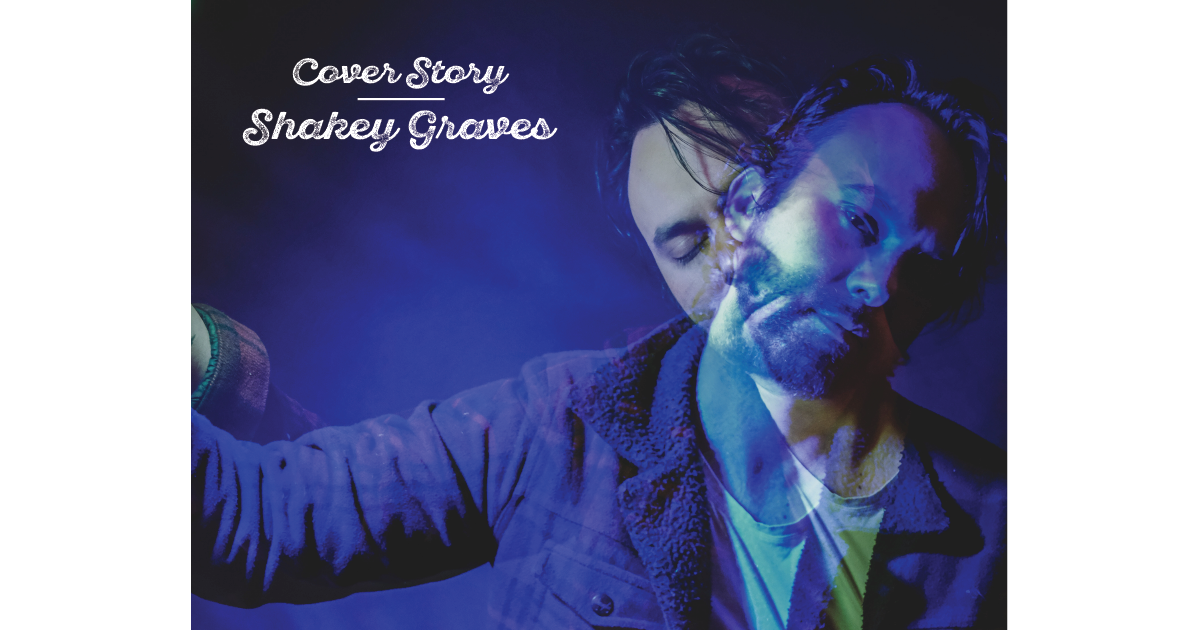
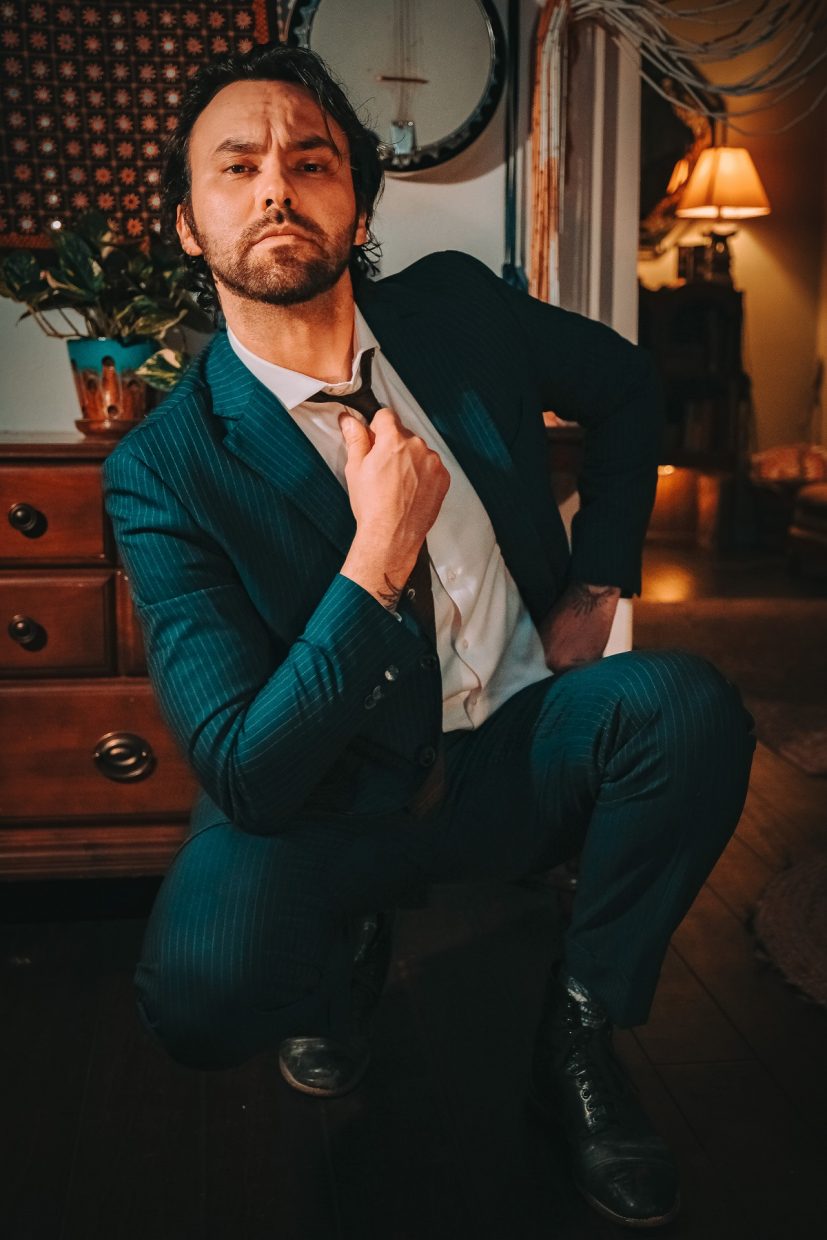
Shakey Graves Rolls Back the Clock With ‘Roll the Bones’ Deluxe Edition

The very first fans to discover Alejandro Rose-Garcia — the musical mind behind the moniker Shakey Graves — admittedly didn’t have much information to go on.

“When I first snuck this record out, it was just a photo of me with a cow head,” recalls Rose-Garcia of his self-released 2011 debut, Roll the Bones. “All it said was Shakey Graves is a gentleman from Texas. It didn’t say whether I was a band or a solo artist. I didn’t promote it. I just let it be and believed in it.”

The album’s no-frills, garage-folk sound attracted a loyal following, varying between down-tempo, ominous poetry about hunting seals in Alaska; lighter, more carefree numbers about driving through Appalachia; and even the lone cover song, an edgy take on a Springsteen classic. In the decade since Roll the Bones’ quiet release, Shakey Graves emerged from the shadows, releasing two full-length albums via Dualtone Records as he built a strong live-performance resume, first as a charismatic busker and later as top billing on festival stages around the world. Still, until recently, Roll the Bones remained available only as a pay-what-you-want release on Bandcamp, its recognition a de facto litmus test for Shakey Graves superfans even as it’s sold more than 100,000 downloads.

“I always had the backs of the people who had the back of this record,” says Rose-Garcia. “Anyone who’s like, ‘Man, I just love that first record so much,’ I’m always like, ‘Me too! We have that in common. That’s our secret we share: me as someone who made it, and you as someone who found it.’”

This month, millions of new listeners have the opportunity to share that secret as Roll the Bones X, a re-issue of those original recordings, hit streaming services and sees a proper vinyl release complete with the bonus companion LP Odds & Ends, a 15-track collection of previously unheard Shakey Graves material from the same era. BGS caught up with Rose-Garcia to talk about the impact of this release on his development as an artist, how the songs’ meanings have evolved (or not) over the years, and his most cherished online feedback.

BGS: This album has been available for years on Bandcamp. What inspired you to release Roll the Bones in this new, wider way — and with so much additional material alongside it?

Rose-Garcia: It’s been really important to me that I put the record out for pay-what-you-want just on Bandcamp for all these years. It wasn’t on any digital streaming platforms. That was a pretty stubborn point I had, but I feel like I got to hold my ground with that. Now, I want more people to be able to hear it if they want to. My time of being so precious with it has run its course. When we put out “Roll the Bones” as a single, people kept being like, “Wow! Cool remix, but I really prefer the original.” [Laughs] The first version of “Roll the Bones” people usually hear is the live Audiotree version, so it’s a pretty common thing to hear. People say, “Cool, but it doesn’t hit quite like the OG!” I’m like, “Well, this is the OG…” Still, I’m also flattered that some people think that I just recorded it — that somehow it still sounds modern enough.

At the point that I put this out, nothing had really happened for me, musically, at all. [Laughs] I believed in myself, and I really liked this record when I made it: I was very proud of it, and I still am. Of all the records that I’ve made, it’s probably the only one that I go back to and listen to every once in a while. I can hear myself not answering to anybody and kind of shouting into the void –being like, ahh, well if this doesn’t work out, then maybe I’ll just live under a bridge somewhere! Now it’s the future, and in a way, it did work out. Nothing ever works out exactly the way you think it will, for better and for worse, but this sweet little bedroom folk record seems prescient somehow. It wants to come out, so I’m just gonna go ahead and let it.

As you mentioned, you’ve recorded different versions of several of these songs over the years. Fans can see when a song evolves in how you play it: They can tell when you strip it down or tweak a lyric or add new harmonies or whatever. But is there anything on this record that has evolved in its meaning to you, over the last ten years?

I remember reading fan theories about “Roll the Bones” — random people being like, “I’m pretty sure that this is what this song is about” — and I can neither confirm nor deny anything.

When I was 17, 18 or so, I had a manic episode and went to a mental institution for a little bit. I’d basically had this big matrix moment where I was like, oh-my-God-nothing’s-real-everything’s-real-oh-shit. A lot of those things ended up not being reality, but there were other things, too. I was like, I’m gonna be a musician! I’m gonna save the world! I started drawing that skull logo, with the arrow through it. My family and friends, for a little while there, were like, “Well, maybe you’ll just be crazy forever, and you won’t do anything.” And even I was sort of like, “Maybe I’ll be crazy forever and none of this is anything.” But now, in the future, there are people who have that [skull logo] tattooed on their bodies. And when I play that song, I can still hear a little bit of the crazy and the mystery that I found, that kind of started me on this thing.

So the song is still pretty mysterious, even to you.

I feel confident as the owner of that song, but I still don’t know what it means. [Laughs] So it’s maybe the opposite of your question: That’s been a constant. But this record did freeze-frame a lot of stuff. “Built to Roam” was a song about me wanting so badly to just escape around the United States, and it was a wish that came true. That’s just what happened to me: For the rest of my life, until this whole pandemic, all I did was travel around and live my dreams. I’m almost like, is this whole record just like a big spell that I put on? Some sort of big prayer-slash-witchcraft deal? Like, this is what I want for myself — and then it came true?

Another one that maybe answers your question more directly, is “To Cure What Ails,” the last song on the [original] record. I wrote it about the first girl that I had ever been in a serious relationship with, and you know, it fell apart in the middle of the writing of it. Half the song was me being like, “You suck!” And midway through the song, I kind of started writing this fantasy: “Maybe I’ll circle back around you’ll be there. I can’t help it. Maybe this is how it’s gonna go down.”

And now when I hear that song, I mean … I haven’t seen that person in so long. She’s the last person I would want to just magically appear. [Laughs] But what I actually hear in that song is that throughout whatever the rest of the album’s talking about, in the end, all of it is just about that need we all have to be loved — by anyone, by somebody, even just for a second. Even just being loved by yourself. “All roads lead to you,” that whole thing? Sometimes I hear that and I don’t even think of another person anymore: I think of it as you finding yourself one day.

What do you hope new listeners will take away from this album?

Playing music comes hand in hand with crippling anxiety about everything: “Am I doing the right thing?” What I hope people hear is a kid who felt the same way and put something out that he didn’t ever think anybody was gonna listen to. I don’t want to overthink it. My favorite review that I’ve seen of it so far was just some dude on Bandcamp that was like, “I listened to this record while tripping on acid in the back of my friend’s van, and it changed my life.” That’s all I want you to do: Do something stupid and put this on in the background, and let it become part of the story of your life.


Photo credit: Magen Buse

LISTEN: Bridget Rian, “Trailer Park Cemetery”

Artist: Bridget Rian
Hometown: Long Island, New York; currently residing in Nashville, Tennessee
Song: “Trailer Park Cemetery”
Album: Talking to Ghosts (EP)
Release Date: July 9, 2021

In Their Words: “While driving through rural Florida on a road trip, I saw the trailer park cemetery that inspired this song. Something about how death was so close to the living was fascinating to me. At the time I was also reading a book that mentioned kids meeting in a cemetery to party and it reminded me of my reckless teenage years. ‘Trailer Park Cemetery’ is much more a commentary on life than it is death. It’s about how I want to be close to the living and don’t want to miss out on opportunities, even in death. I think I have this fear of being forgotten, of not making a difference with my life, and this song was a way to kind of express that.” — Bridget Rian


Photo credit: Libby Danforth

WATCH: Sonja Midtune, “Los Angeles”

Artist: Sonja Midtune
Hometown: Los Angeles, California
Song: “Los Angeles”
Album: Dreams Melt Away (EP)
Release Date: April 2, 2021

In Their Words: “‘Los Angeles’ is a song with multiple meanings. What starts as a love song quickly turns into an analogy about the relationship; pretty on the surface, but messy underneath, just like Los Angeles. It asks the question, ‘Are WE Los Angeles?’ and ends with me accepting L.A. as my home, but wow, I am lost here. The music video was shot by my boyfriend at all of my favorite unique L.A. spots that I’ve discovered through the years. He loves the song. 🙂 We had a blast!” — Sonja Midtune


Photo credit: Michelle Lanning

The Show on the Road – Caroline Spence

This week on The Show On The Road, we feature a conversation with an admired and sharp-witted singer-songwriter in the fertile Nashville Americana scene, Caroline Spence.


LISTEN: APPLE PODCASTS • SPOTIFY • STITCHER
A sought-after lyricist who mines her own vulnerabilities and lovelorn past to tell delicately crafted story-songs, Caroline Spence’s voice seems to always hover angelically above the page, bringing to mind new-wave country pop heroine Alison Krauss or her vocal hero, Emmylou Harris.

Growing up in Charlottesville, VA daydreaming to Harris’ signature twangy honey-toned records like Wrecking Ball, Spence admittedly was a bit starstruck when the silver-maned lady herself came on board to sing harmonies on the title track of Spence’s newest LP, Mint Condition. It quickly became a critic’s darling and an Americana radio staple nationwide.

As a conversationalist, she usually leads with cheerful southern modesty, but beginning with her 2015 debut, Somehow, Spence wasn’t afraid to push at country music’s guy-centric boundaries. She brought aboard a talented group of genre-defining collaborators like blue-eyed soul hero Anderson East and pop-folk favorite Erin Rae to give the songs new heft. Her follow-up Spades And Roses brought more lush atmospherics to her yearning acoustic stories, elevating the clear-eyed feminine power behind emotive songs like “Heart Of Somebody.”

While Spence will tell you she is just furthering the empowered spirit of roots songwriter pioneers who came before her, during this time of high anxiety, her deeply felt love songs like “Sit Here and Love Me” and “Slow Dancer” seem especially fitting, touching on her bouts of depression and her inability to connect with the ones who are trying to help her through.

Sometimes sad songs truly do make people happy, and if you’re feeling a bit low, maybe pop on her newest single “The Choir,” about finding your people when you need them most.


Photo credit: Angelina Castillo