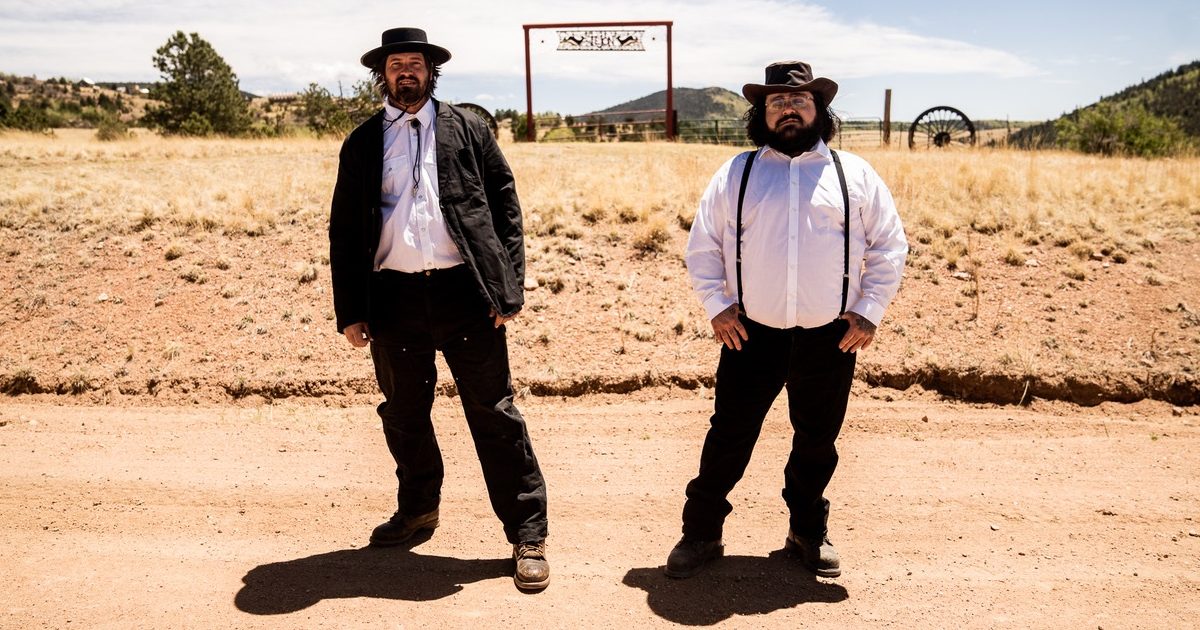
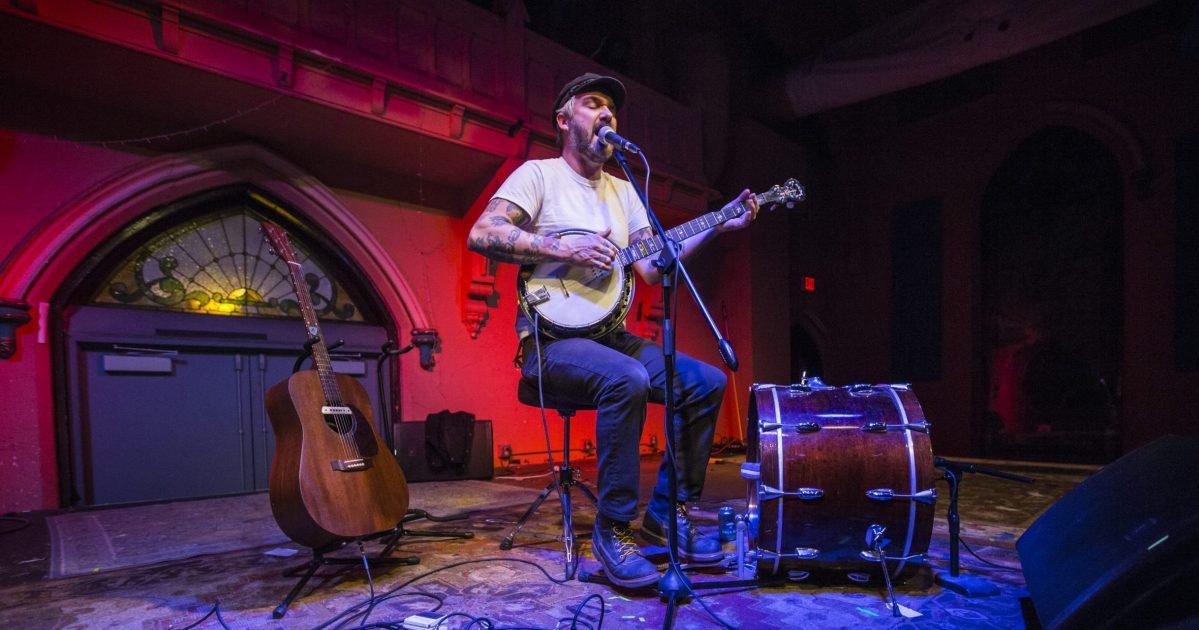
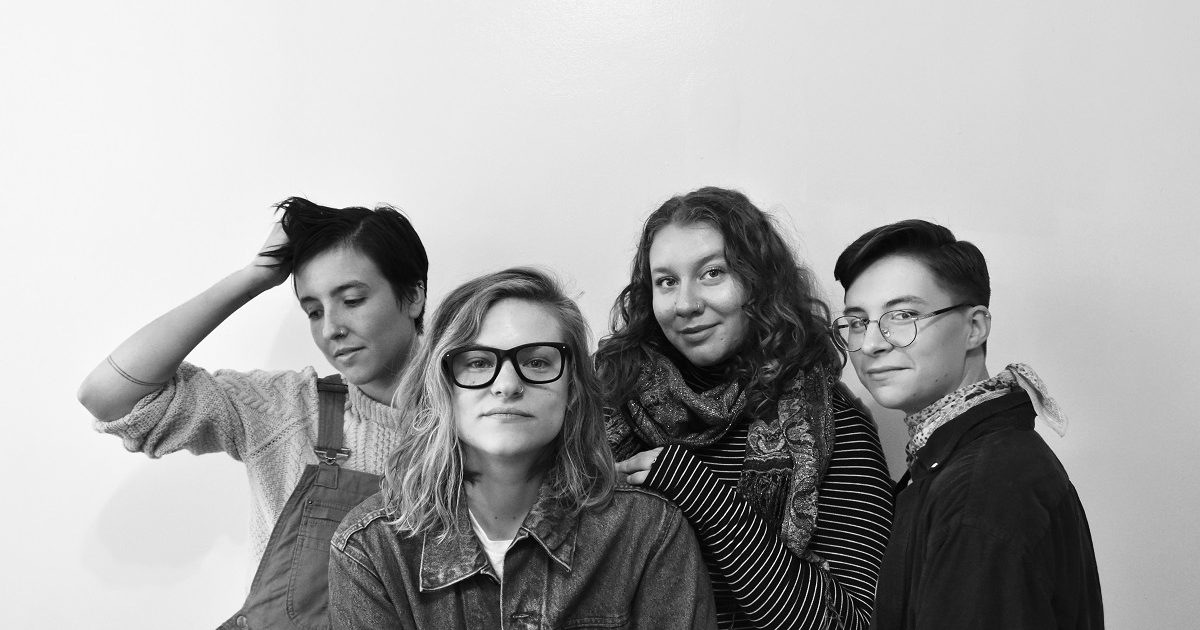
Artist:Tejon Street Corner Thieves Hometown: Colorado Springs, Colorado Song: “No Good” (Acoustic) Album:Monarch Sessions Release Date: October 16, 2020 Label: Liars Club
In Their Words: “At first glance, ‘No Good’ is about being a party animal. But a more in-depth look reveals the struggle for acceptance and a teetering battle with impostor syndrome. It’s easier to be hard on yourself than it is to understand why people like you. The song is a reminder to practice a positive self-image even though it takes work. Monarch Sessions combines both audio and video mediums so that we were able to portray our most authentic and emotionally-fueled performance in a time when live music isn’t an option. The video accompaniment allows for an inside look at our own reactions to the songs as we perform them, adding a layer to the album that wouldn’t be achievable otherwise. We put our heart and soul into these songs and you can finally see it through Monarch Sessions.” — Connor O’Neal, Tejon Street Corner Thieves
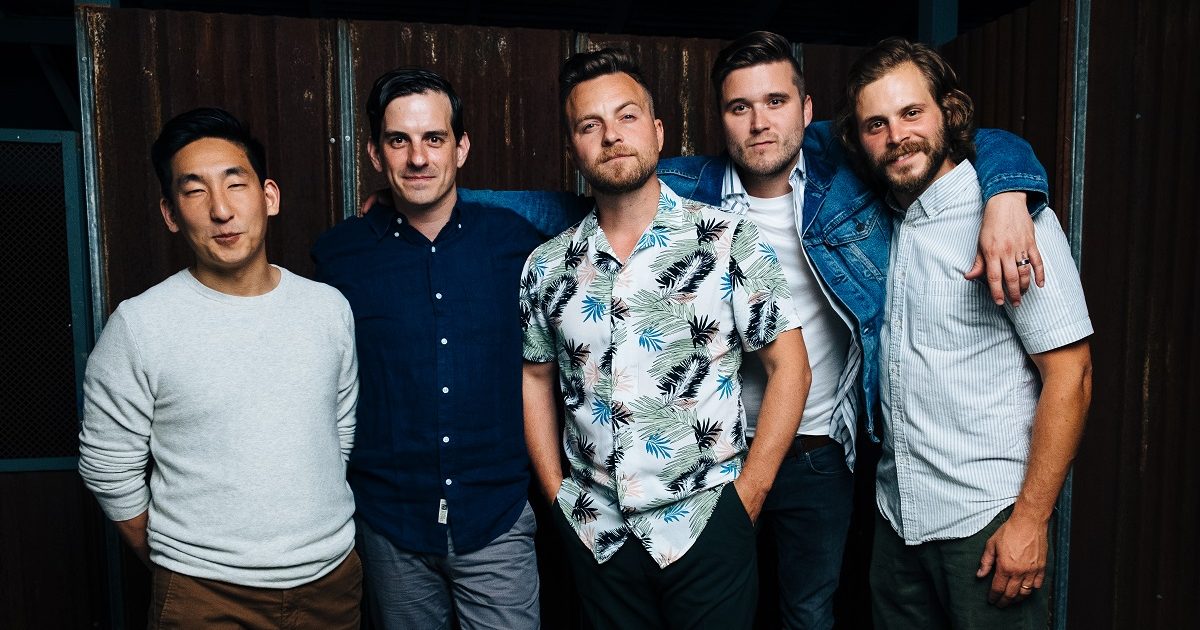
Artist:Ivan & Alyosha Hometown: Seattle, Washington Song: “Whiskey & Wine” (with Brandi Carlile, Tim Hanseroth and Phil Hanseroth) Album:Ivan & Alyosha Release Date: October 23, 2020 Label: Nettwerk
In Their Words: “Within the song, he’s pleading with his love to give him another chance. Throughout the song, it describes what brings a man to the low points of relying on that escape. It’s extreme, but we all can relate to just wanting to check out and be numb. Sometimes it just takes someone seeing the light in our day for us to get to the other side.
“Brandi, Tim and Phil have been a huge inspiration and taught us so much about life on the road, the music industry, and how to stay connected with each other and with our fans. In the early days of Ivan & Alyosha, they gave us the gift of opening up for them on the road. Now they have given us the gift of some pretty amazing harmonies on this track.” — Ivan & Alyosha
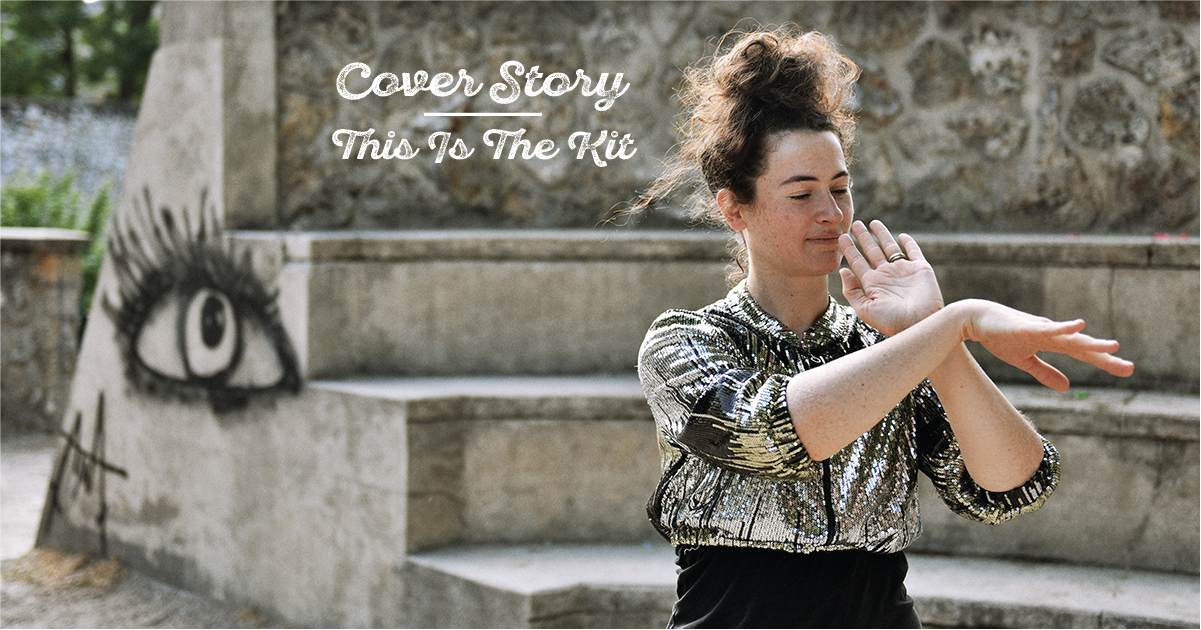
Kate Stables, principal of alternative roots outfit This Is the Kit, didn’t intend to write a pandemic album to follow her acclaimed 2017 debut, Moonshine Freeze. In fact, she wrote the entirety of Off Off On well before the term “COVID-19” entered our collective consciousness.
In the way that great art often can, though, the songs Stables wrote for Off Off On anticipated the needs of our current moment. Across 12 tracks, Stables sings of growth-inspiring personal reflection, the “two steps forward, one step back” nature of processing trauma, and continuing to move forward in the face of grief, all explored with deeply felt empathy and sharp insight.
Stables and her band recorded the bulk Off Off On prior to the COVID-19 lockdown alongside producer Josh Kaufman (Bonny Light Horseman, the Hold Steady) at Real World Studios in the U.K. Sonically, the album builds atop the lush, banjo-driven alternative folk of Moonshine Freeze, with complex, often subtle arrangements that offer thoughtful soundscapes for Stables’ striking lyrics.
BGS caught up with Stables via Skype to discuss finding sources of inspiration, writing about difficult personal moments, and living as a musician during the COVID-19 lockdown.
BGS: To start us off, everyone has had their own specific difficulties resulting from the pandemic, but musicians, especially, have been dealt a tough blow. How has that affected you and how have you adjusted to being home more, and not being able to tour this record?
Stables: At first, it was kind of novel and a bit of a relief, almost. For the first summer in living memory, I didn’t have loads of festivals to do. So it was a summer I spent with my family doing family stuff instead. So that was nice, at first. Now that the time for actual touring would have been starting soon but it isn’t starting soon, it feels a bit weird. It’s the longest amount of time I’ve ever gone without playing gigs and without touring. So it feels really weird and I miss doing gigs so much. And I really miss my band. They’re in the U.K. and I’m in France. I’ve never gone this long without seeing them.
With regard to the album, you wrote and completed the majority of it before the pandemic started. What were the origins of the album and how has its meaning evolved for you since you first began plotting it?
I don’t usually have a pre-album vision. It’s normally just me writing songs as and when they come and seeing what kind of shape it all takes along the way. One of the earliest songs that was written for this album was “Started Again.” “Started Again” is almost a bit of a bridge song from the last album to this album, because I feel like it could have gone on either, in terms of what I was thinking about. It feels like it’s connected to my past life, in a way, because I feel like everyone has a new type of life now. The world has passed through this strange portal and we’re all a bit different and have to adapt to things. It’s not an obviously key song on this album… but it’s also a bit linked to my thinking about perseverance and getting through the difficulties and coming out the other side again and again. It’s funny because that’s also what the world seems to be dealing with at the moment. Those are themes that accidentally came out while writing the album, without knowing that COVID-19 was coming.
I read the track-by-track notes that you wrote for the album, and one line that stuck out to me was, “Listening through to these recordings, I hear new COVID-19 references every day.” Could you elaborate on that? I heard some myself when I was listening, but am curious as to which resonated with you.
Partly there’s the “we’ve all got to get through this” that I was dealing with in the album, which now seems like I’m talking about COVID. There are lines like, “Try not to cough.” That is too ridiculous and coincidental. There’s a song about a hospital and the breathing apparatus in the hospital; that felt spooky, now that so many people are in hospitals than ever before. Things that were written with one story in mind and now this new situation has given them another story.
I’ve talked to a few other artists who have had similar experiences. It’s interesting, because obviously no one could have predicted where we are now, but it does make you wonder if you were intuiting that we were collectively going down this road.
Yeah, are we all tuned into something that we don’t know about? It does feel weird. I think also with writing, and you may get this in your work, you do end up with funny coincidences and predicting the future accidentally sometimes. It’s just the way it goes when you’re working with words and language and storytelling, whether it’s journalism or fiction or songwriting. These weird cosmic moments do happen.
One of my favorite tracks, both sonically and lyrically, is “This Is What You Did.” How did you write that one?
Writing it was fun because it was an example of me playing with rhythm, which is my favorite thing to do. I tried to find a banjo-picking pattern that was quite hard, something I almost couldn’t do, and worked until I got it. I tried to find a pattern where I wasn’t using the same fingers every time, something as random as possible. The beats were regular but the strings I was picking were somewhat randomly generated. Then I tried to find vocal rhythms that were difficult for me to sing at the same time. I guess it was like brain gymnastics. I like it when you can’t tell where a pattern starts and finishes. … That repetitive, cyclical nature of the music lent itself to this mind-loop approach with the lyrics.
Reading through your notes about “No Such Thing,” you reference both Jack Kornfield and Jane Austen as inspirations. How do you find inspiration? Do you always have your antenna up?
Language is the material I work in and I really enjoy exploring other people’s work with language. When I hear a phrase that makes me laugh or that sounds pleasing to say out loud, I’m always noting down little quotes of things that make a spark in my brain, even if it’s something out of Bob’s Burgers or something… So I guess I do always have a bit of a radar up for rhymes, assonance alliteration; things like that make my ears prick up.
When you reach the point in your writing process when you’re ready to fully arrange a song, what does your collaboration with your band look like? They’re such fantastic players and it sounds like you’re all quite close.
Sometimes I have a bit of an idea of the vibe or the kind of pace that I was envisaging for a song, but it’s also nice to not say anything until they’ve tried something out. Quite often they’ll find something that’s better than what I had in mind. I’ve ended up with three of my favorite musicians playing in my band, which feels like a privilege and a real kind of fluke. So it’s nice to let them do their own thing as much as possible. I’d be interested to know, though, if they think that’s what I do. Maybe they think I’m really controlling. [Laughs] What I hope I do is let them have space to do their stuff.
Prior to lockdown, you got to spend a lot of time on the road with the National. How does playing as part of someone else’s project inform your work as a solo artist?
In a few ways, but it’s hard to put your finger on one. Traveling is nutritious for me in terms of writing and wellbeing and being inspired. The act of traveling, even just looking out the window while you’re going along the road, is inspiring. But also the fact that you’re going to different places and meeting new people and having these new experiences… Also just seeing how other people work. I found it fascinating to be part of this symbiotic ecosystem that’s going around on tour. Everyone plays an important part and looks out for each other and it’s really fascinating to see how other people tour.
It’s a bit tricky to look too far ahead right now, but, in addition to getting your album out, what are you looking forward to in the coming months?
Because the gigs aren’t there to be looked forward to, I think I’m looking forward to seeing what I can get done instead. There are a lot of musical projects that I’d love to get stuck into, and I hope that I just will. This time, we’re all learning how to be ready for anything and not to assume that something is going to happen, so, ideally, I’ll just be making music instead of touring. I really hope I’ll be able to make music with people, even if it’s long-distance.
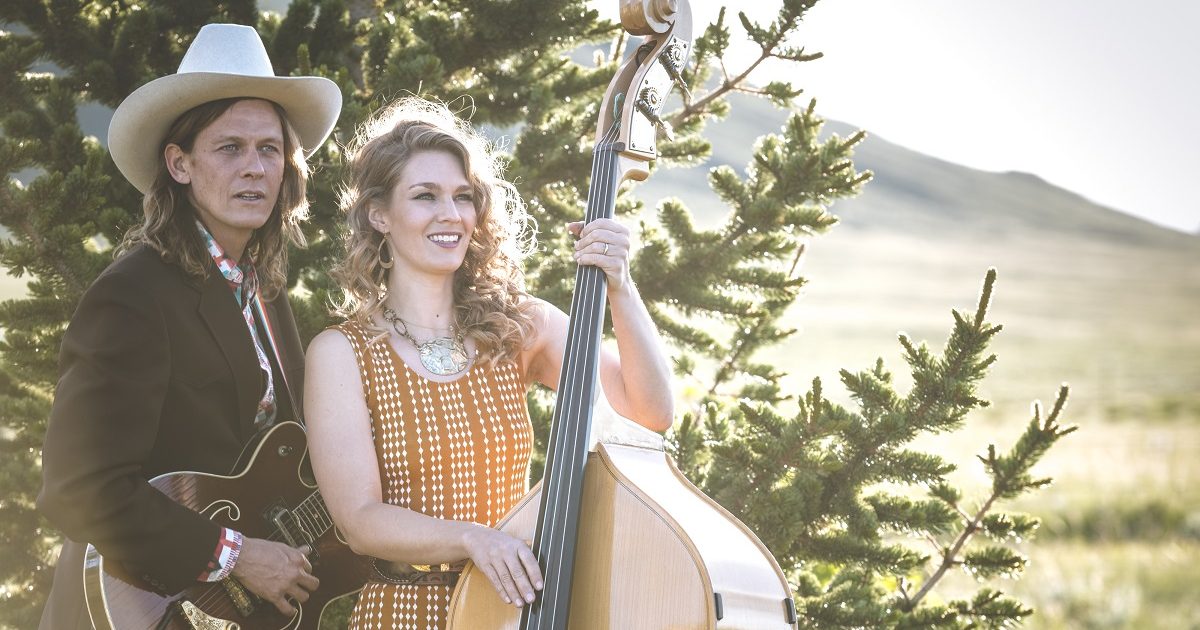
Artist:Sally & George Hometown: Nashville, Tennessee Song: “Keepin’ Time” Album:Take You on a Ride Release Date: October 30, 2020
In Their Words: “Hailed as the Prince of Folk Alliance International, songwriter Robby Hecht helped bring ‘Keepin’ Time’ to life in a three-way Nashville co-write. Recorded live in Laramie, Wyoming, Shelby’s upright bass holds down the beat while Joel meanders around the fingerboard of his guitar. Lyrically, ‘Keepin’ Time’ harkens back to the early days of our relationship, when Joel toured full time with Sol Driven Train and Shelby kept a busy schedule globetrotting with Della Mae. Ironically, with our 2020 tours now cancelled and the world in varying stages of COVID lockdown, we have been together constantly since March. Like many couples experiencing a plunge into full time companionship, the challenge now lies in keepin’ time and space for self care.” — Shelby Means and Joel Timmons, Sally & George
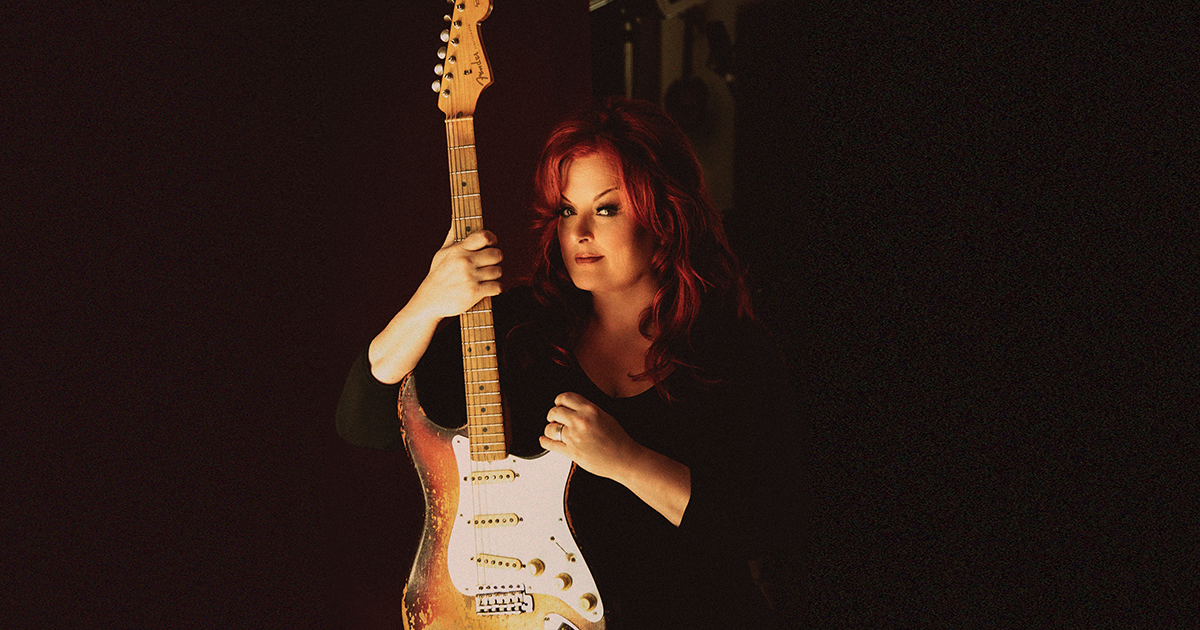
Although she’s been an entertainer for decades, Wynonna says she hasn’t ever been much for making music around the house – at least not until this year.
“I think it’s because I was so famous at 18 that the time home was spent just being quiet, because my world was so noisy,” she tells BGS. “Somebody who came to stay with us for a couple of days made a comment, ‘How come I never hear you hum or sing around the house?’ And I looked at her and I was like, ‘I don’t know!’ I had never thought of it.”
If nothing else, life in quarantine has given this country legend time to think. After all, she’s been touring since the ‘80s, first with the Judds, then as a solo artist, and eventually some of both. 2020 is the first extended break she’s taken since late ’94 and early ’95, for the birth of her son, Elijah, who is now a first responder. (She’s making a lunch for him as we’re speaking.) Off the road now for six months, she says her routine has gone from staring off into space every night, to doing Facebook Live sessions with her husband Cactus Moser, to calling up old friends and dusting off her vinyl records.
And to show for her efforts, she’s releasing an EP of covers titled Recollections. The five-song set offers her intimate, off-the-cuff renditions of classics like Grateful Dead’s “Ramblin’ Rose,” Nina Simone’s “Feelin’ Good” and John Prine’s “Angel From Montgomery,” with some of the project’s audio tracks taken directly from her Facebook live sets. She called BGS from her farm in Franklin, Tennessee, to talk about all of it, and offered a film recommendation, too.
BGS: While listening to this EP, I was pleased to hear that you and I have the same favorite verse of “Angel From Montgomery.” What was on your mind when you recorded that one?
Wynonna: Well, it’s tough and it’s a part of life… I was in the living room and I was just practicing. I haven’t done this much practicing in a long time, but I’m home and what else is there to do?! [Laughs] And I got a text from my agent who was a personal friend of John Prine and his family, and he said that John had passed. I sat there, and it’s one of those weird moments in your life when you get that call. I was overwhelmed, sitting there, and all of a sudden — I’m not kidding — I just started to play it on my guitar. I thought, “Oh my God! Oh my God!” I’ve known this song since I was 15 years old, and I started playing it like I played it all those years ago.
I kid you not, Cactus comes in and I looked at him, he looked at me, and I started singing it – he got tears in his eyes, because it was a moment. It’s like that moment when you stand there doing your vows, it’s just a heavy moment. And I said, “I think we need to do this tonight.” So we did it on Facebook Live, which is what you’re hearing. We’re sitting there together and it’s me paying tribute to my hero. One of my heroes is John Prine and we must not forget what this man gave to us. It was one of those sweet, beautiful moments of reflection on my part of how far I’ve come as an artist.
I know you play acoustic guitar on that, too. Which guitar did you play?
I played the biggest Gibson you can get. I’ve always played a big guitar, for obvious reasons. I’ve always felt like the one I have is my weapon. It’s like the biggest guitar you can buy. I was 18 years old and I needed — like when soldiers go into battle and like in Game of Thrones they’d always hold up the shield — it’s my shield. It’s my weapon. So, yeah, I just played it that night and he recorded it and kept it. I said, “Honey, I think this is important.” Because it’s a snapshot of my experience that day.
I love to hear you sing “Feelin’ Good.” I’d read you sang this at a women’s prison, too. Tell me about that experience.
Pretty deep. It was pretty deep. I had played down the hair. I thought, “Now is not the time. I’m not on stage.” I found myself being in that moment with the women. I was standing there, telling my story, talking to the women. It was one of those moments where I don’t know what to say. … So, I just started to sing. I think it made a difference in the room, because these women could sit there for a moment and feel better. That’s what I do as my go-to — I start singing.
I don’t know what you do, but we all have a coping skill, and I think for me that day it was music. I think it’s an important as an artist to not forget your gift. Sometimes we can, if we get distracted. So, this time at home has been devastating at times, yet so life-giving, that the music reflects just that. You’ll hear tough and tender in my voice because there are days when I can’t even get out of bed without crying. And then there are some days I hop out of bed and I am freakin’ Wonder Woman.
Now that you’ve been home probably longer than you ever have in your life, have you developed any morning routines to propel you through your day?
So, on March 14, I cleared the bus. I’ve had a bus since 1984, so that was bizarre. It was like moving to another country. I came into the house and I went, “What the hell do I do now?” So I spent five weeks – you can tell I counted – of doing absolutely nothing. I got really frustrated, because I was lost! It was 8 o’clock at night and I would stare off into the night and go, “I should be doing a show. I should be with my fans. I should be with people. I should be on the road.”
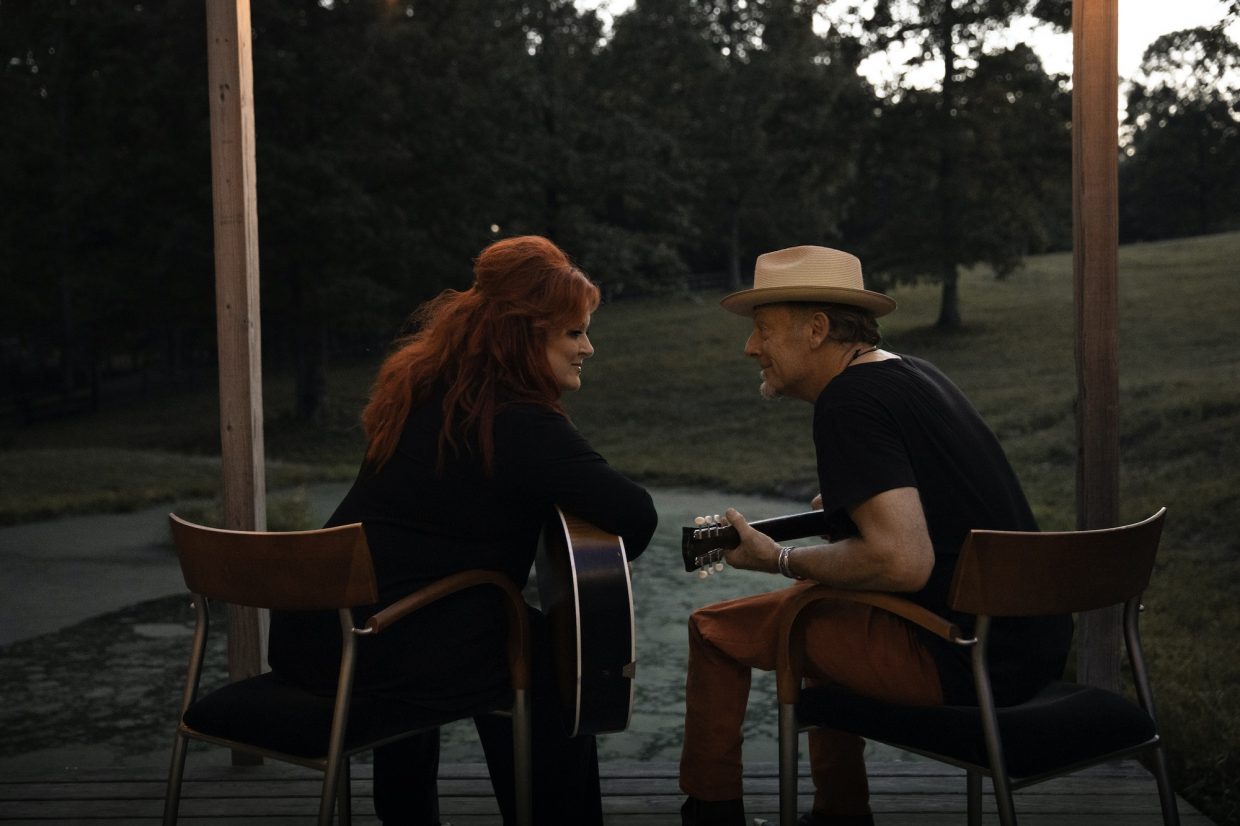
Wynonna and Cactus Moser
I found myself doing nothing. And I think that’s what I needed. I’m going to do a testimonial. I’m writing a book in my head right now, and I’m going to put it to paper, like you as a writer: “What do I do today? What did I do today? What did I want to do today? What do I have to do today?” And how do you find life in that? So I went through the same stuff you have, like most of my fan family: “What do I do?” …
And I started to practice. My husband goes, “Yeah, honey, um… I don’t know if you’ve done this in a while.” It took a minute though. I had to self-start, which was hard for me, because I’ve always been given my schedule, and I go to the airport, and I hustle through, and I make it. You know what I’m saying? We’re used to doing and going and being really successful! What do you do when you’re home for six months?! What do you do, man!!
So when you say “practice,” were you practicing songwriting? Guitar?
Yes, all of it! I came home and, like the rest of America, I gained weight and let my roots grow out. I’m not wearing any undergarments. … And when you come home, and you’re on the farm – I haven’t left but maybe half a dozen times in six months — it’s very strange. What do you do? You have to find a new purpose. And my new purpose was writing, and I started calling people on the phone. Ooh!
You know how it is, you start reconnecting with people you want to reconnect with. There was a lot of forgiveness. There were a lot of relationships where I needed to go back and say, “Hey, man, I missed your wedding and I’m really, really sad about that.” Then you start a conversation. This is really important stuff, right? You don’t have time for that – you don’t make time for that – because you’re too busy being fabulous.
Have you been pulling out your vinyl records, too? And listening to music you’ve loved in the past?
Yep! I’m doing it in a way I needed to, and I don’t know that I would have if it hadn’t been for me being at home like I am. I’ll be honest. I was taught to be a doer, a mover and a shaker. I got caught up in that, and when I came home, I felt like, “If I put everything away, that means I’m stuck at home.” It took months and months and months, and finally I was like, “Oh, for God’s sake, I’m tired of looking at all my stage clothes and my undergarments! Put ‘em away!” And I was like, “No, I don’t want to because that means you’re dead!”
Anyway, I did it, and I thought, “You have to find life at home, woman!” You know, you’ve got life on the road. What is it like at home? So I started to do that, and I started to… listen to music! I started to watch documentaries. You have to watch the two-part documentary on Laurel Canyon. You have to watch it, dude, you have to. You know why? Because it’s important! You see the Eagles, when they’re teenagers, and they’re in L.A. trying to write songs. You see Jackson Browne, who’s 19, standing in line at the Whisky a Go Go. It’s awesome!
BGS did a story on that movie and interviewed Chris Hillman about it, too. It’s a fascinating history.
Oh, that’s another thing! I wanted to throw this in here: So I started to have a beautiful relationship with people I never see, and Chris is one of them. Because I got the number from my husband, I’m texting Robert Weir — and he’s texting me back! And I’m going, “OK… what are the chances?!” [Laughs]
Bob Weir’s on this new record, too.
He is, and it started out being a little bit of a dare. Cactus said, “I want you to learn a Grateful Dead song,” and I said, “Why?” Seriously, I said “Why?” Now, how arrogant is that?! I didn’t understand, not really. All of a sudden I’m learning the song and I’m going, “What the heck is this line about writing Frankenstein?” Then I started learning the song’s history and the meaning of it, so now I’ve become a student of rock ‘n’ roll. I started to study and learn the song and understand. “Ramble on Rose” – oh, there’s a story here. It’s not just a song that’s in the background as you’re smoking a joint!
I believe that when something is a God thing, and meant to be, it’s easy. There’s an ease to it. It doesn’t require an agenda or manipulation. And the next thing I know — and this is no exaggeration — the guy, the legend, the man is coming to Nashville to do something with Dwight Yoakam. And he’s at our gate! We’re buzzing him in to come down to the home studio, which is basically a shed with a lot of nice flooring. And we do a song together! And I go, well, nobody would believe me: “Hey, Robert Weir’s over here and we’re singing ‘Ramble on Rose.’ Yeah, cool!” [Laughs] It’s just fun and I want to get away with as much of this as I possibly can.
Artist:Andrew Grimm Hometown: Baltimore, Maryland Song: “A Little Heat” Album:A Little Heat Release Date: October 30, 2020 Label: WhistlePig Records
In Their Words: “This song is a departure from the rest. I cannot offer up dark and depressing ideas without suggesting some type of a salve or solution. That’s the deal here: when we start seeing each other as humans, when we smash our phones, when we begin to trust each other, when we thaw the frost between us, we will come out the other side of crisis, together. ‘All we need is a little heat.'” — Andrew Grimm
Artist:Randall Bramblett Hometown: Athens, Georgia Song: “Never Be Another Day” Album:Pine Needle Fire Release Date: November 13, 2020 Label: New West Records
In Their Words: “I started this song thinking about my granddaughter and the struggles that young people face when they’re trying to separate from their families and find their own identities. It’s not really biographical, because she’s barely a teen and not thinking of running away or anything like that. Importantly, my wife, Lenore, changed the perspective on the song after I had gone down a lot of rabbit holes where the person was running away and stealing the family car. … She brought it back to the feelings of confusion and ambivalence that are at the heart of breaking away. I really just needed to write something that said, ‘I know it’s a confusing time. You’re a beautiful spirit and you’ll be OK.'” — Randall Bramblett
Over the last few years, William Elliott Whitmore has been thinking a lot about how we – as individuals and as a society – have a tendency to repeat our mistakes, and how we’re always trying not to. Yet the tone of his new album, I’m With You, is still infused with optimism, which often stems from the wisdom he’s learned from his family.
I’m With You is Whitmore’s first album of new material in five years, though its material wouldn’t sound out of place alongside his early songs like “Old Devils” or “Don’t Need It.” As always, his banjo and guitar are central to the album’s sound, while his raspy singing voice remains an effective tool at getting his point across.
Though the album does have some heavy themes, Whitmore often points out the silver lining in a situation, and moreover, he’s comfortable chatting up a stranger — a trait not uncommon to the Midwest. He spoke with BGS by phone from his farm in Lee County, Iowa, where he’s quarantining with his wife and their six-month-old baby.
BGS: There are several family relationships that you reference in the album’s first song, “Put It to Use,” and you’ve had family members as characters in your songs for a long time. Why is that bond with your family so inspiring?
Whitmore: Yeah, the bond with my family has always been inspiring. I’m pretty lucky in that I’ve got a big family that’s close by. Aunts and uncles and cousins. My folks were great people, full of wisdom and just caring, beautiful people, but through different circumstances they passed away when I was in my teens. So, that’s when I started writing songs, and in fact, that’s what made me start doing that — to codify what they had always been teaching me. And as a way to deal with it and not just go off the deep end. They pop up in songs a lot, and have since the beginning.
I don’t have them here, so I just think about their words of wisdom and lessons. I think we all get those lessons from someone, whether it’s your folks and a grandparent or a neighbor or a cool uncle or aunt. That cool person down the block that introduced you to The Ramones when you were a kid. [Laughs] It’s like, “Hey, check out Black Sabbath!” So you go, “I should listen up.” Not just music, but lessons, and we can gather that from anywhere. “Put It to Use” is about, OK, you’ve gathered all this good information. Now, put it to use. And more than just music — let’s try to love each other.
Was it someone in your family that introduced you to banjo?
Yeah, both of my grandpas played the banjo. One of them passed away when I was one year old, so I never knew him, but I actually have his old banjo. And one died when I was in my teens, and he was a banjo picker from the Ozark Mountains down in Missouri. My folks loved country music. My mom loved Willie Nelson and Charley Pride – those were her favorites. And in fact, my parents’ first date was a Charley Pride show at a county fair.
But [my interest in] the old-time stuff, Appalachia music and Ozark mountain music, came from my grandpa, and he played the banjo. When he passed away, I got his banjo because I was into playing guitar. I was like, “Oh, the banjo… it’s not THAT different than a guitar.” And I inherited all of his old records. He loved Roy Acuff and the Stanley Brothers. Again, it’s getting that influence from wherever you can.
Were those records your gateway to bluegrass? How did you become aware of bluegrass?
Yeah, those records. … He had a lot of compilations with 15 different artists on one record. You’d find out about a bunch of different stuff, like how Bill Monroe pretty much invented bluegrass by playing old-time music faster than everybody else. [Laughs] And the subtle differences between that and the old-time, slower stuff. A lot of it does have to do with tempo. The feeling is there for all of it, but Bill Monroe kicked it into that next gear.
It’s this whole rich history that’s really cool, and there’s still a lot to learn about, too. So I took that bluegrass influence, but I also liked Minor Threat and Bad Religion and Public Enemy, growing up in the ‘80s and ‘90s. There’s a theme running through all of this — punk and country and bluegrass and blues. Using simple tools to convey a message. No matter where you come from or what color you are, there’s a way to do this.
One thing you do well on this record, in my opinion, is setting the scene. While a lot of songwriters write primarily about themselves, or about love, you are writing about what’s around you. When did you become interested in environmentalism, for example?
That’s a great compliment, first of all. I’m right here on the farm I grew up on, and I’m very lucky to have that. So, the woods and nature and planting gardens — my folks were both naturalists. They wouldn’t have had the word for that, but they loved the land and they appreciated nature. That was passed on to us kids, the appreciation for the trees and the plants and the deer out in the field, and how we live among them and we’re part of it. We’re not above them. The grass in the meadow, the flora and the fauna that we see all around us, we’re just a part of that.
So it just doesn’t make sense to me, as an adult, why anyone would want to pour oil in the water, or level a whole forest, and cut every old-growth oak tree in the forest, just for the money! You want to live in harmony with nature, and sometimes you do have to cut a tree, but you want to be selective and do it in a smart way. … There are so many ways to do it mindfully. That’s my slant on it, and it all comes from living in the woods and living on a farm, and being instilled with those things at an early age.
Listening to your older records, I was struck by how much your singing voice has become more commanding. Did that come from you having to sing on stage, and use it as an instrument? At what point did you sense that your voice was becoming stronger?
That’s another great compliment. I didn’t even know if it was, but you know, it’s funny how things change over 20 years. I first started touring — gosh, it’s been over 20 years ago now. I used to smoke a lot of cigarettes and a lot of weed. … Well, maybe don’t write down “weed.” Oh, whatever, I don’t care. I just had a fucked up voice, but it was all I had. I was like, I wish I could croon like Dean Martin and Morrissey or Ralph Stanley, and have a beautiful voice, and I could never quite get there. So you just work with what you got, right?
So, I quit the cigarettes – and only the cigarettes. [Laughs] My voice changed after that, maybe, but it did come with playing a couple hundred shows a year, for years, and just being on stage, at least in the beginning, where they didn’t know who you are. It’s hard to be a presence when you’re by yourself. I was doing a lot of punk clubs and DIY spaces and bars, where they might not even care that you’re there. So you do have to make your presence known. I had to be more commanding. I am a loudmouth anyway, so it was natural. Put a microphone in front of me and I’ll make you listen! [Laughs] “I’m gonna start singing and you’re gonna wanna listen!” was my attitude, which is funny now.
But that did help me use it as almost a cudgel. Over the years, I’ve tried to sharpen that and make it more of a surgical thing and not a blunt instrument. [Laughs] I mean, I’m only dealing with guitar, banjo, and voice, and a beat — a kick drum now. Each one of them has to count. Any would singer would tell you, you take the time to write these lyrics, and in a live setting they just get lost. You’re just hollering. You have to learn to cut through. … Now it’s a bad habit to break because I’ll be singing in a quiet place, where everyone’s sitting down and listening and no one’s talking, and I’m just yelling like someone needs to hear me ten miles away. It’s those years of screaming over a bar room. I can’t shut it off.
Artist:Lera Lynn Hometown: Nashville, Tennessee Latest album:On My Own
What other art forms — literature, film, dance, painting, etc — inform your music?
I think everything we consume ends up informing our art. It’s difficult for me to pinpoint any one art form that influences me, but I did use the act of painting with intention while making my new record, On My Own. Because I was working completely alone on the record, I desperately needed some method for gaining perspective, so I kept my easel set up in the room where I was recording and would bounce back and forth between the two mediums. Where I would reach a roadblock with one, I would move to the other.
What was the first moment that you knew you wanted to be a musician?
Music was always a big part of life for me growing up. If there wasn’t a record or the radio blasting, someone was playing guitar or keyboards and singing. I, however, had always planned on becoming an astronaut until one fateful day as a 10-year-old, when I learned that my eyesight was too poor for me to ever be accepted into the space program. I happened to be watching Star Search minutes after that disappointing realization and distinctly remember thinking, “Oh well, I’ll just do that.” It wasn’t until a couple of years later, playing violin in the school orchestra that I understood, for the first time, the hypnotic power of playing music with and for others and I was hooked.
What’s the toughest time you ever had writing a song?
I once spent 10 months working on a song, because someone I shared the song with suggested that the chorus wasn’t strong enough. I must’ve written six or eight different choruses and ultimately decided that the original chorus was the one. The song is called “Fade Into the Black.”
What rituals do you have, either in the studio or before a show?
My rituals are pretty different for live shows vs. studio work. I have to be pretty straight before getting on stage. I sing the old jazz standard “Lover Man” for its vocal range as a warmup and just before going on stage I get pumped up by yelling like I’m at a drag race. In the studio, a good buzz goes a long way for getting inside the song and tracking vocals.
If you had to write a mission statement for your career, what would it be?
Let art guide the process and decisions, not the prospect of money or success. Maintain autonomy by nurturing meaningful engagement with fans; let them be the guide and support system. And finally, trust your gut!!
Artist:Ruby Mack Hometown: Greenfield, Massachusetts Song: “Little Bird” Album:Devil Told Me Release Date: October 23, 2020
In Their Words: “‘Little Bird’ is a spirited newgrass ditty about laying down your pride and being vulnerable to the risk and improbable feelings that flood in when you follow your heart versus the stasis of playing it safe. I wrote it with a friend when I didn’t have the courage to tell the one I loved that I loved her. ‘Little Bird’ was the 2am phone calls in the heat of the summer. We never kissed and we never told a soul. Historically, songwriting has been a vehicle for sharing everything I couldn’t say directly. I conceal my truths in poetry, metaphor, and melody. ‘Little Bird’ is a page from one of my oldest diaries.” — Emma Ayres, Ruby Mack
This website uses cookies to improve your experience. We'll assume you're ok with this, but you can opt-out if you wish.AcceptRejectRead More
Privacy & Cookies Policy
Privacy Overview
This website uses cookies to improve your experience while you navigate through the website. Out of these, the cookies that are categorized as necessary are stored on your browser as they are essential for the working of basic functionalities of the website. We also use third-party cookies that help us analyze and understand how you use this website. These cookies will be stored in your browser only with your consent. You also have the option to opt-out of these cookies. But opting out of some of these cookies may affect your browsing experience.
Necessary cookies are absolutely essential for the website to function properly. This category only includes cookies that ensures basic functionalities and security features of the website. These cookies do not store any personal information.
Any cookies that may not be particularly necessary for the website to function and is used specifically to collect user personal data via analytics, ads, other embedded contents are termed as non-necessary cookies. It is mandatory to procure user consent prior to running these cookies on your website.