LISTEN: Rachel Brooke, “Undecided Love”

Artist: Rachel Brooke
Hometown: Lovells, Michigan
Song: “Undecided Love”
Album: The Loneliness in Me
Release Date: October 23, 2020
Label: Mal Records

In Their Words: “It’s like a good classic heartbreak song. Waiting for someone to choose you and return the love you have for them… but maybe they won’t. It’s leaving your fate up to someone else, knowing that there’s a good chance you’ll fall. I love all the sounds and instruments on this one, and I feel lucky to have Dave Feeny play pedal steel. He makes it sound exactly like I’ve always imagined it. I also love the ‘back and forth’ with guitar (Louis Osborn) and pedal steel. I wanted to create a somewhat call and response feel, similar to a conversation between two people, echoing the lyrics in a way. This is actually one of the older songs of the bunch. I think the idea came for this song a few years ago, and it was just a fragment of an idea/song, but we knew something was special about it, and kept working on it. This is my mom’s favorite song on the album, so you know it’s good. ;)” — Rachel Brooke


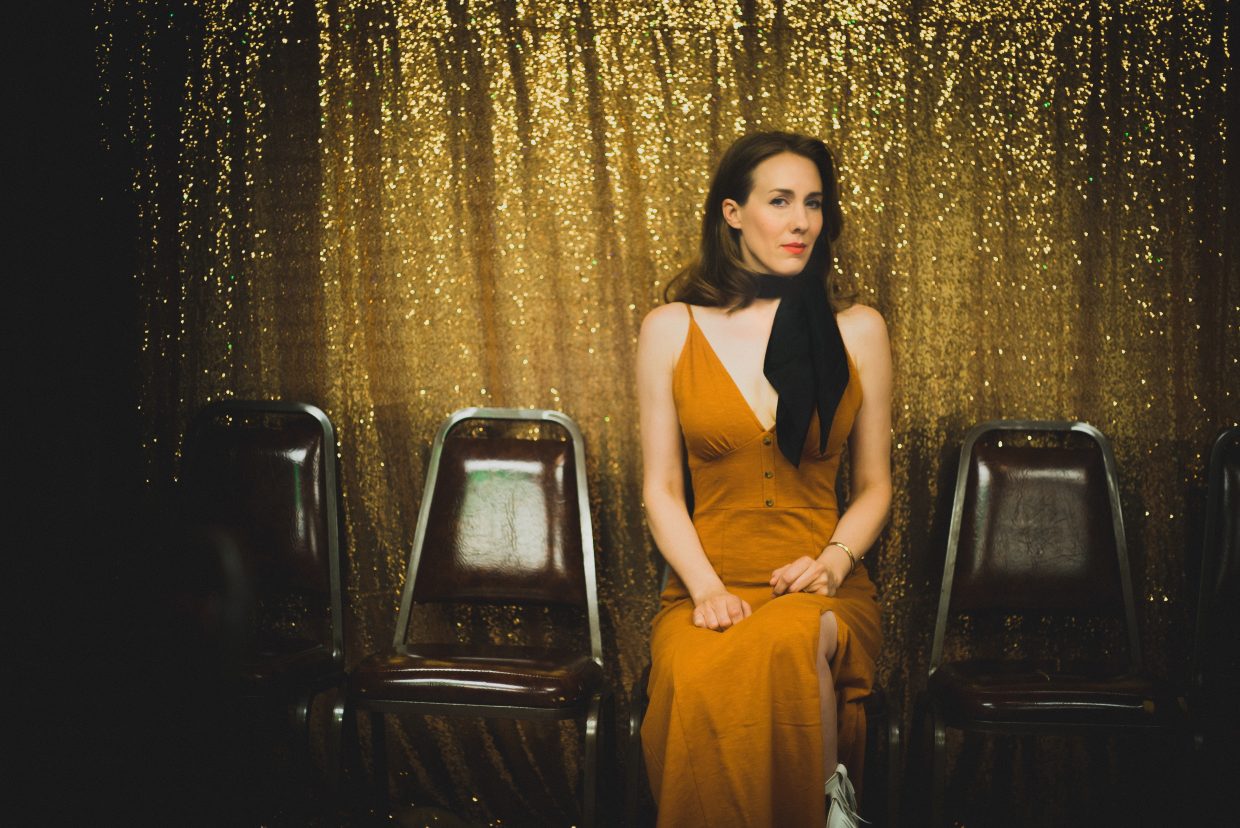
Photo credit: Jess Varda

The String – Waylon Payne, Plus The Danberrys

As a literal child of the 1970s outlaw country movement, Waylon Payne had access to opportunity and temptation — and for most of his 48 years, temptation won.


LISTEN: APPLE PODCASTS

While immensely talented as a singer, songwriter, and actor, Payne struggled with harsh drug addictions and personal trauma. On the new album Blue Eyes, the Harlot, the Queer, the Pusher & Me, Payne chronicles his crash, his recovery, and his return to the world with incredible candor and grace. He’s an extremely forthright conversationalist, too.

Also on this episode, a catch up with Ben and Dorothy of The Danberrys, a married duo from Nashville who’ve been through a journey of recovery of their own.


LISTEN: David Quinn, “Letting Go”

Artist: David Quinn
Hometown: Woodridge, Illinois
Song: “Letting Go”
Album: Letting Go
Release Date: October 23, 2020

In Their Words: “The song ‘Letting Go’ is what really got the whole record going for me. It put everything in perspective about what I was trying to say with the album. It all started with that opening line, ‘I’m letting go of everything that’s holding me down.’ I was dealing with a bunch of things at the moment, and I just needed to let it all go. I had a headache for about six months straight, and I reference that in the song: ‘My head, it hurts/Lord you know I’m spinnin’ around.’

“I was also being pulled in a million different directions in my personal life and with music. After the first record, I felt a little pigeonholed by a specific genre, when for me, I’m just making country music the way I hear it. I was tired of even considering those things when I was making music, or any decision with my life. I think we spend far too much time trying to make other people happy, and I decided I am through with it, even if that means getting rid of people or things in your life that hold you back; that’s where that song came from. The song allowed me to put it on paper, and release it from my mind, and it turned into a major theme on the record.” — David Quinn


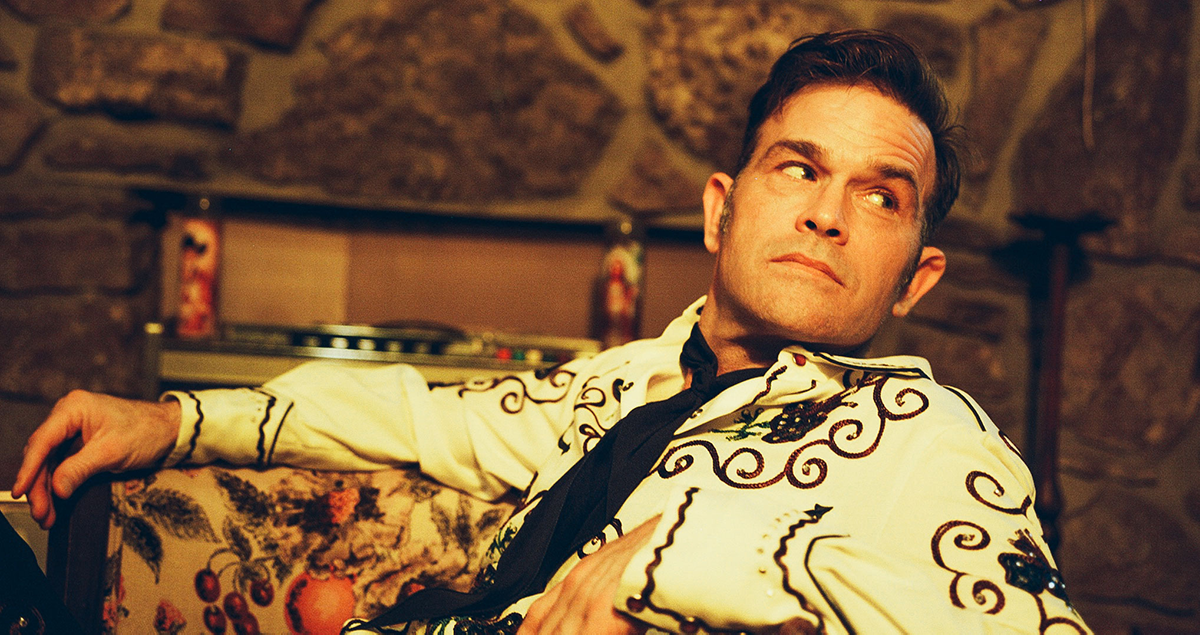
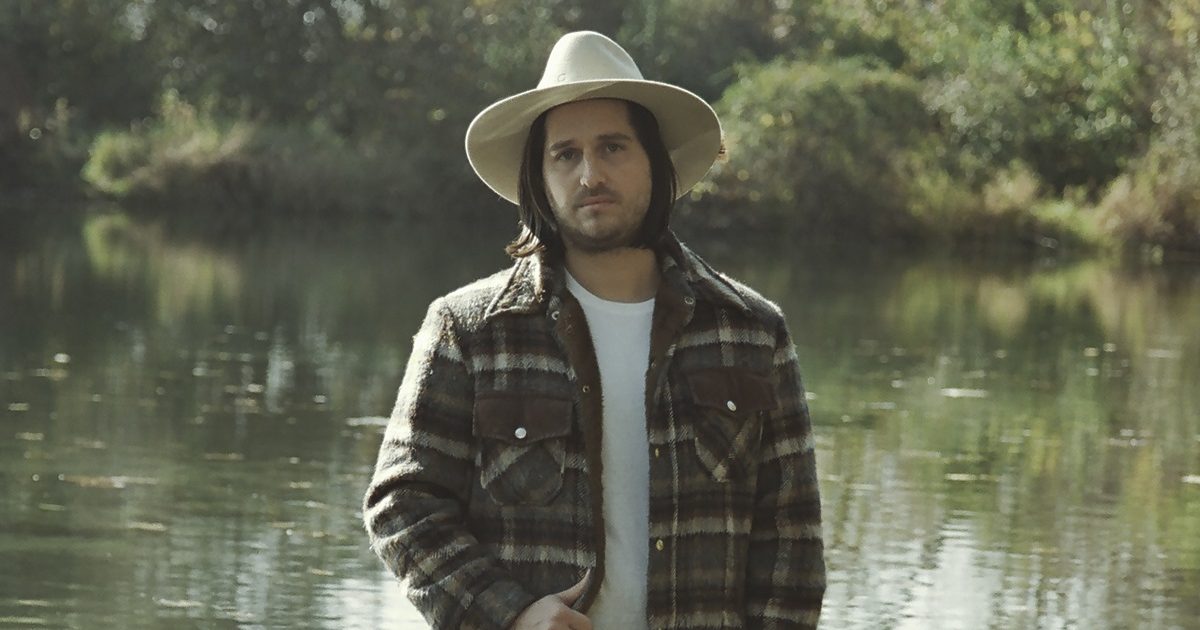
Photo credit: Jess Myers

Brennen Leigh’s ‘Love Letter’ to the Musical, Magical Prairie

Nearly twenty years after leaving home, striking out to make a living in the bluegrass and country scenes first in Texas and now in Nashville, singer-songwriter Brennen Leigh is still longing for the prairie. Born in North Dakota and raised in rural Minnesota, Leigh’s brand new album, Prairie Love Letter, lives up to its name in all but the stereotypical, assumptive ways implied by its title. 

Produced by Robbie Fulks, Prairie Love Letter idealizes Leigh’s harsh, forbidding homeland — as paeans to the prairie are wont to do — but not without the nuance a nomadic, troubadour lifestyle affords, and Leigh’s perspective as a woman in 2020. It’s all underscored by the ever-growing distance between her and the grassy plains for which she pines, marked by months and years, continually ticking by.

Being that the sum of Fulks’ and Leigh’s musical comfort zones lands squarely upon the intersection of old country, bluegrass, Americana, and what we’ll call “alt-roots,” the album cheerfully denies genre ascriptions while reinforcing the Great Plains states’ propensity for birthing country music forged in the furnaces of hard living, firmly-held values (though not necessarily strictly conservative), and a desperate need for the distraction and diversion music brings. 

BGS reached Brennen Leigh by phone at her home in Nashville and began our conversation with the album’s seemingly pugnacious, yet perfectly apt lead track.

There’s something particularly resonant about the album’s opener, “Don’t You Know I’m From Here,” because you’re talking about rural life and how these authenticity signifiers are so important to rural life and identity, but they’re also really important to roots music. There’s a really interesting symmetry to “Don’t You Know I’m From Here” where it seems you’re simultaneously asking that question of the region you’re from — Minnesota, North Dakota, the plains — but also asking that question as a woman in roots music and country. What do you think?

I honestly never thought about it in that specific way, but when you put it that way, that is how I feel. Obviously, the going home, the rural element — what did you call them? Signifiers. That’s huge. We’re all in a sort of “countrier than thou” battle all the time. I try to just write what’s true to me as much as I can, and be affected by that as little as possible. When you talk about country music, it’s something I do feel secure in. I don’t need to show or tell anyone — nor have I ever been accused of lacking that authenticity. However, I’ve struggled just as much as the next independent artist. Sometimes it leaves one feeling, “Well, why has this other person been pushed to the top of the pile?” They say not to compare, but you know. Why is this other person edified, when they’re not country, so to speak? [Laughs] It’s hard not to compare yourself to others and get into that mindset.

Also what you said about women — we women, it’s like there’s only room for one at a time. We all have to fight each other. That’s not how I really feel, but your lizard-brain would make you feel like you have to fight with other women for that one slot they give us. This year, one of the silver linings of this pandemic has been that it’s given me some time to appreciate a lot of my peers in ways that I couldn’t before. Or that I didn’t take the time to before. My fellow performers, that are kind of my same age or similar level of fan base, exploring their catalogs has made me feel more like I’m part of that bigger Americana community. 

I think that’s an interesting way to get at the crux of this question, because on one hand just talking about authenticity is kind of make-believe, right? “Authenticity” is not a concrete thing, we ascribe authenticity. We perceive it. So talking about it is almost propagating the problem, and to step outside of it and look at it objectively is the real question. I think the nugget in “Don’t You Know I’m From Here” is that the speaker in the song isn’t seeking external validation in asking that question, but rather validating themselves internally. 

That’s exactly what it is. I don’t need to go home and have everyone at home validate me for being from there. It’s something that comes from inside. I know where I’m from. I know I’m a Minnesotan and I was born in North Dakota. And yet, I get questions cause my accent has changed and I’ve lived in the south now for I think eighteen years. It’s funny, when I moved to Texas I had a little bit of this fear that my music wasn’t going to be “southern” enough. [Laughs] That people were going to think I was inauthentic. But it hasn’t come into question and up north, that was one of my fears, that people would go, “Who is this person from Nashville singing about our part of the country?” That hasn’t happened either, because they’re starved for people to sing about it, because there aren’t a lot of people singing about it. 

The album is really flexible with which genre aesthetics it aligns with, it feels like the exact kind of country that comes out of the Upper Midwest. That hardscrabble, bootstraps mentality that we all are used to being attributed to the south, that’s how the plains survives, too. The album’s themes feel really similar to the way that southern country music speaks about life and work and pleasures, but it’s still different. To me, the way that’s most tangible is in how the record playfully denies any genre label. How did the bluegrassy, Americana meets old country quality come together and how is it tied to Minnesota and North Dakota’s music?

For one, we didn’t really plan it in a specific way. Robbie Fulks produced it — Robbie and I talked about how to treat each song. We both are believers in stories. The literature of stories. How do I present this little three- or four-minute story in a way that the listener is going to hear and feel what’s going on? We treated it case by case. 

As for the genre… “ambiguity” that you mention, I think it just comes from my influences. I come from old country and bluegrass. The part of the country where I grew up, it’s popular music, but not in the same sense that it is here or in Texas. It’s not as much a part of the culture. It depends on the family. In my family, bluegrass and old country is what we did. We played on the porch and we sang and we went to bluegrass festivals and we went to country music concerts when we could find them. That’s kind of always been in my roots and it came naturally. I’d be curious to see how people would classify it, because we weren’t like, “By golly we’re going to make a country album!” We just did what we knew how to do. 

A song like “Yellow Cedar Waxwing,” that one feels so bluegrassy. What was the balancing act like, with Robbie, whether to lead you to bluegrass or away from it on a song? 

I think we more or less talked about instruments and how they were appropriate to each song. That one is a very vivid memory in my imagination of being a kid and going with my grandmother to pick juneberries on a specific occasion. Here we were, on a gravel road, with buckets over our arms, and we were gonna pick juneberries. Maybe that song was written with thought of the Carter Family, that pre-bluegrass kind of feel. We thought we needed to put a little banjo and stuff on it. The story kinda had a little bit of a bluegrass thing; Grandma, picking berries, it lent itself to that. I’m comfortable with being fluid between the more classic country thing and the more modern thing and the bluegrass thing. I’m not thinking about how it’s going to be taken, I’m not even worried about it too much. But I am interested to know [what listeners think]. 

There’s a striking theatrical quality to these songs and their characters and their stories. Do you feel that as well in this set of songs? Do you see them as something of a soundtrack or a musical in their own way?

That’s an astute observation, because some of what influenced me growing up was old westerns and musicals, like Oklahoma! That western landscape, where you could just see for miles, always had a symphony and horns. Musicals are kind of in my background. I’ve even thought about writing a musical sometime about something. Originally I was thinking, “Oh maybe I can make these songs fit into a musical!” But I made a record instead. [Laughs]

It was something I kind of wanted to do for a number of years. I always thought there was something musical and something magical about that area. I used to eat up those episodes of Prairie Home Companion that had the “News from Lake Wobegon” stories. Those were my favorite part. I remember when I was painting my apartment in Nashville when I first moved here, I binge-listened to a bunch of those stories from Lake Wobegon. Then I read My Ántonia for the first time. It knocked me over. Something about Willa Cather’s writing about the prairie.

To kind of return to the ideas we began with, this record feels like, almost more than anything else, that it’s examining ideas of what it means to be an insider versus an outsider and how the line between each of those positions is often much more blurry than we think. 

I’m coming around to that now. I think in my first few years gone I felt hurt when I would come home. When someone would say, “Well you don’t sound like you’re from Minnesota.” That hurt my feelings, because I wanted to have that stamp of belonging. Now I’m older and I realize that everything that has made me who I am to this point is valid. Living in Texas for fifteen years? I’m proudly part Texan now. I can claim part-Texan. I have some of the same feelings about certain places in Texas [as places in the Upper Midwest.] 

That feeling of belonging, that’s what everybody wants. I mentioned My Ántonia, it takes place in Nebraska on the prairie. The reason I tie that book to the album and give it so much credit for inspiring me is because they do have a lot of the same themes. These characters are homesick, they just want to belong somewhere. There’s a part earlier on in the book when the main character feels blotted out. It’s his first time on the prairie and he looks out and he can’t see any mountains and he feels blotted out. What a beautiful and devastating way of putting it… The funny thing is I never really felt like I fit in that well when I lived there. 

As someone who idealizes this place and loves it and returns to it not only literally, but also with these songs and this album, what is it like to be from there, away for eighteen years, and writing about now?

When you’ve lived away, you realize there’s some beauty in it. Like my mom says, “Brennen, you just don’t remember how cold it was.” It was so cold in the winter. She’s right, I have forgotten! Putting on your long johns and two pairs of socks and snow boots every single day and freeze in a car on the way to school. I have forgotten those things and it has changed a little bit. North Dakota is very conservative, Minnesota is a swing state last I checked, but even the cultural geography of Minnesota has changed since I moved.

There are a lot more immigrants and things have changed politically. Obviously, Minneapolis — I don’t touch on Minneapolis very much [on the record] — but there’s been the unrest there. That’s pretty far from where I’m from. Where I’m from, I guess it’s kind of mixed in terms of politics. There are just a few things, like the pipeline issue, I couldn’t leave that alone. It made me so mad! [Laughs] Mostly because I knew they had chosen that area because it was worthless to them. That area is not worthless. It’s god’s country. I know a song can’t do very much, but I felt angry enough to write it.


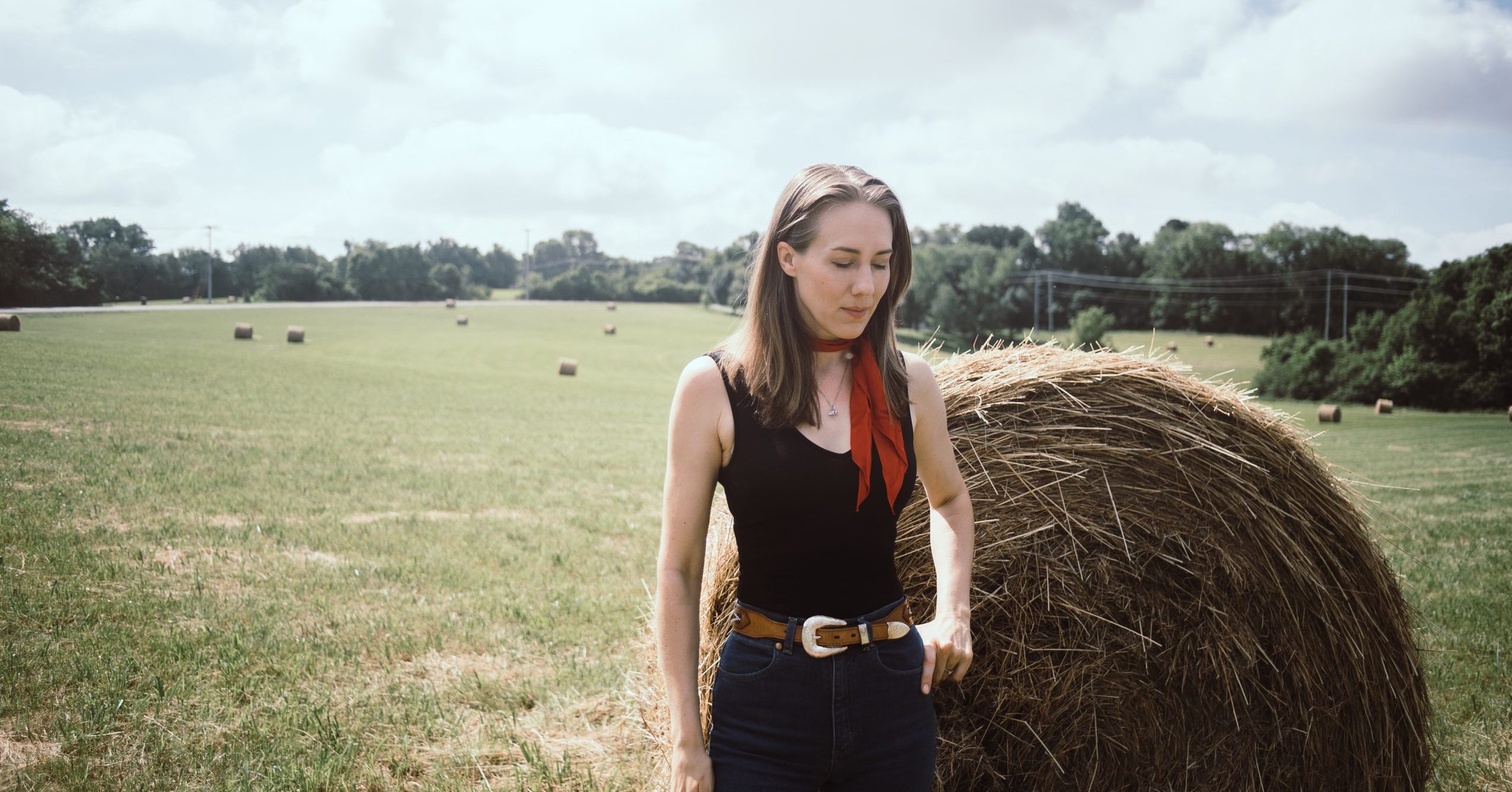
All photos: Kaitlyn Raitz
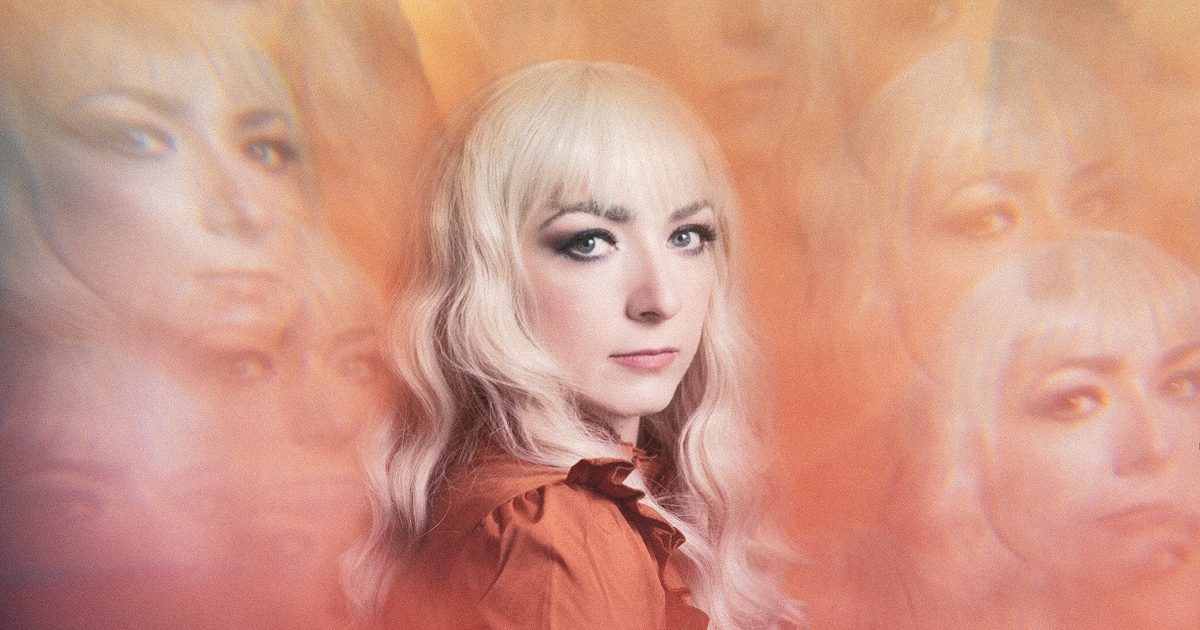
LISTEN: Suzzy Roche & Lucy Wainwright Roche, “Jane”

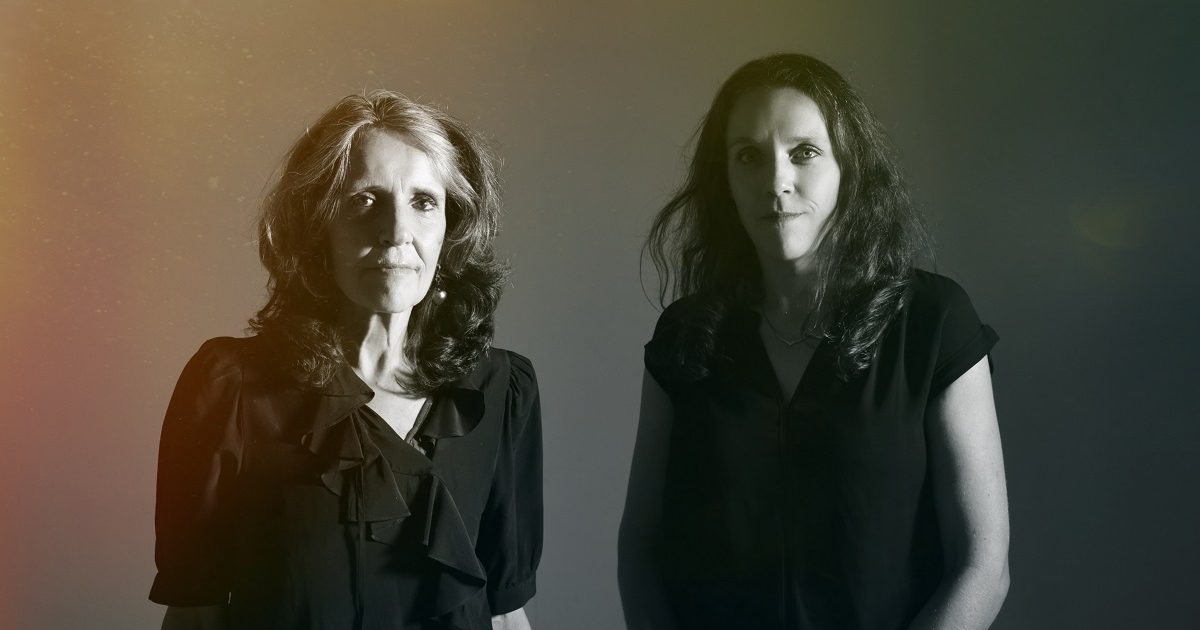
Artist: Suzzy Roche & Lucy Wainwright Roche
Hometown: New York, New York
Song: “Jane”
Album: I Can Still Hear You
Release Date: October 30, 2020
Label: StorySound

In Their Words: “For my 16th birthday, my aunt Terre gave me a cassette tape of some demos that she and my aunt Maggie recorded in 1973. ‘Jane’ was one of the songs on the tape and it was immediately one of my favorites. The song had never been included on any album, and for many years I thought it would be a great song to record. It finally found a home on this album. I particularly like the line, ‘It’s like remembering rain in the sun, or remembering sun in the rain.’” — Lucy Wainwright Roche


Photo credit: Shervin Lainez

LISTEN: The Mastersons, “I’m Your Girl”

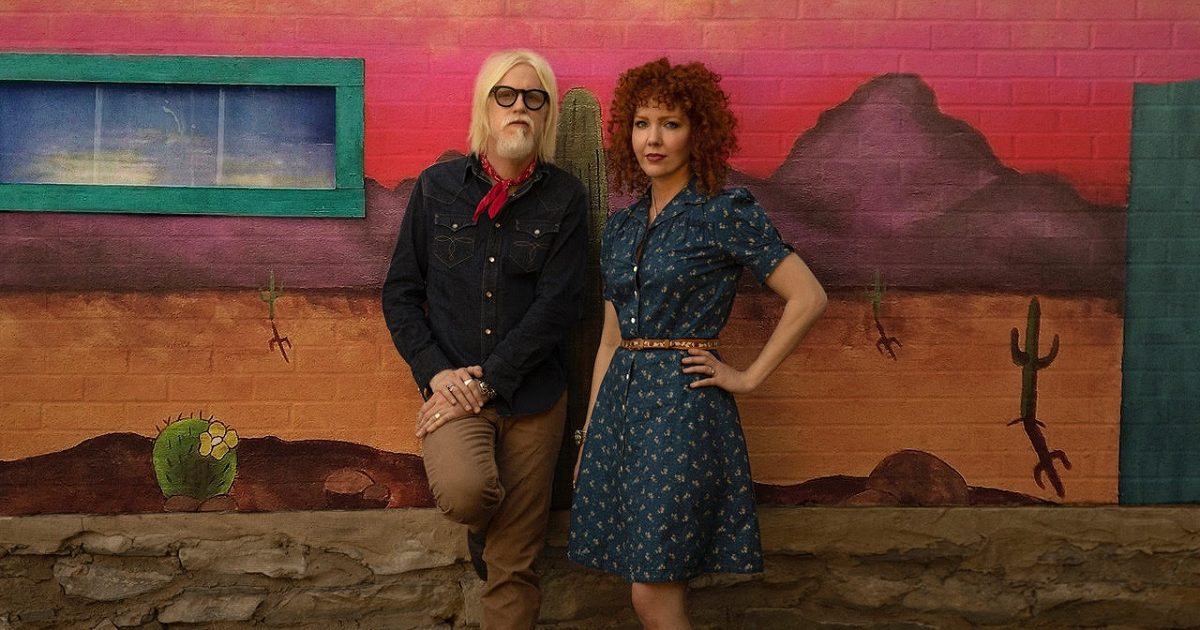
Artist: The Mastersons
Hometown: Los Angeles, California
Song: “I’m Your Girl”
Album: Red, White & I Love You Too EP
Release Date: October 16, 2020
Label: Red House Records

In Their Words: “We watched the first episode of Ken Burns’ Country Music and Eleanor wrote this after trying — unsuccessfully — to go to sleep.” — Chris Masterson

“I had Maybelle Carter’s guitar in my head and a little bit of Townes Van Zandt’s and Woody Guthrie’s spirits guiding me. I already had the first verse, which is more abstract, written down in my notebook and then I started thinking about the plight of immigrants today and the rest of the song just flowed out.” — Eleanor Masterson


Photo credit: Curtis Wayne Millard

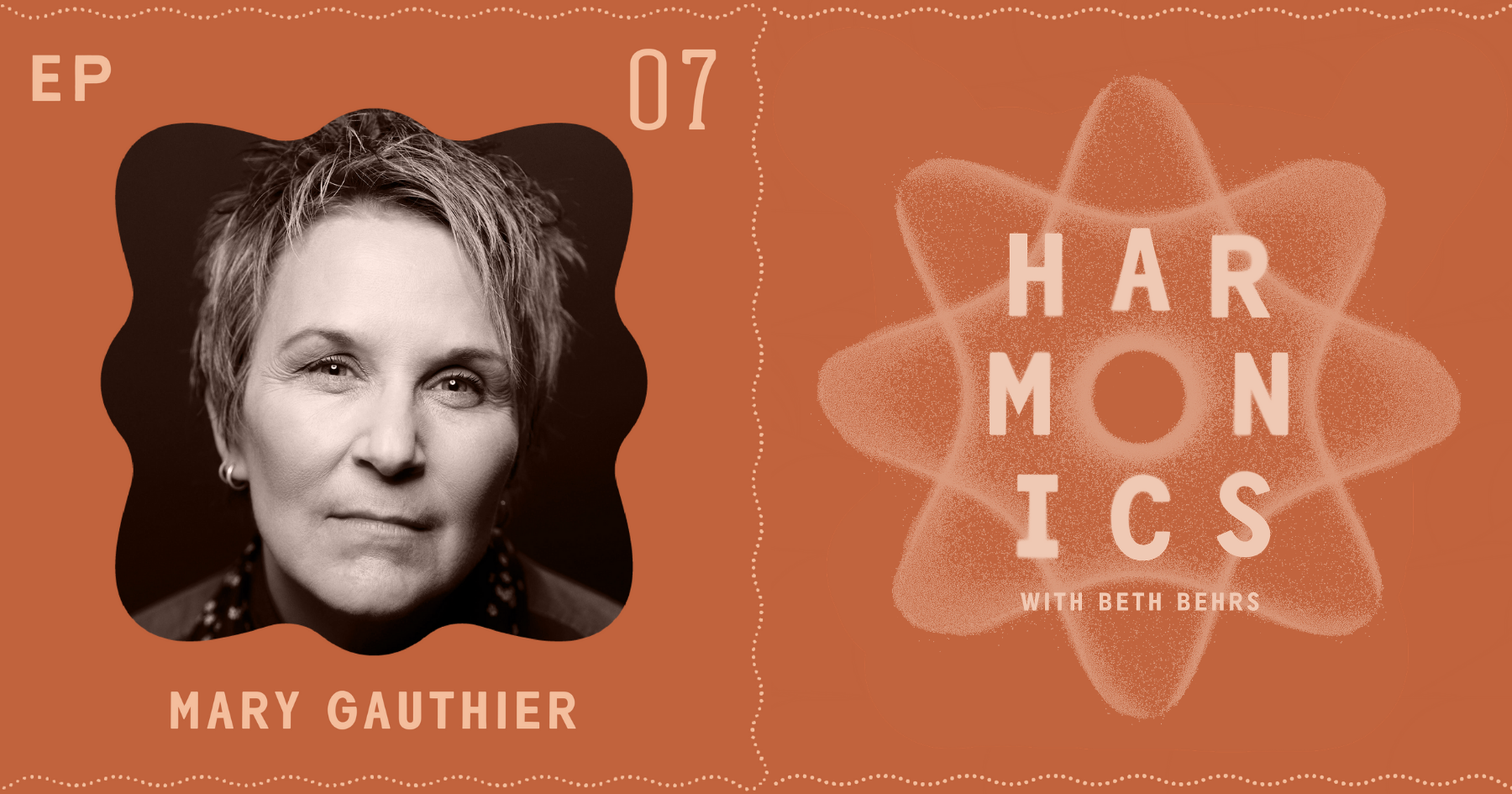
Harmonics with Beth Behrs: Episode 7, Mary Gauthier

Singer, songwriter, activist, and all-around badass Mary Gauthier joins host Beth Behrs on this episode of Harmonics. The two talk about why superheroes are so often adoptees and orphans (and vice versa), the power of songwriting for veterans of the armed forces, her last live show immediately before the shutdown, and so much more.


LISTEN: APPLE • SPOTIFY • STITCHERAMAZON • POCKET CASTS • MP3

Mary Gauthier’s name is spoken with reverence in songwriter circles. She’s won countless awards from organizations like the Americana Music Association, GLAAD, and Folk Alliance International, and was nominated for Best Folk Album at the 2019 Grammy Awards.

A Louisiana native, Gauthier has been releasing her own music for over twenty years, but her 2019 record Rifles & Rosary Beads brought a whole new level to her art, when she collaborated with the Songwriting With Soldiers project to put wounded veterans’ stories to song. 


LISTEN: Ashleigh Flynn & the Riveters, “The Lion and the Lamb”

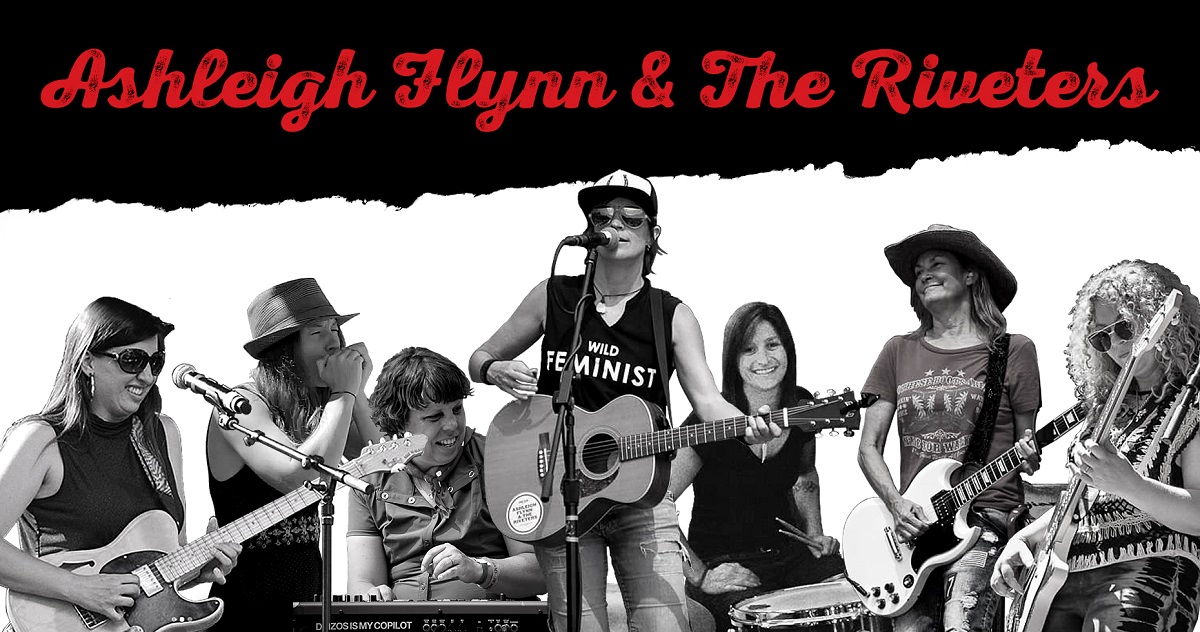
Artist: Ashleigh Flynn & the Riveters
Hometown: Portland, Oregon, and Los Angeles
Song: “The Lion and the Lamb”
Album: The Lion and the Lamb (Digital 45)
Release Date: October 20, 2020
Label: Home Perm Records

In Their Words: “‘The Lion and the Lamb’ draws from Bible stories as an overlay for the situation we find ourselves in today — enveloped in the COVID-19 pandemic, civil unrest/peaceful protests, the rise in domestic terrorist groups in the US, the devastating impacts of climate change/fires that are destroying our communities… things feel hopeless…. While I am not a religious person, I am a spiritual person, and believe the goodness in the hearts of Americans translating into benevolent action is what will heal us as a nation; that ‘savage and cruel beasts’ find their kind and gentle nature, and work to restore of the world to peace and ‘righteousness.’

“This song (with lyrics by Ashleigh Flynn and Virginia Cohen) and the Digital 45 were recorded remotely, with our guitar player Nancy Luca at the helm of arrangement and production from her home studio in LA. She says this about the song, ‘When Ashleigh sent me her song a few months ago, and as we are all locked down because of the COVID-19 pandemic, we worked hard to bring life to this endeavor despite the distance. The Riveters recorded their parts safe at home on their iPhone or DAWs and I mixed it all in the sonic blender of my session. My hope is that you hear the musical emotion of this wonderful and poignant song. Ready world? It’s ready for you.'” — Ashleigh Flynn

https://soundcloud.com/smashedflynn-1/the-lion-and-the-lamb/s-bI67cGnOGMZ


Photo credit: Kate Flather

LISTEN: ‘Once Upon a River’ Soundtrack

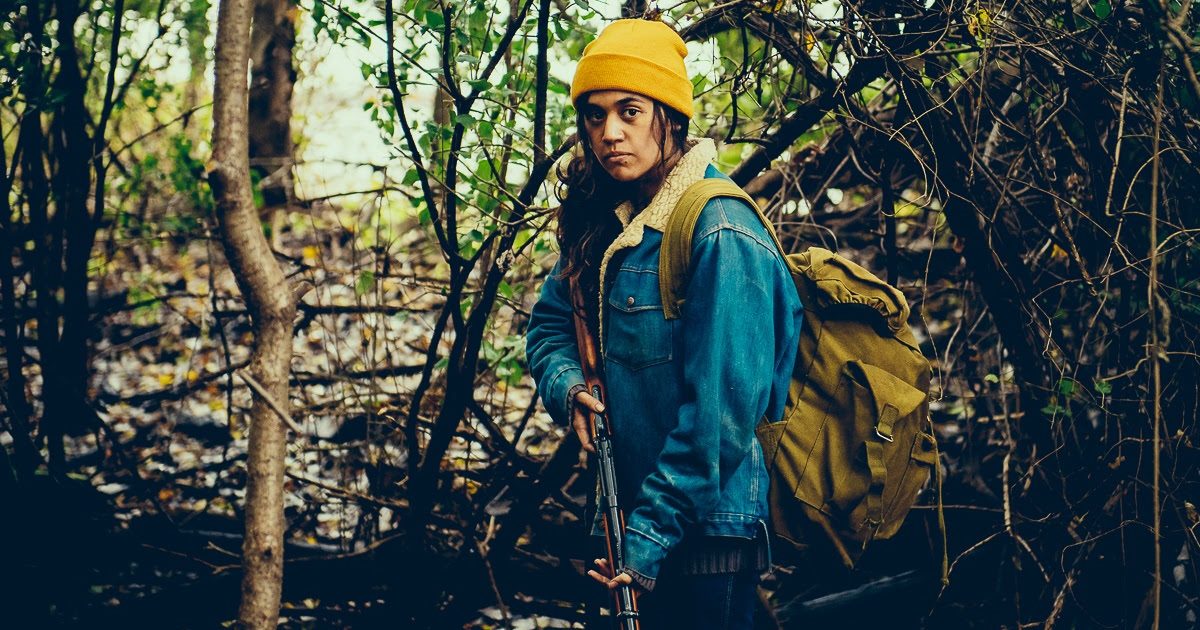
Written and directed by Haroula Rose and based upon a best-selling novel by Bonnie Jo Campbell, the award-winning indie film Once Upon a River tells the story of Margo Crane, a Native American teenager who sets out to find her mother as her own life takes one dramatic turn after another. Margo is portrayed by Kenadi DelaCerna, in her screen debut.

Shot to evoke rural Michigan in the 1970s, the mood of Once Upon a River is frequently elevated by original music from Rodney Crowell, JD Souther, Will Oldham, Bridget St. John, Fran Farley, Peter Bradley Adams, and Haroula Rose, as well as an atmospheric score by Zac Rae. Hear the soundtrack below, and enjoy an exclusive interview with Haroula Rose.

BGS: This story is set in 1977. How did that influence the music you chose for the movie?

Rose: Having it set in the 1970s made me excited about being able to use my favorite era in both music and cinema as inspiration. It was one of the reasons I loved the source material for this very unique kind of road movie, because I knew at once that I could use some psych folk, soul, country and ambient sounds to get into this tale and characters. My film partner at Thirty Tigers (David Macias) was literally the first person onboard for this project, while composer (Zac Rae) and music supervisor (Mike Turner) were also among the first people creatively involved once I had the shooting script. As a musician first, I am always thinking about it as a central element even as I am writing, and the music is deeply embedded into the process from the beginning. I used certain themes Zac had created to play for the actors while we were on set and they were very moved by hearing them.

There are moments of quiet in this movie, too. It reminds me of the adage that a good musician knows when to play a solo, as well as when not to. Can you tell me about your process for placing the music into the film without distracting from the storyline?

I love that analogy! I feel that silence can be as potent as noise, and the pauses in the film all have a voice and are communicating something as well. Margo is not the most traditionally vocal character but is so expressive, thus the music had to parallel that… such that we are still able to feel her subjective experience through the pregnant moments of quiet as much as the action scenes. Ultimately it was about continually paring the story down, sculpting it to its very essence, and the music supported that goal since we were always allowing it to evolve and not give too much away too soon. There was this balance we had to strike with regard to supporting the story and not giving away the emotions before their time. I’m really happy to hear you say it worked!

The placement for Will Oldham’s “Always Bound” works especially well in this film. Can you describe why you felt that scene and that particular recording synched up so well?

Will was the first person to write an original song for the film upon reading the script, and it was this magical piece. In fact “Always Bound” was what I used for our very first scene we shot of the film, which was Margo by the fire when she is eating canned food and camping. I brought these bluetooth speakers out to the woods and played it as we filmed, so we all dropped into this same emotional zone. It was a special moment, having Will as a creative force of support right then at the start. So I already knew which space it would inhabit in the film right when I heard it.

As you were writing dialogue, were there any characters whose perspective, or “voice,” that you particularly enjoyed?

Writing Smoke and Fishbone’s dialogue and banter was super fun, because like so many other parts of this story that inspire me, it is a unique relationship. I loved it in the book too. In terms of perspective/voice, writing Luanne because she is someone who is very complicated and all too easy to depict in a one-dimensional way, was a cool process. I really liked trying to find a way into her that is more complex and nuanced, more empathetic in seeing and understanding her pain, as she struggles to communicate and to exist in the world.

There’s a Rodney Crowell song here, too, and it’s filled with imagery. How did that song, “The Damage,” make its way into the film? And what do you remember about hearing that song for the first time?

Well, Rodney was one of the people considered for acting in the role of Smoke! David Macias reached out and then Rodney and I had a conversation about it. It was surreal because I have long been a Rodney fan. Hearing him play years ago at the Old Town School of Folk literally changed the stream of my life. When he found out he couldn’t do the role, Rodney kindly offered up the idea of a song. I was tremendously honored and then upon hearing it, with its visceral imagery and his manner in singing it, I got very emotional.

He got to the heart of two lonely but loving souls we don’t often see, and their connection. And then recording it — I sang harmonies with him — was so special in many ways. It was similar with JD Souther who wrote a song that Smoke (John Ashton) sings in one of his final scenes. It feels like a dream how this all came together, very fulfilling in terms of making music and making films. I co-wrote a song with Peter Bradley Adams and Zac Rae for the soundtrack as well, that plays in the final scene; that song always gets me emotional too.

To me, cultural identity seems to be a significant theme in this film — in a sense of racial identity, but also privilege. Was that element of diversity part of what attracted you to adapting this film?

Definitely. Bonnie’s novel alludes to Margo’s bloodline, and I thought it would be a great opportunity to showcase talent that would also add a dimension of depth to what the story is saying about “otherness” in her character as well as others, like her father (Tatanka Means) and Will (Ajuawak Kapashesit), who she meets along the way. It’s also part of her journey in coming to know herself and who she will be, that she knows where she came from. Will is the first person who asks her about her own potential, and hence why she makes the choice she does towards the end (no spoilers). In terms of privilege, I think it’s also depicted in terms of the Murrays and how they have interacted with and abused the land and the community, but I hope it’s conveyed that Margo is also someone with skills and talents that she learned from her father, which are a great gift. She has the depth and the comfort in being in the wild, knowing how to survive.

This film will be finding its way to even more viewers in the months ahead. Watching it now, more than a year after you completed it, what are some of the emotions you feel?

I still feel very inspired and emotional, especially at the ending. I also feel beyond proud of every single person involved and their hard work. It’s hard making an independent film and it’s my job to bring out the best in everyone. I hope the world out there sees that as they experience the film, the story, the music. A year after it premiered, 40 festivals and 19 awards later and many years after first reading the book, well it has been a wild and ambitious ride all to support a story that I truly believe we could see more of — seeing one another with compassion, empathy… Margo’s nonjudgmental and generous philosophy of live and let live… even or especially for those who cause you pain. It helps you find your own way.


Once Upon a River is available to watch via Film Movement. You can listen to the soundtrack on all streaming platforms.

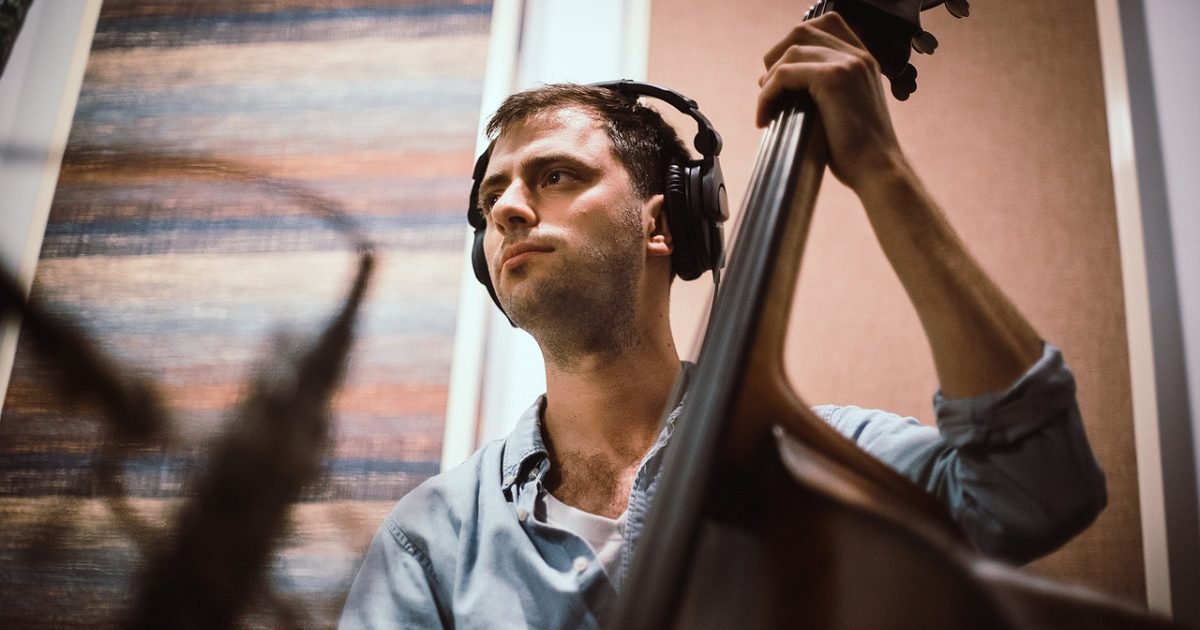
MIXTAPE: Jeff Picker’s Low End Rumblings on the Bass in Bluegrass

Maybe I’m biased*, but I’ve always felt that the bass is the most important instrument in the bluegrass band. It might not immediately draw your ear, but a bassist’s interpretation of the groove and harmony of a song holds substantial power over how the song is ultimately felt by the listener. Without a great bassist, a band full of shredders can sound anemic and sad; a heartfelt lyric can seem tedious and derivative. But add some tasty low end, and the same band will soar; the lyric will swell with passion! (Attention sound engineers: simply cranking the subs won’t cut it.) As such, the bassist’s importance in a bluegrass band is considerable.

Even so, great bassists are rarely given their due, unless they also happen to be virtuosic melodic players. Well, that ends today! Here are some examples of masterful low end artistry from some of my favorite denizens of the doghouse. Please excuse the shameless inclusion of one of my own tracks, because, well… I have an album to promote. Enjoy! — Jeff Picker

*I’m definitely biased.

Tony Rice – “Shadows” (Mark Schatz, bass)

Mark is one of my favorite bluegrass bassists. His tone is huge and clear, and his bass lines are subtly creative. On this track, listen to the fluid transitions back and forth between standard bluegrass time and a more open feel. Also note his slick fills and voice leading throughout.

Nashville Bluegrass Band – “Happy on the Mississippi Shores” (Gene Libbea, bass)

If aliens came to earth, demanded to know what bluegrass bass sounded like, and stipulated that I had only one song with which to demonstrate it, I’d play this. Gene Libbea’s feel is perfect; his note choices are just varied enough to add a bit of intrigue to the basic harmony of the song, while never sacrificing the pendulum effect that drives the bluegrass bus. The occasional unison fill with the banjo adds to the fun.

Ralph Stanley and the Clinch Mountain Boys – “Loving You Too Well” (Jack Cooke, bass)

I love this approach to the bluegrass waltz. Jack Cooke’s playing here is busier than what you might hear from many bluegrass bassists these days, and there’s a certain playful and casual quality to it, which I find refreshing. He bounces around between octaves, and between full walking lines and half-notes. Old-school, “open air” bass playing.

Matt Flinner – “Nowthen” (Todd Phillips, bass)

This song may sound slow and simple, but make no mistake: to groove like this, at this tempo, in this exposed instrumentation, is HARD. Todd Phillips demonstrates his mastery here: clear tone, impressive intonation, and intentional, direct timing. I also love how softly Todd plays — at times, he seems to barely touch the bass. To me, that conveys maturity and experience.

Patty Loveless – “Daniel Prayed” (Clarence “Tater” Tate, bass)

I had fun studying the bass playing on this track when I got to perform it with Patty and Ricky Skaggs a few years back. Clarence “Tater” Tate played both bass and fiddle for Bill Monroe’s Blue Grass Boys over the years, and had about as much pedigree in bluegrass as can be achieved. I dig the playing here, because it feels like an old-school, 1950s approach (bouncy, busy, slightly loose bass playing), but with contemporary recording quality. If you focus on the bass, you can tell how much fun he’s having with the slightly crooked form and joyous lyric — it sounds like a musical smile.

Anaïs Mitchell and Jefferson Hamer – “Clyde Waters (Child 216)” (Viktor Krauss, bass)

The first time I heard this song, I didn’t even realize there was bass on it. But I found myself coming back to it, drawn by the story-like quality of the musical arrangement, and I realized that the bass plays a major part in that dynamism. Viktor Krauss displays impeccable taste in his musical choices here. He knows when to play, when not to, when to articulate an additional note, when to sustain. For a player as technically proficient as Viktor, such restraint is impressive. His playing serves the song, first and foremost.

Del McCoury Band – “Learnin’ the Blues” (Mike Bub, bass)

As everybody in Nashville knows, when Mike Bub and his Kay bass show up at a gig, a fat groove is imminent. This track showcases Bub’s rock solid hybrid feel — he bounces between 4/4 walking and half-time, triplet and ghost note fills, and even has a little two-bar break in the middle. This is the type of bass playing that makes it virtually impossible to sound bad (not that Del and the boys needed any help in that department). Bub is also a great guy with a sense of humor and tons of knowledge and stories about Nashville’s music history.

John Hartford – “Howard Hughes’ Blues” (Dave Holland, bass)

Bluegrass as a musical style is pretty specific — there’s room for a wide variety of personal voices, of course, but there are definitely some foundational qualities and vernacular that indicate whether a player is truly versed in the style. On this track, jazz legend Dave Holland sounds like exactly what he is: a jazz musician playing bluegrass. Normally a recipe for disaster, here somehow it works. His tone, feel, note choice, and general approach sound foreign in the style, but they actually mesh with Hartford’s loose and jovial manner quite well. A slightly bizarre but enjoyable approach to bluegrass bass.

Ricky Skaggs – “Walls of Time” (Mark Fain, bass)

I’ve spent a lot of time studying Mark Fain’s playing for my job with Ricky Skaggs, and I’m always finding subtle little musical gems in his bass parts. It’s Mark’s tone, taste, and timing that anchor most of the canonical Kentucky Thunder recordings that we all love. This track showcases his mastery of the bluegrass groove at a slow tempo — listen to the way he spruces up what could be a one-and-five-fest with ghost notes, fills, and syncopation.

Jeff Picker – “Rooster in the Tire Well” (Jeff Picker, bass)

When I was making my new record, With the Bass in Mind, one of my musical goals was to find some space for the bass to shine and for me to use some of the technique I don’t use very often as a sideman. As such, the record has many bass solos. This song has no bass solo, however, since this Mixtape isn’t about bass solos! There are some cool bass lines in it, though (if I do say so myself). I tried to choose my notes carefully, to help anchor the band through the song’s many metric changes.

Robert Plant and Alison Krauss – “Let Your Loss Be Your Lesson” (Dennis Crouch, bass)

This track is not exactly bluegrass, but what an incredibly grooving bass part. Here is a rare example of a time when slap bass was musically appropriate! Dennis is a friend of mine and a great guy and bassist. He plays with gut strings, punchy tone, and undeniably solid time. He’s also the master of throwing in a couple creative measures of voice leading at exactly the right moment in the song. I try to catch Dennis out playing in Nashville whenever I can.

Stan Getz and the Oscar Peterson Trio – “I Want To Be Happy” (Ray Brown, bass)

This is obviously not bluegrass, but no bass-centric mixtape would be complete without tipping the hat to King Ray. His half-time feel throughout the melody is flawless, and just listen to that crushing avalanche of groove beginning around 00:37. Ray is a bluegrasser’s jazz bassist because he plays on top of the beat, and his playing has a relentless forward motion, like the banjo playing of Earl Scruggs. I’ve loved this recording since I was 15 — you won’t find better bass playing anywhere.


Photo credit: Kaitlyn Raitz