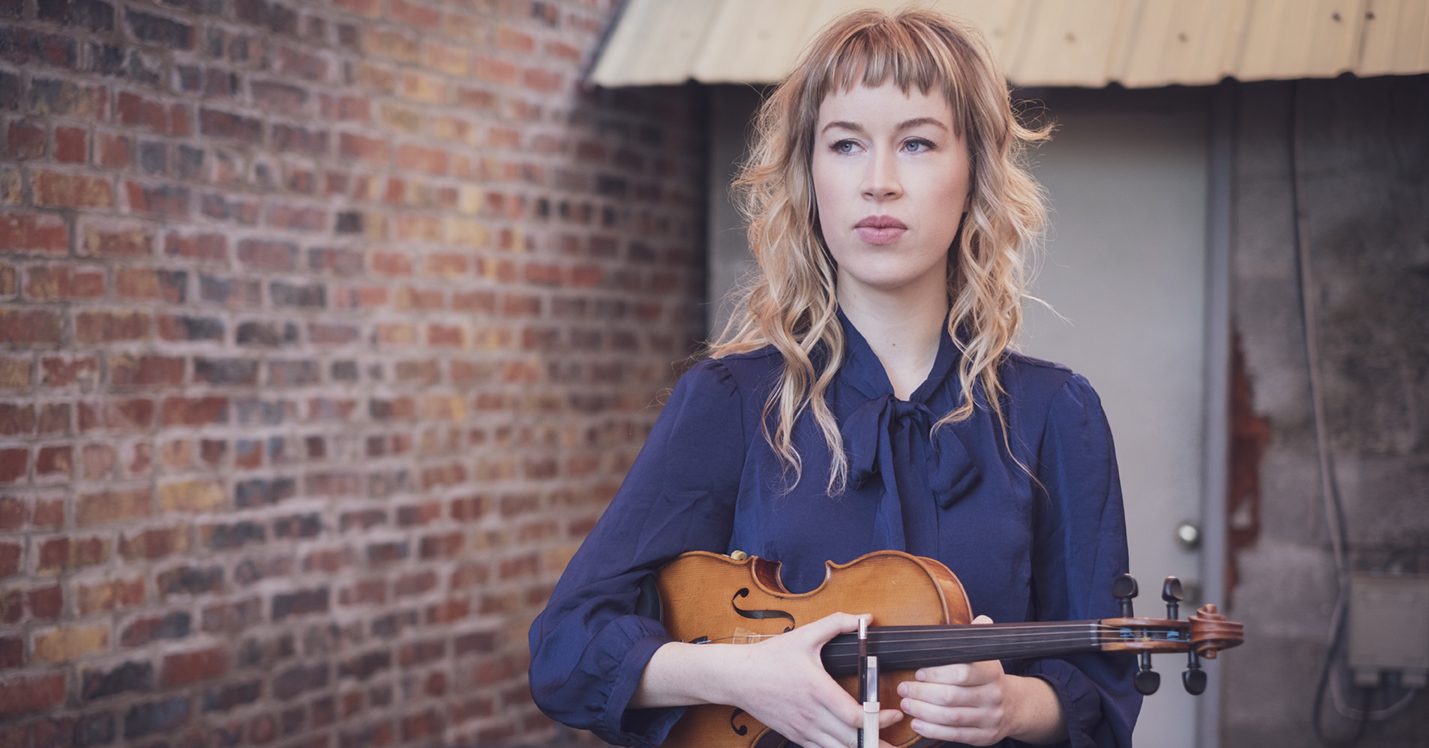
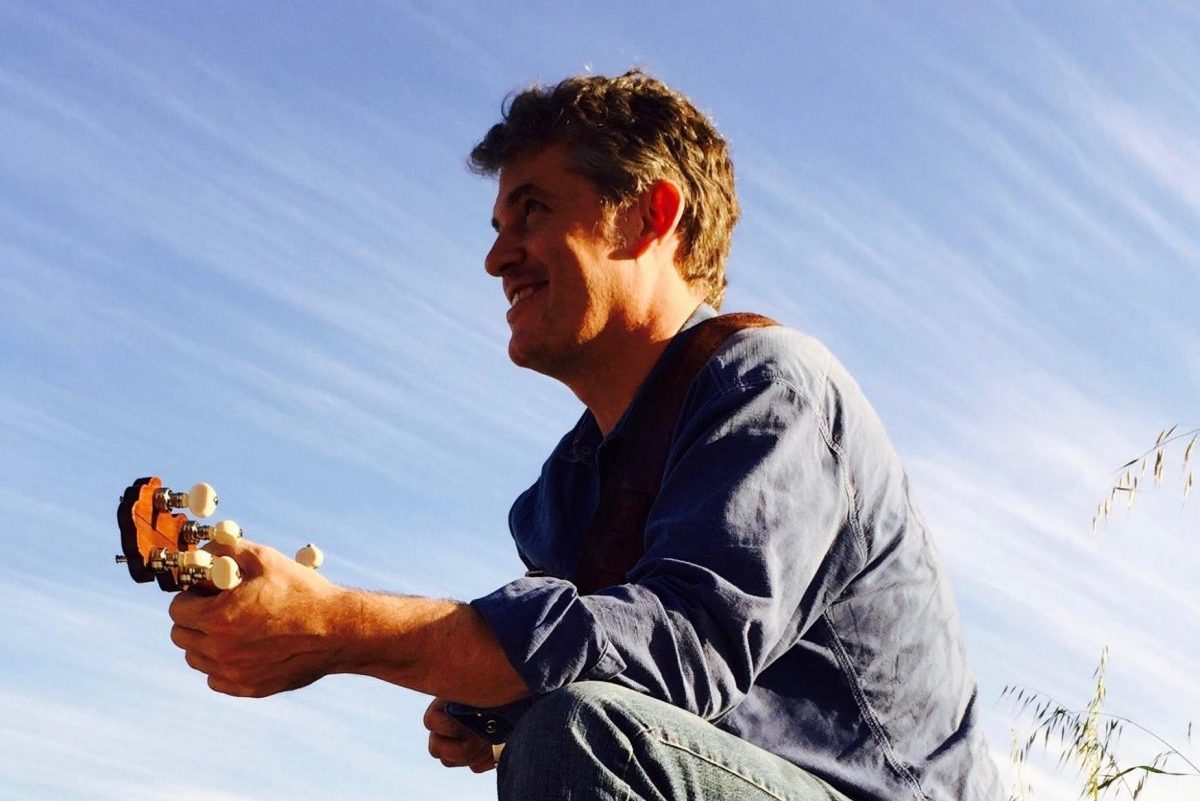
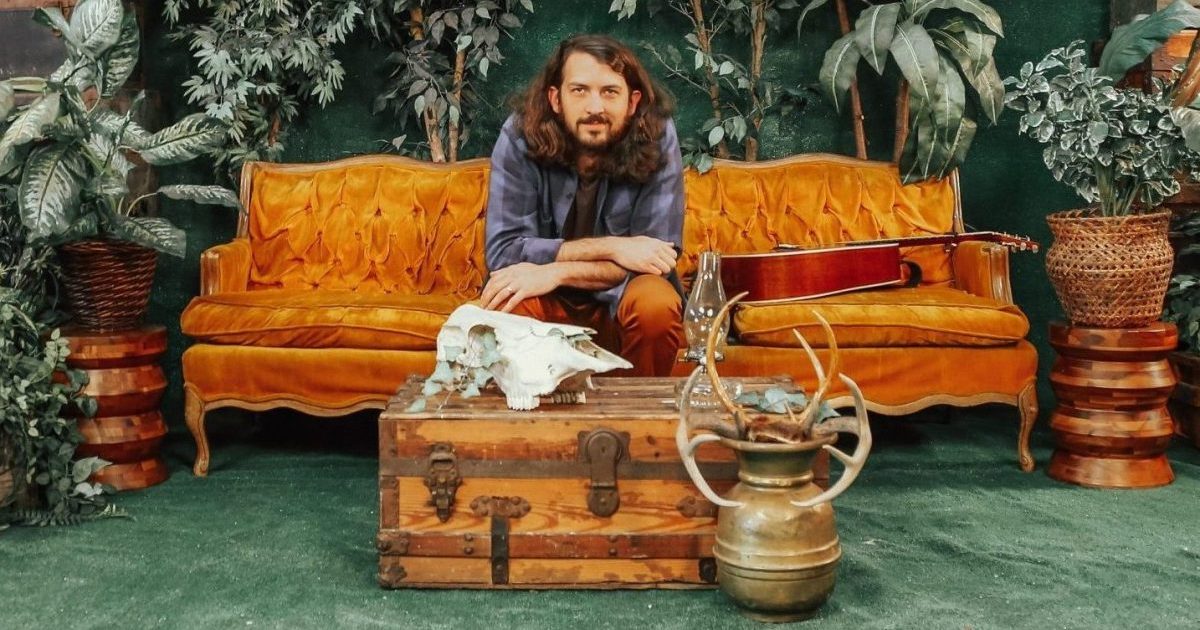
LISTEN: Carley Arrowood, “Goin’ Home Comin’ On”

Artist: Carley Arrowood
Hometown: Union Mills, North Carolina
Song: “Goin’ Home Comin’ On”
Release Date: August 21, 2020
Label: Mountain Home Music Company

In Their Words: “’Goin’ Home Comin’ On’ is one of those sweet, nostalgic tunes that I think a lot of people are going to relate to very easily. I love it because of the happiness and pure joy that overflows from the uptempo and rhythm of it as it talks about getting back to the place where you’ll always belong, and where the love of family will always be. During this time of being at home, it’s so important to remember that. Yes, sometimes it’s hard, but we’re a family and we’re blessed to all be together at this place that makes us complete. It is a precious time and I’m thankful for it, and for all the new memories, laughs, meals, and hugs that have been shared. I’ve missed being on the road playing music and very much look forward to the day that I can do that once again, but there’s still nothing quite like the feeling of a ‘Goin’ Home Comin’ On.'” — Carley Arrowood


Photo credit: Carley Arrowood

LISTEN: Bella White, “All I Gave to You”

Artist: Bella White
Hometown: Calgary, Alberta, Canada; now living in Nashville
Song: “All I Gave to You”
Album: Just Like Leaving
Release Date: September 25, 2020

In Their Words: “‘All I Gave To You’ feels explicitly gentle to me. However, underneath all that sweetness, there is definitely a tinge of heat. A little fire burning in 18-year-old Bella. I wrote it about being far away from something that I wanted so badly and for all I know, irrationally. A puppy love interest. It talks about wanting to be wanted, or better yet wondering if you’re wanted… a common theme in songwriting. Something I believe to be extremely human. Wanting to feel revered and liked. Especially by those that you’re fond of. In retrospect, I wrote ‘All I Gave To You’ when I was 18 and liked a boy, wasn’t sure if he liked me back, and then tried to be a poet about it.” — Bella White


Photo credit: Sheena Zillinski

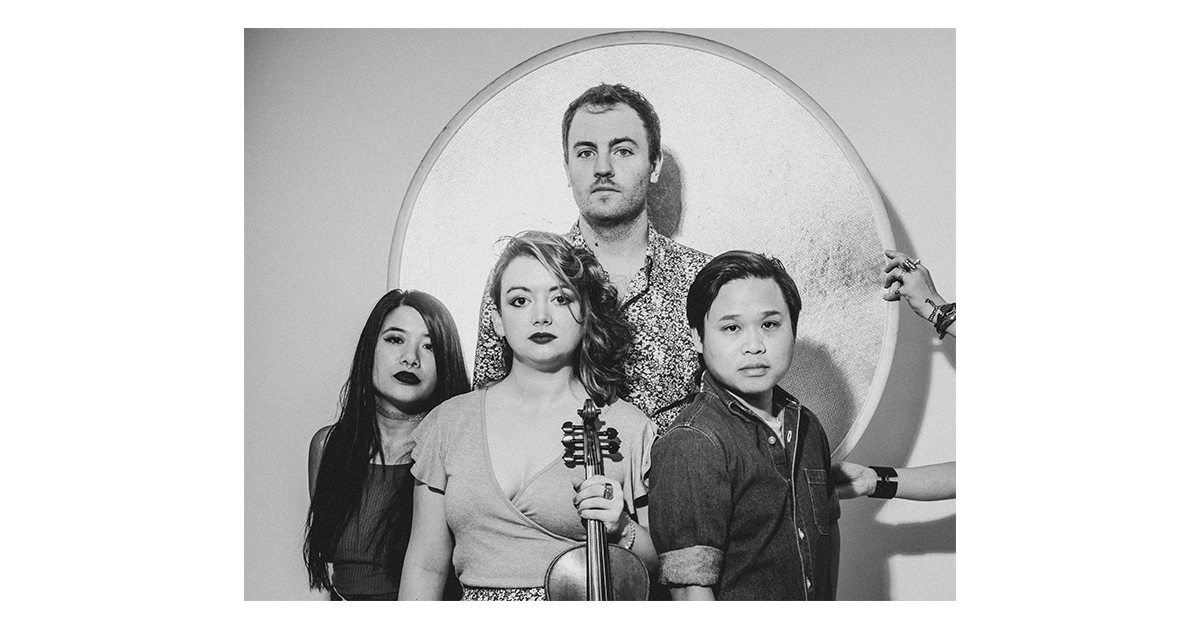
BGS 5+5: Twisted Pine

Artist: Twisted Pine
Hometown: Boston, Massachusetts
Latest album: Right Now (August 14, 2020)
Personal nicknames: Kathleen Parks is KP or Kat. Dan Bui is Fireball or Bu Nasty. Anh Phung is Lil Phungus. Chris Sartori is Moose.

What other art forms — literature, film, dance, painting, etc — inform your music?

I would definitely say dance has had a big influence on how I hear, feel, and listen to music. I started out as an Irish dancer before I picked up the violin and I studied dance up until the year before I had to pick what kind of art school I would apply for. Would I study music or dance? I guess you can figure out the outcome, but I’m thankful to have studied it for so long because it definitely has influenced my groove, and feel. Anh is a great dancer too! Who knows, maybe one of these days we’ll work up some moves for a TWP set! — Kat

What was the first moment that you knew you wanted to be a musician?

I grew up with classical music lessons: first on piano and then violin. I wasn’t super passionate about it, but I didn’t hate it either. One Saturday, I happened to see Sam Bush playing on PBS, and knew I wanted a mandolin. As soon as I got it, a Fender A-Style with a pickup, a couple of friends came over with drums and electric bass. We jammed for hours and that’s when I knew I wanted to be a musician. — Dan

What’s your favorite memory from being on stage?

There’s obviously too many to choose from but maybe one of the more ridiculous ones was a 5 minute appearance in a choir singing “B*tches Ain’t Sh*t” by Dr. Dre on the “Just for a Laughs” live television special, “XXX: The Nasty Show,” accompanied by Ben Folds and hosted by Bob Saget. What a hoot! — Anh

Since food and music go so well together, what is your dream pairing of a meal and a musician?

I would take Prince to the Highland Kitchen in Somerville (Mass.) for brunch. We have a shared passion for breakfast; I wonder what he would think about their pancakes (they are the best ever). — Chris

Which elements of nature do you spend the most time with and how do those impact your work?

Growing up in New York’s Hudson Valley I had pretty direct access to little mountains, trails, and the Hudson River. I always feel grounded after going for a hike, and being able to view a sunset, and a clear night sky really seems to impact my lyrics and how I get musically inspired. What I love most is when the band can stay in a cabin during tour, I feel cozy and comfy and I love being able to hear the sound of crickets nearby. That’s the stuff! — Kat


Photo credit: Joanna Chattman

LISTEN: Golden Shoals, “Old Buffalo”

Artist: Golden Shoals
Hometown: Nashville, Tennessee
Song: “Old Buffalo”
Album: Golden Shoals
Release Date: August 7, 2020
Label: Self-released, distributed by Free Dirt

In Their Words: “This one fits in a genre I like to call Cowboy Existentialism. You’ve got imagery like buffalo, coyotes, hobos, and trains. The cheerful mood of the song belies themes of economic inequality, and the burden of worldly possessions, summed up in lines like ‘it’s mighty hard to catch your meal when you ain’t had enough to eat.’ The melodies and cadences of this song are derived, intentionally or not, from old American fiddle tunes like ‘Roll Boys Roll’ and ‘Booth Shot Lincoln.’

“I originally wrote it with clawhammer banjo as the accompaniment, but I had really been searching for a song to do with two guitars as a faster breakdown to showcase the style of flatpicking I love to do. We’re really emulating the two-guitar style of Norman and Nancy Blake here. They have always been a major influence on us. Norman is one of my favorite guitar players, along with Doc Watson and Michael Daves. I’m not a big fan of the more modern bluegrass guitar players; I gravitate toward those whose playing is more rooted in the old-time square dance fiddle style — very rhythmic, very driving, a little dirty.

“Playing a ’33 Gibson L-00 helps me get the sound I want too. Nothing like the growl a well-loved Gibson has to it. This guitar also fits my body better. I’m not a large person, and although I love dreadnaughts, a 00 body size is way more comfortable for me.” — Mark Kilianski, Golden Shoals


Photo credit: Kyle Wolff

Bluegrass Memoirs: Scruggs Pegs & Earl’s Hooks

Let’s begin with a 45 RPM record I played banjo on. 

In July 1964, I was hired by the Rick Sutherlin Orchestra to play banjo for one night at the Monroe County Fair in Bloomington, Indiana. They needed a banjo player, because they were going to back up the fair’s featured music that night, the famous barbershop quartet, The Buffalo Bills

The Rick Sutherlin Orchestra was a big band based in Bloomington. Its leader Sutherlin, from a local family, was not a great musician. I remember him at the fair waving his baton at the front of the stage while one of the sidemen did the countdowns before each tune. I’m pretty certain I got the gig because Tom Hensley, who’d played bass in our bluegrass band, the Pigeon Hill Boys, played piano for the orchestra. They needed a banjo; he suggested my name. Hensley, like most of the other members of the big band, was at the Indiana University School of Music. He recently retired after over 40 years as Neil Diamond’s pianist.

A banjo solo was needed for the show, so one of the other orchestra members, trombonist Gary Potter, came to consult with me. Potter and I had been classmates at Oberlin College, playing in Dick Sudhalter’s jazz band in 1960. The following year we had roomed in the same boarding house, and he’d played bass with our campus bluegrass band, The Plum Creek Boys. Now he was at the start of a long career teaching music, principally at IU’s Jacobs School of Music. 

We decided on Bob Dylan’s “Don’t Think Twice,” a contemporary folk hit. I’d been playing it with David Satterfield in our Bloomington bluegrass band. Dave, an IU Grad student from Columbus, Indiana, had lived in Greenwich Village a few years before and done some singing with Dylan at that time. This song was in his repertoire.

I loaned Gary a copy of Sing Out! that had Dylan’s words and music so he could work on the arrangement. At this point he suggested inserting the sound of the Scruggs pegs, the musical hook in Flatt & Scruggs’ “Flint Hill Special.” Scruggs had added two additional tuning pegs to his banjo. They had cams which pushed on the second and third strings, enabling him to raise and lower the pitch of each string while it was being plucked. That created a slurred note sound resembling that of a slide guitar or a pedal steel.

Gary had heard that sound when we were at Oberlin and thought its riff with the strings being tuned down and back up would make a nice introduction for my banjo part. He enjoyed the challenge of arranging the sound of the pegs for the orchestra.

The performance at the fair went over well, and soon after that someone — maybe Sutherlin? — suggested we try doing a banjo + big band LP. Thus the Delmarti 45, intended as a demo, was born. The recording was made, as the label indicates, by Don Sheets. Sheets had a recording studio in Brown County on Highway 135 halfway between Bean Blossom and Nashville. He did custom recording work — high school bands, choirs, that sort of stuff — and specialized in jingles. I worked for him there occasionally. A gold record for one of his jingles hung on the studio wall.

The recording was made on the IU Bloomington campus in August 1964, at the Indiana Memorial Union building’s Alumni Hall. The band was on the hall’s stage. Sheets set up his recording equipment on the floor in front of the stage. What I recall most vividly about the recording session is how solid the rhythm section was. “The Marti Mae Singers” was Don’s wife Marti, who overdubbed the harmony voices in his studio afterward.

The record was published in the fall of 1964. Our banjo + big band idea didn’t find any takers at record companies. At the time, bluegrass banjo crossover projects like this one were already up and running, and the heyday for Scruggs pegs had passed.

Earl Scruggs invented his pegs in 1952 after recording “Earl’s Breakdown,” an instrumental that incorporated as its hook a musical trick he’d been playing since boyhood — making a slur by plucking the second string (a B note), tuning it down while still ringing to an A, and then quickly back up to B, right in the middle of an instrumental break. A quick twist! He and Lester recorded it in October 1951. 

It was released at the end of the year on a Columbia single, the B side of “‘Tis Sweet To Be Remembered,” the first Flatt & Scruggs title to make the Billboard charts. All winter long, Columbia advertised the single as a best-seller. The band, then based in Raleigh, was playing it on the radio and the road daily. 

The tedium of having to retune the string by ear every time he played it prompted Earl to invent a labor-saving device. He installed a tuning peg with an adjustable cam on it in the banjo’s peghead between the first and the second string. Turning the peg up made the cam stretch the second string up to B. Turning it down loosened it to A. That enabled him to play these peg hooks accurately every time.

At the same time as he installed the new tuning peg he placed an identical one between the third and the fourth string so that the third string could be moved down from a G to F# and back.

Earl did this because moving the second and third strings down is a natural part of tuning the banjo from an open G chord (the default, for Scruggs-style) to a D chord. This boyhood musical trick came from something he did whenever he played at a dance — change tunings. Certain dance pieces were in G, the most frequently used tuning. Others were in C or D, each with its own tuning. Scruggs used all three throughout his musical life.

In the spring of 1952 Earl could use his new tuners not only for “Earl’s Breakdown,” but also to move quickly from G to D in order to play “Reuben,” the old-time tune that had launched him as a three-finger picker, which he often picked with the band. 

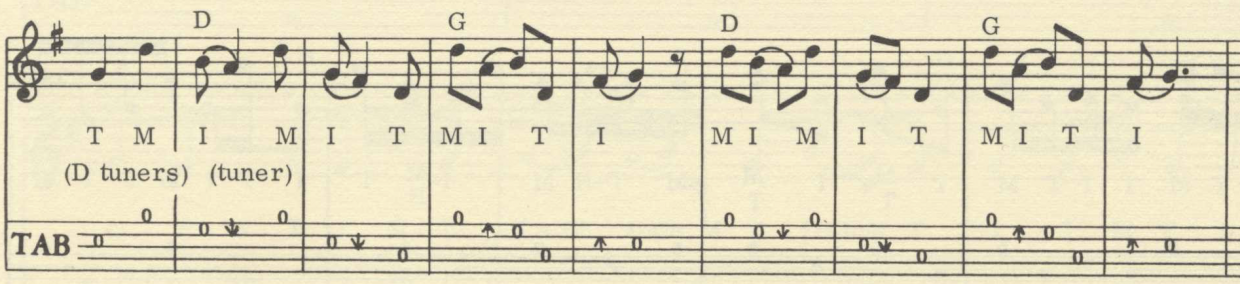
Tablature for “Flint Hill Special” from Earl Scruggs and the 5-String Banjo, p. 103

That fall, just after moving to Knoxville, they recorded “Flint Hill Special,” Earl’s newest composition. It used his new pegs for the tune’s hook.  This riff came at the start of the recording and was repeated at the end of each banjo chorus. That’s what Gary Potter incorporated into his charts for our version of “Don’t Think Twice.”

Released within weeks as the B side of “Dim Lights, Thick Smoke,” “Flint Hill Special” was advertised by Columbia as a best-seller all spring of 1953. It got a lot of radio play. 

At the end of August, not long after Lester and Earl started broadcasting for Martha White Flour in Nashville, they recorded another new peg hook instrumental, “Foggy Mountain Chimes.” In the second half of each chorus Earl tuned both strings down, changing the banjo’s open chord to a D, then played harmonics — “chimes” — in that key before tuning back up to G. 

“Foggy Mountain Chimes” was released in November 1953. The following month Decca released a single recorded in Nashville by the Shenandoah Valley Boys. On one side was “Plunkin’ Rag,” a new banjo instrumental with yet another Scruggs peg hook. 

With the pegs as with every other aspect of his music, Earl Scruggs was being listened to in Nashville and copied by young banjo players everywhere. “Plunkin’ Rag” was just the start. More about that next time!


Neil V. Rosenberg is an author, scholar, historian, banjo player, and Bluegrass Music Hall of Fame inductee.

Photo of Neil V. Rosenberg: Terri Thomson Rosenberg

Bronwyn Keith-Hynes, “Fiddler’s Pastime”

A handful of pages into her book, How To Do Nothing, artist, scientist, and researcher Jenny Odell makes the point that, under capitalism and the Protestant work ethic somewhere along the way modern human understanding of time transformed from being something that “passes” to being something that’s “spent.” Time is money. Where, in the not too distant rearview, time was not always considered a scarce resource or commodity. Instead of passing the time, we now spend it. 

Mid-pandemic, the distinction between these two perspectives feels even more important. To musicians — especially the working, middle-class set whose income hinges almost entirely on performing and creating constantly — the enforced global pausing of COVID-19 has allowed many the ability to refocus their priorities, retooling creativity to be something by which we all pass time, once again, instead of ravenously spending it. 

Any listener familiar with the bowstrokes of fiddler Bronwyn Keith-Hynes (Mile Twelve) will know this particular fiddler’s favorite pastime is… well, fiddle. The most tangible hallmark of her playing style may be her practice regimen, a preponderance of thought and intention evident in every last note. On her debut solo album, Fiddler’s Pastime, and especially its titular number, the oft-trod licks and turns of phrase she pulls on from those hours of study and rehearsal don’t feel canned or stilted, shoehorned into contexts to impress or beguile. They feel like simple outgrowths of Keith-Hynes’ tender-while-precise playing (and practice).

The musical backdrop of “Fiddler’s Pastime,” provided by Harry Clark (mandolin), Jeff Picker (bass), Jake Stargel (guitar), and producer Wes Corbett (banjo), acts as a cozy base layer of security and support for Keith-Hynes’ sometimes languid or teasingly lazy melodic interplay. But the cherry-on-top of this exquisite Bill Monroe via Kenny Baker cover is Laura Orshaw’s immaculate, identical-level twin fiddle. Awarded Fiddle Performer of the Year from the trad-facing Society for the Preservation of Bluegrass Music of America (SPGBMA) in 2019, Orshaw’s fiddling remains dismally underrated on the national and international scenes. She shines here with her longtime friend and collaborator. 

The dots are seamlessly connected; between Keith-Hynes, Orshaw, and this superlative crackerjack band, Fiddler’s Pastime is one album well-suited for inclusion in our quiver of pastimes to take us through this pandemic isolation.


Photo credit: Scott Simontacchi

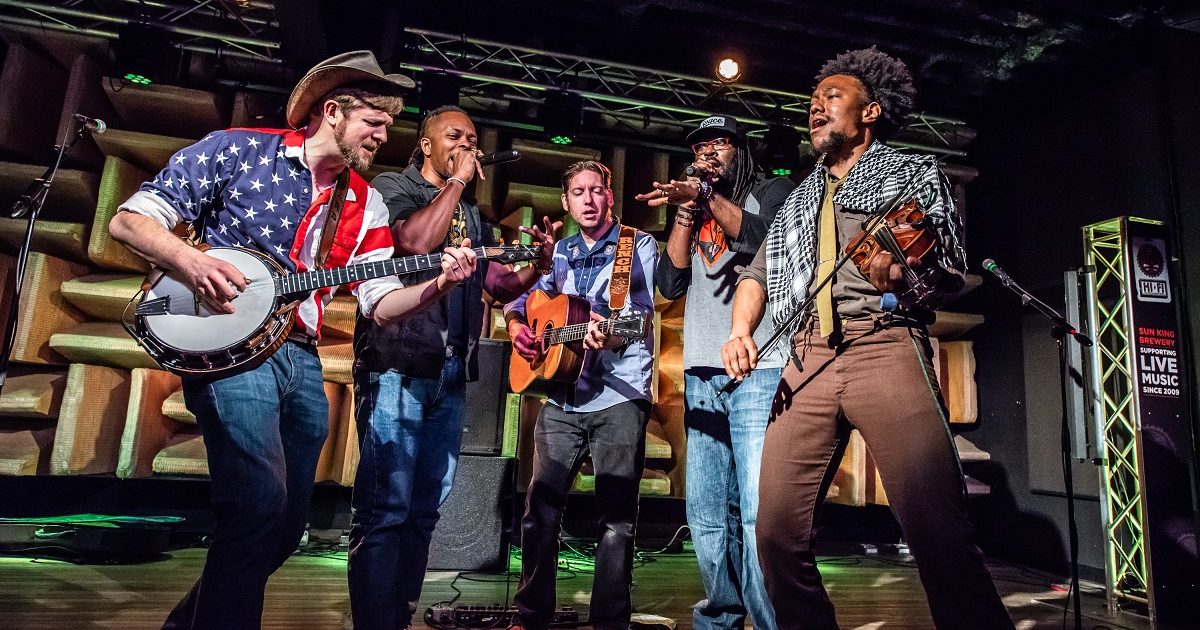
BGS 5+5: Gangstagrass

Artist: Gangstagrass
Homebase: Brooklyn, New York
Latest album: No Time for Enemies
Personal nicknames: Rench the Mastermind, Dolio the Sleuth, R-SON the Voice of Reason, Danjo, B.E. Farrow

What rituals do you have, either in the studio or before a show?

Back in the Before Time when we were on tour, before getting on stage we huddle up and put our fists in the center, and one of us will start giving a pump-up speech — equal parts church revival preaching and championship game coach pep talk, with some swearing thrown in, and then shout “Gangstagrass!” while we lift our fists up, very much like a little league team huddling before a game. Before that, Dolio the Sleuth does 300 push ups to get the adrenaline going, R-SON creates an R2-D2 replica out of toothpicks and glue, and I set up a poison capsule triggered by a Geiger counter next to a radioactive atom so that we play the entire set in a quantum state. But our huddle is always a good little energy focuser to bring us together for a moment before we step on stage. — Rench

Which elements of nature do you spend the most time with and how do those impact your work?

Earth. I’m a country boy, born and raised in a tradition of pulling nourishment from and communing with the outdoors, so I spend a lot of time in my garden. It helps to keep me grounded and centered, and serves as a sacred space, a place where I can take the gifts of sunlight, soil, and water to raise and enjoy my private Eden. That spiritual centering allows me to focus my pen into channeling the energy I want to deliver unto others … and whenever I can: water. Because I’m from a place on the Gulf, I feel my most comfortable when near a body of water. I tune in to the rhythm of the waves or the trickle of the currents and it turns to music in my mind. — Dolio the Sleuth

What other art forms — literature, film, dance, painting, etc — inform your music?

Comic books. All day. It’s rare to find a verse of mine that doesn’t have at least one comics reference. The comics universe is full of interesting characters and references that allow for it to fit and be used a hundred different ways for a hundred different meanings. The best part is when someone in an audience catches one of those references. It makes me know that they’re paying attention and digging what I’m saying. — R-SON the Voice of Reason

What was the first moment that you knew you wanted to be a musician?

I grew up listening to my dad play in a bluegrass band, so music was always in the house. I think I wanted to be a musician as early as I could want anything. — Danjo

If you had to write a mission statement for your career, what would it be?

Special butterflies fly to special places so always follow the oddest path. — Farrow


Photo credit: Melodie Yvonne

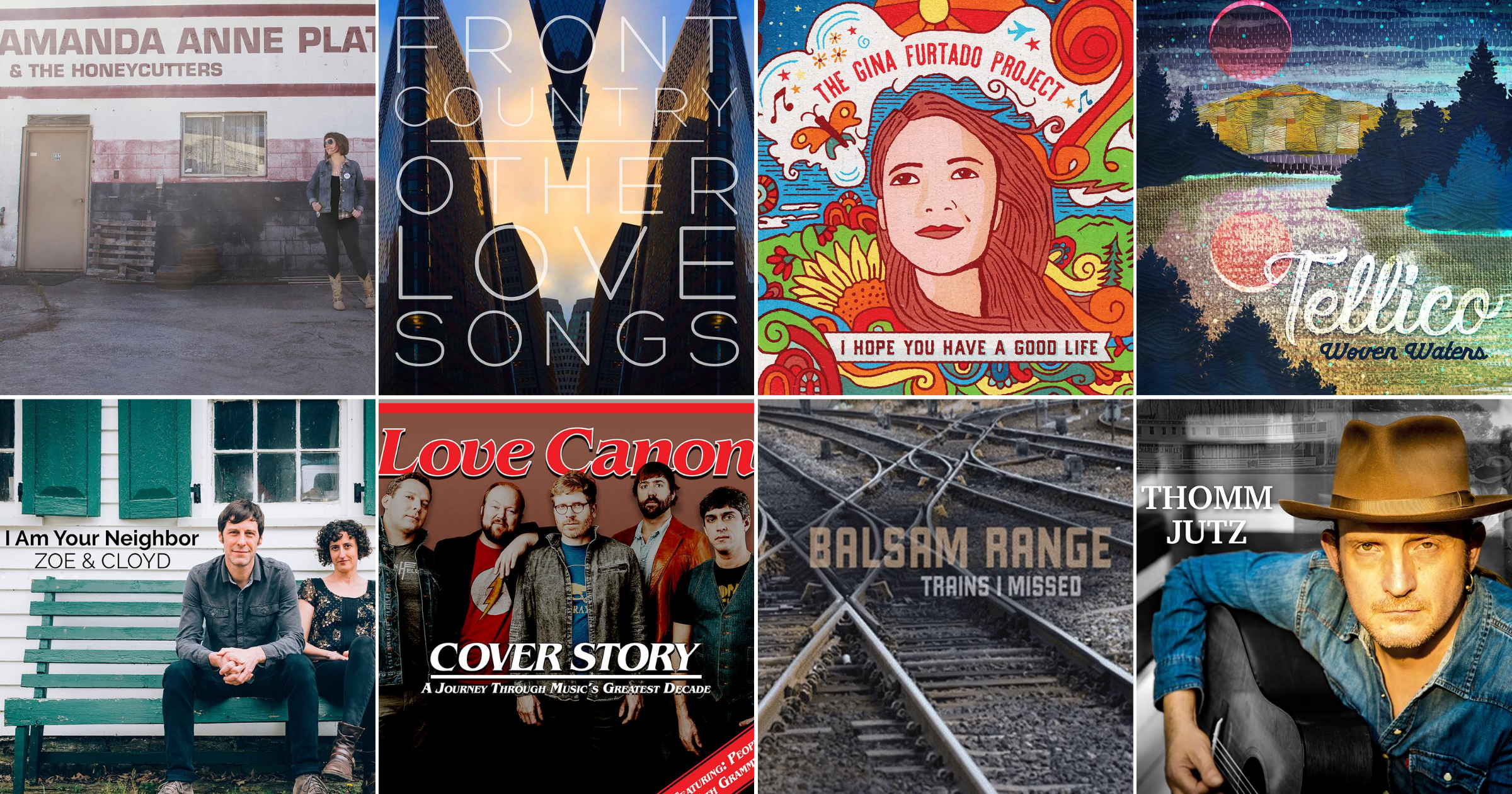
MIXTAPE: An Organic, Mountain Home Playlist

There’s never been a time when working people haven’t needed to lean on one another — and to look beyond the present day — just to get by, but the present moment often seems especially fraught. Nothing speaks better to each present moment than music, whether it’s making space for respite and healing or providing encouragement and inspiration for the struggle.

Here at Mountain Home Music Company and Organic Records, our artists speak in unique, distinctive voices, yet each of these mostly southern artists have been unafraid to offer up songs that address the universal themes and social challenges of our times— whether they’re looking inward or to the outside world. — Ty Gilpin

(Editor’s Note: Find the entire playlist below)

Aaron Burdett — “Echoes”

“Echoes” is a product of this era, a processing of my own thoughts and feelings. I have questions about my surroundings and myself. It’s about current conditions but also about elements of our humanity that are centuries old. Uncertainty defines much of life in the year 2020 and I believe in recognizing and honoring it. Answers will not arrive until the right questions are asked. — Aaron Burdett

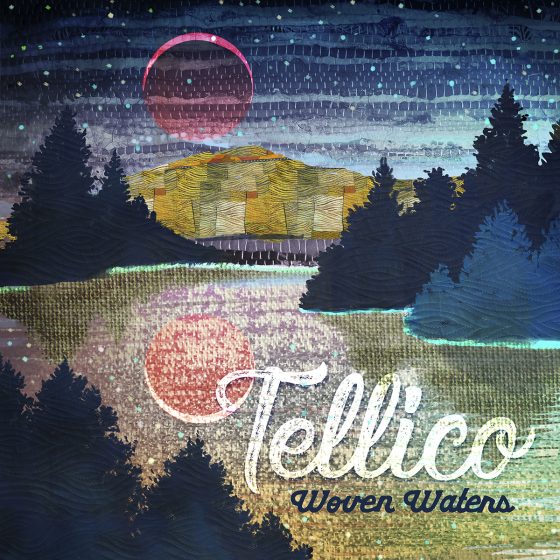
Tellico — “Courage for the Morning”

I was thinking about how people’s actions can inspire others, from the great revolutionary leaders to the everyday efforts of ordinary people. So, if you sing along to this song, you will be saying to yourself “I will walk, I will sing, I will bring a little courage for the morning.” That is something each one of us can take to heart and really think about: What is it that I can do to help another person in this world? — Anya Hinkle, Tellico

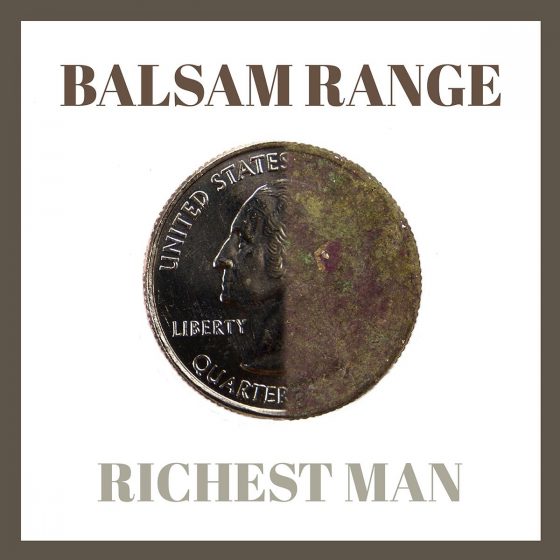
Balsam Range — “Richest Man”

Who has not thought about being the Richest Man? But what defines being rich? To have a life without regrets is easier said than done. The sacrifices made for gain can seldom be undone. The things lost and those won will only show with time. — Buddy Melton, Balsam Range

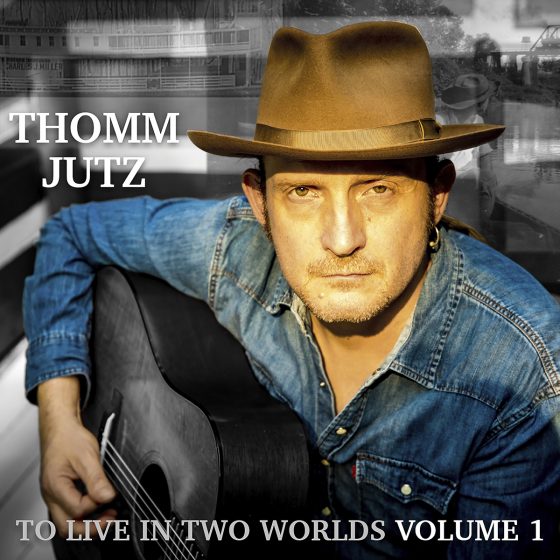
Thomm Jutz — “What’ll They Think Up Last”

When you enter John Hadley’s Fiddle Back Shack you are immediately in the moment and in a different world. I can’t think of any other house like his. Hadley is one of the most stunningly great creative minds I know — so is Peter Cooper. We gathered at Hadley’s funky Madison, Tennessee home one Sunday morning, talking over coffee. Hadley said something like “I wonder what they’ll think up last…” yeah, me too. — Thomm Jutz

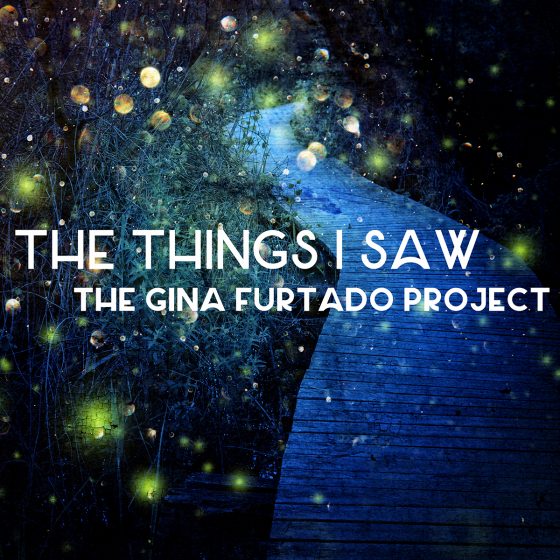
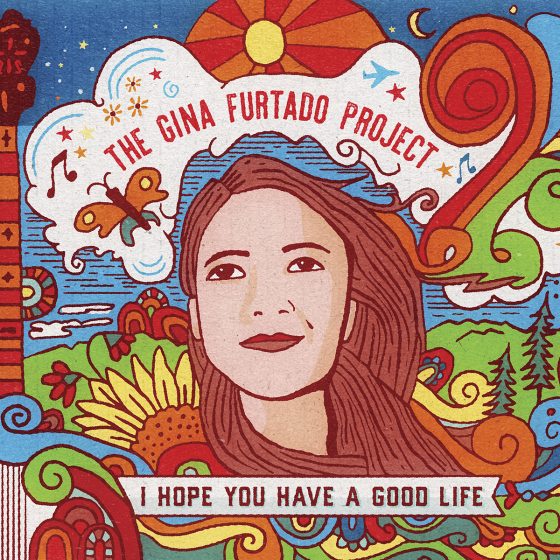
The Gina Furtado Project — “The Things I Saw”

All throughout my childhood, I went to the river when I needed comfort of any kind. No matter what happened in my life, good or bad, the river was always the same. The plants and critters and smells and sounds became like old friends; always welcoming and beautiful in every way. I imagined a secret society whose mission was to fight hatred with love.

I’ve taken that little vision into my adult life, and enjoy trying to spot members of this secret society (and trying to be one myself!) They can be flowers, animals, sunsets, people you pass on the street — any person or thing that refuses to let darkness and negativity take over, and instead chooses to exude pure and unstoppable love. — Gina Furtado

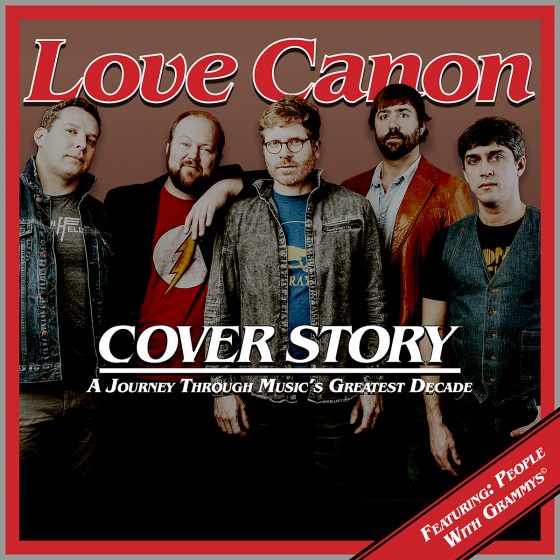
Love Canon — “Things Can Only Get Better”

Love Canon has made a career from expertly covering classic ’70s and ’80s pop songs with acoustic instruments. In this Howard Jones hit, they found an anthem for trying times. — Ty Gilpin

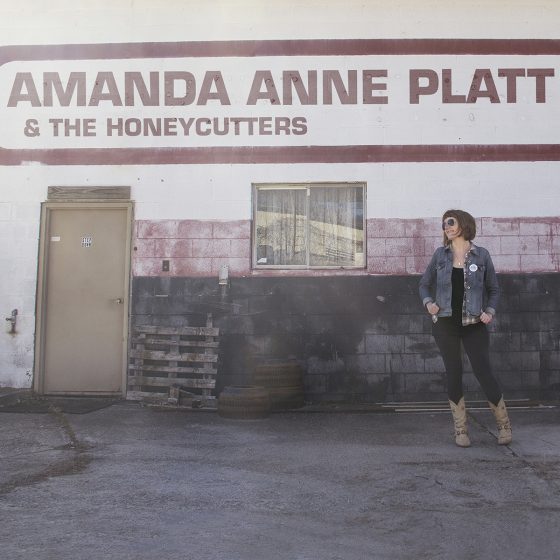
Amanda Anne Platt & the Honeycutters — “Brand New Start”

Asheville-based, Americana-leaning outfit the Honeycutters have built an increasingly storied career through their sensitive, skilled musicianship and the distinctive songwriting and voice of Amanda Platt. “Brand New Start” is about a scenario we could all use right about now. — Ty Gilpin

Balsam Range — “Trains I Missed”

Do we recognize when opportunities missed are really fate taking us in a better direction? How many times have you found yourself missing one train and taking another to right where you’re supposed to be? — Ty Gilpin

Zoe & Cloyd — “Where Do You Stand”

“Where Do You Stand” is a commentary on the state of our national discourse. Often, it’s the farthest ends of the political spectrum that make the news and it seems like inflammatory rhetoric is the only thing that gets heard these days. I’d like for us to remember that we’re all connected and are more alike than we are different, no matter who tries to convince us otherwise. For us to move forward, we have to find common ground on which to build a path toward a sustainable future. — John Cloyd Miller, Zoe & Cloyd

Jeremy Garrett — “Circles;” “What Would We Find?”

“Circles” is a song I feel like many people can relate to. Sometimes you feel like you’re going in circles, but there is always light on the other side if you can just keep going and perhaps change your vantage point.

For “What Would We Find?” we were riding out through the Black Hills and it struck me how it looked as though, if you could take all the timber away and expose just the rocks and barren land, what would you find? It seemed as though there were hidden layers of possible treasures in the rocks under the timber — perhaps like relationships can be sometimes. I only had the idea and a basic melody, and had the opportunity to write with one of my heroes, Darrell Scott.  — Jeremy Garrett

Front Country — “Good Side”

Almost a capella from a group that has never shied from issues of social justice. Hailing from the west coast but now residing in Nashville, Front Country has consistently campaigned for marginalized members of our community. This powerful message is both personal and universal. — Ty Gilpin

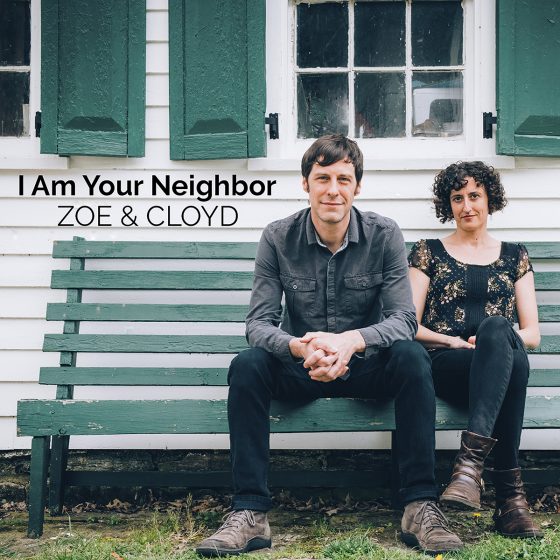
Zoe & Cloyd — “Neighbor”

“Neighbor” is a song meant to inspire us to act with empathy, and to remember our shared humanity. It’s important to recognize our similarities rather than fear our differences. — Natalya Zoe Weinstein, Zoe & Cloyd

Aaron Burdett — “Rockefeller”

“Rockefeller” is, on the surface, just a fun song about wishing for more than you have and being envious of others. Dig a little deeper though, and the song brings in hints of income and economic inequality. But then the chorus is all about making do and being content with what you do have. So it’s a song with a few layers to jump back and forth between. — Aaron Burdett

The Gina Furtado Project — “Try”

The societal pressure to be a certain way can be overwhelming. ‘Try’ just came to me one day when I felt particularly defeated. We win some, we lose some; we do admirable things and less than admirable things. That is what it is to be a human, and as long as you know you try, it’s not a big deal either way. — Gina Furtado


SPONSORED CONTENT: Occasionally, BGS brings you content curated by featured partners and sponsors.
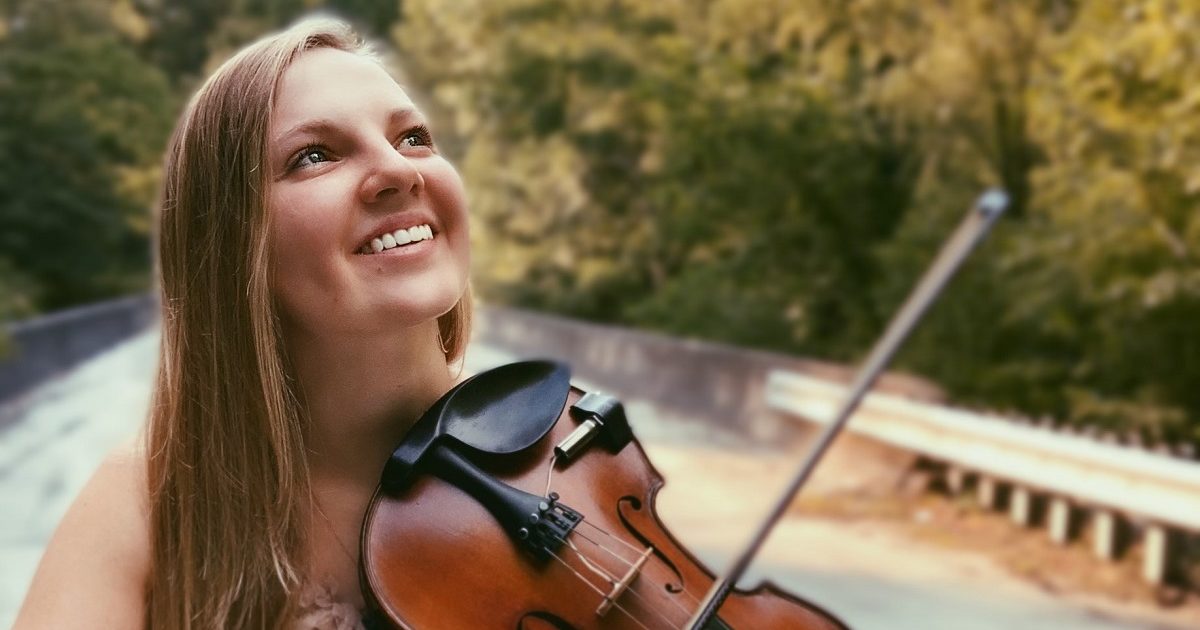

LISTEN: Dirk Powell, “I Ain’t Playing Pretty Polly” (with Rhiannon Giddens)

Artist: Dirk Powell
Hometown: Lafayette, Louisiana
Song: “I Ain’t Playing Pretty Polly” (with Rhiannon Giddens)
Album: When I Wait for You
Release Date: September 4, 2020
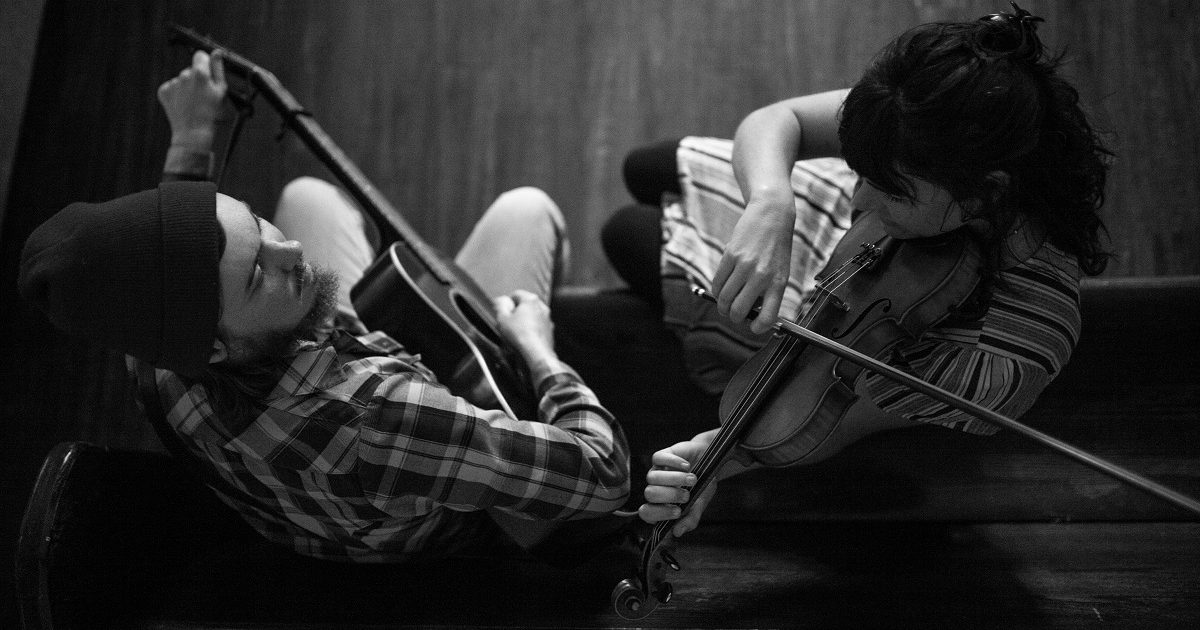
Label: Compass Records

In Their Words: “I grew up playing and singing ‘Pretty Polly.’ I was really proud to have learned a unique version of it in the ‘overhand’ banjo style from my grandfather in Kentucky. One evening I was singing it during a soundcheck and heard the words ‘he stabbed her through the heart and her heart’s blood did flow’ coming out of my mouth… and I just stopped cold in the middle of the verse. I thought about my grandmother, my mother, my daughters. I thought about pervasive violence against women and the way men are given the bulk of the story in songs like these, and often some kind of twisted romantic glory or sympathy, and I said to myself, ‘I’m never singing this song again.’ I will not give any more energy to the stories of men who hurt, abuse, and kill women. Period.

“For some people, there are complexities — some say the songs are a needed warning to young people, or just dramatic tales, or that tradition trumps looking at them this way. But, for me… I’m just never singing them again. I’m done. I’ve seen the looks of hurt and confusion on my daughters’ faces when violent words like these are accepted or brushed aside. And I’ve seen fear in my grandmother’s eyes as she gave warnings to my sisters about men. Instead, I choose to sing, as I do here, about women like my Aunt Myrtle and men like my Uncle Clyde, who were together from the 1930s to the 2000s. Their relationship was full of love and sweetness and gratitude and respect. Those are the stories I actually know, from my own life, and those are the stories I’m going to tell.” — Dirk Powell


Photo credit: Joan Baez

LISTEN: Warren Givens, “You’re on My Mind” (Featuring Ivy Givens)

Artist: Warren Givens
Hometown: Asheville, North Carolina
Song: “You’re on My Mind” (Featuring Ivy Givens)
Album: Rattle the Cages
Release Date: August 7, 2020

In Their Words: “In case it isn’t obvious, this is a good old-fashioned breakup song. I wrote it soon after releasing my first full-length record, when we were touring pretty heavily, about a short-lived fling that turned out to have a pretty lasting impact. Even though the song is about a breakup I went through, my idea at the time was to write a melody that Ivy (my sister) could sing. It was really fun to write something that was totally out of my range and to see how she really brought it to life. This is the only song on the record with someone besides Seth Kauffman (my producer and engineer) and me playing. Ivy flew down from New York and we gathered around one big dynamic mic — old-school bluegrass style. We did guitar, fiddle, and our vocals live, maybe two takes tops, and then Seth added the drums, bass, and electric guitar.” — Warren Givens


Photo credit: West Givens