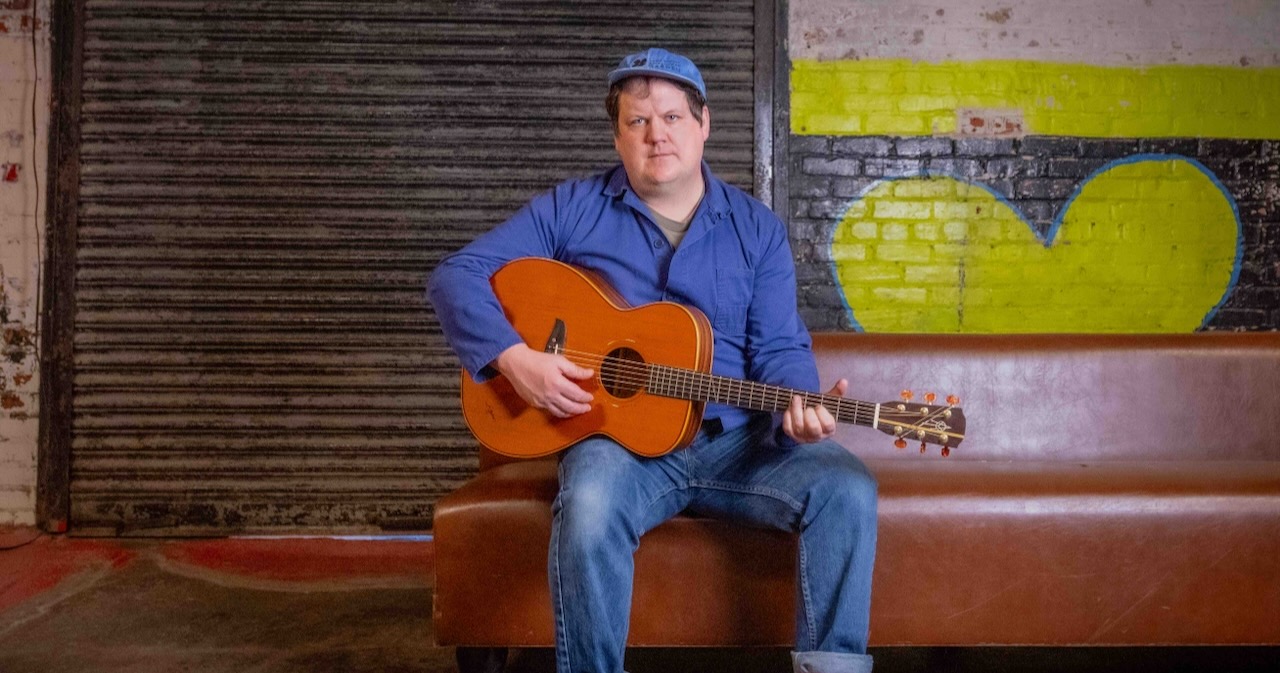
Today, critically acclaimed roots musicians Jake Blount and Mali Obomsawin (Odanak First Nation) have announced their upcoming collaborative album, symbiont. The news comes with a first listen, “My Way’s Cloudy,” featuring Joe Rainey (Red Lake Ojibwe) and an entrancing video directed by Lokotah Sanborn. (Watch and listen above.)
The album, set for release September 27 on Smithsonian Folkways, builds loosely on the storytelling of Blount’s lauded 2022 project, The New Faith, imagining a not-so-distant future world marked by climate disaster and civil unrest. Utilizing Blount’s expertise on discovering, uncovering, and showcasing vernacular music often forgotten or overlooked by folk, old-time, and the greater roots music communities, the duo look forward by looking back. “My Way’s Cloudy,” for instance, is described in a press release as “a spiritual collected from formerly enslaved Black people at the Hampton Institute – mere miles from where Jake’s family originates.”
But, as the track demonstrates, Blount and Obomsawin defy expectations and longstanding traditions of “song collection” or colonialist archiving that’s typified this type of repertoire building in the past. As they declare in the album materials:
“symbiont is a remix album,” they explain. “The works included here synthesize instruments, songs, teachings, and oratory from different traditions with modern literary, political, and compositional sensibilities (and even a dash of ‘hard’ science). The interactions between these disciplines give rise to the musical, ideological, and spiritual synergisms that undergird symbiont – and also to points of intense conflict.”
It’s clear this “genrequeer” project will be transformative and revolutionary – literally and figuratively. “My Way’s Cloudy” is ethereal, grooving, and dark, but with a glint; a slight sheen that denotes even in the proverbial (or demonstrable) end times, there’s art to be made, conversations to be had, and stories to be told, kept, and carried on. Between Blount’s curatorial and ethnomusicological knowledge, Obomsawin’s remarkable compositional and free jazz chops, and the duo’s multi-instrumentalist skills, these old-time folk remixes – made with assists from incredible collaborators and often, plants as music-makers! – symbiont will illustrate so many of the intricate ways by which music can transcend time, alter history and the future, while having a striking purpose in the present.
symbiont is impeccably described as “Indigenous and Afrofuturist folklore,” but do not mistake these songs and their inspirations for fantasy. If there’s one thing Blount and Obomsawin can accomplish together, it’s grounding such a high concept project in reality and the everyday. This will be a must-listen album, as “My Way’s Cloudy” foretells in so many ways.
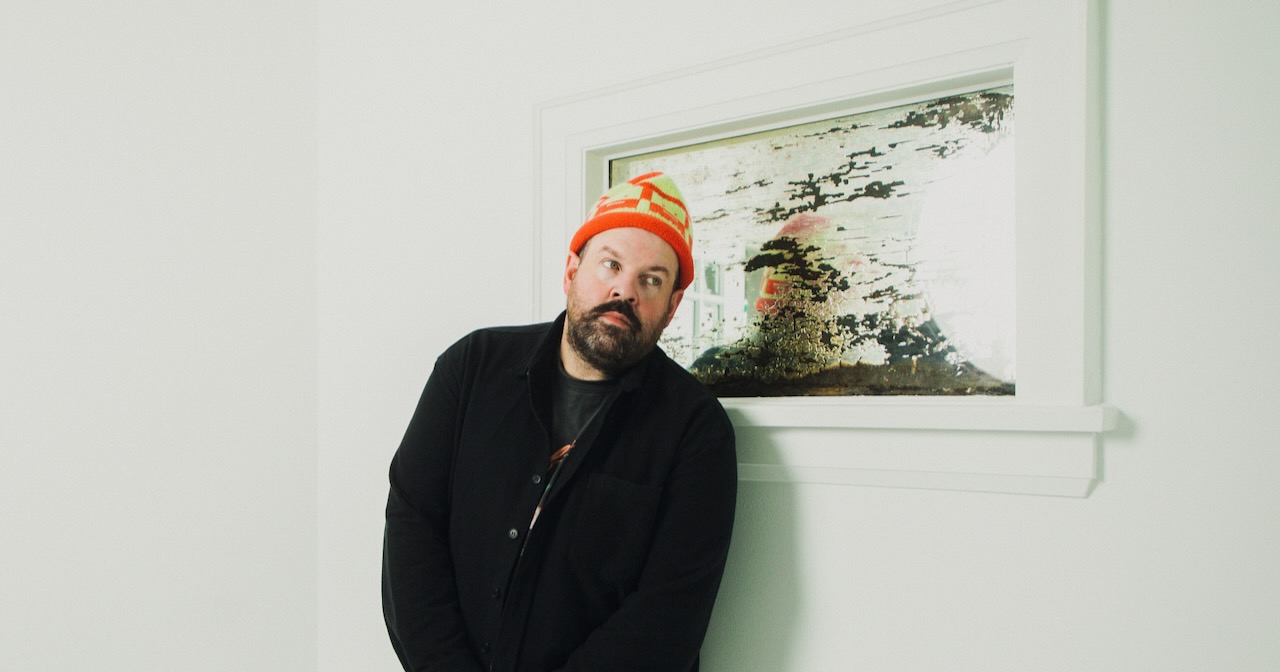
Donovan Woods is not really the solid, secure man you might think you know through his thoughtful, deceptively soothing songs.
But he’s working on it.
“A lot of my songs are much more magnanimous than I am in real life,” said Wood, 43. “So I often am wrangling with that feeling of people thinking that I’m a very morally superior person, when in fact, the reality of me is not very close to that.”
Woods, a burly, bearded, soft-spoken Canadian who has been consistently releasing quality albums and touring since 2007 (except for the COVID years), recently released his new album, Things Were Never Good if They’re Not Good Now. It’s a typically solid offering from a writer who writes deeply personal songs, some of which work as mainstream country hits, like “Portland, Maine” for Tim McGraw.
Though modest and self-depreciating, Woods knows he’s come up with something special with “Back for the Funeral,” a song on the new album that captures the stage of life when the only time you see old friends is when one of them has died.
“After the service we’ll all meet up at the bar,” he sings. “Where my dad used to drink, now he just drinks in the yard/ And we’ll laugh about all the young dumb dreams we had/ And we’ll pretend we’re all only sad/ Because we’re back for the funeral.”
The song, written with Lori McKenna, is one of those that doesn’t seem like a new one. It feels familiar, like it’s always been there. McKenna had the title and it turned out Woods lived through the experience a few months earlier, when he returned home to Ontario to attend two funerals.
“Not all those details are exact, but I’m trying to get at that weird feeling of when you go home and you’re able to see it all at 30,000 feet for some reason, because you’re in the throes of grief,” he said.
In our exclusive BGS interview, we spoke about grief and mental health, poetry and Music Row songwriting, and more.
So I understand the new songs were influenced by therapy you underwent for your mental health. Is that true?
Yes. I’m as liberal as they come, but I think I still have this toxic masculinity in me. I do think that expressing need threatens my masculinity and it’s such a deep, ingrained thing in me. It’s embarrassing to admit, but I still do have those hang ups.
What kind of therapy did you have?
I had probably what would be considered a midlife crisis. … I felt like I was losing touch with my life slightly. I was unwell and I could tell [it was true] by the reaction of people in my life who weren’t particularly thrilled with me. I did some addiction therapy, I did some standard stuff and I did some couples therapy with my wife.
Like a lot of men, I wasn’t admitting when I was sad or when I was upset or when I was unhappy, because we love this image of this stoic individual that we’ve all grown up adoring — this unaffected, unflappable man. You’re trying to be that, because you think that’s the right thing to be for your family. I let that get away from me. I had become two guys, my internal self who knew that I was upset or hurt or I need something, and then this forward-facing person that I created, which was sort of a lie. I had to reunite those two things again, and I found it really difficult.
Your rather gentle singing sometimes belies the depth and the hurt in your lyrics. Is that an artistic choice you’re making?
That’s kind of just how my voice is. In the days before microphones, I don’t know that I would have been able to have this job. I don’t talk that loud or sing that loud, either. Singing is more like self-soothing to me than it is communication. I do it because I like it. It makes me feel good. When I’m stressed, I do it. It’s like being nice to myself.
Your lyrics are effective even separated from the music. Have you done any poetry or prose writing?
I appreciate that. My heroes are the people who are actually singing poets, like Paul Simon and John Prine. I feel like that’s what a singer-songwriter is at the core. … I will write poetry for myself now and then. I have tried to write short stories and I’m not good at it. I don’t know how to do long things. The idea that it can be anything is terrifying to me.
You must like Mark Cohn too, based on your cover of his “Don’t Talk to Her at Night” on the new album.
He’s kind of a high-water mark in songwriting for a lot of writers, especially men. There’s an elegance in his writing that is so unreachable to me. His American earnestness is not available to me as a Canadian. I always think I have to be self-deprecating or not showy in my writing. I think it’s just like the mindset of a Canadian. My dad is a big fan, and I have listened to him my whole life.
Do you have a family background that pointed you toward becoming an artist?
I grew up in a really working class town [Sarnia, Ontario], where everybody’s dad works in these petrochemical plants around the border of Michigan. My dad worked in construction estimating jobs. … My friends all work in petrochemical plants, or they work in adjacent fields to those plants. One of them is a chiropractor, which actually is adjacent to the petrochemical plants too, because everybody has a bad back in the entire city. … I was not a wonderfully artistic kid. I was given a guitar by my mom and I took like, four or five months of lessons. I just really enjoyed writing songs, and did it for myself for a decade before I ever did it publicly.
Is it true your dad named you after the folk singer Donovan?
I am. He’s one of my dad’s favorite singer-songwriters, along with Fred Eaglesmith. I got to tell [Donovan] that once, too. I’ve never seen anybody be less interested in something.
Do you still live in Canada with your family, or have you moved to one of the music industry cities in the states?
I have three kids. I have one ex-wife and my wife that I’m married to now. I live in Toronto mostly, and I’m in Nashville sometimes to write.
Do you do the Nashville writing thing where you have appointments and try to write hits with other writers?
I still have a publishing deal in Nashville, so I’m there writing sometimes with other people. I do it less than I used to, but I still enjoy that very much. I love other songwriters. It’s pretty rare that I don’t like a songwriter. So I enjoy that, that afternoon of trying to finish something.
And that’s worked out for you sometimes with hits, right?
There’s a song called “Grew Apart” that was a hit for Logan Mize. When somebody else wants to record one of your songs, that’s about as good of a compliment as you can get as a writer. It’s always really flattering. I hope [more of] that happens. … I mostly fail at writing Nashville songs. I fail like about 95% of the time.
You’ll be heading out on tour this fall to promote the new album. Are you looking forward to that?
I am always on the road more than I would like to be. But I’ve had much worse jobs. I enjoy 85% of it.
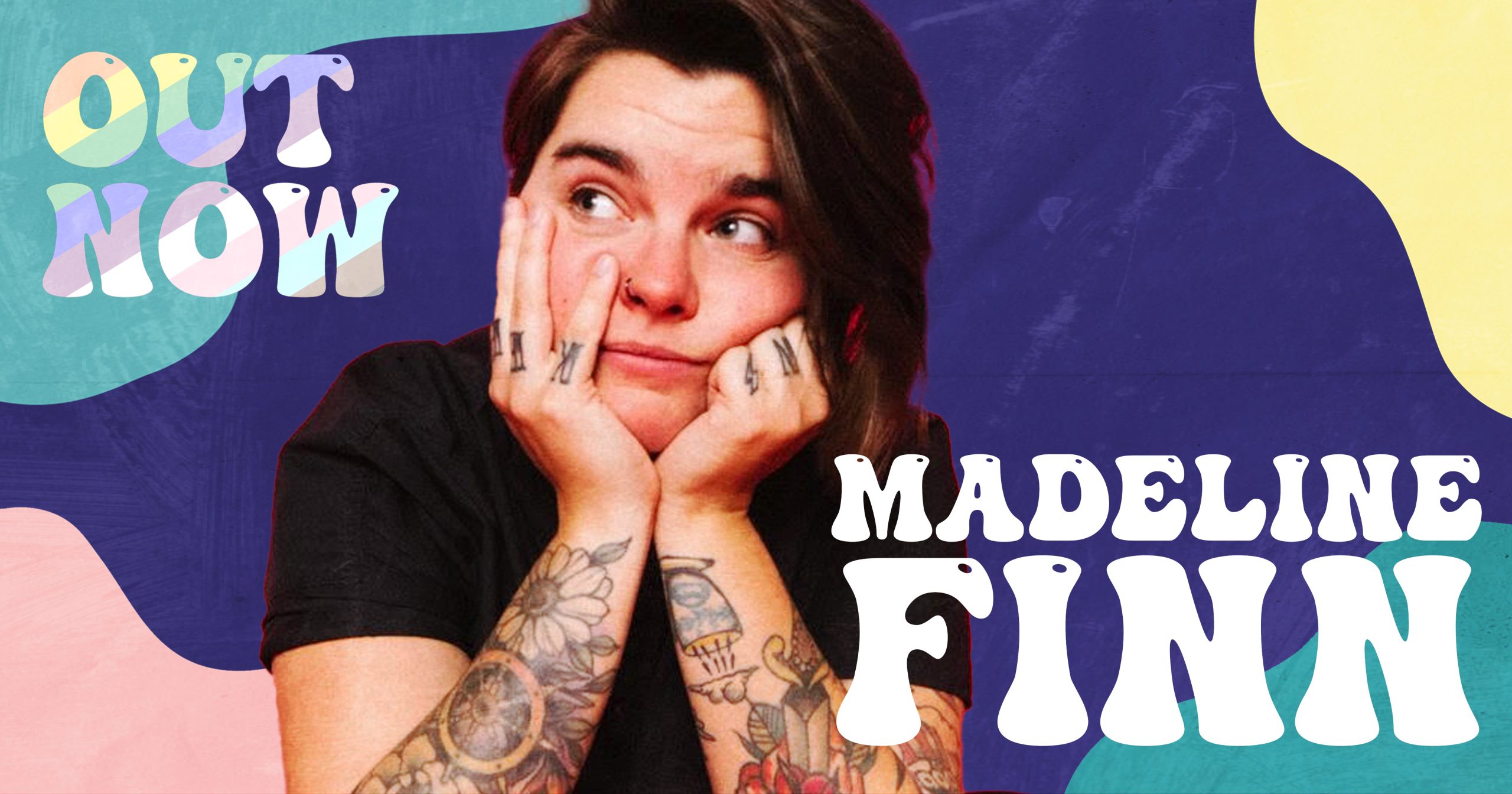
Madeline Finn is a thoughtful writer and dynamic artist. Madeline transcends the boundaries of genre, crafting pieces that pull elements from folk, rock, and indie. Their songs are honest, relatable, and catchy.
Madeline feels that her role as an LGBTQ+ musician is bigger than herself and she values uplifting her community. She hopes to embody the queer representation that she longed for as a kid. In our Out Now interview, Madeline shares their vision for the future, their upcoming projects, and their journey into self-producing music.
We are thrilled to be featuring Madeline Finn at our next Queerfest show in Nashville at Vinyl Tap on Wednesday, August 7. The show runs from 7-9 pm and features four local LGBTQ+ artists. There’s a ticket suggestion of $10 that goes directly to supporting the artists. Don’t miss out on the chance to hear Madeline Finn live!
Why do you create music? What’s more satisfying to you, the process or the outcome?
Madeline Finn: I used to be more amped up on the outcome, but these days I have really fallen in love with the process. Mostly since I have started self-producing. It’s so much fun and I could do it literally all day.
You create within a wide range of musical genres including folk, rock, and indie. How do you navigate your identity as an artist who works across several genres?
Honestly, I have no idea. I’ve been trying to just let go and make music that’s fun and meaningful to me. Whatever the genre might end up being doesn’t matter that much to me.
What does it mean to you to be an LGBTQ+ musician?
Being a queer musician is a special thing. Especially because it’s becoming less and less special, if you know what I mean. I am one of many LGBTQ+ artists who make up a whole force of nature. I see my role as a part of the whole, a part of something way bigger than me. The more we uplift our community with art that speaks directly to the queer experience, I think the more healing can be done. The more healing that can be done within each individual, the more we heal the human experience as a whole.
I’m so jazzed on the queer music community and wish I would have had more folks like that growing up to listen to. Honored to be what I needed when I was a kid, now.
For anyone reading this who might not be out of the closet, were there any specific people, musicians, or resources that helped you find yourself as a queer individual?
Specifically, I found a lot of help as a kiddo from The Trevor Project. I also was able to find a safe adult/family member to talk to about it before I came out to my immediate circle. For those who are in adulthood I would highly recommend THERAPY!
You’ve been on the team at Wild Heart Meditation Center for a few years. What has that experience been like for you? Do you find that your meditation practice influences your music?
Wild Heart Meditation Center has been the single most important part of my personal growth and healing over the past five to six years. I came to the center interested in meditation and since then have fallen deeply in love with the practice and the teachings of the Buddha. It’s been so rewarding to be offered an opportunity to share that with the community and others as a facilitator. My practice influences every single part of my life, music included. It’s helped me let go of the craving that often surrounds a career like this, I have gained a deep freedom from contentment within my musical career. I honestly think you can hear it in the music. The shows are more fun for me, I am not afraid of what others think, not sitting around waiting for someone to give me my golden ticket. Instead, I know that I can rest in the reality of this moment and have a deep, non-attached appreciation for all the beautiful parts I encounter.
What has it been like for you to work with other LGBTQ+ artists in the music industry?
The LGBTQ+ music scene here in Nashville has been amazing. It’s this collaborative, joyful machine that just runs all on its own. Getting to hear music direct from artists like Autumn Nicholas and to play for so many other queer folks just gets me so pumped.
It’s like “Y’ALL WE ARE DOING IT!!!” I’d like to believe it’s deeply healing for my inner child.
What’s your ideal vision for your future?
My ideal vision for my future is to have chickens, mainly. If I can have a little space in the world with chickens, my wife, and my dog I am all set. Beyond that, I try not to set too many expectations for the future. Instead, I am really practicing following my intuition towards the next most meaningful step. One day at a time.
What are your release and touring plans for the next year?
I have been hard at work on my own record based on the IFS (internal family systems) model of therapy, it’s my first venture into self-production and I’m hoping to have it ready to start sharing singles by the end of the year.
My pop-rock project ENVOI just released a brand new album in May, so there is a chance we may be doing some live shows to support that. In addition, I’m working on a project with Liv Lombardi here in Nashville that is going to totally slay.
As far as touring goes, I’ll be around playing bass, guitar, and singing for a TON of artists throughout the rest of the year and there have been talks about an East Coast run for my solo material in the fall.
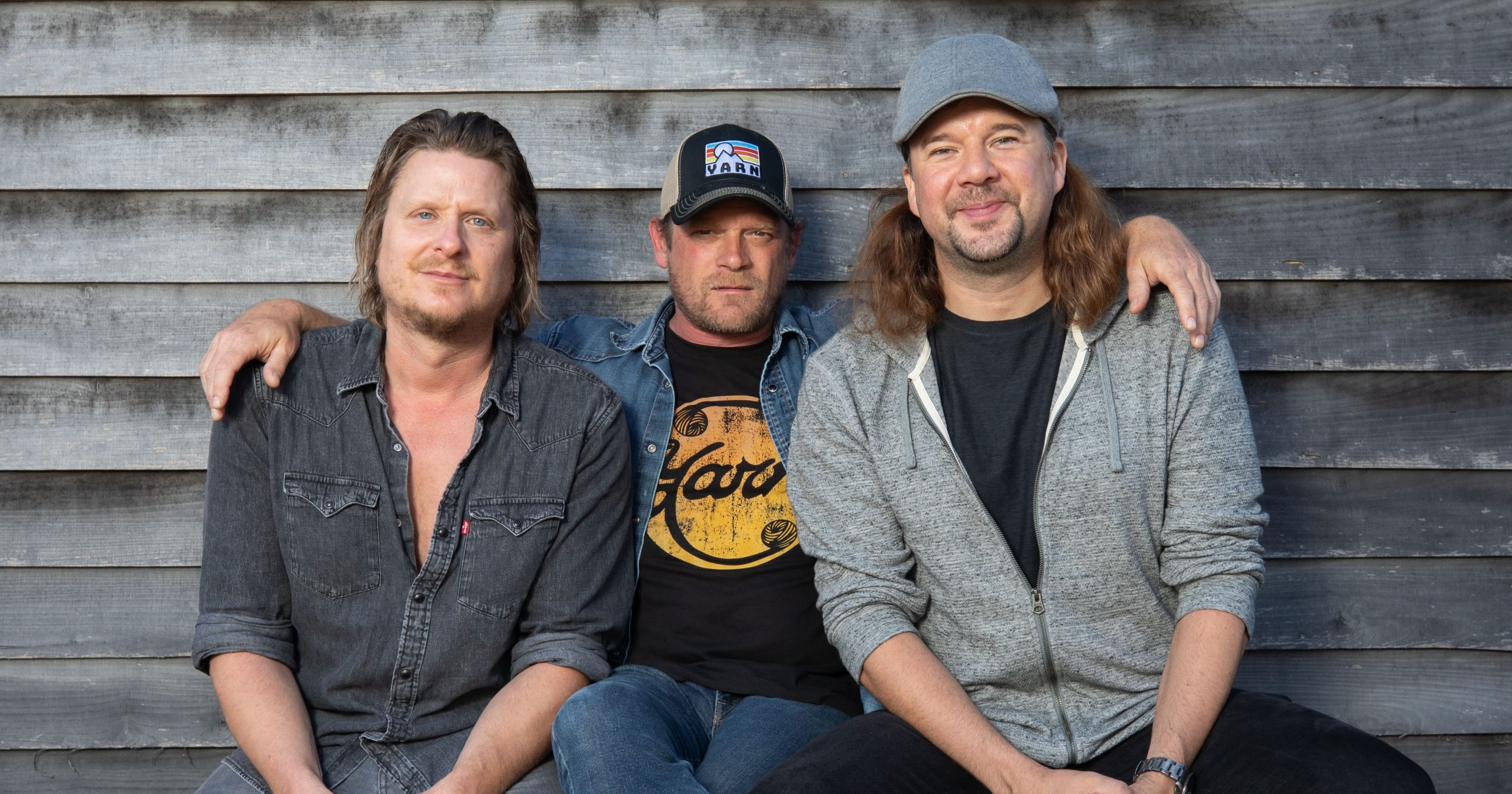
I make a lot of references in Yarn’s music about other bands, artists, movies, actors, etc… I didn’t realize how much until I started working on this Mixtape. Just a few of the things I mention are Jim Croce, Dolly Parton, The Allman Brothers, George Burns, Bob Wills, Waylon Jennings, Velvet Underground, Rex Moroux – and the list goes on. This Mixtape will include references to other artists, food, and places famous in the world of pop culture during its given time of release. – Blake Christiana, Yarn
“Play Freebird” – Yarn
I figured I’d start and end with two of our songs from our new album, Born, Blessed, Grateful & Alive. My wife started writing this one about her father and I took it over and finished it. The entire song is based around another super famous song that Mandy’s dad used to play around the house when she was a kid. And now, if anyone yells out ‘Free Bird’ at one of our concerts, we’ve got something to give ’em.
“You Never Even Called Me By Name” – David Allen Coe
Such a perfect song for this Mixtape. Coe even impersonates the singers he references in this song as well as poking fun at the entire country music genre. Pretty brilliant. Waylon Jennings, Charley Pride, Merle Haggard, and he even references his own name.
“Calling Elvis” – Dire Straits
We could do a giant Mixtape with songs that just reference Elvis alone. I love this one, because just about every lyric is a reference to Elvis and the songs he recorded. Also, Mark Knopfler is THE MAN. More Elvis to come on this list.
“Bette Davis Eyes” – Kim Carnes
I had to include a quintessential ’80s tune on here and this is it. Great voice on Kim Carnes, the perfect sultry rasp. Of course she references the actress, Bette Davis, as well as Greta Garbo.
“Mrs. Robinson” – Simon & Garfunkel
Here’s one with a sports icon reference. Paul Simon has done a lot of these kinds of references in his songs, too, and I’ll include one of those later in the tape. Joe DiMaggio, the famous New York Yankee who married Marilyn Monroe, is mentioned here as ‘Joltin’ Joe.’
“Candle In The Wind” – Elton John
Nice little transition here from The Yankee Clipper to Marilyn Monroe. This entire song is written about Monroe.
“Man on The Moon” – R.E.M.
Lots of references here, but the main star of the song is Andy Kaufman, the brilliant comedian who starred in Taxi in the ’70s. Love Andy Kaufman and R.E.M. Great song. Other honorable pop-culture mentions in this song are 21, Checkers, Chess, and of course Elvis. Also a great Elvis impression from Michael Stipe.
“Nobody Home” – Pink Floyd
The Wall might have been my favorite album as a kid. And in this particular song off that album, Roger Waters sings ‘the obligatory Hendrix perm,’ a direct reference to Jimi Hendrix and his hair style. Glad I got to include Pink Floyd on here. Beautiful song.
“Walkin’ In Memphis” – Marc Cohn
This song just had to be on here. More Elvis for ya, along with WC Handy, Beale Street, Al Green, and more. Another fantastic song.
“Graceland” – Paul Simon
What do you know, more Elvis. I think I need to write a song about Elvis now. This song is too good, it paints a picture as good as any song ever written. Enough said.
“Dairy Queen” – Indigo Girls
I thought we needed some pop-culture food references, so I included these next two songs. Not to mention, Indigo Girls and Amy Ray are my wife’s favorites. Amy Ray’s recent solo records have all been really great and everyone should have a listen.
“Factory” – Band of Horses
I love this tune and its reference to the candy of my youth, Now and Laters. To me, Band of Horses is like a modern day Beach Boys. Great band, great songs, and great harmonies. This song reminds me how half my life is spent in a hotel room.
“I Want You” – Yarn
I reference the 1980 movie, Honeysuckle Rose, with Willie Nelson & Diane Cannon. Not sure anyone saw it, but it’s about an affair on the road between musicians Nelson and Cannon, and the song itself follows a similar plot line. I wrote this song with my longtime writing partner, Shane Spaulding.
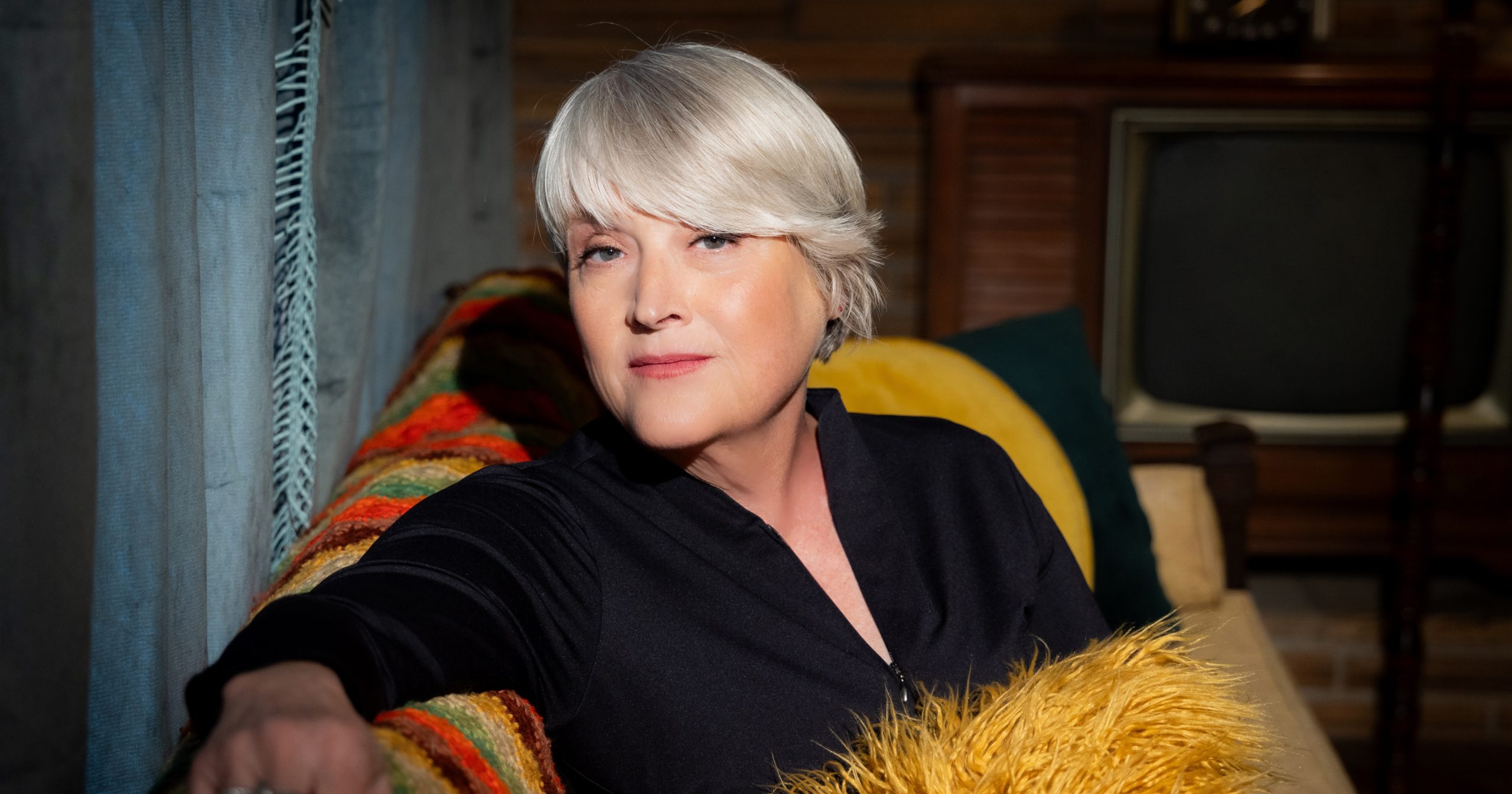
With a voice that shimmers like sunlight on a rippling lake and songs that step deftly through ever-shifting emotional terrain, Kim Richey is the queen of understated finesse. On her latest album, Every New Beginning, she carefully tempers the ache of loss with moments of humor and even optimism. Produced by Doug Lancio (Patty Griffin, John Hiatt) and containing collaborations with Don Henry, Mando Saenz, Jay Knowles, Aaron Lee Tasjan, and Brian Wright, among others, it provides yet another elegantly nuanced reminder of why other singer-songwriters revere her talents.
Dozens of country and Americana artists have invited her to sing on their albums and/or recorded her songs or ones they co-wrote, including Rodney Crowell, Vince Gill, Martina McBride, Patty Loveless, Will Kimbrough, Chuck Prophet, the Chicks, and Brooks & Dunn. Radney Foster had a No. 2 hit with their co-write, “Nobody Wins;” Richey earned a Grammy nomination for co-writing Trisha Yearwood’s No. 1 song, “Believe Me Baby (I Lied).”
In October, she’ll open the final show of Jason Isbell’s annual Ryman Auditorium residency; last year, she helped celebrate the 10th anniversary of his career-making Southeastern album by reprising her vocal contributions. During Brandi Carlile’s solo-set debut at the 2019 30A Songwriters Festival, she spotted Richey and declared, “Kim Richey has been my hero since I was 16!” Citing the Ohio-born East Nashville resident as a major influence, Carlile beckoned Richey onstage to sing “A Place Called Home.” Turns out that wasn’t the first time — and, as Richey notes in this interview, conducted during her recent U.K. tour, it wouldn’t be the last.
Listening to these songs, one could assume this is a breakup album. But you’ve mentioned that songs like “Take the Cake” aren’t necessarily about a specific person. Are there breakups reflected within these songs?
Kim Richey: People always assume they’re breakup songs. [The “Feel This Way” line], “It hurts like it’s always gonna feel this way” — my mom passed away in November. It can be the loss of a friend, the loss of a family member, or it’s just a lot of looking back. COVID really had an effect on me that way, and maybe a lot of people as well, where I had old friends getting in touch out of the blue, and people taking stock, and that’s stuck with me.
You could hear “Feel This Way” as a song about grief or even generalized depression, which certainly doesn’t have to be precipitated by an event.
Or [the song] “A Way Around,” it’s like, “Oh, man, things are not going my way.” It can be general. That’s a great thing about songs; people can have their own interpretation of them and it can connect with them and help them. Maybe it’s something that they’re going through, which was not necessarily my intention when I wrote it, if that makes any sense. If I’m going through a hard time, it’s just nice to hear a song and think, “They know exactly how I feel.” You don’t feel alone.
I think that’s one of the major functions of songs — giving us something to connect to, even if it’s just to pull the tears out. Sometimes that’s all you have when you’re feeling like that. But let’s talk about something that must have been a really happy time: Brandi’s Girls Just Wanna Weekend in Mexico. Was that the first time you got invited, or the first time it worked out to go?
I actually did get invited a couple of years ago, but I’d already promised my parents I was going somewhere with them. But this was getting organized while my mom was in the hospital and everything, so I went down [in January] not really having any idea what to expect. When I got there, they asked if I could come to the rehearsal for Ladies of the ’80s, so I go to the rehearsal, and there’s Annie Lennox. And that was just the start of me crying the entire weekend.
Then I got to meet Wendy & Lisa, and Wendy was so sweet. And when the four of us — Brandy Clark, Brandi Carlile, Mary Chapin [Carpenter] and myself — were onstage playing songs, the crowd was so overwhelmingly amazing that Chapin and I just sat up there and cried in-between songs. It was absolutely one of the most intense and beautiful musical experiences, really, ever, for me. It’s hard to explain the vibe of it. The feel of the festival is so inclusive, and so kind and fun. I’ve never been to anything like that before.
Brandi’s always been really great to me. Like that year of the Pilgrimage Festival, that’s right outside of Nashville, got rained out [2018], her people called City Winery and said “Hey, can we come there and play?” and they packed it out. I had just gotten home from a tour and she texted and said, “Hey, you want to come and play with me tonight?” and I’m thinking, “Absolutely not. I don’t know who you are. I’m in a bathrobe, and I’m gonna watch TV and do absolutely nothing.” I texted back and said, “Who is this?” And it was Brandi and it’s like, “OK, I’ll be right over!”
I love seeing your Instagram traveling pictures. It seems like you seek out interesting places wherever you go. Is that something you’ve always done?
I always want to explore the places where I go, whether it’s a big famous place or some town nobody’s ever heard of. I don’t want to sit in a hotel. I like to find the local great food or coffee or something. One of my most favorite parts about doing music and playing shows is the touring and getting to go and see all these different places. It doesn’t have to be some really exotic place, because one of the things I love about touring in the states is you get to see some of these smaller towns and out-of-the-way places that you would never go to on purpose, because you don’t even know they’re there. I’ve found some fantastic restaurants and sites and hiking places; there’s all kinds of fantastic places in the states. Like, I love Michigan, the Great Lakes; that’s beautiful.
That brings me to the song about your home state, “Goodbye Ohio,” which you describe as “a leaving song.” Do you still have ties there?
Well my mom’s gone, but my stepdad still lives in Ohio and I’ve got my cousins and auntie. I still have a lot of people in Ohio. I go back up there pretty regularly.
So it’s not bittersweet to go home.
Oh, no, no, no. I got all the time in the world for Ohio. I like the people there. It’s very Midwest, and I like that. It’s interesting, too, because the different parts of Ohio are really different, like Southeastern Ohio has more in common probably with West Virginia. And then when you get further up toward Cleveland and Akron, that’s more Northeast-y vibes. It’s great; it’s got a lot going on.
What are some other destinations you would recommend?
I love Glasgow, that’s always been one of my most favorite places. Mostly these days, I’m not in a [tour] bus, I’m in a car or a van. You actually can see all these places you’re driving through, and then you have the ability to go, “Hey, what’s that weird shop there? Let’s pull in and see what that is.” When you’re on a bus, you’re just [taking] the quickest and easiest way to get from one point to the other. So I’ve really enjoyed that part of traveling in a car.
I’ll tell you someplace I just went that was absolutely amazing. My friend Dean Tidey was playing guitar with me and we had a couple days off on the West Coast, so we went to Sequoia National Park and stayed for a couple days in this Airbnb that was right on this beautiful mountain stream. And since it was still early springtime, there weren’t a lot of people there. There was still snow on the ground. I love doing stuff like that. The more I travel, the more I want to see. And the more I travel, the more I know there’s just so much stuff out there to experience and see.
Gosh, I’ve been all over the place. I love London; I lived here for five years. I love Belfast. I got to go to Croatia last year on a boat trip with the Accidentals, and that was amazing.
I love that band! Tell me how you wound up on a boat trip with them.
Well, they asked me to come along. It was a fan trip, and we played and slept on the boat and went to these different harbors. We docked in a different place every night – it was just a cool trip. There were bike rides; there was a lot of swimmin’. We went to Dubrovnik and toured different cities; we were all over the place. And I had no idea. I didn’t think of that as being a Mediterranean country. The food is fantastic. The people were super, super nice. I really loved being there.
You have such a great body of work, and younger artists who appreciate that, and appreciate you, they’re hooking into you and having you play. It seems so important for that kind of give-and-take to happen, in both directions.
It’s great for me, because I get excited about stuff. I love writing with Aaron Lee. He used to live just across the alley from me, so that’s how I got to know him. He’s definitely one of my favorites and one of the most talented musicians and songwriters. He’s great with lyrics and music, the whole deal, and a brilliant player. So it’s fun for me, too, to find somebody new that I really love writing with. It’s one of my favorite things, to write with other people.
Is there anything else you want to talk about?
Well, I would like to like thank the guys who played on the record, especially Doug Lancio, who did so much great work. He played most every string thing aside from when Aaron Lee played on a couple songs. And we had [bassist/mandolinist] Lex Price, who I’ve been wanting to work with for a long time. And Dan Mitchell and Neilson Hubbard; I’ve been playing with those guys for years. And the Accidentals came and put strings on a couple songs. So I just really want to give a shout out to the musicians, and my songwriting friends.
One song, “The World Is Flat” is an old one that I wrote with Peter Vetesse. He lives in Bristol, [England], and we played and he came and we got to play the song that we wrote together. I just never recorded it because it was so sad. I have a lot of sad songs, but there’s always a little kernel of something [positive]; “The World Is Flat” was like, you’ve just kind of given up. But the demo that he made was so beautiful, I just thought if I never make another record, I want people to hear that song.
You just said, “If I never make another record” – obviously, we hope that’s not true. Do you feel like you’re at a point now where you think in those terms?
A little bit. I do enjoy playing, but [touring is] tough physically. But I love to travel and I have super-close friends over here, in New York, in Washington state. Playing and touring allows me to go and spend time with those people. I do love playing for people and writing songs and making records, so we’ll see. I don’t know how much longer I’ll do it. This could be my last record, but you don’t want to say it is, because you never know.
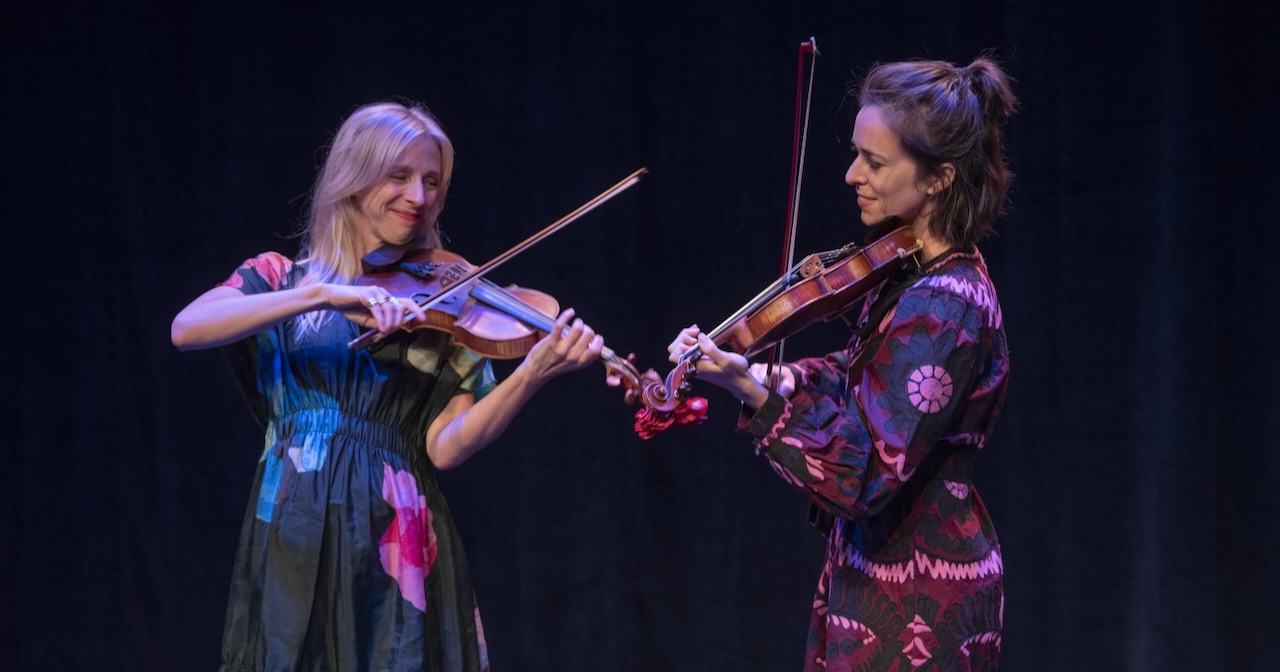
Behold, fiddle nerds! There is a new foundational collection of tunes to sink your teeth into, from two of the foremost fiddle players in Swedish and American traditions. Brittany Haas (Nashville) and Lena Jonsson (Stockholm), are award winning instrumentalists and have been long time collaborators and friends. The duo recently released their second recording together, and their first in nearly 10 years. The Snake explores old-time and Swedish fiddle traditions with finesse and subtlety, but is even more ambitious in scope than their first, self-titled record.
As part of the new collection, Jonsson and Haas composed a three-part suite for two fiddles, made up of entirely original material, but inspired by the format and musical stylings of J.S. Bach. Over a video call between Nashville, New York, and Sweden, we discussed how to stay inspired on the fiddle, what guides their accompaniment choices, and what records folks should start with if they want to learn more about Swedish fiddle and folk music.
We’ve put together a playlist of their recommendations at the bottom of this piece.
Okay, this is a weird place to start, but I noticed a distinct lack of chopping on this album. Was that intentional? I mean as someone who played in a two fiddle format a lot, you only have so many options for how to arrange. Were you like, “WE WILL NOT CHOP” on this record?
Brittany Haas: [Laughs] Honestly, I didn’t even think about it! But you’re right, I think maybe there’s just a little bit of chop on “10 Days of Isolation?” And maybe, Lena, did you chop on “Fiddle Claw?”
Lena Jonsson: I mean, maybe I kind of chopped! I can’t really chop. I think part of it is that for Swedish tunes, chopping doesn’t feel as natural. It isn’t really in the tradition, so it wouldn’t be a “go to” choice. It would more be an option if you wanted to do something really different sounding.
BH: Yeah, in Swedish fiddle music, the most common way that fiddles play together is in harmony, but the harmonies are way more diverse than in American traditions. The Swedish harmonies are all over the place, you call it second voice I think.
Totally. And considering that the options are so open ended for harmony, how do you decide where to go with it?
BH: I think I’ve just heard it done a lot, and often the second voices will be lower, being more fluid with direction and rhythm. So when I’m playing with Lena, she will play under me, and then I don’t want to do the exactly same thing, so I might try and play something above her to explore and change it up.
LJ: The harmony above is really unusual in Swedish music, but now that I’ve heard Brit do it so much, I’ve started to do it and it sounds really cool, I love it!
BH: Because we’re just the two of us and because we are coming out of a heavily Swedish tradition on this record, the harmony is not so chordally rooted, it’s much more based on the melody and the implied chords can change completely from repeat to repeat.
That’s super interesting! So in Swedish music, what would the main chordal instruments be?
LJ: The chordal instrument would be guitar, accordion, cittern, or mandolin, an example is the band Dreamers’ Circus. But also, it’s a relatively new idea to play backup chords for fiddle tunes, so folks are always experimenting with how to do back up, but finding interesting ways to play it is always cool. For some tunes, it’s just really hard to define what are the chords are, especially with the the older tunes, the melody can be really open. So when you’re in a jam it can be very confusing, chordal instruments could be playing all completely different chords over the same tune. [Laughs]
Would it be fair to say that the Swedish tradition is very centered around the fiddle, and everything else is auxiliary?
LJ: Yes, I would say so.
You both have done a lot of playing in the old-time and Swedish traditions. In melding these two styles, I’m curious how you find a groove together? To me, these styles can traditionally land quite differently rhythmically, but it seems to be seamless between the two of you?
BH: My sense of that is that it happens pretty naturally and I think that the reason why we’re here, playing together, is because we naturally line up together on a groove.
LJ: I agree, I think that’s interesting too, to not be so decision oriented, to not say, “This tune should be traditionally this way,” or “That tune should be traditionally that way.” It’s more interesting to find the meeting of the two genres as it happens naturally.
BH: Over the years of knowing each other and playing together, we’ve probably come together groove-wise by teaching each other tunes, etc.
Of course, that makes sense. You’re learning each other’s groove within the tunes you’re learning from one another.
I wanted to ask you, there’s a really interesting series on the record called “Låt efter Back,” which is a three part composition, divided into Vals, Visa, and Polska, Can you tell me about it?
LJ: Yes! Well, I went to Nashville in March a few years ago to just visit and play tunes in Britt’s house, we didn’t have a plan to make an album. We started jamming and playing and writing typical tunes that we would write. But then, we decided to have a challenge, to write something in the style of Bach – and we wanted to write it in two fiddle parts at the same time, kind of inspired by the Bach double, so that the two parts are equal voice. It was fun but so hard, I mean much harder than the writing of a typical fiddle tune.
So, in writing this, were you through-composing it? Or were you creating a basic structure and then improvising around it.
BH: Somewhere in between, I think. I mean, sometimes we were improvising the harmony, but then that became how it went.
LJ: Yeah, because there’s long notes in the melody. You wouldn’t have those long notes in a regular fiddle tune, and it left room for another melody to come from the other part. I remember having the sheet music out, we were writing it out in front of us, and then moving things around, taking sections from here and there.
In using Bach as an inspiration, did you take any actual melodies from his work or were you just using stylistic inspiration?
BH: More the style, but we did examine it closely. Like checking out, “Where would he typically repeat a section? When do you move on from one idea?” So we were referencing it a lot.
LJ: Also, we looked at how the movements relate to each other – one fast, one slow, one medium – but we wrote it as a mix of that influence and our own, so that it would still have a part of fiddle music in it. I remember when we were on tour, there was a lady in Norwich who was a Baroque musician, and she thought it was inspiring to hear a Bach-influenced piece being played like dance music.
Yes, it’s like bringing “historical performance” full circle into the living tradition of fiddle music, which is in a way also historical performance.
Speaking of historical, it’s been some years since you two last recorded an album together. What inspired you to make this recording now?
BH: Well, we had both been doing different work for a while. I’m mainly in collaborative settings and not necessarily writing a bunch of music on my own, so it’s helpful to have someone who is really good at being creative to show up and bring me into that space. It’s really fun and I think easier than a lot of co-writing settings I’ve been in. This one is very fun and explorative.
LJ: This record was also easier, because there wasn’t a clear plan, like “We are gonna make an album.” It was kind of like, “Let’s see what happens.” I think that also opens up the creative space, because you don’t have pressure. You just want to find music that’s good and fun to play, and sounds nice. I think a lot of the time in the writing process, if it feels good to play, if it feels good on the instrument, then that’s a good indication that it’s a successful composition.
You two have both been playing fiddle music for a long time now. And as someone who struggles in my own relationship to the instrument, I’m curious how you stay inspired by the fiddle?
LJ: I’m super inspired by Brittany’s playing and in playing with her I learn so much and become a better fiddle player, so that’s a great way to stay inspired – and also a reason to do this project.
BH: I feel the same about Lena, I do think that seeing what someone else is doing is kind of the best resource for inspiration. Like, “Oh, there’s someone else doing it different than me, but it’s really cool, how does that work?”
LJ: Also, Instagram can actually be a source of inspiration, just checking out what everyone is playing and also listening to other styles of music, like classical music. Sometimes I work on a classical piece that’s really hard just to challenge myself. I don’t perform classical music, so it’s kind of disconnected from work and I don’t have to feel that I’m gonna perform it. It’s just there for me to grow and take inspiration from.
Here in the states, I think I understand where the fiddle as an instrument and fiddle music falls in the popular psyche. Of course there’s the nerds like me who go to fiddle camp, and the festivals like Clifftop that have their own entire subculture, but the general public also knows what fiddle music is as something that happens at barn dances or square dances and in their favorite country songs. They know of Charlie Daniels, and Oh Brother, Where Art Thou? And the fiddle licks in “Wagon Wheel” or Dave Matthews Band. I’m curious what relationship fiddle music has to pop culture in Sweden?
LJ: That’s a really interesting question. It’s definitely a sub-culture, but people know primarily of the fiddle players and dancers at Midsommar celebration, so everyone knows about that. But a lot of people don’t know that there are fiddle festivals and Swedish folk music, unless you’re from an area where there are fiddlers and more of a strong tradition. But there are some artists that break through a little bit, like Sara Parkman, who is a pop artist but will play a fiddle tune in the middle of her set.
But, at school for example, being a fiddle player is not “cool?”
LJ: [Laughs] definitely not. I mean some people come to school a little early just so they can hide their fiddle case away so nobody will see!
Well that feels pretty universal! Thank you both so much for your time and this wonderful album!
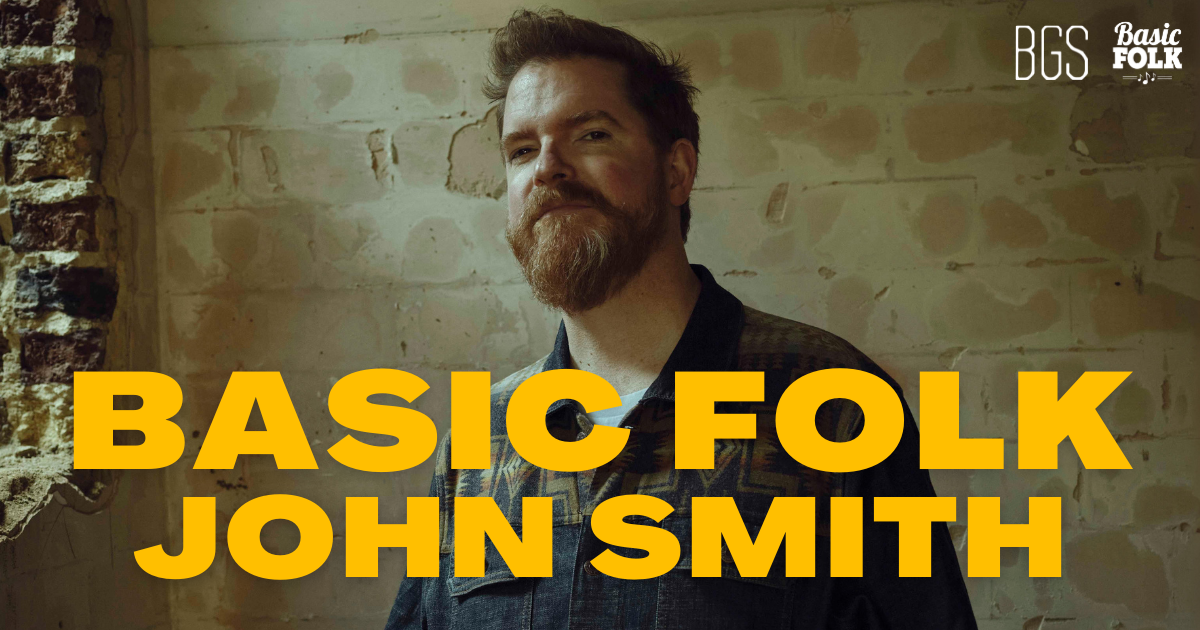
Originally from Devon, English singer-songwriter John Smith got his start playing bars and clubs in Liverpool, both with his own songs and as a side player for artists like Lianne La Havas, Lisa Hannigan, and David Gray. Growing up with folk music and guitar music influences from Eric Clapton to Maria Callas to Nick Drake, John’s sensitivity as a player is one of the cornerstones of his music, especially when it comes to his live music. It’s earned him a passionate fanbase ever since his first EP release in 2009.
Host Lizzie No got to witness the connection he shares with audiences on a recent month-long tour around the UK. Everywhere they went together, audience members had stories of how important John’s songs were to them and guitar nerds flocked to have a look at his pedal board.
Beyond his musicianship, John’s music is imbued with an earnestness that invites listeners to look around and feel gratitude: for nature (especially the vistas of rural England), for the wisdom that memory can provide, and for the people close to us. His latest album, The Living Kind, is a meditation on how delicate love and life can be, but also how enduring. It also showcases the creative partnership between Smith and his longtime friend and roots music industry icon, Joe Henry. One of the album’s highlights is “Milestones,” in which John reflects on how parenthood has changed his perspective on the artist’s life.
Americana, alt-folk, bluegrass – whatever form these tracks may take, You Gotta Hear This! Our premiere round up this week includes plenty of Texas, a dash of Missouri, and a heaping helping of the Southeast, too. From new bluegrass numbers by the legendary Dan Tyminski and up-and-comers Liam Purcell & Cane Mill Road to thoughtful and intentional Americana by John Calvin and Goodnight, Texas. Plus, there’s a musical tribute to Godfrey, Missouri, a small town on the mighty Mississippi River, by Lost on the Metro and the Steel Wheels reunite with Malena Cadiz on a Paul Simon cover.
Our second-to-last installment of our DelFest Sessions – featuring Mountain Grass Unit – is included here as well, as it premiered on the site earlier this week. It’s a mighty fine collection of music and you know what we think… You Gotta Hear This!
John Calvin, “Austin Chalk”
Artist:John Calvin Hometown: Recently Boca Raton, Florida, but this record was written living in Dallas, Texas (and this song is very Dallas-centric). Song: “Austin Chalk” Album:Greener Fields & Fairer Seas Release Date: July 25, 2024 (single); January 24, 2025 (album)
In Their Words: “North Texas rests on an ancient deposit of chalk and marl that sits about five feet below the topsoil and runs for hundreds of feet below that. Living in North Texas, you realize how much of our present is determined by an ancient past. The Austin chalk formation leaves torrential rain with nowhere to go. Rivers, like the Trinity River, flood easily and entire neighborhoods and can be underwater in a matter of hours. There are beautiful communities on the banks of the Trinity like Joppa and Bonton that were only able to stabilize and grow with the extension of the levee system by the Army Corps of Engineers in the early 1990s. Our foothold is always more tenuous than we think, and that’s truest for those that can least afford to move.” – John Calvin
Track Credits: Written by John Calvin. Produced by Nate Campisi. John Calvin – Vocals, acoustic guitar Greg DeCarolis – Piano, bass, electric guitar, OB-8 synth Pat Coyle – Drums, percussion James Hart – Pedal steel Eric DeFade – Alto, tenor, baritone sax Robert Matchett – Trombone Joe Herndon – Trumpet David Bernabo – Brass arrangement
Goodnight, Texas, “A Bank Robber’s Nightmare”
Artist:Goodnight, Texas Hometown: San Francisco, California (Avi Vinocur) and Chapel Hill, North Carolina (Patrick Dyer Wolf); the real town of Goodnight, Texas is the exact mile-for-mile midpoint between the two locales. Song: “A Bank Robber’s Nightmare” Album:Signals Release Date: July 19, 2024 Label: 2 Cent Bank Check
In Their Words: “We’re enjoying some light world building. Our most recent single, ‘The Lightning and The Old Man Todd,’ fleshes out the tragic story of a character from a previous song of ours, ‘The End of the Road.’ Meanwhile, ‘A Bank Robber’s Nightmare’ checks in a decade later on the once carefree, now world-weary and estranged heroes of our 2014 song, ‘A Bank Robber’s Nursery Rhyme,’ which has been a fan favorite and staple of our live shows. The scene is kind of a bittersweet reunion, emphasis on the bitter. What do you say to your former partner in crime?” – Patrick Dyer Wolf
Lost on the Metro, “Godfrey”
Artist:Lost on the Metro Hometown: St. Louis, Missouri Song: “Godfrey” Album:Resonance and Regrets EP Release Date: July 25, 2024 (single); September 20, 2024 (EP)
In Their Words: “We have this giant river confluence here in St. Louis, and it’s common to take a drive along the river road from St. Louis to get away from the city for a while. Godfrey is a real town along the Mississippi River. Imagine bluffs, eagles flying overhead, touristy shops and restaurants, and the river road cutting through it all carrying cars, trucks, boats, bikes, to some unknown destination. The lyrics focus on getting older in a relationship, and the doubts that creep in, and that need to find a way to clear your head. There’s a dark element to Godfrey as well. It’s definitely a driving song on the surface, but the undercurrent holds all the worries and doubts and fears and hopes that float around as we find our way alone. It’s those thoughts in your head that you’re not sure you want other people to know you’re thinking. Driving down the river road with an open window and the wide Mississippi next to me lets me think those thoughts and then let them go.” – Lost on the Metro
Track Credits: Jilly Morey – Songwriter, lyricist, lead vocals, percussion David Morey – Songwriter, composer, arranger, rhythm guitar, vocals Chris Dunn – Composer, arranger, lead guitar, vocals Lucan Stone – Composer, arranger, bass, vocals Josh Bayless – Composer, arranger, drums, vocals
Liam Purcell & Cane Mill Road, “Old Man’s Dream”
Artist:Liam Purcell & Cane Mill Road Hometown: Deep Gap, North Carolina Song: “Old Man’s Dream” Album:Yellow Line Release Date: April 5, 2024 Label: Pinecastle Records
In Their Words: “This song is one of the most personal stories I’ve ever released. I wrote it one day while my father and I were working at my folks’ place in Deep Gap. The land next door had been sold off for housing development and we had to prepare for them to widen the road. Over the next few months, I watched the trucks come and go, watched the bulldozers change the shape of the mountains, and watched the destructive path of progress as it made its way through our little mountain community.” – Liam Purcell
The Steel Wheels, “Gone at Last” featuring Malena Cadiz
Artist:The Steel Wheels featuring Malena Cadiz Hometown: Harrisonburg, Virginia (The Steel Wheels) and Kalamazoo, Michigan (Malena) Song: “Gone At Last” Release Date: July 19, 2024 Label: Big Ring Records
In Their Words: “This Paul Simon song has been a favorite of ours for awhile. The plain spoken, down to earth writing with a gospel-sounding flare. We have been known to sing a cappella from time to time, but this was an opportunity for strong vocals with a bed of active bass and drum parts.
“Last February we were asked to play as the house band for the International Folk Alliance Music Awards in Kansas City. The house band job comes with the joy of meeting and playing with a variety of musicians. When we got a chance to play and sing with Malena Cadiz, we immediately fell in love with her voice. We were inspired to look for a chance to record together and ‘Gone At Last’ was that chance.” – Trent Wagler
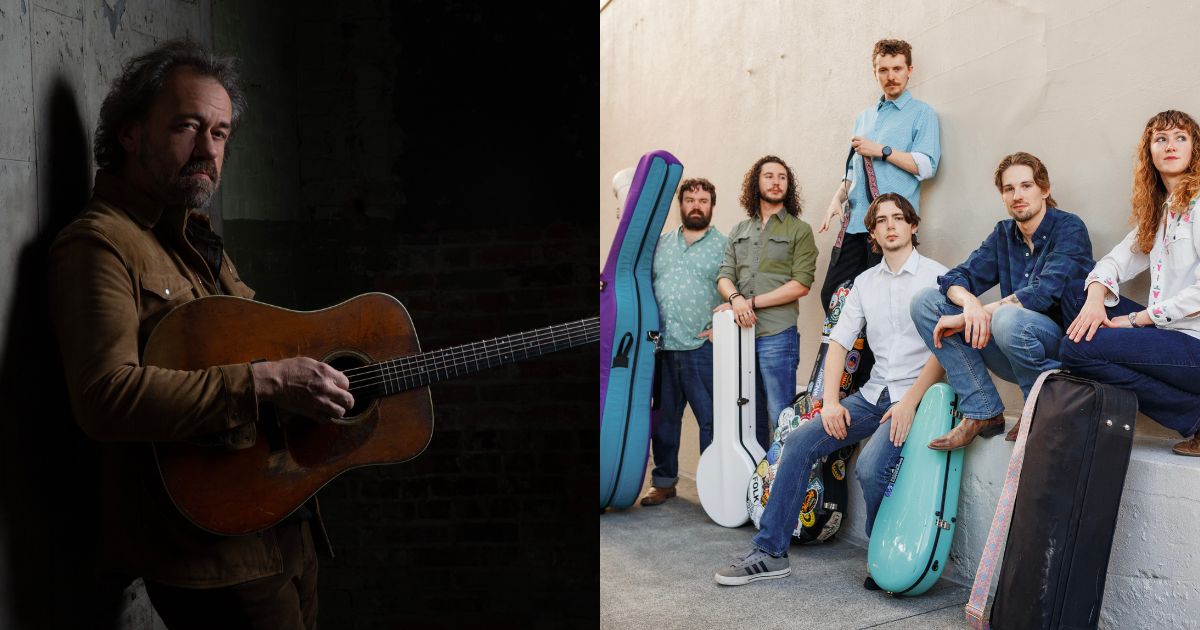
Dan Tyminski, “Whiskey Drinking Man”
Artist:Dan Tyminski Hometown: Originally from West Rutland, Vermont. Lives in Nashville, Tennessee Song: “Whiskey Drinking Man” Album:Whiskey Drinking Man Release Date: July 19, 2024 (single); August 16, 2024 (album) Label: 8 Track Entertainment
In Their Words: “My first single off of the new project is one I’m very excited to release. It’s written to be a toe tapping burner in the party spirit. This one should get your juices flowing.” – Dan Tyminski
DelFest Sessions: Mountain Grass Unit
Our second-to-last installment of our DelFest Sessions features Birmingham, Alabama-based jamgrass group, Mountain Grass Unit. Videographers I Know We Should were on hand at this year’s DelFest in Cumberland, Maryland over Memorial Day Weekend to capture a collection of beautiful, fun, and engaging live sessions on the banks of the Potomac River. (See all of our DelFest Sessions here.) For their shoot, Mountain Grass Unit played a pair of exciting cover songs.
Their first selection, “Big River,” is a funky and charming re-imagination of a Johnny Cash classic with a mash-tastic, blues-inflected groove. Drury Anderson, the group’s mandolin picker and lead vocalist on the track, sings with a drawl seemingly from right down the proverbial road from Cash’s homeland (near Memphis, Tennessee). It fits the bluesy undertones of their rendition perfectly, equal parts Muscle Shoals and Bean Blossom. Cash is a common cover subject in bluegrass, and MGU’s version of “Big River” demonstrates exactly why that’s the case.
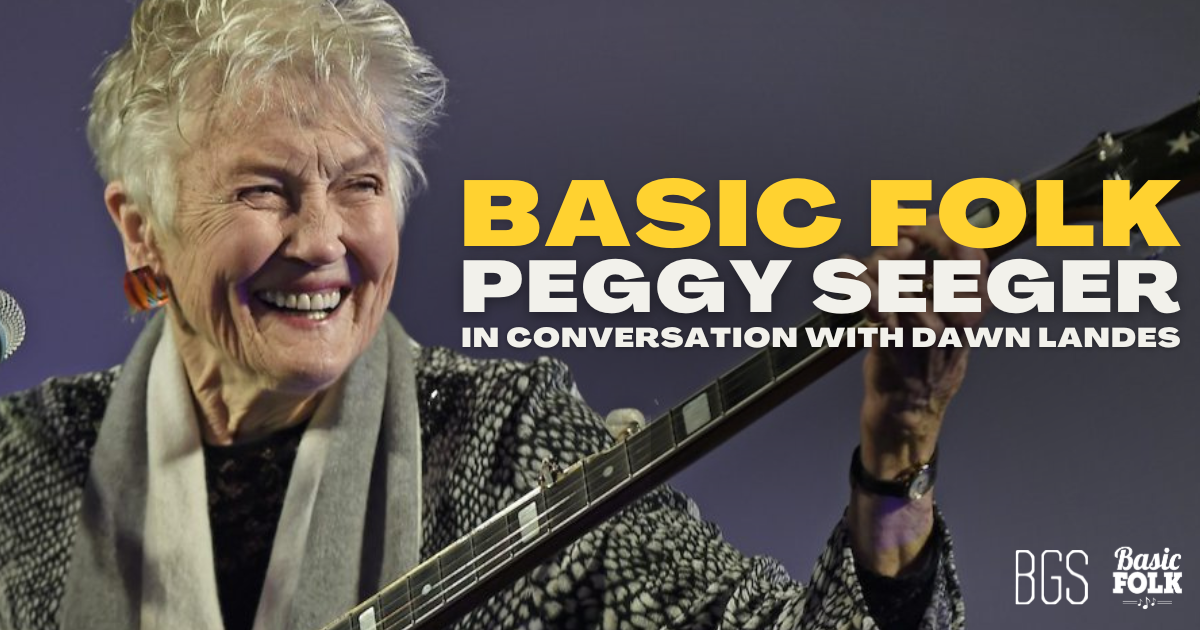
(Editor’s note: For this episode, we invited our friend Dawn Landes to interview Peggy Seeger, the perfect choice to interview this feminist folk icon. Landes also recently joined us on a special episode with Aoife O’Donovan to discuss their new feminist-themed albums. We’re thrilled to welcome Dawn back as guest host!)
I can’t believe it took me 40 years to come across Peggy Seeger’s music. I’m a little mad about this honestly, and have been trying to make up for lost time by diving deep into her songs and her story. I’ve been a fan of her older brother, Pete Seeger, since I was a kid, but didn’t realize the depth of talent and reach in the Seeger family. They are truly folk royalty! Peggy Seeger is the daughter of a celebrated modernist composer and a musicologist who grew up with people like Alan Lomax and Elizabeth Cotten hanging out in her family home. At 89 years old, she’s released 24 solo recordings and been a part of over 100 more. She’s built her career on wit, incredible musicianship, and unflappable activism.
On this episode of Basic Folk, I am honored to talk with Seeger about her beginnings in feminism, her decades-long partnership with Scottish singer Ewan MacColl, the creation of the BBC Radio Ballads, the importance of hope, and her dream tattoos! She even sang us a song from memory that I doubt she had sung in many years. Peggy is a repository of traditional songs and continues to tour and play music with her family, as she’s done throughout her whole life. Although she claims that she doesn’t write anthems, Seeger’s songs have become synonymous with women’s rights and environmental activism. Coming from a woman who once sang her defense in a courtroom, we should all take Peggy’s advice: “Something wrong? Make a song!” – Dawn Landes
Two weeks before the release of his new folk album, When I’m Called (available today via Fat Possum), Jake Xerxes Fussell’s sister, Coulter, who is a quilter, had a show of her work in Oxford, Mississippi. In this show, Coulter patchworked 24 small quilts with fabric sourced from her friends and fellow quilters. There was one quilt for every hour of the day.
Though Fussell has said that he and his sister do not talk about her work very much, there are some profound resonances between her quilts and his music – the idea of updating tradition by the use of unusual materials and freer forms, for example, or the idea of using old material to make new texts, but also something deeper. The songs and the quilts mark time, but not in conventional ways. Instead, they track time in a looping, stuttering fashion. Time is both abstracted and made concrete, as a quilt can appear like midnight and a song can be both a work song and a travel song; but also how a quilt or a song can be a mark of a 19th century technique using 21st century material.
The sources for these records and quilts are a network of people. They include those as close as their parents or close family friends, but also as wide as academic song catchers from the 1950s and 1960s, the folk revival of the same era, the careful annotaters of 1990s web forums, or 2020s Instagram accounts. In the time I spent talking to Fussell, he was careful to note these networks, where and who he learned from, the songs he picked up, but also the methods.
These methods were not only adapted from family and friends, but also professional contacts and music legends who pursue a similar ambition to extend what “folk” means. They include Blake Mills, who has been a session musician for everyone from Bob Dylan to the Avett Brothers; or Robin Holcomb, the avant garde vocalist and multi-instrumentalist whose estranging 1992 album, Rockabye, provides a conduit from artists like Bill Frissell and John Fahey to contemporaries like Blake Mills or Daniel Bachman.
For Fussell, the creation of a drawing, painting, quilting, or song-making can come from the same geographical site, the same kinship network, or the same historical records. His parents were academics who painted, sang, wrote, and quilted, but he also had friends like Art Rosenbaum, who painted, gathered songs, taught them in and outside of the University of Georgia, and won the 2008 Historical Recordings Grammy.
Rosenbaum died in 2022 and the songs on this album are in his memory, absorbing captured Scottish songs from the 1970s. The track “Feeling Day” is both bright and mournful, moving in the body of Rosenbaum from Georgia to Scotland and back, where it was taught to Fussell and then captured here. The intermingling of technology, memory, curiosity, professional competence, and ancestor work all made contemporary by skill and memory. (Like the quilts.)
Fussell talks about reclaiming and re-interpreting these songs, versions of versions, updated for contemporary listeners. The album includes the work of Rosenbaum, but it can also be seen on the very first track, about the Mexican painter Maestro Garry Gaxiola, whose decades-long (and most likely one-sided) feud with Andy Warhol centered on questions of what populist art is and what folk art is.
It can also be seen in how Fussell sings “When I’m Called,” a song partially composed from a found paper scrap (again, the quilting) containing a child’s to-do list. It reminds me of the folk anthologist Harry Smith, who spent a long time cataloging paper airplanes he found on the street. It can especially be seen on Fussell’s version of “Gone to Hilo.”
Depending on who you ask, the song’s original title is either “Johnny’s Gone to Hilo” or “Tommy’s Gone to Hilo.” For most versions, those who sing “Tommy” think that the song is about Ilo, Peru and those who sing “Johnny” think it is about Hilo, Hawaii. Fussell sings “Johnny.”
The song is not really a sea shanty, because they require a stronger beat to function as a work song; but it was intended as a song for sailors, a kind of lament, and the gap between forms here has deepened as it has moved further from the sea. The work quality dropped, and the lament quality ratcheted up. It has been sung by dozens of people, one of those tracks that criss-crosses the Atlantic with the folk – Peggy Seeger sang it when she was in England with Ewan McColl, for example.
Perhaps the saddest version of the song is by Paul Clayton. I think maybe three people in the world care about Paul Clayton, and Fussell is one of them. Clayton grew up in New Bedford, Massachusetts, and collected songs about that town’s whaling history since before he was 20. He went to UVA and studied under the legendary song collector Arthur Kyle Davis, traipsing through Appalchia finding songs and then moving to the East Village, integrating himself with Van Ronk and especially Dylan. Fussell claims that his version of “Hilo” is directly in the tradition of Clayton – that how he weaves a song is how Fussell weaves a song.
Between 1954 and his too early death in 1967, Clayton made almost a dozen records of revolutionary war songs, sea shanties, timber shanties, songs of marital discord, songs which Dylan ripped off, and songs which are only remembered by enthusiasts. Fussell is an enthusiast, his version is the lament that Clayton created from the work song and the interweaving of the lament and the work song – the doubling down on the historical memory, the absorbing of a technique renewed in the knowledge of history – is key to the whole enterprise.
Listen to how Clayton emphasizes certain words – for example, “bully boy” – but also listen to how it’s just Clayton; a clarion voice, and a melancholy one. Listening to Fussell’s, with Robyn Holcolmb singing harmony, the sadness is still there, but the tradition is too. The tightness of the version traps tradition, that it is in the middle of the album, that it’s a single, marks a network of relation, an aesthetic about public choices, and a wrestling with tradition.
Folk music asks again and again, “Why are we making these choices?” and, “Whose choices are we making?” Fussell, at his best, makes choices that are smart, open, generous, and mark a time and place – be it Georgia or Hilo or Oxford, Mississippi or a room where Clayton and he can have a conversation with all those 19th century sailors.
Thinking again of Coulter’s quilts, they both mark time in an abstract sense – the idea of what noon or midnight looks like – but they also mark the time it takes to create a work. There is this idea that time is linear, that it marches forward relentlessly. The quilts mark the history of their creation, the actual moments that Coulter made them, but they also weave together the stories of those who gave her their scraps, the interlacing of decades of commercial and domestic enterprises intended to make an object which shows its sources/seams.
Everytime someone sings a traditional song, this kind of citational practice renews the song, the text, the material. Like a quilt, when Jake sings, time bends and loops, inviting other people’s time, other people’s lives. In a worst-case world, this could be greedy, or wolfish, consuming without respect; in Jake’s work, a much better world, this is a kind of kinship network, sharing and consuming mutually.
Photo Credit: Kate Medley
This website uses cookies to improve your experience. We'll assume you're ok with this, but you can opt-out if you wish.AcceptRejectRead More
Privacy & Cookies Policy
Privacy Overview
This website uses cookies to improve your experience while you navigate through the website. Out of these, the cookies that are categorized as necessary are stored on your browser as they are essential for the working of basic functionalities of the website. We also use third-party cookies that help us analyze and understand how you use this website. These cookies will be stored in your browser only with your consent. You also have the option to opt-out of these cookies. But opting out of some of these cookies may affect your browsing experience.
Necessary cookies are absolutely essential for the website to function properly. This category only includes cookies that ensures basic functionalities and security features of the website. These cookies do not store any personal information.
Any cookies that may not be particularly necessary for the website to function and is used specifically to collect user personal data via analytics, ads, other embedded contents are termed as non-necessary cookies. It is mandatory to procure user consent prior to running these cookies on your website.