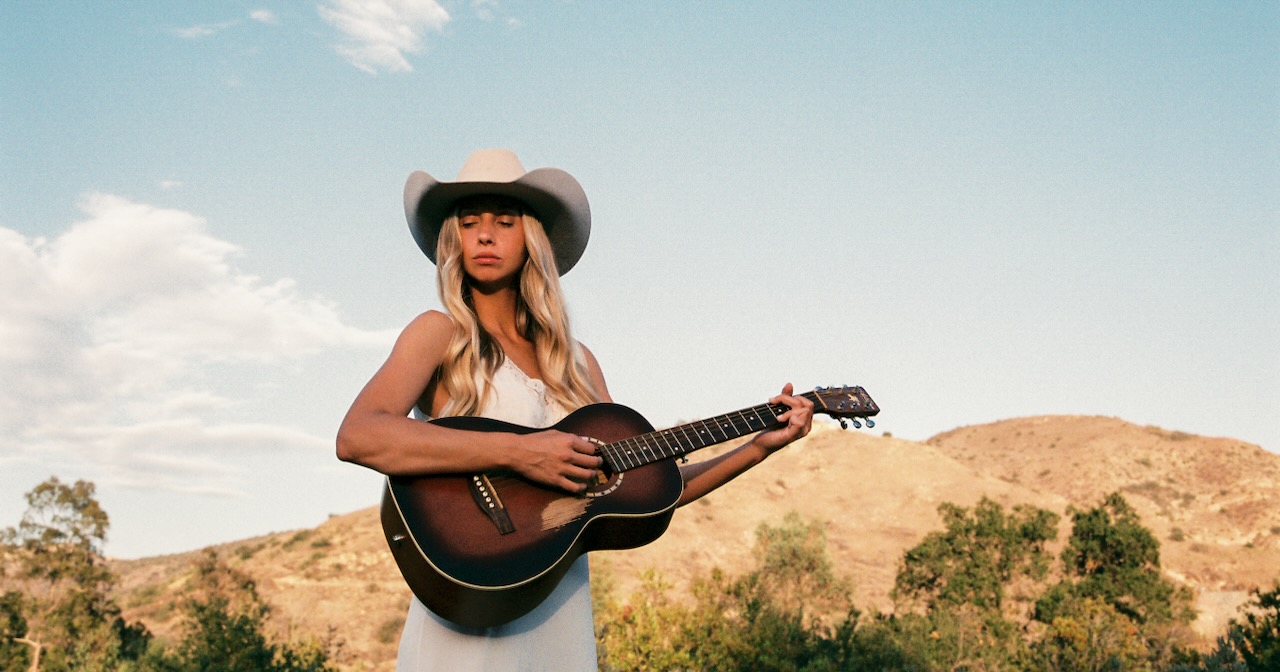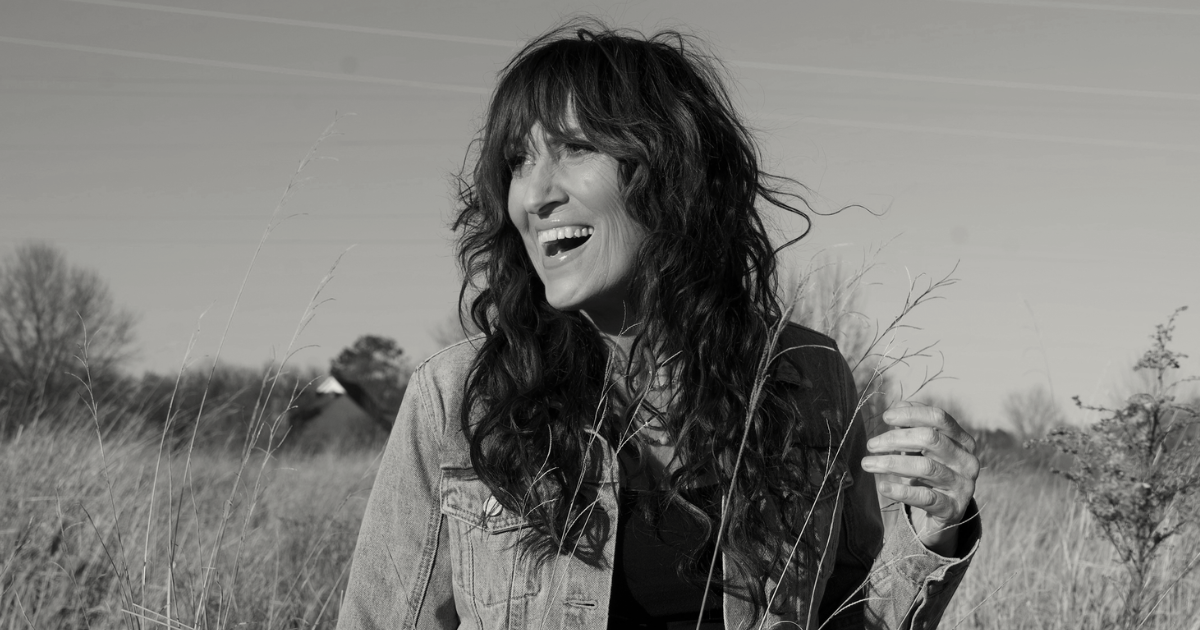
Artist of the Month: Jo Dee Messina

Jo Dee Messina wants to know where the real cowboys are.

“Well, are they in some greener pastures?” she asks on “Where the Cowboys Ride,” a spicy sendup of Tecovas-rocking poseurs and a standout on Bridges, Messina’s first album in over a decade, out June 5.

Sometimes cheeky, often affecting, Bridges condenses a lifetime of lessons into 12 tight tracks. Whether she’s taking a narcissistic partner to task (“It’s All About You”), warning about the dangers of self-medication (“Message in a Bottle”) or setting the record straight on scripture (“The Jesus I Know”), Messina explores life’s complexities with her signature mix of grit and hard-fought joy.

Lead single “Some Bridges” is a power-pop-country belter that recalls the triumphant highs of 1998’s I’m Alright, which spawned three consecutive No. 1s and cemented Messina as one of the leading voices of country pop’s golden age. Like “Bye Bye,” Messina’s indelible ode to putting “a lead foot down on my accelerator” and leaving a bad relationship in the rearview, “Some Bridges” reminds listeners that self-preservation sometimes means burning things down.

“You have to learn to forgive, but do you go back to that abusive situation?” she says. “Do you go back to that addiction? You don’t have to subject yourself to these things.”

Jo Dee Messina is our Artist of the Month for June 2026. She sat down with Good Country to talk burning bridges, her “sweet” relationship with Ella Langley, and what she hopes fans will take away from this new era. Check out our interview and don’t miss our Essential Jo Dee Messina playlist below, too.

Why was now the right time to put out new music?

Jo Dee Messina: Because it was done. [Laughs] I’ve been writing a lot with people, and [my co-writers] are just so encouraging. We’d write a song and they’d be like, “Man, you should record this.” It happened so many times, and I was like, “Well, I think I’m at a stage right now where I have time I can dedicate to a project,” releasing the songs and a tour schedule to support it. It just seemed like the right time.

Do you feel like you’ve gained confidence as a writer as your career has gone on?

I’ve always been a songwriter. I do believe that in the last few years, my songwriting has had time to develop and I’ve written a lot more. I’ve had more time to write, so I’ve had a lot more content.

To hear songs like “Some Bridges” on the radio kind of brings tears to my eyes, because it’s like, I actually wrote this. I actually wrote the songs on this record.

“Some bridges are meant to burn” is a great lyric. Do you feel like you’ve had to burn bridges in your career?

I wouldn’t say career. But with life, sometimes there are situations that aren’t beneficial, or jobs or that really take the life out of you. I think everybody has experienced that. And it doesn’t have to be heavy. It could just be like, “I feel like my talents aren’t being used, and so I’m going to move elsewhere.”

With that song, we were in the writers’ room, and somebody brought up the idea that you can’t be burning bridges. But what if they’re meant to burn? What if that bridge leads you to pain and abuse, or to a job that sucked the life out of you? Forgiveness is for us, we’re not built to carry the weight of unforgiveness, but you can forgive from the other side of the bridge.

“Where the Cowboys Ride” is such a fun song. Did that song come out of any experience in particular?

It’s funny, because it’s not portrayed in the song, but the truth of that song is that a friend of mine went down to Lower Broadway [in Nashville] one weekend and came back and had his foot in a sling. I’m like, “What is the deal? What happened?” And he’s like, “I wore my cowboy boots down to Broadway this weekend.” I was like, “I’ve never seen you in cowboy boots. You wear sneakers every day.” But he dressed the part.

There’s a line in the song about how you don’t see them around here on a Friday night. I want to see the guys that are slinging dirt for a living. I want to meet the guys that will lay their life down for their family. All the things that a true cowboy does.

Everyone’s certainly throwing on the cowboy boots right now. Any theories as to why country music is having such a moment?

Country music tells the story of life. The messages don’t change as far as the relatability to different generations. Dolly Parton wrote “I Will Always Love You” in the ’60s, and then it came back in the ’90s, and people are still cutting it. You ask seven-year-olds and they know that song because their parents are singing it. With some songs, the emotion and the life story behind them doesn’t go out of style.

Of course, some of your older songs have been getting renewed attention as well. You recently performed “Lesson in Leavin’” with Ella Langley at the Ryman Auditorium, and then the two of you interviewed each other at Country Radio Seminar (CRS). Can you tell me about your friendship with her?

That started off with us messaging each other online. She sang “Lesson in Leavin’” on TikTok, and I reached out to her. We talked about writing together, but then life got crazy. Then when she played the Ryman she reached out to me and was like, “Hey, do you want to do this deal with me?” And then she did CRS and asked if I wanted to do that.

I think it’s just a mutual admiration. I’m really proud of what she’s doing and how she’s handling it. We both know Jesus, and we both love Jesus, and so I’m able to have that connection with her, and just say, “Hey, if you need prayer, I’m here. If you need a safe space, I’m here.” It’s a sweet friendship.

“If He Knew Jesus” is one of a couple songs on that album that takes up the topic of faith. What’s the backstory behind that song?

I’ve been a single mom for a while, and it’s difficult because you can’t split yourself up. Especially if you have more than one child, you can’t go to one’s recital at school and one’s hockey game, so one of them is always missing something. Someone had asked me if I would ever consider dating somebody, and my first response was that he would have to love Jesus. And so in these conversations with other moms is where we came up with the line, “If you knew Jesus, there’d be no raising these babies alone.”

I started to cry in the writing room when we wrote that. I was like, “That’s the saddest thing,” and then I went on to other examples: “He wouldn’t crush you beneath all that he did,” all of the hurt and pain and abuse and whatever, where Jesus raises us up. He protects us, and He cares for us, and He puts us first, and He dies for us.

What’s the best thing someone can tell you about what your music means to them?

I think, “It gave me hope. It made me not feel alone.” That would be the greatest thing. “It made me not feel alone in my situation,” whether it’s a happy situation, a lonely situation, a feisty situation, because the songs cover everything. Keep in mind the enemy tries to separate us so we feel alone, and when we’re alone, all sorts of crazy things go through our brains.

Who’s the enemy?

Satan. It’s like, if you get alone, your mind starts going, “Why am I alone? Oh, because nobody likes me, or I’m not good enough.” All these crazy thoughts go through your head, and so you don’t start to think, “Wow, I’m beautiful, and I’m worth it, and I’m treasured.” That’s why it’s called the enemy of who you really are and who God created you to be. He’s working against it.

Are there experiences you’ve had in life where you felt like you were alone?

I think we all have. So I just want to be sure that people know you’re never alone. Even if you don’t see another person in the room, you’re still not alone. Period. God’s word tells us you can never go too high, too low. He’s there. We just have to open our hearts and see it.

I work with teenagers and I remember a teenager saying, “I don’t even think my parents hear what I say.” It was such a sad statement, and it inspired the song “Can Anybody.” In my inner circles, I’ll call that song “The Teenager’s Lament,” because they all feel invisible. It’s why they’re doing things on social media and hanging out with certain people. It’s why they sometimes don’t talk to their parents.

That’s where the first verse came from, and then the second verse came from myself: “I’ve got a history of trying to save myself/ But God, if you’re listening/ I’m screaming out for help.” That’s me. I’m a doer, and I have a history of thinking, “I’ll fix it, I’ll fix it, I’ll fix it.” But there are some things I can’t fix. You can’t fix someone else’s health or their mental state. After my mother had anesthesia, she was confused, and I couldn’t fix that. I tried and drove myself crazy. I’d made her photo albums, and I made her song playlists, and, and I couldn’t do it. She was still confused. It made me realize the humanity of myself and the limits of a human.


Photo Credit: Madison Sharp
Tucker Wetmore Is Buckled Up for the Ride

If you’ve read about Tucker Wetmore or listened to one of his many interviews, chances are the following subjects were lobbed his way: women, whiskey, blondes versus brunettes.

When the “star-maker machinery” that is the business of music collides with media outlets in search of headlines and algorithm rankings, it can make or break a promising new artist by reducing them to a pretty face with a clickbait story angle, the whole time steamrolling over the singer-songwriter at the core.

Tucker Wetmore is keenly aware of this and proceeds with caution. He’s affable enough to play along and astute enough to know the game. Peel back the layers and you’ll find a thoughtful, hard-working artist rooted deeply in faith and family and with a sense of public image versus personal values, carefully monitoring how and what he presents.

With multiple hit singles, award nominations, over a billion streams, product endorsements and campaigns, television appearances, endless interviews, the 2024 breakout Waves on a Sunset EP, and 2025’s unstoppable nineteen-track What Not To, Wetmore is taking it all in with cautious abandon, savoring the wins as they come.

It’s been a long, hard-fought road in a story now told countless times: he grew up in a small town, was raised in the church, brought up by his mother when his father walked out on the family. Music became vital at a young age, athletic prowess and four state titles led him to college, a severe football injury sidelined his career goals. Back home, he again threw himself into music, moved to Nashville in 2020, and pursued his dream.

On January 25, 2026, Wetmore added another victory to his timeline – this one particularly special, as it brought with it a lifetime of memories. He performed the National Anthem at Lumen Field during the halftime show at a Seattle Seahawks game, in front of a stadium filled with cheering fans.

He was still on that high when he spoke with Good Country only days after – and days before the launch of his Brunette World Tour. “It felt like a full circle moment,” he says of the halftime show. “I’ve been to Seahawks games growing up. I’ve been in that stadium, screaming my face off, cheering for the ‘Hawks. But to be on the field and playing my songs in front of thousands and thousands of people was absolutely surreal, especially for something as big as the NFC Championship. I’ve pretty much seen every NFC Championship since I was born. I was super nervous, but we got through it and we didn’t mess up too bad, so it was a good time.”

You have the biggest country debut album from a new artist in 2025. When did you realize that things were really taking off and it was time to “buckle your seatbelt, because this is happening”?

Tucker Wetmore: I’d say even before the album. The first time I felt like that was when Kameron Marlowe was nice enough to bring me on tour. I had one song out and I hadn’t even dropped “Wind Up Missin’ You” yet. I remember getting onstage at that first show and people screaming my songs back to me, singing every word to the songs I had teased [online]. It was absolutely insane. I was like, “I should probably buckle up. This is getting pretty real.” That’s when I knew I might have a chance to do this.

Can you ever be truly prepared for this level of success?

There’s definitely ways to prepare for certain situations, but there’s curveballs thrown at you every single day, so there’s no way to prepare for that. To put it in sports terms, learning how to sit back on the curve, wait for it to cross the plate, swing, and hopefully hit it.

We know about fan reactions to “What Not To,” and people relating to it from the perspective in which you wrote it. Have you also heard from fathers whom that song is hitting as hard because of what they didn’t do?

I’ve heard stories at meet-and-greets, people spending a little extra time telling me about how much that song has helped them cope. But I don’t think I’ve heard anything from fathers having that realization. That’s a touchy subject, and I hope it moves some fathers to want to be better.

All I can do with my music is write what I’m feeling, produce it the way I think it should sound, and put it out to the world for people to do what they will with it. One of my goals with that song was hopefully this changes some viewpoints on some fathers, and hopefully it helps people learn. It’s a “glass half full” kind of song. It’s saying, “Even though these things happened to me in my life, I can learn from this and use everything as a lesson,” instead of, “Oh, poor me.”

Have you ever fallen into that mindset?

I think we’re all human and we all do it. Not in a really long time, though.

I look at life as an opportunity. Whether it’s good or bad, it’s always an opportunity to learn and grow. I don’t [fall into it] so much anymore, but I remember being young and being pretty upset about some of the cards I was dealt. Luckily, my mom’s great and my family’s super supportive, I’ve got the best friends in the world that think the world of me, and I do the same for them. So I’ve got good people around me to keep my head on straight.

You had to grow up early when your dad left. What are some life lessons you took from those years that apply to your life and career now?

Growing up, I had four sisters and a beautiful mother, so it was a lot of women in the house, but it taught me a lot of things and I wouldn’t have changed it for the world.

There’s definitely times where I thought, “It’d be really nice to go out with another male and throw the ball out in the yard.” But looking back at it now, I learned so much about how to care for women, and how to be a provider, at a really young age, even though there wasn’t much I could do back then. Now I’m taking all those lessons and putting them into real life, like providing for my family, taking care of them, making sure they’re good mentally and financially.

A lot of things I learned at a young age are translating into my life now. Down the road, when I do find that special someone, I want kids someday. I want to build a family and do it right. And so I’d say I’m prepared for when that day comes because I know what to do and what not to do.

In an interview with Billboard, you said about music, “It saved me. It helped me. It was my therapy.” Let’s talk about how music helped you and how it continues to do so.

Music is, in my opinion, the best form of therapy. I think it’s God’s gift to us to be able to create and sing along, or dance, or whatever it is, to a tune. Music has shaped my mindset so much. I started playing when I was 10 or 11 years old and it shaped the way I cope with things. Instead of getting angry or upset or sad or frustrated, whatever the emotion is, I sit down at my piano and I just play for 30 minutes to an hour.

Being creative and having that creative mind, it runs fast and it runs 24/7. It’s … not a double-edged sword, but there’s a yin-yang to it. Music is the thing that drives me crazy because my mind can’t shut up and stop. But at the same time, I was in a write yesterday and the energy in the room was so great for four or five hours straight. We were smiling and laughing and creating the song. So music is my escape from what music does to my brain, if that makes any sense. It helps me ease the craziness of my mind.

During those earlier periods, when music, as you said, saved you, how dark was the darkness?

I lean very strongly on my faith, even during the dark times, and we all get them. I’m the happiest man in the world most days, but I still have days where the weight of the world feels like it’s compressing my spine, in a sense. It’s definitely been dark at times, but I lean on faith and I lean on God, and I lean on my music and other people’s music. It’s easy to snap out of when you have those avenues that are so moving to the soul or the mind.

Has there ever been a time when your faith wavered, or when you questioned it?

Yes. In college … it sounds wrong, and I don’t mean it in this way, but I kind of put my faith on the back burner. I was focusing on other things instead of the most important thing. I was playing football, I was partying a lot with my buddies, I was drinking every weekend to escape whatever it is. I still drink, but I do it with a solid conscience and it’s more celebratory now. There’s a fine line of focusing on worldly things and keeping your eye on the bigger picture of faith and the blessings that God has for us, because there’s so many.

You are giving a portion of ticket sales from this tour to Face The Fight, supporting suicide prevention and mental health treatment for veterans. Why is this the organization you selected to promote and help?

The first time meeting them, I turned to my manager and I was like, “I want a part of this. Let’s find a way to do something.” We put our minds together and it was, “What if we do ticket sales?” I was like, “Yes, a hundred percent.” It’s a huge thing for me because I’ve got a lot of veterans in my family, a lot of men that served and that have given their life on the battlefield.

My grandpa was like my father figure a lot growing up. He ended up taking his life five years ago. He was a very decorated veteran and one of the best people I’ve ever met, but even though it was so many years later, he couldn’t win that battle in his mind.

I think it’s super important to not just shine a light on it, these people that have given so much for our country and the people in it. It is such a selfless act, especially in the heat of war, when you’re fighting for people that you don’t even know, and doing things that no human should do, in my opinion. And then to come home, and 20 or 30 years down the road you’re still thinking about it, and still in that mental space of, “I can’t escape my mind.”

What [Face The Fight] is doing is amazing. It’s a blessing to be a part of. I think if my grandpa had an avenue like that, or knew of an avenue like that, maybe he’d still be here.

In an interview or podcast, you mentioned that you read the comments–

Sometimes.

You must have a really thick skin, because that can wear a person down.

There’s a lot of keyboard warriors out there. I can read the worst comment in the world and it doesn’t get under my skin at all. At the end of the day, I know who I am. The irony behind it is most of the people saying heinous and nasty things online have never created a song. They’ve never sung a tune. They’ve never sat in a room at 3 a.m. because they can’t sleep and put all their feelings on a piece of paper and tried to put a melody behind it. They don’t get it. They see things at surface level. I’m not going to bash on them or say it’s their fault for that. There’s irony behind it and that’s all I take it as. It’s funny to me. It’s almost comical at times.

@tuckerwetmore This one is getting loud live.. #songofthesummer ♬ Brunette – Tuck

I heard you use the words “build your brand” during a podcast. There’s a lot of image in this industry: wear the tight jeans, pose with your shirt up – you know what I’m talking about. How do you make sure this doesn’t overshadow the craft? As a new artist, do you have the autonomy to say no, to not answer a question, to stop an interview, to not want to take this picture?

While building a brand, and while creating something that is larger than yourself, it is more important to say no than it is to say yes. I definitely have the autonomy of saying no, and I do say no to a lot of things that come across the table. It’s saying yes to the correct things that align with not just the goal of what we’re trying to build, or the pillars that we are building it on, but morally. I account for my faith in pretty much all the decisions I make.

If I could give advice to any artist coming up – and I’m still making my way there – my biggest piece of advice is, “Say no to things that don’t feel right or don’t make you look like you.” I think I’ve done that pretty decently. At the beginning it’s really hard to say no to things, because you want every opportunity there is. But now I’m saying no to a lot more, saying yes to the correct things, and trusting my people. They know who I am and what we all want to build together, and it makes it a little easier.

Earlier you mentioned people reacting to song teasers. Before this career explosion, was there pressure to keep up when “everyone” is teasing songs on social media and the algorithm is bombarding people? It can turn into artists chasing numbers, which can also affect your mental health. How did you ride that storm without falling victim to it?

The grace of God, honestly. That’s a tough thing. It’s easy to compare yourself to others, based on a numerical scale of, “This got a million views, and I just posted one that’s got 150,000, it’s not being shared.” It’s very easy to get into that comparison mindset, but I do think it’s important to keep posting your stuff. Luckily, I’m getting to the point where I don’t have to post all the time. Posting is one of the most taxing things to my brain. I can’t stand just sitting there and making TikToks or taking photos or whatnot.

I realize the weight that a viral video can hold to your career and to a certain song or a project. It’s an easy way for millions of people to engage with what you’re trying to create. It’s a great tool. That’s the word I’ll use for it: social media is a tool. Some people idolize it and can’t go through their day without it. I look at it as a tool for people to share my music and hear my music and get excited about the things I’m trying to do.

We can’t do this without talking about your mother. She is such an integral part of your life and your career. Without her support, how different would your trajectory have been?

I don’t think there would be any trajectory at all, honestly. After I got injured playing football and dropped out of college, I was living back home. I remember having that conversation with her. I was like, “Mom, I really want to chase this music thing.” It was like a sigh of relief from her, in a sense. Her shoulders went down, she took a deep breath, she goes, “Finally. Finally. I’ve been telling you this for years now.”

She helped me pack up all my stuff and move, and she supported me financially the first couple years of me moving to Nashville. I would be living on the street if it weren’t for her – metaphorically living on the street, because she would never let me do that. She believed in me before I even had good songs. She believed in my work ethic and my mind and my creativity. One of the biggest blessings God has given me is a mother who cares and wants to see her kids succeed in whatever dream they have.

And now she’s doing podcasts and talking about your childhood.

Yeah. Somebody needs to rein her back a little bit!

You love being on the lake. Is water also a form of therapy for you?

Oh, a hundred percent. I grew up in a super small town, Kalama, Washington. Because it’s built up on a hill, pretty much wherever you are, you can see the Columbia River. I spent so much time on that river, or on the Kalama River, or at the lakes surrounding. I feel happiest when I’m at the ocean or at the islands.

I’ve got a lake house in Nashville and it’s a great escape for me to go back home and be able to sit there and look at the water. It helps not just my creative mind, but [also] my mental health. Another thing God has given us as natural therapy is the beauty of a body of water. It’s the most simple thing in the world, but I do not take it for granted.

Is it a spiritual place for you as well, a natural church?

Yeah. Anything can be a church, as long as you’ve got the spirit in it!

What’s on your heart as you’re getting ready for this tour?

Excitement. It’s been a couple months since I’ve toured and I’m itching and eager to get back to it. I’ve had a great break. I’ve had a very creative break. I finished writing my second album yesterday. Obviously, things change and I get new thoughts or whatever, but right now I feel pretty confident in the songs we got, and I’m excited to get back on the road and maybe tease or play some of these new ones and see how people like them.

And I’m excited to just be on the road. I feel most alive when I’m in the craziness of it all. It does get taxing at times, but it’s truly a drug to not just me, but pretty much all my artist buddies. It’s a feeling you can’t really explain, getting up on a stage in front of thousands and having people scream your creations back to you. It’s the coolest thing in the world. I’m excited to see the fans and be with my band, my crew, and my team. It’s a family that we’ve built, and it’s going to be cool. I’m excited.

Since you brought it up, before we close, what can you tell us about the next album?

It is sonically one of the coolest things I’ve heard in a long time. I don’t want to give too much away. I’ve been doing a lot of thinking about what I want this next record to be for the last year already. I think about what I get in my truck and listen to, and I’m kind of an older soul. So it’s very ‘70s-influenced and early ‘80s, with the guitar tones and drums and weird, synth-y sounding steel guitar licks. It’s really cool and it’s fresh, and I don’t think anybody’s really doing it right now, which I’m excited about but which is also scary, because I don’t know how people are going to feel about it because it is different.

I was thinking about this yesterday, actually: “Proving Me Right” is the perfect bridge into this next chapter, sonically. It’s not too far leaning over there, but it’s still got the old tendencies in it. If you were to listen to anything that gets you excited about this next record, I’d say “Proving Me Right” is a great start.


Want more Good Country? Sign up to receive our monthly email newsletter – and much more music! – direct to your inbox.

Photo Credit: Chase Foster

House of Worship,
House of Pain

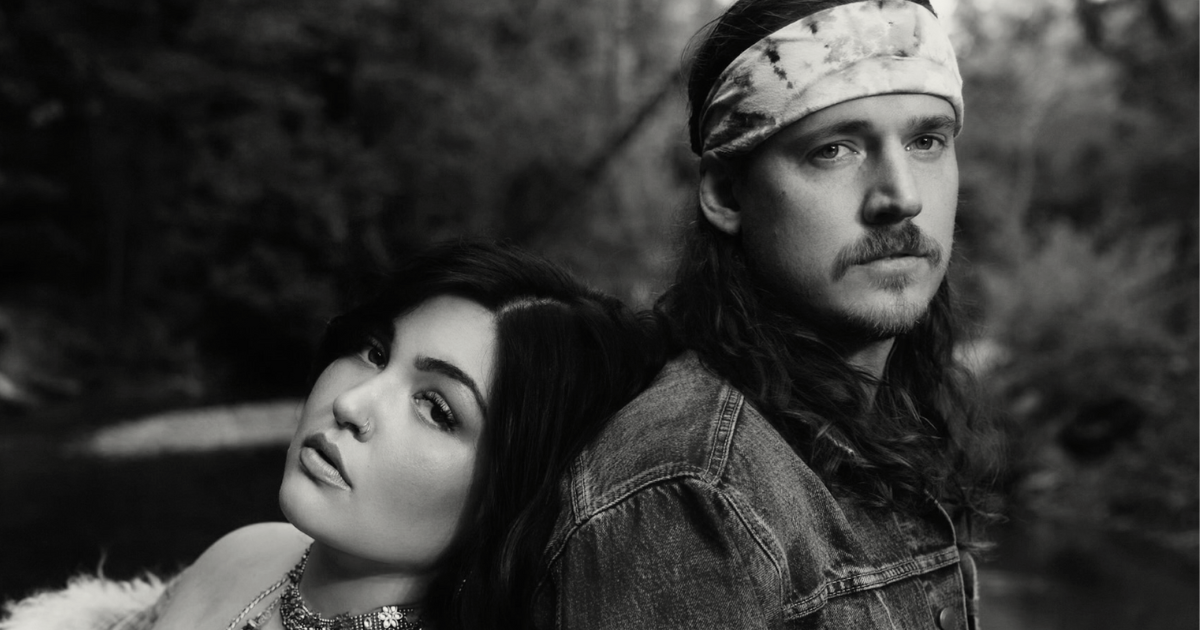
If you’ve spent enough time within the sacred walls of a sanctuary, chances are you’ve witnessed or experienced church hurt – the trauma foisted upon others, by others, under the guise of scripture. Logan Simmons – a woman of deep faith and former worship leader who grew up in the church and cultivated her powerhouse vocals in the sanctuary – knows this too well. Together with her best friend and musical other half, Malachi Mills, Simmons channeled her wounds into The Band Loula’s single “Running Off The Angels,” an unfiltered exposé of damage done in the name of religion. Reaction has been overwhelming, as both song and video cut deep into listeners who recognize their own stories in the song.

This isn’t the first time the songwriting team of Simmons and Mills has made a bold statement. Tackling and confronting dark subjects usually swept under rugs and stuffed away in family closets seems to be their comfort zone. “Marshall County Man” began as their take on the traditional “murder ballad.” However, with its challenging lyrics and graphic video, the song quickly pivoted to an outcry about domestic violence and generational trauma, speaking loudly to systemic treatment of victims/survivors.

All is not grim in the world of The Band Loula. Far from it, in fact, as evidenced on their debut EP, Sweet Southern Summer, which was produced by Brothers Osborne’s John Osborne, with additional production by Greg Bieck. The six songs – “Running Off The Angels” among them – are a slice of life reflecting Simmons and Mills’ experiences growing up in Gainesville, Georgia, up to the present. The two attended school and sang in church together and became best friends along the way. At one point, their paths diverged. Mills pursued music full-time, including an American Idol audition (fun fact: Luke Bryan voted him a firm “no”), a solo career, and writing for and working with other artists, while Simmons built a successful photography business.

Music, however, had the strongest hold, bolstered by their enduring friendship. They launched The Band Loula in 2020 and officially debuted as such in 2022. They independently released singles recorded at Ivy Manor Studios, where they worked with close friend, co-writer, and guitarist Gary Nichols. Universal Music Publishing Group discovered, auditioned, and signed them in 2023; Warner Music Nashville did the same the following year. They spent 2024 on the road with Brothers Osborne, Ashley McBryde, Paul Cauthen, Brent Cobb, and Elle King.

This year, The Band Loula and their band – Gary Nichols on guitar, Jamie McFarlane on bass, Justin Holder on drums, and Diana Dawydchak on fiddle – are spending the summer touring with Dierks Bentley and Zach Top. When they spoke again with Good Country, they were weeks away from a date at Madison Square Garden and from their Opry debut, and equal parts overjoyed, incredulous, and grateful for all that has happened and is yet to come.

Let’s begin by having you introduce each other to readers.

Logan Simmons: I’m Logan, I’m half of The Band Loula, and Malachi is the other half who leads us very well. He’s been writing songs and playing music since he was 16 or 17, and we’ve been friends since we were 14, so I’ve gotten to watch that whole journey. He had his own career going, added me into the mix once we found that we had some magic, and we created The Band Loula. We bring different things to the table. He is an incredible singer and guitarist, and he’s the planner of the group. He’s got all the logistics underway. He knows what everybody’s doing and at what time. I’m pretty much the opposite of that. I’m very Type B. He keeps us together. He’s definitely the glue of the band.

Malachi Mills: I’m Malachi, and as Logan mentioned, we met when we were 14 years old. When I first saw her, she was performing a skit onstage with her cheerleading squad doing a Justin Bieber dance. We were friends through high school, went to church together, and sang together in church a handful of times. I also got to watch Logan’s career as a photographer. She started when she was still in high school and now she is critically acclaimed. Along that journey she learned so much about visual arts, marketing, and things that are a major part of her role in The Band Loula. She is the brains behind our social media and she’s an absolute visionary. Big visions, big emotions, a great songwriter, and obviously an excellent singer. Half the time I’m just trying to keep up with her vocally.

Logan, is it correct that you first heard Malachi sing at a Relay For Life event?

LS: Yes. It was the same event he’s referring to. We both signed up for karaoke, essentially. I saw him first. He was onstage singing “When a Man Loves a Woman” by Percy Sledge. I did not see him when I was onstage in my Justin Bieber outfit, with Ray-Bans on, because I couldn’t see much of anything! But yeah, that was the first time I ever saw him. That’s how we met.


Universal Music Publishing Group came to see you at a gig in a Gainesville parking lot. What, exactly, is the story?

LS: In April 2023, we got an email from Ron Stuve at Universal Music Publishing Group. We had plans a few days later to play under a little pop-up tent by the lake in Gainesville. It was a Food Truck Friday event. Ron came to Georgia with his family and saw us play there for the first time. We didn’t expect this at all. At first, we thought the email was spam because we didn’t have any followers. We were a very small band. But Ron came and he believed in us.

How did he find you?

MM: Ron was on his iPad early one morning and saw an Instagram video of our song “Getting Clean.” He didn’t know how to save it, so he left his iPad open on the charger, for hours, after he had woken up, so he could step away! Thankfully, we were still there when he came back. He submitted a form on our website to email us. We only had that video at the time. It had about 10,000 views, which, when you’re a small band, is a lot. But in the grand scheme of how many views happen daily in the world, that was pretty small odds, so we definitely think it was meant to be.

It’s quite a jump from a food truck gig to Madison Square Garden. Can anything prepare you?

MM: There’s nothing we could have done to fully prepare for the mad rush that has happened over the past two years of our career. It’s been a very quick rise, a lot of opportunities that came fast, but in a weird way we’ve had peace about it the whole time. With our separate journeys, we’ve been able to build the skill sets to come together and be ready for the opportunities that have been given to us. All that to say, stepping out onstage at Madison Square Garden … you can call us back in a couple weeks and see if we feel the same!

LS: There’s nothing to prepare you for something like that except thoughts, and prayers. We’re not even halfway up the ladder. It still feels like we’re babies and a lot of what happens to us doesn’t really hit us until it’s happening or after the fact. We don’t expect anything. We just put our heads down, work, hope that what we believe in is connecting with people, and we’re really thankful when it does. We’re grateful for all the opportunities we’ve been given.

How did your separate journeys help lay the groundwork for the band?

MM: I’ve always had a strong love for songwriting. I looked at the artist side of it as supplementary to that. It’s given me an outlet. I never felt I had a place as an artist until The Band Loula, because there’s so much identity and chemistry in what we have together. All that experience came into play when we started to really commit to this, for sure. You learn what to do and not do, and I was able to bring a lot of what we probably shouldn’t do on our journey as artists, because I had lived and learned in some of those areas.

LS: It taught me a lot about life in general. I shot my first wedding when I was 14 or 15. My dad drove me. One of my cheerleader friend’s sister asked me to shoot her wedding, which is a very important thing. I couldn’t believe she asked me to do it. I learned a lot over twelve years of doing it professionally. You can’t replace the connections you make in that kind of business, where you deal with people of all ages and from all walks of life every day. At one point I was traveling every week, meeting new people, driving across the desert in a podunk car, and sleeping in the car, just to make it to the next shoot. It’s life lessons and learning about yourself.

Now that we’re in the music industry, I find myself using those tools. The photography world is a lot of people-pleasing and deadlines. It tests your strength and emotional intelligence, which is a real skill that you can use in every industry. I feel like I have mastered some corners of that, of being emotionally intelligent, reading people, making real connections, and how that can get you to the next step. Every milestone and opportunity we’ve gotten as the band has been a product of how well we treat the people around us and how we reciprocate the love that’s given to us. I’ve learned how to master that because of all the people that were put in my life during my photography years. I’ll never forget what I learned and the people I met. I [recently] had some backstage guests at a show with Dierks Bentley and it was two people I shot a wedding for in Maine a few years ago. Watching those people become our fans is irreplaceable for me.

What were your goals for Sweet Southern Summer?

MM: Our main goal was to show our listeners a different side of us. A lot of the tracks we’ve put out so far have done a great job of showing a more emotional side. Usually, people don’t come in off the bat with emotional songs. They come in with lighter or more topical songs. We came in with a pretty heavy side of us, and I think that’s why our fans appreciate us. But we wanted to show our fans that we also have songs that are a little less gothic and more bluesy and rocking and soulful.

LS: With this EP and beyond, the goal is to show a different side of us each time, so our fans feel like they are learning more about us, and the relationship gets deeper and deeper. But we also are keeping the common thread of who we are and who we’ve always been. This EP is so exciting because it’s fresh and different, but it is obviously working toward a goal of a debut album. I think these songs will maybe surprise people and keep them on the journey. We really believe in this EP and we hope it connects with folks.

You’re both very open about your faith. How does that guide you and keep you grounded?

MM: A big hinge point in faith is being grateful. Whenever you’re grateful, you’re reminded where opportunities and things in life come from. To think that we could have put all this together with our own two hands would be egotistical. We’ve worked very hard and intentionally, but we believe that if we take care of the small steps, put one foot front in front of the other, and stay grateful for the opportunities that are coming, God will continue to bless us with those opportunities and take care of the big picture.

LS: I agree. Malachi has been a really good leader in that way to point us toward the bigger picture, which is having faith and believing that God will get us where we need to be. I led worship for a long time, but I had a falling out with church and a large moment of my life that was hard to believe that something … I don’t know. It’s a lot to chew on. For the past few months it’s been lovely to watch Malachi lead our band in prayer and keep God and our faith at the center, because I was not previously doing that. I had a really hard time getting past some church hurt and realizing that God is the reason why we’re here and why we’re doing this. That is what I believe now, and that’s what I’m getting back to after a lot of trauma, a lot of hurt, and a lot of figuring things out.

Thankfully, that’s why God put us in a duo – because we’re two different people and we’re able to lead each other in different ways. I’ve continuously been watching Malachi lead in that way and help me regain faith. We like to keep that at the center of our band. I can’t walk onstage without him praying for us now. We both believe we’re not here because of us or something we’re doing with our two hands. It’s a lot more divine than that, and it’s a beautiful thing.

Church hurt is an inconvenient truth mostly swept under the rug, which speaks to the overwhelming positive response to “Running Off The Angels.” Did you also experience blowback?

MM: We don’t ever want to be divisive in any way. Our main goal, without being too specific, is to promote love first. We don’t want to promote judgment. There’s a lot of judging people before you even get to know them, and I think our songs do a good job of reminding people of that reality. I think the ones who get frustrated might be actively judging in that way, or maybe they’re coming to grips that they’re ready to change for the better.

LS: “Running Off The Angels” has been interesting for us, because we weren’t a hundred percent sure we were going to put it out when we first wrote it. It was very specific to my experience and it crosses some lines. We got a wonderful response. We went out on a limb a little bit and were like, “Let’s just post this on social media and see what happens,” and it went viral. There was a lot of blowback, too. On social media, in the Facebook world, people like to talk. They like to hide behind their keyboards. So we did get people who didn’t enjoy the song. But at the end of the day, you can write about experiences that don’t necessarily encapsulate who you will be forever.

When we wrote, “I quit church and never went back, sang my last red-covered hymn,” that isn’t necessarily completely true to me now. But the song has so many truths to it, and it’s something that needs to be said, because people are struggling every day with church hurt and trauma, and it’s not talked about enough. There are wonderful communities and people and churches out there, and I’m thankful for that. And then you have wonderful churches that have people in them with bad intentions or who don’t understand how to treat people. We hope that people always turn toward love, if they can. That’s all that song is about. But it was wonderful writing it, recording it, teasing it, releasing it, and gaining new fans from it.

One of your social media posts says, “Songwriting is an ugly truth. It makes you dig through trauma with your hands, open up an emotional filing cabinet that you locked away and somehow come out on the other side with something you’re proud to sing in front of folks.” How does music help you heal that trauma and protect your mental health?

LS: Music is everything. I’m very much an empath, so music and songs that make me feel something shape who I am and affect me in different ways. That sentiment has amplified now that I’m a songwriter, because I get to create the music that is helping heal me. It’s not just I hear a song that pertains to me and takes me to a place. Now we get to write music that is about what we are feeling and what we experience. That’s therapy. It has deeply affected who I am. It has healed me in many ways. Most of the trauma I went through was recent, in my twenties, so this career choice, leaning into this passion and into music, happened exactly when it was supposed to happen, because it has helped pull me out of some deep, dark places.

MM: I agree. Songwriting and music are very cathartic. The fact that there is a song in my heart, in my brain, inside of me, and having the ability to get it out into the world, is very healing. Also, when you’re able to say things that other people don’t feel they have the words or the song inside of them to say, that is very special, because it makes you feel like you’re really making a difference.


Photo Credit: Sara Katherine Mills

Kieran Kane & Rayna Gellert Let Their Music “Be What It Wants to Be”

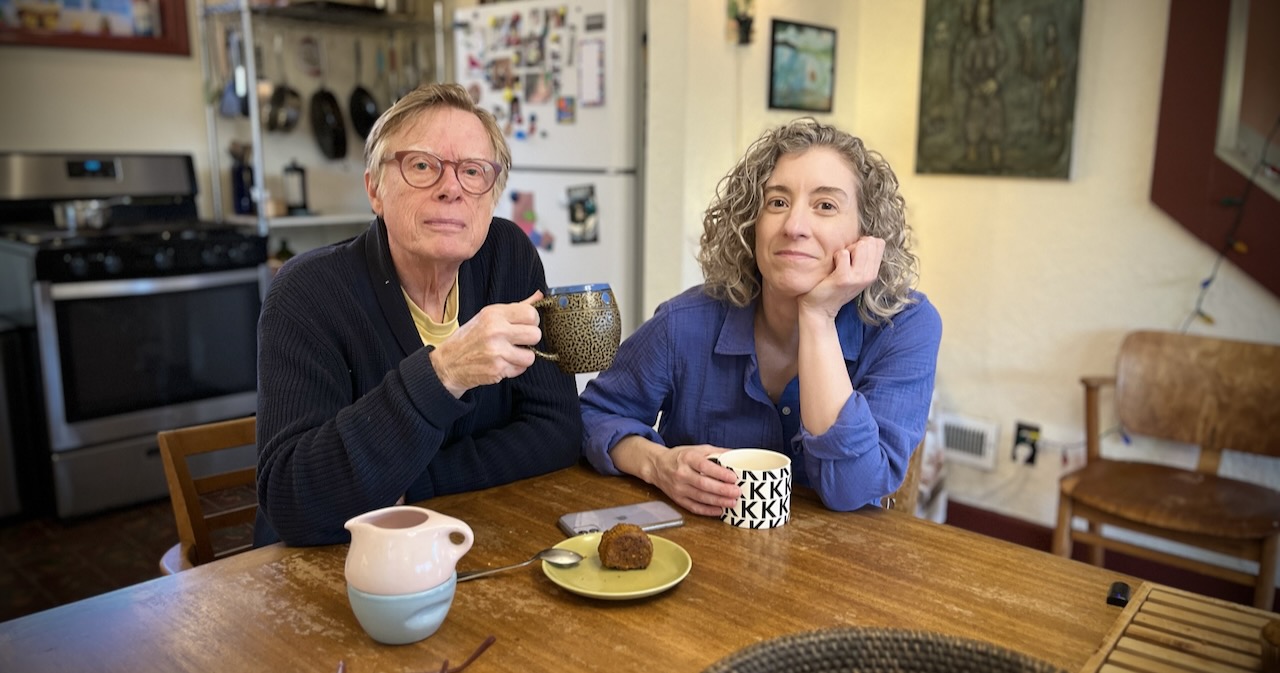
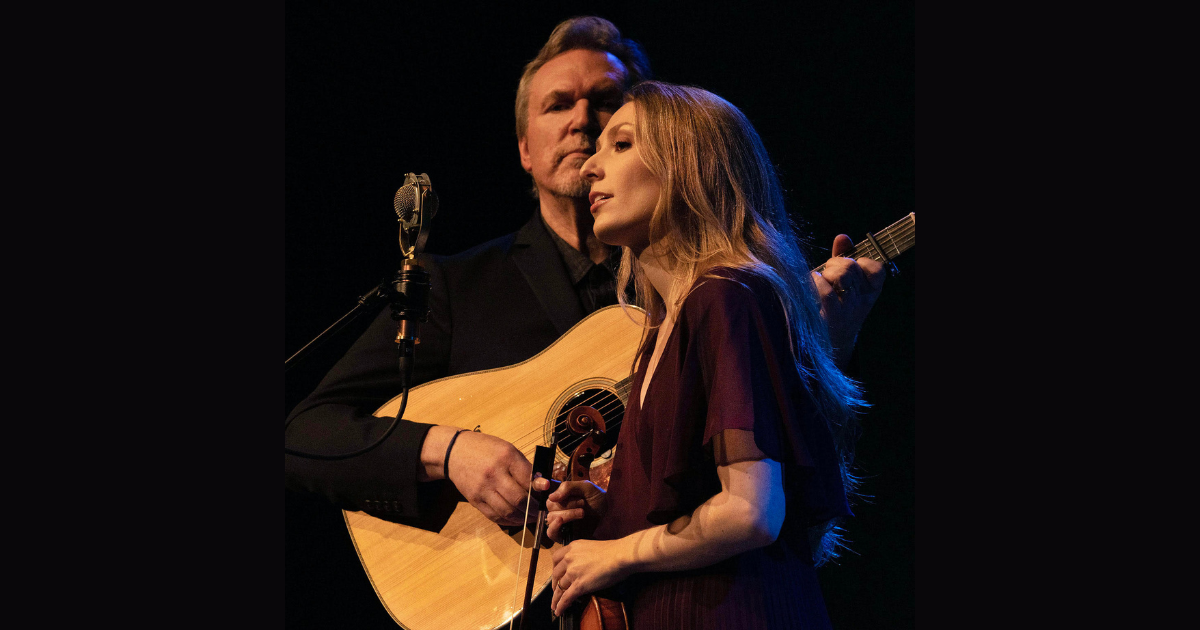
Volume 4 is a beginning and end for Kieran Kane & Rayna Gellert. It’s a beginning in that it’s the duo’s newest release, which means new songs, a new tour cycle, and a new round of interviews. It’s an end – “the end of an era,” as they put it – for Dead Reckoning Records, the label Kane and his bandmates in The Dead Reckoners launched 30 years ago. The independent venture grabbed the attention of other artists whose recordings they released, in addition to The Dead Reckoners’ first and only album, A Night of Reckoning, and the band members’ various other projects.

“Over the 30 years, [The Dead Reckoners] drifted into their own worlds, their own lanes,” says Kane. “Tammy Rogers and the late Mike Henderson started doing The SteelDrivers, Harry Stinson has been with Marty Stuart for years, and Kevin Welch is in Australia. For a long time, I was just putting out my solo records on the label, and then Rayna and I put our records out.

“30 years seemed like a nice, round, anniversary number to give everybody their work back, their masters back, and dissolve the company. It’s been great. I’m quite proud of the work we’ve done over the years and that it’s still a functioning label. We’ve managed to survive all kinds of digital flare-ups and breakthroughs and ways of sharing music. The company makes a little bit of money every year, but it seemed like, ‘Yeah, let’s call it a day.’ I called everyone and everybody was like, ‘That’s fine.’”

Bringing Dead Reckoning Records full circle is sweet rather than bittersweet, says Kane, “in that the label was started by an album of mine [Dead Rekoning, 1995] and thirty years later, on the same date [April 11], we released Volume 4. To me, it serves as bookends for the label.”

Gellert and Kane met at the Hardly Strictly Bluegrass Festival in San Francisco. Their first collaboration was co-writing for Kane’s Unguarded Moments [2016] and Gellert’s Workin’s Too Hard [2017]. The following year, they released their first duo album, The Ledges, followed by When The Sun Goes Down [2019], and The Flowers That Bloom In Spring [2022]. This year brings Volume 4, which they produced, recorded, and mixed, with Kane on vocals and guitars, Gellert on vocals, guitar, and fiddle, and Kane’s son Lucas on drums.

I thought we’d start by introducing you to readers, but instead of telling us about yourselves, tell us about each other.

Rayna Gellert: Kieran is a multi-instrumentalist and songwriter with a long, awesome career doing all kinds of musical things ever since he was a child. The thing that other musicians immediately say about him is they comment on his sense of groove that seems to be a through line in his musical output. And he’s awesome. He’s the funnest person to write and perform with.

Kieran Kane: Musically, we are so much on the same path, and have been on the same path, for both our individual lines. But out of all the people that I’ve ever worked with, Rayna, in the same way she talks about groove when talking about me, I would have to say the same thing about her, in that it’s just so … I want to say reliable, and that sounds sort of pedestrian, but it is.

It’s like having a drummer and a bass player playing the fiddle, in that the pockets and the grooves are so strong and well established that I can drift away and they’re just there. And it’s all been unusually compatible in writing and playing and performing. We genuinely enjoy doing what we do together. It’s a lot of fun, and it’s creatively fulfilling, and all those things.

Rayna, in an interview with WYSO you mentioned there are differences in your songwriting processes. Could you tell us about those differences and how they work as a duo?

RG: Kieran’s the first person I’ve consistently co-written with. I mostly wrote on my own. I occasionally noodled around with a friend on something, but I had no consistent co-writer. I was very much a newbie to actual co-writing when Kieran and I started writing together.

He approaches songwriting from a completely different angle than I do and that makes it extra fun and adventurous. I’ve always started with some bit of lyric and melody that come at the same time together and I go from there. Kieran usually starts with some kind of instrumental riff that becomes the seed of a structure of something. Lyrics come later for him.

The combination of the way we come at a song is very compatible because it’s different. We bring different strengths to the table. I tend to be super verbose when it comes to lyrics. I spill a lot of stuff out, and he’s a great editor. He is really good at finding the key phrases, figuring out the hook, and creating a structure around that.

My background is in old-time music, so the idea of a long ballad where there’s no chorus and it’s just inspiration that goes on and on and on is totally normal to me. For Kieran, it’s like, “What’s the hook? What’s the chorus? What’s the instrumental riff that’s going to tie the thing together?” And it works together very well.

KK: I agree with that. A lot of times what I’m hearing, along with a song, is a record. So much of what we do is based on an intro, in a way, or, as she said, a little musical hook that’ll tie things down. I’ve almost never sat down with an idea about a song. It’s more like I sit down and start playing banjo or mandolin or guitar until something catches my ear and then a lyric will be a free association to get started.

With us, that’s true to some extent, as well. A lot of times we don’t know what the song is going to be about until we wade into the waters and go, “Oh, it could be this.” It seems to work. Whatever the two different approaches are, it comes together.

How is Volume 4 the next step in your journey? You’ve talked about the songwriting process. When it’s time to record, do the arrangements happen organically?

RG: His view of the song tends to be a little more zoomed out than mine. What he’s saying … he is not just thinking about the song, he’s thinking about the record – I think that’s about arrangement. That’s about, “How are the pieces fitting together here?”
It does evolve organically. We always have to decide, “What’s the instrumentation? What feels right for this? Am I playing guitar? Am I playing fiddle?” If he comes up with a riff on an instrument, usually it stays on that instrument. But we’re working with so few pieces that we make a lot of use of space, because that’s one of the biggest colors in our palette.

KK: A way for us to build things in terms of arrangements often – since, as Rayna said, there’s so few pieces – is to eliminate something, like, “We’ll drop out here, which will bring the song down,” because if we start off with the two of us singing and playing at the same time, there’s no place to go, other than to start removing things.

As I’m saying this, I realize that my mission, if there is such a thing, in writing and making records has always been about removing things, making it simpler, and cutting off all the fat, anything that’s unnecessary.

RG: One of the things that’s different about this project is, in a way, we approached the whole album sort of like we would approach a song, as in letting it be what it wanted to be.

On past albums, we approached it more like we were writing a set list for a show, where it’s, “Have we included different instrumentation? Do we have a balance of lead singers? Do we have uptempo and downtempo?” This album is structured more like the way we write a song, which is, “What does this want to be?” Regardless of instrumentation, regardless of who’s singing, regardless of whether we wrote the songs. It evolved into this little sonic package that feels like you go in there and it’s a room you hang out in for the length of the album. To me, that’s a different experience than our past records.

KK: I’ve never thought of it like that. Yeah. We’ve been writing a lot. We wrote three albums, I did an EP that we had written a couple of songs for, and Rayna did an EP that I helped out on a couple of songs and produced. So we’ve done a lot of work in the last eight years, or however it is, that we’ve been doing this. Before Volume 4, there were three albums and two EPs, which is a lot more work than I’ve ever done in that amount of time.

This record, to me, was a little bit more of a grab-back in a way. Rayna was talking about wanting to do a fiddle album at some point and I was like, “Let’s play more fiddle tunes.” So we did that and pulled some older songs that were, as Rayna was saying, “Let’s just do it.” In my mind, it’s almost cleansing in a way to have taken this “just let it be what it wants to be” approach. Now we can move on to something else … and I don’t know what that is.

Tell us about the recording process and gear choices on this album.

RG: We have a very simple home recording setup that we’ve refined over the years. We got some good mics that we like a lot a couple years ago, Soyuz mics. We use those for everything, for instruments and vocals, the same mics. We have four of those.
We have a Zoom R16 board that we can either record directly onto or use as an input into Logic for recording. It’s a very mobile rig. We spend our summers in the Adirondacks at a cabin and we do a lot of recording when we’re up there. Some of this album was recorded there and some of it was recorded here in Nashville, in our house. We can take the board with us and do a nice, clean, digital field recording.

KK: It’s a wonderful piece of gear and shockingly inexpensive. As far as instruments and things like that, this record is a departure for me in terms of guitars, because I’ve basically used the same Guild M-20 on every record and every show I’ve done with Rayna, and before that for the last twenty-five years. For some reason, on this record, I picked up a couple of different guitars that I’ve had lying around the house for years. It was like, “Let me try this song on this guitar. Oh, that’s fun.” Whether or not I would do that again, I don’t know, because the guitar I’ve used all those years I love and it’s so reliable.

There’s three different acoustic guitars for me on this record. One is a Martin 00-16 classic, an early-’60s gut-string guitar that I played on “Keep My Heart in Mind.” The other is an early-’60s D-28 that I played on “The Mansion Above.” The other guitar songs are all on the Guild M-20. Rayna played the same guitar that she’s been using, an early D-28.

Last year, I was listening to a lot of ’60s folk music. I was listening to Gordon Lightfoot, Ian & Sylvia, Bob Dylan, and things like that, and hearing these really simple guitars where there’s no real guitar solos or anything like that. “I Can’t Wait” fits into that mold – as does “Keep My Heart in Mind,” and “Imagine That” – in that there’s no solos, but there’s a repetitive musical vein that goes through it all. It’s just two people playing guitars and singing. It’s that simple, which is something that really appeals to me.

Is it accurate to say there’s a connecting thread of faith in some of these songs?

KK: Yeah, I think that maybe is a thread through it.

RG: Not from that specific angle, but we definitely talked about hoping that people, in listening to the album, felt comforted.

KK: “I Can’t Wait,” to me, is very much is about faith – not in a religious way, but in a general sense of hope. As bad as things are right now, I remain hopeful and I keep looking towards the light. I’m aware of the dark, profoundly aware of the dark, but I don’t think that’s the end. I think there’s light as well and there’ll be more light as time goes by.

There are a couple of songs, specifically “Whatcha Gonna Do About It” and “Short Con,” that people could easily interpret as political – and they are. There’s no doubt about that. “Short Con” we look at as written from the standpoint of the Constitution. It’s like, “Why don’t you believe in me now?” There are other songs we have that certainly people have told us, “We’re not interested in your political views.” There’s a few floating around that just turn out … it’s not like we sit down and try and write about politics, or faith, for that matter. It’s just where our mental space is at the time.

You can look at these new songs as being political, but we’ve started thinking about them as being patriotic. It’s patriotic to stand up and say, “No, you can’t do that. You can’t just pull someone out of their car and throw them in a jail in El Salvador or whatever.” That’s not a political statement to me and I think for us at this point, as much as it is a patriotic statement, it’s our duty as citizens to say something. We’re given that right and we’re taking advantage of it.

And then something like “The Mansion Above,” which I wrote fifty years ago, somehow fits in there. There is a thread between those songs. So yeah, I think to see a line through of faith is good.

You’ve mentioned before that you’re doing what you call “three-day-weekend touring.” What are your upcoming “weekend” plans?

RG: Our approach to touring is very chill. We do two or three dates in a row, sometimes just one-offs. That’s our usual mode. I think the most we’ve ever done in a row is four dates. It’s all compact and it’s all about being humane and kind to ourselves.

KK: We have a good time. We have a comfortable car, I do all the driving and Rayna does all the navigating and mans the phone. I like to get onstage and play, but I don’t think either one of us wants to go, “Let’s book a month.” I look at other people’s schedules sometimes and go, “I remember doing things like that,” but I wouldn’t want to do it again.

We are gentle on ourselves. Our performances– we’ve cut that down in the sense that we don’t use any monitors onstage. We sit as close as humanly possible together and still be able to move the instruments around. Sound people really like us because sound people hate monitors. You say, “No monitors,” they rejoice. Doing it that way, if a soundcheck takes more than 15 minutes, we’re in trouble. Two instrument mics, two vocal mics, no monitors. “Can you hear us? Great. We’re done.” It makes life simpler.

RG: So yes, we do have gigs. There’s some stuff for the summer that will be posted on our website and I’m working on fall right now.

KK: And we are open to offers.

RG: Yes, we’re always happy to hear from venues!


Photo courtesy of the artist.

MIXTAPE: Flamy Grant’s Songs for Healing Gay Religious Trauma

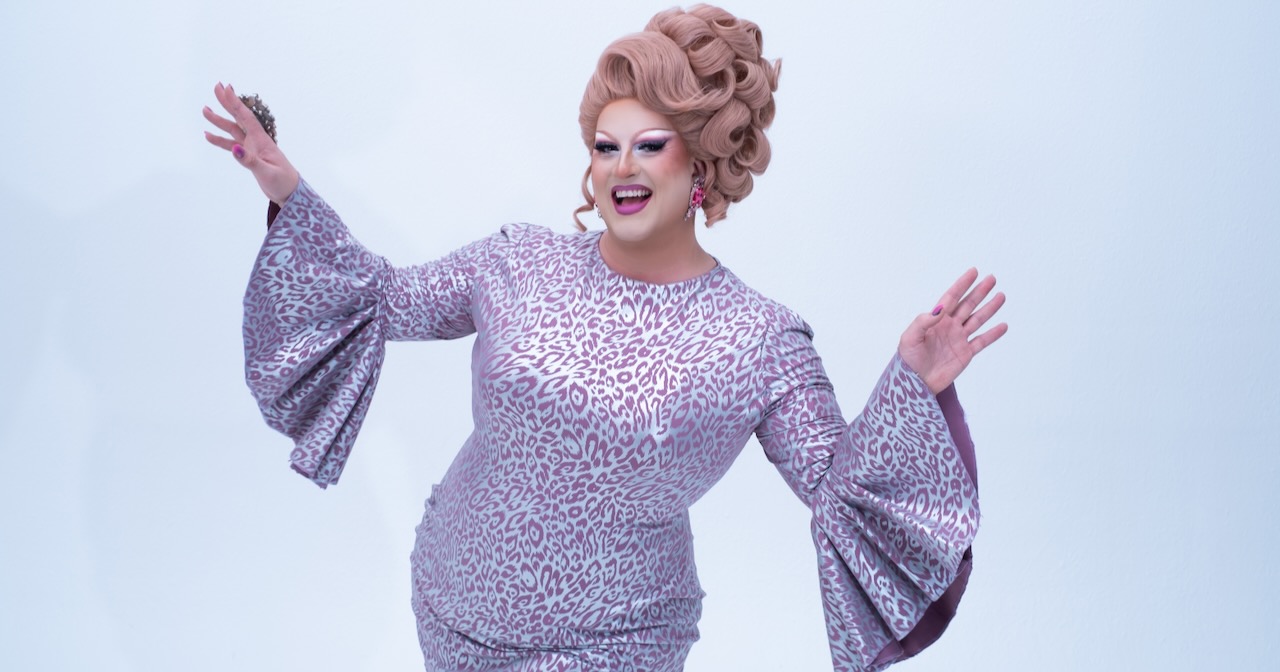
Welcome to the playlist you probably didn’t have on your bingo card this year: a series of songs spanning from gospel music to ’90s folk to contemporary singer-songwriters, all curated by a drag queen with a number one Christian album under her belt. I’m Flamy Grant, and I’m honored that BGS invited me to share the songs that healed my very gay, very religious trauma.

My first record was called Bible Belt Baby, so I know a thing or two about growing up in the shadow of a religious fervor that wants boys to be boys, girls to be girls, and gays to keep it in the closet. Here are a few of the songs that helped me not only to come out, but to let this little light of mine keep shining in the faces of a lot of people who’d prefer it were hidden under a bushel. Not today, gatekeepers. Not today. – Flamy Grant

“If You Ever Leave” – Flamy Grant

Oh, hello darling. I’m a drag queen with wares to sell. Of course I’m starting off this playlist with my new single! It is, at least, very much on topic. This ballad from my forthcoming record, CHURCH, pretty much speaks for itself, but I will offer this one, brief, supplemental thought: if there’s a God demanding your worship, but as you get to know him you discover that you are capable of loving people better and more completely than he is… don’t worship that God. Girl… it’s a trap.

“Undamned” – Over the Rhine

Outside of Amy Grant, no artist has had as much of an impact on me as Ohio-based duo Over the Rhine. Karin and Linford have saved my life ten times over. “I’m not your little lost lamb, God might still get my world undamned.” This song somehow manages to be both defiant (personally, my favorite posture) and repentant. Brazenly owning your apostasy while unabashedly surrendering to a cosmic, supernatural love at the same time? Slay. (Bonus: Lucinda Williams delivers an absolutely divine featured vocal. Undamn me anyday, Over the Rhine.)

“Wrap My Arms Around Your Name” – Sarah Masen

When I was growing up, I was only allowed to listen to Christian music. Sarah Masen was always a bit of a square peg in a round Christian music industry hole, and one of the first songwriters I encountered who addressed the conflict, doubt, and dissonance inherent to the faith everyone else around her was putting such a sheen on.

From the first line, “Mystery’s walking on my head again,” I was hooked on this song about yearning to feel deeply spiritually connected. “Does hallelujah wear the same old face?” Excellent existential question, Sarah. Thanks for giving my teenage angst a place to freely ask it.

“Amy’s Song” – Matt Simons

Back in 2018, I was a worship leader for a queer-affirming church in San Diego and we decided for Pride month that year that we would put on a worship service that was 100% produced, led, and delivered by our queer members. I even wanted to make sure every song we sang had been written (or co-written, in this case) by a card-carrying member of the alphabet mafia. I found “Amy’s Song” and loved the music and the message: “Does your God really give a damn” about who I love?

The twist for me was in discovering that one of the song’s co-writers, and its namesake, Ames, and I had played a show together years before in when we were both closeted and going by different stage names. I led “Amy’s Song” at our church that Sunday and Ames and I have since reconnected online. We’ve even been talking about writing something together one of these days. “Amy’s Song 2: The Ballad of Flamy,” perhaps? (Pro tip: after you listen, go watch the music video and making-of mini-doc, both on Matt Simons’ YouTube page. Bring Kleenex.)

“breathe again” – Joy Oladokun

Honestly, it was hard to pick just one song from Joy Oladokun’s extensive repertoire of musical remedies for the religiously wronged. She is both plainspoken and poignant, capturing the heartbreak so many queer people experience when we grow up in families and cultures that suffocate us in a shame-inducing, manipulative desecration of divine love. Joy’s voice in this song just melts me, and it’s a breath of fresh air for the closeted kid I used to be when she uses it to sing, “If I hold my breath until I’m honest, will I ever breathe again?”

“Someday You’ll Wake Up Okay” – Spencer LaJoye

This is inner child work of the highest order and nobody translates the specific into the universal with such clarity as my friend Spencer. “You won’t hear me, but I’ll think it from the future.” Oof. Also, who knew healing your inner child could be such a bop?

“Holy Sunlight” – Steven Delopoulos

Something about the music of Stephen Delopoulos, who fronted the ’90s Christian band Burlap to Cashmere, just feels reverent. It’s like high-church Paul Simon. This song reminds me that even when we’re leaving, we’re really not. “Pack my luggage, fake a smile/ Don’t cry, we’re all connected like the ocean sea.”

“Faith” – Semler

No one is more emblematic of a reckoning for the Christian music industry to me than my pal Semler, who was the first out queer artist to have a number one Christian record a couple years back. In “Faith,” they are eye-level with the abusers of power in the church they’re confronting. “Don’t pretend I’m not your body.” GOOSEBUMPS, HUN. And it’s a song that somehow doubles as a powerful worship anthem of sorts for the disenfranchised? We’re here, we’re queer, and we still have faith, dear. I live.

“Shiloh” – Audrey Assad

I had stopped listening to CCM by the time Audrey got her record deal with juggernaut Christian label Sparrow Records back in 2010, so I missed most of her early career. But during the pandemic, I learned about this (wildly-talented) artist that Christian media outlets were criticizing for “backsliding.” Don’t tempt me with a good time, I said. Audrey and I have become friendly on social media since then, and she’s so much more than a good time. She’s a healer. This song in particular patches up a new part of me every time I hear it. God bless the ones who leave the church but never stop providing care for souls.

“The Way You Get Found” – Story & Tune

I’m proud to say I was the first person to ever hear this excellent song, in the basement of the San Diego house I shared during pandemic with its writers, Karyn and Ben. The line that got me then still gets me today: “I bless the way you carve your name on the gate-kept inner sanctums where they said you couldn’t stay.” Absolute pros, these two, crafting an artful turn of phrase that not only perfectly fits the demanding cadence of the song, but delivers a well-placed gut punch to folks who know what it’s like to stand up to religious bullies when they say we can’t be on their playground.

“Jacob from the Bible” – Jake Wesley Rogers

This song came through my Spotify algorithm one day and stopped me in my tracks. Of course, now Jake is a world famous colorful crooner and besties with Elton John, etc., but when this song came out, I was able to reach him online and successfully petitioned him to be on my podcast. You can still listen to that conversation. We talk about this song, where it came from, what it meant to each of us, and why Jake should definitely be our first gay president. For me, it feels like a life-giving extraction from all the oppressive weight of religious expectation. “I don’t want to be held down by a heavenly man.” Makes me think of Jacob from the Bible when he defeated the angel in an all night wrestling match. (Hot!) And honey, wrestling with God? Relatable.

“Testify to Love” – Wynonna

Okay, this might be the only bonafide CCM hit in the mix. It was originally recorded by Christian supergroup Avalon and if you were anywhere near Christianity in 1997/98, this song is In. Your. Bones. Every once in a while when I’m playing to an audience of a certain age — the ones who were in youth group about the same time as me — I’ll bust this out as a cover during my set and, well, let’s just say it’s so cute to watch half the room have a dramatic That’s So Raven-style flashback. But I propose to you that at the end of the day, it’s a gay song. I mean, the opening lyric is, “All the colors of the rainbow!” It’s all about how love wins!

What really seals the deal is Wynonna Judd’s countrified cover of the song from a very special episode of Touched by an Angel. I dare you to listen and not agree that Christianity peaked in 1997 and we should frankly just ignore everything that’s come out of evangelicalism since this song ruled the airwaves.

“House of Spirits” – Allman Brown

London-based singer-songwriter Allman Brown taps right into all of our generational trauma and father wounds with this achingly gorgeous spiritual about how it feels to sit vigil by the deathbed of a parent who “damned my soul to the fires.” As someone with a damaged and deeply strained relationship with an ultra-religious father who’s still alive, this song gives me a glimpse into the journey ahead, and I find myself praying along with Allman that one day that house of spirits “will feel like home.”

“What You Heard” – Amy Grant

An Amy Grant song on this list was inevitable, but far less likely is a song from a parent who learned better communication skills by going to family therapy with her kids. But that’s exactly what we have in this, the first new song from the Queen of Christian Pop in a decade. I saw Amy perform it last year and she told the story of how group therapy with her family helped her understand that some of the ways she thought she was communicating love to her kids weren’t exactly landing that way on their ears. It’s the kind of thing most survivors of religious trauma can only dream of: a God-fearing parent gaining perspective later in life and using therapy tools to change behavior? A better relationship through effective communication? May we all be so fortunate. But even if we’re not, my favorite diva (she would never call herself that, so someone has to) has gifted us with this beautifully-written song that shows it’s possible. Amy and amen.

“May I Suggest” – Susan Werner

I’ll leave you with the best benediction that’s ever been spoken (sung) over me. I wish someone had invited me to the Susan Werner party years ago, so I’m making it my mission to bring as many plus-ones as possible now that I’m here. Actually, in a way, I’ve been here since high school, I just didn’t know it. The first time I heard this song was as a cover by Ellis Paul and Vance Gilbert back in the late ’90s, but I just assumed it was theirs. Then about a year ago, a friend sent me a track by Susan called “Our Father,” in which she expertly/hilariously reimagines the Lord’s Prayer (“Deliver us from those who think they’re you”). I was hooked and started working my way through her catalog, but it wasn’t until I saw her live at the Kerrville Folk Festival earlier this year that I learned she was the composer of this song I loved when I was 17.

When she sat down at a baby grand and soulfully set out to convince a field full of festival-goers that “this is the best part of your life,” I openly wept. It’s tempting after you escape from oppressive, high-demand religion to fall into the trap of regret for a lost youth and years of missed chances. Susan invites us to consider the other side of that coin: thanks to the trauma you’ve survived, “Inside you know what’s yours to finally set right.” The next time Susan is anywhere near you, drag yourself (yes I said DRAG) and everyone you love to the show — and hope that she sings this benediction over you, too.


Photo Credit: Sydney Valiente

BGS 5+5: The Hillbilly Thomists

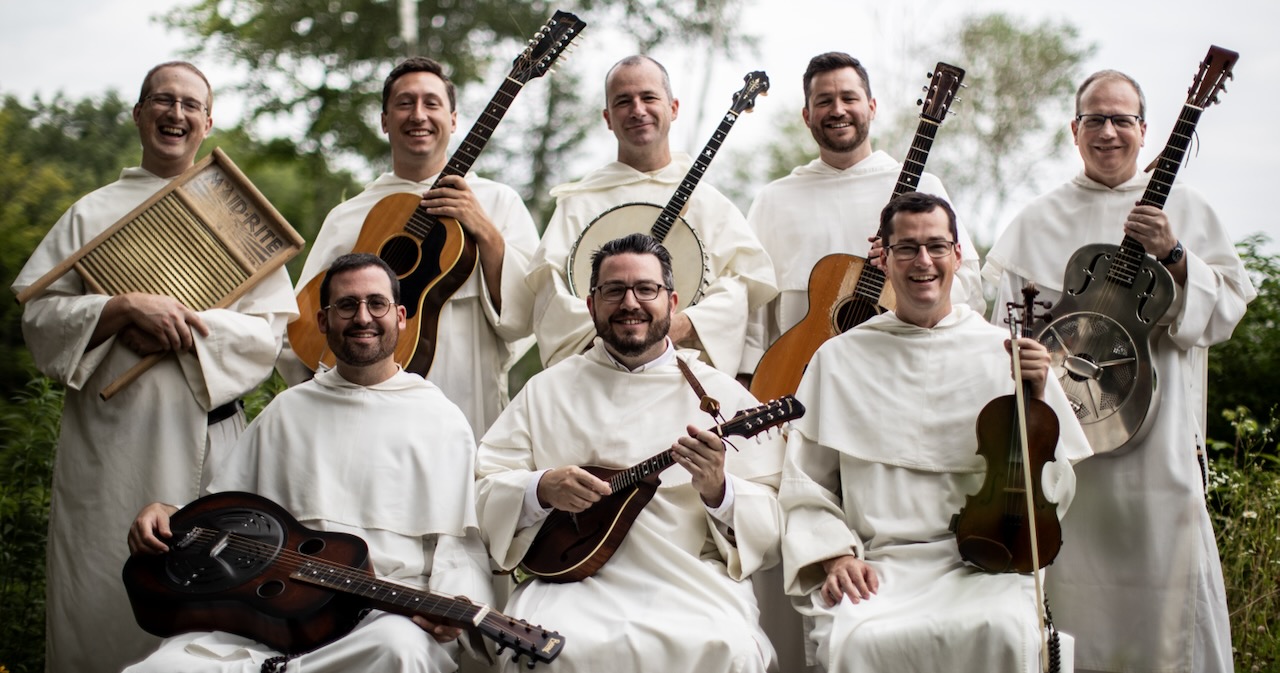
Artist: The Hillbilly Thomists
Hometown: We are originally all from Washington, D.C., where we formed, though as priests we are now assigned in many different areas, mostly on the East Coast.
Latest Album: Marigold

What other art forms – literature, film, dance, painting, etc. – inform your music?

Our band name is taken from a letter of the Southern Gothic artist, Flannery O’Connor, in which she says that some readers think that she is a Hillbilly nihilist, whereas in fact she is a Hillbilly Thomist. A “Thomist” is a follower of the thought of St. Thomas Aquinas, who was a Dominican priest. We are members of the same religious order and play folk and bluegrass music so the name seemed perfect. Flannery kept peacocks in her garden, as they are a medieval symbol of the resurrection, so that is the band symbol.

What rituals do you have, either in the studio or before a show?

Actually, since we are members of a Catholic religious order, we have a lot of rituals. It’s an ordinary part of our life already to pray the psalms together, say mass together, and of course we keep that up when we are doing our music. It can also be important for some of the fans, many of whom like this Catholic bluegrass vibe, but many of our fans are not Catholic, and appreciate the fact that we wear monastic habits, including on stage. The lyrics of our songs can be humorous or serious, but often have a kind of reference to religious takes on life. We did not really plan this as a strategy, but just started composing music out of interest or as a serious hobby and it has been popular with others.

Genre is dead (long live genre!), but how would you describe the genres and styles your music inhabits?

The band has a lot of styles and definitely assimilates different genres: folk, Americana, bluegrass, country, blues, gospel, and old-time material. Several different members of the band write songs, different in style, and we almost all sing, with pretty complex harmonies at times. Influences include Bill Monroe, Johnny Cash, The Byrds, Ricky Skaggs, Gillian Welch, but each of these more according to the spirit than the letter.

What is a genre, album, artist, musician, or song that you adore that would surprise people?

We agree on the value of reggae and jazz and during breaks the band sometimes plays Bob Marley for amusement.

If you didn’t work in music, what would you do instead?

We actually all have full time jobs, mostly as priests teaching or working in campus ministries. We record the albums and tour in the summer during downtimes.


Photo Credit: Paul Padgett

Katie Pruitt on ‘Mantras’ and Letting Go of Control

Knowing how 2020 and the years that followed would unfold, the dynamism of Katie Pruitt‘s debut record is even more awe-inspiring. Expectations introduced the Nashville-via-Georgia singer-songwriter alongside her deepest aches and most intimate struggles as an openly queer individual raised as part of a devout Roman Catholic family in the conservative South. It would go on to earn a GRAMMY-nomination and ample praise for her lyricism, empowered performances, arranging, and instinct for production. In short, it’s undeniable that Pruitt set quite the high bar of expectations for herself and the music she would choose to share next.

Four years later, Pruitt has unveiled Mantras. While flashes of brilliance from a familiar autobiographical lens inform and inspire the 11 track recording, these aren’t simply more straightforward, memoir-style anecdotes. The truths and experiences Pruitt shares on Mantras feel more revealing than Expectations, as this time, Pruitt’s lens looks decidedly more inward at what she has lived through, reflected on, and learned from since writing her last album.

Not only is Mantras‘ thought process largely internal in nature, but each song leads to paths, stories, and developments that have yet to be fully resolved – if ever they will. The album showcases a great deal of inspiring perseverance in the self-contained conclusions of songs like “Self-Sabotage” and “Worst Case Scenario” and more generally, it unveils a journey of self-healing from start to finish.

However, while Mantras ultimately provides reassurance, peace, and closure, the takeaway isn’t meant to be one of permanent resolution or rigid perspective around anything Pruitt has seemingly conquered in each song. Like the recapitulating nature of a mantra, she is mindful of being continuously attentive and compassionate towards her inner struggles, rather than seeing them as singular moments of adversity.

Speaking with her by phone, BGS shared an insightful conversation with Pruitt about how her focus on inner-healing shaped the sound of Mantras, how her perspective around disagreement and connection has changed, how she cultivates inner strength, and much more.

How was it navigating the presence of expectations for Mantras, considering your intent to move away from a focus on external validation?

Katie Pruitt: On the first album, I was dodging different expectations, you know? I was dodging expectations of my parents or of how people in my hometown saw me and who I am now. I sort of accidentally set high expectations for this next record. I felt like I was competing against myself in a lot of ways and I really had to find moments to just surrender, come back to center, and just focus on the fun feeling in the present moment and talk about that, instead talking about things that I think people want me to say. I needed to focus on what I needed to say, which is maybe different than what other people expected or wanted to hear on this album.

Knowing this album is an expression of personal growth and a journey of sorts for you, what does it feel like to just now be talking about these songs after holding onto them for so long?

Coincidentally, I feel like everything on Mantras is lining up with my life as it’s coming out.

With me talking about my parents selling my childhood home [in “Naive Again”], yeah, my parents are selling my childhood home as we speak. And when I finished a lot of the songs about my partner slowly checking out and leaving, maybe a week after I turned in the record, we broke up. So I’m still experiencing a lot of these things in my life. It’s kind of a first for me, because when Expectations came out, I had kind of already patched things up with my parents and there were things in my personal life were kind of resolved. But then I was having to dive back into those issues every day on stage or whenever I sang those songs. This is different, honestly. It kind of feels good to be able to deal with what’s going on in my life with the songs in real time.

You’ve talked about building “the tracks from the ground up as opposed to cutting everything live, which gave so much more room to let the songs evolve and become what they needed to be.” What does that mean for you and what did those moments of full realization for the music feel like for you, and producers Collin Pastore and Jake Finch?

Jake and Collin’s workflow is very quick. And that was a challenge for me, but I felt like we challenged each other in the right ways. They move very fast and I was like, “Wait a second. Let’s take a look at this. Let’s sit with it for a second and make sure we like it.”

I think having the option [to record parts individually] instead of having all this pressure to be in the studio with a full band and having everyone play the right parts at the right time, was nice for us – to just build one part at a time and ask ourselves, “Is this correct? Does this fit?” And if it doesn’t, we’d say, “We can always mute it.” … There’s not necessarily a wrong answer. We’re just trying to evoke a feeling and if we feel it then other people will too.

What brought you together with Christian Wiman’s work, ultimately inspiring you to writing the album title track?

I was listening to this poetry podcast, [Poetry Unbound], I was really into that during the pandemic and that was obviously a tough time for a lot of people, [creating] a lot of points of contention, especially around beliefs and belief systems. I just felt like, my parents believe different things than me and my friends started to believe different things than me. So that poem, [“All My Friends,”] just really resonated as this “A-ha!” moment.

At the very end of the poem [Wiman] says something like, “My beautiful, credible friends.” In the first part of the poem, you almost feel like he isn’t mocking them, but like, he’s kind of poking fun at how many rabbit holes there are to go down, as far as spirituality goes or, finding yourself goes. Then at the end, he’s like, “And all of them are credible, all of them are valid.” And that really struck a chord for me and I just think that’s a really powerful statement.

Given the open and accepting mindset you impart through “All My Friends” and its juxtaposition with the piercing, personal insights you share in “White Lies, White Jesus, and You,” where would you say religion, particularly Christianity and Catholicism, exists for you now, compared to when you were writing Expectations?

I really try to make clear to my parents or to some of my friends who are still Christian, that [the song] is talking about people who take the Bible and abuse it for their own benefit – whether that be political or just to justify shitty behavior on their end, like saying, “Oh, well, it says that gay people aren’t allowed in heaven. So I’m allowed to say this.”

That’s the part of [Christianity] that really turns me off to it in general. And that’s a shame, because the dude in the Bible, Jesus, the version that I have kind of come to discover as I’ve gotten older, is a pretty progressive dude. And I don’t mean that in the political sense. I mean, in the sense of he’s accepting of everyone no matter what their background is. Like, Jesus himself never says anything about gay people. He’s friends with kind of some sketchy characters if you were going to look at it through a lens of today. So that’s the Jesus that I wish I were taught more about when I was growing up. I think “White Lies, White Jesus and You” was a way for me to process the [version of] Jesus that I have experienced as a closeted gay kid and how the ways that version hurt me and put that in the past and put that behind me.

In what way would you say your journey of self-healing helped you to stop seeing religion as having the power to dictate your worth?

I let go of religion dictating my self-worth a while ago. But then I let other things [take its place]. I used to seek external validation from the church or from my parents or from older mentors in my life. I let that go as I became a young adult and then I started giving other things power to do that. Like success and relationships. I let those things dictate my worth. But then I started delving into the power that intrinsic happiness has.

We really fully don’t have control over what happens in our life. We have some control, but very little. And if your worth can come from within, then those moving parts of life have less control over you or less effect on you … once I learned that, I was able to focus more heavily on, “Let’s have this voice in my head be kind and then I can go from there.” Just me practicing being kind to myself first kind of put this armor up around me and it helps me navigate the world.

What’s changed about your songwriting process since you’ve taken on more personal strength and inner compassion?

For a long time, when my inner voice was more critical and cutthroat and editorial, I couldn’t really write. I wasn’t able to get the thoughts just out of my head and onto the paper, which is the first step you know? Then you have something to work from when you’re able to just say what you feel. But I was just so scared to write a bad song that I wouldn’t write anything. And I think that’s the worst mistake you can make. There’s no harm in writing a bad song.

I think that it’s just about setting the bar, taking a chill pill and [remembering], “Oh yeah, songwriting is fun, songwriting should be fun.” It should be a way for me to get an outlet, a way for me to get this out of my head and look at it. So removing the critical voice is huge. And that was connected to therapy and to me slowly learning how to be kind to myself and slowly learning how to just enjoy writing songs again.

Where, with whom, or in what, do you find your hope and strength to persevere when life feels overwhelming or your inner reserves are running low?

The past or other people’s experiences really help me. I read a lot of Patti Smith and sometimes I’ll just open to a random page and it’ll be the piece of advice that I needed. So definitely words and art and poetry. Another thing would be when I’m feeling, “Okay, all hope is lost,” I have this urge to just run to nature and I just go to the mountains or go sit by a river for a long amount of time and think and meditate and try to put my problems and my fears and everything into perspective. I think, “Well, I’m on this planet right now and I’m sitting by a river. How cool is that?” Just kind of zooming out and not zooming in so closely – that helps me. And like, just good friends and just laughing and having buddies that you know you have a drink with or dinner with and just fuckin’ laughing about the crazy things that have gone wrong. Like, laughter is huge. I know it’s like, “Oh, laughter is medicine,” but it literally is.


Photo Credit: Alysse Gafkjen

STREAM: Victoria Bailey, ‘A Cowgirl Rides On’

Artist: Victoria Bailey
Hometown: Orange County, California
Album: A Cowgirl Rides On
Release Date: October 6, 2023
Label: Rock Ridge Music

In Their Words: A Cowgirl Rides On is my most vulnerable and honest piece to date. I am so proud of this record and of everyone who brought it to life. It started with a few heartbreak songs and a few gospel songs and it turned into an intertwined piece of those two things exactly: An unexpected breakup and what I grasped onto to get me through, my faith and the Gospel. I wanted this record to feel as raw as the songs felt to write, so we went into the studio and recorded live with a string band, all in one room together, and everyone poured a lot of love into each recording. You can hear it so clearly listening to the record. It’s perfect-imperfections, and just some good ol’ classic country storytelling. I cant even envision this project coming to life without my good friend and producer of the record, Brian Whelan (also a co-writer on a few of the tracks). I hope this record takes listeners to a goodfeeling place some sort of western, bluegrass dream – and brings them comfort even in the slightest way. Enjoy.” – Victoria Bailey


Photo Credit: Stefanie Lee Johnson

WATCH: Mark & Maggie O’Connor, “All We Will Be”

Artist: Mark & Maggie O’Connor
Hometown: Charlotte, North Carolina
Song: “All We Will Be”
Release Date: September 30, 2023
Label: ONErpm/OMAC Records

In Their Words: “‘All We Will Be’ is one of our new vocal songs where we reach for a more contemplative place in words and music. There is such mystery and intrigue with the lyrics, by my co-writer Joe Henry, and the story-telling vocal performance by Maggie, that it was interesting for me to create an expanded instrumental soundscape for it. The musical qualities move from plaintive Americana guitar strums to a jazz-rock acoustic fusion crescendo that showcases Maggie’s majestic violin solo. The powerful and intuitive bass and drums on this song – by Dennis Crouch and John Gardner – help to elevate this idea. Our journey here is about testing faith and rediscovering it through love and music.

“In scouting locations for the music video, it was Maggie that suggested the piece be filmed adjacent to the stillness and reflection of our North Carolina lake. On the day of filming, it poured down during the day leaving us a sense of renewal in the forest when things cleared off to do the shoot. The storm also left a painting in the sky — one of those colorful Southern sunsets over the water that had us dancing to the music for the video on the shoreline. I had my 1865 Martin out there on the edge of the swampy part of the lake conveying timelessness through the bending of the strings like ripples in the water. With inspiration from the lyric, ‘Back into trees, like all that we are,’ the low setting sun gave us the shadow effect essential to combine Maggie’s violin and my viola that accompanies her, returning us into the roots of trees on the forest floor. It was joyful to create this video with my wife Maggie, and even more so to have my son Forrest handling the great camera work and the directing of our music video.” – Mark O’Connor

Track Credits: Written by Joe Henry and Mark O’Connor

Maggie O’Connor – vocals, violin, cello
Mark O’Connor – vocals, guitar, mandolin, mandocello, violin, viola
Dennis Crouch – upright bass
John Gardner – drums
Tracking Engineer – Neal Cappellino
Overdubs and Mixing Engineer – Mark O’Connor
Mastering Engineer – Dave Harris at Studio B Mastering, Charlotte, NC
Recorded at Sound Emporium Studio A, Nashville, TN
Overdubs at Hometone Studio


Photo Credit: David Hume Kennerly
Video Credit: Filmed and directed by Forrest O’Connor

MIXTAPE: A Little Bit Gospel, A Little Bit Bluegrass, and Everything in Between

My sophomore album, A Cowgirl Rides On, set to be released October 20, 2023, is a true reflection of my heart and what keeps me going bluegrass, gospel, western, Jesus, horses, love, and even a little bit of heartache. The songs written for the record were hugely inspired by the songs I included on this playlist. All of these artists and songs are ones I hold near and dear and have moved me in some big way.

I became strong in my faith as a Christian in my early 20s, which is around the same time I began performing and writing a ton. Being introduced to gospel and bluegrass had a big impact on me, and it continues to deeply connect me to my faith.

It’s been a longtime dream to release a record that feels a little bit bluegrass, a little bit gospel, and everything in between. Here are the songs that guided me there. I hope you find so much joy in them and that they become the soundtrack to your long drives, or to enjoy over your Sunday pancakes, or during the times you just need a little light. – Victoria Bailey

 “Waiting At the Gate” – Ricky Skaggs & Kentucky Thunder

This song is one of my alltime favorites. This whole album, Soldier of the Cross, is pure gospel gold. I actually cover this song on my upcoming record, and it was one of the most fun songs for us to record in the studio. Ricky Skaggs is just simply the best.

“Wayfaring Stranger” – Emmylou Harris

This Emmylou Harris album is really the pinpoint of when I fell in love with country music. Many have covered this classic song, but Emmylou’s version of Wayfaring Stranger is my favorite by far. Her voice and the tone of this song are so haunting and beautiful… nothing compares. 

“The Seeker”– Dolly Parton

Oh, Dolly… what would a playlist be without her? Dolly is undeniably the best and has inspired me in so many ways, but especially her love for Jesus and how she ties in a little bit of the gospel to most of her records. This song really gets me moving and grooving around my house. 

“I Just Want to Thank You Lord” – Marshall Family

These harmonies are so good, and they really inspired how I wanted the harmonies to sound on my own record. I also wanted it to feel just as timeless and simple as this song by the Marshall Family. This song ends up being on most of my roadtrip playlists. 

“The Fields Have Turned Brown” – Ralph Stanley

Ralph Stanley is a huge inspiration to me and such an important figure in bluegrass music and in the banjo world. The banjo is one of my alltime favorite sounds, and I included a lot of it on my new record. It just takes you to a good place. 

“Wild and Blue” – Alan Jackson

I turn to this album quite often. What a combo! Alan Jackson and bluegrass/gospel. It’s just so good. 

“Snake Trails” – Victoria Bailey

This is by far my favorite song on the record. It is gospel song I wrote while riding my horse, Weasley, through the canyon one day. It brings me back to that place every time I sing it. It was one of the first written for the project and really sets a tone for the rest of the record. It was inspired by my horse and finding peace and connection to my faith being out on the trails. 

“I Must See Jesus” – Snooks Eaglin

This song always gives me the same feeling as when you just finished a really good movie. My whole heart swells, and it brings me to a really special, peaceful place. His voice is incredible, and you can hear all the passion and honesty and faith in his delivery. 

“End of the Line” – Moonsville Collective

These guys are like family to me and have inspired me endlessly over the years, watching them play and the way they are beautifully representing bluegrass/Americana music. This song, written by Corey Adams, is one that has always hit home hard for me at many times in my life. It is truly one of my favorite songs ever written, and it was an honor that I actually got to cover this song on my upcoming record. 

“I’ll Fly Away” – Gillian Welch, Allison Krauss

When my producer, Brian Whelan, and I sat down to talk about making this record, we referenced the O Brother, Where Art Thou? soundtrack often. Not only is this movie legendary, so are all of the musical performers on the soundtrack. We loved the style of the recordings. Live, all in one room together, where you can hear all the cracks and the love, and its exactly what we tried to emulate for my own record. Recording live was such a special part of making A Cowgirl Rides On.

“Where the Soul of Man Never Dies” – Ricky Skaggs & Tony Rice

Doesn’t get much better than this duet. This is often a Sunday soundtrack for me. 

“Long Journey Home” – Billy Strings & Terry Barber

Billy Strings is such an amazing representation of modern bluegrass. His sound is timeless, and his guitar playing and songwriting match up to some of my bluegrass heroes. I’ve always loved this song, and he covers it so well. 

“Angel Band” – The Stanley Brothers

This song just always pops in my head any time I hear the word bluegrass. It is so classic and pure, and the harmonies pull on all the heartstrings. 

“Just Like Leaving” – Bella White

I have been a longtime Bella White fan, and she is such an important female artist in keeping the bluegrass sound alive. The rest of the record is incredible as well. 

“Green Green Grass of Home” – Merle Haggard

You can’t have a playlist without Merle. This song always brings me to tears and really is a beautiful representation of Merle’s songwriting and voice. 


Photo Credit: Stefanie Lee Johnson