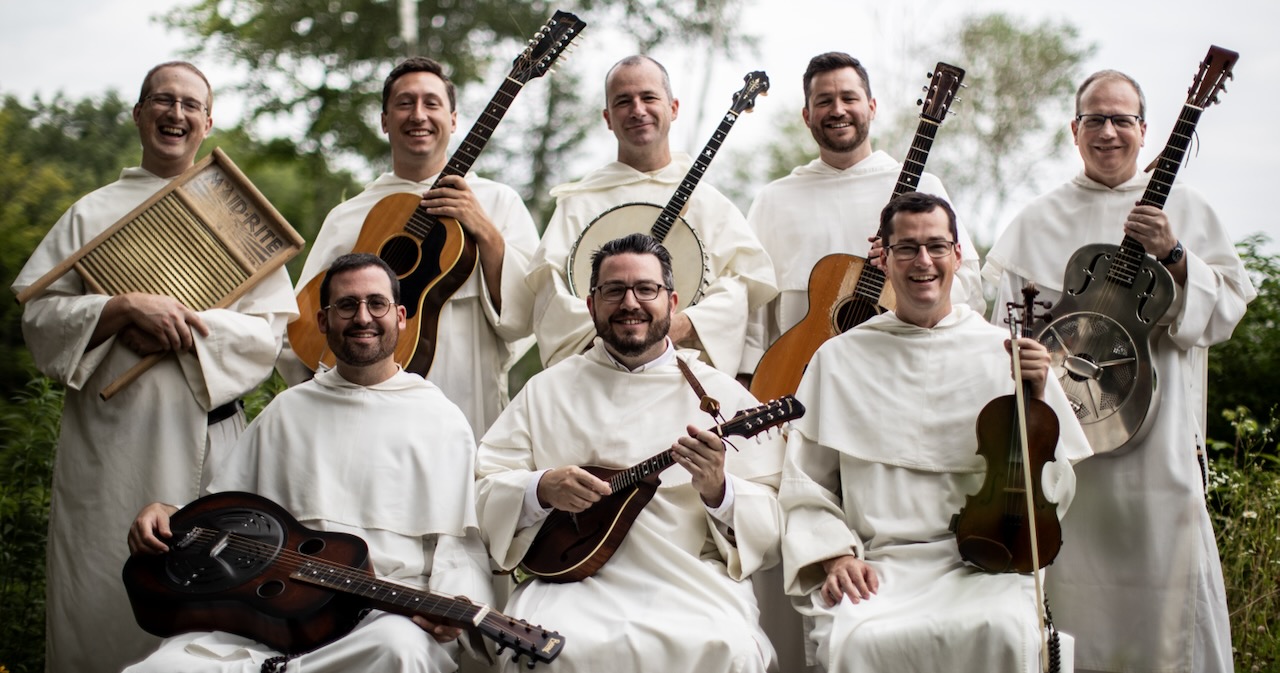
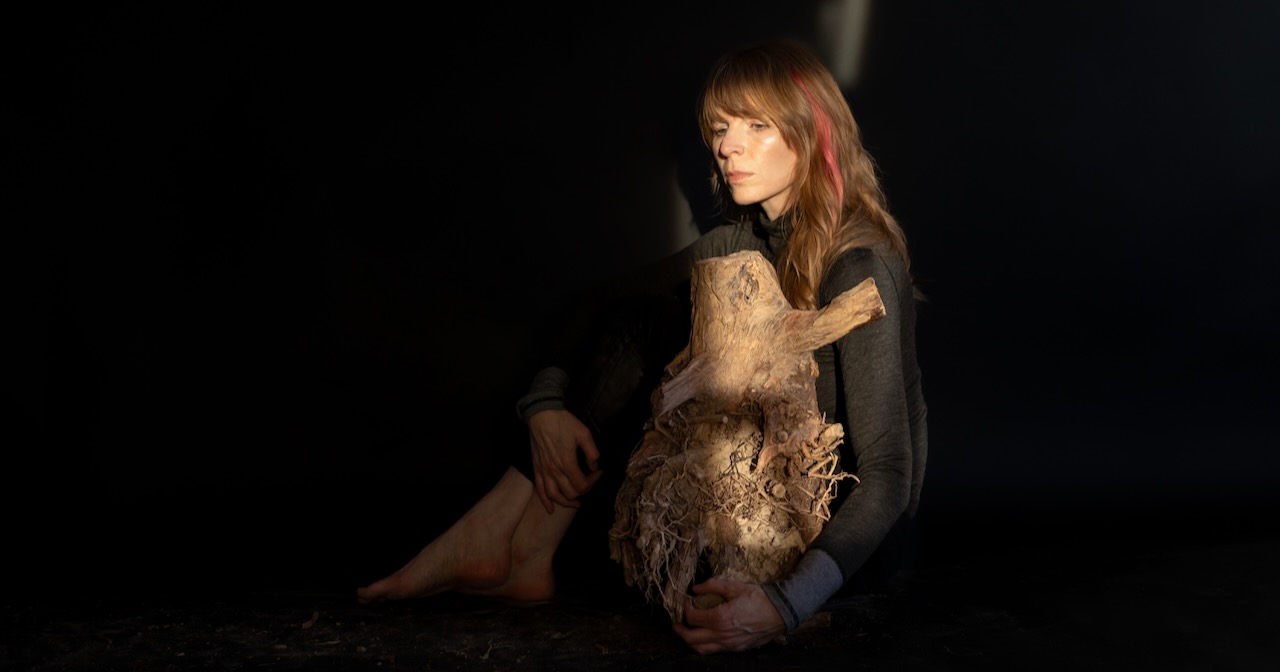
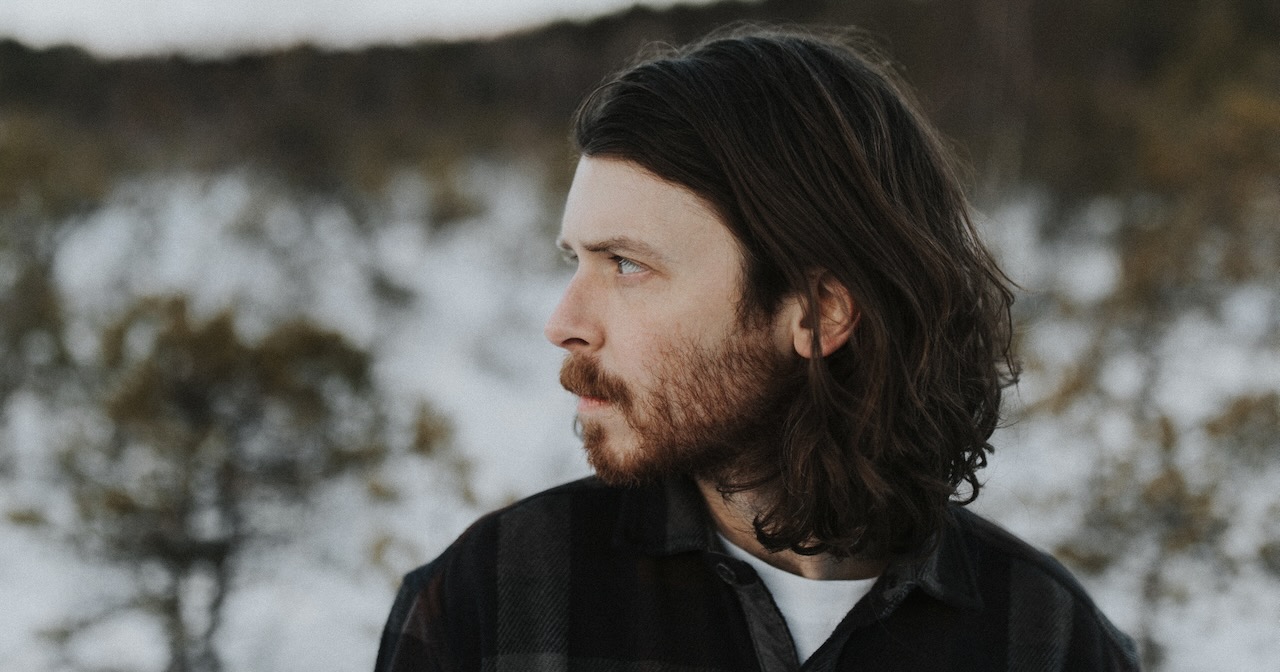
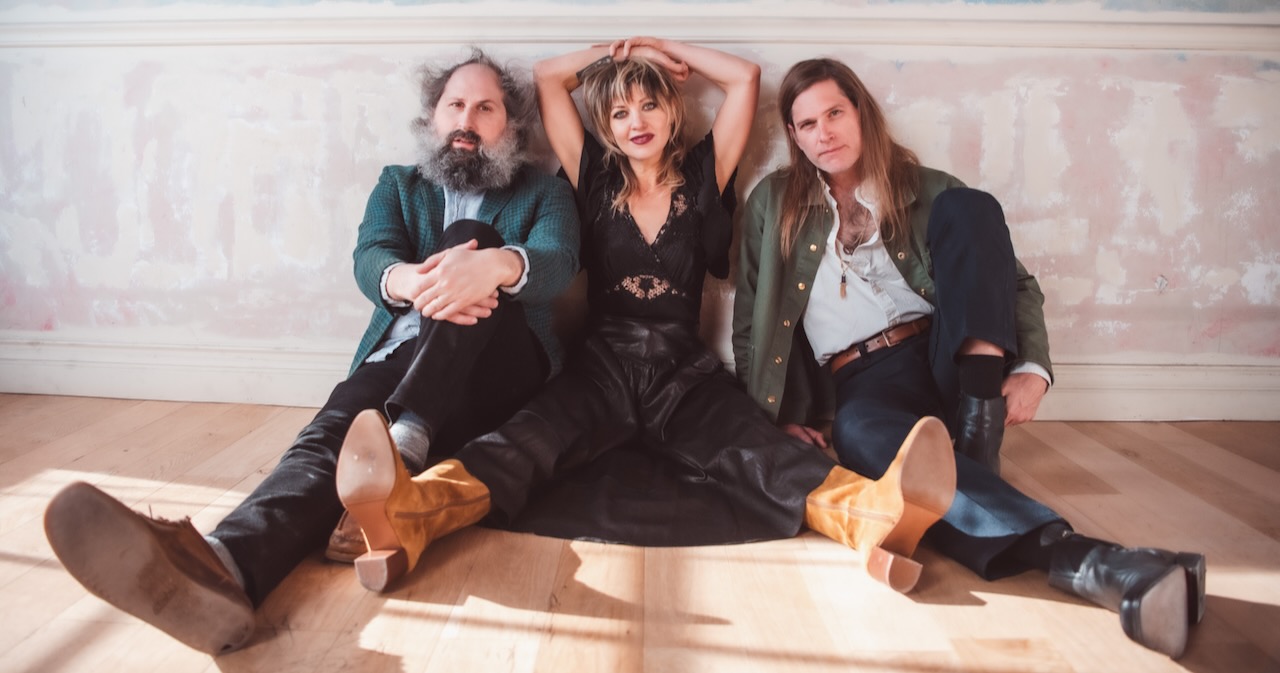
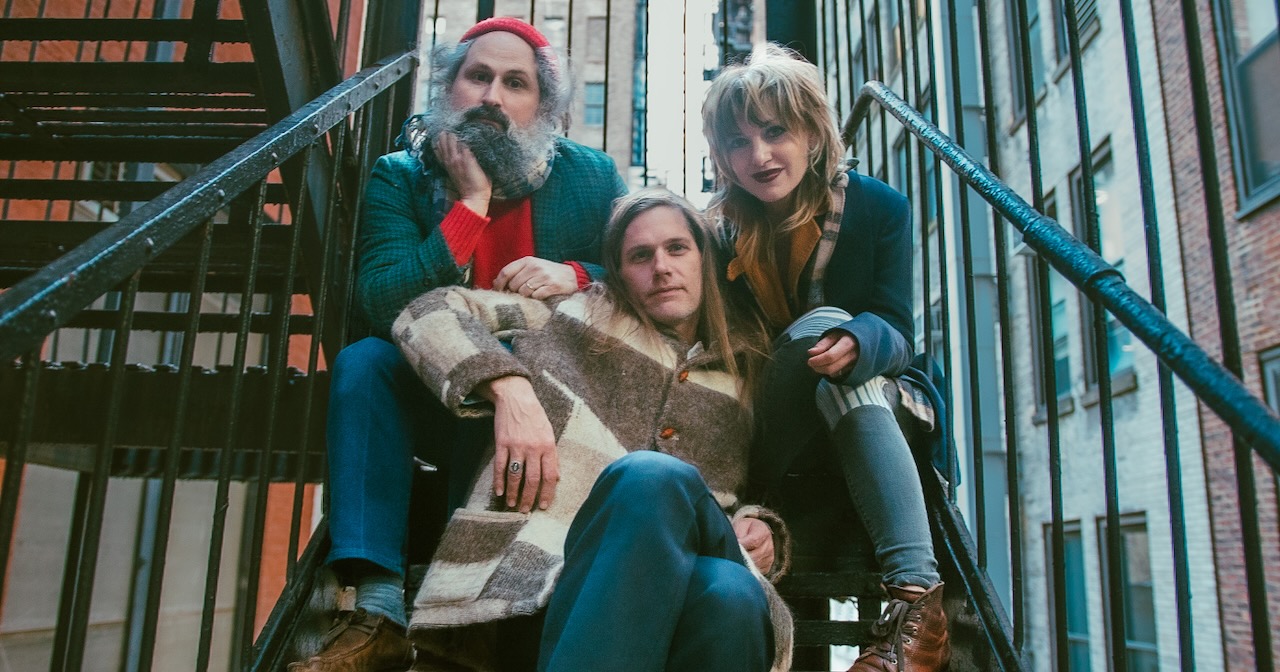
Artist:The Hillbilly Thomists Hometown: We are originally all from Washington, D.C., where we formed, though as priests we are now assigned in many different areas, mostly on the East Coast. Latest Album:Marigold
What other art forms – literature, film, dance, painting, etc. – inform your music?
Our band name is taken from a letter of the Southern Gothic artist, Flannery O’Connor, in which she says that some readers think that she is a Hillbilly nihilist, whereas in fact she is a Hillbilly Thomist. A “Thomist” is a follower of the thought of St. Thomas Aquinas, who was a Dominican priest. We are members of the same religious order and play folk and bluegrass music so the name seemed perfect. Flannery kept peacocks in her garden, as they are a medieval symbol of the resurrection, so that is the band symbol.
What rituals do you have, either in the studio or before a show?
Actually, since we are members of a Catholic religious order, we have a lot of rituals. It’s an ordinary part of our life already to pray the psalms together, say mass together, and of course we keep that up when we are doing our music. It can also be important for some of the fans, many of whom like this Catholic bluegrass vibe, but many of our fans are not Catholic, and appreciate the fact that we wear monastic habits, including on stage. The lyrics of our songs can be humorous or serious, but often have a kind of reference to religious takes on life. We did not really plan this as a strategy, but just started composing music out of interest or as a serious hobby and it has been popular with others.
Genre is dead (long live genre!), but how would you describe the genres and styles your music inhabits?
The band has a lot of styles and definitely assimilates different genres: folk, Americana, bluegrass, country, blues, gospel, and old-time material. Several different members of the band write songs, different in style, and we almost all sing, with pretty complex harmonies at times. Influences include Bill Monroe, Johnny Cash, The Byrds, Ricky Skaggs, Gillian Welch, but each of these more according to the spirit than the letter.
What is a genre, album, artist, musician, or song that you adore that would surprise people?
We agree on the value of reggae and jazz and during breaks the band sometimes plays Bob Marley for amusement.
If you didn’t work in music, what would you do instead?
We actually all have full time jobs, mostly as priests teaching or working in campus ministries. We record the albums and tour in the summer during downtimes.
Are you enjoying brat summer? We sure are, too, but as Teddy and the Rough Riders declare with their new video dropping today in You Gotta Hear This, “Catfish Summer” is what it’s really all about!
That’s not all our premiere round-up holds this week, either. We’ve got new videos from folks like guitarist-songwriter Joy Clark and Texan-Los Angeleno Silas Nello, and a new track has been unveiled by Americana duo Ocie Elliott, too.
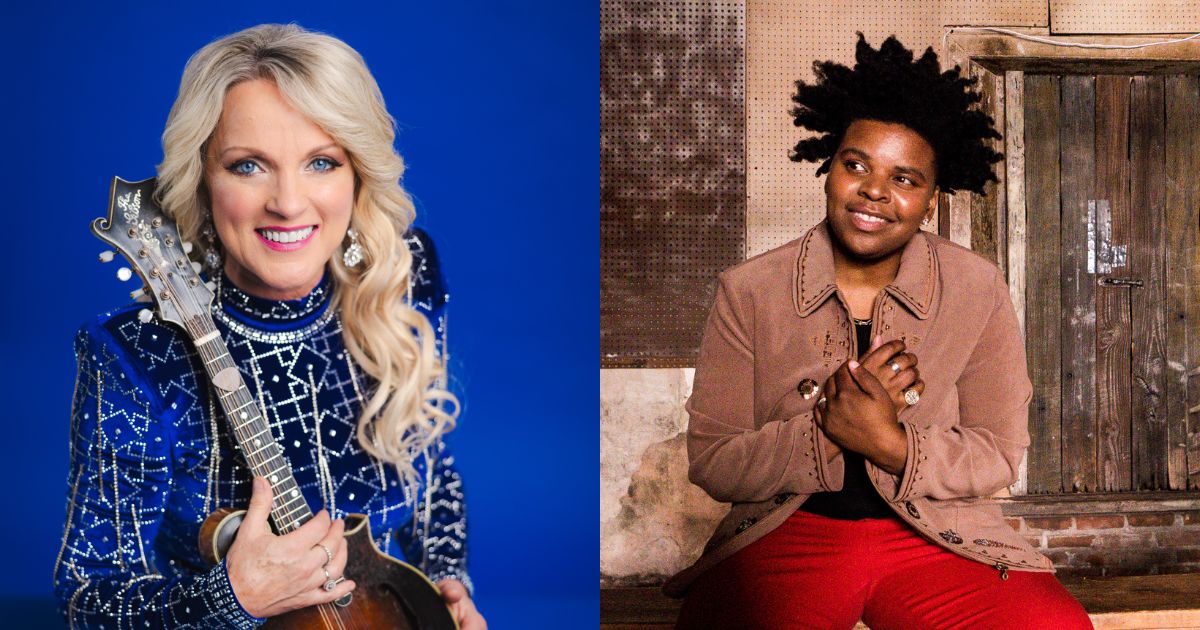
Don’t miss bluegrass offerings from up-and-comers and legends, both. Jaelee Roberts brings a new single, “Between The Two Of Us,” East Nashville mainstays Greenwood Rye premiere “Down to the River,” and the Queen of Bluegrass herself, Rhonda Vincent, pays tribute to her homeland of Missouri with a song co-written by Opry star Jeannie Seely and Music Row stalwart writer Erin Enderlin. Vincent’s new album, Destinations And Fun Places, hits store shelves and digital platforms today.
To round out this edition of our weekly collection of premieres, don’t miss Moira Smiley’s rendition of the classic Jean Ritchie song, “Now Is The Cool Of The Day,” which debuted on the site earlier this week in honor of Farmworker Appreciation Day. It’s all right here on BGS and You Gotta Hear This!
Joy Clark, “Lesson”
Artist: Joy Clark Hometown: New Orleans, Louisiana Song: “Lesson” Album:Tell it to the Wind Release Date: October 4, 2024 Label: Righteous Babe Records
In Their Words: “My grandma is and was my root and when she passed, I thought about the gems she imparted to me in her 86 years of life. She’d say to me ‘Get your lesson!’ I’d sit at her table and talk to her. I came out to her at that very table. She accepted me. After she died, I sat down with my producer Margaret Becker to write, and the lyrics just rolled out; capturing the way my grandma lived her life. She taught me to treat everyone with kindness and to strive for peace while never backing down from a good fight. It’s a timely ‘Lesson’ for this country as we fight to take our rightful place in the struggle for freedom.” – Joy Clark
Video Credits: Directed and shot by Jared LaReau, Something Human. AJ Haynes – Creative Assistant
Ocie Elliott, “Adelina”
Artist:Ocie Elliott Hometown: Victoria, British Columbia, Canada Song: Adelina Release Date: August 9, 2024 Label: Nettwerk Music Group
In Their Words: “‘Adelina’ is about a fictional heroine inspired by a combination of legendary musicians and personal idols –people who hone that extra something inside of them to carve their way through the barriers of the tangible world, prying doors open for others in their wake. In comparison to some of our previous recordings, the final result of ‘Adelina’ reflects the way in which it was put together – with a lot of play, compromise, reinventing, and scrubbing at the built-up grime and loose ideas to make a smooth surface for finer grit to be poured back in. To us, it feels louder, more immediate, and present. It’s a song you play when leaving somewhere – a ‘windows down, future open and ready’ kind of song.” – Sierra Lundy and Jon Middleton, Ocie Elliott
Greenwood Rye, “Down to the River”
Artist:Greenwood Rye Hometown: Nashville, Tennessee Song: “Down to the River” Album:Hideaway Release Date: August 9, 2024 (single); August 23, 2024 (album)
In Their Words: “‘Down to the River’ was one of the first songs I wrote when I moved to Nashville in 2020 and the first original song we started playing live as we started Greenwood Rye during the pandemic as the house band for Jane’s Hideaway in Nashville. I wanted to write the quintessential song for what we were trying to do as a band. It is a fun, funky groove with a singable chorus, has a jamgrass style instrumental bridge, and plays around lyrically with some bluegrass themes. I was thinking a lot of ‘Old Home Place’ and how the narrator is blaming others for his problems. So, I came up with the idea to have a character who takes responsibility for his actions. He ‘runs off to the vineyards’ rather than the ‘taverns took all his pay.’ But there is also a level of hubris in the narrator, as he feels like he can just go ‘down to the river’ every time he does someone wrong ‘again.’
“The track features Sasha Ostrovsky (Darius Rucker, Bering Strait) on dobro.” – Shawn Spencer, guitar, vocals, songwriter
Track Credits: Written by Shawn Spencer. Shawn Spencer – Guitar, vocals Cat McDonald – Fiddle, vocals David Freeman – Mandolin, vocals Taylor Shuck – Banjo Sasha Ostrovsky – Dobro Larry Cook – Bass
Produced & mixed by Billy Hume. Mastered by Pete Lyman. Matt Coles – Additional engineering Recorded at Compass Records.
Silas Nello, “Holy Ghost Blues”
Artist:Silas Nello Hometown: Los Angeles, California via Dallas, Texas Song: “Holy Ghost Blues” Album:From West Hollywood Release Date: August 9, 2024 (single); September 13, 2024 (EP) Label: Blackbird Record Label
In Their Words: “It came to me in a dream – a sort of fantasized crossroads moment of how mankind trades this for that and we don’t realize until the deal is already done. I wrote this song at the wet bar of my then 1980s home just north of Dallas sometime in 2016.” – Silas Nello
“The video was meant as a portrait of Silas Nello. We went around Los Feliz, West Hollywood, and Wild Horizon Sound, documenting his travels like a ‘day in the life.’ We broke the fourth wall with Silas acknowledging the camera and the audience throughout the piece. What this created was an intimate moment where we’re spending time with him but he was also spending time with us.” – Taylor Hungerford, filmmaker, Silverspark Printworks
Track Credits: Written by Silas Nello. Silas Nello – Lead vocal, background vocal, acoustic guitar, harmonica, tambourine Produced by Claire Morison & Silas Nello. Recorded at Wild Horizon Sound. Recording engineer, mixing engineer, and mastering engineer – Claire Morison
Video Credit: Taylor Hungerford, Silverspark Printworks
Jaelee Roberts, “Between The Two Of Us”
Artist:Jaelee Roberts Hometown: Nashville, Tennessee Song: “Between The Two Of Us” Release Date: August 8, 2024 Label: Mountain Home Music Company
In Their Words: “‘Between The Two Of Us’ was written with my friends Donna Ulisse and Kristen Bearfield. When we got together, we agreed that we’d like to write something up-tempo and happy, and ‘Between The Two Of Us’ is the result of that session. It truly is a happy song about love lasting between two people and what you have to do to achieve that. Getting to hear this song come together in the studio was really amazing, and I am so thrilled with the end result. The musical arrangement provided by Ron Block, Andy Leftwich, Cody Kilby, Byron House, Justin Moses, Stuart Duncan, and John Gardner absolutely made this song even more special than I could have imagined! To top it off, Stephen Mougin and Kelsi Harrigill joined me on harmonies and their voices were the perfect touch to convey the message of the song. I hope y’all enjoy this love song that is filled with words of hope, joy, and encouragement.” – Jaelee Roberts
Teddy and the Rough Riders, “Catfish Summer”
Artist:Teddy and the Rough Riders Hometown: Nashville, Tennessee Song: “Catfish Summer” Album:Down Home Release Date: October 11, 2024 (album) Label: Appalachia Record Co.
In Their Words: “This one is about visiting my mom’s side of the family who live in Rockmart, Georgia. I was 12 or so and didn’t really wanna visit my grandma Lou-Lou that summer. But instead, my mom dropped me and my cousin off at my uncle Bubba’s house for a few weeks, and he lived in an amazing hillbilly shack on the side of a catfish pond with about ten dogs, deep in the woods. Greatest summer ever! From childhood bummer to high time.” – Ryan Jennings, Teddy and the Rough Riders
Rhonda Vincent, “I Miss Missouri”
Artist:Rhonda Vincent Hometown: Greentop, Missouri Song: “I Miss Missouri” Album:Destinations And Fun Places Release Date: August 9, 2024
In Their Words: “My Grand Ole Opry sister Jeannie Seely started writing ‘I Miss Missouri’ for me several years ago. She lost everything, including the lyrics she had written, in the Nashville flood of 2010. Fast forward to February 29, 2020, the night she made my greatest dream come true and invited me to be a member of the Grand Ole Opry. We have since become close friends, and after the Opry invitation she said the lyrics started coming back to her.
“She invited Erin Enderlin and I to join her in writing the song. ‘I Miss Missouri’ was the inspiration for creating a ‘destinations’ project, with all the songs representing a destination.” – Rhonda Vincent
Track Credits: Written by Jeannie Seely, Erin Enderlin, and Rhonda Vincent. Adam Haynes – Fiddle Rhonda Vincent – Lead vocal, mandolin Mickey Harris – Bass Zack Arnold – Guitar, harmony vocal Aaron McDaris – Banjo Jacob Metz – Resophonic guitar
Moira Smiley, “Now Is The Cool Of The Day”
Artist:Moira Smiley Hometown: New Haven, Vermont Song: “Now Is The Cool Of The Day” Album:The Rhizome Project Release Date: September 6, 2024
In Their Words: “August 6th is Farmworker Appreciation Day, and I didn’t know that until this year. I am writing this as I sit on a hill above the rolling Vermont farmland where I grew up being a young farmworker and musician. In honor of this day, I’m releasing one of my favorite songs of all time – and the best one I know for reminding us to slow down and remember our roles as carers and tenders of this beautiful planet and the people around us. This week, I’m showering appreciation on the people that grow and tend food in my area; buying from small farmers, donating to the Open Door clinic that serves the medical needs of immigrant agricultural laborers. This gentle video hopes to slow your pace, and bring you along with me in acknowledging that farmworkers make our nourishment possible. Let us thank them.” – Moira Smiley
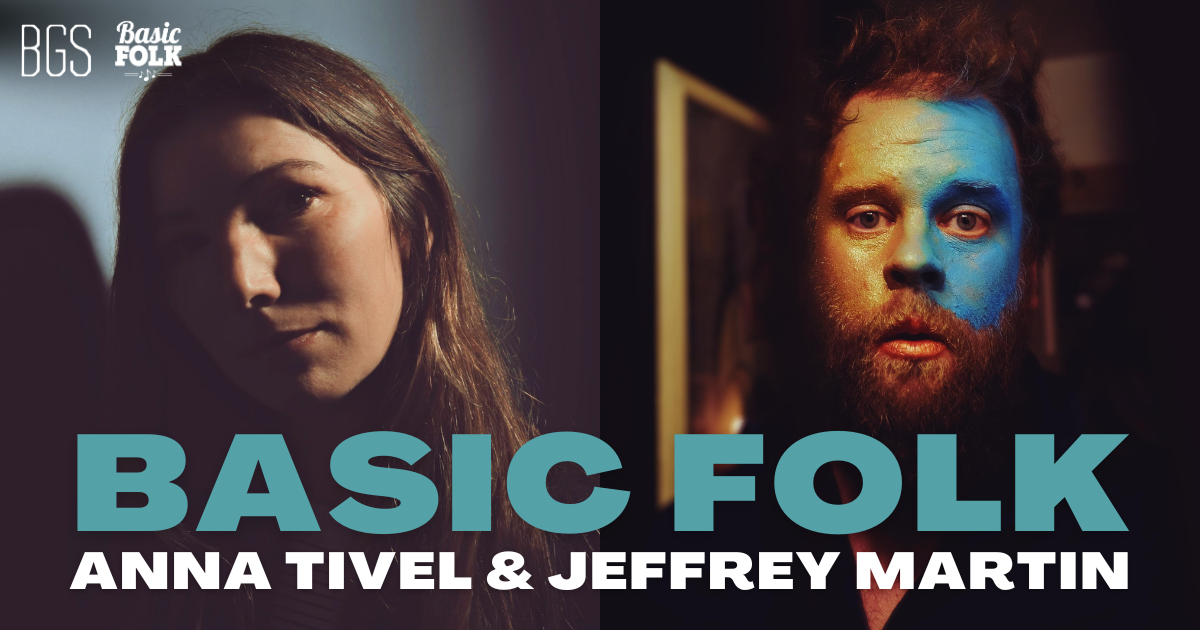
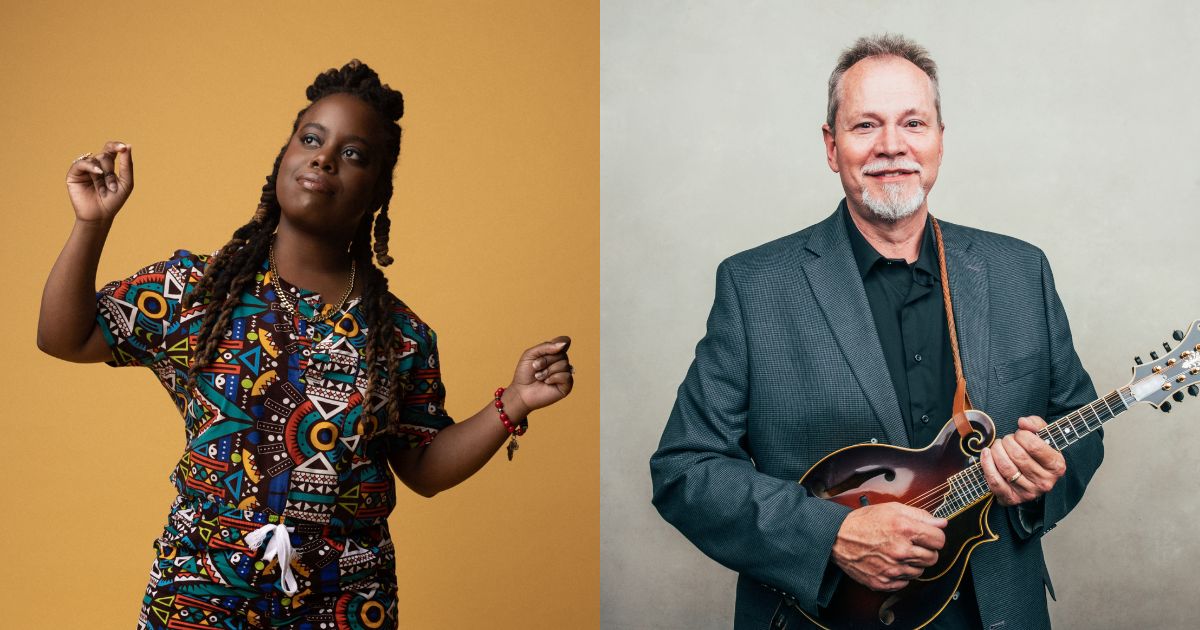
Anna Tivel and Jeffrey Martin have both released new albums in the past year that have knocked us right over. Living Thing is the most recent Anna Tivel record and Thank God We Left the Garden is the latest from Jeffrey Martin. Of all the singer-songwriter interviews and musician conversations we’ve done over the course of the pod, these two kooks have been a popular pair on this Basic Folk podcast. Their inspiration, musician life stories, and music career development have been fascinating journeys, Jeffrey being a former high school teacher and Anna spending her formative years intensely playing the fiddle before moving to Portland, Oregon at the age of 18.
In our conversation, the pair speak to several hot topics like, “Do you write about your neighbors,” “How’s your physical body at processing stress,” and “What is the point of your newsletter?” We dig right into it in true folk music podcast fashion, and these two are not holding back. If you are looking for some top notch advice, music collaboration ideas, and the latest in folk music trends – it remains to be seen whether you will find that here. What you will find are two very deep and thoughtful musicians sharing what goes on in their lives and hearts and in their designated work spaces. Spoiler alert: Anna’s office has five massive papier mâché eyeballs.
Photo Credit: Anna Tively by Cody Onthank; Jeffrey Martin by Jeffrey Martin
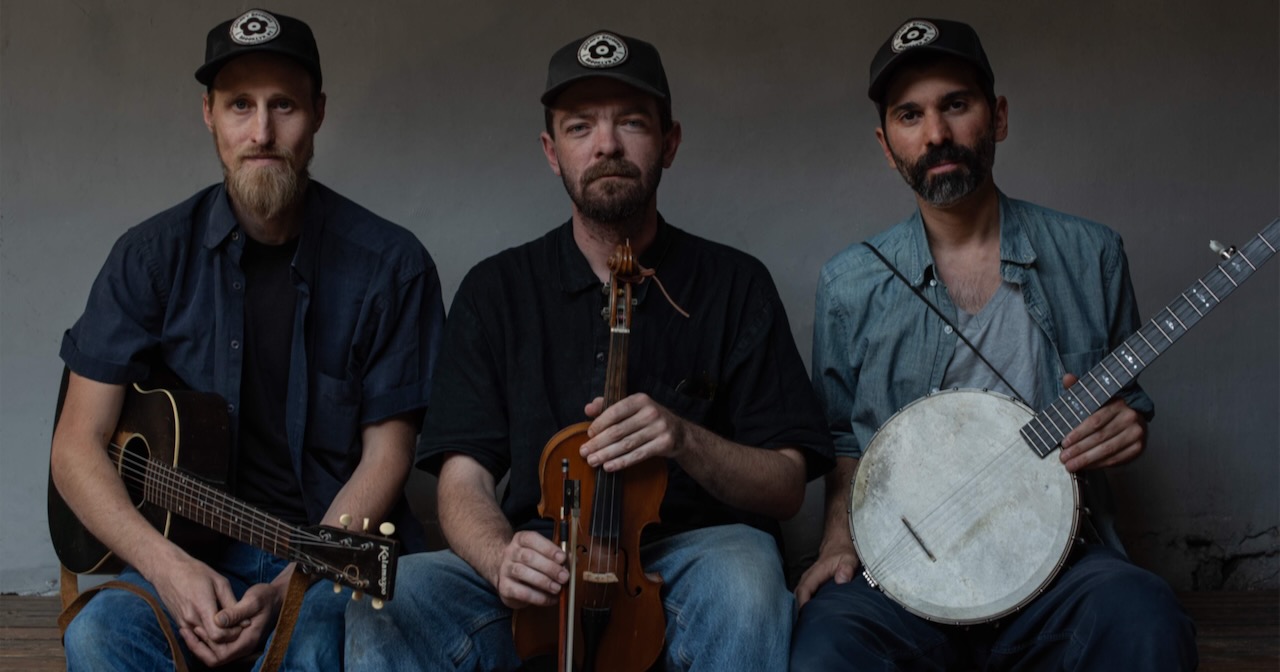
Artist:The Down Hill Strugglers Hometown: Brooklyn, New York Latest Album:Old Juniper Personal Nicknames (or rejected band names): We are sometimes mistakenly called the Down Home Stragglers.
Editor’s Note: Answers have been provided by band member Eli Smith.
What’s your favorite memory from being on stage?
Lots of great memories there. Being on stage at the Jalopy Theatre, the Brooklyn Folk Festival, or Washington Square Park Folk Festival with Walker, Jackson, and our dear bandmate, now gone, John Cohen would probably be my favorites.
It was also wonderful to play at the Library of Congress, in that hallowed hall. And the Oldtone Music Festival is an important one for us.
What’s the most difficult creative transformation you’ve ever undertaken?
It’s been interesting running the Brooklyn Folk Festival all these years, and now running the Jalopy Theatre’s record label, Jalopy Records, while also maintaining a musical life with the Down Hill Strugglers and solo, under my own name. Many musicians are also producers, as I am. It can be a challenge to switch back and forth between those mindsets, but it is satisfying to see both types of work progress. Finally, it’s all about sharing good music, however you can.
Genre is dead – long live genre! – but how would you describe the genres and styles your music inhabits?
We are working in the field of traditional music from the United States, with an ear also turned to traditional music from all over the world. One song I wrote, that’s on our new album, was inspired by a 78rpm record from Central Asia re-issued on the Secret Museum of Mankind series. It had a sound that stuck in my head and made sense to me. We changed it around until it became our own song in our own style. That seems natural.
The Down Hill Strugglers is an old-time string band. However, old-time music is a catch all for historic American folk music. It encompasses fiddle music, banjo tunes, guitar picking, songs & ballads, blues, religious music, work songs, and more; diverse music ministering to different parts of life.
What is a genre, album, artist, musician, or song that you adore that would surprise people?
Longmont Potion Castle has remained popular with the Down Hill Strugglers, driving around on tour, for years. That’s some funny stuff…
If you didn’t work in music, what would you do instead?
I might drive a cab, or something like that. I’d have great music playing in the cab and deck the vehicle out my own way. It’d be nice. Also, I’d do more organizing work as a leftwing activist. And I used to be a clerk in record stores. The best job I had was at the Arhoolie store, Down Home Music, in El Cerrito, California.
Artist:Moira Smiley Hometown: New Haven, Vermont Song: “Now Is The Cool Of The Day” Album:The Rhizome Project Release Date: September 6, 2024
In Their Words: “August 6th is Farmworker Appreciation Day, and I didn’t know that until this year. I am writing this as I sit on a hill above the rolling Vermont farmland where I grew up being a young farmworker and musician. In honor of this day, I’m releasing one of my favorite songs of all time – and the best one I know for reminding us to slow down and remember our roles as carers and tenders of this beautiful planet and the people around us. This week, I’m showering appreciation on the people that grow and tend food in my area; buying from small farmers, donating to the Open Door clinic that serves the medical needs of immigrant agricultural laborers. This gentle video hopes to slow your pace, and bring you along with me in acknowledging that farmworkers make our nourishment possible. Let us thank them.
“Ever since I learned Jean Ritchie’s song, ‘Now Is The Cool Of The Day,’ as an 11 year-old, it has played in my head while traveling through fields and pastures, working in my own garden, or worrying about the climate crisis. The words throughout her beautifully crafted song form and melody call on us to steward the earth (and take care of each other). Although she had that call coming from ‘my lord,’ I always felt that call coming straight from the earth itself. I love that these words urgently and gently remind us that we are tenders, not just extractors, consumers, and producers.
“American icons Cesar Chavez and Dolores Huerta founded the National Farm Workers Association in the early 1960s and it became the powerful United Farm Workers union, UFW. Huerta coined the phrase, ‘Si, se puede’ (‘Yes, we can’) and has been a lifelong advocate for labor rights, women’s rights, and civil rights with her efforts resulting in legislative victories for farm workers. Chavez’s leadership brought national attention to the plight of farm workers and helped secure better wages and working conditions through strikes, boycotts and other measures.
“The official Farmworker Appreciation Day got moved to August 6th by Bill Clinton’s administration, and I’m glad that we get to percolate and act on our appreciation while in this most fruitful of seasons, August. I hope you’ll join me by giving extra love to the farmers and farmworkers whose work nourishes you!” – Moira Smiley
Photo Credit: Fiona Small Video Credit: Fiona Small
Running has been a way for me to balance the highs and lows of the music industry. It gives me time to process my thoughts and decisions, and it’s also the perfect time for me to discover new music. In a chaotic world, running helps clear my mind and give me better energy throughout my day. I like to change up what I listen to, but below are a few of my go-to favorites. – Old Sea Brigade
“Starburster” – Fontaines D.C.
This was one of those songs that instantly grabbed me the moment I heard it. When I’m out running, I like to find songs where the beat is consistent. I think the scarcity of the instrumentation lets the drums and vocals just put you in a trance. It’s a perfect pace setter to start out your run.
“Midnight Rider” – Allman Brothers Band
Though I live in Sweden now most of the year, this song always brings back memories of growing up in Georgia. My mom’s from a small town in south Georgia called Brunswick and to get there from Atlanta (where I grew up), we’d always stop for a while in Macon, GA, home to the Allman Brothers. Every time I hear this song I oddly feel nostalgic for those blistering hot July drives through south Georgia to visit my grandparents. It’s a nice memory of home when I’m on a run through the streets of Gothenburg.
“New Noise” – Refused
Switching gears here… but I grew up playing in heavy bands and Refused were a pivotal band to me within hardcore music. I think this is the perfect mid-run song to help kick in those endorphins.
“You Think I Ain’t Worth A Dollar, But I Feel Like A Millionaire” – Queens of the Stone Age
A lot of times when I’m running, I like to daydream I’m the drummer in a heavy band. There’s definitely been a number of occasions where I’m air-drumming to this one on a run. Hopefully, no one has that on video.
“Seventeen” – Sharon Van Etten
The lyrics to this song hit me with every line. Such a beautiful song with an equally magnificent production. The driving drums make it perfect for a run.
“Centurion” – King Buffalo
This song hits so hard, plus I love a good stoner rock jam. Fun one to run to.
“Run To Your Mama” – Goat
I love the Black Sabbath feel here and the consistent guitar rhythm. Sets a nice pace for running
“Under The Pressure (Live)” – The War on Drugs
I like to time this to be one of the last songs of my run. When the guitar solo hits at the end, it’s absolutely amazing. What an incredible live band.
“Punk Rock Loser” – Viagra Boys
I love this band. I was a little late to the party, but this was one of the first songs I heard from them.
“Broken Man” – St. Vincent
I’m obsessed with St. Vincent’s production on this one. I love how drastic the new instruments are introduced here.
(Editor’s Note: To mark the occasion of Bonny Light Horseman’s brand new double LP, Keep Me On Your Mind/See You Free – which were released in June – we invite our readers to be as flies on the wall during a special exclusive interview, an entertaining and joyful conversation between the members of this folk supergroup, Eric D. Johnson, Josh Kaufman, and Anaïs Mitchell.
Read about the band’s memories of their first gigs played for money, about popular bands they don’t really “get,” and so much more below. Plus, dig into their deep and broad discography – together and separately – with our in-depth exploration of their catalog of recordings here.)
Eric D. Johnson: We totally love each other a lot and we spend a lot of time together and we talk about everything, and I know everything about you guys, pretty much. I got some deep shit on you guys!
But, one question that I didn’t know the answer to, because I have a really funny answer for it is, what was the first show that you ever played where you got paid money? Do you remember?
Anaïs Mitchell: Oh wow!
EDJ: Can you guys remember that?
Josh Kaufman: I can remember. I don’t know if it was the very first, but it was certainly early. I played a yogurt shop in Port Jeff. I definitely played a lot of Grateful Dead songs. I think I played “Peggy-O” and like “Friend of the Devil.” I may have tried an ambitious solo acoustic version of “St. Stephen.”
EDJ: Tell me more though, was it a band? Was it you solo? And did you go just under the name Josh Kaufman?
JK: Just me. I don’t know if I was even booked. I don’t know. I may have just shown up.
EDJ: And what was the yogurt shop?
JK: I can’t remember the name of it either. I feel like I have a couple of friends that definitely would remember and definitely were there. That was the ‘90s, that was the era of the yogurt shop. It was basically a cafe, but let’s face it, it was a yogurt shop. I don’t know what I got paid, but I did get paid. I was probably 16; at a yogurt shop playing Grateful Dead songs for money.
AM: I want to see you then, Josh!
EDJ: I totally want to see him! I want to find the bootleg of that show. How did you get hooked up with the yogurt gig?
JK: Well, I was kind of in bed with big yogurt–
EDJ: You’re a big deal going way back–
JK: Going way back now! Well, how did I know about [it]? I think my friend Kevin Jones worked there. I think this is what happened. My friend Kevin Jones worked there, who you guys will meet when we play in California, because he just moved to the Bay Area. He’s going to come to our show. I think they were looking to up their game [at the yogurt shop]. And he was like, “Let’s see what happens. Let’s bring in a professional.” It must have been such a hot mess.
EDJ: I bet you were good from the jump. That’s my guess.
JK: That’s generous.
EDJ: Anaïs, what about you?
AM: I think the first time I made money for music was [when I was] 18 years old and I took a gap year. I was going to go to school, but I took a gap year and then I moved to Boston. You guys know this. I know you know this about me.
JK: You were a waitress.
AM: I was a waitress. Right. At this diner and then later as a waitress at this Cajun/Mexican place, which really sucked. It was in Central Square and I remember I had that job, because I quit it when I realized that I could make money playing in the subway. I could make equal money to what I made as a waitress. Basically, I would go down – I want to say that I played an Ovation Guitar. I’m sorry. [Laughs]
EDJ: Classic! Love this. I’m just gonna say: Ovation Guitar; yogurt shop. Just as visuals.
AM: Totally. [Laughs] I love this. They go together.
JK: You can actually eat yogurt out of an Ovation Guitar.
EDJ: They are designed for eating yogurt out of – in the ‘90s!
AM: I had a little portable [amp], my first amp. I just started playing electric on tour with you guys, but that’s not my first amp. My first amp was a little Crate amp. Do you know what those are? It was bright yellow. And it was cool. For plugging in your Ovation Guitar when you played in the subway, they were amazing.
So I did that. And the cool thing was I was really just getting going. I had written maybe a handful of songs – that I’ve repressed [since]. Like they were really not good, but if you’re playing in the subway, the audience turns over every 10 minutes. I played the same songs. I would just play them again and again. It was mostly my new songs that I had written. And I think I played a couple of folk songs that I learned from the Rise Up Singing folk music bible.
EDJ: But were people like throwing in money? What was your haul? Not because I care that much about money, but I’m just asking, is this your first profesh gig? Do you have your case? Do you have a little hat box?
AM: You got your case open and you put a couple dollars in there. You put like a five [dollar bill] to show people that. You don’t put coins, because then that’s what people put. I actually can’t remember, with inflation, like, what was that? I want to say I would go down there for an hour or two and make fifty to a hundred bucks.
JK: Oh, that’s really good. That sounds really good to me.
AM: That’s why I quit my waitressing job! I was like, this sucks. I’m just gonna do this.
EDJ: You’re 18, what is that, the year 2000?
AM: Or something… it was ‘99. Yes.
EDJ: Okay, sick. With inflation, I think that’s good. I think you did really well
AM: I might be misremembering, might be adjusting for inflation [wrong] in my memory.
JK: I think I got paid, by the yogurt shop, like $46 or something like that, which when I think about it now it’s almost like the tooth fairy or something. I think somebody just felt bad for me. They’re like, “This is 36, 46 bucks, just take it, go.” You know that, “Here’s some gas money.”
EDJ: I like that it was $46.
JK: I don’t think it was $50. I think I’d remember it if it was $50. That would have seemed like a lot of money to me. I will say, the guitar I was playing, Eric, and Anaïs, would have been the same guitar that I still play – the Guild that we made our records with and that Eric played on our recent tour.
AM: I spent some time with that guy.
Eric, I want to hear your story.
EDJ: I got you gonna beat financially by a couple bucks. When I was like 17, my friend Steve and I decided I was going to join Steve’s band just as a singer, but I was too scared to just sing and stand there. I did not know how to play guitar. So, I got a crash course in guitar from Steve. Steve came to one of our shows last summer, I think, or two summers ago when we opened up for [Bruce] Hornsby.
Steve gave me a crash course in guitar, but I didn’t really know how to apply guitar chords to cover songs, you know? I was like, “I guess I’m going to have to write.” I immediately became a songwriter, because I was too dumb to learn how to play a Pink Floyd song or something like that.
All of a sudden we became this folk duo that played a mix of covers and originals, as I was learning chords. I learned how to play some covers. I think “Ripple” by the Grateful Dead was the first – speaking of Grateful Dead, Josh. We played at this cafe in our little downtown of our funny little suburb called Caffe Trieste. It was actually really cool. It was very ‘90s. When I remember it, it smelled like clove cigarettes in there and herbal tea. It was literally a coffee house, like from the old times where you smoke cigarettes and drink coffee at night and watch music. I’m not saying it was like Greenwich Village or something like that, but it was cool.
We would play there, but for no money. That was kind of like open mics and stuff like that. We played “Tangerine” by Led Zeppelin and we played “Ripple” by the Grateful Dead. I think we played “Wish You Were Here.” And then we played sort of a smattering of my originals, which were terrible.
But, I was at home [one day] and this is in 1993. My mom was like, “You have a phone call.” And it was some lady and she says, “My daughter, Katie, she’s turning fourteen and she’s a huge fan of your music. And will you play her birthday party?” And I was like, “What?” We don’t have a band or like fans or anything like that. But apparently this girl had seen us at a school assembly – where all we played was the Cheers theme – and she’s turning fourteen. I was like, “What type of money do you usually get for things like this?” But I sort of fumbled and before I could finish and name a price, she was like, “Would $150 be good?”
That was like an unfathomable amount of money. But she also wanted us to play two sets and play for like literally two hours in their living room. We had about 20 minutes worth of material.We went to the house. Her dad owned an automobile dealership, so the house was nice. It was a room full of thirteen and fourteen year old, she was a freshman and we were seniors. I just remember that. So maybe she was turning fifteen.
When we walked in, it was like Beatlemania. They like, screamed and stuff. There were parents, friends, and stuff who were there and they were kind of these wealthy people. My house was very unsophisticated and it felt like we had sort of stepped into this sophisticated realm of our like dumb little suburb. These were the elites! We played our show, only we had not learned more songs in order to play. So we did the Anaïs thing, but without the audience turnover. We just played things over again. And they asked us to play “Rocky Raccoon” by the Beatles. Then there was a set break and we had no more songs. We went out to Steve’s Jeep and got super high and then came back in and just played literally the same set again and doubled up on “Rocky Raccoon.” We played it four times in one night.
Anaïs Mitchell: What were you wearing? Did you dress up?
EDJ: I’m sure I was wearing something weird. I had a very schizophrenic style at the time. It was the ‘90s! I would wear plaid ‘60s golf pants, but I had this shirt that was a bread truck delivery shirt that had the name “Byron” on it like a name tag. My hair looked like Jason Priestley from 90210. I hadn’t honed my style yet, but I’m sure I just tried to dress up cool.
It was quite a first taste.
AM: That’s amazing. You might be the only band to play “Rocky Raccoon” four times in a show.
JK: The Beatles never played it one time in a show, I don’t think. So you beat the Beatles.
EDJ: Someone asked me this question recently – and you don’t have to answer with a modern band, because it could be more controversial – but what’s a band that’s iconic, that people love, that you’re like, “Not that…”
JK: Oh, Annie has a list of these they’re called like, unimpeachable bands that she doesn’t want to listen to. That she wants to impeach.
AM: I want to know her list!
JK: For instance, I think the Stones are on there. She’s like, “I mean, sure, the Stones are great or whatever, but I don’t want to listen to them.”
EDJ: For the Situation readers, by the way, this is Annie, Josh’s wife [we’re talking about]. Annie Nero.
JK: Yeah! But, for my own… let me think about that for a second.
AM: I have one, maybe. Maybe it’s going to be the same.
EDJ: Mine’s a little bit The Smiths – I actually think that the band sounds great. It’s sort of like The Doors, for me, where I’m not as into the front person [as I am the band], and I have to believe in the front person.
My other one is that I love Bob Dylan, but he’s like my 18th favorite songwriter. It’s still really high up there in the pantheon of songwriters, but probably a very low ranking as far as Dylan goes. I know Dylan’s a big one for you, Josh, but for me I have seventeen others I put above him. That’s an arbitrary number, but yeah.
AM: I was gonna say Crosby, Stills, Nash, and Young. I’d be interested in hearing Annie’s whole list, ’cause I do wanna say, I feel like it’s a gendered thing. I’m not even gonna be eloquent about it, but I do think we have deified certain male artisan bands.
Where it’s like, “Aren’t you into this?” And I’m like, “Actually no.” But I sort of feel like they’re unimpeachable. Like I’m supposed to be like, “Oh yeah, CSNY!!” But my feelings are complex about CSNY, because I love Neil Young and I love Graham Nash. I think it’s really David Crosby – rest in peace – that like, for somehow I’m [hung up on]. I read about how he produced the first Joni Mitchell record and, for me, Joni’s like the top of the totem. Reading about their dynamic, back in the day [is troubling.]
Everyone loved Crosby. She had to kind of be like, “Oh my God, it’s Cros!” You know, but she was Joni Mitchell! I couldn’t really feel that stuff. Yeah, that’s gonna be my band. It’s frustrating.
Sorry, we canceled. [Laughs]
EDJ: No, I think CSNY is a reasonable one!
JK: I was gonna say The Who, honestly. The Who are awesome and everything and certainly there’s ‘60s garage [rock] stuff that’s fun and everything.
EDJ: I think it’s okay to throw fire at those guys. Dylan can take it and be pissed. They can fucking take it!
JK: I guess I feel like that’s lazy of me.
I think Anaïs’ comment about this sort of Mount Rushmore of at the time, early 20s baby boomer white men [was well made]. When they were very young with guitars, for some reason, we’ve decided that those guys are the best.
EDJ: It’s like the Rolling Stone magazine “top 40 cool guys” list. It’s like a mural at a guitar center in suburban Atlanta that you stopped at on tour.
But also Anaïs, sidebar, in my seventeen songwriters above Dylan, Joni Mitchell is my number one, so…
JK: She’s at the top of my list for sure, but I think in the top zone. I don’t know if they’re like tiered necessarily, because since it is art and stuff, it does sort of depend on the opening that I have for it on any given day to enter my heart.
AM: I got a couple more. You guys, this is going to be wild. Well, maybe not. I mean, you guys know me pretty well, because it’s some of these things, the music is undeniable and has shaped other music, but it’s not for me, you know? I would put the Beatles in that category.
JK: I was waiting for you to say that!
AM: I would put both [CSNY and the Beatles] in there. And I sort of appreciate it when I hear it. Like when I hear it coming out of someone’s car or on the radio or whatever, but I will never put that music on myself.
EDJ: I feel like with Beatles, if it didn’t catch you at a certain moment it’s a tough, massive thing to dig into. I didn’t get into Joni until I was 30, and it was like one of the pivotal musical moments of my life.
That’s not to say, “I think you have to be 38 to get into Joni,” but I think for whatever reason, she’s so deep and cool and crazy that I think it took me having a little life behind me to sort of understand what it was about. Someone who had seen clouds from both sides now, like at that point, it hit me like super hard.
I think Beatles, talk about iconography and stuff like that! It’s like, I totally get it. But I can’t. I love the Beatles. It exists in my musical and our band’s musical DNA. I’m never not thinking about like a McCartney melody.
AM: I had some grand thought while you were just saying that, about when you encounter music and when it speaks to you. Because yes, if you’re fourteen, if you’re fifteen discovering Ani DiFranco as I was. She became like my whole raison d’etre, but then for someone discovering her later, at a different time in their life or whatever, it’s different. You had to be a certain age to get the Joni.
And, I wanted to talk about the Grateful Dead because, like the Beatles, I might’ve put them in [this category] if we had spoken a different time, but now I know and love you guys. I sort of became like a late-blooming deadhead, because of your love for the dead. I really got into it and really into the lyrics. I genuinely, really appreciate that music now, in a way that I didn’t like, ten years ago. Part of that is because I love you guys.
I kind of love how your love for people then transfers to your love for the things that they love. And that then becomes a thing that you love.
JK: I totally feel that. I’m not going to name any names here, because I feel like it could be misconstrued, but I do feel like I remember early on going out and opening up for bands with friends and at the beginning of it having already made up my mind about this music or something. But then, getting to know these people intimately over the course of a month and having these accelerated friendships as a result of being around each other every day and sort of falling for what they’re doing a little bit. Or maybe, at least being way more open to it than I ever would have been just hearing it on the radio or hearing it in a friend’s car.
So much music [from] growing up I associate with people that I love, for sure. Getting into Bob Dylan ‘cause I love my dad. At a young age like, “This guy’s obsessed with this guy!” And I guess I’m kind of obsessed with this guy who’s into this guy.
A funny one for me is They Might Be Giants. I love the songwriting of They Might Be Giants and I love that band so much, but I wouldn’t expect one of you guys to get into it now if you weren’t into it when you were fourteen. You know what I mean?
EDJ: I love the point you made Josh, about touring with bands or something, especially in the indie rock days, where you’re really like up in each other’s grills. You bond in a kind of a different way. …
You guys, we have four minutes left. What are your top three favorite foods, Josh.
JK: My top three favorite foods, um… Today I would say, I like Szechuan Chinese food. I like Greek food. And I like Italian food. You know, all the classic Northern Italian things and all the Roman pasta stuff. I mean, who am I kidding, right?
I’m going genres, not dishes, because for me, it’s definitely more about a palette than it is about a specific [dish]. You know, grilled fish and lemon and tomatoes and cucumbers. If I want something in that zone, then I want Greek food. If I want spicy, zingy Szechuan peppercorn, it doesn’t really matter what it is, it could be like shrimp or tofu or chicken, or it could just be string beans. I just get in the mood and go in that direction.
EDJ: Anaïs, what do you got?
AM: I just got so hungry when you described the fish with the lemon and then the tomatoes, Josh. Now that’s what I want. All right. The first thing I’m going to say is Josh’s food. I want not what you just said, but food that Josh Kaufman cooks. I would like the fluffy eggs that you make sometimes. And also one time you whipped up a chicken soup. Do you remember that? You just whipped it up so fast and it was the best chicken soup I’ve ever had.
JK: Oh, I love that. That’s so sweet. I love cooking for you guys.
AM: I also love and I recently had– do you remember the place Wang’s in Park Slope? It’s kind of like fried chicken, Southern stuff, but then also is it Korean?
JK: Korean fried chicken? I think, right?
AM: I had something like that with Ramona, my older daughter recently, and I was like, “Oh my God, this is very delicious.”
Eric, you tell us yours.
EDJ: Oysters, shrimp cocktail, nachos… uh, buffalo wings. And that’s it. Love you guys.
AM: Love you.
EDJ: Love you. Hopefully it’s all turned out awesome and we have so many cool things to talk about. I’ll see yous on Thursday night!
Bonny Light Horseman is an indie/folk supergroup that formed in 2018 at the Eaux Claires Music & Arts festival in Wisconsin. Composed of Anaïs Mitchell (Hadestown), Josh Kaufman (Bob Weir, Josh Ritter, The National), and Eric D. Johnson (Fruit Bats), together the band has released two full-length albums. On June 7, their new double album Keep Me On Your Mind/See You Free expanded their studio album catalog by 100%.
Their first self-titled release, from 2020, features the band’s takes on traditional folk songs; the second, 2022’s Rolling Golden Holy, is a fully original body of work. Their music is tranquil, gorgeous, and breath-taking and their powerful blend of voices is just as striking. The trio bring a new light to the beauty of folk music, and truly makes each song their own.
To celebrate the new project, Keep Me On Your Mind/See You Free, we’ve handpicked a few favorite tracks from their past releases – together and separately – to highlight their musicianship, collaboration, and exactly why nearly everyone calls them a supergroup.
The title track off their first album and namesake of their band, it’s a heart-breaking ballad about a love lost to war that was found in the Roud Folk Index (#1185). The group’s arrangement features a low-tuned guitar and subtle textures of harmonica and saxophone which carry Anaïs’ and Eric’s transporting vocals.
“Deep in Love” – Bonny Light Horseman, Bonny Light Horseman
The second song off the band’s debut album is simply illuminating – it feels like a gust of wind on a warm day. Listening to Eric sing, you can hear vocal influences from Joni Mitchell in his jumps and leaps. It has a very freeing feel to it and breathes beautifully.
“The Roving” – Bonny Light Horseman, Bonny Light Horseman
The third track on Bonny Light Horseman also demands inclusion. It’s a song about the singer’s heartache over “Annie,” a woman who once said she would marry them, but over time fell out of love with the singer. The melody is subtle and sweeps the listener into a setting of tranquility. In the arrangement, the band switches between a single, double, and quadruple chorus which is a very sweet and simple way to convey the story to the listener.
“Jane Jane” was first recorded in 1939 by Lila May Stevens. This arrangement combines Stevens’ lyric with the African American spiritual and gospel classic, “Children, Go Where I Send Thee.” Bonny Light’s rendition is simply breathtaking; Johnson and Mitchell switch voices between the major and minor sections of the song, creating a raw and haunting sound.
The penultimate song off Bonny Light Horseman is a traditional Appalachian spiritual originally documented by Alan Lomax. This song holds the essence of a church choir belting for their audience and it’s one of the more simple songs on the album, in terms of arrangement. Having only three voices and a piano allows listeners to hear their trading voices on each verse and then the bright light of togetherness on the choruses.
“Gone by Fall” – Bonny Light Horseman, Rolling Golden Holy (2022)
“Gone by Fall” sits directly in the middle of Bonny Light Horseman’s second album, Rolling Golden Holy. Depicting a summer romance, it’s reminiscent of a 1960s folk song you might have heard on the radio during the folk revival. Yet, in listening to it, a veil is seemingly lifted and you can hear it’s an entirely fresh take on such a classic sound. Their voices, which blend so beautifully together, and the crystal clear guitar lines throughout add in the sweetness of a summertime love.
“Someone to Weep for Me” – Bonny Light Horseman, Rolling Golden Holy
Next up is “Someone to Weep for Me,” a song depicting a person going through life craving someone to care for them, but never finding that person. The driving force of the track is the mandolin’s beautiful rolling pattern, a genius touch that’s present throughout the song and adds a sense of stability and a unique texture. Another stroke of genius comes at about 1:40 in, when the electric guitar comes in wailing, bringing the song into a “jam” with Anaïs singing a little line over it. This is such an unexpected vibe change and at the same time it fits so incredibly well.
Off the band’s two-track EP release Green/Green comes “Greenland Fishery,” a reimagined traditional sailor song. Bonny Light’s version certainly allows you to float away. The clawhammer banjo throughout is lovely and it’s such a treat as a showcase instrument – it isn’t emphasized often throughout the band’s catalog. It’s also very sweet to hear the second part of the chorus as it echoes the chorus of “Bonny Light Horseman” in such a gorgeous, reminiscent way.
“Willie’s Lady (Child 6)” – Anaïs Mitchell & Jefferson Hamer, Child Ballads (2013)
Delving into some of the band members’ other projects, we come to Child Ballads, an album of duets from Mitchell and collaborator Jefferson Hamer. The project reimagines seven songs from a 19th century folk song collection “The Child Ballads” collected by Francis James Child. “Willie’s Lady (Child 6)” tells the story of King Willie, who marries a woman his mother despises and, in turn, his mother curses the wife. The guitars on the track have such a strong, driving force, excitedly pushing the song while one holds down the rhythm and the other crosspicks during the instrumental sections. Anaïs and Jefferson use their guitars in a way that perfectly compliments the vocal work in the song; it’s sung entirely in duet, the two voices deepening the texture of the music.
“Cazadera” – Fruit Bats, Gold Past Life (2019)
Fruit Bats is Eric D. Johnson’s indie-rock band that he’s fronted since 1997. Off their seventh album, Gold Past Life, “Cazadera” is one of the grooviest songs around. About a person searching for meaning in life and finding it in love, it’s the kind of track that would help paint your surroundings on a joyful walk. It has a great sense of hope and beauty to it and the chill verses coupled with sharp choruses bring energy and excitement.
“Loser’s L-A-M-E-N-T” – Rocketship Park, Off and Away (2008)
Going all the way back to 2008 for a selection from Josh Kaufman’s band, Rocketship Park, a pop-folky project with the intention to play Josh’s original material. The song “Loser’s L-A-M-E-N-T” is off the group’s first album, Off and Away, and immediately displays a very mellow vibe. Jazzy little piano licks come together with electric guitar and pedal steel, creating a western-folk sound. You can truly hear how each instrument is talking to the others and how they all fit together in telling the story.
“When I Was Younger” – Bonny Light Horseman, Keep Me On Your Mind/See You Free (2024)
From the group’s just-released double album comes “When I Was Younger,” which has a sound unlike most of their other music. Combining styles from artists like the Grateful Dead and Billy Joel, the intro riff sounds like it pulls some from the former, yet, once the verse starts, it sounds immediately like the latter – a kind of “Vienna” feeling.
It goes right back into the psychedelic riff before switching voices from Anaïs to Eric, again back to the Billy Joel vibe. The guitar and vocal solo following this verse are so rock and roll, gritty and not at all sparkly like the verses prior. “When I Was Younger” does an incredible job blending musical styles. It’s an absolutely astonishing piece of music, using such few words yet conveying such a strong and vivid story.
It’s our first New Music Friday of August! This week, we’ve got an excellent handful of tracks you simply gotta hear. First, there’s Paula Fong with a “zippy little tune” that’s delightfully old school country. Plus, Danny Roberts brings us a ramblin’ bluegrass track, “The Drifter,” which pays homage both to David “Dawg” Grisman and Roberts’ late brother-in-law, Mike Mullins.
Our penultimate premiere is the title track for Americana duo – and 2024 AmericanaFest Official Showcase artist – A Tale of Two’s upcoming album, Renegade. To finish us off, the impeccable and mystifying guitarist Yasmin Williams calls on indie folk favs Darlingside for “Virga,” a swirling song from her just-announced upcoming album, Acadia.
Listen below, ’cause You Gotta Hear This!
Paula Fong, “A House Is Not A Home”
Artist:Paula Fong Hometown: Los Angeles, California Song: “A House Is Not A Home” Album:Chestnut Mare Release Date: September 6, 2024
In Their Words: “This is hands down the fastest I’ve ever written a song. It took me around 15 minutes to write it top to bottom – chords and lyrics – and felt like it just flew out of my head onto the page. I often write about fairly heavy subjects, but in this case I thought I’d just try out a zippy little tune that puts a smile in your heart and makes you want to tap your feet. I often get compliments that it sounds like an effortlessly classic old country tune.
“When I was in my early 20’s I moved from Los Angeles to North Carolina for a time to work at an outdoor Montessori/Quaker farm school that was located in the foothills of the Appalachian Mountains. Life there was full and busy, but in a different way from LA. Many things were clearer, more simple, more joyful in a way. I feel like this song captures one facet of the simplicity of that time (and some specific NC references – traveling across the mountains, chickens in the garden). Generally speaking, I think love is hardly simple, but there are certainly moments that can feel as easy and carefree as this song.” – Paula Fong
Danny Roberts, “The Drifter”
Artist:Danny Roberts Hometown: Nashville, Tennessee Song: “The Drifter” Release Date: August 2, 2024 Label: Mountain Home Music Company
In Their Words: “When I started writing ‘The Drifter,’ I was inspired to compose something to pay tribute to one of my all-time favorite mandolin players, David Grisman. I feel like this song has that vibe, though nobody can play that style like Dawg. The song title is in honor of my late brother-in-law, Mike Mullins, who wrote a book called The Drifter before he passed away; that title just seemed to fit this song. ‘The Drifter’ was so much fun to record, and it’s always great to have my wife Andrea playing bass with me and the solos that Tony Wray (banjo and guitar) and Jimmy Mattingly (fiddle) played on it are magical. I’m blessed to have such great musicians helping me bring my music to life!” – Danny Roberts
Track Credits: Danny Roberts – Mandolin Andrea Roberts – Bass Tony Wray – Acoustic guitar, banjo Jimmy Mattingly – Fiddle
A Tale of Two, “Renegade”
Artist name:A Tale Of Two Hometown: Nashville, Tennessee Song: “Renegade” Album:Renegade Release Date: October 4, 2024
In Their Words: “‘Renegade’ is a fitting title for both the record and this song. It represents a shift, a changing of the tide. Our aim is to embody an identity that defies the norms of Nashville. Drawing inspiration from fragments of a previously unreleased track, “Renegade” continues the next chapter of our story, infused with the spirit of the Appalachian terrain we know so well.” – A Tale of Two
Track Credits: Aaron Lessard – Guitar and vocals Stephanie Adlington – Vocals Ross McReynolds – Percussion Elizabeth Estes – Fiddle Jon Estes – Bass
Yasmin Williams, “Virga”
Artist:Yasmin Williams Hometown: Woodbridge, Virginia Song: “Virga” Album:Acadia Release Date: October 4, 2024 Label: Nonesuch Records
In Their Words: “A virga occurs when trails of rainfall from a cloud evaporate before they reach the ground. While virga can be beautiful to look at, it can also cause extreme turbulence for aircrafts. I related this phenomenon to how I feel about participating in the music industry. While it’s so fulfilling to create music that I’m proud of and to be able to travel around the world, the industry itself is dangerous to be a part of and doesn’t always value art or artists.
“Instead, the music industry values metrics and other things that are related to business, not art, forcing most artists to think about hitting their next business target instead of putting their energy into their music. I often feel overwhelmed with all of the expectations that the music business puts on artists and the constant need to move on to the next goal post instead of being able to reflect on, and be grateful for, the things I’ve already achieved.
“While writing ‘Virga,’ I realized that it’s totally fine to feel suspended in time, with my career goals, hopes, and dreams suspended in the atmosphere of an environment I have no control over… and I eventually learned how to thrive “in Virga,” through both the beautiful times and the turbulent ones.” – Yasmin Williams
Track Credits: Darlingside – Vocals Rich Ruth – Synth, Yasmin Williams – Harp guitar Jeff Gruber – Recording engineer Mixed by Ken Lewis at thATMOS Studios.
Photo Credit: Yasmin Williams by Ebru Yildiz; Danny Roberts by Sandlin Gaither.
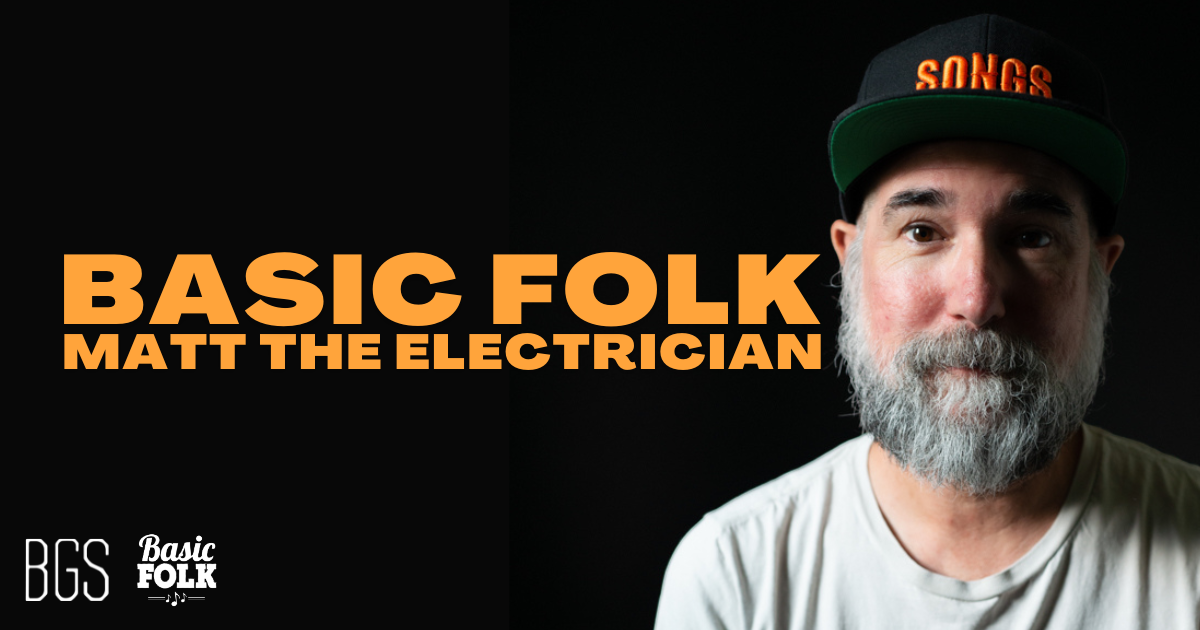
The world of Austin’s Matt the Electrician, AKA Matt Sever, is quirky and sincere. Sever is known for his work ethic and vibrant presence in the Austin, Texas music scene. Before music was full-time for him, Matt worked as an actual electrician in between folk music gigs and open mics. He found people were drawn to his skills in the trade, so he decided to make it part of his musical moniker. After self-releasing eleven studio albums and a couple of live sets, the name remains – even though he has not been a professional electrician for a long time.
In this episode of Basic Folk, Matt discusses his new album release, The Ocean Knocked Me Down, and shares insights into his songwriting process and the unique creative writing techniques that keep his music fresh. We learn about his experiences with the independent music community, performing live, and the joys of music discovery in the ’90s through alternative music magazines like Puncture Magazine.
Matt also opens up about the evolving landscape of music marketing strategies, reflecting on his journey from traditional methods to the more creative approach he employs today. For instance, Matt’s been conducting fake interviews on his social media between himself and Spotify, Facebook, and Rolling Stone that are hilarious. Also he reminisces about the excitement of finding new music back in the day and talks about his favorite snacks – like carnitas tacos and the benefits of black coffee – that clearly fuel his creativity.
Photo Credit: Erica Nix
This website uses cookies to improve your experience. We'll assume you're ok with this, but you can opt-out if you wish.AcceptRejectRead More
Privacy & Cookies Policy
Privacy Overview
This website uses cookies to improve your experience while you navigate through the website. Out of these, the cookies that are categorized as necessary are stored on your browser as they are essential for the working of basic functionalities of the website. We also use third-party cookies that help us analyze and understand how you use this website. These cookies will be stored in your browser only with your consent. You also have the option to opt-out of these cookies. But opting out of some of these cookies may affect your browsing experience.
Necessary cookies are absolutely essential for the website to function properly. This category only includes cookies that ensures basic functionalities and security features of the website. These cookies do not store any personal information.
Any cookies that may not be particularly necessary for the website to function and is used specifically to collect user personal data via analytics, ads, other embedded contents are termed as non-necessary cookies. It is mandatory to procure user consent prior to running these cookies on your website.