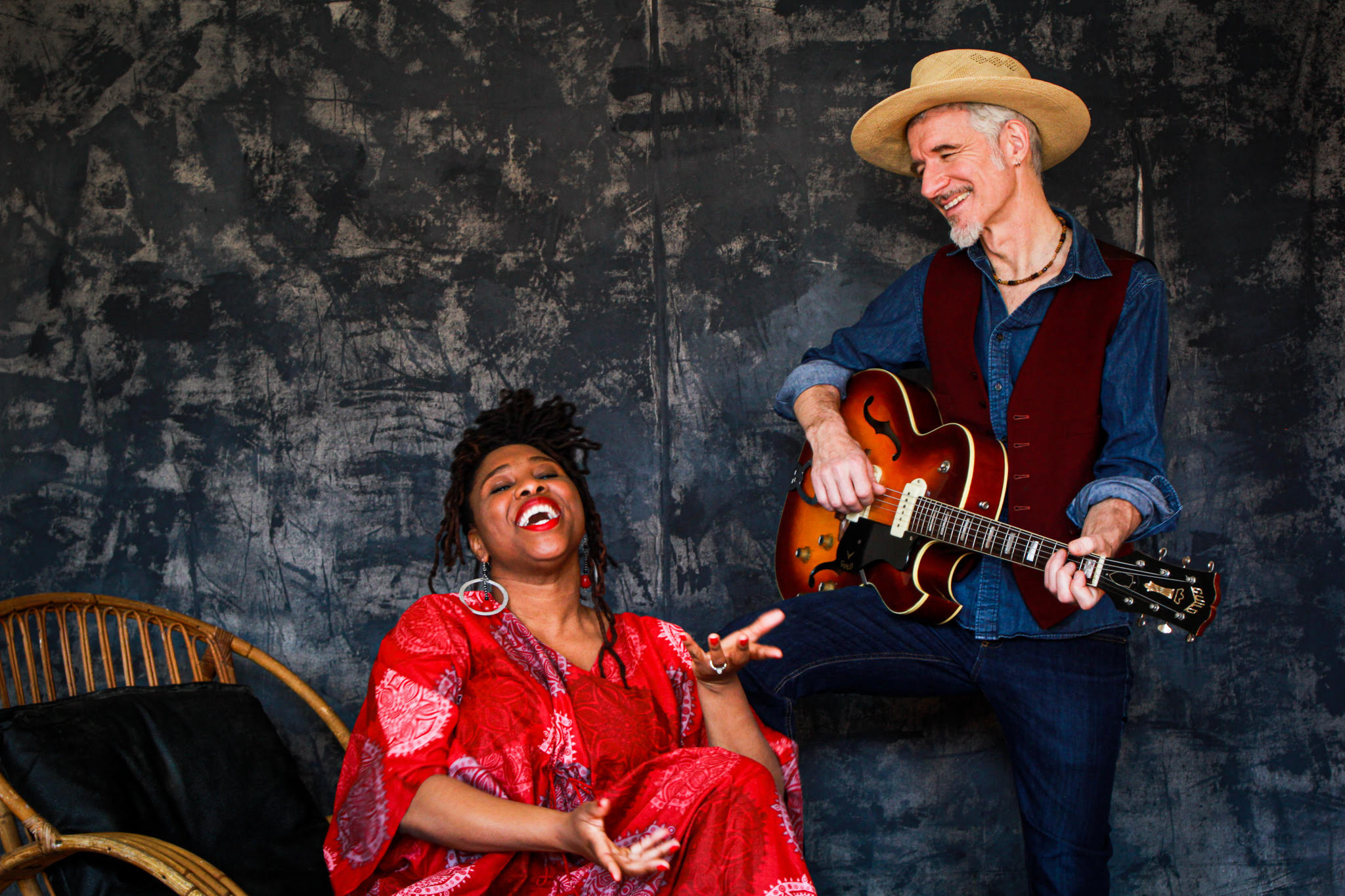
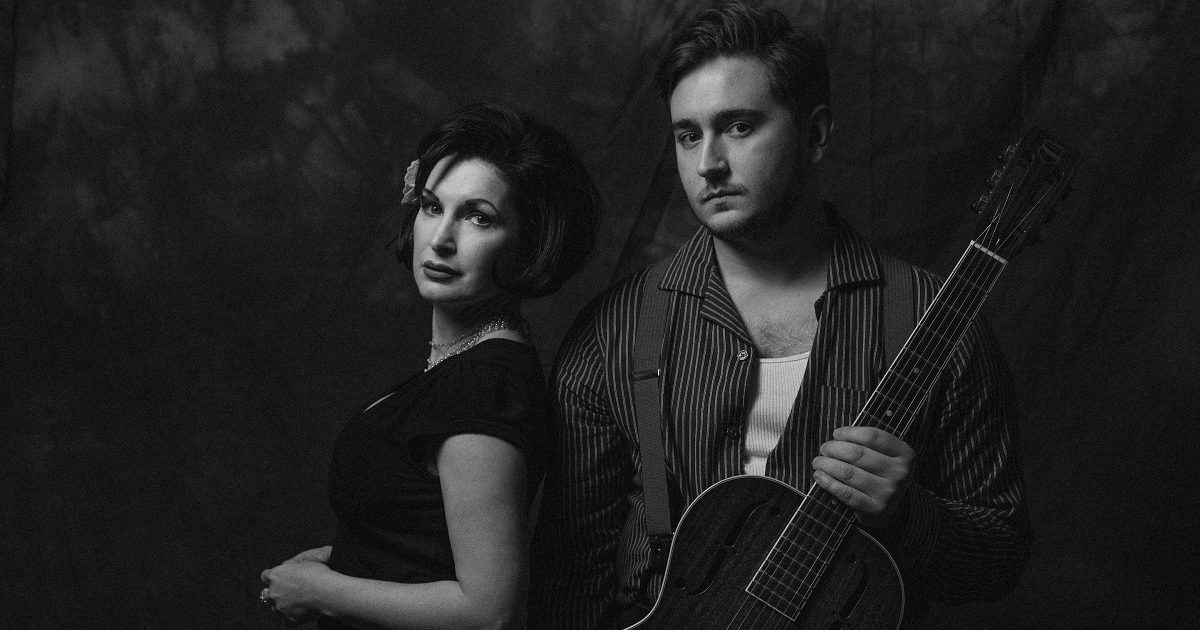
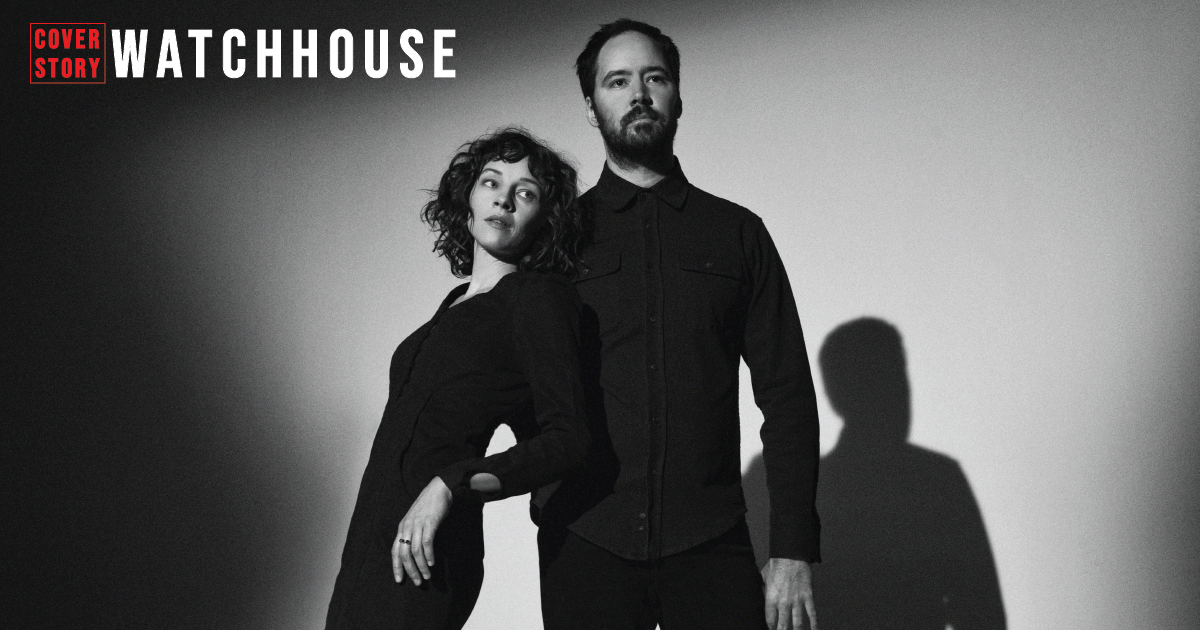
WATCH: Johnnyswim, “Devastating”

Artist: Johnnyswim
Hometown: Nashville, Tennessee
Single: “Devastating”
Release Date: August 25, 2021

In Their Words: “As a married duo it’s easy to write songs about the pleasures of love and romance, but in ‘Devastating’ we explore the depth of love that at its best, isn’t just sweet, but, if all goes right, will be touched by some level of tragedy and hardship. This ‘ring on my finger and a tag on my toe’ kind of love is the soul of the song. Love can be pretty, but if you’re lucky, it’s devastating too.” — Abner Ramirez, Johnnyswim


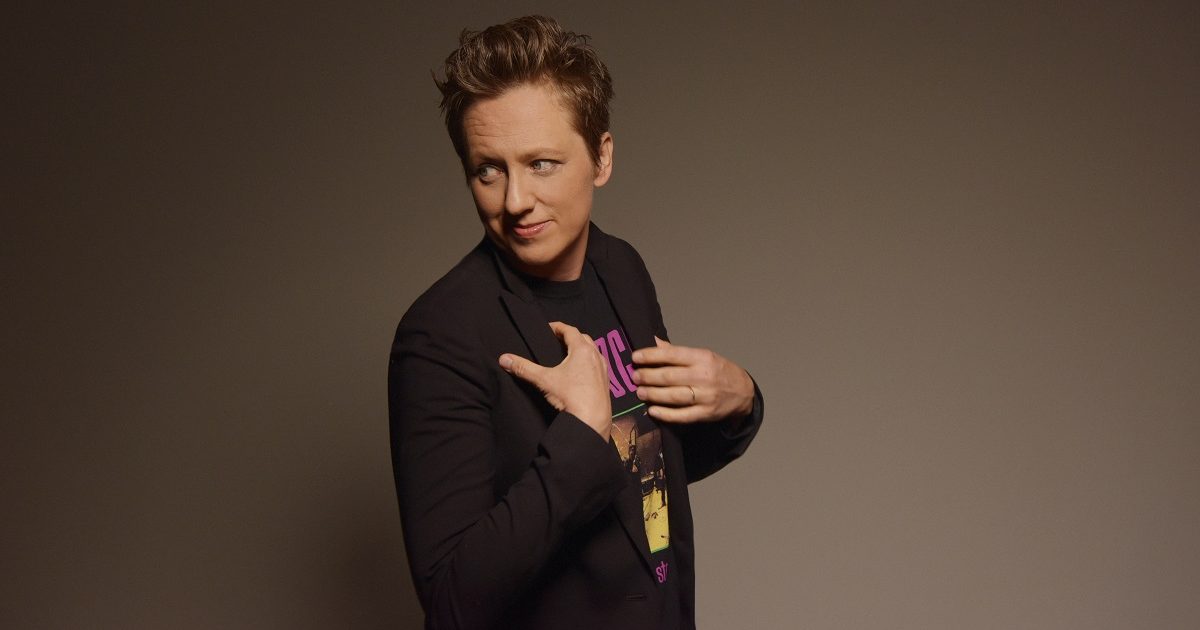
Photo credit: Chloe Eno

Amythyst Kiah Ends Her Shut-Up-and-Sing Policy on ‘Wary + Strange’ (Part 1 of 2)

Amythyst Kiah took great pains to get Wary + Strange just right. After studying banjo and old-time music at East Tennessee State University in her twenties, she gained a reputation as an intense live performer, so much so that she was asked to join the roots supergroup Our Native Daughters, where she played alongside Rhiannon Giddens, Allison Russell, and Leyla McCalla. The group recorded Kiah’s bluesy anthem “Black Myself” as the opening cut on their 2019 album, Songs of Our Native Daughters.

The experience of working directly with her contemporaries — even the idea of considering them as her contemporaries — was a profound experience, one that stirred her to write songs that took bigger risks and told bigger truths about herself. She’d been struggling to make this record for several years by then, booking sessions with various producers, but never feeling satisfied with the results. She didn’t hear herself in the music.

That changed when she began working with producer Tony Berg (Aimee Mann, Phoebe Bridgers), and together they devised a way to combine all of Kiah’s influences rather than compartmentalize them. Wary + Strange is a headphones album, one that listeners will pore over intently. “It feels good to make music that helps people get through hard times,” Kiah tells the Bluegrass Situation.

Editor’s Note: Read the second half of our BGS Artist of the Month interview with Amythyst Kiah here.

BGS: Are you surprised by the response this record has gotten?

Kiah: This is my label debut. So it’s really the first time that I’ve worked with a giant team of people helping me get my music out into the world. So the whole experience has been completely new. My focus was really tol make this album where I’m excited about it and happy with it, so I felt pretty confident about it. Then I started promoting it and things started coming in, and I didn’t realize how much was going to come in because I’d never done it before. So now I have the craziest workload that I’ve had in a long time. I’m just drinking a lot of caffeine and hanging on as long as I can, because I’m getting an opportunity that a lot of artists don’t get.

And add to that the fact that you can actually play live shows again, if only for a little while. What has the audience reaction been like?

People are really excited to get back to playing or get back to just seeing live music. All of us that were doing virtual gigs for a year and a half. Any time I’ve played a virtual gig, I’ve made a point to say that we’re all in this weird situation together, so let’s make the best of it. The audience is just looking at me through a camera lens, and I’m looking at them through a camera lens, but we’re doing our best to share our energy with one another. I can’t tell you how many times over the past several shows that I’ve gone out to the merch table and people have told me, “This is the first show I’ve seen since quarantine.” They are so excited, so the energy has been more intense than I can remember.

You mentioned something a minute ago about wanting to make sure you were happy with this record. You recorded these songs several times trying to get to that point, and I wondered if you could talk about that process. What was missing from those early songs?

The first time I made the record, it was with Dirk Powell in Louisiana, and it was right before the sessions for Our Native Daughters. But I didn’t really have a strong idea of what I wanted. I was dealing with some writer’s block at the time, and I was putting pressure on myself to put out another record. So I was recording a lot of songs that I didn’t really play anymore, and it felt like I was just trying to fill out an album.

At the end of the recording process, it sounded like a record that was very safe. It sounded good but it was safe. It wasn’t showing any real musical growth from me as an artist. I felt like I was compartmentalizing a lot of my folk stuff and the stuff I played with my backing band. I had this folk side of me and this rock version of me, and it just slapped me in the face that all of those songs needed to be on the record.

What was the nature of your writer’s block? How did you get through it?

There was a period when I wasn’t really writing songs that much. A lot of it had to do with the fact that I was repressing a lot of emotions regarding my mother’s suicide. For twelve years I would do anything I could to avoid getting in touch with those feelings. I was in survival mode, and when you’re in survival mode it’s really hard to think deeply about some of your choices. I was just trying to ignore it all. By the time I got to Our Native Daughters, I’d written a handful of songs over the course of two or three years. That was my second year going into therapy, and I’d made a couple of breakthroughs in understanding how my grief was affecting other aspects of my life.

Being around Rhiannon and Leyla and Allison and writing songs with them, I started to understand something important about myself. We all had this similar background of being the token Black person in a genre that has some very obvious African influences. But that history and those identities had been removed and the music had been segregated. We were able to share stories about being confused with other people, stuff like that. Just to be able to have that conversation with other people who understood where I was coming from was wonderful. Being in that environment gave me the courage to write about the things I was talking about. I’d been afraid to put those experiences into songs because I have this shut-up-and-sing policy for a long time. So that was an important moment for me.

We’re telling stories of our ancestors who were able to survive the transatlantic ship voyage. They survived the Civil War. Reconstruction. Segregation. Civil Rights. We’re standing on the shoulders of so many people who survived, and we’re here because of their survival. Once you start to make those big spiritual connections beyond what you’ve read in a history book, suddenly there’s nothing to be afraid of. If they can survive, then I can survive writing a song about how I feel. There was a new sense of empowerment to really write about myself. So after that project, I wrote more songs. I wrote “Soapbox.” I wrote “Opaque.” I wrote “Firewater.”

Did that change how you approached recording the album?

Really I was still figuring myself out and how I wanted to be defined as a musician. It was a lot of self-exploration. I recorded the album again at Echo Mountain Studios in Asheville, North Carolina. But the third time’s the charm, as they say. I met Tony Berg, and he was able to help me encapsulate the inherent wariness and strangeness of all of these songs. We were also able to keep that essence of roots music while adding in these different textures and sounds. He actually told me once while we were recording, “I don’t think I’ve heard a record that sounds quite like this one.” He’s obviously listened to way more music than I ever have, so I knew we had something special at that point. I knew that would be the final time recording the album.

It sounds like you had to go through those first two versions of the album to get to that point.

Yes. I definitely don’t want to say that those first two didn’t sound good or weren’t worthy. And I’m appreciative of anybody who spent time in any capacity working on them with me. It took all of those moments to get where we are now. But something was always missing, and you shouldn’t be too afraid to explore that and figure out what’s missing. Unless you’re 100 percent excited about your record, it’s going to be hard to go out and play those songs.

There’s a malleable quality to your songs. I’m thinking about the two versions of “Soapbox” on the record, or the solo version of “Black Myself” and the Our Native Daughters version. You talked about learning not to compartmentalize your music, but the songs seem like they could fit so many different settings. “Black Myself” in particular sounds very different when you’ve got several people singing as opposed to just one person singing.

I think that’s a recurring theme that’s always going to be part of my creative process. I spent a good amount of time in my twenties focusing on reinterpreting songs that already existed and learning about the different ways to make it your own. Or at least give it another perspective. It made me hyperaware of, “OK, what am I saying? What if I deliver this particular line this way or what if I go to a minor chord here instead of a major chord. How does that change the meaning?” I’ve always been fascinated with that kind of thing.

That’s just as valuable as writing new songs, because that’s the way most of us learn music. We learn other people’s music, and within that we find our own voice. Reimagining certain songs — even if they’re your own songs — is a valid way to express yourself. Balancing that can be a little tricky. With the various incarnations of this album, I was rehashing a lot of songs that I’d already done. I was taking songs I’d already recorded and rerecording them in a different way. So I had to make myself write new material. I didn’t want to stop moving forward.

As for “Black Myself,” I remember thinking, “Man, I wish I could have some people singing with me on this song.” It’s not even just from a production standpoint. It was more personal. So it was good to record with Rhiannon and Allison and Leyla sticking up for me, you know? It’s different without them. For the version on my record I was doing my own background vocals, which is really enjoyable and helps me dig into a song in a different way. But I definitely missed singing with them. But I was really excited to record that song by myself, because it’s a way to continue that conversation about white supremacy and anti-racism. It was a good opportunity to bring the song forward.

Editor’s Note: Read the second half of our BGS Artist of the Month interview with Amythyst Kiah here.


Photo credit: Sandlin Gaither

WATCH: Calvin Arsenia + Ramy Essam, “Toward the Sun أخر العتمه نور”

Artists: Calvin Arsenia + Ramy Essam
Hometowns: Kansas City, Missouri, and Mansoura, Egypt
Song: “Toward the Sun أخر العتمه نور” from Folk Alliance‘s Artists In (Their) Residence program
Release Date: August 24, 2021

In Their Words: “Ramy Essam and I met at the Folk Alliance International Conference in February of 2018 through a magical encounter that unfolded into cascades of beautiful music filling the halls of the conference hotel. I have always admired Ramy for his work in social justice but I am most impressed by the peace he carries with him in spite of the tumult he has and continues to endure. It is an honor to finally have a musical piece to call ours after years of sharing stages together across the globe. Ramy and I have played together in Kansas City, Tulsa, Montreal, and Gothenburg, but this is the first time we have written a song together.

“Ramy came to me with the guitar part and his verses after a few false starts of other songs. It was important to both of us to sing in our mother tongues and to showcase a hopeful message that can ring true for people around the world. My friend, Dr. Ezgi Karakus of Turkey, adds even more world flavor joining us on cello. I hope listeners feel as hopeful and inspired as I did when I met Ramy. It is a joy being his friend. Even in the face of severe persecution; beauty, love, and hope still triumph.” — Calvin Arsenia

Learn about the Folk Alliance Village Fund.


Photos provided by Folk Alliance International

The BGS Radio Hour – Episode 216

Welcome to the BGS Radio Hour! Since 2017, this weekly radio show and podcast has been a recap of all the great music, new and old, featured on the digital pages of BGS. This week, David Crosby and Sarah Jarosz join up for a Joni Mitchell number, husband-and-wife duo Darin and Brooke Aldridge bring us some beautiful bluegrass harmonies, LA’s own Los Lobos share their rendition of a favorite Jackson Browne tune, and much more.

APPLE PODCASTS, SPOTIFY

The Wallflowers – “Maybe Your Heart’s Not In It Anymore”

25 years after their breakout hit and almost a decade after their most recent release, The Wallflowers are back with a new album, Exit Wounds. In our interview with Jakob Dylan we talk about the project, singing with Shelby Lynne, the documentary Dylan executive produced, Echo in the Canyon, and more.

Ric Robertson – “Carolina Child”

We spoke with Ric Robertson about playing a popcorn kernel in a musical as a kid, his kite surfing aspirations, his new album Carolina Child, and more in a recent edition of 5+5.

Amy Ray Band – “Chuck Will’s Widow”

Amy Ray of The Indigo Girls finds herself often haunted by the song of the nocturnal songbird, the Chuck-will’s-widow: “I find that I witness the most profound moments in the midst of their songs, when everyone else is asleep. While I am often in need of rest, the respite I find in being awake under a miraculous and melodic night sky is too tempting for me to sleep. It’s a conundrum that inspires me, but also leaves me bleary-eyed.”

Darin and Brooke Aldridge – “Once In A While”

Bluegrass husband-and-wife duo Darin & Brooke Aldridge hope that every aspect of their music makes you smile — even more than “Once in a While!”

Matt the Electrician – “Home Again”

Folk singer-songwriter Matt The Electrician will return with a new album called We Imagined an Ending in November. A new track, “Home Again,” takes inspiration from the point of view of his teenage daughter. “The conundrum of parenthood, that as you finally start to figure some things out, and try to pass along some of that hard won wisdom, you’re greeted with your own teenage face staring balefully back at you.”

Tobacco City – “AA Blues”

Says Chris Coleslaw of Tobacco City’s latest single, “The character in the song is trapped between working in a brewery and staring at beers all day and trying to walk a sober line. I think regardless of your sobriety status we can all relate to those kind of blues.”

Jesse Daniel – “Clayton Was A Cowboy”

Jesse Daniel spoke with us about his new album, Beyond These Walls, about growing up catching crawdads and fishing, the chills-inducing feeling when a crowd sings along with his lyrics, and more in a recent 5+5.

Joy Oladokun – “Judas”

Joy Oladokun is able to do more with just an acoustic guitar and her voice than many artists can in an entire discography of work. And going from Arizona to L.A. then across country to Nashville with a new outlook and perspective, her music stands on a plane with a unique vantage point.

Luke LeBlanc – “Same Blues”

A new video for Luke LeBlanc’s co-written tune with Roy August, “Same Blues,” attempts to capture what the song is about: the tug of war between the status quo and what you’re currently doing versus that thing you really want to do.

Midnight North – “Silent Lonely Drifter”

“Silent Lonely Drifter” is an original folk melody reminiscent of timeless Appalachian string band music. Each verse references a different full moon, speaking to the natural balance that exists in the universe.

Los Lobos – “Jamaica Say You Will”

The Jackson Browne tune “Jamaica Say You Will” always resonated for the fellas of Los Lobos and the narrative and storytelling were attractive, too. So, they recorded their own rendition of the track on their latest project, Native Sons.

Aoife O’Donovan ft. Milk Carton Kids – “More Than We Know”

New music from Aoife O’Donovan is here and we’re loving it! Hear tracks created with Joe Henry and the Milk Carton Kids — one inspired by the modern classic re-telling of Peter Pan, the movie Hook.

John R. Miller – “Shenandoah Shakedown”

Depreciated, the new Rounder Records release from singer-songwriter John R. Miller, combines many of his string band and bluegrass influences with a satisfyingly melancholy and dark mood — plus plenty of fiddle.

David Crosby ft. Sarah Jarosz – “For Free”

Legendary singer, guitar picker, and songwriter David Crosby keeps his love for collaboration alive on his new album, For Free, which features guests and co-writers such as Sarah Jarosz, Michael McDonald, his son James Raymond, and more.


Photos: (L to R) Joy Oladokun by Nolan Knight; Aoife O’Donovan courtesy of Shorefire Media; David Crosby by Anna Webber

Guided by Acoustic Demos, Paul Thorn’s New Album Finds Magic in Memphis

For years, you could always count on a Paul Thorn record for songs about insatiable lust and desire. That’s still true on his newest release, It’s Never Too Late to Call, although that carnal urgency has been overtaken by… yes, actual love. The long-awaited album isn’t exactly sentimental, as “What I Could Do” details the ways his life would be more productive without still being in love with somebody. There’s also “Goodbye Is the Last Word,” an aching slow song that basically offers advice on how to leave a relationship that’s turned toxic. Even the duet with his wife, Heather, is titled “Breaking Up for Good Again.”

Still, on the boisterous “Here We Go,” he sings, “I feel good about what the future holds.” As he should.

“I like to think I’ve just matured a little bit,” Thorn tells BGS. “I’m 57 years old and the way I looked at things 10 years ago ain’t the way I look at them now. If you’re still the same person you were 10 years ago, you wasted 10 years.”

On It’s Never Too Late to Call, there’s not a minute wasted. Thorn can still crank up that R&B groove that’s made him a must-see artist for decades. Meanwhile, “Sapphire Dream” – a duet with his daughter Kitty Jones — stands among his most evocative performances on any of his records. Here, the Mississippi musician tells BGS about how the acoustic guitar shaped these sessions, the bluegrass bands he admires, and what “Sapalo” really means.

BGS: Why was it appealing for you to make this album in Memphis?

Thorn: Sam Phillips Recording Studio in Memphis has a lot of vintage equipment and recording technology that kinda doesn’t exist anymore. The way that Elvis Presley’s records sounded, and the way that Johnny Cash’s records sounded, and many other great artists sounded — in addition to their talent, it was the way they were recorded and the sound that they caught from that studio.

And it’s not Sun Studios. Let me clarify that – Sam Phillips didn’t own Sun. He rented it, but then when he got successful he built another studio two blocks down called Sam Phillips Recording Studio. That’s the studio I’m talking about. A lot of magic was created in there for a lot of reasons. It’s an hour from where I live, so why not?

Did you have an idea of how you wanted this record to sound before you went in?

I really did, yeah. The producer of this record is Matt Ross-Spang. He’s a Grammy Award winner. He’s very good. I was sending him iPhone demos of me just singing with my acoustic guitar on all these songs. We both decided, after talking a few times, that this record should be built around those acoustic demos. I play rhythm guitar on every song, which is something that I used to not do. I used to not play on my records at all. I would just sing it once with my acoustic guitar and the band would play it.

Although that sounds good and it has its place, I think what we captured on this record more defines what I actually sound like and what I do best. It’s a lot more stripped down and it’s not like a jammy record. There are very few solos on any instrument. This record is all about showcasing the songs. I haven’t put a record out of original material in six years and there are a lot of reasons for that, some good, some bad. But I feel like over those years, these songs that I did get are my best work ever. I really feel that way.

Are there any acoustic guitarists that you really look up to?

I know two people who, in my opinion, are the greatest acoustic guitar players. One is Mac McAnally and the other one is Tommy Emmanuel. They’re not only great guitar players but I’m friends with both of them and I know them personally. They’re the monsters! And I mean that as a compliment. I’m not really a great guitar player but I do a thing that’s unique to me. Tommy and Mac, they can sit down and play with anybody. I can play good with myself but I don’t know how to follow other people. These guys are on another planet, as far as guitar players.

Are you a bluegrass listener?

I grew up around two types of music as a child. My dad was a preacher so I grew up around black gospel music and white bluegrass gospel music. You know, there’s a group named Balsam Range who recorded a song I wrote called “Angel Too Soon.” They had a No. 1 on the bluegrass charts and it stayed there a long time. I’m clearly not a bluegrass artist, but I have had songs covered by a top bluegrass artist. So, I have that in me. And when it’s done right, I love it Another group that I’m a big fan of — and in my opinion they do it as good as anybody — is The Isaacs. They do bluegrass gospel and when I watch them, I’m looking at excellence.

On this record, you start out with a couple of mellow songs but then you hit that R&B groove on “Sapalo.” So, I have to ask, what does that title mean?

I was watching a video on YouTube of James Brown, and before I clicked on it, the description said “James Brown High on PCP.” The premise of the video is that he’d just gotten out of jail and he was being interviewed by a very straight-laced lady, a local news anchor. It was clear from the get-go that he was high on drugs while he was doing the interview. She said, “Mr. Brown, how are things now that you’re out of jail?” She said, “How do you feel now?” And he goes, “I feel good! I look good! I smell good! It’s all good! I make love good!” He was saying all this off-the-wall stuff. Then she said, “What are your upcoming plans?” And he said, “Well, I’m going to Brazil. I’m going to São Paulo!” He said, “We’re going to JAM!”

So I was just writing down all of this stuff he was saying, and the song wound up being a song about redemption. At least in that moment, he was claiming that he had put his life back together, which he was lying to himself because he was on TV high on PCP. But I tried to spin it as everyone needs a shot at redemption. It’s about being optimistic with whatever time you’ve got left.

Listening to “You Mess Around & Get a Buzz,” I caught that Clarksdale reference right off. I know that being from Mississippi is a big part of your story, and I’m curious if you ever feel like you’re an ambassador for the state.

Well, I would only say this because you brought it up but I guess I am in some way. When I use the word “ambassador,” to me that means somebody who goes abroad and tells other people about how good it is where he lives. So, in that way I guess I am. I was very flattered a few years ago when the state of Mississippi invited me down to the capitol and they declared March 27 as Paul Thorn Day. So, I got a day! You know, most times you gotta die before you get a day.

You’ve got the same hometown as Elvis. I’m wondering, if you could have pitched him any of the songs you’ve written, which one would you pick?

That’s a hard question, man. I tell you, I wrote a song called “That’s Life.” All the words in that song were words my mother has said throughout my life. I’ve played it a lot and people like the song. If I could get one song recorded by Elvis, it would probably be “That’s Life.”

Your fans often become characters in your songs, too. It happens on this album on “Sapalo” and “Holy Hottie Toddy.” You’ve cultivated one of the most loyal fan bases that I’ve seen. What are some of the things you’ve done right, to keep people invested in you and your career?

That’s a hard question but if I had to answer, I think to get down to the brass nuts of it, they know I love them. You can say that, but a lot of artists will do their show and they walk off the stage and they’re ready to get to the hotel room. I understand that. I feel that way sometimes myself, but at every show – prior to the pandemic – on the last song I always go out into the crowd. And while I’m singing I’m hugging people and shaking people’s hands. And when that’s done I go out in the front and sign CDs and take pictures. I’ll stand there until the last one’s gone.

I don’t do it as a career strategy. I do it because those people got off work, got a babysitter, took a shower, bought a ticket, and they’re going to spend their whole evening with me. And my job is to give them my whole evening. That’s what I try to do. I think that’s why they stay with me, and I think that’s why they’re loyal. They’re loyal to me because I’m loyal to them.


Photo credit: Steve Roberts

WATCH: Jamie McDell, “Dream Team”

Artist: Jamie McDell
Hometown: Mangawhai, New Zealand
Song: “Dream Team”
Album: Jamie McDell (early 2022)
Label: ABC Music (AU/NZ)

In Their Words: “We’d stuck it out for about nine months in Toronto. Coming from the coast of New Zealand, the pull of the ocean and the nature we were used to was becoming too hard to ignore. We were unsettled and uncomfortable, but the opportunities of living in the big city were helping us survive. Rain outside, twelve stories up, we’d finished watching Chernobyl and the bathroom had nice acoustics. I had started to get a little bored with the way I was playing my guitar so I put my capo on the 10th fret and started to pick away to a minor-based, squeaky chord progression. The first verse started to flow and the tales that were coming to mind were inspired by those prices we’re willing to pay for power and possession. I’d noticed ‘Dream Team’ on captions of people’s social media posts and it became relevant to the sentiment in the verses.” — Jamie McDell


Photo credit: Jake Smith

The Show On The Road – Hiss Golden Messenger

This week on The Show On The Road, we dial into North Carolina for a comprehensive conversation with Grammy-nominated songwriter MC Taylor, who for the last decade and a half has created heart-wrenchingly personal and subtly political music fronting the acclaimed roots group Hiss Golden Messenger.

LISTEN: APPLE PODCASTSSPOTIFYSTITCHER

With his newest release Quietly Blowing It, Taylor continues to tell stories that are at turns hopeful and devastating — as if deeply examining his own faults and features as a father, husband, citizen and artist can help us understand our own struggles during this deeply strange time. Despite the often delicate delivery of his vocal performances, it isn’t a shock to see that Taylor, who grew up in California before heading to the south, did start in the hardcore and punk worlds before he became one of the faces of the Americana resurgence. While a song like “Hardlytown” feels like a jangly, lost Basement Tapes take from The Band, Taylor mines his own confusion about how broken our once-ambitious country has become. Why can’t we come together to address climate change, gun violence, or systemic poverty? Is he doing enough? While Taylor has been open about examining his own depression and doubt over the last few years, it’s through these songs that we can see a light forming at the end of a dark tunnel.

Maybe it’s the personal acceptance of the confusion and helplessness that makes Quietly Blowing It pack such a quiet punch and seem somehow sonically uplifting. During our conversation, Taylor would be the first to tell you that while folky, slow-burn songs like “Way Back In The Way Back” seem to exalt the healing power of nature while questioning the broken bureaucracies that govern our unique American way of life (“up with the mountains, down with the system!”) he isn’t trying to make a statement. One thing that we all learned to do during our ongoing lockdowns in 2020 and beyond is to think smaller. We don’t have to change everything from the moment we wake up. Maybe it’s about going within and seeing the world just from the scope of your own neighborhood, your own family, your own green, growing, hissing backyard. A song doesn’t have to solve it all in one go.

Gathering confidence from previous standout records Heart Like A Levee (2016), Hallelujah Anyhow (2017) and the Grammy-nominated Terms Of Surrender (2019), it’s clear that while the last few years haven’t been easy for Taylor, he’s reaching new heights creatively. Quietly Blowing It may seem like a defeatist message — but actually its more like laying all the cards on the table. Honesty is freeing. Taylor will be embarking on a rare solo tour coming up, which would be an amazing way to see his intimate brand of songwriting up close.


Photo credit: Chris Frisina

The BGS Radio Hour – Episode 215

Welcome to the BGS Radio Hour! Since 2017, this weekly radio show and podcast has been a recap of all the great music, new and old, featured on the digital pages of BGS. This week, the Radio Hour features a song that reclaims the image of the magnolia tree, we enjoy some blues and southern rock from folks like Charlie Parr, Christone “Kingfish” Ingram, and Larkin Poe, plus hear a “Wichita Lineman” cover by Colin Hay, and much more.

APPLE PODCASTS, SPOTIFY

Gregory Alan Isakov – “Salt And The Sea”

To celebrate the birthday of Dualtone Music Group, Gregory Alan Isakov covers The Lumineers’ “Salt And The Sea” on a new compilation record, Amerikinda: 20 Years of Dualtone, which features many of Dualtone’s artists from the past and the present performing each other’s songs in a whimsical, jovial tribute to the work and achievements of this beloved record company.


Adia Victoria – “Magnolia Blues”

On a new track inspired by the last year and its intentional pausing, Adia Victoria explores the magnolia as a symbol of the South: “The magnolia has stood as an integral symbol of Southern myth making, romanticism, the Lost Cause of the Confederates and the white washing of Southern memory. ‘Magnolia Blues’ is a reclaiming of the magnolia…”

Jim Lauderdale – “Memory”

One of the most eloquent tracks on Jim Lauderdale’s new album Hope — a collection reminiscent of dreamy ‘70s folk rock records — celebrates the legendary Grateful Dead lyricist Robert Hunter, a longtime friend and collaborator of Lauderdale’s who died in 2019. As one of the final songs they wrote together, “Memory” arrived on June 22, just one day before what would’ve been Hunter’s 80th birthday.

Carrie Newcomer – “A Long Way Up”

We caught up with singer-songwriter Carrie Newcomer for a 5+5 — that’s five questions and five songs — on growing up creative, writing stories, poetry, and essays, taking comfort in nature and its imagery, and more.

Larkin Poe & Nu Deco Ensemble – “Every Bird That Flies”

Larkin Poe grew up drawing inspiration from a wide range of genres, so they always dreamt of honoring their classical upbringing with orchestral arrangements of their music. Their first ever live album features Nu Deco Ensemble combining those classical elements with Larkin Poe’s Americana, blues, and Southern rock songs.”In hearing our Roots Rock ‘n’ Roll repertoire reinterpreted through an orchestral lens, it felt like a creative circle was being completed.”

Christone “Kingfish” Ingram – “Too Young to Remember”

Christone “Kingfish” Ingram seemed to come out of nowhere with his 2019 Alligator Records debut, Kingfish. At 20 years old, the native of Clarksdale, Mississippi, emerged as a fully-formed guitarist, vocalist, and songwriter and was quickly hailed as a defining blues voice of his generation. Now his new record, 662, pays tribute to his upbringing and his home turf.

Jesse Lynn Madera – “Revel”

Jesse Lynn Madera has written a lot of sad, emotional songs, but writing “Revel” changed the way she approaches songwriting, recognizing the opportunity artists have to positively impact a person. She reflects, “Being human is rollercoaster enough without a pandemic to further complicate the experience. We’ve all suffered through our share, and hopefully we’ve all experienced the sun coming up over the horizon of despair. This will be no exception. The glow shall return, and we’ll all be reveling in it.”

Charlie Parr – “Last of the Better Days Ahead”

Blues picker Charlie Parr reflects on the days he’s currently living in on “Last of the Better Days Ahead.” As he tells us: “I’m getting on in years, experiencing a shift in perspective that was once described by my mom as ‘a time when we turn from gazing into the future to gazing back at the past…'”

Colin Hay – “Wichita Lineman”

“Wichita Lineman” was the first song where Colin Hay (of Men at Work) realized the importance of the written song, in and of itself. He tells us the song “spoke of things I could only wonder at. The geographical vastness of the land, the hopes and dreams of the man working the line, and indeed of all people who inhabit this country. And, a love story contained within achingly beautiful music and melody. I can’t think of a better song.”

Dillbilly – “Countries”

For a big part of their life, Dillbilly grew up feeling like country and bluegrass were genres that they could never be a part of even though the music has always felt like home. But in writing “Countries,” it felt so good for them to lean into those roots.

The Isaacs – “Turn, Turn, Turn”

Powerhouse bluegrass (and beyond) family The Isaacs have returned with new music, including their rendition of a Pete Seeger classic that Lily Isaacs recalls from her days of growing up as a folk music fan in 1960s New York City.


Photos: (L to R) Larkin Poe by Josh Kranich; Charlie Parr by Shelly Mosman; Adia Victoria by Huy Nguyen

LISTEN: The Way Down Wanderers, “Everything’s Made Out of Sand”

Artist: The Way Down Wanderers
Hometown: Peoria, Illinois
Song: “Everything’s Made Out of Sand”
Album: More Like Tomorrow
Release Date: September 10, 2021
Label: Soundly Music

In Their Words: “‘Everything’s Made Out of Sand’ was written to create a dialogue on the temporary nature of all things: one day everything here will to turn to dust. I was inspired in the writing process while struggling to feel like I was using my short time here wisely. Humans are connected by our perception of time and the understanding of our own mortality. Through this mutual connection that we share as neighbors, I feel that a certain amount of accountability exists between us to try and live our best life for each other. We captured this tune with the band belting and stomping into a single antique microphone. By recording the song in just one take, it is set aside from the rest of the album and meant to capture the idea behind the track itself in a sonic way: we have a short time to live the most impactful and fulfilling life we can, so let’s try our best.” – Collin Krauss, The Way Down Wanderers


Photo credit: Keith Cotton

Harmonics with Beth Behrs: Time for Some Music Recommendations

Let’s face it: times are pretty dark right now — but what else is new? Harmonics was born out of a love for music and its healing powers, and we are once again turning towards art to pull us through. Today, Beth is joined by Amy Reitnouer Jacobs — our very own BGS co-founder and executive producer of Harmonics — who shares with us the fruits of her curatorial labor in the form of her top albums getting her through the summer: from heart-wrenching yet uplifting folk songs by Allison Russell, to the vibey, Don Henley-esque sounds of John Mayer’s recent release, on through to ’70s Japanese pop, and stopping everywhere in between.

LISTEN: APPLE • SPOTIFY • STITCHERAMAZON • POCKET CASTS

Allison Russell – Outside Child

BGS readers will be familiar with this first pick. We’ve long sang the praises of Allison Russell (she was our Artist of the Month for May of this year) and when asked their favorite albums of the year, essentially every member of the BGS team chose her solo debut Outside Child. This is a very special record — for so many reasons — that you do not want to miss. And your listening experience will only be enhanced by learning the context in which it was written. Russell shared her painful story with us back in Season 1 of Harmonics, then came back and breathed uplifting hope into that story through the beautiful music of Outside Child.

Dante Elephante – Mid-Century Modern Romance

This album has been Amy’s weekend soundtrack for some time now. Throw this record on first-thing Saturday morning, and you, too, will be grooving, coffee in hand, in no time.

Tony Joe White – Smoke from the Chimney

This posthumous album from Tony Joe White features vocals from acoustic demos the roots legend recorded shortly before his passing, brought to their full potential through the lush arrangements and editing magic of Dan Auerbach.

Valerie June – The Moon And Stars: Prescriptions For Dreamers

Fall into the weird and wonderful world of Valerie June through the intricately layered yet completely raw and vulnerable musical journey of her latest album. Don’t try to define this album — just allow yourself to get wrapped up in whatever it is.

John Mayer – Sob Rock

While Amy has admittedly not dug into any John Mayer album since his 2001 debut Room for Squares, her love for the newly coined “Bistro Vibes” aesthetic (read into this y’all, and just trust us…) has led her to Mayer’s latest summer release: a more-than-likely pandemic-fueled nostalgic nod to the sounds of the ’80s a la Don Henley, Dire Straits, Steve Winwood, and Phil Collins, paired with songwriting that taps into the isolation and despair we’ve felt for the past year and a half.

Yellow Magic Orchestra – Yellow Magic Orchestra

The experimental nature and endlessly chill vibes of Japanese pop of the ’70s and ’80s make for the perfect summer soundtrack, and the traceable influence on today’s indie music is fascinating. Bonus points if you can listen on vinyl, as the depths of these recordings are all the more rewarding and delicious in this format.

Sara Watkins – Under the Pepper Tree

While the beautiful Under the Pepper Tree — a collection of lovely lullabies, both original and classic favorites — was recorded and released for Watkins’ small daughter, we, as adults, have been unable to take it off of repeat since its March release. While some may laugh at the idea of being so enamored with a “children’s record,” we dare them to experience the comfort of Watkins’ magical collection — especially amidst the tumultuous year we’ve had — and not fall in love. She pulls out what is so beautiful and lasting about these songs, and what makes us connect with and feel through them.


Listen and subscribe to Harmonics through all podcast platforms and follow Harmonics and Beth Behrs on Instagram for series updates!