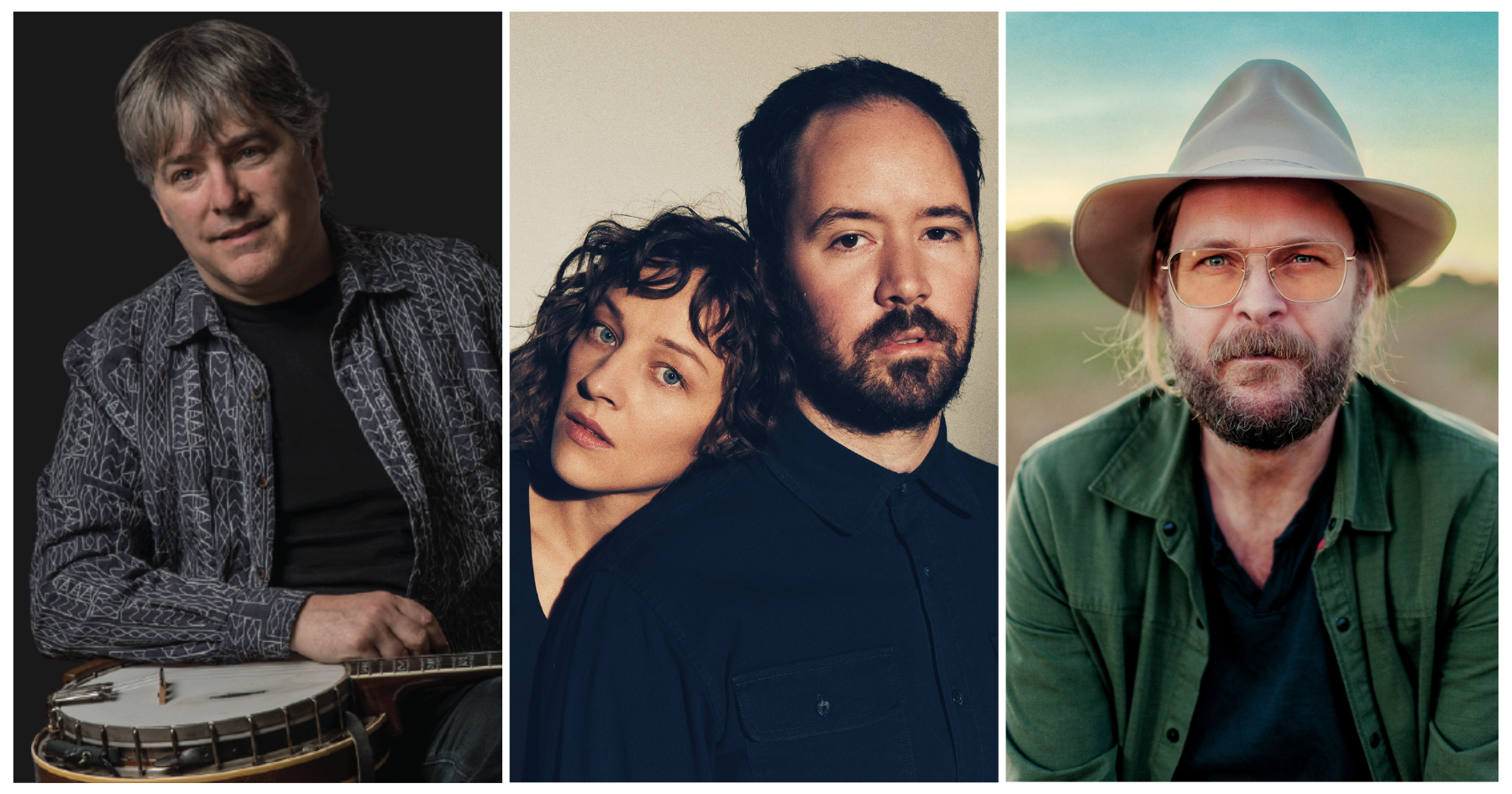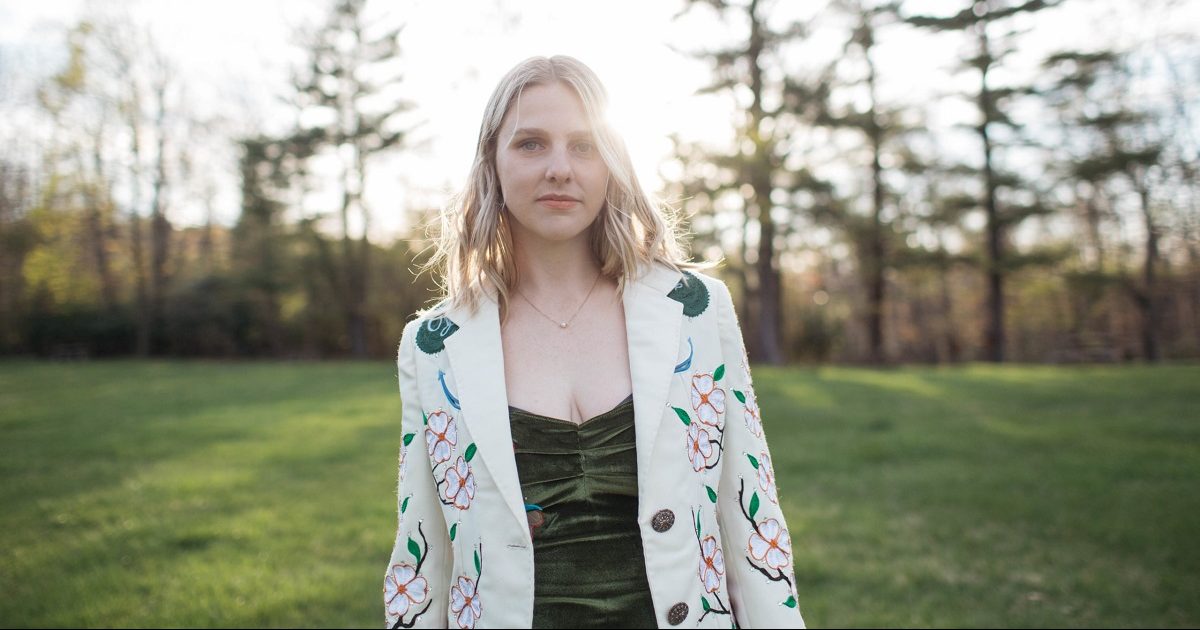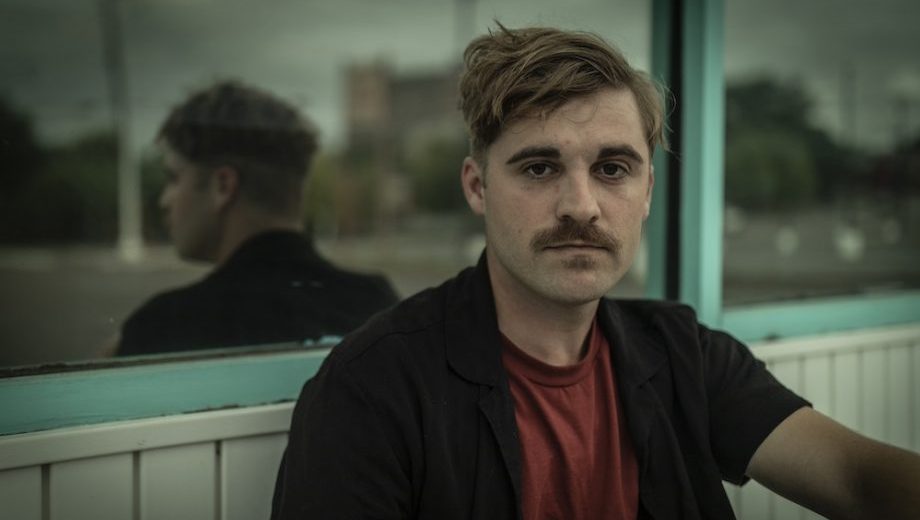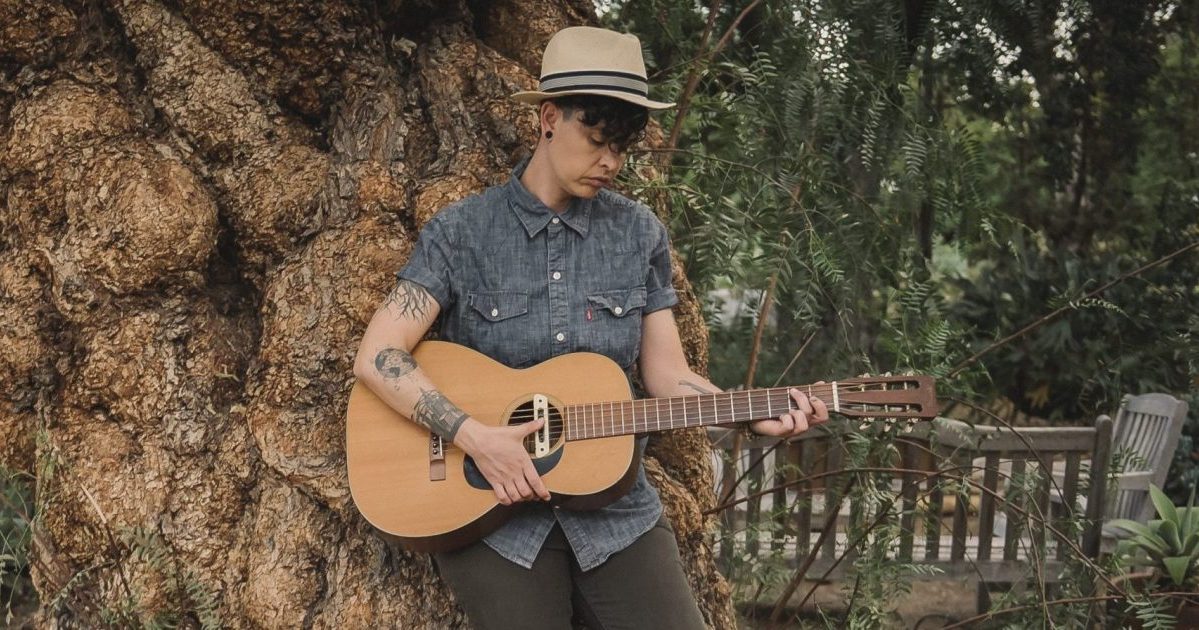
The Bristol Sessions Get Another Look on ‘We Shall All Be Reunited’ CD

For Dr. Ted Olson, Appalachian music has always been much more than a collection of songs. It’s been nothing short of a passion. The Eastern Tennessee State University professor has spent much of his life writing, researching, and documenting the music that has played and recorded throughout the southeastern United States during the 1920s and 1930s. His respected work on Bear Family Records box sets covering sessions in Bristol, Johnson City, and Knoxville, Tennessee, have brought those long-ago recordings to new generations of listeners. For example, the single-disc set Tell It to Me: Revisiting the Johnson City Sessions, 1928-1929 was named Best Compilation Album of 2019 by the Independent Music Awards.

Now, Olson has teamed up again with Bear Family to release We Shall All Be Reunited: Revisiting the Bristol Sessions, 1927-1928, a single CD distillation of these legendary sessions. Commonly called “the big bang of country music,” the recordings in Bristol by the Carter Family, Jimmie Rodgers, and others became unexpected bestsellers, positioning country music as a viable commercial format. Along with reams of new liner notes, the CD delivers not just those familiar names, but also Ernest Stoneman, Blind Alfred Reed, and more, reminding listeners of the diversity that crowded around producer Ralph Peer’s microphone.

BGS: What inspired you to revisit the music from the original Bristol sessions for this album?

Olson: I found that the story of the Bristol sessions had grown significantly, for me. I’ve changed my interpretation of the Bristol sessions, its historical significance, and how one interprets that legacy. This gave me the opportunity to set the record straight about how that story needed to be told. That new narrative is in the liner notes, which are 44 pages. That is the maximum that can fit in a jewel box. I was pretty adamant that this is the story that needed to be told and this is the length it should be.

We have new documents to learn from, new research that was unavailable to us before. New interviews and new artwork. To me, it’s revisionist history in the best sense of the term. When Sony released a single CD of the Bristol sessions in 2003, they focused solely on the 1927 sessions. To my mind, the 1928 sessions are equal to the sessions of the previous year. With this new CD, we celebrate both of those sessions. We have new masters for the songs as well. An engineer in Germany, Marcus Heumann, produced new masters for this release. They’re very exciting and they sound like they were recorded yesterday.

Dr. Ted Olson

What emerges from listening to both the Bristol and Johnson City collections is that they each demand your attention, albeit with different qualities.

The Johnson City sessions were an essential part of the rest of the story. They were echo sessions, just months after the Bristol sessions. They involved many of the same musicians, and yet the Johnson City sessions explored a different side of the Appalachian music that the Bristol sessions didn’t get to. The Bristol sessions accomplished certain things that are valuable and important, but they didn’t explore other facets that Johnson City was able to get more deeply into, because it had a different producer. It also was a different company, with different priorities and fortunes.

Some people prefer the Johnson City sessions to the Bristol sessions. They find the Johnson City recordings wilder, more exciting. Less controlled by the producer. Ralph Peer was a very controlling producer, very interactive in shaping the sounds, whereas Frank Walker of Columbia had the attitude of anything goes in this music. He was more documentarian, in a way. “What do you have? Let’s hear it.” Rather than shaping something into a package, which is what Ralph Peer’s modus operandi was at the Bristol sessions. I love them both. I’m not going to play favorites, but I’m also not going to acquiesce into the idea that Bristol sessions were more important because they were a year earlier.

How did you come to choose one song from each artist for the new Bristol Sessions album?

I knew that I wanted to match the length of the Johnson City CD, which had 26 recordings. I committed to 26 tracks, because that’s as much as we could fit on a CD, but there was also a licensing limitation. I also wanted a new template, where the ’28 Bristol sessions were as important as the ’27 sessions.

There were 28 artists that performed at the Bristol sessions, which meant that I could include one track from everyone except two. I had committed to including performances that in 2020 would be enjoyable by those who aren’t initiated into the sounds of the 1920s musical world. The stylistic approaches back then have changed over the years. We’ve listened to the Carter Family and Jimmie Rodgers through the years, so they sound familiar to us. Other artists from those sessions were such talented performers that we can still appreciate their recordings for talent alone.

How did you select the song from the Carter Family? All six of the songs that they recorded in Bristol are amazing.

I came to the conclusion that while “Single Girl, Married Girl” or “Bury Me Under the Weeping Willow” had gotten a lot of attention from these sessions, it’s “The Poor Orphan Child” that, for me, is the one that has captured my ears as the definitive Carter Family debut performance. A.P. is part of it. He’s not on “Single Girl, Married Girl.” He was out fixing their car tires that morning. To my mind, his best singing at the Bristol sessions was on “The Poor Orphan Child.”

Jimmie Rodgers’ recordings in Bristol have always suggested to me a person with a distinctive musical identity that is still seeking a comfort level in front of the mic. His two songs seem a bit tentative, a little nervous. Rhythmically, he’s very loose, which was always part of his persona. I think those recordings show his great charisma. He didn’t invent the singing yodel, but he first demonstrated it on the track that’s on this CD, “Sleep Baby Sleep.” Several months later, he records “Blue Yodel No. 1 (T For Texas),” and that was his breakthrough record.

The Bear Family box set about the Bristol Sessions received two Grammy nominations in 2011. It should have been a high point for you. How did you come to realize that you had much more to do?

It was fascinating for me to watch the press reaction to the Grammy nominations as well as the box set itself. I found that the press reactions were a little bit uncertain of what the Bristol sessions were. It was as though they were all falling lockstep into rapt amazement at the mythic importance of this thing called the Bristol sessions. It was obvious to me that people were changed by a myth, which revolved around two notions. One was that the Bristol sessions were “the big bang of country music.” But what does that mean? It was where Jimmie Rodgers and the Carter Family made their first records, but there were many other artists there as well.

The other notion was that Bristol is the birthplace of country music, which has been promoted by both Bristol, and the state of Tennessee, but that statement has often left other important sessions to be overlooked. I came to see that critics didn’t know how to unravel the myth. So, there I was at the Grammys, and as a scholar I felt I had only cracked the surface of what these sessions really were. I, too, was under the spell of the myth. And I needed to get past that. It was quite clear to me that there was more to the story. I remember flying home from that event, thinking that this was a life’s work in front of me.


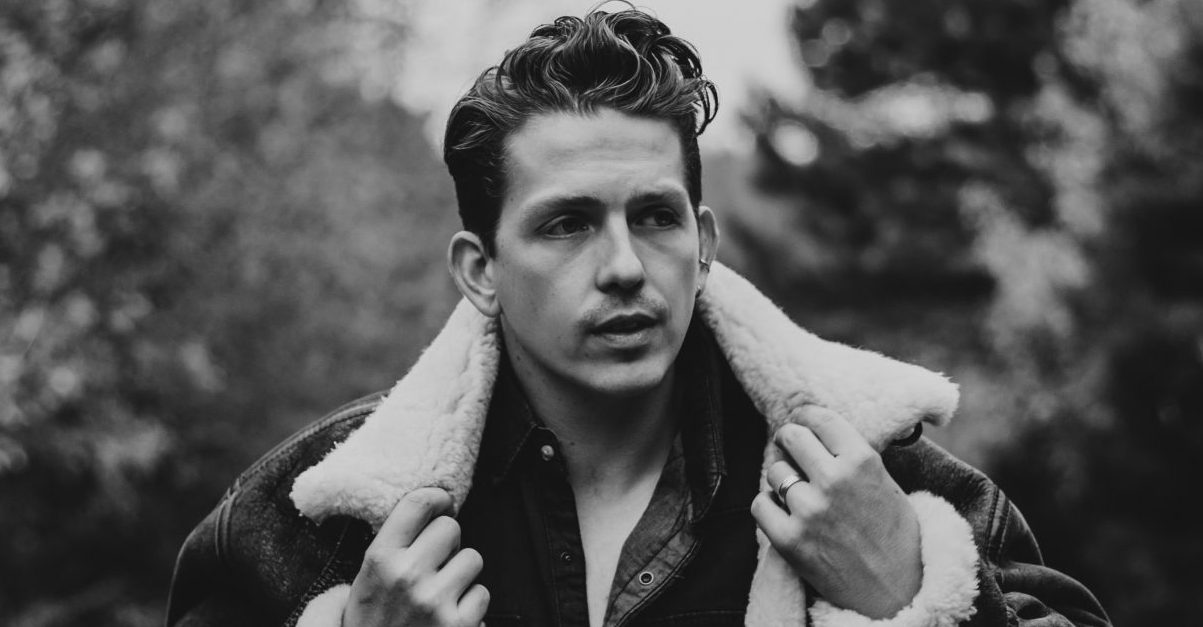
Photo of Dr. Ted Olson by Charlie Warden

WATCH: A Tale of Two, “The Letter”

Artist: A Tale of Two
Hometown: Nashville, Tennessee
Song: “The Letter”
Album: A Tale of Two EP
Release Date: September 17, 2021

In Their Words: “‘The Letter’ is a very important song for us. We wanted to capture the romanticism behind writing a letter to someone and it feels as though the song took on a whole new meaning during the pandemic. The main essence of A Tale of Two is focused on live performance. We want to bring a record to life on the stage every time we perform. This video was special to us, as we were lucky to have Nashville fiddler Kyle Pudenz on board, who is a spectacular musician and person.” — Stephanie Adlington and Aaron Lessard, A Tale of Two


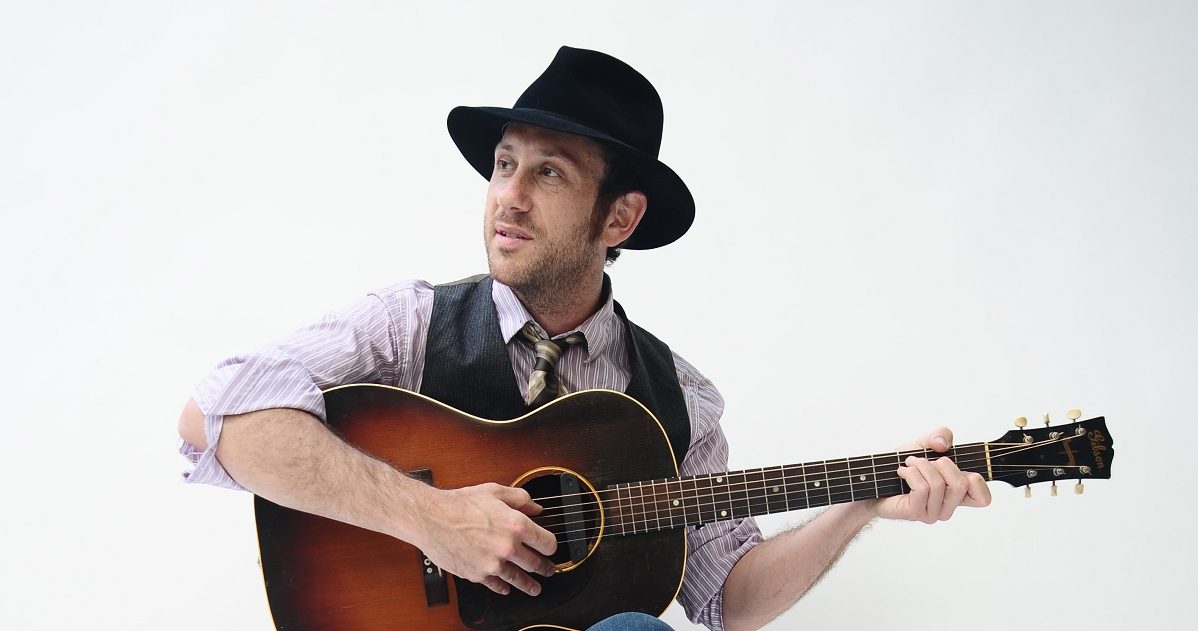
Photo credit: Nathan Zucker

WATCH: Birdtalker, “Better Days” (Live in Nashville)

Artist: Birdtalker
Hometown: Nashville, Tennessee
Song: “Better Days”
Album: Birdtalker
Release Date: October 8, 2021
Label: AntiFragile Music

In Their Words: “This song captures a sober moment of realization and the choice to grasp at hope rather than drown in the breakdown. Musically, it’s lush and flowing, as if you’re floating through the experience in a dream state, lulled into acceptance and moving forward but not grounded. This atmosphere is created by the lilting, at times questioning, bass line and the fluttering and tactile percussion which both give the song an intimate feeling of humanity, as if they represent the wanderings of a questioning heart and its fluttering uncertainty. The flesh surrounding the song’s heart is the regular thrum of the acoustic guitars and the layered harmonies that build throughout. We went through a bit of a journey in the studio figuring out the instrumentation and tone of the song. It began with a more straightforward and confident presentation which we eventually scaled back to this more organic approach, leaning into the song’s uncertainty and delicacy.” — Birdtalker


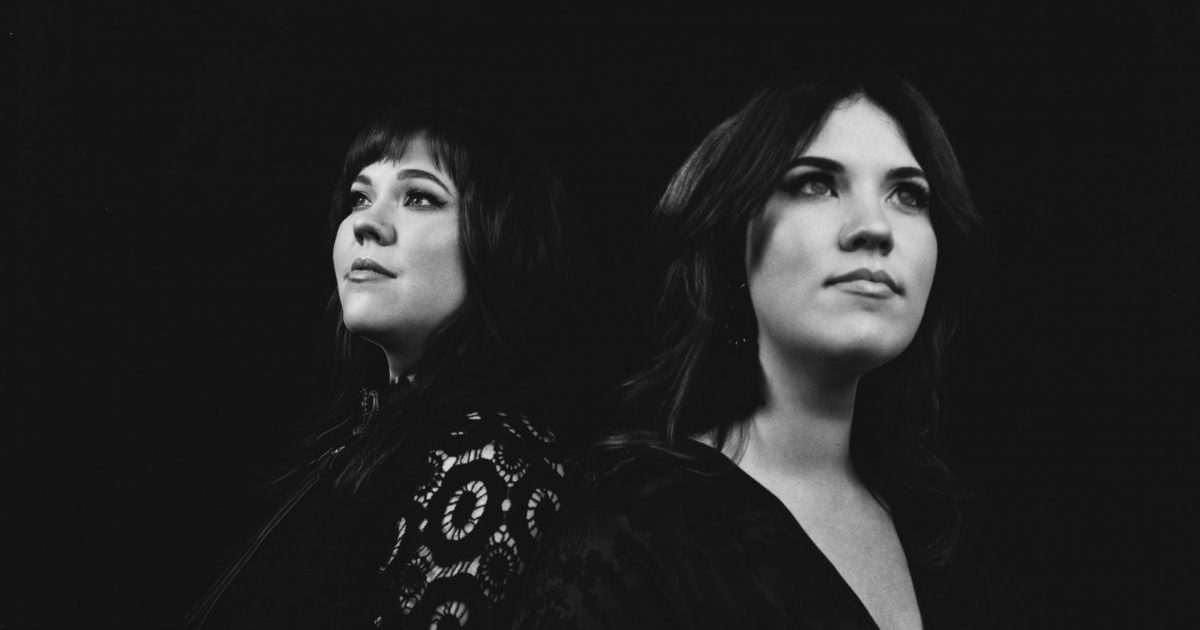
Photo credit: Jeremy Cowart

The Show on the Road – Madi Diaz

This week on The Show On The Road, we go on a deep dive with Madi Diaz, a sought-after Nashville-based songwriter who may have dropped among the most devastating and powerful break-up albums of the decade with her newest LP History Of A Feeling, a searing debut on Anti- Records.

LISTEN: APPLE PODCASTSSPOTIFYSTITCHER

If you’ve made it to the doldrums of your mid-thirties, you’ve probably had your heart broken once or thrice. Diaz is no exception, except unlike the rest of us who may try and forget all about those lost love affairs, Diaz does the opposite. She chronicles the destruction of her last relationship with a craftsman’s precision, creating a series of unvarnished, seething, diaristic songs about an ongoing and fractured grieving process.

Diaz opens with the gut-puncher “Rage,” which says a lot even if it’s under two minutes long. Is it ok to not be ready to move on? To hate that you HAVE to move on? Soon after she’s “Crying In Public” and immediately after that she’s baring her teeth in the standout acoustic single “Resentment” — which was initially covered by moody pop hero Kesha. Does it get brighter from there? Not exactly, but it’s better that way.

It could be way off base, but maybe History Of A Feeling is our updated Jagged Little Pill without the pop artifice. Not that Diaz sings at all like Alanis Morissette, but a similar hope for heartbroken catharsis weaves its way throughout. Working with Big Thief collaborator and soulful producer Andrew Sarlo surely helped capture the intimate vibe, with certain songs barely needing more than a guitar and her direct, cutting voice. Without an army of synths or the armor of an orchestra behind her, or the security blanket of a band smoothing out the edges, the rawness of the emotion in each song sings out louder.

Diaz grew up in Lancaster, PA with a dad who had his own Frank Zappa cover band (she mentioned that she indeed had her own teen version) and then later dropped out of Berklee College of Music to hit the road with her own work. She has never been afraid to pick at the shrapnel in some of her deepest wounds to create songs that leave their own mark after you listen. She’s put out more atmospheric, pop-forward work — like We Threw Our Hearts In The Fire (2012) and Phantom (2017) — for a decade, but this quieter, more personal record feels like she’s finally found her sound.

Pulling no punches, Diaz includes a song like “Man In Me,” which references a long-time partner who transitioned to female. In a way, it was almost a double-loss, one that left her feeling confused and guilty for feeling angry at all. And yet — when we reach the end of History Of A Feeling, the feeling we get isn’t bitterness or rage any longer — it may be that most elusive of the grieving steps: acceptance. And maybe even forgiveness.


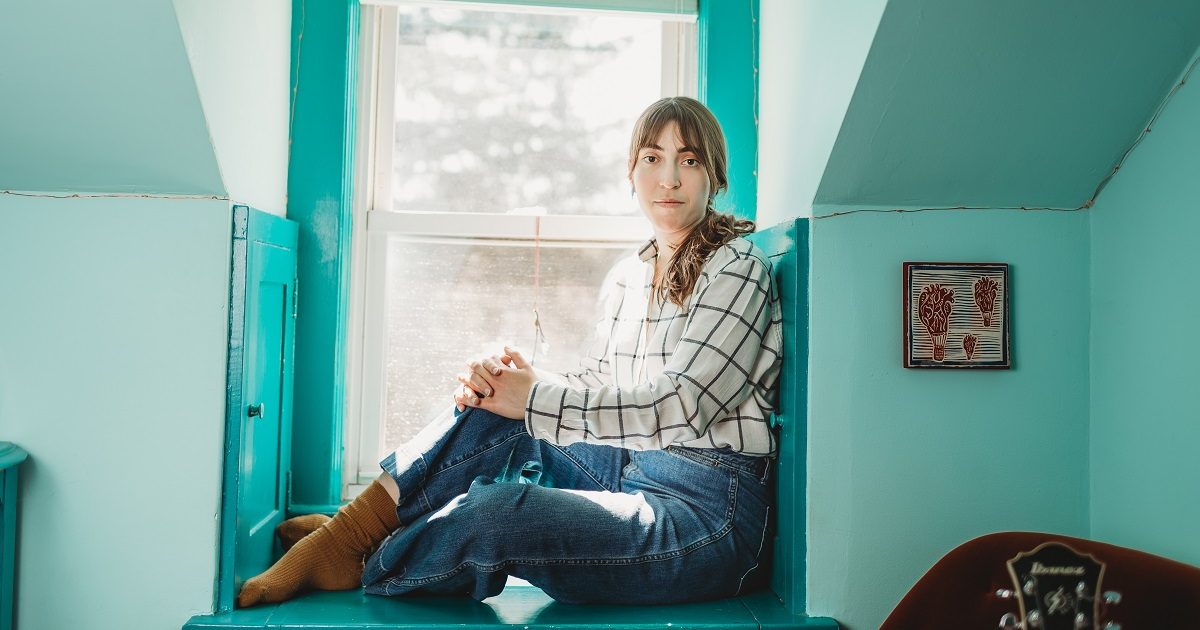
Photo credit: Lili Peper

LISTEN: Swamptooth, “The Owl Theory”

Artist: Swamptooth
Hometown: Savannah, Georgia
Song: “The Owl Theory”
Album: B-Flat Earth
Release Date: September 17, 2021

In Their Words: “This song was written by guitarist Jay Rudd. In the Netflix series The Staircase, crime novelist Michael Peterson was convicted of murdering his wife who was found dead at the bottom of the stairs in their home. A few years later a neighbor brought forth a new theory that an owl had attacked Peterson’s wife on her way inside the home and she had fallen down the stairs during the resulting confusion. Many have argued that the theory is plausible due to evidence such as microscopic owl feathers found in her hand. This song manifested after visualizing the owl attack and subsequent fall down the staircase.” — Swamptooth


Photo credit: Kelly Roetto

LISTEN: Tony Kamel, “This River”

Artist: Tony Kamel
Hometown: Austin, Texas
Song: “This River”
Album: Back Down Home
Release Date: September 24, 2021
Label: The Next Waltz

In Their Words: “Making music for a living is a privilege afforded to few. If you’re lucky, people may even want to see you play it. That’s a wonderful thing, but it comes with some caveats. You miss your family and friends. Even when you’re home, you play at night or on weekends when they’re home from work. But that’s just part of the deal. Would be great to make some good money doing it, too. Maybe one day…. We recorded this on the pre-production day in the studio, the day before we really got started. It was supposed to be a demo. Josh Blue played an old 1960s Maestro drum machine while I took a stab at it. It sounded really cool so we just kept it and added slide guitar by Geoff Queen and harmonies by Kelley Mickwee later.” — Tony Kamel


Photo credit: Josh Abel

MIXTAPE: Ana Egge’s Addiction to Melody

One of my favorite things in life is hearing a song for the first time that I know I need to hear again, immediately! Something about the melody or the horn part or the harmony part that catches my ear and get’s stuck in my head. Whenever that happens it’s like I need to understand why it’s so infectious. Usually I end up getting out my guitar and learning the song. It’s always fascinating to get inside a song that someone else has written. It’s a magical way to know someone. Feeling how and why they drop the beat going into the chorus or how they hold a chord longer into the bridge that gives it that special something. Here’s a short list of songs that have affected me this way over the years. — Ana Egge

Flo Morrissey & Matthew E. White, written by Kyle Field – “Look at What the Light Did Now”

My friend Mike Ferrio (Good Luck Mountain) put this as the last tune on a mixtape CD for me a few years ago. I learned it and kept showing it to all of my musician friends.

The Zombies, written by Chris White – “This Will Be Our Year”

I heard this on a TV show I think, can’t remember which one. I had no idea who it was by and I was surprised to find out how long ago it was released. It sounded so fresh! The instrumentation, the sounds, the delivery. And I still can’t get over the incredible chord progression.

The Be Good Tanyas, written by Berzilla Wallin – “Rain and Snow”

I grew up with The Grateful Dead version of this song. I just love how Frazey adds the oooh oooh‘s onto the end of the word snow. Such a great soulful addition and original interpretation of this classic murder ballad.

Phoenix, written by Christian Mazzalai – “1901”

What’s not to love about this song? I can’t sit still when it comes on. I love how they play off the beat so much!

Dengue Fever – “Tip My Canoe”

I’ve probably listened to this song more than anything other song since I got a Dengue Fever two-disc collection at a record store in Toronto on tour a few years back. It’s SO delicious and trippy and great everyday.

The Shins, written by James Mercer – “New Slang”

Such a beautiful melody and evocative lyrics. I don’t always necessarily understand what he means to say, but I feel it.

Antony & The Johnsons, written by Anohni – “My Lady Story”

Oh my god, so beautiful! Beautiful and intense and unique.

Bee Gees, written by Barry & Robin Gibb – “To Love Somebody”

One of my very favorite songs ever. How much better can a song be? They nailed it.

Gnarls Barkley – “Crazy”

Oh that dropped beat. And the melody! So cool how it builds and such a killer chorus.

Amy Winehouse – “You Know I’m No Good”

Incredible personal songwriting. So unflinching and honest and melodic. And such an upbeat feeling while being so depressing. Amazing.

Bon Iver, written by Justin Vernon – “Skinny Love”

I learned this to sing at my friends wedding a few years back. Once again, just magical what an original artist express when they have an inspired idea and melody over Am and C, y’all!

Kimya Dawson – “Anthrax”

I moved to NYC right after 9/11 and went to a talent hour type show. Burlesque and poets and then Kimya Dawson got up and sang a few songs. Her band The Moldy Peaches had recently broken up (I hadn’t heard of them). I bought every home-burned CD she was selling and loved them all. But this song about 9/11 is just brilliant.

Elizabeth Cotten – “Freight Train”

I don’t remember how I old I was when I first heard this song. But I do remember feeling like I’d always known it. It’s damn near perfect. Beyond the truth and depth of experience expressed in this song, I really love the big move to the E major in the key of C.


Photo credit: Shervin Lainez

Andrew Marlin Reveals the Observations and Explorations Behind ‘Watchhouse’

When you’re the child of musicians, you get to see the world. By the time Andrew Marlin and Emily Frantz’s daughter Ruby was one year old, she had been to 34 US states and nine different countries. “She was on a bus when she was three months old,” says Marlin. “She loves traveling.”

After a year of hiatus, the family of three is back on the road again as the duo formerly known as Mandolin Orange tour their new self-titled album, Watchhouse. And Ruby, now a toddler, has transitioned back to road life more smoothly than her father, who admits he’s still “struggling to find my sea legs.”

But then this has an unarguably big summer. Performing as Watchhouse, after more than a decade as Mandolin Orange, was no small change. A year of lockdown had given the couple space to reflect on a name change that they’d wanted for a while, but resisted, concerned at how any reinvention would affect their devoted following.

Their latest project proves that their fans have nothing to fear: a medley of richly intimate songs and beautiful vocal harmonies that’s as identifiably them as anything they’ve ever made. Marlin, who writes the songs and plays mandolin to Frantz’s acoustic guitar, spoke to BGS about the new album from their North Carolina home, where they were enjoying a short pause between gigs.

BGS: Your current tour’s taking you coast to coast, from the Newport Folk Festival in Rhode Island to Redmond, Washington and all points between…

Marlin: It’s all over the map, literally. We’re out for three or four days at a time and I’m enjoying being back on tour but it’s kind of difficult to get in the groove. After we’ve been moving at a snail’s pace at home this past year, this all feels so fast-paced, so much to keep up with!

How do you feel about touring in this age of COVID. Does it feel safe yet?

I was one of the naive ones who thought we were nearly done with this thing, but we’re really not. There is a vaccine but people just aren’t taking it. So no, I don’t feel safe at all. But it’s a balancing act: we need to make money because we haven’t worked in 18 months, and we want to play shows, because that’s what we’re driven to do. Everybody wants to get back to their lives, everybody needs purpose to stay sane. To feel like there’s a reason to get up in the morning.

Was a year of lockdown hard as a new parent?

It’s all relative. Emily and I travel so much that we wouldn’t have spent so much time home as full-time parents otherwise. Eighteen months ago you would have been talking to a different person, but now I just try to live day to day, and write a little here and there. It was really difficult to write at the beginning of the pandemic, though. As a songwriter I try to latch onto things that not many people are writing about and with so many people thinking about the same thing it was hard to separate myself from it and find a way to write about it that didn’t seem unoriginal. I wrote a lot of instrumentals so I could explore how I was feeling without having to put it in words.

Have you discovered some good tunes for getting Ruby to sleep?

Pretty much anything by Paul Brady. She loves him, especially that album he did with Andy Irvine. I put that on and she’ll start talking to Paul and Andy. And because she’s been around our music since she was in the womb, if I sit down and play mandolin very quietly that’ll chill her out. I’ll sit in her room and play and she’ll doze off.

There are a lot of songs sung from a parent’s viewpoint on this new album: “Upside Down,” “New Star,” and “Lonely Love Affair.” Has becoming a father changed your perspective as a songwriter?

Passively, yes. I think the change is that I would love to help pave a safe path for my daughter and hopefully inspire some of our listeners to be kind and open up a kind world for her to go into. And that’s made my its way into my perspective even in songs where I’m not talking about it.

That’s very much the message of “Better Way,” which is about online trolling. Was that inspired by a specific incident?

A number of incidents. It isn’t unique. Every time somebody puts themselves out there on social media you have the people who love to drum up negative energy. And I can’t wrap my head around it because that’s not how I was brought up. I rarely meet people who would do that when they’re talking to you face to face. So I don’t understand why those people feel compelled to sit at their computer or pick up their phone and try to rip others apart. It’s a weird way to live.

Emily says it’s one of the favorite tracks you’ve ever laid down together.

Yeah, I love the sound of that tune. It’s a gentle drive to it, the way the groove is so set. It has this steady pulse that fits with the whole idea of the tune, this nagging thing in the back of my head: why do people feel compelled to be such assholes?

These songs were recorded all the way back in February 2020. Where did you decide to record them?

We did it right outside of Roanoke, Virginia. It’s not quite in the mountains, but it was in the hills for sure, a very peaceful place on a lake. I like making records in places that aren’t studios. It feels a little more free, to just go sit in a living room and to turn that space into a very positive musical environment is way more appealing to me than a studio where you’re watching the clock and every time you hear it tick that signifies a certain amount of money. I think you feel that relaxed energy. There’s no trying to beat the clock on this record. It’s exploring all the directions we could go as a band.

The sound of the album is certainly more exploratory than previous ones — a little richer in texture, a little less acoustic, even a touch psychedelic at times…

There are a lot of sounds we’ve used in the past but on this one we didn’t try to hide them. In the past we’ve tried to keep the simplicity of what Emily and I do in the forefront and have all these light textures around that. I think of it as a mountain peak. We’d be up at the top singing our songs and beneath us is this luscious forest, a lot of organ songs, electric guitar, drums, bass. Well, on this record we brought all the sounds up to the same level.

We’d been touring with many of these musicians since 2016 and so we were already thinking about arrangements that worked for the band and it’s a good representation of what we can do live, as a unit. A lot of people think of Emily and I as a folk duo but we have a lot of music in us! It felt nice to change the name and feel we can do whatever we want to and not limit ourselves to any idea of who people think we are.

The new name, Watchhouse, seems to be a good choice to reflect the observational world of your songwriting.

One of the most important things you can do as an artist is observe the world around you and I’ve always sought out those little peaceful places I can let my mind wander. I don’t do well in chaotic situations. I’m not the one to be right up the front by the stage in a show. I’ll usually go hang out in a corner and close my eyes and listen. I just like to find those places wherever we are, whether we’re on tour, in our neighborhood, or at home.

It makes you sound like a pretty chilled person to live with.

I play music a lot, so if you don’t like to hear constant music then probably not… in lockdown there was a lot of noodling, a lot of searching. A lot of aggression being taken out on an instrument too.

Fair point, I can see Emily needing an occasional break from that.

Oh yeah, all the time! She’d send me out of the room, or she’d go out herself…

You’ve been in a band together for 12 years, and all that time you’ve been a couple too. How do you manage to spend so much time together without driving each other crazy?

We’ve talked about that sometimes, especially with Emily’s parents. They can’t seem to wrap their head around it. I guess we just like each other!

One song on the album that seems especially raw is “Belly of the Beast.” Can you tell me the inspiration behind that?

I wrote that tune after Jeff Austin committed suicide. I didn’t know him super well, but we had a lot of mutual friends and had crossed paths through the years and it woke me up in a scary way. Being a full-time musician you have to continually find new ways to stay relevant and interesting to people, and you have to deal with real bouts of anxiety and self-consciousness. Is this good enough? Am I good enough? Writing and playing is something I’m extremely driven to do for myself, but I also have to do it for others, and I throw my music out in the world to be judged by other people. It’s a weird process that I’ve found is extremely helped by therapy!

So is that what performing is for you: “Hiding from the monsters in the belly of the beast”?

Yes — I love that line. When people talk about being nervous to perform, for me it’s not wondering whether I’m able to perform well, it’s more that when I step out on stage I don’t know what that crowd’s energy is going to be, how receptive they’re going to be. Are these people going to allow me to be myself tonight or am I going to have to put on a hat? For the most part our fans are really receptive and I can be myself. That’s when it feels like things are right.

“Beautiful Flowers” is one of the more cryptic songs on the album. It starts with a tiny flash of color and ends with some powerful images about the climate crisis. How did you get from one to the other?

I hit a butterfly when I was driving down the road and it really bummed me out. Animals have no ideas what cars are. For something to come out of nowhere at 70 miles per hour has got to be the weirdest thing in the world. And that got me thinking about who had made the first car, and it turned out it was this guy, Karl Benz. And when he made this car he had no idea where it was going to lead and how terrible it was going to be for the environment.

For our own convenience we destroy a lot of this world and don’t give a lot back as humans. And my car hitting that butterfly felt like a really strong metaphor for what we’re doing to the earth. It’s a very delicate ecosystem and we’re killing all its intricate little working parts.

Is that a challenge for you, too, with your own carbon footprint as a touring musician?

Our carbon footprint is massive, riding on buses and planes and cars… going to a festival and them using generators to supply all the power. We all see all the problems but how to step outside of your own daily needs and confront them is the conundrum, and I’m as guilty as anyone. How do you inconvenience yourself to make positive change in this world? We’re asking ourselves that right now in terms of racism, climate change, housing inequality, you name it.

Given how personal the songs are, and the fact they’re drawn from your shared life, do you ask for Emily’s input or approval as you’re writing them?

No, not really. The way I write I’ll take a specific idea and continue to break it apart until it’s more universal. I don’t want to reveal too much of myself in any given tune. I’m not laying out a bullet point retelling of my life, just musing on how I felt in a given situation — or maybe how Emily felt, or maybe a friend of ours. In fact sometimes I’ll play a new song for Emily and I’ll tell her what it’s about and she’ll say, “Huh, I thought it was about this.” And you know what? She’s not wrong.


Watchhouse is coming to the Theatre at the Ace Hotel in Los Angeles on Saturday, February 19th 2022 – grab your tickets here.

Photo credit: Shervin Lainez

LISTEN: Adrian + Meredith, “Valley View”

Artist: Adrian + Meredith
Hometown: Nashville, Tennessee
Song: “Valley View”
Album: Bad for Business
Release Date: August 20, 2021

In Their Words: “‘Valley View’ was fully inspired by a tour we took of Ellis Island a few years ago. Both of us are descendants of early 1900s immigrants from Eastern Europe and our great-grandparents made the journey through Ellis Island from Poland. We looked up their registration info beforehand, but were not prepared for the gravity of emotion we would feel after finding the Krygowski and Stefko family names written in the book, ages 16 years old.

“The building is beautiful and you can’t help but wonder what it felt like back then, immigrating to the USA. We spent the day there and it felt like somewhere we’ve been before. It reminded us a lot of European architecture. Meredith especially was inspired by what she saw and wrote her first song from the experience. To us, the biggest takeaway from visiting Ellis Island was to remember that it wasn’t as much what immigrants were coming for, but what they had to leave behind due to drought, famine, religious persecution, etc., and what they were willing to offer to their new country. In today’s political climate, this song serves as a needed reminder that we are all immigrants on this land.” — Adrian + Meredith


Photo credit: Joshua Black Wilkins

What Amythyst Kiah Is Really Singing About in “Black Myself” (Part 2 of 2)

When Amythyst Kiah was a teenager in the suburbs of Chattanooga, Tennessee, she wanted to be “the guitar-playing version of Tori Amos.” Locked away in her room with her headphones pulled over her ears, poring over liner notes and listening intently for every nuance in her favorite records, she found solace in the way Amos told her darkest secrets in her songs and how she turned that vulnerability into something like a superpower. It made her feel less alone, especially as a young, closeted Black girl in a largely white suburb. Tori Amos helped her survive adolescence.

Kiah didn’t grow up to become any version of her hero. Instead, she simply became herself. Her new solo album, Wary + Strange, ingeniously mixes blues and folk with alternative and indie rock, devising a vivid palette to soundtrack her own songs that tell dark secrets. It’s one of the most bracing albums of the year, grappling with matters both personal (her mother’s suicide) and public (the struggles of Black Americans). “Now, when I’m in my mid-thirties,” says Kiah, “it’s amazing to make a vulnerable record and then have people at my shows tell me that my music helped them heal, helped them get through some hard times. To have someone connect with my music is really powerful.”

Editor’s Note: Read the first half of our BGS Artist of the Month interview with Amythyst Kiah here.

BGS: These songs are rooted in your own life and your own experiences, but they do seem like there is something universally relatable in them. Is that something you were thinking about or striving for?

Kiah: Yeah. To have someone connect with my music is really powerful. But that’s been hard to process that idea, because for the longest time I had so much social anxiety and depression and low self-esteem. I didn’t think that much of myself and couldn’t imagine that anybody really cared about me. It’s all stuff related to mental health. Obviously there are people who cared about me. I just couldn’t see it. Now, I’ve come around and maybe fully grasped my value as a person and what I have to offer the world, and that has been very reaffirming. I have a better sense of who I am and why I’m here. And it feels good to make music that helps people get through hard times.

What is it like to revisit the tough times in these songs night after night?

I’ve spent some time thinking about that, and I don’t really know how I’m doing it, to be perfectly honest. A big part of it is that I spent a really long time repressing my emotions and keeping my feelings to myself. So writing a song about how I’m feeling is a sign that I’ve processed it. Not that I’m moving on or I’m done with it, whatever I might be writing about. But I’ve confronted it. I’ve learned from it. And now I can continue with my life and move forward.

A big part of my life has been living in the past and not being fully present in the moment. In order to be present, you have to be able to process stuff that’s happening to you in that moment. Otherwise, you make decisions based on something that happened before. So, a song is a representation of me processing something and understanding what happened to me. Singing that song night after night, it doesn’t feel like I’m necessarily reliving it every time. Because I’ve already processed it. That’s my working theory right now. It might change.

That’s something I think about a lot, because as a listener I can play a song based on the mood I’m in. But as an artist, you’re locked into these songs. You can’t not play them.

I get what you’re saying. The way people listen to music is really fascinating to me. My partner and I, we approach music very differently. My approach has always been to listen to things that reflect my mood. When I was younger, that meant listening to a lot of really sad, depressing songs. Somehow that made me feel good. I’m a very critical listener of music and I like to listen to all the different intricacies. I’m not someone who has a vast library of music, but I’m obsessed with certain sounds and ideas so I will listen to an album and pick apart every detail.

But my partner listens to music to shut her brain off. Her favorite artists are very different from mine. She loves a lot of pop music, like Taylor Swift. To her it’s feel-good music. You break it out and sing along. But she also listens to a lot of classical music, too. She’s got that ability to go back and forth with her listening vibe. That was surprising to me at first, because I used think, “How can people listen to happy music? Don’t they know what’s happening in the world?” I would deliberately avoid happy music because I was personally insulted by it. But thanks to my partner, I can totally see that perspective where you’re listening to music that doesn’t reflect the mood you’re in because you’re trying to snap out of it.

Did that change how you listened to music?

As I’ve gotten older and my mental health has gotten a lot better, I can appreciate listening to something that is just meant to be fun. It doesn’t have to be a super serious moment. I think I learned how to be a lot less pretentious about what I listened to and why I listened to it, and I learned to be a lot less judgmental about other people’s listening habits.

Some lines in these songs sound very defiant of religion — like in “Black Myself,” when you sing, “Your precious God ain’t gonna bless me.” Can you talk about that aspect of your songwriting?

With “Black Myself,” the idea was that each verse would be from the perspective of a specific type of person. So the first verse with that line is from the perspective of an enslaved person. They’re singing about wanting to jump the fence, wanting to be free, wanting to be with the one they love. If an enslaved person had a relationship or a marriage, it was never legally recognized. There was always a chance that they might get sold to different people and they’d never see each other again. Whatever bonds they had could be broken, like they were just cattle. The line about “Your precious God ain’t gonna bless me,” that’s a direct reference to the way that pro-slavery people used Christianity as a way to justify enslaving people.

There was a Bible specifically written for enslaved people — it was even called the Slave Bible — and the people who edited it made sure to only leave in the verses that talk about being obedient. All the verses that talk about autonomy and freedom were removed. The sole purpose was to get enslaved people to be content being slaves, so they wouldn’t revolt. But they were basically saying, “God wants you to be enslaved. He wants you to serve your master. He wants you to be treated like a subhuman.” That is not a God that I would ever want to believe in or ascribe to. That line is that character saying that’s wrong.

I’ve had one or two instances where someone got upset at that line, because they felt like I was being disrespectful to God without really understanding the context in which it’s being said. But I don’t agree with that. There are people all over the world with different belief systems, and at the end of the day, if what you believe in makes you a better person and makes you have respect for humanity, that’s wonderful. If you believe in humanity, that’s what important to me. But why would God be OK with telling someone they have no freedom? But any time you make art, there’s always going to be people who see one thing but not everything else surrounding it. And they base an opinion on that. Not everybody’s going to understand the whole picture.

I read about your performances in Europe, where the crowd would sing “Black Myself” back to you. It definitely seems to reinforce that idea of having a conversation with the song.

I was at the Cambridge Folk Festival with Rhiannon [Giddens], Yola, and Kaïa Kater. We put together a set where we’re singing our own songs and then singing harmonies for everybody else’s. There had to be 500 or 600 English white people in this tent, and it was the first time I’d really noticed other people singing the song or singing that line, “I’m black myself.” I remember thinking, “What planet are we on?” One of my biggest reservations about that song was that people would hear it and think, “Oh, that’s just for black people.” But to me, when someone’s telling a story, it’s meant for everyone to hear. Systemic racism is something that affects everybody in different ways, so we all need to be part of the conversation if we’re going to make things better and look out for each other.

Did you get any other negative responses to the song?

My big concern was that there would be some backlash from white people who weren’t really listening to the song or thinking about it. I was afraid they’d try to make a point like, “If this was called ‘White Myself,’ you’d be canceled.” And there have actually been some comments like that, which completely disregards the fact that the song is about Blacks. It’s about overcoming adversity despite being Black. So if someone can’t hear the words of the song and actually understand what’s happen, that says more about them than it does about me or the song. So I have no apologies for it.

But there are white people who understand what the song is about and they’re singing in solidarity. They know that it’s about human experience. And just because you didn’t personally experience some of this stuff doesn’t mean you’re not allowed to sing along with it. I had a similar conversation the other day with somebody about the song “Coal Miner’s Daughter” by Loretta Lynn. I’m not a coal miner’s daughter. I didn’t grow up in the coal mines. But I love that song and I love to sing that song. It’s a great song about someone else’s experiences. Empathy is such an important quality in that regard and we need allyship in order for things to get better.

Editor’s Note: Read the first half of our BGS Artist of the Month interview with Amythyst Kiah here.


Photo credit: Sandlin Gaither