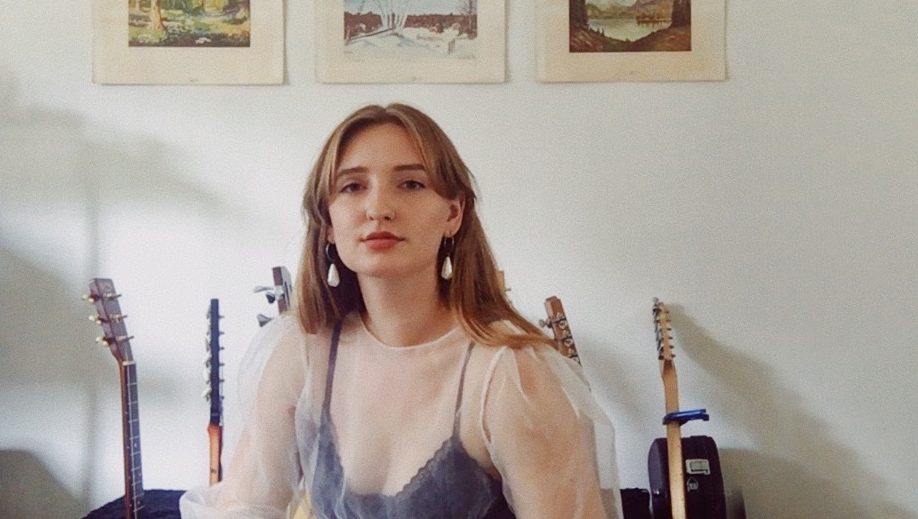
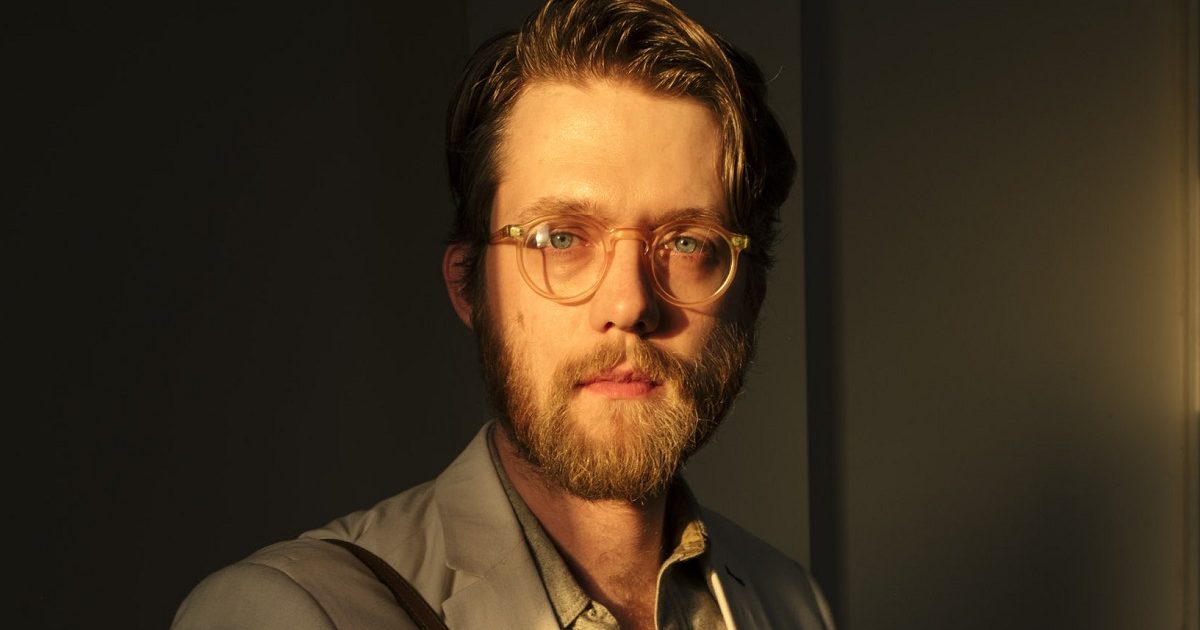
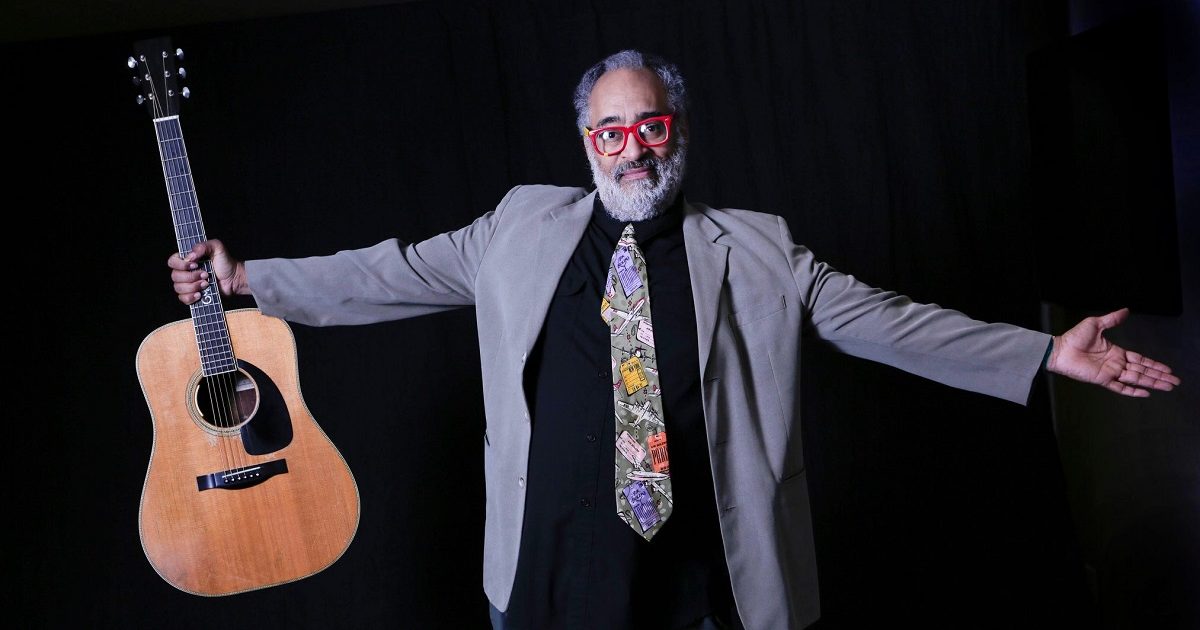
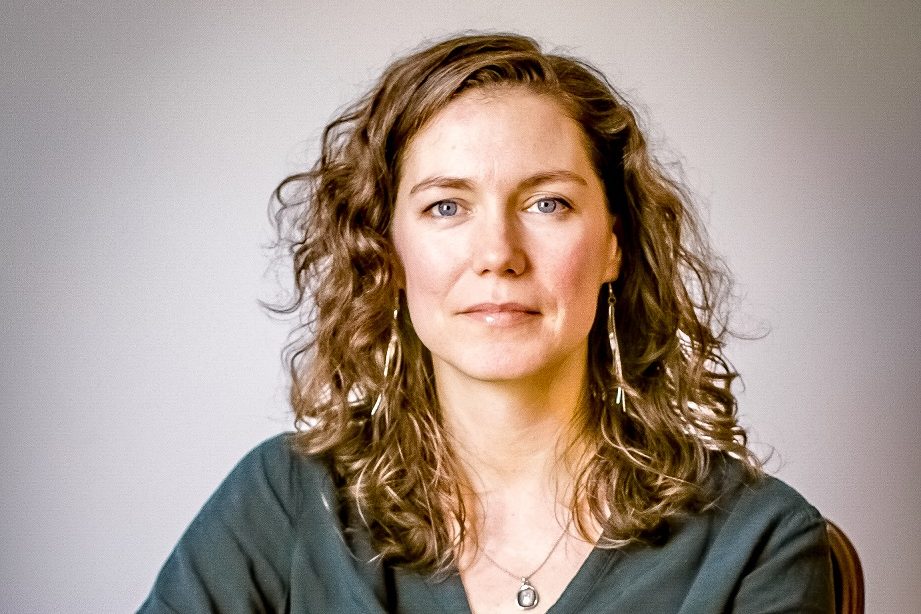
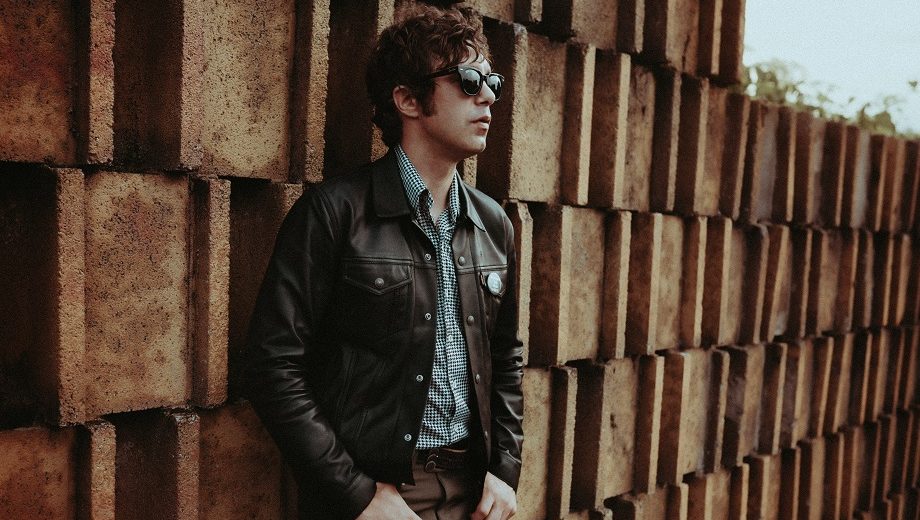
BGS 5+5: Madison Cunningham

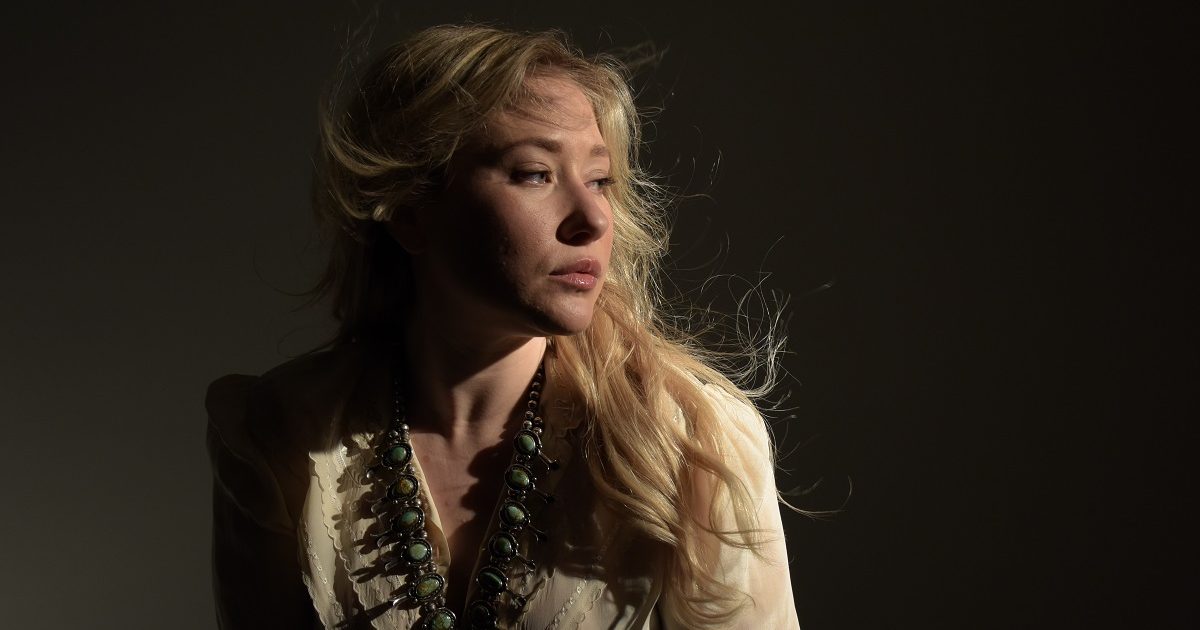
Artist: Madison Cunningham
Hometown: Orange County, Califoria
Album: Wednesday EP

“I challenged myself at the beginning of last year to learn and post a cover song every week as a way to stay inspired both in writing and performing. What started as a fun prompt cracked something open in me and stayed for good, freeing me up in the areas I tend to be too cautious in. After weeks and weeks of this, I decided to release four of these songs as an EP of interpretations, in hopes that they would bring comfort to people in the same way they for did me during this painful year.” — Madison Cunningham

Which artist has influenced you the most … and how?

It’s hard to give credit to only one as so many artists helped me along in different phases of my life. But if there’s one artist that encompasses all forms of my deepest interests, which is singing, playing, and writing, it has to be Joni Mitchell. She taught me how to sing and how to be a free thinker. Her music cracked me open as a young shy writer.

What’s your favorite memory from being on stage?

I was in Aspen, Colorado, last year opening for Amos Lee. I’m not quite sure if it was the elevation or the drunk audience, but it holds the record for being one of the most comfortable and freeing shows that I’ve played to date. For me, if there’s one small accident or interruption during the tuning portion of a performance, it makes me feel right at home. The conversation is the fun of it and makes the music feel invincible. Without it, I feel like I opened the door to the wrong apartment.

Since food and music go so well together, what is your dream pairing of a meal and a musician?

I think the only answer to this question is to eat some sort of red pasta with red wine, while sitting across from Joni Mitchell underneath a New York veranda. Ideally at sunset. But the truth is, I’d jump at any chance, at any hour, to have such a meal.

What’s the toughest time you ever had writing a song?

Probably when writing “Something to Believe In.” It’s quite possibly my favorite song that I’ve written, but cost me most of my hair. I sat on the chorus, and verses one and two, for about six months. And on the day I decided to finish it, I was pounding my fist against the floor and standing on my head trying to come up with verse three. Even after I finished it, I wasn’t convinced this song was for me to sing. So I gave it to a friend and then ended up recording it myself later.

How often do you hide behind a character in a song or use “you” when it’s actually “me”?

I think every character is some three-dimensional form of myself. The only way you can write sincerely about someone is by relating to them, and you really only have your own experience to go by. Writing from a character’s perspective also gives you a kind of bravery to write about yourself, freeing you up to say things you’d normally feel was too forward. It’s an “I’m only the messenger” sort of a thing.


Photo credit: Claire Vogel

BGS 5+5: Liz Longley

Artist: Liz Longley
Hometown: Nashville, Tennessee
Latest album: Funeral For My Past

What was the first moment that you knew you wanted to be a musician?

I grew up in and around music. I was young when I started dreaming of being a singer, but I truly had no idea what it entailed. Despite being shy and introverted, I would sing solos in the middle school choir. At fourteen, I started writing my own music. When I first played an original song, I got a standing ovation from my high school body. That’s a powerful moment for a kid. I knew then that music was what I wanted to do with my life.

How often do you hide behind a character in a song or use “you” when it’s actually “me”?

When it’s about me, I sing it from my perspective. It’s harder for me to connect to it when I’m hiding in character. But, I usually have one or two songs per record written from another person’s perspective. Getting outside of my own story and my own perspective can be very liberating. On my latest record, “Long Distance” was not written about my life specifically. Using lyrics to basically design a set in which to tell a story is a great exercise in creativity.

Which artist has influenced you the most … and how?

Joni Mitchell is always my answer to that question. I was listening to Blue non-stop as I started writing my own music. Listening to Blue taught me that if you have a great song, you don’t need to dress it up much. A great song, a beautiful voice and a guitar still get me every time.

What’s your favorite memory from being on stage?

After ten straight years of touring, I have been lucky to experience so many wonderful things on stage. As far as favorite shows go, I’d probably choose one of the last shows I played pre-COVID. It was February and I was headlining The Bluebird Cafe here in Nashville, Tennessee. The show was an intimate celebration, packed with people I love who flew in from all around the country. That night kicked off a whole weekend spent with twenty Kickstarter donors who made Funeral For My Past possible. It was the kind of togetherness that I really miss these days.

What rituals do you have, either in the studio or before a show?

A good little vocal warm-up always calms me down and helps me prepare for shows/singing in the studio. The one I do now involves blowing into a straw that is in a cup of water. It’s not annoying at all for anyone who has to hear it. 😉


Photo credit: Kate Rentz

The Byrds’ Chris Hillman Reflects on ‘Laurel Canyon’ and Why He Had to Leave

Splitting off from Sunset Boulevard in West Hollywood, Laurel Canyon Boulevard runs a circuitous route through unkempt mountain acres, past the Laurel Canyon Country Store, weaving and curving for miles before finally spilling out in Studio City. Along the way small roads split off into the mountains like tributaries from a river.

Up these narrow, twisting mountain byways lived many of the musicians who, in the late 1960s and throughout the 1970s, exerted an incalculable influence on popular music: the Byrds chief among them, but also the Mamas & the Papas, Joni Mitchell, Love, James Taylor, the Monkees, and Crosby Stills & Nash. Together, they transformed folk music into folk rock and singer/songwriter fare, transforming it with new sounds, new ideas, new priorities, and — it can’t be denied — new drugs.

This strange, paradoxical place — a rustic mountain paradise nestled within the purgatory of Los Angeles — is the subject of a two-part documentary on EPIX, directed by Alison Ellwood and produced by Alex Gibney. Across two 90-minute episodes, Laurel Canyon traces the comings and goings of several generations of folk rockers down the boulevard and up into the hills.

Ellwood depicts this place as something like a bucolic community that enabled and encouraged romantic and musical collaboration among its denizens. A struggling musician named Stephen Stills flubbed an audition for a TV show called The Monkees, but suggested his roommate Peter Tork try out for a role. Mama Cass introduced Stills and David Crosby to a British musician named Graham Nash, and the trio became one of the most successful groups of the 1970s. A band of freaks from Phoenix, Arizona, calling themselves Alice Cooper showed up at Frank Zappa’s cabin at 7 a.m. — about twelve hours early for their audition. The stories go on and on, too much for even a lengthy documentary to contain.

Laurel Canyon didn’t just offer a sense of community along with unobstructed views of the city at night. It also gave these musicians access to the city itself — in particular, the happening Sunset Strip clubs like the Troubadour, Pandora’s Box, Ciro’s Le Disc, and the Hullabaloo Club. It was a neighborhood galvanized by the riots in 1966, when young clubgoers protested a police-imposed curfew — a pivotal moment in ‘60s radicalism and the inspiration for Buffalo Springfield’s “For What It’s Worth.”

The popularity of the music written in the hills above the Strip meant that Laurel Canyon’s most famous residents spent more time away from the canyon, spending weeks in the studio recording their next albums or months on the road playing their songs in front of growing legions of fans. Elwood’s documentary strays from the locale in its title, traveling as far away as Bethel, New York, for the Woodstock music festival in 1969, which demonstrate how deeply these new musical ideas were taking across the country.

There are, refreshingly, few talking heads in these two episodes. Rather than the usual musicians rhapsodizing about their youth, Ellwood frames the documentary with remembrances by a pair of photographers, Nurit Wilde and Henry Diltz. Their archival images and films make up the bulk of Laurel Canyon, which makes it all seem more immediate, as though fifty years ago was just yesterday. In that regard it’s closer to Tarantino’s Once Upon a Time in Hollywood than Jakob Dylan’s Echo in the Canyon.

But that also makes this historical moment seem more fleeting. Around the time that Charles Manson sent four of his followers to a house he thought belonged to producer Terry Melcher, drugs started to infiltrate Laurel Canyon, puncturing what Graham Nash calls a “beautiful bubble.” Grass and booze are quickly displaced by coke and heroine, and the scene chills a bit in the 1970s, as a new wave of musicians moved in to these houses and crash on these couches.

There are many stories from Laurel Canyon that don’t get told in the documentary, as well as many songs that don’t get played and many artists who don’t get mentioned. There’s no trace of Van Dyke Parks, the eccentric L.A. arranger who affectionately satirized the community on “Laurel Canyon Boulevard,” off his 1968 album Song Cycle. “What is up in Laurel Canyon?” he asks, quixotically, like the most ironic tour guide. “The seat of the beat,” he replies to himself.

On the other hand, the film can only hold so much. And the stories that Ellwood does tell add up to something larger: Laurel Canyon is less about a place and more about an idea. It’s about how different strains of traditional and popular music commingle and mutate, how they point to an infinite set of possibilities for voice and guitar (and drums and bass and amps and keyboards and synthesizers and so on).

On the eve of the documentary’s premiere, BGS spoke with one of Laurel Canyon’s early and most famous residents, Chris Hillman.

BGS: You moved to Laurel Canyon in 1965. What took you there?

Hillman: First thing on the list was, I needed a place to stay. The Byrds were getting going and starting to gain a little ground, and I had already known about Laurel Canyon. It was purely by accident that I’m up there one day by the country store, and I run into a guy who had a place to rent. It was wonderful. It was up on this road overlooking the entire city of L.A. You can imagine how beautiful it was at night, with all the lights on and everything. Shortly thereafter, David Crosby moved up there, and then Roger McGuinn. I’m not sure where Mike [Clarke] and Gene [Clark] were. They were probably up there, too. The Byrds were very early occupants of the area.

To what degree was it like a small town in the middle of this big city?

It sorta was. But it was trying so hard not to be that. We were literally four minutes away from the Sunset Strip. So you went from this incredibly energetic, fast-moving madness of the Sunset Strip clubs, you go up Laurel Canyon Boulevard, and in four minutes you’re up in this pristine, quiet environment with all these beautiful old houses. We weren’t the first ones to discover this place. People were living up there in the ‘40s and ‘50s — some actors and a lot of artists. It already had this reputation as a bohemian beatnik enclave.

There was the famous legend that Houdini had a house up there. People would be driving around and point out a place and say, “That’s where Houdini lived.” They’d point out some old wreck of a place, some ruins of an old structure. There were a lot of good legends to the place. I think that’s where Robert Mitchum got in trouble at a party in 1949 or 1950. He walked into a party and then the police came and arrested people for marijuana. He just happened to walk in at the wrong time. But he had a hell of a career after that, though, so he must have struck a deal. The musicians didn’t start moving up there until the ‘60s, and by then it seemed like a quiet mountain town that just happened to be minutes away from the heart of the city.

I always thought of it as the Woodstock of the West Coast — this retreat from the rigors of the big city.

Well, in Woodstock you’re a good long ways from Manhattan. But in Laurel Canyon you’re minutes from the Sunset Strip and maybe ten minutes from Beverly Hills or Hollywood proper. A lot of people don’t know this, but the Sunset Strip was part of Los Angeles County. It was a mile long, from La Cienega I think to Doheny. It was county instead of city, so it was run completely differently. It was patrolled by the L.A. County sheriff, as opposed to the LAPD.

Is that why they imposed that curfews that led to the riots in ’66?

The whole thing with the kids rioting had to do with the small business owners, whose businesses were being infringed upon by foot traffic. The kids were running around, goofing around, and it was killing business. I didn’t get involved in that. I just saw it on the news. I remember seeing that footage. I still lived in the Canyon then. I was there until ’68, then I moved to Topanga Canyon.

Why did you leave?

Things changed. I was still in the Byrds and I just bought a house in Topanga. No, I’ll tell you why I left. I completely forgot the most important part of the story. I’m getting older. The reason I left was, my house burned down in Laurel Canyon.

I was renting this beautiful house, and you could see the whole city. It was all wood, and I remember it was fall, then the ferocious Santa Ana winds hit. They always come around in the fall. They’re very dangerous. It was real hot that day, and the winds were kicking up, and I had pulled my motorcycle out. I was going to kick it over, but it was leaking gas and the wind blew the fumes into the water heater. It was an open-flame heater and it just ignited. It made the same sound you hear when you light an old-fashioned gas range. I literally caught on fire. Instinctively I rolled on the ground. I think I lost a bit of hair and some eyebrow before I got out of there. I jumped in my car and pulled into the dirt road. I had nothing. I had my car and that was it. I lost everything I owned.

David Crosby had just been visiting me at my house. He’d been there for an hour and left just 20 minutes before my house burned down. I think we can connect the dots! I’m kidding. I love David dearly, but I still poke him about that one. Roger McGuinn lived across the canyon from me and saw the fire. He said it looks like where Chris lives, so he starts filming it. Somehow the footage got on the local NBC affiliate. I was living in a hotel for a few nights, and I remember watching my house burn down on the TV. That was ’66.

Is that why you left for Topanga?

Well, it was starting to be the place to live. More groups were moving up there: the Turtles and Frank Zappa and Mama Cass and Peter Tork. Everything was changing. Drugs entered the picture. I ended up buying a house in Topanga Canyon, which is about 25 miles north of Los Angeles. It’s also very pristine and quiet — a little bit bigger than Laurel Canyon. A lot of people moved there, too, like Neil Young. And it was a very similar scene, with everybody interacting with each other. That should be the next documentary.


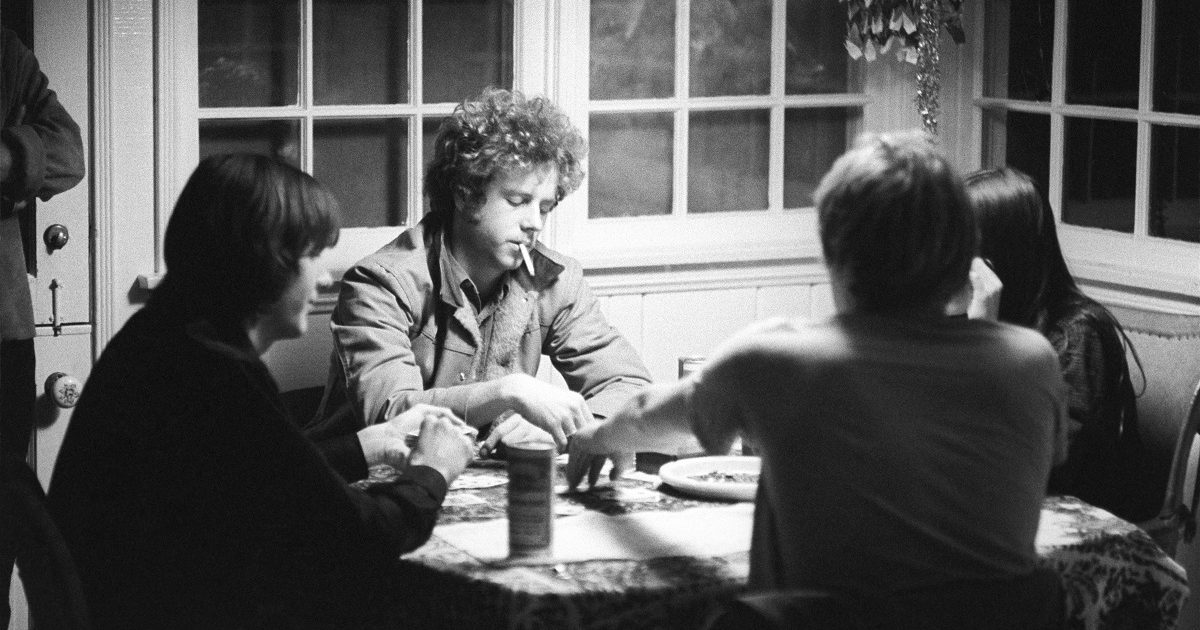
Photo of Gram Parsons and Chris Hillman playing cards: Courtesy of Nurit Wilde
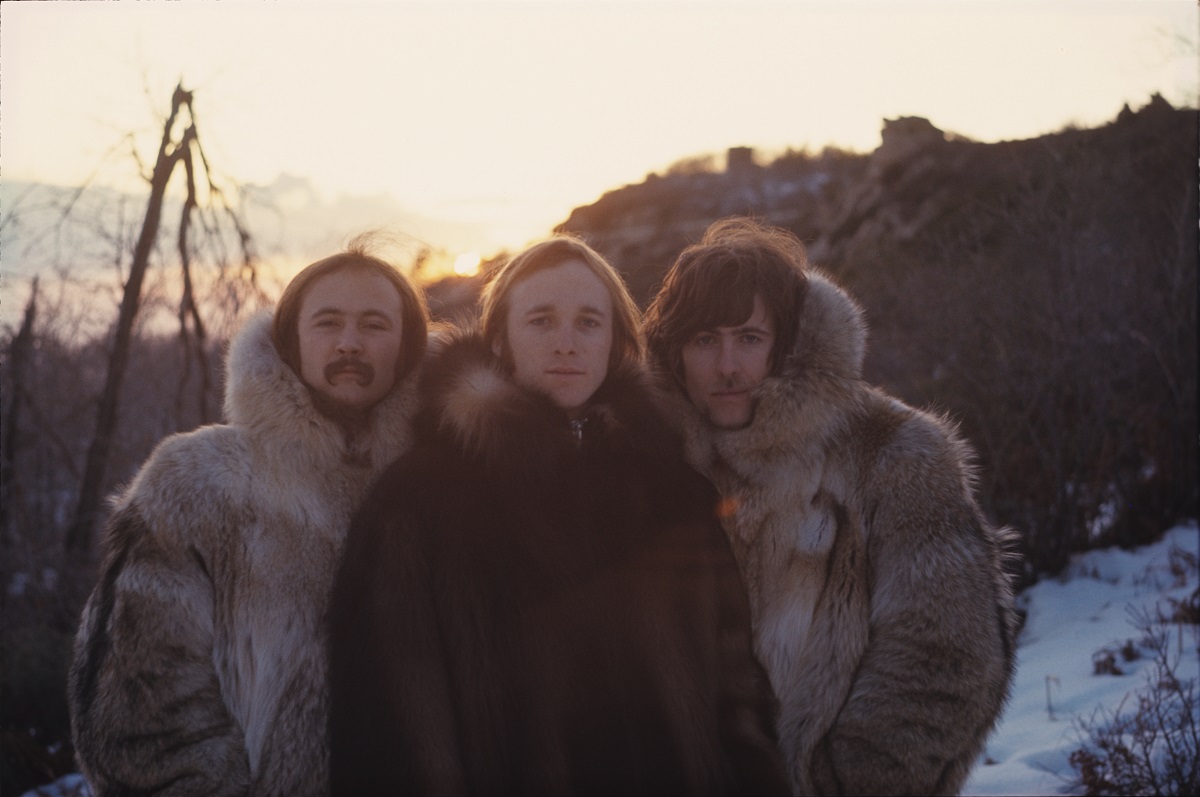
Photo of Crosby, Stills & Nash at Big Bear: Henry Diltz
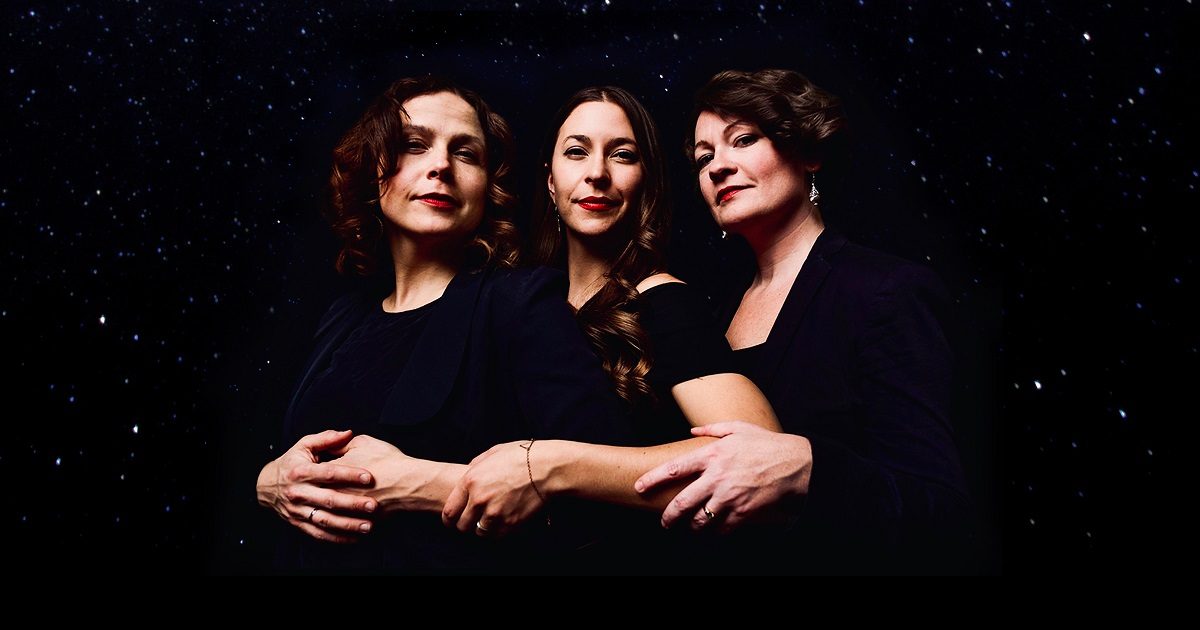
BGS 5+5: The Sweet Water Warblers

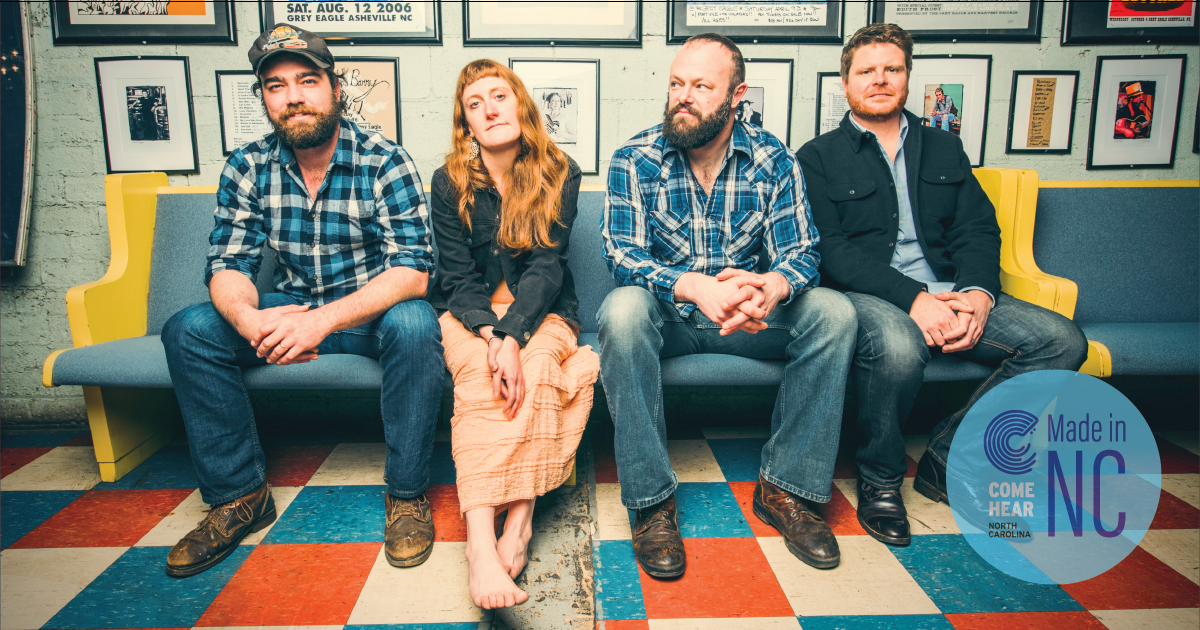
Artist: The Sweet Water Warblers
Band members: Rachael Davis, Lindsay Lou, and May Erlewine
Hometown: Hoxeyville, Michigan
Latest album: The Dream That Holds This Child
Personal nicknames (or rejected band names): “Party RD,” “Lou,” “Segue May” …also, Rachael’s daughter Lela calls the two other Warblers “MayLou” collectively

Which artist has influenced you the most … and how?

Rachael: That’s hard to say for a trio, but for me (Party RD) that’s the simplest question. My parents are musicians and no other artists could have possibly influenced me more. They taught me how to play instruments, and sing harmony, and write songs! They taught me how to set up equipment and make a budget and how to be gracious and approachable and original. They supported me in all my artistic endeavors and never gave a shadow of a doubt that I could succeed. I’m not sure there’s any other artist that could approach that degree of influence.

May: It’s really hard to say, it’s an evolution of things. One influence leading to the next one. I will say Joni Mitchell’s bravery in her vulnerable music and also in using her voice to speak for justice is something I continue to draw from.

What other art forms — literature, film, dance, painting, etc — inform your music?

May: I draw from everything I possibly can. I believe that the art of noticing is directly connected to the act of being present. I try to explore and notice the world around me and use it to fuel my songs. I like to paint, draw, sew, cook, garden, run, walk, bird, read, write poetry, talk about things deeply.

Lindsay: The Dance of the Dissident Daughter by Sue Monk Kidd was a book we were reading and referenced a lot while we were putting the album together. It’s a moving memoir of a woman’s journey to find the sacred feminine, and it spurred some exciting late-night conversations.

What’s the toughest time you ever had writing a song?

Rachael: When we write together for The Sweet Water Warblers, we always carve out a good amount of time, space and intention for being creative. I think the first time we did a co-writing session with the three of us, Lindsay had just moved to Nashville, where I had already been living for a few years, and May was still living in Northern Michigan. Lindsay and I met at her house and we FaceTimed May in Traverse City. The distance and delay made the process not as fluid as it could have been. That is to say, that it really wasn’t that difficult, but it was technically the toughest time we had writing. After that, though, we did resolve to all being in one place for that process in the future, which we have adhered to since.

What rituals do you have, either in the studio or before a show?

Lindsay: There were a few ritual-like things we did while making the album that focused our intentions. At the beginning of each day in the studio, every person there brought in a mentor to the spiritual space of making music together. We went around and spoke their name and who they are to us into the studio mics. It didn’t take much time but hearing about all the people who’d brought us to that moment gave our task an even deeper sense of purpose. I loved hearing who was named and the way they were remembered.

We lit a candle to mark the beginning of tracking for each song. The flame seemed symbolic of the offering in each like a unique being we set out to shine a light on. We also started our first in person meeting with Dan Knobler by sharing 10 minutes of silence. Nothing like silence to frame the experience of making sound.

For live shows we come together and sing in a quiet private space before we take the stage. Allowing our souls to harmonize for the sake of sharing the vibration is a sweet reminder of why we’re there, and it gets us aligned and ready to connect with the audience as one.

What’s your favorite memory from being on stage?

May: There are so many, but I’ll get specific with this band in recent times. We finished a song at one of our shows this February and the emotional quality in the room was so thick, that nobody even clapped for a good 30 seconds. That was magic right there. I hope to always have new favorite memories on stage and with these ladies, that’ll be an easy dream to achieve.


Photo credit: Scott Simontacchi

BGS 5+5: Taylor Ashton

Artist: Taylor Ashton
Hometown: Brooklyn via Toronto via Winnipeg via Victoria via Vancouver
Latest album: The Romantic
Personal nicknames (or rejected band names): Roger

What other art forms — literature, film, dance, painting, etc — inform your music?

Paintings, drawings, movies, dancing … all of those things give me feelings that I want to express through music, and that’s a big part of what inspires me, to see if that’s possible. For a little while I was obsessed with the idea of trying to write songs the way David Lynch directs movies. That idea floated around in my head for a couple years and then I realized David Lynch sort of directs movies in a way that is kind of like songwriting — you don’t always understand the literal connection between all the elements but they give you a really emotionally affecting end result that feels personal.

I’ve been into visual art a lot longer than I’ve been into music — as a kid I used to draw constantly no matter what else was going on. I discovered music in my teens and the drawing took a backseat for a while. Then, a few years ago, after my old band Fish & Bird stopped being on the road all the time, I moved to New York and stayed still for a while. I took a few years off of touring and releasing music, and in that time I got back into making visual art in a big way and it was such a huge relief. Right now those two halves of me feel pretty balanced. Music and visual art work well for me because if I’m stuck in a rut with one of them, I can usually turn to the other for relief, and actually I sometimes use one medium to directly process my frustration with the other. And then the cycle continues!

How often do you hide behind a character in a song or use “you” when it’s actually “me”?

I’m fluid with this… some of my songs are very biographical in that they accurately express my actual feelings toward one specific other person, and only use details that are from my life. Then there are others where the characters in the song are amalgamations of different people, or exaggerations, or sung by a healthier version of me, or by a stupider version of me. Different stories call for different angles.

Sometimes if somebody has told me about something hard that is going on between them and another person, I’ll find myself walking away from that conversation chewing on the situation in my mind. Some stories, after you hear them, just seem to roll around in your brain, and you can’t help but imagine yourself in the shoes of the people involved. So, let’s say somebody has told me about a new relationship they are in, where they really like the person but they’re not feeling connected to them and they can’t figure out why. I might subconsciously imagine that I am them or that I’m the other person, and I’ll wonder how that would make me feel.

Of course, to imagine how you would feel in somebody else’s shoes you have to draw on your own experience, so I have a number of these songs where the “I” or the “you” character is sort of a combination of myself and somebody else I know or that I’ve read about. In “Anyway” for example, I think I’m the “I”, the “You”, AND the implied third person, at different times. And certain lines really make me think of specific people when I sing them, but it might just be that one line in a song and then I’m me again for the rest of the song.

But I don’t know if it’s “hiding” exactly because distancing yourself slightly the “I” you’re singing from can let you be more fearless in exploring vulnerable spaces that might feel off-limits if you thought people were going to assume you were always singing about yourself. OK, maybe it is hiding.

What’s the toughest time you ever had writing a song?

Usually the hardest songs to write are the ones I don’t end up liking very much. For me, writing songs needs to be basically enjoyable. If it’s not, I’m afraid my resentment toward the process will come out in the finished product and infect all who hear it. I have songs that I’ve labored over for months, joylessly chasing some idea I felt like it was important to express, and then once I finally put the finishing touches on it I felt completely unmoved to share it with anybody.

So, if the writing is “tough,” I try to just set it down, especially if it’s something I really like. “If You Can Hear Me” was one that was like that … I came up with the seed and got really excited about it, but then I just couldn’t finish it. I tried to fit so many things into the empty space and everything just made it worse. In that case I just had to stop fussing and trust that I just wasn’t ready to write the rest of that song yet. Sure enough, months later in the shower, I thought I was having a completely new song idea, until I realised it was the other half of “If You Can Hear Me.” I really wanted to finish that song, but I kind of had to trick myself into stopping wanting it so bad in order for it to happen.

If you had to write a mission statement for your career, what would it be?

MISSION STATEMENT: To make art that inspires people to be honest, true to themselves, and compassionate toward all people and their natural world; to help little girls know they can do anything; to help little boys know they can have feelings and ask for help; to cause all to laugh and cry.

Since food and music go so well together, what is your dream pairing of a meal and a musician?

I would love to go to the Mermaid Café and have 1971 Joni Mitchell buy me a bottle of wine … y’know, laugh and toast to nothing, and smash our empty glasses down. (Does wine count as food?)


Photo credit: Jonno Rattman

BGS 5+5: Vance Gilbert

Artist: Vance Gilbert
Hometown: Born in the Philadelphia area, but Boston has been home for the last 40 years
Latest album: Good Good Man
Personal nicknames (or rejected band names): Bentfield Hucks

What other art forms — literature, film, dance, painting, etc — inform your music?

I see much of my songwriting as writing a great script for a movie. I’m most often intent on telling a story and making it as visual as I can muster. However, literature plays a great role too, as word usage and wordplay get the tongue’s mind involved. I remember reading Louis de Bernières’ Corelli’s Mandolin, and wanting to sing the whole thing when I was done, like some slightly overweight Black Homer.

What was the first moment that you knew you wanted to be a musician?

My freshman year, while I was at Connecticut College in New London, Connecticut, a crew of us piled into a classmate’s yellow tonneau-topped Pontiac Sunbird and drove the 2 hours to Boston. We parked at another classmate’s house and took the MTA into town. At one of the stops on the “Red Line,” there was a guy playing jazz standards on a vibraphone, and I simply don’t remember the rest of my stay there (save for the lo mein in Chinatown). From that moment on, I wanted to be in Boston playing music.

What’s the toughest time you ever had writing a song?

That would be writing “The Day Before November,” the closing piece to my new album, Good Good Man. OK, you asked — the tough part was fear. I had a storyline in mind, like a Rod Serling sci-fi movie about a neighborhood “spooky-old-man-in-that-house” and a loving prank a small, parentally-abused little boy plays on him at the urging of his group of friends. It has ended up as a spoken word piece, but I was afraid to even begin the thing for fear of screwing it up. Isn’t that something? To not even begin to create something for fear of doing it badly? The storybones of the piece existed in notebook after notebook and in my head for about 12 years. Yes, 12 years. Once I rolled it out in some kind of pentameter it took about 2 weeks to write and 2 1/2 months to memorize.

My poor dogs. Memorization repeats happened during late evening walks in the fall of 2016. Now that I think of it, neighborhood windows were open — maybe I should be apologizing to some neighbors too…

If you had to write a mission statement for your career, what would it be?

Never mind the calendar. Things happen when they happen. If it takes 40+ years to figure out how to sing with nuance instead of bluster, write to tell the story rather than to just spit out alliteration, and to stop comparing myself to others that seem to have the whole package together at 23 years old, then that’s how long it takes.

Since food and music go so well together, what is your dream pairing of a meal and a musician?

It would most certainly be chicken wings with some sort of awesome sauce/rub, a root beer, sweet potato fries with just a little heat, and Richard Thompson just hanging out and playing tunes at the table. I’d even share my wings with him. Do you know how far out of my zone that would be? Particularly the sharing the wings part? NO ONE, not even Richard Thompson, better reach across that plate uninvited. NO ONE. …What fool would do that to a brother anyway?

BGS 5+5: Catherine MacLellan

Artist: Catherine MacLellan
Hometown: Baie-Egmont, Prince Edward Island, Canada
Latest album: Coyote

Which artist has influenced you the most … and how?

If I couldn’t include my dad, then I would say Joni Mitchell. But truly, the artist that has influenced me the most is my father, Gene MacLellan. He wrote such songs as “Snowbird” and “Put Your Hand in The Hand.” He died when I was 14. Learning his songs and sharing his life story over these last few years has taught me so much about him, but also about the art of songwriting. As a kid I would watch him constantly with guitar, pen and paper — always editing, jotting down ideas, working out songs. That work ethic plus the singability and melodic structures of his songs have taught me all I need to know.

What’s your favorite memory from being on stage?

It’s hard to choose one favourite moment, there have been so many. From unexpected collaborations to beautiful settings or amazing connections with audiences. But if I have to choose one… I remember my first tour to the UK. It was my first trip that far from home and I had left my young daughter, Isabel, with my mom. I was feeling very homesick and far away from Isabel. I was touring with two other artists and when we entered the Bell Pub in Bath it was noisy and chaotic.

I felt depressed and frustrated that we had to play a loud bar. I really just wanted to go home. I offered to play first, so I could just get it over with. But then, as soon as I hit my first chord on the guitar, the entire crowd turned towards me and you could hear a pin drop. They were one of the most attentive audiences I have ever experienced and very forthright with their love for the music we were playing. It was such a switch of gears for my head and heart, it reminded me to have faith in hard times.

What was the first moment that you knew you wanted to be a musician?

I remember being in high school and everyone always asking “What are you going to do with your life?” I tried so many times to pick a practical career that also included creativity. Nothing ever seemed to stick. Music, though, was a constant companion and songwriting (as a severely shy kid) was my voice to the world. Music seemed to pick me, rather than me deciding. As far as a career choice, I did have to make a decision when I was still a fledgling artist and about to become a single mother. I decided to keep going with my music career, despite knowing it would be challenging to do both well. My daughter is now 14 and I feel like it was all worth it; she is amazing and I am still making a living at music as well as making a life at home.

What’s the toughest time you ever had writing a song?

I recently promised a young girl that I would write her a song for her birthday. What should have been an easy project turned into painstaking research and a “try, try again” approach. By the time it was finished, and I shared it with her, I was happy with the song. Part of the problem for me was the pressure of doing a good job, as I knew how much it meant to her. It created a real roadblock for my creativity.

Which elements of nature do you spend the most time with and how do those impact your work?

I live rurally, so nature influences just about every one of my songs. Where I write I can look out over a big field that leads to a river, and if I’m outside I can hear the sounds of the ocean, birds, and the wind through the grass or over the snow. These elements seep into everything I write.


Photo credit: Millefiore Clarkes

BGS 5+5: Jeremy Ivey

Artist: Jeremy Ivey
Hometown: Still looking for it
Latest Album: The Dream and the Dreamer
Nickname: Jivey
Old band names: The Lunar Ticks, Riverbottom, and Horse Sense.

Which artist has influenced you the most … and how?

I was influenced early on by poetry. Poets like T.S. Eliot, Poe, Dickinson, Keats… all those ones you get exposed to in high school. I put a tune to Longfellow’s “The Fire of Driftwood” And would play and sing it. Later I got into the Beats and that really twisted my head in the best way. After that it was Bob Dylan, Joni Mitchell, Leonard Cohen and all the song poets.

What’s your favorite memory from being on stage?

The first time I got to join John Prine for “Paradise” and more recently, I did my first encore. That was surreal.

What other art forms — literature, film, dance, painting, etc. — inform your music?

I think of everything as an influence. I mean, when I was a toddler I watched Captain Kangaroo, when I was 9 my uncle was struck by lightning, when I was in high school I had a deep infatuation with a girl I was invisible to. That’s all living art and I think it affects the art we in turn make. Film is definitely important because of dialogue. There’s dialogue in songs too. I like Sam Peckinpah.

What was the first moment that you knew you wanted to be a musician?

I’m still not sure I want to. It’s more of a calling I guess…a nervous twitch I can’t seem to shake

What’s the toughest time you ever had writing a song?

Oh I don’t know, I probably blocked it out. I try not to try when comes to writing. There’s no bigger drag than hitting that high stone wall of effort over inspiration. I try to stay inspired period. If it’s not happening in a song I’ll go find it in nature or in a book.

BGS 5+5: Kirby Brown

Artist: Kirby Brown
Hometown: Nashville, Tennessee (by way of New York City; Dallas; Sulphur Springs, Texas; and Damascus, Arkansas).
Latest album: Uncommon Prayer + new EP, Dream Songs out June 7, 2019
Personal nicknames: Kirbs, KB, Corbin Biscuits (hi, Matty!)

Which artist has influenced you the most … and how?

I could never narrow it down that far, so [I’ll] touch on a few here. Joni Mitchell, for her ability to be raw and personal while simultaneously touching on something emotionally universal. Townes Van Zandt, because nobody else could make plain language sound so sacred. I love Randy Newman for the juxtaposition of his complex sense of character development with the simple familiarity of his melodies. John Prine is the master of using levity to disarm you in one line, only to jab the dagger through your heart in the next. All of these have made a lasting impact on my approach to the song craft, but I could go on and on. Of course, I probably can’t escape the influence of my musical surroundings growing up: country gospel, ‘90s alternative, the radio.

What’s your favorite memory from being on stage?

My friend Dylan LeBlanc took me as solo support on his European tour in Fall 2017. There were several “wow” moments on that tour, but I specifically remember a show at Pustervik in Gothenburg, Sweden. The venue was perfect, the sound was on point, and the audience and I just felt like we had something special going on. It was one of many magical moments on that run. There’s something to be said for European audiences’ capacity to tune in and really “go there” with you. I’m so thankful for that, and I’m looking for any excuse or opportunity to go back.

What other art forms — literature, film, dance, painting, etc. — inform your music?

After my parents split up, I’d only see my father every so often. He’d gone back to college as an English major and (I think) rediscovered a lost interest in literature, specifically poetry. For that reason, many of our visits would come back to whatever he was reading at that time. He gave me Norton’s Anthology of Poetry when I was nine years old, and so began a lifelong journey with language and how we use it. I’m still walking down that road — this year’s focus has been Maxine Kumin, Donald Hall, and Anna Karenina. Film-wise, I once went through a period when I was trying to learn a second language and watched only Spanish-language films for a year. I found one of the songs I recorded on my new EP in an Almodóvar film, and it has haunted me ever since. Lately it’s been Westerns by John Ford. I digress… I guess we’ll save painters for our second date.

What’s the toughest time you ever had writing a song?

Aren’t they all tough? Not really, I guess they do come fast and easy sometimes. Still, the longer I do this the more pressingly I feel the need to filter myself. This is for the best I’m sure, but it does make the writing slower and more arduous. I carried around the phrase “a Playboy for the interviews, a Bible for the maps” for the last three or four years. I don’t even know why, maybe I thought it was funny? Anyway, it only recently found a home in “Little Miss” from the new Dream Songs EP. I don’t even know if it works. Either way, at least I’m not toting it around anymore.

How often do you hide behind a character in a song or use “you” when it’s actually “me”?

All the time, honestly. I approach most everything I write like it’s fiction: made-up characters and stories, some conversation I heard in passing, etc. But somewhere along the way it almost always ends up being me or someone I know or some synthesis of all the above. Still, I don’t think it’s hiding, maybe it’s just a very effective trick I keep playing on myself. Mark Twain has a quote attributed to him about “not letting the truth get in the way of a good story.” I tend to believe that it’s best to not let a little fiction stand in the way of the truth — even if it’s the hard truth about yourself you weren’t ready to hear.


Photo credit: Jacqueline Justice

BGS 5+5: Carl Anderson

Artist: Carl Anderson
Hometown: Charlottesville, Virginia
Latest album: You Can Call Me Carl (EP release, May 31)
Personal nicknames (or rejected band names): BIG CARL

Which artist has influenced you the most … and how?

I’m not sure I can point to any one artist as being my main influence. Growing up my mom would listen to folks like James Taylor, Simon & Garfunkel, Joni Mitchell, and a handful of other singer-songwriters. At the same time I was also heavily influenced by what my sister was listening to and that was more along the lines of The Smashing Pumpkins, Rage Against the Machine, Weird Al, The Beatles. Some of it I was really moved by, other stuff not so much, but I took it all in nonetheless.

What’s your favorite memory from being on stage?

I had the opportunity to tour around the United Kingdom and Germany this past August with my friends, Sons of Bill. I would have to say my favorite recent memory of being on stage came during a performance in Munich. I remember really connecting with the audience that night and thinking how special it was that here we were, a couple of Virginia boys far from home playing songs that at one point didn’t exist. That night we got what anyone who does this can really ask for and that is an audience’s undivided attention.

What other art forms — literature, film, dance, painting, etc — inform your music?

I am influenced by all sorts of different art. I like to think of it as all being valuable source material. In the last few years I began painting on a semi-regular basic and have enjoyed learning about different painters throughout history and how they worked. I like that Mark Rothko kept traditional office hours while he worked on the Seagram Murals. I’ve taken to such a schedule with my writing and it has actually worked quite well for me.

What was the first moment that you knew you wanted to be a musician?

I remember sitting around with my mom and sister when I was in middle school and listening to the first Nickel Creek record and being moved by the songs. I think it was in that moment that I knew I wanted to try and affect people like that. I had started learning a little guitar prior but hearing that music and getting goosebumps that put fuel on the fire. I was on the path from that point forward.

If you had to write a mission statement for your career, what would it be?

I think my mission is simple. I want to try and write honest songs and be as earnest with people in my performances as I can. I am just a man who, like everyone else, is insecure and looking for love. I feel like I am able to share parts of myself with my music that are otherwise difficult to articulate.