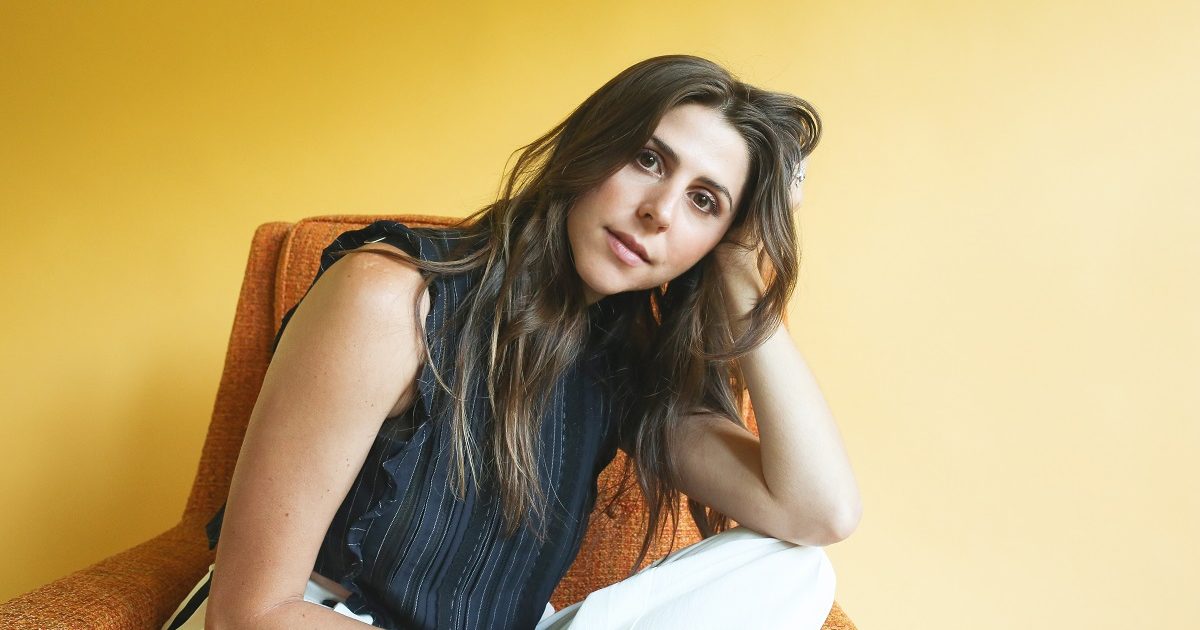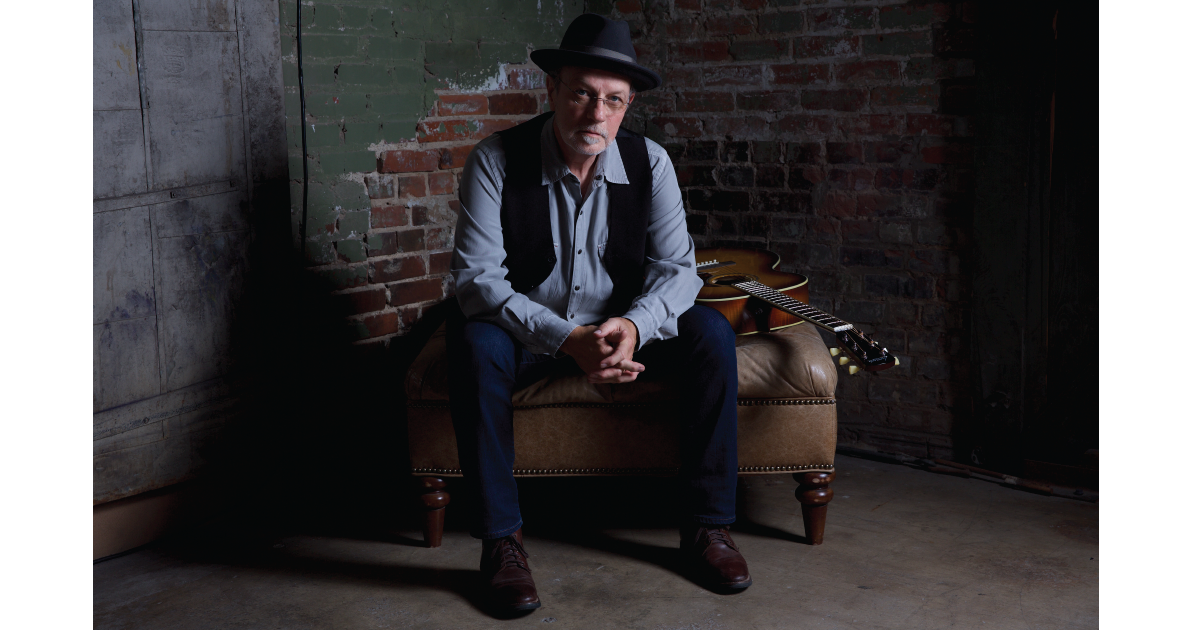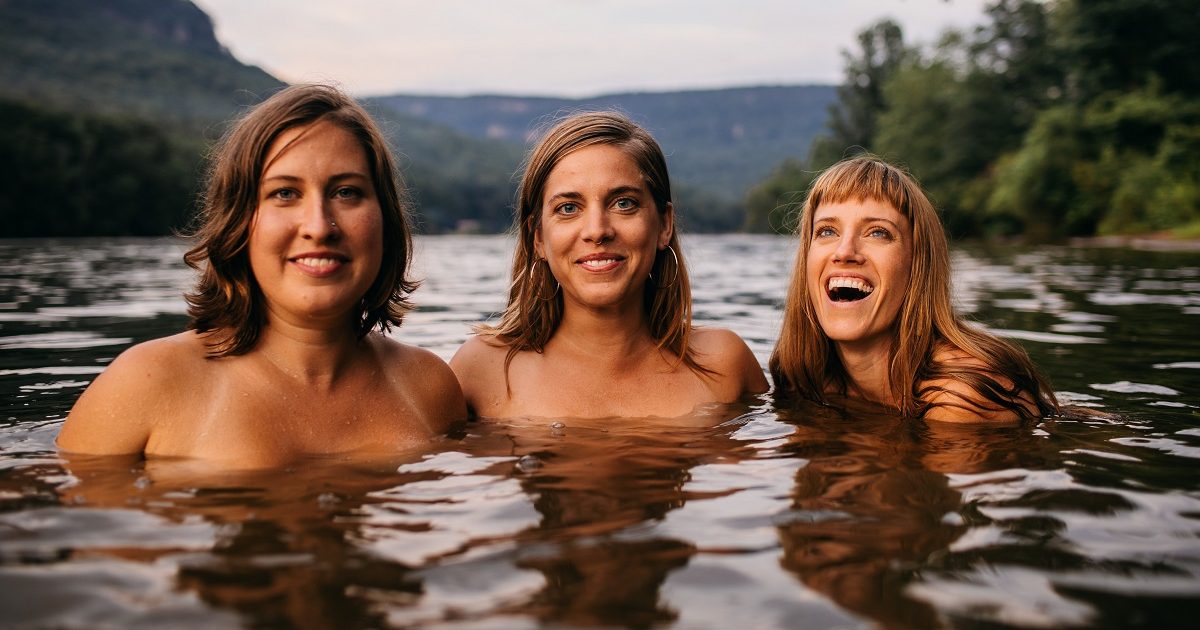
BGS 5+5: Lula Wiles

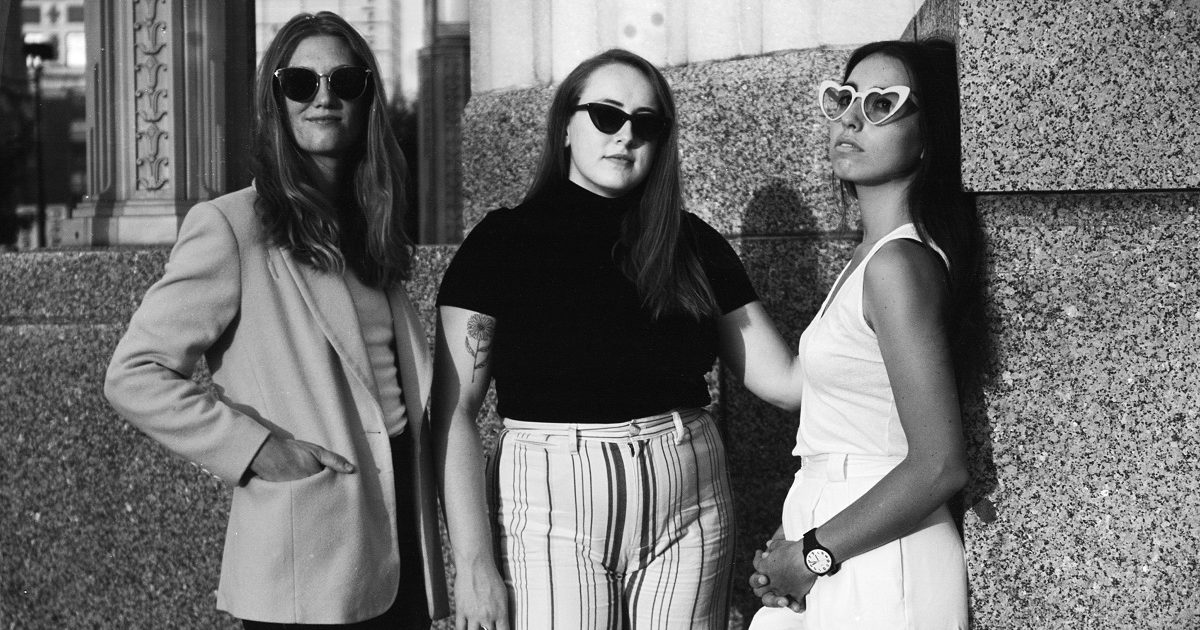
Artist: Lula Wiles
Hometown: Our band sort of has two hometowns: we started the band when we were all living in Boston, but we first played music together as tweens at Maine Fiddle Camp, located in Wabanaki (Penobscot) territory (“Montville, Maine”).
New Album: Shame and Sedition
Personal nicknames (or rejected band names): Personal nicknames — who’s who should be obvious: Buckles, Burkles, Boms. A rejected bandname that we still joke about… “Monkberry and the Moonlights,” inspired by the Paul McCartney song “Monkberry Moon Delight” off of Mali’s favorite album RAM. We’re so glad we didn’t go with that name… lol.

What was the first moment that you knew you wanted to be a musician?

Eleanor Buckland: I grew up playing music with my family and looking up to my dad, who is a professional musician, so I’ve sort of had a desire to be a musician as long as I’ve known that was a thing I could be. But, I do remember a specific Crooked Still show in Maine during my freshman or sophomore year of high school that made such an impression on me. During the show I felt almost sick with longing and from then on I knew I was doomed (ha!) for professional musicianship!

Mali Obomsawin: As a little kid I always just wanted to make people happy and make people laugh. I think I always was a performer, and I always loved words, and it just ended up being music that those things came through. I sang and improvised little poems and acted out a lot. When we would play games as kids, I would always come up with little songs and dances… and when we would play fairies or whatever I would always choose to wear this potato sack and be the “troll” character. I liked being the goofy one that got to do mischief and be different. Maybe this is telling… haha. My dad’s a musician too and there have been a lot of musicians in my family for generations… it was just normal to express yourself that way.

Which artist has influenced you the most … and how?

Isa Burke: My influences have shifted and cycled in and out constantly throughout my life. I’d say Gillian Welch/Dave Rawlings and Joni Mitchell are probably the most long-lasting influences if I really had to narrow it down. But honestly, I think many of the biggest influences on me have also been my friends, family, bandmates, collaborators, and people I’ve shared musical community with. I also tend to go through phases where I’m really devoted to one artist, and this past year I’ve been really inspired by Fiona Apple. She’s so liberated in the way she creates, it makes me feel more liberated, too. When I listen to her music or read interviews with her, it’s like she’s shaking me by the shoulders and reminding me that I can do whatever the hell I want.

Mali: Like Isa I go through phases… some of my biggest influences that might not be obvious from listening to Lula Wiles are Ornette Coleman and Charles Mingus. I got really into “avant garde” and free music at a young age and I think that has shaped my preferences and tendencies as a musician in so many ways. I also think on this album we were able to lean in a little bit more to those sounds that are exciting to me, harsher or more “raw” sounds juxtaposed with atmospheric/gentle/melancholy ones, leaving room in our arrangements for grit and breathability and improvisation. These are all things I associate with Mingus and Ornette — I especially have always been so inspired by Ornette’s gut-wrenching melodies. Just so human. I think Buffy Sainte-Marie had these piercingly honest sounds/qualities in her music too, but I didn’t really dig into her work until more recently. I dunno. These days I’m just loving indie rock, I’m not too proud to admit it!! Really sardonic or sarcastic songwriters like Rufus Wainwright and Randy Newman have been big influences for me. Aaaand, let’s see… Fleetwood Mac?

What other art forms — literature, film, dance, painting, etc. — inform your music?

Isa: I’d say my songs definitely draw from fiction and film. I love songs that feel like short stories or films — songs with specific, carefully chosen details that expand in the listener’s mind to create a vivid scene, a feeling, a narrative. I also love dialogue in lyrics — Joni Mitchell is a master of that, obviously. Sometimes when I’m writing, I try to imagine the song as a screenplay, or a film, or a novel. Where would this scene take place, what would the characters say to each other, how would it look and sound and feel? That helps me hone in on which of the various elements at my disposal (description, dialogue, details, images, sounds, melodies) can best tell the story and create the feeling I’m looking for. I also think on a more musical (non-lyrical) level, my sense of rhythm is definitely informed by dance. I’ve always loved dancing and a lot of my most formative musical experiences were based in instrumental fiddle music, which at its root is dance music. I move around a lot when I play and I try to write music that feels embodied, that physically feels good to play.

Mali: So many of my songs have been sparked by specific phrases or ideas in fiction novels and poetry. I get obsessed with the beauty or rhythm or texture of a few words juxtaposed against one another, and I adore word-play, and just sonic patterns or complimentary sounds. Language makes me so excited. It’s nerdy maybe. But sometimes when I read a line in a novel that expresses a specific feeling in a poignant or abstract way, it’s really euphoric. James Baldwin is an example pertinent to this album -– the big inspiration behind “In Dreams” … I’m still working my way through Baldwin’s work now, but I’m also pretty deep in listening to speeches by Black Panthers and other civil rights activists from that time. I think it’s odd how we compartmentalize art/genres sometimes, because these speeches are some of the best pieces of American literature ever created. Anyway, I digress. I think in colors and shapes when I play and compose music, but not specifically in the form of paintings or anything.

What’s the toughest time you ever had writing a song?

Eleanor: “Hometown” on our previous record, What Will We Do, was one of my hardest songs to write. I think this was because the story I was trying to tell in the song is so closely connected to my home and the people I love. I found it harder to get to the truth of the song than ever before, because I was so determined to do the story justice. Mali and Isa were both critical co-writers for this song and helped me more deeply understand and stay true to the heart of what I was trying to say.

Isa: I have a song called “Wild Geese” that has been torturing me since April 18th, 2017. On that day, I sat down and wrote a verse and a guitar riff in about five minutes and thought it was one of the best things I’d ever written, but I’ve never been able to finish it. As soon as I wrote it I knew it had to be the last verse of the song, so I’m working backwards. Every so often I’ll pull the song back out and bang my head against the wall for a while, but I can’t seem to write anything that lives up to that one verse. I’ve even finished and scrapped a couple of full drafts (we actually recorded a rough version of one of them during the sessions for What Will We Do). I’ve always ended up getting rid of everything except that one verse. I can’t let that verse go. It haunts me! Maybe it’s just supposed to be a really short song — hopefully you’ll hear it someday.

What’s your favorite memory from being on stage?

Mali: Hmmm… the time Tim O’Brien introduced us as Lula Whales? There was another time we made Ellie eat a hot dog onstage in San Francisco on her birthday.

Eleanor: That was possibly my favorite birthday show ever. Isa and Mali surprised me with a hot dog onstage, since I love hot dogs and I am teased mercilessly for it. That same night, we also got pranked by our drummer, who had the sound guy at the Freight & Salvage play one of our TOP van jams, “Twang” by Mason Ramsey (featured in our playlist) as our walk-on music. It was awesome.


Photo credit: Laura E. Partain

Allison Russell Gives a Voice to Queer Folks and Survivors on Solo Debut (Part 1 of 2)

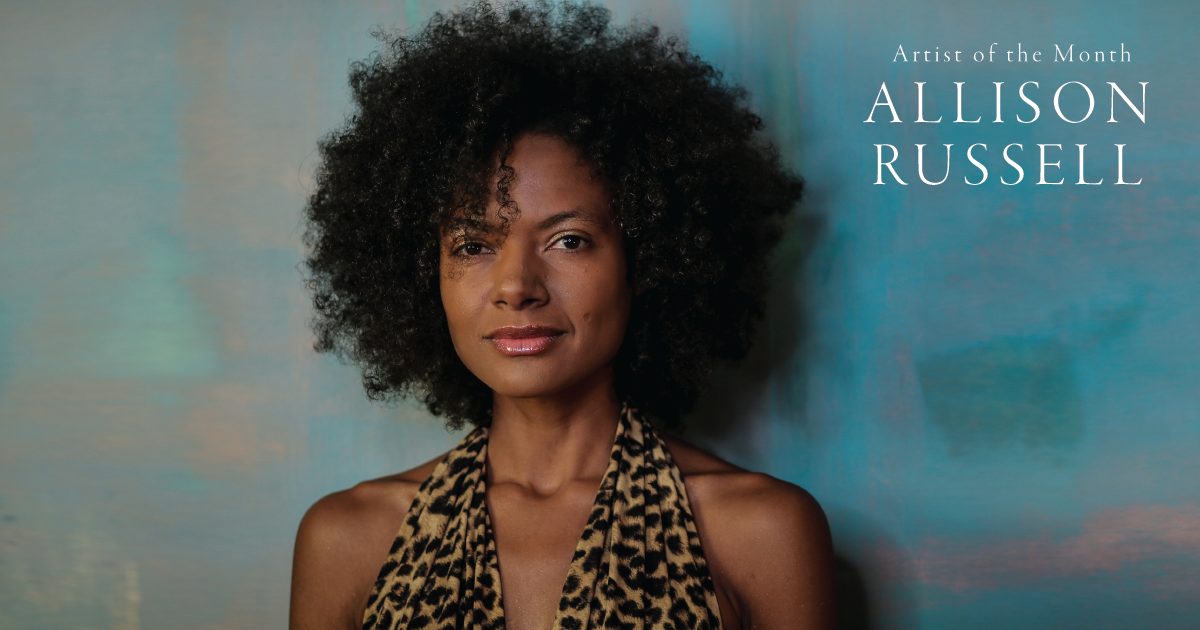
Within the songs of her new album Outside Child, Allison Russell delves deeply into the extreme trauma she experienced in her youth spent in Montreal both as a mechanism for personal relief, but also in the hopes that it might reach people with similar experiences.

Although she is a member of multiple bands (including Birds of Chicago and Our Native Daughters) and is an accomplished speaker and poet, the release of Outside Child marks Russell’s first solo work as a recording artist. BGS caught up with our Artist of the Month, Allison Russell, from her home in Nashville.

BGS: This is a deeply personal record. What was your writing process like?

Allison Russell: The writing process was having to delve deeply into the most painful parts of my past and childhood and history. I experienced severe childhood abuse, sexual, physical, mental, and psychological. In many ways, I think the psychological is the toughest part to unpack and defang. I don’t know that I am ever going to be entirely free of that and the process of dealing with that. What was very beautiful about this to me is that I didn’t have to go on that fearsome journey alone. My partner J.T. [Nero] was with me every step of the way. He co-wrote many of the songs on this record with me. He scraped me up off the floor when I was in the depths of it.

I have tried at different times in my songwriting life to tackle some of that material and I did on various songs with my first baby band, Po Girl, but I didn’t have the same kind of support and stability at home that I have now. I didn’t have the same amount of distance in time from the events and trauma of my childhood. Time and distance, plus boundless unconditional love that I receive from my partner, were really healing to have that collaborative sense on these songs. It is tough. It is hard to contemplate pain and trauma. That is reflected in the macrocosm of what is happening in our world right now. We are dealing with it every day with each news story of violence towards communities of color. …

We have to go into the pain of it or it perpetuates. The cycles self-perpetuate if we don’t take a stand to stop them. That’s what I’m trying to do personally. Art builds empathy and connection and it helps stop cycles of abuse when we really listen to one another and see and hear one another. It is a lot more difficult to practice abuse and bigotry. I believe in harm reduction. I don’t think we are going to achieve nirvana in this lifetime, in this world, but I do believe strongly in harm reduction and that small things can create mighty ripples. That’s why telling our own stories in our own words under our own names is so important because it can provide a roadmap for somebody else going through similar experiences.

I wish my story was unique. It is not. One in three women, one in four men, one in two trans or non-binary folks have experienced stories very similar to mine.

In “Persephone,” you sing about a lover in your youth who was seemingly a refuge from the trauma you were living through. It feels like a really loving tribute to her. Is that a story you’ve always wanted to tell?

It has become more important to me as I get older to honor those friends of our youth and loved ones of our youth and lovers of our youth who helped shape us and in this case, she literally saved my life. And I wanted her to know that. I also wanted to acknowledge that I am a queer person who is now in a straight passing life and marriage. I fall in the middle of the spectrum of orientation. I’ve been in love with women and I’ve been in love with men and I’ve been in love with trans people and I’ve been in love with non-binary people. I wound up falling in love and committing to share a life with a man, my husband.

One could assume that I’m straight, but I am not and especially in this time of increased polarization and bigotry, it is really important that people understand that nothing is black and white. Nothing is simple and you can’t assume that because I am married to a man and I have a child that I am a straight person. You can’t say homophobic things to me and have it pass. Part of me wanted to really acknowledge that publicly. I am grateful. I don’t get to be here singing today and having my child and my family if it wasn’t for that first love. She taught me how to love and that it was possible. She taught me about kindness and unconditional love. She taught me about acceptance, courage and bravery.

I’d love to know about your influences coming up in music.

Growing up, my mom was my first musical influence. She is a beautiful piano player. We had a really troubled relationship, but one of my first memories is crawling underneath her piano and just listening to her play and watching her feet on the pedals and hearing the resonance under the piano and feeling connected to her in that way, even though she didn’t know I was there. It was a feeling like the music she made was a truer expression of her than the often very hurtful words or violent things she did. That was my first sense of understanding the depth of music, that it goes beyond language.

My grandmother taught me lots of very violent, creepy lullabies from Scotland. She knew a lot of old murder ballads and child ballads and she sang me all of those songs. I loved them. That oral distillation of archetypal stories over generations and time, generally very matrilineal and passed down from mother to daughter, I connected deeply with those songs. That was my first sense of the hidden archive of the world.

My adoptive father was very repressive about what we were allowed to listen to. If it wasn’t Baroque or Classical or maybe Romantic, we would get in trouble for listening to modern music. One of the sort of transgressive things that my mom and I sometimes did was listen to Joni Mitchell or Stevie Wonder together. I have such distinct memories of holding the Ladies of the Canyon album and poring over it and reading the back and seeing Joni’s art. That was very formative music for me.

With Tracy Chapman, I was 9 the first time I heard her. I was on a trip with my uncle and I remember hearing “Behind the Wall” and just bawling because we were the family behind the wall. We were the family where there was violence and abuse and the police were constantly being called. To hear someone writing this and have this sense of recognition that this happens to other people and I’m not alone in the world and hearing her voice and her writing and poetry made me feel I wasn’t alone.

And when I left home at 15, my sonic world exploded. There were all these endless possibilities. I’m a huge Staples Singers fan. John Prine, Lucinda Williams, Emmylou Harris, Taj Mahal (particularly Giant Step/De Old Folks at Home). And Mulatu Astatke, who I’ve been obsessively listening to over the pandemic. His music is expanding my understanding of melody and structure. It is ongoing. The influences never stop and I’m influenced by my brilliant peers as well.

Has your daughter listened to these songs with you? What do you want her to learn about you from the music?

She has listened to it. One of the hard things has been having to talk about abuse with my child. I think it is incredibly important. I think that by the time we start to do that in schools, it is often much too late for the children, including me. I’ll never forget in Grade 4, hearing the song, “My body’s nobody’s body but mine,” and for me that had not been my reality since I was 3. What I want her to know is that we are strong enough to live through hard things and come out the other side of it. I want her to know that she is strong enough, in whatever struggles she faces.

I want her to know that her stories are worth telling and her experiences are of value. She is an infinitely strong being and she is part of a whole long lineage of strong women. I want her to know that. And that she is loved so much and a huge part of why I strive to do anything or be any kind of good ancestor is because of her.

(Editor’s Note: Read part two of our Artist of the Month interview here.)


Photo credit: Marc Baptiste (top); Laura E. Partain (in story)

MIXTAPE: Jeffery Straker’s “How the Heck Did I Get Here?” Playlist

It’s been a year and a month since I got back from my last tour in pre-pandemic times (as we now refer to it). I was winding through the Okanagan Valley in British Columbia, Canada, performing a run of seven shows. The month of March in the Okanagan usually has summer-like weather and the temperatures on this trip delivered and then some. Even though I was working, the mountains, valleys, and blue skies reflected in lakes made it feel like a vacation during those long drives with music humming along on the car stereo.

Working full-time as a touring musician is a really busy lifestyle. If you’re not writing new material you’re getting ready to release songs, you’re promoting songs, planning a tour, going on tour — the cycle is endless. As a result, some of the only time I have for my mind to rest somewhat idle is on the long drives between gigs. I see it as a bit of a gift. The music accompanying my travels helps me get a little lost for just a little while. Sometimes I arrive at the next place wondering “how the heck did I get here?” Here are some of the songs that I’ve enjoyed getting lost in. — Jeffery Straker

Jason Isbell – “Traveling Alone”

Often when I’m out on the road I’m traveling alone, or with a side-musician who is asleep in the passenger seat. Isbell sings about being a traveler missing someone he loves, and about reflections on some of the life decisions he’s made. “So high the street girls wouldn’t take my pay, they said come see me on a better day, she just danced away.” It’s perfect fodder for a freed up mind to wander within.

Joni Mitchell – “A Case of You”

Joni released this in 1971. When I first heard it I just loved that within the first few seconds of the song she sang “if you want me I’ll be in the bar”. Who writes like that? She does. I’ve never figured out the meaning of “I could drink a case of you and I would still be on my feet”. It’s perfectly vague. Does it mean “I could never get enough of you”, or does it mean “I’ll never be drunk on your love because it’s not enough”?

John Prine – “Egg & Daughter Nite, Lincoln Nebraska, 1967 (Crazy Bone)”

This is such a visual romp for me. Prine sings about how farmers would bring their daughters with them to town to sell eggs and the gals would head to the local roller rink. It’s so specific, but he delivers this great universal ponderance through chronicling this quirky event: “When you got hell to pay, put the truth on layaway, and blame it on that ol’ crazy bone.”

George Jones – “He Stopped Loving Her Today”

My grandma and grandpa loved this song and so many of the songs like this from the same era of country. It’s such a “story-song.” It’s so sad and the steel guitar with the string section accompanying it is such a perfect pairing. That ascending string line at the start of the chorus really heightens the emotions too; I hear it and wonder who thought of that line? George? The producer? George breaks into a spoken-word second verse and brings even more intimacy — you literally lean in closer to the speaker. Those feelings for the one he loves never go away until the day he dies. It just grabs you and doesn’t let go.

Brandi Carlile – “The Joke”

Stratospheric vocals, brooding piano, and a riveting story. It’s all here. Carlile is passing along some advice to young children who don’t quite fit in. They’re probably from the LGBTQ community, but certainly from any marginalized group. “Let ’em laugh while they can. Let ’em spin, let ’em scatter in the wind. I have been to the movies, I’ve seen how it ends, and the joke’s on them.” Riveting stuff and you want to hit repeat.

Lori McKenna – “The Lot Behind St. Mary’s”

In the wake of my mom passing away just over two years ago, I discovered Lori through her song, “A Mother Never Rests.” It’s perfect. And through that song I found this one that really struck me; it’s from the same album. She very fluidly goes back and forth between “younger days” and the present, both longing for the past and accepting the present.

Jeffery Straker – “Play That Song Again”

This is the latest single I released from my upcoming album; it’s a waltz. This song, like the album, is lyrically reflective. I figured that the waltz-time would add to that feeling — I find waltzes take me back in time. Lyrically the singer looks back at life’s ups and downs, but ultimately lands in a place of contentment with where he’s landed. I think that’s all we want to eventually be able to do — be comfortable with the path we’ve taken.

Leon Russell – “It Takes a Lot to Laugh, It Takes a Train to Cry”

This is a Dylan tune that Leon Russell recorded in 1971. Dylan recorded it in ’65. It’s the vibe that I love here, though I don’t actually know what it’s about. It’s got all sorts of sexual allusions in its swagger. Russell approaches it slower than Dylan and for me this tempo suits it perfectly.

Harry Nilsson – “Everybody’s Talkin’”

I moved to Belfast, Northern Ireland, for part of my university studies and lived in a house with some great singers. At late-night song and drink sessions this song was a favorite for two harmony-singing gals, Carol and Loraine. Every time I hear this I’m transported back to that old Georgian row house and I’m standing in the kitchen listening to them.

Dolly Parton – “My Tennessee Mountain Home”

There’s such beauty in the simplicity that Dolly conjures up with her words. In the very first verse you see her “Watch the kids a’ playin’ with June bugs on a string.” It’s lovely, and now I want to do that. It’s a different time and Dolly paints an idyllic picture of her roots. When I think back to my home, thankfully I have good memories of it too — and she sort of takes me there even though she grew up in a two-room log cabin and I did not. But that’s Dolly — taking something specific and making it wonderfully universal.


Gordon Lightfoot – “If You Could Read my Mind”

I wasn’t a huge Gordon Lightfoot fan in my teens and 20s, but once I hit my 30s I became rabidly into his poetry. This song is quite simply about the failure of a marriage but the language he uses to describe it just takes me somewhere else when I listen. All his talk of “ghosts from wishing wells,” “a paperback novel, the kind the drugstore sells,” and “a movie star getting burned in a three way script.” It just grabs me and doesn’t let go.

Paul Simon – “American Tune”

I once had the chance to sing this in a variety show in a big theatre in Toronto. I had to memorize the lyrics and chords for the performance so I got to know it really well. The chord progressions are just stunning and the melody sails along on top of it like the sun dancing across water. “I don’t know a dream that’s not been shattered or driven to its knees, but it’s all right, it’s all right, for we’ve lived so well so long.”

Madison Violet – “No Fool for Trying”

I’ve always loved these two gals from the first time I saw them in concert. Their chemistry is really magical through both their musicianship and their vocal harmonies. The arrangement on this song is really simple and the chug-chug-chug rhythm seems to pull me down the highway on long drives. It opens with the lyric: “There’s trouble on this road…” and you’re left curious as to what’s happened. It pulls you in like a good book.

David Francey – “Blue Sorrow and Then Some”

It’s a longing song and the title says it all. I really like the 6/8 feel. The tempo he’s chosen keeps it kind of light and almost cheerful, but with such a sad sentiment in the story being told. “…but sometimes I wonder, do you think of me?” His vocal performance helps you feel the fragility of it all.


Photo credit: Ali Lauren

BGS 5+5: Declan O’Rourke

Artist: Declan O’Rourke
Hometown: Kinvara, Co. Galway, Ireland
Latest Album: Arrivals

Which artist has influenced you the most … and how?

Joni Mitchell. She taught me to sing. When I was a kid I could sing well, but then my voice broke as a teenager and fell into my boots. I didn’t know what to do with it. I was already playing guitar and loved it, so I concentrated on just that for a while, but I started writing songs along the way, and presumed they’d be for someone else. Unbeknownst to me I kept singing along with my favourite records and somehow learned to use what I had. Joni was my biggest teacher. It was accidental and surprised me, as of course I was singing in another register and didn’t realize it was happening. Then one day I started singing my songs. I owe her a lot!

What rituals do you have, either in the studio or before a show?

Breathe. Remember that my parents always told me to make every show count. That whatever happens it doesn’t matter. Life will be over before we know it and you’ll be happier you did it than if you didn’t. Say whatever you feel. Enjoy it. And oh yeah, where are my fisherman’s friends? I always have a couple in my pocket going on. In case my mouth gets dry. And they remind me of my Grandad — and that all my ancestors and relatives are with me, and inside me.

What’s your favorite memory from being on stage?

I was in the middle of a gig with a 50-piece orchestra on Valentine’s Day in a concert hall in Dublin. While introducing a song some lady about 20 rows back shouted up some alluring funny comment, it made us all laugh so I shouted something back and had this little dialogue for a moment or two. It was fun. Unusually for me there was this wireless microphone and when the song started I walked down into the auditorium, went and sat on her knee, sang a few lines to her, then made it back to the stage just in time to finish the song. The atmosphere was electric and fun, so spontaneous. Just for giggles, I said on the mic, “I hope that was the right person.” The conductor who was barely holding it together told me to turn around, and pointed down to the lady I’d sang to. I had to squint to see her, and he said, “You see the woman in the green dress about five rows in front of her? That’s the woman you were talking to!” Well I almost died laughing. I finished that part of the show by saying, “I should have gone to Specsavers.” You couldn’t make it up.

Which elements of nature do you spend the most time with, and how do those impact your work?

I live by the sea on the west coast of Ireland. There’s just a couple of fields between me and it. It absolutely zens me out. I love it. It makes it into a lot of my songs, and did long long before I — reared as a city boy — got to live so close to it. In fact singing about it helped me to get there. Manifested in a way.

If you had to write a mission statement for your career, what would it be?

Move people. Remind them of what’s the important thing in their life at any given moment. Help to ground yourself first, and if you can do it, and share a thought or an emotion that’s pure, and felt very significant to you then there’s a good chance it will resonate with other people too. We’re all more similar than we think we are.


Photo credit: Lawrence Watson

BGS 5+5: Esther Rose

Artist: Esther Rose
Hometown: New Orleans, Louisiana, and sometimes Taos, New Mexico
Latest album: How Many Times
Personal nicknames: Dayfire, Wild Rose

What’s your favorite memory from being on stage?

Seeing as how there haven’t been any stages as of late, my favorite recent performance was singing “Handyman” with my nephew Cedar. Cedar is three years old and he knows every single word.

What was the first moment that you knew you wanted to be a musician?

The moment that I knew I wanted to be a guitar player/songwriter was on my 28th birthday when I wrote a song called “The Game” on piano. ‘Til then I had been a supporting member of my partner’s band, but that morning I wrote a breakup song. I remember thinking I need to learn how to play the guitar immediately and I did.

What rituals do you have, either in the studio or before a show?

In the studio I set up a good-luck altar with little treasures from the past year; pretty rocks from significant places, jewelry, photos, whatever has been close to me for the past year of songwriting I will take off and turn it over to the altar. It is grounding to look over and be reminded of why I wrote the songs, or where I was, or who I was with. I keep a candle burning the entire time. It gives me great satisfaction to blow out the candle at the end of a long day, signifying that the work is over.

What’s the toughest time you ever had writing a song?

Writing “When You Go” was tough. My songwriting golden rule is “no bullshit.” I will write and scratch out lines to get closer to what’s really going on. With this song, I wrote the first verses and then froze. The song starts as this kind of self-assured, “I’m getting over you” song. I was scared to go to the no bullshit place to see what was below the surface. I sent it to my best friend and songwriter soulmate Julia and she urged me to finish it. The next day I wrote the chorus and I remember crying, crying, crying and then crying some more. It’s a very primal feeling; please take me with you.

Since food and music go so well together, what is your dream pairing of a meal and a musician?

I want to have a glass of wine and a cigarette with Joni Mitchell. I don’t even smoke anymore.


Photo credit: Akasha Rabut

BGS 5+5: Jillette Johnson

Artist: Jillette Johnson
Hometown: Nashville, Tennessee
Latest Album: It’s a Beautiful Day and I Love You
Personal nicknames: JJ

Which artist has influenced you the most … and how?

It’s so hard to pick one, but Randy Newman has greatly impacted me as a songwriter and performer. I heard my first Randy Newman song when I was a toddler, watching the movie Beaches with my parents. Bette Midler sings his song, “I Think It’s Going to Rain Today,” at the end of the movie, and it cut right into me. I didn’t know he wrote that song until by accident, I got to see him play and essentially lead a lecture in Los Angeles when I was 16. He completely transfixed me.

His musical sophistication and ear for beauty, coupled with his cutting, hilarious, and deeply empathetic storytelling was like nothing else I had ever heard. He’s so prolific, and so unchained to whatever the world expects of a singer-songwriter. He takes risks, tells the truth, and lets his humanity lead the charge in every song. And he’s still doing it, to the highest level, which inspires the hell out of me. I’ve said often that I want to be Randy Newman when I grow up, meaning that I want to keep making exciting music that matters for the rest of my life, just like him.

What’s your favorite memory from being on stage?

This wasn’t exactly a stage, but it sure felt like one. When I was 17, I was invited to go to Liza Minnelli’s apartment on the Upper East Side in Manhattan to play songs for her on her beautiful grand piano overlooking Central Park. She greeted me at the door with those big bright eyes, no makeup, wearing sweatpants and a giant smile. Her apartment was under construction, but the “piano room,” was perfectly intact — a room of only mirrors, windows, one couch, and the piano where I played. We sat there for hours while I performed songs I had written, and she sat next to me, asking me to replay certain parts of each song so she could really let them sink it.

She made me feel like what I was making mattered, and like I belonged. I’ll never forget that feeling, or her kindness. Towards the end of the visit, she told me I reminded her of Laura Nyro, whom I’d never heard before then, and she insisted I go to her bedroom with her while she crawled on the floor of her closet looking for a Laura Nyro record to give me. She never found the record, but I still relish the image in my mind of her in a pile of clothes scouring for it and swearing under her breath.

What was the first moment that you knew you wanted to be a musician?

It happened before I can remember. In fact, I can’t remember a time when I didn’t know that I wanted to be a musician. I was the kid wandering around the edge of the sandbox making up songs and singing them to myself out loud. My grandmother asked me when I was like 4 or 5 what I wanted to be when I grew up, and I said a rock star. She asked what my second choice would be, and I said I didn’t have one. And I still feel that way. Music has been with me before everything. I’d be an entirely different person without it.

What rituals do you have, either in the studio or before a show?

It’s really helpful for me to find some time to be quiet and center before a show. I always warm up my voice first, usually an hour or so before I go on, while I get changed and do my hair and makeup. But then, in that half hour before I go on, I really like to be alone. I’ll often take that time to meditate first, and then move my body in ways that energize me and make me feel powerful. The sweet spot for me is to go on stage feeling calm and in control, but still full of vigor and excitement. It’s a hard line to walk sometimes, and my nerves have been getting harder to control as I’ve gotten older. That’s why the meditation part is so important.

How often do you hide behind a character in a song or use “you” when it’s actually “me”?

Often! It’s a fun way to have a little therapy session without having to leave my house or pay anybody. And in writing land, it can lead to songs that speak more clearly and feel more inclusive. When I need guidance or am feeling insecure, I like to ask myself what I would tell someone that I loved if they came to me for help with the same issues. And when I’m writing a song that starts to sound like a pity party, or I get lost in what I’m trying to say, I often do the same thing. It’s so much easier to find clarity and compassion for others than it is for yourself, at least in my experience. Flipping the “I” to “you” or “her” is a tool I like to use in both art and life.


Photo credit: Betsy Phillips

MIXTAPE: David Starr’s Road Trip Touchstones

“The idea of a road trip Mixtape really appealed to me after so many months off the road. While I truly enjoy playing in front of an audience, there is easily as much anticipation around just ‘getting on the road’ in this business. Most of my travels have been in a small motorhome over the past five years. The whole process of loading the gear, packing up merch, and stocking the fridge is something I really miss during this prolonged pandemic pause. Music is always an integral part of that process. One of my favorite memories from a road trip into Utah was listening to Bruce Springsteen’s Western Stars album as the desert road stretched out before us. Something truly American about the whole experience.” — David Starr

Jackson Browne – “These Days

This Jackson Browne classic has always been a favorite of mine. He wrote it when he was only 16 years old and it shows a maturity and depth rarely expressed so well by a young songwriter. It speaks of self-reflection, looking back and moving forward all at the same time.

Bruce Springsteen – “Western Stars

The title cut from Bruce Springsteen’s recent record is an epic road trip song. I loved the song when I first heard it. But when I listened to it while cruising across the Utah desert in our motorhome, the song really moved me. The whole album passes that same test, by the way.

Don Henley – “Boys of Summer

Don Henley and Mike Campbell really captured the essence of lost romance and the change of seasons in this one. I can’t help turning the radio way up when this one comes on!

The Cars – “Drive

My favorite Cars song. Ben Orr’s vocal is so moving here. And the music video released for it at the time, directed by Timothy Hutton, added context to the meaning of the song.

Joni Mitchell – “Coyote

Joni Mitchell is always road trip favorite. Plenty of time to absorb the intricacies of the songs. “Coyote” physically moves us down the road with a cast of characters. This song from her 1976 album Hejira rocks along with a killer Jaco Pastorius bass line fueling the ride.

The Rolling Stones – “Brown Sugar

Stones? Of course! I played this song a couple hundred times as a singing cover band drummer in my youth. Always fun to watch the dance floor fill up immediately upon kicking it off. Something about that intro and the feel just propels a road trip playlist!

The Tubes – “Talk To Ya Later

This classic Tubes song is another one with a power intro that just cannot be denied. Fee Waybill wails and Toto’s Steve Lukather kills it on guitar. Watch your right foot on this one; you might just pick up speed!

Melissa Etheridge – “You Can Sleep While I Drive

Melissa Etheridge sings of true love and tenderness on a true road trip. This one works especially well as the sun sets on a long Texas straightaway at about 55 mile per hour. Slow down and soak it in.

Daryl Hall and John Oates – “You Make My Dreams (Come True)”

This Daryl Hall and John Oates classic hit is good for the star of any road trip! Full of energy and another intro that simply cannot be denied. Great background vocal parts for that front seat sing-along, too!

Little Feat – “Dixie Chicken/Tripe Face Boogie”

It’s gotta be Little Feat’s live Waiting for Columbus version with this one. It literally chugs along in the funky slow lane until the pace picks up and takes off into the second tune. Good for getting you through Waco traffic and back out onto the four-lane!

Toto – “Running Out of Time”

The opening track from Toto XIV will put the pedal to the metal without fail. I put this song on coming out of LA into the desert headed for Vegas and was stunned at my speedometer reading. A slamming good road song!

Jackson Browne – “Running on Empty”

Another Jackson Browne classic that simply has to be on a road trip playlist. The whole record was recorded on the road and the immediacy can be felt on the song. David Lindley’s lap steel soars on this one. Highly recommended!

Eagles – “Take It Easy

The Eagles version of the Glenn Frey/Jackson Browne hit is a must. This one has launched a thousand road trips. And the chorus and outro are top-down, Ray-Ban naturals for a summer sing-along!

Joni Mitchell – “Help Me”

Joni Mitchell nostalgia pick here. This song was on the radio every morning when I worked a grueling summer construction job back in the day. We’d rise up after a long night gigging in the bars and this song would set us on our way for the 30-minute drive to the site. Help me indeed!

The Band – “The Weight”

No playlist is complete without a Band song on it. Having known Levon personally, it’s always bittersweet to hear “The Weight.” This song is all about a pilgrim’s journey and seeking something; isn’t that what all road trips are about in some way? Enjoy the ride.


Photo credit: Jeff Fasano

MIXTAPE: Call Me Spinster’s LadyVox Crock-Pot

As sisters, our deepest musical influences come from the shared “Crock-Pot” of our household. Our mom is a classical singer and choral director, and daughter of an eccentric music-savant with an encyclopedic knowledge of Gilbert and Sullivan. Our Amish-born dad was raised in the shape note choral tradition, but flew the coop and became a guitar-plucking singer-songwriter in the vein of Paul Simon and Dan Fogelberg. We were raised on music with an emphasis on voice — Joni Mitchell, Carole King, Ella Fitzgerald and loads of art songs and choral music from all over the world.

We began playing together as a cover band, dipping into our teen favorites, from TLC to the Andrews Sisters, Sparks to ’90’s boy bands. Now that we’re writing our own music we’re pulling from an even broader scope, from the Brazilian and West African percussion Rachel studied in college to Amelia’s obsession with ’80s French pop to Rosie’s deep love of classic rock radio hits.

This playlist is a sampling of vocal-centric artists that straddle the line between various types of pop and folk music that are either currently playing on our speakers, or artists whose DNA flows through the music we make. — Call Me Spinster

Pinc Louds – “Soul in My Body”

I stumbled across this band only recently and am obsessed. The power and vulnerability of Claudi’s voice is mesmerizing, and I love their use of raw percussive sounds like the kalimba, held together with synthy glue. – Amelia

DakhaBrakha – “Baby”

DakhaBrakha formed as an avant-garde theater phenomenon in Kiev, and pulls together folk traditions and soul/pop in a way I’ve never heard before. I love the combination of acoustic instruments like harmonica, glockenspiel and bowed cello/bass with some electric twangs throughout. – Amelia

Call Me Spinster – “Morning”

This song began as a sort of call and response, a cappella lullaby. We toyed around with the idea of keeping it that way, using only body percussion. As we started building it, though, Rachel started hearing a samba-style bateria. As layers quickly snowballed, we started calling it our “Lion King song,” including elements like strings and cymbals that aren’t elsewhere on our EP — but still built around that simple vocal call and response. – Amelia

Fiona Apple – “Hot Knife”

I first listened to this song when a friend told us to cover it — but we didn’t dare touch it, because it is perfect. Fiona Apple’s frenzied energy building in layers and countermelody, on top of a rumbling drum and dissonant keys makes me feel like a sleepless night after a killer date when you feel like your heart might shake down the walls of the apartment. – Rosie

Zap Mama – “W’happy Mama”

Zap Mama was a staple of our combined middle/high school CD collection and one of the most memorable groups we’ve seen live. It’s a group of badass women led by “Zap Mama” Marie Daulne who mix pop, jazz, and folk. They’re living proof that voices can be anything and all other instruments are extra party. That party brings in elements of funk and hip-hop throughout the song, but goes back to a cappella sounds at the end, reminding you what the true elements are. “Chante, chante, she say, she say.” – Rosie

Rubblebucket – “On the Ground”

I have listened to this album on repeat over the past few years. It makes me dance and cry. Kalmia Traver’s honest and unfettered vocals feel like a best friend reminding me to look around once in a while and stop taking things so f-ing seriously. – Amelia

Cocteau Twins – “Iceblink Luck”

Heaven or Las Vegas is one of my favorite complete albums of all time. Elizabeth Fraser’s uber-melodic, acrobatic vocals were the obvious draw for me, but as we incorporate more electronic elements into the songs we’re working on for our first full-length record, I am paying closer attention to their perfect cocktail of dreamy distortion. – Amelia

Les Rita Mitsouko – “Marcia Baïla”

Catherine Ringer is one of the most balls-to-the-wall performers ever, not only in her vocal style, but [also] the weird visual worlds that she and Fred Chichin created over the years. If you haven’t seen the music video for this song or for “Andy” do yourself a favor. We are often drawn to artists whose visual aesthetic seems inextricable from their music: Kate Bush, Tyler the Creator, FKA Twigs, etc. – Amelia

Lim Kim – “Awoo”

One of the driving forces for finding new music is making playlists for my yoga classes. “Awoo” has a way of wiggling into many — it has the perfect blend of joyful yet meditative vocals and groovy yet simple rhythm. I love when the voice can be a percussion instrument without sounding like an a cappella group. Janelle Monae and Kimbra also nail this vibe. Lim Kim just hits right every time. – Rachel

Alabama Shakes – “Gimme All Your Love”

This album took us by storm as it did so many — and we keep coming back to it again and again, particularly as we began our recording journey. Brittany Howard has the rare ability to harness the raw energy of her live performance in the studio, and the pacing and build of her songwriting is so unusual and satisfying, like the turn in the middle of this song and the build towards the end. – Amelia

Björk – “Hyperballad”

Björk gives us all permission to feel epic feels with few words and ear-dazzling, diverse orchestration. She has been hugely influential for us and so many artists across genres for multiple decades, probably even in bluegrass. I would love to hear a banjo choir re-make of her album Post — just sayin’. – Rachel

Juana Molina – “Al oeste”

Juana Molina has this super sexy and intimate way of singing that feels almost like the microphone is lodged inside of her. Her songwriting always has a trance quality, with a wink. It lulls you into a dream and then adds a tickle to make sure you’re really listening. – Rachel

Judee Sill – “The Lamb Ran Away with the Crown” (Remastered)

We had to include at least one of the great earnest singer-songwriters of the ’60s/’70s, and who better than the enigmatic, bank robber-theosophist-composer Judee Sill? One of our own songwriting tendencies is writing singable songs that have something sneaky lurking underneath — a disjointed rhythm, an odd structure, an unusual chord progression… perhaps this is the ghost of Judee. – Rachel

Lucy Michelle – “Heart Race”

We grew up falling asleep to our dad picking guitar in the living room and this pattern mixed with Lucy’s lilting and beautifully raw voice is everything that is home. – Rosie

The Roches – “Hammond Song”

I also play in a band called Holy Sheboygan and our first gig ever was in Hammond, Wisconsin’s (pop. 2000) Earth Day Celebration. The lady who hired us pleaded for us to cover “Hammond Song.” We haven’t yet, but we did fall in love with The Roches. The shout-singing style is very reminiscent of our Amish family’s shape-note vocal production, the cascading almost choral songwriting, shameless unisons (#sistergoals), and the drone all fit right in to our sisterhood of sounds. – Rachel


Photo credit: Our Ampersand Photography

BGS 5+5: Anna Rose

Artist: Anna Rose
Hometown: New York, New York
Latest album: In the Flesh: Side A & Side B
Personal nicknames (or rejected band names): The Electric Child, AR

Which artist has influenced you the most … and how?

It’s impossibly hard to pick just one, as so much of my love for the creation of music has to do with the understanding of its history and the shoulders I stand upon. I’ve looked a lot to The Beatles, Joni Mitchell, Tom Petty, Kurt Cobain, Warren Zevon, Sheryl Crow, Jackson Browne, and Dolly Parton as songwriters, though again I feel like it’s almost criminal to stop there. As a guitarist, I’ve idolized Jimi Hendrix, Tom Morello, Jimmy Page, Jack White, Son House, Muddy Waters, Sister Rosetta Tharpe and Bonnie Raitt. As a vocalist and as a performer, Robert Plant, Prince, Janis Joplin, Stevie Nicks & Fleetwood Mac as a whole, Alison Mosshart / The Kills, Tina Turner, Debby Harry, Stevie Wonder … again, these lists are endless and only speak to the tiniest tip of the iceberg. A mentor of mine once told me that there can never be too much good music in the world and I believe that to be true, now more than ever.

Which elements of nature do you spend the most time with and how do those impact your work?

The woods and the water — I can survive without both if I’m on the road or stuck in a city, but I think I am the best version of myself when I’m in nature. I’m a more present person when I can go for walk in the woods or sit by a river or swim in the ocean and I think that helps my writing. Taking care of animals is also a big part of my connection to the natural world, as well as riding horses.

What’s your favorite memory from being on stage?

I’ve been touring for a long time and so much of my life has been lived out on stage, the good moments, and the darker ones. I don’t often get to perform with my dad and those shows hold a special place in my heart, for sure. Many years ago, I got to open for Jackson Browne … I’ve been thinking a lot about that show lately. I was so young and completely in awe of him.

I guess recently the most precious memory I’m holding onto, though, is one from my last tour before quarantine at the beginning of March with the late, great Justin Townes Earle. Our last show of the run was in Asheville, North Carolina, at Salvage Station and Justin came out during my set, sat down on stage, and just listened to me. When I finished the song he stood up, got on the mic and said, “Girl’s got balls like church bells.” For him to come out and hype me up to the crowd like that meant a lot and I hold that tour very close to my heart. He was a truly brilliant artist and songwriter.


View this post on Instagram


A post shared by Anna Rose (@annarosemusic)

What other art forms — literature, film, dance, painting, etc — inform your music?

I really try to experience many different forms of art pretty often, but I find myself most inspired by dance, film, poetry, and theater. I was a professional dancer and choreographer for a long time and my mom was a dancer, as well, so if I’m writing and I can picture movement it informs the direction of a song a lot. It’s sort of ingrained in my spirit.

I also grew up around film and theater and work in those fields currently, so I find myself influenced a lot by strong, captivating characters on screen/stage and wanting to write songs for them. On the poetry front, I circle back to the beat poets all the time — Jack Kerouac and Allen Ginsberg have always been two of my favorites.

How often do you hide behind a character in a song or use “you” when it’s actually “me”?

I think writing for a character is not hiding, first of all. Assuming a character can be a really powerful way of working and getting outside of your own perspective, or expressing certain parts that might not come out when thinking of yourself in the most habitual context. It can be like wearing a costume on Halloween. So, I guess the answer is that I write for characters all the time but those characters often have aspects of my own personality and I’m not trying to “hide” any of that. Some dream experts believe that you are everyone in your dreams and I think of it that way, sometimes.


Photo credit: Shervin Lainez

BGS 5+5: Amanda Anne Platt

Artist name: Amanda Anne Platt & The Honeycutters (answered by Amanda)
Hometown: Asheville, North Carolina
Latest singles: “Desert Flowers” and “There May Come a Day”
Personal nicknames (or rejected band names): I was in a band with my brother and my cousin when I was 8 that was called Crusty Chinchilla Rejects Recently Escaped from a Mental Institution…

What’s your favorite memory from being on stage?

I feel really lucky as I sit here and try to work out what my favorite memory of being on stage is… it’s nice that there have been so many. I think one of my favorites from recent memory was the last show of our 2019 tour opening for Amy Ray. It was at Club Café in Pittsburgh and I got to get up on stage for her last song, “I Didn’t Know a Damn Thing,” which is one of my favorites from her album Holler, and then the encore which was Tom Petty’s “Refugee.” I was enormously pregnant and the stage was already crowded so it was a tight squeeze! But I felt so cool just getting to sing along and dance. The energy in the room was fantastic.

What other art forms — literature, film, dance, painting, etc — inform your music?

Probably literature and film, the most. When someone can tell a story in a highly relatable, moving way, I am very inspired by that. When I finish a good book or leave the theater after a really well-made film I almost always want to sit down and write a song.

What rituals do you have, either in the studio or before a show?

I really enjoy making my band “quack” like the Mighty Ducks, but I would be lying if I said they were as into it as I am. And you can’t do it alone. So, mostly I just cry in the bathroom. Actually I am usually just scrambling to write a set list and eat something moments before we go on stage.

Since food and music go so well together, what is your dream pairing of a meal and a musician?

I grew up in the land of all-night diners, and I’ve really been missing that especially now during the pandemic. So I would love to have a post-show burger at a proper diner somewhere… I feel like John Prine would have been a great guy to share a booth at a diner with. I have some questions for him about his songs that I kind of always hoped I’d have a chance to ask him in person.

How often do you hide behind a character in a song or use “you” when it’s actually “me”?

I might actually do the reverse more… I tend to always use “I” even though I don’t write autobiographically very often. So in that way I guess I turn every character into “me” and I hide myself in that way…?


Photo credit: Sandlin Gaither