Carolina Calling: the Wilmington Effect

From Blue Velvet to One Tree Hill, scores of movies & TV shows have been filmed in & around Wilmington, North Carolina. Perhaps the best-known is Dawson’s Creek, the popular late-’90s coming-of-age drama series. While the show tried to tackle progressive storylines, its stark lack of diversity made Dawson’s Creek frequently cited as the whitest show ever. Nearly two decades after it went off the air, tourists still come to Wilmington in search of the show’s landmarks.

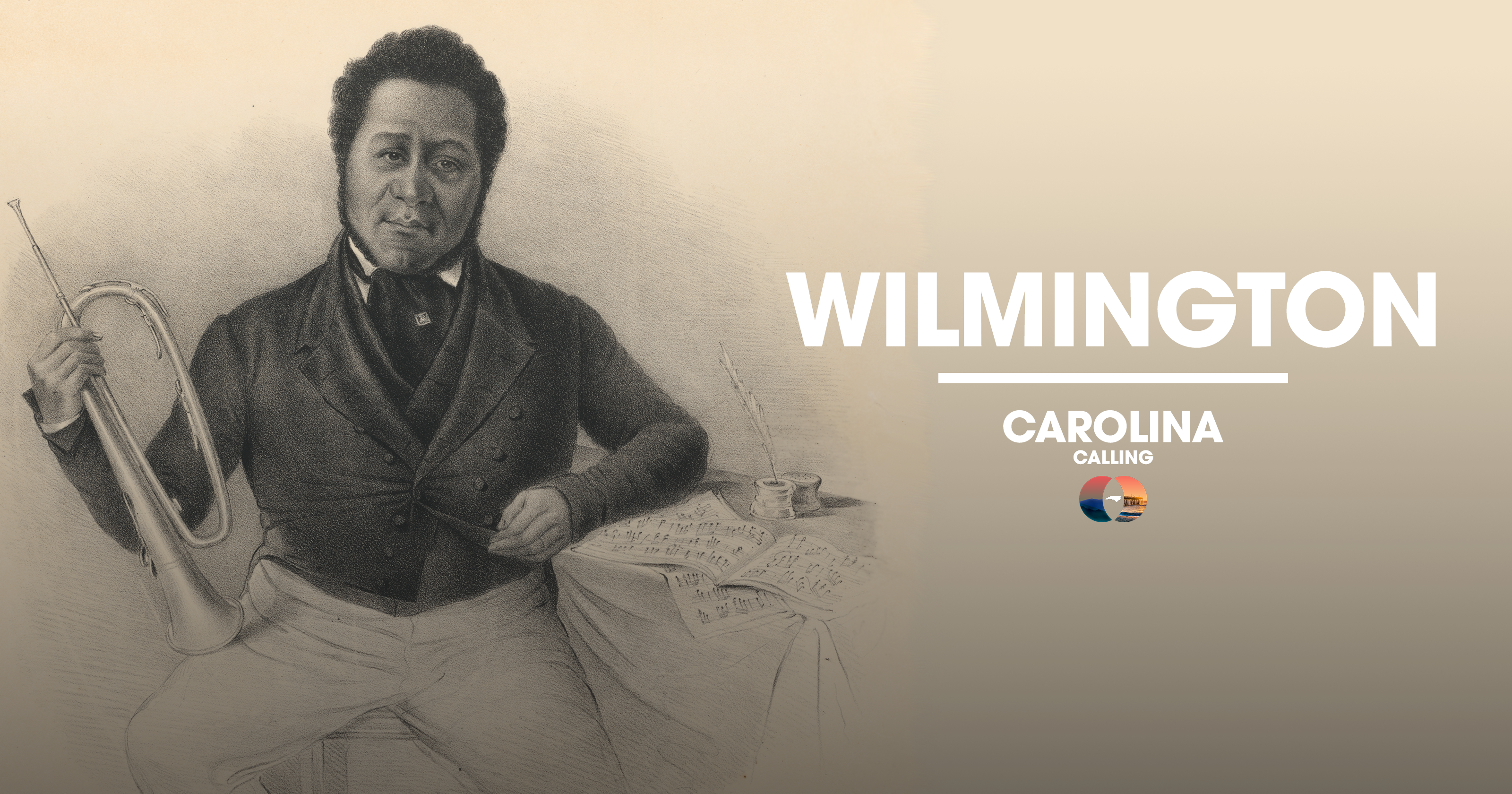
But Wilmington has a more difficult, less visible side to its history, politically as well as culturally, going back to the 1700s. Long before North Carolina became one of America’s original 13 colonies, there were thriving Indigenous communities throughout the region. There was also a time when Wilmington’s most famous musician was a man of color, Frank Johnson: fiddler, composer, and bandleader – and one of the biggest stars in American music in the years before the Civil War.

LISTEN: APPLE • SPOTIFY • STITCHER • AMAZON • YOUTUBE • MP3
 

During Reconstruction, Wilmington was an unusually progressive, forward-thinking town. In contrast to the state of things elsewhere in the South, Wilmington elected a racially diverse local government, led by both whites and freed Black people.

That came to an abrupt end in 1898 with a white-supremacist coup, a bloody rampage that left numerous people of color dead and Black-owned businesses destroyed. Those the mob didn’t kill, they chased out of town. That left Wilmington with a mostly white population, an all-white local government – and a whitewashed version of the city’s history in which Black people’s contributions were erased from the official story.

This might seem like ancient history, but it’s not. Wilmington’s most famous native-born musician is probably Charlie Daniels, the country-music star who died in the summer of 2020. Daniels was born in 1936 – less than four decades after that 1898 uprising. The real story of the 1898 coup is finally coming to light in recent years, thanks to works like the 2020 Pulitzer-winning book Wilmington’s Lie. But it’s still not widely known.

In this episode of Carolina Calling, we explore Wilmington – a town that keeps its secrets even as they’re hidden in plain sight – through the life and career of Frank Johnson, whose his story and stardom were all but lost to time – or rather, to the erasing effects of the 1898 massacre on Wilmington’s history.

This episode features John Jeremiah Sullivan, a writer and historian who lives in Wilmington and has written extensively about the city’s music and history for The New Yorker and New York Times magazine, as well as Grammy winner Rhiannon Giddens, and musicians Charly Lowry and Lakota John.

Subscribe to Carolina Calling on any and all podcast platforms to follow along as we journey across the Old North State, visiting towns like Durham, Asheville, Shelby, Greensboro, and more.


Music featured in this episode:

Paula Cole – “I Don’t Want To Wait”
“Saraz Handpan C# Minor”
Charlie Daniels – “Long Haired Country Boy”
Traditional – “The Lumbee Song”
Lakota John – “She Caught The Katy”
Ranky Tanky – “Knee Bone”
Lauchlin Shaw, Glenn Glass & Fred Olson – “Twinkle Little Star”
Marvin Gaster, Rich Hartness, Beth Hartness & Harry Gaster – “Rye Straw”
Evelyn Shaw, Lauchlin Shaw, A.C. Overton & Wayne Martin – “Money, Marbles and Chalk”
Marvin Gaster, Rich Hartness, Beth Hartness & Harry Gaster – “Chickens Growing at Midnight”
Rhiannon Giddens w/ Franceso Turrisi – “Avalon”
Rhiannon Giddens w/ Franceso Turrisi – “There Is No Other”
Joe Thompson & Odell Thompson – “Donna Got a Rambling Mind”
The Showmen – “39-23-46”


BGS is proud to produce Carolina Calling in partnership with Come Hear NC, a campaign from the North Carolina Department of Natural & Cultural Resources designed to celebrate North Carolinians’ contribution to the canon of American music.

Portrait of Frank Johnson via the National Portrait Gallery
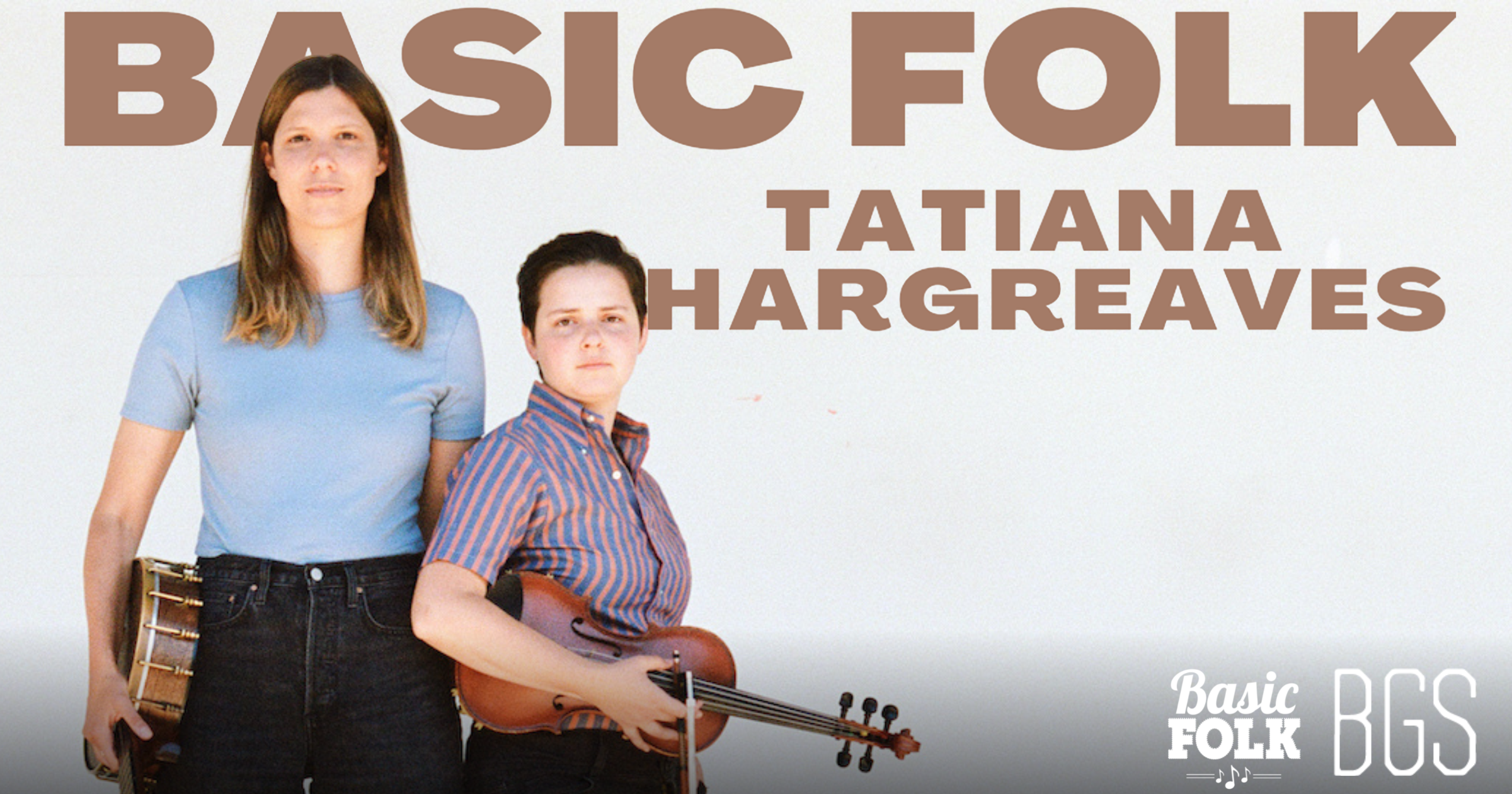
Basic Folk – Tatiana Hargreaves

When Tatiana Hargreaves was younger, she was a shit-hot fiddle player; recording her debut album at age 14, a first prize winner at the Clifftop Appalachian Stringband Festival Fiddle Contest that same year and gaining all sorts of accolades before even graduating high school. After some thought, she went after a degree in ethnomusicology and performance at Hampshire College in Amherst, MA, where she continued to play fiddle like a maniac. Her time in college allowed her to reconnect with her friend, the equally impressive banjo player, Allison de Groot. She reflects on one summer where she and Allison kept finding each other and jamming at various events and festivals. They decided to record their debut album and tour. The duo are back again with the new record Hurricane Clarice, using traditional stringband music as a way to interpret our uncertain times.

Powered by RedCircle


LISTEN: APPLE • SPOTIFY • STITCHER • AMAZON • MP3
 

Our conversation leads into topics like the negative impact of music as competition. Tati has spoken before of her experience competing on the Texas Fiddle circuit that’s pretty popular on the West Coast. Also, after college, she moved to Durham, NC, to be closer to and work with old-time legend Alice Gerrard. Since 2017, she’s been soaking up Alice’s influence and knowledge through being her fiddle player and digitizing her old photos. This has led to a vast amount of inspiration, from recording songs on the new record that Alice had introduced to her to going back to school to study library science. I am fascinated by this person and her work. Tatiana keeps it close to the chest, but I’m grateful for what she shared in conversation.


Photo Credit: Tasha Miller

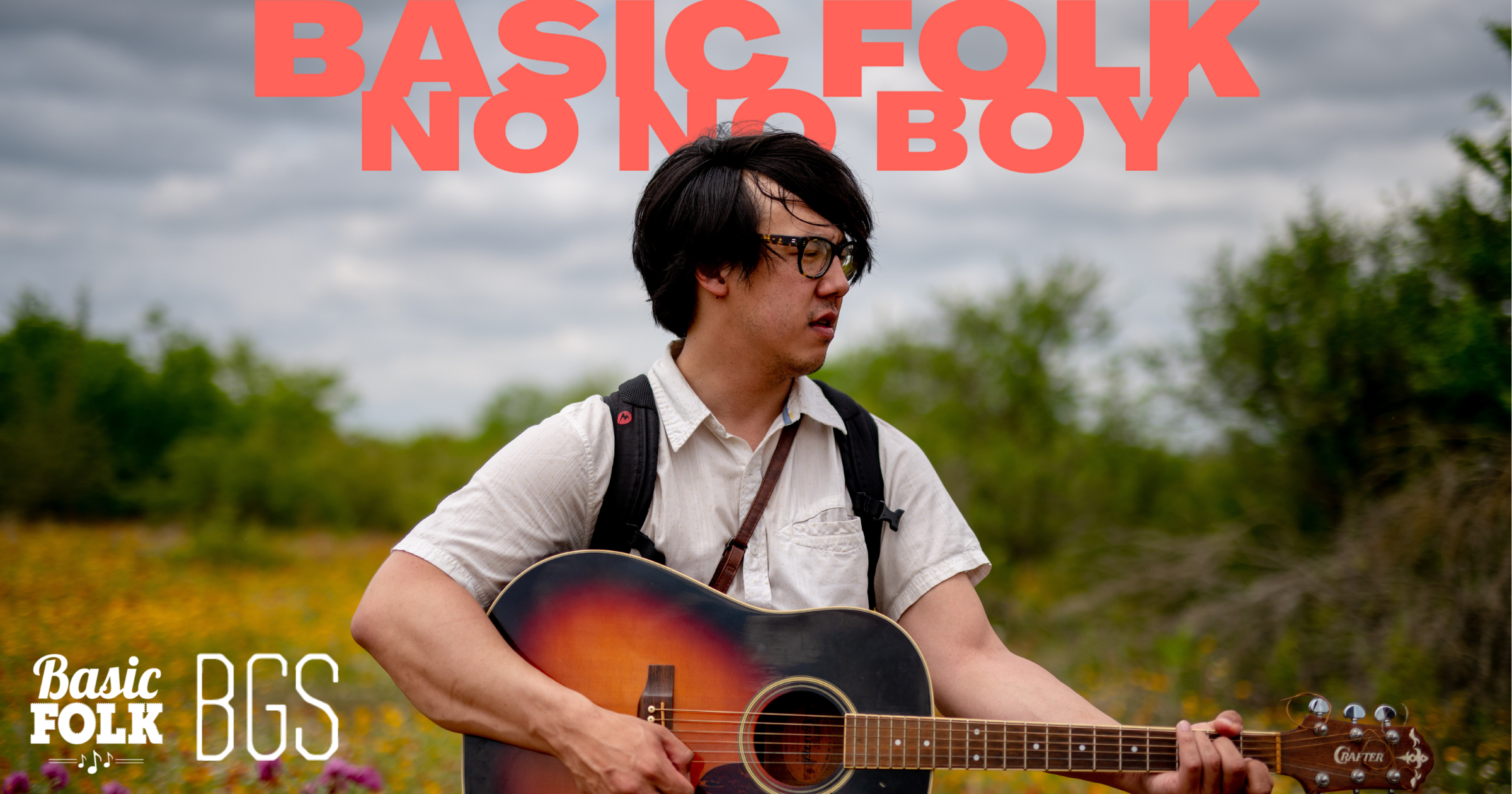
Basic Folk – No-No Boy

Julian Saporiti is the brilliant mind behind No-No Boy, a recording project that tells the incredible stories of historical triumphs of Asian Americans making their way in the United States. Julian, an Italian American and Vietnamese American, has always been drawn to both history and music, and has used his two passions to elevate these stories. He was truly inspired by his doctoral research at Brown University on “Asian American and transpacific history focusing on sound, music, immigration, refugees and everyday life.” Julian began to explore his family’s history, pore over archival material, and conduct interviews; and found untold musical stories of Asian American artists like himself.


LISTEN: APPLE • SPOTIFY • STITCHER • AMAZON • MP3
 

Julian got the No-No Boy name from Japanese Americans who were forced to live in internment camps during World War II, soon after the 1941 Pearl Harbor attack. They were asked to serve in combat and swear allegiance to the United States. Those who answered “no” to those two demands on the government’s “Loyalty Questionnaire” became “No-No Boys.” And those who refused were sent to concentration camps. It’s also a novel by Asian American author John Okada (also a song by The Spiders). Our conversation covers his own family history, in which he also unabashedly shares his perspective on the concept of “generational trauma” (he’s not super into it). He expands on the influence of Asian musicians who have learned and perfected the music of the oppressor, like the George Igawa Orchestra, which was a jazz band held at an internment camp led by Los Angeles musician George Igawa. When he was forced to relocate to the camp, he could only bring what he could carry, which, to him, meant his instruments. He formed a group in the camp where they would play parties and even outside beyond the confines of the camp’s barbed wire.

Julian’s identity and the identity of No-No Boy is solidly rooted in his Asian American experience, but I decided to start our interview with questions about his dad’s work in the music industry. Julian’s father was a major player in Nashville’s country music industry and he would often take Julian with him to work. This left huge impressions on young Julian, so of course, I had to dig into that first thing!


Photo Credit: Diego Luis

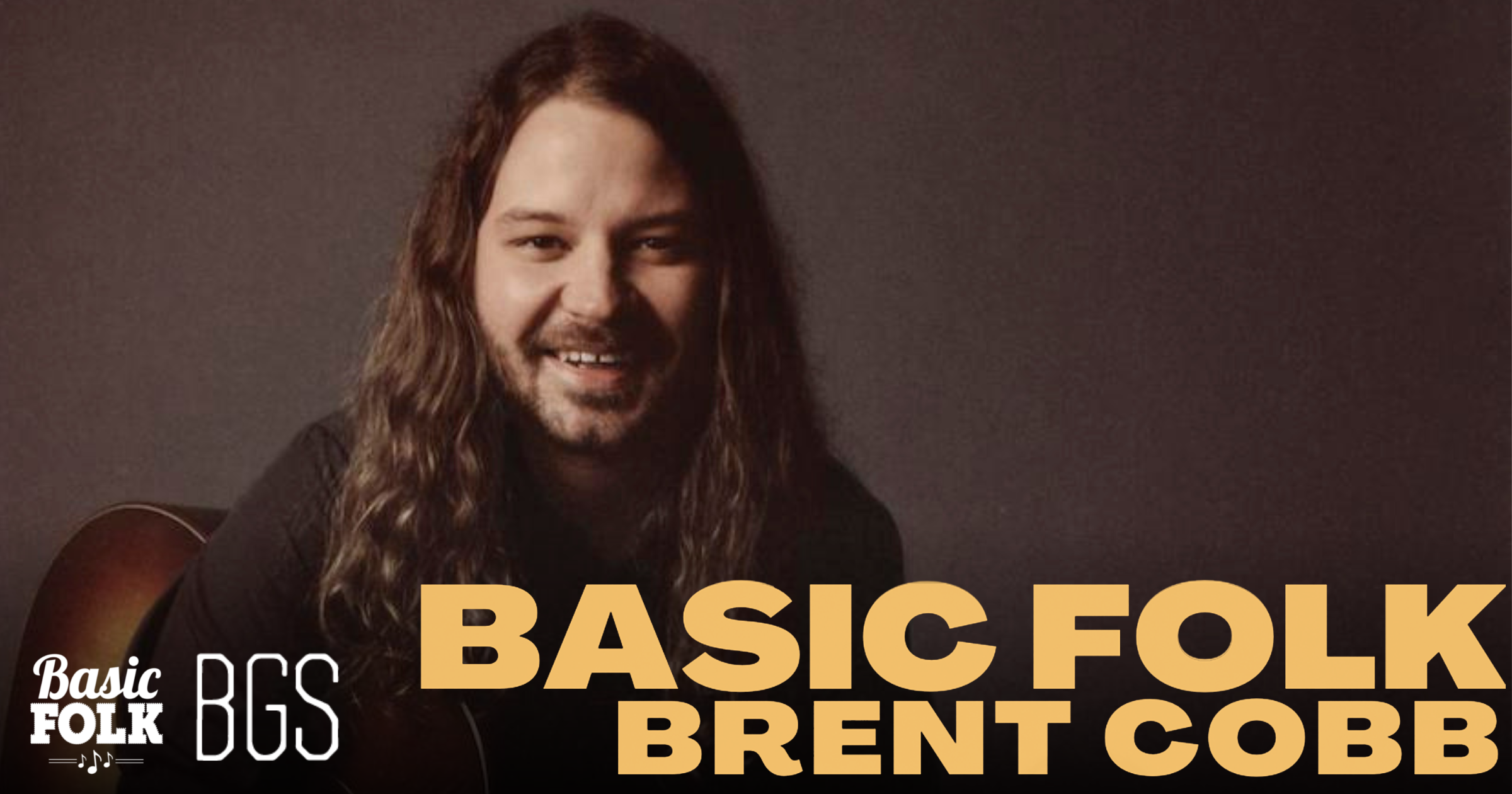
Basic Folk – Brent Cobb

Georgia-born Brent Cobb is a true blue southern Gospel country artist. His music career kicked off when he shared a demo tape with Dave Cobb, one of Nashville’s finest producers and Brent’s cousin. The two have collaborated on numerous albums since Brent’s debut and I had a lot of questions about that creative relationship during our interview.


LISTEN: APPLE • SPOTIFY • STITCHER • AMAZON • MP3
 

Cobb’s 2016 album, Shine On Rainy Day, earned him a Grammy nomination and saw him tour with country stars Chris Stapleton and Zac Brown. He has also written songs for artists like Luke Bryan and Miranda Lambert. Brent has fascinating insights about touring, collaboration, and his role as an interpreter of Southern culture in an interconnected world.

In July of 2020, Brent was driving with his one-year-old son when their truck was t-boned. He got up off the pavement and found his son unharmed in his car seat. This brush with death inspired him to create a Gospel album, drawing on the musical tradition in which he was raised. And Now, Let’s Turn to Page… reimagines time-honored hymns and features one original song co-written by Brent and his wife, Layne. Life, death, love, community, and Willie Nelson-style gentle vocal performances – this album has it all.


Photo Credit: Alysse Gafkjen

Basic Folk – Suz Slezak (David Wax Museum)

Suz Slezak is one half of the extremely talented, thoughtful and kind folk band David Wax Museum. Suz, along with her husband David, have been touring and performing their Mexican inspired, Americana folk act since 2009. Along the way, the two got married, had a couple of kids and settled pretty finely into the pandemic with bi-weekly and then weekly live streams. All the while, Suz has been living with her bipolar disorder, which has impacted her life in incredibly unbelievable ways.


LISTEN: APPLE • SPOTIFY • STITCHER • AMAZON • MP3
 

She’s also been pretty vocal, especially lately, about how she interacted with her brain health, mental health and treatment for both of those elements, which includes her intense journey with medications. Her Instagram is filled with brutally honest posts about the difficulty of finding meds that continuously help her stabilize her brain. She’s also very willing to share stories from the times where it didn’t matter what prescriptions she was on.

On her new album, Our Wings May Be Featherless, Suz is addressing her life from the perspective of a person who is bipolar, a mother, a touring musician and a creative person. She digs into the power of acceptance, traumatic birth, and grief. In our conversation, we talk about what a special musician she is and how she’s been able to cultivate and keep a childlike wonder alive through her playing. This conversation is heavily rooted in Suz’s journey with her bipolar disorder and you’ll learn a lot about her experience, as she is very open. She addresses the choice to share her experiences publicly and how the sharing impacts her. About the album, she says, “I hope you will also hear the way that a song, or any piece of art, can transform haunting pain into sounds and rhythm, allowing it to finally diffuse. I have needed to make this record for a long time. The relief I feel that it is finally emerging into this physical realm for you to enjoy is immense.” SUZ!


Photo Credit: Tristan Williams

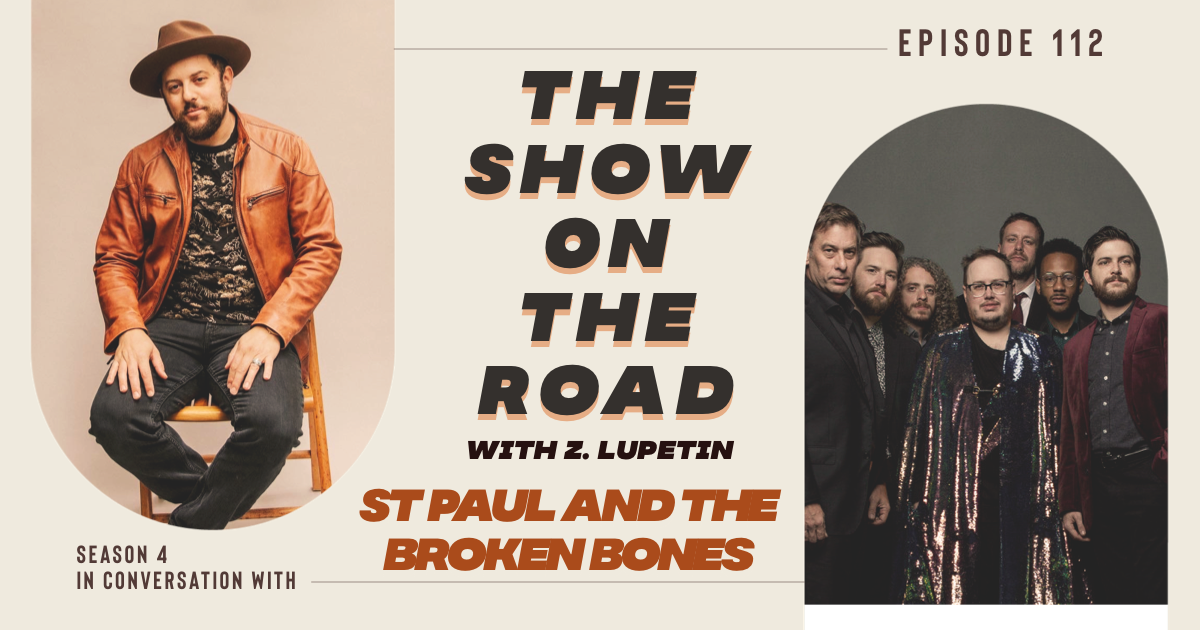
The Show On The Road – St. Paul and the Broken Bones

This week, we bring you a conversation with Birmingham, Alabama’s Paul Janeway, frontman of the storied soul and art-pop experimenters St. Paul & The Broken Bones.


LISTEN: APPLE PODCASTS • SPOTIFY • STITCHER
 

While many first learned of Paul as the bespectacled former bank teller and accounting student who went from playing tiny clubs around the south to stalking stages from Red Rocks to Coachella in resplendent sequined robes, howling like a reincarnation of Otis Redding or Wilson Pickett with a bold brass section behind him, it really almost never happened at all. A decade ago, Paul made a throwback soul EP with his longtime collaborator Jesse Phillips and friends as a last hurrah before signing off from the dispiriting quest of getting folks to pay attention to his songs as he tilted towards his thirties. But then the wheels started turning. Folks started packing their shows at the Bottle Tree Cafe (RIP) in Birmingham. Ben Tanner of fellow rising star southerners Alabama Shakes helped Paul make the more polished and kinetic EP Half The City in 2014, and with just a Bandcamp release to start, it began selling like crazy. Like, more than most pop records; one-hundred, then two-hundred-thousand copies. Late night shows and world tours and TV placements and opening slots for The Rolling Stones beckoned. The press couldn’t stop asking: how could a guy like this sing like THAT? Paul was suddenly an unlikely star on the burgeoning Americana circuit. Wells Fargo would have to find another guy.

But as Paul discusses throughout our talk, just creating a soul and R&B revival sound was never his plan. He loves losing himself in art museums, exploring Greek myths and diving into deep space travel, and with more daring follow up records Sea Of Noise (2016) and Young Sick Camellia (2018) creating danceable synth-funk bops like “Flow With It (You Got Me)” and “Apollo” – which also have dark underbellies if you listen closely – the group has become much harder to place, in the best way possible.

This year’s release Alien Coast shows Paul and his crack team of collaborators Jesse Phillips (bass), Browan Lollar (guitar), Kevin Leon (drums), Al Gamble (keyboards), Allen Branstetter (trumpet), Chad Fisher (trombone), and Amari Ansari (saxophone), pushing the envelope even further. The ominous narrator in “Bermejo And The Devil” sets the scene for a dreamy trip into the jagged edges of ancient paintings, intergalactic storms and long lost stories – with quieter standouts like “Popcorn Ceiling” grounding the record in themes much more earthbound – like the feeling of isolation Paul felt after traveling the world from stage to stage and lonely hotel room to hotel room, wringing himself out each night before tireless audiences.

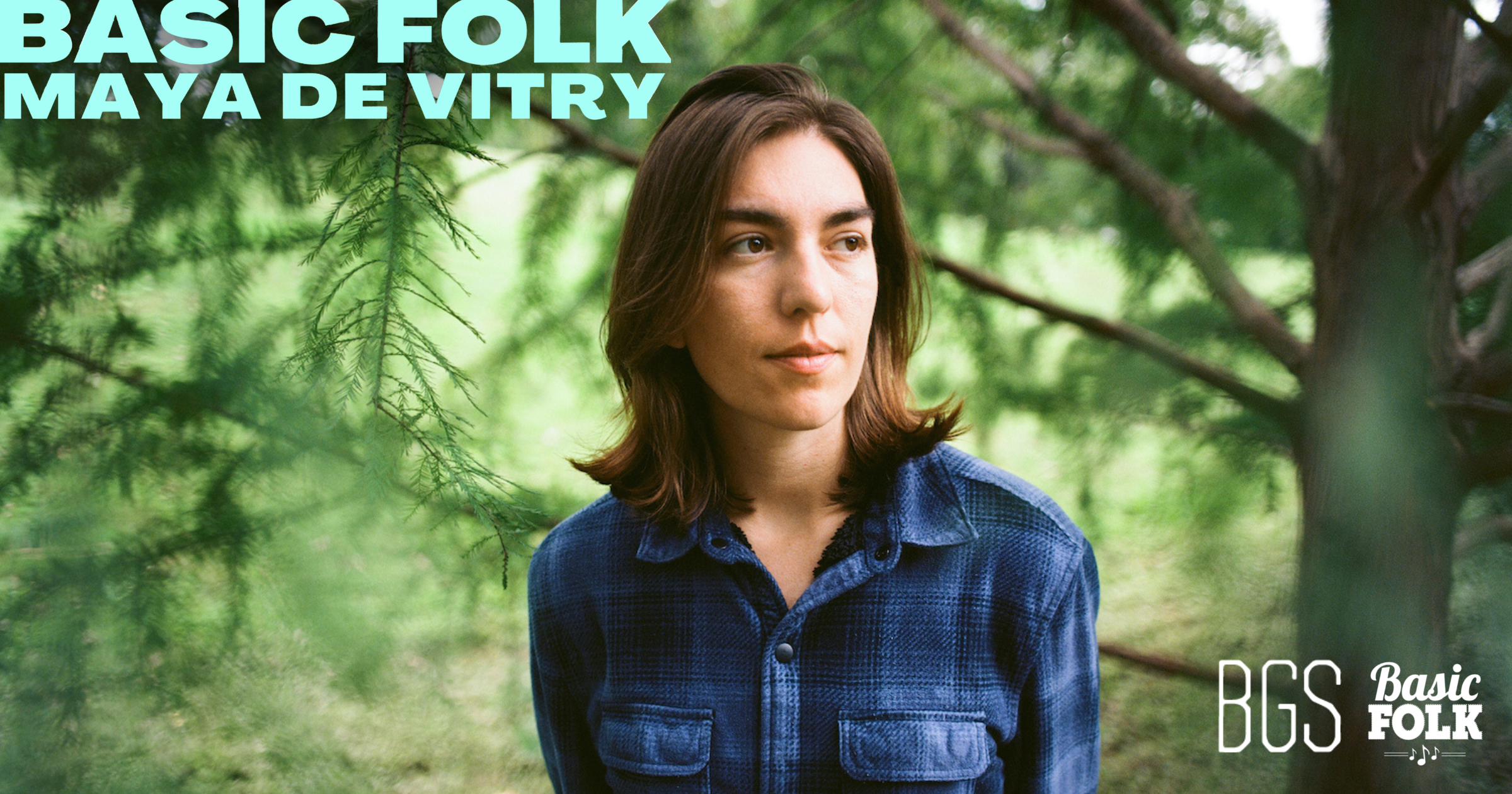
Basic Folk – Maya De Vitry

Maya De Vitry released her third solo record, Violet Light, earlier this year and I, for one, am happy that my fiancée has a new Maya record to play endlessly in our house. Lol jk. I love Maya and this album is perfect. Maya’s originally from Lancaster, Pennsylvania, where she lived and met the members of her old band The Stray Birds. Since the dissolution of the Birds, she’s been incredibly prolific with all these solo albums, co-writes and the like. If you’re not familiar, this record is a great intro to the genius of one of the greatest musicians on the scene today. The vibes I’m getting on this record are John Prine, Patty Griffin and, of course, Gillian Welch & Dave Rawlings. We. Are. Digging. IN!


LISTEN: APPLE • SPOTIFY • STITCHER • AMAZON • MP3
 

I’m so happy Maya was up for going through this beauty of a record track by track! It’s a brilliant collection that subtly knocks you to the ground over the course of its eleven songs. Produced at home with her partner, the much in-demand bassist and producer Ethan Jodziewicz (The Milk Carton Kids, Sierra Hull, Aoife O’Donovan, Darol Anger, Tony Trischka), Violet Light actually contains a ton of collaborations from Maya’s extensive musical community. This includes her own family; her siblings all collaborated for the very first time on tape for the song “Real Time, Real Tears,” about losing a favorite uncle. Yeah, you try not to cry during that one. Anyhoo. It feels like a gift to be able to turn these songs over and over, contemplate their meaning, their creation and then be able to talk directly to the brains behind it all. I implore you to check out this whole episode and then go buy Maya’s new album, preferably on Bandcamp. Support an independent artist whose music is meaningful and worth getting paid for. She’s a once in a lifetime artist.


Photo Credit: Laura Partain

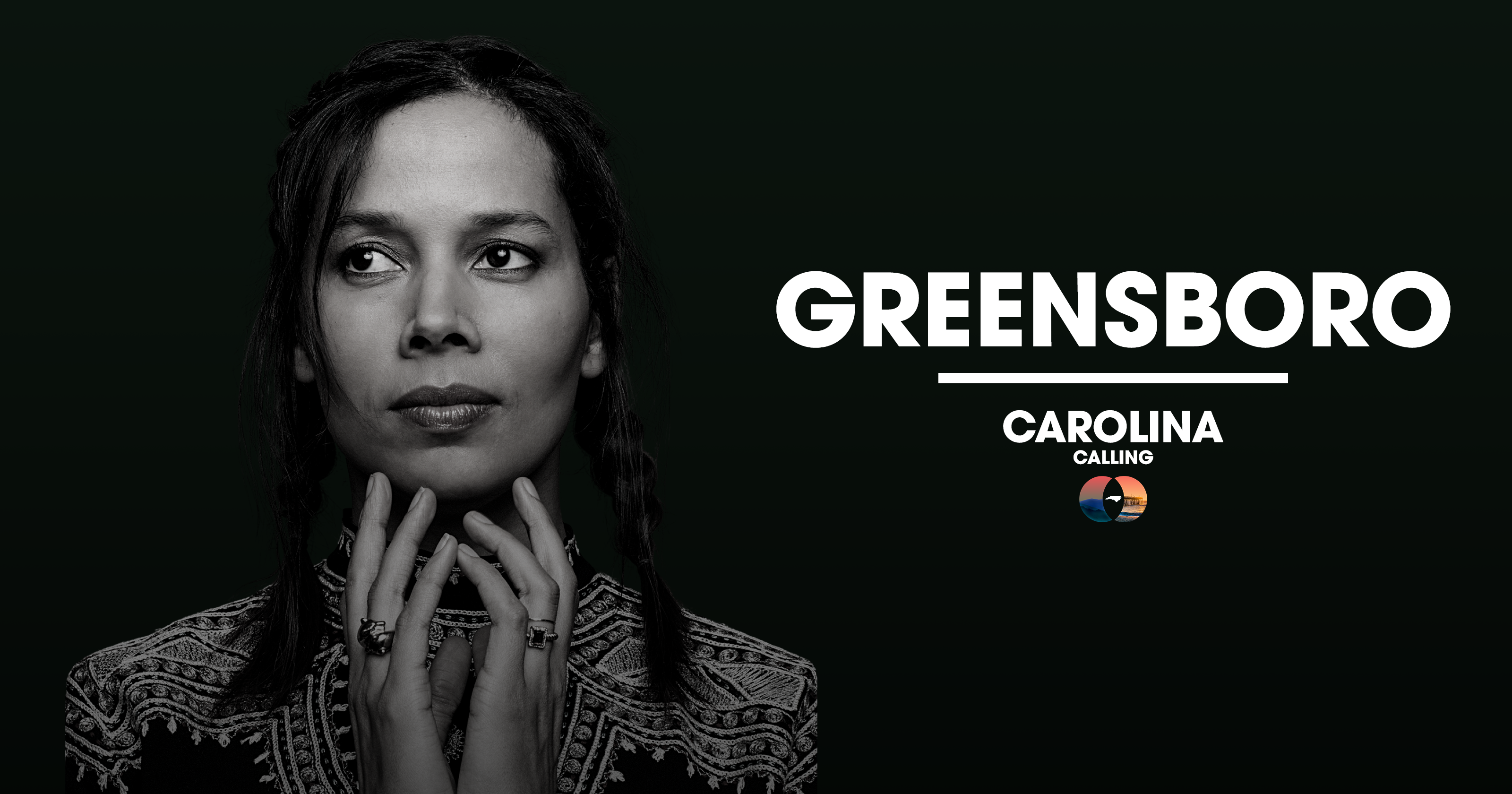
Carolina Calling, Greensboro: the Crossroads of Carolina

Known as the Gate City, Greensboro, North Carolina is a transitional town: hub of the Piedmont between the mountain high country to the west and coastal Sandhill Plains to the east, and a city defined by the people who have come, gone, and passed through over the years. As a crossroads location, it has long been a way station for many endeavors, including touring musicians – from the likes of the Rolling Stones and Jimi Hendrix at the Greensboro Coliseum, the state’s largest indoor arena, to James Brown and Otis Redding at clubs like the El Rocco on the Chitlin’ Circuit. Throw in the country and string band influences from the textile mill towns in the area, and the regional style of the Piedmont blues, and you’ve got yourself quite the musical melting pot.

LISTEN: APPLE • SPOTIFY • STITCHER • AMAZON • YOUTUBE • MP3
 

This historical mixture was not lost on one of Greensboro’s own, Rhiannon Giddens – one of modern day Americana’s ultimate crossover artists. A child of black and white parents, she grew up in the area hearing folk and country music, participating in music programs in local public schools, and eventually going on to study opera at Oberlin Conservatory in Ohio. Once she returned to North Carolina and came under the study of fiddler Joe Thompson and the Black string band tradition, she began playing folk music and forged an artistic identity steeped in classical as well as vernacular music. In this episode of Carolina Calling, we spoke with Giddens about her background in Greensboro and how growing up mixed and immersed in various cultures, in a city so informed by its history of segregation and status as a key civil rights battleground, informed her artistic interests and endeavors, musical styles, and her mission in the music industry.

Subscribe to Carolina Calling on any and all podcast platforms to follow along as we journey across the Old North State, visiting towns like Durham, Wilmington, Shelby, and more.


Music featured in this episode:

Rhiannon Giddens – “Black is the Color”
Andrew Marlin – “Erie Fiddler”
Carolina Chocolate Drops – “Cornbread and Butterbeans”
The Rolling Stones – “Rocks Off”
Count Basie and His Orchestra – “Honeysuckle Rose”
Roy Harvey – “Blue Eyes”
Blind Boy Fuller – “Step It Up and Go”
Rhiannon Giddens, Francesco Turrisi – “Avalon”
Carolina Chocolate Drops – “Snowden’s Jig (Genuine Negro Jig)”
Barbara Lewis -“Hello Stranger”
The O’Kaysions – “Girl Watcher”
Joe and Odell Thompson – “Donna Got a Rambling Mind”
Carolina Chocolate Drops – “Country Girl”
Carolina Chocolate Drops – “Hit ‘Em Up Style”
Our Native Daughters – “Moon Meets the Sun”
Rhiannon Giddens, Francesco Turrisi – “Si Dolce é’l Tormento”


BGS is proud to produce Carolina Calling in partnership with Come Hear NC, a campaign from the North Carolina Department of Natural & Cultural Resources designed to celebrate North Carolinians’ contribution to the canon of American music.

Photo Credit: Ebru Yildiz

Enter to win a prize bundle featuring a signed copy of author and Carolina Calling host David Menconi’s ‘Step It Up and Go: The Story of North Carolina Music,’ BGS Merch, and surprises from our friends at Come Hear North Carolina.

Carolina Calling, Shelby: Local Legends Breathe New Life Into Small Town

The image of bluegrass is mountain music played and heard at high altitudes and towns like Deep Gap and remote mountain hollers across the Appalachians. But the earliest form of the music originated at lower elevations, in textile towns across the North Carolina Piedmont. As far back as the 1920s, old-time string bands like Charlie Poole’s North Carolina Ramblers were playing an early form of the music in textile towns, like Gastonia, Spray, and Shelby – in Cleveland County west of Charlotte.

LISTEN: APPLE • SPOTIFY • STITCHER • AMAZON • YOUTUBE • MP3
 

In this second episode of Carolina Calling, a podcast exploring the history of North Carolina through its music and the musicians who made it, we visit the small town of Shelby: a seemingly quiet place, like most small Southern towns one might pass by in their travels. Until you see the signs for the likes of the Don Gibson Theatre and the Earl Scruggs Center, you wouldn’t guess that it was the town that raised two of the most influential musicians and songwriters in bluegrass and country music: Earl Scruggs, one of the most important musicians in the birth of bluegrass, whose banjo playing was so innovative that it still bears his name, “Scruggs style,” and Don Gibson, one of the greatest songwriters in the pop & country pantheon, who wrote “I Can’t Stop Loving You,” “Sweet Dreams,” and other songs you know by heart. For both Don Gibson and Earl Scruggs, Shelby is where it all began.

Subscribe to Carolina Calling on any and all podcast platforms to follow along as we journey across the Old North State, visiting towns like Greensboro, Durham, Wilmington, Asheville, and more.


Music featured in this episode:

Charlie Poole & The North Carolina Ramblers – “Take a Drink On Me”
Flatt & Scruggs – “Ground Speed”
Don Gibson – “I Can’t Stop Loving You”
Andrew Marlin – “Erie Fiddler” (Carolina Calling Theme)
Hedy West – “Cotton Mill Girl”
Blind Boy Fuller – “Rag Mama, Rag”
Don Gibson – “Sea Of Heartbreak”
Patsy Cline – “Sweet Dreams ”
Ray Charles – “I Can’t Stop Loving You”
Ronnie Milsap – “(I’d Be) A Legend In My Time”
Elvis Presley – “Crying In The Chapel”
Hank Snow – “Oh Lonesome Me”
Don Gibson – “Sweet Dreams”
Don Gibson – “Oh Lonesome Me”
Chet Atkins – “Oh Lonesome Me”
Johnny Cash – “Oh, Lonesome Me”
The Everly Brothers – “Oh Lonesome Me”
Neil Young – “Oh Lonesome Me”
Flatt & Scruggs – “Foggy Mountain Breakdown”
Bill Preston – “Holy, Holy, Holy”
Flat & Scruggs – “We’ll Meet Again Sweetheart”
Snuffy Jenkins – “Careless Love”
Bill Monroe – “Uncle Pen”
Bill Monroe – “It’s Mighty Dark To Travel”
The Earl Scruggs Revue – “I Shall Be Released”
The Band – “I Shall Be Released”
Nitty Gritty Dirt Band – “Will The Circle Be Unbroken”
The Country Gentlemen – “Fox On The Run”
Sonny Terry – “Whoopin’ The Blues”
Sonny Terry & Brownie McGee – “Born With The Blues (Live)”
Nina Simone – “I Wish I Knew How It Would Feel To Be Free”


BGS is proud to produce Carolina Calling in partnership with Come Hear NC, a campaign from the North Carolina Department of Natural & Cultural Resources designed to celebrate North Carolinians’ contribution to the canon of American music.

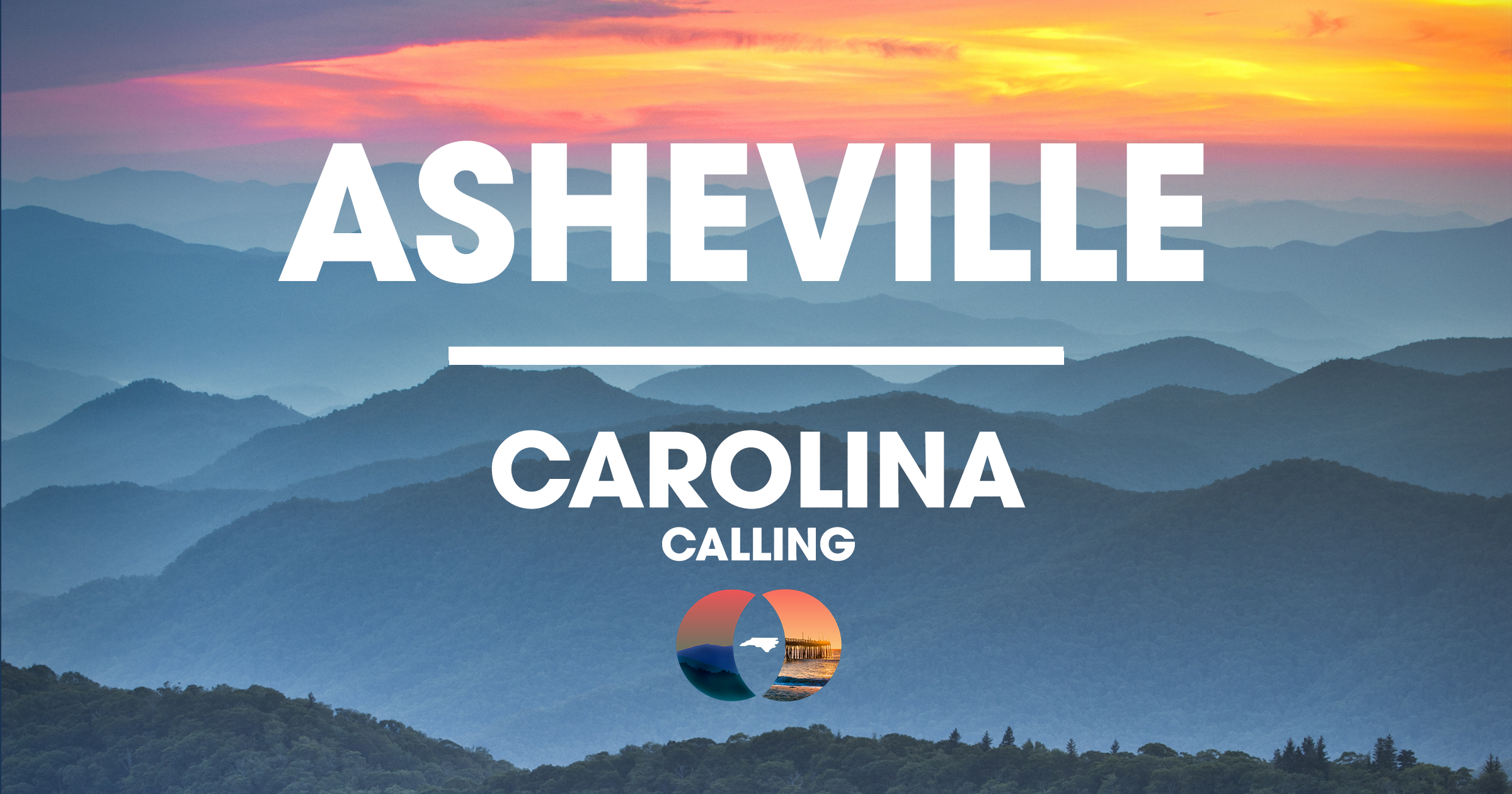
Carolina Calling, Asheville: A Retreat for the Creative Spirit

LISTEN: APPLE • SPOTIFY • STITCHER • AMAZON • YOUTUBE • MP3


Asheville, North Carolina’s history as a music center goes back to the 1920s and string-band troubadours like Lesley Riddle and Bascom Lamar Lunsford, and country-music pioneer Jimmie Rodgers. But there’s always been a lot more to this town than acoustic music and scenic mountain views. From the experimental Black Mountain College that drew a range of minds as diverse as German artist Josef Albers, composer John Cage, and Albert Einstein, Asheville was also the spiritual home for electronic-music pioneer Bob Moog, who invented the Moog synthesizer first popularized by experimental bands like Kraftwerk to giant disco hits like Donna Summer’s “I Feel Love.”

It’s also a town where busking culture ensures that music flows from every street corner, and it’s the adopted hometown of many modern musicians in a multitude of genres, including Pokey LaFarge, who spent his early career busking in Asheville, and Moses Sumney, a musician who’s sonic palette is so broad, it’s all but unclassifiable.

In this premiere episode of Carolina Calling, we wonder and explore what elements of this place of creative retreat have drawn individualist artists for over a century? Perhaps it’s the fact that whatever your style, Asheville is a place that allows creativity to grow and thrive.

Subscribe to Carolina Calling on any and all podcast platforms to follow along as we journey across the Old North State, visiting towns like Shelby, Greensboro, Durham, Wilmington, and more.


Music featured in this episode:

Bascom Lamar Lunsford – “Dry Bones”

Jimmie Rodgers – “My Carolina Sunshine Girl”

Kraftwerk – “Autobahn”

Donna Summer – “I Feel Love”

Pokey LaFarge – “End Of My Rope”

Moses Sumney – “Virile”

Andrew Marlin – “Erie Fiddler (Carolina Calling Theme)”

Moses Sumney – “Me In 20 Years”

Steep Canyon Rangers – “Honey on My Tongue”

Béla Bartók – “Romanian Folk Dances”

New Order – “Blue Monday”

Quindar – “Twin-Pole Sunshade for Rusty Schweickart”

Pokey LaFarge – “Fine To Me”

Bobby Hicks Feat. Del McCoury – “We’re Steppin’ Out”

Squirrel Nut Zippers – “Put A Lid On It”

Jimmie Rodgers – “Daddy and Home”

Lesley Riddle – “John Henry”

Steep Canyon Rangers – “Graveyard Fields”


BGS is proud to produce Carolina Calling in partnership with Come Hear NC, a campaign from the North Carolina Department of Natural & Cultural Resources designed to celebrate North Carolinians’ contribution to the canon of American music.