WATCH: Sabine McCalla Gives a Striking Performance of “Baby, Please Don’t Go”

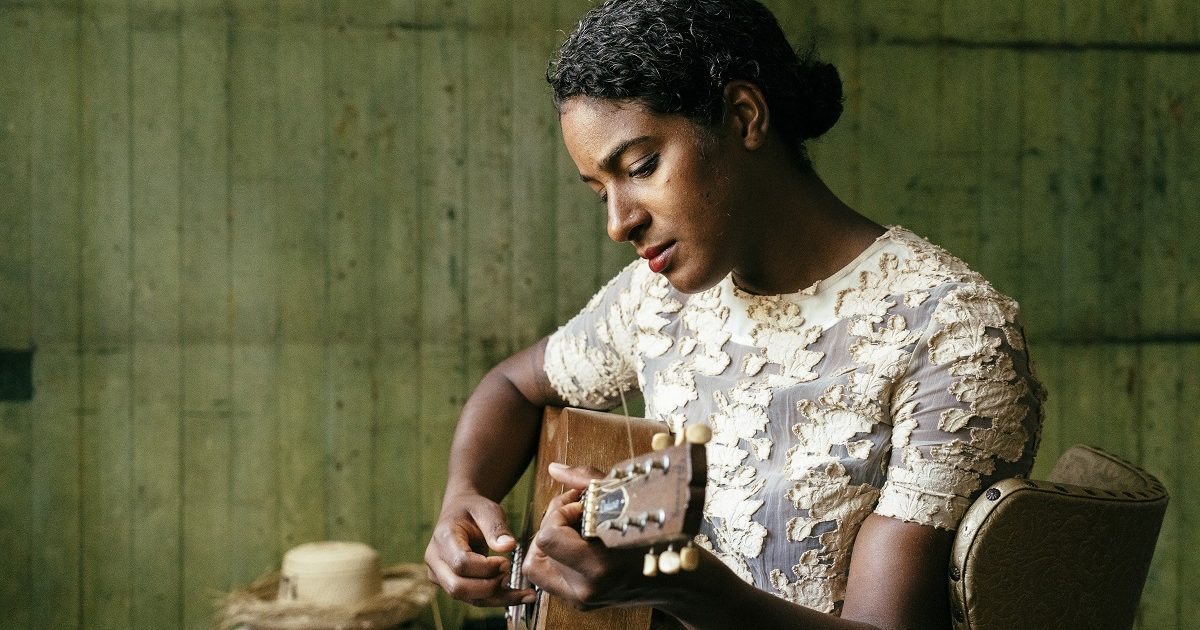
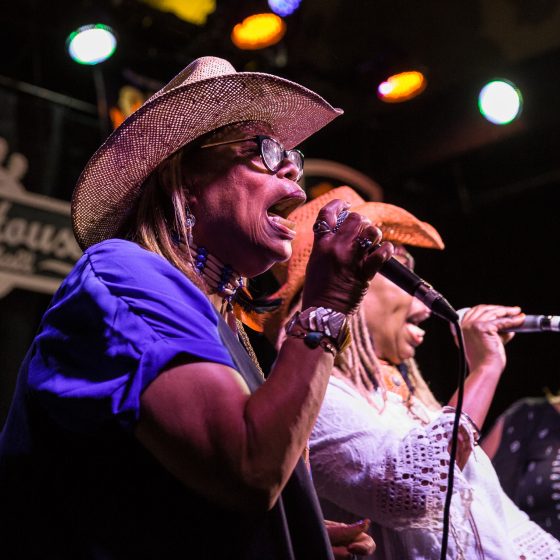
In March, when artists, businesses, and schools were stepping into a new normal built around public health and safety, New Orleans folk singer Sabine McCalla was preparing for a feature on the popular roots music series Western AF. She selected “Baby, Please Don’t Go,” a tender ballad written to a fleeting foreigner after a whirlwind romance. McCalla gently sings what many could not bear to say, and does so with a hypnotic look in her eyes.

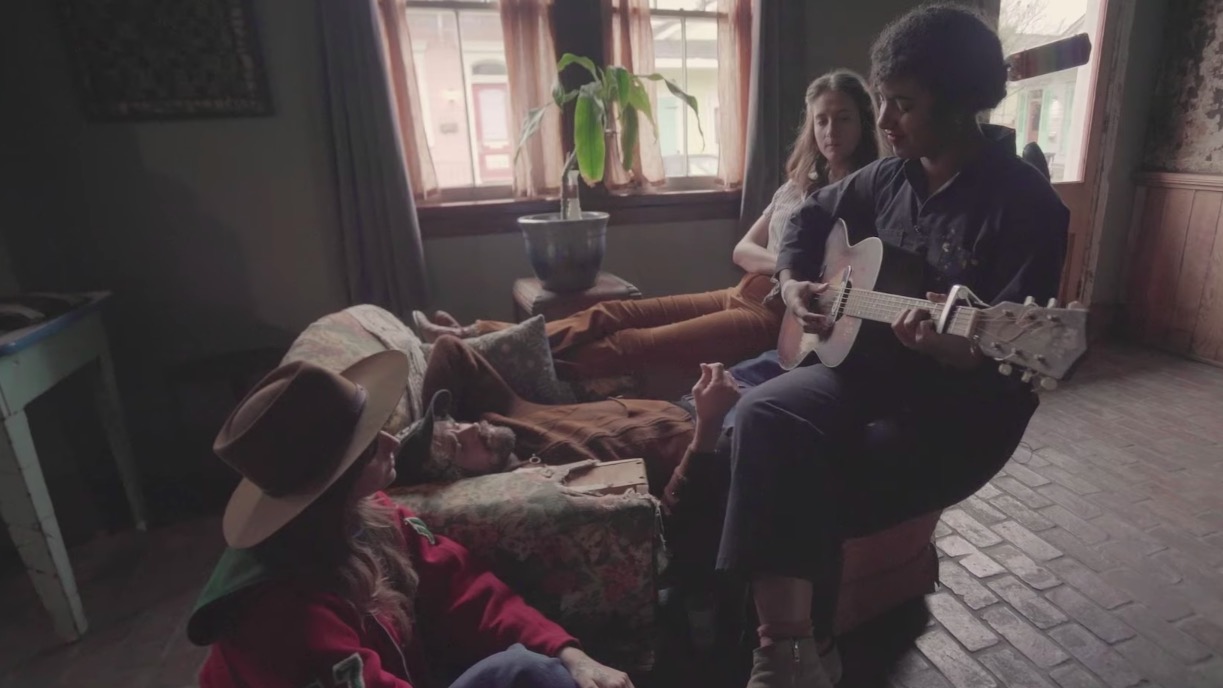
Like the Mona Lisa, McCalla wears a beautiful calmness, seeming at times to hold a soft smile that veils other emotions. The New Orleans based singer/songwriter is joined by an entourage of collaborators who add whimsical, airy harmonies to the fondest portions of the song. The physical arrangement of the group — they sprawl over a couch, spilling into each other’s laps and arms —  instills a sense that McCalla is sharing a painful memory with friends, in conversation. Western AF creates a window into a fragile musical moment as Sabine McCalla delivers a raw performance of this striking song. 


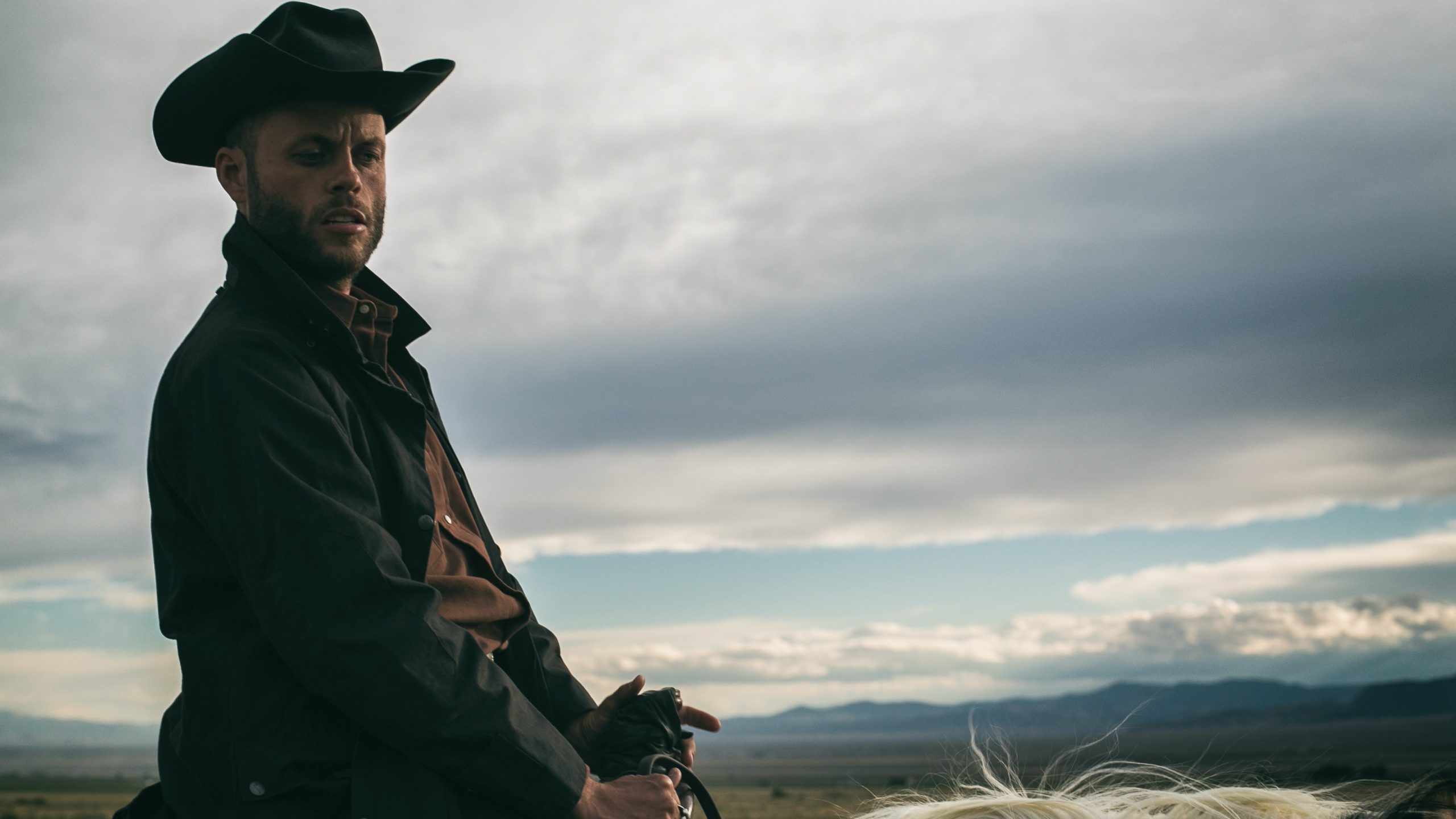
WATCH: Charley Crockett, “Run Horse Run”

Artist: Charley Crockett
Hometown: San Benito, Texas / Austin, Texas
Song: “Run Horse Run”
Album: Welcome to Hard Times
Release Date: July 31, 2020 (album)
Label: Son of Davy/Thirty Tigers

In Their Words: “I remember seeing the races at Louisiana Downs in New Orleans when I was a kid. I remember the tension in people’s hands while they waited to see who would win. Like a coin flipping in the air. The dirt flying behind those horses as they ran. They looked like they were running as if they’re life depended on it. I’d say it did.” — Charley Crockett


Photo credit: Bobby Cochran

BGS Long Reads of the Week // June 5

Welcome to another conglomeration of diverting, entertaining, and engaging long reads! The BGS archives never disappoint. As we share our favorite longer, more in-depth articles, stories, and features to help you pass the time, you should follow us on social media [on FacebookTwitter, and Instagram] so you don’t miss a single #longreadoftheday pick! But, as always, we’ll put them all together right here at the end of each week if you happen to let one sneak by you, too.

This week’s long reads are educational, meandering, inspiring, and much more. Read on:

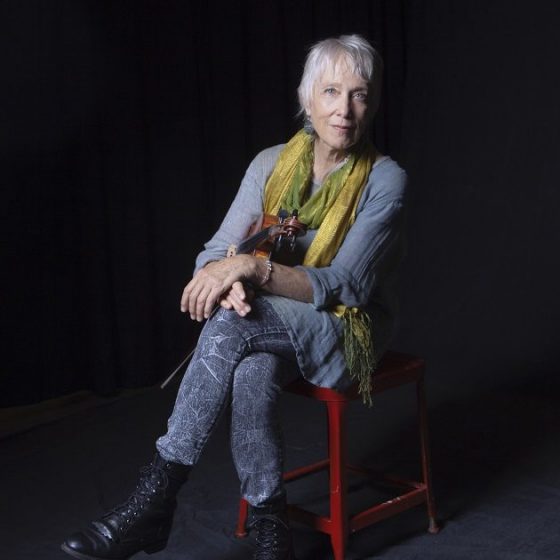
On New Duet Album, Laurie Lewis Gathers Old Friends and Close Companions

May went by in a blink of an eye (how did this happen!?) and we had to say goodbye to our Artist of the Month, Grammy and IBMA award-winning multi-instrumentalist and songwriter Laurie Lewis. In our two-part May AOTM interview, Lewis gave us insight into the making of her new duet album, and Laurie Lewis, and talks a little bit about wanting to measure up to others’ view that she’s a trailblazer and role model in bluegrass. [Read more]


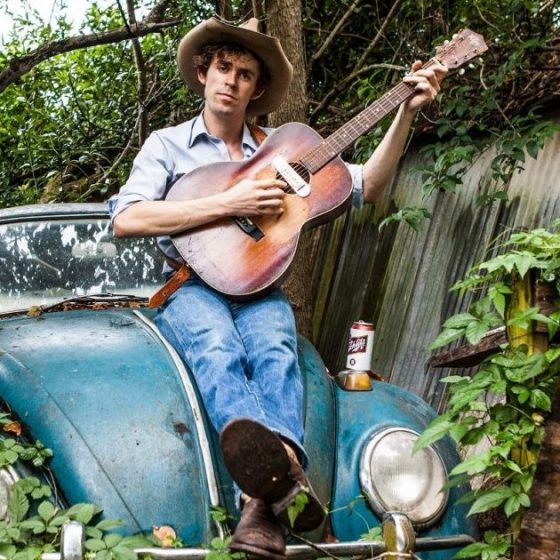
For First Solo Album, Sam Doores Opens the Map of Musical Influences

In a meandering feature we follow singer/songwriter and lifelong troubadour Sam Doores from the Bay Area to New Orleans to Berlin to his first solo album, which is filled with echoes of everything from Tin Pan Alley to the Mississippi hill country, from jazz to psychedelic-folk-rock. The Hurray for the Riff Raff alumnus has co-created some of the last decade’s most arresting socially-conscious anthems with HFTRR, and he’s also made sparkling folk- and country-derived excursions with his own band, the Deslondes. [Read more]


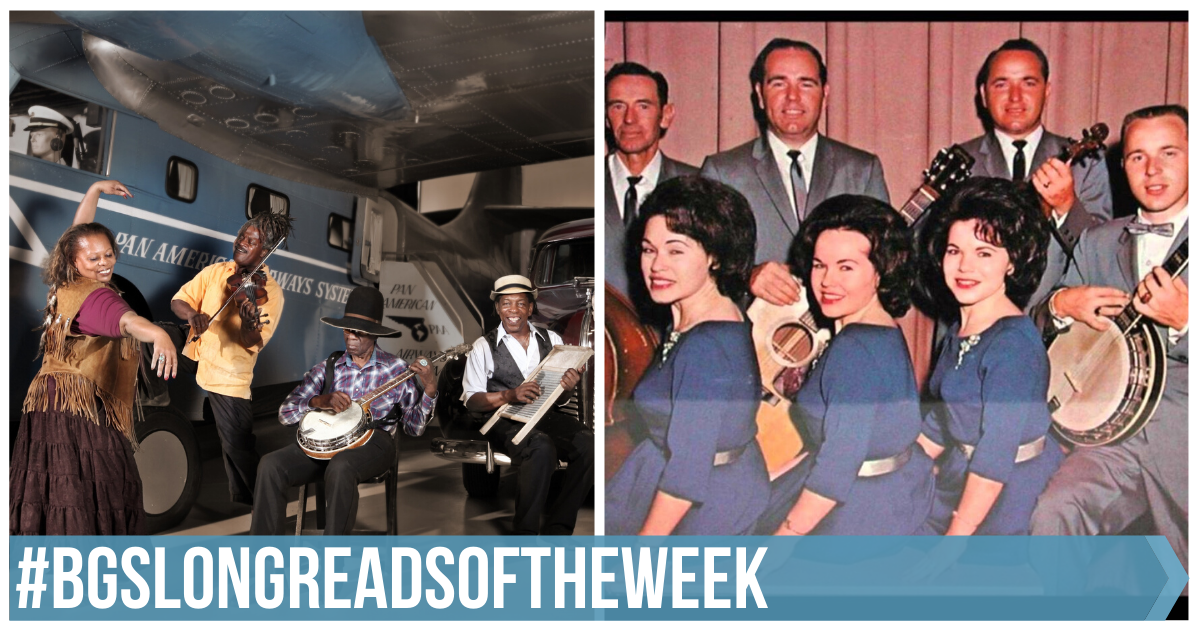
The Ebony Hillbillies: Becoming Part of the Music

In 2017, Henrique Prince and Gloria Thomas Gassaway — of the legendary and long-running New York-based, Black string band, the Ebony Hillbillies — gave us an excellent primer on how Black folks ostensibly invented bluegrass music. We could all use a reminder of this fact, given how Black contributions to old-time, bluegrass, and string band musics are more often than not erased — and this true, more fleshed out narrative enables us, the roots music community, to unabashedly lift up Black stories and Black lives in full voice at this current moment of crisis. [Read the interview]


7 Bluegrass Family Bands You Need to Know

Bluegrass Bands

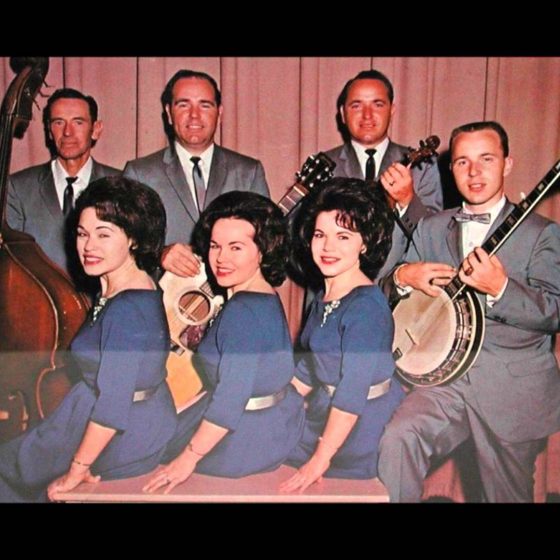
From the Monroe Brothers and the Stanley Brothers to Cherryholmes and Flatt Lonesome, the matching outfits, tight harmonies, and long-lasting careers of family bands are an integral part of what makes bluegrass bluegrass. Here are a few lesser-known, underrated, or too-often-forgotten family bands that you ought to spend some quality time with — a classic from the BGS archives. [See the list]


Canon Fodder: Tracy Chapman, Tracy Chapman

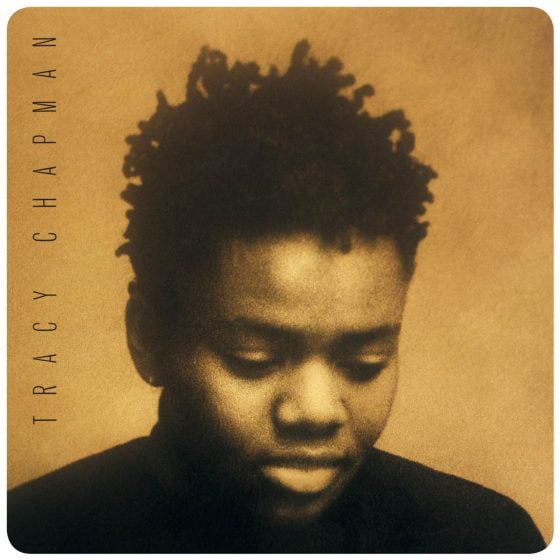
Tracy Chapman’s music is ceaselessly relevant, it’s true. Still, her self-titled, 1988 album has a much more broad, eclectic musical palette than we often give it credit for. Its themes surrounding her Blackness continue to distinguish her from her peers and most common comparisons, demanding a more nuanced approach to considering the ongoing impact of Tracy Chapman. [Read our archived edition of Canon Fodder]


A New Cookbook From Music Community Gives Us ‘All the Thyme in the World’

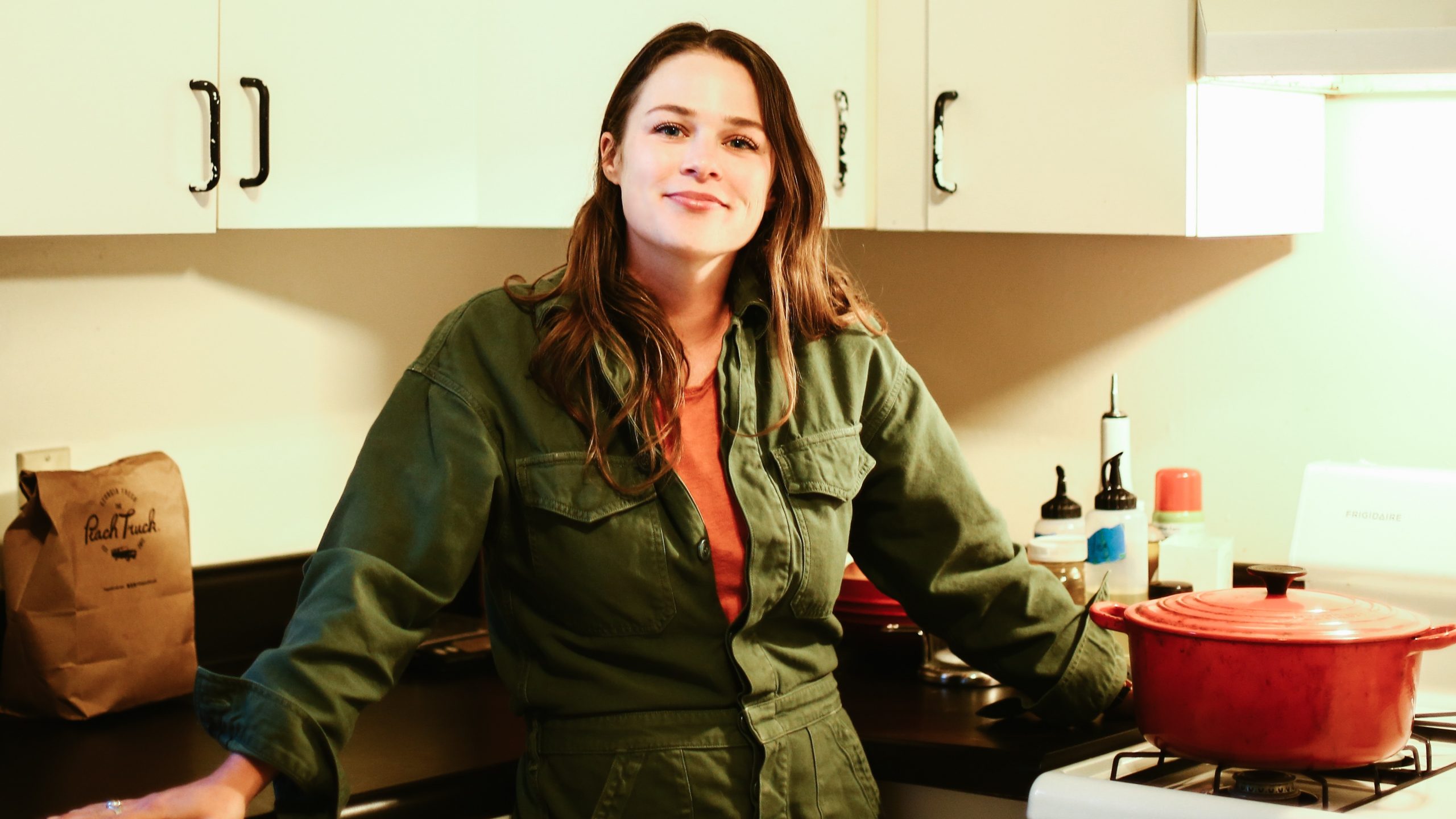
Nashville business owner and frequent BGS collaborator Maria Ivey apparently didn’t have enough on her agenda when a tornado hit Music City in early March and the music industry subsequently shut down due to the COVID-19 pandemic. That’s the moment when she started quite the gargantuan project — a community cookbook.

All the Thyme in the World features scores of recipes — soups and appetizers, sauces and mains, desserts and breakfasts — from the aptly described “grounded” music industry, which includes a true cross-section of musicians, performers, touring professionals, industry experts, writers, designers, and so on.

The volume leans into the homespun, down-to-earth charm of DIY community cookbooks common in the South and across rural America, taking wisdom from lovable food nerd Alton Brown himself, as referenced in the foreword:

“First, such books must be spiral-bound or they are not to be trusted. Second, all recipes must be directly attributed to a member of the community. Food is mighty personal, and the sharing of a recipe, especially one that may have been polished and perfected through years of practice, is powerful medicine. Third, community cookbooks must be truly democratic…”

Not only is All the Thyme in the World democratic, powerful medicine, mighty personal, and yes, spiral-bound, its profits will support the vital work of the Music Health Alliance’s COVID-19 & Tornado Relief programs. The first pre-order period closes June 1. Music + food fans are encouraged to order now to make the first printing.

https://www.instagram.com/p/B-0UARbBex4/

BGS connected with Maria Ivey over email to discuss the project and give a sneak peek at a couple of the recipes.

BGS: A deadly tornado hit Nashville in early March, barely preceding the coronavirus pandemic, so “disaster mode” here has been going on a little longer and has been a little more intense than in a lot of other cities — and you still added this project to your plate! Why is it so important to you? 

Maria Ivey: We have to take care of each other!! If we want to believe that the music industry will snap back after some semblance of normalcy returns, we have to ensure that aid is given to keep creators creating. Music Health Alliance does just that. The idea for this cookbook came while I was sitting at the kitchen table, staring down the future wondering what the hell I would do with my hands and all of this time. I sent a few late night emails asking foodie music friends for recipes and help, which were then forwarded to other folks — some I knew, some I didn’t. While I was writing press releases for countless festival cancellations I was cooking nonstop. Three meals a day, sometimes four, crowding the fridge with leftovers and feeding the excess to the dog and chickens. Partly because staying home was the right thing to do and partly because I had to do what my bones told me to do. 

Proceeds from this cookbook will go to Music Health Alliance’s COVID-19 & Tornado Relief Program. I have personally witnessed the good this organization does for our musical community and am honored to aid their efforts with this cookbook. 

Why do you think musicians, creators, performers, and folks in the industry responded in such numbers? What is it about cooking and the kitchen that makes them so closely intertwined with music?

Cooking and music are both creative endeavors. It makes sense that some of the best songwriters or musicians I know are also the most interesting cooks. For example Christian Sedelmyer is a monster musician, but he’s equally capable in the kitchen, probably because he pays attention to flavors and knows how to make ingredients compliment each other. Not unlike what he does with the fiddle.

Inside you’ll find recipes from journalists and photographers, publishers and interns, a drum tech for arena tours and a tour manager who always drives the late shift, songwriters and banjo players, festival producers and super fans, a beloved Nashville guitar shop owner and The Late Show’s band leader, Bowie’s bass player and a Grand Ole Opry host. And Dolly Parton. I chose to leave off job titles and places of employment because none of those labels have a bearing on how food tastes. 

The cookbook is an incredible way to visualize the community we all have surrounding us (myself and BGS executive director Amy Reitnouer Jacobs both submitted recipes as well). What have you learned about this community that has surprised you most? 

I guess it’s not really surprising, but I was reminded of — floored by, even — how willing folks are to help each other. People I have never met volunteered to help me format recipes. My neighbors, all involved in music in some way or another, offered to help ship out books once printed. 

Gena Johnson emailed something like 50 people for recipes. Shelly Colvin, too. Both blasted the recipe request to god knows how many people helping to fatten the book up. Journalist and editor friends, like yourself, emailed me asking how to best spread the word. Grant Prettyman immediately jumped in to design the cover art and layout, citing his Atlanta upbringing and his mother’s collection of Junior League cookbooks as inspiration for the aesthetic.

A quick Google search led me to Pollock Printing, a third-generation family printer in Nashville. I had a long and happy conversation with the owner, John Craig — someone I’ve still not met in person — who knew several of my clients and told sweet stories of his dad leading bluegrass jams. Dacey Sivewright, a friend [and BGS contributor] who has been writing about music for over a decade, reached out to offer help editing the recipes. I stopped saying “I” and started saying “we.”

Then we had 100 recipes. And then 200. When the website went live, orders poured in from people I had never met and from places I had never been. My brother ordered 15 copies. I cried. And just like that, the world didn’t feel so scary and I didn’t feel so alone. We didn’t feel so alone. Apart, yes. But not alone. 

You must be so excited to get to tasting these recipes! Have you tried any yet? What have you tried and what are you excited to get to cooking?

JoJo Hermann (keys player for Widespread Panic) submitted a family recipe for whole bird “Vinegar Chicken.” I tried it a few weeks ago and it was incredible, the vinegar marinade takes what can be an otherwise bland protein and made it interesting and punchy, and the skin was super crisp. I made broth with the leftover bones. I laughed because he submitted the recipe and then his sister emailed me to make sure everything was correct. Definitely something that would happen in my family. 

Marshall Chapman sent in “Pork Noodle Soup,” a recipe she adapted from the New York Times. I made it on one of the colder days in March and it was instant warmth (fresh grated ginger and garlic) and comfort (rice noodles and pork fat). I haven’t made Jon Batiste’s recipe for “Katherine’s Red Beans,” but it’s on my to-do list for this weekend. Everyone I know who is from New Orleans is an excellent cook so I’m excited to try his take on this classic.

And there must be some Ivey family recipes in the mix as well?

Yes! I gave a recipe for “Green Jacket Green Beans” (when the beans turn Augusta National Green, they are ready to be eaten) and my husband, Taylor, put his “Sunday Morning Biscuits” in the book. I’m partial, but they are both excellent, and easy! Salt and fat. Always. I’ve been known to order a side of green beans with my biscuits and breakfast at Cracker Barrel, so it’s fitting that these recipes are our contributions. 

I’m glad to have had a reason to write them down. Several people said that about their recipes, too — thanking me for giving them a reason for writing down whatever their famed dish is, getting specific with measurements and ingredients. We have to archive this stuff! It’s so easy to Google for a recipe but I’d like to see a return to cookbooks, community cookbooks in particular. 

Let’s make it painfully clear for our readers before we go — how can they support All the Thyme in the World?

Pre-order here before June 1 to be included in the first print run! 


Photo credit: Melissa Madison Fuller

For First Solo Album, Sam Doores Opens the Map of Musical Influences

Sam Doores cut his teeth as a Bay Area-born teen troubadour busking around the U.S. before he got his first real break with a steady gig at an Irish pub in New Orleans. In that same city he co-created some of the last decade’s most arresting socially-conscious anthems with Hurray for the Riff Raff and made sparkling folk- and country-derived excursions with his own band, the Deslondes.

And now he’s got his first solo album, Sam Doores, recorded primarily in Berlin and filled with echoes of everything from Tin Pan Alley to the Mississippi hill country, from French Quarter jazz to California psychedelic-folk-rock.

So, let’s talk about Cambodian rock ’n’ roll. “Cambodian Rock n’ Roll” is, in fact, the title of one of the songs on the album.

“No one’s asked me about that!” he says, excitedly, on the phone from New Orleans, where he’s lived now for 14 years. “Do you know the compilation, Cambodian Rocks?”

It’s a 1996 collection of recordings made by a wealth of artists in Cambodia who embraced American surf, garage-rock and psychedelic styles and gave them scintillating Southeast Asian twists, before the brutal reign of the Khmer Rouge, in which many of those performers were killed or imprisoned.

“A friend played it for me one time on a road trip and I fell in love with the style and sound,” he says, adding that he then watched Never Forget, a documentary about that time. “So heartbreaking, and after watching it the music hits on a deeper level.”

Now to be clear, the song doesn’t sound like Cambodian rock ’n’ roll, but rather is a “tip of the cap” to it, in a somber reminiscence about listening to it with the friend who introduced him to that music. The songs on Sam Doores aren’t tinged with that tragedy, yet there is a wistful, muted melancholy and sadness throughout. “There’s some darkness, for sure,” he says.

Well, there’s going to be. It’s a breakup record, after all, largely coming from the end of a long-term relationship. The album explores various shades of that darkness, of unsettling loss and longing. There’s often light shining through, with residual and resurgent hope and joy. To some extent it all comes together, brutally, midway through the album with the song “Had a Dream,” born out of two losses that happened in his life over the four years in which the material on the album came together.

“That came to me when I knew I was losing someone who had been one of the closest people in my whole life, and I knew I wasn’t going to be able to get that person back,” he says. “And a friend of mine was dying. It’s about eventual letting go. For a long time I thought my friend was going to pull through, beat his sickness, and I thought I was not going to lose my love. Both ended up getting lost. I wrote about that time. Wanted the music to have the frantic, desperate feeling on the verses, but also the melancholy of the choruses.”

The sensibilities tie together seemingly disparate emotions, and disparate musical tones. On one end is the upbeat, generous and genuine “Wish You Well,” one of several songs featuring members of Tuba Skinny, a leader of a vibrant wave of young bands enlivening traditional New Orleans jazz. On the other, the very downcast acoustic guitar “Red Leaf Rag,” evoking a “dark dream world” that he says really should have been called a “drag” rather than a “rag,” or maybe a “dirge.” It’s all no less a factor on songs occupying the middle ground, including “Other Side of Town,” co-written with and featuring lead vocals of Doores’ longtime musical partner, Hurray for the Riff Raff’s dynamic leader, Alynda Segarra.

They also tie together, or perhaps are tied together by, the two cities in which the songs were shaped: New Orleans and Berlin. In many ways the album is the story of his 14 years in the former, having arrived when he was just 19.

“I was hitchhiking on my way [here] when Hurricane Katrina hit [in August 2005] and ended up in Austin for a while” he says. “Met some New Orleans musicians who had relocated there and they talked me into coming to JazzFest in 2006. I felt like I’d left the country. By far the most exciting place I’d been. Been to Havana, Cuba, once before. My high school jazz band went there. Reminded me more of that than anywhere. Was just going to be here one weekend.”

New Orleans has a way of changing people’s plans. That first day he stumbled upon an unannounced small-stage set by Elvis Costello and Allen Toussaint warming up for their later big-stage show, and later saw the incredibly powerful performance in which Bruce Springsteen debuted his folky, New Orleans-esque Seeger Sessions Band, a show that had tens of thousands in the devastated city shedding tears of both sorrow and hope — and turned Doores from a Bruce doubter to a fan. He also had his first encounter with the colorful, beaded-and-feathered Mardi Gras Indian troupes, and he was smitten with it all.

“It totally felt like the beginning of the rest of my life that day,” he says.

Having spent all of his money, he went to busk on Bourbon Street, the owner of the now-gone Kelly’s Irish pub saw him and hired him for a regular gig. “He said, ‘Want to try your luck on a real stage?’” Doores says. “I thought, ‘Wow! Playing inside?’”

Soon he met Segarra and formed a musical partnership that evolved into Hurray for the Riff Raff. As that band took off, he launched the Deslondes (named after the street on which he was living) as a second creative outlet. Through it all, the love and loss captured in Sam Doores took place.

It was in Berlin that he found the environment in which he could shape that into the album; that took place over the course of four years in a studio built by producer Anders Christopherson.

“I actually didn’t know Anders until we started recording,” he says. “He wrote me and Alynda one time out of the blue. Had heard a record of a band we were in together, Sundown Songs. Wrote and said if you are ever coming through Berlin I’d love to record you.”

Not long after, as it happened, the Deslondes were doing the band’s first European tour, so he arranged to spend a week in Berlin and by the end of that time he determined to make a full record there, though it would have to be done in four different stretches over several years. Christopherson put together a “house” band to bring Doores’ ideas to life, primarily himself and a Spanish keyboardist named, yes, Carlos Santana. A lot of experimentation happened with combinations of instruments — vibes, autoharp, an electronic “disc” organ, glockenspiel, and so on. And realizing Doores’ long-standing ambition, strings were added to some songs in arrangements by Manon Parent.

Somehow, it all works as an integrated whole.

“I think there are some core instruments we tended to use in the arrangements that sonically thread the record together,” he says. “In terms of influences, a lot of different tones. Some old New Orleans R&B, some of the opposite — psychedelic folk experimental soundtrack music.”

In some places it might remind of the “vintage” touches associated with such figures as Harry Nilsson and Van Dyke Parks. Doores loves those comparisons, then observes, “We listened to a lot of Nina Simone and early reggae — a lot of Upsetters, early Studio One stuff, early Wailers. Anders has an incredible record collection. Wherever we weren’t recording, we were in his kitchen listening to that stuff. We didn’t do any straight up reggae, but it influenced us in some ways, the bass lines and the organ.”

That was just part of the musical and personal oasis he found there, a space that let him find the full expression for his New Orleans stories. The importance of that is so profound that he wrote an instrumental impression of that environment, “Tempelhofer Dawn,” a gentle, muted, nostalgic waltz — and ultimately chose it to open the album, to serve as a curtain-raiser on the song cycle that follows.

“Tempelhofer is the name of the street the studio is on,” he says. “A lot of moments after late nights going out, or early mornings waking up, I spent a lot of time there with the birds or children playing and that gave a feeling that matched the song.”

He recorded it live in studio, with himself on piano joined by Santana on organ and Parent and Mia Bodet on violins. “It’s a nice way to ease into the record,” he says.

In many ways, given the breakup at the heart of the album, it sounds like both a beginning and an ending.

“It felt like the first track,” he says. “Or the last track.”


Photo credit: Sarrah Danzinger

LISTEN: Ruthie Collins, “Wish You Were Here”

Artist: Ruthie Collins
Hometown: Originally from Fredonia, New York; now based in Nashville
Song: “Wish You Were Here”
Album: Cold Comfort
Release Date: April 3, 2020
Label: Sidewalk/Curb Records

In Their Words: “I decided to take myself on a solo vacation to my favorite beach, a place just outside New Orleans called Pass Christian. I was trying to get over this guy, so the idea was to do whatever I wanted, eat whatever I wanted, just have some quality alone time. But instead, it felt like the guy was haunting me and I was thinking about him all the time. I thought I get over him by leaving town, but instead I was sitting by the beach drinking wine and writing songs about him.” — Ruthie Collins


Photo credit: Cal + Aly

WATCH: Tré Burt, “What Good” (Live From the French Quarter)

Artist: Tré Burt
Hometown: Sacramento, California
Song: “What Good” (Live From the French Quarter)
Album: Caught It From the Rye
Label: Oh Boy Records

In Their Words: “A really good friend of mine confided in me about a recent falling out she had had with her best friend since childhood. I guess that’s what started me writing the song, at least the first verse, then I got thinking about impermanence, time and how it (time) is like a vehicle that everyone is traveling on together. The jet plane, steamboat, race car references… On a beautiful sunny day in New Orleans in January we took a walk with the folks from Northern Cowboy films (UK) around the French Quarter and found a spot we all felt good about. The homeowner was happy and gracious to let us film outside his house. Traffic on foot, car and horse all slowed down to see what we were up to and stopped to listen too.” — Tré Burt

BGS Long Reads of the Week // March 20

If you’ve got the time, we’ve got the reading material! Our brand new #longreadoftheday series looks back into the BGS archives for some of our favorite reporting, videos, interviews, and more — featured every day throughout the week. You can follow along on social media [on Facebook, Twitter, and Instagram] and right here, where we’ll wrap up each week’s stories in one place. 

Check out our long reads of the week:

Ten Years After Crazy Heart, Ryan Bingham Comes Around to “The Weary Kind”

For our Roots On Screen series we revisited the 2009 film Crazy Heart and one iconic song from its soundtrack, “The Weary Kind.” We spoke to writer Ryan Bingham in September 2019 about the Oscar Award-winning song and how it took him ten years to find the solace Jeff Bridges’ character Bad Blake finds in the piece. [Read more]


The 50 Greatest Bluegrass Albums Made by Women

Bluegrass Albums Made by Women

It is Women’s History Month, after all, so it’s worth spending some time with this collection of amazing albums made by women in bluegrass. This piece, inspired by NPR Music’s Turning the Tables series, is a list of albums chosen by artists, musicians, and writers simply because they were impactful, incredible, and made by women. [See the list]


Sam Lee’s Garden Grows Songs and Fights Climate Change

Sam Lee, wearing denim, sits in a cluttered room in front of a bookshelf

An appropriate topic for times such as these, folk singer Sam Lee utilizes re-imagined and rearranged ancient folk songs in modern contexts to advocate for social justice and fight the climate crisis. Beyond that very important mission statement, though, the songs are lush, verdant, and beautifully intuitive to digest and interact with. [Read the interview]


Preservation Hall: Honoring Time’s Tradition

Given that so many of us have had to cancel travel, postpone tours, reschedule vacations and so much more, why don’t we take a long read trip to New Orleans and visit a venerable, undying source of the best in American (roots) musical traditions, Preservation Hall. Since the early 1960s Preservation Hall and the Preservation Hall Jazz Band have cultivated and spread New Orleans brass band jazz around the world — even collaborating with bluegrass greats like the Del McCoury Band. [Read more]


Canon Fodder: Aretha Franklin, ‘Amazing Grace’

We all need more Aretha in our lives — and in our ears! — and we all need a little more grace, too. To wrap up the week, we revisit our Canon Fodder series, which takes iconic records and songs and unspools their intricacies, their idiosyncrasies, and their impacts across decades and generations. Amazing Grace was Franklin’s best-selling album, and the best-selling Black gospel album ever recorded. It certainly deserves the “deep dive” treatment. [Read more]


A Minute in New Orleans with Sarah Quintana and Michael Doucet

This is Sarah Quintana, singer/guitarist in Michael Doucet’s new solo project, Lâcher-Prise, and I love being a tourist in my own hometown, New Orleans. Michael and I met one Mardi Gras day, following a brass band through the French Quarter. Music is everywhere! Cajun and zydeco dancing, good Creole cooking and historic scenes. Here are some of our favourite places to perform, shop and eat!

Michael loves to go to Cane and Table on Decatur for his favourite Cuban cocktail, the Hotel Nacionale. Marjie’s Grill on N. Broad is one of his favourite places to eat. I sing for the Sunday Brunches at Emeril’s Delmonico. The atmosphere, the menu and the live music make this one of the best dining experiences in New Orleans.

https://www.instagram.com/p/B8RvvybFMHj/

One of our favourite clubs to play at and go dancing is d.b.a. on Frenchman Street. They have a wood floor series in the early evening that is acoustic and magic, dance lessons, lots of craft beer and rocking late-night shows. Need a coffee fix? Spitfire Coffee in the French Quarter is Michael’s favourite espresso bar.

https://www.instagram.com/p/B9KB0eIl9_8/

Water here, Water there! My favourite neighborhood is Bayou St. John in Mid-City. Get your tour of frontier New Orleans by boat! Book a Kayak tour from Kayakitiyat! If you go on a gallery art walk down Royal Street in the French Quarter, stop by Antieau Gallery to see the artist who created our cover art for our album.

https://www.instagram.com/p/B8jtZ0qFQ81/


Photo credit: Daniel Kadar

WATCH: Amythyst Kiah Plays “Black Myself” at Martin Guitar Museum

Grammy-nominated singer/songwriter Amythyst Kiah holds a direct line to the heart of emotion in each note she plays and every word she sings. Her powerful song, “Black Myself,” was the opening track on her latest release with Our Native Daughters, a collaboration that also features Rhiannon Giddens, Leyla McCalla, and Allison Russell. The lyrics’ unapologetic tone and fierce in-your-face quality earned Kiah a nod at the 2020 Grammy Awards, as well as Song of the Year honors at the International Folk Music Awards at Folk Alliance’s conference in January. Though maintaining a quite busy performing calendar, a full-length solo record is slated for release sometime this year. Until then, audiences will have to indulge in Songs of Our Native Daughters as well as this new video from the museum at Martin Guitars. Watch as Amythyst Kiah sings “Black Myself” behind a 1942 Martin D-45.