Last weekend, on March 16, musicians and artists from across the country descended on Fort Worth’s Southside Preservation Hall for the 2024 edition of the Fort Worth African American Roots Music Festival – known affectionately as FWAAMFest. This year’s event was the biggest yet in the annual festival’s four-year run, boasting a lineup of country, old-time, blues, ragtime, folk, Americana, and so much more.
Below, check out select photos from FWAAMFest that highlight the mission and scope of this quickly up-and-coming festival and community-building event. There’s truly something for everyone at FWAAMFest, including workshops and lectures on pre-World War I banjo playing, a live taping of BGS’s and Folk Alley’s podcast, Basic Folk, delicious soul food and ice cream provided by Carpenter’s Cafe & Catering, Lil Boy Blu, and Cow Tipping Creamery, and a superlative lineup of musicians, artists, songwriters, and instrumentalists. (Learn more about the artists on the lineup here.)
FWAAMFest is programmed and presented by Decolonizing the Music Room, a non-profit organization founded by festival director Brandi Waller-Pace. DtMR has a mission of building more equitable futures in music education, music performance, ethnomusicology, and beyond. As such, their success – and the continuation of the remarkable FWAAMFest – is dependent upon the generosity of roots music fans such as yourself.
If you believe in the future of FWAAMFest and Decolonizing the Music Room and want to help it continue into the future, you can donate now on the official festival website. Additionally, banjo player, songwriter, and scholar Rhiannon Giddens has pledged a $5,000 matching donation if two or more high level donors give at that dollar amount. If you have the resources, consider devoting funds to the important and vital mission of FWAAMFest and DtMR.
As you will see from our photo recap below, this is an event worth investing in. Make plans now to attend FWAAMFest in the future and, if you’re able, donate!
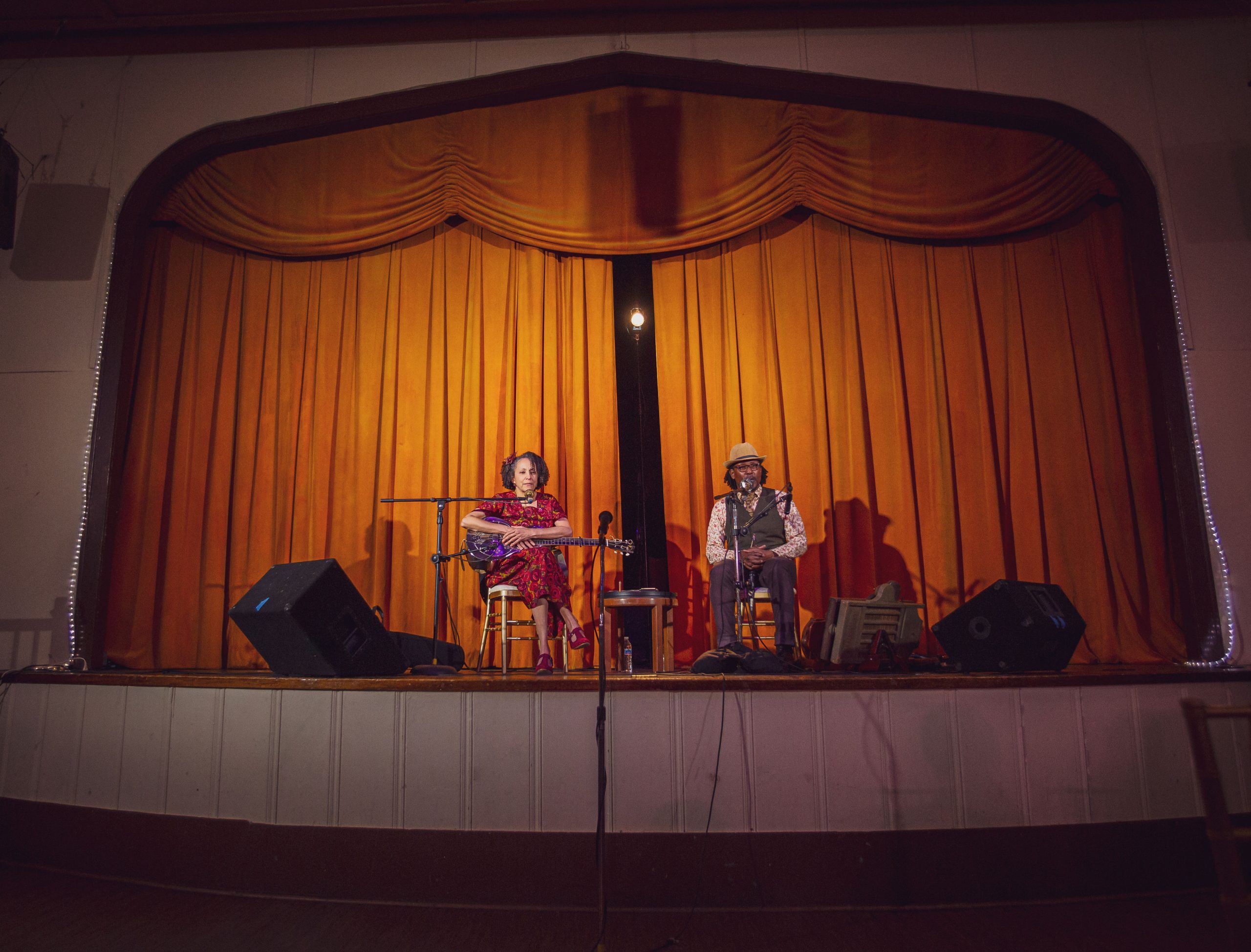
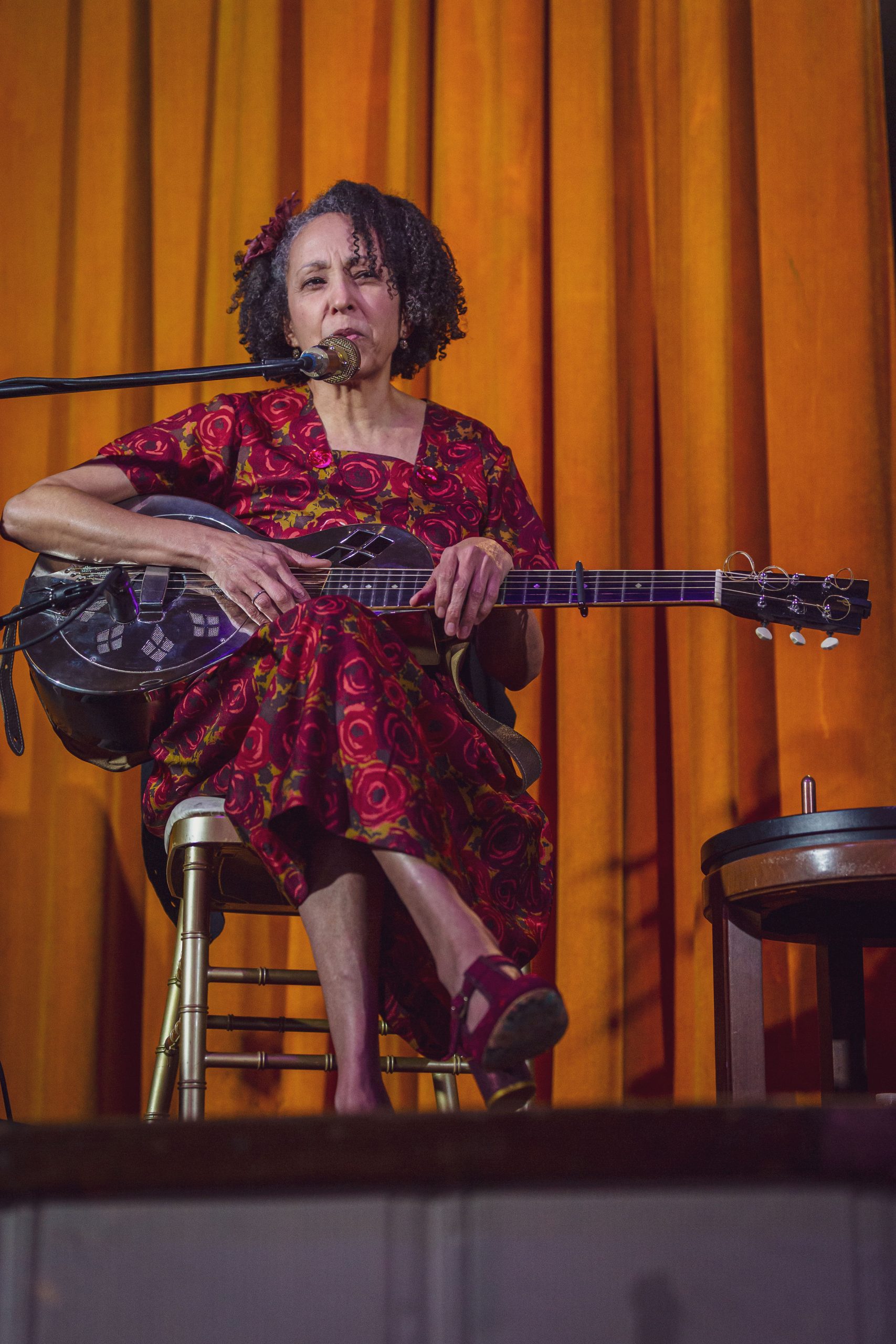
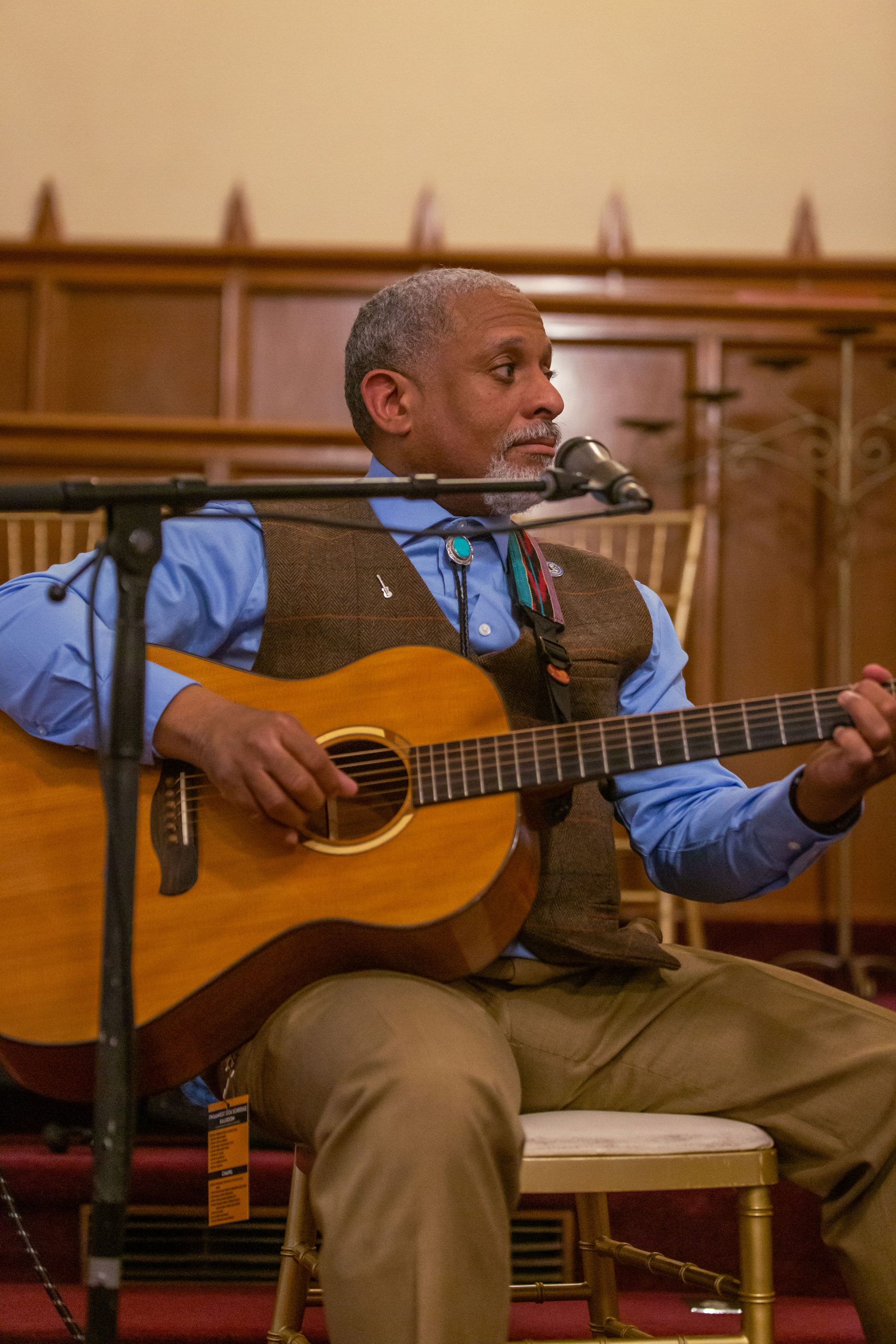
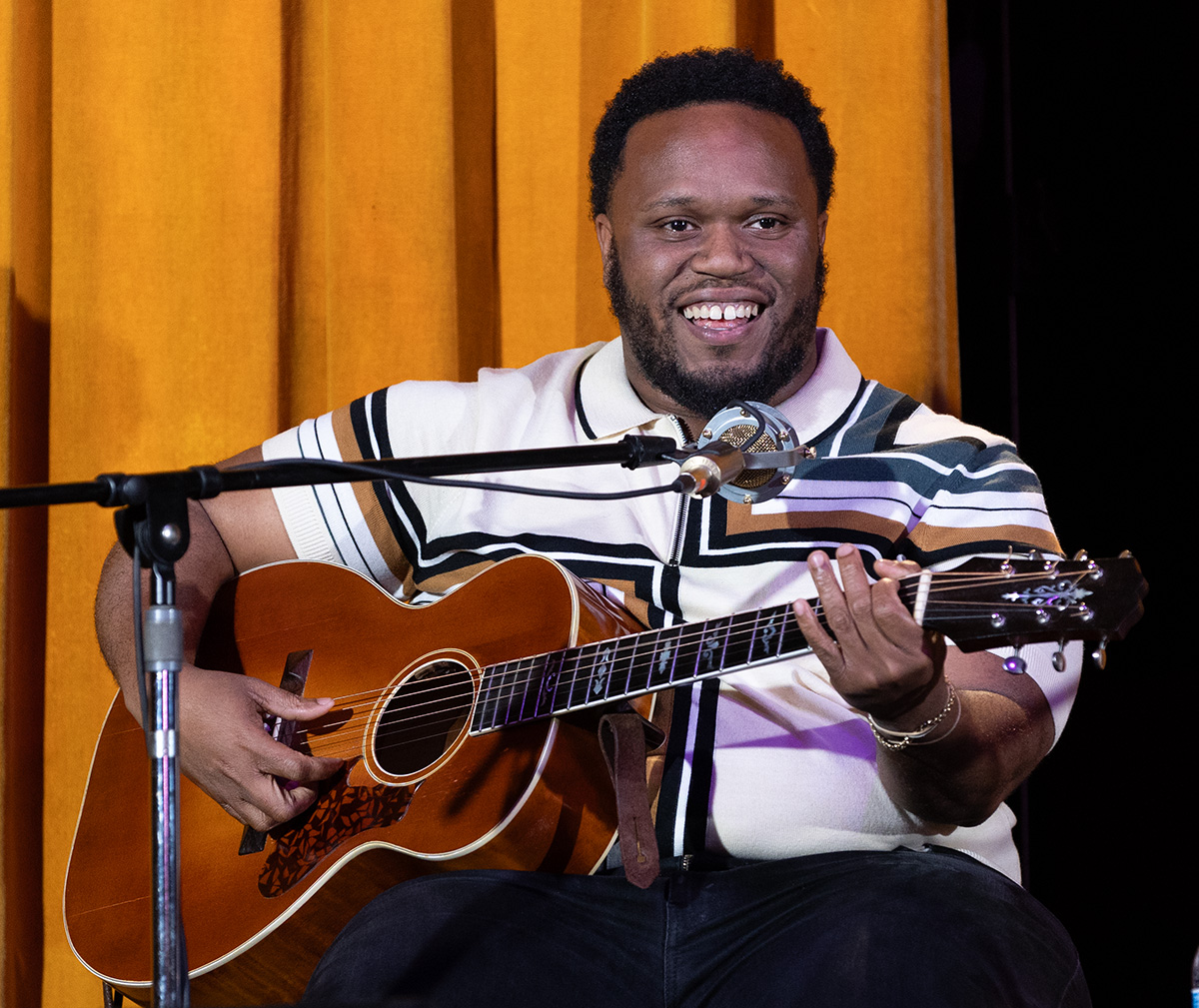
Piedmont Blūz Acoustic Duo – Valerie and Benedict Turner – take the FWAAMFest stage.
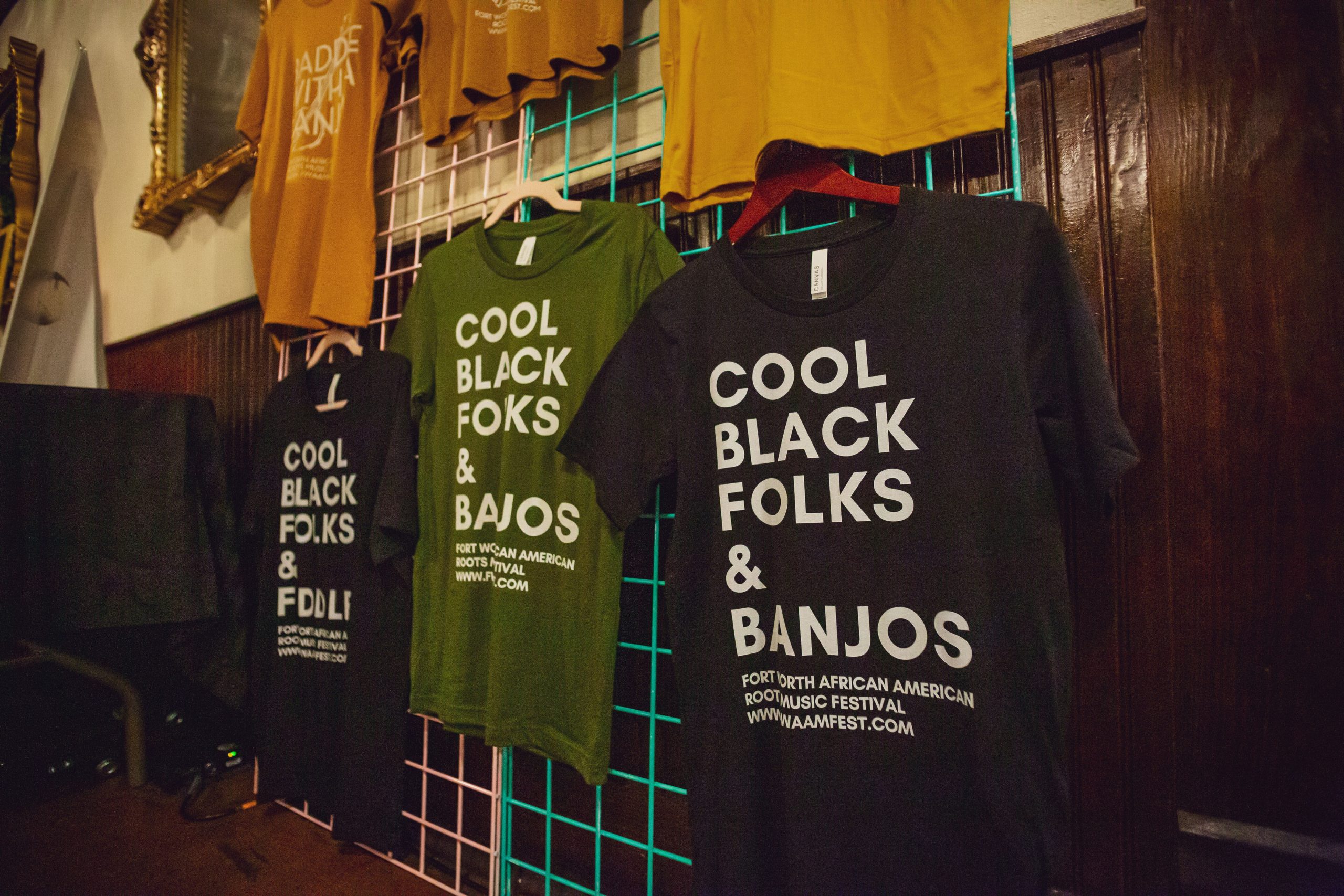
Cool Black folks & banjos, plus cool merch, too! FWAAMFest has it all.
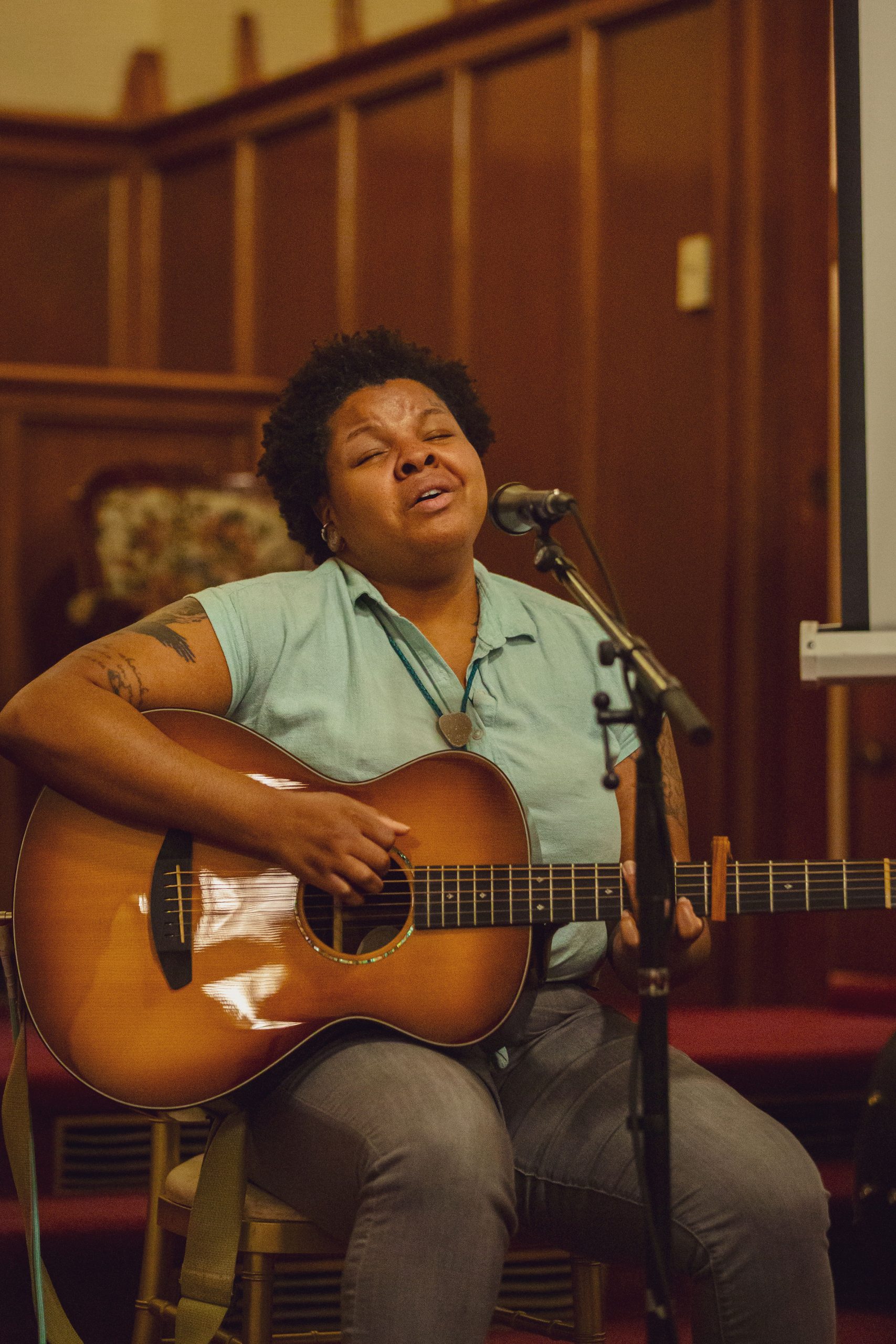
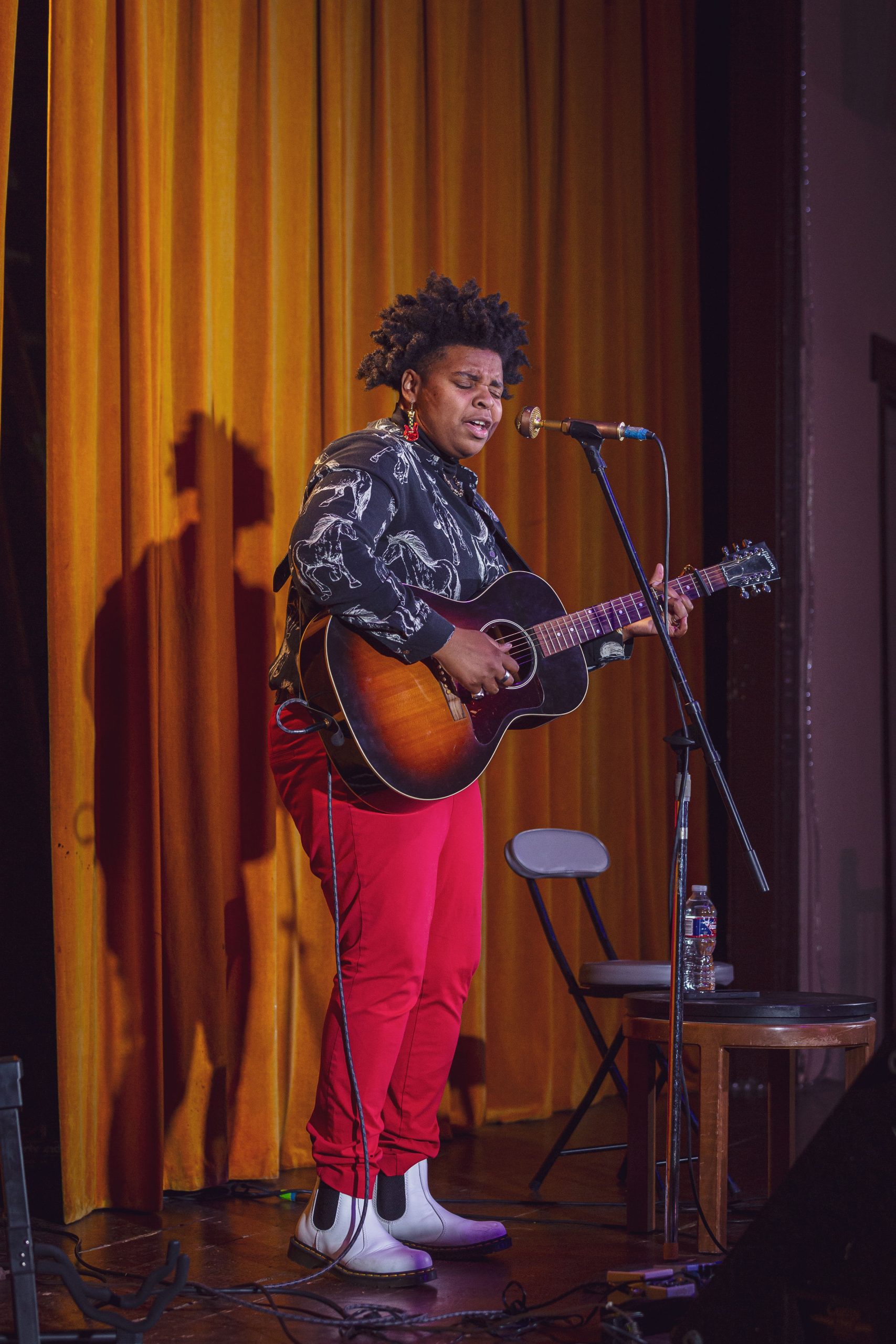
Stephanie Anne Johnson wowed the crowd at FWAAMFest.
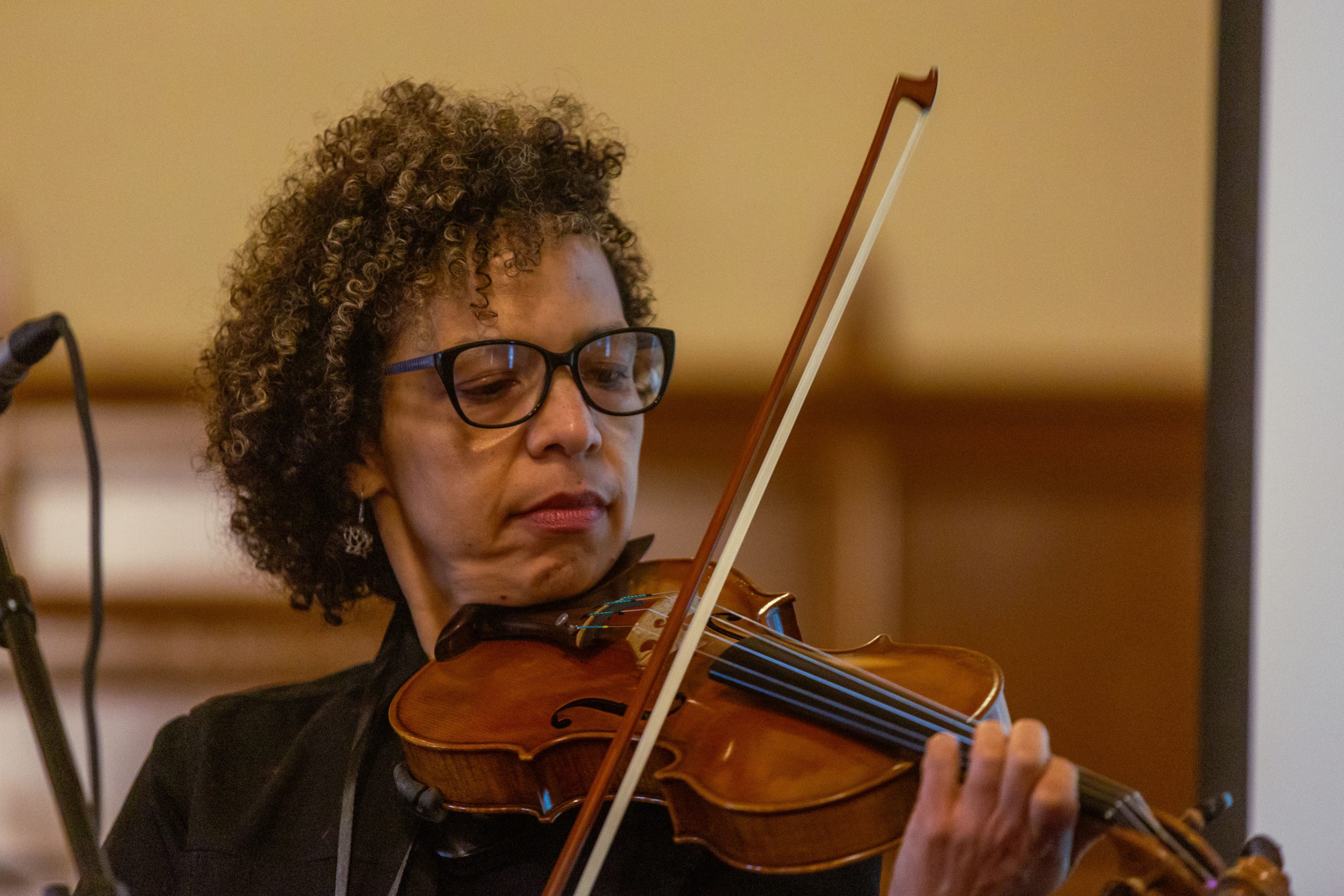
Dary Ford-James of the Black Banjo & Fiddle Fellowship plays the fiddle.
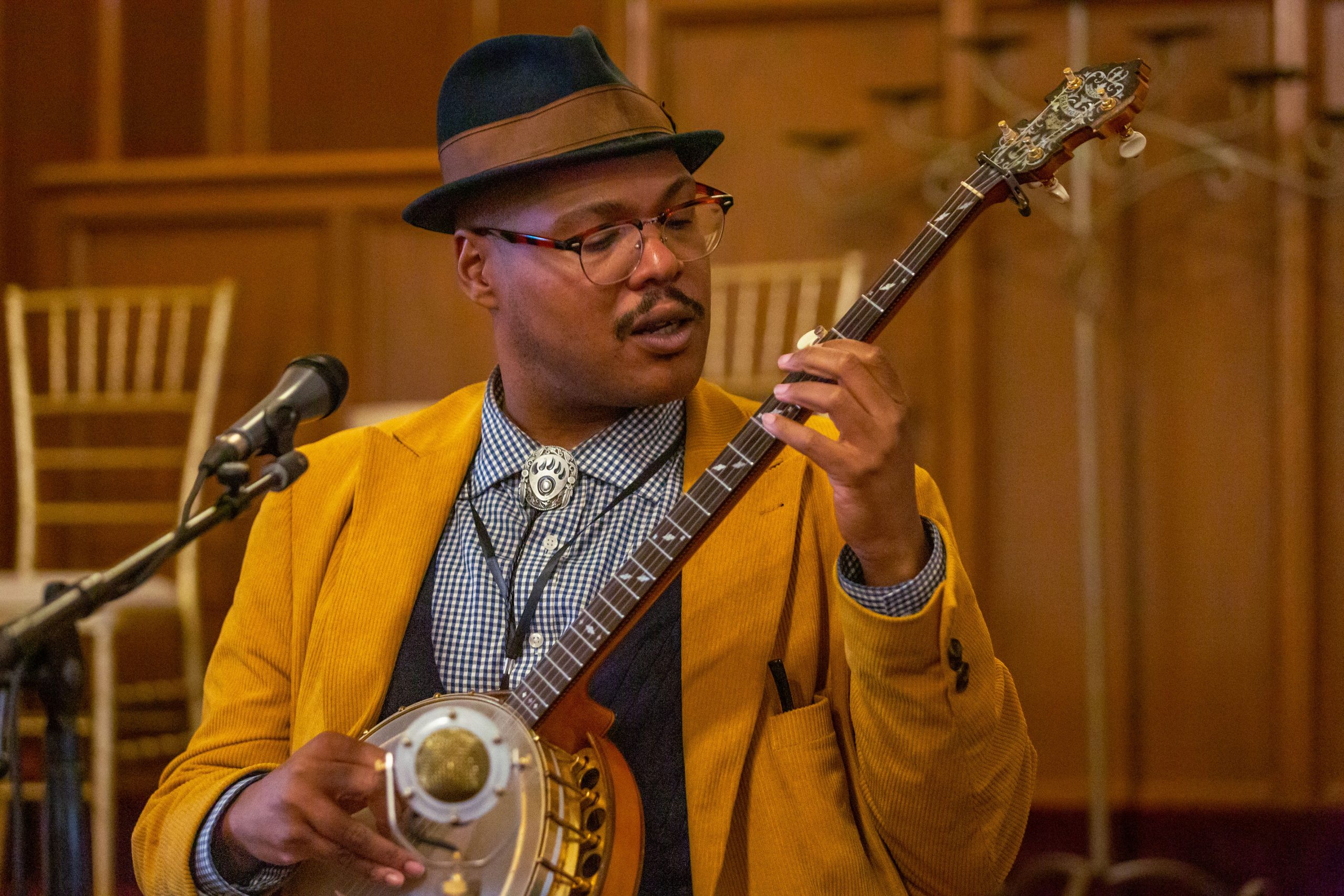
Jerron Paxton presented a workshop entitled "Popular Banjo Before WWI."
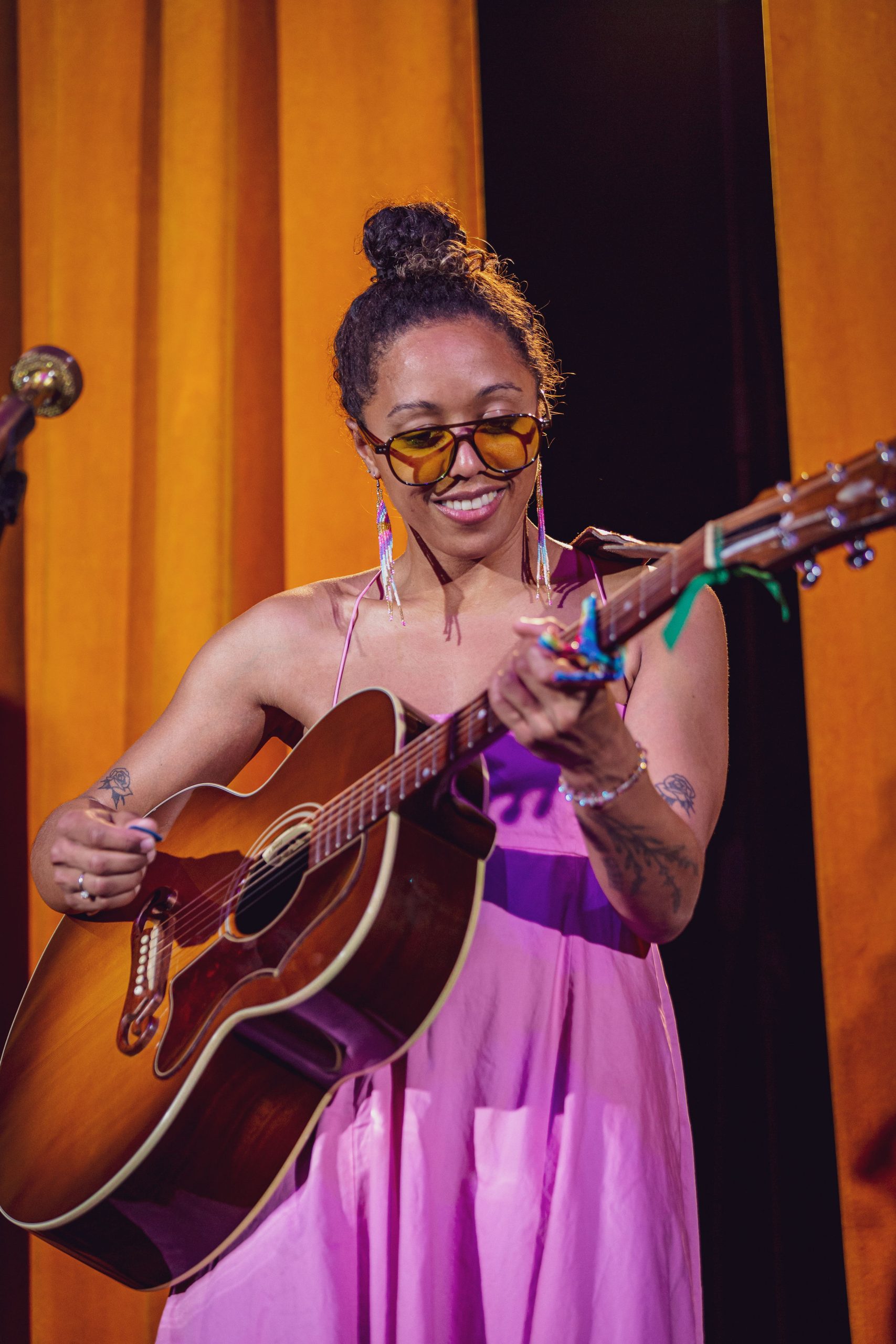
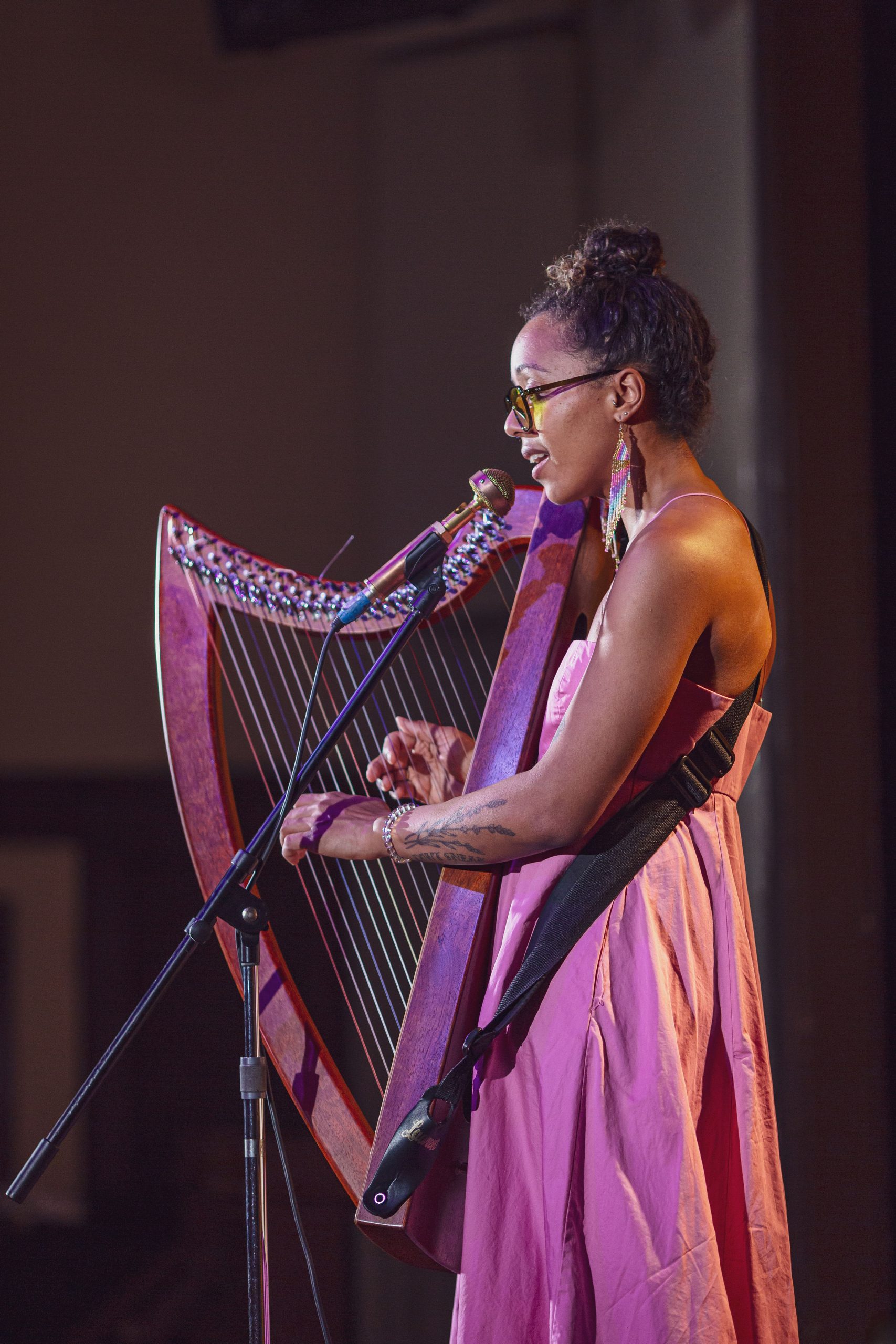
Joy Clark sings to FWAAMFest attendees.
Valerie Turner of Piedmont Blūz Acoustic Duo speaks to the attendees of FWAAMFest.
Miles Spicer of Maryland-based blues duo, Spice Cake Blues.
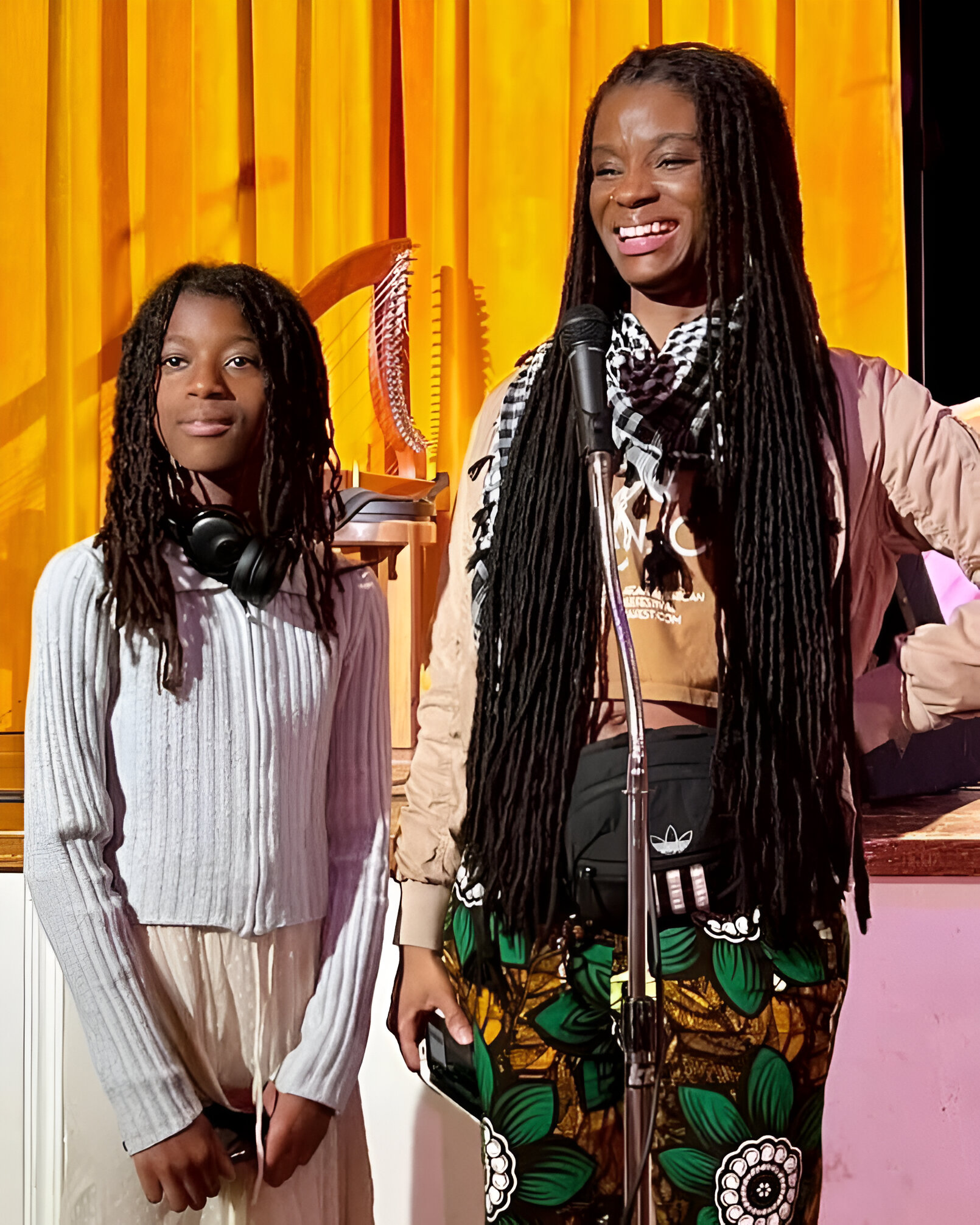
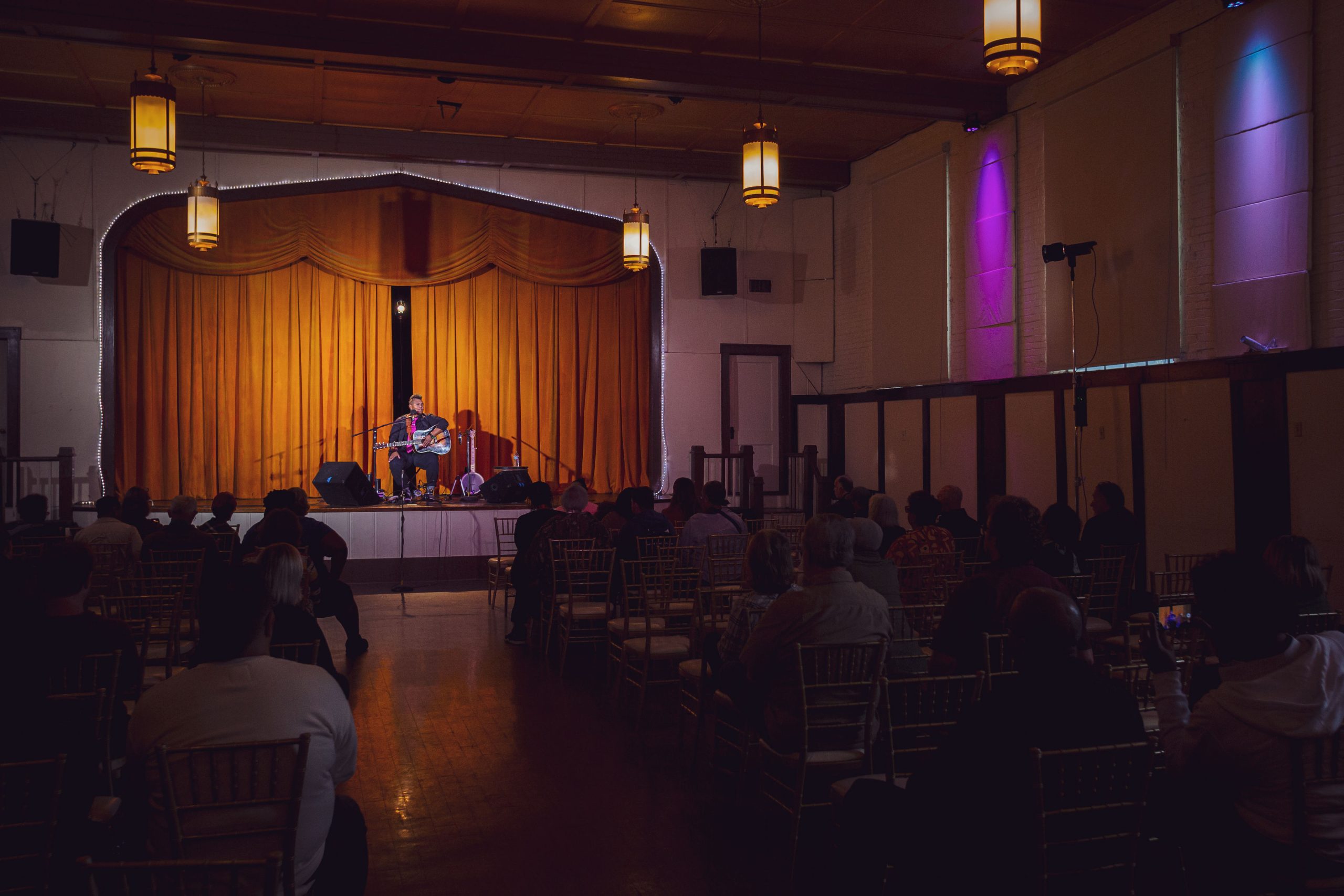
FWAAMFest founder and director Brandi Walller-Pace with daughter, Sparrow, open the festival at Fort Worth's Southside Preservation Hall. (Photo by IJ Routen.)
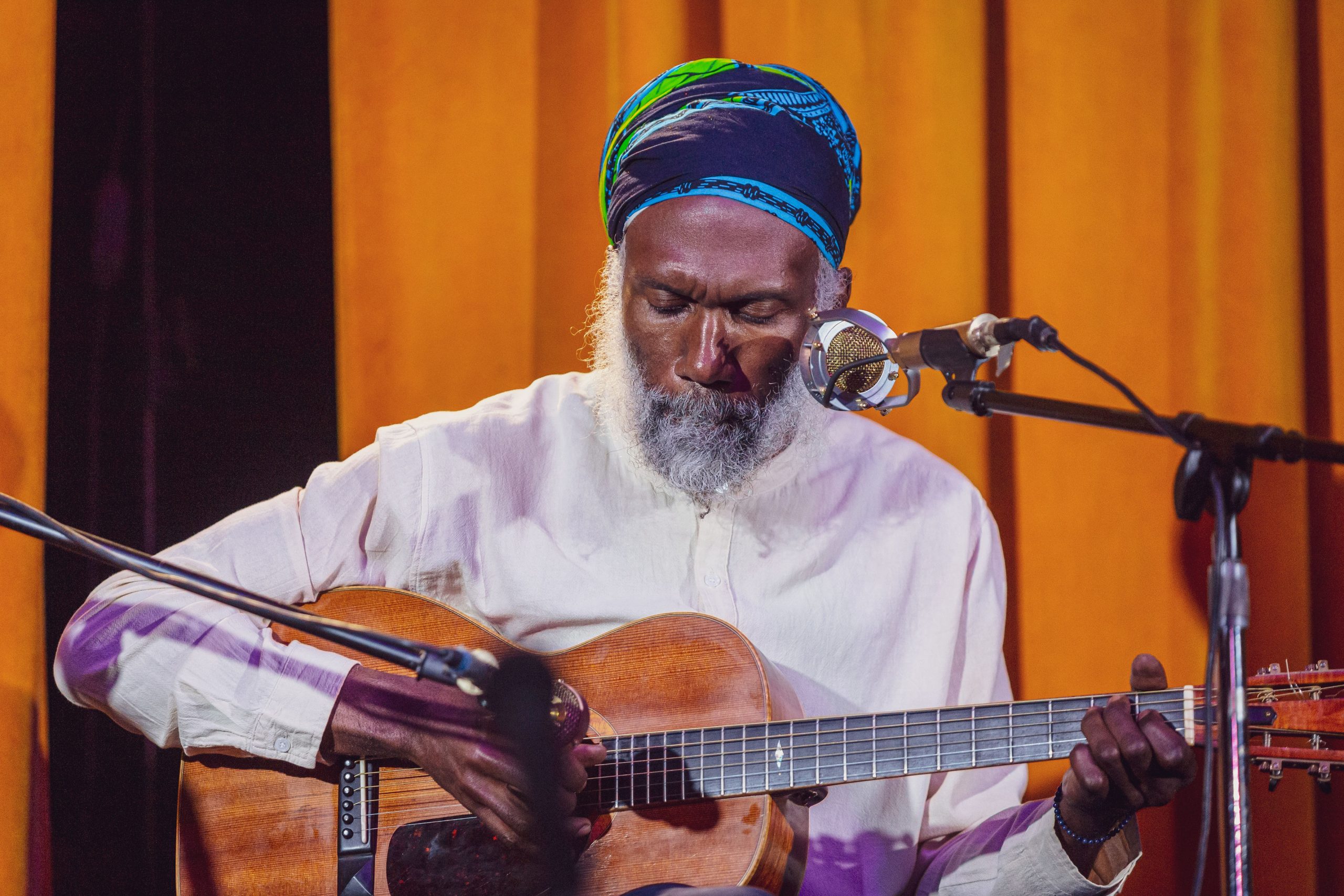
Corey Harris performs at FWAAMFest 2024. (Photo by Ben Noey Jr.)
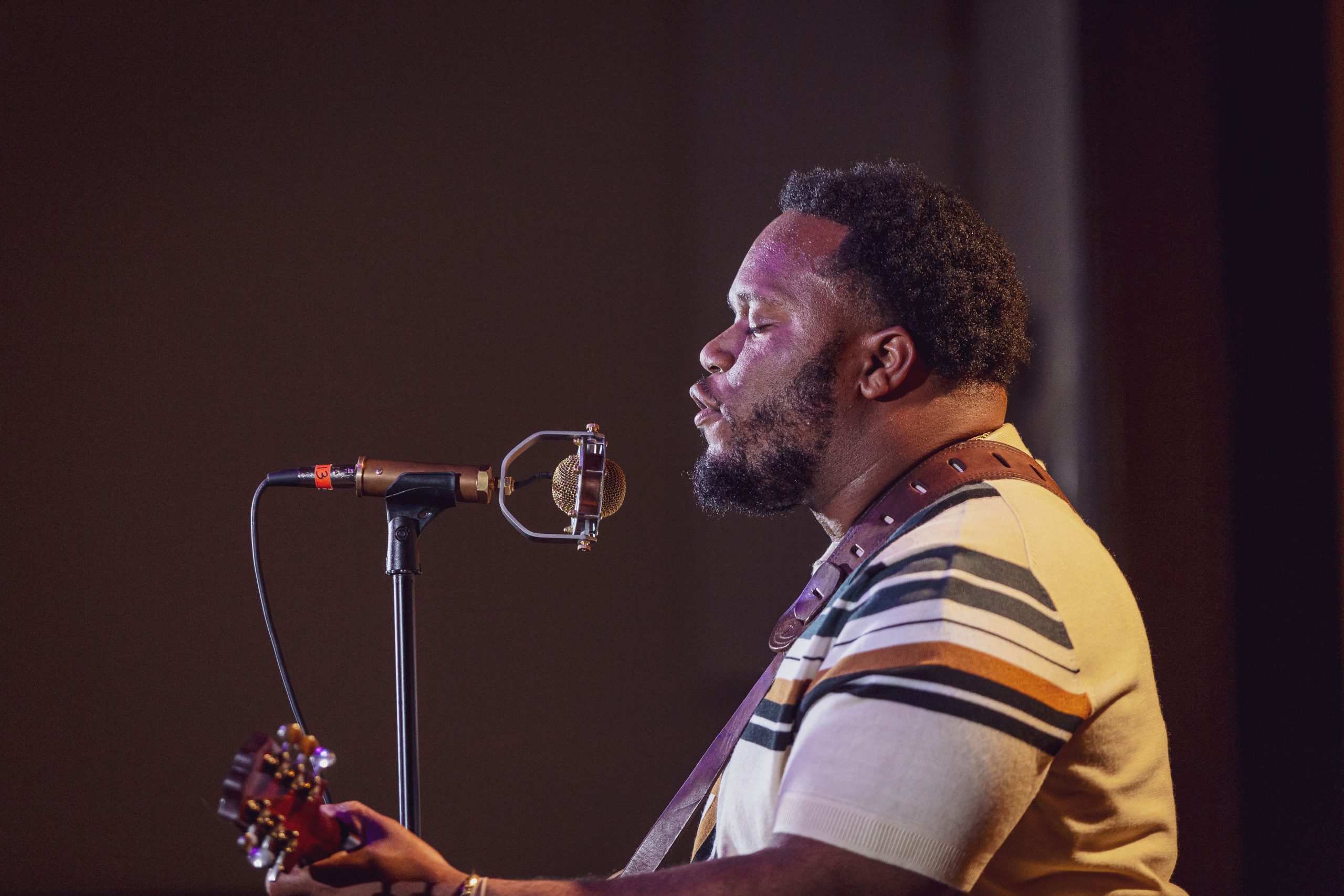
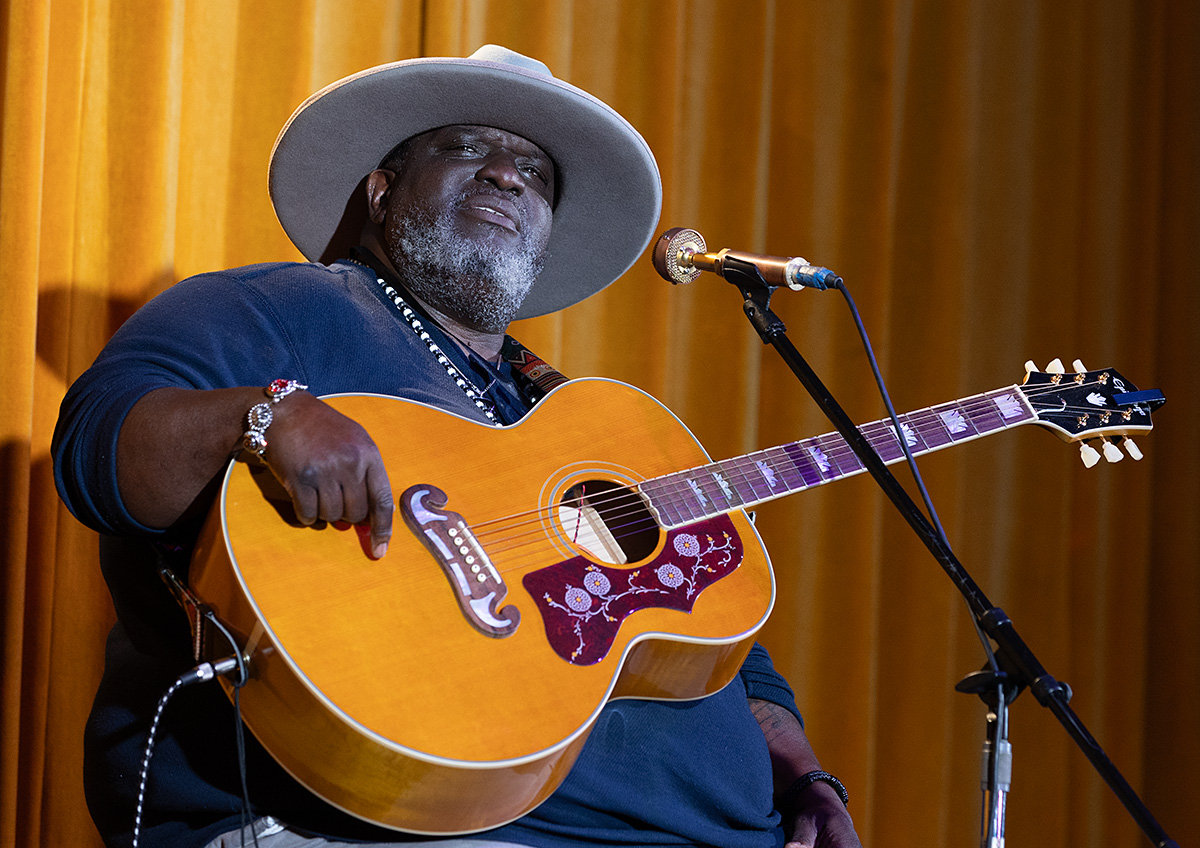
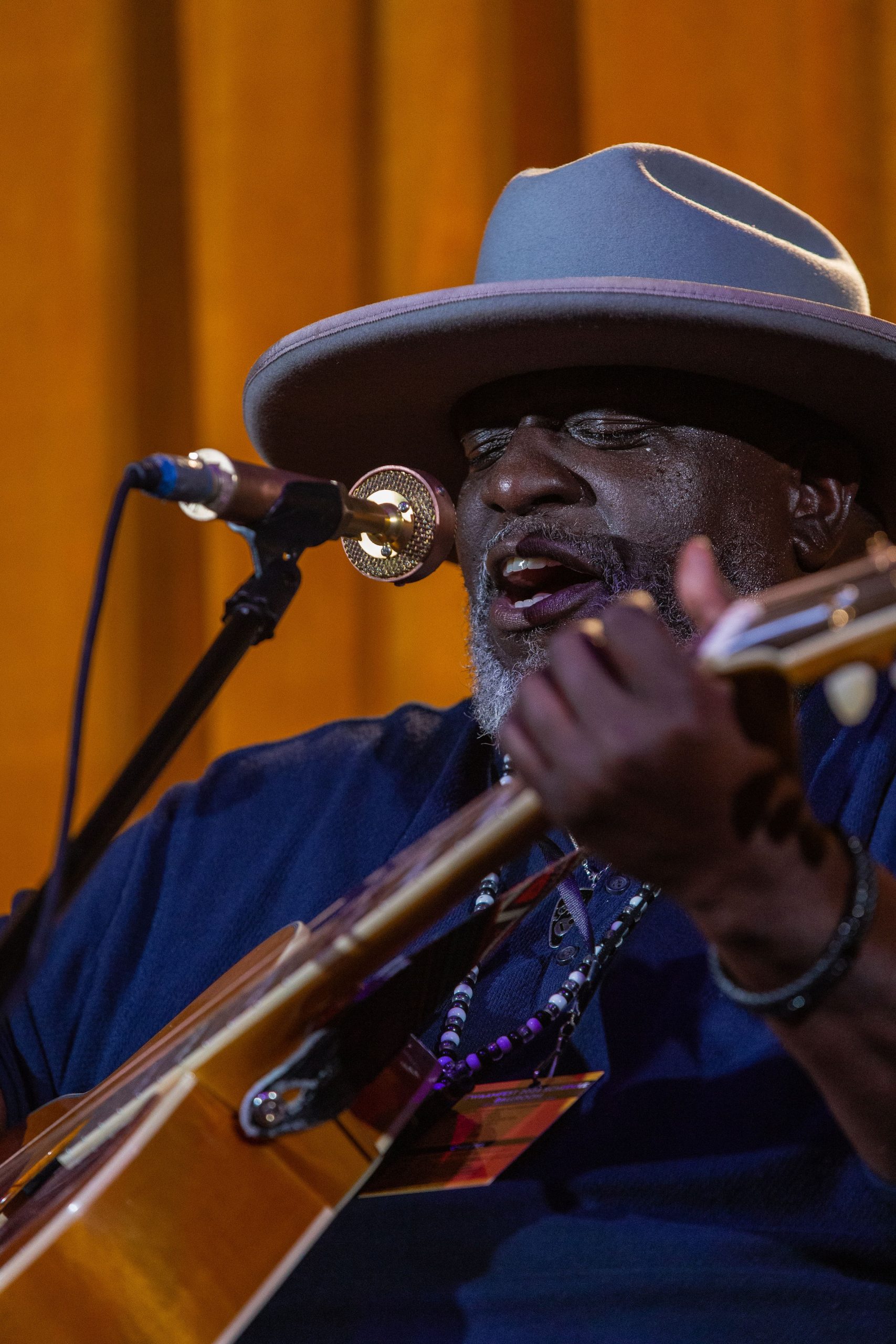
Jontavious Willis sings during his set at FWAAMFest 2024.
Texas born-and-raised blues and Americana musician EJ Mathews performs at FWAAMFest. (Photo by Ben Noey Jr.)
Jontavious Willis performs during FWAAMFest. (Photo by Ben Noey Jr.)
Lizzie No is stylin' on the FWAAMFest stage.
Pacific Northwest-based singer-songwriter Stephanie Anne Johnson also performed during FWAAMFest.
Blues musician and guitarist Corey Harris.
Guitarist Joy Clark certainly brings joy wherever she plays.
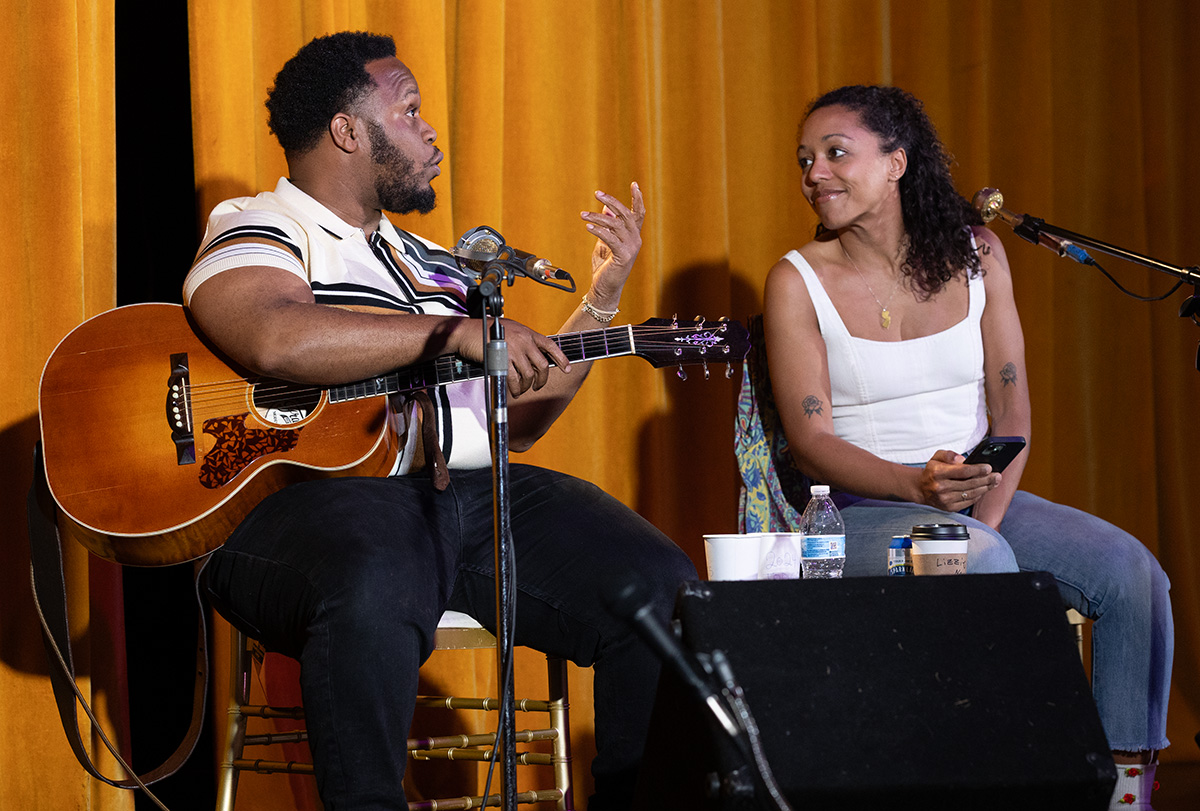
Lizzie No interviews Jontavious Willis for a live taping of BGS's and Folk Alley's podcast, Basic Folk. (Photo by Ben Noey Jr.)
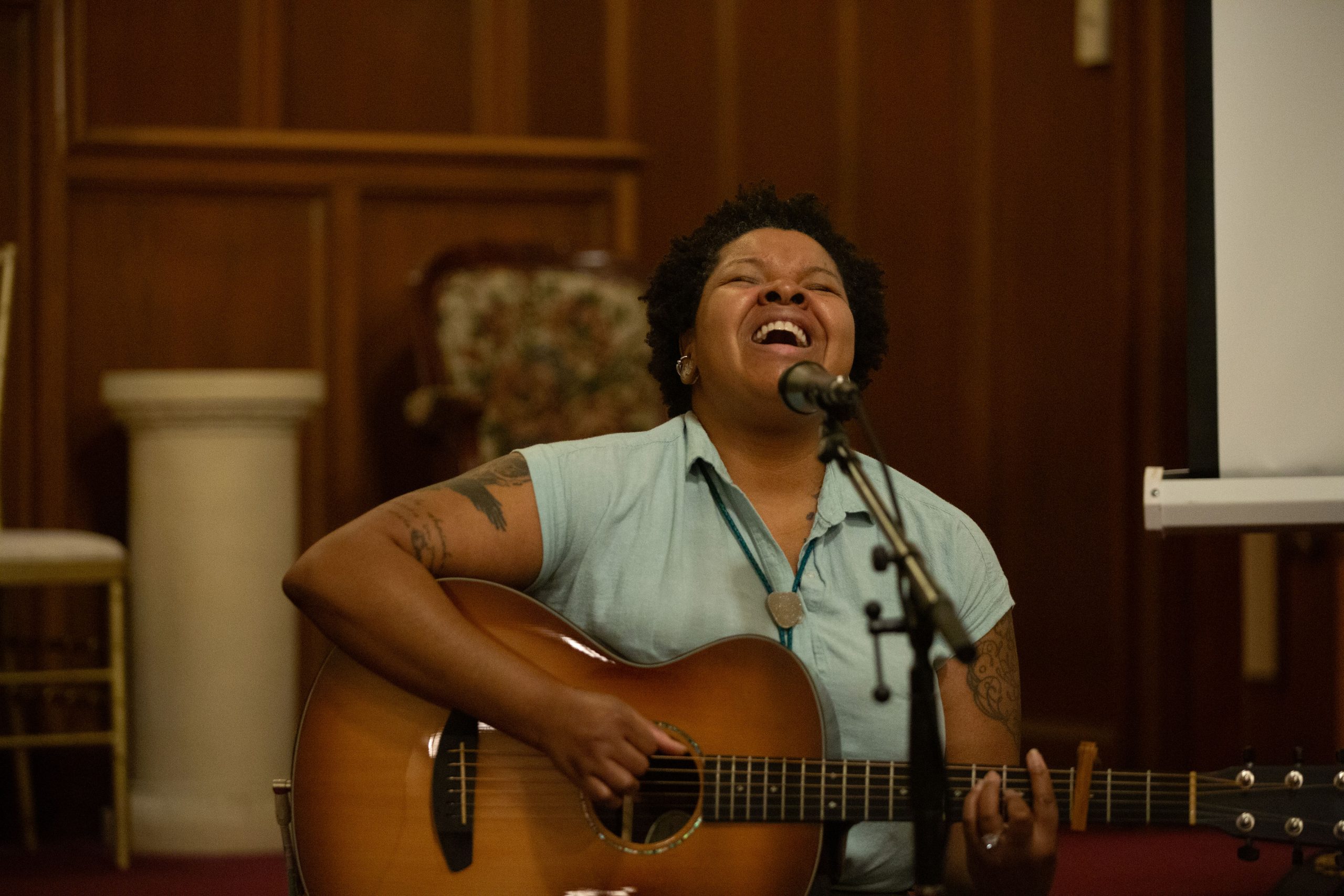
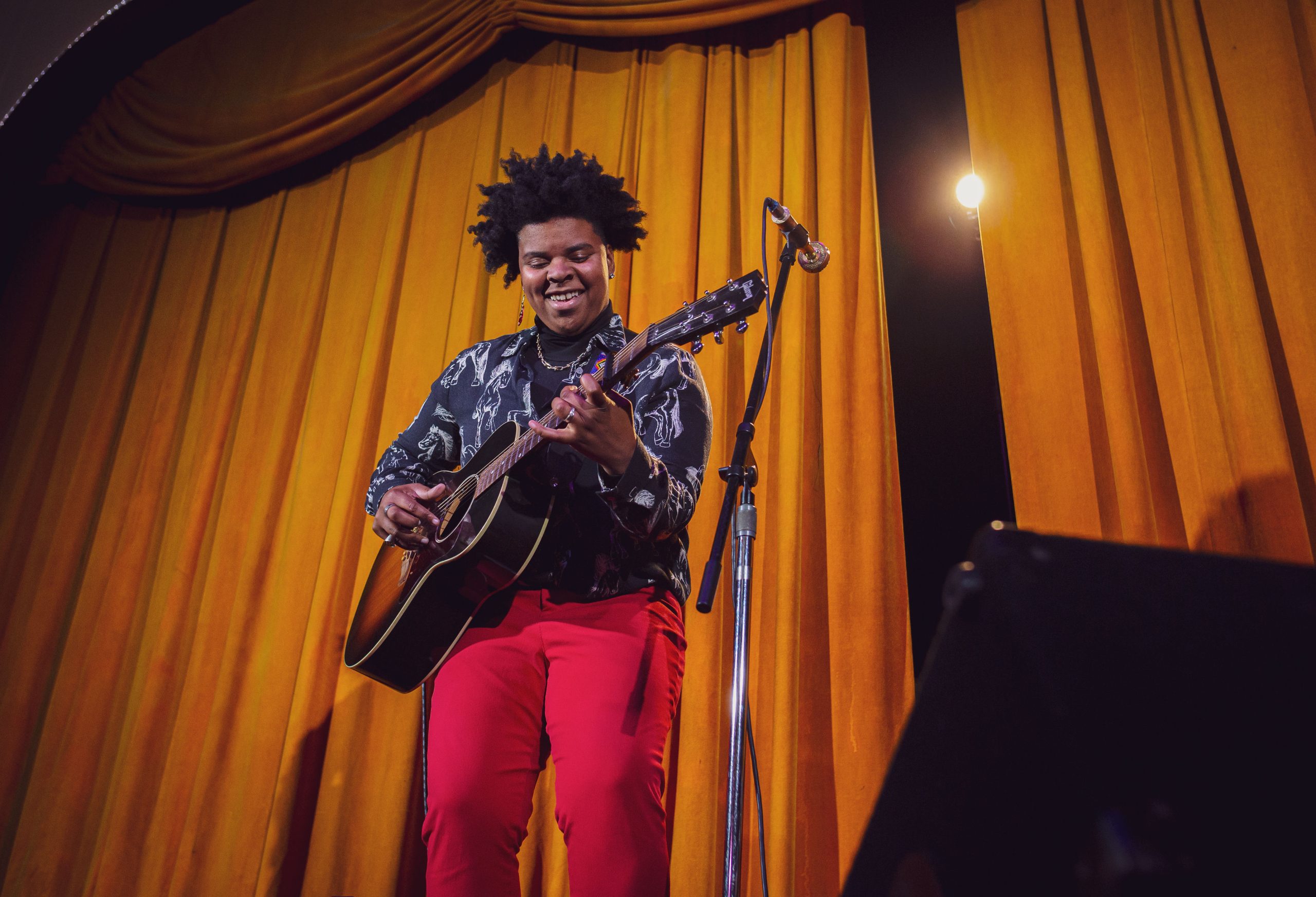
Singer-songwriter Crys Matthews performs for a rapt FWAAMFest audience.
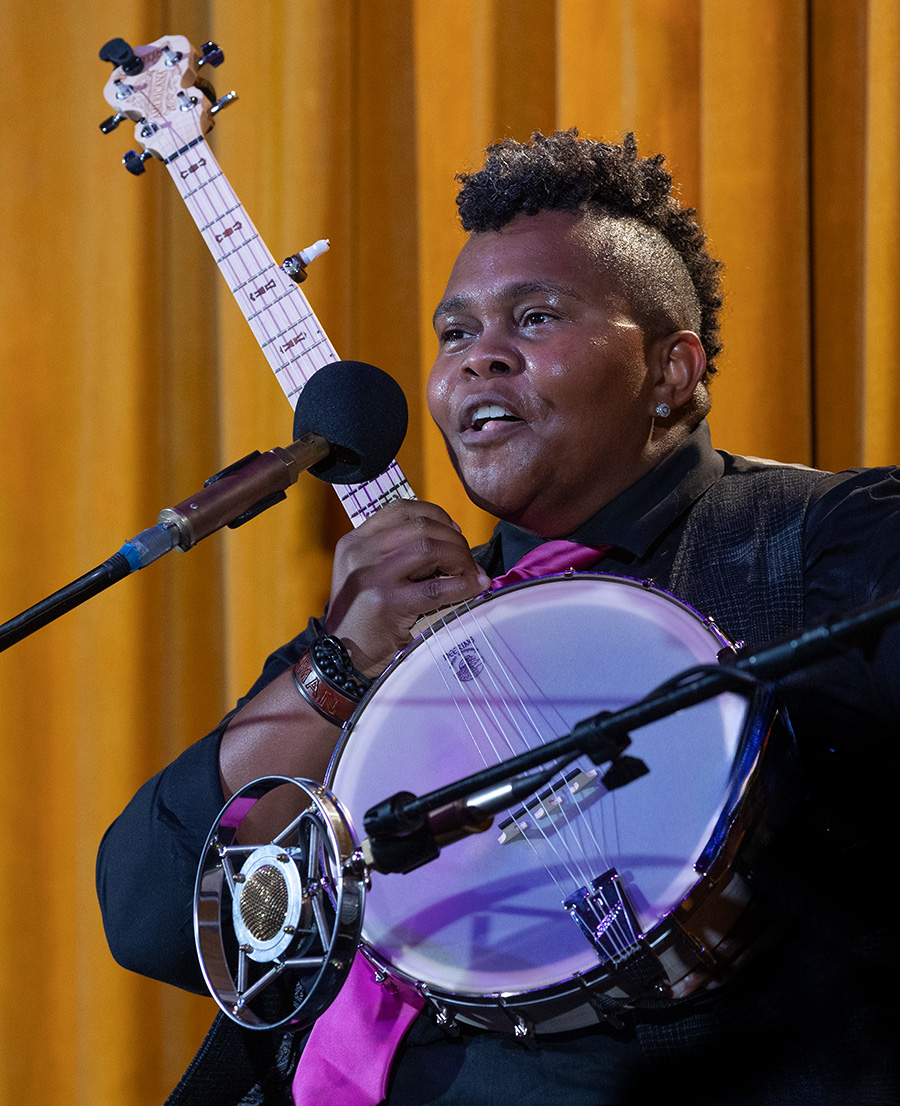
Crys Matthews picks up a banjo during her set. (Photo by Ben Noey Jr.)
EJ Mathews sings during his FWAAMFest set.
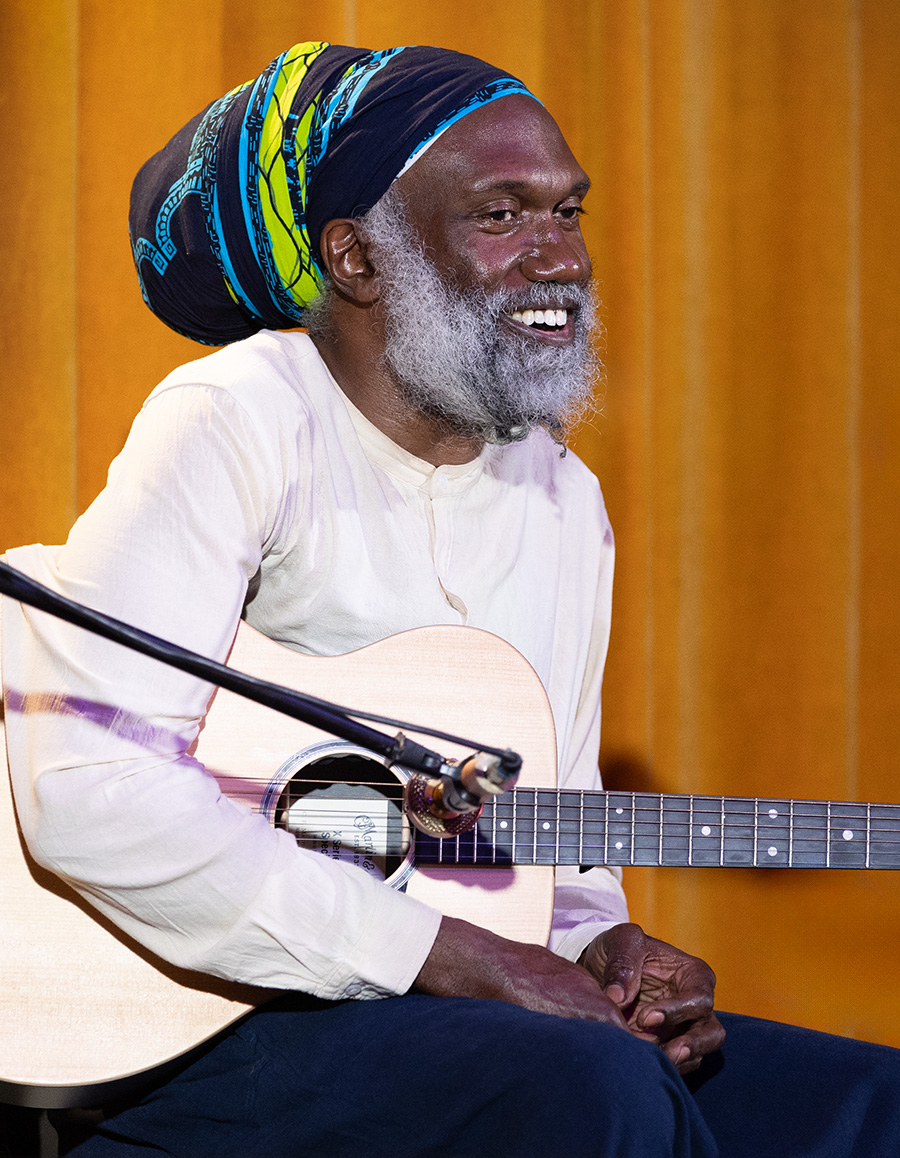
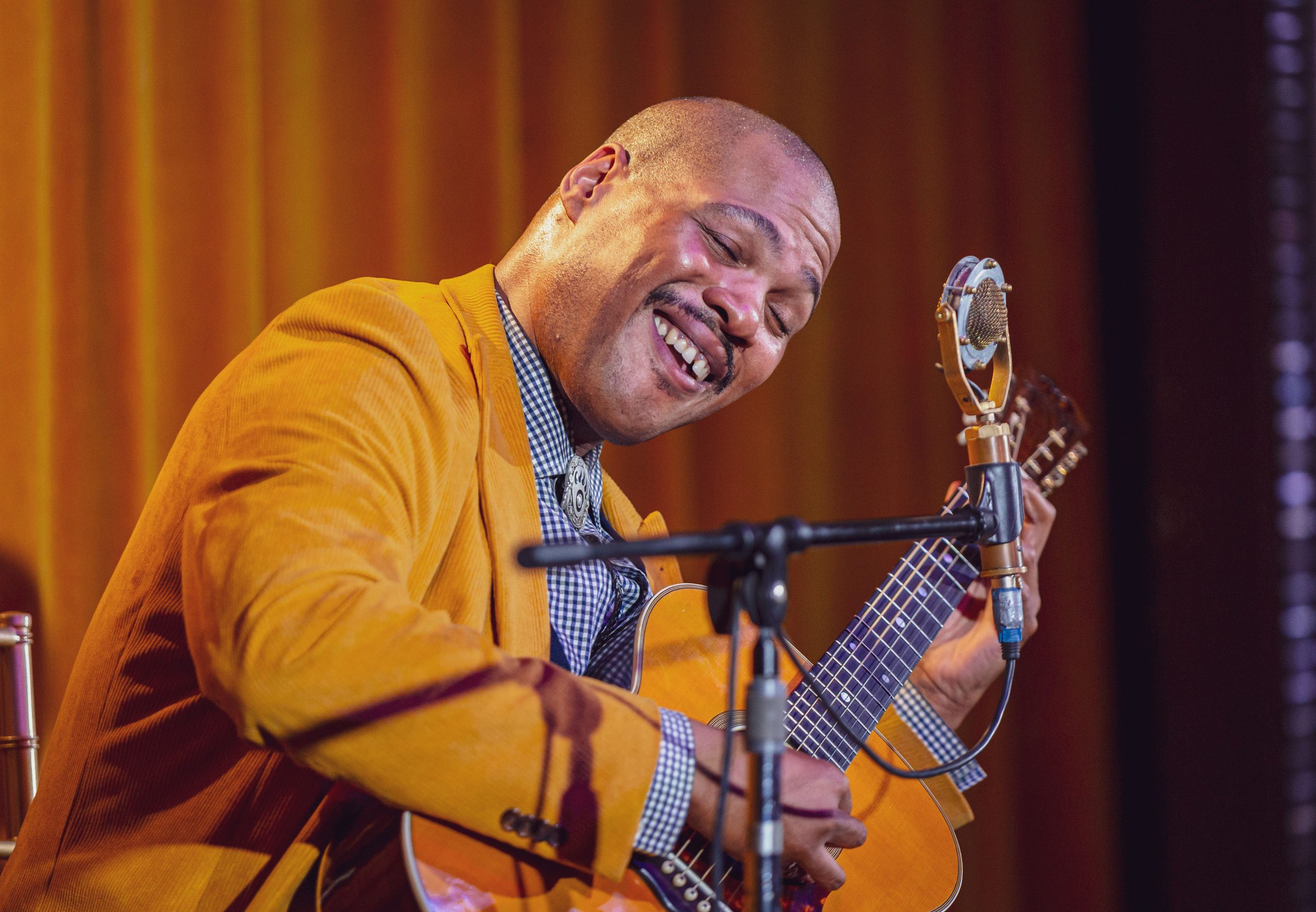
Jerron Paxton serenades the FWAAMFest crowd.
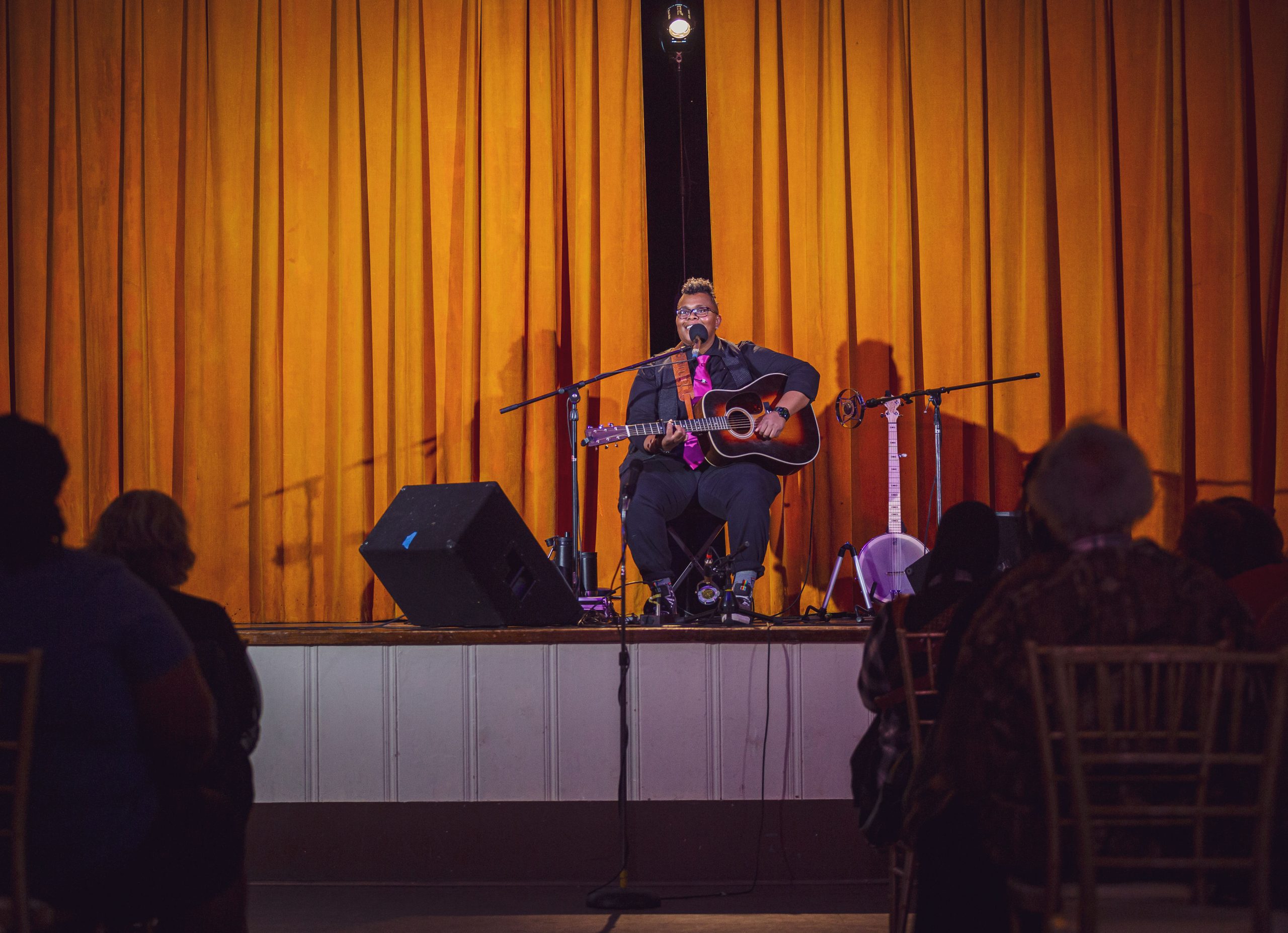
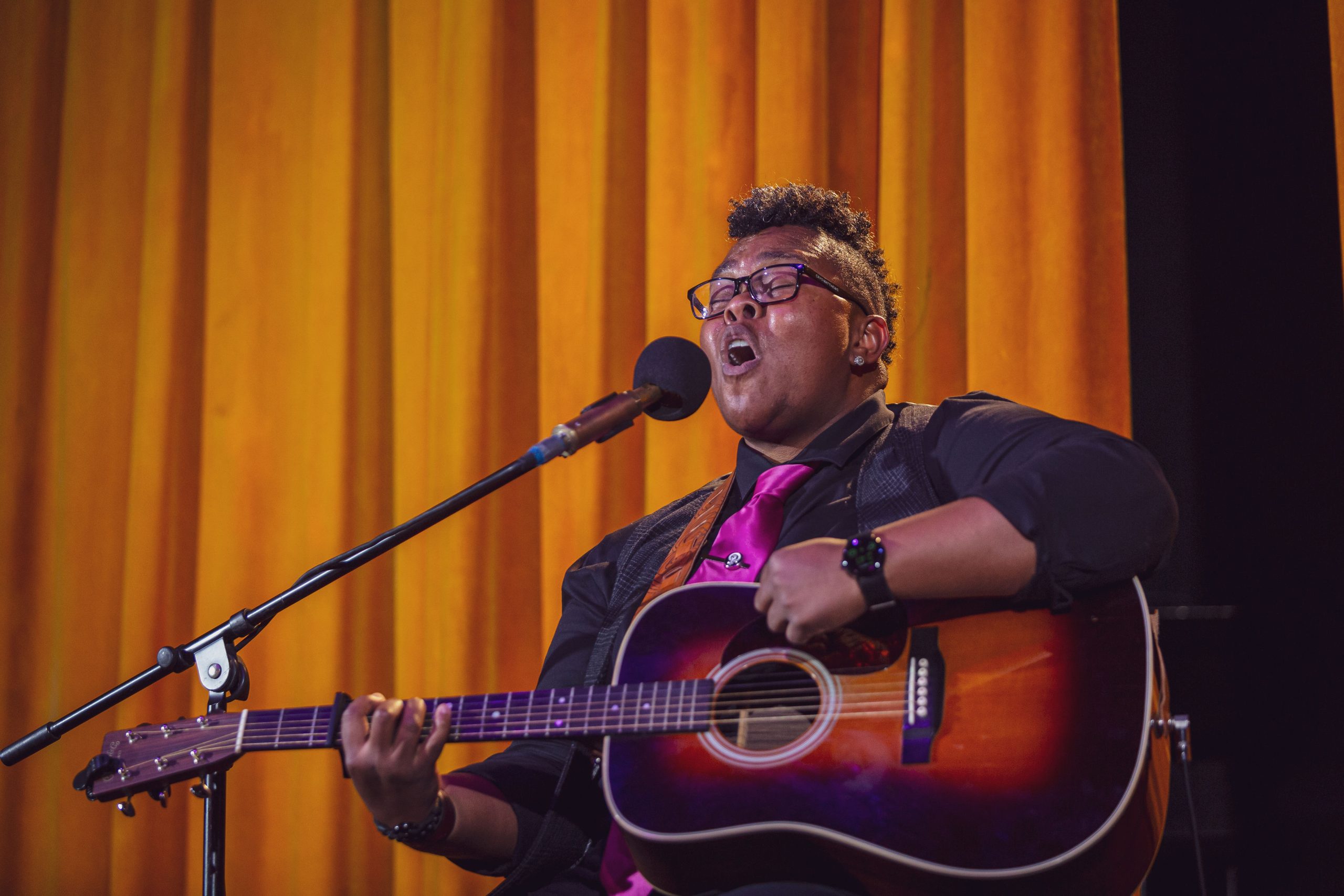
Crys Matthews sings and plays guitar.
Country songwriter, multi-instrumentalist, and podcast host Lizzie No headlined this year's FWAAMFest.
All photos by Justin Ikpo Photography unless otherwise noted. Additional photos by Ben Noey Jr. and IJ Routen.
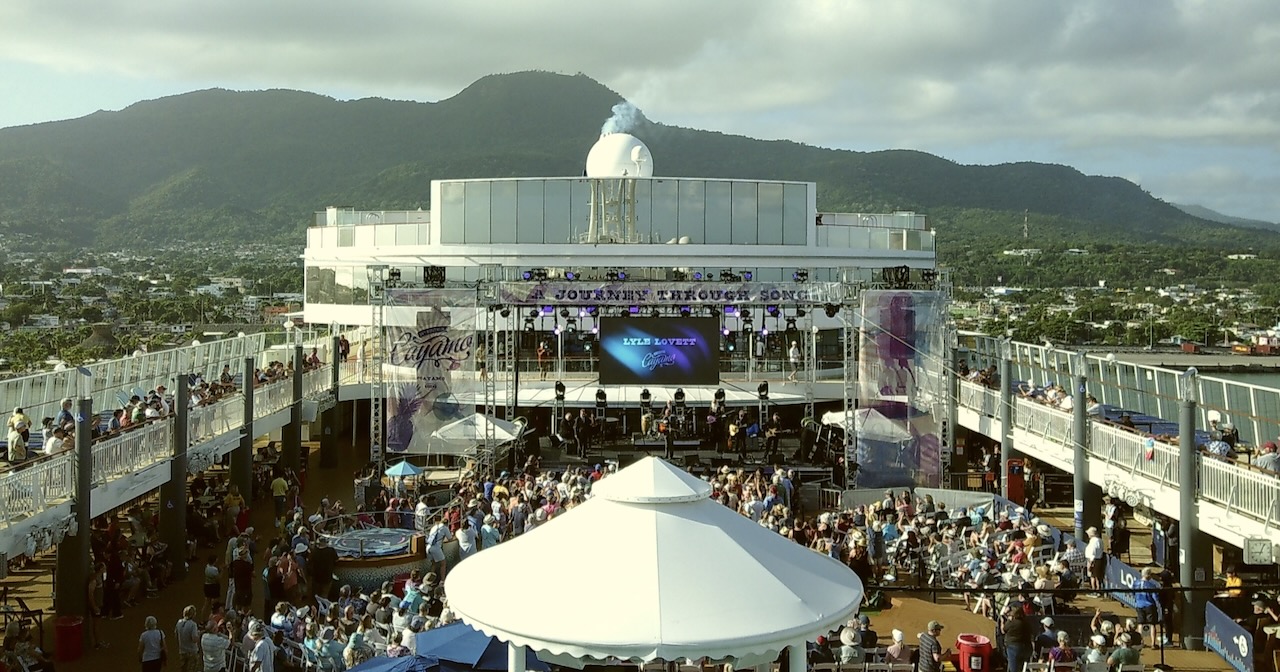
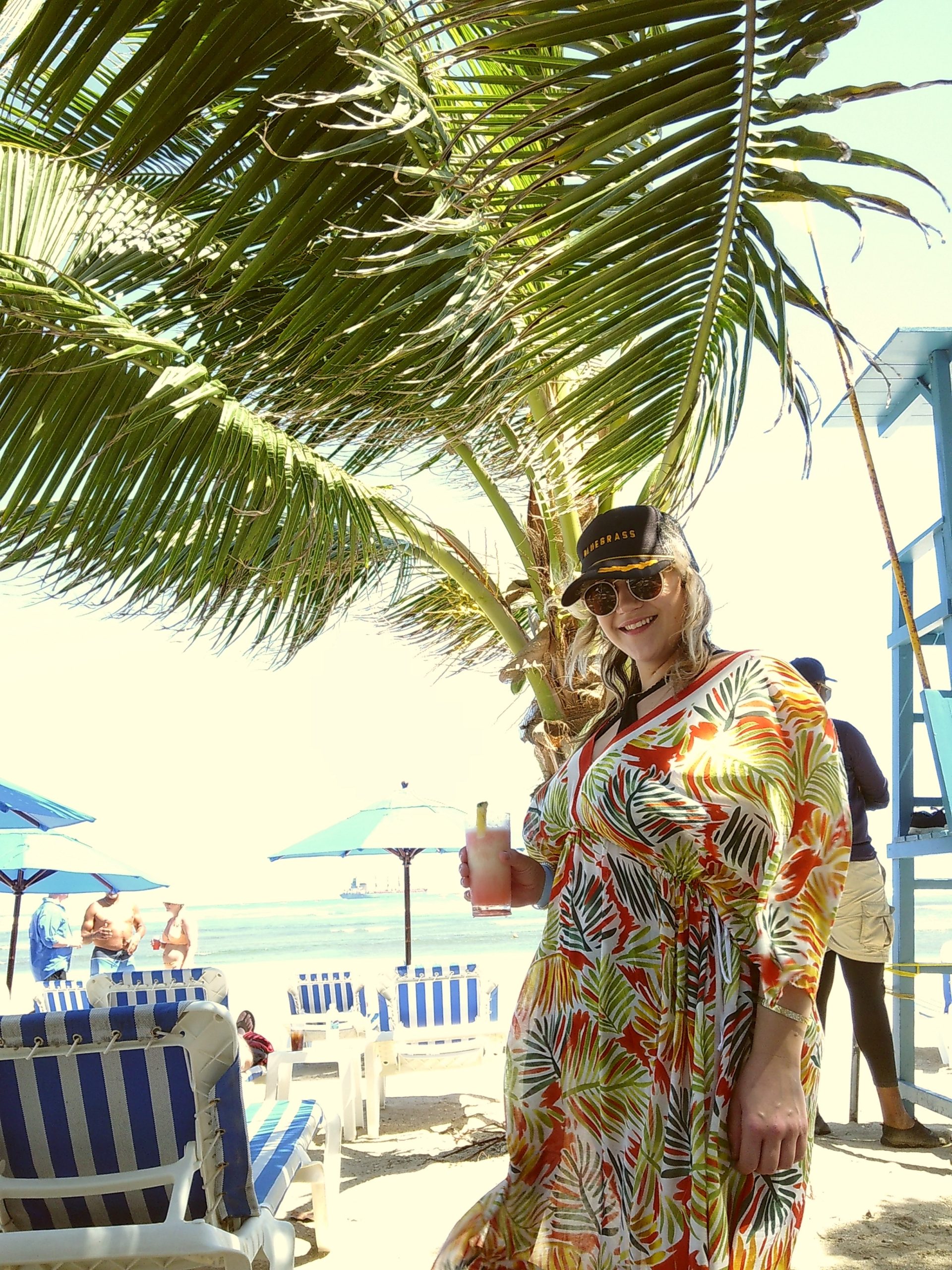
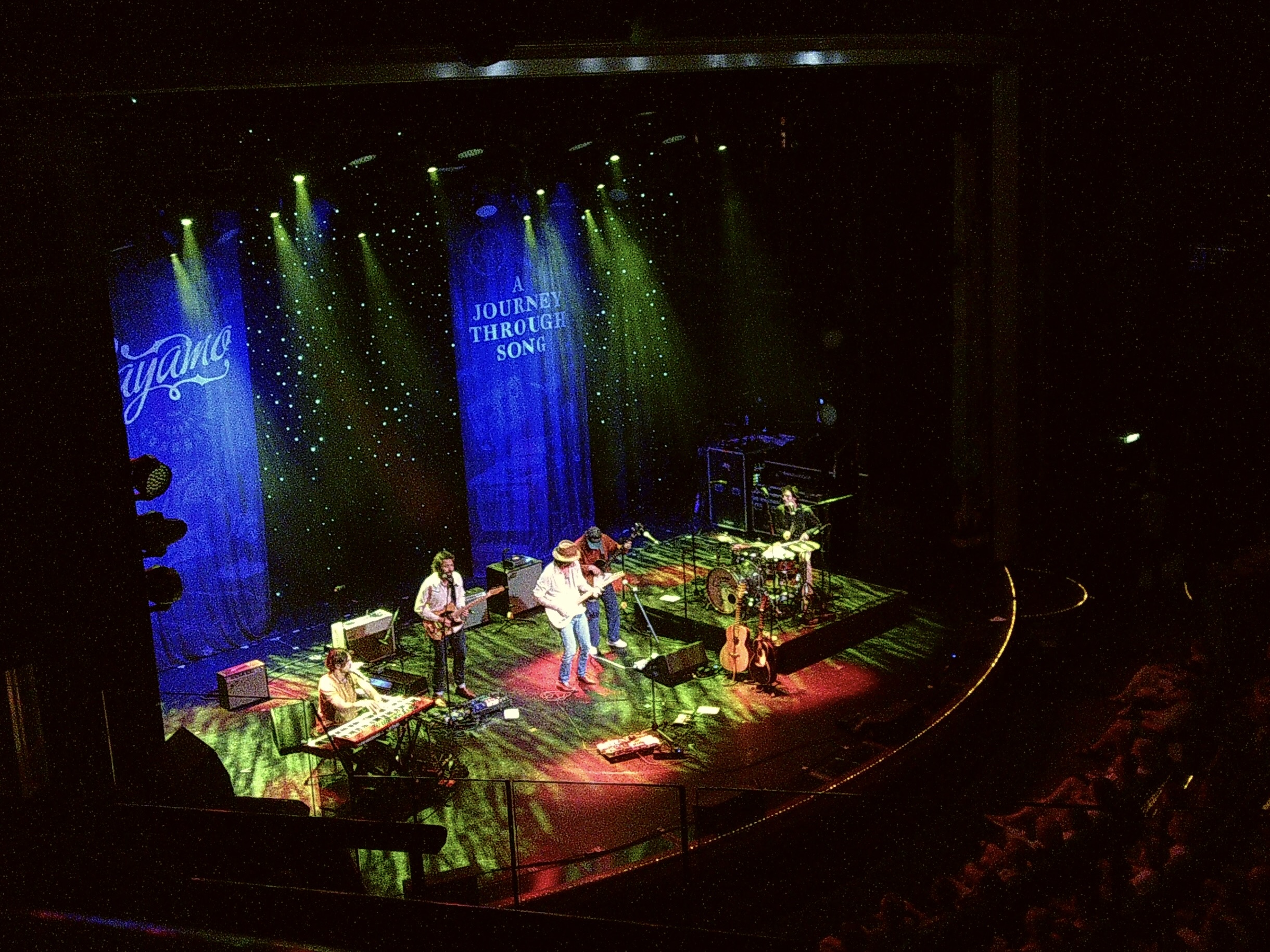
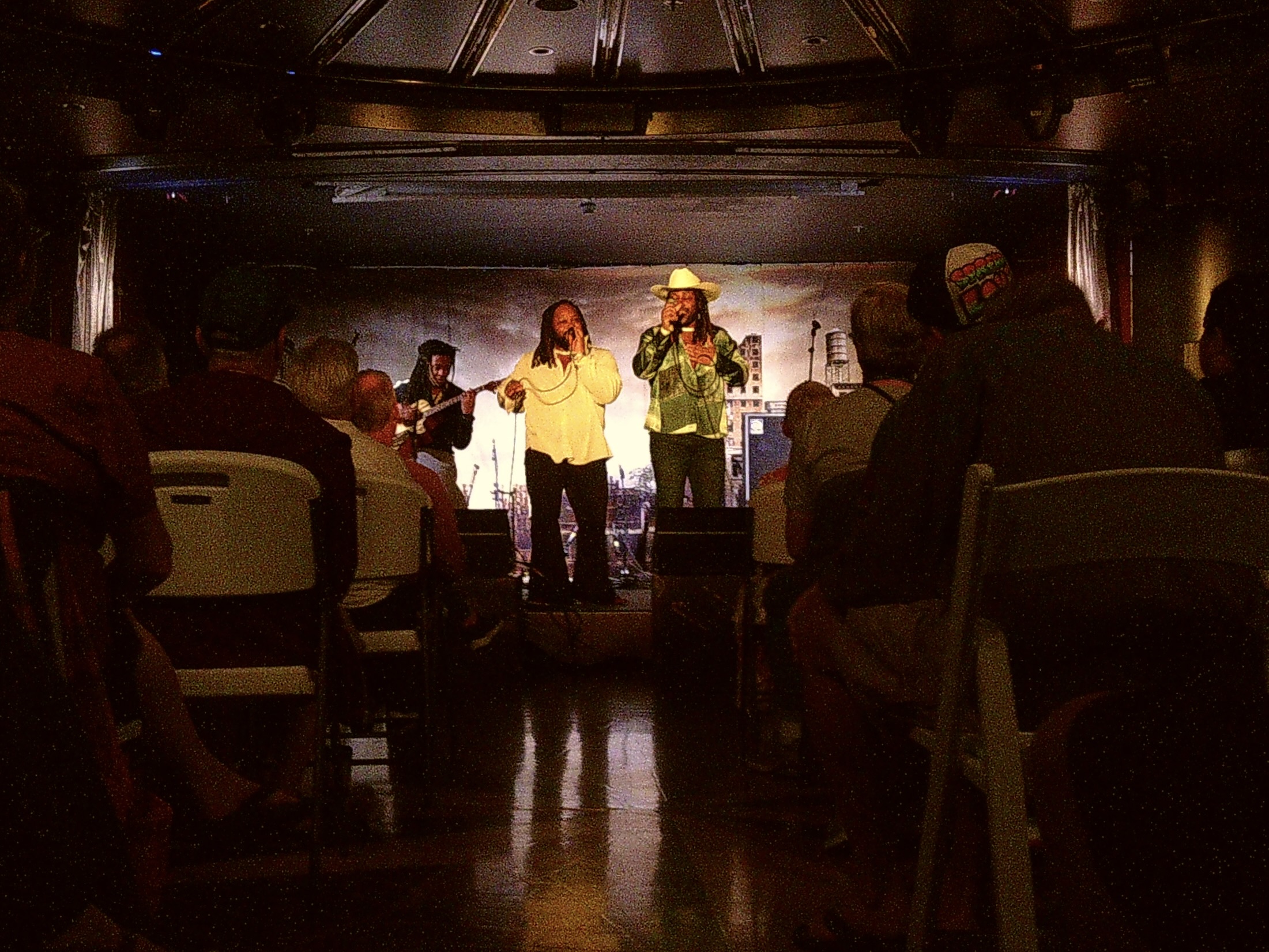
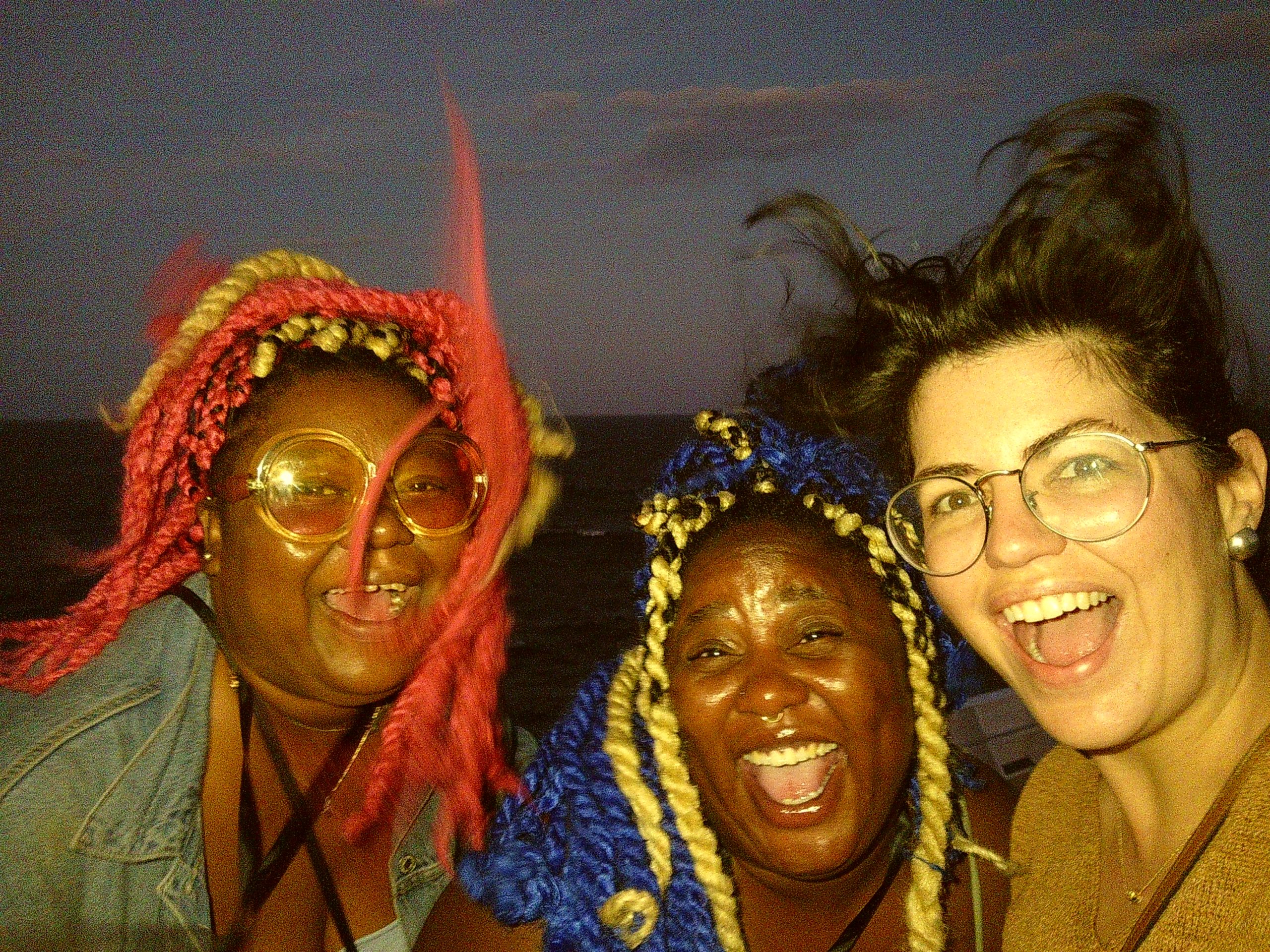
BGS’s third year on board Cayamo’s Journey Through Song brought no shortage of familiar faces and “fun in the sun” vibes.
From a jam-tastic BGS Nightcap set lead by our pals Mipso – which included appearances from Hiss Golden Messenger, Dom Flemons, Lizzie No, Rachael Price of Lake Street Dive, and Taylor Ashton – to live podcast tapings with Basic Folk hosts Cindy Howes and Lizzie No. There was our exclusive wine tasting experience hosted by myself and Mipso’s Jacob Sharp (who moonlights as a wine rep for Terrestrial Wines). There were stopovers in Aruba and the Dominican Republic and countless musical sets from the likes of Lyle Lovett, Lake Street Dive, Rodney Crowell, Shawn Colvin, the Black Opry, Waxahatchee, and so many more! Our eight days on the high seas went by way too fast.
Our team documented the whole thing (on our new Camp Snap screen-free digital camera!) so you, too, can soak up the sunshine and memories. Will you join us on board next year? The 2025 lineup was just announced and suffice to say we’ve already got some great things cooking for Cayamoans. But hurry, because this is one fest that sells out faster than you can say piña colada… – Amy Reitnouer Jacobs, BGS executive director
Booking information and more details available at Cayamo.com
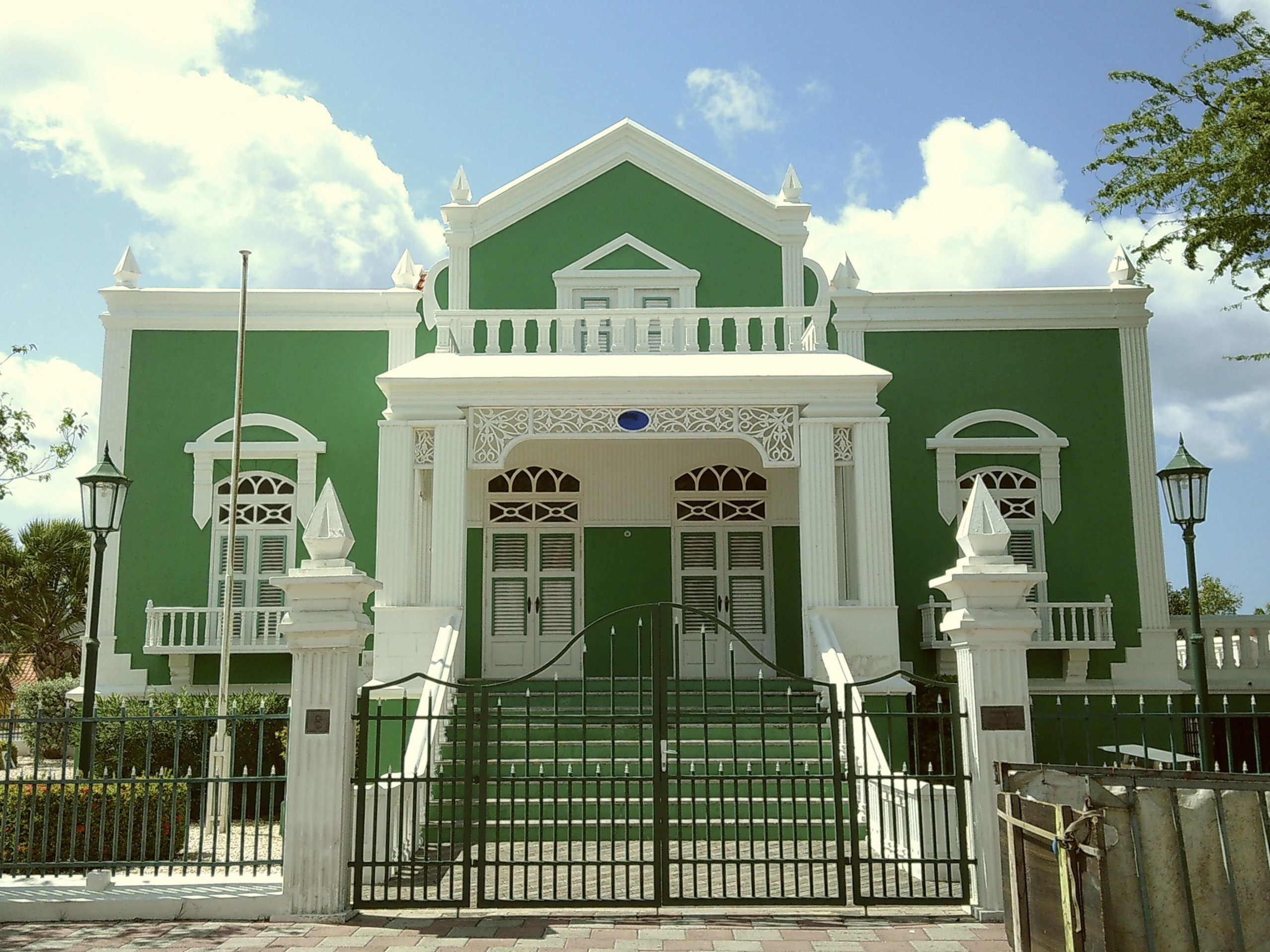
A scene from Oranjestad, Aruba, one of two tropical ports visited during Cayamo's Journey Through Song.
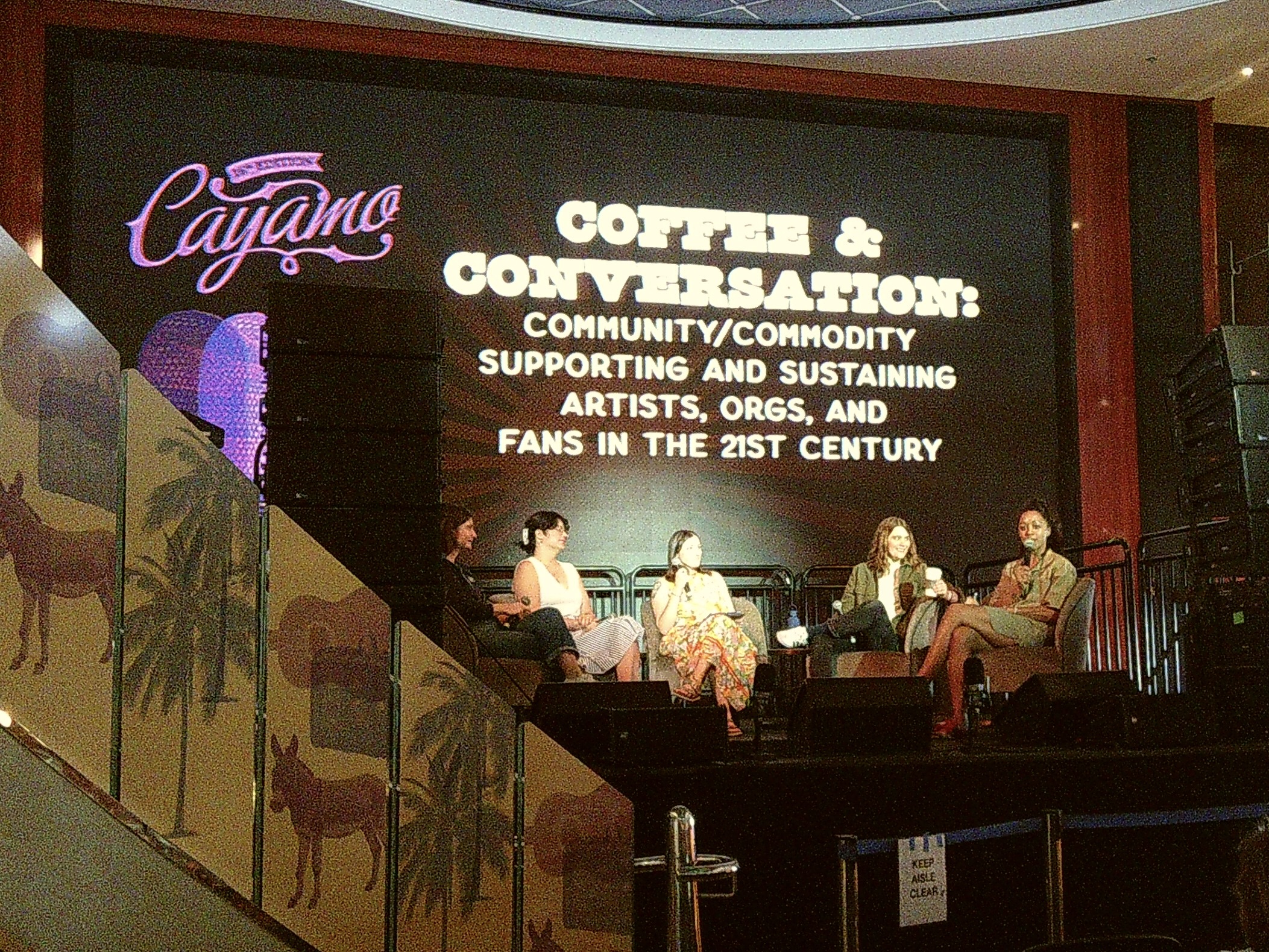
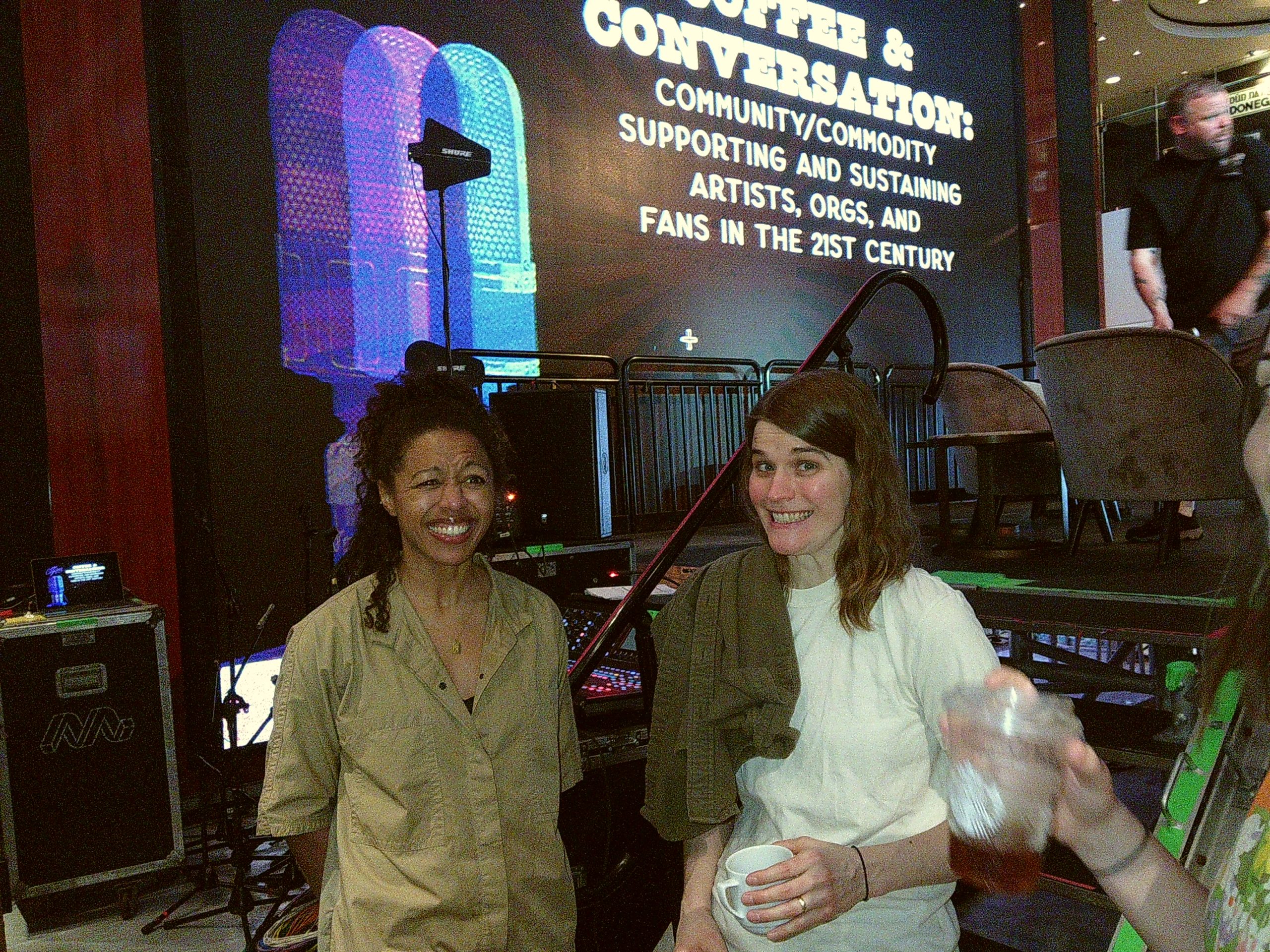
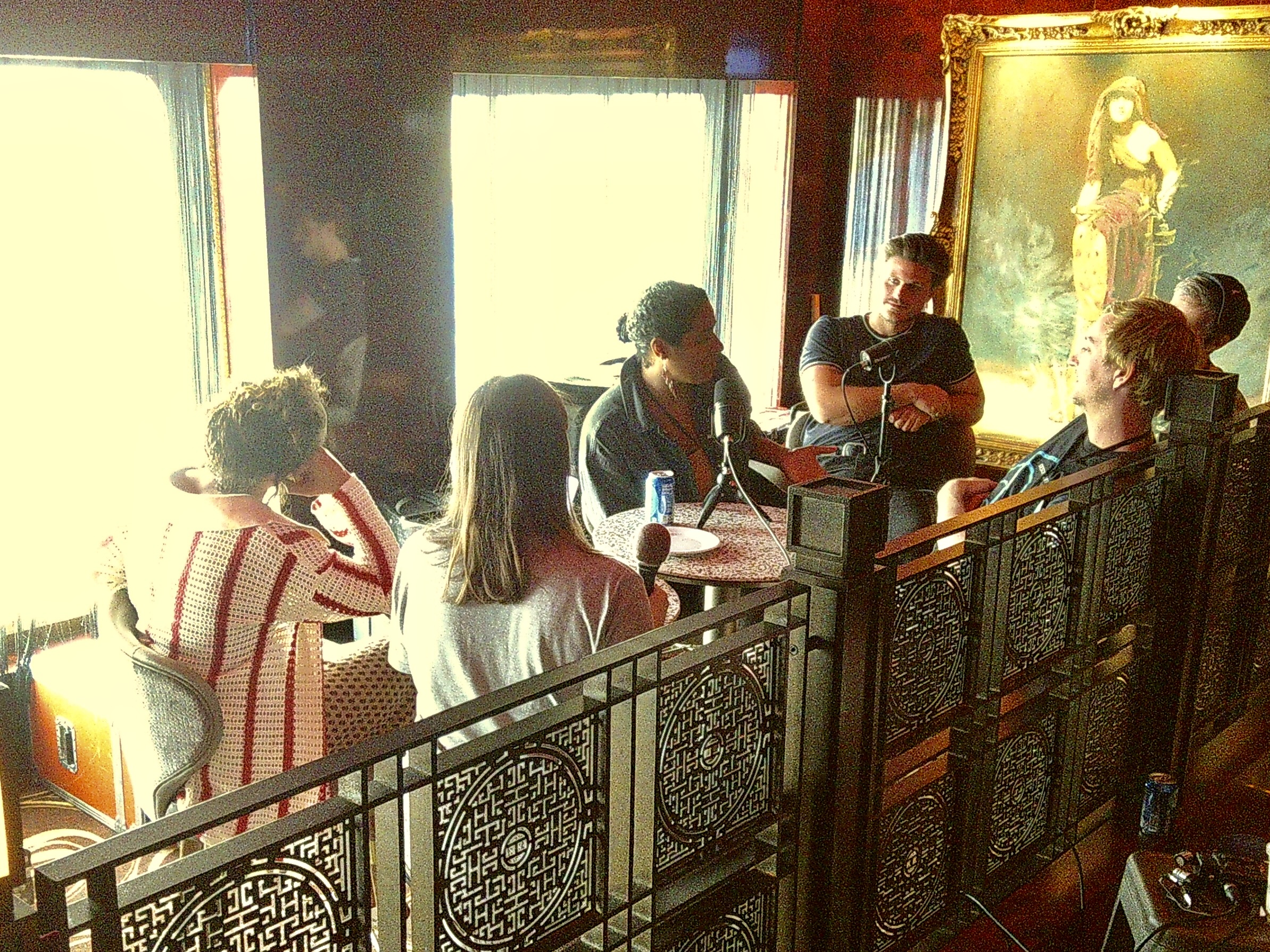
A live conversation, taped for Basic Folk, on the importance of community building in the landscape of music as commodity.
Lizzie No and Jenny Owen Youngs stand side stage after the live Basic Folk podcast taping and conversation.
A live podcast taping of Basic Folk with Leyla McCalla and band and hosts Cindy Howes and Lizzie No.
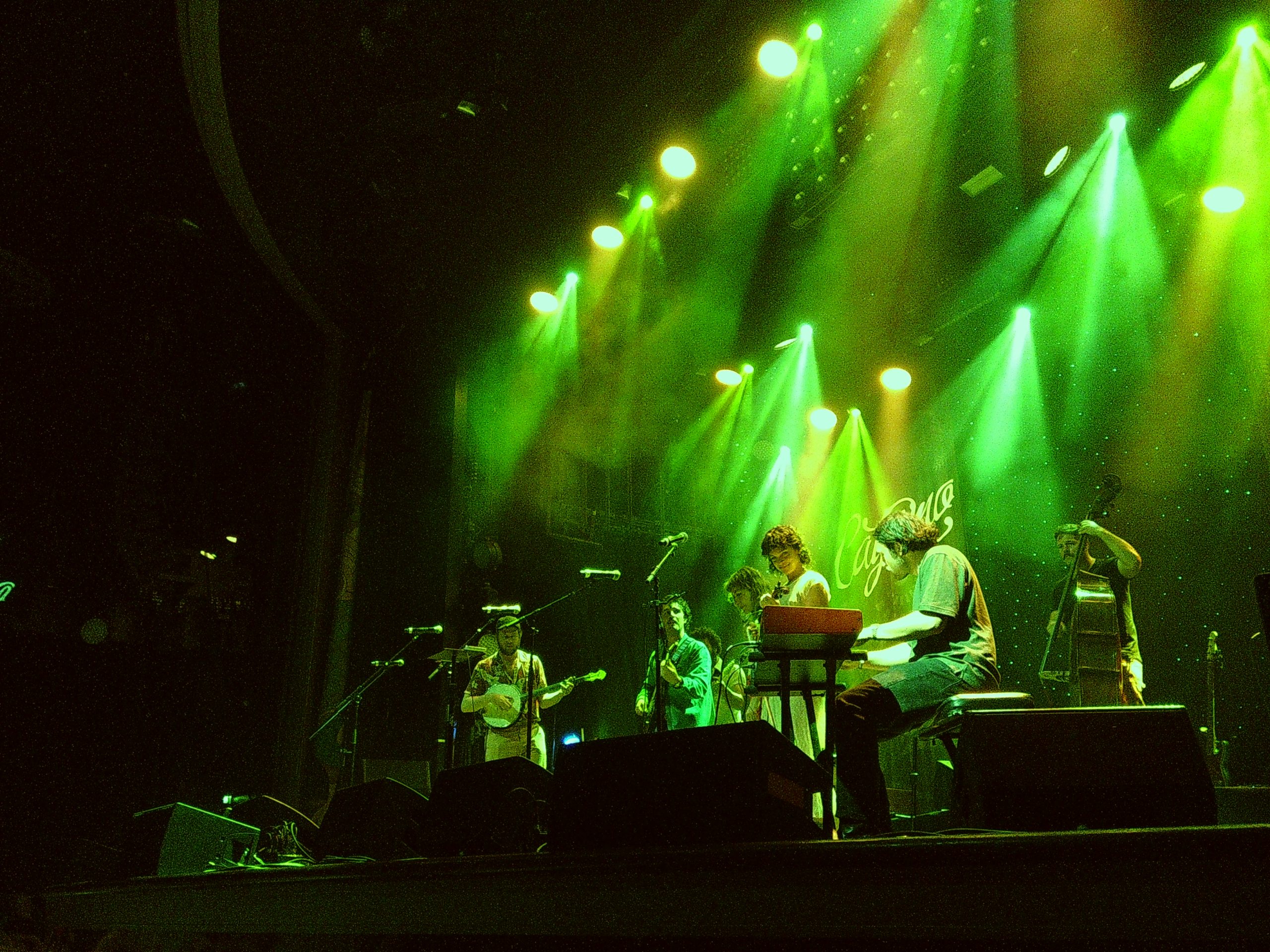
Mipso and Taylor Ashton get the fun going during the BGS Nightcap on board Cayamo.
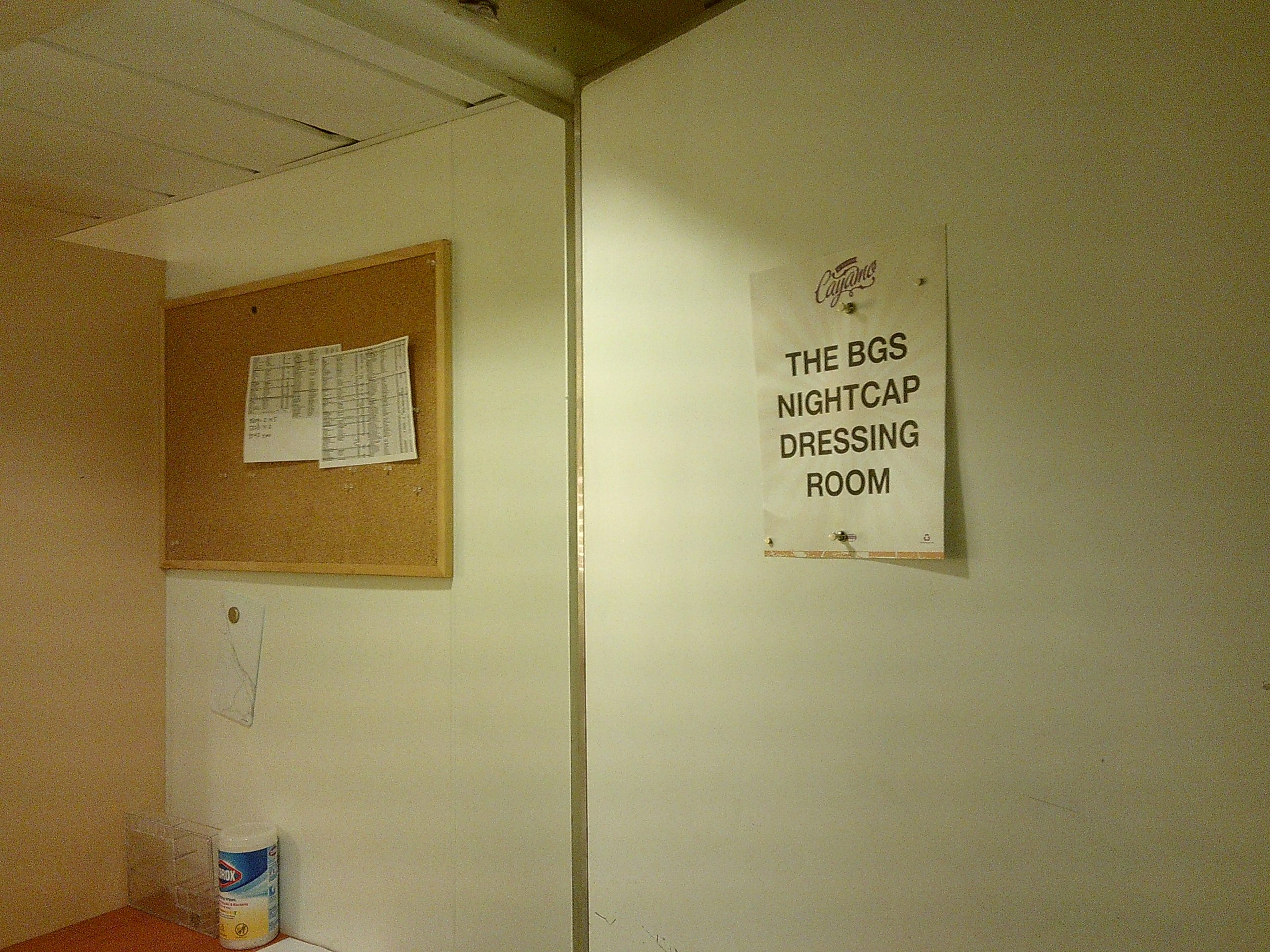
Backstage at the BGS Nightcap.
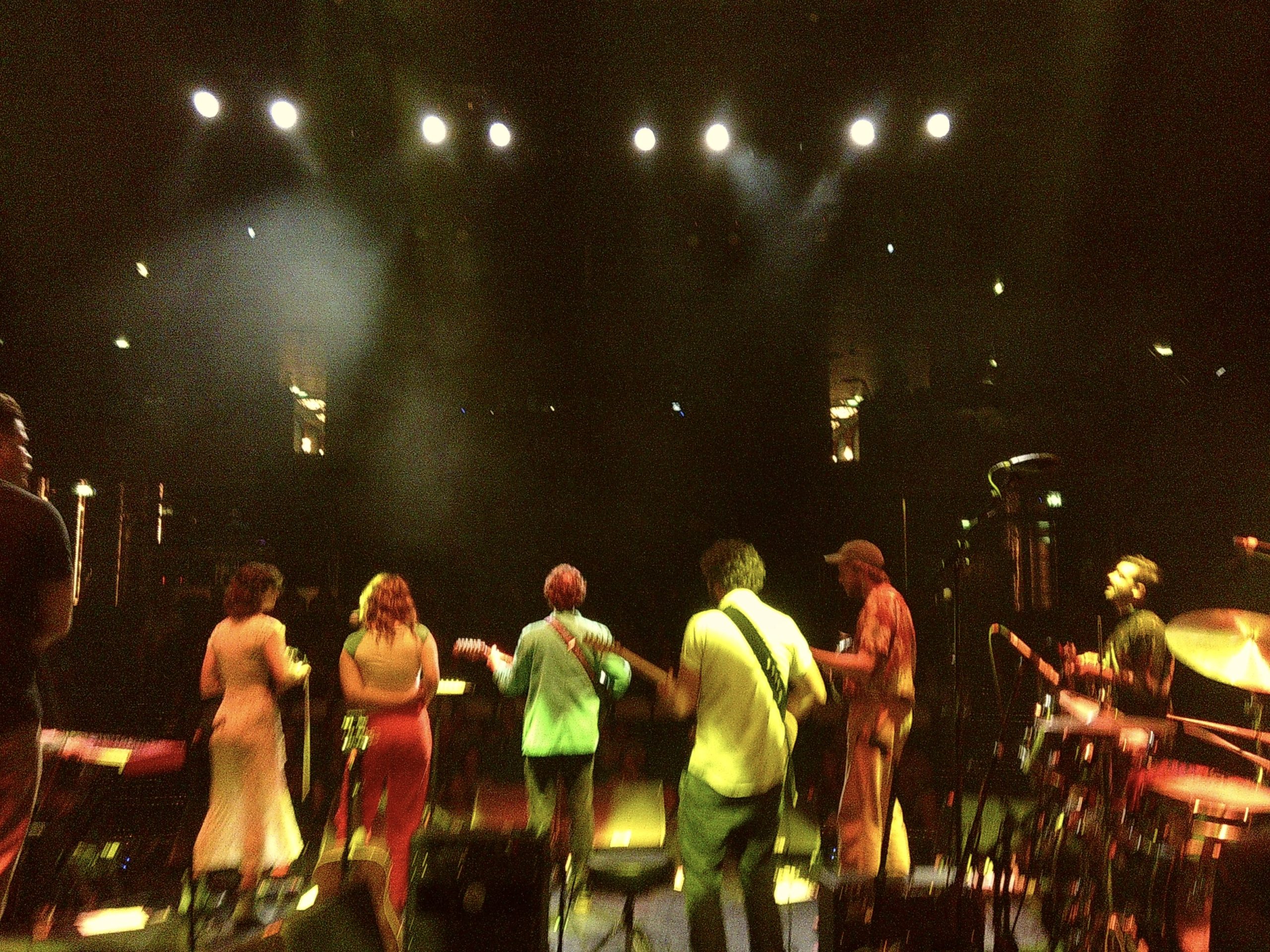
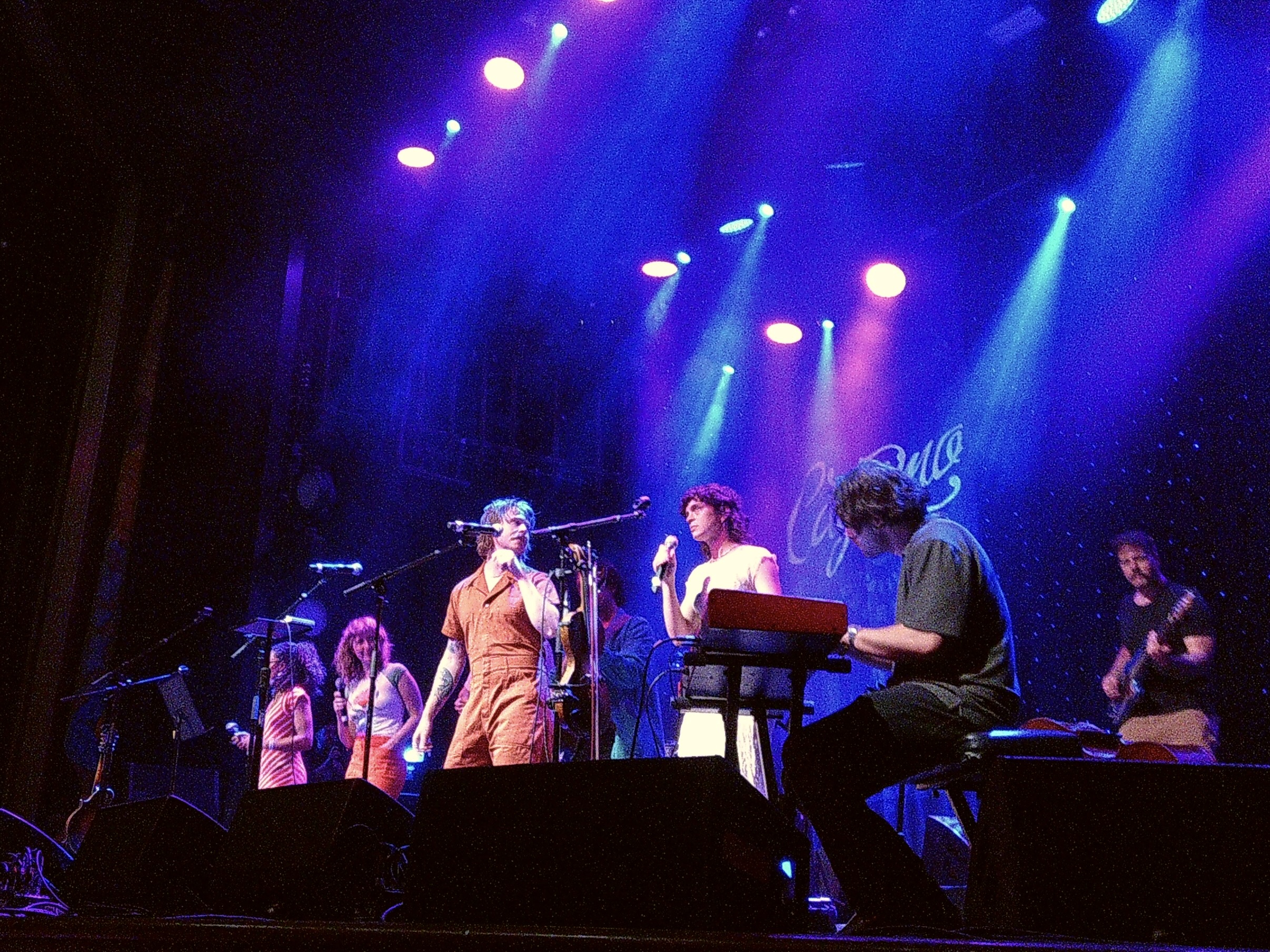
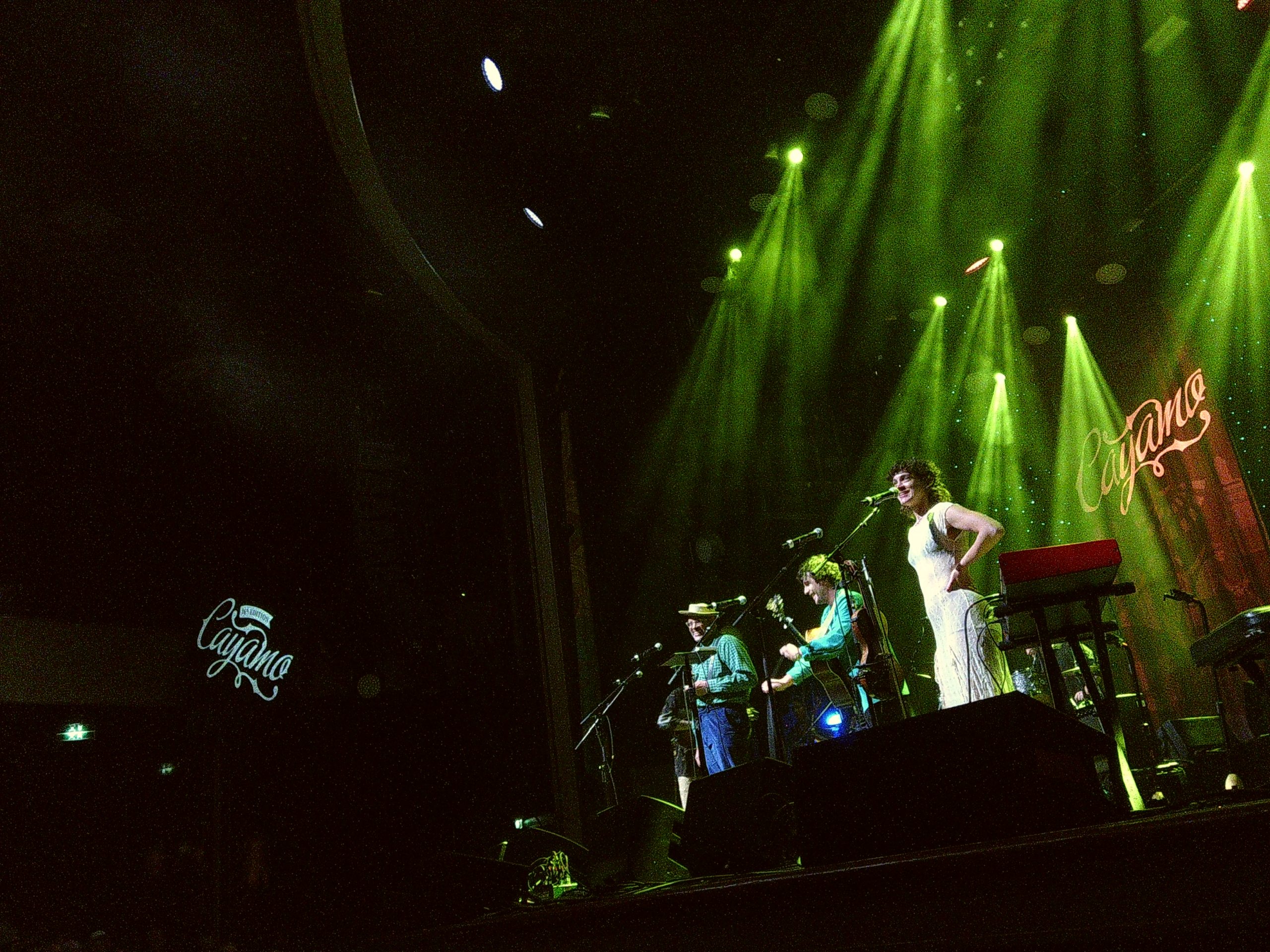
Mipso joined by special guests during the BGS Nightcap.
Hiss Golden Messenger guests with longtime friends Mipso at the BGS Nightcap.
Mipso, house band of our BGS Nightcap jam on board Cayamo, perform with the American Songster, Dom Flemons.
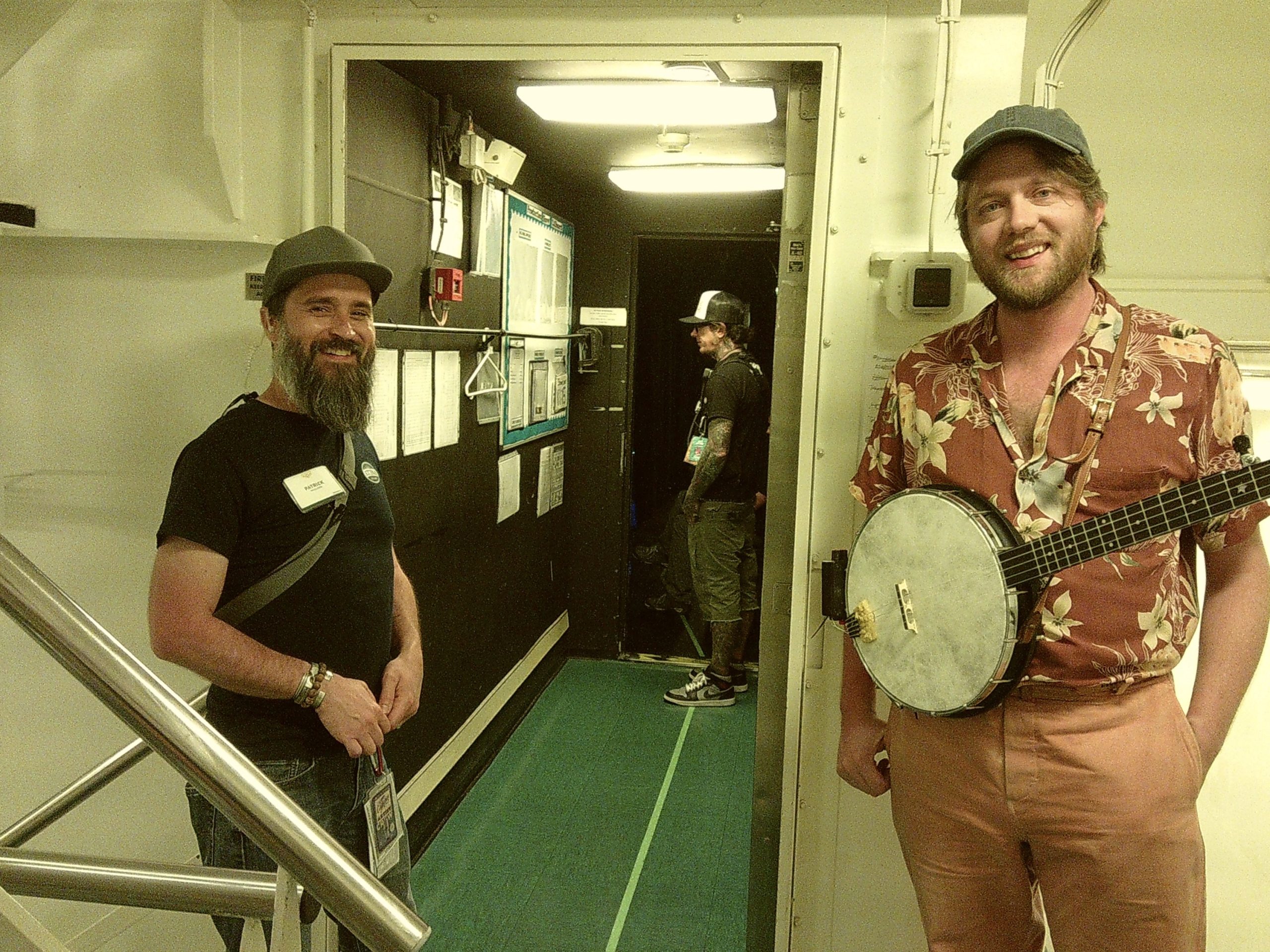
Taylor Ashton (with banjo) and Patrick McAloon hang back stage at the BGS Nightcap.
A BGS Mercantile favorite spotted in the tropical wild!
Hiss Golden Messenger performs with band.
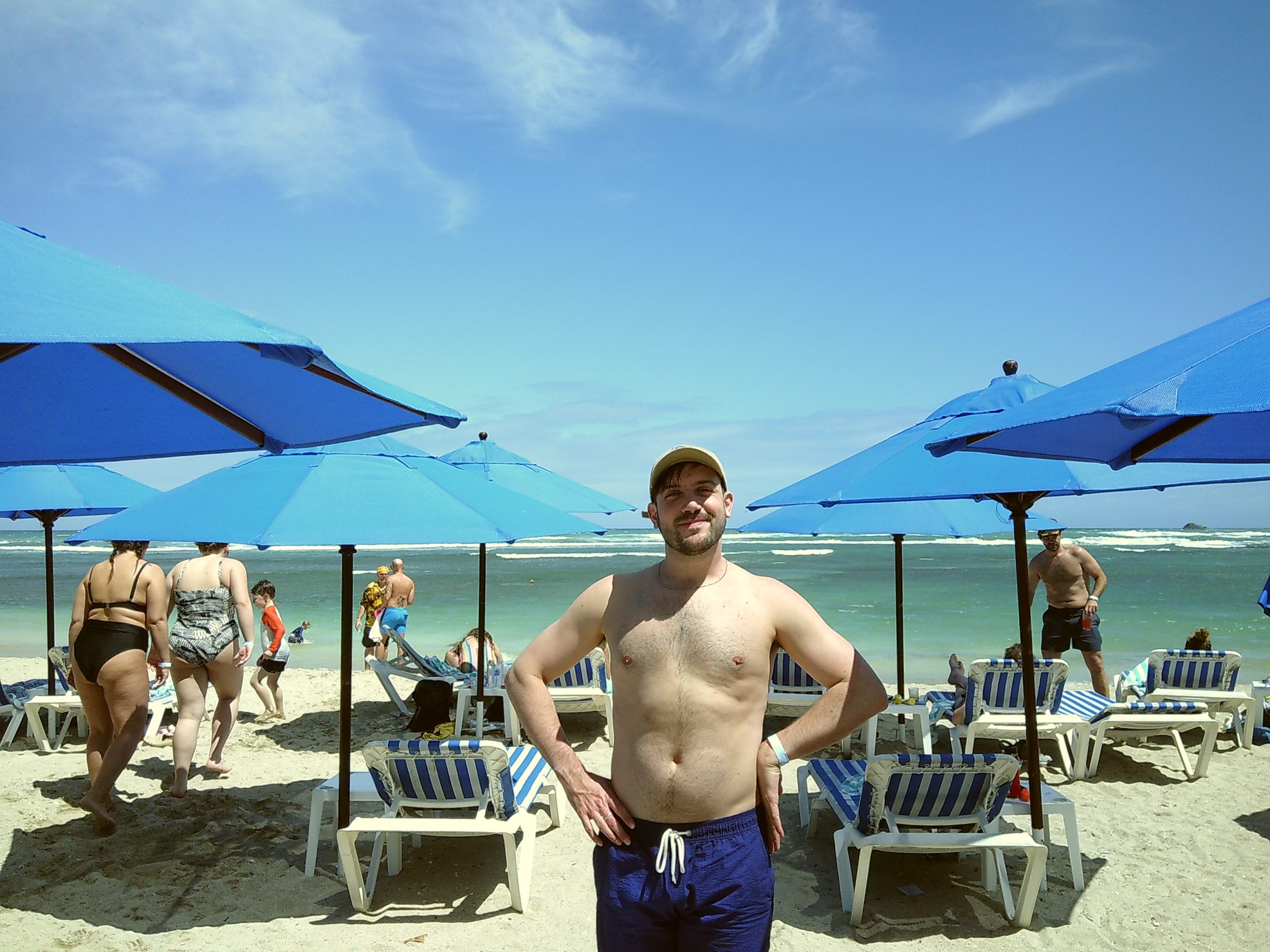
Jacob Sharp (of Mipso) poses on the beach during a port excursion.
Pop country brother duo, the Kentucky Gentlemen, perform.
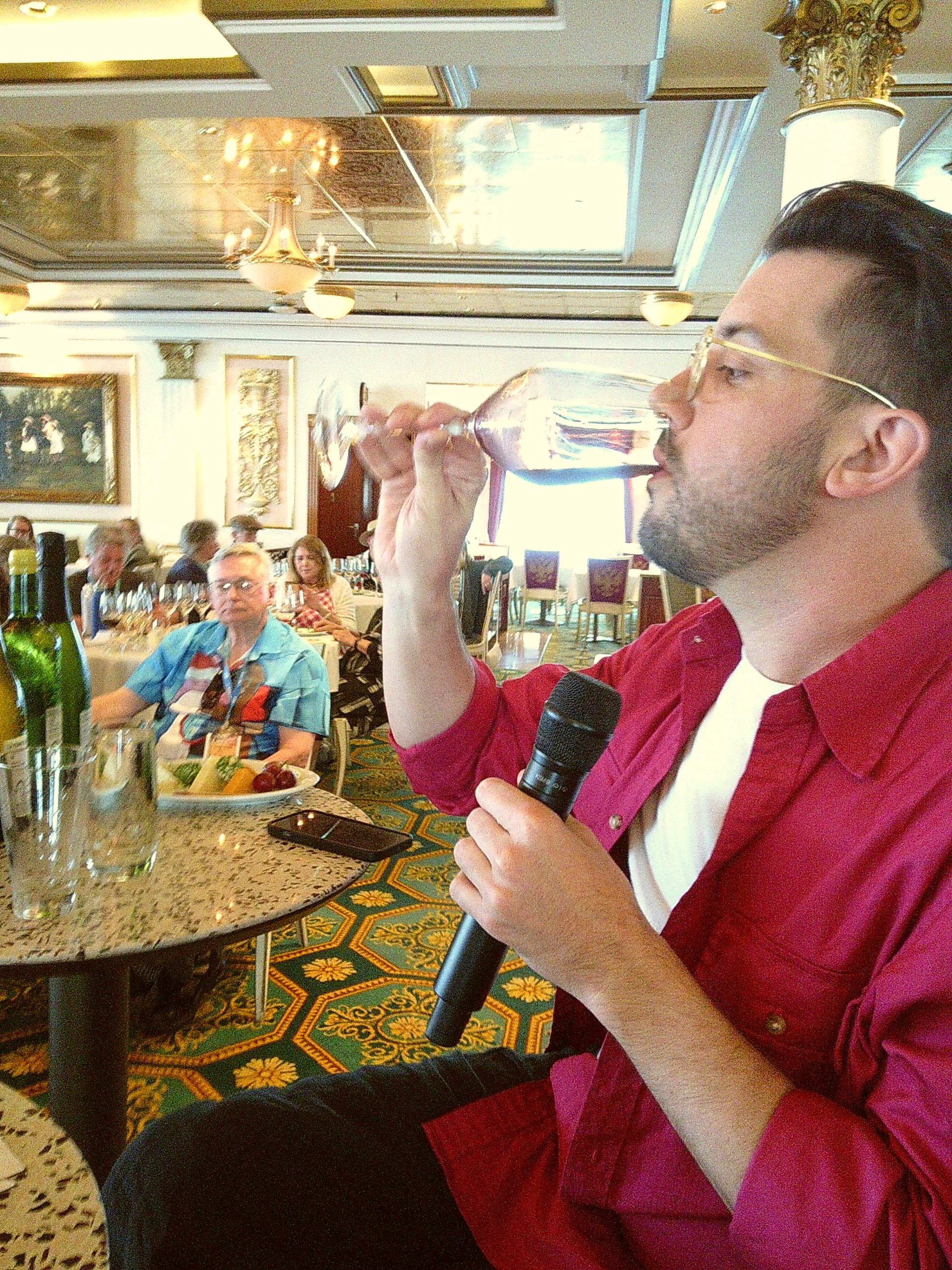
Jacob Sharp (of Mipso) and BGS director Amy Reitnouer Jacobs lead an intimate wine tasting on board.
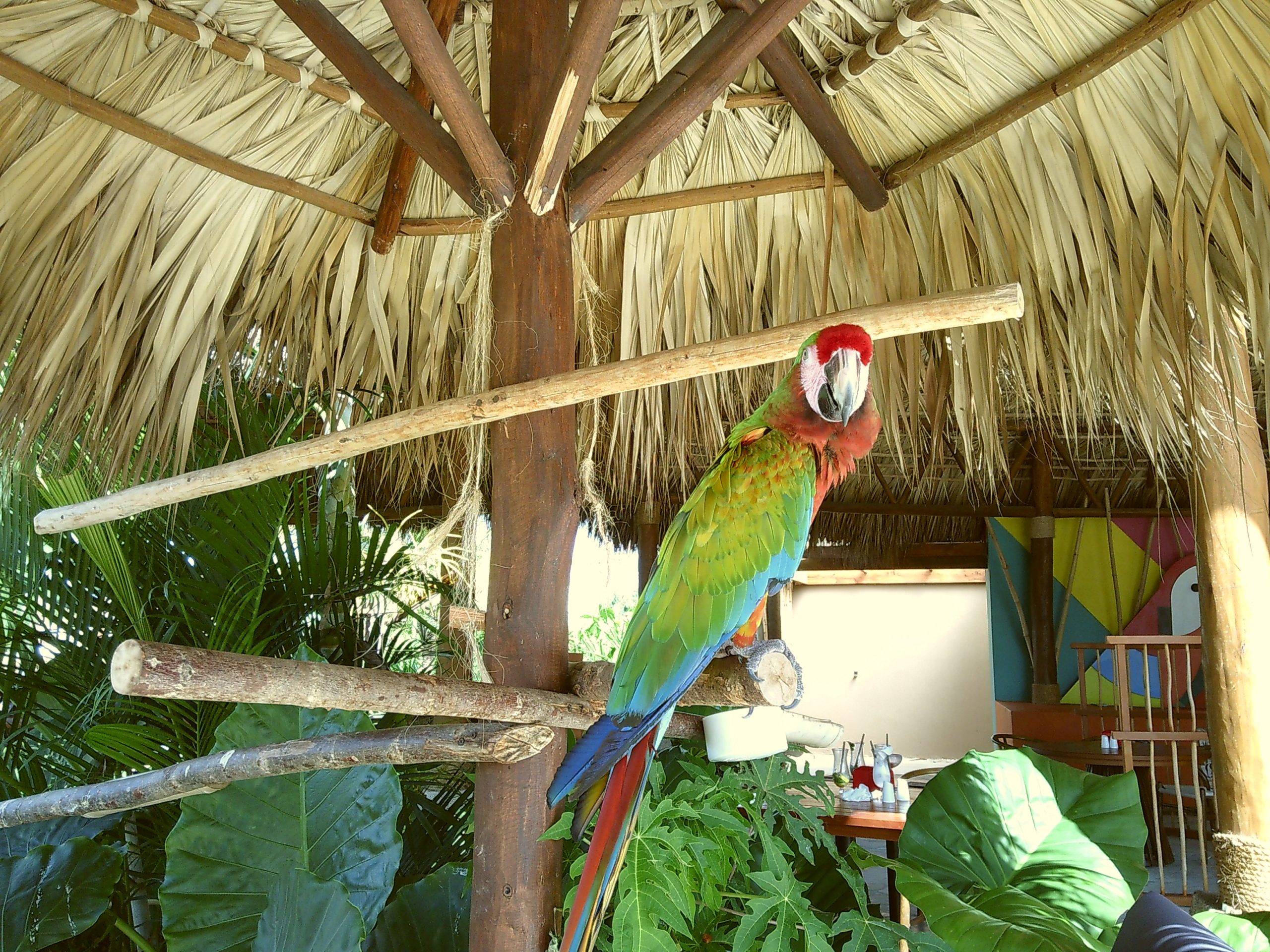
A friendly macaw.
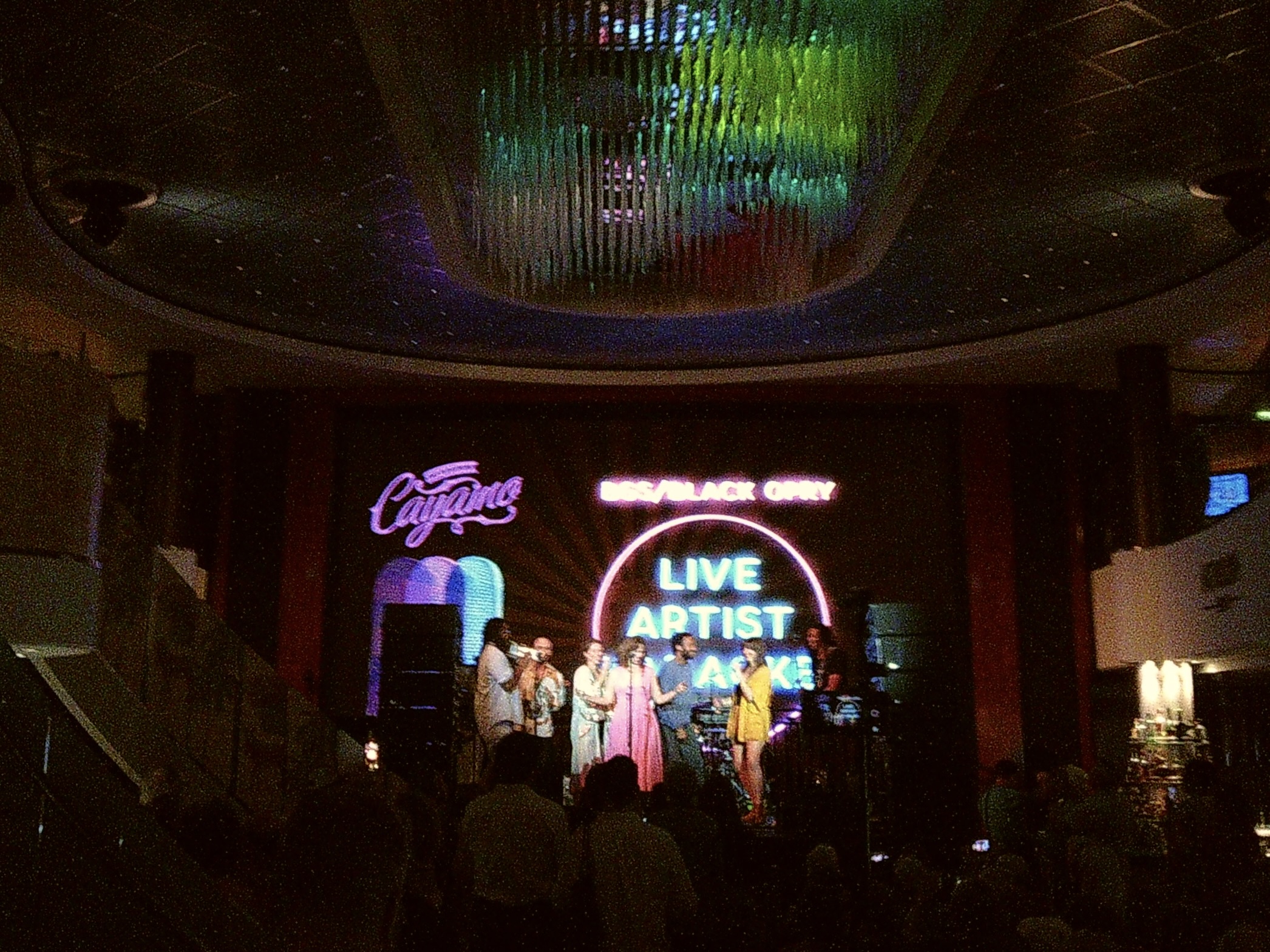
Lake Street Dive jumped on stage during the Black Opry live artist karaoke set.
Lizzie No performs.
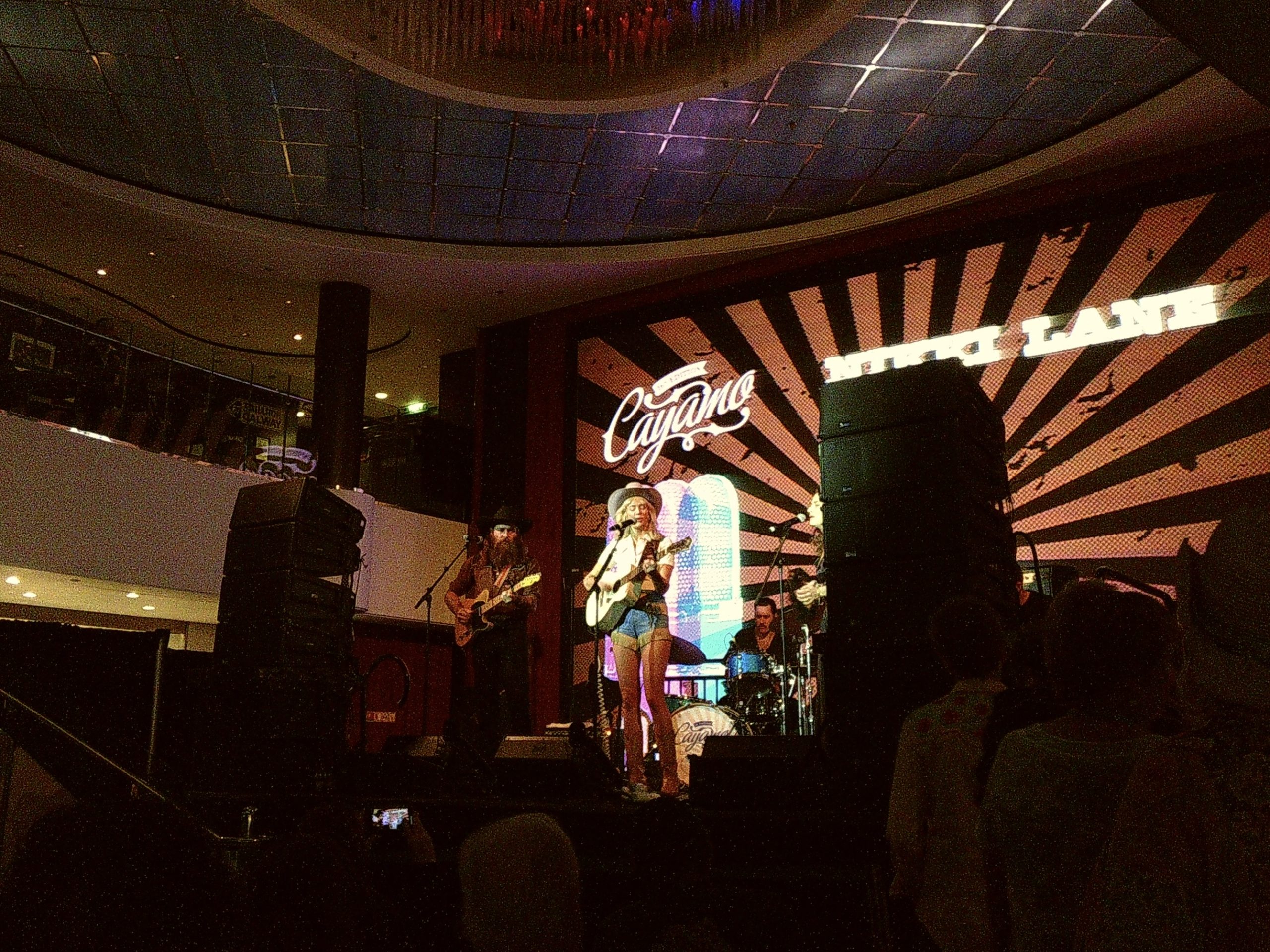
Country singer-songwriter Nikki Lane performs.
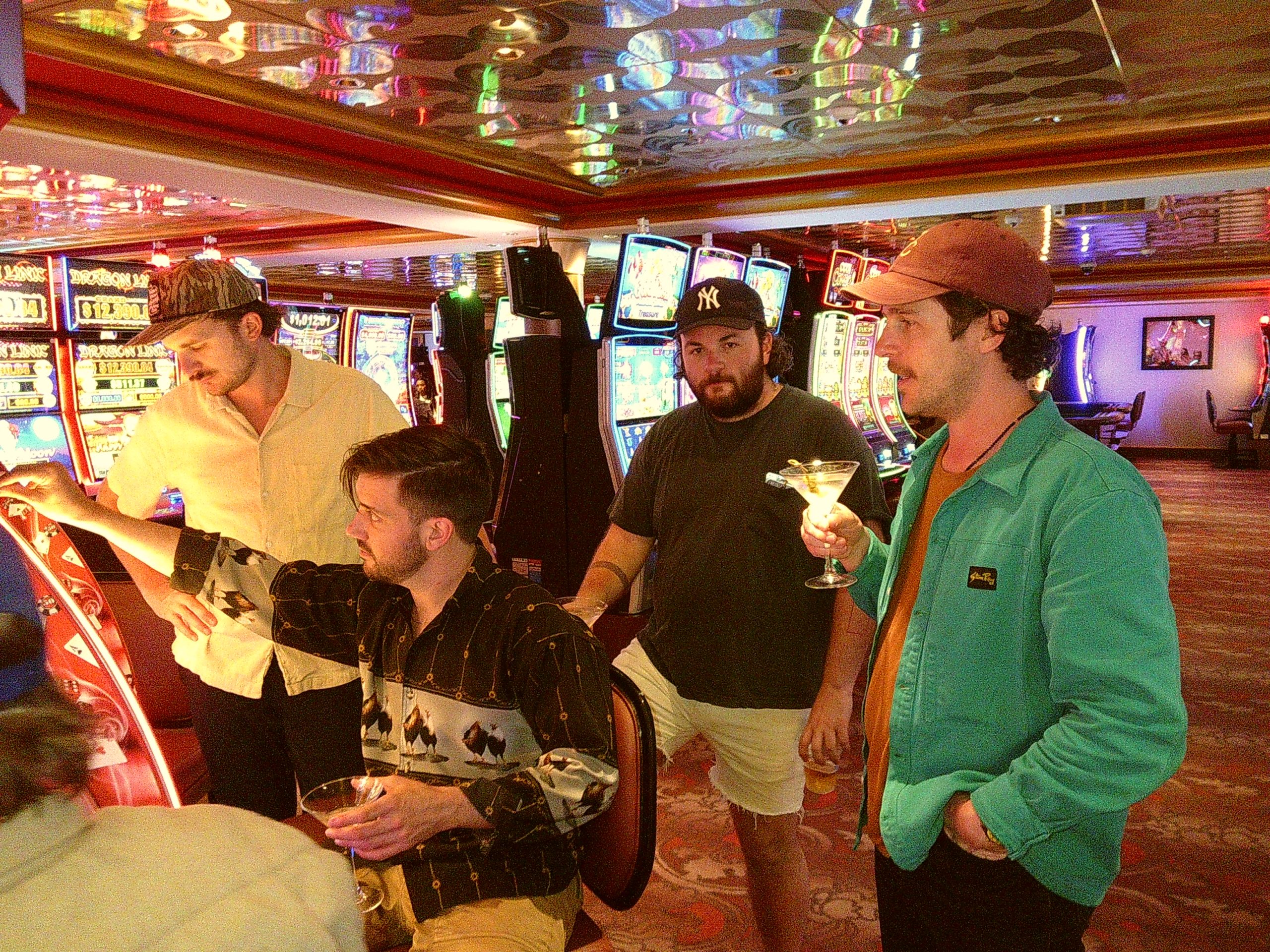
Mipso try their luck at the onboard casino.
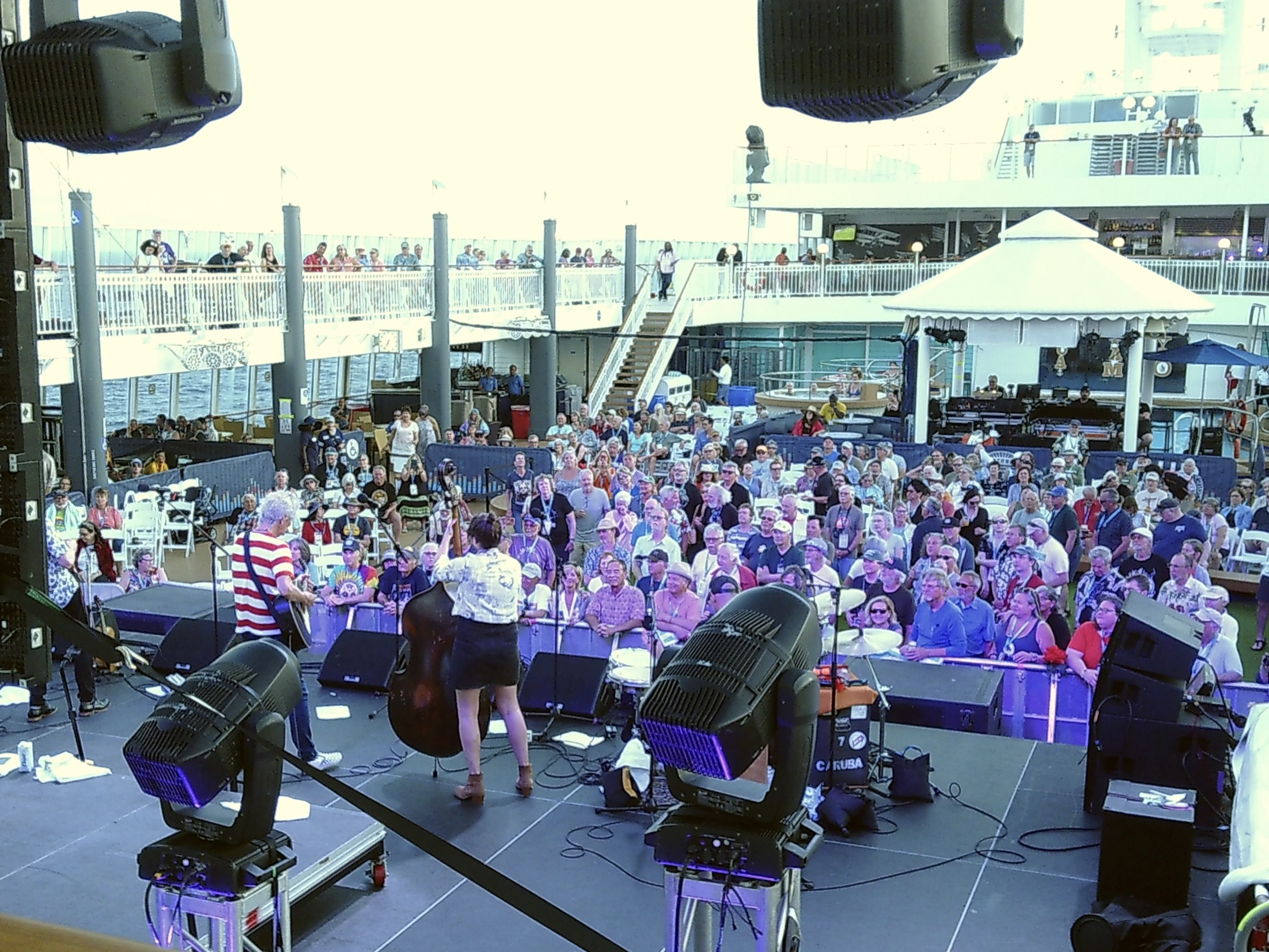
Rodney Crowell performs on the pool deck to a packed "house."
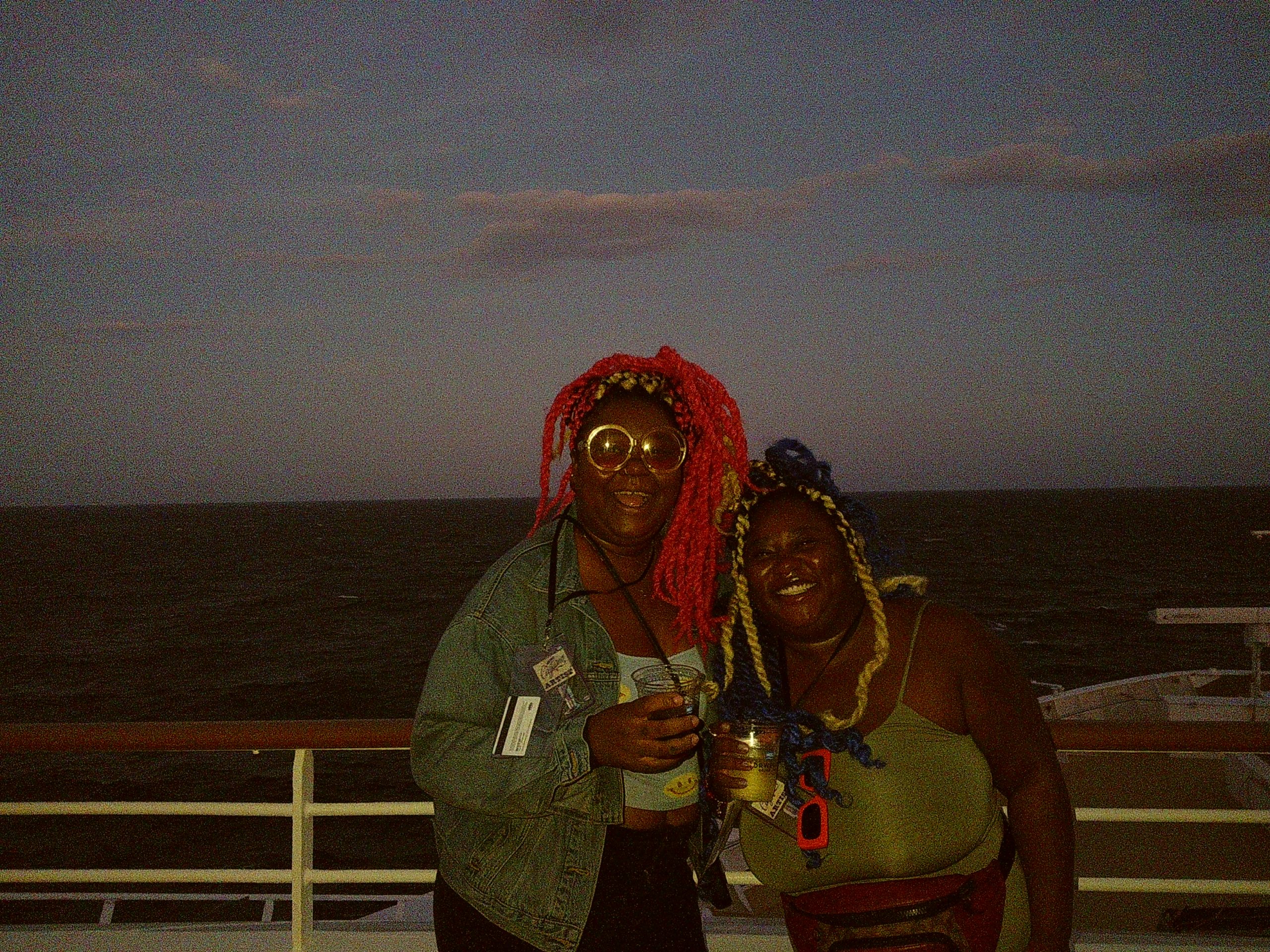
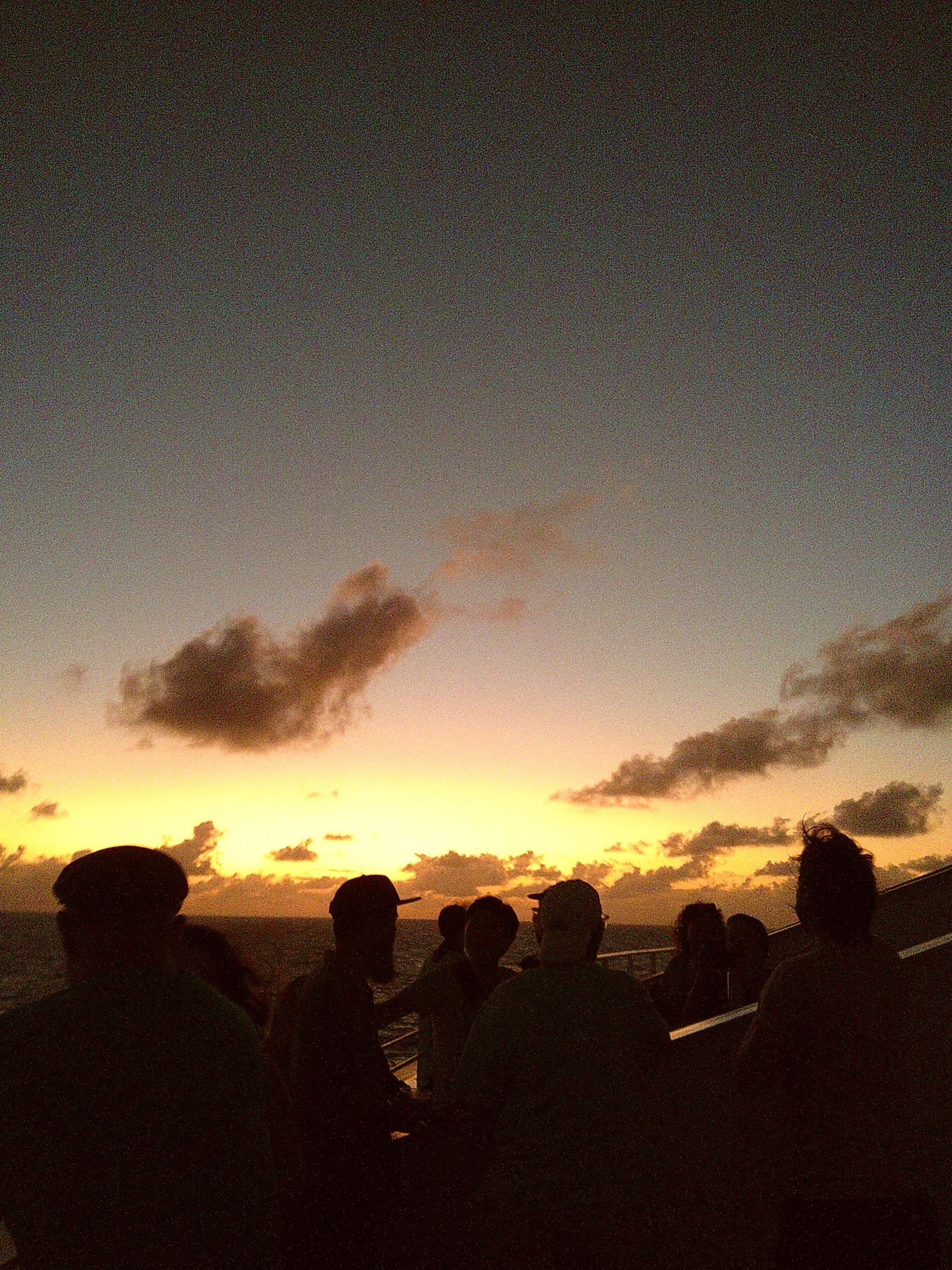
SistaStrings pictured during a sunset cocktail hour on the upper decks of the Norwegian Pearl.
BGS executive director Amy Reitnouer Jacobs with SistaStrings.
Many a sunset hang was had.
A beautiful horizon featuring the mighty wake of the Norwegian Pearl, viewed from the ship's stern.
All photos by Amy Reitnouer Jacobs shot on Camp Snap.
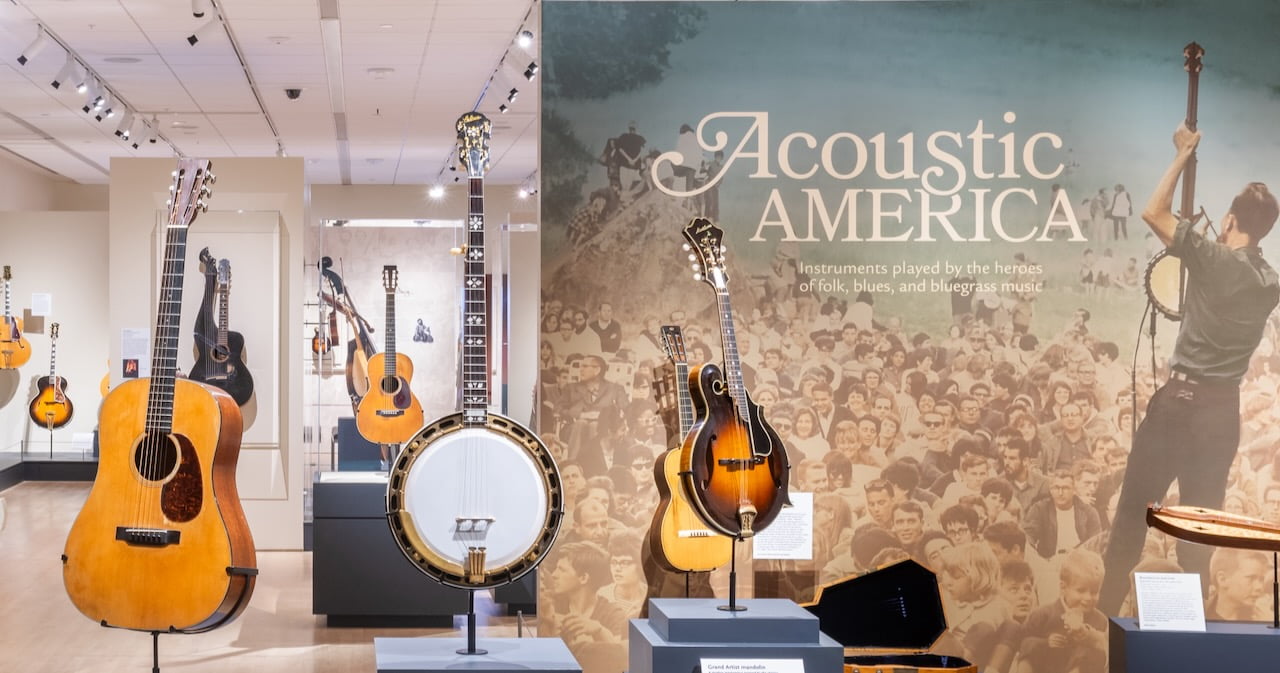
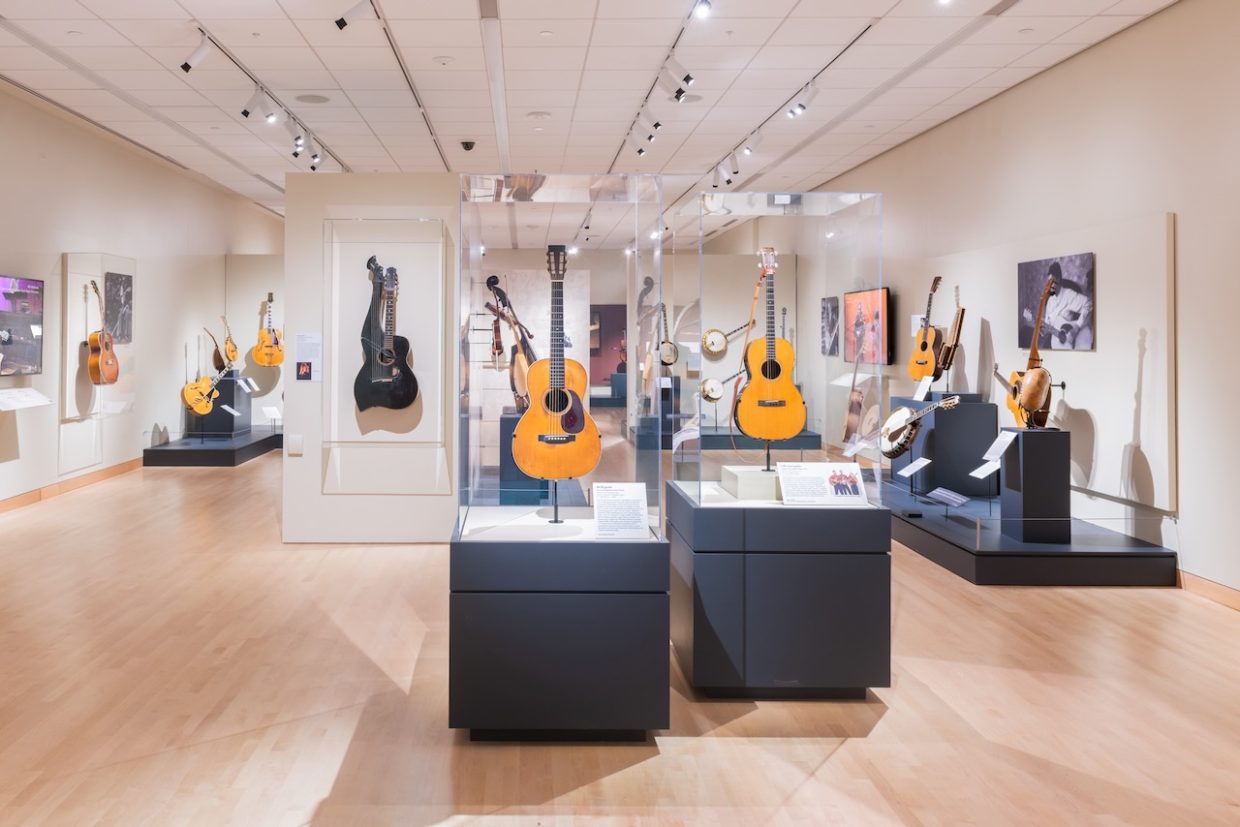
In early November, the Musical Instrument Museum in Phoenix, Arizona unveiled a brand new exhibition, Acoustic America, which celebrates iconic instruments of many heroes of folk, blues, bluegrass, and more. The exhibit is presented in partnership with our Dawg in December Artist of the Month, David Grisman and his record label Acoustic Disc, and showcases a remarkable collection of instruments that the museum states, “Have redefined music not only in the United States, but around the world.” This includes more than thirty instruments on loan from the Dawg himself.
“MIM is honored for this opportunity to collaborate with David Grisman and feature so many prized instruments from his collection,” says MIM senior curator Rich Walter, via email. “And after many years of loving his music, it has been a joy on a personal level for me, too. His influence as a mandolinist, composer, and bandleader is huge, and he absolutely changed the course of acoustic music as we know it today.”
The Acoustic America Gallery at the Musical Instrument Museum in Phoenix, AZ.
Guests of the museum will be able to view storied and legendary instruments formerly owned and played by such luminaries as Earl Scruggs, Elizabeth Cotten, Mississippi John Hurt, John Hartford, Lloyd Loar, and many more. “Beyond the legacies of the individual artists and the beauty of these historic instruments,” Walter continues, “Seeing this collection together in one space is really striking because it reflects a broader American narrative. Exceptional individuals from diverse backgrounds crossed paths and connected their talents in ways that gave us distinctive new traditions that continue to inspire people around the world.”
To celebrate the new exhibition and Dawg in December, we’ve partnered with MIM to bring you these photos of select instruments from Acoustic America. Make plans to visit the Musical Instrument Museum in Arizona now! Tickets are available at MIM.org.
(Editor’s Note: Instrument information provided from the Acoustic America catalog.)
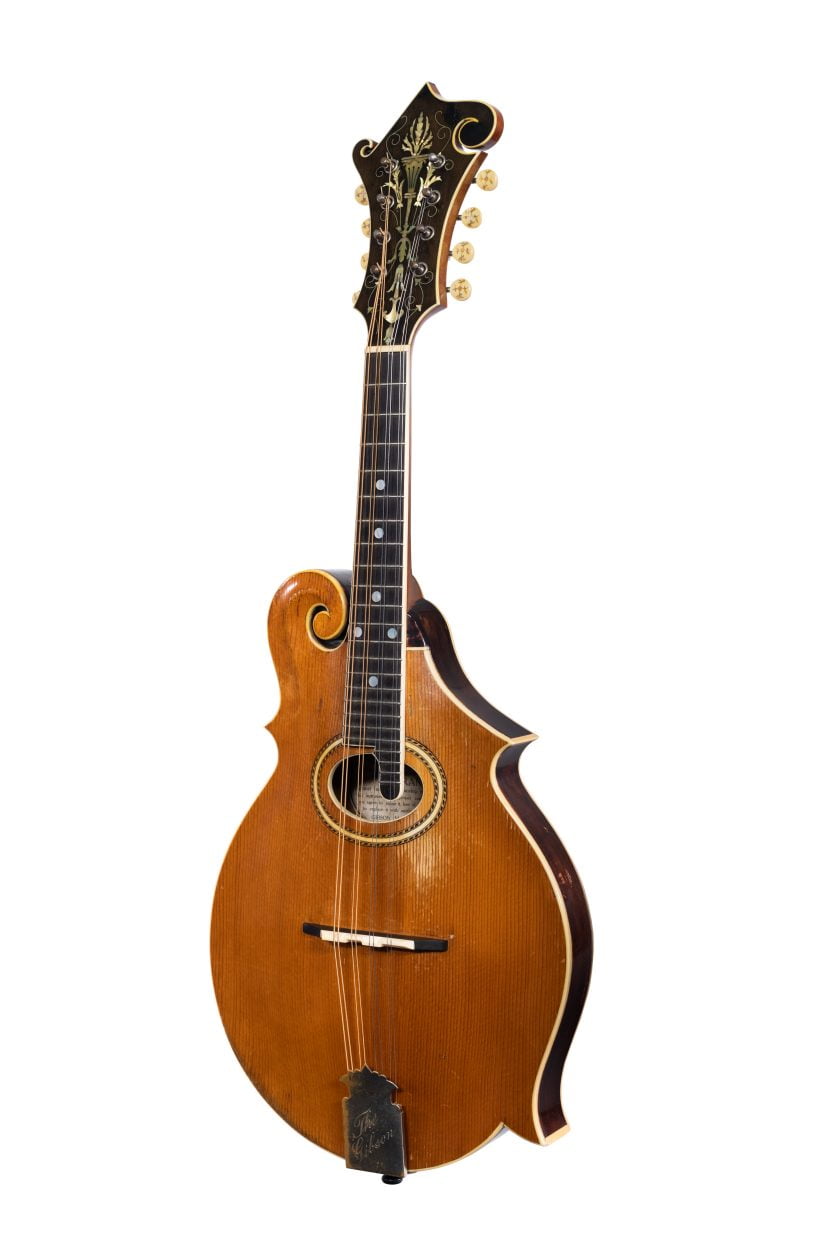
1910 Gibson F-4 Mandolin: Owned and played by David Grisman. Loan courtesy of David Grisman.
The F-4 model was Gibson’s premier mandolin until late 1922, when the F-5 was introduced. In addition to the characteristic oval sound hole and carved scroll, this early example features a three-point body style (note the points protruding from the body), elaborate torch and wire peghead inlay pattern, and special Handel tuning buttons with colorful inlays. David Grisman featured this mandolin on the cover of his first solo album, The David Grisman Rounder Album, and has recorded with it on other projects, including Tone Poems with Tony Rice and Not for Kids Only with Jerry Garcia.
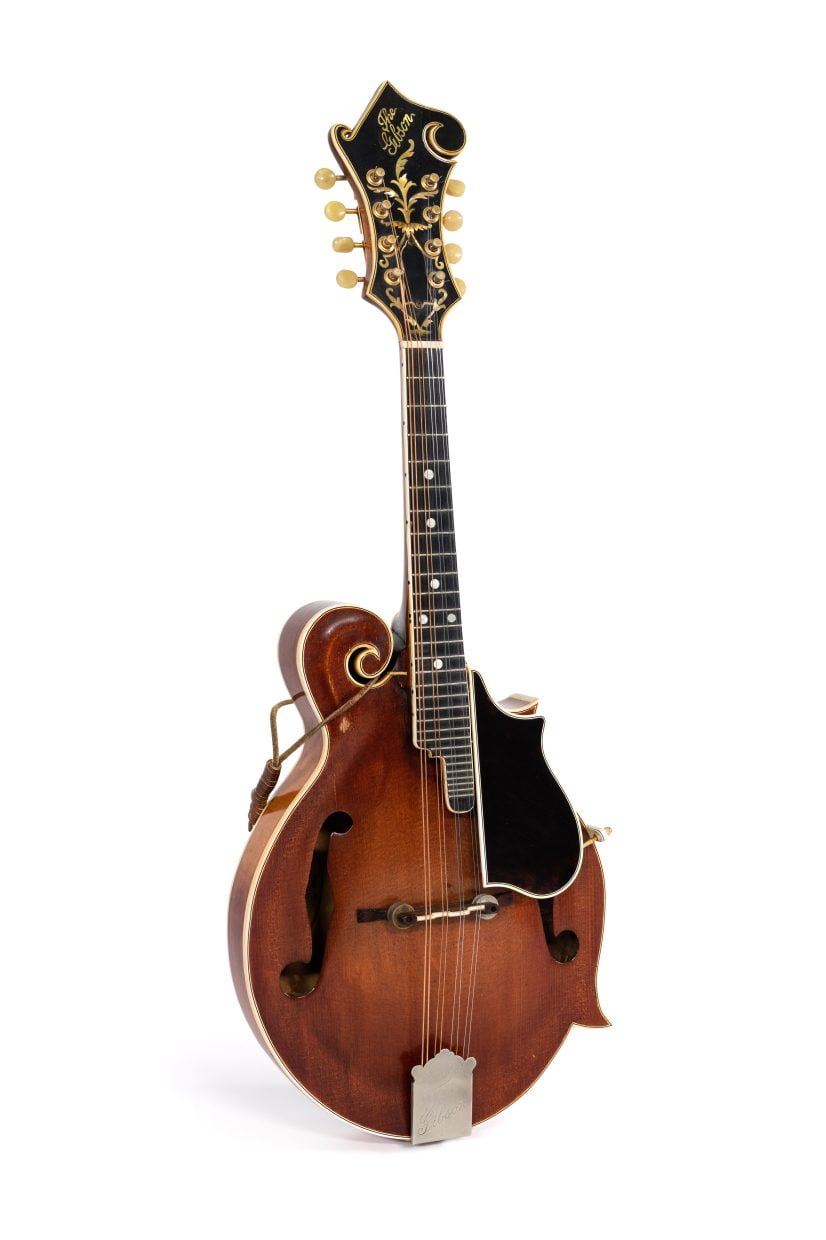
1954 Gibson F-5 Mandolin: Owned and played by Ralph Rinzler. Loan courtesy of David Grisman.
Manager, talented musician, and legendary folklorist Ralph Rinzler (1934–1994) was one of David Grisman’s earliest and most influential mentors. Sharing a hometown of Passaic, New Jersey, Rinzler introduced Grisman to important recordings of folk music and inspired him to play the mandolin. Rinzler played this F-5 mandolin with the Greenbriar Boys, who were the first non-Southern bluegrass band to win at the Union Grove Old Time Fiddler’s Convention in North Carolina. He also managed the careers of Doc Watson and Bill Monroe and was instrumental in creating the first dedicated bluegrass festival in Fincastle, Virginia, in 1965. Two years later, Rinzler founded the Smithsonian Folklife Festival to celebrate and support living cultural heritage from around the world.
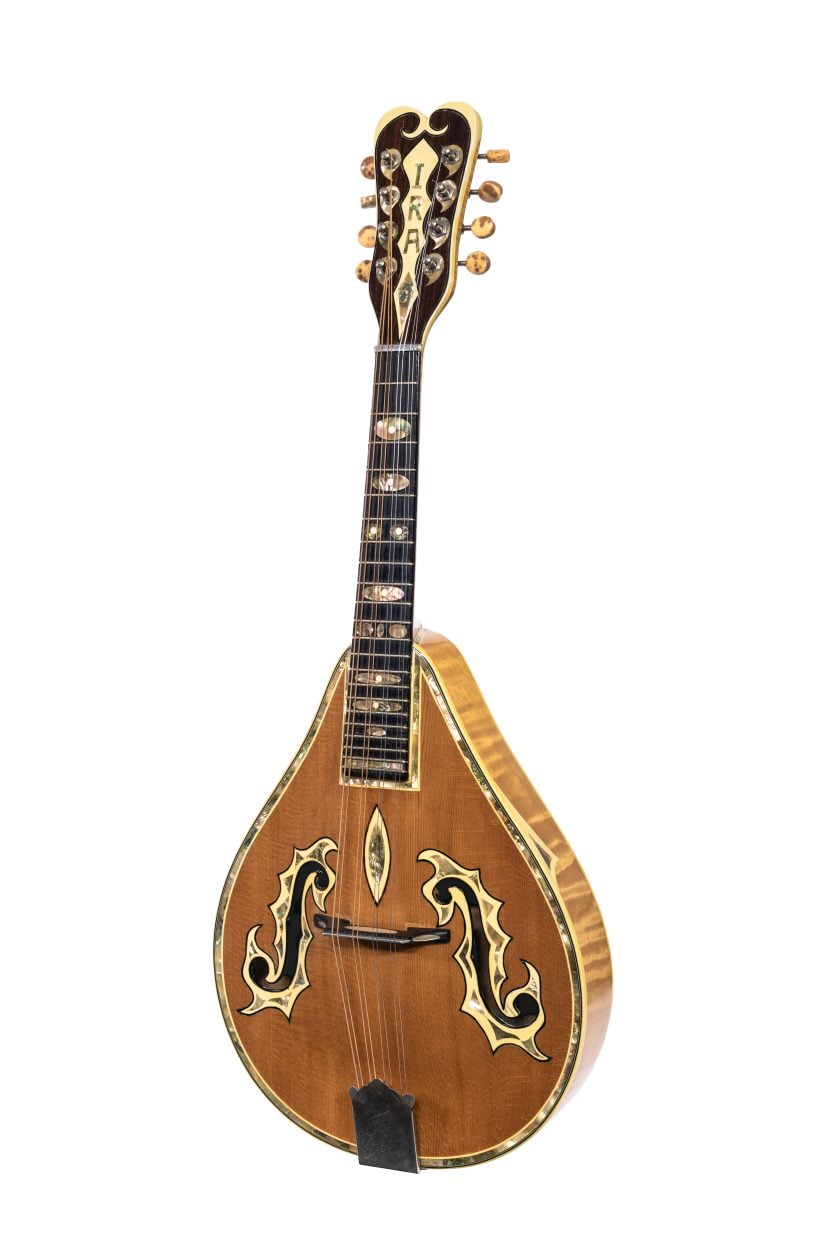
1947 Martin 2-15 Mandolin: Owned and played by Ira Louvin. MIM Collection.
Few brother duet acts in country music were as influential as the Louvin Brothers. Ira and Charlie Louvin were born in Alabama in the 1920s, and their high harmony singing and Ira’s tasteful mandolin playing helped them define a sound popularized through radio broadcasts, commercial recordings, and appearances on the Grand Ole Opry – where they debuted in 1955. Ira customized this one-of-a-kind mandolin in the flashy style of professional country artists and played it extensively, including on the Grand Ole Opry stage. This special piece of mandolin history was also owned by David Grisman for many years.
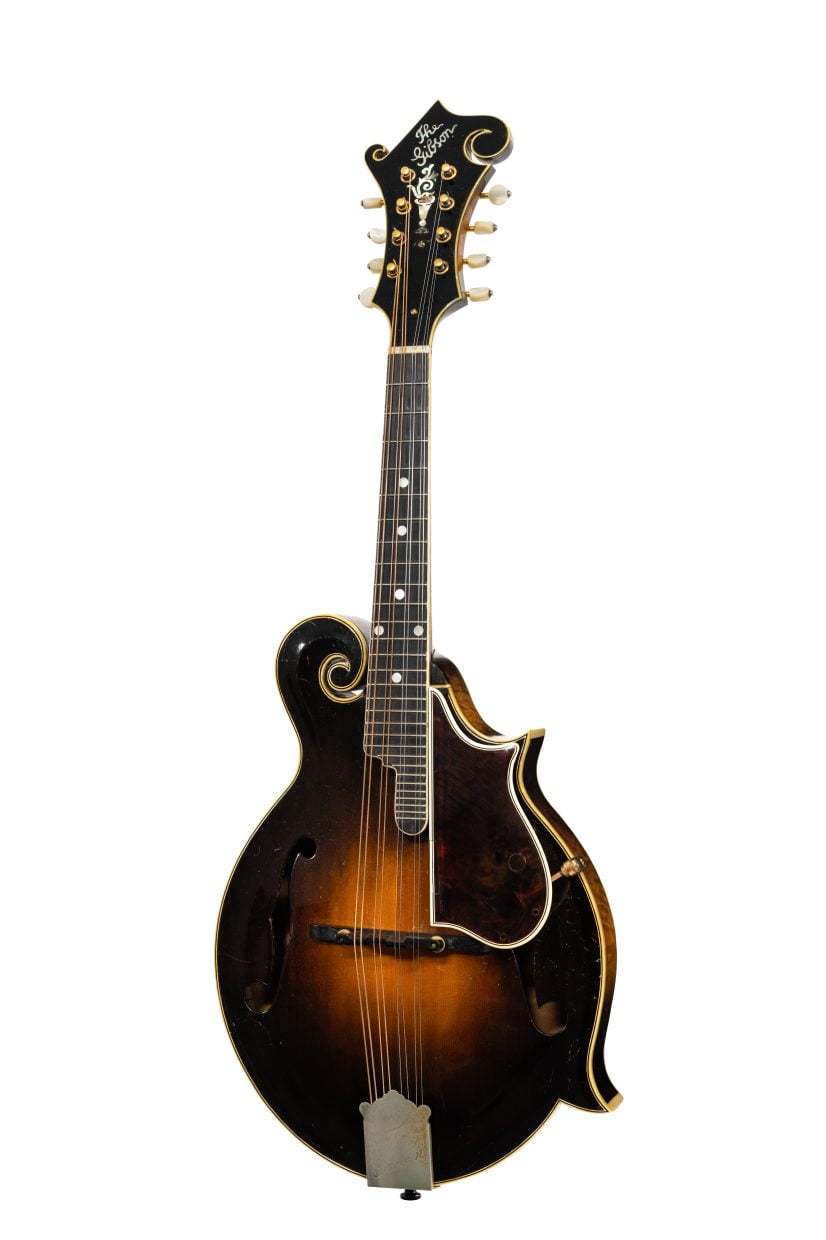
This mandolin — serial number 75315; label dated February 18, 1924 — was the personal instrument of famed Gibson acoustic engineer Lloyd Loar. Loar was impressively inventive and patented designs for keyboard actions and electric instruments, among many others, but the F-5 Master Model mandolin is arguably his most iconic and enduring success. The interior of this mandolin is fitted with an original Virzi Tone Producer. F-5 mandolins with Loar’s signature on the label are the most valuable and sought-after in the world, and Loar F-5s from the batch signed on this date are known to be among the best-sounding. Perhaps it is not surprising that Loar kept this remarkable mandolin for himself!
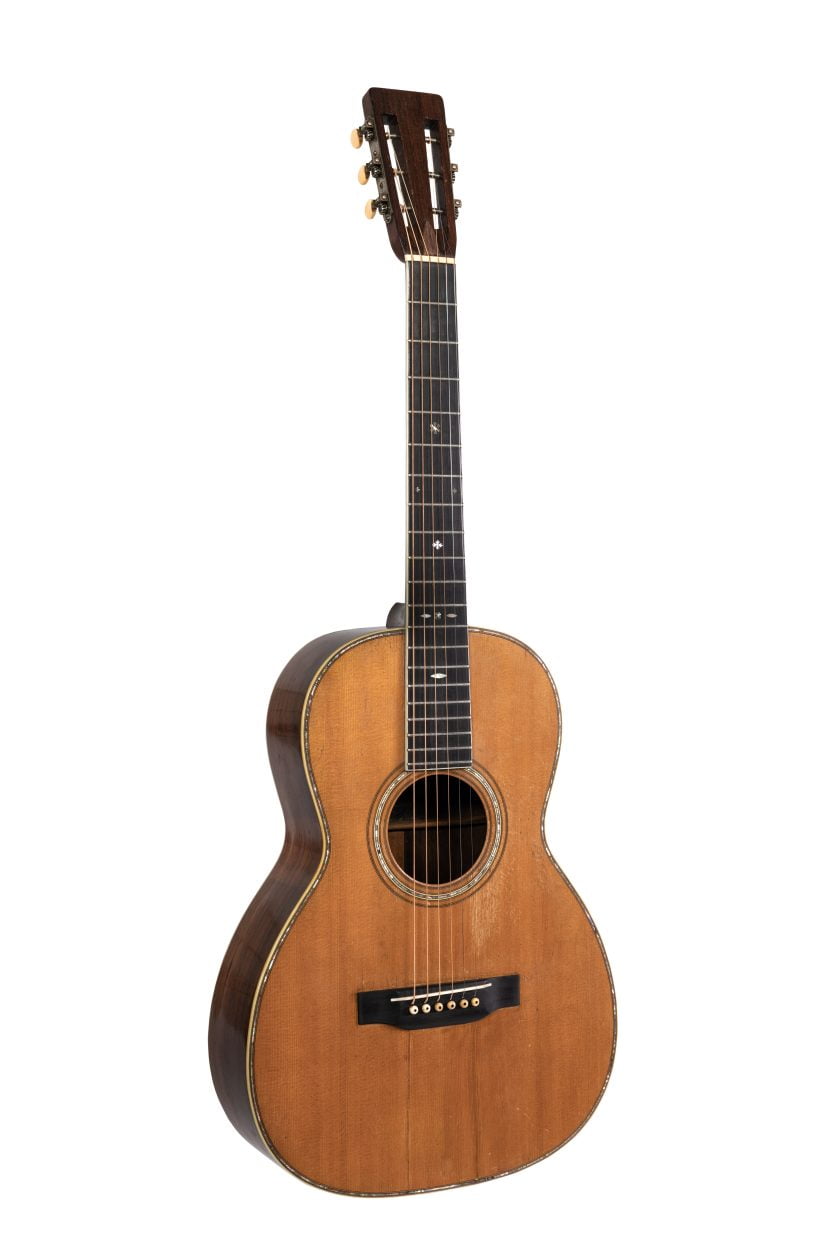
1928 Martin 00-40H Guitar: Played by the New Lost City Ramblers. Loan courtesy of Darrell Scott.
This guitar was played extensively by the New Lost City Ramblers, who were pivotal to the national revival of Southern folk music in the 1950s and 1960s. Founding members John Cohen, Tom Paley, and Mike Seeger were dedicated to authentically reproducing folk traditions for new audiences. The group recorded several albums for Smithsonian Folkways and helped discover, document, and showcase talented artists such as Elizabeth Cotten, Dock Boggs, and Snuffy Jenkins. Prewar pearl-trimmed Martin guitars are among the most desirable acoustic instruments in the world.
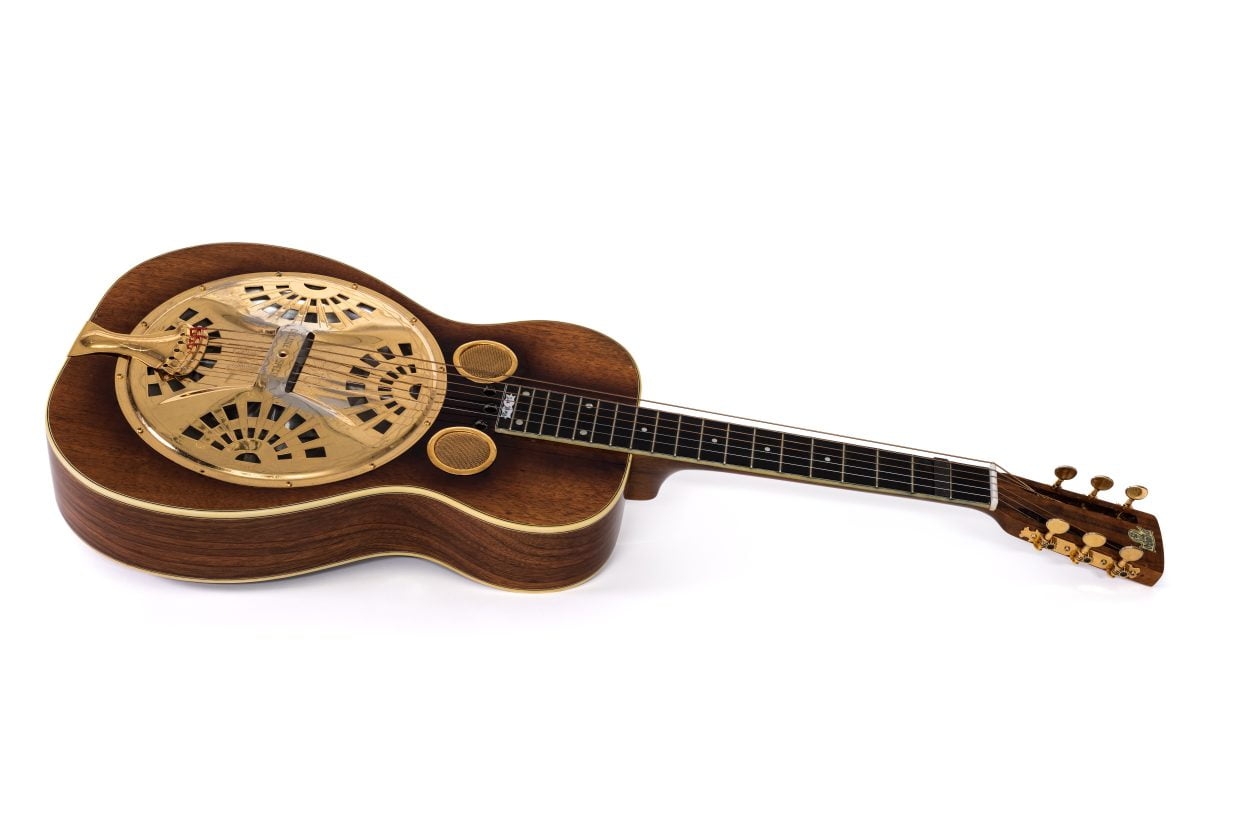
1929 Dobro Model 125 Resophonic Guitar: Owned and played by LeRoy Mack. Loan courtesy of LeRoy McNees.
In 1961, the Kentucky Colonels, led by brothers Clarence and Roland White, performed on The Andy Griffith Show, under the alias “the Country Boys.” The Kentucky Colonels were one of the most exciting and influential bluegrass bands of their era, and their national television appearance would have been much of the United States’ first memorable exposure to bluegrass. Dobro player LeRoy McNees (AKA LeRoy Mack) played this Model 125 resophonic guitar during the show and for many years afterward. After the guitar was damaged at an airport, McNees restored and outfitted it with gold-plated metal hardware.
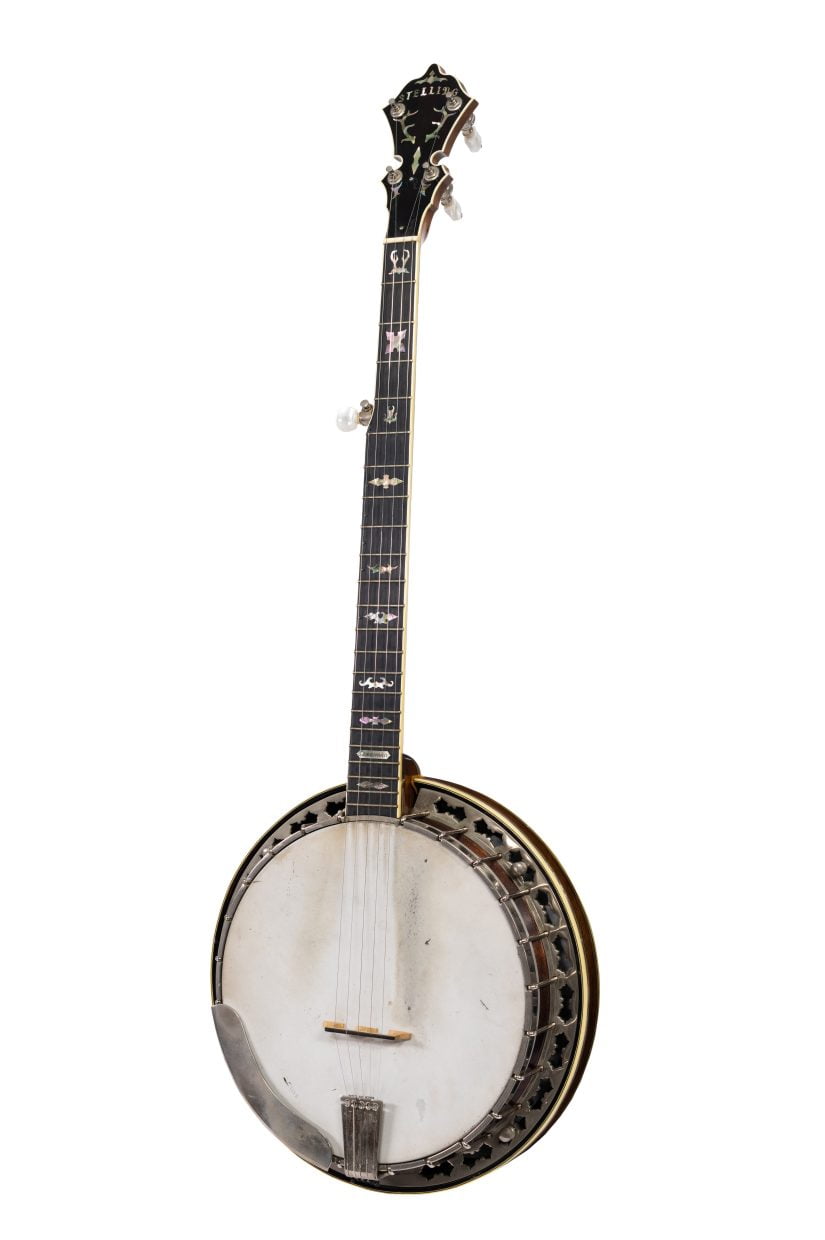
1975 Stelling Staghorn Banjo: Owned and played by Alison Brown. Loan courtesy of Alison Brown.
A young Alison Brown spent her entire savings on this then-new banjo built by Geoff Stelling, hoping to emulate the crisp, solid tone of Alan Munde, an influential older banjoist who played a similar Staghorn model. Brown played this banjo on her first album, 1981’s Pre-Sequel, and she later played it with Alison Krauss’s successful band Union Station. One of the most gifted banjoists in the world, Brown was the first woman voted Banjo Player of the Year by the International Bluegrass Music Association (in 1991). She has also won multiple Grammy awards, founded her own record label, Compass Records, and was inducted into the Banjo Hall of Fame in 2019.
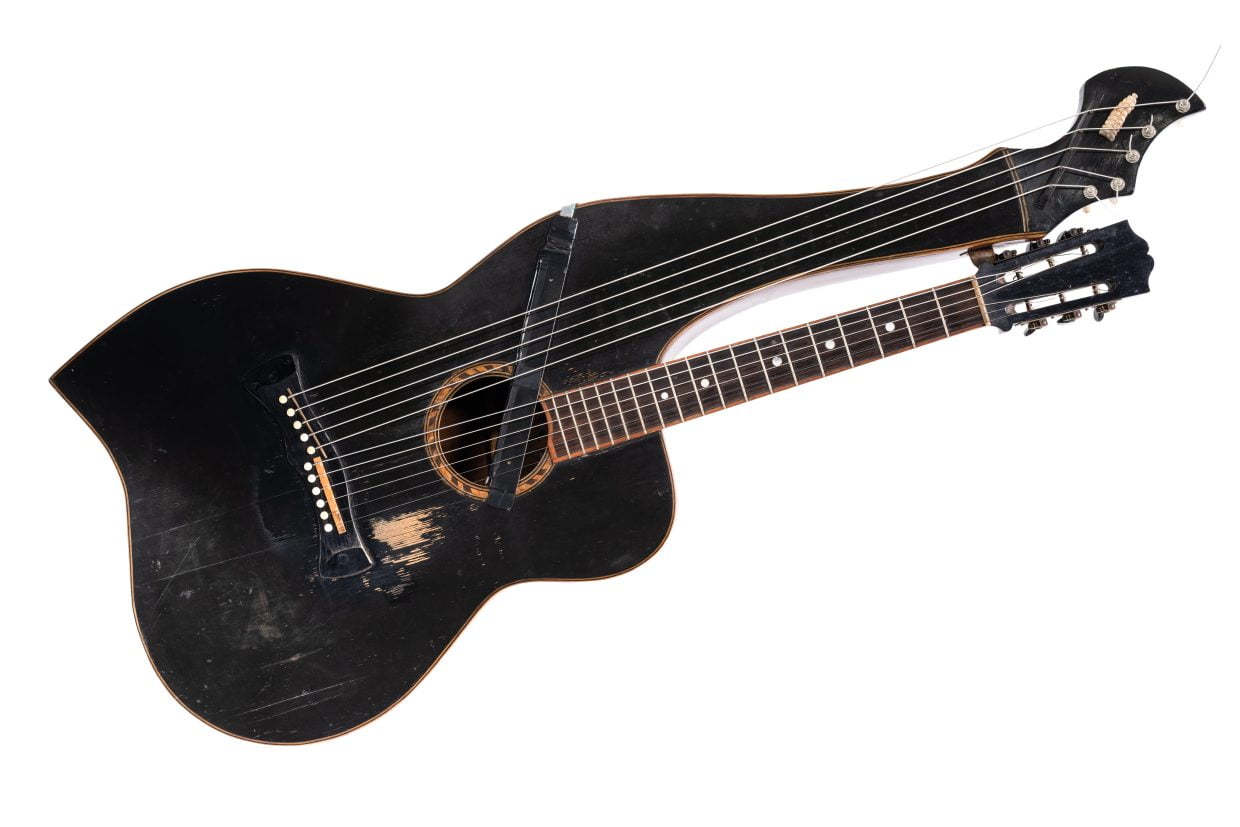
1913 Knutsen harp guitar: Owned and played by Michael Hedges. Loan courtesy of Taproot, LLC.
Guitarist and composer Michael Hedges (1953–1997) used a range of innovative and unconventional playing techniques — such as alternate tunings and percussive tapping on the strings and soundboard — to expand the possibilities of what a solo artist could do. In rediscovering the sound of vintage harp guitars with dedicated sub-bass strings, Hedges reimagined the guitar as a full-spectrum compositional tool. His 1984 album Aerial Boundaries illustrated his astonishing talent and helped define the contemporary new age acoustic music of Windham Hill Records. Hedges nicknamed this favored harp guitar “Darth Vader,” and his use of harp guitars revived interest in these long-obscure instruments.
All photos courtesy of the Musical Instrument Museum, Phoenix, Arizona.
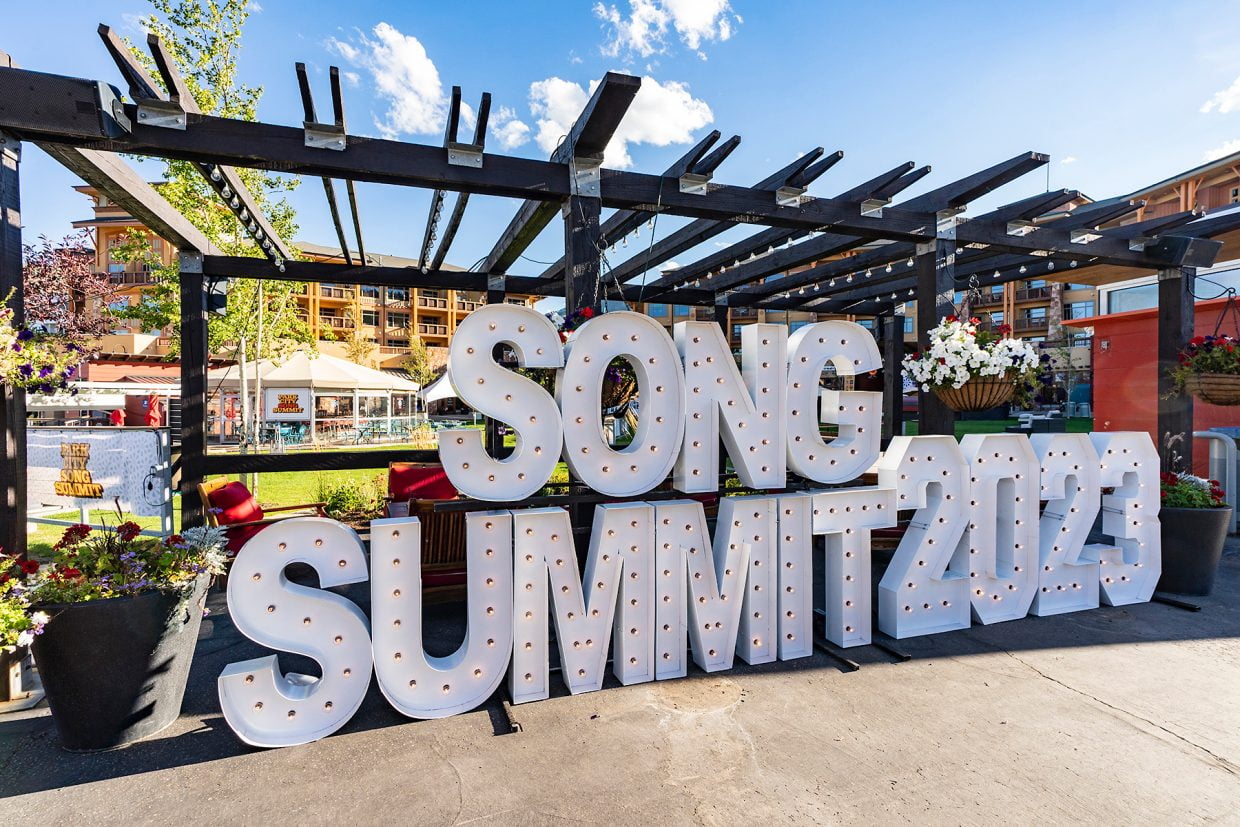
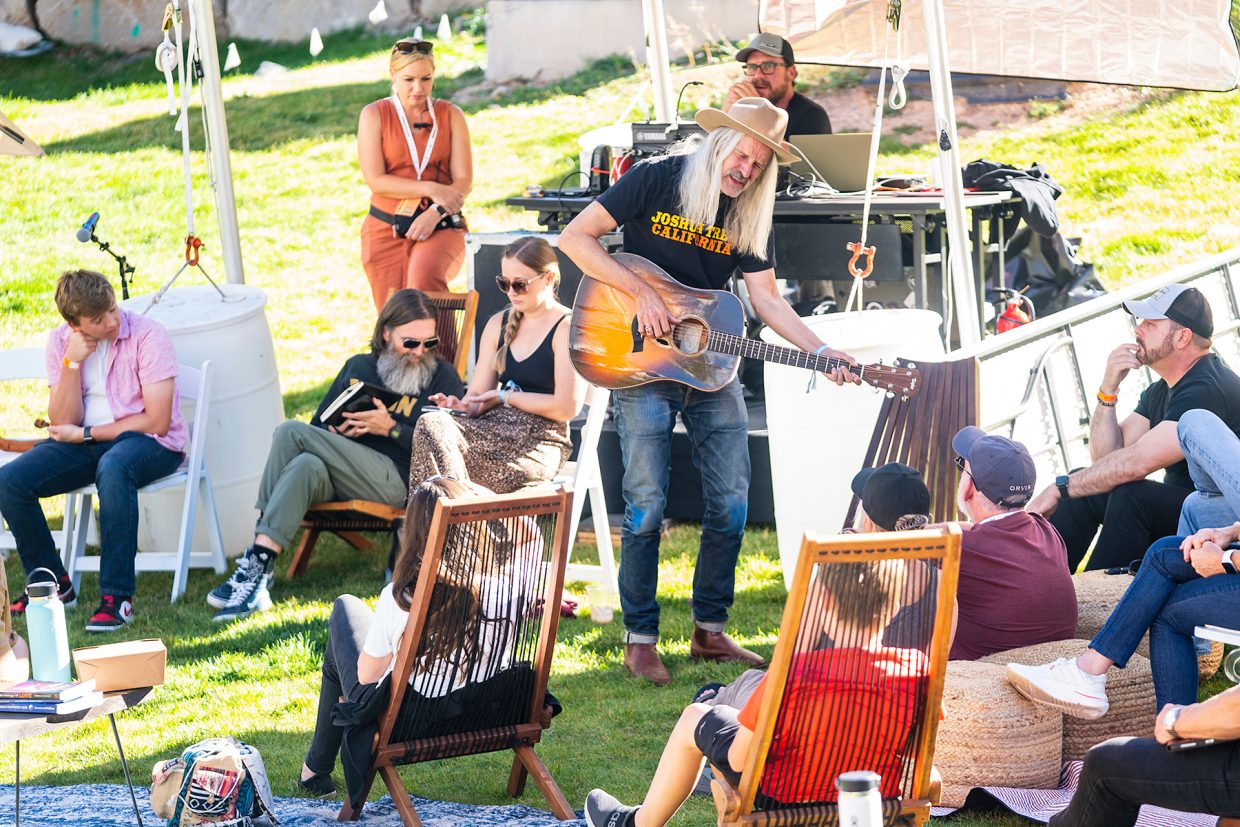
[Editor’s Note: In September 2023, fine art photographer Erika Goldring (Getty Images, New York Times, Billboard) was on hand at Park City Song Summit in Utah to document the music and wellness event. Below, enjoy selections from her PCSS photographs and her reflections on this one of a kind gathering of songmakers.]
All in all, what moved me about Park City Song Summit was seeing artists and fans connect in a different way — more intimate shows, the opportunity to ask questions. We’re all just trying to make our way through this crazy world. Song Summit has created a community for those of us in the industry to have open and honest conversations about navigating personal struggles. – Erika Goldring, photographer
When I first heard about Park City Song Summit, I was like, “This is where I need to be!” It’s more than a music festival, it’s four days of music AND wellness! It’s a chance to take a deeper dive into the lives of the musicians I love, whether it’s hearing about someone’s creative process or what they do to maintain sanity on the road. No one is afraid to talk about mental health and recovery, and this is where the magic lies for me.
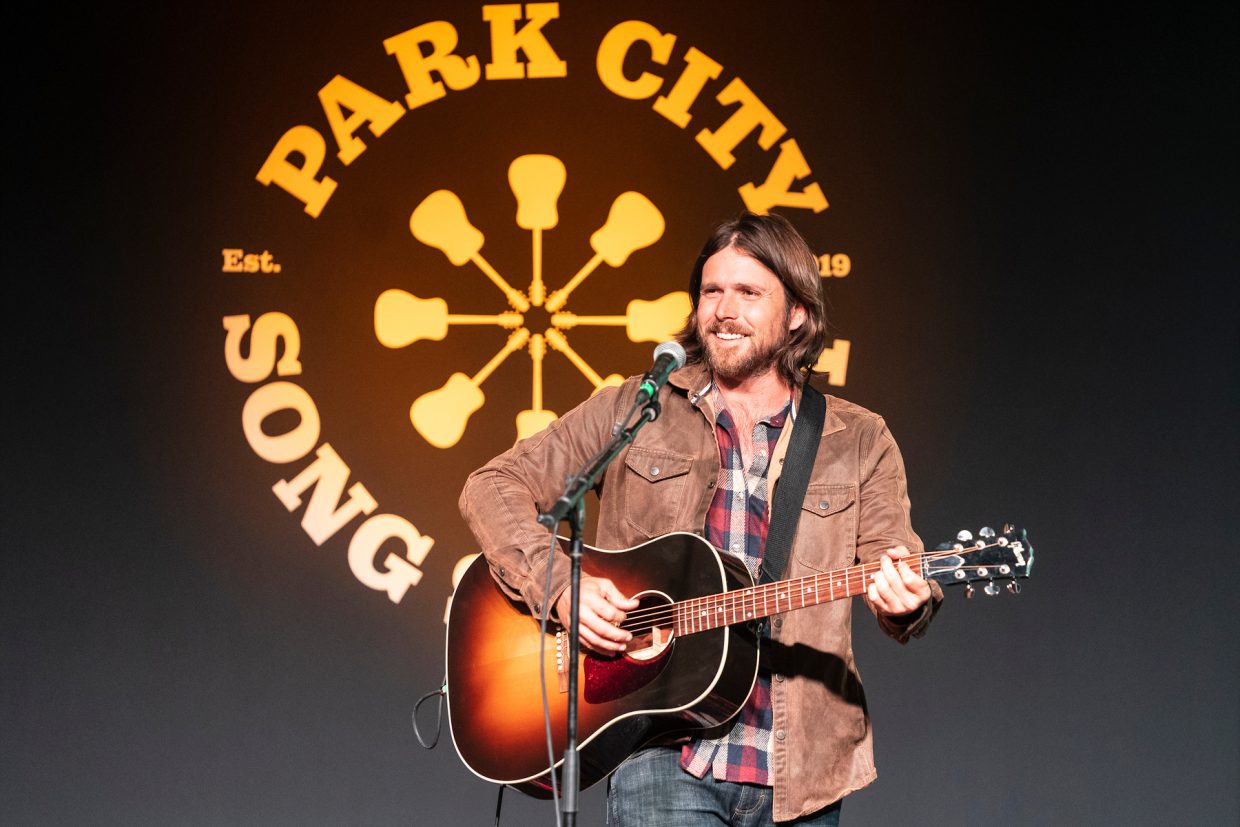
To see an artist do a solo acoustic set who doesn’t usually do that is always a treat. You know you’re getting something different. When Lukas Nelson sat down at the keyboard to do the title song of his last album, A Few Stars Apart, I got goosebumps — it felt so intimate and vulnerable. He did a few covers at the end of his set, including Pearl Jam’s “Breathe” and the Grateful Dead’s “Ripple.” I loved it, the audience loved it, we all joined in singing, and it was lovely to see him enjoying himself.
I first met Harold Owens at Imagine Recovery in New Orleans when MusiCares invited Ivan Neville to tell his recovery story. I have crossed paths with him many times since then. He’s helped a lot of people with substance abuse issues get into treatment.
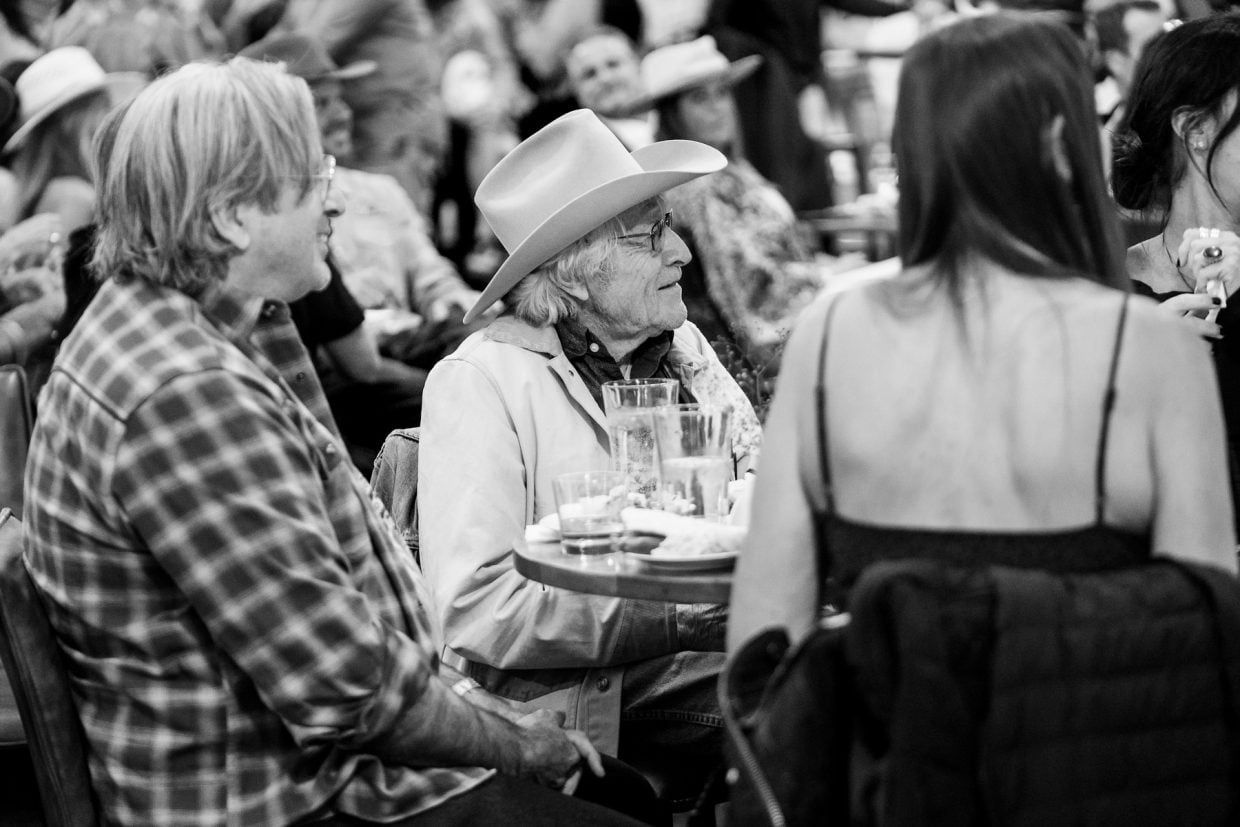
Elliott Adnopoz, aka Ramblin Jack Elliott, a cowboy folksinger. The first time I saw him was on Arlo Guthrie’s Ridin’ on the City of New Orleans tour, post-Hurricane Katrina. He’s 92 years old and still at it! He sat in with Bob Weir for a cover of Bob Dylan’s “I’ll Be Your Baby Tonight.”
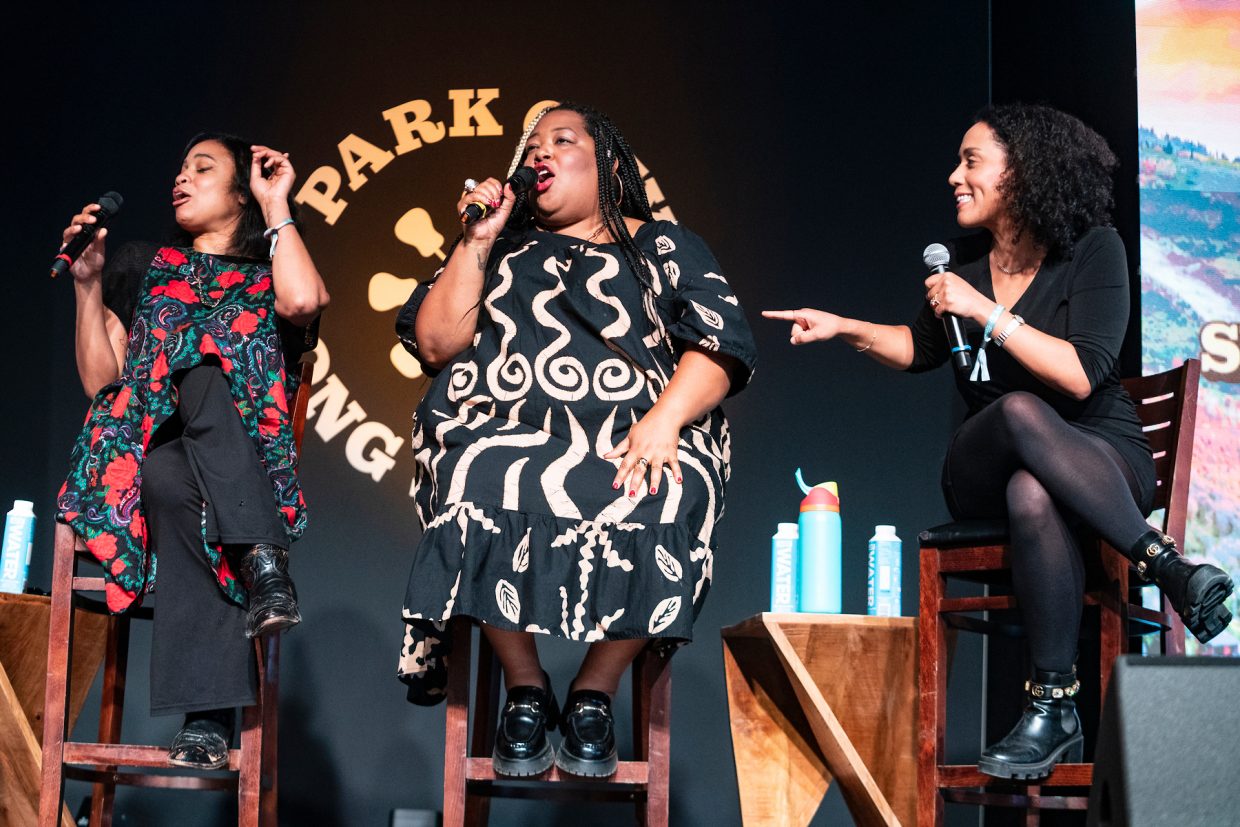
I was thrilled to see Caroline Randall Williams (right) announced as a panelist with Adia Victoria (left) and Celisse (center). She wrote a piece early on in the pandemic about Confederate monuments that really made me think in a different way. These are smart and eloquent women talking about the blues and loving every minute of it.
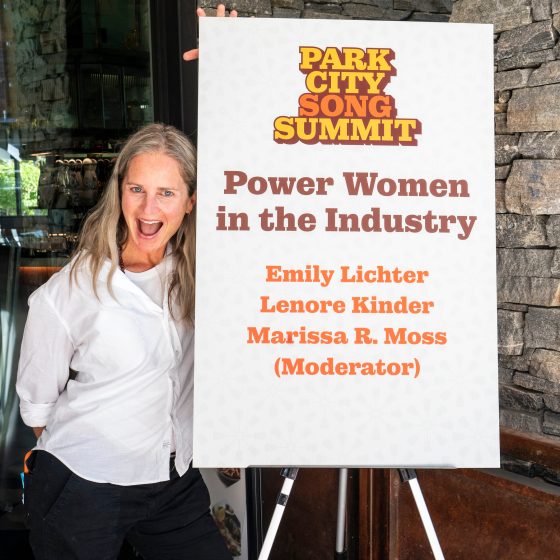
Emily Lichter has a great spirit. Not only did she speak about managing artists, but she also brought Leta Herman from Alchemy Healing Center and speaker Ruthie Lindsey to Song Summit. Hilary Saunders subbed for Marissa Moss as moderator, due to an illness, and did a great job.
I would say Steve Poltz is a stand-up comedian first and a songwriter second. He wrote “You Were Meant for Me” with Jewel. I met him about 20 years ago when he was still drinking. He’s sober now and his stories are hysterical. I left his panel with a smile on my face and then went to watch him teach people how to write songs. I have no musical abilities. I don’t know how to play any instrument and would not even know where to begin to write a song… maybe lyrics, but definitely not music. This creative process is foreign to me even though music is my life!
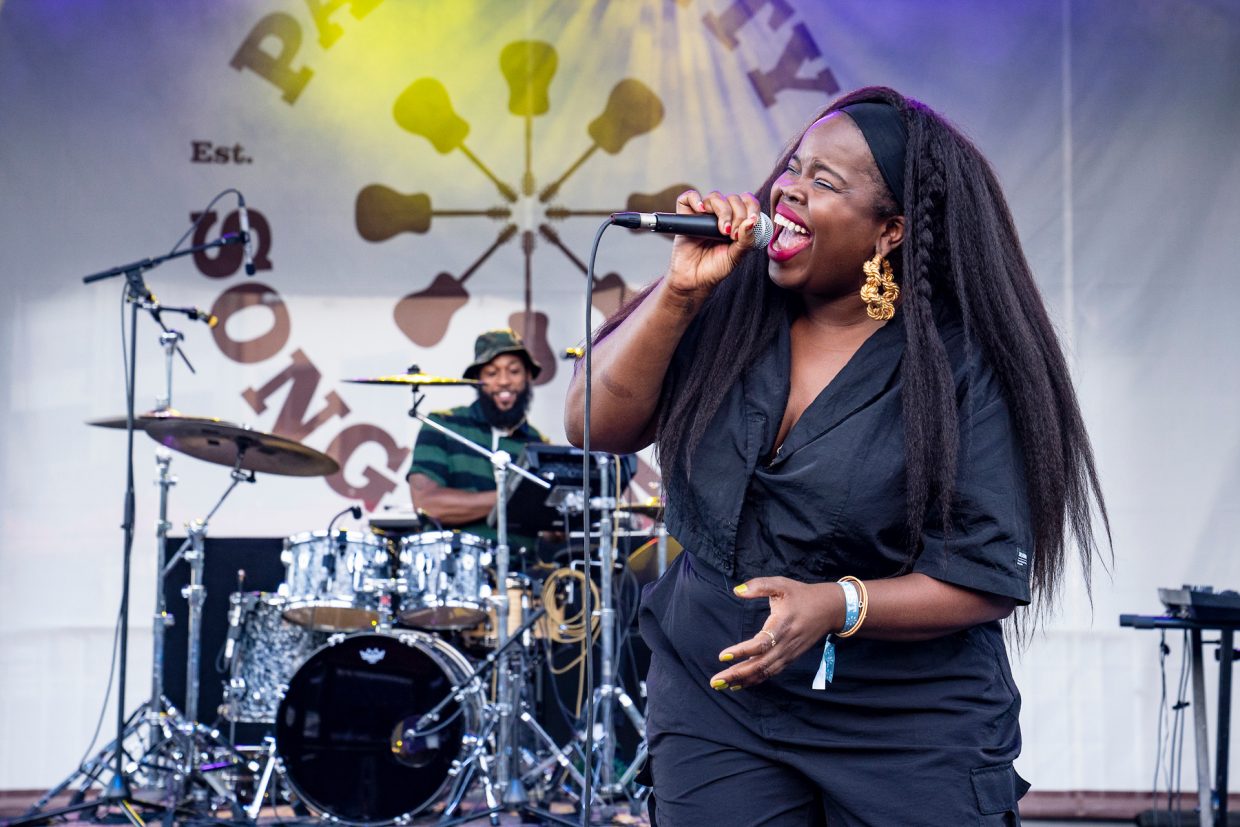
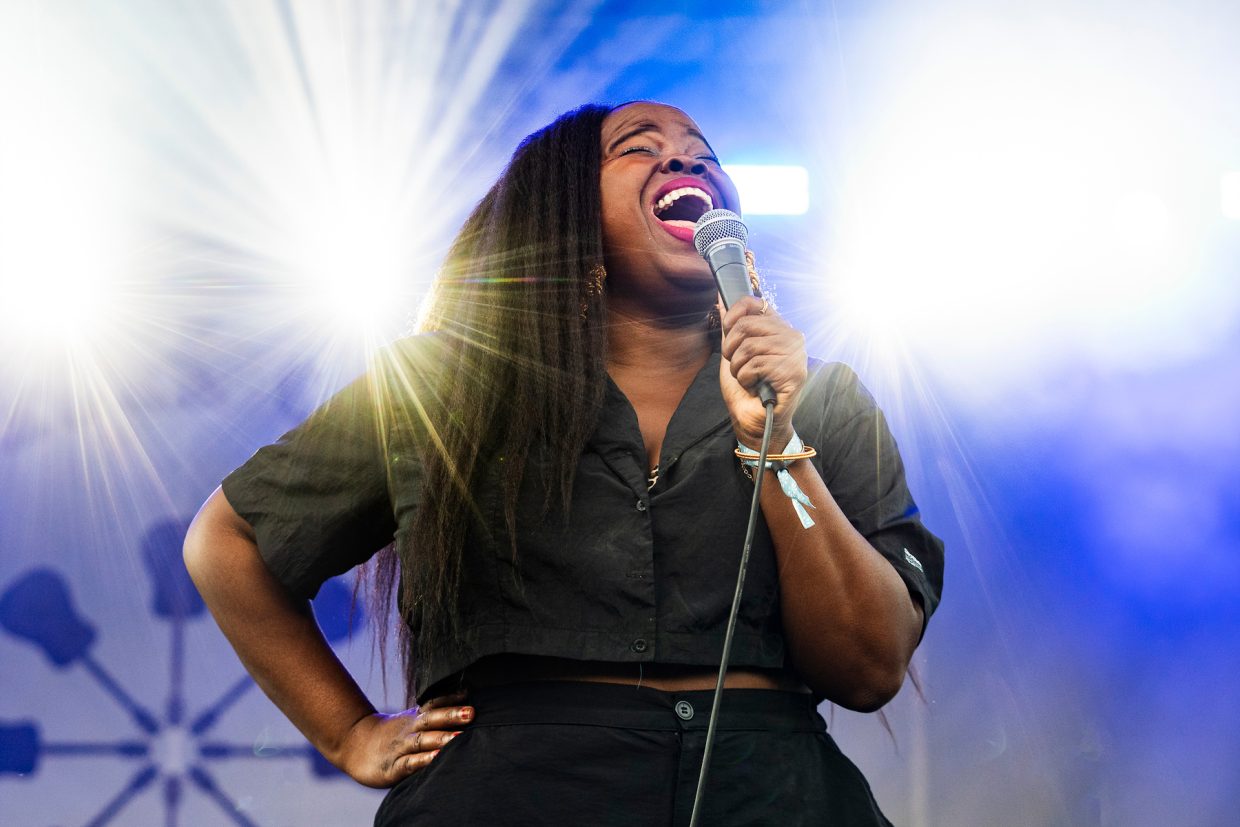
At 40, Danielle Ponder quit her job as a public defender to launch a career in music. She is a reminder to be brave and follow your dreams. She can command a crowd with her voice, sometimes delicate and sometimes roaring. While shooting the second photo, I saw this halo of light appear the very moment she belted out “Run!” during her cover of Radiohead’s “Creep” that ended her set.
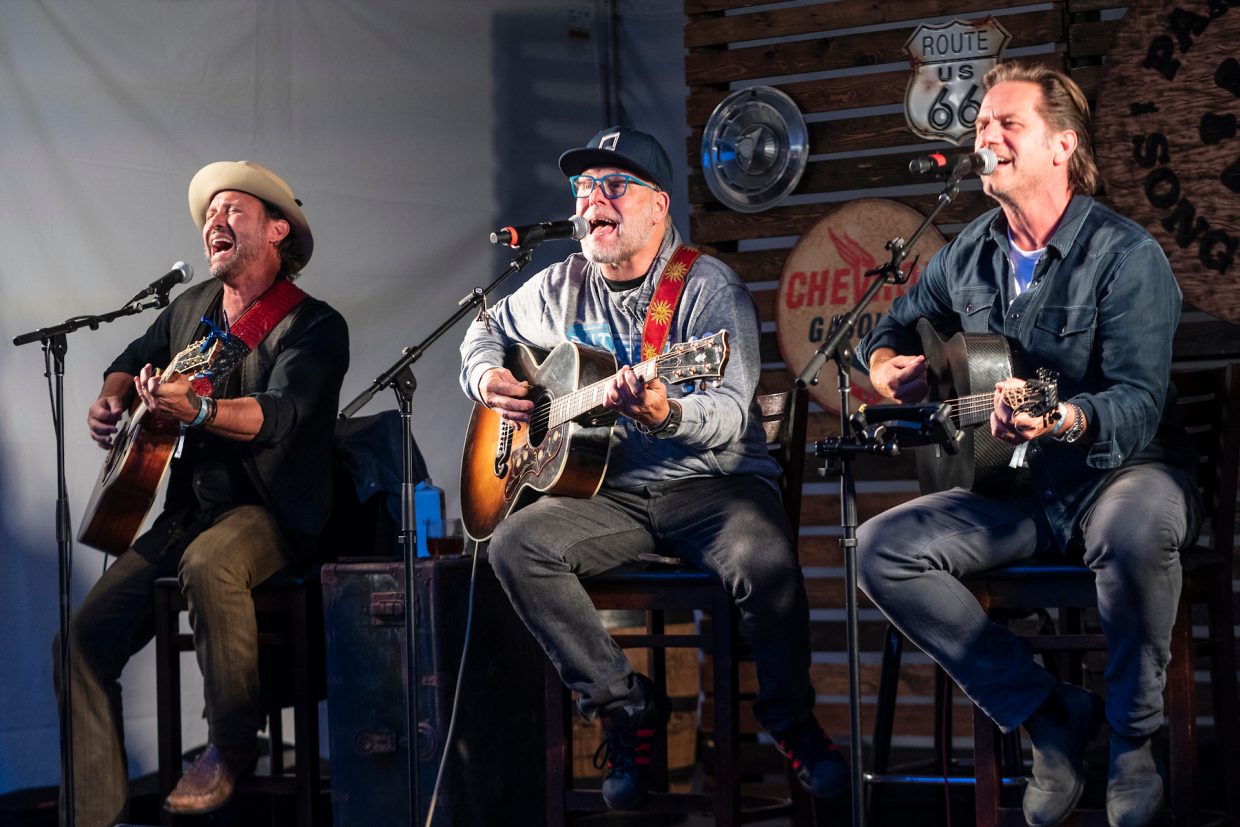
I love a songwriter round – the joy in this hootenanny was infectious! This round featured Danny Myrick, Travis Howard, Aaron Benward and Matt Warren.
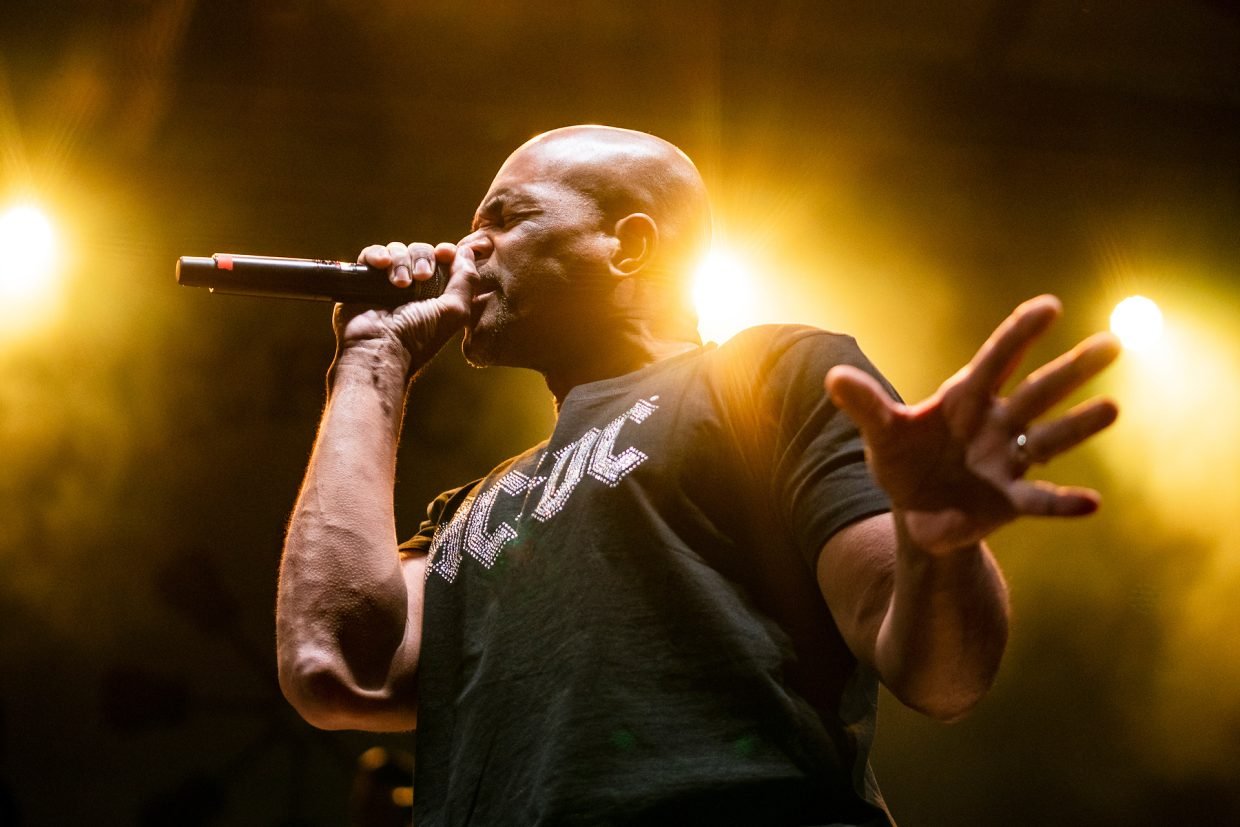
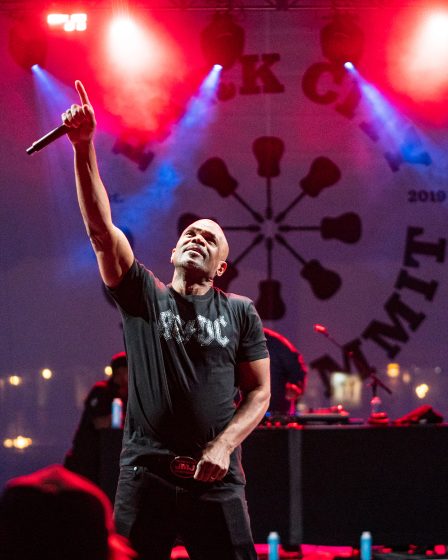
Darryl “DMC” McDaniels, half of Run DMC, was in Park City to celebrate 50 years of hip hop. While we were all watching Run’s House on TV, DMC was in rehab for addiction and depression. The first photo is another shot when I saw the light surrounding him in an intense moment of rap.
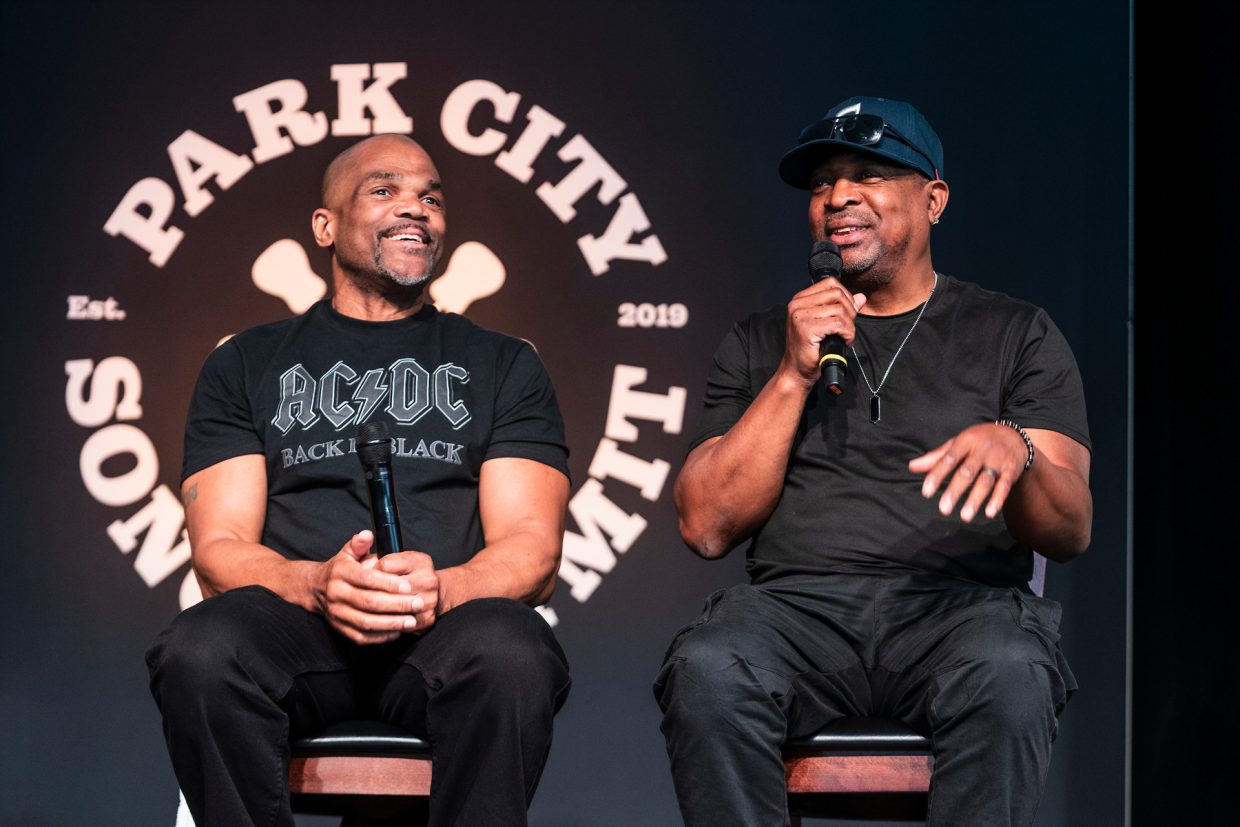
DMC and Chuck D of Public Enemy onstage discussing the first 50 years of hip hop. These two guys toured all over together in the ’80s and ’90s, so they know each other well. I loved seeing them enjoy each other’s company while talking about their hugely successful careers.
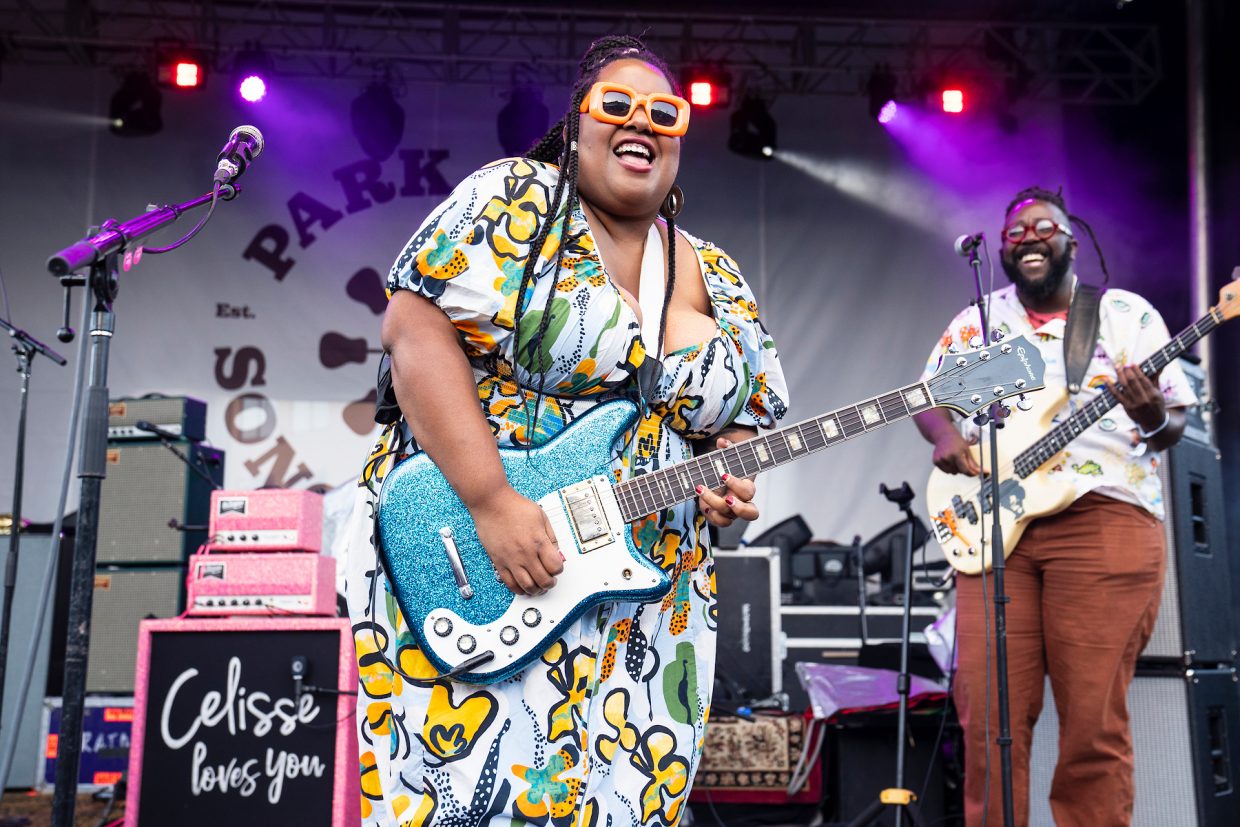
Celisse loves you. She has such a beautiful smile and she let it rip on that guitar!
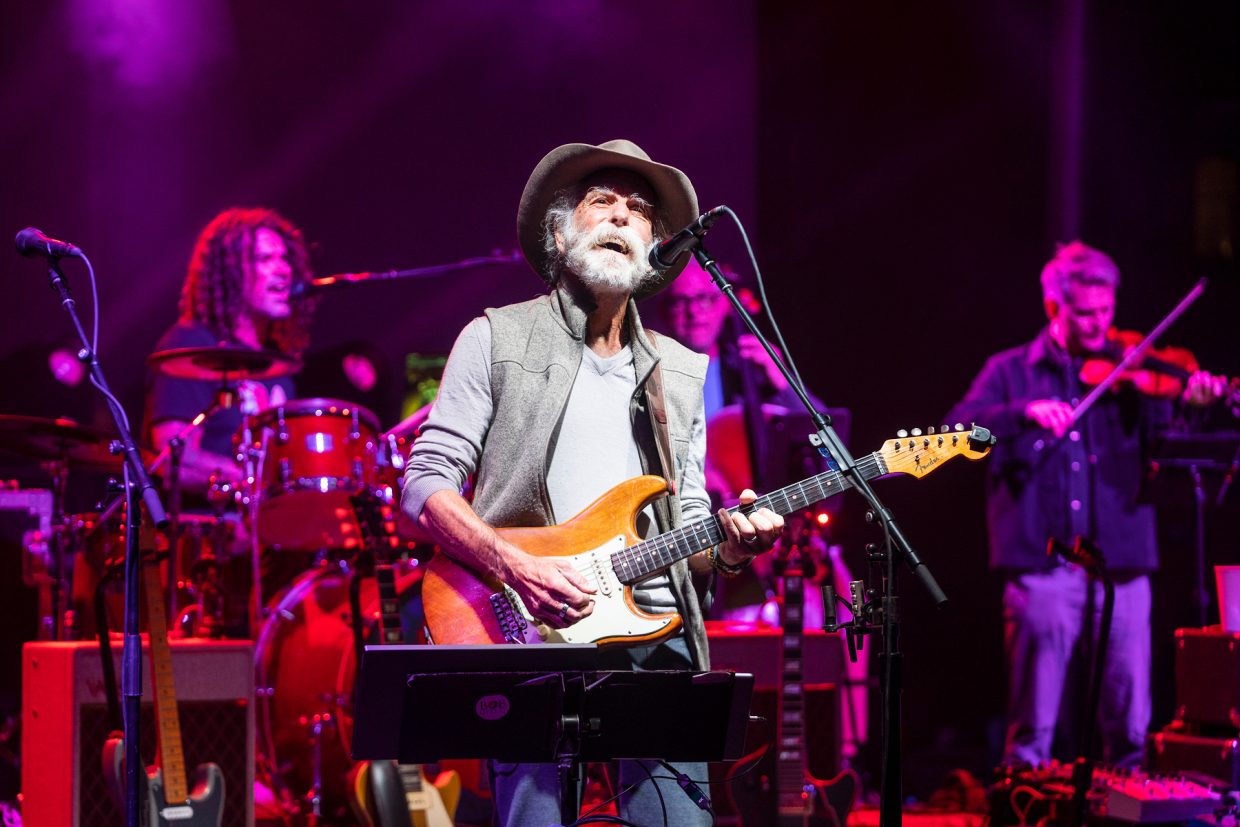
Bob Weir is the artist I was most excited to see at PCSS. The Grateful Dead were the soundtrack to my college years. I loved the album Blue Mountain and was excited to see what the Wolf Bros had in store for us on Saturday night. I love this photo, because he actually looks like he’s smiling.
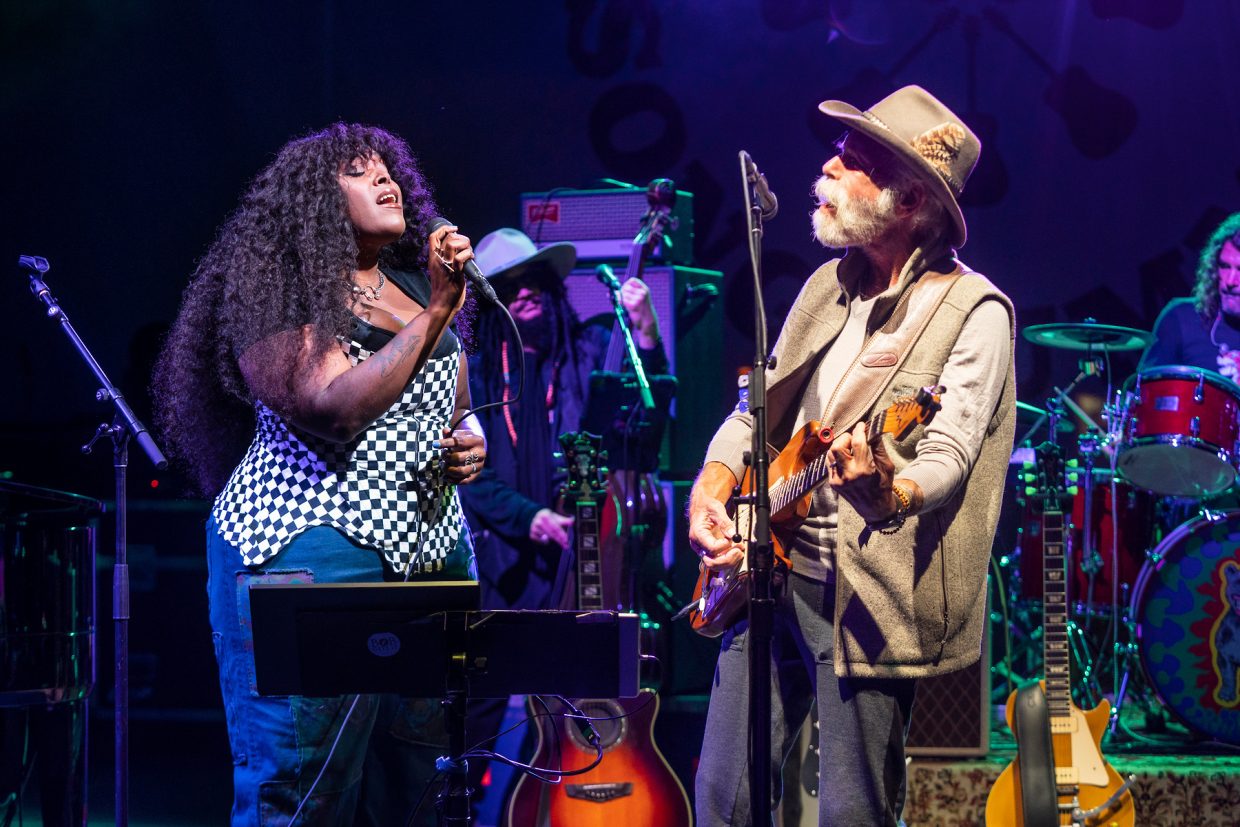
The first time I saw Brittney Spencer, she opened for Jason Isbell in Detroit, Michigan. She joined Isbell and the 400 Unit to cover the Rolling Stones’ “Gimme Shelter” and nearly knocked me on my butt. The woman is a powerhouse! She joined Bobby for “Looks Like Rain” and showed all her tender glory. It was beautiful.
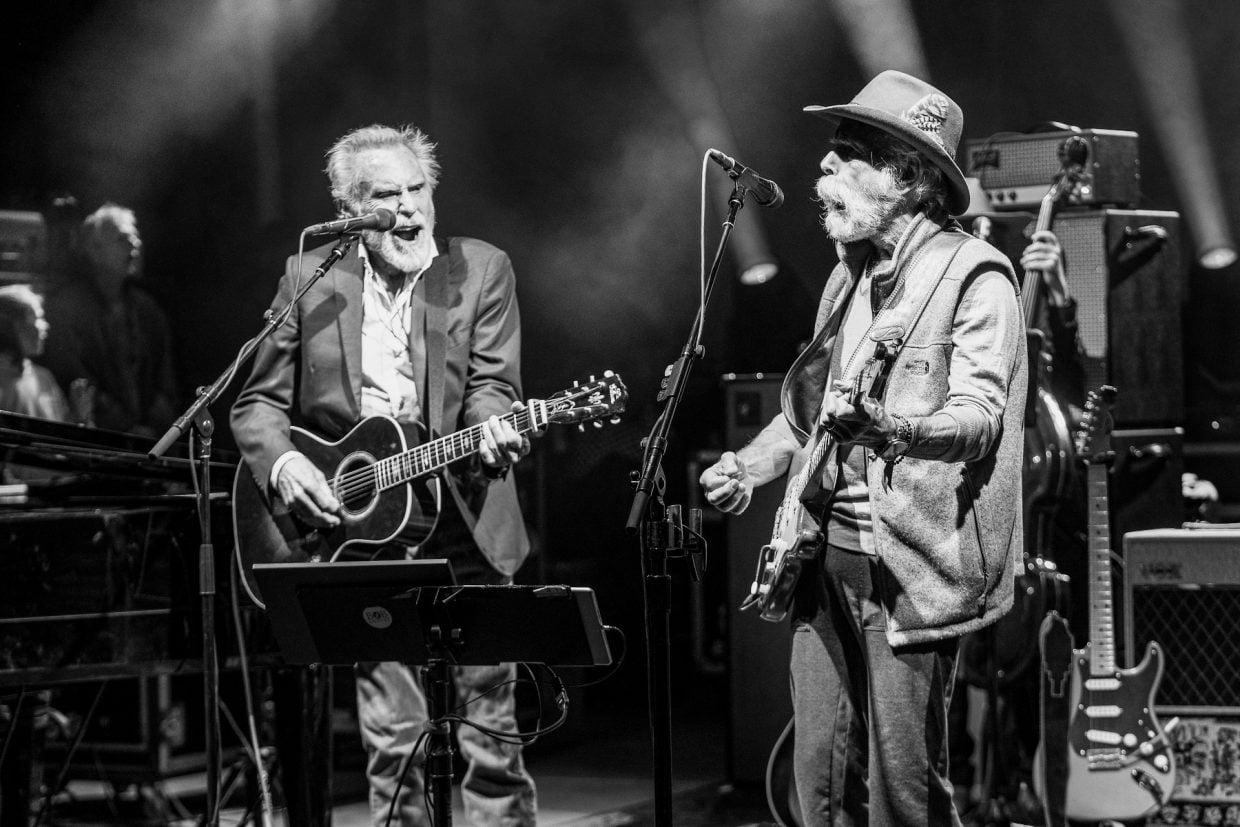
JD Souther, come on! This guy wrote or co-wrote some of the Eagles biggest hits. He also joined Bobby on stage for “Heartache Tonight.”
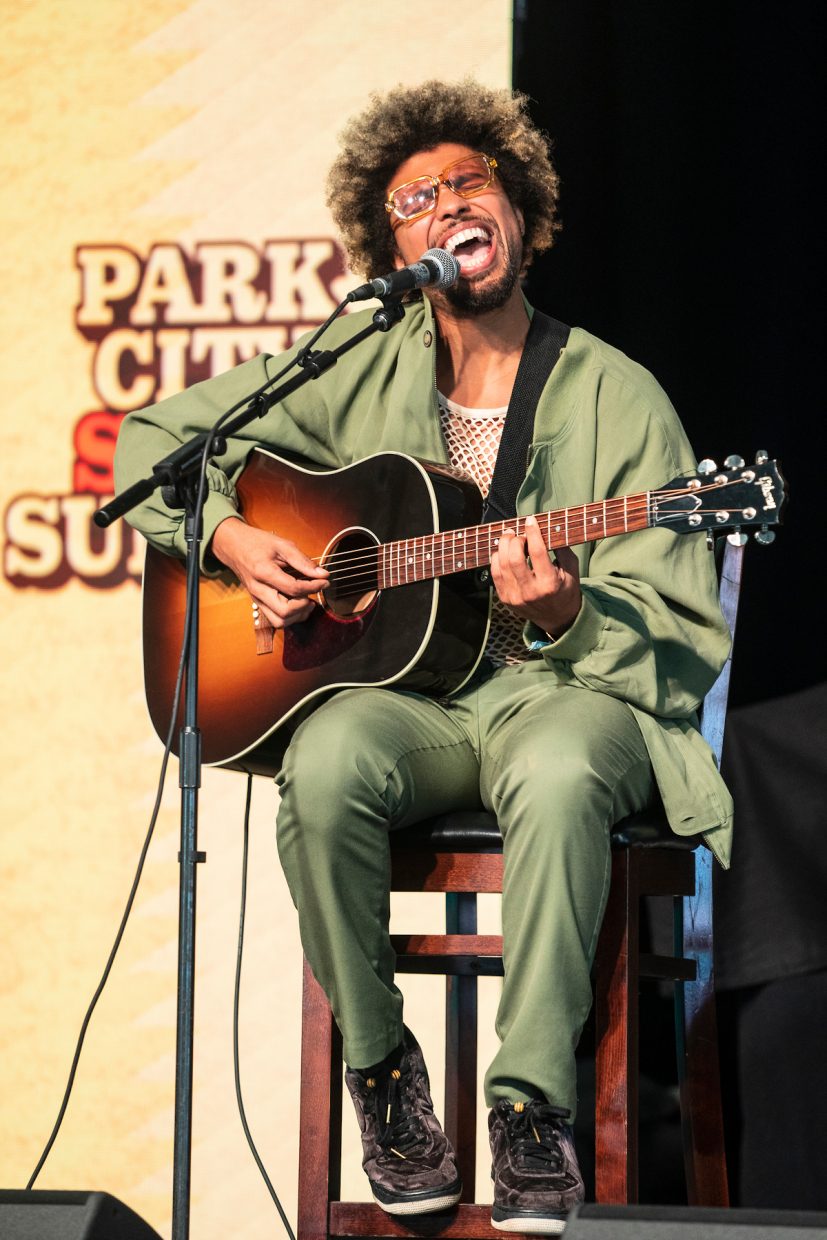
Devon Gilfillian was part of Sunday morning’s Biscuit and Jam benefitting Café Momentum, a restaurant and culinary program designed to teach teens involved in the juvenile justice system life skills so they don’t end up in jail again. Devon’s warm heart and soulful voice was a good compliment.
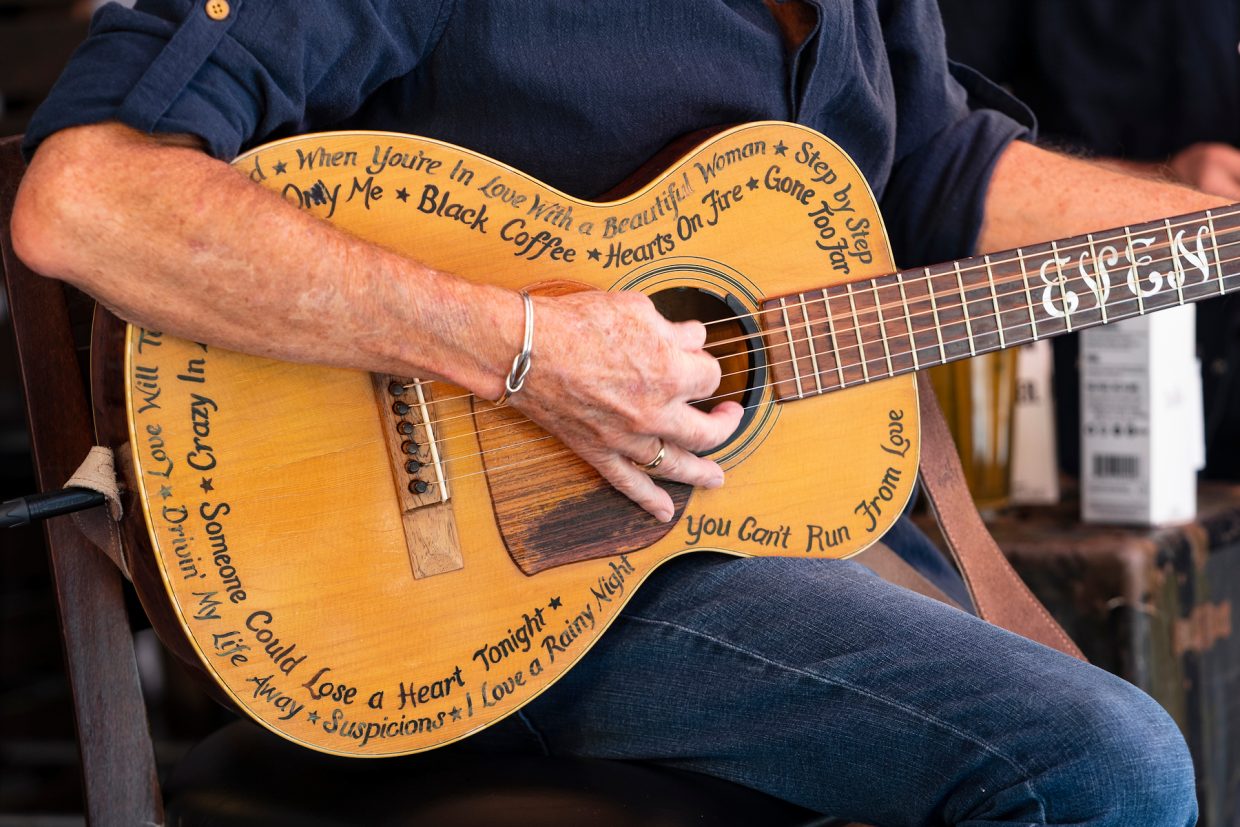
I think the only times I’ve seen Even Stevens have been in someone’s living room on a Sunday afternoon in Key West, playing hit after hit that I grew up listening to in the ’70s, many for Eddie Rabbit. “I Love a Rainy Night,” “When You’re in Love With a Beautiful Woman,” “Drivin’ My Life Away,” and “Step by Step,” to name a few. Kenny Rogers’ “Love Will Turn You Around.” Pop country classics!
Collaboration, connection. Negah Santos plays with Jon Batiste, but ended up in Park City as the guest of another participant. They added her to the Eric Krasno show on the mountain with Dumpstaphunk and some New Orleans horn players. She fit like a glove.
If you know me, you know I love Cuba and Cuban music. I’ve been traveling to Cuba for 20 years so I am always excited to see Cimafunk. The first time I saw Erik, the lead singer, was in Havana with an all-star band called Interactivo. It was March 2016 and I was in Havana to see the Rolling Stones. This band brings a mix of funk, hip hop, Cuban, and Afro-Caribbean music to the stage that will get you moving.
Tony Hall and Steve Poltz traveled all over the world together as part of Jewel’s band during the height of her career. Tony was performing with Eric Krasno & Friends on Saturday night of the Summit. It was mostly New Orleans musicians from Ivan Neville’s band, Dumpstaphunk, plus Anders Osborne and Negah Santos. I spotted Poltz in the crowd rocking out when Tony Hall stepped off stage to let Ben Anderson take over on bass. This photo is just a moment captured — two old friends running into each other. I honestly don’t think I’ve ever seen Tony smile like this.
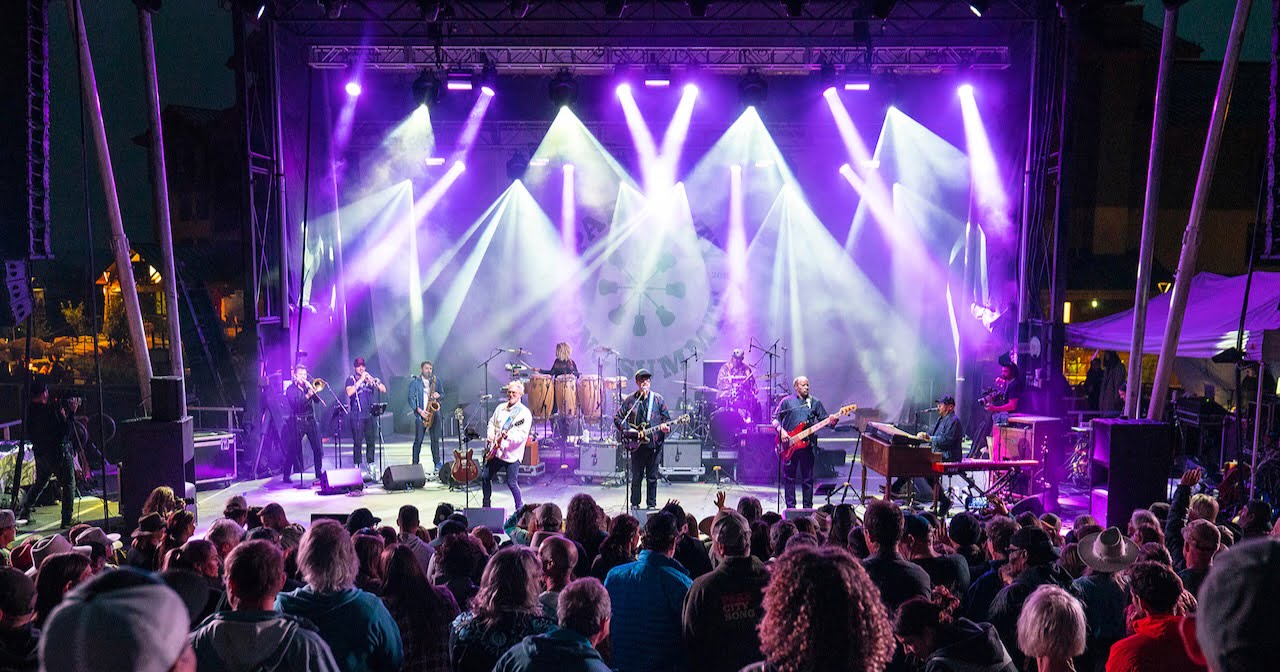
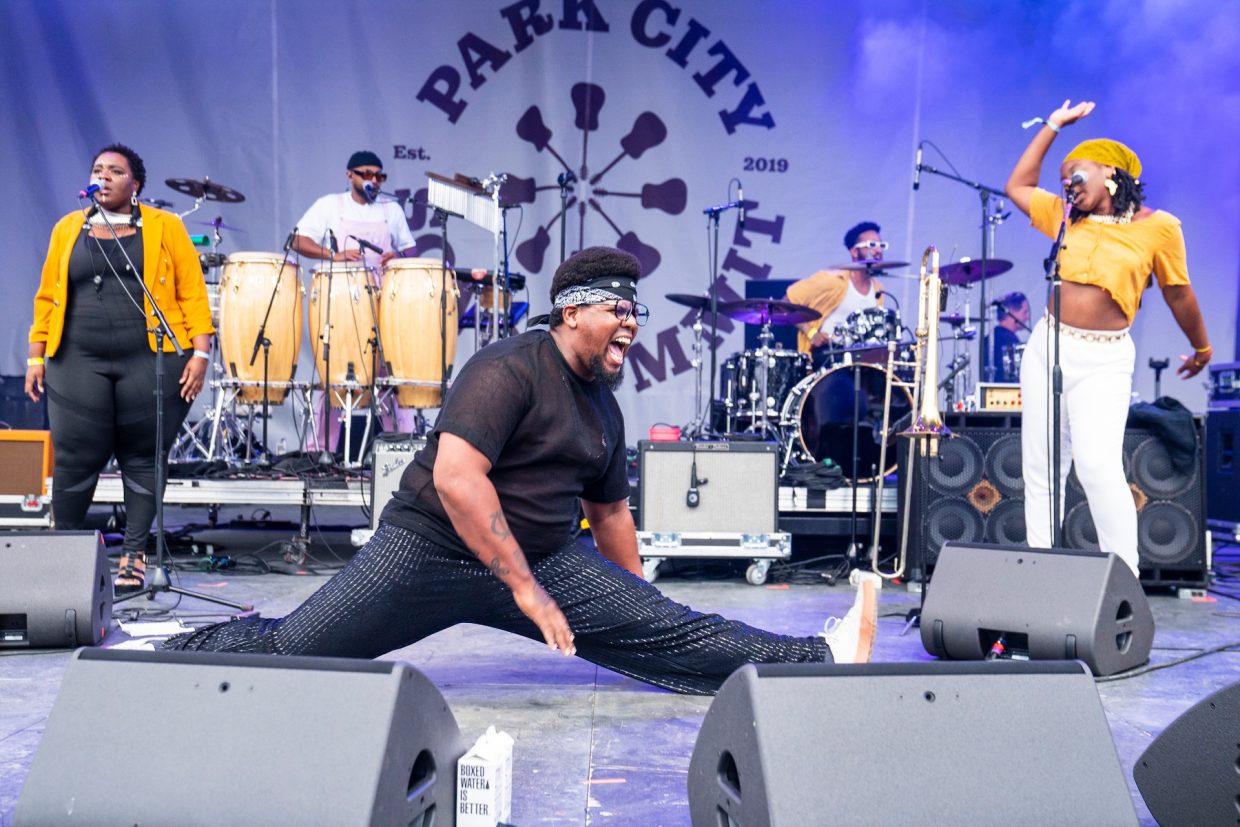
All photos courtesy of Erika Goldring. Lead Photo: Eric Krasno & Friends perform at Park City Song Summit 2023.
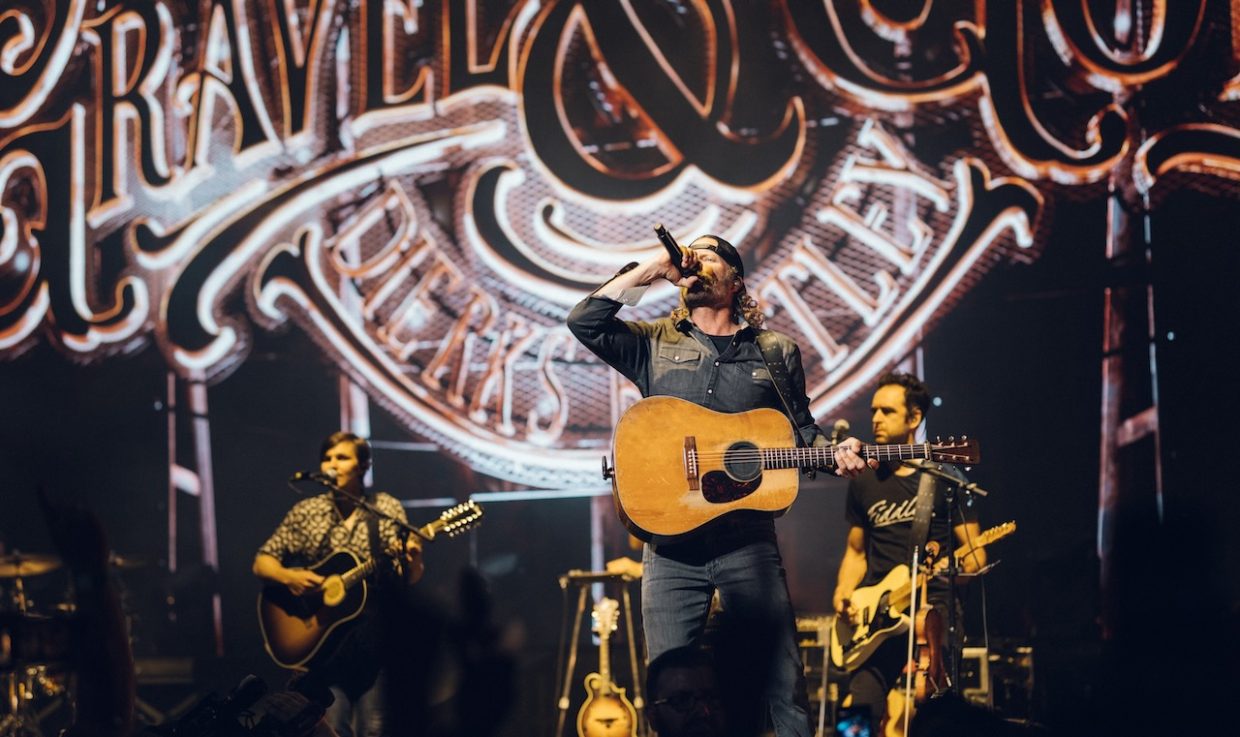
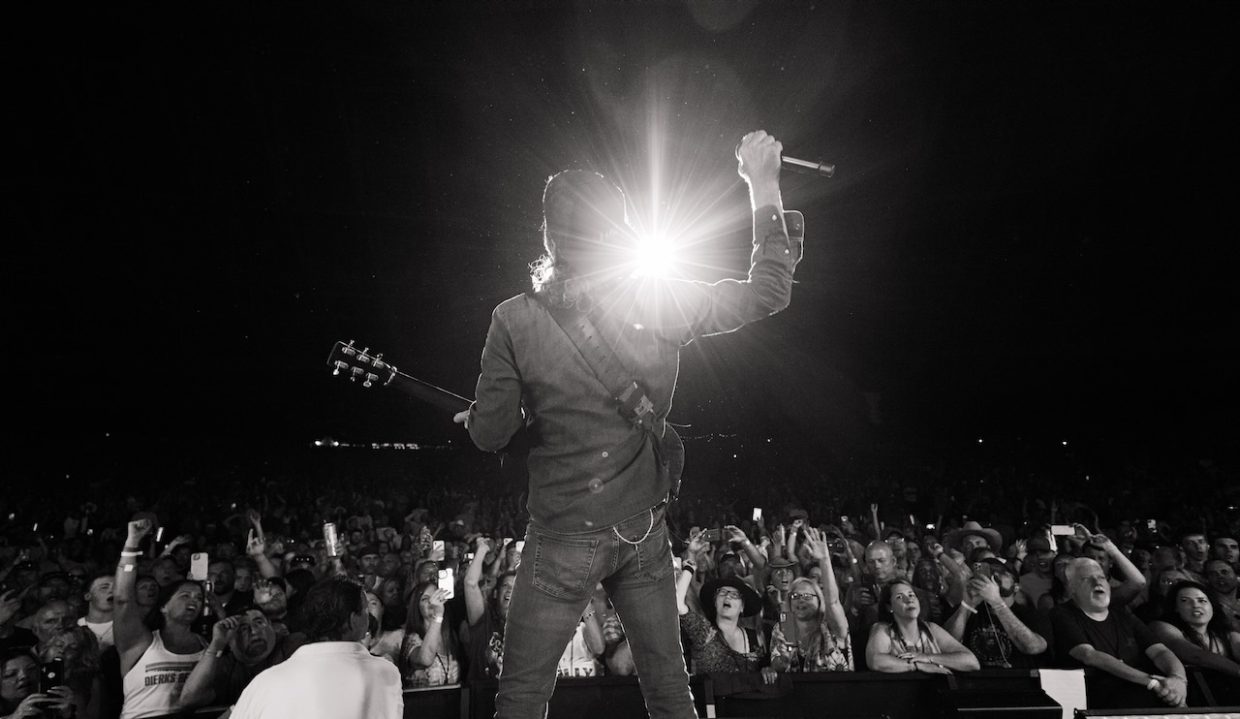
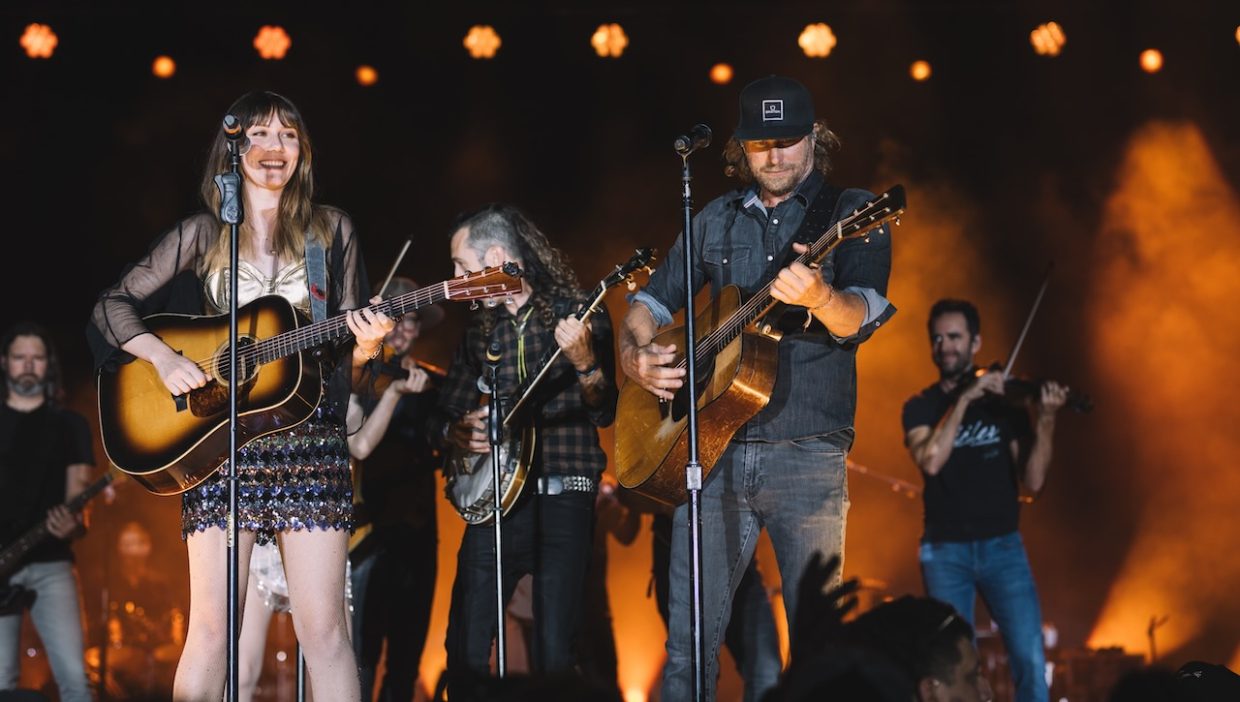
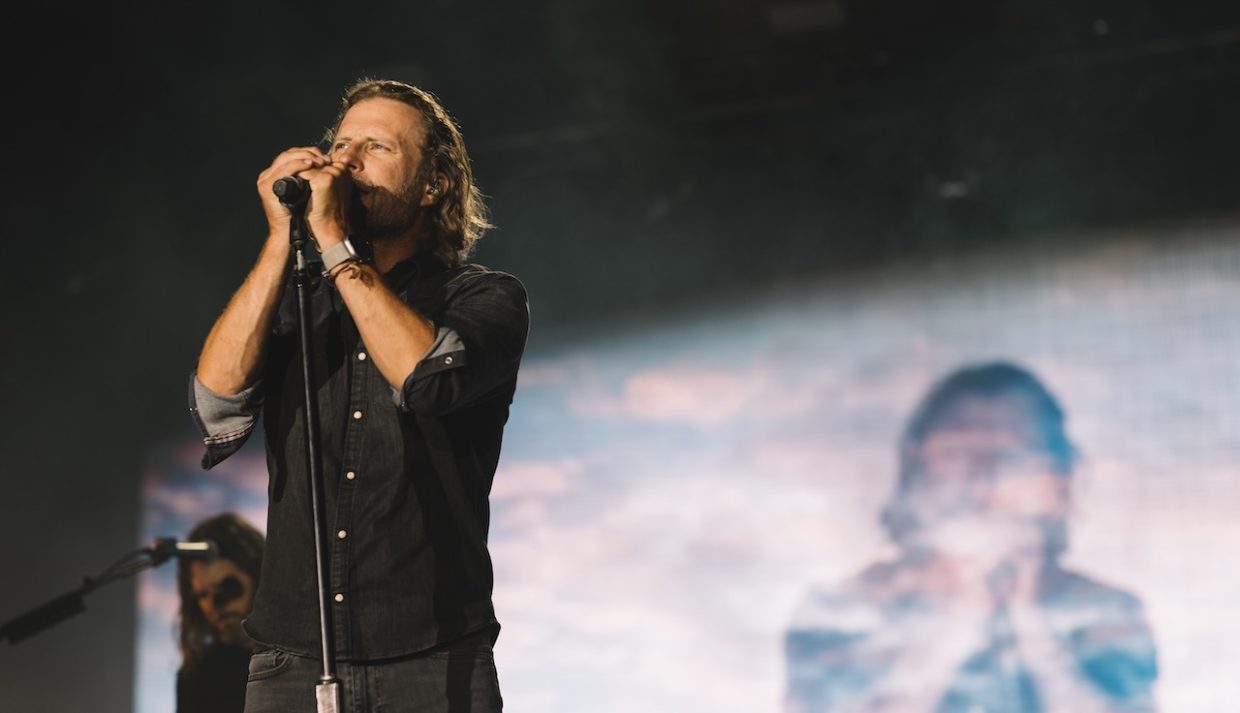
It’s been a busy summer for Dierks Bentley and Molly Tuttle, as the former crisscrosses the country on his Gravel & Gold tour and the latter has released her critically-acclaimed album, City of Gold, with her band Golden Highway. With Bentley’s well-known love of bluegrass – he’s been a regular at the World Famous Station Inn in Nashville for decades and his 2010 bluegrass album, Up on the Ridge, featured many of our favorite grassers – and the golden similarities between Tuttle’s and Bentley’s brands at the moment, this match-up feels more than apropos.
“We were so lucky to have Molly and her awesome band be part of several shows on our summer tour,” Bentley says. “We had shared the stage before at the Station Inn, so taking the show on the road seemed like the next logical step! Not only do they put on a killer show, but they are super fun to hang with off stage as well.”
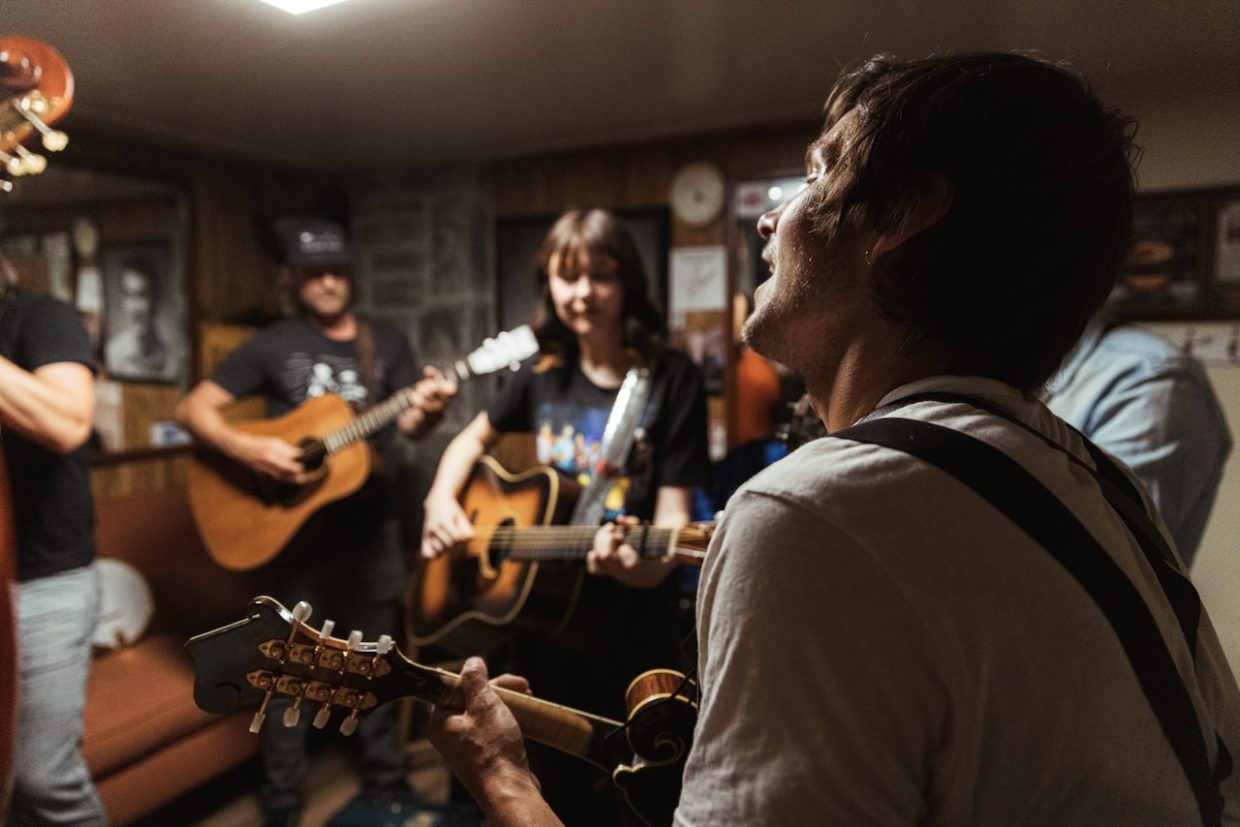
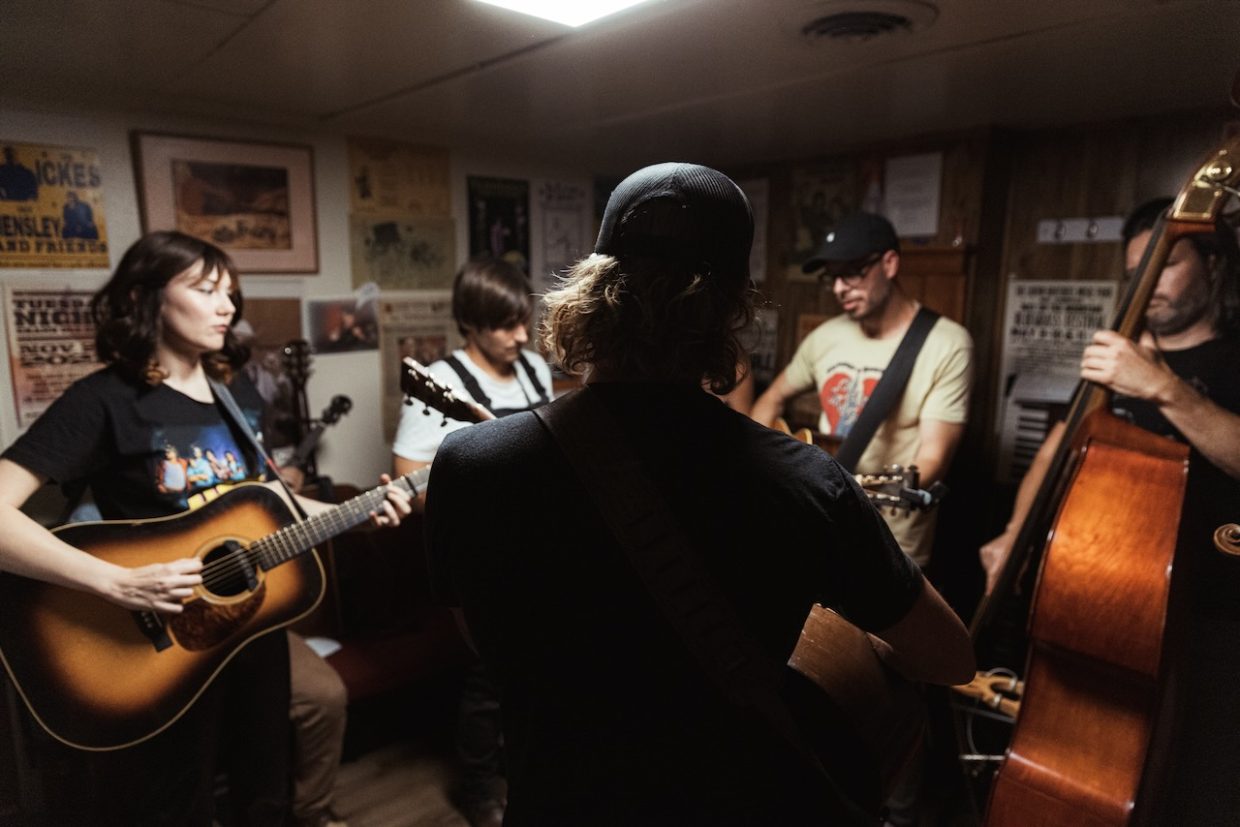
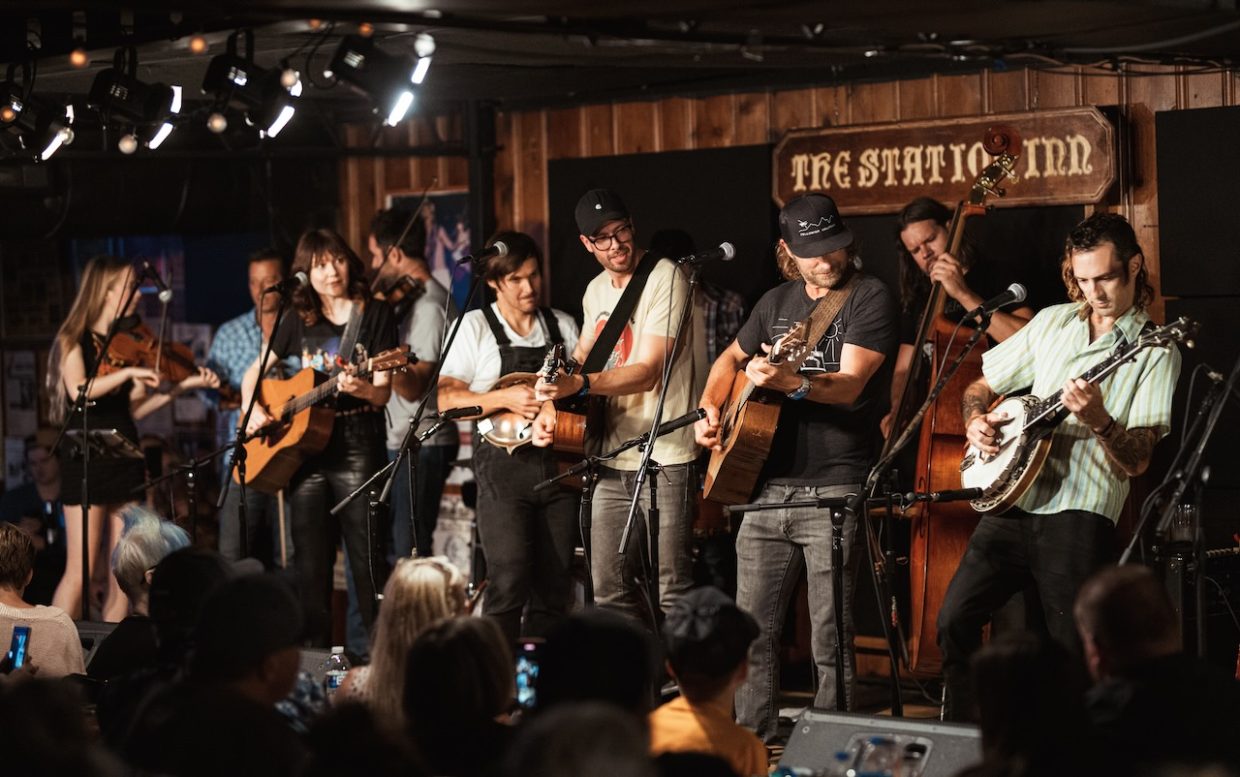
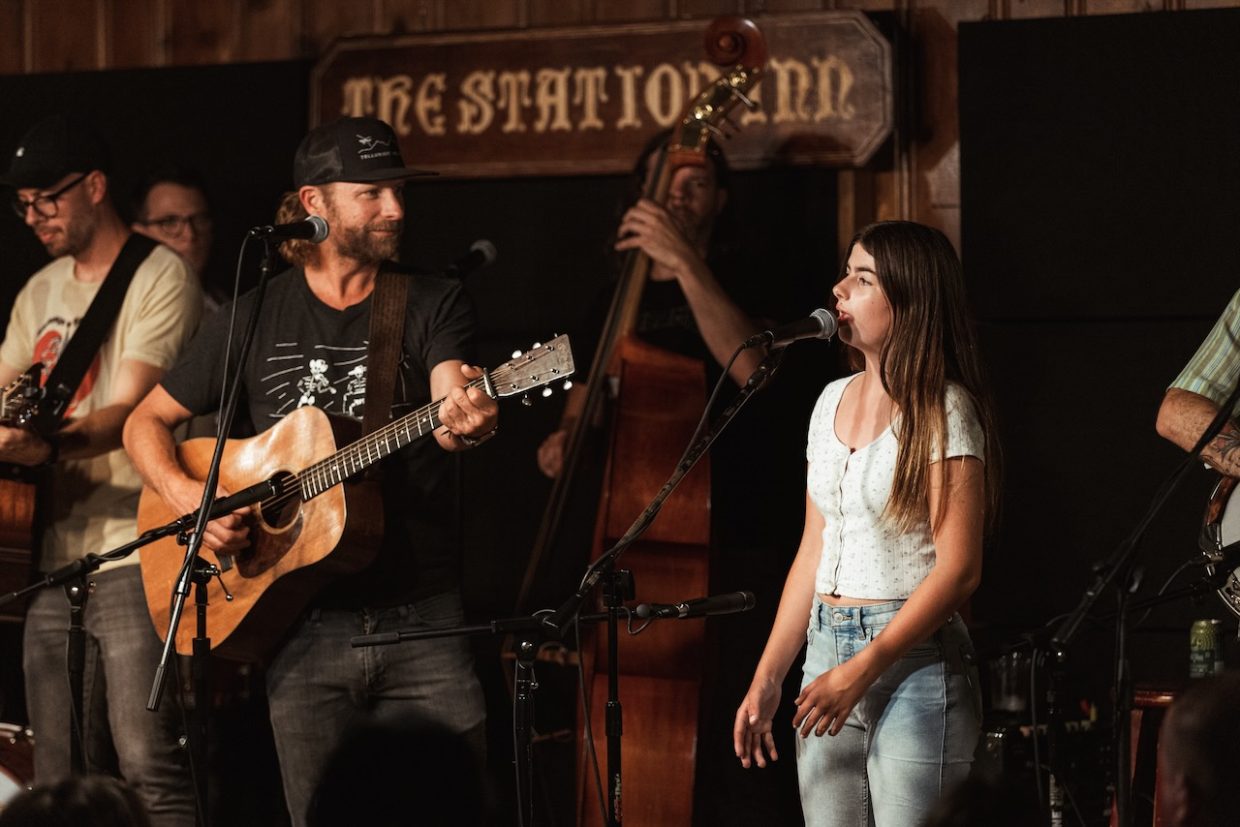
Dierks Bentley, Molly Tuttle, Charlie Worsham, and more rehearse back stage at the Station Inn.
The love, appreciation, and admiration Bentley and his band have for bluegrass is nearly unmatched in country and it’s obvious that admiration – for Tuttle & Golden Highway, too – is mutual. “We introduced [Golden Highway] to pickleball and cold plunges,” Bentley continues, “and of course to our fans every night, some of who had never listened to bluegrass music. For Molly Tuttle to be those fans’ first experience with bluegrass was really an honor for me. We made some new bluegrass fans for life!”
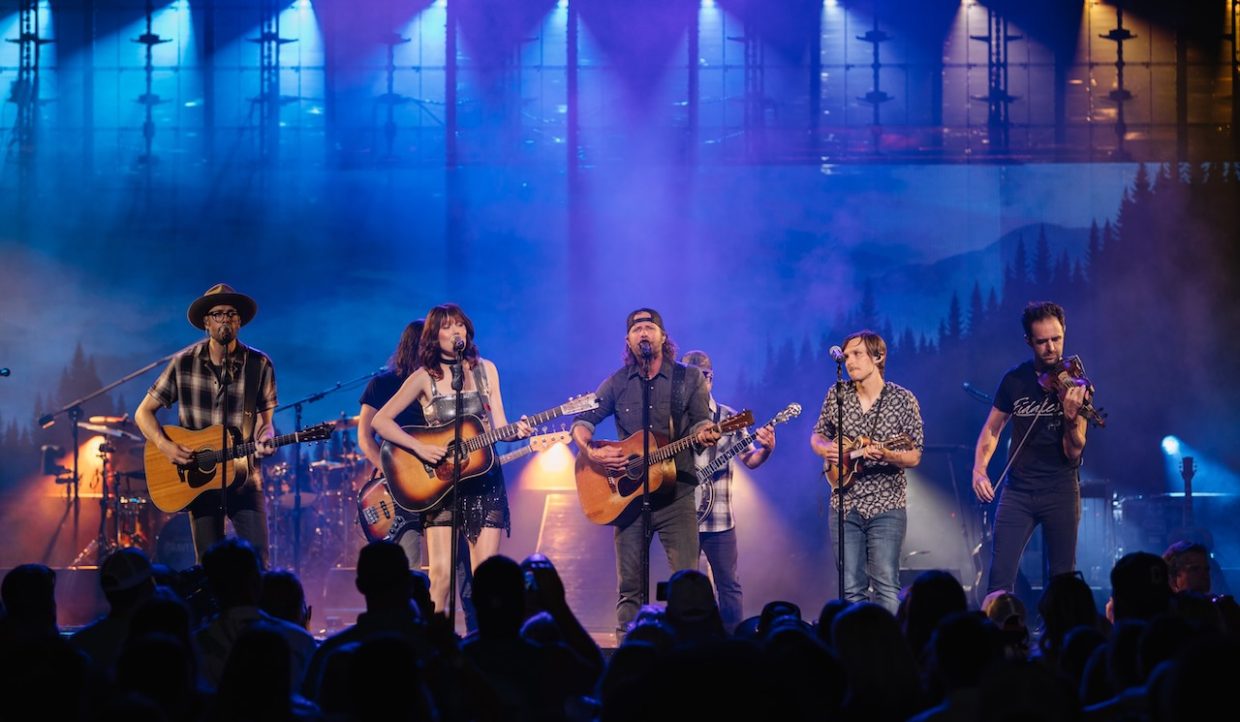
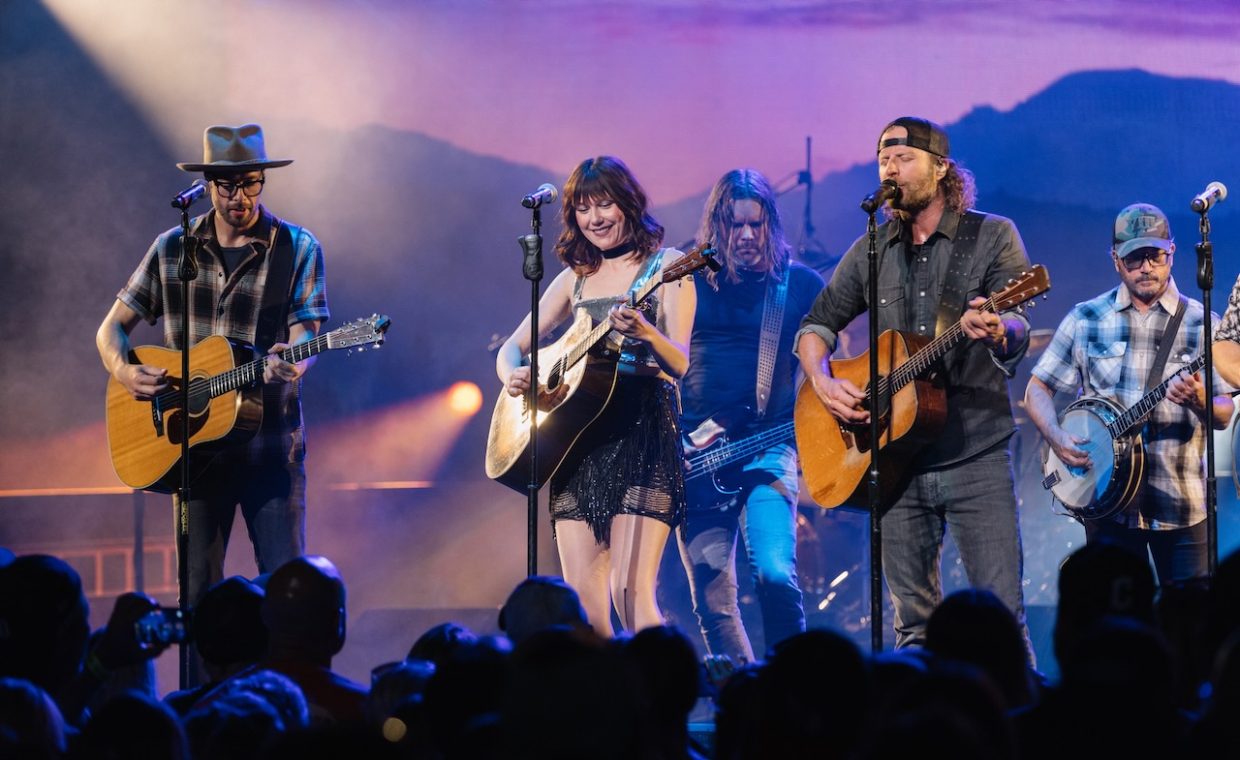
For their part, Tuttle and band have spent the last couple of years on the road building a show that feels equally at home at bluegrass festivals, rock clubs, mid-sized theaters, and even full-scale, multi-artist arena shows – like the Gravel & Gold tour. The energy they bring with them every time they step on stage feels right at home in a lineup with Bentley et. al. The enjoyment shared by all is palpable in these exclusive photographs by Zach Belcher.
“I loved going out on the road with Dierks Bentley this summer,” Tuttle says. “His kind and welcoming personality shines through in his show and everything he does. I’m a big fan of his music and especially love his bluegrass material so it was a thrill to jump up on stage with him and his killer band each night for an acoustic portion of the set! Watching him play was like seeing a masterclass in putting on a great show that the audience will take with them forever and I’m so grateful for the ways Dierks spotlighted us and bluegrass music as a whole to his crowds.”
Enjoy this collection of photographs from Bentley’s and Tuttle’s appearances together, and don’t miss their Gravel & Gold and Road to El Dorado tours as they continue through the end of summer and into the fall.
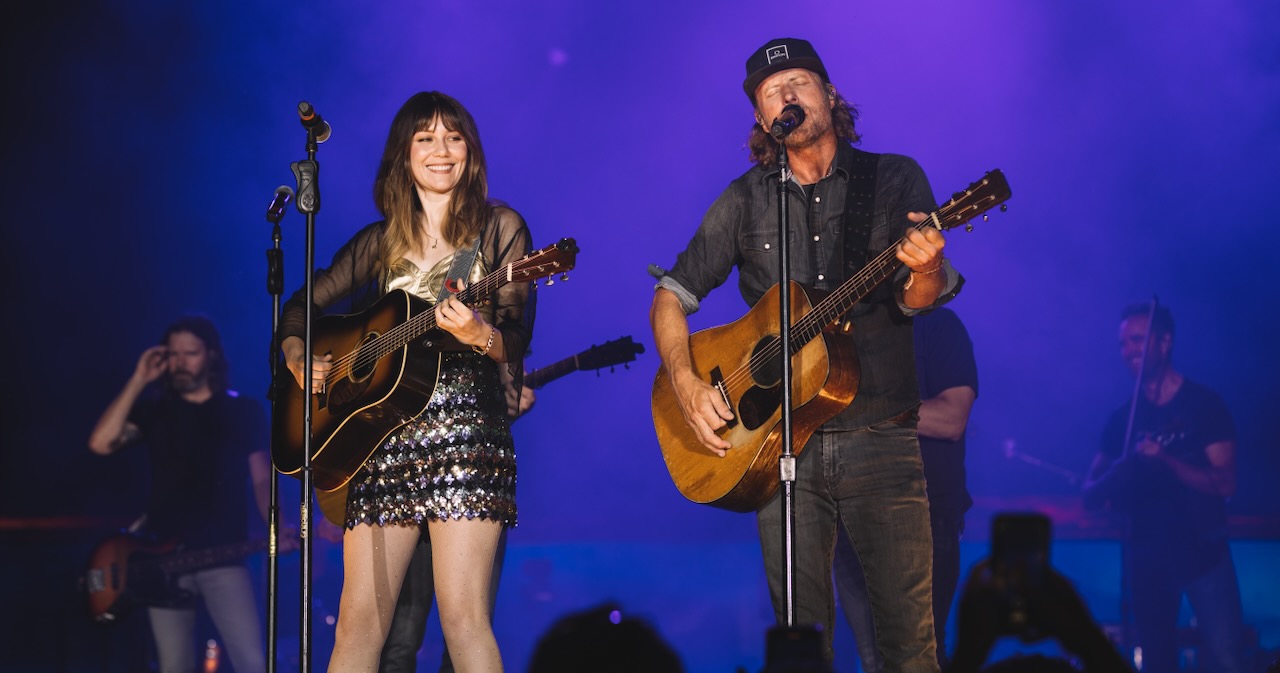
More Station Inn green room rehearsing with Molly Tuttle, Charlie Worsham, Dierks Bentley, Ben Helson and Cassady Feasby.Molly Tuttle & Golden Highway join Dierks Bentley and band on stage.Dierks Bentley and very special guest, his eldest daughter, Evie.Molly Tuttle joins Dierks Bentley on stage in Cleveland, Ohio.(Front row) Ben Helson, Molly Tuttle, and Dierks Bentley in Cleveland, Ohio.Dierks BentleyDierks BentleyMolly Tuttle & Golden Highway with Dierks Bentley on stage near gold country in Corning, California.Dierks Bentley in Corning, California.
(Editor’s Note: Charlie Mars takes BGS readers on a photographic, first-person tour of his gorgeous Yalobusha County, Mississippi home.)
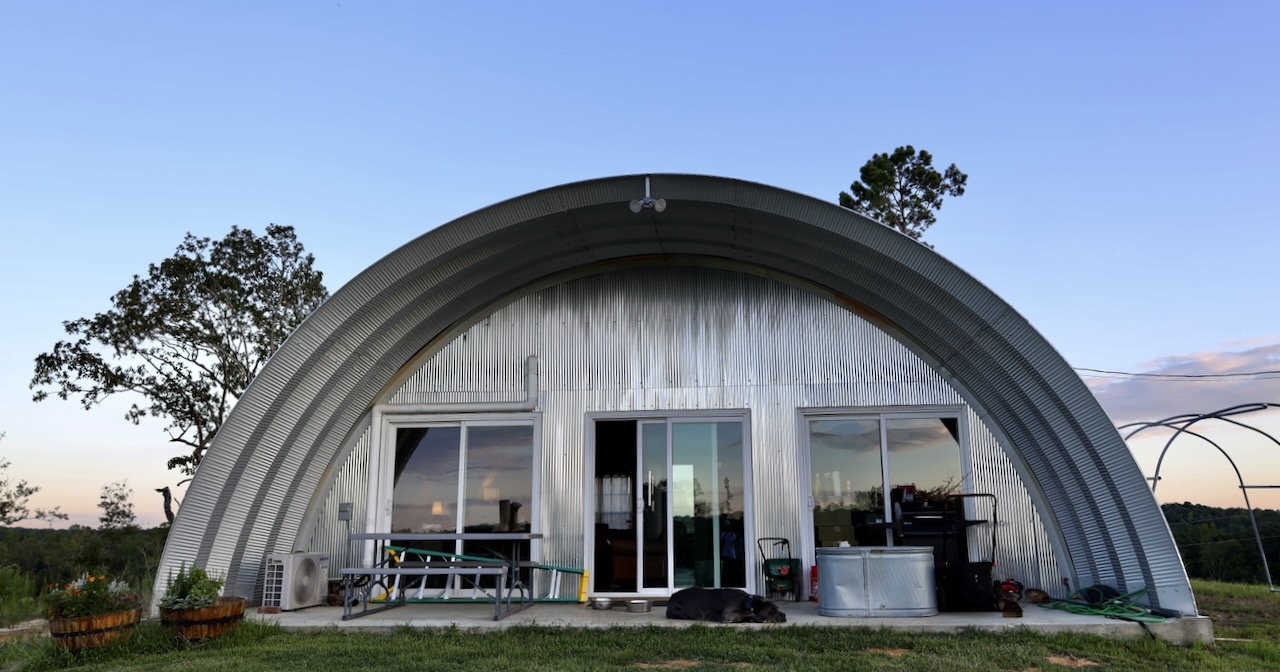
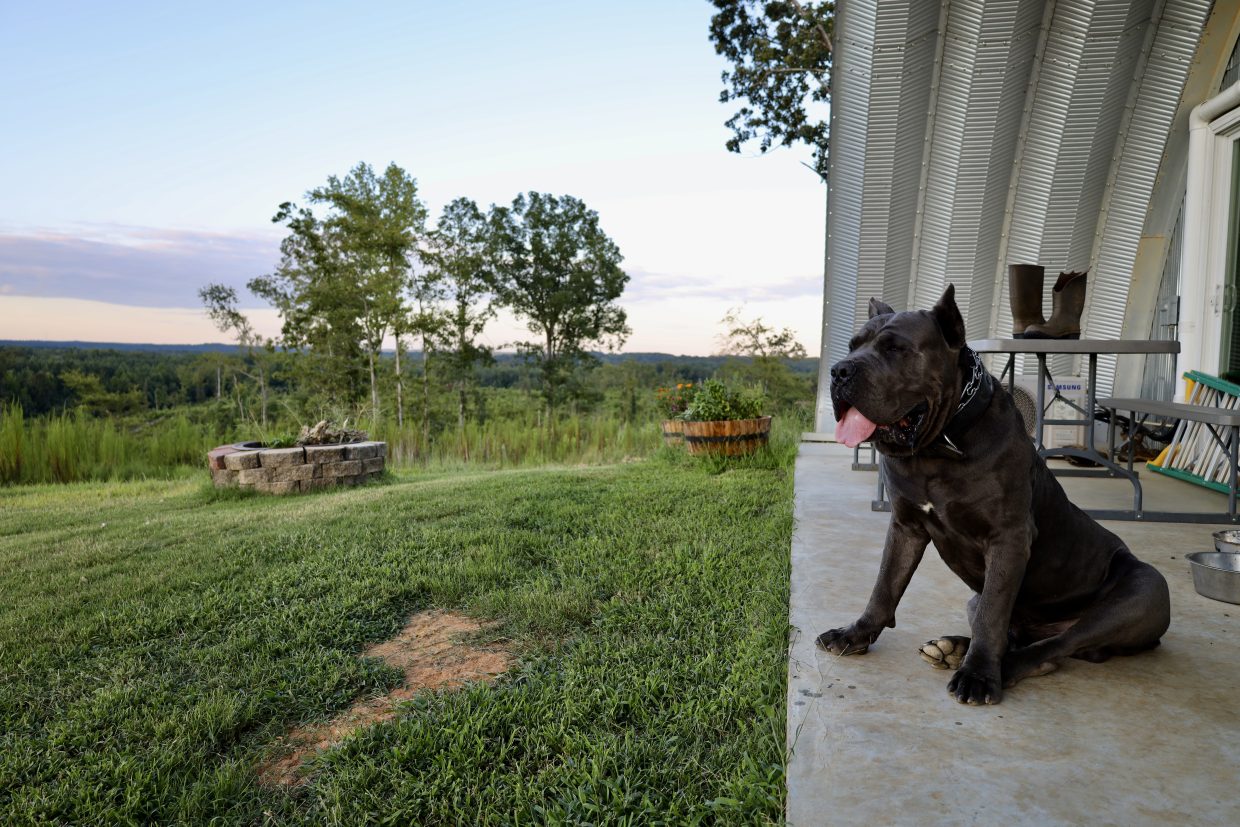
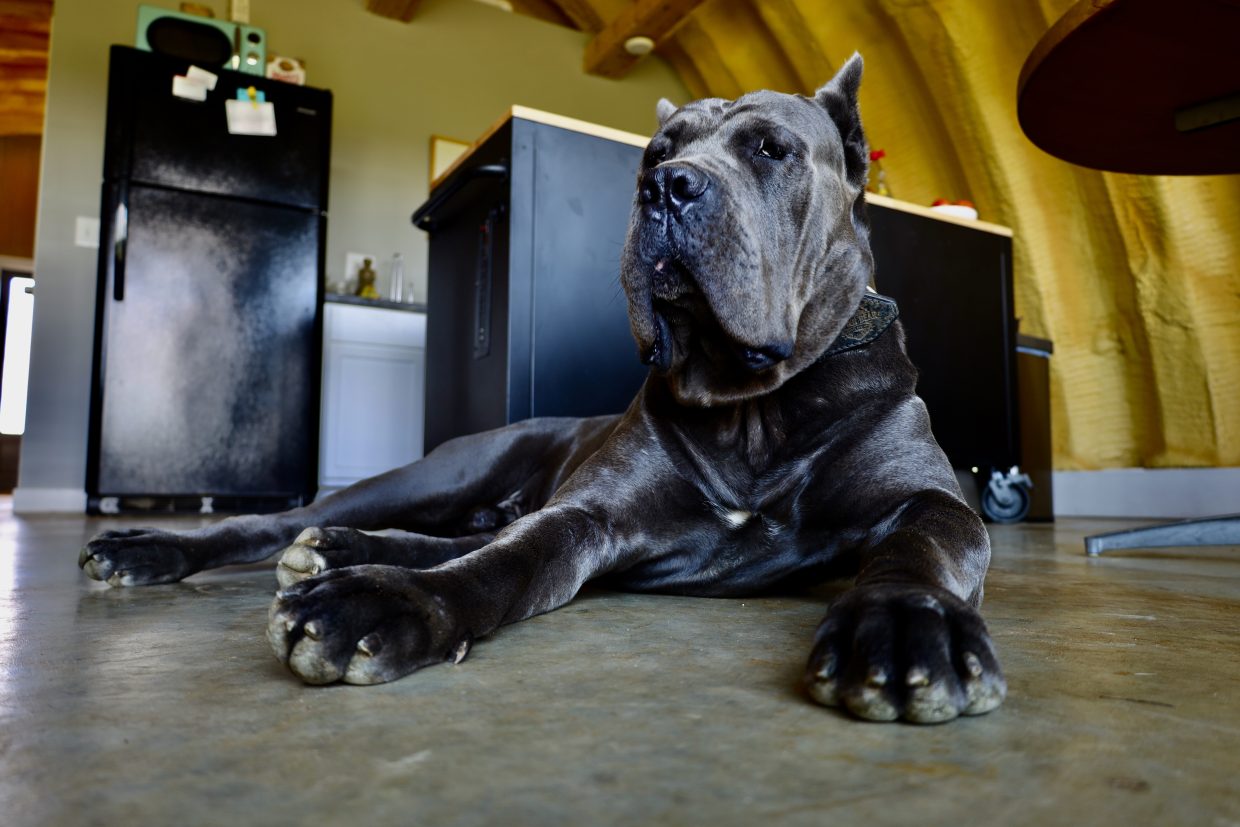
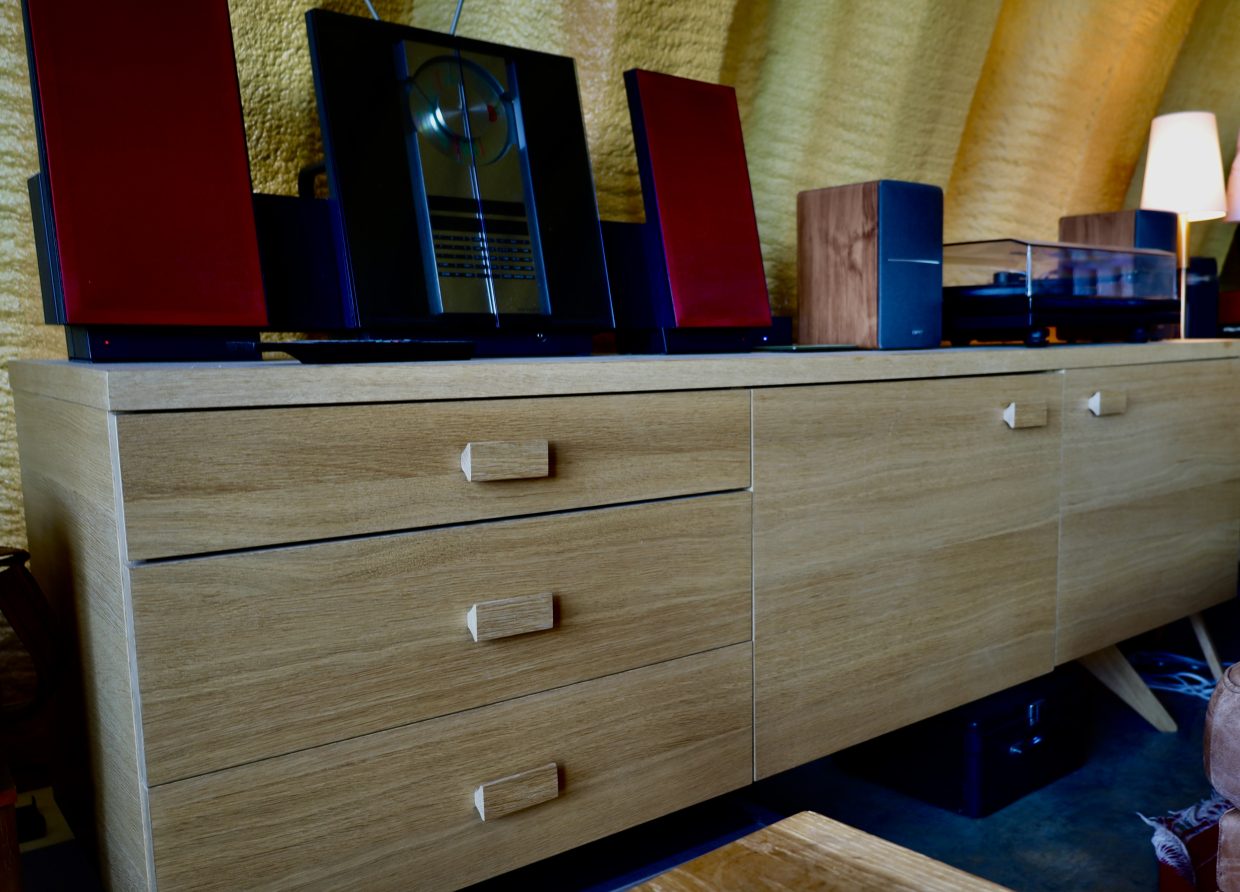
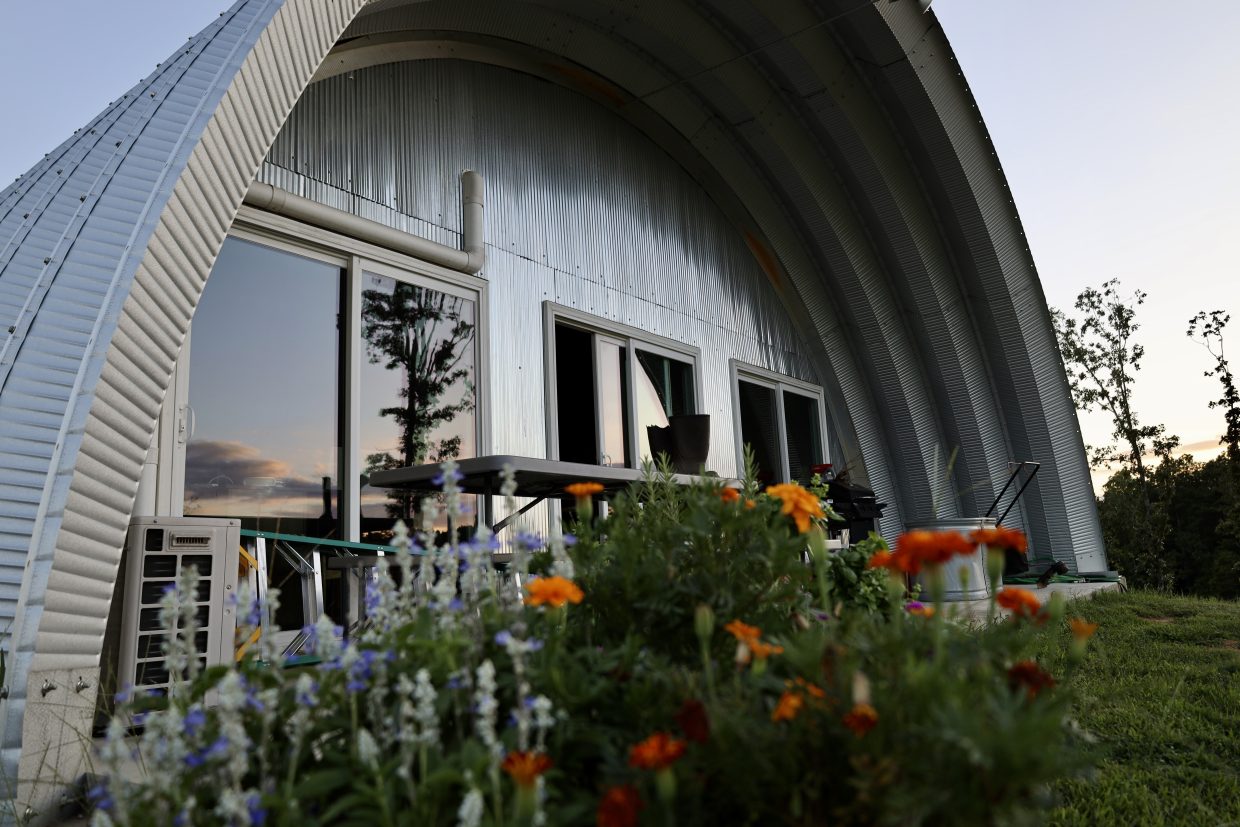
A few years ago I finally got a dog. He’s a Cane Corso mastiff named Kudzu. He’s kind of a handful, so I started looking to move out into the country to give us both a little space. My brother found a finished-out quonset hut on 43 acres for sale in Yalobusha County, Mississippi. It was built on one of the highest points in the county and you can see for 20 miles from the back door. Kudzu liked the view. I bought it and moved in.
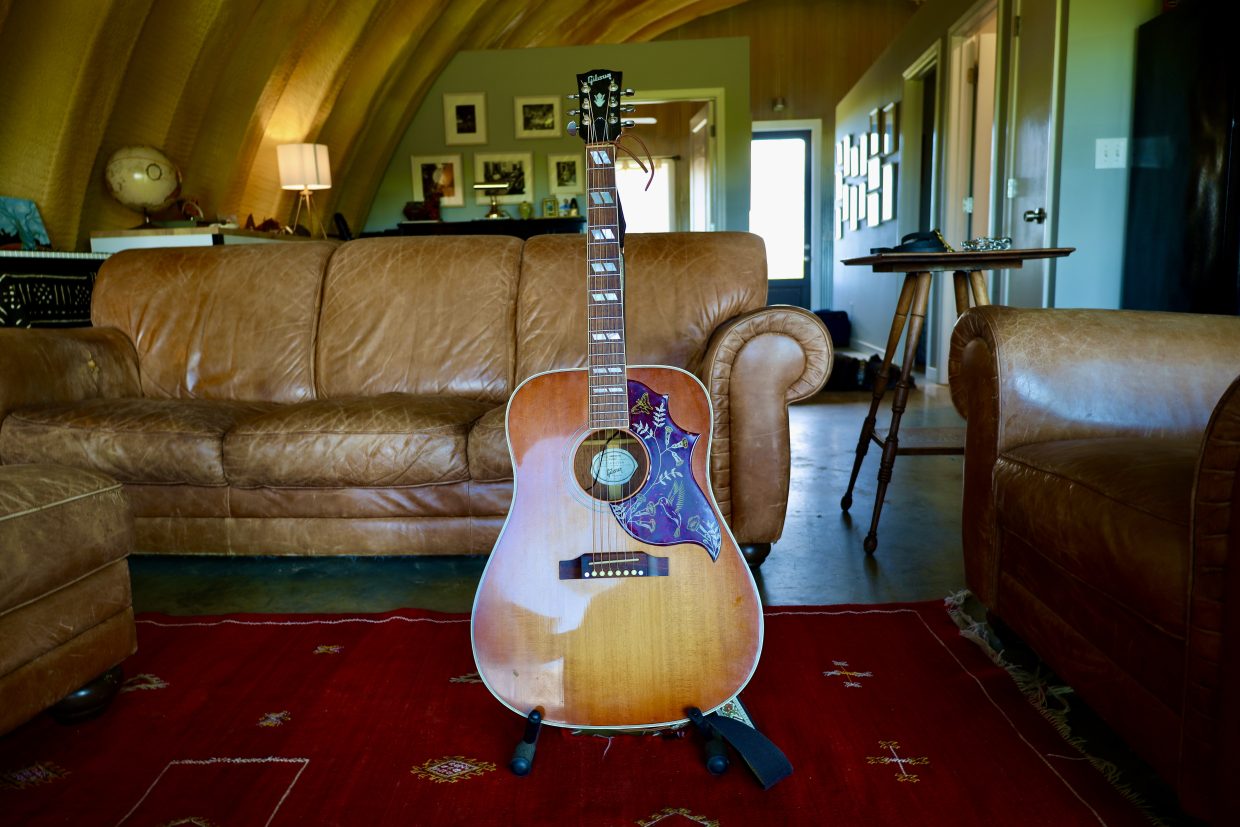
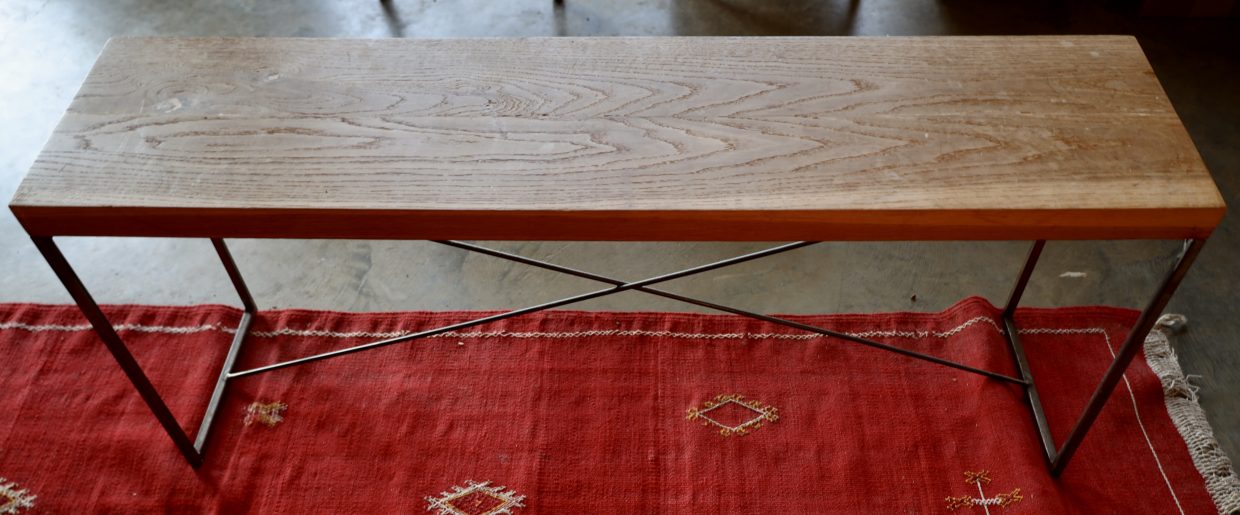
My new album, Times Have Changed [out October 6, 2023], was written on this guitar. I’ve played every show for 15 years on that Gibson Hummingbird. In a transient world, it’s nice to have well made things that work. I toured with REM once, and at the last show Peter Buck told me I had to go to Morocco. He was one of my heroes, so I went straight there from Denmark after wrapping up the tour. I bought that red rug in a Marrakech market and had it shipped to the Memphis airport. Kudzu chewed a hole in it. I saw Peter Buck in Austin a year later and told him I went…”What? I’ve never been there,” he said.
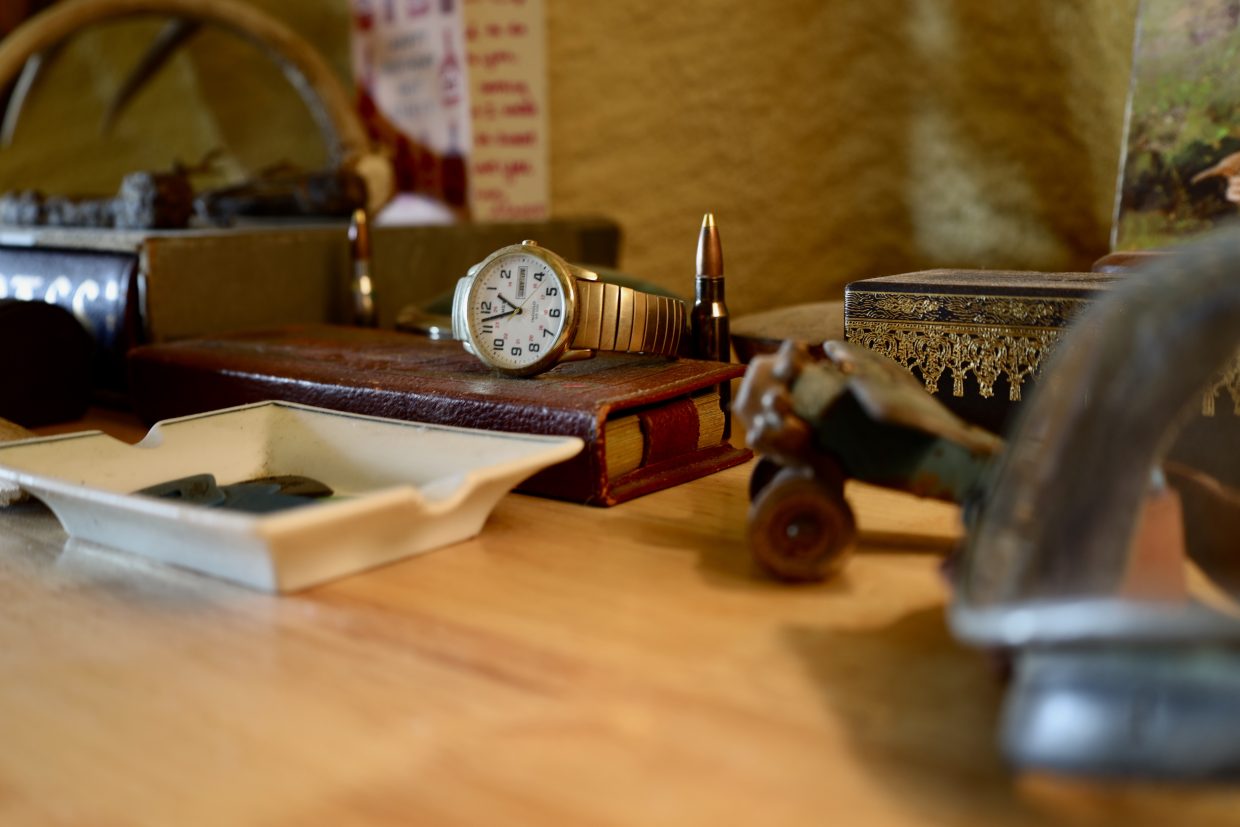
My grandfather, Charles Mars, was in the Army Air Corp in World War II. He taught me my first notes on the piano. He was a great tap dancer. As a boy, he would take the train from Meridian, Mississippi, to New Orleans, tap dance all day for tips, and take the train home in the evening. I was fortunate enough to spend a great deal of time with him the few weeks before he died. That watch was beside his bed when he passed. Times have changed.
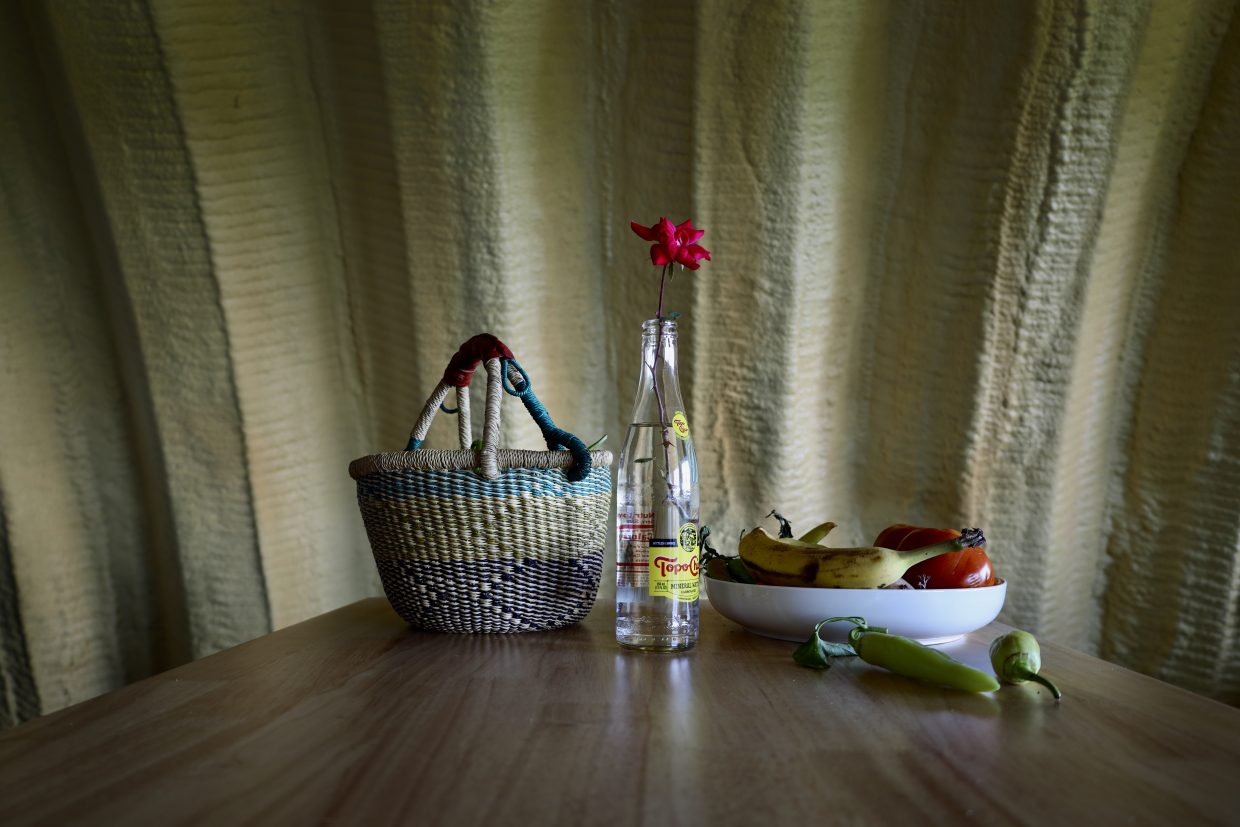
Eating something I’ve cared for and grown just hits differently. I planted my first rose bush this year. It’s nice to have a little living color in the house.
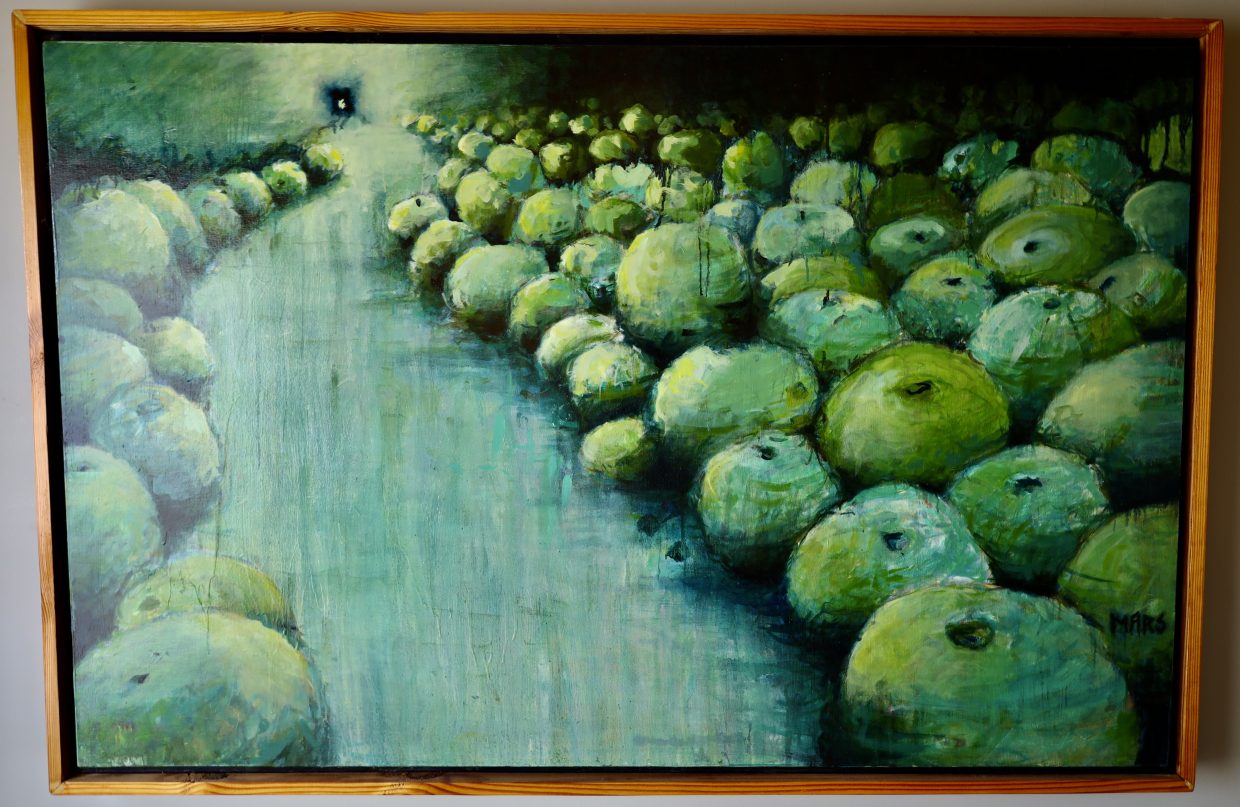
My brother, Chad Mars, is a painter. This is one of his first paintings he ever did. It’s of a pumpkin patch in the courtyard of the Episcopal Church in Oxford, Mississippi. I hope I make it through that light at the end of that tunnel one day.
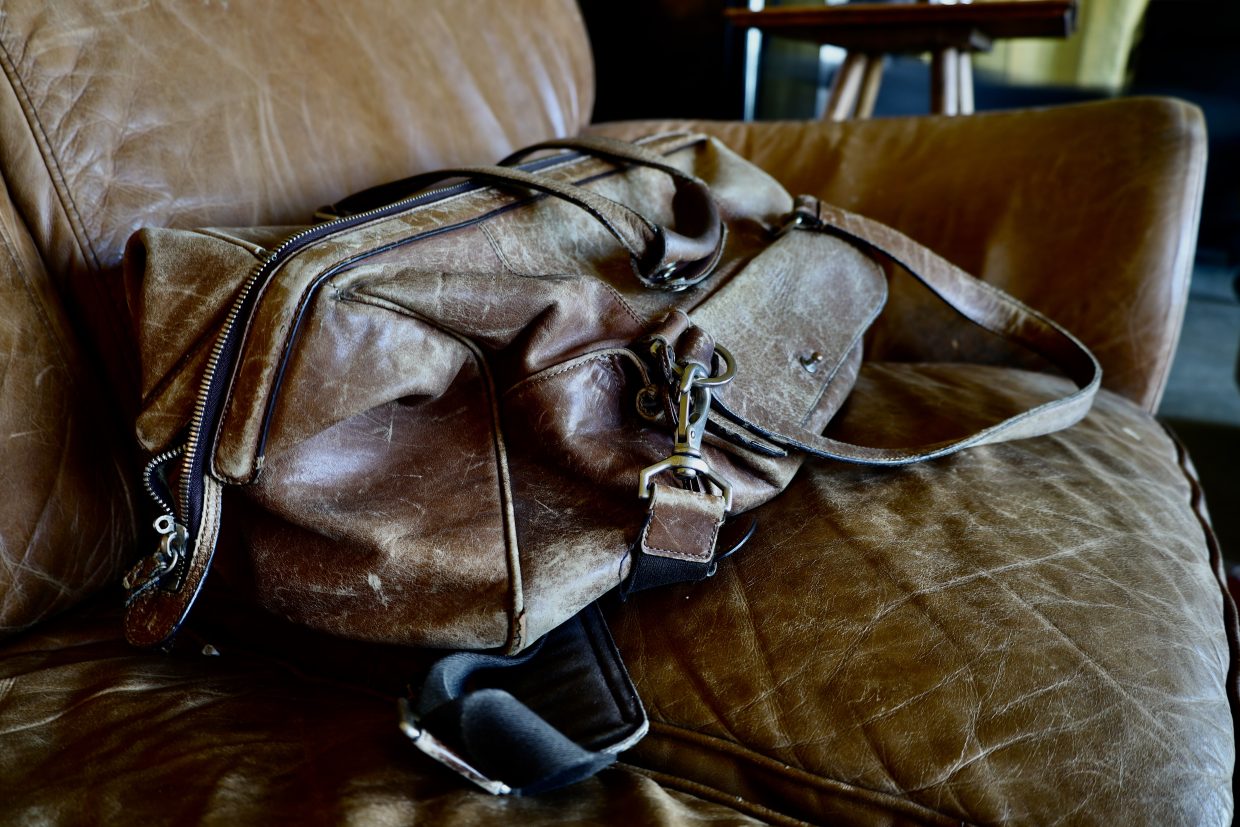
I bought this bag 20 years ago from my friend Mark, who works at Hinton and Hinton on the Oxford, Mississippi, town square. I’ve traveled with it to every show since. It’s an old doctor’s bag made by Trafalgar. I love that damn bag.
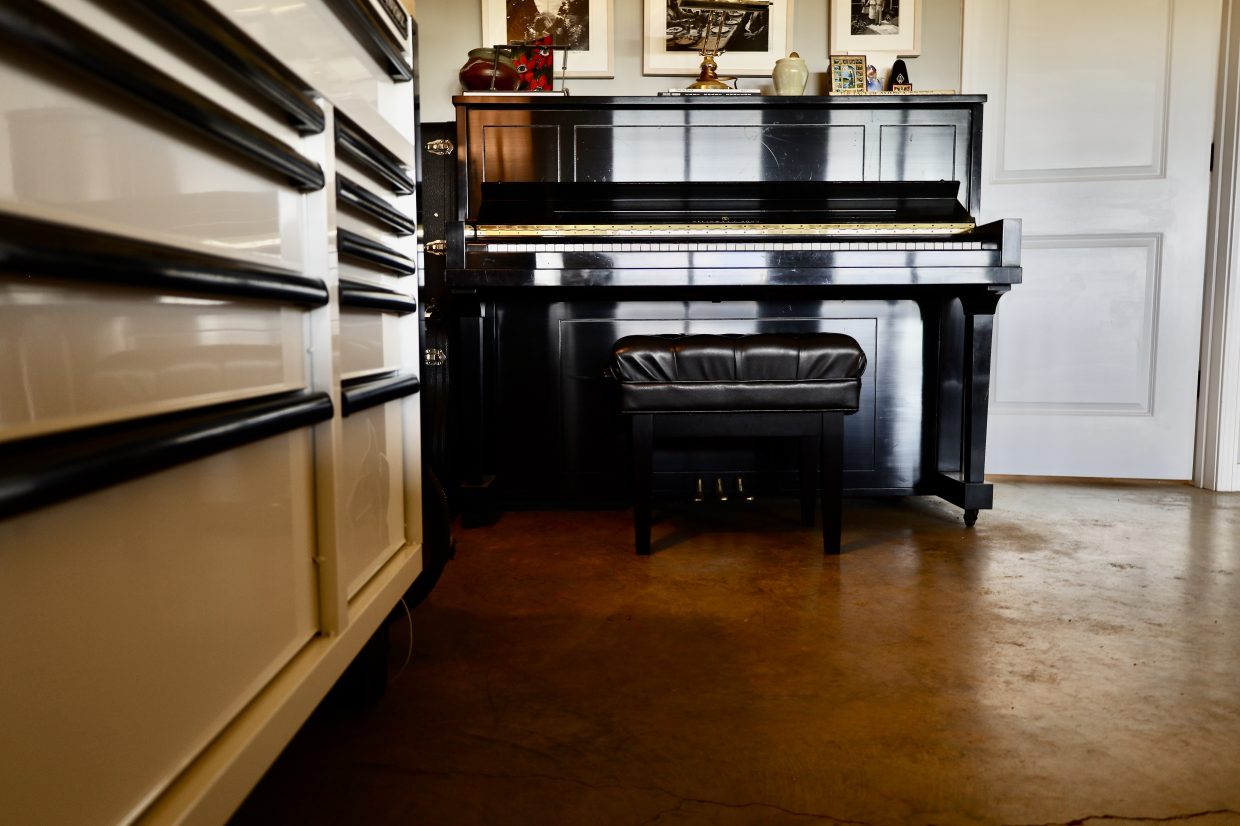
I bought a Husky toolbox to use as my kitchen island. Kudzu likes to park it on the concrete floor and watch out for intruders.
I drove a 15-passenger van for many years. I played a show in Austin one night and used the cash to buy that dresser. It was a really fancy store. I told them I was paying cash and taking it with me. “We only take cash if you have exact change, and we normally ship,” he said. It fit in the back of the van with half an inch to spare.
I had a big night in Vegas many years ago. I came home and bought that Steinway upright piano. I wrote the songs “Country Home” and “Silver Dollar” from the new album on that black beauty. It’s been an inspiration. Quonset huts don’t have a lot of storage, so the Husky tool boxes come in real handy.
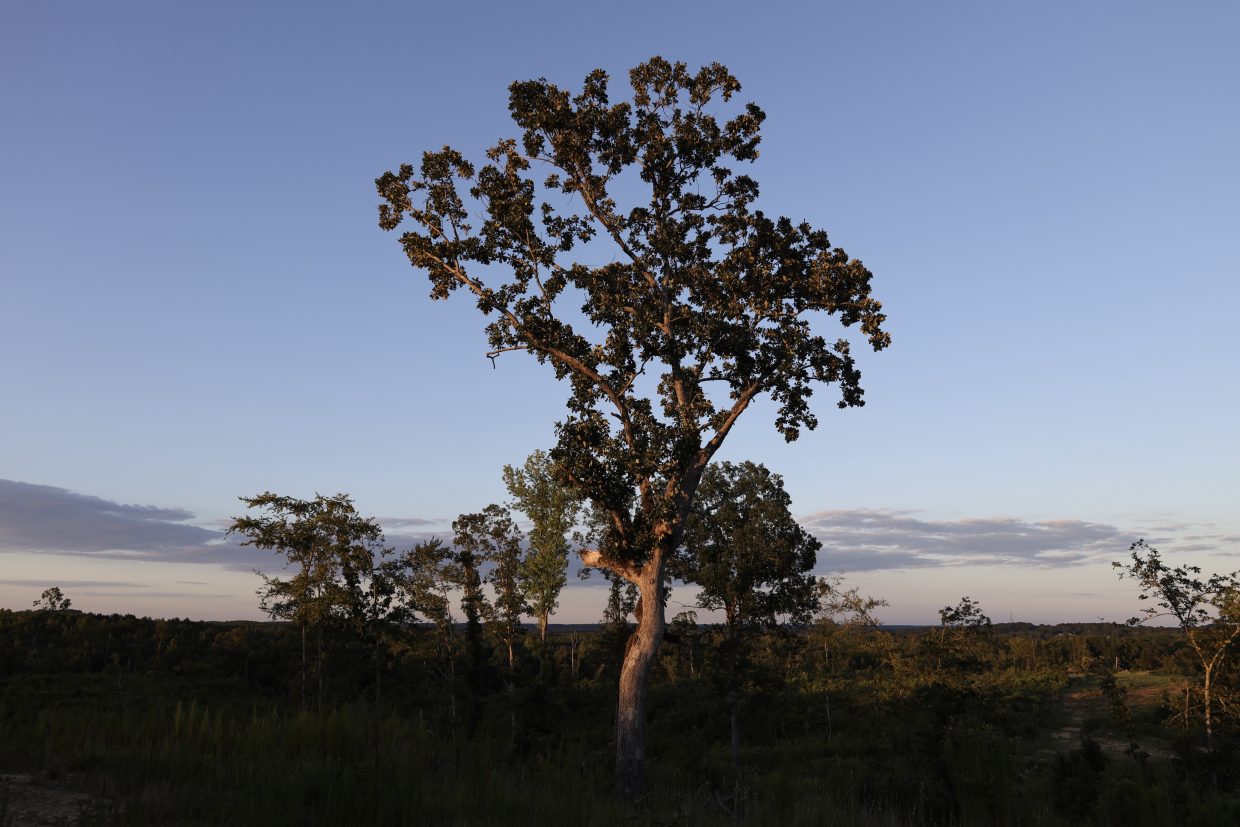
My property was clear cut about 4 years ago. Things have started to grow back. They left enough trees to leave the place looking pretty. I think they left the ugly trees they didn’t have much use for. I like the ugly trees.
I played the El Cosmico festival in Marfa, Texas, one year. My friend Liz Lambert payed me 300 dollars. There was a girl there selling t-shirts and she used that bench to display the shirts. I asked her if the bench was for sale. She said she’d made it and it was her first piece of furniture she’d ever made. I gave her my 300 bucks and she shipped it to me in Mississippi. I love how simple and sturdy it is.
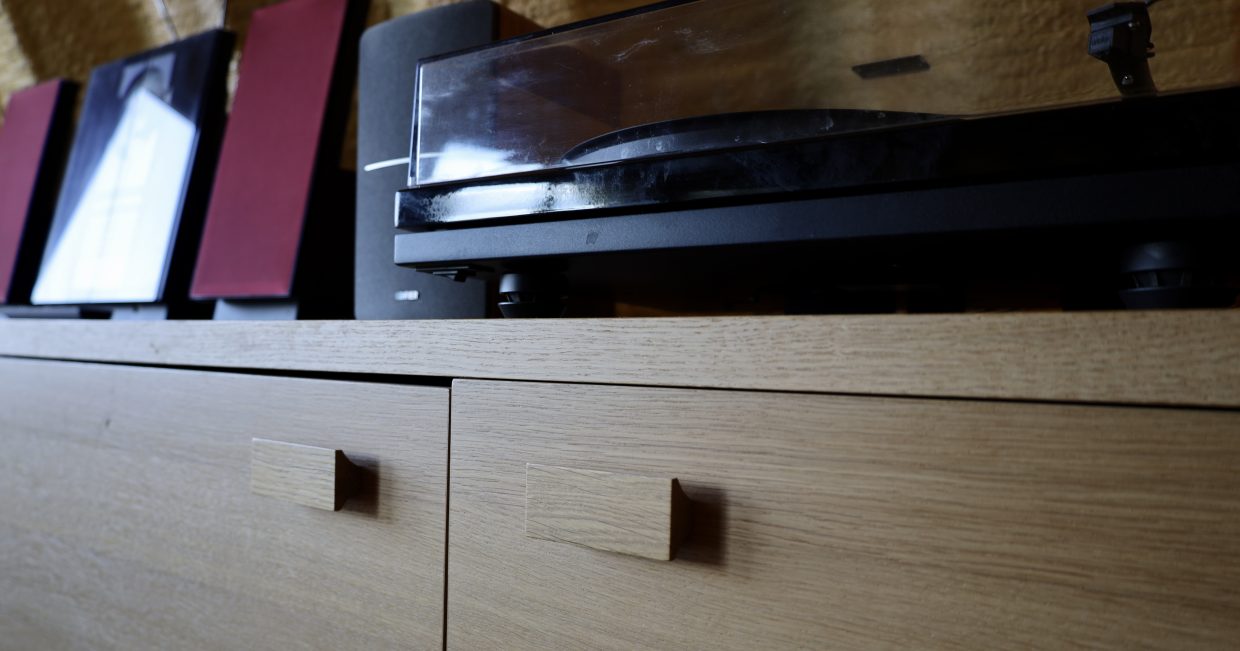
I bought that Bang and Olufson stereo in 1997 in Atlanta. It still works like the day I bought it. I remember when the attendant waved his hand in front of it and the glass doors opened… I was sold.
We filmed the video for my latest single, “Country Home,” in one take at my quonset hut home. Some of my neighbors came over and made cameos in it. Brock rode a three-wheeler, Earl rode a side-by-side, and Eric rocked the tractor. I don’t know where I’d be without my neighbors.
In the title track, “Times Have Changed,” the chorus says: “What happened to no sir, yes ma’am, looking folks in the eye? To family and the good Lord and thanking him every night? / I ain’t saying I wanted things to stay the same… but man times have changed.” In the country, things change in harmony with nature. Life is hard, and the reward comes from making it through the hard times. I don’t just know my neighbors, I need them. It’s a different rhythm. All of the songs on my new album come from that different rhythm. I’m grateful to be singing a new song about old ways.
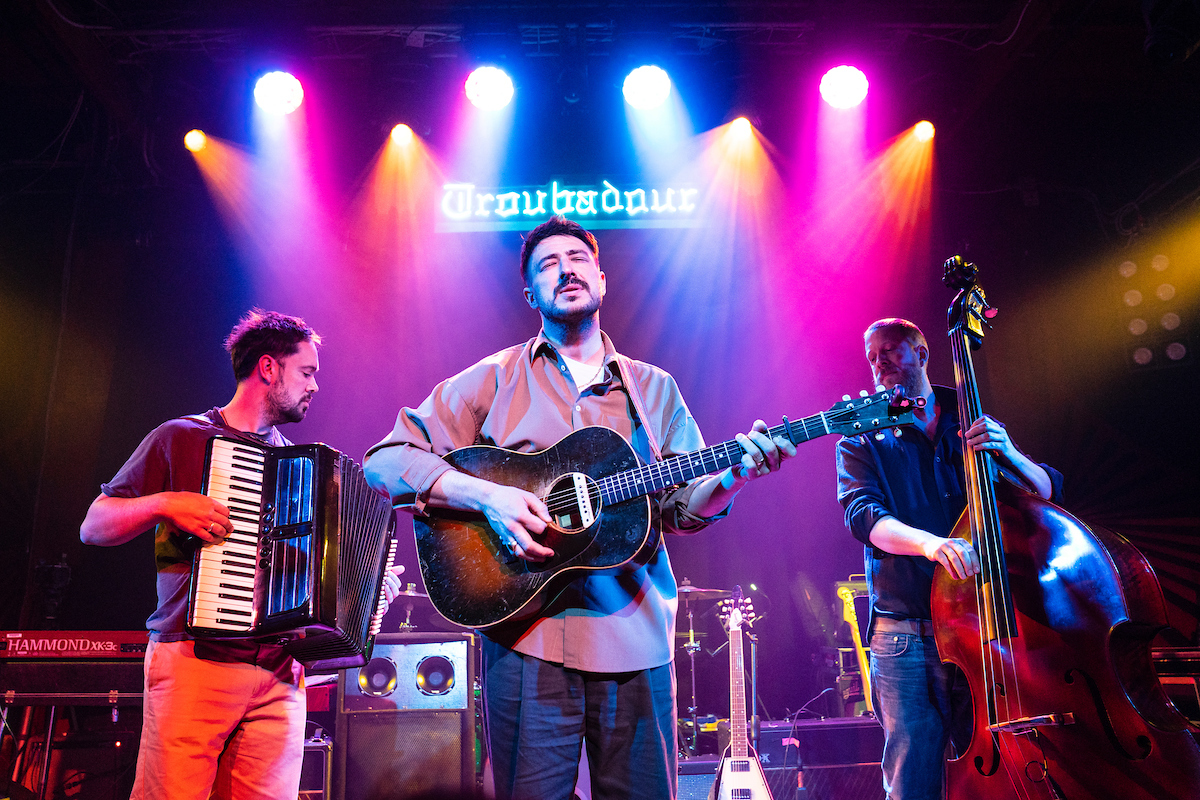
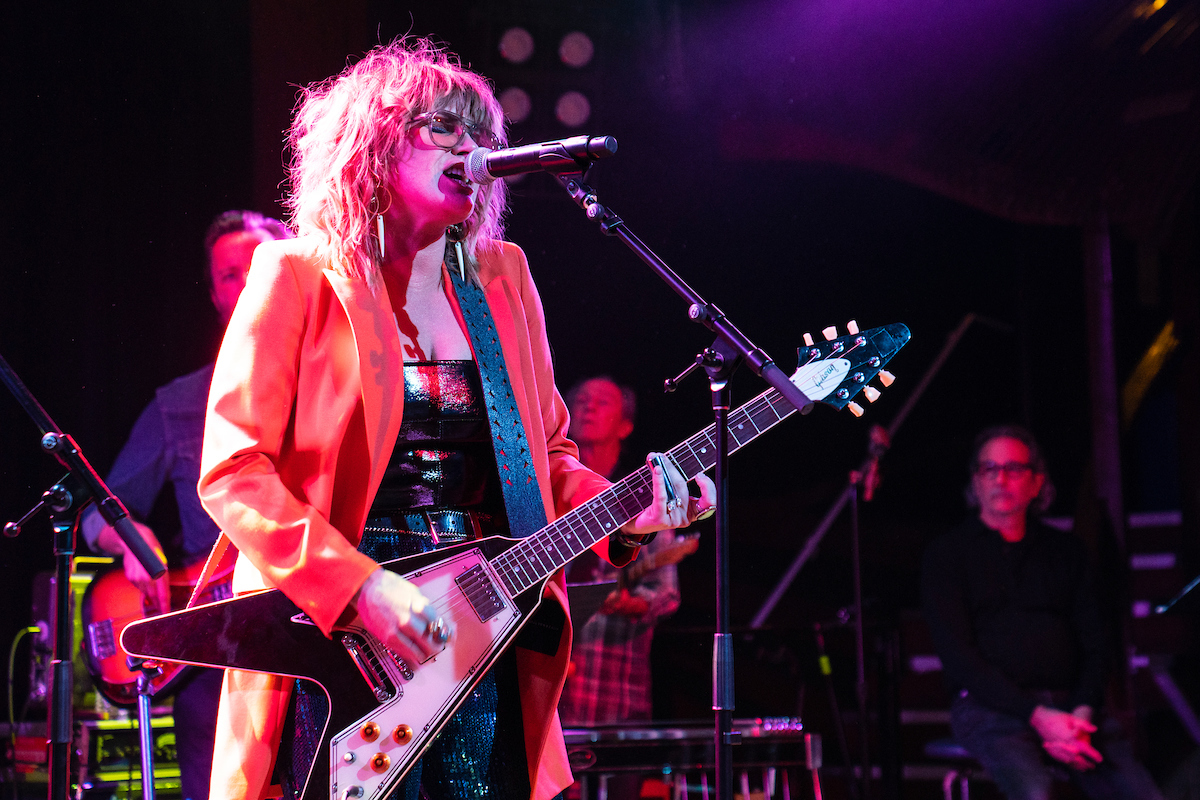
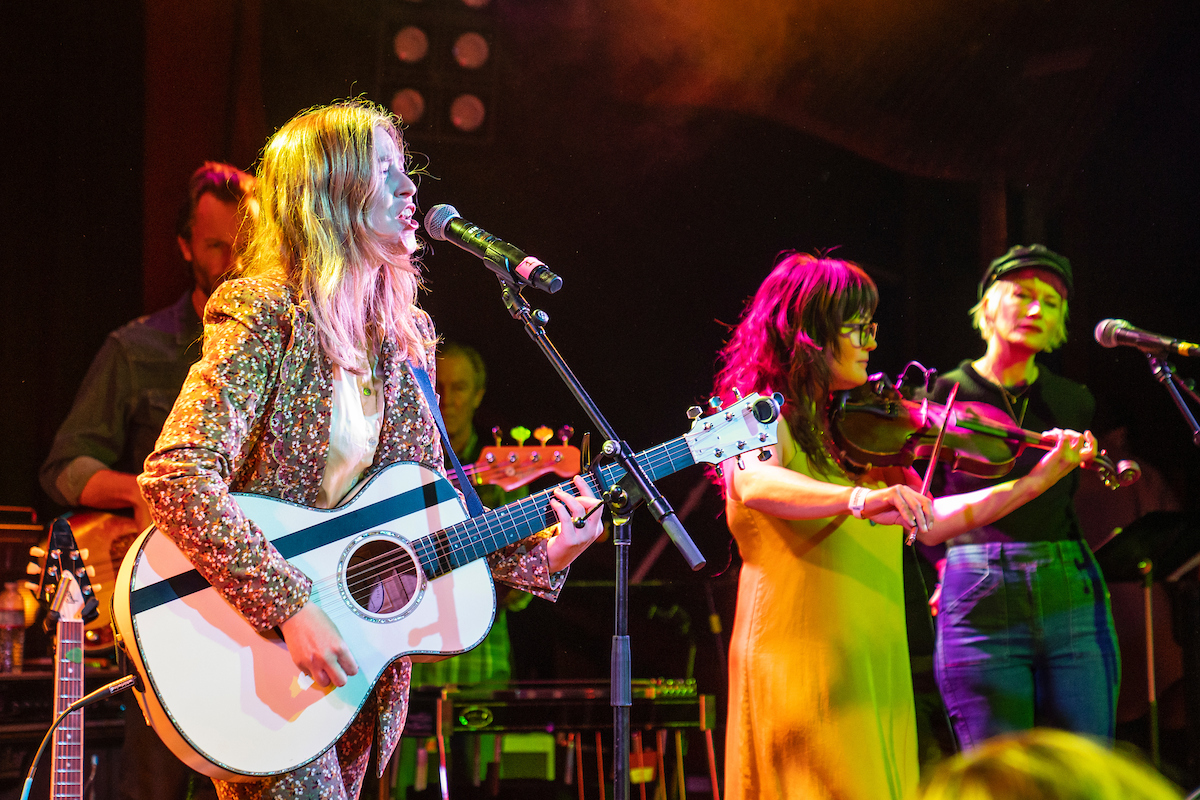
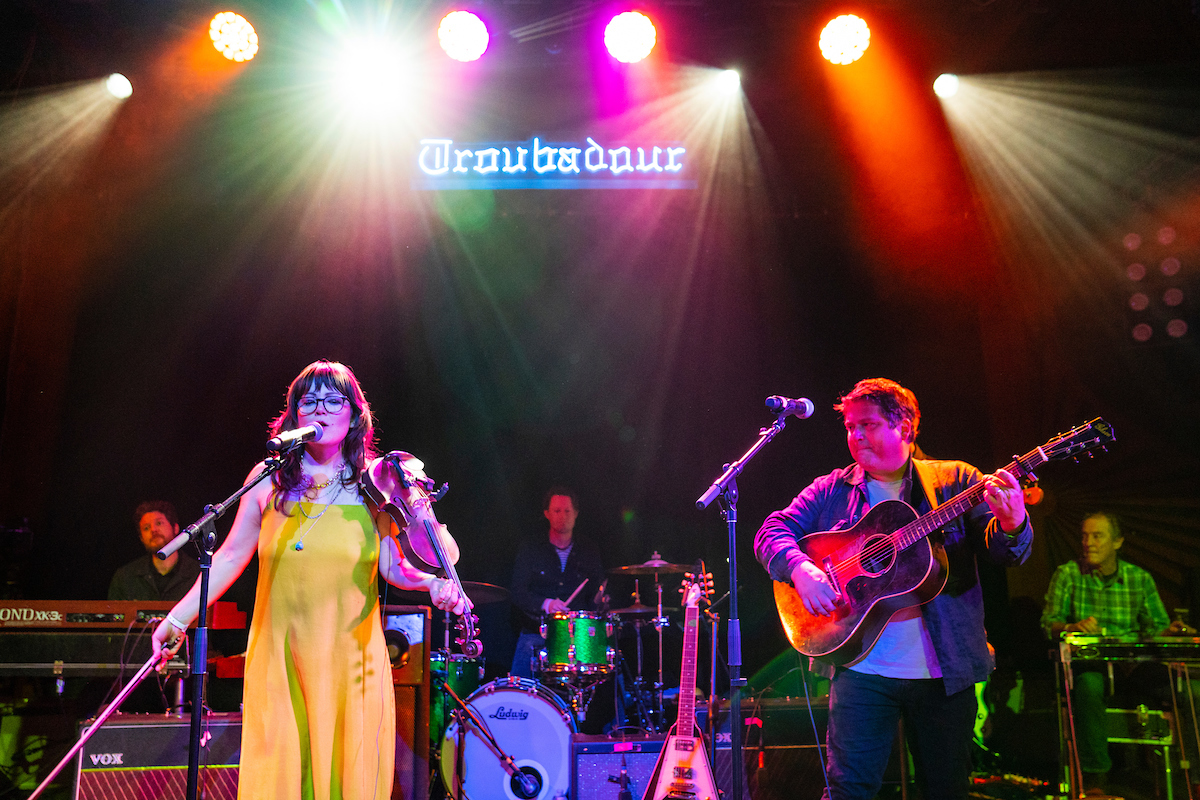
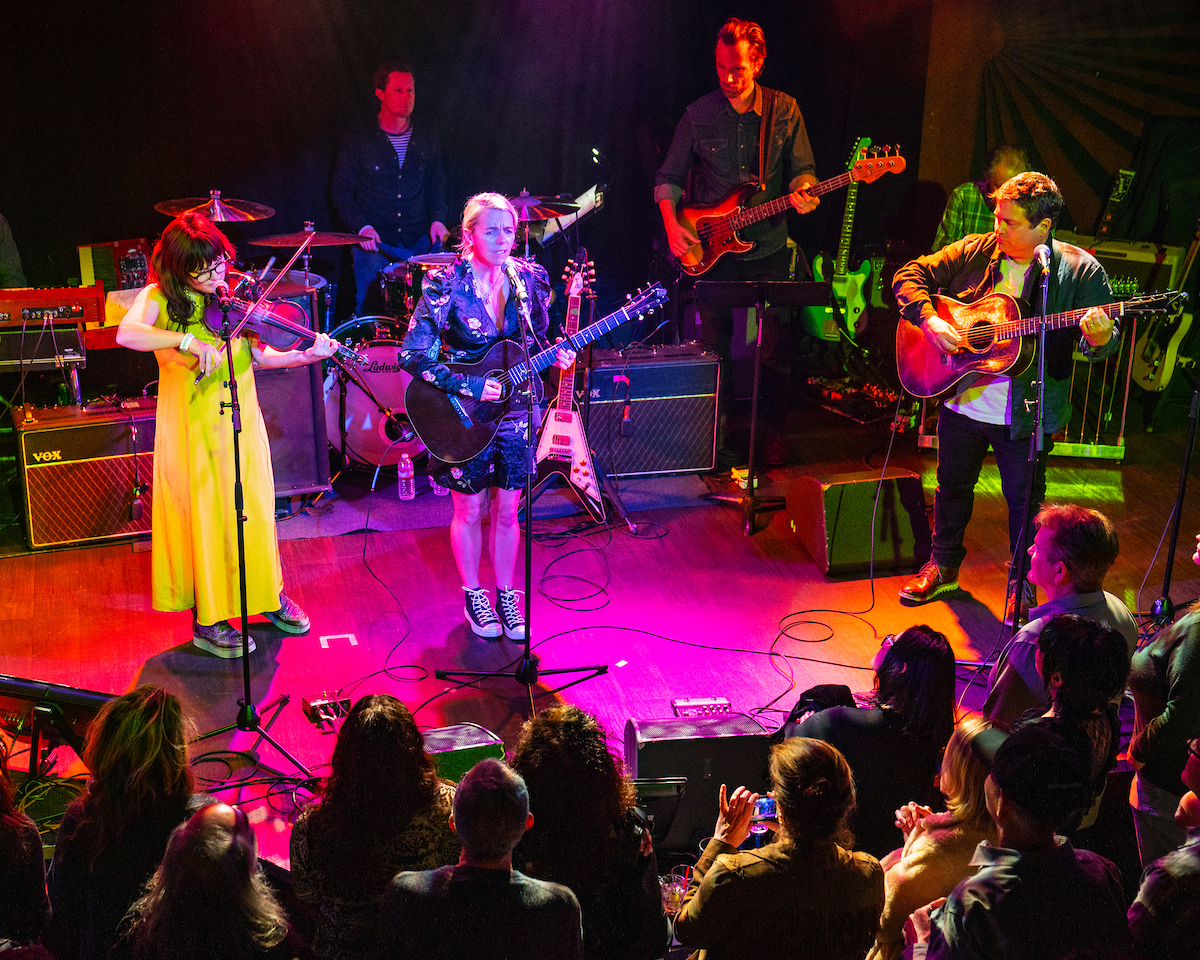
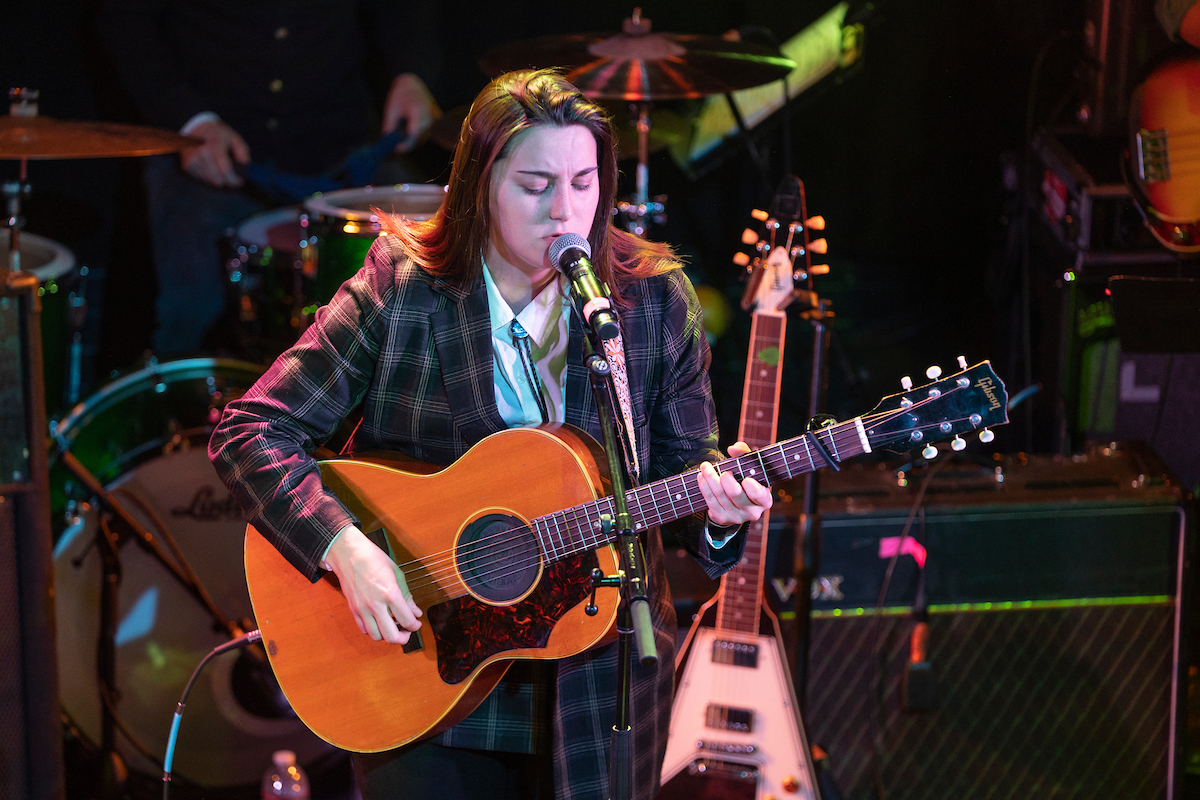
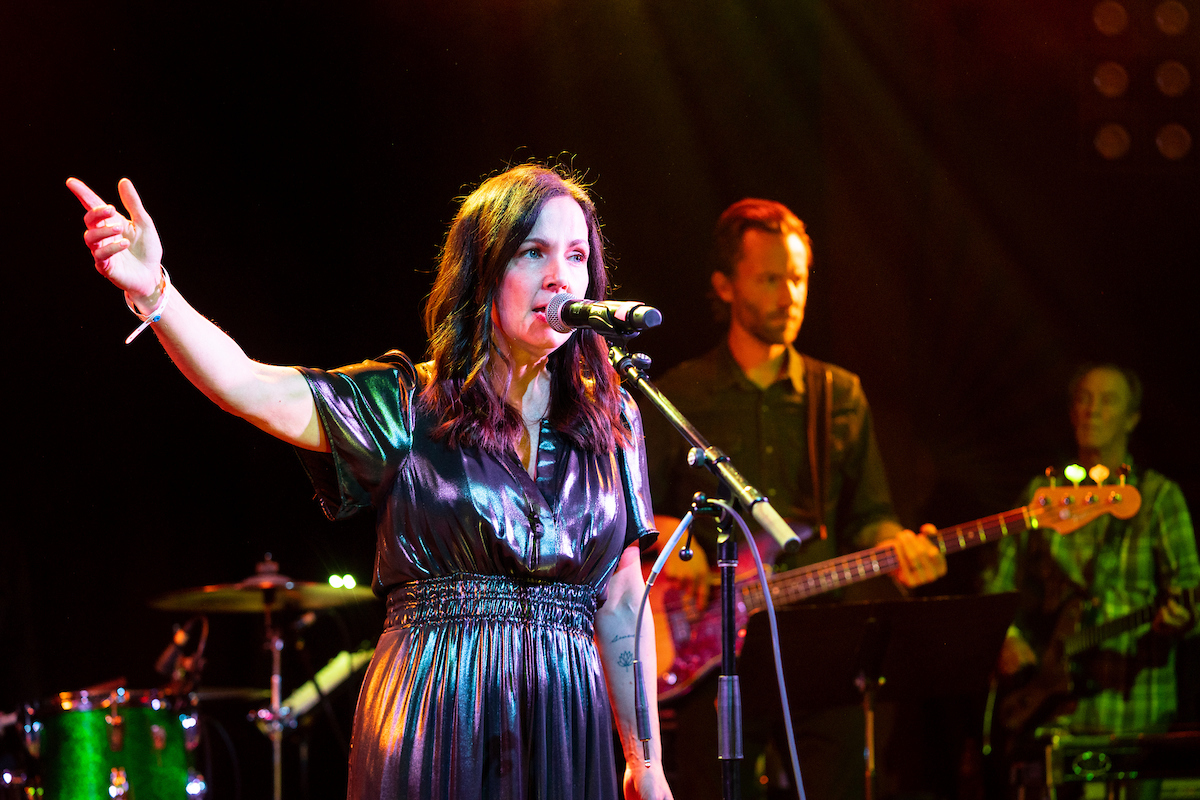
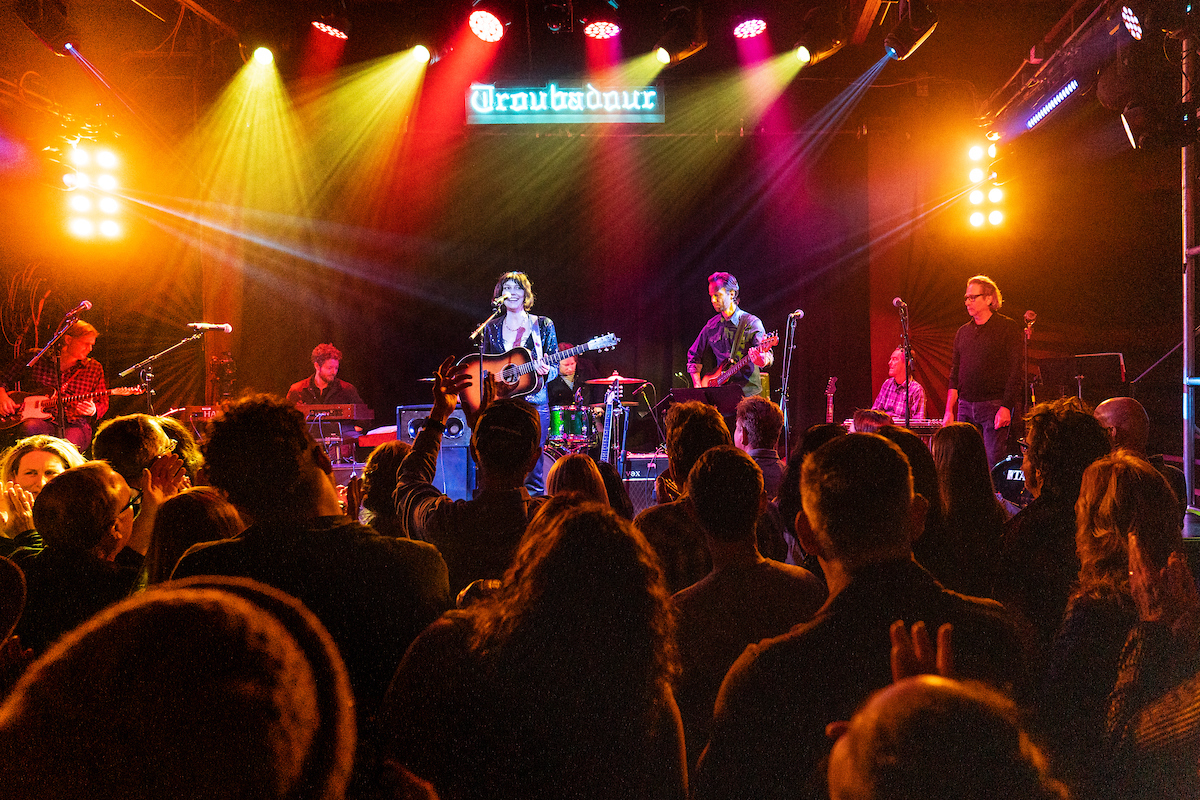
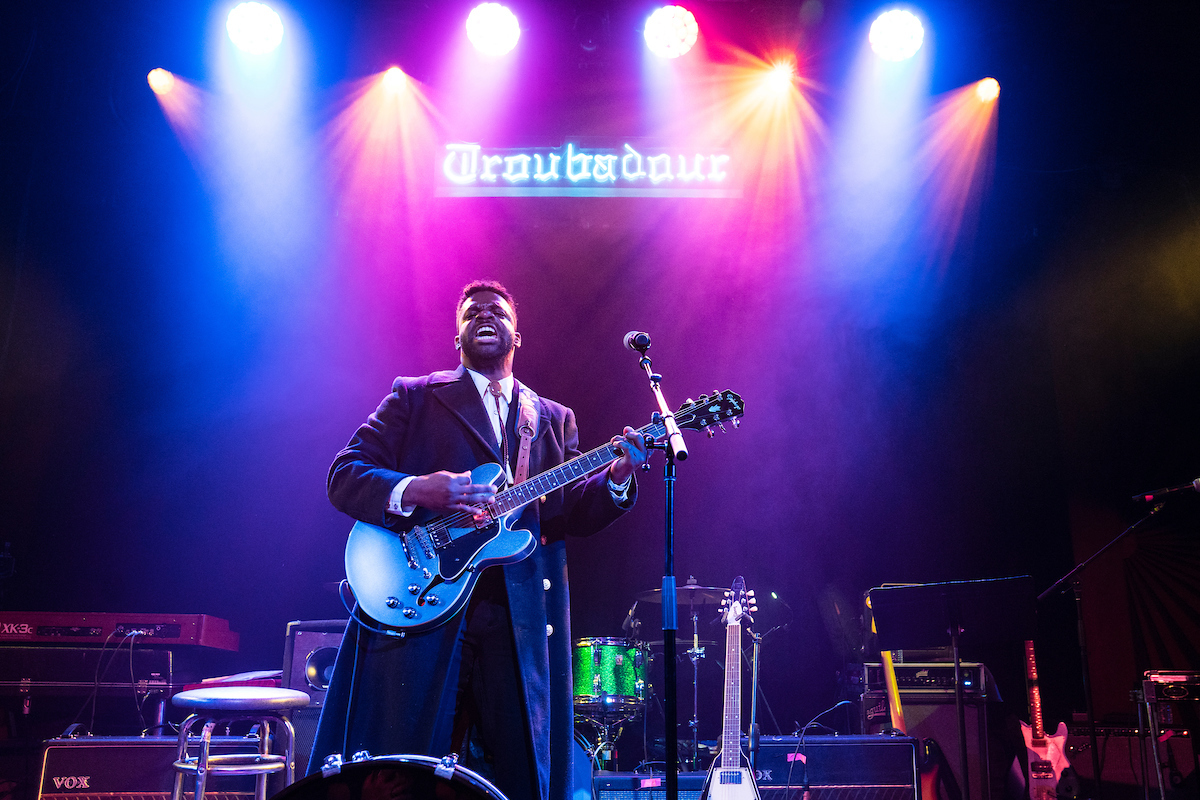
Few artists are more associated with Americana music than Lucinda Williams, even as her incredible career is hard to categorize. Her Grammy wins range from Best Country Song (“Passionate Kisses”) to Best Contemporary Folk Album (Car Wheels on a Gravel Road) to Best Female Rock Vocal Performance (“Get Right With God”). Just a few days following her 70th birthday, the Americana Music Association hosted an impressive all-star tribute concert at the fabled Troubadour club in Los Angeles on Saturday, February 4. The intimate performances underscored Williams’ versatility as a songwriter, with each of the performers putting their own personal stamp on her songs without ever losing the straightforward and often sensual lyricism that she’s known for.
Enjoy photos from the AMERICANAFEST Pre-Grammy Salute to Lucinda Williams:
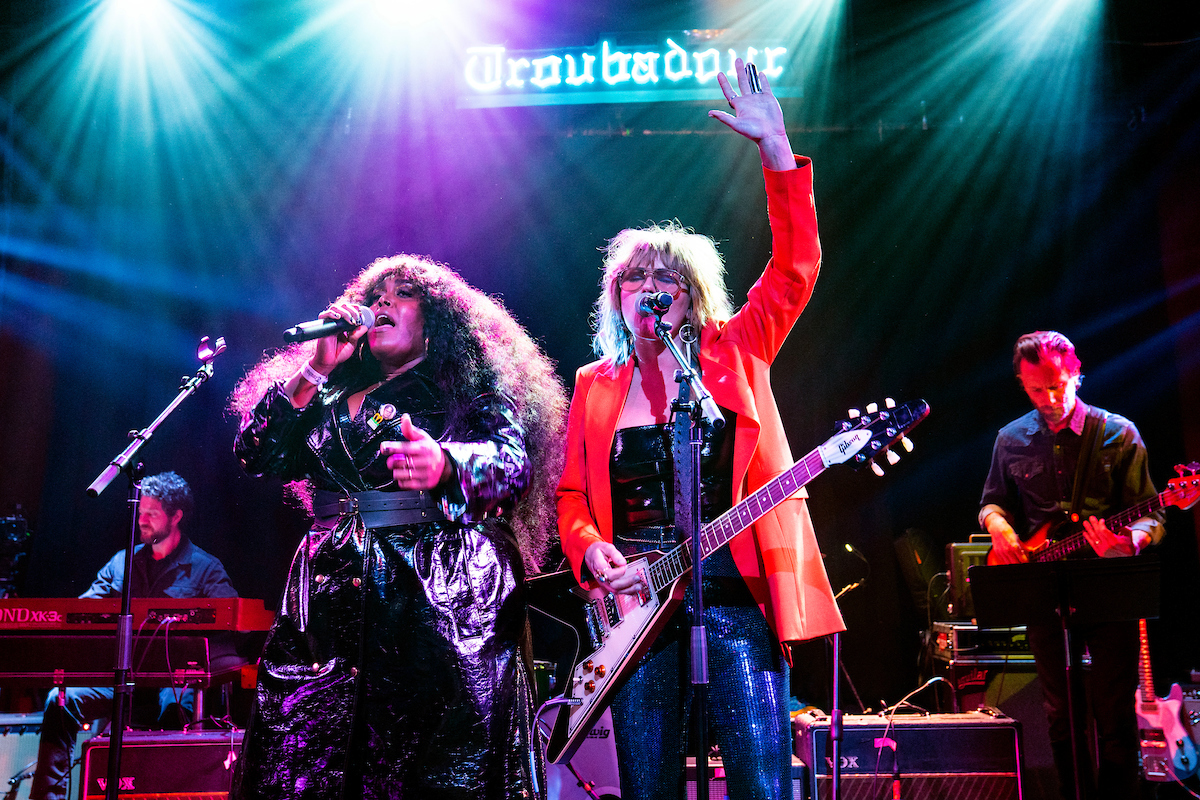
Grace Potter kicks off the AmericanaFest Pre-Grammy Salute to Lucinda Williams.
Jade Bird performs at the AmericanaFest Pre-Grammy Salute to Lucinda Williams.
Sean & Sara Watkins at AmericanaFest Pre-Grammy Salute to Lucinda Williams.
Aoife O'Donovan joined by Sean & Sara Watkins at the AmericanaFest Pre-Grammy Salute to Lucinda Williams.
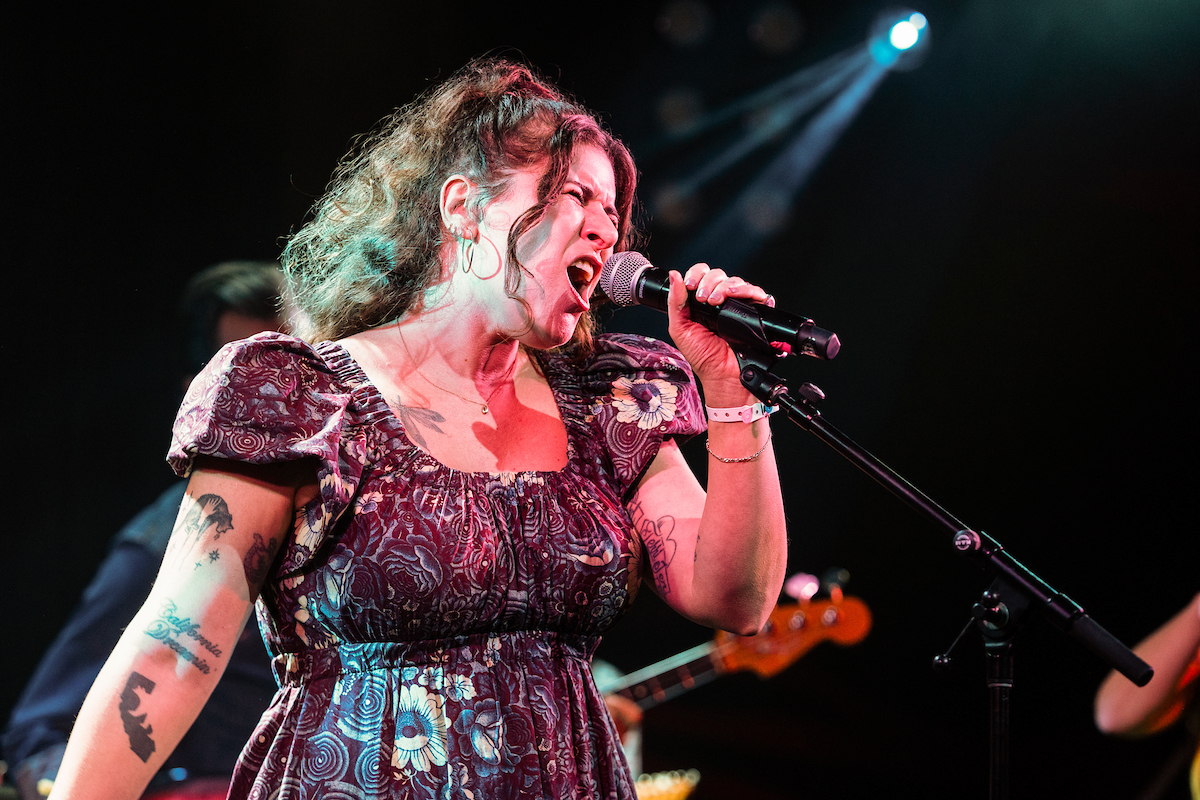
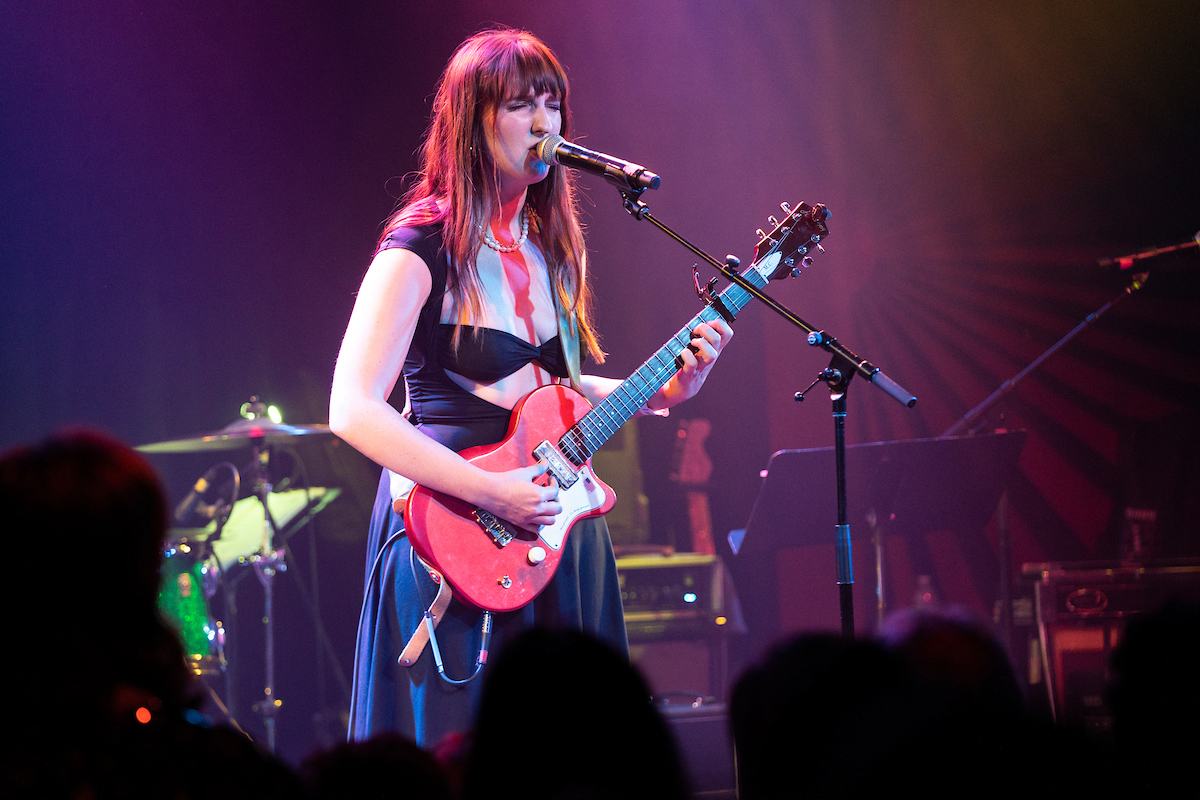
Katie Pruitt performs at the AmericanaFest Pre-Grammy Salute to Lucinda Williams.
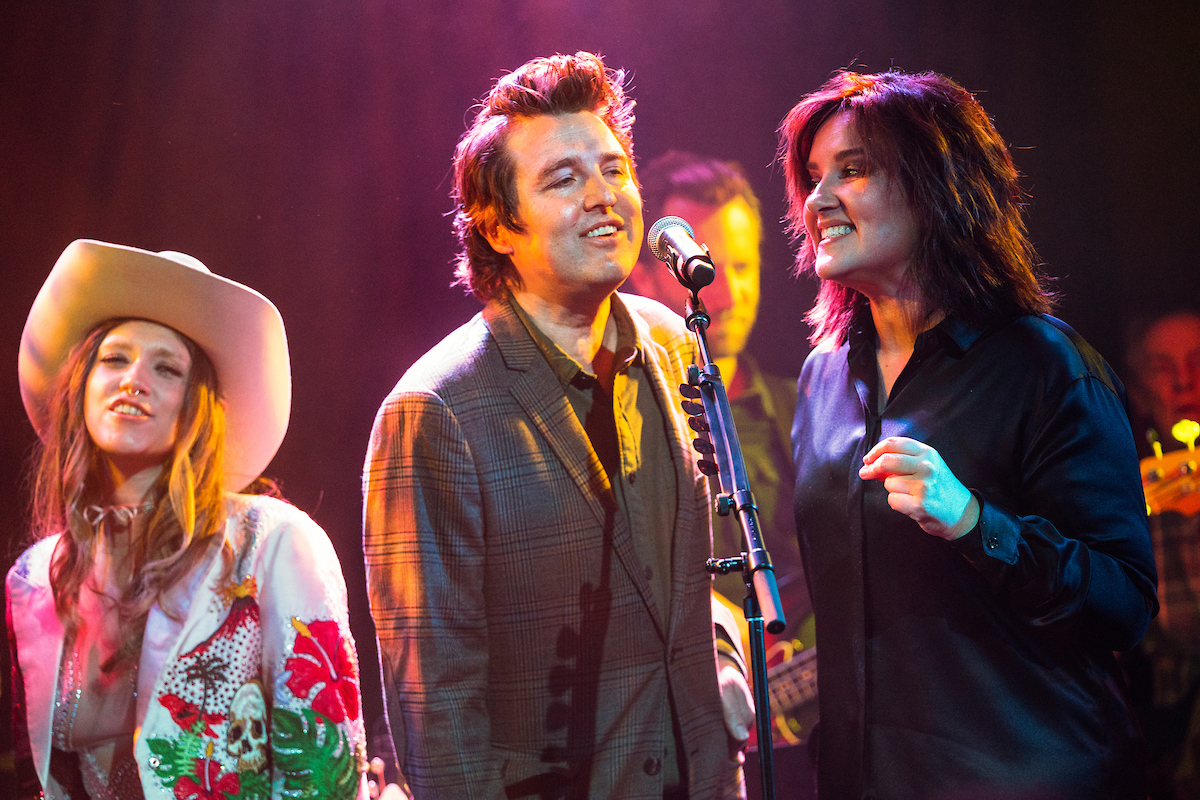
Lori McKenna at the AmericanaFest Pre-Grammy Salute to Lucinda Williams.
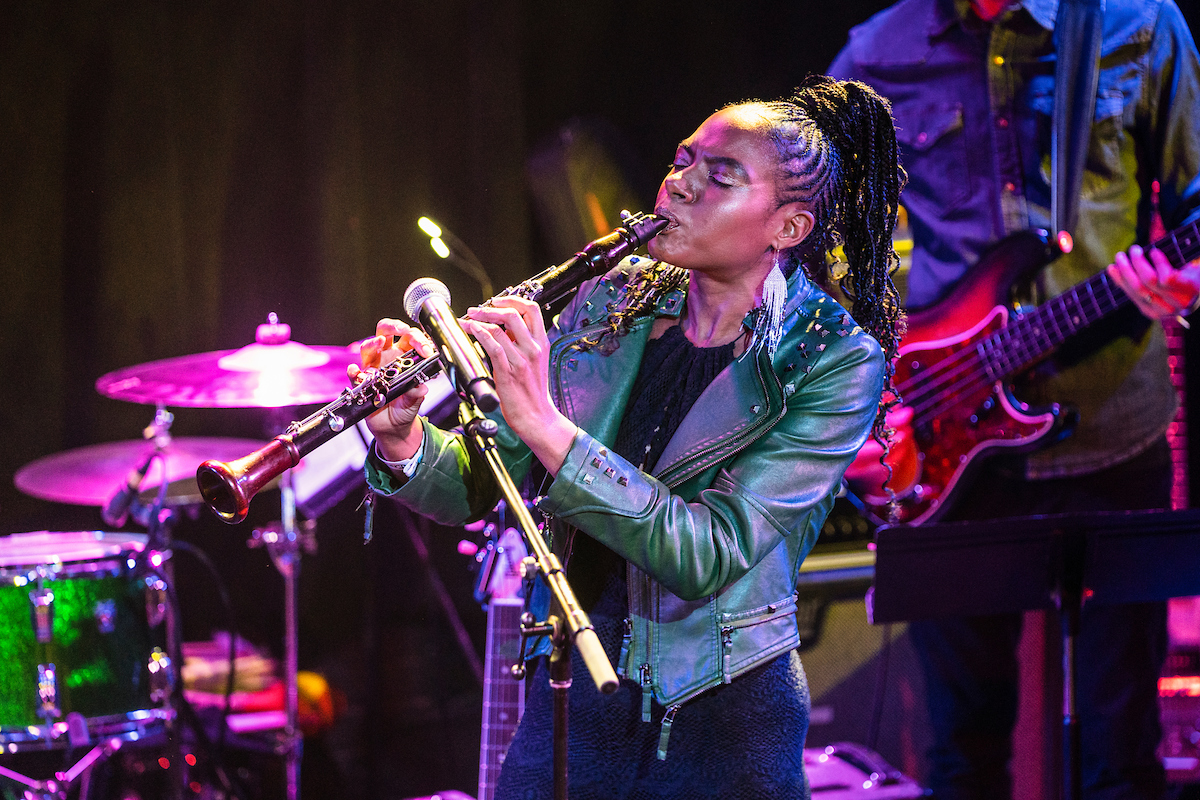
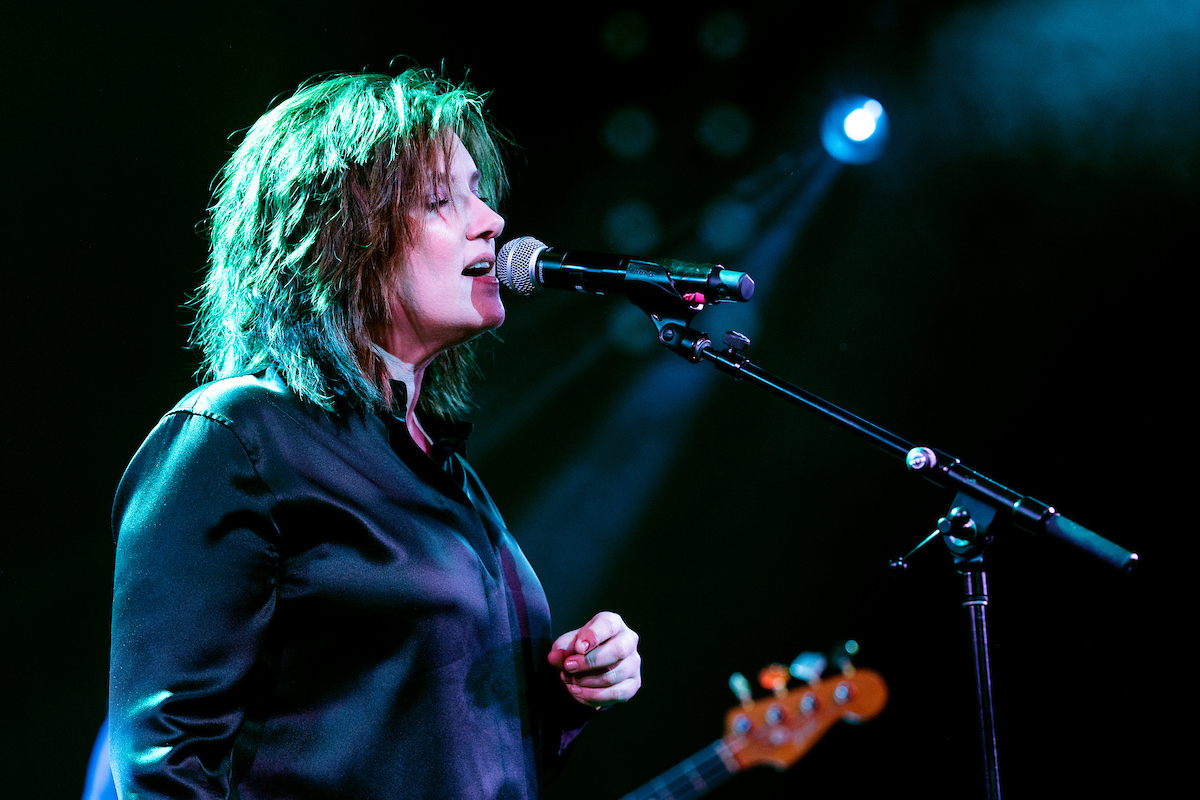
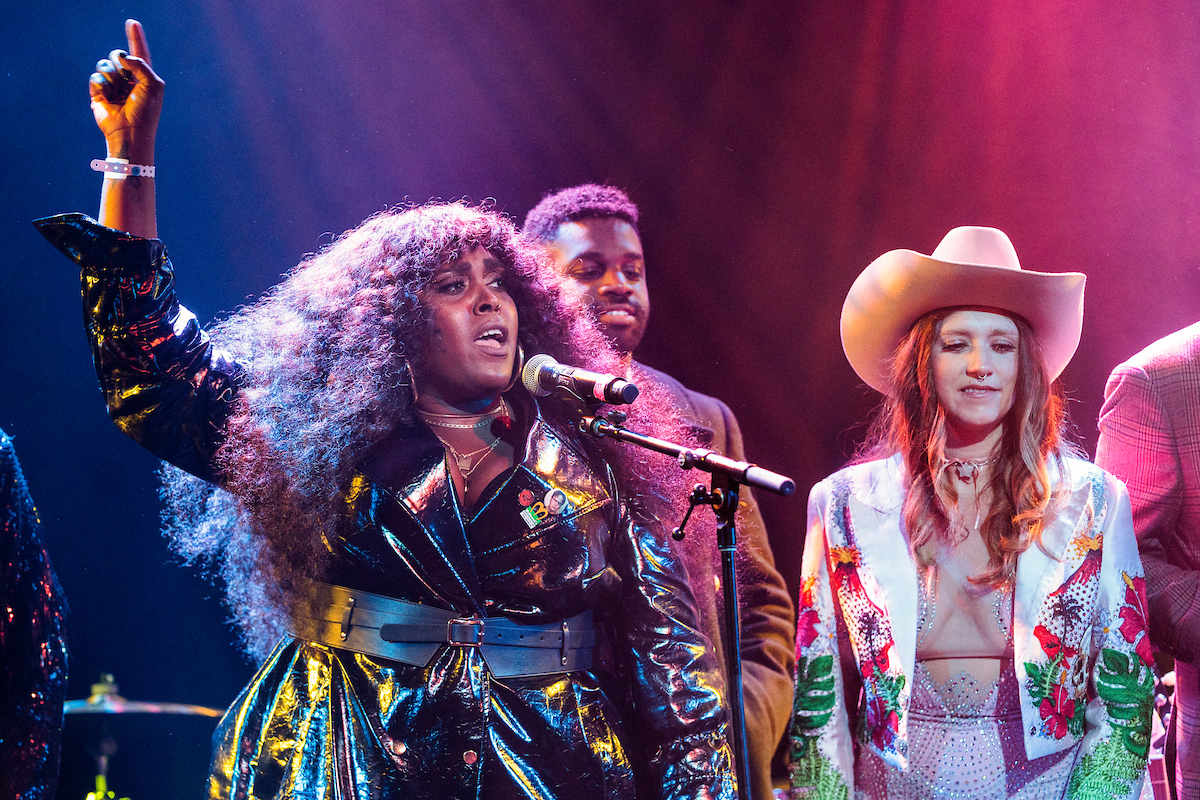
Allison Russell plays clarinet at the AmericanaFest Pre-Grammy Salute to Lucinda Williams.
Now Grammy winner Molly Tuttle at the Troubadour for the AmericanaFest Pre-Grammy Salute to Lucinda Williams.
Bethany Cosentino at the AmericanaFest Pre-Grammy Salute to Lucinda Williams.
Brandy Clark sings at the AmericanaFest Pre-Grammy Salute to Lucinda Williams.
Brittney Spencer and Grace Potter collaborate at the AmericanaFest Pre-Grammy Salute to Lucinda Williams.
Lucius perform at the AmericanaFest Pre-Grammy Salute to Lucinda Williams.
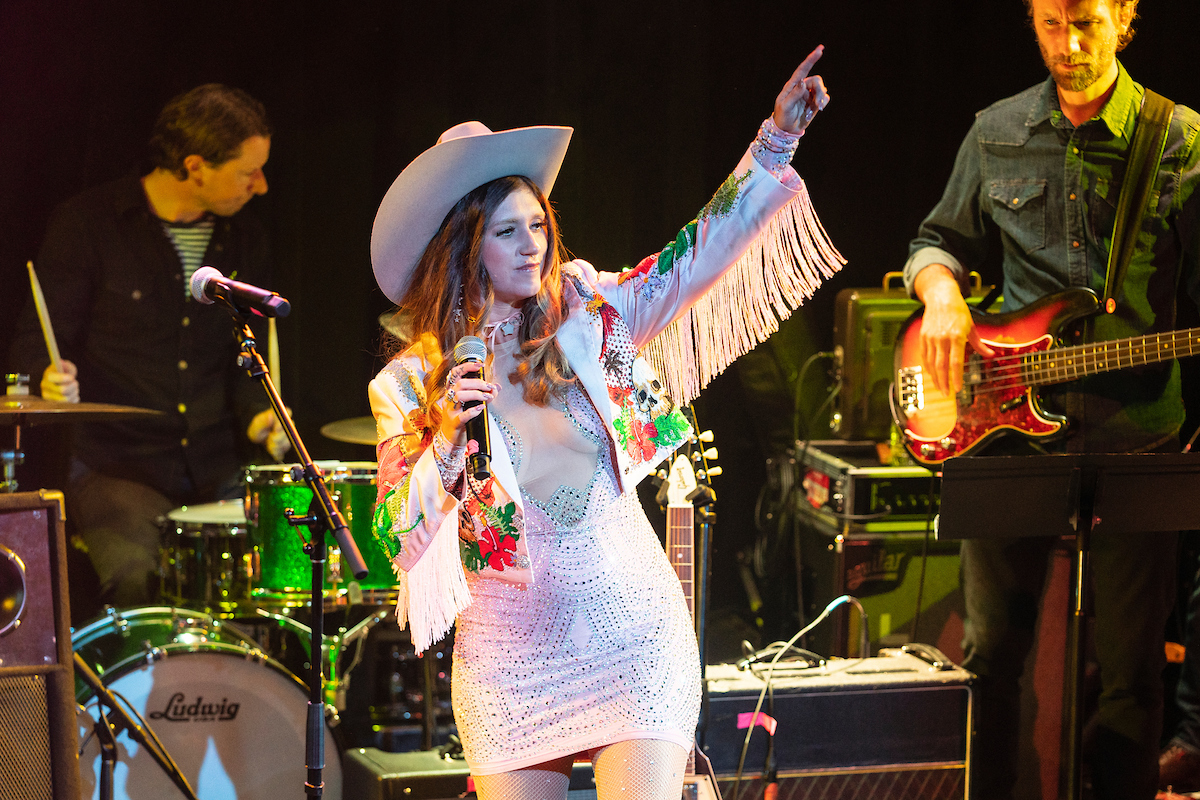
Sierra Ferrell at the AmericanaFest Pre-Grammy Salute to Lucinda Williams.
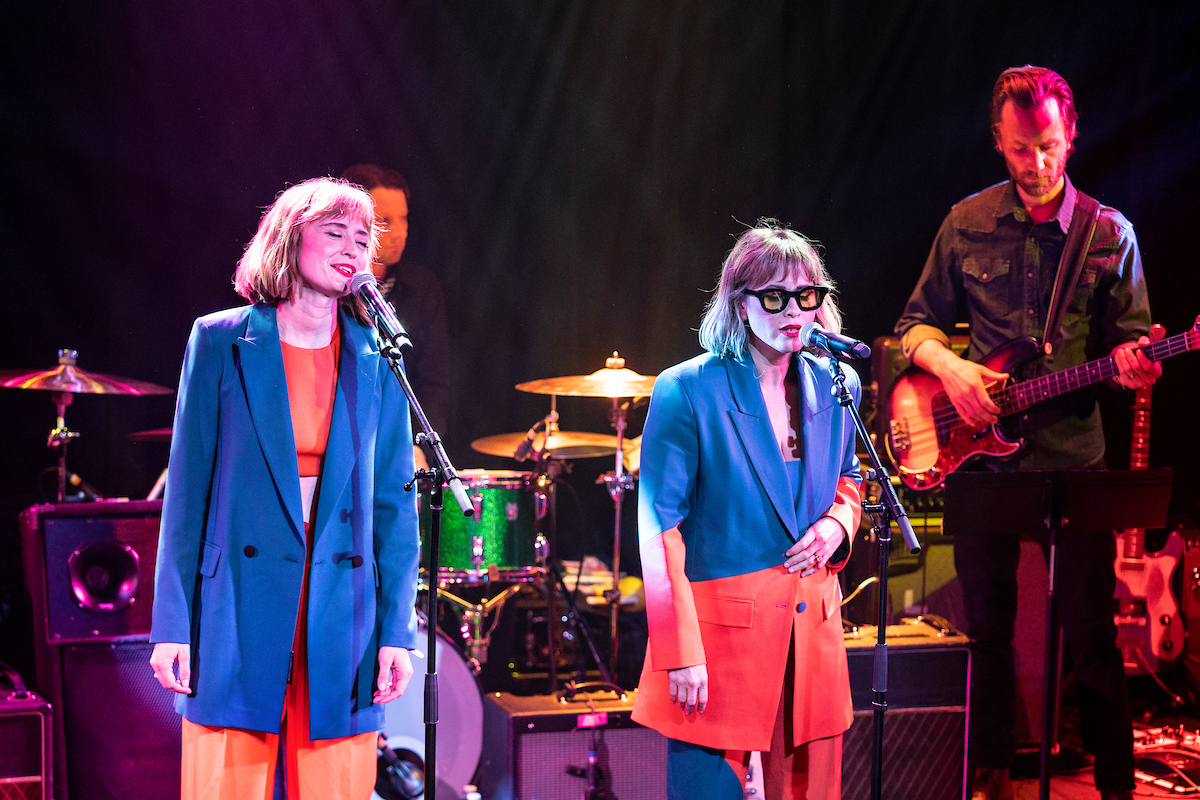
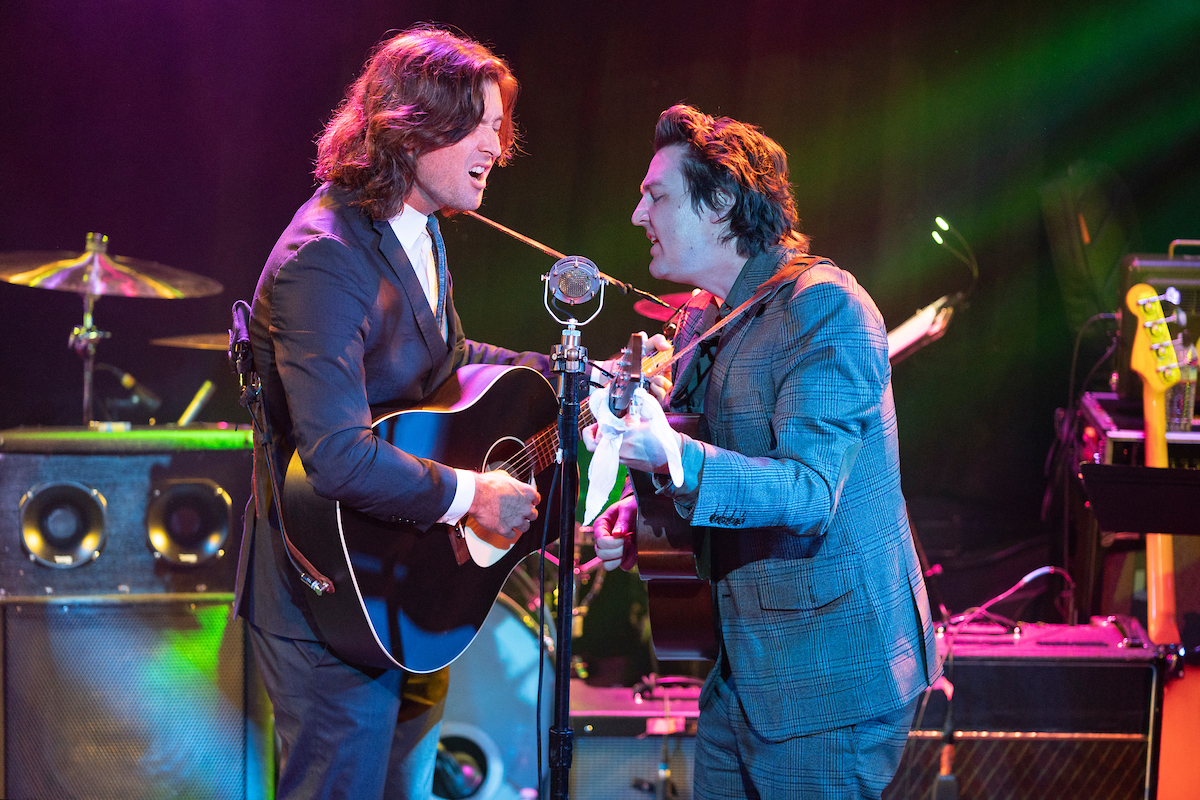
The Milk Carton Kids perform at the AmericanaFest Pre-Grammy Salute to Lucinda Williams.
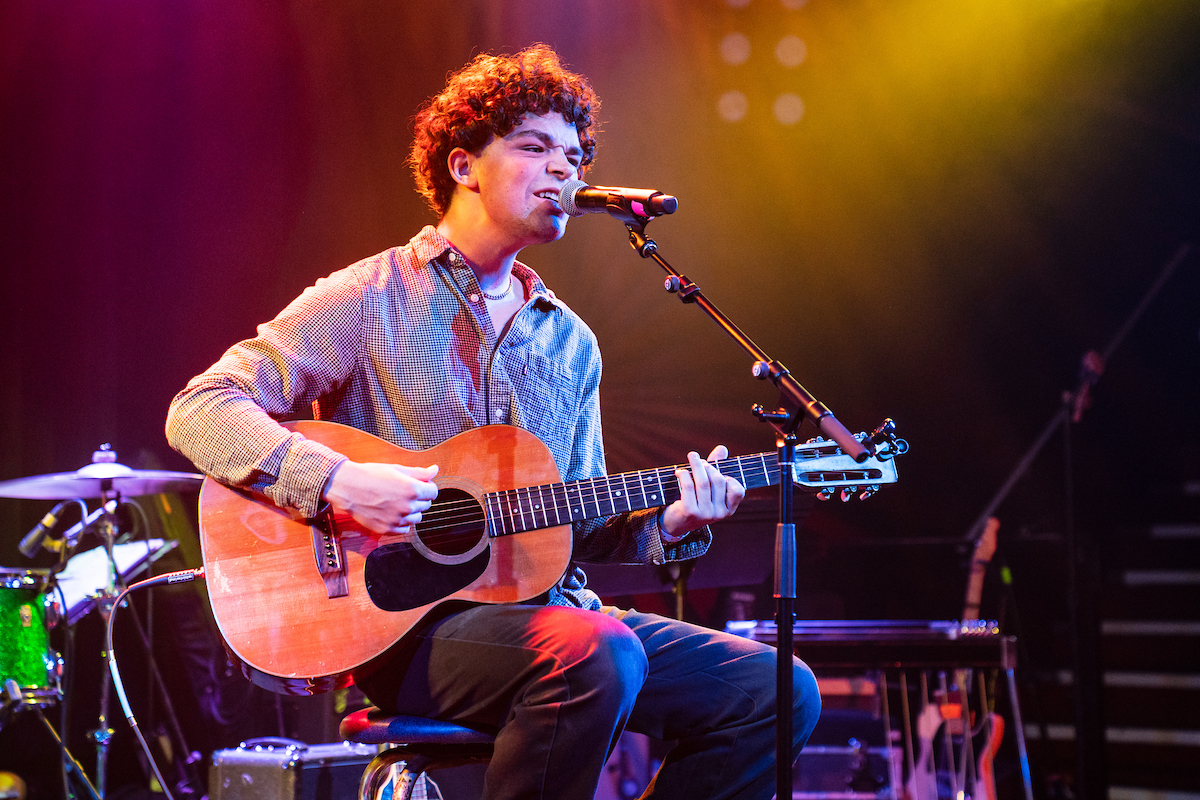
Charlie Hickey at the AmericanaFest Pre-Grammy Salute to Lucinda Williams.
Abraham Alexander at the AmericanaFest Pre-Grammy Salute to Lucinda Williams.
Our January Artist of the Month, Madison Cunningham, performs at the AmericanaFest Pre-Grammy Salute to Lucinda Williams.
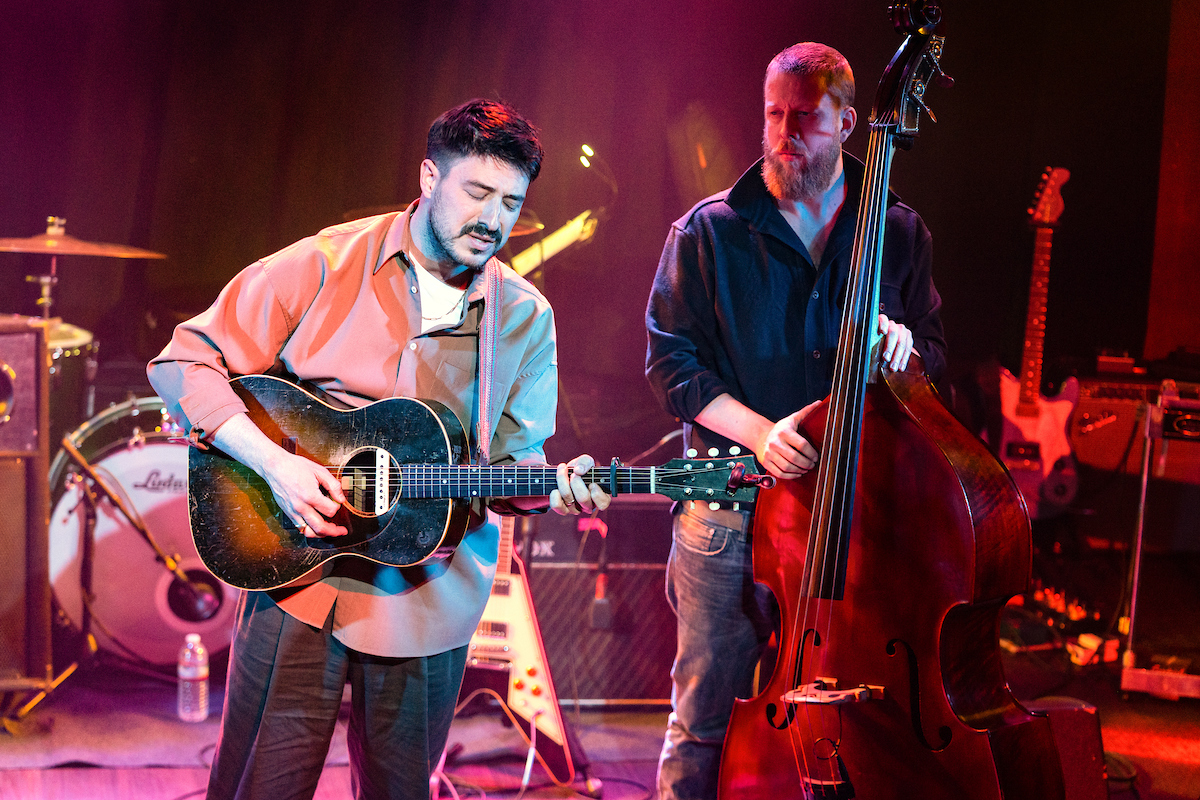
Mumford & Sons at the AmericanaFest Pre-Grammy Salute to Lucinda Williams.
Sierra Ferrell, Kenneth Pattengale of Milk Carton Kids, and Brandy Clark during the grand finale of the AmericanaFest Pre-Grammy Salute to Lucinda Williams.
Brittney Spencer and Sierra Ferrell during the finale at the AmericanaFest Pre-Grammy Salute to Lucinda Williams.
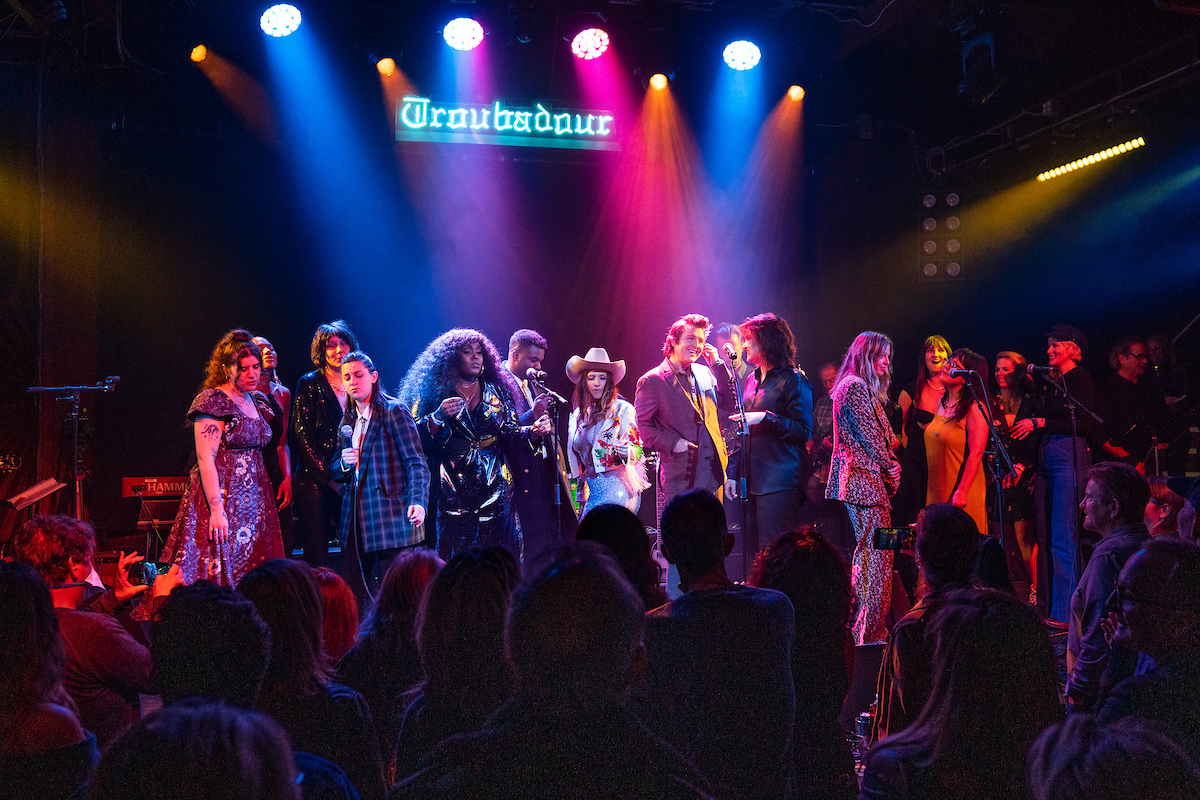
The grand finale of the AmericanaFest Pre-Grammy Salute to Lucinda Williams.
The evening's house band backstage at the AmericanaFest Pre-Grammy Salute to Lucinda Williams. L to R: Sara Watkins, Mark Stepro, Greg Leisz, Val McCallum, Lee Pardini, Daniel Rhine, Molly Jenson.
All Photos: Erika Goldring, Courtesy of the Americana Music Association.
My series of memoirs on the Dayton Bluegrass Reunion closes with a gallery of snapshots taken during the day’s proceedings. I had a new Japanese automatic camera of the type then described as “point and shoot,” an Olympus Quick Shooter Zoom.
I returned home with a 25-shot 35mm film roll and immediately sent it to a budget speed processing outfit in Seattle. The prints returned (along with a new roll of film and a mailer) a few weeks later.
Unlike today, when you can monitor photos on your digital camera after every snap, in 1989 you had to wait for the prints to arrive to see what came out and what didn’t. Here’s what came out.
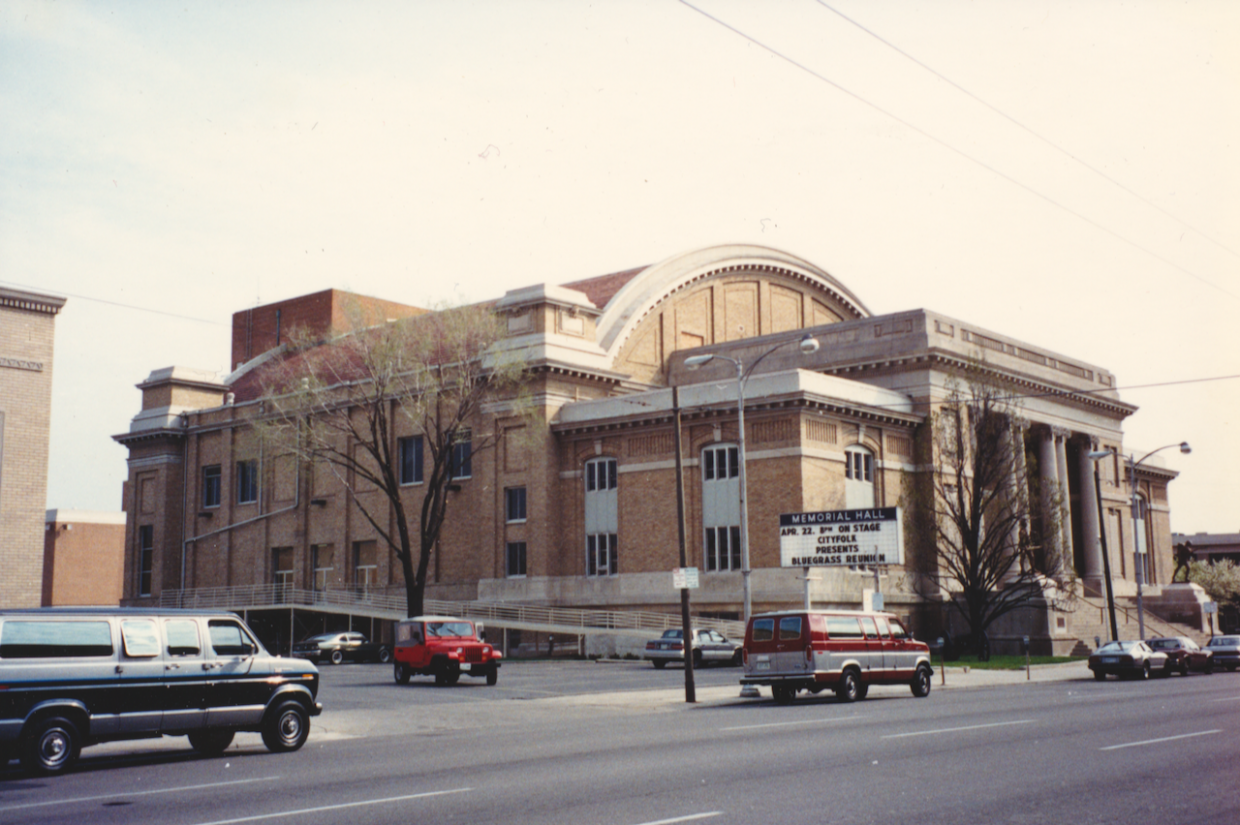
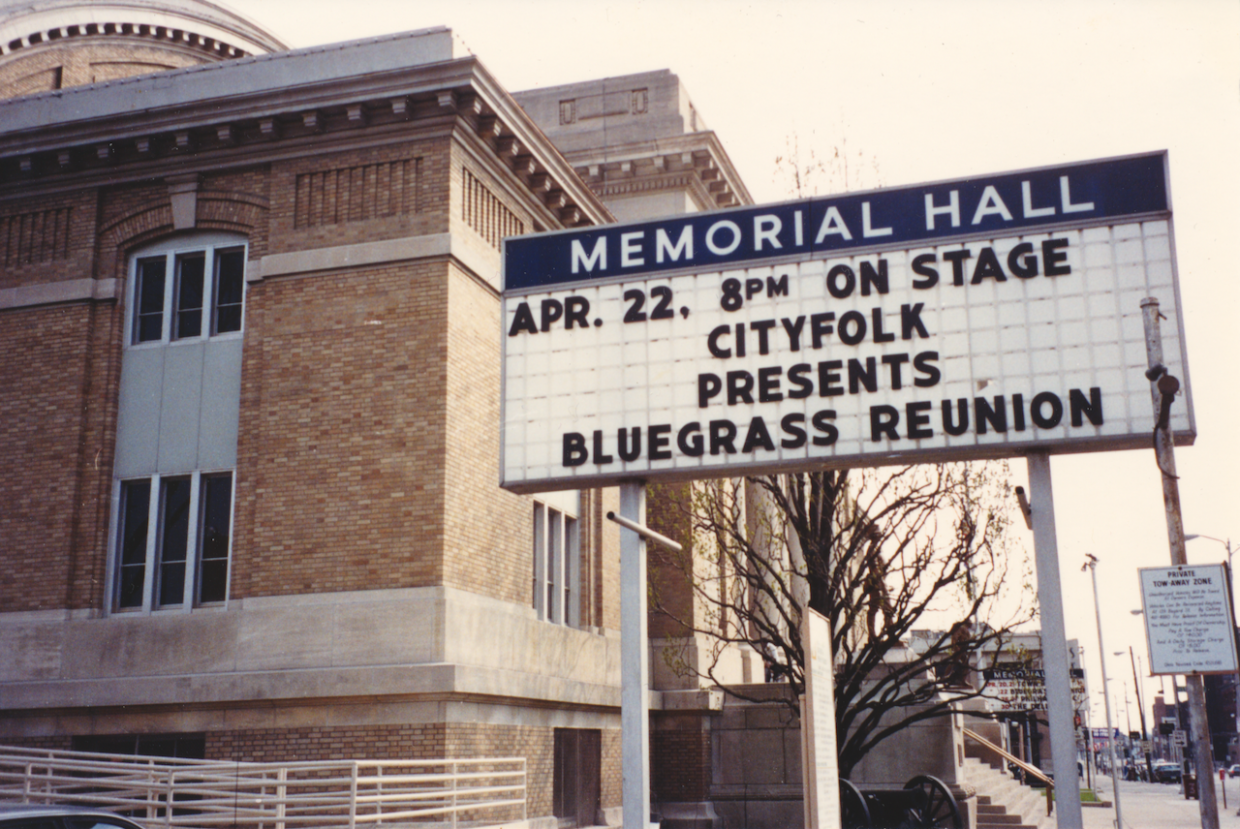
I started outside the concert site, Memorial Hall, in the afternoon before the concert — sound checks were going on inside — taking care to get a close shot of the Hall’s sign on one of Dayton’s busiest streets.
Inside the hall that day, the stage was being set. Working as a stagehand, I helped handle communications between director Don Baker and the evening’s performers. Moon Mullins and The Traditional Grass and the Osborne Brothers were parked outside in their own vehicles. I first visited Moon and the band in an RV with the name, “The Cabin,” on the door. He introduced me to the band members, including his son Joe. Then I visited the Osbornes.
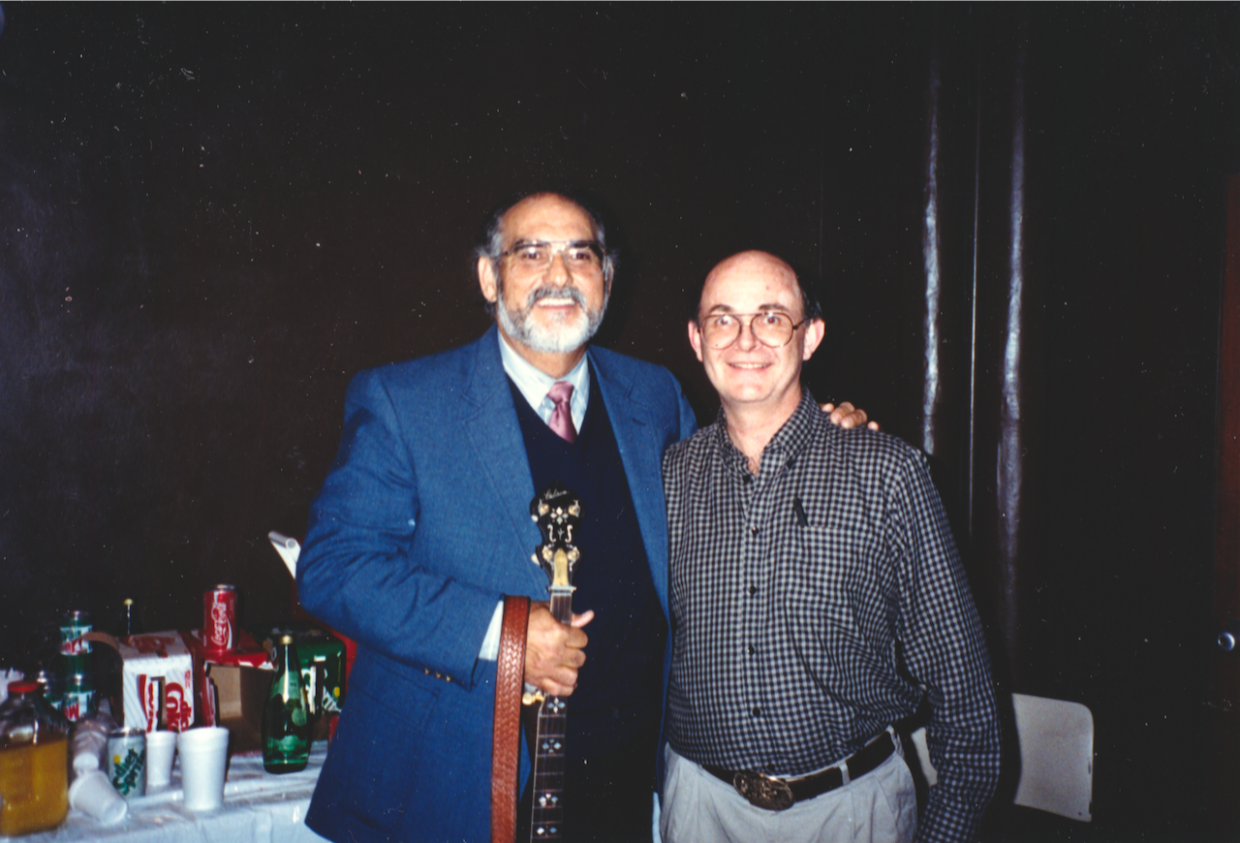
I hadn’t seen the Osborne Brothers since a Saturday night three years before when I was in Nashville to promote my new book, Bluegrass: A History. They’d invited me to be their guest backstage at the Grand Ole Opry, where Sonny brought me onstage, introduced me and spoke about the book — a very generous act. During the concert I asked a fellow backstage bystander to take our photo. Born in 1937, Sonny passed away last fall; he is sadly missed.
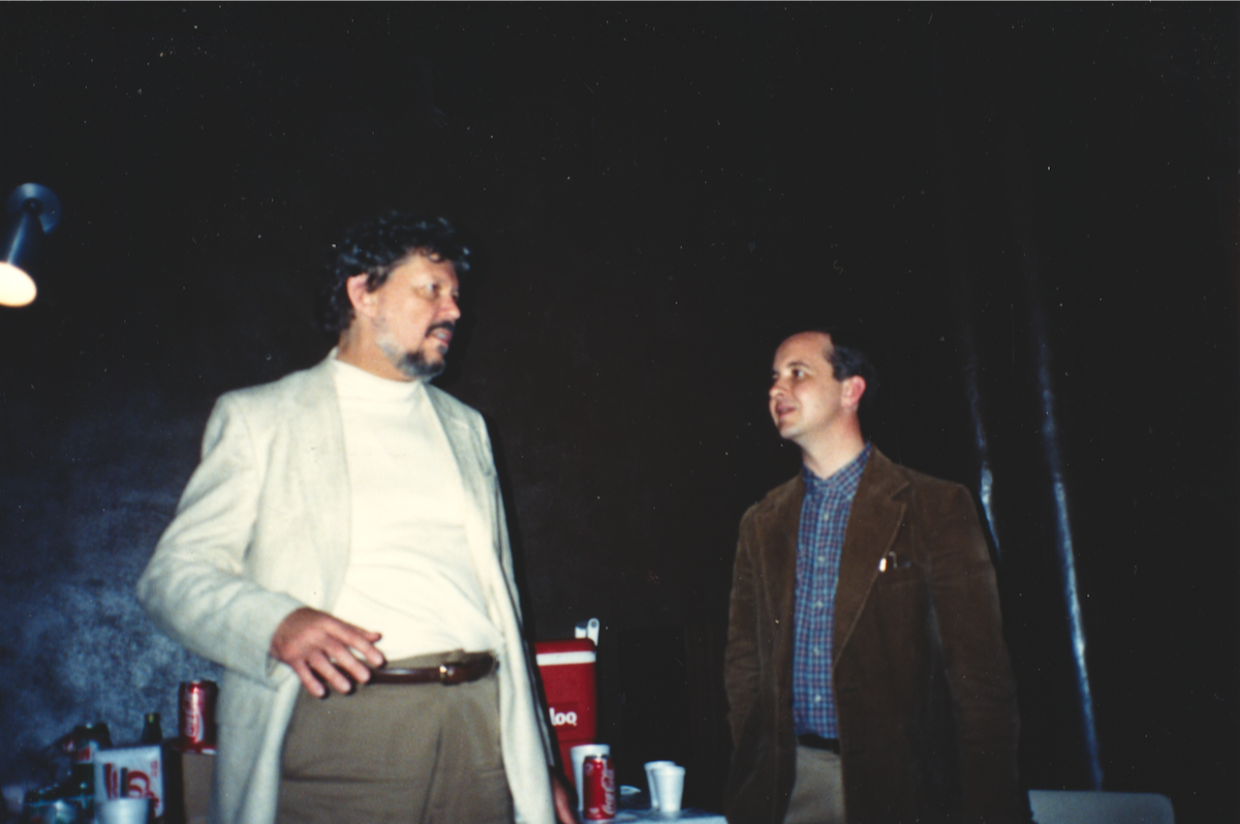
At about the same time I noticed Fred Bartenstein and Tom Teepen nearby and asked them to pose for me. They were important figures in the discovery and revival of Dayton’s bluegrass scene. Recently, I sent this photo to Fred (original editor of Muleskinner News) and asked him for a caption:
National editorial correspondent Tom Teepen (1935-2017, left) wrote an evocative memoir in the concert program about his days as a Dayton bluegrass fan. Here he meets backstage with Fred Bartenstein, who helped plan and organize the event.
The rest of my photos were taken at the Canal Street Tavern after the concert.
The executive producer of the event, Phyllis Brzozowska ran CityFolk from the start until its end about ten years ago. Behind her on the left is Greg Allen of the Allen Brothers. The individual on the right was one of the crew that director Don Baker enlisted from his Lime Kiln Theater troupe to help backstage.
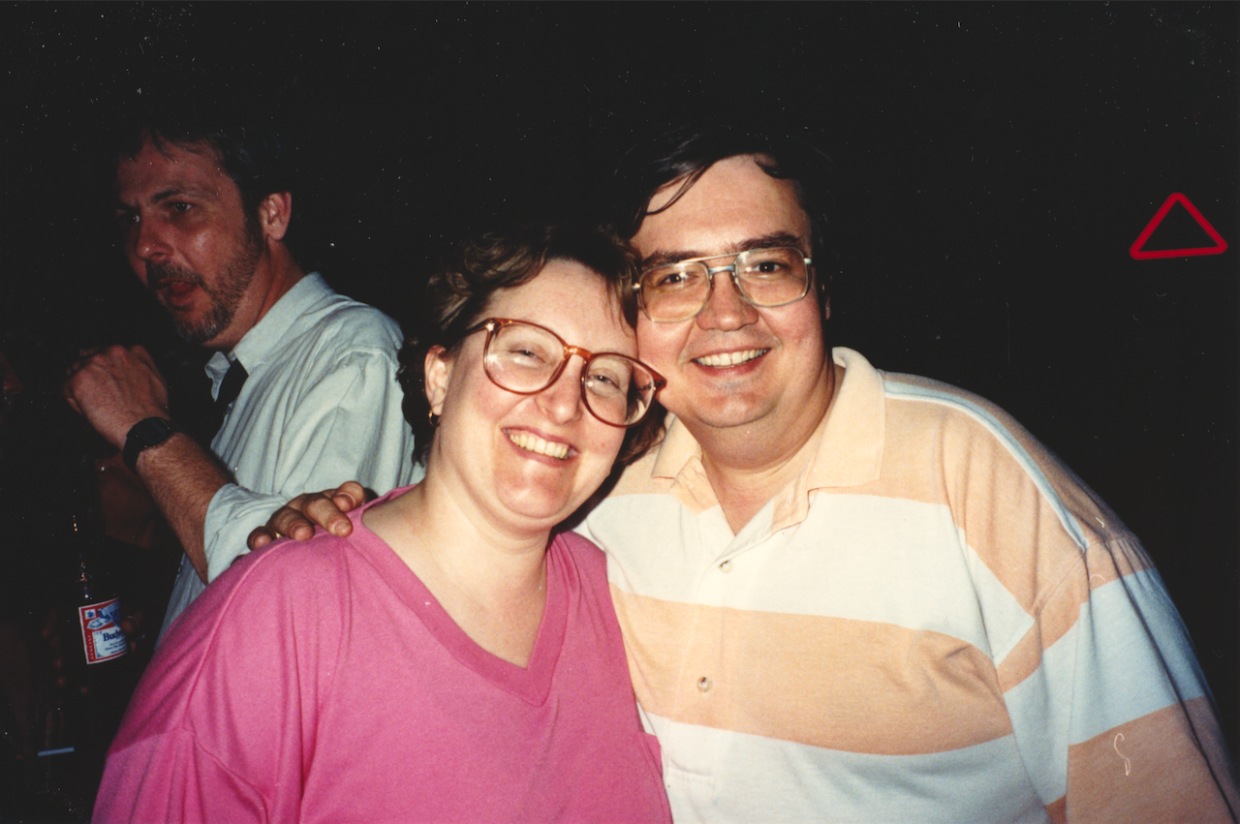
Doug Smith and his wife, Dayton Bluegrass Reunion researcher and writer Barb Kuhns (both members of The Corndrinkers, an old-time band still active today) posed with Don Baker, concert director and emcee.
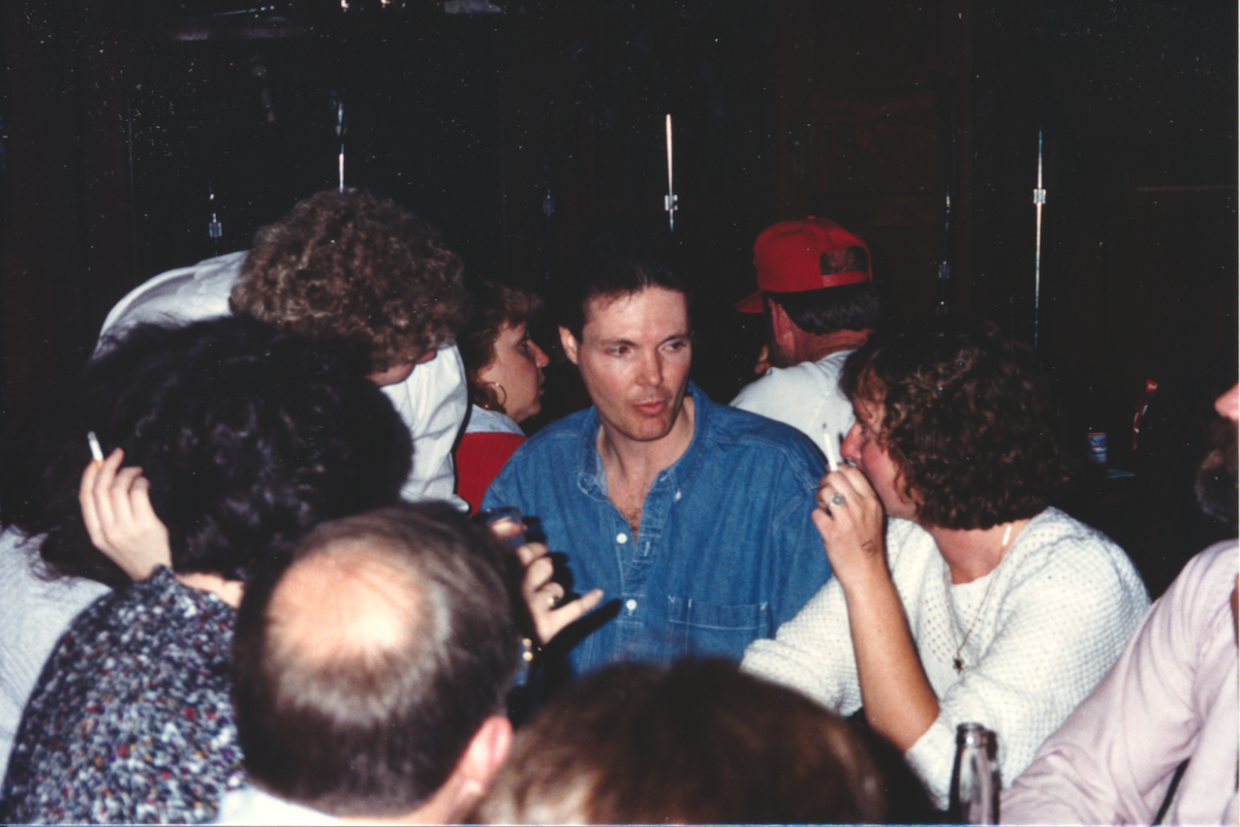
Harley Allen, a veteran star of several bands, had performed in the concert with his brothers. At the center of Canal Street’s evening’s activities, he’s seen here surrounded by friends.
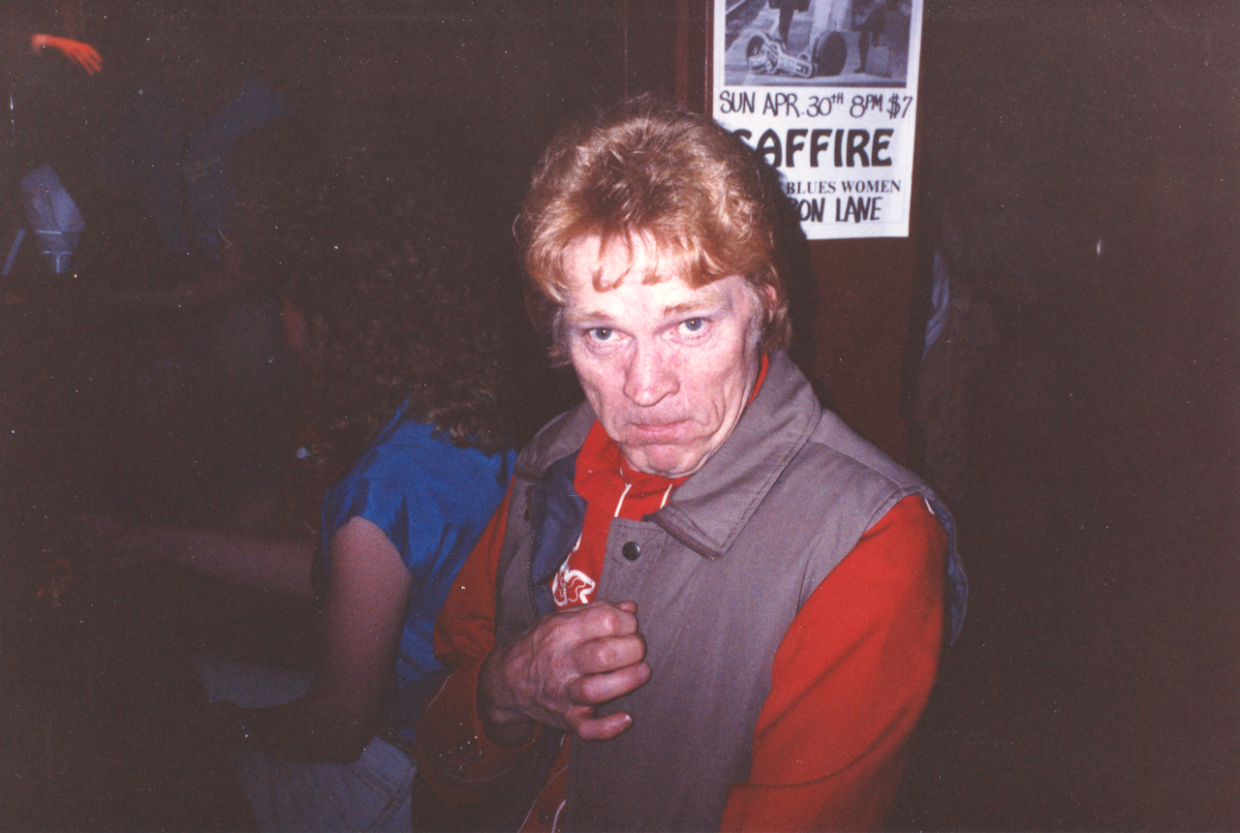
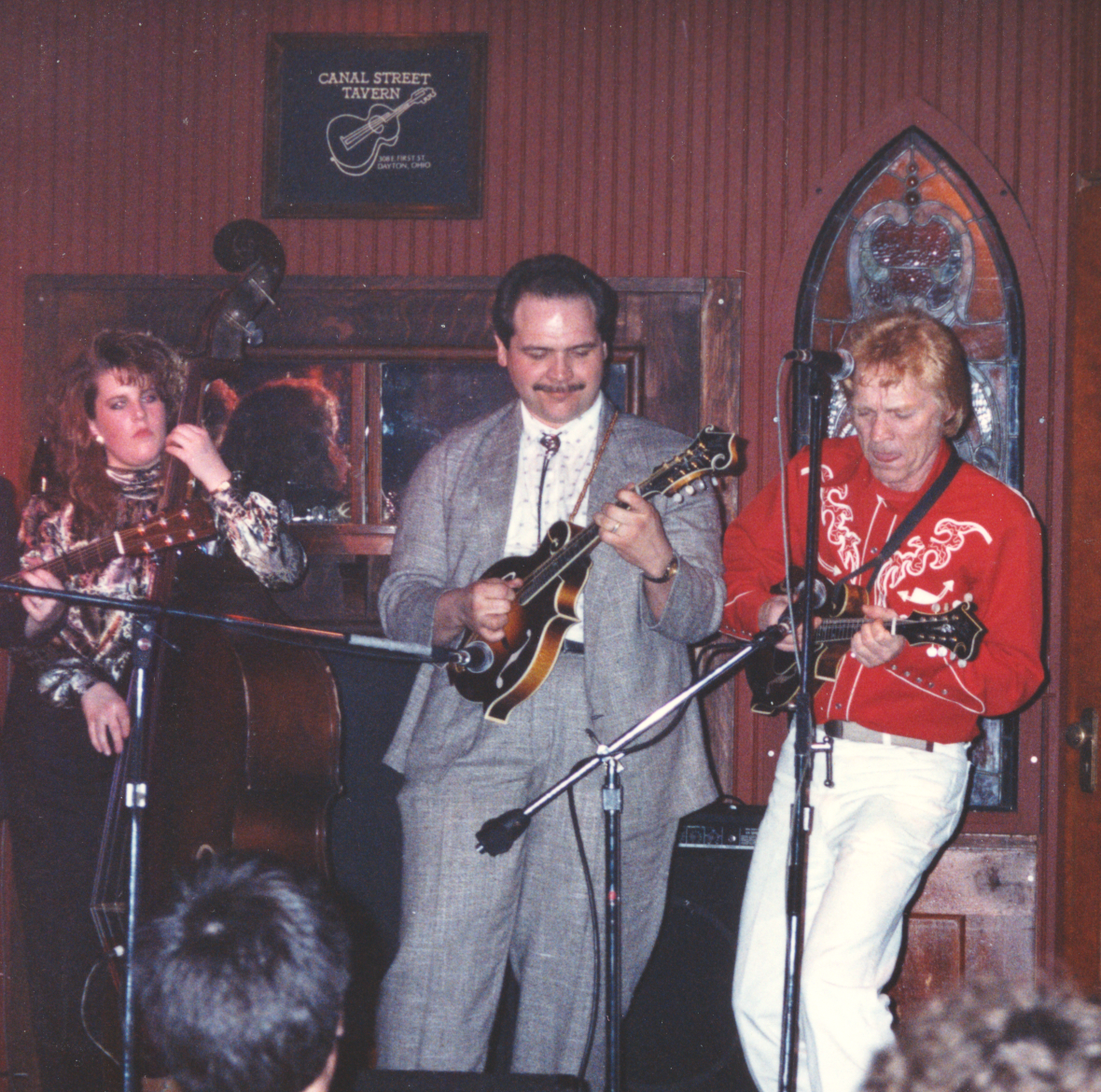
The peripatetic mandolin virtuoso, Frank Wakefield, then living in Saratoga Springs, New York, and working with a Cleveland-based bluegrass/swing outfit, was bouncing around the room. I’d first seen him in action onstage in 1962 (Bluegrass Generation, 124-25); he was still up to his onstage hijinks.
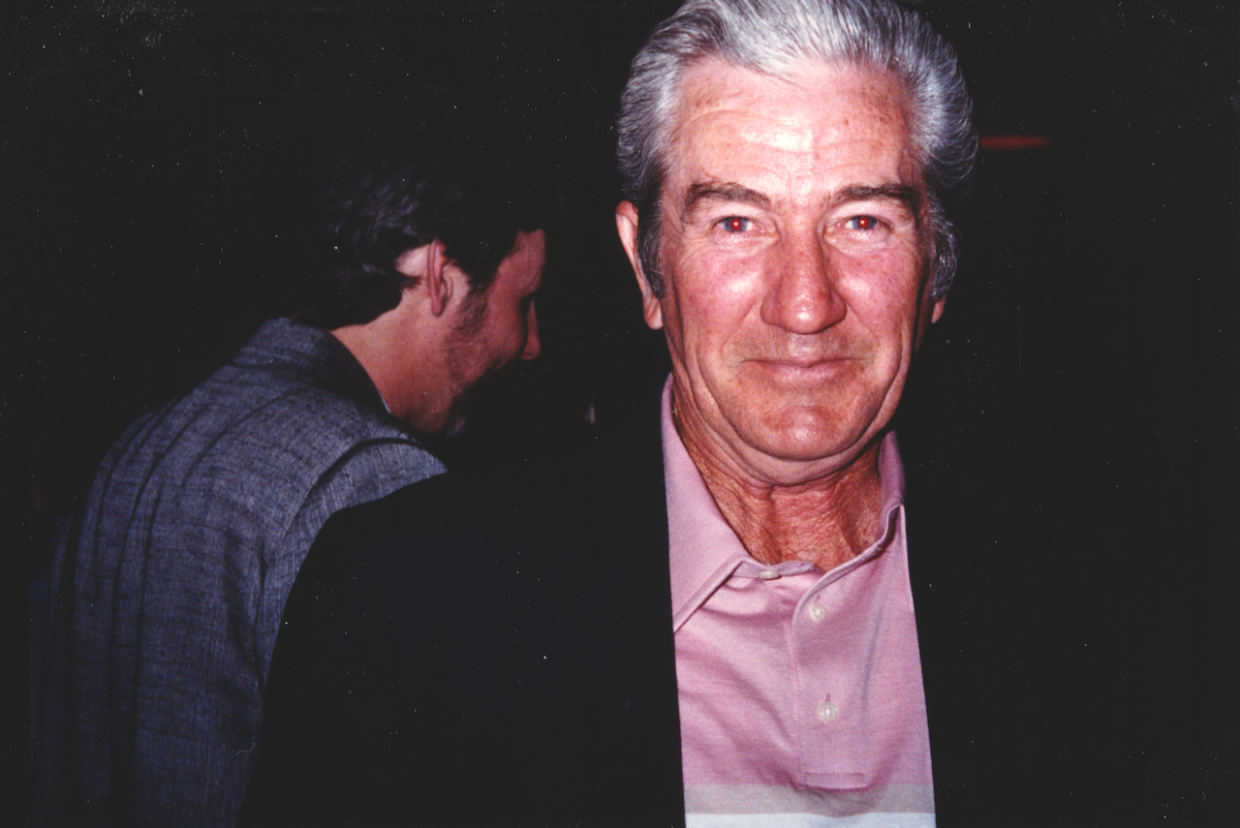
Meeting Noah Crase was a special treat. I’d first heard his music in the late ’50s on an obscure 45 record by Dave Woolum. The evening’s program included a picture of him playing with Bill Monroe along with two men I’d played with in Indiana myself, Roger Smith and Vernon McQueen. We swapped Blue Grass Boys stories.
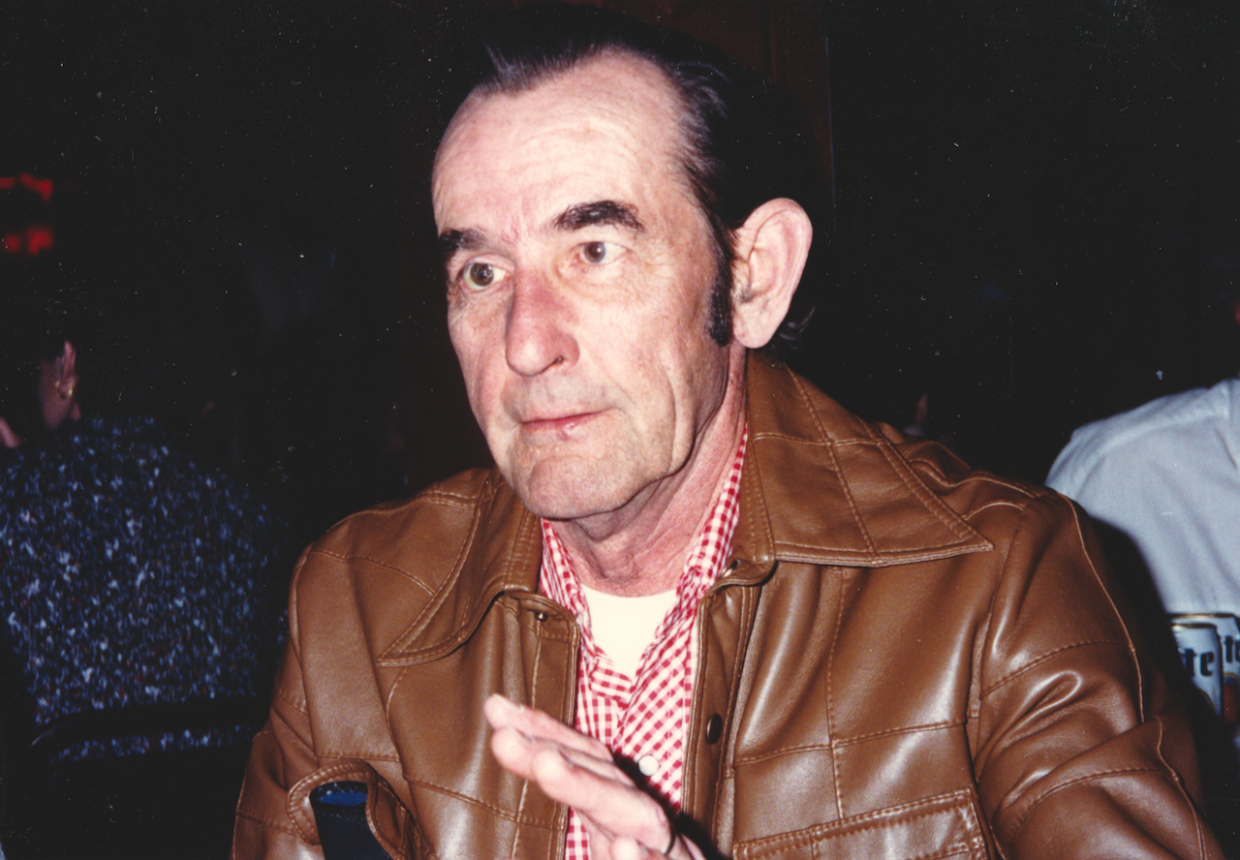
Another special treat. I first ran across Porter Church’s recordings on Red Allen’s County LPs from the mid-’60s. He was well-known in the D.C./Baltimore area, but I didn’t get a chance to see him in action until the Reunion.
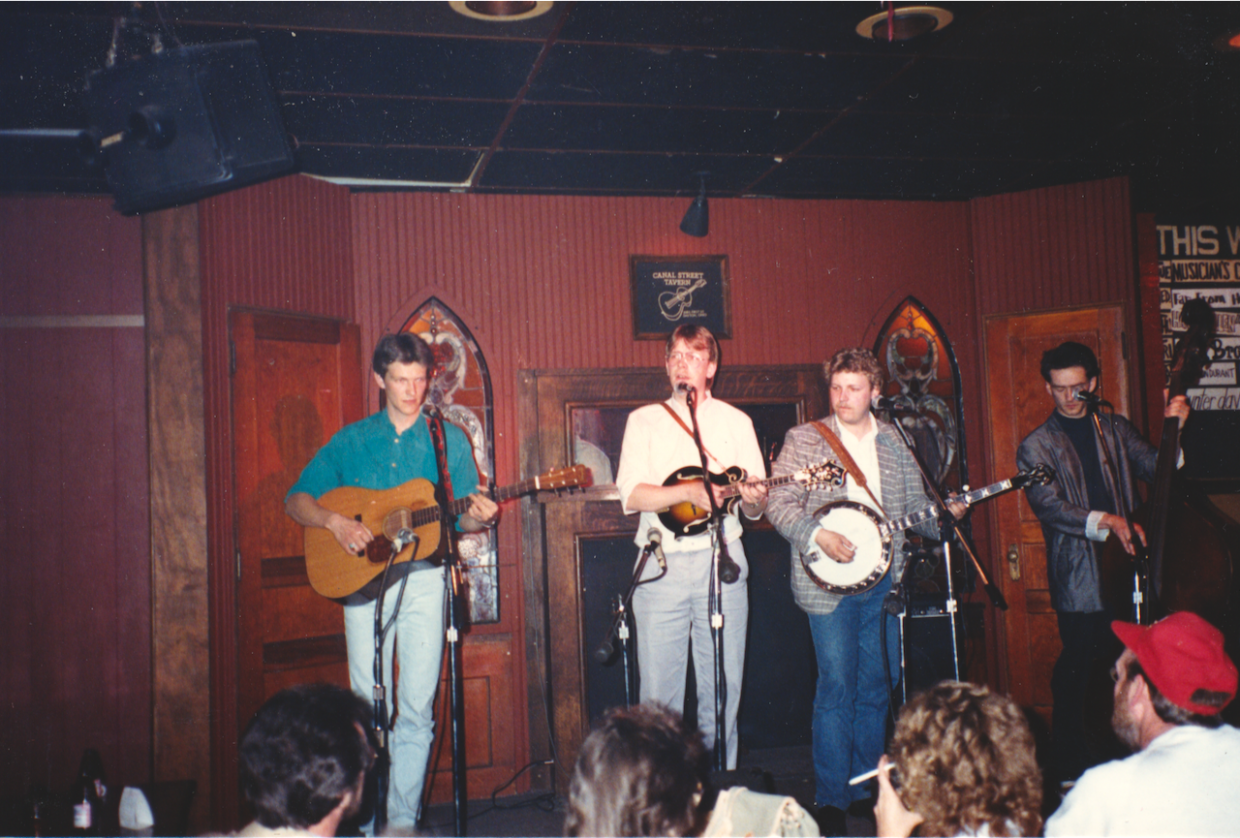
The Sacred Sounds of Grass (Norbert Dengler, guitar; Sam Hain, mandolin; Thilo Hain, banjo; Alfred Bonk, bass)
I didn’t take notes about my snapshots — all that remained in my memory of this group was that these young men were from Germany, played bluegrass gospel, and were on their first American tour. I sent a copy to Mark Stoffel, mandolin player with Chris Jones and the Night Drivers, who’s from Germany. He told me he “knew them well,” and sent the band’s name and contact information.
I wrote to banjoist Thilo Hain and asked him to describe the circumstances that brought the band to Dayton that evening, and their experiences at the concert and the reception. He explained:
In 1988 his brother Sam Hain saw an ad in New York instrument dealer Harry West‘s sales list for a 1922 Gibson Lloyd Loar once owned by Pee Wee Lambert and now owned by Frank Wakefield. Sam, interested, “rang Frank Wakefield up to ask him more details about this instrument.” Wakefield told Sam, “Better get that mandolin, before anybody else gets it.”
Sam then asked Frank if he was planning a reunion with Red Allen and his band. Wakefield told him about the Dayton Bluegrass Reunion scheduled for April 1989. Thilo remembered, “Frank finished with the words, ‘You better be there!'”
Sam missed out on getting the mandolin, but the band was there in Dayton for the concert. Red Allen arranged for their free admittance and took them backstage to “a meet and greet with all the musicians,” and suggested they perform at Canal Street. “Dee Sparks,” said Thilo, “was so kind to let Alfred play his bass for the show. Throughout our first U.S. tour we earned so many friendly comments, felt heartwarming hospitality from all the great musicians we visited at their homes and went back to Germany with a huge bag full of new impressions and experiences.”
A Google translation of the band’s history on their Facebook page reads: “Sacred Sounds Of Grass is the oldest active Bluegrass Band in Germany, founded in 1979. With their classic Bluegrass Sound the group is also considered the most authentic bluegrass band outside of the USA.”
Thirty-two years after their Canal Street Tavern performance, the same band lineup appears in a photo, also posted at their Facebook page, of them performing in a church in Adelberg, Germany this past August. Here’s a recording from a 2019 festival.
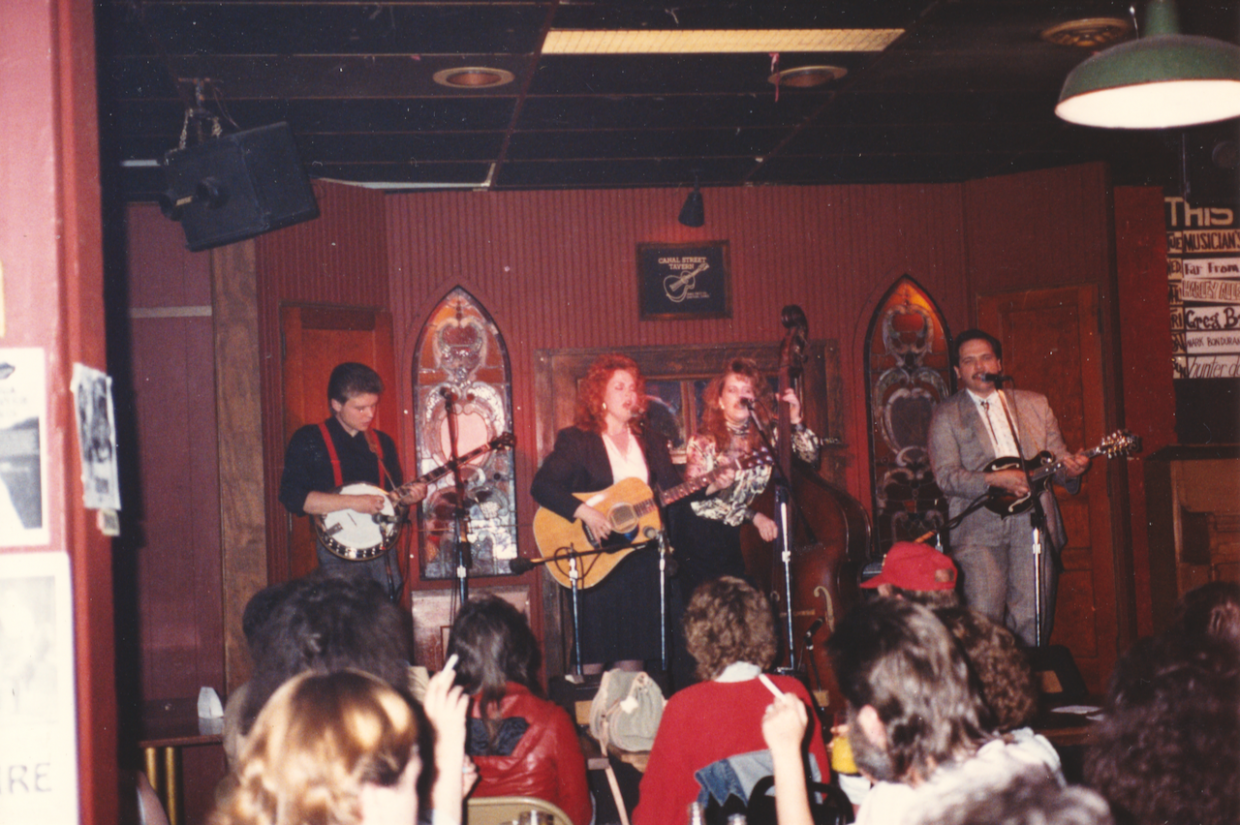
Wild & Blue (below) was mandolinist and fiddler David Harvey’s new band, formed November 1988. On this night, when they came onto the Canal Street stage, David had already played with the Allen Brothers. Born 1958 in Dayton and son of famous mandolin player Dorsey Harvey (1935-1988; see Industrial Strength Bluegrasspp. 150, 183), he’d grown up in Parkside, a postwar housing development, together with Red Allen‘s four sons as neighbors. Their fathers both played in bluegrass bands — they all learned at home, jamming together after school as teens. By summer 1972 David was playing festivals with Red Allen.
In 1974, at 17, Harvey dropped out of high school to help support the family as a professional musician, joining the Falls City Ramblers. Parkside was a decaying, crime-ridden, rustbelt housing project; David saw music as a way to a better life.
A Louisville-based band that played a lot in Southwest Ohio, the Ramblers were local favorites with the same crowds who listened to the Hotmud Family’s eclectic blend of bluegrass, old-time, blues and early county. The chapter “Beck Gentry” in Murphy Hicks Henry’s Pretty Good for a Girl:Women In Bluegrass (pp. 186-191) gives a good history of the band. David was with them, playing fiddle and mandolin, for five years. In 1977 Kentucky Educational Television aired one of their shows:
In 1979 Harvey moved to Colorado Springs, where his musical career continued in a group called The Reasonable Band. He entered and won several mandolin contests, establishing an enduring reputation for his skill and creativity. He also began working as a luthier.
He moved to Indianapolis in 1983 and for the next four and a half years he played on the road and recorded with Larry Sparks. His career as a luthier grew. In 1986 he met Jan Snider, who, with her younger sister Jill, had been playing bluegrass. Jan and David soon wed.
Wild & Blue brought lead singer Jan’s voice to the forefront, solo and in duets with Jill’s high harmonies. They began around the same time as a number of other bluegrass bands with female lead singers were coming on the scene like Alison Krauss, Lynn Morris, and Laurie Lewis. The band had a lot of energy, with David’s suave mandolin work and its female-dominated trios. They won the band contest at SPBGMA 1992 and moved to Nashville in 1995. By then they’d recorded albums for Vetco and Pinecastle. Wild & Blue lasted until 1999.
Harvey then worked with Larry Cordle (1999-2001), Claire Lynch (2002-07), and Harley Allen (2008-11). Meanwhile his luthier work in Nashville blossomed. He joined Gibson in 2004 and today as Master Luthier heads Gibson’s Original Acoustic Instruments division. Here’s a video (above) in which Dave introduces one of the mandolins he’s building and illustrates it with a tune he co-wrote with his dad, “Cruising Timber.”
As a small boy Harvey had watched and listened to his father and Frank Wakefield as they wrung out mandolin ideas at his home. He clearly enjoyed himself with Frank this evening.
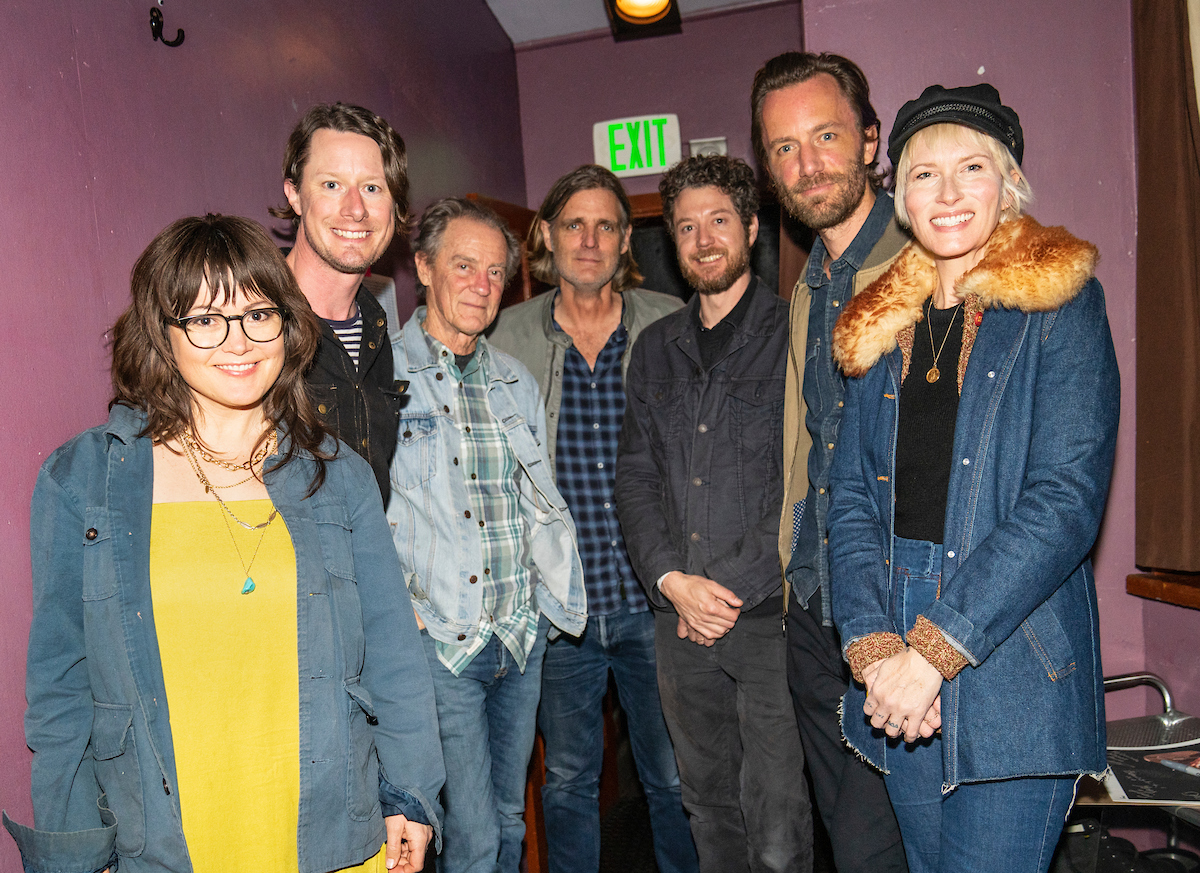
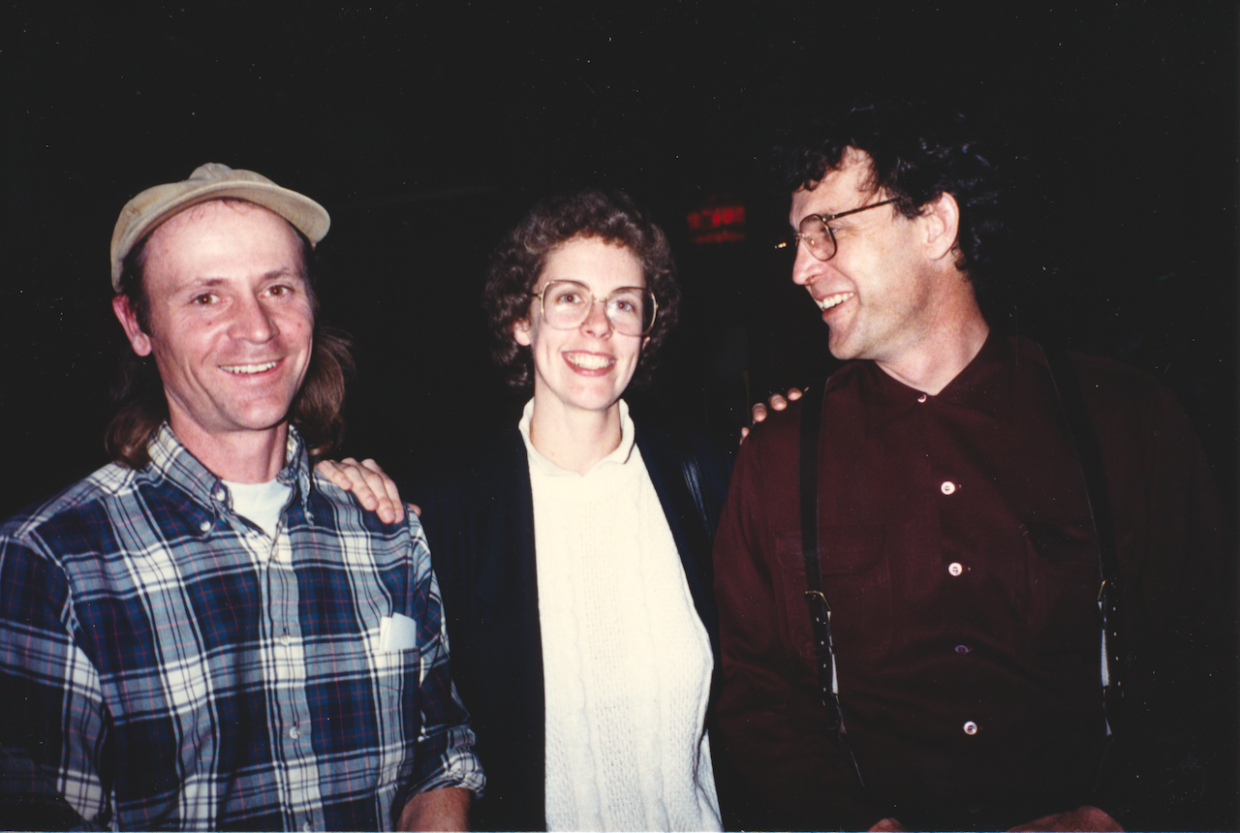
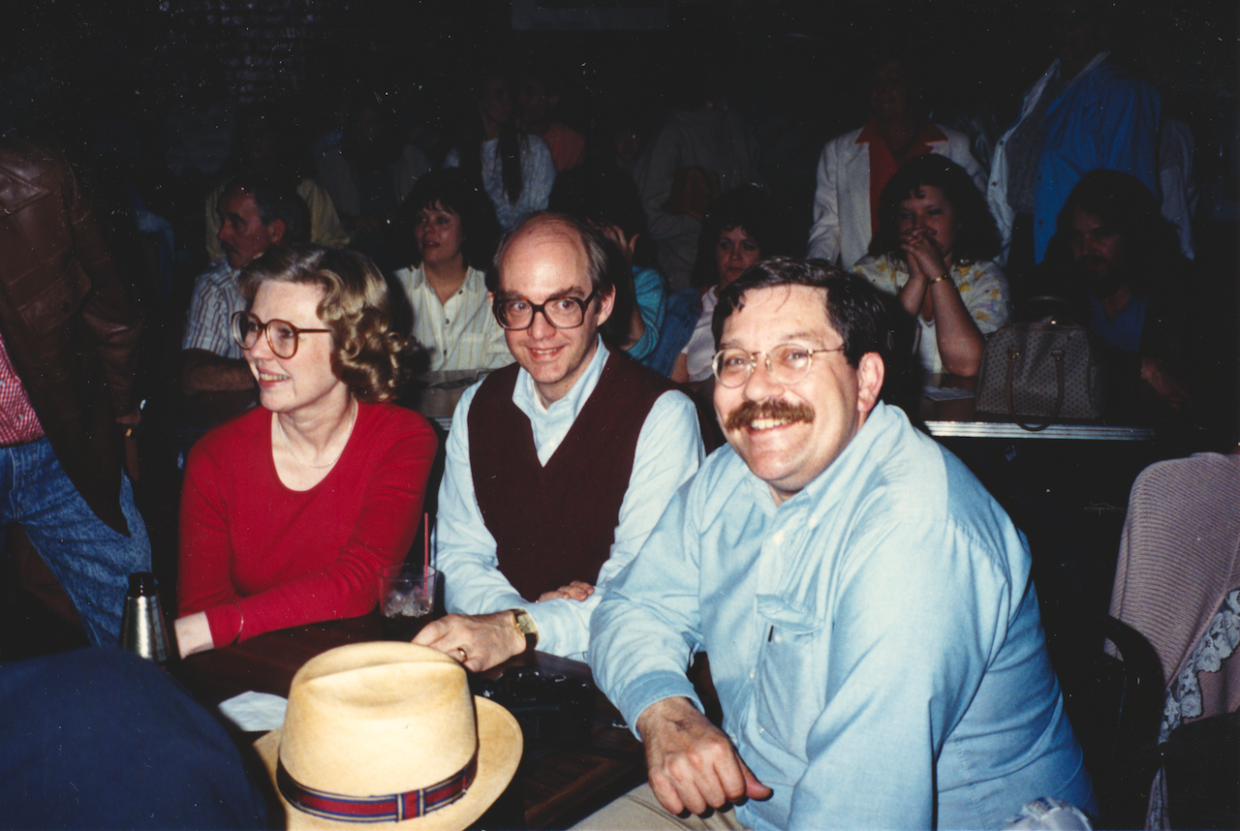
I had watched the evening’s afterparty at Canal Street with old friends from Lexington, Kentucky: the late Marty Godbey, author of Crowe On The Banjo: The Musical Life of J.D. Crowe. Next to her, husband, writer, photographer and musician Frank Godbey, creator of two influential bluegrass digital lists, BGRASS-L and IBMA-L. Next to Frank is Tom Adler, folklorist, banjoist and author of Bean Blossom: The Brown County Jamboree and Bill Monroe’s Bluegrass Festivals. And that’s my hat on the table.
Neil V. Rosenberg would like to thank: Fred Bartenstein, Phyllis Brzozowska, Nancy Cardwell, Frank Godbey, Thilo Hain, David Hedrick, and Mark Stoffel.
I met Allison Russell briefly several years ago during AmericanaFest here in Nashville, Tennessee. Years later on a masked up photoshoot with Yola during the COVID pandemic, I talked with this wonderful friend of Yola’s who introduced herself as Alli. We talked off and on during the shoot and had a wonderful time, only towards the end realizing that we did indeed meet before. That’s the funny thing about masks, I guess!
This particular shoot was the second one we had together within several months. Alli has since become a wonderful friend, and beyond her own ferocious talent and musicalities, she’s a gentle and whimsical spirit. We met in downtown Nashville this spring for our friends at BGS. Enjoy! — Laura Partain
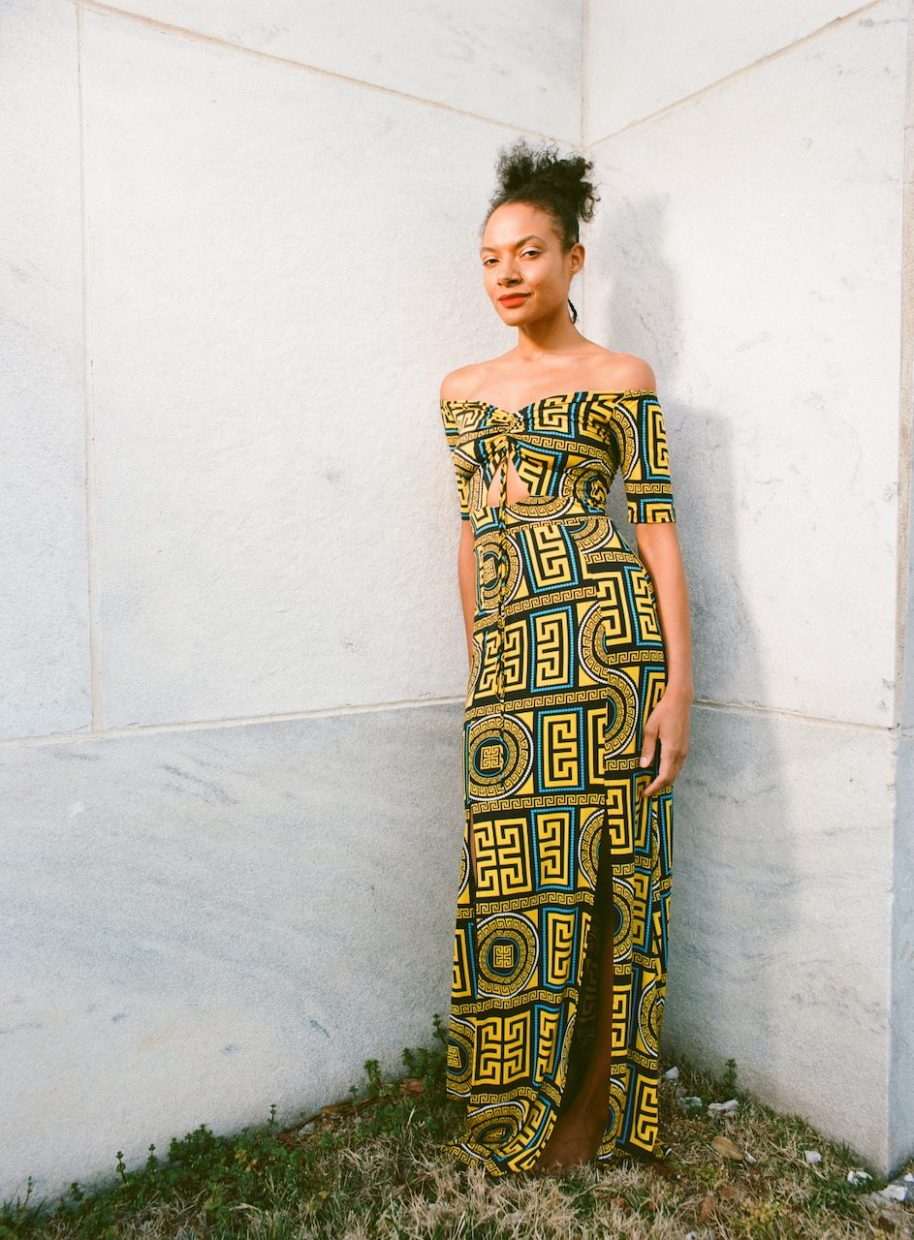
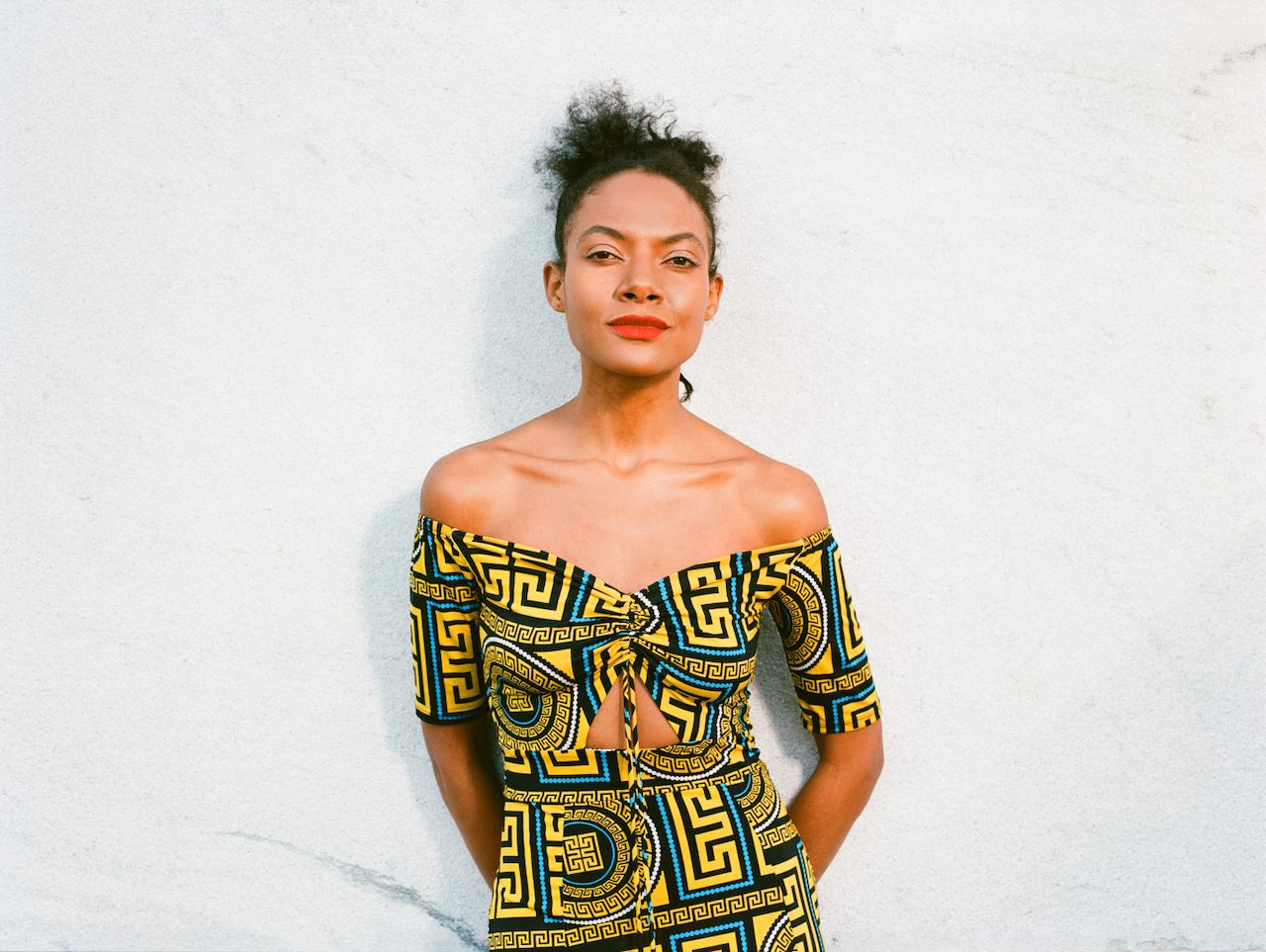
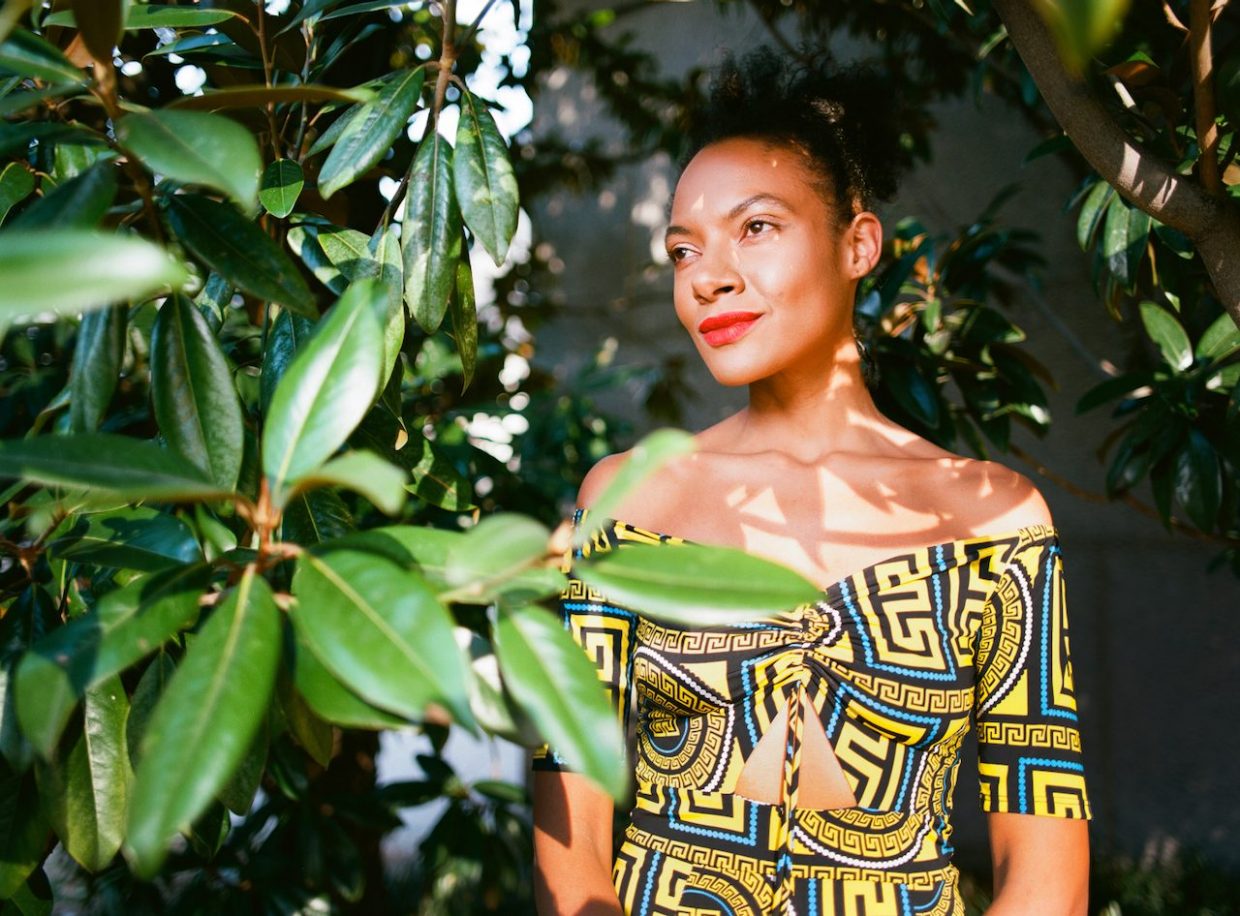
Allison Russell, wearing a dress designed and purchased from Kenyan American-owned Kings and Queens Boutique in Madison, Tennessee.
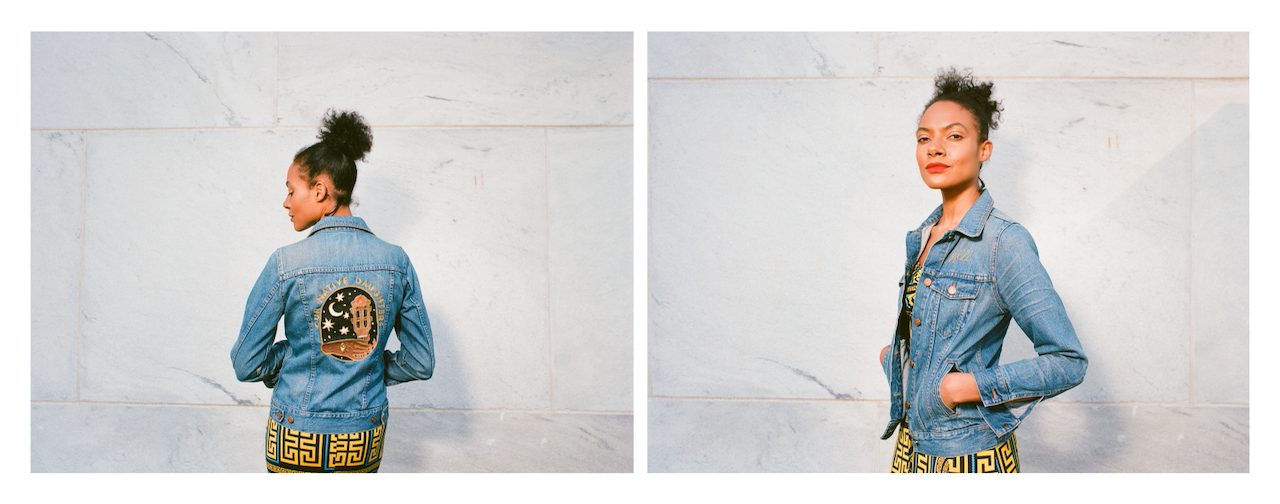
Allison in her custom Fort Lonesome jacket, which was gifted to her during the 2019 Newport Folk Fest, where she performed with Our Native Daughters.
Once again, wearing the dress designed and purchased from Kings and Queens Boutique.
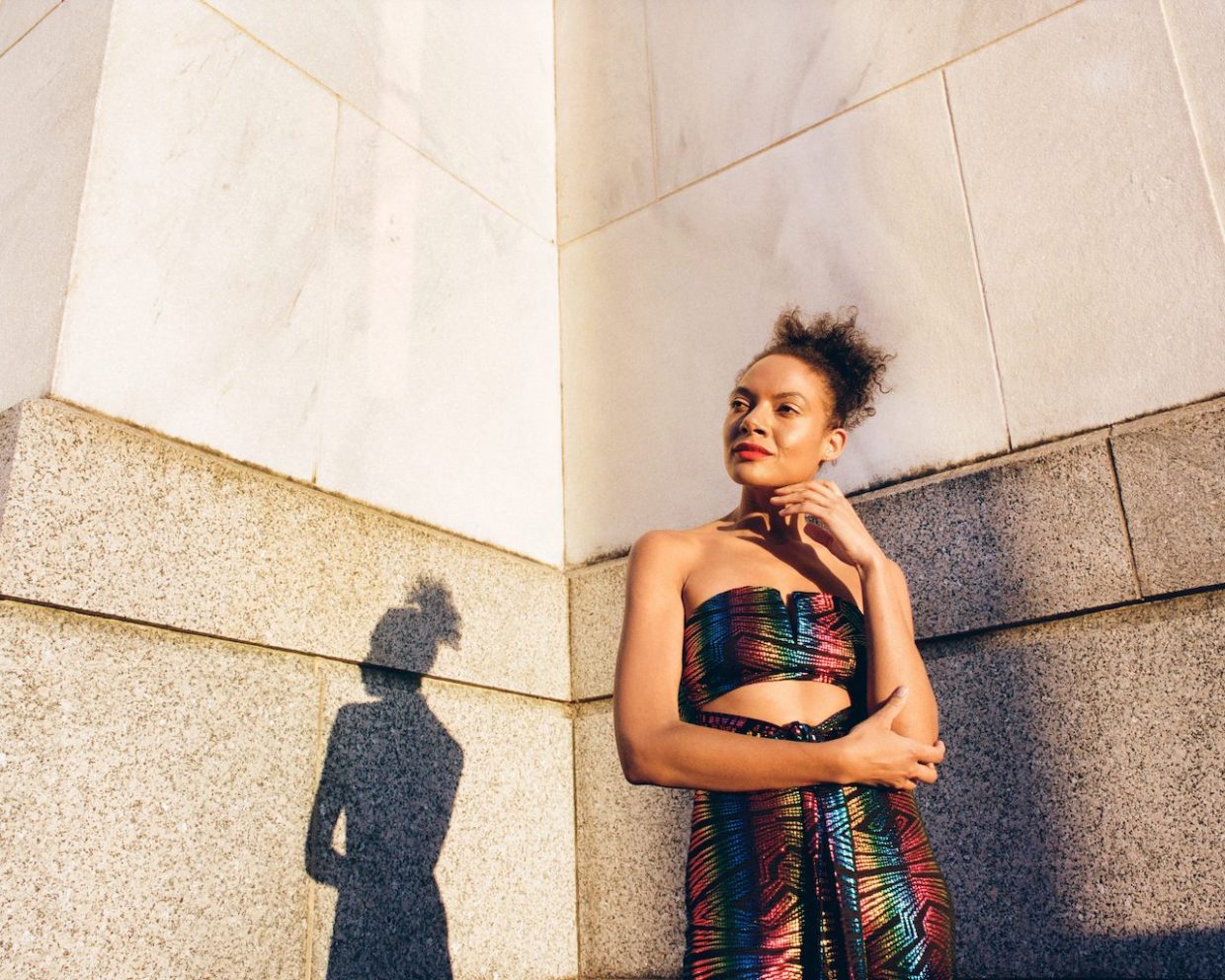
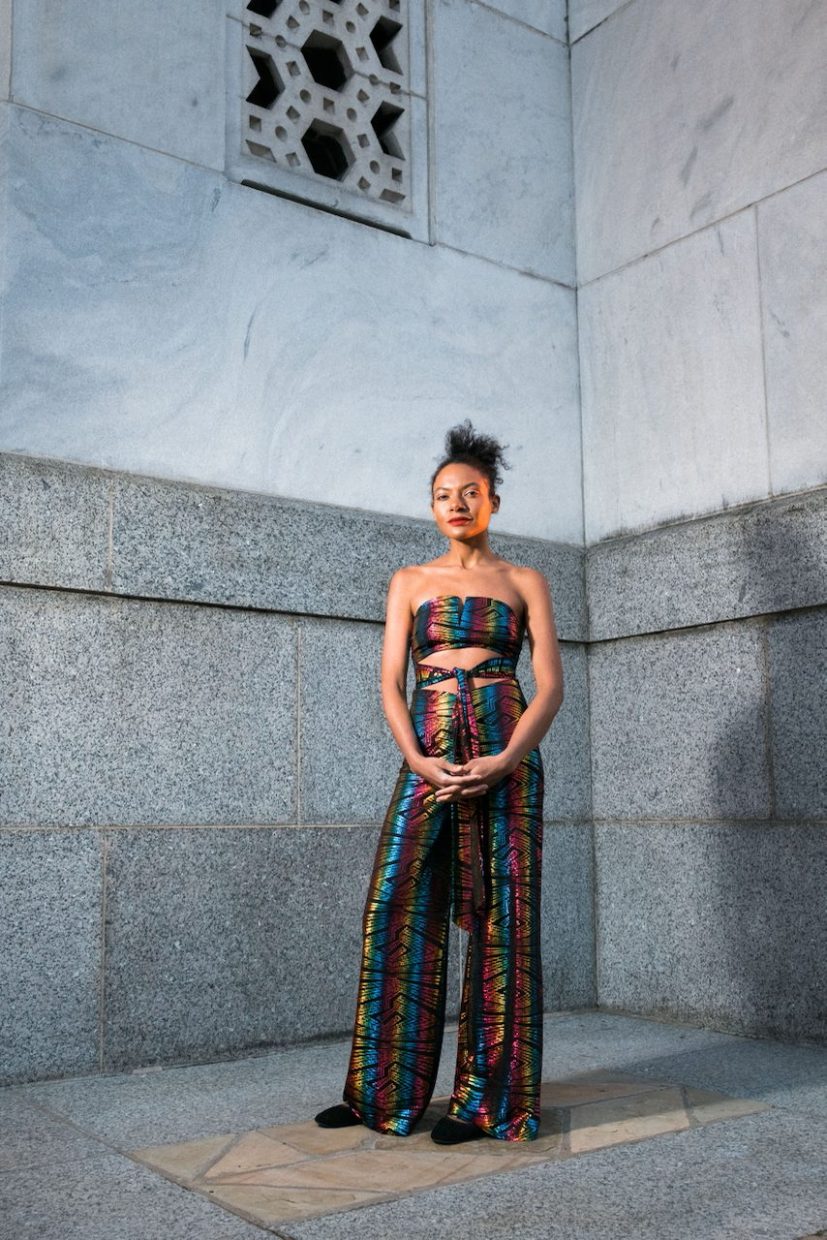
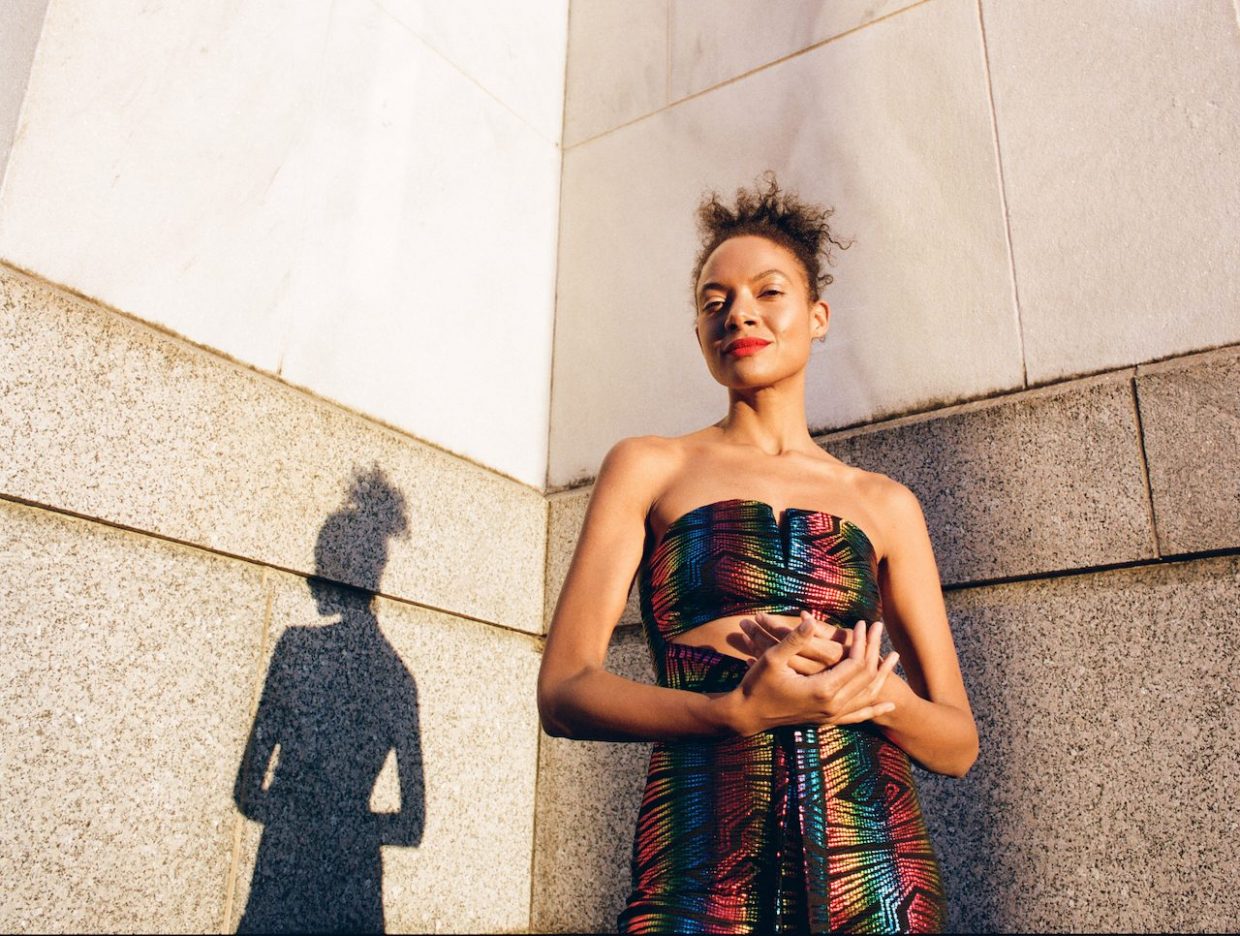
Allison wears a shiny, rainbow jumpsuit she scored from a local thrift shop in Nashville, Tennessee.
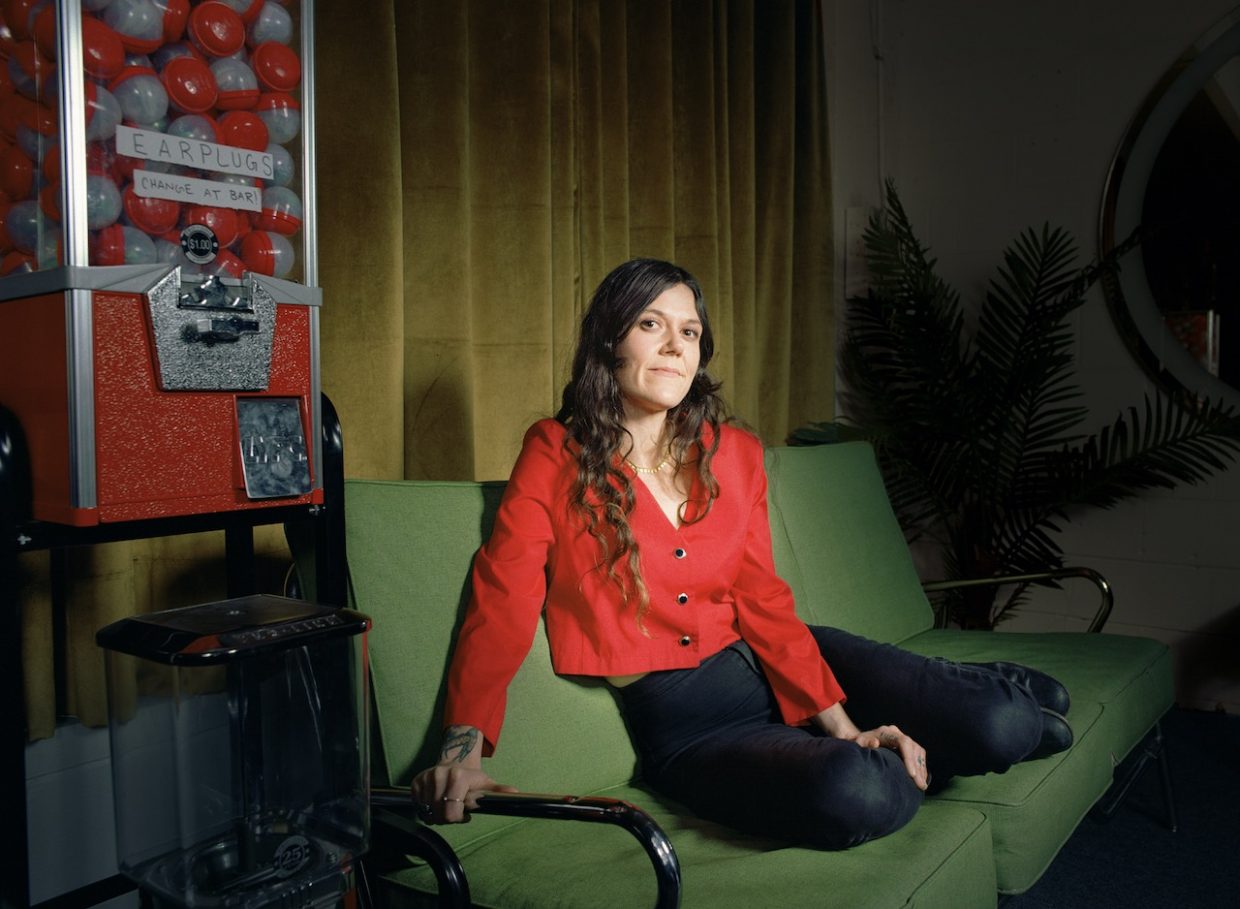
This shoot happened just a few days after venues began closing and tours were being cancelled due to the coronavirus. Lilly Hiatt and I decided to continue, holing up in an empty venue called Drkmttr Collective here in Nashville by ourselves for a few hours. (You can support Drkmttr’s GoFundMe to help keep them afloat, if you feel inclined.)
Lilly is a mixture of bright sunshine and intense badassery; her good nature and spirit was a welcomed respite from the scary unknown so many of us artists were heading into then, and of course are still navigating. I thought Drkmttr Collective would be a great spot for her — a little quirky, a lotta rock ‘n’ roll. The three outfits she sported fit easily into the feel of the place.
As it stands, this was my last shoot before so much was canceled and shut down, but we no doubt ended on a high note. Until next time! Stay safe and well out there, y’all. — Laura Partain
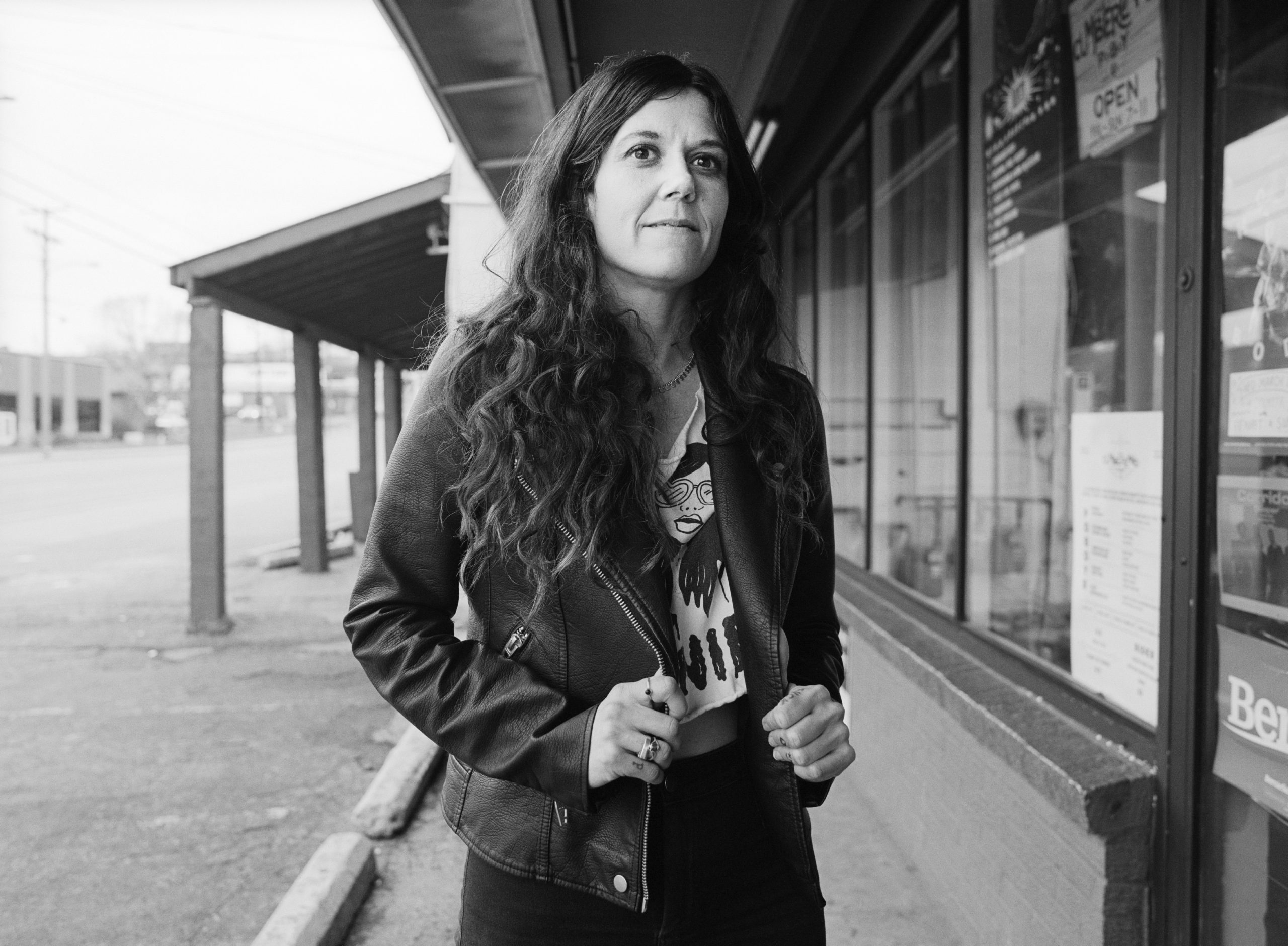
Pictured above, Lilly wears a Low Cut Connie tee and Blank NYC leather jacket.
Lilly wears a glitter mock turtleneck top from H&M, Top Shop jeans, and Frye boots.
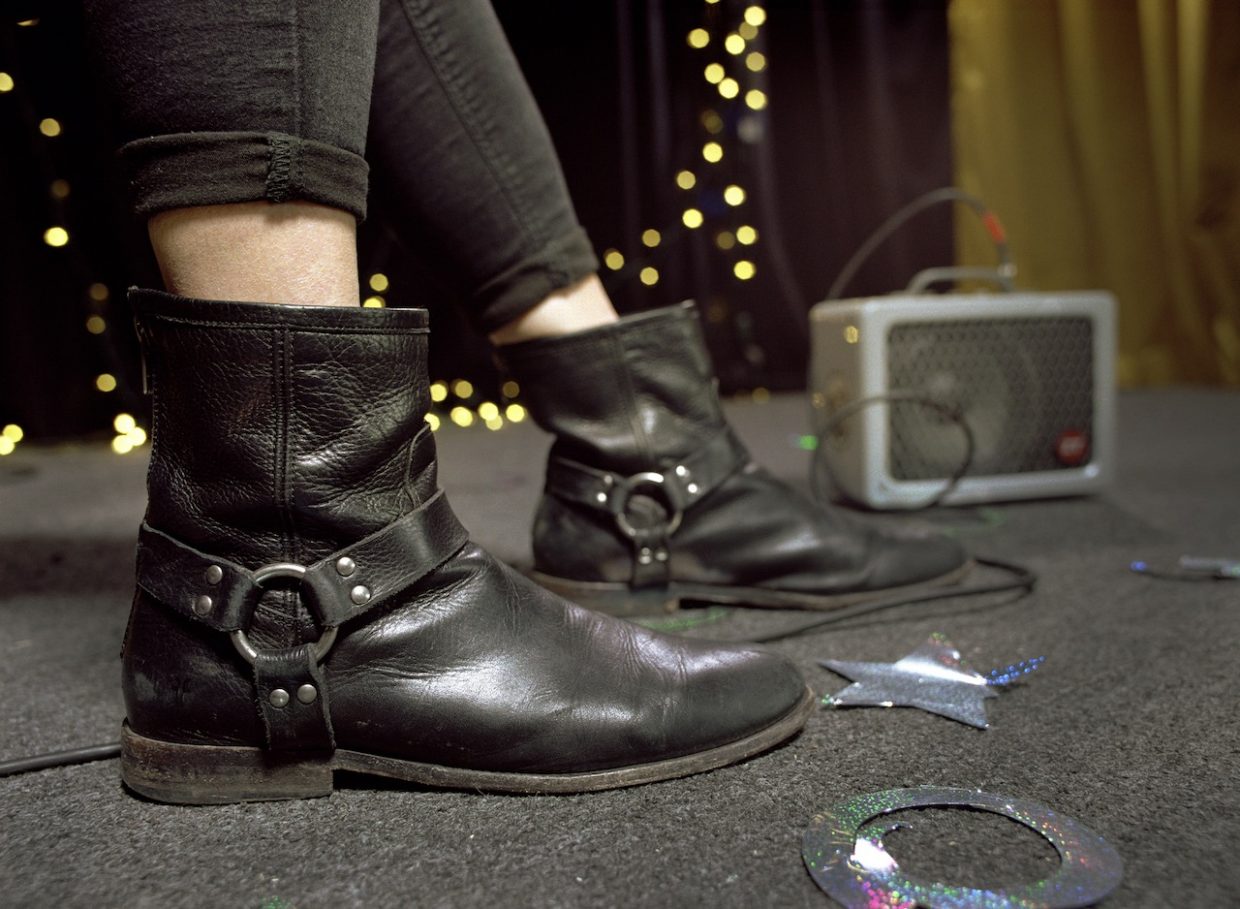
Strap and buckle detail of Lilly’s Frye boots.
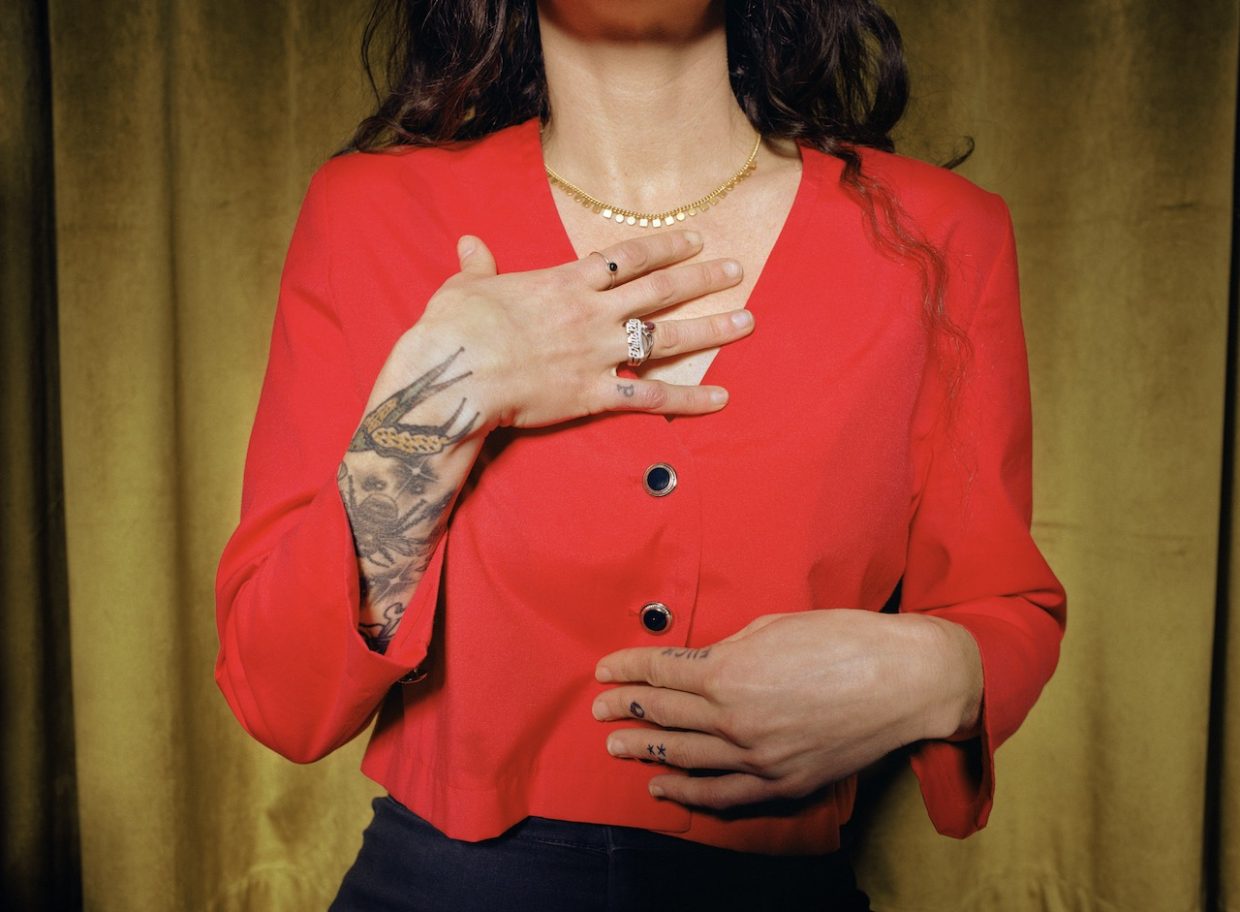
Lilly wearing a red Petites by Willi top from Anaconda Vintage in Nashville, necklace by Madewell, and Top Shop jeans.
Necklace by Madewell, Frito Pie ring by Snash Jewelry, black stone ring by Pale Silver, and red Petites by Willi top.
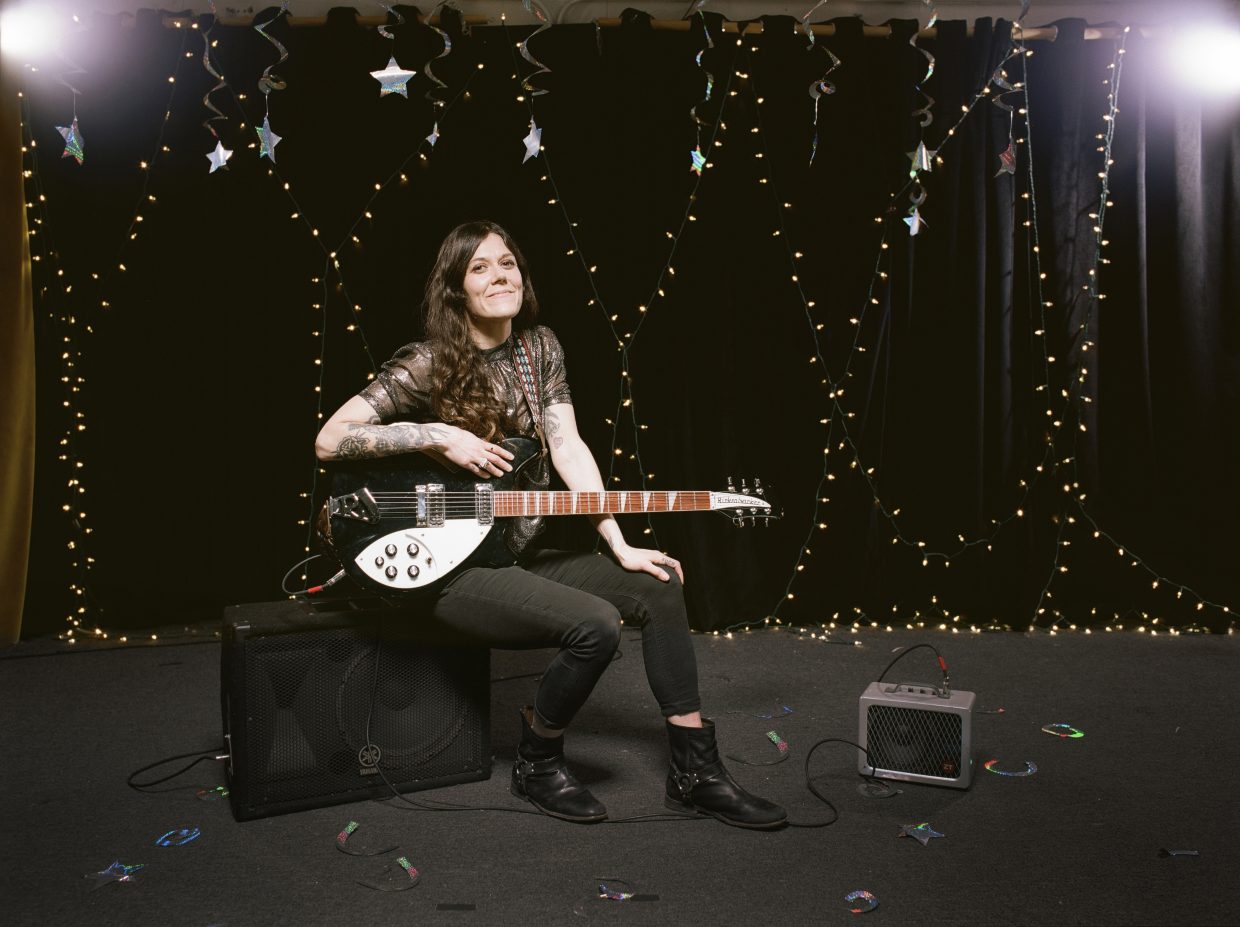
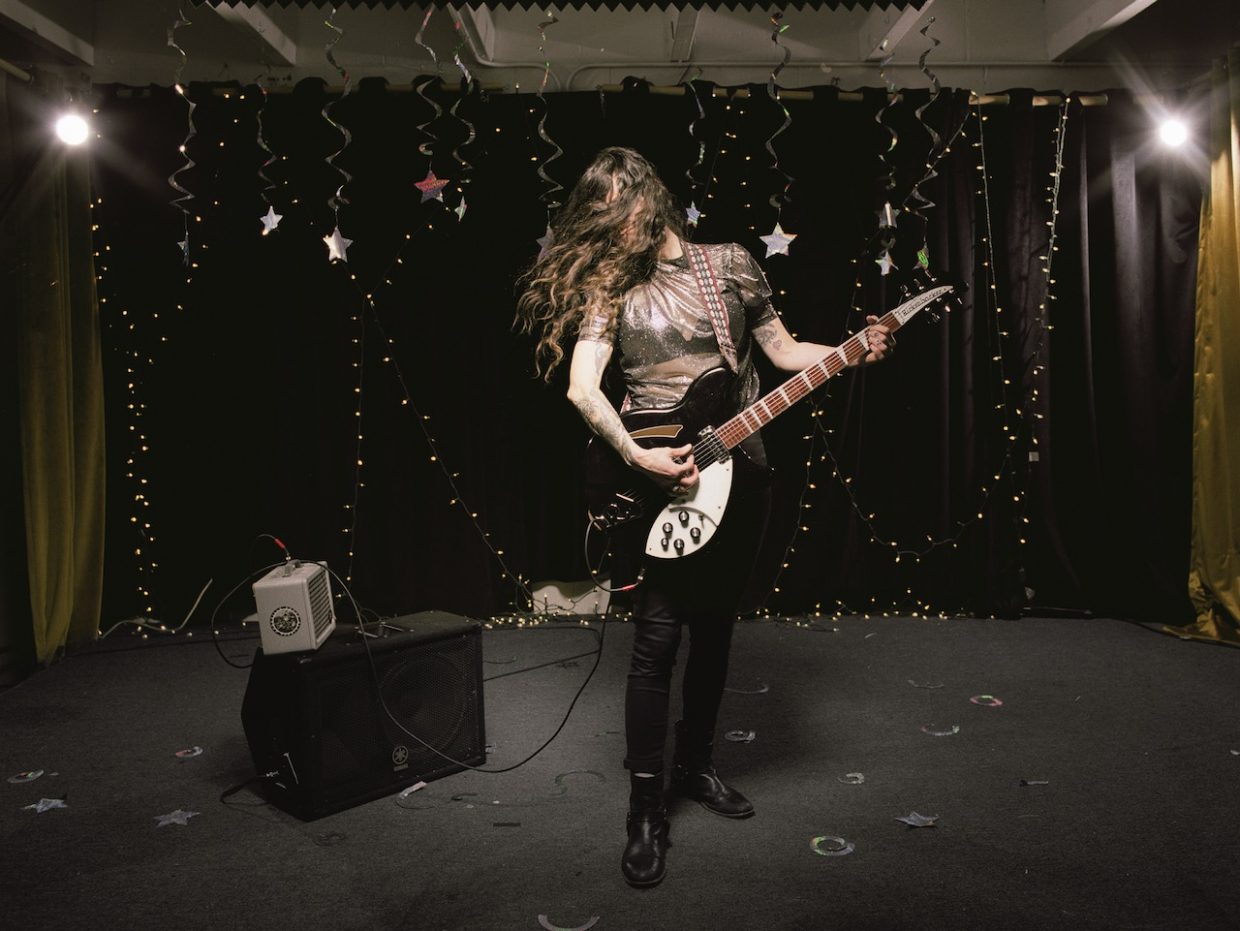
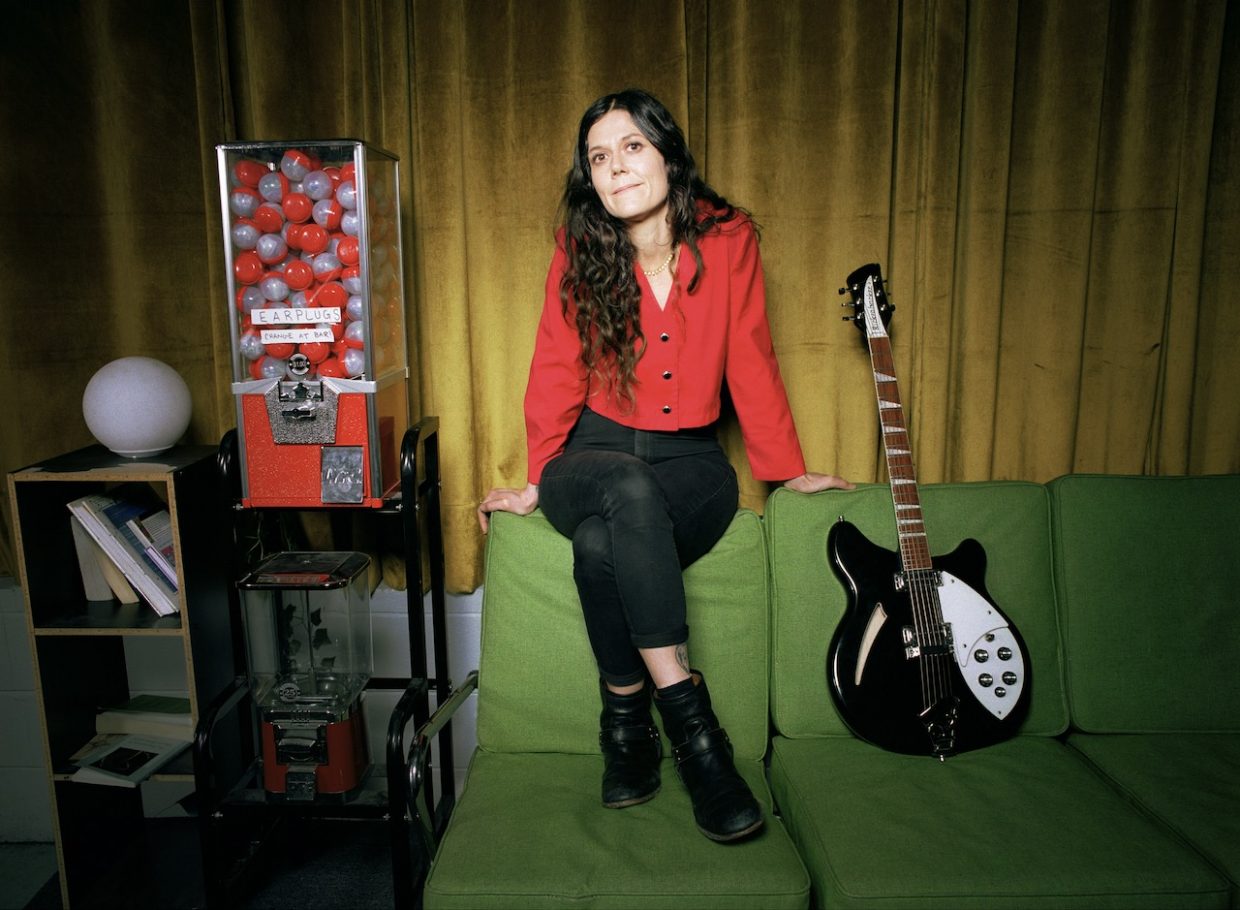
The top by Petites by Willi, necklace by Madewell, Frye boots, and Top Shop jeans look is completed with a Rickenbacker and an earplug dispenser at Drkmttr Collective in Nashville.
All photos by Laura Partain
This website uses cookies to improve your experience. We'll assume you're ok with this, but you can opt-out if you wish.AcceptRejectRead More
Privacy & Cookies Policy
Privacy Overview
This website uses cookies to improve your experience while you navigate through the website. Out of these, the cookies that are categorized as necessary are stored on your browser as they are essential for the working of basic functionalities of the website. We also use third-party cookies that help us analyze and understand how you use this website. These cookies will be stored in your browser only with your consent. You also have the option to opt-out of these cookies. But opting out of some of these cookies may affect your browsing experience.
Necessary cookies are absolutely essential for the website to function properly. This category only includes cookies that ensures basic functionalities and security features of the website. These cookies do not store any personal information.
Any cookies that may not be particularly necessary for the website to function and is used specifically to collect user personal data via analytics, ads, other embedded contents are termed as non-necessary cookies. It is mandatory to procure user consent prior to running these cookies on your website.
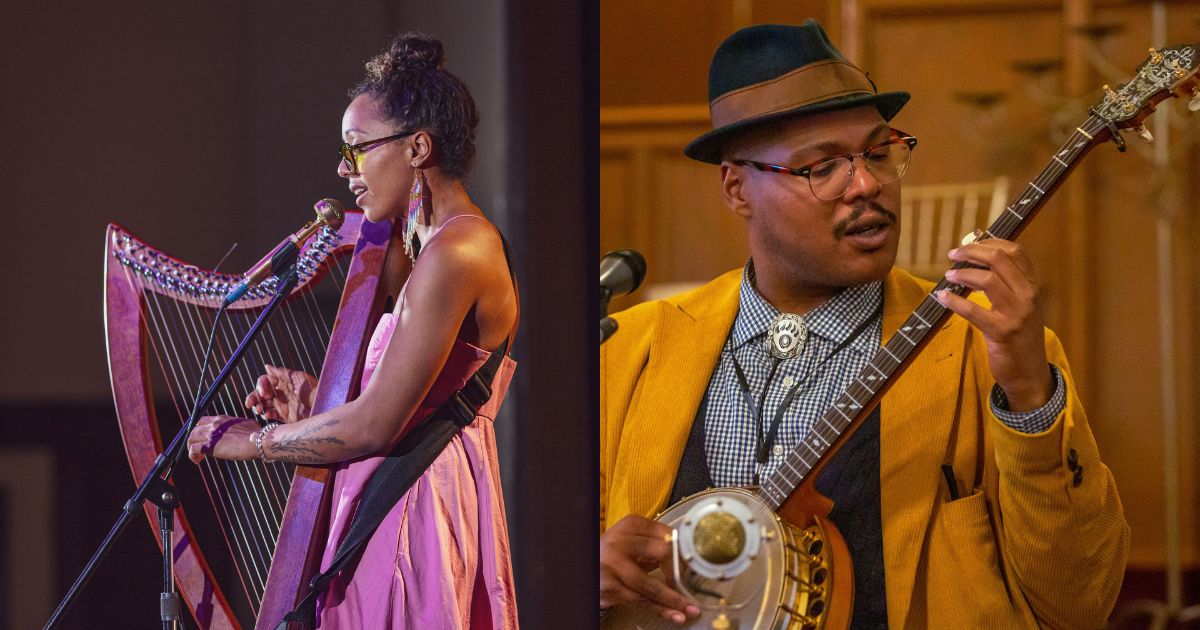


 Allison in her custom Fort Lonesome jacket, which was gifted to her during the