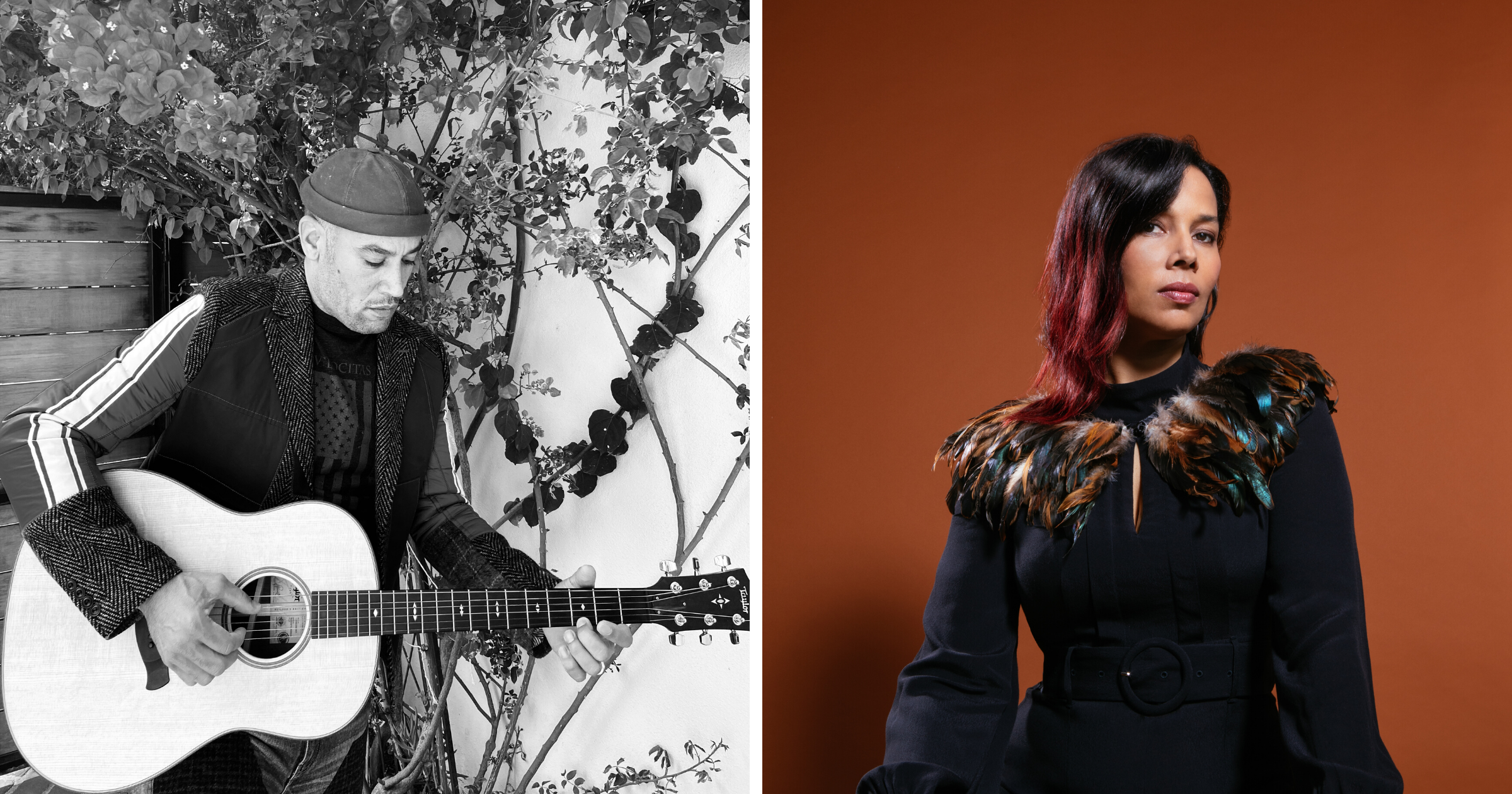
Artists:Ben Harper and Rhiannon Giddens Single: “Black Eyed Dog” (by Nick Drake) Release Date: July 21, 2020 Record Label: ANTI-
In Their Words: “Rhiannon and I are both black purveyors of American roots music, and while this is not an anomaly, it is an exception within a subculture. We have unquestionably tapped into the same creative well of influence, carrying on the tradition through our own individual instincts and perspectives. … I’ve always wanted to cover ‘Black Eyed Dog,’ but the song was intimidating in its haunted perfection. Only through collaborating with Rhiannon would I have ever attempted it. When I step back from it, this collaboration should’ve happened long ago, but I’m thrilled that it’s finally here.” — Ben Harper
“I’ve been hearing and hearing about Ben Harper for a long time, but had never gotten to meet him until recently at an event in LA and I was immediately struck by a kindred spirit. Didn’t have as much to do with the kind of music we play, although we share many, many commonalities as black folk playing roots music, but more to do with the spirit that we access when we play it. I felt that spirit in him right off and knew if we ever got the chance, we could make something beautiful together.” — Rhiannon Giddens
Photo of Ben Harper: courtesy of the artist. Photo of Rhiannon Giddens: Ebru Yildiz
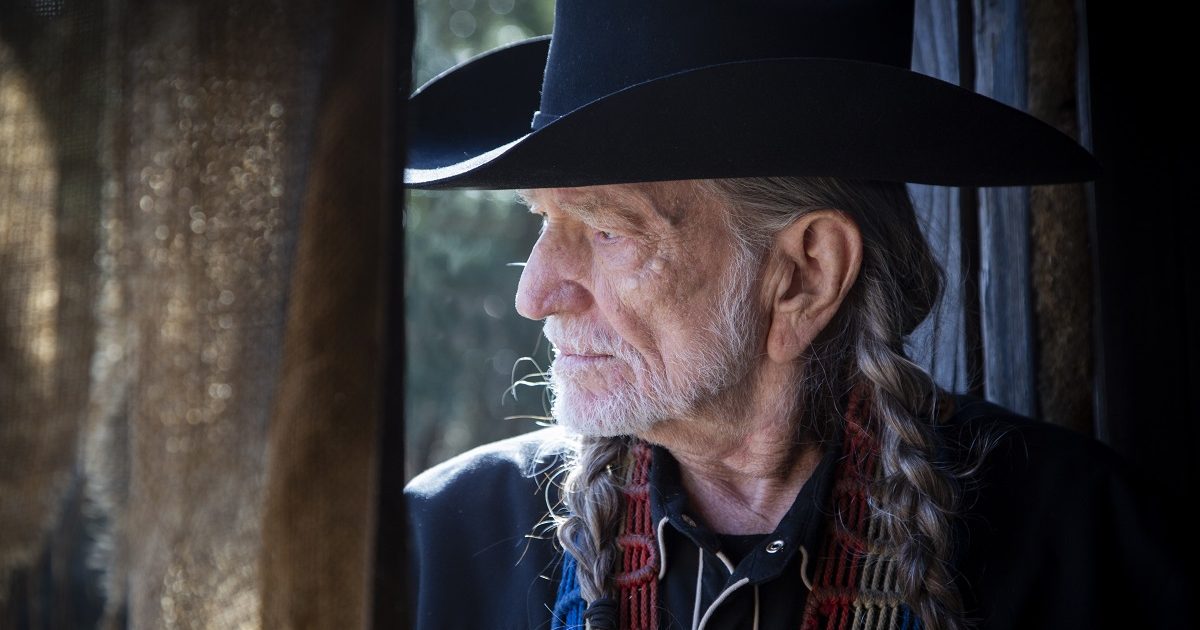
Willie Nelson has long been not just an American musical treasure, but an iconic figure with far more appeal across racial and generational lines than often recognized. At 87, he’s achieved a perfect marriage of artistry and commercial success few have in any idiom. While certainly a country legend, and the only person in the genre to ever achieve a Top 10 hit in seven different decades, he’s also collaborated with an astonishing number of artists across a wide swath of musical styles and approaches. He’s penned numerous anthems that have been covered by jazz, blues, R&B, soul, rock and pop vocalists, and this month he released his 70th studio album, First Rose of Spring.
Nelson’s never been afraid to stand up for social justice, even when those words weren’t part of the popular vernacular. Early in Charley Pride’s career, Nelson actually gave him a kiss on stage in Louisiana, quieting an audience that was allowing some of its more verbally racist louts to heckle Pride on stage. He’s always included Black musicians in Farm Aid concerts, had one of his biggest albums ever (Stardust) produced by a Black man (Booker T. Jones, who raved about Nelson in his autobiography) and has maintained a friendship with Snoop Dogg since long before Lil Nas X appeared on the scene. He also enjoyed a very close relationship with Ray Charles, who Nelson lamented he could never beat at chess.
He’s in the same company with people like Duke Ellington, Louis Armstrong, and Bill Monroe, whose output, personality and consistent brilliance has endured despite changes in production, audience preferences, and many other variables that can negatively affect the careers of popular musicians. Part of the reason for that longevity is Nelson’s undeniable skill in multiple areas. He’s penned a host of songs that are every bit as epic as those from the pre-rock canon he often samples. Had he only written “Crazy,” “Funny How Time Slips Away,” or “On the Road Again,” that would have been enough for one lifetime. He’s also a very credible singer, highly effective in pacing and telling a story.
Nelson has consistently embraced and operated in other genres by neither sacrificing his musical individuality and integrity, nor seeming to pander or simply attempting to seem hip. Actually, he’s the epitome of that term, though in a vastly different way from someone like Miles Davis, who was known as much for fashion and fine cars as musical innovation. The fact that Nelson has appeared in more than 30 films just adds weight to his universal appeal.
Trying to pick the best of Nelson’s numerous collaborations with great Black singers and musicians is a tricky thing. One could easily select 10 one day, then come back and tab a different 10 another time. But these are some (far from all) personal favorites. They are ranked in order only by year, nothing more. We picked a mix of singles and LPs, but it’s just a small sample of the many wonderful things he’s done. By no means would we claim this is the definitive list for Willie Nelson’s collaborations with African American artists, but it’s a good sampler and an indicator of how widespread his impact and willingness to work with various musicians actually extends.
SINGLES AND ALBUM CUTS
“Man With The Blues” with Buckwheat Zydeco From Five Card Stud (1994)
The greatest zydeco master since Clifton Chenier teams with Nelson for a smoky, delightful romp that sees Buckwheat Zydeco also find a comfort zone vocally and instrumentally. As is always the case, Nelson easily works himself into the arrangement, and the two sound right at home in this setting.
“Night Life” with B.B. King From Deuces Wild (1997)
The King of the Blues sounds happy and engaged on one of Nelson’s earliest compositions, providing some taut guitar licks and outstanding lead and harmony vocals while Nelson doesn’t try to match the improvisational edge, instead easing into a nice zone that’s part complimentary, part quite different in style and sound, but ideal for the situation.
“Still Is Still Moving to Me” with Toots & the Maytals From True Love (2004)
Toots brings some Jamaican soul and lots of energy to this collaboration, while Willie seems a bit more energetic as the song works its way through. This is one of many performances that earned this LP the Reggae Grammy, and Nelson had such a great time he made a follow-up of his own and paid Toots and company back by having them guest on it.
“Busted” with Ray Charles From Genius & Friends (2004)
I know “Seven Spanish Angels” was a number 1 hit and more people remember it fondly, but this late redo of an early Charles hit has equal doses of warmth, reflection and edge in both voices. Charles was certainly not at his vocal peak, but he found a way to make his treatment effective, while Willie as always proves the ideal partner in multiple ways.
The album title indicates precisely what Nelson does here, singing with verve and fire while the Blind Boys bring some of their characteristic Golden Age gospel energy and intensity to this rendition that’s alternately wistful, memorable and poignant. This composition dates back to Nelson’s late ’50s catalog, while he was trying to get heard as a songwriter.
“Grandma’s Hands” with Mavis Staples From To All the Girls (2013)
Mavis Staples has one foot in the church and the other in the street with her customarily powerhouse voice setting the tone. Nelson manages not to get overridden or canceled out in the process as they do their own special version of the Bill Withers hit, which the Staples Singers cut for their 1973 Stax LP, Be What You Are.
“Last Night I Had the Strangest Dream” with Charles Lloyd and the Marvels From I Long to See You (2015)
The great Memphis jazz man Charles Lloyd and his newest group provide the backing for what comes off as a cross between a nightmarish vision and a marvelous revelation, sung in emphatic fashion by Nelson and punctuated by Lloyd adding some nifty licks underneath and the Marvels adding some musical punch.
ALBUMS
Country Man (2005)
A follow-up to his appearance on Toots’ LP the year before, Nelson goes full bore into reggae territory. Some of it works, some of it doesn’t, but all of it is performed with enthusiasm and joy. Nelson vocally handles the skittering reggae rhythms well, and on the disc’s best songs surpasses what he did on True Love.
Two Men and the Blues (2008)
Wynton Marsalis as a youthful prodigy had a lot of negative things to say about a lot of things back in the ’70s and early ’80s, and country music wasn’t spared in his broadsides. But fast forward all these years later and his gorgeous trumpet solos (both full and muted) made a great musical partner and support system for Nelson, who by now was so familiar with pre-rock, blues, and even traditional jazz tunes and rhythms that it was super smooth sailing from first note to the end. Also recommended: the DVDs Live From Jazz at Lincoln Center with Wynton Marsalis (2008) and Willie Nelson & Wynton Marsalis Play the Music of Ray Charles (2009).
Here We Go Again: Celebrating the Genius of Ray Charles (2011)
Marsalis and Norah Jones joined Nelson to pay homage to his friend Ray Charles, doing wonderful renditions of both hits and more obscure Charles tunes before a rousing audience. Nelson sounded especially energetic throughout, while Marsalis, who’s often been accused of being more technically expert than emotionally powerful, delivered crushing solos and accompaniment, and Jones was equal parts alluring and engaging. As always, Nelson comes across as sincere and genuine, a marvelous mix of down-home sensibility and attitude.
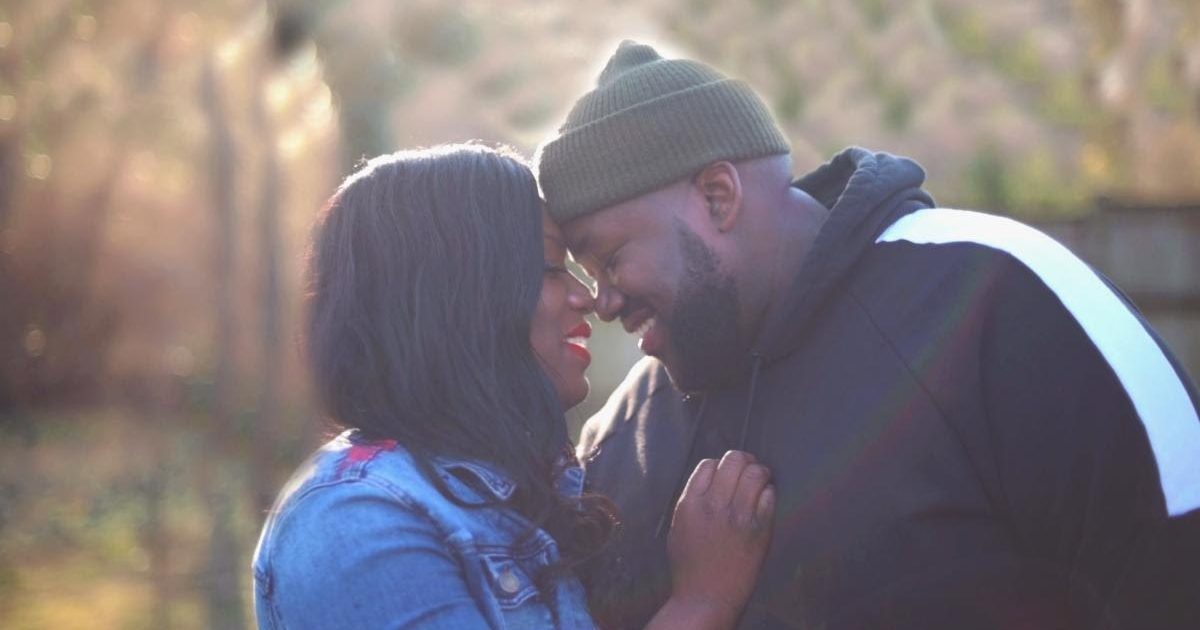
Artist:The War and Treaty Single: “We Are One” Release Date: June 19, 2020 Record Label: Rounder Records
In Their Words: “There were two songs that I remember singing in church that inspired this song: both ‘Jesus Loves the Little Children’ and ‘Make Us One, Lord.’ I feel that in this day and age, we all need to be reminded of the power of oneness and togetherness. [The] power of all of the people in this world coming together and uniting under one umbrella — and that umbrella is the human race.” — Michael Trotter, The War and Treaty
For Black Americans, this day, Juneteenth, has long been a celebration of the momentous historical event of emancipation from slavery — and the nearly two and a half years it took for that news to reach all enslaved peoples in this country. Juneteenth is belatedly gaining wider recognition and arrives at a time of reckoning with systemic patterns of white supremacy, especially police brutality, that remain deeply entrenched.
Like many waves of national protest before it, the uprising in the wake of the deaths of George Floyd, Breonna Taylor, Ahmaud Arbery, Tony McDade and many others has spurred the creation of its own soundtrack, and the following list spotlights the contributions of seven roots-savvy, Black music makers. Some draw on lessons learned from how songs gave spiritual succor to those on the front lines of the 1960s Civil Rights struggle, with righteously raised fists and declarations of passion and purpose. Others opt for expression that feels far more personalized or particular, articulating an adamantly complex range of emotions and letting profoundly unsettled, and unsettling, questions hang in the air. All of them are fleshing out their own vivid, timely incarnations of movement music.
Leon Bridges specializes in sophisticated soul, sometimes artfully retro in presentation and other times landing at the thoroughly contemporary end of that musical lineage. His new song “Sweeter” is an example of the latter, two minutes and 50 seconds during which his buttery vocals glide over a lean drum machine pattern, delicate, gospel-dusted bits of guitar, keyboard, piano and bass and Terrace Martin’s saxophone figures. Bridges’ words land with the devastated finality of a black man whose life is leaving his body, taken from him by police. “I thought we moved on from the darker days,” he sings, his cadence fluttery and tone ruminative. “Did the words of the King disappear in the air, like a butterfly?” The blame-laying next line arrives in a burst: “Somebody should hand you a felony.”
Then, Bridges elongates his phrasing with righteous indignation, before steadying himself to spell out the loss: “‘Cause you stole from me/my chance to be.” The elegance he chose gives his performance subtly striking, emotional heft. “From adolescence we are taught how to conduct ourselves when we encounter police to avoid the consequences of being racially profiled,” Bridges wrote in a statement. “I have been numb for too long, calloused when it came to the issues of police brutality. The death of George Floyd was the straw that broke the camel’s back for me. It was the first time I wept for a man I never met. I am George Floyd, my brothers are George Floyd, and my sisters are George Floyd. I cannot and will not be silent any longer. Just as Abel’s blood was crying out to God, George Floyd is crying out to me.”
Chastity Brown has been honing her ability to create space for emotional resistance within her songs for a while now. She draws on the pointed, confessional potential of folk and soul and the digital texturing techniques of contemporary pop and hip-hop, while depicting the patient pursuit and safekeeping of self-knowledge as a sign of strength — one that differs wildly from the sort of dominance modeled by systemic power.
In her new song “Golden,” created on her iPad in her garage studio and shared with the world this week, Brown sounds willfully unhurried singing over a skittery programmed beat: “I’ve got joy, even when I’m a target/If ya think that’s political, don’t get me started/You know I’m golden and I flaunt it.” That savoring of selfhood is in striking contrast to the furious question she circles around during the chorus: “Why have I got to be angry?”
In the artist notes accompanying the song, Brown explained that she began writing it when her nephew was beaten by four white cops while walking home in Harlem, mere weeks before George Floyd died in her adopted hometown. “This collective trauma that black, indigenous, immigrant, and queer/trans folk feel is real,” she spelled out. “It’s every god damn day. Yet, we still thrive and flourish in our nature beauty, we still have swag and songs for days. We still have wild and wondrous imaginations like we are all the children of Octavia [Butler]. …This is for me, my people, and the UPRISING to defund police here in Minneapolis and thereby set a new standard for how communities want to be protected.”
Shemekia Copeland, one of the brightest stars in contemporary blues, has been deliberate for years about broadening her repertoire and approach to encompass countrified styles, singer-songwriter song sources and statement-making folk and soul sensibilities and, in the process, positioning herself in the midst of roots music discourse. That’s the insightful perspective she brings to her just-released “Uncivil War,” whose string band style accompaniment boasts the contributions of Sam Bush and Jerry Douglas.
Coming from Copeland, and delivered with measured, dignified vibrato, the simple flipping of the name of the nation’s most notorious war to “uncivil” slyly strips a veneer of respectability from the racist and romanticized Lost Cause religion. She strikes a tone of weary but resolute optimism throughout. “It’s not just a song,” she clarified in a statement. “I’m trying to put the ‘united’ back in the United States. Like many people, I miss the days when we treated each other better. For me, this country’s all about people with differences coming together to be part of something we all love. That’s what really makes America beautiful.”
Kam Franklin, on her own and with her Houston horn band The Suffers, has the wide-ranging musical instincts, imagination, nerve, and ear for earthy verisimilitude to make big statements while zeroing in on small interactions. A couple of weeks back, she posted a brand new, self-recorded song fragment to SoundCloud, a platform well suited to off-the-cuff expression, and with it, this comment: “I saw a photo of Breonna Taylor with her homegirls earlier today, and it gutted me. I won’t forget her. I wrote this birthday song for her, her friends that wondered where she was before the news came out, and everyone that loved her.”
Titled “Happy Birthday Breonna,” it’s a pensive, sinuous bit of ‘70s soul that drives home the fact that Taylor was ripped from a web of close relationships. The first, and only verse, lands like a voicemail from a friend who grew worried when she couldn’t reach Taylor. Franklin’s graceful trills and softly insistent phrasing have an understatement that suggests fretful preoccupation. Then she moves into a point-counterpoint refrain, murmuring birthday wishes to Taylor in her breathy upper register and making a devastating declaration beneath: “You should be here.”
Singer-guitarist and actor Celisse Henderson began work on writing, recording, and filming a video for her song “FREEDOM” four years ago, following the slayings of Philando Castile and Alton Sterling, and watched as black deaths and protest momentum multiplied before she finally completed and released her project earlier this month.
In a message on her website, Henderson explained, “I, along with millions of people, watched video footage of these unarmed black men losing their lives in the most horrific ways. The truth that these unjust deaths revealed about our country, including the systemic failings of our criminal justice system, became my personal call-to-action. Then the 2016 election night happened, and the results added a whole new layer to the purpose of this song and project. Now, almost four years later, too little has been done, and the story remains the same. With the horrific and unjust killings of Ahmaud Arbery, Breonna Taylor, and George Floyd weighing heavily on our hearts and minds, it is time to release ‘FREEDOM’ as a rallying cry and a call to action to stand up and fight for our freedom.”
Historic footage of the March on Washington that opens the clip is a reminder of the buoying role that spirituals played in the Civil Rights movement of the 1960s, and serves the narrative function of positioning Henderson to measure the too-meager progress for Black Americans since. The track is gospel-schooled and hard-rocking, powered by a thunderous, syncopated drum pattern and grinding electric guitar attack. With gospel fervor and a touch of theatrical flourish, Henderson summons a spirit of urgency and extends a broad welcome to all who are affected or disturbed by injustice.
Joy Oladokun, a Nigerian-American singer-songwriter who’s quietly carving out her place in Nashville’s professional songwriting community with introspective, melancholy warmth, steered a co-writing appointment with Natalie Hemby toward an expression of grief. The result was “Who Do I Turn To?” a naked airing of fear and distrust.
Oladokun’s reedy, plaintive performance is accompanied only by minimal piano chords. She spends the chorus adding up horrifying realizations that lead her to a resounding question: “If I can’t save myself/If it’s all black and white/If I can’t call for help/in the middle of the night/If I can’t turn to god/If I can’t turn to you/Who do I turn to?” Her voice subtly catches on the word “help,” as though knowing that life-giving protection is unavailable to her constricts her breath. Oladokun underscored the importance of the chorus lyrics to an interviewer: “[I]t’s illustrating that I don’t trust the police since I’m black. I don’t trust the police enough to know that they would think I’m not robbing my own home. I don’t think a lot of people understand what that is like. The feeling sucks.” In a separate statement she summarized her intent: “I wanted to write a firsthand account of how I feel and the question black people like me ask when this happens over and over again while nothing changes. I want it out now to help an already traumatized people cope, heal, and put words to their struggle.”
Wyatt Waddell, a young Chicago music-maker who’s been expertly, wittily, and self-sufficiently arranging home recordings of classic covers and singer-songwriter soul originals for the past few years, wrote “FIGHT!” as an anthem of admiration and uplift for young, Black Americans putting their bodies on the line in the streets and facing off against police force to agitate for change. “This song is me looking at what’s happening and what I’d tell the people protesting,” he specified in a statement. “I had to look outside of myself at what’s going on and how people are being affected. Hearing people’s fears, anxieties, and watching everything happening on TV really helped me write the song. I hope that it can be an anthem for my people as they’re fighting for a better America.”
Waddell begins with gospel-style repetition, creating a call-and-response pattern made up of his own layered vocals over a churchly foot stomp and hand clap groove: “There’s already so much pain/So much pain/So much pain/There’s already so much pain/And there ain’t nothin’ else we can do.” It seems like he could be building up to a confession of helplessness; instead, his funky refrain is bolstered by a sense of resolve and inevitability: “Nothin’ to do but fight.”
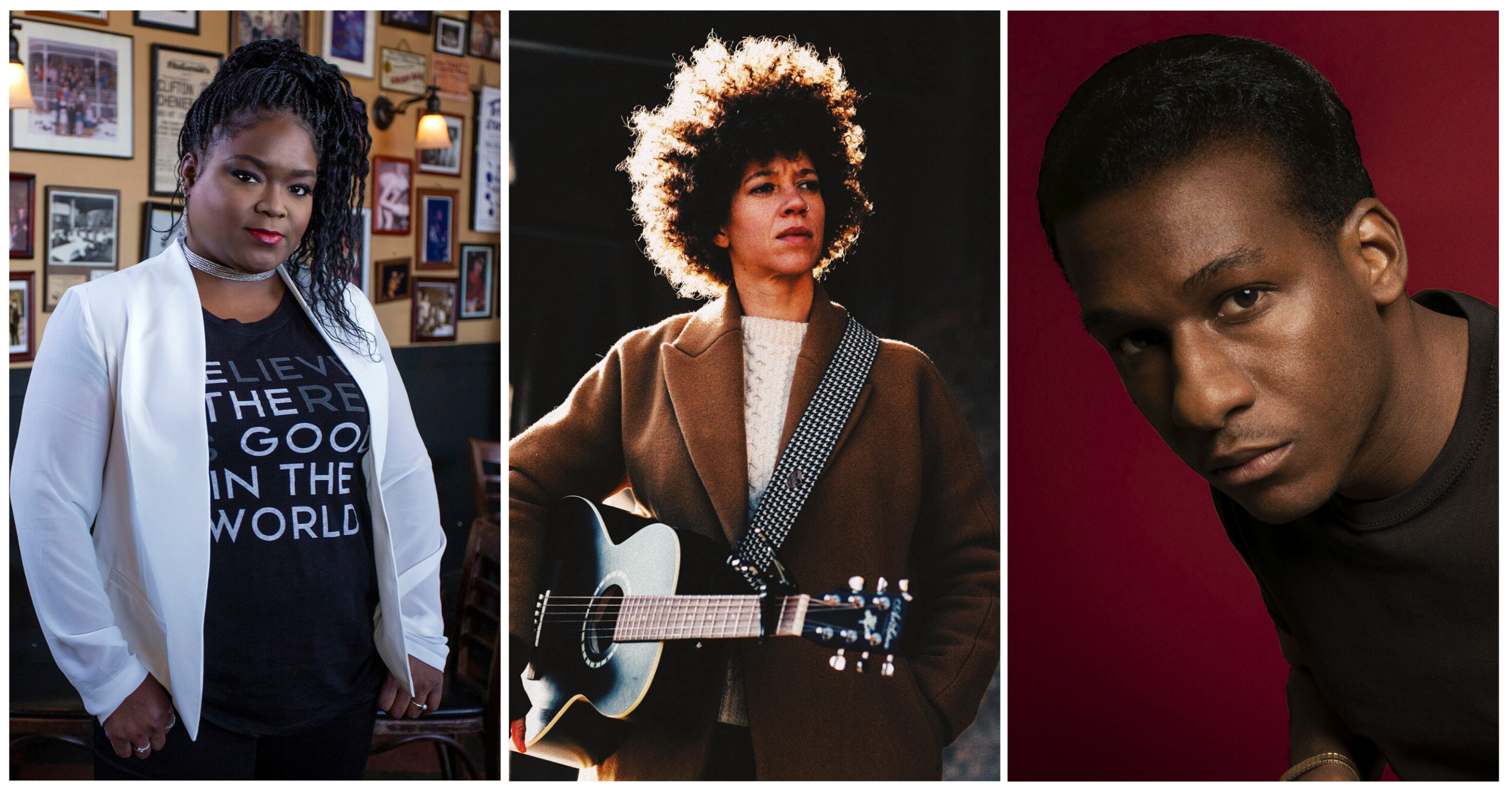
Photo credit: (L to R) Shemekia Copeland by Mike White; Chastity Brown by Wale Agboola; Leon Bridges by Jack McKain.
Artist:Shemekia Copeland Single: “Uncivil War” (feat. Sam Bush, Jerry Douglas, and the Orphan Brigade) Release Date: June 19, 2020 Record Label: Alligator Records
In Their Words: “It’s not just a song. I’m trying to put the ‘united’ back in the United States. Like many people, I miss the days when we treated each other better. For me, this country’s all about people with differences coming together to be part of something we all love. That’s what really makes America beautiful.” — Shemekia Copeland
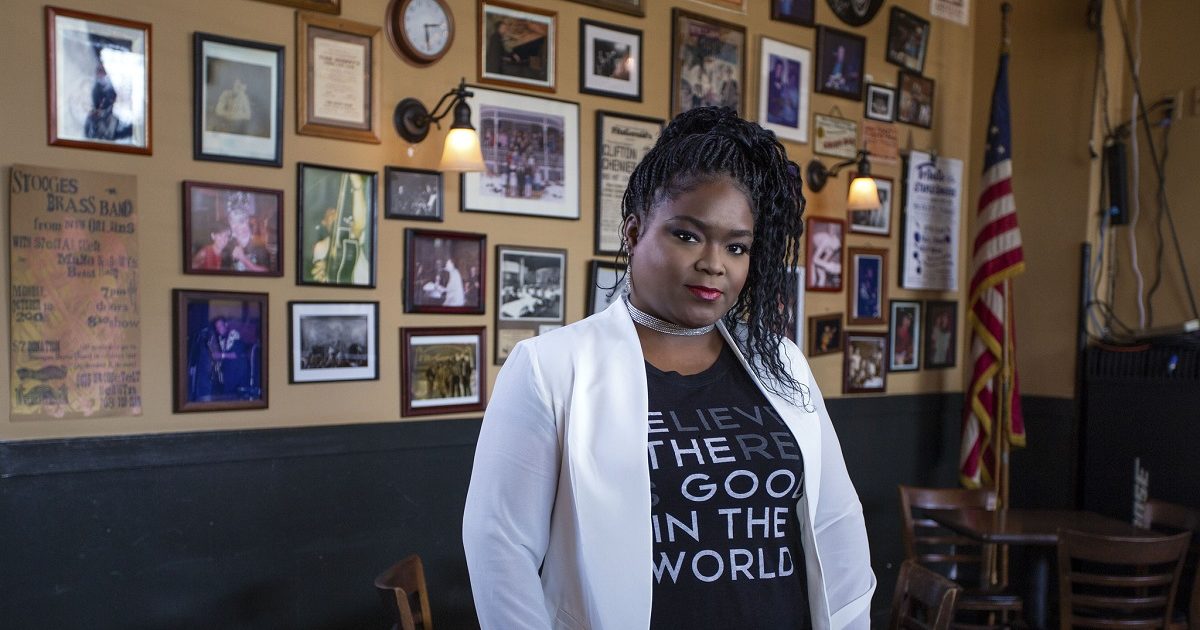
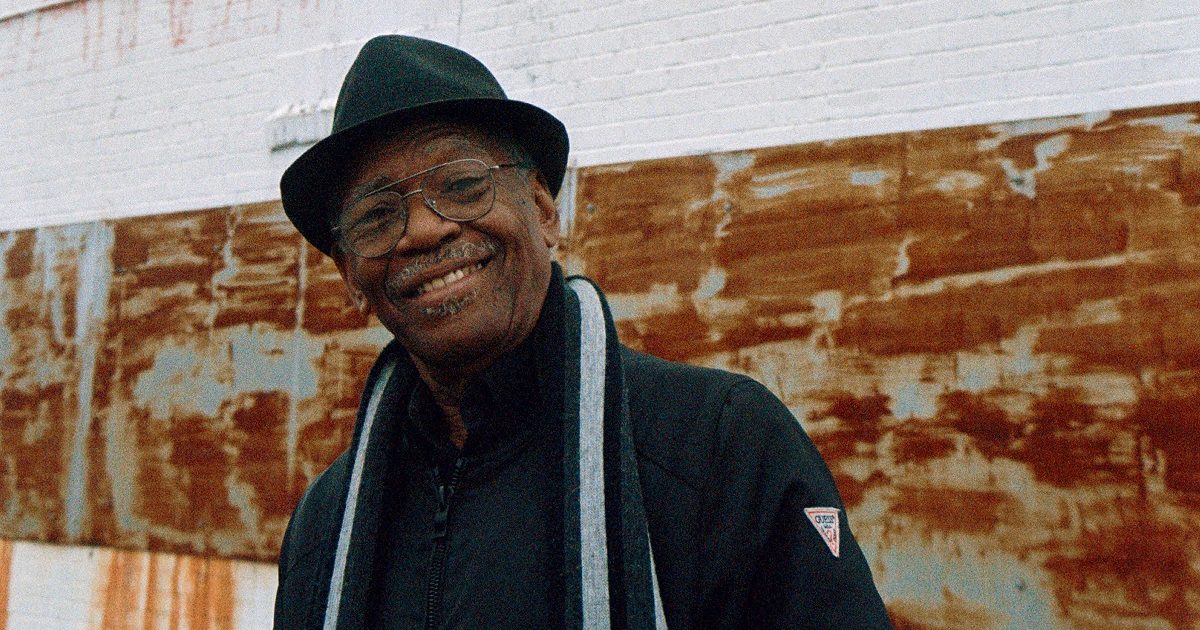
Artist:Don Bryant Hometown: Memphis, Tennessee Song: “99 Pounds” Album:You Make Me Feel Release Date: June 19, 2020 Label: Fat Possum Records
Editor’s Note: This is the first time Don Bryant has recorded “99 Pounds,” the 1972 hit he wrote for Ann Peebles. They have been married since 1974 and still reside in Memphis. They also co-wrote (with Bernard “Bernie” Miller) her signature song, “I Can’t Stand the Rain.” Peebles retired from performing in 2012.
In Their Words: “This new version is a tribute to Ann, for accepting the song when I wrote it for her. I fell in love with Ann when she first came in to Hi [Records]. But there was so much going on with her — recording, travel, so many around her — it wasn’t my time. And I wasn’t in no hurry — I knew I wasn’t going nowhere! We got to know each other better and better and it opened up. It was a long, drawn-out situation, but for me it was love at first sight.” — Don Bryant
Something powerful is in the air. While we may have said that after similar unrest in the past — after Rodney King in LA, Trayvon Martin in Miami, Freddie Gray in Baltimore, and countless others — something about what is happening now feels deeper, heavier. Maybe it’s actually sinking in.
I normally try to put out a new episode of The Show on the Road podcast every other Wednesday. This week, that simply wasn’t possible. It was time to stop giving my endless opinions, to stop waxing poetic about harmony, to shut up about finding the meaning in every lyric and just be quiet, listen and learn.
I’ve been lucky to talk with truly amazing Black artists, songwriters, and performers in the two years I’ve been creating The Show on the Road. I ask you to go back into our archives and listen to these voices. — Z. Lupetin, host
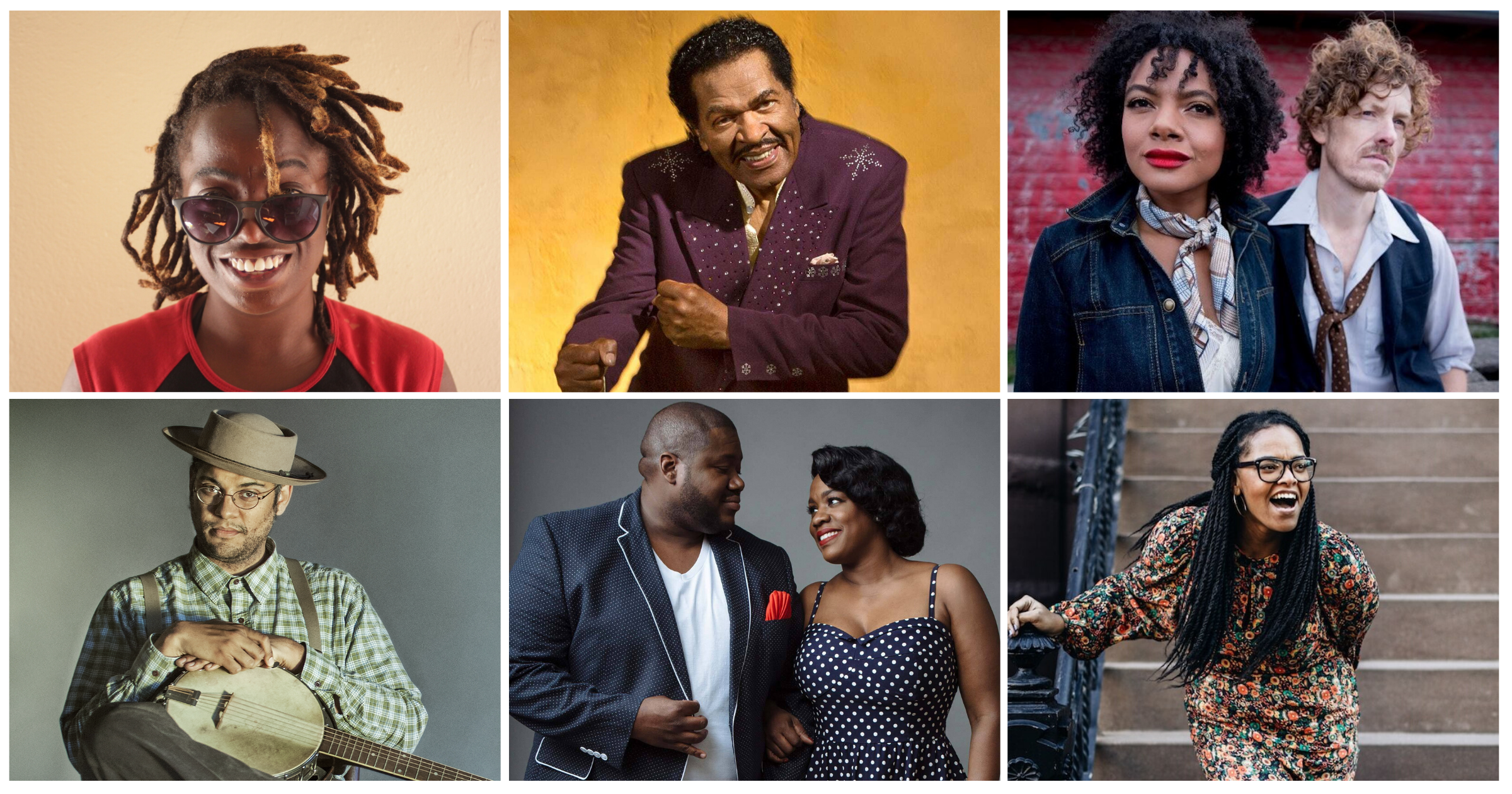
Sunny War
Discover a young, deep-voiced folk/blues artist like Sunny War, who overcame a troubled past with drugs and being unhoused in Venice Beach to create a series of critically acclaimed records that have brought her to festivals and venues around the country.
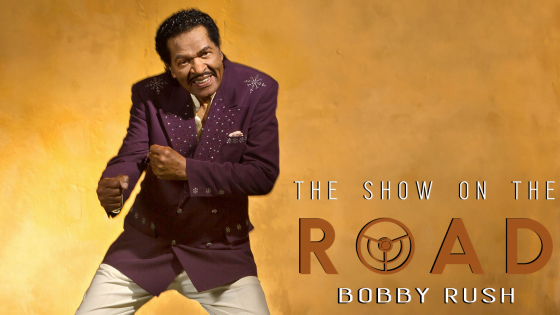
A sonic elder statesman, Bobby Rush came north from Mississippi during the great migration to work in the heyday of the Chicago blues and soul scene with Muddy Waters and Howlin’ Wolf. Rush has been making brashly funky and fearlessly sexy songs for decades, finally snagging his much-deserved first Grammy at the age of 86.
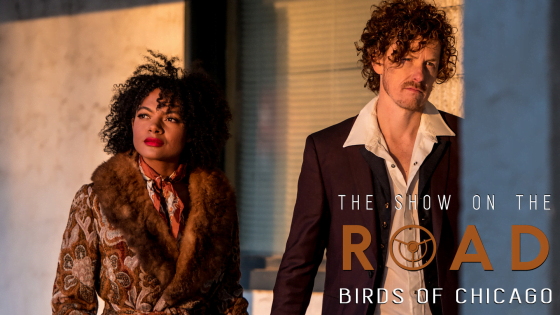
Based in Nashville by way of Chicago by way of Montreal, Birds of Chicago are centered around the powerful chemistry of husband-wife duo JT Nero and Haitian-Canadian banjoist and clarinetist dynamo Allison Russell, who gives every audience chills when she sings about her fallen ancestors. How she is not an international star astounds me. You may have seen her newest creation as part of the African American, female banjo supergroup, Our Native Daughters with Rhiannon Giddens, Amythyst Kiah, and Leyla McCalla.
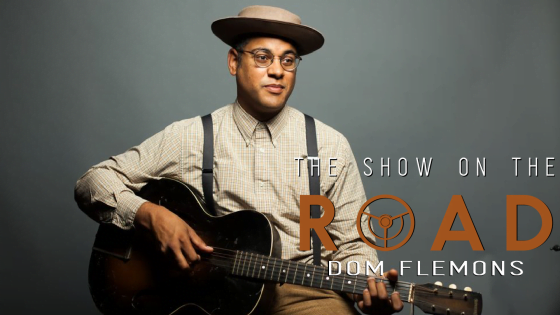
If you need to go back in time and educate yourself about Black cultural history (which you do), listen to our double episode with the great American songster Dom Flemons, who came up in the renowned Black string band Carolina Chocolate Drops. Of course, he has since struck out on his own to become a sought after, roving ethnomusicologist and music historian. His newest Grammy-nominated record brings us back into a forgotten world of Black cowboys, who don’t get the credit they deserved in helping settle the West.
If you’ve been having a crisis of faith and need a little musical medicine, Liz Vice’s episode is the ticket. Vice grew up in Oregon singing gospel music with her family and aiming to be a filmmaker. Her career as a songwriter and performer blossomed with homemade, deeply felt, deliciously soulful and social-justice-forward records (examining her faith and our ever-evolving relationship to a higher power). We recorded in an old church in LA, and her renewed version of Woody Guthrie’s “This Land Is Your Land” is haunting.
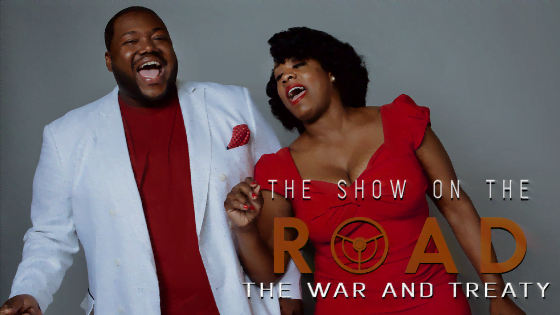
Finally, if you need a shot of pure, joyous harmony and unabashed rock ‘n’ roll spirit, our episode featuring The War and Treaty is exactly what you need. They show us how music can be a healing tide to rise all broken ships. How it can be a force for good, bringing now power-couple Tanya and Michael Trotter together against all odds after Michael came back from a trauma-filled tour of duty in Iraq and needed a way to reenter society and share the songs that had been brimming in his heart for decades. Hearing them sing together, how they complete each other totally, is all the hope I need right now.
This website uses cookies to improve your experience. We'll assume you're ok with this, but you can opt-out if you wish.AcceptRejectRead More
Privacy & Cookies Policy
Privacy Overview
This website uses cookies to improve your experience while you navigate through the website. Out of these, the cookies that are categorized as necessary are stored on your browser as they are essential for the working of basic functionalities of the website. We also use third-party cookies that help us analyze and understand how you use this website. These cookies will be stored in your browser only with your consent. You also have the option to opt-out of these cookies. But opting out of some of these cookies may affect your browsing experience.
Necessary cookies are absolutely essential for the website to function properly. This category only includes cookies that ensures basic functionalities and security features of the website. These cookies do not store any personal information.
Any cookies that may not be particularly necessary for the website to function and is used specifically to collect user personal data via analytics, ads, other embedded contents are termed as non-necessary cookies. It is mandatory to procure user consent prior to running these cookies on your website.