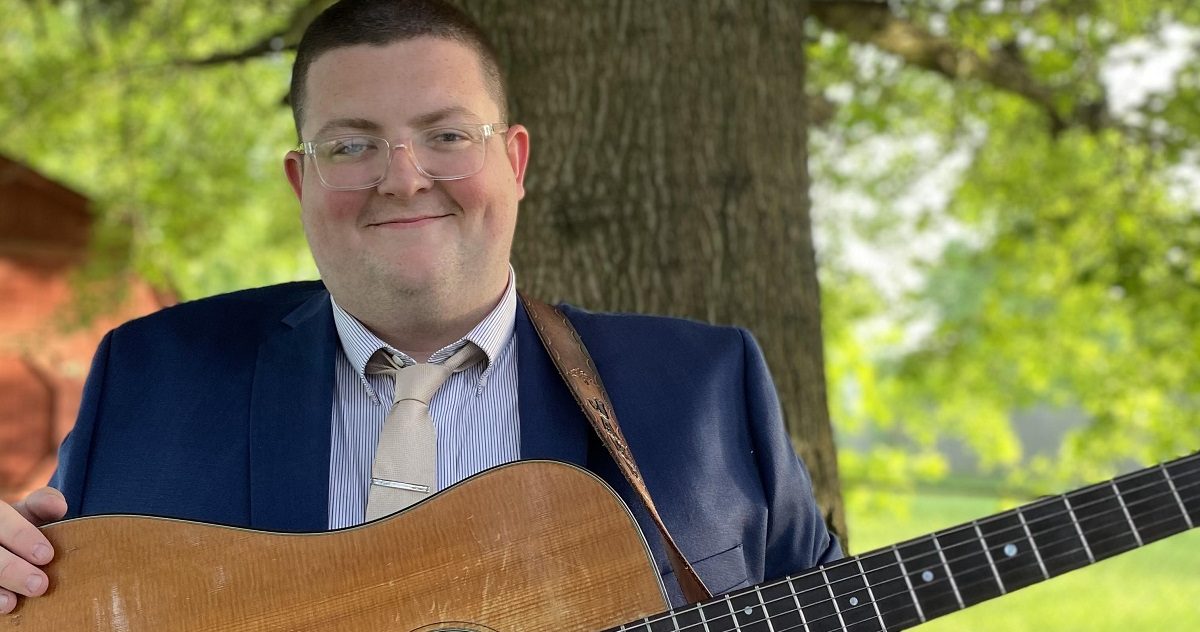
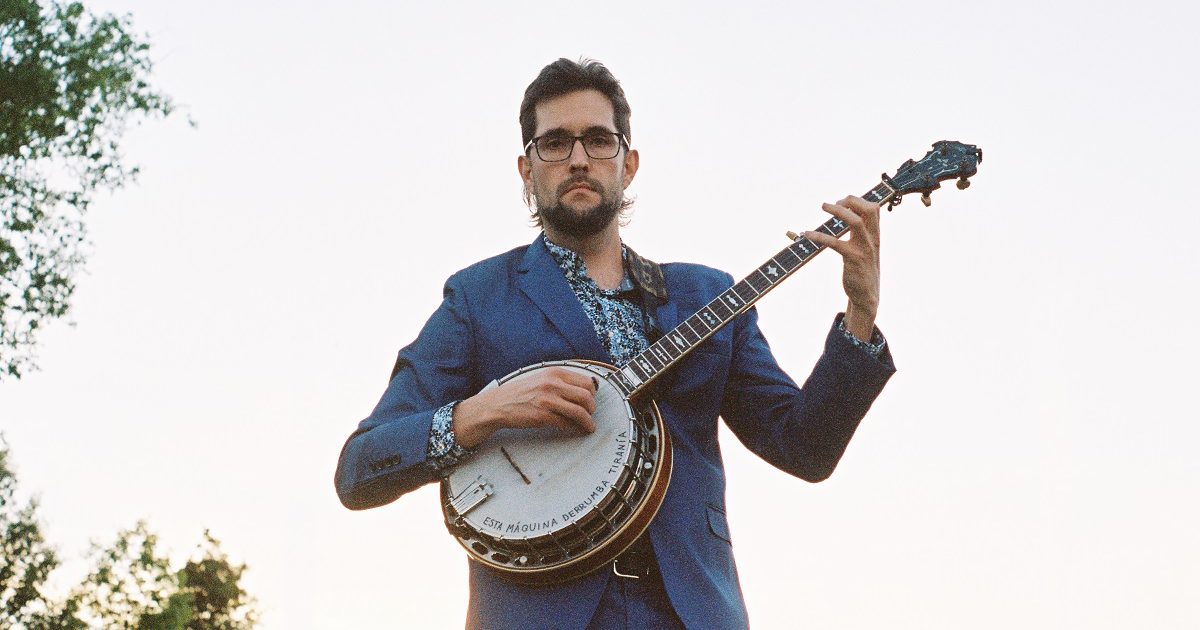
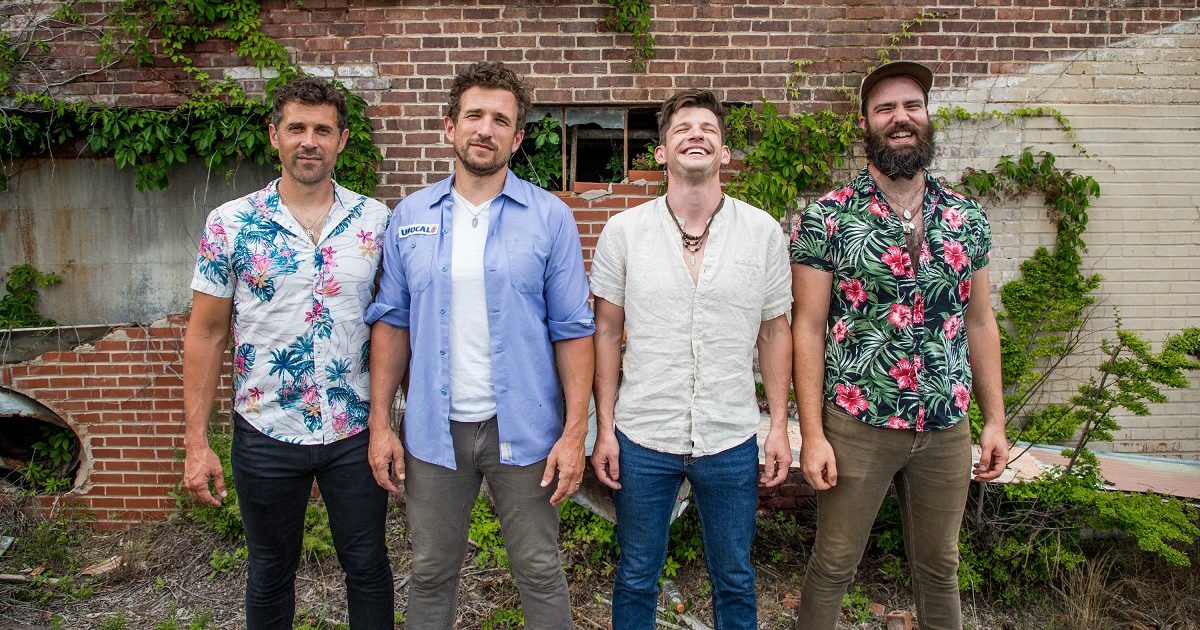
WATCH: Scythian, “Buddy Holly”

Artist: Scythian
Hometown: Front Royal, Virginia
Song: “Buddy Holly” (Weezer cover)
Album: Quaranstream: The Album
Release Date: July 8, 2021
Label: Aerotone Records

In Their Words: “‘Buddy Holly’ was a product of a rabbit trail (no pun intended) while the four of us were practicing for our ill-fated 2020 Roots and Stones CD release tour. We were talking about some adjustments needed in the set when Dan started playing a couple chords, which were the same progression as ‘Buddy Holly.’ We then joked that it would make a rippin’ bluegrass tune, and left it at that. Next thing we knew it was mid 2020 and we had started these online shows that racked up about 30k+ viewers every other week called ‘Quaranstreams.’ We literally survived that whole year off of the amazing goodwill of our fans supporting us and tipping us while we played. The shows were kind of like a reverse SNL, lots of music, and a couple skits featuring a variety of recurring characters, so we thought that this would be a great place to experiment with writing and recording songs to release for our amazing fans.

“We remembered that we wanted to give this song a try, and ended up recording it all in about a day. After it was mixed and mastered, we were racking our brains with how to present this on the stream since we had limited time and wanted to do the song justice, so we took inspiration from the original Spike Jonze-directed video and just added crocheted puppets. We spent a good hour or so cutting out cardboard instruments and making mic stands out of Q-tips, then literally shot the whole thing in about two hours with an iPhone. When we released the video on our live stream for the first time, people were losing their minds, and kept requesting us to play the video every chance they could get. People wanted it so badly that they watched the whole four-hour stream again, just to screen capture the video and bootleg it to other Scythian fans.” — Ethan Dean


Photo credit: Brendan McLean

Returning With ‘Cycles,’ Rachel Baiman Works Through the Stories of Women

Rachel Baiman has never been afraid to delve head first into speaking her mind on the state of the world through her music. But with her new project Cycles, she approaches that task through a new lens focused on narratives that spark empathy in this era of entrenched polarization. Recorded in Melbourne, Australia, and steeped in its indie rock influences, she leans into a new sonic landscape with ease, collaborating with co-producer and Oh Pep! front woman Olivia Hally.

“This album started with the title song ‘Cycles,’ which was a co-write between me and Olivia,” Baiman says. “That happened around 2018 when she was in Nashville. I had been a big fan of hers for a long time. She asked if I would want to write with her when she was in town and I was like, ‘Absolutely, that is my dream.’ So we had that one writing session and it was a magical musical experience. It was kind of like going on a date, like an amazing first date. Because there was such a great working connection, I asked if she would want to co-produce the whole record.”

During her long-awaited first tour since early 2020, Baiman called in to BGS.

BGS: This album takes a bit of a departure from earlier bluegrass leanings. What has been influencing your sound these days?

Baiman: This album in particular was really influenced by the Americana and indie rock sounds coming out of Melbourne and that is what led me to want to work with Olivia Hally. There are a lot of artists and bands that I love from that town in this exciting roots music scene. Oh Pep! obviously was an influence on this record since Olivia had such a hand in it. But also I love Courtney Barnett, Dan Parsons, and The Maes. There are so many cool bands coming out of that scene. That was the impetus for going for that soundscape. Also, a lot of the more contemporary artists that I have been listening to are more in that rock and grunge vibe (probably more so than I would want to get to myself). I’m a huge Lilly Hiatt fan and Margaret Glasmeade as well.

You collaborated with amazing women on this record. Was that an intentional choice?

Yeah I’m always wanting to work with the right people first and foremost, but I definitely was thinking about how I could work with more women. Especially for the thematic nature of the record. A lot of it is written about women’s stories and about family. I did think it would be really cool to work with a female producer and when Olivia and I hit it off, I knew it would be awesome. It did change the environment. I felt very comfortable and at ease in the studio, which ideally you always want to be.

But when you are working with someone who you feel a little intimidated by, that can change the dynamic and limit your free flow of ideas. I am a huge fan of Olivia’s so that easily could have been the case but the dynamic was such that she made it feel very, very comfortable. There was no ego or shooting down of ideas. I think that when you are a woman in a male-dominated space, even if people are trying to make you feel comfortable, there is always going to be a layer of feeling like you are the outsider or that you have to prove yourself. Having that removed from the situation really did make a huge difference.

Bree Hartley is an incredible drummer. She was a rock star in this situation because we actually had to record all of the drums first because of a studio mishap. That’s a really crazy way to make a record. She had to go in there and make 12 drum tracks to nothing. She had one chance and that’s what we had to use and she nailed it. And Shani Gandhi is obviously such a rock star engineer. I was almost shy to reach out to her because she is so established. I was really stoked that she was into the project and she did an amazing job mixing it. Those are some of the chief players and all of them stand out in their fields.

This question is inspired by Cycle’s first single, “Joke’s On Me.” I read that you’d had a bummer of an experience in your music career that inspired this song. Can you talk about what some of the challenges in the music industry are and what you might change if you could?

That’s such a big question. I think a lot of the challenges honestly stem from the way that people in the country are treated when they don’t have a regular 9 to 5 job with benefits. Obviously healthcare is a huge challenge. Any kind of retirement plan is a huge challenge. Just having those basic safety nets that make you feel like if something goes wrong, you won’t be out on the streets and that your basic human needs are met, like health care. That is a countrywide systemic issue. I wish that everyone had access to that because it would dramatically change the experience of freelancing or being an artist.

On the artist side, everyone is trying to create art that is new and beautiful or that innovates. On the business side, innovation is scary because people don’t have a model. There is always going to be a disconnect between the art and the commodification of the art. When you are trying to make a living off of art, you have to have team members that need to make money off of you. …

For me, [I was] getting dumped from a booking agency for no reason other than they were merging and the people at the top of the new company decided I wasn’t making them enough money. It was hard because I knew I had a new record. I knew I needed one more record cycle and I could be there, just nine more months basically. I think that my personal agent would have kept going but he didn’t have a choice. You become a commodity because they aren’t looking at the art and thinking about ideas you have for the next record, they don’t care. They are like, “I looked at the spreadsheet and you didn’t make enough, bye!” I don’t have any big solution, but I do think there are some things we can do as a country to make sure that everyone is doing ok.

You are very vocal about what you think and feel. What is your experience like in speaking your mind through your art about the state of the world?

It can be hard. It is similar to everything in this country right now. It is really polarizing. A lot of people do rally behind it and feel heard and seen and want to be supportive of it. And then there are a lot of people who get mad. I’m trying to think about what makes people empathize with each other. It is a different landscape than it was in 2017. When I put out Shame, I felt like it was a really important message to go out at the time. I felt like this needed to be said and there wasn’t a ton of political music happening at that time. I think people really appreciated that, if they felt like they needed to be heard in that way. I have had a lot of women reach out and say that album has been really helpful to them. That is super meaningful to me.

Now I feel like we have spent four years screaming at each other and everybody knows the sides. We know the talking points, like everything has been said a thousand times. When I was writing the material for this new album I was trying to get below that layer of shouting and work through stories and people. I think generally people can empathize and understand each other as humans. It is just that we get immediately triggered by certain talking points and shut down. I’m not trying to say, “Kumbaya, we are all one.” There are some serious problems. It is about wanting to reach people on an emotional level. It is hard to disagree with someone’s personal experience.

You have been an advocate for mental health and the power of art and music to help out in times of need. How does creating help with your mental health?

It is a necessity for me in terms of my mental health. Some people have strategic ways that they work on their writing and I think that is great. I should probably do it. But for me it has always been haphazard. I have a really strong feeling or a really strong push and then I need to write it down. It needs to get out. It is very therapeutic. There is something about being able to create something new that feels important. I’m essentially a little bit addicted to that. There is so much negativity and destruction and bad news all the time. For me, my anxiety lives in the global news and politics. That is what triggers me. People have different things that get them down but for me it is very much the state of the world.

Creating acts as a real counterbalance when I feel like I can put something beautiful into the world. Especially when I get to do that with a band and go record it and see it come to its full realized potential. It is such a magical feeling because you are actually creating something instead of tearing something down or watching something or someone being torn down. Playing live shows and having that connection and being able to be a part of that magical moment that happens with live music, I didn’t even realize how much it meant until we got to play the first show after the pandemic and I was like, “WOW, I feel like a piece of me has returned.”


Photo credit: Natia Cinco
LISTEN: Jake Eddy Feat. Bryan Sutton, “Billy in the Lowground”

Artist: Jake Eddy featuring Bryan Sutton
Hometown: Parkersburg, West Virginia and splitting time in Nashville
Song: “Billy in the Lowground”
Album: Jake Eddy
Release Date: July 10, 2021

In Their Words: “This was easily one of the most incredible sessions I’ve ever been a part of. Bryan and I really connected in the studio and had a great time. It’s so fun to approach an old tune like this with an open mind and just see what happens (especially with a great player like Bryan). This tune did not have any special meaning to me, at first. I knew that I wanted to include Bryan in some capacity so we got together and just started playing through some tunes. ‘Billy in the Lowground’ came up and we both were into it — so that’s what we played. I think the fact that it was unplanned adds to the excitement. At the end of the track you can hear some banter between us that sums up the session perfectly.” — Jake Eddy


Photo credit : Teran Storey

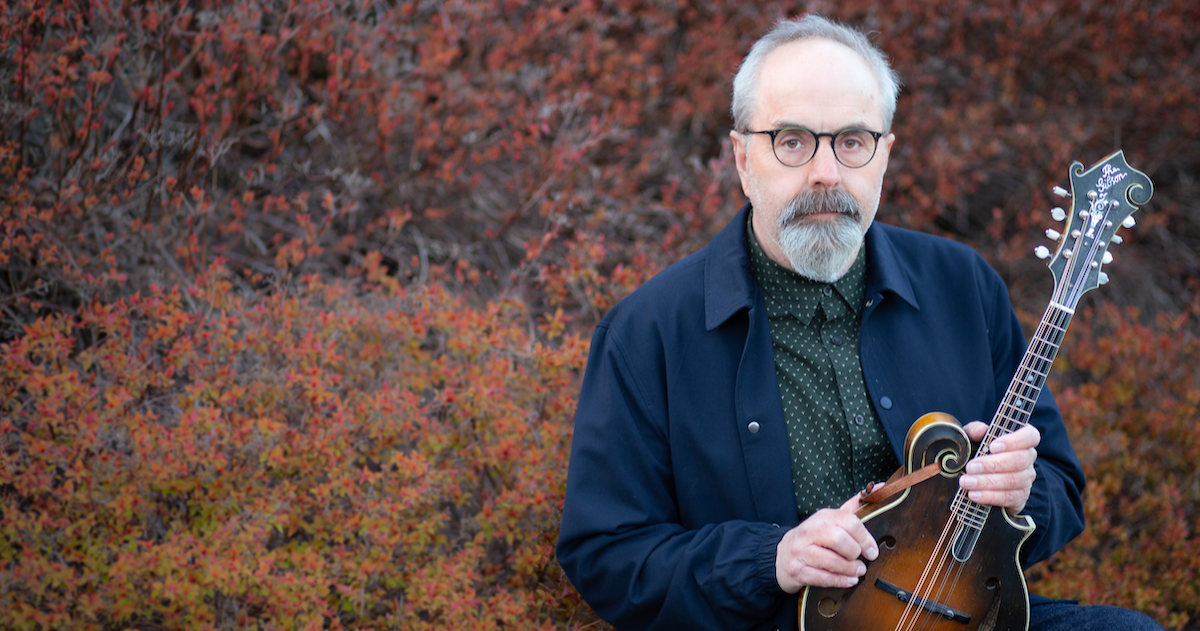
John Reischman’s “Salt Spring,” Tune of a New Old-Time Generation

The “bluegrass songbook,” a suitably vague though well-known concept in bluegrass and old-time circles today, is a phrase that references the collective of songs and tunes most popular and most played by the community that makes up bluegrass and old-time music. Most of the melodies included in this informal — though often gatekept and debated — canon have well established origins, from source recordings, legendary writers and composers, famous performances, and so on. Even so, it’s difficult to trace each and every Bluegrass Album Band hit or Del McCoury favorite back to the beginning, when it was first being adopted and popularized among jam circles, as fiddle tunes, by and for laypeople as much as the performing professionals. 

With material by forebears like Flatt & Scruggs (“Foggy Mountain Breakdown” to “It Ain’t Me Babe”) or Bill Monroe (“Muleskinner Blues” to “Monroe’s Hornpipe”) or the Stanley Brothers (“Ridin’ that Midnight Train” to “Little Maggie”), the Osborne Brothers, Hazel & Alice, Reno & Smiley, and on down the line, it’s not so much a question of why or how their charming, archetypical songs made it to open mics and festival parking lot jams. But in modern times, as in bluegrass days of yore, just as many new, contemporary tunes, songs, lyrics, and melodies are being translated from professional studio recordings, radio singles, and on-stage hits to sing-alongs, play-alongs, and day-to-day jam fodder. And the process by which this happens is, part and parcel, what bluegrass and old-time are all about.

How did “Rebecca” become an almost meme-level instrumental in the past fifteen years? How did Frank Wakefield know that we needed a “New Camptown Races?” How many millennial and Gen Z pickers learned “Ode to a Butterfly” or “Jessamyn’s Reel” note for note? Each modern adoption into the bluegrass songbook, into that unflappable canon, is an idiosyncratic marvel unto itself — and perhaps no modern, original instrumental tune encapsulates this phenomenon better than John Reischman’s “Salt Spring.”

Being a picker myself, I first learned “Salt Spring” in Nashville in perhaps 2012 or 2013, taught to me by fiddlers who encountered the melody from John himself — and through the bluegrass and old-time camp scene in which he’s pretty much a ubiquitous figure, especially on the West Coast, where he lives and grew up. At that point, the song was regarded as a Colorado-grass staple, transplanted east by a regional genre phenotype that celebrates and capitalizes on timeless, sometimes ancient-sounding aesthetics played with chamber music-level intricacies and techniques. The forlorn, winsome — though simple — chord progression in the A part give way to a longing, pensive, and momentum-building B part — and no matter how “Salt Spring” is rendered, as an “everyone play at once” old-time jam song, or a thoughtful chamber-grass slow burn built to a raucous, defiant end, or as a no-holds-barred SPBGMA style MASH number, it’s a chameleonic composition, allowing itself to fit into every single context in which it’s applied. 

“Salt Spring” is truly the instrumental song of the post-Nickel Creek, post-Crooked Still, post-grass generation. As string band genre aesthetics dissolve in the global music marketplace, songs like “Salt Spring” typify this generation’s longing for music that feels honest, true, and real as much as it’s approachable, whimsical, and joyful; songs that celebrate the traditions that became the bedrock of these musics, without being predicated upon militaristic and arbitrary rules to “protect” or propagate those traditions. 

And, though modest to a fault, unassuming, and generally pretty subdued as a person and performer, Reischman has felt this phenomena metamorphosing his composition all along. With his first recording of “Salt Spring” available digitally and writ large, he’s communicating to everyone who loves the song that yes, he knows what it means to us, what it’s become, and what it could grow into still. It’s no wonder then, that when putting together the roster for this new recording and iteration of the track, that he didn’t simply call on his band, the Jaybirds, but he looked to the very generation that’s chosen “Salt Spring” as its own with Molly Tuttle on guitar, Alex Hargreaves on fiddle, Allison de Groot on clawhammer banjo, and Max Schwartz on bass.

A veteran of The Good Ol’ Persons, the Tony Rice Unit, and many other seminal acts of his own generation and time, Reischman knows firsthand the value of cross-generational knowledge sharing and his new album, New Time & Old Acoustic demonstrates this ethos in both conscious and subliminal ways. “Salt Spring” is a perfect distillation of these values and it’s truly fitting, as the tune will forever be enshrined and ensconced in the indelible, if not somewhat squirrelly and subjective, bluegrass and old-time songbook and canon.

(Editor’s note: New Time & Old Acoustic is available for pre-order now.)


Photo courtesy of the artist.

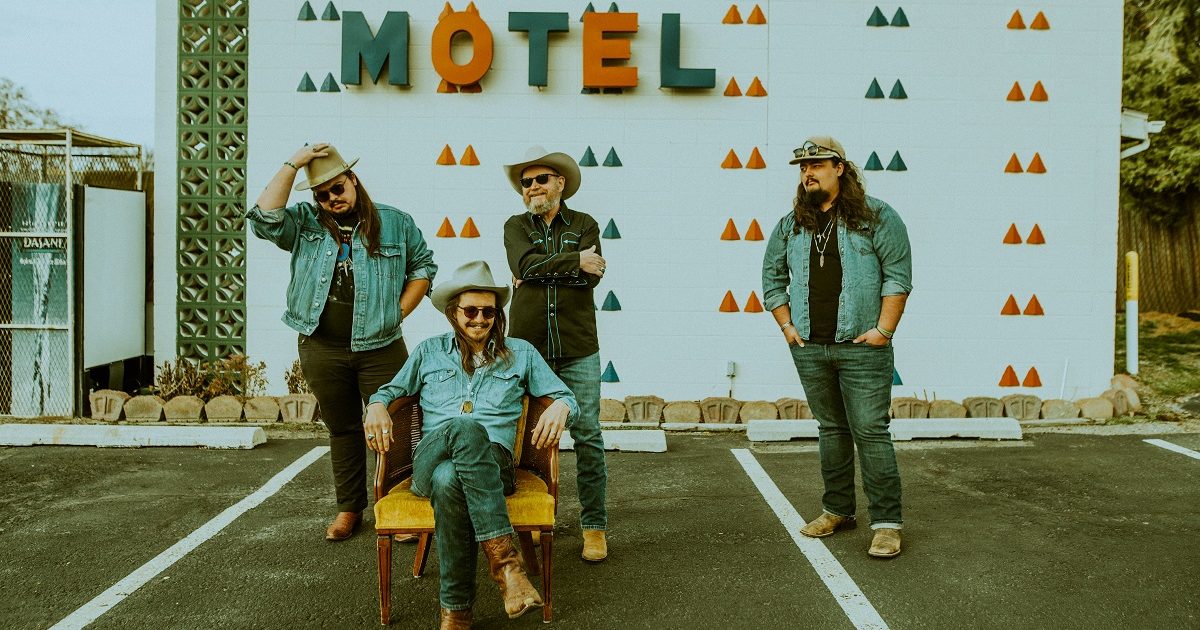
LISTEN: Tylor & the Train Robbers, “Lemonade”

Artist: Tylor & the Train Robbers
Hometown: Boise, Idaho
Song: “Lemonade”
Album: Non-Typical Find (produced by Cody Braun of Reckless Kelly)
Release Date: July 9, 2021

In Their Words: “Everyone has heard the saying ‘When life gives you lemons, make lemonade.’ I wanted to use that sentiment as the theme of this song without actually saying it and dig into the idea that when you don’t find a way to bring some good out of the bad, you’re just stuck with the same old lemons. When I’m writing about characters, I like to try to make them feel as real as possible, so I often end up using people I know as inspiration. This one started with the first character that the protagonist encounters, who was based on my grandfather (The Storyteller from our last album). He was a hard-working man who spent his weekends hunting in the hills with his hound dogs and was back at work in the mill come Monday. He was also very fond of bluegrass music so as an additional nod to him we brought in a little of the bluegrass sound featuring a banjo solo.” — Tylor Ketchum, Tylor & the Train Robbers


Photo credit: Maggie Grace Photography

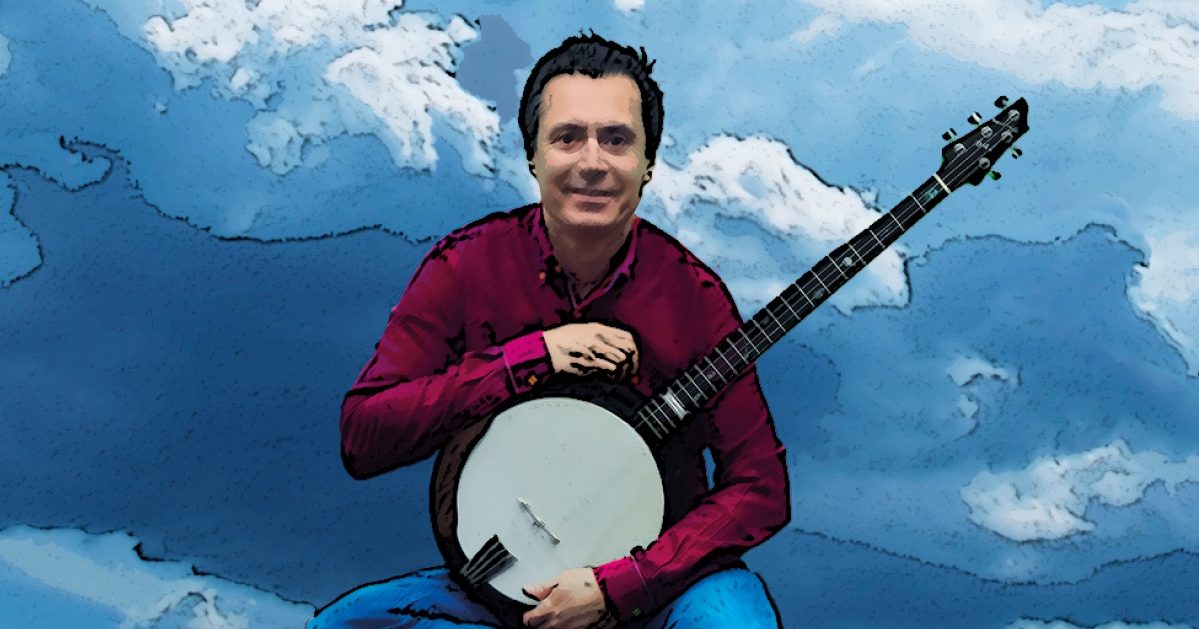
WATCH: André Dal, “Dal’s Breakdown”

Artist: André Dal
Hometown: Lisbon, Portugal
Song: “Dal’s Breakdown”
Album: Beyond the Tagus River
Release Date: June 2021

In Their Words: “‘Dal’s Breakdown’ is an uptempo banjo tune that includes myself on banjo, Gil Pereira (PT) on upright bass, Bob Hamilton (USA) on guitar, Dave Bagdade (USA) on mandolin, Jeroen Schmohl (NL) on dobro and Meade Richter (USA) on fiddle. I first came up with the melody while looking for a breakdown style of tune. My good friend, Hildebrando Soares, came up with the idea for a homemade video inspired by what all bluegrass musicians want, which is to play all day, and on what all bluegrass musicians’ wives want, which is for their husbands to stop playing and do their household tasks.” — André Dal


Photo credit: Hildebrando Soares

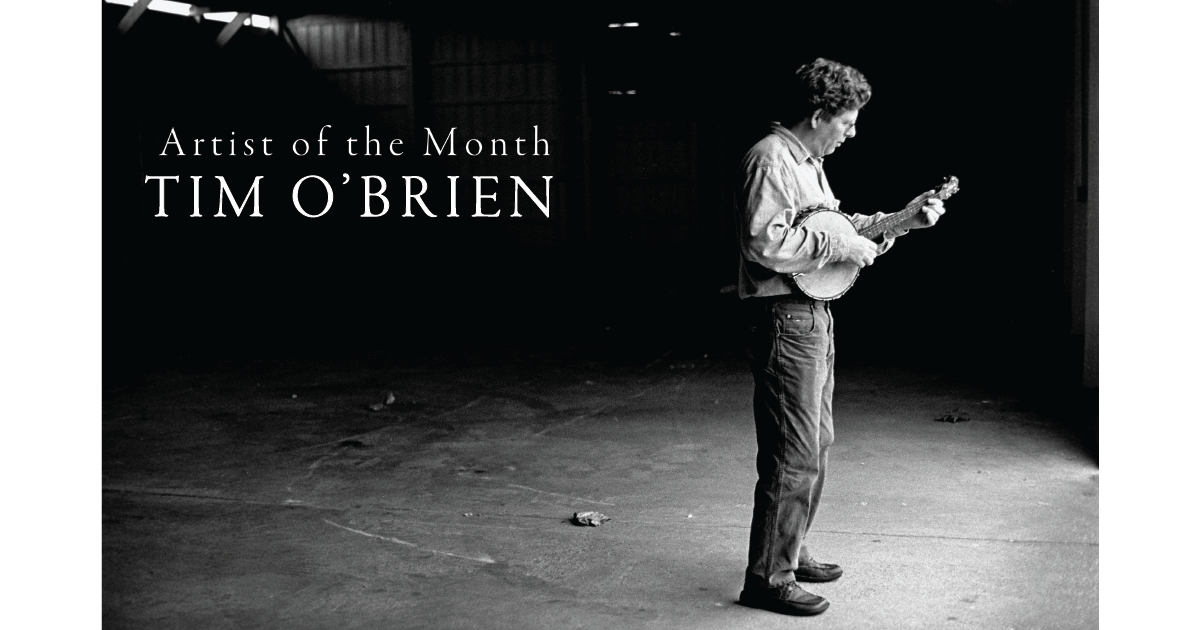
Artist of the Month: Tim O’Brien

Tim O’Brien is putting his best foot forward with He Walked On, a new collection of eight originals and five carefully chosen covers. Through his music he shares his worldview, by channeling significant figures like Thomas Jefferson and Sally Hemings, Congressman John Lewis, and John Prine. The topics on this self-produced record may be heavy, yet O’Brien believes that the music offers an opening for reflection.

“When you sing something, it kind of sneaks in, in that music is a powerful medium,” he says. “It’s a language that’s mysterious on its own — it tugs on the emotions. It grabs people’s attention in a certain way and prepares them to hear things, and music kind of draws people together.” O’Brien wrote the album’s lead single, “I Breathe In,” which BGS proudly premiered in May. He relied on longtime band members like Mike Bub on bass, Pete Abbott on drums, and fiancée Jan Fabricius on vocals to round out the record.

“The project is about what you need to do to survive in America,” he told BGS. “We all need a roof over our head and something to eat, of course, but we also need love. I’ve been grateful to have Jan beside me during the pandemic. The song stresses the need to take things one step or one breath at a time, and to keep those you love close as you do so.”

O’Brien’s own journey has carried him from his birthplace in West Virginia, through the Colorado bluegrass scene, and ultimately to Nashville, where he’s been a key figure in the roots music community since the ’90s. In some ways, He Walked On reads like a map, with distinctive songs like “Five Miles In and One Mile Down,” about the Upper Big Branch Mine disaster in West Virginia in 2010. (The banjo adds some serious mood to this narrative, too.) In addition, “El Comedor” was written with Fabricius after they joined a grassroots humanitarian effort to provide water and food to immigrants at the border near Tucson, Arizona.

“You talk about the music, where would we be in America if we didn’t have this mix of people from Africa and Europe and Native Americans,” he says. “We’re family, but we’re estranged, and we’ve never learned to be family in so many ways. And it’s crazy, and we’re still suffering from that. If you read James Baldwin — America’s insane. And until we figure out how to actually deal with reality here, we’re just going to stay insane.”

With a multi-tasking musician like Tim O’Brien, who plays mandolin, fiddle, guitar, mandola, and mandocello on this record, his creative path could carry him almost anywhere. And his comic timing is impeccable on songs like “Nervous” and “See You at the Funeral.” Until he brings us on his next adventure, let’s enjoy a few songs from He Walked On, mixed in with some classics, on our BGS Essentials playlist. Read part one of our Artist of the Month interview here. Read part two here.


Photo credit: Michael Lewis

WATCH: Rachel Sumner, “Lose My Love”

Artist: Rachel Sumner
Hometown: Boston, Massachusetts
Song: “Lose My Love”

In Their Words: “A lot of the songs I write are carefully crafted over long stretches of weeks, months, and even years. ‘Lose My Love,’ however, was one of those songs that came to me fully formed in an instant. I was in the shower when I started singing the chorus and realized there was a little film noir playing in my mind underneath it. I rushed out, wrote it down, and let my imaginary movie guide the verses. At the time I was one of the writers and lead singers of the bluegrass band Twisted Pine, so we recorded and included it on our eponymous album released in 2017. After parting ways with the group in 2019, I decided to reclaim and rearrange this song for my live solo shows where it’s become a favorite of mine to play amid the trove of new songs that I’ve been working on for my debut LP — more on that soon, so stay tuned!!” — Rachel Sumner


Photo credit: Hannah Cohen

LISTEN: Joe Troop, “Purdy Little Rainbows”

Artist: Joe Troop
Hometown: Winston-Salem, North Carolina
Song: “Purdy Little Rainbows”
Album: Borrowed Time
Release Date: August 20, 2021
Label: Free Dirt Records

In Their Words: “What we now know as ‘Pride’ began at Stonewall in an uprising of New York City LGBTQ people of color demanding the acknowledgement of their human dignity. But in today’s woke rat race for clout, middle-class theatrics flood the echo chamber, and marginalization has become a precious commodity for the privileged. The movement has been convoluted by capitalism to the benefit of corporations and the middle-class opportunist.

“Bourgeois antics coupled with McPride have glorified the contemporary queer, urban experience. Where does this leave rural queers — the groundhogs? In rural areas, LGBTQ people are still duking it out in the arena of backcountry politics, where anonymity is impossible and pride isn’t an asset that gets you ahead in life.

“Pork chop queens and pawn shop trash are down in the trenches. They don’t get to live in a wealthy hyperwoke bubble. They aren’t lauded for virtue signaling on social media. And many times they have to hide their identities just to exist. I wrote this song for them, all the little groundhogs, valiantly waddling far and wide amongst the trappers. For all the purdy little rainbows shining in dark places.” — Joe Troop


Photo credit: Kendall Atwater

LISTEN: Drew & Ellie Holcomb, “Keep on the Sunny Side”

Artist: Drew & Ellie Holcomb
Hometown: Nashville, Tennessee
Song: “Keep on the Sunny Side”
Album: Amerikinda: 20 Years of Dualtone
Label: Dualtone Records

Editor’s Note: The Amerikinda compilation features a slew of Dualtone artists and alumni all covering each other’s songs in celebration of the label’s landmark birthday. June Carter Cash won a Grammy for her recording of “Keep on the Sunny Side;” her version of The Carter Family classic was included on her 2003 album, Wildwood Flower, released by Dualtone.

In Their Words: “Congrats on 20 years Dualtone. Thanks for being one of the most artist friendly labels out there. You have a great team and we are honored to be a part of the family tree. What an honor to cover one of the greatest of American classic songs ‘Keep on the Sunny Side,’ made famous by the Carter Family. We tried to add some tension to our version, with the tough, real life lyrics of the verses, juxtaposed with the one of the happiest choruses out there.” — Drew & Ellie Holcomb


Photo credit: Ashtin Paige