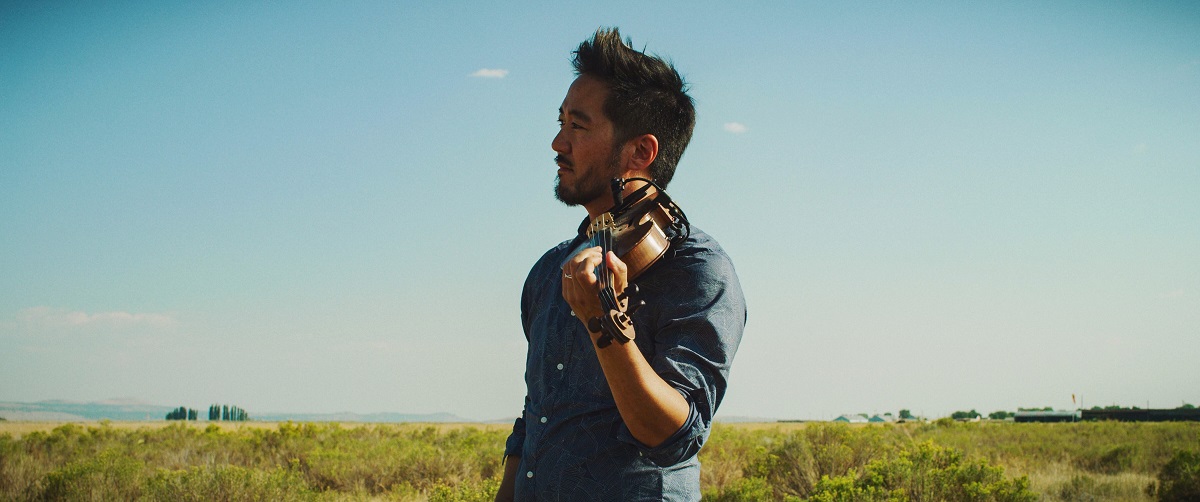
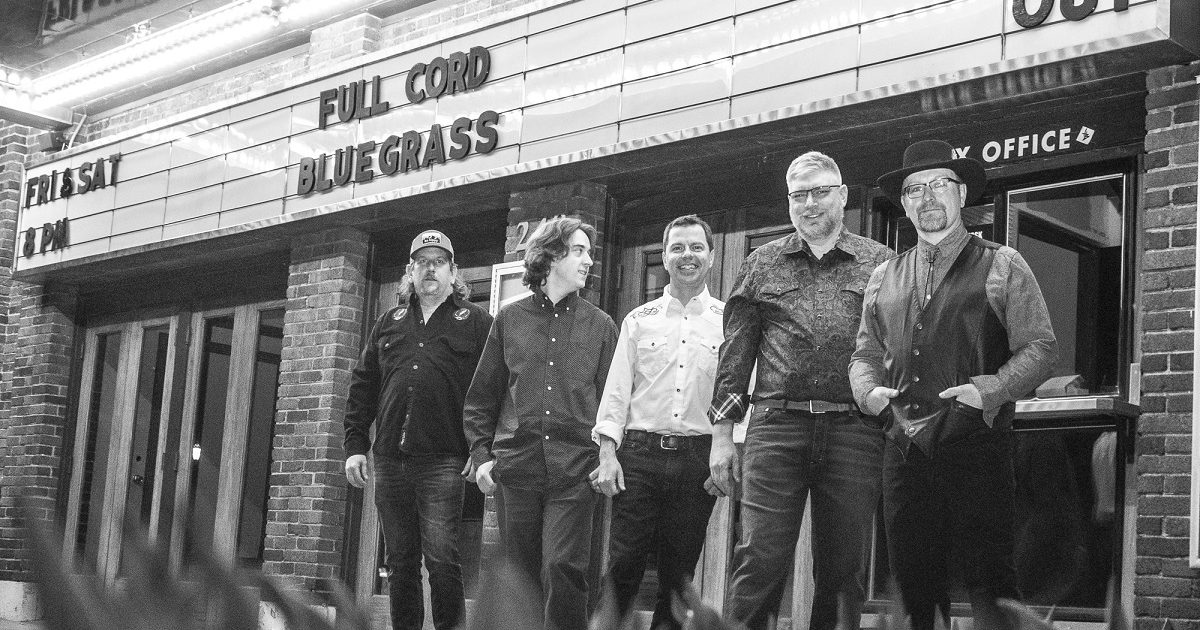
LISTEN: Full Cord, “Right in Step”

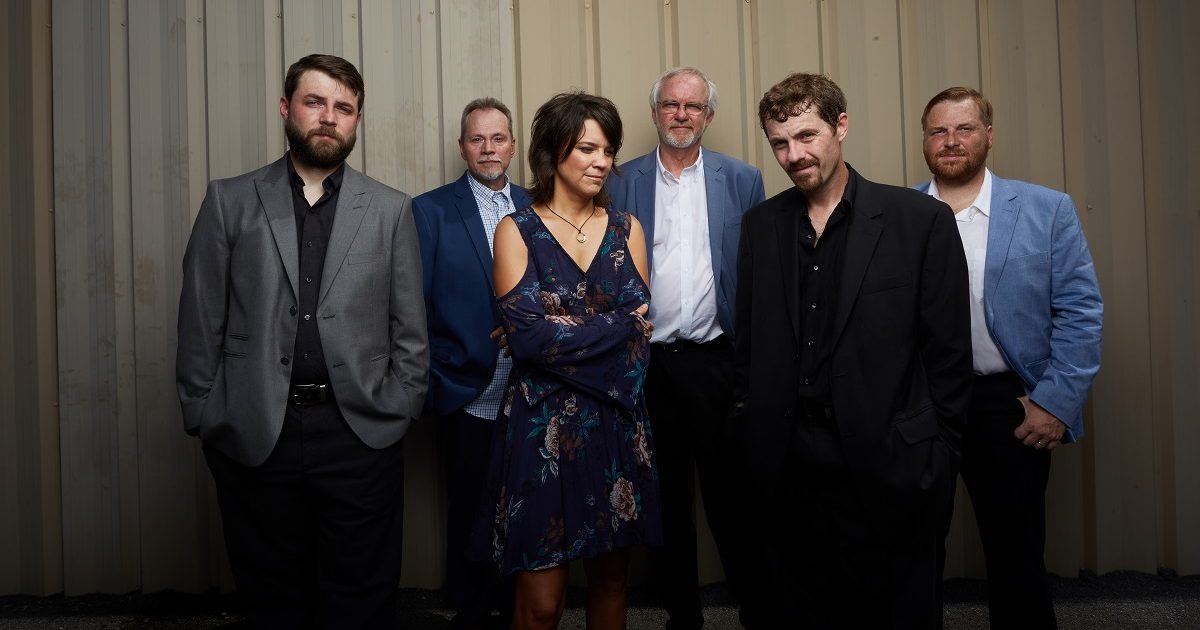
Artist: Full Cord
Hometown: Grand Haven, Michigan
Song: “Right in Step”
Album: Hindsight
Release Date: May 15, 2021

In Their Words: “‘Right in Step’ is lovingly referred to as a perfectly lovely bluegrass song. This song is the debut collaborative song by fiddler Grant Flick and mandolinist Brian Oberlin. The lyric content is love of music & hopefulness, gratification, and that unified feeling that music can deliver. Written in the late summer of 2020, it offers a respite amongst the uncertainty of a pandemic and a place where a musician can always feel at home in the music. Grant came to rehearsal one afternoon with his tenor guitar and a lick that immediately caught the attention of Brian. The one fallback for musicians is to continue doing what we love and that is making great music that makes everyone feel good — by the following afternoon ‘Right in Step’ was a complete song that we are immensely proud of.” — Full Cord


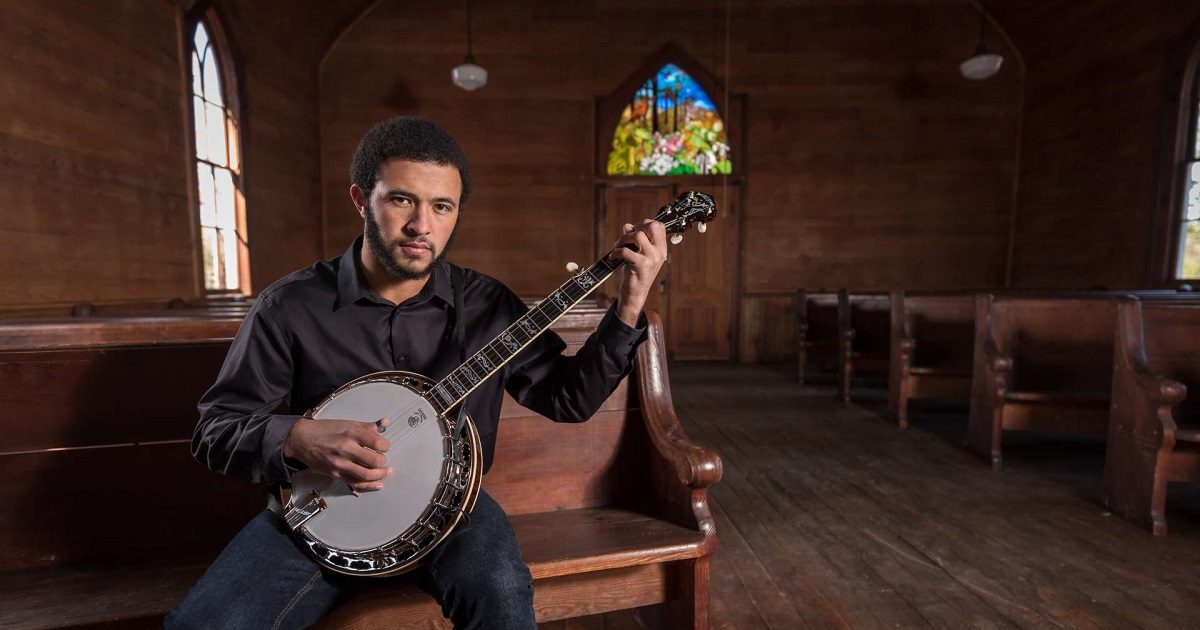
Photo credit: Derek Ketchum, Local Spins

The BGS Radio Hour – Episode 207

Welcome to the BGS Radio Hour! Since 2017, this weekly radio show and podcast has been a recap of all the great music, new and old, featured on the digital pages of BGS. This week, we bring you new music from our Artist of the Month, Allison Russell, an exclusive live performance by Madison Cunningham from BGS’ Whiskey Sour Happy Hour, and much more. Remember to check back every week for a new episode of the BGS Radio Hour.

APPLE PODCASTS, SPOTIFY

Sunny War – “Losing Hand”

Coming out of COVID isolation with fingers crossed and masks on, many artists are releasing new and exciting music. We’re particularly thrilled about Sunny War’s latest release, Simple Syrup. We caught up with the LA-based guitarist and singer for an edition of 5+5 and talked everything — from Elizabeth Cotten’s guitar playing to eating black-eyed peas with Nina Simone.

Ted Russell Kamp – “Lightning Strikes Twice”

Singer-songwriter Ted Russell Kamp originally wrote “Lightning Strikes Twice” in the style of Billy Joe Shaver, as a honky tonk number. But, for his upcoming album Solitaire, he decided to rework the track, bluegrass style.

No-No Boy – “Gimme Chills”

A student of singer-songwriter, multimedia artist, and scholar No-No Boy (AKA Julian Saporiti) once called his song “Gimme Chills” a “fucked up love letter to the Philippines.” No-No Boy agreed. The track is part history lesson and part tribute.

Yola – “Diamond Studded Shoes”

Yola’s roots-pop outing “Diamond Studded Shoes” is a song that explores the divides created to distract us from those few who are in charge of the majority of the world’s wealth. It calls on all of us to unite and turn our focus to those with a stranglehold on humanity.

Dale Ann Bradley – “Yellow Creek”

BGS recently caught up with Kentucky’s own Dale Ann Bradley, discussing her recent album, Things She Couldn’t Get Over — her first release since departing group Sister Sadie. Each of the songs on the project deal with hard times, and finding the courage that gets us through. “Yellow Creek,” a song about the forced removal of Native Americans from their land, finds Bradley giving us a reminder to walk with empathy.

Josephine Johnson – “Where I Belong”

“Where I Belong” by singer-songwriter Josephine Johnson was inspired by characters from British Navy novels set during the Napoleonic wars. Love and high seas adventure, to be sure!

The Wandering Hearts – “Gold”

Inspired by their song “Gold,” The Wandering Hearts created a Mixtape for BGS, entitled The Golden Tonic, it’s a selection of songs that have helped them through tough situations, inspired them, and take them back to specific moments in time. They hope that the Golden Tonic will work its magic on the listener after this heavy and hard year.

Eli West – “Brick in the Road”

In a recent 5+5, multi-instrumentalist and singer-songwriter Eli West discusses the influence of Paul Brady and Irish folk music, understated chaos in visual art, and drunk BBQ with Sting and Mark Knopfler.

Allison Russell – “Nightflyer”

Our Artist of the Month Allison Russell has already made a mark on the modern roots scene through various powerhouse groups, like Birds of Chicago and supergroup Our Native Daughters. Now, she’s stepping out with her first solo record, Outside Child. Stick around all month long for exclusive content from Russell.

Bhi Bhiman – “Magic Carpet Ride”

Bhi Bhiman reimagines iconic rock song “Magic Carpet Ride” in the style of old country blues players – artists like Mississippi John Hurt, Lightnin’ Hopkins, and others who’ve played a huge role in Bhiman’s evolution as a guitarist.

Parker Millsap – “Vulnerable”

Parker Millsap, one of our recent guests on The Show On The Road, is a gifted singer-songwriter who grew up in a Pentecostal church and creates a fiery gospel backdrop for his tender (then window-rattling) rock ‘n’ roll voice.

Madison Cunningham – “L.A. (Looking Alive)”

Last spring, on our debut episode of Whiskey Sour Happy Hour, Los Angeles-based, Grammy-nominated guitarist and singer-songwriter Madison Cunningham kicked off the entire series with an acoustic rendition of “L.A. (Looking Alive).”

Stash Wyslouch – “Lord Protect My Soul”

From bluegrass mad scientist Stash Wyslouch, formerly of progressive string band the Deadly Gentlemen, here’s a traditional number turned upside down, taking a Bill Monroe tune and contrasting it with polytonal backup. Wyslouch told BGS that while he gravitates towards gospel standards in the bluegrass world, his own style drifts to the absurd and unexpected. Like a bluegrass Frank Zappa!

Bob Malone – “The River Gives”

Singer-songwriter and pianist Bob Malone wrote “The River Gives” after the devastating 2016 flooding in West Virginia, but he never had a chance to produce the track like he wanted to – until now!

Marty Stuart – “One In A Row”

Marty Stuart’s new project, Songs I Sing In The Dark, is a collection of twenty songs that he curated that helped him through the tough times that we all saw in 2020. Stuart says this Willie Nelson song has followed him around since he first heard it over twenty years ago. “I think of it as an old friend, same as Willie. It’s a friend for the ages, and an excellent song to sing in the dark.


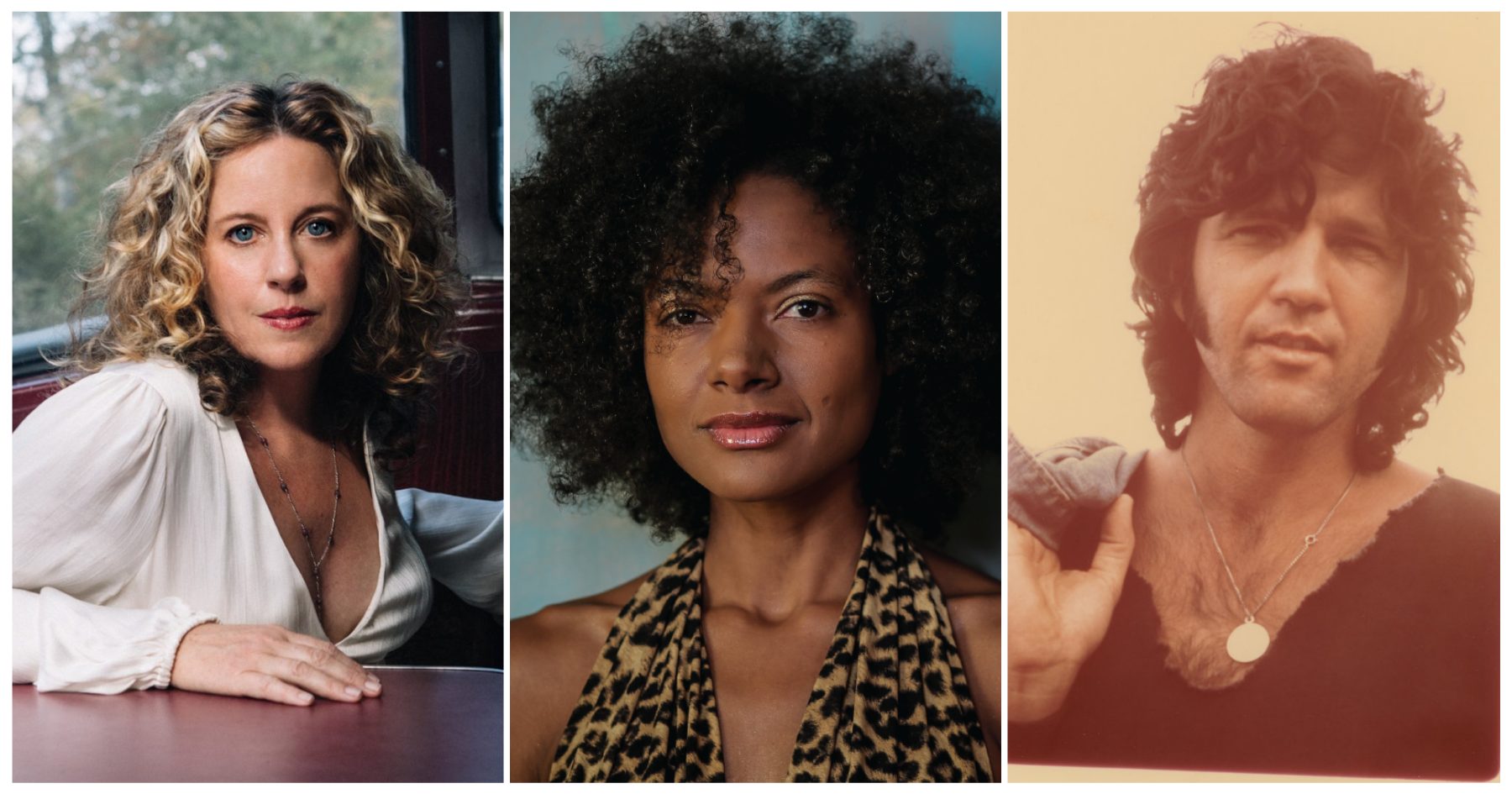
Photos: (L to R) Madison Cunningham by Claire Marie Vogel; Yola by Joseph Ross Smith; Allison Russell by Marc Baptiste

When Springtime Comes Again: 12 Bluegrass Songs for Spring

We hope, wherever you’re reading this from, that snow, frost, and the cold are truly retreating, giving way to longer days, warmer weather, and the gorgeous, humid, cicada-soundtracked days of summer. But, before we get to full-blown bluegrass season – and, hopefully, our first live music forays since COVID-19 shut the industry down in early 2020 – let’s take a moment to intentionally enjoy spring with these 12 bluegrass songs perfect for collecting a wildflower bouquet, romping and frolicking in the meadow, and pickin’ on the back porch while the evenings are still cool. 

“Wild Mountain Flowers for Mary” – Lost & Found

A classic via Lost & Found, bluegrass certainly does not lack metaphors and analogies for love built around spring and the flowers re-emerging – see “Your Love is Like a Flower” below – but this somewhat melancholy track is an exceptional example of the form. And that banjo solo by Lost & Found founding member Gene Parker will stop you dead in your tracks.


“There Is a Time” – The Dillards

Famous for the rendition sung by Charlene Darling of the ever-popular Darling family on The Andy Griffith Show, this haunting, seemingly timeless folky melody from The Dillards – who also played members of the Darling clan – cautions, “…Do your roaming in the springtime/ And you’ll find your love in the summer sun.” The suspensions in the banjo roll linger on the minor chord, echoing this sentiment and categorizing spring not by its own, shining qualities, but by the darkness in winter and fall. A true classic.


“Little Annie” – Molly Tuttle, Alison Brown, Kimber Ludiker, Missy Raines

A staple of impromptu pickin’ parties and jam circles, “Little Annie” is properly ensconced within the bluegrass canon, but is infused with new life in this application by Tuttle’s lead vocal, a slight queering of the lyric that’s perfectly at home in the hands of this veritable supergroup, assembled by D’Addario at Folk Alliance International’s conference in 2018. 


“Texas Bluebonnets” – Laurie Lewis 

Laurie Lewis is effortlessly, archetypically bluegrass even, if not especially, in applications that infuse other genres into the music, like this Tex-Mex flavored, twin fiddle arrangement of “Texas Bluebonnets” that truly never gets old. Yes, that’s Peter Rowan and Sally Van Meter guesting, and Tom Rozum jumping onto lead during the choruses so Lewis can utter the tastiest tenor harmony vocal. Stick around for the Texas double-fiddle break and do yourself a favor and bookmark the track for easy reference. You’ll be returning to it often, as this writer does. 


“The First Whippoorwill” – Bill Monroe 

The birds returning in spring are a sure sign of the seasons changing and the warm weather returning, though the whippoorwill’s role in folk music has always been as a bittersweet harbinger, never quite viewed without at least some semblance of suspicion, perhaps an acknowledgement of the whippoorwill’s mournful tendency of singing long into the dead of night. This recording of “The First Whippoorwill” is a tasty example of Monroe’s iconic high lonesome sound, with acrobatic breaks into entrancing falsetto woven into the harmonies. 


“Sitting on Top of the World” – Carolina Chocolate Drops

Whether you know this common blues, old-time, and bluegrass number from the Mississippi Sheiks, Doc Watson, John Oates, the Carolina Chocolate Drops, or any other of its many, many sources the fact still stands: Don’t like peaches? Don’t shake the tree. Demonstrably a song for spring, summer, and beyond.


“Roses in the Snow” – Emmylou Harris

Though BGS calls sunny southern California home – and BGS South is relatively temperate and mild in Nashville, TN – we know there are climes across this continent where spring promises snow as reliably as thaw. Emmylou Harris released her iconic bluegrass album in 1980 and its title track is another homage to love bringing warmth, newness, and growth even in the cold: “Our love was like a burning ember/ It warmed us as a golden glow/ We had sunshine in December/ And grew our roses in the snow…”


“Each Season Changes You” – The Osborne Brothers

Love is as fickle as the breeze! There’s a small irony in the song’s central conflict, that the singer’s love changes their mind as often as the seasons change – which, when taken whole, seems like a much more stable, predictable love than most? Even so, and done in so many different iterations, the central metaphor still holds, forever baked into the vernacular of these folk musics.


“One Morning in May” – Jeff Scroggins & Colorado

If you’ve been a bluegrass fan over the past five to ten years and you don’t immediately hear Greg Blake’s voice singing “One Morning in May” whenever it pops into your head, something must be awry. During Blake’s stint with Jeff Scroggins & Colorado, this spring-centered track was a highlight of their live show, a clean, modern rendering of what’s a properly ancient folk lyric. Lost love, war, nightingales, and yes, springtime – it has everything! 


“Your Love is Like a Flower” – Flatt & Scruggs

Perhaps the song that defines the form. Flatt’s languid, lazy phrasing seems to underline the leisure of spring that grows into the laziness of summer. The rhythm of love, tied to the seasons and the budding blooms. Another timeless sentiment, distilled into a favorite, stand-by bluegrass number.


“Springtime in the Rockies” – Lead Belly

You know the film and the country hit, but have you heard Lead Belly himself tell the story of hearing the tune from “Gene” coming by and playing him some music? Worth a listen and worth inclusion on this list, which would suffer if it didn’t include “When It’s Springtime in the Rockies” in one form or another!


“Spring Will Bring Flowers” – Balsam Range

Processing grief and loss through the ever- and unchanging seasons is a common thread through rootsy songs about spring. This more recent recording from powerful North Carolina bluegrass vocal group Balsam Range hearkens back to springy, ‘grassy numbers from across the ages – its intermittent banjo licks a call back to Jimmy Martin’s “world filled with flowers” in “Ocean of Diamonds.” 


Background photo by velodenz on Foter.com

LISTEN: Angela Autumn, “Sowin’ Seeds”

Artist: Angela Autumn
Hometown: Nashville, Tennessee (originally from Zelienople, Pennsylvania)
Song: “Sowin’ Seeds”
Album: Frontiers Woman
Release Date: June 4, 2021

In Their Words: “‘Sowin’ Seeds’ is the oldest song on the record; I wrote it in 2017. It explores the could-be life of the musician; one of imagined ease, free from sacrifice. Once, after a show, a construction worker asked that I play this song again. It was in Pittsburgh, a town full of blue-collar workers. The chorus is a reference to the African American spiritual, ‘Working on a Building,’ which was recorded and later popularized by The Carter Family. The song features Nate Leath on fiddle, Keagan Justice on banjo, Mickey Justice on mandolin, and Kate Haldrup on drums.” — Angela Autumn


Photo credit: Dana Kalachnik

Danny Paisley & Southern Grass Find a Family Blend on ‘Bluegrass Troubadour’

After nearly 50 years in bluegrass, Danny Paisley has reached something of a breakout moment. He won Male Vocalist of the Year honors at the 2020 IBMA Bluegrass Music Awards — his second time in the past five years and his third IBMA trophy overall.

Paisley started performing bluegrass music as a teenager when he joined the Southern Mountain Boys, a band his father Bob co-founded with Ted Lundy. Lundy’s sons, TJ and Bobby, played in that group too, and now are in Southern Grass, the band Danny now leads. The lineup also features his son, Ryan, giving this traditional bluegrass group a unique two-family, three-generation legacy. Earlier this month, the band released Bluegrass Troubadour, their first album for Pinecastle Records. They recorded it last fall with producer Wes Easter, whom Paisley praises for his good ideas and good vibes, sharing that “after every session we were just happy and couldn’t wait to go back the next day.”

Speaking to BGS from his home in Landenberg, the southeastern Pennsylvania town where the singer-guitarist grew up, Paisley talks about how his not-strictly-traditional sound was shaped by that area’s rich musical history and how the new generation is rethinkng bluegrass.

BGS: You’ve been a bluegrass professional almost your entire life. When did you join your father’s band?

Paisley: I started playing with my father and traveling the rooms around 1974-75. Ted Lundy and my dad had a band for years. Ted’s sons, TJ and Bobby, started playing and I started playing, so we became a family group within the two families. Totally like a big family. Their mom is like my mom. And they call my mom “mom.” We grew up together. Basically all our lives we’ve been playing music together. That pretty much carried all the way through, because the Lundy brothers are back playing with me.

How was it being in a band where your dad was the boss?

Sometimes I would say to my dad, “I have this great idea.” Ever patient as he was, he always knew how to handle every situation. He’d always look at you and go: “That’s great, that’s great, when you get your own band you can try that.” To this day, I laugh about that. And I use that, too, on my son.

Now you have a similar situation with your son Ryan in Southern Grass. Does he bring a different generational perspective?

He wants to do more things [with technology], where I’m still old school and like to do things my way. He has good ideas and it makes me have to rethink… Young minds are sometimes way better than old minds. It’s hard for the younger generation today — for the third generation of bluegrassers to relate to the “Blue Ridge Cabin Home on the Hill.” They love the song, but not that theme of the cabin on the hill and things like that from the old days. I have heard of that from my grandparents. Now with the next generation, it is washed down even more.

The area where you grew up seems to have been a great musical influence.

I was very lucky. I grew up in a place here where there was a country music park, Sunset Park. On Sundays, they would have a major country or bluegrass artist… Bill Monroe, Mac Wiseman, Osborne Brothers… I got to see all of my heroes within five miles of my house. Down the road about 15-20 miles was another park called New River Ranch. It had the Stanley Brothers, Jim & Jesse, Reno & Smiley. Any given Sunday within 20 miles, you could go somewhere and hear some incredible music.

When I was very young, Flatt & Scruggs came and everyone was there to see Earl Scruggs. He was god to every banjo player and rightfully so. I remember that day leaving with this impression of Lester Flatt — just how calm he was and how he talked from the stage. He was in control of the whole thing so easily. … Del McCoury lived the next county over from me, so we often played shows with him. I loved his rhythm guitar playing and his voice. He could play that rhythm guitar and keep that band in time – he’d drive that band with that guitar. There was nothing like hearing him live.

Your music has been associated with “Baltimore Barroom Bluegrass” What was that scene like?

When I got older, there were all these bars and clubs in Baltimore, which is about 30 miles from home. I ended up playing in these clubs, four or five nights a week… you’d played from 9 p.m. to 2 a.m., sometimes four or five sets. You got your chops in. You had a broad repertoire and you were playing to people who knew the music because Baltimore became a hub for Southerners who moved up from Virginia, West Virginia, and Kentucky for work. They were hard-living, hard-drinking, and hard-driving bluegrass fans. There’d be fights. There’d be carrying on, but boy you could have fun!

And another regional musical influence on you was the Galax sound, right?

Galax is a town in southern Virginia, on the state line of North Carolina and Virginia, and the Old Fiddlers Convention there draws thousands from all over the world. The Galax sound features a lot of fiddle — maybe not your standard bluegrass fiddle tunes, but a lot of different fiddle tunes that made their way into bluegrass music. …

Their banjo players had a certain sound to their playing. Ted Lundy had it. He came from Galax and my dad’s family came from over the state line in Ashe County, North Carolina. So naturally they would be drawn together when they got up here. Ola Belle Reed, who wrote “High on a Mountain,” lived a few miles from where I’m at here. She was from that same region. The driving banjo — there is a certain style in their hands and in their noting. You can tell they are from the Galax area. I play [guitar] with a thumb pick where a lot of the bluegrass guys play with a flat pick. That was from my dad also.

So Southern Grass’ driving rhythms are like a handed-down legacy?

Yes, of that area and of our fathers. We keep the rhythm sort of pumping, but you’ve got to play to each song. We’ll work the song. As the singer eases off singing, the rhythm will pull back, too, and then you can build back up. We do a lot of stuff like that dynamic. That’s what I like about my style of music, knowing and feeling the song.

Bobby Lundy used to play the banjo in the band and decided he needed some time off. When he said he was able to play, I needed a bass player. I call him my utility man of bluegrass, like he could play any position on a baseball team — he’s that talented. Because he has known me for so long, he knows what I am going to do on a guitar. He knows what I am going to do singing. He can walk me right into the singing with his bass. He can lead me right into the voice. He can just push the band and keep that timing from not going too fast or too slow. He can just keep it rock steady.

How did you pick songs for your new album?

Two of them [“He Can’t Own Them” and “I Never Was Too Much”] were written by Eric Gibson of the Gibson Brothers. He’s always one of my favorite writers. He sent a gang of songs he had not recorded. Every one of them was a great song. Those were the two that fit my style. Brink Brinkman — another excellent bluegrass songwriter — told me, “I have a song that I’d like you to hear.” As soon as I heard it [“Date With an Angel”], I wrote back: “I want it!”

“May I Sleep in Your Barn, Mister,” I learned from a guy named Cullen Galyean, a banjo picker and a great mountain singer from down in the Galax, Virginia, area. “Eat at the Welcome Table” is an old-timey spiritual song. When my dad moved up here to Pennsylvania, his neighbors were an African-American farming family. They had an old-timey string band and played gospel songs. They would sing that song. We put our own spin on it.

The album has an interesting mix of songs that come from different styles and influences.

That’s how music generally works for me. I love it all, and then I make it my own. My band is rooted in traditional music and traditional ways, but that shouldn’t hamper or restrict you. So, I keep my ears open to all kinds of things. You can sometimes take an idea from a non-bluegrass artist and use it in bluegrass.

It’s that way with my singing. I listen to everything from George Jones, Jerry Lee Lewis and Vince Gill to opera singers like Pavarotti – these guys all amaze me. How they control their voice and present it with such tone. For me that was lacking in my singing and I had to work at that… I learned to sing a little different as I got older – to take the edge off the high tenor part a bit. Things like that, and I noticed that people were responding better.

Congratulations on winning your second IBMA Male Vocalist of the Year win. Was the victory sweeter the second time around?

The first time I was so shocked. Any category when you are up there with Russell Moore, Del McCoury — all these guys that I enjoy. You’re shocked that people would appreciate what you do. The second time, it was like, “Oh my goodness.” It didn’t really set in until the next day or so. I love to go out and play to make people happy. I never thought of being something like Male Vocalist of the Year. It’s always the dream for everybody. It’s always a dream to play the Grand Ole Opry, but you’ve got to keep it realistic. A life lesson early on that I got from my dad: never get to where you think you’re better than anybody else. Because as soon as you do that, you’ll realize that you’re not.


Photo of Danny Paisley and Ryan Paisley courtesy of Pinecastle Records.

LISTEN: Shay Martin Lovette, “Parkway Bound”

Artist: Shay Martin Lovette
Hometown: Boone, North Carolina
Song: “Parkway Bound”
Album: Scatter & Gather
Release Date: May 14, 2021

In Their Words: “This song is a tip of the hat to the Blue Ridge Parkway that runs from Great Smoky Mountains National Park on the western edge of North Carolina near Cherokee, to Shenandoah National Park at Rockfish Gap. I consider myself lucky to live near the Blue Ridge Parkway in Boone, North Carolina, and find myself in constant awe of the landscape that this region offers. In ‘Parkway Bound,’ I wanted to capture the natural beauty of the Blue Ridge Mountains in the dead of winter. To me, the hiking trails and scenery in this area offer a means of escape from the confines of normal life and as I got further along in the writing process, I was drawn to the imagery of someone leaving their troubles behind and setting out for the Parkway as I have done so many times. The music could be said to be influenced more by great narrative writers like Norman Blake and Slaid Cleaves than your standard folkies, but there’s a little Townes Van Zandt and Gram Parsons in there.” — Shay Martin Lovette


Photo credit: Julianna Liegel

With Day Jobs on Hold, These Acoustic Musicians Go Solo (Sort Of)

The widespread shuttering of the music industry during coronavirus has given many musicians, bands, and artists the opportunity to inspect and reconfigure their priorities. In the many months since COVID-19 was declared a pandemic, this phenomenon has been well-documented in writing about music — music released as a result of the coronavirus or released in its all-eclipsing shadow, both. Artists have altered so many of the ways they interact with and create music and watching creatives respond to this worldwide cataclysm has been all at once entrancing and existential. 

Especially in instrumental music. Especially in instrumental music made in the off time — away from the “day job,” the main gig, or perhaps, again the off time afforded by COVID. In the gaps, where life allows, acoustic musicians in bluegrass, Americana, and old-time have been exploring the existential questions brought about by the pandemic — and also often by parenthood, by identity, by health and well being, or simply by the pursuit of self — in endlessly fascinating musical endeavors.

Andrew Marlin, co-frontperson of longtime Americana string duo Watchhouse (formerly known as Mandolin Orange) released not one but two albums of such endeavors this year, ostensible results of introspection of his role as a father, fighting-while-resigning-to the day-to-day beauties and fears within fatherhood. There’s a bleak, beautiful nakedness to “The Jaybird,” off Fable & Fire, an age-old sounding fiddle tune with sleek, modern simplicities that seem to indicate the gorgeousness possible from being still, watching, waiting, and listening. 

On Witching Hour, “Too Hot To Move” isn’t a barn burner, it’s a Musgraves-level slow burn; a tepid, mosquito-laden, languid afternoon on a back porch, the air thick with humidity. Again, striking in its display of the delectable everyday, in not just occupying the same place with the same people daily, but inhabiting that place with intention. Marlin’s backing band of Clint Mullican (bass), Josh Oliver (guitar, piano, and more), Jordan Tice (guitar, bouzouki), and Christian Sedelmeyer (fiddle) is largely consistent between the projects as well, reiterating this point.

Sara Watkins, known for many a “main gig” — whether that be Watkins Family Hour, Nickel Creek, or I’m With Her — released another fantastic solo offering, built on many of the same tenets evident in Marlin’s recordings. Under the Pepper Tree, whose title track is the album’s sole instrumental, is a whimsical, winking collection of near-lullabies and other ageless classics rendered as only Watkins could, with pop underpinnings and gloss, but a worn, charming patina of bluegrass and Americana via the American Songbook and its associated canon. 

“Under the Pepper Tree” listens like a fiddled campfire coda to a day on the trail; or, similarly, as if a goodnight to Watkins’ young daughter, after returning from tour. While the album as a whole carries the movement and adventure of the Wild West, as well as theatre and cinema and gaiety, its sense of place — of rootedness — is remarkable, especially in “Under the Pepper Tree,” oozing of lessons learned and intentions made underneath its boughs through pandemic isolation. 

Continuing on fiddle, Mike Barnett’s non-Ricky Skaggs & Kentucky Thunder project released in 2020, +1, feels like somewhat familiar territory, a collection of duets with friends and musical compatriots that stretches out purposefully and athletically from his tours with the Country Music Hall of Famer (who also appears on the album). “Piece O’ Shrimp,” with guest Alex Hargreaves on twin fiddle, is wonky, newgrassy, orchestral, and sly with old-time baked in and a dash of Darol Anger & Mike Marshall’s duet work. 

The poetry in the tune, and the entire project really, came from a health-related pausing of a different kind, though. While the rest of us felt the world halt due to the coronavirus, Barnett’s record release, as well as his performing career, were unexpectedly paused when Barnett suffered a cerebral hemorrhage in July 2020. This collection of songs gains an entirely new meaning, not only in the context of COVID-19, but also as a waypoint on Barnett’s journey through music, his recovery, and his eventual return to playing. Still in in-patient rehabilitation and therapy, Barnett posted an update via GoFundMe (support here) in February 2021 that closed, “…A full recovery is possible and likely!” 

Finally, to conclude our foray into solo instrumental explorations, Sam Armstrong-Zickefoose, multi-instrumentalist and songwriter of Meadow Mountain, considers ideas of place, identity, and belonging on his upcoming crowdfunded release, Spark in Your Smile. Decidedly forsaking tradition-adjacency, perhaps more than might be expected if a listener’s entry point is Meadow Mountain, the album is a testament to Armstrong-Zickefoose’s commitment to community building; he’s utilizing music and creative expression for that purpose. The expansive quality of the project’s lack of genre conjures joy first and foremost, especially on “Mona,” and globe-crossing communities as a near second, each instrument, texture, and tone evidence of what’s possible when roots music allows folks to be and to belong. A priority high on everyone’s list, but especially queer folks in bluegrass, old-time, and Americana like Armstrong-Zickefoose.

As touring bands return to the road, it will continue to be fascinating to watch musicians navigate the reconfiguration of their priorities — and how they will continue to carve out the time to express themselves, instrumentally and otherwise, while life, and the music industry, charges on ahead.


Photo credit: Sara Watkins by Jacob Boll; Andrew Marlin by Lindsey Rome.

The BGS Radio Hour – Episode 206

Welcome to the BGS Radio Hour! Since 2017, this weekly radio show and podcast has been a recap of all the great music, new and old, featured on the digital pages of BGS. This week, we bring you new music from jam-grass band Leftover Salmon, the debut single from Watchhouse (formerly known as Mandolin Orange,) and so much more! Remember to check back every week for a new episode of the BGS Radio Hour.

APPLE PODCASTS, SPOTIFY

Leftover Salmon – “Boogie Grass Band”

Leftover Salmon has been playing what you could call “boogie grass” for over 30 years now. After their COVID-induced live music hiatus, the founding Colorado jam-grass band brings us a new album Brand New Good Old Days, and this next song celebrates that boogie grass sound that everyone loves.

Avi Kaplan – “Song for the Thankful”

Avi Kaplan brings us a song about finding gratitude and beauty in every realm of life, good or bad. His hope for the listener is that they can “find gratitude in their life regardless of what end of the spectrum they are currently in.”

Peggy Seeger – “Lubrication”

As our Artist of the Month for April Peggy Seeger put it herself, “Folk is full of raunchy songs, but they’re not often sung.” In our recent interview, and on her recent album First Farewell, Seeger ruminates on the joys and sorrows of aging.

Sam Armstrong-Zickefoose – “Heart of Mine”

Sam Armstrong-Zickefoose wrote this song about feeling you’re on the outside looking in. Sometimes even after moving towards the direction of “fitting in,” it’s still easy to feel out of place.

John R. Miller – “Faustina”

John R. Miller is a true West Virginia picker-singer-songwriter if there ever was one. While inspired by folks like John Prine and Steve Earle, Miller is celebrated among the same stature — including by his friend from the same region, Tyler Childers. We mark John R. Miller’s 2021 signing with Rounder Records with “Faustina,” a single that brings promise of a great debut record.

Lady Nade – “Willing”

From Bristol, UK, Lady Nade wrote “Willing” to foster acceptance, loyalty, and friendship. The video was filmed in her hometown along the route of a Black Lives Matter protest last summer. As she explains, “the way the video and song came together portray the message of self, as well as community.”

John Mailander’s Forecast – “Returning”

For fiddler John Mailander, “Returning” captures the collective feeling amongst the musicians in the studio playing together at the time of recording, the rediscovery of connection and joy after so many months of isolation.

Watchhouse – “Better Way”

After more than ten years as the duo Mandolin Orange, burdened by the dichotomy between the name and the music they strived to create, Andrew Marlin and Emily Frantz changed their name to Watchhouse, deciding through the COVID-19 pandemic that the time for change was now, given the growing and soon-to-be opportunities for bands to share their music on a live stage again. Here’s their first single since the change!

Alex Heflin – “Guest Room”

With his new album, Room for Everyone, Alex Heflin intends to highlight that inclusivity in both genre and personality always adds interest and excitement to a medium. In this case, the track “Guest Room” benefits from that approach.

Zach Schmidt – “I Can’t Dance”

Zach Schmidt spoke with BGS in a recent edition of 5+5 on the influence of Guy Clark – and greasy enchiladas! – on facing loss and working through it, spending time with Mother Earth, and more.

Mark Rubin, Jew of Oklahoma (feat. Danny Barnes) – “My Resting Place”

Mark Rubin wrote this old-time bluegrass number inspired by the drive of Jimmy Martin, yet based on a 100-year-old Yiddish poem. He says, “If I’m being honest, I wrote it with Del McCoury in mind as the thought of a 100-year-old Yiddish labor ballad sung on bluegrass stages cheers me to no end.”

Richie Furay – “Go and Say Goodbye (Live)”

Rock and roll legend Richie Furay’s new collection 50th Anniversary Return to the Troubadour celebrates his long career with bands like Poco and Buffalo Springfield — and his connection with former bandmate Stephen Stills’ music remains as strong as ever. Furay has recorded this song, written by Stills, with every band he’s been a part of over a half-century career.

The Rose Petals – “They Say You Loved a Good Man”

“They Say You Loved a Good Man” was written about former president Calvin Coolidge and his wife Grace, but ultimately, it’s a song about regret — living your life with the best intentions, yet still falling short of expectations.

Abby Hollander Band – “Still Got It Bad”

Abby Hollander recently joined BGS for a 5+5 — that is, five questions and five songs — and brought us this tender bluegrass heartbreak tune.


Photos: (L to R) Peggy Seeger by Vicki Sharp; Watchhouse by Kendall Bailey; Avi Kaplan by Bree Marie Fish

WATCH: Nickel Creek Return to “Helena” for Their Livecreek Experience

Of all the good news that has come out of 2021 so far, none might be sweeter than the news that Nickel Creek has been re-joining forces to write and perform music again. On the final two Sundays of February, the band hosted two livestream concert events called “Nickel Stream: A Livecreek Experience” via Mandolin.com.

Not missing a step or forgetting a lyric, the trio’s performances were immaculate and reminded audiences why Nickel Creek is a special band. In this video of “Helena,” they exercise the signature spice that has always marked their music, taking their listeners on a journey that grows and evolves until its frenzied end. Sara and Sean Watkins together with Chris Thile effortlessly create beautiful, entrancing music, no matter the context and to hear fresh renditions of some of Nickel Creek’s beloved material is welcome anytime here at BGS.


Bluegrass Memoirs: The Earl Scruggs Celebration (Part 3)

(Editor’s note: Read part one of Neil V. Rosenberg’s Bluegrass Memoir on the Earl Scruggs Celebration of 1987 here. Read part two here.)

Boiling Springs, NC on Saturday, September 26, 1987: My workshop in the Gardner-Webb College Library with Snuffy Jenkins, Pappy Sherrill and the Hired Hands ended at 4:30 that afternoon when Dan X. Padgett presented Snuffy with a hat. From my diary:

Afterward I hung around and listened for a while to the Hired Hands’ young banjo picker Randy Lucas play the Bach “Bourrée,” “The Stars and Stripes Forever,” and another classical piece expertly on the banjo.

Here’s a nice example, from Bill’s Pickin’ Parlor, of Randy’s recent work in this milieu:

Then, supper time came.

I went for some barbecue (big regional difference thing — this barbecue was red, vinegary; with shredded pork) with Tom [Hanchett] and Carol [Sawyer] and then was kind of enticed away by Dan X Padgett…

I’d met Padgett the afternoon prior, when I first arrived in Boiling Springs; a respected local banjo elder, he was the teacher of the young banjo player in Horace Scruggs’ band whom I’d met earlier today. Padgett had a long and interesting career, with deep connections to Earl Scruggs and Snuffy Jenkins, as well as memories of an earlier generation of banjo greats. He was interviewed for the Earl Scruggs Center by Craig Havighurst in 2010. 

I went with him…

…to his car (an old Cadillac) to look at various memorabilia like photos of him with various important country and bluegrass people. He also showed me a very worn copy of the very first F&S songbook and when I expressed a strong interest in copying it he loaned it to me. I also talked with him about the possibility of obtaining a banjo like one he played during the afternoon, a miniature Mastertone about the size of a mandolin with an actual tone ring, flange, and resonator. He said he’d see about it and we ended up standing at his trunk trying out various instruments. 

I was picking away on “St. Anne’s Reel” when I noticed there were some people standing around me, and when I finished and looked around there was Doug Dillard looking at me with that big smile. Quite an introduction!

In an edition of the Shelby Star a week or so earlier, Joe DePriest wrote of Dillard’s association with Earl Scruggs, telling how in 1953 the Salem, Missouri teen first heard “Earl’s Breakdown” on the car radio. It hit him so hard “he ran off the road into a ditch.” Dillard got his folks to take him to Scruggs’s Nashville home. “We knocked on the door, and he came, and we asked him to put some Scruggs tuners on my banjo. He invited us in.”

A newspaper clipping from a 1987 edition of the ‘Shelby Star’ of an article by Joe DePriest on Doug Dillard

Earl welcomed banjo pickers to his home, especially if they wanted Scruggs Pegs. In the “Suggestions for Banjo Beginners” on the first page of Flatt & Scruggs Picture Album — Hymn and Songbook from 1958, Earl invited those interested to contact him in Nashville, and many did:

The first page of the 1958 ‘Flatt & Scruggs Picture Album — Hymn and Songbook’

In 1962 Doug and his brother Rodney went with their band The Dillards to LA, where they were “discovered” at the Hollywood folk club The Ash Grove. With best-selling Elektra LPs, they toured extensively in the West and appeared on CBS’s The Andy Griffith Show as “the Darling Family.” 

In 1966 Doug left The Dillards and ventured into what would soon be called “country-rock,” touring with the Byrds and forming a band with former Byrd, Gene Clark. Dillard’s banjo playing had been strongly shaped by his close listening to Scruggs. In the ’60s when players like Bill Keith and Eric Weissberg were pushing banjo boundaries in bluegrass, Doug was pushing boundaries in a different way by finding a place for Scruggs-style banjo in rock. He fitted solid, straight-ahead rolls into pieces like Gene Clark’s “The Radio Song”: 

Dillard was heard often on popular Hollywood studio recordings and movie soundtracks during the ’70s. He even had on-screen roles in Robin Williams’ Popeye and Bette Midler’s The Rose.

DePriest’s article quoted Dillard: “During all this time, ‘I never said goodbye to bluegrass.'” He moved to Nashville in 1983 and started a band. 

The bluegrass music business was booming in Nashville. A bunch of young pickers were there, touring in bands and doing studio sessions. New Grass Revival featured newcomers Bela Fleck and Pat Flynn; John Hartford, Mark O’Connor, Jerry Douglas — all were in town. The Nashville Bluegrass Band started in 1984; that year Ricky Skaggs won a Grammy for his version of Monroe’s “Wheel Hoss.” Up in the Gulch district, between the Opry and Vanderbilt, the Station Inn was serving bluegrass seven nights a week.

I was introduced to the Doug Dillard Band this afternoon right there where Dan X Padgett and I had been jamming. His four-piece outfit drew from a pool of talented bluegrass musicians. 

Rhythm guitarist, vocalist and emcee Ginger Boatwright was a seasoned veteran. During the ’70s she’d toured and recorded with Red White and Blue(grass), and later formed The Bushwackers, an all-female group that began as the house band at Nashville’s Old Time Picking Parlor. Her story is told well in Murphy Hicks Henry’s book Pretty Good for a Girl: Women in Bluegrass. Henry calls her “The first ‘modern’ woman in bluegrass” alluding to her folk revival roots, her styles of humor and dress, and, most importantly, “a softer, smoother, more lyrical quality” of singing.

Having a second guitar as a regular lead instrument in a four-piece band was uncommon at this time. When I met Doug’s young lead guitarist I was surprised to discover he was the son of Lamar Grier, whom I’d hung out with twenty years earlier when he was a Blue Grass Boy. David Grier was 26. He’d studied the lead guitar work of Clarence White (there’s a photo of him with White in Bluegrass Odyssey), Tony Rice, and Doc Watson. He was already an experienced pro.

Playing the electric bass, which was unusual for the time, was Roger Rasnake, a singer-songwriter from Bristol on the Tennessee-Virginia border.

In 1986 Flying Fish released this band’s first album, What’s That? (FF 377). Here’s the title cut. The band is augmented to six pieces by Vassar Clements on violin and Bobby Clark on mandolin; both played on the album. What we see and hear first is Ginger’s dynamic emcee work. Doug’s composition shows a banjo picker who knew fiddle music — a melodic “A” section followed by a punching Scruggs-style “B” part. 

Rasnake made a point of telling me Roland White had sent his regards. 

Roland was an old California friend, whom I’d met in 1964 and gotten to know when he was playing with Monroe. He’d just joined the Nashville Bluegrass Band. It was a pleasant surprise to hear from him.

Roger wanted to buy a copy of my book, so I took him up to the library and he bought one which I autographed. I signed several others during the day, including several that people brought with them.

I rested a bit before heading over to Gardner-Webb’s Lutz-Yelton Convocation Center. 

That evening was the Doug Dillard concert in the gym. It was good, with Ginger Boatwright doing the MC work, Lamar Grier’s son David picking some nice lead guitar, and good singing by Roger, Doug, and Ginger. 

Rasnake did one of his own songs from their album, “Endless Highway.” 

It’s familiar today because Alison Krauss covered it in her 1990 album, I’ve Got That Old Feeling.

There was a grand finale at the end with picking by Horace and the boys, and also fiddler Pee Wee Davis, whom I heard briefly in the back room for a while. I bought a souvenir photo of the Dillards with Andy Griffith. Home and in bed by 11.

On Sunday morning:

Up and away by 7:30, carried my bags to Tom and Carol’s dorm. We hit the road and drove to Shelby where we went, on Joe’s advice, to the Pancake House, a local place on the strip which was sure to have livermush. We went in and sat at a table and when the menu came I eagerly perused it. Sure enough, at the top of the list on the right-hand side was “Livermush and Eggs.” And, in case I’d missed it, about halfway down the same list was “Eggs and Livermush.” So I ordered that and actually ate some. Very peppery, other than that not much taste and what there was didn’t really excite me. I mixed it with eggs, like one does with grits. Maybe it’ll help my banjo-picking, who knows.

In Chapel Hill I stayed the night with Tom and Carol and had a bit of time to visit friends and relations and buy a box of instant grits at a supermarket. Next day I was back home in Newfoundland, writing up my diary.

The weekend at the Earl Scruggs Celebration brought me face to face with a music culture in which bluegrass nestled. Seeing, hearing and talking with Snuffy, Pappy, Horace, and Dan put me in touch with generations older than mine, what Bartenstein has called “The Pioneers” and “The Builders” of this music. I feel fortunate to have seen, met and heard them all. Just as important for me was hearing new younger performers like Ginger Boatwright, David Grier, and Randy Lucas.

This was my first opportunity see my folk guitar hero, Etta Baker. It came near the start of her late-in-life performance career. In 1989 the North Carolina Arts Council gave her the North Carolina Folk Heritage Award; in 1991 she won an NEA National Heritage Fellowship. Wayne Martin produced her first CD, for Rounder, in 1991. Later she collaborated with Taj Mahal. Meanwhile Music Maker Relief Foundation, an organization “fighting to preserve American musical traditions,” gave her the support she needed to pursue her career as a musician up to her passing at the age of 93.

It was also my first time to see Doug Dillard. If Snuffy and Pappy personified the era when bluegrass emerged from old-time, Dillard’s new band blended the contemporary sounds of an era when classic, progressive, and newgrass elements were shaping and blending the sounds heard as bluegrass thrived in a festival-dominated scene. 

Instead of an alpha male lead singer/emcee/rhythm guitarist, he had an alpha female. Replacing the mandolin or fiddle one expected in a band with a banjo was an acoustic lead guitar. Instead of an old “doghouse” upright the bass player had an electric. The lead vocals were shared between male and female. Repertoire ranged from bluegrass classics through old pop and rock favorites to band member compositions. The group was touring widely. State of the art bluegrass, 1987.

So how did all this fit together for me? I recalled the start of my visit when Joe DePriest took Tom, Carol, and me to visit the Shelby graveyard. 

He showed us three graves: first that of Thomas Dixon, the local writer whose The Clansmen was turned by D.W. Griffith into The Birth of a Nation. Not far away was the grave of W.J. Cash, author of the immensely influential The Mind of the South. Joe and Tom pondered how the two men would have felt about being buried so close to each other; the image that sticks with me is one of Cash glaring at Dixon.

Joe gave us copies of the Greater Shelby Chamber of Commerce’s glossy full-color brochure, Shelby…it’s home. In it Thomas Dixon is identified as the author “whose novel Birth of a Nation became the first million-dollar movie” thus avoiding the fact that book and movie inspired the racist revival of the KKK. It describes Pulitzer Prize-winning journalist W.J. Cash simply as “author,” not mentioning his progressive stances in print against the Klan and Nazism.

Tom wondered, what if the paths of Cash (who lived in Boiling Springs) and the young Scruggs had crossed at the time? He told us:

Cash … thought that the South had no “Culture” to speak of — what would he have had to say about Scruggs’s contribution?

Joe took us to a third gravesite, that of a local Confederate colonel killed in a Civil War battle; after detailing that part of his life its headstone:

… describes him as a lover of the arts who twice rode by horseback all the way to a far-off northern city (Baltimore? New York?) in order to hear Jenny Lind sing. This tells you where Cash’s mind was when he spoke of Culture.

The Shelby brochure ended its historical section saying “Cleveland County has also produced two North Carolina governors and an ambassador, but our most famous son is country singer Earl Scruggs.”

So much for official culture in 1987! 

Gardner-Webb’s decision to honor Earl Scruggs reflected a shifting intellectual landscape. A local musician of humble origins — a mill worker — had taken on new meaning and significance because of his national and international recognition and popular culture success. He deserved honor and celebration in his home. I was glad to help.

I don’t know if there were any further Earl Scruggs Celebrations at Gardner-Webb, but today there’s an Earl Scruggs Center in Shelby, which is planning to hold its inaugural Earl Scruggs Music Festival in September 2022. 

(Editor’s note: Read part one of Neil V. Rosenberg’s Bluegrass Memoir on the Earl Scruggs Celebration of 1987 here. Read part two here.)


Neil V. Rosenberg is an author, scholar, historian, banjo player, Bluegrass Music Hall of Fame inductee, and co-chair of the IBMA Foundation’s Arnold Shultz Fund.

Photo of Neil V. Rosenberg: Terri Thomson Rosenberg