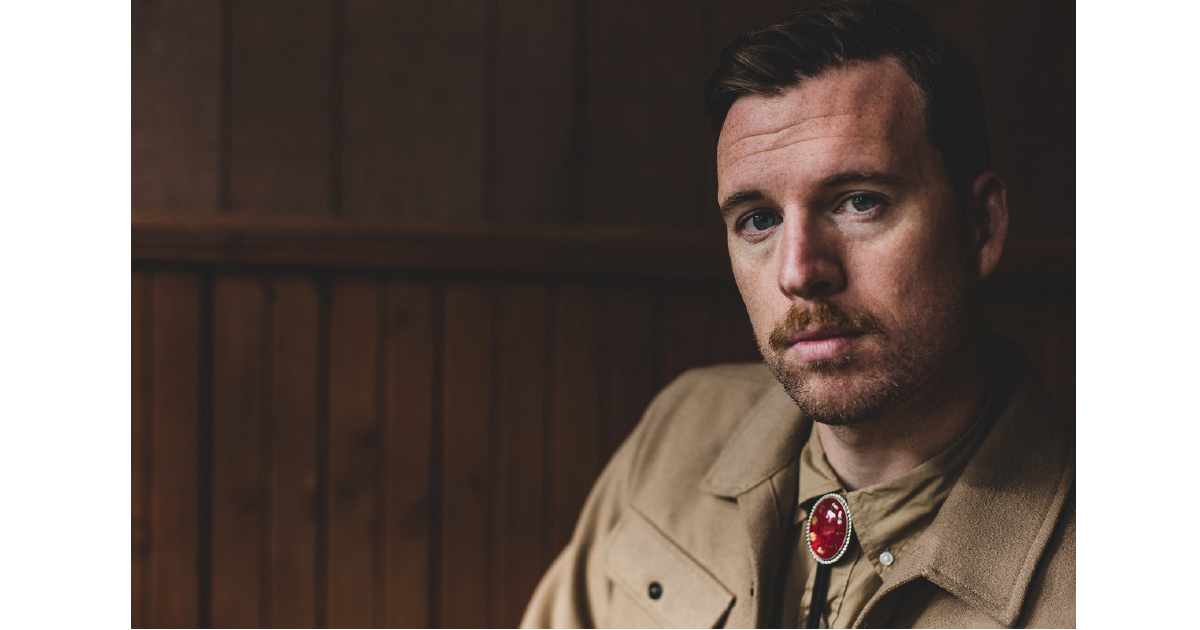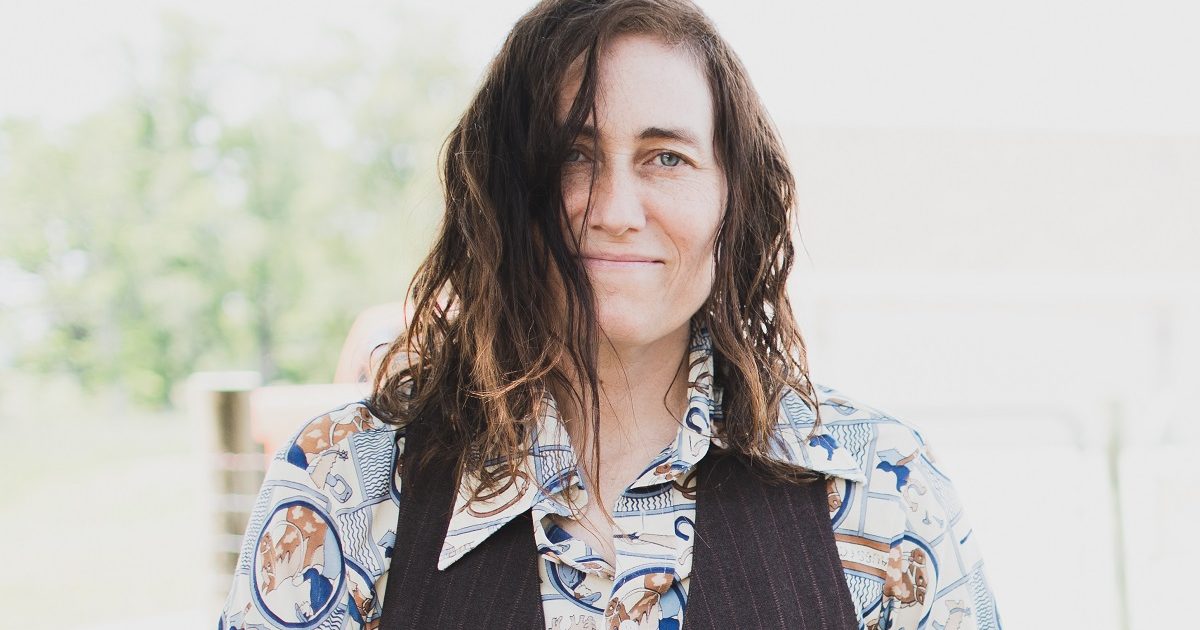
WATCH: Scott MacKay, “Romance Novel”

Artist: Scott MacKay
Hometown: Charlottetown, Prince Edward Island, Canada
Song: “Romance Novel”
Album: Stupid Cupid
Release Date: January 8, 2021

In Their Words: “The seed of this song was inspired by my mother’s book collection, which consists of many Jodi Picoult novels. Many evenings I’d find my mother reclined back on her pink chair with a glass of red wine in one hand and a romance novel in the other. At the same time, my dad would be stretched out on the couch with a beer and some chips cursing at the Toronto Maple Leafs.

“I initially brought the idea to a co-writing session with a writer I had never written with before and we wrote a version that was called Harlequin, but I wasn’t crazy about how it turned out. I decided to rework the lyrics and the music myself months later and finally landed on something I was happy with. There is a tradition of humour in country music and I really wanted the album to reflect that. ‘Romance Novel’ is one of the ten tracks on this album that honours that tradition.” — Scott MacKay


Photo credit: Nicole Anne MacKay

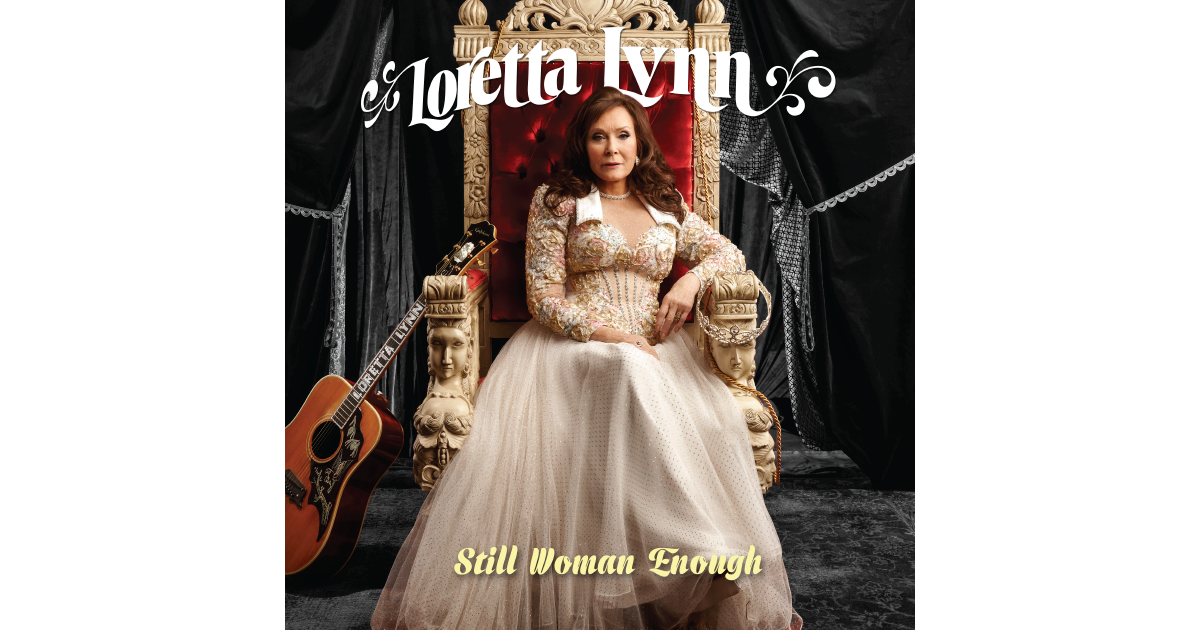
WATCH: Loretta Lynn, “Coal Miner’s Daughter Recitation”

Artist: Loretta Lynn
Hometown: Butcher Holler, Kentucky
Song: “Coal Miner’s Daughter Recitation”
Album: Still Woman Enough
Release Date: March 19, 2021
Label: Legacy Recordings

In Their Words: “I am just so thankful to have some of my friends join me on my new album. We girl singers gotta stick together. It’s amazing how much has happened in the fifty years since ‘Coal Miner’s Daughter’ first came out and I’m extremely grateful to be given a part to play in the history of American music.” — Loretta Lynn

Editor’s Note: “Coal Miner’s Daughter Recitation” commemorates the 50th anniversary of the release of Loretta Lynn’s signature song (October 5, 1970) and album (January 4, 1971). Meanwhile, her upcoming 50th studio album, Still Woman Enough, includes collaborations with Reba McEntire, Margo Price, Tanya Tucker, and Carrie Underwood. Lynn reunited with director David McClister for a short film version of “Coal Miner’s Daughter Recitation.” Shot on location at her ranch in Hurricane Mills, Tennessee, the music video includes scenes filmed in her “Butcher Holler” replica home.


Album image courtesy of Legacy Recordings

Raised Along the Country Music Highway, Brit Taylor Was Bound for Nashville

An exquisite singer who is undeniably country, Nashville singer-songwriter Brit Taylor is taking a stand for herself in her debut album, Real Me. It’s an intriguing collection of original songs that position the East Kentucky native as one of Americana music’s most promising artists. After a number of setbacks, ranging from the demise of a marriage to the end of a publishing deal, she contacted producer Dave Brainard to talk about a fresh start. Around the same time, she met Dan Auerbach, who encouraged her to sound like a traditional country singer, even though she’d been told for years that nobody was buying that kind of music anymore.

Emerging from a cloud of depression, Taylor channeled her emotions into song. Then she released Real Me in November, staking her claim as an artist that proudly honors her roots without sounding stuck in the past. Songs like “Waking Up Ain’t Easy” and “Broken Hearts Break” echo her true country influences, too. Talking by phone from her farm, with a few goats roaming nearby, she told BGS about the journey.

BGS: You’ve said that your family wasn’t very musical, but was there music always around as you were growing up?

Taylor: Yeah, I grew up in Eastern Kentucky, right by the Country Music Highway, US 23. So, the culture of country music is super rich around Eastern Kentucky. I grew up singing in the Kentucky Opry Junior Pros in Prestonsburg, Kentucky. I was always singing and playing music every weekend of the summer, and through the Christmas season.

What were those shows like?

It’s kind of like something you would see in Branson. Back when I was a kid, it was booming and tourism was really rich around there. We would sell out shows every Christmas and have to add matinees. I felt like I was in the big time when I was a kid! [Laughs] It’s a really nice theater, too. I saw my first concert there, and it was George Jones. I played there for 10 years, and then I moved to Nashville and started playing tiny bars! It was such a shock, The Junior Pros opened up for the older members who were in the Kentucky Opry. What I was in was just kids. I don’t think anybody was older than 18.

When did you learn to play guitar?

I learned to play guitar in my senior year of high school. I had a vocal coach and I was taking piano lessons. He knew I wanted to move to Nashville. I was very [eager to move]! I was always playing by ear, and I was always frustrating him, because I hated to read music. One day he said, “How are you gonna pack this piano around Nashville?” And I was like, “Well, I don’t know.” He said, “You’re not going to make it in that town unless you learn how to play guitar.”

And I went home and I was like, “Mom, you have to buy me a guitar. Now.” [Laughs] We went to the music store and she didn’t know anything about music. The guitar was a hundred bucks, or two hundred bucks, and my mom said, “I am only spending $50 on this guitar.” I told the guy at the cash register that I would sing him any song that he wanted if I could have that guitar for fifty dollars. I sang him a Fleetwood Mac song and he let me buy the guitar.

You had to overcome a lot of setbacks to get where you are. How did you stay focused and inspired to keep going?

I don’t think I ever thought about the option of quitting. It’s always just been there, that this is what I want to do. There’s never been any other thought. It was hard at times, but it was never like, “I want to do something else.” This is just what it’s always been. I don’t picture life any other way.

What kind of lessons did you learn from your family? Were they good at teaching you a work ethic, focus, and dedication?

Oh yeah. My dad’s an entrepreneur and he was always going against the grain, working for himself. A lot of people don’t understand that, but I came from a family that understood being an entrepreneur and chasing your dreams at all costs. He was also a martial arts instructor and that’s how he got started. So, he always taught me how to fight, whether it was in a karate match, or in real life.

Did you take lessons in martial arts as well?

I did. Dad had me whippin’ ass since I was 4. [Laughs]

How much of this dream you had was about songwriting as well? How important was it to develop your voice as a songwriter?

Oh, I wrote my first song when I was 13. It was terrible, but it came so natural. The structure came natural. I think I had listened to so much country music at that point, it had to come natural. Yeah, I moved to town to write songs. I wanted to be an artist, too, but I definitely wanted to write my own songs. It’s always been a dream to have other people record my songs as well.

Who were some of your heroes when you moved here?

Patty Loveless. I love her. She’s one of my favorite artists. Darrell Scott, and lots of songwriters, too. I grew up listening to a lot of Elvis and oldies. I sang a lot of Patsy Cline and Loretta Lynn growing up. The Judds, Dwight Yoakam, all those Kentucky artists.

Were you listening to the words even back then?

Every single word. My dad’s favorite story to tell is about when we were on the way to Myrtle Beach. I was always my dad’s little sidekick and I would sit in the front seat while my mom and my brother would nap in the back. We were listening to Sam Cooke. The line in the song was, “My baby’s gone and she ain’t coming back.” And my dad called me his baby. I was 4 years old, and I think I thought that song was about the man’s daughter. Dad said he looked over and saw me crying, and he said, “What’s wrong, baby?” And I said, “Why won’t his baby come back to him, Daddy?” [Laughs] I’m just sitting over there bawling, listening to Sam Cooke, and it’s not even about what I thought it was about, but it hit me.

Did you go to college in Nashville?

Murfreesboro. I moved here to go to school for music business at MTSU.

What do you remember about those early days, finally being so close to Nashville?

Oh my gosh, it was the best time of my life! I felt like such an adult. I’ve always been a little ahead of myself, I think, and just being on my own, getting to make my own decisions because I’m really independent, was just the best time time in my life. I had already started writing songs and co-writing songs, and I was just ready.

I moved here when I was 19 and I remember that feeling of excitement. It feels like the whole world is in front of you.

Oh, it does. That’s the cool thing about living on the farm, too. I remember when I would drive from Murfreesboro to Nashville, or Kentucky to Nashville, seeing the skyline of Nashville is so exciting! It’s just glorious! It still makes my heart drop because I’m not in it every day. So when I get to drive to town, it’s still really special.

Are you living on a farm now?

Yeah, I live out in Mount Juliet, outside of Nashville, and I’ve got a little over three acres. And I adore it! I don’t know if it’s because I grew up this way, but there’s some kind of peace about it when you can be out in the woods. I’m an animal lover. My next thing I want to get, with these goats, is these miniature donkeys. [Laughs] And you can’t really have those in Nashville.

Where did that love of animals come from?

Oh, I’ve always had animals. My dad’s a big animal lover. And his dad had llamas, emu, ostriches, donkeys, horses… I mean, he was always getting some kind of crazy animal. And apparently I’ve taken on that role in the family.

I think animals can bring comfort in stressful times. Is that the case for you?

Yeah, I can’t look at these little Pygmy goats and not smile. They’re just hilarious! And they make me happy. The music industry is full of ups and downs, and life in general is full of ups and downs, and it’s so easy to walk outside and be grounded in nature. It’s just being in nature and watching the animals running around, because they don’t have to think about anything. They’re just hollering for some more hay.

When you listen to Real Me now, what goes through your mind?

I’m grateful. I just listened to it and I’m grateful. I’m just as much in love with this record as I was in the process of making it. I still listen to it and get butterflies.


Photo credit: David McClister

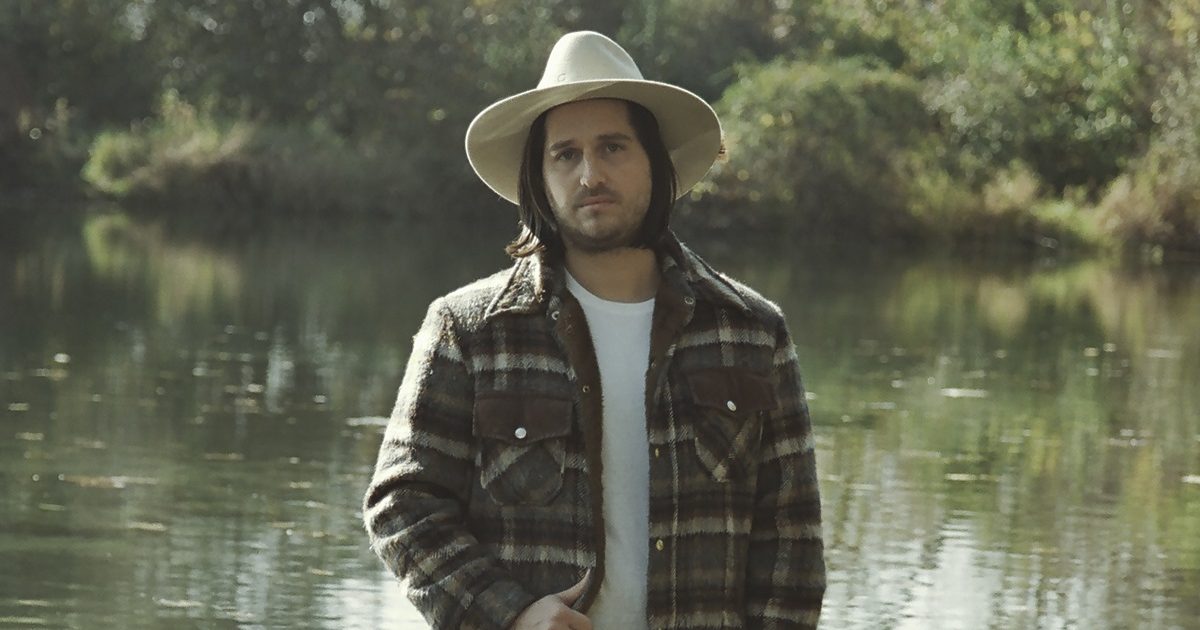
LISTEN: David Quinn, “Letting Go”

Artist: David Quinn
Hometown: Woodridge, Illinois
Song: “Letting Go”
Album: Letting Go
Release Date: October 23, 2020

In Their Words: “The song ‘Letting Go’ is what really got the whole record going for me. It put everything in perspective about what I was trying to say with the album. It all started with that opening line, ‘I’m letting go of everything that’s holding me down.’ I was dealing with a bunch of things at the moment, and I just needed to let it all go. I had a headache for about six months straight, and I reference that in the song: ‘My head, it hurts/Lord you know I’m spinnin’ around.’

“I was also being pulled in a million different directions in my personal life and with music. After the first record, I felt a little pigeonholed by a specific genre, when for me, I’m just making country music the way I hear it. I was tired of even considering those things when I was making music, or any decision with my life. I think we spend far too much time trying to make other people happy, and I decided I am through with it, even if that means getting rid of people or things in your life that hold you back; that’s where that song came from. The song allowed me to put it on paper, and release it from my mind, and it turned into a major theme on the record.” — David Quinn


Photo credit: Jess Myers

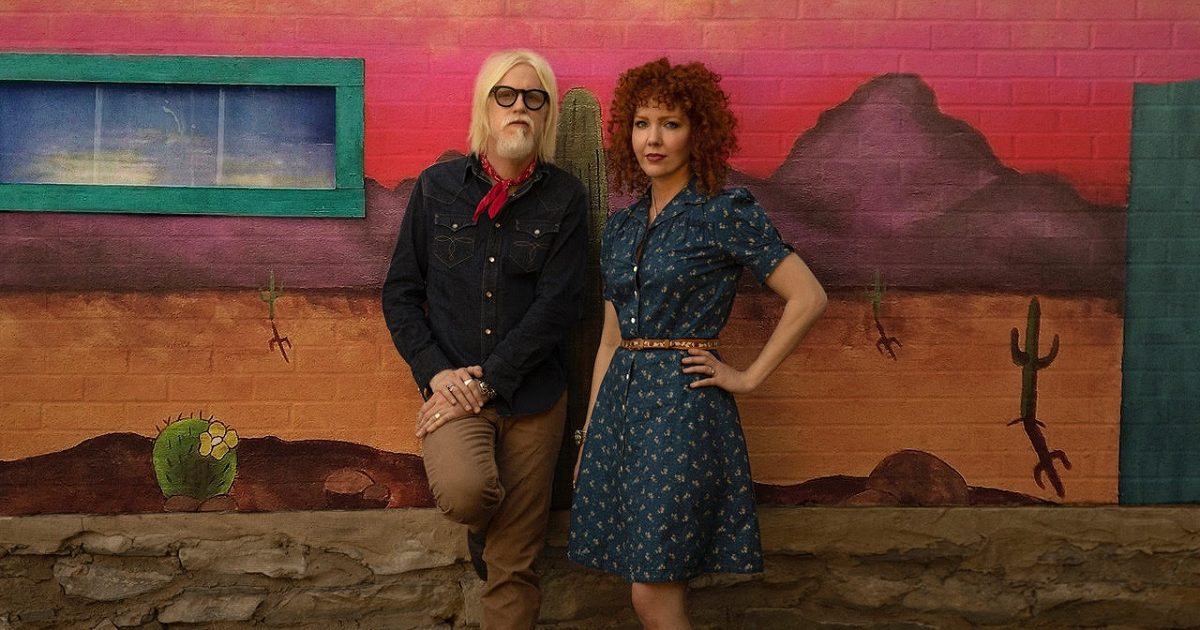
LISTEN: The Mastersons, “I’m Your Girl”

Artist: The Mastersons
Hometown: Los Angeles, California
Song: “I’m Your Girl”
Album: Red, White & I Love You Too EP
Release Date: October 16, 2020
Label: Red House Records

In Their Words: “We watched the first episode of Ken Burns’ Country Music and Eleanor wrote this after trying — unsuccessfully — to go to sleep.” — Chris Masterson

“I had Maybelle Carter’s guitar in my head and a little bit of Townes Van Zandt’s and Woody Guthrie’s spirits guiding me. I already had the first verse, which is more abstract, written down in my notebook and then I started thinking about the plight of immigrants today and the rest of the song just flowed out.” — Eleanor Masterson


Photo credit: Curtis Wayne Millard

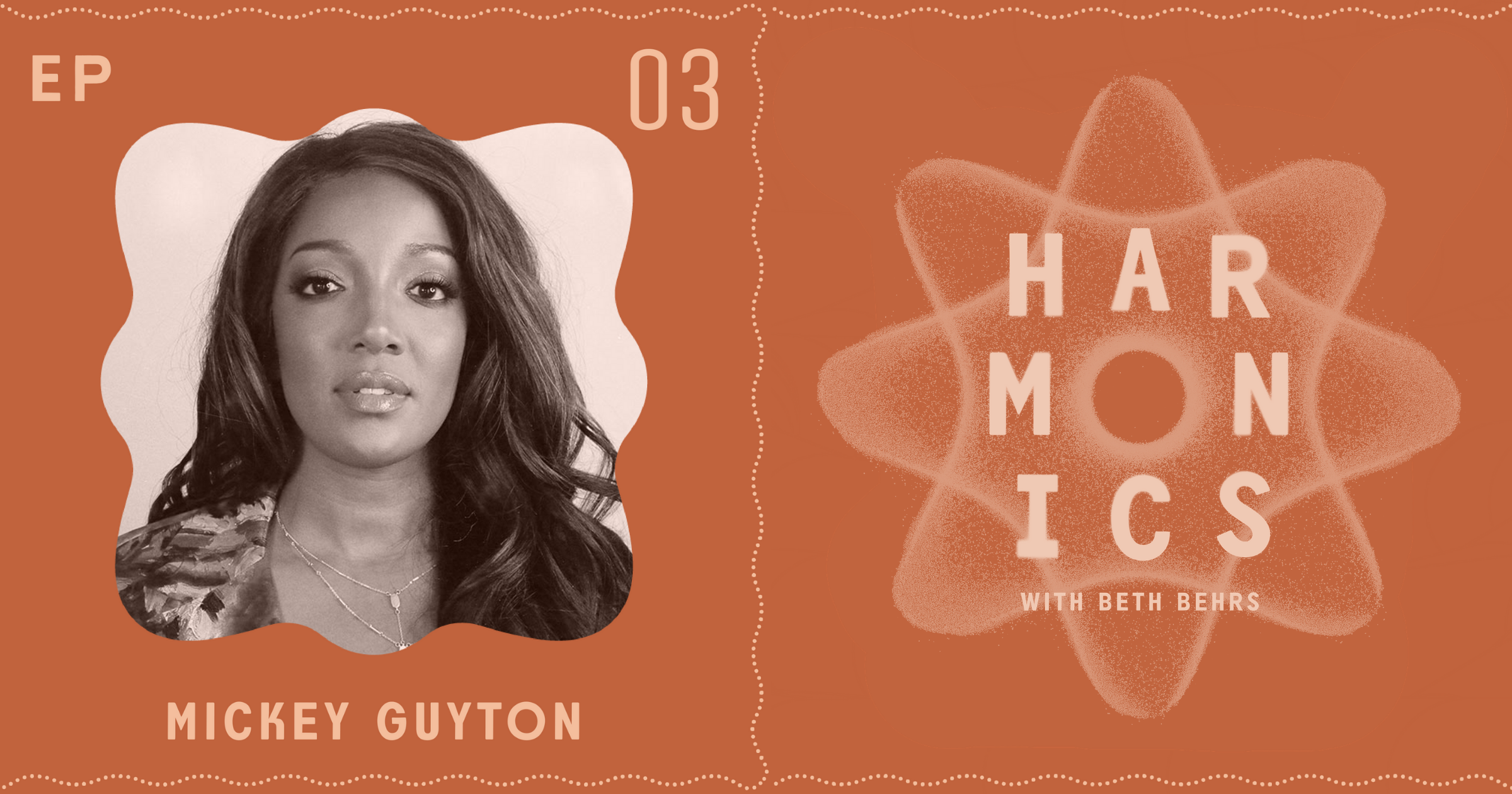
Harmonics with Beth Behrs: Episode 3, Mickey Guyton

Harmonics with Beth Behrs is the newest show from the BGS Podcast Network, which delves into the intersection of music and wellness. The podcast’s second week features country artist Mickey Guyton, who released “Black Like Me” — a song about her pain and struggles growing up as a Black woman in America — earlier this summer amidst protests against police brutality across the nation.

LISTEN: APPLE PODCASTS • SPOTIFY • STITCHERPOCKET CASTSMP3

In episode three, actor, comedian, banjo enthusiast and Harmonics host Beth Behrs talks with Guyton about country artists speaking out against racism and injustice, the power and importance of three chords and the truth in the midst of Music Row fluff, lifting other women up as a form of therapy, and, of course, Dolly Parton.

Originally from Arlington, Texas, Guyton has made a name for herself as a powerhouse vocalist and impressive songwriter, being called “one of the most promising new voices in country in recent years.” In 2015, she released her self-titled EP featuring her debut single, “Better Than You Left Me,” and the following year she was nominated for her first ACM Award for New Female Vocalist. On September 11 she released her new EP Bridges, which has solidified her as “the unapologetic voice country music needs right now.”

Listen and subscribe to Harmonics through all podcast platforms and follow BGS and Beth Behrs on Instagram for series updates!


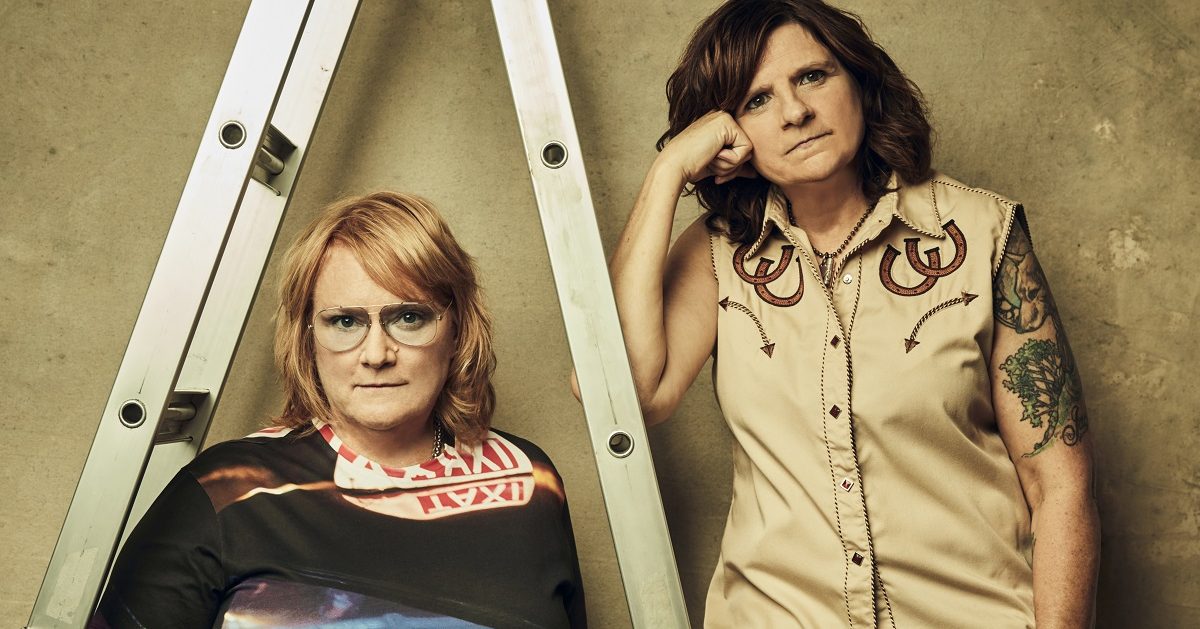
LISTEN: Indigo Girls, “Country Radio”

Artist: Indigo Girls
Hometown: Atlanta, Georgia
Song: “Country Radio”
Album: Look Long
Release Date: May 22, 2020
Label: Rounder Records

In Their Words: “I can tell it’s resonating with people. When I get to that line, ‘I’m just a gay kid who loves country radio,’ there’s an audible verbal response from the audience. This song is the way I felt doing those four-hour drives from Nashville to Atlanta, listening to country music radio. I could almost put my own life story in these songs, but I can’t. There are gender divisions and heteronormative realities. There’s a lot of self-homophobia that I’ve had to work on in my own life that plays into this as well.” — Emily Saliers, Indigo Girls


Photo credit: Jeremy Cowart

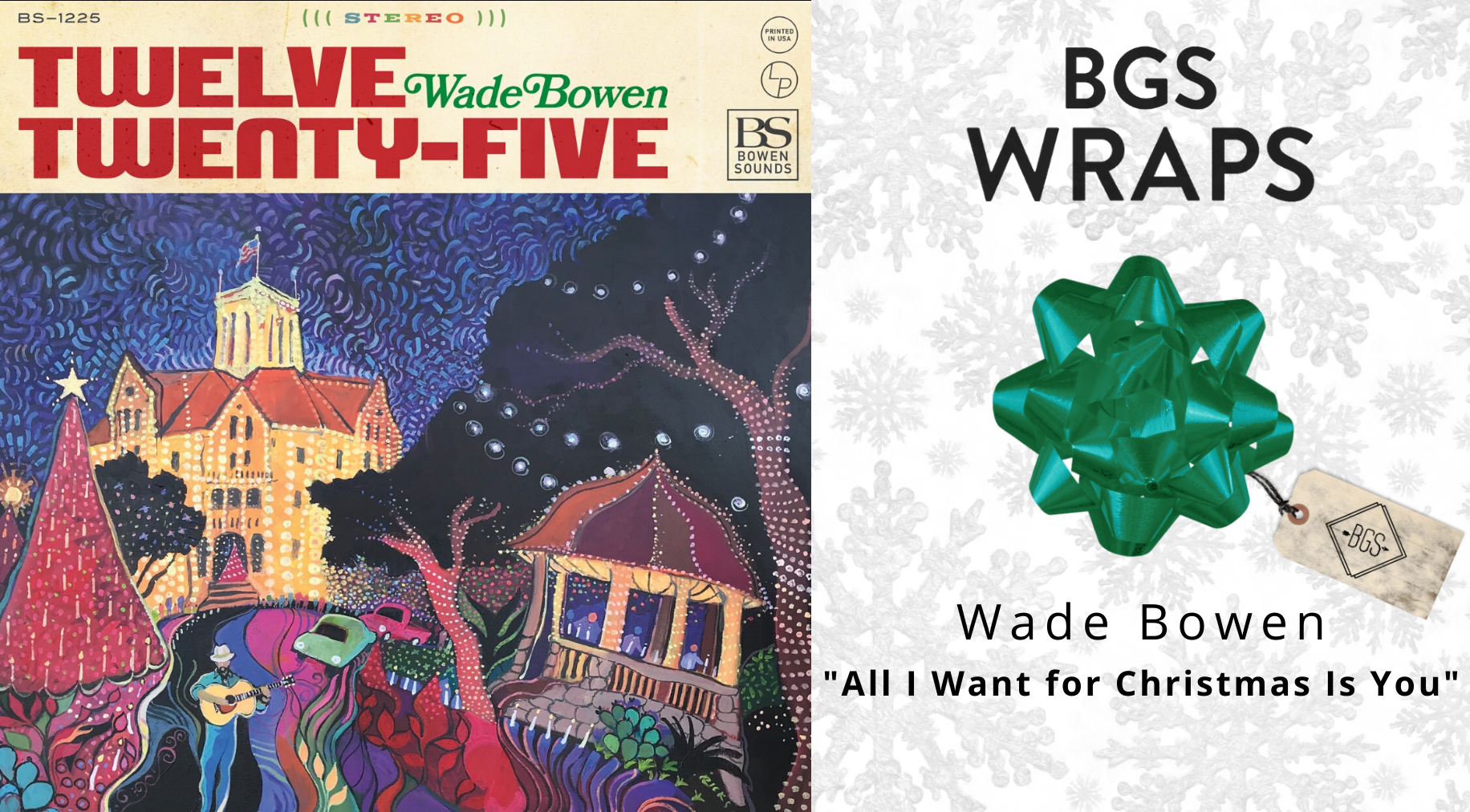
BGS WRAPS: Wade Bowen, “All I Want for Christmas Is You”

Artist: Wade Bowen
Song: “All I Want for Christmas Is You”
Album: Twelve Twenty-Five

In Their Words: “Christmas has always been the most personal of holidays, with its combination of faith and family. That was true for me while growing up and it’s still true for me today, albeit in a completely different way. As a husband and father who spends so much time traveling the world playing music, I love the feeling the Christmas season brings to my life. And I recognize how quickly time passes and how each Christmas is unique and fleeting. With my family, I try to keep the best parts of the warm, magical, small-town vibe that my parents gave me while growing up in Waco.

“I’ve always wanted to make a Christmas album that reflects all of that. All that I’ve grown to love. I can remember sitting around listening to Christmas music with my mom and sisters and singing every word. So when it came time to choose the songs for this album, I wanted those to be part of the project. But on top of the classic songs I grew up with, I want to introduce my kids to the modern holiday songs by my favorite singers or things that I watched on TV that also became part of what Christmas means to me. So this record is a reflection of all of that…with a timeless feel. It was made with friends and family, singing songs that came to mean something to me over the years. And maybe, if we’re lucky, something on this album might become a small part of what Christmas means to you. I hope you enjoy it.” — Wade Bowen

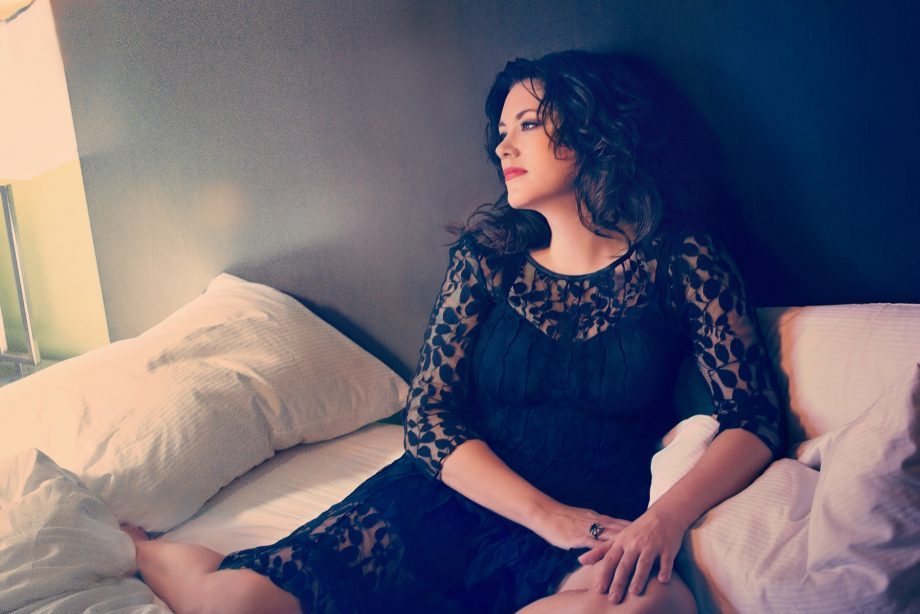
LISTEN: Mandy Barnett, “The End of the World”

Artist: Mandy Barnett
Hometown: Nashville, Tennessee
Song: “The End of the World”
Label: Melody Place Records

In Their Words: “We were already in the studio with an incredible 60-piece orchestra recording a torch songs album that will be released in 2020. After viewing Ken Burns’ Country Music documentary, we were inspired to add this beautiful song, which was originally produced by Chet Atkins for Skeeter Davis, to our recording schedule. Skeeter was always so kind to me and appreciated my being a new-generation torchbearer for classic country music. Fred Mollin did a stellar job producing it, and I’d like to extend a big ‘thank you’ to Ken Burns for giving this music a new platform!” — Mandy Barnett


Photo credit: Cyndi Hornsby

Old Crow Medicine Show’s Ketch Secor Learned This From ‘Country Music’ (Part 2 of 2)

In Ken Burns’ documentary opus Country Music, a weaving path from the hollers of Appalachia to Garth Brooks’ theatrical stadium concerts was laid out for all to see. But mapping that trail has always been a complicated, cumbersome task.

The sheer number of influences at play required 16 hours of footage for Burns to tell the story – and lots of help from the artists themselves. One of those artists was Old Crow Medicine Show’s Ketch Secor, who gladly jumped in to tackle the unwieldy narrative of his favorite subject.

Secor had a two important roles to play in the series. Most obviously, he related a lifetime’s study of country’s earliest touchstones and how they combined into something uniquely American. But the outspoken frontman was also tapped in the beginning of Burns’ process as a behind-the-scenes consultant, helping guide the project’s tone and ultimately delivering one of its final and most powerful lines.

“It’s almost like [country music] needs to be exhumed, and new life breathed into it,” Secor proclaimed. “The part that is the songs of the people, the hopes and aspirations of the people — the pain and suffering of the people — that needs to remain embedded in country music. If it isn’t there, I’m out.”

Backstage at the Grand Ole Opry House on the night the series premiered, Secor explained what the project meant to a history buff like himself, and how Burns unwittingly played a role in Old Crow’s founding.

BGS: Old Crow Medicine Show’s music has always shined a light on the past. What made you interested in that to begin with?

Secor: I was always interested in history, and I really attribute that to Ken Burns – I saw The Civil War when I was 11 years old. I lived in the Shenandoah Valley, and I wondered why the kids went to Robert E. Lee High School and why we played Stonewall Jackson, why the name of the shopping mall and the subdivision and the motel was what it was — it was all the war. It was everywhere, and we took some field trips but I didn’t really understand it. I could feel this echo, though. Seeing that movie on PBS really helped me to take this tour of my own backyard and see how history was alive. I credit that to him.

Knowing how deeply you care about country music’s history, what did you think when you found out Burns was going to present it?

I thought immediately, “Thank God. Finally somebody is going to tell our story and get it right.” I don’t trust any of these people to our story [gestures to photos Opry stars dotting the dressing room walls] because they’re all right in the middle of it. Everyone here has a very, very different story, and everybody has “The True Story” — but only their truth. Country music is richer than any one truth, so it takes an outsider’s perspective because of Nashville’s tendency toward this clan-ishness, the good ol’ boys network and these sorts of forces.

I mean, we’re the genre that has told its own history ever since it started. The radio charts today are full of songs about the good old days — and they’re talking about the ‘90s. That’s the good old days now. But it doesn’t matter, whatever the good old days were, the ethos here is that times ain’t like they used to be, they used to be better. That’s what they’ve been selling from the start, but they can’t tell our history without making it a commodity. So it takes this outsider, and you can’t ask for a better outsider than America’s most beloved documentarian, because he was the outsider who told us how jazz was born and flourished, how baseball was created, the Roosevelts, the National Parks, the Brooklyn Bridge. Country music is just as important as all that.

What did they actually ask of you?

I talked about slavery and the plantation system, the penal system — because incarceration was a great cultural conversationalist. It kept people locked up in isolation, which is one of the keys to making country music so rich. How long did the Scotch-Irish people live in Appalachia before being disturbed? Well, the great disturbance comes in Bristol in 1927. The record companies came in and said “Whaddya got?” And what they had was so specific to one region that it might sound different one holler over.

Then I talked about the Opry, and then I tried to talk about more New Age-y hip-fangled things, but they didn’t use any of that [laughs]. The other way I’ve been involved is by being an advisor to the film, so I read all the early scripts for the past eight years. But it was great, they just asked me, “How would you tell the story? Where was the birth? Who was important to mention?”

This has been in the works for eight years?

Yeah, he conducted like 140 interviews, and of that maybe 50 or 60 of his interviewees have died. See, the other thing about Ken is he knows when it’s time to tell a story, and by doing the story when he did, he was able to get Little Jimmy Dickens, Merle Haggard, numerous artists who wouldn’t be here — George Jones is in this film.

Did you get surprised by anything?

Oh yeah, a trove of knowledge is in this documentary, I learned a ton. And lots of things made me cry. What I learned primarily was a real self-reflective thought of, “Oh my God, this is my life.” I think almost all of these folks on the wall are in the movie, and when they watch they’ll be crying, too, because they’ll see themselves in the Bristol Sessions. They’ll see themselves at the earliest days of the Grand Ole Opry, they’ll compare themselves to the Outlaw movement and the traditional movement of the ‘80s, the development of the star system, and contextualize their own career.

You talked about isolation. We’re in this weird moment where country is more popular than ever, but rural life is changing fast. It’s easy to connect with people all over the world. How does the film address that?

One of the things that’s great about the film is that it stops around 1996, because Ken Burns isn’t a journalist, he’s a documentarian. He’s not making a movie about today, and here’s why: Historians say you’ve gotta have a generation pass before you can tell what happened. I just think it’s gonna go a lot deeper than anybody could say right now.

Like if you told the story of why Randy Travis mattered in 1986, it would be a lot different. And also the forces that are at play in country music, they need time to gestate for us to understand what they’re saying. Who’s gonna last? Who are we going to be talking about in 25 years? Blanco Brown? Chris Stapleton? Who’s gonna have their picture on this wall in 25 years? I don’t know.

Editor’s Note: Read Part 1 of our interview with Old Crow Medicine Show’s Ketch Secor.


Photo credit: Crackerfarm