Artist:Moira Smiley Hometown: New Haven, Vermont Song: “Days of War” (feat. Sam Amidon and Seamus Egan) Album:In Our Voices Release Date: February 19, 2021 Label: Moira Smiley Music
In Their Words: “As I write these words for the Bluegrass Situation, I’m traveling for the first time in nine months. I’m seeing the birds-eye view that ‘Days of War’ imagines… and it’s extraordinary to see this beautiful earth today. I’m flying to my beloved California to work with Tune-Yards and write some new music. ‘I fly because I must carry on.’ ‘Days of War’ is one of three banjo-driven tracks on my new album, In Our Voices. This album returns me to my a cappella, collaborative roots and kicks up a lot of percussive dust while bowing deeply to American folk music.
“Seamus Egan (Solas, Seamus Egan Project) and I wrote the core of this song after yet another shockwave of white supremacist hate hurt more people in 2017. It evolved into this form when my old friend and fellow Vermonter, Sam Amidon, said ‘yes!’ to singing the ‘human’ voice so I could converse with him as ‘the bird’ who flies and sings in spite of all. The bird is also the voice of our inner resilience — our artistic and humanistic gifts that carry us through times of upheaval and violence.” — Moira Smiley
Name: Jim Olsen, President, Signature Sounds Hometown: Northampton, Massachusetts Latest Album:Golden Age: 25 Years of Signature Sounds Personal nicknames (or rejected band names): Molson
What’s your favorite memory from working in the music business?
I’ve been in the music business in one form or another for over 40 years, so it’s pretty hard to break it down to any one memory. Without question my favorite moments are discovering great new artists and watching them perform for the first time in a small club to an intimate audience. I’ve had the good fortune to see amazing performers like Josh Ritter, Eilen Jewell, and Lake Street Dive way before the rest of the world knew them.
What was the first moment that you knew you wanted to work in the music business?
I grew up in the NYC area, a huge fan of music and WNEW and LLIR, the great progressive radio stations of the time. A career in music never occurred to me until I discovered that my Ithaca College roommate had a show on the campus radio station. It seemed inconceivable that anyone who asked could get a radio show. I’ve worked in radio ever since and have hosted The Back Porch, a weekly roots music show on 93.9 The River in Northampton, Massachusetts, since 1992. Working in radio keeps me connected to new artists and the greater music community.
What advice would you give to an artist who’s pursuing a career as a singer-songwriter?
Aim for quality, not quantity. I think many new singer-songwriters are focused on making album-length statements when a few good songs would be more effective. The streaming age has changed the way we listen to music and the sad truth is that no one has the patience for 12 songs from an unknown artist. Take your time, edit and hone your best songs and present them thoughtfully.
Which elements of nature do you spend the most time with and how do those impact your work?
I’m fortunate to live in a beautiful rural area, and I love to run and bike with a musical soundtrack. I can lose myself completely in the music and scenery to the point of not even being aware of time or commitments. The combination of deep listening and fresh air make it a highlight of the day. I also find that some of my best creative ideas happen on the road.
Since food and music go so well together, what is your dream pairing of a meal and a musician?
My dream pairing involves a fried oyster po’boy and an Abita Turbodog while watching a favorite Louisiana band, like the Iguanas, in front of the Fais Do-Do Stage at Jazzfest in New Orleans. It’s number one on my post-pandemic wish list.
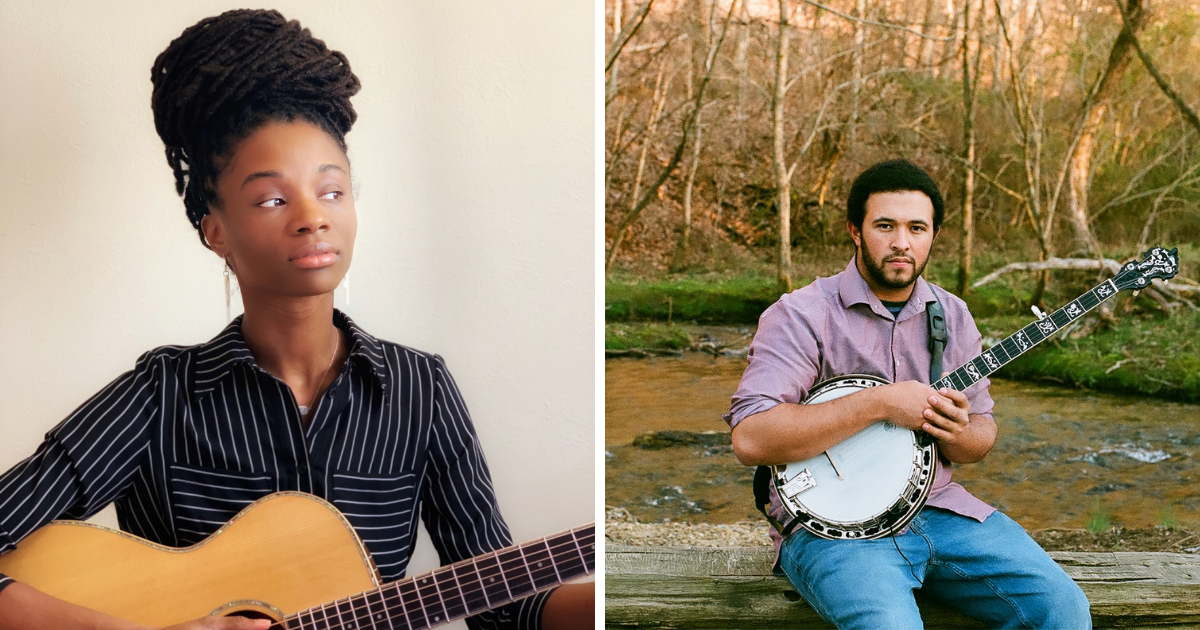
Artist:Ruby Mack Hometown: Greenfield, Massachusetts Song: “Little Bird” Album:Devil Told Me Release Date: October 23, 2020
In Their Words: “‘Little Bird’ is a spirited newgrass ditty about laying down your pride and being vulnerable to the risk and improbable feelings that flood in when you follow your heart versus the stasis of playing it safe. I wrote it with a friend when I didn’t have the courage to tell the one I loved that I loved her. ‘Little Bird’ was the 2am phone calls in the heat of the summer. We never kissed and we never told a soul. Historically, songwriting has been a vehicle for sharing everything I couldn’t say directly. I conceal my truths in poetry, metaphor, and melody. ‘Little Bird’ is a page from one of my oldest diaries.” — Emma Ayres, Ruby Mack
The entire BGS team is pretty stoked for our fifth year of Shout & Shine performances! In 2016 we partnered with PineCone Piedmont Council of Traditional Music in Raleigh, NC to showcase diversity in bluegrass and roots music at IBMA’s World of Bluegrass business conference and festival. In doing so, a wonderful platform has been provided to artists so often overlooked, as well as those just starting their journeys in the music industry.
Things are a bit different this go ‘round, and we’ll be celebrating equity and inclusion in a more pandemic-suited way this year with Shout & Shine Online! The showcase will take place Saturday, October 3rd at 2pm ET — viewers can tune in right here on BGS, or on our Facebook page or YouTube channel, as well as via PineCone’s channels, and IBMA’s conference platform, Swapcard (free music pass registration available here).
In celebration, we’ve put together a preview of what you can look forward to during Shout & Shine Online.
Brandi Waller-Pace
BGS joined hands with Decolonizing the Music Room’s founder Brandi Waller-Pace to curate 2020’s lineup. “The mission of Decolonizing the Music Room is to center Black, Brown, Indigenous, and Asian voices, knowledge, and experiences within the field of music education,” says Waller-Pace. “In addition to that, it is part of DTMR’s core values that we are an openly LGBTQ+ affirming non-profit organization. I am honored to have served as curator for this year’s Shout & Shine and to have had this opportunity to partner with BGS and PineCone on work that highlights a convergence of our values.”
Here you can see Waller-Pace along with Caitlin Hearn playing an old-time standard, “Five Miles From Town.” Waller-Pace’s music is dripping with that sweet, old-timey-ness.
Rissi Palmer
The IBMA isn’t the only thing we love in Raleigh — there’s also Rissi Palmer. In 2007 she released “Country Girl,” making her the first African American woman on the country charts in over 20 years. She’s been releasing consistently powerful music since, leading all the way up to her most recent album, Revival. On top of all of this, Palmer hosts the new Apple Music Country radio show, Color Me Country: a conversation between herself and various Black and Brown women in country/Americana/roots music. We can’t wait to have her right here on BGS!
Sunny War
You may have already seen our friend Sunny War’s episode 2 of our monthly Shout & Shine series. In our interview that came out earlier this month, War speaks about her current outlook on the music scene and how it feels to be surrounded by new “activist” musicians who weren’t doing it before, as well as her incredibly unique guitar style.
Kaïa Kater
Kaïa Kater is no stranger at BGS. She has been featuring in a Cover Story, she’s written an op-ed, and she’s had some important conversations with other musicians. Needless to stay, we’re ecstatic to have this Afro-Caribbean-Canadian songwriter and Appalachian musician back for Shout & Shine Online!
Stephanie Anne Johnson
While Stephanie Anne Johnson’s music is often rooted in America’s painful past, it’s always got down home roots. Maybe that’s why they’ve got the “American Blues.” A veteran of NBC’s The Voice, Johnson is the leader of Tacoma-based band The Hidogs, whose most recent album is entitled Take This Love.
Jerron “Blind Boy” Paxton
Blind Boy Paxton’s music is something of a journey back in time. But his songs and stories aren’t from dusty old books or archives — they are the soundtrack of his growing up in south-central Los Angeles, among the largest Creole and Cajun population outside of Louisiana. Our friend Paxton has been featured in our Shout & Shine column before, but Shout & Shine Online is his appearance on the showcase. We couldn’t be more excited!
Tray Wellington Band
North Carolina’s Tray Wellington is an acclaimed progressive banjo player — and he’s only 21. From his 2019 IBMA awards — one for Momentum Instrumentalist of the Year and another for Momentum Band of the Year with his former group Cane Mill Road — it’s easy to tell what a bright future he’s got in the world of bluegrass and beyond. He’ll be joining us with his whole band!
Amythyst Kiah
You may know her from Our Native Daughters, or our BGS Class of 2019 — either way, Amythyst Kiah is one of the most powerful, raw, and soulful singers and songwriters the roots music scene has today. We’re beyond thrilled that she’ll be joining us to anchor the Shout & Shine Online lineup!
Photos courtesy of the artists Poster design by Grant Prettyman, Belhum
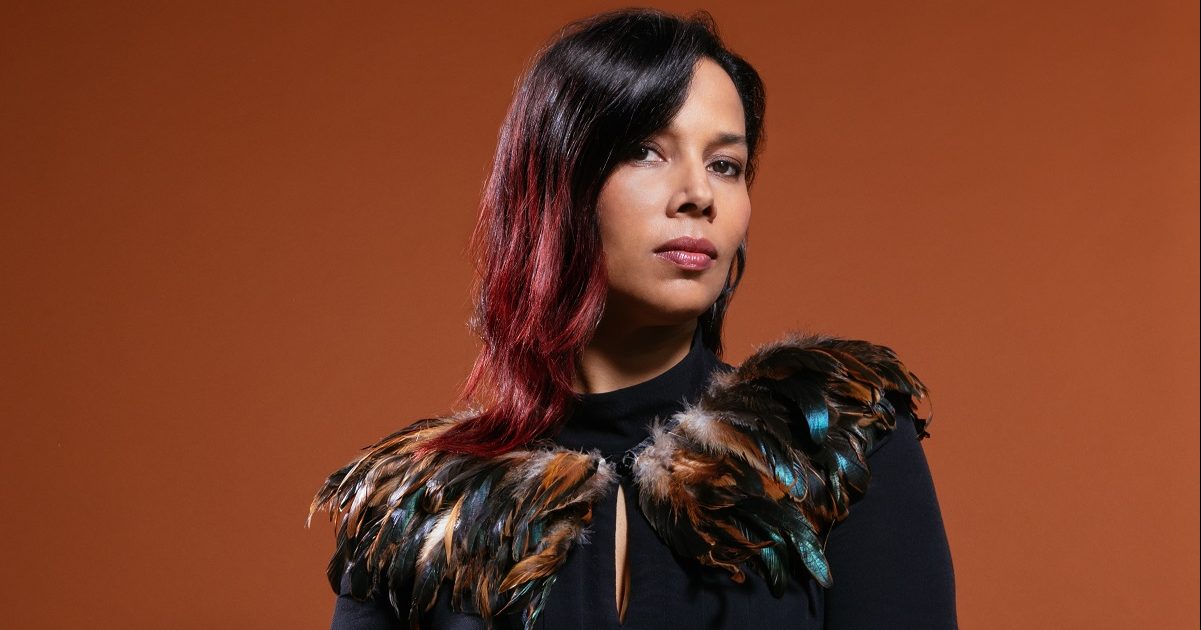
Artist:Rhiannon Giddens Hometown: Greensboro, North Carolina Song: “Don’t Call Me Names” Release Date: August 23, 2020 Label: Nonesuch
In Their Words: “The framework in the song is a love affair, but it can happen in any kind of connection. The real story was accepting my inner strength and refusing to continue being gaslit and held back; and refusing to keep sacrificing my mental health for the sake of anything or anyone.
“I don’t often write personal songs but this one has stayed with me — it poured out then and has just sat there waiting for the right time. I got a chance to do it with some incredible musicians and a fabulous producer and I’m thrilled it’s going to be out in the world; when I listen to it, the anger that I felt then is the anger I feel [now] at my entire country being gaslit, held back, and sacrificed. We have to keep saying NO to toxic behavior, no matter how small or large the stage, and keep saying it nice and loud.” — Rhiannon Giddens
We all tell ourselves we want to read more, now is the chance! Our #longreadoftheday series looks back into the BGS archives for some of our favorite reporting, videos, interviews, and more — featured every day throughout the week. You can follow along on social media [on Facebook, Twitter, and Instagram] and right here, where we’ll wrap up each week’s stories in one place.
Our long reads this week say goodbye to March and hello to April, they look to the stars and to family members for inspiration, and above all else they spread the joy of music far and wide. Check ’em out:
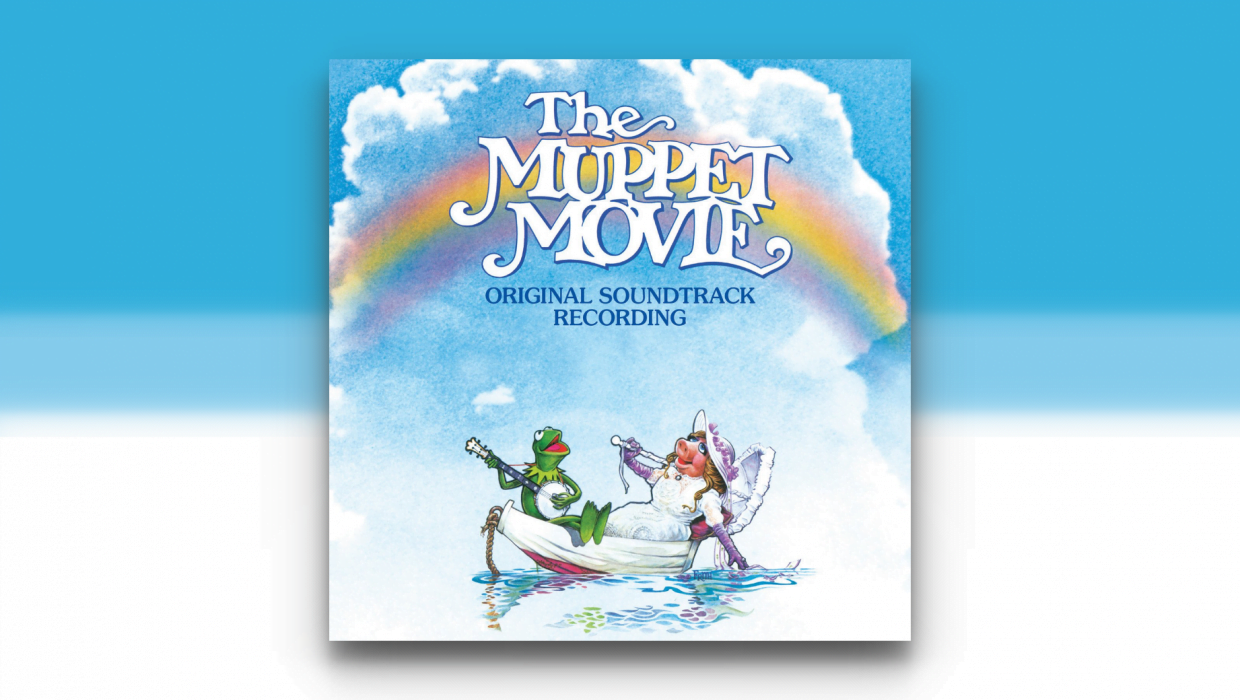
“The Rainbow Connection” at 40: Paul Williams Reflects on Kermit the Frog’s Banjo Classic
One day we’ll find it, the rainbow connection. It’s a song of dreaming, of looking to the stars at night for guidance and inspiration. To mark the 40th anniversary of this iconic song, we spoke to its songwriter, Paul Williams, for an edition of our column, Roots On Screen. For many viewers, Kermit the Frog would have been their introduction not only to this modern classic, but the banjo, too. [Read about “The Rainbow Connection”]
June Carter Cash Connects the Classic Eras of Country Music
To say goodbye to Women’s History Month we spent a day going back to each of the stories in our Women’s History series, starting with this history of June Carter Cash’s career. Known often as an addendum to others — including her era-defining husband Johnny Cash and her genre-creating family — June was a consummate performer, musician, and something of a comedian herself. [Read the story and watch June perform]
Ranky Tanky Takes Gullah Culture Around the Globe
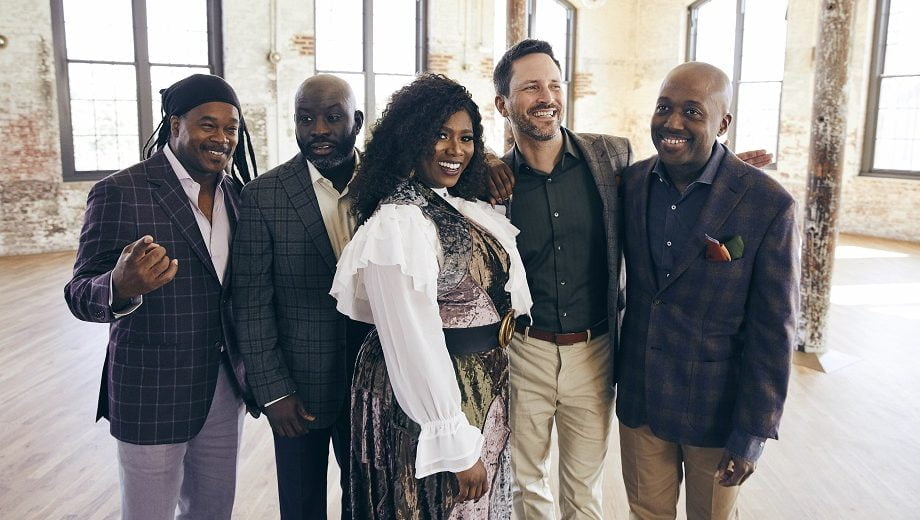
South Carolina quintet Ranky Tanky won a Grammy Award for their latest album, Good Time, a project that took Gullah music and culture around the world. Not familiar with Gullah? Don’t worry, that’s kind of the point. While many fans of American roots music are familiar with zydeco, Cajun, creole, and other cultures, Gullah remains largely unknown — a music of the African diaspora that’s peppered up and down the coasts and sea islands of South Carolina and Georgia, where it’s known as Geechee culture. [Read more and introduce yourself to Gullah]
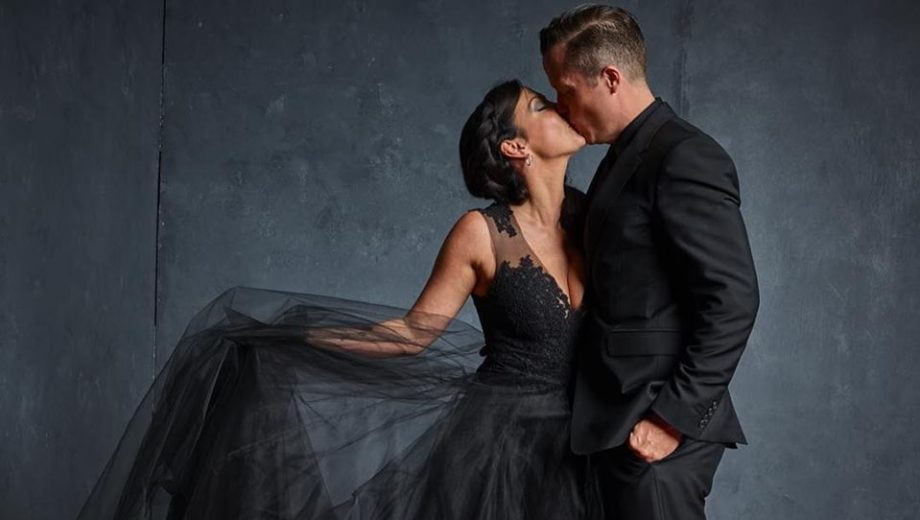
Why “Cover Me Up” Is the Truest Love Song Jason Isbell Will Ever Write
Month after month, year after year, this is one of our all-time best-performing stories on BGS. And it’s no wonder; “Cover Me Up” speaks to folks. It’s a wedding song, a break up song, an anniversary song, a first love song. (It’s also not so bad for your isolation playlist, either.) Until more recent Isbell-penned treasures like “If We Were Vampires” came along, it was unparalleled. Even so, it still stands apart. Find out why music fans the world over keep flocking to this particular piece of writing. [Read the feature on BGS]
The Haden Triplets Share Their Musical Legacy in The Family Songbook
Here’s a piece that keeps it all in the family! Calling The Haden Triplets a family band is definitely an understatement. The three sisters channel cross-generational musical inspiration on their most recent album, The Family Songbook. While they’re looking back, their idea was not to recreate the old days, but to interpret and pay homage. [Read more]
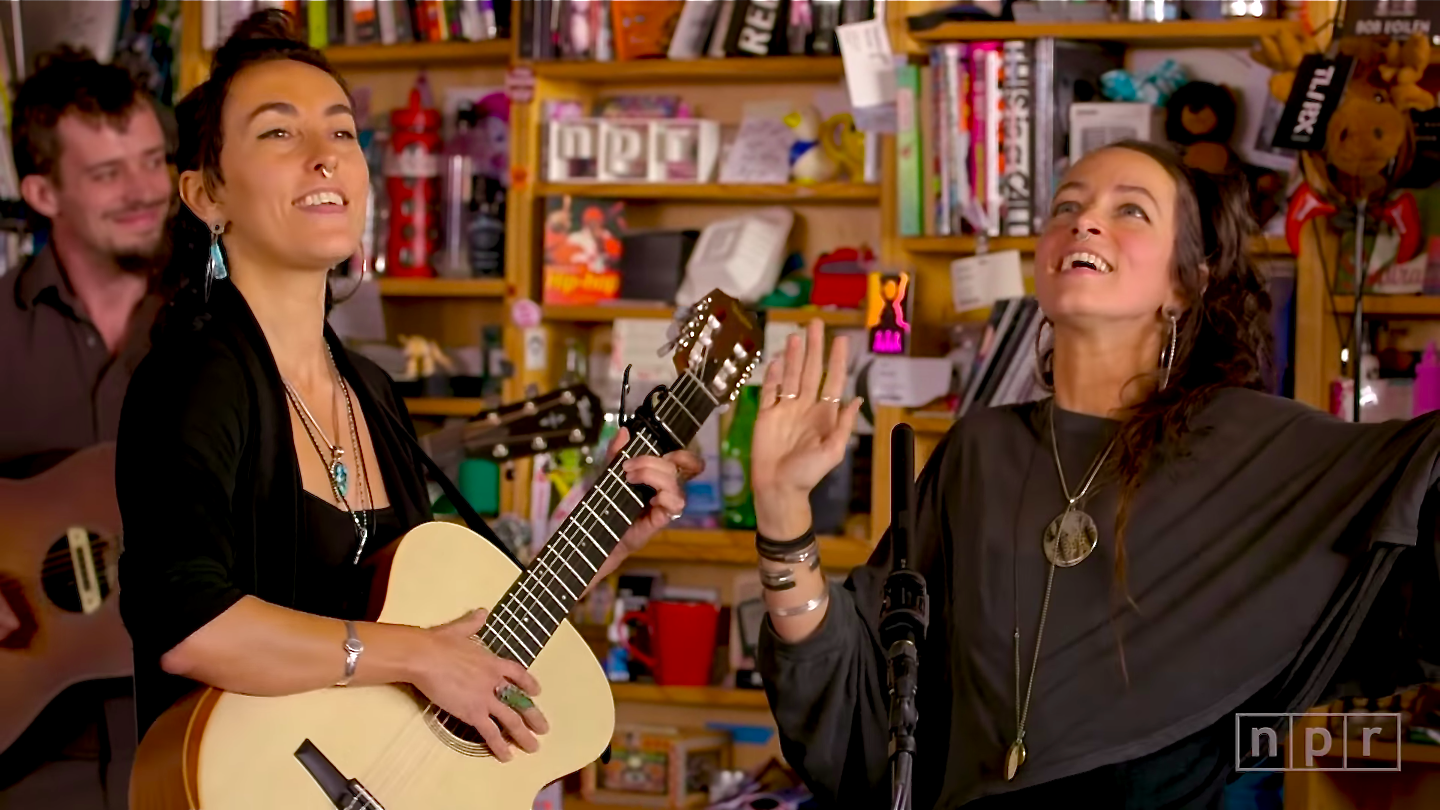
Atlanta-based, globally-influenced string band Rising Appalachia bring a unique flavor to American roots music. Drawing on modern styles and traditional sentiments, they craft an original take on folk. Fronted by sisters Leah and Chloe Smith, the band has a sound that is at once familiar and fresh, incorporating various world percussion instruments, reggae-esque grooves, and fluttery melodies that deliver the songs’ meanings with clarity and precision. Like many folk artists before them, Rising Appalachia are no strangers to building art around their activism. One action the band prides itself on is the Slow Music Movement, an idea aimed at creating sustainable practices for touring entertainment acts and re-framing performance as a public service. Watch Rising Appalachia on NPR’s Tiny Desk.
An expansive generation of simply ludicrous flatpickers has rendered bluegrass, old-time, Americana, and folk replete with acoustic guitar virtuosos. Pickers like Jake Stargel, Molly Tuttle, Presley Barker, and Billy Strings each have in common commanding right hands and withering technique. Others, like Jake Workman, Trey Hensley, and Chris Luquette play at incomprehensible, blistering speeds with pristine precision that defies explanation — down to the most infinitesimal note durations. We can clearly see the shredtastic legacies of Clarence White, Tony Rice, Dan Tyminski, and others living on, even if chiefly through their more mathematical, aggressive, and adventurous methods and tones.
That adventurous aggression might just be why “Chisholm,” a new tune composed by guitarists Shaun Richardson and Seth Taylor, feels like such a calming breath of fresh air. It’s a welcome counterpoint and complement to the repeated face-peeling-off that we all enjoy in this current golden age of flatpicking guitar. Richardson and Taylor are both veterans of Dailey & Vincent’s bluegrass-based rootsy stage show, giving them ample experience in musical code-switching, from fiddle tunes and swinging numbers to country ballads and passionate gospel. Richardson has performed with Michael Martin Murphey as well, and Taylor is a member of the long-running, heady, Americana-tinged bluegrass group Mountain Heart.
The versatility lent by these diverse experiences gives “Chisholm” a well-traveled, though relaxed, voluminous vibe. The melodies are resonant and tactile, conjuring six-string players and composers such as John Carlini and Beppe Gambetta — with just a dash of Tommy Emmanuel. Jazz complexities are utilized here not in a gratuitous way, but rather anchored in expressiveness and musical dialogue. Richardson and Taylor’s expertise is very clearly centered not on simply displaying prowess, but in musicality. In this calmer, more subdued setting, that dynamic is especially refreshing and subtly striking.
Artist:Cathy Fink & Marcy Marxer Hometown: Silver Spring, Maryland Song: “High on a Mountain” Album:WAHOO! Release Date: October 11, 2019 Label: Community Music, Inc.
In Their Words: “The ukulele has as many Americana and roots music voices as the player has, and that’s what we’ve explored on WAHOO! From the Turlough O’Carrolan Irish piece ‘Morgan Megan’ to a bluesy version of Ola Belle Reed’s ‘High on a Mountain,’ we’re pushing the ukulele into places that are new and exciting and love creating unique combinations with uke and cello banjo, uke and guitar, baritone and tenor uke, uke and electric guitar, songwriting and vocals. Somehow, all of our musical worlds come together on this little four string piece of magic.” — Cathy Fink & Marcy Marxer
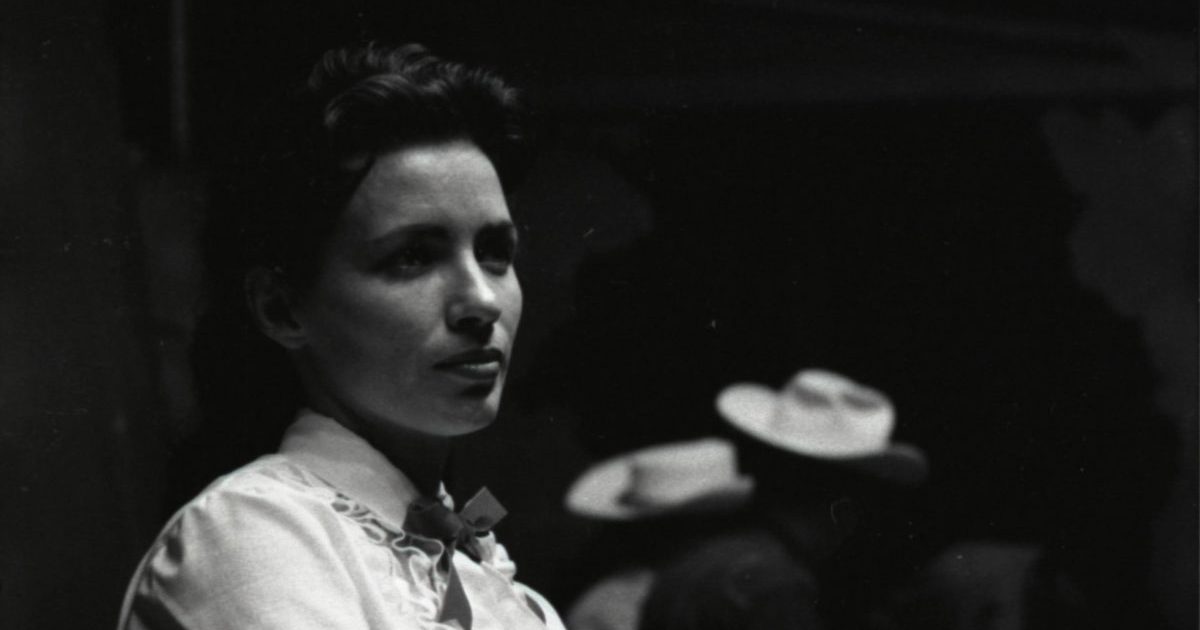
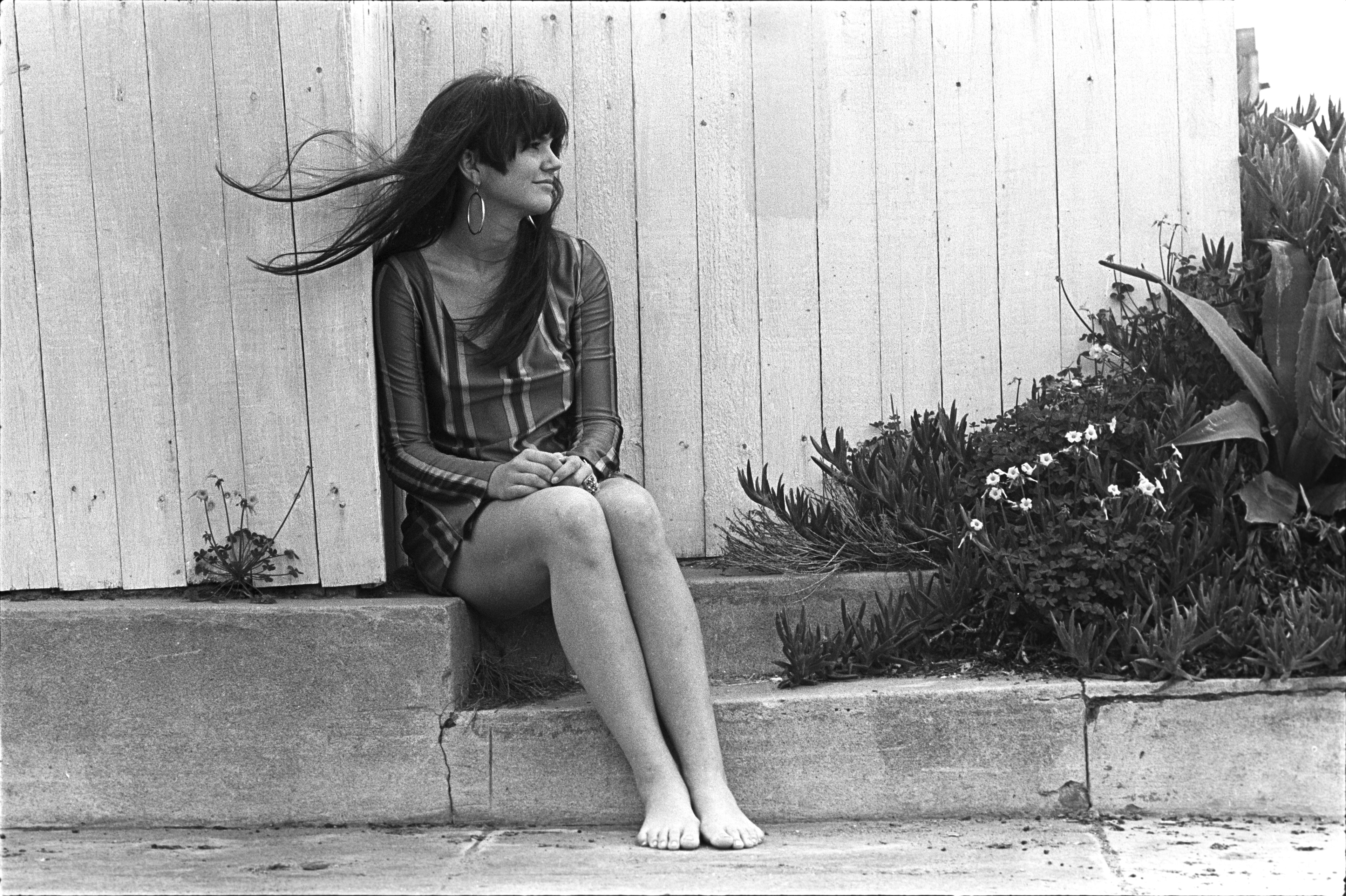
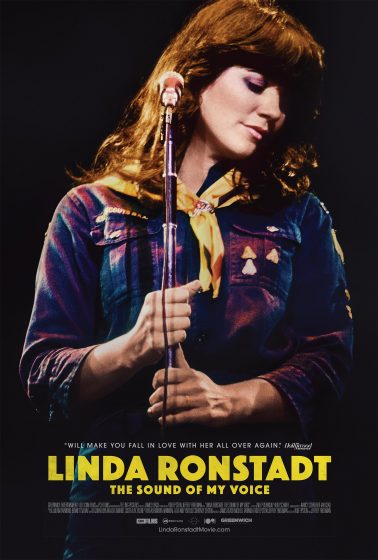
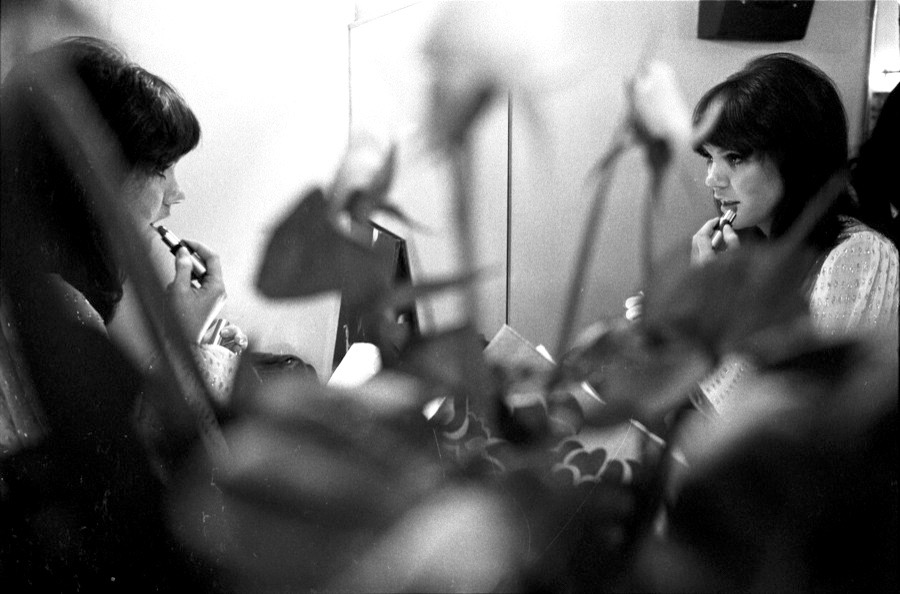
In honor of the new documentary film, Linda Ronstadt: The Sound of My Voice, and in appreciation of her connection to bluegrass — and in an attempt to shout it from the proverbial rooftops! — we’re reprinting Dan Mazer’s 1996 Bluegrass Unlimited interview with Ronstadt split into two parts, but in its entirety on BGS. Special thanks to the team at Bluegrass Unlimited for partnering with BGS to spotlight how bluegrass has touched one of the most important and truly iconic voices to ever grace this planet.
“Linda Ronstadt Talks Bluegrass” By Dan Mazer. Bluegrass Unlimited, June 1996
…Our conversation moved to a discussion of Alison Krauss’ musicianship. Krauss seems to have an incredible variety of influences, which come out when she wants them to. “And in an appropriate manner,” Ronstadt continued. “There seems to be a general agreement among all the people that I know – whose various subjectivities are very strict and very demanding – that Alison has the best taste of any of those people.
“Every fiddle player that I’ve ever worked with will be tempted to play sound(s) like donkeys braying; or just play too much – play ‘flash’ licks in an inappropriate manner. (I call it) ‘The Paganini Syndrome.’ And Alison never is.
“Her pitch is completely stunning! I’m a pitch nazi, and she’s even a little more strict than I am, in terms of pitch. And the thing that I like the very best about her playing is her rhythm. She’s got that great, easy, loping sense of the groove that bluegrass players generally don’t have. When it’s right, of course, it’s got a great swing to it. But bluegrass players have a tendency to get a little stiff and a little on top of the groove. And she never does! I don’t think she’s played with drummers that much, but we put her together with Jim Keltner, and it was just an amazing thing. She’s got the same sense of the groove that he does, and he has the effortless pocket. I consider her as good as any musician I’ve ever worked with. My cousin (David Lindley) said she was his favorite fiddle player ever. And I love her. And also, she owns Maria Callas’ bed! (Laughter) I don’t know why, or how she managed to get her hands on it, but she did. I was jealous. I wanted to be the one to get it. Emmylou Harris and I are both Maria Callas fans. Slobbering, drooling Maria Callas fans!”
When asked to comment on other bluegrass acts, Ronstadt confessed that she doesn’t listen to any modern music of any style. In fact, she was unfamiliar with many of the major country acts. Nor had she ever heard of the IBMA. “Honestly, the only ones I know (are) Ricky Skaggs, Alison, and (the) Seldom Scene,” she said. “But before that, it really was those original guys (Flatt and Scruggs and Monroe). I mean, it was such a short-lived era. And before that, the Blue Sky Boys, which wasn’t really bluegrass, but which really sorta fed right into it. I love those guys, and I listen to the Louvin Brothers a lot. So I listen to all the stuff that led right up to it.
“I know very little of any kind of contemporary music. I just don’t. I listen to NPR, and I listen to Maria Callas and them, and I listen to a lot of Mexican music, and that’s about it. And if it penetrates through that it’s usually because Emmy calls me up, or John Starling calls me up, or Quint Davis. Quint Davis is the guy that runs the New Orleans Jazz and Heritage Festival, and he put on that thing on the Mall for the inauguration. That’s where I saw Alison. I was just blown away by her!
“I don’t know modern stuff. I haven’t a clue. It seems like when we did the ‘Trio’ record, nobody was interested in traditional music. And then that record was pretty successful, and at that point, Ricky Skaggs was extremely successful, but all of a sudden, I don’t know. I don’t watch this type of stuff on television. I haven’t got the vaguest idea, and I don’t listen to the radio. I have a great respect for anything that anybody does. I mean, I think it’s just so hard to make a record – any record – that I don’t like to put myself in the position of, ‘This is good, and that’s not good,’ like a bean-counter. But I have to say that (modern country fails) to capture my interest.
“There’s always music in front of my face. If I was gonna sit and listen to Mozart, (and) someone said, ‘OK, this is gonna be it (you can only listen to Mozart) forever,’ I’d go, ‘OK.’ And if someone was playing me some Mexican traditional music, and they said, ‘This is gonna be it forever,’ I’d go, ‘OK.’ Because there’s enough in any of those things, to (keep me interested).
“Somebody came over to my house the other day with some musicians from Madagascar. They sit down in my kitchen and played this Malagassi music, and it just blew me through the wall! So, if they had said at that point, ‘Well, you’re gonna have to sing a little Malagassi now,’ I would’ve said, ‘Well, OK. Fine!’ I could’ve got right down and sung with them, and had no problem at all. But I can only concentrate on one thing at a time, and if that thin is interesting, I just don’t have any particular need to shift my attention.
“When John Starling comes out to visit me, he sits down at my kitchen table with his guitar, and we start singing. I get pried back to English. But I’d really rather sing in Spanish or Italian. Because all that stuff (bluegrass and country) is based on rural southern pronunciation. And in Spanish – if I’m singing a Latin jazz thing that’s a Caribbean base, I have to push myself from my northern Mexican rural accent into a Caribbean accent, which is painful for me. I find it an unpleasant way to pronounce the language, but I have to do it in order to get the rhythms right. So I do it. I really push myself into that other accent. But I prefer singing in my own accent – the accent of my family’s region. I can just get so much more sound out of my voice in that language.”
Over the course of a career, an artist makes many decisions based upon the age-old dilemma of commercialism versus artistic merit. What the public wants to buy is not always what the artists likes [sic] to paint, play, or sing. Ms. Ronstadt has lately recorded opera, Big Band and Mexican music, none of which usually sells platinum in today’s market. It seems that she has reached a point in which she doesn’t have to worry about selling a certain number of records; her musical decisions are now totally artistic. “Well, they were to start with, too. It’s just that I wasn’t as good at executing them!” She protested with a laugh. “And I find that now. I’m making my choices based on an artistic thing, but I am also finding that my choices were made for me when I was a baby. It’s getting harder, though. I do find that the record companies have a tendency to stick their oar in a lot more now. It’s very nervous-making. Although, the one person that I’ve allowed to submit material and give advice – I don’t always take it, but I always consider it – is (Asylum Records President) Kyle Lehning. He’s an amazing guy! He really, genuinely likes music, first of all, which is rare for a record person. Second of all, he’s extremely knowledgeable, and he has great taste in songs. And he seems dedicated to the idea of trying to save what he can that’s quality, and nurture it.
“(The latest project) started with several nagging phone calls from John Starling!” She laughed. “John Starling doesn’t get down behind traditional Mexican music! And then Emmy calling me, because Emmy and I are such fans of the McGarrigle Sisters. We were talking about doing some television stuff. We were just trying to think of how we could get in the living room together again with John Starling. So we started working on tunes, like the Carter Family songs that only Emmy and I would be interested in. And maybe John Starling or Claire Lynch, or somebody. John had, a long time ago, sent us Claire Lynch records, saying, ‘You really gotta sing with this girl. She’s real wonderful.’ So claire and Emmy and I have done some stuff together.
“And then, I’ve been working with Valerie Carter. She put a record out in the ‘70s. Everybody in Hollywood was after her. She’s an extraordinary singer, and she was exceptionally beautiful. She was about 19, I think, then. Lowell George and Mick Jagger and Jackson Browne and J.D. Souther and Danny Kortchmar – everybody wanted to work with her. Everybody tried to, and then George Massenberg, who is my production partner – who I met through John Starling – did produce a record from her, and so did Lowell George. I sang on it. Then she just had some problems, and she dropped out of sight for about 15 years, which was really a tragedy for us. ‘Cause she’s one of those girls that can sing as well as Whitney Houston. She’s got that kind of chops. But it doesn’t sound like her. It’s a very distinctive voice. But that kind of ability. It was too bad, ‘cause she was (a) really interesting singer. So she’s now been singing on the road with James Taylor a lot. I used her to sing a lot on my last record, that I put out. The blend between her and me and Emmy was just really magical! So we’ve done some stuff together, the three of us.
“But what Emmy and I wanted to do was just explore. See what we could go find out there. We wanted to push the limits a little bit, and see what we could find in terms of texture, combining styles, of things that we liked that don’t always fit in one little (category). Like the McGarrigle Sisters. Where do you put that? It’s not really traditional folk music, and it’s got traditional roots. It certainly isn’t bluegrass. And the sentiment is too unbridled for current pop, ‘cool’ standards. But it’s very intelligent music.
“There’s other stuff that is kind of like that; that’s kind of ‘out there.’ And there’s some stuff that’s just real, real traditional. So we’ve just been fooling around with various singers. And then I sang with Claire Lynch and my cousin John, who’s got a wonderful voice – on two songs.”
Although she maintains that after a project is finished she doesn’t care what happens, Ronstadt is intensely involved in its creation. “Oh, I mix everything! I do every single thing,” she declared. “I make the record, I do the arrangements, I do the harmony arrangements, I do a lot of the instrumental arrangements. Nothing is done on the record without me being there. But when it’s finished, I never listen to it again. You can take it and throw it off a cliff, for all I care. I’ve heard it and I’ve done it, and that’s the experience; and now I go on to something else. So at that point, I surrender it to the record company, and they do whatever. They can shoot it with a gun if they want to. I don’t care what they do. Long as they don’t shoot me.”
Returning to the topic of bluegrass, Ronstadt commented, “I understand what [the banjo] does, rhythmically. And I appreciate what it does – that syncopated thing; the difference in all those accents.
“I think of the banjo kinda like I think of the trumpet in mariachi, which is: trumpet was brought in about the same time that the resonator was added onto the back of the banjo. It was a ‘radio’ event, and a good one. It was a really good thing; it needed that high end to cut through. But if somebody came to bed and blew a trumpet in my ear, I’d get annoyed! If somebody came to bed with me and started plucking a banjo, I would probably jump right up to the ceiling! But it’s a great instrument in the orchestral blend. It’s really got a great place. And I don’t think the banjo will ever go out of style.
“Those other instruments are a lot more flexible. They can bear a lot more. I’ve really become a complete mandolin fan, ‘cause I’ve been working with David Grisman. I just think he’s a genius. I knew his playing. I knew he was considered a ‘hot chops’ player. I think he plays bluegrass sometimes, but he really predates and transcends all of that stuff completely. I mean, he can play like a classical player. I’ve never heard anybody with dynamics like that, and I’ve never played with anybody that could play with a vocalist; and play little internal harmonies. He just flits around like a little hummingbird – all around the vocal line – and plays a beautiful little harmony for a while, and then he goes off to a rhythm pattern, then he comes back. He has great ideas for voicings, and he has very, very good rhythm ideas. I just love to work with him. I think he’s brilliant.
“You know what I think is missing from bluegrass at this point? And from all that kind of traditional music? Dancing. That’s what I discovered with Mexican music, was that it is dance music. Period. I think, as is fiddle (music). As soon as you uncouple it from (dancing), the music changes. It’s the same way with pop music. As soon as it became recorded music – people started dancing in discos to recorded music – the music stopped being alive, and it stopped changing in a real vital way. Started changing in a more static, strange, mechanized way.
“So my suggestion, to the bluegrass world would be, one should never uncouple that music from dancing. There should always be dancers involved with bluegrass music.”
The author commented that singing is also something that’s been taken away from most people and given only to professionals. “Yeah, it’s an outrage! In Mexican culture, everyone sings,” she responded. “Everyone knows all the words, and they all sing. We sing at the dinner table. Whatever you’re doing, you sing. You sing in a funeral, you sing at a birthday, you sing at a wedding. You sing if you’re happy, you sing if you’re sad. It’s a thing you get to do to help you along with your life. Everyone should sing. It’s a biological necessity. Even little babies sing. I mean, even when they’re pre-verbal, you hear them kind of leaning into a sound.”
Photos and artwork courtesy of Shore Fire Media Article appears courtesy ofBluegrass Unlimited
This website uses cookies to improve your experience. We'll assume you're ok with this, but you can opt-out if you wish.AcceptRejectRead More
Privacy & Cookies Policy
Privacy Overview
This website uses cookies to improve your experience while you navigate through the website. Out of these, the cookies that are categorized as necessary are stored on your browser as they are essential for the working of basic functionalities of the website. We also use third-party cookies that help us analyze and understand how you use this website. These cookies will be stored in your browser only with your consent. You also have the option to opt-out of these cookies. But opting out of some of these cookies may affect your browsing experience.
Necessary cookies are absolutely essential for the website to function properly. This category only includes cookies that ensures basic functionalities and security features of the website. These cookies do not store any personal information.
Any cookies that may not be particularly necessary for the website to function and is used specifically to collect user personal data via analytics, ads, other embedded contents are termed as non-necessary cookies. It is mandatory to procure user consent prior to running these cookies on your website.