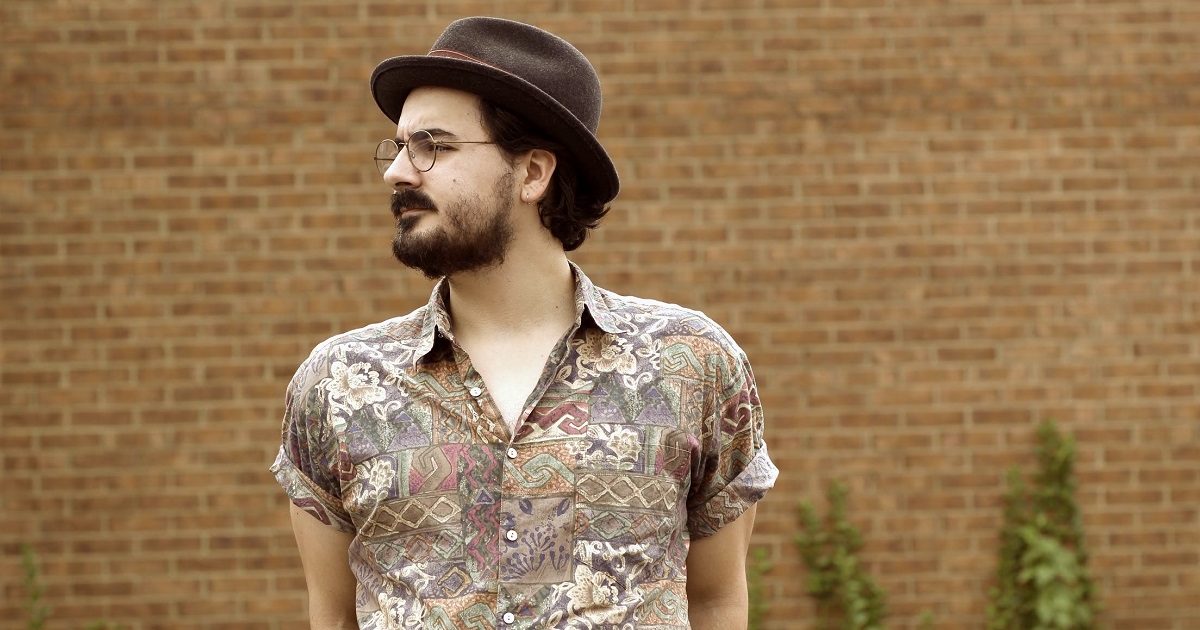
LISTEN: Sarah Jarosz, “Johnny”

Artist: Sarah Jarosz
Hometown: Wimberley, Texas; now living in New York City
Song: “Johnny”
Album: World on the Ground
Release Date: June 5, 2020
Label: Rounder Records

In Their Words: “The first time we met to talk about the record, John [Leventhal, who produced the album in his Manhattan home studio,] said he wanted me to try to take a step back and look out at the world in my songwriting, rather than looking inward. It completely opened the gates for me, and I started thinking a lot about growing up in Texas and diving into those memories in a way I’d never really done before. I think it has something to do with being in my late 20s, and starting to enter the phase where I’m looking back at what got me to where I am now — as opposed to constantly looking forward, as you do when you’re younger. It felt like the right time for me to return full circle to my roots and my home.” — Sarah Jarosz


Photo credit: Josh Wool

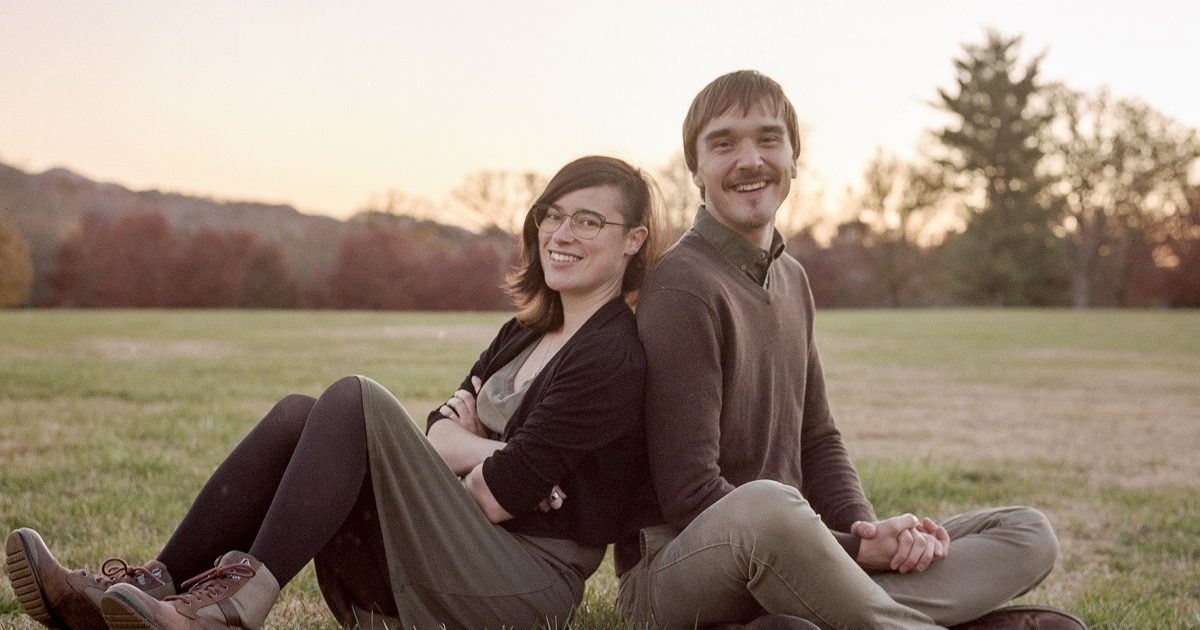
WATCH: Saro Lynch-Thomason & Sam Gleaves, “1920”

Artist: Saro Lynch-Thomason & Sam Gleaves
Hometown: Asheville, North Carolina
Song: “1920”
Album: I Have Known Women
Release Date: May 1, 2020
Label: Strictly Country Records

In Their Words: “This song was written to keep us mindful of the strong herstory of resisting oppression in the U.S. and to celebrate the centennial of the ratification of the 19th amendment. As this song states, ‘So much has changed. So much remains.’ There is much more work to be done before all U.S. residents are welcomed to participate in the democratic process. We hope that this song will serve as a reminder of the many generations of inspiring women who have brought us to this point in time, and inspire those in the present to keep fighting for justice and representation.” — Saro-Lynch Thomason and Sam Gleaves


Photo credit: Ben Bateson

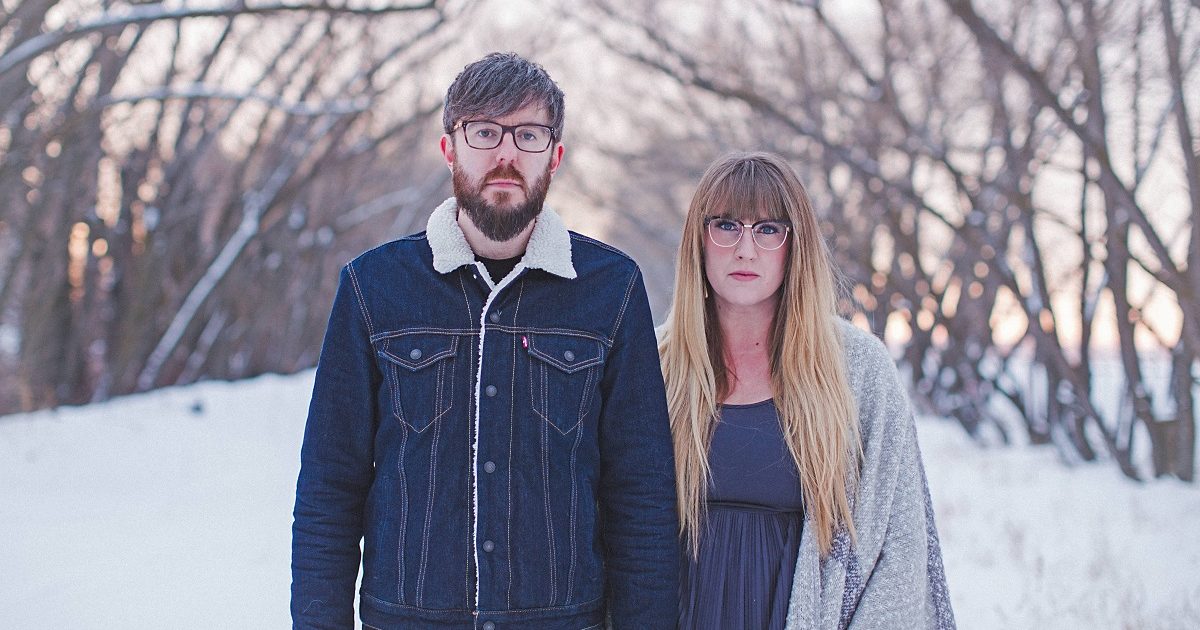
LISTEN: 100 mile house, “Grateful”

Artist: 100 mile house
Hometown: Edmonton, Canada
Song: “Grateful”
Album: Love and Leave You
Release Date: March 27, 2020
Label: Fallen Tree Records

In Their Words: “‘Grateful’ was probably the hardest song to complete from the new album, from any of our albums in fact. For years I wanted to be able to write about some of the darker corners of life and love — a parent suffering from addiction; not being able to have children — but to find a way to be grateful for them. Hope and courage can’t exist without these moments, so I wanted to shine a light on them.” — Peter Stone, 100 mile house


Photo credit: Jessica Fern Facette

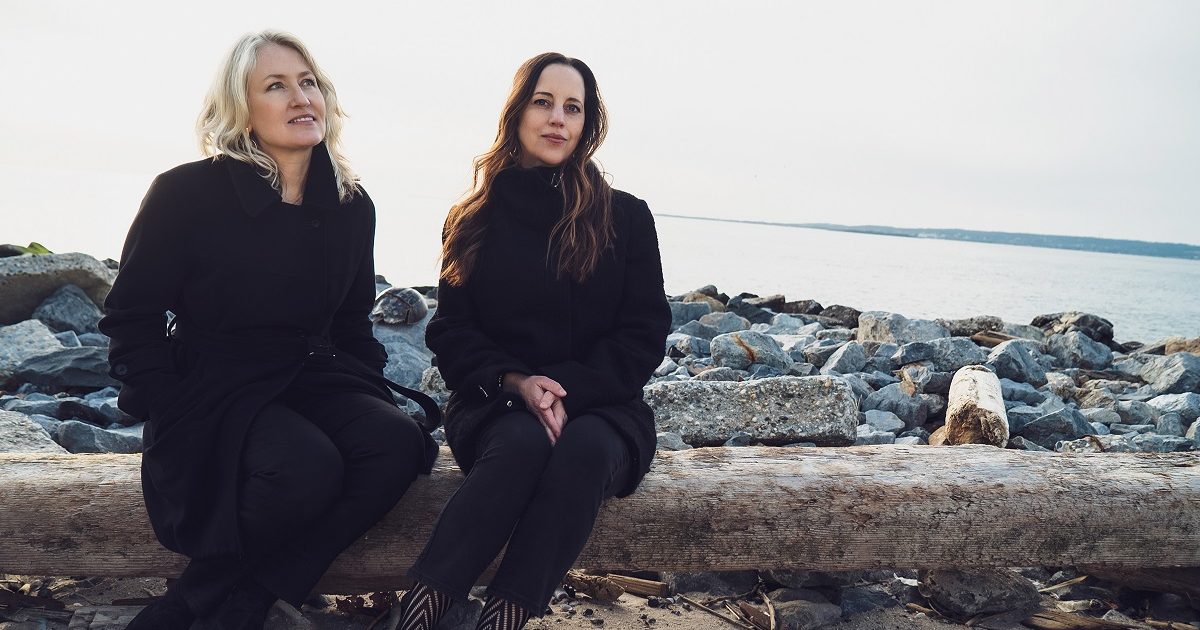
LISTEN: The Nine Seas, “I Never Will Marry”

Artist: The Nine Seas
Hometown: Brooklyn, New York
Song: “I Never Will Marry”
Album: Dream of Me
Release Date: April 3, 2020

In Their Words: “I learned this song from a Joe Val & the New England Boys album. Joe’s version is faster and surprisingly upbeat, which is how I was originally playing it. When I played the song for Fiona on guitar, she soon worked it into our slower, more mournful version, which seems to be much more in line with the heartbreaking lyrics.” — Liz Tormes

“When Liz played me this song I thought it was so beautiful, so evocative and sad. I slightly reharmonized the chords to make them more ambiguous and I put it in 6/8 tempo so it sounded more of a lullaby/lament. I’d never heard the Joe Val version, but once Liz sang the song to me, with its tragic, desperate lyrics, I knew I could never hear a man sing this song again.” — Fiona McBain


Photo credit: Dave Doobinin

WATCH: Grace Pettis, “Landon”

Artist: Grace Pettis
Hometown: Mentone, Alabama; current residence is Austin, Texas
Song: “Landon”
Release Date: March 20, 2020
Label: MPress Records

In Their Words: I spent about ten years writing ‘Landon.’ It was a tough sentiment to get just right. Landon and I became best friends in a high school in a small town in Alabama. He came out right after graduation and I was one of a few trusted people. My job, in that moment, was to listen. Instead, I responded with a canned answer — one that was drilled into me by a devout Christian upbringing. I knew, deep down, that I was wrong. It took me years (I’m embarrassed by how many years) to confront my conscience and admit that to myself.

“In a lot of ways, my faith journey as a liberal Catholic was jump-started by these questions. It was scary. It was liberating. I felt closer to God than I ever had. By the time I’d figured out how to write the song and how to face up to it, we’d both come to a new place of understanding ourselves in the world. ‘Landon’ is an apology. When I play ‘Landon’ at shows, I like to dedicate it to anybody in the audience who’s owed an apology; one that’s many years coming. And then I dedicate it to anybody in the audience who owes somebody else an apology; one that’s many years in the making.” — Grace Pettis


Photo credit: Nicola Gell Photography

BGS Long Reads of the Week // March 20

If you’ve got the time, we’ve got the reading material! Our brand new #longreadoftheday series looks back into the BGS archives for some of our favorite reporting, videos, interviews, and more — featured every day throughout the week. You can follow along on social media [on Facebook, Twitter, and Instagram] and right here, where we’ll wrap up each week’s stories in one place. 

Check out our long reads of the week:

Ten Years After Crazy Heart, Ryan Bingham Comes Around to “The Weary Kind”

For our Roots On Screen series we revisited the 2009 film Crazy Heart and one iconic song from its soundtrack, “The Weary Kind.” We spoke to writer Ryan Bingham in September 2019 about the Oscar Award-winning song and how it took him ten years to find the solace Jeff Bridges’ character Bad Blake finds in the piece. [Read more]


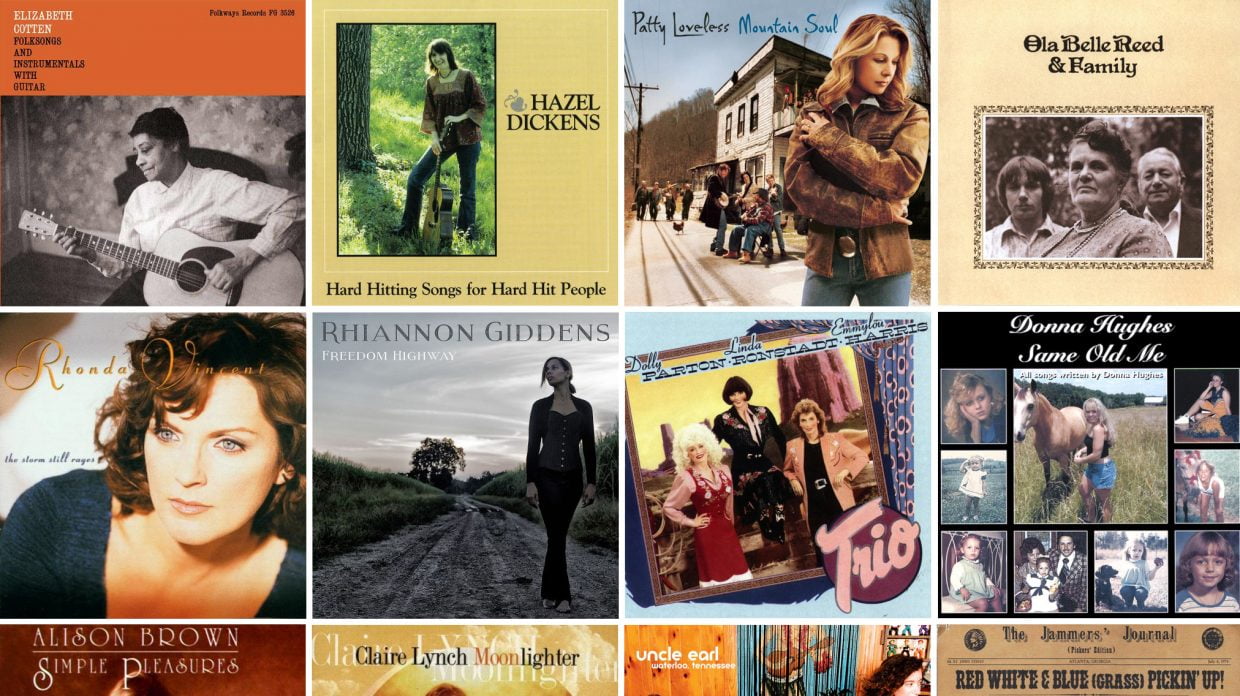
The 50 Greatest Bluegrass Albums Made by Women

Bluegrass Albums Made by Women

It is Women’s History Month, after all, so it’s worth spending some time with this collection of amazing albums made by women in bluegrass. This piece, inspired by NPR Music’s Turning the Tables series, is a list of albums chosen by artists, musicians, and writers simply because they were impactful, incredible, and made by women. [See the list]


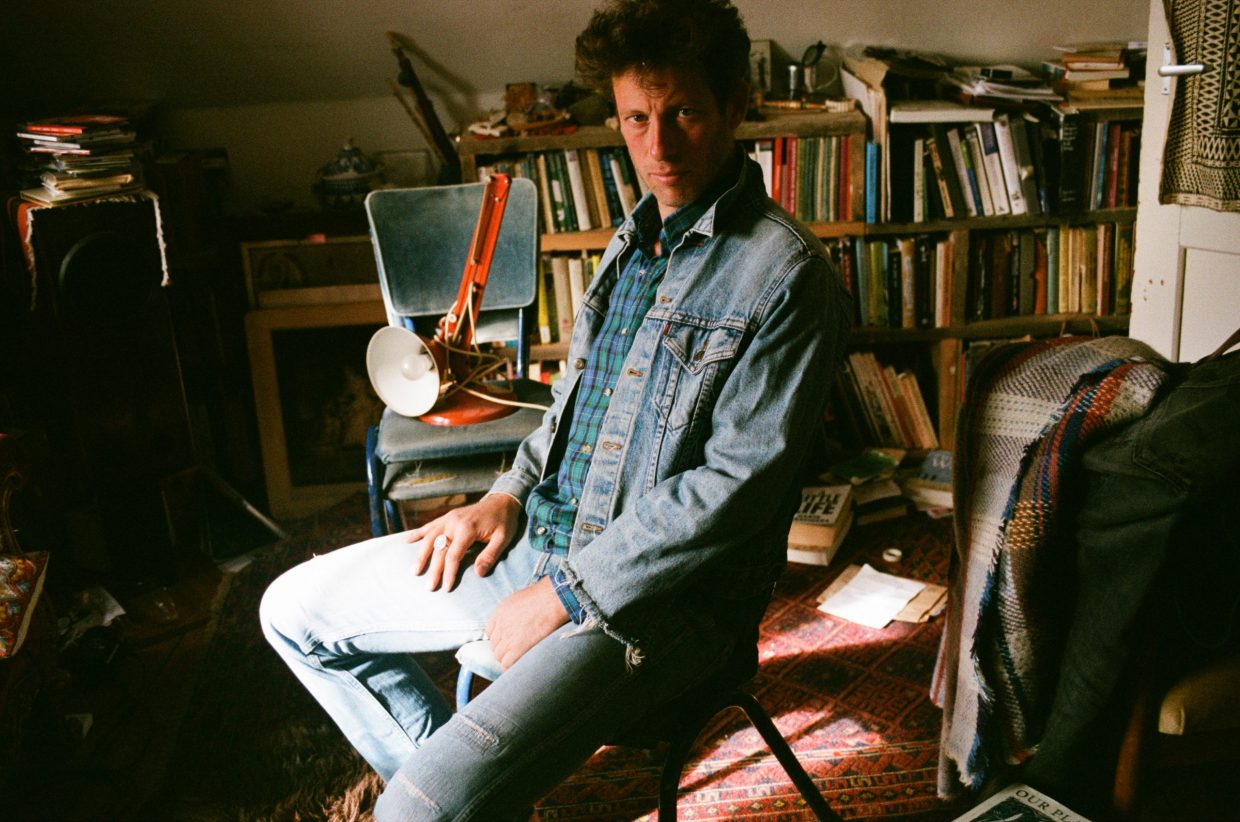
Sam Lee’s Garden Grows Songs and Fights Climate Change

Sam Lee, wearing denim, sits in a cluttered room in front of a bookshelf

An appropriate topic for times such as these, folk singer Sam Lee utilizes re-imagined and rearranged ancient folk songs in modern contexts to advocate for social justice and fight the climate crisis. Beyond that very important mission statement, though, the songs are lush, verdant, and beautifully intuitive to digest and interact with. [Read the interview]


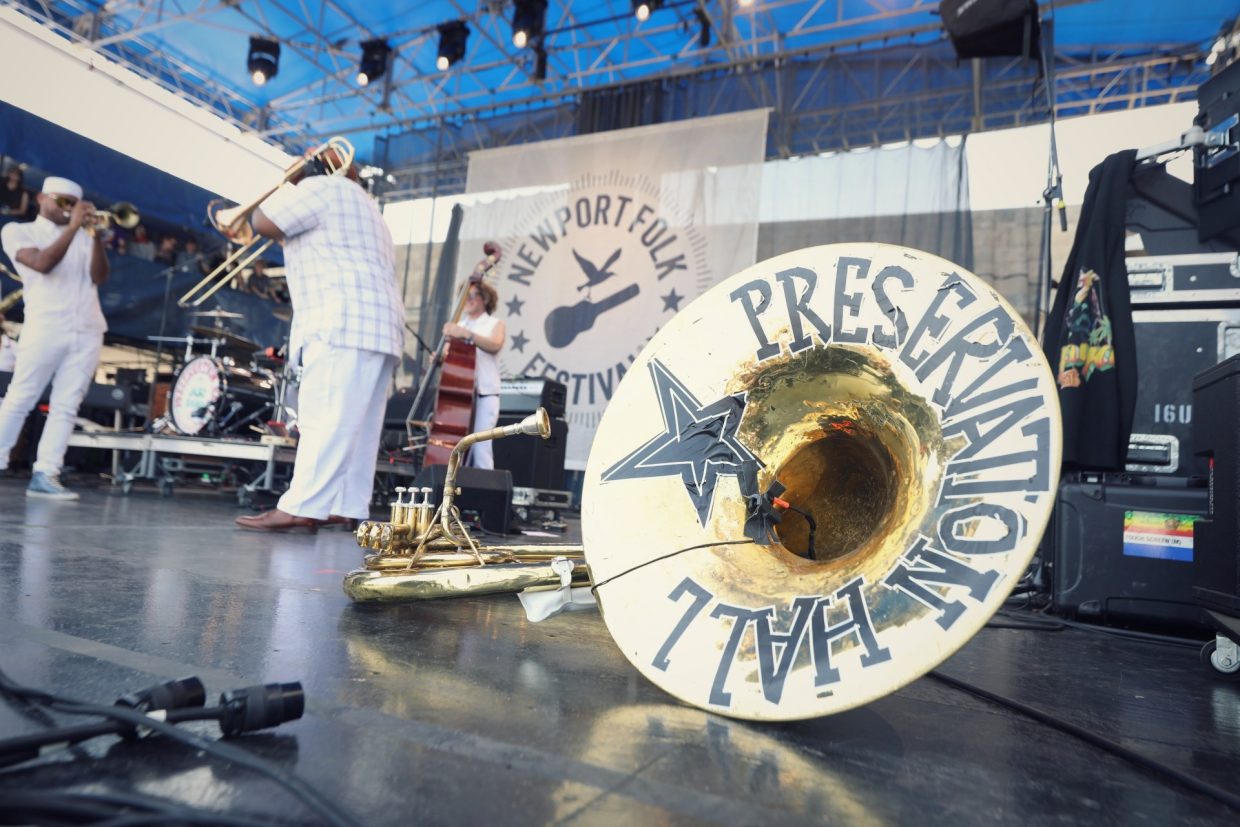
Preservation Hall: Honoring Time’s Tradition

Given that so many of us have had to cancel travel, postpone tours, reschedule vacations and so much more, why don’t we take a long read trip to New Orleans and visit a venerable, undying source of the best in American (roots) musical traditions, Preservation Hall. Since the early 1960s Preservation Hall and the Preservation Hall Jazz Band have cultivated and spread New Orleans brass band jazz around the world — even collaborating with bluegrass greats like the Del McCoury Band. [Read more]


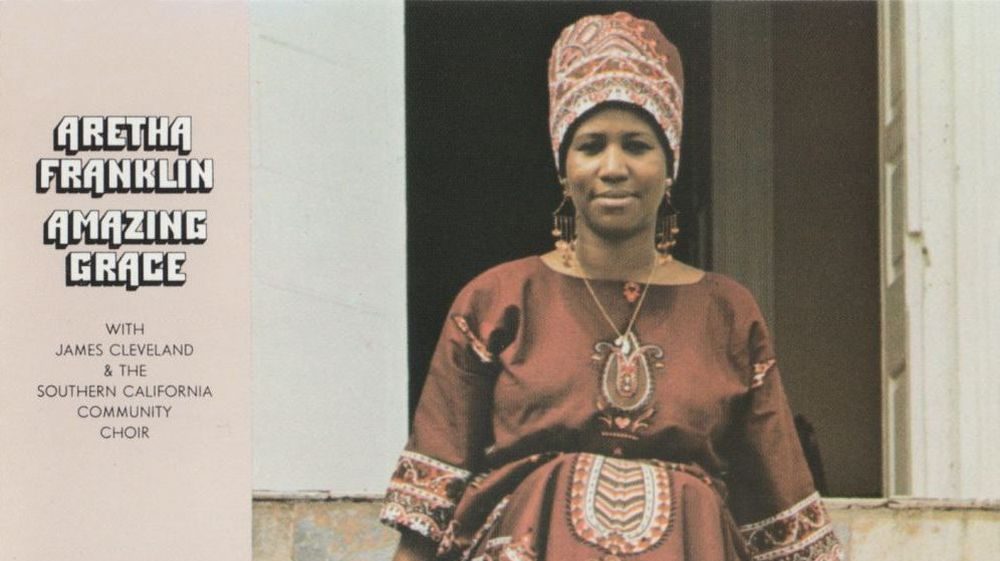
Canon Fodder: Aretha Franklin, ‘Amazing Grace’

We all need more Aretha in our lives — and in our ears! — and we all need a little more grace, too. To wrap up the week, we revisit our Canon Fodder series, which takes iconic records and songs and unspools their intricacies, their idiosyncrasies, and their impacts across decades and generations. Amazing Grace was Franklin’s best-selling album, and the best-selling Black gospel album ever recorded. It certainly deserves the “deep dive” treatment. [Read more]


Sierra Hull Seizes the Moment in ‘25 Trips’

Sierra Hull has a well-established reputation as one of the most talented mandolin players and multi-instrumentalists of her generation, and her gripping new album, 25 Trips, is a look at her life as a musician in her mid-twenties.

The lyrics examine the changes she’s experienced in the past few years, such as getting married or watching loved ones age, as well as the attempt to process these changes in real-time. Meanwhile, she reflects the experimentation of her live show with electric guitar, drums, and synths — instruments not commonly associated with someone who’s won three awards for IBMA Mandolin Player of the Year, which she won consecutively after her most recent prior album, 2016’s Weighted Mind.

“What ultimately ended up being really fun about making this record is that it embraces the things that I like about creating music from multiple angles,” she says of 25 Trips. For the first time Hull enlisted producer Shani Gandhi, who helped shape the album’s diverse production styles — from stripped down tracks with just guitar and vocals, to familiar bluegrass arrangements, to songs with fuller production than those found on her first four albums.

Just before beginning her most recent tour, she spoke to BGS by phone from her home in Tennessee.

BGS: Your albums have often showcased a wide range of influences, but this feels a little different sonically. The electric guitars, drums, and arrangements create a really nice ambience for the material. Was it something you planned from the beginning? Or did those choices reveal themselves over the process of recording?

Hull: I think a little bit of both. Part of my choice to use Shani Gandhi as the engineer and co-producer was that I wanted to have a partner in making this record that would be able to help me achieve some of the things I wanted to do sonically. I knew that I wanted to use the studio a little bit more this time around. My past projects were recorded and presented in a way that I could go out and play the exact same thing live. I didn’t want to worry about that this time around.

I just wanted to make a record and be open to experimenting in the studio more and being able to play multiple instruments myself and layer harmonies and do things like that that, you know, I can’t go out and do live. I can’t play three instruments on a song live. I can’t have four of my voices going. But in the studio, that’s part of the fun. So some of it was planned, in that I thought Shani would be a great person to work with for the kind of experimenting in the studio.

We definitely didn’t go into making this record knowing exactly what it was going to be from the beginning. When we first recorded songs like “Escape,” there were no drums at all. And then we decided to add them at the end and it changed the vibe in a way that I really loved. We did try to be deliberate about things though because adding something like drums can really take something to a different place.

I do feel like we were very cautious about the way in which we presented them alongside the songs that didn’t have drums, because I didn’t want that on everything. We definitely felt like some of the songs could be lifted to a different place that would be really rewarding with that element. But, you know, something like “25 Trips,” adding drums to that, we really went back and forth on like what the vibe of that should be.

Did making this record feel different than your previous records?

Yes, this is the first time with, well, a couple of different things. This was my first time co-producing with a peer, with Shani, you know, someone so close to my own age, but also working alongside a woman. In general, the whole experience felt quite different than the making of my previous albums just based on that. All the people that I’ve worked with on my previous albums have been really wonderful people to work with and have always really respected what I’m trying to say and accomplished as an artist. But in this case, it really felt like there was more room to take the reins in a different way, which is also a little bit scarier.

When you’re working alongside somebody like Béla [Fleck, who produced Weighted Mind] there’s a comfort in knowing, “Cool, Béla likes this, so let’s do that.” There’s a confidence in being able to rely on somebody that you have that kind of respect for. And Shani and I had equal respect for one another. But it also felt like we weren’t leaning on some iconic person to give us the thumbs up, you know what I mean?

There is a certain amount of trusting yourself and trusting your own instincts, which takes a little extra confidence to do. And that’s kind of scary but there was a freedom in that, too. With Shani, I know she’s got amazing ears and I know that we seem to work really great together. So I had to trust my instincts a little more. The whole experience was just really fun and pretty laid-back in a way that I really loved.

How did you end up deciding to work with Shani?

I had been considering a lot of different people but the more I started thinking about it the easier it was to make that decision because it felt like we connected so much from the beginning and she’s such a great personality in addition to just being a great engineer. I knew it would be a fun atmosphere to make a record in and that’s important when you’re trying to take on something that is a lot of work.

Plus, it felt like it would be a different experience to actually work with a young woman who is totally awesome at what she does. There was something really exciting about that. I’ve had wonderful experiences making all of my records but the female hang is just different.

One theme of this record seems to be the idea of time passing. Was that part of the inspiration for the album?

I think most people can relate to the feeling of time passing quickly. When you think, “Wow, this is an amazing moment! I really want to be able to enjoy this.” A song like “25 Trips” is kind of about that and that feeling of, “If I blink, I’m gonna miss this and I don’t want that to happen. I want to be in the moment and be present and really enjoy it.” But a song like “Less” relates more to the feeling during the times where you’re going through a particularly frustrating moment and you’re kind of looking ahead to whatever’s next.

As a mandolin player myself, I was naturally drawn to the great mandolin playing on this record. But I think these songs do a great job of highlighting your talents as an instrumentalist, a vocalist, and a songwriter. Was that balance deliberate or just a natural expression of your musical identity?

I love being an instrumentalist and it’s a huge part of who I am as a musician, but singing and songwriting has really been at the forefront of what I’ve connected to a lot in recent years as an artist. When I think about going in and making my own albums, I’m not really trying to put in a sort of virtuosic musicianship at the forefront of it. I’m just trying to play songs that I feel connected to, and figure out how can we present those in a way that really feels like it’s about embodying all the things that I am as an artist.

Sometimes that might be something really simple like “Ceiling to the Floor” or “Everybody’s Talking.” I think, from a songwriting perspective, because I like to write both instrumental music and lyrics, sometimes those two things collide. A natural balance occurs sometimes. But I don’t think there is a deliberate balance while writing the song. I’m always just trying to honor the song and play what seems appropriate.

However, I wrote a bunch more songs than what we ended up being able to put on this record. So the more deliberate balancing came from taking all the songs I’ve written over the past few years and trying to put together a collection that hopefully shines light on all those different facets of who I am musically.


Photo credit: Gina Binkley

LISTEN: Hownd, “Somethin'”

Artist: Hownd
Hometown: Byfield, Massachusetts
Song: “Somethin'”
Album: Just to Feel
Release Date: March 20, 2020
Label: Lazare Music Inc.

In Their Words: “‘Somethin” is a reflection of faith and trust in a greater good, whatever darkness may be chasing after you. I wrote this song years ago in Boston, beginning to truly explore the acoustic guitar while also wrestling with philosophies of life, purpose, and religion. Written during a time of transition and unknown, I came to find real comfort in not knowing what’s out there. Regardless of the struggle to find ‘truth,’ the faith of knowing something bigger is out there watching over me is clear as crystal, watching over everyone, I believe.” — Hownd


Photo credit: Julia Cannon

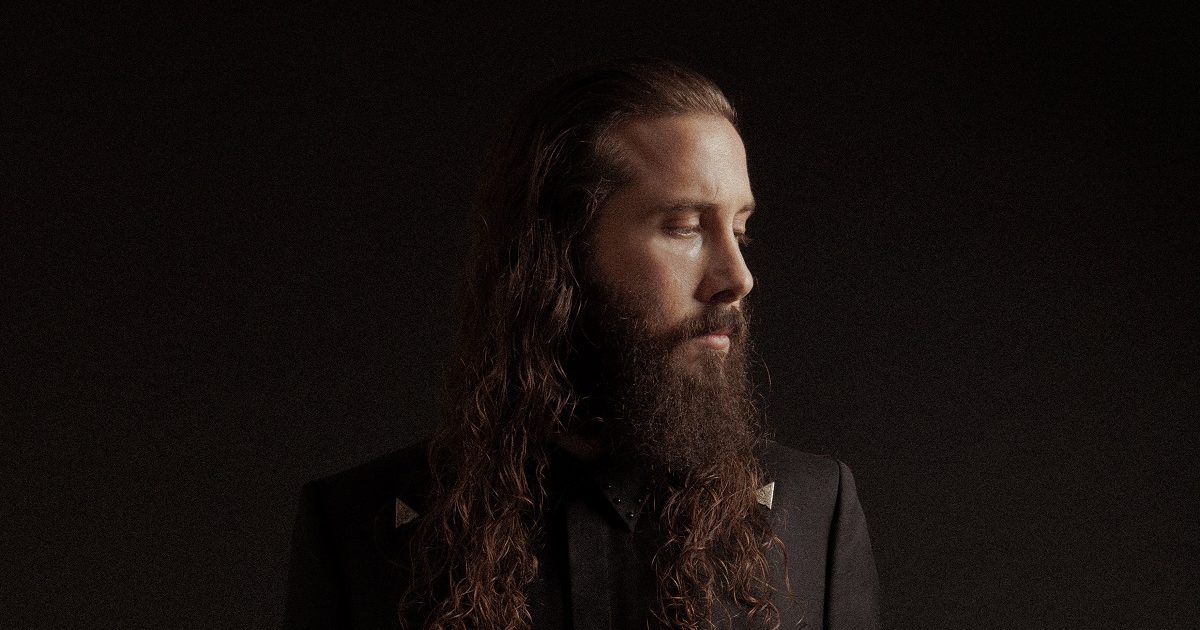
Avi Kaplan Comes Full Circle to Folk Roots on Solo EP, ‘I’ll Get By’

Growing up near the Sequoia forests of Northern California, Avi Kaplan gravitated toward the low-key albums by John Denver, Bill Withers, and Simon & Garfunkel in his parents’ CD collection. But in time, the term “low-key” took on a whole new meaning as his baritone voice dropped dramatically upon starting high school. Suddenly possessing a clear, thundering bass range, Kaplan discovered a newfound confidence and rare vocal ability that ultimately led him away from the dream of becoming a choral director to joining the a cappella group Pentatonix.

After six years as a member of that Grammy Award-winning group, Kaplan parted ways with Pentatonix in 2017 and essentially went off the grid for a year. Now living in a cabin in the woods outside of Nashville, he is ready to reconnect to his roots — as he did on his new album, I’ll Get By. With a speaking voice that’s as resonant as you’d expect, Kaplan caught up with BGS by phone.

BGS: I’ve read that you had an early interest in folk music, so I was curious to know if you’d consider this is a full-circle moment, coming back to the music that you grew up loving?

AK: Oh yeah, absolutely. I grew up listening to it and it’s always the music that I’ve listened to throughout my life. And it’s always the music that I’ve written as well. I had a departure when I went and did the Pentatonix thing, but it definitely is a full-circle thing. It’s really surreal for me.

You released “Change on the Rise” about a year ago and it sent you on the path to this record. Why did you choose that song to usher in this stage of your career?

In the past I’ve written a lot of songs that are softer and maybe on the prettier side. A little fire, a little less power, and more about the soft, serene beauty of folk music. I really wanted to come back with something that just had a little more fire in it, because it was really reflective of where I was in my life. I felt like I really got my fire back. I didn’t want to come back with something people had already heard from me. Even then, people hadn’t heard much from me in general, when it came to a solo voice, or my voice out of its lower register. So I wanted to come back strong.

What was on your mind when you wrote “I’ll Get By”? That seems like an anthem of this record.

Thanks, man. Whenever I write a song, I don’t listen to it for a while. Then I come back and listen to it again so I can hear it on fresh ears, without the critical ear. When you’re in the writing situation, you’re criticizing everything you’re doing, so I had to get myself out of that. And when I listened to it again, I got emotional. It was something that really felt special to me. It felt really strong to me. It felt like it was conveying exactly what I was going through at that time, and hopefully something that would help other people get through the same type of thing.

On another song, “Chains,” there’s a lyrical reference to needing peace, and phrases similar to that. Were you needing peace and quiet to keep on going?

Oh yeah, absolutely. I was living in L.A. for about seven years and I’m just not a city guy in general. But when I wasn’t in L.A., I was touring non-stop. I was always going, so I really feel like I lost myself and I lost touch with the things that I loved the most – hanging out with my family, being in nature, all that stuff. … It was about a year after I left the group that I really started delving into writing. I wanted to do some healing first, but even through that, I was still healing just from a lot of stuff I was going through. So yeah, absolutely I was in that spot.

What did that healing process look like for you? What were you doing that year?

Well, I left the group and I just took some time to do the time to do the things that I’ve been longing to do. So I camped a bunch. I moved out of L.A. and moved into a cabin in Tennessee. But before that, I went back out to the Sequoias, where I’m from, and did a camping trip there. I did a lot of time in the Eastern Sierras and the Mojave Desert, and up in the mountain lakes.

I also went to Holland. I went to Germany and did a bunch of nature stuff. Then I went to Israel and I went hiking out there as well. So, I kind of went all over and just got away from everything as much as I possibly could. I just sought out to heal and find myself again, and just do work on myself. It was really important at that time. It was something that I needed more than I even knew.

Why did Tennessee become the place you ultimately settled?

I knew that I wanted to do music still. And really Nashville is the only music city where you can drive like 15 minutes outside the city and be in the country. And that’s where I wanted to be. That was a huge reason and also my sister lives out here. Also, with the music that I’m doing, I would say it’s more of a hub than I would say L.A. or New York anyway.

So, all signs pointed that way. I never had a doubt in my mind either. It was like, “OK, now it’s time for me to move out to Tennessee. I need to get a cabin out there and be in the forest.” It was all very clear to me what I needed to do. I didn’t exactly know how I was going to get into a place where I was good again, but I knew that’s where I needed to go to do it.

You mentioned earlier that you’re singing in a different part of your range on this record. But not a lot of people can sing as low as you. When did you realize you can do something that very few people can do?

It was my freshman year of high school. I joined the choir when I was in eighth grade but I was a baritone back then. And over that summer between eighth grade and freshman year, my voice changed big time. So I remember coming to the choir room and my choral director was extremely excited to hear my voice because it’s hard to find basses and that’s very much needed in choir. So he was a huge inspiration for me and a huge advocate for me. He helped me realize how different it was and how I could utilize it. I owe a lot to him, definitely.

It sounds like music education in your school is a cornerstone of your development.

That’s huge for me. Now I run a summer camp for high schoolers based around harmony and a cappella, music, songwriting, and all that, because that was such a huge inspiration to me. It changed the course of my whole life. It’s always been something that’s been important for me. Before I joined the group I was on track to be a choral director. I was also studying opera, but being a choral director was the dream, just because it had such an impact on me.

Was country music an influence for you growing up?

I didn’t listen to actual country, like Garth Brooks and that type of thing, but I loved bluegrass. I loved John Denver. Bluegrass is more of what I listened to when I was younger. And the Sons of the Pioneers, old-school country. There was actually a band in my hometown that was very similar to them called that Sons of the San Joaquin that I listened to a lot.

What was your entrance point into bluegrass?

I really started delving into it when I was a bit older. What’s funny is that I got on the Bluegrass Situation’s YouTube channel and I just went down a rabbit hole. I was blown away by some of the newgrass that was going on, and by some of the old-school. I think one of my favorite videos that you did was the one of Tim O’Brien. That blew me away. I love it so much! I would watch it all the time.

Then I started getting into Hot Rize, and an album with Tim O’Brien with Darrell Scott, and then I got into Elephant Revival, then Mandolin Orange, and I kept going down and down and down. I really delved into it and fell in love with it even more because it felt like my roots. I had grown up with that kind of thing, but I had gotten into more of the contemporary modern folk with Iron & Wine and Bon Iver.

I’m a huge fan of bluegrass and I tell people all the time that bluegrass musicians are world-class musicians. They are truly virtuosic. So unbelievably talented. It’s amazing to hear music that I love with such virtuosic musicians. That is something that is always very inspiring to me – a musician’s musician, someone who is really amazing at their craft. And that is definitely what bluegrass is about.

I wanted to ask about auditioning people for your band. What are you looking for when you pick a band?

I’m always looking for vocals. Harmonies. That’s the most important thing to me. Especially with my music, it’s not the toughest stuff to do, instrumentally speaking. With this album, the drums are actually more complex than I thought they were going to be, but at the end of the day, it’s nothing crazy. The harmonies are really where I’m looking for the strength. Yeah, that’s it – harmonies, 100 percent, all the way.


Photo credit: Bree Marie Fish

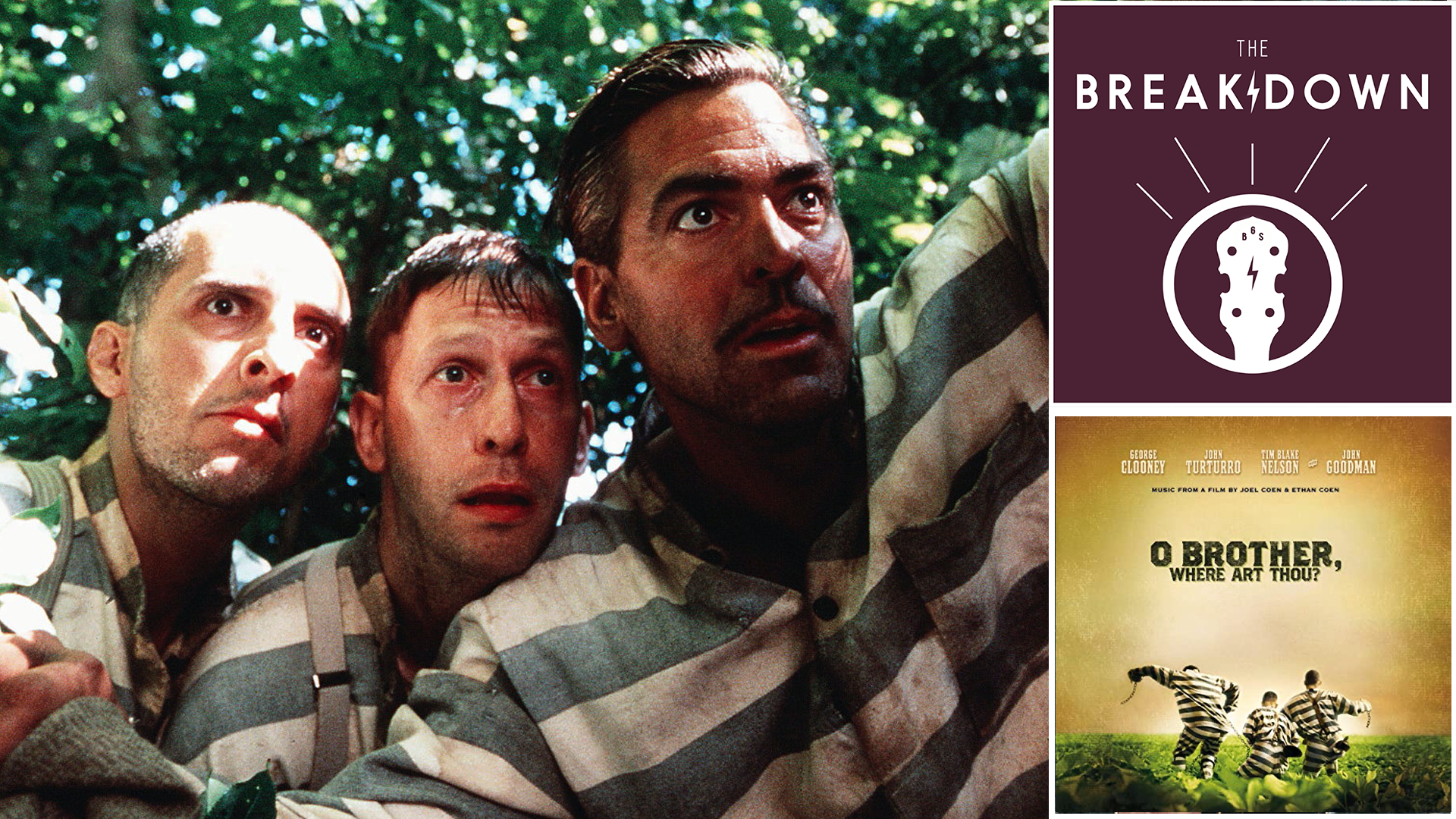
The Breakdown – ‘O Brother, Where Art Thou?’

Advertisement

This week, hosts Patrick M’Gonigle and Emma John dissect the bluegrass-centered soundtrack to the Coen Brothers’ film, O Brother, Where Art Thou?, with a little help from their friends Chris Thomas King and Dan Tyminski.

LISTEN: APPLE PODCASTS • MP3

O Brother, Where Art Thou? was the movie that brought bluegrass to a new generation, and sent dozens of musical careers into the stratosphere. Fake beards not required.

Season 2 of The Breakdown is sponsored by The Soundtrack of America: Made In Tennessee. Visit TNvacation.com to start planning your trip.