WATCH: The Wild West, “Better Way”

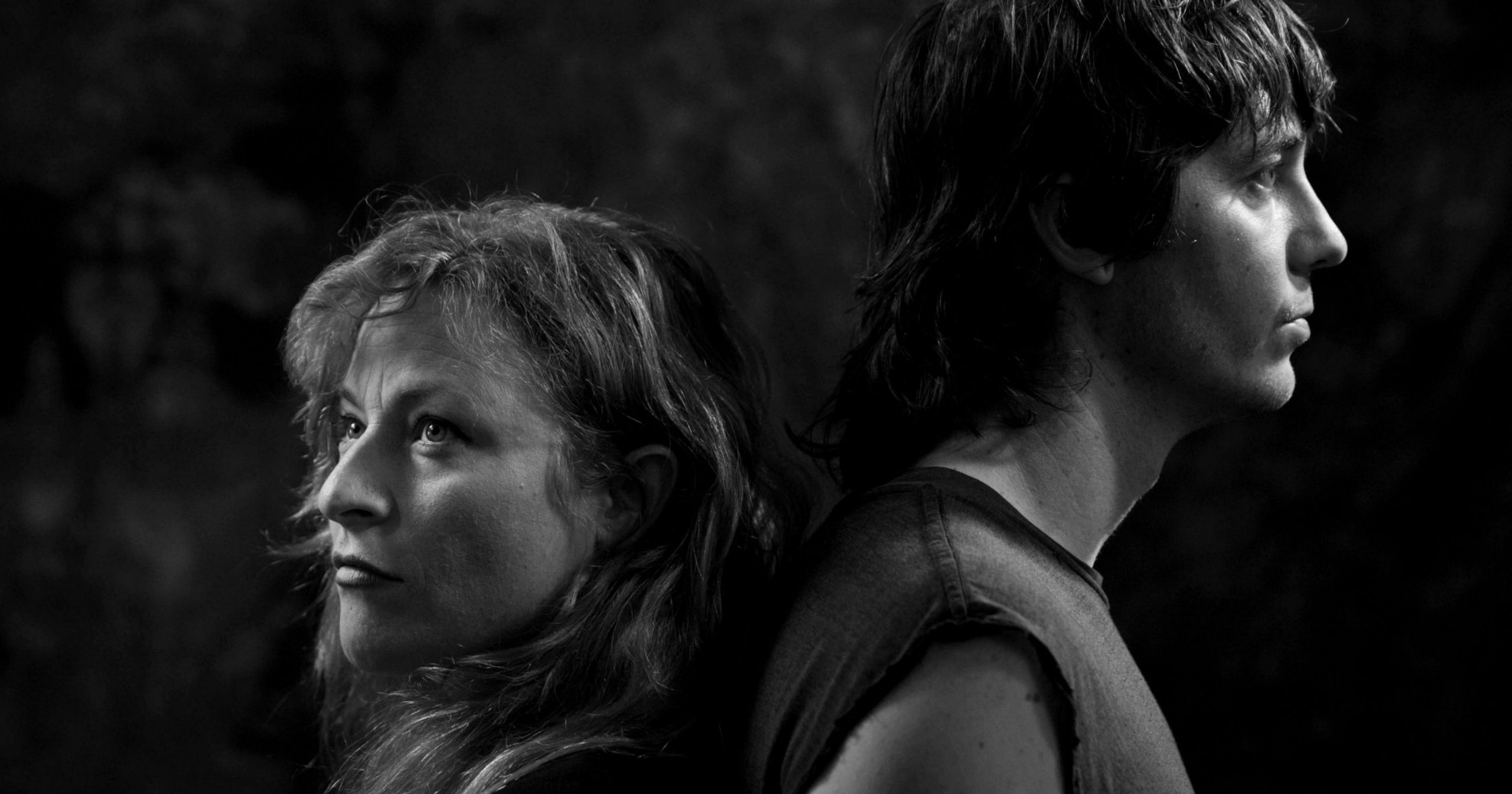
Artist: The Wild West*
Hometown: Los Angeles, California
Song: “Better Way”
Release Date: February 26, 2021
Label: Blackbird Record Label

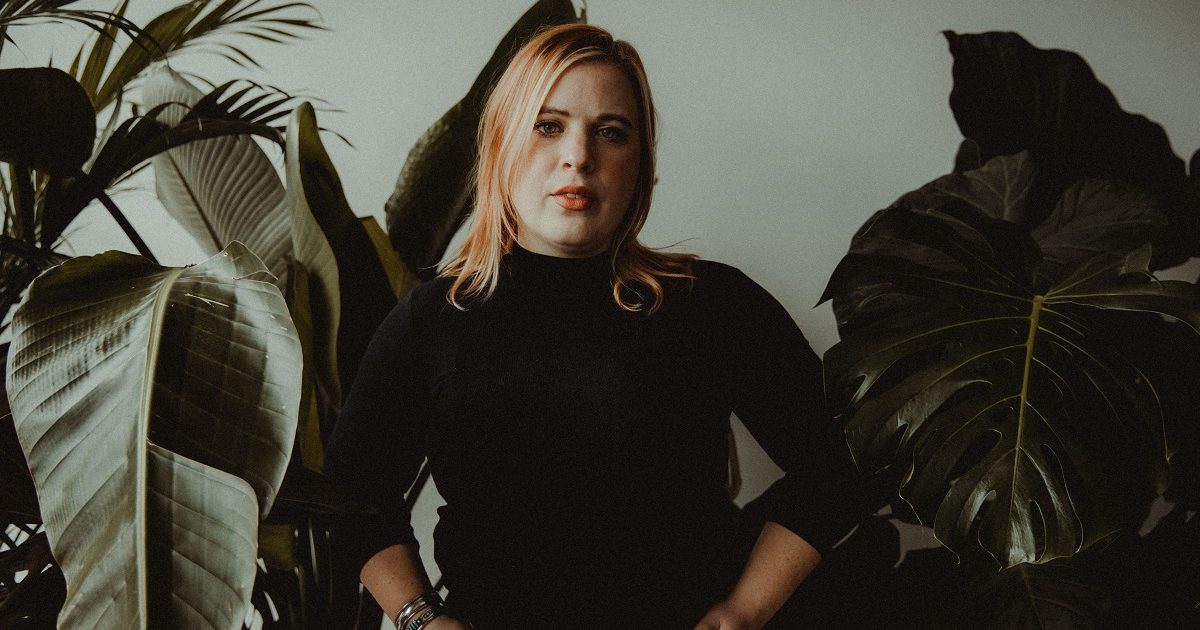
In Their Words: “When the idea of ‘Better Way’ formed, society was and still is struggling with the differences that divide us. If one does not take the time and compassion to honor differences and look at the commonality that unites us, it’s blinding and tears us apart. Lyrically the idea of being born with love and born without hate is at the root of ‘Better Way.’ Finding the way back to that innocence, compassion and understanding brings a hopeful lens for the future if we can hold onto it and lift each other up. This group of women does exactly that for each other.” — Manda Mosher

*The Wild West: Tawny Ellis (vocals, lap steel, omnichord); Amilia K Spicer (vocals, guitar, mandolin, keys); Pi Jacobs (vocals, guitar); Manda Mosher (vocals, guitar, harmonica); Heather Anne Lomax (vocals, guitar); Deb Morrison (vocals, bass guitar)


Photo credit: Jason Willheim

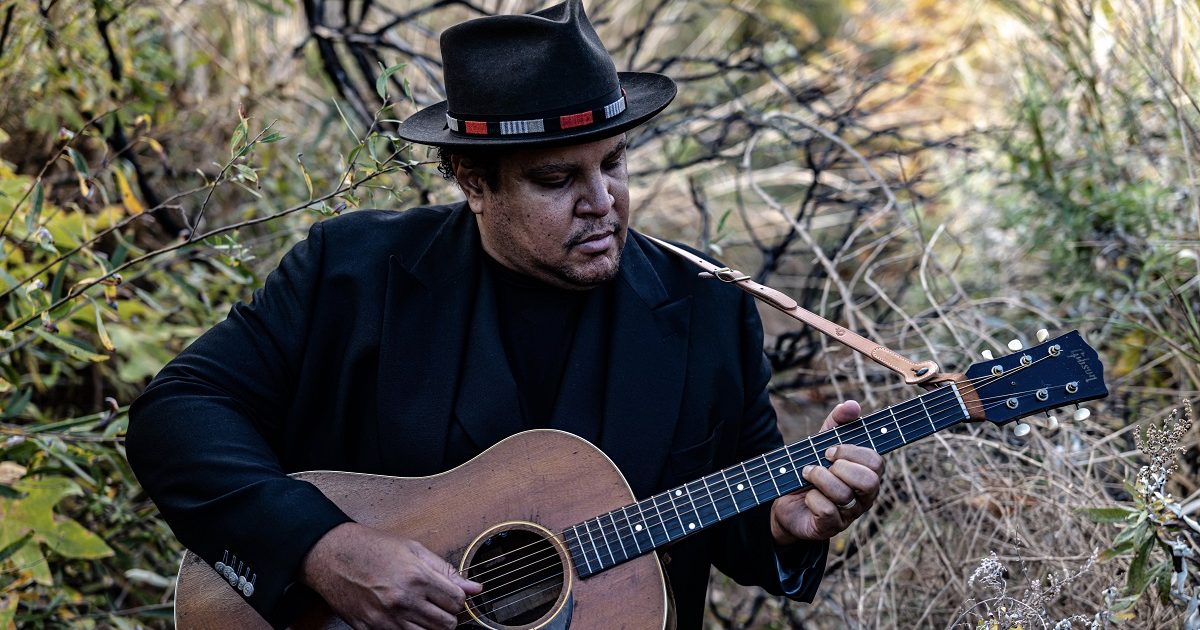
WATCH: Amythyst Kiah, “Black Myself”

Artist: Amythyst Kiah
Hometown: Johnson City, Tennessee
Single: “Black Myself”
Release Date: February 19, 2021
Label: Rounder Records

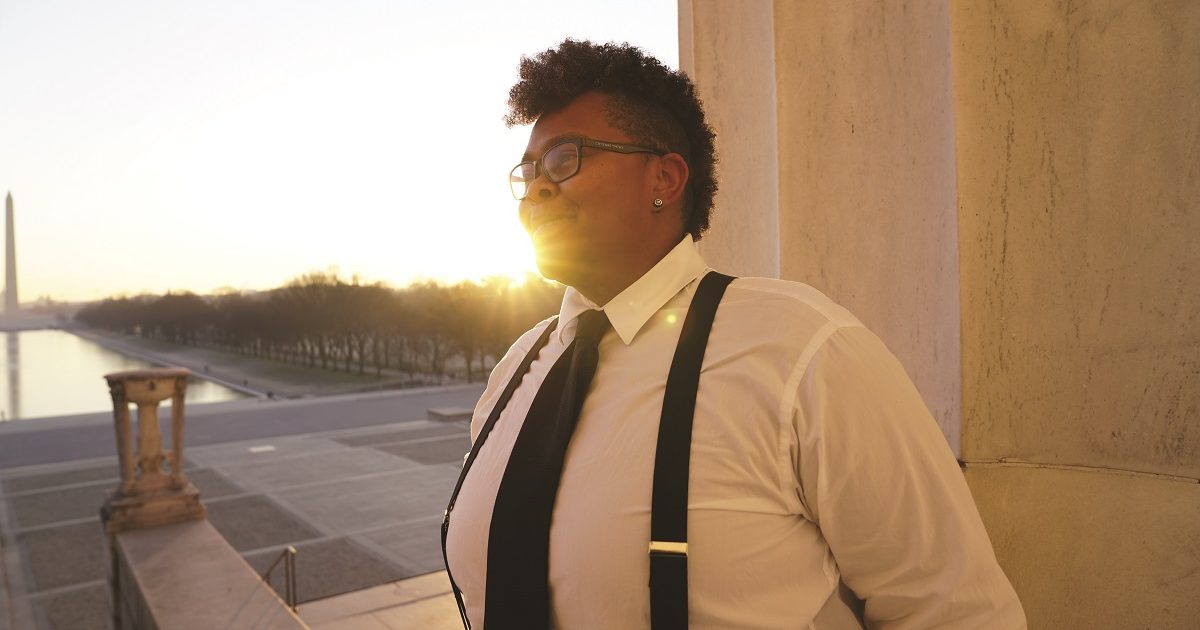
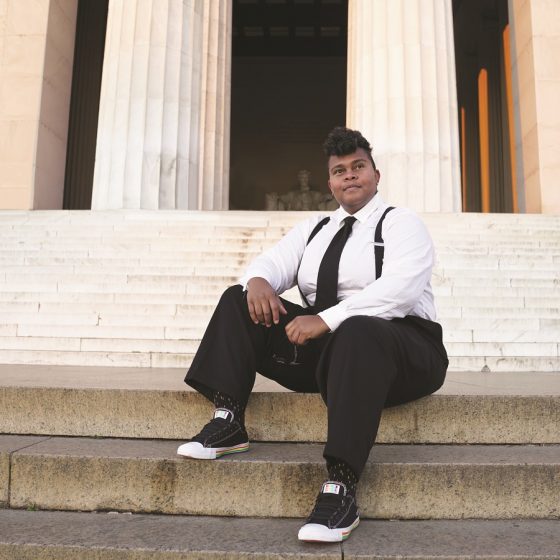
In Their Words: “‘Black Myself’ is the first song I’ve written that was confrontational. I’d always made it a point to sing songs that anybody could relate to, but this was something that had been welling up inside me for a long time. The reception of the song so far has given me hope that there are people out there who are ready to confront the shared trauma of racism, to look within ourselves and see how we might be perpetuating racist beliefs, and to do what is needed to create equality for all people.” — Amythyst Kiah


Photo credit: Sandlin Gaither

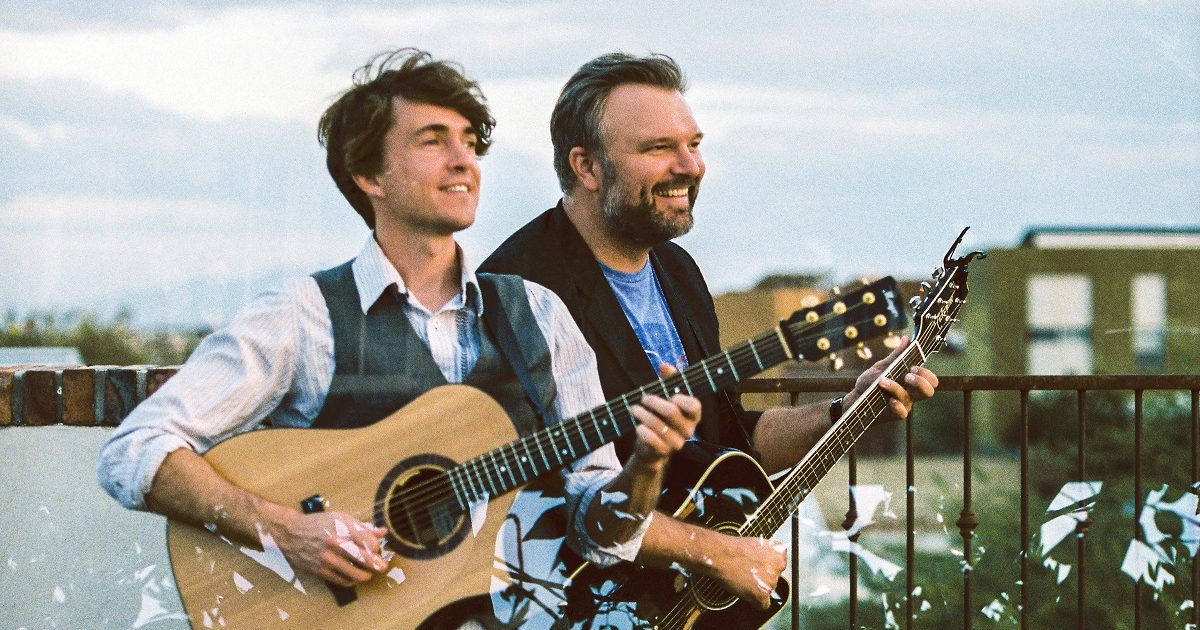
The Local Honeys: Rooted in Appalachian Folk, Communicating to the World

In normal times, you might find Kentucky-hearted duet the Local Honeys touring the UK or out on the road with folks like Colter Wall and Tyler Childers. But, like so many, the past year has been a paused their movement, allowing space and time to experience life in a way that most busy artists rarely get to.

Many caught wind of the group after a viral New York Times article in late 2020 about our nation’s cultural depression. But like other defendants of Appalachian people and culture, Montana Hobbs and Linda Jean Stokley, who make up the pair, have been outspoken via their music for a long time. Their new double-sided single continues a demand of accountability from big industry. “It’s a modern anthem of the American working class,” said Stokley.

BGS caught up with the Local Honeys to talk about these two songs — “Dying To Make a Living” and “Octavia Triangle” — as well as the message in their music.

BGS: In the before times, you’ve led pretty busy schedules, including multiple international tours. What have you been up to since the pandemic began?

Montana Hobbs: Well, I can tell you what we’ve be into. We’ve been in our jammies a lot! But you know, we’ve experienced probably a similar story to anybody else that has been in the gig industry. We’ll all remember it as a point in our lives and a point in our careers that was kind of sedentary, if you will. I think our story is not much different, we’ve had more time at home to focus on things that we don’t get to do on the road – like exercise, cook at home, read. At the new year we both decided that we weren’t gonna think so much about what this past year has been, but think more about what this new year is going to be for us.

Linda Jean Stokley: In 2019 we went on about five separate concert tours. So the beginning of 2020 was our last tour, we were all over the UK as well as greater Europe, on our own headlining tour but also supporting Tyler Childers. That was a huge tour, and it really took a lot out of us, so it was kind of welcoming to have a little bit of a break after that. But over this past year, we have done a few cool things. We went on the Tyler tour, we got signed to La Honda Records — that’s a pretty big deal for us. We love everything that they do, and have been constantly inspired by them. Our management and being with a label have proven so helpful, even during this time, to have someone like our manager that is so good about keeping our spirits up. Another thing that we’ve done this past year is put out a Western AF video, and that was a highlight. We didn’t get to do much, but what we did was really welcomed.

In a time of so much uncertainty, what inspired this new release?

LJS: We recorded those in October of 2019, and we’d been working on trying to change up our sound a bit, to make our sound bigger but not non-traditional, kind of neo-traditional. So we were thinking in 2020, how are we gonna release these songs? Then in October 2020, our friend Jimmy McCowan, who’s on one of those tracks, suddenly passed away from a heart attack. So, we talked to La Honda and asked if we could finally get these out. That’s kind of what spawned the release of this A-side/B-side single.

These songs show two perspectives on life in the coal mines: working like hell to provide for your family, while enduring personal struggles both medical and mental. What are you trying to tell the rest of the world about these Appalachian issues?

LJS: In July of 2019, there was a blockade in Harlan County, [Kentucky], and over a thousand miners in central Appalachia were out of work, because of the Blackjewel mining company. They went bankrupt, and they didn’t tell anybody. They didn’t tell any of their workers until the day of. In the middle of the day, they said, “this is your last day.” That is completely illegal. It was strange that it had to happen in Harlan County, which is so synonymous with all these bloody labor wars. To have something like this happen with one of the largest coal companies in the nation just shows that they can get away with all kinds of unlawful behavior. These people, their checks bounced. Of course that’s going towards their mortgage or rent, but it’s also going towards their medical costs, because there are so many disabled miners. We started thinking about this song more and more. We sang it a little bit, but didn’t have a need to sing it necessarily because we didn’t have anything to say. When we were on tour a lot, we would tell the story of what was going on, and put song and emotion into what’s happening, to get people to listen.

MH: To add on that, the song became more relevant to us in this time frame. It was a song that we were familiar with, via the band Foddershock, but also Rick & the Po’ Folk, Rich Kirby and his traditional band, and Pierceton Hobbs [who released his own version in 2020]. Basically, we felt like when you’re given the stage to speak on things like this, you might as well take advantage of the time and the attention that you’ve been given. Make that time worth it, and get a message that you feel is important across. When we would go over to England, which is also a very post-coal society that we didn’t know much about, we had firsthand connections where they told us stories of tragedy, how their grandfathers were miners, and so on. It made the whole history of traditional music come full circle for us, to where we had the opportunity to sing a song, but we also had the opportunity to tell a story of where we’re from and what’s happening where we are. Which is what traditional music was in its first iteration. 

I know that you both, along with other musicians, visited the miner’s blockade. What was that like?

MH: We went and visited the miner’s blockade in August. We just went down there and hung out with these people, they had their entire families on the train tracks. They had little encampments set up. People like Brett Ratliff, Rich Kirby, Tanya Turner at the time worked for Appalshop, went down there with us. Son, it was so hot. It was very much like third world conditions in what’s supposed to be the greatest country.

The week before, we were at Cowan Creek Mountain Music School in Whitesburg, Kentucky. Jim McCowan has been a member of the faculty there probably as long as the school has been around. This guy in my class asked, “Have you heard the song that Jimmy’s mother wrote?” We were both very close to Jim, he was a very bright light. So I sat on a picnic table with him and said, “I heard that you do a song your mother wrote.” And I’m one of those people that’s a real sneaky recorder with my phone, and I have about a 10 or 15 minute clip of him playing this song called the “Octavia Triangle.” He had such a beautiful delivery of the song.

We were thinking of something that would pair well with “Dying To Make a Living,” which is economic hardship, being pushed under the rug. Even though this work is essential, they’re being treated less than they’re worth. So then I thought that “Octavia Triangle” completely highlighted what it is to actually live, and work, and die, and love, in the coalfields. This was a true story that happened in Pike County, Kentucky. Who’s to blame other than these harmful practices which we still practice today?

As a fellow musician from Central Appalachia, I feel like Foddershock (who wrote “Dying”) rarely get the attention or recognition they deserve. Do you have a favorite album, or a starter pack for those who have never heard the band?

LJS: I absolutely love Foddershock, I’m always trying to find their CDs. I’m waiting on WV [Hill] to send me some recordings. Obviously, I think “Dying to Make a Living” is one of the best places to start. I would also say “Eat Possum & Prosper” is one of my favorite tracks of theirs. And I really love “When Coal Was King.” There’s one that’s called “Live in a Trailer.” “Cahoots,” as well. 

Do you have any new goals or ideas to try for when things turn around and we can all get back on the road?

MH: Hmm… we are ready and willin’! Open for suggestions, open for bookings… But like I said before, this is a time that we will all remember as a pause in our lives and a pause in history, even though it’s been a hell of a lot of history put into one year. We’ve been granted this time to kind of work on things, we’ve been writing a lot. It’s always been something we’ve done and tried to practice, but now it seems like it’s at the forefront of our minds. We want to be seen as not just traditional musicians, not just old-time musicians, but we wanna be known as songwriters as well. Carrying on that storytelling, and showing how I feel about what’s going in the time and place I’m from. That’s one of the biggest connectors in music in general, it’s saying you’re not alone. Like when we went to Wales, even our song “Cigarette Trees,” which is about strip mining, people would come up to us and say, “They do that here too, and we don’t like it either.”

LJS: We’re finding so many relatable things to talk about when we tour in the UK specifically. Touring has really given us a way and a platform to connect with all these people around the world that are dealing with similar situations. Every time we go anywhere, we talk to people about the whole idea of ‘saving Appalachia,’ and trying to tell people that no, we have to pay attention to the causes of poverty and suppression that are happening within our state and within the entire southeast region. We don’t need saving, and we don’t need developing — we need somebody to actually understand what is going on in our area. We’re looking forward to reconnecting with people.


Photo credit: Zachary Martin

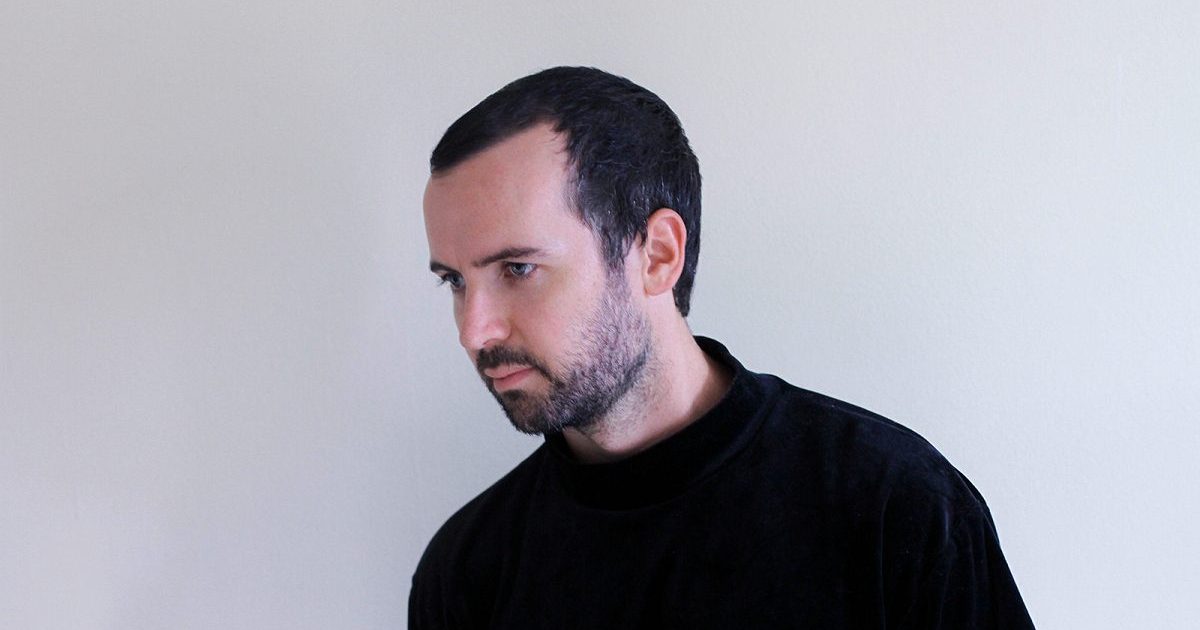
WATCH: Cristina Vane, “Prayer For the Blind”

Artist: Cristina Vane
Hometown: Turin, Italy
Song: “Prayer For the Blind”
Album: Nowhere Sounds Lovely
Release Date: April 2, 2021

In Their Words: “‘Prayer For the Blind’ is inspired by a friendly couple I met while camping on the border of Nebraska and Iowa. She told me her mother suffered from dementia, but that it couldn’t help but make her laugh when her mother claimed that her husband was cheating on her, going dancing with a woman with two peg legs, and that she was going to wring her neck. The anecdote got me thinking about how we try and find levity in heavy situations, and also about the bond between mothers and daughters and the intergenerational burdens that can be passed along through them. I wanted to find a tone that matched the difficult nature of these questions, and the lonesome modal banjo seemed perfect for that, paired with Nate Leath’s great fiddling. The issues of motherhood and illness are no new phenomenon, so I thought old time sounds fit the theme well — you can’t beat a fiddle and banjo!” — Cristina Vane


Photo credit: Oceana Colgan
Video credit: Jeremy Harris

The Show on the Road – Jeremiah Fraites (The Lumineers)

This week, host Z. Lupetin talks to one of the founding members of beloved folk-rock hitmakers, The Lumineers, drummer and pianist Jeremiah Fraites. After following his heart to Italy, Jeremiah dialed into the podcast from Turin, his wife’s hometown. Alongside juggling duties as co-songwriter and performer in one of the most successful acoustic groups of the last twenty years and raising his two-year-old son, Fraites released a gorgeous instrumental record called Piano Piano this January.

LISTEN: APPLE PODCASTSSPOTIFYSTITCHER

Nearly fifteen years in the making, Piano Piano was created at Fraites’ former home in Denver during the height of the early COVID-19 lockdowns. His two favorite pianos lead the way, as main characters in a story that seemed to unfurl, as his wife would say in Italian, “step by step” — delicately, but with passion. First, he used a newer Steinway for the brighter, more forceful tones, and then a warmly creaky creature, that his piano teacher sarcastically named “Firewood,” for the most personal moments. Really, it’s the tiny imperfections that make this solo work shine: when you can hear the bench swaying slightly; his wife making dinner in the next room as the sustain pedal is pressed into the wood floor; when the aged instrument struggles to hammer out the final notes, but finally does; and when Fraites and the instrument seem to breathe and speak and cry out, together.

While certain smaller songs like “Departure” and “Chilly” are as intimate as fateful field recordings, other standouts like “Tokyo” and “Arrival” are more polished pieces, blooming from that same small space, but growing into masterful, orchestral, widescreen soundscapes with the help of violinist Lauren Jacobson (who often plays with The Lumineers), cellists Rubin Kodheli and Alex Waterman, and the 40-piece FAME’s Orchestra from Macedonia.

Fraites was born in New Jersey, where he grew up with Lumineers frontman Wesley Schultz. When they self-released their confessional and warm-hearted self-titled record in 2012, the two friends never imagined that they would have a chart-topping hit on their hands. Playing the scruffy bars around Denver before their fanbase expanded exponentially and their first record went triple-platinum, The Lumineers soon found themselves headlining international pop festivals, opening for U2 and Tom Petty, placing songs in The Hunger Games and Game Of Thrones, selling out Madison Square Garden (twice) and finally filling their favorite hallowed Colorado venues like Red Rocks. Before the pandemic slowed them down, The Lumineers were bringing their same acoustic spirit to a full-on arena tour coast to coast, showcasing their newest album III. If you’re reading this right now, you’ve probably found yourself singing along to their romantic, stomping ear-worms “Ho Hey” or “Ophelia” or heard them accidentally a thousand times in the last decade (both tracks have been streamed over 500 million times and counting), but all of that is paused for now.

What a perfect time for a peaceful piano record to clear our heads. As Jeremiah Fraites has gained confidence as a sought-after composer, songwriter, and unlikely pop performer, he’s given himself the space to finally create the deeply personal record he’s been hoping to share for decades.


Photo credit: Roberto Graziano Mora

Meet the Lineup of Cabin Fever Fest

BGS and the Philadelphia Folksong Society, who are presenters of the oldest continuously run music festival in North America, are proud to join together to virtually present Cabin Fever Fest on ​February 20 & 21.​ This fully digital, interactive musical experience will include multiple streaming stages, performances by international stars and local favorites, music workshops and lessons, and more. (See the full lineup below.)

Tickets to Cabin Fever Fest are available now, full weekend passes are available for just $45 for PFS Members and $50 for Not-Yet-Members. Your ticket gives you full access to the event from February 20 until February 28, to watch at your leisure and convenience.

To get excited for the launch of the festival this Saturday, we wanted to introduce our BGS audience to some of the amazing folks on the lineup. Hopefully you’ll find a few favorite artists and performers — new and old — to catch this weekend on Cabin Fever Fest, presented by BGS and the Philadelphia Folksong Society!

Avi Kaplan

We first turned our attention to former Pentatonix low-end Avi Kaplan when he released his first rootsy foray, I’ll Get By, last February. In our interview last year, he spoke about his time with the internationally-renowned a capella group, growing up on bluegrass, and how is journey back to folk took shape. We were excited to have Avi on Whiskey Sour Happy Hour episode 3 last spring and we’re so excited to have him on Cabin Fever Fest, as well!

Buy your tickets to Cabin Fever Fest now!


Keb’ Mo’

By now a longtime friend of BGS as well as a stalwart of the Americana-blues scene, Keb’ Mo’ has been our Artist of the Month, has been on our podcasts, our live lineups, and our year-end and holiday playlists, and now will join us and our Philly Folksong Society friends for Cabin Fever Fest! Whether he’s sharing a stage with Taj Mahal or swapping licks with Rob Ickes & Trey Hensley, Keb’ Mo’ is an extraordinary picker and collaborator.

Purchase your tickets to Cabin Fever Fest here.


Larkin Poe

Bluegrass family band turned modern blues-rock shredders Larkin Poe are a constant favorite on the pages and social media channels of BGS — and we totally see why! They combine fiery, impassioned energy with bluegrass technique and virtuosity for a brand of southern rock and blues that appeals to all kinds of roots music fans. They’ve kept up a constant “touring” calendar despite COVID-19, and we’re so grateful to have them join our virtual festival.

Buy your tickets to Cabin Fever Fest now!


Valerie June

A cosmic, mystical force on banjo, with her songwriting pen, or within the pages of her poetry notebook, Valerie June is another Whiskey Sour Happy Hour alumnus joining us on the Cabin Fever Fest lineup. Her upcoming Jack Splash-produced album, The Moon and Stars: Prescriptions for Dreamers, is generating quite a bit of buzz in folk circles — the single, “Call Me a Fool” features Stax legend Carla Thomas! — so of course we’re looking forward to her Cabin Fever performance!

Purchase your tickets to Cabin Fever Fest here.


The Secret Sisters

What would a folk festival be without sibling harmonies!? The way The Secret Sisters — Laura Rogers and Lydia Slagle — blend their songwriting styles, their production and arrangements, and their voices is so effortless — while laser-precise, deliberate, and painstaking.

Buy your tickets to Cabin Fever Fest now!


Béla Fleck & Abigail Washburn

Lockdown shows from Nashville’s self-professed banjo house (and basement) have kept all of us going through the past year or so — or at least, all of us at BGS and Philly Folksong Society! We’re tickled they’ll be bringing more of their humorous, engaging, double-banjo content to Cabin Fever Fest.

Purchase your tickets to Cabin Fever Fest here.


Jake Shimabukuro

Perhaps the world’s foremost ukulele virtuoso, Jake Shimabukuro represents quite a few American roots music traditions often left to the wayside in folk circles. Shimabukuro has performed with many bluegrass, old-time, and Americana greats including Sierra Hull, Cathy Fink & Marcy Marxer, Alison Brown, Béla Fleck, and more. His prodigious approach to the ukulele — an instrument with skyrocketing popularity at the moment, especially among Gen Z — will surely wow new and old fans alike, no matter your entry point to roots music.

Buy your tickets to Cabin Fever Fest now!


Sierra Hull

Speaking of Sierra Hull! One of our all-time favorite mandolin maestros, this thoughtful composer/songwriter will headline one day of our BGS stage. Every chance we get to work together, we take it! We can’t wait to see what new, astounding cover songs — like her Whiskey Sour Happy Hour rendition of “King of Anything” — fantastic musical acrobatics, and bluegrass nuggets she’ll pepper throughout her performance.

Purchase your tickets to Cabin Fever Fest here.


Mwenso & the Shakes

Our Philly Folk Fest friends turned us onto local favorites, Mwenso & the Shakes, and we’re awfully glad they did. Led by Michael Mwenso, the troupe of global artists present music that’s entrancing, entertaining, and as they put it, “A formidable timeline of jazz and blues expression through African and Afro American music.” Their debut album, Emergence [The Process of Coming Into Being], is available wherever you get music now. We can’t wait to hear from Mwenso & the Shakes!

Buy your tickets to Cabin Fever Fest now!


AJ Lee & Blue Summit

Based in Santa Cruz, California these fixtures in the Northern California bluegrass scene are making a splash on a national scale, despite the pandemic throwing a wrench in their ascension. Blue Summit’s music is modern, crisp, and precise with a songwriting heart that feels fully realized and mature, despite their relative youth as a group. Lee’s vocals and originals spearhead the ensemble, reminding of Alison Krauss and her former bandmate Molly Tuttle, too. BGS has been waiting for the opportunity to get Blue Summit on a lineup and Cabin Fever Fest was the perfect opportunity!

Purchase your tickets to Cabin Fever Fest here.


But wait, there’s more!

Check out the full lineup and schedules for Cabin Fever Fest below and don’t forget to head to the CFF website for more information — discover workshops, get your Philly Folksong Society membership, find FAQs, and more!

Saturday, February 20, 2021

(all times EST)

CAMP STAGE presented by the Philadelphia Music Co-op

11:00AM Katherine Rondeau
11:30AM Jason Ager
12:00PM Hot Club of Philadelphia
12:30PM Rebecca Lang Fiorentino
1:00PM Ami Yares
1:30PM Bethlehem & Sad Patrick

CAMP STAGE presented by the Bluegrass Situation

2:30PM The Wandering Hearts
3:15PM AJ Lee & Blue Summit
4:30PM Jontavious Willis
5:45PM Jon Stickley Trio
7:00PM Sierra Hull

MARTIN STAGE / MAIN STAGE

3:30PM Emily Drinker
4:15PM OKAN
5:30PM James McMurtry
6:45PM Mwenso & the Shakes
8:00PM The Secret Sisters
9:15PM Keb’ Mo’
10:15PM Avi Kaplan

Sunday, February 21, 2021

CAMP STAGE presented by the Philadelphia Music Co-op

11:00AM Ken Ulansey
11:30AM Huston West
12:00PM Rachel Eve
12:30PM Todd Fausnacht
1:00PM Ants On a Log Presents the World Premier of CURIOUS: The Movie
1:50PM Valentina Sounds

CAMP STAGE presented by Eisteddfod Amgen

 2:30PM Tŷ Gwerin o bell featuring Cowbois Rhos Botwnnog, Tant, VRi, Pedair

CAMP STAGE presented by the Bluegrass Situation

4:30PM Midnight Skyracer
5:15PM Sabine McCalla
6:30PM Bella White
7:45PM Gangstagrass

MARTIN STAGE / MAIN STAGE

3:30PM Wesli
4:45PM Elephants Sessions
6:00PM Béla Fleck & Abigail Washburn
7:15PM Jake Shimabukuro
8:30PM Valerie June
9:45PM Larkin Poe

*Cabin Fever Fest’s schedule may be subject to change without prior notice.

Purchase your tickets to Cabin Fever Fest here.


Photo credit (L to R): Larkin Poe by Josh Kranich; Valerie June by Renata Raksha; Avi Kaplan by Bree Marie Fish.

WATCH: Moira Smiley, “Days of War” (Feat. Sam Amidon and Seamus Egan)

Artist: Moira Smiley
Hometown: New Haven, Vermont
Song: “Days of War” (feat. Sam Amidon and Seamus Egan)
Album: In Our Voices
Release Date: February 19, 2021
Label: Moira Smiley Music

In Their Words: “As I write these words for the Bluegrass Situation, I’m traveling for the first time in nine months. I’m seeing the birds-eye view that ‘Days of War’ imagines… and it’s extraordinary to see this beautiful earth today. I’m flying to my beloved California to work with Tune-Yards and write some new music. ‘I fly because I must carry on.’ ‘Days of War’ is one of three banjo-driven tracks on my new album, In Our Voices. This album returns me to my a cappella, collaborative roots and kicks up a lot of percussive dust while bowing deeply to American folk music.

“Seamus Egan (Solas, Seamus Egan Project) and I wrote the core of this song after yet another shockwave of white supremacist hate hurt more people in 2017. It evolved into this form when my old friend and fellow Vermonter, Sam Amidon, said ‘yes!’ to singing the ‘human’ voice so I could converse with him as ‘the bird’ who flies and sings in spite of all. The bird is also the voice of our inner resilience — our artistic and humanistic gifts that carry us through times of upheaval and violence.” — Moira Smiley


Photo credit: Alexandra Defurio Photography

From Homemade Tapes to Hip Hop, Black Pumas Share Their Influences (2 of 2)

Heading into the Grammy Awards this year, Black Pumas are competing for three trophies, two of them in high-profile categories. Their breakout single, “Colors,” is up for Record of the Year, while Black Pumas (Deluxe Edition) will vie for Album of the Year. Their third nod, with “Colors” in the Best American Roots Performance category, reflects the duo’s affinity for soul and folk music, as well as the way they blend genres without losing the groove or the message. The recognition also follows their 2020 win from the Americana Music Association as Emerging Act of the Year.

From their home base in Austin, Texas, Black Pumas’ Eric Burton and Adrian Quesada caught up with BGS by phone, speaking about the music that shaped them, trusting their instincts, and the message they’d like to send out in 2021.

Editor’s Note: Read part one of our Artist of the Month interview with Black Pumas.

BGS: One of my favorite songs on this album is “Fire.” To me, it has a message of encouragement. What sparked the idea to write that song?

Eric: “Fire” was one of the tracks that Adrian first sent me. Adrian has such a brilliant way of making music that feels almost visual and vivid, almost cinematic, so when I got it, I couldn’t help but be moved to allow the song to inspire lyrics. At the time I was living with a girlfriend who was going through some health issues. She had an autoimmune deficiency and I was encouraging her to call on me. That you don’t have to feel like you’re overbearing or too much was the message that I made universal on the song “Fire.”

And lastly, with that song specifically, the funny thing was, before this I had never sung to another man on the phone. But this was one of the first songs that I was inspired to write lyrics to. When I get an idea, I like to show my friends almost right away. I called Adrian right away, not even meeting him yet. I called him and I said, “Hey, man, check this out!” I turned the song up and I started singing the melody and a few lyrics here and there, showing where it was moving, so I could integrate the space. It was really interesting to show Adrian that, and I was glad we were able to finalize the idea.

Adrian, what was going through your mind when you heard Eric sing in person, in the same room at the same time?

Adrian: Goosebumps. Trying to play it cool and not get too excited. I tried to play it off, but yeah, I knew that it was going to be a special thing, but I hadn’t heard it in the room. There was obviously a spark there, so it was just a matter of containing my enthusiasm and not getting too ahead of anything — until I finally broke down and said, “All right, man, we have to play this stuff live. Are you into doing that?” And he was like, “Yeah, let’s do it.”

It seems like you guys are in tune with your instincts. How important has that been to the success of Black Pumas?

Eric: It’s hard to put too much pressure on ourselves regarding what others are going to think about us. As opposed to trusting how easy it is to know what moves you first. It’s much more of an easygoing experience making music if you’re doing it to move yourself, knowing that what moves you has a really good chance of moving someone else. As Adrian mentioned earlier, when we started making music together, it was to have fun. We really dug what we were doing and we just kept doing it, and it turned into what it is now. Regardless if anyone was listening to the music or not, we would probably be making music every other week or so, because we enjoy doing it together. Hopefully like what we having coming up next, but if not, I think we’ll still be making music. It won’t crush it.

Adrian, who are some of your favorite guitarists?

Adrian: I personally have gravitated more toward rhythm players, and the finesse and nuance that goes into something like that. Recently I’ve been getting into Cornell Dupree, who played on thousands of recording sessions. He was in Aretha Franklin’s band for a long time and played with Donnie Hathaway and all the classic soul recordings. He’s an unsung hero of the instrument, and of the genre, too, because he didn’t always get all the shine. I don’t know if you saw that Aretha movie, Amazing Grace, from a few years ago that finally saw the light of day. I saw him playing on there and it was like, “Oh, man!” He never got that much attention, but I just started going down the rabbit hole of looking up YouTube videos.

Eric, I read that you grew up listening almost exclusively to gospel music. Is that right?

Eric: Not necessarily. My family comes from the church, and my grandparents were missionaries, so it was part of what was around, but for the most part, my family are also very artistic – musicians and writers. I would listen to my uncle write songs. He would pull out tubs and tubs of little tapes, and I would pop in one of his tapes once in a while and listen to his songwriting process. As a young kid, that was one of my toys, if you will. That’s pretty much how I learned to write music, listening to an uncle who had a really heavy hand in raising me, bringing me up, especially as an artist. For the most part, I would either hear whatever was on the radio in California, but most intimately it was through my uncle’s songmanship and his songwriting.

Adrian, who did you grow up listening to?

Adrian: I grew up listening to whatever was on MTV. I was really influenced by that. I was an only child and I was home by myself a lot. I grew up in South Texas and didn’t have a lot of places to get music from. So, when I discovered MTV, it turned me on to a lot of stuff, everything from hair rock bands to Nirvana and that whole sound. But the one thing I was really into, that had the biggest influence, is hip hop music, which I discovered through one of my neighbors who would always be playing stuff outside when they would be playing basketball. … I don’t know exactly what it was about the sound of hip-hop, but as I discovered the source of a lot of it, there was jazz and soul and funk at its core. And later on, I started getting into that music. I realized there was *that* underneath, hiding there for me to discover.

Looking ahead, what would be the best-case scenario for you in 2021? What would you hope that this year brings for you?

Eric: That we get to continue to create time and space to do exactly what we really love to do, which is to create music. We’re very fortunate that we’re seeing the opportunities we’re seeing now because people are buying the music and supporting us. Individually I look forward to creating more with Adrian, one, and also I just bought a house so I look forward creating somewhat of a studio set-up to can get into production myself.

Adrian: Yeah, I’ll second that — just the opportunity to put some new music to tape and get some out this year.

Eric: Lastly, I’ll speak for both of us briefly and say thank you [to our fans]. Thank you so much for listening to our music, for supporting us. We miss you guys, we love you guys. You guys fuel our passion and we look forward to continuing to be honest in the studio, together, that we may take what comes from our heart to allow it to move you guys’ heart.


Photo credit: Jackie Lee Young

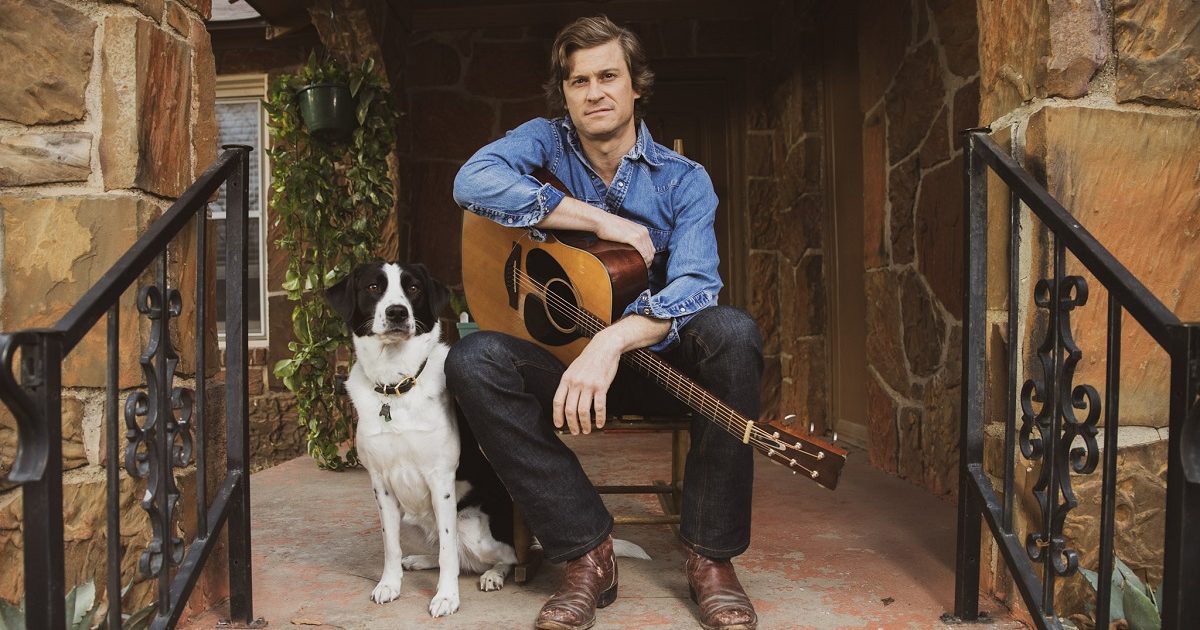
LISTEN: Mark Erelli, “Handmade” (Feat. Maya de Vitry)

Artist: Mark Erelli
Hometown: Melrose, Massachusetts
Song: “Handmade” (featuring Maya de Vitry)
Album: Jackpot EP
Release Date: February 12, 2021
Label: Soundly Music

In Their Words: “Sometimes I’ll write a song that just truly comes alive when turned into a duet. I didn’t write ‘Handmade’ for two people to sing, but it didn’t take much to retrofit it to include another voice. The question of who that voice should be was a harder decision, made difficult by the shear number of amazing singers in Nashville where we recorded the song. I was a big fan of The Stray Birds, and when Maya de Vitry went out on her own for her 2019 solo album Adaptations, I was truly blown away. I love listening to all types of voices, but I really love singing with someone who can dig in and match my dynamics, which inspires me to dig deeper. Singing with Maya, I didn’t have to hold anything back, and I think the strength our vocals project reinforces the song’s message that sometimes you have to dig in, roll up your sleeves, and really work to make love happen.” — Mark Erelli

“It was an absolute joy to sing ‘Handmade’ with Mark. As a guest in Mark’s recording process, I was stepping into whatever culture and atmosphere that they (Mark, his band, producer Zack, engineer Dan) already had going in the studio — and I remember stepping into that room and finding a place of pure warmth and enthusiasm. Harmony singing is one of my favorite things in the world — I get to feel the emotional intensity and energy and character of a song, and then actually climb into it and do my best to help convey the story. I think Mark’s lyrics here are especially resonant in this moment, because a lot of us are taking a more ‘handmade’ approach to everything these days. And that line ‘I can’t wait to see what we’re gonna make’ really hits me now too — in dreaming about our future beyond the pandemic, and how we won’t just be returning to something in the past… we all have an opportunity to make something new.” — Maya de Vitry


Photo of Mark Erelli: Joe Navas; Photo of Maya de Vitry: Kaitlyn Raitz

Blending Folk and Soul, Black Pumas Gain Grammy Attention (Part 1 of 2)

About four years ago in Austin, Texas, Eric Burton and Adrian Quesada were recommended to one another through a mutual friend — someone who could imagine the inevitable magic of pairing Burton’s magnificent singing to Quesada’s cool, pulsating productions. Although these two musicians didn’t know each other, they somehow needed each other. As a songwriter inspired by folk music and soul music alike, Burton sought a vehicle to carry him from busking to the bigger stage, while Quesada — already a Grammy winner for his work with Grupo Fantasma — sought that voice to flesh out the instrumental tracks he’d crafted in his studio, Electric Deluxe Recorders.

Nobody could accuse them of rushing it, as phone calls turned into studio collaborations, and ultimately a few gigs at the South Austin venue, C-Boy’s, just to show their friends what they were working on. However, once the secret was out, the lines to see them perform stretched around the block and Black Pumas promptly landed a recording contract, with a self-titled debut album landing in 2019. Since then, their partnership has led to four Grammy nominations, a trophy for Emerging Act of the Year from the Americana Music Association, an invitation to perform a song for the Biden-Harris inauguration, and even a Super Bowl commercial. In conversation, they are quick to credit each other with the sonic touches that have turned this intriguing duo into an international draw.

For the first part of our two-part Artist of the Month interview with Black Pumas, Burton and Quesada chatted with BGS about the roots of “Colors,” their first show together, and what the Austin music community is really like.

(Editor’s note: Read part two here.)

BGS: Finding the acoustic version of “Colors” was such a nice surprise. What kind of vibe were you going for when you recorded that version?

Eric: I think that the first time Adrian heard “Colors” was when I brought the guitar to the studio. I had been trying to record that song with different engineers and producers, and a lot of my friends would reflect that, “Man, the acoustic version has always been my favorite!” When I finally met Adrian, who was equally moved by the song, we were able to not necessarily think about it, really. Adrian started with a palette of sound that went hand in hand with the way that I write music as well. We just did it together and it came out how it did. We have amazing band members and we were able to just press record and do the thing.

Adrian: We recorded quite a few acoustic things, and as much as “Colors” is a Black Pumas performance, at the core it’s something that Eric wrote on acoustic guitar. So whenever you get to hear it like that, it’s more from the source.

I love the acoustic version of “Fast Car,” too. What was going through your mind when you heard that on playback for the first time?

Eric: You know, any time I play that song, a tear comes to my eye because it is one of a few covers that I knew when I was busking. It was a song that would move people to stick around, or tip, or want to engage after the song. So, it was an interesting feeling listening back to that song as a Black Puma, with Adrian Quesada, because I could feel how far I’d come from busking on the Santa Monica Pier to recording at Electric Deluxe.

Is there a lyric in that song that still tugs at your heart when you sing it?

Eric: The lyric that I really attach to is “You’ve got a fast car and I want a ticket to anywhere.” The first lyric is one of the most powerful lyrics. It sets the emotional canvas for the rest of the song. It’s just reflective of the strong desire in many people who start off in the troubadour style of playing and performing, a presentation to passersby.

Adrian, how did you approach that session, being a classic song that everybody knows?

Adrian: Oh man, I just tried to stay out of the way, honestly. Eric’s played it for so long and so well. We were going to work up an arrangement for the band to start playing it at our shows, but we didn’t get it together in time, so he just did it himself as an encore one night. All of us were watching from the side of the stage. It was like, man, why would we try to reinvent the wheel? I just try to complement the song, and the way that Eric emotes it is something that doesn’t need a lot. You don’t need to overthink it.

I love the falsetto on songs like “OCT 33.” It’s effective because you don’t use it all the time. Did you have to figure that out naturally? Or was there ever a conversation like, “Whoa, too much falsetto”? Or, “I think we need more”?

Eric: Honestly I come from playing folk music. I love Neil Young and Bob Dylan and dig on the Beatles — so when I first started playing music, I was playing acoustic folk soul music. When I got Adrian some tracks, I was living with a roommate and he was saying, “Hey man, I think you’re singing a little bit soft on these songs.” I said, “What do you mean?” And he’s like, “Just go back and listen to Wilson Pickett and Marvin Gaye and Otis Redding,” and when I did that, I was able to kind of integrate the way Marvin Gaye did that head voice, like, “Oooh!” That’s kind of his move. So, I was able to borrow some of the razor-sharp vocal sounds that you hear in these individuals to make some better paints for the canvas that was Adrian’s awesome production.

Adrian, you have a great vocal range to work with. What is that like for you as a producer, knowing you could take these arrangements anywhere?

Adrian: Yeah, I’m a big fan of the falsetto, but I was digging everything he was throwing out. So, when he goes falsetto, I go for it. When it’s not falsetto, unless I feel like it doesn’t work, I just let Eric’s instincts guide him, and what he feels like singing.

What do you remember about the first show you played together?

Eric: It was amazing, right? It was rad.

Adrian: We didn’t even rehearse a lot. We threw it together in a couple of days and we didn’t know what we were getting into. I remember thinking, like, “All right, this should be fun. Worst case scenario, we could drink some liquid courage before the show and have fun. But it completely surpassed my expectations and it was a blast, man. Those early shows we did at C-Boys still live in my memory as some of the best times.

Why did C-Boys seem like a good place to kick this off?

Adrian: It feels like a cool, downhome, neighborhood bar that has amazing music. Steve Wertheimer, who’s the owner, really believed in myself and Eric early on. It’s a competitive town for live music and he’s always been a huge supporter. We just sent him a song and he dug it, and gave us a residency. It was pretty amazing that he took a chance on it. Eric did a solo residency for a while at one of his other venues. He was always a big supporter.

Tell me what you mean when you say that the Austin music scene is competitive.

Adrian: I would say “competitive” in the way that there’s a lot of talented people, but not “competitive” in a way that’s cutthroat, you know what I mean? I feel like there’s a good support system, where everybody’s supportive of people. It’s not competitive in that way. It’s like, you better bring something to the table because there are a lot of people that play and are very talented.

So when this was all happening, were you thinking of a record deal and management and all that? Or was it more about just getting together to play?

Eric: I think we were just both stoked to get on a stage. At that point, we had spent a few months together in the studio. Adrian presented some instrumentals that he was working on, for me to then write songs over. And then I was introducing myself to Adrian through my songwriting and sharing some of the music that I came up with, for him to arrange around. We were having so much fun that we were saying, “Well, we should take this to the stage, just to see what our friends think about it. I don’t think either of us invited too many people to the show, or promoted it, or anything big like that. We were just curious about how it would go over with the people that we know.

Adrian: We just played and we weren’t thinking industry. We were just going to have fun. Originally we thought we would maybe play for a month or two. We didn’t have a big plan other than to play music. We didn’t think that far into the future. We thought, “We’ll do this until it’s not fun.” There wasn’t a detailed, long-term plan for anything. One thing was just leading to another.

Editor’s Note: Read the second half of our interview with Black Pumas here.


Photo credit: Jackie Lee Young