BGS 5+5: Northcote

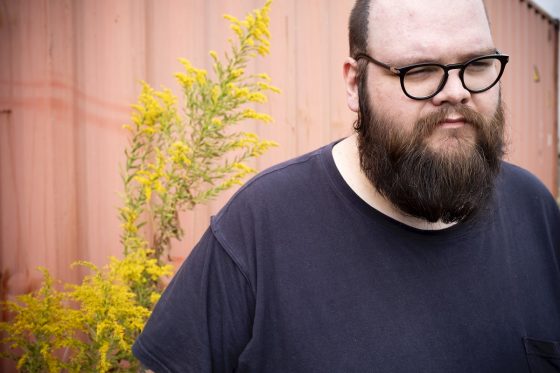
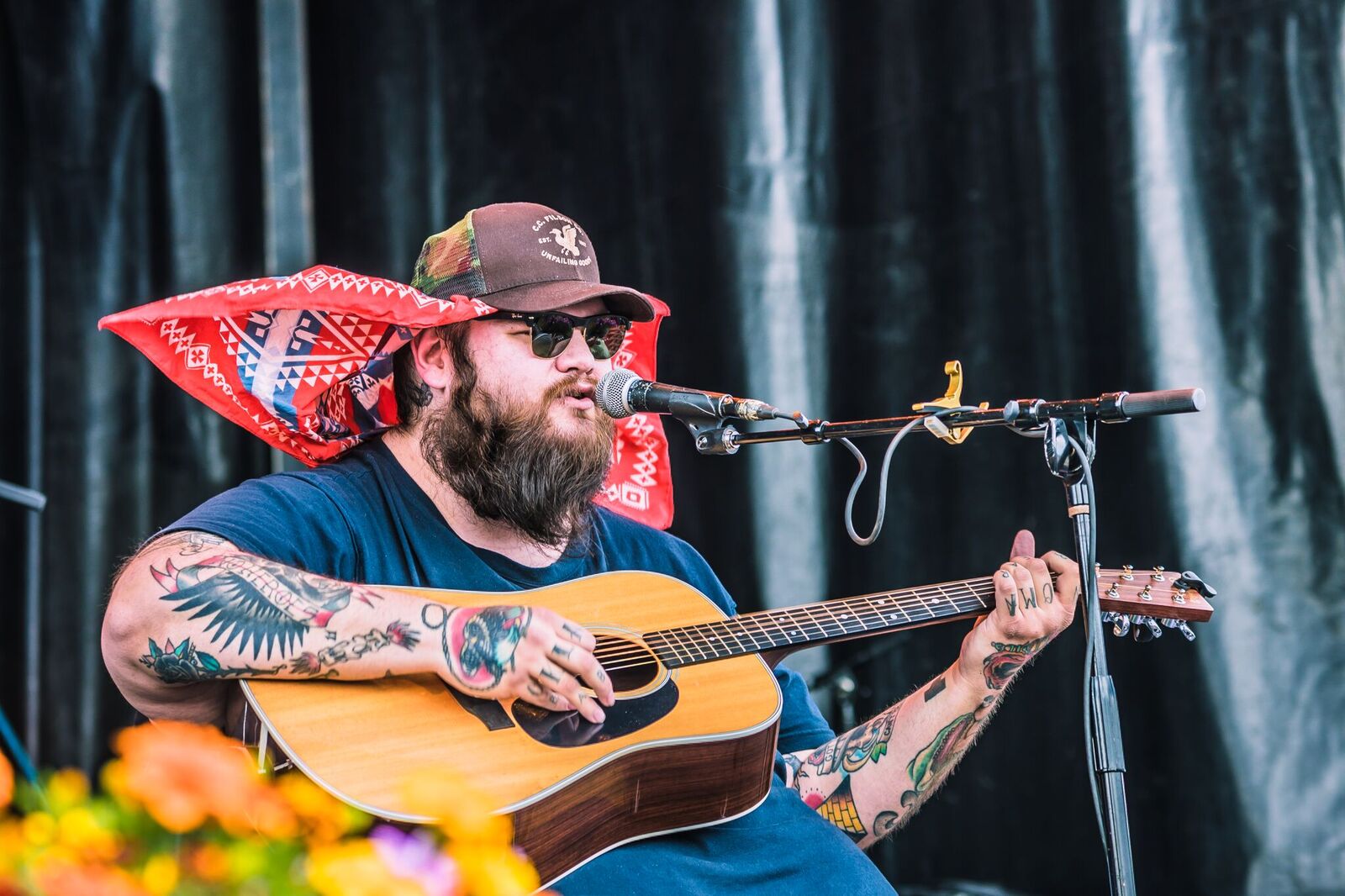
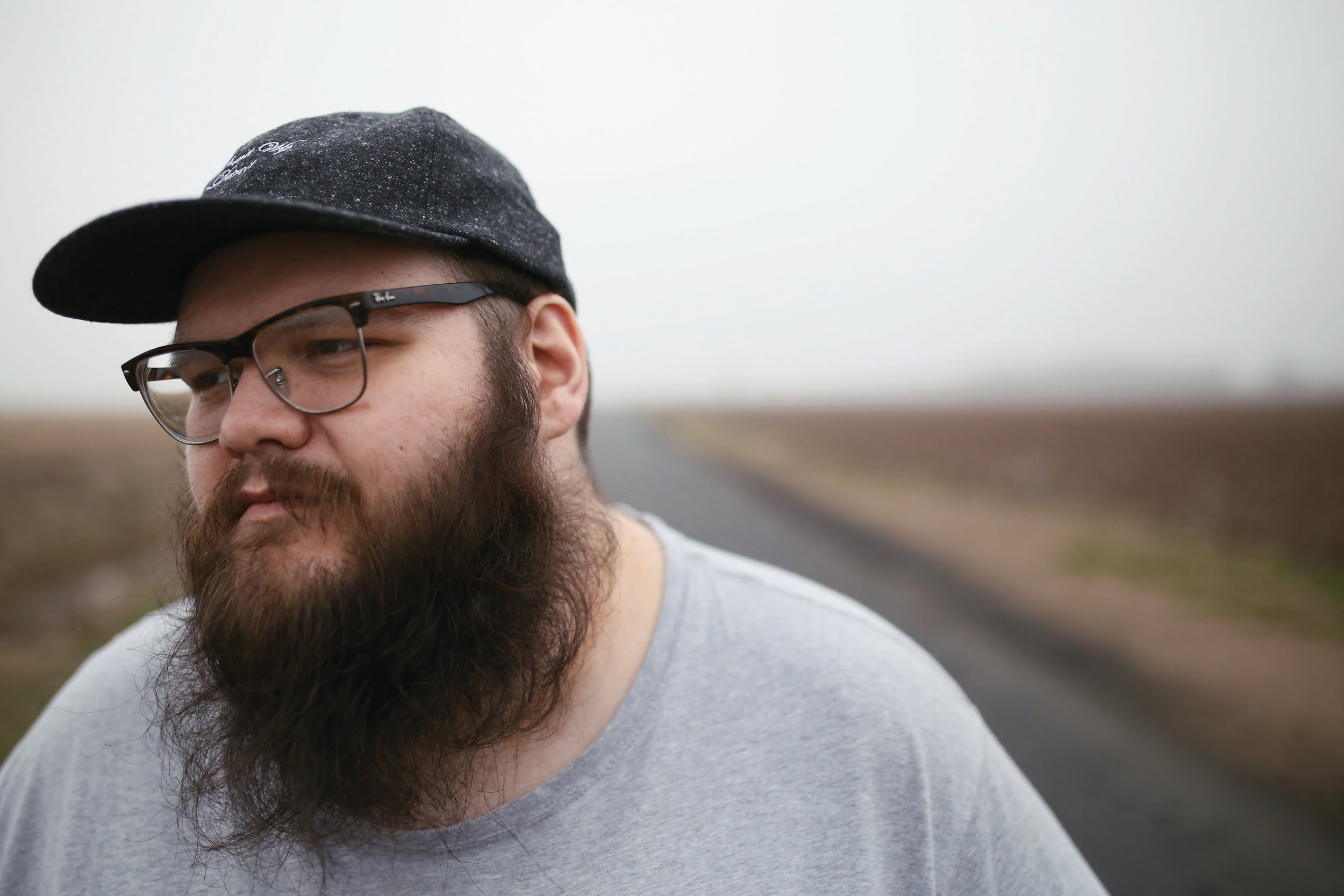
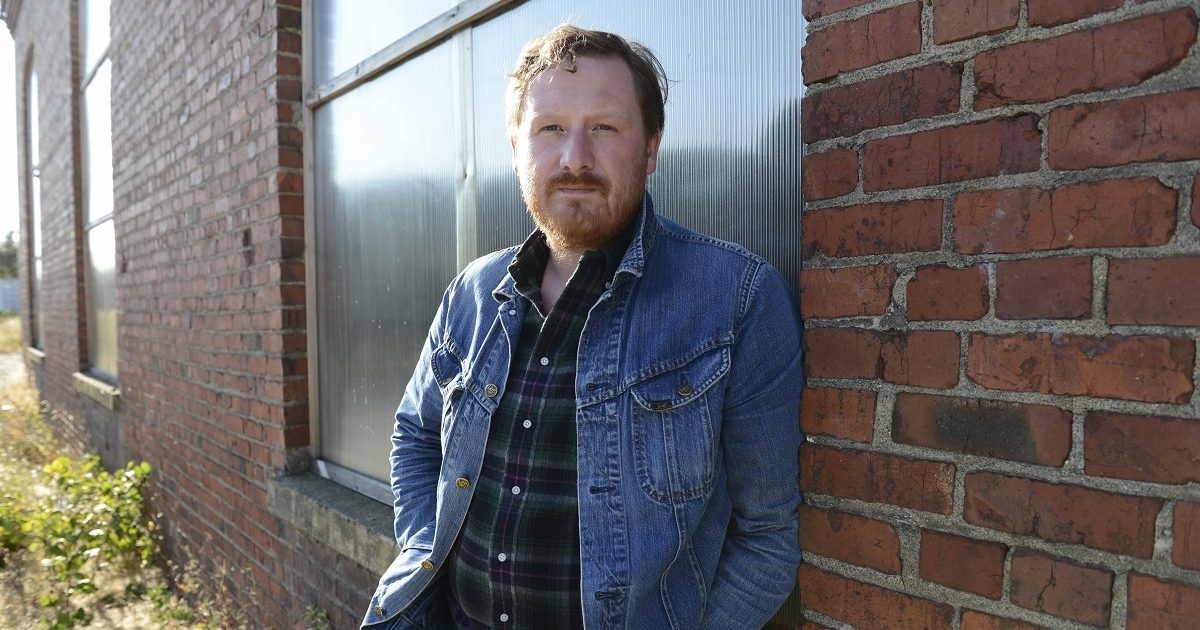
Artist name: Northcote (Matt Goud)
Hometown: Carlyle, Saskatchewan, Canada
Latest album: Let Me Roar (out October 23, 2020)
Personal nicknames (or rejected band names): Matt, Big Cat, Coat

Which artist has influenced you the most … and how?

I was playing solo shows in cafes while in a full-time hardcore band, that’s how it started for me. When the band broke up I moved out west and during that first year of playing solo I would cover Gillian Welch, Chuck Ragan/Hot Water Music and Brian Fallon/The Gaslight Anthem songs in my set. I remember learning Petty and Springsteen songs to fill my set for when I was singing in tourist bars. You can play “The Waiting” and “Dancing in the Dark” for a long time on a Monday night to help nudge along a three-hour set. The artist that has influenced me the most in the last ten years is Dave Hause. He has taken me on the road many times and I have got to see his energy and passion for the job. He plays with the urgency and respect that it could all go away and I admired that because he was/is right. Gillian Welch is the songwriter I come back to the most often and whose records I feel most at home with. John Moreland in the last bunch of years is like that for me as well. Finally, I was in grade 5 or 6 when Shania Twain’s hit songs began to come out and I did perform them lip-synching in school.

What’s your favorite memory from being on stage?

It must have been 2010 or so, maybe earlier. I was playing on my first release as Northcote and was out east in Saint John, New Brunswick. It is a small city and I think I’ve only been back once since. It’s near Fredericton where we usually stop on tour. The venue that day had an alley entrance with brick walls on either side of the alley. The room had a low ceiling and seemed like a small abandoned store. I remember there were things left behind on the floor like folks had left in a hurry. The walls were white and blue like sky. I don’t remember if there was a PA or not. We were packed in the place about 25 of us singing along as I played through my first EP and the singalongs were quite loud. I was surprised and I felt lost and at home all at once. At that time everyone present was a beginner and we were all just giving it an honest try and that is a very sacred place to be in my opinion.

What other art forms — literature, film, dance, painting, etc. — inform your music?

Before bringing my attention to working as a musician I was studying at a religious college training to be a minister. Over the years the sense of poetry from scripture has stuck with me. I’ve gone from the poems of Thomas Merton to Rumi to listening to Ram Dass then back full circle now. In my twenties I explored more angular and art house influences which are still refreshing at times, but less influential these days. I think my answer is religious devotional writing? My god. For more context, my recent influences are Lovecraft Country (TV), Anderson .Paak’s album Ventura, and Miley Cyrus’ “Slide Away.” The two books open on my desk are Teachings of the Christian Mystics and Thich Nhat Hanh’s How to Connect.

What rituals do you have, either in the studio or before a show?

When we were making Let Me Roar, each morning before I took a shower I would put on the album Trance Friendz by Ólafur Arnalds and Nils Frahm. After that I went to the yoga mat to do some work then made coffee and had a few cigarettes. We had boiled eggs most mornings with bagels. After the work day we made dinner together in the kitchenette and watched the hockey playoffs or a lesser-known horror film. During one film the lead character ate a chicken wing out of the fridge after finding a deceased person. The character said, “Honey garlic, I love it.” From then on in the studio, after describing something we would say, “I love it” in honor of the horror film character.

Since food and music go so well together, what is your dream pairing of a meal and a musician?

I was invited to perform at the Alianait Arts Festival in Iqaluit, Nunavut, a few years back. I wasn’t feeling very good those days and the opportunity to go up North was a bright light for me and is a precious memory that I will never forget. One night up North there was a dinner party hosted by folks in the community. There was a spread of local food and I can’t remember what all was served, but I tried some and enjoyed the warmth and hospitality. There was boxed wine on the rocks and we saw the evening sun. One of those nights some people from the festival invited me to a hall where musicians from the festival were sitting in a circle singing and laughing and telling stories. Since that trip up to play the festival, my wife and I have moved, I quit drinking, we made the new Northcote record and I found meaningful work at my day job in Victoria.

https://open.spotify.com/playlist/6Ha8VdD55SEGNJcKWiUAhM?si=IkUWvU1GR6OGDOnMt8ul1g


Photo credit: Matt Postal
BGS Long Reads of the Week // June 26

The BGS archives are simply a wealth of rootsy reading material. Each week we share our favorite longer, more in-depth articles, stories, and features to help you pass the time — summertime, COVID-19 time, or any ol’ free time you might have! We post our #longreadoftheday picks across our social media channels [on FacebookTwitter, and Instagram]. But of course, if you get ’em all right here in our weekly collection, that’s fine too!

This week’s long reads are about revitalization, reverence, rainbows, and real wisdom.

John Moreland Figures Out How to Love Music Again

We love a long read, yes, but we definitely love a birthday more! On Monday, we combined the two (as we do), celebrating Oklahoma singer/songwriter John Moreland’s day-of-birth with a revisit to our February interview about his latest album, LP5. While some listeners may have found the record to be something of a departure for Moreland, for his part, the “out there” elements of the music are what helped him learn to love creating again. [Read more]


Ricky Skaggs – Toy Heart: A Podcast About Bluegrass

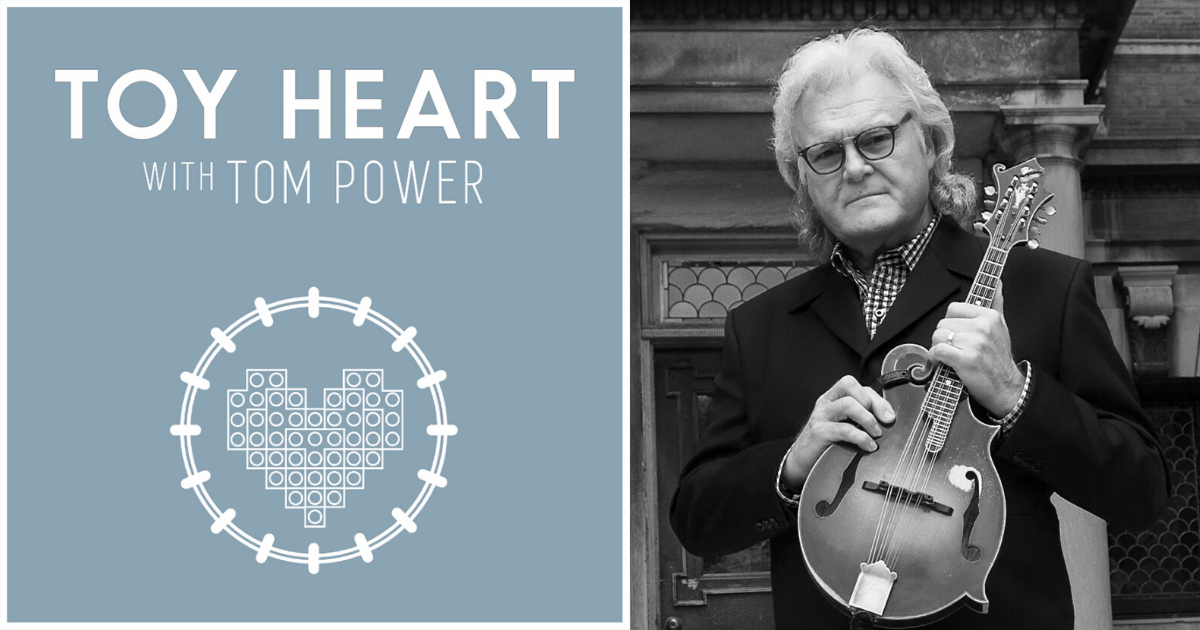
Yes, this is a podcast, so technically this is a long listen rather than a long read, but we have good reason. Four years ago this week, Dr. Ralph Stanley passed away. As more and more of our bluegrass forebears leave us, their memories are even more important. On a recent episode of Toy Heart, hosted by Tom Power, Ricky Skaggs shared stories of his time with Ralph, the Clinch Mountain Boys, and Keith Whitley. It’s worth a listen to honor one of the most pivotal popularizers of this music. [Listen to the episode]

Way Above the Chimney Tops: A Pride Celebration of “Over the Rainbow”

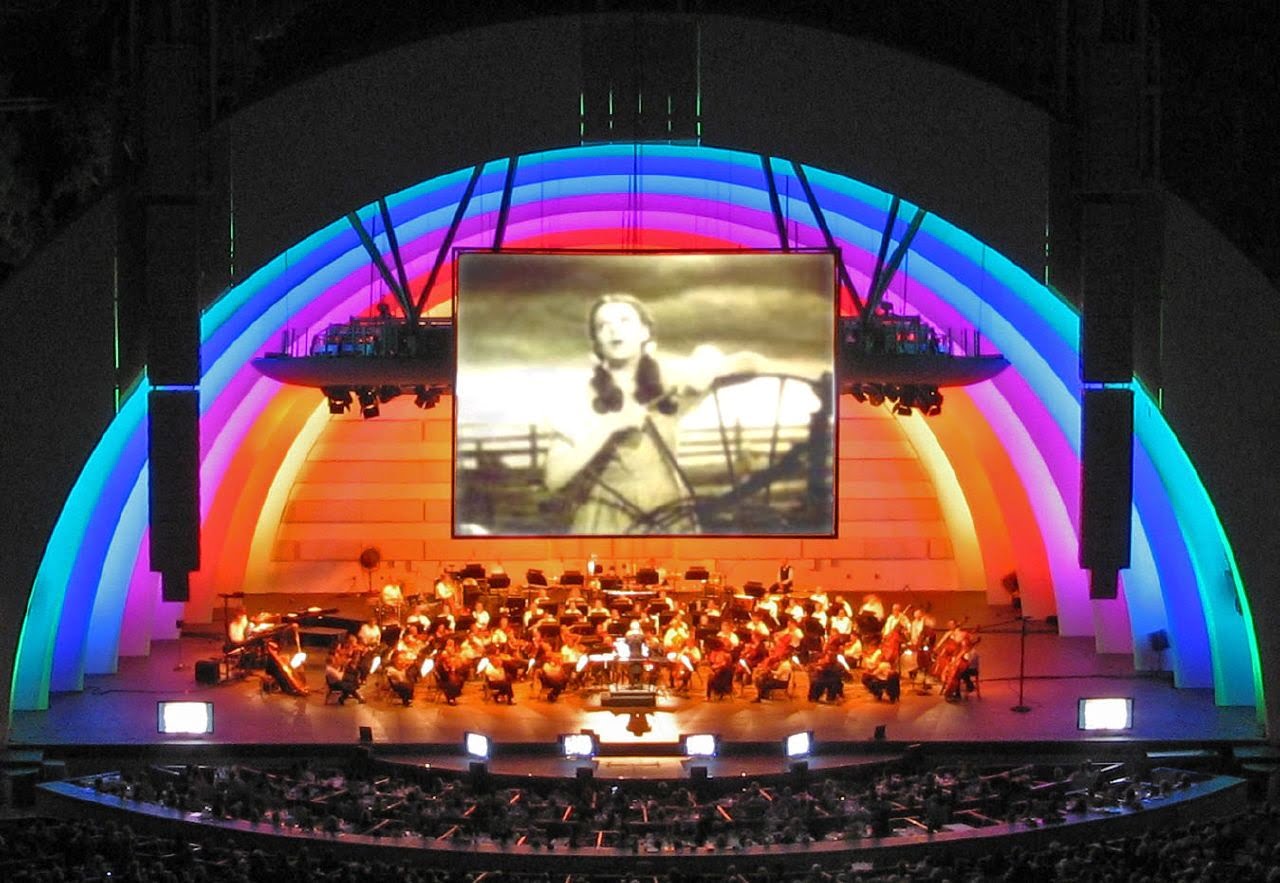
Pride month is always full of rainbows, but never enough roots music! A couple of years ago we collected a handful of our favorite folky, country, bluegrassy, rootsy, ukulele-strumming renditions of “Over the Rainbow” to celebrate Pride month and each year since it’s been well worth a revisit. What cover of “Over the Rainbow” is your favorite? Did it make the list? [Read & listen here]


Counsel of Elders: Blind Boys of Alabama’s Jimmy Carter on Singing From Your Spirit

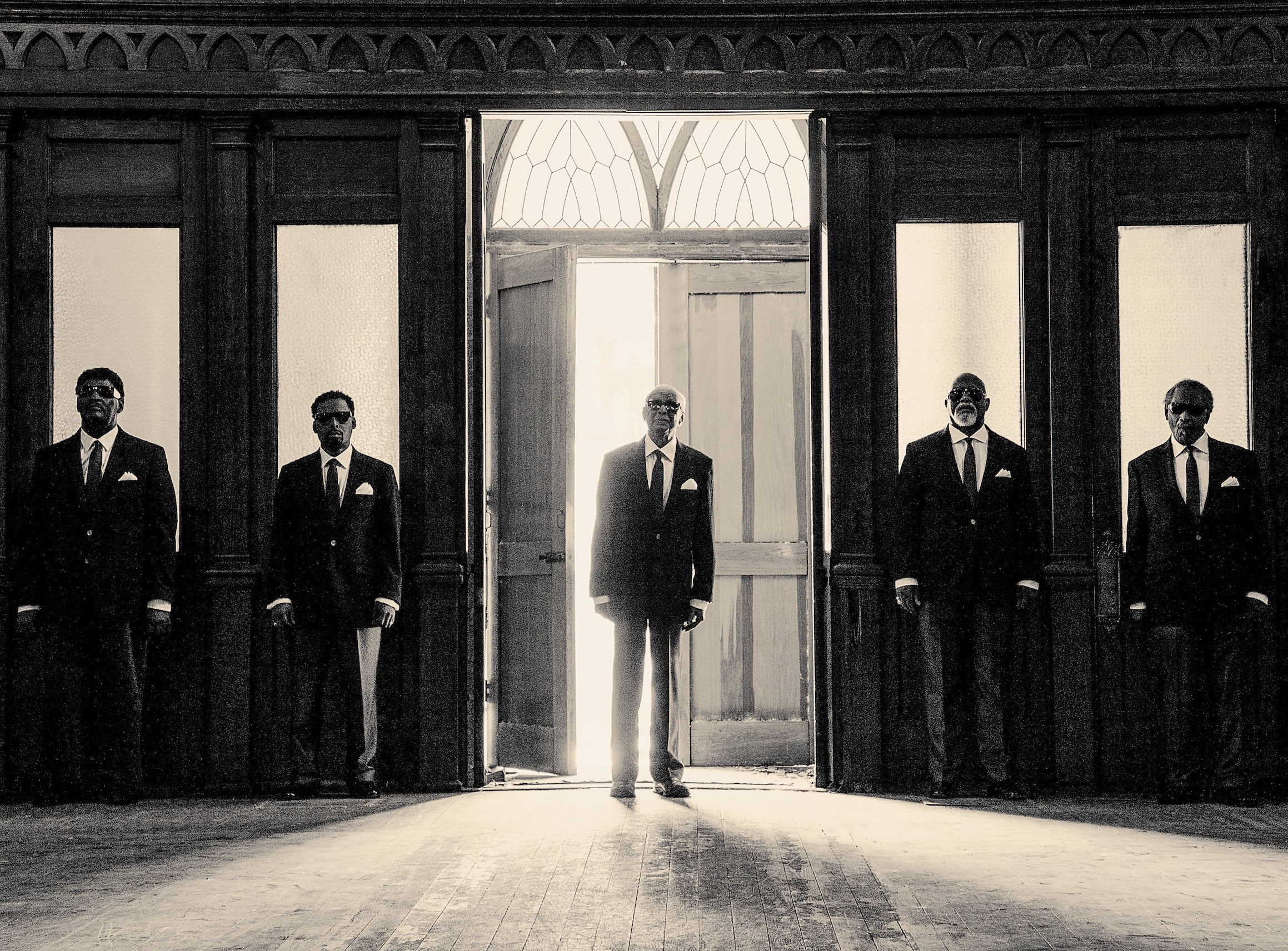
One quote from our 2017 interview with Blind Boys of Alabama founding member Jimmy Carter is enough to confirm this edition of Counsel of Elders’ excellence: “People ask me, ‘You’ve been doing this for almost seven decades, what keeps you going?’ I tell them, ‘When you love what you do — and we love what we’re doing — that keeps you motivated.'” 

You’re going to want to read the rest! [Read the full interview]


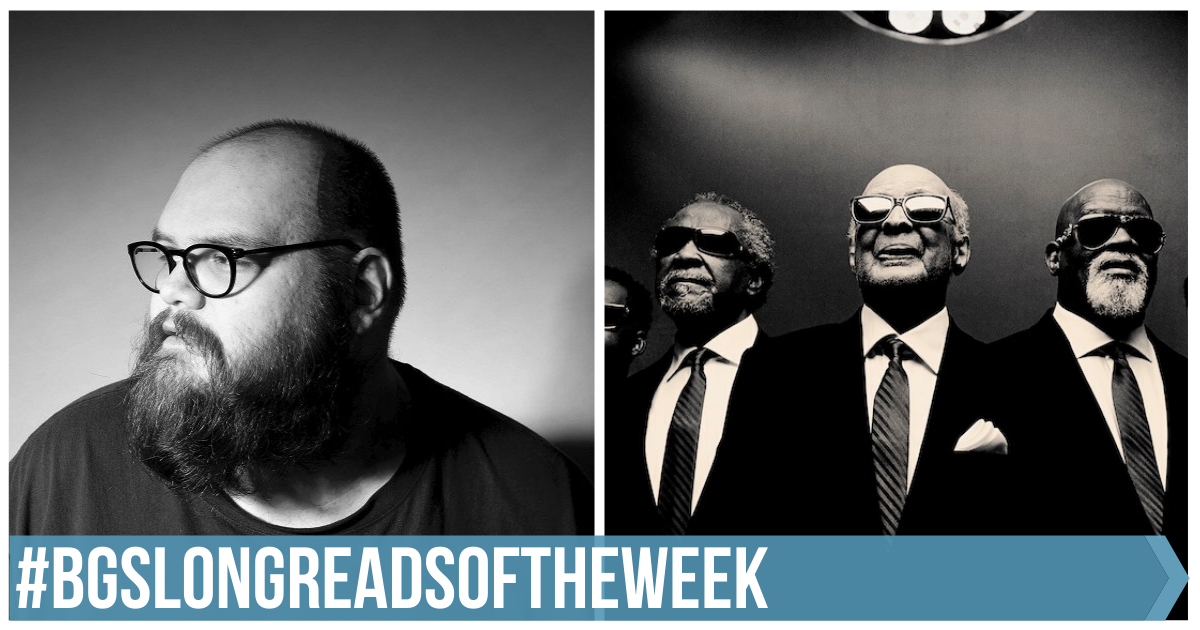
Photo of John Moreland: Crackerfarm
Photo of Blind Boys of Alabama: Jim Herrington

BGS Long Reads of the Week // May 1

It’s gonna be… May! Welcome to a new month of long reads, where each week we look back into the BGS archives for some of our favorite content from across the years. If you haven’t yet, follow our #longreadoftheday series on social media [on FacebookTwitter, and Instagram] and as always, we’ll put all of our picks together right here at the end of each week.
Our long reads this week are southern rock and blues, bluegrass and rock and roll, Americana and country, and a dash of… hard-to-put-a-finger-on-it, too. Read on:

Marcus King: A “Young Man’s Dream” Come to Life

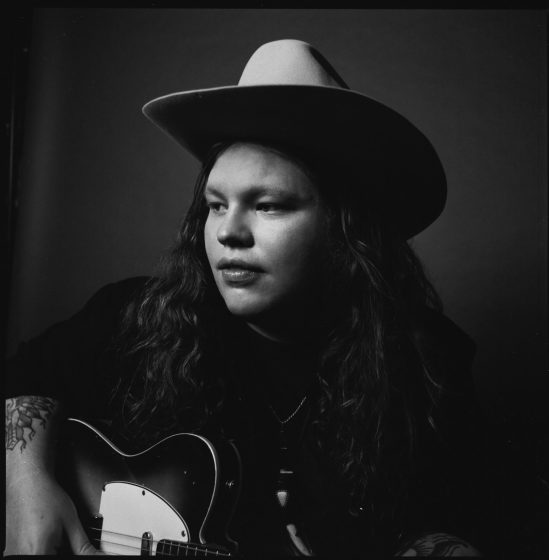
A cover story from earlier this year, our conversation with 23-year-old singer/songwriter/guitarist Marcus King digs deep into the creative processes that shaped his debut album, El Dorado — his first project outside of his critically acclaimed group, The Marcus King Band. With Dan Auerbach producing and an absolutely stacked roster of studio musicians, the project came together “on the fly,” yes, but that turned out to be a pretty natural pace. [Read the entire interview]


Canon Fodder: The Flying Burrito Brothers, The Gilded Palace of Sin

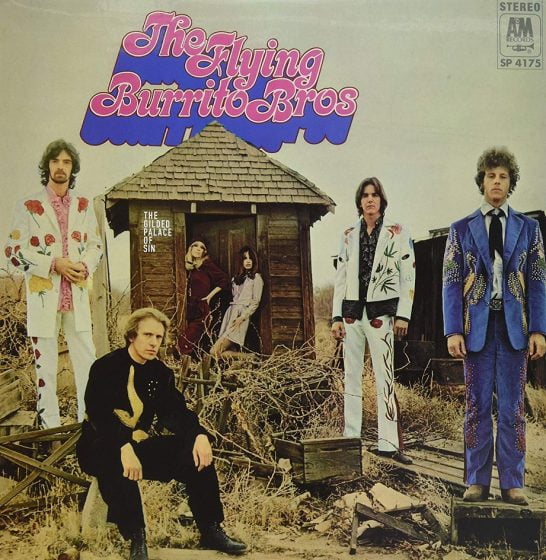
Given the canonization of Gram Parsons over the last few decades, as well as the gradual breakdown of genres and styles over time, it’s easy to forget just how contrarian it would have been for a West Coast rock band to embrace country and bluegrass. But that’s exactly what the Flying Burrito Brothers did. This edition of Canon Fodder explores their first album, The Gilded Palace of Sin, which despite its near-flop at the time of its release is perhaps their most important work. [Read more]


Linda Ronstadt Talks Bluegrass

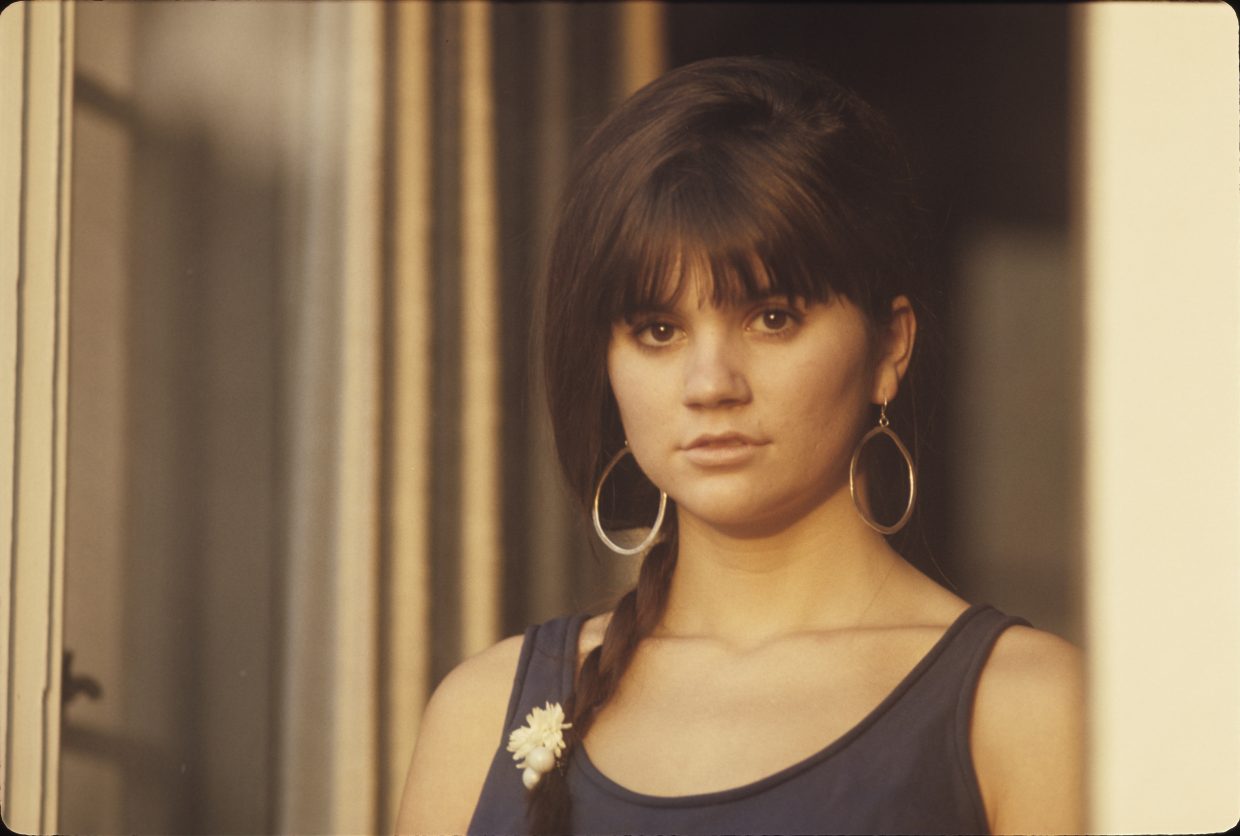
One of the most important vocalists/artists in rock and roll and popular music over the last century, Linda Ronstadt also knows a thing or two about bluegrass — as evidenced in this 1996 interview from Bluegrass Unlimited magazine. We pulled this fascinating article out of the BU archives to commemorate the release of the documentary film, Linda Ronstadt: The Sound of My Voice last year. It’s a two-parter, so we spread it out over a couple of days this week!
[Read part one] [Read part two]


John Moreland Figures out How to Love Music Again

Turns out there are drawbacks to any career – even when it’s your dream job – and you can confirm that with dark-folk and Americana favorite, John Moreland. The Oklahoman singer/songwriter released his latest album, LP5, earlier this year. The project surprised some listeners by exploring new sonic territory for Moreland — new territory that revived the spark that got Moreland into writing to begin with. [Read our conversation]


John Moreland Figures Out How to Love Music Again

Turns out there are drawbacks to any career – even when it’s your dream job – and you can confirm that with dark-folk favorite John Moreland.

After winning widespread acclaim on the strength of his devastatingly direct songcraft, often by casting an unflinching eye toward himself, it’s a truth the prolific writer and soul-mining vocalist has been forced to accept in recent years. Almost a decade into his solo career, rising expectations and a grueling tour schedule weighed so heavily on him Moreland even admits he “fell out of love with music” for a while. But the Oklahoma talent has fought his way back with his fifth solo album, LP5.

“It’s just that when you go from music being your passion and your hobby … to the point where it’s your job now, there’s an adjustment period where you have to figure out, ‘How do I do this?’” Moreland explains. “So I think that’s what the past five or six or years have been for me.”

Moreland feels like he finally has some of it figured out now — or at least is on the right path. He accomplished that partially by exploring new sonic territory with the help of producer Matt Pence (the first time he’s entrusted someone else with his songs), and also through hard-won personal growth, eventually deciding to treat himself a little better. Building off that foundation with tasteful drums, quirky synth embellishments, and whirring beds of B3 organ, what emerged on LP5 preserves the thought-provoking beauty of his stark songwriting, but adds a layer of intrigue … and perhaps, hope.

BGS: Music is such an outlet for you. How much did it bother you that you basically didn’t enjoy it anymore?

Moreland: Well, it was definitely a bummer. Writing music has always been the way I express myself, but it started to become harder and harder to do. It was like, if it’s just me sitting down with an acoustic guitar, there’s only so much I can do before it starts to feel like “OK, I’ve written this song 10 times already.” So it took messing around with some other instruments to get the creativity flowing again.

Did that feeling creep up on you, or come all at once?

I think it kind of crept up gradually. It just got more and more difficult to write and be creative, and then all of a sudden one day it was like, “Wow, I hate everything I’m coming up with.” I just needed a new context to see it in.

For LP5, you ultimately teamed up with a producer for the first time, and the textures and layers you and Matt Pence created are really interesting, but they don’t overwhelm the songs. What was the approach going in?

When I was writing the songs, like I said it got to the point where I needed to mess around with some other instruments in order to give the acoustic guitar and my voice a new context to live in. I was messing around with different drum machines and samplers, different pedals, getting different sounds at home, and that’s how we did the demos. … [Then in the studio] it was all pretty intuitive. We didn’t really talk about anything. We recorded the basic tracks like guitar, bass and drums together, and then we had a few days where me and Matt and John Calvin went crazy on overdubs. It was just flying by the seat of our pants, like “You wanna play synth on this song?” Or “You wanna put the Wurlitzer on this?”

Have you always played a lot of different instruments? If so, why haven’t we heard it in your previous work?

I actually started making hip-hop music when I was a teenager, so I’ve always done that as a secondary creative outlet. Then I stopped doing it for a few years when I started touring more and was busier with my career, and I got back into it when I needed that extra creative outlet. In the past, there were times I thought I’d like to incorporate it into what I was doing with my songwriting stuff, but maybe I wasn’t sure how to do it yet. I think because I feel a lot more comfortable with myself now I’m more open to whatever. If I like it, then it’s good enough to go on the song.

Is any of that hip-hop stuff out there?

No, not really. It’s just kinda my little home-studio hobby that I do.

I’d love to hear what kind of flow you’ve got, John.

[Laughs] Well, I’ve never actually rapped. I just make beats.

You say you’re feeling more comfortable with yourself, and I know these songs were written during a time when you were trying to be kinder to yourself. What does that look like in your everyday life?

I think it’s just in your thoughts and how you see yourself. I think there’s ways that we’re taught to be cruel to ourselves when we’re kids, and we just do it and think it’s normal. So I feel like I’ve been gaining more of an awareness of that and being able to catch it when I’m doing it, just being more careful and more mindful of how I talk to myself in my head. So it’s not like a big, visible change in my life I guess, but privately I’m in a better headspace because of it.

In “A Thought’s Just a Passing Train,” the central line begins with “I had a thought about darkness.” What were you going through at the time?

That just goes back to being kind to yourself and how it’s all in your thoughts and the way you talk to yourself. I think we place a lot of importance on our thoughts, but they’re not necessarily that important – they’re always just kind of coming and going. I wanted to try to talk about that.

I love the idea of a train as a metaphor for this, since that’s such a part of the country and folk canon. But you’re using it in a very modern setting.

Yeah, thanks. It’s funny, I don’t know if would feel comfortable doing a train-type song unless it was kind of a weird one, you know? [Laughs] I think it would feel a little too traditional to me otherwise.

“I’m Learning How to Tell Myself the Truth” is another interesting one, because to me, your songs have always been about exploring the truth around you. But maybe that’s different than telling yourself the truth?

You know, I think songwriting has always been my attempt to tell myself the truth — or to uncover the truth. So I guess I meant it in more of a personal, everyday life kind of a way. Like, I want to see things the way they are and not delude myself.

Are you getting better at that?

Yeah, I think so, and I think that’s another thing that comes with age and maturity. Hopefully you begin to see things as they are more, and not let things be as colored by your emotions.

The album ends with “Let Me Be Understood,” and that seems important. Why was that the way you chose to go out?

That’s a song that when I wrote it, it just felt like, “Yeah, that should be the last song.” And again, kind of like “Learning How to Tell Myself the Truth,” I think “Let Me Be Understood” is just what the impulse to do this is for me. I just want to understand myself and I want to be understood in the larger context.

To that end, I think this album is at least asking the right questions.

Thank you, that’s all I want to do.

It seems like you’ve learned something about life over these five albums …

Maybe. [Laughs] I don’t know what it is, but maybe I have.

What do you want listeners to get out of this project?

Whatever they can take from it is fine with me. I think I made it because it made me feel good, so I hope it can make somebody else feel good in whatever way they need.


Photos: Crackerfarm

MIXTAPE: Joseph’s Night Drive

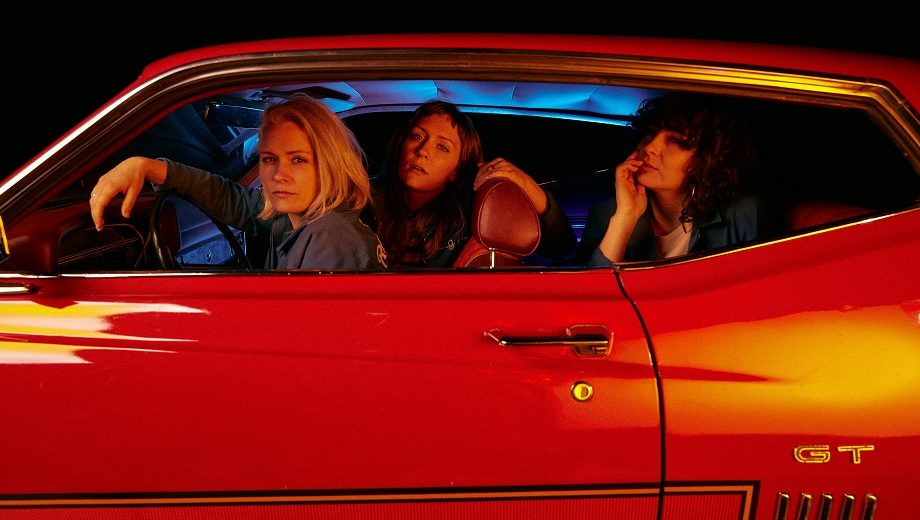
All three of us went to college in Seattle at a school tucked between Fremont and Queen Anne. At the time, pre-Amazon, we knew the city best for its bridges and sailor vibes and constant grey blanket of melancholy. When you’re driving around at night on top of Queen Anne Hill, thinking about your unrequited love (just me?) the city views of blinking lights are spectacular and the LiveJournal entry is brewing in your mind. These are the songs you’re listening to. – Joseph (Natalie Schepman, Allison and Meegan Closner)

Nick Drake – “From the Morning”

I chose the song with “morning” in the title as the first track of this Night Drive mixtape. Sequence is very important in a mix for a night drive. The first verse says “A day once dawned from the ground / Then the night she fell.” It sets the stage and delivers the opening monologue. — Natalie

Laura Veirs – “When You Give You Give Your Heart”

One of my favorite songwriters:

“My stampeding buffalo
Stops in her tracks and watches the snow
Falling through the old oak tree
When you give your heart to me.” — Natalie

Blanco White – “Ollala”

I found this song on a curated Spotify playlist and I haven’t been able to stop listening to it. It’s become one of my partner’s and my favorite songs to listen to together. — Allie

Fleetwood Mac – “Sara”

My friend showed me this song and told me her Mom used to sing it to her as a kid while she was tucking her into bed. I’ve never been able to shake that childhood movie moment when I hear this song. I listen to it as though that were my own comforting memory. — Meegan

Iron & Wine – “Naked as We Came”

This is a mood, isn’t it? I bet anyone who loved this song gets taken back to where they listened to it. It’s the quintessential Night Drive feeling. — Natalie

John Moreland – “Hang Me in the Tulsa County Stars”

This song means 1,000 things to me, but mostly it’s always felt like coming home. In a lot of uncertain times I returned to this song over and over again to ground me. — Meegan

Death Cab for Cutie – “A Lack of Color”

When I was first curious about how to write songs, Death Cab was big for me. He starts the song with “and” like you’re already in a conversation and that wowed me. — Natalie

Bob Dylan – “Don’t Think Twice, It’s All Right”

I heard this song later on in life (within the last year) and fell in love with Bob Dylan’s voice. I know… took me a minute. I love the tongue-in-cheek feel of it and it has given me many special listening moments. — Allie

Sufjan Stevens – “Casimir Pulaski Day”

Sufjan. Mind blowing for me. I’m amazed by his matter-of-fact, deadpan delivery while singing about scenes that combine the horror of cancer right next to “the complications you could do without when I kissed you on the mouth.” It feels like acceptance. It’s devastating but it feels true in my chest. — Natalie

Nickel Creek – “Sabra Girl”

I listened to this song in headphones every night as I fell asleep in my dorm room freshman year. The acoustic guitar, the mandolin, the violin, Sara’s voice. Perfect. — Natalie


Photo credit: Louis Browne

WATCH: Manda Mosher, “Nobody Gives a Damn About Songs Anymore”

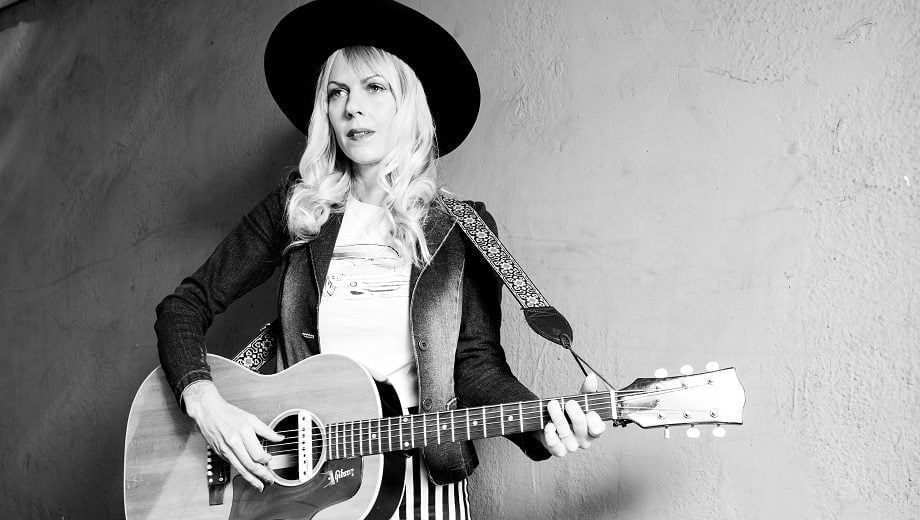
Artist: Manda Mosher
Hometown: Los Angeles, California
Single: “Nobody Gives a Damn About Songs Anymore”
Single Release Date: July 26, 2019
Label: Blackbird Record Label

In Their Words: “When I first heard John Moreland’s album In the Throes, his honest songwriting and delivery hit hard. ‘Nobody Gives a Damn About Songs Anymore’ resonated strongly with me as a songwriter and [it’s] a song I wanted to perform and record with CALICO the band. It didn’t come to fruition then, but made a lot of sense to record for my new solo record, which we’re making in my studio as my first run out as a co-producer with Eric Craig. You can pour your heart out into song to have it be either quickly consumed or ignored in the fast pace of our age… and then you add in the factors of the public at times being more interested in flashy appearances or production than the quality of a song itself which can bring on this feeling. BUT this song pretty much proves itself wrong because it’s so damn good.” — Manda Mosher


Photo credit: Shots by Morrison
Directed by: Bob Wayne
Edited by: Bob Wayne & Eric Craig

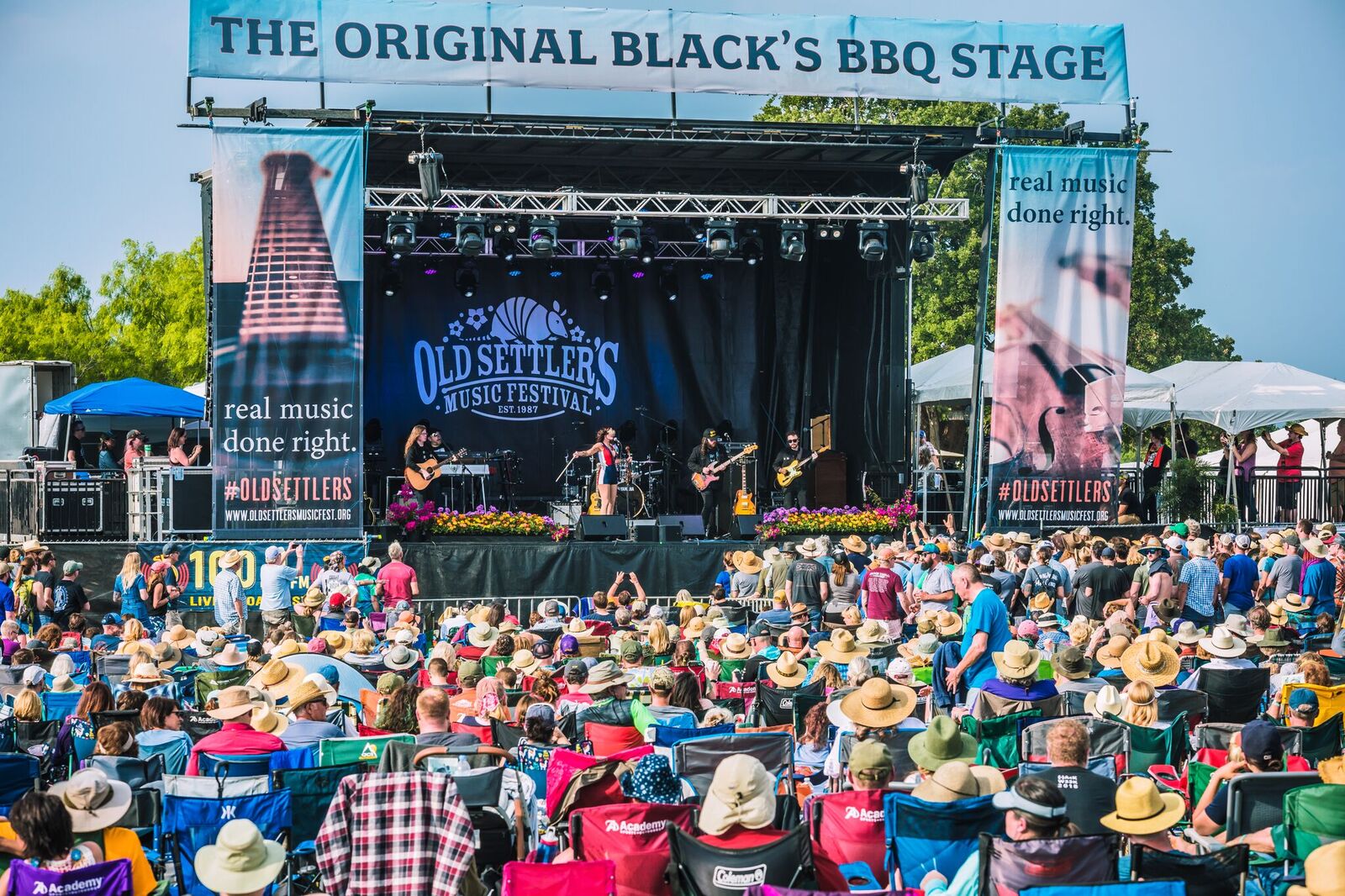
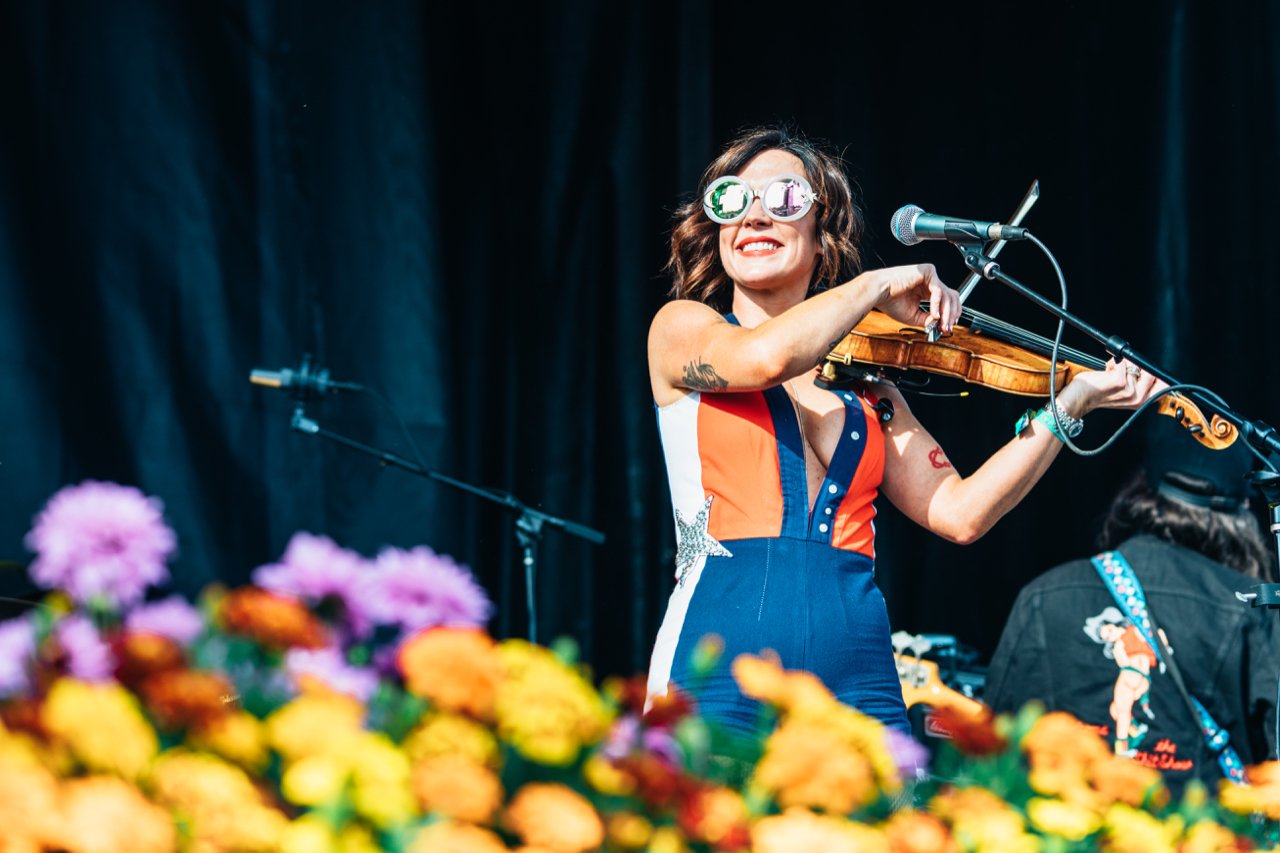
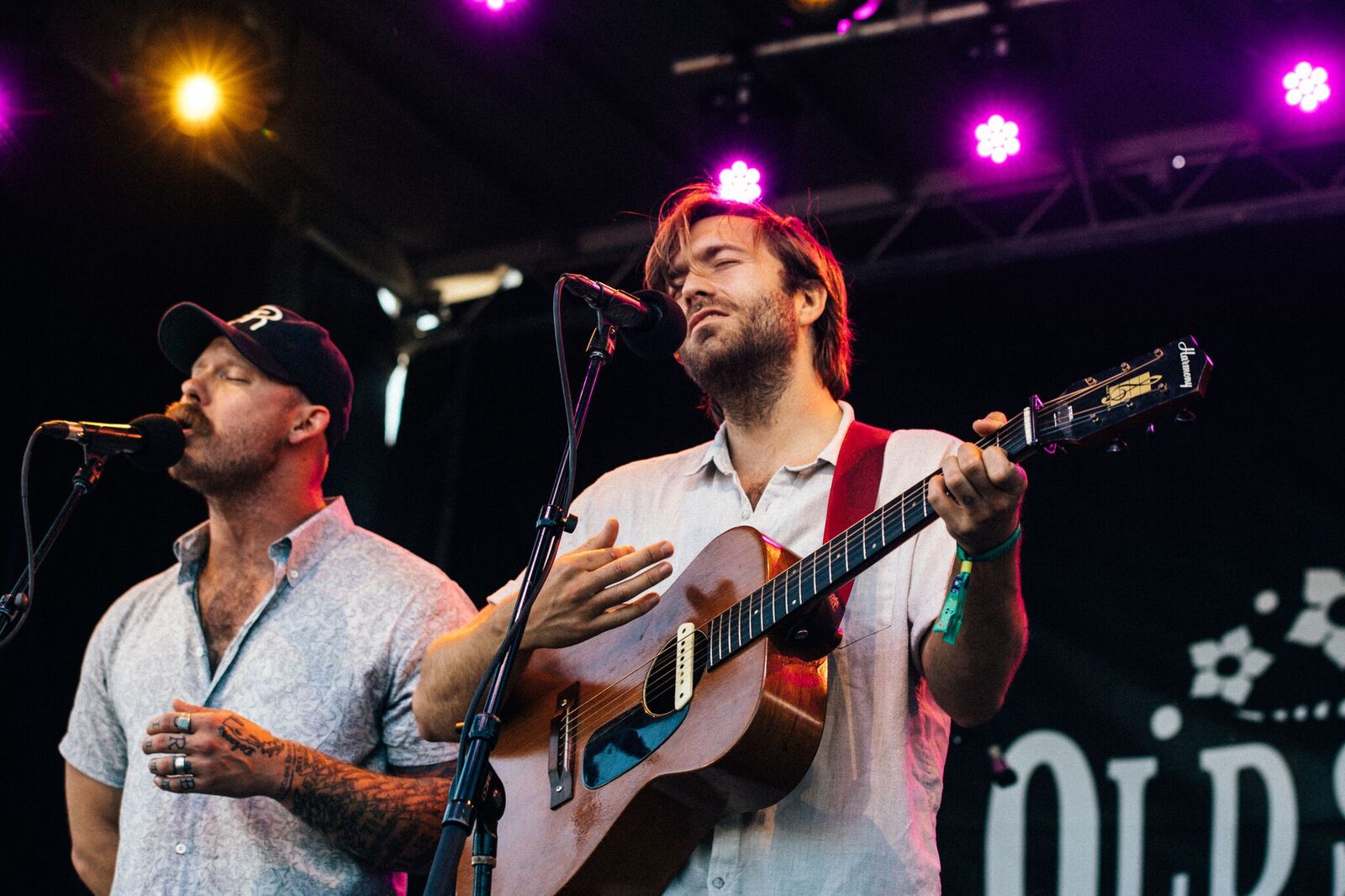
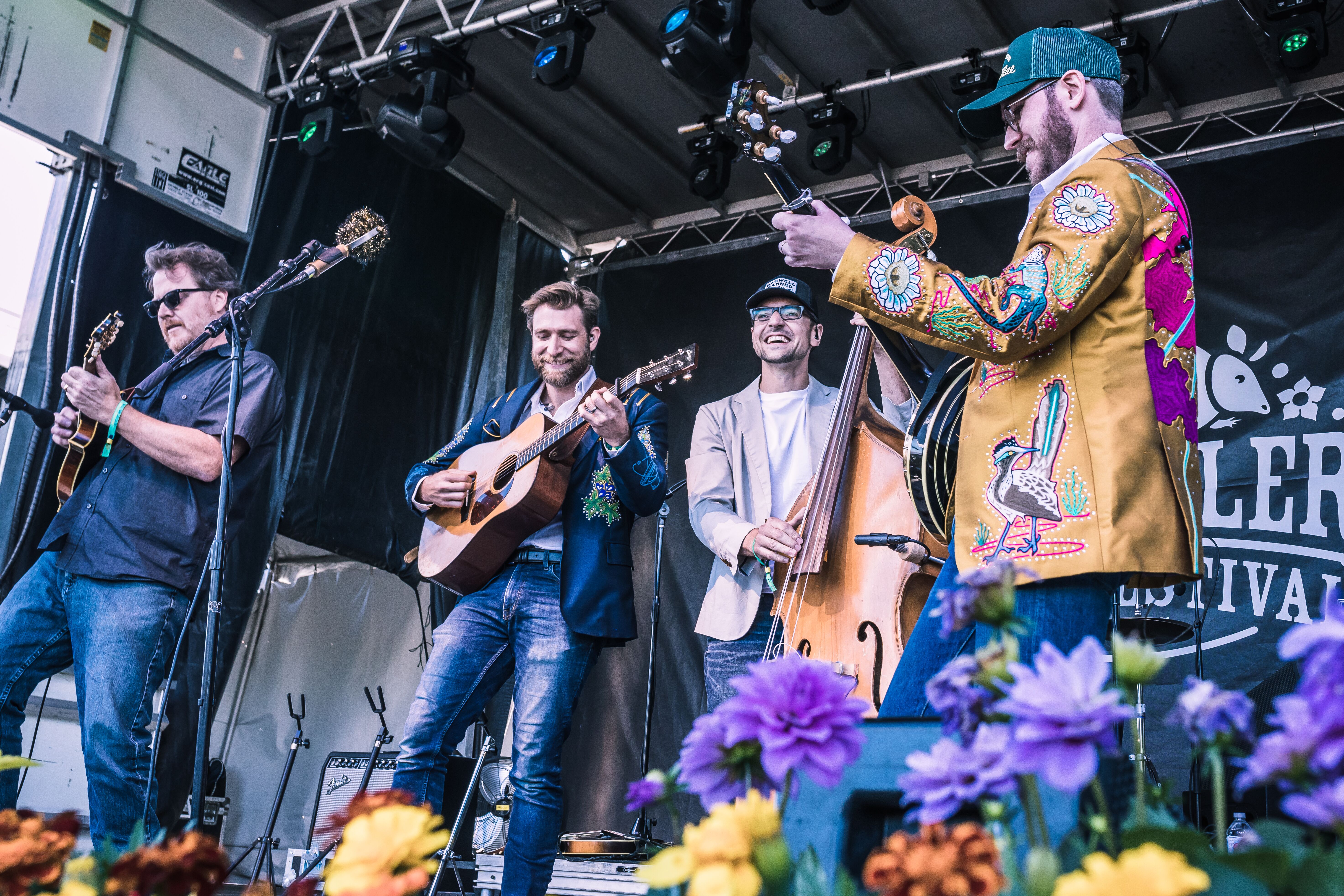
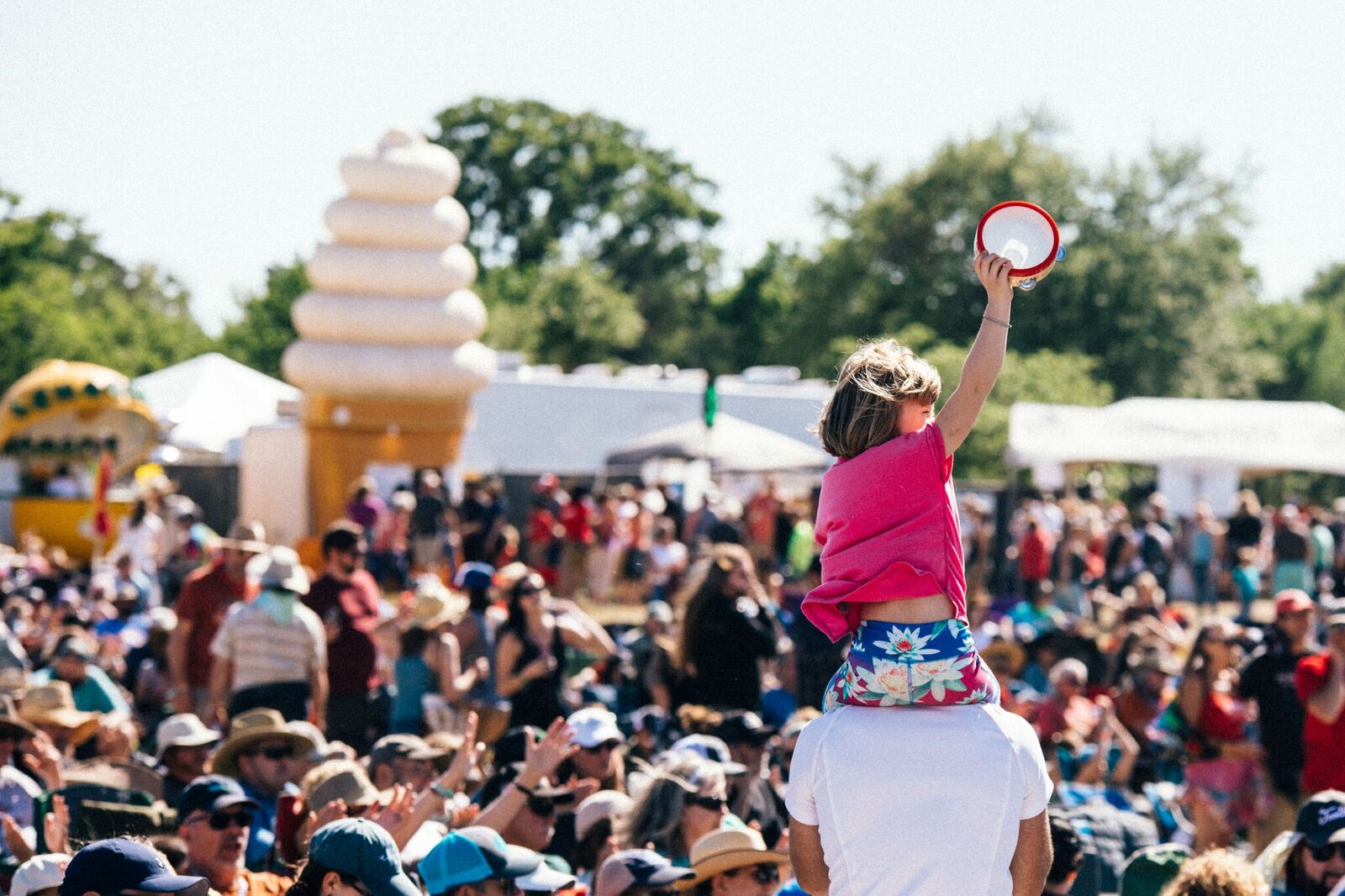
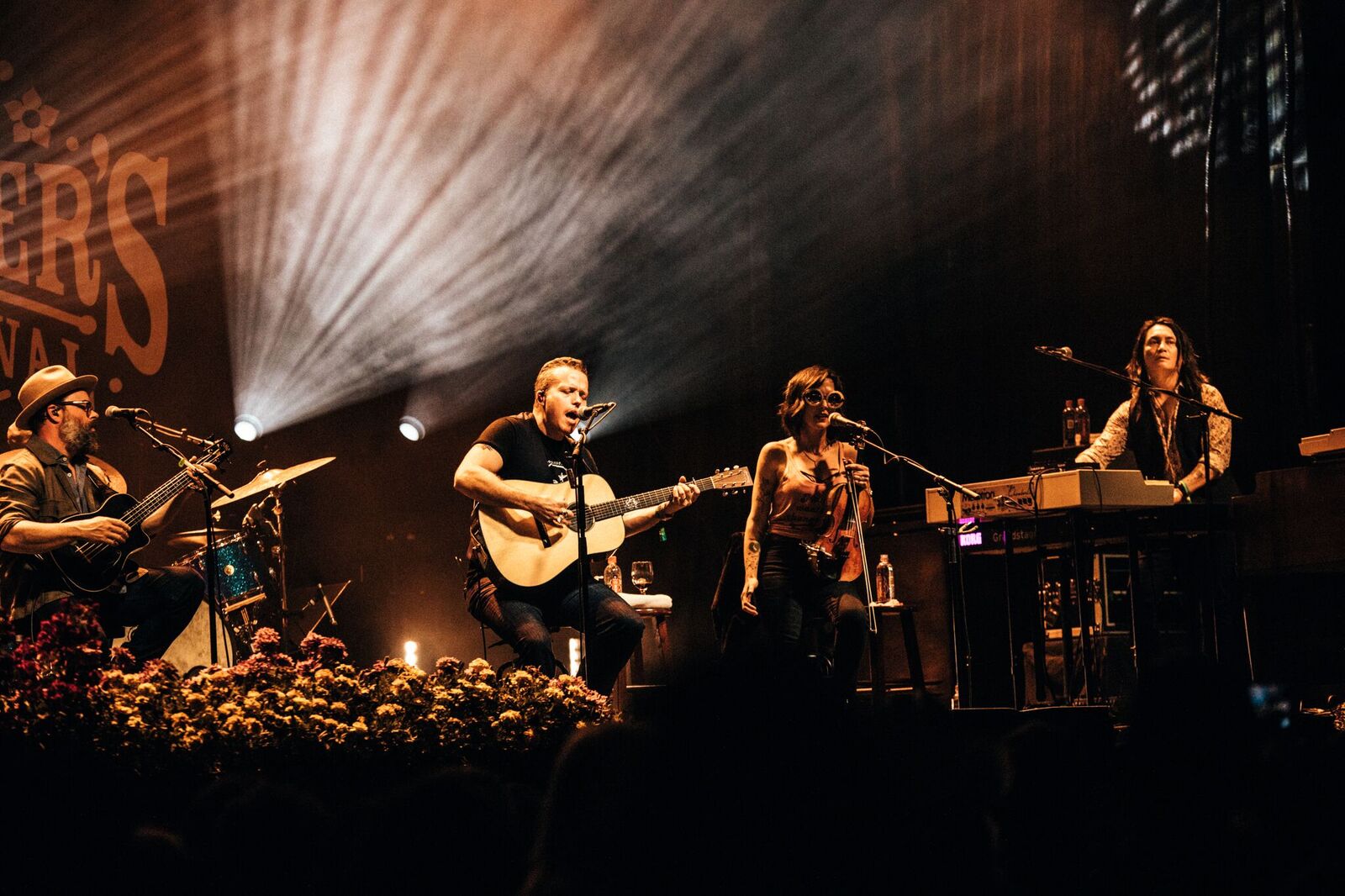
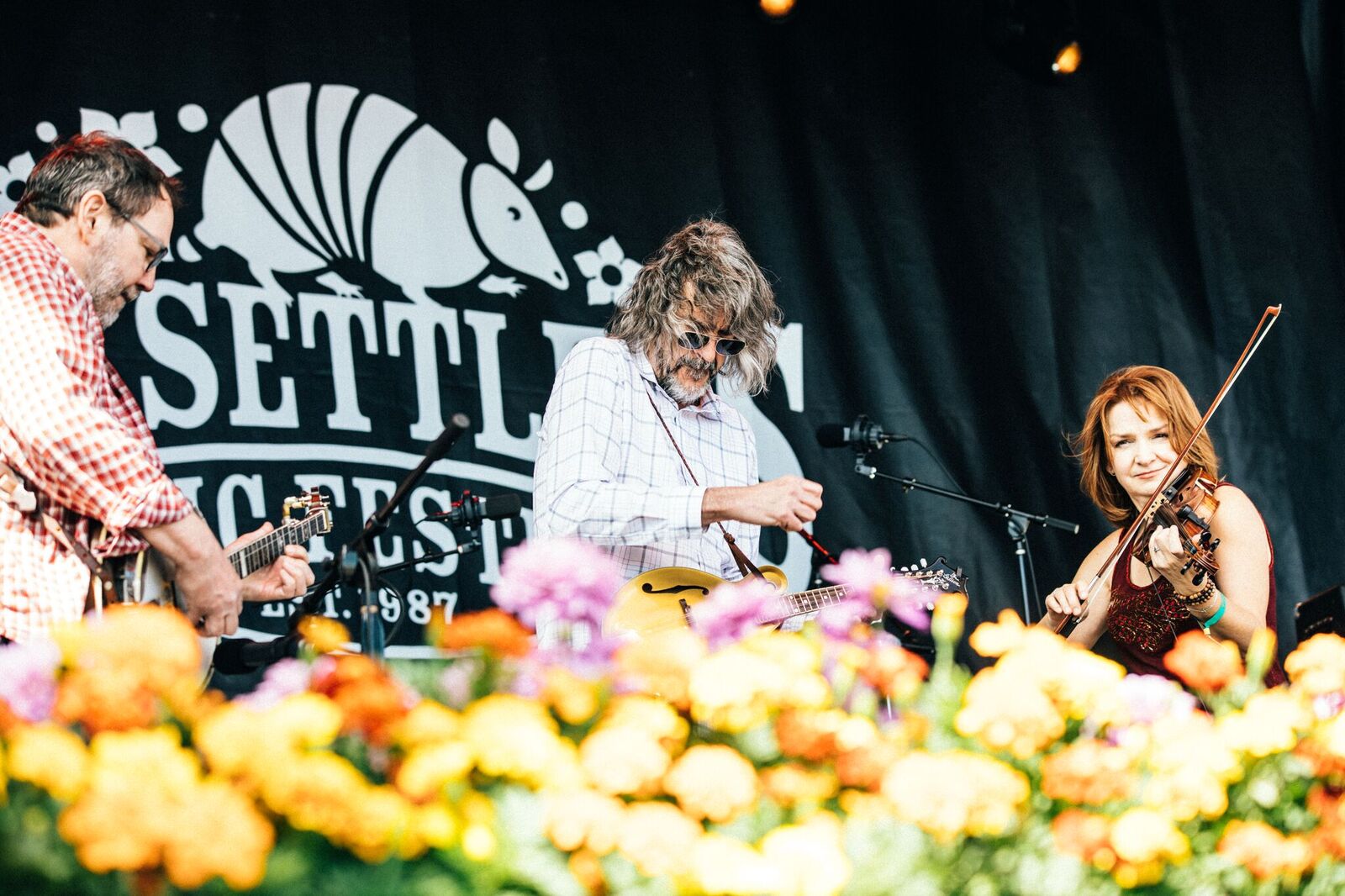
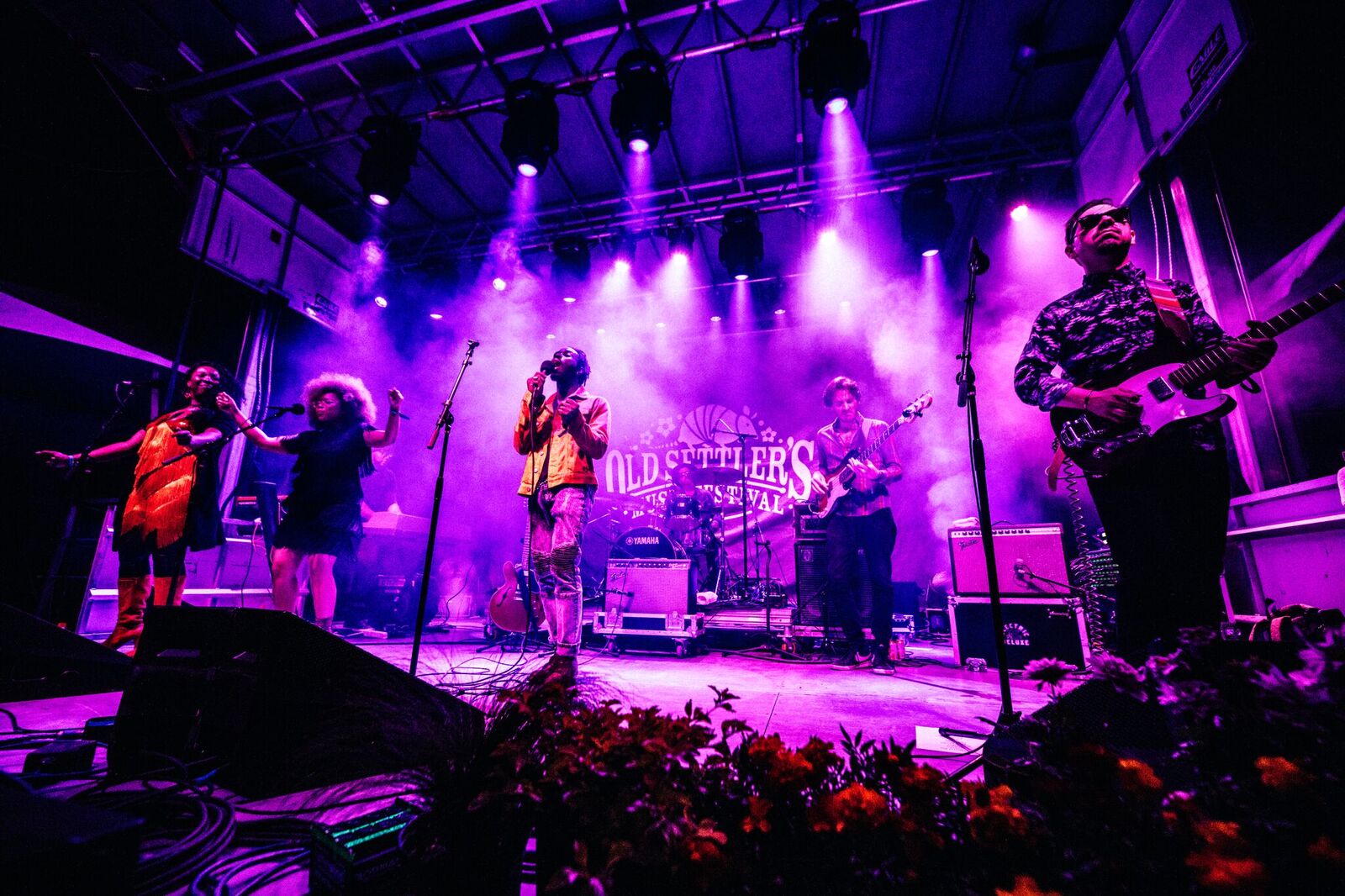
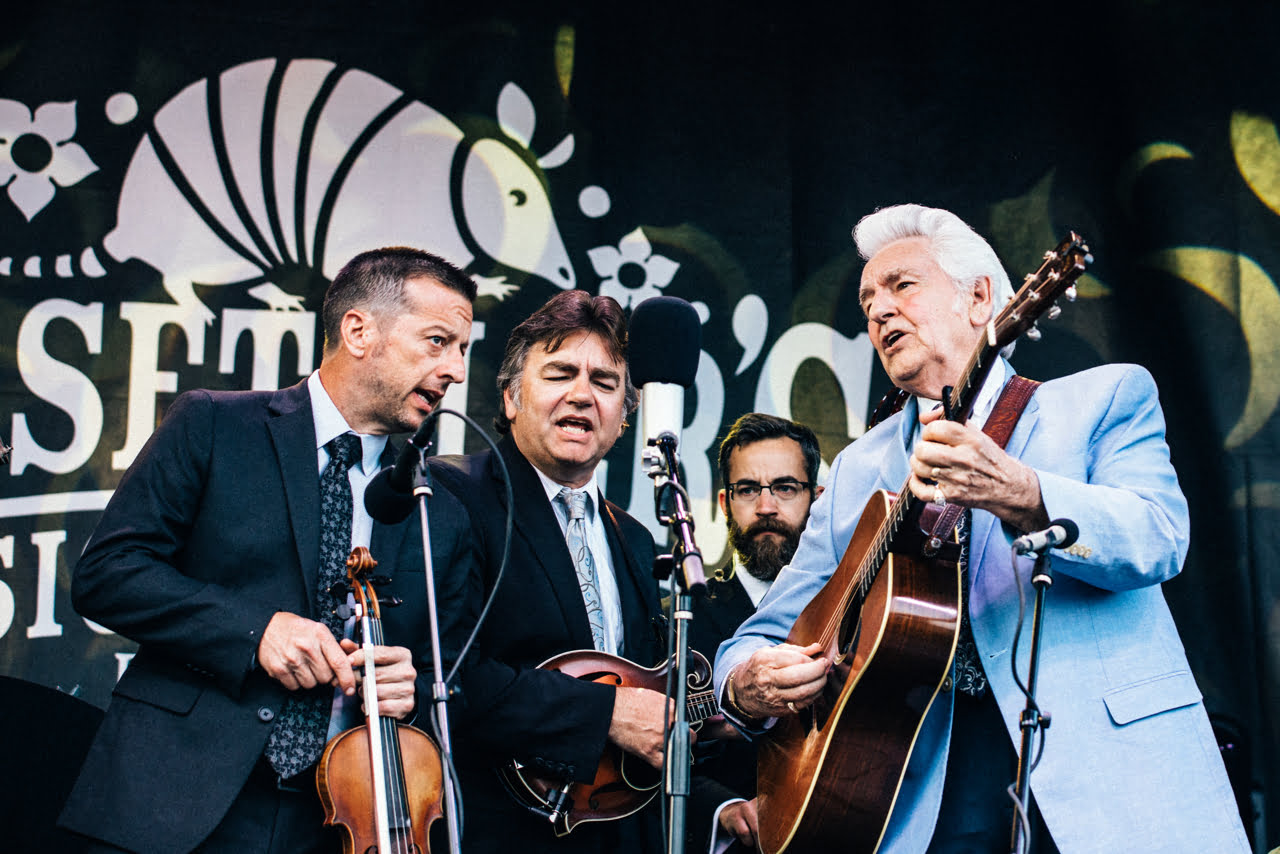
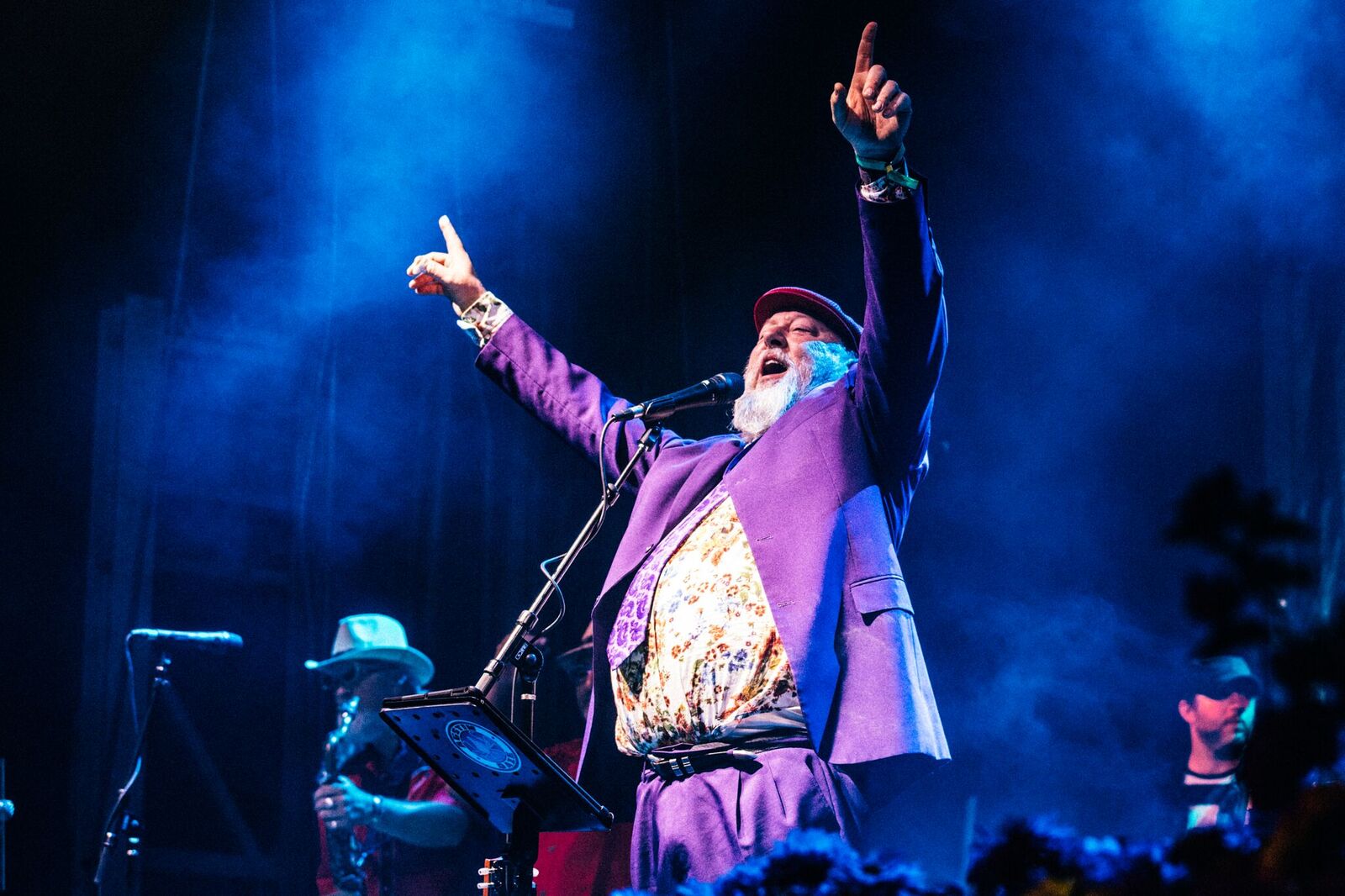
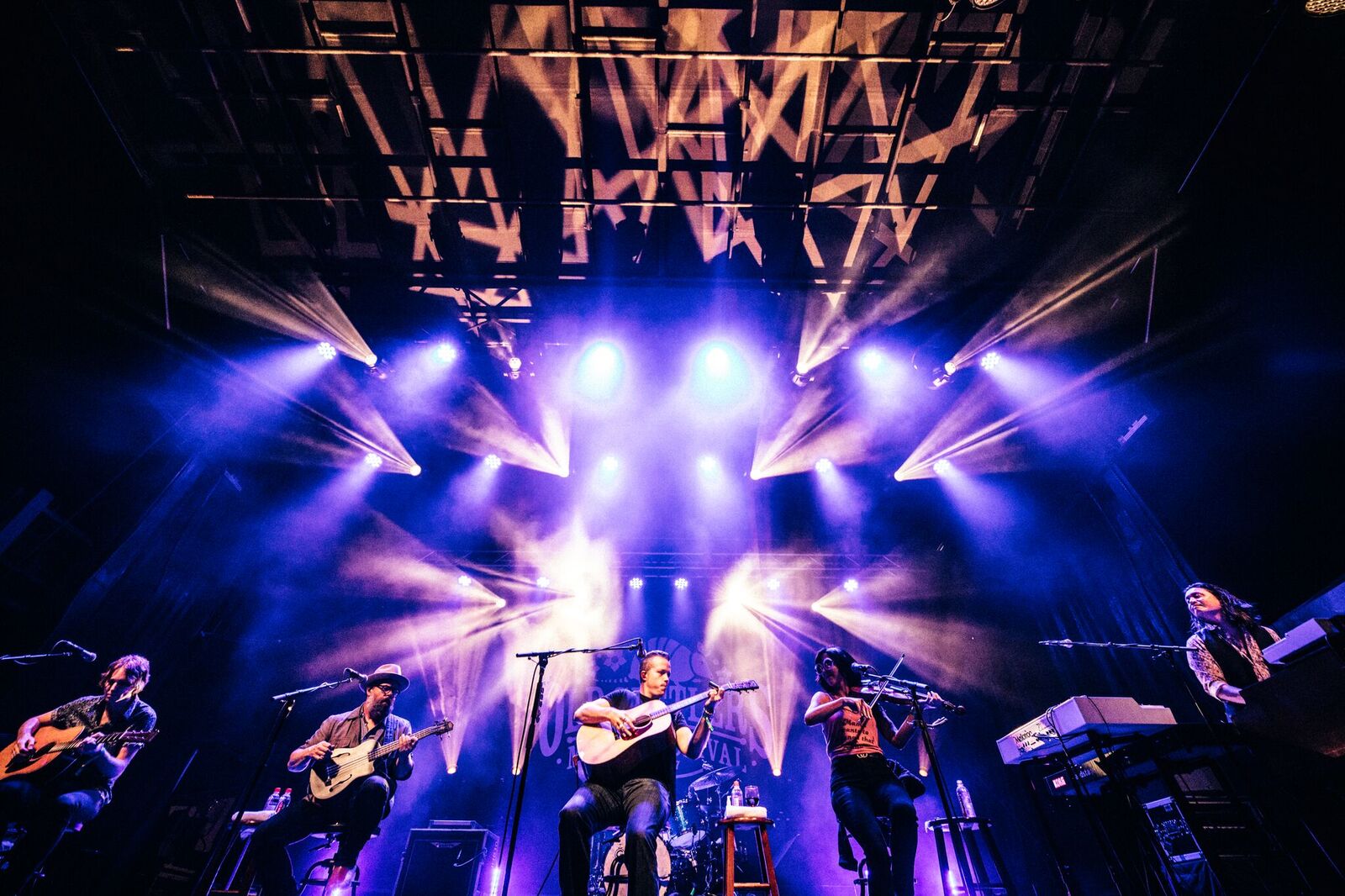
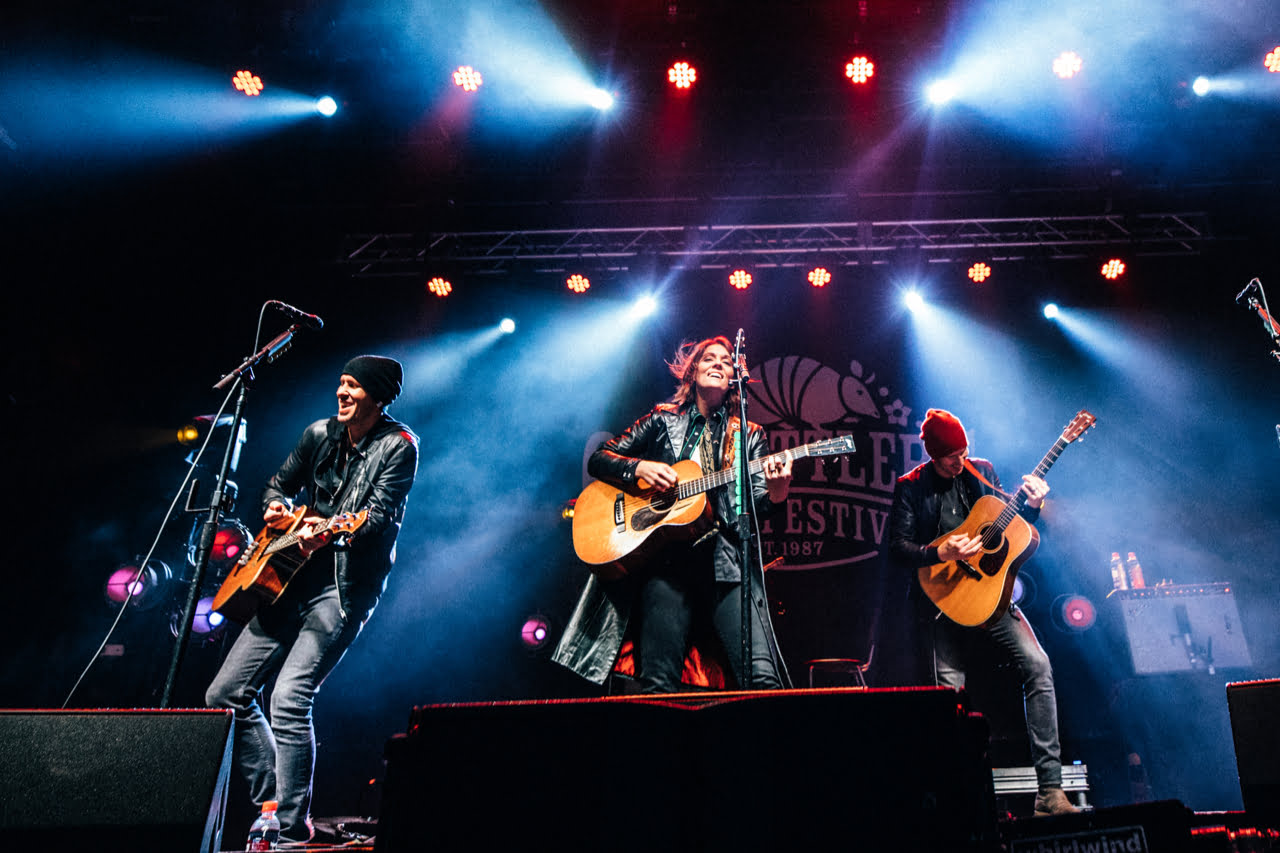
Old Settler’s Music Festival 2019 in Photographs

We’ve loved Texas’ Old Settler’s Music Festival for years now, with their carefully curated lineups steeped in roots and peppered with bluegrass, folk, and Americana. We even filmed a handful of Sitch Sessions (with Earls of Leicester, Sierra Hull, the Hillbenders, and David Ramirez) on site a few years back. This year, BGS photographer Daniel Jackson was on hand to capture all of the Old Settler’s magic so that you can relive last week’s festival in photographs.


All photos by Daniel Jackson

Gig Bag: John Moreland

Welcome to Gig Bag, a BGS feature that peeks into the touring essentials of some of our favorite artists. This time around, we look at what Oklahoma singer/songwriter John Moreland has to have handy when he’s out on the road.

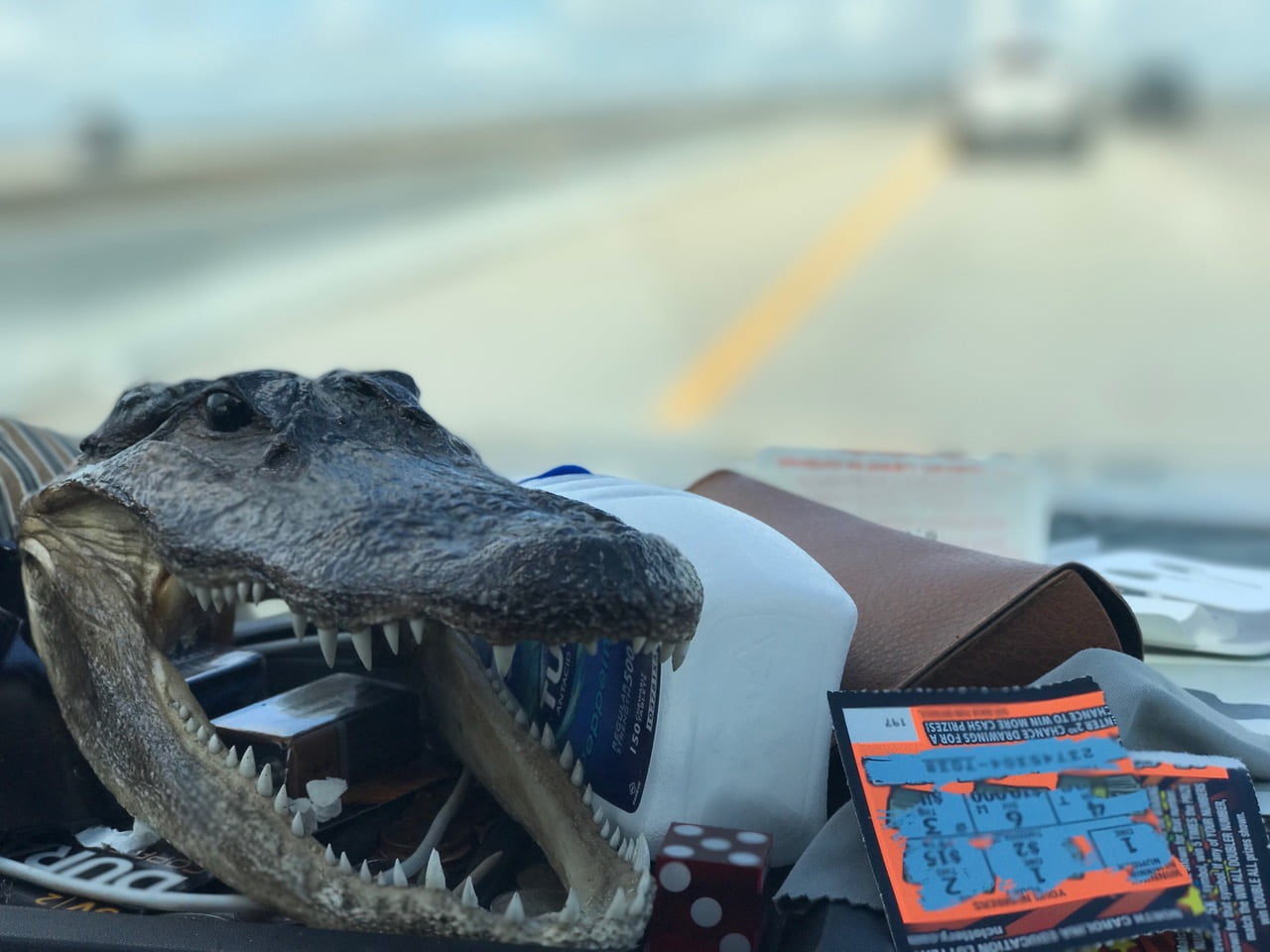
Junior Junior II: He’s an alligator head. He pretty much just chills with us. Sometimes he hangs at the merch table, sometimes he hangs on the dash. We picked him up in Florida, after some dickhead stole his father (Junior Junior Sr) from us, at a show in San Luis Obispo, California.

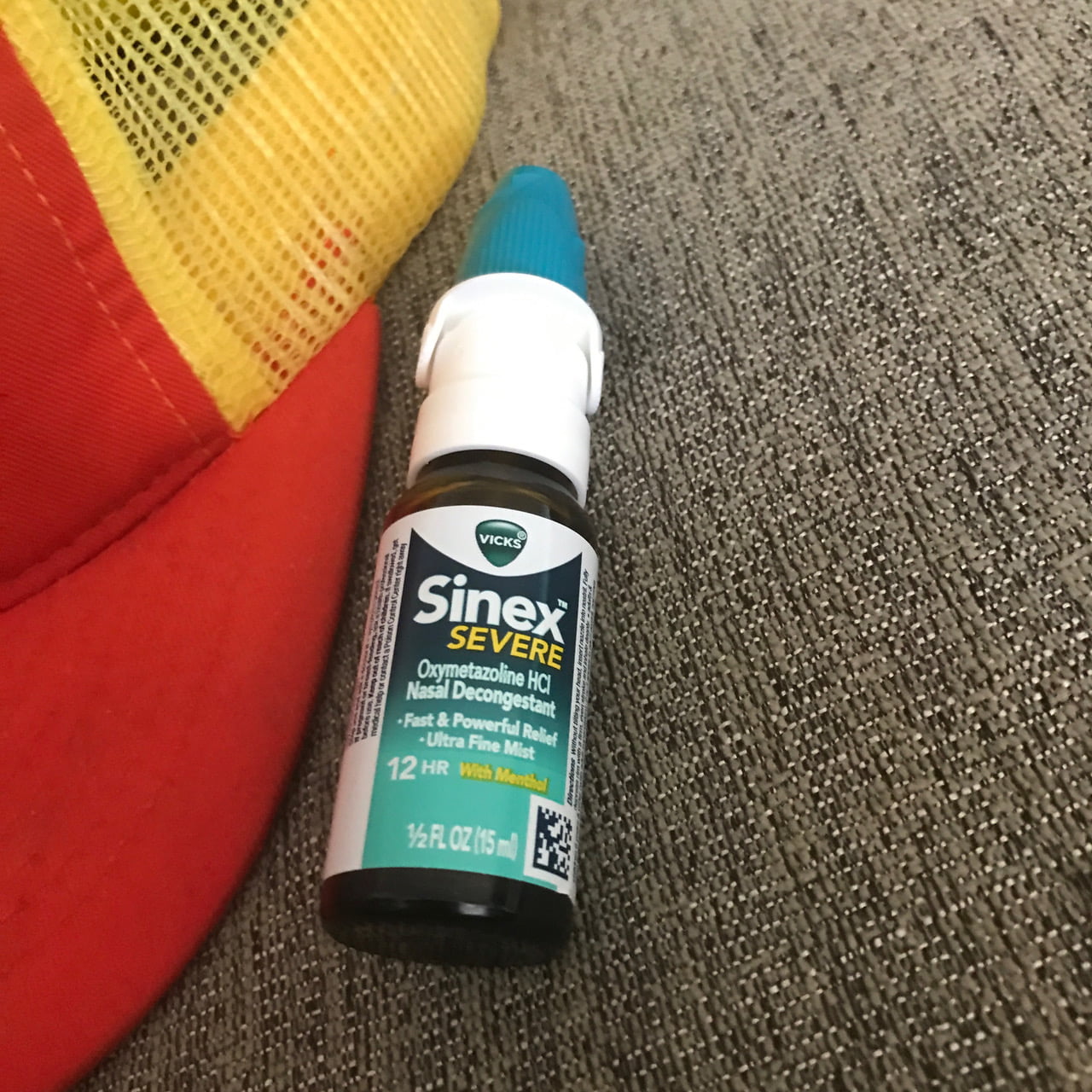
Sinex: It’s nasal spray. I’m totally addicted to it. I don’t care. I need it.

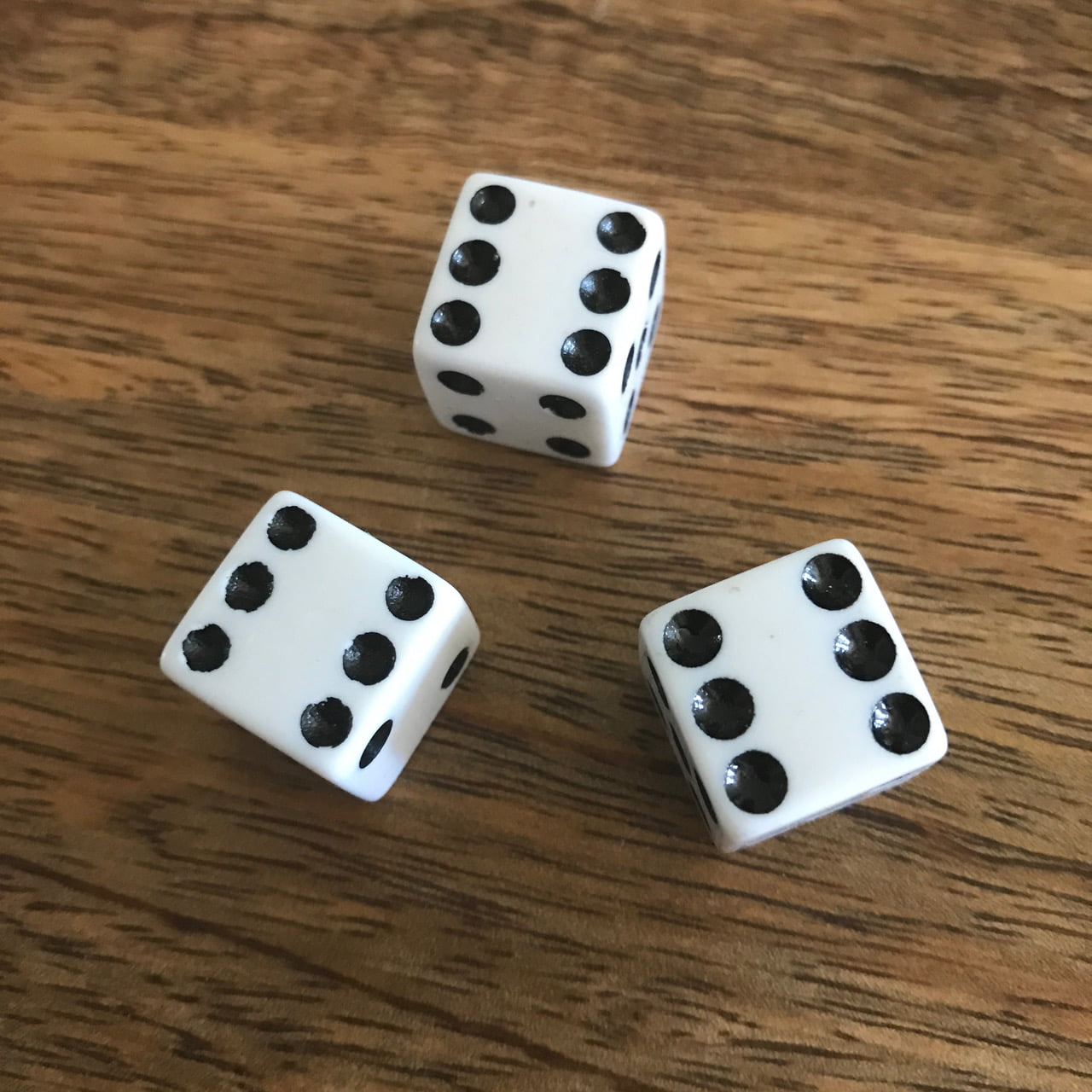
Dice: For gambling away your per diem in the green room.

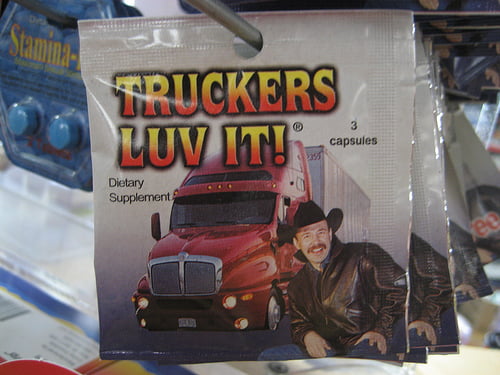
Truckers Luv It: For when you’ve gotta drive from Charleston, South Carolina, to Indio, California.

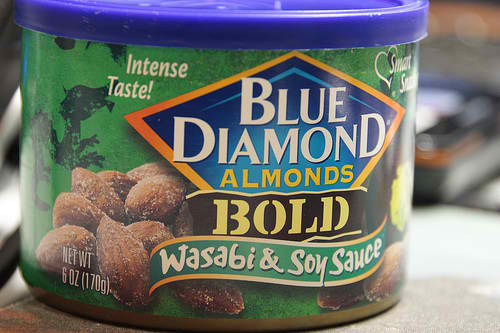
Blue Diamond Wasabi Soy Almonds: These are almonds that taste like wasabi and soy sauce. Greatest snack ever (that you can buy from a gas station).

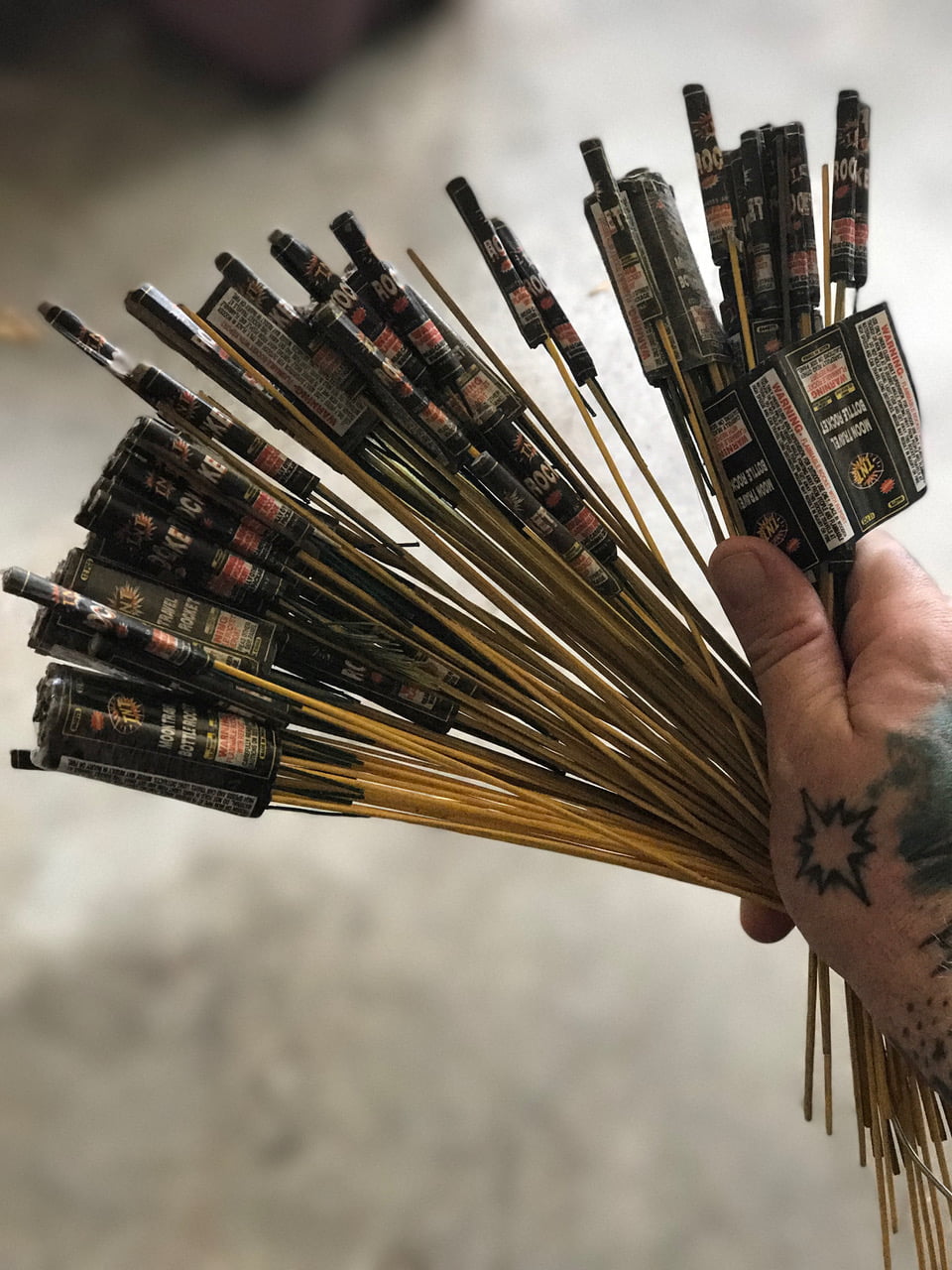
Fireworks: Bottlerockets. Self-explanatory.


Photo credit: Matt White

John Moreland, ‘Old Wounds’

There’s a reason we talk about a broken bone and a broken heart in the same way: While wounds heal and lovers move on, their memory lingers. Like a knee that stiffens on a rainy day, a certain scent can waft through the air and conjure up the shadows of a departed relationship, stopping us in our tracks. Love hurts and love leaves scars. Those things can fade, but they never quite go away.

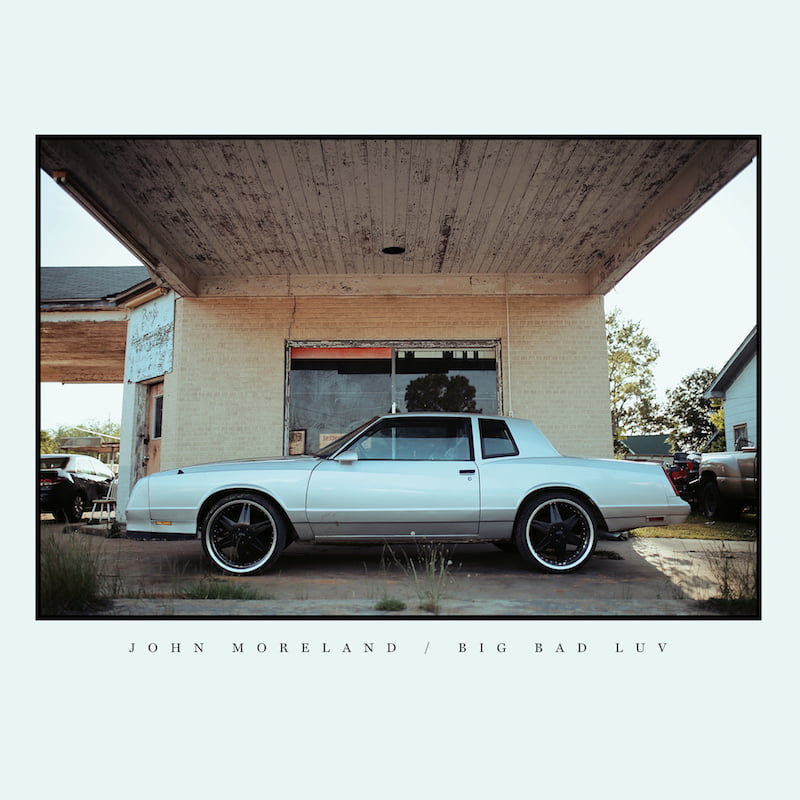
Few modern songwriters are better at capturing the deep and lasting lesions from a torn romance than John Moreland — his versions of sonic heartbreak don’t just hurt, they bleed. And though there’s some healing on his newest LP, Big Bad Luv, it’s all from the perspective of a man who understands how delicate those fibers of repair actually are: On “Old Wounds,” a bruise is always a bruise, even after it withers back into the skin and disappears. But Moreland, who is now happily married, also acknowledges how pain can be a crippling crutch and that it’s okay to seek rehabilitation. “We’ll open up old wounds in celebration,” he sings, his voice profound and delicately sandpapered. “If we don’t bleed, it don’t feel like a song.” Love that causes us to ache can be hard to run away from — like a nip to the finger, that rush of adrenaline can make us feel alive. But sometimes music, and partnership, is best when it salves and sutures, not aggravates what’s already there. Maybe once we can’t see our scars, it’s okay to pretend, now and again, they were never there at all.  

Lauren Barth, ‘Mama Don’t Cry’

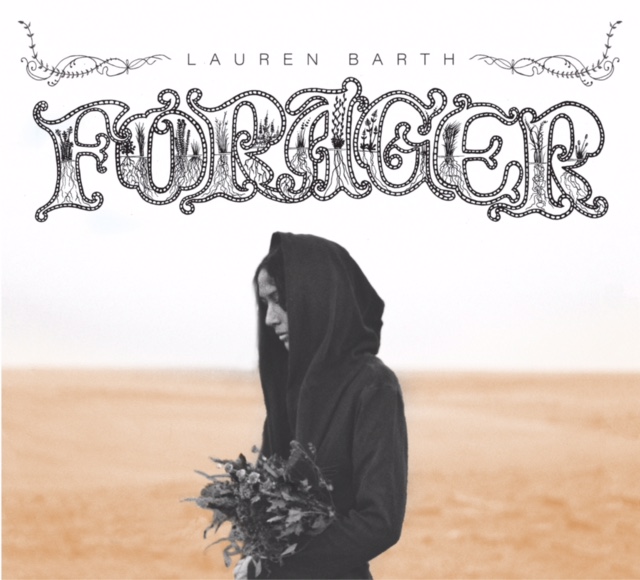
“It ain’t easy to be a girl in the USA,” sings Lauren Barth on “Mama Don’t Cry,” the first release off of her debut album Forager, the video for which is premiering exclusively on the BGS. And you know what? It ain’t. As Barth sings on “Mama,” the American story — unless you’re like our president (aka a white man with a big bank account and a bigger ego) — is often a harsh and difficult one, not filled with dogs and dreams but violence and broken hearts. Born in California but now living in Tulsa, Barth drinks from the well that nurtures Oklahoma’s other modern folk treasures, like John Moreland and John Fullbright, who tap easily and steadily into the human condition. For Barth, it’s the musical heroes — “gods inside the radio,” as she sings — who keep us steady in a world that would rather dust the imperfect and uncomfortable under the rug than confront it head on.

Barth tackles a lot of these imperfect and uncomfortable ideas on “Mama Don’t Cry” and in the video that accompanies it with its spiraling, psychedelic twist: far too many guns, one too many funerals, people who belong in their mother’s arms, not jail cells. “Gimme a break,” she sings with the folk steadiness of Lucinda Williams and the slack sly of Liz Phair. We all want a break … from oppression, prejudice, and hate, to name a few. Sometimes, it just feels like it all keeps rising instead of receding. Luckily, folk music is stepping up to the plate not to dry our tears, but to give us hope that at least someone, anyone, is listening to us wail.