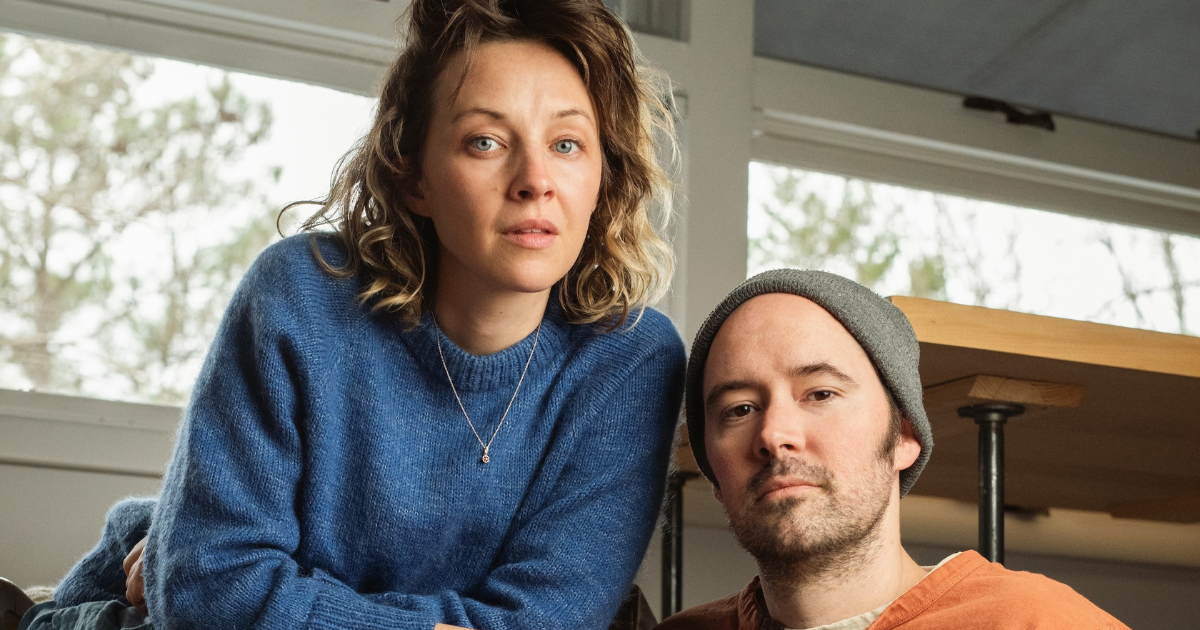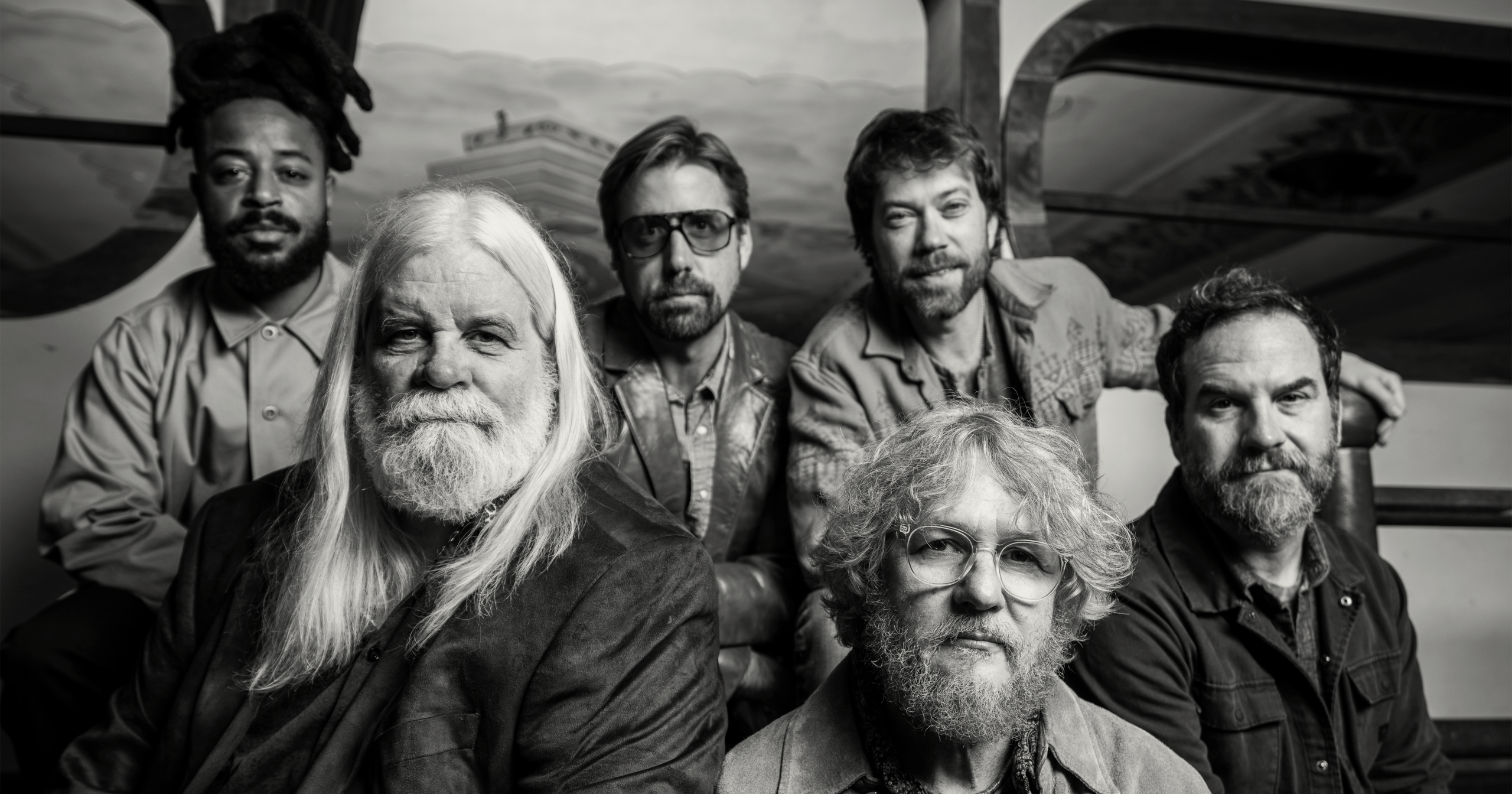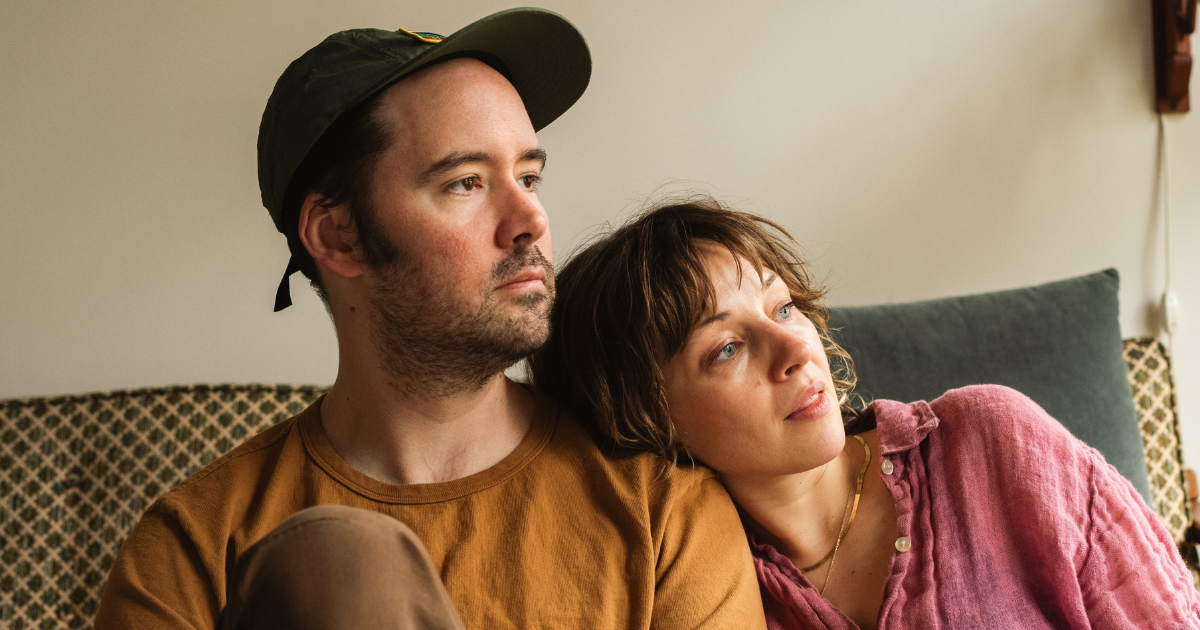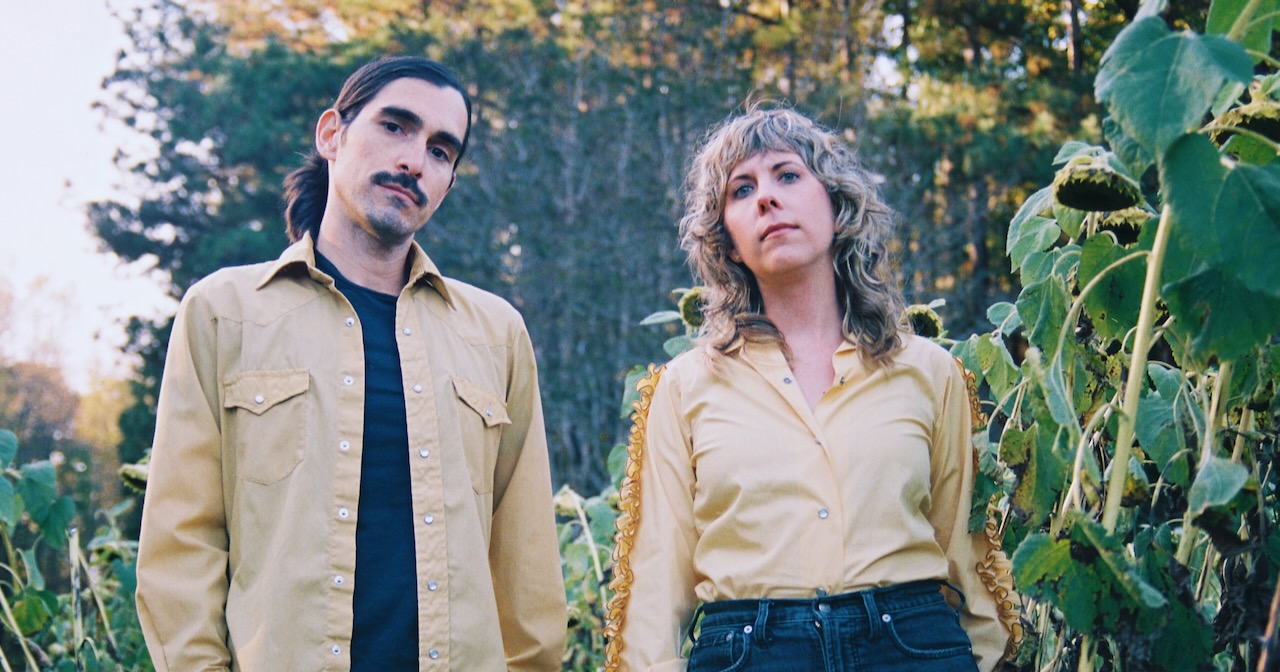
Who Will Sing for Mipso? All of Us

The last time Mipso were our Artist of the Month it was 2023, in the run-up to their release of Book of Fools. At that time, I wrote our article unveiling the group as our artists-of-honor with the central conceit of that writing a straightforward but relatively groundbreaking plank in the band’s foundational mission as musicians:

“…[Mipso] aren’t defined by their ambitions; and their ambitions don’t seem to ever be conflated with conquering anything. Instead, this is a band building something.”

Over 13 years, six studio albums, hundreds of millions of streams, and more than 1200 shows, that fact remained true. No matter the shifting sands of their music making, industry successes, and the natural ebb and flow of more than a decade touring and creating together – even in moments of uncertainty, growing pains, and stress – it was always clear, at every juncture, that this band wasn’t just trying to climb industry and corporate ladders toward success. They were building something, not just building towards something.

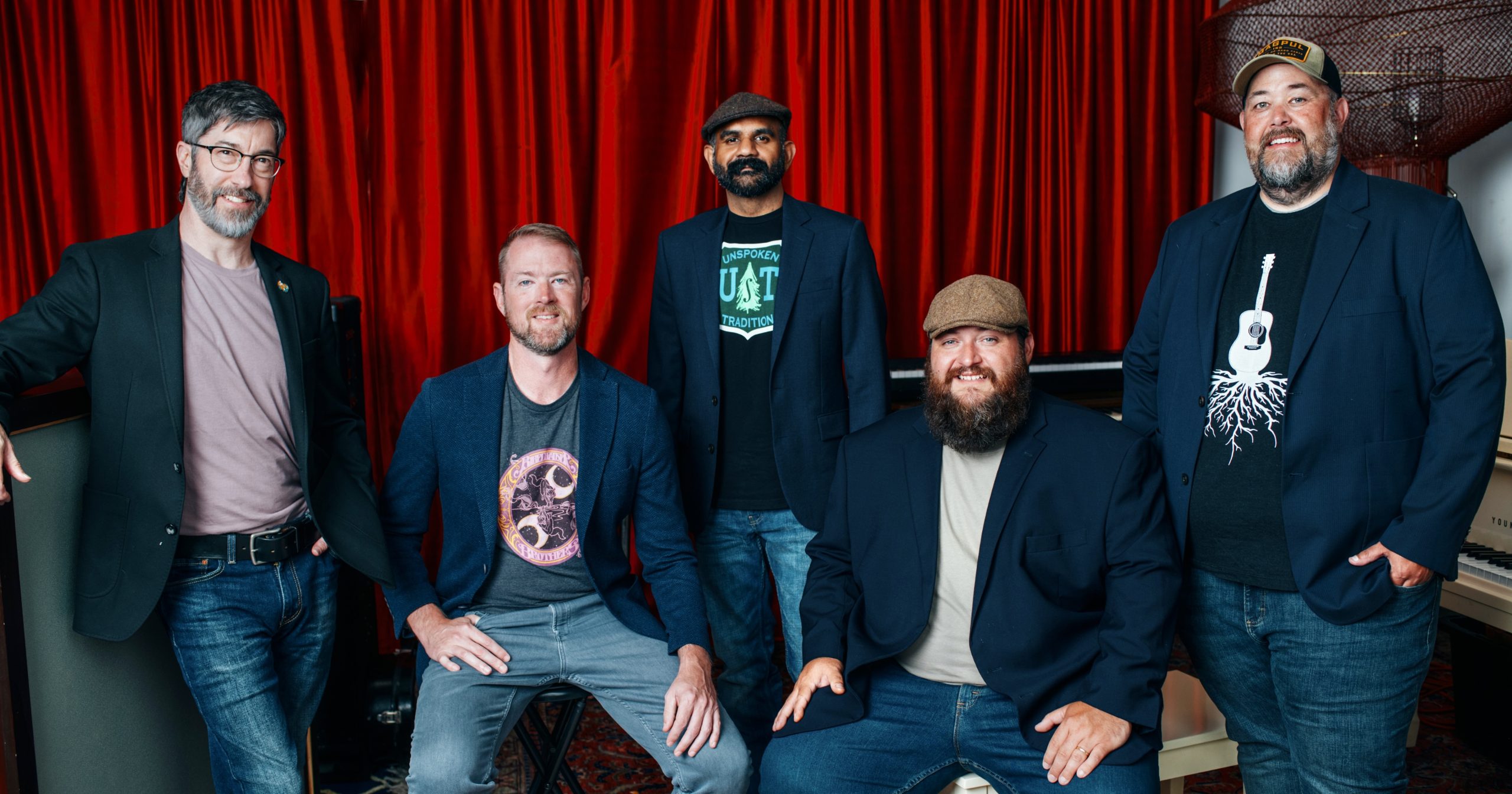
A few months ago, the group of Wood Robinson, Libby Rodenbough, Jacob Sharp, and Joseph Terrell announced their Farewell For Now Tour and a deliberate and intentional stepping away from the band that was the gravitational center of their lives from their college days into their 30s. Fans and peers around the globe were devastated and saddened. But, with that stalwart keystone at the center of their artistry, it was immediately clear Mipso aren’t abandoning anything. Or walking away from something that will wither, wilt, or die away without them. The “something” they’ve been building has, gratefully, been built to last without themselves or their egos at its core. Their songs, their mission, and their impact are structurally sound, unwavering in the face of the purposeful uncertainty of the band’s next new era.


Mipso perform with Sean Trischka on drums and percussion and special guest fiddler Stephanie Coleman in NYC during their Farewell For Now Tour. Photo by Elliot Crotteau.

Mipso’s final studio recording, the gutting, emotional, and convicting “Singing Song” (released in August) wasn’t originally meant to be such a well-fitting final track from the group. But, whether coincidentally, fatefully, or aptly, it finds in its crosshairs the exact pathway through which Mipso’s legacy can and will live on with or without the band acting as their own life support system.

“Singing Song” imagines a not so far-fetched reality in which songbirds are going extinct in the accelerating climate crisis and humans are assigned birdsongs to help keep alive by singing, refusing to let their avian melodies die, go silent, or be forgotten. It becomes the role of the community itself to hold memories, together, and move into the future with our pasts to help guide and inform of what’s to come.

This is what Mipso have built for us. And they have built it for the eons. Their music will live on in each of us, as we carry their melodies – “Louise” and “Carolina Rolling By” and “People Change” and “Coming Down the Mountain” and so many more – with us into our collective uncertain future. Mipso were never building a mine or a factory or a quarry by which they could extract all the resources they could from us. No, they built us a home. Joist by joist, shingle by shingle. And now, though they may be moving out for a time, we’ve all been invited to maintain this idyllic Carolina mountain shack they’ve gifted to us.

A parting such as this begs the question, “Who will sing for Mipso?” but the answer is immediately obvious and indelible: All of us. Because this band, this impeccable string folk foursome, has never been solely about the people who make it up. It’s always been a community far greater than the simple sum of its parts or only made up of the folks on stage.

Midway through their Farewell For Now Tour, BGS connected with Mipso via Zoom for an in-depth round-table discussion about their decisions to put the band “on the shelf” for a little while. Our conversation was full of intention, nostalgia, and a remarkable variety of ways to look into the future for redemption and renewal.

I wanted to start by having y’all talk a little bit about how you feel about how your mission as a group – prioritizing art and community and building something instead of going somewhere – has informed this decision to pause the band. Whether it’s been stated overtly or has been the undercurrent behind what you’ve all done, that mission is clearly informing this decision as well. 

I think some people see this farewell as a switch being turned off and a new thing happening after an old thing goes, but I don’t see it that way at all. I see this as an extension of what you have always been doing, being intentional and deliberate with the group and its purposes. So I wonder what your reactions might be to that, or if you have thoughts about that as we’re talking about this next era that you’re entering together?

Libby Rodenbough: Yeah, I agree with that. I feel like what we’re trying to do here is protect intentionality rather than letting this slow creep of unintentionality take over what we’re doing. It almost feels like that’s the natural inertia of the world, to let anxiety run things for you.

I see this as trying to protect the preciousness of how we’ve done it for so long from an anxious orientation, which I really feel is just like the way the world wants you to think about everything.

Joseph Terrell: That was a beautiful way to put it, Justin. Thank you. And also thanks for being one of our friends and pals and loved ones in this corner of the world for so long. I appreciate the way you’ve just explained us to us. That’s actually very helpful.

I think there are all kinds of “supposed tos” that we allow to rule our lives and tell us what to do next. And this decision, I think, for us to put the band on the shelf for a while is very much a deliberate decision that comes from years of conversation. It’s an attempt to do what we really want to do, on purpose, based on our love for each other and what we’ve built together – as opposed to what’s expected of us or what we are “supposed to do.”

Jacob Sharp: I think there were moments where we did make decisions based on what we thought we should do. We had the benefit of being able to trust each other when we heard from one or many people that it didn’t feel right. Like, we flirted with Nashville, we flirted with content creation and all these things that people are telling us you need to lean into in the industry, you need to lean into online.

There’s an element of this decision right now, of us having realized that something that used to feel really good and obvious was less so in the current version of it. Looking around, I’ve said in different ways that it’s like it’s a blessing to feel full and to be content with that.

All of us are very full on what we’ve been able to do and how we’ve been able to do it. And as we, over the last year and a half, talked about this in different ways and tried different things, it was easy to imagine how it would be irreversibly not good if we kept going down the path that didn’t involve us – in some of this vision that you’re recognizing that has been in different ways at our core throughout.

Wood Robinson: I think that, as we’ve let this decision percolate over [time], we’ve thought through this idea of putting it on the shelf for a little while – probably the first time we genuinely talked about it was on our Europe tour from hell, and there have been many different feelings at many different times. …

You might as well have a really fulfilling and intentional process of arriving at a conclusion that you actually feel good about. And the beautiful thing about music is that it isn’t as if we’re going away. Everyone has links to our entire 15 years of music making on their phones at any time.

@mipsomusic everything about it takes a little luck #farewellfornow #folkmusic #acoustic ♬ original sound – mipso

When you remove the impetus of an end goal, it immediately becomes so clear that none of this is a zero-sum game, right? None of this is black and white or binary – “We’re done now. We can’t ever do that again.” … These songs, this catalog, this thing that you’ve created together, it has a life that isn’t dependent on all of you continuing to do this the same way that you’ve always done it. And that longevity, that we’re foregrounding right now, I think that is gonna be built on that same foundation of intention.

WR: I’m currently working in conservation and over this past weekend I drove down from Salt Lake City to Zion [National Park], around it, and then back, which was a lot of driving. That’s neither here nor there. I’m very used to that. But I re-listened to the most recent season of Scene On Radio about capitalism. My favorite episode of that is really talking about that [Donella] Meadows book from the ‘70s, The Limits to Growth. It was a very poignant moment of thinking [about how] the growth virus infects everything.

If the only way of thinking of a future for any entity is for it to grow indefinitely, even if you don’t know what it’s supposed to grow into, that’s cancer. If the primary goal of a group is to make music together, is to make beautiful art together, putting it away for a while does nothing to impede that. Maybe the growth mindset really infects that. I was chewing on that when I finished the series and it weighed heavy, but it also reinforced my feeling really good about this decision.

LR: I don’t know if it’s coincidental, Wood, or if we talked about it, but I just finished that season of Scene On Radio as well and I loved that episode. It makes you wonder then, what’s the alternative to growth? To infinite growth.

I feel like the world shows us that it’s death and rebirth. Like death is the natural way for things to go. I think we have a culture that – in a way [is] not unrelated to this cancerous growth mindset – is really afraid of death. Really afraid of talking about death, thinking about death, having rituals about death. Not to be like dramatic or morbid about what we’re doing, but death happens in the natural world every fall.

It’s not necessarily tragic and it’s not world-ending. Conversely, it’s essential for life. I think that saying goodbye to something – I said this at one of our shows in this first little run – but saying goodbye to something is a really good practice, because it’s how I want to go through my life, generally. It’s how I want to relate to life itself, too. That death is part of what makes things beautiful and meaningful.

I didn’t even need to say what I was gonna say, ’cause you just said it! [Laughs] How helpful it is to think about infinite growth as being unsustainable through the lens of nature and ecosystems – what an excellent model. Looking out the windows, stepping outside, literally grounding ourselves in our natural surroundings shows us how stasis, maintenance, renewal, all of those things are equally productive as working 40, 70, 80 hours a week and driving thousands of miles. Just “being” is a lesson that we can all learn.

This connection, the death and renewal of nature and the seasons, it’s making me think of “Singing Song” and it’s making me think of the contours of “Singing Song” being about nature, about environment, and about the Rachel Carson of it all. But also how the song applies to where y’all are at with Mipso at this stage.

Talking about the infinite growth mindset and how it’s pretty well antithetical to how the earth actually works and how we all work as biological beings, the way that y’all draw on nature and the environment to convey the message of “Singing Song” feels so apropos. Can you talk about the song a little bit and can you talk about how, for y’all, if it bumps into or up against any of these things we’re already talking about here?

WR: Obviously, “Singing Song” is about a not-quite-hypothetical world in which all of the birds die and everyone is tasked with singing the song of a bird so that their memory lives on as a ghost among us forever and ever. It wasn’t intended to be quite so on the nose to be the last song that we released before we went away and people were tasked with singing our memories forever and ever. But it really worked out to be a little on the nose there.

I think that there is a real beauty in memory and in the fact that every person is just a little spirit that enters the world and then leaves. Then there are little wisps of that spirit in memories, in people that continued after them until those people’s memories go away. That impermanence becomes permanent in a very poetic way. We haven’t really talked so much outwardly about how that song really worked out well for this moment, but I think that in the context of what we’re talking about now, the conclusion of something, gives it a lot more meaning.

Sometimes I think about how I really love the Marvel universe because it never ends. [Laughs] That feels like a drug to me. I don’t like that I like that. But the world just keeps on building and building and it feels like there’s no intention, because it can’t be let to rest. The reason that it can’t be let to rest is the very growth that we’re talking about.

And sometimes I think about bands who keep on being on tour for 60 years playing the same songs and that just can’t not be sad to me. Always wanting to relive the moments of the past that somehow, like a little bit of morphine, give us meaning in a moment.

JT: I think, at our best, we were doing something we’ve done together that is beautiful in its uniqueness, four people making something that we couldn’t have made on our own together. I’m really proud of us that we’ve never phoned-in the live shows. While it’s easy to be cynical about the music industry part of stuff nowadays, I don’t think we’ve ever been cynical about music making. I really don’t think it’s a stretch to say that concerts, at their best – not just ours – but the spaces that we can create with other people live together in a room, human bodies sweating together. It really is a sacred thing.

Partly this is us being able to say, “Hey, this has been so special and I love you guys and I love what we’ve built. And we wanna do other stuff for a while now.” That attitude has allowed this tour, I think, to be a place where we can really be appreciative and grateful.

We did a few acoustic shows on the last run, just the four of us on stage, and it was really fun. We haven’t done that in a while. We’re standing close together and we’re listening to each other. I like playing with all kinds of people and I love [that] every time I play with new musicians, I’ll learn something. But also, with these four people together, I have this kind of home feeling of just rightness and intuition that I really love. I’m glad we’re able to celebrate that.

“Singing Song” also makes me think of “Who Will Sing For Me?” and the idea of, “Who will sing for Mipso?” Who will carry on the songs of Mipso now? It’s such an easy question to answer, because so many of these songs are so important to so many people.

This tour is a bit of a family reunion, you guys have had some really great special guests, you’ve had and will have some really great openers. You talked a little bit about that feeling of home, never wanting to phone it in for the live shows, and doing the acoustic sets – how has it felt on the Farewell For Now Tour so far? How are audience reactions and what are the takeaways for y’all as you are going through this tour?

LR: It makes me think about how I feel ambivalent about the idea of having a wedding, but if I was gonna have one – I’m single by the way [Laughs] – but if I was gonna have one, I think a lot of the motivation would be to get people together. So, in some ways, I see this tour as just an occasion. It’s an occasion for getting together, an occasion for thinking about the past together. And it’s been an occasion for me to look through all my old photos and try to make sense of my many overlapping memories of tours, of the same cities in geographic regions, and certainly an occasion to get our friends together and play songs.

When you’re doing tours interminably, it doesn’t feel like you can really make an ask of people as easily. But if you’re like, “Hey, this is maybe the last time we’re ever gonna play,” it’s kind of a trump card on people’s schedules. [Laughs] In the same way as getting married, we at least maintain the fiction that it only happens once in every life.

JS: One funny thing, Justin, was we have known this was coming for a long time and our fans have, too. We announced it a number of months ago, but night one of each of these shows is really specific. Like, to what city and what venue we’re playing. There’s a reason.

Night one [of the tour] was in Seattle, a place that we all really love and have had great times at Tractor Tavern, one of our favorite venues. We came out loose, joking, irreverent. And our fans were so sad. Not all of them, but they were having this moment of sadness. It was one funny thing that we have talked about in the intervening days, is we need to try and rectify the difference between where our emotional space is and where certain crowds are, because there is an element of this where it’s a gift to ourselves and also we hope it’s a gift for our fans.

‘Cause we know what it feels like or what it would feel like to know you weren’t gonna see your potentially favorite band again. If we are that for anybody, we want them to have this moment to commune one more time with us and the other people in their community that connect with the music and with the songs themselves.

It’s been funny to feel this emotional responsibility of occupying both the reality of where we’re at with it emotionally and also where we might imagine other people are – both in the music and the presence and how we talk about it. But it is that nature of it being, to Joseph’s point, the sacred space that we’ve gotten to occupy together a lot more than we could have ever imagined. It is like this final gift that we’re giving to ourselves of getting to do it within a very definite and intentional manner for this final month.

Maybe I’m putting carts before horses – never done that before in my life – but as you guys are looking to the future, what is Mipso potentially gonna look like over the next 13 years? Is it maybe going to be like Nickel Creek or Bonny Light Horseman or boygenius? We get a record cycle maybe once every few years, a sold-out tour. 

As you are looking to the future, do you have any sort of sense of what the models are that you’re looking at or what sort of rhythm you might picture as a best case scenario for how Mipso might be a part of your individual constellations of creativity as you move forward? Have you had any discussions about that?

JS: Yeah, we don’t know. I think the point of taking a break is to be able to see that question clearly, because when you’re so in-the-rhythm as we were, it was a given that there was always another tour and it was a given that you prioritize Mipso creatively, timewise. That was the spoken and unspoken contract for the majority of our adult lives.

I think of it now as like Mipso became this drug, like our phones do. I want to be rewired from that, I want to be away from it long enough that I can know why I’m picking up the phone, why I’m picking up the Mipso, why I’m thinking about these songs. And for that answer and the meaning behind it to be the “why” of if we would ever do it again.

But of course, it’s funny, as soon as you announce a farewell tour promoters are like, “Great, can we add something next weekend? What about this festival next year? Here’s a reunion tour.” We think we need a pretty long break to know if and why we would do it again.

JT: I’m proud of us for not having figured that out yet, because it wouldn’t be a true stepping away if we had that plan in place.

The one idea I do [love] is that if we get The Onlies and like Palmyra and a couple of other groups that, on a rotating basis over the next 10 years, we can always have an active Mipso going made up of some of them and they could just kinda keep it going on the road without us.

WR: Yeah, I feel like if we had an answer to that [question] it would be destroying the point of the tour itself, at least for my own part. I think the point is to be open to it, but not planning anything. I don’t think that any of us are absolutely adamant that we never play music together as the four of us in a public setting again. To say that we’re putting it away, but we’re actually gonna start a festival next summer, would feel disingenuous to the people that are having strong emotions about it right now.

LR: I would say honest openness – an honest relationship with the lack of control that we have over the future – that’s becoming central to my life. Philosophy has become central over the last few years. It’s not only that I like being open, I do like the feeling of it. I like relinquishing control, but I also believe that it is true. And I also believe that a great deal of unhappiness comes from people trying to exert control over things they have no control over. They wanna control outcomes. That’s not possible. I don’t think that’s a human ability. So I think we’re really trying to love our humanness and not try to impose superpowers that we don’t have.


Mipso take a bow after the close of their NYC stop on their Farewell For Now Tour. Photo by Elliot Crotteau.

I know all of you have been working on other projects, other music – other projects in your lives that aren’t music as well. As we’re thinking about what’s next, as we put Mipso away for a little while, what’s filling you up? What’s exciting you? When you wake up in the morning, what is the thing that you’re ready to pour yourself into, bring to the world, and have that energy reflected back at you – in the same way as when you were getting Mipso up and running and started?

LR: I think, when I wake up here at Rare Bird [Farm], where I have a cabin where I live on my own, I usually don’t have to do anything first thing in the morning. I just start strumming the guitar and singing lines. It just feels like there will never be an end to the pleasure of doing that.

And I think I might even love it more now that I’m not thinking about an album cycle at all. It’s very motivating to me to just think all I’m doing, like the whole cycle, is contained in this moment. Something filtering through me and I sing it and it goes out into the ether.

JT: [To Jacob and Wood] Come on, you guys have really obvious answers to this.

JS: Okay, Wood and I both have wives that are pregnant, Justin!

Oh my god, congratulations! We’re gonna get Mipso second gen.

JS: Thank you!

Yeah, what’s next? My year has been so defined by change – unexpected, forced, and then chosen – that I’m excited for stability and for building a home in my former home, North Carolina, again, but in a very different way. And for the first time ever to not be looking at multiple years of calendars filled with tours and the ideas of tours.

I’m welcoming all the insecurities that have already started to creep up because of that. And I’m looking forward to finding answers about how I’m different than maybe I thought I was in the absence of this ecosystem, this rhythm of life, and with the baby in tow and how that changes the type of music I wanna make. And with whom.

I imagine letting the moss grow over the rolling stone that is not rolling anymore. Like what a novel feeling. We’ll watch it grow.

LR: That sounds so soft.

Wait, what is my identity if I’m not traveling constantly? If I don’t live in airports and hotels? Will people care about me? Will I be remembered? And then, you see the little inchworm on the moss and you’re like, “Oh, that’s all that matters anyway.”

JS: Yeah, you don’t have to answer those questions when you’re always filling the space with something else. I’m eager for some answers in that space.

JT: I was just outside while you’re asking that question – I’ve never had a dog before. I’ve never lived with an animal that I took care of. I love her so much. My other three bandmates have all done that, been through that phase a little bit more than I have. But I just moved back to North Carolina, too, and I’m feeling a little bit of that homey warmth. I’m so excited to plant some persimmon trees and to finish building this house that I’ve been working on for a few years.

That really does get me so excited to wake up and work on that. That’s the place that I can make music and have people over and really feel at home. It’s a version of that homey life that we haven’t really had as much of an opportunity to do for whatever, 12 years.

WR: I’m in a similar space to Jacob with there being a crazy amount of changes. But one thing that I have really come to terms with, that I recognize about myself, is that I really like being exhausted at the end of the day from a lot of work. From a lot of either physical or emotional work that feels like I made not forward motion in the sense of going for growth like I said, but forward motion.

So in conservation [work] I feel very fulfilled, because there is a tangible aspect of protection and feeling like I’m fighting a deliberate and pronounced fight for the future of that. Hopefully my kid inherits that. I always knew that I liked being tired at the end of the day, but I’m really excited to recognize a sort of routine that is within a smaller world than Mipso inhabited, but with a real, pronounced, and just fight that I’m fighting within it.

I feel a lot of gratitude right now for getting to be a small, small star in the constellation of Mipso in so many different ways over the years. And honestly, it will always be one of the things I’m most proud of to be misattributed as a Mipso member in 2017 by the Raleigh News & Observer. Huge moment for us all. [Laughs] That’s going on my bio for the rest of my life!

JS: Justin, I would say likewise to you. Now that we’re actively in the present nostalgia of saying goodbye to different cities and songs and motions together, the thing that’s hardest for me to imagine fully saying goodbye to is the built-in excuse of seeing this wide community that’s spread across the world. That we’ve built together with frequency and getting catch-ups on your life and hearing reflections on how you understand things that have happened to us that you’ve heard about or seen in the music or the shows.

That’s something I value so much and you’ve been a treasured part of that, so thank you. I really appreciate that.

JT: Totally. Thank you, Justin. One of our most trusted narrators over the last many years. Thank you for playing that role for others.


Photo Credit: Photos courtesy of Mipso, shot by Elliot Crotteau.
For Tift Merritt, Time and Patience Have Made the Difference

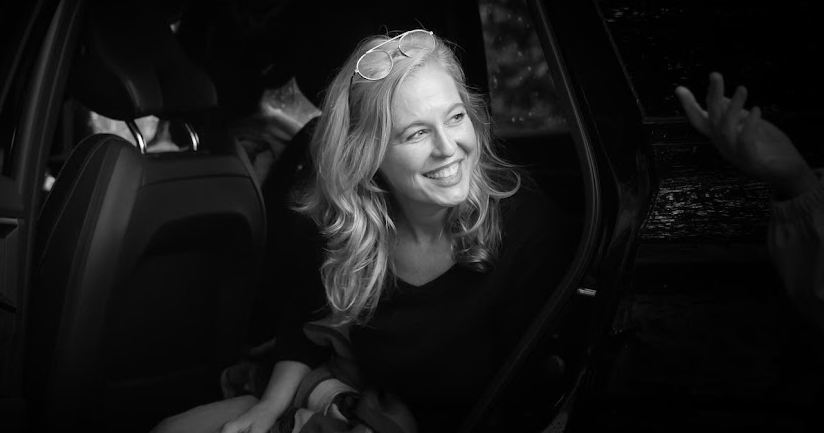
Tift Merritt never thought she’d end up back in her hometown of Raleigh, North Carolina. For about 15 years she toured through America and Europe to support a number of exceptional albums, particularly 2004’s Tambourine. Released on Lost Highway Records, that R&B-influenced LP earned a GRAMMY nomination and elevated her profile among audiences who admired the detail in her songwriting and appreciated her hard-to-define musical style.

After nine years of living in New York City, Merritt wrote her ticket home in 2016 and welcomed a daughter, Jean, that same year. Following the release of a studio album in 2017, Merritt largely stepped away from performing to pursue other ambitions, including the renovation of a historic hotel called the Gables Motel Lodge in Raleigh and working as a practitioner-in-residence at Duke University in Durham, North Carolina.

“I think we have this sort of unnatural expectation of what performing life is, what creative life is, and you can’t flower all the time,” Merritt tells BGS. “So, it’s been really nice to be away. And it feels really fun to be doing some gigs and be back.”

Merritt’s new album, Time and Patience, gracefully shines a light on her musical moments from two decades ago. Most of the recordings are homemade demos; four others are studio outtakes from the Tambourine sessions. A 20th anniversary edition of Tambourine has also been reissued on vinyl.

Ahead of her first AmericanaFest appearance in more than a decade, Merritt reminisced about writing the title track of her new collection, hearing Dolly Parton’s music as a kid, and the personal decision she considers “one of the best things that ever happened.”

I’ve read that your dog, Lucy, was watching you as you recorded these demos in your kitchen. What was it like to have her with you? Was it a little bit of companionship?

Tift Merritt: Oh yeah! At the time, I lived on a farm outside of Chapel Hill in North Carolina. My boyfriend went on a trip and I stayed home to get down to writing, because I’m a Capricorn in that way. [Laughs] At that point, I had had Lucy for almost 10 years and she was used to staring at me and staring at my notebooks. But she was such a good girl and we had a lot of years where I had a great writing routine when I wasn’t on the road. I’d be writing, then taking walks, then writing… It’s interesting to think back about those days when that’s all I had to do. [Laughs] I didn’t have somebody else to take care of! What did I do with all those hours?!

What was the goal in recording these demos? Were you trying to get someone to listen, or was somebody interested in you already?

I had already done Bramble Rose [in 2002] and the label told me to go home and write a hit. But they didn’t want to spend any money for me going to the studio. Those recordings are what I sent my label and my manager. That was the big audition.

Wow, that’s a tall order: “Go home and write a hit.” How did you receive that?

You know, I was 27 years old and I realized the precarity of the position that I was in. Someone had ambitions for me, which was a really good thing. It’s a lot better than people not having ambitions for you. At the same time, I was very determined to keep my integrity. I always wanted to be a career artist. I didn’t have aspirations to have big hits. I didn’t have aspirations that were purely commercial.

I would try to be very determined to just do excellent work in my own voice. They also told me that I was not allowed to be an Americana artist, because that didn’t really exist at that time and there was no money in it. You know, it was just a weird time. It was a weird time to be a woman in that industry. It still is, it always is. And certainly, a young woman. I mean, nobody trusted me.

What did they not trust?

My judgment, my writing, my band, how I dressed myself, that I knew how I wanted my picture to appear. None of it. It was always a struggle and part of that is because I have strong artistic opinions, I’m sensitive, and I’m not stupid. I came out of a very rigorous writing program and to walk into Nashville where it’s like, “Oh no, it’s not a hit,” I’m like, “That’s not criticism I can do anything with.” Again, I was glad that people had ambitions for me, but [I was told] my songs aren’t good enough. My band wasn’t good enough. And that sort of added up to, I’m not good enough.

The label would trust [the album’s producer] George Drakoulias, but they wouldn’t trust me. And this is not an unusual story: “You don’t trust an artist! And you certainly don’t trust an artist who thinks they’re a writer!” I think there was very much a power dynamic at that time, where you separate the singer from the band, and you separate the singer from the song, and you can get them to do what you want to do. I didn’t want to do any of that.

Your band was such an important part of your sound. How did you put them together?

Well, I was married to the drummer and I didn’t want to be slick Nashville. We were all North Carolina people. We came up together, cutting our teeth in clubs. The label did not want my band to play on Tambourine. And so that band was Mike Campbell, Neal Casal, Maria McKee, and Don Heffington. I trusted George enough to surround me with people who were all friends of Maria McKee, basically, and spoke the same language as I did.

Being from North Carolina, did you grow up around bluegrass? Or did that influence your musical direction at all?

I think the Everly Brothers and harmonies and acoustic instruments did. I wasn’t totally into bluegrass. I was more into songs. My dad had an extremely eclectic record collection, a lot of which was influenced by the radio, which was eclectic at that point. He had Aretha Franklin and Bob Dylan and Dolly Parton and all sorts of stuff. He was real song-oriented and kind of a folkie himself. Lots of Dylan songs, lots of finger picking. So, in some way, I would say that I’m more of a folk musician because I learned to play from my father by ear and he learned by picking out the songs that he heard that he loved. They were all that sort of “touch your heart” kind of thing.

Were there any musicians whose melodies inspired you?

I can remember singing Dolly Parton songs with my dad, driving carpool. And she always has such amazing melodies. There were some amazing pivotal records for me, like Emmylou Harris’ Quarter Moon in a Ten Cent Town and Bonnie Raitt, Bonnie Raitt. Also, as a writer, those early Joni Mitchell records. She is so creative, melodically and with the guitar. It’s never boring.

I always think I’m a much better writer than I am a musician. I try to bring, first, a rigor to what I’m trying to say in words, that it’s something worth saying. And then I try to do the same to the melody, so it’s something worth hearing. It’s not necessarily something fancy, but it’s something interesting and layered.

How old were you when you picked up the guitar?

I started picking it up from my dad, probably at 12 or 13, when all the boys were starting to do it. It was like [in an unimpressed voice], “Oh my God, I can do that, too.” Probably in my middle teens is when I really got into it. I didn’t think I could sing. I didn’t think people would come to a show or anything like that. I just loved doing it and I thought I would be a writer.

When did that shift for you?

In my early 20s. I started a band and we had some sparks kind of quick. That was really lucky. We were in the right place at the right time in Chapel Hill. And then I just didn’t stop getting gigs… until I did!

Have you played a lot over the last nine years?

I toured with my daughter for the first two years and then I said, “You know what, kiddo? This isn’t enough for you.” I thought she deserved roots. At the time, that felt like a big failure, like I hadn’t turned a corner where I’d get a bus and a nanny and make all of that doable. Seven years later, I think it was one of the best things that ever happened. Because I was able to – for the first time in my adult life – not be on the road and not be trying to fit into the creativity that is pretty narrow that the record industry offers. I mean, it’s the “three minutes and 30 seconds.”

So, I ended up doing a lot of other things that made me feel like I was more of an artist, rather than less of one. I’ve also had this incredible time raising my daughter. We actually just did our first real tour together in Europe and she loved it! I mean, I’ve jumped out here and there and done shows, but my focus has been on other things, mainly my daughter and figuring out how to take care of us.

On the song “Time and Patience,” there’s a glimmer of hope. It’s like you’re saying to yourself, “Hang in there. You can do this.” And there’s a verse where you’re telling somebody else, “I believe in you, too.” Do you remember what was going on in your life at that moment?

I do! I remember very, very much so and I do remember writing that song to myself about how frustrated I was, that nothing I was writing was a hit. I often get insomnia, especially when I’m writing. Like, I can’t get it out of my head. And I really did see the sun come up and I got up and I wrote that song, and then I made grits. Grits are such a good thing when you’ve had insomnia and go back to bed!

It’s funny because my dad has always loved that song. I am not somebody who looks back a lot. I’d much rather look forward. But it’s funny to hear that song now, where I was kind of trying to get myself through something really specific. And now, I’m in a place where my life is not at all what I imagined it to be. But it’s actually better than I imagined it to be and I couldn’t have imagined it. That feels like the timing is special. Maybe that was one of those songs that I didn’t really understand then that I understand a lot better now.


Photo Credit: Morgane Imbeaud

The Must-See Bands and Artists of Earl Scruggs Music Festival 2025

We’ve said it before, we’ll say it again: Earl Scruggs Music Festival is a one-of-a-kind event. BGS is incredibly excited to return for our fourth consecutive year of partnership with ESMF. As we’re packing our bags for Mill Spring, North Carolina, and making our festival plans and short lists we can’t wait to be back in the foothills on Earl Scruggs’ home turf celebrating bluegrass, old-time, country, and Americana of the highest order.

Held each year over Labor Day weekend at the gorgeous and luxurious Tryon International Equestrian Center, ESMF is co-presented by Tryon International, the Earl Scruggs Music Center – located just down the road in Shelby, the county seat near Earl’s hometown of Boiling Springs – and WNCW. This year, headliners include the Wood Brothers, the War and Treaty, Alison Krauss & Union Station, the Del McCoury Band, and a very special performance by the Nitty Gritty Dirt Band to wrap up the stellar weekend. Of course, there’s plenty more amazing music from across the roots music spectrum set for the weekend, too (see the lineup below), plus plenty of great workshops and panels, jam sessions, and more.

The BGS team spends a lot of time attending, programming for, and covering roots music festivals, so it takes a lot for events to stand out from the crowd. With their lovely grounds, thoughtful footprint, excellent vendors, eclectic and traditional lineup, and all of the many connections this event has – with the Scruggs family, the surrounding area, and the artful communities of North Carolina, South Carolina, and the entire Appalachian and Southeastern region – ESMF continues to raise the bar for bluegrass festivals.

Below, check out a quick list of bands, musicians, and artists we can’t wait to catch at Earl Scruggs Music Festival this year. And make plans to join us – whether this year or in the future! – at one of the most enjoyable bluegrass festivals on the scene today.

Shawn Camp & Verlon Thompson: Songs & Stories of Guy Clark 

It’s always a treat when these two longtime collaborators and co-writers get together to pay tribute to their friend, mentor, and hero, the late great Guy Clark. As evidenced by this Suwannee Springfest video from 15 years ago, Camp and Thompson have been performing their Songs & Stories of Guy Clark show in some format for quite a while now, but this feels like a particularly timely chance to catch the pair performing from their repertoire of co-writes with Clark and sharing stories of their times collaborating and creating with the songwriting legend. Camp’s upcoming album, The Ghost of Sis Draper, features songs that he wrote with Clark – including one also penned with Thompson – and revisits the fantastic based-on-a-true-story narrative of a folk hero fiddler by the name of Sis Draper. We can’t wait to catch Camp, Thompson, and as many Sis Draper songs as possible.

Saturday, August 20, Silver Spoon Saloon, 12 pm to 1 pm, “The Silver Spoon Sessions with Craig Havighurst”
Saturday, August 30, Foggy Mountain Stage, 6 pm to 7 pm.


Allison de Groot & Tatiana Hargreaves

These days, sometimes the best bluegrass you can find is old-time. This incredible duo often falls into that category directly, with endless drive, expansive pocket, and a penchant for listening, responding, and following each other that’s nearly familial. We’ve caught de Groot & Hargreaves shows countless times and still never tire of these two instrumentalists, singers, and writers unspooling musical moments together and reweaving them in realtime. Though de Groot hails from Canada and Hargreaves grew up in the Pacific Northwest, this is one of ESMF’s acts whose music, and the traditions that have made it, is most deeply rooted in this lush artistic region of the world – Western North Carolina.

Saturday, August 30, Legends Stage, 9 am to 10:30 am, “Bluegrass Over Easy Breakfast.”
Saturday, August 30, Foggy Mountain Stage, 2 pm to 3 pm. 


Healing the Hollers featuring Unspoken Tradition

Western North Carolina-based bluegrass band Unspoken Tradition will host a special livestream and concert at ESMF on Saturday, August 30, featuring performances by Josh Goforth, Lance Mills, Laura Boosinger, Nest of Singing Birds, Zoe & Cloyd, and more. Healing the Hollers will shine a spotlight on the impacts and devastation of Hurricane Helene and the ongoing efforts of folks in the region – like each of the artists and bands on the show bill – to keep rebuilding their communities, neighborhoods, hollers, and homes. BGS is proud to be promoting Healing the Hollers, as well, and we’ll even be carrying the livestream of the set on our Facebook page. There’s plenty of work still to be done to heal and move forward after Hurricane Helene, but with a roster of artists like these and a community like that which surrounds ESMF, we know we’ll all get it done together. That’s the exact kind of Resilience Unspoken Tradition are talking about on their brand new album – which we hope we’ll hear from during Healing the Hollers, too.

Saturday, August 30, Foggy Mountain Stage, 3:30 pm to 5 pm. Stream live on Facebook.


Bronwyn Keith-Hynes

Oh, the places she’ll go! Award-winning fiddler, singer, and songwriter Bronwyn Keith-Hynes has not slowed down for a moment since her time in Molly Tuttle’s GRAMMY-winning ensemble, Golden Highway, came to a close earlier this summer. She’s got a packed tour schedule of sold-out or nearly sold-out dates across the country, rapidly building an engaged and energetic fan base behind her style of jamgrass built on a trad foundation. It feels like, in many ways, we’ve gotten to watch Keith-Hynes “grow up” as an individual artist so each time we get a chance to catch her band live, we enjoy marking the leaps and bounds she’s taken since the last time. She’s sure to impress and inspire yet again – and who knows what impeccable pickers she’ll have out on the road with her, too!

Saturday, August 30, Foggy Mountain Stage, 7:45 pm to 9 pm. 


Alison Krauss & Union Station Ft. Jerry Douglas

If you haven’t gotten to catch Alison Krauss & Union Station on their most extensive headlining tour in nearly fifteen years, Earl Scruggs Music Festival is your chance! With just over four weeks left in their continent-spanning Arcadia Tour, we’re the lucky ones for being able to catch the iconic band and their iconic songs at Tryon International. Social media videos from the tour show quite a few fan favorite tracks have made the set list alongside the bevy of new material from their brand new album, Arcadia. Veteran bluegrass picker and vocalist Russell Moore, who was just tapped this year to join the group, is certainly holding his own on this gig of a lifetime. We can’t wait for our evening with AKUS in North Carolina!

Saturday, August 30, Flint Hill Stage, 9 pm to 10:30 pm. 

(Alison Krauss & Union Station were our Artist of the Month in April. Explore our exclusive coverage here.)


Nitty Gritty Dirt Band

Heartbroken that the one and only Nitty Gritty Dirt Band are on their farewell tour at the moment? Us too! With only a handful of dates left in their All The Good Times: The Farewell Tour, the existential woe is creeping in fast. The best way to stave off the end-of-an-era scaries is to be there at ESMF for their headlining set, the culmination not only of a superlative festival weekend, but of a decades-spanning career of a seminal string band who took Earl Scruggs’ legacy places it wouldn’t have ever gone without them. There could be no better way to cap the main stage at Earl Scruggs Music Festival this year than with NGDB. Of all the “must-see” happenings at this year’s event, this set is truly top of the list. Once in a lifetime occurrences happen every year at ESMF.

Sunday, August 31, Flint Hill Stage, 7:45 pm to 9:15 pm.


Sister Sadie

You have not one but two chances not to miss this bluegrass supergroup at Earl Scruggs Music Festival this year. Fresh off the release of their new album, All Will Be Well, Sister Sadie are sounding better than ever – and these are IBMA Award-winning veterans, right here. Their new album is full of emotion, contemplation, and redemption while at the same time it’s just… plain fun. They strike a deft balance between heartfelt songwriting, gut-wrenching narratives, hair-raising harmonies, and bluegrass virtuosity that will make you hoot, holler, and dance. We can’t ever get enough of Sister Sadie, so you may catch us on the barricade for both of their ESMF appearances.

Friday, August 29, Flint Hill Stage, 5 pm to 6:30 pm.
Friday, August 29, Foggy Mountain Stage, 10 pm to 11:30 pm.

(Sister Sadie were our Artist of the Month in July. Catch up on our AOTM content here.)


Watchhouse

When you’ve been on the roots music beat like we have for more than 12 years, festival season isn’t just about festivals – it’s like a mobile family reunion. We can’t wait to reunite with our old pals Andrew and Emily – and in North Carolina, too! – for Watchhouse at ESMF. Like Earl Scruggs himself, Watchhouse carefully and intentionally synthesize so many different textures and inspirations from North Carolinian folk music through their own creativity and songcraft, creating something totally brand new that’s still deeply rooted in tradition and the region. That’s just one small reason why they’re a perfect lineup selection for this amazing festival. We’re geared up and ready to hear new music from their new album, Rituals, during the weekend. See you there!

Sunday, August 31, Silver Spoon Saloon, 3:30 pm to 4:30 pm, “The Silver Spoon Sessions with Craig Havighurst”
Sunday, August 31, Flint Hill Stage, 6 pm to 7:15 pm.

(Watchhouse were our Artist of the Month in June of this year. Dive into more on their new album here.)

The Wood Brothers

Blending blues, Southern rock, alt-country, and jam band music, the Wood Brothers have an eclectic and often psychedelic approach to roots music that’s all their own. They pop up along the roots music genre spectrum with ease at every waypoint, from string band folk to grungy, hard rock and roll – like the most exciting game of musical aesthetic whack-a-mole you’ll ever play. There’s something for every kind of listener in the Wood Brothers’ catalog of music and their brand new album, Puff of Smoke, is as entrancing and diverting as ever. We’ll be camped out in the grandstand for this set, for sure!

Friday, August 29, Flint Hill Stage, 9 pm to 10:30 pm. 

Default icon

These bands and artists listed above are truly just the tip of the iceberg for everything that’s going on this year at Earl Scruggs Music Festival. You also won’t want to miss Town Mountain, Sam Bush, Sierra Hull, the John Hartford Fiddle Tune Project, Tony Trischka’s EarlJam, Fireside Collective, the Earls of Leicester, the Del McCoury Band, and still many more.

Check out the full schedule of panels, chats, performances, and acts here on the ESMF website and make plans to join us this year or in the future in Mill Spring, North Carolina, for a lovely weekend of bluegrass and roots music.


Lead image: Tanya Tucker performs on the Flint Hill Stage during ESMF 2024, shot by Jess Maples.

Unspoken Tradition’s
Resilience Playlist

We find ourselves at a proverbial crossroads in Southern Appalachia. Our land battered by the devastation of a hurricane, scorched by scores of wildfires; ancient rivers, swelled by floodwaters, carving new courses through the landscape. Yet the land and its peoples persist. As artists, we are the guardians of the stories of the people in our communities – stories of hope and love, of loss and desperation, of a community rising above tragic circumstance. Stories of Resilience.

On our new album, we reflect in song about what it means to meet the moment with music that both binds our wounds and demonstrates our healing. In bearing witness to this time and place, we recognize that the path forward is not just survival – it is the conscious choice to innovate, to adapt in the face of adversity. It is in that choice that we find meaning, and renewal.

The songs on this playlist refer to the theme of resilience or have a connection to specific songs on our album of the same name. We wanted to share the work of some of the other artists that wrote the material and/or inspired the songs we recorded. Check out and follow these folks – especially if they are new names. Their catalogs are terrific discoveries and their work is excellent! – Unspoken Tradition

“Linemen” – Zoe & Cloyd

John Cloyd Miller is the author of the song “Weary Town” from our album. Zoe & Cloyd are longtime friends and Western North Carolina natives who experienced the ravages of hurricane Helene in their neighborhood. “Linemen” is a tribute to the heroes of the rescue and recovery effort as they were on the front lines of restoring power to the region. God bless these Linemen!

“Katie and Burl” – Acoustic Syndicate

We wanted to share the original version of this song that we re-recorded for our album Resilience. Acoustic Syndicate is a seminal North Carolina fusion-grass band and writer-guitarist Steve McMurray is a dear friend.

“Dust Bowl Children” – Alison Krauss & Union Station

One of our favorite songs and artists! A story of trials, tribulations, and resilience from another point in history.

“Papertown” – Balsam Range

Western North Carolina native Milan Miller wrote this song as well as one from our album called “Weeds Don’t Wither.” This is the true story of the North Carolina mountain town of Canton and its paper mill that was the heart of the town’s industry. The mill has since been closed, adding an extra layer of disparity to the story.

“Alleghenies” – Saravanan Sankaran

From our bass player’s solo album Back To Bassics. It’s one Sav wrote about his Western Pennsylvania mountain home! This is a mainstay of our live set.

“Weary Town” – Unspoken Tradition

This song’s theme is at the center of our new album. It holds new meaning for us in the wake of the great flood disaster that came to our Western North Carolina home. When we play it live, we dedicate it to the city of Asheville and the resilient people of WNC.

“Back in Yonder’s World” – Norman Blake & Tony Rice

This song! And the album it’s from, Norman Blake & Tony Rice 2, is a “desert island” album for us.

“Margie” – Danny Paisley & The Southern Grass

This artist is one of our biggest influences, especially for Sav. We were thrilled and honored to have Danny join us on “I’ll Break Out Again Tonight” as a featured vocalist!

“Moments” – Unspoken Tradition

One of the first singles we released from the new album. Written by the album’s producer, Jon Weisberger, it embodies the sincerity of appreciating the subtle moments in life.

“I’m In a Hurry (And Don’t Know Why)” – Alabama

This country-rock hit was a radio staple in its time. We thought it would make a great bluegrass song. To hear our version, listen to our Mixtape below or, better yet, check it out on the new album!


Photo Credit: Sandlin Gaither

The Earl Scruggs Revue Made a Movie Soundtrack

The Earl Scruggs Revue’s only movie soundtrack, Where The Lilies Bloom (1974), is not well known. That’s a pity because in 1973, when it was recorded, the band had been together for four years and was a very solid outfit. At the beginning of 1973 the group included Earl, Randy, and Gary Scruggs, Josh Graves, and Jody Maphis. Steve Scruggs was an occasional member. Vassar Clements’ last credited appearance on record with the Revue was on Earl Scruggs‘ Dueling Banjos (C 32268), released early in 1973, and he was still with them when they recorded the soundtrack.

The movie was filmed between May and August 1972 and released in 1974 through United Artists. The soundtrack album, Columbia KC 32806, is credited to the Revue and their longtime producer, Ron Bledsoe. Movie soundtrack recordings are made after the film has been edited; the musicians perform in a studio setting while the film is rolling. This is a precision business, obviously; I have yet to find accounts of the Revue’s involvement in this process, which must have taken place in early 1973.

Soundtrack albums focus on eliciting memories of the film. Viewing and listening are, in the final analysis, two very different things. The music in Where The Lilies Bloom was, in the first instance, the musicians’ responses to the visuals, shaped by the movie producer and director.

Earl came up with new tunes and restatements of old ones; Randy contributed deft and creative electric and acoustic guitar, both flatpicked and fingerpicked; Vassar performed masterful fiddle from a point in his career when he was doing the old-time tunes brilliantly while developing his new jazz-inflected style; and Josh played the creative and brilliant Dobro that a generation would follow.

The film’s producer, Robert B. Radnitz, based the picture on Vera and Bill Cleaver’s award-winning young adult novel of the same title. It tells the story of the struggle of the Luther family siblings, four young Appalachian country youths – the oldest is 16 – to live at home together following the death of their widower father. They do this by “wildcrafting,” gathering and selling wild herbs as health supplements. The narrative focuses on the two teen daughters’ growth and relationships.

Where The Lilies Bloom was shot on location in Watauga County on North Carolina’s northwestern border. Producer Radnitz strove to employ workers from Appalachia, such as screenplay writer Earl Hamner Jr. and actor Harry Dean Stanton, who had a leading role as the older “Kiser Pease.” The young actress who had the leading role as 14-year-old “Mary Call Luther,” Julie Gohlson, was a Georgia native chosen after a nationwide search. She was nominated for a Golden Globe in 1975. This was her only movie appearance.

Radnitz worked with toymakers Mattel on this co-production, their second. The first was Sounder, released in 1973. That acclaimed film about young teens in Black Mississippi propelled Cicely Tyson to stardom and featured blues star Taj Mahal for its soundtrack. For his second movie’s soundtrack, Radnitz again sought music reflecting the cultural background of the film’s narrative – in this case, the oral traditions of Appalachia. He chose the Earl Scruggs Revue.

The film got a good reception, with prizes and nominations of various sorts. It’s well worth watching – not only is there a DVD with commentary, it’s also available VOD on YouTube and is available to watch via select streaming services. The album, on the other hand, pretty much sank like a stone – no ripples. But if you want to hear what the Earl Scruggs Revue sounded like when they were together just playing by themselves, with no added stars in the studio, this is the album to try. There’s plenty from them to appreciate on the film’s soundtrack, as well. A lot of nice creative moves here!

This was a hard album to find. By the time I finally got it in the ’80s I wasn’t as interested in the band as I’d been earlier. I listened once, filed it away, and only listened again recently. Holding and looking at the album cover during this playback reminded me why I only listened to it once before. The liner notes must have been composed by some 9-to-5er at United Artists. There’s nothing there about the music. Who’s the female vocalist? What’s the band doing? No mentions. The visuals and most of the copy are from the movie. Not much of a musical souvenir!

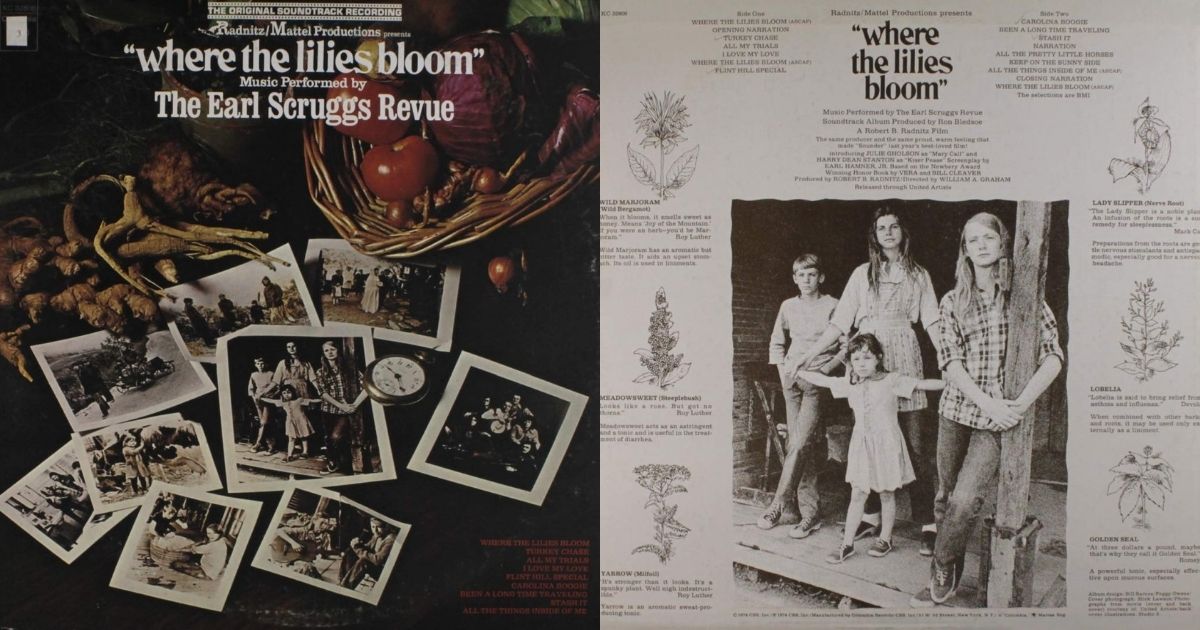
The album cover of Columbia KC 82806 announces at the top: “The Original Soundtrack Recording.” Below that comes “Radnitz /Mattel Productions presents, where the lilies bloom (all in large lowercase), then: “Music Performed by” and finally “The Earl Scruggs Revue.” All this is printed over a collage of color shots of herbs, along with nine little black and white stills from the film – one of which is the Revue.

On back of the album cover, we are told this is a ”Soundtrack Album Produced by Ron Bledsoe [for] A Robert B. Radnitz Film.” Cast members (but not band members) are listed. Next to this info are small columns, left and right, that list the tracks. Filling the center below all this is a large still of the film’s young lead actors; on either side of this are illustrations of wild herbs – three on each side.

In spite of the Revue’s lack of prominence on the album’s notes, I think that the band did a good job of coming up with new compositions and old-time tunes that represent their music in imaginative arrangements relating to the context of the film.

After relistening to the LP, I bought the film’s DVD, which was remastered and released in 2022 with an audio commentary by filmmaker and historian Daniel Kremer. The film opens (as does album track A1) with song “Where The Lillies Bloom” sung by its composer, Barbara Mauritz.

Singer-songwriter Mauritz (1949-2014), originally from Texas, was the vocalist with Lamb, an avant-garde folk-jazz-rock fusion group active in San Francisco in the early ’70s. Her first solo album, Music Box, was released on Columbia in 1972.

How did she end up on this movie’s soundtrack? I wish I knew! Being a Columbia artist was probably not coincidental. As we hear, she’s paired with another Columbia artist, Earl Scruggs, on the theme song at the opening. The Revue is laid-back in the track’s background at the start; eventually Randy’s guitar plays the melody, while Earl’s banjo sneaks up to end with beautiful 6/8 triplets in the background, and a few of Josh’s Dobro licks can be heard.

This is music meant to be heard in accompaniment to the visuals that open the film, aptly demonstrated by its trailer, which opens with the character “Devola Luther” (the oldest sister, played by Jan Smithers) singing “A Long Time Traveling” a cappella. The guitar is very much in the background, as is the banjo, which comes up only at the end.

The album contains three “Narrative” tracks by lead character Mary Call Luther which explicate the dramatic turning points in the film’s story. Following the first narrative track, A2, comes “Turkey Chase”, track A3, which plays beneath a scene in which the Luther children are trying to catch wild turkeys.

The Revue is actually playing the traditional fiddle tune “Chicken Reel,” led by Earl with brief interludes by Randy (lead guitar) and Josh Graves (Dobro). This is two minutes of really good straightforward old-time music, which the Revue knew well but rarely recorded.

The next track (A4) presents slow, moody instrumental music that plays behind scenes pertaining to the father’s death: “All My Trials,” a traditional spiritual with Bahamian connections popularized by Joan Baez in the ’60s. Randy’s lead guitar mixes with some nice piano, probably by Mauritz. It’s a pretty performance.

Track A5, “I Love My Love,” which plays behind a romantic sequence, was also popular in the folk revival. English composer Gustav Holst described it as a “Cornish folksong” in his arrangement of it. It’s sung here by Mauritz, over a finger-picked guitar which could be hers, or maybe that of Randy or Earl.

Track A6 repeats the theme, “Where The Lilies Bloom,” as a slow instrumental piece in 4/4 time. Randy’s finger-picked guitar plays it twice, and then Gary’s bass and Earl’s banjo join for two more verses. It really demonstrates Earl’s artistry – such control, economy, lyricism!

In the film’s soundtrack, The Revue plays Earl’s “Flint Hill Special” behind several action scenes – countryside automotive rambles – as Mary Call and the family are in conflict with Kiser. Here’s what that sounds like as played by Earl, Josh, and Vassar on the soundtrack:

The original pressing of the LP diverges from the movie soundtrack at this point, on Track A7, which is also identified as “Flint Hill Special.” No doubt that garnered Earl some royalties for his composition of that name, but the tune played on the original album is the traditional “Sally Ann,” a piece Earl recorded on his 1961 Foggy Mountain Banjo release. (This seems to have been corrected on digitally distributed versions of the album. Hear the LP’s version of “Sally Ann” below.)

It’s an interesting new version, opening with a couple of fiddle licks and then shifting to the percussive sound of the banjo strings being played with right-hand fingerpicking (a “roll”) while the strings are muted with the heel of the left hand. Then the fiddle steps up while at the same time Dobro, bass, and guitar enter – a powerful old-time bluegrass sound. Earl’s banjo takes over second time through, then the fiddle returns and finally Earl closes as he began, percussively. The “shave and a haircut” ending is dominated by Randy’s fancy guitar.

Side two of the album (track B1) opens with music from a scene in which the four Luthers, who’d been at the grocery store learning about wildcrafting, get a ride home from the store owner “Mr. Connell” (played by Tom Spratley). Here, the Revue is heard playing “Carolina Boogie,” basically an update of Earl’s up-tempo blues in G, “Foggy Mountain Special.” It features the entire Revue with a considerable amount of call-response between Randy and Vassar and a great ending.

The family’s funeral for the mountainside burial of their father includes “Been A Long Time Traveling” (track B2) sung a cappella by oldest daughter character, Devola. It’s heard twice, at the beginning and the close of the burial scene.

Following this, the film’s narrative shifts to wildcrafting, with Mary Call’s next visit to the grocery store to sell herbs backed by the Revue playing (track B3) Earl’s “Stash It,” a catchy banjo tune which starts slowly and speeds up.

Next, Mary Call’s poem about witnessing a starburst is heard on track B4, with subtle guitar and piano backup. It’s followed (track B5) by “All The Pretty Little Horses,” a traditional lullaby of African American origin, performed solo here by Randy’s fingerpicked guitar. In the film this plays behind a tender scene in which the Connells visit the Luther home.

Later, as the Luther children are depicted gathering herbs, the melody of the old Carter Family song “Keep On The Sunny Side” (track B6) is heard. First, it’s finger-picked by Randy on guitar, then Earl’s banjo comes in doing harmony. Neat! This is the ultimate father and son duet; Gary, on bass, is close by.

As the narrative approaches climax, we hear Barbara Mauritz singing her “All The Things Inside of Me” (track B7), accompanied by fingerpicked guitar, probably by Randy but possibly by Mauritz herself.

Mary Call’s final narrative (track B8) leads to the full band playing the theme; it’s heard at length as the film’s credits roll.

The preceding description, based on the album, does not point out all the places where the Revue’s music is heard on the film soundtrack – scenes where Randy’s guitar, Gary’s harmonica, Josh’s Dobro, and Vassar’s fiddle add aural nuances to the screenplay. Throughout the film, music editor Robert Takagi places in the aural background little quotes taken from performances like the final version of the theme. Randy’s guitar, in particular, is heard behind several scenes.

Other musical segments in the film are not heard on the album at all, but play a central role in evoking the film’s cultural milieu. Thus, while rambling in the car, they turn on a local radio station: the Revue is heard playing county-rock. Elsewhere, as they are walking home from wildcrafting, there’s a nice a cappella performance of “Feast Here Tonight” by youngest Luther daughter “Ima Dean” (played by Helen Harmon).

These musical segments remind us that the Revue, while featured on the album, is really playing in support of a story, a visual drama. As such their music here is different from that found on all their other albums. It does not sell the sound of the band – it speaks for images of the region’s atmosphere and its culture that emerge in the film’s narrative.


Read more about the Earl Scruggs Revue and find our entire archive of Neil’s Bluegrass Memoirs column here.

Neil V. Rosenberg is an author, scholar, historian, banjo player, Bluegrass Music Hall of Fame inductee, and co-chair of the IBMA Foundation’s Arnold Shultz Fund.

Photo Credit: Terri Thomson Rosenberg

Edited by Justin Hiltner.

Basic Folk: Watchhouse

Oh, WOW! A bonus, surprise episode with Watchhouse? Yes! And it is a treat.

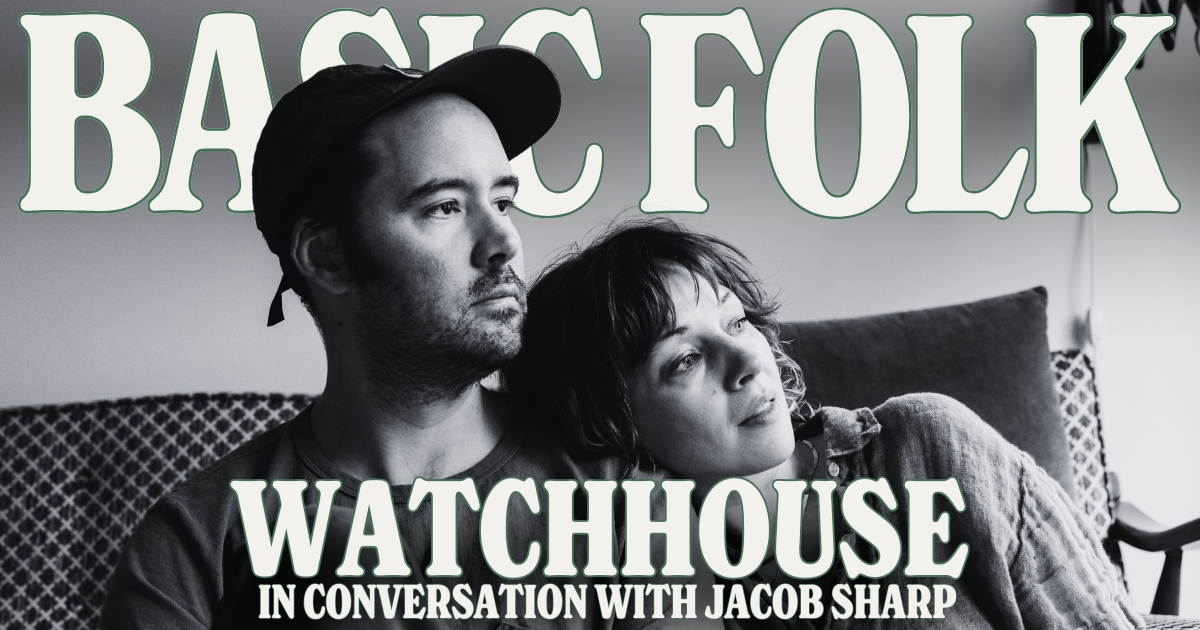
We are pleased to have Jacob Sharp of Mipso as our guest host in conversation with his friends Andrew Marlin and Emily Frantz of Watchhouse, talking about their new studio album, Rituals. The record was co-produced with Ryan Gustafson of The Dead Tongues and finds the North Carolina duo exploring themes of identity, awareness, and evolution.

LISTEN: APPLE • SPOTIFY • AMAZON • MP3

We are so pumped about this pairing on the pod! We are also huge fans of Jacob’s music – with Mipso as well as in his solo endeavors – from his attitude to his vibes. Not to mention how super talented he is. This is a really fun conversation between some old pals. Jacob was based in California, but now moving back to North Carolina, so it’s cool to have a little homecoming for these North Carolinians. Thanks for listening!


Find more of our Artist of the Month content on Watchhouse here.

Photo Credit: Jillian Clark

Watchhouse Found New Rituals Amid the Push and Pull of Change

Chances are you’ve cultivated a few personal routines to help you navigate the world: one for daily life, one for weekly, monthly, and so on. There’s also likely a handful of individual habits that affect how you choose to go about your routine. The former, at times, can influence the latter, fitting within each other like a pair of nesting dolls, adjacent and similar in their roles.

Then there are rituals. Though these three recurring sets of actions – routines, habits, and rituals – would seem like easily overlapping bedfellows, rituals carry an intrinsic quality the other two lack: mindfulness. Rituals bear a sense of intention like the other two, but it’s often coupled with an element of symbolism or custom. It’s not just a matter of doing something and saying it’s done; there are other connotations or expectations that may influence why doing it matters.

Holding this notion in mind, it’s Rituals that Andrew Marlin and Emily Frantz of North Carolina duo Watchhouse have decided to name their new album. Through its 11 tracks, the married musicians posit an abundance of questions and actions, their contemplations placed in settings that are as clear as a simple back porch and as abstract as a space “through the looking glass,” “beyond this to and fro.” Settings that exist outside of not only any kind of routine, but separate from time and space all together.

Though Watchhouse’s new writings don’t seem to present rituals in their conventional form, the title still feels wholly appropriate. Marlin and Frantz’s reflections, wistful pining, and open-ended ruminations don’t lead to a sense of clear, expected structure that rituals would traditionally provide, but each song is lined with an abundance of intention, mindfulness, and hope for various outcomes. Sometimes these are overtly stated – Oh, I’m dreaming of a life with you in the sun/ And I hope our time together has only just begun… – and sometimes they are dressed in metaphors: Go fire your cannonball, go and fire away/ When the ashes fall we’ll start a brand new day.

There are defined ideas that Watchhouse put forth on the album: identity and awareness, the distinction between patterns and truths, how to develop a positive relationship with change, and what it means to evolve. All the same, while our internal responses to these songs may change over time, the very act of revisiting, replaying, and reconsidering their meanings, and how we are affected by them, can be a form of ritual in its own way.

Amid an extensive tour that will take them all over the U.S. and into Canada through summer and fall, Watchhouse spoke with BGS about their collaborative dynamic, how their individual artistic instincts influence the direction of a song, and the prevalence of duality in the album – as well as in their lives.

It’s been about four years since your last album and eight years since both your lives changed from bandmates to family. Given that Rituals focuses on patterns and the perception of change on our lives, how has the ever-growing longevity of your union in marriage — and all the ways marriage transforms a relationship on its own — changed the way you perceive and interact with the music making process?

Andrew Marlin: When you hit the road and join forces with other people to play music, it’s kind of like stepping outside of the norm and stepping outside of the daily life to go up there and almost take on a role or take on a character in order to get inside the music. You kind of just forget everything that the day often requires of you, because all of a sudden those requirements aren’t there. It’s just the stage and the music and the people that are there rooting for you to go deep, you know?

I think finding that zone with Emily has had its challenges in the past, because we’re so closely tied to each other. We raise kids together and we live together, and so doing all this traveling together and playing music together too, it makes it harder – or made it harder for me at the beginning, I think – to leave the daily routine and expectations behind on stage and just shed all of that and take on that character. It’s one thing to look at your bandmates’ eyes and get a little nod or whatever’s happening during the music. It’s kind of like this understanding of, “I’m not here right now. This is just me playing music.”

Getting to that zone with Emily, now that we’re 16 years into it, has taken a while to get to that point to where it’s an acceptance of all of it, instead of just leaving things behind to get on stage. It’s like we’re carrying all of it with us at all points in time. People that come to see us get a real and honest version of ourselves, trying to go deep in the music but also being completely aware of each other too.

Emily Frantz: I was just thinking about how much things changed in 2020 and 2021, living our mundane day-to-day lives in our house, and the transition back into being on the road again and touring. We’ve obviously been doing that for a few years now since COVID, but that experience made us relearn what the relationship is between our daily life at home and touring and [figuring out] how can they coexist in a healthy way.

Ironically, the album’s opening track, “Shape,” avoids the traditional shape or structure of a song (all verses, no chorus) while the actual narrative of the song embraces ideas that lean into a sense of purgatory and a nebulous state of being — the very opposite of what would help establish a sense of shape, boundaries, identity, direction, patterns, or truths. What were the mental and emotional motivations that inspired you to take the song in this direction?

AM: It’s like establishing the shape or the pattern in order to separate yourself from it. That’s what a lot of those verses are doing, kind of outlining the things that often make me feel like I’m in a box and I’m trying to get outside of that box. The only way to do it – because there’s no real form to it – is to imagine the parameters, imagine the spaces that it ends up kind of confining you in, in order to step outside of those [boxes]. I think that was the intention with “Shape.”

EF: And the way that “Shape” came into its final form, at least final the way it appears on the record, was a lot of the things that you said about it: It didn’t ever really conform and it got rearranged and had things added and taken away from it so many times, a lot more so than other songs. But it always did feel like the backbone of this record in a lot of ways, which is why it felt really right as the opening track of this record.

AM: If there was a shape to define that song, I’d say it’s a spiral.


View this post on Instagram


A post shared by Watchhouse (@watchhouseband)

How have you fit rituals into your lives and have they helped you maintain a sense of stable continuity as a family and as musicians?

AM: I feel like since having kids, the day has taken so much more form. Because I think that, and Emily [is] really brilliant about this, giving structure to the day is super helpful for them. So that they don’t have to wonder what’s happening, so that they can really pay attention to what is happening. I’ve watched both of our kids blossom in that environment. Emily’s really good about helping to create that and make sure we stick to it. Carrying that on the road has been really helpful, too and something that I didn’t realize I was going to benefit very much from. Because I definitely, when left to my own devices, am like a sheet left out to dry – just flapping in the wind. To have a little bit of structure to the day, and have to enter into these mental zones with the kiddos, has added a lot of mental structure to my existence. I think that’s the biggest thing for me.

And within that, it’s about realizing what the day actually requires of me, instead of what I imagined today to be expecting of me. Finding those real anchors and a little more gravity to the things I’m working on have helped me shed old expectations of myself and what I think I’m supposed to be doing. I think that’s what led us to be okay with changing the band name and changing up some of the sounds and approaching this thing we’ve been doing for a long time in a whole new way.

EF: I think the thing that we are [focusing on] 16 years in is finding where the balance is between freedom and artistic expression, and also just daily life and figuring out how to have those two things like coexist and make each other better and not be in a constant sort of push and pull.

The first verse in “Beyond Meaning” is intriguing. The statement of your “gentle” disposition is nice, but its seemingly conditional nature gives pause — particularly when considering that life is noisy and out of our control more often than not. What is it that you’re trying to say about your own identity and awareness of how you cope with the noise and bustle of everyday living?

AM: I feel like what I was getting at is to view it as though it’s external noise. But it’s actually internal noise. That’s often the thing that keeps me from my peace and keeps me from being gentle. It’s my own defenses and my own self-consciousness that end up creating all of this noise. It paints the external noise in a negative light. When I can control that and remember to keep my own defenses at bay and be open and actually present, the idea that maybe this external noise is not a malicious one keeps me gentle and then often what comes from that is a gentle interaction. So it’s more about controlling the internal noise in order to actually experience the external factors.

Out of the 11 songs on the album, Emily is the primary vocalist only for “Firelight.” Why was Emily the right fit to sing the story of this one song? And more broadly, what went into your shared thought process on when, and for how long, you two would sing together? Is it a purely harmony and arrangement-based decision, or do the emotions of a song influence how each vocal arrangement is structured?

EF: A lot of times it can be pretty cut and dry. If we’re deciding who should sing lead on a song, it might just have to do with the range or the key, where we think it sounds good. Sometimes that plays into it maybe even more than the lyrics or the subject matter. With Andrew doing the songwriting, he’s always been more of the primary lead vocalist. Oftentimes, by the time we’re arranging a tune and finding out how we want to present it, it’s very cemented in his voice. But then a lot of times, there will be tunes that we’re struggling with and we’re not quite finding it. By switching out who’s singing, it reframes the whole song and allows us to not just change the lead vocalist, but to find a whole different zone for the song in terms of what we hear and how it gets arranged and recorded. That was the case with “Firelight.” We had so many different versions of that song over the years leading up to recording – different time signatures, different instrumentation – and that was one of the last ones that came together for this album. Most of it got done after the initial tracking session because we were searching on it for a long time and I think I like it more and more the longer I sit with it, the more I hear it.

AM: Often people do want to know why Emily’s not singing more tunes or why the roles are what they are. But I think it’s really important to shine a little light on what Emily does behind the scenes when she’s not singing. The way she plays rhythm and plays violin or whatever instrument she’s on, it ends up being this anchor for everyone in the band. The way that offers complete structure to what we’re doing and allows everything else to sway around that a little bit, I feel like even when she’s not singing, her musical voice is such a strong presence in the music. I’ve heard her say this before, like when she’s playing violin, she’d rather not sing lead because it’s almost like having to sing with two voices. That became part of the structure of what we’ve been doing all along, not just with the lead vocal. The feel of the song and the rhythm and the chord structure and the flow of it all often is hinged on what Emily ends up doing. I think that’s just as important as her taking a lead vocal.

EF: I’ve really, over the years of us playing music together, come around to enjoying singing lead when we find the song that feels good in my range. But for the most part, I’d rather be singing harmony to Andrew and that definitely brings me just as much, if not more, fulfillment than singing lead on a song.

“Endless Highway (Pt. 1)” and “Sway / Endless Highway (Pt. 2)” leave a much heavier state of reflection than that of “Patterns,” the song you chose as the album’s finale. Were the lighter tone of the music and the lyrics a driving factor for why these last three songs are in this order? Did you want to avoid an ending that leaves the listener with a more uncertain emotional state?

AM: I’ll start off by saying Ryan Gustafson, who produced this record with us, actually ended up coming up with this track order. Having not listened to it that way and then taking Ryan’s perspective on it, it was like being able to listen to these songs in their entirety for the first time. All of a sudden, I was getting feelings from these recordings that I hadn’t gotten yet.

“Endless Highway (Pt. 1)” is a heavier song and talks about a really traumatic event that Emily and I went through and that long drone at the end of it kind of dances around the dread of that. Then into “Sway,” it’s more of a coming out of that [feeling]. How do we peek our heads out of the hole once we’ve gone down and slowly crawl back out? To finally get into “Endless Highway (Pt. 2),” where it feels like a real revelation and a real triumphant part of the record? So, you get to the top of the mountain on this song. But I do believe that while those revelations come, we get to the top of those mountains, everything’s clear, and there’s so much lightness and clarity around us, we still have to wake up the next morning, make coffee, make breakfast, get kids to school, go and run errands and carry that little mountain of revelation with us everywhere we go.

I think that the heaviness and the profoundness of that idea ends up giving way to these smaller, mundane parts of our life. That’s what “Patterns” feels like to me. It’s an admission that if we can hold on to those little revelations and the clarity they offered us, hopefully it’ll keep us light by offering us that little reminder of hope.

EF: Going back to what Andrew was just saying about having these big events or these heavy, emotional things happen, and then having to go on with our lives, and the push and pull of that – there’s frustration and beauty in it. I love the order of those [last few] tracks, because I feel both the “Endless Highways” and “Sway” are songs that were written in the middle of this album being written and there’s a lot of anguish from a lot of different sources in those songs. And then “Patterns” was the last song that was written for the album before we recorded it, so it feels like it has a certain clarity to it. Going down in the trench and making your way back up, even though it’s still really just posing a lot of the same questions [as the beginning of the album], but from a more settled state of mind.

What truths about yourselves and how you view the world have you discovered and accepted since finishing Rituals? How many of the questions you’ve posed through these songs do you feel you’ve managed to settle on answers for?

AM: I don’t think I would often look closely enough at how I was making a person feel, as much as I would look at the way the person was. I think that’s becoming more of my truth these days, just to trust that showing up open-minded with awareness and consciousness, focused on experiencing rather than projecting, is probably the closest to any truths that have come out of writing these songs and getting to the end of this record. The takeaway is that it’s not like we found answers, necessarily.

EF: It’s all just a pursuit, always.

AM: You know, it’s not always about finding answers. It’s about finding out–

AM/EF: It’s figuring out what the question is.


Photo Credit: Jillian Clark

Explore more of our Artist of the Month coverage here.

Let’s Party About It

When it comes to the rich, vibrant musical landscape that is American music, few bands have the sonic range, technical capabilities and curious prowess as that of Leftover Salmon — bluegrass to blues, country to Cajun, rock to roots, jazz to jam.

And it’s that jam element at the melodic core of Salmon. They jam under the cascading snowflakes atop a Colorado ski slope or with beads of sweat rolling down their faces in the backwoods of Florida. They jam early in the morning or way late into the night. They jam for massive crowds or simply for themselves. What matters most is the music and where it can take you, onstage and on the road.

Though Salmon is in the midst of its 35th anniversary celebration, the actual timeline goes back four decades, where, in 1985, a young guitarist named Vince Herman took off from West Virginia in search of the “mythical bluegrass scene” in Colorado.

His quest eventually led him to a bar in Boulder one night, the same evening a talented multi-instrumentalist, Drew Emmitt, was performing onstage in the Left Hand String Band. The sign on the door said “Live Bluegrass Music Tonight,” so Herman strolled in.

From there, the duo became inseparable, ultimately joining forces in 1989 to play a New Year’s Eve gig in Crested Butte under the name Leftover Salmon (a combination of Emmitt’s band moniker and Herman’s short-lived Colorado group The Salmon Heads).

With Salmon’s latest album, Let’s Party About It, the outfit once again rises to the occasion, providing soothing, feel-good tunes that radiate gratitude, graciousness, connectivity and compassion in a modern era of uncertainty, confusion and fear.

Backstage before a show in Asheville, North Carolina, Herman and Emmitt talked at length about the road to the here and now. In simplest terms, Leftover Salmon is currently riding a big wave of popularity and cultural importance — a high-water mark of its legend, lore and legacy.

What spurred you to go to Colorado in 1985?

Vince Herman: It was fall [in Morganton, West Virginia]. It was getting cold in this place I was living, which was in an attic of a house that we were remodeling. It didn’t have any heat. I went to college there [at the West Virginia University] and had six credits to go. I kind of ran out of motivation and it was getting cold. We just figured it was time to do something else.

Why Colorado?

Well, it was the bluegrass scene there. I was playing a lot of old-time and some bluegrass in West Virginia. And I knew there was a progressive bluegrass scene based around the Telluride Bluegrass Festival. The band Hot Rize was in Boulder, which was a major influence on me. So, I figured Boulder would have a good progressive bluegrass scene. And it sure did, proven by pulling up and seeing a “Live Bluegrass Music Tonight” sign [at a bar].

Did you drive across the country by yourself?

No, I came across with a guy named Lou Pritchard. There’s all kinds of Pritchards in the music business. He’s a teacher [now] in southern West Virginia. So, I threw the dice and sold a guitar to make the trip. We lived the first week in a storage shed. We rented it. It was a storage shed, but hell, it had power, you know? [Laughs] The plan was, “Let’s go to Colorado and see what happens.” Lou was thinking about starting a brewery because small breweries were just made legal. I ended up getting a job cooking in a restaurant and just playing tunes on the Boulder Mall. [Back in West Virginia], I was playing for free beer and somebody’s wallet, played a little bit in a Grateful Dead band called Nexus. But nothing professional in any way.

Were there aspirations to start a band and really give it a go?

Yeah, definitely. It was, “Go to Colorado and find like-minded players.” I didn’t know for sure whether I’d have a music career, but other things were totally unsatisfying. I’ve had a lot of jobs, man. I’ve been a cook, bartender, fisherman, roofer, painter, landscaper. I’ve done all the jobs you can imagine. But this is by far the best.

So, your first night in Boulder, the stars align. You walk in on a bluegrass jam and run into Drew, who’s been with you since that moment.

VH: Yeah, it’s been 40 years. I said hello [to Drew] that night and, I guess, it was probably six or nine months later I was in the Left Hand String Band. I did about a year there, and then they got a better guitar player. So, I started The Salmon Heads after I got kicked out of Left Hand. [Laughs]

You told me one time that if you tried out for Salmon now, you wouldn’t get in.

Oh, for sure. Definitely. My philosophy has always been to be the worst player in any band I’m in. So, it has served me well over the years. [Laughs]

So, New Year’s Eve 1989, you form Leftover Salmon.

We went through every combination of those two band names — Left Hand String Band and The Salmon Heads — and stuck with Leftover Salmon for the first night, never knowing it would be any more than one night of a gig [in Crested Butte]. The older the tune, the more the bluegrass stomp kind of thing would go on, people would slam dance. We were like, “Something’s good about this.” And we had a bunch of gigs the next morning. All the bar owners talked to each other. There was no plan [to form a group], but we got all those calls the next morning to book the band.

[Drew Emmitt enters the backstage area and sits down.]

What about for you, Drew? You and Vince have been together for 40 years. What was it about Vince that you felt this was a guy you wanted to play with?

Drew Emmitt: Well, I came from more of a bluegrass-serious kind of world. And I always loved the lightness that Vince always brought to the music, all the fun. Playing music with him was always fun, and singing with him. He’s got a very powerful voice. We both sing kind of loud, so we sing well together. The lightness and the fun factor — that’s what, in so many ways, has driven this band. It’s just always been fun. I can’t tell you how many times I’ve been onstage just laughing hysterically because there’s so much madness going on.

I’ve been following you guys for almost 20 years and, no matter what kind of day your day is, you’ll always have fun at a Salmon show. And it seems, lately, that there’s a reinvigoration in the band, a few more logs being thrown on the fire.

VH: Absolutely. Jay Starling on keys, dobro and lap steel adds a great element to it, you know? And [drummer] Alwyn [Robinson] and [bassist] Greg [Garrison] together in the rhythm section. It just brings such energy to it. And Drew, [banjoist] Andy [Thorn] and I just get to ride on that stuff.

What is it about Drew that works for you?

VH: He’s relentless, man. (Turns to Emmitt). You hit that mandolin and just get that tremolo going — nobody like it. It sure gets a crowd riled up.

You have a new album out. What does it mean that people still believe in what the band is and what the band does?

VH: Hot Rize was a real major influence. I saw Tim [O’Brien] and was like, “Okay, so we’ll be in this little musical niche.” It’s never going to be the Rolling Stones or Pink Floyd level kind of stuff. But, it could be this niche that I could age in and stay in, and be able to do it for a long time. That’s kind of what the folk/bluegrass world looked like to me. I just feel very lucky to have kind of imagined that so many years ago, and to have actually lived it. It’s pretty unusual and I’m incredibly grateful.

What’s been the biggest takeaway from this journey thus far?

DE: The fact that people are still coming to see us. And it’s still working, and actually working better than it ever had. The fact that we can keep playing this and that it’s still relevant. And there’s this scene that has built up around this music. There’s a lot of different bands out there that are building the momentum, [with] probably the main driver of that would be our buddy, Billy Strings.

And you guys blazed a lot of that path Billy’s walking on.

DE: And we followed in a blazed path. We came up behind the people that blazed it for us. And then we contributed our part of it, which was maybe adding a little more rowdiness, a little more rock and roll. But, keeping with that progressive thing that we learned from Hot Rize, New Grass Revival, Nitty Gritty Dirt Band, Old & In the Way — bands that were pushing the limits of bluegrass. I love traditional bluegrass, but it’s so fun to take traditional bluegrass and do crazy stuff with it.

Traditional bluegrass gives you the tools to do whatever you want.

DE: Exactly. Because it’s an art form, and you’ve got to learn it if you want to play bluegrass, which I’m still working very hard at, trying to learn to how to do it. What this band has brought to the scene is a levity, a fun factor. Over the years, so many of these amazing musicians have sat in with us, and they always have such a good time because it’s just wide open. Like, for instance, when Sam Bush sits in with us, he has such a good time ‘cause we just let him go.

Is that by evolution or by design, that ethos?

VH: I guess it has a lot to do with the Grateful Dead. You know, really saying, “It’s okay to have fun with music.” Go out looking for stuff in the middle of a jam. It gave us permission to do that, and [the Dead] brought so many people to bluegrass.

DE: And I hope we can keep doing it for a while. I hope that I can keep looking across the stage and seeing Vince for a long time. I’m glad to still be onstage with this guy. [Turns to Herman]

VH: I just keep being reminded of the importance of community, and helping us all get by with this [music]. Thank God we have music in the midst of all this chaos [of modern society], something that brings people together under a positive banner, and reinforces the humanity in all of us — there ain’t nothing better than music to do that.


Editor’s Note: Don’t miss Leftover Salmon and so many other great artists on the BGS stage at Bourbon & Beyond 2025. More info at bourbonandbeyond.com.

Lead Image: Tobin Voggesser

Artist of the Month: Watchhouse

What picker doesn’t dream of a bluegrass jam meet-cute? For Andrew Marlin and Emily Frantz, a fateful inauguration day jam in 2009 not only introduced each to their lifelong beloved, but also sowed the seeds for a renowned roots duo – Watchhouse.

In a radio interview with WNCW, Marlin recalls the pair’s chemistry felt immediately apparent, with Frantz’s harmonies lending new life to The Carter Family standard “Bury Me Beneath the Willow,” one of Marlin’s jamming mainstays at the time.

The North Carolina-based duo got right to work, gigging across the backyards and front porches of their Chapel Hill community. Both multi-instrumentalists and vocalists in their own right, Marlin took on the role as primary songwriter/guitarist/banjoist/mandolinist/vocalist, with Frantz augmenting via fiddle/vocals/guitar throughout their articulate arrangements.

By 2011, the pair had released two full-length albums, Quiet Little Room (2010) and Haste Make/Hard Hearted Stranger (2011) under the name Mandolin Orange. Though they would later outgrow the moniker, Mandolin Orange utilized just two instruments to primarily sculpt the duo’s sound – the mandolin and the orange fiddle. With lyrical depth and sensitive instrumental synastry, they established themselves as adept songweavers in the roots scene.

The year 2013 saw the pair signed to Yep Roc Records, a celebrated North Carolina label, starting a distinct shift in their visibility and distribution. Their debut release under the new label that year, This Side of Jordan, earned attention from an expanding national audience, with NPR deeming the record “effortless and beautiful.” They would go on to release three more albums with Yep Roc before shedding the Mandolin Orange title in 2021. Having conceived of the name Mandolin Orange in their early twenties, Marlin remarked that the shift to Watchhouse signaled leaning into intentionality, as the two had “long been burdened by the dichotomy between our band name and the music we strive to create.” As their palates developed, the sense of intimacy in Marlin’s songwriting ripened over time. Their 2019 release, Tides of a Teardrop, an album brimming with tenderness, honesty, and grief, reckoned with Marlin’s mother’s early death.

Propelled to rename the project with similar authenticity, the name Watchhouse emerged after a year of percolating during COVID quarantine. Their subsequent self-titled album, Watchhouse (2021), centered a sonic expansiveness that reached past the confines established and upheld by their moniker of old. Additionally, the duo gained full creative control as their own label, Tiptoe Tiger Music, released the record, partnering with Thirty Tigers for distribution. Layered with novel tones that veer into the vicinity of pop, Watchhouse maintains its makers’ telltale warmth and intimacy while dressing the project in a new glow.

Notably, many of these evolutions occurred in tandem with the birth and growth of Marlin and Frantz’s daughter, Ruby, who was born in late 2018. When asked by BGS back in 2021 about the influence becoming a parent has had on his songwriting, Marlin responded, “I would love to help pave a safe path for my daughter and hopefully inspire some of our listeners to be kind and open up a kind world for her to go into. And that’s made its way into my perspective even in songs where I’m not talking about it.” The songs grapple with a wide range of muses, from parenthood to life during climate change, remaining buoyant despite the weightiness of it all.

That tenor of pondering accompanies Watchhouse into the release of their 2025 album, Rituals, which entered the world on May 30 via Tiptoe Tiger Music/Thirty Tigers. The provocative 11-track collection, true to the duo’s thematic strengths, interrogates the circular nature of humanity, inspecting the relationship between steadfast, cyclical ritual and ever-evolving change.

Of the title track, Marlin states in the song’s press release, “When my circumstances change, who I think I am changes, and then my established rituals and patterns no longer serve me. This song is a leap of faith, a message to anyone feeling like they are struggling to leave a former self behind. We cement ourselves through constant sharing and projection, and it feels like it’s in direct conflict with staying present and evolving. ‘Rituals’ is a song of empathy, both for myself and for others – an acknowledgment of the celebrated nobody in us all.”

Throughout the album, Marlin’s songwriting investigates these themes, brought to life by a stunning range of vocal and instrumental performances, from harmonium to pedal steel to drum kit. Frantz and Marlin strike a vocal blend as warmly entangled as ever; listening to the two sing in harmony feels akin to being mesmerized by a crackling campfire dancing beneath the starlight. Frantz even graces listeners with a rare display of lead vocals on the track fittingly called “Firelight.”

In 2019, following the release of Tides of a Teardrop, Frantz told The Boot, “I like to play more of a supportive role, as someone who’s not doing much of the songwriting and someone who likes to sing harmony more so than lead. It’s always been what I’ve gravitated to – trying to complement the song as honestly as I can without taking too much ownership over it.”

“Firelight,” therefore, feels like a glimmering gem, a highly yearned-for showcasing of Frantz’s lilting vocals. Her timber and sway sift thoughtfully through Marlin’s lyrics of memory and connection, further infusing the album’s universe with a soft haze of timelessness.

The album art adds yet another dimension to these motifs. Its subtle depiction of domestic ritual (clotheslines, coffee machines, mugs, pots, etc.), emulates the familiar tenderness with which Watchhouse posits their profound inquiries. Reckoning with the simplicity of this imagery provokes listeners to explore the songs’ ponderings in the mundane alongside the larger overarching picture. Grown with an immense deal of care and attention, Rituals is a sonically transcendent record that begets deep inner stirrings within its listeners.

With Watchhouse presently in the midst of their album release tour, the entire BGS team is simply elated to name this dynamic pair our Artist of the Month. For all of June, we’ll be resharing articles, interviews, and music from the incredible duo from the BGS archives. Plus, don’t miss our brand new, exclusive interview with Marlin and Frantz and a special edition episode of Basic Folk featuring the duo in conversation with Jacob Sharp (of Mipso), as well. Check out our Essential Watchhouse Playlist below and, if you’re lucky, catch these wondrous performers on the road this festival season!


Photo Credit: Jillian Clark

BGS 5+5: Blue Cactus

Artist: Blue Cactus
Hometown: Chapel Hill, North Carolina
Latest Album: Believer
Personal Nicknames: Steph and Mar

If you had to write a mission statement for your career, what would it be?

“Slow and steady, always be on the rise.” I used to think I wanted to “make it” and I worked so hard at that, that it almost broke me, literally. I had stressed myself to the point that my mental stress had begun to manifest physically as various chronic health issues. I want to be a successful musician, which means for me that I am constantly making the music I want to create and not restricting myself to any specific rules or genre limitations. Once you “make it” there’s really only one place to go from there and so many artists have shared that their least happiest times were when their career was at its peak. I want to always be climbing, up and up, constantly evolving and learning new things about myself and abilities. – Steph

What other art forms – literature, film, dance, painting, etc. – inform your music?

I’m a perpetual hobbyist at heart and am always dabbling in some form of visual art – from film photography and cyanotype to linocut print-making and botanical dyeing – I find that having these other forms of art keeps me curious and inspired, which in turn feeds my inner-songwriter. When I look at my calendar, so much of my life feels planned out and I savor the mystery and surprise of what the film will reveal when it’s developed or how one print will vary from another when I lift the paper. It’s become essential for me to make art for myself that is separate from the business of making music and it’s taught me to embrace the happy accidents of art and re-framed my relationship with perfectionism. – Steph

Genre is dead (long live genre!), but how would you describe the genres and styles your music inhabits?

We have a deep love and respect for country and folk music, which is a sort of foundation for the music we make. There’s a bit of psychedelia and art rock swirling around, too, which seems to move us toward alt-country and cosmic country. We aspire to create songs that are strong enough to exist in varied genres, they just happen to be delivered in our vernacular. – Mario

If you didn’t work in music, what would you do instead?

Working in music has meant that I’ve also needed some other work to help pay the bills and I’ve been very fortunate to have been an instructor at a local outdoor nature program near our home in Chapel Hill, working with kids. I grew up in a very rural part of Catawba County, in the foothills of North Carolina, and was always out playing in the woods, building forts, and climbing trees. This work has kept me grounded and saved me from burnout. I suppose I’d just keep doing more of it if I changed career paths. – Steph

Since food and music go so well together, what is your dream pairing of a meal and a musician?

I’m thinking comfort food: meatloaf, mashed potatoes and gravy, and green beans paired with Roy Orbison. In particular, the album Crying. – Mario


Photo Credit: Steph Stewart