WATCH: Scott Mulvahill Shows His ‘Creative Potential’ in the Studio

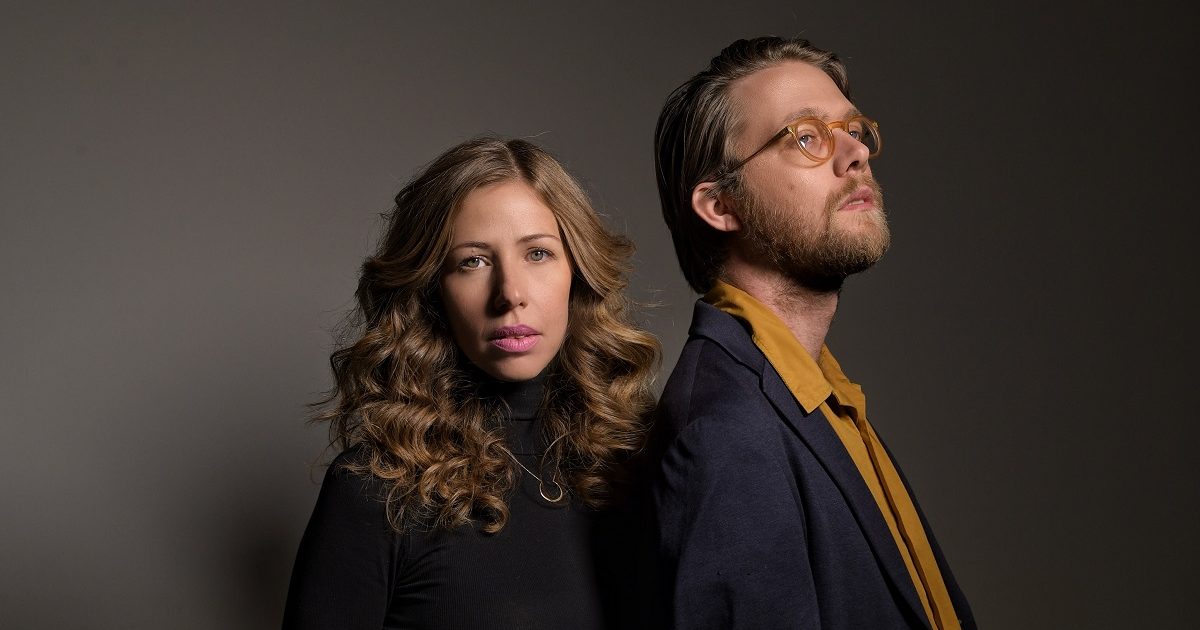
Some instruments tend to have a pretty specific role in the world of roots music. It takes a great deal of ingenuity and skill to challenge these roles, create something truly unique, and expand the capabilities of an instrument. That is exactly what singer-songwriter Scott Mulvahill has done with his growing catalog of solo material. Not only is he a talented both singing and songwriting, but he is also a world-renowned bass player, previously fulfilling low-end duties for Ricky Skaggs’ legendary bluegrass band Kentucky Thunder.

Mulvahill’s creativity and uniqueness shine in his 2020 release, Creative Potential, a project filled with songs that put a smile on your face. Love, happiness, and joy are each subjects of several of the tracks, making this EP a bright spot in a dull year. Smooth singing and skillful playing abound, but an extra treat in this release is the wonderfully thought-out arrangement and presentation of the music. If you haven’t had the pleasure of listening to Scott Mulvahill yet, we highly recommend you get on the train and hear just what is so special about Creative Potential.


Photo credit: Lindsey Patkos

WATCH: Sierra Hull Draws on Animation in “Beautifully Out of Place”

Sierra Hull, an accomplished instrumentalist, vocalist, and songwriter who also co-hosted the IBMA Awards this year, notched another career highlight this fall. In her first fully animated music video for “Beautifully Out of Place” she offers a refreshed meaning to the song, now set to the story of a girl walking through her day and noticing beauty in many modest places. Be it a flower growing through the sidewalk or silhouettes forming in the clouds, the main character finds herself more open to the lyrical message of “Beautifully Out of Place.”

Hull’s latest album, 25 Trips, features several heavy-hitting songs such as this, featuring positive themes, skillful singing, and weightless picking. In an interview with American Songwriter, Hull echoes this song’s sentiment, saying that the message holds true in the world even now; during an unprecedented time of uncertainty and unrest, there is still abundant beauty to behold. By the way, her song “Ceiling to the Floor” (also from 25 Trips) is up for a Grammy Award in the category of Best American Roots Song. Watch “Beautifully Out of Place” below.


Photo credit: Gina Binkley

WATCH: Teddy and Richard Thompson Swap Songs on ‘Woodstock Sessions’

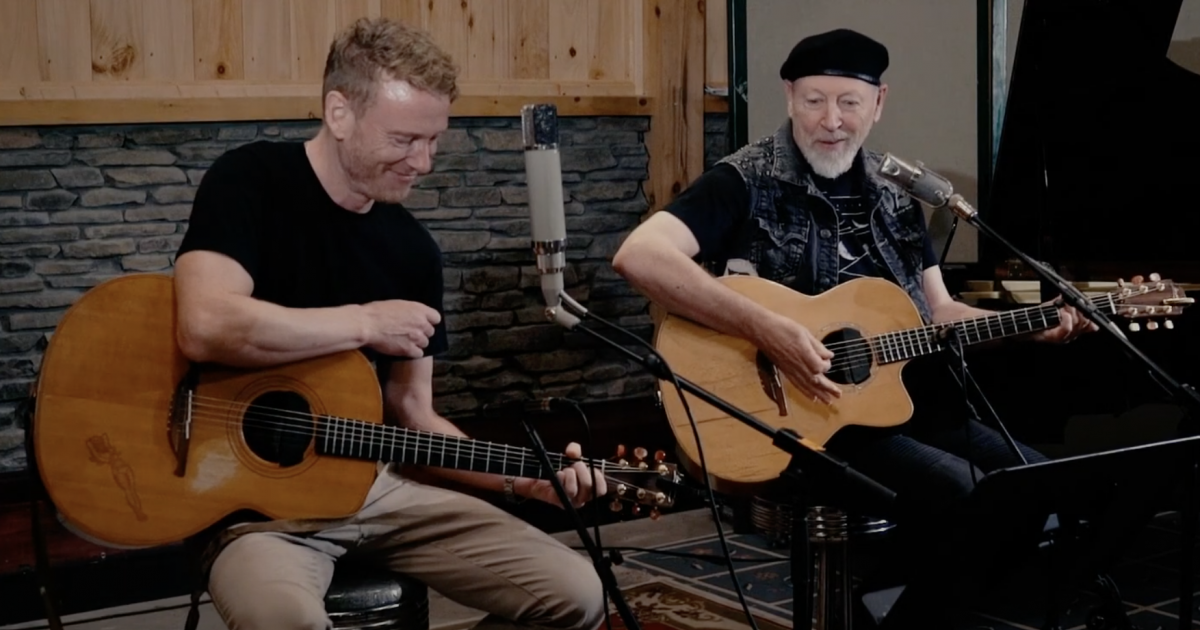
As we begin to roll into a new year, it is important to remember the important things in life and to be thankful for the goodness around us, like health, family, and music. In this edition of Friends & Neighbors, father and son Teddy Thompson and Richard Thompson grace the camera and perform a lovely set of songs for a Woodstock Sessions crew. With familiarity and comfort that only kinship can produce, the two share laughs, smiles, and charming songs that have decorated each of their respected careers.

The sessions kick off with the title track from Teddy Thompson’s new album, Heartbreaker Please. It’s his first solo release since 2011 and a complete representation of what he describes as a catholic taste in music, enjoying sounds and styles from many eras and genres. In addition, this Woodstock Session includes two of Richard Thompson’s landmark songs, as well as a cover of “Cut Across Shorty.” The fun and joviality this duo has while performing together is enough to warm the heart and kindle the flames of thankfulness and reflection. Watch these British icons share the frame here.


LISTEN: Taylor Ashton, “Alex” (Featuring Rachael Price)

Artist: Taylor Ashton (Featuring Rachael Price)
Hometown: Vancouver, Canada & Brooklyn, New York
Song: “Alex”
Album: Romanticize EP
Release Date: February 5, 2021
Label: Signature Sounds

In Their Words: “’Alex’ is a duet between two people living in a house with a bunch of other housemates and a thriving backyard garden. They’re both named Alex and they haven’t admitted their feelings for each other yet, and I don’t know if they ever will. These characters came to me in a dream, although I recognize in them aspects of myself and people from my past, and I imagine their house as some combination of all the ones I’ve lived in or stayed at over the years. Each time I imagine them, things change: they age forwards and backwards, their gender identities shift, and their reasons for keeping their feelings secret change.

“It’s a treat to sing this with the great Rachael Price, who I happen to be married to — we are roommates in a sense, but we definitely don’t have the same name and our feelings for each other are not a secret.” — Taylor Ashton


Photo credit: Shervin Lainez

WATCH: Kathleen Edwards Keeps Her “Options Open” on ‘CBS This Morning’

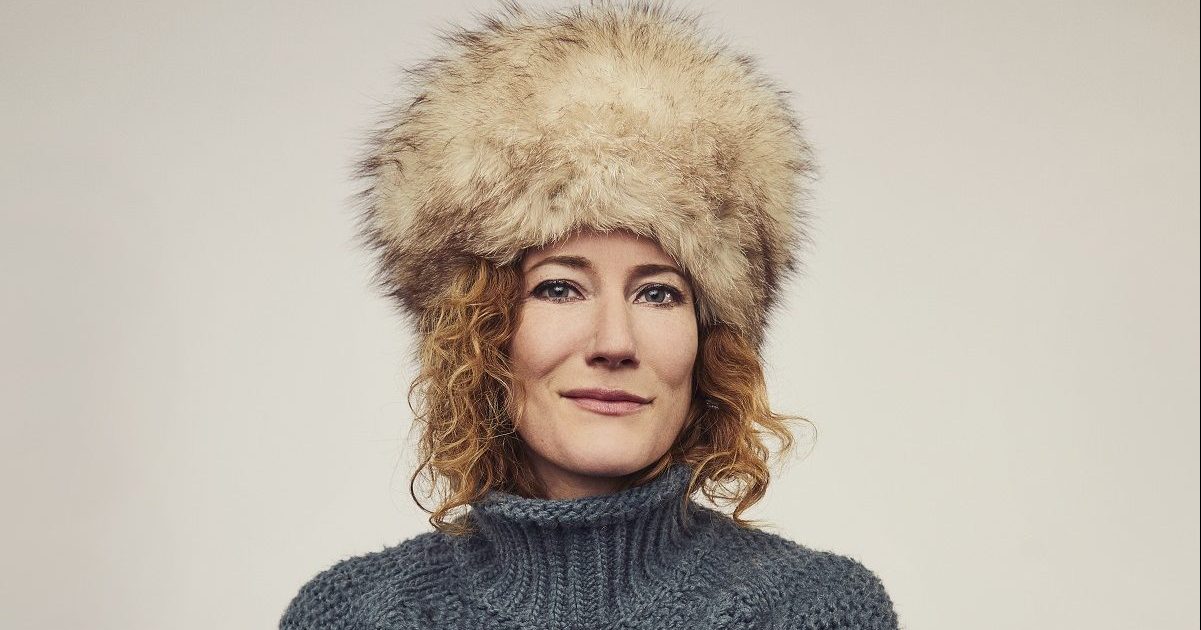
After an extended break due to burnout and depression, Canadian singer-songwriter Kathleen Edwards at last returned in 2020 with a long-awaited collection of new material, Total Freedom. Her first release since 2012, it’s an effortless return to her usual pace, with songs that remind listeners of her many peak moments since her 2003 debut, Failer. Edwards began a “working sabbatical” in 2014, during which she rediscovered old passions and kindled new creative flames. In a trailer for the album she explains, “Total freedom is having a dog. Total freedom is liking coffee and then opening a coffee shop. Total freedom is getting older. Total freedom is not worrying about what’s happening tomorrow.”

These various concepts helped Edwards reapproach music with a fresh perspective and an eager spirit, not to mention that the songs coming out of those creative detours are of the highest order. In November, she offered a concert film (shot in 2018) titled Live at Massey Hall, capping a comeback of critical acclaim from Rolling Stone and NPR. Total Freedom also led Edwards and her band to CBS Saturday Sessions. Enjoy their performance of “Options Open.”


Photo credit: Remi Theriault

Dolly Parton, Brandi Carlile, and the Women Who Wrote Our 2020 Soundtrack

There are a whole lot of ways you can tell the story of 2020, but for us here at BGS, it will be remembered as a year of especially remarkable songwriting from women in roots music.

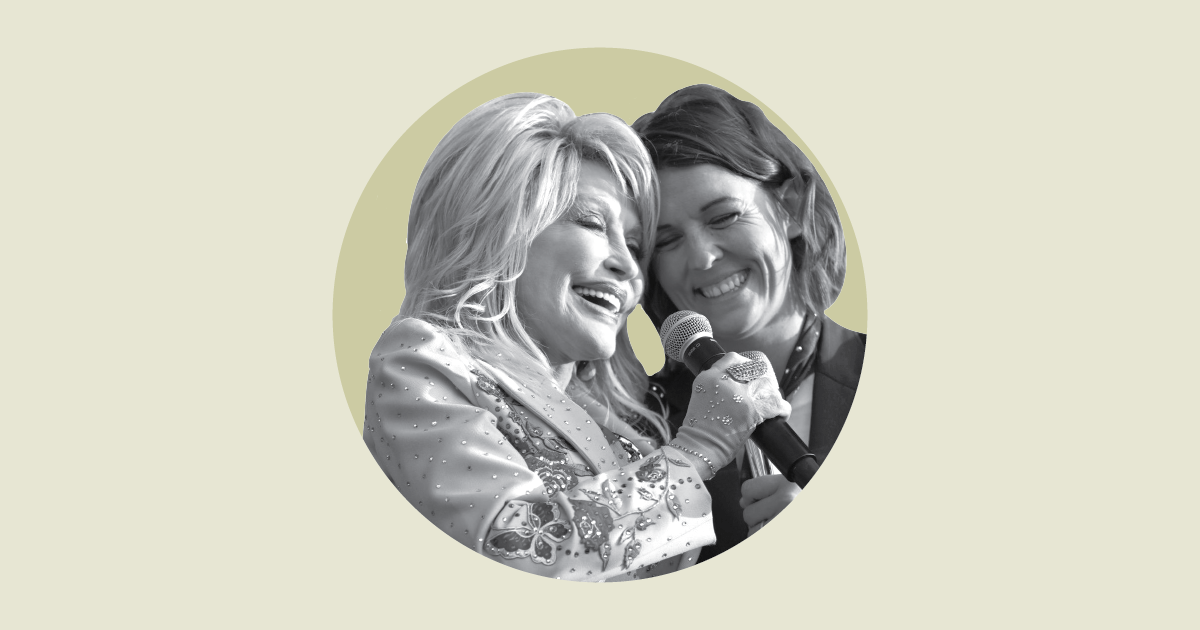
We lead our playlist with the one and only Dolly Parton, who assured us that life will be good again. Parton’s songwriting is presented in an enticing new book, Songteller, and her ability to articulate complicated emotions — through lyrics that speak to all walks of life — is something that Brandi Carlile picked up on as a teenager. In this video interview from the 2020 BMI Country Awards (with a cameo from Dolly at the end), Carlile explains how Parton’s perspective on equality kept Carlile from divorcing country music completely.

Parton, who turns 75 next month, shares a number of important qualities with a new generation of singer-songwriters she’s inspired. In the case of Brandi Carlile, there’s a sense of belonging that is woven throughout their work, from Parton’s “Joshua” to Carlile’s “Carried Me With You.” Like Parton, Brennen Leigh is able to capture a sense of place and make it relatable, even for a listener who’s never been there. Kyshona Armstrong offers a sense of self-worth and self-awareness in her writing, as Parton does, allowing listeners to know them better. Likewise, Maya de Vitry and Parton share a sense of wonder and joy, portraying landscapes — internal and external — that are imagined, yet vivid.

On Prairie Love Letter, her full-length paean to her homeland on the Minnesota-North Dakota border, Brennen Leigh demonstrates a visceral, evocative grounding – just as Parton constantly speaks of her Tennessee mountain home: with a glint in her eye, and a sorrow in her heart for knowing she had no choice but to leave it. Leigh stakes her claim on both the wide, expansive plains and Nashville all at once, asking her audience “Don’t you know I’m from here?” As if to remind she’s as at home in bluegrass and country — and Music City — as Dolly herself.

“Backwoods Barbie,” “Dumb Blonde,” and “Just Because I’m a Woman” are all perfect examples of Parton’s lifelong radical self-possession. She expresses her agency boldly, confidently, without (visible) second guessing – from her wigs to her infamous tattoos to her nothing-special acknowledgement of her plastic surgeries, struggles with suicidal ideation, and so on, she is her fully realized, autonomous self. As Dolly told Jad Abumrad on Dolly Parton’s America, “Who we are is who we are… I would just bow out if I wasn’t allowed to be me…” Kyshona Armstrong‘s prescient album, Listen, holds similar space, as Armstrong doesn’t simply ask folks to listen; her presence, compassion, and radical honesty demand it. Because, first and foremost, she’s welcoming and non-judgmental in that aim, you will find yourself fully enveloped by her music before you realize the conviction within it.

Maya de Vitry made a gorgeous, poetic foray into heavier, rockier turf with How to Break a Fall, a gutsy, genre-bending set of songs. Their anger, release, and passion, expressed by the folk-rock production style, feels right out of Parton’s post-White Limozeen era, an effortless combination of seemingly disparate musical influences, distilled into something that, almost above all else, feels joyful. Where male-centered rock and roll finds itself often hung up on its endemic toxic masculinity, de Vitry and Parton stride into electrified sounds with their femininity forward, and the result is as charming as it is subversive.

It’s striking, among such an incredible volume of musical output from their Americana and country peers this year, that these women would stand out, above and beyond the still-common glass ceilings imposed upon them for decades. Dolly blazed a trail, but these dozens of writers — and singers and pickers and composers and front women and side musicians and authors and poets — would have crashed through inevitably on their own. With songs like Adia Victoria’s “South Gotta Change,” Sunny War’s “Can I Sit With You?,” “Troubled Times” from Laurie Lewis, the Secret Sisters’ “Cabin,” it’s obvious Dolly Parton’s songwriting legacy will be inherited by multiple generations worthy of carrying it on.

Throughout 2020, the BGS editorial team embraced this wealth of excellent music from women songwriters in roots music. It has been a privilege to share these original voices with our readers, too. Here are 50 of our favorite tracks from 2020:


Photo credit: Daniel Jackson for BGS, Newport Folk Fest 2019

LISTEN: Stephen Kellogg, “I’ve Had Enough”

Artist: Stephen Kellogg
Hometown: Connecticut
Song: “I’ve Had Enough ”
Album: I’ve Had Enough
Release Date: December 18, 2020

In Their Words: “I’ve always been in theory, and actuality, an optimistic person. This year has tested that. 2020 has been scary and exhausting in myriad ways. Can we agree on that? No? Of course, we can’t. Because that’s what it’s like when you are homeschooling four kids through a pandemic while trying to knock out a living and swallow the bitter injustice of a morally bankrupt president who would rather take down a great nation than admit legitimate defeat.” — Stephen Kellogg


Photo credit: Jeff Fasano

2020: The Year of Dolly Parton

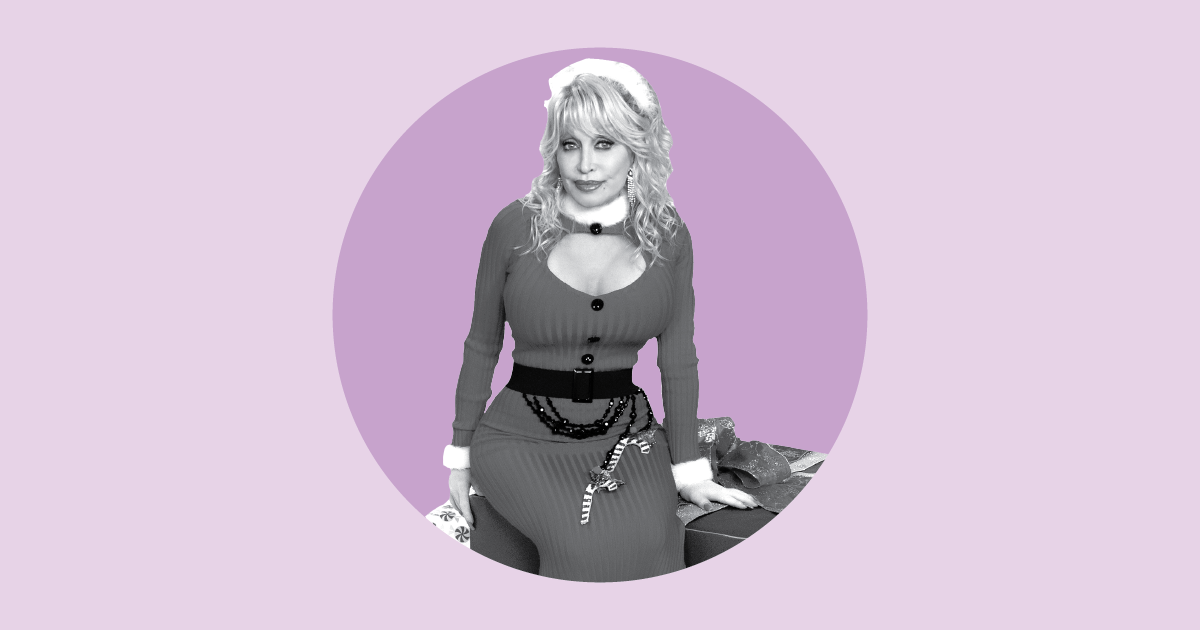
Dolly Parton kept her promise to bring good into the world in 2020 and beyond. For so many reasons, this is absolutely the Year of Dolly Parton.

Marking her 50th anniversary as an Opry member in October 2019, she told reporters, “This world is just so dark, ugly and awful. I just can’t believe how we just can’t have a little more light and a little more love. So, I’m going to make it my business to try to do songs that are more uplifting — not just all Christian-based songs but songs that are just about better things. Do better and just have a little more love, a little more light and just don’t be so dark and dirty!”

Gosh, where to begin? How about…


View this post on Instagram


A post shared by Dolly Parton (@dollyparton)

Although it seems like a million years ago now, Dolly launched a viral craze on January 21 with a meme that went around the world. Gotta love the acoustic guitar for Instagram!

Also in January, she notched a Top 10 track on Billboard’s Hot Dance/Electronic Songs chart with “Faith,” which basically transformed the John Hiatt classic into an international EDM hit. Co-starring in the video with her musical collaborators, Galantis, Parton camps things up as the world’s best-dressed bus driver.

Later in the month, Parton collected her ninth career Grammy Award, this time in the category of Best Contemporary Christian Music Performance/Song, sharing the honor with For King and Country with “God Only Knows.” Although Parton wasn’t in attendance, the duo’s Joel Smallbone remarked from the podium, “To dear Dolly Parton, who is an incredible human being. It’s one of the great moments of our career to collaborate with her and her team.”

He continued, “I taught two of her managers in Sunday school growing up, so they were kind enough to reach out and play her the song. But she said something on a call. She said, ‘I love this song because it’s reaching to the marginalized, to the depressed, to the suicidal,’ which is all of us at some point. And then she said this, in her Dolly accent: ‘I’m going to take this song from Dollywood to Bollywood to Hollywood.’ And we did it, Dolly, we took it all the way.”


View this post on Instagram


A post shared by Dolly Parton (@dollyparton)

A few months into the pandemic, Parton told Instagram followers, “I think God is in this, I really do. I think he’s trying to hold us up to the light so we can see ourselves and see each other through the eyes of love. I think that when this passes, we’re all gonna be better people.”

She also revealed on social media that she’d donated a million dollars to Vanderbilt University help find a cure for the coronavirus. She wrote, “My longtime friend Dr. Naji Abumrad, who’s been involved in research at Vanderbilt for many years, informed me that they were making some exciting advancements towards research of the coronavirus for a cure. I am making a donation of $1 million to Vanderbilt towards that research and to encourage people that can afford it to make donations.”

Incredibly, when news of the Moderna vaccine emerged in November, Parton’s contribution was duly noted. “Without a doubt in my mind, her funding made the research toward the vaccine go 10 times faster than it would be without it,” Abumrad told the Washington Post.

In April, she kicked off a series of bedtime stories, told online, in order to bring comfort to children who were scared about sheltering in place. “This is something I have been wanting to do for quite a while, but the timing never felt quite right,” she said. “I think it is pretty clear that now is the time to share a story and to share some love. It is an honor for me to share the incredible talent of these authors and illustrators. They make us smile, they make us laugh and they make us think.” Two of the chosen books she wrote herself: Coat of Many Colors and I Am a Rainbow.

In addition, a new line of uplifting greeting cards inspired by Parton appeared in Walmart stores over the summer. Meanwhile, musically, she responded to the pandemic with a beacon of optimism, titled “When Life Is Good Again.” She shared the song in tandem with an interview (while sitting on her porch in her first-ever Zoom call) with the series Time100 Talks: Finding Hope.

Bluegrass fans rejoiced in August as she made a surprise announcement that six of her albums from the early 2000s were finally available on streaming services, so how about adding title tracks of Little Sparrow and Halos & Horns to your Dolly playlists? Overall, 93 once-missing tracks are now available to stream.

Although she’s rarely controversial, Parton’s commentary about Black Lives Matter caused a commotion among its supporters and detractors — and even inspired a mural in East Nashville. She told Billboard in August, “I think that everybody needs to express themselves however they feel they have to. I’m not out here to tell you what to do. I don’t want you to tell me what to do. But I just do what my heart tells me to do, I ask God to direct me and lead me, and if I’ve got his direction, I don’t have to worry too much about anything else. But I do understand people having to make themselves known and felt and seen. And of course Black lives matter. Do we think our little white asses are the only ones that matter? No! Everybody matters.”

In November, she commemorated the 25th anniversary of the Imagination Library – an incredible program she launched in 1995 in order to provide free books every month to preschool children — with a new documentary titled The Library That Dolly Built. Parton stated, “I am so excited that we can finally tell the whole story of the Imagination Library. It is certainly not just about me. Our story is the story of children, of families and communities who all share the dream to inspire kids to love to read and to love to learn. My hope is this documentary will encourage more towns, more states and even more countries to jump onboard. One thing is for sure, I think this is the best investment I have ever made.”

Those who have been fans of Dolly Parton for their whole lives were treated to two magnificent overviews in 2020. The first is a Time Life box set of her career on camera, available in two different configurations. One option for Dolly: The Ultimate Collection clocks in at 11 DVDs, and the other at 19 DVDs. Some of the most interesting footage comes from her variety shows, such as this clip of the superstar singing “Amazing Grace” with Glen Campbell (who, for some reason, has brought along his bagpipes).

The other retrospective is Songteller, a book of lyrics that doubles as a memoir. Compiled by Parton and noted journalist Robert K. Oermann, it portrays Parton as a composer whose catalog goes way deeper (and darker) than “Jolene,” “9 to 5,” and “I Will Always Love You.” Dorian Lynskey, a contributor to the L.A. Times, wrote, “Her shows are carnivals of good-natured inclusivity that unite everyone from LGBTQ millennials to MAGA-hat boomers under one roof. There is room for heartbreak but not deep cuts about suicide and arson. Still, she would not have included so many of these dramas of cruelty and suffering in Songteller if she did not believe that this harsher strain in her life and work was worth remembering. Her optimism stands on the shoulders of pain.”

And if all that isn’t enough, she gifted us with a holiday album and a network special (both titled A Holly Dolly Christmas), a Netflix movie (Christmas on the Square), and even a baking kit at Williams-Sonoma. It may be the only time in history that she’s been affiliated with the words “cookie cutter.”

Right before Thanksgiving, the iconic musician logged her 50th Grammy nomination, this time for “There Was Jesus,” a collaboration with Zach Williams in the Best Contemporary Christian Music Performance/Song category. A week later, former President Barack Obama lamented that he hadn’t given Parton the Presidential Medal of Freedom. Perhaps that will happen in 2021?

Not that she’s short on awards. She picked up the new Hitmaker award from Billboard in December, and told viewers, “Of course, I’m proud of all the wonderful women in show business that write all these wonderful songs. I’d like to acknowledge a few — some of them older, kind of back in my day. Cindy Walker, who wrote some of the greatest songs ever, and of course Loretta Lynn, a wonderful, wonderful songwriter. And this day in time, of course, Taylor Swift, she’s just right up there, probably number one. And of course, Brandi Carlile, there’s just so many that write so many good songs. I think it’s so important that we acknowledge the women that write and sing in country music. And I think it’s also very important that they take control of their own business. I know I’ve had my own publishing company for years. Same with a lot of these women that I mentioned. But anyhow, I’ve just wanted to always say, ‘You go, girls!’ We can do it!” (Like hundreds of others, the trophy will be housed in her museum in Dollywood.)

This year, and in all years, we commend Dolly Parton for her work ethic and for making herself available to her fans. Yes, she knows how to market herself through visibility and personality, but in 2020, when so many of us have stayed in, she’s gone the extra mile to put herself out there, safely.

On November 30, she wound up in New York Times‘ Style magazine in its “Diva” series, alongside Patti LaBelle and Barbra Streisand. One of the most accurate depictions of what it’s like to be around Dolly (and to always wish you had more time to spend together), the article’s author Emily Lordi quotes Dolly talking about her ambition: “I just wanted to do really good work, and I wanted it to make a really big difference in the world … to uplift mankind and glorify God.”


Photo courtesy of Dolly Parton

BGS Class of 2020: The Albums and Songs That Inspired Us This Year

At BGS, we seek out roots music from all corners — for those readers encountering us for the first time, we’re not “just bluegrass.” With our annual year-end list, we’ve shaken off the “best of” title and instead gathered 20 recordings that inspired our staff and contributors. For many reasons (but especially the long-awaited return of live music and festivals), we look ahead to 2021, but first… here are the albums and songs that inspired us in 2020.

Courtney Marie Andrews – Old Flowers

Courtney Marie Andrews couldn’t touch my heart deeper. Her music has been the healing salve for the wounds of 2020. To me, she’s the true definition of an artist: A songwriter, a musician, a painter, a writer, a singer, a poet, an activist. My favorite song on her magical 2020 album is “Old Flowers.” It’s the perfect metaphor of resilience and rebirth after suffering, both in love and in life. Becoming whole again. If that ain’t a theme we could all grow from this year, I don’t know what is! – Beth Behrs


Anjimile – “Maker (Acoustic)”

Anjimile’s Giver Taker was the album I can’t stop (and won’t stop) telling people about in 2020. The full version of their single, “Maker” was a beautiful amalgamation of cultures and influences synthesized by an artist not constrained by cultural and creative preconceptions. To me, Anjimile’s acoustic version of the lead single distills the brilliance of their songwriting into its purest form. – Amy Reitnouer Jacobs


Danny Barnes – Man on Fire

Danny Barnes’ Man on Fire was a worthwhile gift to us all this year. Over the last couple of years, I’d heard chatter of a project in the works with names like Dave Matthews, John Paul Jones, and Bill Frisell involved. I am constantly in awe of what Barnes can create using the banjo as a pencil. This record was no exception, combining his unique style and songwriting with an electrified crew. – Thomas Cassell


Bonny Light Horseman – “The Roving”

There’s an odd bit of sorcery in the first measures of “The Roving,” a new version of an old folk tune on this supergroup’s debut. It opens tentatively, the instruments falling into the song like autumn leaves: First an acoustic guitar, then cymbals, then piano, all coalescing into a windblown arrangement that’s both understated and sublime. – Stephen Deusner


Bob Dylan – Rough and Rowdy Ways

Packed with jumbles of historic/cultural references and tall tales, bluesy swagger and prayerful romance, and climaxing with the shattered-mirror JFK assassination epic “Murder Most Foul,” Dylan’s first set of originals in a decade is breathtakingly masterful. It’s also, often, hilarious. Nearing 80, the Bard’s as playful as ever. And as poignant. And, justifiably, as cocky. – Steve Hochman

To me, Bob Dylan’s best era started in 1989 with his 26th studio album, Oh Mercy, and continues to this day with his 39th, Rough and Rowdy Ways. “Murder Most Foul” shows us that the master of his generation is as much in control of his folktale troubadour craft as he’s ever been. – Chris Jacobs


Justin Farren – Pretty Free

Knowing nothing about Justin Farren, I was immediately sucked into his evocatively detailed story-songs that involved returning diapers to Costco, getting a “two-paycheck ticket” while trying to impress a girl, and (in the all-too-appropriately-titled for-2020, “Last Year Was The Best Year”) a wild Disneyland adventure. Full of humor, sorrow, regrets and hope, Pretty Free was a musical world I visited often this year. – Michael Berick


Mickey Guyton – “Black Like Me”

Mickey Guyton’s lyrics illuminate the individuality and dilemma of any non-white vocalist in country music, and in particular the difficult journey of Black women in the field. Her performance is gripping and memorable, paying homage to many others who’ve faced ridicule and questions about why they’re daring to perform in an idiom many still feel isn’t suited for their musical style. – Ron Wynn


Sarah Jarosz – “Pay It No Mind”

Atop a Fleetwood Mac-style groove, Sarah Jarosz imagines the advice a distant bird might offer. But her songbird is no sweet, shallow lover. She comes with the weight and wisdom of something more timeless. Jarosz lets her fly via mandolin-fiddle interplay that personifies the tension between the endless sky and the “world on the ground.” – Kim Ruehl


Lydia Loveless – Daughter

“I’m not a liberated woman,” Lydia Loveless declares on her fifth album, “just a country bumpkin dilettante.” Don’t you believe it. Written in the shadow of her 2016 divorce and beautifully sung in a voice both epic and straightforward, Daughter finds this Americana siren at the height of her formidable powers. – David Menconi


Lori McKenna – The Balladeer

Lori McKenna‘s singular talent for capturing the joy in everyday details is on full display, from the church parking lots and hometown haunts of “This Town Is a Woman” to the stubborn tiffs and make-up kisses on “Good Fight.” But The Balladeer acknowledges the hard-as-hell times, too. With gentle accompaniment, commanding melodies, and McKenna’s signature lyrical wit, The Balladeer showcases a modern songwriting master. – Dacey Orr Sivewright


Jeff Picker – With the Bass in Mind

I love “new acoustic music,” but am often afraid I’ll be disappointed by it. Jeff Picker’s With the Bass in Mind immediately eases those worries by offering music that is creative, thoughtful, unexpected, and virtuosic while still feeling grounded and musical. All while effortlessly answering the once-rhetorical question: “What would a solo bluegrass bass album even sound like?” – Tristan Scroggins


William Prince – Reliever

William Prince‘s Reliever feels like the best pep talk I’ve ever had. In particular, “The Spark” finds him astonished with loving a partner who loves him back, no matter his own perceived flaws. As a whole, the album explores complicated emotions with a comforting arrangement (with duties shared by Dave Cobb and Scott Nolan). Sung with assurance by Prince, almost like he’s confiding in you, Reliever is both encouraging and excellent. – Craig Shelburne


Scott Prouty – Shaking Down the Acorns

We’d be remiss in our jobs as procurers of roots music culture to not include this stoically beautiful record on our year-end list of the very best. A hearty collection of 24 (mostly solo) old-time fiddle and banjo songs, there is something ever-present, comforting, and timeless about Prouty’s playing, and I have no doubt this is a record I’ll be revisiting like an old friend for years to come. – Amy Reitnouer Jacobs


Emily Rockarts – Little Flower

Montreal-based songwriter Emily Rockarts’ debut album Little Flower is one to remember. Produced by Franky Rousseau (Goat Rodeo Sessions), the album features lilting cinematic ballads punctuated with dance-in-your-room indie anthems. Rockarts’ musicianship is undeniable; her stunning melodies and refreshingly earnest lyrics make for a remarkable combination that is unlike anything else I’ve heard. Run, listen to Little Flower now! – Kaia Kater


Sarah Siskind – Modern Appalachia

Sarah Siskind brought her luminous, Nashville-honed songwriting back home to North Carolina a few years ago and let the mountains speak through her. Leading an all-star Asheville band live off the floor at iconic Echo Mountain studio, she’s made a heart-swelling set of songs that gather her special melodic signature, her meticulous craft, and her insight into how a rich musical region is evolving. – Craig Havighurst


Emma Swift – Blonde on the Tracks

Emma Swift reminded the music world of the power that artists have to control their work when she self-released Blonde on the Tracks, an eight-song collection of Bob Dylan covers. Her interpretations are as powerful and innovative as her methodical and thoughtful initial distribution sans streaming services. – Erin McAnally


Julian Taylor – The Ridge

Mohawk singer-songwriter Julian Taylor resides in what is now referred to as Toronto, but his masterful country-folk record, The Ridge, hits your ear as if plucked directly from Taylor’s childhood summers spent on his grandparents’ farm in rural British Columbia. Refracted through Taylor’s crisp, modern arrangements and undiluted emotion, The Ridge seamlessly bridges the elephant-in-the-2020-room chasm between rural and urban — musically, familially, lyrically, and spiritually. – Justin Hiltner


Molly Tuttle, “Standing on the Moon”

2020 has handed us its fair share of cover albums, with stay-at-home orders urging many to reach for the familiar — but none have meshed a variety of musical sources so creatively as Molly Tuttle’s whimsical …but i’d rather be with you. Her version of “Standing on the Moon” is the nostalgic and homesick, Earth-loving galactic trip of my pedal steel-obsessed, Deadhead dreams. – Shelby Williamson


Cory Wong – Trail Songs (Dawn)

A record that I didn’t know I needed came in early August when Vulfpeck guitarist Cory Wong released Trail Songs (Dawn). A change of pace for Wong, it features predominantly acoustic instrumentation and organic sounds. The album kicks off with “Trailhead,” which sounds like a Dan Crary instrumental until the groove drops in the second verse. BGS standbys Chris Thile and Sierra Hull make appearances as an added bonus. – Jonny Therrien


Donovan Woods – “Seeing Other People”

We may seem unsentimental, stoic, unemotional — especially when faced with something like a partner moving on, or a breakup, when it may be easier to seem fine, have a pint, and download Tinder. Donovan’s gift in this song is to show those complicated “yes, and” internal thoughts and emotions. It is beautiful. – Tom Power

Mark Harris, “Lost Girl”

Just about every picker in bluegrass and old-time each has their own right-hand approach to their instruments. Even on the violin, a device with hundreds of years of technique and pedagogy behind its myriad bowing-arm methods, idiosyncrasies are still apparent in nearly every instrumentalist’s approach. The six-string, flat-top guitar — despite being perhaps the most common “ax” in the traditional five-piece string band — has experienced far fewer seismic shifts in playing style and technique, though its individual touches are just as varied. Clarence White and acolyte Tony Rice each reinvigorated the instrument’s role in bluegrass; and today, players like David Grier, Tommy Emmanuel, and Molly Tuttle conjure mind-bending, never before seen or heard acrobatics on their instruments. (Tuttle’s clawhammer guitar approach being a perfect example.) 

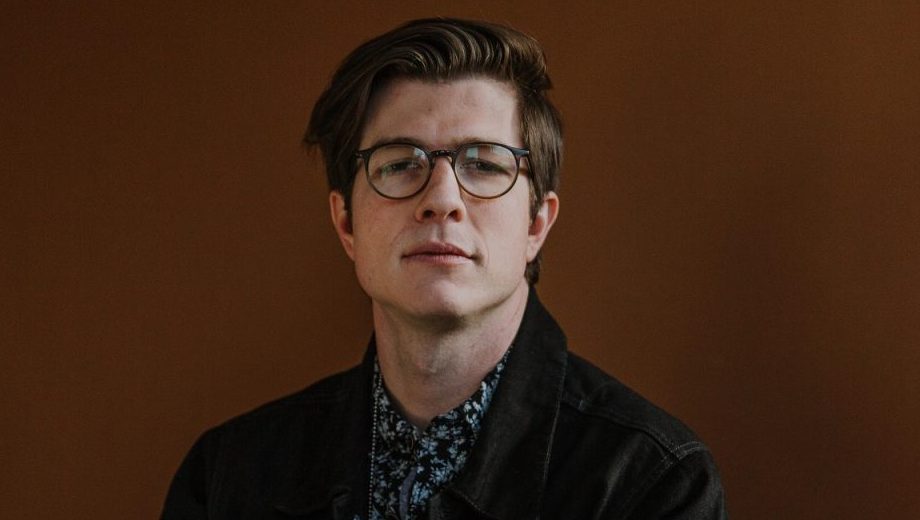
Mark Harris, an Australia-born guitarist now based in Colorado, offers his own innovative right-hand style on a new album, Old Time Guitar. His debut, the fifteen-song series explores old-time fiddle tunes re-arranged and configured for solo guitar. By playing with open tunings and capitalizing on their innate resonance, Harris is able to execute each composition as if a one-man-band, supplying his own rhythm section and simultaneously picking the tune. It’s like an old-time rendering of jazz guitar studies’ chord melodies plus open-string droning seemingly plucked from the banjo. The result, like on “Lost Girl,” is a loping, driving, homey sound with a polish — or perhaps a patina. On “Lost Girl,” Harris’ guitar is tuned D G D G B E (top to bottom), giving his flat-top box a honey-like resonance somewhere between a singer-songwriter’s DADGAD happy place and an open-tuned banjo.

With Old Time Guitar, Harris makes a compelling mark within a contemporary old-time scene hungry to demonstrate its canon isn’t just time capsule music, but relevant contextualized in the present — with production, arrangements, and outside-the-box thinking to match.


Photo credit: Tim Brown