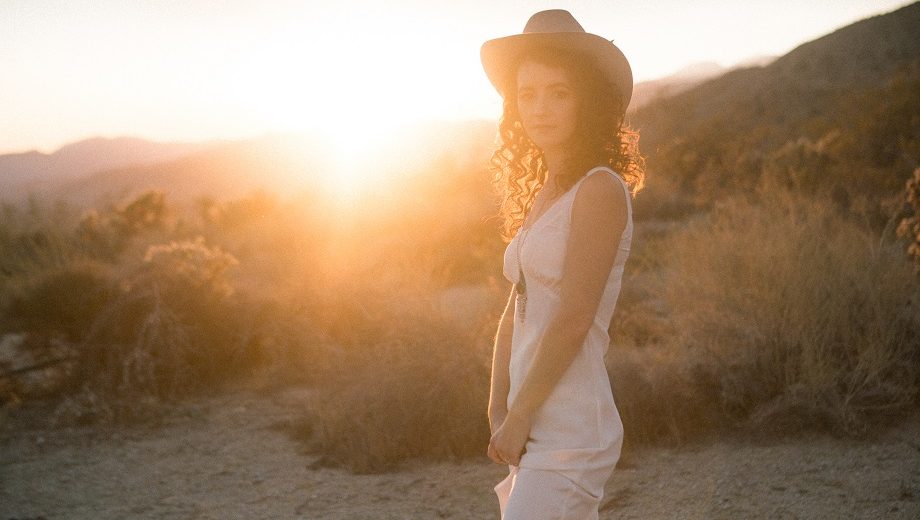
An Incomparable Album, ‘White Noise/White Lines’ Is the Kelsey Waldon Experience

I’ve had the good fortune of knowing Kentuckian country queen-in-waiting Kelsey Waldon for almost the entire time I’ve lived in Nashville — more than eight years at the time of this writing. I’ve stood over her unfathomably enormous cast iron skillet, filled to the brim with bubbling, sizzling battered fish. I’ve sung harmony on one too many choruses of “Smoky Mountain Memories” after perhaps one too many slugs of Kentucky straight bourbon whiskey with her, too. 

And yet, in listening to her brand new album, White Noise/White Lines, I still found myself picking up fresh tidbits of her extraordinary yet downright ordinary approach to musicmaking, songwriting, self-expression, and artistic exploration. Waldon, despite limitless comparisons to almost every female country forebear to ever growl through a lyric, remains a paragon unto herself, a true singularity in realms of American roots music. 

White Noise/White Lines cements the fact (which has always been plain as day to those who dug deep enough) that Waldon will refuse tidy, one-for-one comparisons to any/all other country stars and writers who have come before her or who count themselves among her contemporaries. Except perhaps two: Loretta Lynn — whose “Coal Miner’s Daughter” inspired Waldon’s own “Kentucky, 1988” — and John Prine. The latter is fitting, in so many ways, now that Waldon makes her label home with Oh Boy Records, label of the denizen of Kentucky songs, meat and threes, and plain spoken oracle-like wisdom through lyrics. 

A brief album by many measures, White Noise/White Lines captures technicolor moments of Waldon’s life, her joys, her musings, and her homeplace, encouraging listeners to lean into the record’s brevity and engage wholly with each constituent moment therein. Because truth needs no more than a moment.

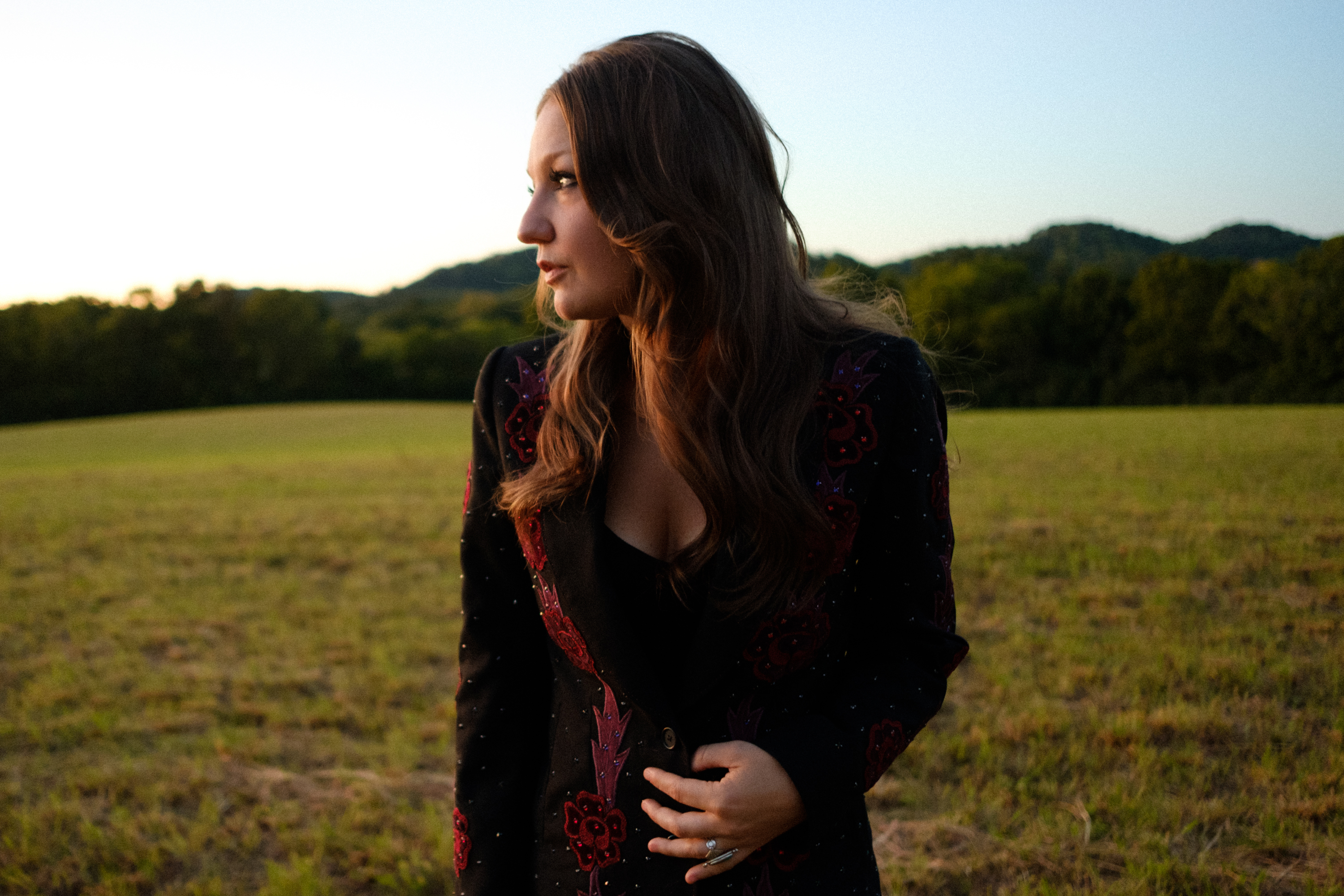
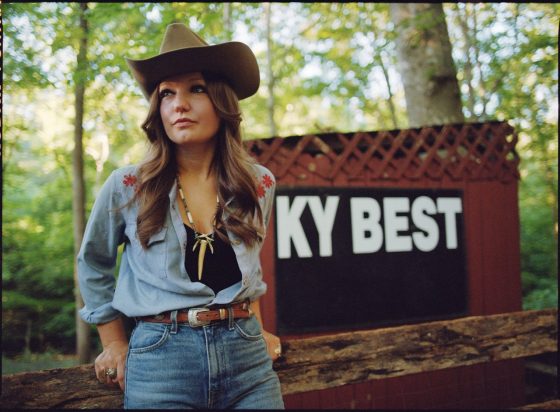
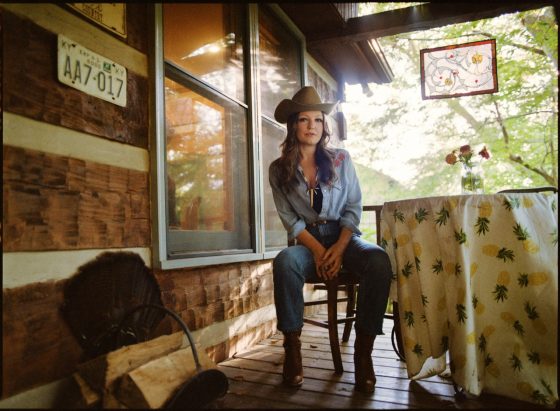
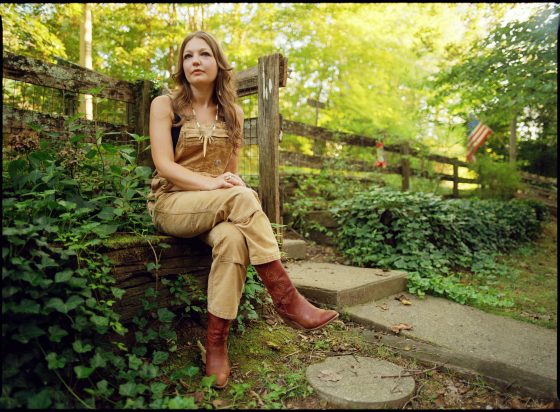
For BGS I made the trek out to Waldon’s cabin outside of Nashville and after a quick stroll around the vegetable gardens and a tour of the many Kentucky-themed decor items imported from one state north, we settled in the kitchen, sipping water out of mason jars, to talk.

People routinely refer to you as being similar to Loretta, similar to Tammy Wynette, Kitty Wells, Patsy Cline. People are constantly making these comparisons to these kind of foremothers of country and I wonder how that makes you feel, to be a bookend against someone like Loretta or Tammy Wynette?

Kelsey Waldon: Honestly, I think that’s an incredible compliment. Those are all, you know, my sisters that have gone before me, women that I’ve looked up to quite a bit. Especially in the country music realm. However, I also kind of feel like, especially with this new record, I think it’s apparent that hopefully I’m also finding quite a bit of my own thing. 

Sometimes when people say things like that to me it’s like, well maybe their scope of country music isn’t that wide. When someone would be like, “You sound like Patsy Cline!” I’d be like, “Uh, no I don’t.” [Laughs] I mean, I love Patsy Cline and I hold her up as something sacred, I wouldn’t ever even sing Patsy just because nothing touches that. 

I think it can kind of be, dare I say, a lazy comparison to just kind of name [some popular woman country star.] It’s definitely there. Even sonically, I was so inspired by them. Especially Loretta, absolutely.

I hope the new record showcases that with the years we’ve spent on the road — just using even my own touring band. It starts at country with me, I can’t just flip off a light switch and say, “Oh, it’s not country!” I guess some people can do that, but I don’t see it that way. Country is just so much embedded in me. No matter what form my artistic expression comes out, that’s still gonna be there. It just may not be cookie cutter, it may not be formulated. It may not even sound exactly like that. One thing that I think the growth of this record shows, hopefully, is that these are my songs, I’m not a throwback artist. I’m not a retro artist. I am an artist making music in 2019.
I did want to talk about your band, I think it’s remarkable. It’s getting more and more rare that folks tour with the folks who played on the record, because — and it’s not the fault of anybody — they’re trying to make money on the road. So if they stack their record, of course they aren’t bringing those people on tour. Why is it a priority for you to have the same band?

There are obviously all of these amazing musicians out there who are session musicians and a lot of people I’ve been fortunate enough to play with myself. I’ve learned a lot from [them]. This time around, this was always a goal of mine, to have a record that had a band I wanted on it. I worked really hard to find the band to really fit those pieces together. It took me a while…  just trying to figure out really what I wanted. My last record, I’ve Got A Way, caused the right people to gravitate towards my music. I mean, I eventually found the band that I have now because they heard those earlier records and they were like, “I would love to be a part of this.”

The band I have now, which is Mike Khalil, Nate Felty, and Alec Newnam — and Brett Resnick played on the record, but he doesn’t get to play with us a lot anymore, he plays with Kacey Musgraves, which is wonderful. But with the band I have now I just knew it. I was like, “I think this is it.” We all knew it. Even Brett. People were like, “We think this is the right combination.”

In that way, too, there’s nothing wrong at all with using session players, I just think, honestly — and I might be a little biased — my band is just as good as any. I think they could, and they will be one day, they will be those session players. They care so much about their craft and they work hard. I’m very lucky. 

One of the things that excites me most about this record is that I’ve always heard the bluegrass influences in your music, but they’re really forward in this record. Especially in your rhythm playing, in your rhetorical style in your writing, in your vocal phrasing, even in the arrangements with the twin fiddles and there are a couple of “fast waltzes” on the record. I love that “Lived and Let Go” really could be played on bluegrass radio. 

I think that is such a huge compliment, thank you.

It’s bluegrass! I wanted to ask, and not just because we’re The Bluegrass Situation, but in general, because this is a huge part of the canon of music you reference and that you listen to. Who in the bluegrass sphere influences you now and who has in the past — and I’m gathering Ola Belle Reed is at least one of them. 

I love Ola Belle, obviously, we did an Ola Belle song on the record. Well, I love that you can pick that out. To me, I feel like it’s plain as day that there’s a bluegrass influence all over it. To some people it’s not as apparent, I guess. I’ve had some people just be like, “What is this thing that you’re doing?” It’s because they don’t listen to bluegrass. I’m like, “I STOLE that!” [Laughs]

I guess I understand now why they don’t put those two together, if you’re talking about mainstream country, because that’s clearly not. But to me, I’m always like, “Of course bluegrass is country.” It’s also bluegrass, but it’s also country.  It’s like the OG country music. 

I would say one of my favorite influences, one of my favorite singers ever, is Dale Ann Bradley. She’s up there for me. I really think Dale Ann should be a legend, honestly. And Ralph Stanley, and obviously I love Bill [Monroe], and Jim & Jesse, and all those groups. And early Keith Whitley, I’ve been obsessed with that for a long time. 
I think it’s interesting that you mention both Ralph and Keith back to back like that, because you can hear elements of both of their vocal phrasing and vocal techniques, in what you do singing-wise. 

The same thing with Dale Ann. They have such unique registers of their voices and it’s something that I really relate to. Sometimes I didn’t really know what it was that I was doing. I could kind of hear my own voice in [their vocals]. If that makes sense? I could really relate to that. It’s so soulful. 

I feel like Keith could sing on anything. [Laughs] He sounded exactly like Keith. That’s the beautiful thing about a country singer to me, he could sing on an R&B track and it would be sexy as hell. It’s like George Jones — and Dolly can sing on anything, as far as I’m concerned. That’s a great singer, to me. Ralph, I’ve always said that he is like the Pop Staples of mountain music. It’s like he doesn’t even have to be loud, but he is so loud. He’s barely singing. He’s just projecting. I love Flatt & Scruggs as well. 

New artists… Molly Tuttle, I love what she’s doing. That new record. She’s really taking a genre and making it her own. Something that’s not worn out or tired. Doing something fresh. She has accomplished making this new for people. In my own way, I hope to do that as well. 

I don’t guess there’s anybody else completely new, besides like Sister Sadie, and Dale Ann! [Laughs] They are some BAD girls!! Dale Ann, man. The mark of a true artist is that she can sing all of the covers she does. Like I said, I think Dale Ann should be a legend. 

Words are clearly your priority in your songwriting. You’re prioritizing what you’re meaning to say first and foremost, then making the melody and music and everything work around what you’re trying to say. It sounds effortless when you listen to it, but I wonder what kind of intention goes into that?

Songwriting is kind of interesting to me in that way. I’ve actually heard a couple people be like, “It sounds effortless.” Sometimes, it is effortless and you’re just like, “Wow that kind of poured out of me. I didn’t realize it was in there but it poured out of me in like five to ten minutes.” With this record, though, there were definitely a couple of things I had to go back to. I had the meat and taters, but there were a couple of things I rewrote and made sure made exactly the sense I wanted them to make. There’s a balance there, too. You don’t want to kind of go too far, over-analyzing the whole thing.

With “Kentucky, 1988,” I think your songwriting up to this point has felt so personal, and so tightly intertwined with who you are, that I almost didn’t realize that you hadn’t written this exact kind of song, yet. What brought you to the point of wanting to be that direct with telling your origin story? Was it more intuitive or more purposeful?

That was definitely purposeful. That is awesome that you’ve observed that, because I’ve felt the exact same way. I was writing new songs and I felt like, “You know, I haven’t written my ‘Coal Miner’s Daughter.’” I don’t really have something that is kind of like this definitive origin story. I just set out to write it. The title was actually kind of inspired by someone I forgot to mention, Larry Sparks — one of my favorite singers. 

Oh my gosh!! “Tennessee, 1949!!” 

Yeah! Yeah, it was inspired by that. That and a Tom T. Hall song that has Kentucky and a year in the title, with the comma and everything. In my head all of that sounded so cool. Everything about it, the rhythmic feel, it all rolled right off my tongue great. I just had to write it. People always [say], “That’s very vulnerable and transparent.” Well yeah, isn’t that what we’re supposed to do? [Laughs]

I know a lot of artists say this, but I definitely think this is the most personal thing I’ve done so far. I think all of it has been very transparent, in a way. I want to completely embrace that. I want to be as much of a freak as I want to be. It’s not like I was afraid to before, I just don’t think that I was ready. My mom always said I was a late bloomer, but she said, “When you bloom, baby, you’ll bloom!”  

I did want to ask you about the significance of the Chickasaw Nation members singing on the record. We hear them at the end of “White Noise, White Lines.” What’s the personal significance of that for you? And are you a tribal member? Is anybody in your family a tribal member? 

No. All of the Rollins side of my family, which is my granny’s side, they were all of French and Native American descent, but I never claimed anything like that. I just think it’s been something that’s been such a part of where I grew up, culturally. Even just hunting for points [arrowheads] and having such a respect for that way of life and culture. 

It’s always really hard to keep this story short, when people ask me about the song, because I wrote it right after this amazing experience I had back home in Monkey’s Eyebrow, Kentucky, my hometown. When I went back to watch a ceremonial dance that the Chickasaw from Ada, Oklahoma [performed]. They came to re-bless the Wickliffe Mounds. They ended up lodging at my Dad’s that night, for free, [he was] cooking the food, doing the catering and stuff. I ended up staying down there and visiting.

We just became friends with the members of the tribe. We had so much fun. They’ve kept in touch… My dad took them arrowhead hunting for the first time, and they were doing ceremonial dances out on my dad’s land as well. I think he really really was appreciative of that. We were kind of the only people who ever lived down there in those river bottoms, maybe besides [the Chickasaw]. I mean, it’s the river bottoms. That’s why we find all these artifacts. No one has been down there except us. 

I just remember thinking about how awesome the weekend had been and the radio had been on white noise for literally fifteen minutes and I had no idea. I was just in this tranquil moment. The song is just a detail of all these things. The solar eclipse had also blown my mind that weekend. Just realizing how small we actually are, compared to what is even going on in this universe. 
Naturally, I included the details. “Chickasaw man got a buffalo skin drum,” because Ace — Ace Greenwood and Jesse Lindsey, that’s who’s on the song — actually did have a buffalo skin drum. It was pretty badass. My dad asked them to sing some songs on the porch. I love Ace’s voice, it reminds me of Ralph Stanley. It’s a voice that just feels like it’s been there for a long time. It’s so pure. I just loved it, I was really touched.

He sang a song that had been in his family for generations. The message of the song was basically, “Though I’m far away I’m still near you. No matter where I am. We are together.” In that moment that really was something I needed to hear. I put that [on the record] not only because I thought it was beautiful, and I wanted people to experience what I felt, but I also wanted the record to feel like an experience. 

Ace told me one time when we were down there that the media likes to tell his people who they are and that’s not who they are. I think in a way, perhaps it’s also why I thought it would be really beautiful to have that at the end as well. I hope it doesn’t seem like it was for my own reasons, I guess. I was just writing about that weekend and I felt like it was so beautiful to me I wanted it to be documented. 

I think it makes a lot of sense. And I’m not saying it’s not a complicated thing to talk about, or that it doesn’t trip into some territory that we as settlers will never fully understand, but I do think that it follows perfectly with you bringing your whole entire self to your music. So much of what you do is tied to place and is tied to coming from Kentucky. 

That was another part of it, showcasing where I’m from. And the cultural background of it. 

And not just the colonial background of where you’re from? 

No. I mean absolutely not. To me, that’s exactly how I saw it. Nail on the head. It might cause a little bit of question, but I think that’s good. ‘Cause then I’ll get asked about it. And then I’ll tell ‘em. [Laughs] 


Photos by Laura Partain for BGS. See the entire photo story.
WATCH: Darrell Scott Reminds “It’s A Great Day To Be Alive”

Song sorcerer and musical mage Darrell Scott is celebrating autumn with a refreshed rendition of his ever-popular song, “It’s A Great Day To Be Alive.” In a nod to his acoustic roots, Scott recorded a bluegrass version of the hit, which has been covered by many artists in country, Americana, and bluegrass. In October, he released the official music video — depicting fall festivities like hay rides, a corn maze, and other images of the season — which, as he tells it, was actually inspired by a surprising collaboration.

“I found that a local Nashville corn maze (Honeysuckle Hill Farms) wanted to put my image and song ‘It’s a Great Day to be Alive’ into its corn maze design this fall,” he explains. “And since I had never made a video for the song, and since the song’s message is as needed as ever, we decided to make a video with great help from family and friends. I love the result.”

Feel the warmth of autumn through this music video; watch right here on BGS.


Photo courtesy of the artist.

For Dolly Parton’s America Host, It All Starts with “Muleskinner Blues”

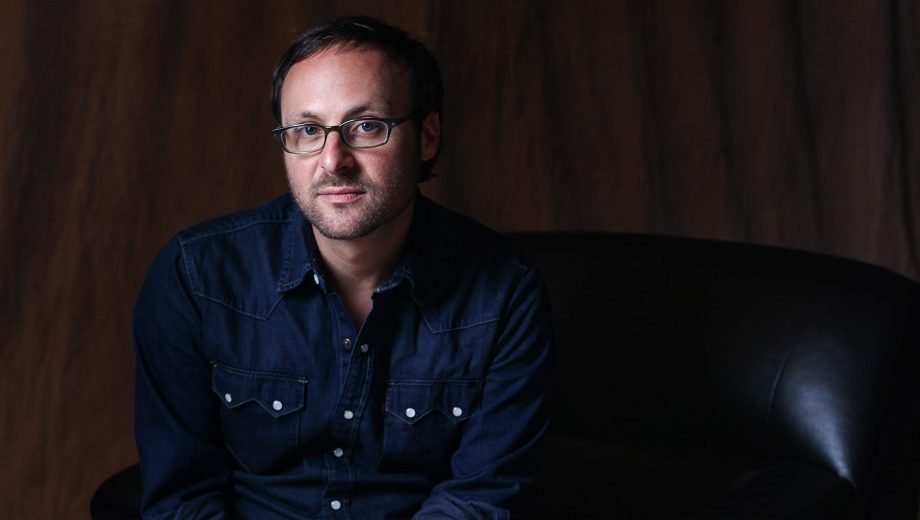
In public radio and podcast fandom Jad Abumrad’s voice is not only immediately recognizable, it’s iconic. As a host of WNYC’s hit show, Radiolab, Abumrad has explored myriad topics ranging from secret World War II missions to the social and cultural impacts of contagious diseases. He has a knack for storytelling, uncovering and contextualizing minute details that many other writers and journalists may have simply shrugged at or glossed over.

This instinct, a sixth sense that guides him to these subtle nuances that often rest undisturbed just below the surface or hide in plain sight, is focused on a new subject in his brand-new podcast (also produced and distributed by WNYC), Dolly Parton’s America. The nine-part series lives up to the oft-invoked, seldom accurate characterization of “a deep dive,” covering ground that even the most ardent Dolly experts and fans may have never trod.

A self-described “new initiate” of country music, Abumrad grew up in Nashville, but given Dolly’s standing as an almost omnipresent cultural touchstone he realized much later that during those Tennessee years he almost couldn’t see the Dolly Parton forest for the Dolly Parton trees. “I knew her music, in terms of the crossover stuff — ‘9 to 5’ and ‘Islands in the Stream,’” he admits. “But the first place I started was going back to ‘60s Dolly and ‘70s Dolly. That’s a very different Dolly.” 

Though what he found in those early decades of her career was often unexpected, it was never truly shocking or surprising, especially given the pop culture monolith that Parton has become since those years. A monolith that Abumrad describes as being able to bring people together across all manner of divides — something particularly remarkable in this current global moment. 

“You see these stories emerge of not only her changing over time, but what was happening around her in the south, in Appalachia, and in America,” he continues. “The early Dolly music and lyrics became almost like a portal that I could step through to talk about history, to talk about politics, to talk about culture, to talk about feminism. It’s all there in her music.”

And so, it’s all in the podcast. In the two already released episodes Abumrad et. al. cover topics as broad and varied as Dolly’s constantly being undervalued as a songwriter, her being “typecast” as a secondary character (a “dumb blonde”), her shift from the sad, forlorn songs of her early career to her jubilant, encouraging anthems later on, and even her own struggles with suicidal ideation.

With such an entity as Parton, a bystander might assume that any approach to unspooling the many tendrils of her vastly variable and dynamic career would be insufficient, myopic, and/or excruciatingly intimidating. Abumrad faces this daunting task with aplomb, acknowledging the many ways such a project can go awry, but not allowing that acknowledgment to dissuade him. Rather than shy away from storytelling that might open him and the podcast up to criticism about omissions or oversights or missteps, he leans into the humanity that allows for those scenarios. “This is a project where I was trying to see Dolly through other people’s eyes, so that I could understand them and understand their lives and their experiences… I wanted to understand Dolly not simply as a performer and an icon, but as somebody who’s created all this culture… Why do they love it? What do they see in it? What is it about it that calls them? I felt like that was a way to understand the country at this moment.”

BGS editor and contributor Justin Hiltner spoke to Abumrad on the phone about Dolly Parton’s America; the two took turns picking their favorite Dolly tracks, as if standing in front of a Dolly-only jukebox in a Dolly-themed dive bar. 

JH: If you and I were standing in front of a jukebox full of Dolly Parton songs what would be your “pick” if you were asked to play Dolly Parton for a room full of people? What would be the first song you would think of? 

JA: I think [with] any jukebox selection you have to disclaim: There’s no way to be comprehensive, so any selection you make is going to be one tiny sliver of a tremendous catalog of thousands and thousands of songs. 

But, I think the first one I’m going to have to pick is “Muleskinner Blues.” I think it was 1970? I think that’s right. 1970. I would play this one because that song is just… it is pure fire. The rhythm section is so badass and her on top of it, you just cannot — you have to move when you hear it. And I say this as somebody who didn’t grow up with this genre. I grew up in a house full of opera and bad hair metal. Country music was not my jam. But this is one of the first songs that when I heard it I was like, “Oh my god. This SONG.” 

The moment that she ad-libs, “I’m a lady muleskinner–” 

Oh my god, it’s so good. 

It’s so good! And I think about it all the time. When we talk about bluegrass, [people like to say,] “Oh, you know, we don’t have that many women forebears, we don’t have many [women] to point to.” I hear that [ad-lib] and I hear her telling the history of women in roots music and American music. “I’m a lady muleskinner” is like, “I’m not just singing this song that’s always been sung by men, this song is MINE now.” I love that. 

Let me follow that inspiration, because one of the things that I think about that song is where it falls in her history. She was on the Porter Wagoner show, right? She’s this crazy prolific songwriter, but she’s kind of under the thumb of this guy, who’s a legend and an amazing hitmaker in his own right, but he was kind of holding her back. At that point she’s starting to bristle. We talked to a bunch of people… I think of them as “Dolly-ologists,” these new academics who think about Dolly a lot, before this song it was a lot of sad songs, often sung from the perspectives of little girls, about something that had been done wrong to them. This is the first song that she grabs her power, in some way. 

When she holds that first note she holds it as long as she wants and the band has to follow her. So she’s like, “Y’all gonna follow me.” Then as soon as she lets go the band follows her. It’s literally her taking charge of the band. You feel that power, you feel that energy. It’s such a good song. I’ve been listening to it non-stop.

I think my first jukebox pick, what might be my favorite Dolly cut ever, is “Do I Ever Cross Your Mind” with Chet Atkins. Have you heard this? 

Yeah! 

It’s just two guitars, it’s just them. They’re kind of conversing while they play. There’s this subtle moment where Chet makes a joke like, “Why don’t you pick one, Dolly?” Then he continues to pick a solo and Dolly laughs like, “That’s not me, that’s not me!” But there’s this sort of respect in his voice, where he’s telling the listeners that she’s a picker. Like, “Don’t forget, don’t sleep on Dolly Parton. She can play guitar!” She’s the real deal. 

They mix up the words at one point, they aren’t singing the right harmonies together. Then at the end, they’re just laughing together, and Dolly sighs, “Oh, I love you Chet.” He’s like, “Oh, I love you Dolly.” I think it’s my all-time favorite Dolly Parton recording ever. And for a song that she’s re-recorded so many times, to hear it pared down like that — definitely my number one pick. 

Wow. That’s awesome. 

What’s another one for you? 

Let’s see, I’m really zoned in on ‘70s Dolly right now. I hope you don’t mind that most of my picks are going to be in that era.

Nothing wrong with that! 

I just love the moment that her songs go kinda funky and percussive. I’ve always been less of a lyric guy and more of a music/tambour kind of guy. I love from “Jolene” on when she starts adding different instrumentations to her songs. 

I have a couple of picks here… let’s go with “Joshua.” Again, it’s a song she did right after “Muleskinner” and I feel like that’s the moment when she truly becomes [a star] — if you want to look at her ascent to global superstardom, I think it begins in those few years and “Joshua” was her first number one. I just love the production of the song, I love how her voice was recorded, it’s a little bit distorted. I love how all the instruments are panned hard left or right. The rhythm guitar is over on the right and Dolly’s voice is on the left — or maybe it’s vice versa. I love the whole ‘70s production of it. 

It’s such a weird story! It’s [about] an orphan girl meeting a crazy old man living by himself in the woods and they fall in love. There’s something kind of offbeat and oddball, but also kind of poetic about it. When it modulates, it goes up a semitone, like somewhere in the middle. It’s just cookin’. I love it.

My next pick, and really this is hard, I would probably pick something off of The Grass is Blue. And I think that my favorite one is “Train, Train.” I mean, you can’t be upset at a bluegrass song about a train, for one, but also that album means so much to me. You have this woman who has conquered every genre, has hits on so many different charts, and for her to come back to bluegrass — and I always make sure to emphasize the “back” to bluegrass because she’s been based in this. Her music since day one has been bluegrass music, the mountain music, as she calls it. 

And the band on that record, the band that she toured with doing promo for that record, they were ridiculous! Chris Thile was in the band, if Chris Thile wasn’t, Sam Bush was. Jim Mills — it’s everybody. Jerry Douglas. This stacked roster of bluegrass pickers and then she takes that band to like, the CMA awards. To see bluegrass in primetime, in the mainstream like that always means so much to those of us who have always loved bluegrass first and foremost. I keep beating the drum of, “Induct Dolly Parton into the Bluegrass Hall of Fame! Induct Dolly Parton into the Bluegrass Hall of Fame!” I think it’s a no-brainer, and “Train, Train” is the perfect distillation of that for me. 

Totally! You know, it’s interesting, what I remember is being in the UK — we went to the UK to shadow her for the premiere of 9 to 5 the musical — and on the way to the show I had to be in the car [with her] posse from the Dollywood Foundation and the Imagination Library, like David Dotson and some of these folks. They all were echoing basically what you just said. That album, more than any other album of hers, is most meaningful to the people around her. I think a lot of people feel like you feel. I don’t want to say it was one of her less successful [records], but it didn’t have the crazy crossover [appeal.] That album meant a lot to a lot of people. 

Do you have another one? Maybe to close us out? One more for you, one more for me. 

Sure, let’s see. I’ll give you a choice and you can tell me which one will be more interesting. “Love is Like a Butterfly” or “He’s Alive.” 

Oh shoot, do both.

Okay, I’ll do both in one shot. So, “He’s Alive” is not the kind of song I’d ordinarily choose to put on, as a — I’ll be completely transparent — godless liberal. I come from a country that was torn apart by religion and my parents are scientists, so when we came from Lebanon my parents were like, “Don’t you damn set foot in a church!” [Laughs]

The first time I heard “He’s Alive” I got goosebumps. I hadn’t been that moved by a song in a long time. We were driving from Knoxville to Dollywood, actually, with one of Dolly’s biggest fans, and she put that song on for us. It was crazy, driving through the hills seeing signs like “Jesus saves you” and “Jesus loves you.” Then that song comes on and, as you know, the first few minutes are kind of a little bit overblown and orchestral and there’s this bombast going on, but when the chorus and the gospel chorus come in? Oh my god. That is more intense than any techno DJ drop. We were all just pinned to our seats for that. It feels like she’s alive, right? [Laughs] 

I played it for my wife and my family the other day and they were like, “You like this?” But when it gets to the chorus they were like, “Oh, I get it.” 

I’ll throw in “Love is Like a Butterfly” because when she had a string of number ones going from Dolly the “girl singer” to being Dolly the superstar, that was one [important song.] I don’t know, there’s something about her voice on that song. She’s describing this almost trance of love, she’s in love with someone and she’s weightless and entranced the way a butterfly is in the wind. The song isn’t as poetic as some of her others, but there’s something in the way she sings it that I just feel what she’s describing without even hearing the words. Something about her voice that is so… it literally flies. It’s like a butterfly. Her voice captures that. I’m so mystified by her voice on that recording. 

I think my last choice would be, “Why’d You Come in Here Lookin’ Like That,” not only because it’s just a really good jukebox song — it is a perfect rollicking country song for a night at the dive bar. But also I realized — I’m openly gay, I’m a career banjo player who happens to moonlight (during the day) as a music writer, and so I went through this whole dynamic [when I was younger] of discovering my sexuality after I had already been in this music for my whole life. I realized, “Oh wait, I don’t think I belong here. I don’t think this space is for me. I play banjo, I love bluegrass.”

Something that I really appreciate about Dolly, from long ago, before I even knew she was a queer icon — and rightly so! — I could project my queerness onto and into her art and see myself in it. There’s something about “Why’d You Come in Here Lookin’ Like That” that’s just like, “Why does this straight man have to come up in my business and remind me that he’s unavailable to me?” That’s what I hear listening to that song, and it’s funny that I could go down a list of like ten other Dolly songs that feel like that to me. That feel like the queer experience realized through Dolly’s lens. 

That’s really interesting… how so many of her songs create that space, so you can read it that way. I love that you have a list that goes beyond that. I might have to call you back and ask you to elaborate on that. [Laughs]

It was something that I really didn’t want to have this conversation happen without mentioning. I mean, even if you don’t count the rhinestones and the false nails and the big boobs, and everything. Boiled down to just nuts and bolts, and thinking of her as just a songwriter, she’s still allowing space for people to see their own experiences in her music. That’s not a very common thing in country. It is because heartbreak is all through country and everybody’s heart gets broken all the time, but other than that it really takes that sort of [approach] — well, what you’re talking about through this whole entire project. She touches on all of these issues that are sort of endemic to our culture, in a way that’s so organic that we ingest them almost without realizing it until now, in retrospect, I look back thinking, “Well of course she’s a queer icon, she’s creating space for us to relate to her music.” Even if it’s coming from such a specific place. 

She, as a songwriter like you say, has created that space. Even without having to look at the persona in any way. 

She still has not gotten her due as a songwriter, and it’s painful at times. To see that be such a big part of what you’re doing [is important.]

Yeah, I appreciate that, that’s where we start the series is taking her seriously as a songwriter, cause I agree. Robert Oermann said in one of our episodes that if she had been born two hundred years ago she’d be Mozart. (I think maybe he means more than two hundred.) Because she’s that touched by that creative spirit. That’s never been acknowledged. Bob Dylan gets it, Johnny Cash gets it, but she hasn’t. 


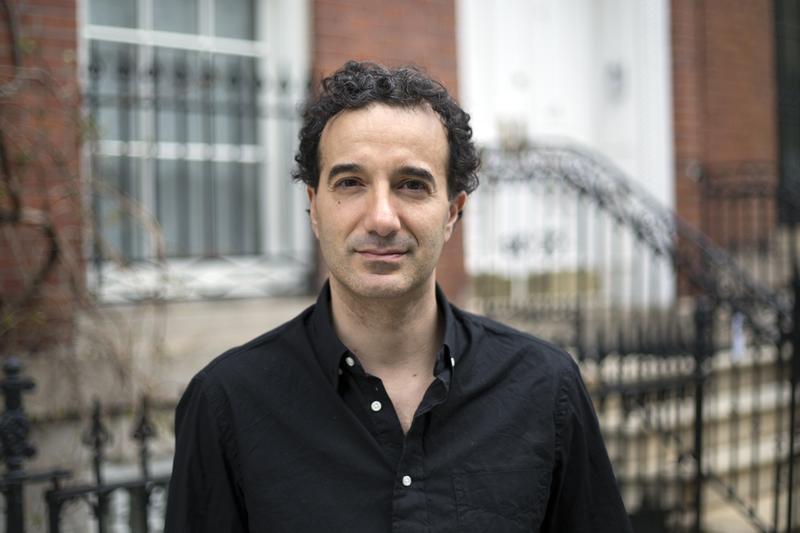
Photo of Jad Abumrad: Bo Jacober
Illustration: Christine de Carvalho

Hiss Golden Messenger: Hope, Joy, and ‘Terms of Surrender’

To make his eighth proper album as Hiss Golden Messenger, M.C. Taylor left his adopted hometown of Durham, North Carolina, and went… everywhere? He booked studio time in Nashville, tracked songs in New Orleans, and headed north to upstate New York, where he recorded at the studio owned by The National’s Aaron Dessner. There might have been even more cities in that list, but logistics and time cut his traveling sessions short.

“I wanted to make a record anywhere other than Durham,” he says. “I felt like I needed a change, and it felt like the songs were asking for a change. This is a wandering record. It just felt like the songs were wandering around a little bit. So I felt like maybe I should, too.”

Travel is a major theme of his music, both as inspiration and consequence. Working as a musician means touring; providing for his family means leaving them. Out on the road, however, he finds new reasons to make music. Taylor peppers Hiss Golden Messenger songs with place names, references to home and elsewhere. For Terms of Surrender he decided he needed to make that part of the creative process, which meant recording wherever he landed.

Taylor’s wanderlust extends to the music, too, which draws from a range of roots traditions: psychedelic folk and rural funk, southern soul and classic rock, American primitive guitar and ‘60s frat rock, J.J. Cale and the Staple Singers, Neil Young and composer Harry Partch. The result is a sober but hardly somber album that surveys America at the end of the 2010s, during a moment that is — to say the very least — tumultuous.

BGS: Place always feels so important to your music, so it made me wonder if getting away from a place was as important as getting to a place. Could you have made this record back home in Durham?

Taylor: Yeah, I could have made it in Durham. Definitely. But it would have a very different character. I try not to think of the records as the final form of the songs. I think of them as snapshots of the songs, snapshots in time — a documentation of the tunes as they exist among a certain group of people on a certain day in a certain city. So this particular version of Terms of Surrender is a document of that particular time in my life.

Given that these are wandering songs, and given that you’ve talked about the album coming out of a very hard year, how did that inform the music?

The trials and tribulations I was experiencing are obviously threaded through the songs. Some of that is maybe obvious lyrically, and some of it is a little more coded. It’s something that is obvious only to me. I was dealing with those issues in the composition of the songs, but the making of the record was pretty joyous. Actually, the writing was, too, because it’s always a cathartic experience.

So I can’t really say that I went into the writing of the songs in a tortured place and came out with all the answers. The songs were just a way for me to speak about that stuff, to process it in a way that made me feel like I was evolving emotionally. Not that I was solving my problems, but I was at least beginning to understand what they were. We don’t find an answer in an instant, but we can identify the issue and over time find ways to address it.

To what degree can you talk about the events that informed this album?

It’s a tricky question, because it was something that was part of the fabric of my life for the last year or two. It’s something that comes up in the one-sheet because every record has to have a story, but then when it comes time to talk about it, it’s tough. You never know how much you want to reveal, you know what I mean? I’m a pretty open person but there’s this curtain between all of the stuff that I make public and all the stuff that I keep private.

So I’ll just say that I had some personal problems with someone that I worked very closely with. It felt like over the years they had become an emotionally abusive person. I couldn’t even put a name to the things I was feeling because of that relationship. I thought I had lost my way a little bit. Over time I came to understand what was going on and was able to extricate myself from that relationship. That was important. And then to have all that against the backdrop of the way our country feels right now… it was a lot. I’m a sensitive guy, I guess.

That definitely seems like something that informs these songs, but it’s not a political record. It’s more about living at a certain time when these things are encroaching on your mental health.

And I want to be clear: I’m one of the fortunate ones. I’m a white man in this country. I’m living on Easy Street compared to people of color, queer people, women. But that was a question that came up on the last record, Hallelujah Anyhow. That wasn’t really a political record either, unless you realize that everything is political. The personal is political; the emotional is political. But that record and the new one were made a different times, so the relationship to hope is different.

That’s something I picked up on: this sense of optimism as well as something like joy. That’s not necessarily a word that I associate with this time in history, but it comes through on a lot of these songs.

On Hallelujah Anyhow joy and hope seemed like these bright, sharp things, a nice glinting in the sunlight. They could cut through just about anything. But they work differently on this record, I think, because you realize that we have to work at them every day. If we don’t, they’ll become dull and unwieldy.

And hope and joy are things that I have to work at. Some of these songs are reminders to myself to work at these things that bring me hope and joy. You have to keep that bright thing sharp. It’s like marriage: If you stay in a marriage long enough, you realize that it takes a lot of hard work to keep it going. I’m pretty sure that that’s the way forward for me if I want to survive.

Is it difficult to get into that mindset when you’re writing, to remind yourself of these larger goals?

There are days when I wake up and think, I don’t want to make this music anymore. I don’t want to make any music anymore. This isn’t something that’s making me happy anymore. There’s too much competition, too much saber-rattling, which is all so superfluous to what we all actually do. I guess I’m interested in people who have been making music for a long time, because I want to be in this for the long haul. How does their language change over time? How do they adapt to survive in the world?

You mentioned that you wrote these songs as reminders to yourself. Does that change how you relate to them on the road, when you have to perform them night after night?

That’s why I try to approach records as snapshots. I know the songs are going to change every night, because of the emotional content in them. That changes the phrasing of how I sing certain things. Part of that comes from my emotional understanding of the songs, you know? The other part of that is that my favorite songs are the one I write without totally understanding. Usually I’m not very satisfied with them when I get them down on paper, but eventually I realize that if I live with that dissatisfaction, it’ll becomes something different.

It’s like there’s a hand that is guiding this stuff. It’s not God-like; it’s more an unconscious feeling that it’s okay to feel that way. It’s OK to feel like, “OK, this is as good as I can do right now. I don’t have the time or the emotional capacity right now to make this any better.” And then you just leave it. It’s like planting a seed. It grows even though the words on the page don’t change.

Is there a particular song in your catalog that changed or grown like that?

I would say most of the songs that are in live rotation remain in the set list because there is that element of discovery from day to day or week to week. “Blue Country Mystic” [from 2012’s Poor Moon] is a good one. And there’s one on the new record called “Down at the Uptown,” which is about this dive bar where we all used to hang out in the Mission District in San Francisco. This was many years ago, late ‘90s. It was a formative place for many of us.

I knew that I wanted to write about that time in my life, and I did the best I could. But it felt clunky. I thought, I’m just going to leave these words here and hope that if something better does come along, it’ll be better than what’s on the page now. But the process of singing it in rehearsals has made me realize that no, this is really good. Not a great song, but for me it’s good. It does the thing that I needed it to do.

That one did stand out because it seemed like a very specific reference to a very specific place. I thought it might be in North Carolina, but I was on the wrong side of the country.

I don’t even know if the Uptown is still there. When my friends and I moved to San Francisco in the late ‘90s, we found this bar on the corner of 17th and Capp in the Mission District. It was pretty scuzzy, you know. But the Uptown was this little hidden waystation where all of us learned to drink. There were a lot of promises made at that place, some of which we kept and some of which we didn’t. It was a clubhouse. And the jukebox was very educational. Lots of stuff on there was way above my pay grade. That’s where I heard Patti Smith’s “Horses” for the first time. I’d be lying if I said I loved it immediately. But all of my favorite music is not something that’s immediate.

I was an adult, but I was still a child in a lot of ways. I was out of the punk rock phase of my life — at least musically, not spiritually. I wanted more, but I didn’t know how to do it. It was a time when I was discovering all of the music that has continued to inform my life. So Patti Smith, but also the Silver Jews, Johnny Paycheck, Merle Haggard. All of that stuff was coming into my life at that time, and it was overwhelming in the most beautiful way.

That discovery of oneself is thrilling. It’s exhilarating to find a formative record one day and the very next day it’s another record that brings a similar emotional resonance. It happens less now because I’ve heard more. But every time I have that feeling, it’s wonderful.

That gets at something I’ve been thinking about regarding Hiss Golden Messenger. You’ve got eight albums in ten years, which is very prolific. How do you manage to keep things fresh for yourself?

Just trying to remember why I started doing this in the first place is usually the best way. I try to make sure what I’m doing feels vulnerable and genuine. Whether or not it feels fresh to other people? I don’t know if that’s something that I necessarily feel I should concern myself with. I hope people continue to find things in my music that moves them, because I’m still discovering new things in the music.


Photo credit: Graham Tolbert

How a Stranger in a Bar Inspired Michaela Anne’s “Desert Dove”

Michaela Anne put a lot on the line to make her new record, Desert Dove. Working for the first time with producers Sam Outlaw and Kelly Winrich, the self-funded album was recorded in San Clemente, California. With many of the songs written either on the West Coast or in the Southwest, the pervasive theme of manifesting her own destiny resounds.

All of the songs pull from a mixture of her own life (potentially even her past lives), characters she’s met in real life, and some of whom she’s envisioned in her imagination. We sat down with Michaela Anne to discuss everything from her inspirations, to her transient childhood as the daughter of a submarine captain, to the anticipation of releasing this very personal new material.

BGS: Can you talk about growing up on the move? Were you playing music and writing back then?

Michaela Anne: I started playing piano when I was about 5. I wrote a few songs right away, instrumental piano pieces and the first one I wrote was called “When Daddy Comes Home.” So from the very beginning, it has always been a sad longing feeling, because I missed my dad when he was out to sea. Then we moved a year later and every time we moved there would be a transition period of, “OK, hurry up and find a music teacher!”

I wasn’t writing. I didn’t write any more songs until I was 17, when my grandfather was diagnosed with lung cancer. That was the first time I wrote a song with lyrics. Then the second time I wrote a song with lyrics was when I moved to college. So everything for me, and I’m actually just realizing this, has all been a result of something that was sad. A sad experience or a longing for.

Do you find there is a transient parallel in touring at all?

Oh yeah. It is different because you live in one place but you miss out on a lot of stuff. It is hard to keep friendships together when you’re gone for a month and then you come home and you’re tired and you don’t really feel like going out. How do you stay in people’s lives when you are missing the big events? That feeling of not really being a part of friend circles because you are missing out, that’s been my entire life. This deep FOMO. It isn’t a fear of missing out. I actually miss out a lot.

What led you to record this album in California? When you were writing it, did you know you’d be making the record there?

I didn’t, which is interesting to me because multiple songs mention California. The West Coast, in general, has always had a nostalgic, warm, romantic feeling to me. It’s funny. I’ve never thought I would move back to the West Coast because I feel like I want to keep it as a magical reprieve. So I wrote some songs out there and for some reason, it kept coming up.

I also wrote a bunch of songs in Arizona. So the Southwest, paired with the West, infiltrated my songwriting. But that wasn’t part of the plan when I was writing the songs. I’d toured a bunch with Sam Outlaw and he’d said in passing that he wanted to produce my next record. I blew it off as a joke and thought it was funny.

Then I started considering it when I was really figuring out how to make a new record. I entertained a few different producers and Sam brought in Kelly Winrich, who is from this band called Delta Spirit and he has this more indie rock background. He doesn’t really come from the more country world, which I really wanted.

It just kind of all organically came together. Kelly is from San Clemente and his parents built out their basement into a studio. I went out there for two days to do a trial run to see what it would be like. I’d also never worked with two producers at the same time and didn’t know if that would make things more complicated.

Had they worked together before?

They had. They had worked on one of Sam’s early records together and they were longtime friends. I felt like I was very cautious before I made a decision but it all went really well. Then we hired a bunch of LA-based musicians with the addition of my friend Kristin Weber, who is from here in Nashville. She flew out and did strings and background vocals.

It happened naturally and it was really amazing to record in a beautiful setting but be really focused. I didn’t have to deal with the day-to-day living of making sure my cats are fed and making sure my house is clean and all that stuff. It was an ideal setting, for sure.

Was there a fleeing from Nashville to California to make the record?

I don’t know, maybe a little bit. I feel like I might be one of those people who has a love-hate relationship with wherever I am. I felt this way about New York and I now feel this way about Nashville — that I see the good and the bad. I think when you are surrounded by a lot of people pursuing similar career paths and when everyone around you is about music, it can feel like a bubble, and I think it is not healthy to live in that bubble.

It’s important to remember that there is such a diverse, large world out there of different careers, different pursuits, different passions. I’m really inspired looking around and seeing so many people figuring it out and being creative but it also can trigger insecurities of, “Oh my gosh, everyone is doing this. Why do we need my voice? What do I have to contribute and how am I saying what I’m saying and how is it different or alike with somebody else?”

That can be really distracting. So getting away from it is helpful. To just be creating your work and not be thinking about it in terms of who else is doing what and where you fit in with all of it. That can be poisonous.

How do you typically write lyrics? Does the melody follow or lead that process?

I usually come up with a melody first. I’m never someone who is just writing lyrics. I’m not a poet. I think in melodies and the words come with it. Then I have to consciously go back once I have a melodic structure and think about where I want to get to with it.

I was comforted when I read Jeff Tweedy’s memoir that he just released. He said that the way that he writes songs is that he mumbles a lot and crafts the song while mumbling gibberish. It was the first time I’d heard of a songwriter doing that and it makes me feel so much better. I’ve considered it a weakness. Like I’m just writing based on what sound feels good in my mouth and not looking at it as a piece of literature. I felt very seen when I heard that Jeff Tweedy does that.

The character in “Desert Dove” seems like one that you know a lot about.

I’m always saying I feel like I could write a novel about that song. It is so many different people to me. I see myself in that character in many ways. I met this woman years ago at Pappy and Harriet’s who was a stripper. Her name was Madeline and she was wearing a white dress that was off her shoulder.

She was this beautiful charismatic woman who I was really drawn to in that one evening’s conversation and then from there it expands to all these other women characters that I’ve read about or learned about from talking to friends. This book Soiled Dove is an historical account of different real-life women who were prostitutes or madames in the Wild West.

It’s like a lifetime of research. How long did it take you to actually write it?

That song came out so fast. I was in Arizona in Cave Creek on a little writing retreat. I knew I had this song about a Wild West prostitute in me for years for some reason. When I was really young, I went to a spiritual healer who told me I was a prostitute in a past life. Maybe that gives you a little glimpse of the complexities of my upbringing.

I was raised in a very traditional family home. That my dad was a nuclear submarine captain but my parents were very interested in lots of different spiritualities and dynamics. When I was back at the apartment I was staying at, I was making a sandwich and I opened my mouth and the first line of the song came out. I think I finished it within a day or two.

Your characters have dimensions of the good, the bad, and the ugly. They feel honest, particularly in “Somebody New.” I read that someone told you once that women shouldn’t be the perpetrator in songs or be in a guilty position. Did that advice ever inform your writing or is it informing your writing now as an act of rebellion from that advice?

I feel like with so many songs there are a few different narratives. Especially in the country world, and this is a huge generalization, but the idea that the woman is the one that gets cheated on but she’s the one that has to then be vengeful. Or like the sad, sullen songs that are like, “I was wronged and as the narrator, I’m the innocent victim in this.”

I just feel like no situation is actually that clear cut. I feel like we have a role in every single situation we find ourselves in. I think it is hard to portray that in a three-to-four-minute song because you’re telling this very complex story of, “I’m really hurt but also I did something that hurt you.” I think that’s real life. How do I portray these very human characteristics? I create these characters, but you know, I’m in every one of those.


Photo Credit: Matt Wignall

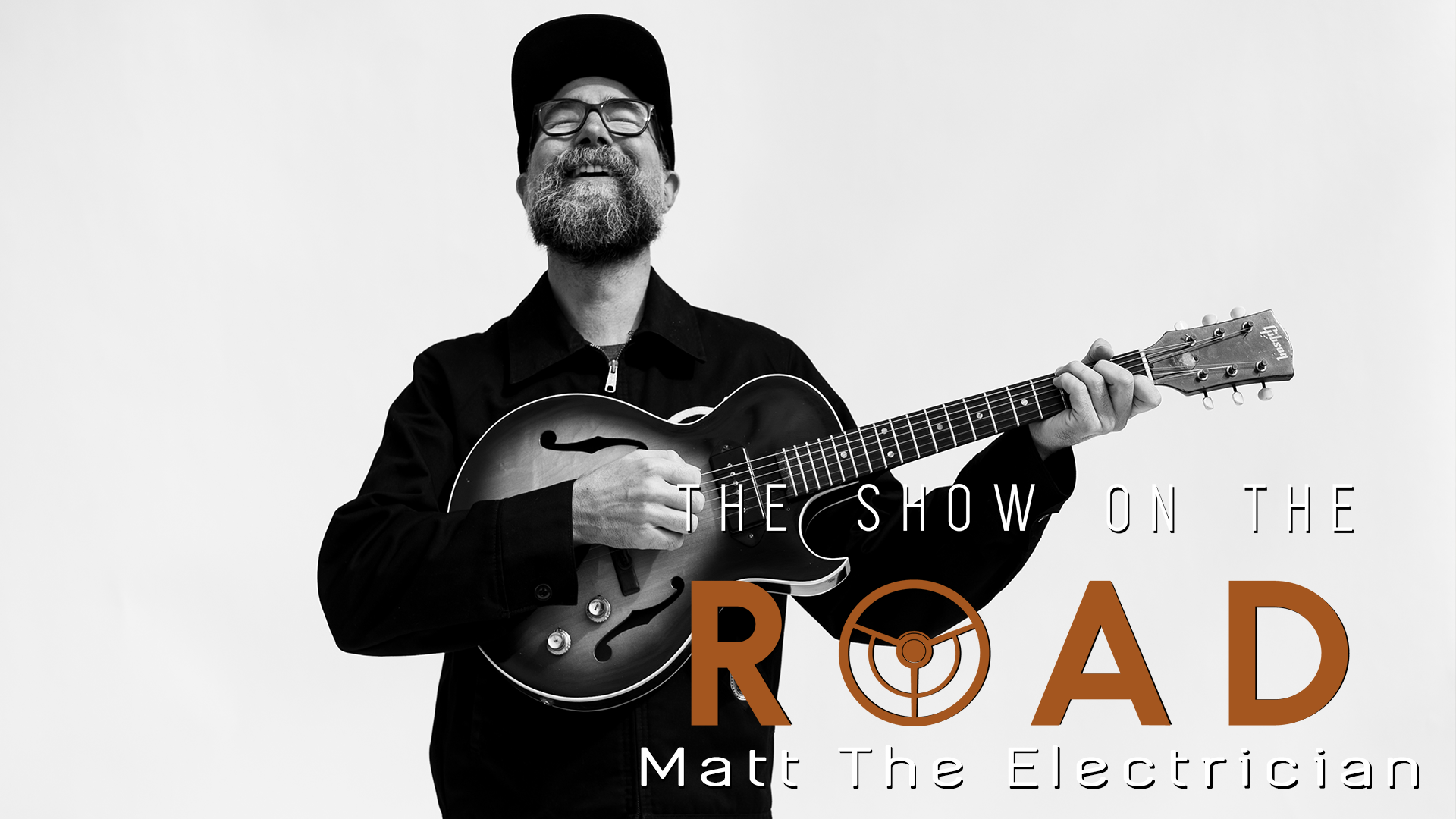
The Show On The Road – Matt the Electrician

This week, Matt the Electrician — a kind-hearted songwriter and cunning craftsman of smile-inducing folk songs that retain the one thing we might need most in our jackknifed new century: hope.

LISTEN: APPLE PODCASTS • MP3

While the artist not known as Matt Sever may still be able to fix the sparking wires behind your walls with his nimble bear hands, he found a line of work even more daring, dangerous, and financially precarious. What did he set his sights on back in the 1990s? Being a roving folk singer.

Matt’s been at this a while, he looks more like your cool tatted shop teacher than the next big arena money maker for the major labels. So, letting the people who have put him up in their houses and cooked him a warm meal on the road support the music their own way? It’s kind of beautiful. In fact, his sturdy fanbase just lovingly funded his next record, for which he’ll be working with a producer for the very first time, and that producer is none other than Tucker Martine. He’ll be heading up to Tucker’s studio in Portland, Oregon to start the project in October.

LISTEN: Jason Tyler Burton, “Fires of ’88”

Artist name: Jason Tyler Burton
Hometown: Pinedale, Wyoming
Song: “Fires of ’88”
Album: Kentuckian
Release Date: August 26, 2019

In Their Words: “I worked seasonal jobs for a while as a park ranger and climbing guide. I was living out of a minivan, and that transient lifestyle is appealing in so many ways. When you get tired of someplace or some job, you just go find the next one. So this song is about moving on, letting go, and welcoming change. It’s also about not running from your past or trying to reinvent yourself by moving away, because, in my experience, that doesn’t work.” — Jason Tyler Burton


Photo credit: Erica Chambers

LISTEN: Robby Hecht, “The Ones I Love”

Artist: Robby Hecht
Hometown: Nashville, Tennessee
Song: “The Ones I Love”
Album: Me and the Fool I’ve Been, Set 2
Release Date: August 16, 2019
Label: Old Man Henry Records

In Their Words: “I wrote ‘The Ones I Love’ after learning that a friend, someone who lived an extraordinarily motivated and passionate life, was terminally ill. Its purpose was to say what I didn’t know how to express in any other way. It’s about time, family, mortality and immortality — for the times when you realize you’re falling forward and the only sane thing you can do is let yourself land in the arms, hearts and minds of the people you love.” — Robby Hecht


Photo credit: Jeff Fasano

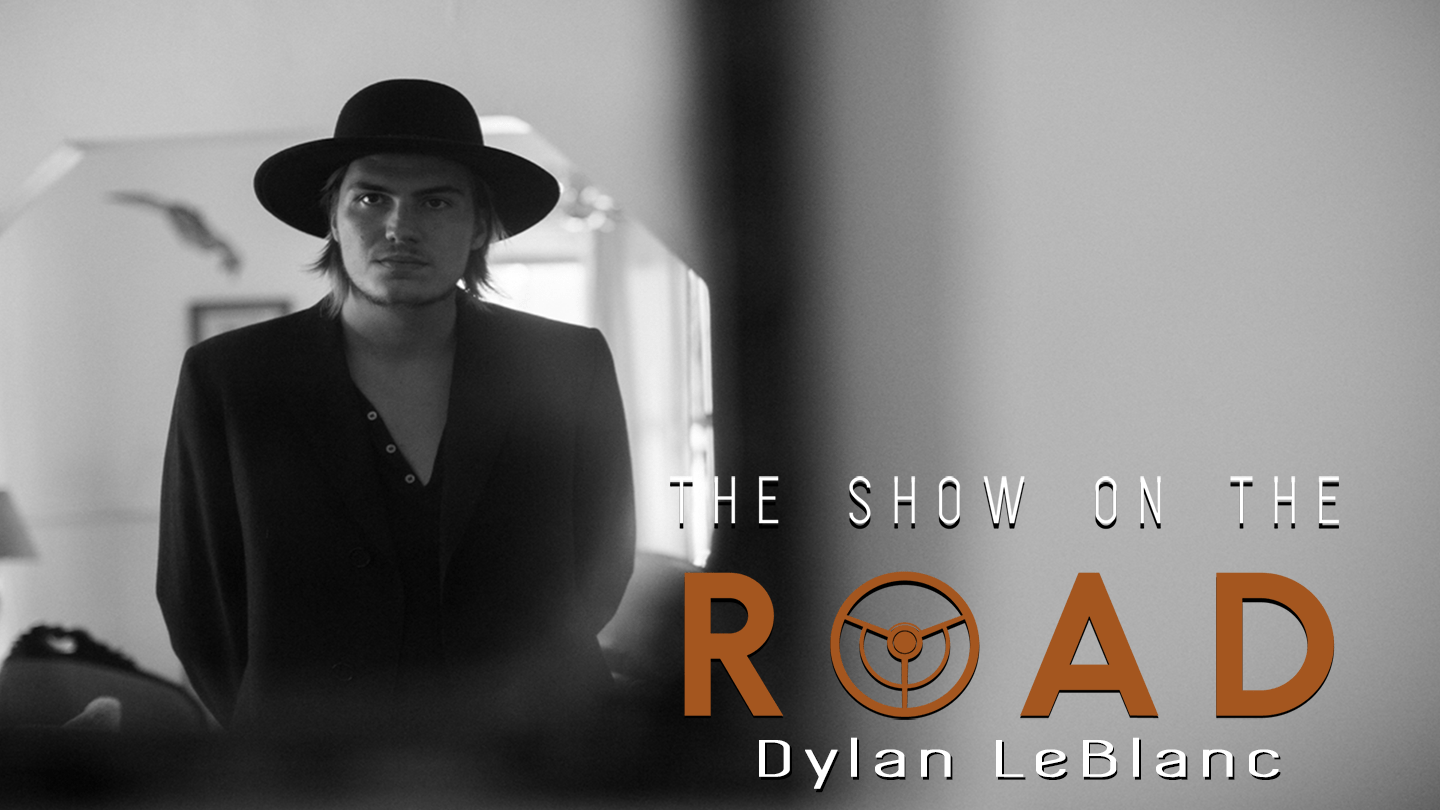
The Show On The Road – Dylan LeBlanc

This week Z. speaks with Dylan LeBlanc, the lithe Louisiana-born roots ‘n’ roller who has one of those once-in-a-generation, ghostly-lilting voices that doesn’t seem of this time or place.


LISTEN: APPLE PODCASTS • MP3

His newest record Renegade, produced by Dave Cobb, makes it clear LeBlanc has grown up a lot in the last few years. It’s a big, snarling, cinematic, banger of a record; part spaghetti-western dust storm, and part hook-filled, ’60s AM radio sunshine.

This is our last episode of the summer season, so have a listen with a cold drink under the sun, and let Dylan’s voice transport you. Where? It’s up to you.

Tyler Childers Takes on a New Dimension in “All Your’n”

Tyler Childers walks by some funny-looking mushrooms in his newest video, “All Your’n.” And that fungus among us must have something to do with the visuals here, which read like a cross between Alice in Wonderland and the weirdest zoo you’ve ever been to. Look for Tyler Childers’ new album, Country Squire, on August 2.