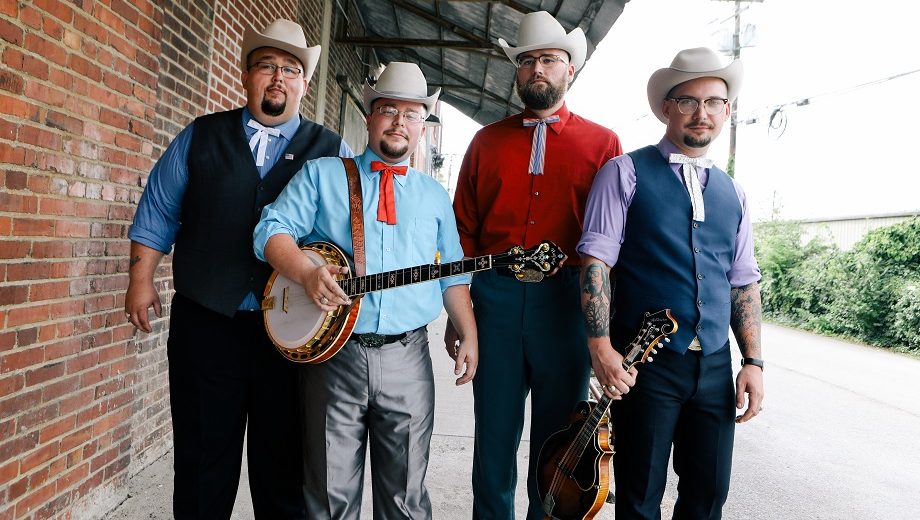
The Po’ Ramblin’ Boys Make Old-Time Music New

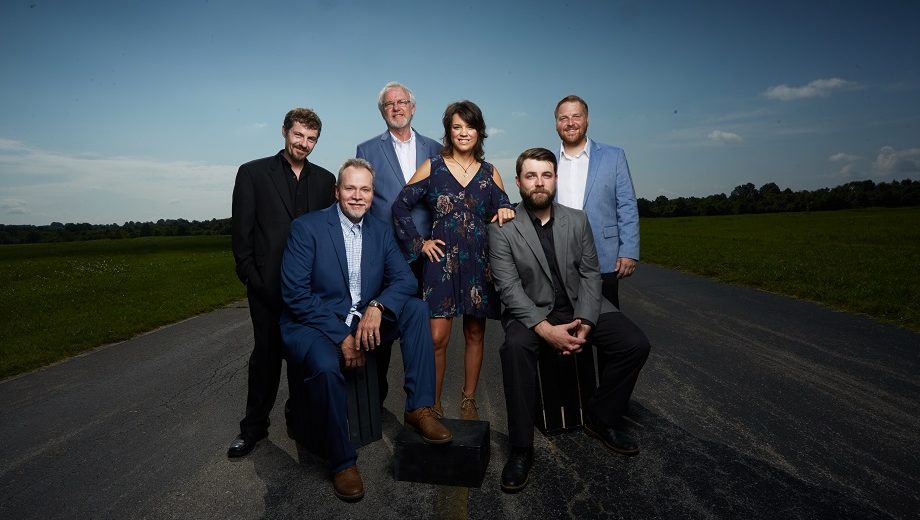
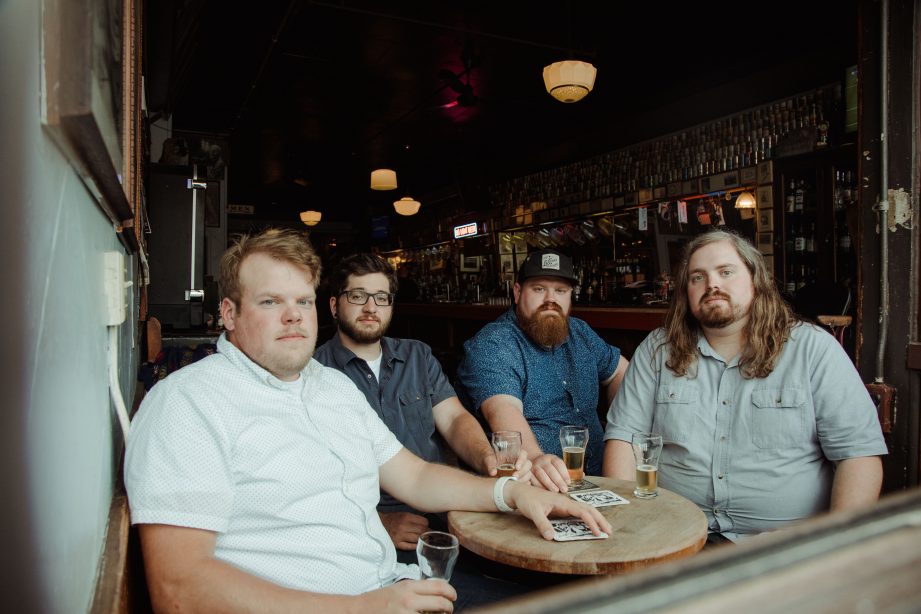
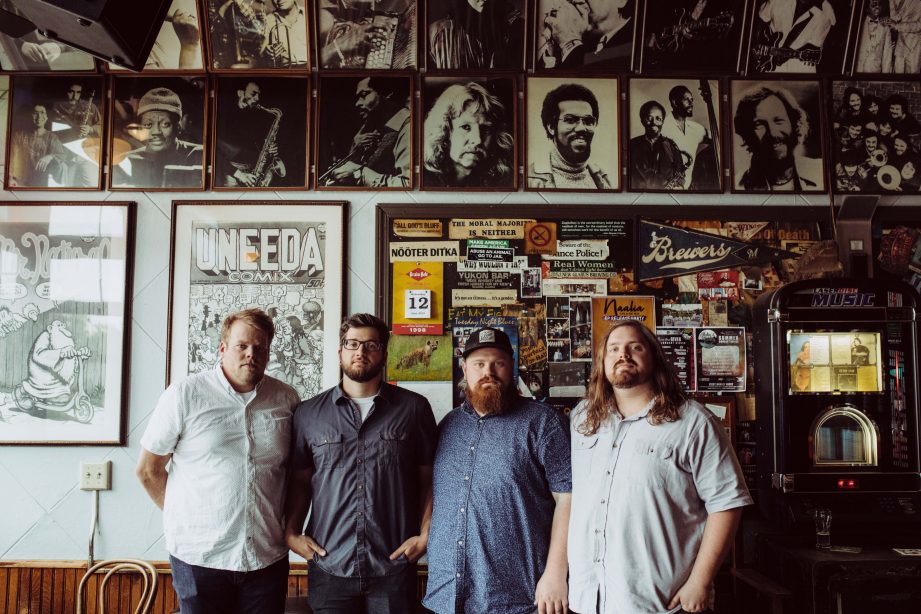
Plenty of artists find a day job while they work on their careers in music. CJ Lewandowski found a career in music while working his day job. A mandolin player and singer, he was working at Ole Smoky Distillery in Sevierville, Tennessee, and would frequently fill in as musical entertainment when a hired act fell through. Eventually, the distillery approached him about forming a band, and the Po’ Ramblin’ Boys were formed.

“There’s never really been a plan,” jokes Lewandowski, who says that regular hours on stage helped the longtime friends tighten up fast as a band. “We play the music that we like, and we happen to have some songs that we’ve written.” That no-plan plan has gotten them pretty far. In 2018, the group won Emerging Artist of the Year at the IBMA awards and in August they released their Rounder Records debut, Toils, Tears, and Trouble. They’ll also appear at Bourbon & Beyond festival in Louisville, Kentucky, on September 20.

The twelve-song album includes fan favorite “Old New Borrowed Blue,” an original, as well as inventive interpretations of songs by legends and unsung genre heroes alike. The band’s Stanley Brothers-inspired take on Roy Acuff’s “Searching for a Soldier’s Grave” is right at home alongside the Boys’ rendition of “Bidding America Goodbye,” made popular by Tanya Tucker. And “Next Train South,” originally recorded by Dub Crouch, Norman Ford & The Bluegrass Rounders in 1974, pays homage to the bluegrass tradition of Lewandowski’s native Missouri.

But as much as the Po’ Ramblin’ Boys have found solace in the bluegrass sounds of generations past, Lewandowski says he’s most inspired by the potential in the genre’s future. “I’m excited about the possibilities: the possibilities of where we can take it, the possibilities of who we can meet, and the possibilities of who we can influence,” he says. “I just hope we’ll be able to leave our mark on bluegrass as much as bluegrass has left its mark on us.”

Lewandowski opened up to The Bluegrass Situation about the role music played in his upbringing, how their days as a house band helped the Po’ Ramblin’ Boys find their footing, and why old-time music will never fade away.

BGS: What first brought you to bluegrass?

Lewandowski: I found bluegrass when I was a teenager, at a time in my life when it felt like everything was leaving me. I was a mama’s boy, and my mom passed away when I was ten. Then I had some other folks, family members, pass away. Things were changing within myself as well. I was trying to discover myself, and all this other stuff was piling up on me, too.

I found bluegrass music at that time, and along with it, I found a bunch of friends. I was never somebody with a bunch of friends in my own age bracket, and all these folks playing music around home here were thirty, forty, fifty years older than me, but I related to them. My grandpa died around that same time, too, and he was a pretty big influence on me, so I found some folks that became grandfather figures to me. They took me under their wings.

One thing I say a lot is that bluegrass has always been there for me. It’s been my medicine. It’s helped me through all those hard times, and put me in a lot of good situations, too. It’s a constant — it’s always there.

For Toil, Tears, and Trouble, you recorded several songs that were written or made popular by other artists — “Bidding America Goodbye,” “Cold Hard Truth” — as well as less-known songs by Missouri bluegrass artists. Why?

There’s a lot of great material out there. You could take a really popular song and completely change it and make it your own, or you could take a song that doesn’t even sound like it would apply to your music — the songwriter might not even know what bluegrass music was, but the song is great — and we can put our bluegrass touch to it and make it something that works. We like to pay homage to people of the past, but we want to start our own past as well, carve our own little niche out.

We’ve got songs on the album that have never been recorded before, by anyone, and that doesn’t mean they have to be written in-house by the band. “Hickory, Walnut, & Pine,” “Next Train South”– most people have never heard of them. It’s cool to dust off those songs, to pay homage to someone who might have not been in the limelight as much as Jim & Jesse, or the Osborne Brothers, and then add our own influence.

So obviously you’ve been inspired by bluegrass, but I’m sure you haven’t been entirely insulated from other kinds of music. You recorded a gospel album a few years ago, in fact. What other genres of music have impacted the way you sound?

Gospel has always been a part of all of our raisin’s. Country, of course, has influenced us too. If we all weren’t playing bluegrass music, we’d probably be out playing old country stuff. We all like steel guitar, and we all like twin fiddles. We all really like ’80s and ’90s country a whole lot, too — Alan Jackson, Randy Travis. We’ve been called honky-tonk bluegrass. And you never know where you’re gonna find something new.

With your job as the house band at the distillery, you logged more hours of stage time than most bands do in years of their careers. How do you feel like that experience benefited you?

We were playing anywhere between five to ten hours a day, sometimes seven days a week, [we] were teaching people about bluegrass music and entertaining them at the same time — and working day jobs. It was almost like a paid practice. We learned pretty quickly that imagery was a huge part of the show. We started in bib overalls, and then we’d go to summer suits, with our hair styled, and then we’d go to the cowboy hats for the springtime.

There’s always been a progression. There has to be something. You have to realize that a lot of the folks who came into that distillery didn’t know what bluegrass was, and they left with a sense of it. We were exposing new people to bluegrass music, which has always been a goal of ours. It was an education for them, but an education for us as well — all the while, we were getting tighter as a group. We spent over a year and a half solely playing at that distillery, with no intentions at all of traveling or anything. It allowed us to hone in on a lot of things together.

You often hear people describe your music as “old-time.” What does that mean to you?

The music that we play is the music that we were raised up on. There’s always been a progression to bluegrass music, since the very beginning of it. You can look at when Flatt & Scruggs came on the scene — key changes, tempo changes, five-string banjo roll, all that crazy stuff. So over the recent years of bluegrass music, it’s progressed, but it’s progressed somewhat faster than we — the band, I mean — may have wanted it to.

So we rewound the progression a little bit and found where we thought the music should be in this time. Some people would say that there’s stuff older-sounding than what we’re playing. And then a lot of people say that there’s stuff that sounds newer than what we’re playing, of course. People can take it however they want to, because everyone has a different definition of traditional, everyone has a different definition of old-time, or old-fashioned, everyone has a different definition of progressive music, as well. So we kind of keep it simple and say that we play bluegrass. [Laughs]

Are there any aspects of bluegrass music that you think it’s particularly important to try to preserve, or that you worry are vanishing?

Excuse my language, but I think that’s a big ol’ crock of shit. This music has been around for a long time, and it’s bigger than it ever has been. Yes, everywhere has their own definition of bluegrass and how they want to play it and how they want to present it. And there’s a lot of freedom in that. Just look at Bill Monroe: He evolved until the day he died. I’d tell anybody, just play the music that you love, and if you’re true to yourself and true to your music, the music can’t die. It won’t die. It’ll never die.


Photo credit: Amy Richmond
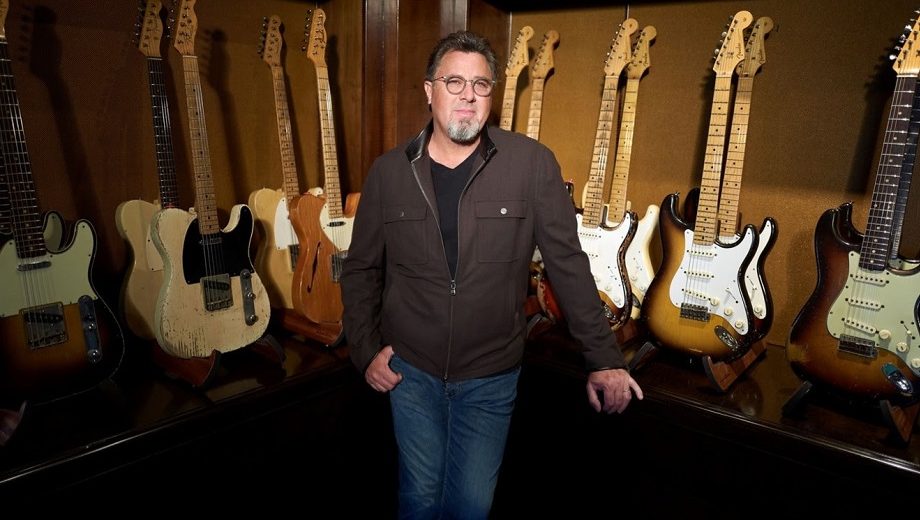
Artist of the Month: Vince Gill

Who doesn’t love Vince Gill? His pristine tenor fits beautifully into bluegrass, country, Western Swing, and even classic rock, as he tours as a member of the Eagles. Still, the good-natured Opry star tells BGS that bluegrass remains close to his heart.

“You get the right band, the right drive and the right thing — I tell people it rocks as hard as the Rolling Stones. When it’s right — it’s really, really right — it’s like a freight train coming at you,” he observed during a visit in his Nashville home, just a few days after his annual summer appearance at Bluegrass Nights at the Ryman.

He continues, “It’s awesome — even in the middle of it. I don’t know that it translates far away like it does in a circle of it. We practiced over here the other night, and just being in this room and being this close to everybody was so much fun.”

Gill’s childhood memories shape a large part of Okie, his exquisite new album — an acoustic-oriented project that puts his voice and songwriting at the forefront. Look for our two-part interview this month with this member of the Country Music Hall of Fame, and in the meantime, enjoy our Essentials playlist.


Photo credit: John Shearer

My Love Will Not Change: Four Versions of a Modern Classic

“My Love Will Not Change” — but my favorite version of this song just might. (And yours might, too!)

The tune, penned by consummate songwriter, bluegrasser, and country stalwart Shawn Camp and his rockabilly collaborator and friend Billy Burnette, has had versions recorded and performed by both writers as well as Bluegrass Hall of Famer Del McCoury. Today, another iteration has hit the airwaves and digital shelves from Americana rocker Aubrie Sellers. The track, which features harmonies from Steve Earle, will appear on Sellers’ sophomore release, Far From Home, set to drop on February 7, 2020.

“I love bluegrass, and I thought it would be fun to bring a song with unmistakable mountain soul like this into my world a little bit,” Sellers relates in a press release. “It’s the only song [on the album] I didn’t write, but it’s something I wish I’d written. I live for straightforward, emotionally-driven writing like this. When I envisioned the sound for the track, I knew there was no one else who could do it like Steve.”

It should come as no surprise that bluegrass influenced this hard-and-heavy, rollicking rendition of the song — and not simply because Camp wrote it and the Del McCoury Band originally recorded and popularized it. In 2015, Sellers appeared on a Stanley Brothers classic, “White Dove,” with her mother Lee Ann Womack and Dr. Ralph Stanley himself on Ralph Stanley and Friends: A Man of Constant Sorrow, which was the final album released by the bluegrass forefather before his death in 2016.

In honor of the newly-minted Sellers and Earle cover, we thought we’d lay out a handful of this modern classic’s cuts and performances, posing the question to you, our BGS readers: Which one is your favorite?

The absolute original. If you’ve never had the pleasure of having your face peeled off by Shawn and company at one of his many Station Inn shows, where he routinely cobbles together just such a mind-blowing bluegrass-meets-trad-country band, you maybe haven’t really ever had a truly “Nashville” experience. Is that bluegrass organ? Let’s call it that. You can hear the influence of Camp and Guthrie Trapp’s chicken-pickin’ shredding in the Sellers cut, too. And you’ll notice, across all cuts of this song, no one tries to emulate Camp’s vocal phrasing, which outright refuses to snap to any semblance of a grid, because it can’t be done.


A more languid, loping style that reads as honky-tonk and rockabilly and “shuffle across them polished-smooth floorboards” all at once. Nashville legend and Fabulous Superlative Kenny Vaughan is on guitar, once again reinforcing the inextricable role of the Telecaster in this song. That is, until we get to its next version…


And suddenly, all of our perceptions about what this song is and what it should be are thrown out the window. Whether it’s “Misty” or “1952 Vincent Black Lightning” or “Nashville Cats,” Del has a way of taking a song and immediately making every listener forget that it ever could’ve had a version that predates him. The definitive cut? Perhaps. The counterintuitive intervals between the harmony vocal and the lead (notice how Ronnie’s tenor sounds eerily similar to his father’s voice), the subtly dissonant melodic hook, and Mike Bub’s relentless rhythm — that doesn’t just reside in the pocket, it’s freakin’ mayor of the city of the pocket — are icing on the cake. Splendid.


It’s remarkable that the Sellers and Earle version doesn’t attempt to reinvent the wheel, while simultaneously covering almost entirely fresh ground. The skeletal structure is still here, with hallmarks from Camp’s, Burnette’s, and McCoury’s versions each, but this take is original. The grungy, harder rock flavors don’t blow out the more subtle touches, either. Sellers gives her own melodic embellishments and her own twists of phrasing as well, with Earle matching, but again referencing the there-are-no-rules feel of the harmonies in the other cuts. For something so seemingly disparate from the others, it is equally charming and unabashed.

Perhaps it doesn’t so much matter which one is preferable over the others? We’ll gladly take them all. Pardon, while I scroll back up to the top and start again.


Photo credit: Scott Siracusano

LISTEN: The Grascals, “Drivin’ My Life Away”

Artist: The Grascals
Hometown: Nashville, Tennessee
Song: “Drivin’ My Life Away”
Album: Straighten the Curves
Release Date: August 30, 2019
Label: Mountain Home Music Company

In Their Words: “This is one of my favorite country songs from the 1980s. I always wanted to cut it in a bluegrass band because it lends itself well to that style. It’s upbeat, powerful, and tons of fun. ‘Drivin’ My Life Away’ has that funk and groove about it. It’s one of those songs that as soon as you start singing it, people know exactly what it is. It’s infectious.” — Singer and guitarist Chris Davis


Photo credit: Kim Lancaster Brantley

WATCH: Billy Strings, “Taking Water”

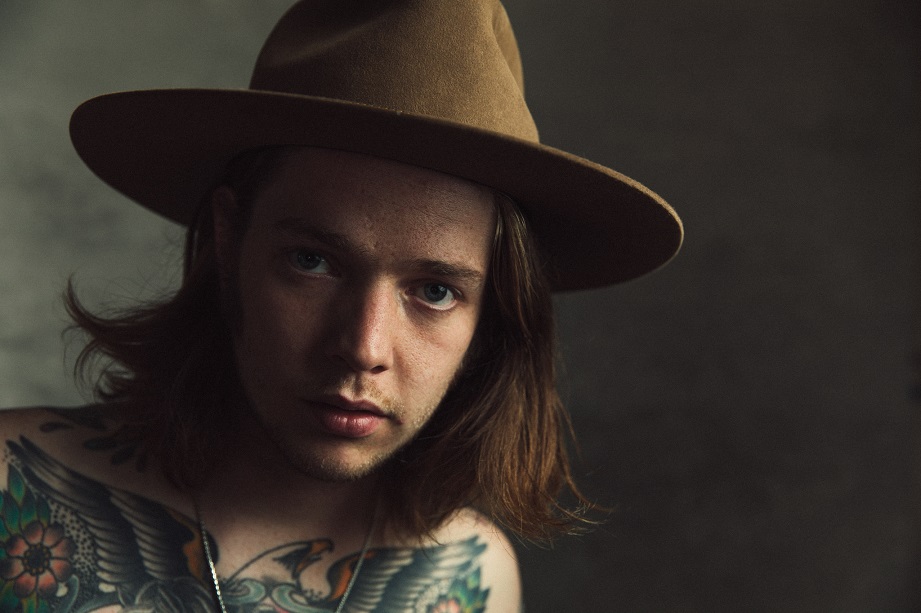
Billy Strings is at it again! The Nashville musician is taking bluegrass to new heights with his ferocious flatpicking and classic writing style that connects traditional folk fans to modern roots music lovers. Here’s a sneak peek of his new album, Home. Check out the lyric video for “Taking Water.”


Photo credit: Shane Timm

Che Apalache, “24 de marzo (Día de la Memoria)”

Though it’s largely viewed as a music by and for Appalachian and southern white Americans, bluegrass is a genre born of a much more complicated, harlequin heritage — as is the case for most American cultural touchstones. The U.S.A. is a melting pot country and bluegrass is melting pot music. As such, it takes on touches, overtones, and undertones of many other folk traditions with ease. Musicmakers from around the world, from Eastern Europe to Japan to South America, have for many years fashioned string bands that begin with the skeletal structure of American roots music — banjos, fiddles, mandolins, and so on — and expand into incredibly imaginative realms informed by their own cultures, backgrounds, stories, sights, and sounds.

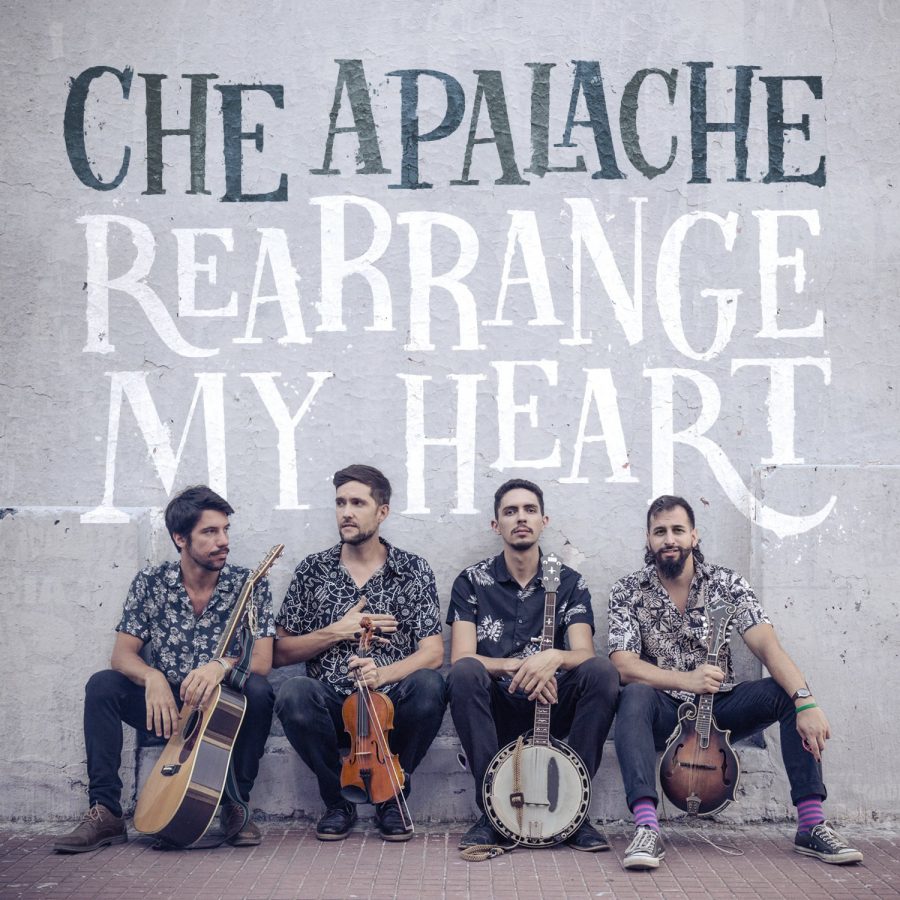
One such band helping to further this global potential for bluegrass is Che Apalache. An Argentina-based bluegrass and old-time quartet, the group (with members from Mexico, North Carolina, and Argentina) covers a vast musical space that includes barn-burning picking, soulful, gospel-tinged vocals, and composed, cinematic arrangements with touches of chamber music and the virtuosity of formal training. One standout song from their brand new, Béla Fleck-produced album, Rearrange My Heart, is “24 de marzo (Día de la Memoria),” an instrumental tango written by fiddler Joe Troop based on experiences of banjo player Pau Barjau’s family members.

The tune commemorates victims of an Argentinian dictatorship that was backed by the United States. Día de la Memoria por la Verdad y la Justicia is a holiday observed each year in Argentina on March 24, the anniversary of the coup of 1976. The bluegrass instrumentation doesn’t feel clunky or out of place utilizing the musical vocabularies of Central and South America in this context. Rather, it reinforces the fact that our communities — musical and otherwise — are strengthened by the experiences of others. And, it reminds us that there are so many more stories ready to be told by bluegrass bands, if we’re ready to hear them.

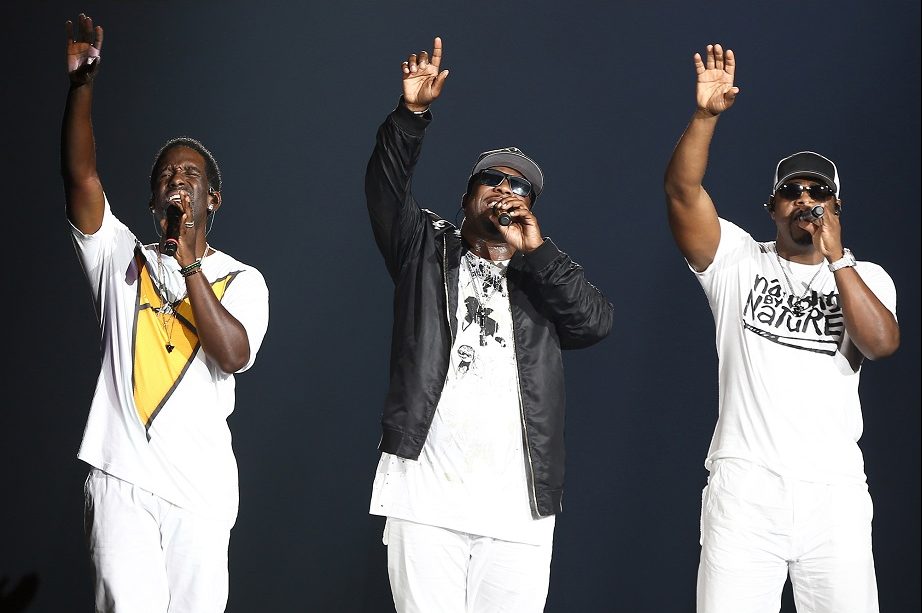
LISTEN: Steep Canyon Rangers, Asheville Symphony, Boyz II Men, “Be Still Moses”

Here’s a surprise from the Western North Carolina music scene. Steep Canyon Rangers and Asheville Symphony have partnered with R&B group Boyz II Men for a refresher of “Be Still Moses.”

Instinctively believing that these genres would blend, Steep Canyon Rangers’ producer Michael Selverne collaborated with musical director Michael Bearden to bring all the entities together, thus elevating an SCR crowd favorite into something special for all three groups.

“We always get this chill when we know we are in the right place,” says Boyz II Men’s Shawn Stockman. “And we got a few chills working on this project.”


Photo credit of Steep Canyon Rangers: David Simchock
Photo credit of Boyz II Men: Debby Wong

Provided by Yep Roc Records

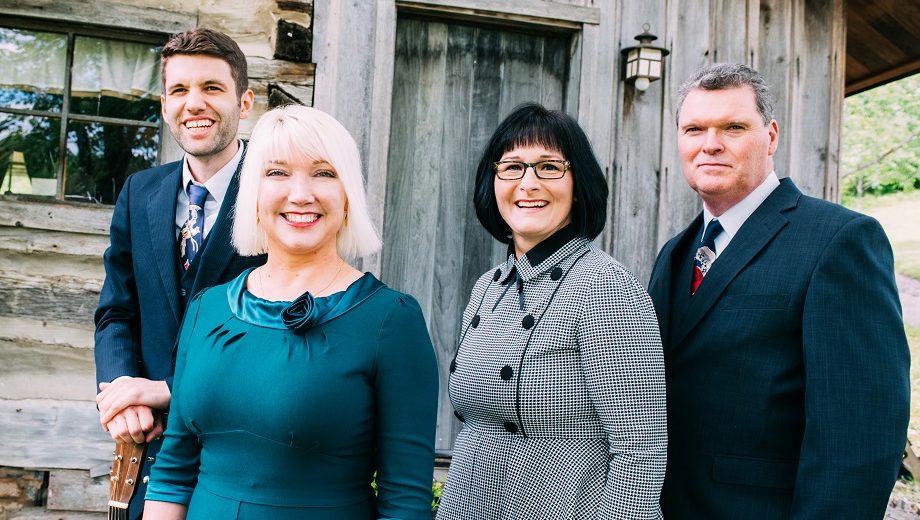
WATCH: The Chuck Wagon Gang, “Somebody’s Boy”

Artist: The Chuck Wagon Gang
Hometown: Knoxville, Tennessee
Song: “Somebody’s Boy”
Album: No Depression In Heaven, The Gospel Songs of The Carter Family
Release Date: August 30, 2019
Label: Mountain Home Music Company

In Their Words:: “The Carter Family began singing about the same time frame as the Chuck Wagon Gang. Both groups shared not only the last name Carter but a very similar style of singing. We felt it would be an honor to put together an album that would pay tribute to their gospel songs. Filming this video at the Carter Family Fold was such an amazing experience. There was something so special about being out there in the humble, yet beautiful location where it all began for the Carter Family.

“The song ‘Somebody’s Boy’ is actually not considered a gospel song, but is more what the old-timers call a heart song. Its message is one that speaks to the desires of a mother’s heart for her wayward son, and, though it dates back to 1894, is as relevant today as when it was penned. The Chuck Wagon Gang has recorded other heart songs over the years, like ‘Church in the Wildwood.’ Our hope is that ‘Somebody’s Boy’ will become as meaningful for our fans!” — Shaye Smith (the alto singer who is also the granddaughter of The Chuck Wagon Gang’s original alto singer)


Photo credit: Sandlin Gaither

WATCH: Jeremy Garrett, “I Can’t Lay Your Lovin’ Down”

Artist: Jeremy Garrett
Hometown: Loveland, Colorado
Song: “I Can’t Lay Your Lovin’ Down”
Album: Circles
Label: Organic Records

In Their Words: “‘I Can’t Lay Your Lovin’ Down’ was a song that I co-wrote with Jon Weisberger and Josh Shilling. I just loved the vibe of the tune and how it fit with my style, so I decided to record it on my upcoming solo release, Circles. I blend guitar, mandolin and fiddle with a looper to create this arrangement for the song. Conner Pannell shot the video for me and I love how he captured this song. All of it was shot in the studio, partly while tracking and in-between takes.” — Jeremy Garrett


Photo credit: J.Mimna Photography

Them Coulee Boys Find Their Muse

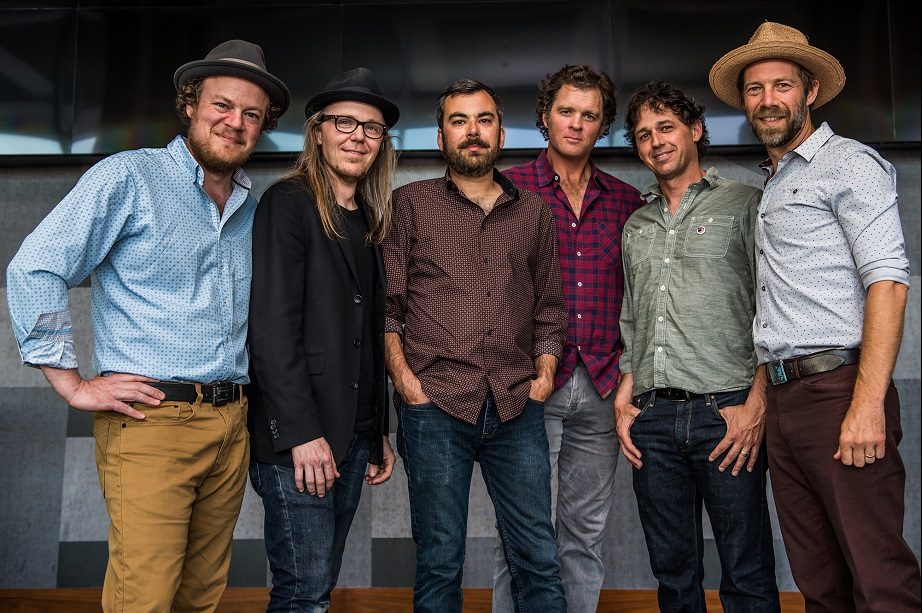
The tendrils of Them Coulee Boys’ bluegrass roots have often reached out into the realms of punk, rock ‘n’ roll, and beyond. Die Happy, the newest album from the Eau Claire, Wisconsin-based string band, is a beautiful and introspective journey toward finding community in our human imperfections. Produced by Dave Simonett of Trampled by Turtles, the project stands out for its sonic consistency and deeply personal, yet relatable lyrics. A phone interview with lead singer Soren Staff revealed the story that Them Coulee Boys wish to tell with the record.

BGS: Describe the experience of making this album. Were there any particularly challenging, rewarding, or memorable parts?

Soren Staff: Well, we recorded at Pachyderm Studios. The whole history of that place is insane. We made the record 25 years to the month from when Nirvana was in there making In Utero. Seeing pictures from that time and it looked exactly [the same]; in the middle of January, so a bunch of snow. That in and of itself — and hearing about the other people who recorded there — brought a certain weight of, “This is something completely different.” We’ve recorded in living rooms, and farm houses, and small do-it-yourself studios so this was definitely a whole different thing for us.

Explain the band’s relationship with Dave Simonett. How was creative control shared between the band and the producer?

I would say there’s a little bit of both [taking control]. The reason we really wanted to work with Dave was that he’s made all of those great records with Trampled by Turtles being the bluegrass band, which is where we started, and he’s also made some great rock ‘n’ roll albums with his Dead Man Winter project. We try to straddle that sound a little bit and made sense to have that on there. He has experience with both of those sounds so when we wanted a little more of “this” or a little bit of “that,” he knew what we needed. I think the big strength with Dave’s production was giving us some agency over our own work.

We’ve always been confident in what we wanted to do. We’ve always had a big vision for what we wanted to make, but you get in a studio with a guy like Dave, who, we had met him in the past and had nice interactions with him, but he’s still the dude that I once waited like six or seven hours in line to see. It was one of those kinds of things where I think he knew that we saw him in a certain way, and he used that to inspire a little bit of confidence in us.

Once we got to that mode we became really comfortable with him, like an idol turned to a friend. It was a cool energy, because we obviously had tremendous respect for him. It was hands-on, in that he knew when to assert himself, but also hands-off in that he knew what we wanted was what the project needed.

Was this album written in a condensed time span, or over a longer, drawn-out series of experiences?

I would say it was more condensed. Our first record was just everything I’d written up until that point, then the second record had leftovers from that record and a few others I had written to add it all together. But with this one, I had gone through a breakup … and was searching for something.

Before this album was called Die Happy, we were going to call it “My Anxiety & Me,” which is the last track. It’s framed as this journey. The first few tracks are alluding to, “I’m going to win somebody back. I’m going to get to this place and get us back to where we need to be.” With this record the whole writing process started as me processing this relationship and processing what happened, and it came more to an acceptance of myself and my mental illness. Trying to come to grips. And not in a negative way, but in a positive way that, “This is me, and this is a part of me that I can navigate.”

It was definitely a record that was all written in this one point in time and that definitely shows through a little bit. All the songs have references to each other, and it’s all that same moment for me.

Did that theme evolve throughout the process of making the album?

This is the most I’ve ever planned what I was going to talk about. I write about what comes to mind at the moment when I’m trying to write, but when I started writing for this one I was noticing a lot of common themes and a lot of common ideas. I did want it to be about that self-acceptance because that was something that I was working on personally in my life. Trying to get to that point of being OK with what I was and what I am. It started as trying to be a collection of those kinds of songs, and then sonically we had some fun stuff going on, so we wanted that theme to come through in the music as well. We’ve always wanted to be this kind of band. I don’t think we were capable of it in the past, but I think we’ve grown into what we wanted to sound like.

Is there any particular song that you believe sums up the message of the entire album?

The last one, [“My Anxiety & Me”]. … It’s not a single and we recorded that song with just one mic and the room mics. It doesn’t have that shiny production or the sound of the rest of the album, but lyrically that’s what we were getting at. That song is about accepting who you are and realizing that a lot of those low points are going to help you get to where you need to be. I wrote that while we were recording. It was the only thing that I hadn’t written [yet], because I knew that was going to be the last song we recorded, so I wanted to live in that moment and write in that moment. It summarizes a lot of what I’m trying to say.

Has the new album changed the dynamic of your live show?

We’ve gone to full-time having drums. In the past we toured as a four-piece: banjo, guitar, bass, and mandolin. So now we’ve actually gotten a little louder live, but we also try to strip it all down because you play those rock songs and then strip it all down to nothing and play songs like “My Anxiety & Me” or “5’6” Monument.” Putting those in the live show has given us a different wrinkle. We’ve always had those kinds of songs but haven’t really played them because we’ve always been hired to play the big, fun, exciting stuff. It’s fun to show a different side of us every once in a while.

If you could pick one setting in which to listen to this album, where would it be?

There’s this bar in Eau Claire called The Joint. It’s this townie bar where all the musicians hang out, all the art kids from the university, all the old fogies. It’s got the cheapest beer and they’ve got this 25-cent jukebox. I would love for that to be the first place I actually listen to it. I think that would be such a great place to finally sit and take it all in, because it’s a place I love.

It’s a record, that, while it’s a personal journey, it’s asking — like in that first song — “Is it just me … or does everyone else feel this way?” It’s about seeking community in the stuff that we keep to ourselves, so I think being in a space like my favorite bar would be a perfect place to listen to it.

How has your sound evolved between this album and your previous one, Dancing in the Dim Light?

We’re more conscientious of our tone and how it all fits together. We’re louder now in some moments because of the drums but we’re quieter in other moments. We care a lot more about the tones of what we’re doing and how it all fits together than we have in the past. This is a much more cohesive sound. I think that’s the biggest change. We care more about it all fitting together than “let’s get as many great songs as we can.” Not that these aren’t great songs, it’s just that we wanted them all to fit together more.


Photo credit: Kyle Lehman