Lonely Heartstring Band See Light and Darkness in ‘Smoke & Ashes’

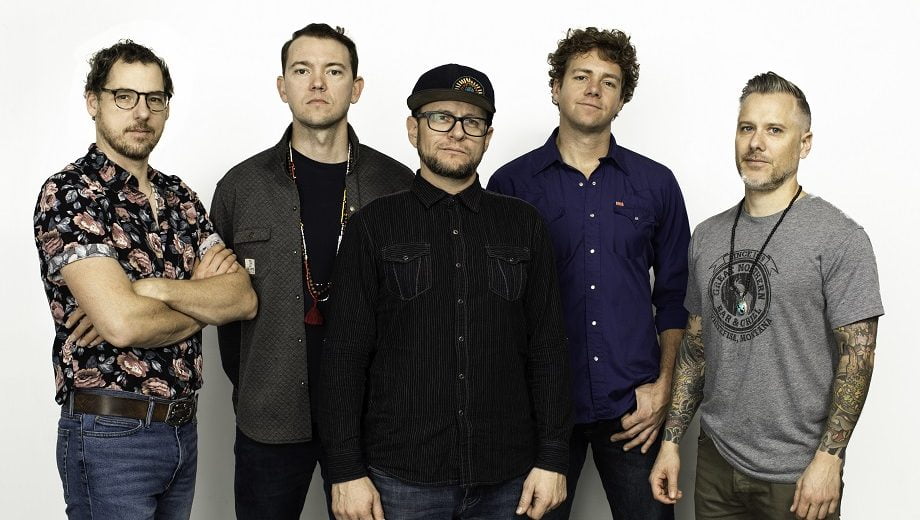
The Lonely Heartstring Band curiously placed “The Way It All Began” in the middle of their new album, Smoke & Ashes, yet it serves as a cornerstone of the project. Somewhere between sweet romance and saying goodbye, the song conveys a contrast of emotions that are woven throughout the album. They recorded the album with Lake Street Dive’s Bridget Kearney as producer; together they ventured beyond bluegrass boundaries while retaining the acoustic approach that led to an IBMA Momentum Award in 2015, as well as a deal with Rounder Records.

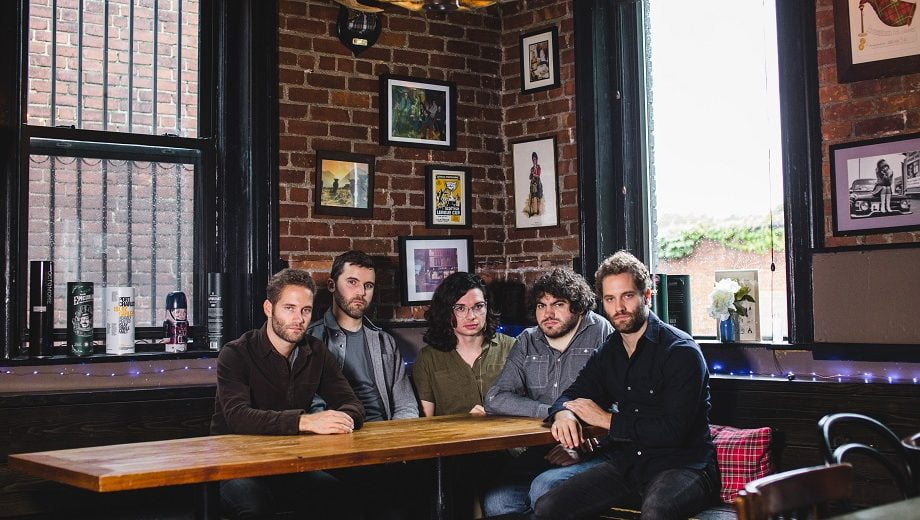
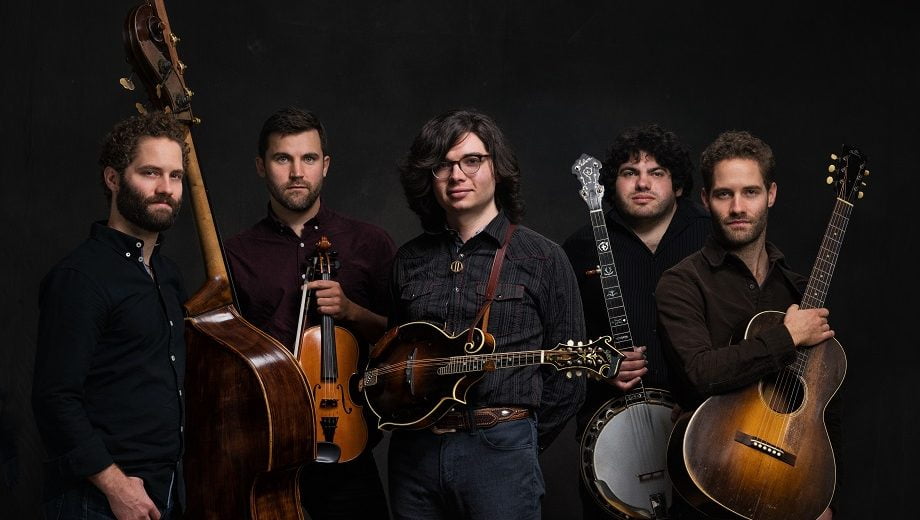
The band is composed of twins Charles Clements (bass) and George Clements (guitar), Gabe Hirshfeld (banjo), Patrick M’Gonigle (fiddle), and Maddie Witler (mandolin). Starting a winter morning in Boston with mugs of hot tea, the Clements brothers fielded a phone call with the Bluegrass Situation.

BGS: Let’s start with “The Way It All Began,” which has a wistful and sweet quality. What were you hoping to evoke in that song?

George: Patrick brought that song to the band, and he told me it was his idea about how a relationship starts. It’s two people who are young and traveling together, trying to capture that reflective, looking-back element.

Charles: I’m pretty sure it’s based on a true story from his life and I think it’s actually bittersweet. It’s a moment that comes together in a relationship, for a summer, then by the end, there’s distance. It’s the way it all began, but the way it ended too.

George: We had a lot of fun arranging that song, coming up with different ideas, like little modulations in the middle with the fiddle.

Did you have a certain sound in mind when you went into these sessions?

George: Yeah, I think we wanted to capture the natural sounds of the instruments as best we could. We recorded this record at Guilford Sound in Vermont and that studio has a really cool, natural reverb chamber, so we were able to capture some spaciousness in that.

Charles: For that song, a high priority was to make sure it had that laid-back, California, spacious, unhurried feeling. We went back and forth on tempos quite a bit actually – that’s too slow, that’s too fast. It’s a delicate thing because you want things to groove and move forward, but you don’t want to lose the character of the song just because you want more energy. A great example of that is Neil Young. He’d do these slow grooves that still keep you rolling forward, but they’re not fast songs.

The song “Smoke & Ashes” has some interesting imagery in there. Several times, you are singing “Come back…” Who are you saying that to?

George: When Patrick and I were coming up to the lyrics to that, it was like a post-apocalyptic song in the sense that we’re losing a lot of things that we love in life. They’re slipping away, like maybe nature is becoming threatened by mankind. I think the “come back” is like, let’s return to the things that matter most. Come back to your senses, come back to reality. Come back to the moon, the sun, the things that are universal.

Why did that song make sense as the title track?

Charles: That’s a good question. We went back and forth on album titles. We settled on it because we think it has good imagery and openness to it. Smoke and ashes can be a pessimistic thing, like things have burned down, but it’s also kind of optimistic. It has a sense of rebirth to it. There’s a sense of ending and starting.

George: We thought it had enough space for the listener to put their own interpretation to it. And I think that “Smoke & Ashes” is a pretty unique track on the album because it’s real slow and spacy, with lots of interesting chord changes. I think we all liked the way that track turned out.
“Just a Dream” has a cinematic, sweeping quality to it. Are you all inspired by movies or film scores when you write music?

Charles: Yeah, when I wrote that song, I think I was letting my imagination run free and create these kind of dreamlike images. … You know, an album is like the inverse of a movie score. The listener obviously has to bring their own imagination. [An album] requires a lot more of an audience than a movie does. Movies sometimes are just gonna give, give, give. With a song you have to bring a little more attention to your own life, your own imagination, and fill it in more with questions about, “What are they trying to say?” I think about that a lot. With songs, you have to supply your own movie a little bit.

Do you all collect vinyl?

George: Charles is a big collector. Patrick has a lot. I don’t have a vinyl collection at the moment because I don’t have a record player. [Laughs] I’ve been moving around so much that I just don’t want to lug all of that around – but someday I’d like to have a collection.

Charles: Maddie, our mandolin player, has probably the largest collection in the band.

Do you turn each other onto music that you discover on your own?

George: Oh yeah. We spend so much time in the van. That’s all we do in the van, either listen to audiobooks and podcasts, or just show each other new music. We’ve got a big text thread going where things will get sent out sometimes.

Charles: Yeah, the Lonely Heartstring Band text thread goes back about five or six years now. It’s full of stuff! (laughs)

George: Somebody should transcribe that. It would be a great, hilarious coffee table book.

I like to hear you all sing together on “Only Fallen Down.” So I wanted to ask, who are some of the vocal groups that you really enjoy?

George: Crosby, Stills, Nash & Young comes to mind. We also really like The Wailin’ Jennys. Charles and I grew up with a lot of Everly Brothers and Simon & Garfunkel, though that’s more two-part harmony.

Charles: The Trio album – Emmylou Harris, Dolly Parton, and Linda Ronstadt. That’s powerful three-part harmony there. And obviously the Bluegrass Album Band, as a model of how to do tight, three-part, bluegrass harmony.

That song seems to be about a temporary setback, but with a sense of determination to go on. Do you see some parallels in your own life? That decision to forge ahead through the challenges?

George: Yeah, like every day. [Laughs] Being in a band is not easy. There are always challenges in relationships. So I think the lyrics reflect an intimate relationship between two people but it can have a universal appeal. Any time you have a challenge or you feel like you’re ready to give up, you can always change your attitude and say, “Well, yeah, this is a setback. I can pull myself up by my bootstraps and keep on going.”

In that song, there’s a line that says something like “Reach out for a hand to pull me through.” That’s a line that we came up after the song was written. That line replaced another one lyric. I really like that line because I think the hardest thing to do when you’re down is to ask for help. Sometimes we wallow in our own misery, and I think what you have to do is ask for help. You don’t have to do it on your own, basically. If you’re having a tough time in life, there are always people who want to help. That’s the amazing thing about the human spirit. We are here to help each other.

Charles: “Only Fallen Down” is a simple song when you think about it. It has a clear, straightforward message. I think that song stands out on the album because it is like a Beatles-esque sweet song. It’s very direct, not trying to be obtuse or metaphoric. I think we were ready for something like that, where you can feel good, like a simple soul song where we’re not trying to say anything other than that simple idea.

Do you think your audience will hear a departure from your prior album when they hear this one?

George: Yeah, I think they will. When I listen to our first record, it’s a little more traditional style – although not super traditional. We still had our own take on things. But this record doesn’t have any covers. It’s all our own original music. I think it reflects more of our unique musical sensibilities without trying to be anything other than what we are. We’re not using electric instruments, we’re not using drums. We still have that Lonely Heartstring Band sound.


Photo credit (on location): Louise Bichan
Photo credit (studio): Mike Spencer
Frank Solivan Finds Room for All Kinds of Bluegrass

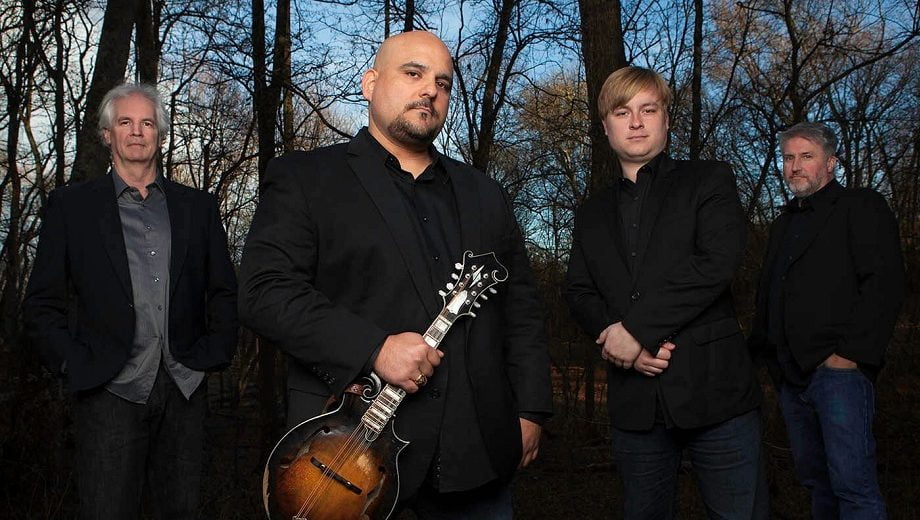
Frank Solivan has steadily built a foundation in bluegrass, from going to festivals as a kid, touring in acoustic bands while living in Alaska, and playing fiddle in the US Navy Band’s bluegrass ensemble. For nearly 10 years he’s fronted Frank Solivan & Dirty Kitchen, an IBMA award-winning group that embraces its eclectic influences. A few days before releasing the new album, If You Can’t Stand the Heat, Solivan traced his journey with the Bluegrass Situation.

BGS: Let’s start with “Crave.” I feel like it captures everything that you’re about – the melody, the picking, and the big singing voice. Did you think it sets the tone for this new album?

Solivan: Yeah, a little bit. Right from the beginning, I had an idea for long, sustaining notes, and this chordal thing, and the words started coming together. Becky Buller and I started writing that song… gosh, it’s been a while now. We took some artistic arrangement liberties in the studio and came up with what’s there. I almost feel like I painted myself in a corner because it is a tough song to sing, and it takes a lot of vocal energy, that’s for sure.

You do build up to a big note. While you’re singing that song, do you think, “Oh no, here it comes…”

You know, if I’m in good voice, I’m not terribly worried about it. There’s a lot of arrangement stuff that goes on in there too, keeping it together. Singing well while you’re playing an arrangement like that – I’m really the only person I have to worry about. Everybody else is great. It’s fun, though, and it’s a challenge.

I was having some trouble with my hands over the last decade or so, my left hand especially, and it was getting progressively worse up until we were recording this record. I never considered myself a great singer or whatever, but I really wanted to focus on the singing on this record, because I thought maybe I won’t be able to play as well as I want to later.

Then I had carpal tunnel release surgery on my hand and it turned out great. I went to a top-class surgeon and my hand is fine now. But, you know, as a musician you worry about that, thinking maybe I should just focus on singing well on this record and keep my playing within my limitations, and not reach out too far. I was able to focus and find a singing voice. I’m constantly trying to become a better singer and I think maybe this record helped with that a little bit, too.

On your albums, you often go for honest, confessional lyrics, and I don’t hear that a lot in bluegrass. Do you think you have that more “sensitive songwriter” side to your music?

Oh, I’m just a big teddy bear. [Laughs] My songwriting comes from inspiration in life, for sure. But I didn’t write every song on this record. I wrote “Crave” with Becky, then there’s a song that closes the record called “Be Sure” that was based on an experience of mine, and some other experiences of others around me at the time, when I was 19 or 20 years old. And it’s finally seeing the light of day and got recorded.

But the formula is having songs that I can relate to – either songs that I’ve written or written with somebody, or from a family member or a band member. My cousin Megan McCormick wrote two songs on there – “My Own Way” and “Shiver.” Our banjo player Mike Munford composed the banjo tune on there. Also, friends write songs, like Sarah Siskind. She wrote the song “Set in Stone” with Ari Hest. That’s the formula for us — keeping it kind of close.

How did you wind up living in Washington DC?

Back when I was 18, I graduated from high school and moved from Central Valley, California, to Alaska. I drove my pickup truck up there. I was with my mom, and also I was invited to play music up there with Ginger Boatwright. She was doing a tour that first summer with Doug Dillard – she was the singer and guitar player for the Doug Dillard Band. I thought, “OK, I’m going to hang out and play it by ear.” We had a little bit of family up there, so we stayed with them. My mom got a job and then I went off and moved all around Alaska.

Long story short is, I loved it and stayed. I worked all kinds of jobs, from explosives, to a perforating service, to driving trucks and delivery vehicles, to driving a school bus and being a substitute school teacher, to construction… whatever I could do that would allow me to go hunting and fishing and play music. I played with a lot of bands and went to the University of Alaska in Anchorage and studied violin performance. And then heard of an audition for the US Navy Band in Washington DC, for the country band and bluegrass band, and when they had an opening, they offered me the job.

The next thing you know I’m going to boot camp, doing about a million push-ups. Anyway, Leah — who is my wife now but was my girlfriend at the time — and I moved to the DC area in 2003 and I reported for duty. We got locked in here and I did six years with the Navy Band. I decided at the five-year mark that I needed to get out and I gave them my notice. I needed to get out and make music. It was a good job and I was proud to serve, but for me, I needed to be an artist. I needed to make music, not just play music.

Growing up, who were some of the people who encouraged you?

Well, we’d have these huge family gatherings and we’d end up doing big meals, and the next thing you know, everybody’s pulling out instruments and everybody’s encouraging other. I had a cousin Ty that passed away last year — Charles Tyson Smith – and I’ve recorded a number of songs that either he’s written or that we wrote together. He was somebody I looked up to in my family as a musician, writer, and singer.

And of course my parents would take me to concerts and music festivals. I remember when I was pretty young, going to see Ray Charles, Tower of Power, Stevie Wonder, The Judds, Merle Haggard, whoever it might be. I had all these opportunities to see these greats and we’d go to music festivals as well – bluegrass festivals and old-time fiddle contests and jam sessions. That’s what I grew up doing. Now of course I realize what a gift it was.

When I was in high school, I heard about this band who was looking for a fiddle player. My mom took me to the audition and I got the job. She took me to a number of these gigs and helped me buy the gear I needed for it. I played with a number of bands in high school, but they weren’t high school bands. They were regional bands that would open up for big names and big concerts, and play big clubs and dancehalls. Luckily I carried myself a little older than I was, which was great, because if they knew I was 16, 17, or 18 years old, I probably wouldn’t have been allowed to go into these places!

Being exposed to so many different kinds of music, do you think that shaped the way you hear songs or seek out songs?

Yeah, I think it’s a more open-minded approach for sure. People are always trying to categorize — “So, what kind of music do you play?” A graphic artist friend of mine and I came up with a shirt design, and we sold out of ‘em pretty quick, but it was basically an umbrella, and on the umbrella, it said, “ALLGRASS, Frank Solivan & Dirty Kitchen.” Then underneath it, like raining coming down inside the umbrella, it had words like Appalachian, mashgrass, newgrass, bluegrass, country, acoustic, and all these different titles people think you need to categorize somebody. But the idea was, we try to pull from all of those things and beyond. But also to say, all of those styles are, shall we say, bluegrass.

I think people are really scared these days about losing traditional bluegrass music. But it’s kind of like everything – if it’s really good, which it is, and authentic and organic and beautiful and done well, then it’s not going anywhere. It will stand the test of time. And the beauty about all those traditional bluegrass people like Bill Monroe, or moving on into the Osborne Brothers and Jim & Jesse, all those guys were innovating. They were trying to get it to a larger audience, and to me, that’s the tradition of bluegrass – to constantly have it evolve for people right now.


Photo credit: Courtney Jarrell Middleton

LISTEN: The Infamous Stringdusters, “Somewhere in Between”

Artist:The Infamous Stringdusters
Song: “Somewhere in Between”
Album: Rise Sun
Release Date: April 5, 2019
Label: Tape Time Records

In Their Words: “I remember back when my wife and I had our friend Daniel Walker over for dinner. He brought his guitar and had this little idea he wanted to write about, so we threw on some dinner and started a fire in the outdoor pit. We were both wanting to write about a state of mind we had been experiencing a lot and decided that it was ok to be feeling it. That feeling centered on being somewhere in between where we have come from and where we are going, but not being there yet. Sometimes it’s ok to be in that state of mind and we shouldn’t always be feeling pressure to have it all together all the time. Sometimes when writers write, it’s for our own healing and well-being and when a song is finished, it’s awesome to be able to share it and have other people identify with the meaning.” — Jeremy Garrett, The Infamous Stringdusters


Photo credit: Aaron Farrington

Addressing Indigenous Rights and Hometown Shame, Lula Wiles Look for Nuance

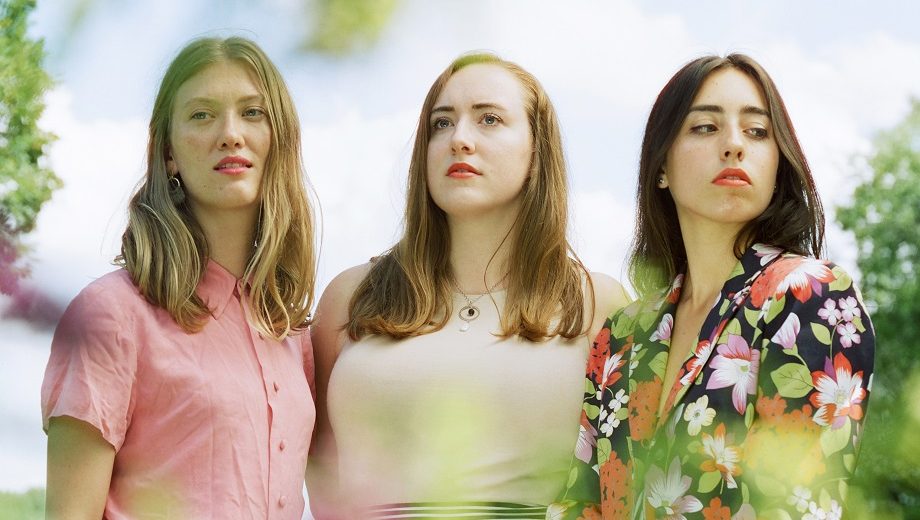
Folky string band Lula Wiles’ brand new album immediately asks What Will We Do? The project’s title is the first of many thought-provoking questions and prompts sprinkled throughout the album, like tasty musical morsels that lead listeners to explore our culture’s social norms, power structures, and political realities.

But the three women — Isa Burke, Ellie Buckland, and Mali Obomsawin — aren’t being needlessly combative, pushing buttons or grinding gears to elicit equally combative and grinding responses. The goal, evident throughout the album, isn’t protest. It’s empathy. These conversations tease out the slight nuances that define each of us, rather than hiding them away for the sake of convenience and tidy generalisms.

What Will We Do has a quiet, introspective, power to provoke — or perhaps more accurately, evoke — a reality that is stripped of its normative, predictable infrastructures and replaced with person-to-person, human-to-human connection as its keystone. And without condescending even the least to offer a paramount answer to the album’s titular question, the music — and the nuances within — will guide open-minded and open-eared listeners to the answers.

BGS: In the press materials for the album, it’s described as “provocative,” but when I listen to it I don’t find it… incendiary. You aren’t necessarily just sticking a poker into the fire or fanning the flames; you’re trying to accomplish something more productive than that. In the writing process and the creative process what went into striking that balance? Was it conscious or subconscious? Was it overt or covert?

Mali Obomsawin: We had a lot of conversations about how to write political songs, or songs that capture certain elements of the political climate right now and the cultural climate in general. It is a really delicate thing to confront current issues that people aren’t agreeing on. It’s not like we’re talking about World War II. Yes, Germany was in the wrong, everybody knows that. I think we have a lot of listeners that agree with us politically, so to speak, but we still wanted to write about topics that have nuance. We didn’t want to be reductive. The most incendiary approach to talking about current issues is being reductive, deleting and erasing that nuance. We aren’t interested in doing that because that doesn’t get anything done.

“Hometown” feels like it’s painting a picture of a pretty normative, small-town America, but then you have lines like “Flip a coin and choose pride or shame” that really stick out to me. That’s the difference between a marginalized person and a privileged person growing up in the same place — it’s a coin toss whether they’ll feel that hometown pride or shame. How does that song relate to each of you? Where did that idea come from? What’s the connection or nuance in that line?

EB: First of all, “Hometown,” the whole song, is deeply personal to me. I think it was originally inspired by specific people in my family and the fact that I vote differently than a lot of people in my family, that I love. Then, as a lot of writers do, there are a lot of characters in the song that are not coming from my exact life, but come from my experience growing up in this place, going to high school with people who were using drugs and becoming addicted to drugs, girls who were having kids when they were fifteen or sixteen, and just a lot of working class people as well.

I remember thinking about the divide that people feel about being on welfare. Specifically, this idea that of the people who are so critical of welfare and feel that it is just people mooching off the government, in fact, a lot of those people would greatly benefit from welfare because they are struggling financially. But they feel a sense of pride on their own. Like, “I will pull myself up by the bootstraps. I will follow all of these sort of rules that will create. I am the American dream, I am the future millionaire.” They’re critical, they think it’s shameful to accept these benefits.

IB: Also, I think a lot of the time pride is like armor against shame. The force of pride can be, “I’m choosing to be proud of this thing, because I’ve been made to feel ashamed of it.”

MO: Right now, for instance, there’s a lot of Indian mascot drama going on in Maine. We Natives almost have a superiority complex in that we’re so proud of who we are and where we come from. We have to be, because we’re so shamed by things like mascots. I think a lot of marginalized people feel this way. It’s a form of self-protection.

I do want to spend a little time talking about Indigenous rights and issues, because it’s been a topic that through the lifespan of this column we haven’t been able to cover yet. I think that in itself is indicative of what I want to talk about, which is — and I wanted to say Indigenous rights are the “final frontier” of intersectionality, but even that is colonialism! This is how deeply entrenched colonialism is. How would you like to see the music community respond to these issues that you’ve brought up in the music and on the album?

MO: It is so entrenched in American society to be anti-Indigenous. It’s in so many of our colloquial, everyday phrases even. Like, “the final frontier” or “have a pow-wow.” Even smaller things like, “lower on the totem pole.” Natives are used as tropes… which just adds to the erasure. This is all a product of the erasure we’re taught by textbooks: “Indians are history, Indigenous people don’t exist anymore, it’s not even something you need to think about anymore.” It’s to a point that if you bring up any Indigenous rights topic, or address any issue, you instantly become the most radical person in the room. You end up disassembling the whole house of cards of social norms in which we exist.

[In] the folk scene, the songwriter scene, there are things to be done. Maybe someone wants to do a land acknowledgement in a new town. That’s fine, that’s good, I encourage it, but also just look at your colloquialisms and the tropes you use in your lyrics. There are so many! Natives are used for imagery and turns of phrase to give your lyrics a little hip touch.

Authenticity signaling.

MO: Yeah. People use it so much! And all of my favorite artists do it! Every time it happens I’m just like, it’s Tom Petty with, “Til an Indian shot out the lights” and Joni Mitchell with “Little Indian kids on a bridge.” It happens all the time, when we’re just driving in the car, like, “Oh shit, damnit. Paul Simon’s out, too?”

I want to end with “Shaking As It Turns” and make it our call to action for this column. How do we take an album like this, and a song like “Shaking As It Turns,” and help people understand that this poor fucking world has been shaking all along? We’re just at the point where we’re feeling it shake more and more and so intensely. What do we do now that we have this awareness? What do we do now that our thoughts have been provoked?

IB: What will we do?! [All laugh]

EB: What will we do? It’s almost like this is what the record is about!

IB: I feel like the last verse is the closest we get to protest music, to that galvanizing call to action type of thing. That’s the “Don’t talk about love if your love won’t burn” verse. I wrote the song in July of 2017, right after the neo-Nazi rally in Charlottesville, Virginia, where [Heather Heyer] was murdered. That verse was kind of a response to all of the “love trumps hate” rhetoric that was going around at the time. That phrase always rang hollow to me, especially when it was in response to something like murderous neo-Nazis. I think sometimes you can’t just respond by saying, “Well, just be loving to them and that will fix it.” Because it won’t fix it!

That verse is trying to say that love is a good response to hate, but it has to be the kind of love that calls you to do something. The “love trumps hate” thing always felt like a cop out. [We’re] trying to get people to not disengage, but to go deeper into these issues, get down to the very foundation of why things are the way they are. If confronting Indigenous rights means questioning the very nature of reality, then do that. Ask those tough questions. Ask them of the people that you love, ask them of people you disagree with, and do it in a way that’s honest and isn’t disingenuous.


Photo credit: Laura E. Partain

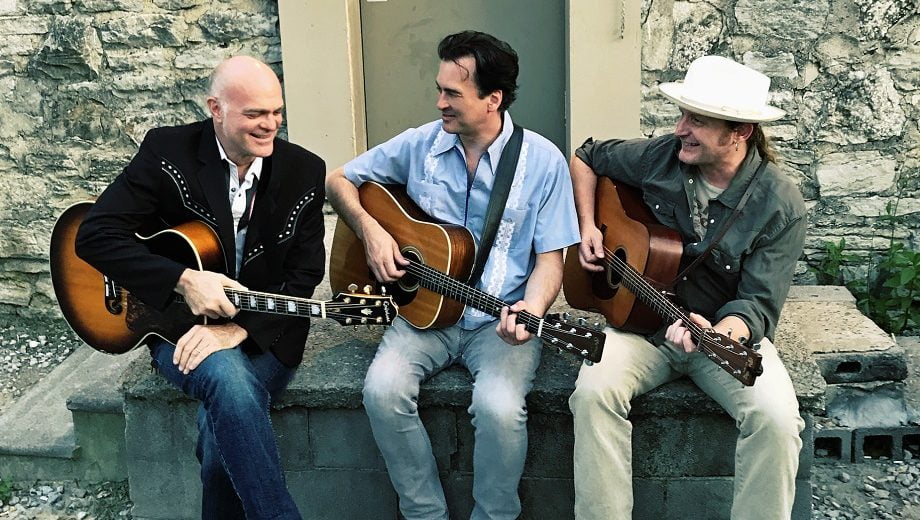
LISTEN: Eric Brace, Peter Cooper, & Thomm Jutz, “King of the Keelboat Men”

Artist: Eric Brace, Peter Cooper & Thomm Jutz
Song: “King of the Keelboat Men”
Album: Riverland
Label: Red Beet Records
Release Date: February 1, 2019

In Their Words: “When we were looking at the history of the Mississippi River, it was clear that the steamboats were the biggest thing that ever happened to it and on it. But what about before the steamboats? Before steamboats were the keelboats, pushed up and down river by big men with poles. They were the rock stars of their time, from the 1700s til about 1830. The mightiest of the keelboat men was the near-mythic Mike Fink. His tale was told in stories and books and songs of the time, but we wondered what happened to him when steam took away his job. Buy him a drink, and he’ll tell you exactly what happened.” — Eric Brace, Peter Cooper, & Thomm Jutz


Photo credit: Chris Richards

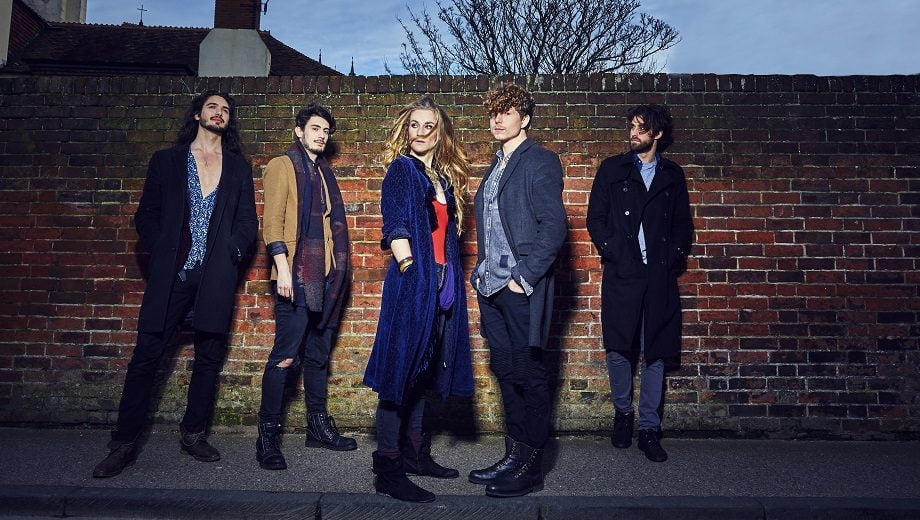
Baylen’s Brit Pick: CoCo and the Butterfields

Artist: CoCo and the Butterfields
Hometown: Canterbury, England
Latest Album: Monsters Unplugged

Editor’s Note: Look for CoCo and the Butterfields and BGS – UK at AmericanaFest UK, held Jan. 29-31 in London. 

Sounds Like: Bellowhead, Seth Lakeman, Florence and the Machine with added indie pop

Why You Should Listen: CoCo and the Butterfields are just joyful and January should be joyful. Ok, I know we are all trying to stick with our “new year new you” goals. New fitness regimes, meditation apps, veganuary, dry January, etc., but come on, surely we can all get on board with more joy!? Great, we are agreed! First thing to do then is listen to this rowdy good time group of multi-instrumentalists who combine folk, bluegrass, hip hop, indie pop, Celtic, and country. Hell, there’s even some beatboxing thrown in for good measure. I said they are rowdy and they can be, in the best possible way, but they also do soft and sad, again in the best possible way.

I first met the band when they rolled up for a session on my radio show in a multi-colored minivan they had painted themselves. They all piled out looking like a touring version of Hair, the musical, and I knew they were my kind of people. Incidentally they do all have amazing hair, but that’s beside the point. The main thing for us to note is their music is wholly and completely original, it’s a sound only they could make and I’m so glad they do. A true ensemble band, sharing vocals and switching instruments at will. They are crowd pleasers and joy makers. I’ve seen them in a packed out basement club and in an expansive field in the middle of the country and they are at home in both.

I think the reason they aren’t bigger in a “mainstream” type of way, is because they are so undefinable. A great thing in my book. So, let’s all treat ourselves, close that fitness app, and open up the playlist below and let’s start the year in the way we mean to continue, with more joyful music and fantastic hair.


As a radio and TV host, Baylen Leonard has presented country and Americana shows, specials, and commentary for BBC Radio 2, Chris Country Radio, BBC Radio London, BBC Radio 2 Country, BBC Radio 4, BBC Scotland, Monocle 24, and British Airways, as well as promoting artists through his work with the Americana Music Association UK, the Nashville Meets London Festival, and the Long Road (the UK’s newest outdoor country, Americana, and roots festival). Follow him on Twitter: @HeyBaylen

Photo Credit: Nicky Johnstone

LISTEN: Jason Ringenberg, “Here in the Sequoias”

Artist: Jason Ringenberg
Hometown: Nashville, Tennessee
Song: “Here in the Sequoias”
Album: Stand Tall
Release Date: February 7, 2019
Label: Courageous Chicken

In Their Words: “I wrote ‘Here in the Sequoias’ during my time doing the National Park Service artist-in-residency program at Sequoia National Park. To be among those giant angels made it very easy to release the songwriting muse. Immediately after writing it I felt a bluegrass direction would be best for it. We recorded most of it live in the studio. I think we can hear the spontaneity in the track. Later we brought in Robert Bowlin (who was in Bill Monroe’s band) to add in fiddles and mando. I believe the track does capture the sublime beauty of the Giant Sequoias.” — Jason Ringenberg


Photo credit. Gregg Roth

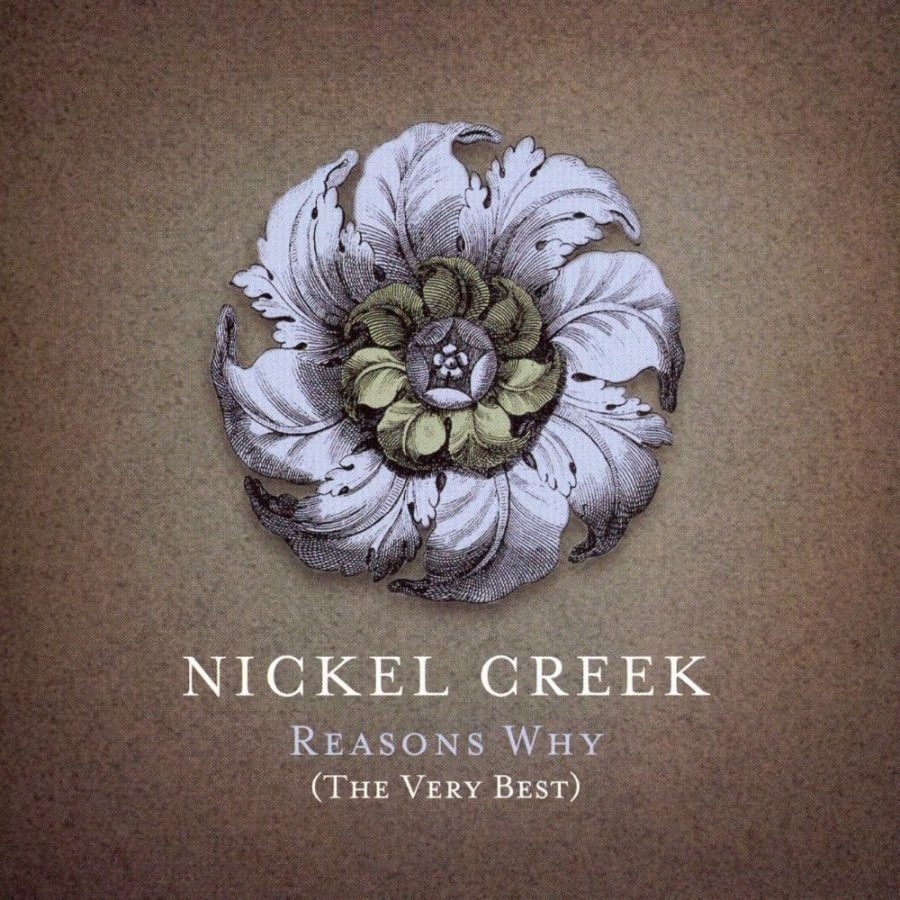
The Songs of Nickel Creek’s ‘Reasons Why (The Very Best),’ Ranked


Ah, Nickel Creek. The originally-a-bluegrass band, almost-bluegrass band that defined and fostered an entire generation of young roots music fans. Their five album catalog is chock-full of incredible songs, but for our purposes we’re going to rank their greatest hits as released on their 2006 compilation album, Reasons Why (The Very Best). Let’s start at the bottom, just to stir the pot right off the bat.

14. “The Fox”

When your audiences eventually universally devolve into nothing better than a non-Newtonian fluid that aggressively shouts “THE FOOOOOOOOOX” incessantly, it’s time to maybe consider that a “hit” isn’t necessarily a good thing. And if you ever attended a Nickel Creek concert during their heyday and you weren’t one of the ones yelling, you probably came to that conclusion, too. The band certainly has. And that poor goose…

13. “The Lighthouse’s Tale”

Look, you knew it was next. If Chris Thile himself openly mocks the song onstage, perhaps it doesn’t deserve a higher slot. Personification of a lighthouse though. Groundbreaking. Or should we say, sand-breaking. (Too soon?)

12. “Somebody More Like You”

Just because Sean’s early 2000s, punk-esque vocal choices are somewhat… jarring.

11. “Helena”

This song doesn’t seem to have aged well… A man uses not one, but two women and he’s so goddamn flippant about it. Is that love?? Dang if it’s not a catchy song though. Number eleven feels right.

10. “Can’t Complain”

Another in the “As a teen I shouted along with the words from the bottom of my heart and now I take pause” category. “…Made her wanna die / But she can’t complain she can’t complain.” Can’t she!?

9. “Should’ve Known Better”

See numbers eleven and ten. They should’ve known better. HaHA!

8. “You Don’t Have to Move that Mountain”

A cover that was previously unreleased by the band, this one is neither lackluster nor exactly awe-inspiring. Solid, for sure, but eight feels like the right spot. Especially given its “hit” status being ascribed only by its inclusion on the album alone. Are we all good with this praxis? Great. (Check that Mark Schatz bass solo though, okay?)

7. “Out of the Woods”

So vibey and lush. Spooky and ethereal. Like the woods from a Bronté novel. It’s a good one, perfect for the middle of the pack.

6. “Reasons Why”

Why number six, you may ask? I have my reasons why: mainly the space-age neo-folk vocal arrangements, with those tight tight tight harmonies. Makes me want to shake fists at the sky!

5. “This Side”

“You dream of colors that have never been made” was perhaps the deepest, most profound line on the Grammy-winning album, This Side, by the opinion of this writer, who wore out the CD oh, almost two decades ago.

4. “Smoothie Song”

Not as good as “Scotch & Chocolate” or “Stumptown,” but still. A bop.

3. “When in Rome”

Asking the tough questions, one by one. A manifesto for teenage bluegrass fans exploring music on the fringes of the familiar. Also, stomping in puddles. When in Rome, after all…

2. “Jealous of the Moon”

Devastatingly melancholy, but with a hopeful message. Pure poetry. Just remember, you don’t need to call anyone to save you. The problem is simple: “There’s nothing you can do / If you’re too scared to try.”

1. “When You Come Back Down”

One reason we could count this as the number one song in and among Nickel Creek’s greatest hits is that IT ISN’T AVAILABLE ON SPOTIFY. Travesty. The true reason, though, is that this is unimpeachably the best of the trio’s greatest hits. Sure, it can read like a song ripe for overuse at high school graduations, but it’s beautiful, it’s simple, it’s straightforward, and it’s almost literally uplifting. Take every chance you dare.

Jeff Scroggins & Colorado: Over the Line and Across the Divides

Bluegrass is barely older than rock and roll, but it’s a lot smaller. The problems that small size can engender are obvious, but there’s also a bright side, where a fan seeking to understand how the music has grown can more quickly see musical lineages, trends, and tendencies — for the same reason it’s easier to see the trees in a sparser forest. Even today, the influences of most artists are pretty easy to trace, no matter how creatively they’re built upon.

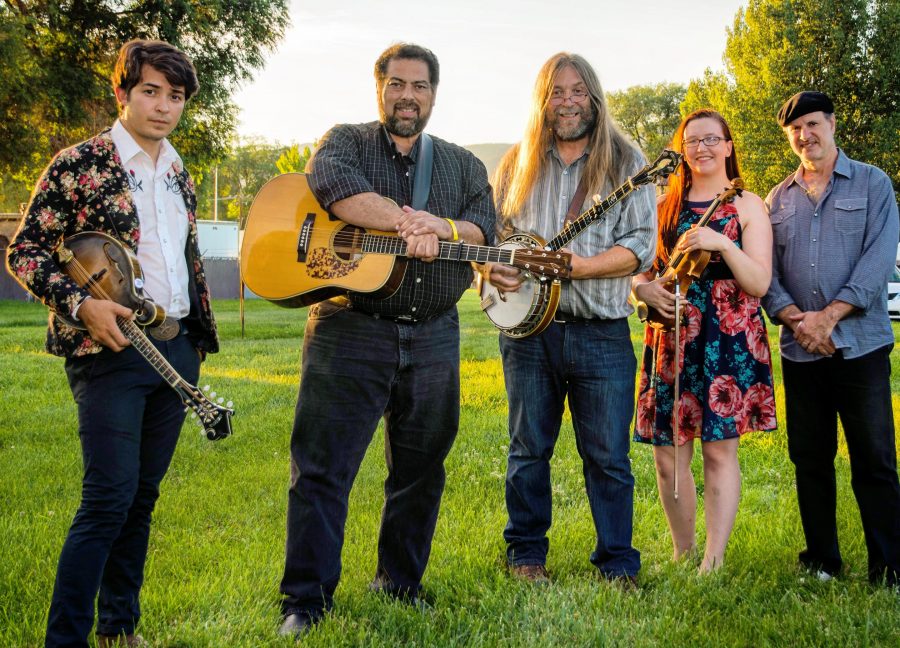
So it is with Jeff Scroggins & Colorado, whose new release, Over The Line, offers a delicious update of one long-running bluegrass strand. Produced by the band’s occasional bass player, Mark Schatz, Over The Line’s folk-leaning material gets a treatment that isn’t afraid to invite comparisons with the sounds of the Country Gentlemen, a group that navigated its way through the bluegrass and folk revival scenes of the late ‘50s and ‘60s (and beyond) so successfully that they were inducted into the Bluegrass Music Hall of Fame years ago.

Even so, the pronounced individuality and musicianship of banjo man Scroggins and each of his band members (Greg Blake, guitar; Ellie Hakanson, fiddle; Tristan Scroggins, mandolin) ensures that the sound is fresh and unique — and it’s that sort of double vision, where you can see at one glance how these artists relate to those who came before and what new, distinctive things they’re bringing, that is one of bluegrass music’s most endearing characteristics. In that respect alone, the album is a triumph.

Another consequence of bluegrass’s small scale is the persistence of geographical variety. I’m not talking about bogus efforts to claim that only those from a certain area have the capacity to play “real” bluegrass, but rather about variations that range from the attitudinal to the climatic to the economic, all of which combine to make the experience of bluegrass surprisingly different from one part of the country to another — most broadly, from east of the Great Plains to the Front Range and points west.

Whether for cultural, economic or musical reasons, there are plenty of bands that stay on their own side of the divide, so although he’s been a staple of the western scene for a long time, Jeff Scroggins’ name is just now starting to ring in the ears of the rest of the country. With that in mind, gathering a little background seemed like a good way to start our conversation.

I suspect that for a fair number of readers, this is probably the first time that they’ve heard much about you and the band, so let me jump back to the beginning — you’re a westerner by birth?

I was born in Oklahoma, I suppose that’s pretty far west.

It is from the Nashville perspective! How did you come across bluegrass music?

Probably the first time I heard it was when my parents would take me on little vacations in the Ozarks; I didn’t know anything about it, but I always liked it. And then, when I was 20, I bought a banjo at a garage sale. I was playing heavy metal music at the time — but six months later, I liked it so much I sold my Les Paul and my Marshall amp and bought a better banjo. So that kind of ended my rock and roll career.

So how’d you learn to play?

The guy who had always been my music store guy, he was a bluegrass guy. So when I brought the banjo in, he kind of fixed it up a little, and he sold me the Earl Scruggs instructional book and record, and he sold me a Peter Wernick book and a Tony Trischka book, and I went home and started figuring it out. Then a couple of years later, I ran into Alan Munde, who was teaching lessons in a music store in Norman, Oklahoma, which was about 20 minutes from where I lived. That was my real first serious connection to bluegrass, seeing him do it correctly.

I started playing in some local bands, around where I grew up, and I ended up moving to Irving, Texas, to be in a band — which was short-lived. But I moved into the Dallas area, and it was an amazing scene for a short time there. There were a lot of people who were really good who were all there at once; I was seeing people like Brad Davis and Greg Davis, Scott Vestal — in fact, I replaced Scott Vestal in a little family band. And that was sort of my learning, going there and being around a lot of people who did that; I was learning it all as I went.

And you’re a contest winner, too, right?

I grew up in Oklahoma, but it wasn’t that far to Winfield, Kansas. I started going to the big festival there, and decided I wanted to win that banjo contest — and I did, and won a bunch more along the way.

Talk about the difference between what you think about and focus on when you’re playing contests, and what you think about and focus on when you’re playing in a band.

Well, it certainly is different. For me, I watched the contest, and I tried to figure out what I needed to do to win the contest. I think the most important thing is to be a good Scruggs style player, because if you’re not doing that, I don’t think the rest of it is going to help you much in a contest, honestly. So I really focused on that, and I also tried to get the melodic and single-string; I specifically started getting the single-string stuff because people who were winning contests were doing that.

But yeah, I think when you’re doing contests…I was recording everything every few days and listening to it, and just trying to really perfect these tunes. And it ends up being reasonable training for doing the other thing, but it is certainly different. I felt like I developed the techniques I was going to need to play bluegrass, but I didn’t really know how to do that.

People who have played a lot of contests have told me that there, it’s all about you and not much else, but in a band, you’re playing backup. You learn that the space you make for other people is at least as important as what you’re doing — that it’s a real mental adjustment to not be the center of attention.

I found for myself that I didn’t really want to be the center of attention. I was pretty shy. And to this day, if people compliment me on my backup playing, it’s sort of the thing that makes me the happiest. Because I figured out a long time ago, that’s what you’re going to be doing 90 percent of the time. So I decided that if I was going to do it 90 percent of the time, I was going to try to get really good at it. And obviously that really is one of the main differences, is learning how to work without the ball, as they say in sports.

I think I first saw your name with the Blue Canyon Boys. Was that the last thing you did before you got Colorado started?

It was. I was getting divorced, and coming to Colorado, and I was looking for some sort of musical thing to do. That was the thing that fell in my lap. I had known the bass player for a long time — in fact, he went back to my Texas days — so it was based on friendship. I didn’t necessarily feel that it was an awesome fit for me, but they were looking for a banjo player and I was looking for a band, and so I did it for a few years. And by then, Tristan — he was 14 at the time — was becoming pretty amazing, so we decided to start a band.

Who else did you have in the band?

Greg Blake, Tristan and I were the founding core. And then we had Annie Savage playing fiddle, and a guy playing bass who had a business, and he was the first one to bail when it started to get busy. It’s funny, we’ve had one banjo player; one guitar player; one mandolin player; three fiddle players and 37 bass players.

How did you meet Greg?

I met him in 2011, at a mutual friend’s wedding where he was doing the music. The reception was a bluegrass jam, and we jammed for seven hours until they threw us out of the place. Sort of played every song we knew. At the end of the night, I said, “I’m starting a band, and I think you should join it.”

So you’ve been working pretty hard since then, putting four albums out.

I had written out a business plan, and written goals five years before this, when I first decided I was going to get serious about this. I had a very specific idea of what I wanted to accomplish, and so when I asked people to join the band, I just handed them these pages and said, “Read this, and if it seems like something you’d like to do, then join this band.” But I was out of work and looking for a way to make a living. I had applied for a million jobs, and none of them came through, and I took that as a sign from somewhere that I was going to do this. So when we started, I started out immediately trying to make it pretty serious, and within a couple of years we were working full-time.

When I was younger, I hadn’t been very smart about it; I’d never thought about doing that sort of thing, so I never tried to make a lot of connections with promoters. But over the few years that I was playing with the Blue Canyon Boys, I made connections and kept them. I also had a lot of older connections, too. When I had been younger, I’d been in a lot of bands, but I’d never called in all the favors I’d had, because I figured that at some point I was going to have a project that I was going to pull out all the stops on. So I called everything in all at once, and that got us working really fast.


Photo credit: Clyde Clevenger

Deanie Richardson, “Soppin’ the Gravy”

Nashville often feels like a town simply saturated by fiddlers. It is Music City USA, after all, and of that music, most is centered on the pop country machine, which thankfully still sees fiddles as prerequisites for most of the music being fashioned, manicured, produced, and cranked out by this city writ large. In and amongst the myriad fiddles and bows it takes a singular musical voice to stand out.

Deanie Richardson has just such a voice. Her fiddlin’ is just as fiery and unyielding as any other fiddler on the scene, but without ever being overbearing or cliche. She balances Texas influences and contest styles with her immaculate bluegrass chops — and that balance makes her the perfect shoulder to tap for all manner gigs, from house fiddler at the Grand Ole Opry, to touring with Vince Gill or Patty Loveless, or decidedly less normative-country acts like the Chieftains and Bob Seger.

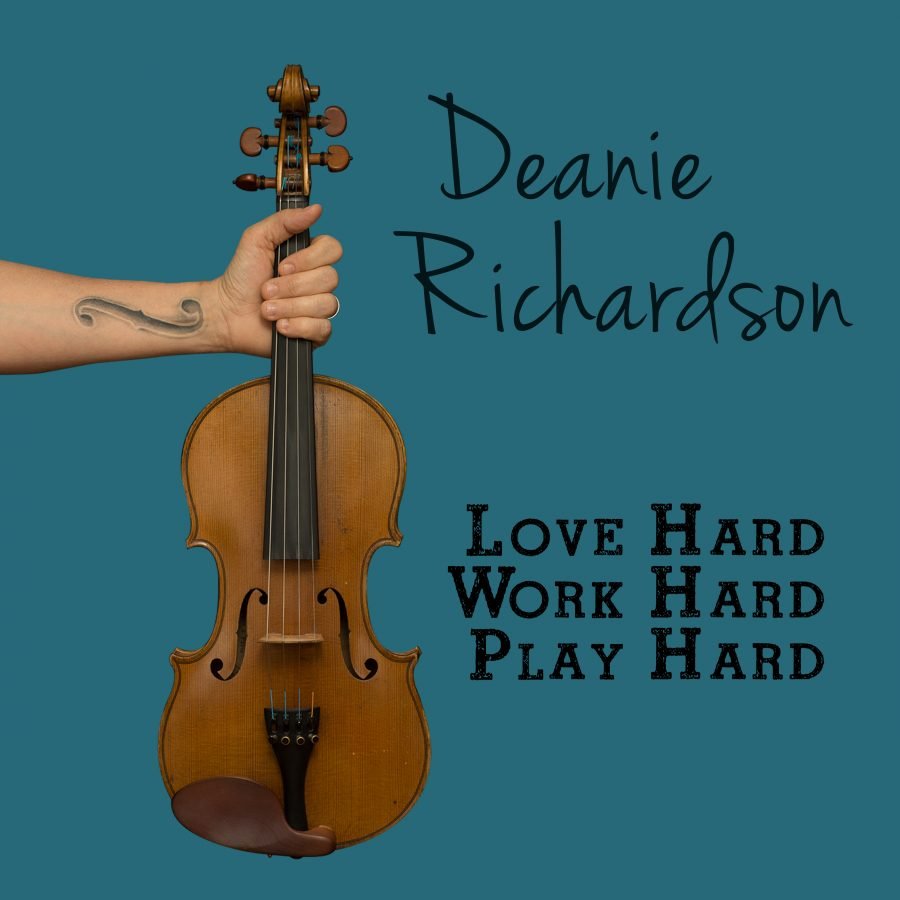
Her anchor though, has always been bluegrass, and when she isn’t out cutting up and bringing slap-happy joy to the people with her currently Grammy-nominated ensemble, Sister Sadie, she’s making bluegrass/fiddle records like Love Hard, Work Hard, Play Hard (available now on Pinecastle records). Close friends and musical compatriots like guitarist Brandon Bostic (Patty Loveless, Blue Moon Rising), mandolinist Ashby Frank (Special Consensus, Earls of Leicester) and banjoist Gena Britt (Sister Sadie) round out the band du jour on “Soppin’ the Gravy.”

It’s a tasty barnburner that’s as precise as it is breakneck fast, with Deanie’s endless embellishments demonstrating that a) she has the listener exactly where she wants them and b) she’s having a whole lot of fun with it. If you’re craving a fiddler that stands out, grab a biscuit and hit play, because there’s plenty of deliciousness to sop up with “Soppin’ the Gravy” and we ought not waste a drop.