BGS 5+5: The Bright Siders

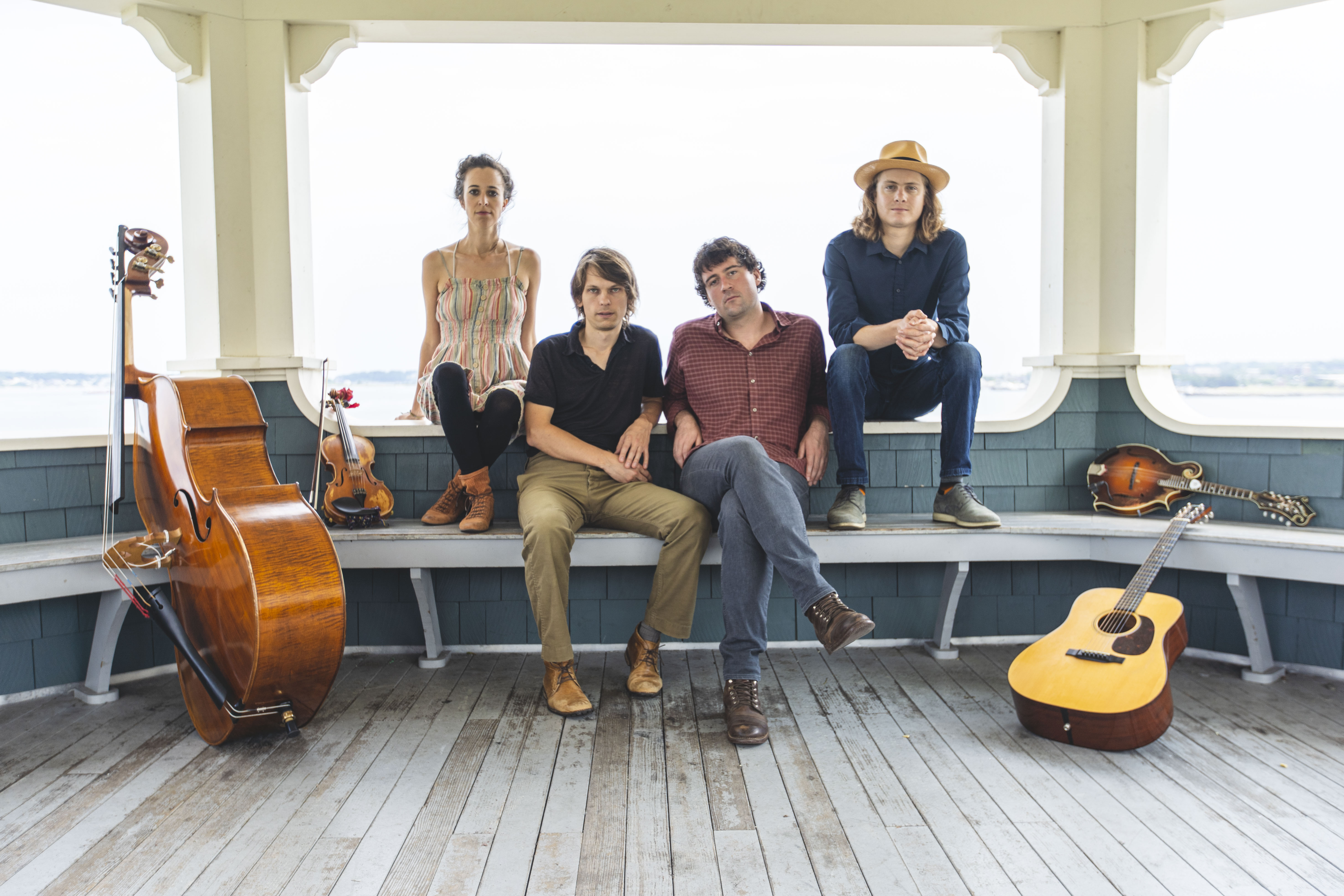
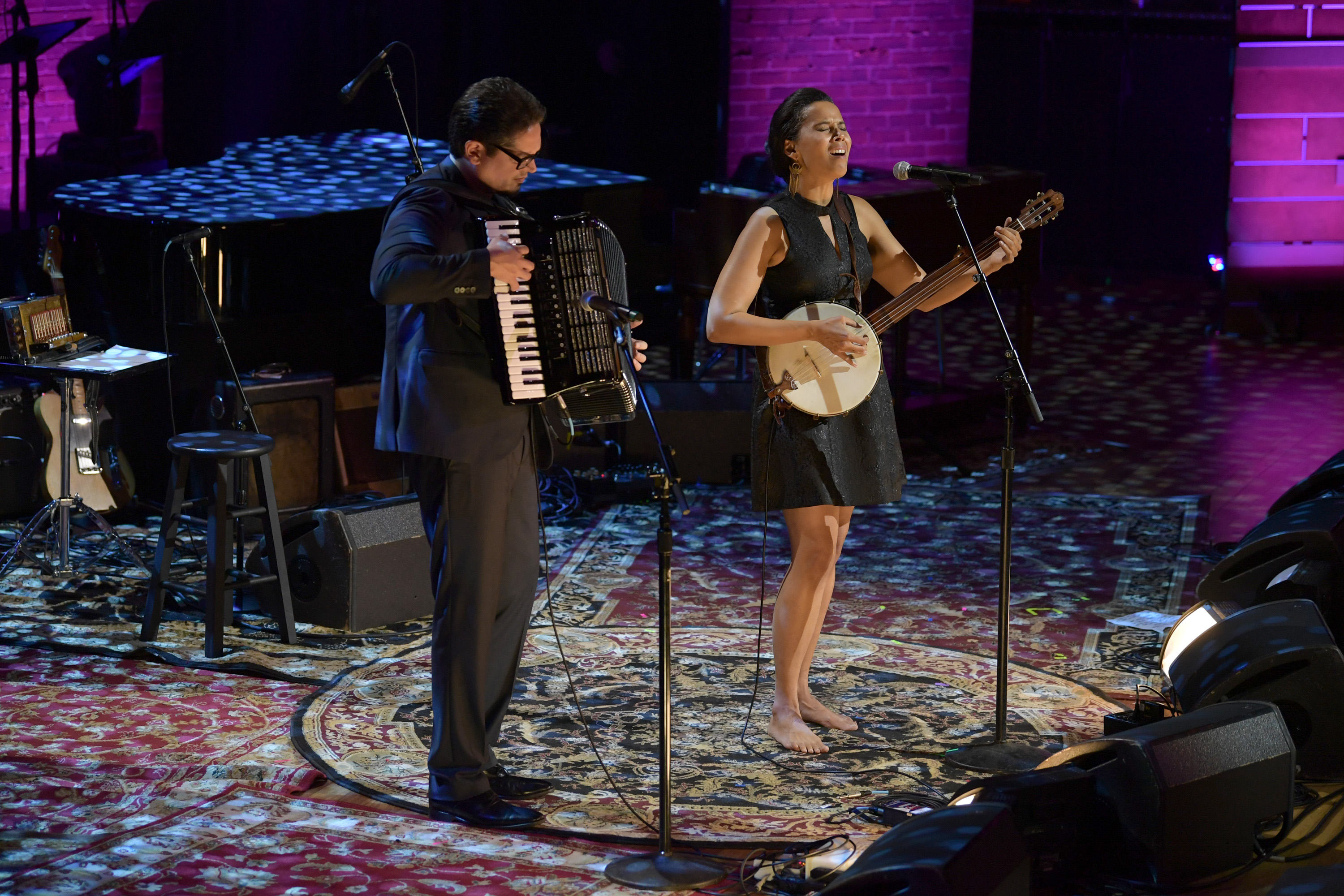
Artist: The Bright Siders (Kari Groff, MD, and Kristin Andreassen)
Hometown: Brooklyn & Nashville!
Latest album: A Mind of Your Own
Personal nicknames (or rejected band names): How about a rejected song title? “Everybody Goes to Therapy” We actually recorded a demo of that one… but we might have to save it for these kids when they grow up!

Which artist has influenced you the most … and how?

There’s one album that influenced both of us deeply as children. The record is Free to Be…You and Me created in 1972 by author and actor Marlo Thomas, Carole Hart of Sesame Street and Letty Cottin Pogrebin of Ms. magazine. Free to Be… was a collection of songs and skits about gender issues, performed by Thomas and a cast of the era’s most prolific stars. The messages were clear to us as children (Girls can be anything! Boys can play with dolls too! Parents are people! Good stuff like that…). But the reason we listened again and again was because the music just sounded amazing. When we started to work together on the project of making kids’ music with a mental health message, this album gave us a gold standard to work toward. So here we are as adults feeling grateful for this music once again. — Kristin

What was the first moment that you knew you wanted to be a musician?

I don’t think I had a choice. I grew up in a very musical family. My parents were both music teachers as well as my grandfather. It was just a given that you would play music along with whatever else you decided to do. In my case, that was medicine and psychiatry. — Kari

How often do you hide behind a character in a song or use “you” when it’s actually “me”?

Good question for a psychiatrist. Not that often. I usually try to own my own emotions! — Kari

What other art forms — literature, film, dance, painting, etc. — inform your music?

My first true musical passion was actually traditional percussive dance, and I toured as a clogger before I started playing stringed instruments. Often, when I start working on a song, the melody and rhythm come most easily, and I always figured that was somehow related to the time I spent in the dance world. — Kristin

What’s the toughest time you ever had writing a song?

I tried to write a few songs in the early days of the pandemic but I couldn’t capture the intensity of the experience here in NYC so I chose to write a short children’s story instead (releasing soon!). — Kari


Photo credit: Jefry Wright

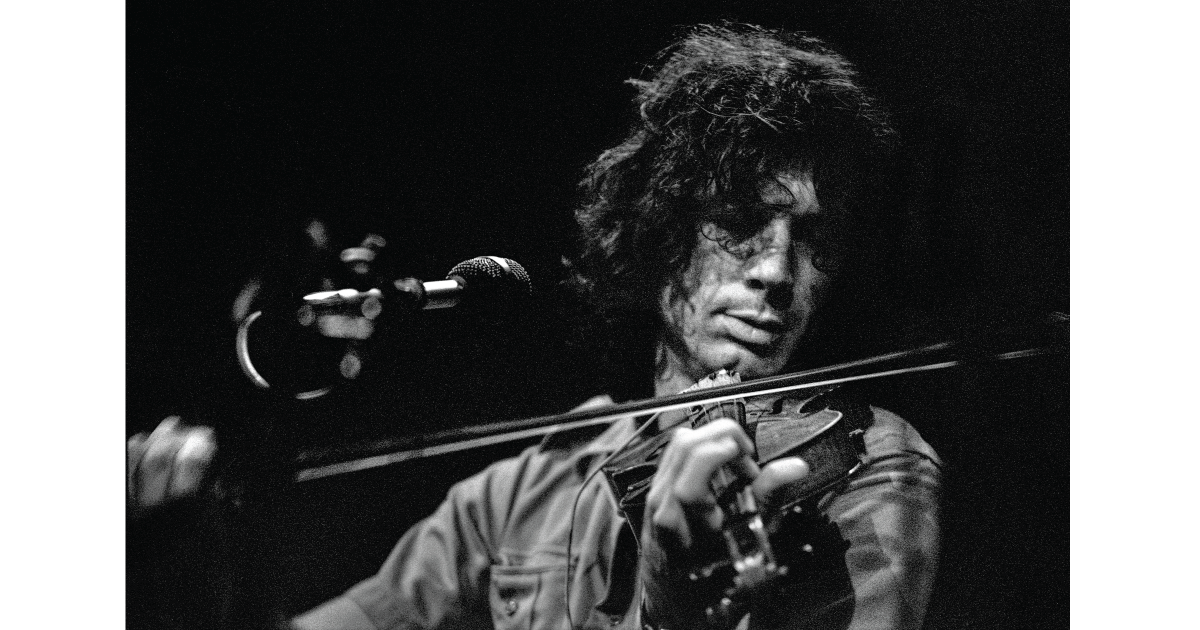
Twenty Years After ‘O Brother,’ John Hartford Gets Grammy Attention Again

Some years after the late great John Hartford passed on, his daughter Katie Harford Hogue wound up with his archival material in her basement in Nashville. It was a huge collection, a lifetime’s worth of recordings, books, instruments, notes, stage outfits and all the rest. So she dutifully began wading through everything to sort, organize and catalog it all. And she would come across notebooks with numbers on the cover, which she set aside – 68 of them all together.

“It can be a pretty heavy task to go through someone else’s things like that,” Hogue says now. “And I was not sure what they were at first. But we were able to piece together the puzzle and figure out what these were: They had been his creative journals.”

Representing decades’ worth of raw material, the journals contained nuggets straight out of Hartford’s musical mind. There were some transcriptions of old tunes by other artists, but the vast majority of it represented original music composed by Hartford himself, amounting to several thousand tunes. It was a trove that yielded up a couple of projects that have returned Hartford to widespread attention coming up on two decades after his death.

First came a 2018 book, John Hartford’s Mammoth Collection of Fiddle Tunes, featuring transcriptions of 176 compositions from the journals as well as Hartford’s own illustrations plus writings from Hogue, musicologist Dr. Greg Reish and others.

That led to an accompanying album, The John Hartford Fiddle Tune Project, Vol. 1, featuring an all-star cast of players recording 17 of the archival Hartford songs.

Even though it was independently released, The John Hartford Fiddle Tune Project is up for a Grammy Award in the category of Best Bluegrass Album, alongside Billy Strings, Danny Barnes, Steep Canyon Rangers, and Thomm Jutz.

“Winning would mean a lot,” says Hogue, who is credited as co-producer with Matt Combs. “But I certainly feel honored to be considered, especially in a field like that. The fact that there’s something new that has people paying attention to my dad’s work again is wonderful. Mind-blowing, even. It’s a side of him that a lot of people did not know about, another dimension. I love being a part of that.”

Hartford was no stranger to Grammy Awards, going all the way back to his mainstream breakthrough with “Gentle on My Mind.” Reputedly inspired by the 1965 romantic epic Doctor Zhivago, Hartford wrote and recorded the first version of “Gentle on My Mind” for his 1967 album, Earthwords & Music.

Yet it was Glen Campbell’s version from later that year that put “Gentle on My Mind” on the map. Industry lore has it that Campbell made what he thought was a demo, complete with yelled instructions to the Wrecking Crew studio musicians. Campbell’s producer Al De Lory cleaned it up enough to release as-was. And even though it barely cracked the pop Top 40, “Gentle on My Mind” never left the radio. In 1990, BMI rated it as the fourth-most played song in radio history.

Along with setting Hartford up financially, Campbell’s “Gentle on My Mind” cover won Hartford his first two Grammy Awards. He won another for 1976’s Mark Twang, an album inspired by Hartford’s riverboat experiences on his beloved Mississippi River. And his final Grammy was awarded posthumously, for his contributions to the landmark soundtrack for the 2000 Coen Brothers slapstick epic, O Brother, Where Art Thou?

O Brother’s surprising popularity launched a bluegrass revival and also put a luminous bookend on Hartford’s career. He emceed the Down From the Mountain show at Nashville’s Ryman Auditorium on May 24, 2000 (filmed by D.A. Pennebaker for the concert film of the same name), in which Emmylou Harris, Alison Krauss, Ralph Stanley and other stars from the soundtrack performed. The soundtrack was just starting to take off a year later, on its way to topping the charts and winning a Grammy for Album of the Year, when Hartford succumbed to cancer on June 4, 2001, at age 63.

“He didn’t get to see all of that, but he would have told you that the coolest part of that movie being popular was that it put an old Ed Haley tune in the forefront,” Hogue says. “There’s a campfire scene with a lonesome fiddle playing, and that was my dad playing the Ed Haley tune, ‘I Am a Man of Constant Sorrow.’ That was always his goal, to highlight the old-time music and fiddle players he loved so much. I don’t think he would have taken any of the accolades for himself.”

The Fiddle Tune Project album liner notes include a quote from Hartford himself, something he told Matt Combs once: “If we play our cards right, we can fiddle all day and on through the night.” That play-all-night-play-a-little-longer spirit animates the album, as played an all-star cast including Sierra Hull, Ronnie McCoury, Alison Brown, Tim O’Brien, Brittany Haas, Noam Pikelny and Chris Eldridge from Punch Brothers and Hartford’s old bandmate Mike Compton.

However, Hartford himself is the real star, in absentia, via the 17 songs pulled from the 2,000-plus in his journals. Hogue calls it a celebration of his creative process.

“Creativity with him was like a faucet he could never turn off,” Hogue says. “His journals are full of weird late-night thoughts and ideas he’d jot down, and then go back and try to work into something. He was very prolific and would go down rabbit holes very quickly. His journals have a lot of stream-of-consciousness writing where he was looking for different ways to come up with songs. He was a very open free-thinker.”

Combs oversaw recording at Cowboy Arms Hotel and Recording Spa, a Nashville studio formerly operated by Jack Clement. It is the studio Hartford used to make his 1984 album, Gum Tree Canoe. The project was funded by a Kickstarter campaign that raised more than $33,000 from 468 contributors. As the Vol. 1 in the title implies, there will be future volumes if only because more musicians wanted in on it than they had room to accommodate on just one record.

Indeed, tending to her father’s posthumous legacy has turned into quite an ongoing project for Hogue. Hartford left behind so much material in so many wide-ranging areas that the family donated parts of it to four different institutions. The Herman T. Pott National Inland Waterways Library at the St. Louis Mercantile Library is where Hartford’s photos, journals and research pertaining to the Mississippi River wound up.

“That’s where the papers of all the river people and mentors my dad grew up with are, so it already looked like his office on steroids,” Hogue says. “So that was a no-brainer for everything of his related to the river, from when he had his pilot’s license. Had he not been a musician, he would have been a boat pilot up and down the river. That’s what he really loved. It was his passion.”

Putting together these projects has been therapeutic for Hogue, who was raised by her mother after her parents split when she was very young. She didn’t see much of her father during her childhood, and there were long stretches when she mostly heard from him when he’d mail her copies of his latest album.

“I still remember opening the mailbox one day and finding Aereo-Plain,” she says, referring to Hartford’s 1971 hippie-bluegrass classic.

For all Hartford’s success, his daughter still didn’t realize his stature until relatively late in his life — especially from all the visitors who came to see him at the end. That carried over to when she was dealing with the archive that yielded up the book and the album.

“There’s a lot to sift through in a process like that,” Hogue says. “The public sees the figure and the persona and hears the music, but there’s so many different dynamics behind that for friends and family. When you lose a parent, it’s like the world comes to a stop and there’s suddenly a period at the end of everything they were. There’s so much joy, anger, frustration, confusion. Going through all his things this way made me able to see the human side of him, which was healing. It’s been a way to say, ‘Hey, Dad, we’re good. I did this because I love you.’ There’s a lot of joy in these songs. They just make you want to dance, and his spirit comes through. I love that. I’m thrilled to be able to have this with him, even though it’s posthumous. A father-daughter project, where he’s here in spirit.”


Photo credit: Charles Seton

LISTEN: Wes Corbett, “Boss Fight”

Artist: Wes Corbett
Hometown: Bainbridge island, Washington; now Nashville, Tennessee
Song: “Boss Fight”
Album: Cascade
Release Date: December 4, 2020
Label: Padiddle

In Their Words: “‘Boss Fight’ was written in 2014 while I was still a professor at Berklee College of Music in Boston. I set out to write a high-energy minor melody in the style of Ronnie McCoury, knowing that I would use it when I finally made this record. It remained unnamed until we finished tracking it in the studio, and while talking over edits we all agreed it felt like the music you hear when you fight the final boss in a video game, thus the title ‘Boss Fight’ was born. Another memory from that day is how I found myself in disbelief hearing how much life this incredible group of my peers breathed into this track, and the whole record for that matter. Chris Eldridge, who produced Cascade, in particular had some invaluable insight on how to make this tune move the way it does. I am so grateful for everyone who made this music possible!” — Wes Corbett


Photo credit: Kaitlyn Raitz

WATCH: Hawktail’s Wintery Ride, “The Tobogganist”

Bluegrass instrumental music is being reimagined by one of the buzziest bands in Nashville. Hawktail is an assemblage of four exquisite instrumentalists with a collective prowess for composition like no other. Brittany Haas, Paul Kowert, Jordan Tice, and Dominick Leslie just released their highly anticipated sophomore album, Formations on Padiddle Records. Co-produced by Chris Eldridge, the record is a gem whose songs transport the listener to another place, one filled with familiar sounds built in unique structures. The Current caught onto the dream that is Hawktail, bringing in the group to capture videos of their new music. Here’s Hawktail performing “The Tobogganist” from their new album Formations.


Photo credit: Dylan Ladds

Americana Honors & Awards 2019: Photos & Winners

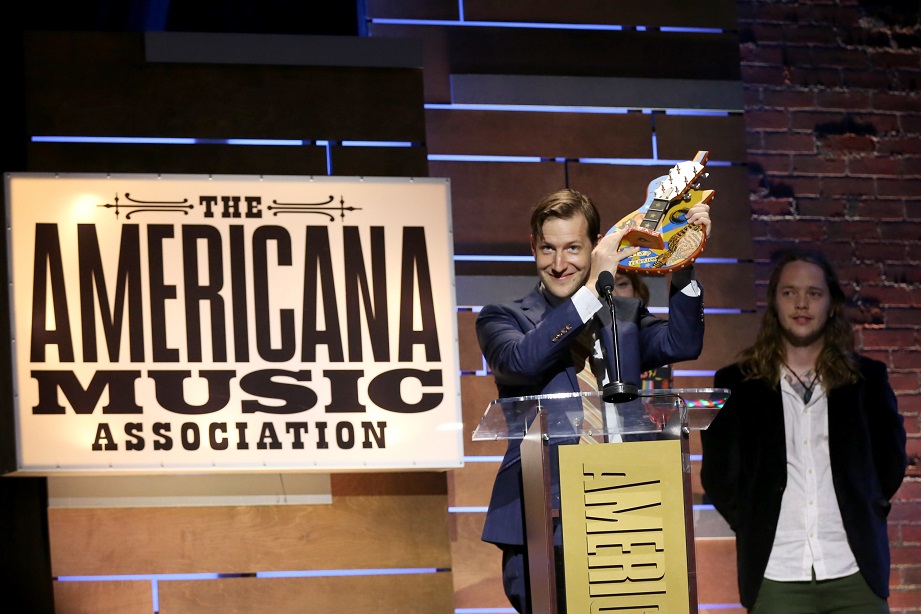
Brandi Carlile is still on a roll, picking up the Artist of the Year trophy at the Americana Honors & Awards on Wednesday night (September 11) in Nashville. Meanwhile, John Prine claimed a statuette for Song of the Year, sharing the award for “Summer’s End” with his co-writer Pat McLaughlin. He also earned a trophy in the Album of the Year category for The Tree of Life. Other winners include I’m With Her (Duo or Group), The War and Treaty (Emerging Artist), and Chris Eldridge (Instrumentalist).

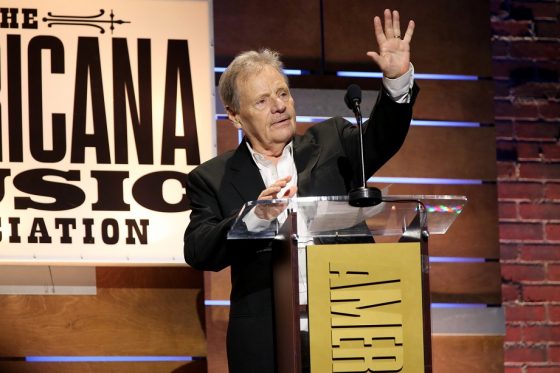
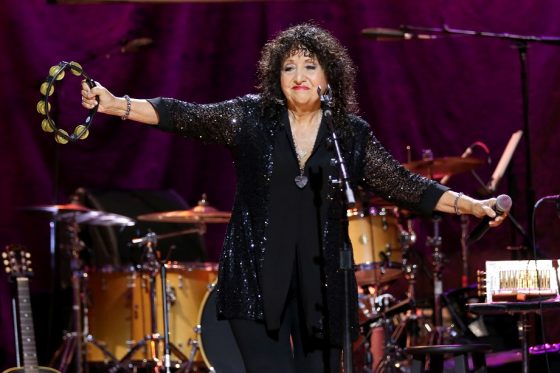
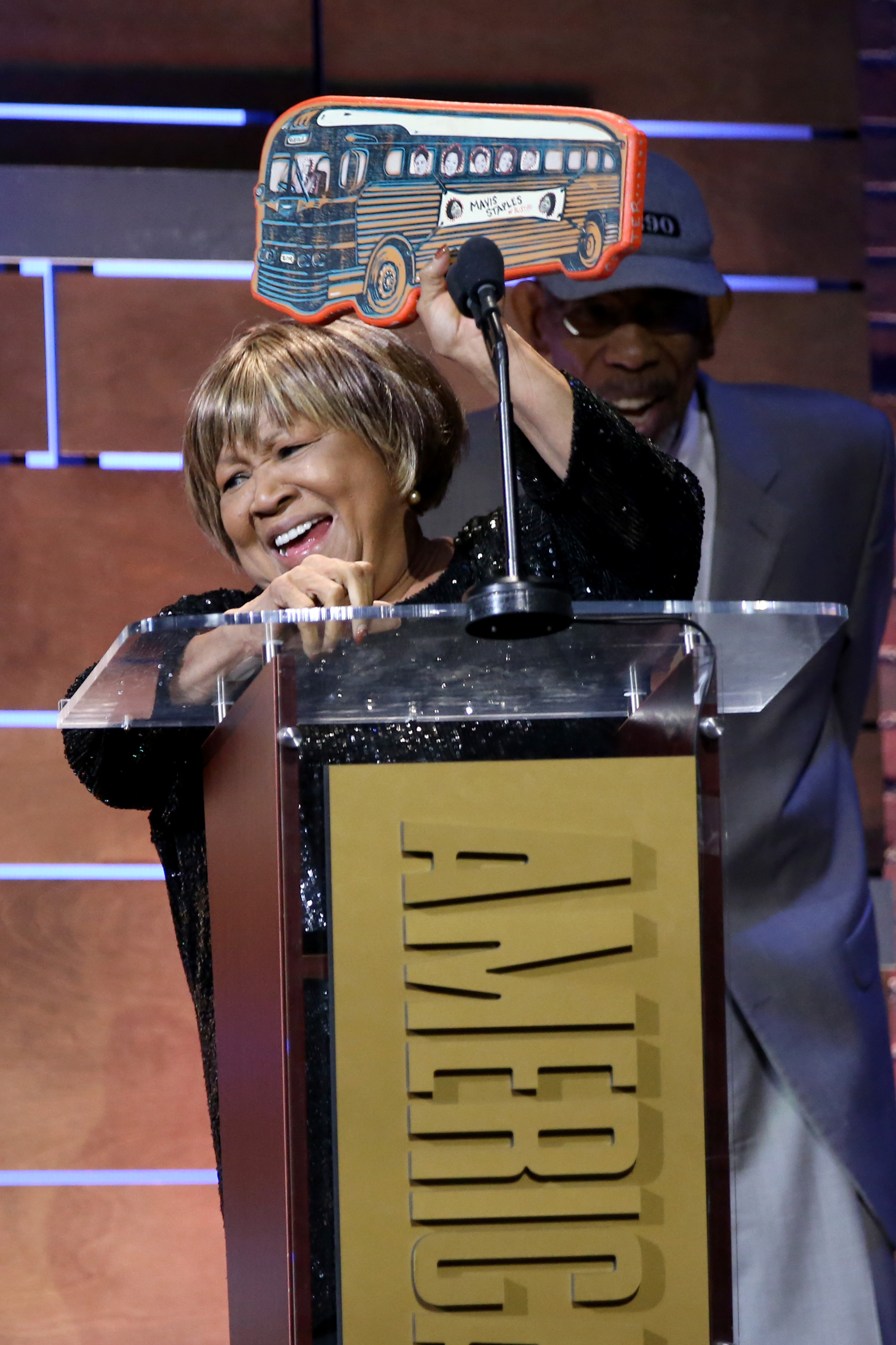
The following awards were also presented: Lifetime Achievement Award for Performance: Delbert McClinton; Legacy of Americana Award, presented in partnership with the National Museum of African American Music: Rhiannon Giddens and Frank Johnson; Trailblazer Award: Maria Muldaur; President’s Award: Felice & Boudleaux Bryant;Inspiration Award, presented in partnership with the First Amendment Center: Mavis Staples; and Lifetime Achievement Award for Songwriting: Elvis Costello.

Performers included Rodney Crowell and Joe Henry, Mark Erelli, Erin Rae, Ruston Kelly, Lori McKenna, Mumford & Sons, Amanda Shires, Yola, and more. The Milk Carton Kids returned to host the ceremony at the Ryman Auditorium. See arrival photos.


Chris Eldridge


I’m With Her


Delbert McClinton


Maria Muldaur


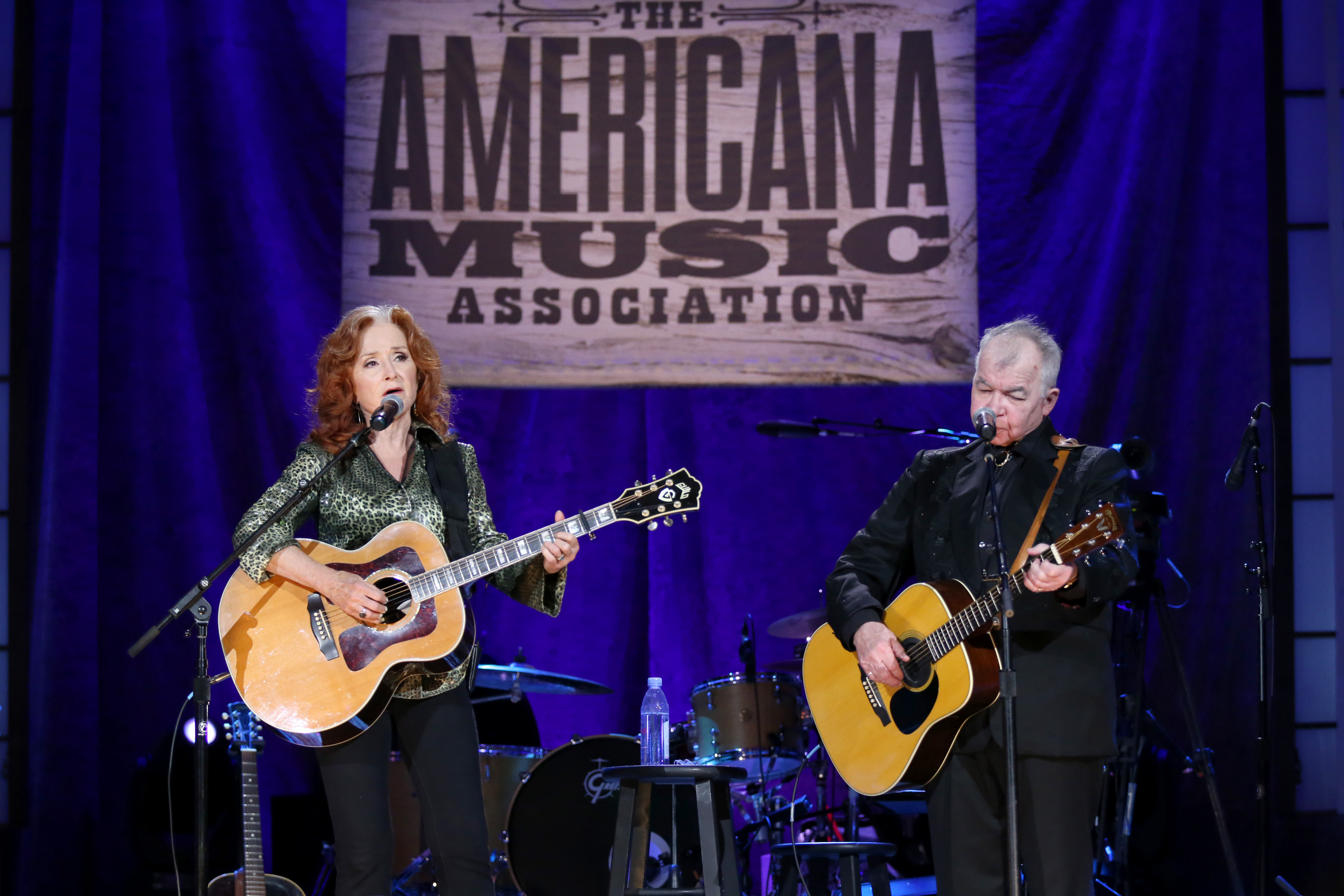
Bonnie Raitt & John Prine


Mavis Staples


Francesco Turrisi and Rhiannon Giddens


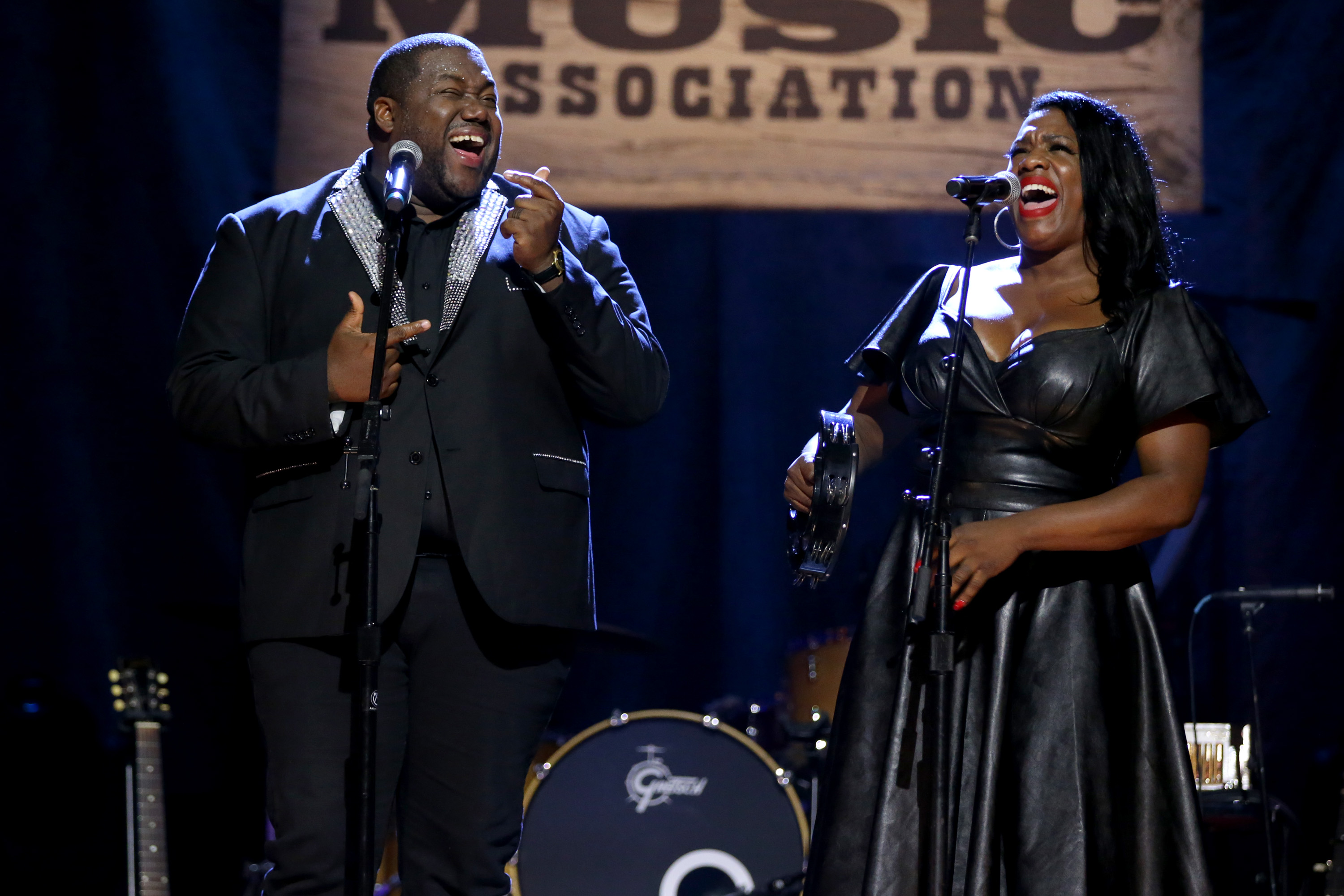
The War and Treaty

Photos: Terry Wyatt/Getty Images for Americana Music Association

Americana Honors & Awards 2019 Nominees Revealed

Lori McKenna, John Prine, The War and Treaty, and Yola are among the artists nominated in multiple categories for the 18th annual Americana Honors & Awards, to be held on September 11 in Nashville.

Meanwhile, Dave Cobb produced three of the four albums in the Album of the Year category. In addition, Rhiannon Gidden received nominations for Artist of the Year, while her ensemble Our Native Daughters earned a Duo/Group of the Year nod.

A full list of categories and nominees for the Americana Music Association’s 18th annual Americana Honors & Awards is below:

ALBUM OF THE YEAR:
To the Sunset, Amanda Shires, produced by Dave Cobb
The Tree, Lori McKenna, produced by Dave Cobb
The Tree of Forgiveness, John Prine, produced by Dave Cobb
Walk Through Fire, Yola, produced by Dan Auerbach

ARTIST OF THE YEAR:
Brandi Carlile
Rhiannon Giddens
Kacey Musgraves
Mavis Staples

DUO/GROUP OF THE YEAR:
I’m With Her
Our Native Daughters
Tedeschi Trucks Band
The War and Treaty

EMERGING ACT OF THE YEAR:
Jade Bird
J.S. Ondara
Erin Rae
The War and Treaty
Yola

INSTRUMENTALIST OF THE YEAR:
Chris Eldridge
Eamon McLoughlin
Chris Powell
Michael Rinne

SONG OF THE YEAR:
“By Degrees,” Mark Erelli, Rosanne Cash, Sheryl Crow, Lori McKenna, Anais Mitchell & Josh Ritter, written by Mark Erelli
“Mockingbird,” Ruston Kelly, written by Ruston Kelly
“People Get Old,” Lori McKenna, written by Lori McKenna
“Summer’s End,” John Prine, written by Pat McLaughlin and John Prine

In addition, the Americana Music Association honors distinguished members of the music community with six member-voted annual awards and with Lifetime Achievement Awards, which will be announced leading up to the event. The Milk Carton Kids and Mavis Staples unveiled this year’s nominations in Nashville.

The winners of each category will be announced during the Americana Honors & Awards at the historic Ryman Auditorium. Americanafest runs from Sept. 10-15. Tickets for the Americana Honors & Awards are currently only available for purchase by Americanafest conference registrants.


Photo credit for John Prine: Danny Clinch

The Best of Sitch Sessions: 13 Must-See Musical Moments

As we enter the new year, we look back on our favorite moments shared with some of our favorite artists in 2018. Check out our top Sitch Sessions, filmed in Los Angeles, Nashville, Philadelphia, and beyond.


“Ain’t That Fine” – I’m With Her

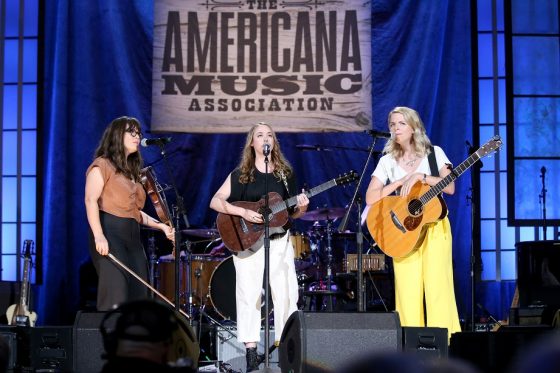
Fresh off the release of their debut full-length album See You Around in February, Sara Watkins, Aoife O’Donovan, and Sarah Jarosz serenaded us among the palms of the Fairmont Park Horticultural Center in Philadelphia.


 “Mal Hombre” – Rhiannon Giddens

Rhiannon Giddens brought Tejano to East Nashville with her powerful version of the legendary Lydia Mendoza’s classic “Mal Hombre.”


 “Long Gone Out West Blues” – Joe Mullins & the Radio Ramblers

Traditional bluegrass proselytes Joe Mullins & the Radio Ramblers joined us in Nashville, gearing up for the return of Huck Finn Jubilee in Southern California last October.


“The Traveling Kind” – Rodney Crowell and Emmylou Harris

Looking back on their 40+ years of friendship and collaboration, with no intention of stopping, Rodney Crowell and Emmylou Harris claim to be members of an “elite group” of those from their generation still traveling, touring, and performing. They laugh, “We’ve traveled so far, it became a song, at last”.


“Islands in the Stream” – Love Canon

How can you not smile from this bluegrass-inspired version of this Kenny Rogers and Dolly Parton classic?


“Rygar” – Julian Lage and Chris Eldridge

The duo gifted us with the building, joyous “Rygar”, off their album Mount Royal, which they describe as being comprised of “experiments” — songs that allowed them to explore their own capabilities and push the boundaries of what can be done on the acoustic guitar.


“The Restless” – The Lone Bellow

With this stunningly stripped-down rendition of “The Restless,” The Lone Bellow reminded us to keep our heads up and our hearts open in the face of adversity, something to hold on to for a fresh start in the new year.


“Alison” – Jamie Drake

Gearing up to release her solo album Everything’s Fine in 2019, alt-folk singer/songwriter Jamie Drake joined us in Los Angeles and regaled us with her immaculate tune “Alison.”


“Different, I Guess” – Lilly Hiatt

Lilly Hiatt, in the way only she can, ponders the dangers and glories of being vulnerable and allowing yourself to fall in love.


 “Coming Down the Mountain” – Mipso

Mipso muses on retreating from the madness of society in this beautiful song, taken from their 2017 album of the same name.


“Took You Up” – Courtney Marie Andrews

Courtney Marie Andrews’ breathtaking vocals stunned us once again in a solo acoustic version of this track from her latest album May Your Kindness Remain.


“Thirty” – The Weather Station

The Weather Station (AKA Tara Lindeman) gave us the haunting and tense, yet fluid, “Thirty” from their self-titled album. They met us to perform the song at BOK, a historic Philadelphia trade school, closed five years ago, now re-purposed for its space to be used by the community for small businesses, job training, non-profits, and more.


“Firestarter” – Andrew Combs

And to close out the year, we have singer/songwriter Andrew Combs with a solo acoustic performance of this captivating, previously unreleased tune.


Punch Brothers Explain What Hasn’t Changed

The Bluegrass Situation interviewed all five members of Punch Brothers upon the release of their compelling new album, All Ashore. At the end of the individual interviews, we asked each member just one question that overlapped: “So much has changed in the music world – and even in your band’s musical evolution – over the last ten years. But what would you say has stayed the same between that first record and now?”

As one would expect from Punch Brothers – who are nominated for IBMA Instrumental Group of the Year – every member offered an interesting perspective. (Read the other interviews here.)

Gabe Witcher: “The thing that’s stayed the same is, I think, the level of excitement we all have, still, just to play music with each other. And the shared wish to keep exploring what this ensemble can do, and to keep reaching for new things. Making new discoveries. Finding new sounds. Everyone is so super committed to that on their own, but also, once we get together, it’s kind of a miracle in a way. This kind of spontaneous and natural thing that happens when new, exciting things keep popping up. Like, ‘Oh my God, that’s awesome! What is that? Remember that, save that. Let’s use that. Let’s figure out what that is.’ That has never gone away. And I think that as long as that thing’s there, we’ll continue to make music.”

Chris Eldridge: “To me, in a way it’s all the same and it’s all different. I feel like we’re doing now what we were doing then, and in a way, it doesn’t feel so different to me in terms of how we want to work on our music. … I feel like consistently from then until now, there has been a real sense of wanting to be a band. I think that’s kind of the thing. Whatever is cool about the Three Musketeers – all for one, one for all – that from the get-go was the thing and still very much is a thing.

“Everybody is playing pretty selflessly in Punch Brothers and everybody really just wants the music to be good. At the end of the day, that’s the overriding thing that’s what brought us together as people, that’s what keeps us together as people, as musicians. We all just really love music and we share a common vision about how it should be and what it can be.

“Even as people have different ideas to move things forward, most notably Thile, there’s always been a real shared sense of purpose in this band. It should be that way for any band, but somehow, sometimes, I don’t think it is. And I think that’s been one of the things that has really contributed to us still wanting to make music together and working hard on it when we do. We just love music and we always have.”

Paul Kowert: “So, we live in the most politically tumultuous time of our lifetimes. We’re in our mid-30s, that’s a big change. Among the bandmates, three of us are married and two of them have kids, so that’s a huge change. I mean, that influences the tour schedule a little bit. Besides that, I don’t know what’s really different, you know? I mean we’re just making more music.”

Noam Pikelny: “I think everyone in the band genuinely likes each other. That’s like a rare thing. Paul is in the corner, shaking his head. (laughs). But we genuinely like each other as human beings and I think we really respect each other musically. So there’s this real sense of responsibility to each other to keep this as part of our musical lives. To me that’s a beautiful thing, that this is something that we can keep coming back to over the years. It doesn’t always have to be the main project. It could go dark for a couple of years while people are doing other things, it could come back. And it feels like not that much time has passed.

“The reason we decided to transition from just an album [Thile’s 2006 project, How to Grow a Woman From the Ground] into a band is probably the same reason why we’re still making music together right now. It’s artistically rewarding and I think we decided to keep doing this beyond the first album because we felt we were just scratching the surface of what was possible. … And 12 years later, I still have this sense of, ‘Well, we’re just scratching the surface, so we’re gonna keep doing it.’ There’s still more we want to uncover.”

Chris Thile: “We love making music with each other. We crave making music with each other. When we are in the midst of other projects, no matter how much we are enjoying those other projects, there is always this feeling, like, ‘I can’t wait to get back with my boys and see what they think about this….’ I think that a mutual love and respect has resulted in a partnership that will last until one of us dies.”


Photo credit: Josh Goleman

Artist of the Month: Punch Brothers

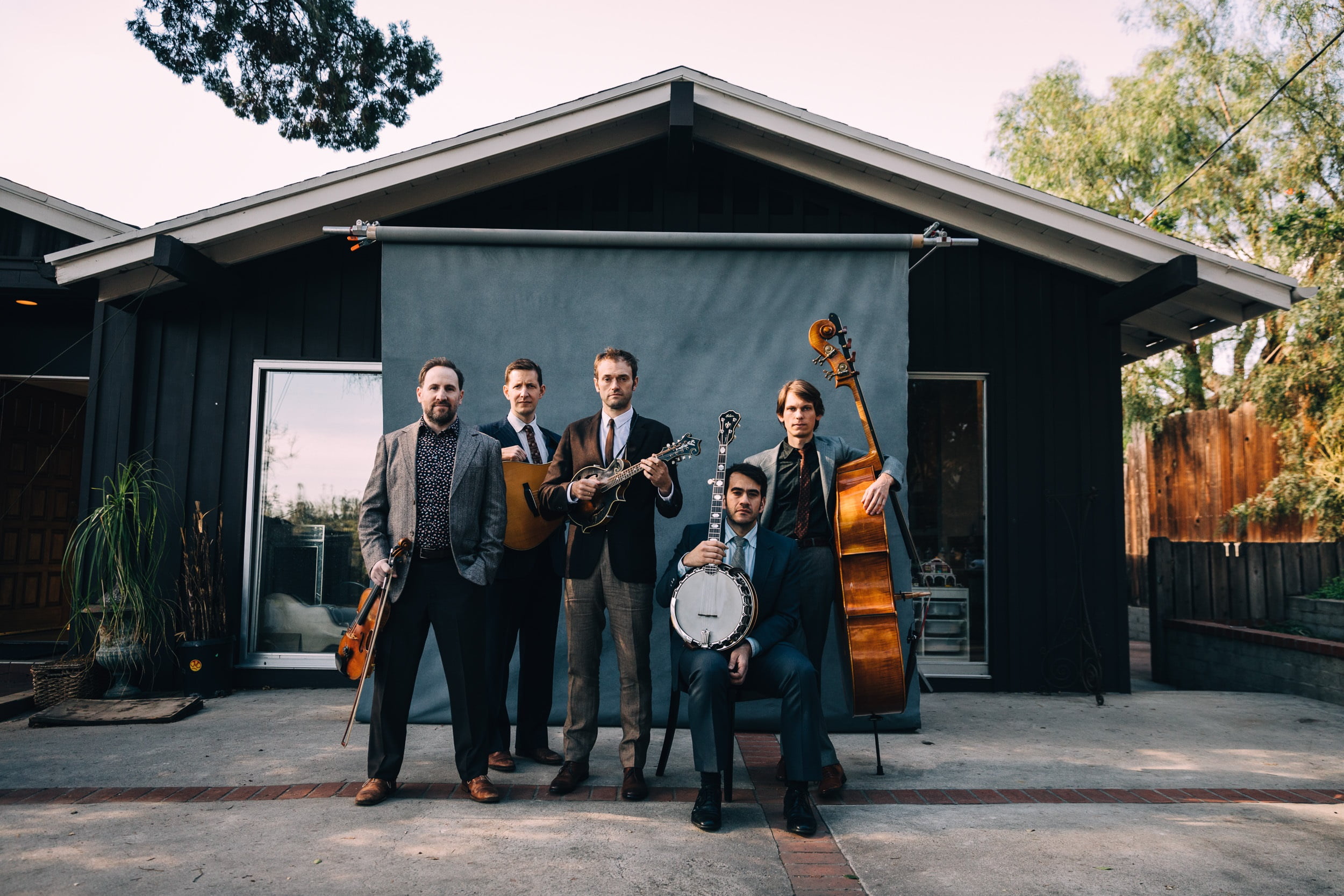
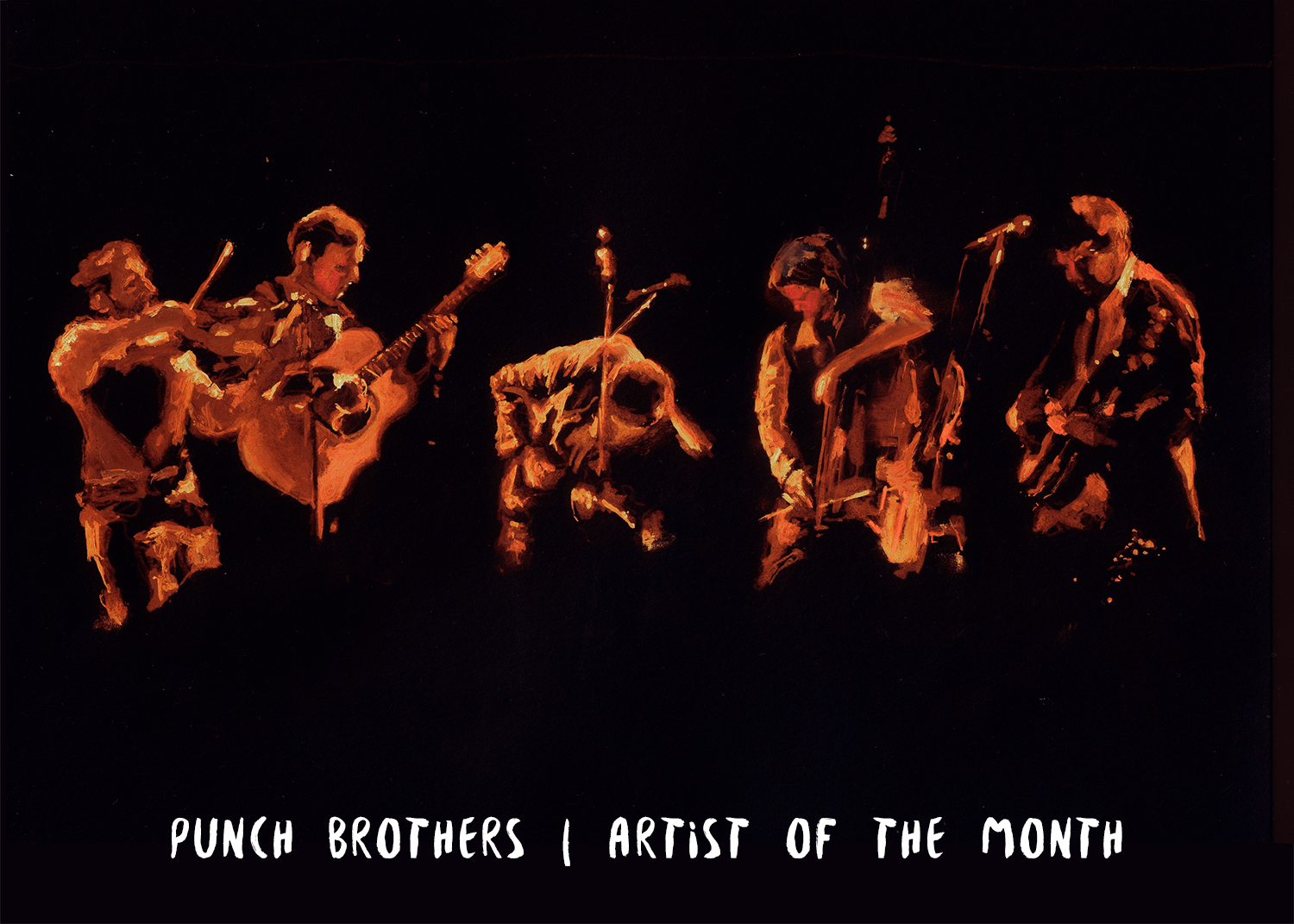
To celebrate our Artists of the Month and their brand new album, All Ashore, we interviewed each individual member of the Punch Brothers, exploring the processes, circumstances, and factors that led to the creation of this latest crop of songs. The themes and responses are just as diverse as the five men themselves and their musical approaches.

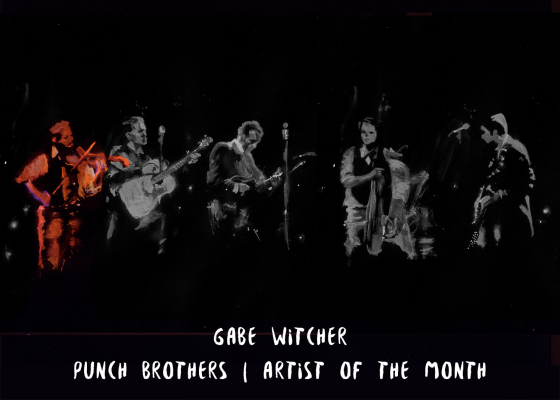
Gabe Witcher, the fiddle player – and some might say secret weapon – in Punch Brothers, has been a performer for nearly his whole life. As a kid, he toured the Southwest playing bluegrass with his family’s band; that’s how he met Chris Thile, forming a musical friendship that has spanned more than three decades. Though his stage presence is low-key, his musicianship is undeniable, playing as joyously or mournfully as a song requires. This is also true on All Ashore. [Read Gabe’s interview]

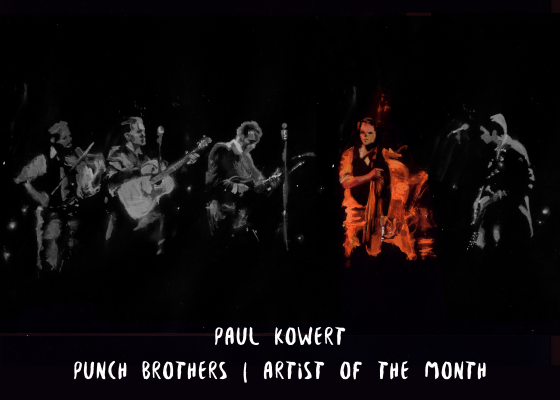
Paul Kowert came on board as bassist for the Punch Brother about 10 years ago, stepping into a band of musicians he knew casually but admired greatly. In the following decade, he’s gained even more visibility in the world of acoustic music through his band Hawktail and a gig as bassist for David Rawlings Machine. His versatility is reflected in the list of bassists he cites as influences: Edgar Meyer, Mark Schatz, and Roy Milton “Junior” Huskey. He’s quick to admit that he’s not a lyricist, yet his musical contributions definitely shape the undercurrent of the new record. [Read Paul’s interview]

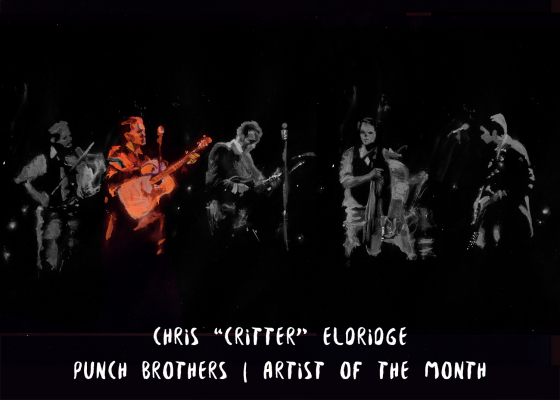
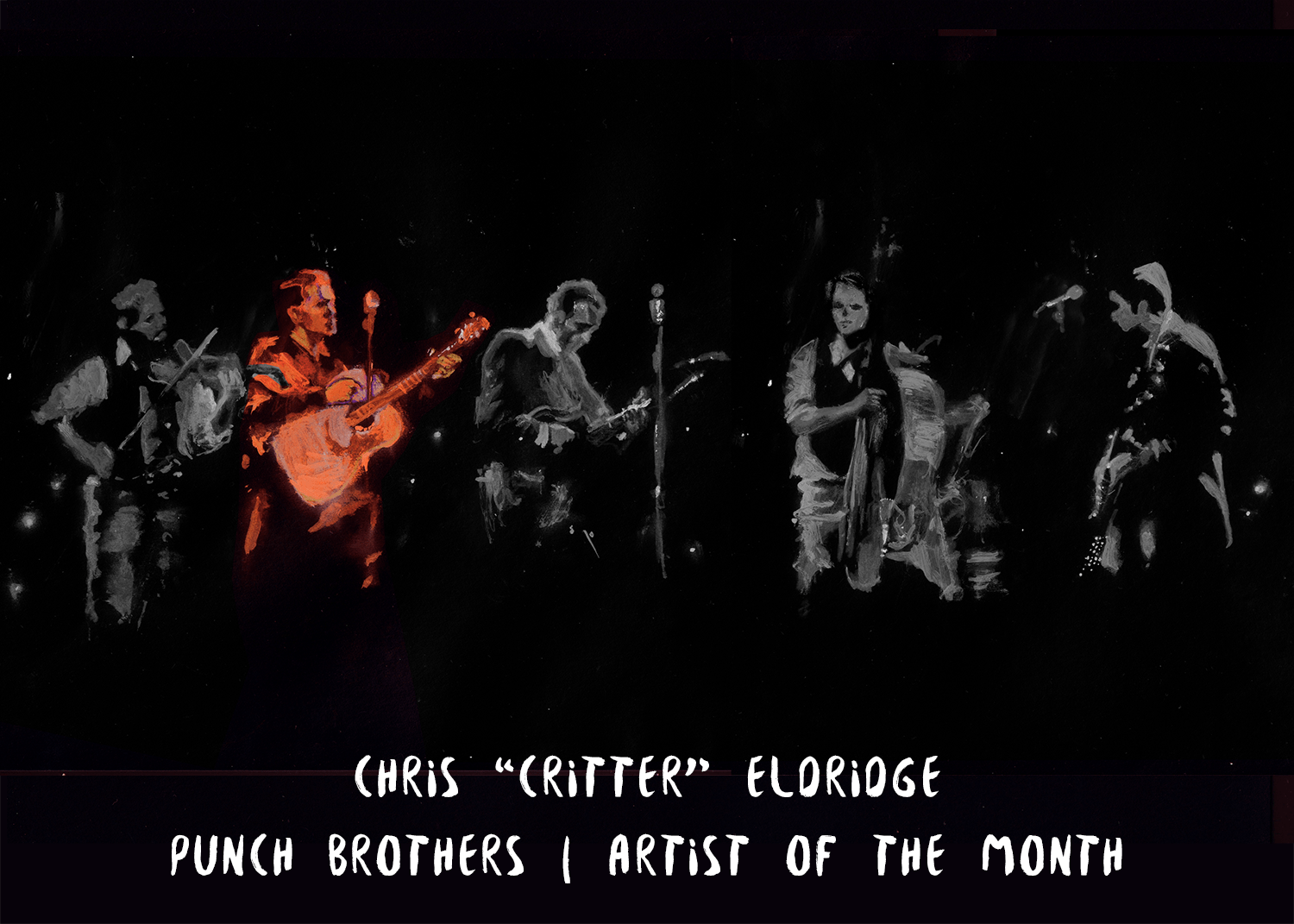
Chris Eldridge, the good-natured guitarist for Punch Brothers, comes by his bluegrass pedigree honestly. As a young man, he attended innumerable shows by Seldom Scene, a pioneering ensemble whose lineup included his father, banjo player Ben Eldridge. After studying at Oberlin Conservatory, he co-founded the Infamous Stringdusters, which won three IBMA Awards following their 2007 debut project, Fork in the Road. Indeed that album title proved auspicious, as Eldridge took a different path with the formation of Punch Brothers – a rewarding partnership that a decade later has yielded their newest project. [Read Chris’s interview]

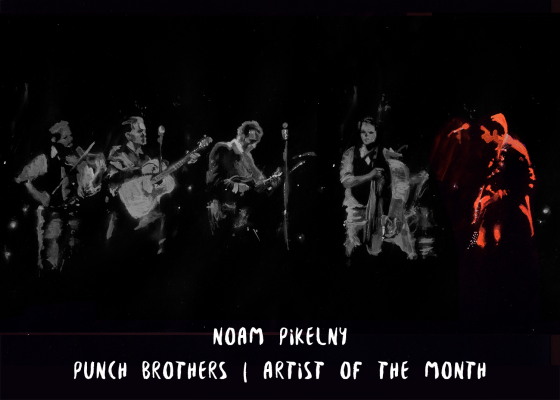
Noam Pikelny has a dry delivery only when he’s joking around. But as the banjo player in Punch Brothers, his playing is crisp, inventive, and in step with his colleagues. This is especially true on All Ashore, which explores the personal challenges of relationships as well as the growing political divide in America. This year he’s nominated for IBMA Banjo Player of the Year, while his two previous solo albums earned Grammy nominations. His Twitter bio sums it up: “Widely considered the world’s premier color blind banjoist. Punch Brother.” [Read Noam’s interview]

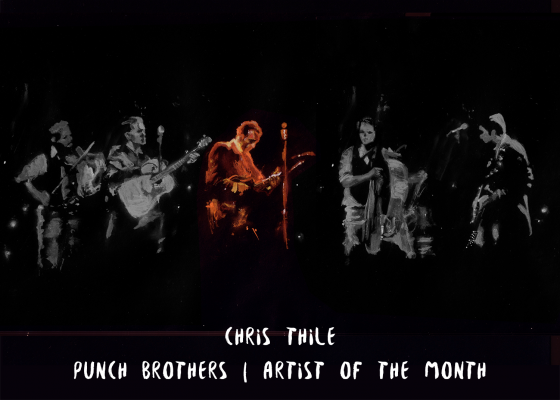
Chris Thile is walking briskly into the venue while chatting agreeably about Punch Brothers’ new album. He’s used to multi-tasking, of course. In addition to kicking off an extensive tour with that eclectic band, he hosts the public radio show Live From Here, and he’s also a husband and father with a lot on his mind – particularly when it comes to the state of the world. [Read Chris’s interview]


Illustrations by Zachary Johnson

Punch Brothers’ Chris Eldridge: Influences and Integrity

Chris Eldridge, the good-natured guitarist for Punch Brothers, comes by his bluegrass pedigree honestly. As a young man, he attended innumerable shows by Seldom Scene, a pioneering ensemble whose lineup included his father, banjo player Ben Eldridge. After studying at Oberlin Conservatory, he co-founded the Infamous Stringdusters, which won three IBMA Awards following their 2007 debut project, Fork in the Road. Indeed that album title proved auspicious, as Eldridge took a different path with the formation of Punch Brothers – a rewarding partnership that a decade later has yielded their newest project, All Ashore.

This interview is the third of five installments as the Bluegrass Situation salutes the Artist of the Month: Punch Brothers.

When I saw you guys at the Ryman, I noticed you were wearing a Hawaiian lei, so I take that as a sign that things are going well on the tour. What’s the vibe so far?

The vibe has been really fun and it’s great because the band’s back together, as they say. We’ve been connected, all of us in various ways, even in this time off from the band. I see Thile a bunch because I’m usually playing guitar on Live From Here. Paul lives really close to me, so I see him like every other day in Nashville. And Noam is close, and I see Gabe, but to have all of us in the same place out on the road for me is a really fun thing because one of the real privileges of my life is getting to play music in Punch Brothers, getting to be the guitar player in a band with those guys.

One of my favorite songs on this record is “The Gardener.” I feel like it sets a nice tone and tells a hopeful story. Tell me what the band was hoping to capture with that song.

Well, the music was started on that years and years ago, probably in 2012. We were in London doing a thing with T Bone Burnett for a movie and this simple melody kinda just sprung up. We were trying to brainstorm some stuff for this movie and it almost sounded like a Christmas carol. And so it was this thing that we always really liked, and we didn’t give it to that project that we were there working on. We wanted to hold it close to our chest and keep it ourselves. It was something that we had sitting around, even for The Phosphorescent Blues, but we just didn’t develop it into anything.

And then Thile had come up with that kind of weird, modulating, tonally ambiguous guitar that starts the song. He showed that to me and it was really cool. The way it works for us is, we always work on music before there’s any content, in terms of story. That’s pretty much how it tends to progress for the band. We’re definitely a music-first band. So it was a matter of making both of those ideas interesting. And the original idea from 2012, the Christmas carol idea, was really neat and we really liked it but it had a limited amount of development. A lot of Punch Brothers music, the song will have to have a certain amount of development. It’ll tend to go places. Usually we won’t just repeat a thing over and over.

And as we were trying to develop that, someone had the idea, “What happens if we do that crazy, weird, finger-picked guitar thing — the ambiguous tonal thing – and pop it together?” We had to change the key around a little bit but we found a key relationship that worked and it solved this problem.

So then it’s a matter of figuring out what the song is going to be about. Thile had this idea about a gardener, some guy kinda tending. You know, because the music is not lonely exactly but there’s like a forlorn imagination, like optimistic vibes, that are encoded into the sound of that melody. So it was trying to find a story to go along with it. And it dovetailed with a lot of the things that we’ve been thinking about and talking about as a band, in terms of society today. People who have things and people who don’t have things. People who feel protective of themselves and their tribe. It’s a meditation on a lot of those kinds of thoughts. I’m barely touching on them, but that’s kind of where it came from.

You guys would make a pretty cool Christmas record. Has that ever come up?

We’ve talked about it before. I don’t know if we’ll ever do it, but I think that would actually be really fun. There are so many cool, beautiful songs. Really timeless, gorgeous melodies. There is some solid music there in that canon of holiday music. It’s so hard to get everybody’s schedules to align now. People have three children in the band at this point, and three wives, and essentially all of us are in completely and deeply committed relationships … and we’re all older. The band can’t sit totally in first place anymore, which is necessitated by having families and that’s now the most important thing. So we really have to be deliberate about our time and it means that we don’t do as much stuff together – but when we do, we try to really make it count. That being said, I would love to make a Christmas record.

I thought with your connection to Seldom Scene, I’d ask if you knew John Duffey well.

I didn’t know him that well, but I certainly grew up around him. John didn’t really know how to relate to little kids. I have a lot of memories of being around John, just being around the band, but I didn’t really interact with him much until towards the very end of his life. We’re talking probably the last less-than-six months he was alive really. He started to acknowledge me because I was probably 13 or 14 years old. I was just getting to the age where he related to me as more than just a small child. I was starting to feel a little more like someone he could relate to.

I remember the last time I saw him alive. I was sitting backstage at the Birchmere. They have these big chairs and I was sitting in one of them. He came up behind me and just scruffed me by the hair and said, “Hey there, guy.” That’s kind of where the story ends but I was just so blown away, like, “Whoa! John Duffey just talked to me!” That was an amazing thing!

I have very clear memories of the sound of his voice. I probably went to hundreds of Seldom Scene shows and I heard those guys play hundreds of times when I was a kid and the sound of Duffey’s tenor, the sound of his mandolin playing, the sound of Mike Auldridge’s Dobro bouncing off the walls. That stuff is burned so deeply within me. I’m so thankful and grateful for that. It’s this crazy privilege that I was just born to have those experiences. As I get older, I appreciate more and more how cool it was. But I don’t think I ever really took it for granted. I loved the music, I loved the sound of that band from the time I was a boy.

I know that Tony Rice is one of your heroes too. How has his music shaped the music that you’re making now?

Oh man, profoundly. He provided such a great example of musical integrity. In terms of rhythm, not just rhythm guitar playing, but actual timing, his sense of time and elegance and grace and power and intelligence – all these things that I really try to emulate. The goal was never to be a clone of Tony. I mean, it’s easy to learn the note that he plays. It’s not that hard but I feel like once you do that, then the real learning begins. What’s he doing with those notes? Why is it so good when he plays them? What’s going on there? That to me is when the rubber hits the road and that has everything to do with his musicianship and his sensibility. And so those are the lessons that I studied so hard and it affected my outlook and approach to how I want to present music on acoustic guitar. And just music in general.

But I would argue that Tony had strong ideas about that and his enormous integrity to those kind of musical values was really influential to everybody in the acoustic music community. His high level of musicianship – and how he retains some of the essence of bluegrass, the rhythmic essence – sets the stage for a lot of the modern music that we like. And certainly Punch Brothers. Certainly all of us were deeply influenced by that example of musicianship.


Illustration: Zachary Johnson