The Show On The Road – Leslie Stevens

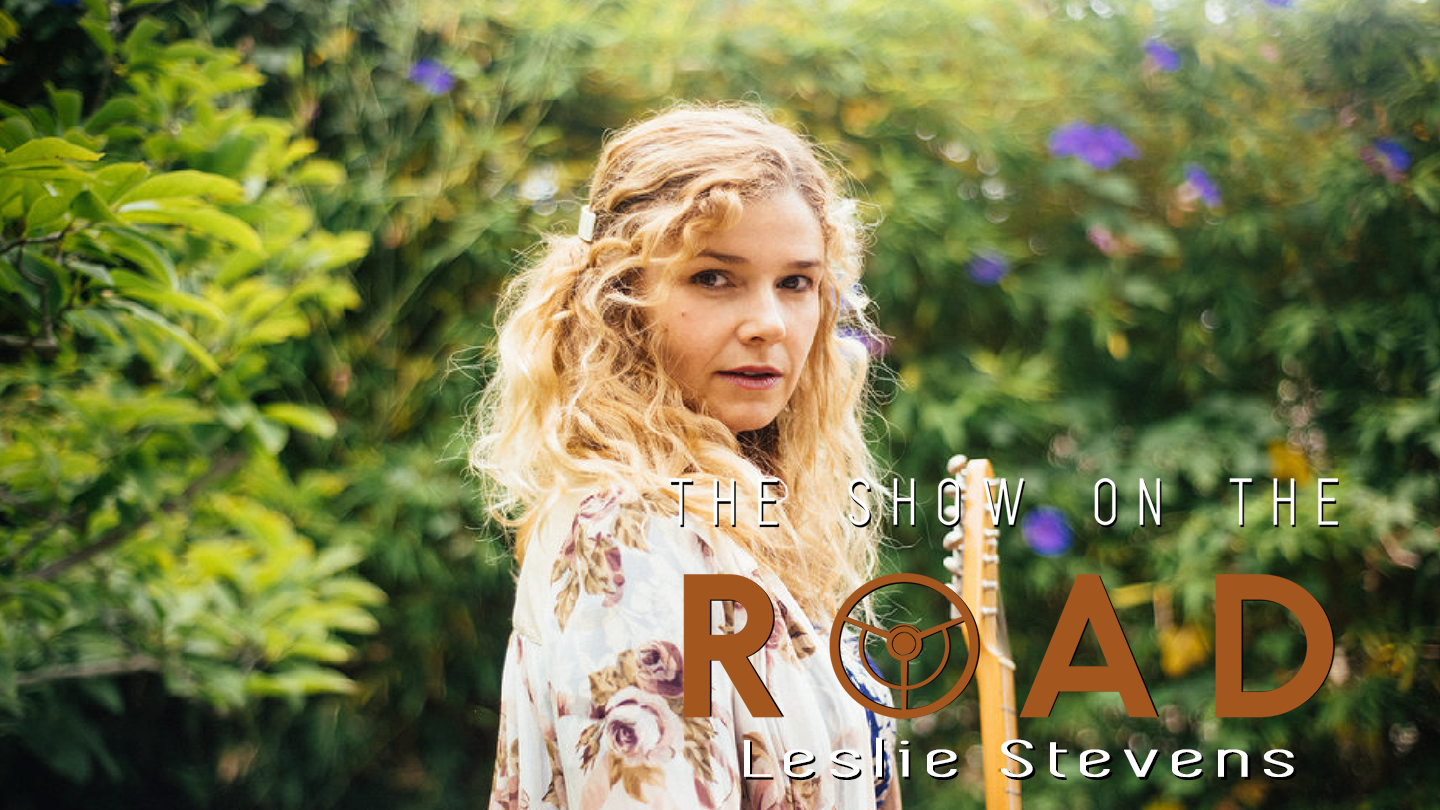
The Show On The Road is back with cosmic California country singer-songwriter, Leslie Stevens.

LISTEN: APPLE PODCASTS • MP3

Host Z. Lupetin speaks with the deeply intuitive songwriter and cosmic country singer. On her much-awaited solo album, Sinner, Stevens has been creating viscerally vulnerable songs that, with her shimmering voice, seem to ache right through the speakers.

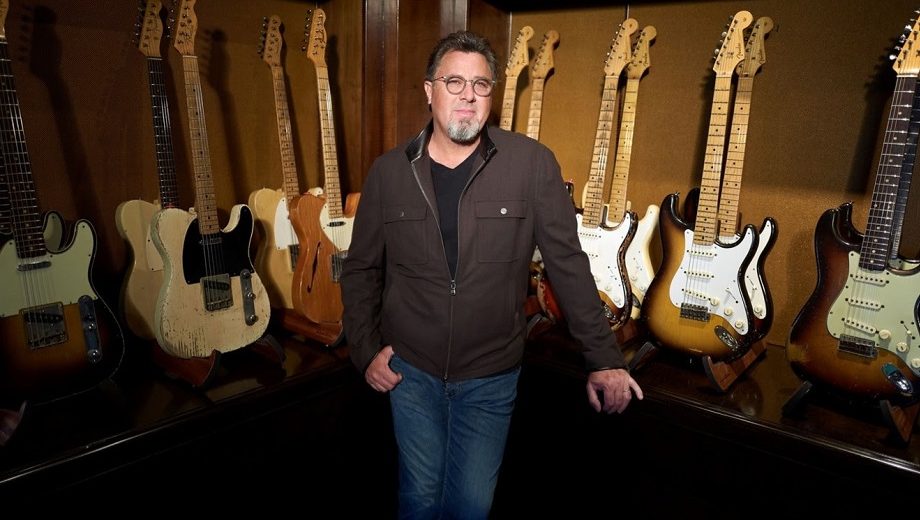
Artist of the Month: Vince Gill

Who doesn’t love Vince Gill? His pristine tenor fits beautifully into bluegrass, country, Western Swing, and even classic rock, as he tours as a member of the Eagles. Still, the good-natured Opry star tells BGS that bluegrass remains close to his heart.

“You get the right band, the right drive and the right thing — I tell people it rocks as hard as the Rolling Stones. When it’s right — it’s really, really right — it’s like a freight train coming at you,” he observed during a visit in his Nashville home, just a few days after his annual summer appearance at Bluegrass Nights at the Ryman.

He continues, “It’s awesome — even in the middle of it. I don’t know that it translates far away like it does in a circle of it. We practiced over here the other night, and just being in this room and being this close to everybody was so much fun.”

Gill’s childhood memories shape a large part of Okie, his exquisite new album — an acoustic-oriented project that puts his voice and songwriting at the forefront. Look for our two-part interview this month with this member of the Country Music Hall of Fame, and in the meantime, enjoy our Essentials playlist.


Photo credit: John Shearer

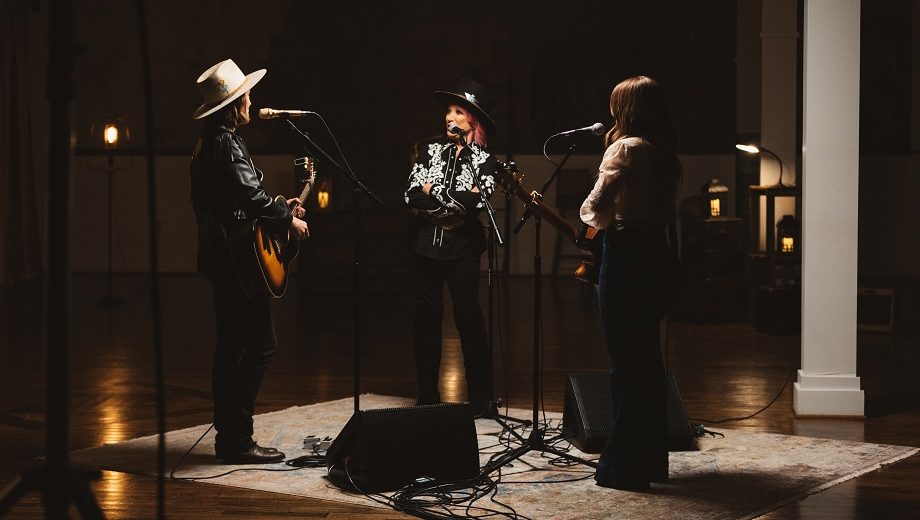
WATCH: Tanya Tucker, Brandi Carlile & Tenille Townes, “Delta Dawn”

Three generations of country music come together in one performance: Tenille Townes, a newbie on the country block; Brandi Carlile, an established singer-songwriter at the peak of her career; and Tanya Tucker, legendary performer and the Bluegrass Situation’s Artist of the Month. Together, they perform “Delta Dawn,” one of Tucker’s signature songs. Hear this soulful rendition of this country classic.

Read our interview with Tanya Tucker.


Photo courtesy of Cracker Barrel

My Love Will Not Change: Four Versions of a Modern Classic

“My Love Will Not Change” — but my favorite version of this song just might. (And yours might, too!)

The tune, penned by consummate songwriter, bluegrasser, and country stalwart Shawn Camp and his rockabilly collaborator and friend Billy Burnette, has had versions recorded and performed by both writers as well as Bluegrass Hall of Famer Del McCoury. Today, another iteration has hit the airwaves and digital shelves from Americana rocker Aubrie Sellers. The track, which features harmonies from Steve Earle, will appear on Sellers’ sophomore release, Far From Home, set to drop on February 7, 2020.

“I love bluegrass, and I thought it would be fun to bring a song with unmistakable mountain soul like this into my world a little bit,” Sellers relates in a press release. “It’s the only song [on the album] I didn’t write, but it’s something I wish I’d written. I live for straightforward, emotionally-driven writing like this. When I envisioned the sound for the track, I knew there was no one else who could do it like Steve.”

It should come as no surprise that bluegrass influenced this hard-and-heavy, rollicking rendition of the song — and not simply because Camp wrote it and the Del McCoury Band originally recorded and popularized it. In 2015, Sellers appeared on a Stanley Brothers classic, “White Dove,” with her mother Lee Ann Womack and Dr. Ralph Stanley himself on Ralph Stanley and Friends: A Man of Constant Sorrow, which was the final album released by the bluegrass forefather before his death in 2016.

In honor of the newly-minted Sellers and Earle cover, we thought we’d lay out a handful of this modern classic’s cuts and performances, posing the question to you, our BGS readers: Which one is your favorite?

The absolute original. If you’ve never had the pleasure of having your face peeled off by Shawn and company at one of his many Station Inn shows, where he routinely cobbles together just such a mind-blowing bluegrass-meets-trad-country band, you maybe haven’t really ever had a truly “Nashville” experience. Is that bluegrass organ? Let’s call it that. You can hear the influence of Camp and Guthrie Trapp’s chicken-pickin’ shredding in the Sellers cut, too. And you’ll notice, across all cuts of this song, no one tries to emulate Camp’s vocal phrasing, which outright refuses to snap to any semblance of a grid, because it can’t be done.


A more languid, loping style that reads as honky-tonk and rockabilly and “shuffle across them polished-smooth floorboards” all at once. Nashville legend and Fabulous Superlative Kenny Vaughan is on guitar, once again reinforcing the inextricable role of the Telecaster in this song. That is, until we get to its next version…


And suddenly, all of our perceptions about what this song is and what it should be are thrown out the window. Whether it’s “Misty” or “1952 Vincent Black Lightning” or “Nashville Cats,” Del has a way of taking a song and immediately making every listener forget that it ever could’ve had a version that predates him. The definitive cut? Perhaps. The counterintuitive intervals between the harmony vocal and the lead (notice how Ronnie’s tenor sounds eerily similar to his father’s voice), the subtly dissonant melodic hook, and Mike Bub’s relentless rhythm — that doesn’t just reside in the pocket, it’s freakin’ mayor of the city of the pocket — are icing on the cake. Splendid.


It’s remarkable that the Sellers and Earle version doesn’t attempt to reinvent the wheel, while simultaneously covering almost entirely fresh ground. The skeletal structure is still here, with hallmarks from Camp’s, Burnette’s, and McCoury’s versions each, but this take is original. The grungy, harder rock flavors don’t blow out the more subtle touches, either. Sellers gives her own melodic embellishments and her own twists of phrasing as well, with Earle matching, but again referencing the there-are-no-rules feel of the harmonies in the other cuts. For something so seemingly disparate from the others, it is equally charming and unabashed.

Perhaps it doesn’t so much matter which one is preferable over the others? We’ll gladly take them all. Pardon, while I scroll back up to the top and start again.


Photo credit: Scott Siracusano

Dalton Domino Emerges Intact from His Exile

Dalton Domino had pretty much ticked off everybody he knew, prompting one friend to remark, “Looks like you’ve been exiled.” That off-the-cuff comment inspired the title of Texas musician’s rugged new album, Songs from the Exile, which he wrote in a year fueled by anger, addiction, and a desire to figure out exactly why he was making so many bad decisions.

“I have a really good knack of shooting myself in the foot, talking shit when I shouldn’t talk shit. It’s one of my biggest character flaws that I have,” he admits. “I’ve driven off a lot of people because I think that I’m right sometimes. And what that does, some people just stopped answering the phone.”

Disconnected from all but a few friends and striving to sort out his worst demons, Domino resurfaced with the autobiographical material that comprises Songs from the Exile. Surrounded by highly-regarded roots musicians chosen by producer Justin Pollard, Domino placed these hard-won songs against a live, in-the-room arrangement, which stands in stark contrast to the orchestration of his prior album, Corners. Not long after wrapping the sessions at Dauphin Street Sound in Mobile, Alabama, Domino checked himself into rehab — again.

More than once, his sobriety has helped him reconnect with his family, whose strong presence is felt throughout Songs from the Exile, particularly on tracks like “Half Blood” and “Hush Puppy.” His grandmother even kept him company as he drove from Dallas, where he lives, to Memphis, where she stopped off to see her son. Domino then detoured to Huntsville, Alabama, to catch up with his dad before swinging through Nashville for a gig and a chat with BGS.

BGS: There was a whole lot that happened leading up to this record, it sounds like.

DD: It was, man. It was a lot of falling off. I was sober for a little while and hitting meetings, and I just got in this rut. I don’t know what happened. I wasn’t paying attention and started drinking again. I thought I was fine and started drinking a little bit, and started doing some other stuff. It just started snowballing.

I cut this record and I was really confused and I had a lot of questions. And it was knee-deep in self-medication with questions. There were moments of clarity and then moments of, “What the fuck is going on?” I don’t know, it was like a quarter-life crisis. But yeah, it was a weird spot. That week getting away [to Mobile], it was nice to do that. It was nice to clear my head a little bit.

So you were using these songs to sort out what was going on with you?

Yeah, man. I was just angry at stuff. In hindsight, I thought I knew what I was angry about. In the same breath, in hindsight now, the stuff I was mad about wasn’t stuff you should be mad about.

It seemed like there was a breakup that threw you way off.

There was a breakup, then it was like, “Well, looking back in my life, they always leave this way. So what did I do?” And then it led to, “It’s me. I was the problem.” I was the asshole in the situation. Not them. I always place blame on them, then that led to, “Well, why do I act this way?” And then that looped into all these other questions I had about myself. That’s where a lot of the songs came from.

“Half Blood” seems like it was ripped from a page of your life. Is that pretty much how it went, where you were in the driveway going, “This is my fault that this is all falling apart”?

I think that every child of divorce at some point thinks that the reason that their family split up is because of them. I think it’s because that always happens with everybody. But that specific story, I set out wanting to write a song about my sister. We have different moms, that’s my half-blood sister. But I took it into a friend of mine, and she was tinkering around with the idea. She goes, “You know, you guys don’t really have too much to complain about, because your family does love you despite their flaws.”

These songs are very introspective, but it seems like you wrote them with an audience in mind, or at least produced them that way.

Yeah. That’s Pollard. I was trying to work on melody a little bit more, in the actual writing process of it. I know I needed to work on melody a little bit more. So, going into sitting down and writing the songs, I knew that I wanted them to be more melodic. I think that you can say whatever you want to say and you can put a good melody on it. At least for me, whenever I sit down to write a song it’s always to share with other people. It’s never just like, “This is mine. I wrote this for me to get off my chest.”

I wanted to ask about “Hush Puppy.” Is that based on something you overheard as a songwriter?

That’s a true story. That’s about my grandfather. He had this hush puppy recipe and he would never let anybody in the kitchen while he cooked it. And we thought he was always going to be around forever. We never did think to have it. But I made sure after writing that song, I sat down and got my grandmother’s cornbread recipe because I don’t want that want that to go the way of the buffalo. But, yeah, it’s a true story. It’s about how he died. He died alone in a V.A. hospital in Memphis.

What was the response when you played that song for your family?

My grandma liked it. You know, they all liked it. Yeah, they thought it was funny. I always tell a story about him. He was a character of his own, man. He was funny. I wish he was still around. He would enjoy all of this because he loved country music. He would enjoy coming up to Nashville and seeing stuff about Johnny Cash and Hank Williams. When he was alive, I wasn’t into country music. I just kind of ignored it. I loved punk music and I still love it, really hard stuff. My grandfather would love all this.

What was it like to see your dad again?

Dude, it was awesome, man. I hadn’t seen him in about a year and a half, or two years, and it was cool seeing him again. We talk on the phone and stuff but I hadn’t seen him in person in forever. He still is the same. I’ve got to drive back to go sign papers because I bought a car. He’s a car salesman. I asked him about a certain car and he was like, “Well, let me show you one. Why don’t we just go ahead and put you in this one?” And, “You know you’re qualified for a trade-in right?” I was like, “Goddamn it.” He said, “Go to your show, I’ll have the paperwork ready.” So I got to go back down there.

He made a sale.

Yeah, he made a sale, man! He’s the finance guy though. But, man, it’s always good seeing him. I saw my little brother last night, but I’m flying him out for a big show out in Lubbock on the 31st. So he’s going to come out there. The show’s 18 and up, and he just turned 18. So I’m going to show him Lubbock. Lubbock is my stomping grounds. That’s the place where I picked out to move to, so I consider Lubbock home. It’s his first time out there, and his first time at one of our shows.

I’ve not been to Lubbock.

Goddamn, it’s a blast!

So for those who read about what you went through, and they’re curious about how you’re doing now, what would you say about your frame of mind and how things are going?

I feel a lot better than what I did this time last year. This time last year, I was miserable. It was weird when we started this record, a friend of mine passed away. And I had a lot more questions. This time last year it wasn’t okay. It wasn’t good, but I still just kept digging in. And finally, this past year, this January, I asked for help with all those questions that I still had from writing the record, and what I thought about over the past year. I sought treatment and got help. I guess what I’m saying is, if somebody comes across this and hears this story, all I can say is, if you’re going through some shit, it’s OK to ask questions. It’s OK to feel bad, but go get some help. Help is out there. Help works.


Photo credit: Joshua Black Wilkins
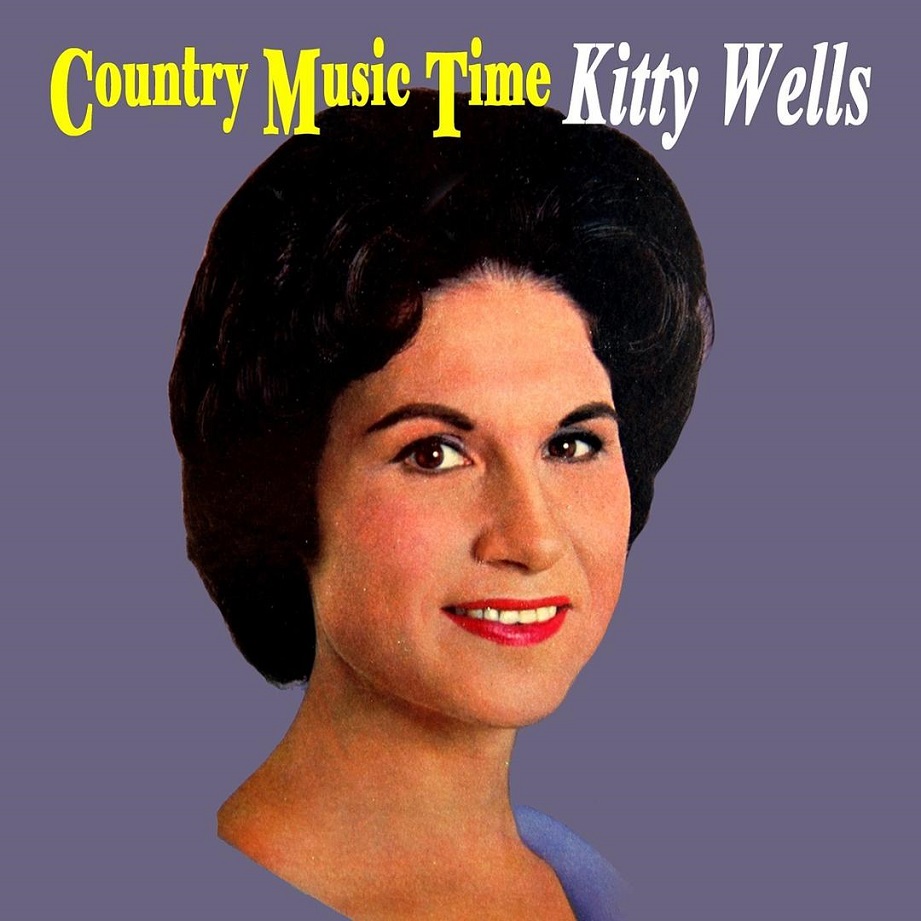
Kitty Wells at 100: Still the Queen of Country

Kitty Wells, who shall always remain the Queen of Country Music to its most traditional fans, would have marked her 100th birthday today. Her legacy is secure, due to the 1952 smash, “It Wasn’t God Who Made Honky Tonk Angels.”

Wells lived to be 92 years old, long enough to enjoy an exceptional exhibit about her life and career at the Country Music Hall of Fame and Museum in 2008. The hometown salute — she was born in Nashville — brought her back into a much-deserved spotlight one last time before her death in 2012.

And to think, she just about quit the music industry altogether after initial dismal response to her early records. Even though she recorded it with a $125 paycheck foremost on her mind, according to the Los Angeles Times, “It Wasn’t God Who Made Honky Tonk Angels” turned things around in a big way.

Beloved by fans and her peers, Wells was inducted into the Country Music Hall of Fame in 1976, while her singles were still charting. In all, Wells placed 81 singles on the Billboard chart, including classics like “Making Believe,” “Heartbreak U.S.A.,” and “I Can’t Stop Loving You.” Here are some of her finest moments on record.

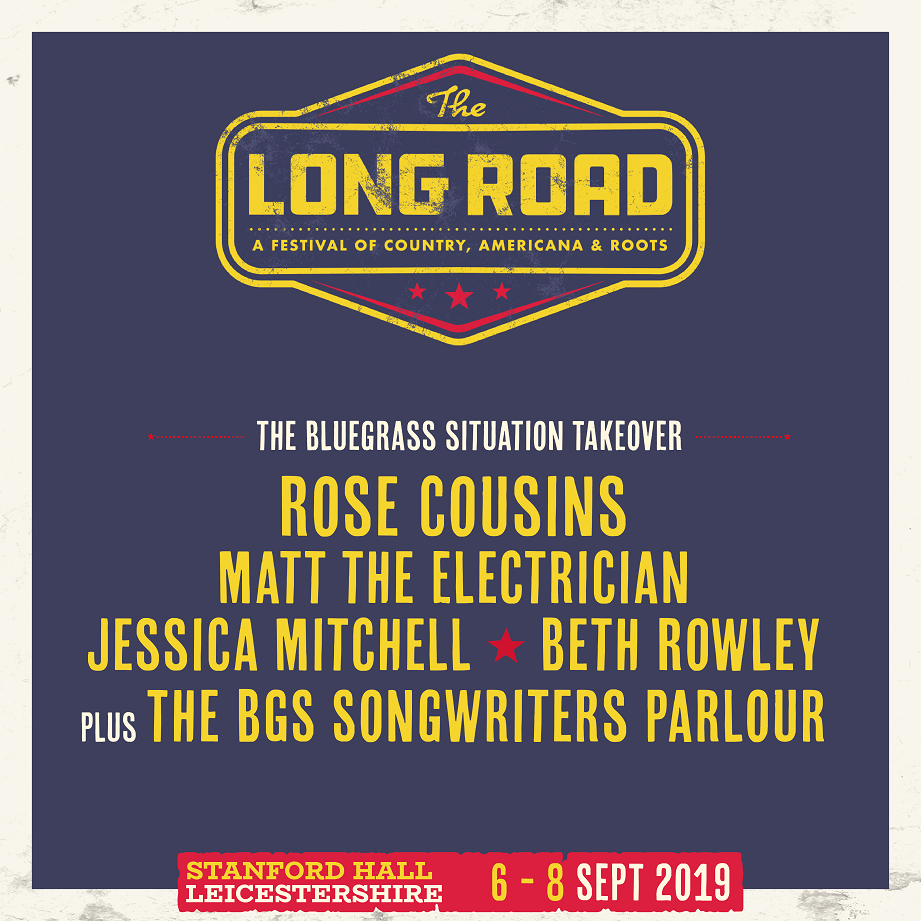
BGS UK Preview: The Long Road

There aren’t many British festivals that get American roots music as right as The Long Road. One of the UK’s biggest celebrations of country and Americana, it made a stellar debut last September. BGS is thrilled to be heading back to Stanford Hall, Leicestershire, where we’re once more curating the Honky Tonk stage in the afternoon on Sunday.

Here are just a few highlights heading your way at one of the most epic festival weekends of the year:

Friday, 6 September

You’ve just got away from work and you’re still feeling a bit stressed. Can we recommend you head straight for Jake Morrell at the Honky Tonk, and let this Nashville-by-way-of-Norfolk singer ease your pain?

Failing that, Katy Hurt is opening the Interstate stage, with The Cactus Blossoms following straight behind. If you’re still needing some catharsis, don’t miss Sam Outlaw’s set; if you’re ready to party, the CC Smugglers will help you shake it all off. With fifteen acts across three stages, there’s plenty to warm you up for the big two days ahead.

Saturday, 7th September

Where to start? Is it Jessie Buckley’s intimate lunchtime set, which we guarantee will have a crowd spilling out of the sides of the Honky Tonk? Or Jake Morrell of the Civil Wars on the Interstate stage? From the searing honesty of Roseanne Reid, to Curse of Lono’s Gothic rock show, to the out-and-out hilarity of Rich Hall’s Hoedown, there’s something for every mood.

There’s also an all-day schedule of ridiculously entertaining activities including a lasso workshop, the Cowboy Olympics and a hot dog eating contest. Oh, and did we mention that Kip Moore is headlining on the Rhinestone Stage? Yeah, that Kip Moore.

Sunday, 8th September

We think this’ll be the best day — but then, we’re biased, because from 2pm onwards, we’re getting to handpick who plays in our own personal Honky Tonk bar, and that includes Rose Cousins, Beth Rowley, and Jessica Mitchell. We’re also hosting the Long Road’s first ever Songwriting Parlour, led by Matt the Electrician, in the intimate, in-the-round style of the Bluebird Café in Nashville.

What else do you want — Rhiannon Giddens? Asleep at the Wheel’s first UK performance in 10 years? A DJ set from the Flying Mojito Brothers? Oh all right then, you can have them. They’re on the stage next door. And with BGS’s takeover ending at 8.15 pm, we won’t even take it personally if you head off for Josh Turner’s headline set.

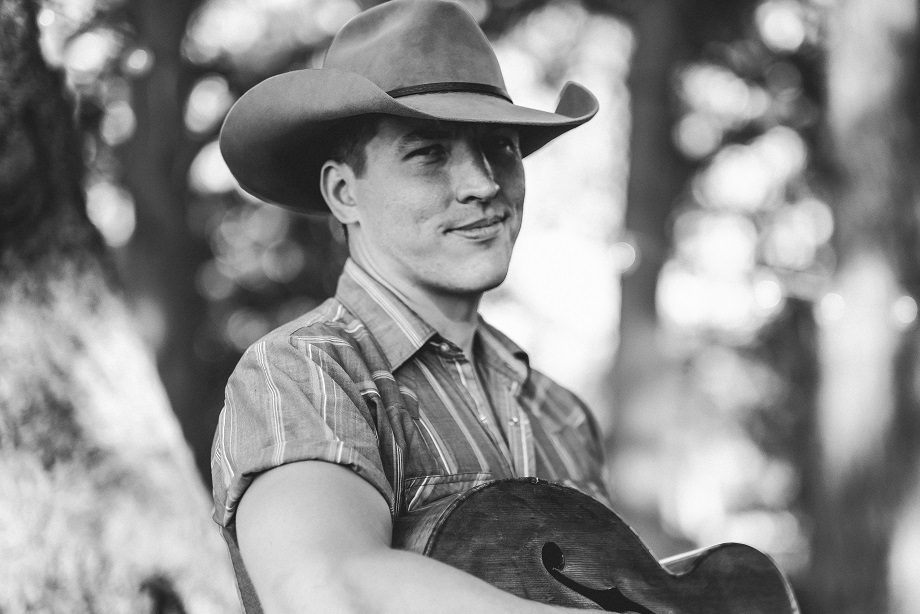
LISTEN: Dallas Burrow, “Leaving Colorado”

Artist: Dallas Burrow
Hometown: New Braunfels, Texas
Song: “Leaving Colorado”
Album: Southern Wind
Release Date: September 20, 2019
Label: Subliminal Hyminal

In Their Words: “I had been on a dry spell for a while, and then out of the blue, I wrote ‘Southern Wind’ (the album’s title track) and ‘Leaving Colorado’ in two days, back to back. While the first was more of a wholesome account of building a family, ‘Leaving Colorado’ on the other hand scratched an itch for adventure and mischief, through the eyes of the mythical wandering frontiersman, in a story that could have just as easily have taken place in the 1800s or today. It’s the timeless tale of love, love lost, adultery, betrayal, murder, and mayhem — soaked in whiskey and smelling of sixgun smoke that is always alive and well in the imagination of the Wild West.” — Dallas Burrow


Photo credit: Lyza Renee

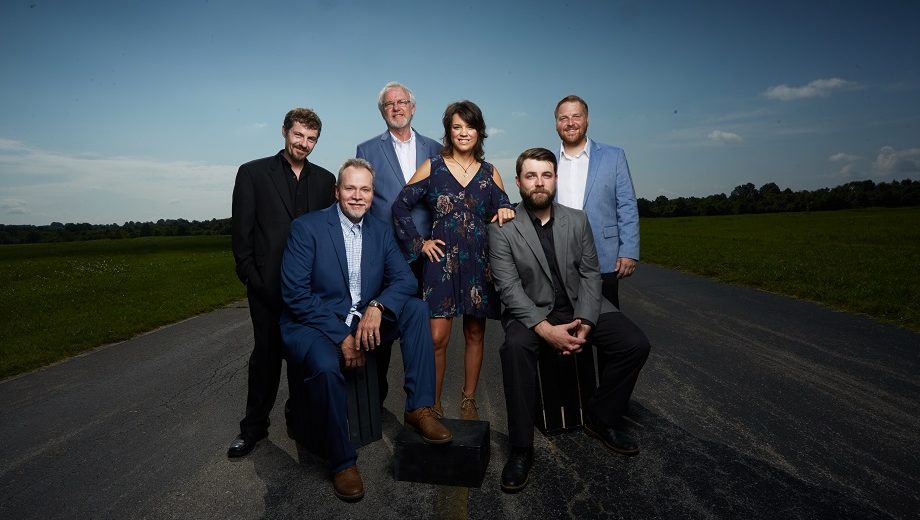
LISTEN: The Grascals, “Drivin’ My Life Away”

Artist: The Grascals
Hometown: Nashville, Tennessee
Song: “Drivin’ My Life Away”
Album: Straighten the Curves
Release Date: August 30, 2019
Label: Mountain Home Music Company

In Their Words: “This is one of my favorite country songs from the 1980s. I always wanted to cut it in a bluegrass band because it lends itself well to that style. It’s upbeat, powerful, and tons of fun. ‘Drivin’ My Life Away’ has that funk and groove about it. It’s one of those songs that as soon as you start singing it, people know exactly what it is. It’s infectious.” — Singer and guitarist Chris Davis


Photo credit: Kim Lancaster Brantley

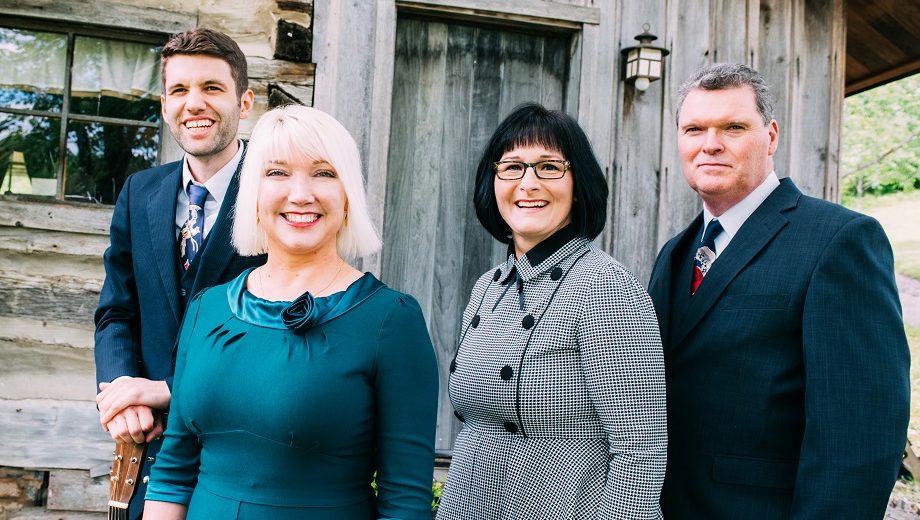
WATCH: The Chuck Wagon Gang, “Somebody’s Boy”

Artist: The Chuck Wagon Gang
Hometown: Knoxville, Tennessee
Song: “Somebody’s Boy”
Album: No Depression In Heaven, The Gospel Songs of The Carter Family
Release Date: August 30, 2019
Label: Mountain Home Music Company

In Their Words:: “The Carter Family began singing about the same time frame as the Chuck Wagon Gang. Both groups shared not only the last name Carter but a very similar style of singing. We felt it would be an honor to put together an album that would pay tribute to their gospel songs. Filming this video at the Carter Family Fold was such an amazing experience. There was something so special about being out there in the humble, yet beautiful location where it all began for the Carter Family.

“The song ‘Somebody’s Boy’ is actually not considered a gospel song, but is more what the old-timers call a heart song. Its message is one that speaks to the desires of a mother’s heart for her wayward son, and, though it dates back to 1894, is as relevant today as when it was penned. The Chuck Wagon Gang has recorded other heart songs over the years, like ‘Church in the Wildwood.’ Our hope is that ‘Somebody’s Boy’ will become as meaningful for our fans!” — Shaye Smith (the alto singer who is also the granddaughter of The Chuck Wagon Gang’s original alto singer)


Photo credit: Sandlin Gaither