Tanya Tucker Remains a Songwriter’s Muse (Part 2 of 2)

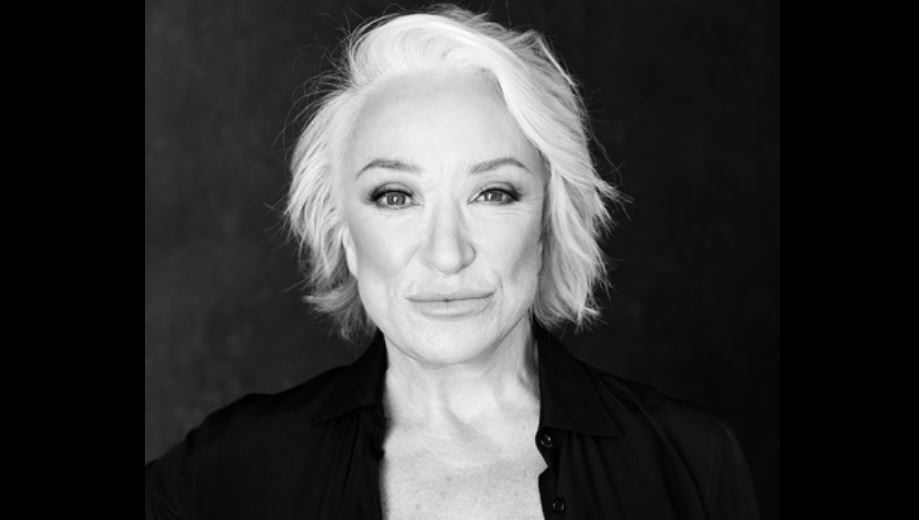
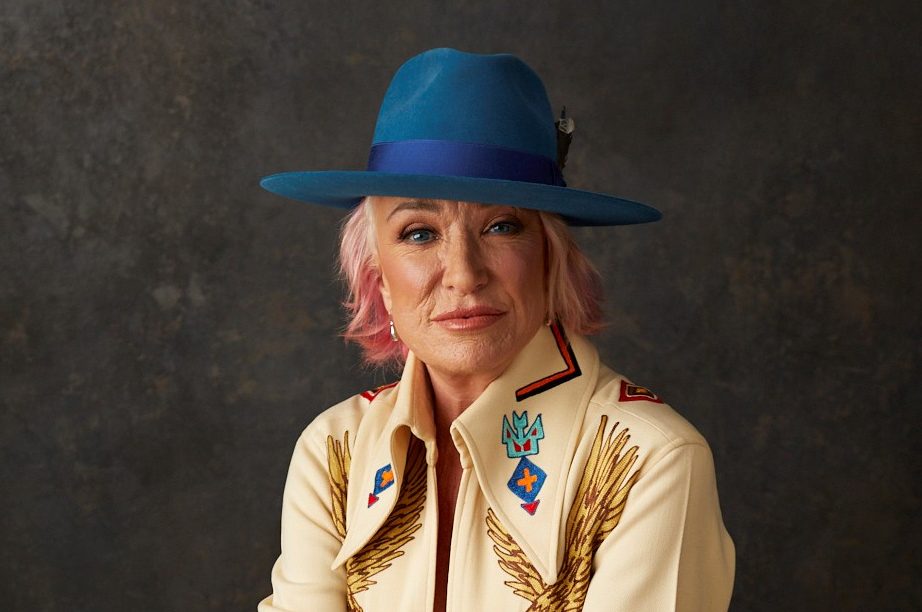
Tanya Tucker isn’t known as a songwriter, although “Bring My Flowers Now” from her newest album, While I’m Livin’, shows she can hold her own. Across four consecutive decades of charting singles, she relied largely on the Nashville songwriting community — and in turn, she’s served as a muse for them. Among her forty Top 10 country hits are classics like “Delta Dawn,” “Strong Enough to Bend,” and “Two Sparrows in a Hurricane.”

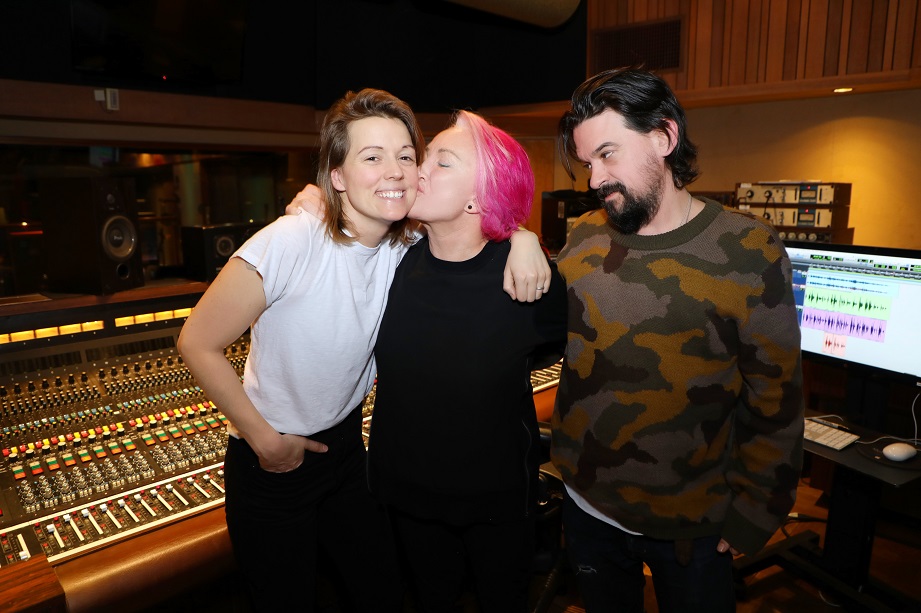
Now, her life is the inspiration behind the songs of While I’m Livin’, produced by Brandi Carlile and Shooter Jennings. A bulk of the material was written specifically about Tucker by Carlile and her musical comrades Tim and Phil Hanseroth (a.k.a. The Twins). At her producers’ insistence, she also cut material formerly recorded by Miranda Lambert (“The House That Built Me”) and Waylon Jennings (“High Riding Heroes”).

In the second half of our Artist of the Month interview, Tucker talks about the songwriters she’s known, the mysteries of songwriting, and the left-of-center producer that she credits with her career. (Read the first half of the interview.)

BGS: I read that you had Loretta Lynn in mind while writing “Bring My Flowers Now.”

Tucker: Yeah, I was on the way to Christmas in Texas on the bus. And she called me, or I called her, and we’re always talking songs. She says, “We gotta write something together. You gotta come on over here and write. Me and you gotta write a hit.” And I said, “Well, I got this idea, let me sing a little bit to you. I’ve had it for years, but I just can’t find anything to go with it.” And I sang her the chorus and she goes, “When you come back through here, you gotta stop in here. We’ll finish that song. I love that idea.”

So I went out to California in the meantime, and I guess I’d sung it for some reason to Brandi — and I’m sure I sung a few ideas to her. But then she brought it up the last day of the sessions and we cut it right after we finished writing it. And then it became the title, so yeah, that’s pretty cool.

Yeah, it’s such a minimal production on that song.

That was always her thing. She told me, “It’s time that we hear your voice and it’s been so covered up, and so in the mix. And it’s time for people to hear the real Tanya Tucker, and you don’t need a lot of crap over it and a lot of production.” She’s very into that — very raw, real, flaws and all.

I wanted to ask you about Tom T. Hall because he’s popular among our readers, and he’s in the Bluegrass Hall of Fame now. He’s written a lot of bluegrass hits.

Oh! I had no idea. I’ve been thinking about him a lot lately. We text, I text him. Johnny Rodriguez and I were together the other day, talking about how Tom T. brought him to Nashville to play guitar. And how I toured with him. I used his van when I was a kid. That was always hard because some people didn’t like you using their van. But he was very cool with it.

I was 14. We had dinner one night and even back then he said, “You know, you gave me a great idea for a song.” So I guess I’ve always come by it naturally. Now songwriters hang out around me, just knowing any minute something’s gonna come out of my mouth. I can’t tell you how many big songs that were my idea. But I didn’t write it, so that’s the way it goes.

I’m a great idea person. I’m a great hook person. But it’s just like “Bring My Flowers Now,” I had the chorus but I could not find the meat. I had the bread, but no meat. And if you don’t have that, then you might as well hang it up. Sometimes it takes a catalyst to get that out of you. Gary Stewart was that way with me. … He could somehow get things out of me. I’ve known some people that can just be in a room, while you’re in the room writing, and just bring it out without even realizing it.

I don’t know what it is. Writing a song is very hard to explain in words how it happens. It’s almost like you have to explain it after, “Well that happened. Curiously, it happened this way.” I don’t really think about it much. Harlan Howard always told me, “Oh, you’re a writer trying to get out of a singer’s body.” Max D. Barnes was a good friend of mine and he said, “If you just sit down and focus for a few minutes, I bet we would write at least three standards.” At least three. So I’ve had the greats say things like that to me — and mean them.

You’ve been listening for great material from the very start of your career.

When I was a kid, one day I said to Billy Sherrill, “I’m getting a little irritated. You know, you write all these songs for Tammy Wynette and you ain’t never written one for me.” And he goes, “Well, let me tell you why.” Either he knows how to build a fence real quick or he was really being honest, and he said, “It’s because I have never written a song that’s as good as you are a singer.” And I went, “Oh, well that was really cool. I’m not sure I believe that shit.” But he did finally write me one and I did record it. It wasn’t a single. It was called “I Guess I’ll Have to Love Him More.”

I used to fight with him about recording some songs. “Almost Persuaded” — he goes, “Nah nah nah, we don’t need to do that.” And I’d go, “WE’RE GOING TO DO THAT!” I had someone tell me the other day, “God, I loved the way you sang ‘Almost Persuaded.’” It was a totally different change from the boy to the girl. But he never did want me to cut any of his songs and I had to fight him to do it. Sure miss old Billy. I give him all the credit. Without him, I don’t think any of this would have happened.

He set the stage for you.

Well, he listened to me. They’re walking out of there going, “What the hell?! This guy’s lost his mind listening to this kid.” Because I turned down “Happiest Girl in the Whole USA.” I said, “Love the song, it’s great, but it’s not my song.” And then when he played “Delta Dawn,” with Alex Harvey on guitar/vocal, and I went, “There you go. That’s my song.” And he listened. I didn’t record anything that I didn’t want to with Billy.

He was a little left-of-center and I’ve always said that anybody that gave me a chance in life was… maybe dealing with more decks of cards, a little off-center. Because anybody logical, who had a watch, was on time, never gave me a shot. It was always those people that were just a little crazy…

I’m so proud to have known some of those boys. Oh my god, all my boys at CBS [Records] were really great. When Billy signed me, the record label thought he was crazy, too. But they couldn’t mess with him too much because he had all the hits on the charts. They thought he was kind of strange, actually very strange. And he was. He wasn’t a normal kind of guy. At all. So, those kind of people, I have a soft spot for because they’re the ones that gave me my chance, my shot.
Your fans are going to hear this and might say, “Well, this is different.” What do you hope they hear in this record?

Well, I hope they like it. “The Wheels of Laredo” is a good song, but it’s not “Only two things in life make it worth living.” It didn’t grab me like that, but it’s grabbed everybody. I’m amazed that they like it as much as they do. People have come out of the woodwork, they’re sending me videos of them listening to it in Canada and in the pool, Buck Brannaman riding in the arena to it — and it’s just like, “Whoa, what is it about this song?”

I really don’t know. I can’t put my finger on it, but I’m glad it’s happened. I bet it’s like what Elvis felt when they gave him “Hound Dog” – “What the hell?! I ain’t singing this: ‘You aint’ nothing but a hound dog, cryin’ all the time.’” Like, “OK, no…” And then he cuts it and it’s a big ol’ smash. Makes you second guess yourself a little bit.

So I really don’t have any explanations of how all this happened and why. I look at all that stuff up there [plaques on the wall]. It’s not all the stuff I’ve done, but it’s a lot of my work and my catalog and my albums. But I never would’ve imagined this album would do what it’s done. Really. I have no answer for it, I have no explanation.


Photo credit: Danny Clinch
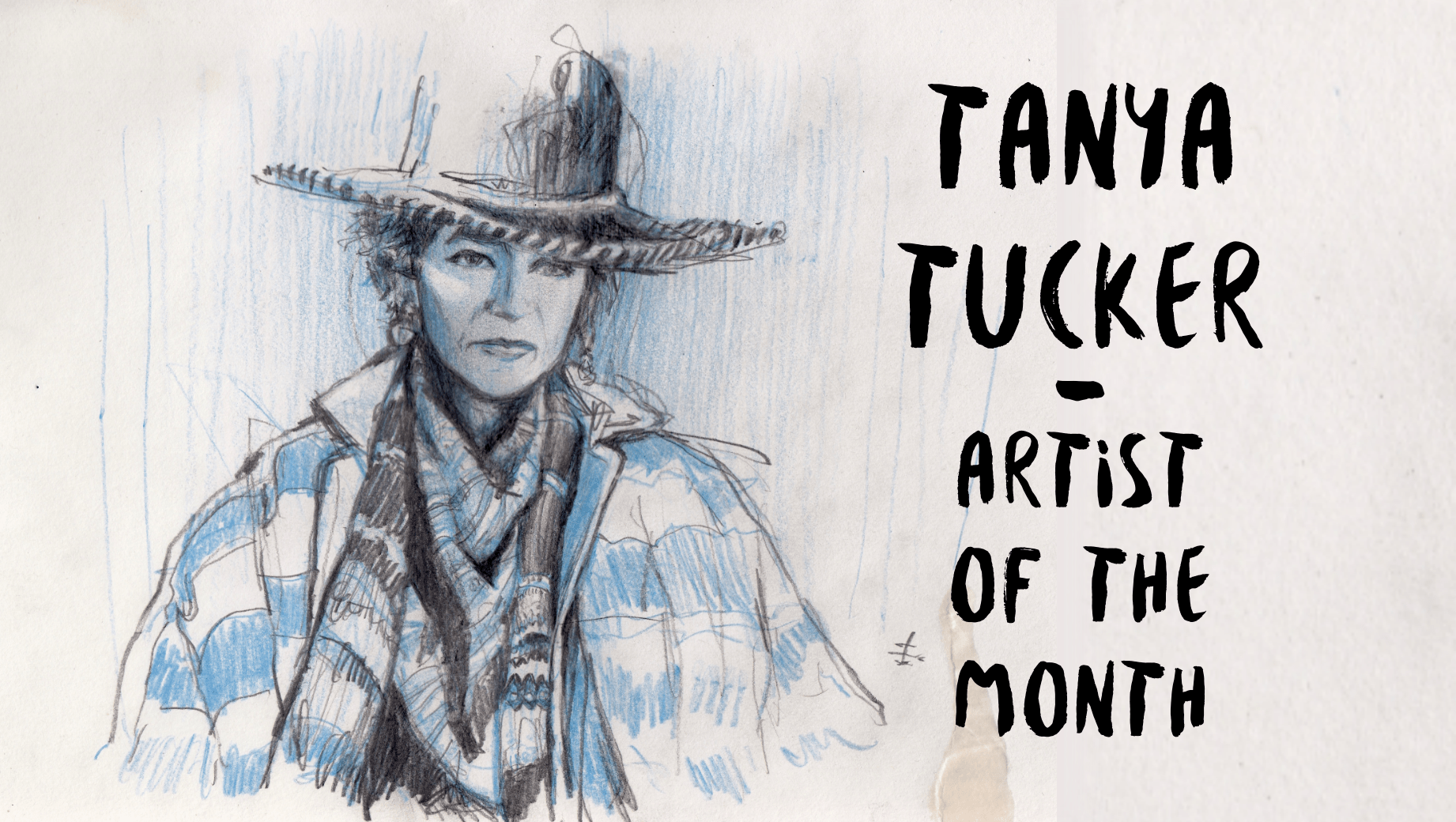
Illustration: Zachary Johnson
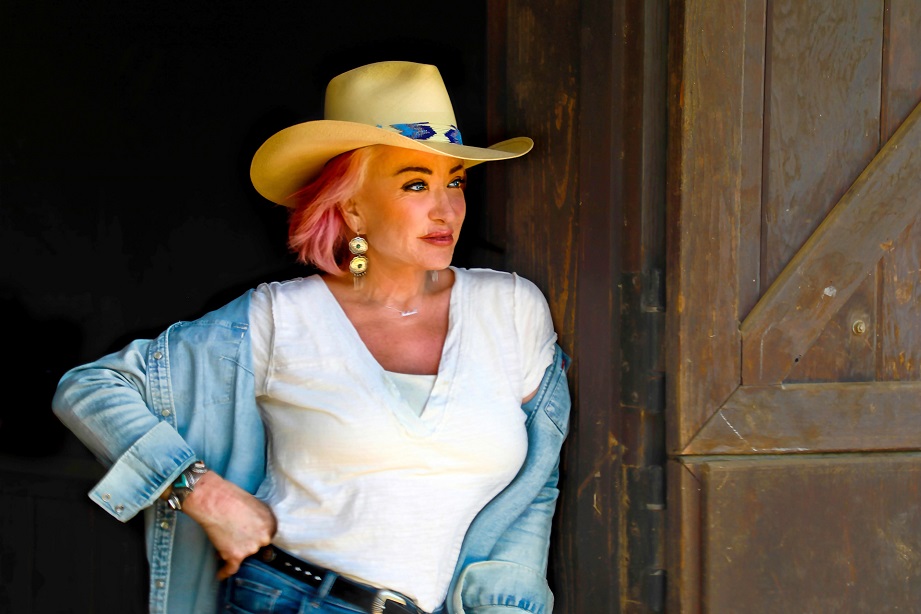
Tanya Tucker Just Might Prove Her Dad Right (Part 1 of 2)

Although her voice is instantly identifiable to even a casual country listener, Tanya Tucker has perpetually reinvented herself in the public eye since she debuted with “Delta Dawn” in 1972. From a mature teen singer in the ’70s, a scandalous star of the ’80s, and an award-winning vocalist in the ’90s, it’s never been easy to define her.

Now she’s back with While I’m Livin’, a stunning song cycle that shows her tender side as well as her rowdy, ready-to-party personality. It’s her first album of new material in 17 years, and by working with producers Brandi Carlile and Shooter Jennings, she’s made the most striking album of her career. Here’s the first of our two-part interview with Artist of the Month, Tanya Tucker.

BGS: I’m sure you’ve been approached to make a record over the last 17 years. What was it about this situation that made you say, “Yeah, let’s do it”?

Tucker: I’ve been working on other projects that I’m doing on my own. I’m really proud of those things and I hope that they see [a release]. I feel like this album, for some reason, is going to open that door. It seemed like before it was low interest. I don’t feel like there was a lot of interest. Maybe there was, I didn’t know about it, but when Shooter said something to me about it, I was like, “Yeah, great, great…” I went off and did Tucson and forgot all about it.

But I came back and it snowballed, and before I knew it, I was in LA doing some recordings on songs that I really didn’t know. I do my deal. I’ve done it all my life. When a song is pitched to me, I put my own something on it — I’ve changed a lot of ‘his’ to ‘her’ and made it my own. That’s one of the biggest compliments I’ve gotten from songwriters. I’ve heard from many of them that I can take their song and make it my own. They’ve always told me that, so it’s a very big compliment to me and I think that’s important. But this kind of came out of nowhere. I really can’t explain it. It kind of just happened and I don’t know how it happened. It did though. I’m pretty sure.

I’ve heard it, it’s real.

I think it is real. I’ve listened to it a few times and the good news is that the more I listen, the more I like it. Because it started out not that way.

What was your first impression of the final product?

I said, “No! Absolutely not.” I just didn’t hear it. I didn’t hear the songs as being anything I could really get into, or put my heart into. I really didn’t think it was going to be that good. I was wrong, and I love being wrong. I mean, I’m wrong a lot, but I was really wrong about that.

What was the relationship like in the studio with Shooter, and what’s he like as a person?

Well, Shooter’s great. I’ve known him before he was Shooter. But if you really would concentrate the time we spent together — very little time. But we spent more time probably on this project than we ever had, and we’ve become best friends. I wouldn’t say I had any better friends. He’s as good as any friend I’ve got.

Good. How about Brandi?

Oh, Brandi. She’s not even right. She is not local. She’s not of this world, she’s just in it. Yeah, she’s very exceptional. Something about her communication skills — maybe it’s just me, I don’t know, but I’ve watched her with everybody and you see the respect people have for her. … That’s the way that you want it to be. The way we made that record — I wish they were all that way. Brandi’s the same way [as Shooter]. I feel like she’s my best friend, totally. And I’d never heard her sing. Not until the Grammys and we were already done with the album.

What did you think when you heard “The Joke”?

I was blown away. Yeah. Blown away. And I loved “That Wasn’t Me.” I think I’m going to learn that one. I may not record it but behind closed doors I may learn that song. If anything, to just say thanks. Hell, she knows all of mine, I should probably start learning a couple of hers, you know? I’m way behind.

Well, it’s important who you surround yourself with. I mean, I don’t have to tell you that.

It used to be really hard for me to see anything bad about anybody. My dad was real good at seeing it before they even knew they were. He was very good about that. I hope that I am acquiring his skills. I’m still not as good as he was.

About a week ago, I read Nickel Dreams [Tucker’s 1997 memoir] and he was like your co-star in that book.

Yeah, well, he is the star, as far as I’m concerned. I’ve never read the book, but they’re on to me about writing another book. I really think that’s the real story. If there was a movie, I believe it should be his life. And then when I get started, that would be the end of the movie. Sequel! I plan ahead. But I think his story is phenomenal and it really needs to be told. His life was pretty unbelievable.

Your childhood is pretty interesting, though, too. Living in Utah…

Arizona, Nevada, and Arkansas.

It is a very dramatic life.

Yes.

It would work well for a script.

Yeah, well, I lived it, so it’s not so interesting to me, but maybe it is. And if it is, then that’s great.

What do you think your dad would say about this record if he had a chance to listen to it?

Oh wow, that’s a good question. Wow, oh wow…. Well, I’d have to say I believe he would love it because there’s two or three songs in there about him. The Twins [Carlile’s longtime bandmates, Tim and Phil Hanseroth] and Brandi actually wrote and custom-fit those songs to me, which is a real talent right there. One that I do not have, among others. But they have the talent. I don’t know if they have it all the time or if it was just this one time. They brought it all together. I don’t know. But I know that it’s unusual.

In fact, Brandi said, “God, I’d give anything if I could’ve met your dad.” And I told her, “Well, he didn’t like many people, but I do believe he would’ve liked you. I really do.” … I think he would like those songs but I think he would definitely be proud of “Bring My Flowers Now”. Because he always told me — Oh my God! You know what? I just figured something out.

What’s that?

My dad told me once, he said, “Let me tell you something.” He said, “The biggest record you’ll ever have, it’ll be the one that you wrote.”

How old were you when he told you that?

Oh, he told me several times. I was already started. I mean, it wasn’t when I was a kid, but many times he’d tell me that. “That’s what you need to do, is write.” But he didn’t like the association that I had to associate with to write. Because back in the day, party party party. Stay up all night, write a few songs. Stay up for a few days and something’s going to come out of it. He didn’t like that part of it. Now it’s become like a business. Meet me at 8:30 and we’ll write until 10:00, we’ll be done before noon.

But you had the Song House, which I read about in your book. You lived there, and then all the songwriters would come over.

Yep, right. Yep, that’s true.

So you love that association.

Oh yeah. I love to party, too, so it all kind of went hand in hand, like alcohol and cigarettes, or cocaine and cigarettes, and alcohol. And blackjack, throw that in there.

Read the second part of the interview.


Lede photo: Derrek Kupish

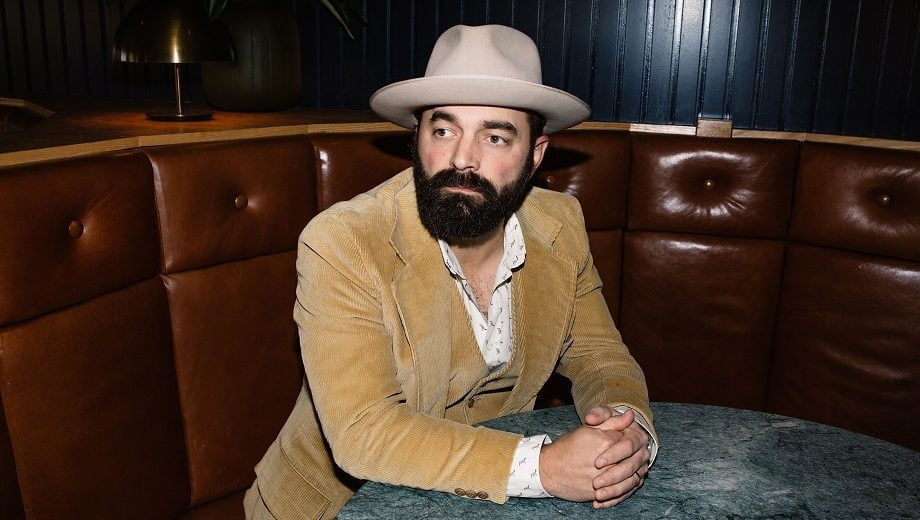
Drew Holcomb & the Neighbors Gather Friends and Family, Too

Drew Holcomb could lead quite a neighborhood association. Along with his band, The Neighbors, he collaborated with such all-star songwriters as Natalie Hemby, Sean McConnell, Lori McKenna, and The Lone Bellow’s Zach Wiliams for the band’s newest release, Dragons. Although it wrestles with some heavier themes — particularly dealing with grief and accepting that time moves faster as you get older — the record as a whole is an exhilarating listening experience that bridges the gap between the introspection of their prior albums and the dynamic of their live show.

As a friendly neighbor would do, Holcomb invited BGS for a cup of coffee near his home in East Nashville.

BGS: You did a lot of co-writing on this record and these songs have some real depth to them. Did you find yourself going into deep conversations as you were writing the songs?

DH: Yeah. Everybody I wrote with were friends. I still don’t love co-writing, but I like it with the right people. I already had a pretty clear vision of how I wanted to get intensely personal on this record. So when I wrote with Lori, for instance, we weren’t just writing songs for whoever, we were specifically writing for me and my record. She was able to draw things out of me while still letting me have the primary vision of what I wanted.

And yeah, there were a lot of great conversations. The song “Maybe” with Natalie was just… We were talking about how you have all these dreams you want to pursue, places you want to see, experiences you want to have — and as you get older, sometimes you think… you know, this is kind of exhausting. What I really want to do is, I just want to be with people I love, in the place that I love, and enjoy that.

That was pretty neat how you brought your granddad into the song “Dragons.” Did he really appear to you in a dream?

It’s sort of a mixture of dreams. I lost my brother when I was 17. I lost my grandfather when I was 23. Those were probably the two closest people to me. And I lost a friend to an overdose at 20. But everybody I’ve ever lost who was really close to me, I had very vivid dreams of them — and wake up super sad. They’re so real. You kind of relive the grief all over again, when you wake up.

But some of my dreams of my grandfather have been really sort of playful and fun. You know, because he lived a full life. There’s less sadness around that. I had those lines in the chorus of “Dragons” before we started the song, and was just looking for a way to deliver them, and that sort of attitude about life I got from my grandfather – to take chances, you only live once.

What’s that experience like when you write about your family — like your brother, your son, or your granddad — and then you play the song for your family?

Well, like “Dragons” — a lot of my siblings have their own experiences and their own histories with my granddad. So same question: “Is this a real dream?” And “Family” was one that everybody immediately fell in love with. I come from a huge family, I mean 14 to 28 grandkids on my mother’s side. It’s like beautiful chaos when we’re together. For the most part everybody gets along. There’s a lot of children, grandchildren, a lot of chaos. So that song, I think, really represents sort of my experience with family.

I love the line, “Going on vacation / On the credit card.” My dad loved to travel. And he would always say, “You’re never going to inherit any money, but I’ve made all my deposits in the memory bank.” Part of it was because of my brother in the wheelchair. Dad knew that maybe his time was shorter than the rest of us, so he wanted to take every opportunity. We had this big conversion van and every summer he’d take off two weeks and we would just go. I saw 44 states by the time I graduated high school.

Wow. And you were based in Chattanooga at the time?

Yeah. So we went off to California. Went to the Pacific Northwest. Went to Colorado and Texas, New Mexico, all the way up… We did a New England trip. We did all up in Canada. All of it driving.

Was there a music component to this, too?

Oh sure. Yeah, we’d listen to a lot of oldies radio. Back when tapes were still a thing, you could buy $5 tapes at the truck stop, and so he would let us all pick out a tape at the start of the trip. My favorite one I ever got was this Joe Cocker record. It had this Jimmy Webb song called “The Moon’s a Harsh Mistress.” And we had our Walkmans too. We’d play our tape and then we’d kind of take off on our own thing. In some ways, those road trips are where I fell in love with music. Dad loved Dylan, so we listened to a lot of the sort of pop songwriter guys.

Were you playing guitar by this point too?

Started to. Got my first guitar when I was 12. Really started to learn how to play at 14. By high school, I was proficient enough to play through most of the songs I liked.

Did you just teach yourself?

I had a friend who was really one of those “play everything” guys — Jonathan. He played piano, guitar, drums. He lived down the street. He kind of taught me. I took lessons but the lessons never really caught, because it was more like theory and stuff. I was like, “No, I just want to play some Bob Seger.”

When did you get interested in vinyl records?

My wife’s wedding present to me was a record player. And then my first job was in music, as a sort of studio runner for a guy named Paul Ebersold, a producer. He and Ellie kind of conspired. She went and got me the record player. He went and bought me a bunch of classics — Born to Run, Blood on the Tracks, Van Morrison, all the stuff he knew I loved. Then on our honeymoon, we went out to San Francisco and went to Amoeba Records there in Haight-Ashbury. We spent like $500 on vinyl, shipped it all home, and that was sort of the start for us.

You launched the Magnolia Record Club now and you curate the Moon River Music Festival. That’s all interesting to me because it’s about music discovery. Why is that important to you, to help people discover music?

I think in some ways it’s like a pay-it-back, or paying forward. That’s how people found me, was by someone, some curator, taking a chance and putting me in front of listeners. I had never had a radio hit. Never really had a big national tour. Done some tours with friends, but I never had the machine, but I still made it because a lot of festival buyers and legacy acts and younger bands have shared their stages with me, and shared their audiences with me.

On the press side too — we’ve never blown up in the press, but we’ve had lots of people give us a lot of healthy attention. We played Bonnaroo in 2013 and I still have people all the time come up to me and say, “I first heard you at Bonnaroo.” That happens at all the different festivals we play. And so, I wanted to create that same sort of opportunity, but also I wanted to do it as a fan. I wanted to put these bills together.

We talked about this a little bit, about how you found your audience. But it seems to me that part of that is that you showed up for everything. You really took it seriously from the start. Where do you get that work ethic from?

I think part of it is that my dad always instilled this “work hard at all costs” in me. It was like, I’m going to get beat on talent — and that was definitely true when I was younger. I may get beat on opportunity, and with who you know. Nobody’s going to out-work me.

My first vehicle that I toured in was a 1998 Volvo station wagon. I bought it in 2003 with 64,000 miles on it. And in 2008, five years later, it died at 380,000 miles. I put 320,000 miles on it in five years, driving anywhere anybody would book me. I played 200 to 250 shows a year: coffee shops, living rooms, cover songs at bars, college campuses. Whether I was getting paid fifty bucks or a thousand bucks during that era, it was like, the only way to do this is to show up as often as possible.


Photo credit: Ashtin Paige

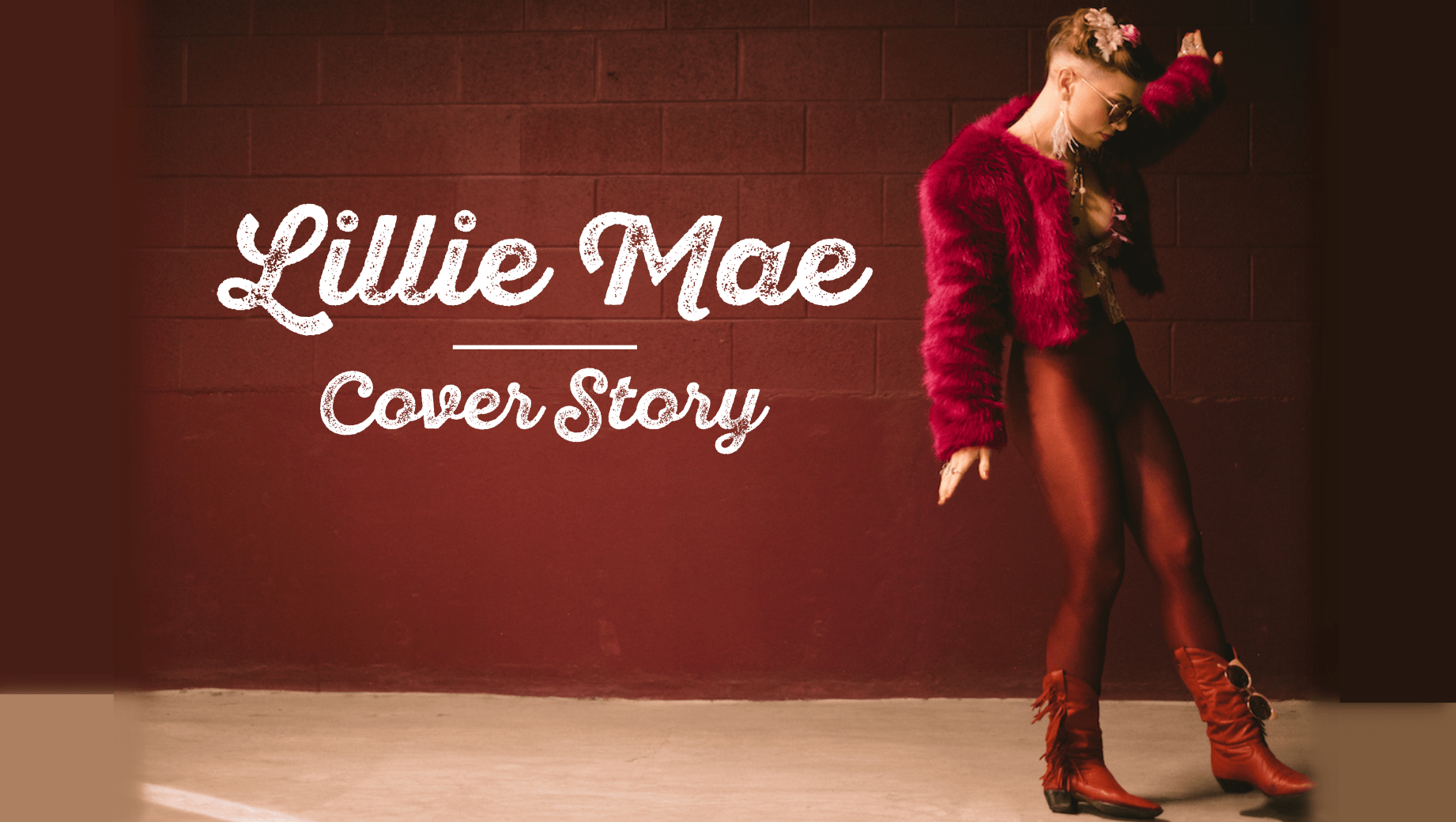
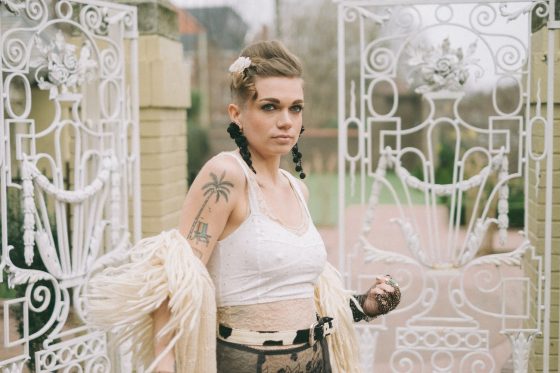
This Could Be a Golden Year for Lillie Mae

Brown’s Diner is the kind of hole-in-the-wall that your eyes have to adjust to, after stepping in from a sunny afternoon in Nashville. However, Lillie Mae shines like a beacon in the dim light of the dark booth as she gabs with the staff she’s clearly known for years.

A twenty-year Nashville veteran, her very first business meeting as the youngest member of her former family band, Jypsi, was in this very restaurant. A true road warrior, Lillie Mae and family traversed the country playing bluegrass festivals and churches. On the heels of a censored childhood steeped in traditional music, she graduated to the honky-tonks of Lower Broadway and on to her own burgeoning career as a solo artist now signed to Third Man Records.

Settling in at the beloved burger-and-fries mainstay after three weeks on the road with The Raconteurs, Lillie Mae detailed the process of making her brand new record, Other Girls, with producer Dave Cobb, as well as songwriting inspiration, a crummy golden year, and what works feels like when it doesn’t feel like work.

BGS: Your lyrics leave a lot to the imagination. They weave a story and put you in a setting but they aren’t inculcating anything for the listener. But tell us more about “A Golden Year.”

That one and the last one are my favorites on the album for sure. Basically, my birthday is June 26 so my golden year was a year ago. We were in The Refuge in Appleton, Wisconsin, and we’d played a couple of gigs up there and we were leaving this monastery. It is an amazing place where musicians and artists of all kinds can go and live for free. Food and everything is taken care of. They get government grants and they have a studio. It is an amazing place right on the water.

We were rolling out and I went to do one more look around and my brother was still wrapping up so I was just walking through the hallways. They have a chapel where they do shows and I heard a choir singing “Ahhhs” and I just heard the whole song and I had a guitar in my hands. I rummaged through rooms to find a pen. I sat down on the guitar case and wrote it. It came from somewhere else. It is a perfect example that we are just a vessel. I had been looking forward to my golden year my whole life and then it turned out pretty lousy for me. I was super depressed and down and writing that song was probably the best part of it.

Do you sit down to write or do you mostly write when you are inspired?

You know, mostly when it starts to come through. But if I sit down and pluck on the guitar or something for a minute, I will easily find myself trying to come up with something. I don’t sit down and try to write nearly as often as I should.

Did you have to do any of that for this record as you were putting the songs together?

Nah. There were a couple of things that were not completely finished, like the last song on the record. I was tweaking words until recording. Some stuff was almost there. And every once in a while, if a second verse is not coming, I’ll just repeat the verse, though that’s kind of cheating.

With your ingestion of art being censored in your religious upbringing, there is some open sexuality on this record. Bluegrass, folk, and country have all been known to suppress that. Have you ever come up against censorship from co-creators or folks in the business realm?

Totally. I think a lot of it you can do it to yourself. You can put yourself in a little conservative box easily. But these days, I’ve just lost my care about what people think. It just doesn’t matter. I have a couple of songs that I haven’t been open about what they are about — on the last album, that were written about abortion. Songs that were really heavy to me and I never talked about that. It wasn’t a secret but “Why do we need to talk about this?” because it can mean whatever it means to anyone. But that is coming from a very conservative place of trying to please all ears.

Having these old mindsets of being in old Nashville, I definitely have been more conservative than I truly am. For me to not mute or hide lyrics or not be open about things, it has been a step for me. There is a song on the album called “Crisp & Cold” that was inspired by a friend of mine who is transgender. There is a line in the song that says, “Don’t be scared/Be more.” When you literally have to worry that some people might take your life because of that. It is crazy. There are times when you don’t want to offend anyone but those days are over.

But growing up in bluegrass, we did the circuit. We were always on our way to another festival. My sisters were older than me and were beautiful young women who were experiencing growing out of the whole religious thing. We did Beatles covers back then when I was a little kid and bluegrass snubbed us. To love something so much and to be ousted from it because you’ve developed some fashion sense or something. It sucks to be such a supporter of something and to not have them have your back. But it has changed a lot.

Did you and your siblings grow up listening to any specific artists?

It was super limited, what we were allowed to listen to and we grew up playing full time. We played churches and bluegrass festivals. We had a lot of live influence. As far as what we were allowed to listen to, it was not very much. We’d be allowed to listen to some Del McCoury songs but not all of them because of the content. A lot of Marty Robbins and Hank Williams, but always excluding some stuff because my folks were super strict.

Did you find yourself seeking ways to listen to those excluded songs?

Not me. I’m the youngest in the family and I never did. I’m really bad about that still. I don’t go out and pick out music. If I go to a record store, I have a panic attack. Every single time I end up on the floor in a corner just sitting cross-legged waiting for everyone to check out. I have full-on attacks. Maybe I’ll be better now. It has been a minute since I’ve been in one. I never got joy out of going to buy a record.

I was the youngest and growing up, I never had a choice. I didn’t get to pick where we went or what we listened to or anything. I just listen to what other people are listening to. I really rely on my boyfriend or my brother playing cool music. Unless I hear someone at a gig or a festival, then I’ll pick up their music. Like Natalie Prass. My brother met her at a show a couple of years back and he brought her CD home. And I was like, “Oh my God.” Her music changed me.

Jack White gave me a record player but I didn’t have speakers and I’m technically challenged so I could never figure out how to hook it up. The vehicle I have doesn’t have music. I have very little music on my phone and rarely listen to it. I do think I have Natalie Prass’ record on there. [Laughs]

What was it like working with Dave Cobb on this album?

He was wonderful to work with. He’s a really nice person. The first conversation we had, we talked about some bluegrass bands. I think it was something different for him. I was very nervous as first to go in because I was out of my comfort zone but it was really easy. We went in and recorded a song, took a lunch, and came back and recorded another song. It was a pretty easy process.

How was it out of your comfort zone?

Well, Dave uses his drummer Chris Powell on most of his stuff so for me going in because I’m such a picky asshole, I was nervous about playing with someone I hadn’t played with. I was just nervous it wasn’t going to be my vibe. But it was. It was wonderful. It’s an amazing studio [RCA Studio A] with great sounds and a great crew.

So it was pretty easy once it started?

Totally. After song number one. The first song had two different time signatures the way it was written but it got straightened out to just one. At first, I was like, “What is going to happen here?” It ended up a great thing, but I was a little stubborn at first.

Did that create friction?

No. Not at all. I kept it to myself. I went to the bathroom, cried it out, and came back ready to give it a try.

That’s awesome you trust your producer.

Well, I’d be foolish. Who am I, you know? Here’s a shot to work with some amazing people. If I threw a wrench in it, there are too many people on board. There are too many people invested in me. I owe too many people too many things. There’s a time and a place. Maybe next album. [Laughs]

I’ll get OCD and have little brain freak-outs. One can come across as stubborn, and all I’ve ever tried to do is be opposite of that. I’ve tried hard to be positive and give my all no matter what the project is, but those little OCD things, they can hinder you for sure.

Have you ever made concessions that you regretted making because the art didn’t turn out the way you wanted it to?

If I’ve thought like that, I’ve tried to change my outlook and be like, this is the way it was supposed to be. It (the process of making the album) wasn’t what I had anticipated. I anticipated buckling down. I anticipated really working hard, and then when I wasn’t working hard and it was just coming really easily and naturally, I felt like I wasn’t doing a lot. When you are used to hustling and it comes easy, it feels like something must be wrong.

How do you feel about the release of the new album? What is the period like right before it comes out?

The last couple of weeks [touring with The Raconteurs] were super exciting. It was fun to be out playing the tunes. I wasn’t ready to be done. I enjoyed it a little too much.

I’m pretty level. Just from so many years of getting my hopes up, not even just about music. I used to get so excited about something but I crashed and burned too many times. I don’t allow myself to get excited about much of anything. People will get the wrong impression that I’m not enjoying myself or that I’m not grateful. I’m so thrilled but my expectations are pretty low. I’m excited about it coming out, but if I got dropped tomorrow I think I’d be prepared. Which is not good! [Laughs]

My boyfriend took the pictures for the album campaign. And my sister Scarlett and our friend Amy helped with the photo shoot. It was just us, so it feels super close to home, and I feel really proud of it.


Photo credit: Misael Arriaga

The String – Charley Crockett

Charley Crockett has a story that’s difficult to imagine playing out in the 21st century – he’s hoboed around the country, lost loved ones, scuffled with the law, played on the streets for a decade.


LISTEN: APPLE PODCASTS

And recently he endured open-heart surgery. At 35, he’s lived several of our lifetimes. And the thing is, he’s poured it all into his remarkable country blues, and he’s finally getting the renown he deserves. It’s what roots music is all about. Get ready for his September 20th release of The Valley with this conversation, which took place backstage, hours before his Grand Ole Opry debut in the WSM Room. Also in the hour, Nashville’s Lillie Mae is back on the program to discuss making her second album for Third Man Records at Studio A with super-producer Dave Cobb. It’s part of a longer conversation that will be posted soon by our friends at WMOT.org.

LISTEN: Ashley Sofia, “Adirondack Dreams”

Artist: Ashley Sofia
Hometown: Ticonderoga, New York
Song: “Adirondack Dreams”
Album: Shades of Blue
Release Date: September 6, 2019

In Their Words: “I grew up a quarter mile down the road from my grandparents’ apple orchard in the heart of the Adirondack Mountains. I was built by that landscape — raised running wild — and like an old pastoral poem, I felt I needed to honor my home. My dad is a big conservationist and he taught me how to play guitar on our back porch. During those sessions, John Denver was a staple, especially his wilderness songs.

“Then when I came to Nashville, I got incredibly homesick. I was completely unprepared for the oppressive summer heat, I didn’t know a single fishing hole, and I certainly didn’t know what kind of snakes I needed to be worrying about. And most of all, I missed my family. I’d close my eyes all the time and daydream about those mountains.

“One night I was alone in my apartment, desperately missing home, and I was flooded with the imagery and feelings of what it would be like to get back there. I recorded everything I felt, and I knew by the end of it I was tipping my cap to John Denver, my dad, and the mountains that raised me. Playing it felt like going home.” — Ashley Sofia


Photo credit: Josh Doke

Beth Rowley: Just One Song on the Rush of Attraction

Editor’s Note: Beth Rowley will take part in the Bluegrass Situation Takeover at The Long Road festival, to be held September 6-8 in Stanford Hall, Leicestershire, England.

“This is a song I wrote with Canadian singer/songwriter Ron Sexsmith. I was writing for my new album and decided to go on a trip for some inspiration. I emailed Ron and a few other friends I knew in Canada and booked to go on a writing trip. Our writing sessions were very relaxed and laid back. Ron is a genius writer. I’ve written with many people and there are very few writers like him. Even his rough ideas sound like the most beautiful finished songs. I had a few ideas up my sleeve but nothing finished. I’d been a longtime fan and knew we’d come up with something cool.

“I read one of the poems I’d written and he played a few chords on guitar. It didn’t take long for some to stick and after some lyric tweaks it was there. We chatted lots about life, music, relationships and what it meant to be in love. ‘Forest Fire’ is about passion and desire and the rush of attraction when you’re around someone new. The excitement and possibility and the pull towards someone. But it’s also about choice and responsibility. Before you let yourself go or be led, you have the choice to go along with it or not. Sometimes it can feel like we don’t have the choice, and that if we feel something it must be right. This song is about the rush and fire of passion but then on the flip side of that of taking responsibility and owning our choices and the effects they may have on others.” — Beth Rowley


Photo credit: Maria Mochnacz

22 Top Country Duos

Country music was made for duets. Not only because those tight, tasty harmonies are a foundational aspect of the music, but also because country accomplishes heartbreak — and every other make and model of love song — better than almost any other genre. (Thought quite possibly better than all other genres.) It just makes sense to have two singers, one to play each role in a lost, soon-to-be-lost, or (rarely) divine, never-perishing romance. But the format isn’t restricted to lovers or their placeholders, it can just as seamlessly fit heroes and acolytes, parents and children, siblings, peers, fellow pot smokers, and on and on.

Take a scroll through these twenty-two country twosomes:

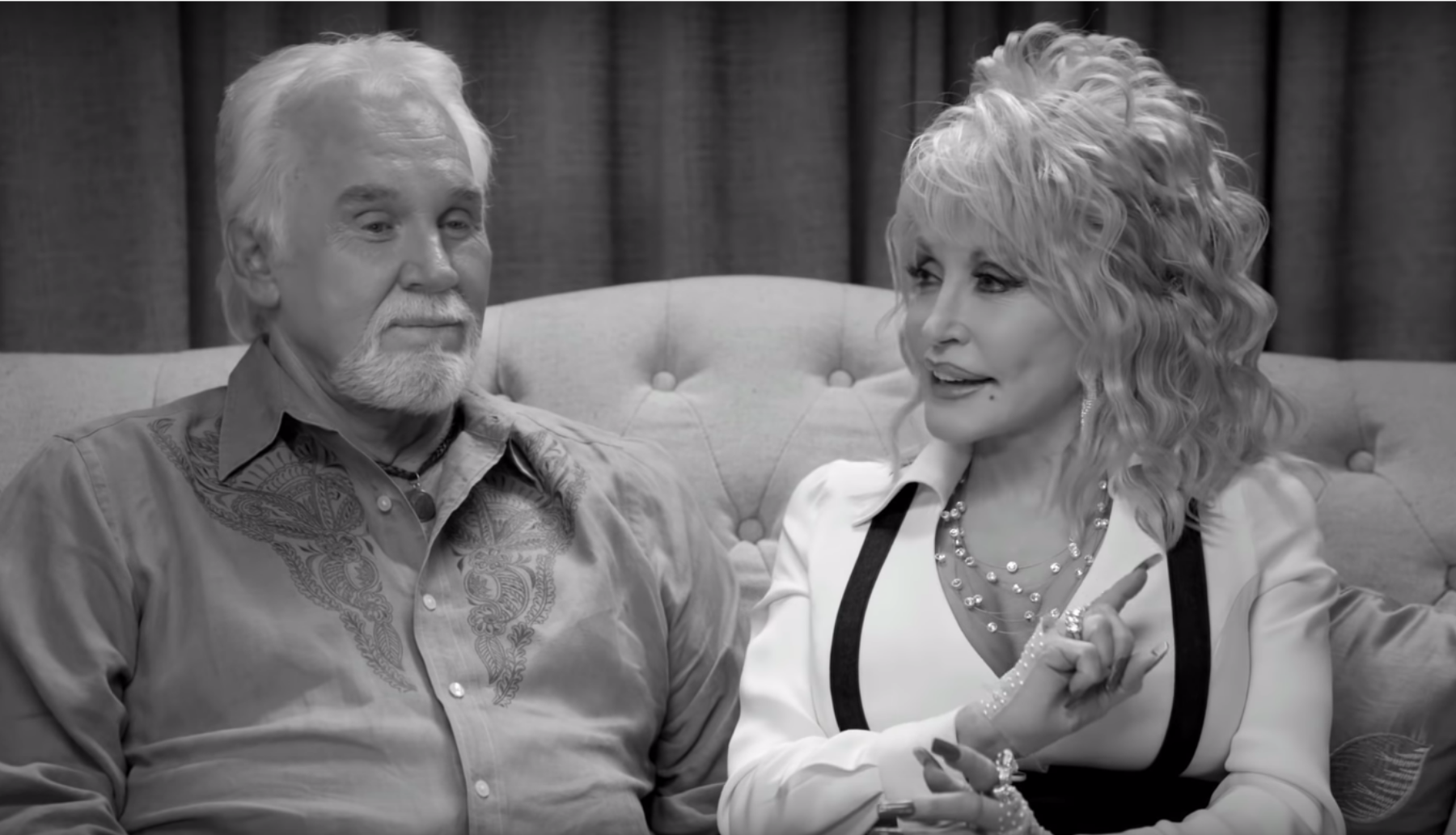
Kenny Rogers & Dolly Parton

We couldn’t have this list without these two. They should be the start, middle, and end of any definitive list of country duos. So we’ll just make the easy choice and kick it all off with Kenny and Dolly — that extra intro about their friendship and the years they’ve known each other? Swoon.

Loretta Lynn & Conway Twitty

After saying what we did about Kenny & Dolly we knew this pair needed to come next — so as to not rile anyone. Out of countless duets we could have chosen, how could any top “You’re The Reason Our Kids Are Ugly?”

Willie Nelson & Ray Charles

For inexplicable reasons people tend to forget Ray Charles’ incredible forays into country. His collaborations with Willie are stunning for the extreme juxtaposition of their voices and styles — they feel and swing so distinctly and differently, but all while perfectly complementary. “Seven Spanish Angels” ranked a very close second to this number in our selection process.

Glen Campbell & John Hartford

The most-recorded song in the history of recording? It’s said “Gentle On My Mind” holds that honor. And goodness gracious of course it does. Here’s its writer and its popularizer and hitmaker together.

Lee Ann Womack & George Strait

Together, Lee Ann and George were beacons of the trad country duet form, especially in the ’90s and early 2000s. This one from the jewel in the crown of Lee Ann’s discography, Call Me Crazy, is crisply modern, but with decidedly timeless vocals.

George Jones & Tammy Wynette

A broken, country fairy tale of a love story, George and Tammy’s relationship was infamously fraught, but damn if that didn’t just make their duets ever more… ethereal. Which doesn’t justify that Tammy Wynette kinda pain, to be sure, but it does remind us that if country can do anything better than all other genres, it can be sad.

Reba McEntire & Linda Davis

One of the best country songs, duets, and music videos EVER MADE. Theatrical and epic and a little silly and downright catchy and Rob Reiner and… we could go on forever.

Tanya Tucker & Delbert McClinton

Tanya is back with a brand new album and its well-deserved level of attention has been helping to re-shine the spotlight on her expansive career. Forty top ten hits across three decades. Who does that? Here she duets with Delbert McClinton on their 1993 hit, “Tell Me About It.”

Alan Jackson & Jimmy Buffett

Hey, if this has to be stuck in our heads for the rest of the month, it should be stuck in yours, too. Fair’s fair. It’s only half past [whatever time it is], but we don’t care.

Johnny Cash & June Carter Cash

One of the most recognizable duos in the history of the genre, immortalized not only in their discography but in a film adaptation of their love as well, Walk the Line. We all know “Jackson” as familiarly as the ABC’s, so here’s a slightly lesser-known beaut. (Keep watching til the last verse for an adorable bit from June.)

Eric Church & Rhiannon Giddens

Country is at its best when it surprises us. This collaboration is certainly, on the surface, unexpected, but the message of the song isn’t the only way these two artists can relate to each other. Over the course of their careers they’ve both fought their way from the fringes to the centers of their respective scenes. More of this, please.

Dolly Parton & Porter Wagoner

Dolly got her start with Porter Wagoner on his television show in the 1960s. They can certainly be credited with pioneering, popularizing, and epitomizing the country duet format. One of her most famous hits, “I Will Always Love You,” was written for Porter as she lamented leaving their act to go totally solo. (We’re a little glad she did.) You can tell they sang this song just a few gajillion times together, give or take.

Pam Tillis & Mel Tillis

Father/daughter duos in country aren’t as common, but they certainly aren’t unheard of. Pam and Mel are a perfect example. (The Kendalls are another.)

Patty Loveless & Ralph Stanley

Patty Loveless received the first ever Ralph Stanley Mountain Music Memorial Legacy Award in 2017 at Ralph’s home festival, Hills of Home, in Wise County, Virginia. Patty and Ralph were longtime friends and collaborators during his lifetime and even through her mainstream country success she referenced bluegrass and Ralph as influences — and she cut a few bluegrass records as well.

Alison Krauss & James Taylor

It’s. Just. Too. Good. Like butter. Like a warm bubble bath. Like floating on a cloud. Two voices that were meant to intertwine.

Charley Pride & Glen Campbell

These two were made to sing Latin-inflected harmonies together, weren’t they? Charley Pride gets overlooked by these sorts of lists all too often. But dang if he didn’t crank out some stellar collaborations, too!

Gram Parsons & Emmylou Harris

“Love Hurts” and boy, if Gram and Emmylou don’t make you believe it heart and soul and body and being. The definitive version of this Boudleaux Bryant song? Perhaps.

Willie Nelson & Merle Haggard

Icons being icons. And friends. And amazingly talented, ceaselessly musical comrades. You love to see it. (We could’ve/should’ve chosen “Pancho & Lefty.” We did not.)

Vince Gill & Amy Grant

There are quite a few reasons why the Ryman Auditorium basically hands this husband and wife duo the keys to the place each December. Basically all of those reasons are evident in this one. It’s fitting that this video came from one of those Christmas shows, too.

Dolly Parton & Sia

Dolly literally outdoes herself, re-recording “Here I Am” for the original soundtrack for her Netflix film, Dumplin’, after she first cut the Top 40 country single in 1971. Clearly she and Sia have much more in common than an affinity for wigs; their soaring, acrobatic voices seem so disparate in style and form until you hear them together. Listen on repeat for the best therapeutic results.

Robert Plant & Alison Krauss

[Insert entire Raising Sand album here, because how could we ever choose?] Lol jk, here’s “Killing the Blues.”

Carrie Underwood & Randy Travis

Cross-generational, meet-your-hero magic right here. Little did we know what was in store for Carrie Underwood then. But the way Randy looks at her up there, you can tell he knows she’s goin’ places.

LISTEN: Mike and the Moonpies, “If You Want a Fool Around”

Artist: Mike and the Moonpies
Hometown: Austin, Texas
Song: “If You Want a Fool Around”
Album: Cheap Silver and Solid Country Gold
Release Date: August 2, 2019

In Their Words: “I first heard ‘If You Want a Fool Around’ on an album that Brian Black, Clint’s older brother, had released in the mid ’90s when he was living with us at my dad’s house. Even as a teenager, it was one of the most clever songs I’d ever heard. I knew that I would sing that song one day, but I didn’t have the right band or opportunity back then. I had forgotten about it until last summer when producer Adam Odor and I were discussing songs for the Abbey Road record. I played Brian’s version for him and we immediately knew it was perfect for the record and how great the chord changes would sound with the London Symphony Orchestra behind them. I had finally found the perfect time to sing that song.” — Mike Harmeier, Mike and the Moonpies


Photo credit: Benjamin Yanto Photography

Artist of the Month: Tanya Tucker

Tanya Tucker is just as surprised as you are that she’s made a brand new record, While I’m Livin’. In an upcoming two-part interview with the enduring country artist, she talks about working with her producers — and new best friends — Shooter Jennings and Brandi Carlile, her friendship with icons like Tom T. Hall and Loretta Lynn, and the shock at seeing the overwhelmingly positive response so far to the new music.

From signing to a major label as a teenager, to rebounding with an award-winning career in her 30s, Tucker placed milestone singles at country radio throughout the ‘70s, ‘80s, and ‘90s, and she’s earned her reputation as one of the most important female country artists of her generation. Enjoy some of her most significant musical achievements in our Essentials playlist.


Photo credit: Danny Clinch