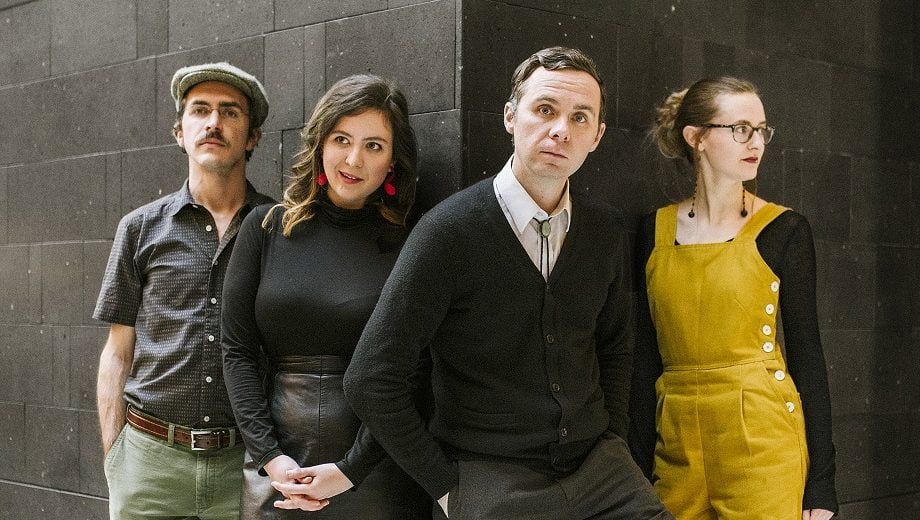
WATCH: Bill and the Belles, “That’ll Be Just Fine”

Artist name: Bill and the Belles
Hometown: Johnson City, Tennessee
Song: “That’ll Be Just Fine”

In Their Words: “We’re excited to share a new side of Bill and the Belles, a bigger, moodier, more decade-ambiguous sound! We wanted to nod toward early R&B and girl group pop vocals (think early Sam Phillips-era Sun Records, the Shangri-Las), while growing our instrumental backdrop with the introduction of stride piano and drums. Working with Bristol’s Big Tone Records was a thrill: we’re no strangers to vintage recording methods, and we think the warmth and depth of recording to tape really suits us. In the glow of fluorescent lights in an unmarked building in Southwest Virginia, the Big Tone studio accomplishes something remarkable: each microphone, each piece of furniture, even the clock on the wall carries a story, and with ‘That’ll Be Just Fine,’ we’re working to carry that narrative forward.” –Bill and the Belles


Photo credit: Nico LaRoche-Humby

Britain’s Got Bluegrass: March 2019

Get off your couch and go hear some live music with Britain’s Got Bluegrass! Here’s the BGS-UK monthly guide to the best gigs in the UK and Ireland in March.

Mile Twelve, 20 March, Green Note, London (and nationwide)

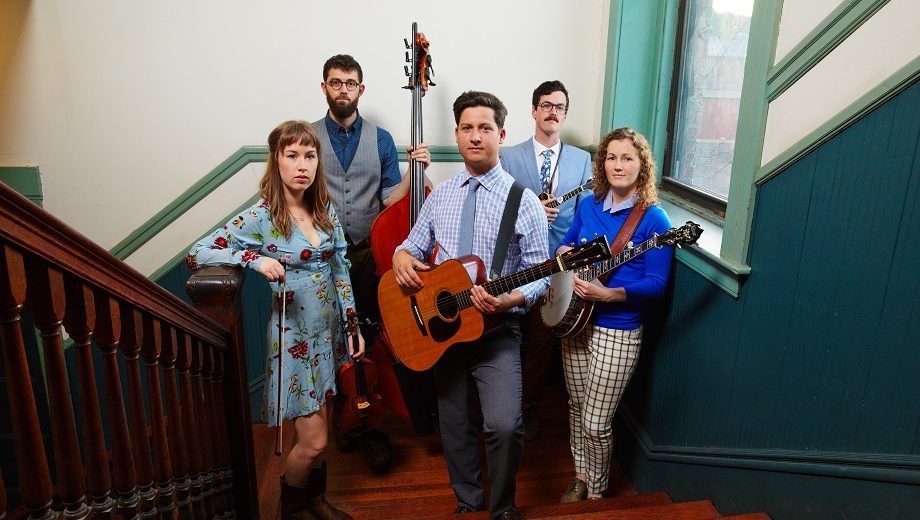
First let us rave about Mile Twelve, a band who, unlike the bearded wonder, have never played in the UK before, and who will–we guarantee — send you home with a big smile on your face. This young five-piece from Boston are some of the most skillful musicians of their generation — they’ve picked up multiple Emerging Artist award nominations at past IBMA Awards for their ability to mix hard-driving traditional bluegrass with a thoroughly modern sensibility, all while charming an audience’s pants off. Catch them on this UK tour and you’ll be able to say you saw them first… Check out their cover of “Rocket Man.”


Chris Stapleton, 8 March, Glasgow

If there’s a musician more likely to bring a British arena to its knees this month, we’d like to know who it is. In a land of anxiety-ridden repressives (we can say that because we are too), Chris Stapleton is so droolingly cool that it’s tempting to worship him as a god. Last time he was in the British Isles he was duetting with Justin Timberlake at the Brits, for heaven’s sake. In addition to Glasgow, you can catch his barrel-aged voice in Dublin and London, where he’ll be sharing the billing with Keith Urban, Lyle Lovett, Ashley McBryde and Lady Antebellum among many more at the C2C Country to Country music festival.


Thunder and Rain, from 6 March, nationwide
A dreamy blend of dobro, mandolin, guitar and bass, the Colorado-based band Thunder and Rain sound as Golden as the town they hail from. There are plenty of opportunities to catch them across the UK and Ireland on their month-long tour, from Bangor to Basingstoke, Southport to Middlesbrough, and Edinburgh to Whitstable.


Ida Mae, 12 March, Norwich

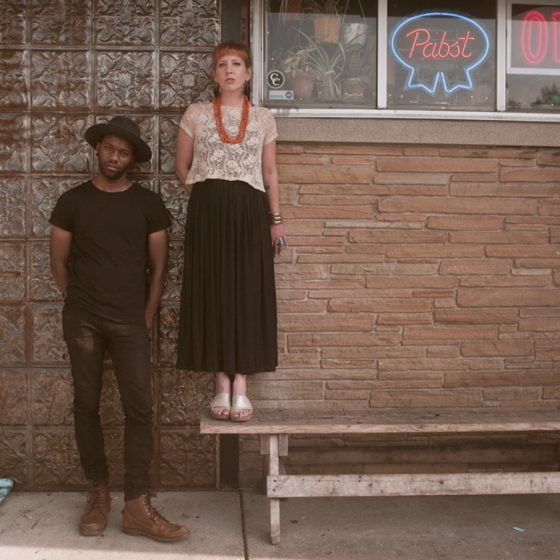
With their Ethan Johns-produced album dropping this summer, it’s a good time to introduce yourself to Ida Mae, the husband-wife duo of Chris Turpin and Stephanie Jean. Their previous band, Kill it Kid, specialised in indie-grunge, but they’ve now created an altogether mellower sound that’s already proving hot property stateside. Having upped sticks from north London and moved to Nashville, this is a rare chance to catch them back in Turpin’s hometown. They’ll also play London’s Omeara before heading back to the US to tour with Blackberry Smoke.


I’m With Her, 19 March, Hackney Empire, London

The three artists in I’m With Her don’t like being called a supergroup. So let’s just say that the hot-damn are-you-serious this-is-too-much power trio of Aoife O’Donovan, Sara Watkins, and Sarah Jarosz stop off in London for a single night at the Hackney Empire before they embark on a European tour of Norway, Denmark, the Netherlands, and Spain. And if you’ve never heard them sing live, you need to get yourselves to this gig and find out just how many ways their vocals can break your heart.


Photo of Mile Twelve: David Green

Dale Watson Makes Himself at Home in Memphis

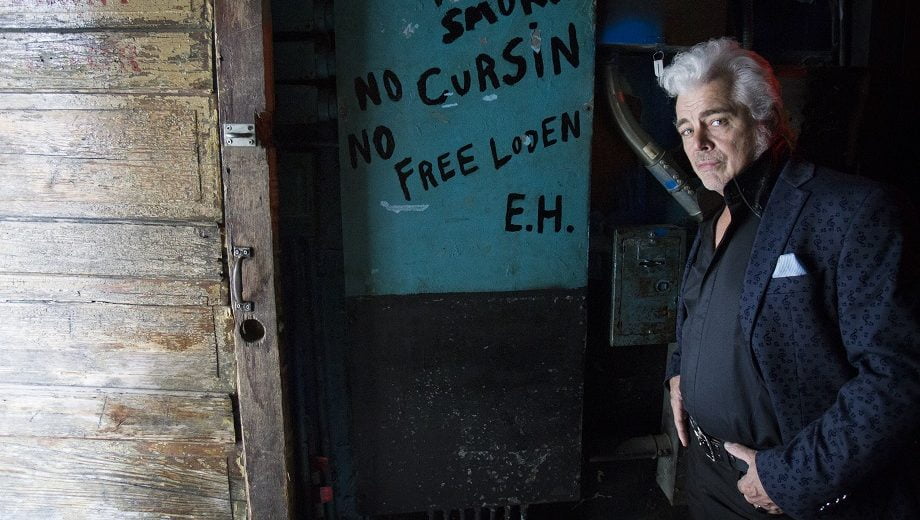
Call us lucky that Dale Watson is feeling so lucky these days. He’s recently bought a house in Memphis, the city where he recorded his new album Call Me Lucky at Sam Phillips Recording studio, purchased the famous nightclub Hernando’s Hideaway, and continues to develop his sound and to reign as the king of Ameripolitan music. Call Me Lucky includes traveling tunes, love songs, and trucking songs, all under three minutes, and featuring Watson’s signature rockabilly sound.

On the slow-burning ballad “Johnny and June,” Watson and Celine Lee, who co-wrote the song, channel Cash and Carter as they look into each other’s eyes and sing about how deeply their lives are intertwined: “you’re the cream in my coffee/you’re the grits to my gravy/you’re the wind in my sails/a lullaby to my baby.” Cash’s drummer W.S. “Fluke” Holland provides the driving beat for “The Dumb Song,” which features a galloping bass line straight out of the Man in Black’s catalog. Every track features Watson’s inventive songwriting, from the Waylon Jennings-like “Restless” to the scampering Merle Haggard-esque “You Weren’t Supposed to Feel This Good.”

BGS caught up with Watson by phone for a chat about songwriting and his new album.

BGS: You recorded this album in Memphis at Sam Phillips Recording studio. Why did you decide to record it there?

Watson: Mostly I record my albums here in Austin, either at my studio, but sometimes at Willie’s or at Ray Hubbard’s studio. A friend of mine, Matt Ross-Spang, who’s a great producer, had been working over there and I went to visit him. I became close to the Phillips family. Since the 1960s, some of the greatest American records have been made there. It felt like home, and it has this great sound, of course.

What made you decide to buy a house in Memphis?

I’ve always liked Memphis. Wherever I was going that took me in that direction, I’d stop in there. The city has grown but it’s done well in cleaning itself up. Memphis reminds me of Austin in the ‘80s. I can record where I want but I wanted to come here to do this one.

You recently purchased the fabled Hernando’s Hideaway nightclub. Is it open yet? How does owning a club help you in your own music?

We’re still doing work on the club but hope it will open up sometime later this year. Hernando’s Hideaway is the only bar where Elvis, Johnny Cash, Jerry Lee Lewis, Carl Perkins, and Charlie Rich played in, never at the same time, though. I am able to get discs from new bands, so I hear some new music. As the owner of the bar, I have to really look for these people to perform and play the kind of music I want in the bar. If I sit in the bar, though, I am going to hear some music that I really like and that I want to hear more of.

Is this album a bookend to your 2015 album Call Me Insane?

(Laughs) I never put those two things together. I never thought of that. The label wanted to go with one of songs for the title, and this is what they chose.

Who would you say are your major influences?

Merle Haggard, Ray Price, Buck Owens, Lefty Frizzell, Johnny Cash, Carl Perkins.

Can you define Ameripolitan? How did you come up with the term?

I came up with the term out of frustration, I think. (laughs) I’d be somewhere, and people would ask me what kind of music I do, and I’d say country music. They’d say, “I love Kenny Chesney.” Nothing against them, but by today’s standard of country music, they’d be disappointed with my music. If I tell them my music sounds like Hank Williams or Jimmie Rodgers or Merle Haggard, more often than not people say they’ve never heard of that.

So, it’s easier to explain what we are by using a different word, Ameripolitan, to describe original music with a prominent roots influence. It starts with Jimmie Rodgers and has a relationship to music between Rodgers and Hank Williams. We’ve been holding the Ameripolitan Awards Show now for six years and promoting the music. We held the first four shows in Austin; this year’s show we held in Memphis.

You have a knack for writing songs quickly. What’s your view of songwriting? When did you start writing songs and playing guitar?

Early on, I learned to write from my dad, who wrote songs. When I was about seven or eight years old, I started making up songs on a ukulele. A little later I wrote a song about the girl across the street. All the good ones are about the girls. (laughs) I’m not writing “American Pie.” I pick a subject or I write about people or a situation I see. You write and you write and you have an album.

I was cleaning up my place for a move a couple of years ago and I found a good song that we dusted off. The only time I wrote songs on the way to the studio to go on an album was for the Sun Sessions. I wrote about four to five songs on the way there. I started playing guitar when my brother Jim needed a rhythm guitar player in his band. He taught me how to play some chord progressions. Two years later I had my own band and I learned on the job.

You wrote “Inside View” on the spot in a club. How did you come up with it?

We were playing the Continental Club in Austin. There were these two girls near the stage and they kept screaming for me to play “inside view, inside view.” Well, we didn’t have a song called that but I said, “All right, ‘Inside View.’” I turned to my band and I wrote the song there on stage. My drummer and road manager, Mike Bernal, usually records our music; he’ll send it to me later to refine. Usually I have to go back and re-record, but I didn’t have to do that with “Inside View.” I get most of my ideas from my audience.

How did the idea for “Johnny and June” come to you?

I was driving with my daughter when the idea came to me, and she wrote it down as I told her about it. I played Johnny’s guitar on that one. It’s got that Cash vibe to it and it’s a duet between Celine and me.

There’s a song on the album called “David Buxkemper.” How did that song come about?

I never met the guy before I wrote the song. One day I got an email through my website from this guy named David Buxkemper. He told me he was a big fan of the Reverend Horton Heat, and he’d seen me on tour with Heat. He told me he was a truckin’ farmer, and he was a big fan of my trucking songs. He also told me he and his grandfather used to watch Hee Haw together and that he liked listening to trucking songs while he was farming. I was intrigued by his story, and with a name like that—you can’t make that up! So I asked him for more details about his life and ended writing this song about him. I like writing about real people.


Photo credit: Mike Brown

Six of the Best: Songs About Gunslingers

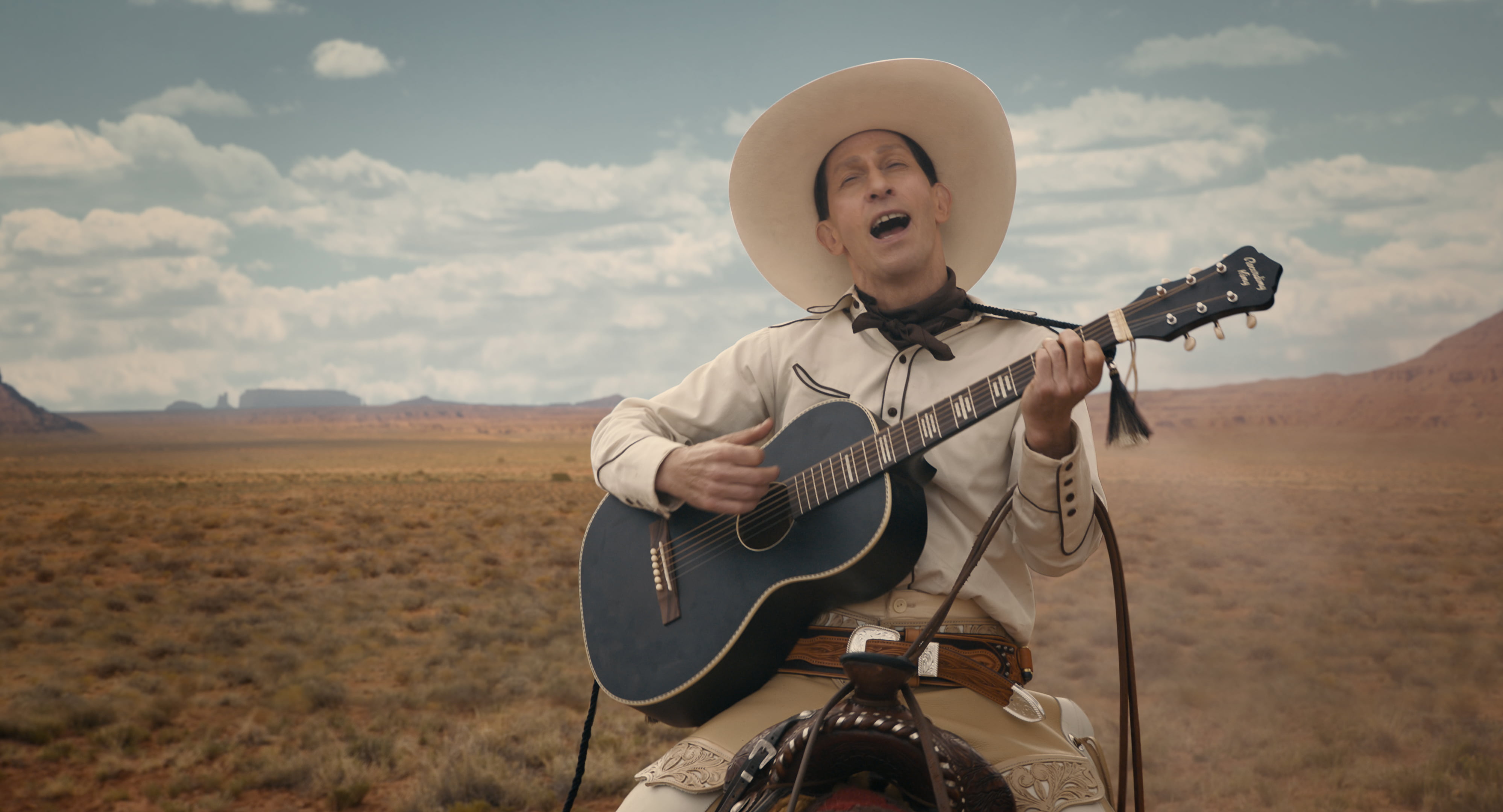
Like movies? Like yodeling? Wow, is this a big week for you. And, as it happens, for Gillian Welch and Dave Rawlings, who will be mixing it with Lady Gaga and Mary Poppins on the Oscars red carpet on Monday as Best Song nominees. If you haven’t yet seen The Ballad of Buster Scruggs, the Coen Brothers’ latest movie, then believe us that it’s worth the Netflix subscription, if only for the sight of Tim Blake Nelson singing “yippie-kay-yey” while floating through the sky with a celestial harp. Maybe it’s the fact that we’ve been bingeing on the Sergio Leone/Clint Eastwood Man with No Name trilogy this week (God bless you, Ennio Morricone), but it’s about time for a list of great songs about gunslingers. (Please note: we don’t think that shooting people is cool, or a viable alternative to an impartial judiciary.)

“Big Iron” – Marty Robbins

Robbins’s iconic 1959 album, Gunfighter Ballads and Trail Songs, is packed with sharpshooters and outlaws – from Billy the Kid, to Utah Carol, to the nameless man about to be hanged for killing Flo and her beau. Sure, it’s most famous for Robbins’s biggest hit (and Grammy winner) “El Paso.” But if you’re looking for the classic quick-draw at high-noon (or in this case, twenty past eleven), you won’t find better than the opening track, “Big Iron.” Written by Robbins himself, it’s a classic tale of good vs evil as a handsome stranger (and Arizona ranger) rides into town to bring down murderous outlaw Texas Red. If those backing harmonies – especially the incredible bass drop – don’t give you goosebumps, check your pulse. You may be technically dead.

“Gunslinger’s Glory” – The Dead South

If there’s one thing Canada’s premier punkgrassers love to write, it’s songs about Westerns. Maybe it’s because lead singer Nate Hilts’s uncle, back home in Saskatchewan, was (as he puts it) “a big ol’ cowboy”. Either way, their albums are littered with shootouts and bodies, and their high-energy, high-drama approach to performance lends itself well to the subject. This is one of their best, tackling the age-old problem of being a famed gunfighter: that everyone else wants to bring you down. Tell us about it, punks.

“The Last Gunfighter Ballad” – Guy Clark

Johnny Cash’s version – the titular track from his 1977 album – is better known than Guy Clark’s original, recorded a year earlier. But Cash’s spoken-word rendition, given with his trademark rhythmic trot, isn’t perhaps as melodious, or as affecting, as Clark’s. A simple guitar line underlies the story of an old man drinking at a bar, recalling his former life of shoot-outs in dusty streets and “the smell of the black powder smoke”, and the twist in the final chorus is a reminder that modern living isn’t without its own dangers. That’s Waylon Jennings on the harmonies in the chorus, by the way.

“When A Cowboy Trades His Spurs For Wings” – Gillian Welch and David Rawlings

Probably the best thing about the Coen Brothers’ portmanteau of short stories from the Wild West is its opening, with Tim Blake Nelson clip clopping into frame on his white horse, strumming a black guitar and singing Marty Robbins’s “Cool Water.” The second best comes seven minutes later, when Willie Watson shows up as his nemesis. The duet that Welch and Rawlings penned for the pair may be a parody of a cowboy song, but the music’s so en pointe and beautifully sung that the humour takes second place to the artistry. Also, Welch and Rawlings invented a new word – “bindling” – for the song, which has got to be worth the Oscar nom.

“Gunslinging Rambler” – Gangstagrass

There’s a fair amount of reference to guns and violence in the songs of the world’s first (and only) hip-hop bluegrass fusion band. Despite the title, and the assertion of the protagonist that “you gonna wind up another notch on my gun belt”, you realise as the lyrics progress that this one’s not actually about a gunfight, but its modern-day equivalent, the rap battle. R-SON recorded this track for their 2012 album, Rappalachia, and it contains arguably the most devastating lines on the album. “I’m not killing these guys, please let me explain/But when I’m done, there’ll be very little left of their brains.”

“Two Gunslingers” – Tom Petty and the Heartbreakers

What’s the best kind of story about gun violence? One where everyone agrees to give it up. Released in 1991 on Into The Great Wide Open, it’s a glorious moment of self-revelation that subverts both the genre and our expectations. As one of the gunslingers so eloquently puts it: what are we fighting for?


Photo courtesy of Netflix

Hayes Carll Finds His Fun Side Again on ‘What It Is’

With his new album What It Is, Hayes Carll is feeling more like his old self. … Scratch that. The Texas-bred singer-songwriter is feeling better than ever.

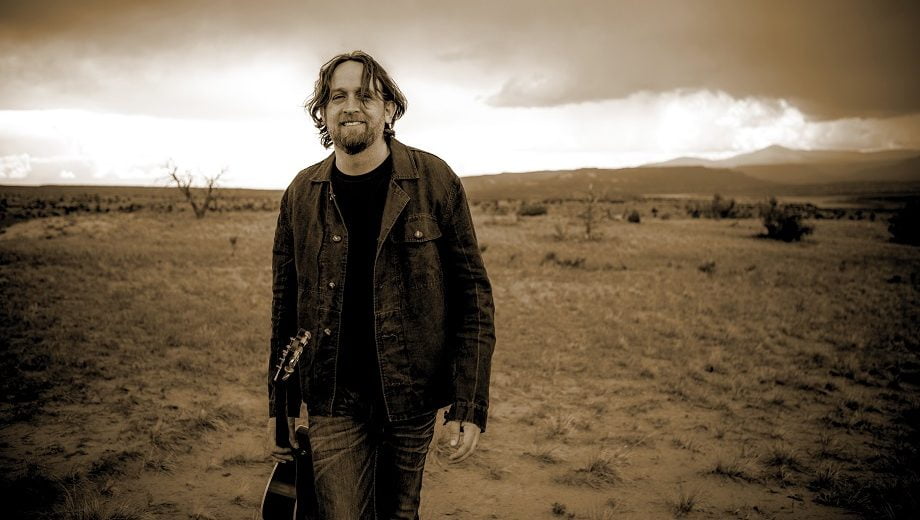
“I’m still trying to figure my life out and what I want to say creatively,” Carll explains, “but I got back to having fun.”

Hayes Carll admits he was working through a personal funk on his last album, the sparse and serious post-divorce project Lovers and Leavers. But calling What It Is the “culmination of everything I’ve done in the past,” he’s delighting in the surreal nature of everyday life once more – just like he has since 2002’s Flowers & Liquor – but doing so now with an element of hard-won wisdom. Co-produced by Carll with fiancée/fellow roots poet Allison Moorer and Brad Jones, the set features 12 free-spirited tracks that find him happy to be getting on with the business of living. He’s also leaning back into his sardonic wit and letting the full-band energy flow, as he explores the beautiful quirks of his own relationship, a society in upheaval, and most of all, what it means to really be present in the moment.

Your previous album, Lovers and Leavers, was quiet and contemplative, and you were thinking very seriously about your role as a singer/songwriter. What It Is feels more fun and irreverent, like it’s less concerned with being something specific. Why is that?

Well, Lovers and Leavers was a really specific moment in my life when I was trying to make sense of things personally and trying to find my voice creatively – I felt like I had sort of lost it and I wasn’t sure what I was doing anymore. … Since that record was recorded, a lot of life has been lived and I’m not quite in the same spot. I felt a little like a turtle stuck in my shell at that time, and now it’s like I’m starting to come out a little bit again and just relax.

Feeling lost creatively must be terrifying as an artist.

I think I was just not tuned into my life, and one of the themes on [What It Is] was finding that connection. The idea of life passing me by. I just turned 43 last week, and by all measurable metrics I have an incredible life. I knew that, but I wasn’t happy – I was disconnected and feeling dissatisfied. With this record, I feel like I’ve come out on the other side. I don’t have all the answers, but I’m in a much better place.

What do you think changed?

It’s just life. For me a lot of what comes out creatively has to do with what’s happening in my life, and what’s happening in my life is I’m in a solid relationship with a woman I love, who’s also at times my creative partner. Plus I’m feeling more connected in general with the world around me, and feeling able to observe and comment on it because of that.

That’s clearly the theme of the album’s title track, and I love its chorus hook – “What it is, is right here in front of me / And I’m not letting go.” When did that hit you?

I started to write a song called “What It Is, What It Was, and What It Will Be,” and it was a totally different vibe. I took it to Allison and asked her if she would help me sort it out because I just wasn’t landing it in a meaningful way, and she pointed out what now seems obvious to me – which is what we came up with in the chorus. What happened in the past is gone and you can’t change it. The future is out of your control, and what we have is what you’re experiencing right now. Going back to the dissatisfaction I was feeling, that had a lot to do with that – I think I was not present for a lot of my life and I missed a lot of it. That’s what I’ve been working on changing.

You worked closely with Allison on this – since she was not only a co-writer but also a co-producer. Can listeners hear the contribution she made in the studio?

Yeah, she co-wrote six or seven of the songs and she sings on four or five of them, so she’s all over the record in that way. But just having written these songs with Allison and having conversations all the time about where I wanted to go creatively, I thought nobody would be a better translator for that than she could be. That’s never been my comfort zone, and even speaking the language has never been something I excelled at.

It’s challenging for me, but it’s one of her strengths – being able to hone in on something she picked up from hearing me play the stuff, or even hearing me pontificate about what I want to do in a way that sounds like drivel to most people, then take it and turn it into a coherent point and set of instructions. That was one of the big reasons I wanted her to be a co-producer, and the other was I really respect her taste musically.

Has working together with Allison changed your songwriting at all?

We have different styles and strengths. She’s really disciplined and gets her work done on schedule, and is in the chair every day and gets to the point. I can take years to finish a sentence and can be all over the place, vaguely searching for some mythical feeling. She’s certainly poetic but can be really practical in getting down to the craft of the song. So I love that. When we work together I think the whole ends up being greater than the sum of the parts.

“Jesus and Elvis” has that classic Hayes Carll feel to me – it’s clever and vivid and conversational, but also built on a really poignant story. Where did you hear that story to begin with?

I wrote that with Allison and Matraca Berg, and Matraca had the title. She goes “I’ve been thinking about this title ‘Jesus and Elvis,’” and it immediately reminded me of a bar I hung out in in Austin. I’ve since found out this story is not actually the real story, but at the time I had convinced myself it was. [Laughs] This bar has Christmas lights up year-round and a jukebox in the corner with nothing on it past 1968, and I had heard it was because the bar owner’s son went off to fight in Vietnam at Christmas time. She promised she wouldn’t take the lights down until he came home, but he never did, so that’s why they’re still up all these years later.

The album starts with “None’Ya,” which is your first #1 single on Americana radio, and it seems to be very much about your relationship with Allison. It’s a tender song, but in a flirty, teasing way. Is that how you guys really are together?

[Laughs] Well, somewhat. Everything in there is pretty accurate with the exception of the first verse – I can’t remember what I asked Allison, but it wasn’t “Where have you been?” Anyway she just said “none’ya,” and that was the first time I had heard that. She’s from South Alabama and has her own language that leaves me scratching my head sometimes, and “none’ya, tend’ya, mind’ya” is one of her things, like “none of your business, tend your business, mind your business.” I thought “Man, I’ve gotta get that in to a song somehow,” but I didn’t even really think of it being about her at first.

So I spent a lot of time with it, and I had a guitar lick and verse but didn’t know where to go with it. I was sitting there at the table and she walked by and asked me what I was doing, and I said “Trying to finish this song, I think it’s about you and me.” And she just said, “Why don’t you tell them I painted the porch ceiling turquoise to keep out the spirits, and about how we pretend we don’t know each other on airplanes?” She didn’t even sit down, she just walked by and went, “You big dummy, why don’t you just tell them what we actually do?” So of course I went and did that.

You’re also doing some social commentary with tracks like “Fragile Men,” “Wild Pointy Finger” and “Times Like These,” and it’s not like you’ve never done that before, but does it feel different getting political in these hyper-polarized times?

It’s a strange place to be to question whether it’s OK to share your beliefs as an artist, because on one hand that’s your job. But on the other hand there’s a significant chance you’ll lose a portion of your audience should they not agree with you. I hate to have to think about that, but having said it, I don’t really care anymore. [Laughs]

We wrote a song called “Fragile Men” which originally was just about patriarchy, but a week after we started writing it, Charlottesville happened, so I got back together with my co-writer, Lolo, and we finished it with that in mind. Rather than shout about how angry and horrified we were about what happened with these white nationalists and Neo-Nazis and Klansmen, we figured the best way to get out what we were feeling was to make fun of them – to have this faux sympathy for how hard it must be to be a white male in America and how unfair it is that they have to NOT burn crosses.

Anyway, Lolo recorded a demo version and made a quick YouTube video, and I got I-don’t-know how many thousand comments about it, but a lot of them were attacking ME for attacking Nazis [Laughs]. It blew me away! Like, “At what point did we become a country where it’s divisive to make fun of Klansmen?”

We’re closing in on 20 years since your debut album came out. What do you think you’ve learned in that time about life, your work and just being happy? It seems like that’s what the album is getting at.

Exactly. For me this record is a culmination of the 17 years of recorded work and the 20-years plus of playing music for a living. It’s about not living in the past and not trying to control the future, but just trying to experience what’s happening. What I’ve learned is you get one pass, and I’m never gonna be younger than I am at this moment. There’s never gonna be a day where everything falls into place, it is what it is at that moment. That’s been my takeaway over all this time. … That, and too much bourbon and not enough sleep is a bad combo.


Photo credit: David McClister

LISTEN: Vandoliers, “Tumbleweed”

Artist: Vandoliers
Hometown: Dallas-Fort Worth, Texas
Song: “Tumbleweed”
Album: Forever
Release Date: February 22, 2019
Label: Bloodshot Records

In Their Words: “I wrote ‘Tumbleweed’ for my father. The poor guy’s has to watch me struggle for a dream he doesn’t really understand — I travel too much, and I know it affects my health and my family. When I get home I’m a wreck most of the time; I’m tired from the long drives, late nights, and spending a month in a different bar or festival every night. But it’s a necessary evil when you’re a mid-level band that’s still cutting its teeth. The album Forever starts with a feeling of wanderlust in the lead track ‘Miles and Miles,’ about a dream of leaving my home town in hopes that I won’t be stuck in the same place the rest of my life. ‘Tumbleweed,’ then, is my return home song — but told from the perspective of my Dad, opening the door to see his son for the first time in months, beat up, broke, and tired from a long adventure. ‘A littler older and no wiser for the wear.” – Joshua Fleming, lead singer/guitar


Photo credit: Mike Brooks

Kacey Musgraves is Country’s Queer Icon, but These Roots Artists are Actually Queer

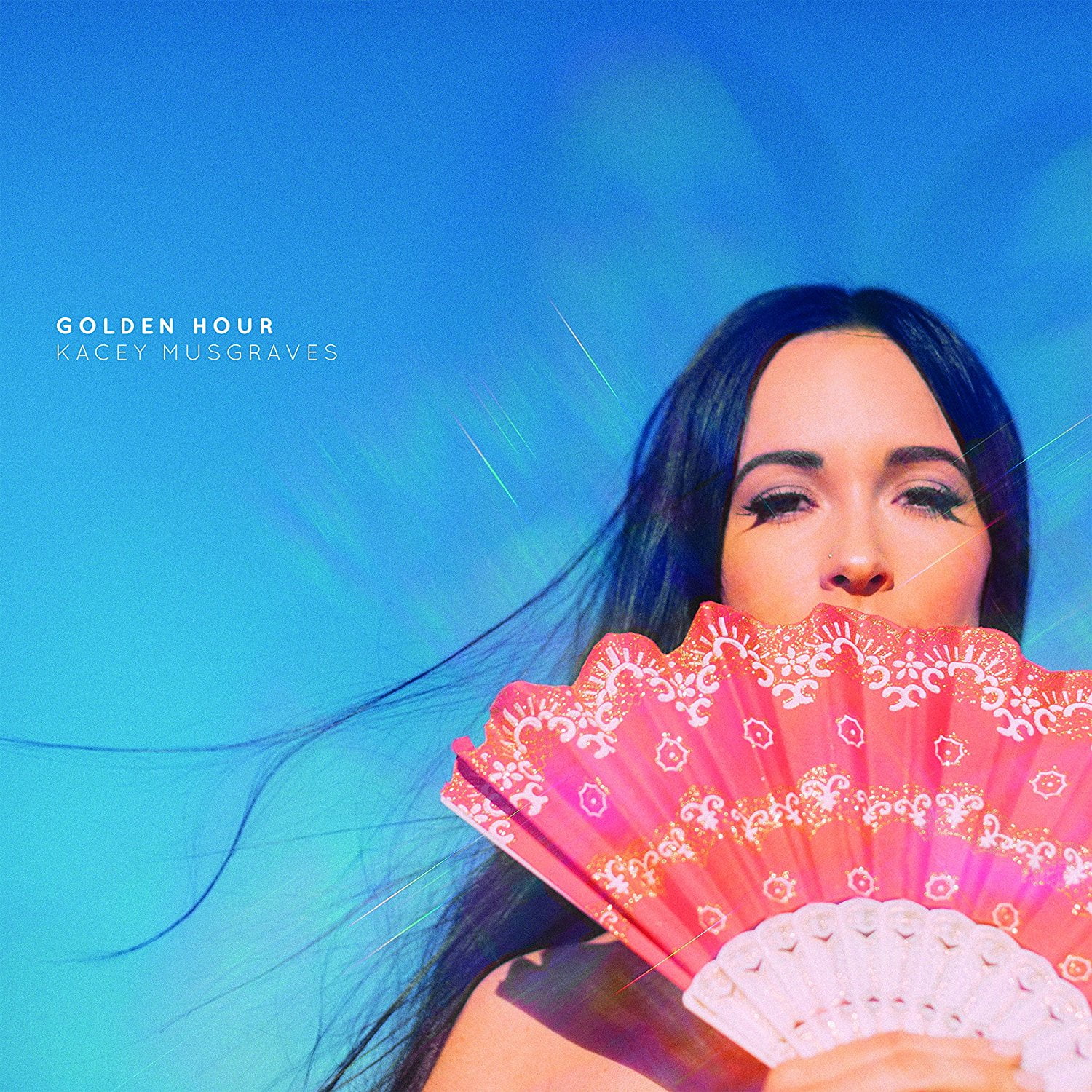
Kacey Musgraves’ dominance during Sunday’s 61st Annual Grammy Awards has certainly solidified her place as country music’s newest queer icon. She offered simply stunning, near-perfect performances during the primetime broadcast and took home four trophies: Best Country Solo Performance, Best Country Song, Best Country Album, and one of the most prestigious awards of the night, Album of the Year. So-called “Gay Twitter” devolved into a tizzy as the show unfolded through the afternoon and evening with Musgraves decidedly at the top.

Said Album of the Year, Golden Hour, saw a critical mass of LGBTQ+ fans embracing Musgraves’ music, but her relationship to the broader gay community has been percolating since her debut album, especially given its overt “Follow Your Arrow” message. All combined, her eye for gratuitous-yet-effortless glamour, her acid-steeped, anime-meets-California-meets-trailer park aesthetics, and her singular, pop-influenced countrypolitan sounds are gay country manna from heaven. And it’s not just in the music. This year, she made an appearance as a guest judge on VH1’s RuPaul’s Drag Race All Stars and she routinely advocates for LGBTQ+ fans and their causes on her social media feeds.

To be sure, Musgraves fits the diva-idolized-by-gays criteria impeccably, but there’s a certain passive erasure that can occur when fans consciously or subconsciously become myopic in their praise of and infatuation with straight, cisgendered, female artists. It’s true that Musgraves has played an important role in expanding country music’s borders — musically, socially, and otherwise — but at the same time a burgeoning community of LGBTQ+ writers, artists, musicians, and creators are carving out their own space within country, Americana, folk, and even bluegrass and old-time.

This writer would never go so far as to suggest that one ought not squeal with delight at Musgraves’ fierce-as-fuck costumes, her tear-jerking solo performance of “Rainbow,” or her impossibly long and flowy Cher-callback, bump-it wig. Rather, if you love Kacey Musgraves and Golden Hour — because queer identities can be seen and reflected within her work, because she opens the door to the idea that country isn’t a forbidding place for these identities, and/or because she’s unabashed and unapologetic in her pursuit of these goals — you’re going to love these eleven badass, talented, inspirational, openly queer roots musicians, too.

Time to get stanning:

Brandi Carlile

After last night’s show this name should no longer need mentioning or introduction, as Carlile and her twin collaborators, Tim and Phil Hanseroth, absolutely brought down the Staples Center with one of the most moving performances of the night, the soaring, galvanizing, overtly queer, and now Grammy-winning masterpiece, “The Joke.” Carlile is openly gay, married, a mother of two daughters, and a tireless voice for representation and progress in Americana and its offshoot genres. If “The Joke” resonates with you (i.e. if it makes you sob uncontrollably, as it does this writer), check out “That Wasn’t Me,” “Hurricane,” and, of course, “The Story.”


Mary Gauthier

Gauthier’s latest, Rifles & Rosary Beads, was nominated for Best Folk Album this year and though it didn’t take home the prize, the album has received universal acclaim for its message of hope, empathy, and visibility for members of our armed services and the struggles they face during and after their service. Gauthier collaborated with veterans of the military in writing all of the record’s heart wrenching, honest, raw songs — which might seem counterintuitive given gays’ historically tenuous relationship with the military writ large. But Gauthier’s own life story, and the trials she’s faced, make her the perfect writer to prioritize empathy above all else in these songs.

Don’t sleep on the rest of her discography, though. The simple profundity of her writing is consistently awe-inspiring. Check out “Mercy Now” after you’ve given Rifles & Rosary Beads a listen.


Karen & the Sorrows

Jewish New York City native Karen Pittelman may seem like an unlikely frontwoman of a country band, especially when you factor in her past punk and queercore experiences, but it turns out she grew up bathed in the country compilation albums her father produced and sold for a living. Her voice recalls country mavens of bygone eras — it’s delicate yet powerful, with a pin-up girl quality that’s as subversive as it is natural. Also check out “Take Me for a Ride,” a Pittelman original that plays like a trad-country, queer version of Sam Hunt’s smash hit, “Body Like a Back Road,” but without the cheese.


Little Bandit

All of the hollerin’, barn-burning, hell-raising country soul of your favorite outlaw country rockers, but with lacy gay edges, Little Bandit (AKA Alex Caress, et. al.) is as honky-tonk as it gets. It’s a beautiful balancing act, presenting as an impossibly big-voiced, piano-smashing, charismatic frontman while singing male pronouns without hesitation. He leans into a beautifully paradoxical queerness that equally embraces diamonds, Waffle House allusions, platform shoes, and plain ol drinkin’. If you like it — and you will — check out “Diamonds,” too.


Sarah Shook & the Disarmers

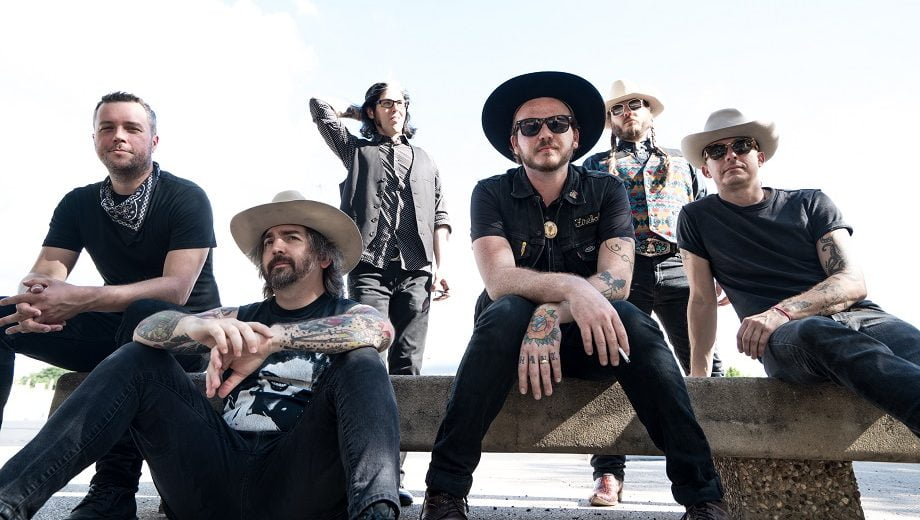
Outspoken outlaws in a crop of alt-country artists who align with that eponymous country movement of the 70s, Sarah Shook & the Disarmers are a road-dogging band that would seemingly fit that mold, excepting Shook’s deliberate efforts to challenge the inherent heteronormativity of country music at every turn. For Shook it’s not necessarily about having a political message, as she put it in a 2018 interview with BGS, “I feel like doing what I’m doing — touring relentlessly, putting out records, and being unapologetically myself — is a very powerful and political maneuver as well… I’ve never been concerned about that because I feel it’s important to be honest and forthright as a human being, and as an artist and certainly lyrically as well.”


Indigo Girls

Both Amy Ray and Emily Saliers — the two halves that make up the absolutely iconic Indigo Girls — have released solo albums in the past year, both of which draw heavily on folk, Americana, and country influences. This should be no surprise to even the most casual IG fans. Banjos, mandolins, ukuleles, and so many other hallmarks of roots music have been integral to the Indigo Girls’ sound all along. But the songwriting, devastating and personal and oh so very real, is the real takeaway from both projects.


kd lang

This list might as well not exist if it excluded kd lang. Before her crossover to more mainstream genre designations, kd pretty much originated the role of badass queer making unimpeachably trad country music that refused to shy away from its queer touchpoints. Just take a look at this video! “Honky Tonk Angels,” sung with Loretta Lynn, Brenda Lee, Kitty Wells, and finally, kd in all of her butch, gender-bending, binary-eschewing glory — complete with a Minnie Pearl cameo! Country has always been (more than) a little queer, y’all.


Lavender Country

A man well, well ahead of his time, Patrick Haggerty (AKA Lavender Country), released his debut, self-titled album in 1973. It was a groundbreaking work, but the world, let alone the country music community and its commercial machine, were not ready for it. A Seattle DJ was fired for playing “Cryin’ These Cocksucking Tears” on the airwaves, only one thousand copies of the album were printed, and the band was relegated to performing exclusively at LGBTQ+ events and programs. But, despite being largely shut out of the industry, Haggerty and Lavender Country never ceased. In 2018, at the age of 74, Haggerty took part in AmericanaFest’s very first queer-focused showcase.


Amythyst Kiah

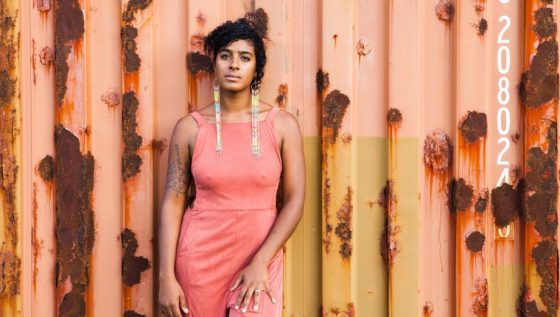
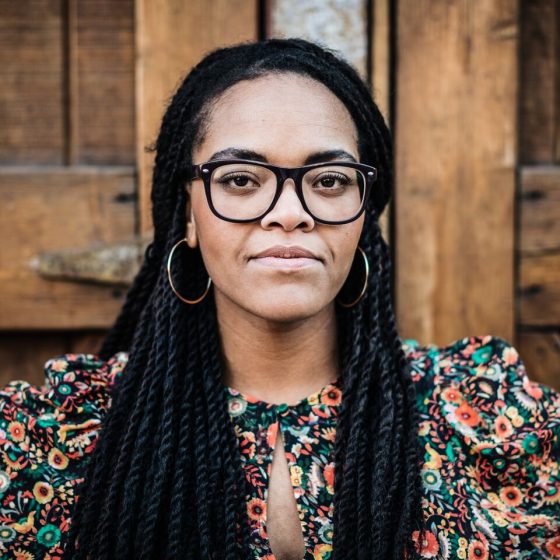
Amythyst Kiah’s booming, captivating voice, and her haunting, Southern gothic approach to Americana, bluegrass, and old-time set her apart from almost anyone else on the scene at this moment. Her reimagination of Dolly Parton’s magnum opus, “Jolene,” is a perfect example of how she carefully turns tradition on its ear. Based in East Tennessee herself, she draws on the rich musical heritage of the region, adding her own spin, creating space to allow herself to soar. And there’s plenty more soaring in her future, as she has opened shows for artists such as Rhiannon Giddens and Indigo Girls across the country and in Europe, and her collaboration album with Giddens, Allison Russell (Birds of Chicago), and Leyla McCalla, Songs of Our Native Daughters, is set to drop February 22.


Alynda Segarra

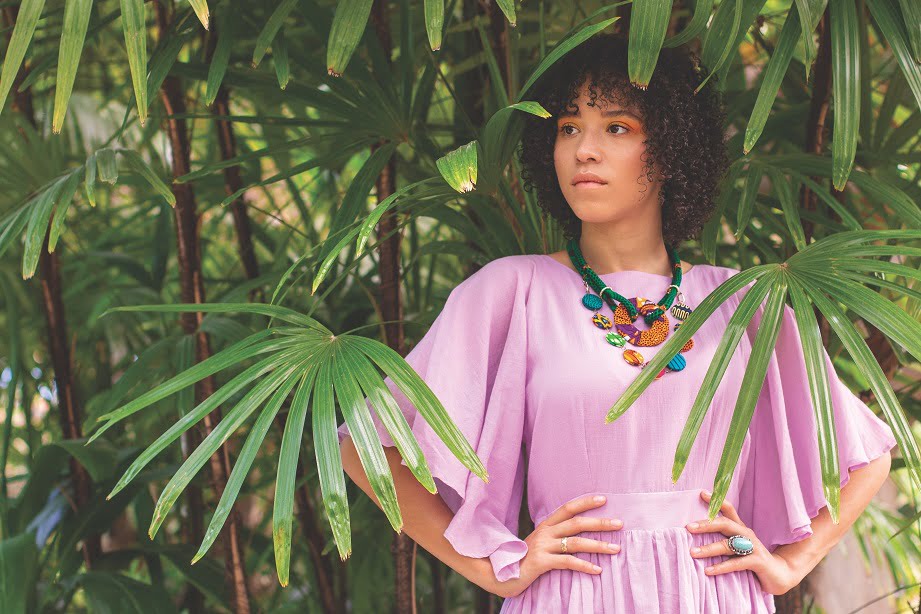
Singer/songwriter, activist, and Hurray for the Riff Raff frontwoman Alynda Segarra entrances with The Navigator, a concept project that focuses on the life and times of a fictitious Puerto Rican youth living in New York City. Themes of immigration, identity politics, displacement, disenfranchisement, and capitalistic overreach are threaded throughout the album, which offers its songs as tableaus of this girl’s — Navita’s — reality. It’s a stunning reminder that the intricacies and nuances that define us, and by doing so, separate us, are not so difficult for us to overcome with empathy and understanding. “Pa’lante!” (which translates to “forward!”) is the album’s battle cry, a song that turns utter despondency, grief, and a sore lack of humanity into a glimmer of hope.


Trixie Mattel

While almost all other drag queens who delve into the music scene release dance tracks, rap albums, or similar club-ready jams, Trixie Mattel (AKA Brian Firkus) draws upon her rural Wisconsin roots on two folk-adjacent, country-ish albums, Two Birds and One Stone. (Get it?) This isn’t just an opportunist attempt to punch up Trixie’s Dolly Parton-esque, country barbie aesthetic, she’s really got the chops. Not only is she a talented humorous-while-poignant songwriter, her technical skills on guitar and autoharp (yes, autoharp) are precisely honed to showcase her original music. This is no gimmick — though the Doves in Flight Gibson guitar and the custom, pink d’Aigle autoharp are jaw-droppingly perfect additions to Trixie’s lookbook.
 

16 Stories to Celebrate Black History Month

We’ve said it before, but it bears repeating: black history isn’t just American history, it’s American roots music history — they are inseparably intertwined. As such, one month out of the year simply cannot do this cause justice. To mark the occasion we’d like to travel back over a year’s worth of writing and reporting to revisit just a few of the incredible black artists, creators, and activists whose indispensable perspectives and awe-inspiring work moved us.


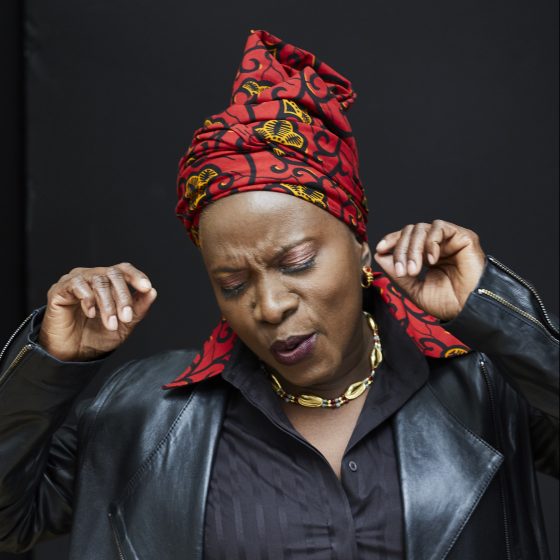
Angelique Kidjo’s reimagining of the Talking Heads’ landmark album, Remain in Light, was not only one of our top albums of 2018, it was the subject of an exhaustive deep dive for an edition of our Small World column, which points out the stunning amalgamations and consistencies that made the record a perfect vehicle for Kidjo’s singular talents and sensibilities.


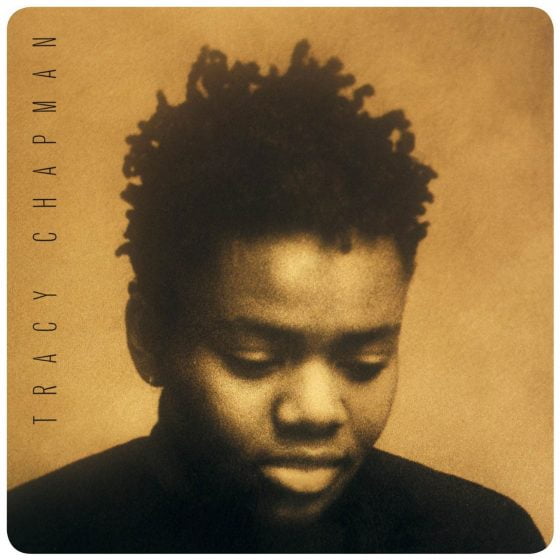
For Canon Fodder, we examined the remarkable success of Tracy Chapman’s self-titled, debut album. In 1988, Chapman appeared as the culmination of pop’s newfound social engagement, and the record captures the sound of a young artist clinging to her optimism, even in the face of so much cynicism.


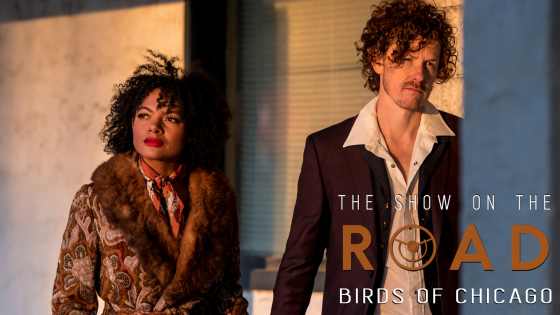
Our inaugural season of The Show On The Road, hosted by The Dustbowl Revival frontman Z. Lupetin, included many black voices, including husband-and-wife duo, Birds of Chicago. Their special brew of soulful rock and roll and goosebump-raising secular gospel is a much needed shot of pure positive energy.


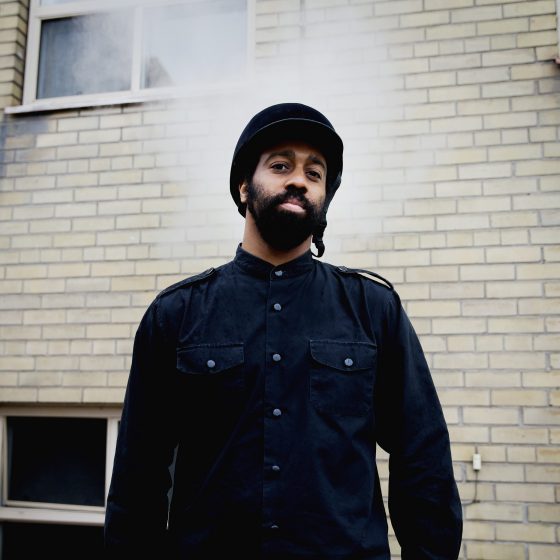
Alt-folk singer/songwriter AHI answered five questions and gave us five songs to go with them in an edition of BGS 5+5 that touches on Bob Marley, Thunder Bay, and oh so much more.


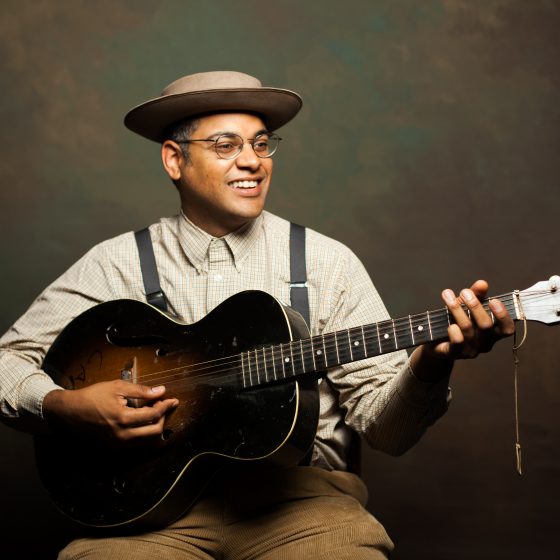
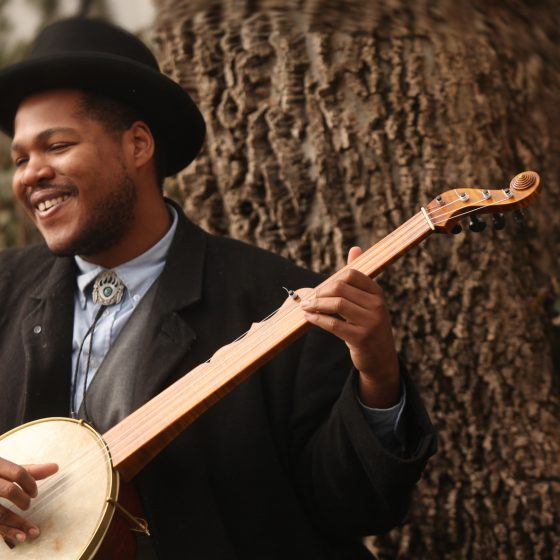
Writer, storyteller, historian, and songster Dom Flemons released Black Cowboys in 2018, an album whose depth and breadth rivals that of a museum exhibition. For our Shout & Shine interview he unpacked the forgotten histories and untold stories of black identities that shaped the American “Wild West,” and thus, the country as a whole.


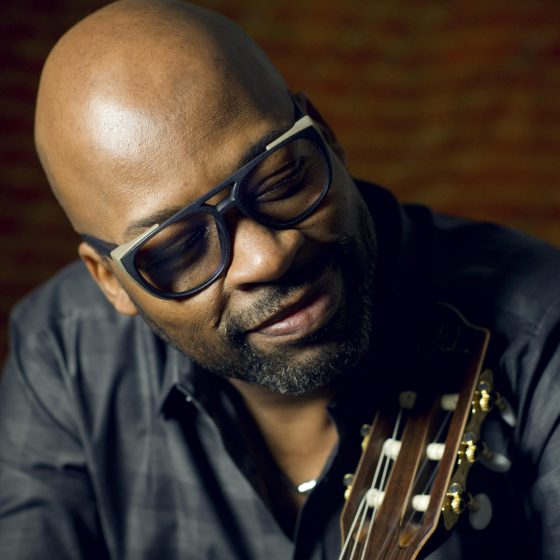
The Journey, the latest album from Benin native, guitarist Lionel Loueke, tells stories of migration historic and modern, with musical textures and flavors that demonstrate our world — musically, culturally, and otherwise — is entirely interconnected. We featured Loueke in our Small World column.


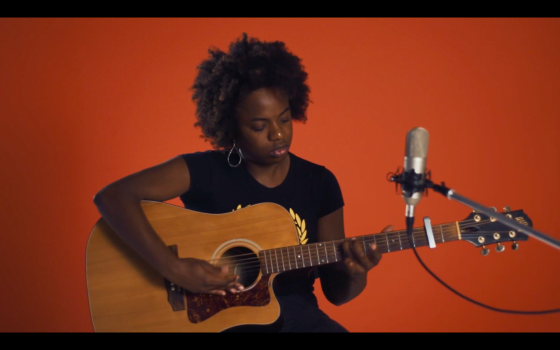
Guitarist and songwriter Sunny War gave us a stripped-down, stunning rendition of “He Is My Cell” for a Sitch Session, showcasing her unique picking approach and the complicated emotions channeled through her writing.


Kaïa Kater’s most recent album, Grenades, was an exercise in self-love and self-learning. Our Cover Story unpacks how the project spans generations, hemispheres, and textures, and left the singer-songwriter “swimming in her own shadow.”


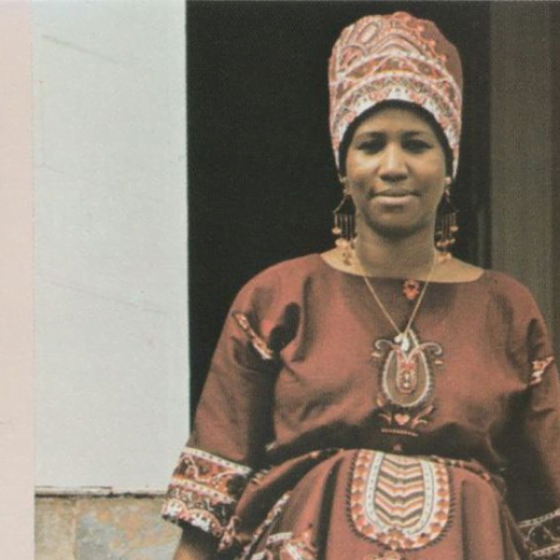
In 2018 we lost one of music’s brightest lights and most ethereal talents when Aretha Franklin passed. We did our best to tribute her everlasting legacy by diving into her best-selling album, Amazing Grace, for an edition of Canon Fodder.


Americana duo Nickel&Rose premiered their EP, aptly titled Americana, on BGS after being inspired by touring across Europe, noting the way international audiences reacted to and consumed American roots music. They offer their own personal musings on perseverance, loss, and compassion without empty promises that everything is going to be okay.


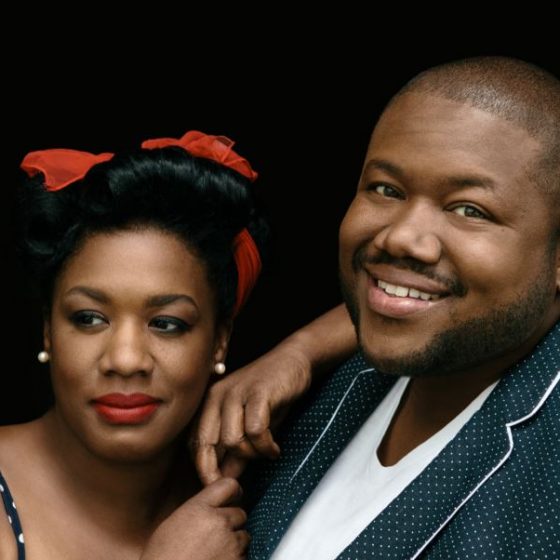
Charismatic, dynamite performers the War and Treaty (AKA Michael Trotter Jr. and Tanya Blount) told us the stories that led to the making of their latest album, Healing Tide — from the beginning, with a piano in Saddam Hussein’s palace basement, to the pair meeting at a festival, to the present, as their music and mission of love gain steam across the country.


In another edition of Small World, we take a look at cellist and songwriter Leyla McCalla’s brand new album, The Capitalist Blues, and the myriad themes and influences from around the globe that went into the writing, production, and execution of the songs and stories therein.


Gospel singer/songwriter Liz Vice balances intensely personal experiences with universal ideas like the Golden Rule on her album, Save Me, and our conversation with Vice gets into the nitty gritty of that balance and the personal growth and reckonings behind it.


Jerron “Blind Boy” Paxton made his case for why down home blues and old-time American music are not simply relics of bygone eras in his Shout & Shine interview. He is not merely a preservationist mining bygone decades for esoteric material or works that fit a certain aesthetic or brand. He simply takes music that is significant to his identity, his culture, and his experience and showcases it for a broader audience.

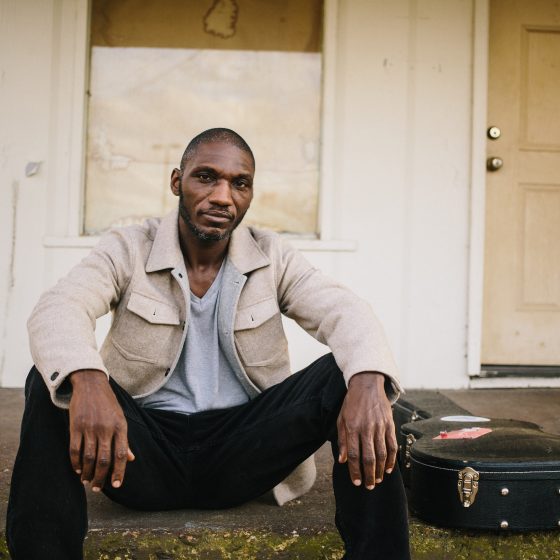
Host Craig Havighurst spent some time with Cedric Burnside on his podcast, The String, where they discuss the blues, soul, and regional folk’s growing influence and representation within the Americana community — as well as Burnside’s own commitment to the spread of Hill Country blues.

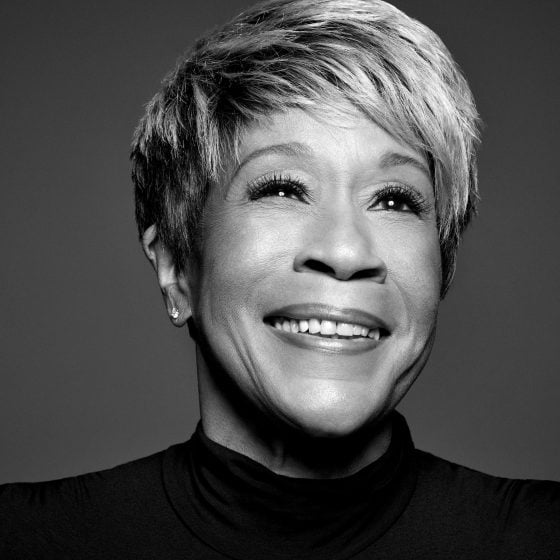
Legendary song-interpreter Bettye LaVette’s first major label release since 1982 focused on the work of one artist and songwriter, who just happens to be Bob Dylan. In our interview LaVette gives us a frank and engaging peek inside her mind: “Oh, honey, I am 72 years old. I basically don’t give a fuck. Nothing at this point wears me down. I know that all of this going on right now, either it’s going to pass or we’re going to pass.”


Photo of Kaïa Kater: Raez Argulla

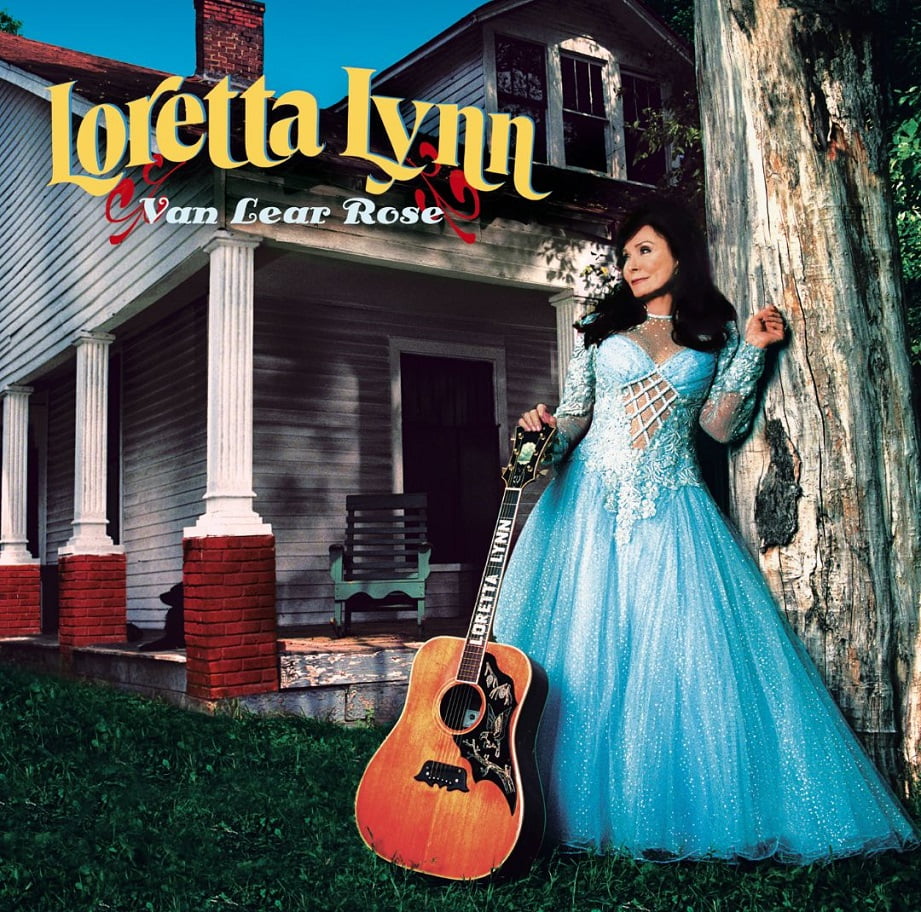
Canon Fodder: Loretta Lynn, Van Lear Rose

I want to tell you about one of the saddest songs I’ve heard. “Miss Being Mrs.” is a short, acoustic plaint near the end of Loretta Lynn’s 2004 blockbuster Van Lear Rose, famously produced with fanboy aplomb by Jack White. “I lie here all alone in my bed of memories,” she sings quietly, as though she had no other audience than herself. “I’m dreamin’ of your sweet kiss. Oh, how you loved me.” As White strums out a gentle and deeply sympathetic guitar theme, Lynn moves her wedding ring from her left hand to her right, confessing she misses her husband, misses the warmth of his body in the bed next to her.

Lyrically, it’s a tearjerker, with a set of lyrics as direct and as melancholy as Lynn has ever written. The predicament she describes is familiar but insoluble: something that will never change, something she must simply endure until the morning. Anyone can relate to the song, whether their partner has gone off to the great beyond or simply away on a business trip. Longtime fans, however, will easily identify the song’s subject as Oliver Lynn, better known as Doolittle or simply Doo and best known as her husband of 48 years. “Miss Being Mrs.” is a powerful bit of punctuation to their very public, very tumultuous marriage, which informed so many of her songs. The fact that she misses him so much subtly shifts the story of their marriage away from his indiscretions and underscores the many years of support and security, not to mention the large family they created together.

Mostly, though, “Miss Being Mrs.” sounds so epically sad because it’s Loretta Lynn singing it. Lyrics and backstory aside, she delivers those lines with tenacity and grace, as though she understands that her grief over Doolittle’s death in 1996 had given way to a lingering want. It’s a song about sex (a subject she never shied from addressing), about love, about security, and ultimately about the realization that all of that is gone–nothing but a memory at this point in her life. That is not necessarily a part of the song as it is written, but it is the dominant theme of the song as it is sung.

Even into her seventies, Lynn remained one of the finest vocalists ever to top the country charts, and there are so many moments that remind you what a formidable presence she is. On “Mrs. Leroy Brown” she kisses off an unfaithful husband with news of his overdrawn bank account: “”I just drawed all your money out of the bank today/ Honey, you don’t have no mo’.” It’s the way she says those last two syllables — with mock concern and very real glee — that sells the song as an empowerment anthem for wronged women everywhere. On “Story of My Life” she enumerates her sixth pregnancy with a hearty chuckle, as though she’s the gossip next door rather than the country superstar that she is.

Fan that he is, White produces Van Lear Rose to emphasize her performances over everything else. He assembles a loose band that includes members of the Cincinnati band the Greenhornes and would later record with White’s side projects the Raconteurs and the Dead Weather: Bassist Jack Lawrence and drummer Patrick Keeler prove an agile rhythm section, and of course White himself is an inventive guitarist. There are moments when that original conception of the album comes through, especially on the rockabilly rave-up “Have Mercy,” which is as much a showcase for his riffing as it is for her singing. He only sings on one song, the drunk-lovin’ story-song “Portland, Oregon,” where they play a pair of lovers who bond over pitchers of sloe gin fizz. He’s 28 and she’s 72, yet Lynn sounds like she’s about to eat him alive.

“This is gonna shake ‘em up,” Lynn would say in the studio, clutching White’s hand as they listened to a song they had just recorded together. She predicted great things for her 39th studio album, and she wasn’t wrong: It peaked at number two on the country album charts and nabbed two Grammys, including Best Country Album and Best Country Collaboration with Vocals. More than that, she knew she was doing something very different, something that her fans might not expect from her. They recorded the album in just under two weeks, recording on an eight-track recorder to keep things elemental, straightforward, “as real as possible,” White told CMT, “because that’s what Loretta Lynn is.” It was her first album of originals in decades, and it would take her more than a decade to follow it up with the underrated Full Circle in 2016 and Wouldn’t It Be Great in 2018.

Van Lear Rose did and didn’t shake ‘em up. It was Lynn’s best-selling album in decades, scoring rave reviews from publications that didn’t always cover country music. It was a bigger hit outside of Nashville than inside. It didn’t shake up the industry, but almost nothing does these days. What it did was shake up the expectations we have of older country artists. Van Lear Rose arrived exactly ten years after Johnny Cash released American Recordings, still the benchmark for late-in-life country comebacks. But each volume in that series sound grimmer and more mortally resigned than the last, such that the final albums sound like deathbed confessions. It’s a powerful series of albums, albeit a bit dreary. Lynn isn’t having any of that. She was 72 when she made Van Lear Rose, a year older than Cash when he died, yet death is barely on her mind.

Instead, her truest subject–on this and any other album she’s ever released–is life. Specifically, her own life. The coal miner’s daughter has always made hardscrabble art from her own autobiography, which nary a hint of self-pity or dread. She’s far too irrepressible a personality to let songs like “Little Red Shoes” or “Story of My Life” become grim farewells. They’re not poignant because we know they’re being sung by a woman with more years behind her than ahead. Rather, they’re poignant precisely because that’s how she sings them.

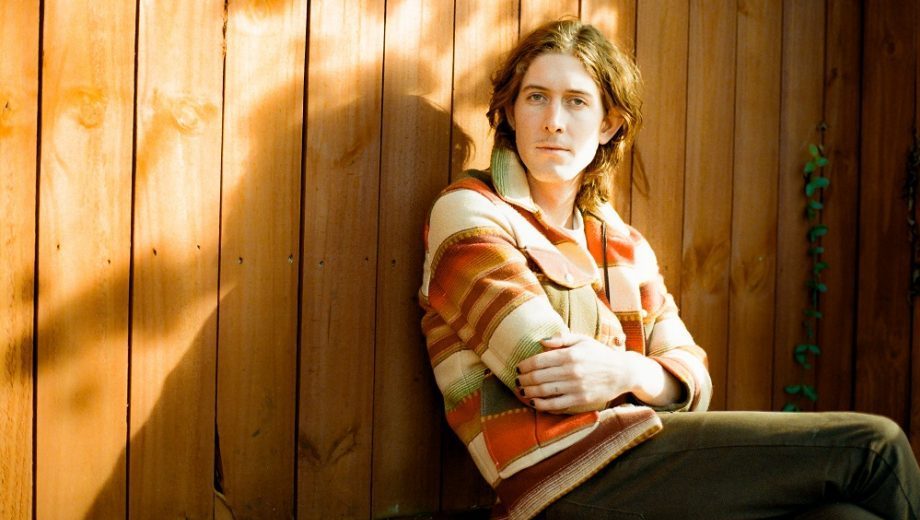
BGS 5+5: Cale Tyson

Artist: Cale Tyson
Hometown: Nashville, Tennessee by way of Fort Worth, Texas
Latest album: narcissist

What’s your favorite memory from being on stage?

This is going to sound self-deprecating, but my favorite show of all time was at this dumb barbecue restaurant in Kentucky. It was the first show of a three-week tour and I had assembled my favorite band of musicians. We rehearsed a ton beforehand and I was promoting the hell out of the tour for weeks leading up to it. Anyway, the barbecue restaurant was the first show. We were supposed to play for like an hour and a half, and about 30 minutes into our set, the sound guy came up to the stage and was like, “guys, no one is here…just stop playing.” So we did. I could immediately tell that the tour was going to be a major success.

What’s the toughest time you ever had writing a song?

Every single song I’ve ever written has been a tough time. I honestly have no idea how anything of substance ever comes out. Every time I sit down and write a song that I’m somewhat proud of, I’m like absolutely floored. I don’t understand how it happens. Then, I proceed to freak out and convince myself that it’ll never happen again and that was the last song I’ll ever write. Fast forward a few days, weeks, or months, and somehow it happens again…fingers crossed.

What rituals do you have, either in the studio or before a show?

Before a show, I like to drink a bunch of herbal tea and use a Neti pot, then completely counteract that with beer, tequila, and some shitty food from my rider. I’m working on getting better at this.

Since food and music go so well together, what is your dream pairing of a meal and a musician?

Obviously, this would be Mark Kozelek (Sun Kil Moon) and a nice bread bowl of tomato soup from Panera Bread. I like to imagine that Mark eats at Panera as much as he mentions it in his songs. Panera sounds really good right now actually.

How often do you hide behind a character in a song or use “you” when it’s actually “me”?

I used to do this a lot, but lately I’m pretty transparent about it. If there’s a character in my song, there’s about a 95% chance the character I’m referring to is myself…or at least shares some essential qualities with me. I think my biggest personality flaw is oversharing brutal details of my life, but I’m working on convincing myself that it’s good for my songwriting.


Photo credit: Bridgette Aikens