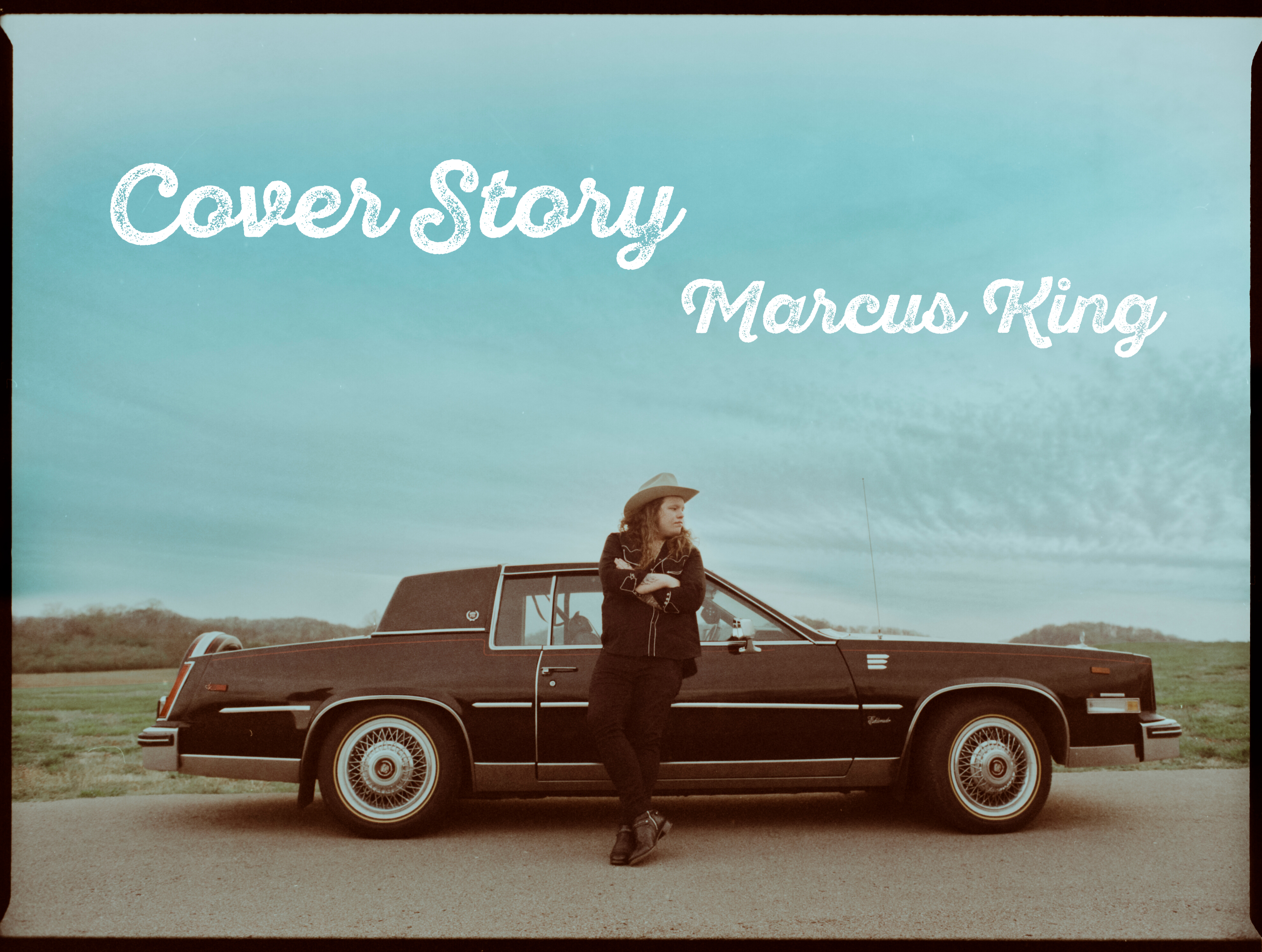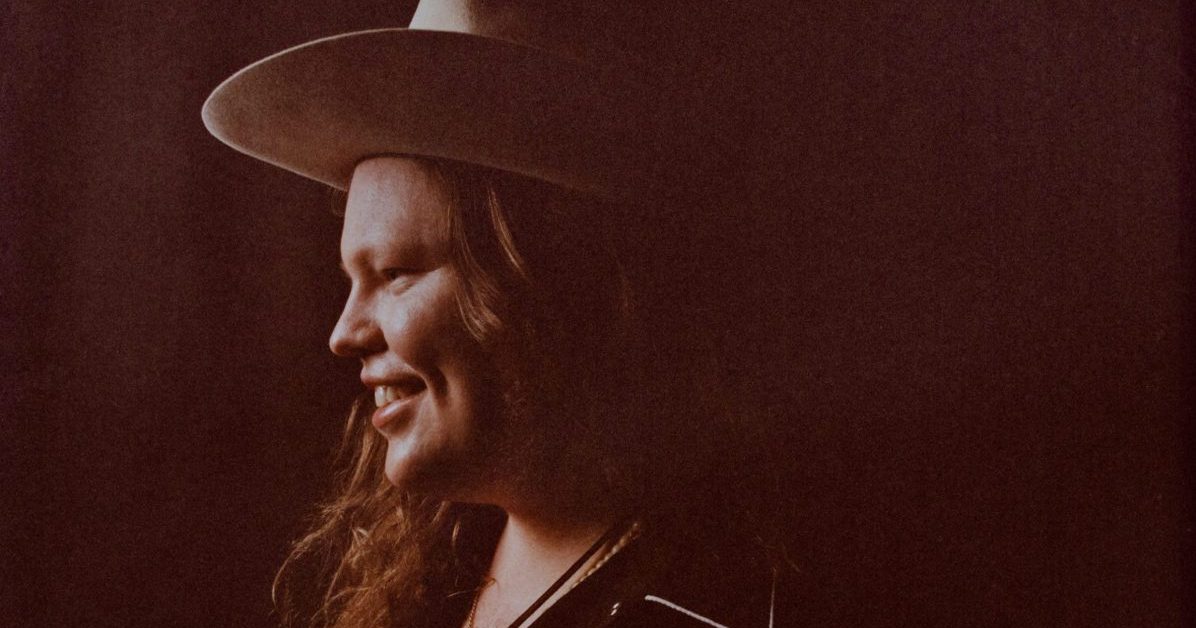
With a Country and Soul Groove, Marcus King Drives ‘El Dorado’ to the Grammys

Thanks to a Grammy nomination for Best Americana Album, Marcus King is getting a second chance to make a first impression.

At the dawn of 2020, he’d been poised to become a breakout star in roots music, able to deliver an electrifying show with the soul chops to match. After three albums billed as The Marcus King Band, his solo debut record, El Dorado (produced by Dan Auerbach), received positive notices just about everywhere, including BGS. But as the year unraveled, so did his touring plans. In response, he turned his attention to songwriting, ended up booking some socially-distanced shows at drive-in movie theaters, and even landed a spot on The Tonight Show With Jimmy Fallon. And with attention from the Grammys, he’s back in the game — although he’s been surrounded by music from the time he was a kid.

“I don’t remember a time when it wasn’t entirely prominent in my life,” he tells BGS. “Just a focal point of every conversation or thought that I had.”

In the interview below, the 24-year-old performer talks about the family influence of his father and grandfather (who were both musicians), his earliest years on the stage, and the advice he’d give to teenagers with an equally burning desire to pursue a life in music.

BGS: There’s a lyric in “Wildflowers and Wine” that refers to an “old scratchy record.” I’m assuming you’re a vinyl collector. How did you go about building your collection?

King: It started when I was about 11 years old. I started with my mother’s collection and my dad’s collection, because in the early ‘90s that was dead technology, you know? They had tapes and CDs, so I inherited everybody’s collection. I inherited my Grandpa Pete’s big old stereo from the ‘50s when nobody wanted to carry it around anymore. The first record I bought on my own was Robin Trower, Bridge of Sighs. I just remember that smell of the record store and all those gatefolds and tools that went with it for cleaning your records. You know, the care that goes into it.

Who are some of your country influences?

Man, my grandfather spoon-fed me on all the good things country when I was growing up. We lost him when I was 14. He was a big country music proponent his whole life. He played in the Officers Band when he was in the Air Force in the ‘60s and he and his band backed up Charley Pride when he came over and played Ramstein Air Force Base [in Germany]. He backed up a number of legends over there. They asked him on the base television that they had over there, what he had to say to all the troops, and he said, “Long live country music!” So, he started me young on Charley Pride, of course, and George Jones was our jam. That’s what we listened to the most. Willie Nelson, Merle Haggard, Waylon Jennings… The list goes on and on, you know how that is.

Who are your influences when it comes to showmanship?

As far as showmanship’s concerned, I mentioned that my grandfather was really into country music and I grew up listening to country music with him. And my father turned me on to the Allman Brothers and Southern rock and blues guitar players like Albert, B.B., and Freddie King. What I discovered on my own was soul music. And the first artist I remember really, really digging was James Brown. I just loved the way that he controlled the stage and the way he controlled his band.

You know, to speak about my grandfather, Bill King, again, his biggest advice to me was that you’ve got to dress for the show, never get on the stage without your boots on, and you just need to dress like you’re not there to see the show – but you’re there to put the show on. Showmanship was always instilled in, early on. Well after the importance of knowing how to play your damn instrument, but it was an important one.

I’d read that you started playing professionally at 11 years old. What kind of gigs were those?

It was a lot of Christian bookstores, a lot of coffeehouses. We just played anywhere that would take us. My father is a born again Christian and a blues guitar player, which was a really niche market at the time. So, he wanted to play Hendrix covers but he would rewrite the lyrics from like “red house” to “church house.” And that would be our foothold into the Christian community. He went through his fair share of hard times with that, trying to be accepted into a gospel music community. Because he had long hair and played “the devil’s music.” But that was the kind of venues I started playing.

Were you with your dad’s group, or playing with your own group?

I started playing with my dad’s band when I was about 8 years old. I was playing what I knew. He would let me come up and play. That’s where I cut my teeth. When I was 11, I got my first experience in the studio, playing with my dad’s group. That’s when I started going out with his group.

From there, I tried to be whatever he needed. If he needed a rhythm guitar player, I’d do that, or if his drummer couldn’t make it, I’d play drums. Or his bass player, same situation. I was just there for whatever needed to be done. I just liked to play. When I was 13, that’s when I took on the leadership role, or started the process.

At what point did you start driving? Did they put you behind the wheel when you had gigs?

I was real tenacious about that, man. I had a real roaming nature about me. I was a Bassett Hound. I’d put my nose to the ground, look up, and be lost as hell. I wouldn’t know where I was. So, I was just ready to go and didn’t care where. I got my learner’s permit when I was 14 in South Carolina. The only stipulation was that I could drive as much as I wanted in the daytime, but in the evening, if I needed a licensed driver in the car with me.

So, to me, that meant I needed to hire a band of adults who could act as chaperones for me in the bars, and that could be licensed drivers in the car. Then I could be the sober driver at the end of the night. I had a good situation for anybody who wanted to come play with me. I would drive them there. You could drink as much as you want because I’d drive us home. And I’d get you paid good because I kept us working, at least four or five nights a week. I’d book us under a fake name, through my email, so people would take us more seriously.

What was it like being 14 years old, up on a stage in a club? Did you like it?

Oh man, I loved it! I saw my future ahead of me when I got there. I had to deal with my first drunk audience member. Or I had to play louder than a drunk argument. Or I had to have my first encounter with a lousy club owner that didn’t want to pay us. I saw my first bar brawl. I loved it, I ate it up. You go in there and you’ve got to have an assertiveness about you, but then again, you don’t want to be a 15-year-old asshole that nobody wants to work with.

I’m glad that that didn’t happen. But you had to be assertive because, being 15 years old, there was a lot of opportunity. You know, I have a lot of faith in human beings but there is the opportunity that people will try to rip you off. There was a lot of navigating those waters and it worked out good. I had a lot of great experiences in those days.

Were you going to high school during this time?

I was. I was going to high school and playing four or five nights a week. But, you know, I wasn’t up to no good, so my dad didn’t really see much harm in it. He was supportive of my dreams, but he was torn, though, because I was having trouble in school. I was just not interested and I was hyper-focused on music, so that was difficult for him as a parent but also as a supporter of my dreams. But it worked out.

For teenagers now in that same situation, what message would you send out to a kid who’s frustrated at the moment, but knows they wants to have a career in music?

I’ve always said, you knock on every door, and if they don’t answer the door, knock ‘em down. It’s sometimes better to ask for forgiveness than it is for permission in this industry. You know, it’s a thin line you’ve got to walk. You’ve got to know your worth but you can’t have a big head. You should never be overly confident. Never be your biggest fan, but be your second-biggest fan.


Photo credit: Alysse Gafkjen

Raised Along the Country Music Highway, Brit Taylor Was Bound for Nashville

An exquisite singer who is undeniably country, Nashville singer-songwriter Brit Taylor is taking a stand for herself in her debut album, Real Me. It’s an intriguing collection of original songs that position the East Kentucky native as one of Americana music’s most promising artists. After a number of setbacks, ranging from the demise of a marriage to the end of a publishing deal, she contacted producer Dave Brainard to talk about a fresh start. Around the same time, she met Dan Auerbach, who encouraged her to sound like a traditional country singer, even though she’d been told for years that nobody was buying that kind of music anymore.

Emerging from a cloud of depression, Taylor channeled her emotions into song. Then she released Real Me in November, staking her claim as an artist that proudly honors her roots without sounding stuck in the past. Songs like “Waking Up Ain’t Easy” and “Broken Hearts Break” echo her true country influences, too. Talking by phone from her farm, with a few goats roaming nearby, she told BGS about the journey.

BGS: You’ve said that your family wasn’t very musical, but was there music always around as you were growing up?

Taylor: Yeah, I grew up in Eastern Kentucky, right by the Country Music Highway, US 23. So, the culture of country music is super rich around Eastern Kentucky. I grew up singing in the Kentucky Opry Junior Pros in Prestonsburg, Kentucky. I was always singing and playing music every weekend of the summer, and through the Christmas season.

What were those shows like?

It’s kind of like something you would see in Branson. Back when I was a kid, it was booming and tourism was really rich around there. We would sell out shows every Christmas and have to add matinees. I felt like I was in the big time when I was a kid! [Laughs] It’s a really nice theater, too. I saw my first concert there, and it was George Jones. I played there for 10 years, and then I moved to Nashville and started playing tiny bars! It was such a shock, The Junior Pros opened up for the older members who were in the Kentucky Opry. What I was in was just kids. I don’t think anybody was older than 18.

When did you learn to play guitar?

I learned to play guitar in my senior year of high school. I had a vocal coach and I was taking piano lessons. He knew I wanted to move to Nashville. I was very [eager to move]! I was always playing by ear, and I was always frustrating him, because I hated to read music. One day he said, “How are you gonna pack this piano around Nashville?” And I was like, “Well, I don’t know.” He said, “You’re not going to make it in that town unless you learn how to play guitar.”

And I went home and I was like, “Mom, you have to buy me a guitar. Now.” [Laughs] We went to the music store and she didn’t know anything about music. The guitar was a hundred bucks, or two hundred bucks, and my mom said, “I am only spending $50 on this guitar.” I told the guy at the cash register that I would sing him any song that he wanted if I could have that guitar for fifty dollars. I sang him a Fleetwood Mac song and he let me buy the guitar.

You had to overcome a lot of setbacks to get where you are. How did you stay focused and inspired to keep going?

I don’t think I ever thought about the option of quitting. It’s always just been there, that this is what I want to do. There’s never been any other thought. It was hard at times, but it was never like, “I want to do something else.” This is just what it’s always been. I don’t picture life any other way.

What kind of lessons did you learn from your family? Were they good at teaching you a work ethic, focus, and dedication?

Oh yeah. My dad’s an entrepreneur and he was always going against the grain, working for himself. A lot of people don’t understand that, but I came from a family that understood being an entrepreneur and chasing your dreams at all costs. He was also a martial arts instructor and that’s how he got started. So, he always taught me how to fight, whether it was in a karate match, or in real life.

Did you take lessons in martial arts as well?

I did. Dad had me whippin’ ass since I was 4. [Laughs]

How much of this dream you had was about songwriting as well? How important was it to develop your voice as a songwriter?

Oh, I wrote my first song when I was 13. It was terrible, but it came so natural. The structure came natural. I think I had listened to so much country music at that point, it had to come natural. Yeah, I moved to town to write songs. I wanted to be an artist, too, but I definitely wanted to write my own songs. It’s always been a dream to have other people record my songs as well.

Who were some of your heroes when you moved here?

Patty Loveless. I love her. She’s one of my favorite artists. Darrell Scott, and lots of songwriters, too. I grew up listening to a lot of Elvis and oldies. I sang a lot of Patsy Cline and Loretta Lynn growing up. The Judds, Dwight Yoakam, all those Kentucky artists.

Were you listening to the words even back then?

Every single word. My dad’s favorite story to tell is about when we were on the way to Myrtle Beach. I was always my dad’s little sidekick and I would sit in the front seat while my mom and my brother would nap in the back. We were listening to Sam Cooke. The line in the song was, “My baby’s gone and she ain’t coming back.” And my dad called me his baby. I was 4 years old, and I think I thought that song was about the man’s daughter. Dad said he looked over and saw me crying, and he said, “What’s wrong, baby?” And I said, “Why won’t his baby come back to him, Daddy?” [Laughs] I’m just sitting over there bawling, listening to Sam Cooke, and it’s not even about what I thought it was about, but it hit me.

Did you go to college in Nashville?

Murfreesboro. I moved here to go to school for music business at MTSU.

What do you remember about those early days, finally being so close to Nashville?

Oh my gosh, it was the best time of my life! I felt like such an adult. I’ve always been a little ahead of myself, I think, and just being on my own, getting to make my own decisions because I’m really independent, was just the best time time in my life. I had already started writing songs and co-writing songs, and I was just ready.

I moved here when I was 19 and I remember that feeling of excitement. It feels like the whole world is in front of you.

Oh, it does. That’s the cool thing about living on the farm, too. I remember when I would drive from Murfreesboro to Nashville, or Kentucky to Nashville, seeing the skyline of Nashville is so exciting! It’s just glorious! It still makes my heart drop because I’m not in it every day. So when I get to drive to town, it’s still really special.

Are you living on a farm now?

Yeah, I live out in Mount Juliet, outside of Nashville, and I’ve got a little over three acres. And I adore it! I don’t know if it’s because I grew up this way, but there’s some kind of peace about it when you can be out in the woods. I’m an animal lover. My next thing I want to get, with these goats, is these miniature donkeys. [Laughs] And you can’t really have those in Nashville.

Where did that love of animals come from?

Oh, I’ve always had animals. My dad’s a big animal lover. And his dad had llamas, emu, ostriches, donkeys, horses… I mean, he was always getting some kind of crazy animal. And apparently I’ve taken on that role in the family.

I think animals can bring comfort in stressful times. Is that the case for you?

Yeah, I can’t look at these little Pygmy goats and not smile. They’re just hilarious! And they make me happy. The music industry is full of ups and downs, and life in general is full of ups and downs, and it’s so easy to walk outside and be grounded in nature. It’s just being in nature and watching the animals running around, because they don’t have to think about anything. They’re just hollering for some more hay.

When you listen to Real Me now, what goes through your mind?

I’m grateful. I just listened to it and I’m grateful. I’m just as much in love with this record as I was in the process of making it. I still listen to it and get butterflies.


Photo credit: David McClister

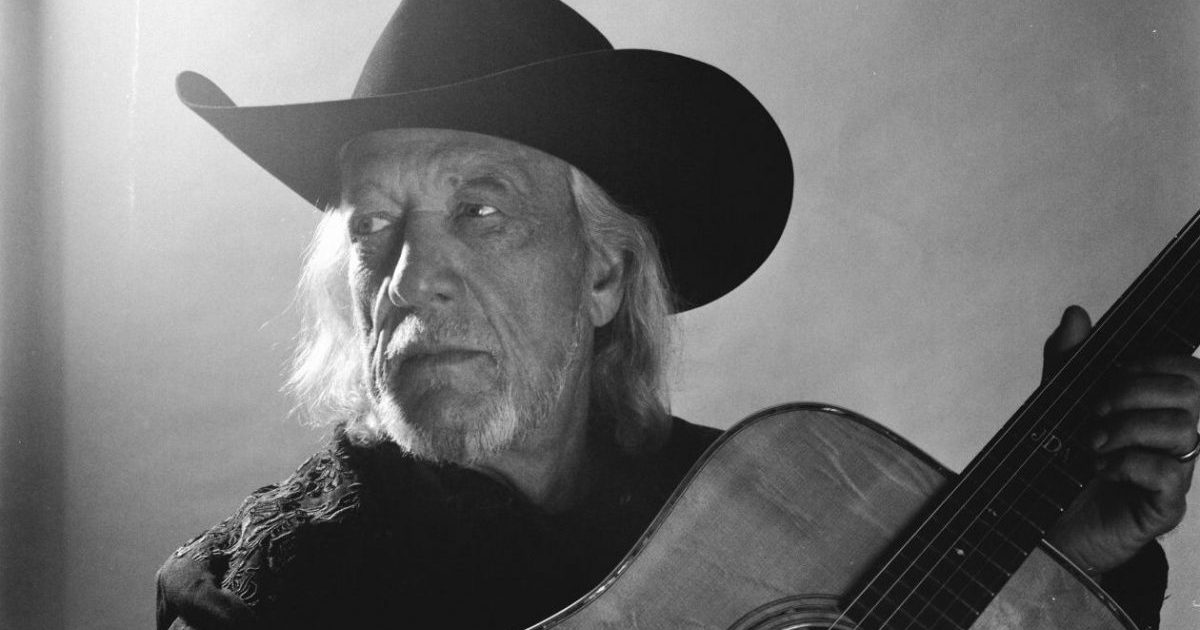
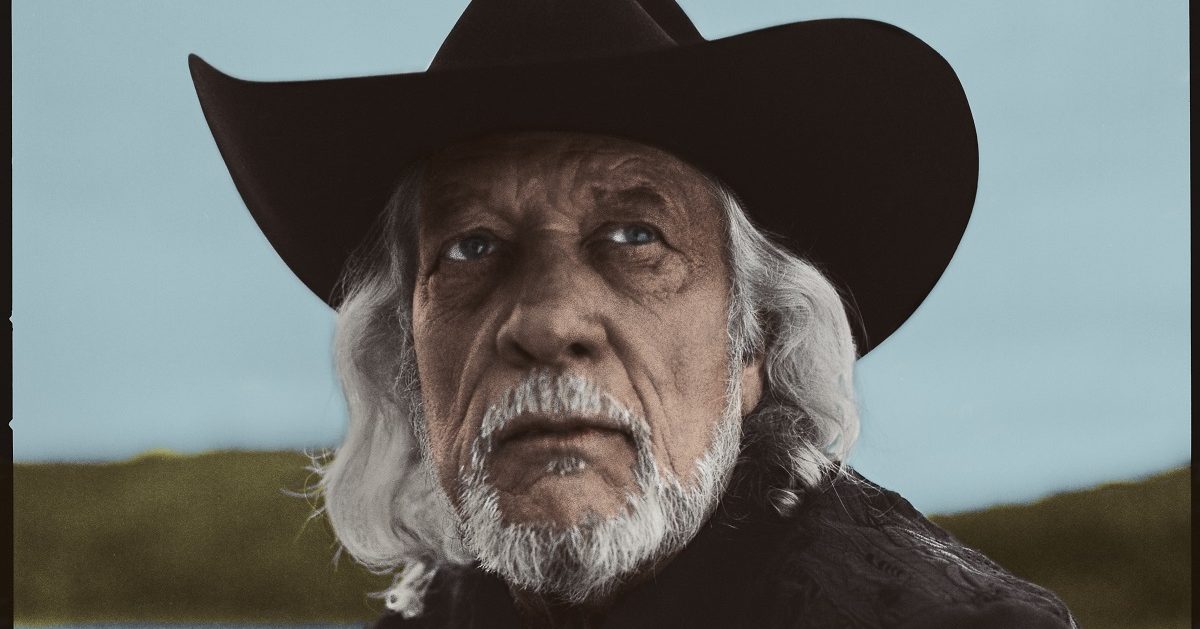
After Nearly Dying, John Anderson Adds ‘Years’ to His Life

Over the past few years, country crooner John Anderson’s inimitable voice escaped him after suffering health issues and brushes with death. Through the creation of his new album, Years, he found it again.

In the album’s opening song, he opines, “There were people placing bets that I’d be dead and gone/But I’m still hanging on.” Although he does not disclose details, he does concede that the illness affected his hearing and, in his words, “I had nearly died a couple of times.” Listening through the album produced by Dan Auerbach and David Ferguson, it is clear that now Anderson is doing more than just hanging on; he’s creatively thriving. He tells BGS what it was like getting back in the studio, how he’s spending his time amidst the pandemic, and his feelings about making music these days.

BGS: Tell me a little bit about how Dan Auerbach came into your life.

Anderson: Actually we were introduced through a mutual friend by the name of Jeremy Tepper. He does a lot of work for Sirius/XM Radio. We’ve been friends a long time and he called me one morning and said, “I was with this guy the other day and we were talking about you and I would really like you to get together.” I said, “Well sure, I’m really not doing much these days.”

He asked if he could give Dan my number and I said, “By all means, give it to him!” The next day or so I got a call from Dan and we ended up setting up a meeting to get together and talk. Originally mainly just to talk about writing some songs together. At the time he was busy producing some other acts. I thought they might need some material and I thought I might help them write some.

What was your writing process like for this record? I’ve read you had some surprise co-creators on this one. What was that like?

We did. It was great. Looking back, I have to thank Dan and Dave Ferguson (aka Fergie). They were both involved in setting up the writing appointments. As it turned out, I got to write not only with some heroes, but some great old friends. It was really a joy. Writing these songs was a real pleasure for me. And it was at a time when I really needed to do some writing and get some music out of me. I’d been sick for a couple of years and hadn’t been able to do much writing or performing. At this point, I was recovering and really wanting to get back into my music.

This was all really good for me as far as writing the songs. We wrote for a couple of days, then the recording part came up. I remember saying, “Boys, I don’t know. That’d be great, but I’m really not sure I can do it.” I think it was Fergie who said, “We think you can.” I looked at him real serious and said, “Really?” And they both nodded. There wasn’t a lot said. It was a pretty solemn time there. I remember saying, “Well, if I do it, I’m going to treat it like it is the last one I’ll ever do.” Just because I was in that frame of mind at the time, mostly due to physical health reasons.

What was the moment like when you stepped up to the mic for the first time?

For me, singing is really something I’ve, thank the Lord, never really had to think about it, when it is time to step up to the mic. I do spend a lot of time thinking about singing, mind you. Most of my life I’ve walked around humming a tune. And maybe humming it a different little way. But when it is time to go into the studio or when I step up to the mic, I’m kind of on autopilot. I’m mainly trying to deliver the song, whatever the song is.

That certainly comes across in your singing.

Well, thank you. I want it to be real, in every kind of way. I’ve been a real stickler for that through my career. Sometimes you pay a price for that and sometimes it doesn’t turn out as good as you thought. On the other hand, when it is all over you can be proud of doing your own thing.

When you had those songs together, what was the recording process like? Did you cut them all at once or piecemeal?

We went in like three or four days one week and then we took a little break. I don’t even think we took a week break. We cut Monday through Thursday it seems and then took the weekend off and showed back up Monday. We had about 20 songs to choose from that we’d written over the previous months. I’ll always recall that as a really good time in my life. It really helped me to heal up. Even to the point today, I almost forget I was ever sick.

That’s so great.

It’s a blessing, is was it is. It took a lot of praying to get it. And now I am, and have been, well enough long enough that now the music is back on autopilot. I just do it all the time.

There’s a heaviness on this record as it deals so pointedly with mortality. On the flip side, it explores the simple pleasures in life and these elements really balance the record. Can you tell us some of the simple pleasures you are finding in life in these strange times?

I kind of found them a bit earlier through the songs and doing this record in a time when yeah, I had nearly died a couple of times. So, mortality is certainly in some of these songs, as far as my influence on them. Now there again, I can’t take the credit for any single song on the record because we had a lot of great help writing them. But my influence is a lot about mortality and the part in the songs about being thankful. That was kind of where I was at the time.

And you know what? As far as the situation right now and playing shows. … That’s been probably the biggest part of my life ever outside of my family has been going and playing the music to the fans. That’s pretty much all I have dealt with for the last fifteen years. As I’ve not been actively in the recording business, my live shows are what mean the most to me. It is a little bit difficult not knowing if or when or how we’ll be playing again to crowds. That’s been on my mind.

On the other hand, I feel very blessed to still feel healthy and have a great outlook. I’m still trying to write and sing most every day and doing a lot of gardening work and doing a lot of fishing. Fishing and gardening is what I’ve been doing and trying to play with my grandchildren. You have to save up energy to go do that.

How did the collaboration with Blake Shelton come about?

Blake is an old friend. I was a fan of Blake’s when I first heard him and then come to find out, he’s told people I was one of his biggest inspirations. At the time, when we were recording this record, low and behold we got a call from Blake’s people asking if we’d be interested in going on tour with him. For me, I did have to cancel tours previously on account of my hearing was nearly gone at the time. I didn’t have a working band. I hadn’t been on the road in a while.

I told them I didn’t have all that together and they said it was just for a few songs a night and his band will back you up. I said, “Really? That’d be a real treat. That’s like chocolate cake.” So it did work out and about the time the tour worked out we were finishing some of the tracks on this record and I said, “I’d love it if Blake could come in and sing with me on this.” We asked him and he was very gracious and did. Not only that, he invited me on the tour the next year also. Blake Shelton is a true hero of mine at this point. The tour was called Heroes and Friends and he’ll always be one of my heroes.

Do you ever revisit your old records? With all you’ve been through, do you view those songs in a different light?

Oh, I do. And I have been lately. That’s part of what I’ve been doing in this solitary time. What’s really been going through my mind lately are some of the songs that I thought were just as good as anything that I had ever written but really nobody got to hear them. Maybe I have twenty of them. I’ve been thinking about going in. It’s strange that you’d mention old stuff, and I’m talking about even from the time I was a teenager. Just things that I might go in and work on. Mainly just to pull it together and have that piece of work together, those songs. I’m thinking about that lately.


Photo credit: Alysse Gafkjen
BGS Long Reads of the Week // May 1

It’s gonna be… May! Welcome to a new month of long reads, where each week we look back into the BGS archives for some of our favorite content from across the years. If you haven’t yet, follow our #longreadoftheday series on social media [on FacebookTwitter, and Instagram] and as always, we’ll put all of our picks together right here at the end of each week.

Our long reads this week are southern rock and blues, bluegrass and rock and roll, Americana and country, and a dash of… hard-to-put-a-finger-on-it, too. Read on:

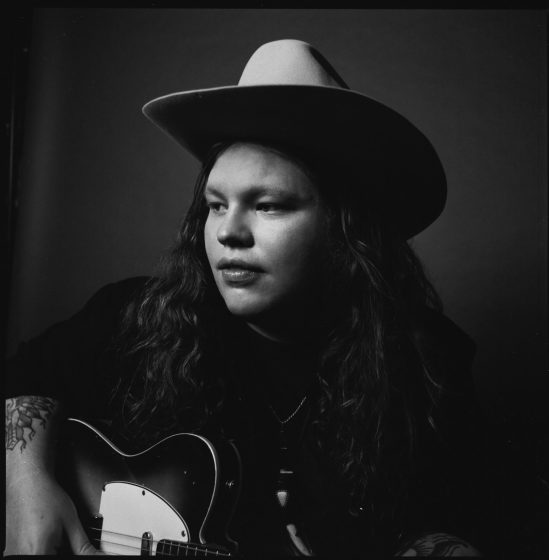
Marcus King: A “Young Man’s Dream” Come to Life

A cover story from earlier this year, our conversation with 23-year-old singer/songwriter/guitarist Marcus King digs deep into the creative processes that shaped his debut album, El Dorado — his first project outside of his critically acclaimed group, The Marcus King Band. With Dan Auerbach producing and an absolutely stacked roster of studio musicians, the project came together “on the fly,” yes, but that turned out to be a pretty natural pace. [Read the entire interview]


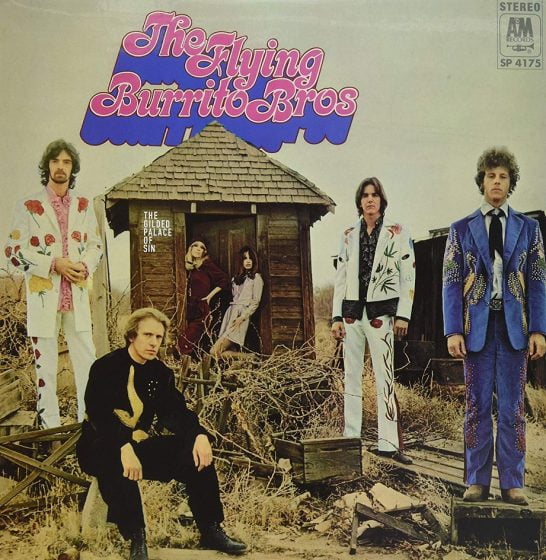
Canon Fodder: The Flying Burrito Brothers, The Gilded Palace of Sin

Given the canonization of Gram Parsons over the last few decades, as well as the gradual breakdown of genres and styles over time, it’s easy to forget just how contrarian it would have been for a West Coast rock band to embrace country and bluegrass. But that’s exactly what the Flying Burrito Brothers did. This edition of Canon Fodder explores their first album, The Gilded Palace of Sin, which despite its near-flop at the time of its release is perhaps their most important work. [Read more]


Linda Ronstadt Talks Bluegrass

One of the most important vocalists/artists in rock and roll and popular music over the last century, Linda Ronstadt also knows a thing or two about bluegrass — as evidenced in this 1996 interview from Bluegrass Unlimited magazine. We pulled this fascinating article out of the BU archives to commemorate the release of the documentary film, Linda Ronstadt: The Sound of My Voice last year. It’s a two-parter, so we spread it out over a couple of days this week!
[Read part one] [Read part two]


John Moreland Figures out How to Love Music Again

Turns out there are drawbacks to any career – even when it’s your dream job – and you can confirm that with dark-folk and Americana favorite, John Moreland. The Oklahoman singer/songwriter released his latest album, LP5, earlier this year. The project surprised some listeners by exploring new sonic territory for Moreland — new territory that revived the spark that got Moreland into writing to begin with. [Read our conversation]


Marcus King: A “Young Man’s Dream” Come to Life

A first encounter with Marcus King’s voice is nothing short of wondrous. The 23-year-old singer/songwriter/guitarist functions less like a singer and more as conduit for raw emotion, his dynamic, melodic singing grounded in soul, rock and roll and a preternatural sense of musical intuition. To boot, he is also one of our best young guitar-slingers, wowing legends and fans alike with his emotive, inventive take on modern, electric blues music.

On January 17, King released his first solo album, El Dorado. Produced by Dan Auerbach, it marks the first time King has offered a full-length project outside of his critically acclaimed Marcus King Band; accordingly, the project feels particularly intimate and honest, with King reaching new heights as not just a singer and player but as a storyteller and lyricist.

BGS caught up with King as he was getting ready to perform on Jimmy Kimmel Live to chat songwriting, working with Auerbach, and how it feels to strike out on his own.

BGS: It’s only been a couple of days since El Dorado released. What have the last few days been like for you?

MK: Man, it’s been a bit of a circus. But I always liked the circus when I was a kid. So it’s working out fine.

You had a couple of release shows in Nashville on Friday, too. What was it like getting the new music out to people?

It’s fun, man. Those solo acoustic shows can be a little nerve-wracking, just because there’s no one to share with. It’s a lot more vulnerable. I feel a little exposed during those, in a way. But it makes it that much more gratifying, you know?

Was there a particular song or idea you were kicking around that made plotting the album click into place for you?

It all started with “Young Man’s Dream.” We wrote that two years ago, almost to the day. It was right before I was going in to do [the Marcus King Band’s 2018 album,] Carolina Confessions. We already had plans to work with Dave Cobb, which was a surreal experience. Before that, Dan Auerbach reached out and asked if I could come do some writing sessions with him. I jumped at the chance. That’s the first tune we ever wrote together, “Young Man’s Dream.” Then the theme fell into place for this to be a storytelling album, a coming of age story.

Given that you and Dan had written that one song together and felt strongly enough about it to do this entire project, what would you say makes your creative partnership with one another so special and fruitful?

Working with somebody is a really intimate relationship. Writing is really personal. I had never really co-written before, and Dan was really particular about who we brought in to write with me on this record. He and I were able to write together two years ago and continue to do so over the past couple of years. Our friendship and our writing partnership led to a very organic process in the studio. Writing together [for the first time] is really kind of like a first date. It’s a little awkward and you really have to bare your soul and hope you don’t freak anybody out.

To that point, when you are writing, how heavily do you draw from your own life? Are you the kind of writer who puts it all out there or are you more inclined to share your personal experiences through metaphor and more universal stories?

I pull directly from my personal experience, because I feel like that’s what I want to hear from a writer and from my favorite singer/songwriters. I love a good metaphor and all, but I really enjoy the personal experience you can hear behind the words, and their conviction. If I like a song it’s because I feel a personal kinship to that music. On this record, everything we wrote came from personal experience.

With further regard to your songwriting, you’re such a dynamic, melodic singer. When you’re writing the vocal parts of your music, do you tend to have a melody first or a lyric first? Or does it vary song by song?

The melody comes first for me. Especially if I’m working with a keyboard player, like Bobby Wood, who played on the record. He comes up with these really beautiful, gorgeous parts and I’ll just start humming, and hum more and more until it starts to form words. I just allow my soul to fill in the blanks, as to what those notes are trying to say. I’ve found that to be a pretty different way to approach it, but it’s fun.

When you get to the point when you’re ready to record a song – and I know y’all recorded this album particularly quickly, over just three days – when you go to record a song, do you have a note-by-note sense of what you’re going to sing or are you more likely to follow your instinct, particularly with regards to ad-libs and runs?

It’s mostly on the fly. The only time I would ever change it would be if Dan and I thought it should go a little differently. Then I’ll go back and fix it.

I actually ran into someone last night and they complimented me and said there were a lot of well-thought-out [guitar] solos on the record which, to me, is shocking to hear, because I can’t write a guitar solo or a vocal melody. It just comes. It’s a natural thing. To me, that’s against what I know. I was almost offended – I wasn’t actually offended, obviously – but you know that’s my whole approach to the record, to free it up melodically.

You touched on this a minute ago, but you had an incredible roster of players who joined you in the studio while you and Dan were recording. What was your time together like?

The whole reason we work so well together is that their work ethic and mine really align. The only time I have to wake up early is if I’m working on new music or I’m working on something really important to me; otherwise I’m a late riser. On this record, I would get in around nine and all the cats would already be there. They’re all in their late seventies and early eighties, so they all get up at sunrise. They’d already have had their coffee and would just be waiting on me to get there. We’d get to work around 9:30 and go until 9:30, 10 at night.

Given that they’re all such seasoned players, did you give them free reign to write and play their parts, or did you have a firmer sense of what you wanted each player to do?

We had our work tapes of the writing sessions. We’d play the tape for them and they’d write their charts and give us the chart. We’d play the song and that would be the take. Everyone is writing their own parts on the spot, you know? It’s really a beautiful way to record. The stuff that comes out that way is really beautiful. Everyone added their own part and I never had any notes. The only note I had was at the end of “Wildflowers & Wine,” the outro is a little different. I recommended that change. That’s the only little note I had. Otherwise it was all great.

We touched on playing these songs live solo at the beginning of the conversation, but you’ll have your band out with you on the road in support of the album. What are you most looking forward to about playing these new songs live?

I’m excited to showcase it to people in a way that they’ve never heard it before. I always like to talk about the importance of having a studio version and live version. I think having the live version sound exactly like the studio is almost a farce. We stay true to form; we aren’t going like Radiohead with completely different versions. But we add more improvisation and play a bit with the structures of songs. We also have two horn players, so the songs have a different vibe. Why would someone want to leave their home and come all this way to hear it exactly the same? I like to offer up something different, you know?


Photos: Alysse Gafkjen

WATCH: John Anderson, “Years”

Artist: John Anderson
Song: “Years”
Album: Years
Release Date: April 10, 2020
Label: Easy Eye Sound

In Their Words: “My life has been a true blessing. I could have never dreamed to have lived as happily and as well as I’ve lived all these years. And if I passed away tomorrow, all the folks that knew me well could say, ‘Well, boy, he sure lived like he wanted to live.'” — John Anderson


Photo credit: Alysse Gafkjen
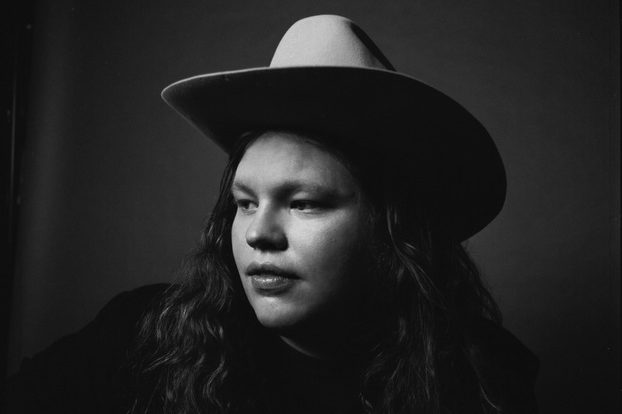
WATCH: Yola Makes Her Grand Ole Opry Debut

Bold, brilliant, beautiful, and British — these are just a few words that describe the music of singer/songwriter Yola. 2019 has been monumental for the new queen of country soul from across the sea as she collaborated with Black Keys’ founder and Nashville hotshot producer Dan Auerbach to produce her solo debut, Walk Through Fire.

Her powerful voice and old school styling reinvigorate the tradition of combining country and soul music, a classic bridging of two seemingly unrelated musical traditions; and an accomplishment Yola’s musical heroes Charley Pride and Dolly Parton would admire. Among her more recent success, Yola was featured in a song from The Highwomen’s first album and in September, she made her debut on country music’s most famous stage.

Watch as Yola shows us around Nashville and takes us behind the scenes of her Grand Ole Opry debut.


Photo Credit: Alysse Gafkjen

LISTEN: Marcus King Takes on Tough Times with Blues Guitar in “The Well”

Marcus King has a voice that’s made for the blues, with a story to match. An undiagnosed bipolar disorder and the death of a close friend at 13 deeply affected him, so he turned to music to cope. At 23 years old, he’s been playing professionally for half of his life. His incredible gift as a guitarist has led to appearances with Chris Stapleton, at Crossroads Guitar Festival, and even on the Grand Ole Opry.

These experiences have led him to “The Well,” his latest single. “When you have a $70 check go bad, you know times are tough,” King tells Rolling Stone. “’The Well’ for me symbolizes the source of all my influences. It is everything that has happened to me to make me the man I am today.”

Dan Auerbach produced King’s upcoming album, El Dorado. Set for release on Fantasy Records in 2020, the 12-track project was written and recorded at Auerbach’s Nashville studio, Easy Eye Sound, with legendary songwriters including Paul Overstreet, Ronnie Bowman and Pat McLaughlin.


Photo Credit: Alysse Gafkjen

WATCH: The Gibson Brothers, “Sweet Lucinda”

Artist: The Gibson Brothers
Hometown: Ellenburg Depot, New York
Song: “Sweet Lucinda”
Album: Mockingbird
Label: Easy Eye Sound

In Their Words: “We wrote ‘Sweet Lucinda’ with Dan Auerbach and Joe Allen. Before cutting it, I knew we had a song that lent itself to harmony, which it does, but then the band got a hold of it in the studio. What a GROOVE! I remember the guys being pumped after we got the take, lots of smiling and laughing. Here we’re recording with all these legends who have cut countless songs, and they’re excited by what we’ve all just done. I think of that every time I hear this song.” — Eric Gibson, The Gibson Brothers


Photo credit: Alysse Gafkjen
Britain’s Yola Blends Soul, Country, and ’60s Pop on Astonishing Debut

If you’ve ever had the good fortune of being in the audience for one of Yola’s live shows, you will have been utterly blown away not only by the power of the British singer/songwriter’s voice and the intensity of her songs’ arrangements, but also by the bedlam her audiences devolve into in the presence of such a commanding, charming, visibly strong black woman. Yola owns each of these unabashed facets of her identity with bright-eyed self-awareness and unbridled joy, all of which pour forth from her astonishing debut album, Walk Through Fire.

This grandiose power that Yola possesses is deliberately not the focal point of the album, though. She and her collaborator/producer Dan Auerbach have artfully balanced the wildness of Yola’s experiences in myriad genres (pop, electronic, and rock among them) with the subtlety and nuance that her deft songwriting demands. It’s not just an album sung by a “strong black woman,” it’s not just country-soul, it’s not just a late ’60s/early ’70s pop throwback, it’s not just a collection of heart-wrenching, impossibly visceral love songs — it’s effortlessly and masterfully all of the above.

We sat down with Yola during her release week press gambit in Nashville and began our conversation recapping this year’s Grammy Awards.

BGS: In one of her Grammy acceptance speeches this year Brandi Carlile called Americana  “An island of misfits.” I wonder if you agree — and what do you feel like you bring to this island of misfits?

Yola: I do agree. I think Brandi Carlile is on point by saying that. It feels as though people have congregated in Americana, maybe even running from other genres. It’s a place where we are celebrating eclecticism and being open and we’re at least seeking to be diverse — and trying to understand that diversity, instead of having fingers in the ears. There’s a little bit more to the scene. It allows people like Brandi Carlile to rise to the top, and rightfully so, because of their talent!

I have found, for me, that after being associated with a lot of different genres over the years, I’ve had to fight to just be me. I’ve had to do as much fighting in this particular scene, because everyone’s crossing something with something or being more unexpected than other genres. Doing shows at AmericanaFest and in this particular scene has given me a chance to develop. Full stop. And to get started.

When I first started I was pretty terrified to do what I was doing. Americana allows me to be like, “Hi, okay, I’m the black British woman with the afro — no, not the other one, the one called Yola.” [Laughs] And I can go, “Okay, I’m going to mix some soul with some country, but not in the way you think I’m going to do that.” Yes there’s going to be a ’60s pop sound in there, but again, probably not in the way you think I’m going to do that, either. Maybe it is my Britishness that is giving me the angle from which I approach each thing.

I feel like the album is decidedly country-soul, and it’s interesting to me because we’re in this community — Americana with a capital A — that is majority-white.

Mhmm. Heck yeah!

We’re working on diversity, like you said, but we’re a work in progress. So I wonder how you feel your blackness is part of that country-soul designation and how much of that is not connected to your blackness, as well. I feel like so many people, especially in the audience for your shows, see you step up on stage and they’re ready to scream and holler because there’s a “strong black woman” presence on stage–

Yes.

So I wonder do you feel a differentiation between what you’re establishing as country-soul for country-soul’s sake, and how much comes from your identity as a black woman?

Well, I think it starts with identity, because everything starts from within and from where you think you fit. Where do I fit? I think my entire musical journey has been based on where the frick I fit.

An island of misfits.

Yes, exactly. I found a bunch of weirdos that were as weird as I was and was like, “This is great!” [Laughs] That’s what has led me where I want to go, musically. It’s about finding what my voice wants to do. It’s all about the physicality of my voice, it’s got a soft side, almost choral, that then flips to this big, yelly, slightly more Tina [Turner] side. I can move very smoothly from one to the other. My voice is a seesaw in that situation. I need to be able to be the fullness of myself, so that’s kind of where the country-soul comes from — from within.

That’s at least physically what it is, as well as growing up listening to that music, listening to people who were already doing what I’m doing. I’m by no means inventing the wheel or even reinventing it, for that matter. It’s something that’s just been done. Ray Charles has done it. Mavis is doing it. Maybe the way I’m doing it, with this retro pop kind of angle, is something that others haven’t done, necessarily. But that is narrow in comparison to the vast eclecticism of my musical taste. It’s out of control how broad a day’s playlist can sound.

We’ve talked about this, because I want you to make a bluegrass record!

[Laughs] You’re like, “Are you ready to do that?” And I’m like, “Hey, I’ve got so many genres to get through right now!”

Add it to the list.

Just tack it on, you know? I don’t know if I’m going to go all the way like, Beck levels of breadth. He’s covered some ground, it’s impressive. But I’m enjoying this kind of freedom right now. As fun as it is knowing that country and soul are always going to come out, it’s nice to be able to be free enough to explore gospel and blues and rock and roll and pop. You can hear from the record there are probably four comfortable genres within it and they all move completely seamlessly from one to the next. That’s what I love about music. I love how close it all is.

Going back to the physicality of your voice for a moment, one of the things that struck me about the album is that it feels like you’re laying back–

Mmmm. You know me!

It feels like you’re being reserved, your signature Yola-dialed-up-to-eleven isn’t there all of the time. Talk me through that less-is-more decision making process.

Certainly, the songs kind of spoke for themselves. When you finish writing a song you can decide whether you’re going to tack a big ol’ outro on the end of it and then whether you’re going to freaking scream to the heights of the ceiling on that outro. But I thought, I don’t know whether I listen to albums where the singer is going hell-for-leather, top to bottom, all the way through. I like to listen to albums top to bottom and I like a bit of a gradient. So as the songs come, one by one, I kind of have a look and think, “Okay, I don’t think the song needs this.” It’s about trying to respect the song and the will of the song. Sometimes the song really needs it, like “It Ain’t Easier.” I’m going to go there! [Laughs] I was purposefully selective and I think it was each song that led me.

The songs do feel like they’re all related, but they’re all distinct. For instance, “Still Gone” and “Keep Me Here” back to back feel like the same story told from slightly different perspectives.

They are! “Still Gone,” in my mind is about being in a relationship. You met someone, they were amazing, then whoever the heck that person was, they fucked off and the person you end up with is your consolation prize. You’re looking over your shoulder thinking, “Oh, still gone!” It’s like chasing the dragon, but it’s the person you were dating. That first hit, that’s the one. Everything else after just pales in comparison. It’s very much that moment of realization, that moment before you start checking out of the new relationship, when you start staring off into the distance.

That faraway look in your eye!

That faraway look in your eye! It’s all tied together. That’s the precursor feeling. It’s the “You’re literally everywhere, but you’re not here” situation.

So “Keep Me Here” turns that same idea on its ear.

It does! Because you haven’t got the guts to be alone. You’re being a chicken. You’re being fed, again, chasing the dragon. Like, “That first hit was good, can’t we just have that bit?” No, you can’t. You have to have the full wonderful person — especially when they’re not wonderful, that’s challenging. You’re just hoping for those little moments, those little glimpses that keep you hooked in. In my situation, I was working with my ex, my partner at the time, and so it was very much like being totally hooked, and musically hooked, and socially hooked, and all of these hooks become something that keep you holding on in light of glaringly horrible interactions in every part of your life. I think it takes a lot of self esteem to grow up enough to realize you need to move on. The twenties are not really the time when self esteem is at its full!

It’s funny that we begin that “chasing the dragon” when we’re in our twenties when we have no idea what that thing actually is.

[Laughs] Exactly! We have no idea! But we’re just desperately going for the thing. It felt good that one time, maybe it will happen again. It’s about as well-advised as taking smack, you know? It shouldn’t be like a hit, though. It should be consistent. But you don’t learn about the healthy ways of doing life until you have the experience.


Photo credit: Alysse Gafkjen