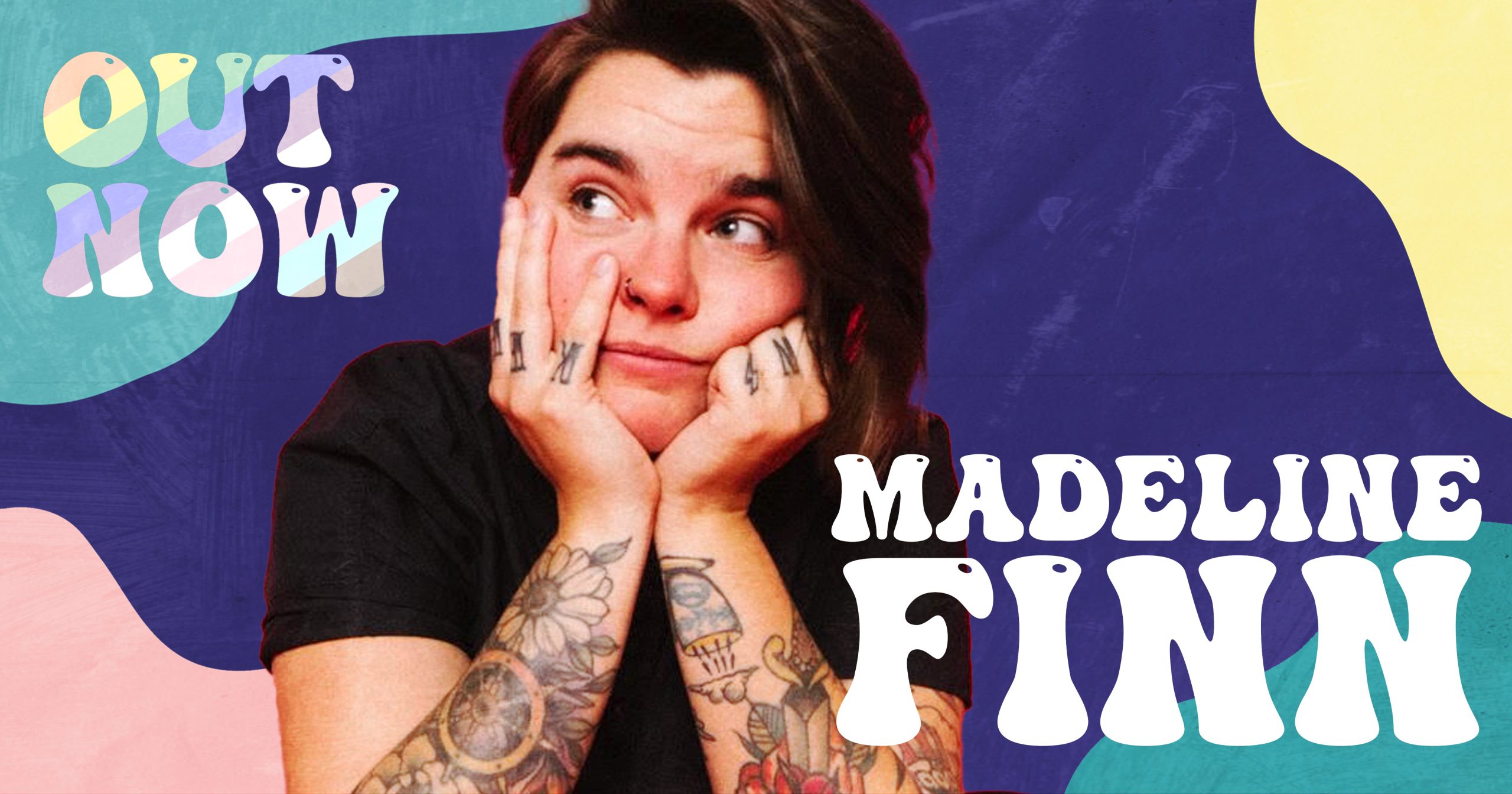
Out Now: Madeline Finn

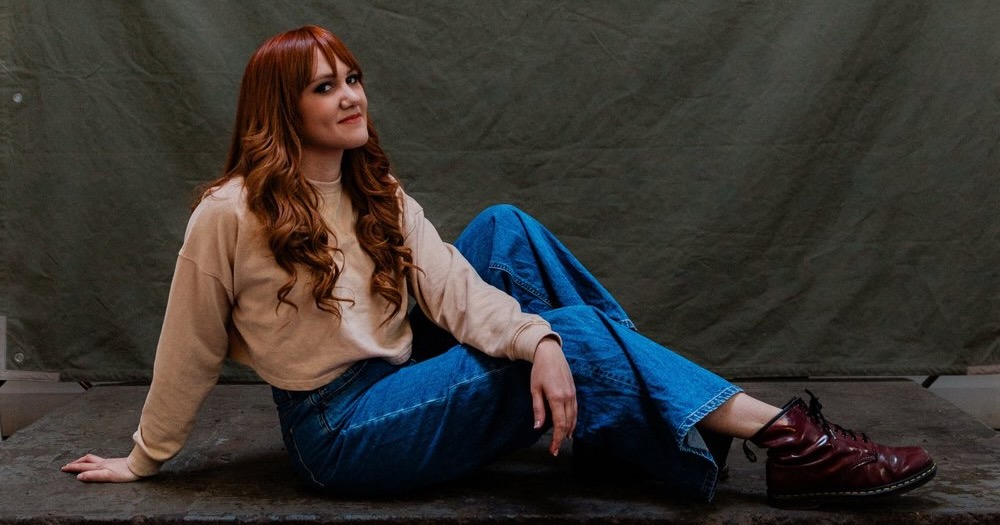
Madeline Finn is a thoughtful writer and dynamic artist. Madeline transcends the boundaries of genre, crafting pieces that pull elements from folk, rock, and indie. Their songs are honest, relatable, and catchy.

Madeline feels that her role as an LGBTQ+ musician is bigger than herself and she values uplifting her community. She hopes to embody the queer representation that she longed for as a kid. In our Out Now interview, Madeline shares their vision for the future, their upcoming projects, and their journey into self-producing music.

We are thrilled to be featuring Madeline Finn at our next Queerfest show in Nashville at Vinyl Tap on Wednesday, August 7. The show runs from 7-9 pm and features four local LGBTQ+ artists. There’s a ticket suggestion of $10 that goes directly to supporting the artists. Don’t miss out on the chance to hear Madeline Finn live!

Why do you create music? What’s more satisfying to you, the process or the outcome?

Madeline Finn: I used to be more amped up on the outcome, but these days I have really fallen in love with the process. Mostly since I have started self-producing. It’s so much fun and I could do it literally all day.

You create within a wide range of musical genres including folk, rock, and indie. How do you navigate your identity as an artist who works across several genres?

Honestly, I have no idea. I’ve been trying to just let go and make music that’s fun and meaningful to me. Whatever the genre might end up being doesn’t matter that much to me.

What does it mean to you to be an LGBTQ+ musician?

Being a queer musician is a special thing. Especially because it’s becoming less and less special, if you know what I mean. I am one of many LGBTQ+ artists who make up a whole force of nature. I see my role as a part of the whole, a part of something way bigger than me. The more we uplift our community with art that speaks directly to the queer experience, I think the more healing can be done. The more healing that can be done within each individual, the more we heal the human experience as a whole.

I’m so jazzed on the queer music community and wish I would have had more folks like that growing up to listen to. Honored to be what I needed when I was a kid, now.

For anyone reading this who might not be out of the closet, were there any specific people, musicians, or resources that helped you find yourself as a queer individual?

Specifically, I found a lot of help as a kiddo from The Trevor Project. I also was able to find a safe adult/family member to talk to about it before I came out to my immediate circle. For those who are in adulthood I would highly recommend THERAPY!

You’ve been on the team at Wild Heart Meditation Center for a few years. What has that experience been like for you? Do you find that your meditation practice influences your music?

Wild Heart Meditation Center has been the single most important part of my personal growth and healing over the past five to six years. I came to the center interested in meditation and since then have fallen deeply in love with the practice and the teachings of the Buddha. It’s been so rewarding to be offered an opportunity to share that with the community and others as a facilitator. My practice influences every single part of my life, music included. It’s helped me let go of the craving that often surrounds a career like this, I have gained a deep freedom from contentment within my musical career. I honestly think you can hear it in the music. The shows are more fun for me, I am not afraid of what others think, not sitting around waiting for someone to give me my golden ticket. Instead, I know that I can rest in the reality of this moment and have a deep, non-attached appreciation for all the beautiful parts I encounter.

What has it been like for you to work with other LGBTQ+ artists in the music industry?

The LGBTQ+ music scene here in Nashville has been amazing. It’s this collaborative, joyful machine that just runs all on its own. Getting to hear music direct from artists like Autumn Nicholas and to play for so many other queer folks just gets me so pumped.

It’s like “Y’ALL WE ARE DOING IT!!!” I’d like to believe it’s deeply healing for my inner child.

What’s your ideal vision for your future?

My ideal vision for my future is to have chickens, mainly. If I can have a little space in the world with chickens, my wife, and my dog I am all set. Beyond that, I try not to set too many expectations for the future. Instead, I am really practicing following my intuition towards the next most meaningful step. One day at a time.

What are your release and touring plans for the next year?

I have been hard at work on my own record based on the IFS (internal family systems) model of therapy, it’s my first venture into self-production and I’m hoping to have it ready to start sharing singles by the end of the year.

My pop-rock project ENVOI just released a brand new album in May, so there is a chance we may be doing some live shows to support that. In addition, I’m working on a project with Liv Lombardi here in Nashville that is going to totally slay.

As far as touring goes, I’ll be around playing bass, guitar, and singing for a TON of artists throughout the rest of the year and there have been talks about an East Coast run for my solo material in the fall.


Photo courtesy of the artist.
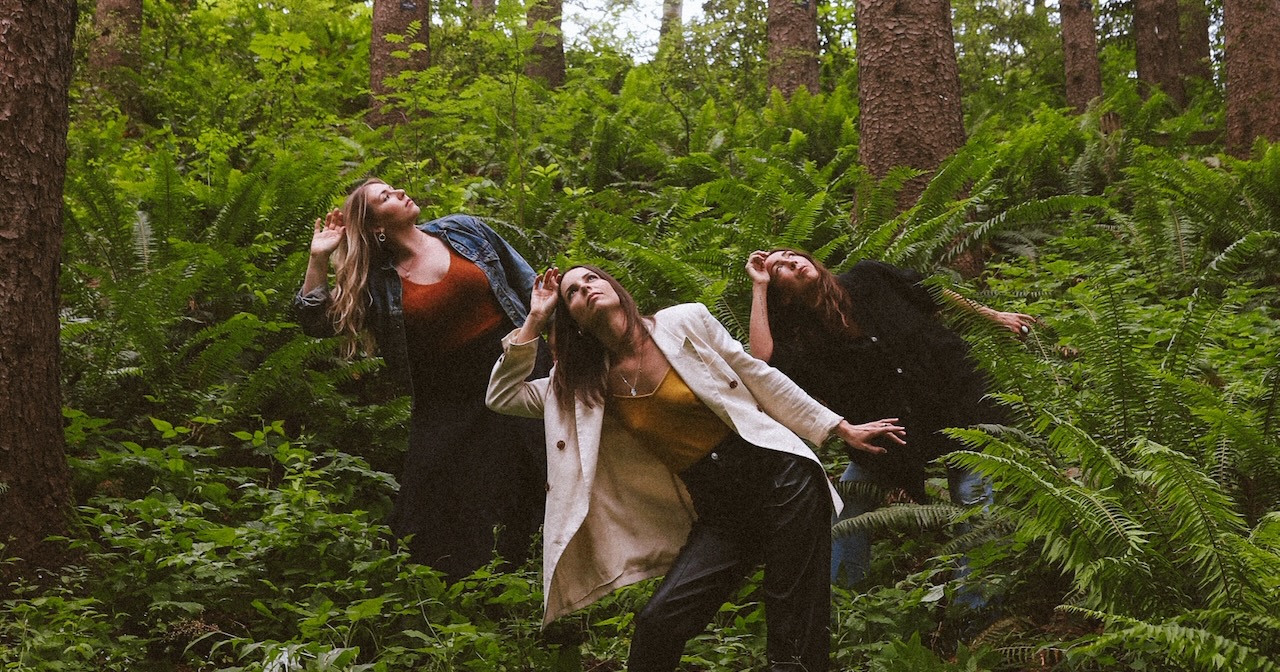
BGS 5+5: JEMS

Artist: JEMS
Hometown: Los Angeles, California
Latest Album: Back Around
Personal nicknames (or rejected band names): Wild Valley Dream Weavers, lots of others!

Which artist has influenced you the most – and how?

I grew up with Joni Mitchell. For every season of life, her music feels like the soundtrack. I find myself returning to songs and finding new meanings as my scope continues to broaden and deepen. Her voice is unapologetically her own and I am so inspired by her journey. – Emily

What was the first moment that you knew you wanted to be a musician?

When my dad played me the song “Eleanor Rigby” I had a major lightbulb moment. I don’t think I had realized how powerful music as storytelling was until then. I must’ve been 8 or 9 and my imagination burst wide open. – Jess

Probably when I started playing the songs I was writing as a kid for my Dad. He was both kind and critical in ways that confirmed that I wanted to work on and share my songs with not just him, but everyone. – Sarah Margaret

Genre is dead (long live genre!), but how would you describe the genres and styles your music inhabits?

We each have distinct vocal timbres and have been influenced by the genres we grew up listening to, from jazz and soul to indie rock to classical and film scores to folk and Americana. That diversity adds a richness to our blend and has influenced how we approach melody, harmony, and storytelling. As a trio, we live in the folk world, but lean into many other lanes depending on the instrumentation and production of each song.

If you didn’t work in music, what would you do instead?

I’d be a hairdresser. I cut and color hair for fun/therapy and I truly love it. Although I don’t know if I’d love it as much if I had to do it…  – Jess

I’d be a private chef. I love going to farmer’s markets, learning from local farmers and artisans, and expressing myself through food. Maybe it’s the French in me! – Emily

A marine biologist, or boat captain, or something that lets me be in and around the ocean all the time. – Sarah Margaret

If you were a color, what shade would you be – and why?

Gold! I’d don’t know why, but I’ve just always felt like the sunshine. – Jess

Olive green. I’d like to be as warm, relaxing, and grounded as that color! – Sarah Margaret


Photo Credit: Jayden Becker

BGS 5+5: Jon Muq

Artist: Jon Muq
Hometown: Kampala, Uganda
Latest Album: Flying Away

If you didn’t work in music, what would you do instead?

I would work in construction or be a lawyer or a therapist.

If you were a color, what shade would you be – and why?

I would be green – green represents plants and herbs that heal us. I’d like to be the person that saves a person’s day

What would a perfect day as an artist and creator look like to you?

Cooking and having good healthy meal, editing projects I produce for friends, playing soccer with friends, having a cocktail in a dive bar watching a local band perform.

What was the first moment that you knew you wanted to be a musician?

It was when I was like 12, I went to this school that had a choir and when I listened to them sing, it was amazing then I knew I have to try singing. That’s where singing starts for me, but wanting to be a musician was never a plan, I just went with the flow of life and ended up being one… none of my friends even believe I sing.

Which elements of nature do you spend the most time with and how do those impact your work?

Gardening and soccer always reminds me that life is not all about just work, it calms my mind; when I get back to work I feel less pressured by the whole work system and pace.


Photo Credit: Jim Herrington

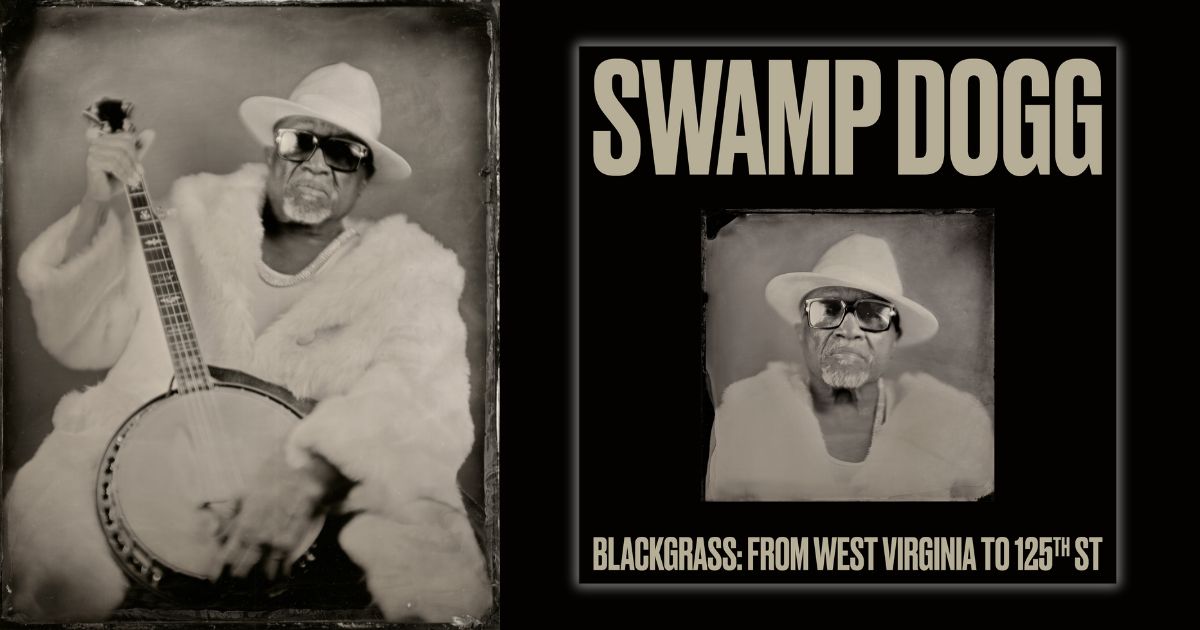
The Delightful Rebellions of Swamp Dogg’s ‘Blackgrass’

Early in my recent interview with Swamp Dogg, the iconoclastic singer-songwriter and producer makes a self-aware confession: “I have read columns about Swamp Dogg and so forth, and I try to find out what they classify me as,” referring to the veritable grab-bag of hyphenated micro genres that music writers use to classify him. We connected a few days out from the release of his latest album, Blackgrass: From West Virginia to 125th St, and the artist, born Jerry Williams Jr., seems unbothered. Later he adds, “When I do the Swamp Dogg albums, I really don’t try to please anybody but myself.”

He has known from the jump that the music industry doesn’t know what to do with him. Working as a singer and songwriter under the name Little Jerry Williams, Swamp enjoyed some success with his 1964 soul 7 inch, “I’m The Lover Man,” and was subsequently invited to perform at clubs in the Midwest. As Swamp remembers, “When I showed up they found out I was Black and the audience was lily white. They were good about it, they paid me and said I didn’t have to do a second show.” The small-mindedness of industry gatekeepers would follow him into his first musical steps as Swamp Dogg.

In 1971, Swamp released his second album, Rat On!, on Elektra Records. He was dropped from the label immediately after the release. At issue was the provocatively titled, “God Bless America For What,” track six on the album, which Elektra had pressured Swamp to leave on the cutting room floor. He kept the song, and his brief stint with Elektra was over. (The album cover, featuring Swamp in a victory pose astride an enormous white rat, might also have earned him some detractors in the office.) Asked if he considered caving to the label’s demands, he quickly sets me straight. “No! No. Nuh-uh. I’m dealing in truth!”

The controversy surrounding Rat On! did nothing to slow Swamp’s momentum as a creative force and in the years since its release, has proven itself a classic of left-of-center soul. He produced artists like Patti LaBelle, Z.Z. Hill, and Irma Thomas. Swamp also continued working in A&R. He signed a still-mostly-unknown John Prine to Atlantic Records in 1968, later reuniting with Prine for what would turn out to be the final recording made by the legendary storyteller. Swamp built a cult following among indie music fans in the know, collaborating with artist-tastemakers Justin Vernon and Jenny Lewis – the latter of whom returns as a guest on Blackgrass, as well. He dunked on the snobbier side of the mainstream with albums like Love, Loss, and Auto-Tune, and I Need A Job… So I Can Buy More Autotune.

A list of Swamp’s credits tells the story of one of the most fascinating music careers of the last century, but he himself tells an even deeper one. He speaks about painful failures, like when he became a millionaire in the 1970s and the sudden reality of wealth gutted his mental health. “The right word is obnoxious, I really became obnoxious, my wife pointed out to me. I was running so much that I would run in my sleep and run out of the bed.”

When the nine cars in the family garage proved insufficiently curative, she got him to see a therapist, a “who’s who psychiatrist” in Swamp’s words. He tells me so many sweet things about the great love of his life, Yvonne Williams. “My wife, she was a Leo. She was a strong Leo, she was a leader. Everybody loved her. Everybody feared her when it came to brain-to-brain. She could knock your shit right out the box. She was the reason I made a little money. Her name was Yvonne and I still think about her.” Subsequent girlfriends have told him he is still in mourning, and a second marriage was short-lived.

Discussing his musical roots, Swamp lists “blues, soul, R&B, pop, just about everything except classical and polka, and gotta add country there, cause country is what I was listening to growing up as a kid.”

His brand new record, Blackgrass, released May 31 on Oh Boy Records, is an inventive, often moving exploration of the genre. Sensitive instrumentation by Jerry Douglas, Sierra Hull, Chris Scruggs, and Noam Pikelny, among others, pairs beautifully with Swamp’s varied vocal performances across all 12 tracks. “The Other Woman,” featuring Margo Price, is an elegant update of the classic written by Swamp and first performed by Doris Duke. And Swamp himself is at home as a country vocalist, playing characters like the neighborhood ne’er-do-well on “Mess Under That Dress,” the lovelorn crooner on “Gotta Have My Baby Back,” and delivering a breathtaking country gospel performance on “This Is My Dream.”

Even as Blackgrass offers country music moments that should please even the most determined traditionalists, Swamp Dogg remains committed to surprising his listeners. “Rise Up,” for example, a Swamp original first recorded by the Commodores – “Atlantic didn’t know what to do with them!”– is reincarnated as a country-meets-alternative rock and roll foot stomper, with a guitar solo by Living Colour’s Vernon Reid, which readers should listen to in a safe and seated position.

One of the great rebellions of Blackgrass is the singer’s assumption, on an album that is being marketed to country and roots media, of a Black audience. He explains, “I’m calling it Blackgrass … mainly because of the banjo. When I was coming up the minute somebody said ‘country music’ or ‘banjo’ … we turned our nose up at it, way up until Charley Pride came along.”

As Black listeners, we are being made to understand that this record is for us, decades of deliberate exclusion from the genre be damned. Its creator is equanimous about how the art will be received. “If this one sells enough, there will be a next record. If it doesn’t, there will still be a next record. I’ll put it out myself.”

Fifty years since “I’m The Lover Man,” Swamp Dogg remains curious about, and frequently explodes, the boxes into which small-minded gatekeepers of popular music have attempted to place him. As he recalls some of the more colorful antagonists along his musical journey, Swamp is gracious in the knowledge that he has had the last laugh. He speaks with refreshing pettiness about his early critics, reasoning, “The people that I dealt with back in the day are either dead or don’t know who they are. And I know I’m in line for that, but I keep jumping out of line. When I see myself getting near the front of the line I jump out and go to the end of the line.”

As usual, Swamp Dogg plays in his own time. He has finally outlived the haters.


Photo Credit: David McMurry

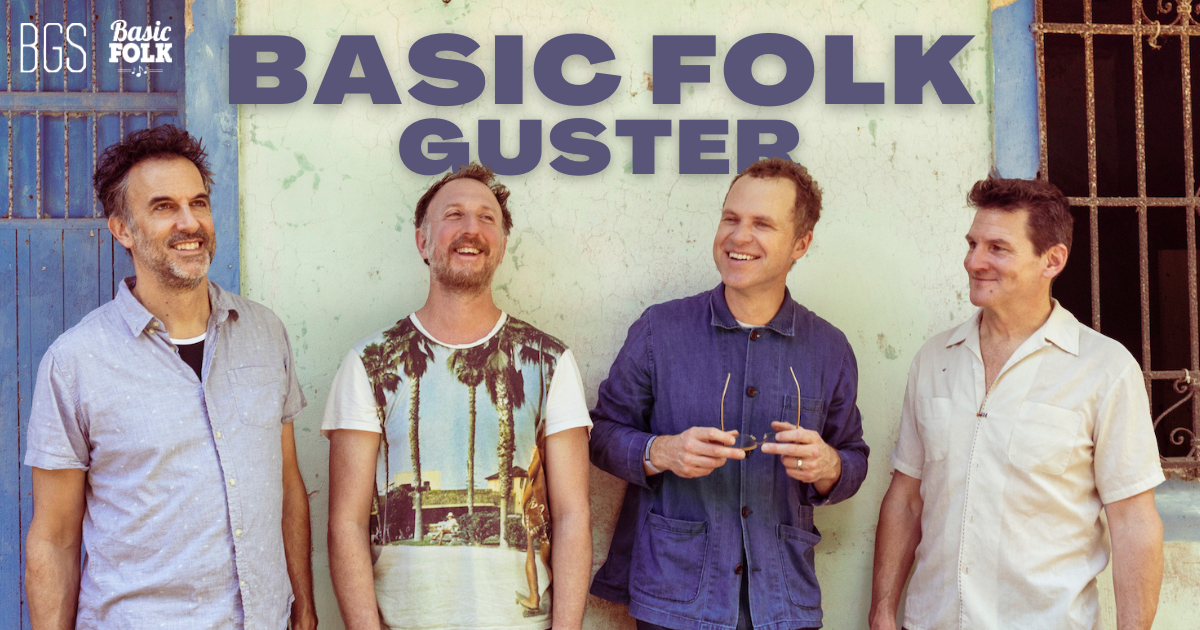
Basic Folk: Guster

On the latest episode of Basic Folk, frontman ​Ryan ​Miller joins us ​to ​talk ​about ​all ​things ​Guster. ​From ​their ​tried ​and ​true ​collaborative ​writing ​process ​to ​the ​theatrical ​delights ​of ​their ​recent “We ​Also ​Have ​Eras” ​tour, ​to ​what ​it ​really ​looks ​like ​to ​make ​environmental ​sustainability ​a ​priority ​on ​tour. ​

Guster ​has just released ​their ​9th ​studio ​album, ​Ooh ​La ​La. ​As ​we ​talked ​about ​the ​new ​record, ​Ryan shared ​how ​these ​new ​songs ​touch ​on ​questions ​that ​the ​band ​has ​been ​asking ​throughout ​their ​over 30-year ​career. For ​example, ​”Maybe ​We’re ​Al​right” ​calls ​back ​to ​the ​collectivist ​spirit ​that ​we ​loved ​in ​2003’s ​Keep ​It ​Together. ​​”Gaugin, Cezanne (Everlasting Love)” ​talks ​about ​God ​in ​a ​way ​that ​brought ​up ​new ​questions ​for ​me ​about ​2010’s ​album, ​Easy, ​Wonderful. ​This ​is ​what ​makes ​being ​a ​Guster ​fan ​so ​rewarding. ​The ​longer ​you ​listen ​to ​these ​guys ​and ​the ​deeper ​you ​dig, ​the ​more ​you ​feel ​empowered ​to ​ask ​questions ​about ​the ​world ​around ​you ​and ​approach ​the ​answers ​with ​playfulness. ​Guster ​is ​a ​band, ​but ​it ​is ​also ​a ​place ​where ​we ​all ​meet ​to ​dance ​away ​the ​big ​questions ​with ​whimsy ​to ​the ​beat ​of ​tasteful ​hand ​drums.

LISTEN: APPLE • SPOTIFY • AMAZON • MP3

It ​is ​no ​exaggeration ​to ​say ​that ​co-host Lizzie No ​has ​waited ​over ​20 ​years ​to ​talk ​to ​Ryan. ​They became ​a ​fan ​of ​the ​New ​England ​indie ​outfit ​in ​2003 ​when the group opened ​for ​John ​Mayer ​at ​the ​West ​Point ​Military ​Academy, ​of ​all ​places. ​The ​vibe ​in ​the ​room ​was ​a ​little ​stiff, ​but ​Guster ​was ​anything ​but. Their ​exuberant, ​generous, ​harmony ​filled, ​idiosyncratic ​performance ​blew her ​teenage ​mind. ​As Lizzie ​dug ​deeper ​into ​their ​lore, ​they ​discovered ​that they were ​a ​part ​of ​a ​vast ​network ​of ​weirdos: The ​Guster ​fandom. ​


Photo Credit: Alysse Gafkjen

Artist of the Month: The Avett Brothers

(Editor’s Note: On May 17, The Avett Brothers released a new, self-titled album. BGS is proud to bring them back as our Artist of the Month for June 2024.

Below, enjoy a musical exploration of their illustrious career and prolific catalog. Plus, you’ll also find our Essential Avett Brothers Playlist for even more discography digging. And, you can revisit our feature from June 2016, when they were first selected to be our AOTM eight years ago.)

Depending on how you reckon it, you could say The Avett Brothers’ career goes back about two-dozen years – or Scott and Seth Avett’s entire lives. Even if you know nothing at all about them, all it takes is a few seconds of hearing them singing together to realize that they really are brothers.

Elder brother Scott’s voice is usually earthy and down below to Seth’s angelic up above. They meet in the middle to harmonize on songs about a series of quests – for love, redemption, family, pretty girls from far-away places, or just to be seen. Small wonder that one of their latest undertakings is Swept Away, a musical inspired by the mythology of their musical world.

To celebrate our Artist of the Month, here are a dozen songs about The Avett Brothers’ remarkable journey.

“Pretty Girl From Matthews” (2002)

Pretty girls are, of course, a perennial songwriting topic for the Avetts – most of them identified simply as “Pretty Girl From.” It’s taken them far and wide, from Michigan to Chile, Annapolis, San Diego, Cedar Lane, Raleigh, Feltre, Locust and even “at the Airport.” But here is the earliest example in all the Avetts’ early, detuned glory, from a town southeast of Charlotte. Originally titled “Song For Robin,” “Pretty Girl From Matthews” was the opening track on 2002’s Country Was.

“Talk on Indolence” (2006)

Folksy Americana trappings aside, Seth and Scott started out playing in bands that did a lot more screaming and thrashing than crooning and strumming. And even as their music has grown more polished and stately over time, their raw streak still comes out regularly. This breathlessly paced head-banging rant, which kicked off 2006’s Four Thieves Gone: The Robbinsville Sessions at an amphetamine pace, is one they still play at most shows.

“Distraction #74” (2006)

Another Four Thieves Gone recurrent, “Distraction #74” evokes British seafaring vibes seemingly tailor-made for raucous pub sing-alongs. And it has a perfect Avett Brothers lyrical theme: Torn between two lovers, the protagonist mostly wonders which of them he’s going to miss the most. The only certainty is that he’ll blow it with both of them.

“Die Die Die” (2007)

In which the Avetts don’t just make a simple pop move, but pull off what might be the least-likely Beatles rip ever. “Die Die Die” opened 2007’s Emotionalism, their first album to crack the Billboard 200 and a showcase for new cellist Joe Kwon. Among the Fab Four echoes here are Beatle-esque vocal harmonies and a guitar solo that’s pure George Harrison. Onstage, they’ll sometimes make it even more overt by closing with flourishes from “I Want to Hold Your Hand.”

“Paranoia in Bb Major” (2007)

Nothing fancy, just a little banjo and glockenspiel number from Emotionalism that perfectly captures the Avetts’ manic whisper-to-a-scream mood swings. Then it closes with one of their quirkiest recorded moments, wordless falsetto chanting that is somehow adorable.

“Murder in the City” (2008)

From 2008’s The Second Gleam, “Murder in the City” came out right when this cult act was about to go mainstream. It feels like one last look back before stepping into the spotlight, a series of epigrams about love, jealousy, family and forgiveness.

“Murder in the City” remains one of the Avetts’ regular live set-pieces, with lyrics that have evolved to reflect the brothers’ evolution from children to parents themselves. It’s a cinch they’ll still be playing and updating it someday when they’re grandparents, too.

“Head Full of Doubt/Road Full of Promise” (2009)

Fittingly, “Head Full of Doubt/Road Full of Promise” was the song the Avetts played during their star turn with Mumford & Sons behind Bob Dylan at the 2011 Grammy Awards. “Decide what to be and go be it” might be their most durable manifesto, which is a big reason it remains their most-performed song live. According to Avett Brothers super-fan Tim Mossberger’s database, it’s closing in on 1,000 live performances. And it still kills. All it takes is hearing Kwon’s cello riff to bring on chills.

“Laundry Room” (2009)

Like “Head Full of Doubt,” “Laundry Room” is drawn from the Avetts’ 2009 big-league debut, the Rick Rubin-produced I and Love and You – their first gold record. It’s a beautifully poignant portrait of stolen-moment love that may or may not be doomed.

“Tonight I’ll burn the lyrics/ ’Cause every chorus was your name,” Scott sighs, contemplating a “head-full of songs” he dreamed up overnight. The double-time hoedown outro plays like a bittersweet wake. “Laundry Room” ranks second on Mossberger’s live-performance database.

“Live and Die” (2012)

From 2012’s The Carpenter, the Avetts’ first to crack Billboard’s Top 10, “Live and Die” is just about the poppiest they’ve ever sounded – even with banjo as lead instrument. In contrast to the Avetts’ usual outlook, it is surprisingly optimistic, which made it the perfect upbeat closing-credits accompaniment for director Jud Apatow’s romantic comedy, This Is 40.

“Satan Pulls the Strings” (2014)

The studio version of “Satan Pulls the Strings” appeared on 2016’s True Sadness, but this one was around for years before that. In fact, its best incarnation is as entrance music for the live show. Among my favorite in-concert memories of the Avetts was watching the entire seven-piece band enter the stage one by one and start in on this song on New Year’s Eve 2014 in Raleigh, North Carolina. That performance appears on 2015’s Live Vol. Four.

“No Hard Feelings” (2016)

In recent years, “No Hard Feelings” has been the Avetts’ customary show-closer, ending each night on a prayerful, elegiac note. As depicted in the 2017 biopic May It Last: A Portrait of the Avett Brothers (overseen by Apatow and Michael Bonfiglio), recording it for 2016’s True Sadness LP was an overwhelmingly emotional experience. It triggered a meltdown by Scott immediately afterward, a sequence that proved to be the film’s most memorable moment.

“Operator (That’s Not the Way It Feels)” (2022)

On-record as well as onstage, the Avetts have always had splendid taste in covers, dipping into the songbooks of Townes Van Zandt, John Prine, Bob Wills and many others. There’s also “Operator (That’s Not the Way It Feels),” a 1972 Top-40 classic by the late great folk-rocker Jim Croce. Seth started doing a stripped-down acoustic version of “Operator” with bassist Bob Crawford back in 2012, and it’s one they still dust off regularly 12 years later.

Read more about the Avett Brothers’ eleventh and self-titled album here.


David Menconi’s latest book, Oh, Didn’t They Ramble: Rounder Records and the Transformation of American Roots Music, was published in 2023 by University of North Carolina Press.

David would like to thank Tim Mossberger for assistance with facts and figures.

Photo Credit: Crackerfarm

BGS 5+5: Grace Pettis

Artist: Grace Pettis
Hometown: From Mentone, Alabama and Decatur, Georgia. Currently living in Nashville, Tennessee. Spent my formative musical years in Austin, Texas.
Latest Album: Down To The Letter (out June 14)

Personal Nicknames (or rejected band names): I was Gracie Pettis ’til age 8 or so. When I was in the 5th grade, I made everyone call me “Bob,” because I thought it would be hilarious to be a 10-year-old girl named Bob. My Nobody’s Girl bandmate BettySoo calls me “Graceface” sometimes. I really tried to get my first band to go by “The Bluebirds.” Nobody was into it but me. I wanted Nobody’s Girl to be “The Starlings,” but it didn’t stick. I’ve got a thing for bird band names, including a really good one I’m holding on to, because I might use it one day. Robby Hecht and I think “Dessert Island” would be a great band name. (That’s a recent favorite from a long list of possibilities Robby has going on his phone.)

What’s your favorite memory from being on stage?

When I was 24, I was in the Kerrville New Folk songwriting contest. I’d been dreaming of going to Kerrville and getting into the contest since I was a kid, because my dad Pierce Pettis was a winner back in ’87. I remember being so incredibly nervous before playing. I was wondering if the judges would like my songs, if I’d be able to hit all the high notes, etc. And then when I was actually up there on the stage, I had this moment of clarity, where I realized that everyone in the audience was on my side. As in, everyone there was hoping and expecting that I’d be great. They were ready for me to be really good; in fact, they wanted me to succeed, not to fail.

Something about that realization – that the audience is not my enemy – helped me relax. And over the course of a few days, I realized that the other “contestants” were actually the friends I was making that would last me for the rest of my musical life. The word “contest” implies competition. But what I understood in that moment was that music is a collective and collaborative act. The audience and the performer are in it together; everybody wants it to be a great experience. And we artists are a tight knit community. We write together, play together, stay on each other’s couches. Music can be an ecosystem, and not a battle.

What rituals do you have, either in the studio or before a show?

I like to watch a little comfort TV on my phone while I’m curling my hair and putting on my makeup. Popular choices have included Star Trek, The West Wing, and Late Night with Stephen Colbert. It really helps me zen out and relax. That hour before the gig – when you’ve got a million thoughts in your head about the set list, and remembering the sound person’s name, and setting up merch, and making sure you put those names on the guest list – it’s really nice to get to sink into a familiar routine. Curling hair, putting on mascara, etc. It sounds silly, but that time is really important to me.

When I’m playing and traveling with friends, I like to have a “human” moment before the gig – just a second to check in with each other. Maybe tell a few jokes, have a bite to eat, or share how we’re feeling (physically, emotionally, etc.) before we have to be “on” with an audience. It’s easy to forget to check in with each other in the busy hustle of the pre-show and post-show check list.

If you had to write a mission statement for your career, what would it be?

“Make it mean something.” As in, the song, my day, the show, my life. I want the things I make and the time I spend on the planet to mean something, firstly to me, and also to others. I actually wrote that mission statement into a song (“Mean Something”), which I recorded on my album Working Woman (2021). It’s great to have a song that’s also a mission statement. I sing it a lot during sound checks and during shows, when there are obstacles getting in the way of me being able to center myself and be present in the moment. Maybe the sound system is not cooperating. Maybe there’s a disrespectful person in the crowd. Maybe it’s a noisy bar and the game is on the TV overhead. Maybe I’m sick, or tired, or just in a bad mood. “Mean Something” helps me remember why I’m on the planet and here in the room that I’m in. It connects me with my purpose, gratitude, and joy.

If you didn’t work in music, what would you do instead?

When I was a very little kid, I also wanted to be an artist – as in a painter or illustrator. I wanted to write books too. Later, in middle school, I briefly wanted to be a school counselor, but dismissed the idea because I didn’t want to be in the same office every day, five days a week. In high school, I was into the idea of being a truck driver. The whole world is your office and your view changes every day. And you can eat as much junk food as you want and use those cool portable devices that plug into your truck engine. Little stoves and TVs. I love gadgets like that. And I love the idea of listening to audiobooks for hours on end. My music job is pretty similar to truck driving, really. I do a lot of driving, and loading and unloading of gear. More junk food than I would like. And a lot of audiobooks.

What is a genre, album, artist, musician, or song that you adore that would surprise people?

I’ve always been a really big Jennifer Lopez fan. When I was a guest on my bandmate BettySoo’s virtual show during the pandemic, we were asked to play “guilty pleasure covers.” I covered “Love Don’t Cost a Thing.” I maintain that it’s a jam.


Photo Credit: Starla Dawn

Freedom in a Flip Phone: John Moreland’s Quest for a Simple Life

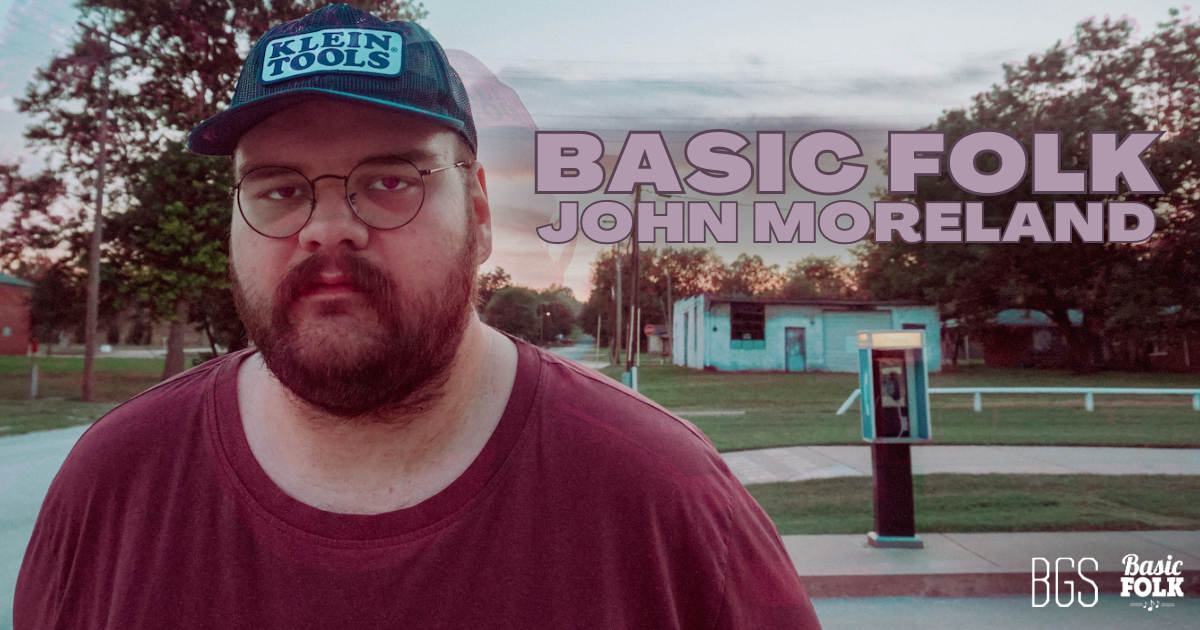
I hate surprises. However, Oklahoma’s pride and joy John Moreland surprised us in April with his latest album, Visitor, and I guess I’m okay with it. Moreland’s gone back to a sparse acoustic instrumentation, unlike the electronic sound (which I also loved) on his previous release, 2022’s Birds in the Ceiling. Recently, he took a page from his wife Pearl Rachinsky’s and musician (and recent tour buddy) Chris ​Staples’ books and quit his smartphone, took a social media break, and stopped all touring for six months. What ensued was an incredible psychic change discovered through living electronically off the grid. Another thing that came about during this simplicity in life: An album full of songs. He would take long drives at night, bringing along his guitar and making field recordings of his new writing. All this culminated into his beautiful new record.

LISTEN: APPLE • SPOTIFY • AMAZON • MP3

During our Basic Folk chat, Moreland talks about the process of unraveling himself from his smartphone, reconnecting with the acoustic guitar, and getting to know himself again during this period of quiet. He talks about how playing live is very vulnerable for him, to the point where he started taking (and loving) beta-blockers to stave off anxiety and adrenaline. He is very candid with his current thoughts on body image – he has been known to experience body shaming online after performing live. We also get into something that’s been on my mind all year: Is climbing the professional songwriting ladder worth it? Pretty sure we figured out the answer. LOL


Photo Credit: Pearl Rachinsky

Out Now: Izzy Heltai

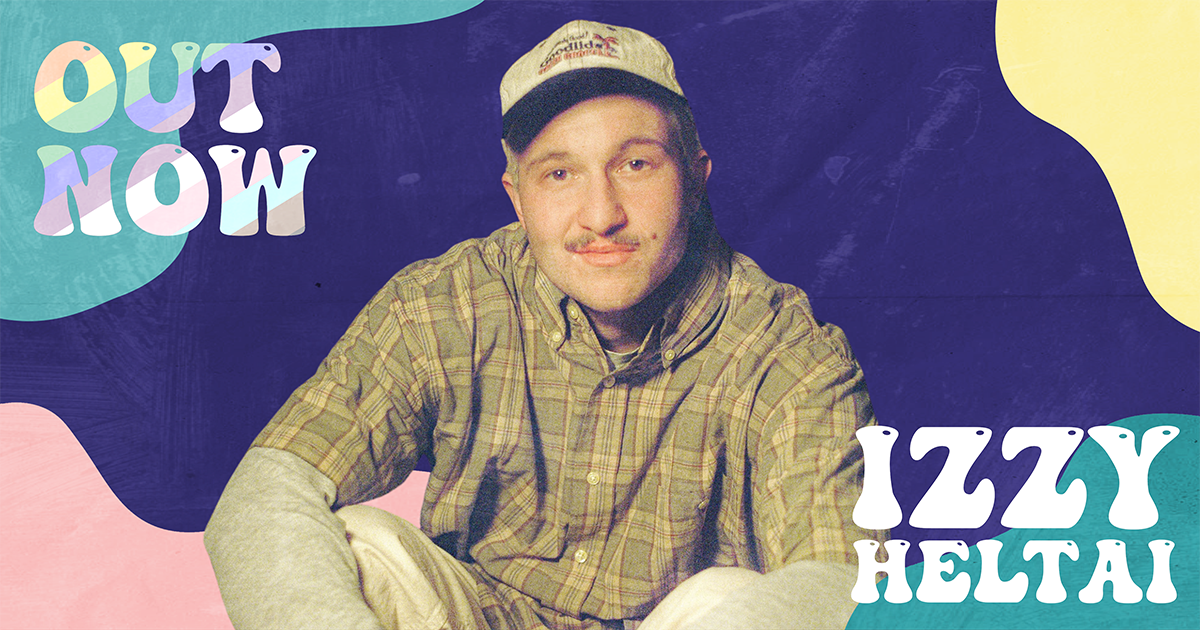
Izzy Heltai is an indie-folk artist whose songs touch on themes like growing older, feeling lost, and finding yourself – his music resonates with many people. Izzy played the first Queerfest event, a virtual festival in 2021 hosted in partnership with Club Passim. His latest single, “My Best Friend Sam,” came out on April 25.

Izzy has a debut New York headline show coming up. If you’re in the area, be sure to check out his show at Union Pool in Brooklyn on Friday, June 21. Our Out Now conversation covers work-life balance (a large theme in his new single), his favorite LGBTQ+ artists, and his current state of mind. We’re so excited to highlight this phenomenal artist, Izzy Heltai!

Your lyrics cover themes that many people can relate to such as being anxious, growing older, self-esteem, feeling lost, etc. Do you write with the listener in mind for the relatability of these topics? Are you mostly thinking of your own experiences and emotions? Or are you considering both during the creative process?

Izzy Heltai: I think a lot of what I experience is universal. I think as we get older we all deal with issues of identity, anxiety, a sense of feeling lost, etc. I don’t really think about writing, or creating, for the purpose of being relatable. I think inherently what I write about is relatable, but the only way I can keep it authentic is by simply saying exactly what I’ve experienced. I don’t claim to know, or want to tell other people what they’ve gone through, all I can do is talk about what I experience.

Your single that came out last month, “My Best Friend Sam,” includes the lyrics, “I’ve wasted close to a decade chasing dreams and expectations / I wanna leave, I wanna stop everything / I wanna be hanging out with my best friend Sam.” How are you balancing a demanding career in the music industry with taking time for yourself and personal relationships?

Honestly, it’s been tough. This work exists in oscillations of highs and lows. One day it can feel like you have everything at the tips of your fingertips and the next day it can feel like everything’s falling apart. I’m trying to block out a lot of that. I’m trying to focus on what makes me happy about all of this, creating music with my friends, playing shows and connecting with people.

Recently, I’ve just been focusing on being in one place. Trying to be present, spending time with people I love, working on my next body of work and doing things throughout the day that make me feel the most present I can be. Reading, riding my bike, climbing, and writing songs.

What is your current state of mind?

If I’m honest, it isn’t the best it’s ever been. I broke my hip about a year ago and some things changed in my life that I had a hard time adjusting to. I’ve been refocusing recently and just putting energy into making things I love. Working on new songs I’m really proud of, investing in my friendships, riding my bike a lot, climbing with my friends. Things that make me feel grounded and most myself!

What’s your ideal vision for your future?

I love making my music, I love my friends here in Nashville and my routine, but I also love touring. Touring and playing shows, connecting with people, seeing new things, is such a big part of this for me. My ideal future consists of a balance between a routine at home, bike rides, yoga, rock climbing, writing and creating my next body of work, and a consistent sustainable touring schedule.

What would a “perfect day” look like for you?

This one’s easy. A sunny hot day, a very long bike ride, and cooking with my friends.

Why do you create music? What’s more satisfying to you, the process or the outcome?

I make music, because at one point I was a lonely, confused kid, and for some reason this was the way I processed the world. I’ll always make music regardless of who’s paying attention, but it’s easy to lose sight of that sometimes. I’m fully aware, with my identity, if my music reaches a certain level of success it has the power to really impact a marginalized population quite powerfully. I think my music becomes much more than “just for me,” because of that.

Who are your favorite LGBTQ+ artists and bands?

Lucky and honored to call her a close friend, Katie Pruitt is absolutely at the top of that list. Leith Ross, Ethel Cain, and Chappell Roan are other favorites of mine.


Photo Credit: Cait Frances

Ruth Moody on Canadian Roots Music, Parenthood, and Being a ‘Wanderer’

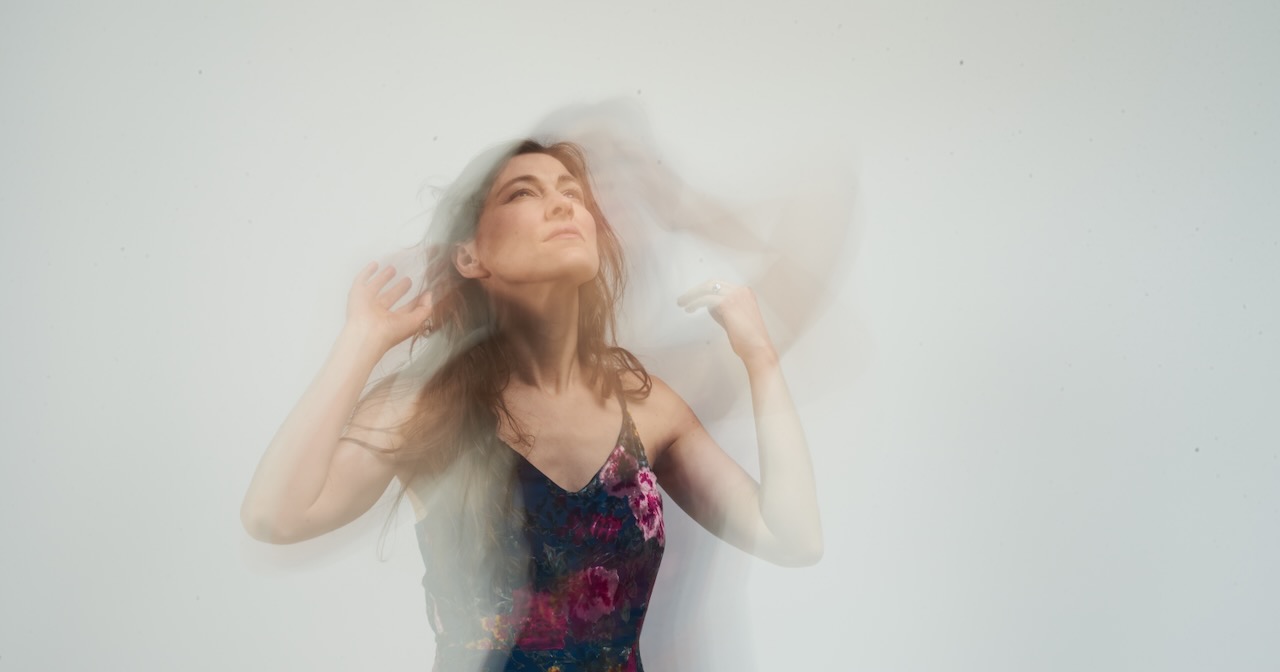
Ruth Moody has a singular voice, whether she’s joining the soaring three-part harmonies of the Wailin’ Jennys, or carving her own path on her new solo album, Wanderer (released May 17.) The project was almost a decade in the making and finds Moody betting on herself as a songwriter, co-producer, and now-label head for her own Blue Muse Records. The album is parallel to Moody’s own journey at continuing to define herself, with its emphasis on confronting the past and carving away detritus that is no longer needed.

Moody splits her time between Nashville and Vancouver Island. The pull between her sense of place, as well as her identities as artist, wife, and mother, characterize Wanderer. The album was recorded at the legendary Sound Emporium in Nashville and was co-produced with Dan Knobler (Allison Russell, Lake Street Dive) and mixed by Tucker Martine (My Morning Jacket, First Aid Kit, The Decemberists).

As discussed below, Moody waited until the time was right to bring her favorite musicians together for the record: her partner Sam Howard, who plays upright bass and provides backing vocals; her older brother Richard Moody; The Wailin’ Jennys’ touring band member Anthony da Costa (guitars); Jason Burger (drums); Kai Welch (keyboards); Russ Pahl (pedal steel); Adrian Dolan (string arrangements); and duet partner Joey Landreth (on “The Spell of the Lilac Bloom”). Moody’s patient commitment to executing Wanderer the way she wanted to shows in its transcendent arrangements.

In our BGS interview, Moody discusses how she establishes her sense of self amidst the competing demands in her life, the factors that give Canadian roots music their own special quality, and the lessons she’s learned from doing Wanderer exactly the way she intended to.

What do you think it is about Canadian roots music in particular? It does have a different feel than roots music in the States.

Ruth Moody: You know, I’ve been asked this question for so long. It’s a very valid question, because I think there is something, but it’s really hard to have a clear answer. In Canada there’s such a range of geography and music culture. You can’t really pin it to one thing.

I grew up in Winnipeg and the winters are so harsh that I think music and art are one of the things that get people through. It’s something you can do in the winter. I also think that there’s something about the landscape and the winter that creates a certain work ethic because you’re so small against the elements, really. So consciously or subconsciously, that enters into the picture for people. And so I think people tend to work hard and really apply themselves. And when it comes to touring, especially if you’re from Winnipeg, it takes some effort to get to the next town. It’s a six-hour drive before you get to the next major town. So I think right from the start, young musicians know they have to go out in the world to tour and get their music out.

We’re pretty diverse and we’re also influenced by so many different cultures and types of music. So I think there is a very exploratory aspect to Canadian music. And a lot of cross-pollination between genres and scenes. We are very lucky to have government support for the arts and I think that helps artists thrive, obviously, but it also helps to create music communities and bring artists together in collaborative situations.

Well, it’s always good to start an interview out by asking you to speak for your entire country! But Wanderer focuses on the idea of home, and I know you’ve lived many different places. Did I read that you grew up in Australia?

I was born in Australia, and my parents are Australian, but they came back to Canada when I was only a year old. I grew up in Winnipeg, but, as an adult, I’ve moved around a ton and that was what inspired the title track. I’ve been touring for over 25 years at this point. “Wanderer” is a love song that I wrote for my partner, because he helped me have that feeling of home for the first time in my adult life.

There are a number of songs about young love and new love on the album. Was there something that was making you reminisce about those times in your life?

These songs were all written across a long time-span – over 10 years really – since my last record. So the songs come from different stages and sides of love, right into motherhood. Some songs deal with heartbreak too and some are more reflective about the past. During the pandemic, I was reflecting a lot about how we internalize the messages we receive from society, how as a woman I took on the expectations of others and how that has affected my life. I was looking back, looking for clues, curious about where fear comes from, where strength and resilience come from. How we learn how to be our authentic selves when there are so many outside pressures and confusing messages. “Seventeen” isn’t about that, at all, but it ended up coming out of that period of reminiscing. It’s a song that came from my own experiences but that is essentially about being in love and not being ready or able to face it or express it, which I think is probably a pretty common experience.

These are all things I’m thinking about a lot now that I have a child, too, because they become very relevant. You’re trying to model behaviors for a young person and it really makes you face yourself. You have to look at why you do and say certain things and what you want to teach and how you want to be.

Speaking of wandering, I read that you split your time between Nashville and Vancouver Island.

I just got back from British Columbia, and I’ll be back in BC in the summer, so yes, I’m back and forth. I tour a lot, so I try to get home to BC when I’m already out traveling. But I work a lot in Nashville and so does my partner, so we’re still figuring that out.

Do you feel you are different when you are in these two different places?

Definitely. That’s been a real theme becoming a mother, really. Suddenly, you’re responsible for another human life. You have to let go of a lot of ways that you used to do things and prioritize what matters. I’m always shifting modes.

When I’m on tour, I operate in a certain way. When I’m in BC, I’m close to my parents and that brings out certain things. When I’m on my own, I have a bit more freedom to maybe be my creative self and when I’m in parenting mode, that goes out the window. Additionally, a partnership requires a lot of work and time, too. There are a lot of different parts of life that I’m juggling. But it keeps it interesting.

This isn’t meant to be a conversation about being a musician and motherhood and “having it all,” but it is a big theme of the record!

It has been a big theme of my life of late. Actually, I wanted to make this record about eight years ago and then I put it on hold, because I wasn’t able to line up all the musicians I wanted involved. I thought, “I’ll do it next year.” And then I had my son and I just didn’t know that motherhood would be such an all-consuming thing. It doesn’t have to be – and everyone’s different!

I really want to do a good job at everything that I do, and so I found it hard [to balance everything.] I felt like I wasn’t doing a good enough job at being a parent and I wasn’t doing a good enough job at performing. That was really hard on me. And I think now, with this new way of looking at things, I’m just being easier on myself and thinking to myself, “Maybe I was enough. Maybe we can’t be perfect at every single thing.” Maybe we don’t have to attempt to be perfect at everything.

First and foremost I think that any woman should have the choice to [balance motherhood and work] in the way she wants to do it. I am still figuring out how to juggle everything – especially since for this record, I decided to put it out on my own label. It’s really exciting and I think will be really rewarding, but it is a ton of work and the learning curve is quite steep.

Wanderer is your fourth solo album. Do you feel this process is different than when you’re working with another artist or with The Wailin’ Jennys?

It is different. The Jennys – I mean, we’ve been together for so long and we have a certain way of working. We’re talking about making a new record, which is really exciting. It’ll be different, because it’s been a while and we’re all changing all the time, you know? That feels like it will be an exciting new experience.

But it is of course different working on my own, especially in this case, because I co-produced this record. When you’re on your own, you draw on a different part of your brain and even your heart. Wanderer is a really personal collection of songs. With the Jennys, we tend to maybe gravitate towards songs that call for three part harmony, so they end up being a bit more anthemic. With these really personal, intimate songs, I connect to them in a different way.

What lessons do you feel like you can take away now that you’ve finished making Wanderer that you want to take with you on your next project?

I’ve learned so much in doing this. Because it took so long to make it and these songs were waiting in the wings for so long, it felt really important for me to make it. The stakes felt high, because it had been so long in the making.

Now that it’s done and I’m putting it out, I am really excited and proud of it. I want to just keep releasing expectations and I’m very excited to dig into creative work again.


Photo Credit: Jacqueline Justice