Son of the San Lorenzo

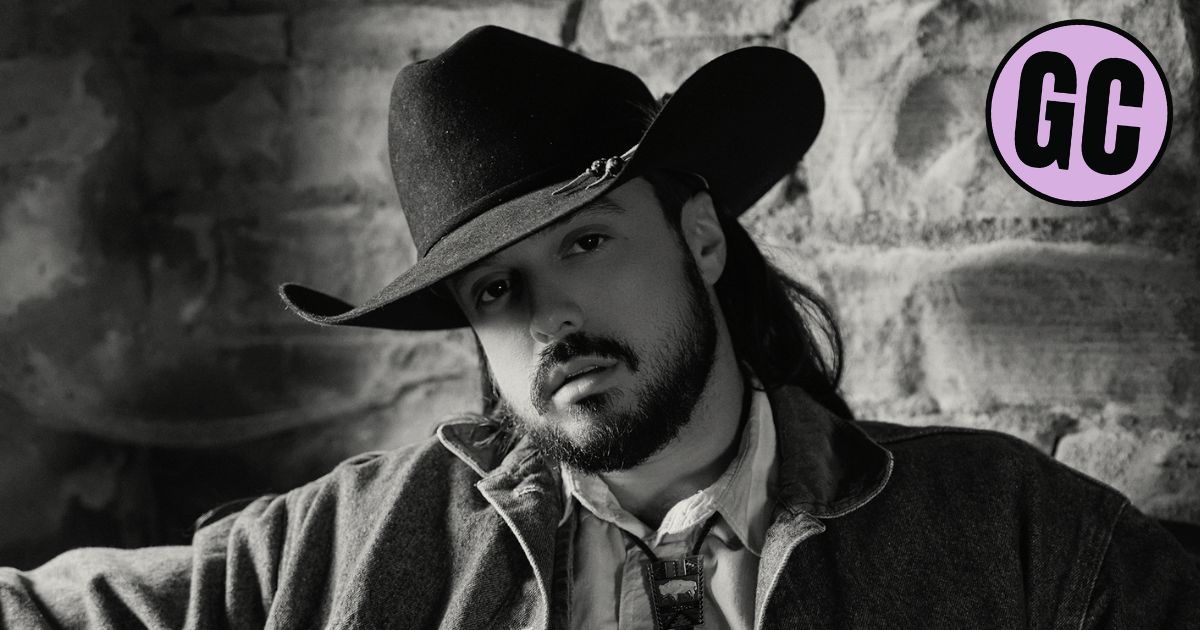
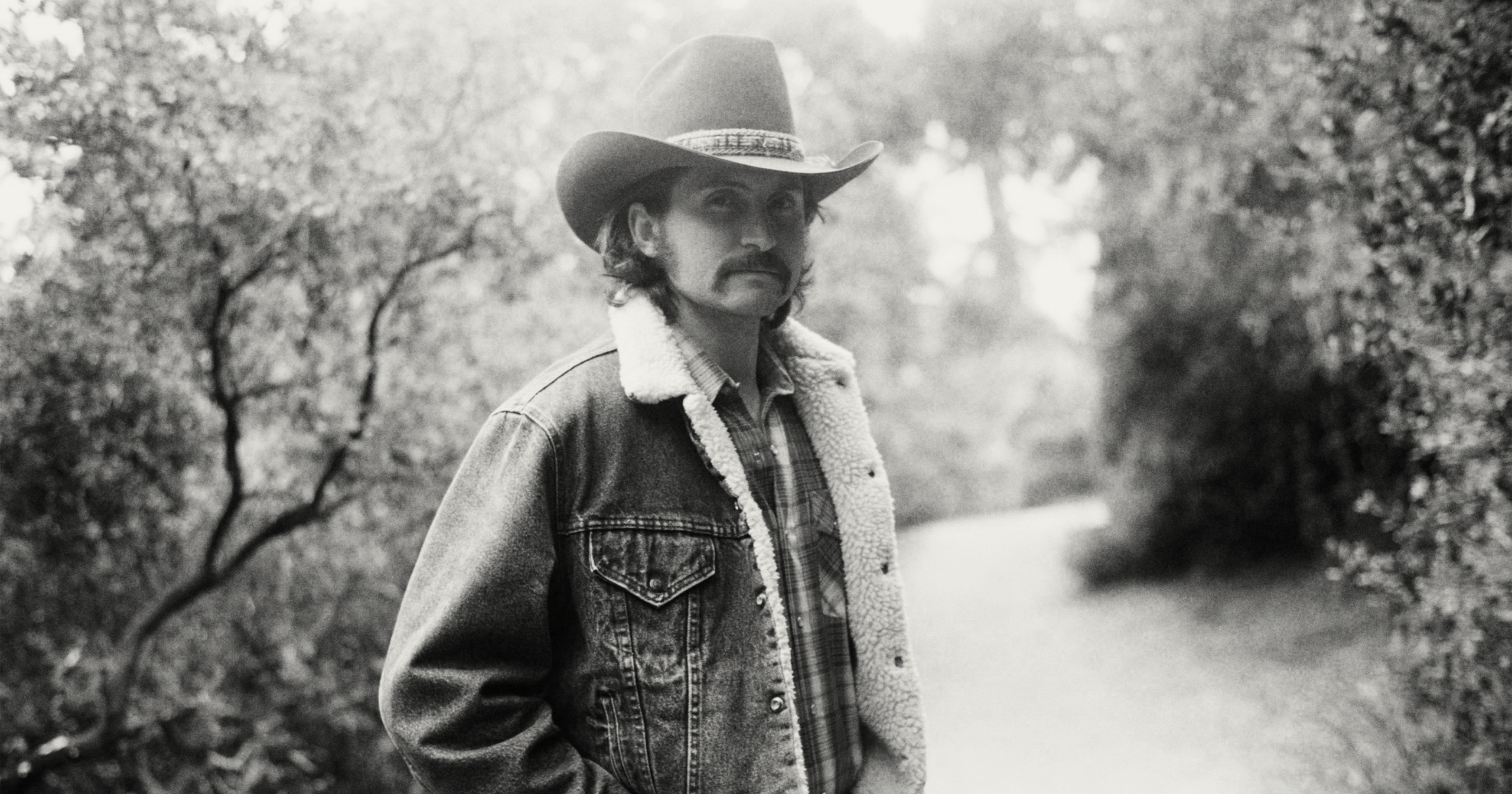
Jesse Daniel is carrying on a family tradition with his fifth studio album, Son of the San Lorenzo. As a kid growing up in Northern California, specifically in the San Lorenzo Valley, Daniel spent hours upon hours in his dad’s truck, listening to the songs that defined ‘70s rock and country radio. When the opportunity arose to create a new album inspired by those sounds, Daniel booked the Bomb Shelter studio in Nashville, recorded live with his band, and enlisted harmonica player (and Country Music Hall of Fame inductee) Charlie McCoy to add an unmistakable flourish to the new recordings.

Just as country fans have come to know their favorite singers as the Coal Miner’s Daughter, the Possum, or the Storyteller, Daniel’s hometown is enthusiastically embracing his alter ego: the Son of the San Lorenzo. Daniel dialed up Good Country to talk about how bluegrass music played a role in his musical development, the silver lining of his checkered past, and what he’s looking for in his fellow musicians when it’s time to hit the road.

For this album, you wanted to go back to the music you grew up on, which is ‘70s country and rock. How did you get introduced to that era of music?

Jesse Daniel: My dad was – and still is – a musician. Growing up, he was playing in bands and always just raised me with a guitar in my hand. Whenever we’d go on road trips, or we’d drive up to Oregon to go see family, we would be listening to Led Zeppelin or the Eagles, bands like that. There was a classic rhythm & blues influence on rock and roll, but a lot of that stuff had a very country influence, too, from Creedence Clearwater Revival to the Eagles. A lot of the bands were California bands, also.

I just heard that music growing up. That’s what was played by my dad’s band, and at birthday parties, events, and school gatherings. That was just good-time music, aside from what we were listening to as kids, when we were getting into metal and punk rock. But I guess that’s what all our dads were listening to, and the older people. So I went back to that, now that I’m in my 30s. That music has such a spot in my soul for that nostalgia, and it’s just so good.

Can you describe the experience of having Charlie McCoy on these sessions?

That was incredible. He showed up on his day to cut some harmonica and he was a very humble, unassuming dude. He told us the coolest stories about old Nashville, all the stuff he’s cut on, and all the people’s personalities back in the day that he used to know. I asked him all kinds of questions, soaking it all in. From the moment he blew on that harp and played some licks, Andrija [Tokic, the studio engineer] and I looked at each other like, “Yep! That’s the sound right there.” He just nailed it.

When I listened to “Child is Born,” the first track, I sensed you’re making a statement with this record. It’s a powerful way to open it. What was on your mind as that song was taking shape?

That song is about generational traumas or generational patterns within families and raising children. I pretty much wrote it from the perspective of trying to give some advice on how to raise a child, almost like a template. Throughout the verses, it talks about the pitfalls and what will happen if you focus on yourself and don’t raise your children right. That’s happened in my family and to so many other people. These fathers and mothers aren’t there for their kids, and when it ends up being their time to be taken care of, when they’re elderly, nobody’s there for them because they weren’t there in return. It becomes this vicious cycle that’s perpetuated. That’s where I was at with writing that one. It was an emotional one. It’s an emotional type of record in general, but I just wanted to start it off with that, for sure. A good, heavy starting place.

One of my favorites is “Son of the San Lorenzo.” I think you have had that title for a while.

Yeah, that one is a special one, too. I wrote that song in 2019 and I included it as the last song on my Rollin’ On record. I decided to re-cut it for this one and name the record after it, because since I wrote and released that song, it’s become a fan favorite all over the place, but especially where I grew up in the San Lorenzo Valley.

Whenever I would go back home for hometown shows, people would call me “the Son of the San Lorenzo” after that song. They would always sing that song. That became my nickname over the past five or so years. I thought, what better title for the record than that? With this record going back to my upbringing, to where I’m from, and identity and all that.

You’ve got references on this album to Highway 9, the Sierra pines, and the redwoods. You’re skilled at setting the scene in your songwriting. Why is it important to bring Northern California into these songs?

With my identity as a songwriter and an artist, it shaped a huge, huge amount of that. I always do things through the lens of being from Northern California. Going back to that sound, so much of the music I grew up on was from that exact area – bands like The Doobie Brothers, Larry Hosford, guys like that, who were making this country-rock and roll-blues stuff that really influenced me a lot.

Painting a picture of where you’re from, and of these things that are important to me and my music – I feel like that’s something that’s lost in music nowadays. People don’t do that as much, or if they do, it’s pretty well dominated by Appalachia or Texas. They have a lot of identity and pride in their musical heritage there and I just feel like it’s missing from California in general. And it shouldn’t be. It’s an amazing place, an amazing landscape, an amazing musical history. I see it as my cross to bear to try to carry on that legacy as best as I can.

Has bluegrass been an influence on you?

It definitely has. When I was in high school, I had a teacher for a short period of time who had a bunch of burned bluegrass mix CDs. She was the person that turned me on to bluegrass. I remember listening to that Tony Rice and Norman Blake song, “Eight More Miles to Louisville,” and I was like, “This is incredible!” The songwriting, the picking, the tempo. That made me fall in love with bluegrass. I’d been playing guitar for quite a while at that point, but that’s when I started learning the banjo rolls and trying to emulate some of those bluegrass things I’d heard and adding them into my chord progressions. Even though I don’t explicitly do bluegrass, I always have a bluegrass song on my records, or something that’s at least along those lines. For this record, it’s “Mountain Home” It’s got the banjo and fiddle and a little bit more bluegrass texturing. It’s a big part of my influence.
I was listening to “One’s Too Many (And a Thousand Ain’t Enough)” on Spotify and I couldn’t help but notice your mug shot from Santa Cruz County [as the Spotify Canvas] in the player. How did that come to be?

Yeah, that’s my mug shot from one of the times I went to jail. During that period of my life from 18 through my early twenties, I was a heroin addict, a methamphetamine addict. I was in a vicious cycle of addiction I had gotten into in high school. Once I was out of high school, it accelerated and I became a full-blown junkie, a full-blown drug addict. So that took me on frequent trips to jail for a week here, a week there. I never did any serious time, thank God. I should have, but I didn’t. I was constantly in and out of jail or rehab programs.

That mug shot is a reminder of that past and of that period of my life I wrote about in that song. That song is comprised of all the advice I had gotten from older people who had gotten their stuff together over the years, including some of my own family members who have been sober. They would tell me all these little bits of wisdom and try to help me, and I was just too deep in it to really see. But that song is basically the advice I’d give to somebody now, made up of all the advice I got back then when I was in that position.

Do people who know your story approach you for advice when you’re out on tour?

Quite a bit. There’s a cool, cathartic element to it for me, because I get to put my story and struggles into these songs and they help me. Then it becomes that for other people. I had a woman come up to me at a show, and she told me that my song “Gray” helped her mother get clean. She sent this song to her mother and it broke her down so much that her daughter was sending it to her, saying, “Hey, listen to the lyrics of this song. I care about you and I want you to get help.” And she did. She’s been clean for a couple years now and she says it’s because of that song.

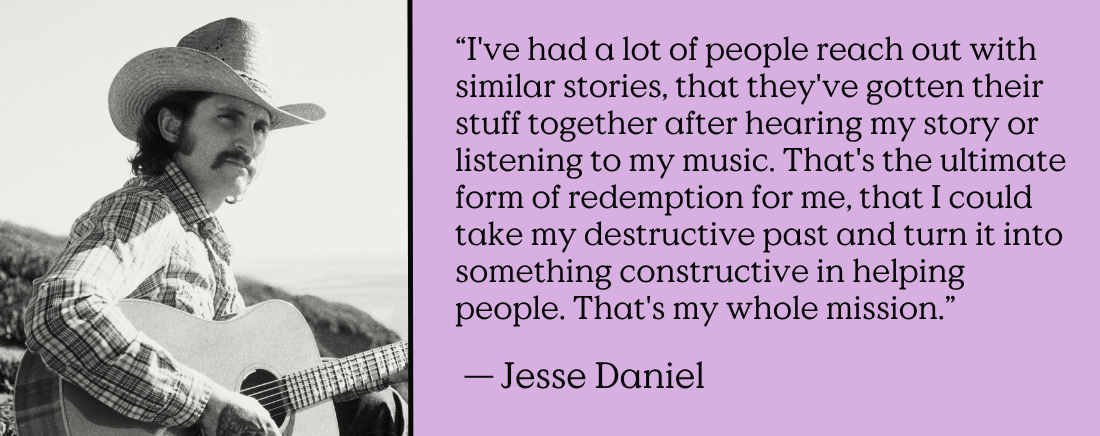
I’ve had a lot of people reach out with similar stories, that they’ve gotten their stuff together after hearing my story or listening to my music. That’s the ultimate form of redemption for me, that I could take my destructive past and turn it into something constructive in helping people. That’s my whole mission. Aside from making the music I love, that’s my mission in my contribution to music.

That’s interesting to hear your mission statement, because you’re the head of your own organization now. I don’t know if you think of yourself that way, but you’re a businessman.

Yeah, more recently I’ve started to think of it that way. And it’s true, especially doing it independently like we have for so long. We’re just now starting to work with a bigger booking agency, a bigger management. We’re stepping things up. But my fiancée Jodi and I really built this together ourselves, brick by brick.

I’ve often heard you shouldn’t get in a relationship with someone until you know you travel well together. What do you remember about those early years with Jodi on the road?

In the early years, even before we started touring in a band together, I would play regionally and Jodi and I would go on road trips together, camping trips, whatever. We just wanted to keep going. That was always part of our relationship. We traveled really well together. We had similar interests. We’d just listen to music and talk and go pull off at roadside swimming holes up in the mountains. We loved that sense of adventure and going places. It was one of the main things that drew me to her when we first got together. She had just as big of a sense of adventure as I did.

So, in the music aspect of it, that’s really helped because we both have that wanderlust and we’re just down to be on the road and to go play new places. When one of us gets tired and burnt out, or maybe sick of being on the road, or something’s not going right, we have the other one to put it in perspective and help balance things out. You lean on that person, which not a lot of people have. A lot of times, your wife or your husband or whoever is at home and you’re out there, alone, missing them. So, I do have the luxury of being with my person out there.

What did Jodi think about the song “Jodi” when you played it for her?

She loves the song. Just like I say in that first line, “To write a love song for you was not an easy thing to do.” It really was a hard subject to tackle, because it’s so vulnerable and true. I had to sit with that one and try to make it as meaningful as possible, so it didn’t come off as a corny love song or too cryptic. I wanted it to be straightforward, but really meaningful.

What do you look for in musicians as you start to put together a band for a tour?

First off, they’ve got to be a great musician. That’s number one. They’ve got to understand the styles and the stylings that I like to go for with my music. I know it’s not for everybody. Sometimes the guitar style is a little bit outside of their bubble, so the playing has to be there.

On top of that, personality-wise, it helps to have people with good attitudes. That’s a huge one I’ve learned over the years. If somebody isn’t there for the right reason, or if they’re halfway in, halfway out, or maybe they’re partying a whole bunch on the road. I’m clean and sober on the road, I don’t do anything, but my guys will go out and have a beer or whatever. That’s totally fine. But if guys are going out and doing drugs or drinking and having it affect their performance or attitude… That is something that happened in the past, so I have a pretty strict policy with that. If you’re going to be in my band, you don’t have to be a teetotaler, but just try to keep it pretty mellow. It’s about the music. That’s what the focus is.

When you listen to Son of the San Lorenzo front to finish now, what goes through your mind?

I see a pretty complete body of work. Sometimes I’ll listen to some of my earlier records and I’ll look back and think, “Oh, I’d change this,” or “I’d do this a little different,” or “Maybe I would have put this song here…” I think that’s easy to do, to pick things apart, especially when you’ve grown as an artist and a songwriter. But when I listen to this record, I put so much time into the song arrangement and into each lyric and each part of the production. I wrote all the guitar licks. Well, ninety percent of the ones you hear on here are ones that I wrote, and then I showed them to the guitar player and he played them better than I was able to play them. [Laughs] All these little things, I put so much effort into this record that I listen back and I’m just really proud of it.


Want more Good Country? Sign up to receive our monthly email newsletter – and much more music! – direct to your inbox.

Photos courtesy of Lightning Rod Records.
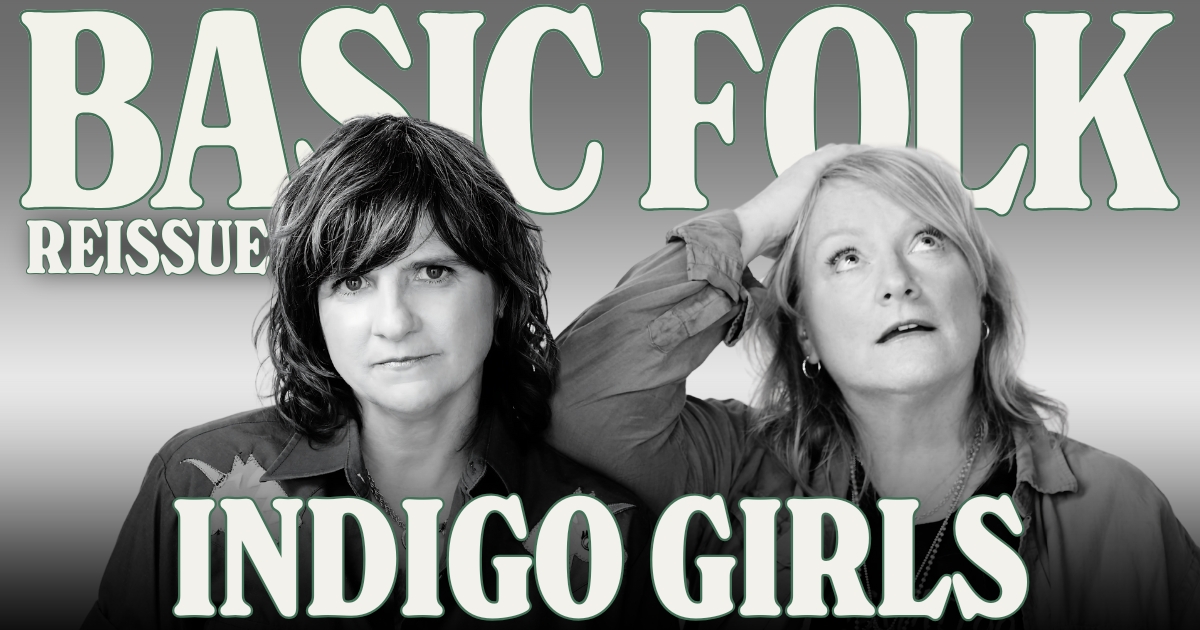
Basic Folk: Indigo Girls (Reissue)

(Editor’s Note: Welcome to our Reissue series! For the past several weeks, Basic Folk has been digging back into the archives and reposting some of our favorite episodes alongside new introductions commenting on what it’s like to listen back. This is our last Reissue for now, so please enjoy!

This episode featuring separate interviews with The Indigo Girls – Amy Ray and Emily Saliers – and host Cindy Howes was originally posted winter 2019.)

Back in 2019, my now-wife and I attended the inaugural Girls Just Wanna Weekend in Cancun, Mexico, which featured an all-women lineup curated and hosted by Brandi Carlile. I was lucky enough to be able to interview The Indigo Girls there in two separate solo interviews. I still feel nervous thinking about the scene of talking to both Amy Ray and Emily Saliers in each of their (very nice!) hotel suites on my new little Shure mic that connected to my phone. Lucky for me, both Amy and Emily were really into my new mic, so it served as the best possible icebreaker. Both were very generous with their time and with their answers to my unorthodox questions.

LISTEN: APPLE • SPOTIFY • AMAZON • MP3

First I got to speak to Amy Ray, who talks about growing up in a conservative, modest Southern family with her radiologist father and a smart, scholarship-attaining mother. She speaks to how her suburban upbringing and intake of conservative values of the South has influenced her identity. She shares about her father’s deep involvement in community service and the impact of her father’s generosity on her own activism. I also asked Amy about her sense of fashion and how it challenges traditional gender norms. She talks about her love for creative clothing and that her historically unconventional approach to style serves as a form of activism.

Next up: Emily Saliers. She talks about her relationship with guitar playing, tracing it back to childhood lessons at the YMCA and musical members of her family. She also points out how playing electric guitar changed the game, particularly through collaborations with Amy Ray. Emily talks about first solo album, Murmuration Nation. Released in 2017, it took a long time to come to fruition due to challenges and emotional hurdles she faced during its creation. Lyris Hung, longtime Indigo Girls friend, collaborator, and producer – including on that solo album – brought her expansive musical imagination and played a critical role in shaping the record. We also get into Emily’s love for hip-hop, specifically political hip-hop, and the profound impact the genre has had on her. Emily ends with talking about her other great love, food, by drawing parallels between the communal nature of music and cuisine, illustrating how both bring people together in meaningful ways.


Photo Credit: Jeremy Cowart

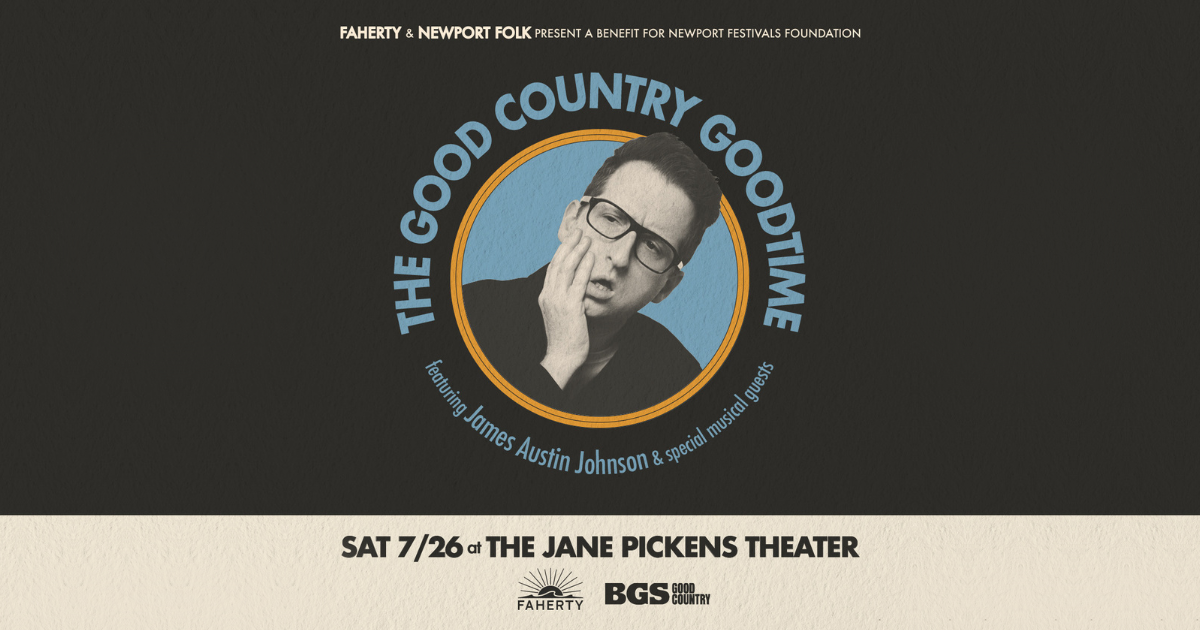
The Good Country Goodtime ft. James Austin Johnson

On Saturday, July 26, BGS and Good Country will return to Newport Folk Festival for another very special benefit aftershow, The Good Country Goodtime, featuring actor-comedian-musician James Austin Johnson (of SNL) and special musical guests. Each year, in the evenings after the festival winds down at Fort Adams State Park, Newport Folk hosts a variety of aftershows at venues around Newport, Rhode Island, each benefitting the Newport Festivals Foundation. Tickets went on sale today at 1pm EDT / 10am PDT – and sold out immediately. Join the wait list and get more info here.

Last year, BGS and our co-founder Ed Helms hosted A Bluegrass Situation at the Jane Pickens Theater on Saturday night of the festival. The sold-out superjam styled show featured performances by Helms and his Lonesome Trio, Langhorne Slim, Tony Trischka, Billy Bragg, Rhiannon Giddens, Madison Cunningham, Andrew Bird, and many more.

This year, it’s a brand new show, an exciting reimagination of our recent creation, The Good Country Goodtime, a variety show in the style of iconic old-timey radio shows, jamborees, and barn dances that’s a modern celebration of country, comedy, and everything beyond, below, and in between.


Hosted by Saturday Night Live cast member – and burgeoning Music Row songwriter – James Austin Johnson and written by comedy, radio, and podcast writer Greg Hess, the Good Country Goodtime will build on the show’s format as debuted by BGS and Good Country at Dynasty Typewriter in Los Angeles in September 2024. (Watch a humorous house band performance of “Who’s Gonna Feed Them Hogs” from the Dynasty Typewriter edition of the show below.)

The Newport Folk Fest rendition of our variety show will feature a who’s who of musical and comedy guests from the festival lineup and beyond, with many a surprise and once-in-a-lifetime moment in store. Hilarious sketches, iconic collaborations, a stellar house band, classic songs from the country canon, and plenty of homages to Newport Folk Festival and its country legacy will be sure to charm the Jane Pickens Theater audience.

We hope you are one of the lucky ticket holders joining us later this month for the Good Country Goodtime on Saturday, July 26, in Newport, Rhode Island. Join the waitlist and get more information on Newport Folk Festival here.


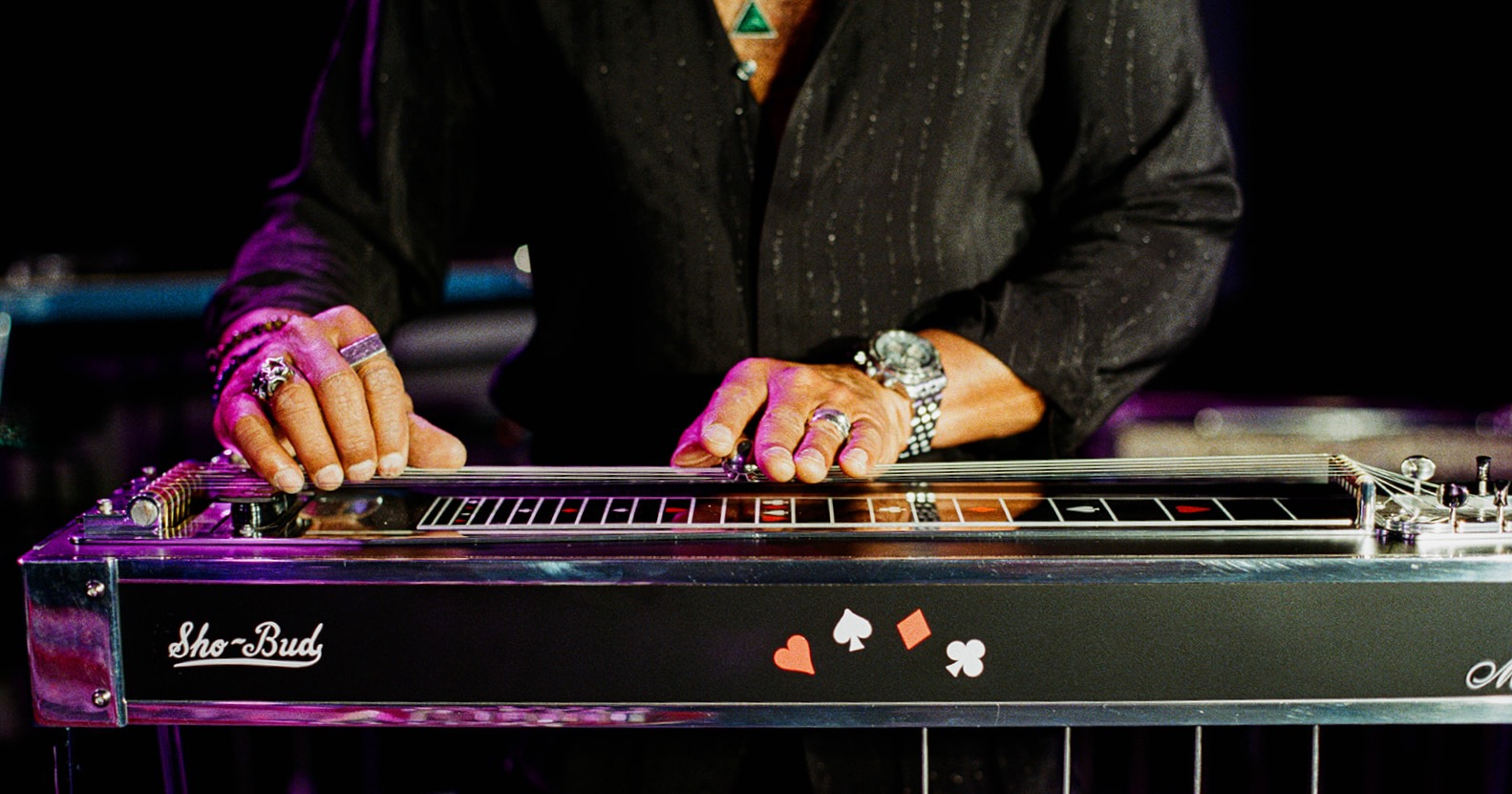
Sho-Bud Steel Guitars Relaunches, A Family Business Once Again

Tone: it’s the Holy Grail for musicians, and it’s the cornerstone of Sho-Bud, the iconic pedal steel guitar company founded in 1955 by Harold “Shot” Jackson and Buddy Emmons. When Emmons moved on, Jackson continued with sons Harry and David, handcrafting instruments integral to the sound of country music.

In the early 1980s, Sho-Bud was acquired by Fred Gretsch. In 2005, after twenty years away from the business, Harry and David Jackson, joined by David’s daughter, Dawn Jackson, resumed building instruments. As Jackson Steel Guitar Company, they introduced new pedal steel, lap steel, resonator, and slide guitars.

In December 2024, the third generation of Jacksons, siblings and co-CEOs Dawn and Will Jackson, reacquired the company name and family legacy. “We knew that the name carried a lot of weight,” says Dawn Jackson. “It’s our heritage, and we wanted to bring it back while Dad and Harry were still building.”

“I want to acknowledge Fred Gretsch, his wife Dinah, his family, and his team,” says Will Jackson. “A lot of people approached him to acquire the Sho-Bud name over the years, and he didn’t do it. He saved it for us. We very much appreciate what he did in terms of preserving the name, keeping it intact, and not selling it to someone else. We’ll be eternally grateful to him for that.”

Sho-Bud relaunched this year with new and classic gear, plus several projects across platforms and generations. The reach stretches from traditionalists devoted to the classic instruments they saw on the Opry stage, to young musicians incorporating steel in everything from country to metal.

Central to all of this, of course, are the instruments, which include the high-level, traditional, maple cabinet Pro V; bender-equipped, stand-up SlideKing LS lap steel; and best-selling Maverick II.

“It’s not the Maverick of old,” says Will Jackson of the Maverick II. “The original Maverick was designed to be a low-cost, entry-level, beginner guitar. With the Maverick II, our objective was to build one of the sweetest-sounding guitars. We developed a front and rear extruded aluminum panel that has a hard rock maple soundboard that sits between them. On top of that, the one-piece aluminum neck now binds the key head and tail plate together.

“When you sandwich all that together, this particular guitar, as Dawn describes it, cuts through all the other noise. It’s distinctive, it’s clear, it rings and resonates. It has that Nashville sound because we still utilize the exact same pickup design that Shot developed back in the ’50s. When you marry that to this modern design cabinet, it is incredible. The Maverick II definitely stands out in terms of its tonal qualities. It’s pretty much unmatched. It’s quite an advancement in terms of pedal steel guitar technology.”

Sho-Bud plans a reissue of the signature Lloyd Green model, the LDG, which the Jacksons describe as “a continuation of the original classic design,” and a limited-edition LDG, cut with modern components and updated mechanisms, each one signed by Lloyd Green, David Jackson, and Harry Jackson. Other reissues will follow, including Jimmy Day’s Blue Darlin’.

Sho-Bud co-CEOs and siblings Will Jackson and Dawn Jackson.
 

“Relaunch,” in Sho-Bud vernacular, is all about name recognition, product reputation, and upholding a decades-old legacy. “We built steels for the past twenty-five years under the name Jackson Steel Guitars,” says Dawn Jackson. “So the relaunch, for us, circles around the Sho-Bud name.

“What’s happened in the months since we secured the name again, the outpouring of support from the guitar industry in general has been overwhelming,” she says. “That lends itself to the weight this brand carried around the world, and how throughout the years of its ‘dormancy,’ it maintained a true following, and not only from older generations. Younger people love the brand too. When we mention Sho-Bud, every door is open. So that’s really the relaunch. We maintained building these amazing instruments during our Jackson Steel era, but the [Sho-Bud] brand itself has the leverage and momentum behind it.”

“A lot of people have asked, ‘Is this just a rebranding of Jackson Steel Guitars?’ Definitely not,” says Will Jackson. “We’ve been sitting on a few patents that we’ve obtained over the last couple of years. They’ve got about fifteen years or so left on them while we fine-tune these components.”

Those components include a tunable vibrato, on-the-fly D Drop, The EDGE® multi-bending system, and Core-Over™ strings, all of which they’ve introduced to Sho-Bud artists with positive response.

“When a traditional, fretted-instrument guitarist is, say, holding a chord, when they use an old-school vibrato — let’s say a Bigsby, for example — when they hit that thing, all those strings are falling out of tune,” says Will Jackson. “Our tunable vibrato doesn’t destroy the chord. When they’re holding a chord and they go down, all those strings fall in tune now.

“We’ve got a Drop D tuner that allows an artist, again on a fretted instrument, to simply roll their E down to a D while they’re playing. They don’t have to take their fretting hand off and adjust anything on the key head. They don’t have to stop and tinker around with their picking hand to adjust anything. They’re able to use the palm, the heel, of their hand, roll it right down to a D, and roll it right back up to an E. So it’s very novel, very easy to use.

“With our Core-Over strings, we take the winding off up to where it passes the bridge and on the pickup side of the nut, so it’s just the core of the string going across those two touch points. It creates incredible amounts of sustain. The sound profile of the string is much rounder, bigger, fuller. It’s amazing.”

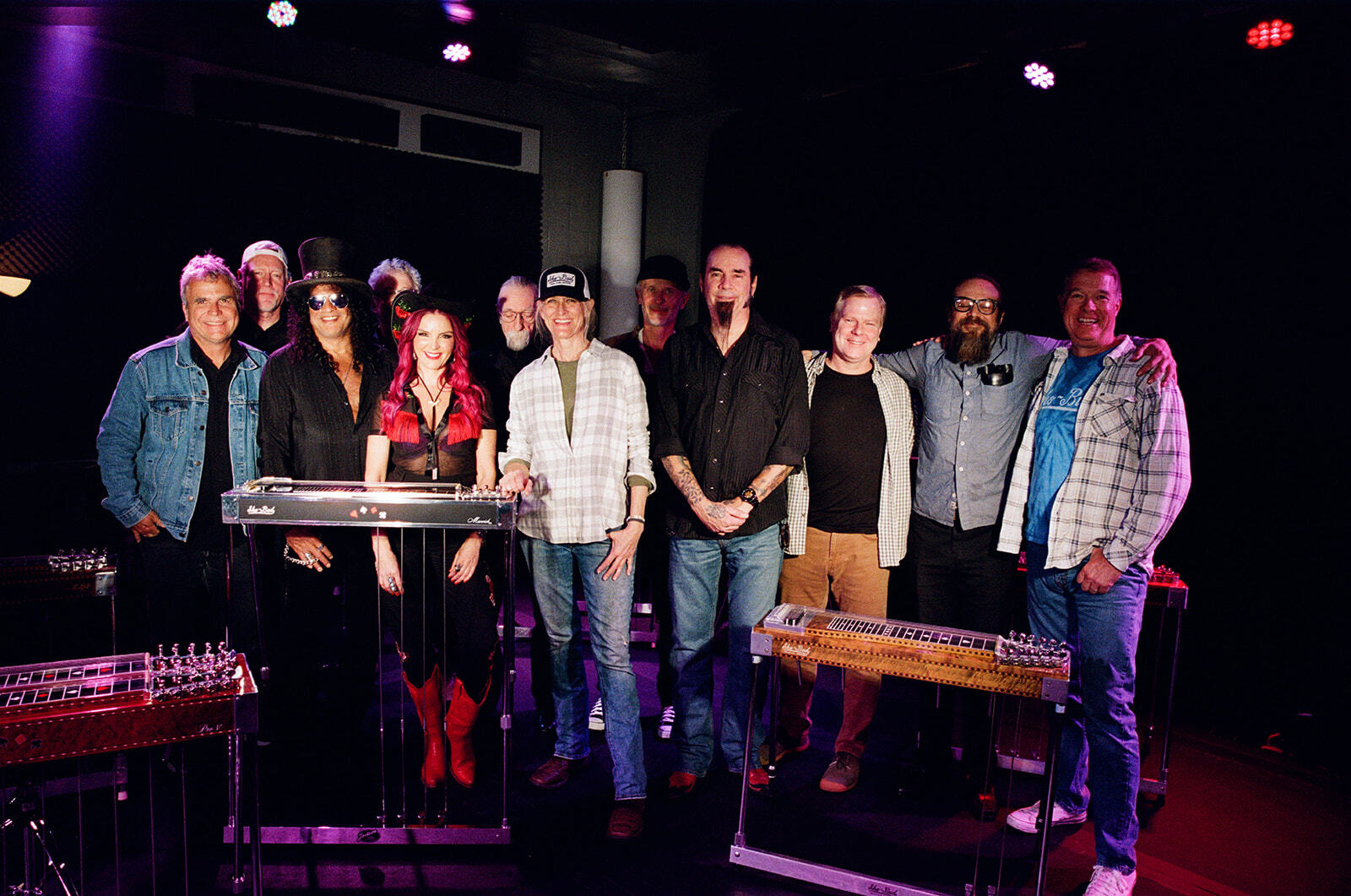
(L to R) Kyle Ince, Bob Sheehan, Slash, Ted Stern, Andrea Whitt, Skunk Baxter, Dawn Jackson, Pavel, Hexx Henderson, Mark Tucker, Rocco DeLuca, and Will Jackson pose for a group photo at the Sho-Bud Showcase Live at the Desert 5 Spot in Los Angeles.
 

On April 24, in Hollywood, the company celebrated the return of Sho-Bud Showcase Live, national concerts spotlighting steel-centric artists in all genres. The series kickoff, Sho-Bud’s first live event in over forty years, included, among its many participants, Jeff “Skunk” Baxter, Robert Randolph,
Andrea Whitt, Rocco DeLuca,
Hexx Henderson, Hatfield Rain, Shooter Jennings, and Slash.

Sho-Bud Music is a record label and publishing company originally established by Dawn Jackson to release an album by her band, the aforementioned Hatfield Rain. “Around that time, I started working with Dad and Harry on Jackson Steel and never did anything with the [album] mixes,” she says. “It’s getting ready to come out after all this time, so I’m super-excited.” Along with that recording, Sho-Bud Music is promoting other Sho-Bud artists.

Coming soon is Shot Jackson’s Sho-Bud Showcase radio program, which will now become a podcast featuring music, interviews, and over 150 digitized reels from the original 1970s and early 1980s WSM broadcasts. “We have all the reels and we’re going to start releasing them,” says Dawn Jackson. “The podcast will also include interviews with today’s Sho-Bud artists and, of course, our dad and Harry.”

Harold “Shot” Jackson built Sho-Bud on a foundation of superior instruments, customer service, customer satisfaction, and customer loyalty. Those values remain at the core of Dawn and Will Jackson’s goals, whether putting instruments in the hands of internationally renowned musicians or newcomers learning their way around pedal steel.

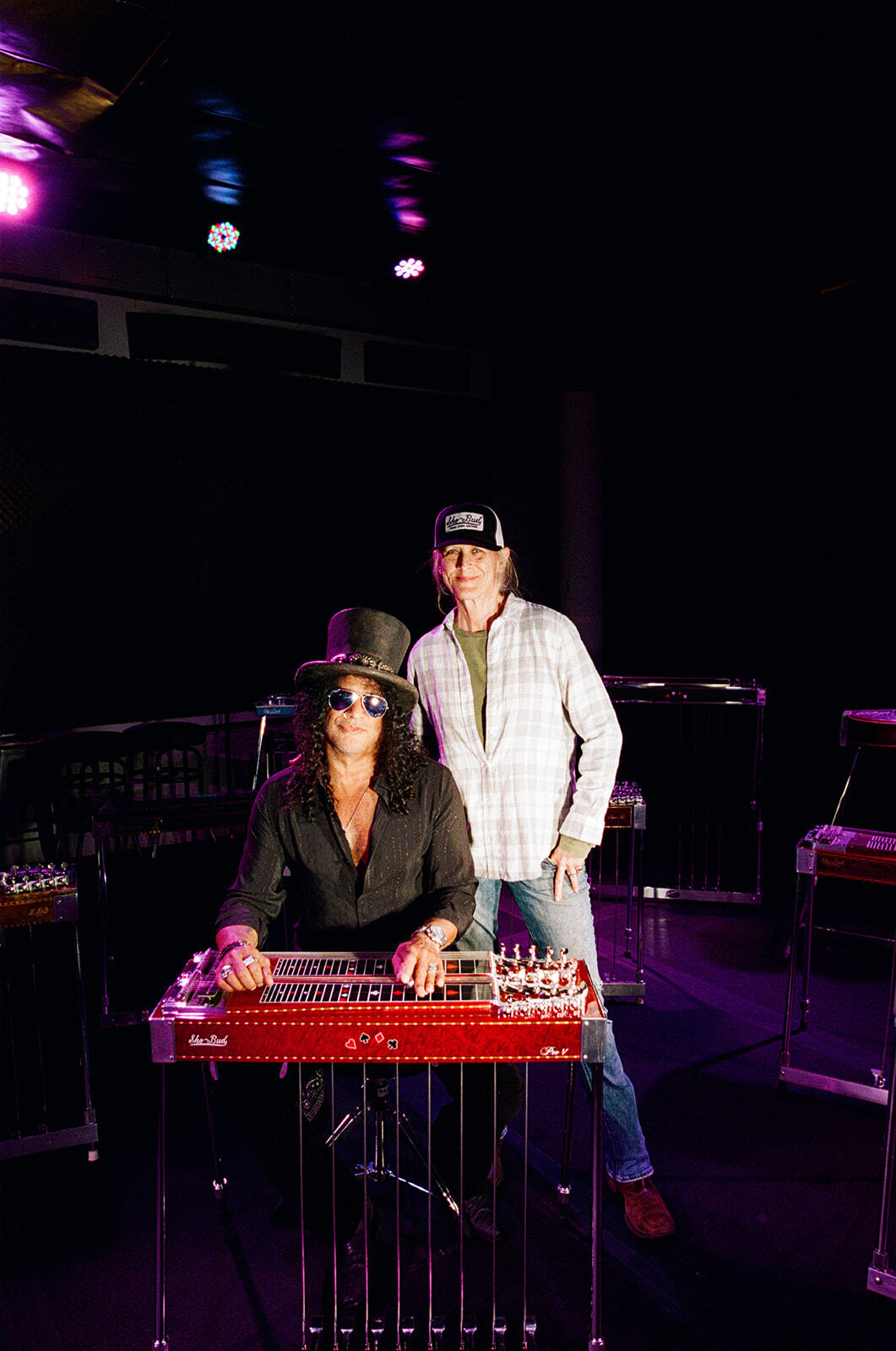
Sho-Bud CEO Dawn Jackson poses with Slash and a Sho-Bud Steel Guitar.

 

“These instruments are not like traditional fretted instruments,” says Will Jackson. “Fretted instruments don’t have moving parts per se. But these do. Because they have those linkages and mechanical pulling mechanisms, as they’re used, they wear. Anytime you make a change to these instruments, you have to be careful, because in the interest of trying to maximize performance or life on one end, you can impact tone on the other end, and that is something we can’t sacrifice.

“Sho-Bud has always been known for that Nashville sound, the tone that we got. The story I recall as a kid was Shot sitting there on a pickup-winding machine, which was made out of an old sewing machine motor. He had apple bushels next to his workbench. He would wind a pickup, plug it in, and if it gave him the tone he was after, performed the way he wanted it to, it went in the keeper bushel. If it didn’t, it went into the discard bushel.

“That is how our family has built these things. There are no Rhodes Scholars over here or MIT graduates in engineering. These guys developed these instruments through pure trial and error and using their ears to develop that tone. Again, we can’t sacrifice mechanical advantages over tone. Some guitar companies do, but we cannot do that. For us, it is about tone, tone, tone. We live and die by that.”

“We’ve always maintained the tradition and look of our guitars — the beautiful cabinets, our certain inlays, the finishes,” says Dawn Jackson, “but aesthetics are second. Tone has always been number one for us.”

“These instruments require maintenance,” says Will Jackson. “If there is a nut, a screw, a bolt, it will get turned by someone. When these things leave the shop, they’re set perfectly. People will start adjusting things, and that’s what they’re for. You need to fine-tune things ergonomically to make it fit. But, because these things can be very sensitive, sometimes they overdo it, or they have trouble chasing the tuning back to where they wanted it.

“We are here to support them in terms of Zoom calls, where they can show us exactly what they’re doing, what the instrument is doing, or what it’s not doing that they would like it to do. We can help walk them through that, using a blend of modern technology to help them fine-tune some of these traditional instruments. We’re always looking for ways to make it easier for them to keep these guitars maintained.”

As a family-owned and operated company, versus a multi-department corporation, the Jacksons are front and center when phones ring, texts chime, and emails arrive – no call centers, AI assistants, or being transferred through a half-dozen departments and hold times. They field calls, walk customers through setups, stay active via social media, keep up with forums, provide instructional videos, and cherish human-to-human relationships.

Slash plays a Sho-Bud Steel Guitar.
 

“Will and I have been a team since we were kids playing football in the backyard,” says Dawn Jackson. “We really believe in team efforts, and that’s why we’re so big on using the words ‘Team Sho-Bud.’ The dynamics between us, our father, and our uncle – we’re all creators and passionate about the things we do.

“We have the same objective in mind, which is to maintain our family heritage,” she says. “I am so proud that Sho-Bud is still a family business, and that people love and respect that. We work together, play off of each other, and it just works and works well.”

“I’m proud of my family – our dad, our uncle – for the sacrifices they made over the years to build these instruments, and to deliver the tone and the sounds that everyone enjoys,” says Will Jackson. “I’m very proud of the work they put into this, and of Dawn for rolling up her sleeves and helping them. I’m proud of the way Sho-Bud has evolved. It’s fun to be a part of the rebirth of Sho-Bud. These instruments, these new components, are going to be total game changers. I’m very proud to represent these products and wear the old brand. It’s exciting times.”


All Photos: Ashley Marie Myers, courtesy of Sho-Bud. Lead and alternate images: Slash plays a Sho-Bud pedal steel guitar.

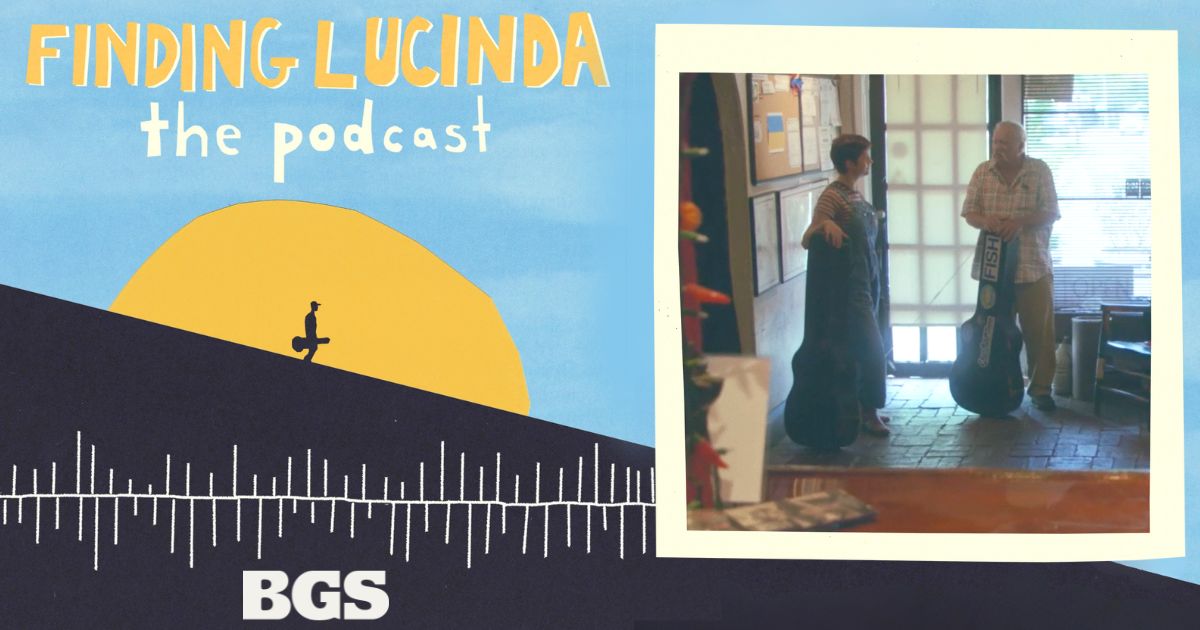
Finding Lucinda: Episode 5

Ismay travels to Anderson Fair in Houston, Texas, a famed music venue with a unique history that includes legends like Lyle Lovett and Nanci Griffith. Ismay tracked down a special character from Lucinda’s early career, who had largely been missing from the national music scene since the ’70s. There they discover how artists’ paths diverge and contemplate what we’re all looking for when we seek out careers in music.

LISTEN: APPLE • SPOTIFY • AMAZON • MP3

Produced in partnership with BGS and distributed through the BGS Podcast Network, Finding Lucinda expands on the themes of Ismay’s eponymous documentary film, exploring artistic influence, creative resilience, and the impact of Williams’ music. New episodes are released twice a month. Listen right here on BGS or wherever you get podcasts.

Finding Lucinda, the documentary film that inspired and instigated the podcast, is slated for release in the fall. Both the film and podcast showcase never-before-heard archival material, intimate conversations, and a visual journey through the literal and figurative landscapes that molded Lucinda’s songwriting.

Credits:
Produced and mixed by Avery Hellman for Neanderthal Records, LLC.
Music by Ismay.
Artwork by Avery Hellman.
Houston Recordings: Recorded at Anderson Fair.
Sound Recordist: Rodrigo Nino
Producer: Liz McBee
Director: Joel Fendelman
Co-Director & Cinematographer: Rose Bush
Special thanks to: Tim Leatherwood, Mick Hellman, Chuck Prophet, Don Fierro, Jacqueline Sabec, Rosemary Carroll, Lucinda Williams & Tom Overby


Find more information on Finding Lucinda here. Find our full Finding Lucinda episode archive here.

Way Too Many Trees

Ian Munsick carries Wyoming with him wherever he goes. Though he’s now based in Nashville, Munsick consistently documents his affection for the Cowboy State through his music. For example, he named his new album Eagle Feather, a title that alludes to a gift he received at his honorary Crow Native American tribal adoption last year.

The closing track on that 20-song collection, “The Gate,” is bookended by the voices of his father and his son, underscoring the life lessons within the poignant lyrics. He even enlisted Buck Brannaman, an inspiration for Nicholas Evans’ 1995 novel, The Horse Whisperer, to appear in the music video for “Horses, Not Hearts.”

On a rare break from touring, Munsick chatted with Good Country about moving to Nashville as an 18-year-old, his admiration for bluegrass musicians, and his most reliable piece of advice.

Let’s start by talking about the video for “Horses, Not Hearts.” Why did you like the treatment for that video?

Ian Munsick: When it comes to everything for the eyes, my wife has a huge part in that. She’s also my manager and she’s very good at branding. The majority of my imagery comes from her, and she had that idea of going back home to Wyoming. There’s an old cowboy in Wyoming that’s one of the best horsemen in the world named Buck Brannaman. We always try to incorporate and feature real people in the West that are very good at what they do. This is a common theme for us, and he was one that we hadn’t included yet. We’re from Sheridan, and his wife is best friends with my mom, and we go way, way back. Before I was even born, they knew me, so it was cool getting to work with him and his daughter and his wife.

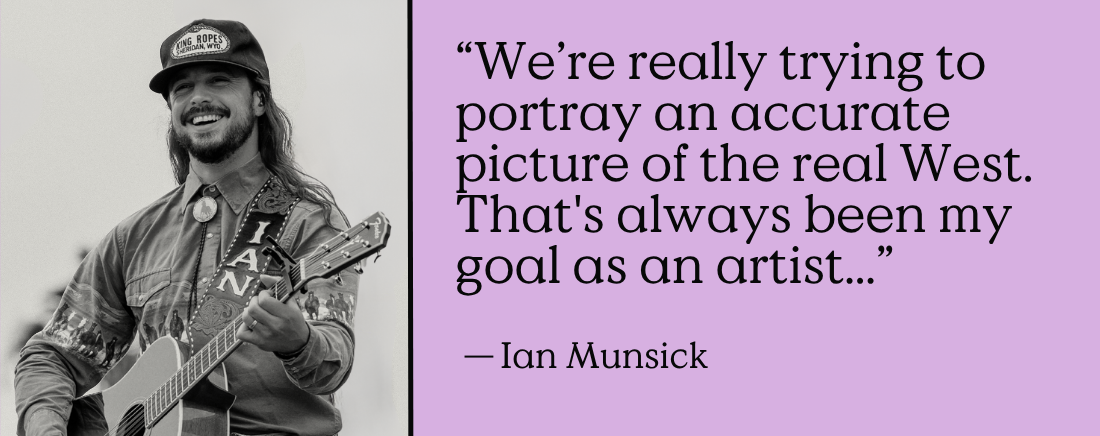
We’re really trying to portray an accurate picture of the real West. That’s always been my goal as an artist, and there’s no better way of doing that than to have world class horsemen and cowboys.

I think you’re a visual songwriter, too. “Too Many Trees” has a lot of visuals in it, and it’s a love song, but there’s also that issue of where to settle down. Is that something you and your wife talk about – thirty years in the future, where you want to be?

Oh yeah, all the time. I lucked out in that my wife loves Wyoming and I knew that that was going to have to be a precursor, because that’s where I belong. That’s where I feel most at home. She’s from North Carolina and there’s a lot of trees and hills there. I started to think to myself, “What if she didn’t like Wyoming?” That’s how that song came about. Being from Wyoming, there’s no trees there. They’re only on the mountains and by the rivers and that’s it. So, moving to Nashville when I was 18, it was a pretty dramatic geographical change.

I always had that idea and that title and then I picked up my three-year-old nephew from the airport. He flew in a couple years ago with his parents and we were riding back home in the truck back to our house in Nashville. I don’t think that he had ever left Wyoming, so it was his first time out. The first thing that he told me in the truck on the way home was, “Man, there’s so many trees out here.” I was like, “I’ve got to write that song!” That’s what sparked it.

When you thought, “All right, I’m moving to Nashville,” what was your goal?

I didn’t really have a big goal. My main goal was to play music for a living. I knew that if I was making music, then I was gonna be happy. It didn’t matter if I was writing songs or if I was playing in a band, or if I was producing songs, or if I was being an artist. I just knew that I wanted to be playing music all the time. Then slowly after I got here, I started to realize everybody that’s an artist right now is from the same area. They’re from Georgia or Tennessee or Texas and that’s it. So it’s like, maybe I have a unique outlook on what country is. That’s what inspired my whole artistry.


Photo Credit: Raul Esparza

Did you get a lot of radio stations where you grew up?

No, man! As you can imagine. There were three stations, two of them were country and one was rock. That’s it.

Wow. Did you listen to rock and roll coming up as a kid? Did you like it?

Yeah, my dad – he’s just a very good musical mind. He plays a bunch of instruments, writes his own music, so he turned me and my two older brothers on to all kinds of music when we were young. So honestly, I didn’t really listen to country radio very much, just because my dad hated it. He’s like, “Oh, this isn’t real country music.” That’s always what he would say. So we didn’t really listen to much radio country. It was like old tapes of Merle Haggard and George Jones – and the Beach Boys, Fleetwood Mac, Chris Ledoux, all kinds of music.

Did you get up on stage a lot as a kid and play with your dad?

Yeah, my dad taught my two brothers and me how to play music at a young age. By the time I was about 10 years old, we were on stage all together as a family band. That’s how I started. We’d play rodeos and after-parties, dances, just whoever would have us. That’s how I came up playing music, learning through them.

From the videos I’ve seen, and looking at your videos on social media, it seems to me like you don’t have stage fright. Did you lose that early as a kid?

Yeah, my dad knows how to engage an audience very well, so I got to learn that at a really young age. And my two older brothers already knew, from him, how to engage a crowd. So I had three people I looked up to that were already really good at that and I definitely learned from them.

I found one of your songs on Spotify called “Me Against the Mountain” and I was surprised to hear banjo on there. What was on your mind as that song was taking shape?

Like most writers, I have my voice memos on my iPhone, just hundreds of them on there. During COVID, I was writing with two people that I had never written with that would quickly become two of my favorite people to write with, Jeremy Spillman and Randy Montana. I had this little thing that was just like [imitates twangy licks] and it felt very backwoods mountain bluegrass. So I just picked up my banjo and started to play that. I did have the word “mountain,” and Randy was like, “Man, that’s just a really cool vibe. I wonder if it’s ‘me against the mountain?’” The mountain could be an actual mountain, or it could be a metaphor for an obstacle that’s between you and the one you love. So that’s how it came to be.

I recorded the whole thing in my studio and I mixed it right there. My wife and I were about to get married and I played it for her in the car. She’s like, “This needs to be our wedding song.” I was like, “All right, sweet.” So we made that music video around our wedding, which is something I feel like only happens when your wife is your manager. [Laughs]

How did you acquire a banjo?

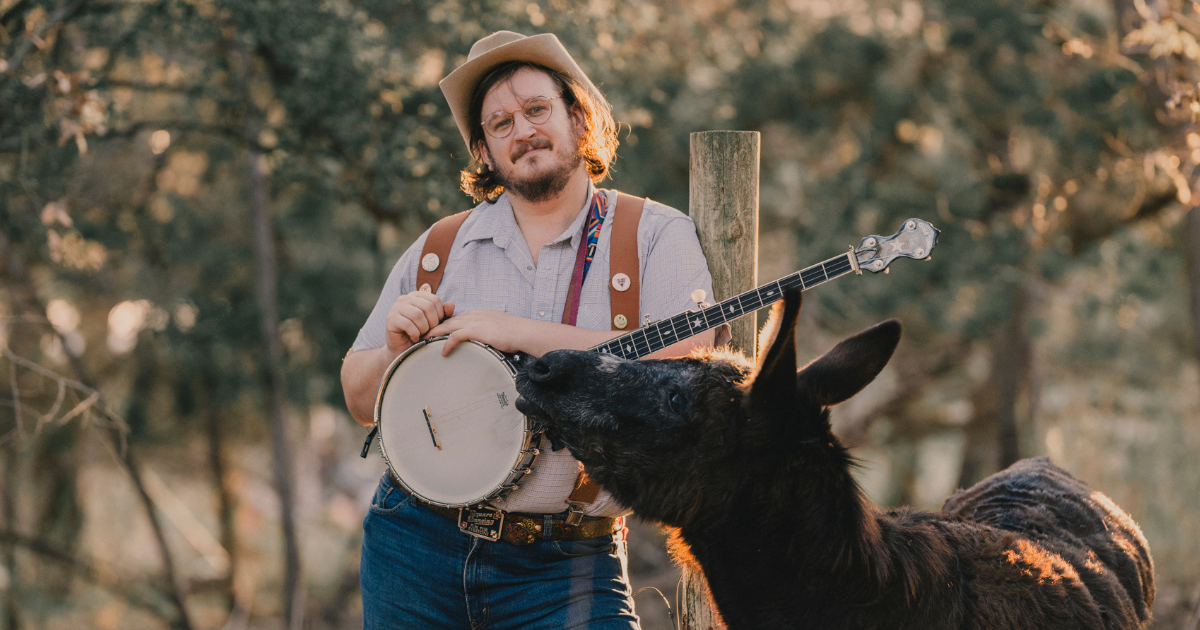
For that one, that might have been a ganjo. Right after I made that track, I was like, “Man, you have no idea how long it took me to get that thing to sound good.” Like all ganjos do! But after that, for my birthday, my wife went to Carter Vintage and bought me a Deering banjo. It’s a beautiful banjo! It’s honestly one of the nicest instruments that I own. I just keep that bad boy in my studio. I can play “Cripple Creek” and that’s about it. But when you’re in the studio, you have the advantage of tuning it weird and making weird noises with it and fooling around until it’s good. What a cool instrument that just immediately puts you in a vibe. The acoustic guitar obviously can do a lot of things, but when you hear a banjo, it’s like you’re there. It just takes you to that place. It’s a very special instrument.

Do you remember when you got introduced to bluegrass or learned about it?

Yeah, my dad’s primary instrument is fiddle. I remember him playing all those old fiddle tunes when I was growing up. He gave me my granddad’s mandolin at a young age and he would teach me how to play those old fiddle tunes on the mandolin. So that’s my first real intro to old traditional bluegrass music.

But then, through people like Yonder Mountain String Band, Steep Canyon Rangers, Doc Watson, and Ricky Skaggs & Kentucky Thunder, I really started to navigate my own [path through] bluegrass music. I fell in love with harmonies, number one. Those were the main things that drew me in. I’ve always been a huge harmony guy. I love the Beach Boys. I love The Beatles. And bluegrass was that other thing that really played on those three-part harmonies. Being the youngest of the three brothers, that was our thing – to sing harmonies. That’s probably what drew me in, right out of the gate as a kid. And the older I get, the more I appreciate the playing. Those are some of the best musicians in the world playing bluegrass music.

On “Cheyenne,” you’re putting yourself out there with just a guitar and not much else. What stands out about that song for you?

Lyrically I really love that one. You probably know a little bit about that town, but Frontier Days obviously is when everyone comes to Cheyenne. People think that’s the big hot spot of Wyoming, through that rodeo, but really that’s the only two weeks that anything ever happens there. Other than that, it’s a total ghost town. Not a lot of action. Even though it is the state capital, nothing goes on there. I thought it was a cool idea, lyrically. I had that guitar riff going into the write and I’ve always been a huge believer in four-chord or five-chord change, back and forth, like Fleetwood Mac’s “Dreams.” How it never goes to the one, how it never resolves. That’s the vibe for that one.

I produced that with Jeremy Spillman, and him being older and much wiser than me, he’s like, “Man, this song doesn’t need much. It doesn’t need a kick drum. Just throw a little snare in there and maybe a steel guitar, and that’s it.” That’s what I’ve been liking, too. The older I get, the more I don’t like a bunch of noise, which is probably the human experience! [Laughs] I feel like overdoing it is pretty easy for producing music, and I think it can speak more if there’s less in it, and it allows the audience to have a little bit of room to imagine things.

When I was in college, I loved the song “I Can Still Make Cheyenne.” Do you like that one?

Man, I’ll tell you what. Dude, I heard that maybe not for the first time in high school, but that’s the first time I remember hearing it. It was my freshman year. Holy shit, dude, it rocked my world. I listened to it on repeat on iTunes for two weeks straight. It was like, “I can’t get enough of this.” To this day, that’s probably my favorite country song of all time. So good.

There’s a lot of life lessons in your song, “The Gate.” You probably learned some of those lessons the hard way. Especially in the music business, no doubt. When people approach you for advice, how do you handle that?

I’m always really inspired to try and help people as much as I can through my experiences. First thing I tell them is that I’m a ranch dude from Wyoming. So if I can do this, you can do whatever you want. There’s no world that’s more opposite than ranching in Wyoming to the entertainment industry. That’s as opposite as it gets. So if I can do it, then they can do it.

Man, I just try and use my mistakes, so that hopefully they don’t have to make those mistakes. I’m still young, I still have plenty more mistakes to be made. But what the main thing is, growing up in Wyoming, you’ve got to work your ass off and you want to be around people that are good people. It’s great if they can help you, or if you can profit with them, but the number one thing is just making sure you’re with good people that have your back.


Photo Credit: Cam Mackey

You Gotta Hear This: New Music From Darren Nicholson, Jackson Scribner, and More

It’s Friday, so we’ve got a passel of new songs and videos just for you. You Gotta Hear This!

Kicking us off, Nashville-based Americana duo Haunted Like Human bring their new single, “Married in Savannah,” about change, growth, and vowing to break generational cycles. It’s a thoughtful track with a beat and vibe that lean forward expectantly – or, perhaps, still hopefully. Meanwhile, Lauren Lovelle shares a song that she released earlier this week, “Anxiously Attached,” a two-steppin’ honky-tonk number about repeated disappointments in love and relationships that’s perfectly lonesome and self-deprecating.

Aptly timed for our current heat wave, Hawaii-born country artist Maoli drops his new album Last Sip of Summer today, and you can hear “Better Off on a Beach” below. While you sweat through these high temps, hit play and lean into his mainstream island-drenched country sounds while you imagine the sand between your toes. Plus, keeping the summer mood going, roots rockers Little Feat have released a brand new video for “4 Days of Heaven 3 Days of Work,” the groovin’ opening track from their new album, Strike Up The Band, which was released last month.  

Mandolinist Danny Roberts shares a new instrumental tune below, too. “Leitchfield” is a pulsing, acrobatic original mandolin composition that pays homage to Leitchfield, Kentucky, a place Roberts calls “the fiddling capital of Kentucky.” (He should know, too, as he holds a Key to the City!) His labelmate and fellow mandolinist Darren Nicholson also has a new single today, “I’ve Got No Tears Left to Cry.” It’s a lonesome fast waltz that follows Marty Stuart’s sage advice to always trust a simple song.

To wrap us up, check out singer-songwriter Jackson Scribner’s “Depression Kids,” the title track for his just-announced album that was unveiled earlier this week. “…Although [depression is] looked at in a negative manner most of the time,” Jackson says, “it’s something that can bring us all together.” Packaged in vibey steel guitar and equal dashes of Americana and indie folk, the song ends up where our collection this week started, finding traces of hope in perhaps unlikely sentiments.

Of course we think this is a lovely round-up of new music, but you ought to decide for yourself. After all, You Gotta Hear This!

Haunted Like Human, “Married in Savannah”

Artist: Haunted Like Human
Hometown: Nashville, Tennessee; originally Fayetteville, Georgia (Dale Chapman) and Milton-Freewater, Oregon (Cody Clark)
Song: “Married In Savannah”
Album: American Mythology
Release Date: June 27, 2025 (single); October 17, 2025 (album)

In Their Words: “‘Married in Savannah’ is a song about growing up and realizing that you’ve grown into someone very different than the people that you thought that you knew. The song unfolds as the narrator looks at their relationship with an old and dear friend that they’ve drifted apart from. She was fiery and passionate and felt stifled by the expectations of the posh Southern family that she came from. The two spent their younger years vowing to break cycles and craft lives of their own, but the narrator now finds that their friend has seemingly become all of the things that she used to hate. Our narrator has to sit with the questions that they won’t ever get answers to, like whether the friend’s spirit was broken or if it was all just youthful naiveté that she set aside as she matured. They mourn the loss of the friend that they knew and the future that she could have had.” – Haunted Like Human

Track Credits:
Byron House – Bass
Paul Eckberg – Percussion
Charlie Lowell – Keys
Eleonore Denig – Violin
Cody Clark – Guitar, vocals
Dale Chapman – Vocals
Engineered and mixed by Mitch Dane.
Mastered by Veronica Conners.


Little Feat, “4 Days of Heaven 3 Days of Work”

Artist: Little Feat
Hometown: Bill Payne – Emigrant, Montana;  Kenny Grandy – Los Angeles, California; Sam Clayton – Fallbrook, California; Fred Tackett – Los Angeles, California; Scott Sharrard – New York, New York; Tony Leone – New York, New York
Song: “4 Days of Heaven 3 Days of Work”
Album: Strike Up The Band
Release Date: May 9, 2025
Label: Hot Tomato

In Their Words: “‘4 Days of Heaven 3 Days of Work’ is the opening track on our new album. The ‘Gonzo Funk’ in the song’s lyrics and groove exemplify our lineup’s take on the classic Feat boogie. It is also the only tune on the album that was co-written by Bill, Tony, and I. All the riffs and lyrical imagery could only have come out of the three of us throwing ideas around together. Once the band got a hold of it, it went to a whole other level. This one was a true collaboration in service of the song.” – Scott Sharrard


Lauren Lovelle, “Anxiously Attached”

Artist: Lauren Lovelle
Hometown: Newton, Kansas
Song: “Anxiously Attached”
Album: Other Dreams EP
Release Date: June 25, 2025 (single); September 9, 2025 (EP)

In Their Words: “[‘Anxiously Attached’ is] about begging for the bare minimum, putting your partner on a pedestal, and in turn, repeatedly disappointing yourself. I find myself laughing during that ‘dammit I gotta work the dinner shift’ line, because I often am playing a gig right after working a dinner shift.” – Lauren Lovelle


Maoli, “Better Off on a Beach”

Artist: Maoli
Hometown: Maui, Hawaii
Song: “Better Off on a Beach”
Album: Last Sip of Summer
Release Date: June 27, 2025

In Their Words: “‘Better off on a Beach’ is such a vibe. There’s something magical about the beach – it’s like time slows down, and everything just clicks into place. Honestly, I don’t know a single person who isn’t better off with their toes in the sand. Being from Hawai‘i, I’ve always felt a deep connection to the ocean. The sound of waves rolling in, the warm sand beneath your feet – it takes you to a different place mentally. This song brings all of that home for me. It’s about letting go of your worries, surrounding yourself with good friends, and soaking up the good times. It’s about leaving your troubles behind… back where the pavement ends.” – Maoli


Darren Nicholson, “I’ve Got No Tears Left to Cry”

Artist: Darren Nicholson
Hometown: Canton, North Carolina
Song: “I’ve Got No Tears Left To Cry”
Release Date: June 27, 2025
Label: Mountain Home Music Company

In Their Words: “I heard Marty Stuart say once that you should always trust a simple song. That stuck with me. So, ‘I’ve Got No Tears Left To Cry’ is just that. It’s a blunt goodbye letter from a jaded lover who is completely over being burned one too many times. It’s a ‘moving on’ song. Musically, it’s a traditional sounding piece that is reminiscent of classic bluegrass and honky-tonk music. It’s written to sing with big harmonies and Kevin and Avery nailed those. I am very proud of this cut and think bluegrass fans will enjoy it!” – Darren Nicholson

Track Credits:
Darren Nicholson – Mandolin, lead vocal
Mark Fain – Upright bass
David Johnson – Acoustic guitar
Deanie Richardson – Fiddle
Avery Welter – Harmony vocal
Kevin Sluder – Harmony vocal


Danny Roberts, “Leitchfield”

Artist: Danny Roberts
Hometown: Nashville, Tennessee
Song: “Leitchfield”
Release Date: June 27, 2025
Label: Mountain Home Music Company

In Their Words: “When I wrote this tune, I didn’t have a title in mind and needed to come up with something to call it. While listening to the song and pondering on a name, I got thinking about the fact that my lifelong friend, Jimmy Mattingly, played fiddle on it. That led me down the path of recalling us growing up on adjacent farms, going to school and playing music together which gave me the idea that it would be cool to have a song named after our hometown of Leitchfield, Kentucky. Leitchfield/Grayson County is the fiddling capital of Kentucky and has produced many fiddlers and other musicians over the years and I’m very proud to call it home. I was honored to receive the Key to the City from Mayor Harold Miller at last year’s Twin Lakes National Fiddler Championship and I’m dedicating ‘Leitchfield’ to all the wonderful folks there.

“It was so much fun getting to record this with some of the greatest musicians I’ve ever picked with – Jimmy Mattingly, Tony Wray, and Andrea Roberts, and I appreciate them helping me bring this tune to life. I hope everyone enjoys it!” – Danny Roberts

Track Credits:
Danny Roberts – Mandolin
Andrea Roberts – Bass
Tony Wray – Acoustic guitar, banjo
Jimmy Mattingly – Fiddle


Jackson Scribner, “Depression Kids”

Artist: Jackson Scribner
Hometown: Melissa, Texas
Song: Depression Kids
Album: Depression Kids
Release Date: June 25, 2025 (single); September 19, 2025 (album)
Label: State Fair Records

In Their Words: “I wrote this song on a bunch of sticky notes on my bedroom floor, thinking about the different ways I feel depression. It occurred to me that no matter what sort of depression people are dealing with, everyone deals with it. Everyone’s in the same giant boat. In a way, although it’s looked at in a negative manner most of the time, it’s something that can bring us all together.” – Jackson Scribner


Photo Credit: Darren Nicholson by Jeff Smith; Jackson Scribner by Brendan Blaney.

Singing Through Dark Times:
Willi Carlisle Finds Hope in Roaming and Reckoning

We are in a moment of extreme distress. Especially, but not limited to, the formal politics of America’s dying empire. Living in its wake, it’s easy to collapse into hopelessness. Hopelessness seems reasonable, considering the criminalization of trans voices, or ICE raids, or the tariffs that wipe out hard earned income, or climate change, or any of the other myriad disasters we are in the middle of. There has to be some way forward – a full understanding of how bad the situation currently is, but also that there might be a small amount of hope; that it has been worse than this, but it has also been better.

Willi Carlisle released an album of traditional songs, called The Magnolia Sessions, in December 2024 and will release Winged Victory June 27 via Signature Sounds. Winged Victory includes original songs and covers of Utah Phillips, Richard Thompson, and Patrick Haggerty, among others. These songs are about the delicate negotiation between historical understandings, current realities, and the possibility of a progressive future; about carving out small moments of pleasure against melancholy; of building a small paradise against these impending crises.

I reached Willi Carlisle by phone on Good Friday, the saddest day of the Christian calendar. On the first Good Friday, no one thought Christ would return. I have not been a believer for a while, but I remember sermons in college which warned against racing through Friday to get to the hope of Sunday. So when I call this album a hopeful one, it is hopeful with a full acknowledgement that it might not get better. The work needs to be done with the assumption that there is no intervention, divine or otherwise.

When asking Carlisle about optimism, or about hope, he makes his choices sound purposeful, mentioning that he had been wanting to make this kind of album for more than a decade and that these two albums are “more just like musical moments that continue to say the things I want to say, as opposed to saying the things that I want to get off my chest.” This is not a manifesting energy, or an optimism despite all odds, but one which is well earned after decades of performing.

Those decades of performance tile with decades of listening, each working together mutually. Winged Victory has several moments which cross cosmic time – decades or centuries – looking backwards or seeing what is possible in the futures of our children’s children’s generations. The collection begins, for example, with the Utah Phillips standard, “We Have Fed You All for 1000 Years.” Its chorus states baldly:

Go reckon our dead by the forges red
And the factories where we spin.
If blood be the price of your cursed wealth,
Good God! We have paid it in!

This album is one of reckoning, of refusing the standard moments. In the original song, “The Cottonwood Tree,” a slow waltz, Carlisle talks about a “place where nobody lives, and everyone is free.” He is singing in first person while he plays a concertina, mentioning how he is part of nature now and how he will be part of nature in his own rotting. He is happy to die trusting people, but even after dies, even when he is buried under “the cottonwood trees,” he will be heard.

He concludes the song, believing that he will meet his friends six feet under the cottonwood tree. In a subtle moment, his friends are “the tall grasses rustling between his ears,” or the forget-me-nots in a parking lot, and maybe even other humans. Here time collapses, between the immediacy of the moment and the length it takes a body to absorb fully into those cottonwood trees.

Carlisle’s album of traditional songs, The Magnolia Sessions, has moments of this cosmic time as well – a much eerier version of “Leatherwing Bat” than the one made famous on Peter, Paul and Mary’s children’s album, as well as the last song, a version of “Jubilee,” a moment which reminds us again that the joy will come, after working and waiting.

Conversation between original tracks and new work is central to Carlisle’s practice. His reckoning, which occurs over and over again, is also about the complex matrix of listening and performing other people’s songs. When asked about the covers, he talks about working together – that he had a “strong relationship to the material…”

“I see my whole project in folk music is hearing history with all of its interpretations, its historicity, back to the lives of actual human beings. It’s time to take off the cowboy hat and put on the work gloves.”

The strength of the relationships between material, is partly due to how the original songs on this album work in conjunction with the old songs. For example, how the waltz of “The Cottonwood Tree” leads into the harder, faster waltz of the Patrick Haggerty-penned “Cryin’ These Cocksucking Tears.” That Carlisle includes a Patrick Haggerty song at all is remarkable, even more so that he makes it full of joy and he considers it as part of the tradition of folk and country music. It’s a cult song in queer folk circles – the mainstreaming of this work is a foregrounding of queer desire, another tradition and another culture. Carlisle sings it with horns and an accordion which sounds like a circus calliope (between this and Lucy Dacus’ “Calliope Prelude,” the instrument is having a moment).

Collapsing of time can again be seen in his version of Richard Thompson’s “Beeswing.” Also running a little quicker than the original, it’s a song about lovers who cannot be kept and immediacy about “the price you pay for the chains you refuse.” But the next song, “Big Butt Billy” – a comic riff on possibly hooking up with a non-binary server at a diner in the midwest – makes other arguments, models other kinds of hope (for an immediate pleasure).

Other versions of “Beeswing,” meanwhile, take the side of the narrator and have a misogynist tinge against the person who roams. Having these two songs back to back argues in favor of roaming and typifies desire as a kind of roaming – Haggerty wants, the Romany wants, the server wants, and at the risk of thinking he might be a little autobiographical, Willi wants. Throughout these two albums, the hunger is palpable.

Roaming is central to Carlisle’s music, not only on this album, but as a theme. Roaming through time and space, through the cosmos, and on the very real roads of California, Texas, or Wisconsin. The first thing that Carlisle and I talked about was BBQ and about Kansas City, where he is staying on Good Friday when we connect. That could be seen as a kind of metaphor – having strong feelings about a very local meat & three and about the history of a song that is brand new; having thoughts about the place where he is landing and a song that is centuries old.

Roaming is a way through this mess, through catastrophe and disaster as a way of finding community, against despair while not naively thinking things will get better without labor. This pattern of Carlisle’s interpretive skill is top notch throughout both of these albums, because of that curious hunger, that roaming, and that possibility of a way forward, even in the darkest era.

The last question I asked Carlisle was about theater – he had worked at Fringe shows in his 20s. He said that he wanted to direct or act again, especially Brecht. I keep returning to Brecht’s “Motto,” which reads in its entirety:

In the dark times, will there also be singing?
Yes, there will also be singing.
About the dark times.

This poem was the epigraph to a book written when Brecht had moved to Denmark, escaping German fascism.

Winged Victory reveals there is great beauty in darkness, that singing itself is an act of optimism, and that exile creates its own narratives. Therein, Carlisle has found a way of singing through dark times.


All photos: Whit Stone

50 Years of 0044: JD Crowe & The New South’s Landmark Album

Writer Marty Godby called it “The convergence of 1975.”

The elements: a band that would only be together for 10 months, a benevolent venture capitalist who loved bluegrass, and an upstart record label from Boston. The resulting product was unprecedented and unforgettable: The New South, Rounder Records 0044. Bluegrass fans know it simply as “0044.”

The New South of this recording was J.D. Crowe on banjo; Tony Rice on guitar; Ricky Skaggs on mandolin; Bobby Slone on bass; and Jerry Douglas on Dobro. The impact of that configuration and the album were stunning. Yet, within a year of the recording, Rice would leave to become a founding member of the David Grisman Quintet. Skaggs and Douglas formed Boone Creek. Crowe and Slone continued performing together for years.

Rounder 0044 was influential enough to be preserved in the Library of Congress’ National Recording Registry in 2024 and was awarded induction into the GRAMMY Hall of Fame this year. This month, Real Gone Music will re-release the album on vinyl, as will Craft Recordings later this year on compact disc.

Both the origin story and legacy of 0044 have inspired great narratives, probably more than any other bluegrass album. Bill Nowlin, one of the three founders of Rounder Records, wrote three articles for BGS on the album’s 40th anniversary. They offer a step-by-step look at what happened in 1974 and 75, plus hilarious and poignant anecdotes and quotes.

David Menconi dedicated a chapter of his excellent book, Oh, Didn’t They Ramble: Rounder Records and the Transformation of American Roots Music, to 0044. In 2016, radio host Daniel Mullins focused his college history capstone project on the album. Of course, it was 44 pages.

THE SHORT VERSION


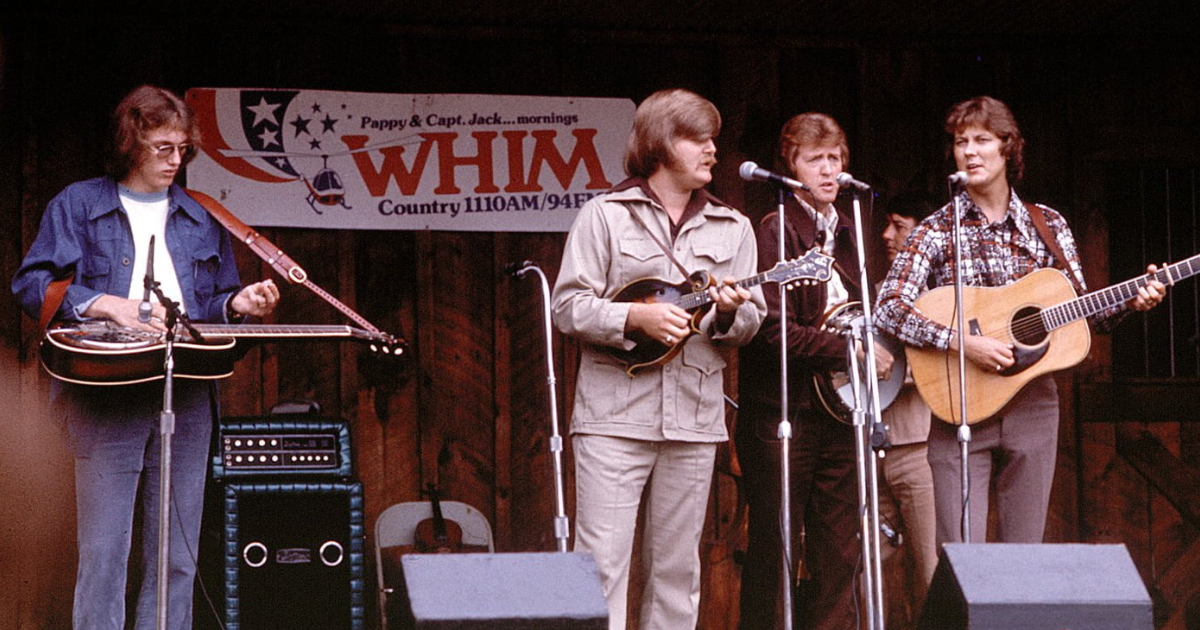
J.D. Crowe, already revered for his banjo playing and baritone singing, led a band called The Kentucky Mountain Boys. From 1968, they had a six-nights-a-week gig at the Red Slipper Lounge in a Lexington, Kentucky Holiday Inn. Crowe added non-traditional bluegrass instruments and songs to the Holiday Inn repertoire. This was as much to please a diverse audience as it was to keep the musicians from getting bored. In 1971, Crowe changed the band’s name to The New South.

Of the name change, Rounder’s Marian Leighton Levy said, “It was obvious that this was a new kind of bluegrass.” From a broader view, “It was an era when the South was, in a way, trying to self-consciously reinvent itself as a new, modern place. And they [The New South] were kind of the musical representation of that wider political context.”

It was the ’70s, and change was brewing – even in the tightly controlled world of country music, Levy noted. Around the same time, Willie Nelson and his Outlaw Country compatriots were reaching out to new songwriters and moving away, physically and musically, from “the factory system of Nashville publishing companies.”

In 1974, lead singer Larry Rice left the New South and brother Tony took over singing lead. Ricky Skaggs’ pure tenor mixed with Rice’s unmistakable mid-range voice, creating a new, dynamic tension for their duets and trios. In the summer of that year, Crowe and the band toured without any product to sell. At the annual Gettysburg Blue Grass Festival, Crowe, his friend and manager, venture capitalist Hugh Sturgill, and the young founders of Rounder Records initiated “The Great Convergence” – an agreement for a studio recording. An innovative contract led to the first New South album.

THE BLUEGRASS WORLD EXPLODED


As soon as they heard the test pressing, the Rounder founders knew they had something remarkable on their hands. “Jack Tottle [who, along with John Hartford, wrote liner notes for the album] was stunned, and he kept saying, ‘This is one of the most amazing records ever made.’ And he was not given to exaggerating,” Levy said.

“It was clear. It was crisp … and the more you played it, the more you wanted to hear it.”

0044 came out in the spring of 1975. Levy said by festival season, other bands were playing the tunes from the record “pretty much note for note.” One observer said that at one festival, almost every band on stage played “Old Home Place.”

So, what is it about that record? Let’s start with the musicians. Skip Heller, who initiated the 0044 Real Gone Music reissue, said everyone in that group of players “would talk about it like it was high school prom and their first love … they had all been in good bands before, but this was the first time they had been in a band that was as great as anything in bluegrass music had ever been.”

Levy said, “They absolutely knocked each other out. … And I think that long before anybody heard the record, they knew the band would stand the test of time – because of all of them, not just one person.”

The record’s title was The New South. Only after the first printing sold out, three band members had moved on, and it was time to redo the cover (read about the cover photo – a great story in itself), was it retitled J.D. Crowe & the New South. Crowe, born in 1937, was the venerated elder and a banjo icon. After entering Jimmy Martin’s boot-camp-of-a-band at age 18, he developed impeccable timing, his own take on Scruggs-style banjo, and excellence as a baritone singer. And he knew how to pick his band members.

The influences of Tony Rice (age 24 at the time) on bluegrass and related music are limitless – from cementing the role of guitar as a lead bluegrass instrument, to modeling impeccable rhythm playing and singing, to excelling in so many genres outside the bluegrass boundaries. At 21, Skaggs had the instrumental chops, a stunning voice and the instincts to become successful in both country and bluegrass. Rounder’s Ken Irwin attributes much of 0044’s innovation to Skaggs, including bringing a teenaged Douglas into the mix.

Douglas is to Dobro what Rice is to lead guitar. Fifty years later, after 14 GRAMMY awards and countless other honors, he continues to inspire and encourage musicality and creativity in Dobro playing. Touring with Alison Krauss since 1998, it’s likely that he has been heard live by more people than any other resophonic guitar player. Of the veteran, Bobby Slone, Mullins said, “Everyone in the band wanted to make sure that Bobby got a lot of credit. … He was such a rock solid force on that band, not just on bass, but as far as camaraderie was concerned.”

By the time The New South entered the studio, Crowe, Slone, and Rice, later joined by Skaggs, had spent hundreds of hours performing together at the Holiday Inn. Individually, they were superb musicians. Together, they were as tight as a band could be.

THE SONGS


Long before 0044, Crowe had blasted out from under bluegrass constraints, incorporating songs like Fats Domino’s “I’m Walkin,” and at Larry Rice’s suggestion, The Flying Burrito Brothers’ “Sin City.” The songs on 0044 were just a small set of a huge repertoire. While the unconventional musical choices sparked controversy among traditionalists, they also sparked a flame of excitement that spread quickly and widely.

In 1975, Mullins said, Ralph Stanley & the Clinch Mountain Boys, Jimmy Martin, and Bill Monroe were still “killing it” at festivals with their first generation bluegrass sound. “On the other end of the spectrum, Seldom Scene recorded Live at the Cellar Door,” an immensely popular recording, that year. Like the Country Gentlemen, the Scene had been recording songs totally out of the bluegrass box, using bluegrass instrumentation, but with an emphasis on rich melodies and harmonies, rather than just the drive of traditional bluegrass.

Mullins said, “You go to Crowe, who’s got the street cred from all his records with Martin, but he’s also looking ahead, and so he’s able to get it all in there. A lot of bands were playing to one side or the other … but to have one that hit right in the middle, right at that time, was unreal.”

“When they saw J.D. Crowe’s name up front, and they knew that he had played banjo with Jimmy Martin on all those records they had loved for 20 years, it probably made some of those hard-edged fans pay more attention,” he said.

Whatever the dynamics of the time, The New South became synonymous with great bluegrass. And 0044 made Ian Tyson’s songs forever acceptable in bluegrass jams.

ON AND ON


Kristin Scott Benson, six-time IBMA Banjo Player of the Year, was born the year after 0044 came out. Benson said she was about nine the first time she saw J.D. Crowe. He was playing with the Bluegrass Album Band, “and that was a formative experience. That band was so explosive, and the crowd had an air of chaos, because everybody was so excited to hear the band. Every time Tony Rice ended a solo, you couldn’t hear any music.” (Because of the crowd noise.)

It would be four years until she picked up the banjo, and two more years until she learned about The New South album – and what it meant to a banjo player.

On 0044, she says, “If you just talk quintessential banjo solos, you’ve got ‘I’m Walkin’ and ‘You Are What I Am.’ His tone is aggressive. It’s just such confident, groovy, greasy, pristine banjo. It’s impossible to overstate how good it is and how influential it is.”

“But I think you should listen to his contributions on the less banjo-friendly songs [‘Home Sweet Home Revisited,’ ’10 Degrees’], because Crowe was great at that. He was a magical backup player.”

Billy Failing, who currently plays banjo with Billy Strings, agrees. Failing started out his banjo life drawn to more progressive players like Béla Fleck. But, he said, “As time goes on, the more I circle back to J.D. Crowe. I think of how much of a gold standard he is for bluegrass banjo, and how interesting his playing is.”

“He’s considered a traditional player,” Failing continued, “but then I’m always hearing some lick that surprises me. It’s been a gradual thing, but it becomes more meaningful as time goes on. I was just listening to The New South album, and on ‘Cryin’ Holy’ – it’s just so slamming! He’s turned it up to 11 constantly on that one.” And, like Benson, he points out what he calls Crowe’s “intricate touch” on banjo.

“It’s such a cool kind of push and pull between whether he’s out front or whether he’s playing backup … it catches your attention in such a cool way.”

Benson said, “It’s easy just to be drawn to those obvious picks [like ‘Old Home Place’] but the album is so much deeper than that. This particular band presented a tightness and a level of execution that was new – I don’t think there had been a bluegrass record up until that point that was so well done.”

“The vocals, the arrangements are so well thought out. Everybody’s playing so well together. It was just a special moment and a special group of people, and I think it raised the bar for bluegrass albums,” she said, and made an imprint on so many contemporary musicians.

Benson poses the question, “Who’s the most influential modern bluegrass guy? It would have to be Tony Rice, because he affected the genre with his rhythm guitar playing, which is phenomenal. And that type of rhythm playing affects the entire groove of the band. It became the new standard, what most people go for.”

“Never discount the importance of his rhythm,” she continued, “and then obviously his lead playing, but also his singing and his material choice … so if someone pinned me down and I could only name one, he might be the guy.”

Failing, speaking of his bandmates, said, “Everybody’s inspired by The New South. I hear Billy [Strings] constantly talking about his inspiration by Tony Rice, and Jarrod [Walker] by Ricky Skaggs.” (Walker wrote liner notes for the Real Gone Music re-release.)

Mullins noted that the Rice/Skaggs blend – a lead singer with a baritone-range voice coupled with a high tenor – established a hair-tingling blend that continues to be emulated, from Ronnie Bowman and Don Rigsby in Lonesome River Band through Alison Krauss’ duets with Dan Tyminski and Russell Moore.

Benson said, “It’s an important record for the genre as a whole, and it’s also an important record to me, personally, and really, to any banjo player who is serious about learning. It’s one of those essential albums.”

UNANSWERED QUESTIONS


First, how did it come to be widely known as 0044? Well, nobody’s sure. Irwin and Levy remember being in the very early stages of their operations at the time – with both a new label and a new distribution company. All three Rounders had been totally immersed in music, but they were learning the business as they went, developing it on their own terms.

Levy speculated, “It is possible that it went back to when we were just calling records by their numbers,” when there just weren’t that many products. “So, it may have been something we started when we were talking, and other people picked up on it, not intentionally. And we thought it was sort of humorous.”

And how did members of Emmylou Harris’ Angel Band get left off the credits, as well as the fact that J.D. played guitar on it? John Lawless goes into depth in his fascinating Bluegrass Today article.

HAPPY 50TH BIRTHDAY


As the liner notes to the Real Gone Music re-release say, “Virtually no other album anywhere in history is known to its audience by its label number. Not Kind of Blue, nor Pet Sounds, Glenn Gould’s Goldberg Variations, none.”

That says quite a bit about the recording’s importance. So does the fact that two labels are issuing re-releases this year.

The Real Gone Music edition is pressed on gold-colored vinyl for its golden anniversary. Both re-releases contain two cuts not included on the original product: “Why Don’t You Tell Me So?” and a version of “Cryin Holy” with Emmylou’s voice in the mix.

Failing sums up what 0044, J.D. Crowe, and the musicians he surrounded himself with mean to him and to many of the pickers making the best music today.

“Every time I circle back to the Bluegrass Album Band, The New South, and J.D. Crowe, I’m reminded, ‘that’s how it’s done!’”


Photo Credit: Phil Zimmerman

Wear your love for 0044! Shop our exclusive RR 0044 tee on the BGS Mercantile here

All Kinds of Country

Editor’s Note: Each issue of Good Country, our co-founder Ed Helms will share a handful of good country artists, albums, and songs direct from his own earphones in Ed’s Picks.

William Beckmann

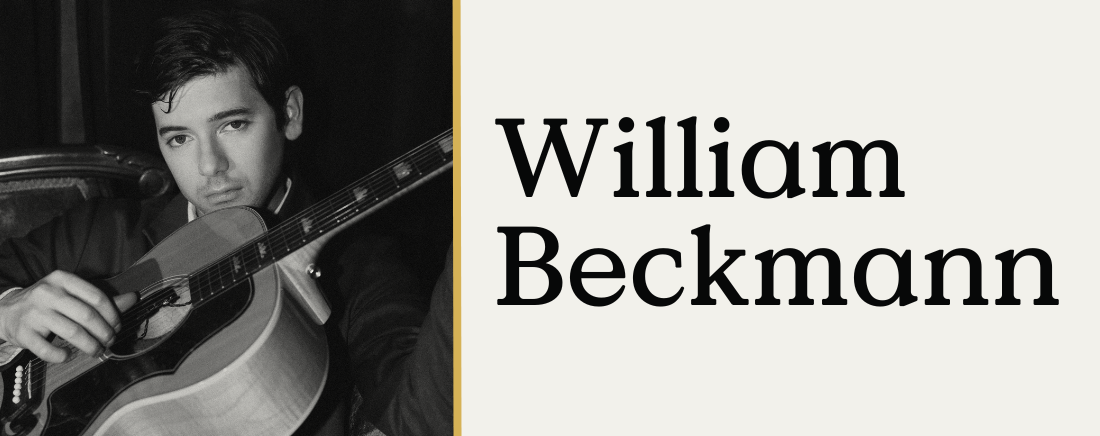
Born and raised in a border town in Texas, singer-songwriter William Beckmann perfectly illustrates how Mexican folk, Tejano music, and country have always been closely intertwined. Latin folk is Americana; mariachi and Norteño are country. With Good Country like his, that connectedness feels intuitive – and obvious. Beckmann’s new album arrives June 20.


Rhiannon Giddens & Justin Robinson

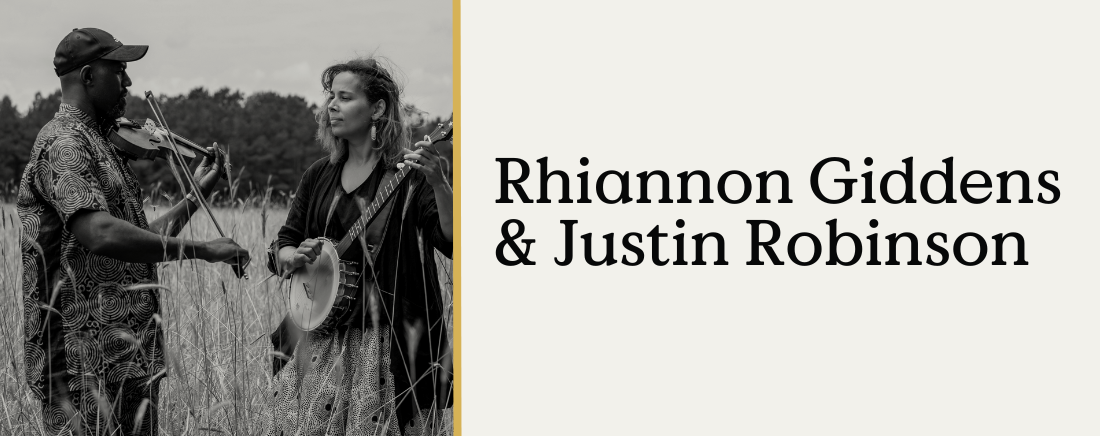
Rhiannon Giddens & Justin Robinson, founding members of revered string band the Carolina Chocolate Drops, reunite on a new old-time album, What Did The Blackbird Say to the Crow, which celebrates North Carolina repertoire, fiddle, banjo, and front porch pickin’. I’m excited to join them both – and many other special guests like Steve Martin, Amythyst Kiah, Leyla McCalla, and more – at the Hollywood Bowl on June 18 for a special one-night-only edition of their Old-Time Revue.


The SteelDrivers

“Uneasy listening” or “bluegrass soul,” whatever you call their style of music, the SteelDrivers are a bluegrass institution. Their new album, Outrun, is their first with Sun Records, an excellent label match for a group that combines bluegrass, blues, country, and soul with music that’s equally at home in Nashville, Memphis, Muscle Shoals, and beyond. Love this band of ringers!


Jack Van Cleaf

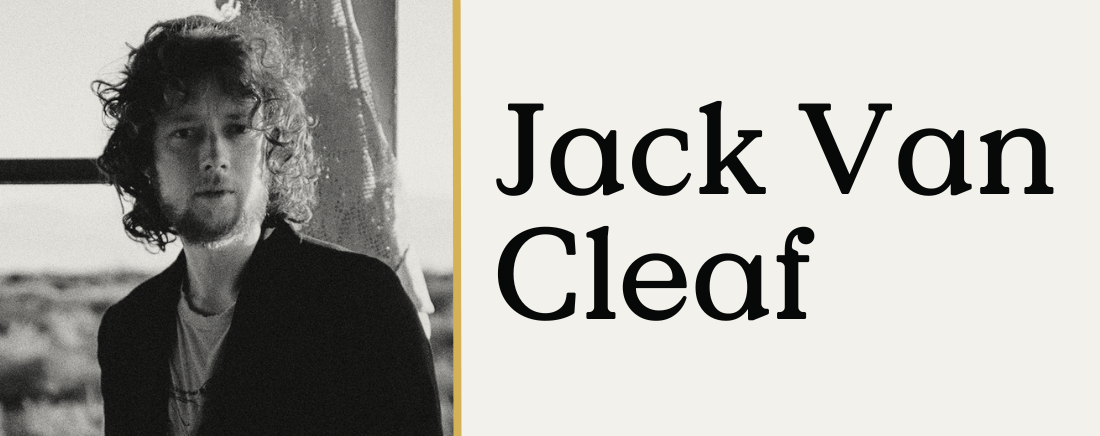
There’s a new sort of Americana/country/Gen Z folk brewing between social media and music cities like Nashville, Chicago, and LA – and Jack Van Cleaf is at the center of its rise. Is it alt-country? Is it contemplative bedroom folk? Is it indie rock? Is it singer-songwriter Americana? It’s all of the above. Check out his latest LP, JVC, to discover your own terms for his striking style.


Watchhouse

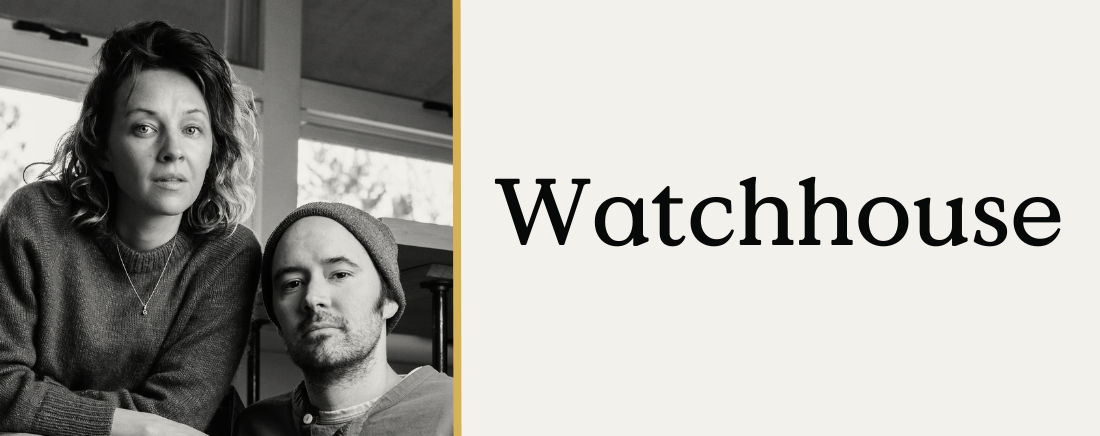
My old pals Andrew and Emily were a pick last year when they guested on “Pink Skies” on Zach Bryan’s smash hit album, The Great American Bar Scene. Now they’re back with a full-length album of their own, Rituals, out today! We’ve been covering and collaborating with Watchhouse for over a decade, so stay tuned for more celebrations of the new record coming soon to BGS and Good Country.


Want more Good Country? Sign up to receive our monthly email newsletter – and much more music! – direct to your inbox.

Photo Credits: William Beckmann by Connor Robertson; Rhiannon Giddens & Justin Robinson by Karen Cox; The SteelDrivers by Glenn Rose; Jack Van Cleaf by Joseph Wasilewski; Watchhouse by Jillian Clark.