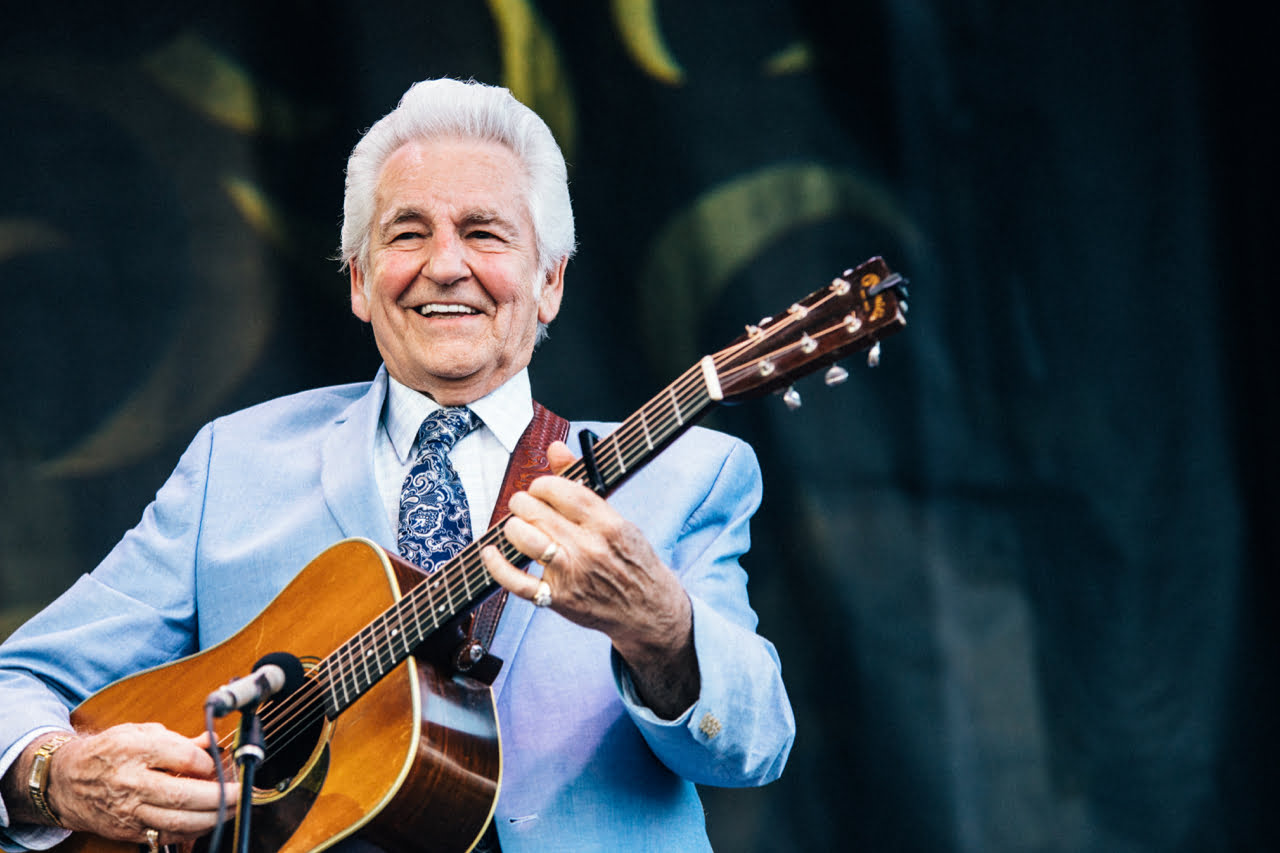
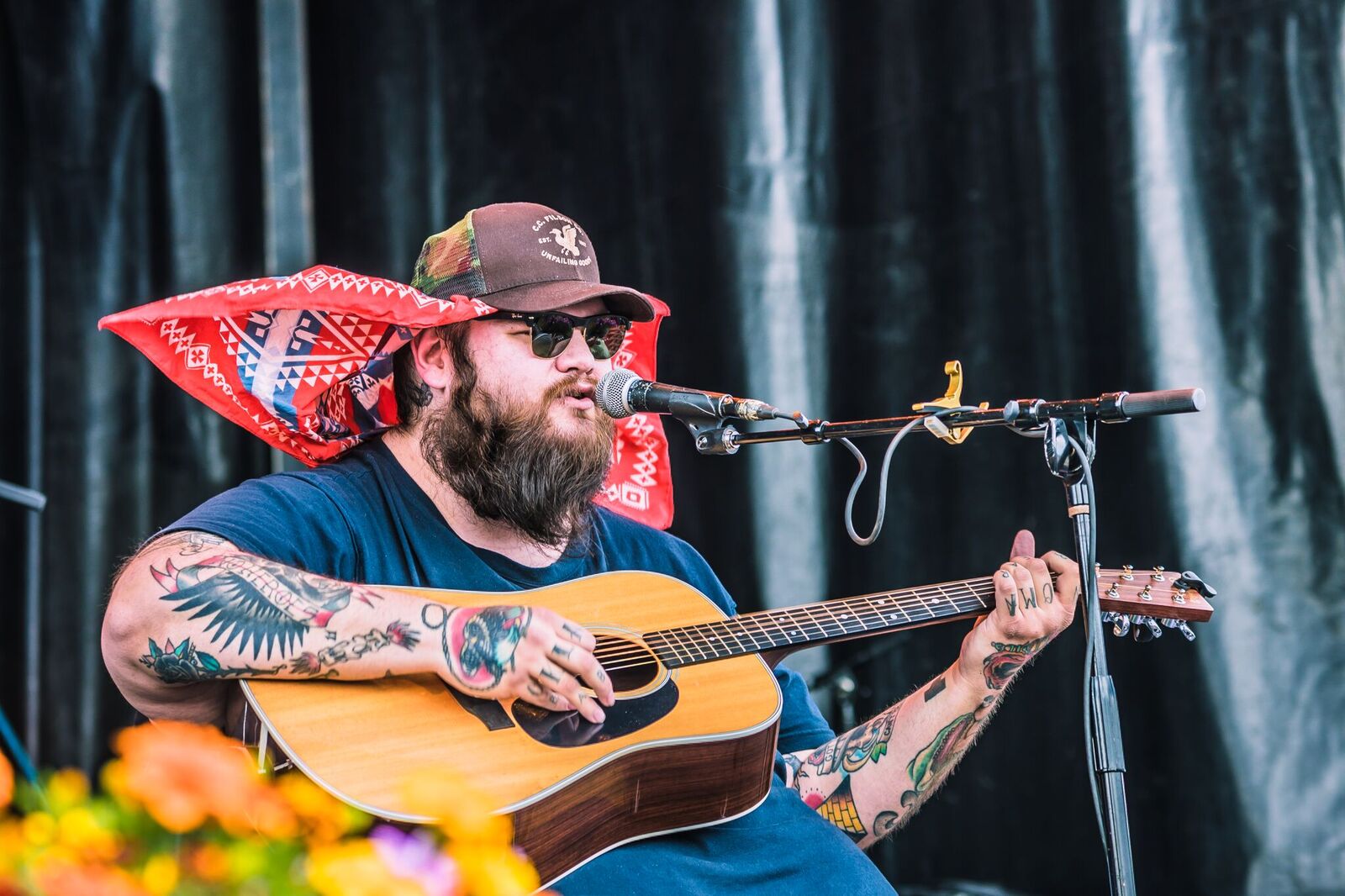
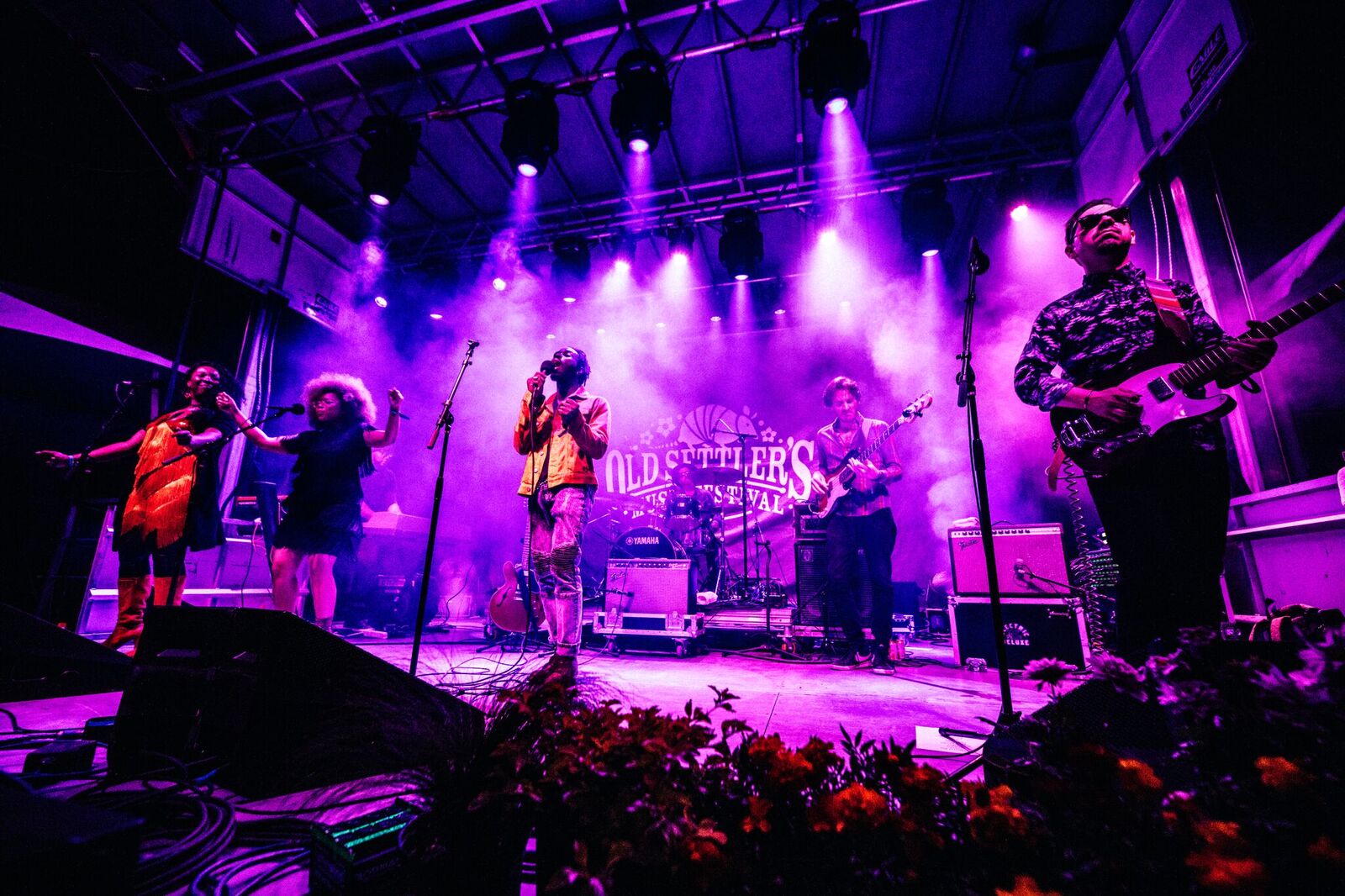
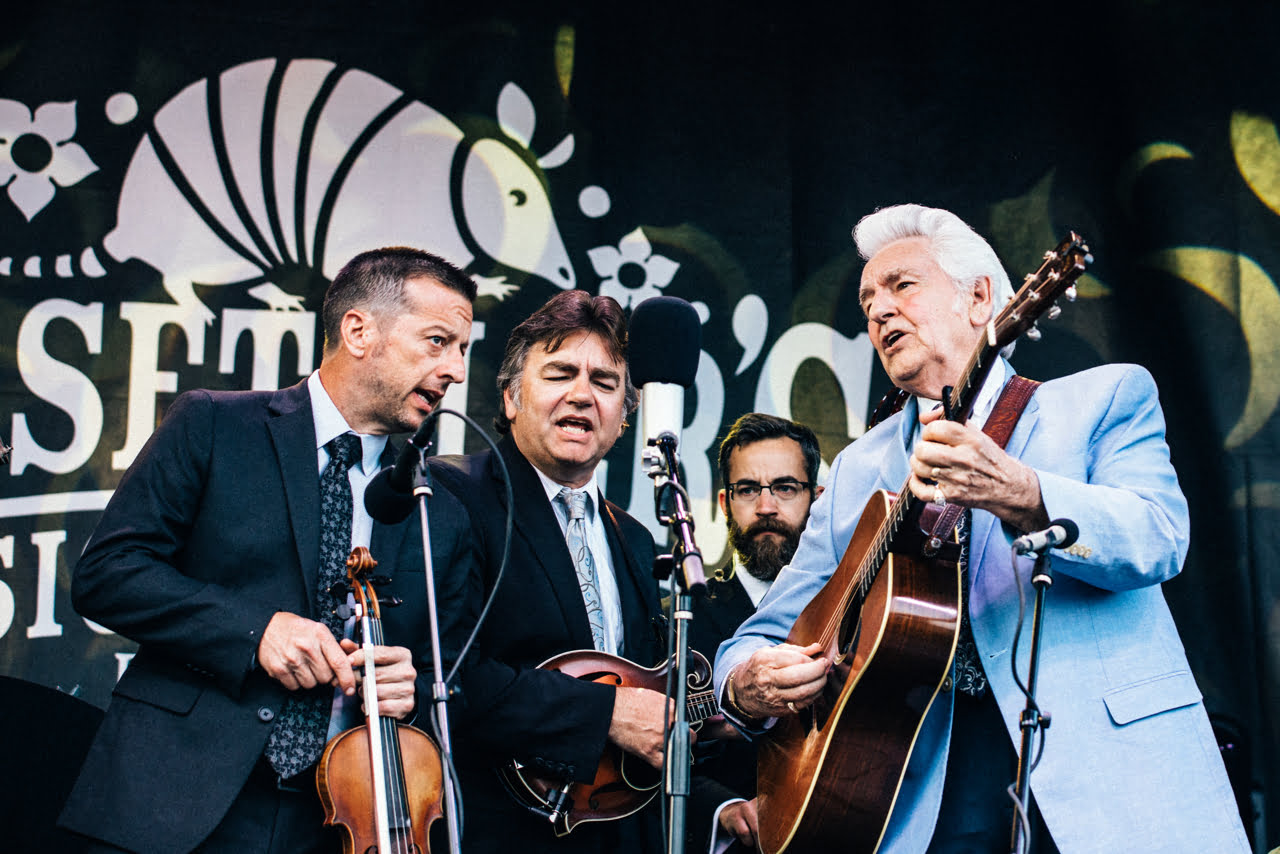
Blue Ox Music Festival 2019 in Photographs

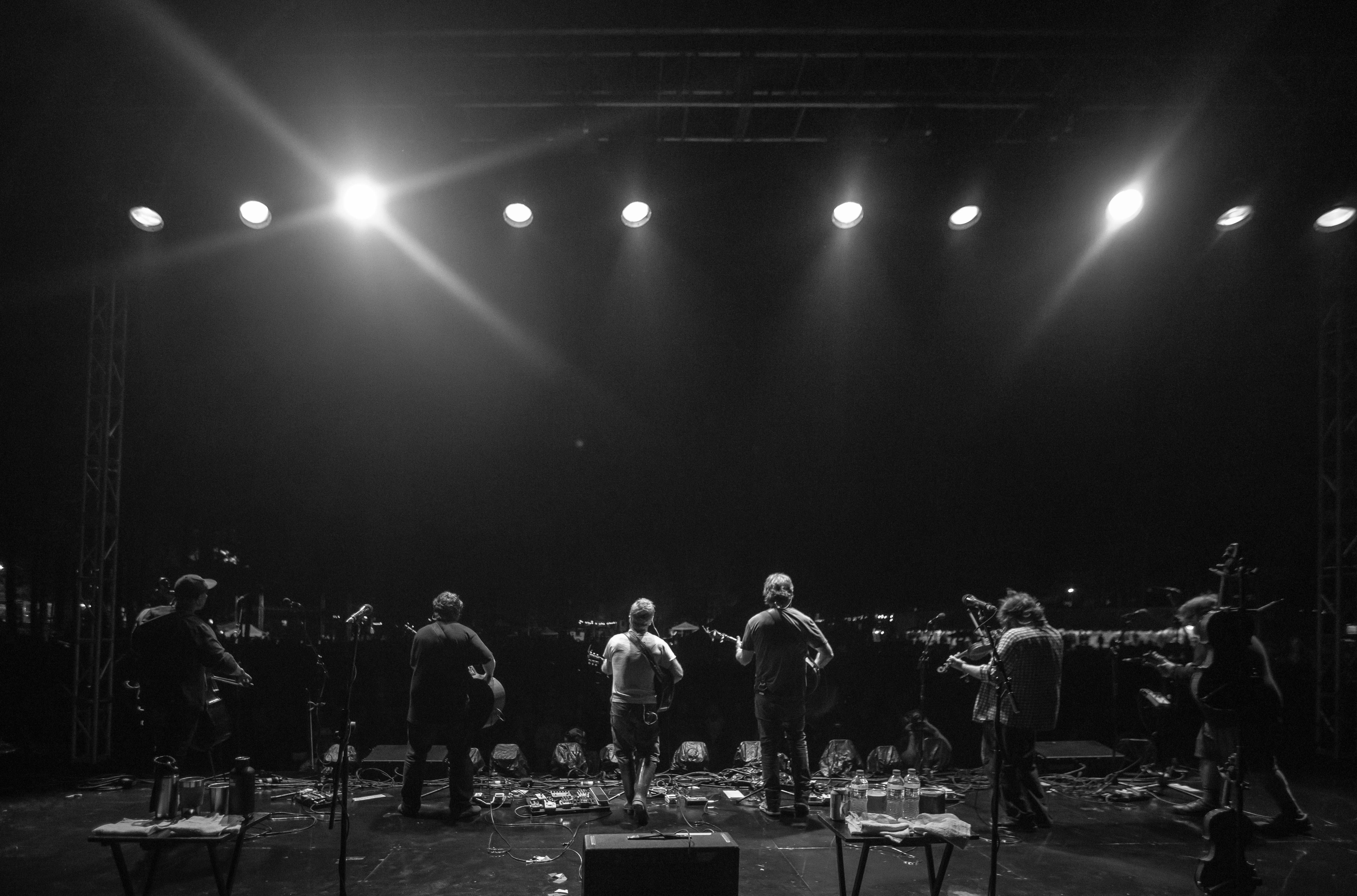
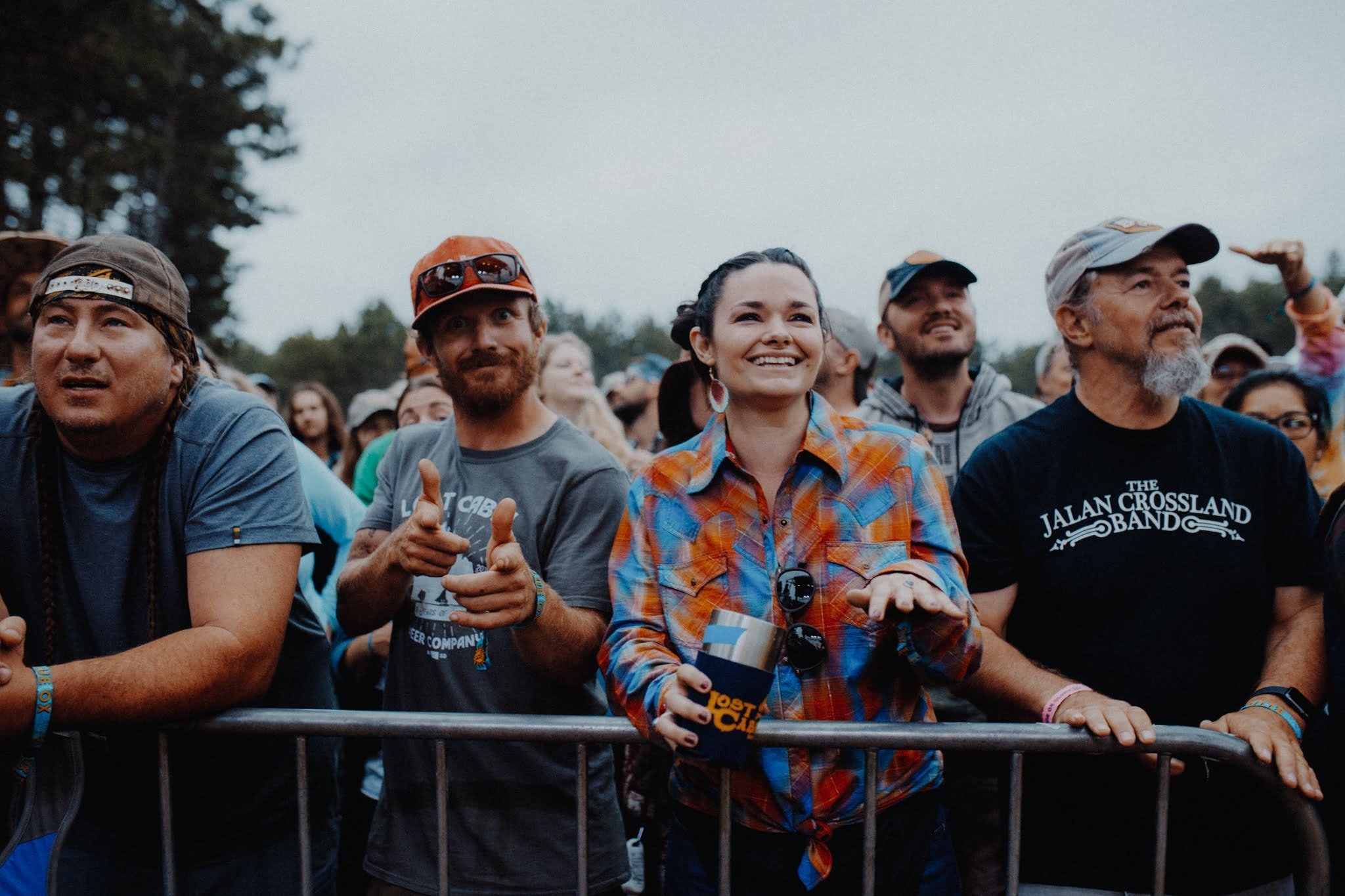
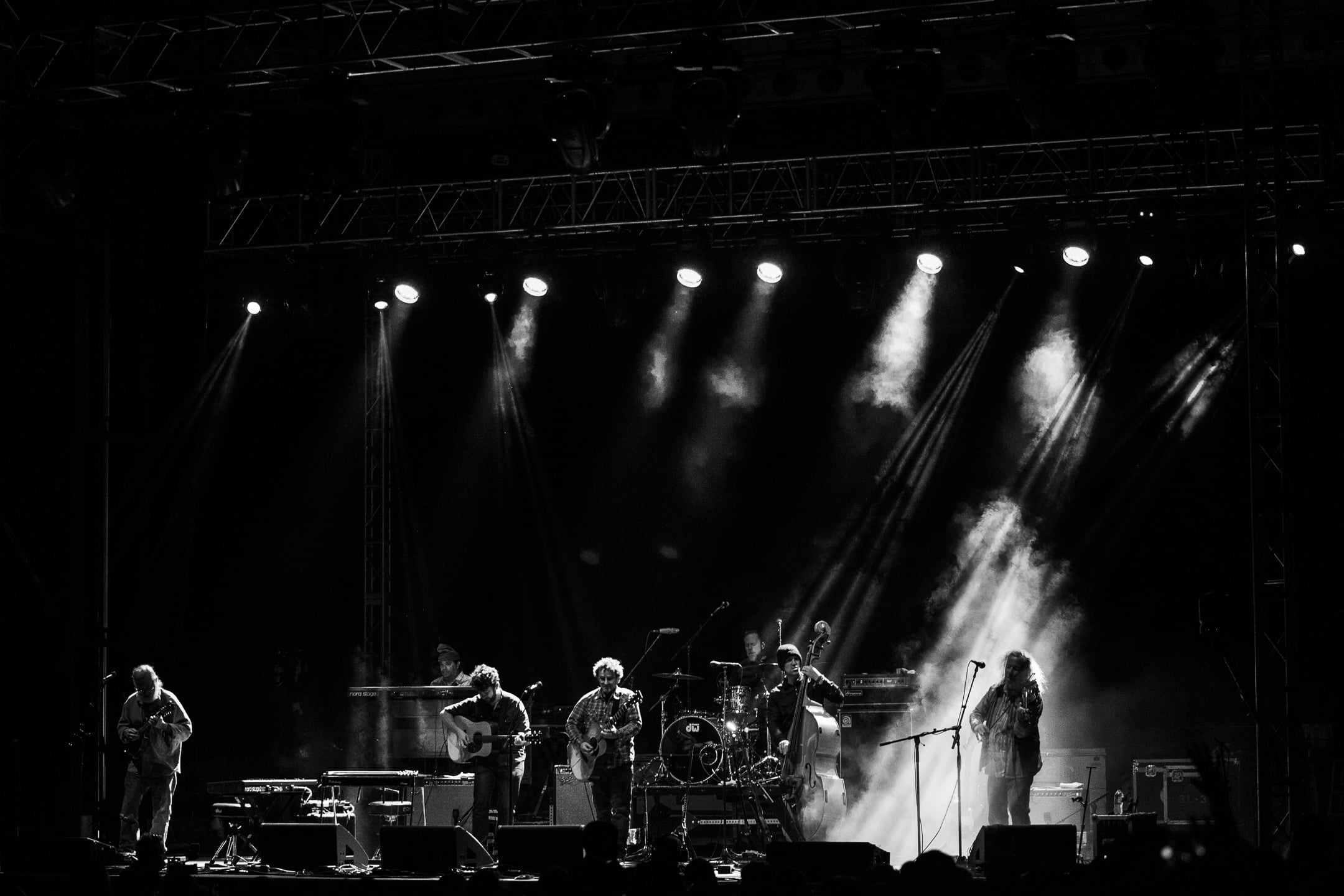
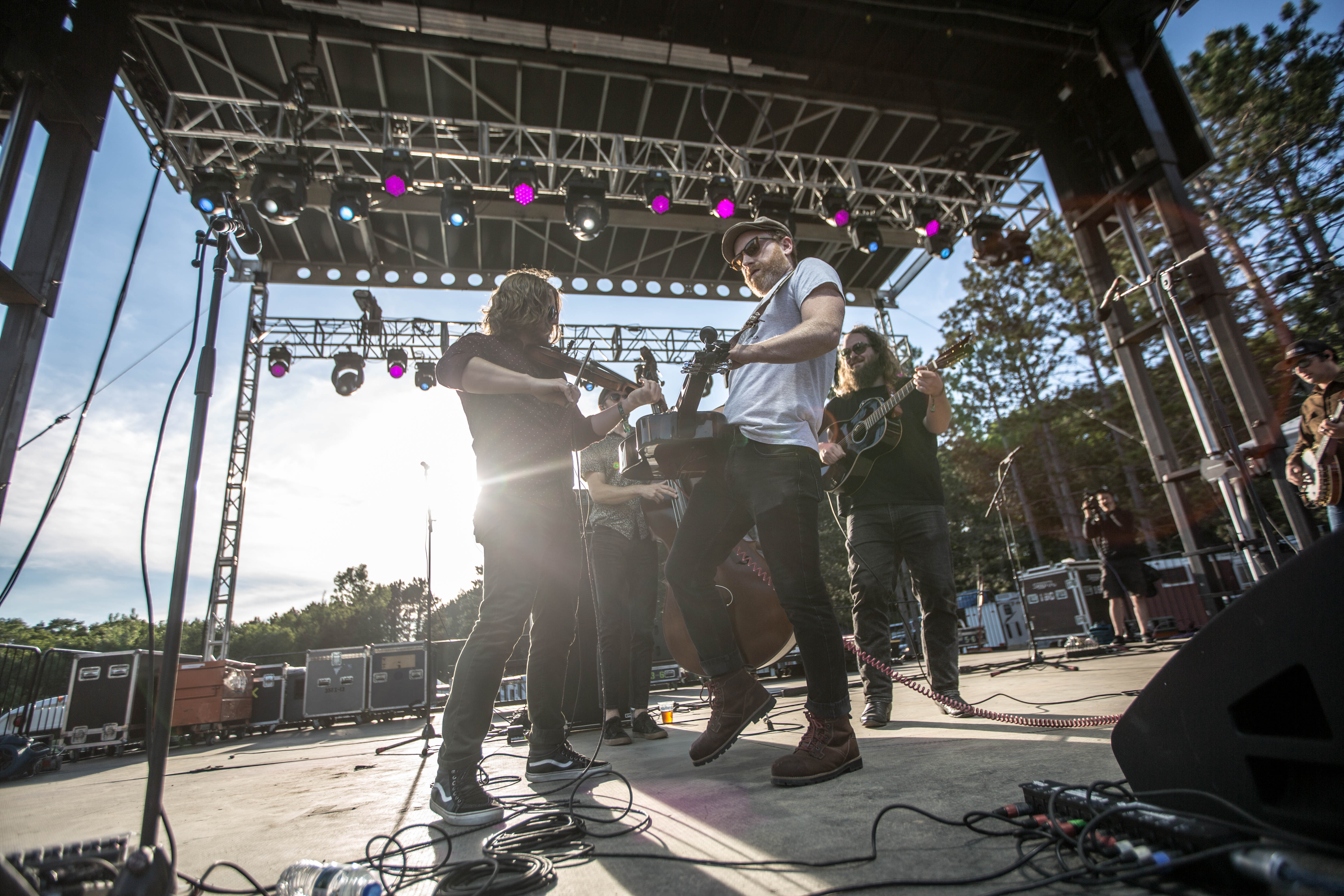
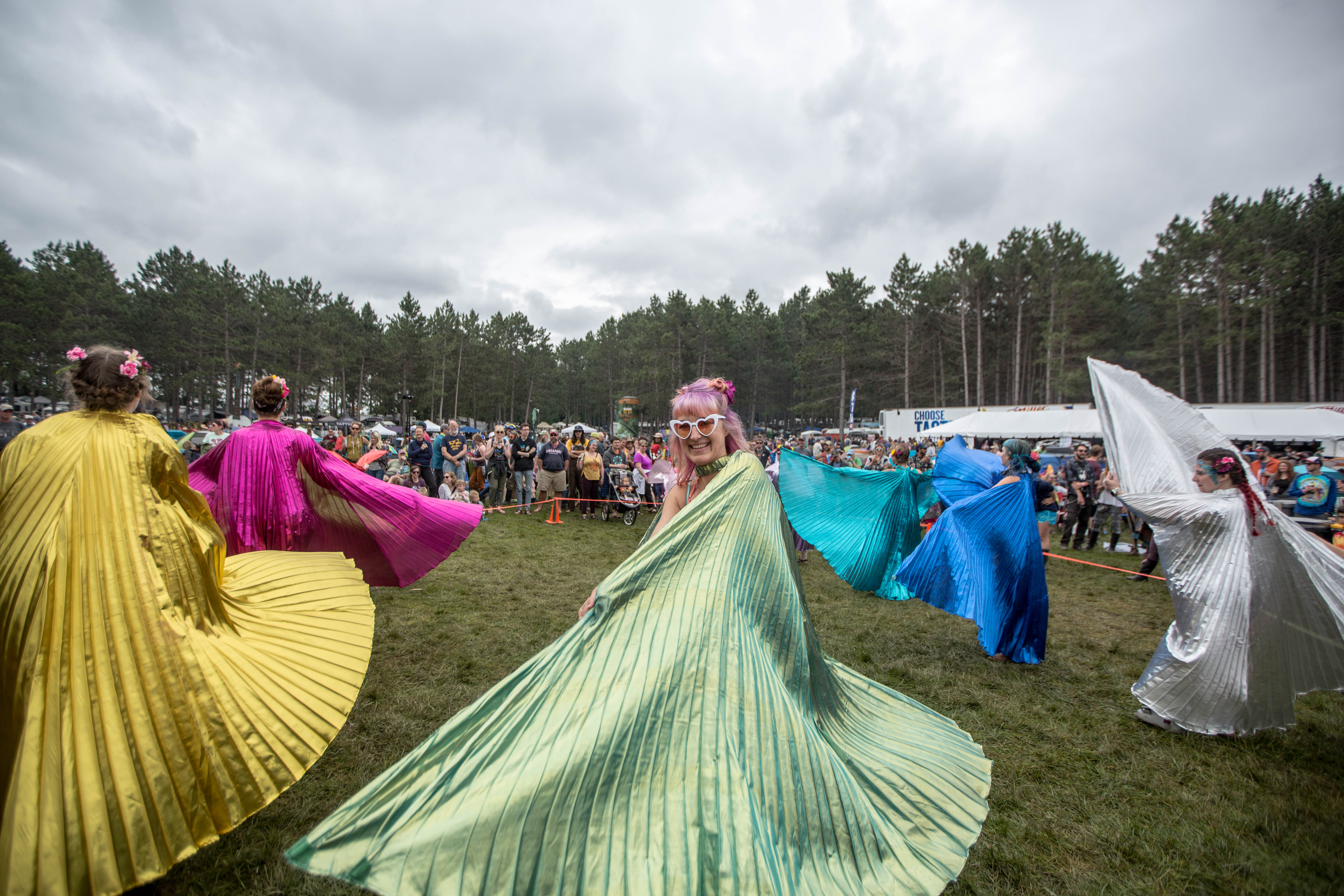
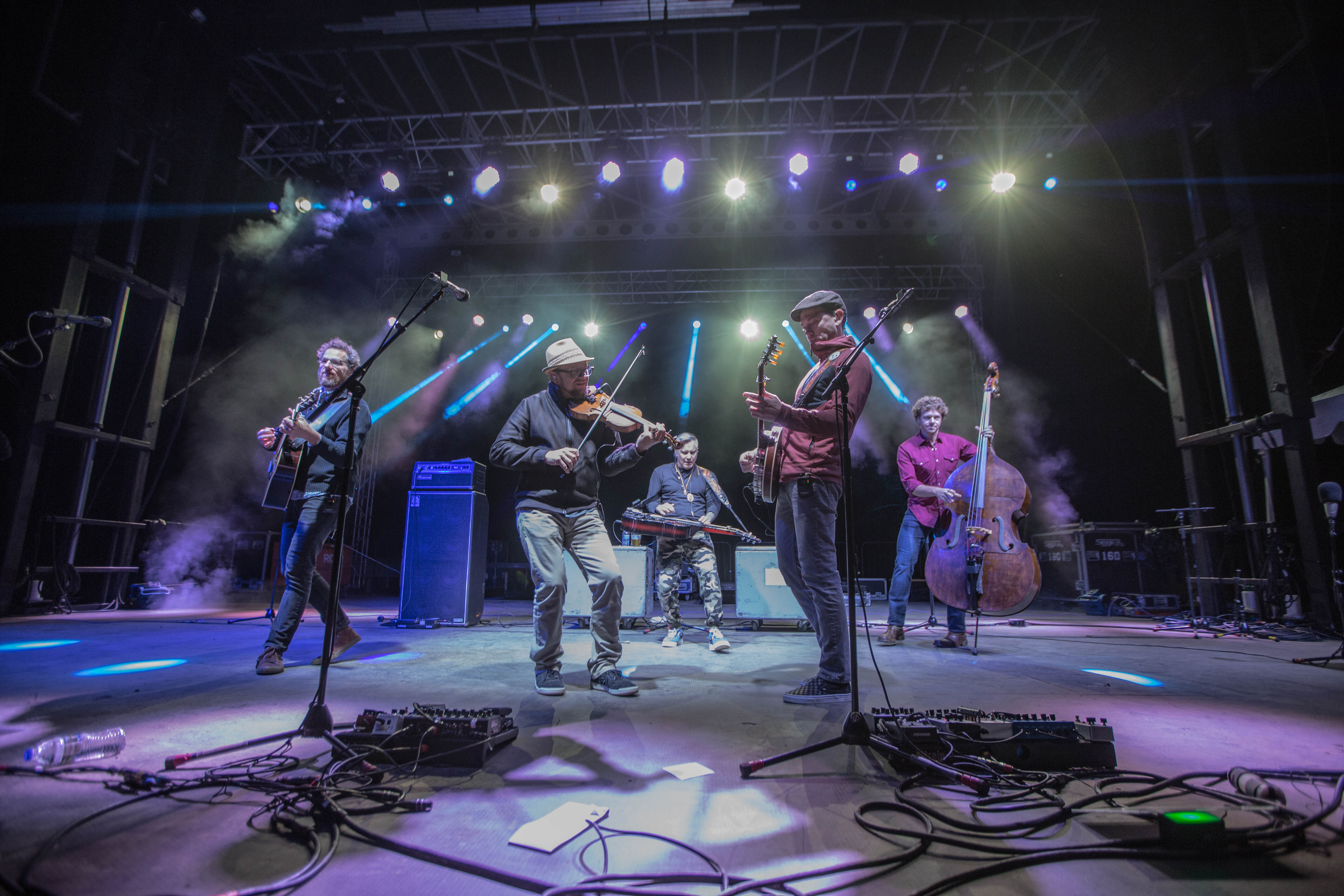
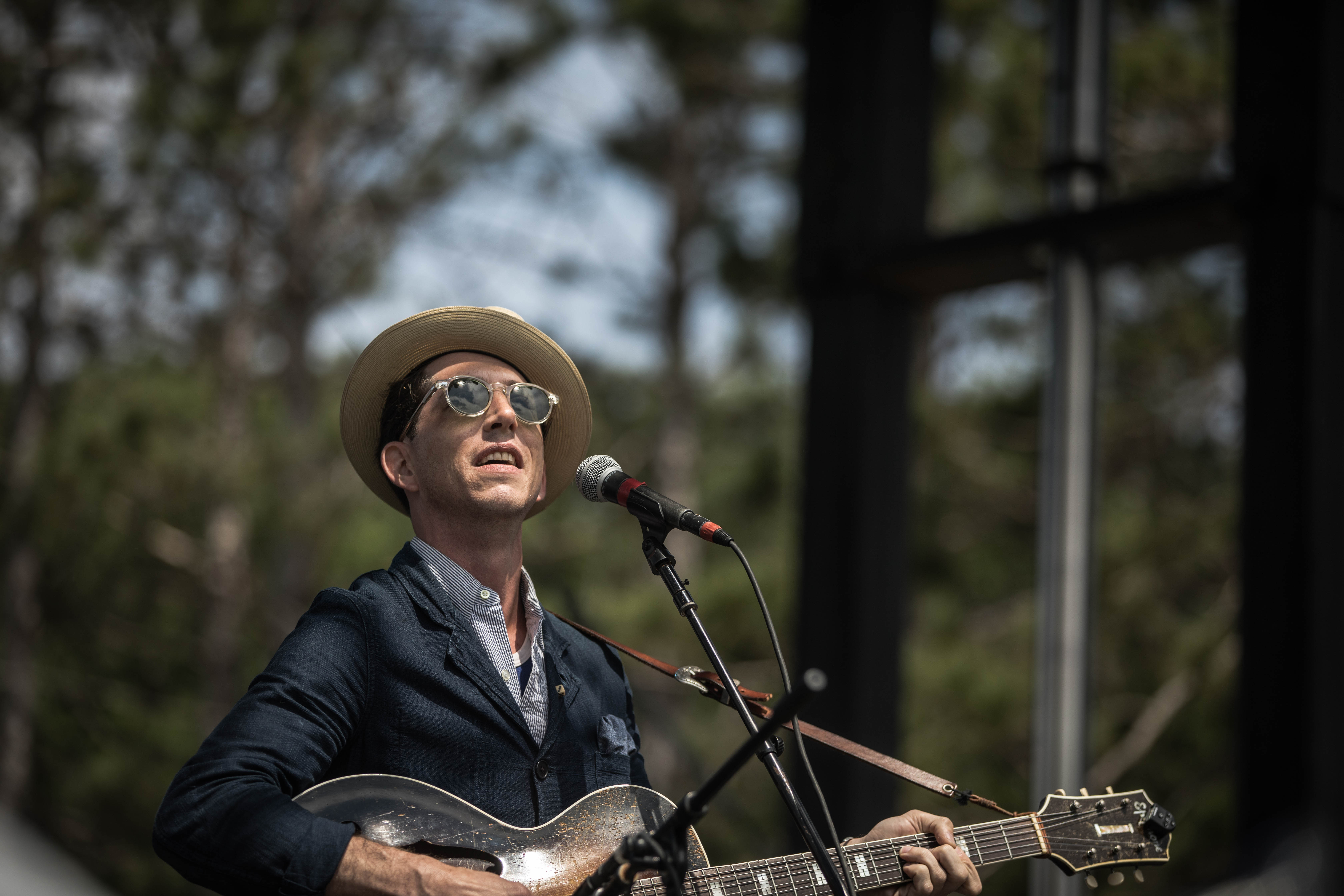
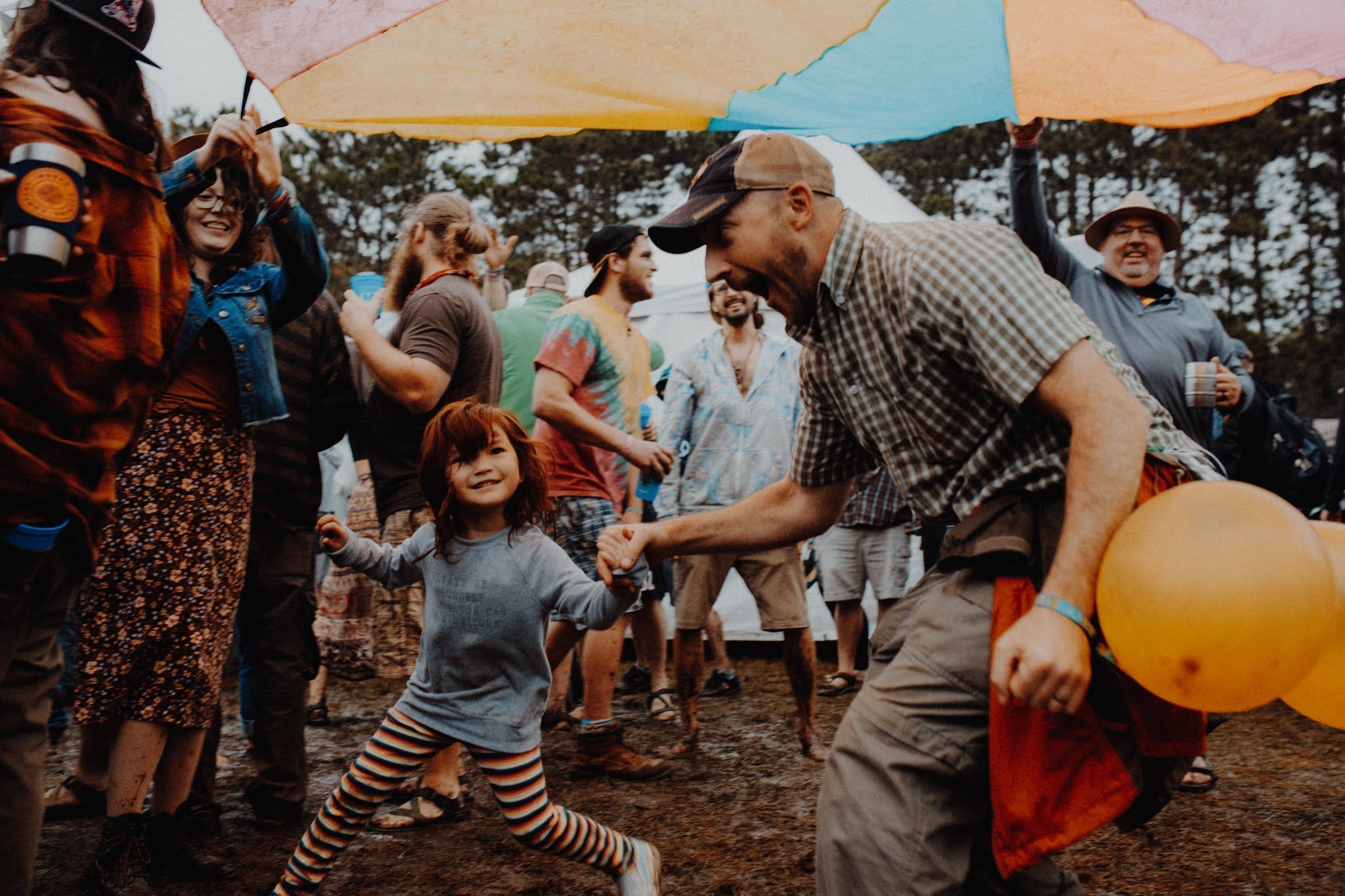
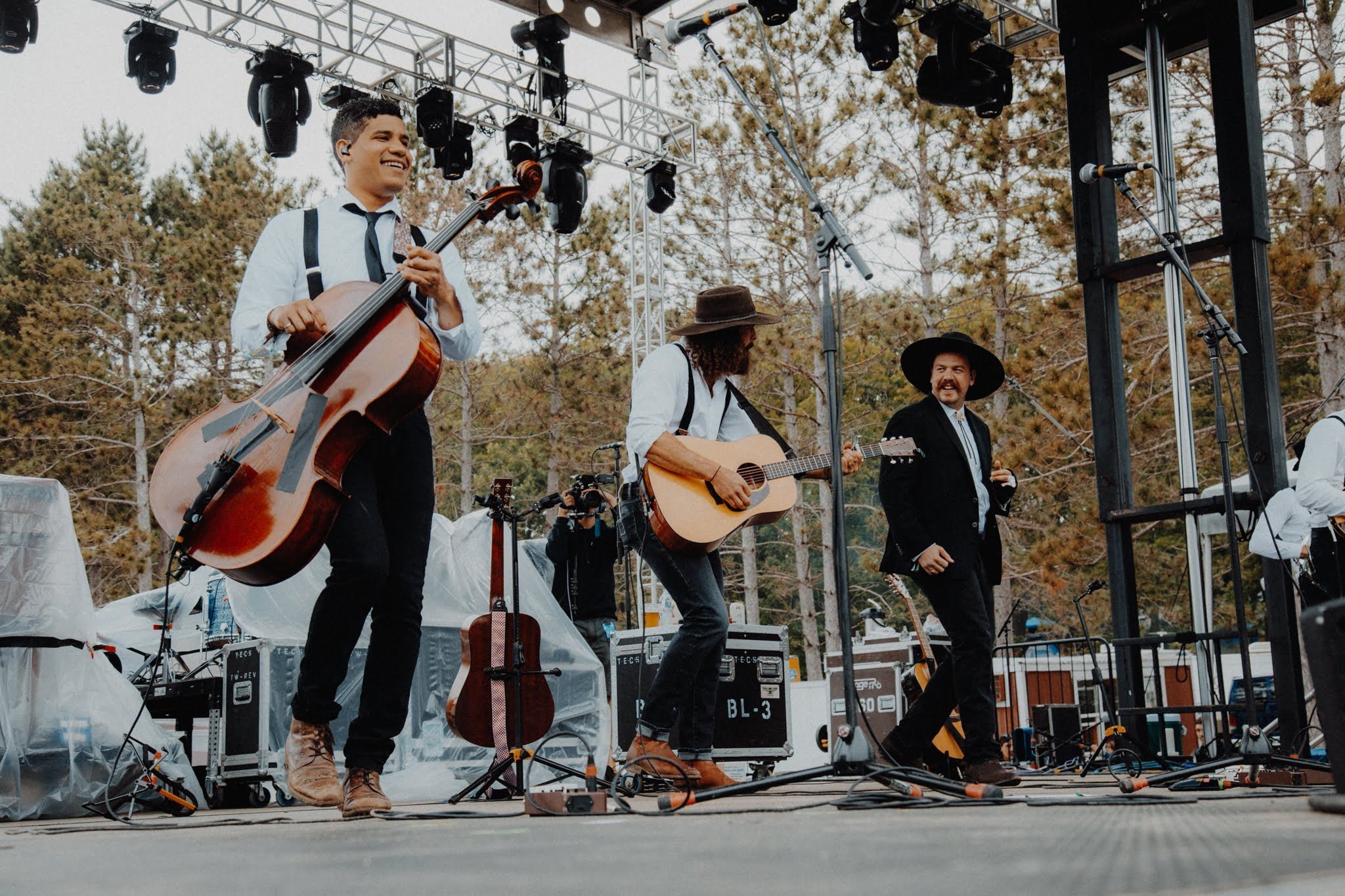
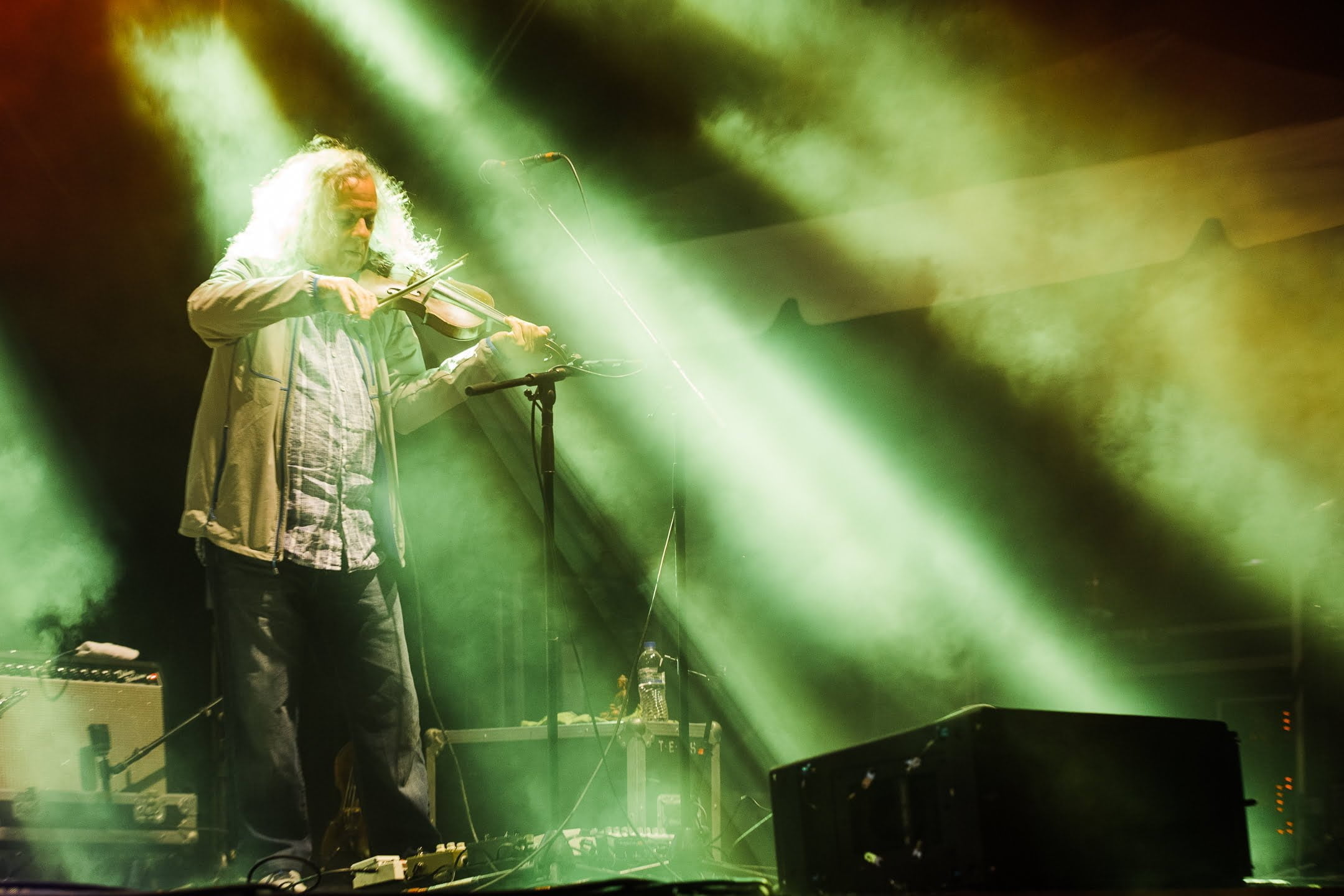
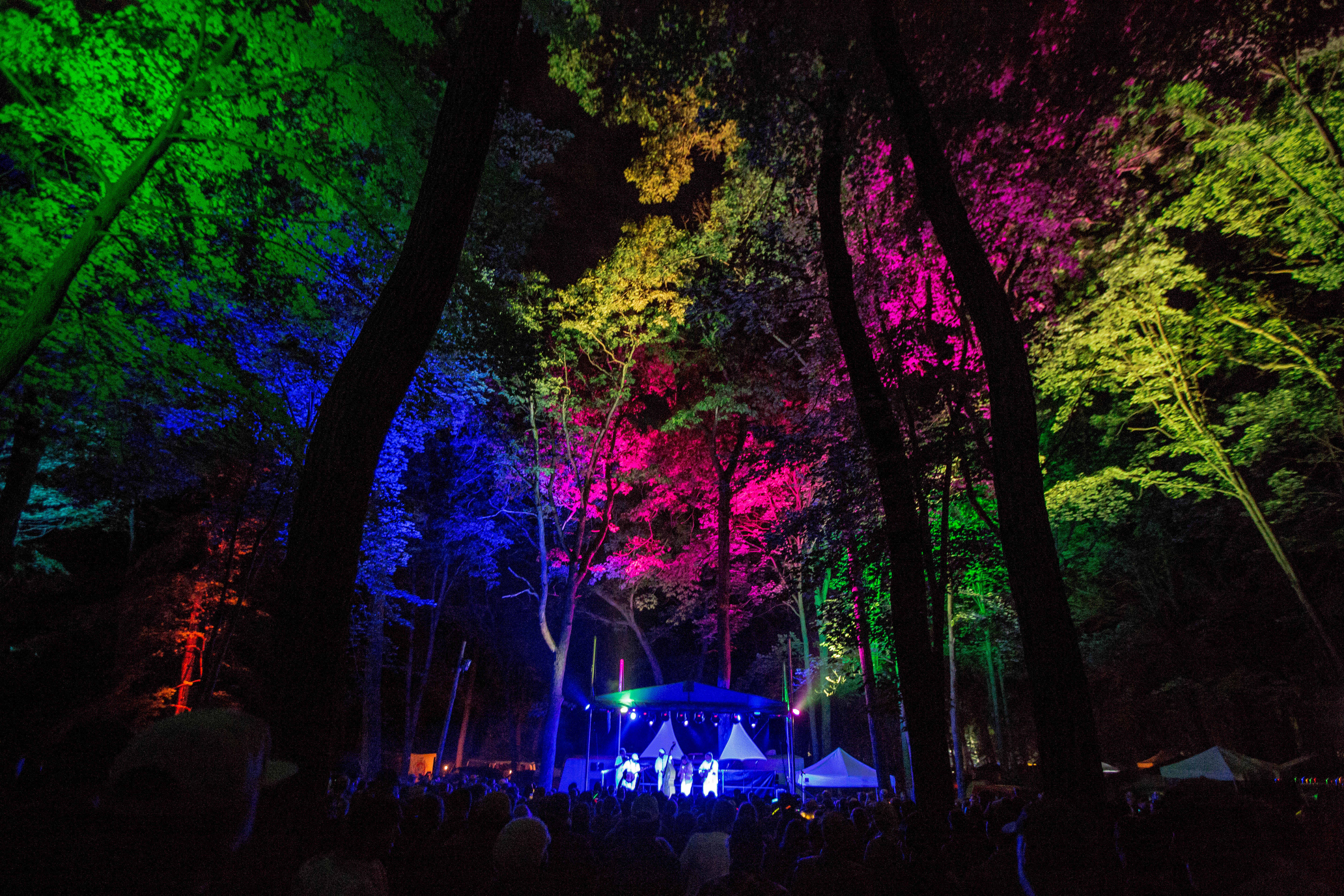
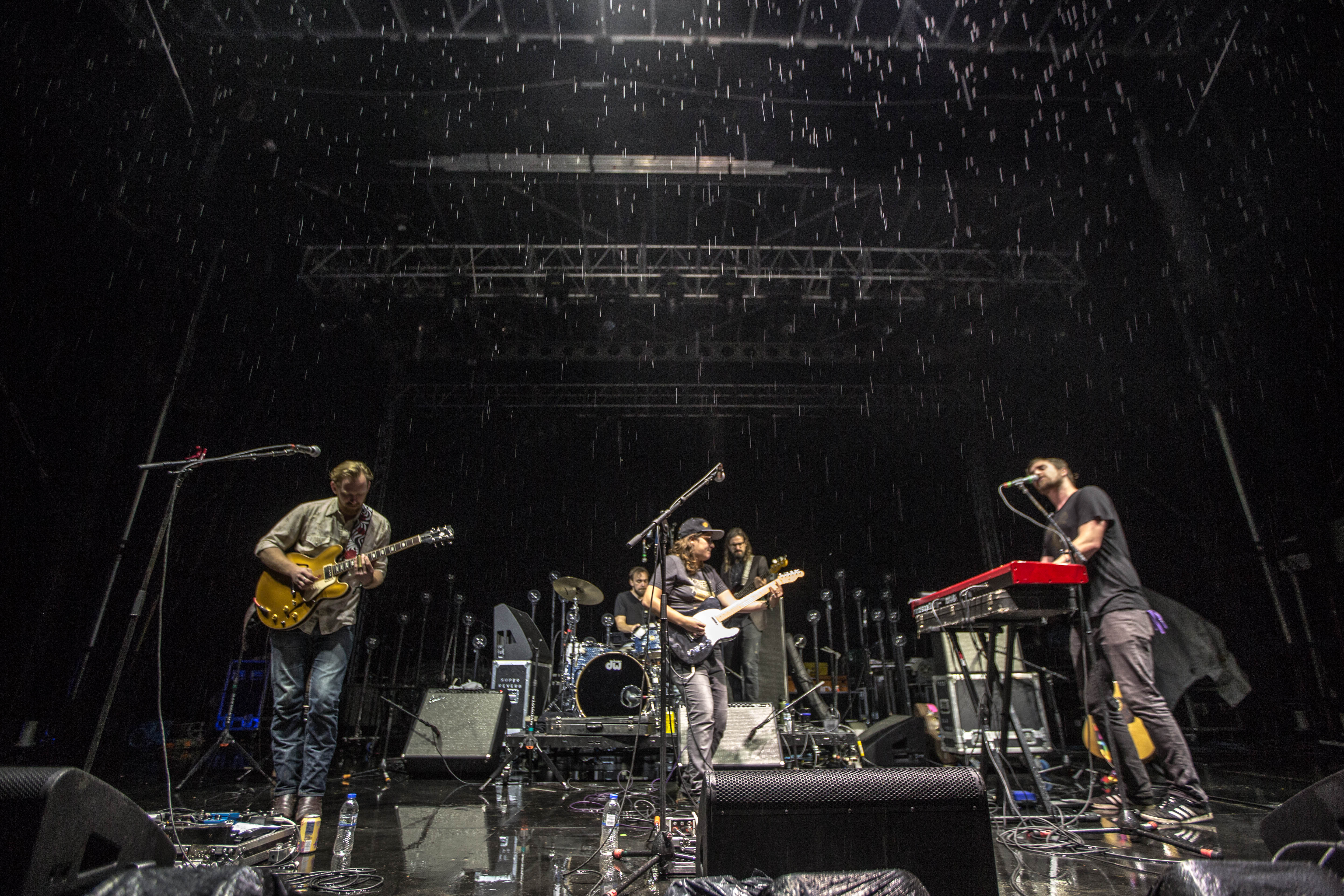
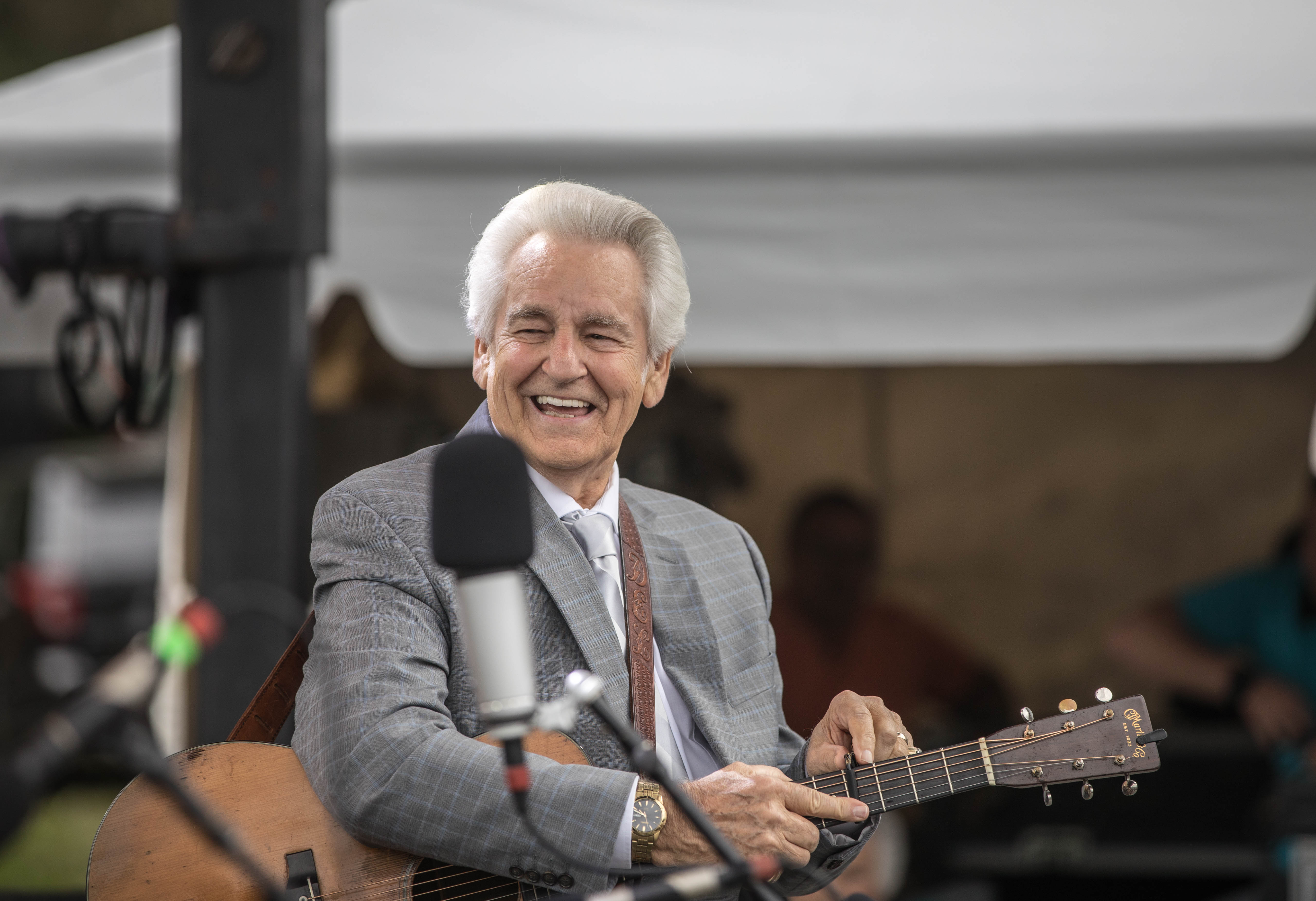
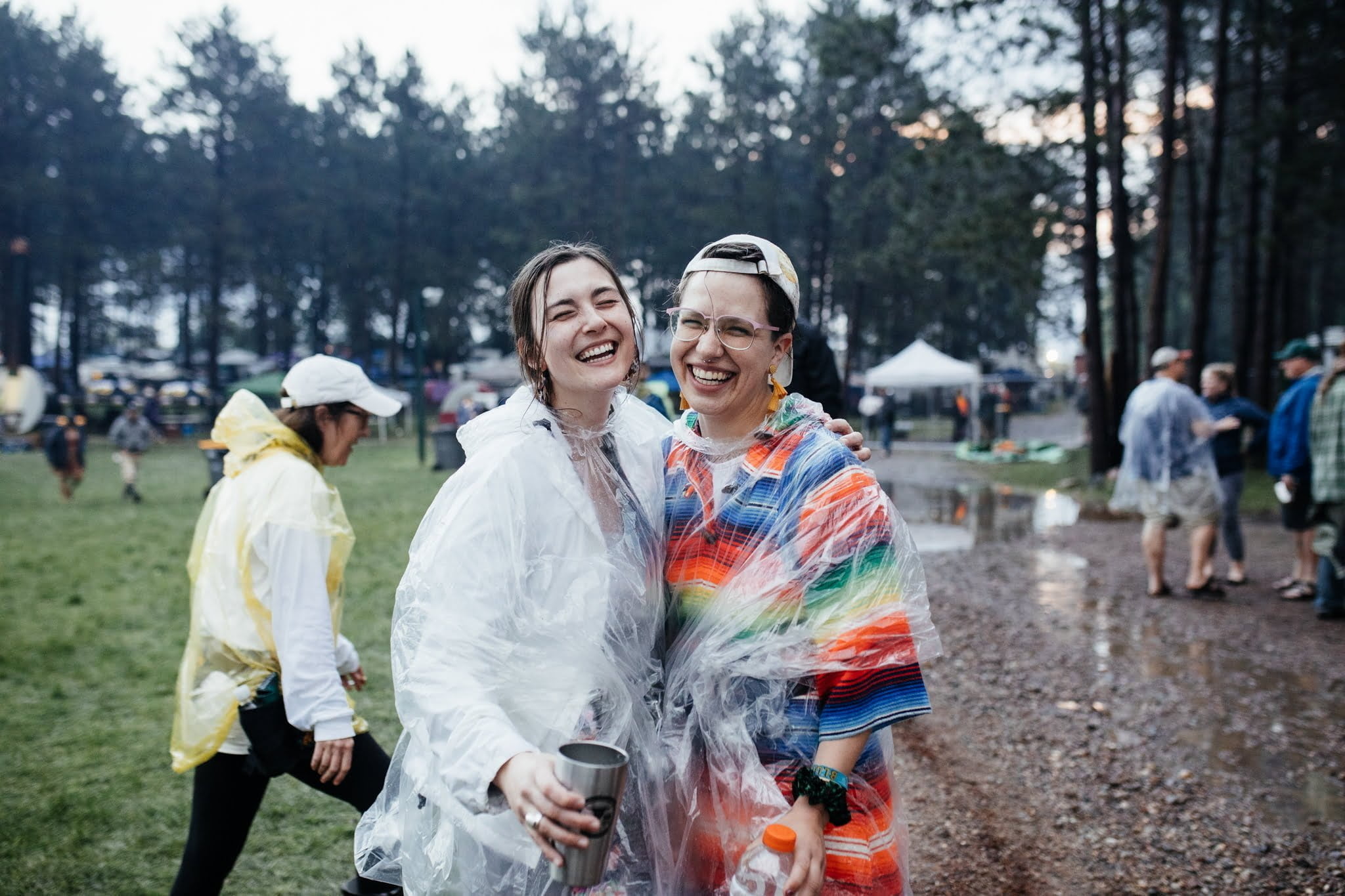
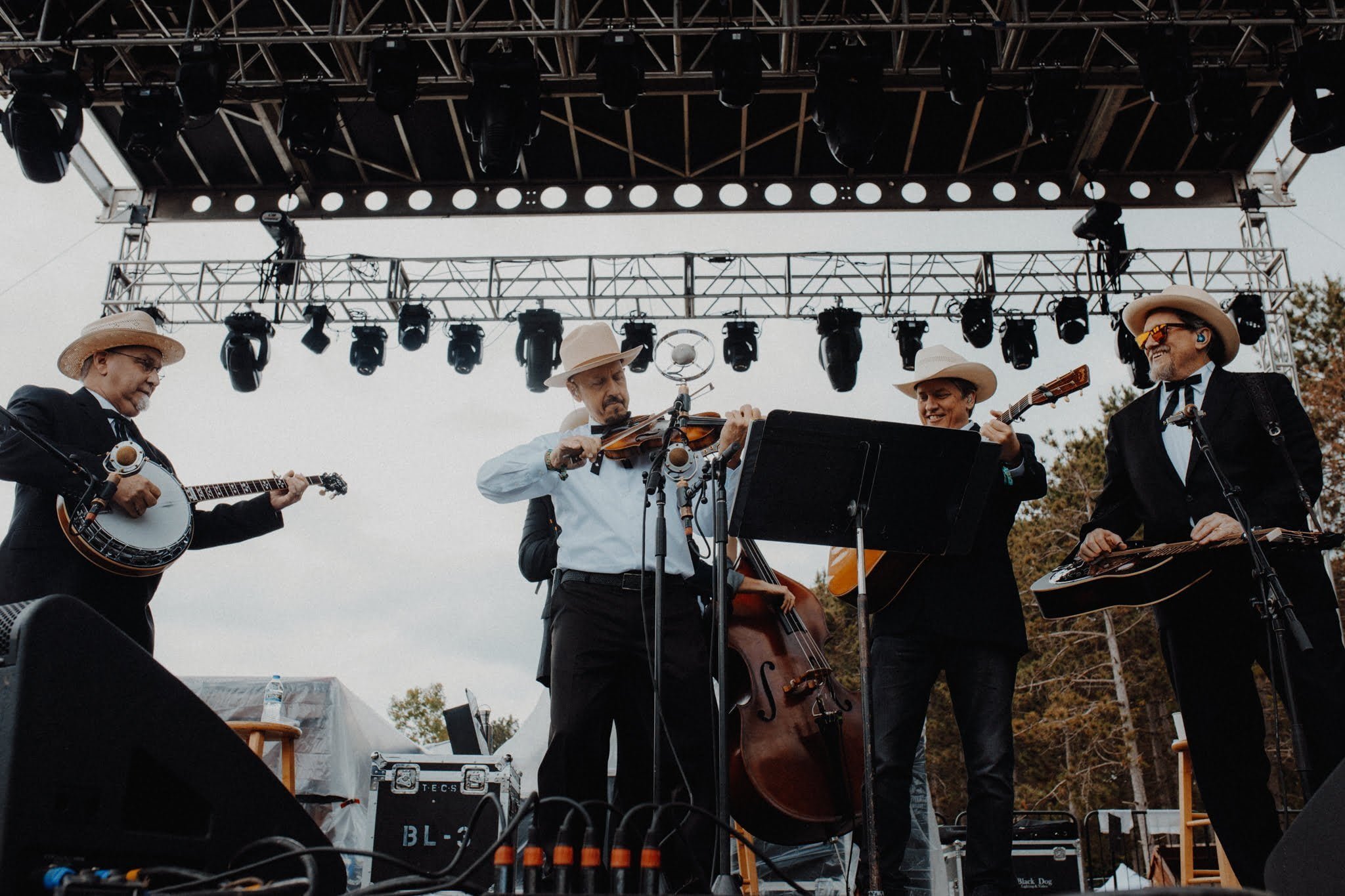
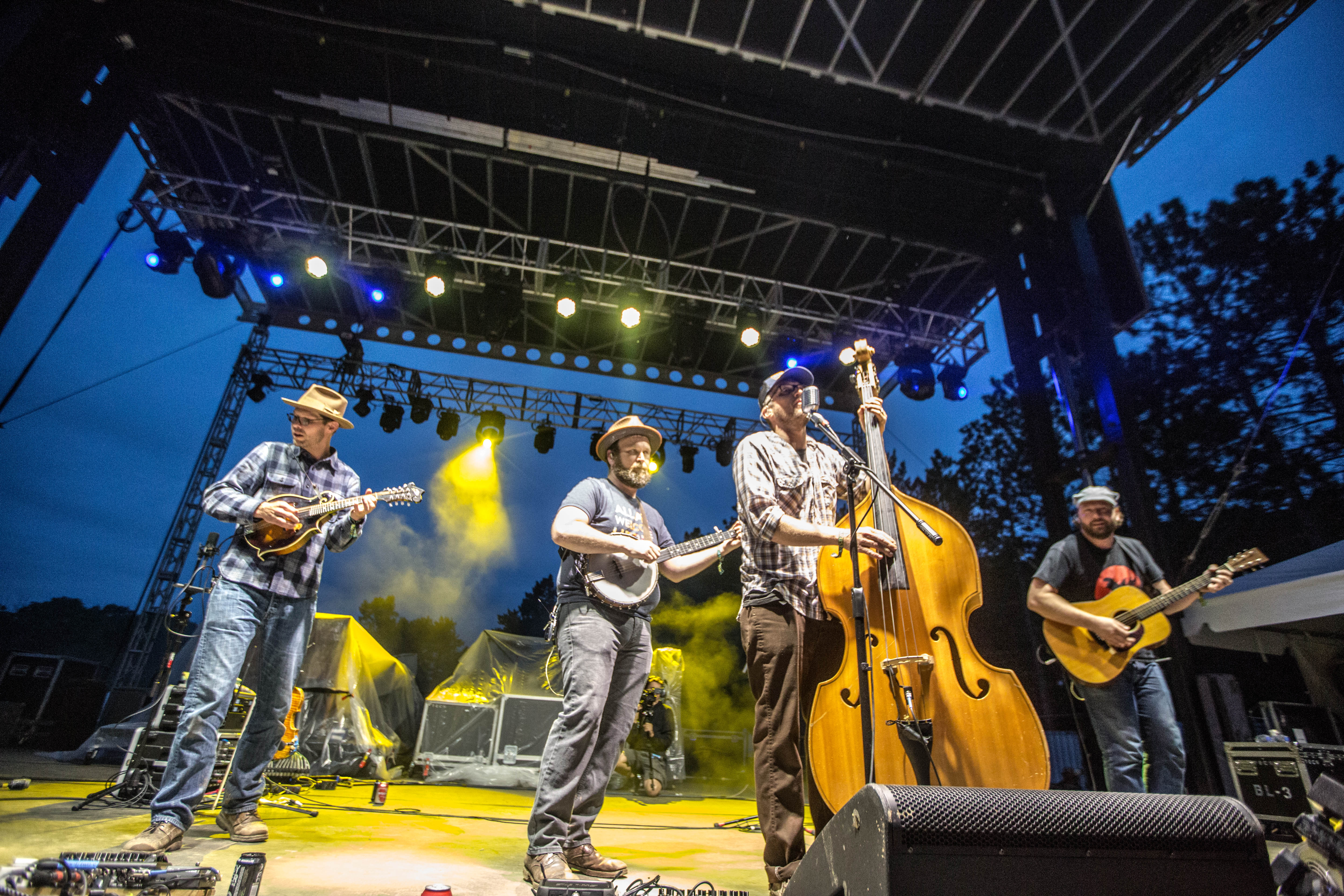
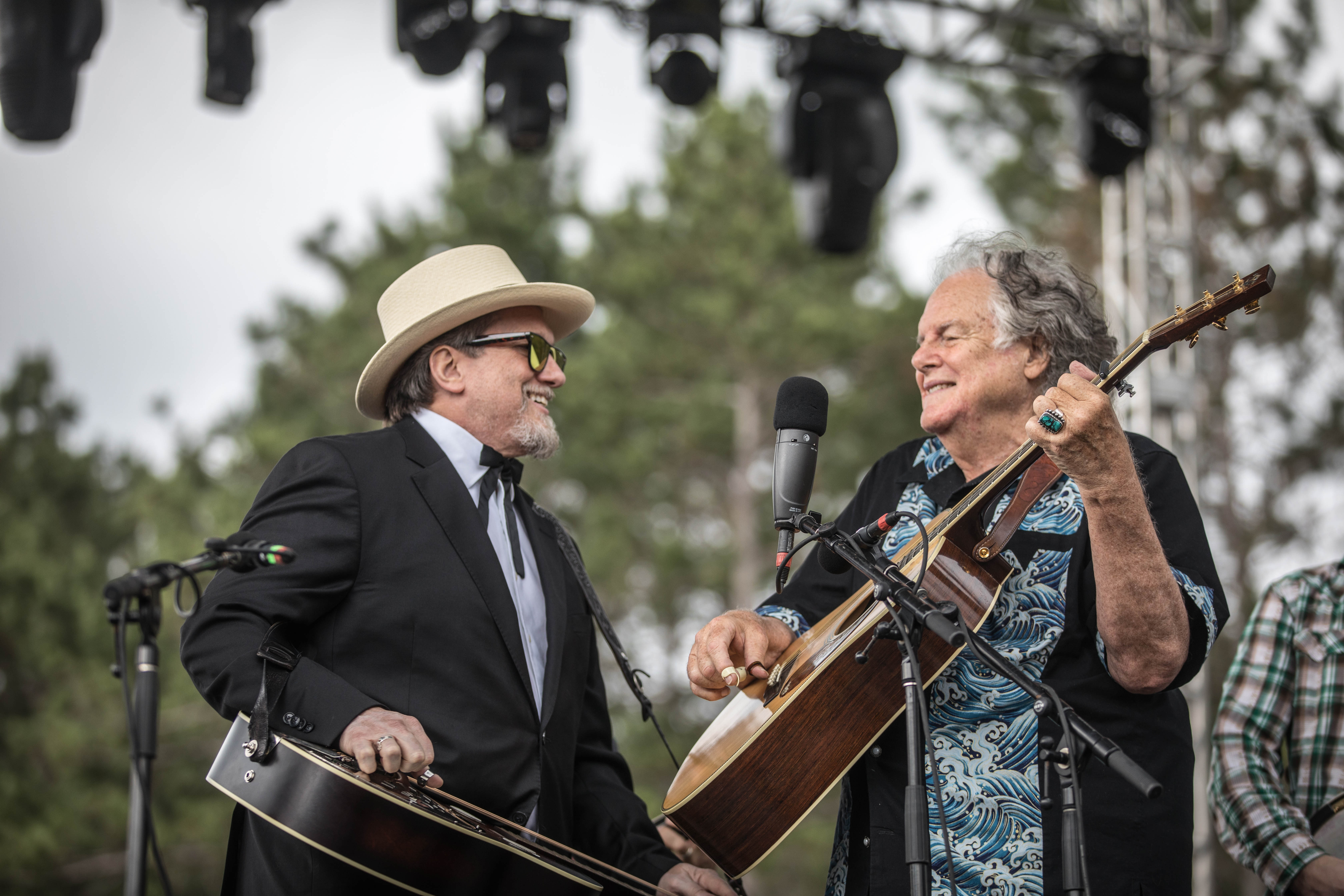
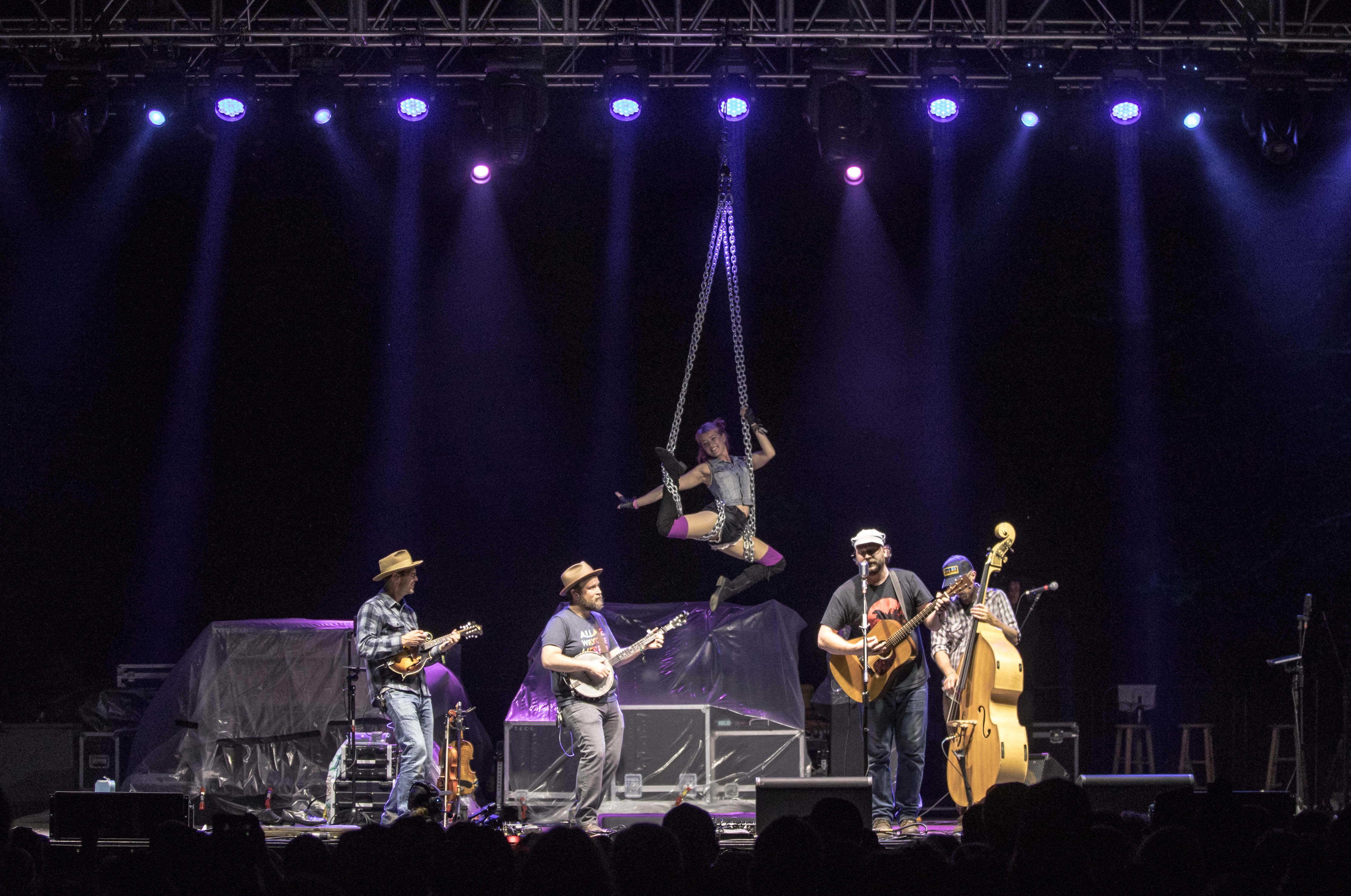
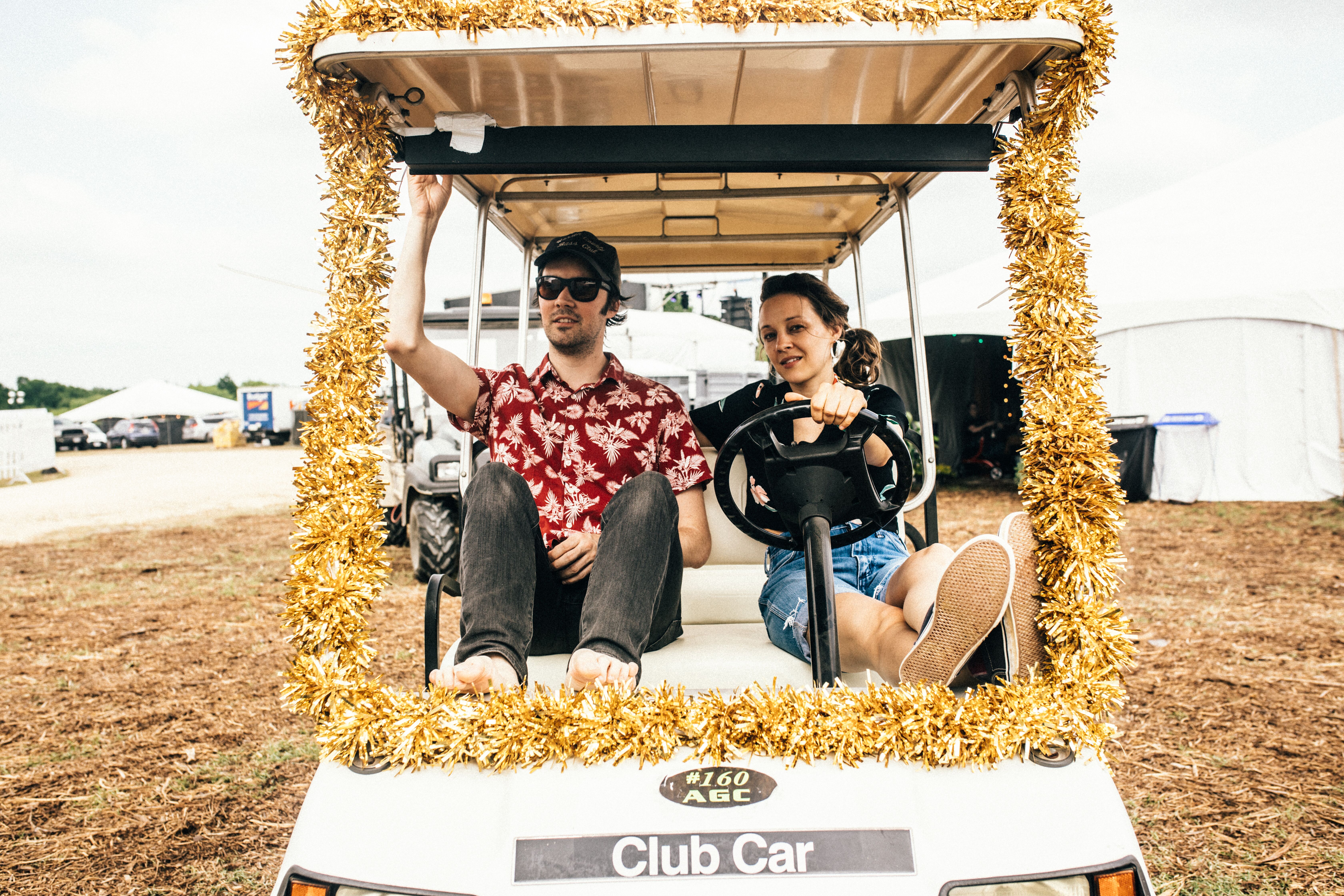
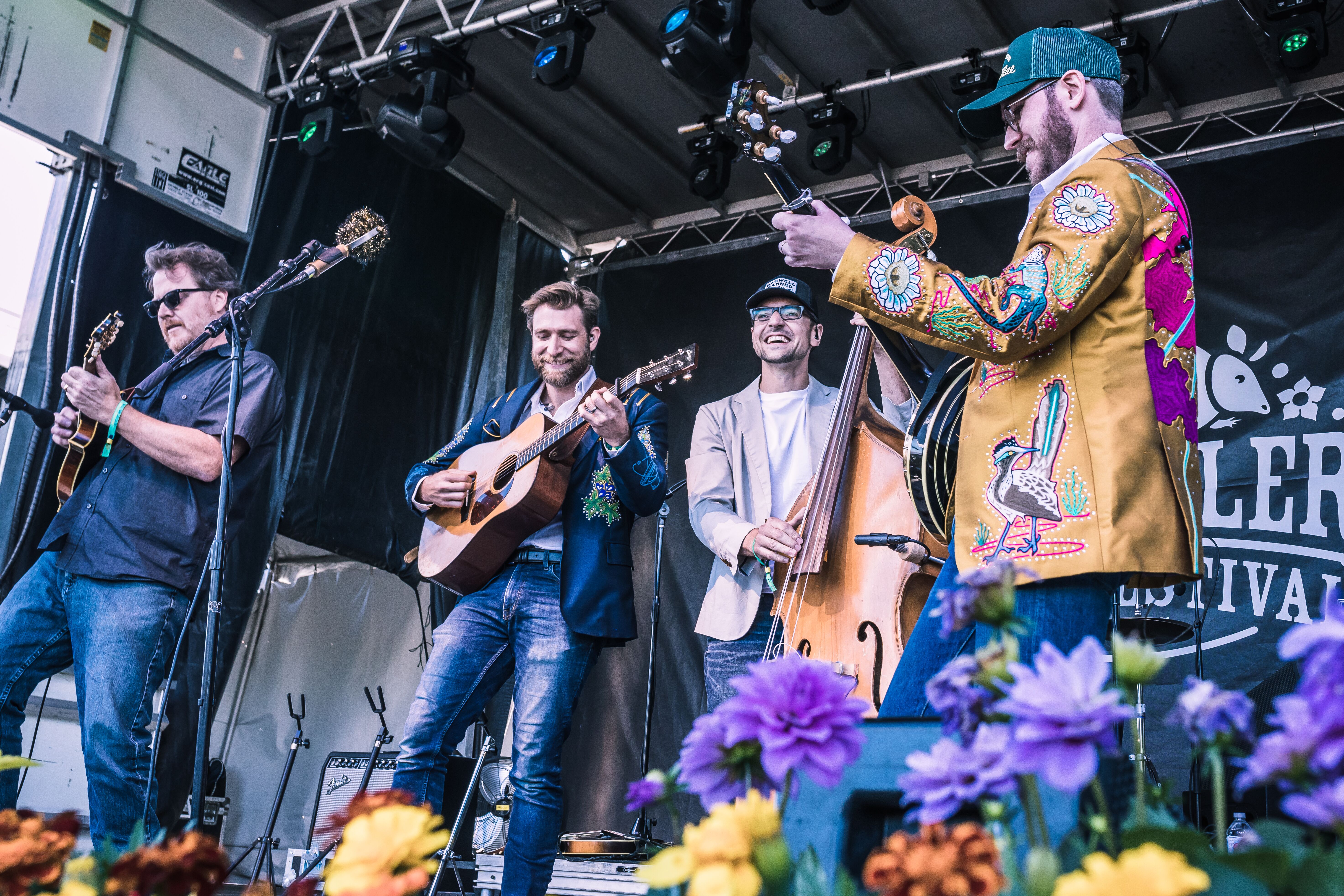
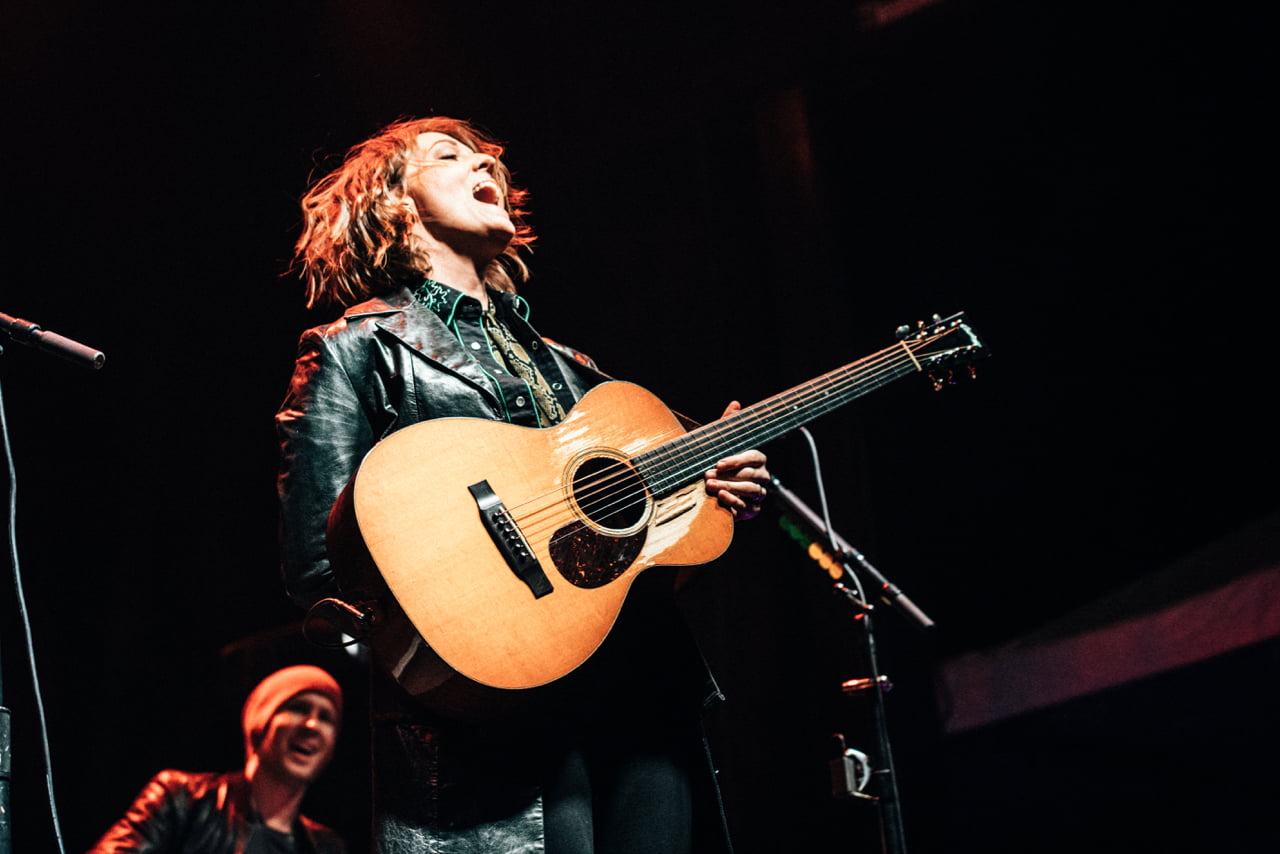
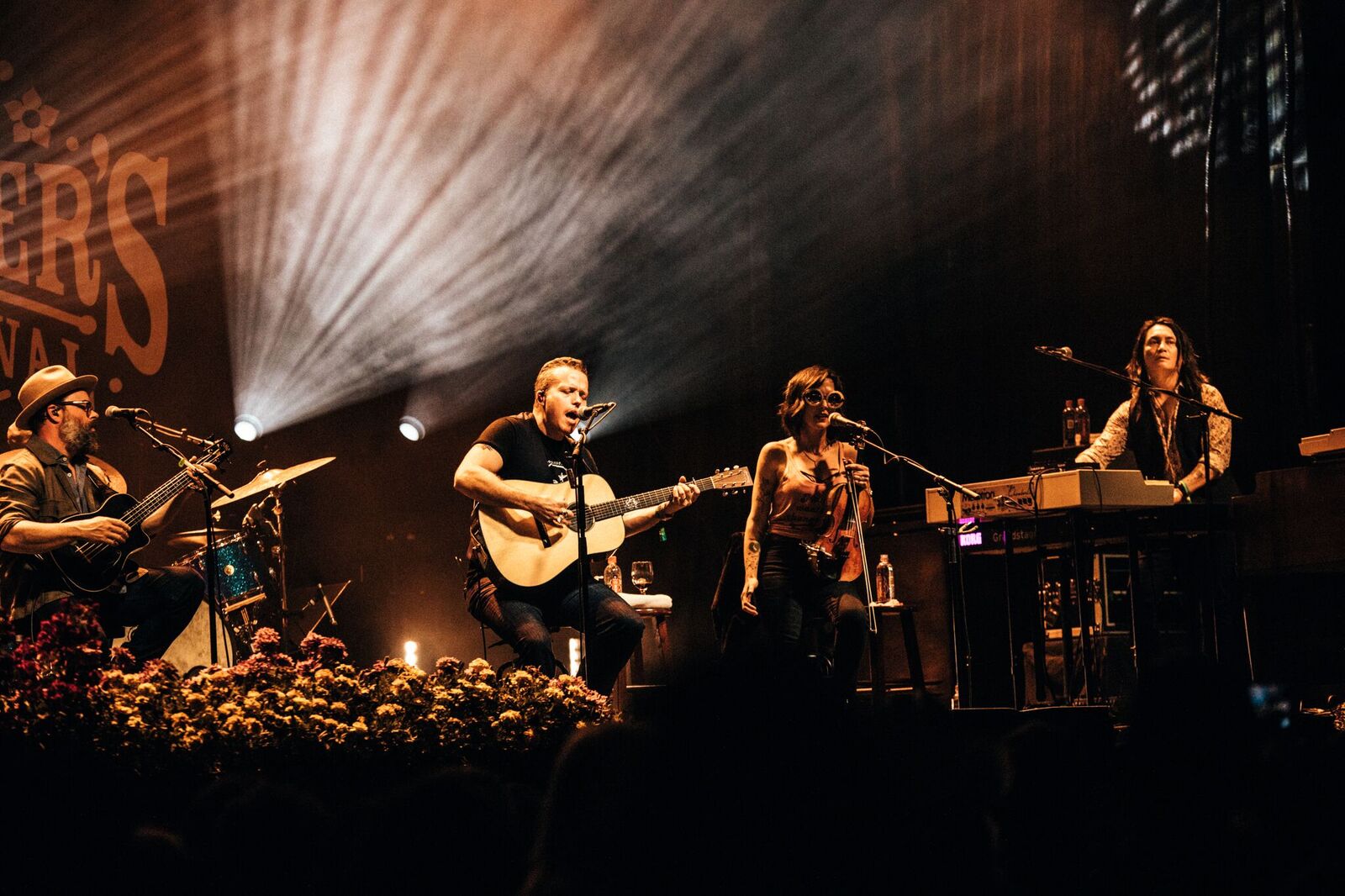
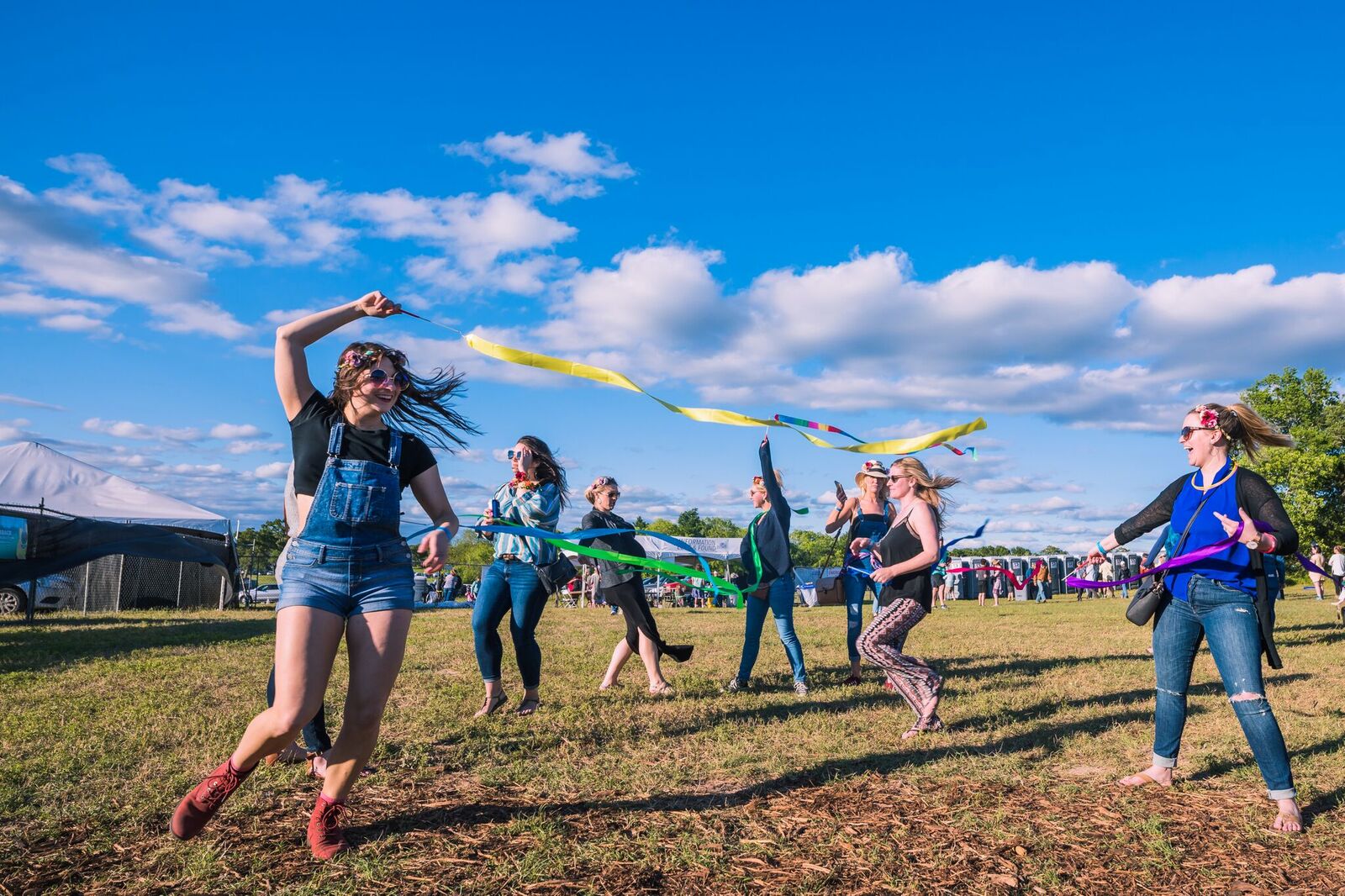
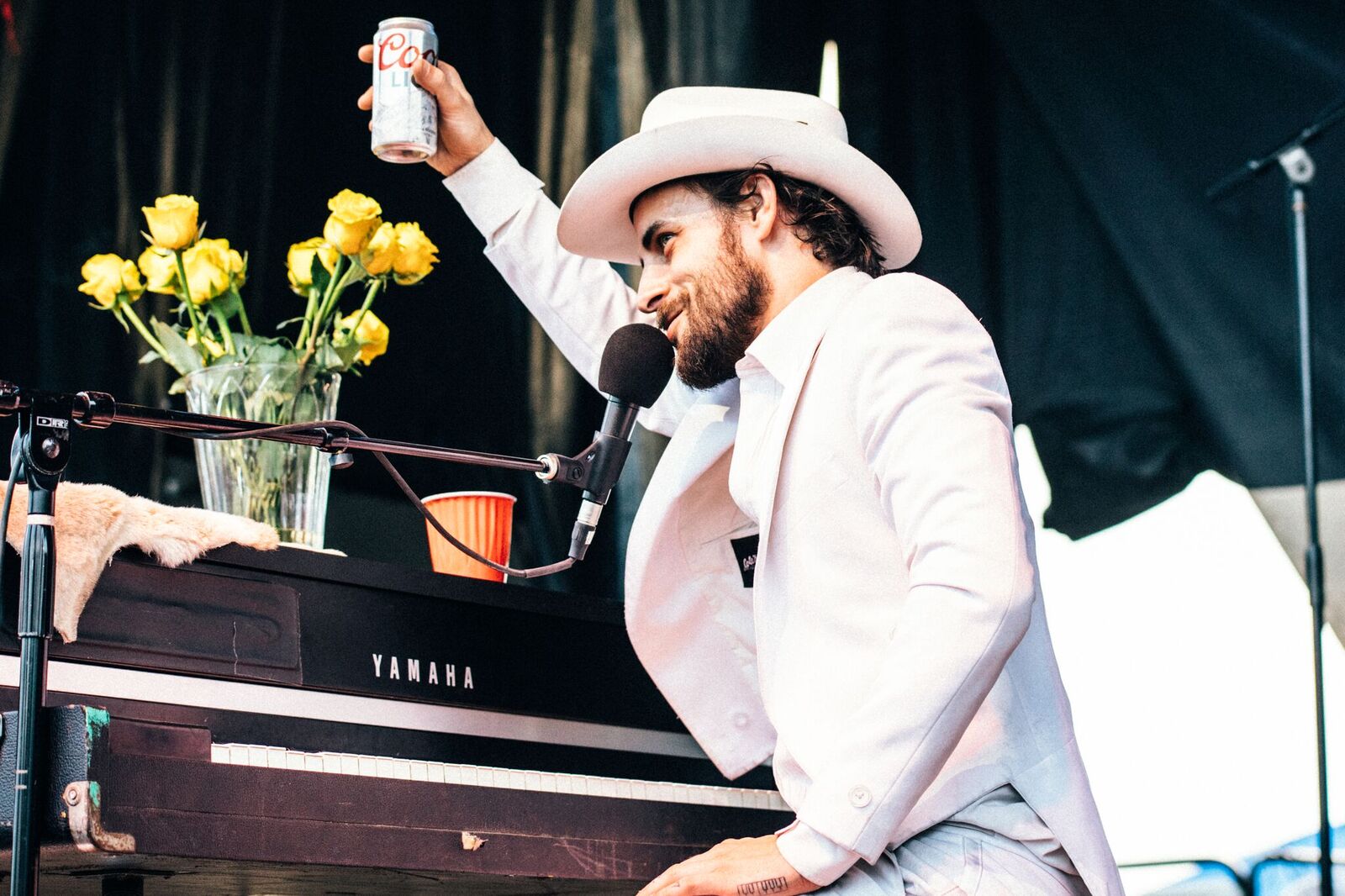
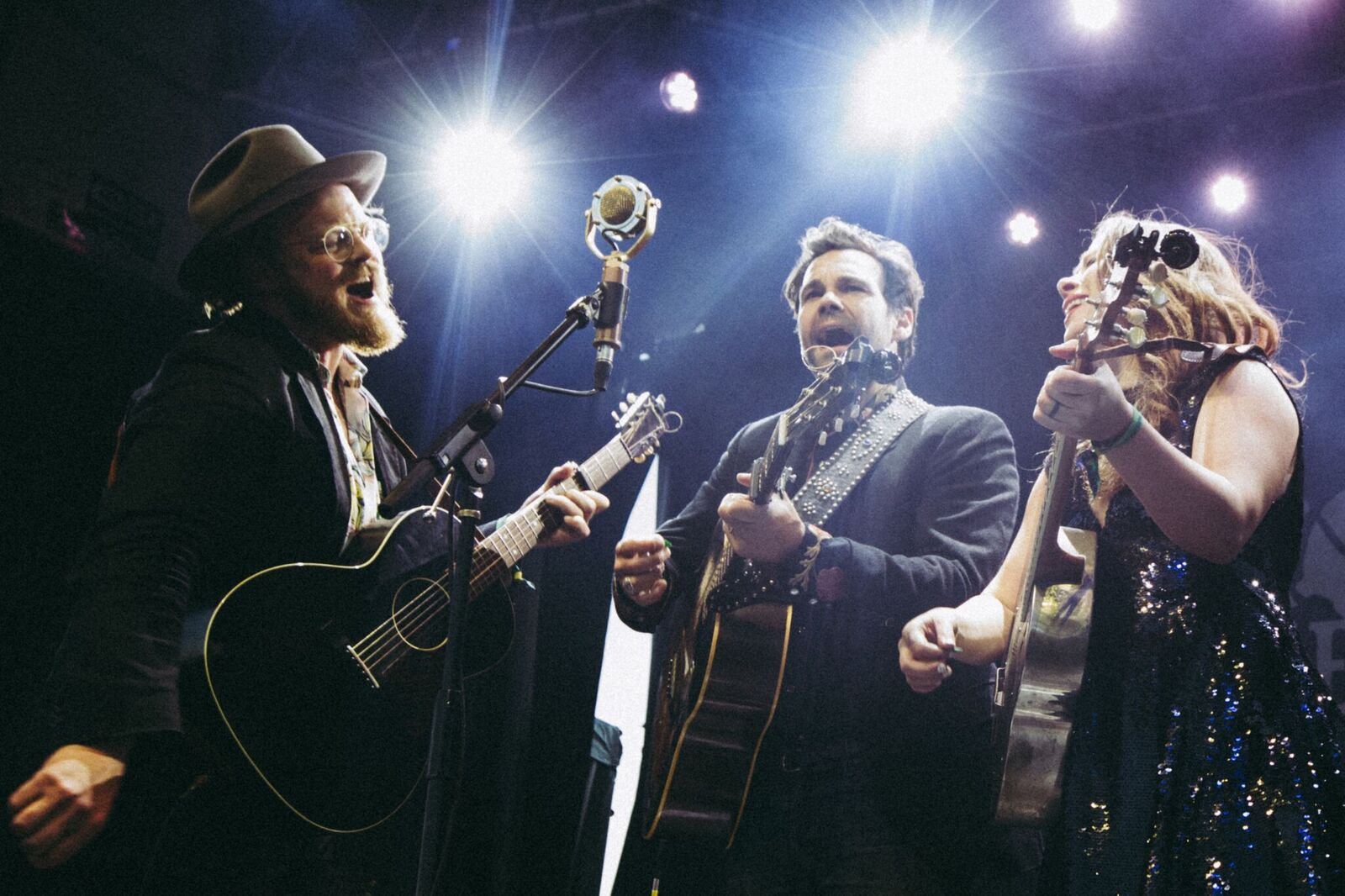
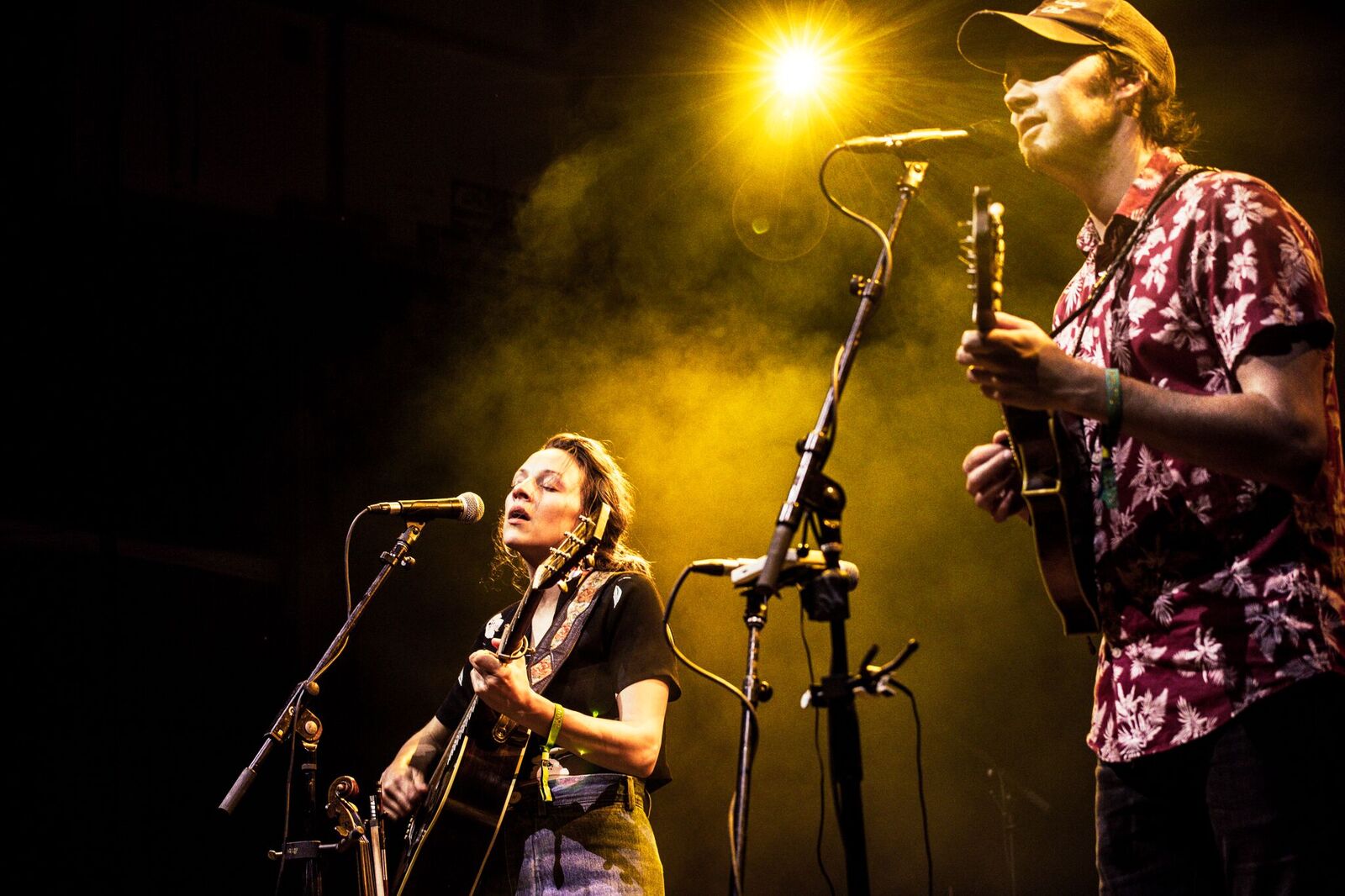
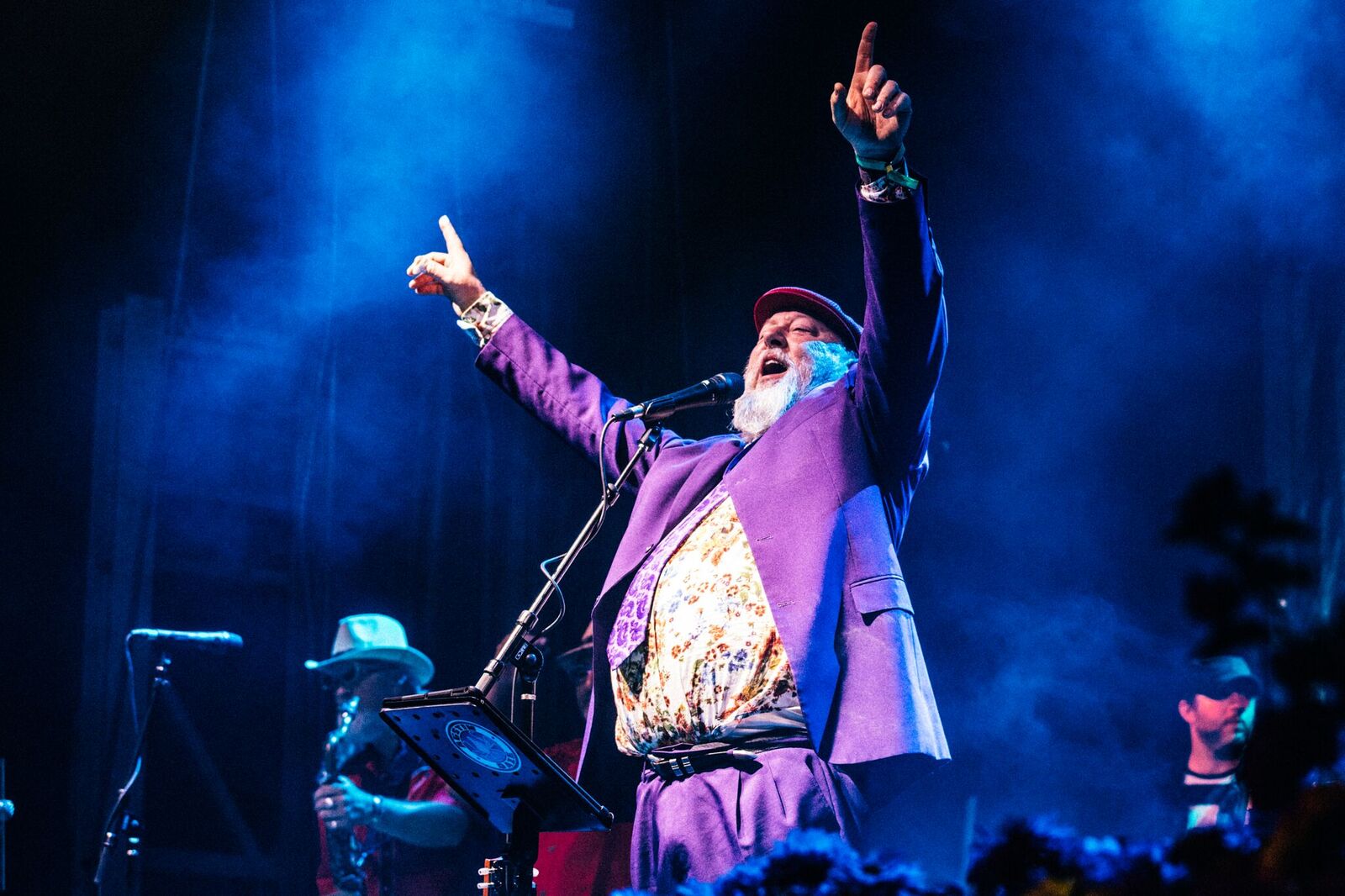
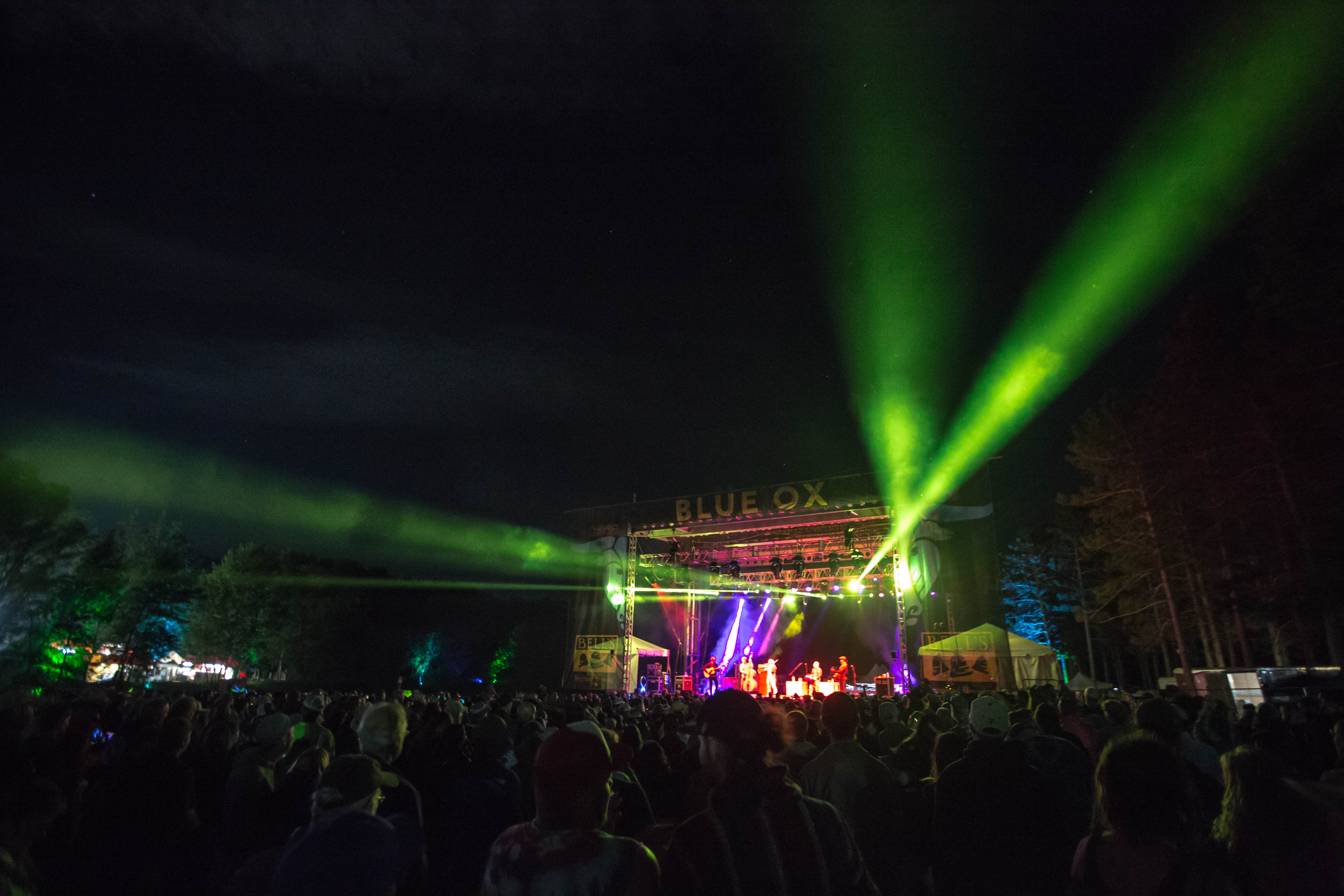
String bands of all sorts from all across the country descended upon Blue Ox Music Festival and Eau Claire, Wisconsin last week for three days of music in the backwoods — and the rain! BGS partnered with Blue Ox and Jamgrass TV to broadcast nearly 20 sets from the festival’s main stage online for thousands of fans around the world. But, if you did not have the good fortune to be on site for the goings-on and if you didn’t get a chance to tune in to the livestreams, don’t fret. You can check out what you missed with our photo recap — while you make plans to join us in 2020!


Lede photo: Ty Helbach

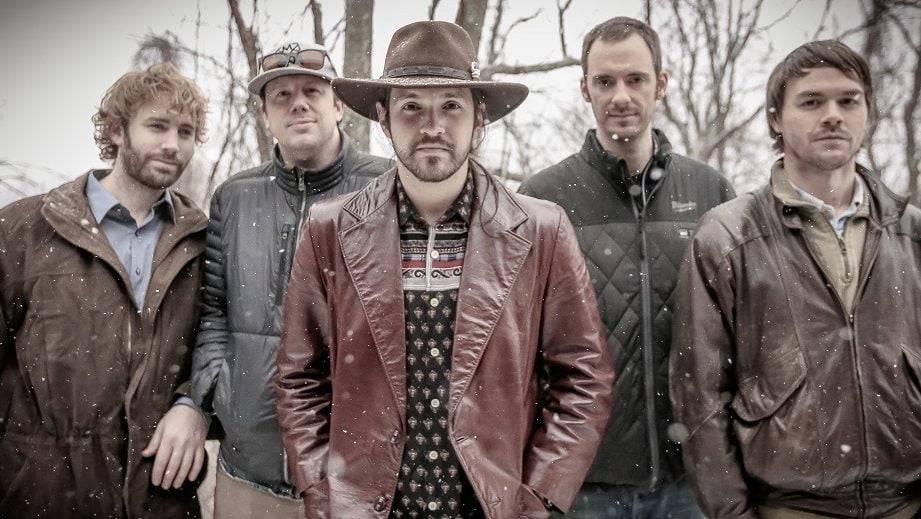
LISTEN: Fletcher’s Grove, “Stray Bird”

Artist: Fletcher’s Grove
Hometown: Morgantown, West Virginia
Song: “Stray Bird”
Album: Waiting Out the Storm
Release Date: May 17, 2019

In Their Words: “I’m a longtime fan of the likes of Bill Monroe and Del McCoury, so I often look to those folks and their ilk for inspiration. I wanted to write a classic country song for our new record. ‘Stray Bird’ is a modern take that pays homage to an earlier era. One of the last songs to be brought into the studio, ‘Stray Bird’ came together quickly and stood out as a different sound for the band that fit this record.” — Ryan Krofcheck, Fletcher’s Grove


Photo credit: Dan Gifford

Old Settler’s Music Festival 2019 in Photographs

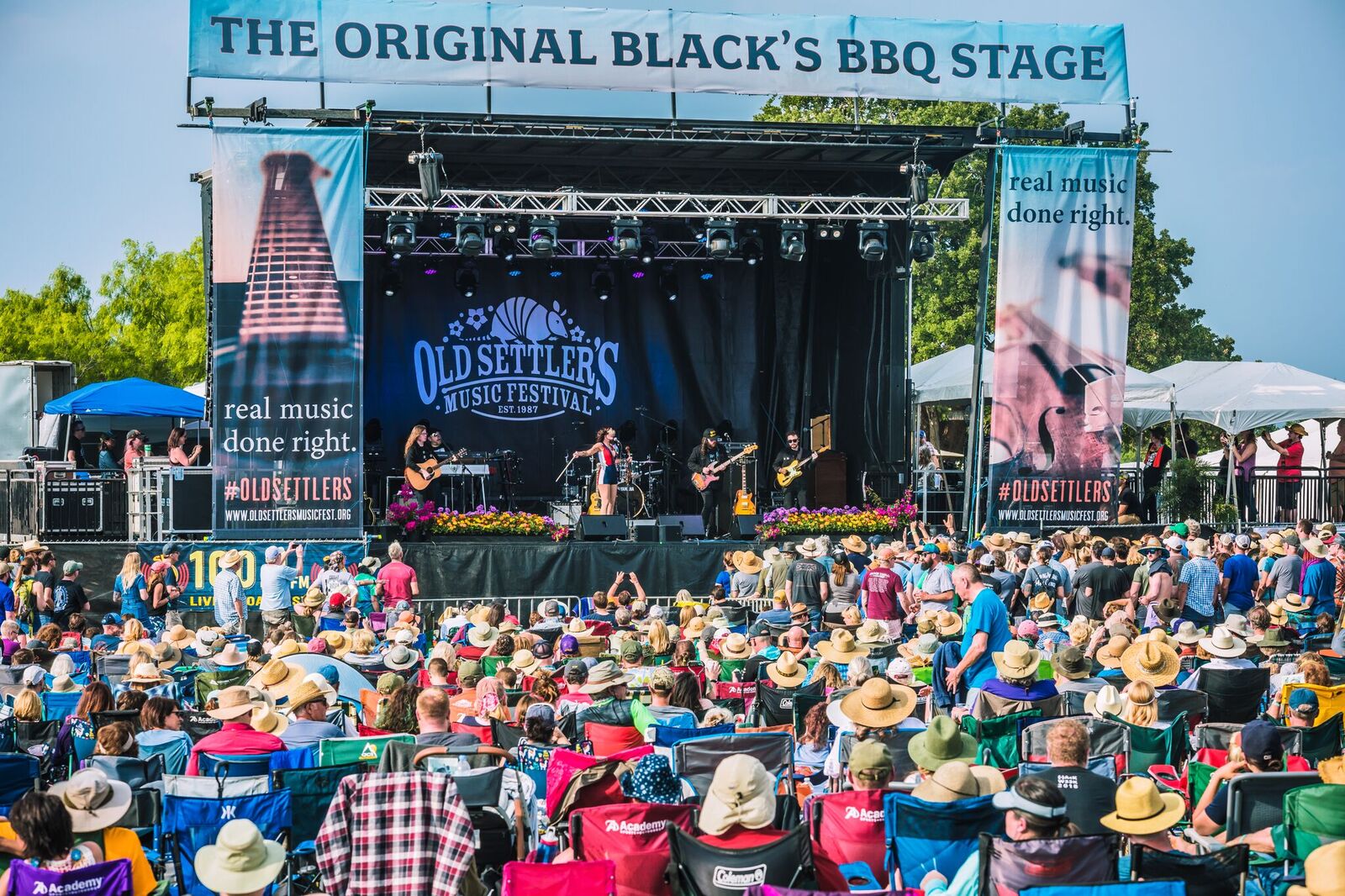
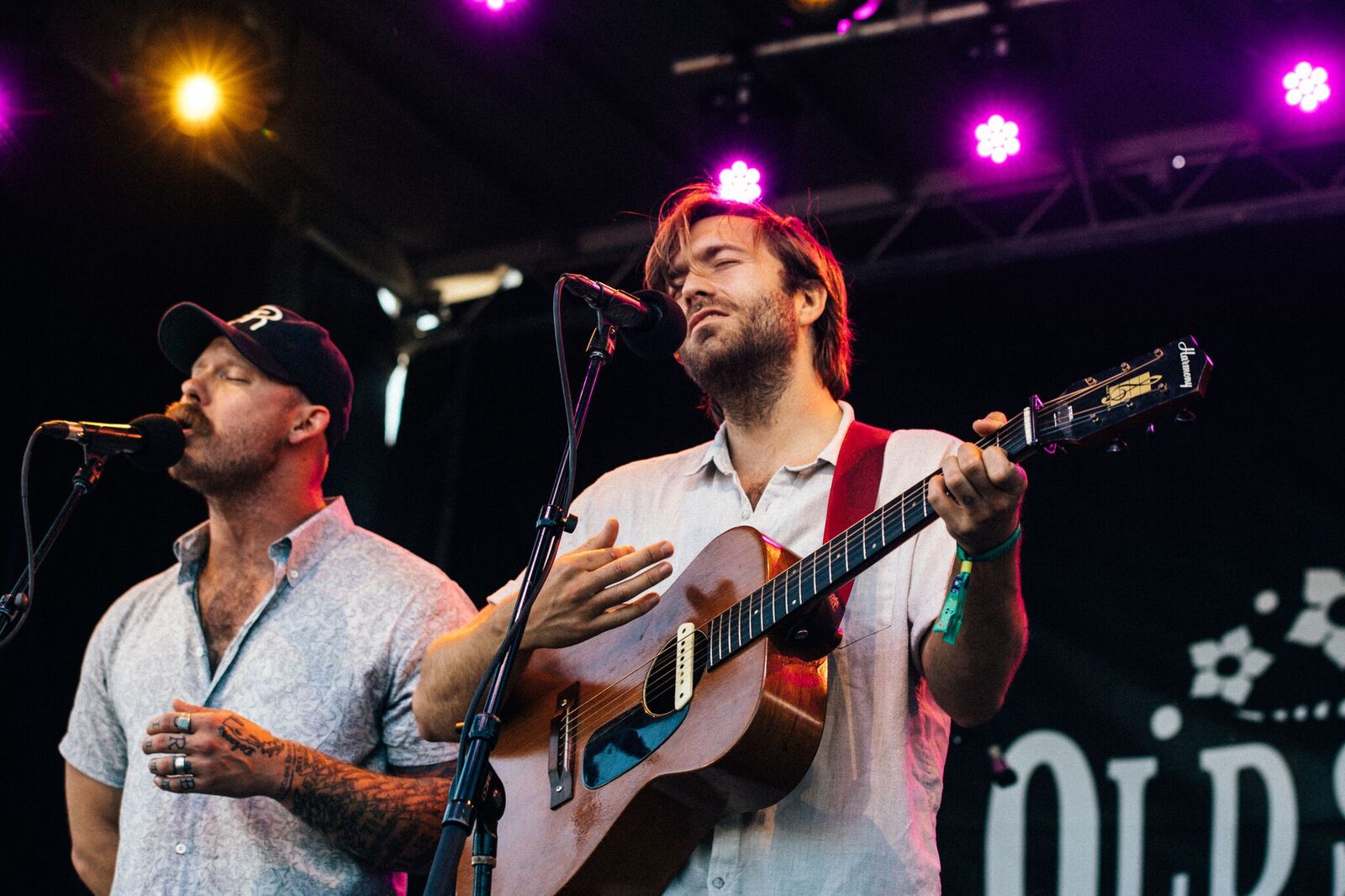
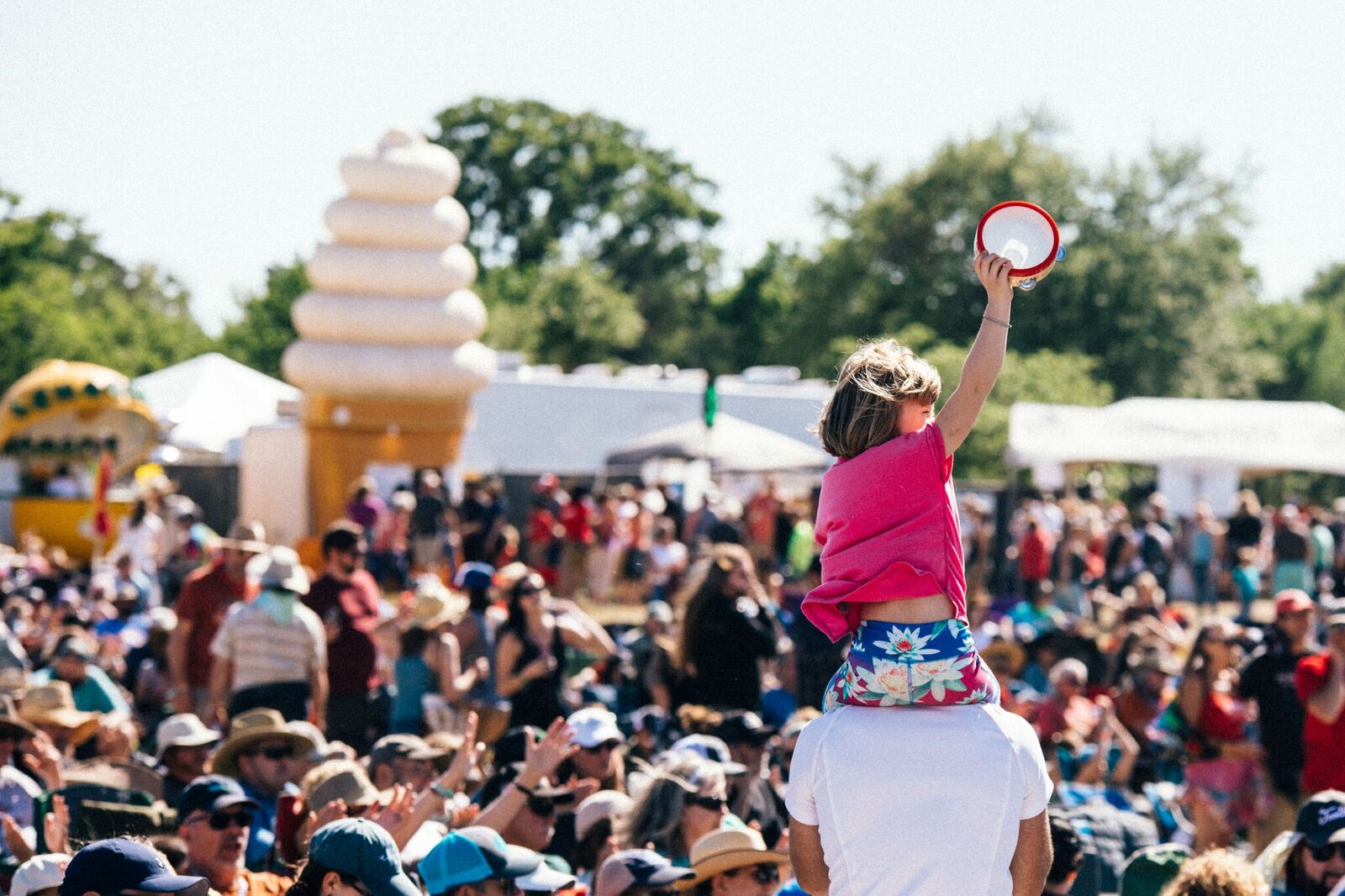
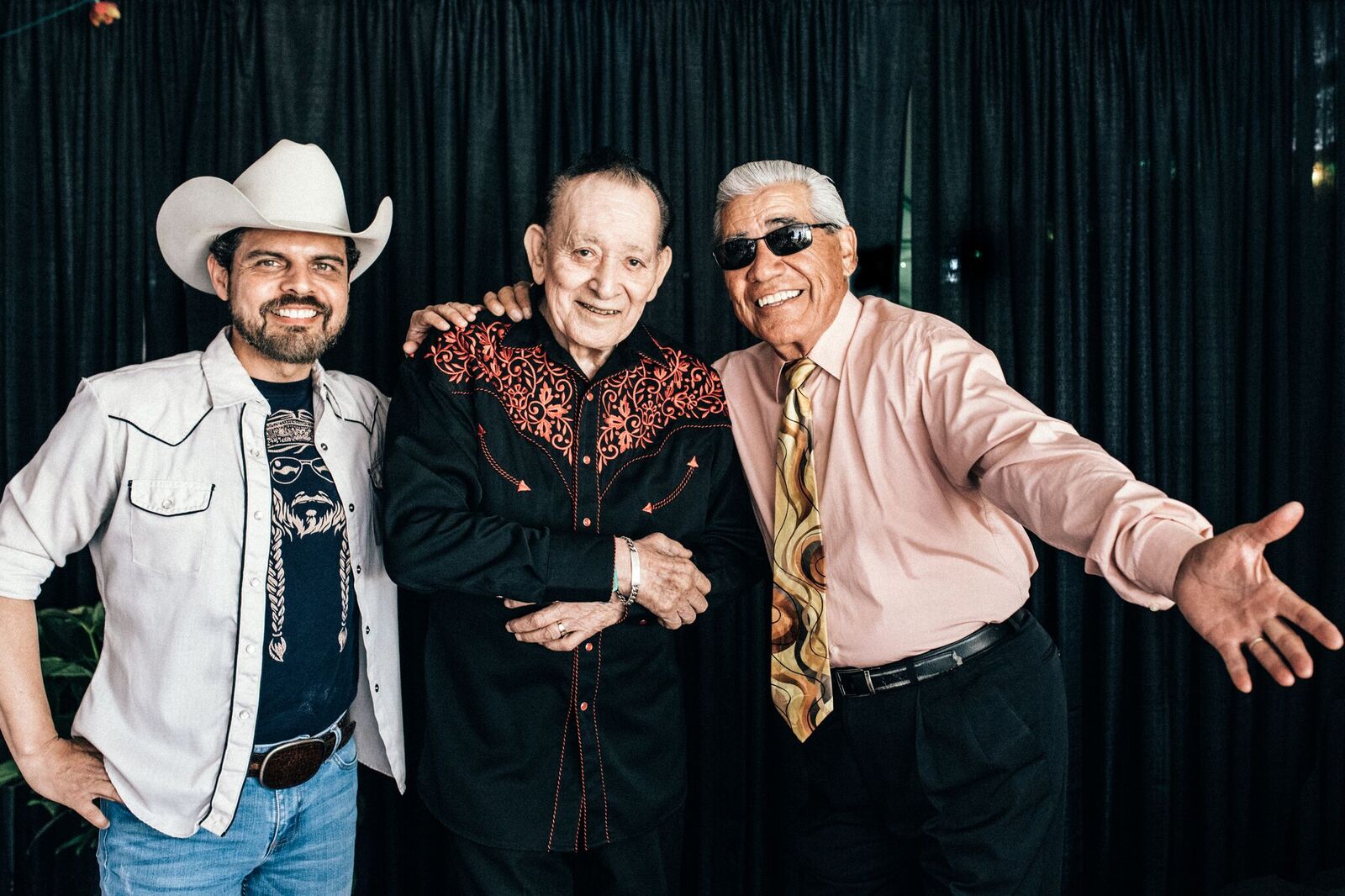
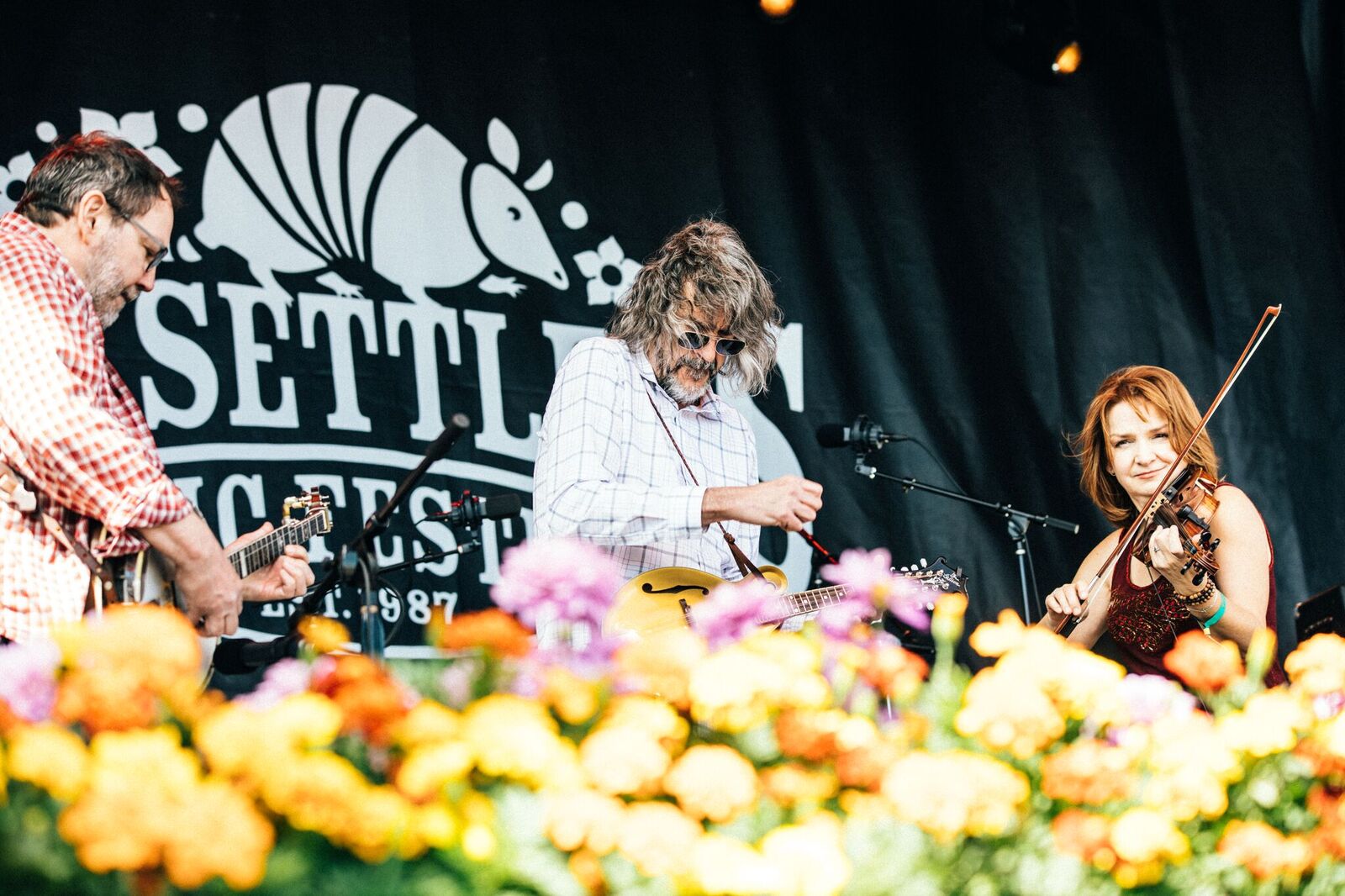
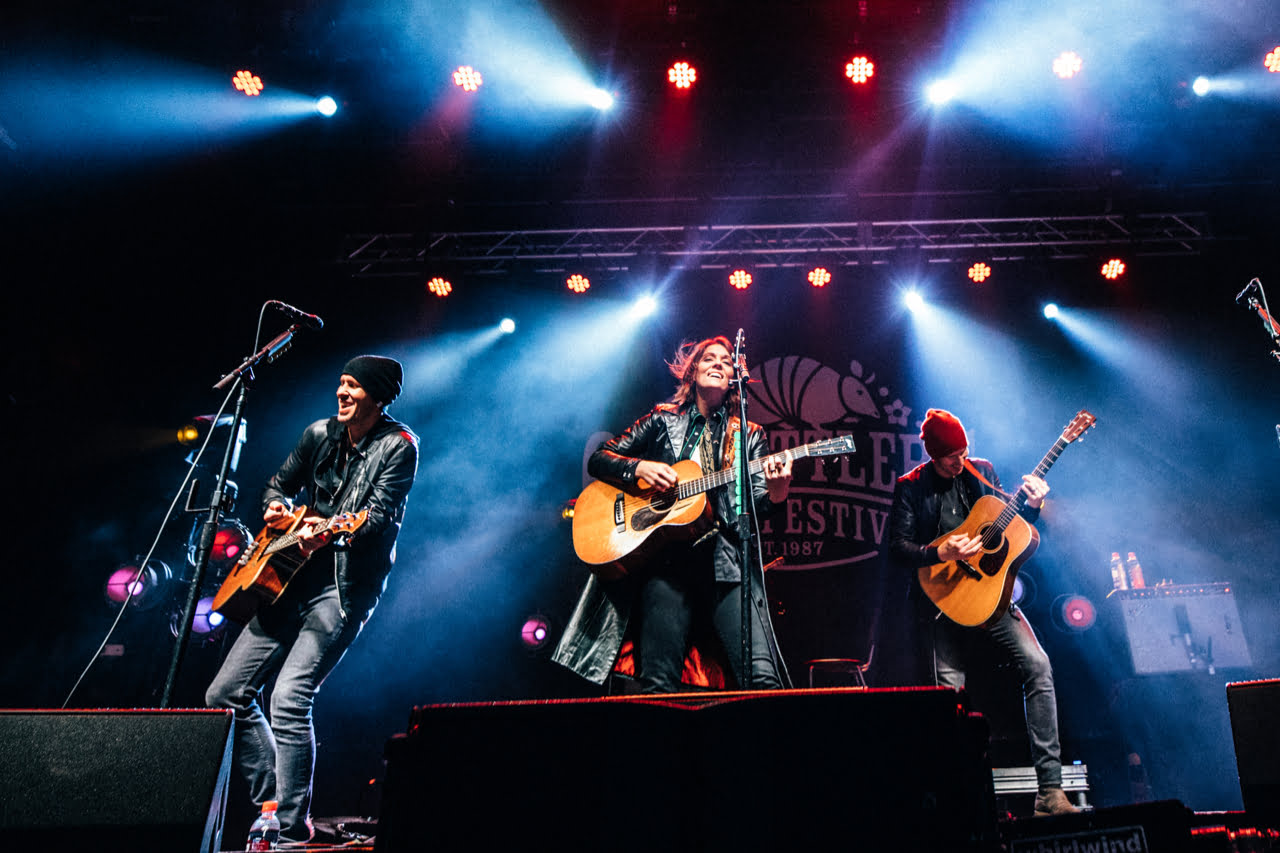
We’ve loved Texas’ Old Settler’s Music Festival for years now, with their carefully curated lineups steeped in roots and peppered with bluegrass, folk, and Americana. We even filmed a handful of Sitch Sessions (with Earls of Leicester, Sierra Hull, the Hillbenders, and David Ramirez) on site a few years back. This year, BGS photographer Daniel Jackson was on hand to capture all of the Old Settler’s magic so that you can relive last week’s festival in photographs.


All photos by Daniel Jackson

MIXTAPE: Crowder’s Simple Yet Complex Bluegrass Playlist

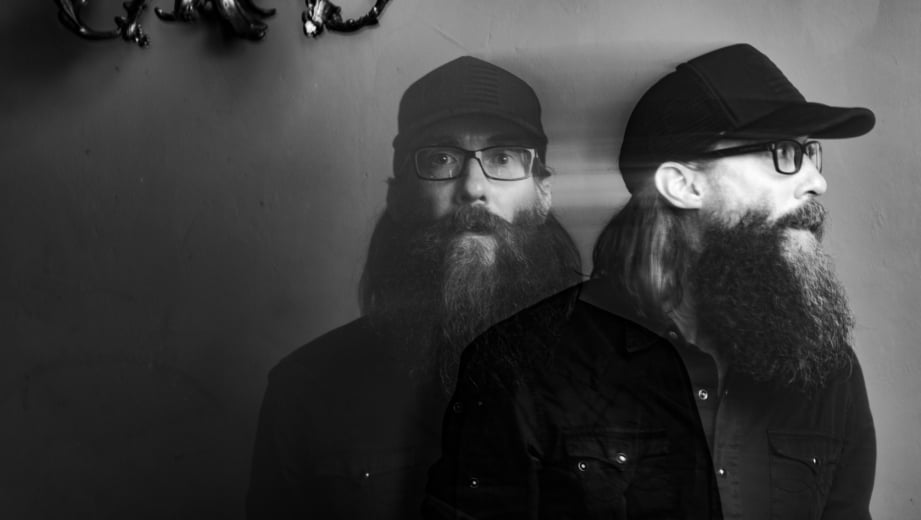
“I think my favorite description of bluegrass music is from Bill Monroe: ‘It’s Scottish bagpipes and ole-time fiddlin’. It’s Methodist and Holiness and Baptist. It’s blues and jazz, and it has a high lonesome sound.’ It is that and more to me. It is simple and complex. It is death and life. It is impossible to put together anything close to a definitive playlist of such things so here are a few songs I really like.” — Crowder

“A Far Cry” – Del McCoury Band

Del McCoury is the epitome of the progressive conservation of that “high lonesome” sound.

“Angel Band” – Stanley Brothers

This is it for me. An old gospel song from a poem originally titled “My Latest Sun Is Sinking Fast.”

“The Prisoner’s Song” – Bill Monroe

This origin of this song goes back to the beginning of recorded “hillbilly” music and nothing better than the Father of Bluegrass’ take on it with electric guitar, piano, and drums. Heretical!

“Ruby” – Osborne Brothers

Those falsetto jumps and holds, if you’re not smiling we can’t be friends.

“Shady Grove” – Ricky Skaggs

Mr. Skaggs is one of my favorite humans ever made and he and Kentucky Thunder slay this traditional Appalachian courtin’ song that’s found its way into the repertoire of all the greats.

“Walls of Time” – Bill Monroe

A classic written by Monroe and Peter Rowan, but not recorded until after Rowan left the group. The lyrics are perfectly haunting.

“Freeborn Man” – Jimmy Martin

“King of Bluegrass” after the addition of Gloria Belle. That female vocal sitting above Martin’s cutting tenor is supreme.

“Mama’s Hand” – Hazel Dickens

Known for her singing style as well as her advocate songs for coal miners and the working folk and to be one of the first women to record a bluegrass album. This song tells the story of the day she left her family’s home in West Virginia.

“Carry Me Across The Mountain” – Dan Tyminski

This guy is legend. Popping into the universal ethos and consciousness of popular culture every so often, from his updated version of “Man of Constant Sorrow” to vocal feature on Avicii’s international hit “Hey Brother.”

“Blue Train” – Nashville Bluegrass Band

I love how these guys incorporate black gospel and spirituals. Just a line as simple as “coming for to carry me” brings with it the momentum and mass of a locomotive.

“Salty Dog Blues” – Flatt and Scruggs

The original meaning of “salty dog” comes from rubbing salt into the coat of your dog as a flea repellent. That infers that a “salty dog” would be your favorite person or your best friend. I like that.

“Oh, Death” – Ralph Stanley

No vocalist will ever fit a song more perfectly.

“The Little Old Log Cabin in the Lane” – Fiddlin’ John Carson

The first “hillbilly” song ever recorded with vocals and lyrics. When I moved to Atlanta I landed in Cabbagetown on Carroll Street living in the Fulton Bag and Cotton Mill that he and his children worked in. That’s as close as I’ve ever come to greatness.

Photo credit: Eric Brown

Like Father, Like Sons: Del McCoury & The Travelin’ McCourys

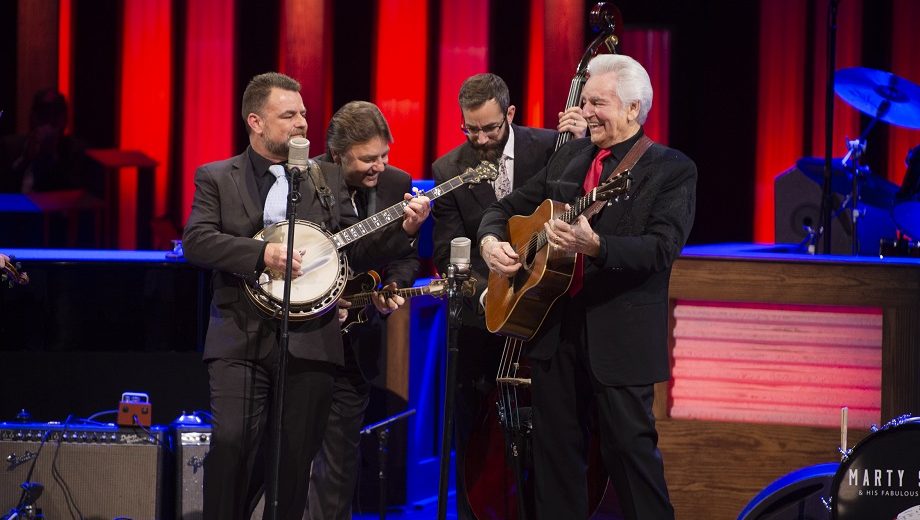
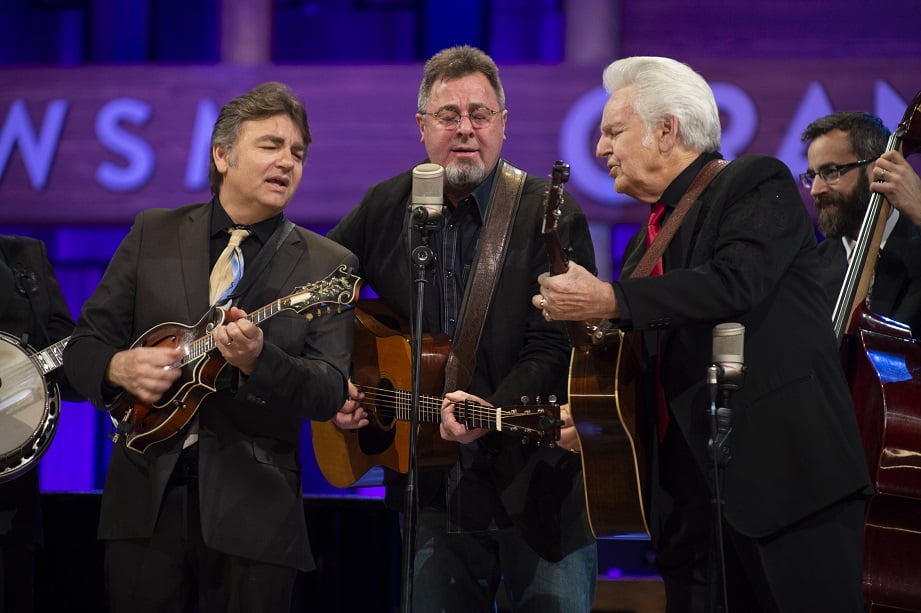
Even after five decades in the bluegrass business, the McCoury family is having a banner year in 2019. In February, Del McCoury turned 80 years old and shared the Grand Ole Opry stage with some of his most famous admirers. That same month, the Travelin’ McCourys – fronted by Del’s sons Rob and Ronnie McCoury — picked up a Grammy award in Los Angeles for their self-titled, debut album. And looking ahead, the 12th annual DelFest music festival in Cumberland, Maryland is slated for May, with performances by both bands on the schedule.

In person and off stage, Del McCoury is as polite and warm as one would expect. Smiling broadly as he enters the Opry dressing room, he’s wearing a Hawaiian shirt, his pompadour is on point (as always), and he seems unfazed by the fact that show time is less than 30 minutes away. To paraphrase another Opry star, he’s just so proud to be here.

“I’ve been listening to the Grand Ole Opry since I was at least 10 years old,” he says. “My brother and my dad would listen because it was before TV, you know? Especially out in the country where we lived. People had TVs, but I don’t remember anybody who did out in the country. We grew up on a farm. Like I said, I’ve been listening to the Grand Ole Opry since then and I’ve always looked up to all the acts on here. Especially the bluegrass acts, like Bill Monroe and Flatt & Scruggs. It’s a big show in my mind! Still is!”

Though the time set aside for the interview is somewhat brief, Del conjures up stories about everything from crusty club owners to playing Carnegie Hall. He cracks up at a memory of Bill Monroe flat-out telling festival promoter Carlton Haney that a bluegrass festival would never work. Thinking even further back to his childhood, he reminisces about being fascinated by Earl Scruggs’ banjo on “Rollin’ in My Sweet Baby’s Arms” when he was around 11 years old.

“Something hit me here,” Del says, touching his heart. “That banjo behind the lead singer was so good. And so I learned how to play that. I was already a guitar player but I heard this record and I thought, ‘Wow, that’s what I want to do!’ So, when I could get a banjo, I started learning it. Just take the record, pick the needle up and put it over, and try to play what Earl was doing. It was not simple!”

Ronnie McCoury, Vince Gill, Del McCoury

Asked about the decision to spin off a group from The Del McCoury Band, employing everybody except himself, Del says he conferred with manager Stan Strickland about how to make it work.

“I got to an age where I thought, you know, I’m [not] gonna be around here forever,” he noted, just before breaking into his trademark laugh. “I felt good, and I still feel good, but you never know. When you get to 70, you don’t know how many days you got left. I thought, these guys depend on me. My wife and I talked to Stan and I said, ‘You know, if we get them something going on their own, and if something happens to me, then by that time they might be established.’ So we got them a different booking agent than I had, and it seemed like right from the start they were starting to do good already! And I thought, ‘Wait a minute now, I wonder if I should have done that…’”

He breaks into laughter again, before adding, “Especially when they start winning Grammys! And they don’t take me with them!”

Loyal bluegrass fans know that for decades the Del McCoury Band has done its own share of travelin’ – not to mention winning two Grammy awards of their own. Led by Del on lead vocals and guitar, the good-natured group includes Ronnie on mandolin, Rob on banjo, Jason Carter on fiddle and Alan Bartram on bass. Cody Kilby assumes Del’s role as a guitarist in The Travelin’ McCourys, while the vocals in that ensemble are handled in equal share by Ronnie, Rob, Jason, and Alan.

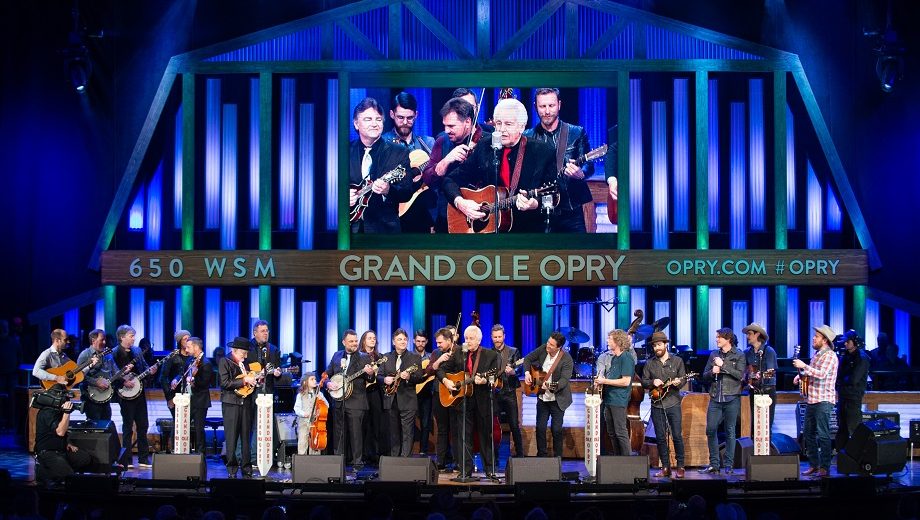
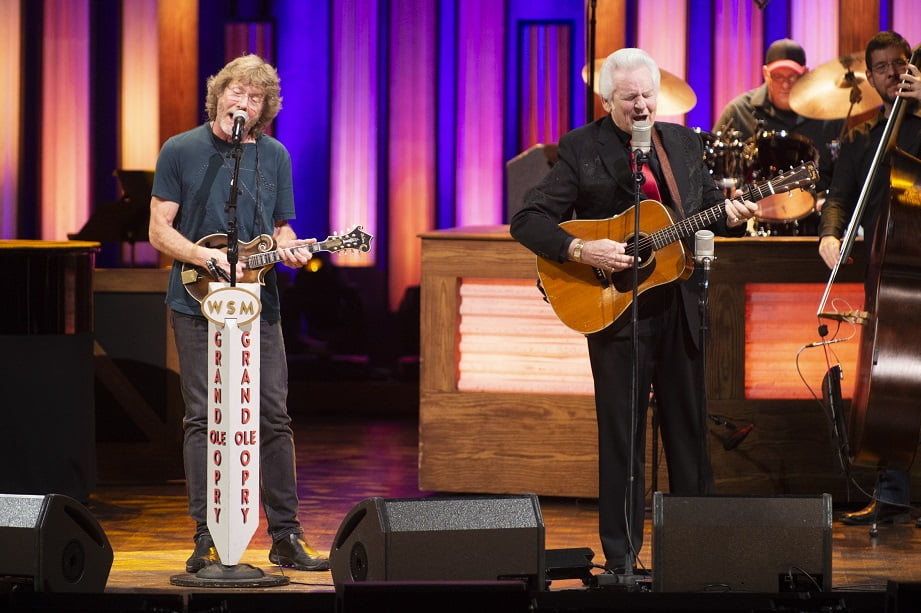
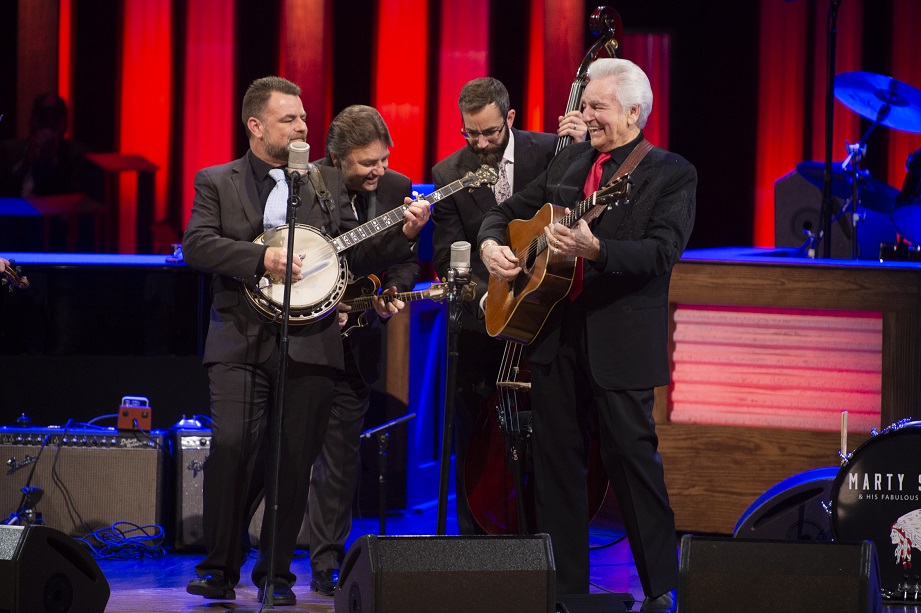
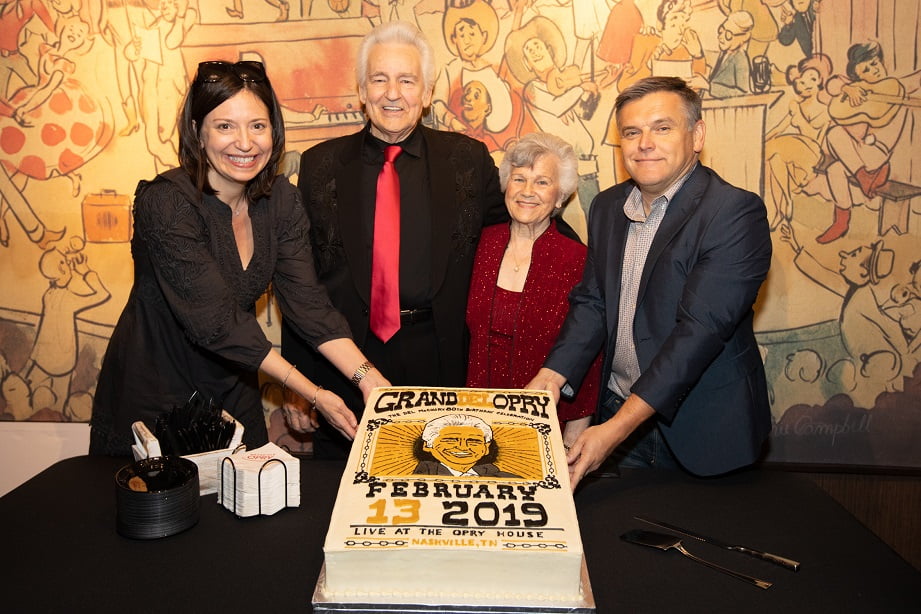
Three days after their Grammy win, the Travelin’ McCourys regrouped with Del when the Opry curated a special show called the Grand Del Opry, in order to commemorate McCoury’s milestone birthday as well as his 15th anniversary as an Opry member. Friends like Sam Bush, Bela Fleck and Abigail Washburn, Vince Gill, Old Crow Medicine Show, Jesse McReynolds, Ricky Skaggs, Marty Stuart, and of course Travelin’ McCourys jammed with the man himself.

The finale of the Grand Del Opry

In an interview a few weeks after the show, Rob says, “One of the biggest things for me was the finale, and looking at all these people on stage to help Dad celebrate his birthday. And also looking out to see nearly a full house in honor of my father. It made me very proud to see all these folks that have such respect for my dad and the music, and they all took the time to come out to the Opry that night and put on a show in honor of my father.”

Del McCoury made his first appearance on the Grand Ole Opry as Bill Monroe’s guitarist in 1963 – and that performance was only McCoury’s second gig with the esteemed Father of Bluegrass. The first was not long before that, when McCoury subbed for Monroe’s banjo player at a New York show. Although McCoury still preferred playing banjo, Monroe offered him a spot as a guitarist and lead singer – a job he kept for a year. “He’s the reason I’m doing that now,” Del says with a chuckle. “I didn’t think I would be, but once I started playing guitar and singing, I liked it.”

Obviously he still does. McCoury has played a staggering number of festivals over the years, including a few of those seminal Carlton Haney bluegrass festivals of the 1960s. Still he needed some persuasion to launch his own music festival. He recalls, “My manager said to me, ‘Did you ever think about having your own festival?’ And I said, ‘Yeah, I’ve always wanted to, but I don’t want the headache! What a headache that’s got to be!’”

But with persistence, the right location, and a diverse lineup, DelFest has become a major player on the folk festival circuit. This year’s roster includes The String Cheese Incident, Trampled by Turtles, Tyler Childers, Railroad Earth, and more than a dozen bluegrass artists, including Billy Strings, Sam Bush, the Gibson Brothers, Sierra Hull, and the SteelDrivers.

Sam Bush and Del McCoury

“Attendance is staying up there good, and it’s fun,” Del says. “It’s not a bluegrass festival, it’s just a music festival. We have a lot of bluegrass bands there, you know, but we have jam bands, and we have country acts, man, you name it. We had jazz bands, we had a mixture of music, and I like a variety of music my own self. I figured, if we have a variety of bands, some folks will come to see one band, then these folks will come to see another band, and that’s how you get your fans.”

Rob McCoury adds, “I thought having the festival was a great idea. We’ve played hundreds if not thousands of festivals through the years. So I think it was just the natural progression to have a festival of our own. I guess the most surprising thing is, the small details that add up to big things, that no one realizes is going on behind the scenes.”

Asked about the reward of all that work, he answers, “The fans, no doubt about it. All those folks come to DelFest, and anytime dad walks on stage at his own festival he’s a rock star. To me, it’s just the coolest thing.”

Rock star. Bluegrass Hall of Fame member. A nine-time IBMA Entertainer of the Year. Dad. These are just some of the ways you can describe Del McCoury. Winding down the interview backstage at the Opry, he pauses for a moment when he’s asked how he’d like the Opry family to remember him.

Finally, he says, “You know, I guess I’d want ‘em to remember me like a guy that never expected to be an Opry member. I knew I would play music, for years and years, but I thought, ‘The Opry is something is really special and I don’t know if they’d want me there.’ I was fortunate that they did, and I’m just so grateful. I hope they just remember a country guy that really loves the Grand Ole Opry and loves music.”

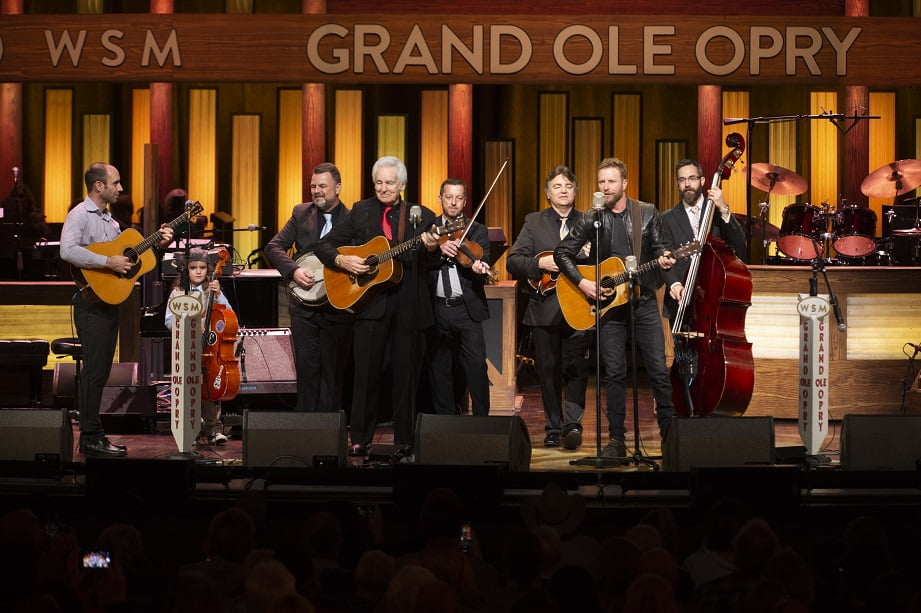
The Travelin’ McCourys, Vassar McCoury, Del McCoury, and Dierks Bentley


Photo credit: Chris Hollo / The Grand Ole Opry

Derek Trucks on Analog, Allman Brothers Band, and Aging Well (1 of 2)

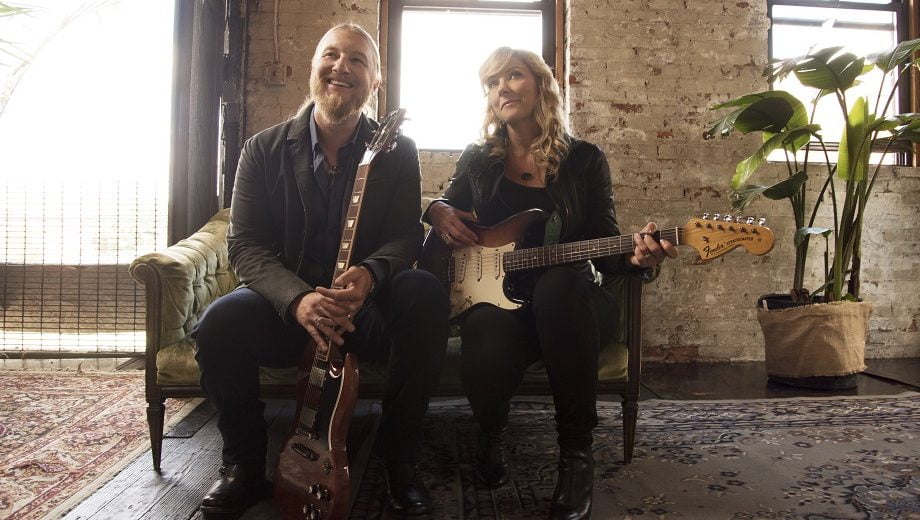
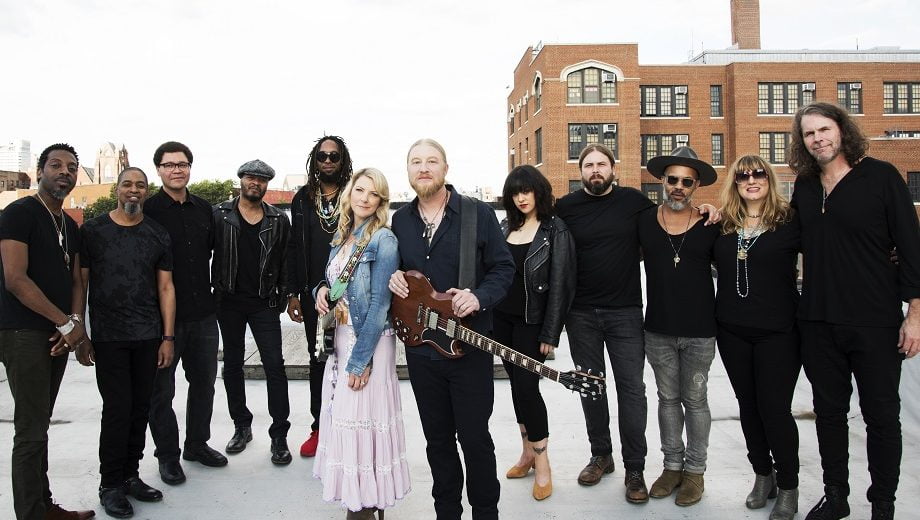
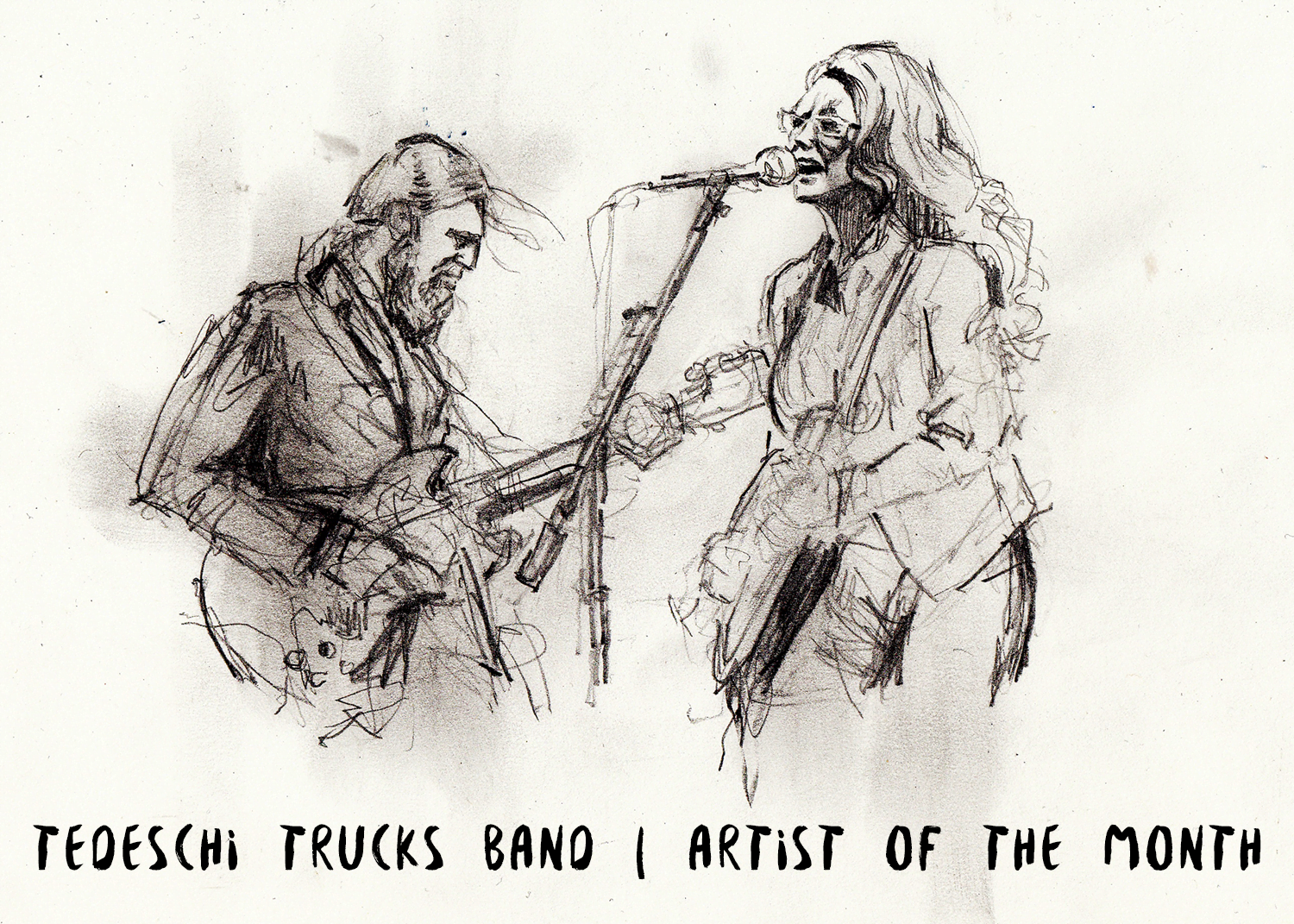
With Tedeschi Trucks Band, you get a partnership. That impressive ability to divide and conquer serves them well on stage, with Susan Tedeschi nailing the vocals and tearing up the guitar, along with Derek Trucks calmly proving his own guitar proficiency. That’s not to mention the other 10 musicians that make this one of the most potent groups on the road right now, as evidenced by their newest album, Signs. (Incidentally, the conversation took place shortly before the death of longtime keyboard player Kofi Burbridge, who passed in February.)

To begin our Artist of the Month interviews, Derek took the phone first — yet frequently praised Susan throughout the conversation, especially her ability to captivate a crowd. Before passing the phone over, he also dug into his preference for analog recording, his history with the Allman Brothers Band, and the reason why age doesn’t really matter.

BGS: I know you recorded this album on two-inch analog tape and you have that Neve console. Why is it important for you to use that vintage gear?

Trucks: I think every time you record, you’re searching for that sound you hear in your head, and what you hear live on the floor. I feel like the more analog we go, the closer we’re getting to that. This is definitely the warmest recording we’ve done to date. You know, I think the beauty of having a studio is that you’re always working toward that and you don’t have to reset and start from scratch every single time.

And there’s something about recording to tape that focuses everybody a little bit differently. You don’t have unlimited tracks, you don’t have unlimited space, and it becomes a little more performance-based. Everything seems to mean a little bit more. Every reel of tape is important! You don’t have a hard drive to fill up, so it’s a different feel all the way around. And it slows things down in a good way. I think it really does put everybody’s head in a different spot.

What does that room look like?

We designed it visually thinking about Levon Helm’s band up in Woodstock. It’s a few hundred feet from our house in the swamp down here in Florida. It’s barn-shaped and the main recording room is a pretty good-sized room. When we rehearse with the 12-piece band, everyone’s set up in the main room. But it’s a bunch of vintage gear and old Fender amps. There’s a few drum kits in there and a B3 set up at all times. You know, it’s ready for action!

Speaking of those drum kits, I noticed at your show that you tour with two drummers. What’s the benefit of that?

There’s something special about that sound, man. It’s a powerful thing when you get those guys playing. The pulse gets really, really thick. When the whole band is firing, it feels like a freight train behind you. I think after years of being on stage with my uncle [Butch Trucks] and Jaimoe [the Allman Brothers’ drummer] and the Allman Brothers, when it really works and it’s really good, there is nothing quite like it. So when we put this band together, I was certainly thinking about those guys and that sound.

The chemistry really has to work when you have two drummers. It can be a freight train or it can be a train wreck! [Laughs] It can be really bad. I’ve been in situations where there have been two drummers and it’s a “less is more” situation sometimes. But Tyler [Greenwell] and JJ [Johnson] have a special chemistry. They really listen hard to each other and complement each other well, and they have a sound that is completely unique to the two of them. It’s a big part of what makes the band unique, I think.

At risk of being too heavy, what’s that experience like when you don’t have Gregg on stage, or knowing that you aren’t going to play with Butch anymore? Was that hard for you to process?

I don’t know if I ever thought of it that way so much. I played with them for so many years and I was always doing my solo groups and other things at the same time, so there were always a few different streams. I knew it wouldn’t be forever, so that part wasn’t a shock, but more recently we started playing a few of those tunes from time to time, and it definitely hits me now. Especially when we’re playing the Beacon Theater or some of these rooms I’ve played with [the Allman Brothers Band] so many times. You certainly miss them, and you miss that sound and that spirit. When we’re making records, there are certain times when for some reason I’ll be thinking about them. They were family, they were friends, and they were musical heroes, too. Those are big losses and I think it takes a while to unpack that stuff.

I’ve heard you and Susan both talk about being “a lifer.” How would you describe what that means?

I was thinking about Del McCoury this morning when I knew I’d be doing this article. It’s the people that you just know are going to be playing and touring and making people feel good as long as they’re on the planet. The Allmans, B.B. King, Willie Nelson –there are thousands of musicians who play in small clubs that are that way. You just know once you start doing it. I knew when I started in my pre-teens. Once I got serious about it, I always got that feeling like, ‘This is what I’m going to be doing. Whether it’s successful or not, I don’t think it’s going to matter.’ [Laughs]

And the beauty of what we do is that we can do it forever. I think about professional athletes sometimes and how they give everything to their sport — and by the time they’re 30, they’re washed up. We’re incredibly fortunate. We can play into our 90s. There are guys out there doing it.

What is it about Del McCoury that you admire?

He’s one of those personalities, man. You just see him and you immediately love him before you meet him. Then you meet him and you love him more. [Laughs] And there’s something to a guy who keeps his family with him. It helps that his family members are incredibly talented too. It says a lot about somebody when music and family intersect like that, and it becomes a way of life. There’s something that really speaks to me about that.

And his sound — I don’t think there’s anyone alive who’s doing it better. Every time I hear those guys, it just makes you feel good. It gives you a little hope. It is authentic and really, really good on every level, and that dude has it in a headlock. We love him. He’s fearless, man. He’ll jump up with anyone. He’s sat in with our band. He’s not a guy that won’t go outside of his genre. Del will step on in.

That’s an interesting point because I don’t think your band can be categorized as one certain thing — you fit in a lot of places, too. That must be a great feeling to not be locked into a certain style.

Yeah, I’ve always appreciated that about this band, and my solo band as well. We were always kind of half-accepted and half-shunned by every genre. They’d put us on a blues festival and we’d hear ‘You all aren’t blues enough.’ Or in the early days, the jam band festivals, but we weren’t jam band enough. Or jazz… they let us in all of them a little bit, but no one would fully accept us, which I appreciate because that’s where my tastes have always been. I think it’s what I naturally come from, so I never minded it.

In the early days, it was a little more difficult because when you get accepted by a certain scene, it makes it a little easier to tour, and there are certainly benefits to that. But I like being able to bounce around, and in the course of a month, play a festival for four or five different genres of music. It makes you a better player because everywhere you go, you hear things that you wouldn’t have heard or known. You see incredibly talented musicians that maybe you weren’t aware of. That makes you double down on what you’re doing when you see somebody new.

I remember the first time seeing Jerry Douglas and thinking, “All right…” [Laughs] “Well, there’s that!” I think it’s important to listen wide.

It’s remarkable to me how poised you are when you play guitar. You make it look easy while some guitarists put their whole body into it. Is that the way you’ve always played, just stand and deliver?

Yeah, and at different times, especially early on when I was a kid playing, I would get people almost every night coming up and asking, “Why aren’t you smiling? Aren’t you having fun?” [Laughs] It’s like, “I’m taking this shit serious, people!” I’ve never had a stage presence that’s going to bring people to the show. I’ve had to do it another way. I don’t know… some of it is just your personality, mainly.

But I remember seeing pictures of Duane Allman as a kid and I always imagined him standing there, getting it done. And I remember seeing footage of John Coltrane when I was in my early teens, just black-and-white footage around the Kind of Blue sessions. He was stepping up and taking a solo, and the look on his face — it just felt really important. It hit me, like, “That’s what I’m after.”

Editor’s Note: Read our Artist of the Month interview with Susan Tedeschi.


Photo credit: Shervin Laivez
Illustration: Zachary Johnson

Del McCoury’s 80th Birthday at the Grand Ole Opry in Photographs

As bluegrass fans know, Del McCoury is kind of a big deal — in fact, the Grand Ole Opry briefly renamed itself on Wednesday (February 13) in his honor when the “Grand Del Opry” event gathered good friends like Dierks Bentley, Sam Bush, Béla Fleck & Abigail Washburn, Vince Gill, Jesse McReynolds, Old Crow Medicine Show, Marty Stuart, and the Travelin’ McCourys to celebrate the legendary musician’s 80th birthday. Happy birthday, Del!


The Travelin’ McCourys’ Ronnie McCoury, Rob McCoury and Alan Bartram with Del McCoury


Sally Williams, Grand Ole Opry; Del and Jean McCoury; Dan Rogers, Grand Ole Opry


Del McCoury Band with Dierks Bentley and special guest Vassar McCoury on “upright bass.” 


Sam Bush and Del McCoury


The finale of the Grand Del Opry


Photo credit: Chris Hollo, The Grand Ole Opry

Roland White: A Tribute to a Bluegrass Hero

To begin, a disclosure: Roland White is kind of a hero of mine for his perseverance, his originality, his sense of humor, his experience and much more. Also, he’s an employer of mine; I’ve been playing in the Roland White Band on most of its dates for close to 15 years now, and I’ve recorded two albums with him, including his new one, which I also co-produced. Lastly, and maybe most importantly, Roland’s a friend of mine. And he has a great story.

Played with Bill Monroe, the Father of Bluegrass? Check. Played with Lester Flatt? Check. Toured around the world as a member of the Country Gazette and then the Nashville Bluegrass Band? Check. Had a band with Béla Fleck? Check. Helped organize and make Jim Lauderdale’s very first album? Check. Fronted his own band since the turn of the century? Check.

That’s a lot of boxes, and any one of them could be turned into a meaty article. Here, though, I’m going to concentrate on the story of the group whose legacy inspired the new album, Roland White & Friends: A Tribute To The Kentucky Colonels; it’s the starting point for the larger Roland White story, illuminating the way it was for young bluegrass musicians in the 1950s and 60s and how Roland, his brother Clarence, and the rest of the Colonels were able to craft an enduring and influential body of music.

Shortly after he turned 16 in 1954, Roland’s family relocated from Maine to Southern California. He was already playing the mandolin by then, and younger brothers Clarence and Eric were playing guitar and banjo (tenor, not the bluegrass 5-string). They joined their sister, JoAnne, who sang, around the house and at local functions. Soon after moving to Burbank, the boys rather casually entered a talent contest, and in short order found themselves dressed in hillbilly clothes and, as The Three Little Country Boys, performing on a variety of local stages and radios shows — even, if briefly, on television. All of this before any of them had heard a lick of what was just beginning to be called bluegrass.

Roland recalls that it was in a comment from a visiting uncle in the middle of 1955 that he first heard Bill Monroe’s name — and naturally, it was in connection with the instrument they shared. “My uncle Armand asked me if I’d ever heard of Bill Monroe. He said, ‘He plays the mandolin, he’s on the Grand Ole Opry and,’” Roland adds with a grin, “‘he is fast!’” Not surprisingly, that piqued his interest — but to actually get hold of a record was, at the time and under the circumstances, something of a project, involving a walk into town to the music store, perusing a catalog, ordering it, waiting, and then picking up the little 45rpm disc of his choice: “Pike County Breakdown.” (It was actually the B-side of “A Mighty Pretty Waltz,” and yes, it was fast.)

What followed was a “conversion” experience of the kind that was happening around the same time to other people his age, give or take a few years — a cohort that includes the slightly older Mike Seeger and Ralph Rinzler; the slightly younger Del McCoury and Neil Rosenberg (like Roland and Clarence White, all members of the International Bluegrass Music Association’s Hall of Fame); and the slightly younger still Jerry Garcia, David Grisman, and Peter Rowan. What most of them had in common was some distance, geographic and sometimes sociological, from the Southeastern epicenter of the emerging bluegrass sound; what all of them had in common was a profound desire to hear and play more of it.

More records soon made their way into the White household, often mail-ordered from Cincinnati’s Jimmie Skinner Music Center, and so did a five-string banjo, which Roland learned to play in the Scruggs style. Eric moved over to bass, and the band, now just The Country Boys, began studying the picking and singing of Monroe, Flatt & Scruggs, Reno & Smiley, the Stanley Brothers, Jimmy Martin, and more. While they focused on the whole sound, there was room, too, for Clarence to study the lead guitar stylings of Earl Scruggs, Don Reno, and the Stanley Brothers’ George Shuffler, as well as the rhythm guitar playing of Flatt, Martin, and others. And though skilled banjo players were still rare — especially in California — by 1958, they’d met and recruited Arkansas native Billy Ray Lathum for the job, allowing Roland to devote himself once again exclusively to the mandolin.

1959 was a big year for The Country Boys. For one thing, they were joined by Leroy McNees — Leroy Mack, as he’s still known — whom they met first as a fan, but soon persuaded to take up the Dobro. Mack not only rounded out the band’s sound, but quickly became a valuable asset as a songwriter. For another, the band got its first bookings at the Ash Grove in Los Angeles, a key venue in the emerging folk revival, and one that also booked national bluegrass acts as they made their long journey out to the West Coast.

Indeed, the Ash Grove turned out to be an important place where folk audiences and bluegrass musicians could meet one another; as Roland put it, “Playing the Ash Grove opened the way for us to play to a totally new audience — a folk music audience that we had known nothing about. They dressed differently from the Country-Western audience (they were college students, professors, beatniks, doctors, and lawyers) and they paid close attention to the music.”

Not only did the Ash Grove provide the group a new audience, it gave them a different sound; the less raucous, more attentive audience and more sophisticated sound system allowed Clarence White to hear himself better than ever before. Within a matter of weeks, he began to take solos — plenty of practice time at home had allowed him to explore and build on what he’d been hearing on records — and The Country Boys started to build a unique sound that featured lead acoustic guitar in a way that reached well beyond their influences.

By 1961, The Country Boys — now a five-piece band — had built a good circuit for themselves, playing to folk audiences at the Ash Grove and on college campuses around Southern California while maintaining a foothold in the dynamic country music scene. Their prominence gave them an inside track that landed them an appearance on The Andy Griffith Show — just before Roland got his draft notice, a then-common occurrence. While he served for the next two years, the band continued without him, taking a couple of important steps, including the replacement of bass player Eric White with Roger Bush; a name change to The Kentucky Colonels; and recording their first LP in 1962. The project, which featured some of Leroy Mack’s most enduring originals, also debuted Clarence’s distinctive, increasingly powerful lead guitar work. Over in Germany, where he was stationed, Roland admits that “it floored me.”

By the time Roland was discharged from service in the fall of 1963, Mack had left the band, replaced by transplanted Kentucky fiddler Bobby Slone. With Mike Seeger’s then-wife, Marge, acting as their booking agent, the Colonels were booked for their first East Coast tour, playing folk clubs in the Boston area, New York, Washington D.C., Baltimore and beyond. In each, they made connections with local bluegrass musicians, ranging from melodic banjo pioneer Bill Keith to the members of the Country Gentlemen to David Grisman, and when they came east again in 1964 — a trip anchored by an appearance at the Newport Folk Festival — they did more of the same. Interestingly, though, and a sign of the distance that still separated the folk revival circuit from the country music one, they never got even as far south as Nashville; as Roland says, “there was nothing for us there.”

Sadly, while their focus on folk audiences had served to give them broader appreciation than they might have gotten while working in Southern California’s country music scene, it also meant that, as those audiences began turning their attention to more electrified folk-rock and newly emerging rock artists, the Colonels would see harder times. Though they continued playing into 1966, the group eventually disbanded, with Roland soon taking the guitar/lead singer job with Bill Monroe and moving to Nashville, and Clarence turning first to studio work, and then to electric guitar playing with the Byrds.

Even so, the magic that the Colonels had made continued to appeal to both Roland and Clarence, and in 1973, they reformed their original brother trio with Eric. Adding banjo man Herb Pedersen and dubbing themselves the New Kentucky Colonels, they embarked on an April tour of Europe and, though the banjo position remained unstable, they started to make plans for more touring and recording — only to have them come to an end when Clarence was killed by a drunk driver while loading out from a Palmdale, California club.

What did the band leave behind? Not much in the way of recordings, unfortunately. The Kentucky Colonels made hardly any in the studio — the album done while Roland was in the Army and an all-instrumental album, Appalachian Swing!, one of the most influential bluegrass recordings of the 1960s are the sum total — and while enough of their shows were recorded at the Newport Folk Festival, at California venues, and on that final European tour to fill a couple of albums, they’ve often been out of print or hard to find.

Yet it’s clear — and the new record makes the point with its wide-ranging roster of guests, from guitarists like Billy Strings, Molly Tuttle and Jon Stickley to banjoists such as Kristin Scott Benson (Grascals) and Russ Carson (Ricky Skaggs & Kentucky Thunder) and fiddlers like Brittany Haas (Hawktail), Kimber Ludiker (Della Mae) and Jeremy Garrett (The Infamous Stringdusters) — the legacy of the Colonels can’t be measured so simply. From songs like “If You’re Ever Gonna Love Me” and “I Might Take You Back”— both co-written by Leroy Mack, and recorded by scores of bluegrass artists — to guitar showcases like “Listen to the Mockingbird” and “I Am a Pilgrim,” their influence has been carried forward through the bluegrass generations, not only by Roland White, but by Tony Rice, Jerry Garcia, and a host of others who met and heard and jammed with them during those critical years in which they were playing the national folk music circuit.

And for Roland White, for whom those years were just the beginning of a storied career that has taken him, by turns, deeper into the heart of bluegrass and further out to broad-ranging audiences, the opportunity to revisit them in the company of new generations of musicians has been an exciting one. “I really enjoyed playing and singing with all these musicians,” he says. “They appreciate the old music that we made, but they brought their own touch to it, too. It’s good to know that these songs, and these sounds are in good hands.”


Illustration by Zachary Johnson
Photo by Russell Carson, Carson Photoworks
ANNOUNCING: 2018 IBMA Award Nominations
Nominees for the 2018 International Bluegrass Music Awards were announced today at a press conference in Nashville, Tennessee; Becky Buller leads the field with seven nominations, followed by Molly Tuttle, who garnered six. Close behind, with five nominations each are Special Consensus, and The Del McCoury Band and The Travelin’ McCourys, with strong showings by Rhonda Vincent, The Earls of Leicester, Balsam Range, and Doyle Lawson & Quicksilver. Voting results will be revealed at the International Bluegrass Music Awards on Thursday, September 27, at the Duke Energy Performing Arts Center in Raleigh, North Carolina.

Entertainer of the Year
Balsam Range
Del McCoury Band
Doyle Lawson & Quicksilver
The Earls of Leicester
Gibson Brothers

Vocal Group of the Year
Balsam Range
Flatt Lonesome
Doyle Lawson & Quicksilver
Gibson Brothers
I’m With Her

Instrumental Group of the Year
Michael Cleveland & Flamekeeper
Sam Bush Band
The Travelin’ McCourys
Ricky Skaggs & Kentucky Thunder
Punch Brothers

Emerging Artist of the Year (Tie)
Mile Twelve
Molly Tuttle
Po’ Ramblin’ Boys
Billy Strings
Jeff Scroggins & Colorado
Sister Sadie

Song of the Year
Calamity Jane – Becky Buller (artist), Becky Buller/Tim Stafford (writers)
If I’d Have Wrote That Song – Joe Mullins & the Radio Ramblers (artist), Larry Cordle/Larry Shell/James Silvers (writers)
Swept Away – Missy Raines (artist), Laurie Lewis (writer)
Way Down the River Road – Special Consensus (artist), John Hartford (writer)
You Didn’t Call My Name – Molly Tuttle (artist), Molly Tuttle (writer)

Album of the Year
Life Is a Story – Doyle Lawson & Quicksilver (artist), Doyle Lawson (producer), Mountain Home Music Company (label)
Mayhayley’s House – Lonesome River Band (artist), Lonesome River Band (producers), Mountain Home Music Company (label)
Rise – Molly Tuttle (artist), Kai Welch (producer), Compass Records (label)
Rivers & Roads – Special Consensus (artist), Alison Brown (producer), Compass Records (label)
The Story We Tell – Joe Mullins & the Radio Ramblers (artist), Joe Mullins (producer), Rebel Records (label)

Gospel Recorded Performance of the Year
I’m Going Under – Darin & Brooke Aldridge (artist), Karen Taylor-Good/Bill Whyte (writers), single release, Mountain Home Music Company (label)
Little Girl – Doyle Lawson & Quicksilver (artist), Harley Lee Allen (writer), Life Is a Story (album), Doyle Lawson (producer), Mountain Home Music Company (label)
Speakin’ to That Mountain – Becky Buller (artist), Becky Buller/Jeff Hyde (writers), Crepe Paper Heart (album), Stephen Mougin (producer), Dark Shadow Recording (label)
Travelin’ Shoes – Special Consensus (artist), Traditional arranged by Special Consensus (writer), Rivers & Roads (album), Alison Brown (producer), Compass Records (label)
When God’s in It – Joe Mullins & the Radio Ramblers (artist), Ronnie Bowman/Jerry Salley (writers), The Story We Tell (album), Joe Mullins (producer), Rebel Records (label)

Instrumental Recorded Performance of the Year
Lynchburg Chicken Run – The Grascals (artist), Danny Roberts/Adam Haynes (writers), Before Breakfast (album), The Grascals (producer), Mountain Home Music Company (label)
Medley: Sally in the Garden/Big Country/Molly Put the Kettle On – Bela Fleck & Abigail Washburn (artists), Sally in the Garden and Molly Put the Kettle On – Traditional arranged by Bela Fleck & Abigail Washburn, Big Country – Bela Fleck (writers), Echo in the Valley (album), Bela Fleck (producer), Rounder Records (label)
Sirens – Infamous Stringdusters (artist), Infamous Stringdusters (writers), Laws of Gravity (album), Infamous Stringdusters, Billy Hume (producers), Compass Records (label)
Squirrel Hunters – Special Consensus with John Hartford, Rachel Baiman & Christian Sedelmyer (10 String Symphony), & Alison Brown (artists), Traditional arranged by Alison Brown/Special Consensus (writers), Rivers & Roads (album), Alison Brown (producer), Compass Records (label)
Wickwire – Mile Twelve (artist), Mile Twelve (writers), Onwards (album), Stephen Mougin (producer), Delores the Taurus Records (label)

Recorded Event of the Year
Calamity Jane – Becky Buller with Rhonda Vincent (artists), Crepe Paper Heart (album), Stephen Mougin (producer), Dark Shadow Recording (label)
I’ll Just Go Away – Dale Ann Bradley & Vince Gill (artists), Dale Ann Bradley (album), Dale Ann Bradley (producer), Pinecastle Records (label)
The Rebel and the Rose – Becky Buller with Sam Bush (artists), Crepe Paper Heart (album), Stephen Mougin (producer), Dark Shadow Recording (label)
She Took the Tennessee River – Special Consensus with Bobby Osborne (artists), Rivers & Roads (album), Alison Brown (producer), Compass Records (label)
Swept Away – Missy Raines with Alison Brown, Becky Buller, Sierra Hull, and Molly Tuttle (artists), single release, Alison Brown (producer), Compass Records (label)

Male Vocalist of the Year
Shawn Camp
Buddy Melton
Del McCoury
Russell Moore
Tim O’Brien

Female Vocalist of the Year
Brooke Aldridge
Dale Ann Bradley
Becky Buller
Molly Tuttle
Rhonda Vincent

Banjo Player of the Year
Kristin Scott Benson
Gina Clowes
Ned Luberecki
Noam Pikelny
Sammy Shelor

Bass Player of the Year
Barry Bales
Mike Bub
Missy Raines
Mark Schatz
Tim Surrett

Fiddle Player of the Year
Hunter Berry
Becky Buller
Jason Carter
Michael Cleveland
Stuart Duncan

Dobro Player of the Year
Jerry Douglas
Andy Hall
Rob Ickes
Phil Leadbetter
Justin Moses

Guitar Player of the Year
Kenny Smith
Billy Strings
Bryan Sutton
Molly Tuttle
Josh Williams

Mandolin Player of the Year
Sam Bush
Jesse Brock
Sierra Hull
Ronnie McCoury
Frank Solivan


Additionally, the IBMA is proud to announce new inductees into the 
International Bluegrass Music Association Hall of Fame: Ricky Skaggs, Paul Williams, and Tom T. and Dixie Hall. They will be inducted during the IBMA Awards show. 

This round of inductions is in addition to a special round of posthumous inductions — of Vassar Clements, Mike Seeger, Allen Shelton, Jake Tullock, and Joe Val — announced earlier this year in celebration of the new Bluegrass Music Hall of Fame and Museum in Owensboro, Kentucky. A special induction ceremony will be held at the new museum’s grand opening in October 2018. 


Photo of Molly Tuttle by Kaitlyn Raitz; photo of Becky Buller courtesy Becky Buller Band.

LISTEN: Junior Sisk with Del McCoury, “The Guilt Was Gone”

Artist: Junior Sisk (with Del McCoury)
Hometown: Ferrum, Virginia
Album: Brand New Shade of Blue
Release Date: June 8, 2018
Label: Mountain Fever Records

In Their Words: “When I first heard the demo of ‘The Guilt Was Gone,’ Shawn Camp was singing the fire out of it! I thought to myself, ‘That sounds like a Del McCoury song if I ever heard one.’ Then I remembered asking Del if he’d sing a song with me some time and he said, ‘Anytime! Just holler.’ So, I did and here it is!” — Junior Sisk


Photo credit: Kady C. Photography