The Other 22 Hours: Derek Trucks

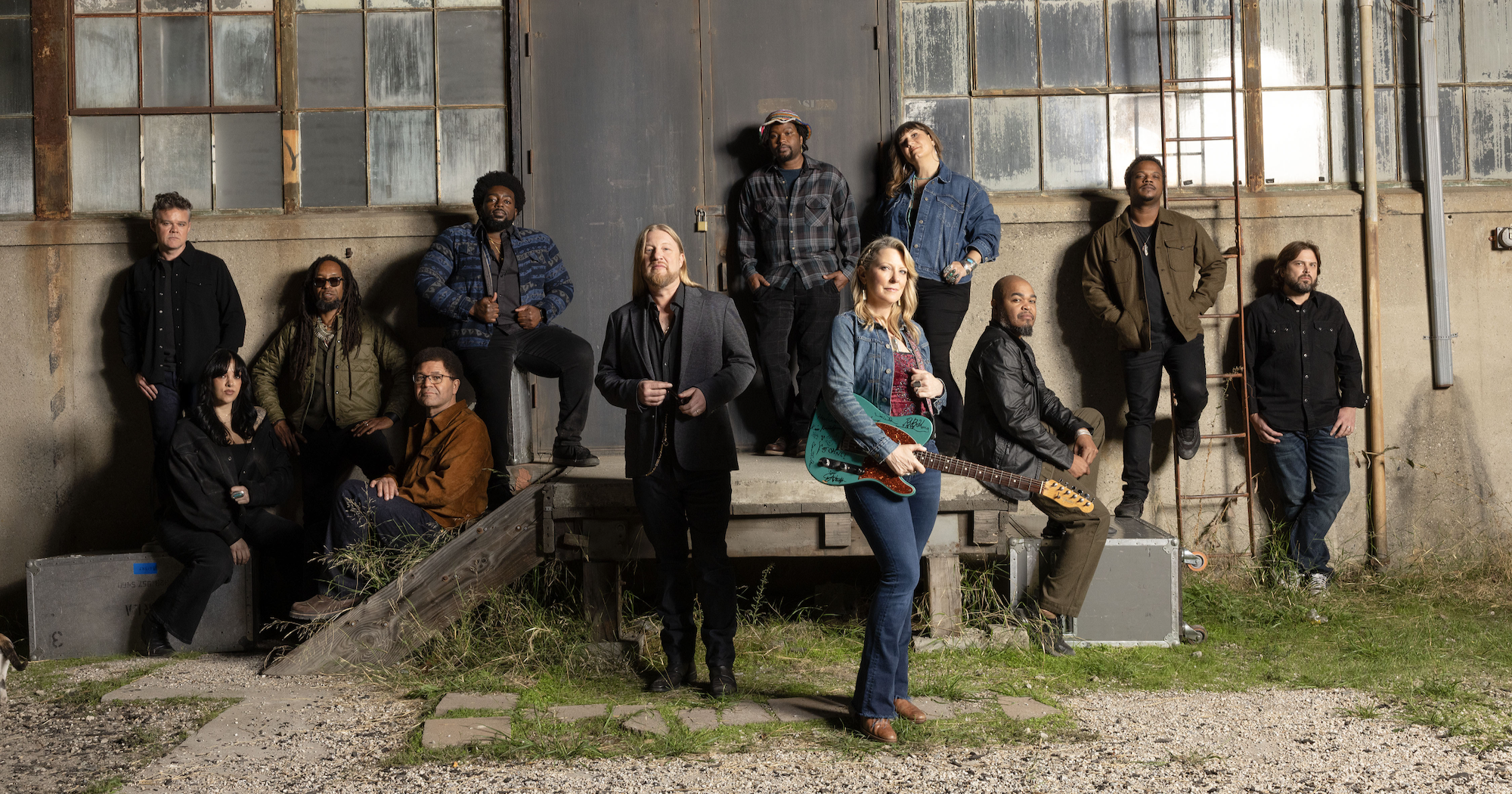
What happens to the creative spirit when you have been a professional “lifer” since the age of nine? Derek Trucks, widely considered one of the greatest guitarists of all time and a veteran of the Allman Brothers Band and Eric Clapton’s touring lineup, joins the Other 22 Hours to discuss longevity and leading a 12-piece musical circus. with his Tedeschi Trucks Band co-founder and wife, Susan Tedeschi. We explore the gradual shift from student to teacher, the grounding force of a musical marriage, and the essential practice of “turning the crops” to stay inspired.

LISTEN: APPLE • SPOTIFY • AMAZON • MP3

In This Episode:

Tedeschi Trucks Band
Allman Brothers Band
The Beacon Theater
Eric Clapton
Kofi Burbridge
John Lee Hooker
Koko Taylor
Ace Moreland
Colonel Bruce Hampton
Buddy Guy
Joe Walsh
Gregg Allman
Jim Scott
Tom Dowd
A Love Supreme
– Krishnamurti
Mad Dogs & Englishman (movie)

Go Deeper:

Watch: View this entire conversation above or on YouTube.
Explore: Find similar conversations in these themed playlists.
Connect: Join the conversation on Instagram.

The Other 22 Hours is hosted by Aaron Shafer-Haiss (producer, mixer, musician) and Michaela Anne (songwriter, artist, creative coach). More about Aaron’s workMore about Michaela Anne’s work.


Produced by Aaron Shafer-Haiss. Original music written, performed and produced by Aaron Shafer-Haiss.

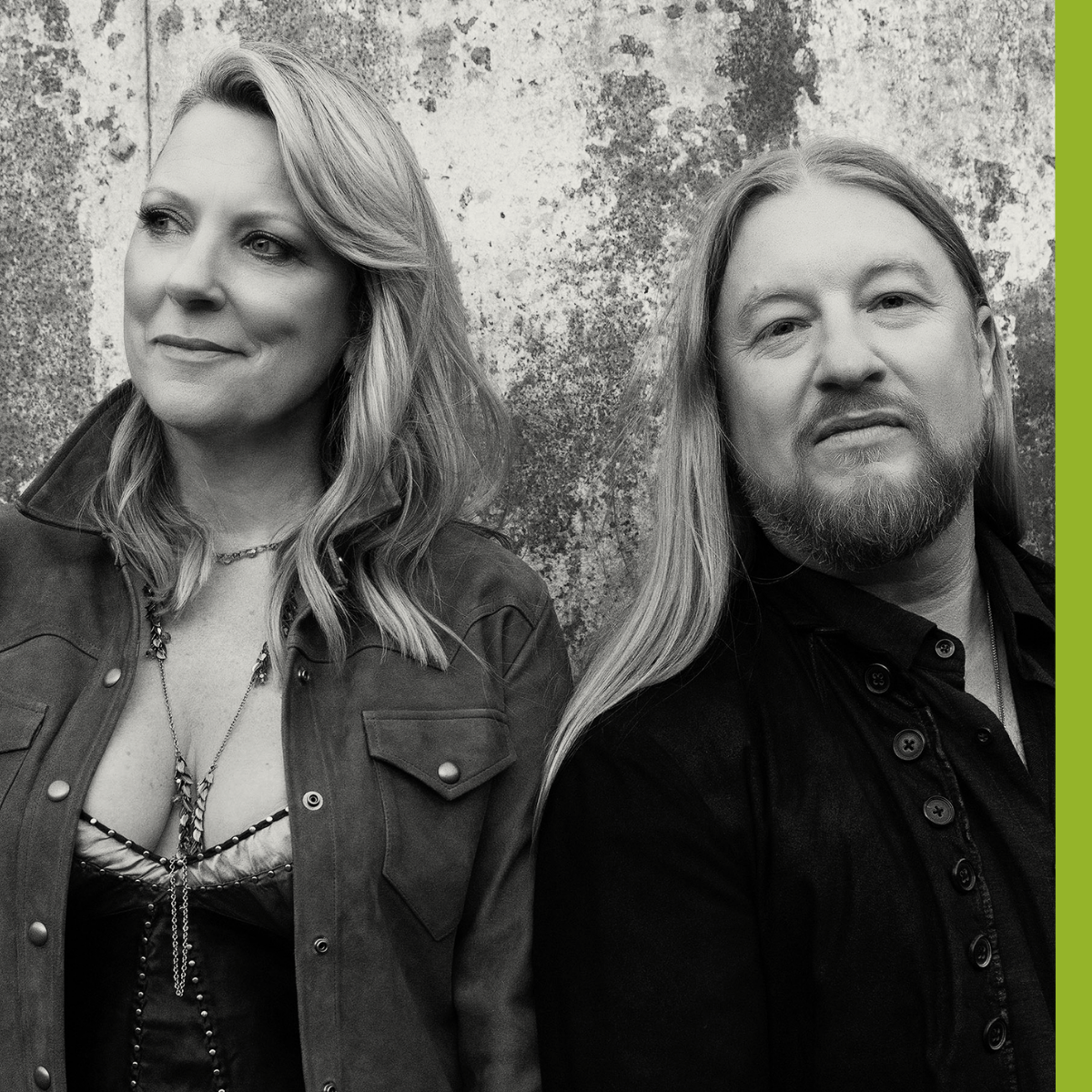
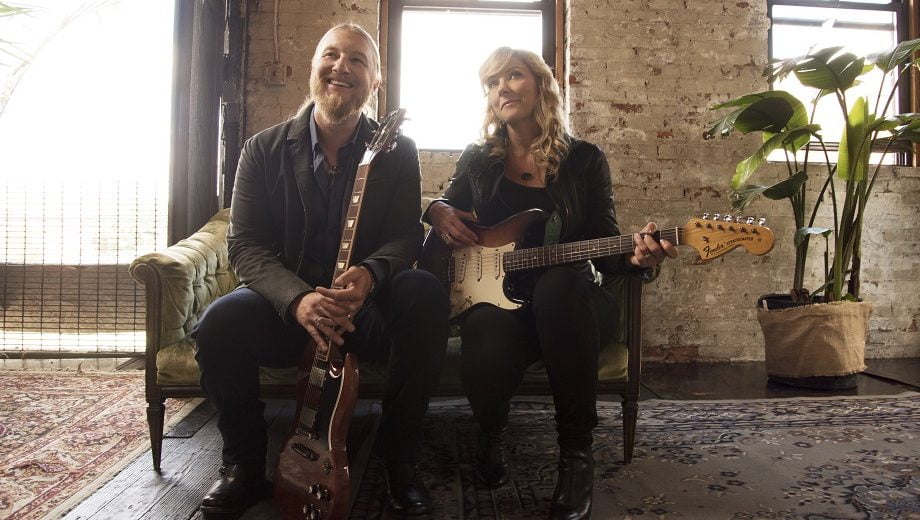
Photo Credit: Chapman Baehler

Tedeschi Trucks Band Have Done It Again

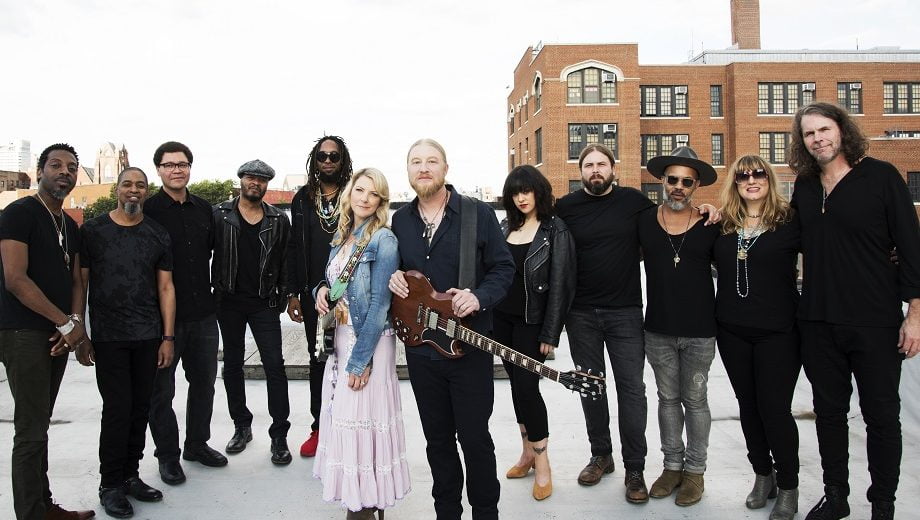
When it comes to entirely enjoyable, technically exquisite modern blues, Southern rock, and jam-band soul albums, Tedeschi Trucks Band have a statistically impossible batting average. Their new LP, Future Soul (released March 20 via Fantasy Records), is yet another “no skips” collection from the megalithic 12-person Americana group fronted by husband-and-wife guitarist Derek Trucks and guitarist-vocalist Susan Tedeschi.

On that strength of their catalog – and their ensemble – TTB have amassed hundreds of millions of streams, won eight Blues Music Awards and one GRAMMY, and a handful of their songs have become regarded as modern standards in the Americana and American roots music songbook.

Future Soul simultaneously feels like a surprising departure and familiar, essential territory for the band. With Mike Elizondo producing and songs and creative input sourced from across the group’s lineup, the set ends up sounding and feeling more acoustic than “usual,” while still reaching roaring crescendos and building it all on dank, wide open grooves. Perhaps those acoustic moments are a substantial contributing factor as well, but the cozy, plush pocket of the album is what gives it a laid-back, relaxed, and floating vibe no matter the track’s genre construction.

Screaming slide, no-holds-barred vocals, and wall-of-sound climaxes can all be found herein, as well. But the collection never thrashes or flails, it’s precise and exacting – as Tedeschi and Trucks are both known to be on their instruments, whether guitar or voice – but it’s certainly not sterile or gated or homogenized, either. It’s another remarkable feat for a group so large that you would almost have to assume, live or in studio, musical mud would be an inevitable byproduct.

But no, TTB seem to have no misses, at least not on Future Soul. It’s clear this group works together in harmony not just because of the down-to-earth and collaborative leadership of Tedeschi and Trucks, but because the artistic and musical responsibilities and ownership – of the songs themselves, of the album, of the makings of each, of “success” for the band – are decentralized and distributed throughout the group. The band has a sound, an art, that is consistently collective in the way it’s received by audiences and listeners because, forgive the obviousness, Tedeschi Trucks Band always work as a collective.

In our BGS conversation with Derek Trucks, the magic and unlikelihood of this creative dynamic and the processes by which the band continues to rack up success after success were on full display. We spoke about how they put together Future Soul as a group effort, the many inputs that went into Trucks fashioning his lyrical guitar style, and what bluegrass means to him personally, to Tedeschi, and the band as a whole. It was a joy-filled, passion-led conversation that again reinforced how this wailin’, rockin’, rollin’ band continues to flout and subvert expectations – and thereby has become so beloved.

Something that jumped out at me from the bio about the new album is that you say, “There’s just not a weak spot on this record.” I have to say, I totally agree. I think it’s remarkable that with a 12-person band and such a diverse catalog of recordings and releases, it really doesn’t seem like there’s any “fat” to trim or any duds to cull.

I have to ask, does it feel as magical on the inside of that process as it seems from the outside? It seems unlikely that y’all would work so well together towards a common goal, artistically, and be able to deliver again and again and again. And I don’t just mean commercially, awards-wise, or for audiences alone. Clearly you’re delivering artistically for yourselves and by your own standards, as well. So, does it feel as unlikely on the inside of that process as it maybe does to us on the outside looking in? [Both laugh]

Derek Trucks: That’s awesome. But it does, man! I mean, not every record you do feels the same way. They’re all their own beasts. For I Am The Moon, it was in a time of great uncertainty. We did four records and it was just kind of a heavy, heavy time – and that record feels like that.

This one felt completely different. The band felt much more confident [and] had been touring for two years straight. We had been playing so much together that when we finally got the core of the group up to our farm in Georgia to do some writing, there were a few songs right out of the gate. Like “Future Soul” and “Who Am I,” where immediately, Sue started singing, Gabe [Dixon] started singing these melodies. I got chills and I was like, “Oh, this is gonna be good.”

You’re always kind of worried about running out of ideas, or running out of runway – like a thing in the back of your head. But I feel like we’re incredibly fortunate where, when we’re together, everyone puts everything they have into it. Then, when we’re not on the road together, everyone’s all doing their own things musically. So, when we come back together, there’s a lot to talk about and a lot of music to remember together.

I think it keeps it really fresh and it keeps it moving forward. I feel like everyone’s out honing their craft when they’re away from this. When they come back, there’s a lot of new ground to cover. So far, we’ve been really, really lucky that way. And there’s a handful of just incredible songwriters in the band, so everybody comes in with two or three ideas. You’ve got a pretty strong record right out of the gate. That’s been something that I think me and Sue are just realizing – we’ve known how amazing that is but, you know, Gabe and Mike [Mattison], they show up with some serious ideas.

Then having Mike [Elizondo, the album’s producer] down, just some outside ears – I think that was really important. Sonically, he was trying some different things that I think inspired the band and made everybody play a little differently. That was exciting.

I was struck by the range of styles and the different genre infusions that y’all have put into this collection. What really stuck out to me, listening down to the project in one fell swoop, is there are still those really big energetic moments – and there are still those “wall of sound” moments that y’all are really known for. But I felt like this album is chill and laid-back in a way; it feels deep in the pocket. Can you talk about capturing those seemingly disconnected energies together?

I think one of the things is that with a band or an artist, I think if you’re maturing properly – we learn sometimes slowly – that you don’t have to force the issue all the time. You can trust things around you a little bit more, and sometimes the groove is enough. Sometimes the chord changes are enough, sometimes the melodies are enough. It doesn’t have to be these epic moments at all times. So when they do come, you’re excited about it and wrings you out. Then you lay them back down, and then you go on another little trip.

I think the band, having played together so much, we’re in a different place that way, where we realize that you don’t have to force the issue on every song. You can go to different spaces, different places. And then, again, having some outside ears – Elizondo really helps with that, too. He helps guide you to places that maybe you wouldn’t have gone naturally, so that’s a fun thing. Then you learn things about yourself musically in the band that you didn’t know before. That’s always a good place to be.

One thing that I’ve been obsessed with about your playing, specifically, ever since I discovered you as a teenager, is how lyrical of a guitar player you are. It jumped out at me from the bio, as well, when you’re talking about “I Got You” and how you’re doing a guitar-voice dialogue instead of guitar-guitar. I think of you as one of the most lyrical guitarists out there. You’re so present and so grounded. So I’ve always wanted to ask you how you’ve cultivated that style – as well as being able to have those moments of pure shreddy, lick-y wailing.

Then hearing that you really wanted to make that connection between voice and guitar on this album made so much sense to me, because I’m always thinking about how you’re a lyrical player. And Susan is, too, and you both dialogue with your instruments, and her voice, often.

Pretty early on I had a few musical epiphanies. One was Allen Woody, who played with Gov’t Mule and the Allman Brothers. When we toured with my solo band, opening for a Gov’t Mule in the early days, he would always turn me on to records. He gave me this CD by this guy named Aubrey Ghent, who was a gospel [steel] player. I put on “Amazing Grace” and I was like, “Wow, what an amazing voice.” And then I heard the pick and I realized that it was this guy playing lap steel! But it sounded like a woman singing. I got chills [over] my whole body, and I was like, “That’s it, that’s the thing.”

I had been listening to a lot of Indian classical music – a lot of vocalists and sarod players. Me and our old [Derek Trucks Band] bass player, Todd Smallie, went to Ali Akbar College of Music in San Rafael, [California] and they would let us sit in on classes. I realized he [Ali Akbar Khan] made all the instrumentalists take vocal classes, because his whole thing was that you should be singing through your instrument. So that made it just really obvious.

Those were a few of the things, and then there was a long time where I just stopped listening to any guitar player. It was only singers and horn players. That was kind of the idea [that] musical ideas can come from anywhere, but you really should be singing the thing. There’s time for all of it, but the stuff that moves me the most is, you know – even hearing Duane Allman on “Blue Sky” or something. It sounds like somebody’s singing, like somebody is walking down the road whistling. I think those are probably the touchstones for me.

Maybe I am projecting a little bit, because I’ve been a bluegrass banjo player my whole life – I started playing when I was seven. But when I think of guitarists, especially who end up reaching the pinnacle – whatever that is – or especially in flatpicking and in bluegrass, there tends to be this homogeneity of style. The people who get to the “very top” end up all sounding like each other. Then you have those folks that really stand out, and it tends to be because they’re using space and using air as much as they’re using 16th notes and 32nd notes. I think, being used to really shreddy flatpicking, that hearing steel or slide or blues guitar or jazz or acoustic jazz, anything plays with sustain and plays with space, I just drink it up.

Beautiful, man. I remember the first time I heard the Stanley Brothers, or Ralph Stanley, and I just remember it hit me in that place where those early blues guys hit me. There was just something about it. That kind of cracked that whole world open for me. I mean, I was always a Tony Rice fan. We have the same birthday, so I thought that was cool.

No way, I didn’t know that.

And I remember being at a MerleFest years ago, I think it was one of the last ones that Doc played. I remember seeing this old Oldsmobile or Cadillac – I don’t know, it seemed like an 1980s or ‘90s car – it pulled up to the stage and I see Tony Rice get out, just dressed to the nines. He pops the trunk, gets his guitar, hits the stage, and then right when that set was over, he was back in that car! I was over there thinking, “What a boss.” It was incredible, man. He went up and just annihilated everybody and got back in his car and drove his ass home. Pretty incredible.

So funny.

The last time we talked to you for the site, you were Artist of the Month in 2019 and you talked about Del McCoury and Jerry Douglas. I know you’ve played DelFest a bunch, you’ve collaborated with Billy Strings – oh, and I was super excited to see Molly Tuttle supporting on a couple dates of your TTB tour in April, too.

Yeah, we’re excited for that. That’s gonna be great.

What does bluegrass mean to you? Obviously, there’s Ralph Stanley, Tony Rice – there are pickers and makers in bluegrass that are infused into what you do, but what does the genre mean to you more broadly? And who in the space right now inspires you, or your musical vocabulary, or what you guys are doing in the band?

When I think of American music, I think of blues, I think of bluegrass, and I think of jazz. I think [those are] the things that we’ve really contributed to the world. To me, those are the cornerstones of it.

We’ve become good friends with Sturgill [Simpson] over the years, and he’s dipped into that [bluegrass] place. When I hear him sing it I’m like, “Oh yep, that’s because he’s from there.” He’s from the heart of it, and it makes me feel the way Ralph Stanley does at times. Even guys like Tyler Childers – and Sue’s a big Sierra Ferrell fan. She loves all those records.

That music, even the current guys, it’s always playing around here. I don’t know, it just feels inspiring to hear. People just get on an acoustic instrument and rip one. You’re like, “Oh yeah! There’s still people that know how to do things!” [Laughs]

That’s the big inspiration I take from it. Because [in the music industry] there’s a lot of cutting corners, and that’s a music that there’s no cutting corners. You gotta put your time in and take your licks or you’re just not gonna get on stage. I appreciate not just the dexterity, but the vocabulary and the heart that goes into it.

And there’s just something about seeing a group around one microphone just doing the dance that I think is always inspiring. We’ve done some shows recently with Sam Grisman, we did a benefit [for Camp Winnarainbow] out in San Francisco. Peter Rowan was on it, and me and Sue, and it was all acoustics. I had an old National, and just getting to play with that group – just the way that group felt. Sitting on a stool with a Dobro, and they were coming and going around the microphone. And then, getting to hang after the show with Peter Rowan and him telling these stories, man. It was just incredibly inspiring. Some of the songs that we got to play with them – that dude [David “Dawg” Grisman] has written some incredible music. That was one of the highlights of last year. It was pretty damn incredible.

There’s a lot of acoustics on this new album, too. I did find myself wondering, and maybe I’m biased, but does the world need a 12-piece bluegrass band? It might! It might! [Laughs]

Man, that sounds pretty fun to me. I mean, it would be a lot less gear to carry on the road! Which would make it more plausible.[Laughs]

If you wanted to speedrun pissing off a fan base, this might be the way to do it.

[Laughs] Yes, alright, we will be thinking about this! I’m gonna go talk to Sue.

This next one is kind of for me, so I thank you in advance for humoring me. But I wanted to talk to you about Jack Pearson. When I first moved to town, I just met this guy out jamming on mandolin at these bluegrass jams. I’d be like, “Man, this guy’s so nice.” He’s a great picker. He’s a great singer. I got a lot of practice playing swing with him at jams in town. Then folks started being like, “Hey, do you know who that is?” Oh my god, I did not know who it was. He was just my bluegrass jam pal. Then I worked at the Station Inn for a few years and I got to work a bunch of his trio shows. I’d die for the solo acoustic sets he’d do on the set break.

Incredible.

If I were to list maybe my top 5 favorite guitarists of all time, I feel like you and Jack would both be on that list. So I wanted to have a little nerdy moment to talk about Jack. [Laughs] Can you talk about his playing and your guys’ friendship? Of course, I see so many connections between your musical vocabularies and that lyrical style we were talking about.

Yeah, man I need to check up on him. It’s been a minute. I need to check in on old Jackie P.

He’s a monster, man. He’s one of the few people that can actually go play in a straight-ahead jazz band, in a bluegrass band, and then the Allman Brothers. I mean, maybe the only person that can actually do it.

I totally agree.

I mean, he played with Jimmy Smith. This dude is like, he’s an absolute monster. And a sweet fella! You can’t say enough good things. When I joined the Allman Brothers, Jack was just leaving. So all the tapes I got, like learning the new versions of the tunes, were Jack Pearson tapes. At the time, Bud Snyder was the sound man. He would mix these tapes for me with Jack really boosted in the mix. I could hear exactly what he was doing to learn these things. I got an intimate take on the way Jack was approaching these Allman tunes. It was so unique.

There’s no one [that] plays like him, and [his playing is] about as smooth as it gets. Sometimes, you watch him play – and I know he plays really light strings and he plays low action – and the way his hands move, I’ve never seen anyone play quite like that. Then he busts out a slide and you’re like, “Holy shit! This dude can do anything!” [Laughs]

I know!

He’s one of the unsung heroes. There’s no doubt about it.

He does this thing – and you do this as well – where you’re able to leverage that really gritty, aggressive, absolutely on-the-razor’s-edge style that comes with blues and Southern rock and Americana. Then at the same time, like you’re saying, with light strings and low action, still has such a deft touch. Yet he has such great attack and precision and cleanliness. He is a great lesson in taste. His taste is impeccable.

Yeah, I think that’s exactly it. I think we forget a lot of the time that most of what we love about music is the musician’s taste. I mean, you got to put in the work – and Jack has obviously done that, that dude is a master. But his taste is really as good as anybody.

I think he’s probably a bigger influence on me than I even realized. Probably because of that early Allman Brothers time for me. I was jumping in at 20 years old, 21 years old. And all of a sudden it’s, “Here’s 60 songs to learn, and rehearsal/tryout is in a few weeks. I was like, “Well, give me those dates.”

I’m stressed just hearing about that.

I mean, luckily most of that music I had listened to my whole life, but I had never bothered to learn any of them. I mean, I knew “One Way Out” and “Statesboro [Blues],” that doesn’t take long. It was all the other shit!


Photo Credit: Chapman Baehler
Country Ain’t a Man’s World

Editor’s Note: Each issue of Good Country, our co-founder Ed Helms will share a handful of good country artists, albums, and songs direct from his own earphones in Ed’s Picks.

Cat Clyde
Cat Clyde

We loved Cat Clyde’s 2023 release, Down Rounder, and on her brand new album Mud Blood Bone the Canadian singer-songwriter turns the dial a few more clicks toward alt-country, indie, and rockabilly. There’s a raw, gritty quality to the collection that’s remarkably refined for how unhinged it lands – and very country, too.


Ella Langley
Ella Langley

Ella Langley’s megalith hit, “Choosin’ Texas,” has brought her to the top of the charts, but we’re zooming in on a new single she just released a little over a month ago. “Be Her,” one of four tracks unveiled so far from her upcoming April release, Dandelion, might end up being the best mainstream country song of the year. Delightfully coy, jealous, and longing, it’s a bop that’s as deep and thoughtful as it is fun.


Megan Moroney
Megan Moroney

No one is making mainstream, crispy, hyper-stylized country like Megan Moroney. Her new album, Cloud 9, is certain to lift you up. With a lyric video showcasing beaches, palm trees, and Los Angeles sunshine, the title track perfectly illustrates how Moroney combines pop and twang, city and rural into a country style all her own. Right at home on Top 40 radio, but certainly Good Country, too.


Kacey Musgraves
Kacey Musgraves

Kacey Musgraves ended her post-Deeper Well dry spell with “Dry Spell,” a hilarious, catchy, and craveable song to bridge eras and albums. Her next LP, Middle of Nowhere (coming May 1), will expand the rat-race-opt-out universe Musgraves began building with Deeper Well. And we’re more than happy to see dashes of the wit and wordplay of Same Trailer, Different Park and Pageant Material infused in the lead single.


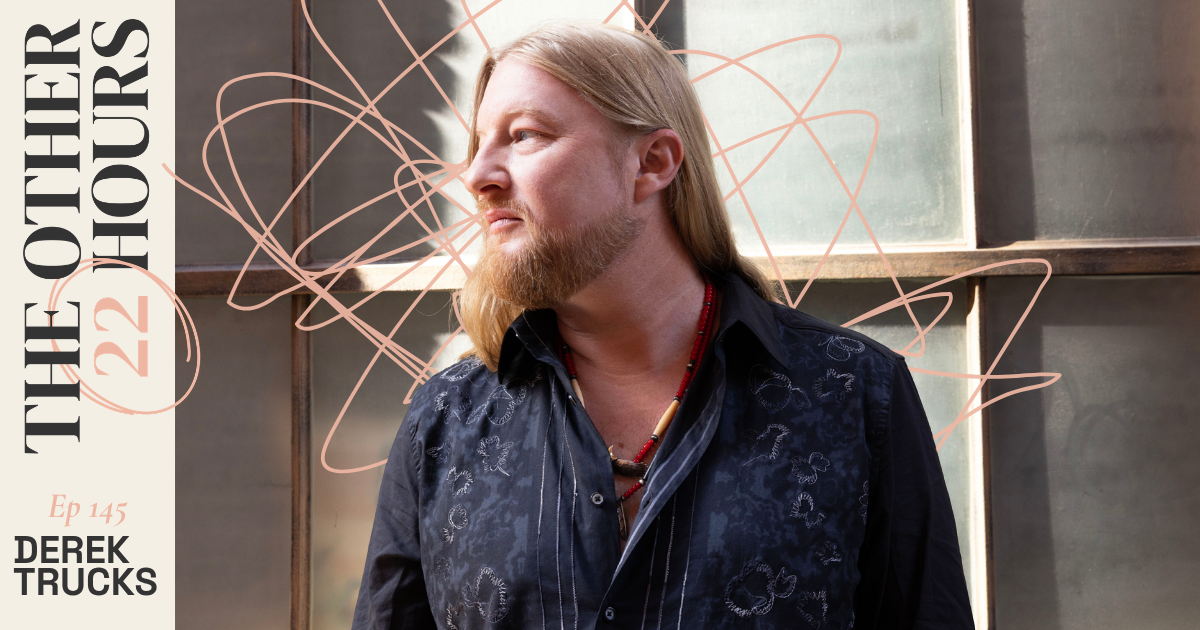
Tedeschi Trucks Band

An Americana, Southern rock, and modern blues supergroup, Tedeschi Trucks Band’s 12-person ensemble returns with another no-misses album, Future Soul, released Friday. The project is strikingly diverse sonically and while it features some more genre exploration and subdued moments than you may expect from their stage shows, it’s still an absolute banger. The group kicked off their album release tour beginning a 10-show residency at the Beacon Theatre in New York City that runs through March 28 before they take the show on the road in the spring, summer, and beyond.


Want more Good Country? Sign up to receive our monthly email newsletter – and much more music! – direct to your inbox.

Photo Credits: Cat Clyde by Julio Assis; Ella Langley courtesy of the artist; Megan Moroney by Cece Dawson; Kacey Musgraves by Kelly Christine Sutton; Tedeschi Trucks Band by Chapman Baehler.

“Guitar Prodigy” Doesn’t Quite Resonate with Grace Bowers

Boasting an Instrumentalist of the Year nomination at the 2024 Americana Music Association Honors & Awards (held September 18), Grace Bowers may be one of the most exciting new guitar players on the planet – with extra emphasis on “new.”

Still in her teens, the Bay Area native has made a splash with soulful-beyond-her-years playing and the enthusiasm of youth, but she’s proving to be more than just a six-string specialist. Now leading a funky blues-rock outfit called The Hodge Podge, Bowers dropped a strutting, co-written debut single – “Tell Me Why U Do That” – and has a cosmic follow up to come. Plus, she’s not afraid to speak her mind.

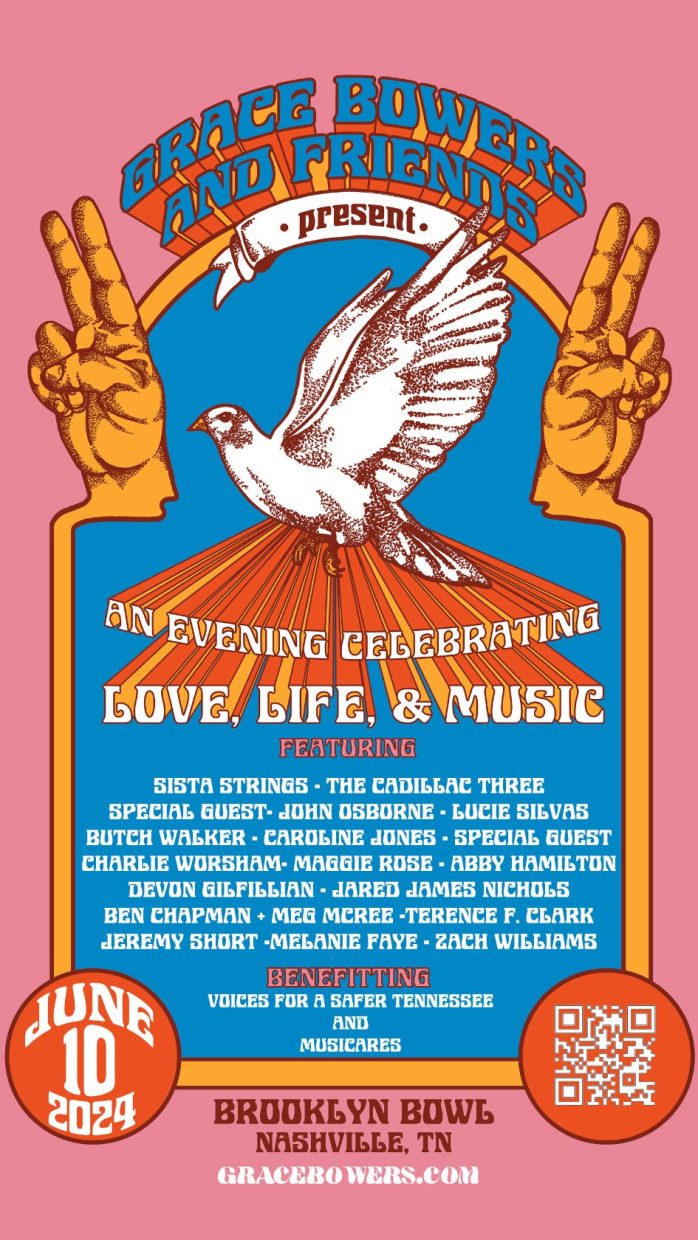
Already using her platform for positive impact, Bowers will host the 2nd annual An Evening Supporting Love, Life & Music benefit concert at Nashville’s Brooklyn Bowl June 10. Founded to support victims of the Covenant School Shooting and now benefiting Voices for a Safer Tennessee and MusiCares, the show will feature Bowers and The Cadillac Three, Devon Gilfillian, Caroline Jones, Meg McRee, Jared James Nichols, John Osborne, Lucie Silvas, SistaStrings, Brittney Spencer, and Butch Walker, as the rising star looks to leverage her “prodigy” label attention.

BGS caught up with Bowers just as the summer festival season kicked into gear, getting to know an exceptional breakout talent who seems primed for a long career to come.

After blowing up on social media during the pandemic, you’ve done a lot in the last few years – but, you still have a few months before you turn 18, right? How have you managed to balance this music career with growing up and just being a teenager?

Grace Bowers: It’s definitely a weird balance, and especially since I don’t go to school anymore. I started doing [school] online a year-and-a-half ago … and I don’t miss homework, but I definitely miss being around people my own age and just a normal experience. But at the same time, I’m getting to do this stuff that I love almost every night, and I would take that over anything. Some people look at it like I’m doing it too fast, or someone’s pulling strings for me, and it’s not true. This is what I love and I can’t imagine doing anything else.

What drew you to guitar in the first place? I know people like to compare you to the female guitar greats, like Bonnie Raitt or H.E.R., but I feel like it doesn’t have to be just women. I hear a lot of Prince’s style in you, or even Derek Trucks.

Yeah, I love all those players that you just mentioned! The first time I was drawn to a guitar or just to music in general was when I was 9 years old, and I saw Slash on YouTube. Which is kind of a basic answer, but that’s how it happened. I was watching the “Welcome to The Jungle” music video.

Really? So did you just rush right out and say, “Hey, mom and dad, I need a guitar”?

That’s pretty much how it went. I think I tried almost every other hobby there was. I got kicked out of soccer, hated Girl Scouts. I’m pretty sure I got kicked out of softball, too. I was not good at gymnastics. I tried everything and my parents tried everything. So when I came to them and said I wanted a guitar, they were like, “We’ll get you a guitar.”

Were you ripping leads within months, or how long did this take?

Oh, no, no. People call me a prodigy a lot and it’s entirely not true, because for the first three years I was so bad. I was awful, and I wasn’t even really passionate about it. It was just kind of something that I did. I never really practiced or dug into other music styles.

But when I was 13 and COVID had just started, I heard B.B. King for the first time – “Sweet Little Angel” – and that song starts off with three notes. I was so hooked on that, and it was a sound I had never heard before, because I didn’t grow up around music. I don’t have any players in my family, so it was a completely new thing to me, and that’s what really made me passionate about it. I started actually learning things on guitar, but it was not an immediate light bulb moment for me.

I think that’s actually a good message for people, because it’s easy to get burned out trying to learn an instrument.

Yeah, it takes time.

Was it a shock to get this Americana Music Association nomination? You’re up for Instrumentalist of the Year, right?

Yeah, I forgot. I didn’t even know I was nominated, to be honest with you. I had no idea. I opened Instagram one day and I was tagged in the post. I’m like, “Holy shit, this is insane.” Because the year before that, I was in the audience at the Ryman watching the Americana Awards. So now that I get to be there, that’s insane.

Tell me about getting the band going and working on songwriting. You’re known for your guitar playing, but it seems like you’ve been trying to diversify. Does that come natural?

Songwriting was a bit of a learning curve for me, but it is something I’m very, very much into these days. I feel like people just look at me as a guitar player, but I don’t really feel like I’m just a guitar player. And even at that, I’m not some bright virtuoso guitar player. I wouldn’t consider myself that at all. I lead this band, I wrote all the songs or co-wrote them. So I think that that’s something that a lot of people don’t realize when they’re leaving hate comments online.

Your band sounds amazing – I love how much funk and soul is in the mix. It’s also cool you present yourselves as an ensemble. It’s not just Grace Bowers and then some people behind her.

That was my goal, because like I said, I don’t want to be known as just a guitar player. If you think of Derek Trucks, you think of Susan [Tedeschi], too. Tedeschi Trucks Band would not be what it is without one another, and I love that. And since I don’t sing right now, I want to be known for this amazing band.

The first single, “Tell Me Why U Do That,” came out a little while back. It’s super funky and light – what did you write that about?

It wasn’t written about a single person. It sounds like it is, but I wrote it with John Osborne and his wife Lucie [Silvas], and honestly, we wrote it in an hour and we were kind of just bullshitting lines. … Normally I’m like, “Well, the lyrics have to mean something.” But I kind of let that go for this one. It’s just a fun song.

Does that speak to the other stuff you’re doing?

For the most part, the lyrics were very intentional. My second single that’s coming out is called “Wine on Venus,” and this one has a cool story behind it. It was written about my Nana who passed away a bit ago. I’m from California, so we went home for Christmas this year and it was the first year not having her at Christmas. Everyone was talking about her, and my uncle said she always told him that when she died, she’d be drinking wine on Venus. It’s the brightest star.

Oh, wow.

Yeah, and I thought that was such a cool thing to think about. So I brought it back here and I was writing with Ben Chapman and Meg McRee, and I told them this story, and this song just flowed right out of us.

Your grandma sounds like she was awesome.

Yeah, she was kind of crazy, but there were some good nuggets in there from time to time.

John Osborne is producing your work, and he’s an amazing guitarist in his own right. Does that have an impact on what you’re doing?

Absolutely. I don’t think enough people are talking about how good a guitar player John Osborne is. He’s on a whole ‘nother level, and I don’t hear his name mentioned when people are talking about great guitar players, but I can’t imagine doing it with anyone else. I think he just completely understood my vision and the sound I was going for, and I’ve worked with producers before who have a sound and they’ll try to mold you into their sound, and John wasn’t like that at all. I mean, he gave us direction and some really great ideas, but really let me and the band lead the ship on where it was going. So I really appreciated that.

Tell me about the benefit you put together for June 10 – An Evening Supporting Love, Life & Music. Why did you want to do this so early in your career?

This is my second year doing it, and the first year I put together after the Covenant School shooting. I have two little brothers in school, and I remember the day it happened, they were texting me like, “There’s a school shooting.” And at first they didn’t tell me what school, so my heart dropped thinking it was at their school. They eventually told me, but that brief moment of panic I had – I can’t imagine if you were a parent with a kid at Covenant on that day. Just to even think about that is awful. And it really upset me seeing how much of a divide there was, because coming from the Bay Area in California, we have different viewpoints.

I don’t know, it just upset me that it seemed to be such a divided issue, and really I think there’s a lot of common ground to be found. The first year I did it, the money went directly to the school and MusicCares, and it went amazing. So much so that the school is no longer accepting donations. They received so much support. So this year we’re donating [proceeds] to an organization called Voices for Safer Tennessee, and they’re non-partisan so it’s not political in any way, and they’re advocating for safer gun laws – which Tennessee needs some of that. I’m just doing all I can to support something that I’m passionate about, and I want to see some change.


Photo Credit: Cedric Jones

Country Pickers, Center Stage

(Editor’s Note: Sign up here to receive Good Country issues when they launch, direct to your email inbox via Substack.)

Double-, triple-, quadruple-threats are not uncommon in country music, not in the least. It’s a frequent occurrence, tripping over or into a country artist that’s a songwriter, vocalist, multi-instrumentalist, writer, thinker, and so much more. In fact, until more recent decades, wearing many hats was seen as a sort of prerequisite to making hillbilly music. After all, this is “just” country music, it’s got a wide and deep DIY tradition, and the folks who make it often have to also load in the gear, sell the merch, post on social media, and produce the albums, play the demos and scratch tracks, write the lyrics, and otherwise steer the creative ship.

Some of the most successful artists and most original voices in country music are perfect examples of how multifaceted skill sets translate directly to star power. You may not need to be a Telecaster shredder to make it onto the radio or you may not need to be able to pick like Mother Maybelle to make a living, but if you can back up your songs with mighty playing, it certainly translates with audiences.

From Chet Atkins, Dolly Parton, and Wanda Jackson to Charlie Daniels, Willie Nelson, and Bonnie Raitt, here are just a few legendary examples of hugely successful country artists who are or were excellent musicians and instrumentalists, too.

Chet Atkins

A record company executive, producer, and pioneer of the “Nashville Sound,” Chet Atkins was also a one-of-a-kind guitar picker, renowned across the globe for his unique style – which was inspired by Merle Travis. Atkins certainly made “Travis picking” his own, arguably eclipsing all of his predecessors and continuing to influence guitarists today. An inductee of the Country Music, Rock and Roll, and Musicians’ Halls of Fame, Atkins’ impact is hard to understate and his resume includes work with Dolly Parton, Elvis Presley, Hank Snow, Waylon Jennings, and countless others.

DeFord Bailey

One of the first superstars of the Grand Ole Opry, DeFord Bailey was a world-class harmonica player who was also the first Black performer on WSM’s fabled stage. Some sources also credit Bailey as being the first musician to record music in Nashville. However you approach his career and music, Bailey was a seismic presence in the earliest days of country. Born in 1899, Bailey faced constant racism, bigotry, and marginalization on the Opry, in Nashville, and as he traveled and performed. He passed away in 1982 and was posthumously inducted into the Country Music Hall of Fame in 2005.

Glen Campbell

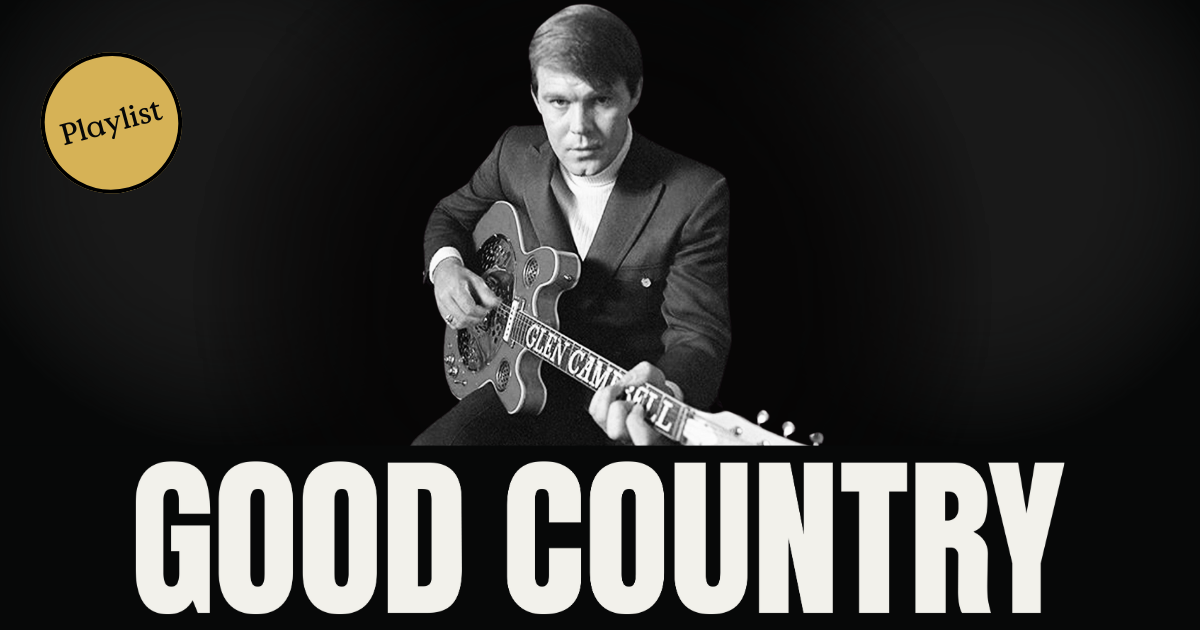
Even at the highest heights of Glen Campbell’s superstardom, he refused to let his superlative instrumental skill take a backseat to his roles as frontman, songwriter, Hollywood actor, TV star, and tabloid veteran. Campbell’s approach to country music as a true multi-hyphenate celebrity bridged generations, connecting the hardscrabble, DIY generations where multiple skills were necessary to make a living to the modern era, where he helped pave a way for famously multi-talented picker/singer/writers like Vince Gill and Brad Paisley to not be pigeonholed as one thing or the other.

Ray Charles

Any conversation around or collection of superlative country pickers and musicians would be glaringly incomplete without the inclusion of Ray Charles. His incursions and experimentations in country music are many and infamous. His 1962 album, Modern Sounds in Country and Western Music is routinely listed as one of the best country albums of all time. He’s worked with and performed with Willie Nelson, Merle Haggard, Ricky Skaggs, Travis Tritt, Johnny Cash, Glen Campbell, and many, many more. Plus, his country forays demonstrate a deep, holistic understanding of the genre. Charles is a quintessential country multi-hyphenate and country-soul in the modern era would feel especially lacking without his seminal contributions to that tradition.

Charlie Daniels

It’s hard not to wonder what young, hippie, “long-haired,” Vietnam War-opposing fiddler Charlie Daniels would have thought of his older self, and his more harebrained and often hateful beliefs later in life. But the controversial and outspoken musician, at all points of his career, was a picker’s picker. Over the course of his life he performed and recorded with Earl Scruggs, Bob Dylan, Leonard Cohen, and many more. But his chief contribution to American roots music may just be his fiery, unhinged fiddling on “The Devil Went Down to Georgia.” Just wander down Lower Broadway in Nashville on any given Saturday night to feel the impact of that particular show-stopper. In this clip, he chats and performs “Uncle Pen” with Scruggs and Del McCoury.

Vince Gill

That buttery voice, that stank-face inducing chicken pickin’, that high, lonesome sound – Vince Gill is all at once country and bluegrass, Nashville and Oklahoma, western swing and old-time fiddle. Whether with The Eagles, preeminent pedal steel guitarist Paul Franklin, the Time Jumpers, or so many other outfits, bands, and iterations, Gill is simply right at home. Because, at his core, he’s just a picker. He may play arenas, but he knows he belongs at 3rd & Lindsley or the Station Inn. Or Bluegrass Nights at the Ryman. A quintessential picker-singer-frontman, Gill continues to define the myriad ways country stars can maintain their selfhood and personality – instrumentally and otherwise – even in their wild successes.

Merle Haggard

Speaking of chicken pickin’, country’s most famous Okie was a shredder, too. A sad song, a glass of (misery and) gin, a Telecaster, and the Hag – that’s all we need, right there. Merle’s playing style, even at its most technical and impressive, was simple and down to earth. You could tell he cut his teeth playing bars, fairs, and honky tonks. You could almost hear him pulling himself up by his bootstraps as he played.

Wanda Jackson

The Queen of Rockabilly has been slaying rock and roll, hillbilly music, and the guitar for more than seventy years. In 2021 she released her final album, Encore, when she was 84 years old. It features her signature passion and fire – and performances by Elle King, Joan Jett, Angaleena Presley, and more. Jackson has been representing the vital contributions of women to rockabilly and rock and roll for her entire career, just as often commanding the stage with her growly, entrancing voice and her powerful right hand.

Willie Nelson

Who would Willie Nelson be without Trigger? Without a tasty, less-is-more, nylon-string guitar solo? For decades, Nashville, Music Row, and guitar players around the world have been emulating his particular sound as a guitarist – whether they know it or not. Sure, he’s a hit songwriter, a star and front-person, a collaborator of Snoop Dogg and Frank Sinatra, and a connoisseur of fine bud, but perhaps more than all of these accomplishments, Willie is an impeccable picker. He can hold his own with the best of the best, because he is the best of the best.

Brad Paisley

Brad Paisley’s fame crested at perhaps the perfect time for him in country music, combining a rip-roarin’ guitar playing style with a sound that was entirely trad while carrying touches of the bro country wave that was about to inundate the genre. As such, he was able to build a career on the diversity of his skill set, before Music Row and the power behind it began prioritizing music that didn’t need to be musical and voices that didn’t need to be singular. Luckily, Paisley is both those things and more, and despite the many eyebrow raising moments across his career, our faces more often show shock at his mind-bending skill as a guitarist than anything else.

Dolly Parton

How is it that Dolly Parton can play so many instruments so impeccably with those iconic acrylic nails!? Nowadays, you are just as likely to hear Dolly performing to a track – yes, she does lip sync and pantomime playing along with recordings – but don’t get it twisted, she absolutely can play a passel of instruments from her beloved “mountain music” traditions. She plays guitar, banjo, auto-harp, dulcimer, and has even been known to pick up a bedazzled saxophone from time to time – though we can’t guarantee she actually knows how to play that one, we’re still blown away.

And what about thatone viral video with Patti LaBellewhere they play their acrylics like washboards? Dolly can make music with just about any instrument.

Bonnie Raitt

How many people do you think enjoy Bonnie Raitt’s soulful blues and Southern rock sounds without knowing she’s also often the one playing the guitar solos and making that bottleneck slide weep? Raitt is a Grammy winning songwriter, a fantastic vocalist and song interpreter/collector, and – above all, in this writer’s opinion – a superb guitar picker, especially playing slide. She can hold her own with just about anyone, and she has. Her phrasing and use of melodic space demonstrates that she’s been honing her craft for her entire life. That taste can’t be taught, it has to be found. Boy, has she found it.

Marty Stuart

Marty Stuart’s long, fabulous, superlative career began with him filling the role of sideman for such luminaries as Lester Flatt, Johnny Cash, Vassar Clements, and Doc Watson. He plays guitar and mandolin, working up his chops as a youngster with pickers like Roland White as his mentors. When his solo career took off after his Columbia debut in the mid-eighties, his ear for fine picking remained present throughout his music – however far afield from those early bluegrass and country days he may have traveled, stylistically. Whether bringing in psychedelic surf sounds or Indigenous flavors of the American West, Stuart’s catalog of music centers virtuosity that’s never gratuitous. And his band, the Fabulous Superlatives, featuring crack guitarist Kenny Vaughan and multi-instrumentalist Chris Scruggs, represent a high level of picking prowess, too.

Tedeschi Trucks Band

By many measures, Derek Trucks is the world’s foremost living slide guitarist, but don’t overlook powerhouse vocalist and co-band leader, Susan Tedeschi in order to venerate Trucks! Both started playing as youngsters – Trucks when he was a kid and Tedeschi when she attended Berklee College of Music. These two are guitar and blues royalty, helming one of the most impactful modern blues and Southern rock orchestras on the planet. They’re consummate musicians, knowing just how to surround themselves by players who support and challenge, both. Even with their laundry list of personal accomplishments, together, Tedeschi & Trucks – who are also married – are so much greater than the sum of their parts.

Keith Urban

Keith Urban brings a scruffy, down to earth guitar playing style to his polished and glam mainstream country sound. Yes, even as far away as Australia, having instrumental chops means having country currency. When he moved to Nashville in the early ‘90s, with a few Australian radio hits and awards under his belt, he immediately found work as a side musician and co-writer in Music City. It wasn’t long until his star ascended stateside, too – and then, as quickly, around the world – bolstered by arena-ready guitar. Now readying his first album since 2020, Urban shows no signs of slowing down, with the music or the picking!


Photo of Glen Campbell courtesy of the artist.

Editor’s Note: Sign up here to receive Good Country issues when they launch, direct to your email inbox via Substack.

Fingerstyle Guitarist Sunny War Wants Punk’s Honesty Back in Music

Guitarist and singer/songwriter Sunny War doesn’t necessarily miss performing live, in-person shows — she’s not even sure she ever really liked playing shows that much in the “before COVID-19” times at all. But, as she connects with BGS over the phone in preparation for another pandemic-tailored event, her Shout & Shine livestream show on Wednesday, September 16 (live on BGS, Facebook, and YouTube at 7pm ET / 4pm PT) her general feelings regarding the pandemic and its far-reaching impact on the music industry are very clear: It’s all just really weird.

She, like many creators in the March-and-April maelstrom that swallowed up any/all meaningful work for an interminable period of time, became depressed, distant, and took some time to work her way back into a creative mode that feels respondent to our harsh everyday without being bogged down in it. A punk-influenced and inflected lyricist, she’s once again turning to her songwriting pen as an outlet. 

While her peers turn to that same outlet to process many of the myriad daily tragedies and injustices we’re all so attuned to in this global moment, War instead pauses. “I kinda don’t like protest songs from people who didn’t do it before,” she explains, calling to task the frantic and frenzied rush to pivot records, releases, and pressers into more “appropriate,” digestible bits for a newly awakened, activist reality — and consumer. 

(Watch Sunny War’s complete Shout & Shine performance above.)

But War’s identity, her selfhood, as evidenced through every note of her idiosyncratically finger-plucked songs and through her carefully chosen words in her lyrical poetry and our conversation, calls upon her to challenge that propriety. “[Democracy] actually is working” she explains, noting hypocrisy and/or tone deafness in our roots music communities. “It’s working, it’s always been working. It just hasn’t ever been in our favor.” 

BGS: I’m a banjo player, I came up through bluegrass, and there’s something about your right hand in your guitar playing that’s really entrancing and relatable to me. It conjures bluegrass and fingerstyle, but it is so unique to you, it’s idiosyncratic. Where did your style come from? What influenced your right hand technique, how did it develop? 

SW: I think it came from mimicking banjo, actually. My stepdad’s friend played banjo, so I was around a banjo player sometimes growing up. The first fingerpicking thing I learned was “Blackbird” by the Beatles and that was the first time I thought I sounded kinda good. When I was a kid, I thought, “Wow! This [fingerpicking] sounds way better than just strumming a chord.” I never really learned a lot of chords, I still just play a lot of chords in first position. I was just playing C and G and D open and I thought, “Well now I sound like I’m really playing something.” 

I didn’t listen to blues until I was in high school and then I was kind of imitating country, blues, and my stepdad’s friend on banjo. Later, I was trying to be like Mississippi John Hurt; and I kinda wanted to be like Chet Atkins. But I couldn’t ever figure that out. 

I see plenty of folks in the scene who idolize Derek Trucks or Joe Bonamassa or even Molly Tuttle and Billy Strings who are coming up. There are these guitar fans that just idolize and adore them. Have you seen guitar fans trying to capture what you’re doing with your playing?

Not really? I don’t know. There are some people on Facebook and Instagram who message [me] and want to talk about my guitar style, but they’re usually just into old-timey blues stuff. Then we just talk about that. Sometimes they ask who I listen to. But I think [the implication is], “You’re really close to maybe being like this person I know of.” 

I can think of a lot of shredders out there, but I do the same kind of riffs in every key that I play in. I feel like I can say I really do fingerpick well, but I know people that really do it and can play as well with their left hand as their right. I’m not quite there. [Laughs]

It’s hard to talk about music and performing right now without acknowledging the giant, COVID-19 elephant in the room. It’s interesting to me that this moment of pausing, of stopping everything, especially in the music industry, has given artists a chance to refocus or realign their priorities – have you been thinking about the future? Thinking about the present? How has the pandemic felt to you? 

The first three months I was just depressed and drinking a lot and not doing anything. Then recently, I’ve been trying to write. I’ve been jamming with my friend Milo, who plays a lot of lead guitar on two of my albums, and we’re going to make some demos together. I’ve also been thinking about going to school, trying to get into some kind of two-year program. Since music might not [come back], there might not be live music for two more years. I’m thinking about getting a job. [Laughs] 

It’s daunting to wake up every day like, “I’m going to keep doing this now, because I believe — I think — it’s going to happen in the future.” It’s a lot! 

Yeah, it’s like, “Maybe music is just not essential…” You know? [Sad chuckle] 

Then, with the whole Zoom thing and the livestream thing, I’m just not really into it. I’m not enjoying it at all, it feels weird. It’s just like, sitting in a room by yourself, trying to make a video, and then you think, “Should I look into the camera? Should there be talking in between?” You’re trying to imitate a set at a venue, but you’re just sitting by yourself. It just feels weird! I would rather just play by myself, without a camera. 

I liked playing shows [before] kind of, but I almost didn’t even like that. At least it felt like there was a reason for doing it. I was talking to my mom and we both realized we used to watch concerts before, too. Just then it was an actual concert on film. Even that would be better! If there were somehow an audience in the livestream… I guess that can’t be, but it’s just awkward [without them.] Seeing a band play off of the energy of the room is more what it’s about.

Well, for your Shout & Shine livestream performance we’ll have to ask our audience to be “loud” in the comments! Use that clapping hands emoji! [Laughs] Who would you like to see as a guest on Shout & Shine? Whose music is inspiring you right now and getting you through the day-to-day?

I like Tré Burt! Amythyst Kiah, too. 

Have you heard of Yes Ma’am? They’re from New Orleans – the singer sometimes plays solo, but also has a band. They used to busk on the street in New Orleans. It’s just really good, a great kinda folky string band. 

I like the new Run The Jewels album. I listen to Elliott Smith still, and a lot of ‘90s music. I like Black Pumas a lot.

What would you like to see from the music community, as far as a response to this moment in our culture’s history — not only the racial injustice and righteous rebellions against police brutality, but also how divided and polarized our musical community is now. It’s like half people who want music to “remain apolitical” and half folks who are like, “Music has always been political, where the fuck have you been all along?” What do you see as the urgent need of our community to reconcile all of this? I know that’s a huge question.

I think it just needs to become about honesty again. That’s something I would like to see. I’m not really that into “Americana” music, but even so I feel like [Americana] musicians are going to be faced with not being able to let these issues go unaddressed anymore. I think that’s interesting. At this point, you can’t just put out your weird corny love song that’s not even about anything that happened in your life, but is actually just something that makes sense pop-wise and hit-wise. You should have to really be honest. People don’t necessarily have to be “political,” they can just write about all the emotions they’re going through. We’re all dealing with the pandemic and with Trump and with police brutality — it’s a lot. Even if people don’t want to write a song about why we should get rid of the police, they could at least write about how scared they are. I don’t know, there’s a different, new kind of folk that could happen about just being freaked out and unsure of your future. I love shit like that. 

I kinda don’t like protest songs from people who didn’t do it before. It’s just not hitting right. I don’t want your protest music if you weren’t writing it before. Whatever issue is being highlighted, it’s always like, “Yeah, we’ve BEEN talking about that.” [Expectant pause] This has been the conversation. I’m into punk, I’ve always liked protest music. As far as folk, I do like its protest music, but I mostly like punk or really politically-charged hip-hop. It’s kind of annoying when say, a really poppy country person who’s never said anything about anything is writing a protest song. It’s just cashing in. It’s corny. It’s weird. 

And another thing, a lot of people who are going out to these Black Lives Matter protests and stuff, I still don’t feel like they would treat me any differently than they normally would. I saw people posing and taking pictures. This is a weird thing to just be a trend. 

Like Breonna Taylor now being a meme.

Yeah. It’s offensive, it’s too much. 

And how many times they show those videos [of Black people being murdered by police]. There’s a lot of murder porn going around! People are saying one thing, but showing someone die every day. I was kind of like, “You know, I don’t think they would show a video of a white person being killed, over and over again.” A lot of things happening right now are really dehumanizing and I don’t think people can see it unless they really, really think about it. Or maybe put themselves in that position. It’s murder porn.

I know what happened. I don’t want to see this over and over again. I don’t need to physically see it to be angry about it. Think of all the bad this is doing to our psyches on top of everything else, seeing people murdered every day. 

But, a lot of musicians are “activists” now, I guess. I just… don’t really know what that means. They were going to put out a song anyway. That’s what they do for a living. Obviously they can’t just put out the typical love song — that’s what people always write about, love. That would be “offensive.” Or, it wouldn’t be “appropriate.” So they all have to change and pretend to be “activists.” It’s just a reflection of what’s trending right now. 

I just want to know: Are they actually going to change in a year? I’m curious to know how long the Black Lives Matter profile pictures are going to stay up. 


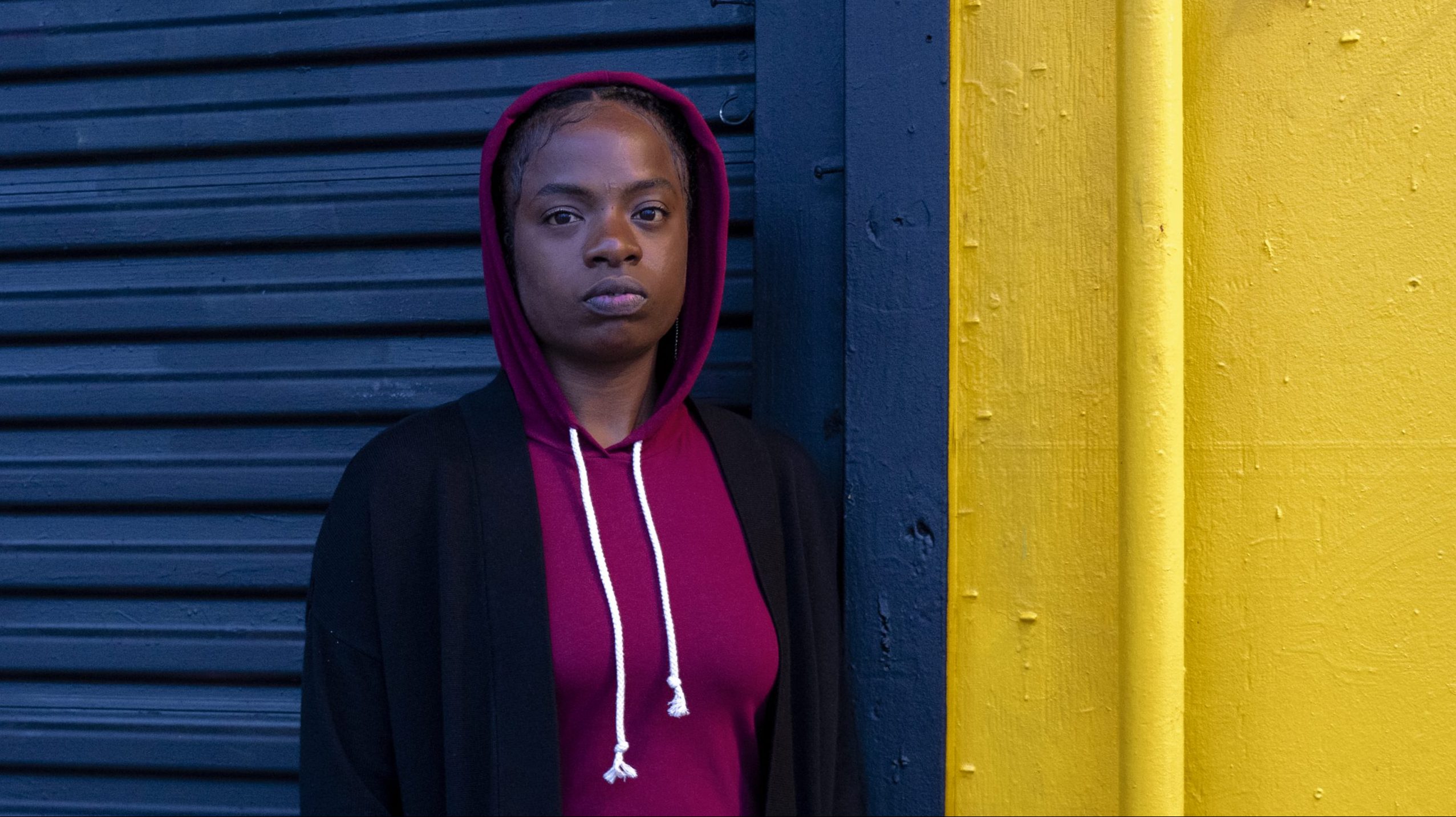
Photo credit: Randi Steinberger

Derek Trucks on Analog, Allman Brothers Band, and Aging Well (1 of 2)

With Tedeschi Trucks Band, you get a partnership. That impressive ability to divide and conquer serves them well on stage, with Susan Tedeschi nailing the vocals and tearing up the guitar, along with Derek Trucks calmly proving his own guitar proficiency. That’s not to mention the other 10 musicians that make this one of the most potent groups on the road right now, as evidenced by their newest album, Signs. (Incidentally, the conversation took place shortly before the death of longtime keyboard player Kofi Burbridge, who passed in February.)

To begin our Artist of the Month interviews, Derek took the phone first — yet frequently praised Susan throughout the conversation, especially her ability to captivate a crowd. Before passing the phone over, he also dug into his preference for analog recording, his history with the Allman Brothers Band, and the reason why age doesn’t really matter.

BGS: I know you recorded this album on two-inch analog tape and you have that Neve console. Why is it important for you to use that vintage gear?

Trucks: I think every time you record, you’re searching for that sound you hear in your head, and what you hear live on the floor. I feel like the more analog we go, the closer we’re getting to that. This is definitely the warmest recording we’ve done to date. You know, I think the beauty of having a studio is that you’re always working toward that and you don’t have to reset and start from scratch every single time.

And there’s something about recording to tape that focuses everybody a little bit differently. You don’t have unlimited tracks, you don’t have unlimited space, and it becomes a little more performance-based. Everything seems to mean a little bit more. Every reel of tape is important! You don’t have a hard drive to fill up, so it’s a different feel all the way around. And it slows things down in a good way. I think it really does put everybody’s head in a different spot.

What does that room look like?

We designed it visually thinking about Levon Helm’s band up in Woodstock. It’s a few hundred feet from our house in the swamp down here in Florida. It’s barn-shaped and the main recording room is a pretty good-sized room. When we rehearse with the 12-piece band, everyone’s set up in the main room. But it’s a bunch of vintage gear and old Fender amps. There’s a few drum kits in there and a B3 set up at all times. You know, it’s ready for action!

Speaking of those drum kits, I noticed at your show that you tour with two drummers. What’s the benefit of that?

There’s something special about that sound, man. It’s a powerful thing when you get those guys playing. The pulse gets really, really thick. When the whole band is firing, it feels like a freight train behind you. I think after years of being on stage with my uncle [Butch Trucks] and Jaimoe [the Allman Brothers’ drummer] and the Allman Brothers, when it really works and it’s really good, there is nothing quite like it. So when we put this band together, I was certainly thinking about those guys and that sound.

The chemistry really has to work when you have two drummers. It can be a freight train or it can be a train wreck! [Laughs] It can be really bad. I’ve been in situations where there have been two drummers and it’s a “less is more” situation sometimes. But Tyler [Greenwell] and JJ [Johnson] have a special chemistry. They really listen hard to each other and complement each other well, and they have a sound that is completely unique to the two of them. It’s a big part of what makes the band unique, I think.

At risk of being too heavy, what’s that experience like when you don’t have Gregg on stage, or knowing that you aren’t going to play with Butch anymore? Was that hard for you to process?

I don’t know if I ever thought of it that way so much. I played with them for so many years and I was always doing my solo groups and other things at the same time, so there were always a few different streams. I knew it wouldn’t be forever, so that part wasn’t a shock, but more recently we started playing a few of those tunes from time to time, and it definitely hits me now. Especially when we’re playing the Beacon Theater or some of these rooms I’ve played with [the Allman Brothers Band] so many times. You certainly miss them, and you miss that sound and that spirit. When we’re making records, there are certain times when for some reason I’ll be thinking about them. They were family, they were friends, and they were musical heroes, too. Those are big losses and I think it takes a while to unpack that stuff.

I’ve heard you and Susan both talk about being “a lifer.” How would you describe what that means?

I was thinking about Del McCoury this morning when I knew I’d be doing this article. It’s the people that you just know are going to be playing and touring and making people feel good as long as they’re on the planet. The Allmans, B.B. King, Willie Nelson –there are thousands of musicians who play in small clubs that are that way. You just know once you start doing it. I knew when I started in my pre-teens. Once I got serious about it, I always got that feeling like, ‘This is what I’m going to be doing. Whether it’s successful or not, I don’t think it’s going to matter.’ [Laughs]

And the beauty of what we do is that we can do it forever. I think about professional athletes sometimes and how they give everything to their sport — and by the time they’re 30, they’re washed up. We’re incredibly fortunate. We can play into our 90s. There are guys out there doing it.

What is it about Del McCoury that you admire?

He’s one of those personalities, man. You just see him and you immediately love him before you meet him. Then you meet him and you love him more. [Laughs] And there’s something to a guy who keeps his family with him. It helps that his family members are incredibly talented too. It says a lot about somebody when music and family intersect like that, and it becomes a way of life. There’s something that really speaks to me about that.

And his sound — I don’t think there’s anyone alive who’s doing it better. Every time I hear those guys, it just makes you feel good. It gives you a little hope. It is authentic and really, really good on every level, and that dude has it in a headlock. We love him. He’s fearless, man. He’ll jump up with anyone. He’s sat in with our band. He’s not a guy that won’t go outside of his genre. Del will step on in.

That’s an interesting point because I don’t think your band can be categorized as one certain thing — you fit in a lot of places, too. That must be a great feeling to not be locked into a certain style.

Yeah, I’ve always appreciated that about this band, and my solo band as well. We were always kind of half-accepted and half-shunned by every genre. They’d put us on a blues festival and we’d hear ‘You all aren’t blues enough.’ Or in the early days, the jam band festivals, but we weren’t jam band enough. Or jazz… they let us in all of them a little bit, but no one would fully accept us, which I appreciate because that’s where my tastes have always been. I think it’s what I naturally come from, so I never minded it.

In the early days, it was a little more difficult because when you get accepted by a certain scene, it makes it a little easier to tour, and there are certainly benefits to that. But I like being able to bounce around, and in the course of a month, play a festival for four or five different genres of music. It makes you a better player because everywhere you go, you hear things that you wouldn’t have heard or known. You see incredibly talented musicians that maybe you weren’t aware of. That makes you double down on what you’re doing when you see somebody new.

I remember the first time seeing Jerry Douglas and thinking, “All right…” [Laughs] “Well, there’s that!” I think it’s important to listen wide.

It’s remarkable to me how poised you are when you play guitar. You make it look easy while some guitarists put their whole body into it. Is that the way you’ve always played, just stand and deliver?

Yeah, and at different times, especially early on when I was a kid playing, I would get people almost every night coming up and asking, “Why aren’t you smiling? Aren’t you having fun?” [Laughs] It’s like, “I’m taking this shit serious, people!” I’ve never had a stage presence that’s going to bring people to the show. I’ve had to do it another way. I don’t know… some of it is just your personality, mainly.

But I remember seeing pictures of Duane Allman as a kid and I always imagined him standing there, getting it done. And I remember seeing footage of John Coltrane when I was in my early teens, just black-and-white footage around the Kind of Blue sessions. He was stepping up and taking a solo, and the look on his face — it just felt really important. It hit me, like, “That’s what I’m after.”

Editor’s Note: Read our Artist of the Month interview with Susan Tedeschi.


Photo credit: Shervin Laivez
Illustration: Zachary Johnson

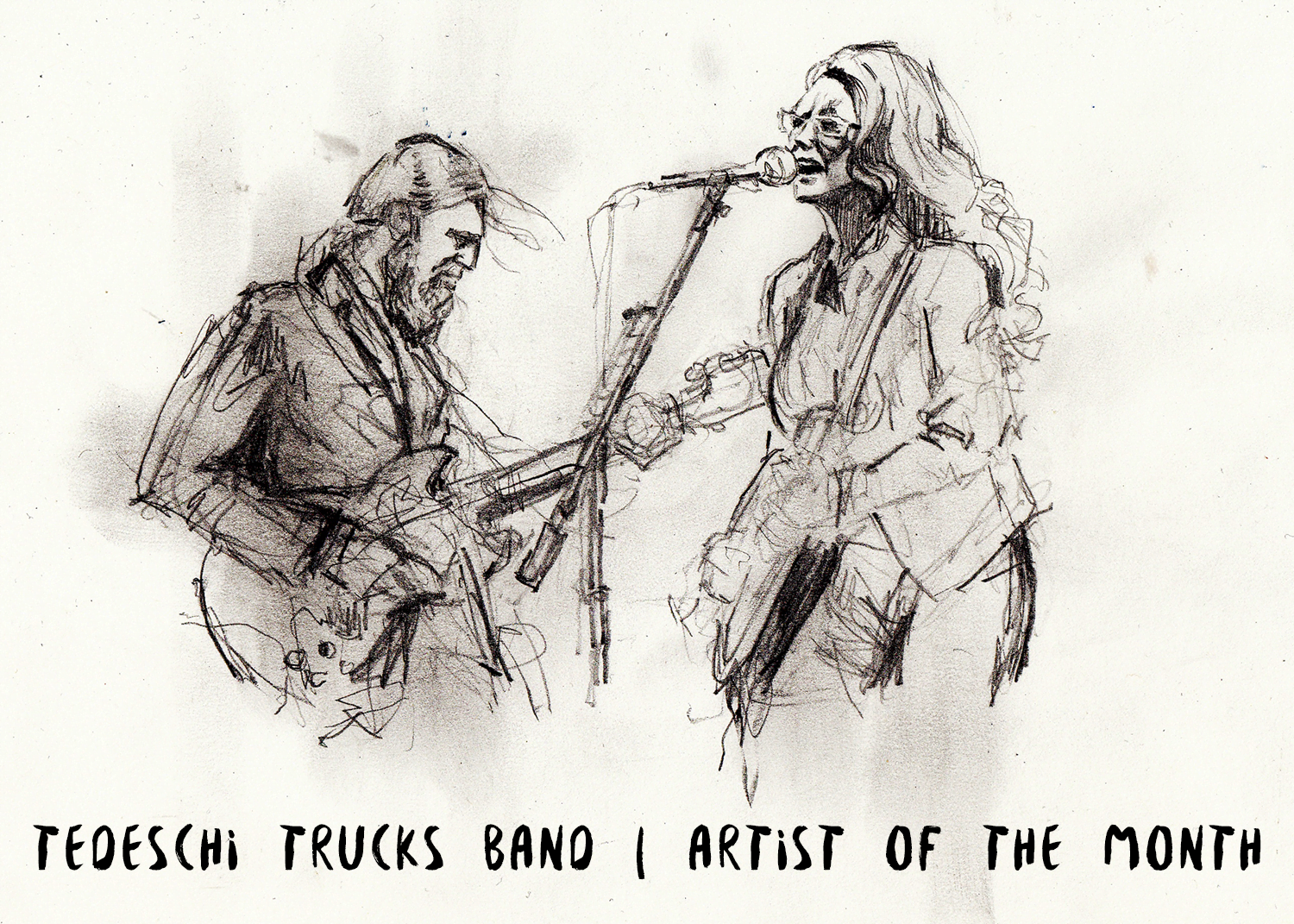
ARTIST OF THE MONTH: Tedeschi Trucks Band

Our March AOTM is Tedeschi Trucks Band: the powerhouse ensemble that just delivered their newest album, Signs. During a tour stop in Nashville, the blues-inspired band zeroed in on the vibe in the room without concern for over-the-top stage effects or eye-catching set design. As Derek Trucks explains it, “I think our MO is always that – it’s always the music and the musicality. That comes first and everything else is in service of that.”

Next week, BGS will post back-to-back interviews on the band – as Susan Tedeschi and Derek Truck both share their perspectives on the new music, as well as the foundations that have brought them here. Although they both pay attention to politics, they had a different idea in mind with Signs. As Tedeschi explains:

“I feel like I have a lot of responsibility being in front but I don’t feel like it’s my position to be political. I feel like it’s more my place to make people feel good. So I try to help people with the stress of everyday life and all of these problems. And I try to make music that is hopeful, and try to make people feel. And if I am angry about something, or something’s going on that I think is really unjust, then I can throw it in there, in a song, or I might make a comment, like ‘Hey, help out your neighbors.’”

For now, get primed for the month ahead with a collection of some of their best work in our new Essential Tedeschi Trucks Band playlist on Spotify.


Illustration: Zachary Johnson

WATCH: The Wood Brothers, ‘Never and Always’

Artist: The Wood Brothers
Hometown: Nashville, TN
Song: "Never and Always"
Album: Paradise
Label: Honey Jar/Thirty Tigers

In Their Words: "'Never and Always' started out as a way to recapture our original Wood Brothers sound — upright bass and National steel guitar. We got spoiled in the studio and added Derek Trucks and Susan Tedeschi. This is our stripped-down acoustic version, shot and recorded at the Oak Room at Nelson’s Green Brier Distillery.” — Oliver Wood


Photo credit: Alysse Gafkjen

Restoration and Revival: An Interview with Wynonna Judd

To hear (or read) the name "Wynonna Judd" instantly elicits a reaction from pretty much everyone. And, rightfully so. For the past 30+ years, the country superstar with the big voice and brash style has topped charts and made headlines with every move she's made. But, forget what you know — or think you know — about Wynonna and consider the fact that her new record, Wynonna & the Big Noise, leans on songs by Chris Stapleton, Julie Miller, and Sarah Siskind, and offers up appearances by Jason Isbell, Susan Tedeschi, and Derek Trucks. Produced by her husband and band leader, Cactus Moser, the set finds Wynonna in, perhaps, the finest form of her career and the most peaceful place of her life. 

I read a quote of yours, about you and your mom, that cracked me up. You said, “I knew the minute I was born that I was going to be the lead singer, and I knew by age 3 that I could sing. I just knew as a kid. I didn’t know exactly that she was going to follow me around.” Now that you've lost your shadow, what's the feeling? Freedom? Fear?

Wynonna Judd: One of my goals in this new year is “restoration.” I have a word every year. Restoration is taking the past and using it to propel me into the now which is, “How do I feel right now about being a part of this band?” It's exhilarating and terrifying. It's a lot of work. I'm spending more time as a musician than I ever have. Being an artist is like breathing. It's as easy to me as you writing. It's a part of me. Making this record, being on stage with my brothers … being not as much about being entertaining and funny and “Oh my gosh! She's a celebrity and a star!” It's about me getting back to my roots.

For instance, when Jason Isbell came out to the farm, we sat there and talked about everything from recovery to having children to being artists to how do we balance that. I'm really about making personal connections with people — standing in a dressing room with Bruce Springsteen and talking about what it's like to get older in this business and maintain your integrity. Going to see Susan Tedeschi and her husband, Derek Trucks, at the Ryman and talking about what it's like to be married and share the stage and share your life with a partner.

It's really an interesting time for me because, I'll be honest, I've been doing this for 35 years. Instead of looking at the word “reinvent,” the restoration part is what's really grooving me right now because I'm in a place of real change, both personally and professionally — whether it's going to the vinyl pressing where they're making our vinyl records and going, “Oh my gosh! I started out here and now here I am back 30 years later” … to using vintage instruments to make the record — 1930s drums, '40s microphones.

Cactus made a real smart move when he talked to me and said, “It's time for you to get back to your roots.” When you hear my voice on this record, it's very vulnerable, it's very raw, very real. It's a one-track take. There's no perfection — there's less of that than ever before, which is scary but exciting. It's like going bra-less. [Laughs] It feels really weird, but it's also very freeing because I can get out of the way of myself and the agenda I have and just interpret the songs, like an actor would a scene. I get to be … instead of Wynonna-isms all over the songs and having an agenda, I can just sit there and sing the song while the band plays. Dave Grohl was a huge help to me about how to be in a band, how to get out of my way, and just sing and enjoy myself. That was huge for me.

But you still have to be a band leader to a certain degree, no?

WJ: No, I don't, because Cactus is that. Cactus is the leader. I get to just show up and get away with singing. You know what's really great, sometimes? Letting go. Letting go of the idea of having to be in control. That really was a life saver.

After his accident, I became Mrs. Moser. And I finally let myself be a partner and not feel like I have to be this alpha-female and do it all myself and direct. I can just be a band member and enjoy myself and play my butt off and sing from my toenails. And I don't have to be the decision-maker. He was in the studio saying, “Okay, let's sing that with a different idea.” And I really trusted him. I let go, fell back, and let him catch me.

Cactus Moser: It's really hard, when you're an artist, to always see the spot you're standing on. To know where you need to go and to feel exactly everything is tricky. I looked at her many years ago … I was a fan from afar. I was in a group called Highway 101 and we opened for the Judds for a year. I used to go watch her sing at soundcheck and she would be playing with the melodies — playing around more than she did during the show. I was just floored by her gift and her voice and her talent.

Fast forward to when we got together to work, and I'm still looking at it like I'm a kid in a candy store. To have that amazing singer in a band is one of those rare things you get to do in life. So, when we were working together — both live and recording and writing these songs together — it was just a real dream. Sometimes it's cool to have somebody with you — I've always been in band situations, normally, and I produce a lot of stuff. I always believe in, “Let's work this out together.” She has great ideas, but I would sometimes go, “I hear it like this. Let's try it.” I think that's why there are so many great collaborations. You look at Mick [Jagger] and Keith [Richards] in the Rolling Stones or Glenn [Frey] and Don [Henley] in the Eagles or even the Police, when they were a full band … I think some of the most brilliant things come out of that pull and tug — when you try it from a different perspective. She's changed how I do things and vice versa. I think you get the best, more often than not, by that process.

You hear that on this record. You hear the balance between an edgier roots rock and a smoother contemporary country. Did that start with the songs and work out from there? Was that your process — songs first, sound second? Or did you know what you were going for, sonically, and reverse engineer it?

CM: Sonically, I wanted to make a record that sounds as interesting as it is musical. It's a little bit more of a soundtrack where the music speaks a little more. We used these very distinctive 1930s drums that I played on the whole record. The band all started to react to that instrument and it changed the feel and instrumentation that they played with. And Wy being live on the floor singing to us while we were tracking inspired, of course, everyone. Yeah, there was a sort of vision of the type of sound I wanted to go toward.

WJ: I wanted to have a revival. I don't know how old you are …

I'm old enough …

WJ: Well, you're old enough to know better, right? You know what you want. That's where I was: I know I don't want to be complacent. I don't want to make records like I did in the past where I got hooked on perfectionism, where I have to make this “vocal of the year award goes to …” [Laughs] I just wanted to enjoy myself and shake my butt and boogie. Some of these songs made me wiggle a lot. They made me do these dances while I was singing and he's filming me going, “I don't know if you see yourself doing this, but you're jiggling everywhere from head to toe.” [Laughs]

I just found myself enjoying myself so much that I kept forgetting, “Oh, I'm doing a vocal.” I was so into it, it was almost like I was on stage. I was having such a good performing moment that I enjoyed the process rather than going in and saying, “Oh, crap, I've gotta sing for four hours, get all the notes right, be perfectionism.” I didn't do that and it was so refreshing that it caught me off guard. When I would sing something and he'd go, “Oh my God, that was amazing!” I'd be like, “I have no idea what you're talking about. I was just having fun.” That's the key.

That's the magic, right there.

WJ: That's exactly what I wanted. When I walked away, I felt like I had no idea about the record and how it was going to sound. When I heard him come into the room and put on my headphones and play me Timothy B. [Schmit] singing his favorite Poco memories into this song, I just started to cry because I had no idea what was going to happen. To hear Susan sing on a song, I literally did the hallelujah dance because I couldn't believe it was happening. To get Jason to come out to the house, to sit there in our shed wearing a ball cap, doing this rap about life … one of my favorite things ever. It wasn't about the Grammys. It wasn't about, “Oh my God, this is two big artists making music history.” It was just two artists sitting there talking and having an experience together. That's my favorite.

It feels like you built a little bit of a community for yourself on this record with these folks. I know some of your earliest influences go back to bluegrass and mountain harmonies. So, do you feel like, even if that stuff isn't there musically, it's there in spirit with you these days?

WJ: Totally! And it transfers to the stage. I tell stories about everything from being 15, walking into the kitchen, and watching Stevie Ray Vaughn practice with his brother Jimmy. I've known Ricky Skaggs since I was 15 years old. He's like a relative. You're right: I did build a community with this record. I have a new appreciation for Susan and Derek. We went to see them at the Ryman and we're so connected on a deeper level than just, “Hey, I'll see you at the Grammys.”

It's a really special time of making connections that are sacred, that have nothing to do with guys sitting in a board room putting together two artists because they know it's going to be number one. These are authentic connections and that's what made it so special for me.

Which leads to … let's do a little name association. Just say the first thing you think of …

[Laughs] Oh, dear. Because I've got … [Pauses] Okay. [Laughs]

[Laughs] I'm not going to throw any zingers at you! Okay: Cactus

CM: Living waters.

WJ: The first thing that comes to mind is “mullet.” Then, the second thing is “cowboy.” When I met him, he had the biggest blond mullet and he was wearing chaps. He's from Denver. So, there you have it.

[Laughs] That's awesome. Jason Isbell.

WJ: The first thing that comes to mind is “recovery.” He's really trying, like I am, to find balance and inner peace. We're both such authentic artists. He's so sweet. I didn't have any idea how sweet he is. He's a very kind and thoughtful person.

Agreed. Chris Stapleton.

WJ: Maverick.

Tedeschi Trucks.

WJ: Badass. I mean, seriously … the best guitar player in the world and people just don't know it. They just don't. He's a badass. He gives me goosebumps when I hear him play. He's just insane.

Sarah Siskind.

CM: Emotional.

WJ: Haunting. The song takes me back to Appalachia. It's haunting. It's my roots.

Last one … Julie Miller.

CM: Honest.

WJ: I would say “authentic.”

I'd maybe add “underrated.” I wish she were more exposed.

WJ: I agree.

CM: For that little, tiny voice, she's such a super-tough badass, in terms of how she writes. She writes like Tom Petty — the most economic use of words to say the most.