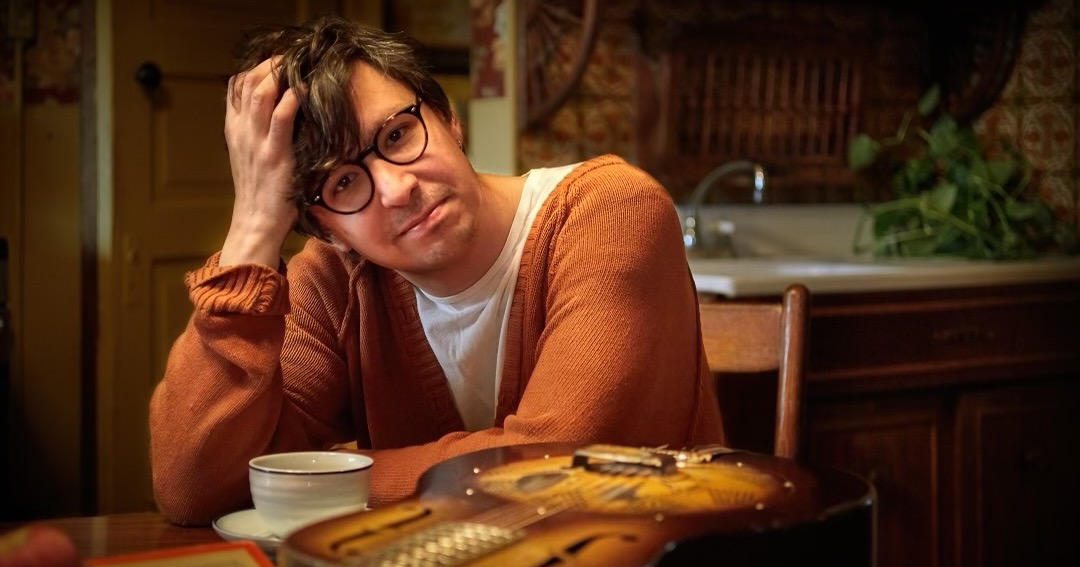
WATCH: Davy Knowles, “Speak Softly, Tread Lightly”

Artist: Davy Knowles
Hometown: Isle of Man
Song: “Speak Softly, Tread Lightly”
Album: If I Should Wander
Release Date: August 25, 2023

In Their Words: “I feel the only way to talk about this song is frankly and honestly, as every one of its words is a truth for me.

“I have struggled with depression for a long time, although it’s only in recent history that I’ve accepted that and called it what it is. It was my wife, Amber, who persuaded me to find help and for that (and a million other things), I am so thankful to her. I’m honestly not sure I would be here without her.

“With depression, sometimes it’s hard to look past your own nose so to speak, and to see how the condition may be affecting those closest to you. If and when you do notice, you can then start to feel guilty for feeling the way you do. Thus creating a vicious circle within yourself.

“This song was/is my way of trying to comfort Amber during my struggle, to thank her and to reassure her that she’s perfect the way she is, that this is an internal fight. That I’m the problem, and while I’m learning to navigate it I may need a little extra comforting. It’s also to apologize to her for how this internal fight may materialize on the outside.

“Sounds depressing right? Guess it kind of is. It’s a sad song, written from a loving point of view. Kind of like – ‘Bear with me. You’re perfect, but I’m not right now.'” – Davy Knowles


Photo Credit: Michael Coakes

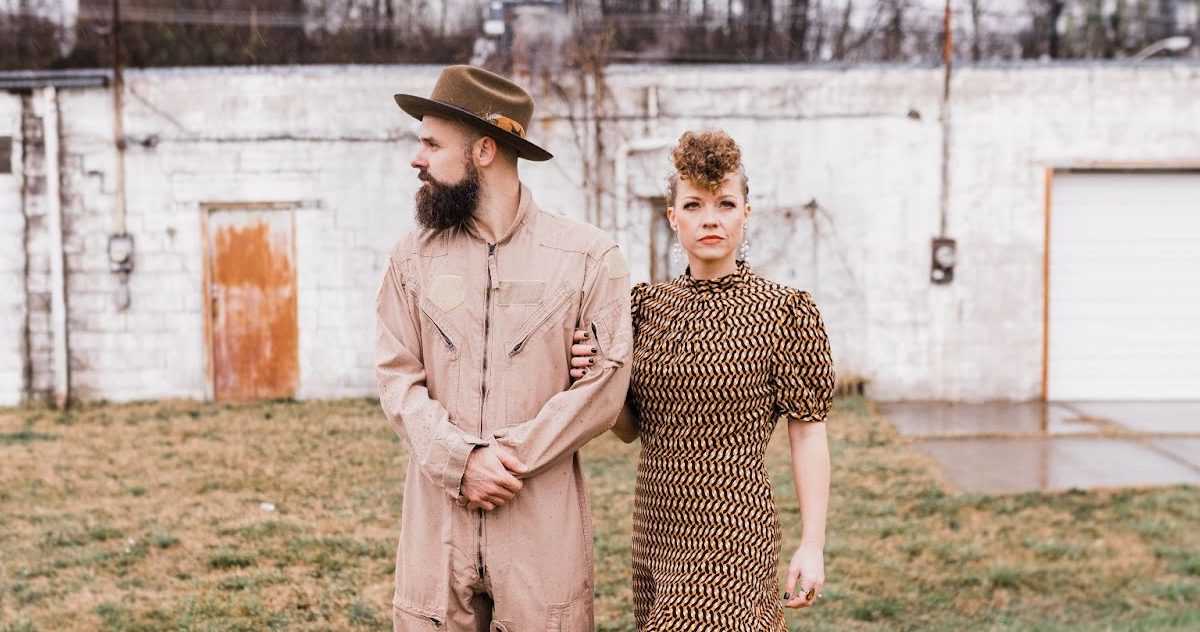
LISTEN: Goldpine, “Wander Away”

Artist: Goldpine
Hometown: Nashville, Tennessee
Song: “Wander Away”
Album: One
Release Date: August 26, 2022

In Their Words: “‘Wander Away’ is coming out at a time when mental health is really on people’s minds. More than ever, it seems we are looking for healing — one way or another. This tune delves into the trenches here, and resolves with the idea of fixing your eyes on ‘a thing far more glorious’ which for us, is a reference to God’s healing love. This is also one of the few songs we’ve written with no real lyrics in the chorus. I’ve always loved a chorus with some great ‘ooohs’ and ‘aaahs,’ but even without any real chorus lyrics, the song builds to a reverb-flooded climax near the end. I love how the production turned out on this one….it’s groovy and chill, and climactic and raucous.” — Ben Wilson, Goldpine


Photo Credit: Rae

Basic Folk – Suz Slezak (David Wax Museum)

Suz Slezak is one half of the extremely talented, thoughtful and kind folk band David Wax Museum. Suz, along with her husband David, have been touring and performing their Mexican inspired, Americana folk act since 2009. Along the way, the two got married, had a couple of kids and settled pretty finely into the pandemic with bi-weekly and then weekly live streams. All the while, Suz has been living with her bipolar disorder, which has impacted her life in incredibly unbelievable ways.


LISTEN: APPLE • SPOTIFY • STITCHERAMAZON • MP3
 

She’s also been pretty vocal, especially lately, about how she interacted with her brain health, mental health and treatment for both of those elements, which includes her intense journey with medications. Her Instagram is filled with brutally honest posts about the difficulty of finding meds that continuously help her stabilize her brain. She’s also very willing to share stories from the times where it didn’t matter what prescriptions she was on.

On her new album, Our Wings May Be Featherless, Suz is addressing her life from the perspective of a person who is bipolar, a mother, a touring musician and a creative person. She digs into the power of acceptance, traumatic birth, and grief. In our conversation, we talk about what a special musician she is and how she’s been able to cultivate and keep a childlike wonder alive through her playing. This conversation is heavily rooted in Suz’s journey with her bipolar disorder and you’ll learn a lot about her experience, as she is very open. She addresses the choice to share her experiences publicly and how the sharing impacts her. About the album, she says, “I hope you will also hear the way that a song, or any piece of art, can transform haunting pain into sounds and rhythm, allowing it to finally diffuse. I have needed to make this record for a long time. The relief I feel that it is finally emerging into this physical realm for you to enjoy is immense.” SUZ!


Photo Credit: Tristan Williams

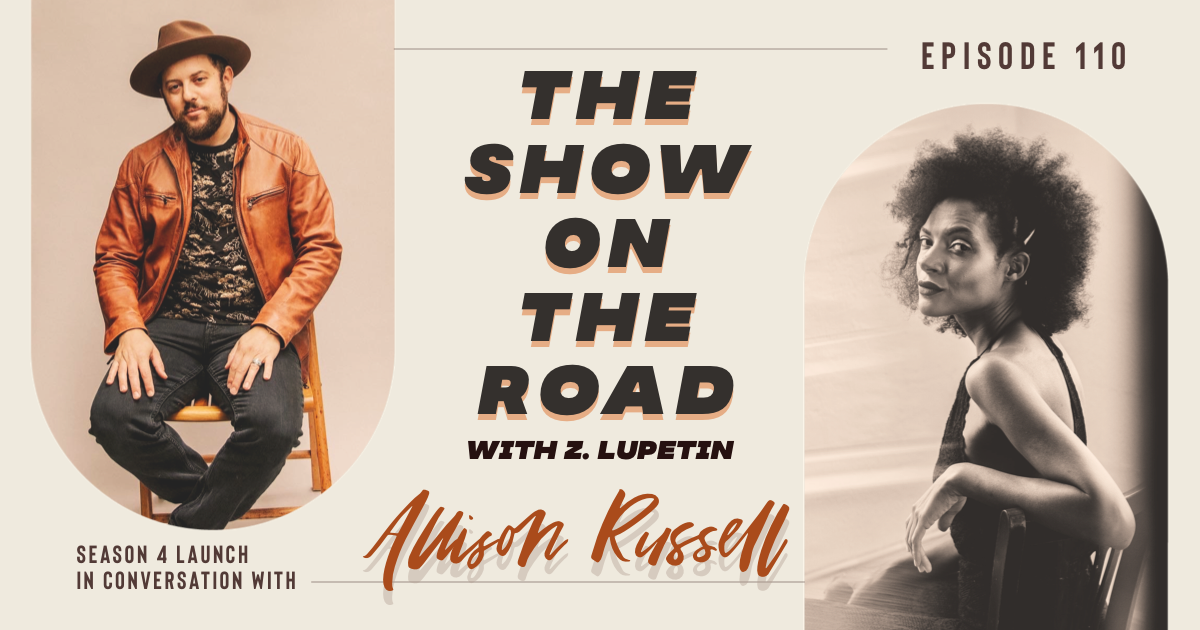
The Show On The Road – Allison Russell

This week, we launch season 4 of the show with a bilingual banjo-slinging singer-songwriter originally from Montreal and now based in Nashville: Allison Russell.

LISTEN: APPLE PODCASTSSPOTIFYSTITCHER
 

After two decades of quietly creating heart-on-her-sleeve roots music in hard-touring groups like Po’ Girl, Birds Of Chicago, and recently the supergroup Our Native Daughters – playing the guitar, clarinet, banjo and singing in English and French – the spotlight finally fell straight on Russell in 2021. With the help of her husband and longtime creative partner JT Nero, she released her visceral debut solo record Outside Child which confronts her traumatic childhood head on.

Rarely has an album struck such a nerve in the Americana community, as songs like “4th Day Prayer” use the slippery soul of Al Green’s best work and Mahalia Jackson’s gospel inspiration to paint in white-knuckled detail how she escaped the abusive home of her stepfather for the graveyards and streets of Montreal. As she tells us in the intense conversation from her home in Tennessee, it was her songwriting hero Brandi Carlile who went to bat for her (a bold Instagram DM set fate in motion,) helping get her raw, unreleased songs to Fantasy Records. Thankfully, they wanted to take a leap. Even President Obama noticed after the songs began to circulate and he put her ominous radio standout “Nightflyer” on his favorite songs of the year list. The album has since been nominated for three Grammy awards.

While Allison may feel like an “overnight sensation” to those just discovering her on AAA radio, hearing her soaring voice shining on stages from Carnegie Hall, Red Rocks and the Late Show With Stephen Colbert, she’s been playing hundreds of shows in small clubs and festivals around the world for twenty-two years and counting. It hasn’t been an easy road, as she often had to her young daughter on the trail with her.

With a new book deal in the works continuing her story where Outside Child left off, there is much more to come from Russell. A champion for the often forgotten victims of domestic and sexual abuse, listening to Russell speak reminds one more of a fiery community organizer than a singer. Did your host try and convince Russell to run for office? Maybe.

Stick around to hear her dive into one of her favorite tracks from the new record, the hopeful clarinet shuffle “Poison Arrow.”

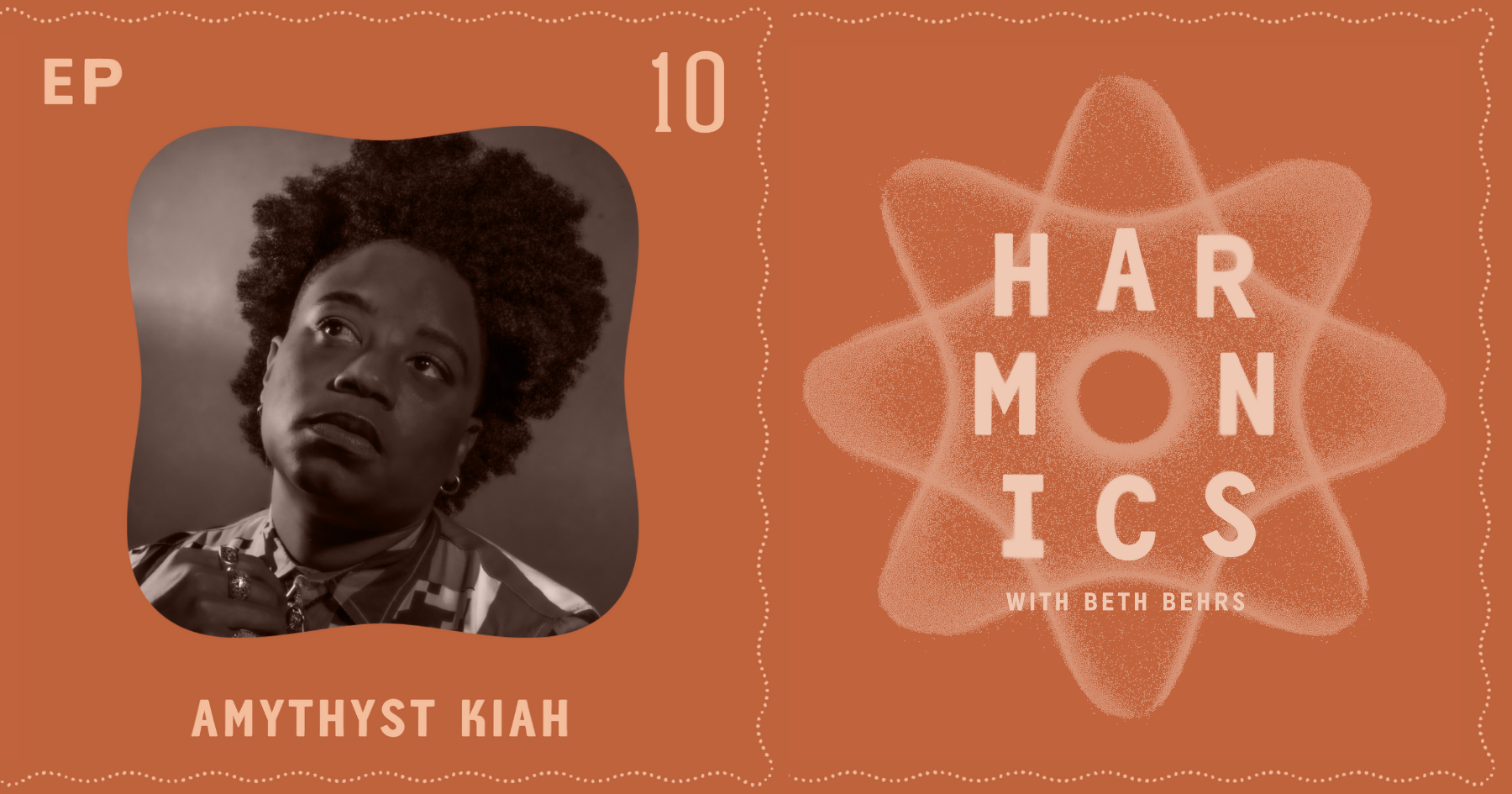
Harmonics With Beth Behrs: Amythyst Kiah

Welcome back to Harmonics! While host Beth Behrs is planning a brief hiatus from the show (at least regarding new episodes – you can still follow along with everything Harmonics via the newsletter and social media), she is sending us off with one new episode to hold us over. For this episode, Beth sits down with longtime BGS favorite (and recent Artist of the Month alum!) Amythyst Kiah.

Powered by RedCircle

Kiah tells the story of her life’s musical journey, discusses the importance of claiming her space in the roots music world as a queer Black woman, and ponders religion, philosophy, and spiritual moments experienced through music. The pair also talk about mental health and the transformative power of therapy, feeling like an outsider and the dangers of isolation, repressing feelings and toxic positivity, and wonder: Do we each truly have a specific purpose in life?


Listen and subscribe to Harmonics through all podcast platforms and follow Harmonics and Beth Behrs on Instagram for series updates!

Photo credit: Sandlin Gaither

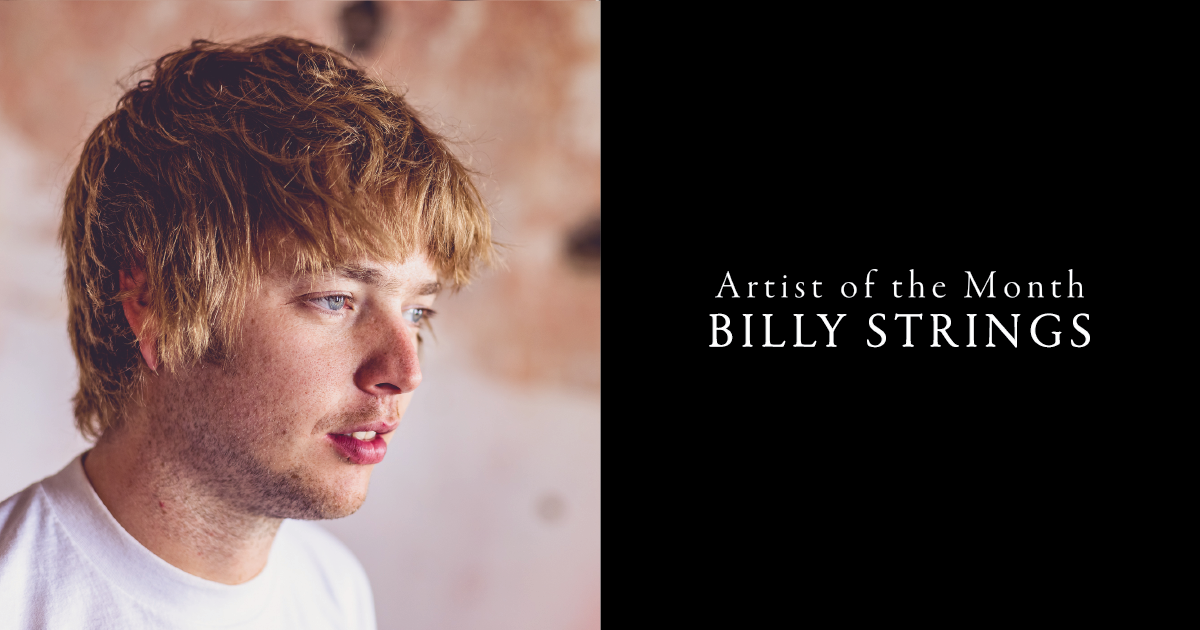
Billy Strings Draws a Line in the Sand with Sobriety, Not Bluegrass (Part 1 of 2)

From carving out a name for himself on the road as a teenager to winning a Grammy for Best Bluegrass Album (2019’s standout Home), the prodigious 29-year-old guitar player Billy Strings has cultivated a devoted following and collected an impressive list of accomplishments along the way. His latest Rounder Records release, Renewal, capitalizes on the confidence and artistic growth those experiences have delivered, with experimental new instrumentation, contemplative lyricism, and trademark picking. Produced by Jonathan Wilson (Roger Waters, Father John Misty), the sixteen-track opus offers a glimpse at an artist who is continuously rediscovering himself.

“I’m going through a part in my life where I’m looking through the windshield instead of in the rearview,” he says. “I think of a new day, the morning light, a spider molting, or a snake shedding its skin: It’s a renewal.” In the first of our two part BGS Artist of the Month interview, we caught up with Billy Strings about those new beginnings — on the stage, in the studio, and in his day-to-day life.

BGS: Renewal is mostly acoustic, but it pulls from a lot of different sources of inspiration — and not all of those are necessarily bluegrass. Is there any particular moment on the record where you noticed the influence of a genre that may be unexpected to some listeners?

Billy Strings: “Hide and Seek” is a song that maybe draws more from my influence of playing in metal bands — trying to write a song that’s more like a metal song, but with acoustic instruments… using odd time signatures, diminished chords, and avoiding the major scale. I grew up listening to a lot of death metal, and a lot of that music is just not verse-chorus-bridge, verse-chorus-outro. The songs are like 10 different parts. They’re hyper-composed, and that stuff’s sort of neat.

Was there anything that you did in the studio that took you out of your comfort zone?

I mean, I wouldn’t say it was uncomfortable, but it was different playing synthesizers and different instruments hands-on. I think I gained a little confidence when I won that Grammy — the next time I went into the studio, I was the one calling the shots: “Hey, do you have a triangle? Let’s all come together and do a singalong.” I was the one coming up with the creative ideas and feeling confident in myself to do that. On “Heartbeat of America,” I’m playing some old synthesizer, playing with the pitch wheel and stuff. That shit’s fun.

Hellbender” stands out as a reasonably upbeat, fun song when you’re listening to it, but the lyrics are… kind of dark. What was going on in your head when you were writing that?

That song’s about a real bad headache and a real bad hangover — being lost in the demons of alcohol, not knowing where to stop, saying, “Fuck it, I’m going to drink until the night’s over.” I haven’t drank in over five years: I haven’t had a sip of alcohol because I had a real bad headache one day. So it’s not really about me, but I wouldn’t really call it a fictional song either. I have been there and done that: woken up like that. It’s about a guy who can’t freakin’ stop.

“Know It All” on the new album talks about learning from your mistakes. Has there been any kind of a difficult learning experience that you feel shaped you as an artist?

Well, maybe that headache I was talking about.

Oh yeah?

One day we had this awesome gig. A lot of people showed up, and we sold a bunch of merch, and I thought we were fucking rock stars. I had been up all night and drinking beer and liquor and a bunch of shit. We got to the bar after and I was all, “Old Fashioneds! Get one for everybody, on me!” I was raring and tearing. But the next day, we barely made it to our gig, because I was puking every 10 minutes. We made it there in time to set up our stuff and play — we had to set up our gear in front of the audience. This was at a time where my career was really starting to take off, and I saw that as an opportunity to draw a line in the sand.

How so?

I think it’s about being conscious of my surroundings, being aware of the vibe that people are giving, and also being aware of the vibe that I’m putting off. I don’t want to be a drunk asshole when some fan comes up to me and says, “Hey man I really enjoyed the show.” I want to be there. I want to be able to say, “Thank you, man. Thank you for coming. I fucking appreciate it.” I just came off four gigs back-to-back. We played Spokane, Washington; Portland, Oregon; Seattle; and then somewhere in Montana. And right now I’m on my way to Salt Lake City. I can’t do that if I’m drinking. It’s all I can do to take care of myself. There’s no time for that shit.

You won Breakthrough Artist of the Pandemic from Pollstar —probably the first time anybody was awarded something like that. What motivated you to try new things when you lost your outlet on stage? Was there anything that struck you as a special moment even remotely connecting with your fans?

I’ve been doing this since I was 19 and I went on my first tour across the country. It’s all I’ve really known, just keeping this going. I’ve been “striking while the iron’s hot” for 10 years. [Laughs] So when all of a sudden I don’t have anything to do, it’s like, “Well shit. We need to keep doing something to engage the fans. We can’t just stop.” We started doing little streams at my house, and then that moved to doing a streaming tour around venues and stuff, and then eventually the whole Capitol Theater run, which was six nights, including this whole experiment where we tried to interact with our fans through telekinesis. That was really special. Even though there wasn’t anybody there, it felt like we were really connected with the audience.

You are out there day in and day out, and I’ve also seen you talk candidly about having anxiety and nerves before going on stage. Is there anything in particular that you do to manage that?

I mean, it’s been a journey. I hit the road when I was 19, playing 200 gigs a year, and for a while there, I was invincible, untouchable. I thought I could drive the van, sell the merch, book the hotels, settle up at the end of the night, write the songs, perform the shows, do everything. It was all on my shoulders. But I hit a wall where all of a sudden, instead of being confident, strong, and untouchable, I was fragile and scared of the world. Anxiety really fucked me up. I started having these crippling panic attacks where my whole body would go into convulsions.

I’m not trying to be a tough guy. I’m trying to be an honest guy. It’s uncomfortable for me to pretend like I’m feeling any way that I’m not, so if I’m angry, sad, anxious, mad? You’re going to know it because I don’t want to hide that shit. I’ve been going to therapy ever since 2019 and it’s helped me a bunch. I had a lot of trauma from my childhood that I had to sort out so I could keep moving forward and stop looking back. That’s what Renewal is all about.

Editor’s Note: Read part two of our Artist of the Month interview here.


Photo credit: Jesse Faatz

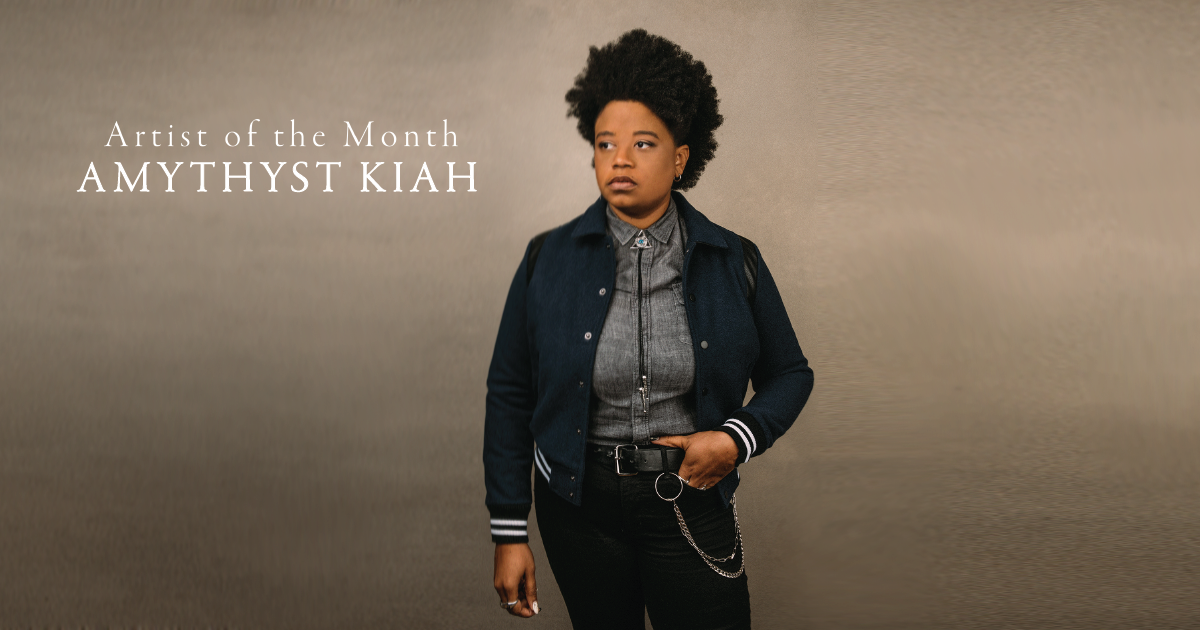
What Amythyst Kiah Is Really Singing About in “Black Myself” (Part 2 of 2)

When Amythyst Kiah was a teenager in the suburbs of Chattanooga, Tennessee, she wanted to be “the guitar-playing version of Tori Amos.” Locked away in her room with her headphones pulled over her ears, poring over liner notes and listening intently for every nuance in her favorite records, she found solace in the way Amos told her darkest secrets in her songs and how she turned that vulnerability into something like a superpower. It made her feel less alone, especially as a young, closeted Black girl in a largely white suburb. Tori Amos helped her survive adolescence.

Kiah didn’t grow up to become any version of her hero. Instead, she simply became herself. Her new solo album, Wary + Strange, ingeniously mixes blues and folk with alternative and indie rock, devising a vivid palette to soundtrack her own songs that tell dark secrets. It’s one of the most bracing albums of the year, grappling with matters both personal (her mother’s suicide) and public (the struggles of Black Americans). “Now, when I’m in my mid-thirties,” says Kiah, “it’s amazing to make a vulnerable record and then have people at my shows tell me that my music helped them heal, helped them get through some hard times. To have someone connect with my music is really powerful.”

Editor’s Note: Read the first half of our BGS Artist of the Month interview with Amythyst Kiah here.

BGS: These songs are rooted in your own life and your own experiences, but they do seem like there is something universally relatable in them. Is that something you were thinking about or striving for?

Kiah: Yeah. To have someone connect with my music is really powerful. But that’s been hard to process that idea, because for the longest time I had so much social anxiety and depression and low self-esteem. I didn’t think that much of myself and couldn’t imagine that anybody really cared about me. It’s all stuff related to mental health. Obviously there are people who cared about me. I just couldn’t see it. Now, I’ve come around and maybe fully grasped my value as a person and what I have to offer the world, and that has been very reaffirming. I have a better sense of who I am and why I’m here. And it feels good to make music that helps people get through hard times.

What is it like to revisit the tough times in these songs night after night?

I’ve spent some time thinking about that, and I don’t really know how I’m doing it, to be perfectly honest. A big part of it is that I spent a really long time repressing my emotions and keeping my feelings to myself. So writing a song about how I’m feeling is a sign that I’ve processed it. Not that I’m moving on or I’m done with it, whatever I might be writing about. But I’ve confronted it. I’ve learned from it. And now I can continue with my life and move forward.

A big part of my life has been living in the past and not being fully present in the moment. In order to be present, you have to be able to process stuff that’s happening to you in that moment. Otherwise, you make decisions based on something that happened before. So, a song is a representation of me processing something and understanding what happened to me. Singing that song night after night, it doesn’t feel like I’m necessarily reliving it every time. Because I’ve already processed it. That’s my working theory right now. It might change.

That’s something I think about a lot, because as a listener I can play a song based on the mood I’m in. But as an artist, you’re locked into these songs. You can’t not play them.

I get what you’re saying. The way people listen to music is really fascinating to me. My partner and I, we approach music very differently. My approach has always been to listen to things that reflect my mood. When I was younger, that meant listening to a lot of really sad, depressing songs. Somehow that made me feel good. I’m a very critical listener of music and I like to listen to all the different intricacies. I’m not someone who has a vast library of music, but I’m obsessed with certain sounds and ideas so I will listen to an album and pick apart every detail.

But my partner listens to music to shut her brain off. Her favorite artists are very different from mine. She loves a lot of pop music, like Taylor Swift. To her it’s feel-good music. You break it out and sing along. But she also listens to a lot of classical music, too. She’s got that ability to go back and forth with her listening vibe. That was surprising to me at first, because I used think, “How can people listen to happy music? Don’t they know what’s happening in the world?” I would deliberately avoid happy music because I was personally insulted by it. But thanks to my partner, I can totally see that perspective where you’re listening to music that doesn’t reflect the mood you’re in because you’re trying to snap out of it.

Did that change how you listened to music?

As I’ve gotten older and my mental health has gotten a lot better, I can appreciate listening to something that is just meant to be fun. It doesn’t have to be a super serious moment. I think I learned how to be a lot less pretentious about what I listened to and why I listened to it, and I learned to be a lot less judgmental about other people’s listening habits.

Some lines in these songs sound very defiant of religion — like in “Black Myself,” when you sing, “Your precious God ain’t gonna bless me.” Can you talk about that aspect of your songwriting?

With “Black Myself,” the idea was that each verse would be from the perspective of a specific type of person. So the first verse with that line is from the perspective of an enslaved person. They’re singing about wanting to jump the fence, wanting to be free, wanting to be with the one they love. If an enslaved person had a relationship or a marriage, it was never legally recognized. There was always a chance that they might get sold to different people and they’d never see each other again. Whatever bonds they had could be broken, like they were just cattle. The line about “Your precious God ain’t gonna bless me,” that’s a direct reference to the way that pro-slavery people used Christianity as a way to justify enslaving people.

There was a Bible specifically written for enslaved people — it was even called the Slave Bible — and the people who edited it made sure to only leave in the verses that talk about being obedient. All the verses that talk about autonomy and freedom were removed. The sole purpose was to get enslaved people to be content being slaves, so they wouldn’t revolt. But they were basically saying, “God wants you to be enslaved. He wants you to serve your master. He wants you to be treated like a subhuman.” That is not a God that I would ever want to believe in or ascribe to. That line is that character saying that’s wrong.

I’ve had one or two instances where someone got upset at that line, because they felt like I was being disrespectful to God without really understanding the context in which it’s being said. But I don’t agree with that. There are people all over the world with different belief systems, and at the end of the day, if what you believe in makes you a better person and makes you have respect for humanity, that’s wonderful. If you believe in humanity, that’s what important to me. But why would God be OK with telling someone they have no freedom? But any time you make art, there’s always going to be people who see one thing but not everything else surrounding it. And they base an opinion on that. Not everybody’s going to understand the whole picture.

I read about your performances in Europe, where the crowd would sing “Black Myself” back to you. It definitely seems to reinforce that idea of having a conversation with the song.

I was at the Cambridge Folk Festival with Rhiannon [Giddens], Yola, and Kaïa Kater. We put together a set where we’re singing our own songs and then singing harmonies for everybody else’s. There had to be 500 or 600 English white people in this tent, and it was the first time I’d really noticed other people singing the song or singing that line, “I’m black myself.” I remember thinking, “What planet are we on?” One of my biggest reservations about that song was that people would hear it and think, “Oh, that’s just for black people.” But to me, when someone’s telling a story, it’s meant for everyone to hear. Systemic racism is something that affects everybody in different ways, so we all need to be part of the conversation if we’re going to make things better and look out for each other.

Did you get any other negative responses to the song?

My big concern was that there would be some backlash from white people who weren’t really listening to the song or thinking about it. I was afraid they’d try to make a point like, “If this was called ‘White Myself,’ you’d be canceled.” And there have actually been some comments like that, which completely disregards the fact that the song is about Blacks. It’s about overcoming adversity despite being Black. So if someone can’t hear the words of the song and actually understand what’s happen, that says more about them than it does about me or the song. So I have no apologies for it.

But there are white people who understand what the song is about and they’re singing in solidarity. They know that it’s about human experience. And just because you didn’t personally experience some of this stuff doesn’t mean you’re not allowed to sing along with it. I had a similar conversation the other day with somebody about the song “Coal Miner’s Daughter” by Loretta Lynn. I’m not a coal miner’s daughter. I didn’t grow up in the coal mines. But I love that song and I love to sing that song. It’s a great song about someone else’s experiences. Empathy is such an important quality in that regard and we need allyship in order for things to get better.

Editor’s Note: Read the first half of our BGS Artist of the Month interview with Amythyst Kiah here.


Photo credit: Sandlin Gaither

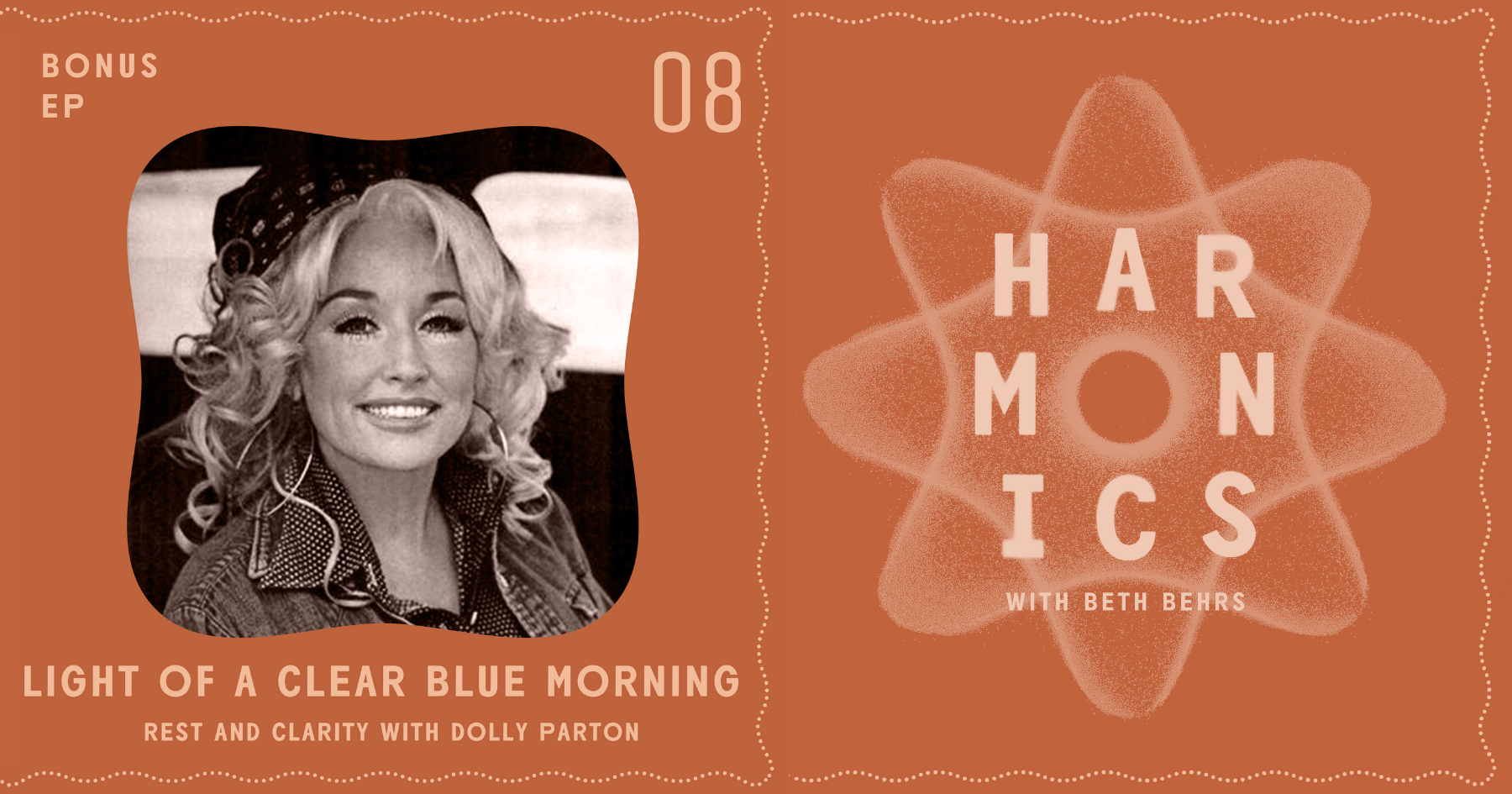
Harmonics with Beth Behrs: Light of a Clear Blue Morning – Rest and Clarity with Dolly Parton

It’s been a long dark night… but we’re rested and ready for a new day with the help of Dolly Parton and her inspirational lyrics and spirit. If you’ve been following along with Harmonics, you may be familiar with the practice of Yoga Nidra. In short, it’s a guided meditation intending to bring us to a state of consciousness between waking and sleeping — and it makes for some serious relaxation and rejuvenation. Harmonics host Beth Behrs recently completed her Yoga Nidra teacher training, and who better to inspire her first meditation than Dolly?

Powered by RedCircle


Listen and subscribe to Harmonics through all podcast platforms and follow Harmonics and Beth Behrs on Instagram for series updates.

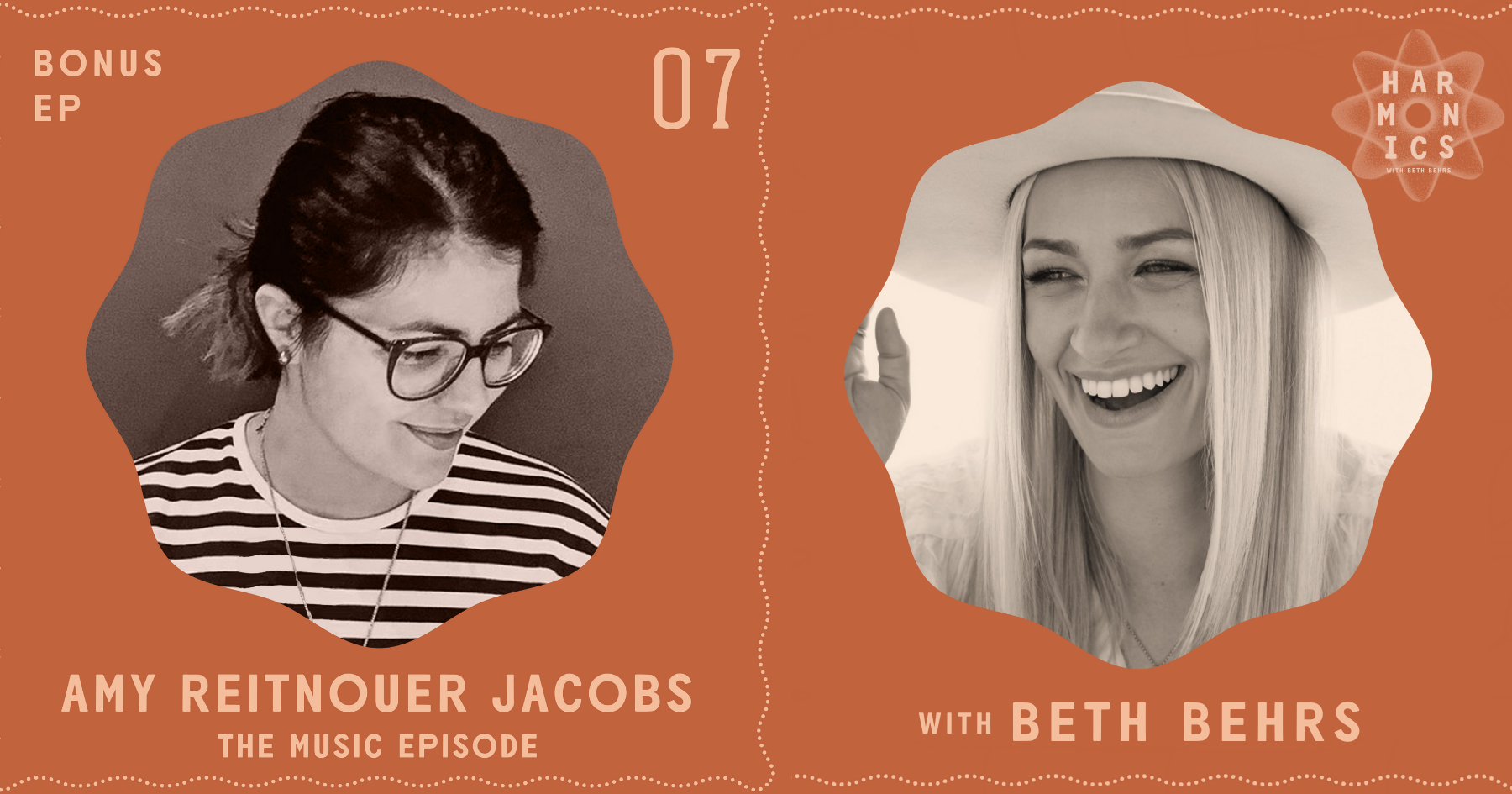
Harmonics with Beth Behrs: Time for Some Music Recommendations

Let’s face it: times are pretty dark right now — but what else is new? Harmonics was born out of a love for music and its healing powers, and we are once again turning towards art to pull us through. Today, Beth is joined by Amy Reitnouer Jacobs — our very own BGS co-founder and executive producer of Harmonics — who shares with us the fruits of her curatorial labor in the form of her top albums getting her through the summer: from heart-wrenching yet uplifting folk songs by Allison Russell, to the vibey, Don Henley-esque sounds of John Mayer’s recent release, on through to ’70s Japanese pop, and stopping everywhere in between.

LISTEN: APPLE • SPOTIFY • STITCHERAMAZON • POCKET CASTS

Allison Russell – Outside Child

BGS readers will be familiar with this first pick. We’ve long sang the praises of Allison Russell (she was our Artist of the Month for May of this year) and when asked their favorite albums of the year, essentially every member of the BGS team chose her solo debut Outside Child. This is a very special record — for so many reasons — that you do not want to miss. And your listening experience will only be enhanced by learning the context in which it was written. Russell shared her painful story with us back in Season 1 of Harmonics, then came back and breathed uplifting hope into that story through the beautiful music of Outside Child.

Dante Elephante – Mid-Century Modern Romance

This album has been Amy’s weekend soundtrack for some time now. Throw this record on first-thing Saturday morning, and you, too, will be grooving, coffee in hand, in no time.

Tony Joe White – Smoke from the Chimney

This posthumous album from Tony Joe White features vocals from acoustic demos the roots legend recorded shortly before his passing, brought to their full potential through the lush arrangements and editing magic of Dan Auerbach.

Valerie June – The Moon And Stars: Prescriptions For Dreamers

Fall into the weird and wonderful world of Valerie June through the intricately layered yet completely raw and vulnerable musical journey of her latest album. Don’t try to define this album — just allow yourself to get wrapped up in whatever it is.

John Mayer – Sob Rock

While Amy has admittedly not dug into any John Mayer album since his 2001 debut Room for Squares, her love for the newly coined “Bistro Vibes” aesthetic (read into this y’all, and just trust us…) has led her to Mayer’s latest summer release: a more-than-likely pandemic-fueled nostalgic nod to the sounds of the ’80s a la Don Henley, Dire Straits, Steve Winwood, and Phil Collins, paired with songwriting that taps into the isolation and despair we’ve felt for the past year and a half.

Yellow Magic Orchestra – Yellow Magic Orchestra

The experimental nature and endlessly chill vibes of Japanese pop of the ’70s and ’80s make for the perfect summer soundtrack, and the traceable influence on today’s indie music is fascinating. Bonus points if you can listen on vinyl, as the depths of these recordings are all the more rewarding and delicious in this format.

Sara Watkins – Under the Pepper Tree

While the beautiful Under the Pepper Tree — a collection of lovely lullabies, both original and classic favorites — was recorded and released for Watkins’ small daughter, we, as adults, have been unable to take it off of repeat since its March release. While some may laugh at the idea of being so enamored with a “children’s record,” we dare them to experience the comfort of Watkins’ magical collection — especially amidst the tumultuous year we’ve had — and not fall in love. She pulls out what is so beautiful and lasting about these songs, and what makes us connect with and feel through them.


Listen and subscribe to Harmonics through all podcast platforms and follow Harmonics and Beth Behrs on Instagram for series updates!

Harmonics with Beth Behrs: Abby Wambach

For our final episode of Harmonics season 2, we bring you a conversation with two-time Olympic gold medalist and FIFA Women’s World Cup champion, Abby Wambach.

LISTEN: APPLE • SPOTIFY • STITCHERAMAZON • MP3

Wambach and host Beth Behrs have an honest and open conversation about sobriety, religion, and Abby’s youth in the Catholic church — and her relationship to it as she accepted her sexuality at a young age. She explains the importance of sports for all kids to develop an ability to take care of themselves, discusses the necessity of exercise and movement for maintaining her mental health, and the disparity between men and women’s earnings and treatment in professional sports. Plus, she relates a huge realization she had while standing onstage between Kobe Bryant and Peyton Manning as they were all three honored upon their retirements.


Listen and subscribe to Harmonics through all podcast platforms and follow Harmonics and Beth Behrs on Instagram for series updates!