MIXTAPE: An Indigo Takeover by Spotify’s Laura Ohls

“Our Nashville-based team had been having ongoing conversations since early 2019 regarding just how diverse the taste of our country music audience was. It was clear to us that there were many modern songs in the genre, touching on Americana, rock, roots, and bluegrass, that had sonic and thematic throughlines. We were also seeing many of these artists on the road together (Marcus King Band joined Chris Stapleton, Yola toured with Kacey Musgraves), talking to each other on socials, echoing the strong community within the scene. With this in mind, the goal was to create a playlist brand that reflected these intersections and the audience appetite for a playlist of this nature. With the success of the playlist since its launch in March, Indigo has continued to be a priority for us, which is reflected by enthusiastic listening from users. We’re celebrating the playlist this month with a sizzle video, new video playlist formats, artist sharecards, billboards, and more, in hopes of bringing more fans aboard the Indigo train.” — Laura Ohls, Senior Editor, Folk & AAA, Spotify

 (Editor’s note: Listen to Laura Ohls’ Indigo Takeover Mixtape below.)

Zach Bryan – “Heading South”

Twenty-three years old and on active duty in the US Navy, Zach Bryan might not be what one would expect from a country act on the rise. The Oklahoma native’s self-released material from the fall of 2019 is gaining traction on Spotify, creating buzz throughout the Nashville music industry. At the time of its initial release he had no publicist, no manager, no team to speak of whatsoever, yet his live videos sparked the interest of an audience on social media — which ultimately led to the flood of activity on streaming we are seeing today. His biggest song to date, “Heading South,” has been included in our Indigo playlist since its launch in March and remains a consistent tentpole track. Though he hasn’t had the opportunity to tour as a result of deployments and the pandemic, expect crowds of fans when the time comes.

Caylee Hammack – “Small Town Hypocrite”

One of country’s most notable rising stars, Caylee’s powerful and vulnerable ballad proves how strongly personal songwriting still resonates in the genre. A vocal standout in the playlist, you’ll feel her heartbreak and strength throughout the song.

Flatland Cavalry – “War With My Mind”

While the song was not written during the pandemic and this time of quarantine, the Texas band’s newest song lyrics grapple with internal battles we all face due to lack of stability, isolation, or just general disruption, which certainly resonates with listeners today.

Brent Cobb – “Keep ‘Em on They Toes”

A real toe-tapper, this track encourages the listener to follow your own path versus one that has perhaps been laid out for you. The song also suggests taking higher ground when being tested by others, some sage advice we could all use during these stressful times. Cobb’s classic, warm tone shines through this cut.

Hailey Whitters – “Heartland”

The Iowa-native-turned-rising-country-star pays homage to her roots in this nostalgic song about the place she was born and raised. As the saying goes, you can take the girl out of the Heartland…

Cut Worms – “Sold My Soul”

A hint of Neil Young, a splash of Guy Clark, a shake of Gram Parsons, and you get this great tune from Cut Worms, AKA Max Clarke, embodying country-folk storytelling at its finest.

Jonathan Terrell – “Never Makes a Sound”

I have seen Jonathan Terrell’s music described as “Springsteen in a Honky Tonk,” and no song better reflects said description on Terrell’s new record than this one. Passionate and driving, it’s a real rocker on Indigo.

Aubrie Sellers – “Far From Home”

A little bit country, a little bit rock ‘n’ roll, Aubrie makes the kind of gritty Americana that a playlist like Indigo was made for. The title track and opener off her newest album is a more subtle take on her “garage country,” but is exemplary of how dynamic she is as an artist.

The War & Treaty – “Five More Minutes”

The husband-and-wife duo have always written songs that strike a chord and can often bring the listener (me) to tears, but they’ve managed to accomplish this with a song that feels upbeat and… happy? The roots of the song, however, are quite dark. Michael Trotter Jr, after years of mental and financial struggles, contemplated leaving this world. In response his wife, Tanya, pleaded to him, “Just give me five more minutes. Stay with me. Just five more minutes to love you.”

Charley Crockett – “Welcome to Hard Times”

Is there really another song title on this playlist that is more appropriate for our day and age? Following his 2019 album, The Valley, and a severe health scare, Charley’s newest album (and title track) touches on failures and a system that’s rigged for said failures. Crockett is one of those artists that embodies all subgenres and eras under the American roots umbrella, and it’s songs like these that showcase how his art feels old and familiar while simultaneously being new and exciting.


Images and artwork courtesy of Spotify

BGS 5+5: Native Harrow

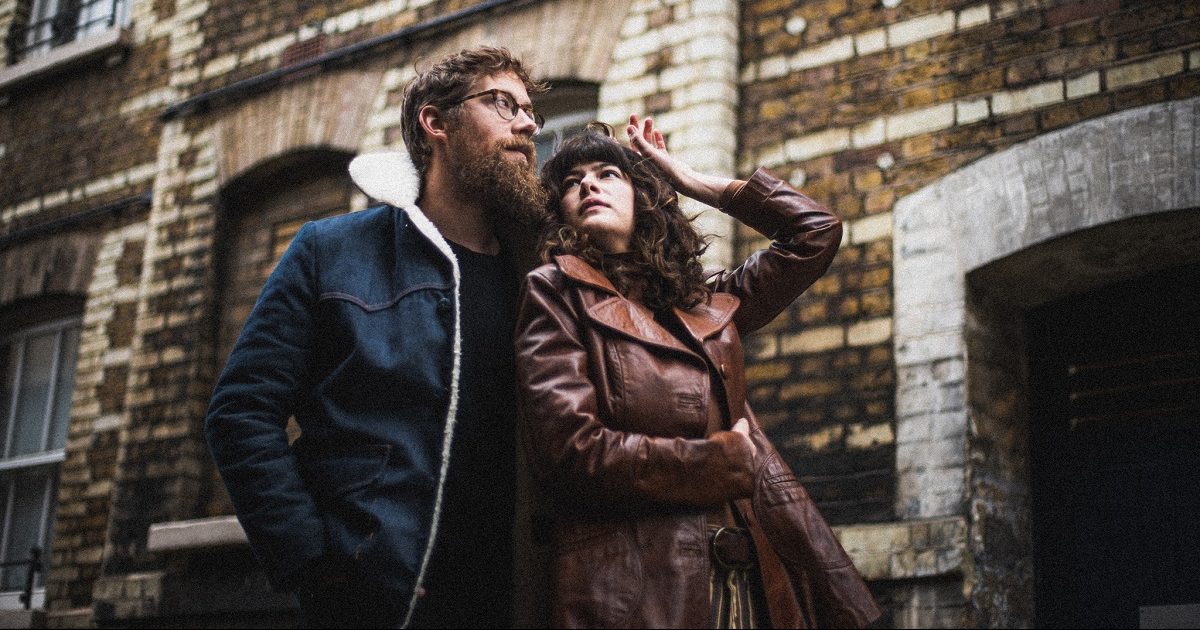
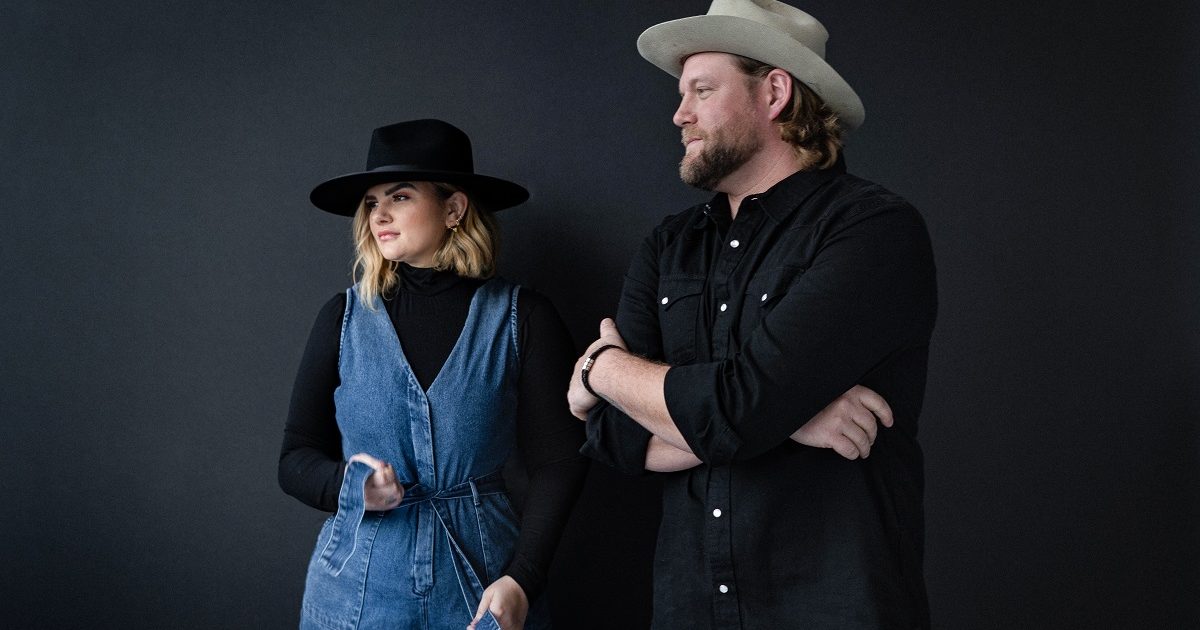
Artist: Native Harrow (Devin Tuel and Stephen Harms)
Hometown: Just outside of Philadelphia
Latest album: Closeness
Personal nicknames (or rejected band names): A good band name we didn’t use is “Tuel & Harms.” As for personal nicknames, well, those are secret and too embarrassing to share.

Answers provided by Devin Tuel

Which artist has influenced you the most … and how?

Though I could list about 50 artists, I feel the most honest answer is Neil Young. I used to listen to Live at Massey Hall while I rode the M1 bus up and down First Avenue from my college to the Lower East Side. Listening not just to the brilliant songs and guitar playing, but also to the way he held attention, to the way he tuned, to his grumbling, and his storytelling. I was transfixed by that record.

I grew up listening to Neil. My Dad is a huge fan. He took me to see him perform when I was young and I remember being on the edge of my seat the entire show, mouth agape. I felt so electric after seeing that. And thru the many years of my own career I have looked to him for inspiration, for guts when I can’t find mine, and for a “What would Neil do?” approach to difficult situations. He seems to have a reverence for nature that I share and I have always felt he could appreciate an open field just as I do.

What’s your favorite memory from being on stage?

This past year and much of 2019 we have been in the UK more than the States supporting our release of Happier Now with Loose. We have played in so many beautiful spaces and met many wonderful people. These are some of our favorite memories of touring to date. And in January we played a sold-out show at Paper Dress Vintage in London during the Americana UK Fest, and as I was singing the opening notes of our first song, “Can’t Go On Like This,” I realized there were people in the audience singing along with me. If any musician ever says they don’t care about that, they’re lying. It’s the most special, heartwarming, exciting thing ever. Someone loves your song enough that they want to sing with you. That’s the best.

What other art forms — literature, film, dance, painting, etc — inform your music?

I grew up dancing — I was a ballerina with a Pennsylvania-based ballet company for about 13 years. So since a very young age I have been exposed to theatre life and the world of the performing arts. I still find seeing ballet so moving I often end up in tears. The classical music I grew up dancing to feels deeply rooted in my muscles and bones. It is so evocative of human emotion and passion and can take your spirit on such a journey. I think that is something we are always trying to achieve with our albums. We want to take you on a journey where the listener is transported away for a while and when the last notes ring out, you are slightly changed by what you’ve just experienced.

Certainly poetry has long been an art form that I have drawn inspiration from. I am deeply connected to nature and thus very moved by the poetry of the natural world — Whitman, Wordsworth, Frost, Keats, etc.

Which elements of nature do you spend the most time with and how do those impact your work?

Stephen and I take two walks daily that wind up and down the rolling hills near our home, past fields of sweet grass and hay, dense forest, and old farm houses. Whether the sun is shining or grey clouds and rain accompany us, it’s so necessary to turn off and just be in nature. I am always making a reference to the weather, the season, or birds on several songs on each album we’ve made. The song “Turn Turn” on Closeness begins with “Turn, turn, watch the weeks go by, moving slowly ‘cross the field ‘til the grass is greener….”

I have written poetry for over a decade and almost all of it is nature-based! There is endless inspiration and it is ever-changing, full of life and full of mystery.

How often do you hide behind a character in a song or use “you” when it’s actually “me”?

Hardly ever! I am honest when it is about me. Which for better or for worse has kept our songs raw and truthful. The best material I have to draw from is that which is stirring in my own heart and before my own eyes. So I try to tell it honestly and rarely rely on fiction to save my face.


Photo credit: Parri Thomas

BGS 5+5: Grant-Lee Phillips

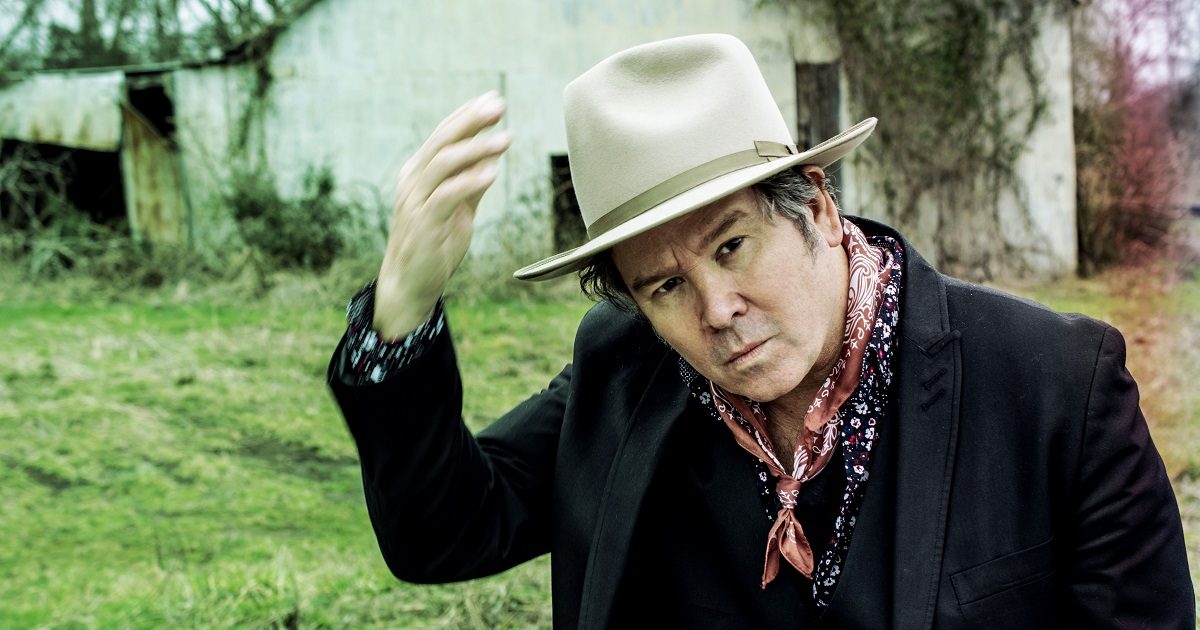
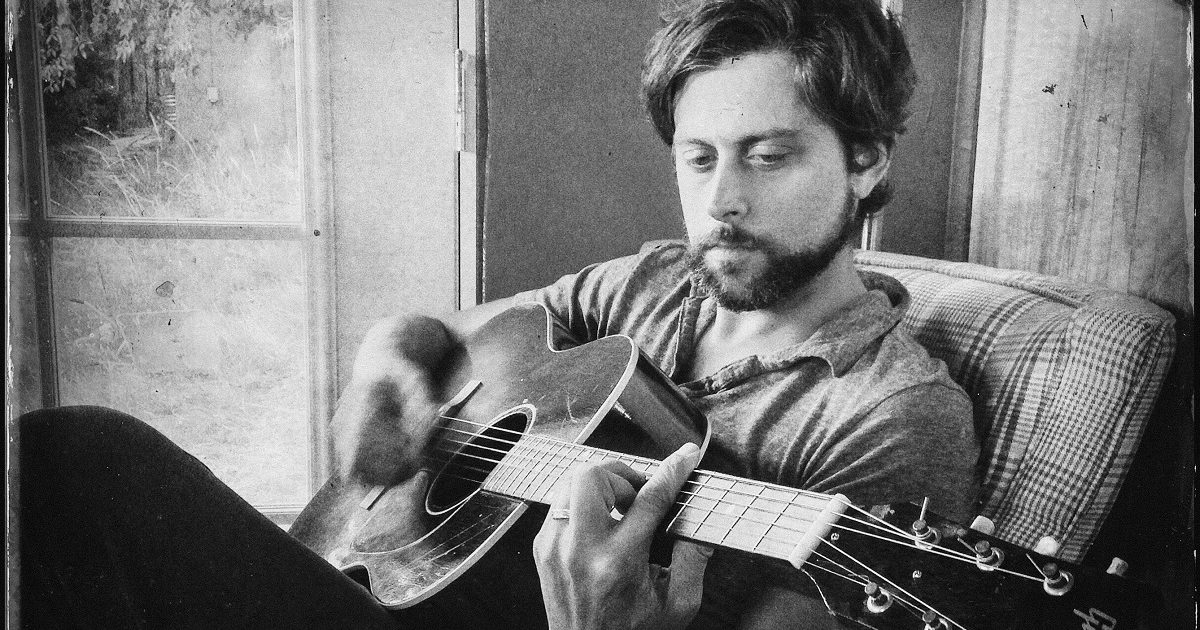
Artist: Grant-Lee Phillips
Hometown: Nashville, Tennessee
Latest album: Lightning, Show Us Your Stuff
Personal nicknames (or rejected band names): Pistol, Ranchero

Which artist has influenced you the most … and how?

Neil Young I suppose. His music hit me at just the right time. I had been playing guitar for two years when I first heard “Down by the River” and “Cortez the Killer.” I was 16. My ears were wide open. Young’s songs spoke to me like no other. He was also the first singer I saw in concert. All alone, with a rack of acoustic guitars, an upright piano on one side of the stage, a grand on the other, a pump organ. I was mesmerized.

What was the first moment that you knew you wanted to be a musician?

My family loved music. Hee Haw was a big one. We never missed a show. My grandma loved Elvis and Johnny Cash. The excitement I felt when Roy Clark played “Orange Blossom Special” or “Foggy Mountain Breakdown” on the electric guitar, I wanted to feel that all the time. The TV show Austin City Limits introduced me to Lightning Hopkins, John Prine and Tom Waits. I recall those moments like yesterday.

What’s the toughest time you ever had writing a song?

The hardest prolonged period of song wrestling was back in the ‘90s after Grant Lee Buffalo had put out a few albums. The pressure was on to deliver. The question was, deliver what to whom? I did my best to put all that noise out of my head. You can go from dancing on a ledge like Buster Keaton one minute to vertigo the next. Thankfully I had come across the film director Andrei Tarkovsky’s defiant book Sculpting in Light and that became a temporary manifesto.

What other art forms — literature, film, dance, painting, etc. — inform your music?

I paint a great deal these days. Landscapes and still life. It slows me down and demands another degree of focus. Composition involves strategic thinking but there’s a wild side to painting. I like that balance. It gives me insight to making music.

Which elements of nature do you spend the most time with and how do those impact your work?

Tennessee is one of the greenest states in the country. I’m never so in tune with my own spirit as when I surrounded by elms and oaks. During this pandemic our family has made a point to take a drive every day. We drive through the country, roll down the windows and breathe some fresh air. One of my other rituals involves drawing. Every day I set aside 20-30 minutes to sketch. I have notebooks full of trees, landscapes in the works. Trees, clouds — that’s my sanctuary. Some of these images find their way into my lyrics, which is just another way of painting a picture.


Photo credit: Denise Siegel-Phillips

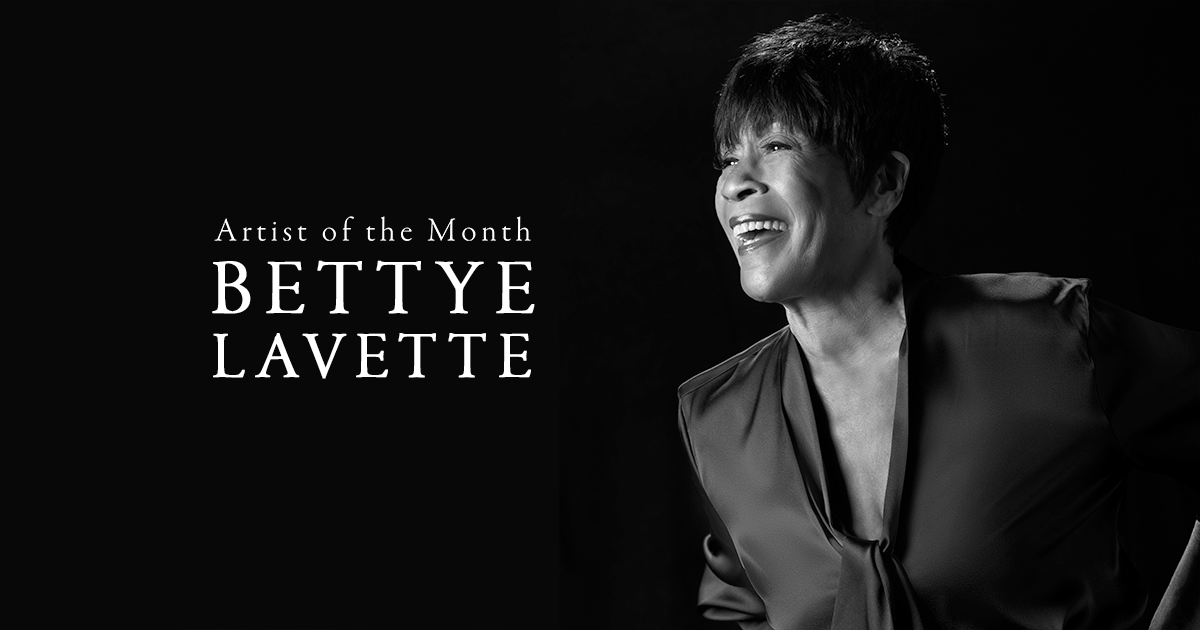
How Bettye LaVette Finally Learned to Let The Songs Sound Like Her (Part 1 of 2)

When Bettye LaVette covered “Your Time to Cry” nearly fifty years ago, she wrung every ounce of hurt and drama from the lyrics, but especially on the chorus. She stretches out the word “time” until it breaks into two syllables, implying a similar emotional break that doesn’t undercut the song’s determination, but shows what cost she has paid for it. It’s a riveting performance, a raw, southern soul slow burner that should have established her as one of the finest R&B voices of the 1970s.

During those same sessions, she also covered Neil Young’s “Heart of Gold” and John Prine’s “Souvenirs,” among other tunes, yet for reasons that were never made clear, Atlantic Records shelved the project, declining to promote “Your Time to Cry” as a single or to release her debut album. That has been a defining moment in LaVette’s long career — and one she subtly and slyly addresses on her new album, Blackbirds. She is the woman wronged, the embodiment of the music industry’s disregard for talent, especially that of Black women. For three decades LaVette continued to work, developing and strengthening her voice and expanding her repertoire. She explains, “When people say I had a resurgence, I want to say, ‘No, I never stopped. You just didn’t come to where I was!’”

Now, nearly fifty years after recording “Your Time to Cry” in Muscle Shoals, Alabama, she has become one of the finest and most accomplished singers in R&B or any other genre for that matter, with a string of albums that showcase her stylistic range as well as her deep understanding of pop history. After releasing a comeback record on the tiny Blues Express label in 2003, she caught the ear of Andy Kaulkin at Anti- Records, who signed her as a new artist at the height of the soul revival of the 2000s.

Since then, she’s covered The Who for the Kennedy Centers Honors ceremony (famously bringing Pete Townshend to tears), recorded with Drive-By Truckers (back in the Shoals, for an album appropriately titled The Scene of the Crime), and reimagined Dylan tunes so thoroughly even his own bandleader didn’t recognize them. And those original Shoals sessions did finally get an official release, first in 2000 on a small Dutch label and again in 2018 from vinyl specialists Run Out Groove.

Blackbirds is among her most powerful albums: a collection of songs by female artists active from the late 1940s through the early 1960s, including Nancy Wilson, Dinah Washington, and Nina Simone, whom LaVette refers to collectively as “the bridge I came across on.” It’s an album that celebrates these artists, but also emphasizes their shared experiences as Black women in the music industry. “Every broken promise broke my heart,” she sings on “Book of Lies,” a song made famous by Ruth Brown. Her voice is lower than it was in 1972, but no less expressive, and she makes that sentiment more than just romantic; it’s also a professional lament, addressed to the industry that derailed her career so long ago.

We spoke with LaVette about Blackbirds in our second half of the interview; here, she tells BGS about her early hopes and disappointments.

BGS: What was your impression when you were down in Muscle Shoals? Had you been there before you recorded?

LaVette: No! What would I be doing there?! What would you go there for, if you weren’t going to record? They had to win me over. I’d wanted to record in New York and Chicago. I always wanted to be very bougie. But after I had accepted how different my voice was — how un-girly-like it was — I identified more with Solomon Burke and Wilson Pickett and Otis Redding. After I was down there for a day, I was absolutely as happy as I could be. They were absolutely wonderful — and wonderful to me. When I got back to Detroit, I could not stop talking about them, especially with the way they wrote and read music.

Were you ever told why your ‘72 sessions were never released?

That has been one of the big mysteries in my career. I can think of that album and my dog Mickey, that I had when I was 11, and just burst into tears at any time. I had Brad Shapiro, who was Wilson Pickett’s producer. I had the Swampers, who I had wanted. I was at the label that I had loved. But when they told me they weren’t going to release the album, I got up under the dining room table and stayed three or four days. My friends brought me food and wine and joints. I’m telling you, I’m about to cry now. It was to be my first album, after having already had a string of singles. For years, all I had was “Your Turn to Cry.” Whenever people would come in with their latest whatever-it-is at my house or at a party, I always kept that song handy, maybe on a cassette. I’d say, “I made a record that was really, really good one time. Y’all wanna hear it?”

I just found out — when I say “just found out,” I meant in the last twenty years, maybe — that it was a split between Ahmet Ertegun and Jerry Wexler. Jerry Wexler was on my side and Ahmet was on Aretha’s side. For the longest time I never knew what happened. I had no idea, and it sounded so stupid, for thirty years, to tell people, “I have no idea.” Many people had heard “Your Time to Cry,” and they said, “If that stuff is anything like this, I can’t understand.” When Atlantic put “Your Time to Cry” out, it was just out. They didn’t mention it to anyone. They just put it out. What you wanted at a label was to have one of everything, and maybe a junior one of everything, too. So they could see where that wouldn’t work with me and Aretha. I think Diana [Ross] is probably the reason I was never at Motown. Those personalities wouldn’t have worked.

Judging by reissues from those sessions, you had already worked up a pretty diverse repertoire.

My manager, Jim Lewis, who was the assistant to the president of the musicians’ union in Detroit and a trombone player with the Jimmie Lunceford Orchestra, was a hard, hard taskmaster. When we started to work this management thing out, he said, “You’re cute. You’ve got a cute little waistline and a cute little butt, but you’re going to have to learn some songs, because there’s a possibility you may not be a big star.” That’s not a given, but you can be a singer for the rest of your life, if you will learn a lot of songs. He said, “You’re a different kind of singer, and you should learn that.”

How so?

I’ve accepted that I sound more like James Brown than Doris Day. But I used to think I had to sound the way Nancy Wilson sounds, which discouraged me from even wanting to learn how to sing. The thought that I could sing it and it didn’t have to sound beautiful didn’t even occur to me, until Jim came along. He told me, “Just let ‘em come out of your mouth. They’re gonna sound like you.” So I had to satisfy myself with the songs. I had to choose songs that I really like, and I would tell people, “Do you like the song or do you like the record? Because those are two different things.”

Jim made me learn a lot of songs. He insisted I learn “Lush Life,” which permitted me to be comfortable at the Carlyle Hotel for ten years. He insisted I learn “Sweet Georgia Brown” and “God Bless the Child,” which put me in the lead role in Bubbling Brown Sugar. He made me learn country and western. Otherwise, I would have been fighting with the local songwriters over them giving songs to Aretha and not giving them to me, you know? I was able to say, “Hey, I can go on and just be real good.” So I approach what I’m doing a little differently. I thought Jim was telling me to sing these songs like these people, but he just wanted me to sing them how they came out of my mouth. However they come out, sing them like that. Now that I’ve accepted that, I’m not so concerned about how it sounds, but how I feel about the song. That helps me present it. I’m very grateful to him.

That comes through on these sessions from 1972, where you’re covering Neil Young and John Prine and doing a song that Bowie was doing at the same time. There’s that range.

Well, it was after that that I did “What Condition My Condition Is In” by Kenny Rogers and the First Edition. And that got me another record contract. Kenny Rogers came to Detroit and Jim said, “Why don’t you take it and let him hear it?” I didn’t think he’d like it, but Jim said, “You don’t know how it’ll sound to him.” So I took it to him and Kenny loved it. His brother, Lelan Rogers, was just starting a record label called Silver Fox, and they flew me down to Nashville. I was with them for four or five years, but still no album. All these albums were set to come out and didn’t come out.

After finally breaking out in the 2000s, you established yourself as an interpreter of songs. What do you bring to a song? How do you make something familiar sound like you? Or is that even something you’re thinking about at this point?

That isn’t something that I plan or set out to do. When I hear the song and start to sing it, that’s just the way I sing it. The thing that makes it new is that it’s different. I doubt I could come up with anything new. But it is different, and so I need for people to change their attitude about it. That was one of the things with Interpretations, my British rock album. The thing that helped me the most recording that album was that I didn’t know most of the songs. I had never heard most of them. They didn’t play them a lot on Black radio. So all I did was just lift the lyrics and sing them the want I wanted to.

Michael Stevens was brilliant, and he did the arrangement of “Love, Reign O’er Me” by The Who that I did for the Kennedy Center Honors. When I went to rehearsal, they got ready to go into the tune, and I told him, “I can’t sing it like that.” And he said, “Well, sing it the way you want to sing it.” So I sang the song to him a cappella, and he took a break and after a while came back and redirected everybody. He’d been listening to this song for thirty years — since he was a teenager! — and I’d only been listening to it for three or four days.

Something similar happened on the Bob Dylan album, Things Have Changed. We had Bob Dylan’s guitarist, Larry Campbell, playing on it, and he had a ball. He said, “I’ve wanted to hear these a different way for seventeen years!” Because he knew about the inner workings of each one of the tunes, more than any of us, he started to find clever little things, probably, that he had always wanted to play, and he played them for me.

How was working with these songs on Blackbirds different?

Working on this album was intimidating, in that I didn’t want to bastardize any of the songs or cast them off. I didn’t want to do anything to them just for the sake of doing something, you know? That was kind of daunting. But that’s the thing that makes Steve [Jordan, producer] so important to me. When we develop an arrangement, what I usually do is I’ll get my keyboard player to go in the direction that I want to take the song.

When Steve hears me with the piano, singing it the way I want to sing it, that speaks to him to put something else in there. He no longer hears Billie Holiday’s interpretation of “Strange Fruit,” and he arranges what he hears in his head, not what the other record was. I’m not going to change any of the notes — I’m just going to put them in different places and say them differently, so you can’t follow that trajectory that you know from the record. It has to be different.

(Editor’s Note: Read part two of our interview with Bettye LaVette.)


Photo credit: Joseph A. Rosen
The Way She Talks: S.G. Goodman on Weirdos, Writing, and Western Kentucky

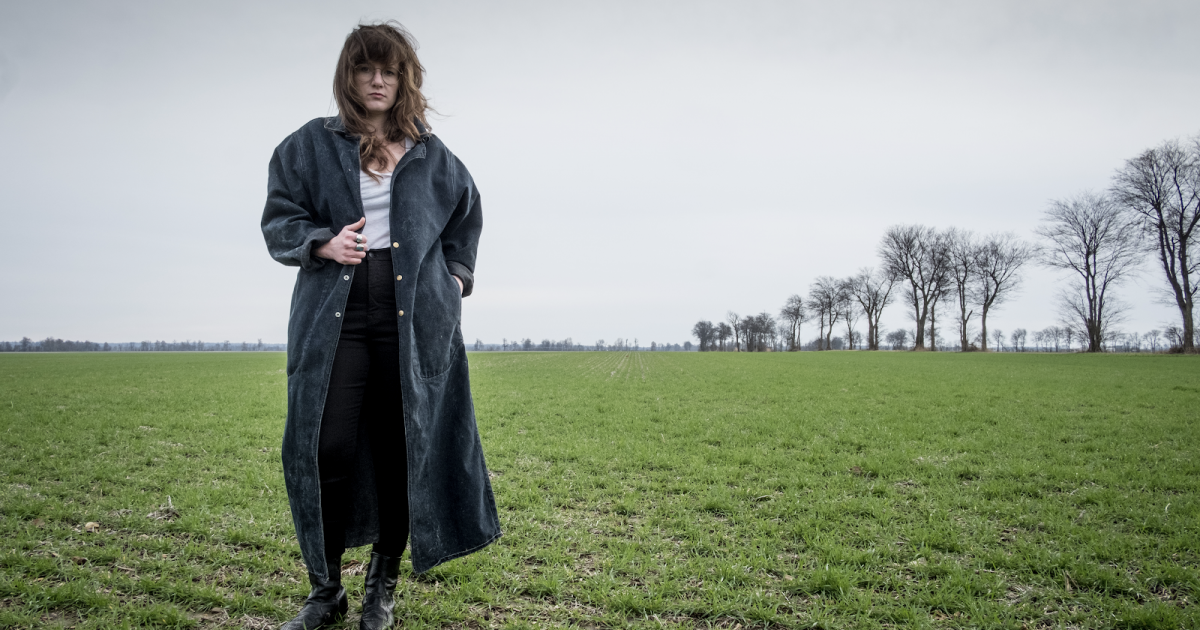
S.G. Goodman has a lot on her mind. That much is immediately clear in the Kentucky musician’s voice, her songwriting, and throughout her new Verve Forecast debut, Old Time Feeling. Produced by Jim James of My Morning Jacket, the confessional album encapsulates her experiences on a personal level as well as the environment that’s influenced her.

Growing up a farmer’s daughter in rural Western Kentucky may not be the most common background for a musician who finds their community in a college town post-punk scene. Yet, Goodman is proof that where you come from has not much to do with fitting in. In a time where so much of our world seems polarized, Goodman — despite the way she talks — found her place in a post-punk “Mecca for weirdos.” BGS sat down with Goodman to talk about her hometown, how she encountered her tribe, and her defense of Southern people and culture.

BGS: For someone who’s never been to your Kentucky hometown, how would you describe it?

Goodman: My hometown is Hickman, Kentucky, and it’s a river town. Mark Twain described it as “a pretty town, perched on a handsome hill.” I’d say he’s right on the money. But, at the time Mark Twain was passing through, Hickman was a lot different. Now it’s a bit of a ghost town with a lot of soul. There’s no stop lights, one convenience store… it’s a beautiful place. Less than 3,000 people, but no place like home.

How did you find your community in music?

Well, I don’t live in my hometown anymore. I live in Murray, Kentucky, which is a college town, so there’s an influence of people from all over. I kinda got plugged in hanging out at a local record store in college and met some of my best friends that way. Murray is an interesting place, because a lot of people don’t think of Western Kentucky as having a thriving post-punk scene. Probably around 2010, 2011, there were a lot more shows, a lot more bands passing through. We have a really conveniently-located record store called Terrapin Station. We pass around an offering plate — bands get taken care of really well for such a small community — it’s like a true listening environment. It’s just kind of a Mecca for weirdos, where everybody is welcome. It’s not pretentious at all, perfect place to cut your teeth.

Were you already playing music at that point?

Yeah, I was. By the time I was just about to turn 19 years old I made a record, it was pop. I dropped off a bunch of copies to the record store and said, “Put one in every bag that leaves here.” That’s how I met my good friend Tim Peyton, who’s managed that store and worked at that store since he was 14 years old. Probably two years from that point, we’d be best friends, going to house shows together.

When I was 15 — I was a big athlete in school — I convinced my mother to let me not play basketball anymore so I could take music lessons. And I did for over a year, but I had to drive an hour away to take them, plus I found out I was teaching myself more than what I was learning in the classes. You know, I’d say my biggest musical influence was probably just being raised in church. I’m not a churchgoer anymore, but I could never deny the fact that going to three concerts a week was highly influential to how I view melodies and lyrics.

The opening song, “Space and Time,” seems to be saying something that’s important to you. What was on your mind as you wrote it?

That’s a special song. Being very point blank in my lyrics — when I first wrote those lyrics, I was a little unsettled by that. A friend asked me once, “Did you say everything you needed to say?” So I look at songs like that a lot now. I don’t think there’s anything wrong with letting people know how you feel about them and what they mean to you, just really contemplating what makes a life.

While a song like “Space & Time” is so personal, the very next track, “Old Time Feeling” is a call to action. How do those two sides of your songwriting work together and compliment each other?

A lot of people ask if I conceptualized this album before I wrote it, but I just write songs as they come to me, and try to respect them enough to see them through. If people look at this album as a moment in time over the course of my life, then they shouldn’t be shocked for me to have some political thoughts. I’m bound to walk around with my eyes open. There’s a lot of people who paved the way for artists to not just write songs about getting their heart broken. Artists are supposed to comment. How could you not? If I want to write a song about a red Corvette or something, I’ll do my best to make it a good one. But at the end of the day, I do wonder why so many artists these days aren’t commenting through their art on what’s going on in the world.

What do you remember about the recording sessions?

We did this in April 2019. The studio — it’s in Louisville, Kentucky — is called La La Land. It had been owned for years and started by a Kentucky guy named Kevin Ratterman, who’s on a lot of people’s records. He’s an amazing person, a total beam of light when he walks through the door. It was really important for me to make sure that this music was made in Kentucky, because so much of my music is about this place.

What do you want people to understand about the way it really is in the South?

I can’t speak for the South — as a writer I’m speaking from my POV — but I would say, don’t write off the South for its regressive policies. That does nothing for those who are working daily to change that. There are progressive pockets all through the South and through Kentucky who are devoting their time and their lives to make sure that their neighbors are safe and taken care of. In my opinion, America, for a very long time, has used the South as a scapegoat for a lot of its backwards problems.

Now that the album is out in the wild, what goes through your mind when you hear it?

I’m proud of it. There’s little moments — at the end of my last track (“Big Girl Now”) you can hear my drummer and friend for nearly 10 years talk at the end of the track. I’m so glad that we were all represented, and our friends were all represented, in that music. I’m not sick of listening to it. It’s not like I go out and listen to it every day, but you have to keep in mind I’m gonna be playing these songs for years. So, I better love ‘em!


Photo credit: Michael Wilson

BGS 5+5: Carolina Story

Artist: Carolina Story
Hometown: Nashville, Tennessee
Latest album: Dandelion (to be released September 4, 2020)
Personal nicknames (or rejected band names): Ben – Big Ben, Kingfish, Burly; Emily – Emmy, Em, Merley

Which artist has influenced you the most … and how?

This is a toss-up between Neil Young and Kurt Cobain. When I was a kid, my dad and I used to go fishing south of town from where I grew up in Arkansas. I’ll never forget the day he put CSNY’s 4 Way Street cassette into the tape deck. I was impacted by it all, but once I heard Neil do “Cowgirl in the Sand” I was hooked. I’ve been trying to play the acoustic and harmonica like him ever since. As far as Kurt goes, once I heard “Smells Like Teen Spirit” I begged my mom to get me a guitar and lessons so that I could start a band as soon as possible. – Ben

What other art forms — literature, film, dance, painting, etc. — inform your music?

If I’m feeling uninspired I will turn to any outlet that brings me a way to be creative. I have taught myself how to macrame, which is ropes tied in tedious knots to make a beautiful wall hanging. I always have canvas on hand to paint using acrylics and watercolor paper for watercolors. I love interior design and really spend a lot of time creating an aesthetic that is pleasing to the eye but also relaxing and inspiring. Most of what I find for our home is from hours of me at antique or thrift stores to find pieces that weren’t made in mass productions. Last fall I took my first pottery class and look forward to when I can sit in another class again. And most recently, I have taken an interest in woodworking. We have a pile of scrap wood and I am determined to make some sort of wood sculpture. All that to say, I would love to go to art school someday. – Emily

What was the first moment that you knew you wanted to be a musician?

In the summer of ‘97, once I had discovered Nirvana, Oasis, Stone Temple Pilots and many others, I started guitar lessons. I was 11 years old. After I had taken four or five lessons, I quit and just stayed in my room most of that summer with my ear glued to my jam box learning new songs. I took “Wonderwall” and made up all new words and played it in my 6th grade talent show and got some great applause from my peers. It was called “Another Night Downtown.” (I know, I know. What in the hell does a 6th grader know about a night downtown, much less another one?) That was definitely a defining moment for me. – Ben

Which elements of nature do you spend the most time with and how do those impact your work?

About a year ago we moved just outside of Nashville. We have about three acres of land with two small children so the outdoors has become a dear friend. We spend a lot of time outside our own home saving turtles crossing the road, burying a blue bird who looked to have fallen peacefully from the sky, or removing a snake on its way to eat bird eggs. But also just down the road from us is our family farm, Harpeth Moon Farm. We spend a lot of time there helping harvest and pack produce for the upcoming farmer’s markets or spend relaxing days canoeing down the Harpeth River. This lifestyle has helped give us some major mental clarity and to really treasure the things that matter most. – Emily

Since food and music go so well together, what is your dream pairing of a meal and a musician?

Unfortunately my ultimate meal pairing with a musician will never happen. I would have loved to have written a song with John Prine and see if we could get it finished before they ran out of meatloaf that day at Arnold’s Country Kitchen here in Nashville. But to take that a step further, the cherry on top would have been to have John and Anthony Bourdain over to my house outside of town for a Nashville Pt. 2 episode of Parts Unknown. I would have smoked an 18-hour brisket and made collard greens fresh from Harpeth Moon Farm. We would have all had one or two too many vodka and ginger ales. – Ben


Photo credit: Chrissy Nix

BGS 5+5: David Berkeley

Artist: David Berkeley
Hometown: Santa Fe, New Mexico
Latest albums: Oh Quiet World and The Faded Red and Blue
Personal nicknames (or rejected band names): Shaggy (You can’t really tell it from this young, put-together, dashing picture, but I’m not always the best at “grooming.”)

What’s your favorite memory from being on stage?

I once played a show that was accessible only by boat (or a treacherous daylong hike). I was living at the time on the island of Corsica with my wife and our 2-year-old son. We met a couple who produced shows in this magical roadless village on the water. The actual concert was in a big Moroccan tent, but the show was also projected onto the outside of the tent so that people could watch from their boats. My wife and our boy threw our gear onto this little motor boat that was waiting for us at an unmarked dock, jumped aboard, and off we whizzed across the water. Eventually an old crumbling tower came into view, and we came into this beautiful little harbor with olive trees growing and donkeys milling about.

The hosts let us stay in his bohemian guest house looking out onto the Mediterranean. We were treated like royalty. They fed us delicious local cuisine (like wild boar, really strong cheese, figs, and fresh Clementines). We drank cold rosé from grapes grown nearby. Like all the shows I played during that year, I tried to talk only in French, which caused a lot of fairly awkward moments where I inadvertently insulted the audience or told incoherent stories. Sometimes I’d just let a string of words trail off when I realized I had no more vocabulary to pull from. I made up for it with the biggest smiles I could muster, and I dove into each song with a wave of relief. I’ve played a lot of memorable shows in some incredible spots, but that show was hard to top.

What other art forms — literature, film, dance, painting, etc — inform your music?

Good poetry probably influences my writing the most (bad poetry, the least). A good poem can slow down your perceptions and teach you to focus on the beauty and meaning in the small scale and the ordinary. It reminds you of how incredible words can sound when chosen and placed with intention. This year, though, my family and I were living in Madrid and I was trying to read in Spanish. Therefore I didn’t get through as many pages as I might have wished (as my Spanish isn’t what it should be). So lately, I’ve been more influenced by the energy on the Spanish streets, by the sounds from the outdoor bars and mercados, by the clear Iberian light on the colored buildings and in the alleyways.

I wrote and recorded this new album at a time when my family and I were in a kind of mourning after having left Madrid so abruptly. We were attempting to figure out what our world was going to look like during a pandemic, and I wanted to write songs that articulated the hope that a shutdown might actually help us, might crystallize what actually mattered, what we really need to live and be happy and to thrive as a society and an ecosystem. So though literature has long been one of my biggest influences, this project was determined more by place and circumstance.

What’s the toughest time you ever had writing a song?

The closing song on my last release, The Faded Red and Blue, is called “This Be Dear to Me.” I wrestled with her for months. The EP is political. It released just before the midterm election in 2018, and each song tried to tackle one of the main issues of the day (immigration, gun violence, Trump, etc.). But I wanted the last song to rise above the fray. I wanted it to be a kind of political love song. Instead of trying to describe the many problems that were plaguing our country, I wanted to aim higher and think positively, and so I tried to list some of what I find most vital, to articulate what is really worth fighting for.

I filled pages and pages of things I love, writing maybe fourteen verses full of examples I believed were universally important. Eventually (and lucky for listeners), I edited it down to four verses. I suppose the thought was that if we could remember some of the things that we all (regardless of our politics) need and love, then maybe we could return to more surface squabbles with a deeper connection and respect for what matters and even for each other. It took a lot out of me to finish the piece. The song is like a kind of hymn or prayer, and singing it kind of feels like praying.

Since food and music go so well together, what is your dream pairing of a meal and a musician?

I love food so much. And I particularly like waiting to eat until after a show. Somewhere toward the end of a concert I get this major rush when I remember that I’m going to have a big meal after it ends. Sometimes I’ll order Thai or Indian food to the venue and set up a table right onstage after the venue clears out. But that’s not what you’re asking. You want some sort of dream meal/musician combo.

How about a seaside table on the Galician coast (north/northwest coast of Spain) with my wife, probably no kids in the picture yet. Local wine. Seafood just pulled out of the water. For some reason Neil Young is there. But it’s Neil Young from 1971. Huge sideburns. Maybe he just walked the Camino de Santiago. He pulls up a chair. We share our food with him. He’s very hungry after the long walk and so is really grateful for the platters we pass him. Then he notices my guitar and asks if he can borrow it and play us his new material. He plays through Harvest as the sun dips into the Cantabrian Sea.

How often do you hide behind a character in a song or use “you” when it’s actually “me”?

All the time. Well, not so much with my solo work, but I have had a side project, which for the past few years up until the days of Corona had become a primary project, called Son of Town Hall. My British bandmate Ben Parker and I have created a whole fictitious world where we dress in shabby Victorian clothes and travel from show to show by a junk raft that we built. The entire show — every song and every word we say — is in character. Oddly, though, the costumes and the backstory have allowed us to sometimes be even more honest and open than we might otherwise have been comfortable being. The show is very funny. But, despite the artifice, when we are talking about big things (which we do a lot in our show), like the human condition, say, we mean it.


Photo credit: Kerry Sherck

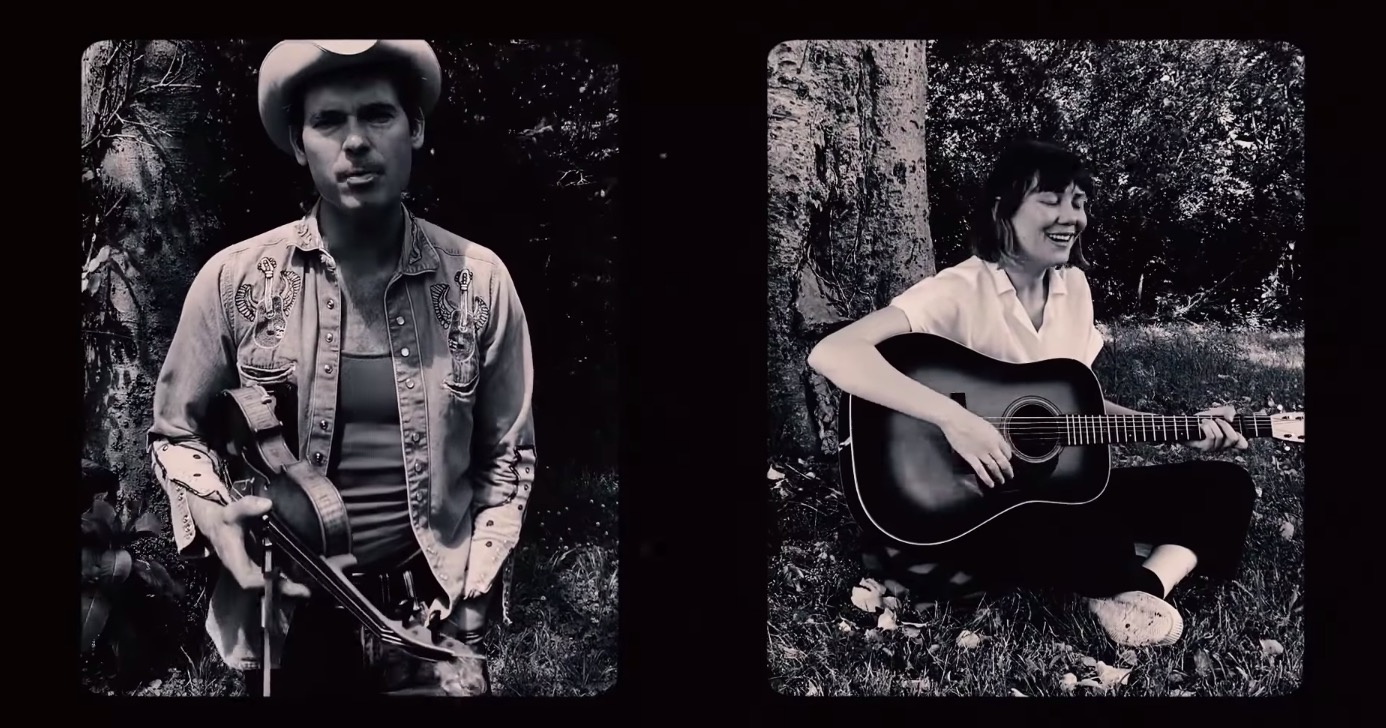
WATCH: Molly Tuttle, Old Crow Cover Neil Young’s “Helpless” for WhyHunger

Molly Tuttle and Old Crow Medicine Show have combined their voices to bring attention to a terrible byproduct of the COVID-19 pandemic. Together the BGS favorites cover Neil Young’s “Helpless,” spreading awareness and raising funds for WhyHunger, which works to eradicate hunger through community solutions rooted in social, environmental, racial and economic justice.

The accompanying music video for “Helpless” shares eye-opening statistics detailing what the coronavirus has meant to families and individuals facing food insecurity in the U.S. and around the world. WhyHunger aims to establish an understanding of food as a basic human right and to address structural inequities that cause varying degrees of access to food. Tuttle and Old Crow are further supporting WhyHunger by donating all proceeds collected from this track to the organization. 

Watch “Helpless” right here, and consider giving to WhyHunger to support this critical work.


BGS 5+5: Jonathan Wilson

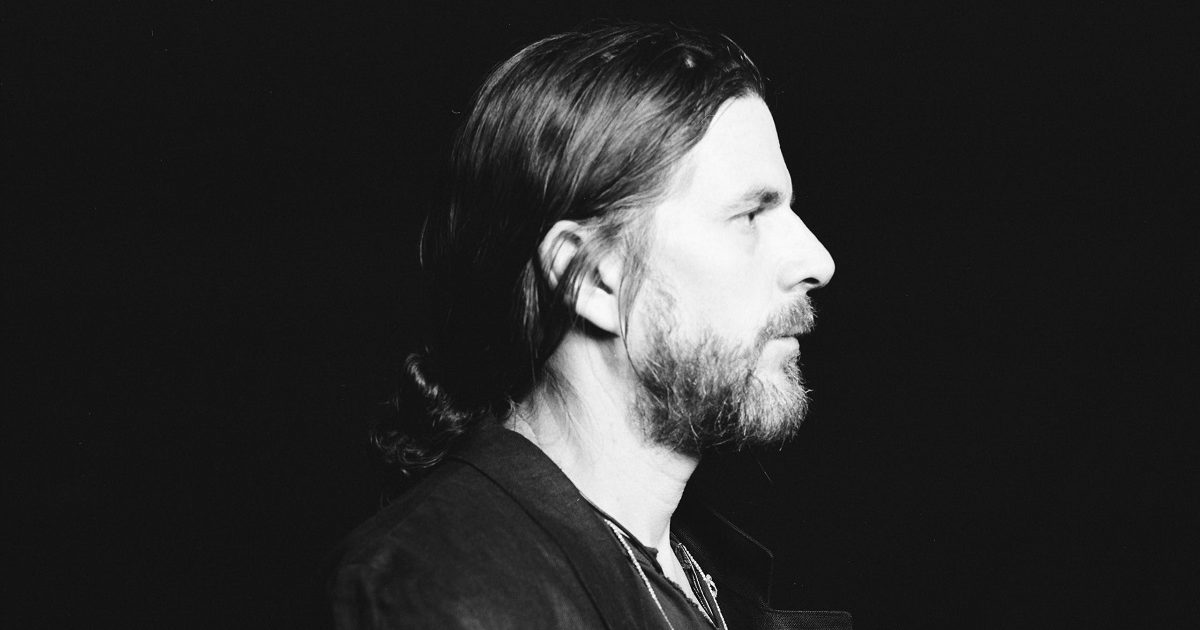
Artist: Jonathan Wilson
Hometown: Forest City, North Carolina
Latest Album: Dixie Blur

What other art forms — literature, film, dance, painting, etc — inform your music?

Painting more than others really, I’ve always admired the visual arts so…..I want to be a great painter and the painters want to be a musician…….

What rituals do you have, either in the studio or before a show?

The studio ritual is weed, the live ritual is multi-faceted: setlist, vocal warm-up for good luck, a tequila onstage and voila.

Which elements of nature do you spend the most time with and how do those impact your work?

I live in nature and have for most of my recording career, it’s hugely important, the moon, the sunsets, they inspire new work, they make everything feel meaningful and magical … I live in the woods.

Since food and music go so well together, what is your dream pairing of a meal and a musician?

A Gjelina dinner with Neil Young is on my bucket list.


Photo credit: Louis Rodiger

Trampled by Turtles Revisit Iris DeMent’s “Our Town”


Over the years, Trampled by Turtles have occasionally added Iris DeMent’s stark folk song, “Our Town,” to their set list, with lead singer Dave Simonett delivering the Midwestern loneliness and wistfulness that the tune calls for. Now the Minnesota-based band has finally recorded “Our Town” for an upcoming EP, Sigourney Fever, which drops on December 6.

The track list also includes covers of Neil Young’s “Pocahontas,” Faces’ “Ooh La La,” Warren Zevon’s “Keep Me in Your Heart,” and Radiohead’s “Fake Plastic Trees.” The band will be touring in January and February.

“We are getting back into the readiness of making a full record,” Simonett tells American Songwriter. “Right now, I’m starting to write, but it’s kind of a limbo time. This is sort of like an appetizer for us.”

DeMent once told NPR that she wrote the song after driving through a boarded-up Midwestern town when she was 25 years old, and that the song came to her in its complete form. She wisely recognized that musical experience as her calling to be a songwriter. More than three decades later, it’s good to know that the sun still hasn’t set on “Our Town.”


Photo credit: David McClister