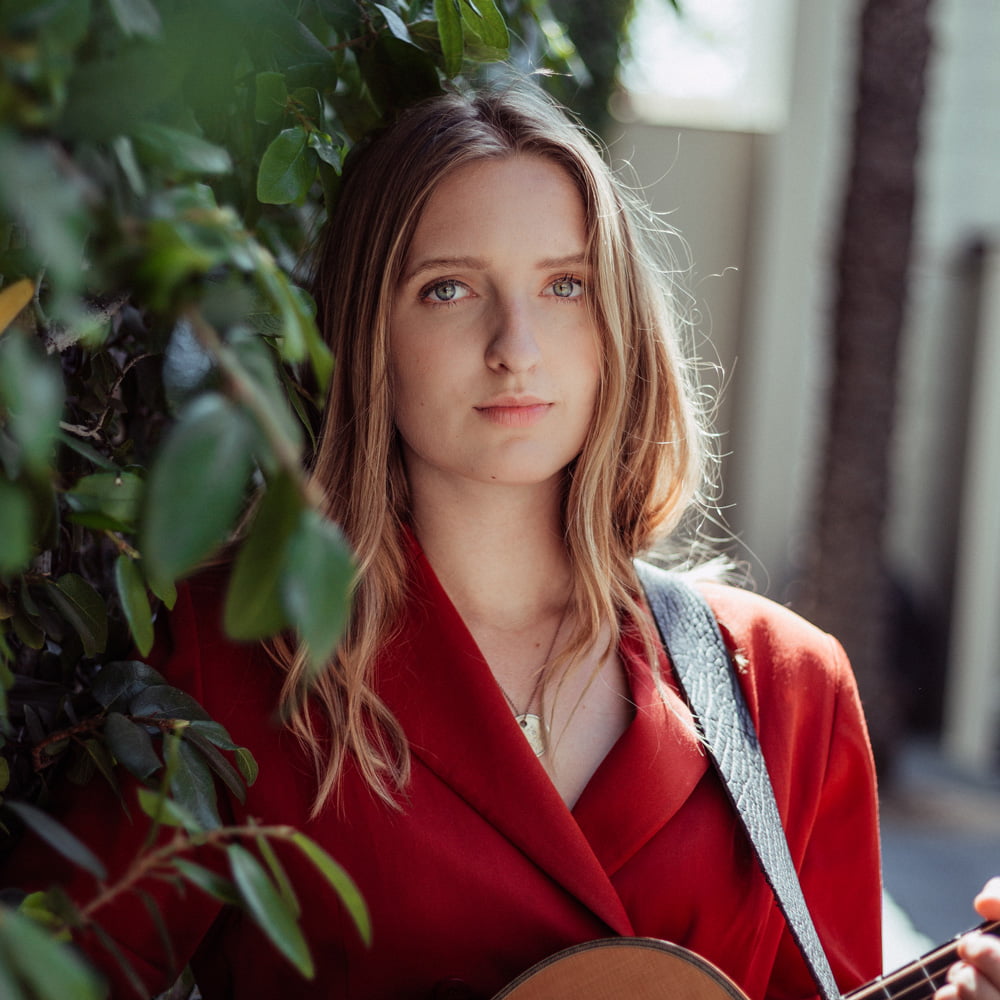
MIXTAPE: Wila Frank’s Cinematic Folk

Ever since I started making music, it’s been in this sort of folk-infused soundtrack sort of style. When I was little, I would imagine that I was in a film constantly. I would hear music in my head supporting the emotions I may be feeling. It sort of helped me express my feelings to myself and figure out what sort of character I want to be in this life. My brother is famous for his excellent mixtapes and he introduced me to most of my favorite contemporary artists, many of whom make music in this way; fusing together modern attitudes and techniques with personal impressions of roots music.

There’s something about traditional sounds that really resonate with me. I grew up in a rural place and spent my childhood playing the fiddle. Folk music has always been connected to nature and the sounds that go along with it. Nature is where I do my best self-reflection. The hypnotic rhythm of an acoustic guitar line repeated. The rich, molasses drones of the violin. 

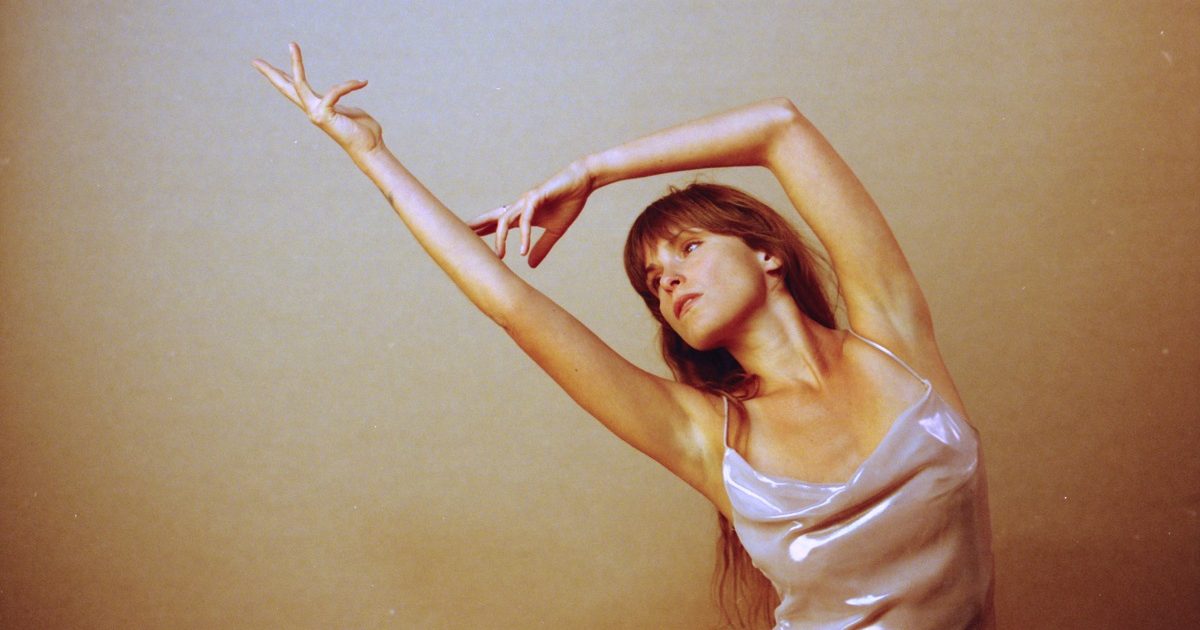
On my debut album Black Cloud, I intentionally challenged myself to produce in a more edgy, alt-rock style. However, I could not escape many of the musical sensibilities I grew up with. You can hear undertones of trad music in my guitar playing, in the song forms, vocal inflections, and choice of vocabulary. This playlist starts off with the first track on my new record and ends with a song from my folk duo with Emily Mann, Paper Wings. Both are songs I wrote and feel very close to my heart. The songs in between have all been inspirations to me over the years and demonstrate of the cinematic quality realized when folk techniques are fused into modern creations and vice-versa. Hope you enjoy. – Wila Frank

“Tonight” – Wila Frank

I wrote Tonight over a rolling guitar line inspired by traditional banjo techniques. While the rest of the production is quite contemporary, you can hear elements of folk influence in my singing. Especially in the line “It’s a long and lonesome road” — a reference to lyrics you would hear in a bluegrass song.

“Fire Snakes” – Laura Veirs 

This has been a favorite song of mine forever. I love the beautiful and unusual contradiction of the acoustic guitar line with the artificial beat. To me, it makes the song feel more emotionally vital and critical. The strings at the end are a luscious bonus.

“Desert Island Disk” – Radiohead

This song reminds me of the trance-like quality of a lot of traditional Malian guitar playing such as Ali Farke Toure who I’m also obsessed with. The simplicity of the production on this song is essential and perfectly supports the beautiful message of the lyrics.

“Walkin’ Boss” – Sam Amidon

This is the only trad American folk song on the playlist. Sam Amidon has a really neat way of taking old Appalachian songs and bringing them into a new contemporary light. The rhythm of the banjo and drums together make you wanna groove and bring out the power of the lyrics.

“Psyche” – Massive Attack

I included this one because the repeating artificial guitar line reminds me of the banjo and is a cool example of the magic achieved when electronic artists sample natural sounds. This particular song was an essential inspiration for me in coming up with the guitar line on my song “Tonight.” When it comes to cinematic music and transporting the listener to a new world, you can’t get any better than Massive Attack. 

“Imitosis” – Andrew Bird

I was obsessed with Andrew Bird when I was a kid for his witty lyrical style, use of the violin as a support instrument for his songs, and the unapologetic quirkiness of his music. On this album, he fuses all kinds of music and makes something completely unique.

“Ecstasy” – Crooked Still

I grew up going to a lot of music camps and owe much of my musical development to various members of Crooked Still. Aoife was one of the first singers I learned from and I was lucky enough to spend a lot of time around this music. I love this album in particular and how this song fuses Appalachian fiddle tones with classical string parts.

“The Weekend” – Dave Rawlings Machine

This song features pop chords, but has Dave Rawlings signature guitar style all over it. It’s a fun Americana-style story of a song. I like how the violin parts sound almost like they’re imitating synthetic strings. A cool example of folk music imitating pop music. 

“Dog Walkers of the New Age” – Breathe Owl Breathe

One of my favorite albums ever. Completely unique and vibey. The lyrics are quirky and witty, and somehow get at an essential emotion of feeling less alone. 

“Grizzly Man” – Rockettothesky

The shimmering acoustic guitar in this track brings this beautiful and spooky song to life. This is the only song I really know from this band, but the haunting, witchy vocal style in this song has stuck with me through the years and has an essence of woodsy appeal.

“Dyin Day” – Anaïs Mitchell

Anaïs Mitchell does a really nice job of innovating within the structure of a song itself. There are elements of traditional call and response in this song, religious references and images of nature, but somehow it still feels relevant and potent.

“Carrie & Lowell” – Sufjan Stevens

This was an incredibly influential album for a lot of people I think. Stevens’ swirling guitar style paired with the vocal effects and simplistic percussive elements make it feel like a pop song without any overly artificial elements. There’s even banjo on this song, but used almost like you would use an arpeggiated synth.

“Middle Distance Runner” – Sea Wolf

To me, this is a perfect pop song with a folk song structure. I love the natural guitar tones and the use of real sounds as percussion. 

“The History of a Cheating Heart” – Damon Albarn

One of my favorite artists, producers, and songwriters of all time. Damon Albarn released this solo record in 2014 upon which he plays this song paired down with acoustic guitar. There’s very minimal production featuring dry and stark strings along with a chorus of harmonies on the bridge. It’s rare to hear such a minimal song recorded at such a high level and the result is beautiful.

“Clementine” – Paper Wings

I wrote Clementine on a writing retreat we went on in Big Sur. Emily and I spent the week sitting in the sun amongst the trees and flowers overlooking the ocean. This is really a simple pop love song, but we paired it down and sang it in harmony over fiddle drones. Arranged this way, it became stark and vulnerable and the essence of the song revealed itself. The imagery of nature became more vivid, and the emotions came across as more sincere.


Photo Credit: David Piñeros
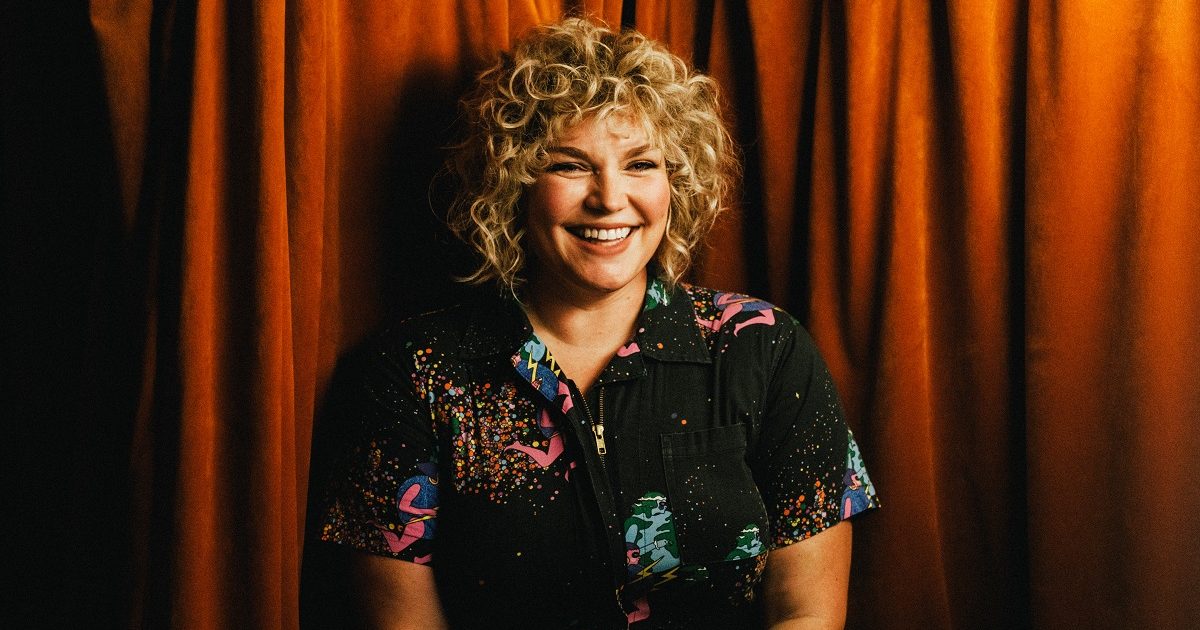
BGS 5+5: Lauren Morrow

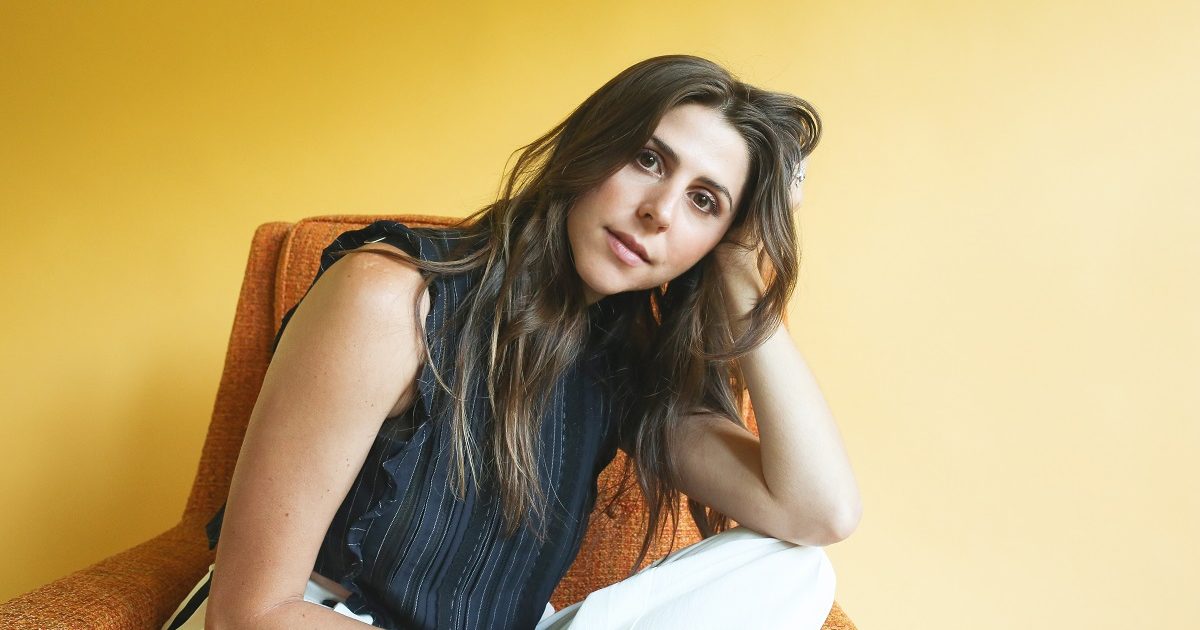
Artist: Lauren Morrow
Hometown: Hometown is Atlanta, Claimed town is Nashville
Latest Album: People Talk
Personal Nicknames: “LoMo”

What was the first moment that you knew you wanted to be a musician?

When I was 15, I won a contest to sing with a band called Marvelous 3 (now defunct, but formally fronted by Butch Walker) at a massive Atlanta festival called Music Midtown. I think there were something like 90,000 people there, and I was blackout nervous and a total mess the whole day, but as soon as I stepped on the stage, it was like I was possessed. I’d been interested in playing music for a little while before this, but from that night on, it was all I ever thought about — how to recreate that feeling, how to create my own songs that would move people the way music moved me. I guess I’ve been chasing that feeling ever since. Butch and I have been friends since then and I’m eternally grateful for this mentorship on this journey.

What other art forms — literature, film, dance, painting, etc — inform your music?

I was an English major in college with a minor in British & American cultures, so literature (specifically British literature) is a big influence on my music and my writing. It’s not so much that I write specifically about books or stories I’ve read, but I’ve always loved to write, and I’ve always loved words. I spend a lot of time on my lyrics — I want them to make sense and have a point, not to be an afterthought — and I know that comes directly from my love of the written word. I want my lyrics and the melody they’re encapsulated within to feel fluid like the two things are fused together, and I want them to be relatable like you’re reading a book about my life and experiences that you can find yourself within.

If you had to write a mission statement for your career, what would it be?

I think navigating these last few years with a completed album during a pandemic has taught me the power of surrendering and expecting less. I don’t mean for that to sound depressing — it’s actually quite freeing when you think about it. There’s only so much you can do for yourself as an artist, and I advocate for myself and this record every single day. I do what I need to do, and I work really hard, but at the end of the day, there’s not a whole lot I can control. When you fixate on those things (“Why didn’t that journalist write about me?” “Why wasn’t I asked to play that festival?” “Why wasn’t my song included on that playlist?”), it can really drive you insane and make you miss all of the great things that are happening for you everyday. So much of this industry is controlled by things that are outside of your control, so I just try and put my faith in myself, my product, my team, my tenacity, and the Universe (or God or Source or whatever you choose to call it.) Everything else will fall in line the way it is meant to.

Which artist has influenced you the most … and how?

My favorite band of all time is U2 — a fact that shocks most people when they hear it, but I’ve been obsessed with them since I was a child. Over the years, I’ve gotten a lot of shit for being such a big fan of theirs (thank you Apple album upload!), but I don’t care — their songs, melodies, ideas, shows, all move me in ways that are hard to describe in words. It feels bigger and deeper than me. Sure, all of it reminds me of my childhood, but their songs are huge, anthemic, and meaningful, with something new to discover in every listen. I tried to recreate some of that vibe with People Talk.

What has been the best advice you’ve received in your career so far?

My old band, The Whiskey Gentry, toured heavily with the band Cracker, and my husband Jason and I became very close with their lead singer, David Lowery, and his wife, Velena Vego. Both are veterans of the music industry, and they offered us some great advice through a really tumultuous and confusing time in our careers. Personally, I was in a place in my life where I thought I’d paid enough dues and I felt like success was something that I’d already earned (little did I know about the years of invaluable growth that were still to come), but David and Velena were both very adamant that Jason and I have other jobs and side-hustles to help us make money while we were pursuing our dreams. This, coming from people as successful in music as David was/is in Cracker and Velena who has booked the legendary 40 Watt Club in Athens for almost four decades. Jason has always had a successful residential/commercial painting business, and I always worked jobs or helped him, and that’s how we’ve been able to keep our mortgage paid, stay on the road, and self-fund the release of People Talk on our own label, Big Kitty Records. I believe there will come a time when we won’t have to hustle so hard in other areas of our lives, but we aren’t there yet. And even if we don’t ever get there, we know the value of hard work and where that’s taken us in our lives thus far.


Photo Credit: Jace Kartye

BGS 5+5: Mike and the Moonpies

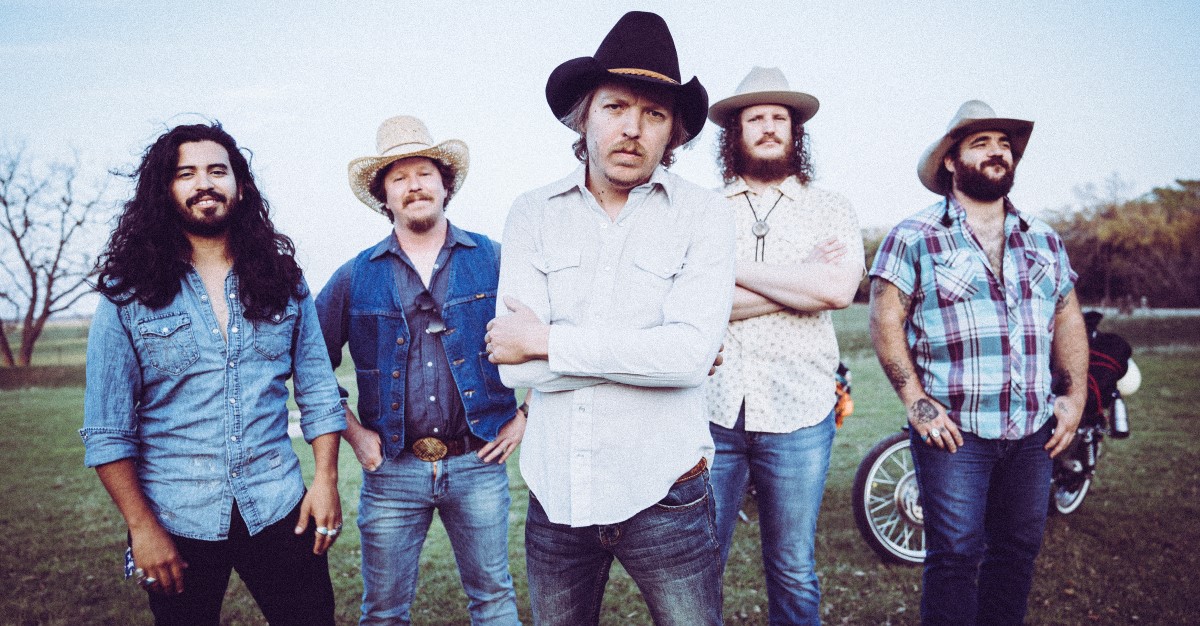
Artist: Mike and the Moonpies
Hometown: Austin, Texas
Latest Album: One to Grow On
Personal nicknames: The Moonpies

All answers by Mike Harmeier

Which artist has influenced you the most … and how?

It would be impossible for me to narrow it down to just one artist. Early on, I was heavily influenced by George Strait and ’80s/’90s country artists, in general. I really thought that was the path I would take — a very commercial approach to country music. I would later gain a new perspective when I started listening to more songwriters like Guy Clark and John Prine. It was then that I wanted to add more depth and sincerity to my music. When I moved to Austin in 2002, I started to get more into the art of record making and that process was heavily influenced by bands like Wilco and Radiohead. Lately, I’ve kind of melded all that into an approach that’s more along the lines of Jerry Jeff Walker. Freewheeling records with thoughtful lyrics and just having fun playing music with my friends.

What’s your favorite memory from being on stage?

I’ve had countless moments that stick out in my memory from being on stage. Most of them include our artist friends joining us on stage. From the big jams we usually host at Mile 0 Fest in Key West, to our encores with the opening bands joining us for a cover song to end the night. Most recently, Jerry Jeff Walker’s son Django joined us on stage in Alpine, Texas, for our rendition of “London Homesick Blues.” It’s a song written and performed by Gary P. Nunn and made famous on Jerry Jeff’s Viva Terlingua record. We cut it in London at Abbey Road Studios for our Cheap Silver and Solid Country Gold record. That was a very special moment and felt like a culmination of a lot of things for us. You never know who will join you or when, and that excitement always makes for a memorable show.

What other art forms — literature, film, dance, painting, etc. — inform your music?

I’ve always found a lot of inspiration in film. Especially when that film uses the right music for a particular scene. I can’t tell you how many times I’ve hit pause on a movie to write a song. Some songs can take on a whole new meaning when you put them behind the right scene or character and I will sometimes use those character’s emotions to inspire a new subject to write about. I’ve written quite a few songs just off one line I heard in a movie or TV show.

What’s the toughest time you ever had writing a song?

I actually had a lot of tough moments writing songs for this record. I had more time than normal to write and rewrite these songs. There were countless edits and rewrites and versions of the songs that we just scrapped and then started over. While I think these are some of the best songs I’ve written, it really took much longer to get to a place where I was happy with them. I think if you spend too much time on one thought it can be a dangerous game to play. I’m still learning when to put the pen down and be satisfied with what came naturally. It’s a fine line.

How often do you hide behind a character in a song or use “you” when it’s actually “me”?

I think I have subconsciously done this a lot with many songs in our catalogue. Not until this record have I made the conscious decision to write from a character’s perspective. While I was experiencing or have experienced a lot of the feelings and virtues of the character on this album, I tried to take myself out of it as much as I could. I wanted to broaden the scope and viewpoint beyond my own personal experience so I strayed away from talking too much about road life or really much to do with my personal experience with my work as a musician. I wanted to project a world view from the perspective of an everyday nine-to-fiver and play with how that intersected in my own personal experience. While there is a lot of myself in these songs, I think it translates to the everyman in a very relatable and accessible way. At least to anyone that works hard to get where they want to be.


Photo credit: Lyza Renee Photography

MIXTAPE: Lowland Hum’s Songs for Dusk

We’ve put together a group of songs that feel related to dusk: the transition moments between day and night. Included in our thinking about dusk are the days in between each season.. winter to spring, spring to summer, summer to fall and fall to winter days. We all need help in our times of transition, as we are being stretched, strained, or pressed between what was and what is to come. The songs that assist us in these travels seem to have an unplaceable quality, both disorienting and comforting like a sweet, warm drink with salt scattered on its surface.

The unique combination of anticipation and farewell allows these songs to occupy paradoxical thematic and sonic space. We need songs like these so we can bring more of ourselves into the present. So, we humbly offer this grouping of songs to accompany you in transitions of all kinds, whether they be literal dusks, the days between seasons, or simply moments where this particular tone may be soothing, cathartic, comforting or augmenting. To paraphrase something we read on The Milk Carton Kids’ Mixtape… “we include our songs aspirationally and for self-promotion here.” — Lowland Hum 

Aldous Harding – “Zoo Eyes”

We love Aldous Harding’s ability to shapeshift, morph, and play in her music while remaining vulnerable and human. It reminds us that those are all options we can choose as well when creating. Her most recent album, Designer, is delicious.

Bob Dylan – “He Was a Friend of Mine”

This song has always stood out to us as a deeply compassionate and humanizing song that packs so much into its few and deceptively simple words. It reminds me of the wordlessness that comes with deep grief. At the anniversary of George Floyd’s death I think of the great losses our nation has experienced this year and the way all words felt clumsy and insufficiently small in the face of such dumbfounding, dark and evil things.

Big Thief – “Open Desert”

We’re having a hard time finding what’s not to like about anything and everything coming from Adrianne Lenker (and her band) these days.

The Beatles – “Julia”

This melody is so wistful, dreamlike, sad, and lovely. “When I cannot sing my heart I can only speak my mind, Julia, sleeping sand, silent cloud, touch me so I sing a song of love, Julia.”

Radiohead – “You and Whose Army?”

The beginning of this song makes us feel like we are suspended in shimmering stardust thick enough to hold a person’s weight. The arrangement blooms so patiently until you suddenly tumble down a flight of stairs. That a recording can do that is one of the main reasons we organize our life around music.

Antonio Carlos Jobim – “Look to the Sky”

I mean, are you not slow dancing by yourself on a terra cotta tile patio, barefoot, with a cocktail in hand when you hear this?

Labi Siffre – “Cannock Chase”

The combination of this picked guitar and gently shuffling percussion sounds like being in the car at dusk with the windows down, scenery flying by.

The Zombies – “Beechwood Park”

We’ve listened to this album so much in the past few years, but somehow only really noticed this song and its magnificence in the past week. Now we are obsessed.

Nick Drake – “Free Ride”

To us Nick Drake always sounds like sunlight filtering through the leaves of trees. Although this one carries a bit more urgency and pep than some of his other songs, this one is no exception.

Myriam Gendron – “Solace”

This song comes from an album of Dorothy Parker poems put to music by Myriam Gendron. The whole album is like a friend sitting silently beside you when you’re feeling a lot. You probably need it in your life.

Keur Mossa – “Quand le fils de l’homme viendra”

This song comes from an album that has been an immense comfort to us in times of transition. When far from home, while working on building our studio in early morning light, while in labor with our first child… It’s a beautiful treasure of humanity reaching toward divinity.

Tiny Ruins – “One Million Flowers (solo)”

This album is all solo guitar and voice versions of Tiny Ruins’ full-band album Olympic Girls. Hearing these songs stripped to their skeletons showcases how strong her songwriting and voice are. Though we were fans of the full-band album first, we prefer these versions hands down. We aspire to make songs that can stand on their own naked or dressed up.

Lowland Hum –”We Do What We’re Told (Milgram’s 37)”

This is our cover of Peter Gabriel’s “We Do What We’re Told (Milgram’s 37)” from his album, So. We covered that album in its entirety, calling our version So Low. Our version came out on the 35th anniversary of the original’s release.

Lou Reed – “Perfect Day”

This song is a cocktail of equal parts bummed-out and triumphant. How he does it we don’t know, but we love it.

Frank Sinatra – “Mood Indigo”

The strings and reeds in this song are like sitting on a fire escape in the warm balmy breeze of a summer evening. Sinatra’s delivery is so subtle and masterful. You can’t go wrong with any song on In the Wee Small Hours.

The Weather Station – “Trust”

We have long been fans of Tamara Lindeman. Her songwriting is like a window into the unspoken dialogue of real relationships.

Arthur Russell – “Close My Eyes”

This song is so visual to me (Lauren). It reads in the mind like a bedtime story complete with dark oil pastel illustrations. I dare you to close your eyes and not see it all.

Gold Connections –”Confession”

Will Marsh of Gold Connections is a dear friend of ours but we promise we aren’t biased. They just released this single and we can’t get enough of it. This song has it all: city and desert; neon signage and the kind of starry sky that can only be seen when you are far from civilization.

Bruce Springsteen – “Nebraska”

Tragic, startling, beautiful. Daniel always says he believes in this album because it gave him compassion for a mass murderer. That’s some power right there.

Paul Simon – “Night Game”

What a stunning and mournful number. Who knew a song about baseball could feel so mystical? Hold out for the otherworldly harmonica solo by Jean-Baptiste Frédéric Isidor. This one has comforted us on many a late-night drive.

Adrianne Lenker – “forwards beckon rebound”

This whole album is a treasure. This song has such a great momentum while remaining quiet.

Martin Denny – “Trade Winds”

This exotica album is a staple in our household during our newborn son’s bathtimes. But we find it perfectly appropriate for listeners of all ages and stages. It is perfectly campy and yet transportive.

Lowland Hum – “Waite”

We felt that we needed to include at least one original Lowland Hum song, so here’s our duskiest. This song was written while on tour in Europe in 2017. We were playing a house concert in a landscape painter’s home studio and gallery (Andy Waite is the name of the painter and now friend) and the guitar part mysteriously came to Daniel while we were setting up in the space. Something about being in a home so steeped in one person’s creative life and flow was magical. There was a very real substance in the air that mysteriously found its way into Daniel’s fingertips as he was messing around on guitar.


Photo credit: Tristan Williams

BGS 5+5: Lydia Luce

Artist name: Lydia Luce
Hometown: Nashville, Tennessee
Latest Album: Dark River

What was the first moment that you knew you wanted to be a musician?

When I was in high school I was chosen to be in the Honor Orchestra of America… yes I was an orchestra nerd through and through. We got to perform with Christopher O’Reilly and had Benjamin Zander as a conductor. I was really into Radiohead and Christopher O’Reilly had just released his album of Radiohead covers for solo piano. He performed a few of the songs during our break and I was floored. I had a glimpse of these two worlds coming together, classical and popular music, and that really intrigued me. This was one of the moments I knew I wanted to continue to pursue music. Either that or when my mom took me to see Hilary Hahn play the Barber Violin Concerto in New York.

What other art forms — literature, film, dance, painting, etc. — inform your music?

Dance is a big influence. I grew up dancing and it is still a big part of my life. Since moving to Nashville I have taken contemporary ballet, West African dance, and salsa dancing classes. I think about the movement of the songs when I write and ask myself how I would move to this song. For the music video of “Maybe in Time” I got to try out choreographing for the first time.

Which elements of nature do you spend the most time with and how do those impact your work?

I grew up by the ocean, but I am now landlocked in Nashville. I spend most of my time in nature on hikes or kayaking here in Nashville. We have so many beautiful waterfalls about an hour outside of the city. One of my favorite things to do is go on solo camping and hiking trips. I find this time is helpful for going in deep with myself. Dark River is the spawn of some beautiful solo adventures.

Since food and music go so well together, what is your dream pairing of a meal and a musician?

Oh I like this question… “Pink Moon” by Nick Drake and pad thai. “I Was an Eagle” by Laura Marling and butternut squash soup with a big ole hunk of sourdough bread.

What rituals do you have, either in the studio or before a show?

My rituals pre-show have become driven by vocal health. I started getting very serious about my vocal health in 2019 before going on a two month long European tour with shows almost every night. Before each show I do a warm up for about 8-10 minutes and use a portable steam inhaler. I started working with a vocal coach who taught me so much about keeping my mind and body healthy on tour. My little ritual has become so meditative for me because I seek out the most quiet place and have this moment of stillness all to myself.


Photo credit: Alysse Gafjken

BGS 5+5: Jillette Johnson

Artist: Jillette Johnson
Hometown: Nashville, Tennessee
Latest Album: It’s a Beautiful Day and I Love You
Personal nicknames: JJ

Which artist has influenced you the most … and how?

It’s so hard to pick one, but Randy Newman has greatly impacted me as a songwriter and performer. I heard my first Randy Newman song when I was a toddler, watching the movie Beaches with my parents. Bette Midler sings his song, “I Think It’s Going to Rain Today,” at the end of the movie, and it cut right into me. I didn’t know he wrote that song until by accident, I got to see him play and essentially lead a lecture in Los Angeles when I was 16. He completely transfixed me.

His musical sophistication and ear for beauty, coupled with his cutting, hilarious, and deeply empathetic storytelling was like nothing else I had ever heard. He’s so prolific, and so unchained to whatever the world expects of a singer-songwriter. He takes risks, tells the truth, and lets his humanity lead the charge in every song. And he’s still doing it, to the highest level, which inspires the hell out of me. I’ve said often that I want to be Randy Newman when I grow up, meaning that I want to keep making exciting music that matters for the rest of my life, just like him.

What’s your favorite memory from being on stage?

This wasn’t exactly a stage, but it sure felt like one. When I was 17, I was invited to go to Liza Minnelli’s apartment on the Upper East Side in Manhattan to play songs for her on her beautiful grand piano overlooking Central Park. She greeted me at the door with those big bright eyes, no makeup, wearing sweatpants and a giant smile. Her apartment was under construction, but the “piano room,” was perfectly intact — a room of only mirrors, windows, one couch, and the piano where I played. We sat there for hours while I performed songs I had written, and she sat next to me, asking me to replay certain parts of each song so she could really let them sink it.

She made me feel like what I was making mattered, and like I belonged. I’ll never forget that feeling, or her kindness. Towards the end of the visit, she told me I reminded her of Laura Nyro, whom I’d never heard before then, and she insisted I go to her bedroom with her while she crawled on the floor of her closet looking for a Laura Nyro record to give me. She never found the record, but I still relish the image in my mind of her in a pile of clothes scouring for it and swearing under her breath.

What was the first moment that you knew you wanted to be a musician?

It happened before I can remember. In fact, I can’t remember a time when I didn’t know that I wanted to be a musician. I was the kid wandering around the edge of the sandbox making up songs and singing them to myself out loud. My grandmother asked me when I was like 4 or 5 what I wanted to be when I grew up, and I said a rock star. She asked what my second choice would be, and I said I didn’t have one. And I still feel that way. Music has been with me before everything. I’d be an entirely different person without it.

What rituals do you have, either in the studio or before a show?

It’s really helpful for me to find some time to be quiet and center before a show. I always warm up my voice first, usually an hour or so before I go on, while I get changed and do my hair and makeup. But then, in that half hour before I go on, I really like to be alone. I’ll often take that time to meditate first, and then move my body in ways that energize me and make me feel powerful. The sweet spot for me is to go on stage feeling calm and in control, but still full of vigor and excitement. It’s a hard line to walk sometimes, and my nerves have been getting harder to control as I’ve gotten older. That’s why the meditation part is so important.

How often do you hide behind a character in a song or use “you” when it’s actually “me”?

Often! It’s a fun way to have a little therapy session without having to leave my house or pay anybody. And in writing land, it can lead to songs that speak more clearly and feel more inclusive. When I need guidance or am feeling insecure, I like to ask myself what I would tell someone that I loved if they came to me for help with the same issues. And when I’m writing a song that starts to sound like a pity party, or I get lost in what I’m trying to say, I often do the same thing. It’s so much easier to find clarity and compassion for others than it is for yourself, at least in my experience. Flipping the “I” to “you” or “her” is a tool I like to use in both art and life.


Photo credit: Betsy Phillips

BGS 5+5: Ondara

Artist: Ondara
Hometown: Nairobi, Kenya
Latest Album: Folk n’ Roll Vol. 1: Tales of Isolation

Which artist has influenced you the most … and how?

I accidentally discovered Bob Dylan’s music after losing a bet about the authorship of the song “Knocking on Heaven’s Door.” I was 17 years old at the time, a confused and troubled teenager, uncertain about his future. I enjoyed writing stories, but I didn’t know how to turn any of that into a career. The pressures from everyone I knew, to pursue a more traditional career such as law or medicine were mounting; but I felt an itch for something else. Something I was unable to name, unable to imagine, and with no guidance or encouragement I had no way of discovering what it was.

Finding Dylan was like a scratch to that itch. After listening to records such as Freewheelin’, Highway 61, and Blonde on Blonde, and being completely taken by the writing, I was hit by a burst of inspiration. I had this very wild thought that perhaps I could turn the stories I’d been writing into songs, then I could travel the world and play those songs, and perhaps I could turn that into some kind of a career. It was a crazy and impractical thought since there was no path from where I was to anything like that, but it was something to dream about. Whether the dream came true or not was irrelevant, sometimes as a boy you just need a dream, and finding Dylan is what showed me that dream. “A boy’s devices will always create mayhem, therefore a boy needs a dream, because without a dream the boy is left to his devices.”

What’s your favorite memory from being on stage?

I played a show in Paris last year at a venue called Élysée Montmartre. It was a very memorable show for a few reasons. At the time, I was touring Europe playing shows solo with my guitar, but for that Paris show I wanted to do something different since it was going to be a bigger concert than the rest. I decided I would put together a band. I asked my team to contact some musicians and we assembled a last-minute band just a few days before the show. None of the musicians knew the songs prior, and we only had time for one short rehearsal.

Despite being entirely unprepared it ended up being one of my favorite shows. There was a magical feeling that we were all speaking the same language. The musicians and I understood the language as we played the songs as though we had been playing them for years; the audience understood it as well as they listened to us play. By only communicating in this universal language of music we all had a communion of spirit. This communion is what I miss the most, now that concerts have become rare.

At that same concert, the lights went out towards the end of the show; for about 15 minutes of black out the audience lit the room with their phones and took over the show by singing a new song I had taught them. A memorable night it was. It always is in Paris.

If you had to write a mission statement for your career, what would it be?

We go through most of life on autopilot. The piloting mechanism being cultures, trends, upbringing, education, trauma, and many other things that define us yet we have no control over them. Stories and other forms of art are a mirror to this subconscious state of the society, a way for us, the participants of life, to view ourselves. In a way it is how we watch ourselves sleep. And as we view ourselves, we see our folly.

We have a better chance of fixing our faults if we can see them. If we can’t see them, then we’re not consciously aware of them, and if we’re not aware, then there is nothing to fix. So then people remain oppressed because we have become hateful and uncaring but we can’t see it. Stories are a conduit to compassion, and I am of the mind that compassion is the medicine, so if I had a mission statement, it would be to tell many stories and to tell them far and wide.

What other art forms — literature, film, dance, painting, etc. — inform your music?

Gazing at paintings is one of the things that bring my ever-racing mind a few moments of quiet. I get lost in them in a meditative way. When I was younger I thought paintings spoke to me; not in a figurative way, but in a literal fashion. They would tell me the sorrows and joys of the world, and I would write them down in the form of stories. Now in my adulthood, I still hear them, I’m just more aware that it’s my mind being slightly insane.

What was the first moment that you knew you wanted to be a musician?

I accidentally found a song called “Forget Her” by Jeff Buckley when I was about 9 years old. It was the early 2000s and back home in Nairobi, pirated music was as prevalent as the ubiquitous roasted maize, sold on the streets. Music vendors would set up shop in markets or by the streets; they would go online and download random songs, put them on a CD and sell them. Oftentimes, nobody knew the songs they were selling, not even the vendors knew them. They just downloaded random songs online, an attempt at finding something interesting to sell to increase their income at a time of economic difficulty. In the streets, they would advertise the music by playing it loudly to invite customers, sometimes they would call you as you walk past and ask you to listen to some of their new downloads. If you liked a song you would then buy the CD. It was like wine tasting but for music.

I found many bands that I fell in love with that way: Jeff Buckley, Death Cab for Cutie, Radiohead, among others. Finding that song “Forget Her” was a pivotal moment for me. I was so fascinated by Jeff’s singing that I would lock myself in my room and try to imitate him. I was always fascinated by words, but around this time is when my interest in singing began. Since then, I always knew I wanted to be a musician but because there was no path towards a career of that kind, that desire remained stifled until much later when I couldn’t ignore it anymore, and when the universe conspired to send me to America.


Photo credit: Ian Flomer

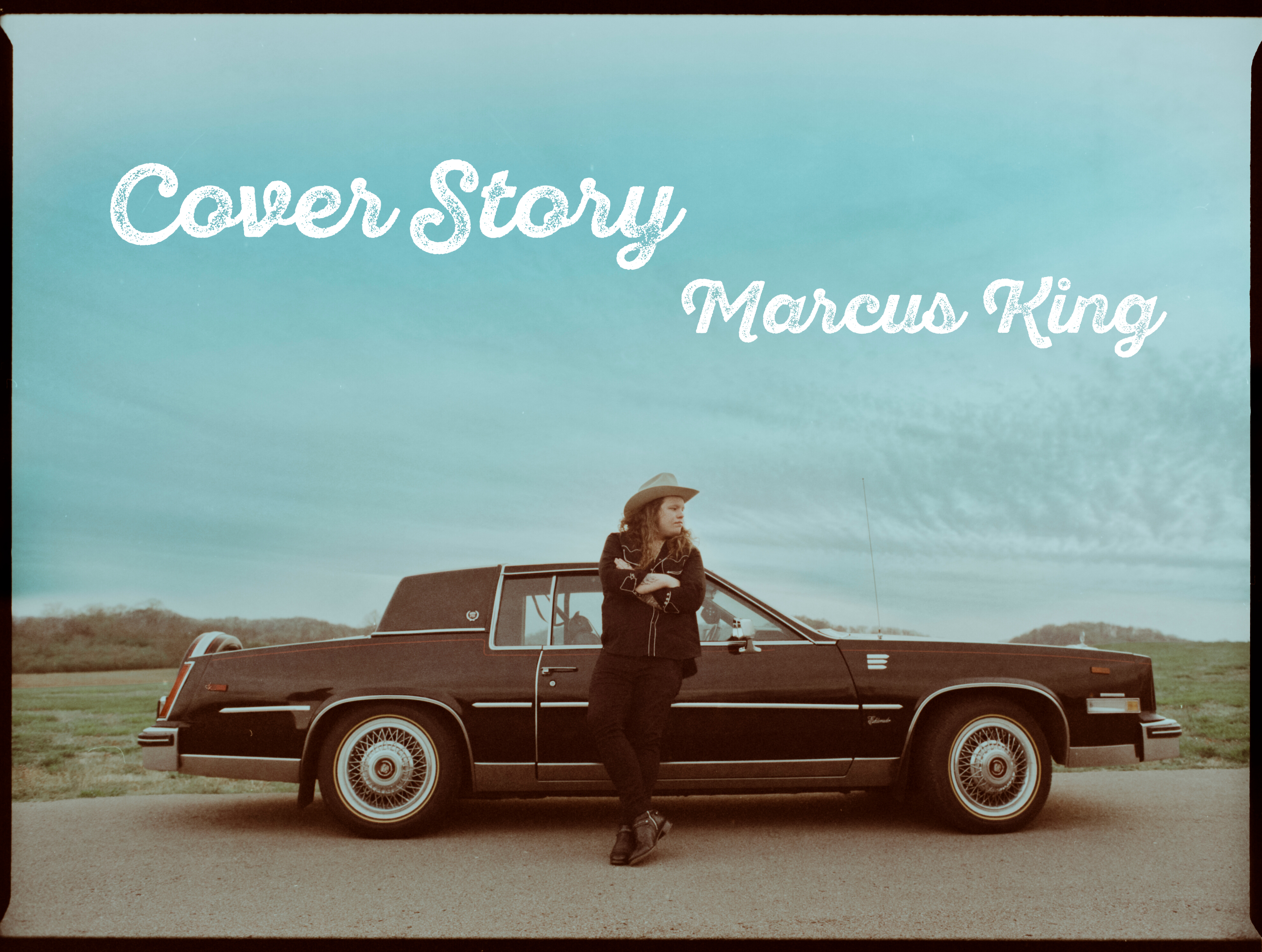
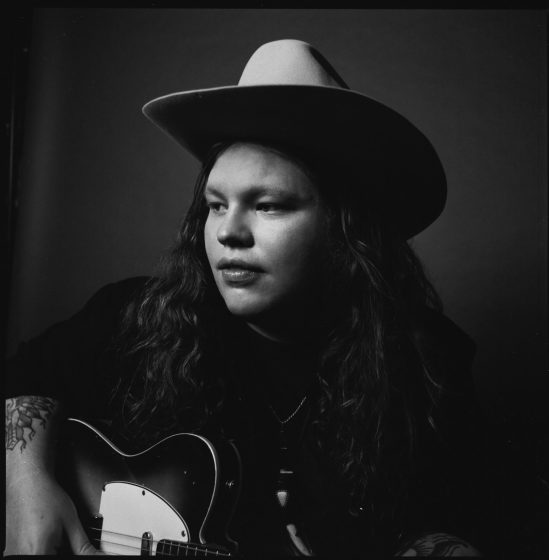
Marcus King: A “Young Man’s Dream” Come to Life

A first encounter with Marcus King’s voice is nothing short of wondrous. The 23-year-old singer/songwriter/guitarist functions less like a singer and more as conduit for raw emotion, his dynamic, melodic singing grounded in soul, rock and roll and a preternatural sense of musical intuition. To boot, he is also one of our best young guitar-slingers, wowing legends and fans alike with his emotive, inventive take on modern, electric blues music.

On January 17, King released his first solo album, El Dorado. Produced by Dan Auerbach, it marks the first time King has offered a full-length project outside of his critically acclaimed Marcus King Band; accordingly, the project feels particularly intimate and honest, with King reaching new heights as not just a singer and player but as a storyteller and lyricist.

BGS caught up with King as he was getting ready to perform on Jimmy Kimmel Live to chat songwriting, working with Auerbach, and how it feels to strike out on his own.

BGS: It’s only been a couple of days since El Dorado released. What have the last few days been like for you?

MK: Man, it’s been a bit of a circus. But I always liked the circus when I was a kid. So it’s working out fine.

You had a couple of release shows in Nashville on Friday, too. What was it like getting the new music out to people?

It’s fun, man. Those solo acoustic shows can be a little nerve-wracking, just because there’s no one to share with. It’s a lot more vulnerable. I feel a little exposed during those, in a way. But it makes it that much more gratifying, you know?

Was there a particular song or idea you were kicking around that made plotting the album click into place for you?

It all started with “Young Man’s Dream.” We wrote that two years ago, almost to the day. It was right before I was going in to do [the Marcus King Band’s 2018 album,] Carolina Confessions. We already had plans to work with Dave Cobb, which was a surreal experience. Before that, Dan Auerbach reached out and asked if I could come do some writing sessions with him. I jumped at the chance. That’s the first tune we ever wrote together, “Young Man’s Dream.” Then the theme fell into place for this to be a storytelling album, a coming of age story.

Given that you and Dan had written that one song together and felt strongly enough about it to do this entire project, what would you say makes your creative partnership with one another so special and fruitful?

Working with somebody is a really intimate relationship. Writing is really personal. I had never really co-written before, and Dan was really particular about who we brought in to write with me on this record. He and I were able to write together two years ago and continue to do so over the past couple of years. Our friendship and our writing partnership led to a very organic process in the studio. Writing together [for the first time] is really kind of like a first date. It’s a little awkward and you really have to bare your soul and hope you don’t freak anybody out.

To that point, when you are writing, how heavily do you draw from your own life? Are you the kind of writer who puts it all out there or are you more inclined to share your personal experiences through metaphor and more universal stories?

I pull directly from my personal experience, because I feel like that’s what I want to hear from a writer and from my favorite singer/songwriters. I love a good metaphor and all, but I really enjoy the personal experience you can hear behind the words, and their conviction. If I like a song it’s because I feel a personal kinship to that music. On this record, everything we wrote came from personal experience.

With further regard to your songwriting, you’re such a dynamic, melodic singer. When you’re writing the vocal parts of your music, do you tend to have a melody first or a lyric first? Or does it vary song by song?

The melody comes first for me. Especially if I’m working with a keyboard player, like Bobby Wood, who played on the record. He comes up with these really beautiful, gorgeous parts and I’ll just start humming, and hum more and more until it starts to form words. I just allow my soul to fill in the blanks, as to what those notes are trying to say. I’ve found that to be a pretty different way to approach it, but it’s fun.

When you get to the point when you’re ready to record a song – and I know y’all recorded this album particularly quickly, over just three days – when you go to record a song, do you have a note-by-note sense of what you’re going to sing or are you more likely to follow your instinct, particularly with regards to ad-libs and runs?

It’s mostly on the fly. The only time I would ever change it would be if Dan and I thought it should go a little differently. Then I’ll go back and fix it.

I actually ran into someone last night and they complimented me and said there were a lot of well-thought-out [guitar] solos on the record which, to me, is shocking to hear, because I can’t write a guitar solo or a vocal melody. It just comes. It’s a natural thing. To me, that’s against what I know. I was almost offended – I wasn’t actually offended, obviously – but you know that’s my whole approach to the record, to free it up melodically.

You touched on this a minute ago, but you had an incredible roster of players who joined you in the studio while you and Dan were recording. What was your time together like?

The whole reason we work so well together is that their work ethic and mine really align. The only time I have to wake up early is if I’m working on new music or I’m working on something really important to me; otherwise I’m a late riser. On this record, I would get in around nine and all the cats would already be there. They’re all in their late seventies and early eighties, so they all get up at sunrise. They’d already have had their coffee and would just be waiting on me to get there. We’d get to work around 9:30 and go until 9:30, 10 at night.

Given that they’re all such seasoned players, did you give them free reign to write and play their parts, or did you have a firmer sense of what you wanted each player to do?

We had our work tapes of the writing sessions. We’d play the tape for them and they’d write their charts and give us the chart. We’d play the song and that would be the take. Everyone is writing their own parts on the spot, you know? It’s really a beautiful way to record. The stuff that comes out that way is really beautiful. Everyone added their own part and I never had any notes. The only note I had was at the end of “Wildflowers & Wine,” the outro is a little different. I recommended that change. That’s the only little note I had. Otherwise it was all great.

We touched on playing these songs live solo at the beginning of the conversation, but you’ll have your band out with you on the road in support of the album. What are you most looking forward to about playing these new songs live?

I’m excited to showcase it to people in a way that they’ve never heard it before. I always like to talk about the importance of having a studio version and live version. I think having the live version sound exactly like the studio is almost a farce. We stay true to form; we aren’t going like Radiohead with completely different versions. But we add more improvisation and play a bit with the structures of songs. We also have two horn players, so the songs have a different vibe. Why would someone want to leave their home and come all this way to hear it exactly the same? I like to offer up something different, you know?


Photos: Alysse Gafkjen

Trampled by Turtles Revisit Iris DeMent’s “Our Town”


Over the years, Trampled by Turtles have occasionally added Iris DeMent’s stark folk song, “Our Town,” to their set list, with lead singer Dave Simonett delivering the Midwestern loneliness and wistfulness that the tune calls for. Now the Minnesota-based band has finally recorded “Our Town” for an upcoming EP, Sigourney Fever, which drops on December 6.

The track list also includes covers of Neil Young’s “Pocahontas,” Faces’ “Ooh La La,” Warren Zevon’s “Keep Me in Your Heart,” and Radiohead’s “Fake Plastic Trees.” The band will be touring in January and February.

“We are getting back into the readiness of making a full record,” Simonett tells American Songwriter. “Right now, I’m starting to write, but it’s kind of a limbo time. This is sort of like an appetizer for us.”

DeMent once told NPR that she wrote the song after driving through a boarded-up Midwestern town when she was 25 years old, and that the song came to her in its complete form. She wisely recognized that musical experience as her calling to be a songwriter. More than three decades later, it’s good to know that the sun still hasn’t set on “Our Town.”


Photo credit: David McClister

MIXTAPE: Madison Cunningham’s Songs I Hear in Purple

It was difficult to narrow it down to just 12, but here are some songs that were turning points for me as an artist. Songs that made me first realize, and then remember, why I love music. I also hear songs and keys in color. Although it might sound strange all twelve of these songs have aspects that sound purple to me. Enjoy!

Jeff Buckley – “Grace”

My friend Izzi Ray told me about Jeff Buckley over lunch about four years ago. Being late to the game, as I usually am, I didn’t listen to a single song of his until a couple years later. I’ll never forget how astonished I was at his voice. Then come to find out what an innovative guitar player he was. It haunted me for months. Specifically “Grace.”

Radiohead – “Paranoid Android”

“Paranoid Android” was one of the first radio songs I listened too. I’m constantly inspired by how freely Thom Yorke creates and sings his melodies. This is one of those melodies.

Emmylou Harris – “Deeper Well”

“Wrecking Ball” was a life-changing record for me and continues to be in my top 10 favorites. The lyrics of “Deeper Well” make for a perfect song in my opinion.

Fiona Apple – “Fast As You Can”

I’ve never felt cooler than when I walk down the side streets of Los Angeles listening to this song blaring in my headphones. It’s also my airplane turbulence song. It shed a completely new light on songwriting, and songwriting tempos for me. I’ve always felt it was hard to say something important in a fast song. Fiona proved me so wrong.

Joni Mitchell – “Both Sides Now”

Joni was the first person who made me really want to be a songwriter. She set the bar so unreachably high that she made so many of us want to do our best even if we came just short of it. This song is one of few that make a timeless statement that could be sung by a 19-year-old and an 80-year-old.

Bob Dylan – “Just Like a Woman”

Here’s another example of a song that I think is absolutely perfect. Not a word or note wasted.

Ry Cooder – “Tattler”

Ry is another one of my guitar heroes. “Tattler” is my favorite song by him.

Nina Simone – “Feeling Good”

Nina Simone can’t play or sing a wrong note. All of her mistakes were in key somehow. Any song she plays instantly pulls me in. No other rendition of “Feeling Good” matches the sorrow, and power of this one.

Maurice Ravel – “String Quartet in F Major”

This is maybe one of my favorite pieces of music. I heard Chris Thile play it on Live From Here for the first time and it lifted me out of my seat.

Brian Wilson – “Don’t Talk”

This one makes me tear up almost every time. The melodies and voicings on this tune are such a beautiful mystery to me. And the lyrics convey the power of not saying anything and resting in the arms of the person you love

Rufus Wainright – “Poses”

On my way back from the Sundance film festival it started to snow. My friend Mike and I made a wrong turn; as we found our way back he turned this song on. When it was over I asked him if he’d mind if we played it again.

Juana Molina – “Lo Decidi Yo”

Juana is one of my favorite guitar players/writers. She’s truly one of a kind. I listened to one song by her called “Eras” on repeat for four years straight until I uncovered the rest of her record. Here’s one of my belated discoveries.


Photo credit: Paige Wilson