WATCH: Grammy Nominee Tyler Childers on ‘Late Night with Seth Meyers’

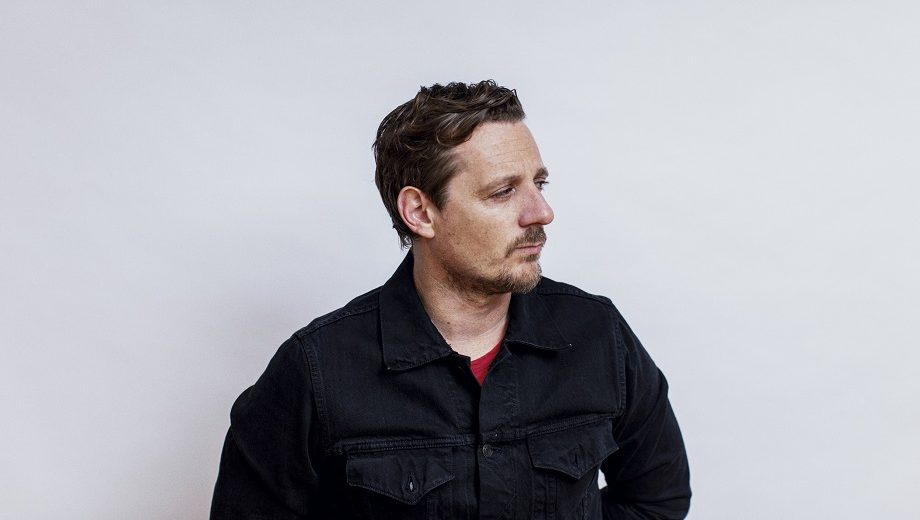
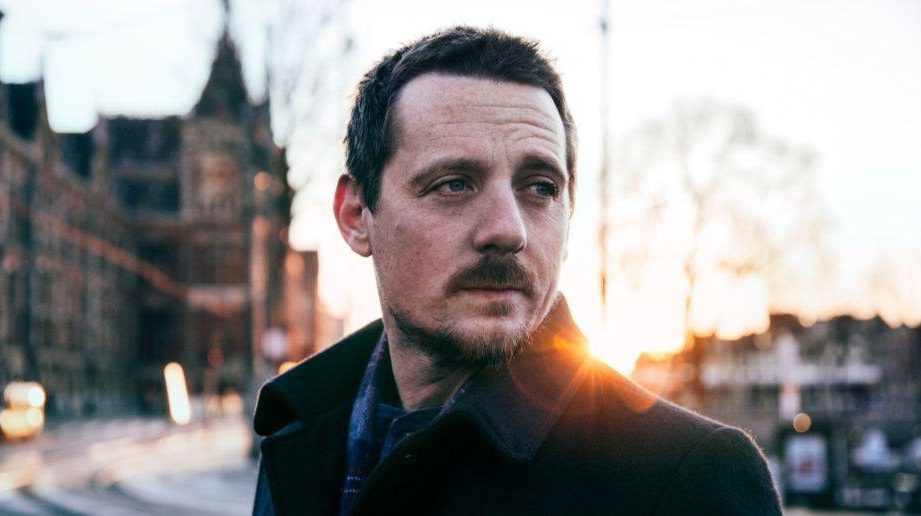
After a whirlwind year in 2019, Tyler Childers’ star is burning bright as ever at the start of this new decade with a Grammy nomination for “All Your’n,” a single off of his third full-length album, Country Squire. Released in August of last year, Country Squire fulfilled the promises of his previous breakout record Purgatory.

Childers takes bold steps as a mature writer and a gifted vocalist; the project is shaped like a concept album in which each song flows one right into the next, connecting the music and painting the record with a consistent palette allowing the songs to feel like a complete collection. The Grammy nod for Best Country Solo Performance is testament enough to the marked vocal prowess of the redhead from Kentucky. 

Childers and his band, the Food Stamps, are preparing for a very busy touring schedule in 2020 with highlights that include four sold-out concerts at the Ryman in Nashville, joining country outlaw Sturgill Simpson for his A Good Look’n Tour, and shows all over Europe. Watch as he performs the title track from his latest record on Late Night with Seth Meyers.


Photo courtesy of the artist

BGS Top Moments of 2019

If music happened in 2019, but wasn’t a “song” or an “album,” does it make a sound– er… does it warrant real estate in any of the many year-end pieces, wrap-ups, and lists hitting the internet on a daily (sometimes hourly) basis? Why, of course it does! Each year BGS notes Top Moments of roots music — whatever form they may take — as a way of reminding ourselves that the art we each consume, especially of the musical variety, is often at its best when it eschews the formats and media we expect and/or most closely associate with it. What changes about the way we view a year in music when we alter the context as such? First and foremost, we change just that — our viewpoint. Turns out that makes a world of difference.

Speaking of top moments, one of the best for the BGS team took place just last week, as we premiered a brand new look with an updated homepage and logo. A lighter color palate, clean modern lines, and updated fonts usher in a new era for the site, and hopefully a positive reading experience for you, our beloved fans and readers. Not unlike the state of roots music itself, our new look is constantly evolving, but what’s at the heart of it remains timeless. Now, read about more moments that turned our heads and caught our ears over the course of the past 12 months.

Chris Stapleton Creates LEGO Alter Ego

When Chris Stapleton’s music video for “Second One to Know” hit YouTube, I found myself musing, “What are the benchmarks we use to determine someone’s level of notoriety? What are their claims to fame? Owning a tour bus? Having your first number one hit? Being the musical guest on SNL? Having a highway named after you? Or perhaps a proclamation from your local public figures designating a [Named After You] Day?” Seriously, can you imagine getting to a point in your country pickin’ / singin’ / songwritin’ career where your Game of Thrones cameo falls into the background of your music video star LEGO-self?

I would be remiss if in this blurb I did not mention another real-ass country singer/songwriter/rabble-rouser who dabbled in alternative visual media this year, too — that would be Sturgill Simpson’s “Sing Along.” More of this oddball, non sequitur energy in country in 2020, please. – Justin Hiltner


Dolly Parton’s America Podcast Finds Common Ground

Epiphanies in the podcast series Dolly Parton’s America are too many to count, as host Jad Abumrad and his team explore the notion that the Tennessee songbird is a rare unifying force in the fractured socio-cultural universe — everyone loves Dolly! But the fourth episode, titled “Neon Moss,” finding the common ground of Dolly’s Tennessee mountain home and the Lebanon mountain home in which Abumrad’s dad (a doctor who became friends with Parton after treating her in Nashville) grew up is gripping on a cultural and emotional level. Bonus: BGS’ own Justin Hiltner and his banjo pop up as a key part of a later episode. – Steve Hochman


Duos, Duos, and More Duos

Were you seeing double this summer? Mandolin Orange, Tedeschi Trucks Band, and Shovels & Rope offered exceptional albums and sold tons of tickets. From the sweeping San Isabel from Jamestown Revival to the intimacy of Buddy & Julie Miller’s Breakdown on 20th Avenue South, roots duos were having their moment. Personal favorites included The Small Glories and Bruce Robison & Kelly Willis, but the true discovery for me was Dravus House, a Seattle duo who delivered an understated and beautiful album that blends Elena Loper’s vocal with Cooper Stouli’s soft touch on guitar to stunning effect. – Craig Shelburne


Del McCoury Turns 80

At 80 years old, Del McCoury has witnessed the rise of bluegrass while still being actively involved in it. (In fact, he’s got a gig this weekend in New York with David Grisman, Jerry Douglas, Drew Emmitt, Andy Falco, and Vince Herman.) An all-star tribute at the Grand Ole Opry provided perhaps the most musically satisfying night of music this year for me, mostly because The Del McCoury Band has still got it (and they make it look like so much fun). Check out their 2019 performance on Live From Here With Chris Thile. – Craig Shelburne


Hadestown Wins Big on Broadway

In an era when Broadway has seemingly been taken over by jukebox musicals that rehash the catalogs of legacy artists, watching Anaïs Mitchell pick up eight Tony Awards for Hadestown was a surreal triumph. For those of us who have followed Mitchell’s career over the past couple of decades, it was truly remarkable to see a grassroots musical that she first staged in 2006 reach the heights of Broadway, earning her a win for Best Musical and Best Original Score. “Wait for Me,” indeed. – Chris Jacobs


Ken Burns Digs Deep into the Roots of Country Music

Ken Burns has a long history of digging into America’s deepest roots, through documentaries like The Civil War, Jazz, Baseball, and The National Parks. In 2019 he took those roots in a more on-the-nose direction, exploring the long and varied history of American Roots Music through his PBS documentary series Country Music, which premiered in September. As the filmmaker himself said in a recent interview, “Country Music is about two four-letter words: love and loss.” Thanks to Burns, who looks unflinchingly at all of the different stories that have shaped this music, we get to see the love, the loss, and everything in between. – Amy Reitnouer Jacobs


MerleFest and IBMA, Rediscovered

After a long break, I made an effort to reconnect with two of the preeminent roots music festivals  in 2019 – MerleFest and IBMA’s World of Bluegrass. With other obligations in Nashville, it had been five or six years since I’d attended either, and both surprised me for different reasons. At MerleFest, I was struck by the caliber and diversity of artists, in particular for landing a headlining set by Brandi Carlile in her breakout year. Five months later, I returned to North Carolina to see IBMA in action, amazed by the way that the city of Raleigh has embraced the musical experience, from the Bluegrass Ramble to the StreetFest with plenty of outdoor stages. North Carolina, I’ve got you in my 2020 vision. #ComeHearNC – Craig Shelburne


“Old Town Road” Can Lead Anywhere

Is “Old Town Road” country? Like millions, maybe even billions of fans, I’m inclined to answer that question with an emphatic “Of course it is!” But I’m also inclined to ask: What else is this song? Is it roots music? Is it folk? Blues? Yes, yes, and yes. That chorus is powerful in its simplicity, and it’s not hard to imagine Doc Watson singing those lines or Geechie Wiley intoning that sentiment mysteriously from some lost B-side, accompanied by a century of acetate scratches and surface noise. Almost accidentally existential, the chorus speaks to an unnamed American melancholy, and it can mean anything you want it to mean and be anything you want it to be. – Stephen Deusner


Roots Music Don’t Need No Man

No, like literally. After 2019 we can definitively say that roots music as a whole does not need any men. From the first albums of the year (say, Maya de Vitry’s Adaptations or Mary Bragg’s Violets as Camouflage), followed by two indomitable women of the Grammys (Kacey Musgraves and Brandi Carlile), then two universally regarded supergroups (Our Native Daughters, the Highwomen), the resurgence of true legends (like Reba McEntire’s Stronger Than the Truth and Tanya Tucker’s While I’m Livin’), to a Newport Folk Fest collaboration that combined nearly all of our favorites, this year in Americana, bluegrass, old-time, and folk has been defined by women. There were pickers (Molly Tuttle, Nora Brown, Gina Furtado), there were scholars (Allison de Groot & Tatiana Hargreaves, Our Native Daughters), there were poets (Caroline Spence, Jamie Drake) — repeatedly this year I found myself in musical spaces that, if all of the men were subtracted, I would still want for nothing. #GiveWomenAmericana – Justin Hiltner


Yola’s Meteoric Rise

Co-write sessions and frontwoman-for-hire gigs aptly prepared Yola for the non-stop successes she’s had in 2019, from sharing stages with childhood heroes Mavis Staples and Dolly Parton to nabbing a whopping four Grammy nominations, including a coveted Best New Artist nod. Kicking off the whirlwind year was her Dan Auerbach-produced debut solo album, Walk Through Fire, a beginning-to-end stunner and a sure sign that Yola’s star power will only continue to rise. The ample steel guitar on “Rock Me Gently,” the countrypolitan charm of “Ride Out in the Country,” and the buoyant old-school soul of a new bonus track “I Don’t Wanna Lie” show off an eclectic roster of influences and a striking vocal range. But the album standout might be its only number written solely by Yola, “It Ain’t Easier,” a slow-burner with a hell of a bridge that pays tribute to the hard work behind even the greatest of loves. On the stage, in the studio, and in everything she does, Yola is putting in the work — and we can’t wait to see what 2020 holds. – Dacey Orr

Sturgill Simpson Drops “Sing Along” Surprise

Sturgill Simpson always has a surprise up his sleeve, and this time it’s an imaginative music video for “Sing Along,” from an album titled Sound & Fury set for September 27 on Elektra Records. A Netflix film based on the album, created with manga artist Takashi Okazaki (Afro Samurai) and filmmaker Junpei Mizusaki (Batman Ninja), drops the same day.

Sound & Fury will be Simpson’s first album since 2016’s A Sailor’s Guide to Earth, which won the Grammy for best country album. And a recent track called “The Dead Don’t Die” indicated that roots music is still in his wheelhouse. However, this new project is more anime than Americana. If you try to sing along to “Sing Along,” let us know what you think.


Photo credit: Semi Song

WATCH: Tyler Childers, “House Fire”

Kentucky country troubadour Tyler Childers has announced his highly anticipated upcoming album, Country Squire, and gives us a taste of what’s to come with the lead track “House Fire.”

Childers says about his mission behind the album, “I hope that people in the area that I grew up in find something they can relate to. I hope that I’m doing my people justice and I hope that maybe someone from somewhere else can get a glimpse of the life of a Kentucky boy.”

Country Squire was recorded at The Butcher Shoppe in Nashville and features renowned musicians such as Stuart Duncan, Miles Miller, and Russ Pahl. And like Childers’ 2017 release Purgatory, Country Squire is produced by Sturgill Simpson and David Ferguson.

You can grab your tickets for Childers’ headlining fall US tour on May 23, and find the track list – nine original songs — and more info about the record here, as you wait for its release on August 2 via Hickman Holler Records and RCA Records.

John Prine: The Difficulty of Forgiveness

In the days following the release of The Tree of Forgiveness, John Prine — the 71-year-old master song crafter, storyteller, and lover of a good meatloaf — had the best sales week of his decades-long career. His first album of originals since 2005’s Fair and Square, it’s a rare bit of triumph for the good guys — and for an artist like Prine, who has shaped our current musical climate in ways that are often beyond measure. Because, despite being one of the primary influences on Americana’s best and brightest — from Jason Isbell to Margo Price and Deer Tick — Prine’s never banked those platinum albums. Though 1991’s The Missing Years eventually sold around a half-million copies some 20 years after his self-titled debut, records, like the rest of human life, then went online: People stopped buying, and started streaming.

“Just as I started selling records, records stopped selling. I hope it wasn’t my fault,” Prine says, chuckling from his living room at home in Nashville. “I’d be spoiled, if I sold a million records. I probably wouldn’t go on the road for 10 years. But I don’t ever want to sell so many records that I have to do shows in a stadium. Stadiums are for sporting events: They’re not to watch a guy with a guitar come out and tell his story.”

He’s right, though if there’s anyone who could capture a stadium full of people with just an acoustic guitar and his heart-shaking stories, it would be Prine. The Tree of Forgiveness, an exquisite record that finds Prine looking at love, death, and the passage of time with humor, lightness, and his own quirky sort of grace, isn’t a set of arena rock barnburners (obviously). Instead, it’s touching moments of humanity that stick to the bones and linger in the mind, letting the imagination wander in exactly the direction that Prine wants it to … which is everywhere. Take “Summer’s End,” a nostalgic track if there ever was one, though it’s not explicitly clear for what — for summer, for a relationship, for life itself. “I could sell John Prine Kleenex with a song like that,” he says, laughing.

But it’s hard to be too sad about the end of life or love in Prine’s world, particularly life, if what happens next is as fun as “When I Get to Heaven,” the album’s closer. With Amanda Shires, Jason Isbell, and Brandi Carlile all chiming in on kazoo and vocals — all three appear across the Dave Cobb-produced LP — it details Prine’s perfect afterlife, where he can smoke again, post-cancer, hug his loved ones, and drink his signature cocktail, the Handsome Johnny, to his heart’s content. Like most of what Prine does, “When I Get to Heaven” is loaded with a potent combination of humor and vulnerability. Death is life’s biggest mystery, and Prine would rather solve that problem with lightness than exist in the dark, reality be damned. And Prine likes a good story as much as he likes (or doesn’t like) reality, anyway.

Prine’s own life story is a bit of rock ‘n’ roll lore: He grew up outside of Chicago in a mill town, and formed his songwriting voice after leaving the Army, writing between shifts as a mailman. But much of his signature finger-picking style and his artistic identity come from Kentucky, where his father hailed from, and which feeds the deep bluegrass presence within his songs.

Prine is equally important to Kentucky, too — and to Kentucky’s artists, like Kelsey Waldon, who will open select shows for him in the fall. “John Prine’s music is very special and significant to me,” says Waldon. “He brought together my country and bluegrass worlds, but with relevant and honest songwriting that I think would touch most any walk of life. As a Kentuckian, yes, of course his bluegrass roots make me proud. I have spent some time in Muhlenberg County, and I believe that’s where John learned to play, from his grandfather. That is the area where the great Merle Travis is from, and you can really hear a lot of Merle in John’s pickin’ style — that rhythmic thumb picking. The Everly Brothers and Bill Monroe are also from around the same area so, you know, it’s a lush environment for music. Something has always been in the water. I had heard in an interview that his daddy used to drill the kids that they were not only from Illinois, but also from Kentucky. So, I’d say the roots run deep.”

“I can never really lose those roots,” Prine says. “My family is a big part of my life. A lot of the older relatives are gone now, but I still have family in Kentucky, and I still go to my family reunions every year. Country and bluegrass have always been big influences on me and my music. I still listen to that music.”

Prine listens to a lot of Isbell and Shires, too, and Sturgill Simpson, a fellow Kentucky native with whom he shares a songwriting office — which has never actually been used for any songwriting. Prine stores a big pool table there and, besides, they can’t give it up. Producer/engineer Dave Ferguson uses the space next door, and he likes to smoke there, so Prine and Simpson hold on to it so a new tenant doesn’t put the kibosh on the stogies. “Friendship and cigarettes,” Prine says.

“I would love Sturgill if he was from New York City,” says Prine, “but he is from Kentucky, and I love that he respects and cherishes those roots as I do. He and I both come from the same long line of country-folk-bluegrass guitar-playing musicians. I learned to fingerpick by listening to Elizabeth Cotton and musicians in our tradition. We are all still playing and writing about stuff we know.”

One of the reasons that Prine’s songs are so impactful is how they balance what he knows and what he doesn’t — the mysteries of life, its frustrations, and unknowns. On The Tree of Forgiveness, recorded at RCA Studio A, he’s thinking a lot about forgiveness, itself, and what it means to be kind, something that resonates loud and clear in the Trump era. Prine didn’t write explicitly political songs on this record, but that simple act of forgiveness and kindness is political, in and of itself, in 2018 — a concept that other country and folk singers, like Kacey Musgraves and Courtney Marie Andrews, have also explored on their recent albums.

“Forgiveness, to me, it’s probably the most difficult thing to do,” Prine says. “And the most difficult person to forgive is yourself. A lot of people go through life not forgiving themselves for short-selling something, or paying enough attention to kids or parents, not looking after them when they get old. But the most difficult thing is to forgive yourself.”

Prine’s songs include so much permission to forgive ourselves for being imperfect, for acknowledging that we can love our weaknesses as much as our strengths, and for being content with our priorities, however skewed they may be. Some of Prine’s personal priorities are songs, a good meatloaf, and friends and family. His record label, Oh Boy, is a family affair, with his wife and manager Fiona running things with their son, Jody Whelan. When he’s not touring or playing with his grandkids, he’s writing with friends like Dan Auerbach, who appears on the record, and Pat McLaughlin, or seeing shows around town. He recently checked out the I’m With Her gig at the Station Inn in Nashville. “His support is incredibly meaningful,” says Sara Watkins, who could see he him bopping along from the stage.

“The longer I live in Nashville, I only co-write with friends,” says Prine. “Because, if you spend an afternoon together and you don’t write a song, at least you get to hang out.” For one of The Tree of Forgiveness‘s tracks — “Egg & Daughter Nite, Lincoln Nebraska, 1967 (Crazy Bone)” — Prine and McLaughlin were writing together on a Tuesday (“meatloaf day, that’s our carrot on a stick”) and Prine brought up a story about how he’d heard of farmers taking their daughters to town in order to pawn them off for marriage — which he’d heard jokingly referred to as “egg and daughter night.” Naturally, this gave Prine a good laugh. And an idea.

Prine didn’t think it was a real thing, though (according to Google, apparently, it is), but they wrote the song anyway. “We didn’t think it was about the truth and, when you aren’t writing about the truth,” he says, “the world is your oyster.”


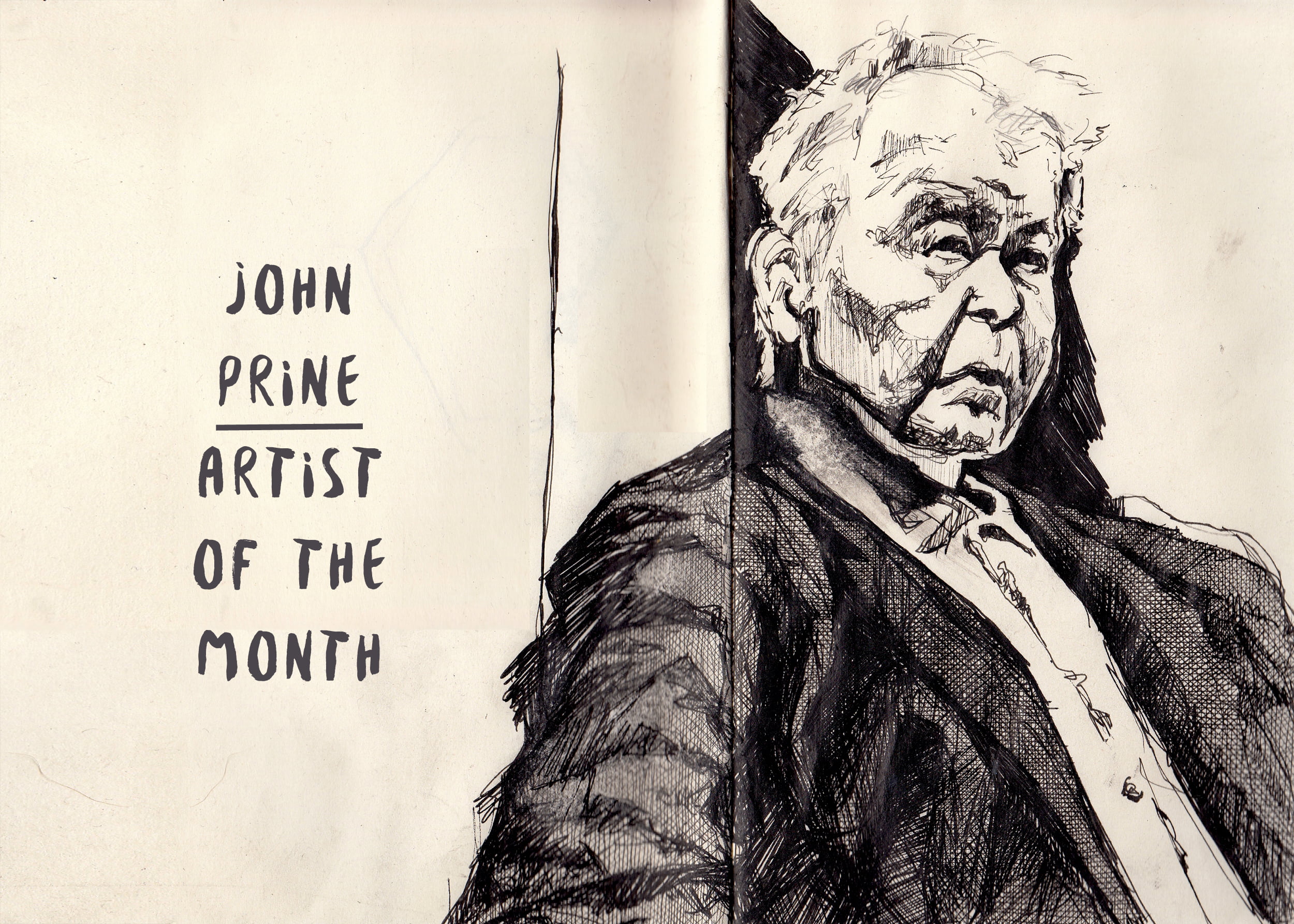
Illustration by Zachary Johnson

Peter Oren, ‘Throw Down’

Should musicians use their voices for the greater good, or should they just shut up and sing? It’s an eternal battle, heightened in the age of Trump. There are protest anthems meant to be a soundtrack to change or the spark of a revolution — and then there are melodies that exist as a distraction from the world around us. I’ve always gravitated to lyrics that are driven by political fury: Songs tend to say everything best, anyway, and cries of social justice are no exception. From Buffalo Springfield to Conor Oberst, Rhiannon Giddens, and Sturgill Simpson, these moments have never felt more urgent.

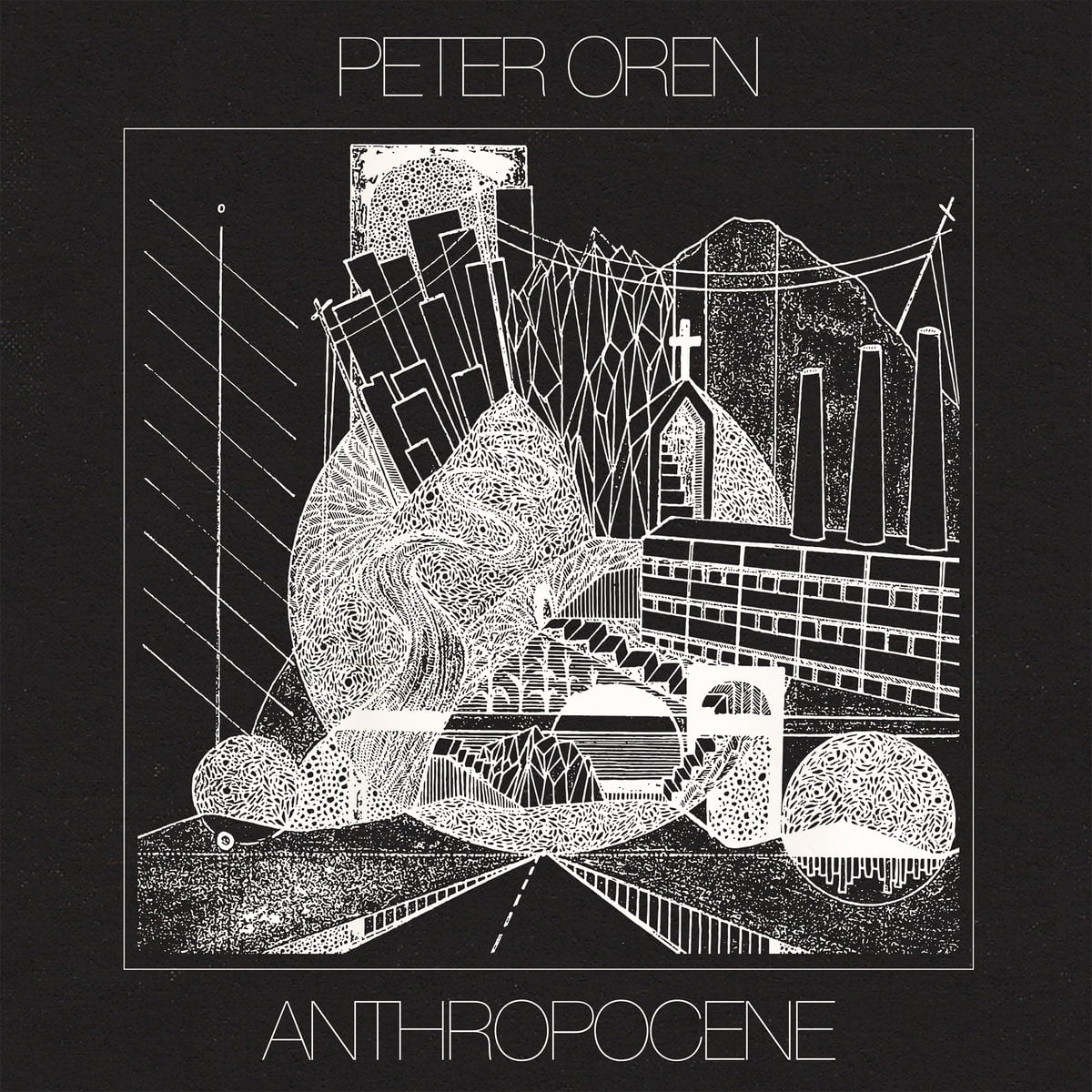
Peter Oren cuts straight to the point on “Throw Down,” the newest release from his forthcoming album, Anthropocene. With a voice as deep and mysterious as an ancient well, Oren doesn’t just engage in ideas and thought, he launches a plea to rally forth. “Fuck the law, if I ain’t got a say in it,” he sings, set to some menacing strings that march forward like a street flooded with protesters. This isn’t some gentle call to stand up and preach, it’s a musical declaration to rise and demand a world that looks different — one that sees all people as equal and values the environment as much as an easy buck. “How long will we wait for change?” he wonders, his vocals rattling the walls and shaking the rafters. It’s a question we all should be asking, with a universal answer: We’ve been waiting long enough.

Best of: Austin City Limits

As the longest-running music program in television history, PBS’s Austin City Limits holds a very special place in music history. While the show was originally developed by Bill Arhos, Paul Bosner, and Bruce Scafe to feature the thriving music scene in Austin, Texas, it is now famous for bringing a wide variety of musical genres into American living rooms each week. The Rock and Roll Hall of Fame Library and Archive is busy preserving 40-plus years of ACL footage, but here are five of our favorite performances you don’t want to miss:

Willie Nelson — “Bloody Mary Morning”

Let’s start where it all began! Willie Nelson made quite an impression on viewers and PBS, when he starred in the first episode of ACL recorded back in October 1974. We have him to thank for helping the show become the staple of music television it is today.

Shovels & Rope — “Bad Luck”

Husband-and-wife duo Michael Trent and Cary Ann Hearst give their all in this high-energy performance of “Bad Luck.” We think you’ll agree that the sped-up tempo of this live version makes it even better than the original studio recording. We can’t help but move along to the driving beat!

Rhiannon Giddens — “Julie”

In this web exclusive performance of her song “Julie,” Rhiannon Giddens breathes to life a conversation between a slave and her mistress during the Civil War, demonstrating her investment in the rich and complicated history of the South, as well as her enchanting storytelling abilities.

Shakey Graves — “Roll the Bones”

Austin native Alejandro Rose-Garcia, known professionally as Shakey Graves, exemplifies the wealth of hard-working musicians coming out of the Live Music Capital of the World today. For his ACL debut, Graves took to the stage with his electric guitar, suitcase kick-drum, and gritty voice for this crowd pleasing performance of “Roll the Bones.”

Sturgill Simpson — “I’d Have to Be Crazy”

It is only fitting to end with Sturgill Simpson’s cover of Willie Nelson’s “I’d Have to Be Crazy.” Simpson’s endearing demeanor and country twang do wonders in this tribute to the ACL Hall of Famer.

ANNOUNCING: 2017 Americana Music Awards Nominations

Today, the nominees for the 16th annual Americana Music Association‘s Honors & Awards show were announced during an event at the Country Music Hall of Fame and Museum hosted by the Milk Carton Kids and featuring performances by Jason Isbell, Jerry Douglas, Patterson Hood and Mike Cooley of the Drive-By Truckers, and Caitlin Canty. The winners will be announced during the Americana Honors & Awards show on September 13, 2017 at the Ryman Auditorium in Nashville, Tennessee.

Album of the Year:
American Band, Drive-By Truckers, Produced by David Barbe
Close Ties, Rodney Crowell, Produced by Kim Buie and Jordan Lehning
Freedom Highway, Rhiannon Giddens, Produced David Bither, Rhiannon Giddens and Dirk Powell
The Navigator, Hurray for the Riff Raff, Produced by Paul Butler
A Sailor’s Guide to Earth, Sturgill Simpson, Produced by Sturgill Simpson

Artist of the Year:
Jason Isbell
John Prine
Lori McKenna
Margo Price
Sturgill Simpson

Duo/Group of the Year:
Billy Bragg & Joe Henry
Drive-By Truckers
Marty Stuart & His Fabulous Superlatives
The Lumineers

Emerging Artist of the Year:
Aaron Lee Tasjan
Amanda Shires
Brent Cobb
Sam Outlaw

Song of the Year:
“All Around You,” Sturgill Simpson, Written by Sturgill Simpson
“It Ain’t Over Yet,” Rodney Crowell (featuring Rosanne Cash & John Paul White), Written by Rodney Crowell
“To Be Without You,” Ryan Adams, Written by Ryan Adams
“Wreck You,” Lori McKenna, Written by Lori McKenna and Felix McTeigue

Instrumentalist of the Year:
Spencer Cullum, Jr.
Jen Gunderman
Courtney Hartman
Charlie Sexton

The Producers: Dave Cobb

Dave Cobb is the man with the Midas touch. Since the Savannah-born guitarist/producer started working his magic in the studio more than 10 years ago, he’s produced some of the very best Americana records of the decade, including Sturgill Simpson’s High Top Mountain and Metamodern Sounds in Country Music, Chris Stapleton’s Traveller, and both of the brilliant solo recordings from America’s best songwriter, Jason Isbell. Cobb took time out from a session at his home studio in Nashville to speak with the BGS for the first in our series of interviews with producers about making records.

Dave Cobb: What’s happening?

Michael Verity: Not much. I have you down on my calendar for a chat.

Yeah, I remember, man. I’m a big fan of the Bluegrass Situation. You guys do some awesome shit.

Aw, thank you, man. We feel the same way about you!

You guys are one of the only real publications out there. It’s awesome, man.

Thank you! That’s always nice to hear. So, ever since I was a pup and I looked at the back of my first record album, which which was Bridge Over Troubled Water 

… oh, wow.

… and saw "Produced by Roy Halee" …

… one of my heroes …

… I’ve been fascinated by record producers. And then I read that Bridge Over Troubled Water was a template of sorts for Jason Isbell’s Southeastern.

Absolutely. I’m a huge fan of Roy. He’s kind of it for me. And yeah, about Southeastern: We met about two weeks before we recorded and it was hilarious because all I did was talk to him for a second then go, "Let me play you a record." And I played “The Only Living Boy in New York.”

That’s one of my favorite songs of all time. I think it’s one of the most brilliant productions ever. I pointed out that when you think of Simon and Garfunkel, you think of acoustic guitar. You never think of a band or of production. But, if you listen to that record, it’s so badass. They’re singing in cathedrals, there are loops going on. The kitchen sink’s on that record — harpsichords and bells — but it still feels like an acoustic record. And that was the template for Southeastern … to make a record that feels acoustic but not be purely acoustic. It’s awesome that you pointed that record out because it was absolutely the template. [Laughs] Even though Southeastern sounds nothing like it.

Sonically, Bridge Over Troubled Water really summarized much of what was created by the Byrds, the Beatles, and the Beach Boys, and then took it to the next logical step. And opened the door for the kind of productions Gus Dudgeon did with Elton John, for example.

Absolutely. I love those records, too. Tumbleweed Connection is one of my favorite records of all time, as well. You’re absolutely right. Man, you know your stuff.

In my opinion, “Cover Me Up” is one of the best Americana songs to have been recorded in the last 20 years.

Oh, wow.

If I were to put it under a microscope, how many of your fingerprints would I find on that song, do you think?

I had read about the recording of “Mrs. Robinson.” They said the guys recorded that song minus the band and then, after they got the track, they added the band — the Wrecking Crew guys — and that’s why the song feels so good … and moves. So I thought, "I don’t want to influence Jason at all. I don’t want anybody influencing his timing. I don’t want anybody influencing his ebbs and flows, his getting loud and getting quiet."

We were recording at this little tiny studio in the back of my house and it’s a little bit small, a little bit confined. We wanted him to be able to stretch out. So we ran lines into the house and put him in the kitchen, where’s he’s looking out over Nashville. There's nobody else around; he’s in the house completely alone and we’re down in the studio, listening.

So we had him record the song — as well as two or three other songs on that record — completely by himself, acoustic. After we got the track, we added the slide and the Mellotron and the bridge, things like that. 

It’s very simple and it’s supposed to be simple. I think, normally, when people try to record that kind of thing, they get everybody together, and they have a click track. They’re trying to get a really great take and then comp it to go. “Cover Me Up” is a pure performance, a one-take track with just a little bit of sweetening, which was my contribution.

With a Mellotron. Which was an Elton John instrument, right?

I think a lot of people used it. The Beatles used it. The Bee Gees. Back in the day, if you couldn’t afford strings, you got a Mellotron. I think it’s a wonderful instrument and a great way to create some atmosphere. We keep coming back to the same record, but on Bridge Over Troubled Water, there are strings and all kinds of stuff — like the Mellotron. It's an affordable way to get ahold of a glockenspiel or a marimba or whatever crazy instruments you can think of.

The funny thing about “Mrs. Robinson,” as you tell the story about adding the band afterward, is that Paul Simon supposedly didn’t even know they did that. He had gone off to Europe and, when he landed back in New York, he heard it on the radio and was like, "What the hell?"

He probably smiled all the way to the bank on that one.

Not to overstate the whole Bridge Over Troubled Water thing, but on the new Jason record, you can kind of draw some dotted lines between the two albums … the reverb on the drums on “Children of Children,” for example.

Oh, for sure. It’s old chambers — like the echo chamber at Sound Emporium, the studio that Cowboy Jack Clement built back in the '60s. It’s a really beautiful sound; you really can’t fake that. On “Bridge Over Troubled Water,” they were using an elevator shaft.

I know, right? Isn’t that cool? I was looking at the video about the making of [Isbell’s] “24 Frames.” Was your input as we saw it in that video indicative of how you work with musicians?

Yeah. When I go into the studio, I’m kind of the "fifth member." I like to be in the room with the artist and have an instrument on, whether I play on the record or not. It’s a tool to speak the language, to suggest melodic ideas, and push and influence the tempo and the like.

There’s a guy, Jimmy Miller, one of my favorite producers ever, who produced the best Stones stuff — from Let It Bleed to Exile [On Main Street]. The Stones really found their swagger with him. He’d get out there and play percussion or drums or whatever it took to get the groove. I think I kind of do that, as well, whether I have an acoustic guitar on or play percussion or whatever. I try to guide like that, without using clicks.

And with Jason, he’s really open and always very cool. He always has the songs; the songs are done because he’s an unbelievable writer. But with the little themes, the beginnings and ends and bridges, he’s always welcoming to ideas. We always have fun.

“The Life You Chose” and “Hudson Commodore” are my favorites on that album. The things I love about “The Life You Chose” are the idea of being “lucky” by losing three fingers — what delicious irony. And, right as he sings that line, there’s a cello that sneaks into the mix. It just floored me. I thought, “Dude, that is IT.”

Thanks, man. He always let’s me mess around and I love orchestrating. That’s the Mellotron again. That’s not even a real cello. The Mellotron lets me conduct a symphony in my own little studio.

Lindi Ortega did something cool — she recorded a little in Muscle Shoals, did a few tunes with another one of my favorite producers of all time, Colin Linden, and then tracked three of cuts with you. And it’s easy to tell which ones are yours. Just rock 'n' roll, baby. Did you have fun with that?

I love Lindi. I did her previous record, and I think she is such an amazing talent. Every time we work together, those vocals are live. Her songs are pure performance and we were just trying to capture lightning in a bottle. She’s so exuberant and alive and fun to work with … dancing while she sings, jumping around. I think you feel that on tape.

My other favorite you’ve done is Chris Stapleton’s Traveller which is a whole lot different than Lindi and Jason. To me, it has a much more glossy, rock 'n' roll sound. Should I trust my ears on that one?

Yeah. The guy who who engineered and mixed it was Vance Powell, a tremendous talent who did all the Third Man stuff, like Jack White’s records. We wanted a real simple, pure thing; that was driven by Chris. I love strings and stuff like that, but Chris was like, “Nah, no keyboards.” I think there’s like one hit of piano somewhere on the record.

But the way we did it was a really good idea. That guy's such an insane singer so we didn't want to let anything get in the way of the vocal. And he’s a phenomenal acoustic guitar player so we tracked it with him, a bass guitar, and drums, me on acoustic guitar, and his wife on harmonies. That’s pretty much what you hear, other than a few solo overdubs.

We had the privilege on working in RCA Studio A for much of that record and we had a blast. We’d show up at noon and goof around and talk and maybe order some food, talk over some drinks. We didn’t track until maybe 8 o’clock at night but, when we did, we’d get two or three masters. That’s what you hear on the record. It was such a fun session and a real lesson in recording when you’re inspired — not recording because you have a deadline. The label was great. They really let us stretch out. They were really supportive about it all, about having everybody in a good mood.

We talked a little about Jimmy Miller. Now let’s talk about Glyn Johns.

Glyn is my favorite engineer of all time. One of my favorite producers. His records were so hi-fi and beautiful. I think he made a great record with Ryan Adams with Ashes and Fire. I hear that record it makes me want to give up. I think I’m kind of a fake engineer. I work on the records, but I’m more of a songwriter kind of producer. His albums sound like music to me: guitar amps sound like guitar amps, singers sound like they're singing to you. I’m heavily influenced by him, especially by his rock 'n' roll records.

A good place to ask this question: Do you play with Europe? As in “The Final Countdown” Europe?

No, I don’t play with them. I produced their last album. I don’t play in the band Europe, no. [Laughs]

I was a little confused by that one.

Every once in awhile, I’ll jump on stage and play with them. When I was a kid, I used to play along with that stuff. Everybody did in the '80s.

The way that happened was, I produced this band called Rival Sons — they’re more of a traditional rock band. They do really well overseas, and the guys from Europe heard the record and called me about a year-and-a-half ago, asking me about working together. They called me thinking I’d be too cool to work with them, but I was really excited about it. I went over to Stockholm and we made a record that was awesome. It sounds like Black Sabbath or something. It was a lot of fun. We’re going to make another record again. They’re really good guys.

Has production always been in the back of your mind, even while you were in your own band … well before you did your first record with Shooter Jennings 10 years ago and started making a name for yourself?

I always wanted to be in a band and get a record deal and do it as a career. And my band did get signed and did a lot of heavy touring. But we signed a bad deal and got stuck, and if I recorded anything new with the band, it would go directly to the label that we hated. So that’s when I started taking production seriously. I’d met my wife by this time and I was ready to stop touring. I enjoyed playing shows and enjoyed recording records but I hated the road.

And I think when I was in bands, I used to drive everybody crazy trying to tell them what to play. Maybe I was douchier back then and production was a logical thing to do — start being a producer so people would actually start listening to you.

You've found your natural space.

Being a producer is like getting to be in a different band all the time. It’s a lot of fun. When you first join a band, it’s the most romantic thing. Then, after two or three years, you start hating each other. Being a producer, I get the first date kind of feeling all the time.