MIXTAPE: Brit Taylor’s ‘Kentucky Bluegrassed’ Inspirations

I grew up deep in the hills of the Appalachian Mountains in Eastern Kentucky where, I’m pretty sure, that on a quiet, cool, foggy morning after the rooster crows, you can hear the faint strumming of a mandolin or banjo echoing through the hollers. My home was near the famed Country Music Highway, Route 23, and that set the bar high for me, even at an early age. With local artists such as Patty Loveless, Loretta Lynn, Dwight Yoakum, The Judds, Ricky Skaggs and Keith Whitley and songwriters like Larry Cordle, later joined by artists like Chris Stapleton and Tyler Childers, there was always an incredible standard of music and songwriting to strive for. It also encouraged me, because if it could happen for their hillbilly asses, then why not mine?

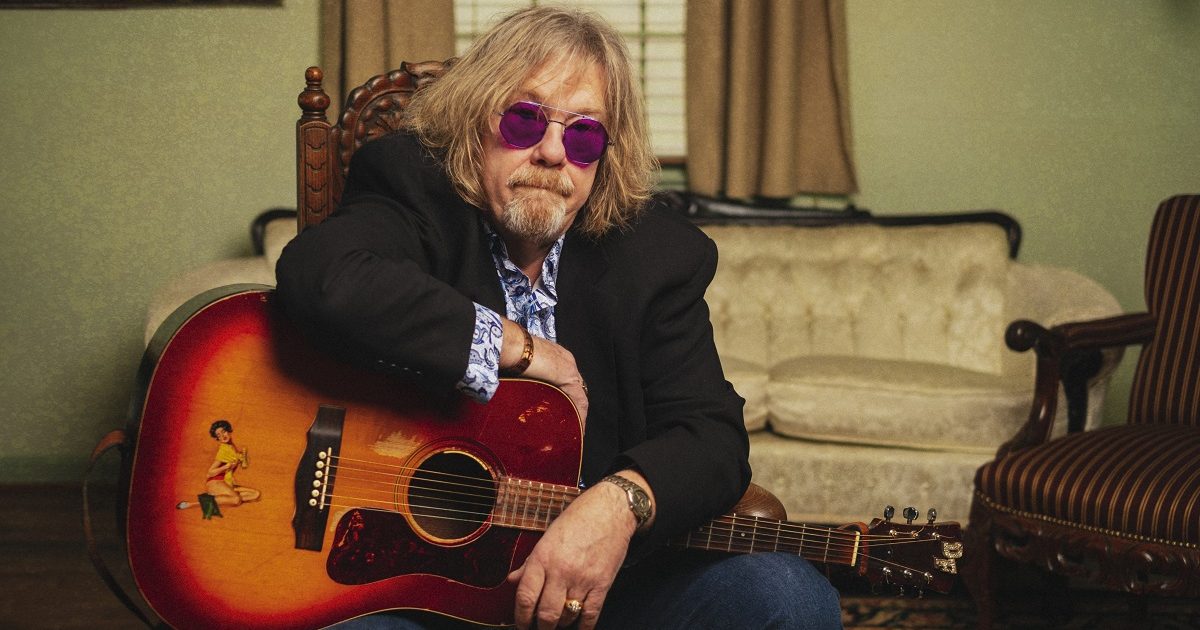
Kentucky Bluegrassed is a sister record to my sophomore album produced by Sturgill Simpson and David Ferguson. My husband Adam Chaffins and I, along with an incredible crew of pickers (Rob Ikes, Stuart Duncan, Seth Taylor, Matt Menefee, Dominick Leslie) reimagined five songs from the Kentucky Blue album and added three new songs, to boot. Although Kentucky Blue and Kentucky Bluegrassed are kin, they have their own unique personalities and can stand separately as two distinct independent projects. Kentucky Bluegrassed is exactly what the title implies. It is “grassed” versions of some songs from the Kentucky Blue record.

I’ve never claimed to be a grasser, but I’ve always loved the genre. A lot of my favorite country acts growing up either started with bluegrass music and went to country or started in country music and went to bluegrass. My favorite country artists always drew from bluegrass inspiration and instrumentation and blurred the lines of country and bluegrass music. This Mixtape is comprised of songs that I grew up listening to and that inspired the sounds and writing on Kentucky Bluegrassed. – Brit Taylor

“Pretty Little Miss” –  Patty Loveless
(Songwriters: Traditional, additional lyrics by Emory Gordy Jr. and Patty Loveless)

It’s 2006 in Prestonsburg, Kentucky, and I’m standing side stage at the Mountain Arts Center waiting for my cue to prance out on stage in an old, ugly vintage dress, silly hat, and no shoes. I always picked Patty songs to sing, whether they were bluegrass or country. I loved them all. During this particular summer show season of the Kentucky Opry Junior Pros, I chose to sing Patty Loveless’ “Pretty Little Miss.” There’s something raw and painfully beautiful about the way that Patty Loveless sings. She feels every note and you feel it with her.

Patty is a wonderful songwriter and a hell of a song hound. She surely knew how to sniff good songs out, and Patty and Emory (husband/producer) knew exactly what to do with them when they found them. Whether she writes the song or finds a great song to sing, she knows how to empathize with the song’s character and you can hear it. Unlike some of her more heart-wrenching songs (like my personal favorite, “You Don’t Even Know Who I Am,” written by Gretchen Peters), “Pretty Little Miss” is funny and fun, plus she wrote it! And she sings the shit out of it. Patty Loveless, like Dolly Parton, knows how to get into character and have fun.

“Busted” – Patty Loveless (Songwriter: Harlan Howard)

Written in 1962 by one of my favorite songwriters of all time, Harlan Howard, this song has been recorded and re-recorded. From Johnny Cash and the Carter Family to Waylon Jennings to Ray Charles and more, this song has been done again and again for good reason. In 2009, my queen Patty Loveless comes along and grasses the hell out of it. Each interpretation of this song is different from the last in pretty drastic ways. That’s one of the things I love about music and production. Music is like water, it can literally fit into whatever mold you want to pour it into. You just have to have some imagination. It’s songs like this that inspired me to write and record my song, “Rich Little Girls.” And it is artists like Patty Loveless and producers like her husband Emory Gordy who inspire me to not be afraid to reimagine a song completely different from its original presentation.

“Truth No. 2” – The Chicks (Songwriter: Patty Griffin)

This entire album is an inspiration for Kentucky Bluegrassed. The songwriting is impeccable as are the production and the playing. The album is full of incredible songs by writers like Darrell Scott, Tim O’Brien, Marty Stuart, Patty Griffin, and others. The tracks could have easily been recorded on a Chicks traditional country record, but I love that they decided to do them this way. I love the melody of this particular song and the extended intro with the fiddle hook. I also love the space in this song. They didn’t fill every “hole” with a lick. They let the song breathe. These are definitely concepts we were mindful of when recording Kentucky Bluegrassed. Where can we let it breathe? What’s the signature lick here and who’s playing it? Heavy on the dobro and fiddle, please.

“I’m Gone” – Dolly Parton (Songwriter: Dolly Parton)

No one can tell a story quite like Dolly. This whole record – Halos & Horns – is a lesson in storytelling. Dolly is always an inspiration. Her ability to connect with her audience through her lyrics, honest stories, and light-heartedness will always be something I strive to do in my own music. This is one of those records that I remember begging my mom to take me to the Walmart in Prestonsburg to buy!

“Big Chance” – Patty Loveless (Songwriters: Emory Gordy Jr. and Patty Loveless)

Lyrics in Patty’s “Big Chance” such as, “Looka here mama, looka here daddy/ This is my true love, we’re gonna get married/ Ain’t a gonna hem-haw, ain’t a gonna tarry/ This is my big chance, we’re gonna get married/” are what inspired me to be confident in my own Appalachian dialect, enough so that I put words like “sworpin’” in my song “Saint Anthony,” regardless of if other people were going to understand it.

“Marry Me” – Dolly Parton (Songwriter: Dolly Parton)

I love the perspectives and simplicity in songwriting on both “Big Chance” by Patty and “Marry Me” by Dolly. The character in Dolly’s song sounds like she might be 13-years-old, hollering to her folks about how she’s gonna run off and marry this new feller! I love that the character sounds so young and also like she just met the boy yesterday. It just lends itself to sweetness and innocence with a light-hearted humor.

I wanted a song about getting married on my bluegrass record simply because my heroes had them on theirs. I love the personality and the very matter-of-fact, bossy lyrics of these songs – and that’s what Adam Wright and I were going for when we wrote my own song, “Married.”

“A Handful of Dust” – Patty Loveless (Songwriter: Tony Arata)

This is another one of those songs that has been recorded again and again by multiple artists and for good reason. It was first recorded by Dolly Parton, Linda Ronstadt, and Emmylou Harris in 1993 and then by Patty Loveless on her 1994 country album. Then she cut it again on Mountain Soul II where she grassed it! Charley Worsham and Lainey Wilson also just released their own version of the song. I honestly couldn’t pick a favorite version if I tried. It’s hard to mess up a song this great. I chose this version for the playlist because it’s grassed and very much an inspiration for grassing several of my own songs.

I realize I have a lot of Patty Loveless songs on this playlist, but that’s because she is honestly who inspired Kentucky Bluegrassed the most. I listened to her songs on repeat growing up and still find myself doing so today. If you have heard Kentucky Bluegrassed and are now listening to these Patty songs from the Mountain Soul records, you will definitely hear some similarities. Rob Ickes, who plays Dobro, and Stuart Duncan, who plays fiddle, who were on both Mountain Soul records also play on my Kentucky Bluegrassed album.

“Don’t Cheat In Our Home Town” – Keith Whitley, Ricky Skaggs
(Songwriters: Ray Pennington and Roy E. Marcum)

Both Ricky Skaggs and Keith Whitley are from near the Country Music Highway in East Kentucky, and you can hear the hillbilly twang in their voices, especially when they’d sing together. This song is wonderful. The harmonies just kill me. If you want a lesson in singing bluegrass harmonies – hell, any harmonies for that matter – this is the record to listen to and learn from. When people tell me they don’t like bluegrass, I always tell them they just haven’t listened to the right records yet. This is one of the first albums I send them to. The self-deprecating lyrics along with the simplicity of the music with its quirky upbeat instrumentation might seem to be a contradictory songwriting and production combo, but that’s just one of the unique and beautiful things about bluegrass music that I love so much.

“Rank Strangers” –The Stanley Brothers (Songwriter: Albert E. Brumley)

My Papaw Hillard Anderson introduced me to bluegrass music when I was just a kid. Truth be told, he liked to put on a Stanley Brothers 8-track tape, drink a little too much Crown Royal and have himself a good cry – or maybe just raise some hell. One of the two. Man, I miss him. When I turned 16 and got my driver’s license, I got us tickets to go see Ralph Stanley at the Mountain Arts Center in Prestonsburg. I picked him up over on Beaver Creek in my little red Mustang and off we went. I think my driving scared him to death. But it was all worth it when we got to see Ralph sing and play. I was able to charm my way backstage because the volunteer door people already knew me from my singing at the Kentucky Opry. I got my Papaw a picture signed by Ralph Stanley himself.

Papaw passed in 2009. I sang to him and strummed my guitar as he died. I wish he could have been here to hear this record more than any record I’ve ever made. But I know he’s got a front seat in Heaven. When I recorded Kentucky Bluegrassed, I took two of my Papaw’s old, scuffed-up Stanley Brothers 8-tracks tapes with me. I set up a little hillbilly altar with the two tapes, some tigers eye, Kentucky agate, clear quartz, and other crystals, a rabbit’s foot, some incense, and a glass of bourbon. I wanted to make sure he knew he was welcome there with us. He was there. I could feel it.

“You’ll Never Leave Harlan Alive” – Patty Loveless (Songwriter: Darrell Scott)

I’ll probably spend the rest of my life trying to write a song this good. Nothing captures where I’m from as much as this one does. It just sounds like East Kentucky. It sounds like the coal mines. It feels like home. The first version of this song that I heard was by Patty Loveless on her first Mountain Soul record. I try to sing it sometimes, but it hits pretty close to home. By the last verse I’m normally in tears. My Papaw was a coal miner, and my husband’s father was a miner, too. Growing up, coal mining was about all there was to do for work around home. So hearing this song just always hits hard.

I hope you enjoy this playlist of tunes that inspired Kentucky Bluegrassed, from the songwriting down to the instrumentation. Songs like these will never grow old or sound dated because they’re too original. They don’t chase any trends of the times. They just are what they are.


Photo Credit: Natia Cinco

LISTEN: Angel Olsen & Sturgill Simpson, “Big Time”

Artists: Angel Olsen & Sturgill Simpson
Hometown: Asheville, North Carolina & Nashville, Tennessee
Song: “Big Time”
Release Date: September 13, 2022
Record Label: Jagjaguwar

In Their Words: “It’s crazy to write a song and then watch someone else you really admire sing your words, kinda turns the whole thing on its head. I loved the song already but hearing Sturgill’s take on ‘Big Time’ made me smile ear to ear, he made it come alive on a different level.” — Angel Olsen


Photo Credit: Angela Ricciardi – Angel Olsen, Semi Song – Sturgill Simpson

Grammy Nominations 2022: See the American Roots Music Nominees

The Grammy Awards have revealed their nominees, and the American Roots Music ballot is especially diverse this year. Take a look at nominations for the 2022 show, which will air January 31 from Los Angeles on CBS. (See the full list.)

Best American Roots Performance

Jon Batiste – “Cry”
Billy Strings – “Love and Regret”
The Blind Boys of Alabama and Béla Fleck – “I Wish I Knew How It Would Feel to be Free”
Brandy Clark Featuring Brandi Carlile – “Same Devil”
Allison Russell – “Nightflyer”

Best American Roots Song

Rhiannon Giddens, Francesco Turrisi – “Avalon”
Valerie June Featuring Carla Thomas – “Call Me a Fool”
Jon Batiste – “Cry”
Yola – “Diamond Studded Shoes”
Allison Russell – Nightflyer

Best Americana Album

Jackson Browne – Downhill From Everywhere
John Hiatt with the Jerry Douglas Band – Leftover Feelings
Los Lobos – Native Sons
Allison Russell – Outside Child
Yola – Stand for Myself

Best Bluegrass Album

Billy Strings – Renewal
Béla Fleck – My Bluegrass Heart
The Infamous Stringdusters – A Tribute to Bill Monroe
Sturgill Simpson – Cuttin’ Grass Vol. 1 (Butcher Shoppe Sessions)
Rhonda Vincent – Music Is What I See

Best Traditional Blues Album

Elvin Bishop and Charlie Musselwhite – 100 Years of Blues
Blues Traveler – Traveler’s Blues
Cedric Burnside – I Be Trying
Guy Davis – Be Ready When I Call You
Kim Wilson – Take Me Back

Best Contemporary Blues Album

The Black Keys Featuring Eric Deaton and Kenny Brown – Delta Kream
Joe Bonamassa – Royal Tea
Shemekia Copeland – Uncivil War
Steve Cropper – Fire It Up
Christone “Kingfish” Ingram – 662

Best Folk Album

Mary Chapin Carpenter – One Night Lonely (Live)
Tyler Childers – Long Violent History
Madison Cunningham – Wednesday (Extended Edition)
Rhiannon Giddens with Francesco Turrisi – They’re Calling Me Home
Sarah Jarosz – Blue Heron Suite

Best Regional Roots Music Album

Sean Ardoin and Kreole Rock and Soul – Live in New Orleans!
Big Chief Monk Boudreaux – Bloodstains and Teardrops
Cha Wa – My People
Corey Ledet Zydaco – Corey Ledet Zydaco
Kalani Pe’a – Kau Ka Pe’a


Photo of Allison Russell: Marc Baptiste
Photo of Tyler Childers: David McClister
Photo of Rhiannon Giddens and Francesco Turrisi: Karen Cox

Better Late Than Never, David “Ferg” Ferguson Debuts ‘Nashville No More’

As the go-to producer for some of Nashville’s most enigmatic roots talents, David Ferguson is what you’d call a behind-the-board legend. The studio savant known simply as “Ferg” started out as a protégé of producer and eccentric tape-splicer Cowboy Jack Clement and went on to become Johnny Cash’s favored engineer during his late-career resurgence. More recently, Ferguson has been imparting his old-school wisdom on tastemakers like Sturgill Simpson and Margo Price, while on his own debut album Nashville No More, he puts decades of knowledge to work once more.

With 10 songs full of classic charm and creative whimsy, it’s a loose-feeling project of tunes Ferg’s been falling in love with (and recording for himself) for years, molded into an album during the pandemic doldrums. A rotating cast of Nashville A-listers like Kenny Vaughan, Sierra Hull, Justin Moses, Jerry Douglas, Stuart Duncan, Béla Fleck and Tim O’Brien helped him flesh it out, presenting gruff vocals with tender, honest reverence for the lost art of record-making. In the end, it sounds like a love letter to his life’s work – and maybe the last hurrah of a creative culture.

BGS: So we’ll start with obvious question: Why did you want to make your own record, after so many years of helping others make theirs?

David Ferguson: Well, I’ve really always been a musician at heart. But this one fell into my lap over the pandemic. I had to shut down my studio, the Butcher Shoppe, in Nashville because they sold the buildings. So I set up a control room and an overdub room at my house, then the pandemic came along and there wasn’t much work. I started digging around in my recordings from over the years, got ‘em out and started seeing what I could do. That’s kind of how it came together. I really was just putting it together for family. Like, I was just gonna give it to my mom.

That’s interesting, because I think some people might assume you’ve been wanting to do this your whole life, but it sounds more spur of the moment.

Yeah, it’s a little late in life for me to be launching a solo career. [Laughs] But it’s fun to have one coming out and I’ve got a lot of time on my hands.

It might be late to get started, but you’ve had good teachers. Working with people like Cowboy Jack and Johnny Cash, and more recently Sturgill and Margo, what have you learned about being an artist?

To try to be humble. Even doing interviews, it’s hard to talk about yourself. Somebody who enjoys sitting and talking about themselves, there’s something a little bit wrong with them. I think being humble is a great lesson. Johnny Cash was a very humble man, very humble. So I think that — and trying to be kind to people. And don’t take it for granted, because even if something does happen, it may never happen again. You gotta appreciate what you’ve got.

The people you’ve been known for working with, they’re all artists of very strong vision – ones who didn’t compromise their art. Why are you drawn to people like that?

That’s a good question. I don’t know that I am particularly drawn there, maybe it’s just kind of the way it happened. Stuff comes your way and you have to grab the opportunity if it comes. You’ve gotta be ready to make a fool of yourself if you have to, and learn to grow from mistakes. I made a whole lot of records on a whole lot of people that weren’t any good – tons of them! Not everything you’re gonna do is good. But you do your best for the amount of time or money you have.

I always tried to do my very best. I was a fast engineer and got it going quick, because I didn’t want to waste people’s money. It’s hard to come by, and to get to make a record in a studio is a special thing. It used to be a really special thing. Now anybody can make a record. You can make one in your own house. But back in the day when I started, being able to have the money and resources to go in and record an album was a big deal. I still look at it as a big deal.

I think that comes through on your record.

Thank you, man, I tried not to cut any corners. I could have, and used keyboard strings, things like that. But I had real ones. I tried to do it as real as I could do it.

Did you record this the way you would have back in the day?

Yeah. Everybody’s recording on the Pro Tools format, but I can still fire up a tape machine, I’m not afraid of it. It’s just not economically feasible anymore. And plus, people don’t realize, they always used to say, ‘Oh, tape machines sounded great.’ And it’s true. They did and they still do, but you still wind up with a 16-bit CD. Unless you’re listening to it off the tape machine or on a vinyl record, or some super high resolution format, it’s just not gonna make very much difference.

Tell me about the title you chose. You’re from Nashville and have seen how it’s changed. How did you end up with the title Nashville No More? The whole thing has a kind of weary feel to it.

[Laughs] You know it’s not really a bummer. A lot of them are actually love songs. Like “Chardonnay” is a love song to wine. And then “Looking for Rainbows,” it’s kind of a sad song about love. … Nashville No More means a lot to me, because the Nashville that I used to know is no more. I’m not saying that’s a bad thing, it’s just that things evolve, and Nashville has really evolved. The music has evolved into an unlistenable thing to me. Modern country music, to me, is really difficult to listen to. Top 10 radio, it’s not for me. And I know some of those people who are on those channels, those singers, and I really like ‘em. I’m not saying anything bad about their music or anything … I’m really happy for their success, but it’s not the kind of stuff I’m gonna listen to.

Margo Price is featured on “Chardonnay,” and that has such a lovely sway to it. Where did that track come from?

That was written by my friend Roger Cook, and some years ago I made a demo of him doing the song, and I found it like ‘Jeez, where has this song been? I love this!’ … I finished it up with some real players on it, re-sung a couple of lines here and there and then sent it to Margo, and she said, ‘God, I love that song so much.’ She graciously came over and hung out for the afternoon and sung on that and “Looking for Rainbows.” Margo’s a real sweetheart and she doesn’t live far from me. The other person on there is Harry Stinson. He sings harmony, too, and Harry is in the Fabulous Superlatives. Harry’s singing on “Four Strong Winds,” too. He can blend right in there.

I love that you start off with “Four Strong Winds,” which is such a tender song. The first thing you hear is this gentle piano and a loping drum beat. Why start with that sound?

The album was totally sequenced … and it started off just exactly the opposite of what it is now. It started off with number six being number one, and we swapped the A side and B side.

Really?

That’s an old record trick I learned from Jack Clement and Johnny Cash.

What’s the benefit there?

It just kind of takes the obvious away, and that’s good. I’ve done that on more than one record for the years, and I’ve seen Jack Clement do it a few times. It’s a strange thing, but I mentioned to the guys, “Jack used to sequence it out A and B, then a couple of days later he’d be like, ‘You know, B oughta be A, I think.'” And it works!

You end on “Hard Times Come Again No More.” What’s the message in that ending?

Like I said before, that would have been number five, and we swapped it around. But it just seemed like a natural song to go out with. Sierra and Justin were kind enough to show up on that, and I think she’s just a major talent. Probably one of the most talented people I’ve ever met. She’s got the touch, and she’s not one to nitpick stuff. If you say you’re happy, she says, “OK, let’s move on.” She won’t just wear you out with it.

What was it like trying to produce your own songs, though? Is it hard to be critical of yourself?

It’s nearly impossible. Anybody you talk to who sings or even talks for a living, there’s hardly anything more painful than listening to yourself back. It’s as painful to a singer and artist as it is to anybody — unless they have an ego the size of [spreads his arms wide]. But you get in a situation where you have to be critical, so I learned how to do it on this record. I figured it out.


Photo credit: Scott Simontacchi

See Photos: Brandi Carlile, Charley Crockett Win at Americana Honors Show

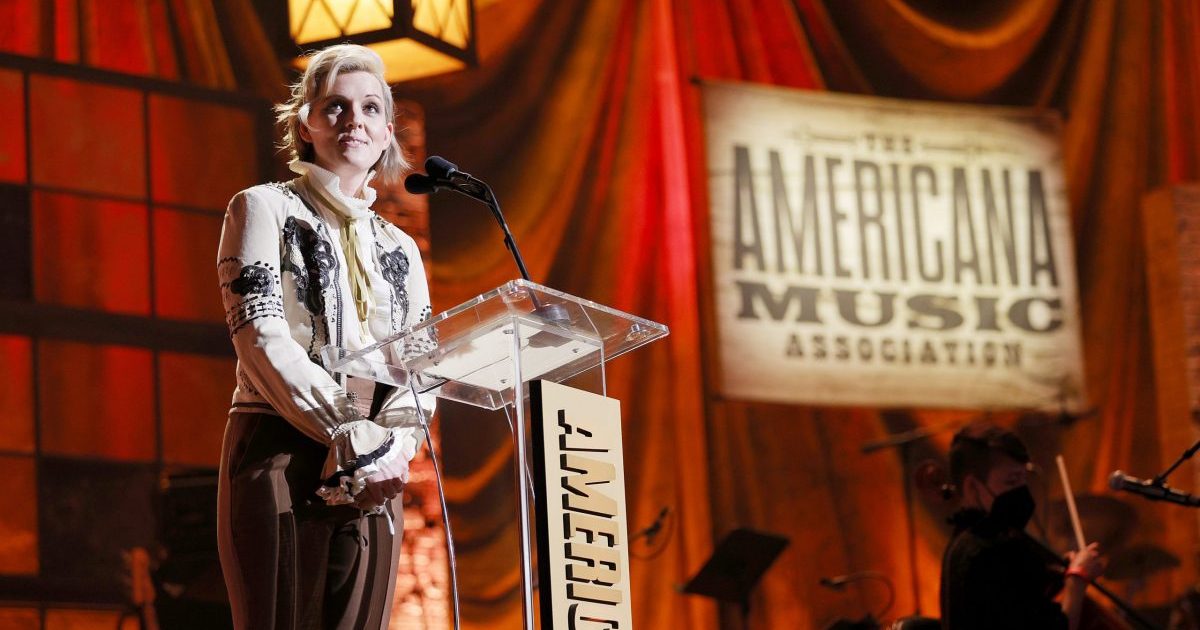
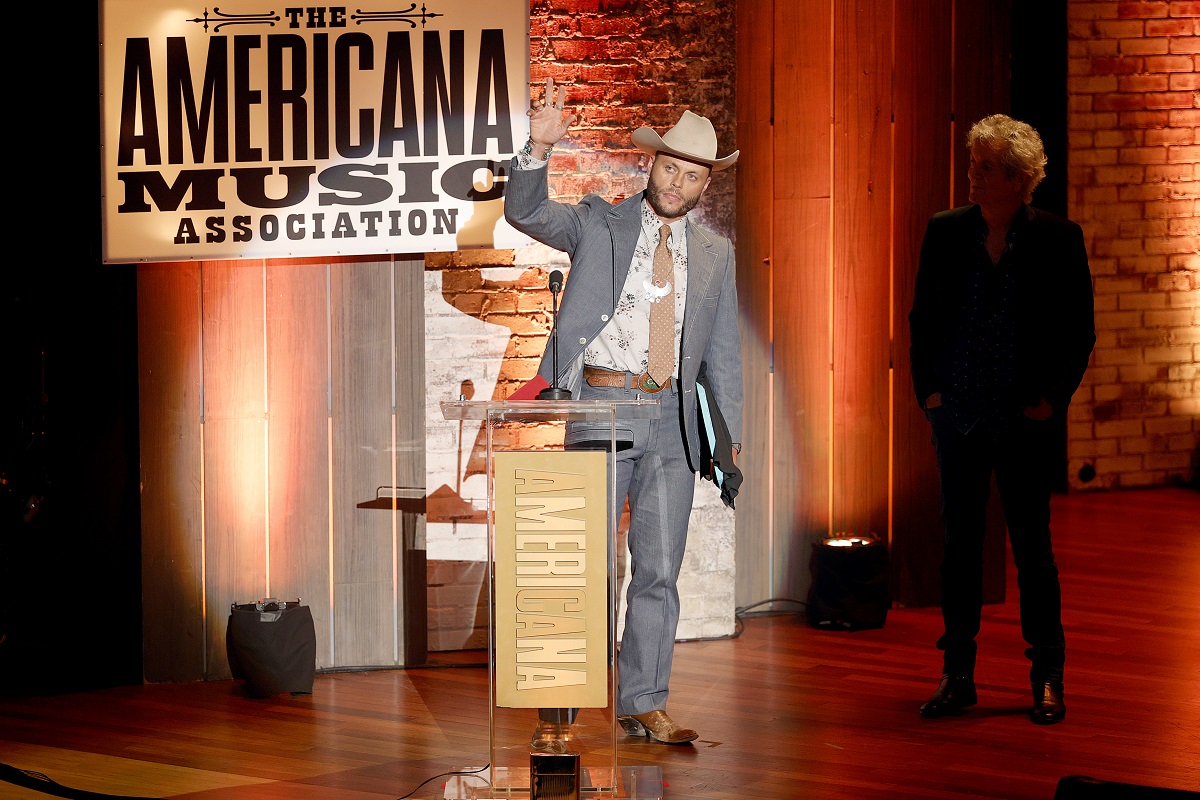
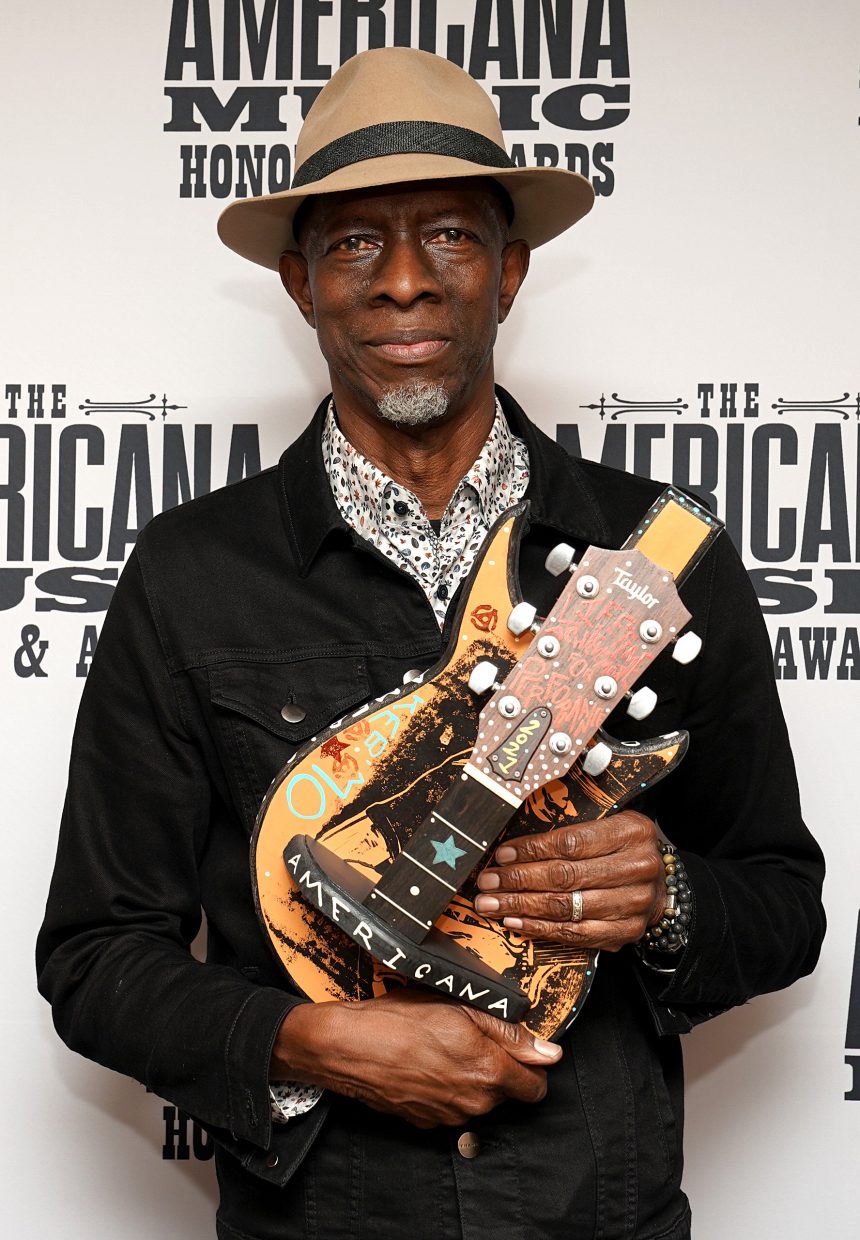
The Americana Music Association celebrated distinguished members of its community at the 20th Annual Americana Honors & Awards at the historic Ryman Auditorium on September 22. Notable wins included Brandi Carlile as Artist of the Year and Sturgill Simpson’s Cuttin’ Grass – Vol. 1 (Butcher Shoppe Sessions), named Album of the Year. Among many other categories, blues guitarist and singer-songwriter Keb’ Mo’ received a Lifetime Achievement Award for Performance and fiddler Kristin Weber took home the award for Instrumentalist of the Year.

Here is the full list of winners:

ARTIST OF THE YEAR: Brandi Carlile

ALBUM OF THE YEAR: Cuttin’ Grass – Vol. 1 (Butcher Shoppe Sessions), Sturgill Simpson, Produced by David Ferguson & Sturgill Simpson

EMERGING ACT OF THE YEAR: Charley Crockett

DUO/GROUP OF THE YEAR: Black Pumas

INSTRUMENTALIST OF THE YEAR: Kristin Weber

SONG OF THE YEAR: “I Remember Everything,” John Prine, Written by Pat McLaughlin & John Prine


Legacy of Americana Award, presented in partnership with the National Museum of African American Music: Fisk Jubilee Singers

Lifetime Achievement Award for Performance: Keb’ Mo’ (below)

Lifetime Achievement Award for Producer/Engineer: Trina Shoemaker

Inspiration Award: Carla Thomas

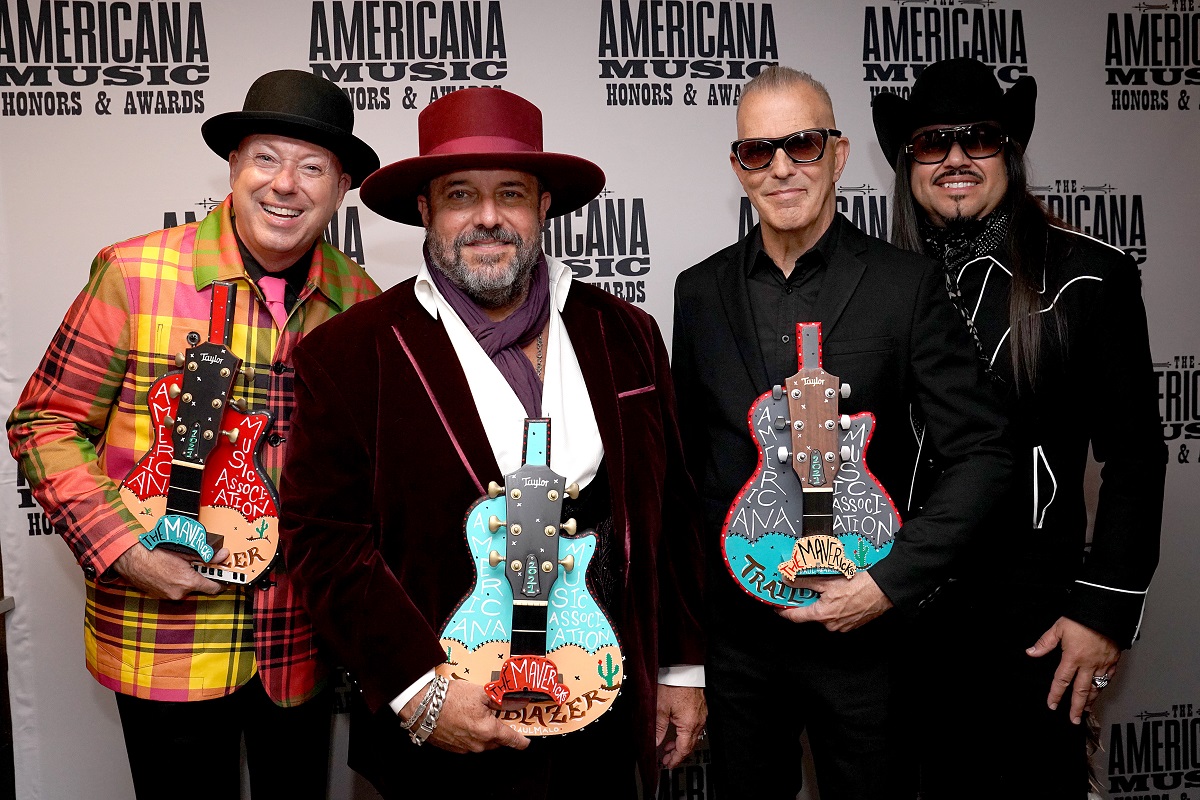
Trailblazer Award: The Mavericks (below)


Photos on stage by Jason Kempin/Getty Images, courtesy of Americana Music Association
Photos backstage by Erika Goldring/Getty Images, courtesy of Americana Music Association

2021 Americana Honors & Awards Nominees Announced

Brandi Carlile, Jason Isbell, Amythyst Kiah and Allison Russell are the leading nominees for the 20th annual Americana Honors & Awards, set for September 22, 2021 at the Ryman Auditorium in Nashville, Tennessee. Familiar names like Tyler Childers, Steve Earle, Sarah Jarosz, John Prine, and Sturgill Simpson are also on the ballot.

Carlile and Isbell are joined by Kathleen Edwards, Margo Price, and Billy Strings in the Artist of the Year category. On the ballot for Duo/Group of the Year, Carlile is also nominated as a member of The Highwomen, while Kiah and Russell are part of Our Native Daughters. As solo artists, Kiah and Russell are both nominated for Emerging Act of the Year as well. In addition, Kiah’s version of “Black Myself” (which was earlier recorded by Our Native Daughters) will compete for Song of the Year, bringing her total nominations to three.

Other contenders for Emerging Act are Charley Crockett, Joy Oladokun, and Waxahatchee. The Duo/Group category also includes Black Pumas, The War and Treaty, and Gillian Welch and David Rawlings. The Americana Music Association’s Lifetime Achievement Awards, including the NMAAM co-presented Legacy of Americana Award, will be announced at a later date. The awards ceremony is a cornerstone of AmericanaFest, which returns for its 21st year on September 22-25.

Keb’ Mo’ and Old Crow Medicine Show’s Ketch Secor unveiled the nominations during a socially-distanced ceremony at Nashville’s National Museum of African American Music. The intimate event featured acoustic performances from nominees Valerie June and Allison Russell. A full list of categories and nominees for the Americana Music Association’s 20th annual Americana Honors & Awards is below:


ALBUM OF THE YEAR:

Cuttin’ Grass – Vol. 1 (Butcher Shoppe Sessions), Sturgill Simpson, Produced by David Ferguson & Sturgill Simpson

J.T., Steve Earle & The Dukes, Produced by Steve Earle

The Moon and Stars: Prescriptions For Dreamers, Valerie June, Produced by Valerie June, Ben Rice & Jack Splash

Reunions, Jason Isbell and the 400 Unit, Produced by Dave Cobb

World on the Ground, Sarah Jarosz, Produced by John Leventhal


ARTIST OF THE YEAR:

Brandi Carlile

Kathleen Edwards

Jason Isbell

Margo Price

Billy Strings


DUO/GROUP OF THE YEAR:

Black Pumas

The Highwomen

Our Native Daughters

The War and Treaty

Gillian Welch and David Rawlings


EMERGING ACT OF THE YEAR:

Charley Crockett

Amythyst Kiah

Joy Oladokun

Allison Russell

Waxahatchee


INSTRUMENTALIST OF THE YEAR:

Megan Coleman

Robbie Crowell

Ray Jacildo

Philip Towns

Kristin Weber


SONG OF THE YEAR:

“Black Myself,” Amythyst Kiah, Written by Amythyst Kiah

“Call Me A Fool,” Valerie June ft. Carla Thomas, Written by Valerie June

“Dreamsicle,” Jason Isbell and the 400 Unit, Written by Jason Isbell

“I Remember Everything,” John Prine, Written by Pat McLaughlin & John Prine

“Long Violent History,” Tyler Childers, Written by Tyler Childers

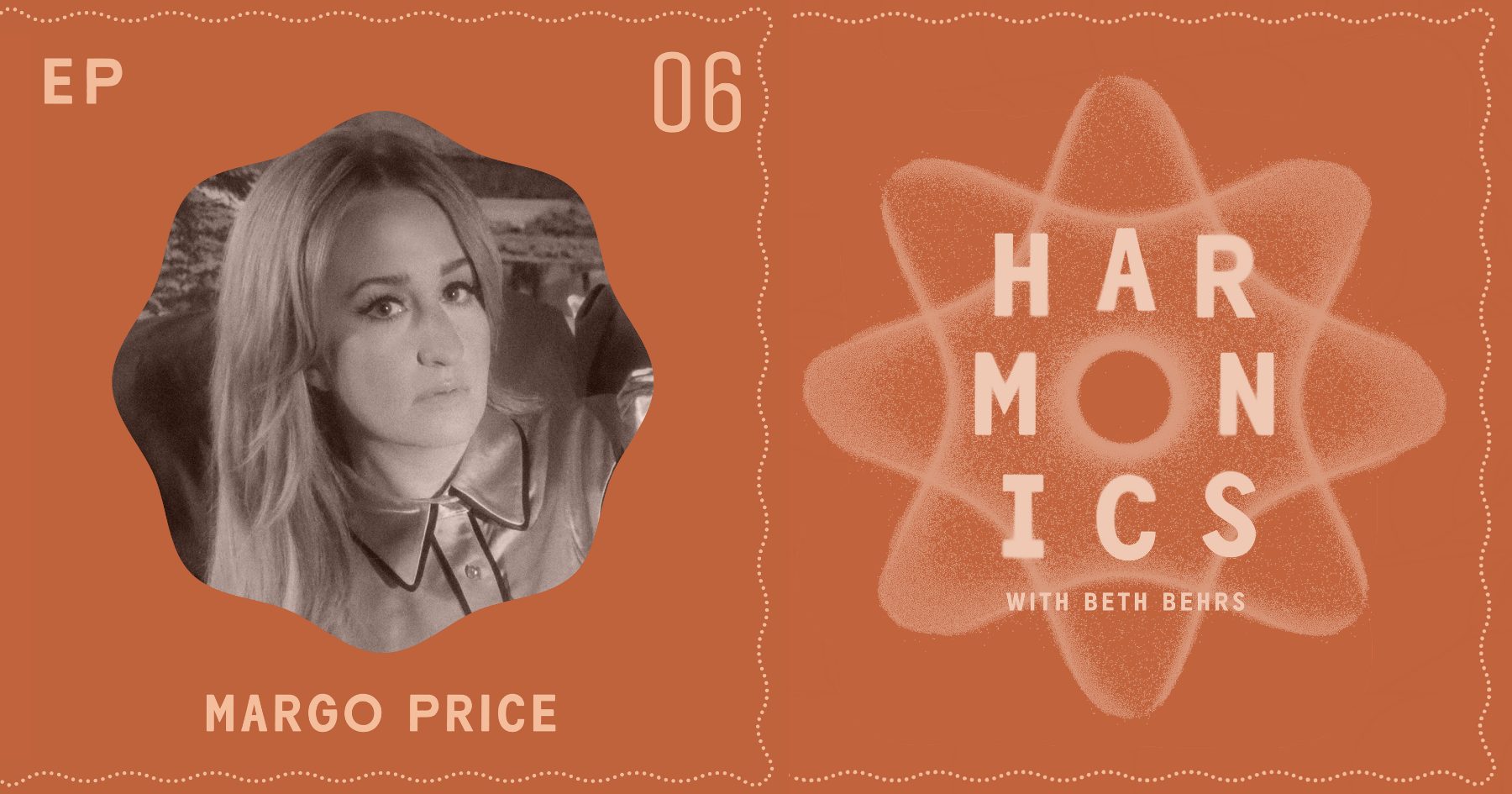
Harmonics with Beth Behrs: Margo Price

It’s Americana April here on Harmonics, and this week brings a conversation with one of host Beth Behr’s all-time favorite artists — Americana or otherwise — Nashville’s very own Margo Price.

LISTEN: APPLE • SPOTIFY • STITCHER • AMAZON • POCKET CASTS • MP3

This past year may have temporarily pulled Price off the never-ending road of touring, but that doesn’t mean the pace has slowed down; being a mother is a never-ending rush of another kind. She and Beth talk about this time spent at home, from spending time with her children and attempting to instill in them a respect for the earth and for others, to navigating the complexities of a songwriting relationship with her husband, singer-songwriter Jeremy Ivey.

Price also shares her feelings on becoming the first female artist on the board of Farm Aid (a full-circle, bittersweet moment after her family lost their farm when she was young,) the advice she’s gleaned from the greats like Willie Nelson and Emmylou Harris, working with longtime friend Sturgill Simpson as the producer on her latest album That’s How Rumors Get Started, and so much more.

Hear our first installment of Americana April with last week’s episode featuring Fiona Prine, and stay tuned next week for a conversation with singer-songwriter and poet Courtney Marie Andrews.


Listen and subscribe to Harmonics through all podcast platforms and follow Harmonics and Beth Behrs on Instagram for series updates!

This episode of Harmonics is brought to you by BLUblox: blue light blocking glasses, backed by science. Reclaim your energy and block out the unhealthy effects of blue light on your mental and physical health. Take 15% off your order with code “HARMONICS”

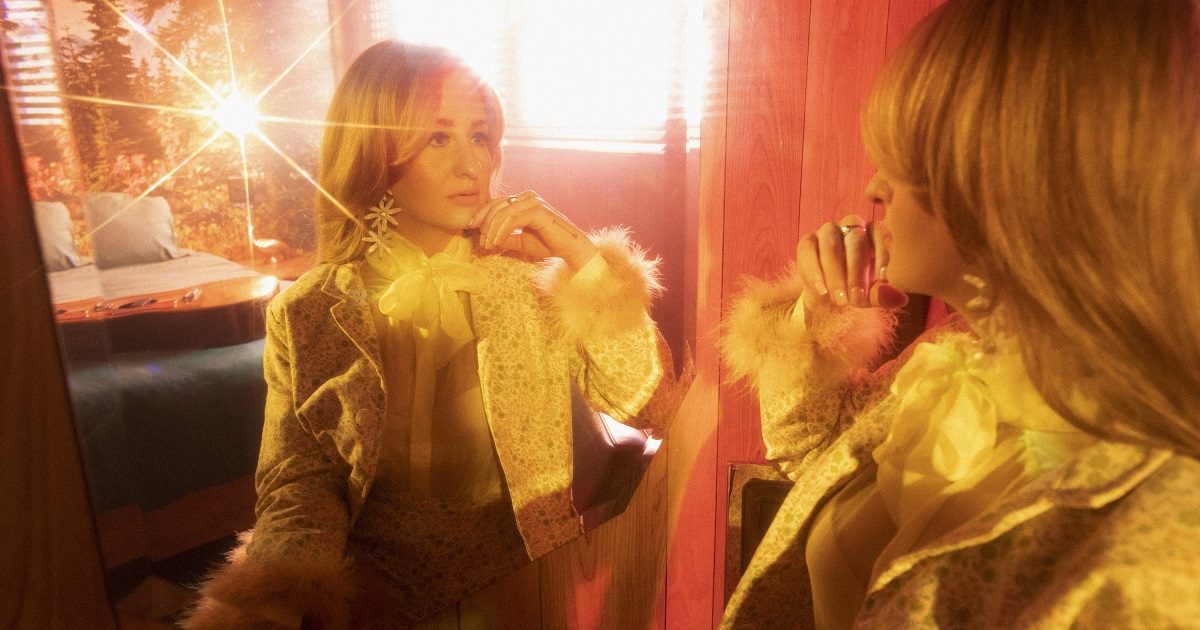
WATCH: Margo Price, “Hey Child”

Artist: Margo Price
Hometown: Nashville, Tennessee
Song: “Hey Child”
Album: That’s How Rumors Get Started
Label: Loma Vista Recordings

In Their Words: “‘Hey Child’ was a song that was written back in 2012 not long after my husband Jeremy and I lost our son Ezra. We were playing shows with our rock and roll band Buffalo Clover and occupying most of the bars in East Nashville. We had begun hanging with a rowdy group of degenerate musician friends and partying harder than The Rolling Stones… The song was about how many of our talented friends were drinking and partying their talents away, but after a few years had passed, we realized it was just as much about us as our friends. I had retired it when the band broke up but Sturgill Simpson resurrected it when he asked me if I would re-record it for That’s How Rumors Get Started.” — Margo Price


Photo credit: Bobbi Rich

The BGS Radio Hour – Episode 193

Welcome to the first BGS Radio Hour of 2021! This week we bring you new music, music to remember those who we lost in 2020, and music to say farewell to the most, well… interesting year on record. We’re also celebrating 20 years of the massive roots music revival that followed the modern classic Coen Brothers’ film O Brother, Where Art Thou? Remember to check back every Monday for a new episode of the BGS Radio Hour!

APPLE PODCASTS, SPOTIFY
Steve Earle – “Harlem River Blues”

Steve Earle is no stranger to Americana music. Of his numerous accomplishments, one that sticks out was his late son, Justin Townes Earle, who we lost unexpectedly in August of 2020. A manifestation of a father’s love for his son, Earle paid his respects in the only way he knew how – by making a record of J.T.’s songs to say goodbye.

Scott MacKay – “Romance Novel”

This week brings us a music video to accompany Scott MacKay’s new release, Stupid Cupid. This song is a wonderful representation of the “humour in country music,” evoking images of MacKay’s parents and the many romance novels that filled their shelves.

Call Me Spinster – “Two Hearts”

Sister-trio Call Me Spinster know vocals. From their upbringing by musical parents to their independent studies and obsessions with various genres of music, the trio is well qualified to bring us a vocal-centric mixtape this week.

Danny Burns – “Trouble”

Irish-born singers-songwriter Danny Burns is back with a follow-up to his 2019 debut, North Country. “Trouble” is one of two new singles, a peek into his upcoming album Hurricane, which features an all-star lineup including Dan Tyminski, Aubrie Sellers, and more!

Maxayn Lewis – “Ma Rainey’s Black Bottom”

From a Netflix feature film, this week we take a dive into a wonderful soundtrack built by Branford Marsalis. The titular track to Ma Rainey’s Black Bottom is sung by none other than soul-singer-legend Maxayn Lewis.

Taylor Ashton (feat. Rachael Price) – “Alex”

Brooklyn-based singer-songwriter Taylor Ashton brings us “Alex” this week — a song about two roommates who happen to share the same name, but are unable to share their feelings with one another. Ashton takes it to another level by singing the duet with his “roommate” Rachael Price (Lake Street Dive), who he happens to be married to (although they don’t share a surname!)

Brit Taylor – “Real Me”

Brit Taylor was bound for Nashville; after all, she grew up along U.S. 23, the Country Music Highway, which runs through Eastern Kentucky around the homplaces of the likes of Keith Whitley, Ricky Skaggs, or the more recent Tyler Childers. Real Me is her debut album, an emergence from a stuck place, and a regrounding in the traditional country sound.

Barry Gibb (feat. Jason Isbell) – “Words of a Fool”

Barry Gibb (of Bee Gees fame) fulfills a life-long goal to create a roots record with Greenfields: The Gibb Brothers Songbook, Vol. 1. Remembering his late brothers, the Dave Cobb-produced album features the likes of Dolly Parton, Alison Krauss, and in this case, Jason Isbell.

The Soggy Bottom Boys – “I Am a Man of Constant Sorrow”

The fictional Soggy Bottom Boys, star band of 2001’s O Brother, Where Art Thou?, did more for the commercial popularity of roots music than anyone could imagine (especially Ralph Stanley, who this song originally comes from.) We’re celebrating 20 years of O Brother this January, featuring the entire T-Bone Burnett-produced soundtrack as our Artist of the Month.

Buck Meek – “Candle”

Texas singer-songwriter Buck Meek brings us a new song from his upcoming project, Keeled Scales. He asks BGS, “Has a nosebleed ever sprung at the definitive moment of personal growth, like a threshold? Has a friend felt you light a candle from 1000 miles away?” What could be more simple, yet ever powerful, than a candle?

Antonio Lopez – “Roots and Wings”

There are roots, and there are wings; both are the best hope that can be given. From Longmont, CO, Antonio Lopez brings us this meditation on parents and all of the sacrifices they make for their children.

Stephen Kellogg – “I’ve Had Enough”

Like so many of us in the early days of 2021, Stephen Kellogg has had enough. The past year was enough to flip any optimist, but add in homeschooling during a pandemic, a daily dose of the news and, well… This Connecticut-based musician brings us his perspective on the whole matter.

Sturgill Simpson – “Hobo Cartoon”

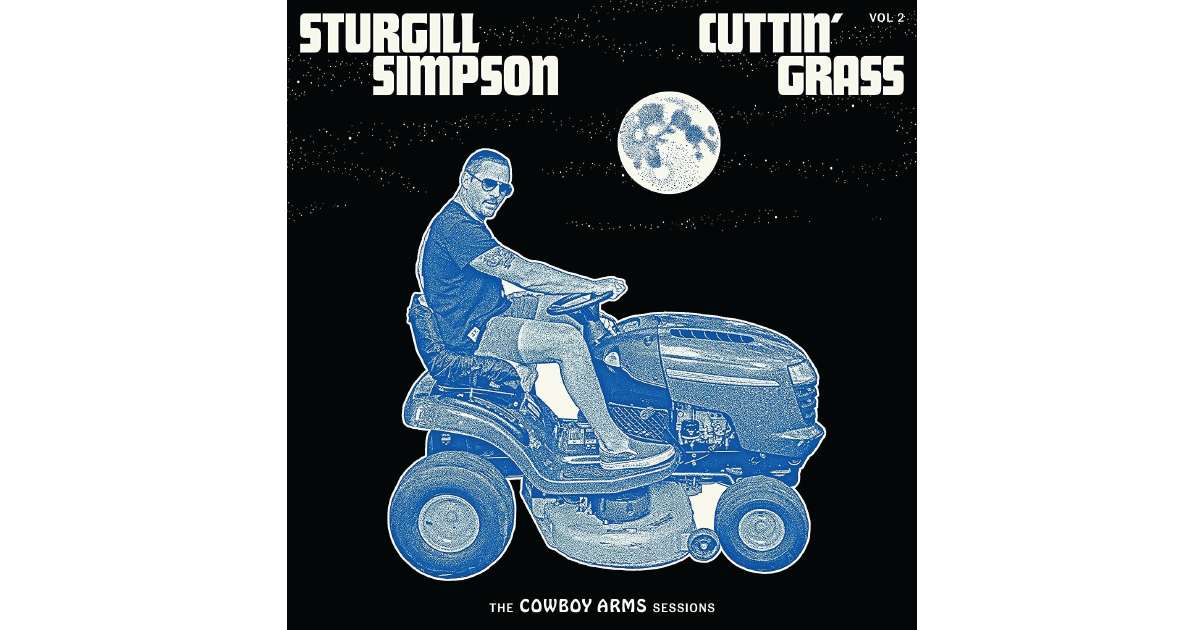
It was exciting news in the summer of 2020 when Sturgill Simpson appeared at the Ryman Auditorium alongside Sierra Hull, Stuart Duncan, and others — only to announce that the group had just recorded a bluegrass double album that very week. “Hobo Cartoon” is the conclusion of it all, a song co-written with the late, great Merle Haggard, the end to Cuttin’ Grass, Vol. 2.

Graeme James – “The Weight of Many Winters”

There is nothing quite like the stillness of winter. It’s a feeling that Graeme James chases vehemently on his new seasonal EP. “The Weight of Many Winters” is a quiet moment of reflection, drowning out the noise of modern times — and a fitting title track for this new EP.

LA Edwards – “Trouble”

The idea for a simple dream meal pairing – Bruce Springsteen and a hot dog – could come from none other than LA Edwards. We sat down with the California-based artists for a 5+5 recently, covering everything from stage-inflicted wounds to home art collections.


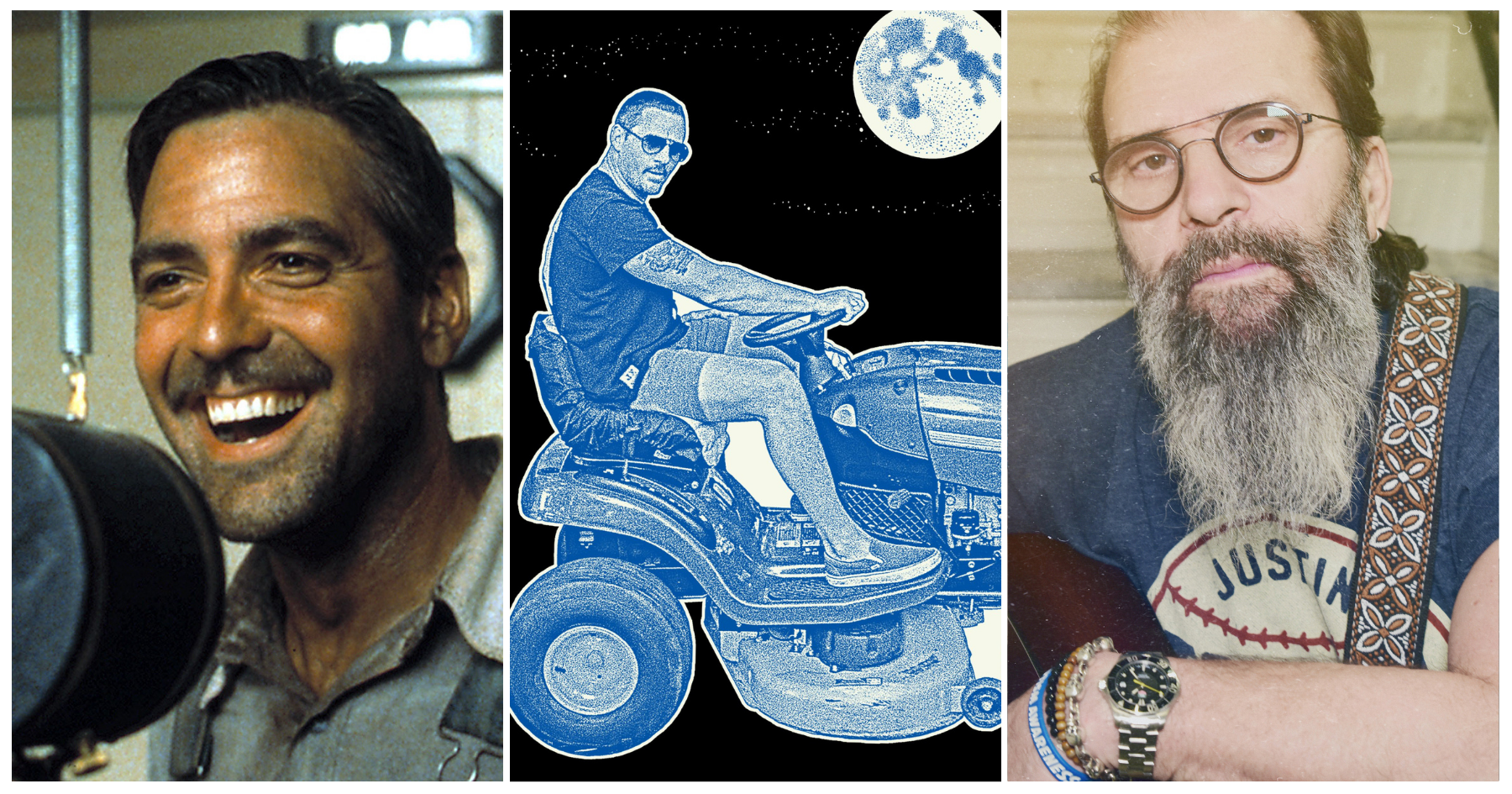
Photo credit: (L to R) O Brother, Where Art Thou? via Buena Vista Pictures; Steve Earle by Shervin Lainez; Sturgill Simpson, Cuttin’ Grass, Vol. 2

LISTEN: Sturgill Simpson, “Hobo Cartoon”

Artist: Sturgill Simpson
Song: “Hobo Cartoon”
Album: Cuttin’ Grass, Vol. 2
Release Date: December 11, 2020

In Their Words: “’Hobo Cartoon’ is one that I’ve been sitting on for about four years. Merle Haggard wrote the lyrics to that when he was in the hospital, on his deathbed. And he was writing a lot at that time. I think he was optimistic he was going to come out of there and everything’s going to be ok. We’d talk on the phone when he was sick, and one day I just get this text message with a note memo with those lyrics, and a text that just said, ‘From one railroad man to another,’ but it was just the lyrics. Then he passed away shortly after that, so we never got to… finish the song together, I guess. And I almost put it on another project.

“He loved bluegrass a lot, and when we got into cutting this thing [Cuttin’ Grass, Vol. 2] and I had it, I just said, ‘Screw this, man. I’m going to cowboy up. I got to cut this.’ So I went and put a melody and some chords to it, and finished the song. Sent it to Ben [Haggard], his son, and Theresa [Haggard], his wife, and just said, ‘You know, I just want to get this out into the world and I need your all’s approval.’ Which they thankfully gave and loved it. And I just decided this is the only way I could possibly end the record. There is nowhere else this could go.” – Sturgill Simpson, via SiriusXM’s Elizabeth Cook’s Apron Strings