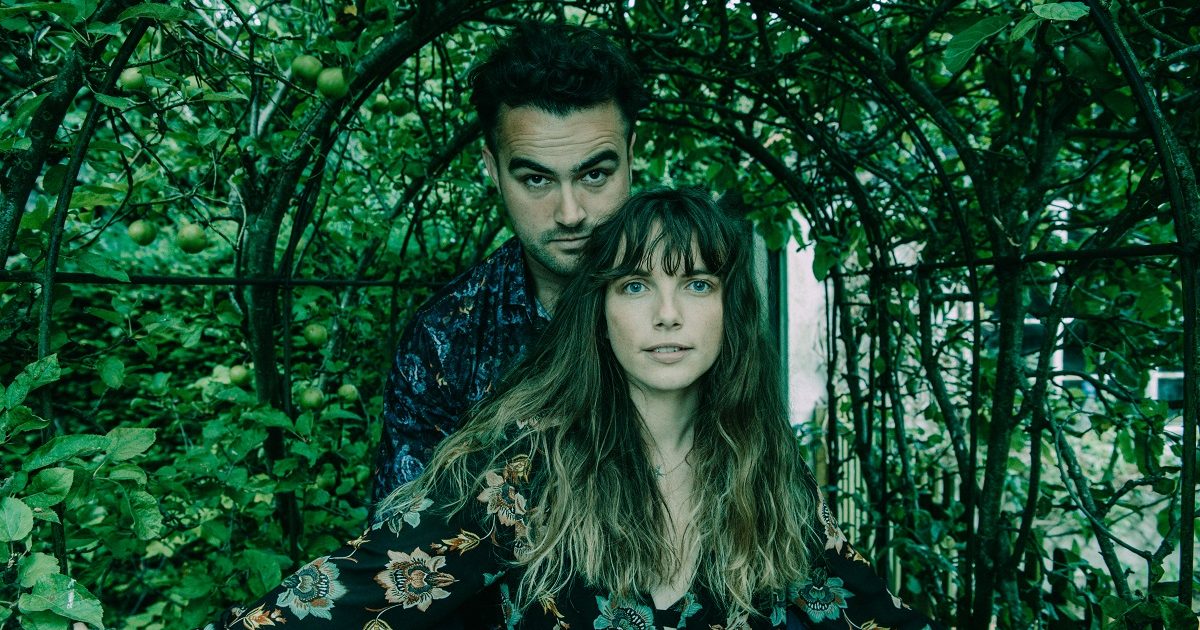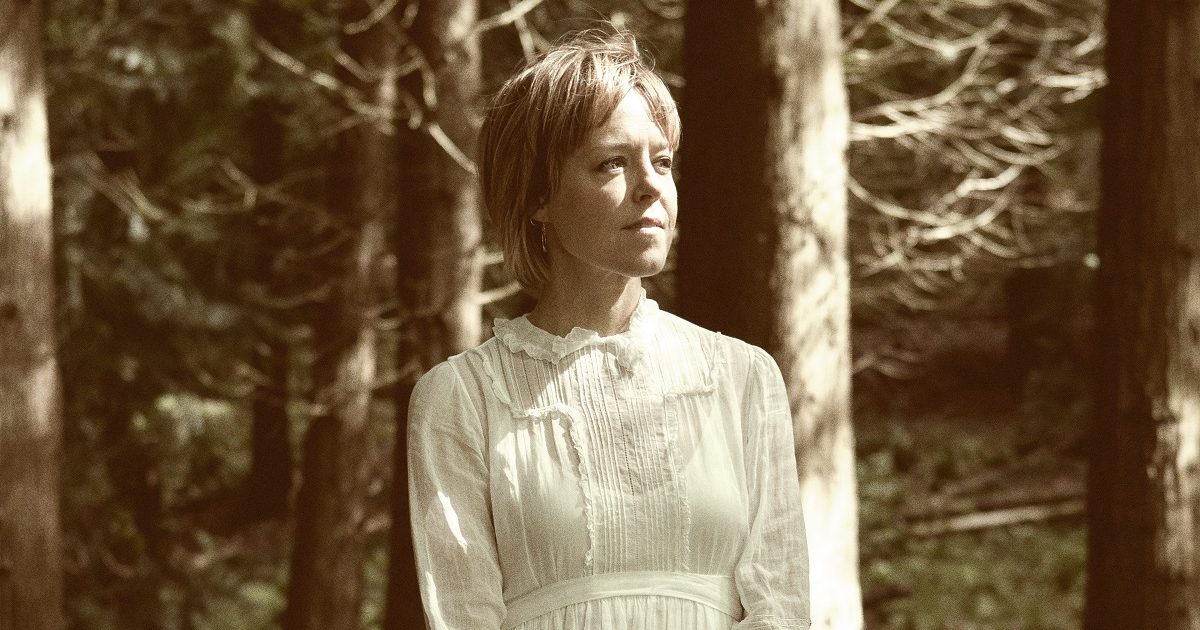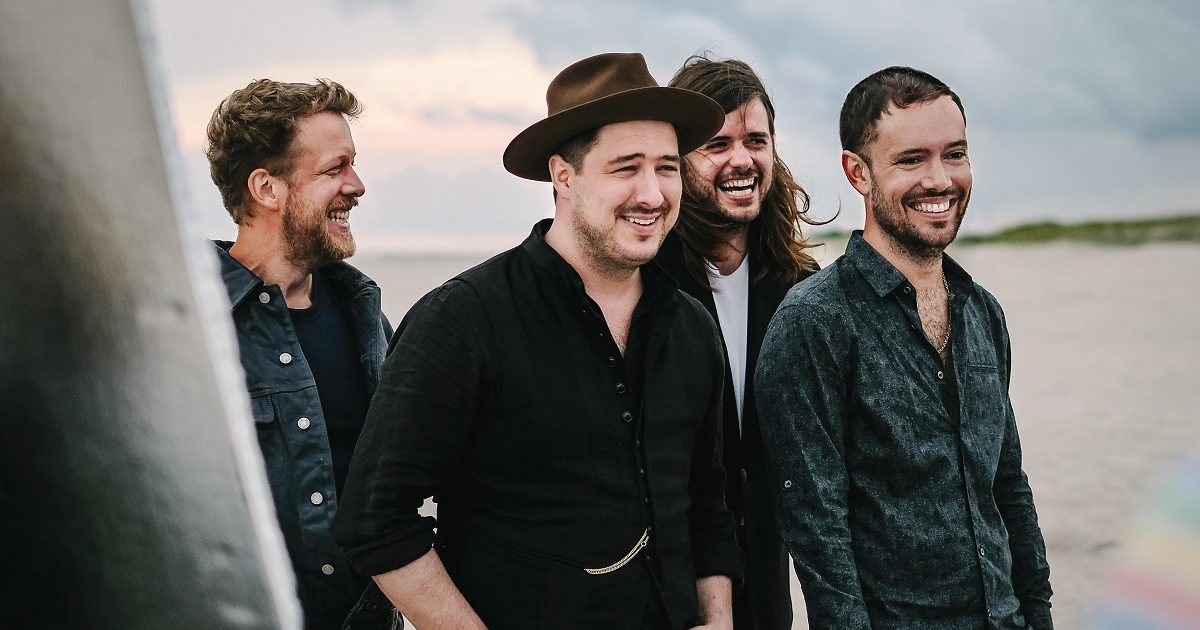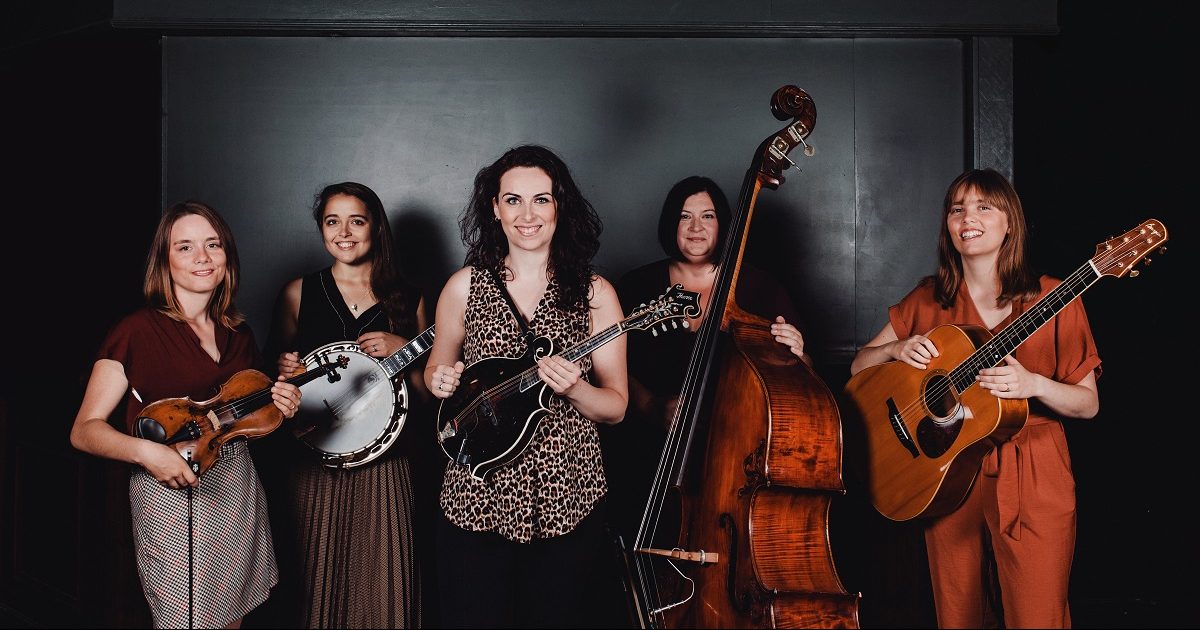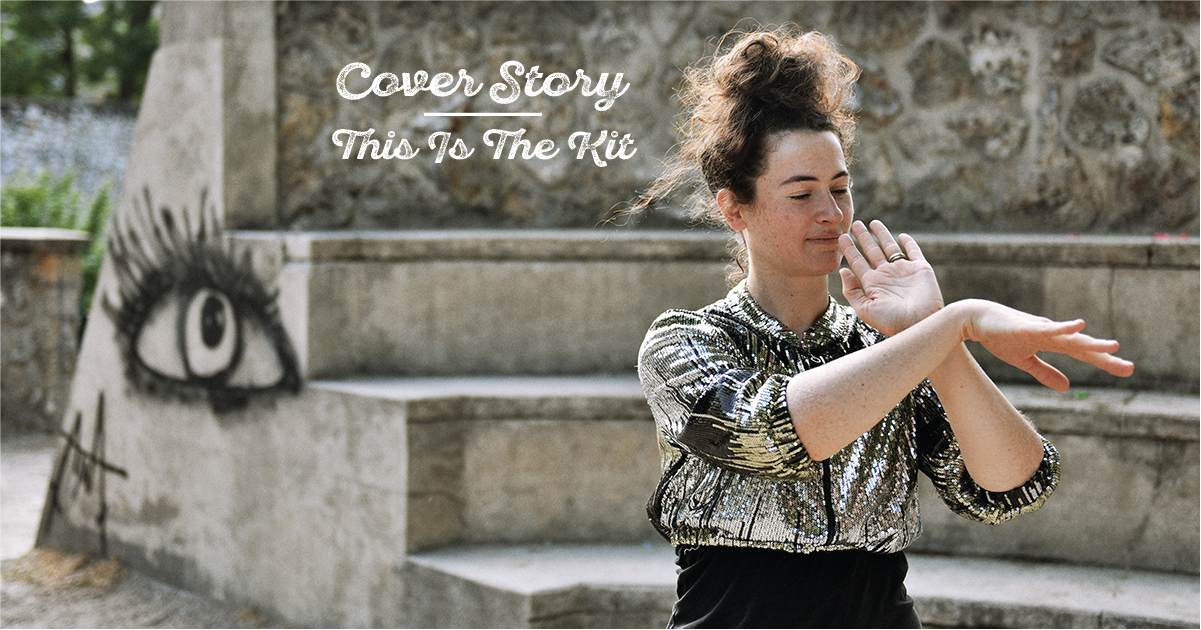
With Hard Banjo Rhythms and Striking Lyrics, This Is the Kit Offers ‘Off Off On’

Kate Stables, principal of alternative roots outfit This Is the Kit, didn’t intend to write a pandemic album to follow her acclaimed 2017 debut, Moonshine Freeze. In fact, she wrote the entirety of Off Off On well before the term “COVID-19” entered our collective consciousness.

In the way that great art often can, though, the songs Stables wrote for Off Off On anticipated the needs of our current moment. Across 12 tracks, Stables sings of growth-inspiring personal reflection, the “two steps forward, one step back” nature of processing trauma, and continuing to move forward in the face of grief, all explored with deeply felt empathy and sharp insight.

Stables and her band recorded the bulk Off Off On prior to the COVID-19 lockdown alongside producer Josh Kaufman (Bonny Light Horseman, the Hold Steady) at Real World Studios in the U.K. Sonically, the album builds atop the lush, banjo-driven alternative folk of Moonshine Freeze, with complex, often subtle arrangements that offer thoughtful soundscapes for Stables’ striking lyrics.

BGS caught up with Stables via Skype to discuss finding sources of inspiration, writing about difficult personal moments, and living as a musician during the COVID-19 lockdown.

BGS: To start us off, everyone has had their own specific difficulties resulting from the pandemic, but musicians, especially, have been dealt a tough blow. How has that affected you and how have you adjusted to being home more, and not being able to tour this record?

Stables: At first, it was kind of novel and a bit of a relief, almost. For the first summer in living memory, I didn’t have loads of festivals to do. So it was a summer I spent with my family doing family stuff instead. So that was nice, at first. Now that the time for actual touring would have been starting soon but it isn’t starting soon, it feels a bit weird. It’s the longest amount of time I’ve ever gone without playing gigs and without touring. So it feels really weird and I miss doing gigs so much. And I really miss my band. They’re in the U.K. and I’m in France. I’ve never gone this long without seeing them.

With regard to the album, you wrote and completed the majority of it before the pandemic started. What were the origins of the album and how has its meaning evolved for you since you first began plotting it?

I don’t usually have a pre-album vision. It’s normally just me writing songs as and when they come and seeing what kind of shape it all takes along the way. One of the earliest songs that was written for this album was “Started Again.” “Started Again” is almost a bit of a bridge song from the last album to this album, because I feel like it could have gone on either, in terms of what I was thinking about. It feels like it’s connected to my past life, in a way, because I feel like everyone has a new type of life now. The world has passed through this strange portal and we’re all a bit different and have to adapt to things. It’s not an obviously key song on this album… but it’s also a bit linked to my thinking about perseverance and getting through the difficulties and coming out the other side again and again. It’s funny because that’s also what the world seems to be dealing with at the moment. Those are themes that accidentally came out while writing the album, without knowing that COVID-19 was coming.

I read the track-by-track notes that you wrote for the album, and one line that stuck out to me was, “Listening through to these recordings, I hear new COVID-19 references every day.” Could you elaborate on that? I heard some myself when I was listening, but am curious as to which resonated with you.

Partly there’s the “we’ve all got to get through this” that I was dealing with in the album, which now seems like I’m talking about COVID. There are lines like, “Try not to cough.” That is too ridiculous and coincidental. There’s a song about a hospital and the breathing apparatus in the hospital; that felt spooky, now that so many people are in hospitals than ever before. Things that were written with one story in mind and now this new situation has given them another story.

I’ve talked to a few other artists who have had similar experiences. It’s interesting, because obviously no one could have predicted where we are now, but it does make you wonder if you were intuiting that we were collectively going down this road.

Yeah, are we all tuned into something that we don’t know about? It does feel weird. I think also with writing, and you may get this in your work, you do end up with funny coincidences and predicting the future accidentally sometimes. It’s just the way it goes when you’re working with words and language and storytelling, whether it’s journalism or fiction or songwriting. These weird cosmic moments do happen.

One of my favorite tracks, both sonically and lyrically, is “This Is What You Did.” How did you write that one?

Writing it was fun because it was an example of me playing with rhythm, which is my favorite thing to do. I tried to find a banjo-picking pattern that was quite hard, something I almost couldn’t do, and worked until I got it. I tried to find a pattern where I wasn’t using the same fingers every time, something as random as possible. The beats were regular but the strings I was picking were somewhat randomly generated. Then I tried to find vocal rhythms that were difficult for me to sing at the same time. I guess it was like brain gymnastics. I like it when you can’t tell where a pattern starts and finishes. … That repetitive, cyclical nature of the music lent itself to this mind-loop approach with the lyrics.

Reading through your notes about “No Such Thing,” you reference both Jack Kornfield and Jane Austen as inspirations. How do you find inspiration? Do you always have your antenna up?

Language is the material I work in and I really enjoy exploring other people’s work with language. When I hear a phrase that makes me laugh or that sounds pleasing to say out loud, I’m always noting down little quotes of things that make a spark in my brain, even if it’s something out of Bob’s Burgers or something… So I guess I do always have a bit of a radar up for rhymes, assonance alliteration; things like that make my ears prick up.

When you reach the point in your writing process when you’re ready to fully arrange a song, what does your collaboration with your band look like? They’re such fantastic players and it sounds like you’re all quite close.

Sometimes I have a bit of an idea of the vibe or the kind of pace that I was envisaging for a song, but it’s also nice to not say anything until they’ve tried something out. Quite often they’ll find something that’s better than what I had in mind. I’ve ended up with three of my favorite musicians playing in my band, which feels like a privilege and a real kind of fluke. So it’s nice to let them do their own thing as much as possible. I’d be interested to know, though, if they think that’s what I do. Maybe they think I’m really controlling. [Laughs] What I hope I do is let them have space to do their stuff.

Prior to lockdown, you got to spend a lot of time on the road with the National. How does playing as part of someone else’s project inform your work as a solo artist?

In a few ways, but it’s hard to put your finger on one. Traveling is nutritious for me in terms of writing and wellbeing and being inspired. The act of traveling, even just looking out the window while you’re going along the road, is inspiring. But also the fact that you’re going to different places and meeting new people and having these new experiences… Also just seeing how other people work. I found it fascinating to be part of this symbiotic ecosystem that’s going around on tour. Everyone plays an important part and looks out for each other and it’s really fascinating to see how other people tour.

It’s a bit tricky to look too far ahead right now, but, in addition to getting your album out, what are you looking forward to in the coming months?

Because the gigs aren’t there to be looked forward to, I think I’m looking forward to seeing what I can get done instead. There are a lot of musical projects that I’d love to get stuck into, and I hope that I just will. This time, we’re all learning how to be ready for anything and not to assume that something is going to happen, so, ideally, I’ll just be making music instead of touring. I really hope I’ll be able to make music with people, even if it’s long-distance.


Photo credit: Philippe Lebruman
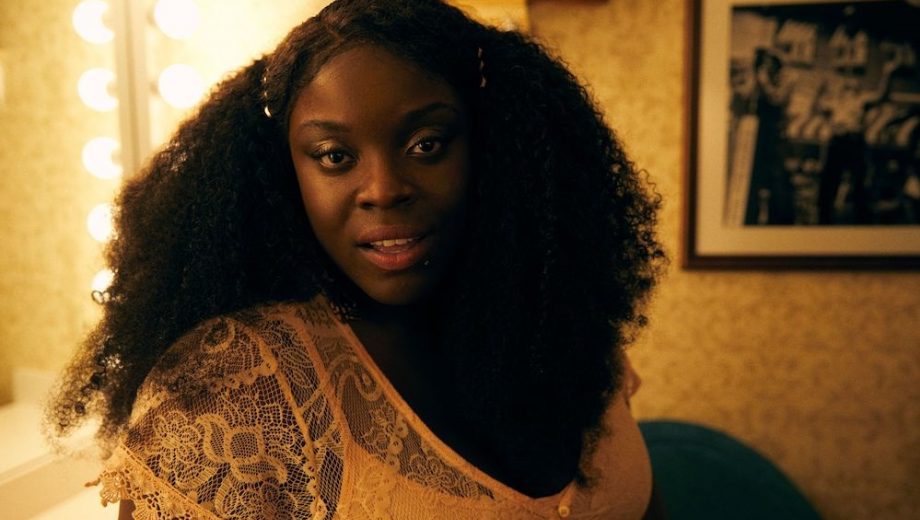
LISTEN: Yola, “Hold On”

Artist: Yola, with Brandi Carlile and Natalie Hemby on backing vocals, Sheryl Crow on piano, and Jason Isbell on guitar
Hometown: Bristol, England
Single: “Hold On”
Release Date: October 9, 2020

In Their Words: “‘Hold On’ is a conversation between me and the next generation of young black girls. My mother’s advice would always stress caution, that all that glitters isn’t gold, and that my black female role models on TV are probably having a hard time. She warned me that I should rethink my calling to be a writer and a singer…. but to me that was all the more reason I should take up this space. ‘Hold On’ is asking the next gen to take up space, to be visible and to show what it looks to be young, gifted and black.” — Yola

Editor’s Note: A portion of profits from sales of the track will be donated to MusicCares and National Bailout Collective.


Photo credit: Joseph Ross

BGS 5+5: Ferris & Sylvester

Artist: Ferris & Sylvester
Hometowns: Somerset, England & Warwickshire, England
Latest Album: I Should Be on a Train
Personal nicknames: Ducky and Didi. Proudly named by Archie’s nephew, Buzz.

What’s your favorite memory from being on stage?

We’ve toured a lot over the past two years and have been lucky enough to see a lot of the world, from rooftops in Austin, Texas, to a hidden cove in The Faroe Islands. We’ve played to crowds of 12,000 and crowds of 12 and everything in-between. Probably one of our favourite moments on stage was playing Glastonbury last year. We played five sets across the weekend, one of which was in a weird, wonderful tent quite called The Rabbit Hole late on the Friday night. Naturally when you’re playing a big show, we had loads of technical problems and Archie’s kick drum pedal broke… Issy did a sing-along with the crowd whilst Archie got out a screwdriver to fix it. Archie then jumped off the stage, broke down the fence and went into the audience for his guitar solo. Meanwhile a man dressed as the mad hatter jumped up onto the stage and scared the hell out of Issy by pretending to chop her head off with an inflatable axe. THIS IS A TRUE STORY. Best show ever.

What rituals do you have, either in the studio or before a show?

We’ve really loved spending more time in our studio this year. Our studio is a small room, full of wonder with wallpaper covering the walls — no day in it is the same. One day, we’ll have the drums set up to record, the next day they’ll be replaced by a 1963 Hammond organ or a comfy red futon giving us space to write. Every corner is filled with something obscure. We love it in there. It’s where we’ve spent all of our days in the recent months and where our songs find their feet. Rituals include endless cups of tea, writing with pencils on yellow paper and recording dozens of voice notes on our phones. If we think a song is good, we’ll then spend hours crafting it and going over structure, melody and meaning. We’ll develop it in its simplest form, usually one guitar and our vocals. We’ll then work up the demo, experimenting with different instruments and sounds. This can take days. We sometimes get through five or six demos before record it properly. Other times, we stick with the first demo, knowing we captured something special and irreplaceable. It’s a lengthy process and we put everything into it.

We always warm up before a show, singing in harmony and getting in tune with each other. Lemon and ginger tea is a must. We then do a huddle with our band and sing “Cold Beer Conversation” by George Strait really out of tune. We don’t know why.

Since food and music go so well together, what is your dream pairing of a meal and a musician?

Ooh. Our two favourite things. For Archie (Sylvester), the dream pairing would be Django Reinhardt with Steak Frites sitting by the river in Samois-Sur-Seine (where Django used to live)… For Issy (Ferris), a plate of fried chicken and Little Feat. In Dixie Land.

How often do you hide behind a character in a song or use “you” when it’s actually “me”?

We try to be as honest as we can in our writing. We don’t so much “hide” behind characters, though we sometimes work from a place of reality and then play with it and make it something different, until only shadows of ourselves are recognisable in it. For instance, our song “I Should Be on a Train” isn’t really about us, but we definitely put our own frustrations as a couple into it. Getting caught up in the same toxic cycles with each other over and over again, mainly caused by stress or pressure that we put on one another. The song takes you through an imaginary scenario of a relationship ending, but concludes that it is just a thought and not a reality. We’ve never done a proper storm out on each other, never boarded a train… maybe a few slamming doors. But we worked with what we had, and took it somewhere else. We also play around with perspectives a lot. We can shift from “I” and “we” to “her,” “him” or “they” in a song, giving it layers and opinions. Again, we wouldn’t say we’re hiding, merely playing around within the story. It can be hard to expose your inner self in your songwriting, sometimes it can feel too revealing. But we always try and opt for truth.

What’s the toughest time you ever had writing a song?

Every writing experience is different and each song faces its own challenges. Probably the song which has existed in the most forms and been rewritten time and time again is “Sickness,” a song we released last year. It’s our favourite ever recording and we consider it to be one of our strongest songs. But it took over a year to get right. It first existed as a poem, then we recorded a very early demo which didn’t sit right. It didn’t have a structure and sounded so far away from the rest of our stuff at the time. We parked it and returned to it months later. We got a lot closer with next few demos, but it took a lot of time to develop it. When we took it into the studio, we were confident we’d got it right. But we had a change of heart in the session and decided it needed an extra verse and a new middle 8. We hid in Manze’s Eel and Pie House over the road from The Pool Studios in Bermondsey and wrote new lyrics, filling in the gaps. Ironically after such a lengthy writing process, we recorded it quickly on the last day of the session. Everything came together. Archie’s slide solo was recorded in one take, the vocals were recorded late into the night and were done in a few takes. It felt effortless, after all that struggle. We’re very proud of it.


Photo credit: Felix Bartlett

Amid Climate Crisis, Emily Barker Brings ‘A Dark Murmuration of Words’ to Light

Emily Barker is sitting at home in the southwest of England, as the country sweats through its worst heat wave in 60 years. There’s something not quite right about temperatures of 90 degrees F and tropical downpours flooding the sleepy villages. It’s that kind of creeping unease that’s reflected in her new album, A Dark Murmuration of Words — a moving meditation on the state of the world today, in which climate change is a recurring theme.

Barker, who recorded the songs last November, worried whether it might be too much for an audience reeling from the pandemic. “Before the album came out I was wondering: are people going to want to hear these difficult songs at a time like this? Or do they just want escapism?” In the end, she decided to release them anyway. “I know myself I’ve been needing the hard stuff as a source of comfort to feel that collective experience of all the emotions we’re going through.”

In fact, her music achieves the perfect tone for the many unsettling feelings that COVID-19 has forced us to confront. Barker’s wistful melodies bear the listener along even as her evocative lyrics take you into uncomfortable territory. “Strange Weather” grapples with the real-life conversations she has had with her musician husband Lucas about whether to bring a child into a world under threat. “Any More Goodbyes” sounds like a breakup song, says Barker, but is actually a hymn of love to vanishing species. And “Where Have the Sparrows Gone,” with its haunting chorus (“they’re where the woods were once”), takes us into a not-so-distant future where birds have abandoned London, and the city is in lockdown.

The album captures the emotions of anyone struggling to take in the frightening predictions of climate scientists and witnessing the desperate fight of environmentalists like Greta Thunberg to bring humanity to its senses before it’s too late. “Last year the climate crisis was very much at the forefront of all of our conversations and thoughts, wondering what we can do to adapt, and feeling helpless and guilty and angry and upset and all these things,” says Barker, who admits she that even as an optimistic person, she had moments, in 2019, of feeling “really, really pessimistic about it.”

Her response was to try and change her perspective to focus on her closer community. “Sometimes that’s how we cope,” she says. “I have to focus on my immediate community and the things I can change, the conversations I can have, because I can’t fix the world.” Hence the presence on this album of a tribute to Wangari Maathai, “The Woman Who Planted Trees.” The Kenyan activist’s simple individual acts of tree-planting grew an entire movement, empowering the women around her with forestry and beekeeping skills, and educating thousands of people on ecology.

Barker’s new community focus manifested in all aspects of the album’s production. “I wanted to bring in as many local artists as I could,” says Barker, whose band was made up of good friends from the UK’s thriving South West scene, including her husband. “And not only the musicians but the painter who did the art cover and the filmmakers who did the music videos. That fit with the ethos of the album but also with lockdown — we’ve got limitations now and it’s a good reason to make the work happen here.”

Stroud, the town where she lives, sits in a beautiful landscape surrounded by rivers, lakes and rolling hills. She and Lucas have just moved into a new house, and are being visited by electricians and workmen when we talk. The theme of home has been a recurrent one throughout her work, prompted by the fact that she left her country of birth 20 years ago. Having grown up in a small country town in Western Australia, she came to the UK as a backpacker in 2000, and has made her life there.

Several songs in the new album remain redolent of her love for her homeland, from the vast night skies she conjures in “When Stars Cannot Be Found” to the nostalgia of “Return Me” and “Geography,” the music to which she wrote with English rock band 10cc’s Graham Gouldman. “Eucalyptus after rain remind me who I am again,” she sings, and it makes you wonder whether having two homes rather than one is a blessing or a burden.

“It’s less easy in some ways,” Barker agrees, “because I always have this constant question of where should I be. I’m always missing at least one place. Sometimes two places! You can feel quite fragmented.” Every year she escapes the English winter to spend 10 weeks with her family down under. She had just returned before the pandemic hit.

Barker wasted no time, when lockdown began, in reaching out to her neighbours. She saw the “viral kindness” forms that Extinction Rebellion had created and posted help slips through doors on her street, asking if anyone needed someone to talk to, or their errands done. “We had five vulnerable people who were living on their own give me a call and we started doing a weekly shop for them. It was such a good way of meeting people and gave us a sense of purpose, especially with festivals and gigs being cancelled seemingly every hour.”

Purpose and mission are clearly important to Barker. At university, aware that her Australian education had celebrated colonialist settlers and taught her nothing of the oppression and injustice they had brought with them, she sought out a course taught by Indigenous historians. “That was the trigger for me looking into structural racism,” she says. “I never understood growing up why in my country town there were so few Aboriginal people — we never learned about that.”

Recent years touring the US with her friend and mentor Mary Chapin Carpenter led her to research more widely. It was Ava DuVernay’s film The 13th, about the Constitutional amendment that abolished slavery, but allowed it to continue in prisons, which inspired her song “Machine.” Written before the killing of George Floyd, her lyrics prove uncannily timely, sung from the point of view of one of the architects of a system that has oppressed Black people for centuries.

“I covered all my tracks in books on history, justified my actions through anthropology,” she sings. And then, as if anticipating the Black Lives Matter protests that have since taken hold, “a crack has appeared, it keeps me up at night… I’ve been a bully and a sinner now I’m on the way out.”

She has seen, in Australia, how the arts have influenced politics by bringing untold stories and narratives to light. Some of her favourites are Indigenous singer/songwriters Archie Roach and Gurrumul. “I feel like the story of how Australia was settled is really well-known now among your average citizen,” she says.

So there remains hope in her outlook, however challenging times may appear. As she changes her own behaviour — flying less, taking trains when on European tours — she looks for ways to help others confront theirs. “Environment and equality are very important to me,” she says. “And it’s finding the right perspective to write that from and being respectful of the people in society who are suffering.”


Photo credit: Emma John

WATCH: Mumford & Sons, “Forever (Garage Version)”

Artist: Mumford & Sons
Hometown: London, England
Song: “Forever (Garage Version)”
Release Date: May 8, 2020

Editor’s Note: The demo recording heard in this video was performed almost completely live and rediscovered while going through some of the band’s recording archives during the coronavirus lockdown.

In Their Words: “Back in 2013, off the back of touring Sigh No More and Babel we decided we needed to take a bit of a break from the road, catch our breath and regroup. The first time we really hung out to make music together was after a couple months living our lives, and it was in the back garden of a friend’s house deep in Brooklyn. That friend was Aaron Dessner from The National and he had a built a studio in the garage in his garden. Between catching up, eating burritos, and having a couple of drinks, we messed around a bit with some new song ideas. This was one of those moments.

“Many of the songs that began in that garden ended up on Wilder Mind, whereas the later version of this song we saved for Delta. We just thought it’d be fun to share the journey that these songs go on sometimes. Hope everyone is staying safe x” — Mumford & Sons


Photo credit: Gavin Batty

WATCH: Midnight Skyracer, “Average Faces”

Artist: Midnight Skyracer
Hometown: Stroud, UK
Song: “Average Faces”
Album: Shadows on the Moon
Release Date: June 5, 2020
Label: Island Records

In Their Words: “I got the seed of inspiration for this song after overhearing a conversation outside a pub: a man’s futile attempts to chat up a woman starting with ‘I’m sure I know you from somewhere,’ with her response being ‘I don’t think so, I’ve just got one of those average faces.’ A couple of days later I wrote a rough outline of a chorus and a first verse and then roped in my twin sister (and guitarist in the band), Charlotte to help form it into a full song before sending it to the rest of the band.

“This one really came together in the studio when we added the drum track, the only part on the album not played by a band member. It was actually one of the very last things we did. We were in our final couple of hours at Real World Studios and had packed down all the mics and dividers we’d had set up for the week so that our brilliant engineer, Josh Clark, could get his drum kit set up. He was just about to go in for his first take when he smacked his head hard on one of the heavy counterweights used to balance the overhead mics. Josh may have been slightly concussed, but he nailed the part all the same!

“For the video for this song we had initially booked in to use quite a different venue, but having waited outside that one for an hour or so (eventually it turned out that the owner had had a family emergency and left their phone at home) Eleanor and Leanne started wandering about town asking in every pub, bar, and restaurant, if we could use their space to film a music video. The wonderful people at Cru Wines, Bradford on Avon, very kindly obliged and let us use their upstairs room for the day. We were all very good and held off drinking the delicious glasses of wine we used as props until we’d finished filming!” — Laura Carrivick (fiddle and dobro), Midnight Skyracer


Photo credit: Elly Lucas

LISTEN: Rumer, “Bristlecone Pine”

Artist: Rumer
Hometown: London, England
Song: “Bristlecone Pine” (written by Hugh Prestwood)
Album: Nashville Tears
Release Date: April 24, 2020
Label: Cooking Vinyl

In Their Words: “In the song, the tree illustrates the continuity of spirituality, mortality, and the natural world. The tree has seen the rise and fall of civilizations, overcome harsh conditions, achieved a long life, and the narrator finds peace in that: ‘Now the way I have lived, there ain’t no way to tell, when I die if I’m going to heaven or hell. So when I’m laid to rest it would suit me just fine to sleep at the feet of the Bristlecone Pine.'” — Rumer


Photo credit: Alan Messer

Pet Yeti Bring Bluegrass (And a Michael Bolton Ballad) Into UK Music Scene

Pet Yeti is a UK-based bluegrass band made up of some of England and Northern Ireland’s finest pickers. Their debut album, Space Guitars, is a collection of original tunes and reimagined takes on classics like Michael Bolton’s “Said I Loved You…But I Lied” and Ola Belle Reed’s “I’ve Endured.”

The band includes Benjamin Agnew on bass, Reuben Agnew on guitar, John Breese on banjo, Kieran Towers on fiddle, and Joe Tozer on mandolin. In an email interview with we learned more about the group, what they hoped to achieve with this album, and where they’re headed.

BGS: Was there anything particularly memorable or special about making this album? What was the experience like?

Pet Yeti: The most memorable thing about recording this album was probably recording the Michael Bolton cover “Said I Loved You…But I Lied.” The decision to record that track was very last minute but everyone jumped into it with enthusiasm. Seeing it come together was surprising because we had not really known what a bluegrass cover of such a track would sound like. The result had us really satisfied, such to an extent that I think it suits the album nicely and we would really miss it if it was not included.

It was also a real privilege to record with Josh Clark of Get Real Audio. Not only as a friend of ours but also because he brings a finesse and professional ear for bluegrass music that is hard to find, even with comparisons to great recording engineers from the US. He also took a lead production role in the making of the album, which by itself would usually be big undertaking, so that we can say the album really has been shaped by him.

What was your goal with this album, musically speaking?

The original goal of the album was to be a voice for what Pet Yeti could do to authenticate ourselves in the bluegrass scene. However, it turned into a representation of all the band members’ individual tastes and interpretations. It is not often that a song like “Space Guitars,” based on the story of Doc from the Back to the Future movies, is on the same album as Michael Bolton covers and old-time music! I think the goal became the enjoyment of playing music and trying to put that across in every track that we could.

Do the five of you come from differing musical backgrounds? If so, how do you think those differences influence the overall sound of Pet Yeti?

Every band member in Pet Yeti comes with an appreciation of bluegrass music and we have all been followers of bluegrass growing up, though we all have our own genres that we enjoy delving into — whether that be the likes of old-time to Oasis to gypsy swing. I think it’s a really healthy mix to have a core interest but also to bring in the diverseness of individual interests because it means everyone in the band has a voice, even if we are not all singing. I think it’s this mix that separates Pet Yeti from a lot of other bluegrass ensembles.

You cover a lot of ground with this album, from carefully crafted gems like “I’m Turning Away” to high energy barn-burners like “Drinking Since the Day I Was Born.” Has that wide array of sounds added a new dynamic to your live shows?

While I do think the dynamic of Pet Yeti set list shows off the diverseness in our musical ability, a big aim of the set is that the audience enjoys the music. Not only with the energetic numbers, but also with lighthearted back stories of the originals.

Did you have a plan or idea of how this album should come together, or did it come together more organically while recording?

The album really is a product of a very organic process. We came together shortly before recording and developed how all of us would like the album to be recorded. However, a lot of the best parts of the album came during recording and because of the input of our excellent sound engineer. I think you need to allow this sort of organic process to keep things fresh.

You all have experience playing in other musical projects (Cup O’ Joe, Cardboard Fox, Kieran Towers & Charlotte Carrivick, etc.). What are some ways Pet Yeti is unique and different from your other projects?

Elaborating on an earlier question, Pet Yeti gives everything that you would expect from our other musical projects but with a lot more of each band members’ individual personalities and experience. Not one member of Pet Yeti is the “front man”, which is clearly seen in the album, giving each track in Space Guitars some other member the spotlight. Every band needs teamwork but Pet Yeti really relies on each member to create the overall sound of the band.

How has this album challenged you to grow as musicians?

The album has given us the opportunity firstly, as friends, to develop a unique sound together and have fun doing it. It also let us enjoy recording on a level that’s not as stressful and serious as other projects while maintaining musical integrity and making production enjoyable. Perhaps one challenge we have gone away with is how to put that enjoyment into all the music we produce and play from now on.

If you could perform this album at any venue, where would it be? Why?

While playing at any bluegrass festival in the UK, the US, or otherwise would be a privilege, the possibility to play as part the wider Glastonbury Festival would be a great opportunity and more ideal space for our unique flavour of bluegrass.

BGS 5+5: Josienne Clarke

Artist: Josienne Clarke
Hometown: Scotland
Latest album: In All Weather

Which artist has influenced you the most … and how?

This is a difficult question to answer because different artists have influenced me at various stages in my life, but to pinpoint one would be hard. I guess the first artist to influence me as a songwriter, or to [influence me beginning] to consider being a songwriter, would be Don McLean. My mother had his American Pie album on tape in the car when I was really young and I remember songs like “Winterwood,” “Empty Chairs,” and “Crossroads” grabbing my attention and drawing me into the lyrics, all heavily melancholic tunes! I would say I can hear the influence those songs have had on my approach to songwriting.

What’s your favorite memory from being on stage?

In 2015 I got to perform in The National Theatre’s Production of Our Country’s Good (by Timberlake Wertenbaker) singing both songs I’d written and some that were composed and arranged specifically for me by Cerys Matthews. We did 43 shows of it on the Olivier Stage at The National on London’s Southbank. It was one of the most exhilarating experiences of my career. Having no professional acting experience, being on stage acting alongside extremely well-trained professional actors was daunting and a steep learning curve. I shan’t forget that in a hurry.

If you had to write a mission statement for your career, what would it be?

I have a reputation for a love of brevity in song and that is certainly true on In All Weather. No song is over 3 minutes 30 seconds — the shortest one being just 59 seconds in length — and the entire album clocks in at a succinct 36 minutes long!

This is true to my career motto, I came up with it several years ago in relation to not overplaying one’s slot at a festival or gig…

“Get in there, smash it, fuck off!”

I applied this logic to the writing and setting of songs on the new album and one thing that can’t be said is that it’s outstayed its welcome!

Which elements of nature do you spend the most time with and how do those impact your work?

The changing of seasons is always a reference in my work and none more so than this latest album. This can be seen almost everywhere but woodland areas are the most noticeable place to feel the changing colour of the leaves.

Also I grew up by the sea and I was living on the Isle of Bute while I wrote the latest album, so seascapes and beaches are a natural force much referenced in my work. I find the expanse of sea inspiring; you feel simultaneously closer to other places because you’re on the edge of the land and far away because you are separated by a vast natural moat, making them a great location for reflection.

How often do you hide behind a character in a song or use “you” when it’s actually “me”?

Almost never. I’m an extremely autobiographical writer. I’d say that’s one of the particular things about my work.

I only really write behind a character in commissioned works. For example, writing for theatre. You’re given a specific character’s narrative to create songs for. I find this challenging and it’s great fun for that reason but I actually feel like an artist reveals more about themselves when they do that, in an unconscious way.

I like to be as honest as possible in my writing. I’m usually working through something, some problem or concern from real life in song and the aim is to describe my emotional state as accurately as I can. I write emotional narrative, so this is not a series of events or actions in song form. It focuses instead on “what it feels like” and I find I can most effectively do that from a truly first-person position.

BGS UK Preview: The Long Road

There aren’t many British festivals that get American roots music as right as The Long Road. One of the UK’s biggest celebrations of country and Americana, it made a stellar debut last September. BGS is thrilled to be heading back to Stanford Hall, Leicestershire, where we’re once more curating the Honky Tonk stage in the afternoon on Sunday.

Here are just a few highlights heading your way at one of the most epic festival weekends of the year:

Friday, 6 September

You’ve just got away from work and you’re still feeling a bit stressed. Can we recommend you head straight for Jake Morrell at the Honky Tonk, and let this Nashville-by-way-of-Norfolk singer ease your pain?

Failing that, Katy Hurt is opening the Interstate stage, with The Cactus Blossoms following straight behind. If you’re still needing some catharsis, don’t miss Sam Outlaw’s set; if you’re ready to party, the CC Smugglers will help you shake it all off. With fifteen acts across three stages, there’s plenty to warm you up for the big two days ahead.

Saturday, 7th September

Where to start? Is it Jessie Buckley’s intimate lunchtime set, which we guarantee will have a crowd spilling out of the sides of the Honky Tonk? Or Jake Morrell of the Civil Wars on the Interstate stage? From the searing honesty of Roseanne Reid, to Curse of Lono’s Gothic rock show, to the out-and-out hilarity of Rich Hall’s Hoedown, there’s something for every mood.

There’s also an all-day schedule of ridiculously entertaining activities including a lasso workshop, the Cowboy Olympics and a hot dog eating contest. Oh, and did we mention that Kip Moore is headlining on the Rhinestone Stage? Yeah, that Kip Moore.

Sunday, 8th September

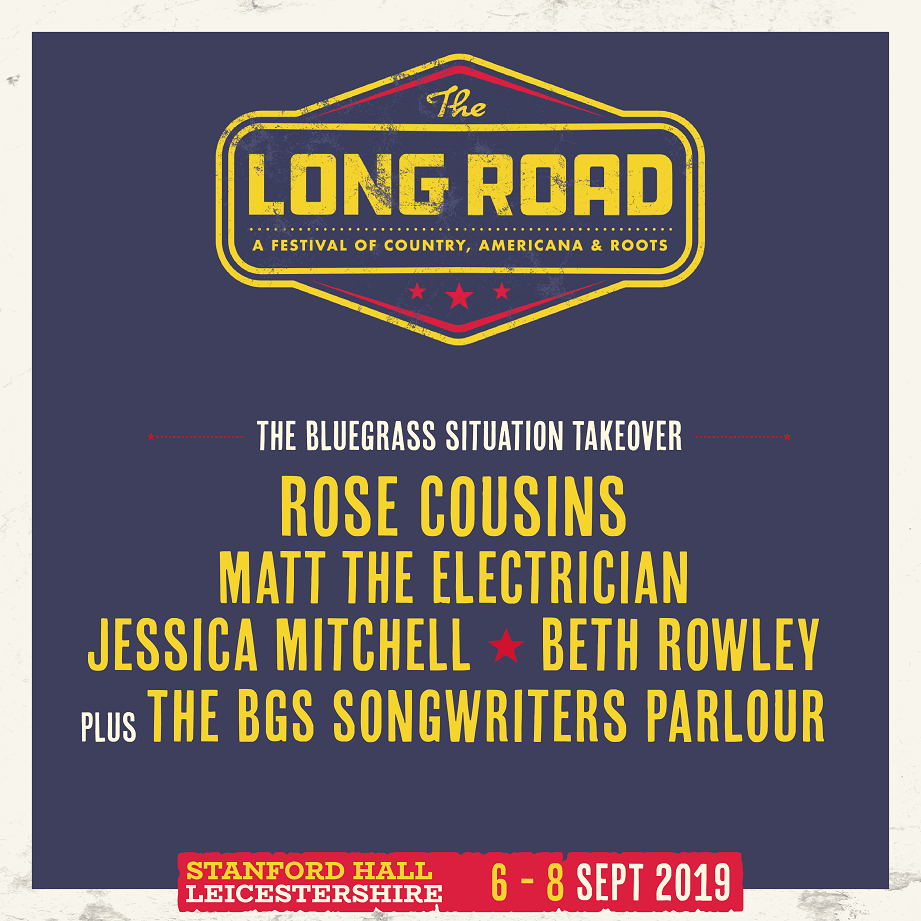
We think this’ll be the best day — but then, we’re biased, because from 2pm onwards, we’re getting to handpick who plays in our own personal Honky Tonk bar, and that includes Rose Cousins, Beth Rowley, and Jessica Mitchell. We’re also hosting the Long Road’s first ever Songwriting Parlour, led by Matt the Electrician, in the intimate, in-the-round style of the Bluebird Café in Nashville.

What else do you want — Rhiannon Giddens? Asleep at the Wheel’s first UK performance in 10 years? A DJ set from the Flying Mojito Brothers? Oh all right then, you can have them. They’re on the stage next door. And with BGS’s takeover ending at 8.15 pm, we won’t even take it personally if you head off for Josh Turner’s headline set.