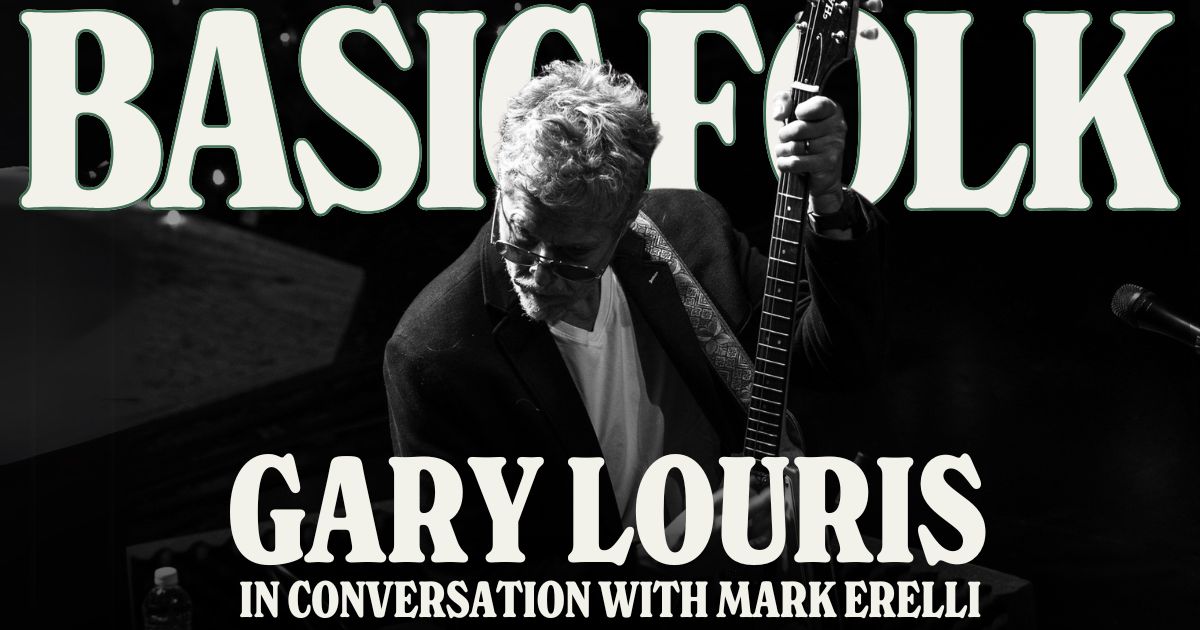
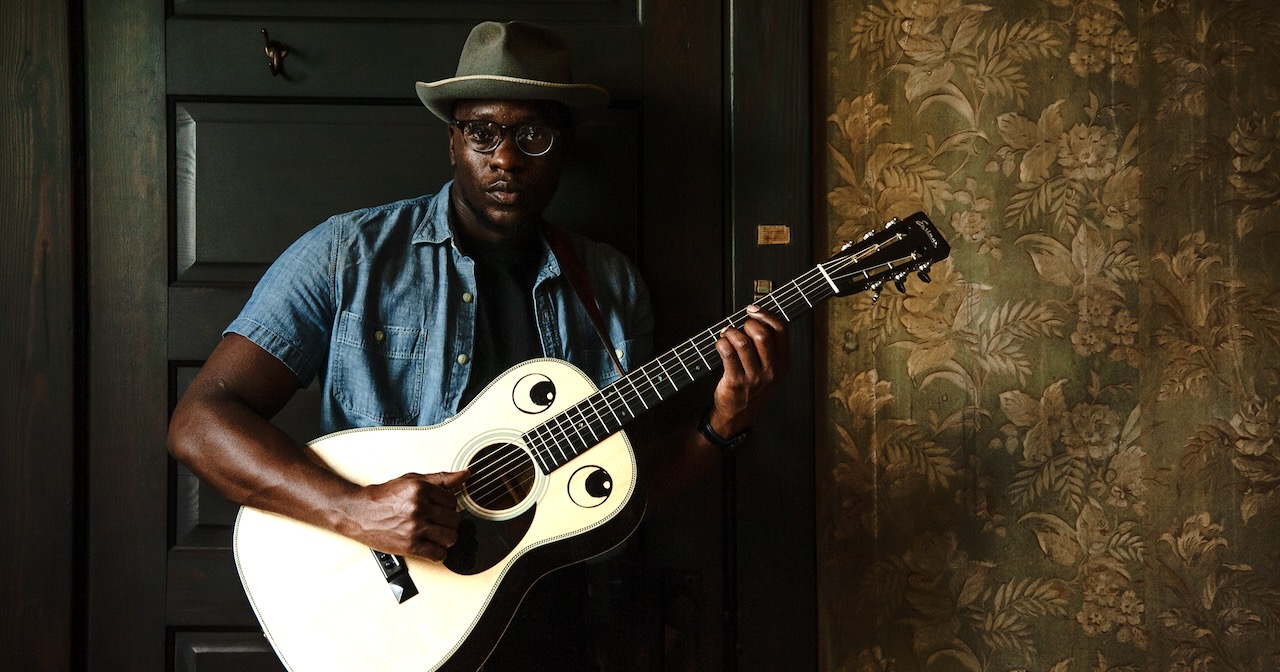
(Editor’s Note: This special episode of Basic Folk featuring Gary Louris is guest-hosted by singer-songwriter and friend of the podcast Mark Erelli.)
You probably know Gary Louris as the leader of The Jayhawks – or as they refer to themselves, “a band from Minnesota.” The Jayhawks are pioneers of roots rock, alt-country, and Americana. Whatever you wanna call it, they’ve been making records where rock, pop, country, and other forms of American roots music overlap since the mid-1980s.
But Louris’s hidden superpower is that he’s kind of like a musical Swiss Army knife – he’s basically got a creative skill for any application. Want him and his band to serve as accompanists for some of the most distinctive singer-songwriters, like Wesley Stage and Joe Henry? He can do that. Looking for achingly perfect, near-fraternal harmonies on hit songs like Counting Crows’ “Mr. Jones”? He can (and did) do that. If you’re Tedeschi Trucks Band or The Chicks and looking for someone to write you some catchy, melodic, roots-pop songs? Gary’s your guy. If that’s not enough, he has also produced records for artists like Dar Williams, The Sadies, and The Jayhawks, too. Whatever your musical need may be, chances are that Gary Louris can do it.
In between all these varied musical roles, Louris has also found time to release several solo albums, the newest of which – Dark Country – was released earlier this month. He recorded it mostly solo in his home studio and the word on the street is that this collection of songs, inspired by his wife, is his most intimate and romantic album yet. I’ve been a big fan of Gary Louris for basically my entire adult life and enjoyed our wide-ranging Basic Folk conversation, touching on the way technical limitations can shape an artist’s style, what he’s learned from a career’s worth of collaborations, his process working on his new solo album, the relationship between versatility and longevity, and what the influence of romance on his songwriting looks like now, in the fifth decade of his music career.
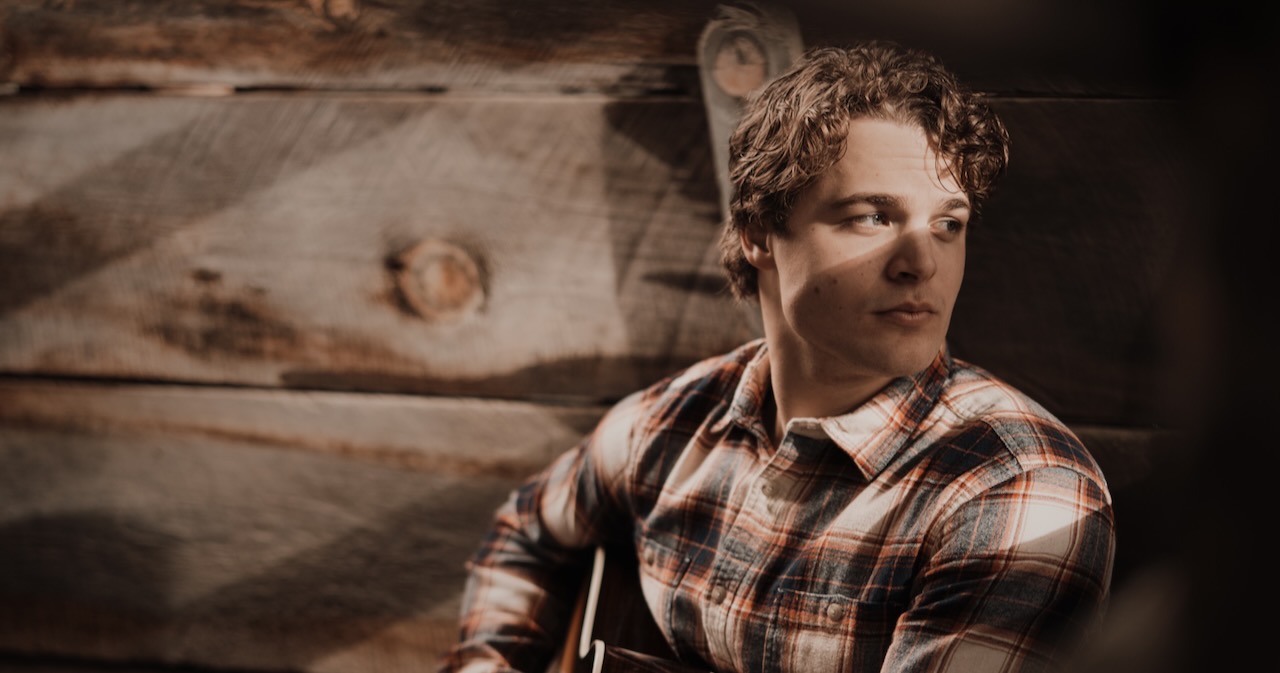
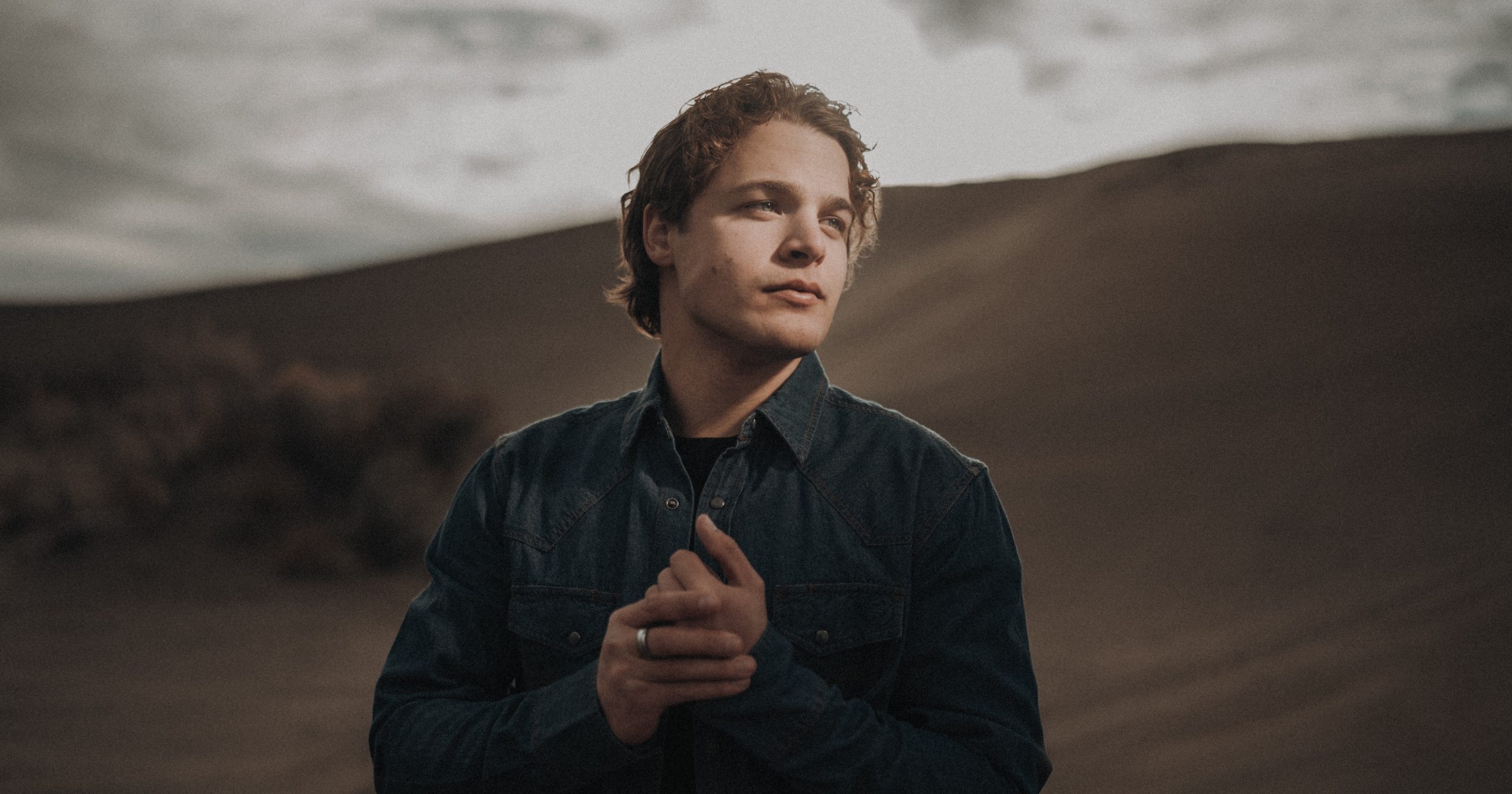
Artist:Max McNown Hometown: Bend, Oregon Latest Album:Wandering Personal Nicknames (or rejected band names): Almost went by Max Winter (Winter is my middle name)!
What rituals do you have, either in the studio or before a show?
My pre-show rituals remain somewhat consistent from show to show. I stay hydrated throughout the day leading up to soundcheck and I typically take it easy on my voice while I rehearse the songs (because I haven’t warmed up at that point). Post-soundcheck, I rest in the green room and use a steam inhaler to clear my sinuses before letting my vocal cords cool down from the heat for at least 30 minutes. After that, I kill time until around 30 minutes before I hit the stage, occupying myself with iPhone games to distract me from the pre-show nerves. At 20 minutes before the show I do a 10 minute vocal routine. At the 10 minute mark I call a circle with my band and say a prayer of thankfulness, asking that whatever happens, we impact the crowd for good. Minutes before stepping on the stage I conduct a box breathing exercise to slow my heart rate, and I’m off to the races!
If you had to write a mission statement for your career, what would it be?
Growing up, I leaned on music to get me through some of my most difficult moments. If I could summarize my “mission” it would be to return that healing… To repay what music has done for me to those who hear my own songs.
How often do you hide behind a character in a song or use “you” when it’s actually “me”?
Considering nearly all my songs are directly influenced by my own life, I hide behind characters often. I purposefully keep it vague when discussing which lines in which songs are fully “true stories.” Some of the most impactful films of my life are “based on a true story” and I take that knowledge into every writing room. Occasionally I take liberties when storytelling, but a lot of my work is pretty accurate to my own life journey.
Does pineapple really belong on pizza?
Considering Hawaiian-style pizza is one of my favorite foods, I strongly believe if you enjoy the taste, you can put whatever you want on pizza!
If you were a color, what shade would you be – and why?
If I were a color I’d have to think I’d be my favorite one, forest green… Simply because of my upbringing in the lush Oregon trees, my green eyes, and my love for nature!
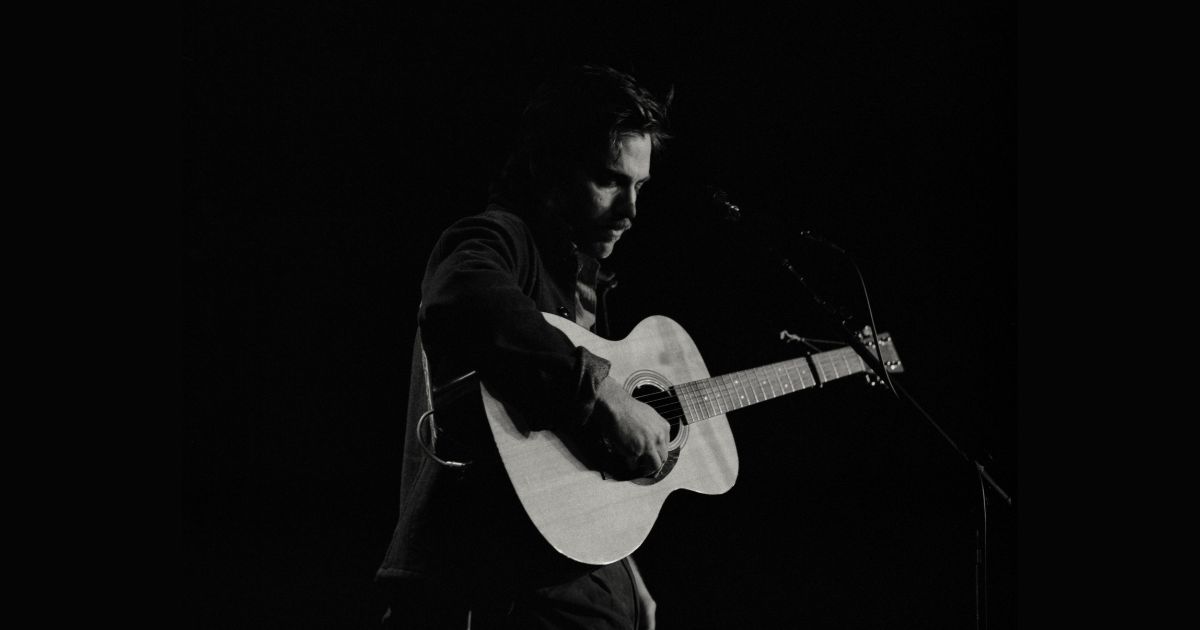
Forget the information age, we live in the age of hyper-stimulation. There seems to be less space to think – or to feel – than at any other point in human history, and music is not immune to that more-of-everything-all-at-once trap. But Andrew Combs’ sixth album Dream Pictures is your chance to take a break.
An acclaimed singer-songwriter with over a decade of work bridging country, folk, and pop songcraft, Combs is all too familiar with life on the run. He spent years trading his health and sanity for the precarious life of a traveling musician, but lately he’s been on a different program.
Born from quiet evenings of creative refuge, secluded in his garage after the kids went to bed, Dream Pictures finds Combs getting off the artistic treadmill and focusing on a sustainable life – one that includes a family and creative outlets not tied to a marketing calendar.
The result is a calming, relaxed fusion of roots pop and electronic folk, full of confessional character sketches and golden-hour contemplations that may require some slowing down to appreciate – but are well worth the effort. Basically, it’s the opposite of TikTok, and Combs spent one peaceful morning chatting with BGS about where it all came from.
It’s been about a dozen years since your debut album – how are you feeling about creativity as a job these days?
Andrew Combs: I feel more at ease and more creative and productive than I really ever have and I think that probably has a lot to do with just my schedule and having kids. I have no time to just sit around, so I don’t get caught in these periods of writer’s block or anything. I just don’t have time to do that.
Ok, that sounds pretty good!
Yeah, and I feel good. But I mean, the music industry is so fucked – especially for an artist at a lower level like myself. It’s just really hard. I’ve given up in a lot of ways trying to make a full money-making career out of it. I work a part-time job and I paint as well and I’ve decided that I want to do stuff that I want to do. That’s kept me going, and I’m actually happier than ever not being on the road all the time. I’m just doing things when they make sense and not looking at it as I have to go out on the road to make money.
That’s interesting. A lot of artists say that they do their best songwriting in periods of turmoil, but Dream Pictures feels very peaceful.
Yeah, I’d say the overall thesis statement about what the record is about is being content. And not to sound too “woo woo,” but just live in the moment and appreciate what is there around you. A year or two ago, I could easily fall into looking at Instagram and thinking “I should be doing that.” But for this record, I wrote all these songs in the evening after the kids went to bed in that sort of wind-down [stage]. … I kind of liken it to the golden hour of a summer night, just that quiet and calm time when my wife and I can interact as humans and adults and I can go to the garage and do my thing.
It is peaceful, but also patient. I was thinking like, “This is the opposite of TikTok,” and I mean that in a good way.
[Laughs] I actually chose this record to sign up on TikTok and try and put stuff on there and I’m just so lost. It’s so overwhelming when you open the thing, just like, “Bam!”
Likewise, back when you first started putting out records, Americana seemed like it was really exploding and growing, with a lot of new artists coming out. I’m just wondering, do you feel like the roots music scene has evolved in the last decade or so?
I don’t know if it’s evolved or de-volved. It seems like it’s just sort of an all-encompassing net for stuff that doesn’t work other places – which is great, and the cream of the crop is still amazing, but I do feel like there’s a lot of “genericana” going on. It’s just like I got a little bored with it and my origin into making music was electronic music, and then I drifted towards songwriting and Guy Clark, Joni Mitchell, Jackson Browne, and Townes Van Zandt, that kind of stuff. I still really think songs are important and words are important, but I’m also more interested in exploring different melodic things and the sonic quality of recording. I guess for a selfish reason, it’s just to keep me interested.
I can hear that mix of electronica and songwriting on Dream Pictures. You recorded everything with your friend Dom [Billett], what do you like most about how it came out?
We didn’t know we were starting a record. Dom – who has played with me live a lot and done a lot of recording with me, but never produced something with me – over COVID he built out his studio and got a tape machine, and he was like, “I’m just trying to figure this thing out. Do you have any songs that we can try?” The first song that I brought was “Your Eyes and Me,” and that ends up being one of my favorites. You can really hear the progression of him learning the tape machine … because by the end, it just sounds like a good recording. So I like that. I also feel like Dom’s friendship shows, at least to me. We also had our friend Spencer Cullum record some pedal steel, and it’s just us three. I like collaborating – but I really like collaborating when it’s a core group.
I read that “Eventide” was dedicated to your wife. Are you writing a lot of songs about family these days? What are you feeling inspired by?
Mostly right now, it’s about that contentment and mindfulness. I think it’s important for me to get out as well as I think it’s a worthwhile message to be spreading. There are also songs on the new record that another journalist I talked to – and he meant it in a really a nice way – he said they’re “low-stakes songwriting.” Songs that are about love, or heartbreak. Those kind of songs I’ve been writing for a long time. And I’m still able to harken back to my 20s and go through those feelings. I can still feel them like they were yesterday. But it probably helps to not be in despair and look back with a clear head.
Tell me a little bit about “Mary Gold.” It has a nice, delightful little bounce to it, and I love that lo-fi pop feel. What’s that one about?
That’s just a love song, kind of a “low-stakes songwriting” song. Just a feeling of this girl who doesn’t know how special she is, but in the eyes of the beholder is special. Lyrically, I think there’s some good stuff in there, but I was really focusing on that bounce you’re talking about. That ’70s pop feel, I felt like the record could use something like that. A lot of the songs are really subtle and soft and serious.
I dig the premise of “I’m Fine” – and the falsetto hook. Is that about trying to convince yourself you’re fine? Or is that more of that feeling when somebody asks “Hey, what’s wrong with you?”
I mean, I think it’s the latter. That’s the only song I co-wrote on this record and I’ve had it for a long time. The guy I wrote it with, Burton Collins is his name, we wrote again around when I was making the record and that song was good, but it just didn’t quite fit. So I just went back through stuff we had done in the past and was like, “Let me fiddle around with that one for a bit.” It ended up being fun.
What do you like about Dream Pictures as a title? Is that a central theme for the record, or just a cool title?
Well, I originally wanted to call it Eventide, but there’s a guitar-pedal company called Eventide and all my friends were like, “Oh, the pedal?” And I was like, “No, the time of evening.” [Laughs] They were like, “I didn’t know that’s what that meant.” So then Dream Pictures stood out, and the idea of that golden hour, in-between time of chaos and peace, which can also be associated with sleep. I feel like a lot of my song ideas and painting ideas come from that time period of just falling asleep or just waking up.
Big picture, what do you hope folks take away from this one? What are you looking for in the next 10 years?
Well, I hope people find a bit of peace and quiet with the record, and I hope it’s enjoyable. It’s sort of selfish, but I’m just happy to put it out there and get a piece of me out there. I don’t know what the future holds. I could say I’m going to make a synth pop record right now, but it could turn out to be something totally different, so I really don’t know. I’m just going to keep writing and being creative and enjoying my time here on earth.
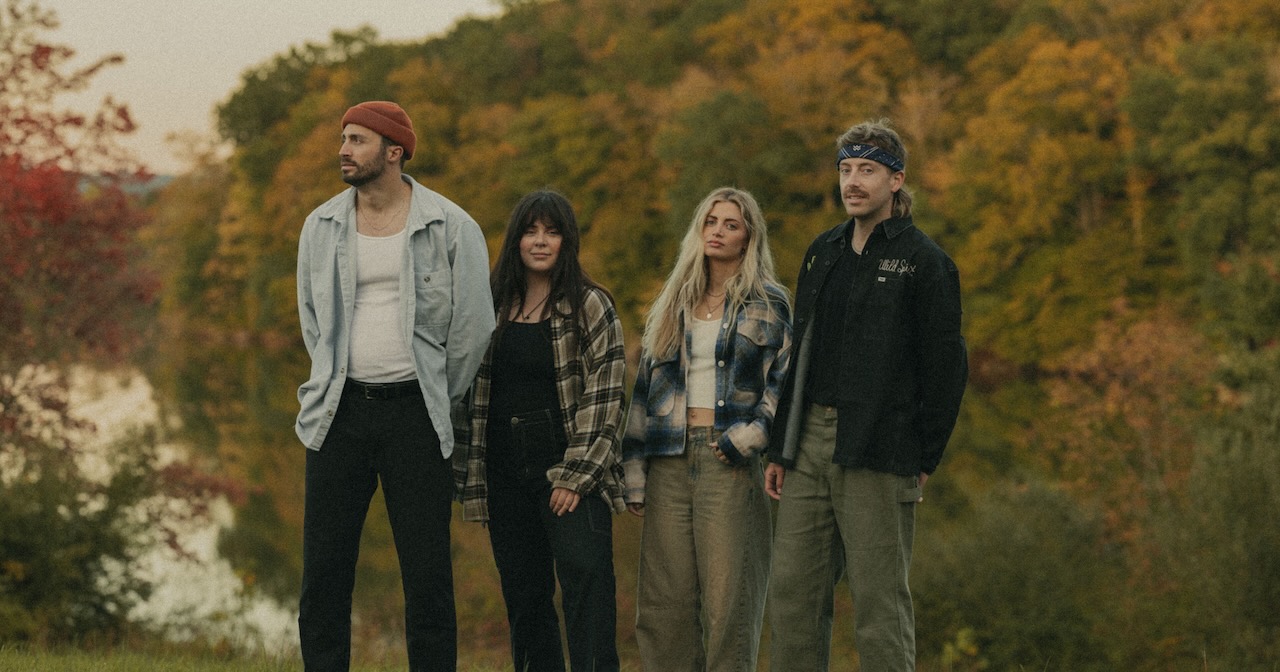
Since 2013, The National Parks have embodied their name in a way few other bands can. In fact, they’ve made a mission of translating the breathtaking majesty of the outdoors into awe-inspiring roots pop – music that ends up like oxygen for the soul, especially if you happen to be lost in a concrete jungle.
A Provo, Utah-based quartet featuring Brady Parks, Sydney Macfarlane, Cam Brannelly, and Megan Parks, the band have explored all over the stylistic trail map in the past, but their new LP Wild Spirit (out August 23) marks a return to base camp. Back to resonate wood-and-string soundscapes, soaring harmonies, and rivers of rushing energy. These days, their brand of upbeat jangle pop is brighter, more encouraging, and more connected to the rhythm of nature than ever.
Speaking with BGS about Wild Spirit’s creation, primary songwriter and guitarist/frontman Brady explains where the mix of uplifting vibes and down-to-earth instruments comes from – and why the group’s new tunes feel like sunrise after a long night.
You’re 10+ years into the band at this point. How’s everybody feeling creatively these days?
Brady Parks: We’re feeling really good. I feel like this new album was kind of just a beautiful process, start to finish. It was, in a way stepping back to our roots – a little more folky, there’s some country elements, some bluegrass, and so it really just feels like rediscovering us. It was just a really fun project to do.
Once you get that far down the road, at some point you have to loop back around and remember what you were doing in the first place, right?
Totally. I mean, we’ve definitely dipped our feet into going more pop at times, and including those elements, so it was fun to bring everything we’ve done over the course of our career back to our roots.
Tell me a little bit about those roots. You seem to capture these natural themes and sounds within the music – the sway of trees in the wind, the rush of a river. Has that always been with you?
Totally. I feel like nature has always been a huge part of my songwriting. I grew up in Colorado and living in the mountains, I just loved it. I was outside all the time. And now living Utah for the last 13 or so years, just being surrounded by so much natural beauty, I tend to find a lot of parallels between love and life and nature, and how it all comes together.
I think it’s always been really inspiring to me musically – and also not musically, just in general. So I think it’s always naturally played a role in our music. And then over the years as we kind of discovered who we are more and more and more with each project, I think it’s become a bit more intentional. We want our music to inspire people to get outside. We want to capture what it feels like.
What do you think is so intriguing about that connection between nature and the human soul? Is there wisdom in slowing down and just learning to look around?
Yeah, and this is something that we talk about all the time as a band when we’re feeling overwhelmed, or depressed, or anxious, or anything. The thing that grounds us the most is getting outside, and it helps us recenter ourselves. I don’t know, I think when you’re out on a hike or you’re out in nature doing something, your soul kind of connects to something bigger than yourself, and it helps you breathe again. I think that’s a big thing for all of us in the band.
Wild Spirit arrives August 23. Tell me, from the band’s perspective, what do you think makes this one a little bit different?
I think this album comes from a lot of soul searching, a lot of going through different personal things. This album captures what it’s like to get lost, and then what it feels like to find yourself when you’re lost. … When I was writing this album, I was working through all those things that I’ve been going through and kind of had this picture in my mind of a forest at night and being lost in it, and what it is to be terrified in this darkness, this unknown, this uncertainty. But also when you’re lost, the daylight comes and you start hiking up and you get different vantage point, and you see things clearer and see the beauty in the journey of it all.
During the writing process, was there a moment where things started to coalesce?
There was definitely a moment pretty early on that we kind of hit on, “This is what the album is, this is what it’s going to feel like, this is what it’s going to narratively be about.” And that was when I was writing “Wild Spirit.” I actually wrote that in Nashville, and it was just one of those writes that was super inspiring and [I] walked away from it really excited to re-listen to this song a million times. I sent it to the band after – I actually sent a group of songs – and that was the one song that everyone was like, whoa, “Wild Spirit.”
Tell me about “Timber.” I love mixing the natural theme with the romantic idea of falling like a tree in love. Where did that come from?
That was written as a love song to my wife Megan, who plays violin in the band. It was a song about letting go of anything that was holding me back and not in our relationship, but I mean, just candidly, we’ve been going through some stuff with our faith and our journey in that aspect. And yeah, this was a song about letting go of everything we’ve known and trust falling with each other, and just realizing that this is what is important to us – our relationship and each other. And that’s all. You just kind of let go of the roots that hold you and fall, and I think there’s a lot of beauty in that.
There’s some wonderful duet harmony on “Where You Are.” Can you tell me where that song came from?
“Where You Are” was a song I wrote about feeling kind of stuck in between places. Sometime I feel this “in-between” in life, coming out of something and moving into something else. Like antsy to get going again, and it was a song I wrote to myself like, “Hey, you can get where you’re going, but it’s okay to be where you’re at right now.” So it’s kind of a song about knowing that one day you’ll get to where you need to go, but it’s okay to not be there.
How about “Scenic Route”? This one is really beautiful to me and lyrically full of natural references. Spiritually speaking, do you tend to choose the scenic route? Or are you more of a direct to the point kind of guy?
I would say I’ve been a direct to the point kind of guy most of my life. And now I feel like more on the scenic route of things, just enjoying life, enjoying the things that matter and trying to slow it down. “Scenic Route” actually is one of the first songs I wrote for the record when I was still trying to figure out thematically what to do, and I really wrote it about Meg and being on a journey together. No matter what hard times we go through, again, it’s about leaning on the person that matters most to you and slowing it down and just enjoying life, even through uncertainty.
Big picture, I’m just wondering what you hope people take away from this one?
I just hope this album in particular can help people that are feeling lost, that are feeling confused, that feel stuck. I hope they know that they’re not alone and that it’s okay to be where you’re at. And then I also hope it can uplift musically. A big part of our brand and messaging is to inspire people to look at the world around them, to get outside and see the beauty in life. So I think those would be the main takeaways.
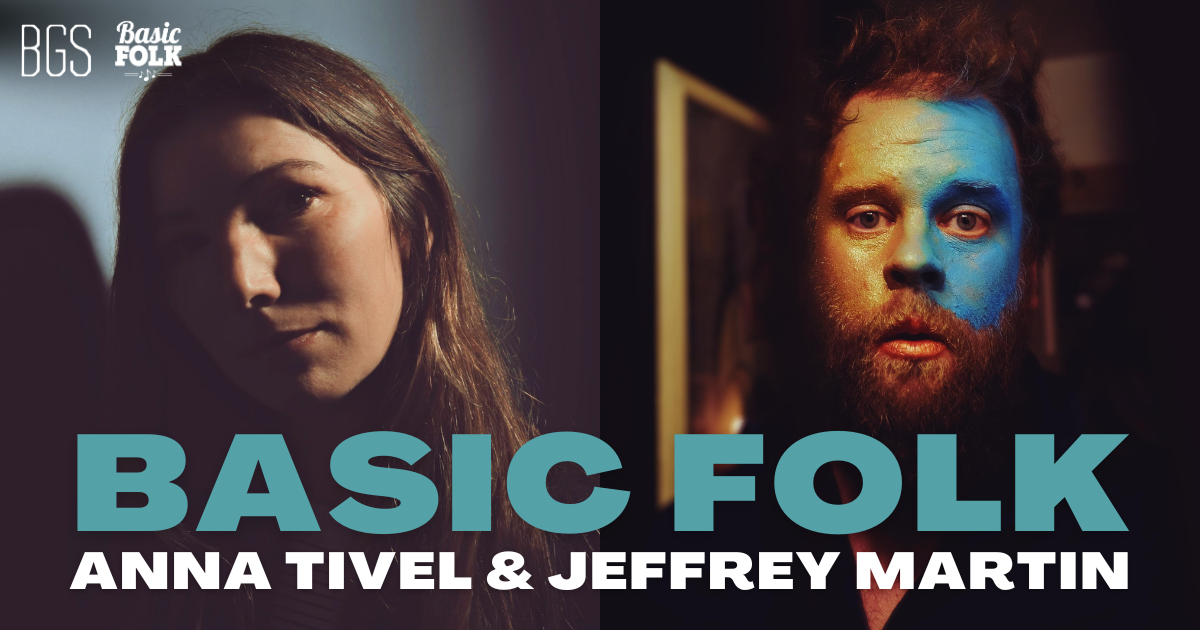
Anna Tivel and Jeffrey Martin have both released new albums in the past year that have knocked us right over. Living Thing is the most recent Anna Tivel record and Thank God We Left the Garden is the latest from Jeffrey Martin. Of all the singer-songwriter interviews and musician conversations we’ve done over the course of the pod, these two kooks have been a popular pair on this Basic Folk podcast. Their inspiration, musician life stories, and music career development have been fascinating journeys, Jeffrey being a former high school teacher and Anna spending her formative years intensely playing the fiddle before moving to Portland, Oregon at the age of 18.
In our conversation, the pair speak to several hot topics like, “Do you write about your neighbors,” “How’s your physical body at processing stress,” and “What is the point of your newsletter?” We dig right into it in true folk music podcast fashion, and these two are not holding back. If you are looking for some top notch advice, music collaboration ideas, and the latest in folk music trends – it remains to be seen whether you will find that here. What you will find are two very deep and thoughtful musicians sharing what goes on in their lives and hearts and in their designated work spaces. Spoiler alert: Anna’s office has five massive papier mâché eyeballs.
Photo Credit: Anna Tively by Cody Onthank; Jeffrey Martin by Jeffrey Martin
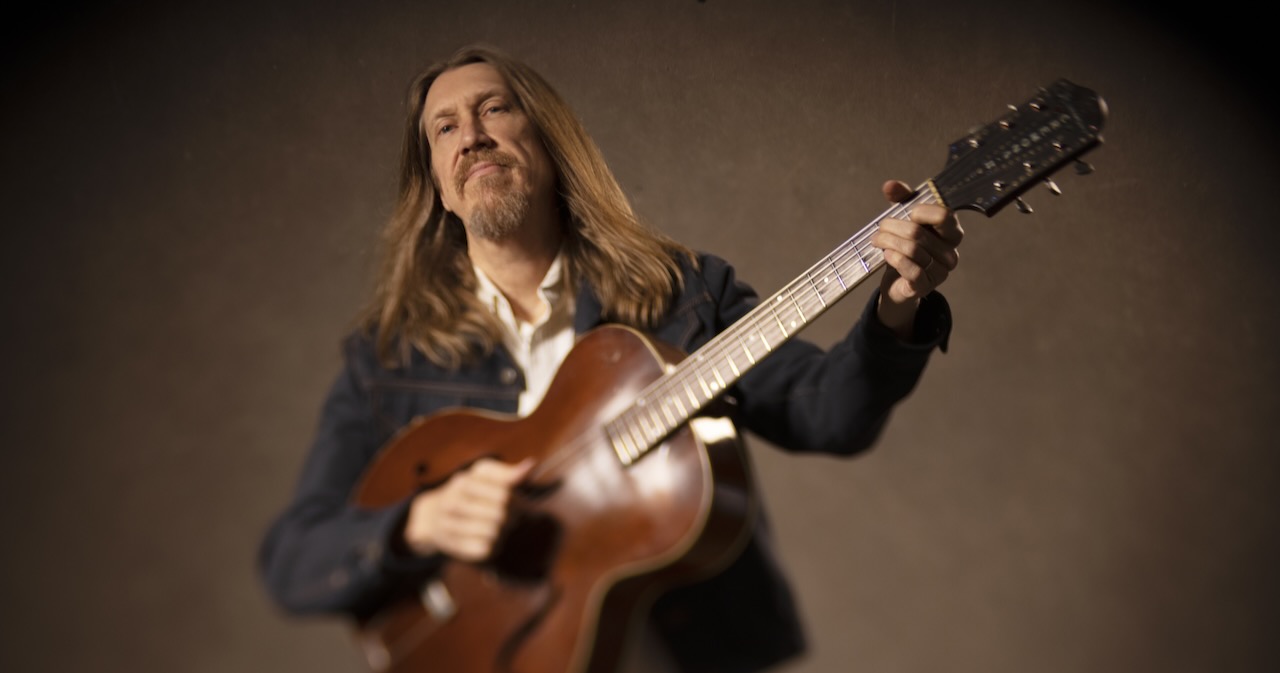
As the frontman/guitarist of The Wood Brothers, Oliver Wood is well versed in the art of roots experimentalism, but even that genre-blurring trio can’t satisfy all of his curiosity. With his second solo album, Fat Cat Silhouette (out now), the singer-songwriter set out to reach a new creative plane of existence.
Featuring nine playful, untethered tracks exploring pure sonic adventurism, the set became a case study in songwriting for songwriting’s sake; it’s a joyful mix of folk, jazz and free form pop. Recorded analog to tape by Wood Brothers percussion polymath Jano Rix, it features guest appearances by Katie Pruitt and Los Lobos saxophonist Steve Berlin, and some of the most irreverent, open-minded musical journeys ever taken. Each day, Wood would wake up, grab a coffee and sit down in a comfy chair, looking out the window to write whatever crossed his mind. The result was musical mood-shift, just a refreshing as it is insightful.
Ahead of another Wood Brothers tour, BGS talked with the artist about clearing his creative mind and getting “weird.”
It seems like you were purposely expanding your horizons on this second solo record, right? Why did you want to open up the floodgates?
Oliver Wood: I don’t know, it just felt like time to do that and time to experiment. … The Wood Brothers, we put out an album last spring and when we were done, I guess I was just still writing tunes. But also, I’ve always just liked in the last few years to make it a point to collaborate with some people outside of the band. And then production-wise, I felt like we’ve just done this album with The Wood Brothers a certain way, and a lot of times we react as artists and as writers. You sort of react to what you did before, and you try to be different, even though there’s not necessarily an exact sound in mind. It’s like, “What can we do that’s weirder?”
I love that idea of being a little weird, because why not, right? But the funny thing is that as a band, The Wood Brothers does not exactly seem limiting in terms of creativity.
No not at all.
So was there just still more in you, that had to get out creatively, or what?
I think so, yeah. And I’m sure there’s a subconscious part of me that wants to figure out what is my musical identity. I know what it is within The Wood Brothers. That’s sort of our bread and butter, but when I do my own thing, I feel like I can do whatever I want. … Maybe nobody will even hear it, so why don’t I just do get as weird as I want to get?
In the album bio, you talk about practicing songwriting without self-judgment and I think that’s a cool idea. Can you explain what that is to you and how you go about getting there?
Yeah. I think that is, first of all, almost impossible. However, maybe putting myself in a frame of mind that I was under less pressure to make something that people would like helps get there. It’s all subconscious, but when we’re with The Wood Brothers, even though we’re not trying to please anybody but ourselves, we do have to make our living, so in the back of our heads it’s like, “Oh, this song will sound good at Red Rocks or the Ryman Auditorium.” In other words, “People are going to love this.” I can’t help but think that in the back of my mind probably. But as far as writing without judgment and what that looks like? I think it looks like trust. I think it looks trusting that oftentimes your first instincts are right.
You don’t have to fix something or change something. You can trust that your soul and realness is going to come out if you just let it, and you write something down or play something, rather than going over it and editing it. I feel like I did that a lot with lyrics on this record. I wrote some things and I was like, “That doesn’t make any sense.” I caught myself thinking that, and then I was like, “Screw it. I trust that that’s what my subconscious told me to write. And it’s real.” I don’t think you really have to try to do that. In fact, the more you try, the less authentic it might be.
What came out is these nine tracks that to me are really playful and enthusiastic. What do you like about where the sound went? You definitely took some leaps.
Well, I talked with [album producer and fellow Wood Brothers member] Jano a lot about maybe being a little bit less on the drum set side, a little more on the percussion side. He is my favorite drummer ever, but sometimes I get tired of drum sets. I mean I love classic rock ‘n’ roll and R&B drums, all that stuff. But sometimes when you think about it, it sounds like everything else. So it was like “What if we didn’t have that?” There was one point where it’s like, “Jano, why don’t you do that percussion part vocally?” With the song “Whom I Adore,” not only did he play the Sitar and the tambourine, but he also did this weird shaker part with his mouth. Sometimes when you avoid one thing, you have to innovate to replace it with something else. And that was kind of the idea.
I use this really dull, rubber-bridge guitar on a lot of the songs, so there’s some more atypical guitar sounds. And of course, Steve Berlin and the bari-sax was a really cool thing. There was one section where we were wishing we had a horn section and instead Jano and I just sang all the parts. That was for “Star In the Corner,” and we just sang them like idiots – like fake opera singers! It’s kind of silly, but it was like, “That’s cool. And we haven’t done that before.”
That to me was the way to go to be non-judgmental, to be like you called it, playful. Sometimes you feel like you can control something and make it just perfect. But the opposite of that is letting go and trusting that if you try something, it may or may not turn you on, but when it works, it’ll surprise you and delight you. And that’s so much more fun than trying to control something and never quite being happy.
Tell me about the track “Little Worries.” This contains the album title, Fat Cat Silhouette, which is so fun. How does that song speak to the project overall?
Some of the themes, I feel like bloomed from that song. I have a ritual where I’ll go downstairs in the morning and have a cup of coffee in this armchair, which is right by a window facing my front yard. And I usually go down there and I write and sometimes I just write in a notebook, just sort of freeform. Sometimes it’s working on a song, but it’s wide open and several of these songs kind of started that way.
The idea of the Fat Cat Silhouette was really just an actual thing. I’m sitting there in that chair with my cup of coffee and I have these semi-transparent sheer curtains, and there’s a cat sitting there looking out the window. Sometimes for me – and I’m pretty sure for a lot of other songwriters – you don’t know what you’re going to write about, but you may see something that gets you started. And so the beginning of that song is literally me describing sitting in the chair with my cup of coffee and there’s a fat cat silhouette in the window.
That sort of observation, oftentimes if you write it down, can lead to a story. The first song on the album, “Light and Sweet,” happened the same way, sitting in the same spot looking out the window and there’s a sparrow. I started the song and then I started fantasizing. He’s on the phone with his lawyer talking about his divorce with his soon to be ex-wife.
[Laughs] You don’t hear many songs about bird law.
Exactly! But with the “Little Worries” song, I think writing that song and writing in general every morning is a good way for me to deal with anxieties and overthinking things. And that kind of turned out to be what that song was about.
How about “Yo I Surrender.” This is another track about giving up control, but also I think the most fun on the record. I love how you said it has the worst guitar sound ever. Why does that work for you?
That’s one that Jano and me and [bassist] Ted [Pecchio] were warming up one day, and we just started playing that groove. We just had fun playing that groove and I saved it on my phone, and then Steve Berlin from Los Lobos was in town with his bari-sax, and we invited him to come into the studio, help us finish writing that song. So the four of us sort of arranged the music and parallel to that, I was starting to think about the lyrics. I was also reading some cool books that were giving me some cool vocabulary words that I was like, “I just want to use that word. I don’t even care if it fits. I don’t even care if it makes sense.” It was definitely one of those things where it was musically such a group effort, and then lyrically one of those things – let it be weird, let it be ambiguous. I think some of my favorite songs that I’ve heard over the years are always a little bit ambiguous.
Americana, alt-folk, bluegrass – whatever form these tracks may take, You Gotta Hear This! Our premiere round up this week includes plenty of Texas, a dash of Missouri, and a heaping helping of the Southeast, too. From new bluegrass numbers by the legendary Dan Tyminski and up-and-comers Liam Purcell & Cane Mill Road to thoughtful and intentional Americana by John Calvin and Goodnight, Texas. Plus, there’s a musical tribute to Godfrey, Missouri, a small town on the mighty Mississippi River, by Lost on the Metro and the Steel Wheels reunite with Malena Cadiz on a Paul Simon cover.
Our second-to-last installment of our DelFest Sessions – featuring Mountain Grass Unit – is included here as well, as it premiered on the site earlier this week. It’s a mighty fine collection of music and you know what we think… You Gotta Hear This!
John Calvin, “Austin Chalk”
Artist:John Calvin Hometown: Recently Boca Raton, Florida, but this record was written living in Dallas, Texas (and this song is very Dallas-centric). Song: “Austin Chalk” Album:Greener Fields & Fairer Seas Release Date: July 25, 2024 (single); January 24, 2025 (album)
In Their Words: “North Texas rests on an ancient deposit of chalk and marl that sits about five feet below the topsoil and runs for hundreds of feet below that. Living in North Texas, you realize how much of our present is determined by an ancient past. The Austin chalk formation leaves torrential rain with nowhere to go. Rivers, like the Trinity River, flood easily and entire neighborhoods and can be underwater in a matter of hours. There are beautiful communities on the banks of the Trinity like Joppa and Bonton that were only able to stabilize and grow with the extension of the levee system by the Army Corps of Engineers in the early 1990s. Our foothold is always more tenuous than we think, and that’s truest for those that can least afford to move.” – John Calvin
Track Credits: Written by John Calvin. Produced by Nate Campisi. John Calvin – Vocals, acoustic guitar Greg DeCarolis – Piano, bass, electric guitar, OB-8 synth Pat Coyle – Drums, percussion James Hart – Pedal steel Eric DeFade – Alto, tenor, baritone sax Robert Matchett – Trombone Joe Herndon – Trumpet David Bernabo – Brass arrangement
Goodnight, Texas, “A Bank Robber’s Nightmare”
Artist:Goodnight, Texas Hometown: San Francisco, California (Avi Vinocur) and Chapel Hill, North Carolina (Patrick Dyer Wolf); the real town of Goodnight, Texas is the exact mile-for-mile midpoint between the two locales. Song: “A Bank Robber’s Nightmare” Album:Signals Release Date: July 19, 2024 Label: 2 Cent Bank Check
In Their Words: “We’re enjoying some light world building. Our most recent single, ‘The Lightning and The Old Man Todd,’ fleshes out the tragic story of a character from a previous song of ours, ‘The End of the Road.’ Meanwhile, ‘A Bank Robber’s Nightmare’ checks in a decade later on the once carefree, now world-weary and estranged heroes of our 2014 song, ‘A Bank Robber’s Nursery Rhyme,’ which has been a fan favorite and staple of our live shows. The scene is kind of a bittersweet reunion, emphasis on the bitter. What do you say to your former partner in crime?” – Patrick Dyer Wolf
Lost on the Metro, “Godfrey”
Artist:Lost on the Metro Hometown: St. Louis, Missouri Song: “Godfrey” Album:Resonance and Regrets EP Release Date: July 25, 2024 (single); September 20, 2024 (EP)
In Their Words: “We have this giant river confluence here in St. Louis, and it’s common to take a drive along the river road from St. Louis to get away from the city for a while. Godfrey is a real town along the Mississippi River. Imagine bluffs, eagles flying overhead, touristy shops and restaurants, and the river road cutting through it all carrying cars, trucks, boats, bikes, to some unknown destination. The lyrics focus on getting older in a relationship, and the doubts that creep in, and that need to find a way to clear your head. There’s a dark element to Godfrey as well. It’s definitely a driving song on the surface, but the undercurrent holds all the worries and doubts and fears and hopes that float around as we find our way alone. It’s those thoughts in your head that you’re not sure you want other people to know you’re thinking. Driving down the river road with an open window and the wide Mississippi next to me lets me think those thoughts and then let them go.” – Lost on the Metro
Track Credits: Jilly Morey – Songwriter, lyricist, lead vocals, percussion David Morey – Songwriter, composer, arranger, rhythm guitar, vocals Chris Dunn – Composer, arranger, lead guitar, vocals Lucan Stone – Composer, arranger, bass, vocals Josh Bayless – Composer, arranger, drums, vocals
Liam Purcell & Cane Mill Road, “Old Man’s Dream”
Artist:Liam Purcell & Cane Mill Road Hometown: Deep Gap, North Carolina Song: “Old Man’s Dream” Album:Yellow Line Release Date: April 5, 2024 Label: Pinecastle Records
In Their Words: “This song is one of the most personal stories I’ve ever released. I wrote it one day while my father and I were working at my folks’ place in Deep Gap. The land next door had been sold off for housing development and we had to prepare for them to widen the road. Over the next few months, I watched the trucks come and go, watched the bulldozers change the shape of the mountains, and watched the destructive path of progress as it made its way through our little mountain community.” – Liam Purcell
The Steel Wheels, “Gone at Last” featuring Malena Cadiz
Artist:The Steel Wheels featuring Malena Cadiz Hometown: Harrisonburg, Virginia (The Steel Wheels) and Kalamazoo, Michigan (Malena) Song: “Gone At Last” Release Date: July 19, 2024 Label: Big Ring Records
In Their Words: “This Paul Simon song has been a favorite of ours for awhile. The plain spoken, down to earth writing with a gospel-sounding flare. We have been known to sing a cappella from time to time, but this was an opportunity for strong vocals with a bed of active bass and drum parts.
“Last February we were asked to play as the house band for the International Folk Alliance Music Awards in Kansas City. The house band job comes with the joy of meeting and playing with a variety of musicians. When we got a chance to play and sing with Malena Cadiz, we immediately fell in love with her voice. We were inspired to look for a chance to record together and ‘Gone At Last’ was that chance.” – Trent Wagler
Dan Tyminski, “Whiskey Drinking Man”
Artist:Dan Tyminski Hometown: Originally from West Rutland, Vermont. Lives in Nashville, Tennessee Song: “Whiskey Drinking Man” Album:Whiskey Drinking Man Release Date: July 19, 2024 (single); August 16, 2024 (album) Label: 8 Track Entertainment
In Their Words: “My first single off of the new project is one I’m very excited to release. It’s written to be a toe tapping burner in the party spirit. This one should get your juices flowing.” – Dan Tyminski
DelFest Sessions: Mountain Grass Unit
Our second-to-last installment of our DelFest Sessions features Birmingham, Alabama-based jamgrass group, Mountain Grass Unit. Videographers I Know We Should were on hand at this year’s DelFest in Cumberland, Maryland over Memorial Day Weekend to capture a collection of beautiful, fun, and engaging live sessions on the banks of the Potomac River. (See all of our DelFest Sessions here.) For their shoot, Mountain Grass Unit played a pair of exciting cover songs.
Their first selection, “Big River,” is a funky and charming re-imagination of a Johnny Cash classic with a mash-tastic, blues-inflected groove. Drury Anderson, the group’s mandolin picker and lead vocalist on the track, sings with a drawl seemingly from right down the proverbial road from Cash’s homeland (near Memphis, Tennessee). It fits the bluesy undertones of their rendition perfectly, equal parts Muscle Shoals and Bean Blossom. Cash is a common cover subject in bluegrass, and MGU’s version of “Big River” demonstrates exactly why that’s the case.
Artist:JEMS Hometown: Los Angeles, California Latest Album:Back Around Personal nicknames (or rejected band names): Wild Valley Dream Weavers, lots of others!
Which artist has influenced you the most – and how?
I grew up with Joni Mitchell. For every season of life, her music feels like the soundtrack. I find myself returning to songs and finding new meanings as my scope continues to broaden and deepen. Her voice is unapologetically her own and I am so inspired by her journey. – Emily
What was the first moment that you knew you wanted to be a musician?
When my dad played me the song “Eleanor Rigby” I had a major lightbulb moment. I don’t think I had realized how powerful music as storytelling was until then. I must’ve been 8 or 9 and my imagination burst wide open. – Jess
Probably when I started playing the songs I was writing as a kid for my Dad. He was both kind and critical in ways that confirmed that I wanted to work on and share my songs with not just him, but everyone. – Sarah Margaret
Genre is dead (long live genre!), but how would you describe the genres and styles your music inhabits?
We each have distinct vocal timbres and have been influenced by the genres we grew up listening to, from jazz and soul to indie rock to classical and film scores to folk and Americana. That diversity adds a richness to our blend and has influenced how we approach melody, harmony, and storytelling. As a trio, we live in the folk world, but lean into many other lanes depending on the instrumentation and production of each song.
If you didn’t work in music, what would you do instead?
I’d be a hairdresser. I cut and color hair for fun/therapy and I truly love it. Although I don’t know if I’d love it as much if I had to do it… – Jess
I’d be a private chef. I love going to farmer’s markets, learning from local farmers and artisans, and expressing myself through food. Maybe it’s the French in me! – Emily
A marine biologist, or boat captain, or something that lets me be in and around the ocean all the time. – Sarah Margaret
If you were a color, what shade would you be – and why?
Gold! I’d don’t know why, but I’ve just always felt like the sunshine. – Jess
Olive green. I’d like to be as warm, relaxing, and grounded as that color! – Sarah Margaret
If you didn’t work in music, what would you do instead?
I would work in construction or be a lawyer or a therapist.
If you were a color, what shade would you be – and why?
I would be green – green represents plants and herbs that heal us. I’d like to be the person that saves a person’s day
What would a perfect day as an artist and creator look like to you?
Cooking and having good healthy meal, editing projects I produce for friends, playing soccer with friends, having a cocktail in a dive bar watching a local band perform.
What was the first moment that you knew you wanted to be a musician?
It was when I was like 12, I went to this school that had a choir and when I listened to them sing, it was amazing then I knew I have to try singing. That’s where singing starts for me, but wanting to be a musician was never a plan, I just went with the flow of life and ended up being one… none of my friends even believe I sing.
Which elements of nature do you spend the most time with and how do those impact your work?
Gardening and soccer always reminds me that life is not all about just work, it calms my mind; when I get back to work I feel less pressured by the whole work system and pace.
Artist:Max McNown Hometown: Bend, Oregon Song: “Worry ‘Bout My Wandering” Album:Wandering Release Date: April 12, 2024 Label: Fugitive Recordings x The Orchard
In Their Words: “‘Worry ‘Bout My Wandering’ was probably the most difficult song for me to write as it’s so personal. It came from being far away from my family and thinking about my mom and wondering how she feels about my life and the direction it’s taken. Shooting the video in my beautiful home state of Oregon was very important to me… I just always want to make my family and hometown proud.” – Max McNown
Track Credits:
Produced by AJ Pruis. Recorded by AJ Pruis at The Chambers, Thompson’s Station, TN. Editing by AJ Pruis. Programming & Arrangement by AJ Pruis. Mixed by John Nathaniel. Mastered by Sam Moses.
AJ Pruis – Bass Drew Belk – Guitars, pedal steel, Dobro Mike Walker – BGVs
Photo Credit: Benjamin Edwards
Video Credits: Directed by Benjamin Edwards
Produced by Hayden W. Larson
B Camera – Micah Reimer
Gaffer – Parker Edwards
Edit / Grade – Edwards Media Co
Set – Neon Toast
Guitar – Parker Edwards
Percussion – Emmanuel Kahn
Filmed on location in Oregon.
This website uses cookies to improve your experience. We'll assume you're ok with this, but you can opt-out if you wish.AcceptRejectRead More
Privacy & Cookies Policy
Privacy Overview
This website uses cookies to improve your experience while you navigate through the website. Out of these, the cookies that are categorized as necessary are stored on your browser as they are essential for the working of basic functionalities of the website. We also use third-party cookies that help us analyze and understand how you use this website. These cookies will be stored in your browser only with your consent. You also have the option to opt-out of these cookies. But opting out of some of these cookies may affect your browsing experience.
Necessary cookies are absolutely essential for the website to function properly. This category only includes cookies that ensures basic functionalities and security features of the website. These cookies do not store any personal information.
Any cookies that may not be particularly necessary for the website to function and is used specifically to collect user personal data via analytics, ads, other embedded contents are termed as non-necessary cookies. It is mandatory to procure user consent prior to running these cookies on your website.