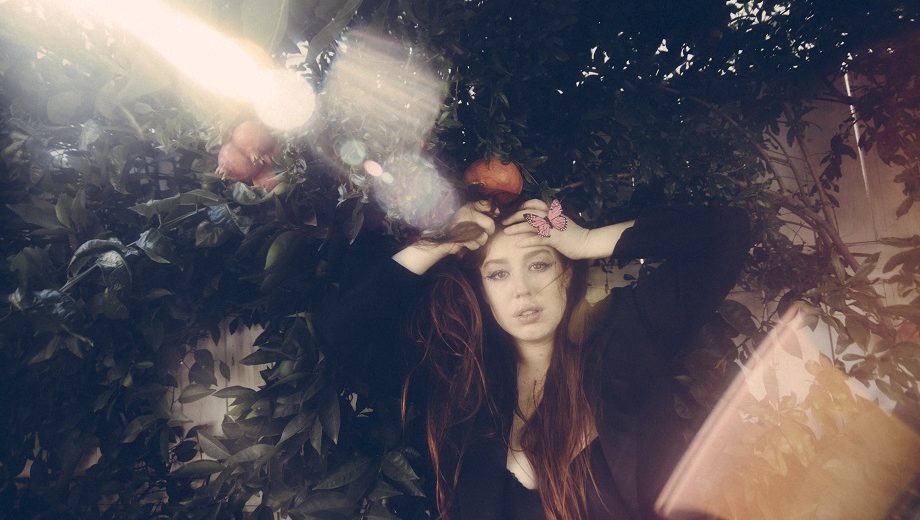
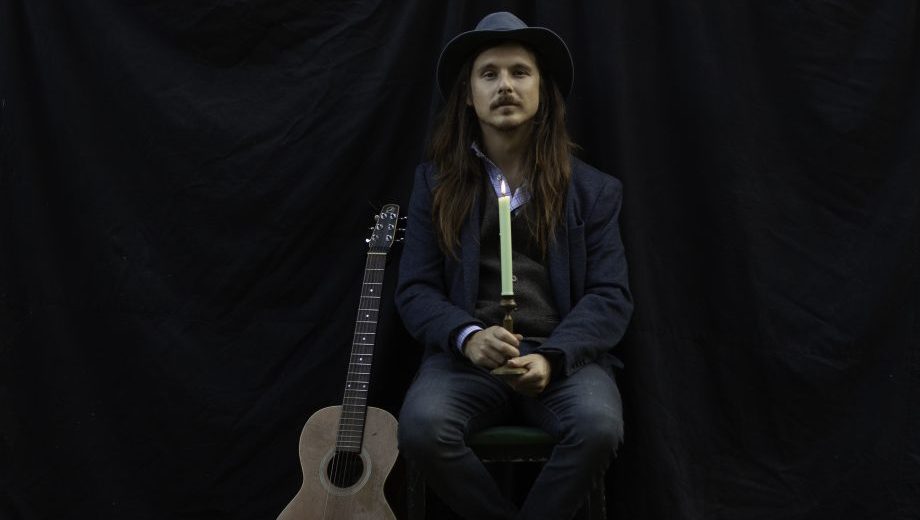
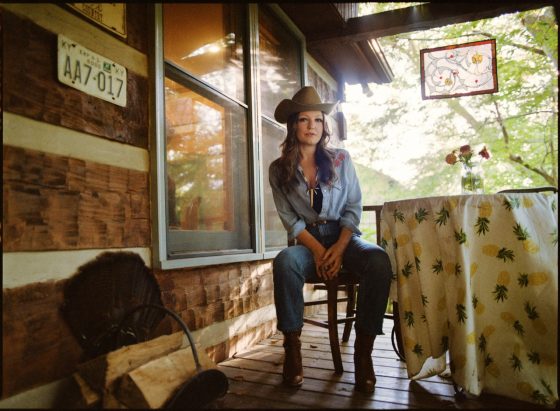
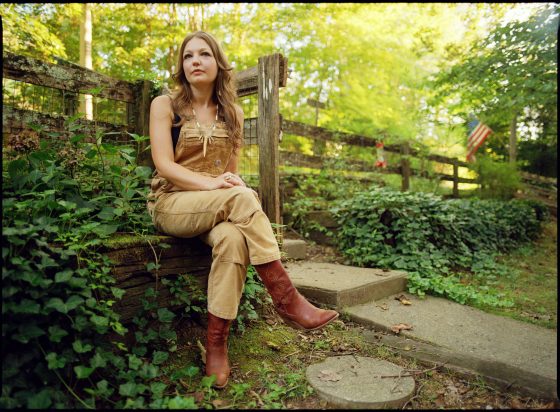
“I decided to make a mixtape of the songs that inspired me to write music. It is always good to return to the reason you started something, especially if you find yourself lost in the middle or far from the start and you need to anchor back to where you began. It’s like going home to reground, rejuvenate, and revitalize! Luckily music is a portable home on our phones these days so I can always dive back in whenever I need to. I hope you enjoy my Mixtape!” — Lily Kershaw
Simon & Garfunkel – “The Sound of Silence”
I chose this song to begin with because it was the first song I heard that made me want to write music. I remember the first time I heard it the world felt like it stopped and an immediate desire to create a song arose in me.
Joni Mitchell – “Cactus Tree”
I’ve been listening to Joni since I was a kid, and this song of her’s in particular made me want to write. I love that she is talking about a woman who would be deemed as “complicated” just because of her desire to be untethered and free, but Joni made her seem so alive and well and glamorous. I remember wanting to be like the woman she sang of.
“He can think her there beside him He can miss her just the same”
How brilliant is that lyric?!
Leonard Cohen – “Chelsea Hotel #2”
I have covered this song at the majority of shows I’ve ever played live. Cohen wrote this about Janis Joplin. These particular lyrics break my heart:
“Ah but you got away didn’t you babe You just turned your back on the crowd You got away I never once heard you say I need you, I don’t need you”
Crosby, Stills & Nash – “Helplessly Hoping”
I went through a very dark season in my life and the first thing I would do when I woke up in the morning during that time was listen to this song. It would make me feel better even if only for a fleeting moment. I always hope that the music I write can bring comfort to anyone who needs it.
Bob Dylan – “A Simple Twist of Fate”
“People tell me it’s a sin To know and feel too much within”
I deeply relate to these lyrics.
Joan Baez – “Diamonds And Rust”
Joan actually wrote this song about Bob Dylan. The poetry is next level!
“Well you burst on the scene already a legend the unwashed phenomenon The original vagabond You strayed into my arms And there you stayed temporarily lost at sea The Madonna was yours for free Yes the girl on the half shelf could keep you unharmed”
Cat Stevens – “The Wind”
This song always re-grounds me and connects me back to my heart and my goal to write music and tell stories from my heart.
Elliott Smith – “Between the Bars”
This is another song I love to cover live and have done so often. I love and relate to this passage of lyrics in particular:
“People you’ve been before that you don’t want around anymore That push and shove and won’t bend to your will I’ll keep them still”
Nico – “These Days”
I love a woman simply speaking about where she is at in that moment of her life. It is honest, poetic, simple, and profound.
“I’ve been out walking I don’t do too much talking these days These days These days I seem to think a lot about the things I forgot to do”
Sufjan Stevens – “Chicago”
This song brings me life. I feel so many things when I listen to this song. It definitely connects me back to my heart and to the place in me that wants to write music.
Now comes the part of my mixtape that is solely a Simon & Garfunkel appreciation section. Here are some of the lyrics that have most inspired me to write!
Simon & Garfunkel – “The Boxer”
“I am leaving I am leaving but the fighter still remains”
Simon & Garfunkel – “The Dangling Conversation”
“In the dangling conversation and the superficial sighs The borders of our lives
And you read your Emily Dickinson and I my Robert Frost and we note our place with book markers that measure what we’ve lost”
Simon & Garfunkel – “The Only Living Boy in New York”
“Half of the time we’re gone but we don’t know where And we don’t know where”
Now these next two songs are ones I have written. They show the side of what the inspiration from the songs thus far have lead me to create!
Lily Kershaw – “Now & Then”
This is a simple honest folk song about the complicated nature of love and how it changes over time.
“Remember the rooftop parties Remember the friends Remember the way I love you now and the way that I loved you then”
Lily Kershaw – “Darker Things”
This is another of my more acoustic, stripped songs. In it I worry about someone I love very much and how they are hurting and in return hurting themself.
“And you say you hate the way your mind makes you feel about all the darker things in your life I feel you now I can feel you”
I hope you have enjoyed my mixtape of the songs that inspired me to write music!
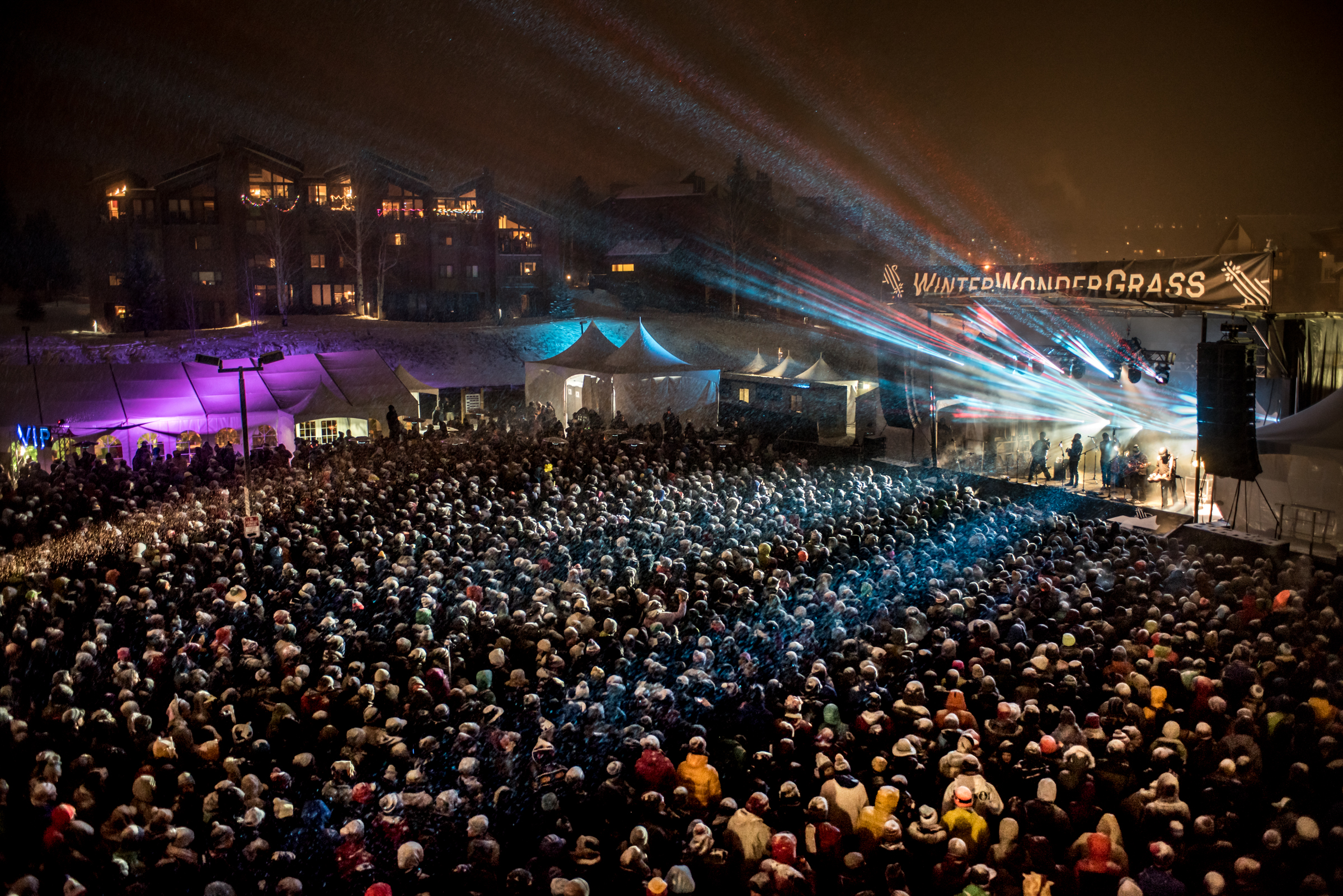
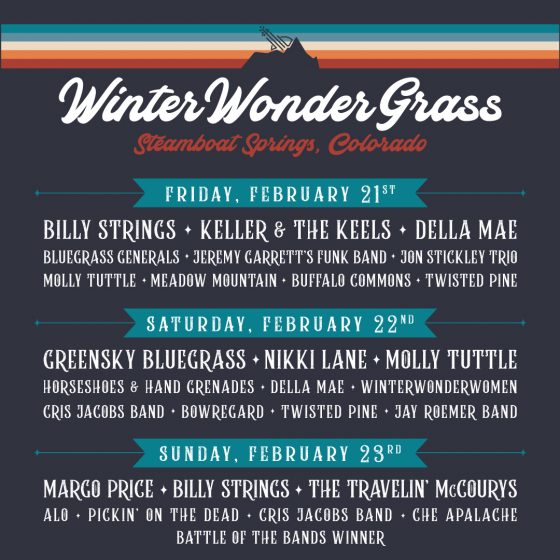
As February’s kick-off of WinterWonderGrass 2020 grows closer, the festival is excited to share with BGS the official daily schedule for their Colorado edition, taking place February 21-23 in Steamboat Springs. One of the biggest delights includes the announcement of a second headlining performance by Billy Strings, who will now play the main stage on both Friday and Sunday nights.
In conjunction with the daily schedule announcement, WinterWonderGrass plans to release a limited quantity of single-day tickets starting Tuesday, December 3. Weekend general admission passes will move to a new pricing tier starting Tuesday, December 10. Tickets and more info available here.
“We are super pumped to announce that Billy will not only perform his first headlining WinterWonderGrass set on Friday night, but that he and his band really wanted to stick around and enjoy that Steamboat hospitality, so we added him as a co-headliner on Sunday before Margo Price,” festival founder Scotty Stoughton says. “It’s a testament to Billy’s appreciation and gratitude for his fans, the community, and the WinterWonderGrass family.”
Gates open at 1:45 p.m. each day and music kicks off at 2 p.m. during the three-day music festival, with Friday and Saturday night’s programming lasting until 10:30 p.m. All attendees 21+ are invited to take part in the complementary beer sampling from 2:00-5:00 p.m. each day during the event.
Performances across the Soapbox, Pickin’ Perch, and Jamboree stages will see many artists perform two consecutive sets, and each night, performances on the Close Pick stage will close the festival.
VIP tickets to Steamboat’s stop are already sold out, but fans are encouraged to check out the official fan-to-fan ticketing exchange powered by Lyte if they’re in search of tickets as more of the dates and tiers sell out.
Stay tuned for more information on Grass After Dark programming and beer partners for the 2020 season.
Check out the full, announced schedule:
Twisted Pine kicks off the music for the weekend on the Soapbox stage from 2:00-2:30 p.m. and 3:40 – 4:20 p.m., followed by Molly Tuttle at 5:35-6:15 p.m. and 7:45-8:25 p.m. Steamboat locals Buffalo Commons open the Pickin’ Perch stage with performances at 2:00-2:40 p.m. and 3:40-4:20 p.m., followed by the Jon Stickley Trio at 5:35-6:15 p.m. and 7:45-8:25 p.m. The Jamboree stage opens on Friday at 2:00 p.m. with performances from Meadow Mountain at 2:00-2:40 p.m. and 3:40-4:20 p.m., with two sets from Jeremy Garrett (the Infamous Stringdusters) + Friends at 5:35-6:15 p.m. and 7:45-8:25 p.m.
The Bluegrass Generals (ft. Andy Hall & Chris Pandolfi of the Infamous Stringdusters) will open the Main stage on Friday from 2:30-3:40 p.m., followed by Della Mae’s headlining performance from 4:20-5:35 p.m. From 6:15-7:45 p.m., Keller and the Keels will take over the main stage and Billy Strings’ headlining debut at the festival will take place from 8:25-10:00 p.m.
Saturday welcomes local Steamboat pickers Jay Roemer Band from 2:00-2:30 p.m. and 3:40-4:20 p.m. on the Soapbox stage, followed by two additional performances from Della Mae at 5:35-6:15 p.m. and 7:45-8:25 p.m. Twisted Pine returns, as well, for performances from 2:00-2:40 p.m. and 3:40-4:20 p.m. on the Pickn’ Perch stage, and the collaborative WinterWonderWomen follow with performances at 5:35-6:15 p.m. and 7:45-8:25 p.m. Telluride Bluegrass winners Bowregard takes the Jamboree stage from 2:00-2:40 p.m. and 3:40-4:20 p.m., with Cris Jacobs Band to follow at 5:35-6:15 p.m. and 7:45-8:25 p.m.
Saturday’s Main stage opens with Horseshoes and Handgrenades from 2:30-3:40 p.m., followed by a headlining performance from Molly Tuttle at 4:20-5:35 p.m. Nikki Lane follows, with a set from 6:15-7:45 p.m. and Greensky Bluegrass takes the stage for their headlining performance from 8:25-10:00 p.m.
The Battle Of The Bands winner from the January 11th competition will open Sunday’s Soapbox stage from 3:15-3:55 p.m. Two sets from Che Apalache follow, with sets at 5:10-5:50 p.m. and 7:20-8:00 p.m. Cris Jacobs Band returns on Sunday for three sets on the Pickn’ Perch stage at 3:15-3:55 p.m., 5:10-5:50 p.m., and 7:20-8:00 p.m. The Jamboree stage closes out with three sets from Pickin’ On The Dead at 3:15-3:55 p.m., 5:10-5:50 p.m. and 7:20-8:00 p.m.
ALO opens the Main stage on Sunday, with a performance from 2:00-3:15 p.m. and Travelin’ McCourys follows from 3:55-5:10 p.m. At 5:50 p.m., Billy Strings returns for his second headlining performance, and Margo Price closes out the festival’s Main stage from 8:00-9:30 p.m.
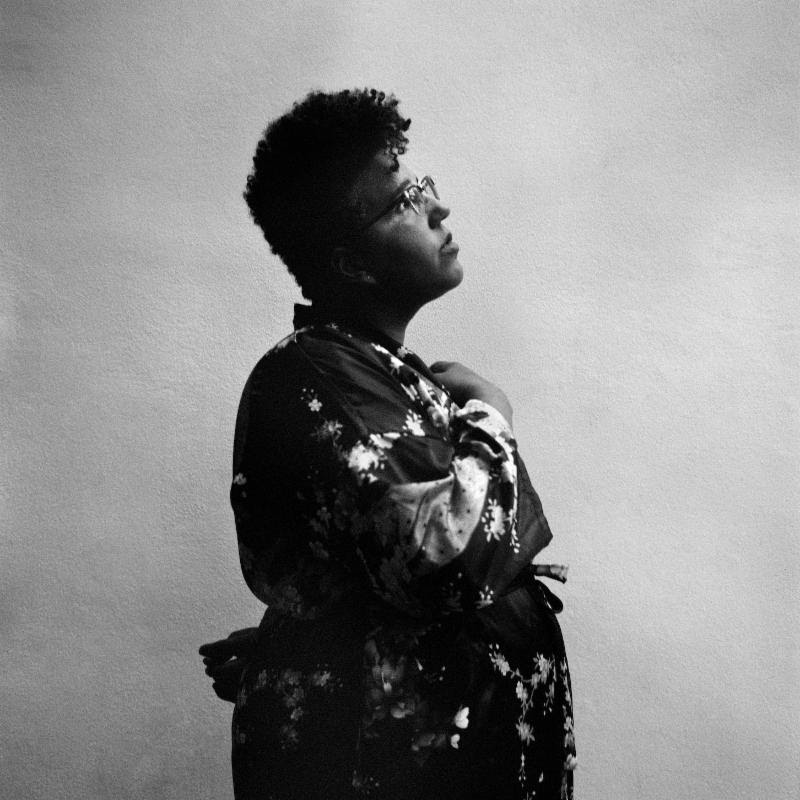
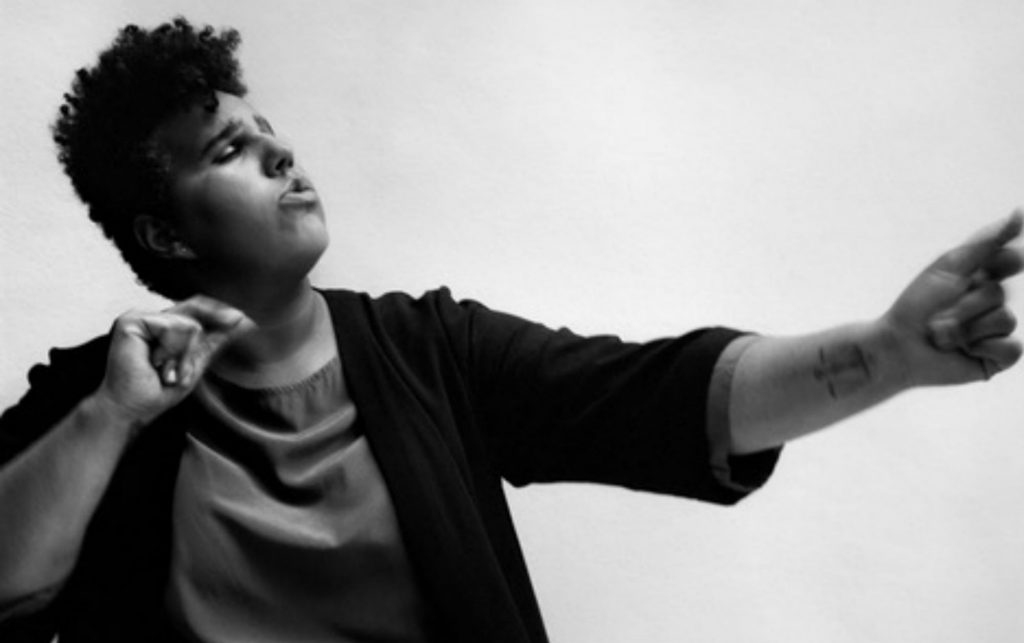
Hardly escapable with a presence everywhere from car commercials to the drugstore checkout line, Brittany Howard’s deeply expressive voice permeates our culture. It is a storytelling voice, capable of inimitable gymnastics and invoking multiple emotions simultaneously. Howard’s first solo project, Jaime, shines a floodlight on the fact that she’s the woman responsible for the vision and the creation of this carefully crafted universe.
Named for her late sister, Jaime speaks to Howard’s own family experiences growing up in Alabama and addresses the cultural imprints of the region’s complexity, rife with some of the deepest pockmarks in human history. The album doesn’t so much feel like she’s grappling with that past. More so, it is a comprehension of the impact that it has all had on her own life, like a summit’s view of a past on which she’s built a mountain of a career.
Howard has won four Grammy Awards as a founding member of Alabama Shakes. In January, she’ll compete for two more with “History Repeats,” her latest single from Jaime. Howard spoke to BGS by phone from San Francisco.
BGS: Not only did you write a very personal narrative on this record, but you also controlled it through the production. Were there differences with the recording process from other projects that you’ve done?
BH: I wouldn’t say it is that different from the Shakes just because usually when I was making the music I would just use my laptop to orchestrate everything. Then I’d show the guys and say, “Ok I’ve got this idea. What do y’all like about it? What don’t y’all like about it?” It was the same process except at the end of it, I just didn’t ask anybody what they thought about it.
Was there a difference in the anticipation of the release of this project because of that?
You know, I was really excited to put it out into the world because it was my baby. I didn’t really know what anyone was gonna think. And I honestly didn’t care or pay much mind to it. I was just happy to do something on my own and have that to show for it. It’s just one of those things.
How did the band come together for this? Did you know when you were writing these songs that you wanted some jazz players as collaborators?
I just wanted to play with people I looked up to and had a lot of respect for. Everybody I’m playing with right now, it is just people I’ve always wanted to play with. Nate Smith is my favorite drummer. He’s been my favorite drummer for several years so I reached out to him and asked if he’d play with me. With Robert (Glasper) it was the same thing. It was a level of respect for how they played and why they play and that’s why I got them on the project.
What was the recording process like? Was it experimental or did you have it mapped out?
It was pretty well mapped out. I use Logic to compose a lot of my songs so I just showed up with that. We used a lot of the guitar parts I had pre-recorded and put some new drums on it. Nate came in with drums and Robert came in with keys. It was mostly stuff I had already put down.
What guitars did you play on this record? Similar to what you’ve played in the past?
I just used this old Japanese Teisco guitar that I found at the pawnshop. It looked cool, felt cool. I just stuck to that.
It is widely known that there are astoundingly few female producers. What do you think the biggest barriers are to women in this field in 2019, and did you experience those barriers yourself?
I think probably the biggest barrier is not seeing enough female producers. We know of the most famous female producers. We know of Bjork and we know of Missy Elliot but there are so many other producers out there like Georgia Ann Muldrow that create beautiful music for all of these, especially, R&B artists that we look up to like Erykah Badu. You know there’s always somebody behind the “somebody.”
I think this is the hugest issue. We don’t know about them because they aren’t the ones going up and accepting Best Engineered Album. That’s part of it. And then giving props whenever you can to people like that, because this is our platform, doing interviews like this, to speak the word about people we look up to and are also inspired by. I love being a producer of my own work because when I was growing up I didn’t see enough of it. Still to this day, when I run into female producers and female engineers, I’m just like, “Wow, wow, wow!”
Would you ever produce other acts?
Maybe when I’m older. Right now I don’t really know how to do that. But I never say never.
What do you think it is about that Muscle Shoals, Alabama, area that yields so many artists?
Hmmm. You know, I don’t know. It’s got a colorful history and maybe because it is next to the water. I don’t know.
I’ve asked my dad that question about Mississippi and he says it is because they had so much spare time.
That could literally be it in the south. You finish work and what else you got to do? I think your dad’s got a good point. That’s why I got into music in the first place because I was bored.
Is that how you learned to play guitar?
Yep. I’ve been making up songs since I was itty bitty. Like 5 years old. I first got hold of an instrument when I was 11. I just stayed in my room and learned how to play it. And then when I got bored of that instrument, I’d pick up another instrument and learn how to play that. It was fun. Instant gratification.
Did you start on guitar?
No, drums were my first instrument and then bass guitar. And then keys and then I picked up guitar.
Were your parents supportive of that?
Yeah, they were pretty supportive. They are really supportive now. I think back then they were just like, “Man, what is she doing?” My rehearsal room was right next to my dad’s bedroom. I’d be playing the same thing over and over again for hours. He wouldn’t complain until like 11 p.m. and then he’d be like, “All right, that’s enough. You gotta cut the amps off.” I definitely don’t think they expected all this.
Who were some of your heroes when you were 11 and just starting to play?
When I first started playing, I liked that popular stuff, like anything and everything. I think one of my greatest inspirations was Chuck Berry. He was such a cool guitar player the way he played. And I really liked Bonn Scott from AC/DC. I thought he was a really good frontman, really entertaining and had really good energy. I liked anything I could get a hold of when I was 11. I’d play anything really. I even tried to play metal. Couldn’t do it but I tried. I was just so curious.
When you go from writing back then — when you were a child or when you were still an anonymous citizen — to writing now for an audience that you know is there, does it change the way that you approach writing?
Whenever I start getting bugged out, I just change what I’m doing. Once I think too much about what I’m going to make, that’s when I gotta get out of that headspace. I think the best thing to do is change instead of thinking about, “What am I gonna write about today?” Or “how do I write a song about this?” The best thing for me, in my opinion, is don’t try too hard. Just show up.
Did you approach the process of writing this record differently than you have in the past?
No. Here’s the thing. When you first start a record, well for me anyway…Boys and Girls [Alabama Shakes’ 2012 debut album] was different because we had all the time in the world to make the first record, like they say. But then the second record I was panicked because I was like, “Oh shoot. What if this is a fluke and I can’t do it no more.” There is always this panic.
So then with this record, I was panicking, because I was like, “What am I gonna write about? What’s it gonna sound like?” But I was less worried because I had been there before. So I would just say, I just sat down and quit thinking so much, and then that begat this record.
What would you as a young child growing up in Alabama think of this record?
Oh man, I would have loved it. I would have thought it was so dope when I was younger. But then I’m pretty biased, you know. I would have loved hearing something like that and knowing that a woman made all of it. Just like when I heard those Missy Elliott records and she made all those beats. It was like her child. Timbaland would leave the studio and she would finish the song. Knowing she did all that. Also Bjork. I think it would have been so cool to know.
Do you feel a sense of responsibility with that at all, like you need to be out there talking about that for the next generation?
I think it only helps everybody to talk about it. Like, “Hey, I made this and if you are a young woman that wants to make music how she hears it, don’t let nobody tell you different.” Everybody can have ideas but when it comes to creativity, it’s subjective. It is like everything else, it’s just about how you feel and how you wanna move people. I would say, no searching for perfection. Just search for the best way to talk about your experience and what makes you unique and your individual self. I think that the more you talk about that, the more interested in the music they will be.
Photo credit: Danny Clinch Illustration: Zachary Johnson
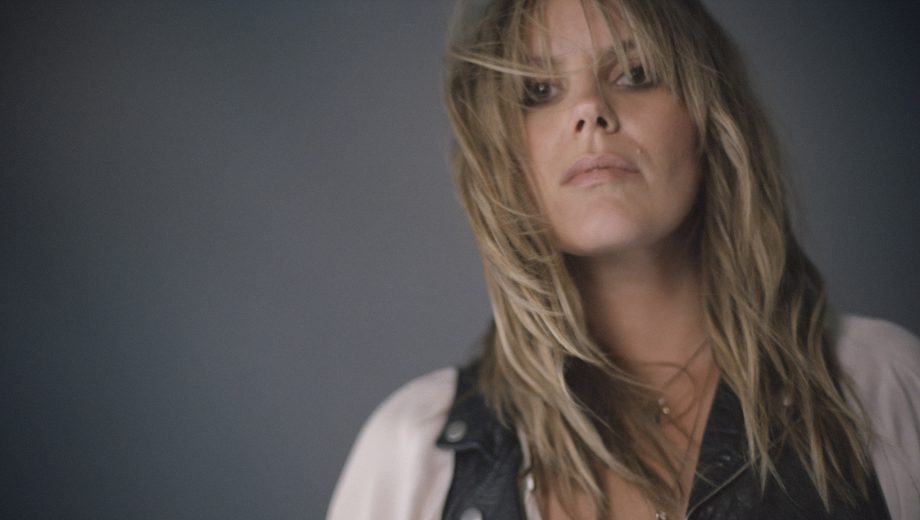
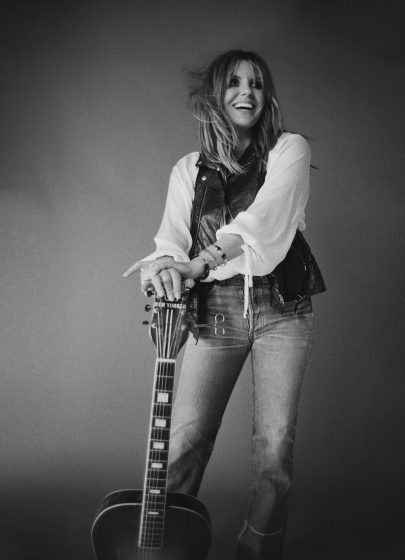
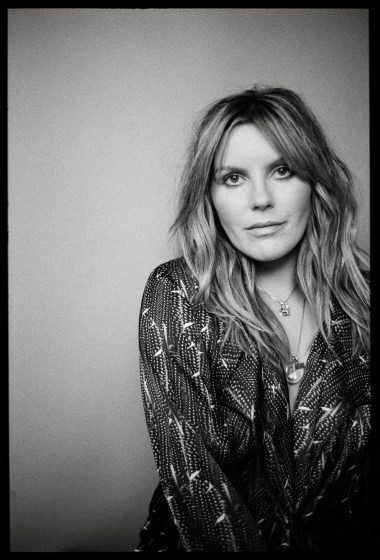
Grace Potter possesses one of the most commanding voices in popular music — which is a good thing, because on Daylight she’s got something to say.
Potter co-wrote much of the new solo album with producer Eric Valentine, with whom she fell in love while still married to a member of her band — which is now broken up, too. After their divorces, Potter and Valentine married, started a family, and now live in Topanga Canyon, California.
The overwhelming emotions of these dramatic life changes are channeled into Daylight, with many of the songs written with Valentine, and on occasion, his longtime buddy Mike Busbee, who died in September.
“Love Is Love,” a potent opener to the project, grabbed immediate attention as the first single, but in this interview with BGS, Potter goes deeper into musical pathway that ultimately led her to Daylight.
“Release” is about the aftermath of the breakup. Who was the first person you played that for when you finished it?
Grace Potter: Eric. Busbee actually texted it to Eric but it was only half the song. Our voice recorder cut off before we finished. But he just wanted Eric to hear where we were at with the writing and Eric had to pull over the car because he was bawling listening to it. And Eric doesn’t cry easily. So that was a really important moment and one that I didn’t expect.
That song, I’d started it myself in the bathtub and it had sat in my voice memo bank for like a year and a half before Eric had heard it and was like, “Let’s not sleep on that one. Let’s pursue that and see where it goes.” Obviously it went and went and went and it’s definitely the one that gets under my skin, every time. It’s hard to play live actually.
And you’re setting yourself up as the character that set this all in motion, too.
Yeah. “I know that I caused this pain…” And that really is the full taking ownership and being accountable for your choices and knowing that those choices are not always this self-righteous, “I can do no wrong” thing. Humans are vulnerable. Humans do make mistakes. Humans change their mind. Lives and careers and happiness and financial fortitude – it all shifts and changes over the time that we live. And the more I’ve lived, the more I realize that it’s okay to give yourself permission, to be that vulnerable.
You quoted the opening line to “Release,” and the opening line on “Shout It Out” sets up that song’s storyline, too. I’ve always thought that those opening lines are something you do really well, but I didn’t realize until researching for this interview that you went to film school.
Oh yeah.
So I’m curious, do you think there’s a correlation there? Because when you make a movie, you have those establishing shots in the beginning, and in your songs you have those establishing opening lines.
And sometimes I like to mislead. I like that opening line to take you in, like, a Quentin Tarantino direction. But it’s actually like a Nora Ephron romance. But I really love storytelling. It’s the same thing I do when I’m writing my sets too. Every single song and every musical experience has to take you on an emotional journey. So there’s a launch point and there’s a revelation, which you know, within the first 20 minutes of a movie, you’re always supposed to basically set up the premise of the movie and potentially introduce one twist. For me, my life was full of so many twists while I was writing Daylight that it wasn’t hard.
After the Nocturnals ended, you had to start a band again. What’s an audition process like to be in your band?
I just want to be around people I like first. Then hopefully they’re good at music. For real. Life is too short to be in a band with people that don’t fit into your ethos or feel, or just don’t feel right. You get these feelings, you get a sense when you’re in a room with someone, if they suck the air out of the room and they have that negative energy, it really changes your entire life and your entire demeanor.
You can feel yourself going kind of gray. I call it the Eeyore effect. You know, it’s this “uhhhhh” feeling. So I generally avoid Eeyores. Although an occasional well-balanced, calm person who doesn’t talk all the time is a wonderfully welcomed part of the road because we can’t all be psychotic extroverts. It’s enough with just me and my baby. But I really enjoy finding musicians who specialize in something that’s just one step quirkier than what you would expect.
Busbee, what I loved about him was that not only was he an amazing songwriter, he played the trombone. Just randomly, like, “I studied trombone.” Really? Eliza Hardy Jones, my keyboard player and singer in my band, is a next level, Olympic champion quilter. Quilting is her thing. She’s actually got a huge show in 2020. She’s doing a massive exhibition in Nebraska at the quilt museum.
Our new drummer, Jordan West, was working for Roland demoing the audio equipment, but actually was hiding in plain sight for so many people. I was looking for a female drummer who could sing, or a female bass player who could sing, or a female guitarist who could sing. I just wanted two female voices that could do all the Lucius parts. So it was fitting the puzzle pieces together for me. Instead of auditioning a bunch of people saying, “I know exactly what I’m looking for,” I just waited until I found a flow of people that felt right. And if they happen to play an instrument I needed, then you’re hired.
Kurtis Keber, our bass player, who’s been with us since last year, came into our world through my previous drummer, Matt Musty, who is now out with Train. We miss him all the time, but these happy accidents happen where you find your people. I saw Kurtis the other day. I was like, “Kurtis, what are you doing? Are you in the studio?” He goes, “No, no, I’ve been building. I’m helping do some carpentry.” My longtime guitarist [Benny Yurco] is now becoming obsessed with recording and becoming one of those crazy studio guys — from the humble beginnings of not even using one guitar pedal to this mad scientist lab they have in Burlington, [Vermont] now.
I like jack-of-all-trades people who like doing lots of things. Those are the things that attract me to people. Their strangeness. Their idioms, their specific obsession with just the tiniest little thing. You know, loose leaf tea. You can talk for an hour and a half about loose leaf tea? I’m in, count me in.
I read the lineup of your Grand Point North festival this year and you did an acoustic set on that Sunday night. What is it about that presentation that you enjoy?
Well, Warren Haynes from Gov’t Mule has been a longtime collaborator and it’s been something that we have talked about doing because we share a joy of being musical and not really knowing what’s going to happen. And not having the stakes be so high that there’s an entire band behind you train wrecking. You know what I mean?
Usually you have to rehearse and really gain a mastery over every single song and arrangement, but when you’re doing an acoustic set, there’s so much freedom to explore. Warren’s musicality and my musicality are complementary to one another where we can take it in a lot of different directions and kind of wring out the towel different every night.
We’d done it a lot backstage and not in front of people, but we felt like it would be a cool thing to share because so many musicians, they just get out there and they run the Ferris wheel, they crank the thing up and they do the same show night after night. There’s been nine years of my festival. People have seen me play with my band. They’ve seen Warren play. He’s played three times in my festival. So I really wanted to treat the audience to a different experience.
Is part of that perspective because you went to a lot of festivals growing up?
Yeah. I came from the jam band world. Warren really ushered me into it. I was very much standing in the shadows of some amazingly talented people who paved the way for me. The festival circuit is really the only way that I was able to break out on my own and be noticed and stand out. I think it’s because of those festivals that I have the sense of diversity. I can take it in a lot of different directions and it’s more fun that way.
And if you’d go to a music festival, you’re going to hear seven, eight, ten genres of music in one place and love every single one of them. I think my instincts took me in that direction, to continue on in my career through creating in the moment, more than creating for a forever thing. …
I think none of my records have ever done my musicality justice because it’s like a high school photo album. It’s this one moment — and maybe it was a very manipulated moment that isn’t even the real reflection of what I was feeling in that moment. So Daylight was the opportunity to completely break that down, take away that premise, take away this idea of having to bottle lightning, and package it and sell it to the world. And instead have an experience. Be vulnerable and open to it and see where it takes you.
As you were talking about festivals, I was wondering, did you ever get an ear for bluegrass?
Absolutely. I grew up listening primarily to Appalachian and Celtic music, which have so many deep connections. And from my family’s record collection, I was obsessed with traditional English, Irish, and Scottish songwriting because the storytelling has these archetypes in it. It’s like the Brothers Grimm. There’s these really intense, very dark stories of women that are shape-shifting and there’s these evil goblins, and then they turn into a beautiful woman. This is a combination of fantasy and reality and love and lust and danger and war. There’s all these amazing cinematic storytelling moments in those songs.
So I grew up around that, but then bluegrass came into my world because in the festival scene, there was so much crossover. I got to meet and be in a songwriter circle early on in 2006 with Béla Fleck, Chris Thile, Jim Lauderdale, and Buddy Miller. It was such a cool lineup, pulling all these people together from all these walks of life and just playing. And it was very humbling. It made me realize I got to get my shit together, my instrumentation, because these guys know how to hold it down.
I understand that you’ve moved from Vermont to Topanga Canyon, which must’ve made your inner hippie very happy.
Oh man! My inner hippie became my outer hippie. I walked to the store two days ago in a pirate shirt with a Burberry trench coat, sweatpants, Doc Martens, and a flower crown. And I didn’t even think about it until somebody sent me a photo of it and I was like, “I did what?” That was just my usual day-to-day getup. That’s Topanga. I live and breathe that lifestyle and those people really get me.
It’s a real community too. It’s a small, small group of people. And again, I think the thing I’ve been finding that I want in life is accountability. And in a big city like L.A., you can hit someone with your car, drive away and never see them again and not really ever worry about getting caught. But if I, or anyone in town, sees anything out of the ordinary, we check in on each other. That’s how tight-knit we are, and how much we care about one another. And it’s a really, really wonderful community to be a part of.
What do you hope that fans will take away from the 2020 version of Grace Potter on tour?
You know, everything about my life has been unexpected, even to me, so I certainly can’t tell people what to expect yet because I just — every bit of it has been this ride. And as I’ve gone on as a musician, I realized that my favorite part of being a musician is inviting people into that ride with me. Instead of presenting them with a packaged thing, that is what it is, I don’t know what it is! I don’t know how this is all going to work. I’ve got a baby now and my life has fundamentally changed in so many ways. I can’t wait to see how it manifests onstage. I guarantee you there will still be headbanging, that’s for sure!
Artist:John Dennis Hometown: Freeburg, Illinois Song: “First Light” Album:Mortal Flames Release Date: January 31, 2020 Label: Rainfeather Records
In Their Words: “This tune is my own version of a creation myth. Because the whole record is intended to tell a larger chronological story, I wanted to set up the ‘mortal flames’ idea by challenging myself to imagine my own poetic version of existence coming to be. The idea that resonated most with me was all life being a part of one great, harmonious (and sometimes cacophonous) song and dance; and its fundamental ‘meaning’ is to continually experience the wonder of itself. (‘Each given a freedom and time to make up their own meaning for this life, When really they were merely born to see, to shine first light.’)
“There are a multitude of stories and myths we can all inhabit, but, as someone who can get consumed and paralyzed by existential questioning, it gave me peace to think that, at the very bottom of it all, I’m fulfilling a ‘purpose’ just by being. These themes get explored throughout the record, but if you listen closely after the final song, you’ll hear the whistling motif from ‘First Light’ again, which was meant to signify the cyclical nature of life — the constant rising and falling, creation and destruction, darkness into light back into darkness.
“It’s also worth noting that I was listening to a lot of Paul Simon when I wrote this — specifically The Rhythm of the Saints and So Beautiful or So What records.” — John Dennis
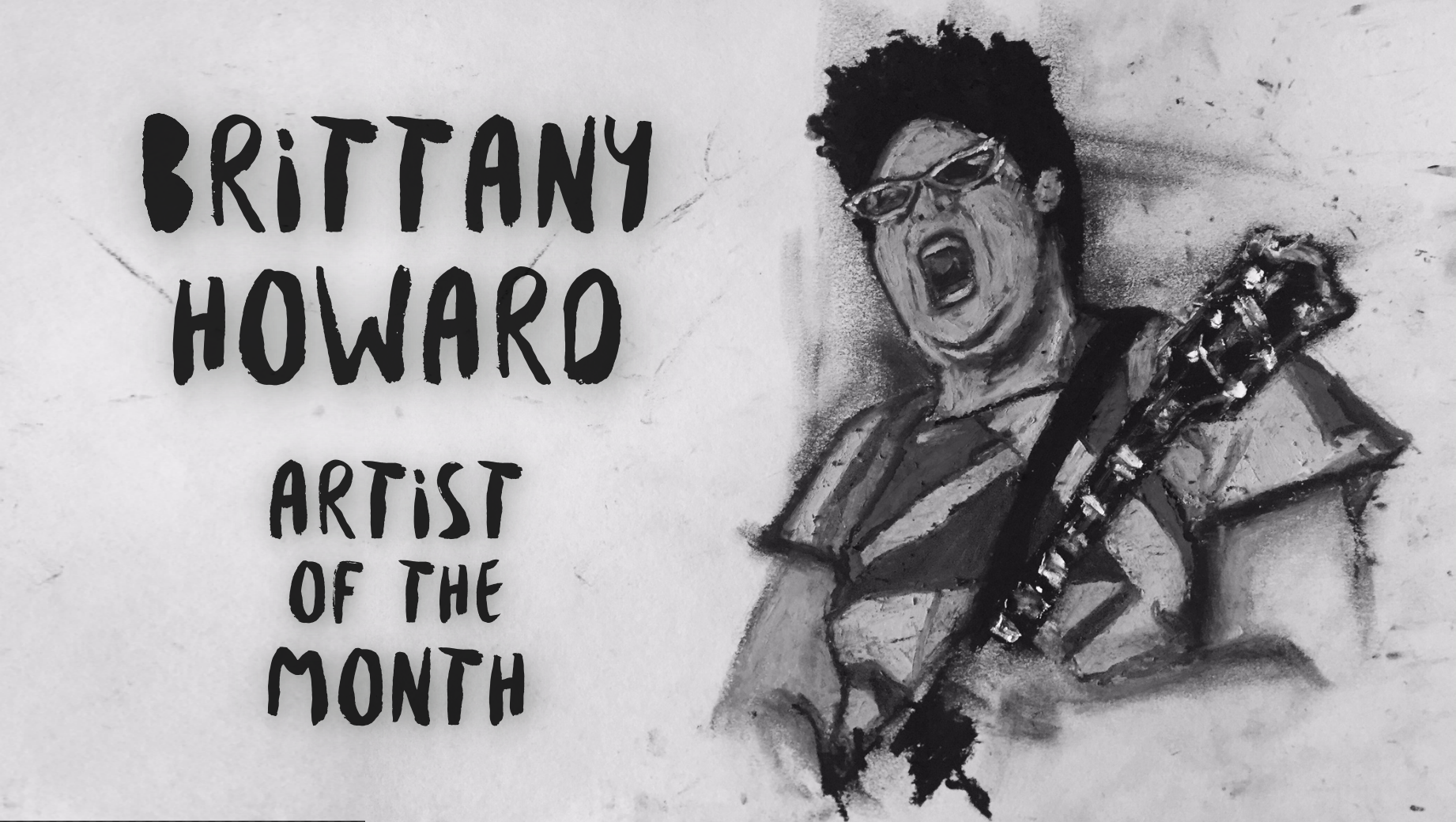
Alabama Shakes alumnus and Bluegrass Situation Artist of the Month, Brittany Howard has maintained a steady course through her journey in blues and roots music. Driven by a resilient spirit and equipped with a stout voice, Howard has seen her fair share of peaks and valleys. From tragically losing a sister to cancer to breakout success and Grammy nods with Alabama Shakes, Howard has faced more in her 31 years than most of us will see in our whole lives.
After playing founding roles in two other rock bands (Bermuda Triangle and Thunderbitch), she decided it was time to take a step forward and release an album as a solo artist. The debut record was a tribute to Howard’s sister and was also named after her; Jaime was released this past September.
Howard’s addendum to the record offers some insight to the music: “Every song, I confront something within me or beyond me. Things that are hard or impossible to change, words and music to describe what I’m not good at conveying to those I love, or a name that hurts to be said: Jaime.” Brimming with emotion and truth, Jamie is available now, as are tickets to her tour. Watch her Tiny Desk concert here, on BGS.
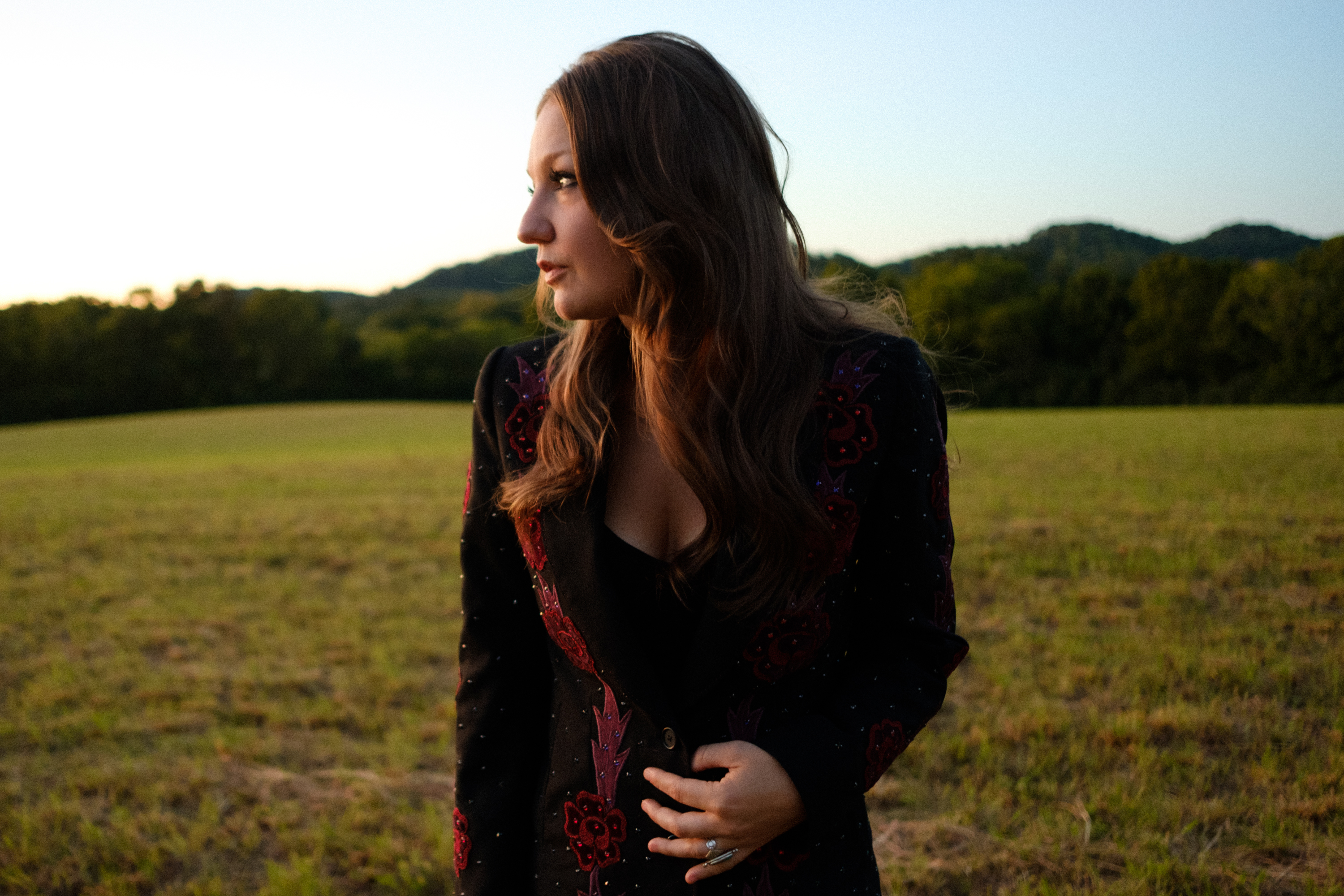
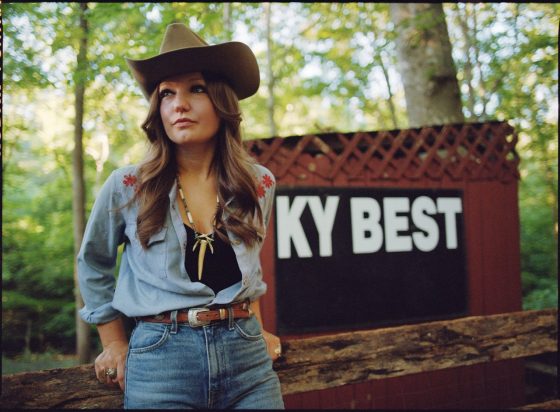
I’ve had the good fortune of knowing Kentuckian country queen-in-waiting Kelsey Waldon for almost the entire time I’ve lived in Nashville — more than eight years at the time of this writing. I’ve stood over her unfathomably enormous cast iron skillet, filled to the brim with bubbling, sizzling battered fish. I’ve sung harmony on one too many choruses of “Smoky Mountain Memories” after perhaps one too many slugs of Kentucky straight bourbon whiskey with her, too.
And yet, in listening to her brand new album, White Noise/White Lines, I still found myself picking up fresh tidbits of her extraordinary yet downright ordinary approach to musicmaking, songwriting, self-expression, and artistic exploration. Waldon, despite limitless comparisons to almost every female country forebear to ever growl through a lyric, remains a paragon unto herself, a true singularity in realms of American roots music.
White Noise/White Lines cements the fact (which has always been plain as day to those who dug deep enough) that Waldon will refuse tidy, one-for-one comparisons to any/all other country stars and writers who have come before her or who count themselves among her contemporaries. Except perhaps two: Loretta Lynn — whose “Coal Miner’s Daughter” inspired Waldon’s own “Kentucky, 1988” — and John Prine. The latter is fitting, in so many ways, now that Waldon makes her label home with Oh Boy Records, label of the denizen of Kentucky songs, meat and threes, and plain spoken oracle-like wisdom through lyrics.
A brief album by many measures, White Noise/White Lines captures technicolor moments of Waldon’s life, her joys, her musings, and her homeplace, encouraging listeners to lean into the record’s brevity and engage wholly with each constituent moment therein. Because truth needs no more than a moment.
For BGS I made the trek out to Waldon’s cabin outside of Nashville and after a quick stroll around the vegetable gardens and a tour of the many Kentucky-themed decor items imported from one state north, we settled in the kitchen, sipping water out of mason jars, to talk.
People routinely refer to you as being similar to Loretta, similar to Tammy Wynette, Kitty Wells, Patsy Cline. People are constantly making these comparisons to these kind of foremothers of country and I wonder how that makes you feel, to be a bookend against someone like Loretta or Tammy Wynette?
Kelsey Waldon: Honestly, I think that’s an incredible compliment. Those are all, you know, my sisters that have gone before me, women that I’ve looked up to quite a bit. Especially in the country music realm. However, I also kind of feel like, especially with this new record, I think it’s apparent that hopefully I’m also finding quite a bit of my own thing.
Sometimes when people say things like that to me it’s like, well maybe their scope of country music isn’t that wide. When someone would be like, “You sound like Patsy Cline!” I’d be like, “Uh, no I don’t.” [Laughs] I mean, I love Patsy Cline and I hold her up as something sacred, I wouldn’t ever even sing Patsy just because nothing touches that.
I think it can kind of be, dare I say, a lazy comparison to just kind of name [some popular woman country star.] It’s definitely there. Even sonically, I was so inspired by them. Especially Loretta, absolutely.
I hope the new record showcases that with the years we’ve spent on the road — just using even my own touring band. It starts at country with me, I can’t just flip off a light switch and say, “Oh, it’s not country!” I guess some people can do that, but I don’t see it that way. Country is just so much embedded in me. No matter what form my artistic expression comes out, that’s still gonna be there. It just may not be cookie cutter, it may not be formulated. It may not even sound exactly like that. One thing that I think the growth of this record shows, hopefully, is that these are my songs, I’m not a throwback artist. I’m not a retro artist. I am an artist making music in 2019.
I did want to talk about your band, I think it’s remarkable. It’s getting more and more rare that folks tour with the folks who played on the record, because — and it’s not the fault of anybody — they’re trying to make money on the road. So if they stack their record, of course they aren’t bringing those people on tour. Why is it a priority for you to have the same band?
There are obviously all of these amazing musicians out there who are session musicians and a lot of people I’ve been fortunate enough to play with myself. I’ve learned a lot from [them]. This time around, this was always a goal of mine, to have a record that had a band I wanted on it. I worked really hard to find the band to really fit those pieces together. It took me a while… just trying to figure out really what I wanted. My last record, I’ve Got A Way, caused the right people to gravitate towards my music. I mean, I eventually found the band that I have now because they heard those earlier records and they were like, “I would love to be a part of this.”
The band I have now, which is Mike Khalil, Nate Felty, and Alec Newnam — and Brett Resnick played on the record, but he doesn’t get to play with us a lot anymore, he plays with Kacey Musgraves, which is wonderful. But with the band I have now I just knew it. I was like, “I think this is it.” We all knew it. Even Brett. People were like, “We think this is the right combination.”
In that way, too, there’s nothing wrong at all with using session players, I just think, honestly — and I might be a little biased — my band is just as good as any. I think they could, and they will be one day, they will be those session players. They care so much about their craft and they work hard. I’m very lucky.
One of the things that excites me most about this record is that I’ve always heard the bluegrass influences in your music, but they’re really forward in this record. Especially in your rhythm playing, in your rhetorical style in your writing, in your vocal phrasing, even in the arrangements with the twin fiddles and there are a couple of “fast waltzes” on the record. I love that “Lived and Let Go” really could be played on bluegrass radio.
I think that is such a huge compliment, thank you.
It’s bluegrass! I wanted to ask, and not just because we’re The Bluegrass Situation, but in general, because this is a huge part of the canon of music you reference and that you listen to. Who in the bluegrass sphere influences you now and who has in the past — and I’m gathering Ola Belle Reed is at least one of them.
I love Ola Belle, obviously, we did an Ola Belle song on the record. Well, I love that you can pick that out. To me, I feel like it’s plain as day that there’s a bluegrass influence all over it. To some people it’s not as apparent, I guess. I’ve had some people just be like, “What is this thing that you’re doing?” It’s because they don’t listen to bluegrass. I’m like, “I STOLE that!” [Laughs]
I guess I understand now why they don’t put those two together, if you’re talking about mainstream country, because that’s clearly not. But to me, I’m always like, “Of course bluegrass is country.” It’s also bluegrass, but it’s also country. It’s like the OG country music.
I would say one of my favorite influences, one of my favorite singers ever, is Dale Ann Bradley. She’s up there for me. I really think Dale Ann should be a legend, honestly. And Ralph Stanley, and obviously I love Bill [Monroe], and Jim & Jesse, and all those groups. And early Keith Whitley, I’ve been obsessed with that for a long time.
I think it’s interesting that you mention both Ralph and Keith back to back like that, because you can hear elements of both of their vocal phrasing and vocal techniques, in what you do singing-wise.
The same thing with Dale Ann. They have such unique registers of their voices and it’s something that I really relate to. Sometimes I didn’t really know what it was that I was doing. I could kind of hear my own voice in [their vocals]. If that makes sense? I could really relate to that. It’s so soulful.
I feel like Keith could sing on anything. [Laughs]He sounded exactly like Keith. That’s the beautiful thing about a country singer to me, he could sing on an R&B track and it would be sexy as hell. It’s like George Jones — and Dolly can sing on anything, as far as I’m concerned. That’s a great singer, to me. Ralph, I’ve always said that he is like the Pop Staples of mountain music. It’s like he doesn’t even have to be loud, but he is so loud. He’s barely singing. He’s just projecting. I love Flatt & Scruggs as well.
New artists… Molly Tuttle, I love what she’s doing. That new record. She’s really taking a genre and making it her own. Something that’s not worn out or tired. Doing something fresh. She has accomplished making this new for people. In my own way, I hope to do that as well.
I don’t guess there’s anybody else completely new, besides like Sister Sadie, and Dale Ann! [Laughs] They are some BAD girls!! Dale Ann, man. The mark of a true artist is that she can sing all of the covers she does. Like I said, I think Dale Ann should be a legend.
Words are clearly your priority in your songwriting. You’re prioritizing what you’re meaning to say first and foremost, then making the melody and music and everything work around what you’re trying to say. It sounds effortless when you listen to it, but I wonder what kind of intention goes into that?
Songwriting is kind of interesting to me in that way. I’ve actually heard a couple people be like, “It sounds effortless.” Sometimes, it is effortless and you’re just like, “Wow that kind of poured out of me. I didn’t realize it was in there but it poured out of me in like five to ten minutes.” With this record, though, there were definitely a couple of things I had to go back to. I had the meat and taters, but there were a couple of things I rewrote and made sure made exactly the sense I wanted them to make. There’s a balance there, too. You don’t want to kind of go too far, over-analyzing the whole thing.
With “Kentucky, 1988,” I think your songwriting up to this point has felt so personal, and so tightly intertwined with who you are, that I almost didn’t realize that you hadn’t written this exact kind of song, yet. What brought you to the point of wanting to be that direct with telling your origin story? Was it more intuitive or more purposeful?
That was definitely purposeful. That is awesome that you’ve observed that, because I’ve felt the exact same way. I was writing new songs and I felt like, “You know, I haven’t written my ‘Coal Miner’s Daughter.’” I don’t really have something that is kind of like this definitive origin story. I just set out to write it. The title was actually kind of inspired by someone I forgot to mention, Larry Sparks — one of my favorite singers.
Oh my gosh!! “Tennessee, 1949!!”
Yeah! Yeah, it was inspired by that. That and a Tom T. Hall song that has Kentucky and a year in the title, with the comma and everything. In my head all of that sounded so cool. Everything about it, the rhythmic feel, it all rolled right off my tongue great. I just had to write it. People always [say], “That’s very vulnerable and transparent.” Well yeah, isn’t that what we’re supposed to do? [Laughs]
I know a lot of artists say this, but I definitely think this is the most personal thing I’ve done so far. I think all of it has been very transparent, in a way. I want to completely embrace that. I want to be as much of a freak as I want to be. It’s not like I was afraid to before, I just don’t think that I was ready. My mom always said I was a late bloomer, but she said, “When you bloom, baby, you’ll bloom!”
I did want to ask you about the significance of the Chickasaw Nation members singing on the record. We hear them at the end of “White Noise, White Lines.” What’s the personal significance of that for you? And are you a tribal member? Is anybody in your family a tribal member?
No. All of the Rollins side of my family, which is my granny’s side, they were all of French and Native American descent, but I never claimed anything like that. I just think it’s been something that’s been such a part of where I grew up, culturally. Even just hunting for points [arrowheads] and having such a respect for that way of life and culture.
It’s always really hard to keep this story short, when people ask me about the song, because I wrote it right after this amazing experience I had back home in Monkey’s Eyebrow, Kentucky, my hometown. When I went back to watch a ceremonial dance that the Chickasaw from Ada, Oklahoma [performed]. They came to re-bless the Wickliffe Mounds. They ended up lodging at my Dad’s that night, for free, [he was] cooking the food, doing the catering and stuff. I ended up staying down there and visiting.
We just became friends with the members of the tribe. We had so much fun. They’ve kept in touch… My dad took them arrowhead hunting for the first time, and they were doing ceremonial dances out on my dad’s land as well. I think he really really was appreciative of that. We were kind of the only people who ever lived down there in those river bottoms, maybe besides [the Chickasaw]. I mean, it’s the river bottoms. That’s why we find all these artifacts. No one has been down there except us.
I just remember thinking about how awesome the weekend had been and the radio had been on white noise for literally fifteen minutes and I had no idea. I was just in this tranquil moment. The song is just a detail of all these things. The solar eclipse had also blown my mind that weekend. Just realizing how small we actually are, compared to what is even going on in this universe.
Naturally, I included the details. “Chickasaw man got a buffalo skin drum,” because Ace — Ace Greenwood and Jesse Lindsey, that’s who’s on the song — actually did have a buffalo skin drum. It was pretty badass. My dad asked them to sing some songs on the porch. I love Ace’s voice, it reminds me of Ralph Stanley. It’s a voice that just feels like it’s been there for a long time. It’s so pure. I just loved it, I was really touched.
He sang a song that had been in his family for generations. The message of the song was basically, “Though I’m far away I’m still near you. No matter where I am. We are together.” In that moment that really was something I needed to hear. I put that [on the record] not only because I thought it was beautiful, and I wanted people to experience what I felt, but I also wanted the record to feel like an experience.
Ace told me one time when we were down there that the media likes to tell his people who they are and that’s not who they are. I think in a way, perhaps it’s also why I thought it would be really beautiful to have that at the end as well. I hope it doesn’t seem like it was for my own reasons, I guess. I was just writing about that weekend and I felt like it was so beautiful to me I wanted it to be documented.
I think it makes a lot of sense. And I’m not saying it’s not a complicated thing to talk about, or that it doesn’t trip into some territory that we as settlers will never fully understand, but I do think that it follows perfectly with you bringing your whole entire self to your music. So much of what you do is tied to place and is tied to coming from Kentucky.
That was another part of it, showcasing where I’m from. And the cultural background of it.
And not just the colonial background of where you’re from?
No. I mean absolutely not. To me, that’s exactly how I saw it. Nail on the head. It might cause a little bit of question, but I think that’s good. ‘Cause then I’ll get asked about it. And then I’ll tell ‘em. [Laughs]
In Their Words: “I thought it would be nice to shed a small glow on the darker side of tour life. As lighthearted as a tune about seasonal depression can be, I wrote ‘Mornings’ in one of the harder and longer stints of touring (with The Lumineers). The beautiful late light of Sean Spellman’s studio in Westerly, Rhode Island, seemed like the best spot to record with my two bandmates Dorota Szuta and Max Barcelow. Often with everything glowing and bright on the outside, it is even harder to show people that seemingly endless, all encompassing, darkness. Ha, enjoy!” — Stelth Ulvang
The Recording Academy announced the nominees for the 2020 Grammy Awards this morning in Los Angeles, including the following artists up for the American Roots Music categories:
Best American Roots Performance
For new vocal or instrumental American Roots recordings. This is for performances in the style of any of the subgenres encompassed in the American Roots Music field including Americana, bluegrass, blues, folk, or regional roots. Award to the artist(s).
SAINT HONESTY Sara Bareilles
FATHER MOUNTAIN Calexico And Iron & Wine
I’M ON MY WAY Rhiannon Giddens with Francesco Turrisi
CALL MY NAME I’m With Her
FARAWAY LOOK Yola
Best American Roots Song
A songwriter(s) Award. Includes Americana, bluegrass, traditional blues, contemporary blues, folk or regional roots songs. A song is eligible if it was first released or if it first achieved prominence during the Eligibility Year. (Artist names appear in parentheses.) Singles or Tracks only.
BLACK MYSELF Amythyst Kiah, songwriter (Our Native Daughters)
CALL MY NAME Sarah Jarosz, Aoife O’Donovan, & Sara Watkins, songwriters (I’m With Her)
CROSSING TO JERUSALEM Rosanne Cash & John Leventhal, songwriters (Rosanne Cash)
FARAWAY LOOK Dan Auerbach, Yola Carter & Pat McLaughlin, songwriters (Yola)
I DON’T WANNA RIDE THE RAILS NO MORE Vince Gill, songwriter (Vince Gill)
Best Americana Album
For albums containing at least 51% playing time of new vocal or instrumental Americana recordings.
YEARS TO BURN Calexico And Iron & Wine
WHO ARE YOU NOW Madison Cunningham
OKLAHOMA Keb’ Mo’
TALES OF AMERICA J.S. Ondara
WALK THROUGH FIRE Yola
Best Bluegrass Album
For albums containing at least 51% playing time of new vocal or instrumental bluegrass recordings.
TALL FIDDLER Michael Cleveland
LIVE IN PRAGUE, CZECH REPUBLIC Doyle Lawson & Quicksilver
TOIL, TEARS & TROUBLE The Po’ Ramblin’ Boys
ROYAL TRAVELLER Missy Raines
IF YOU CAN’T STAND THE HEAT Frank Solivan & Dirty Kitchen
Best Traditional Blues Album
For albums containing at least 51% playing time of new vocal or instrumental traditional blues recordings.
KINGFISH Christone “Kingfish” Ingram
TALL, DARK & HANDSOME Delbert McClinton & Self-Made Men
SITTING ON TOP OF THE BLUES Bobby Rush
BABY, PLEASE COME HOME Jimmie Vaughan
SPECTACULAR CLASS Jontavious Willis
Best Contemporary Blues Album
For albums containing at least 51% playing time of new vocal or instrumental contemporary blues recordings.
THIS LAND Gary Clark Jr.
VENOM & FAITH Larkin Poe
BRIGHTER DAYS Robert Randolph & The Family Band
SOMEBODY SAVE ME Sugaray Rayford
KEEP ON Southern Avenue
Best Folk Album
For albums containing at least 51% playing time of new vocal or instrumental folk recordings.
MY FINEST WORK YET Andrew Bird
REARRANGE MY HEART Che Apalache
PATTY GRIFFIN Patty Griffin
EVENING MACHINES Gregory Alan Isakov
FRONT PORCH Joy Williams
Best Regional Roots Music Album
For albums containing at least 51% playing time of new vocal or instrumental regional roots music recordings.
KALAWAI’ANUI Amy Hānaiali’i
WHEN IT’S COLD – CREE ROUND DANCE SONGS Northern Cree
GOOD TIME Ranky Tanky
RECORDED LIVE AT THE 2019 NEW ORLEANS JAZZ & HERITAGE FESTIVAL Rebirth Brass Band
This week Z. Lupetin welcomes Madison Cunningham — a gifted songwriter, singer, and guitar slinger who has quickly risen from shy Southern California prodigy to a nationally admired, Grammy-nominated, major label recording artist redefining what could be a new genre between the fertile plains of pop, jazz, and new wave folk music.
As the eldest daughter of a big family, maybe Madison Cunningham was always meant to be an old soul. And as a young star on the rise, she thankfully hasn’t had to toil long in dive bars and retirement community gymnasiums, as many new artists do. She has already dazzled on large stages, opening for her heroes like the Punch Brothers, Iron & Wine, and Andrew Bird, all while teaming up with luminaries like Joe Henry to bring her songcraft to a new level.
If you have an hour, lock yourself in a dark room and listen to her newest release, Who Are You Now, and forget the failed love affairs and credit card debt and smoky bars of your youth and put your faith in the new generation. We are in good hands, no doubt about it.
This website uses cookies to improve your experience. We'll assume you're ok with this, but you can opt-out if you wish.AcceptRejectRead More
Privacy & Cookies Policy
Privacy Overview
This website uses cookies to improve your experience while you navigate through the website. Out of these, the cookies that are categorized as necessary are stored on your browser as they are essential for the working of basic functionalities of the website. We also use third-party cookies that help us analyze and understand how you use this website. These cookies will be stored in your browser only with your consent. You also have the option to opt-out of these cookies. But opting out of some of these cookies may affect your browsing experience.
Necessary cookies are absolutely essential for the website to function properly. This category only includes cookies that ensures basic functionalities and security features of the website. These cookies do not store any personal information.
Any cookies that may not be particularly necessary for the website to function and is used specifically to collect user personal data via analytics, ads, other embedded contents are termed as non-necessary cookies. It is mandatory to procure user consent prior to running these cookies on your website.