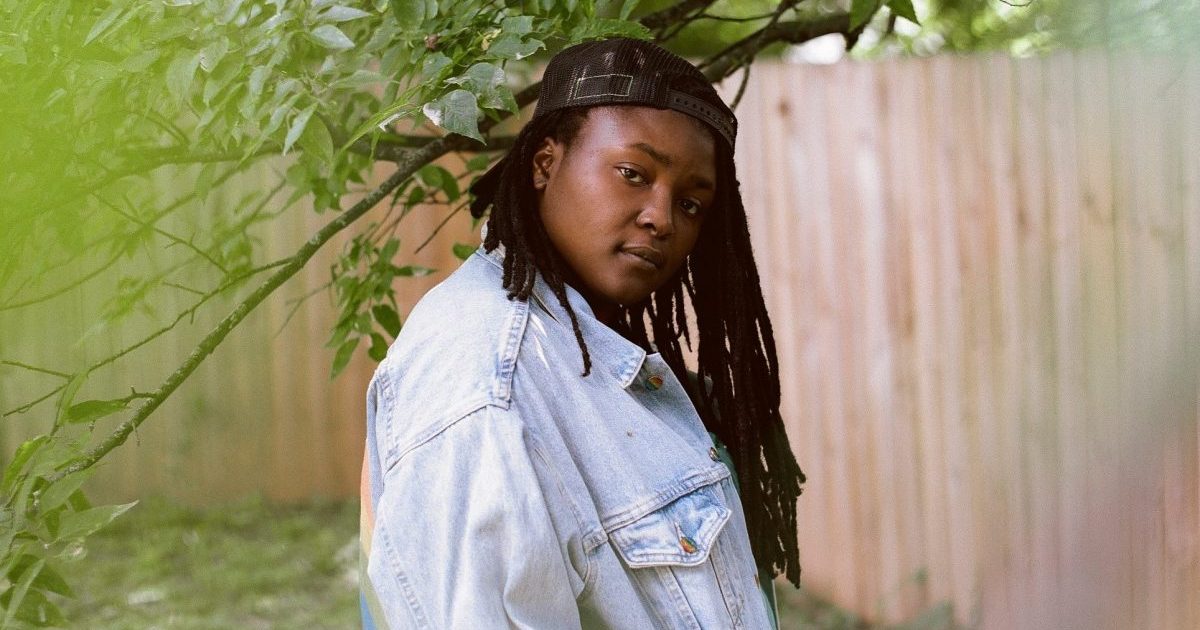
May is Mental Health Awareness Month, but for those with lived experience, every day is about mental health awareness. During the most difficult times, many creators and listeners turn to music. It’s where we connect through lyrics and melodies that express the things we so often cannot, will not, dare not say.
The intersection of music and mental health is nothing new. Long before memes and catchphrases about “break the stigma,” Hank Williams did just that with “I’m So Lonesome I Could Cry.” Years later, Porter Wagoner exposed the ugly unspoken truth about “The Rubber Room.”
Thankfully, through incremental steps, times have changed – although not enough – in terms of media portrayal and public discourse. With great courage, more and more artists are coming forward about their struggles. Dozens of artists and musicians have spoken openly with BGS and Good Country about how mental health challenges move them to create songs and albums that make us all feel a little bit less alone. (Scroll to find our playlist of roots songs all about mental health below.)
Artists and bands like Becky Buller, Courtney Marie Andrews, Sister Sadie, and Tenille Townes give us glimpses at how mental health and self-care inform their creative processes and how they craft their songs, albums, and sets. Groups like Southern Avenue and the Band Loula – who make music built on the sonic and storytelling traditions of the South – subvert regional expectations about what’s “allowed” to be spoken about in the light of day with their approaches to infusing mental health awareness into their songs. Still more conversations with artists like Fruit Bats, Cole Chaney, Emily Scott Robinson, and Chely Wright reinforce that mental health in roots music isn’t a fad or passing trend, it’s an intentional through line. Songwriting and roots music are perfect vehicles for this sort of vulnerability and these once forbidden topics.
The proliferation of YouTube and democratization of music videos in the 2000s and 2010s opened up new dimensions for artists, giving them more formats in which to express themselves, depict their work, and consider mental health. Additionally, of course, it offers live performances that go beyond anything a studio recording can capture.
“I Think It’s Going to Rain Today” – Randy Newman
Randy Newman’s masterpiece has been covered many times, and the internet is full of those recordings – as well as his. This performance, however, at his induction into the Rock and Roll Hall of Fame, may very well surpass them all.
“God, Can You Hear Me?” – Dax
Dax is fearless in addressing the most difficult and “taboo” topics. “God, Can You Hear Me?” asks the unspoken question within the context of a subject that far too many people refuse to address: suicidal ideation. (Content warning: graphic.)
“Let the Circle Be Broken” – Sister Sadie
In genres predicated upon generational legacies and “handing down” tradition, Sister Sadie’s song of release, letting go, and stepping out from underneath the long shadow of generational traumas is more than powerful. By the same token, that it was written and is sung and performed by a band of all women makes it a truly transcendent message. Some circles are meant to remain unbroken, others must be demolished.
“Bench Seat” – Chase Rice
Chase Rice broke down walls and stereotypes and opened doors to discussions about suicide with this multiple-award-winning video. Country needed this. Country needs more of this. (Content warning: graphic.)
“Hurt” – Johnny Cash
Johnny Cash. Enough said.
“I’m Gonna Be the Wind” – Laurie Lewis
Bluegrass legend Laurie Lewis has penned many a fine song tackling issues of mental health, but this is the song for when you’re ready to stride out anew again. It’s a song of strength, resilience, of realizing that often one of the primary forces keeping us down is our own mindset. Tired of being a blade of grass, bent and bruised by the wind? Be the wind!
“Sunday Morning Coming Down” – The Highwaymen
Mickey Raphael described them as “like Mount Rushmore onstage” and called Kris Kristofferson “the Shakespeare of our time.” This is why.
“Will the Sun Ever Shine Again” – Bonnie Raitt
One of the best songs Bonnie Raitt has ever sung and released was recorded for the 2004 animated film Home on the Range. Devastating, endlessly relatable, but ultimately hopeful, the film cut of “Will the Sun Ever Shine Again” is hard to track down on streaming services and online, but it’s truly lovely. A gem of a soundtrack find from an often overlooked Disney children’s movie from the aughts.
“Alone Again (Naturally)” – Gilbert O’Sullivan
In 1971, Gilbert O’Sullivan bravely addressed loss, grief, heartbreak, loneliness, depression, suicidal thoughts, and questions of faith, wrapped them up in a lovely melody, set them to a catchy beat, and rode to the top of the charts with one of the most gutting, most accurate depictions of mental health challenges ever put to song. Decades and numerous cover versions later, stripped down to keyboard and guitar, his voice aged like fine wine, “Alone Again (Naturally)” remains poignantly accurate and relatable.
“Bad Mind” – Erin Rae
A song so perfect in its illustration of how we project and ascribe mental health, onto ourselves and others. We all may know, somewhere inside ourselves, that there is no such thing as a “Bad Mind,” but stigma and internalized expectations leave so many of us feeling broken and “incorrect.” Listening to Erin Rae sing this lovely, devastating song brings an immediate feeling of needing to reassure the singer that there really aren’t bad minds… and thereby the realization we should also apply that grace to ourselves.
Below, you’ll find our full playlist of nearly 8 hours of roots music created by the teams at BGS and Good Country that features some of the many excellent songs that address mental health. For Mental Health Awareness Month and beyond.
Photo Credit: (L to R) Cole Chaney by Anthony Simpkins; Sister Sadie courtesy of the artist; Dax by Annie Devine.
Additional curation and contributions by Shelby Williamson and Justin Hiltner.
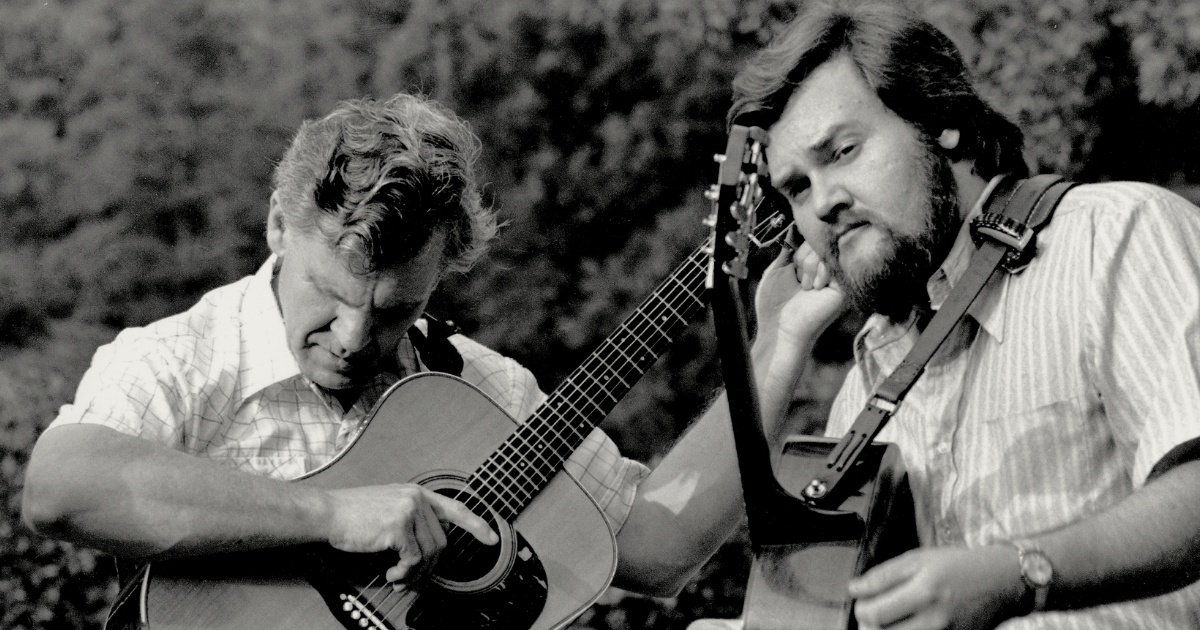
Few musicians have ever moved as fluidly between eras, genres, and generations as Doc Watson. From front-porch duets to grand-stage bluegrass revivals, Watson’s collaborations have a way of dissolving categories entirely.
His flatpicking precision, rhythmic calm, and vocal warmth made him the kind of performer who elevated everyone within earshot – young prodigies, genre pioneers, folk-tradition torch bearers, and musical iconoclasts alike. His reputation as a consummate accompanist was built not on showmanship or flamboyance, but on musical generosity and an intuitive sense of timing, phrasing, and expression that allowed others to shine while retaining his unmistakable voice.
Part of Watson’s power lies in the consistency of his musical identity. He never strained to fit into a new format or trend; instead, others bent gratefully toward his center of gravity. Whether playing an old-time fiddle tune, trading licks with a jazz-influenced mandolinist, or harmonizing with a younger bluegrass singer, he brought a sense of ease and groundedness that anchored every ensemble. That stability gave his collaborators the freedom to explore, improvise, and innovate – knowing Doc would be right there, steady and sure.
This sense of balance between precision and freedom made him a model collaborator for musicians across generations, and his impact can be traced through countless recordings, festival lineups, and mentorships of younger players.
Watson’s influence was not just technical but communal. He could guide a performance without overwhelming it, offering the ideal blend of authority and humility. In his guitar, listeners hear the voice of the North Carolina mountains, the pulse of Appalachian tradition, and the adaptability of a musician able to engage any genre without losing authenticity.
Today, YouTube’s patchwork archive of footage allows us to witness these collaborations anew: small moments of musical connection, sometimes real-time, sometimes reconstructed from archival sources. Below is a curated set of eight standout filmed or recorded collaborations that illustrate Watson’s reach. From storied duets with Chet Atkins or Earl Scruggs to meetings with newer-generation players.
“Roll in My Sweet Baby’s Arms” – Doc Watson, Earl Scruggs & Ricky Skaggs (The Three Pickers)
This relaxed but virtuosic performance features Watson, Scruggs, and Skaggs playing with the ease of a porch jam made public. Watson’s crisp flatpicking forms a warm foundation, while Scruggs’ banjo drives with characteristic agility and Skaggs adds mandolin flourish and bounce.
The trio exhibits mutual respect and joy, and their lines interweave with natural conversation. The recorded performance comes from the 2003 album The Three Pickers. The energy and clarity of the musicianship exemplify Watson’s ability to anchor an ensemble while remaining entirely supportive, a model of intergenerational teamwork. It is a performance that displays the combination of technical mastery and intuitive musical empathy that defined Watson’s career.
“Tennessee Stud” – Doc Watson & Nitty Gritty Dirt Band (Will the Circle Be Unbroken)
Watson’s performance of “Tennessee Stud” on the Will the Circle Be Unbroken project exemplifies his ability to blend seamlessly with both established musicians and a younger ensemble eager to learn from him. His deep, resonant vocals float over understated but fluid flatpicking, supporting the Nitty Gritty Dirt Band’s harmony vocals and rhythmic drive.
Watson’s musical sensitivity allowed for a dialogue that bridged generations, bringing traditional songs into a contemporary context while retaining their original heart and vibrancy. This track also highlights Watson’s ability to adapt to the studio environment, shaping a sound that was both authentic and polished. The 1972 studio album is well-documented, though various YouTube versions may mix studio, rehearsal, or live takes.
In this medley, Watson and Chet Atkins engage in a playful, masterful guitar dialogue. Watson’s flatpicking exhibits crisp, percussive articulation, while Atkins’ thumb picking introduces a smooth, jazz-inflected counterpoint. Both artists navigate tempo and dynamics with precision, creating a performance that is both technically dazzling and deeply musical.
The track appears on the Reflections album and while some online performances derive from live shows or reissued audio, the studio recording itself exalts the collaborative interplay. This duet demonstrates Watson’s ability to move effortlessly between folk and jazz guitar traditions, honoring both while creating something uniquely their own. The performance underscores his adaptability, an essential quality in a musician sought after by so many genres and generations.
“Black Mountain Rag” – Doc Watson & Merle Watson
The father-son dynamic between Doc and Merle Watson is in full display in this live rendition of “Black Mountain Rag.” Merle’s nimble, rhythmic energy dances atop Doc’s grounded guitar tempo, producing an interplay that is conversational, playful, and intricate. Their shared history and years of touring allow for spontaneous embellishments and musical commentary woven into the tune.
This performance captures the essence of the Watson family legacy, showing how Doc nurtured both musical skill and expressive interpretation in the next generation. The piece also serves as a lesson in ensemble sensitivity, as Doc balances his playing to give Merle ample space while maintaining rhythmic and harmonic cohesion.
“What Would You Give in Exchange for Your Soul?” – Doc Watson & Bill Monroe
Watson and Monroe’s pairing on this traditional tune combines the latter’s piercing, high-lonesome tenor with the former’s warm baritone, creating a striking emotional contrast. Watson’s guitar provides steady, unobtrusive accompaniment, allowing the vocal interplay to take center stage.
This recording exemplifies Watson’s ability to adapt to any partner, responding in real time to vocal phrasing and tempo shifts. The performance demonstrates his interpretive sensitivity, highlighting how he could honor a song’s emotional core while integrating his own stylistic voice.
“Shady Grove / Summertime” – Doc Watson & David Grisman
Watson’s collaboration with David Grisman blends Appalachian folk with progressive acoustic styling. In this rendition of “Shady Grove,” Watson’s rhythmic guitar backgrounds Grisman’s mandolin flourishes, resulting in a lively, conversational back-and-forth. Improvisation is key, as both musicians respond to each other’s phrasing, demonstrating mutual respect and spontaneity.
This collaboration underscores Watson’s versatility, showing he could navigate between traditional melodies and innovative interpretations, elevating both in the process. It is a reminder of his role in bridging traditional and progressive acoustic music for audiences and colleagues alike.
“Amazing Grace” – Doc Watson & Jean Ritchie
Watson and Jean Ritchie’s collaborations were well-established, including performances at venues like Folk City in the early 1960s. However, the specific attribution of some YouTube uploads titled “Amazing Grace” is ambiguous. The Live at Folk City album recording is the most reliable source, showing their complementary styles: Watson’s gentle, precise guitar lines support Ritchie’s clear, expressive vocals, blending Appalachian tradition with personal interpretation. They represent the transmission of Appalachian folk music to wider audiences and the seamless melding of their similar sensibilities.
“Summertime” – Doc Watson & Mark O’Connor
Watson’s influence on multi-instrumentalist Mark O’Connor is well-known; O’Connor cites him as a formative inspiration and their collaboration remains significant as a symbolic bridge between generations. Watson’s teachings and style informed O’Connor’s fiddle mastery, illustrating Watson’s mentorship and the continuity of American acoustic tradition. Indeed, their shared repertoire speaks to the passing of musical knowledge and the sustaining of tradition through personal and professional interaction.
These eight performances above collectively highlight Doc Watson’s role not only as a primary musician, but as a profoundly generous collaborator. He created space for others to excel, whether alongside legends like Bill Monroe, Earl Scruggs, and Chet Atkins or with younger rising stars such as Alison Krauss and Mark O’Connor. Watson’s approach combined technical mastery with emotional intelligence, allowing him to respond intuitively to fellow musicians in real time.
His collaborations illuminate the breadth of his influence. Watson moved with ease between old-time Appalachian tunes, rag medleys, gospel-inflected ballads, rocking hillbilly sounds, and improvised jam sessions. Across these contexts, he remained unmistakably himself: grounded, warm, and adaptable.
By mentoring younger musicians, bridging generations, and seamlessly adapting to new musical contexts, Doc Watson demonstrated that tradition is not static; it is a living, evolving practice. His legacy continues to teach musicians the art of generosity, the importance of listening, and the beauty of musical dialogue. Perhaps in every collaboration, Watson’s spirit resonates, ensuring that his contribution to music endures across time, space, and audience.
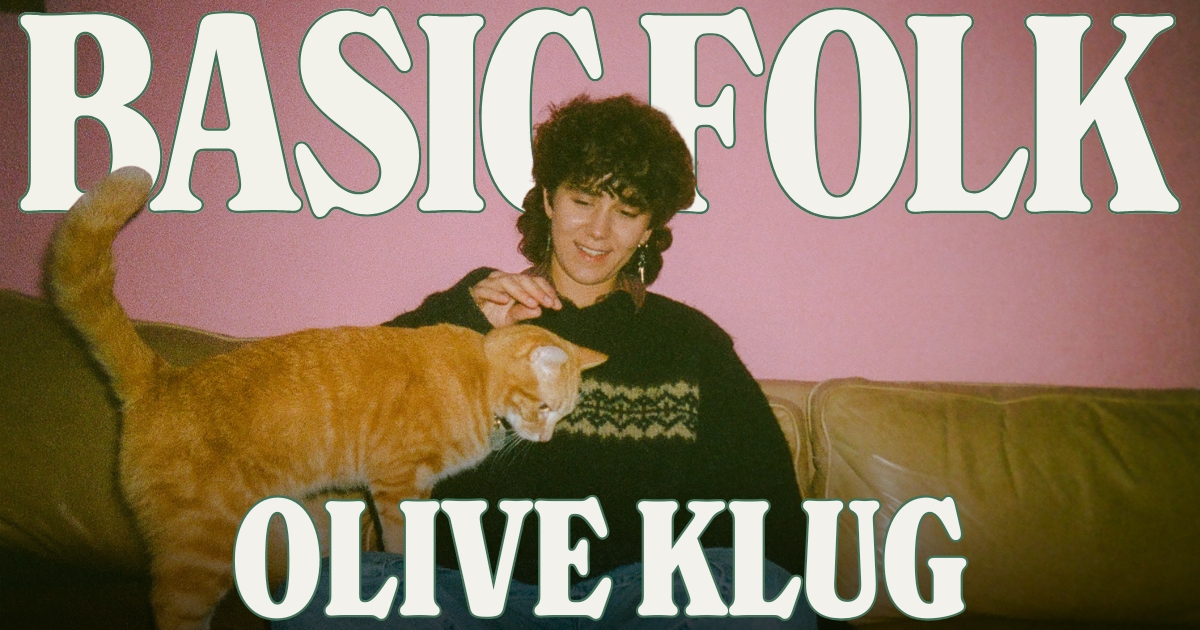
Olive Klug and I recorded this interview in my closet while they were in Portland, Maine, to play a show. Along with their band Cori, Haley, and Payton they stayed with us and it was a real pleasure to be around them for a few days. You can tell that Olive is at their best around their band and it is a true collaboration on stage. Shoutout to the whole crew for leaving such a remarkable impression on me and my wife and for assembling some baby furniture while they were staying at our house.
In our conversation for Basic Folk, Olive takes us on a journey through their musical upbringing, exploring their childhood influences, including their father’s eclectic taste in ’60s and ’70s rock and folk. Olive discusses their love for Joni Mitchell and Taylor Swift, which inspired them to learn guitar and develop their own musical tastes. They provide insights into their early internet presence on platforms like YouTube and Tumblr, and how these shaped their creative expression and online identity.
Olive also touches on their experience of transitioning to a music career, going viral on TikTok, and the emotional and practical challenges that come with it. Additionally, they delve into how their psychology background and neurodiversity inform their songwriting, live performances, and day-to-day life. Our conversation wraps up with thoughts on the productive chaos of touring, the importance of community in the folk world, and their aspirations for long-term, sustainable growth in the music industry. Everyone belongs at the Olive Klug show. They leave their glow wherever their travels take them.
@oliveklugThe gay cowboys keep leaving nashvillea title=”♬ original sound – Olive Klug” href=”https://www.tiktok.com/music/original-sound-7519310944065817375?refer=embed” target=”_blank” rel=”noopener”>♬ original sound – Olive Klug
When I started playing mandolin in 2004, the internet was integral to my experience. I spent countless hours on websites like Mandolin Cafe, used a PayPal account I made when I was 9 to buy albums on eBay, and downloaded countless viruses onto our family computer pirating bluegrass recordings on Limewire. When the internet went public 30 years ago, it immediately changed the world and bluegrass. By the end of the ’90s, blogging had become mainstream and bluegrass had cultivated its own corner of the web with forums and listservs like BGRASS-L. When broadband replaced dial-up, people were able to share large files such as recordings and videos and information sharing exploded.
I grew up in a generation that saw regular people like Justin Kan (who would later go on to co-found Twitch) become celebrities through vlogging and like many people my age, I wanted to be a content creator. “Content” is just the soulless marketing word for the cultural ephemera humans have always created, but in the internet age. When I was in high school, microblogging became popular with platforms like Twitter (now X) while social media sites such as Vine and Snapchat that favored short form content appeared, creating another paradigm shift towards the hyper-specific, unpolished, slice-of-life videos we now see on TikTok and Instagram Reels.
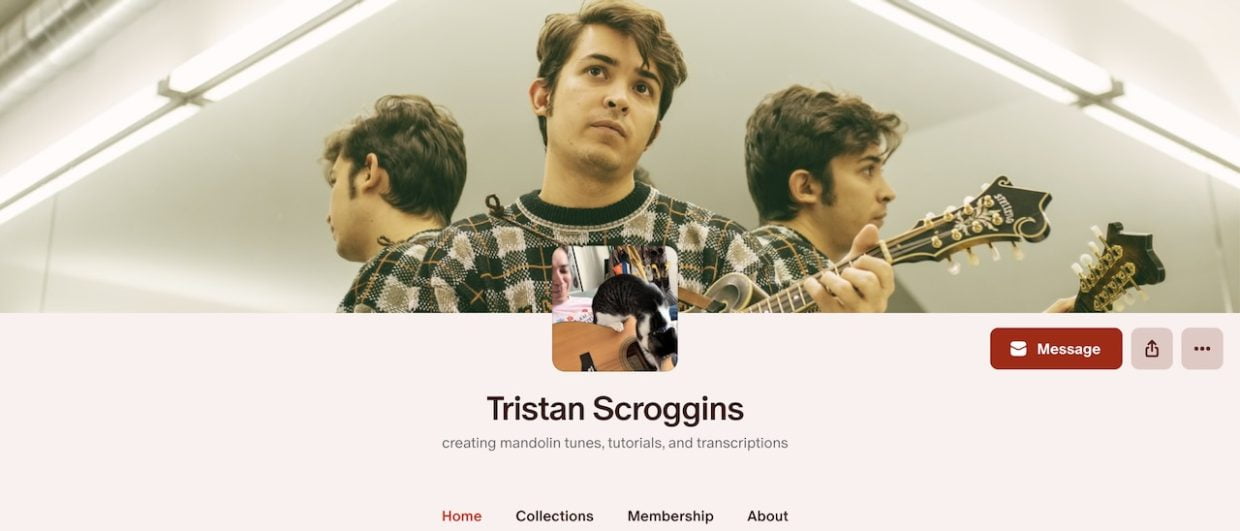
My social media career began in earnest in 2019. I was burned out from touring and was trying to find a way to stay relevant without traveling so much. I started by posting clips of myself playing tunes that I was learning, which eventually morphed into a Patreon page. Patreon became hugely popular with artists after the COVID-19 pandemic hit, but at the time I began using it there were relatively few educational bluegrass pages. I ended up formatting mine in a similar way to podcasts that I subscribed to at the time. I studied up on how the algorithm works and during lockdown began creating and posting fervently.
A preview of Tristan Scroggin’s Patreon profile.
Once restrictions were lifted, I found myself drawn back into performing and had less and less time to consistently post. In the ever intensifying war for attention, consistency is key, but I found no satisfaction in churning out things I didn’t care about and the things I do care about take time. So I found myself burned out again, trying to learn how to slow down. It’s a vicious and common cycle.
Ultimately, I love creating new things and sharing them with people. This is true of all of the people on this list, many of whom are friends and part of a community that openly shares tips and tricks on how to navigate the unfiltered digital miasma of social media. For every entry on this list there are a dozen more who I couldn’t include for space. Separating the wheat from the chaff in the world of online bluegrass content can be difficult, but there are many shining beacons that have and will continue to influence those that follow them.
Billy Strings
Billy had a small cult following in his home state of Michigan before videos of him performing at festivals went viral. Videos became an integral part of Billy’s brand with footage from his concerts becoming inescapable for a time. Taping culture, the act of recording a live show and posting it online – an activity with ties to old school tapes of bluegrass shows that David Grisman, Jerry Garcia, and Sandy Rothman created and distributed along the West Coast to help spread bluegrass – had grown with social media and videos of full performances were shared religiously online. This practice has challenged more traditional bluegrass artists who have often relied on physical CD sales and see digital distribution as undermining that effort. Despite that, Billy’s most recent record Me / And / Dad was #1 in pure album sales in country, and #5 in all of music selling more than 15,000 copies upon release.
Billy’s Youtube channel has more than 300,000 subscribers and currently features everything from music videos to full concerts to behind the scenes mini-documentaries. Billy has since partnered with Nugs.net to livestream and host his current shows. Nugs is a livestream website that provides high quality video and audio of concerts, mostly rock and jam bands providing an updated version of the Grateful Dead tapers from days of yore.
Carter Vintage
Since their start nearly a decade ago, Carter Vintage Guitars has posted demonstration videos and in-store performance footage to their YouTube channel, which became a who’s-who collection of Nashville talent. While the videos started out as informal captures from around the store, by the end of 2016 the production quality had increased with Jon Roncolato and Keith Cypert making sure they looked and sounded great. While there are videos from hugely popular rock and Americana artists such as Jason Isbell, the majority of their most popular videos are from Molly Tuttle and Billy Strings from when they had recently moved to Nashville and were still relatively unknown.
Clover Lynn, also known as hillbillygothic, is from Southern Appalachia and plays banjo with a dark gothic-esque twist that challenges Steve Martin’s assertion that “you can’t play a sad song on the banjo.” She gained a massive amount of fame on TikTok and later Instagram for dueting posts. (A duet contains two videos in a split screen that play at the same time.) Specifically, she’d duet TikToks featuring men “challenging” feminism, spouting misogyny, or outright supporting violence against women. When they began spewing hate speech, Clover would appear alongside the original video loudly playing tunes like “Foggy Mountain Breakdown” over their bad opinions. This trend was extremely popular; the most popular post I could find had 8.2 million likes. Clover also uses her platform to advocate for the Appalachian region and its often overlooked BIPOC and LGBTQIA+ people, issues, and history.
Marcus Veliz, through his page Dirty Laundry, has created a collection of moments and memories from his travels. Marcus is a wanderer driven by mindfulness. His videos offer short, musical meditations in nature that reflect on the beauty of living in the moment, which then informs his music. It’s all very “carpe banjo.” He has cultivated a following of nearly 40,000 followers on social media, but has deliberately chosen to focus on Instagram, because he values the community that he can build there. When scrolling on an app, these moments can be completely disembodied from the people who made them, but by creating a collection of these moments, Marcus, like a poet’s anthology, has created a digital visage of himself with Dirty Laundry that feels as if Woody Guthrie had an Instagram account. (Read BGS’s 2023 feature on Dirty Laundry here.)
Educational Videos by Eli Gilbert, David Benedict, and Lessons with Marcel
Educational content is hugely popular online. While there are countless pages dedicated to teaching bluegrass, I’ve collected just a few here. All three produce educational content that is supplemented by other work. Eli Gilbert has run his YouTube channel for nearly a decade, growing an audience of people learning the banjo (that included myself). Eli centralized these folks on his Patreon page and Discord server. While he’s not the first to post banjo tutorials or start a banjo Patreon page, he is currently the most popular banjo instructor on Patreon with more than 2,000 subscribers.
David Benedict has been well-known in the mandolin scene for quite some time. He curates a Mandolin Mondays series that’s run continuously since 2016. What started as videos of him playing tunes grew into a collection of over 400 videos in partnership with Mandolin Cafe that feature incredible mandolinists from all over the world. Check out his YouTube channel, too.
Marcel Ardans has over 500 full-length videos on his channel, Lessons with Marcel. Perhaps his most unique contribution to the genre is the bluegrass YouTube video essay. Video essays are exactly what they sound like and in the last decade they’ve gained immense popularity with the general public, especially on YouTube. With educational topics such as A Guide to Bluegrass History by Subgenre to more light hearted ones like The Untold History of Bluegrass Triangle, Marcel is filling a niche in the bluegrass community by providing thoughtful analysis in a style that audiences have become accustomed to. Marcel has also collaborated with many other popular social media pickers in the same sphere such as Jake Eddy and Hayes Griffin.
In 2023, Marcel was an official social media ambassador at IBMA’s World of Bluegrass business conference, where he held a guitar contest in partnership with IBMA and Martin Guitars.
Hillary Klug
Hillary Klug gained international popularity for multiple viral videos featuring her fiddling while buck dancing. In addition to her 100,000 YouTube subscribers, she has more than a million Facebook fans with her most popular video on FB sitting at over 64 million views. Hillary has been able to leverage short form content to reach people all over the world and her frequent collaborators – such as Cristina Vane, Brenna MacMillan, and Bronwyn Keith-Hynes – have also developed substantial followings on these platforms thanks to video creation in this style.
Molly Tuttle
When sites like YouTube and Facebook launched, they created networks that many used to connect with real world friends and family. But videos uploaded to share with distant relatives had the side effect of being visible to the general public. So when Jack Tuttle began filming his children, Michael, Sully, and Molly, to share their musical talent with family back in Illinois, suddenly thousands of people could see their virtuosity. The family formed a band called The Tuttles with AJ Lee, performing regularly and continuing to post videos that would garner hundreds of thousands of views until the oldest, Molly, went to college.
I distinctly remember watching their most popular video dozens of times which featured Michael, the youngest, playing El Cumbanchero. I watched that video over and over again with a sense of both jealousy and admiration. This feeling would become familiar as similar videos – such as a very young Sierra Hull playing with Sam Bush – would also go viral.
Molly has gone on to become one of the most popular bluegrass acts currently touring. She was the first woman to win the IBMA Guitar Player of the Year and she won a Grammy for Best Bluegrass Album in 2022. In that same year, she was nominated for the Best New Artist Grammy alongside hugely popular artists such as Samara Joy and Latto. Molly’s brother Sully also still plays, professionally touring with childhood friend, bandmate, and fellow bluegrass internet child celebrity AJ Lee in her band Blue Summit.
The Petersens
The Petersens are a family band based in/near Branson, Missouri that has played theaters in that area for more than a decade. After their oldest daughter, Ellen, made the top 48 on American Idol (season 16), they began producing videos of themselves performing, which have become extremely popular. A video clip of Ellen’s audition is one of the first videos posted on their YouTube channel and currently sits at over 3 million views. They have since garnered more than 200 million views, which they’ve utilized to gain fans in countries all over the world. This form of vlogging has created an entire ecosystem and a style many other family bands emulate, such as the Sleepy Man Banjo Boys, The Family Sowell, the Cotton Pickin’ Kids, Williamson Branch, and more.
Bluegrass Barbie
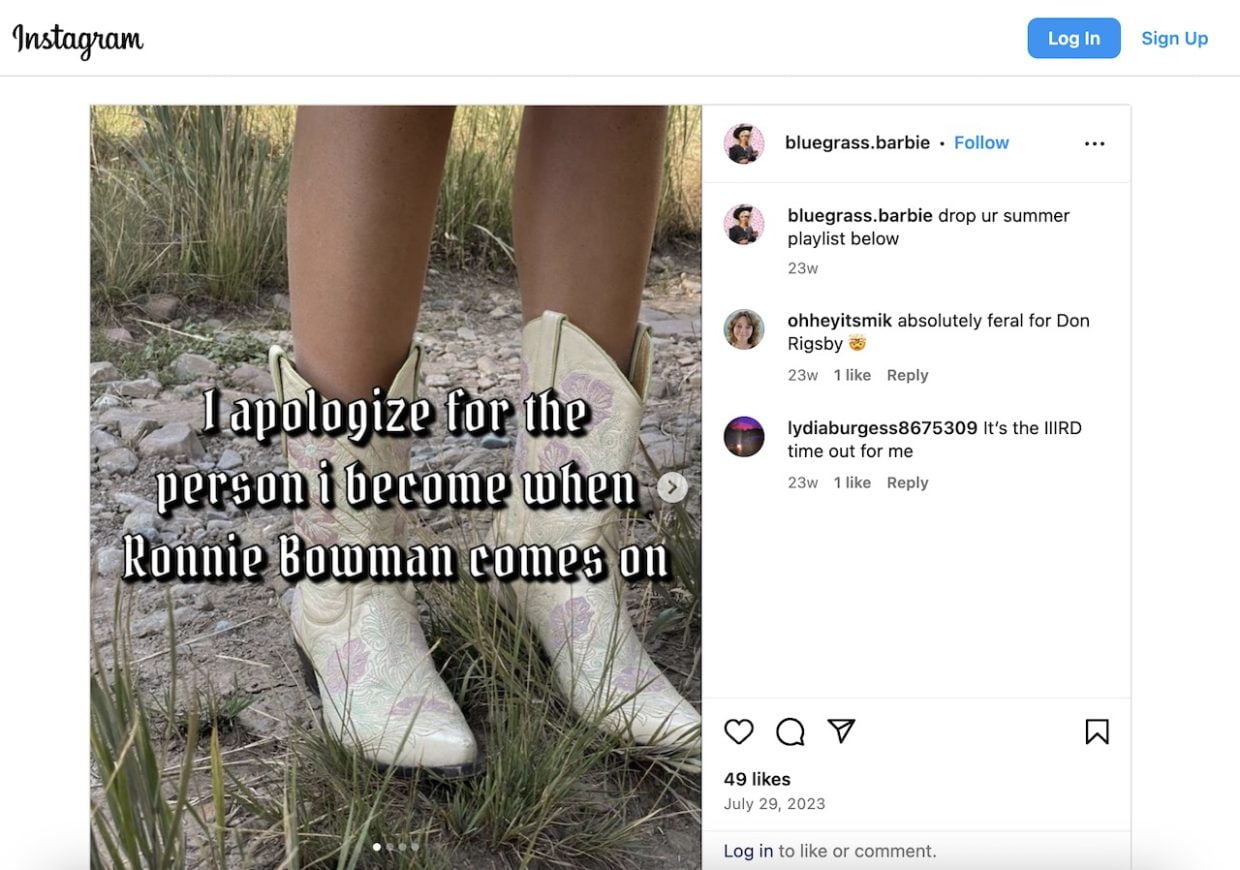
A post by bluegrass.barbie on Instagram.
Bluegrass Barbie may not quite belong on this list, but I absolutely couldn’t write a piece about influential bluegrass social media personalities in the year 2024 without mentioning them.
As a chronically online teen, I watched the birth of internet “memes” – a term originally coined by evolutionary biologist Richard Dawkins in 1976. I very distinctly remember the first time I saw a bluegrass meme. Dread washed over me, as I was struck with a haunting vision of a future full of low effort, bottom text memes misquoting Bill Monroe. I lived in this “No Exit” style social media hellscape for years until 2023, when Bluegrass Barbie appeared.
This Instagram account doesn’t have the numbers (239 followers at the time of writing), but they do have the jokes. Rather than “dunking” on Mark O’Connor or Billy Strings ad nauseam, Bluegrass Barbie presents a look at the humor in growing up as a young woman in bluegrass in a way that is relatable, contemporary, and hilarious. It’s the only good active bluegrass meme account; fight me about it.
Russ Carson
Russ Carson, known as the banjo player for Ricky Skaggs and Kentucky Thunder since 2014, runs 81Crowe, a one stop shop YouTube Channel for banjo nerdery as well as a source of high-quality, behind the scenes footage of both his personal and professional life.
Russ creates more traditional vlog content. Videos of jam sessions have shown up on YouTube since the very beginning, but Russ innovated them by implementing a gopro he would wear on his head to film, simulating a POV experience for the viewer as a participant. In addition to performance and educational videos, Russ provides video content of private jam sessions and conversations with talented friends as well as his off-stage experience touring with one of the most well known bluegrass bands out there. His explanation of his personal thoughts on banjo as well as his other hobbies, including photography, are the kind of personal details that make vlogging what it is.
Take’s Bluegrass Album Channel
Takehiko Saiki’s Take’s Bluegrass Album Channel has an air of mystique about it. Since 2014 it has served as a digital museum where out-of-print vinyl records, albums, and CDs have been sporadically posted by the hundreds. In fact, this channel is no longer active. After posting 1,300 albums, Take started Take’s Bluegrass Album Channel Phase Two, which already has 1,000 more albums. Take is a fan of “roots music” in general and runs additional YouTube channels for folk, blues, jazz, and country music, but he seems to have a particular love for bluegrass. In addition to his album channels he has a channel for recordings of live performances from Bill Monroe to the Flying Burrito Brothers and everything in between.
These channels are a treasure trove for fans of classic bluegrass and an invaluable resource for amateur historians like myself. So much so that I felt conflicted about including it on this list for fear that it might disappear. Take is very clear that he will take down anything, immediately, at the request of the owner and states that the channel’s mission is to “make it possible for bluegrass lovers [all] over the world to have access to as many bluegrass albums not available on CD as possible.”
Photo Credit: Hillary Klug courtesy of the artist; Clover Lynn by Madison Tunnicliff.
Artist:Ethan Lyric Hometown: Winnipeg, Manitoba, Canada Song: “I Love You More” Album:Saskatoon Berries EP Release Date: October 13, 2023 (single); December 1, 2023 (EP)
In Their Words: “The music video was shot in Vancouver, British Columbia, throughout the beautiful area of North Van alongside my cinematographer and long-time collaborator, Carter Heintz. Showing the journey and navigation of love through the simple and fun lens my music always tries to provide.
“The inspiration for this project as a whole came from a lot of artists and things in my life at the time. This single and my upcoming EP, Saskatoon Berries, take a lot of inspiration from the musicians I grew up hearing on YouTube – like Conan Gray, Cavetown, and Chloe Moriondo. All these people create music that just makes you feel at ease and want to smile, and that’s how I would love my music to be received as well. I feel this project was also deeply influenced by the process of finding myself and my identity. I always like to say that being an Indigenous artist, whether you write explicitly about Indigenous culture or not, your culture is one of the biggest inspirations to your art so I feel obviously that was a large inspiration as well.” – Ethan Lyric
Track Credits: Songwriter – Ethan Lyric
Musicians: Ethan Lyric – vocals, guitar Jeremy Haywood Smith (JayWood) – bass Brett Tizcon – keys Anil Ramgotra – drums
Producer – Jeremy Haywood Smith (JayWood) Recording engineer – Jeremy Haywood Smith (JayWood) Mixing – Art Antony Mastering – J. LaPointe (Archive Mastering)
Photo Credit: Julio Assis (BNB Studios) Video Credits: Cinematographer – Carter Heintz Edited by Ethan Lyric, Carter Heintz Featuring – Matilda Shanks, Victoria McNeil
Joy Oladokun, a singer-songwriter based in Nashville, has had a long journey to get to where she is now. The daughter of Nigerian immigrants and the first of her family to be born in the US, Oladokun is fresh off the release of In Defense of My Own Happiness (Complete). The collection features 14 songs, as well as guest appearances by Maren Morris and Penny and Sparrow. The singer’s artistry comes from an incredibly unique experience of growing up as a young woman of color in rural Arizona and fostering her musicianship in the church before leaving the church and coming out of the closet. (Read the BGS interview.)
From Arizona to L.A. then across country to Nashville with a new outlook and perspective, Oladokun’s music stands on a plane with a unique vantage point. Her words are precise and delicate, mirroring her humble yet evocative instrumental style. Oladokun’s music has touched many ears and hearts, evidenced by the reward bestowed upon her by YouTube in 2021 when she received a grant from the #YouTubeBlackVoices fund. In this video release, Joy sings “Judas” off her latest album in the confined familiarity of a porch. She is able to do more with just an acoustic guitar and her voice than many artists can in an entire discography of work. Watch “Judas” performed live by Joy Oladokun below.
Photo credit: Nolan Knight
This website uses cookies to improve your experience. We'll assume you're ok with this, but you can opt-out if you wish.AcceptRejectRead More
Privacy & Cookies Policy
Privacy Overview
This website uses cookies to improve your experience while you navigate through the website. Out of these, the cookies that are categorized as necessary are stored on your browser as they are essential for the working of basic functionalities of the website. We also use third-party cookies that help us analyze and understand how you use this website. These cookies will be stored in your browser only with your consent. You also have the option to opt-out of these cookies. But opting out of some of these cookies may affect your browsing experience.
Necessary cookies are absolutely essential for the website to function properly. This category only includes cookies that ensures basic functionalities and security features of the website. These cookies do not store any personal information.
Any cookies that may not be particularly necessary for the website to function and is used specifically to collect user personal data via analytics, ads, other embedded contents are termed as non-necessary cookies. It is mandatory to procure user consent prior to running these cookies on your website.