12 Mandolinists We Know You’ll Love

The mandolin’s role in music has changed a lot over time and with its steady pace of change comes a constant flow of new players. Nobody plays or interprets music in the same way as anyone else, bringing plenty of new ideas and explorations.

There have been many different eras of mandolin playing in bluegrass. Ranging from the classic Bill Monroe style to David Grisman to Chris Thile – and, lately, a more string band sound is being popularized by players like Andrew Marlin. And of course, there are countless other mandolin eras beyond and in between.

The mandolin has also been used in many other genres besides bluegrass; it lends itself to genres such as Choro, jazz, classical, and pop. The mandolin even fills major arenas. There have been a lot of folks making incredible music on the instrument and though this is just a starting point, here are 12 mandolinists who you might not be familiar with, but we know you’ll love!

Jean-Baptiste “JB” Cardineau

Franco-American mandolin virtuoso Jean-Baptiste “JB” Cardineau is currently Boston-based, having graduated from Berklee College of Music. JB’s mandolin playing delves into many genres such as bluegrass, classical, old-time, and some traditional French music, too. His style is quite adventurous; he dives deep into the old-school Monroe ways, looking towards Frank Wakefield for much inspiration. JB has spent a lot of time touring with different bands, such as the Ruta Beggars, as well as his own project, JB and Cardineau Sin. As well as being an incredible instrumentalist, JB is also a gifted songwriter. Above is one of JB’s original tunes, “Si Tu Vois Ma Mandoline.” This tune blends the more traditional French style with bluegrass influences.

Ian Coury

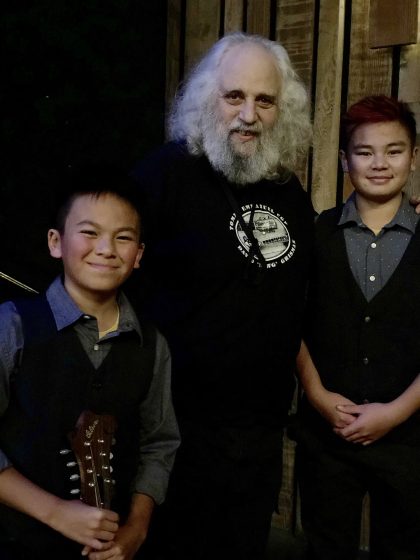
Raised in Brazil’s capital, Brasília, Ian Coury is a masterful, well-respected 10-string mandolinist currently based in Boston. Growing up playing Choro, Ian pushes the boundaries of the genre, writing original music that has won him “Best Instrumentalist” awards from the National FM Radio Festival (2020) and second place in Brazil’s eFestival (2021). He has shared the stage with renowned musicians such as Hamilton de Holanda and Armandinho. In 2019, Coury enrolled at Berklee College of Music and later earned his master’s degree from the program. Here is Ian playing an original composition entitled “Solando no Limbo” for Mandolin Mondays.

Maddie Witler

Originally from and based in California, Maddie Witler is a phenomenal musician. Primarily known for her mandolin playing, Maddie is also an incredible guitarist and banjoist. Having also attended Berklee College of Music, Maddie was a founding member of the Boston-based bluegrass group the Lonely Heartstring Band. Maddie also used to tour with powerhouse GRAMMY-nominated band Della Mae. In 2022, Maddie released her debut solo album, Astronaut, a truly incredible compilation of all original songs and tunes from Maddie. In this video, Maddie is joined by Jacob Jolliff at Mandolin Camp North shredding on a classic bluegrass tune by Frank Wakefield, “New Camptown Races.”

Jesse Appelman

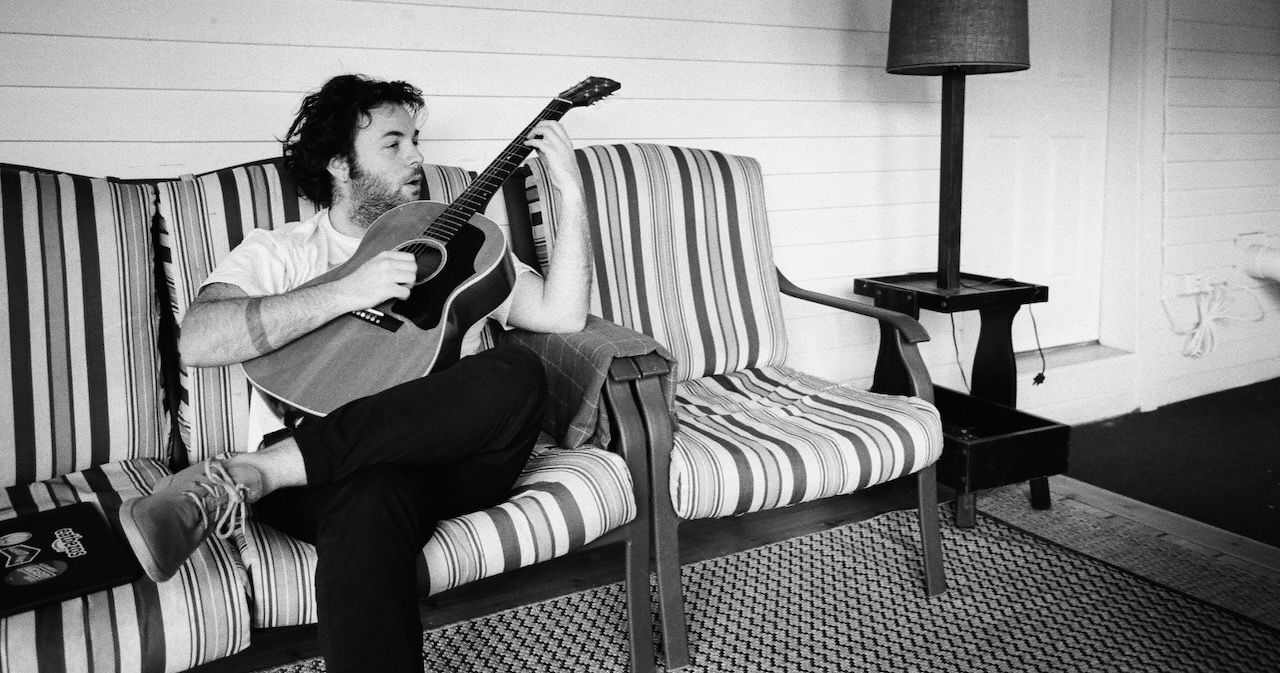
Jesse Appelman is both a gifted mandolinist and tune writer. Based in California, Jesse frequently tours with the Sam Grisman Project, as well as his own group, Jesse Appelman’s West Coast Stringband Project. His debut album, Where We Go, which was released in February, is a collection of original tunes and select cover songs and was produced by John Mailander. His tunes are mellow yet groovy, capturing anyone listening. This clip is Jesse’s rendition of “The Hills of Isle Au Haut” joined by Eli West and Patrick M’Gonigle.

Ethan Setiawan

An Indiana native who now makes his home in Maine, Ethan Setiawan is an incredible mandolinist and tunesmith. Ethan was the 2014 National Mandolin Champion, and in 2017 was the first place winner of the Rockygrass mandolin contest. He is also a graduate from Berklee College of Music, and has also done some teaching there, too. Ethan has toured with bands like the Acoustic Nomads, Corner House, and currently tours with both his duo Hildaland and his own group, Ethan Setiawan and Fine Ground. He has released a few albums of his instrumental music, Flux (2018), Gambit (2023), and Encyclopedia Mandolinnica (2025). Bringing in elements of bluegrass, classical, jazz, and Scottish music, Ethan makes his own sound and brings his listeners along for the story. Enjoy a recording of Ethan playing his original tune, “Uncrossed.”

Korey Brodsky

Originally from Connecticut and now based in Asheville, North Carolina, Korey Brodsky is both a talented mandolinist and guitarist. Yet another of our mandolinist picks who studied at Berklee College of Music, Korey has toured all over. In 2021, he joined Boston bluegrass band Mile 12 and he’s traveled and recorded with artists such as Jody Stecher, the Tray Wellington Band, Nefesh Mountain, the April Verch Band, and more. Above, Korey plays a beautiful take of a Karl Suessdorf and John Blackburn tune, “Moonlight in Vermont.”

Megan Cody

Originally from Colorado and now living in New York City, Megan Cody is a killer mandolinist as well as an incredible guitarist and singer. Fronting the band the Cody Sisters alongside her younger sister Maddie, Megan’s mandolin approach is playful and thoughtful. Megan tours year round with the Cody Sisters and frequently plays all over New York City. Here is a recording of the Cody Sisters playing a medley of a few songs and tunes.

Casey Campbell

A rare Nashville native, Casey Campbell is a fourth-generation bluegrass musician. An extraordinary mandolinist, Casey has performed with musicians like Bryan Sutton, Chris Stapleton, Vickie Vaughn, Becky Buller – and the list goes on! Casey was the 2017 winner of the IBMA’s Momentum Award for Instrumentalist of the Year. He has a duo mandolin album that was released back in 2017, Mandolin Duets: Volume One, which features Casey playing with various masters of the mandolin. In the video above, Casey is joined by Sam Bush as the two play a Jethro Burns tune in honor of Sam called “Sam’s Bush.”

Michael Prewitt

Originally from Kentucky, Michael Prewitt spent many years touring with the iconic bluegrass band Special Consensus. In 2024, he released his debut album, The Peerless Mountain Sessions, and then followed that up later that year with an incredible album of all original music, Something He Can Handle. Michael currently tours around the country with his own band, Michael Prewitt & CrunchGrass Supreme. The video above features one of Michael’s original songs, “Winnipeg” played by Prewitt with CrunchGrass Supreme.

Thomas Cassell

From Southwest Virginia, Thomas Cassell now resides in Nashville. A a founding member of the band Circus No. 9, he currently tours with the Wood Box Heroes and performs as a sideman with many other groups. Thomas has won many awards – he was the 2021 National Mandolin Champion and in 2020 he won the IBMA’s Momentum Instrumentalist of the Year Award. Thomas fronts his own band as well and has a few of his own albums out, Voyager (2018), What You Need to Prove (2022), The Never-Ending Years (2024), and he has a forthcoming album soon to be released! The video above is of Thomas’ new single, “Ramblin’ Heart,” featuring Tim Stafford. This is the first single off his upcoming album, so stay tuned.

Lauren Price Napier

Based out of Owensboro, Kentucky, Lauren Price Napier is a talented mandolinist and singer who digs deep into Monroe-style mandolin playing. Fronting the traditional bluegrass band the Price Sisters with her twin sister Leanna, Lauren has been nominated for multiple awards from the IBMA, such as Momentum Vocalist and Momentum Instrumentalist of the Year in 2019 and 2020, respectively. Lauren brings her own spin to playing traditional Monroe-style mandolin while also sticking to the roots of the genre. Above is a video of Lauren playing one of her original tunes entitled, “Tuel’s Landing.”

Tristan Scroggins

Tristan Scroggins is a GRAMMY-nominated mandolinist who also won the IBMA’s Momentum Instrumentalist Award in 2017. He spent years touring with his dad’s band, Jeff Scroggins and Colorado, but he also has a duo with violinist Alisa Rose called Scroggins & Rose and recently toured full time with Missy Raines & Allegheny. In 2019, he released an all-instrumental EP featuring his style of mandolin crosspicking called Fancy Boy. Tristan also has an ongoing, multi-volume project with fiddler George Jackson recording 100 of the most popular old-time tunes called Old Time 100. Tristan currently tours with Bronwyn Keith-Hynes. Here, Tristan is joined by fiddler Ellie Hakanson playing a bluegrass tune, “Ashland Breakdown.”


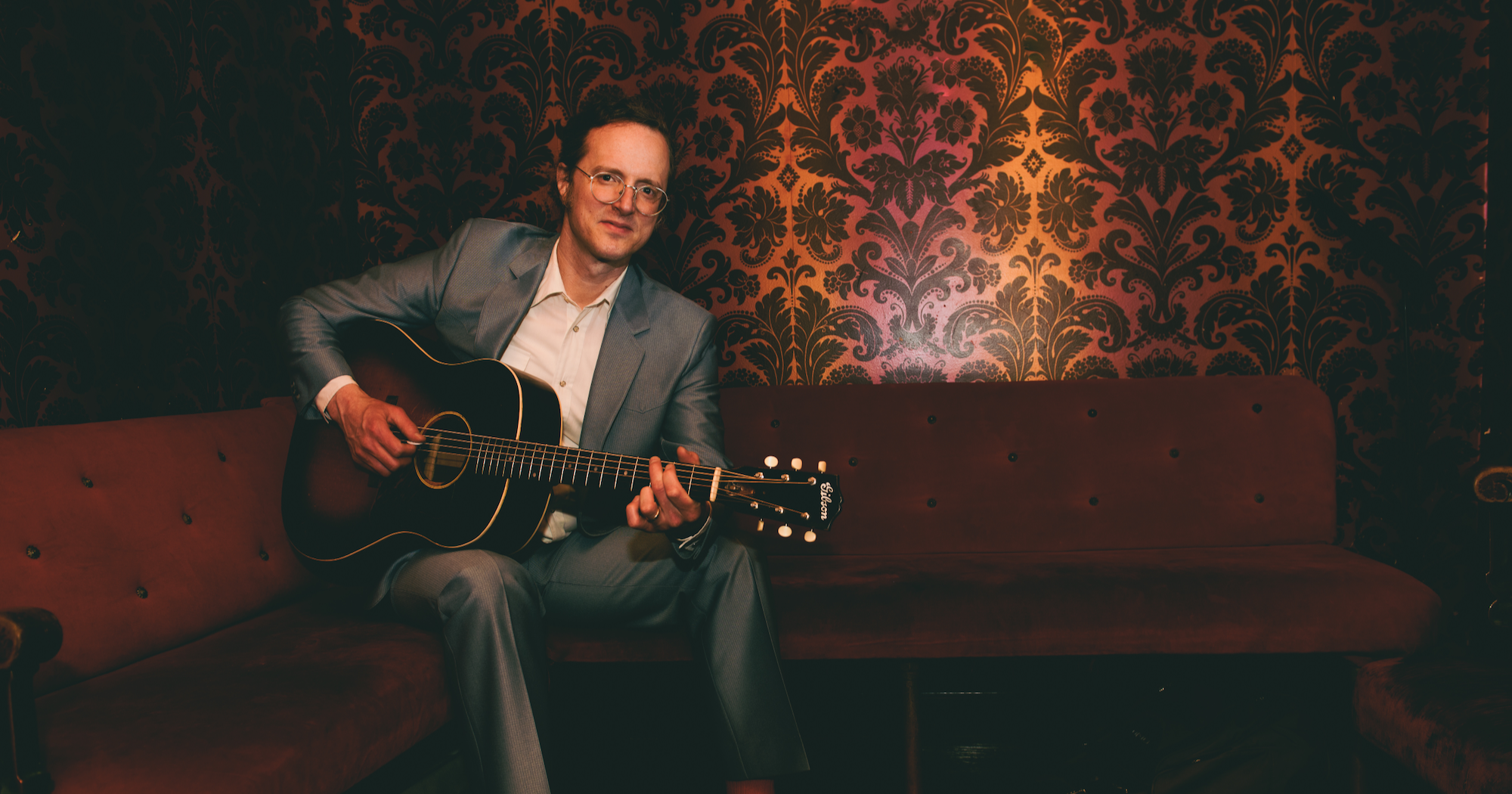
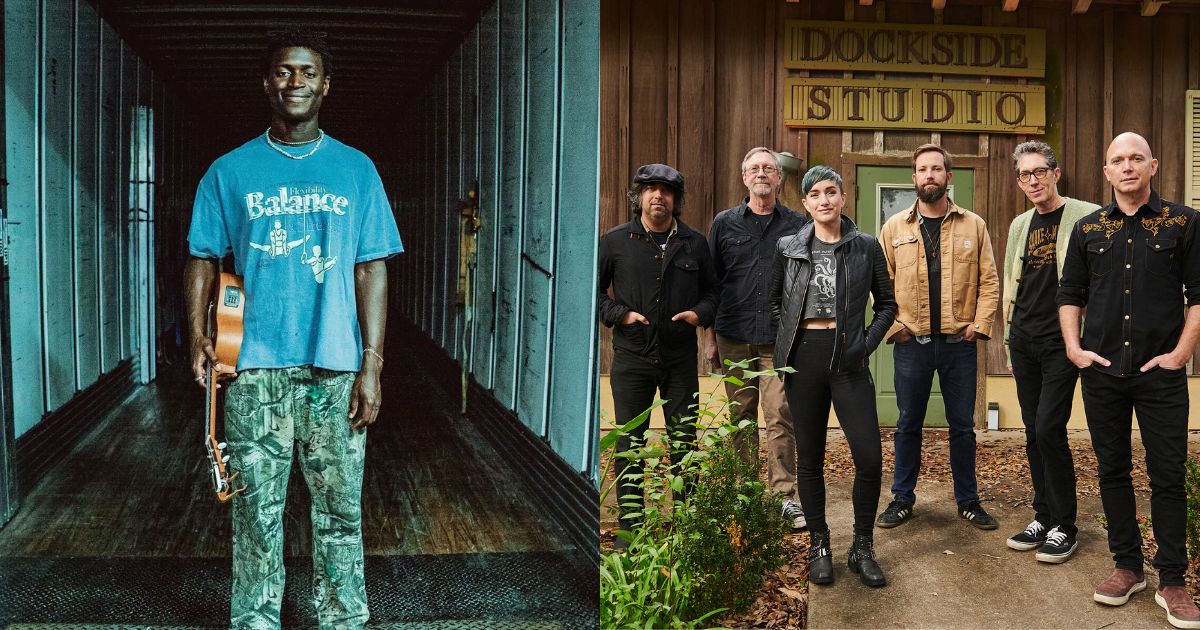
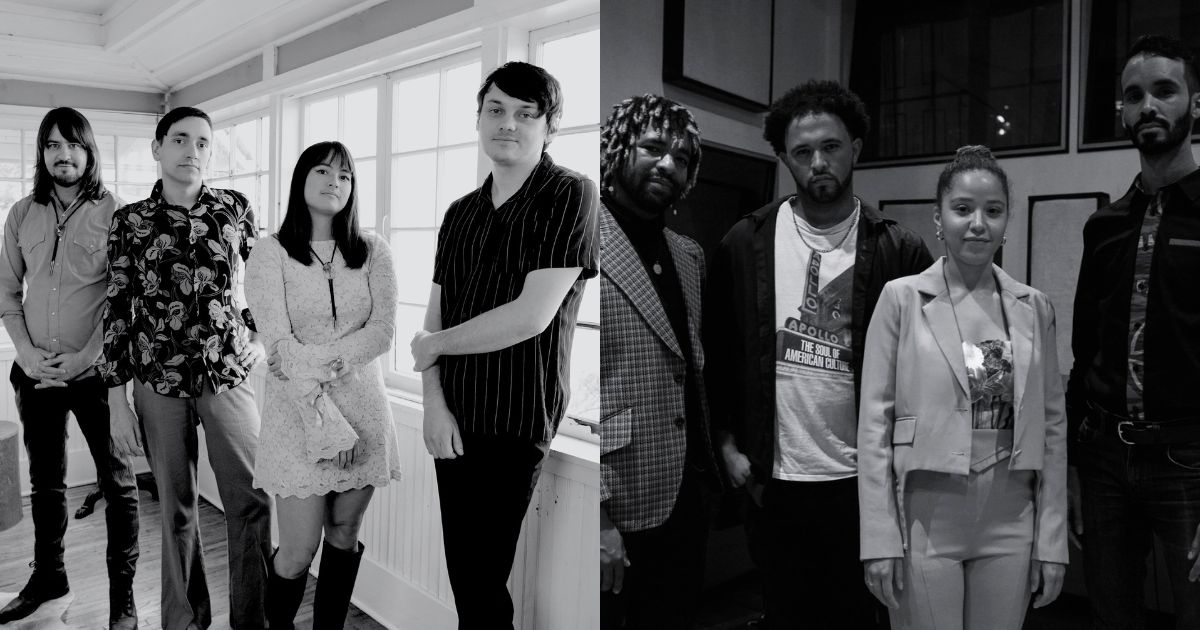
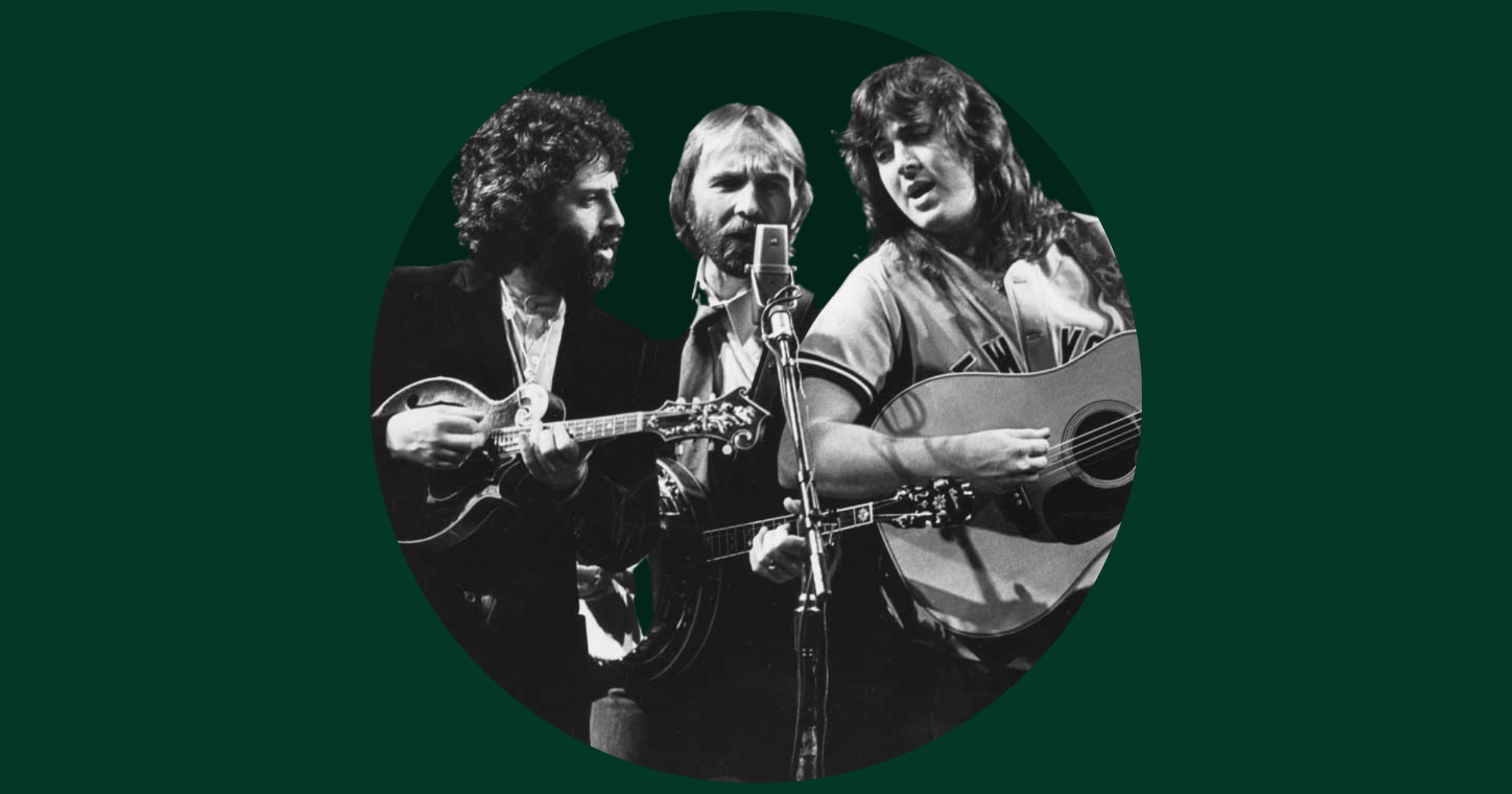
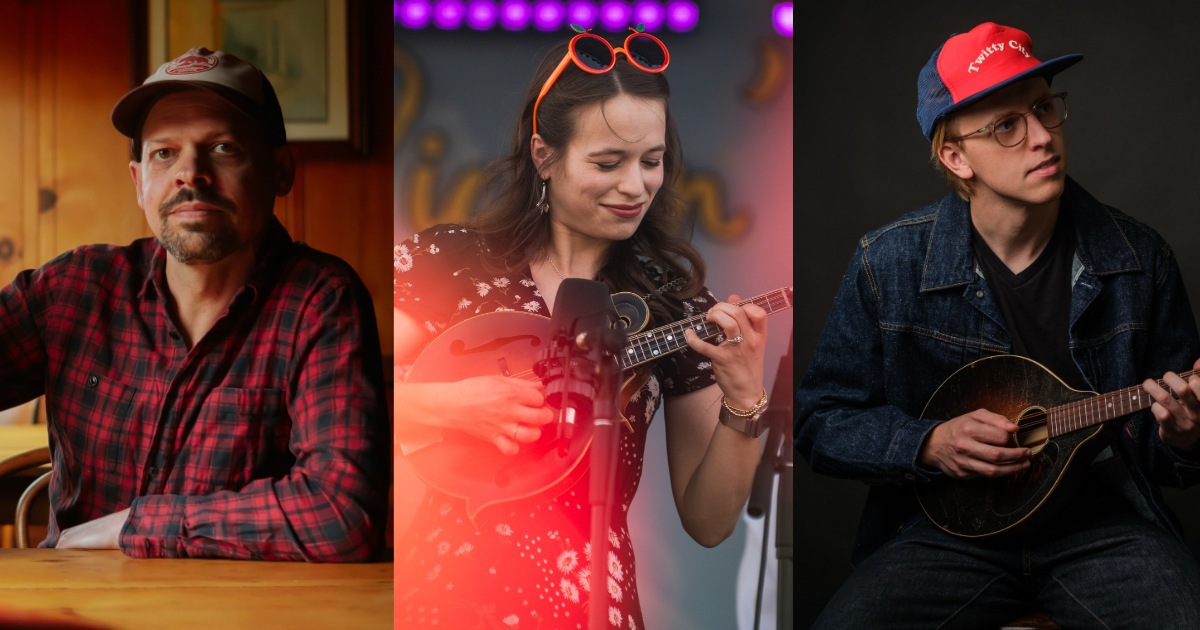
Photo Credit: Lead image (L to R), Jesse Appelman by Giant Eye Photography; Lauren Napier Price by Jay Strausser; Thomas Cassell by Scott Simontacchi.
Max Allard Wrote a Banjo Concerto

The banjo, a sonic staple of folk and bluegrass, has often been left to its established devices in traditional circles or, more optimistically, among contemporary newgrass like Punch Brothers, the Infamous Stringdusters, and New Grass Revival, which included the genre-bending banjoist himself, Béla Fleck. Still, some musical spaces, like classical performance and composition, remain largely devoid of the banjo despite its lengthy and socially complex history, global presence, and tonal variety. Thankfully, between artists like Fleck, Noam Pikelny, John Bullard, and others, classical compositions have had a chance to shine on the instrument, paving the way for next-generation players to embrace and mix the traditions of classical writing with the distinct sound and musical capabilities of the banjo.

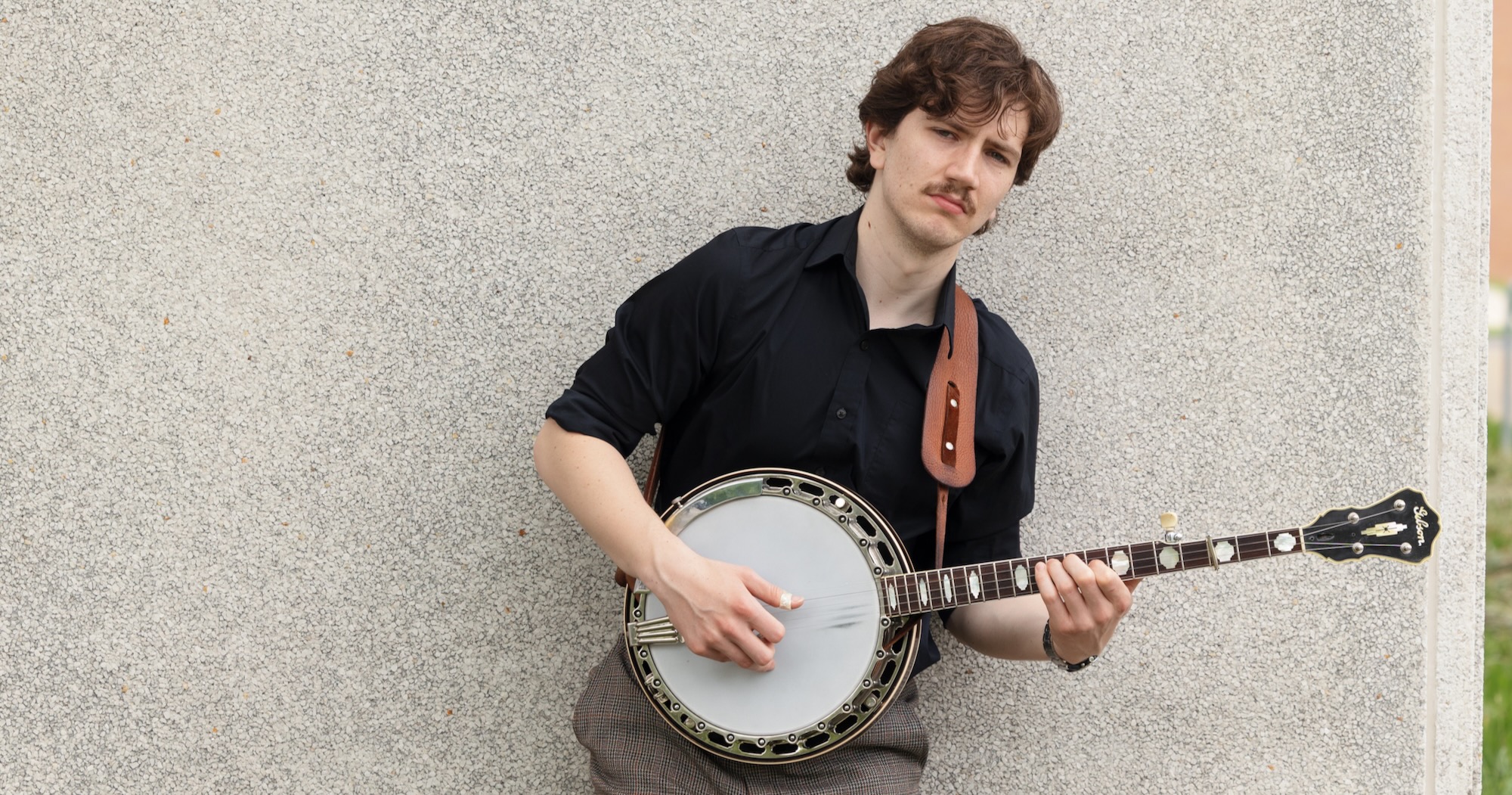
One such figure rising to the occasion is composer and artist Max Allard. A recent graduate of Oberlin College’s Conservatory of Music, the Chicago native is a champion of many cultures and genres in his work, which Allard describes as “an unclassifiable mix of bluegrass, jazz, new acoustic, classical, and pop.”

Allard has brought his stylistic openness to every facet of his artistry, including a duo with his brother Otto Allard; a bluegrass ensemble he co-founded, EZRA, that includes mandolinist Jacob Jolliff, guitarist and composer Jesse Jones, and bassist Craig Butterfield; and his touring support of Michigan-based bands Full Cord and Westbound Situation and Virginia-based band the Hackensaw Boys. Another instance finding him pushing banjo boundaries was his collaborative performance with fellow banjoists Bill Evans, BB Bowness, Cassidy Beentjes, and Matt Flinner in an adventurous arrangement of “In C,” the iconic composition by American minimalist composer Terry Riley, as part of a commissioned work series at the 2025 FreshGrass Festival.

Many of these ambitions grew alongside or after Allard’s studies, giving him several creative contexts in which to nurture his knowledge of classical forms and styles. One of the most impactful of these opportunities was part of Allard’s collegiate work itself: A Concerto for banjo and mixed ensemble. Encouraged by his EZRA bandmate and Oberlin professor Jesse Jones, Allard wrote his single movement work in 2023, giving the world premiere with the Oberlin Contemporary Music Ensemble under conductor Tim Weiss in December 2024. Though the piece has long since debuted, Allard’s vision for what the concerto would accomplish and what the experience of writing it revealed to him along the way remain ongoing sources of inspiration and guidance as Allard continues to write and perform for anyone who wants to listen. (Watch a video of Allard’s Concerto below.)

BGS recently spoke with Allard over the phone, discussing the many branches of his work as an artist and composer. We dive into how each stylistic space blends with his classical training, where he sees the banjo’s place in classical performance, his thoughts on cross-genre efforts by other artists, and more.

How would you describe the journey around your Banjo Concerto and its compositional process?

Max Allard: I had anticipated [the piece] for a while. I had gotten into Oberlin College as a composition major and part of the reason I chose Oberlin is because composition faculty member [Jesse Jones] comes from a background of playing bluegrass. He plays mandolin, some banjo, and guitar so I knew that I would have someone in the faculty on my side to help me, to know where I was coming from and to help guide the path forward in terms of a study and a pedagogy that I had not been taught before. So Jesse told me, “I think it would be great for your work here at Oberlin to culminate into a banjo concerto.”

I had the plan of approaching the banjo as a concert instrument – and as a concert instrument with the supporting ensemble. To do that, I had to get away a little bit from the folk aspects of the banjo in terms of a composition process, while still embracing those same aspects in terms of style.

[The concerto] sort of started as a banjo draft. And something I think is interesting to mention is that people have compared my banjo playing before to piano players and it’s a very valid comparison, because I take a lot of inspiration from piano players like Keith Jarrett, Chilly Gonzales, and many European classical composers like Sergei Rachmaninoff and Frédéric Chopin. I have long thought of the banjo as a very capable instrument to take solo composition very seriously on. I had to find ways to creatively think about which instruments to give various roles to. The nice thing was that I got to pick the makeup of the ensemble. I knew I wanted to have celesta. I wanted to have clarinet, flute with piccolo – there were certain sounds I knew I wanted to include.

I had very specific ideas about which instrument fulfills which role. It’s definitely a string-heavy piece and I’m a huge fan of writing for strings. So I had known that this piece would provide me the depths that the banjo doesn’t always have. I thought, “I can fill out these luscious piano-like chords that I usually like to write on the banjo, with the help of the supporting string section that has a much broader range than the banjo has by itself.” It was actually really liberating for me, because having an ensemble with a very diverse range – not just timbre-ly, but sonically and in terms of highs and lows – I had many options. It was a really great blank canvas for me to further explore creativity without some of the limitations of the banjo, be it physical or range related, or what have-you. I was able to basically apply my banjo knowledge and compositional tendencies to a blank slate, which presented a lot more opportunities.

What are your thoughts on the banjo’s “place” in classical music?

The banjo has a very checkered, problematic history and there’s a lot of moral debate that I’ve witnessed amongst people about what the banjo’s role is. It has had many different roles – a lot of it actually being erased. We talk about the problematic history of the banjo being used for minstrelsy but we actually forget about the banjo’s history of being used in parlor music. For a long time, the banjo actually had a role being played in parlors and social events, and even playing classical music.

I find it funny when people sort of criticize the banjo these days because the reputation has been ruined so much. People tend to think of the banjo with the film Deliverance. That film sort of ruined the reputation of the banjo as being this hillbilly folk instrument that’s not taken seriously. Unfortunately, that stereotype still exists, so people sort of scoff at banjo players who want to elevate the instrument into a certain concert environment.

I think all instruments can be used however people want. It’s like the artist has a final say in how they want to showcase their instrument. But for me, I think I’ll always still want to pay my respects to the traditions of the banjo. And as I said, the banjo has, throughout history, been used in a variety of different contexts. What I try to do is bridge the gap of pedagogic composition and folk music. If we’re talking about my banjo concerto, I want to write well-written concert music but [avoid creating] a totally contrived piece of music that just tries its best to fit the banjo in with an ensemble. I want to at least take my understanding of bluegrass, folk music, and old time music and still amalgamate it with concert music.

What do you find you learn most from other banjo players who have thrived in the classical space like Noam Pikelny, Béla Fleck, John Bullard, and others?

Broadly speaking, if [banjo players] want to put our instruments in the classical space, we need to do our best to understand the way the classic musicians think – really get in the minds of classical musicians. If one, as a banjo player, wants to pursue classical music, it behooves them to get at least a decent understanding of concert music. And I think most banjo players [like Fleck, Pikelny, Bullard] who have attempted that absolutely do have a different understanding. I just think the understanding of how deep it actually goes, what details go into really good concert music – it just takes a long, long time to master. And I am nowhere close to mastering it. But I at least have an understanding of how little I knew before attending [Oberlin].

Are there any aspects of Terry Riley’s “In C” that were especially challenging to capture with this banjo-centric arrangement?

I should give a shout out to Cassidy Beentjes, who did all this arranging – a really good pedagogue of the banjo. In terms of limitations though, the key [was one]. With the banjo’s natural key being G major, we took the piece down to a G-major tuning, so it makes much more sense to play the piece in G, especially since we want to achieve certain overtones. We could have played in C with a C tuning, but a lot of complexity would have arisen from playing in a foreign tuning. We were already uncomfortable in the first place, you know, with a piece of music like this, because banjo players don’t get the opportunity to do something like this very often, so we were careful.

What aspect of your musical identity does EZRA help you to fulfill that you don’t necessarily achieve in the same way with other pursuits?

I’d say it’s a good opportunity to write for a smaller acoustic ensemble where there’s a good understanding of not only folk and bluegrass, but also classical and jazz music.

It makes a big difference when you’re writing for people who you’re friends with – writing for people you know. You want to give people roles that you know they’re going to enjoy doing and that they do well. When I write for EZRA, it’s definitely much more stripped down and basic than if I were writing something like the banjo concerto. Because with the banjo concerto, I give very specific instructions, I supply a whole score with those specific instructions for everyone to read from. And when I’m writing for EZRA, usually I’m just writing lead sheets, just chords with the melody. In terms of arrangements, that can be discussed in the studio.

It’s funny though, because anytime we’ve recorded a record, we’ve had such limited studio time that we have to get our act together in just 72 hours or so and make our arrangements studio-ready. But again, that’s freeing for me, because I can write more vague ideas, stuff that I would not feel as intrepid writing with a big ensemble. When I’m with EZRA, I can just do whatever the heck I want and know that we can get away with it in some way. It’s also definitely a great opportunity for me to write contemporary folk music that is absolutely rooted in folk and bluegrass but also has all these other influences. A lot of Béla Fleck influence, a lot of classical music as influence – all kinds of stuff. It’s definitely a very special opportunity for me.

What’s the most unique aspect about the duo you perform in with your brother? How do you both approach playing together?

I guess the main thing that stands out is just the brotherly synergy. My brother is the easiest musician to play with because we know each other so darn well. Not much has to be planned – there’s almost never any stress. We’ve played plenty of gigs where we haven’t rehearsed at all beforehand and it goes pretty well just because we can glance at each other a certain way and know exactly what we mean musically. We’ve also played gigs where like a half hour has gone by and the whole thing is improvised. We just weave sounds together and it’s great.

It’s great to have a brother who plays music because it’s just that very intense, personal connection that one has with their sibling. You know each other so well that no communication really has to be done verbally. In general, playing with my brother is just very fun because we make crazy, spontaneous decisions and do ridiculous things that we would not do in any other setting.

Do you think the folk and bluegrass communities could better embrace the banjo being a genre-versatile instrument? And do you think that schools or community spaces are the best starting place to initiate that shift?

If I were talking to a banjo player who wants to get into classical music, I would say you can learn just as much by surrounding yourself with the right people. I think the most viable option is to try to meet some people who come from that background. And it can be any background. Like, say you want to get into a certain style – find musicians who can do that and try your best to talk to them, befriend them, whatever you can, and surround yourself with that. I think community is always important in the arts. Definitely, it’s very important to surround yourself with people – not even not necessarily like-minded people – but people who have very different experiences and very different backgrounds. Personally and musically in any way.

I think the bluegrass culture and scene could definitely benefit from opening themselves up a little bit. I think sometimes we forget that bluegrass has a very progressive foundation to it. Even Bill Monroe valued when he heard New Grass Revival. He was supportive of it, supportive of all those people who were taking bluegrass in a different direction. So I think it’s very progressive by nature. And music has always evolved and always will evolve and it has to sort of be accepted.

I think the banjo is actually in a very good place right now, because we’ve never had so many banjo players. It’s very good because the banjo is becoming popular for the right reasons – not necessarily gimmicky reasons, with banjos being used in pop music – but it’s being taken seriously amongst musicians from all different types of backgrounds. Broadly speaking, I don’t have too many complaints. I think it’s in good hands.


Photo Credit: Tanya Rosen-Jones

Michael Daves Reconstructs R.E.M. Bluegrass Style

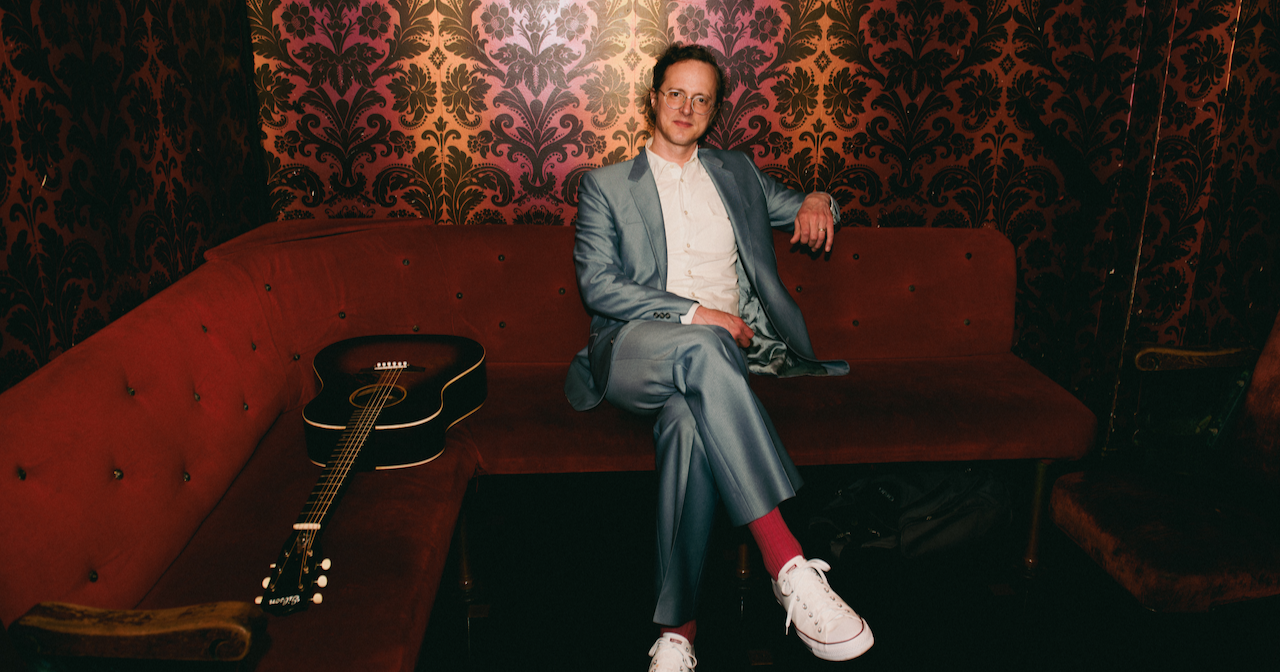
Although he lives in New York now, Michael Daves’ Southern roots permeate his music. That characteristic goes further than ever before on the newly released Fables, a six-song EP that reconstructs songs from fellow Georgia band R.E.M.’s 1985 album Fables of the Reconstruction.

In celebration of the record’s 40-year anniversary, Daves enlisted his longtime quartet bandmates – fiddler Alex Hargreaves (Billy Strings), mandolinist Jacob Jolliff (Béla Fleck, Yonder Mountain String Band) and Erik Alvar (Nefesh Mountain, Billy Strings) – and others to reinvent songs like “Green Grow The Rushes,” “Wendell Gee,” and of course, “Driver 8.” Together, they turn each track on its head, fully leaning into their bluegrass prowess while continuing to hold each song and their original formats in high regard. It’s something that Daves has plenty of experience with, having released the dual acoustic and electric bluegrass covers compilation Orchids and Violence in 2016 and Early Morning Sun – an EP of bluegrass and country standards from Ola Belle Reed, Dolly Parton and others – in August 2025.

“It was really important for me to try to make something that would stand on its own, even if people didn’t have any connection with R.E.M. or don’t even like them,” explains Daves. “I tried to make something that just works by its own logic as much as it’s paying homage to the original.”

During a Zoom call with BGS on release day in December, Daves spoke about his motivation for doing this cover EP, how he decided which songs to include on it, the plans for his label Wild Geranium Records, and more.

What motivated you to not only make an EP of R.E.M. covers, but to do it with songs from Fables of the Reconstruction?

Michael Daves: It’s an album I grew up with. R.E.M. was one of my first musical obsessions. I first discovered them in the late ‘80s at summer camp in Toccoa, Georgia, not too far from Athens where R.E.M. was from. All my camp counselors were [University of Georgia] kids, so I fully downloaded their musical tastes, which fortunately were pretty good.

As far as taking on the Fables thing now, there were a couple inspirations. For one, it’s the 40th anniversary of that record and it’s one that I don’t feel like a lot of younger people have heard or appreciated. People seem to know more of R.E.M.’s pop stuff from the ‘90s and beyond, but that ‘80s stuff was so good and weird. I also have this quartet I’ve led since about 2019 with Alex Hargreaves, Jacob Jolliff, and Erik Alvar in New York. They’re all incredible musicians who are very well versed in traditional bluegrass but also very adept at adapting music from outside the fold. We’d done some other projects over the years – like we did a whole mini set of Jimmy Webb songs one time including “MacArthur Park,” “Wichita Lineman,” and “Galveston” – and they learned that stuff in one rehearsal and just rendered it so beautifully. It made me realize that this is a quartet that really can handle a challenge.

The Fables idea came up because of the anniversary, but also because in August I had done a tribute along with Peter Rowan to the 1973 Muleskinner record that he was a part of. Initially he united with Bill Keith, Clarence White, David Grisman, Richard Greene, and Stuart Schulman to share a TV show with Bill Monroe, but Monroe never showed up. His bus broke down, so they ended up having the whole show to themselves and wound up getting an album deal out of it. Then they made this record that didn’t go anywhere because Clarence White died before it came out.

I taught a class about Clarence’s guitar playing on that record and through that became inspired to do a tribute to it with Peter at Vermont’s Green Mountain Bluegrass & Roots Festival this past August. When studying that Muleskinner record I discovered it had the same producer as R.E.M.’s Fables, Joe Boyd, who’s also worked with everyone from Nick Drake to Fairport Convention and Pink Floyd. That strange coincidence led to a Fables tribute show, which is then where the idea for this EP really came to life.

How’d you go about dwindling the original Fables of the Reconstruction down to the six tracks that are on this EP?

It was an interesting process choosing which songs to do. It was a combination of practical considerations, because when the quartet and I worked up this music for that one-off show in Brooklyn I initially picked songs that I thought were achievable on our tight constraints and would translate well to a bluegrass ensemble. There were definitely other songs on the original record that would have worked, but I’m feeling good about the song choices we made because the original record is sort of sprawling with a lot of digressions. There’s a lot of dreamer logic and a Faulknerian non-linearity in the writing, so to pare that down into what I think works as a distillation of the original recording that probably is more of an interesting statement on the original than if I just recorded the whole thing, you know. As my wife put it, we took it from a sprawling Faulknerian epic to more of a Flannery O’Connor gut punch.

Do you have any specific favorites of the six songs making up this project?

As far as song selection, I kept the first and the last songs from the record in their normal position. The record opens with “Feeling Gravity’s Pull” and ends with “Wendell Gee” so I kept those because the beginning and end of the story just felt right.

There’s something about the song “Good Advices” that just always just gets me with its meditations on mortality. It’s classic R.E.M. in the sense that it can be hard to parse the lyrics because they’re based more in dream logic than confessional writing. However, they still carry a lot of emotional weight and a sense of meaning that’s oftentimes hidden. For some reason, that song is the one that just always gets stuck in my head and gives me all the feels.

Part of this is due to the structure of the song, which is repetitive and drony. The bridge is basically four measures of the G chord and then it’s out, which I think is just brilliant how that works in the song. It was those repeated drone lines that Alex played over while the rest of the band had these repeated melody things going on. For me it’s the quintessential song off of the record. I don’t think it was a hit or anything at the time – that goes to “Driver 8” – which I almost didn’t include because it was the best known song off of that record.

The opening track, “Feeling Gravity’s Pull,” is one that was never my favorite track from the original record, but in rendering it I started liking it a lot more. I particularly like what Duncan [Wickel] brought to it on cello as well as the background vocals on it, especially at the end. That’s Jefferson Hamer from The Murphy Beds and Sean Cahill from The Next Great American Novelist. The parts they added took the song in this almost metal-like direction, which felt really good and different from the original, especially considering we’re all acoustic musicians. The whole experience with that song felt really cathartic. There’s an intensity that I always want out of bluegrass but don’t always hear, so I ended up being really happy with how that one came out.

This is the second release on your own label, Wild Geranium Records. What are your plans with that?

This is the second release on Wild Geranium. The first was my EP Early Morning Sun, which came out in August and was just a solo recording. The third one is coming out in March and is a full-length duo record with me and Jacob Jolliff where we’re paying tribute to Jim & Jesse, [who] are part of the first generation bluegrass legends. But most of what I do under Wild Geranium will be EPs and other shorter recordings.

Do you plan to record other folks on the label, or just your own projects?

It’s intended as a platform for various collaborations that I’ve had as well. All of the releases I’ve put out so far have zero original material, but some of that will be coming soon, too.

You’re also releasing Fables on cassette? What’s behind that decision?

The cassettes were part of the concept of Wild Geranium from the beginning. Cassettes first came back within the indie rock world almost 10 years ago, but to my knowledge isn’t something that’s been done much in the bluegrass world. I’ve had people joke with me and say, “Oh gosh, I’ve got to dust off my ‘78 Dodge Charger to play this!” [Laughs] In the age of streaming, I think having a physical item that is a little more affordable, easier to produce and keep in stock than vinyl is more important than ever.

The idea was to also include at least one song on each cassette release that’s not available digitally. On Fables that’s actually two bonus tracks – a duo version of “Green Grow The Rushes” with me and Jacob Jolliff and the other’s a live version of “Can’t Get There From Here,” which was from a full-band show back in August where we debuted the material. I just wanted to offer something unique and special to the listeners who care. If you get the cassette, you’re gonna have something that no one else is gonna have. It’s not bouncing around the internet, you have to have the physical thing. From a production standpoint, it’s an opportunity to tell a slightly different story than the digital release.

Do you have any other cover EP/album ideas up your sleeves?

Aside from the Jim & Jesse project, I also have some original material on the back burner. It’s fully demoed and is all music connected to Ponce de Leon Avenue in Atlanta where I grew up. It includes some stuff that I’ve written and co-written along with songs by family members and friends from that area and era. I’ve been performing music from that project for quite some time now, but haven’t made the record yet. So that’s something I’m hoping to make happen that would be another full-length, full band record.

What has bringing this R.E.M. covers EP to life taught you about yourself?

This R.E.M. stuff was among my first musical obsessions, so for years that’s just been baked into how I hear music in an uncritical way. So to actually get in there and break down what went into this record and think about how to render it in this other context was really interesting for me and fun to make a statement with that’s not based in nostalgia.

I also enjoyed getting to explore my feelings about how I want string band music to work. On my last full-length record Orchids and Violence I utilized a double-record concept where each disc had the same track list, but the first one was a very straightforward bluegrass record and the second disc is like all electric, experimental rock renderings of the thing. Fables was a little bit more like uniting both sides of Orchids and Violence into a string band expression, which is something I’d be open to doing more of in the future.


Photo Credit: Manish Gosalia

LISTEN: Michael Daves, “Can’t Get There From Here” (R.E.M. Cover)

Artist: Michael Daves
Hometown: Atlanta, Georgia (originally); New York, New York and Adams, Massachusetts (currently)
Song: Can’t Get There From Here
Album: Fables (EP)
Release Date: December 19, 2025
Label: Wild Geranium Records

In Their Words: “As a Georgia boy growing up in 1980s, R.E.M. was my first musical obsession and I still love those early albums. The dream logic, the obscure references to Southern culture, the addictive hooks, the ghostly background vocals. I thought it would be interesting to adapt one of them to bluegrass and it happens that Fables of the Reconstruction is celebrating its 40th anniversary this year. It’s an arty rock album, but there’s a lot of droney stuff in there that sounds like it came from mountain dulcimer, banjo, and mandolin. The quartet I lead with Hargreaves, Jolliff, and Alvar has proven very adept at interpreting music from non-bluegrass sources and though they had no prior knowledge of this music, they were open to it and knocked it out of the park.” – Michael Daves

Track Credits:
Michael Daves – Guitar, vocals
Alex Hargreaves – Fiddle
Jacob Jolliff – Mandolin
Erik Alvar – Bass
Duncan Wickel – Cello
Sean Cahill – Background vocals
Jefferson Hamer – Background vocals

Video Credit: Jason Zucker


Photo Credit: Manish Gosalia

You Gotta Hear This: New Music From Mon Rovîa, Loose Cattle, and More

We’ve reached the end of the week and we’ve got your new music covered this Friday! Our premiere round-up is completely full with excellent new songs and videos from a variety of artists who work in a variety of roots styles.

Check out new music videos from folks like singer-songwriter Sadie Campbell performing “Getting Older,” a subtly spooky tune from High Horse entitled “Tombstone Territory,” country outfit Loose Cattle bring us “The Shoals,” on which they are joined by none other than Patterson Hood, and “Afro-Appalachian” artist Mon Rovîa’s lyric video for “Winter Wash 24” is colorful and engaging.

You’ll also find brand new music from folks like JD Clayton, who sings about being disappointed by a friend on “Let You Down,” Benny Sidelinger processes a difficult season of life on “Lilacs,” and roots rockers Clarence Tilton call on their pal Marty Stuart for their latest, “Fred’s Colt.”

To cap it all, we debuted our new video series, the AEA Sessions, with our partners at AEA Ribbon Mics earlier this week with an incredible performance by our longtime friend, Gaby Moreno. You can watch that debut session below, as well.

It’s all right here on BGS and, you know the routine – You Gotta Hear This!

Sadie Campbell, “Getting Older”

Artist: Sadie Campbell
Hometown: British Columbia-raised, Nashville-based
Song: “Getting Older”
Album: Metamorphosis
Release Date: October 11, 2024 (single); October 25, 2024 (album)
Label: Glory War Records

In Their Words: “In a sea of filters, fillers, and constant pressure to look young, ‘Getting Older’ is my reminder to embrace myself where I am, as I am, to be proud of every wrinkle on my face, that my body was well-earned through laughter and learning, and not everyone gets the privilege to grow older. This video is meant to symbolize the many different versions we can be throughout our lives — and that it’s really about perspective. The photo can be the same, but through a different lens, you see a different image. Just like how we see ourselves. If we can change the lens, and the way we perceive ourselves, the picture we see often changes, too.” – Sadie Campbell

Video Credits: Filmed and edited by Justin Alexis at That Good Graphic.


JD Clayton, “Let You Down”

Artist: JD Clayton
Hometown: Fort Smith, Arkansas
Song: “Let You Down”
Release Date: October 11, 2024
Label: Rounder Records

In Their Words: “‘Let You Down’ was born in a coffee shop in East Nashville called Cafe Roze. I sat next to a new friend who would later become my bass player. We had an itch to hit the town and get dinner at an unfamiliar restaurant, but to our surprise every establishment the waitress recommended was closed that day. After about the fourth restaurant it became a humorous bit. It immediately began pouring rain outside. Although the waitress meant nothing by it, I teased that she was letting us down. On my drive home that day I sang ‘sometimes people let you down’ in my voice memo. It immediately hit me and I was flooded with feelings of an old friend that had actually let me down and meant it. I then had my sweet little song. But it needed more. It wasn’t until the day of recording that I dreamed up a huge instrumental break to highlight all of my band members and bring their skills to life. On a Thursday at Sound Emporium studio on Belmont Boulevard, my band cut ‘Let You Down’ and it became in my own humble opinion a certified banger. I’m certainly biased, but I truly love the song and its flow of story to emotionally charged musical outrage.” – JD Clayton

Track Credits: 
Written by JD Clayton.
JD Clayton – Vocals, acoustic guitar, background vocals, harmonica
Bo Aleman – Electric guitar
Lee Williams – Bass guitar
Kirby Bland – Drums, percussion
Hank Long – Piano, Wurlitzer, organ


High Horse, “Tombstone Territory”

Artist: High Horse
Hometown: Boston, Massachusetts
Song: “Tombstone Territory”

In Their Words: “After coming off tour with the Jacob Jolliff Band, I had all this inspiration that I wanted to bring to a High Horse instrumental composition. The basic elements of ‘Tombstone’ come from some of the ideas in Jolliff’s music and influence from Grant Gordy/Mr. Sun recordings. And, from a practice of sending around a melodic part that I learned in an earlier Persian Music Ensemble at NEC to the band. Not only was this an academic sort of exploration for me, but it was also a great opportunity to show off some of the special skills everyone in the band has as instrumentalists. Some of my favorite solos on the record happen on this recording and it has some of our best band cohesion! After performing the piece for one of its first times in Hancock, New Hampshire we were still looking for a title when we happened upon a short dirt road named Tombstone Territory. Given the spooky vibe of the tune, that seemed to fit just perfectly!” – G Rockwell, composer, guitarist

Track Credits:
G Rockwell – Guitar
Carson McHaney – Fiddle
Karl Henry – Cello
Noah Harrington – Bass

Video Credits: Video, editing, recording, and mixing by Micah Nicol


Loose Cattle, “The Shoals” featuring Patterson Hood

Artist: Loose Cattle
Hometown: New Orleans, Louisiana
Song: “The Shoals”
Album: Someone’s Monster
Release Date: October 8, 2024 (single); November 1, 2024 (album)
Label: Single Lock Records

In Their Words:“‘The Shoals’ gives me faith good men are actually listening, since Michael pulled the lyrics from several years of my private ‘Mad As Hell/Not Gonna Take It Anymore’ rants. It’s a song about what happens when we stop twisting into pretzels trying to please everyone else and start speaking uncomfortable truths to power. Historically, there’s a long tradition of accusing women who speak uncomfortable truths aloud of possession or witchcraft, so it felt especially fitting to cast Patterson Hood as a river ‘demon’ egging on the narrator.” – Kimberly Kaye

“I started writing the song during my first stay in the Shoals some years ago, on a banged up old guitar I’d just bought there. Better writers than me have tried and failed to explain the mysterious way that stretch of the Tennessee River has sung so much unforgettable music into being. All I can say is the song kind of wrote itself there and I just tried to copy it down. And ever since, from having an original Swamper’s son tell me “hell yeah” that he wanted to sing the part of a River Demon for us, to finding the record the perfect home at Single Lock Records, has just seemed meant to be. After a hell of a lot of work, of course.” – Michael Cerveris

Track Credits:
Music and lyrics by Michael Cerveris.
Kimberly Kaye – Vocals
Michael Cerveris – Acoustic and electric guitars, harmonies
René Coman – Bass
Doug Garrison – Drums
Rurik Nunan – Fiddle, harmonies
Jay Gonzalez – Farfisa organ
Patterson Hood – Vocals, guitar


Mon Rovîa, “Winter Wash 24”

Artist: Mon Rovîa
Hometown: Liberia-born, Tennessee-based
Song: “Winter Wash 24”
Album: Act 4: Atonement
Release Date: October 11, 2024 (single); January 10, 2025 (EP)
Label: Nettwerk Music Group

In Their Words: “I wrote ‘Winter Wash 24’ while touring with Josiah and the Bonnevilles in March ’24. The theme of cognitive dissonance weighed heavily on my mind amidst everything happening in the world. Outside Seattle, I saw tanks covered in tarps treated with winter wash and the image moved me to write. The song explores how we often distance ourselves from the struggles of others when they don’t directly affect us. My goal is to raise awareness of these shared struggles, because empathy is a crucial force for change. As a refugee, I’m deeply inspired by the work of the IRC (International Rescue Committee) and am donating the song’s proceeds to support their vital efforts.” – Mon Rovîa


Benny Sidelinger, “Lilacs”

Artist: Benny Sidelinger
Hometown: Wayne, Maine (famous for a bumper sticker that says “Where the hell is Wayne, ME?”)
Song: “Lilacs”
Album: Cherry Street
Release Date: October 25, 2024

In Their Words: “I wrote ‘Lilacs’ during a particularly difficult period of my life. However, there were many joyous things happening at the time too. My then-fiancée was pregnant with our lovely daughter Tulsi and we were living in a gorgeous historical farmhouse on the Skagit River, yet I was dealing with the aftermath of a difficult divorce and was temporarily isolated from my two older kids. The juxtaposition of tragedy and joy during that time are the basis of the song. For a while, I thought I might lose my mind, but somehow I managed to hold on to a thread of sanity. Eventually I was reunited with my kids and moved on to much easier chapters of life. At the same time, we had a spring with an incredible amount of rain and there was concern that the river might overflow the dikes, which would have flooded our house. Yet, just as I managed to not go crazy, the dikes held and a catastrophic flood was avoided. So, as they say: ‘I wrote a song about it.'” – Benny Sidelinger

Track Credits:
Benny Sidelinger – Vocals, guitar, Dobro
Michael Thomas Connolly – Bass, telecaster, vocals
Aida Miller – Vocals
Jason Haugland – Drums


Clarence Tilton, “Fred’s Colt” featuring Marty Stuart

Artist: Clarence Tilton
Hometown: Omaha, Nebraska
Song: “Fred’s Colt” featuring Marty Stuart
Album: Queen of the Brawl
Release Date: October 11, 2024 (single)

In Their Words: “We asked Marty to get involved with ‘Fred’s Colt’ as we had met and opened for him a couple times in our hometown, [Omaha]. Marty agreed and played his famous pull-string telecaster, the original guitar of Clarence White of the Byrds. It’s a guitar we were well acquainted with, as we are huge Clarence White fans. Marty’s voice seemed perfect for the second verse of this song, which recounts the potentially sordid history of a strange family heirloom – an old Civil War-era Colt pistol. Marty not only lent us his voice for a verse and his guitar wizardry for a solo, but even added parts throughout that we did not realize were missing. Marty Stuart is a national treasure, and we are so honored and excited that he spent a day with our tune and did what only he can do!”

Track Credits:
Words and music by Chris Weber.
Chris Weber – Rhythm electric guitar, acoustic guitar intro, vocals
Marty Stuart – Electric guitar (Telecaster), first solo, second verse vocals
Corey Weber – Electric guitar throughout, second solo
Paul Novak – Acoustic guitar
Craig Meier – Bass
Jarron Storm – Drums, percussion, vocals


AEA Sessions: Gaby Moreno, Live at AmericanaFest 2024

Artist: Gaby Moreno
Hometown: Los Angeles, California
Songs: “New Dawn,” “Solid Ground,” and “Luna de Xelajú”

In Their Words: “It was a wonderful experience performing a few songs for AEA at Bell Tone during AmericanaFest. The sound quality and the energy in the room were unforgettable.” – Gaby Moreno

“Gaby is charismatic and energetic. She lights up a room when she walks in and when she performs, it’s electrifying.”
Julie Tan, AEA Ribbon Mics

Read more here.


Photo Credit: Mon Rovîa by Glenn Ross; Loose Cattle by Joseph Vidrine.

You Gotta Hear This: New Music From AJ Lee & Blue Summit, New Dangerfield, and More

Are you excited for new music Friday? With our slate of premieres this week, we certainly are! AJ Lee & Blue Summit bring us the first track from their just-announced album, City of Glass (coming in July), old-time, folk, and Americana supergroup New Dangerfield have released their very first music together, and banjoist Tray Wellington (also of New Dangerfield) is dropping a new instrumental today, as well!

Plus, don’t miss Australian-via-Nashville country artist Wesley Dean and his new video for “Mercy” and you’ll also find Jacob Jolliff Band’s new number, “Los Angeles County Breakdown,” which premiered on BGS yesterday.

It’s all right here and to be totally honest, You Gotta Hear This!

AJ Lee & Blue Summit, “Hillside”

Artist: AJ Lee & Blue Summit
Hometown: Santa Cruz, California
Song: “Hillside”
Album: City of Glass
Release Date: July 19, 2024
Label: Signature Sounds

In Their Words: “The song ‘Hillside’ is sung from the perspective of a hill that is being eroded by weather and chipped by the tools of man. Still, the hill aspires to become a mountain and refuses to give in to the bombardment of forces. The last line in the chorus is, ‘… A thousand years don’t mean a thing to the stone cold hill that you call me,’ which I wrote with the idea that I will have confidence in myself no matter who tries to tear me down. I feel like I am becoming an immovable mountain that has been birthed out of proving my resilience. This song represents women empowerment, resilience, and strength.” – AJ Lee 

Track Credits:

Written by AJ Lee
Produced by Lech Wierzynski
Mixed and engineered by Jacob LaCally
Mastered by Paul Blakemore


New Dangerfield, “Dangerfield Newby”

Artist: New Dangerfield (Jake Blount, Kaia Kater, Tray Wellington, and Nelson Williams)
Hometown: Providence, RI; New York City, NY; New Orleans, LA; Raleigh, NC
Song: “Dangerfield Newby”
Release Date: April 26, 2024
Label: Distributed by Free Dirt Records

In Their Words: “I learned the tune we call ‘Dangerfield Newby’ from Eddie Bond close to a decade ago. He called it by the name ‘Old Sport,’ but told us that it was alternatively named ‘Dangerfield’ after one of John Brown’s raiders. I performed on John Brown’s farm last summer and had the opportunity to visit the grave he shares with his sons and several of his raiders — including the Black ones. I learned that Dangerfield was Black from his gravestone. The string band tradition has been honoring a Black freedom fighter all this time – who knew? I brought the tune to the band, since these are the stories we want to tell.

“Inspired by Dangerfield’s dedication to his family and community and his drive for freedom, we decided to put his full name on the tune. Thus, ‘Dangerfield Newby’ was born! We chose our band name, New Dangerfield, as an homage just a few days later.” – Jake Blount


Tray Wellington, “Blue Collared Dog and His Green Eyed Friend”

Artist: Tray Wellington
Hometown: Raleigh, North Carolina
Song: “Blue Collared Dog and His Green Eyed Friend”
Release Date: April 26, 2024
Label: Mountain Home Music Company

In Their Words: “One late night while doing some paintings, we ended the night with two different ones. One featured a dog with a blue collar, and one featured a cat with bright green eyes. I thought about how, if I was still a kid, I would’ve created a whole story within these paintings of how these two were friends and journeyed the world together. Shortly after this thought, I picked up my banjo and just did some improv which ended up being the start of the tune. I just kept going and finished the tune in that improv session, remembered what I could, and recorded it right away. I was amazed at how such a simple thought could help me create a piece of music I’m so proud of.” – Tray Wellington

Track Credits:
Tray Wellington – Banjo
Drew Matulich – Guitar
Katelynn Bohn – Bass
Josiah Nelson – Mandolin, fiddle


Wesley Dean, “Mercy”

Artist: Wesley Dean
Hometown: Nashville, Tennessee (by way of Australia)
Song: “Mercy”
Album: Music From Crazy Hearts
Release Date: April 26, 2024

In Their Words: “While I was traveling around the country last summer on my Crazy Hearts Across America tour, we shot different music videos for the album in different cities. Where else is better than the neon psychedelic lights of Las Vegas for ‘Mercy?’ It suited the music and the vision. We shot up and down the strip outside the famous Flamingo casino one night and then built the rest of the video around that footage.

“Jacobie Gray, my director, wrote the treatment for the redemption story and then we filmed the rest of the video at a bar and old church in Nashville and a cemetery outside of town. I’ll never forget the night when we filmed with the gospel choir, it’s such a dream to sing with those guys, and it was one of the first visions I had before Crazy Hearts was born, ‘Mercy’ being the first song I wrote for the record. And being out in the cemetery in the middle of the night was another experience I’ll hold close from making this video. An Amish horse and cart rode past in the darkness while I was looking up at the stars smoking a cigar and it was so surreal. You wouldn’t experience that in Australia.

“My main cinematographer, David Bradley, who also edited and colored the video, really delivered on that psychedelic vibe I was wanting.” – Wesley Dean


Jacob Jolliff, “Los Angeles County Breakdown”

Artist: The Jacob Jolliff Band
Hometown: New York City, New York
Song: “Los Angeles County Breakdown”
Album: Instrumentals, Vol. 2: Mandolin Mysteries
Release Date: May 24, 2024
Label: Adhyâropa Records

In Their Words: “‘Los Angeles County Breakdown’ is the first tune we started arranging for Mandolin Mysteries. I taught it to the group while we were in LA, on the last show of our last tour before the lockdown in 2020. So I had these demos of us playing the working version that I listened to and was excited about for a couple years before we finally got the chance to finish the arrangement and perform it live. It’s a sprightly little number with a lot of different influences — I like that it features a nice section for the fiddle and guitar to stretch out on. Hope you enjoy it!” – Jacob Jolliff

More here.


Photo Credit: AJ Lee & Blue Summit by Natia Cinco; New Dangerfield by Justin French.

LISTEN: The Jacob Jolliff Band, “Los Angeles County Breakdown”

Artist: The Jacob Jolliff Band
Hometown: New York City, New York
Song: “Los Angeles County Breakdown”
Album: Instrumentals, Vol. 2: Mandolin Mysteries
Release Date: May 24, 2024
Label: Adhyâropa Records

In Their Words: “‘Los Angeles County Breakdown’ is the first tune we started arranging for Mandolin Mysteries. I taught it to the group while we were in LA, on the last show of our last tour before the lockdown in 2020. So I had these demos of us playing the working version that I listened to and was excited about for a couple years before we finally got the chance to finish the arrangement and perform it live. It’s a sprightly little number with a lot of different influences — I like that it features a nice section for the fiddle and guitar to stretch out on. Hope you enjoy it!” – Jacob Jolliff

Track Credits:

Jacob Jolliff – mandolin
George Jackson – fiddle
Myles Sloniker – bass
Ross Martin – guitar


Photo Credit: Aidan Grant

My Friend Dawg: Three Musicians on the Real David Grisman

To complete our Dawg in December Artist of the Month series, we asked several musicians who have worked with and made music with the inimitable David Grisman what it’s like to really know him.

A mythological figure in American roots music, the Dawg remains remarkably accessible and embedded in the scene, despite his unofficial role as a sort of guru-meets-mentor-meets-hermit. He’s been a teacher and encourager of multiple new generations of pickers and mandolinists, from Grammy-nominated Ronnie McCoury to young, impressive upstarts like Teo Quale – who, with his brother Miles and band, Crying Uncle, performed for Dawg’s Bluegrass Hall of Fame induction at IBMA’s annual awards show in September. Others, like fellow Hall of Famer Alice Gerrard, began their friendships with Grisman long ago, before his skyrocketing notoriety and impact.

We asked these three pickers and friends of Dawg – Gerrard, McCoury, and Quale – to reflect on their relationships with the man, who despite being placed high upon a pedestal by many in bluegrass, new acoustic, and old-time music, remains a grounded and down-to-earth mandolin player with an extraordinary legacy.

Alice Gerrard

Alice Gerrard: “I remember sort of my first impression of David – I think it also was Hazel’s too, because he was this very young looking kid from New York, but he played this great mandolin. It was kind of, “What’s going on here?” you know, but the thing that really stands out in my mind is when we were riding to New York [once]. I don’t remember, it might have been my van, but it was a van, and we were going there to record the second Folkways album.

“I think that’s the one that had, ‘The One I Love is Gone.’ We were on our way to record that album in New York and Peter Siegel – who is a friend of David’s and I think Peter was the one who suggested that David play mandolin on the album, because we didn’t really know David at that point. But we did trust Peter. So, David is in the band with us and and we were practicing that song as we were driving up to New York from D.C.

“Hazel was singing the tenor, and I was singing the lead, and there was a problem. Because, you know, often those Bill Monroe harmonies are kind of a mix of major against minor and stuff like that. Hazel was having a hard time getting it, but I’m not. (I’d have to go back and really think about whether she had it right and Peter and David had it wrong.) But it ended up with David lying on the floor of the van between the front and back seats. I don’t know why he was doing that, but he was lying on the floor and singing it with Hazel, trying to get her to find this particular note.

“It was just hilarious! I mean, it was like, I don’t know, two or three hours worth of David’s face, singing ‘The One I Love Is Gone,’ and him fairly well convinced that she did not have the right note. I don’t remember. I mean, I don’t remember the specifics of that, but it was hilariously funny, and of course, what she ended up with was great, but I’m not sure whether he was trying to get her to hit a minor note or what.

“He was just this little kid, you know? From New York. And played this great mandolin. It was beautiful what he did on that song.

“I had to think about how we first met him and how we first decided to record. So I called Peter Siegel on the phone and he told me that he was the one– I mean, David was a friend of his in New York. [Peter] came down to D.C. with David. They were going to go to this bluegrass show, but that got rained out, so they didn’t go. They canceled the show. They [both] heard about this party. I remember where it was. It was at my cousin’s house, who at that time was living sort of on the edge of Georgetown.

“And so, according to Peter, they just came to the house and Hazel and I were sort of sitting somewhere singing together. It was Peter’s idea to use David. And I’m so happy that we did because yeah, he’s amazing.”

Ronnie McCoury

Ronnie McCoury: “When I started playing music, I started playing the mandolin with my dad. I was 14 ‘81– like ‘82 or ‘80, somewhere around there, either before I started playing or right after. My dad got this package in the mail and David had gotten a hold of him and said, ‘I found these tapes of a show we did in Troy, New York in 1966.’ And it was my dad, David, Uncle Jerry [McCoury], and Winnie Winston. [Dawg] said, they sounded pretty good and he’d like to put them out. So he did. It’s called Early Dawg on Sugar Hill. It was half this live stuff and the other half was studio. Along with that package he sent a couple albums of his stuff.

“I mean, that’s just how he is, you know? He just sent this along. He didn’t even really know that I was playing music at the time. I had no idea he was a California guy. I found these albums [he had sent], I had never heard anything like that played on a mandolin, because I was just [getting started]. You know, I’m a child of bluegrass. I was born into it. My dad started a band in ‘66. I was born in ‘67. [It’s] always been a part of me.

“This new music I was hearing, I couldn’t even grasp it. I didn’t know what it was, but I went to bed at night all through my teens putting his albums on and it would play one side and I’d be usually asleep by that time. I did that basically every night to David’s records.

“When I was probably 18 or so, David called my dad and said, ‘Hey, I want to do some bluegrass and I want to do this thing called the David Grisman Bluegrass Experience and we’ll do some shows.’ Basically, it was my dad’s band [backing him up]. We did that quite a bit, for a year or two – just on and off.

“I got to know David and every time we go west, we always were basically playing Northern California and either Grass Valley, California – for the festival – or touring out there playing with my dad. It was just starting for my dad a lot more in the West. He’d been going there for years, but sporadically, and we’d always wind up going to the Dawg’s house. I had been playing a Kentucky mandolin, and he told me, ‘Hey, I got a mandolin at my house for you.’ And I never thought anything about it, and I surely wouldn’t ask about it.

“My dad went out, while we were still in Pennsylvania, and he recorded with David for what is called Home is Where the Heart Is. Dad did a show at the Great American [Music Hall], I think, with Dawg, and he came home with this Gilchrist mandolin. The neck was coming out of it at the time and I had a guy repair it – Warren Blair, who was playing the fiddle.

“He laid that mandolin on me, I believe I was probably 19 or 20, and it’s the same one I play today. I’m 56. I got a Loar 10 years ago and played it a little while, but David and Sam Bush and all my peers said, ‘Hey man, stay on that Gilchrist.’ So I stuck with it. I owe him such a debt. He gave me something that is such a part of me, it defines me, I guess. I’ll tell you, it’s his giving heart. He has a huge heart.”

“My dad met David in 1963. He was playing with Bill Monroe and Ralph Rinzler was his manager at the time– Bill’s first manager. He played in New York somewhere and they stayed at David’s house. David’s father passed when he was 10 and his mother, I can’t remember if his mother was even there, but my dad would have been 24. [Dawg] would have been six years younger than my dad. He was a teenager, you know. I don’t know if Monroe did, but my dad wound up staying with David, because Ralph put him there. He and my dad go back to when he was a teenager. There’s such a long friendship there.

“One time, we were at Grass Valley and Dawg said, ‘Have you heard of this kid?’ He comes riding up on a little bicycle with his mandolin on his back and I said, ‘Well, I’ve heard the name Nickel Creek, but I didn’t really know much.’ He says, ‘Chris Thile’s his name.’ He comes riding up, you know, and he jumps off his bike and he wants to play for David.

“We’re standing around picking and [Chris] sings, ‘Roll in My Sweet Baby’s Arms’ – super high, you know – and he’s playing. David said, ‘Hey, man, do you know this tune?’ And he starts playing ‘Big Mon.’ Or ‘Monroe’s Hornpipe,’ I think it was. [Thile] didn’t know it, so David’s playing it and he starts showing him it. And [Chris is] just like a sponge. He starts just running it real slow, then he’s like, ‘Oh, that’s neat!’ And he hops on his bike and he’s off. Like an hour or so later, he comes riding up, jumps off his bike, and he’s got it down. It was pretty neat to see David show him.

“The first time I ever heard or met Jake Jolliff was with David. The first time I ever met Julian Lage was with David. Both of those guys, probably at the time, were 10 and 11, something like that.”

Teo Quale

L to R: Teo Quale, David Grisman, and Mile Quale. (Photo courtesy of the Quales and Crying Uncle Bluegrass Band).

Teo Quale: “I first met Dawg as a young kid at a Manning Music event when I was about 6 or 7 – so about 10 years ago. Actually, the first time I was around David was when I was still a baby, but I don’t really remember that!

“Anyway, he jammed a bit with us and Tracy played bass. He and Chad [Manning] played later on. At the time, I was playing fiddle and I really wanted to start learning the mandolin, but my fingers weren’t strong enough yet. So, my mother got me a ukulele and replaced the strings with ones tuned in fifths. Then about a year later, I finally started on the mandolin.

“David has been an inspiration to me ever since meeting him. Over the years, I’ve also had the opportunity to take some lessons with him and he’s always been really generous with his time and his knowledge, but always in that relaxed Dawg way. His music has influenced the way I approach every aspect of my playing, from improvisation to composition.

“Most of my other heroes were also greatly influenced by David – Mike Marshall, Darol Anger, Ric [Robertson] and [Dominick Leslie]. I’m thankful that I get to call him a friend and that I’m also around so many musicians who were touched by him. I don’t get to see him as often as I’d like, but we keep in touch.

“He was born on the same day and year as my grandfather, both two really special people in my life. I play one of his old mandolins now (made in 2006, the same year I was born!), and I am thankful each time I pick it up, knowing that a part of Dawg will always be in this instrument.”


Photo Credit: Courtesy of Acoustic Disc.

WATCH: Sean Trischka, “Why You Been Gone So Long” (feat. Jacob Jolliff)

Artist: Sean Trischka
Hometown: Fair Lawn, New Jersey
Song: “Why You Been Gone So Long” (feat. Jacob Jolliff)
Release Date: May 19, 2023 (single); June 2, 2023 (video)

In Their Words: “50 years ago, almost to the day, Clarence White melted faces and stole hearts when he sang ‘Why You Been Gone So Long’ at a show in a small room in Stockholm, Sweden. The recording of this essentially punk-rock performance can be found on The New Kentucky Colonel’s Live in Sweden record, which has been living rent-free in my head from the moment I heard it.

“The ruggedness of Clarence’s voice paired with the comfortable looseness of the band reminded me why I love bluegrass, but also why I love rock music. I wanted to do something that would pay tribute to both the song and the energy of that version.

“I played all the instruments on the basic track and, during recording, left a space for a guitar solo that I assumed I’d clumsily crank out myself at a later date. But as dumb luck would have it, I had lunch with Jacob Jolliff shortly after recording and immediately thought his unabashed, incredible, stream-of-consciousness playing style would be perfect for the track. We recorded his performance at my apartment in New York City – and he melted my face and stole my heart.

“As for the video, it’s my chaotic visual rendering of a bluegrass/rock mind-meld. I hope you enjoy. <3” – Sean Trischka


Photo Credit: Sam Kassirer

LISTEN: Jacob Jolliff, “Columbus Stockade Blues”

Artist: Jacob Jolliff
Hometown: New York City
Song: “Columbus Stockade Blues”
Album: The Jacob Jolliff Band
Release Date: August 5, 2022
Label: Adhyâropa Records

In Their Words: “‘Columbus Stockade Blues’ is a tune I grew up playing with my dad, Bill. I remember us playing it together when I was around 9 — I’ve got so many good memories associated with playing with him. Most people know the famous recordings of this tune by Bill Monroe, Doc Watson, and Norman Blake, but it’s really the arrangement I learned from my dad I hear when I play this tune now. I really wanted this song to be the first single from this record because of that, but also because a lot of people have the impression that we mostly play heady instrumental music. Really, though, that’s only about half of what we do. ‘Columbus Stockade Blues’ is a great vehicle for the JJB to stretch out a little bit and it showcases our trad-bluegrass licking but also our singing, which is such a huge part of our live performances. My last recording with the JJB was an all-instrumental album in the vein of Béla or Dawg, but in our live show we’ve always mixed in a lot of trad bluegrass as well so it was important to showcase that by making this the first single from this new recording.” — Jacob Jolliff

Photo Credit: Adam Sweeney