Zoe & Cloyd Made a Traditional Album – But Not the Way You Think

If you were to try to typify bluegrass as being about any one singular thing, that one thing might be family. Not just biological family, but musical family, chosen family, and the way the music survives generation to generation, passed down as a folkway and aural tradition. Often, though not always, this music is a family tradition, passed along family trees like an heirloom or like more typical family businesses.

John Cloyd Miller and Natalya Zoe Weinstein, bluegrass duo and band leaders of Zoe & Cloyd, have made a brand new album that, on the surface, might just seem like a standard bluegrass album paying homage to the folks who came before them, their forefathers. But Songs of Our Grandfathers is so much more complicated and nuanced, wrinkling a format that’s as old as these genres themselves: the tribute album. 

On the new record, released in May on Organic Records, John and Natalya pull songs from the catalogs of their musician grandfathers. Miller’s grandpa, Jim Shumate, was a renowned Western North Carolina fiddler who played a stint in Bill Monroe’s Blue Grass Boys and can be accurately credited with helping get Earl Scruggs the banjo gig that made him famous. Natalya’s grandfather, David Weinstein, was a working klezmer musician who fled unrest in Russia, moving to the U.S. 

The artful way this pair of musicians and life partners combine the styles of their families, of their youths, and of their present lives together, as touring, professional musicians, feels expansive, rich, and bold, like newgrass that’s never been newgrassed before. But, there’s a timelessness here, a patina, that speaks to the greater tradition this record can lay claim to perpetuating. (Thank goodness.) 

Songs of Our Grandfathers isn’t just nostalgia, heritage, lineage, legacy- and canon-building. It’s not just carrying on tradition for tradition’s sake. It’s effortlessly and wholly bluegrass because it innovates, it complicates, and it challenges its listeners to think outside of preconceived notions of what bluegrass, string band, and old-time music are. Because that’s exactly what bluegrass’s grandfathers, grandmothers, and grandparents were doing as they invented this music. 

We began our phone chat about the new album discussing each of their grandparents and their musical idiosyncrasies.

Can we start by talking about Jim Shumate? His presence is throughout the record and he’s influenced you both, can you tell us a bit about him and his music making? 

John Cloyd Miller: He was born in 1921 in Wilkes County, North Carolina, on a mountain called Chestnut Mountain. He started playing fiddle as a young boy, as a teenager. His older brother Mac, who was 10 years older – the same age as Bill Monroe – got him his first fiddle, which is a fiddle he kept his entire life and we actually have, now. It’s an old Sears & Roebuck Strad copy, but he played some tone into it! His Uncle Erby played fiddle so he heard him a lot growing up and then he got into Arthur Smith and all that kind of stuff. He moved to Hickory when he got older, when he was a young man, and was playing on the radio down there when Bill Monroe heard him and asked him to be in the Blue Grass Boys. That was the time that Stringbean was in the band and Sally Ann Forrester, too.

When Stringbean decided to leave the band and go off with Lew Childre, Bill needed a banjo player and it’s now a pretty well known story that Jim knew a banjo player – he knew Earl Scruggs – and really pushed, begged him really, to audition for Bill. Earl was pretty reluctant to do it, but he did, and the rest is history. Later on, when Flatt & Scruggs broke off [from the Blue Grass Boys], Jim was their first fiddler, as you know. He recorded on their Mercury sessions. But he didn’t like touring, he wasn’t a touring kinda guy at all. He had four kids at home – three at the time, when he was younger, and one later. 

Natalya Zoe Weinstein: He liked Mama’s cookin’. 

[both laugh]
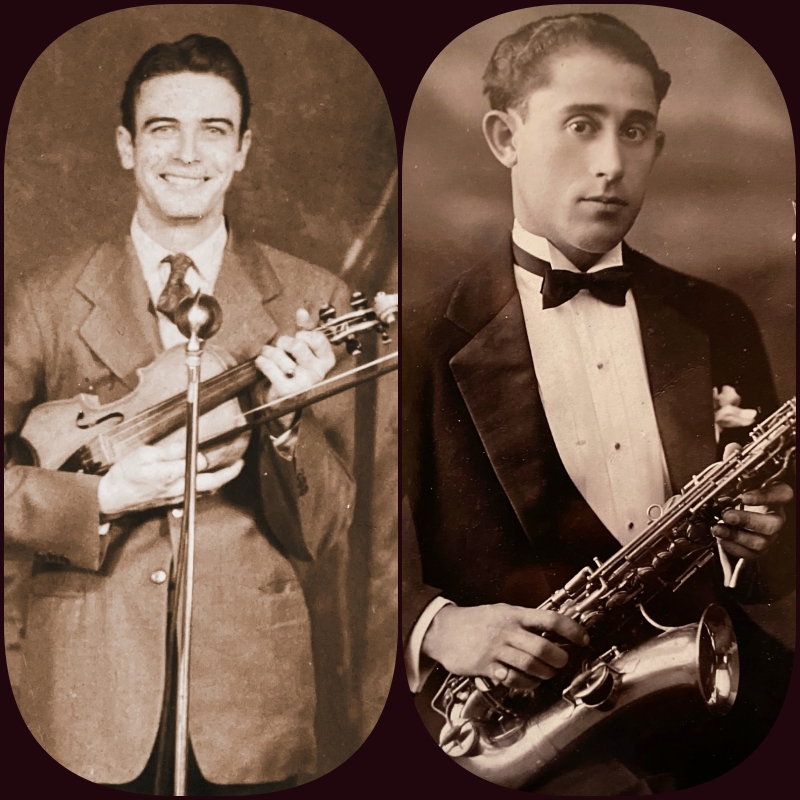
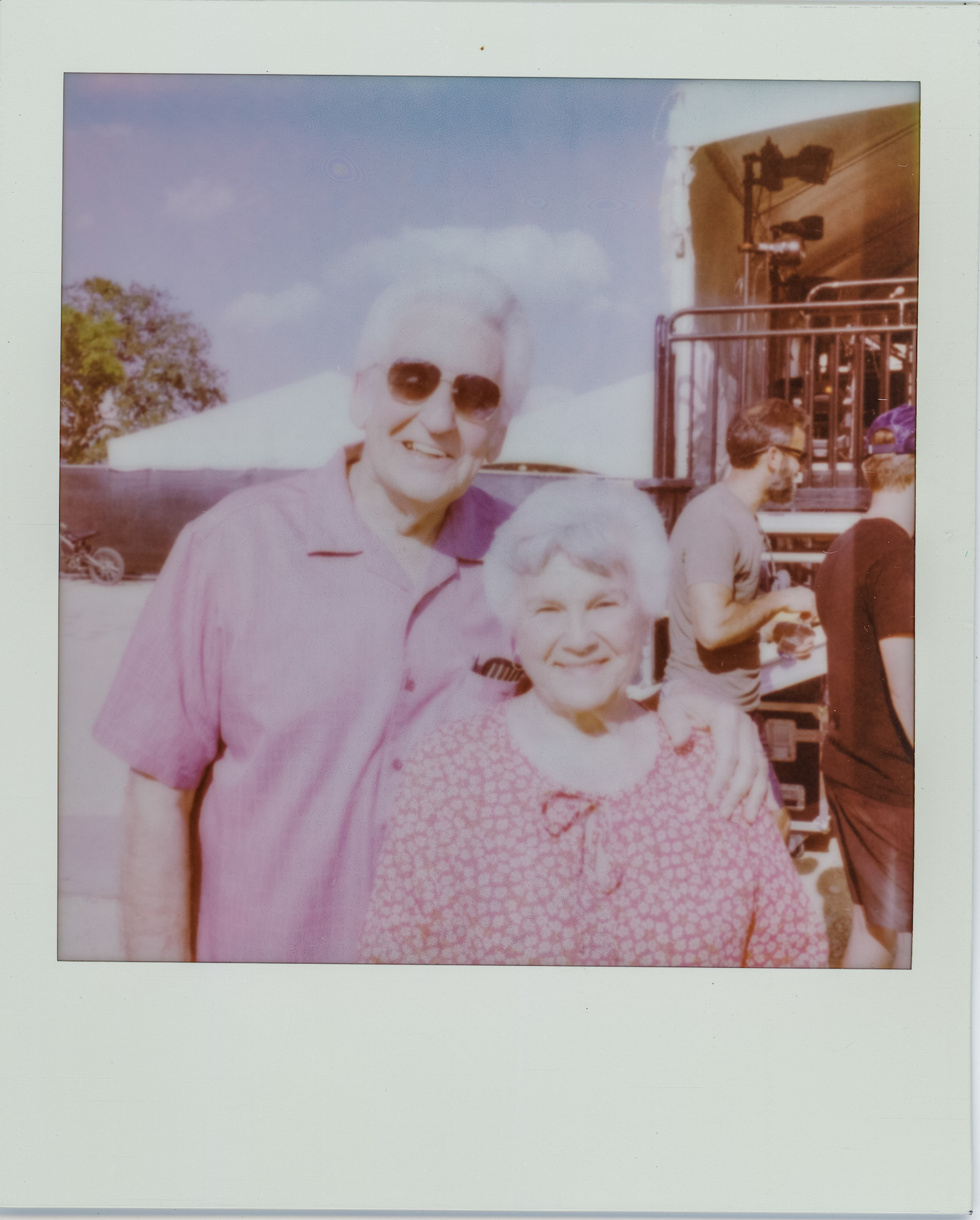
Jim Shumate, L (John Cloyd Miller’s grandfather); David Weinstein, R (Natalya Zoe Weinstein’s grandfather)

JCM: He did! He liked his own bed and grandma’s cooking, for sure. He liked to go up on the mountain. He worked in the furniture industry pretty much his whole life, but he also had his hand in the music. He ran a place called “Cat Square,” kind of a small town sort of Hickory Opry, a music show. He was always playing. I have photos of him through the late ‘40s and through the ‘50s with all sorts of people, Don Reno – all those guys. He made records and he had his own band called Sons of the Carolinas, which had George Shuffler in it and some other guys. He was always playing. He played with Dwight Barker and the Melody Boys; he did some sides with Don Walker, who he played with before he met Bill Monroe. He was always making music. 

After Flatt & Scruggs it was largely regionally, because he wasn’t out touring, but he said people would always come by. Any time guys like Lester and them were in town they would always drive the bus and park it right in the yard. He was always in the music, but his influence was not felt as widely later on, I think because he wasn’t out [touring]. He did come back to recording in the ‘90s and made five cassettes for Heritage Records and those got disseminated kind of regionally. Michael Cleveland cut one of the songs that was on one of those tapes a year or so ago. People know his music, but we enjoy getting his legacy out there a bit more. He’s got such a unique style and certainly was influential. 

He was a great songwriter, too! He was my main musical influence. I heard him play a ton growing up. He was so bluesy and slidey, he was a real master of syncopation, which is something that got ingrained in me. People always forget about his songwriting, but the way I grew up, I always thought that being a musician meant that you sing stuff, you write songs. You pick, too, but you do all of it. It was just part of being musical and I think that came from him as well. 

It makes me think of, well, I talk a lot about how the most “bluegrass” someone can be is being innovative and being themselves, whether that comes across as “traditional bluegrass,” genre-wise or not. 

JCM: That’s really insightful and it’s so true, when you look at those early players – everybody always looks at the first generation and, that’s good, that can be very grounding, but those guys were all unique! They were all unique artists, they had their own styles – sure, they were listening to one another, but Lester Flatt doesn’t sound like Bill Monroe who doesn’t sound like Carter Stanley. They don’t sound like each other!

Natalya, I wanted to ask you about your grandfather, too. If you could tell us a bit about the musical influences that represent him on this record, as well. 

NZW: He passed away when I was fairly young, my dad had me when he was fifty-one, so my grandfather was quite older than me – I think I was eleven when he passed away. [My father and he] had an interesting relationship; he wasn’t always a well-liked man. He escaped a lot of violence and poverty in Russia, so he wasn’t a very kind man and my dad didn’t have a very close relationship with him. I don’t have any audio recordings of his music, I have a couple of audio interviews that my dad and uncle did with him, but I don’t have any recordings of his music. 

My dad was moving a few years back and found all these old music notebooks from my grandfather. He asked me, “Do you want these old, handwritten, junky notebooks?” And I was like, “Yes!! Please give those to me!” [Laughs] That was the source, for me, for my grandfather’s music. I didn’t have one-on-one experiences with him, I didn’t have recordings of him, so these notebooks are really the only link to his music that I have. We have about five or six notebooks that have songs in them – they’re pretty hard to decipher, they’re forty or fifty years old. They have all different kinds of material in them, from klezmer to mambos and tangos even to “Tennessee Waltz,” which shows up in one of them as a jazz standard. He also played some classical music, he didn’t do just one singular thing. Klezmer players were like the wedding band musician of their time, where they had to play a bunch of different styles based on who their audience was. 

JCM: We definitely got a little bit of a sense of who he was from these audio interviews that her uncle and dad had made with him. We got to hear his voice, you know he didn’t speak English very well so it’s mostly in Russian and Yiddish. You get a sense of some of the stuff he saw, in these interviews. You can tell it hardened him. 

NZW: He had a tough life for sure, he struggled a lot and music was really the only thing [he did]. He wasn’t really educated. He talked about how when he came here [to the U.S.] he tried to be a plumber and he tried to be an electrician, but he kept making mistakes. He said, “I couldn’t do anything except play music.” He felt almost like he was stuck with it. He loved it and he was passionate about it, but I got the sense that it was his only option. 

There’s a similar energy from both grandfathers around being musicians, but not just in a traditional touring, “road dog,” sort of lifestyle. 

NZW: You’re right, and they were both kind of skeptical of the past. 

JCM: They both came from very humble beginnings. My grandfather didn’t have any education, either. Natalya’s grandfather, apparently, escaped the Bolshevik revolution on a hay wagon. He was a teenager and they were trying to conscript him into the army to fight – it’s crazy stuff! 

Bluegrass is always considering lineage and tradition and how those things are passed along. One of the things that I think is really interesting about it is there aren’t a lot of marginalized identities represented in the historical record of bluegrass, but there are Jewish identities represented. There’s not a whole lot of representation as you go back through the years, but it’s there. How do you connect the music you’re making, that’s infused with Jewish influences and has that cultural identity, to past Jewish music makers in bluegrass and string bands? You’re clearly thinking about lineage and family with this record, and that’s so bluegrass, but through a different lens with your Jewish identity and the other cultural music styles on the album, too. 

NZW: David Grisman was one of my biggest musical influences early on, he was a big bridge, for me, between my dad – who plays jazz – and the bluegrass connection as well as the Jewish connection. We talk about how this album was inspired by Songs of Our Fathers, the 1995 album by David Grisman and Andy Statman. Andy Statman, who played on the record, is another one – one of the first shows that John and I went to see when we met in Asheville in 2005 or 2006 was to see Andy Statman at the Black Mountain Center for the Arts, which is this tiny little listening room. It was an incredible show, I remember just being blown away. I remember thinking, “Wow! What a cool fusion.”

JCM: That was the first time we heard that fusion with klezmer music. He was also playing clarinet, he was playing mandolin. He is the bridge between these kinds of music. David doesn’t do as much klezmer, but those two guys together for sure. 

NZW: John and I both came into bluegrass through the Grisman/Garcia connection then I kind of worked my way back from there. Someone gave me a burned CD of Bill Monroe and I was like, “Oh my God, what is this!?” [Laughs]

JCM: So many people have stories like that. That Old & In The Way album was such an influential record, it was like the number one selling bluegrass record for a long time. 

NZW: Yeah, the way I got into bluegrass, I was out in Tacoma, Washington, for an anthropology conference in college and somebody at my hotel was like, “I’ve got an extra ticket for Wintergrass, which is happening right next door.” I said, “Okay, cool!” So we go and I saw Old & In The Gray there [Peter Rowan, Vassar Clements, Grisman], it was an incredible experience. I didn’t really know what I was seeing at the time, because I was so new to bluegrass, but that was my “Ah ha!” moment. Someone handed me a fiddle and I dunno, I played “Angeline the Baker” and that was it! [Laughs]

JCM: When I first heard Grisman play mandolin, his tone and everything, that was like sinking a hook into me. That’s why I even wanted to play mandolin. I wanted to work on getting tone like that! He was a huge influence on so many of us.

Going back home one time, when I had been living out West or whatever, I was listening to Old & In the Way or something and I asked, “Grandpa, do you know this stuff, like ‘Pig in a Pen,’ and all this?” And he was like, “Oh yeah! I know everything on this record!” And he would play them, and that was so cool to me. I hadn’t quite made the connection before. He asked me, “Who’s playing fiddle on that record?” And I said, “Vassar Clements!” He says, “Oh yeah, that’s a good friend of mine!” I was like, “WHAT!?” 

[both laugh]

JCM: I was just this stupid, deadhead college kid – I mean, I’m still a deadhead – but it really clicked. This is a bridge between grandpa’s world, which had always seemed like something in the past, to my world as a young, coming-of-age musician, realizing, “Oh, it’s all the same stuff!” 

To an uninitiated listener, they might hear your record and they might hear the influences that aren’t “traditional bluegrass” as modern cross-pollinations, as something that’s coming from you both and your generation and your own creativity. But, I really wanted to unpack the lineage of the music, because I can sense even in the playing on this album that colors “outside the lines,” it’s clearly part of this bigger tradition in bluegrass of being a bridge between these kinds of disparate parts. Even this “nontraditional” album you’ve made is based on so much tradition – familial tradition, cultural tradition, musical tradition. 

NZW: I think we wanted to honor those traditions and where these songs came from, but we also wanted to put our own spin on it. We hope our grandfathers would have liked that! 

JCM: [Jim Shumate] was very much a traditional musician, but he was always innovative at the same time. Some of the things he did in the ‘50s were very jazzy, with electric guitars playing with him. And he always loved Natalya’s playing. You know, Natalya came from a classical background and anytime she would play something classical for him– 

NZW: Or a waltz. 

JCM: He just loved to hear her play. They didn’t sound like each other, they had very different styles, but he was always very open and he loved everything. 

NZW: I think he would like [the album]. John’s mom texted us yesterday as she was listening to it and said, “I think grandpa would’ve enjoyed that!” So hopefully our grandparents aren’t rolling over in their graves. 

[Both laugh]


Photo Credit: Sarah Johnston

MIXTAPE: Doug Paisley’s Merle Watson Memorial Festival 1994 Playlist

It’s terrifying to imagine now that when I was 18 I got in a station wagon with six other teenagers and drove 12 hours from Toronto to Wilkesboro, North Carolina, to the Merle Watson Memorial Festival. Terrifying because I don’t think any of us had much driving experience, money or sense. I had a big crush on one of the other passengers and would have gotten into the car whichever festival it was going to, but now when I look at the lineup for that year (1994), I’m glad we made it. Over the weekend that crush turned into a romance that lasted for what amounts to a lifetime at age 18, so most of my memories are not of the performers I was listening to who came to dominate my ears for years to come. But the moon-eyed haze I was floating around in tied up my first experience of bluegrass with all the intensity and longing of love and the freedom and excitement of traveling.

I like that bluegrass means such different things to its adherents, but that they all feel it strongly. It can be an exercise in authenticity, an article of faith, a technical jungle gym and an emblem of a time and place in history. It’s a genre that’s small and quirky enough that some people feel they can inhabit, protect and partly own it. Now it’s so embedded in my musical history that I don’t know if I can speak about it intelligibly with anyone who doesn’t already love it as much as I do. Here are some of my favourite songs by some of the artists that were playing at the Merle Watson Memorial Festival in 1994. — Doug Paisley

Alison Krauss – “Endless Highway”

I’m deeply attached to this album and feel that it’s some of the most emotional bluegrass singing. I also love Jeff White’s guitar playing.

Tony Rice – “Walls”

Tony Rice more than anyone else is the reason I am a guitar player and a musician. His many layers of musicality and his broader interests from modern acoustic instrumental music to restoring Accutron watches to his appearance on stage to his insights and comments in interviews make him a fascinating character. I’m so grateful for his time on earth.

Seldom Scene – “Wait a Minute”

When I began to play bluegrass, the high-water mark of what a bluegrass group could be was for me the Seldom Scene. They were such an assemblage of distinct characters. John Starling and John Duffey are two of my favourite singers.

Iris DeMent – “Our Town”

In my daily life I can connect to so much feeling in Iris DeMent’s music, but if I’m going through a hard time I think I’d approach it very carefully because it’s just so powerful.

Peter Rowan – “Moonshiner”

The myriad permutations of Peter Rowan’s music are mind-boggling. On my record shelf he’s the Zelig of great acoustic music.

Emmylou Harris – “Before Believing”

Aside from all the great and probably familiar things we can say about Emmylou Harris, I love her forays into more traditional music — especially on “Roses in the Snow” with Tony Rice on guitar.

Ralph Stanley & The Clinch Mountain Boys – “Sweet Thing” (The Stanley Brothers)

I realize this may not be a landmark tune for the Stanley Brothers, but it always sticks with me and I also love George Shuffler’s guitar playing.

JD Crowe & The New South – “Tennessee Blues”

Once I had finally recovered from the New South lineup with Tony Rice, I then discovered that there was a whole other set of tunes with Keith Whitley on vocals, and my head just about exploded.

Claire Lynch – “Second Wind”

Such a beautiful singer. I heard from dobro player Don Rooke that Claire Lynch may be living up in our neck of the woods now. I hope I get a chance to see her play here.

Tony Rice – “Shadows”

I discovered Gordon Lightfoot’s songs through Tony Rice. He brings out all the power and sadness in this tune.

Doc Watson – “Winter’s Night”

Although I’ve listened to Doc Watson all along I never tried to emulate or learn from his guitar playing the way I did Tony Rice or Norman Blake. There’s something inscrutable and compelling about it for me, and I’d rather take in his music not as a guitar player, but purely as a listener.


Photo Credit: Dave Gillespie

Peter Rowan Shares a Timeless Lesson He Learned From Bill Monroe (Part 2 of 2)

Born on July 4, 1942, it seems rather poignant that this musical ambassador of freedom and exploration came into this world on Independence Day. First emerging onto the national scene in the early 1960s as a member of Bill Monroe’s Bluegrass Boys, Rowan was a young buck — a “green horn,” as he’d say — who found himself alongside the “Father of Bluegrass,” singing lead and playing rhythm guitar.

And though Rowan and Monroe were very different people from equally different backgrounds, there was a deep, mutual love and respect for the sacred art form that is music — either learned, recorded or performed live — where lessons and anecdotes spun by Monroe decades ago have remained written on the walls of Rowan’s memory and throughout his extensive melodic travels.

The second half of our conversation hovers about the road to the here and now, about nothing and everything, and anything in-between, which is just how Rowan has always carried himself, that signature glint of mischief in his eyes radiating hardscrabble sentiments of a life well-lived.

Editor’s Note: Read the first half of our interview with BGS Artist of the Month, Peter Rowan.

When you think about getting older, what are your reflections on your relationship with Bill Monroe — as a musician and as a mentor to you?

Rowan: I’m just taking what he was doing a little further — that’s all. He said, “Pete, don’t go too far out on the limb, there’s enough flowers out there already.” He saw me coming. And his mentorship is just something that’s part of me.

Which you’ve parlayed into mentoring other people.

Yeah, I’m at that point. I remember what Josh White and John Lee said to me as I nervously presented my playing to them — “take your time, take your time.” The bluegrass guys, [fiddlers] like Tex Logan and Kenny Baker, were the touchstone of bluegrass at the time. Any jam session was led by the fiddlers, and then you’d throw a few songs in. But it was the fiddlers — Buddy Spicher, Richard Greene, Kenny Baker, Tex Logan, Vassar Clements. It could be five fiddlers and they’d all play that tune. That’s what the jam was, it was playing fiddle tunes. It wasn’t like, “Okay, you take a chorus and just play.” You stayed within the structure.

By the way, this whole idea of jamming, there’s always that element in the jam where you go to sort of an unknown place. There’s a real artless art to that. And I’m not sure the bluegrass folks are going there, because most of their instruments are short duration notes. It’s not like a saxophone where you take a breath and just blow for eight bars. But, I have to say the fiddle player for the Steep Canyon Rangers, [Nicky Sanders], he’s taken it up [a notch] — he’s paid attention to Vassar.

When you look at all of the musicians you came up with in the 1960s, there’s not a lot of them left right now.

It’s me and Del [McCoury].

That’s about it. And maybe Bobby Osborne.

Bobby is still alive, and I’m so glad I got to record with him a few years ago for Compass [Records]. And there’s David Grisman.

In terms of touring, you and Del are the ones that are always out there, onstage and on the road.

Yeah. Well, I think it’s part of the gift of being able to indulge in the thing that gives you the power to sing. You can have a lot of afflictions. But if you can sing, you can overcome. The weight of age. For instance, I saw Del last summer. We played out in Colorado, and there’s this picture of us — we look like we’re 10 years old. Just laughing and smiling, well, because it is a joy.

Both of you have never lost that childlike wonder of creation and discovery. You’ve always retained it.

Yeah. But people who want to say Del is upholding the tradition? Yes — stylistically, musically — he is. But he’s doing Richard Thompson songs. Del’s not close-minded.

You’ve always had this core of tradition, but you’re never shied away from jumping the fence into other genres.

And I’ve been criticized for it. Going to Jamaica and recording reggae with bluegrass songs. Going to Texas and recording with the great Flaco Jimenez. Come on, these are masters of our world — how could anybody in their right mind not do what I did? Bluegrass Unlimited once referred to me as a “schizophrenic musician,” like it’s a mental thing, where “he’s gone off the deep end.” [Laughs]

The criticism you faced is like what Billy Strings is facing today, and what Sam Bush faced in the 1970s. It seems every 20 years or so, the critics always say the sky is falling in the world of bluegrass. But it never does. It remains.

I think that goes back to Bill Monroe. He said this [to me], “If you can play my music, you can play any music.” That goes for Billy [Strings], too. And [Bill] saw it, where maybe I didn’t see myself as that. [Growing up], I had my little rockabilly band The Cupids, and I learned some Lead Belly tunes, trying to learn Lightnin’ [Hopkins] tunes. And here’s Bill Monroe, and it’s perfect. There’s harmony. It’s hard-driving. There’s acoustic guitars. It’s got everything I wanted.

You’ve had this incredible life — traveling the world, meeting people, collaborating onstage and off with all these musicians — what has the culmination of all of those experiences thus far taught you about what it means to be a human being?

Well, you know, all of these players were always the ones that didn’t have any prejudices. You sit down with Lightnin’ Hopkins and he doesn’t care. He’s not like, “Oh, white boy wants to steal my music.” These guys were musicians, and they weren’t just your average person.

I lived in the South long enough to have tremendous respect for the amount of heart that the Black people down in the South had. People who lived through the hard times and were glad to be driving a cab to get you to the airport, [where] you shake hands with that man — his hand is warm, just warm love and compassion in that hand. During those years — the 1960s — when it was still segregated in the South, it was weird, this thing of love and theft.

I was with the Bluegrass Boys and I remember one night we played the Guthrie Theater in Minneapolis. Mance Lipscomb was on the bill. He came back and we’re all sitting around the dressing room. I asked Bill and Mance if they would play together. You might see [something like] that at Newport [Folk Festival], maybe. But mostly it was segregated into different musical styles [at that time] — Cajun, blues, bluegrass. I said, “Would you guys play?” And they didn’t know what to play. Bill goes, “What do you want us to play?” Bill didn’t know what to play. He didn’t know the starter blues. And Bill just started playing, and Mance played along, too. But it wasn’t this moment that I had imagined, like this intergalactic grandeur, you know what I mean?

[Bill and Mance] were really specialized in their own world. Mance Lipscomb, his music was complete, his version of the blues. Bill Monroe’s music was complete, his version. But [Bill] would talk about his “other music.” He’d say, “It wouldn’t have a dobro, but it might have a slide guitar.” I’d say, “And a mandolin?” He’d say, “Maybe not a mandolin, but maybe one of them little guitars.” [I’d say], “Like a what? A ukulele?” I think his “other music” was the mellifluous laidback music of a Hawaiian feel. Slow. Because bluegrass was all about keeping it up, playing for farmers who were exhausted, folks that had been up since 4:30 in the morning, go to a little schoolhouse and see Bill Monroe. He said he wanted to give them something that would raise their spirits.

And the world changed while Bill was alive. Typically, he would steer away from anything that compromised him. He began to understand that his position was not that of a star so much as [he was] a progenitor of musical tradition. He took from many different things — blues, gospel, Celtic. And he alone had figured out a way to put it all out there, soon to be copied by many, many others. And the talent of those others were helping him develop his style — Earl Scruggs, Lester Flatt, Don Reno, all those folks.

(Rowan pauses for several seconds, seemingly lost in thought at the initial question posed.) What are you thinking right now?

Well, I’m not really thinking very much. [Laughs]. But I want to make sure that we’ve covered some of the things that you’re asking.

Well, you’ve lived the life of an artist. What is that life of an artist, and why is it that was the path you ultimately chose?

Okay, this is the connection now. When I was four years old [in 1946], my Uncle Jimmy came back from the Navy. He’d been in the South Pacific [during World War II] and he brought back grass skirts and coconut bras, all this tourist stuff because he’d been stationed in Honolulu, Hawai’i. I remember the first musical experience I had was Uncle Jimmy dancing around our living room [in Massachusetts] in his skivvies with his sailor hat on playing the ukulele and singing “My Little Grass Shack in Kealakekua, Hawai’i.”

I guess that just seemed like such a happy thing, you know? That was so different from what was the norm. After World War II, they were all celebrating. But Uncle Jimmy was saying, “Hubba, hubba, ding, ding,” all these strange things. Well, [later in life], I went to Hawai’i and traced Uncle Jimmy’s footsteps. I found out he [used to hangout] at this hula bar called Hubba Hubba. He had absorbed what he could — during the middle of World War II — some of that inspiration from the Hawaiian aloha spirit.

And that’s in you. I know that’s in you, too.

Yeah. So, when Bill Monroe was talking about his “other music,” I think he was talking about Hawaiian music. Because his song, “Kentucky Waltz”? The melody of that song was recorded in 1915 in Honolulu by John Kameaaloha Almeida, this Portuguese-Hawaiian orphan, who was adopted and raised by a Hawaiian family. He had a really strong band. A lot of the younger singers of the 20th century went through his band as featured singers, and he had three girls singing harmony. So, when Bill Monroe had a hit with “Kentucky Waltz,” he was singing a melody that came from Hawai’i, probably a classically derived melody. There’s this strange sort of admixture of technique and heart, you know? And that’s always been my path.

I feel like, maybe subconsciously, that memory you have of your uncle is what you’ve been chasing after your whole life.

I think I’ve been wanting that coconut bra and grass skirt again, man. [Laughs].


Photo Credit: Amanda Rowan

At 80, Peter Rowan Is Still Broadening the Scope of Bluegrass (Part 1 of 2)

Slowly stepping off a small stage underneath a large tent at the Suwannee Spring Reunion, Peter Rowan wipes the sweat from his face with a fresh towel and releases a big sigh — another whirlwind solo set in the books, another audience clapping wildly for the mesmerizing, singular presence that is Rowan.

It’s hot out, especially for mid-March, with the oppressive heat of an impending southern summer already present in the depths of rural Florida where the gathering calls home. Dozens of concertgoers rush over to Rowan to get an autograph and take a photo together, but more so to share a story or memory of another juncture where their paths crossed.

At 80 years old, Peter Rowan is an American musical institution, this cosmic chameleon of raw talent and endless curiosity, one who has meandered up and down the peaks and valleys of the universal sonic landscape — bluegrass, rock ‘n’ roll, reggae, blues, Tex-Mex, folk, jazz, and so on — since he was a teenager first learning to play music in his native Boston. He has created his legacy on his own terms, and at his own pace — something not lost on those who view him and his music as the way, and the truth.

Enjoy the first part of our interview with BGS Artist of the Month, Peter Rowan.

BGS: What are your thoughts about turning 80? I know you’ve never been someone to focus on time itself, seeing as you’ve always looked at everything as “one moment,” you know?

Rowan: Well, somebody [recently] asked me, “How do you feel when you sing the old songs that you wrote in the ‘Land of the Navajo’ days?” — in the late 1960s, driving across America, still haunted by the same ghosts that Jack Kerouac was finding on the road. I was part of that vibe, you know? And I told them when I sing those songs, they’re as fresh to me today as when I wrote them. I’m not reliving them, but I’m keeping alive the experience that I had. I don’t feel necessarily that I have to go into a mode. In other words, I’ve been onstage enough to have fun.

And to get around this little bit of this question of the past and turning 80, I just recorded with Flaco Jimenez again down in Texas, recorded with the band Los Texmaniacs, and they’re all disciples of Flaco. And the kind of polarity that was happening in the late 1970s and 1980s, Flaco was criticized by his own people for playing with me and Ry Cooder. It’s like, the rock/folk pretty much white audience thought it was the greatest thing in the world. But his own community felt that he slightly betrayed [them].

The same thing happened to me when I went to England and played with Flaco. The English critics hated what I was doing because it didn’t fit the mold. I was not a brown person. I didn’t have that look. Everybody associates something with a visual, with a taste. But we were still happy to play. It’s just after a while that was a hard hill to climb, when your fellow musicians believe in you, but the critics are critical of the whole thing. It’s a little bit odd. But now, it’s gone. They’re not there anymore. They’d have to be 90 years old and grumbling at their television, because they were all older than I was [back then].

I’m turning 80, and it’s great to feel like I’m, maybe, leading the pack in some way, as an example of a person who broadened the scope of a couple of things. All of Flaco’s musicians — Los Texmaniacs, Max and Josh Baca, Noel Hernandez — they all grew up hearing Stevie Wonder. So, their Tex-Mex music is way beyond [how it was before].

I think it’s the same thing in bluegrass. I just did a record for Rebel and I’ve got Molly Tuttle, Chris Henry, Julian Pinelli, Billy Strings and Max Wareham [on it]. Some of them aren’t that well-known in the popular imagination of bluegrass because they’ve been doing it on a [certain] level. Billy’s a breakout artist. Molly’s a breakout artist. Chris has been doing it since he was five years old, and he’s never gotten his due.

With the critics, I just don’t pay that much attention. Because, right now, what used to be the complaint is the sort of crossover factor. It used to be a complaint that it’s not pure. Well, how can it not be pure? Everybody who’s playing it now has listened to world music since 1990. They’re all in their late 20s. So, the musicality is still evident. We play Monroe-oriented style — it’s all the lineage through the Monroe style.

It’s that experience of being raised in the internet age, having access to all music at all times, and what that influence does to a person.

Right. And that somebody has the musicality to choose a direction. If I was to say, critically speaking of the jam-grass scene, it’s great exercising your musicality in an open-ended way, right? I guess for the party, for the crowd-pleasing, the stadium-grass — that’s why that happened, because that can happen. People are willing to get out there and bounce around and listen to bluegrass bands. I think the Grateful Dead started a wheel spinning that is just always creating sparks of creativity.

I never learned any Grateful Dead songs except for a couple of verses of some songs, but I got to play with Phil Lesh over the past few years, and I really appreciated his architectural approach to form. I got to sit in with him, and I did it without learning any songs — I got to learn onstage, which is the best way to learn.

And you know, [with playing with Phil], I realized why Jerry [Garcia] liked my songs, because in my songs are a lot of the same chord juxtapositions form-wise that are in he and [Robert] Hunter’s songs. I never realized that before. There are two things that Jerry wrote from; he wrote from fiddle tunes and the blues. And I realized that playing Grateful Dead songs — going into the chorus, “Oh, it’s the fiddle tune part,” going back to the verse, “Oh, it’s the blues.”

Old & In the Way was such a groundbreaking act that blew the doors open in a lot of aspects of bluegrass, country and rock ‘n’ roll music. What do you remember when you look back at that time?

A freedom to record any kind of songs that were emotional, like “Wild Horses” or “The Hobo Song.” In “Midnight Moonlight,” there’s that mysterious little section where there’s a freeform solo going from the key of C back to the key of A. I got that from Otis Redding. That was one of his famous chord changes when he does his outs on those R&B songs. In fact, it’s in “I’ve Been Loving You Too Long” and I think it’s in “Shout Bamalama,” too. It’s also the same thing with “Jumpin’ Jack Flash,” passing through that kind of thing as a riff. I thought, here’s a song in the key of A, and it’s using A/D/B minor/D/E/F sharp minor/E/D and then, if you throw a C in there for the solo section, it’s like a complete release from all these chord changes. So, that release became the beginning of these younger pickers going, “Wow, we can play on that for an hour.” Because we used to play 10 minutes on that riff alone.

What sticks out from that experience onstage with those musicians in Old & In the Way?

Well, if it was a local [show], Jerry would be there before anybody with his carton of Camel cigarettes, and Steve Parish [would be there, too]. And you realized that Jerry was an intergalactic traveler, just dropping in on the Earth scene for a little while, but he was totally at home.

I had just come from a band called Seatrain, which was very organized. It was extremely organized. It was great because we rehearsed so much that when we got out onstage you didn’t have to think at all, you could just rock out, you know? Rock ‘n’ roll was the vibe. They were a very adventurous band. All kinds of time movements, changes and kicks, accents. And then to come to Old & In the Way from there was like, “Oh, I can breathe again.” I remember singing the ending of “Land of the Navajo” at the first rehearsal and I looked over at Jerry. He kept nodding his head like, “go.” It was like Jack Kerouac at Allen Ginsberg’s poetry reading at City Lights Bookstore — “go, man, go.” Encouragement, encouragement.
And at our shows with Bill Monroe, you can hear me and Richard Greene encouraging Bill. In bluegrass, you just do the beautiful grace of presenting the music, being good neighbors and all that stuff. But you could hear us in the band going, “go, man, go.” Go for it, that’s where we came from. That’s what Old & In the Way was — the “go for it” signal to everybody.

Editor’s Note: Read the second half of our BGS Artist of the Month interview with Peter Rowan.


Photo Credit: Amanda Rowan

Artist of the Month: Peter Rowan

Peter Rowan has earned his place in the bluegrass canon for his role as a vocalist, guitarist, songwriter and journeyman across many decades. For his remarkable achievements, he will be inducted formally into the Bluegrass Music Hall of Fame later this month. This doesn’t mean he’s putting a cap on his career, of course. Just this summer he released a new studio album titled Calling You From My Mountain on Rebel Records.

“Bluegrass accepted me first as a cultural pilgrim,” Rowan says. “I’m still the pilgrim, interpreting my experience through music. And the richness is the collaboration with people from really any culture. Musicians are transcultural, you know.”

Speaking of collaboration, the new release underscores his enthusiasm for sharing a musical moment. Notable guests on the project include Billy Strings, Molly Tuttle, Lindsay Lou, Mark Howard, and Shawn Camp (as seen in the video below).

Rowan’s résumé ranges from playing in Bill Monroe’s Blue Grass Boys to forming the acoustic supergroup Old & In the Way with David Grisman, Jerry Garcia, Vassar Clements and John Kahn. Meanwhile, his indelible songwriting contributions include “Walls of Time” (written with Monroe) and “Panama Red.” He’s earned multiple Grammy nominations for his solo albums and the admiration of audiences around the world. We proudly salute Peter Rowan as our BGS Artist of the Month.

At 80 years old, the California-based musician is in a unique position to bridge the gap between the bluegrass fans from different eras. “I’ve got a young band, it’s fabulous,” he says. “They’re bursting with ideas. They’re in their years of inspiration. They’re really quick learners and their ears are wide open because this generation is built on everything we did, dare I say, all those years ago.”

Look for an exclusive interview with Peter Rowan by IBMA Award-nominated writer Garret K. Woodward later this month, along with our favorite songs, stories and memories that we’ll be sharing on BGS all month long. Below, you can enjoy a dive into the deep catalog from this brand new Bluegrass Music Hall of Fame member.


Photo Credit: Amanda Rowan

At Old Settler’s, Roots Music Gathers in Central Texas

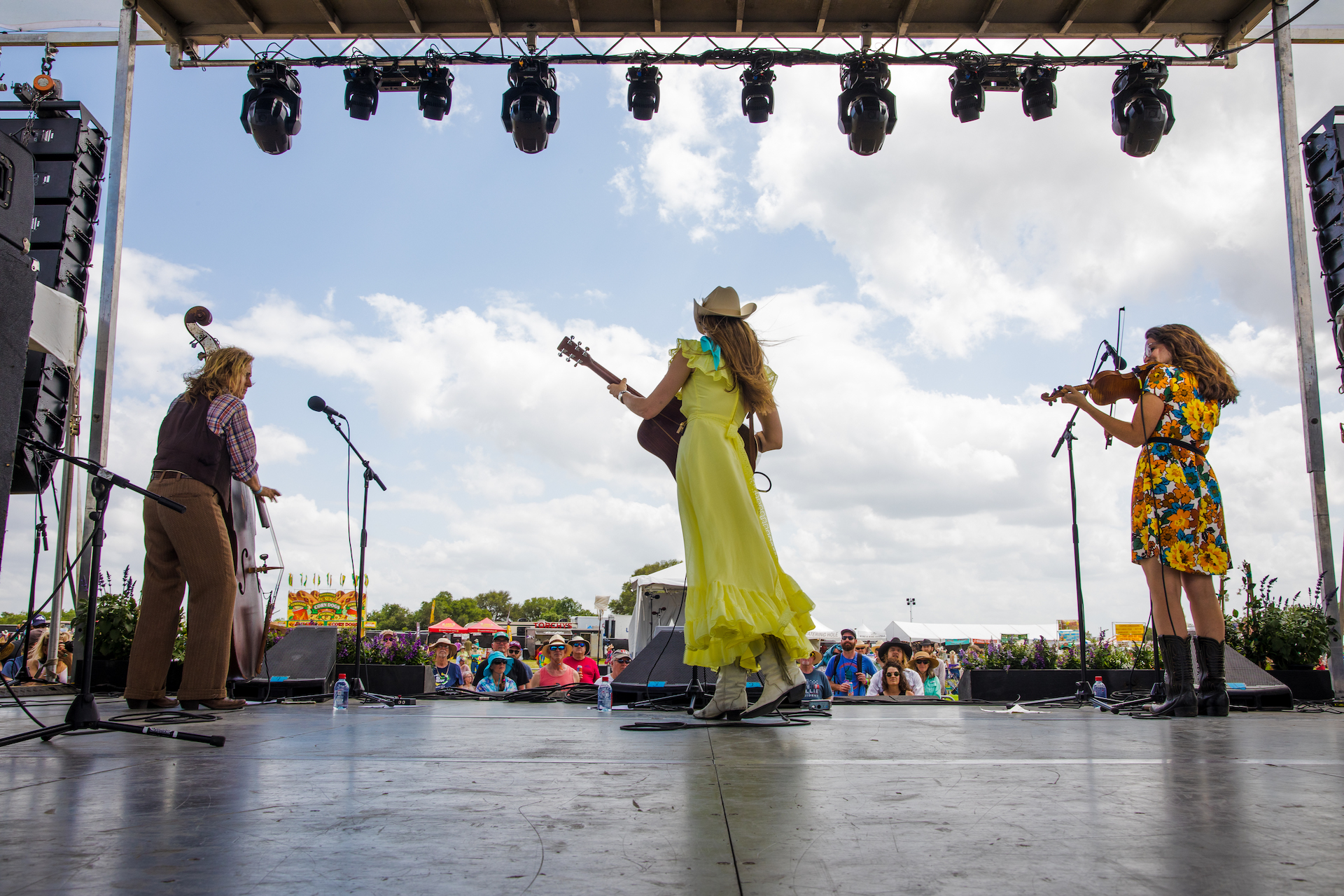
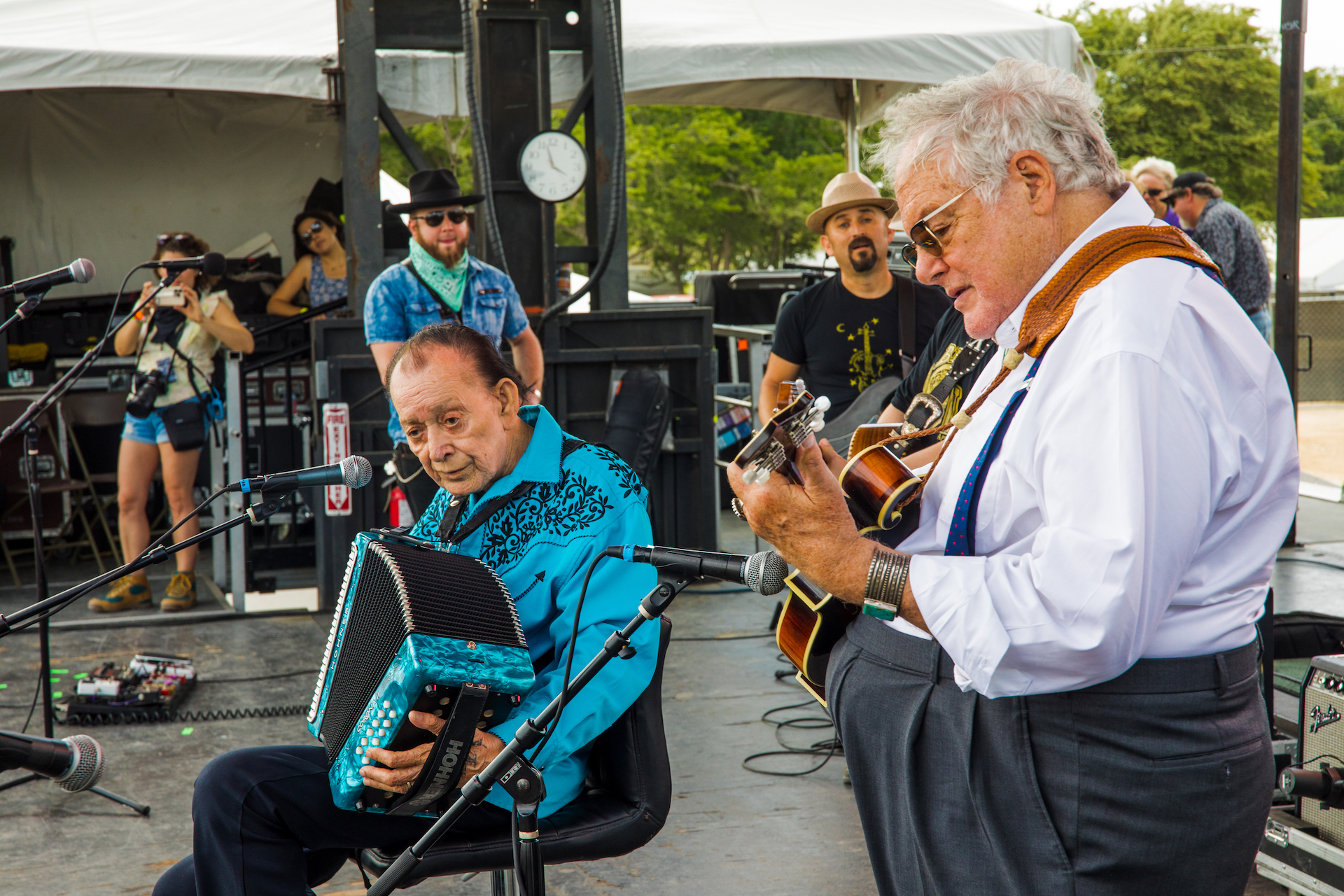
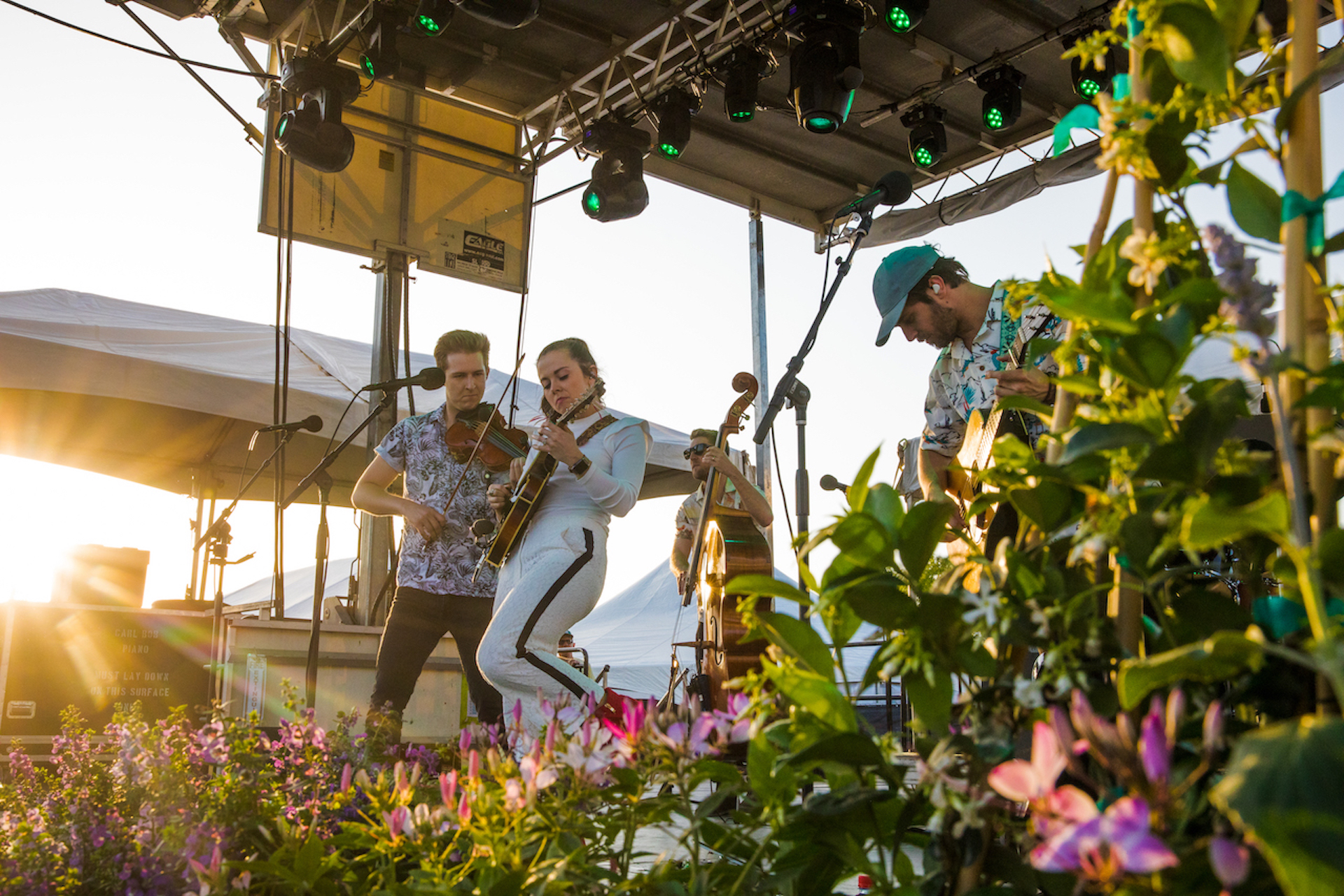
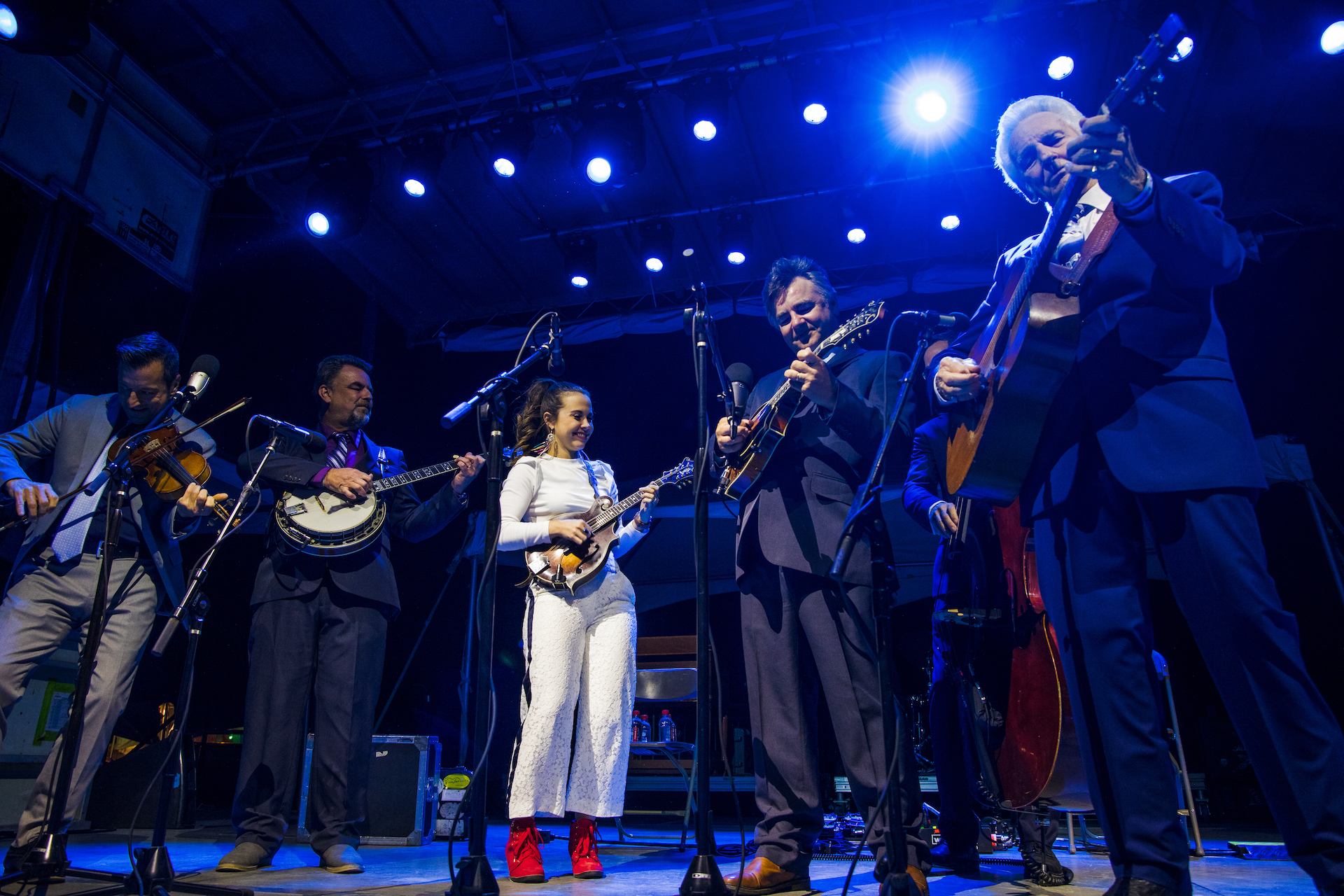
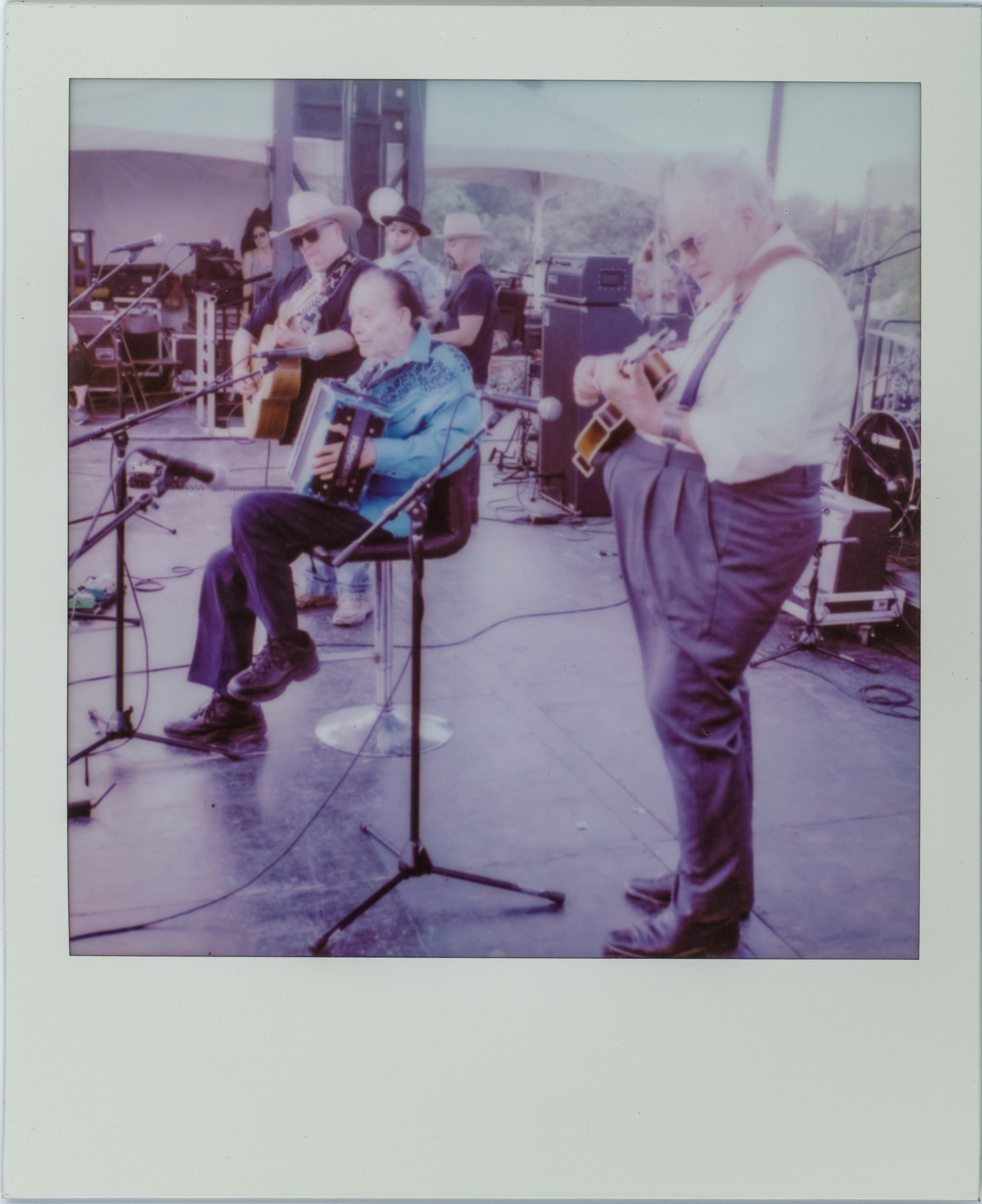
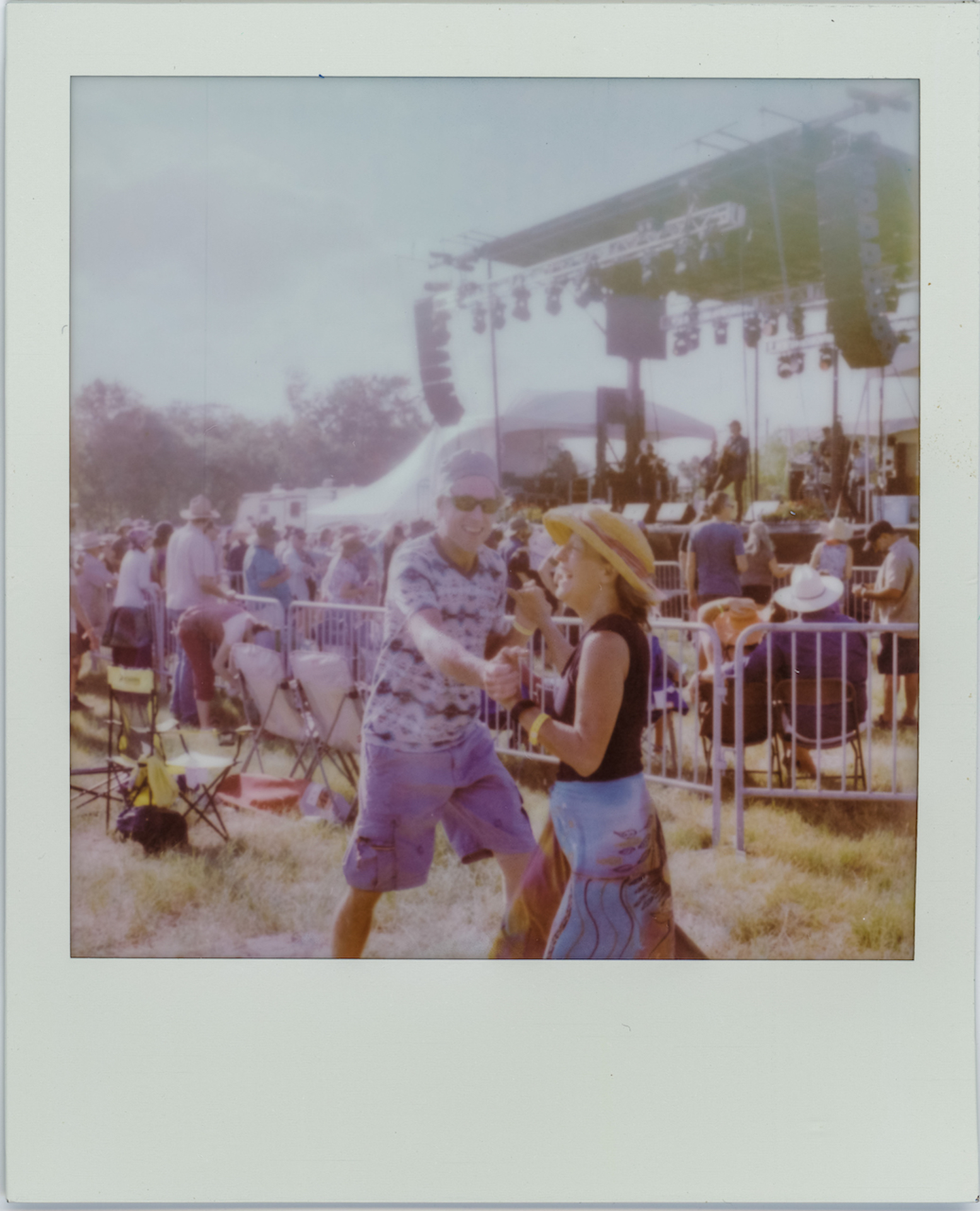
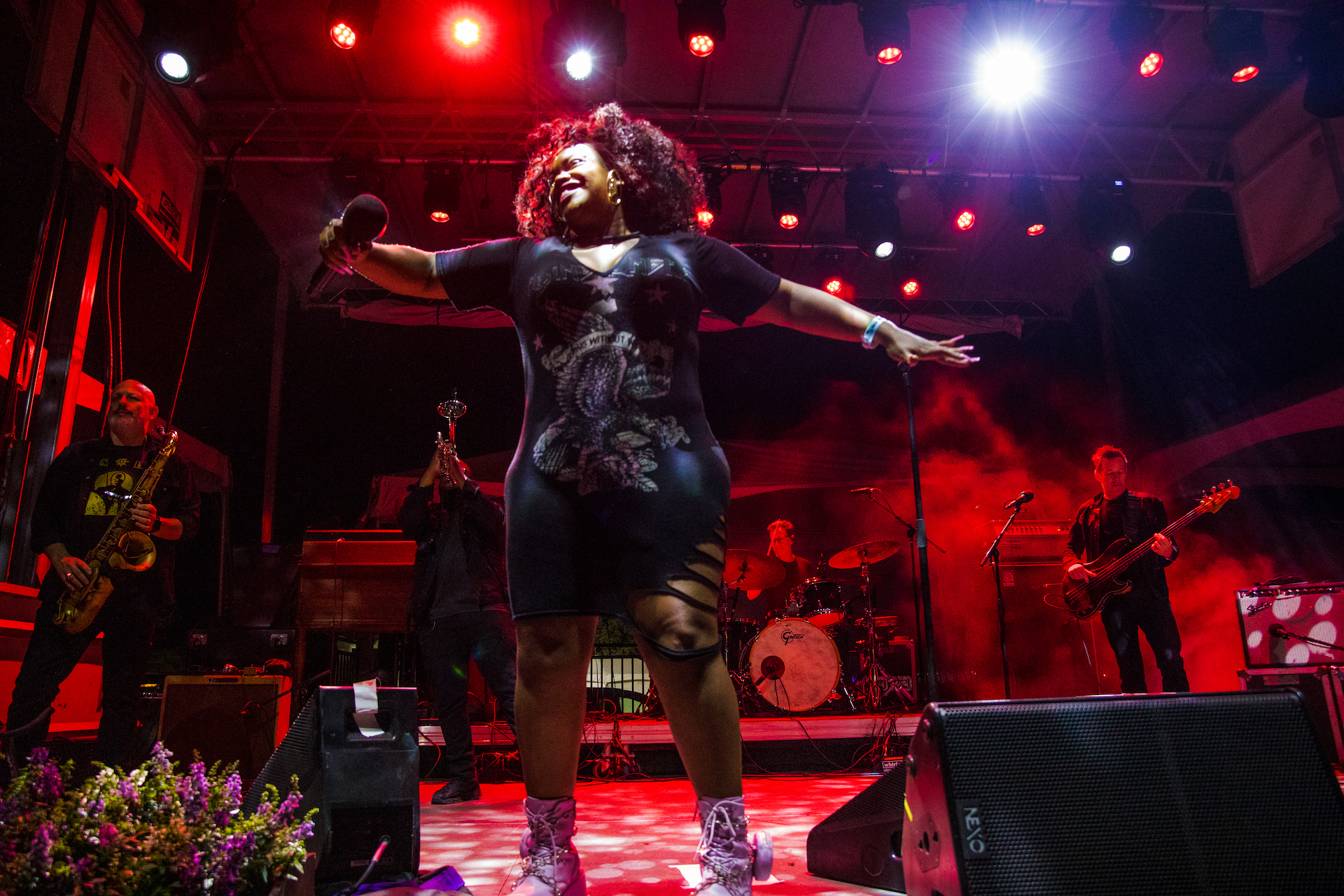
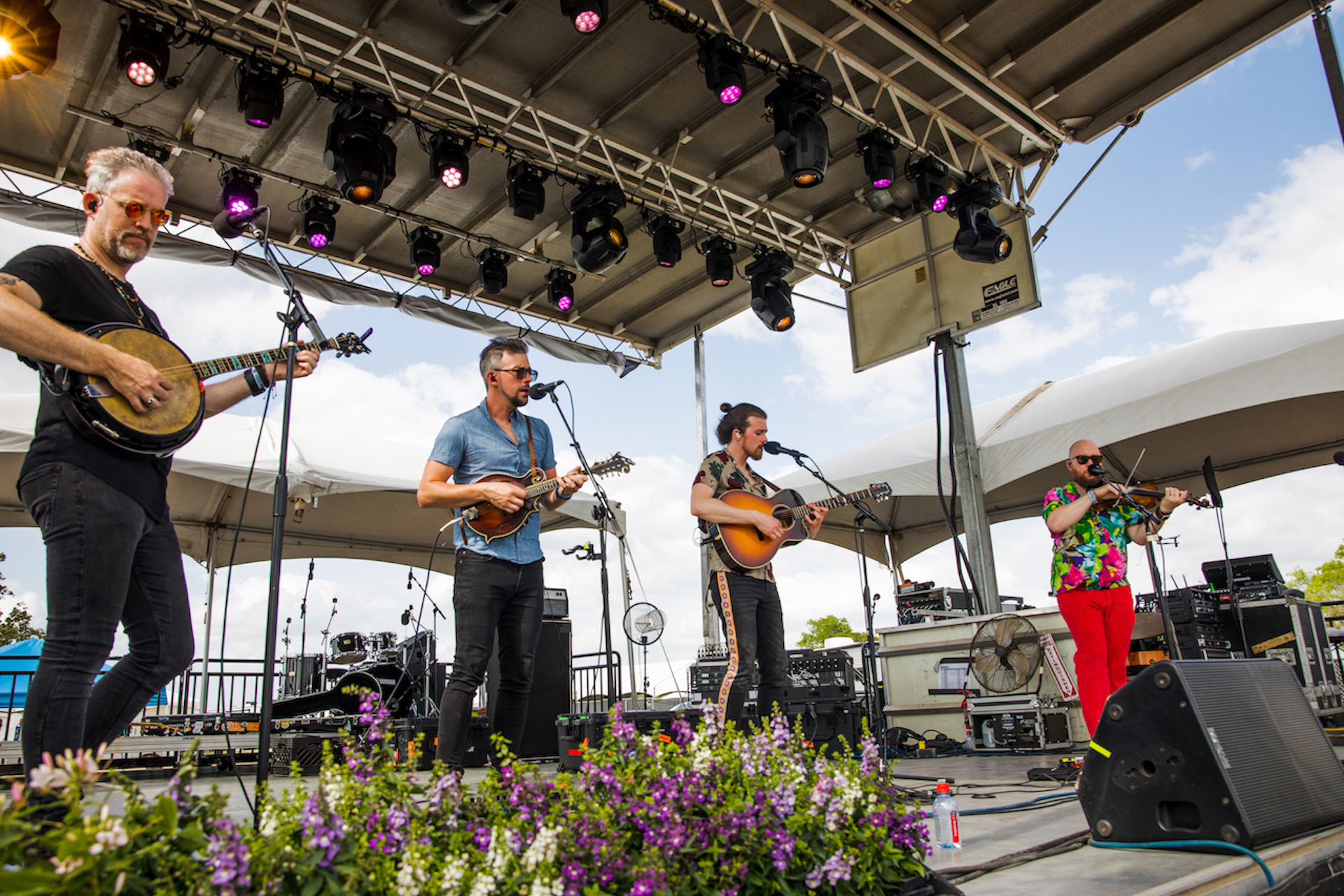
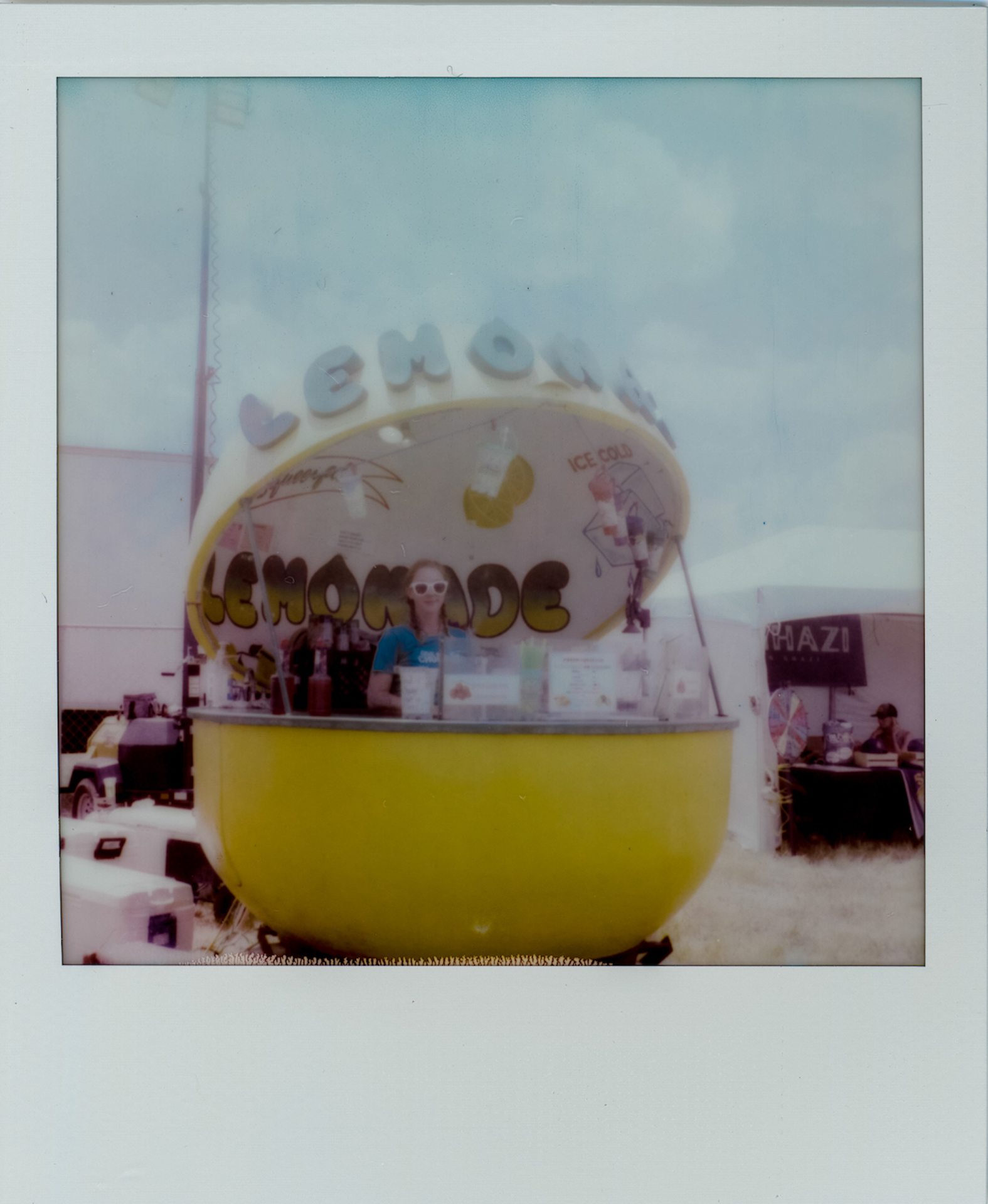
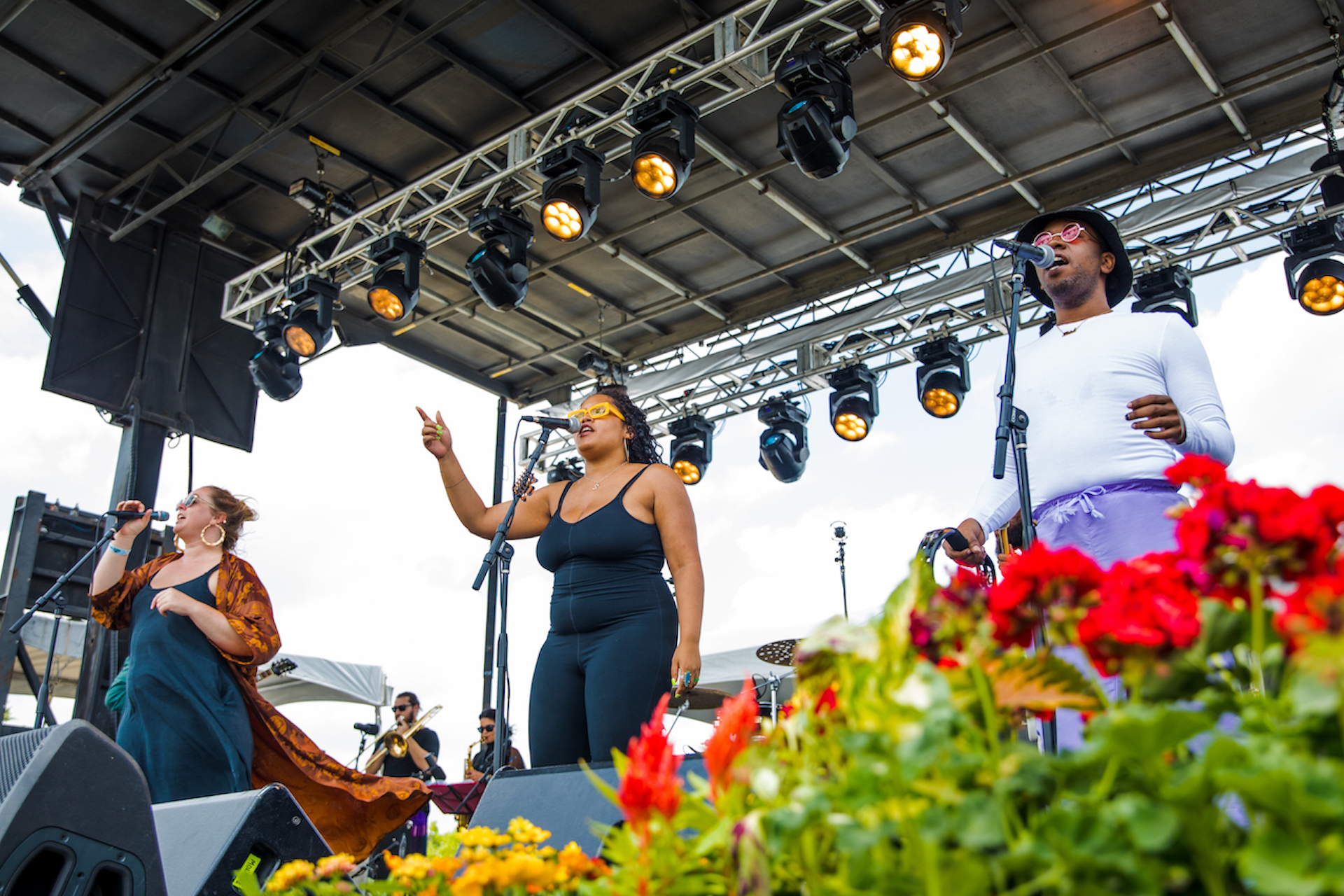
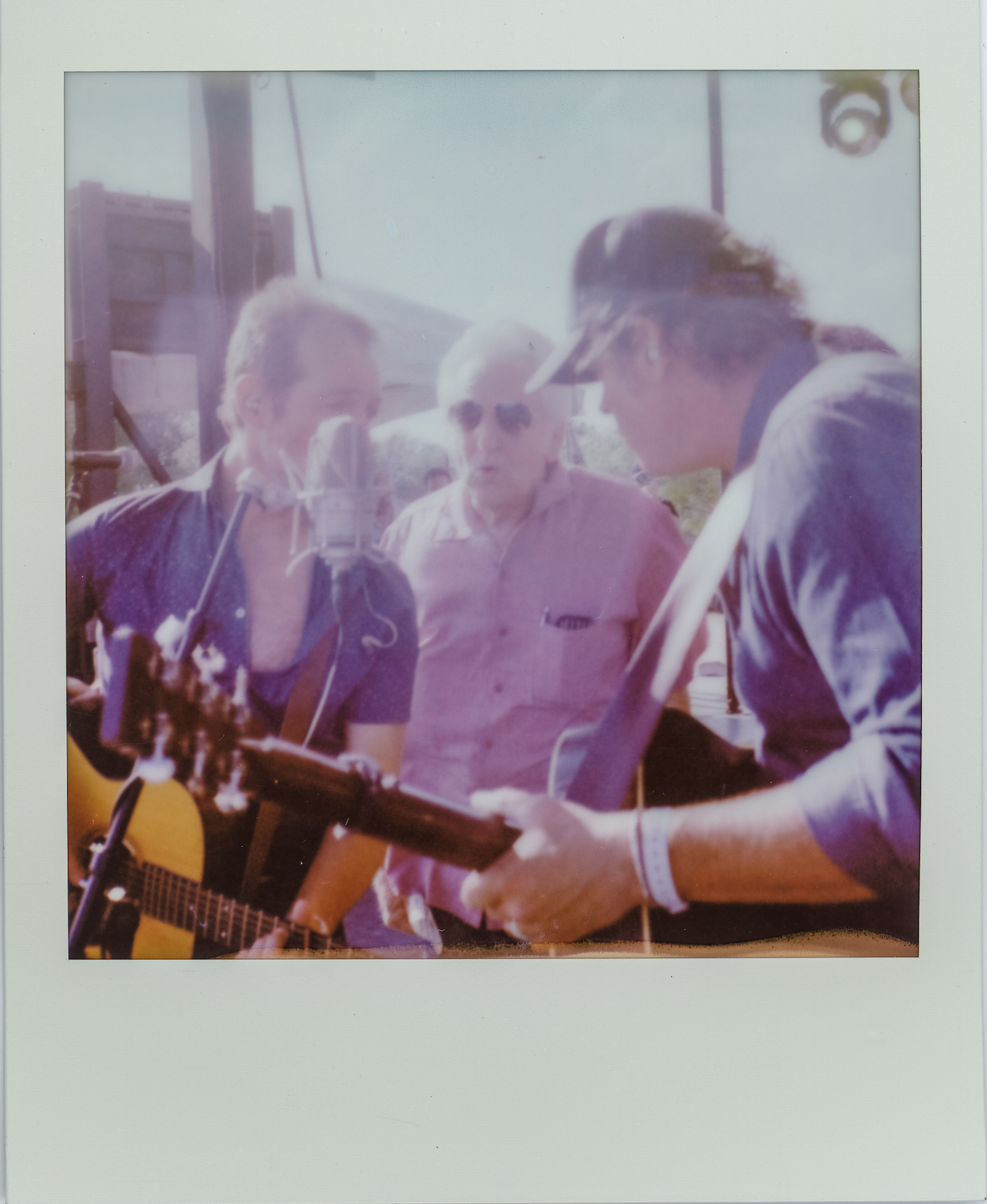
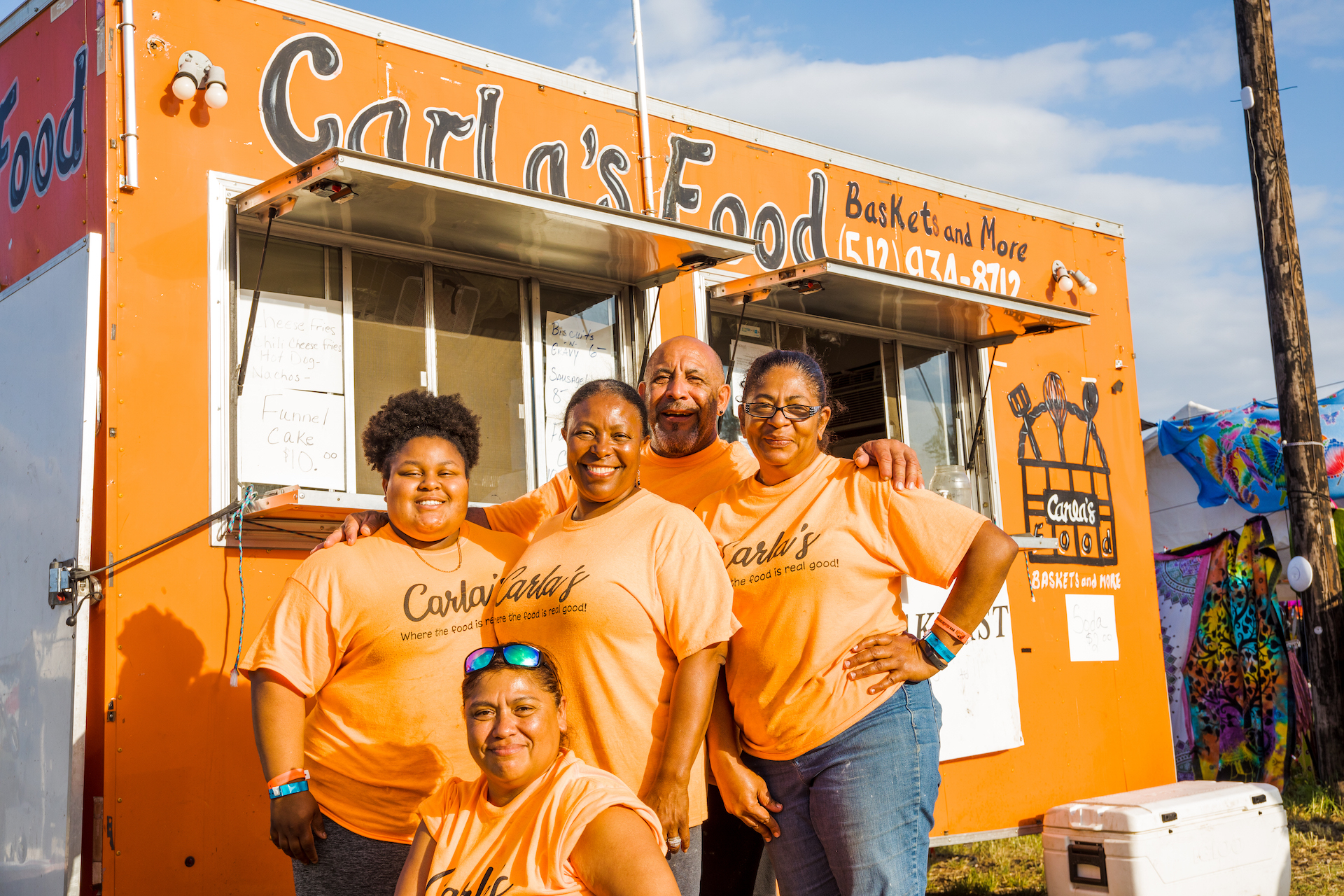
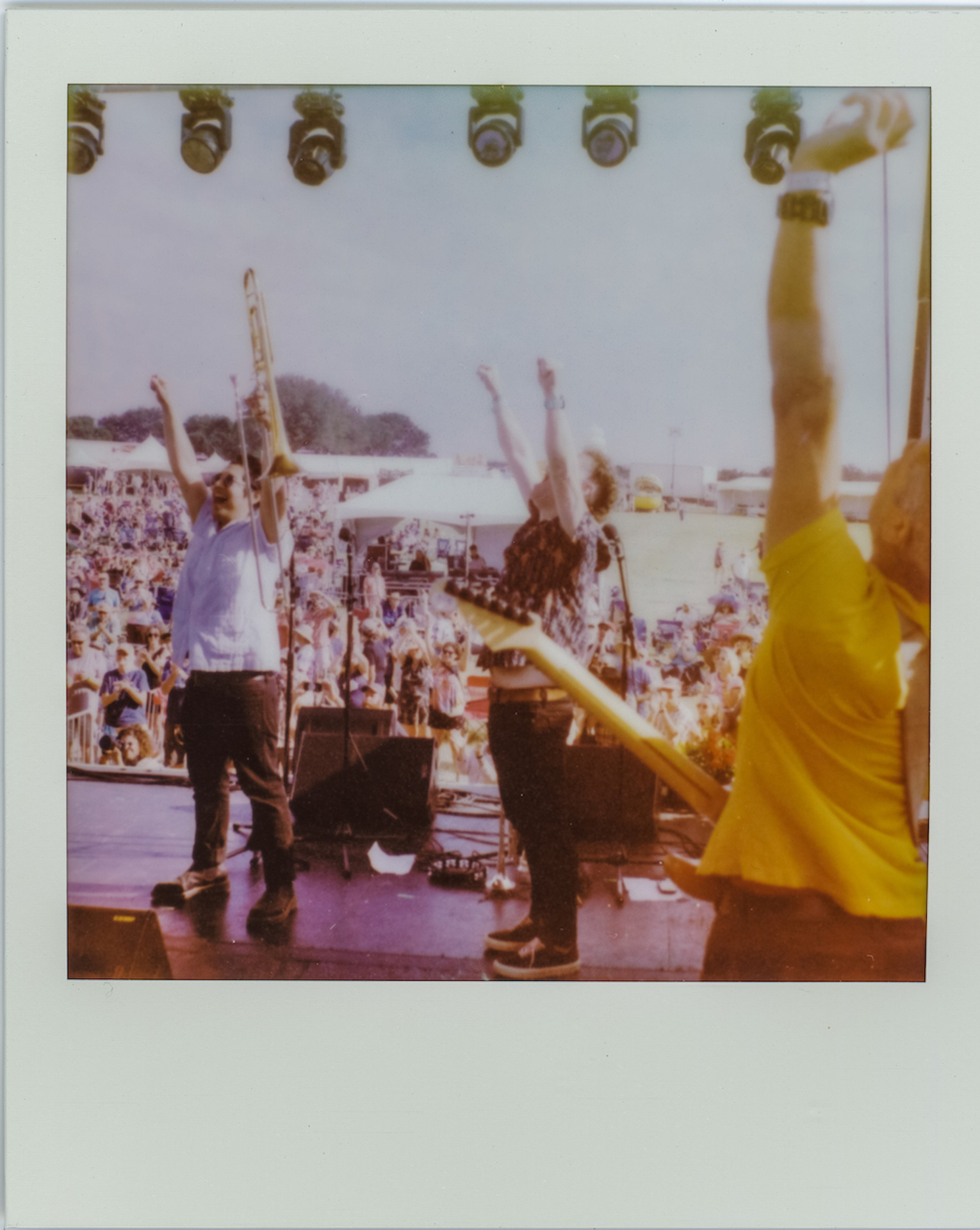
This past weekend in Tilmon, Texas, not too far from Austin, legends, up-and-comers, and local artists alike gathered for the Old Settler’s Music Festival, a celebration of roots music of all stripes that’s been happening since 1987. The Del McCoury Band, Flaco Jimenez, Peter Rowan, and other greats were joined by the likes of Sierra Hull, The Suffers, Brennen Leigh, American Aquarium, and so many others. Take a look at our photo recap below.


All photos by Daniel Jackson

BGS Top 50 Moments: BGS On Deck – Our First Music Cruise

It’s been over nine years since we first boarded the Norwegian Pearl to set sail with some musical friends. Back in 2013, BGS joined the team at Sixthman as well as host band, the Steep Canyon Rangers, on the first Mountain Song at Sea cruise, sailing from Miami to the Bahamas alongside the Punch Brothers, David Grisman, the Del McCoury Band, Tim O’Brien, Della Mae, Bryan Sutton, and Peter Rowan.

You can get a glimpse of the riotous fun that was had onboard that first cruise here.

This month, BGS returns to the high seas on board Sixthman’s Cayamo cruise. While onboard, we’ll be hosting the Party of the Deck-Ade, our kickoff birthday event celebrating ten years of BGS. The jam will be hosted by Sierra Hull and Madison Cunningham, and backed by our house musicians Hogslop String Band.

Get your sunscreen ready, and we hope to see some of you in Miami very soon!

LISTEN: Jackson Melnick, “John the Revelator”

Artist: Jackson Melnick
Hometown: Crested Butte, Colorado
Song: “John the Revelator”
Album: Abilene
Release Date: September 24, 2021

In Their Words: “Apocalypse isn’t to be confused with tragedy. Apocalypse is seeing something in truth, and the pain that might come from having the blinders pulled off. The Book of Revelation, where the characters in this song first emerged, is worth looking at. Or, if you are like me, you can listen to Blind Willie Johnson play slide guitar and sing ‘John the Revelator’ and read the Bible as a chaser. I was struck that the traditional blues song was never adapted to bluegrass music; the theme of the song fit so well, along with the haunting chorus. Perhaps it never was brought into the pantheon due to a kind of musical red-lining in the past, but for those who really know, bluegrass is rooted in Black music and the blues — Arnold Shultz, Bill Monroe’s musical mentor, is only one well-known example. The traditional song’s lyrics didn’t translate melodically well to bluegrass, so I invented some new ones that fit with an apocalyptic narrative — my apocalyptic narrative — which I think is a little more optimistic. I hope Mr. Monroe’s ghost enjoys this song.

“When I worked the song out over a traditional bluegrass progression, it really became one of the most electric bluegrass songs I had ever heard. Alex Leach, a well-regarded banjoist and songwriter himself, and Christopher Henry, the premier Monroe style mandolinist and producer of the new album (notably in Peter Rowan’s Band for a long while now), both helped to bring to the song the tones that make it feel like a classic. Christopher is somebody who knows Mr. Monroe’s language with perfect fluency, the improvisational spirit of it rather than a note for note reflection of Mr. Monroe’s picking. Alex Leach played in what became of the Clinch Mountain Boys. Christopher and I asked him to be on it as a nod to Dr. Stanley, and he lets it rip. I felt something strange and new writing this song, with the narrative of it being an apocalyptic story, but somehow on the rejoicing side of that story. True believers, or I think anyone with real spiritual faith, will relate to the uplifting quality of the song. Singing through the apocalypse — whatever apocalypse you might encounter — it is quite the spiritual test of real faith and true eternal life, and one I hope to emanate.” — Jackson Melnick


Photo credit: Bellamy Brewster

When Springtime Comes Again: 12 Bluegrass Songs for Spring

We hope, wherever you’re reading this from, that snow, frost, and the cold are truly retreating, giving way to longer days, warmer weather, and the gorgeous, humid, cicada-soundtracked days of summer. But, before we get to full-blown bluegrass season – and, hopefully, our first live music forays since COVID-19 shut the industry down in early 2020 – let’s take a moment to intentionally enjoy spring with these 12 bluegrass songs perfect for collecting a wildflower bouquet, romping and frolicking in the meadow, and pickin’ on the back porch while the evenings are still cool. 

“Wild Mountain Flowers for Mary” – Lost & Found

A classic via Lost & Found, bluegrass certainly does not lack metaphors and analogies for love built around spring and the flowers re-emerging – see “Your Love is Like a Flower” below – but this somewhat melancholy track is an exceptional example of the form. And that banjo solo by Lost & Found founding member Gene Parker will stop you dead in your tracks.


“There Is a Time” – The Dillards

Famous for the rendition sung by Charlene Darling of the ever-popular Darling family on The Andy Griffith Show, this haunting, seemingly timeless folky melody from The Dillards – who also played members of the Darling clan – cautions, “…Do your roaming in the springtime/ And you’ll find your love in the summer sun.” The suspensions in the banjo roll linger on the minor chord, echoing this sentiment and categorizing spring not by its own, shining qualities, but by the darkness in winter and fall. A true classic.


“Little Annie” – Molly Tuttle, Alison Brown, Kimber Ludiker, Missy Raines

A staple of impromptu pickin’ parties and jam circles, “Little Annie” is properly ensconced within the bluegrass canon, but is infused with new life in this application by Tuttle’s lead vocal, a slight queering of the lyric that’s perfectly at home in the hands of this veritable supergroup, assembled by D’Addario at Folk Alliance International’s conference in 2018. 


“Texas Bluebonnets” – Laurie Lewis 

Laurie Lewis is effortlessly, archetypically bluegrass even, if not especially, in applications that infuse other genres into the music, like this Tex-Mex flavored, twin fiddle arrangement of “Texas Bluebonnets” that truly never gets old. Yes, that’s Peter Rowan and Sally Van Meter guesting, and Tom Rozum jumping onto lead during the choruses so Lewis can utter the tastiest tenor harmony vocal. Stick around for the Texas double-fiddle break and do yourself a favor and bookmark the track for easy reference. You’ll be returning to it often, as this writer does. 


“The First Whippoorwill” – Bill Monroe 

The birds returning in spring are a sure sign of the seasons changing and the warm weather returning, though the whippoorwill’s role in folk music has always been as a bittersweet harbinger, never quite viewed without at least some semblance of suspicion, perhaps an acknowledgement of the whippoorwill’s mournful tendency of singing long into the dead of night. This recording of “The First Whippoorwill” is a tasty example of Monroe’s iconic high lonesome sound, with acrobatic breaks into entrancing falsetto woven into the harmonies. 


“Sitting on Top of the World” – Carolina Chocolate Drops

Whether you know this common blues, old-time, and bluegrass number from the Mississippi Sheiks, Doc Watson, John Oates, the Carolina Chocolate Drops, or any other of its many, many sources the fact still stands: Don’t like peaches? Don’t shake the tree. Demonstrably a song for spring, summer, and beyond.


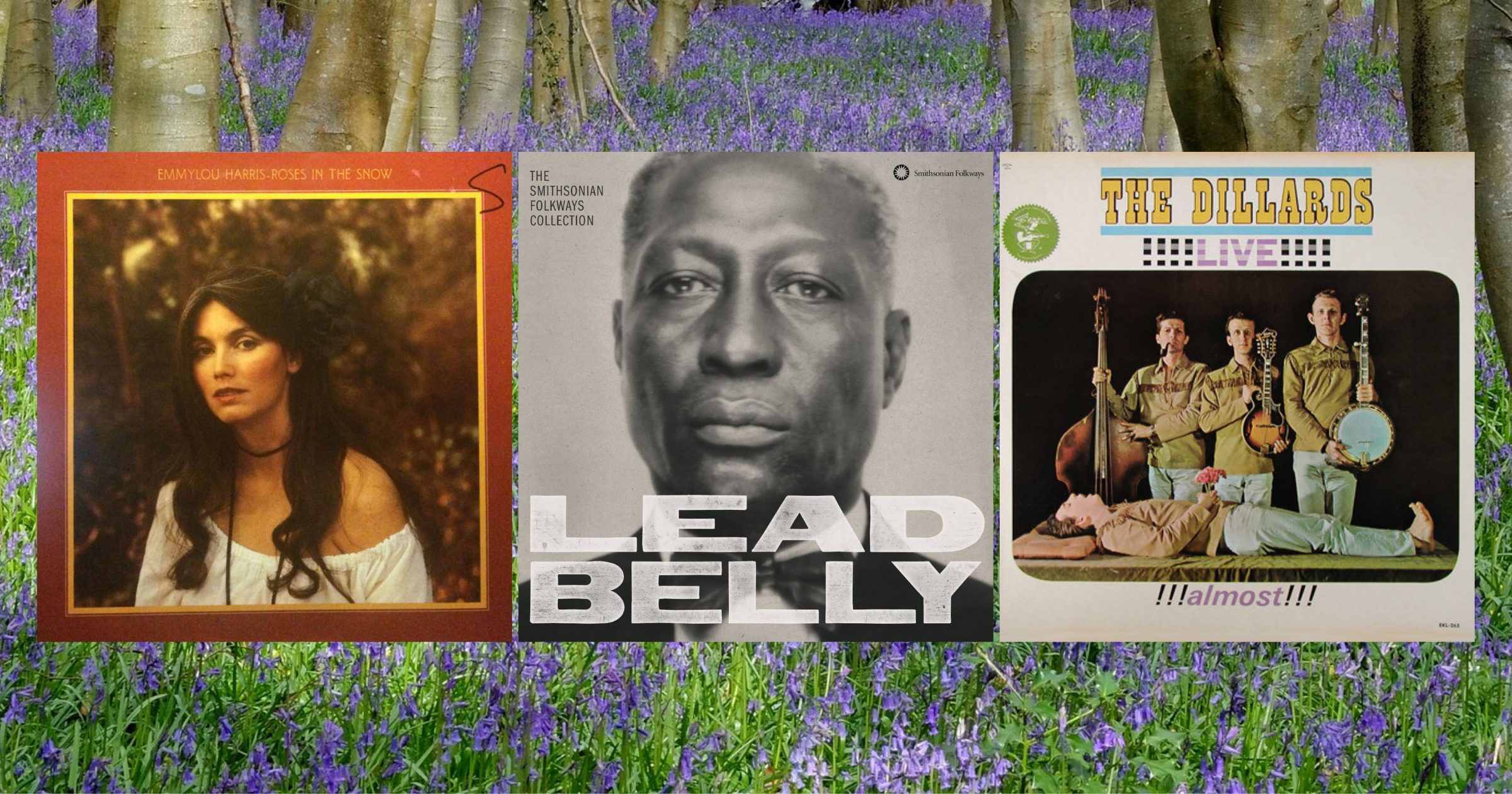
“Roses in the Snow” – Emmylou Harris

Though BGS calls sunny southern California home – and BGS South is relatively temperate and mild in Nashville, TN – we know there are climes across this continent where spring promises snow as reliably as thaw. Emmylou Harris released her iconic bluegrass album in 1980 and its title track is another homage to love bringing warmth, newness, and growth even in the cold: “Our love was like a burning ember/ It warmed us as a golden glow/ We had sunshine in December/ And grew our roses in the snow…”


“Each Season Changes You” – The Osborne Brothers

Love is as fickle as the breeze! There’s a small irony in the song’s central conflict, that the singer’s love changes their mind as often as the seasons change – which, when taken whole, seems like a much more stable, predictable love than most? Even so, and done in so many different iterations, the central metaphor still holds, forever baked into the vernacular of these folk musics.


“One Morning in May” – Jeff Scroggins & Colorado

If you’ve been a bluegrass fan over the past five to ten years and you don’t immediately hear Greg Blake’s voice singing “One Morning in May” whenever it pops into your head, something must be awry. During Blake’s stint with Jeff Scroggins & Colorado, this spring-centered track was a highlight of their live show, a clean, modern rendering of what’s a properly ancient folk lyric. Lost love, war, nightingales, and yes, springtime – it has everything! 


“Your Love is Like a Flower” – Flatt & Scruggs

Perhaps the song that defines the form. Flatt’s languid, lazy phrasing seems to underline the leisure of spring that grows into the laziness of summer. The rhythm of love, tied to the seasons and the budding blooms. Another timeless sentiment, distilled into a favorite, stand-by bluegrass number.


“Springtime in the Rockies” – Lead Belly

You know the film and the country hit, but have you heard Lead Belly himself tell the story of hearing the tune from “Gene” coming by and playing him some music? Worth a listen and worth inclusion on this list, which would suffer if it didn’t include “When It’s Springtime in the Rockies” in one form or another!


“Spring Will Bring Flowers” – Balsam Range

Processing grief and loss through the ever- and unchanging seasons is a common thread through rootsy songs about spring. This more recent recording from powerful North Carolina bluegrass vocal group Balsam Range hearkens back to springy, ‘grassy numbers from across the ages – its intermittent banjo licks a call back to Jimmy Martin’s “world filled with flowers” in “Ocean of Diamonds.” 


Background photo by velodenz on Foter.com

I Guess I’ll Go Get Stoned: 16 Roots Songs for 4/20

It’s a national holiday. Patron saint, Willie Nelson. And perhaps his heir would be Kacey Musgraves? Or Billy Strings. Or Margo Price. Or Snoop Dogg. We’ve got options. 

Bluegrass and country may be upheld as the pinnacles of wholesome, “American values” music, but in reality artists have been putting the GRASS into bluegrass since as long as that term has been in popular usage. (And damn, does it look good on a sweatshirt, too.)

We hope you ascend to new heights this 4/20, and while we’re at it we hope you enjoy these 16 high lonesome roots songs perfect for the occasion. 

Roland White – “Why You Been Gone So Long”

Roland White, his late brother Clarence, and the Kentucky Colonels are known for “Why You Been Gone So Long,” and in 2018 Roland re-recorded the number on his IBMA Award-nominated album, A Tribute to the Kentucky Colonels, with a star-studded cast of friends. 

Also known for his monthly shows at the World Famous Station Inn in Nashville (pre-COVID), every time Roland sings the line, “Nothing left to do, lord, so I guess I’ll go get stoned,” the crowd erupts with laughter. To this writer, though, that line feels less like a hilarious non-sequitur from a septuagenarian bluegrasser and more like sage wisdom. I guess I will go get stoned!


Selwyn Birchwood – “I Got Drunk, Laid & Stoned”

As modern bluesman Selwyn Birchwood put it in our premiere of this track, “This song proves that you can party to blues music.” That may seem like an obvious fact to a blues fan, but the uninitiated deserve to know the blues isn’t just about what you’ve lost, it’s about what you gain – through the music and otherwise. As Birchwood concludes, “‘I Got Drunk, Laid and Stoned’ is the epitome of what I feel is missing in a lot of blues music right now. You’ll find all of the rawness, edginess, and boundary pushing that I love…” That is the blues. 


Ashley Monroe – “Weed Instead of Roses”

No matter the occasion, when you’re reaching for flower… buds – reach for weed. Ashley Monroe makes a compelling case that men are certainly not the only ones in country who can live up to the outlaw moniker. Guthrie Trapp chicken pickin’ along is the cherry on top of this cannabis bop.


John Hartford – “Granny Wontcha Smoke Some Marijuana” 

For all those who’ve ever imagined hotboxing a steam-powered aereo plane, here’s a lazy, loping sing-along that kicks into barn-burning — or, grass burning? — country meets honky-tonk meets bluegrass. You’ll be calling it “mary-joo-wanna” now too. 


David Grisman & Tommy Emmanuel – “Cinderella’s Fella”

If you’re here, you must be celebrating 4/20, so you might know about Cinderella – a potent, hazy strain that Dawg attributes to his late friend Jerome Schwartz in Petaluma, California. If Cinderella were a princess instead of a strain of cannabis, Grisman would certainly arrive at her door with glass slipper in hand. Instead, we assume he fits her with a glass bowl instead? This performance by Grisman and Tommy Emmanuel is sweet, tender, and jaw-dropping. Classic “Dawg music.”


Courtney Marie Andrews – “Table For One”

Everyone self medicates, whether they’re aware of it or not, it’s just that touring musicians — by the very nature of their jobs — face their self medications, “crutches,” and vices everywhere they go. Courtney Marie Andrews, a lifelong Americana nomad, captures the depression and melancholy of touring perfectly in this haunting song, which reminds the listener that you don’t really want the life of the person on stage, no matter how glamorous it might seem. If the sometimes foggy dissociation of weed smoking were bottled and infused into a song, it would be this track.


New Lost City Ramblers – “Wildwood Weed”

Have you ever asked yourself the question, “What if Mother Maybelle smoked pot?” With this song — a Jim Stafford hit — The New Lost City Ramblers kinda did! 

New life side quest unlocked: smoke weed from a corncob pipe. 


Kacey Musgraves – “Follow Your Arrow”

It’s April 20th and your arrow is pointing directly at your bong. F*CK, water pipe. Follow that arrow, babies! Do you! Light up a joint. (Or don’t.) 

Nah, do. 


Charlie Worsham feat. Old Crow Medicine Show – “I Hope I’m Stoned (When Jesus Takes Me Home)”

We’ve loved Charlie Worsham and the bluegrass bona fides underpinning his brand of modern country for quite a while, but it’s extra perfect when he sits in and otherwise collaborates with the fellas in Old Crow Medicine Show. Heaven’s golden streets? Overrated. What about its fields of pot?! I mean… it will have amber waves of cannabis, will it not? It’s called “heaven.” 


Margo Price “WAP”

She’s partnered with Willie’s Reserve to release her own branded strain of weed, “All American Made,” and she’s infamous for smokin’ and tokin’. But in this Daily Show with Trevor Noah spot featuring comedian Dulce Sloan, Price is called upon to prove the point that if “WAP” were a country song, the universe would still be as upset at its radical centering of female pleasure and agency. (She’s right, of course.) Thank GOD for Sloan and Noah making this point, because it’s given us this country-rendition of Price singin’ “Need a hard hitter, a deep stroker/ a Henny drinker, need a weed smoker.” Perfection. 


Chris Stapleton – “Might As Well Get Stoned”

Look, you can’t mess with the hits. This list wouldn’t/shouldn’t exist without this song on it. Chris Stapleton, perhaps the biggest crossover artist — crossing over from bluegrass to mainstream, of course — in roots music since Alison Krauss proves his allegiance to whiskey and weed in this jam from his smash major label debut, Traveller

It’s like he took Roland’s advice! Might as well…


Peter Rowan – “Panama Red” 

Peter Rowan’s career has been well-peppered with southwestern and Latin folk-flavored bluegrass, but did you know he wrote “Panama Red”? This live recording is suitably trippy for 4/20, with a slight atonal warble as if the record were slightly warped on the turntable and the pickers holding on for dear life to Peter’s delightfully languid phrasing — that somehow drives as much as it lays down for a weed-induced siesta. Everybody’s acting lazy…


Billy Strings – “Dust In A Baggie”

He means kief, right? Right?? 


Guy Clark – “Worry B Gone” 

How every “worried man” in Americana, country, and the blues still has a job when “worry B gone” exists is perplexing, isn’t it? Granted he was not a medical professional, but Guy Clark’s endorsement surely must stand for something. Don’t give me no guff, give me a puff!


Willie Nelson – “Roll Me Up and Smoke Me When I Die”

Did you know that funerary and embalming processes are actually incredibly harmful to the environment and often non-sustainable? But this style of cremation must be ideal. Do it for the earth. Think green. HaHA!


John Prine – “Illegal Smile” 

Love that plant peeking from behind John Prine like a shoulder angel. Let’s all do Prine proud and don illegal smiles today, how about it? 

With that in mind, let’s not celebrate today without also striving towards decriminalization, decarceration, and the expungement of criminal records for anyone currently imprisoned on marijuana charges. Illegal smiles no more!


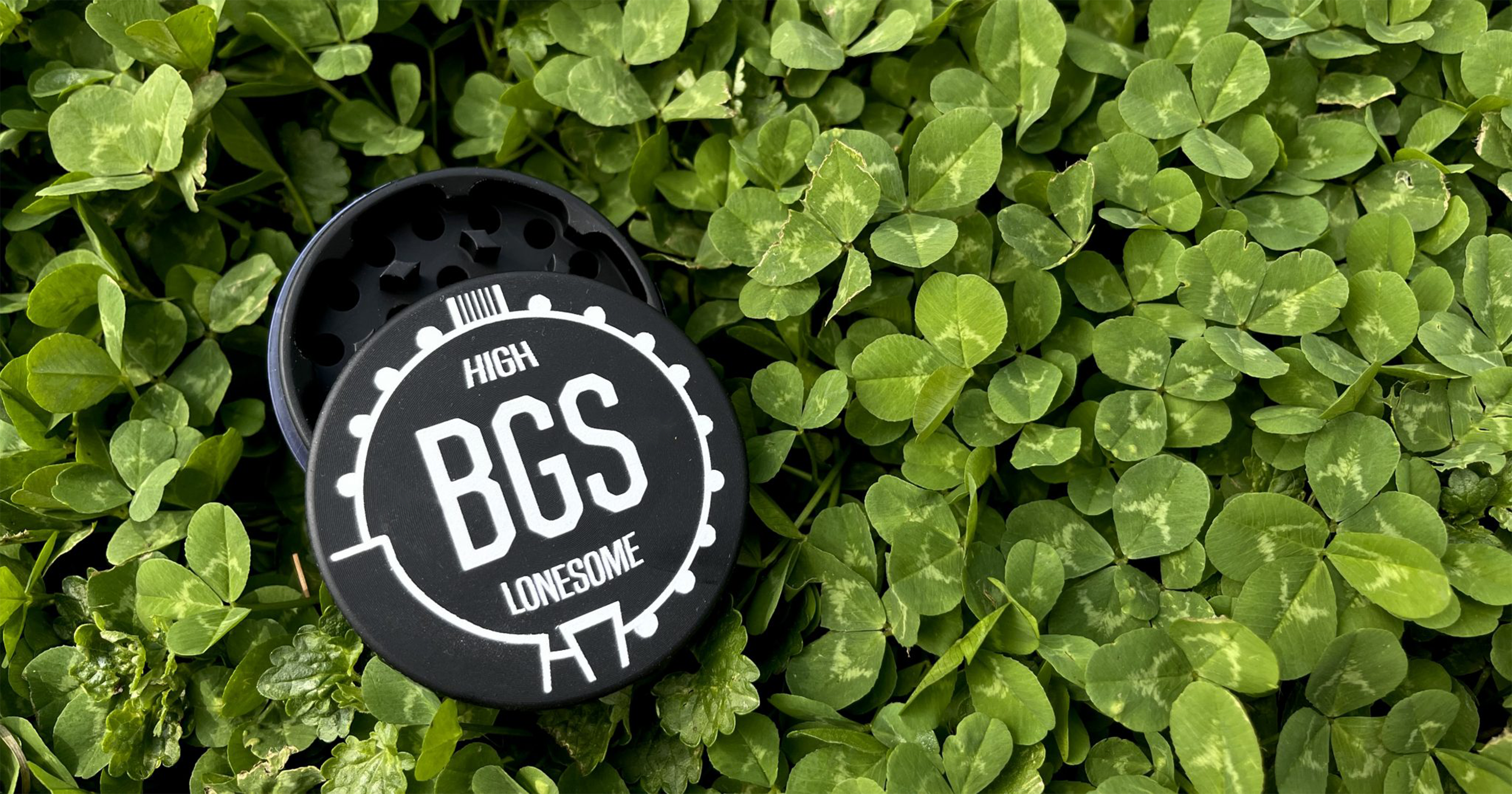
Pictured: Limited edition BGS herb grinder. Want one? Let us know in the comments and we might add them to the BGS Mercantile!